



Swipe left or right, or use the buttons. Tap image to zoom.
例句翻译
单词
Lesson 49Lesson 49 - 遮罩切换
|
表情符号
|
单词 | Images | 翻译 | 含义 | 例句 | 例句翻译 | 同义词 | 反义词 | 搭配词 | 助记符 |
|---|---|---|---|---|---|---|---|---|---|---|
|
#961
😤
|
/ˈɑb.stɪ.nə.si/
noun
(奥布斯蒂纳西)
••••••
|
|
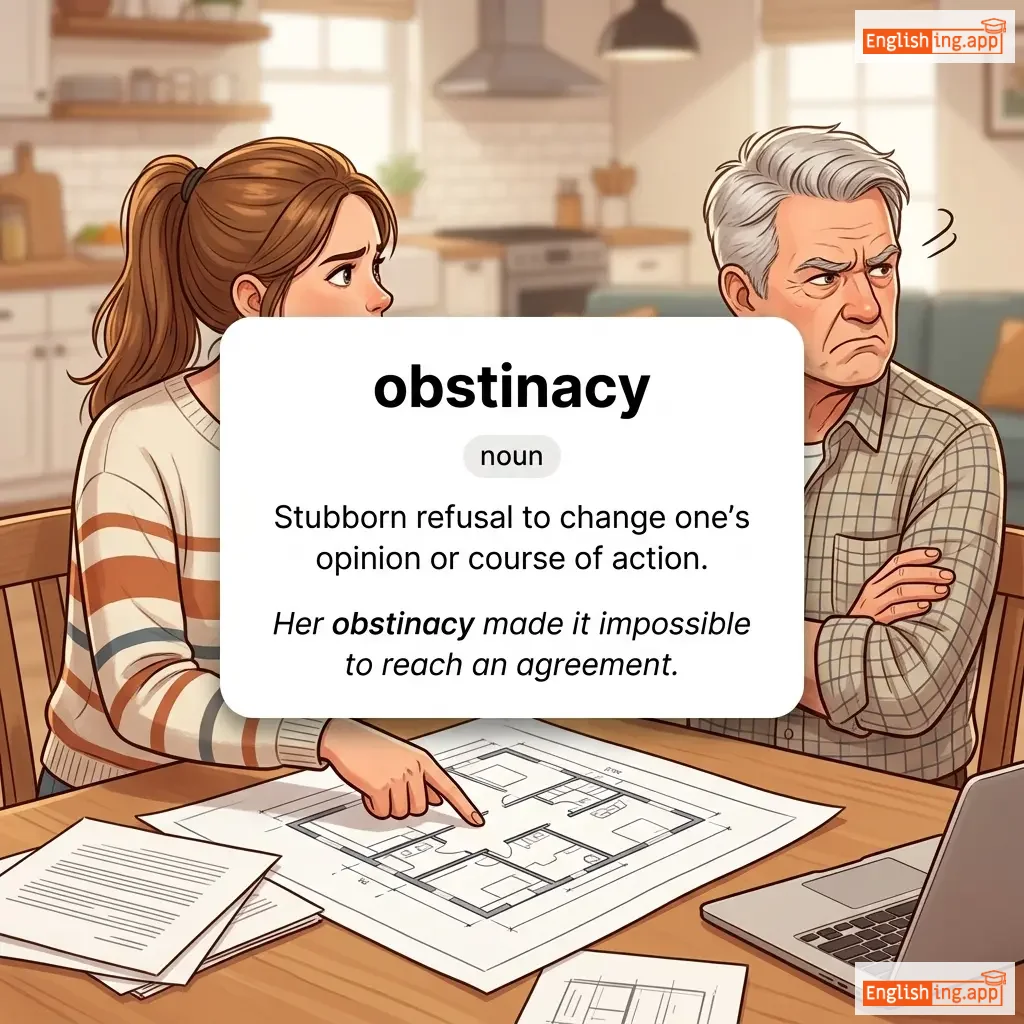
固执
obstinacy
••••••
|
stubbornness; refusal to change one's opinion or course of action
••••••
|
His obstinacy prevented him from accepting help.
他的固执让他拒绝接受帮助。
••••••
|
他的固执让他拒绝接受帮助。
ta de guzhi rang ta jujue jieshou bangzhu
••••••
|
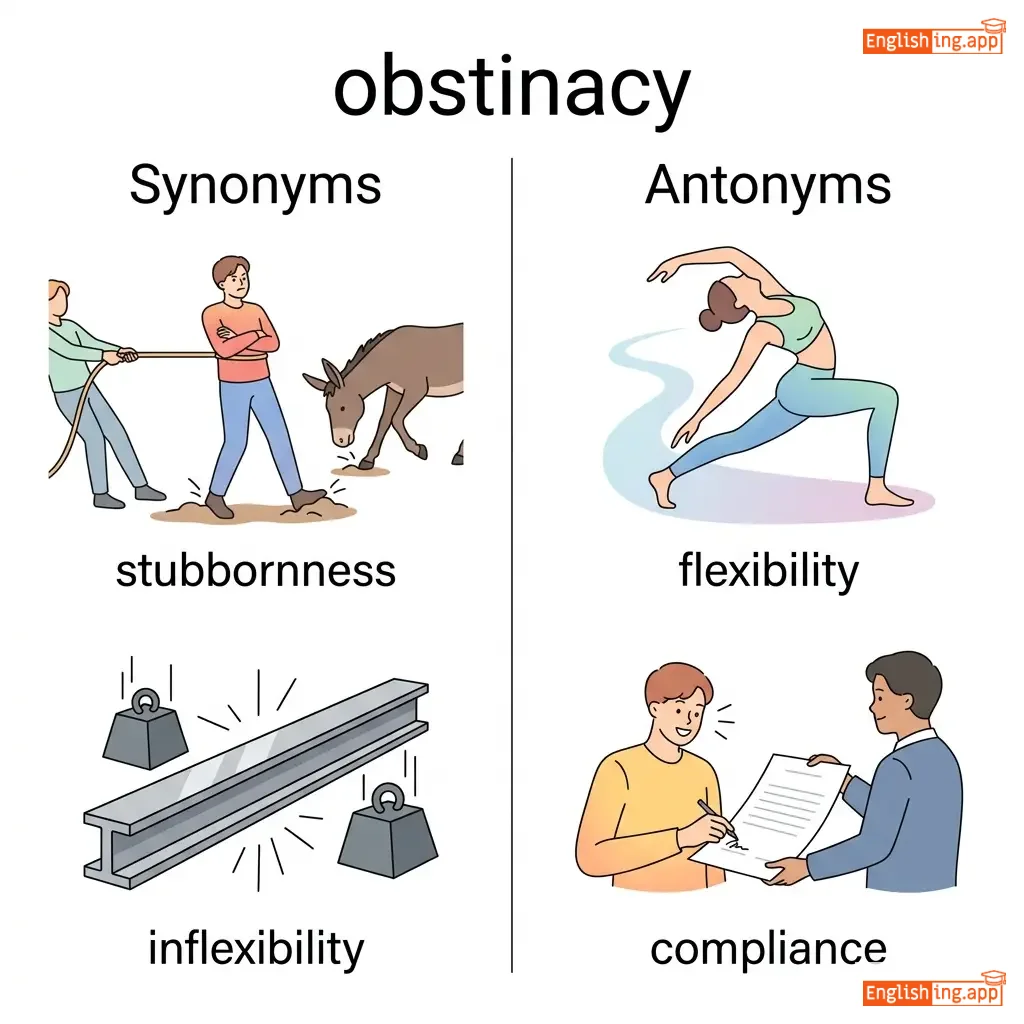
stubbornness, persistence, determination, tenacity
••••••
|
flexibility, adaptability, compliance, cooperation
••••••
|
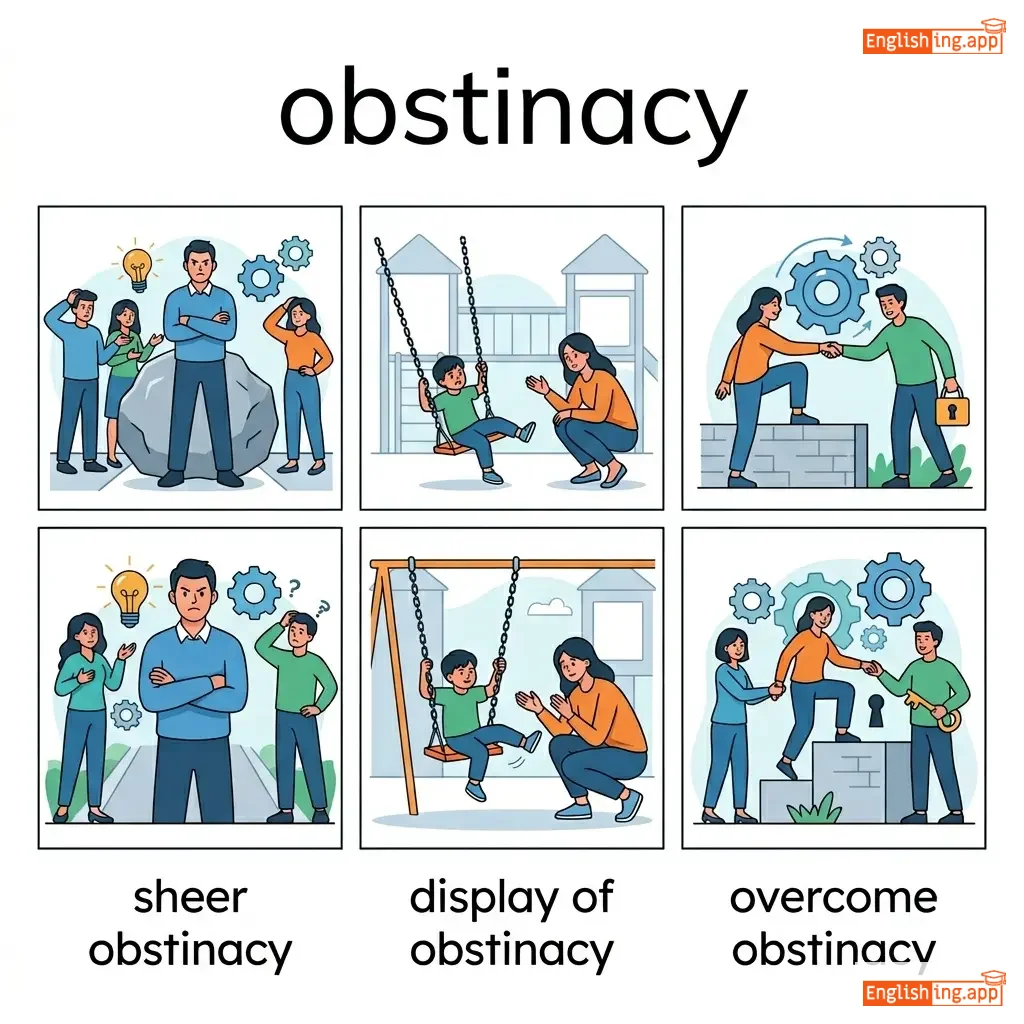
show obstinacy, overcome obstinacy, stubborn obstinacy
••••••
|
Oh Boss Stick To It: Obstinacy 就是 固执到底, 像 stone 一样 不动, Never change course.
••••••
|
|
#962
❌
|
/oʊˈmɪʃ.ən/
noun
(省略)
••••••
|
- •••••• |
省略; 排除
shenglüe; paichu
••••••
|
the action of excluding or leaving out someone or something; a failure to include
••••••
|
The omission of his name from the list was intentional. |
从列表中省略他的名字是故意的。
Cong liebie zhong shenglüe tade mingzi shi guyi de.
••••••
|
exclusion, neglect, oversight, absence
••••••
|
inclusion, addition, presence, mention
••••••
|
glaring omission, notable omission, omission from list
••••••
|
省略就是故意去遗漏!
••••••
|
|
#963
🎉
|
/əˈkeɪ.ʒən/
noun
(okaxion)
••••••
|
- •••••• |
场合; 特殊事件
changhe; tese shijian
••••••
|
a particular time or instance of an event; a special celebration
••••••
|
Their wedding was a joyous occasion. |
他们的婚礼是一个喜庆的场合。
tamen de hunli shi yige xiqing de changhe.
••••••
|
event, opportunity, instance, celebration
••••••
|
routine, ordinary time, regular day
••••••
|
special occasion, formal occasion, on occasion
••••••
|
场合就像婚礼一样,是庆祝时刻!
••••••
|
|
#964
🏁
|
/ˈɑn.set/
noun
(安赛特)
••••••
|
- •••••• |
开始; 起始
kaishi; qishi
••••••
|
the beginning or early stages of something; the start of a medical condition
••••••
|
The onset of winter brought heavy snowfall. |
冬天的开始带来了大雪。
Dongtian de kaishi daile da xue.
••••••
|
beginning, start, commencement, outbreak
••••••
|
end, conclusion, termination, finish
••••••
|
sudden onset, onset of disease, early onset
••••••
|
Onset意味着开始,就像冬季的开始带来了雪。
••••••
|
|
#965
💼
|
/ˌɑk.jəˈpeɪ.ʃən/
noun
(职业)
••••••
|
- •••••• |
职业; 工作; 占领
zhiye; gongzuo; zhanling
••••••
|
a job or profession; the action of taking control of a place
••••••
|
Teaching is her chosen occupation. |
教学是她选择的职业。
Jiaoxue shi ta xuanze de zhiye.
••••••
|
profession, job, career, work
••••••
|
unemployment, leisure, vacation, freedom
••••••
|
full-time occupation, main occupation, military occupation
••••••
|
通过职业寻找幸福
••••••
|
|
#966
💭
|
/əˈpɪn.jən/
noun
(意见)
••••••
|
- •••••• |
意见
yìjiàn
••••••
|
a view or judgment formed about something; a belief or assessment based on grounds short of proof
••••••
|
In my opinion, this is the best solution.
在我看来,这是最好的解决方案。
••••••
|
在我看来,这是最好的解决方案。
zai wo kanlai, zhe shi zuihao de jiejue fang'an.
••••••
|
view, belief, judgment, perspective
••••••
|
fact, certainty, proof, evidence
••••••
|
personal opinion, public opinion, expert opinion
••••••
|
Think of discussing opinions in Chinese with a friend and saying 'yìjiàn'!
••••••
|
|
#967
⚡
|
/əˈkɜr.əns/
noun
(ǒukèrénsī)
••••••
|
- •••••• |
事件
shìjiàn
••••••
|
an instance or event of something happening; the fact of occurring
••••••
|
The occurrence of earthquakes is common in this region. |
地震的发生在这个地区很常见。
Dìzhèn de fāshēng zài zhège dìqū hěn chángjiàn.
••••••
|
event, incident, happening, instance
••••••
|
absence, non-occurrence, prevention
••••••
|
rare occurrence, frequent occurrence, natural occurrence
••••••
|
事件 (shìjiàn) = occurrence
••••••
|
|
#968
⚔️
|
/əˈpoʊ.nənt/
noun
(对手)
••••••
|
- •••••• |
对手; 竞争者
duìshǒu; jìngzhēngzhě
••••••
|
a person who disagrees with or resists a proposal or practice; someone who competes against another
••••••
|
The chess player defeated his strongest opponent. |
象棋选手击败了他最强的对手。
xiàngqí xuǎnshǒu jī bài le tā zuì qiáng de duìshǒu.
••••••
|
adversary, rival, competitor, enemy
••••••
|
ally, supporter, friend, partner
••••••
|
political opponent, strong opponent, defeat opponent
••••••
|
对手像是跟其他竞争者进行对抗的意思
••••••
|
|
#969
🌊
|
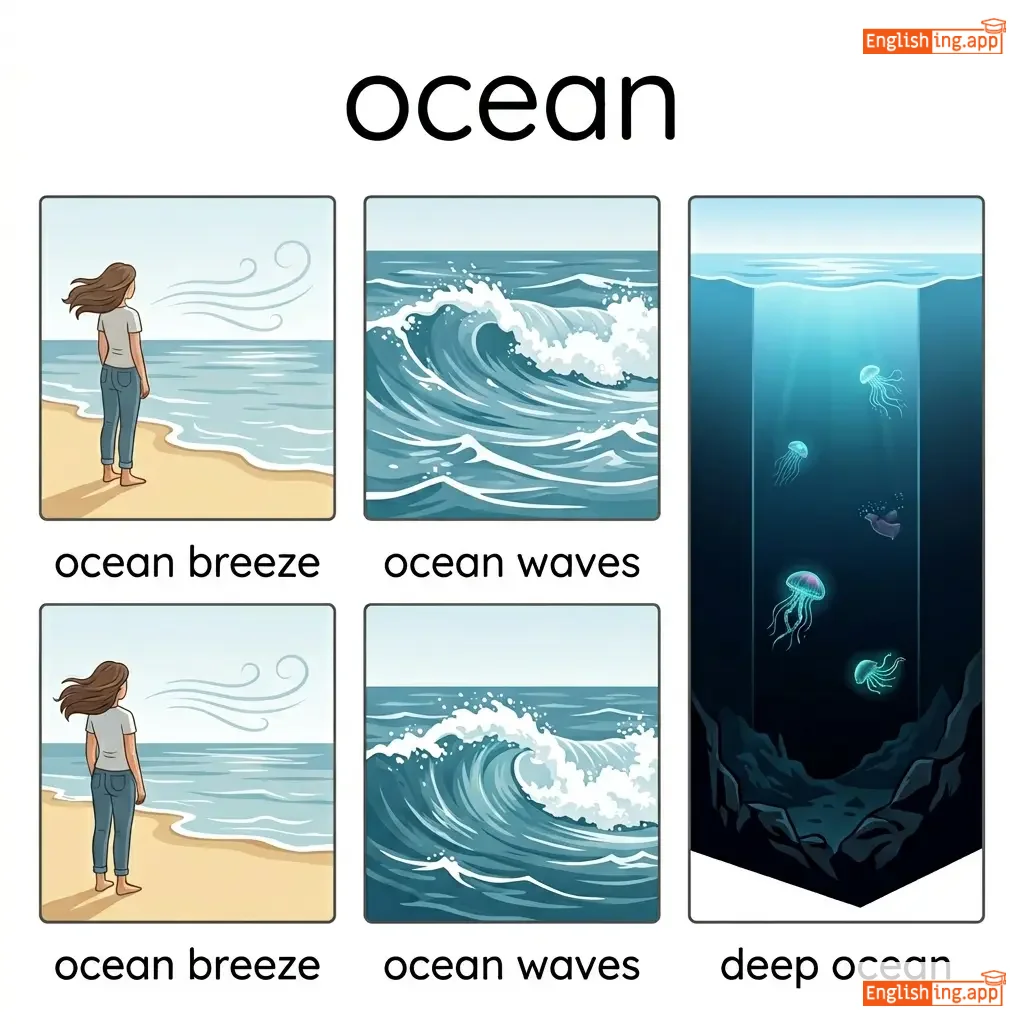
/ˈoʊ.ʃən/
noun
(hǎi pí nísī)
••••••
|
|
海洋
hǎiyáng
••••••
|
a very large expanse of sea; a large quantity of something
••••••
|
The Pacific Ocean is the largest ocean in the world.
太平洋是世界上最大的海洋。
••••••
|
太平洋是世界上最大的海洋。
Tàipíngyáng shì shìjiè shàng zuì dà de hǎiyáng.
••••••
|
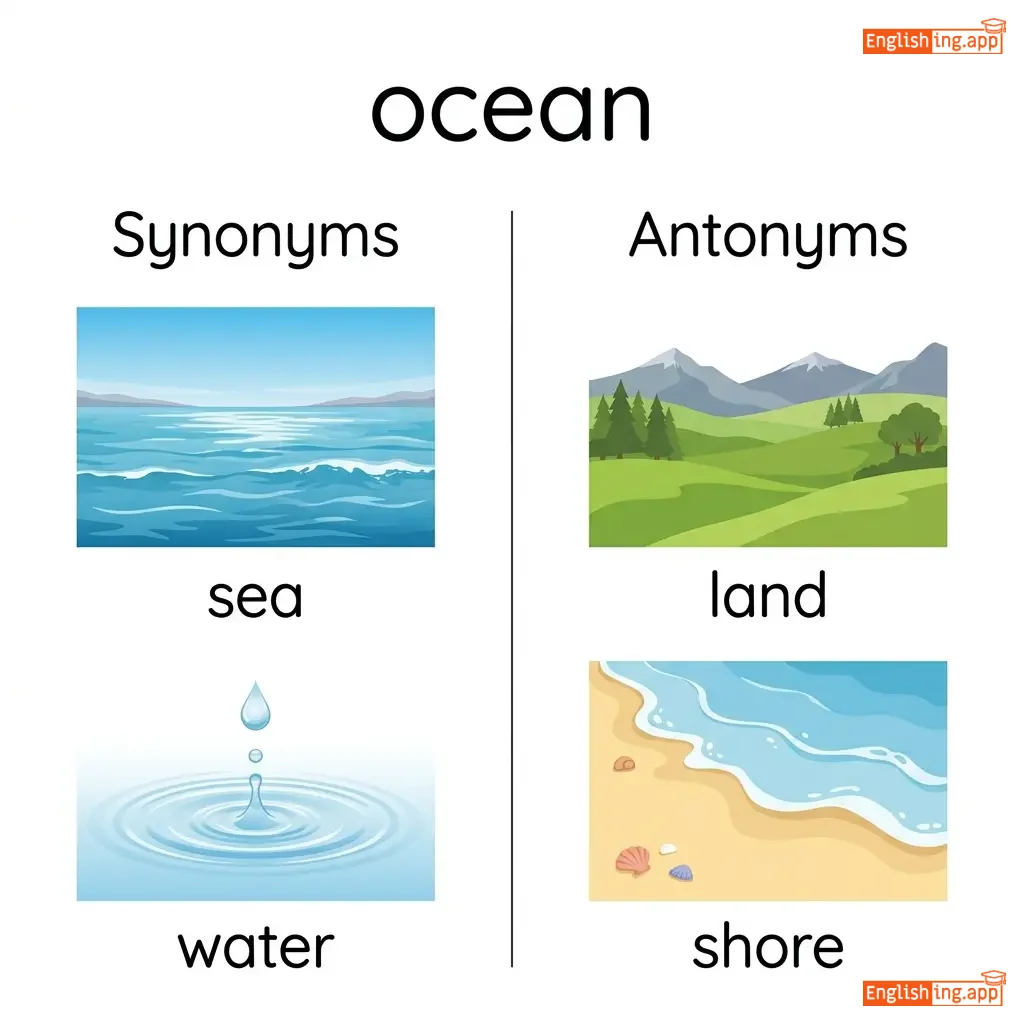
sea, marine, waters, deep
••••••
|
land, continent, desert, mountain
••••••
|
deep ocean, ocean floor, cross ocean
••••••
|
海洋如无边的浩瀚星空。
••••••
|
|
#970
⛓️
|
/əˈpreʃ.ən/
noun
(压迫)
••••••
|
- •••••• |
压迫; 虐待; 暴政;
yā pò; nüèdài; bào zhèng;
••••••
|
cruel or unjust treatment or exercise of authority; the state of being subject to harsh treatment
••••••
|
The people fought against political oppression. |
人民反对政治压迫而斗争。
Rénmín fǎnduì zhèngzhì yāpò ér dòuzhēng.
••••••
|
persecution, tyranny, subjugation, cruelty
••••••
|
freedom, liberation, justice, fairness
••••••
|
political oppression, fight oppression, end oppression
••••••
|
压迫 = 受压迫的人会反抗
••••••
|
|
#971
🤔
|
/ˈɑd.ɪ.ti/
noun
(奥迪蒂)
••••••
|
- •••••• |
奇异现象
qiyi xianxiang
••••••
|
something that is strange or unusual; a peculiar trait
••••••
|
His habit of sleeping standing up was considered an oddity.
他站着睡觉的习惯被视为一种奇异现象。
••••••
|
他站着睡觉的习惯被视为一种奇异现象。
Ta zhan zhe shui jiao de xiguan bei shi wei yi zhong qiyi xianxiang.
••••••
|
strangeness, peculiarity, abnormality, quirk
••••••
|
normality, regularity, conventionality, ordinariness
••••••
|
strange oddity, cultural oddity, curious oddity
••••••
|
In Chinese, '奇异现象' (qiyi xianxiang) means 'oddity' — strange phenomenon.
••••••
|
|
#972
😊
|
/ˈɑp.tə.mɪst/
noun
(乐观主义者)
••••••
|
- •••••• |
乐观主义者
lèguān zhǔyì zhě
••••••
|
a person who tends to be hopeful and confident about the future; someone who sees the good side of things
••••••
|
As an optimist, she always believed things would improve. |
作为乐观主义者,她一直相信事情会变得更好。
zuòwéi lèguān zhǔyì zhě, tā yīzhí xiāngxìn shìqíng huì biàn dé gèng hǎo.
••••••
|
positive thinker, hopeful person, idealist
••••••
|
pessimist, cynic, negative person
••••••
|
eternal optimist, incurable optimist, natural optimist
••••••
|
乐观主义者总是看到生活的阳光面。
••••••
|
|
#973
👃
|
/ˈoʊ.dər/
noun
(气味)
••••••
|
- •••••• |
气味
qiwei
••••••
|
a distinctive smell, especially an unpleasant one
••••••
|
The odour of fresh bread filled the kitchen.
新鲜面包的气味充满了厨房。
••••••
|
新鲜面包的气味充满了厨房。
Xīnxiān miànbāo de qìwèi chōngmǎnle chúfáng.
••••••
|
smell, scent, aroma, fragrance
••••••
|
freshness, scentless, odorless
••••••
|
pleasant odour, strong odour, foul odour
••••••
|
气味 (qiwei) in Chinese conveys the meaning of Odour in English.
••••••
|
|
#974
🔀
|
/ˈɑp.ʃən/
noun
(选项)
••••••
|
- •••••• |
选项
xuanxiang
••••••
|
a thing that is or may be chosen; an alternative course of action
••••••
|
You have the option to work from home or office. |
你可以选择在家工作或在办公室工作。
Ni keyi xuanze zai jia gongzuo huo zai bangongshi gongzuo.
••••••
|
choice, alternative, possibility, selection
••••••
|
requirement, obligation, necessity, compulsion
••••••
|
have option, best option, viable option
••••••
|
选项是选择的意思,提供其他可能的行动方式。
••••••
|
|
#975
⚠️
|
/əˈfens/
noun
(欧芬斯)
••••••
|
- •••••• |
罪行; 侵犯法规
zuìxíng; qīnfàn fǎguī
••••••
|
a breach of law or rule; an annoyance or resentment
••••••
|
Stealing is a serious offence punishable by law. |
盗窃是严重的罪行,依法可追究。
daoqie shi yanzhong de zuixing, yifa ke zhuiqiu.
••••••
|
crime, violation, wrongdoing, transgression
••••••
|
compliance, obedience, lawfulness, virtue
••••••
|
criminal offence, minor offence, commit offence
••••••
|
‘Offence’ in Chinese sounds like ‘zuìxíng’, related to crime and law.
••••••
|
|
#976
🔮
|
/ˈɔr.ə.kəl/
noun
(神谕)
••••••
|
- •••••• |
神谕
shenyu
••••••
|
a person regarded as a source of wise counsel; in ancient times, a priest or priestess acting as a medium
••••••
|
The ancient Greeks consulted the oracle at Delphi. |
古希腊人曾在德尔菲咨询神谕。
gu xi la ren ceng zai de er fei zi xun shen yu
••••••
|
prophet, seer, wise person, advisor
••••••
|
ignorant person, fool, misleader
••••••
|
ancient oracle, consult oracle, oracle of wisdom
••••••
|
神谕是古希腊人的智慧来源,就像德尔菲的神谕一样。
••••••
|
|
#977
👮♂️
|
/əˈfen.dər/
noun
(òu fēn dé)
••••••
|
- •••••• |
罪犯; 违法者
zuìfàn; wéifǎ zhě
••••••
|
a person who commits an illegal act; someone who breaks the law
••••••
|
The young offender was sentenced to community service.
那个年轻的罪犯被判社区服务。
••••••
|
那个年轻的罪犯被判社区服务。
Nàgè niánqīng de zuìfàn bèi pàn shèqū fúwù.
••••••
|
criminal, culprit, lawbreaker, wrongdoer
••••••
|
law-abiding citizen, innocent person, victim
••••••
|
repeat offender, young offender, first-time offender
••••••
|
In Chinese, a '罪犯' is someone who violates the law, just like an offender.
••••••
|
|
#978
🎤
|
/ˈɔr.ə.tər/
noun
(奥拉托)
••••••
|
- •••••• |
演说家
orator
••••••
|
a public speaker, especially one who is eloquent or skilled in speaking
••••••
|
The famous orator delivered an inspiring speech.
这位著名的演说家发表了一场鼓舞人心的演讲。
••••••
|
这位著名的演说家发表了一场鼓舞人心的演讲。
zhe wei zhu ming de yan shuo jia fa biao le yi chang gu wu ren xin de yan jiang
••••••
|
speaker, rhetorician, lecturer, spokesperson
••••••
|
listener, audience member, silent person
••••••
|
skilled orator, famous orator, powerful orator
••••••
|
奥拉托 Orator, 口才 Outshines, gong zhong yanjiang zhe on stage
••••••
|
|
#979
🔮
|
/ˈoʊ.mən/
noun
(预兆)
••••••
|
- •••••• |
未来好运或厄运的征兆
weilai haoyun huo e yun de zheng zhao
••••••
|
an event regarded as a sign of future good or bad luck
••••••
|
Many people consider a black cat crossing your path a bad omen. |
许多人认为一只黑猫横穿你的路是一个坏预兆。
xu duoren renwei yi zhi hei mao hengchuan nide lu shi yi ge huai yuzhao.
••••••
|
sign, portent, indication, warning
••••••
|
coincidence, accident, randomness
••••••
|
good omen, bad omen, evil omen
••••••
|
预兆:未来的好运或厄运的预示
••••••
|
|
#980
⚡
|
/ɔrˈdiːl/
noun
(奥德尔)
••••••
|
|
磨难
ordeal
••••••
|
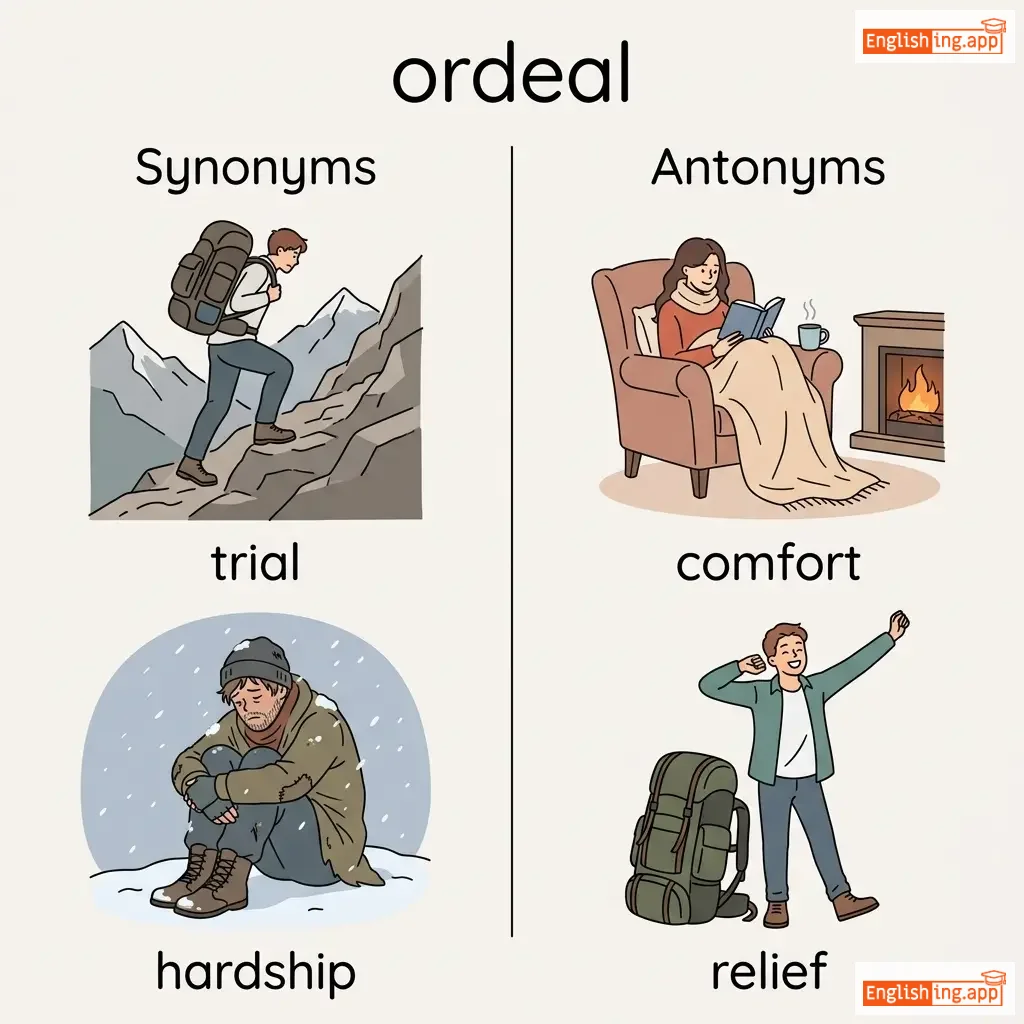
a painful or horrific experience; a severe trial or test
••••••
|
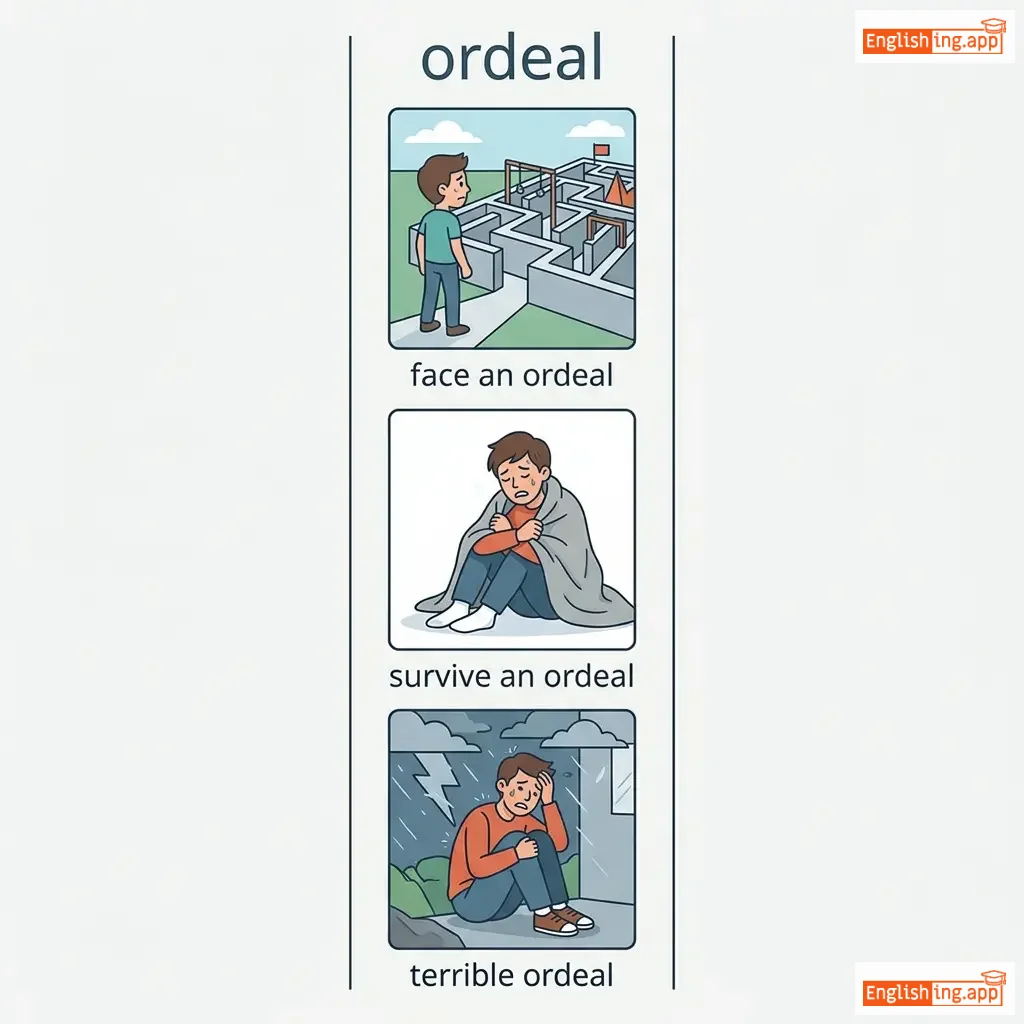
The refugees went through a terrible ordeal during the war.
难民在战争中经历了一场可怕的磨难。
••••••
|
难民在战争中经历了一场可怕的磨难。
nanmin zai zhanzheng zhong jingli le yi chang ke pa de mo nan
••••••
|
trial, tribulation, hardship, suffering
••••••
|
pleasure, comfort, ease, blessing
••••••
|
terrible ordeal, survive ordeal, endure ordeal
••••••
|
Ordeal = 奥德尔, 想象 一场 苦难 的 经历, Overcome the deal with endurance, 记住 这 就是 Ordeal.
••••••
|
Vocabulary Quiz
Test your vocabulary by matching words with their translations or meanings.
Login to take the quiz
Comments (0)
Share your thoughts and join the discussion.
Join the discussion by logging in
Login to CommentNo comments yet
Be the first to share your thoughts!