

Обновитесь для доступа ко всему словарю
Получите неограниченный доступ ко всем словам с подпиской Pro
Обновить до ProПеревод
Прошедшее
Причастие прошедшего времени
Третье лицо единственного числа
Герундий
Значение
Пример предложения
Перевод примера предложения
Синонимы
Антонимы
Коллокации
Мнемоника
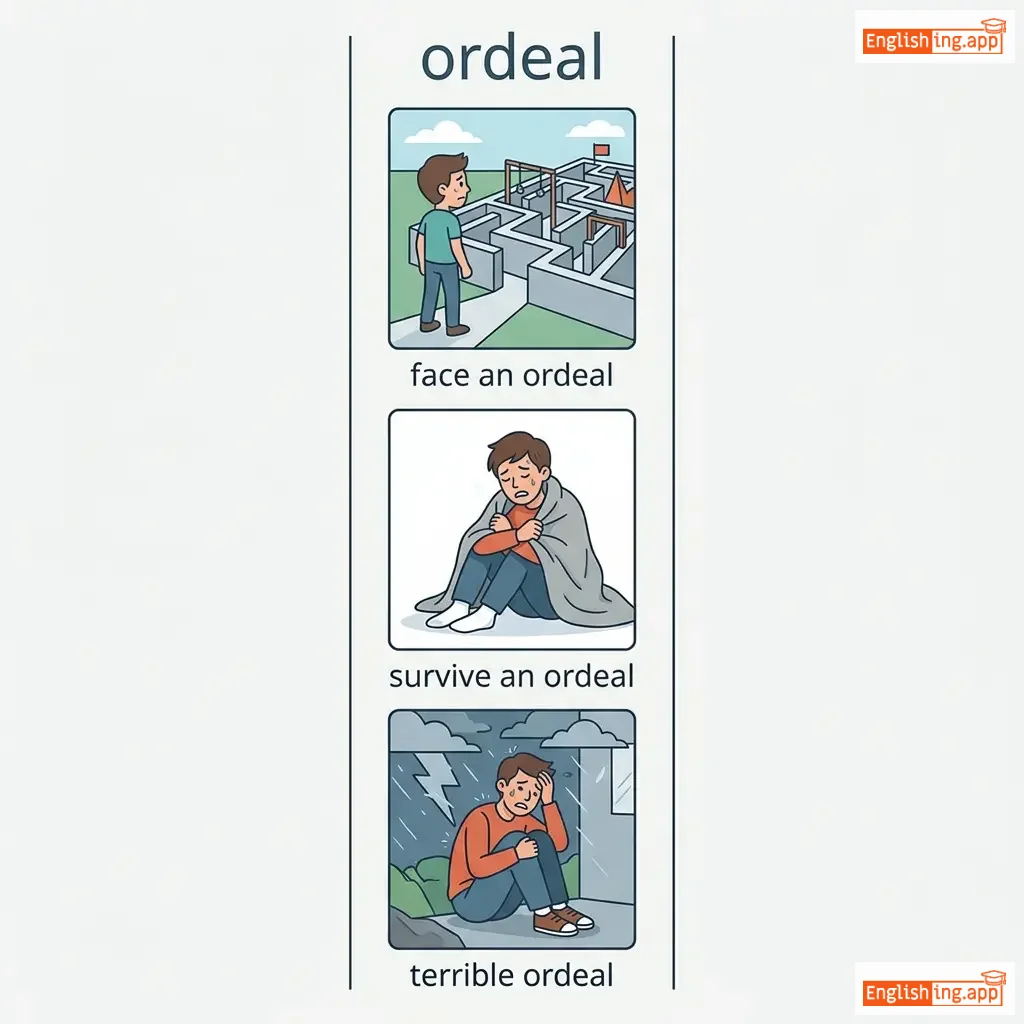
Swipe left or right, or use the buttons. Tap image to zoom.
Обновитесь для доступа ко всем предложениям
Получите неограниченный доступ ко всем предложениям с подпиской Pro
Обновить до ProПеревод примера предложения
Слово
Lesson 49Lesson 49 - Переключатель маски
|
Эмодзи
|
Слово | Images | Перевод | Значение | Пример предложения | Перевод примера предложения | Синонимы | Антонимы | Коллокации | Мнемоника |
|---|---|---|---|---|---|---|---|---|---|---|
|
#961
😤
|
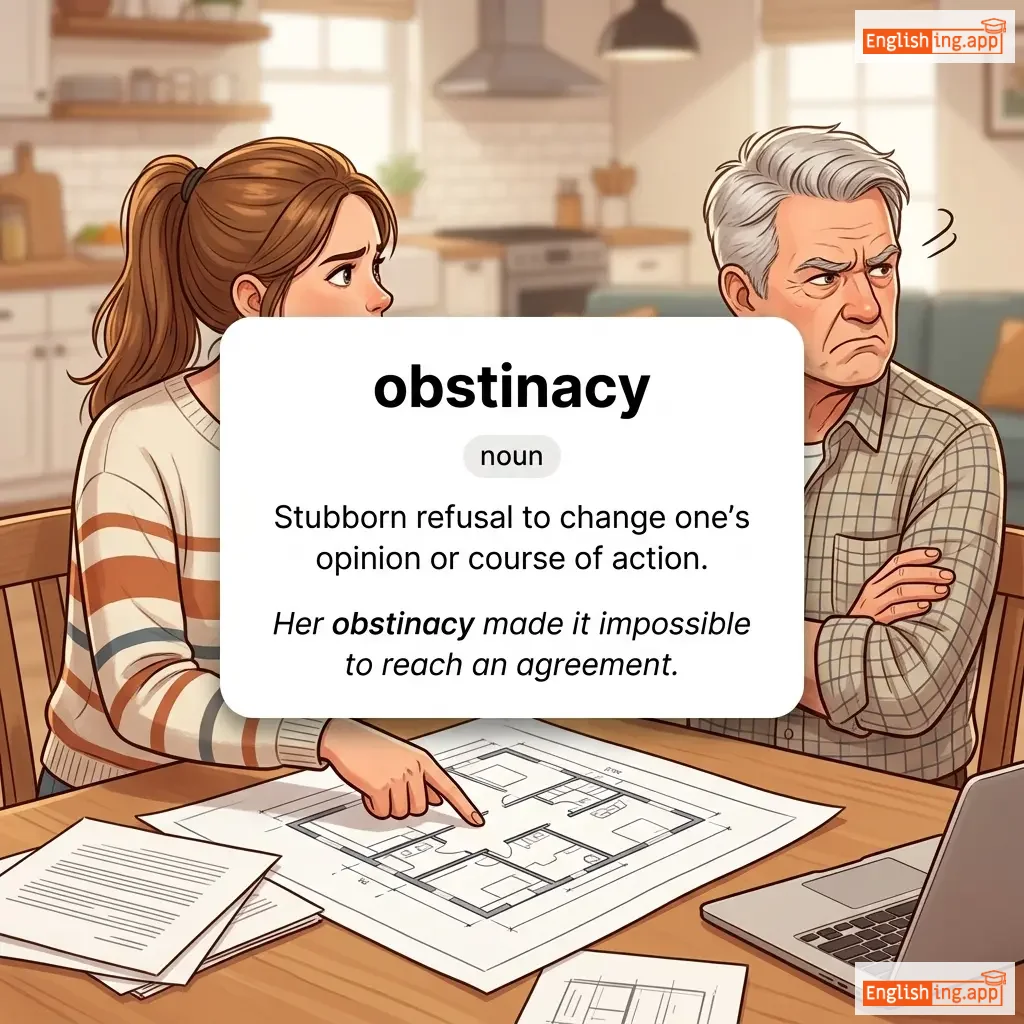
/ˈɑb.stɪ.nə.si/
noun
(Обстинаси)
••••••
|
|
упрямство
obstinasi
••••••
|
stubbornness; refusal to change one's opinion or course of action
••••••
|
His obstinacy prevented him from accepting help.
Его упрямство помешало ему принять помощь.
••••••
|
Его упрямство помешало ему принять помощь.
Ego upryamstvo pomeshalo emu prinyat pomoshch
••••••
|
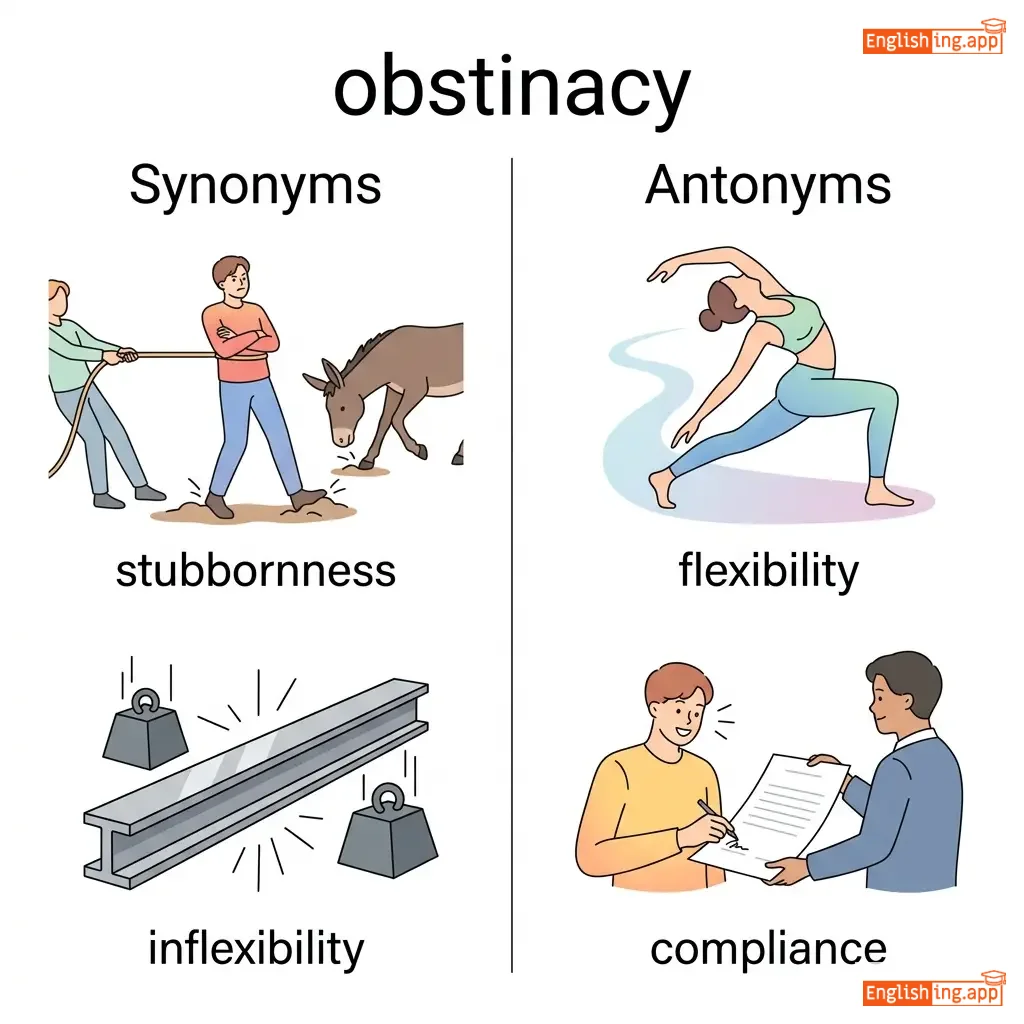
stubbornness, persistence, determination, tenacity
••••••
|
flexibility, adaptability, compliance, cooperation
••••••
|
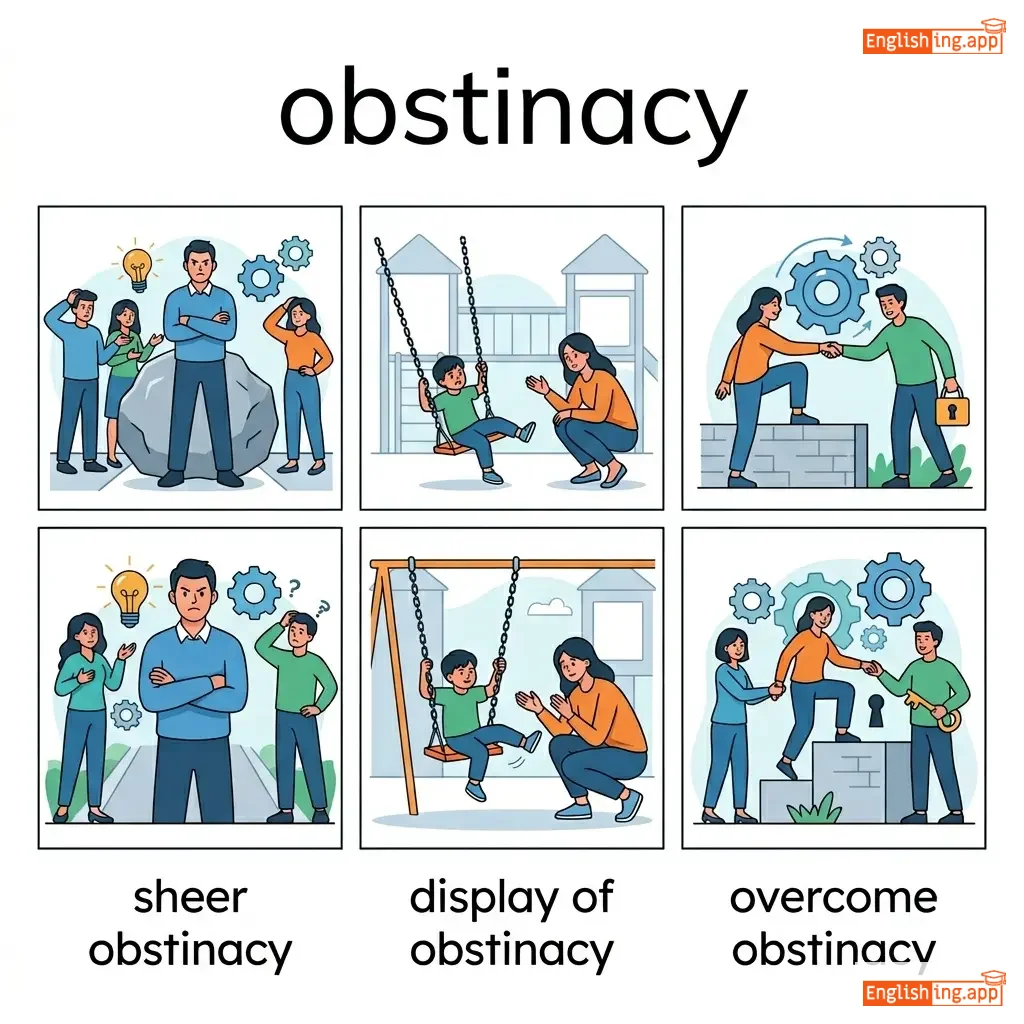
show obstinacy, overcome obstinacy, stubborn obstinacy
••••••
|
Obstinacy = obstinate + cy; вообрази Obstacle впереди и говори No, I stay — упрямство в действии
••••••
|
|
#962
❌
|
/oʊˈmɪʃ.ən/
noun
(омиссия)
••••••
|
- •••••• |
опущение; исключение
opushchenie; iskljuchenie
••••••
|
the action of excluding or leaving out someone or something; a failure to include
••••••
|
The omission of his name from the list was intentional. |
Омиссией его имени из списка было намеренное действие.
Omissiyey ego imeni iz spiska bylo namerennoe deystvie.
••••••
|
exclusion, neglect, oversight, absence
••••••
|
inclusion, addition, presence, mention
••••••
|
glaring omission, notable omission, omission from list
••••••
|
Омиссией быть! Не забудь исключить важное намеренно.
••••••
|
|
#963
🎉
|
/əˈkeɪ.ʒən/
noun
(okazija)
••••••
|
- •••••• |
случай; особый повод
sluchay; osobyy povod
••••••
|
a particular time or instance of an event; a special celebration
••••••
|
Their wedding was a joyous occasion. |
Их свадьба была радостным случаем.
ikh svad'ba byla radostnym sluchayem.
••••••
|
event, opportunity, instance, celebration
••••••
|
routine, ordinary time, regular day
••••••
|
special occasion, formal occasion, on occasion
••••••
|
Событие — это момент, как свадьба!
••••••
|
|
#964
🏁
|
/ˈɑn.set/
noun
(онсет)
••••••
|
- •••••• |
начало; старт
nachalo; start
••••••
|
the beginning or early stages of something; the start of a medical condition
••••••
|
The onset of winter brought heavy snowfall. |
Начало зимы принесло сильный снегопад.
Nachalo zimy prineslo sil'nyy snegopad.
••••••
|
beginning, start, commencement, outbreak
••••••
|
end, conclusion, termination, finish
••••••
|
sudden onset, onset of disease, early onset
••••••
|
Onset означает начало, как начало зимы со снегом.
••••••
|
|
#965
💼
|
/ˌɑk.jəˈpeɪ.ʃən/
noun
(оккупация)
••••••
|
- •••••• |
профессия; занятие; захват
professiya; zanyatiye; zakhvat
••••••
|
a job or profession; the action of taking control of a place
••••••
|
Teaching is her chosen occupation. |
Преподавание - это ее избранная профессия.
Prepodavaniye - eto yeye izbrannaya professiya.
••••••
|
profession, job, career, work
••••••
|
unemployment, leisure, vacation, freedom
••••••
|
full-time occupation, main occupation, military occupation
••••••
|
Поиск профессии через занятия.
••••••
|
|
#966
💭
|
/əˈpɪn.jən/
noun
(опинион)
••••••
|
- •••••• |
мнение
mnenie
••••••
|
a view or judgment formed about something; a belief or assessment based on grounds short of proof
••••••
|
In my opinion, this is the best solution.
По моему мнению, это лучшее решение.
••••••
|
По моему мнению, это лучшее решение.
Po moemu mneniyu, eto luchshee reshenie.
••••••
|
view, belief, judgment, perspective
••••••
|
fact, certainty, proof, evidence
••••••
|
personal opinion, public opinion, expert opinion
••••••
|
Imagine a Russian friend telling you their 'mnenie' (opinion) in a debate!
••••••
|
|
#967
⚡
|
/əˈkɜr.əns/
noun
(ɪkʊrɛns)
••••••
|
- •••••• |
случай
sluchay
••••••
|
an instance or event of something happening; the fact of occurring
••••••
|
The occurrence of earthquakes is common in this region. |
Происшествия землетрясений распространены в этом регионе.
Proisshestviya zemletryaseniya rasprostraneny v etom regione.
••••••
|
event, incident, happening, instance
••••••
|
absence, non-occurrence, prevention
••••••
|
rare occurrence, frequent occurrence, natural occurrence
••••••
|
случай (sluchay) = occurrence
••••••
|
|
#968
⚔️
|
/əˈpoʊ.nənt/
noun
(оппонент)
••••••
|
- •••••• |
оппонент; соперник
opponent; sopernik
••••••
|
a person who disagrees with or resists a proposal or practice; someone who competes against another
••••••
|
The chess player defeated his strongest opponent. |
Шахматист победил своего самого сильного оппонента.
Shakhmatist pobedil svoego samogo sil'nogo opponent.
••••••
|
adversary, rival, competitor, enemy
••••••
|
ally, supporter, friend, partner
••••••
|
political opponent, strong opponent, defeat opponent
••••••
|
Оппонент похож на соперника, в игре с ним идет борьба.
••••••
|
|
#969
🌊
|
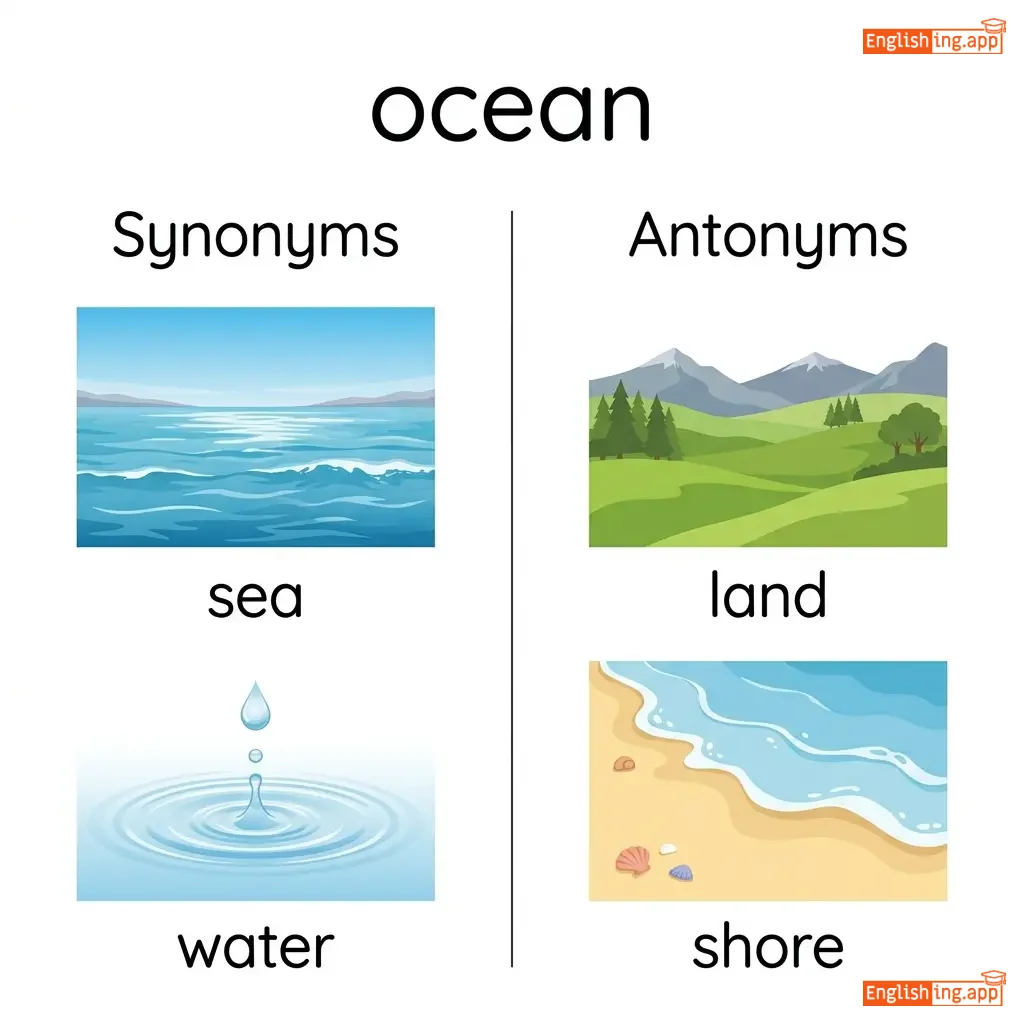
/ˈoʊ.ʃən/
noun
(óushen)
••••••
|
|
океан
okean
••••••
|
a very large expanse of sea; a large quantity of something
••••••
|
The Pacific Ocean is the largest ocean in the world.
Тихий океан — крупнейший океан в мире.
••••••
|
Тихий океан — крупнейший океан в мире.
Tikhiy okean — krupneyshiy okean v mire.
••••••
|
sea, marine, waters, deep
••••••
|
land, continent, desert, mountain
••••••
|
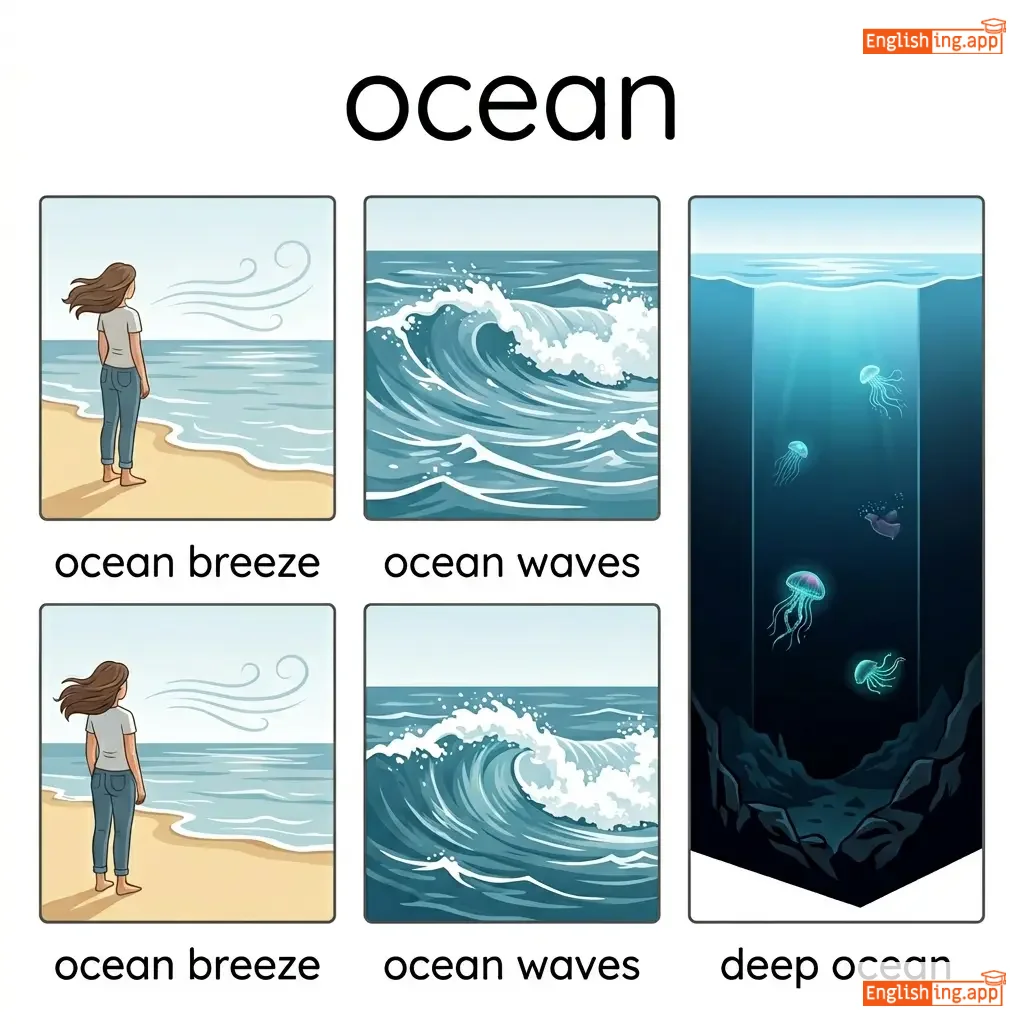
deep ocean, ocean floor, cross ocean
••••••
|
Океан — безбрежное море, как вечность.
••••••
|
|
#970
⛓️
|
/əˈpreʃ.ən/
noun
(опрессия)
••••••
|
- •••••• |
угнетение; насилие; тирания;
ugnetenie; nasilie; tiraniya;
••••••
|
cruel or unjust treatment or exercise of authority; the state of being subject to harsh treatment
••••••
|
The people fought against political oppression. |
Люди боролись против политического угнетения.
Lyudi borolis' protiv politicheskogo ugneteniya.
••••••
|
persecution, tyranny, subjugation, cruelty
••••••
|
freedom, liberation, justice, fairness
••••••
|
political oppression, fight oppression, end oppression
••••••
|
Угнетение = жестокое обращение с людьми
••••••
|
|
#971
🤔
|
/ˈɑd.ɪ.ti/
noun
(одити)
••••••
|
- •••••• |
странность
strannost
••••••
|
something that is strange or unusual; a peculiar trait
••••••
|
His habit of sleeping standing up was considered an oddity.
Его привычка спать стоя считалась странностью.
••••••
|
Его привычка спать стоя считалась странностью.
Ego priglychka spat' stoya schitalas' strannost'yu.
••••••
|
strangeness, peculiarity, abnormality, quirk
••••••
|
normality, regularity, conventionality, ordinariness
••••••
|
strange oddity, cultural oddity, curious oddity
••••••
|
In Russian, 'странность' for 'oddity' — sounds like 'strange' with 'n' for an unusual trait.
••••••
|
|
#972
😊
|
/ˈɑp.tə.mɪst/
noun
(оптимист)
••••••
|
- •••••• |
оптимист
optimist
••••••
|
a person who tends to be hopeful and confident about the future; someone who sees the good side of things
••••••
|
As an optimist, she always believed things would improve. |
Как оптимист, она всегда верила, что вещи улучшатся.
Kak optimist, ona vsegda verila, chto veshchi uluchshatsya.
••••••
|
positive thinker, hopeful person, idealist
••••••
|
pessimist, cynic, negative person
••••••
|
eternal optimist, incurable optimist, natural optimist
••••••
|
Оптимист всегда верит, что завтра будет лучше.
••••••
|
|
#973
👃
|
/ˈoʊ.dər/
noun
(запах)
••••••
|
- •••••• |
запах
zapakh
••••••
|
a distinctive smell, especially an unpleasant one
••••••
|
The odour of fresh bread filled the kitchen.
Запах свежего хлеба наполнил кухню.
••••••
|
Запах свежего хлеба наполнил кухню.
Zapakh svezhogo khleba napolnil kukhnyu.
••••••
|
smell, scent, aroma, fragrance
••••••
|
freshness, scentless, odorless
••••••
|
pleasant odour, strong odour, foul odour
••••••
|
Запах (zapakh) in Russian is a distinct smell, like Odour in English.
••••••
|
|
#974
🔀
|
/ˈɑp.ʃən/
noun
(опшн)
••••••
|
- •••••• |
опция
optsiya
••••••
|
a thing that is or may be chosen; an alternative course of action
••••••
|
You have the option to work from home or office. |
У вас есть опция работать из дома или из офиса.
U vas yest' optsiya rabotat' iz doma ili iz ofisa.
••••••
|
choice, alternative, possibility, selection
••••••
|
requirement, obligation, necessity, compulsion
••••••
|
have option, best option, viable option
••••••
|
Опция - это выбор, альтернатива, которая может быть выбрана.
••••••
|
|
#975
⚠️
|
/əˈfens/
noun
(офенс)
••••••
|
- •••••• |
проступок; нарушение закона
prostoopok; narushenie zakona
••••••
|
a breach of law or rule; an annoyance or resentment
••••••
|
Stealing is a serious offence punishable by law. |
Кража — это серьёзный проступок, подлежащий наказанию по закону.
Krazha — eto seryoznyy prostoopok, podlezhaschiy nakazaniyu po zakonu.
••••••
|
crime, violation, wrongdoing, transgression
••••••
|
compliance, obedience, lawfulness, virtue
••••••
|
criminal offence, minor offence, commit offence
••••••
|
‘Offense’ in Russian reminds you of ‘narushenie zakona’, linking to law.
••••••
|
|
#976
🔮
|
/ˈɔr.ə.kəl/
noun
(оракл)
••••••
|
- •••••• |
оракул
orakul
••••••
|
a person regarded as a source of wise counsel; in ancient times, a priest or priestess acting as a medium
••••••
|
The ancient Greeks consulted the oracle at Delphi. |
Древние греки консультировались с оракулом в Дельфах.
drevnie greki konsul'tirovalis' s orakulom v Delfakh
••••••
|
prophet, seer, wise person, advisor
••••••
|
ignorant person, fool, misleader
••••••
|
ancient oracle, consult oracle, oracle of wisdom
••••••
|
Оракул был источником мудрости для древних греков, как в Дельфах.
••••••
|
|
#977
👮♂️
|
/əˈfen.dər/
noun
(о.фен.дэр)
••••••
|
- •••••• |
правонарушитель; нарушитель закона
pravo-naru-shi-tel'; naru-shi-tel' zakona
••••••
|
a person who commits an illegal act; someone who breaks the law
••••••
|
The young offender was sentenced to community service.
молодой правонарушитель был приговорен к общественным работам.
••••••
|
Молодой правонарушитель был приговорен к общественным работам.
Molodoj pravonarushitel' byl prigovoren k obshchestvennym rabotam.
••••••
|
criminal, culprit, lawbreaker, wrongdoer
••••••
|
law-abiding citizen, innocent person, victim
••••••
|
repeat offender, young offender, first-time offender
••••••
|
A 'правонарушитель' breaks the law, like an offender.
••••••
|
|
#978
🎤
|
/ˈɔr.ə.tər/
noun
(Оратор)
••••••
|
- •••••• |
оратор
orator
••••••
|
a public speaker, especially one who is eloquent or skilled in speaking
••••••
|
The famous orator delivered an inspiring speech.
Известный оратор произнес вдохновляющую речь.
••••••
|
Известный оратор произнес вдохновляющую речь.
Izvestnyy orator proiznes vdokhnovlyaushchuyu rech.
••••••
|
speaker, rhetorician, lecturer, spokesperson
••••••
|
listener, audience member, silent person
••••••
|
skilled orator, famous orator, powerful orator
••••••
|
OraTOR = ORA + TOR: ORA звучит как ора, TOR как тор; запомни: оратор говорит красноречиво.
••••••
|
|
#979
🔮
|
/ˈoʊ.mən/
noun
(омен)
••••••
|
- •••••• |
предвестие будущего удачи или неудачи
predvestie budushchego udachi ili neudachi
••••••
|
an event regarded as a sign of future good or bad luck
••••••
|
Many people consider a black cat crossing your path a bad omen. |
Многие люди считают, что черная кошка, пересекающая ваш путь, - это плохой знак.
Mnogie lyudi schitayut, chto chernaya koshka, peresekayushchaya vash put', eto plokhoy znak.
••••••
|
sign, portent, indication, warning
••••••
|
coincidence, accident, randomness
••••••
|
good omen, bad omen, evil omen
••••••
|
Предвестие: То, что предсказывает удачу или неудачу в будущем
••••••
|
|
#980
⚡
|
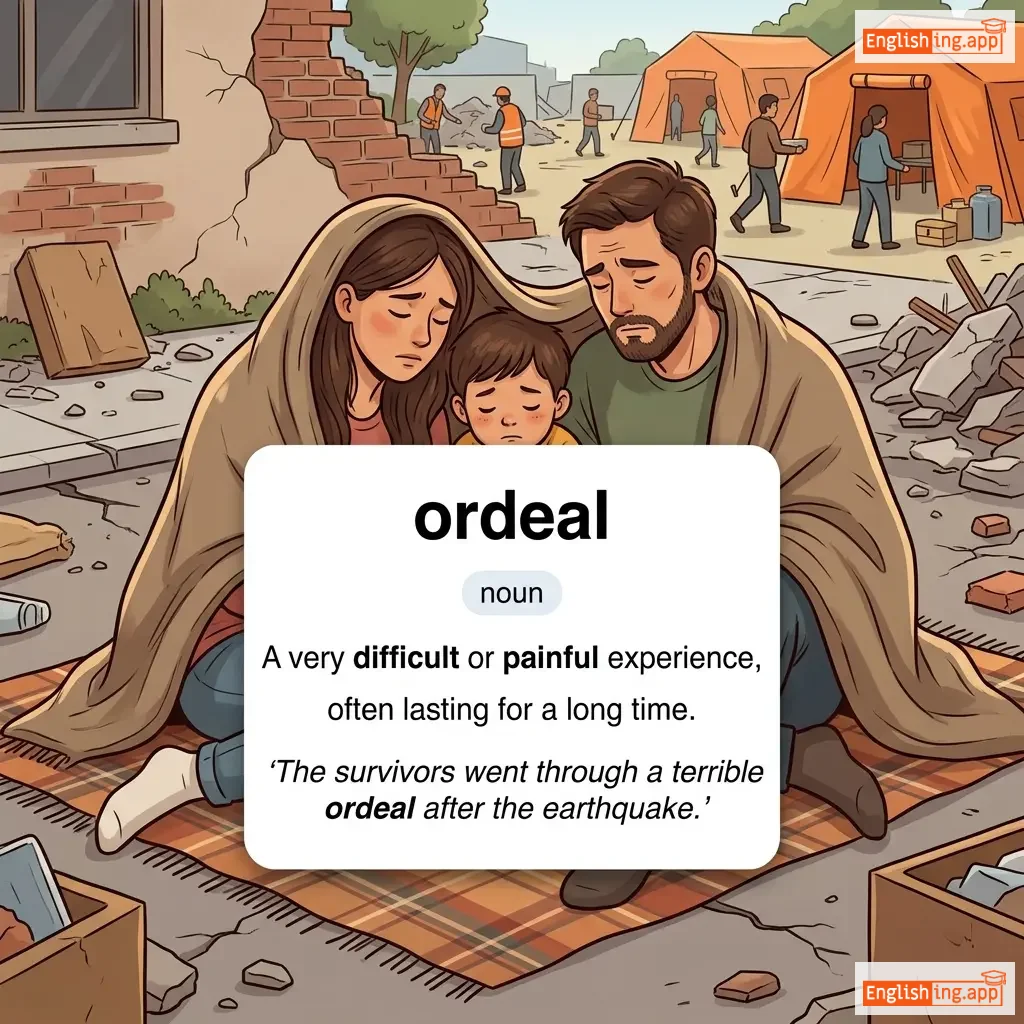
/ɔrˈdiːl/
noun
(Ордеал)
••••••
|
|
испытание
ordeal
••••••
|
a painful or horrific experience; a severe trial or test
••••••
|
The refugees went through a terrible ordeal during the war.
зе рэфьюджиз вент тру а террибл ордеал дьюринг зе вар
••••••
|
Беженцы пережили ужасное испытание во время войны.
Bezhentsy perezhili uzhasnoye ispytanie vo vremya voyny.
••••••
|
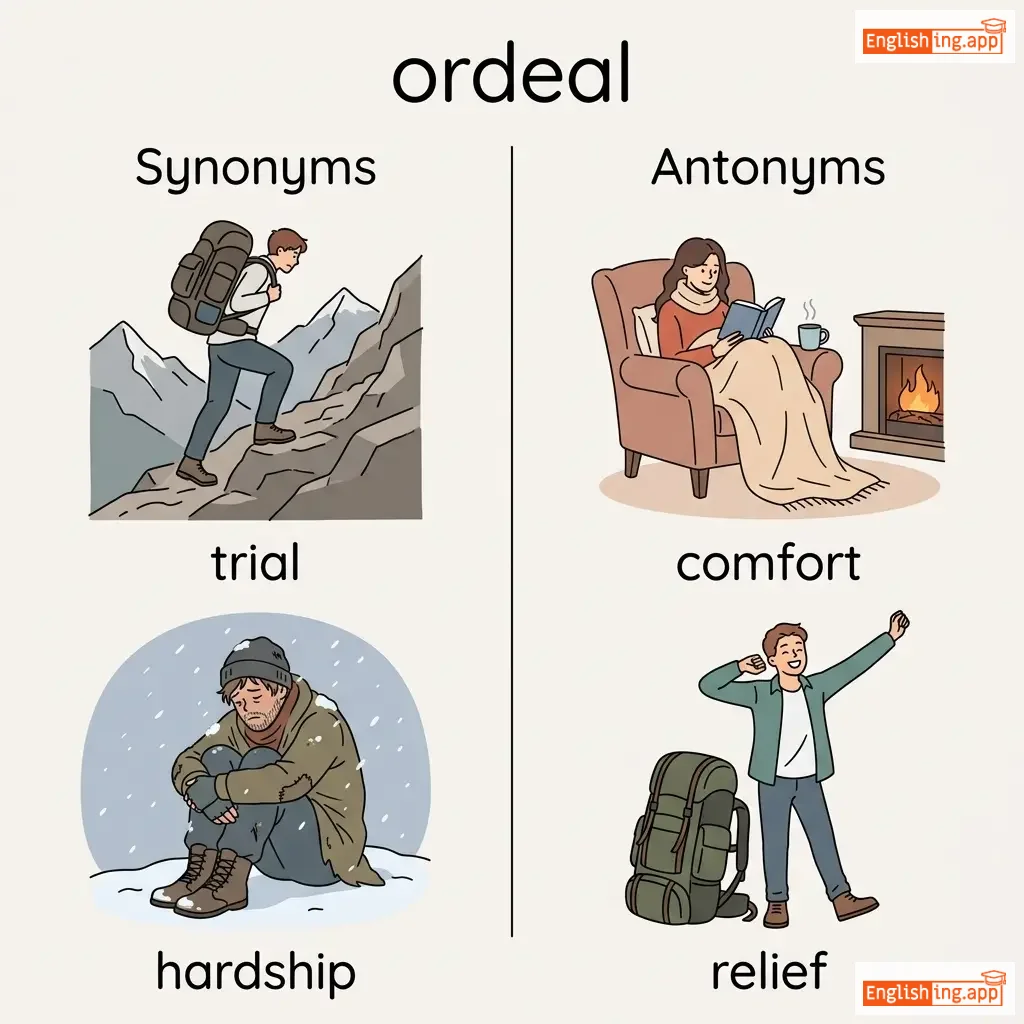
trial, tribulation, hardship, suffering
••••••
|
pleasure, comfort, ease, blessing
••••••
|
terrible ordeal, survive ordeal, endure ordeal
••••••
|
Ordeal = Or + deal. Or means или, deal means дело. Представь, что выбор или дело превращается в суровое испытание.
••••••
|
Vocabulary Quiz
Test your vocabulary by matching words with their translations or meanings.
Login to take the quiz
Comments (0)
Share your thoughts and join the discussion.
Join the discussion by logging in
Login to CommentNo comments yet
Be the first to share your thoughts!