

Обновитесь для доступа ко всему словарю
Получите неограниченный доступ ко всем словам с подпиской Pro
Обновить до ProПеревод
Прошедшее
Причастие прошедшего времени
Третье лицо единственного числа
Герундий
Значение
Пример предложения
Перевод примера предложения
Синонимы
Антонимы
Коллокации
Мнемоника

Swipe left or right, or use the buttons. Tap image to zoom.
Обновитесь для доступа ко всем предложениям
Получите неограниченный доступ ко всем предложениям с подпиской Pro
Обновить до ProПеревод примера предложения
Слово
Lesson 37Lesson 37 - Переключатель маски
|
Эмодзи
|
Слово | Images | Перевод | Значение | Пример предложения | Перевод примера предложения | Синонимы | Антонимы | Коллокации | Мнемоника |
|---|---|---|---|---|---|---|---|---|---|---|
|
#721
🧪
|
/ləˈbɔːr.ə.tɔːr.i/
noun
(лаборатория)
••••••
|
- •••••• |
лаборатория
laboratoriya
••••••
|
a room or building equipped for scientific experiments, research, or teaching
••••••
|
The scientists conducted their experiments in the well-equipped laboratory.
Учёные проводили свои эксперименты в хорошо оснащённой лаборатории.
••••••
|
Учёные проводили свои эксперименты в хорошо оснащённой лаборатории.
Uchyonye provodili svoi eksperimenty v khorosho osnashchyonnoj laboratorii.
••••••
|
lab, research facility, testing center, workshop
••••••
|
field, natural environment, outdoor space, uncontrolled setting
••••••
|
research laboratory, science laboratory, computer lab
••••••
|
Лаборатория — это место, где учёные проводят эксперименты.
••••••
|
|
#722
🛬
|
/ˈlænd.ɪŋ/
noun
(лендинг)
••••••
|
- •••••• |
посадка
posadka
••••••
|
the action of coming to rest on the ground or another surface; a level area at the top of a staircase
••••••
|
The pilot made a smooth landing despite the stormy weather conditions.
Пилот совершил мягкую посадку несмотря на штормовые погодные условия.
••••••
|
Пилот совершил мягкую посадку, несмотря на штормовые погодные условия.
Pilot sovershil myagkuyu posadku, nesmotrya na shtormovye pogodnye usloviya.
••••••
|
touchdown, arrival, descent, alighting
••••••
|
takeoff, departure, ascent, launch
••••••
|
smooth landing, emergency landing, airplane landing
••••••
|
Подумай о слове 'посадка', как о плавном приземлении на землю.
••••••
|
|
#723
🌀
|
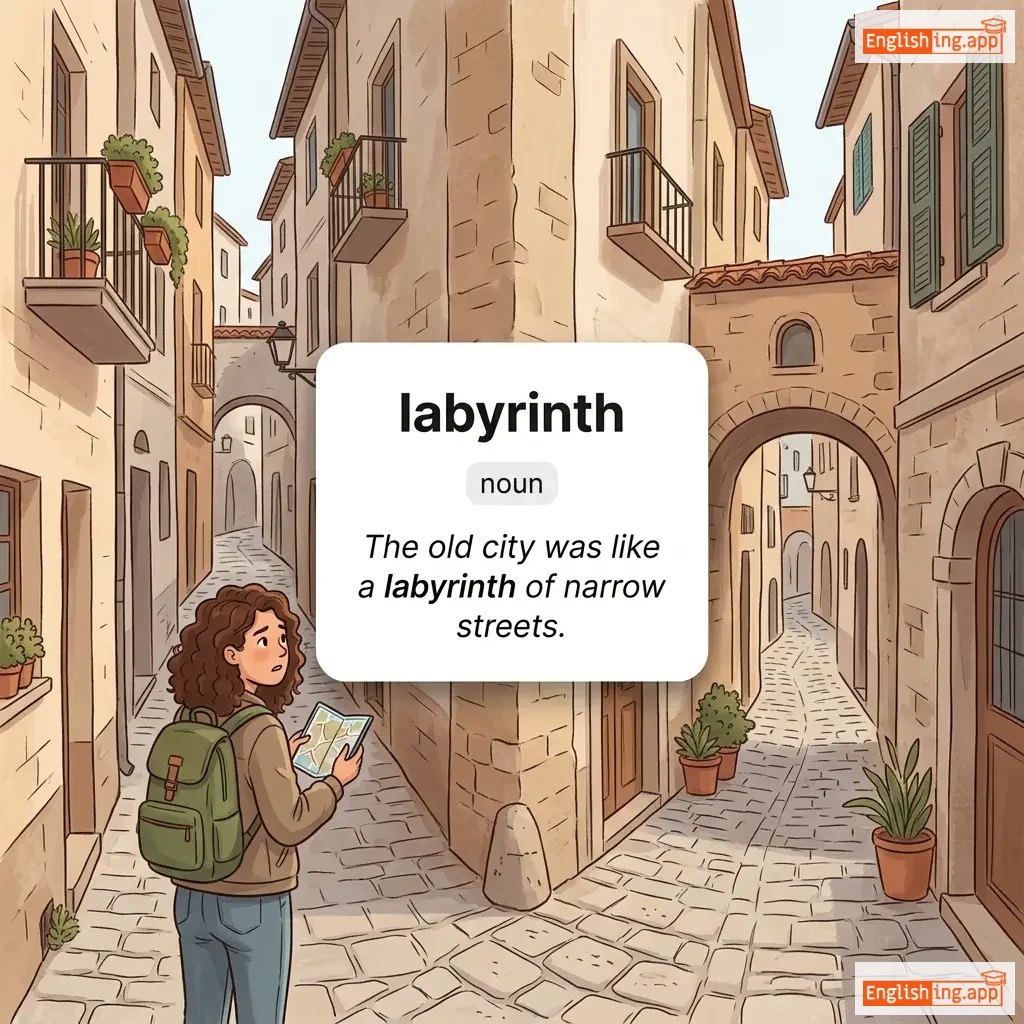
/ˈlæb.ə.rɪnθ/
noun
(лабиринт)
••••••
|
|
лабиринт
labirint
••••••
|
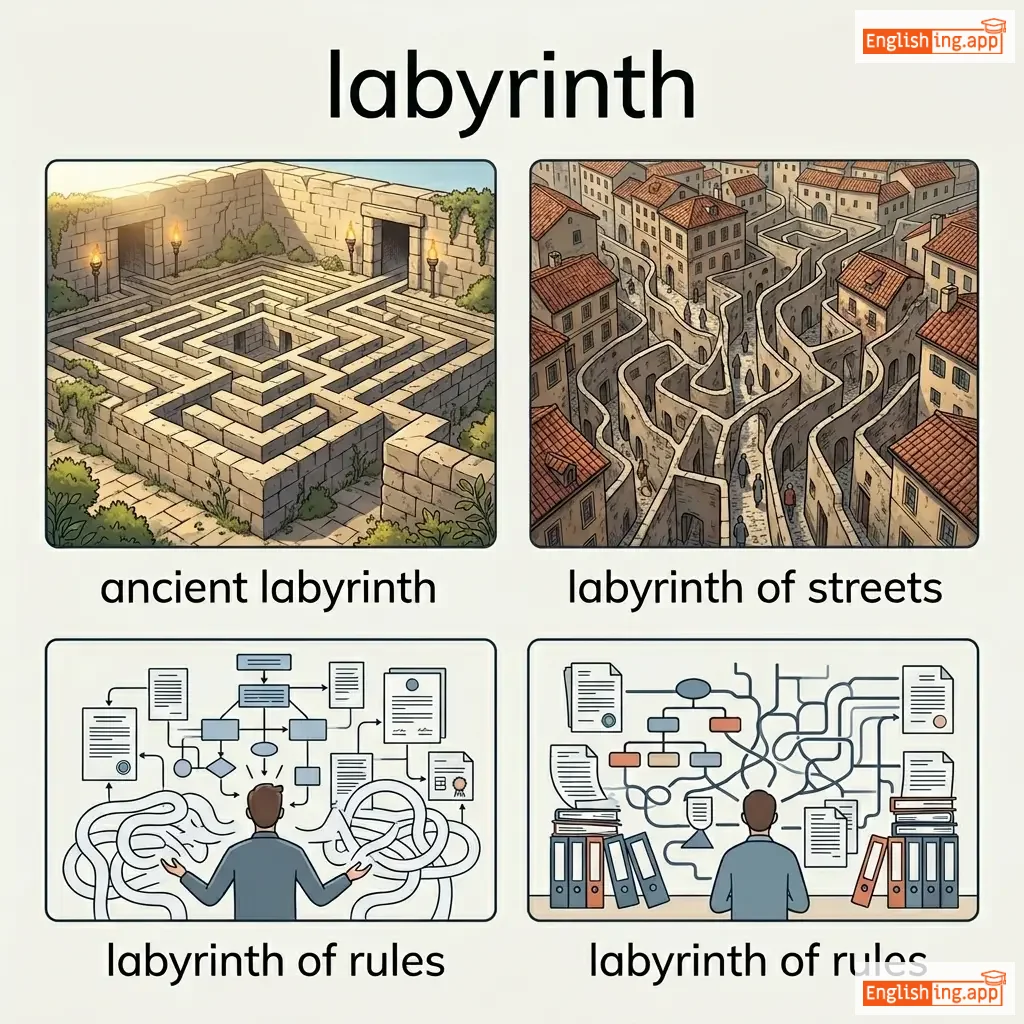
a complicated network of paths or passages; a maze
••••••
|
The old castle had a labyrinth of underground tunnels. |
Старый замок имел лабиринт подземных туннелей.
Staryy zamok imel labirint podzemnykh tunnelyey.
••••••
|
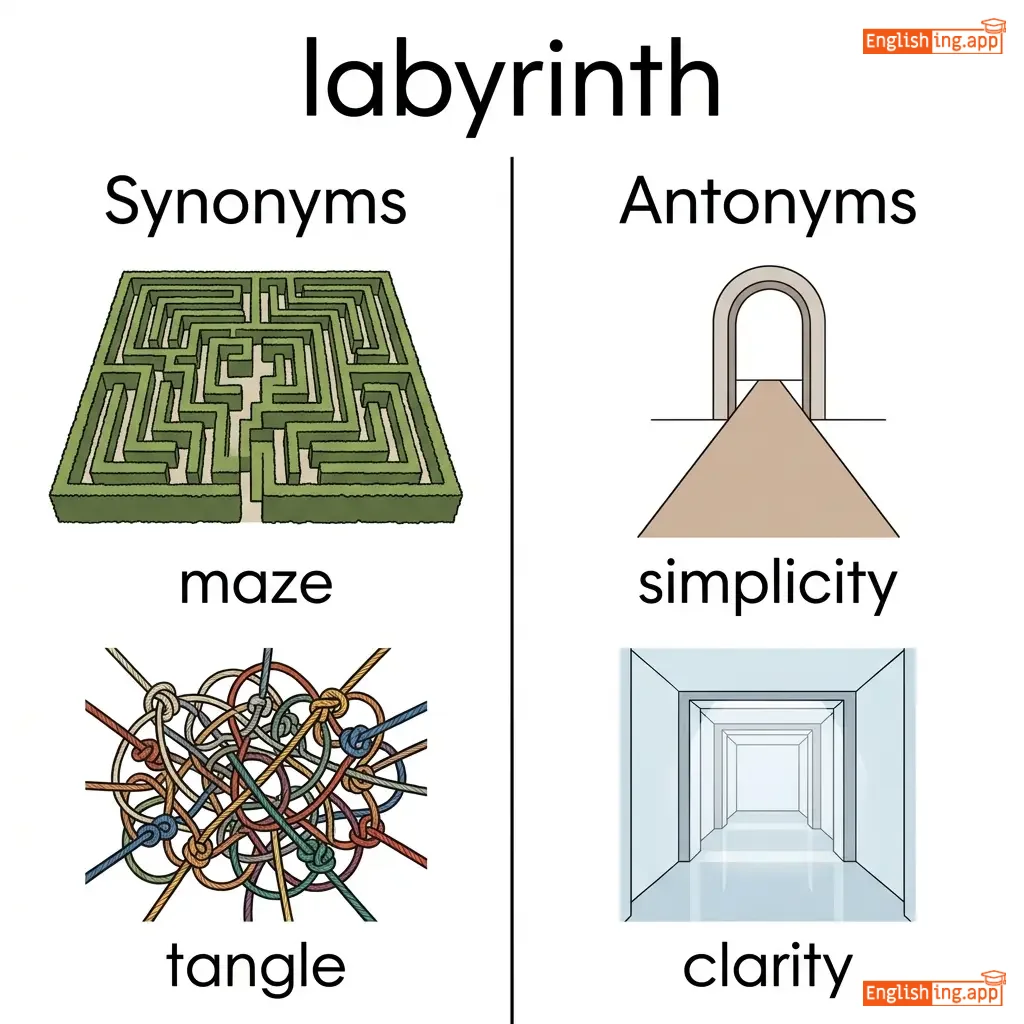
maze, network, tangle, complex
••••••
|
straight path, simple route, clear way, direct passage
••••••
|
underground labyrinth, complex labyrinth, lost in labyrinth
••••••
|
In Russian, 'лабиринт' sounds very similar to the English word 'labyrinth'!
••••••
|
|
#724
👩🏠
|
/ˈlænd.leɪ.di/
noun
(landlady)
••••••
|
- •••••• |
арендодательница
arendodatelnitsa
••••••
|
a woman who rents out land, a building, or accommodation; a female property owner
••••••
|
The friendly landlady provided fresh towels and showed us around the apartment. |
Добрая арендодательница предоставила свежие полотенца и показала нам квартиру.
Dobrya arendodatelnitsa predostavila svezhiye polotentsa i pokazala nam kvartiru.
••••••
|
property owner, lessor, hostess, proprietress
••••••
|
tenant, renter, lodger, guest
••••••
|
friendly landlady, strict landlady, apartment landlady
••••••
|
Think 'arenda' (rent) to remember 'arendodatelnitsa'.
••••••
|
|
#725
🎀
|
/leɪs/
noun
(лес)
••••••
|
- •••••• |
кружева
kruzheva
••••••
|
a delicate fabric made of yarn or thread in an open weblike pattern; a cord or string for fastening
••••••
|
She wore a beautiful dress decorated with intricate lace patterns. |
Она носила красивое платье, украшенное сложными узорами кружева.
Ona nosila krasivoye plat'ye, ukrashennoye slozhnymi uzorami kruzheva.
••••••
|
trim, edging, cord, string
••••••
|
solid fabric, plain cloth, coarse material, rough textile
••••••
|
lace curtains, shoe lace, lace dress
••••••
|
Кружева - это тонкость и легкость, как сетка
••••••
|
|
#726
👨🏠
|
/ˈlænd.lɔːrd/
noun
(лэндлорд)
••••••
|
- •••••• |
арендодатель
arendodatel
••••••
|
a man who rents out land, a building, or accommodation; a male property owner
••••••
|
The landlord agreed to fix the broken heating system before winter arrived. |
Арендодатель согласился починить сломавшуюся систему отопления до наступления зимы.
Arendodatel soglasilsya pochinit' slomavshuyusya sistemu otopleniya do nastupleniya zimy.
••••••
|
property owner, lessor, proprietor, host
••••••
|
tenant, renter, lodger, lessee
••••••
|
responsible landlord, apartment landlord, commercial landlord
••••••
|
Арендодатель - тот, кто сдает в аренду, как 'арендовать'.
••••••
|
|
#727
❌
|
/læk/
noun
(læk)
••••••
|
- •••••• |
нехватка; отсутствие
nekhvatka, otsutstvie
••••••
|
the state of being without or not having enough of something; absence or shortage
••••••
|
The lack of rain this summer has caused serious problems for farmers. |
Нехватка дождя этим летом вызвала серьезные проблемы для фермеров.
Nekhvatka dozhdya etim letom vyzvala seryoznye problemy dlya fermyerov.
••••••
|
absence, shortage, deficiency, want
••••••
|
abundance, plenty, surplus, excess
••••••
|
lack of experience, lack of time, lack of money
••••••
|
Нехватка — это как пустая чаша.
••••••
|
|
#728
🏔️
|
/ˈlænd.skeɪp/
noun
(lændskeɪp)
••••••
|
- •••••• |
пейзаж
peyzaʐ
••••••
|
all the visible features of an area of countryside or land; the art of designing outdoor areas
••••••
|
The mountain landscape was breathtaking with its snow-capped peaks and green valleys. |
Горный пейзаж был захватывающим с его снежными вершинами и зелеными долинами.
Gornyy peyzazh byl zakhvatyvayushchim s ego snezhnymi vershinami i zelyonymi dolinami.
••••••
|
scenery, terrain, countryside, vista
••••••
|
cityscape, urban area, interior, indoor space
••••••
|
mountain landscape, rural landscape, beautiful landscape
••••••
|
Land (земля) + scape (пейзаж) = пейзаж
••••••
|
|
#729
🪜
|
/ˈlæd.ər/
noun
(лэйдер)
••••••
|
- •••••• |
лестница
lestnitsa
••••••
|
a structure consisting of two upright parallel sides connected by rungs, used for climbing up or down
••••••
|
He climbed the ladder to reach the books on the top shelf. |
Он поднялся по лестнице, чтобы достать книги с верхней полки.
On podnyalsya po lestnitse, chtoby dostat' knigi s verkhney polki.
••••••
|
steps, stairway, stepladder, climbing frame
••••••
|
ground level, flat surface, bottom, base
••••••
|
climb ladder, wooden ladder, safety ladder
••••••
|
Лестница помогает подняться. Помни, что лестница – это путь наверх.
••••••
|
|
#730
🌄
|
/ˈlænd.slaɪd/
noun
(лэндслайд)
••••••
|
- •••••• |
оползень
opolzen
••••••
|
a collapse of a mass of earth or rock from a mountain or cliff; an overwhelming victory in an election
••••••
|
Heavy rains triggered a massive landslide that blocked the mountain highway.
хэви рэйнз триггед э мэссив лэндслайд зэт блокт зэ маунтин хайуэй.
••••••
|
Сильные дожди вызвали огромный оползень, который перекрыл горное шоссе.
silnye dozhdi vyzvali ogromny opolzen kotoryi perekryl gornoe shosse.
••••••
|
rockslide, avalanche, mudslide, earthfall
••••••
|
stability, solid ground, firm foundation, secure terrain
••••••
|
massive landslide, prevent landslide, landslide warning
••••••
|
Land slide in Russia — opolzen!
••••••
|
|
#731
👩
|
/ˈleɪ.di/
noun
(леди)
••••••
|
- •••••• |
леди; благородная женщина;
ledi, blagorodnaya zhenshchina
••••••
|
a woman, especially one of refined or gentle manners; a polite term for any woman
••••••
|
The elderly lady crossed the street with the help of her walking stick.
Пожилая леди перешла улицу с помощью своей трости.
••••••
|
Пожилая леди перешла улицу с помощью своей трости.
Pozhilaya ledi pereshla ulitsu s pomoshchyu svoey trosti.
••••••
|
woman, female, gentlewoman, madam
••••••
|
gentleman, man, male, sir
••••••
|
young lady, elderly lady, first lady
••••••
|
Lady = 'L' как леди, 'Б' как благородная
••••••
|
|
#732
🗣️
|
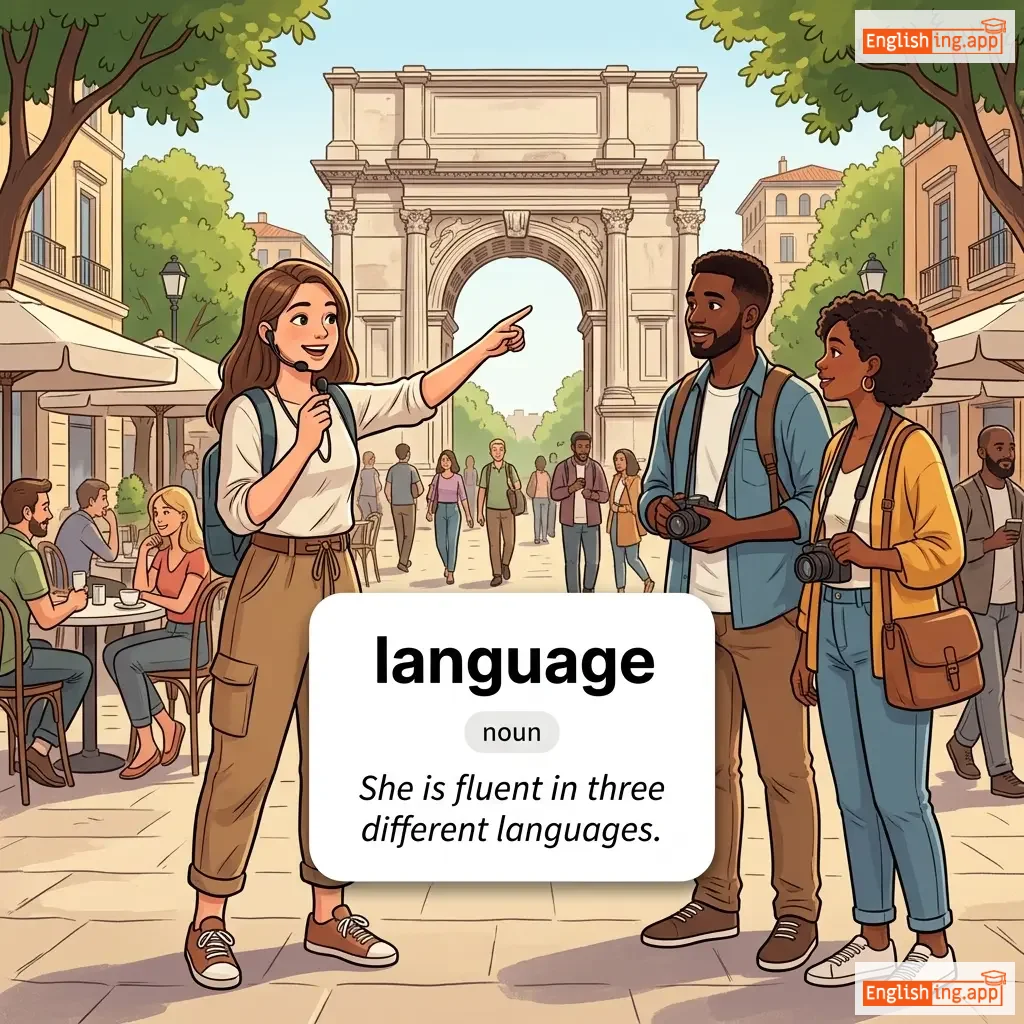
/ˈlæŋ.ɡwɪdʒ/
noun
(lêngwidz)
••••••
|
|
язык
yazyk
••••••
|
the method of human communication using words in a structured way; a system of communication
••••••
|
Learning a new language opens doors to different cultures and opportunities. |
Изучение нового языка открывает двери в различные культуры и возможности.
Izucheniye novogo yazyka otkryvayet dveri v razlichnyye kultury i vozmozhnosti
••••••
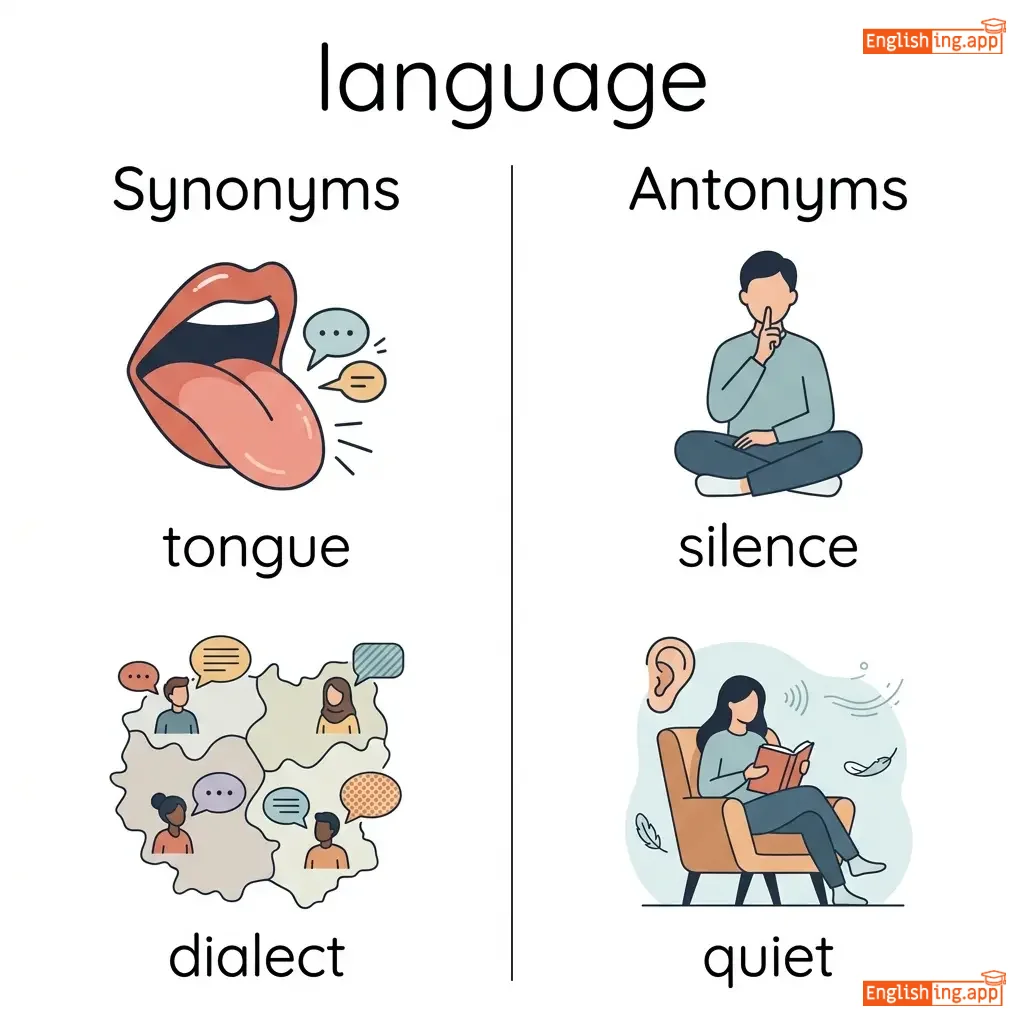
|
tongue, dialect, speech, communication
••••••
|
silence, muteness, non-communication, gesture only
••••••
|
foreign language, native language, programming language
••••••
|
Think of 'yazyk' as your key to the world of languages.
••••••
|
|
#733
🐌
|
/ˈlæɡ.ərd/
noun
(лагард)
••••••
|
- •••••• |
человек, который двигается медленно и отстает от других
chelovek, kotoryi dvizhutsya medlenno i otstoyaot ot drugikh
••••••
|
a person who makes slow progress and falls behind others; someone who is slow to act
••••••
|
The laggard student finally submitted his assignment after the deadline. |
Отстающий студент наконец сдал свою работу после дедлайна.
Otstayushchii student nakonechno sdal svoju rabotu posle dedlajna.
••••••
|
slowpoke, dawdler, straggler, latecomer
••••••
|
leader, front-runner, early bird, prompt person
••••••
|
chronic laggard, academic laggard, team laggard
••••••
|
Лагард - это тот, кто всегда отстает, как черепаха.
••••••
|
|
#734
🤱
|
/læp/
noun
(хэппинесс)
••••••
|
- •••••• |
колени
koleni
••••••
|
the flat area between the waist and knees of a seated person; one circuit of a track or course
••••••
|
The cat curled up comfortably in her lap while she read her book.
ðə kæt kərləd ʌp ˈkəmfərtəbli ɪn hɜr læp waɪl ʃi rɛd hɜr bʊk.
••••••
|
Кошка уютно устроилась в ее коленях, пока она читала книгу.
Koshka uyutno ustroilas' v yeë kolenyakh, poka ona chitala knigu.
••••••
|
thighs, knees, circuit, round
••••••
|
standing position, back, shoulder, distance
••••••
|
sit on lap, lap of luxury, lap around track
••••••
|
Колени — это самое уютное место для кошек и книг!
••••••
|
|
#735
🏞️
|
/leɪk/
noun
(лейк)
••••••
|
- •••••• |
озеро
ozero
••••••
|
a large body of water completely surrounded by land
••••••
|
The peaceful lake reflected the mountains in its calm waters.
Тихое озеро отражало горы в своих спокойных водах.
••••••
|
Тихое озеро отражало горы в своих спокойных водах.
Tikhoye ozero otrazhalo gory v svoikh spokoynykh vodakh.
••••••
|
pond, reservoir, lagoon, tarn
••••••
|
ocean, sea, river, stream
••••••
|
mountain lake, artificial lake, frozen lake
••••••
|
Озеро всегда спокойно как горы.
••••••
|
|
#736
⏱️
|
/læps/
noun
(лэпс)
••••••
|
- •••••• |
временная ошибка; lapsus;
vremennaya oshibka, lapsus
••••••
|
a temporary failure of concentration, memory, or judgment; the termination of a right or privilege
••••••
|
There was a brief lapse in security that allowed the intruder to enter the building. |
Была кратковременная ошибка в безопасности, которая позволила злоумышленнику войти в здание.
Byla kratkovremennaya oshibka v bezopasnosti, kotoraya pozvolila zloumyshlenniku voiti v zdanie.
••••••
|
slip, mistake, error, oversight
••••••
|
attention, focus, concentration, vigilance
••••••
|
memory lapse, security lapse, brief lapse
••••••
|
No •••••• |
|
#737
💡
|
/læmp/
noun
(ламп)
••••••
|
- •••••• |
лампа
lampa
••••••
|
a device for giving light, either one using electricity or burning gas or oil
••••••
|
She turned on the reading lamp to illuminate her book. |
Она включила настольную лампу, чтобы освещать свою книгу.
ona vklyuchila nastol'nuyu lampu, chtoby osveshchat' svoyu knigu
••••••
|
light, lantern, bulb, illumination
••••••
|
darkness, shadow, dimness, blackout
••••••
|
table lamp, street lamp, oil lamp
••••••
|
Лампа освещает книгу
••••••
|
|
#738
👁️
|
/læʃ/
noun
(лэш)
••••••
|
- •••••• |
ресница; удар плетью
resnitsa, udar plet'yu
••••••
|
an eyelash; a sharp blow with a whip or rope; to strike forcefully
••••••
|
She carefully applied mascara to make her lashes look longer and darker.
Она осторожно нанесла тушь, чтобы сделать свои ресницы длиннее и темнее.
••••••
|
Она осторожно нанесла тушь, чтобы сделать свои ресницы длиннее и темнее.
Ona ostorozhno nanesla tush', chtoby sdelat' svoi resnitsy dlinnee i temnee.
••••••
|
eyelash, whip, strike, beat
••••••
|
caress, gentle touch, soft stroke, tender pat
••••••
|
long lashes, false lashes, lash out
••••••
|
С ресницами и плетью связано одно слово - Lash!
••••••
|
|
#739
🏞️
|
/lænd/
noun
(лэнд)
••••••
|
|
земля; почва
zemlya; pochva
••••••
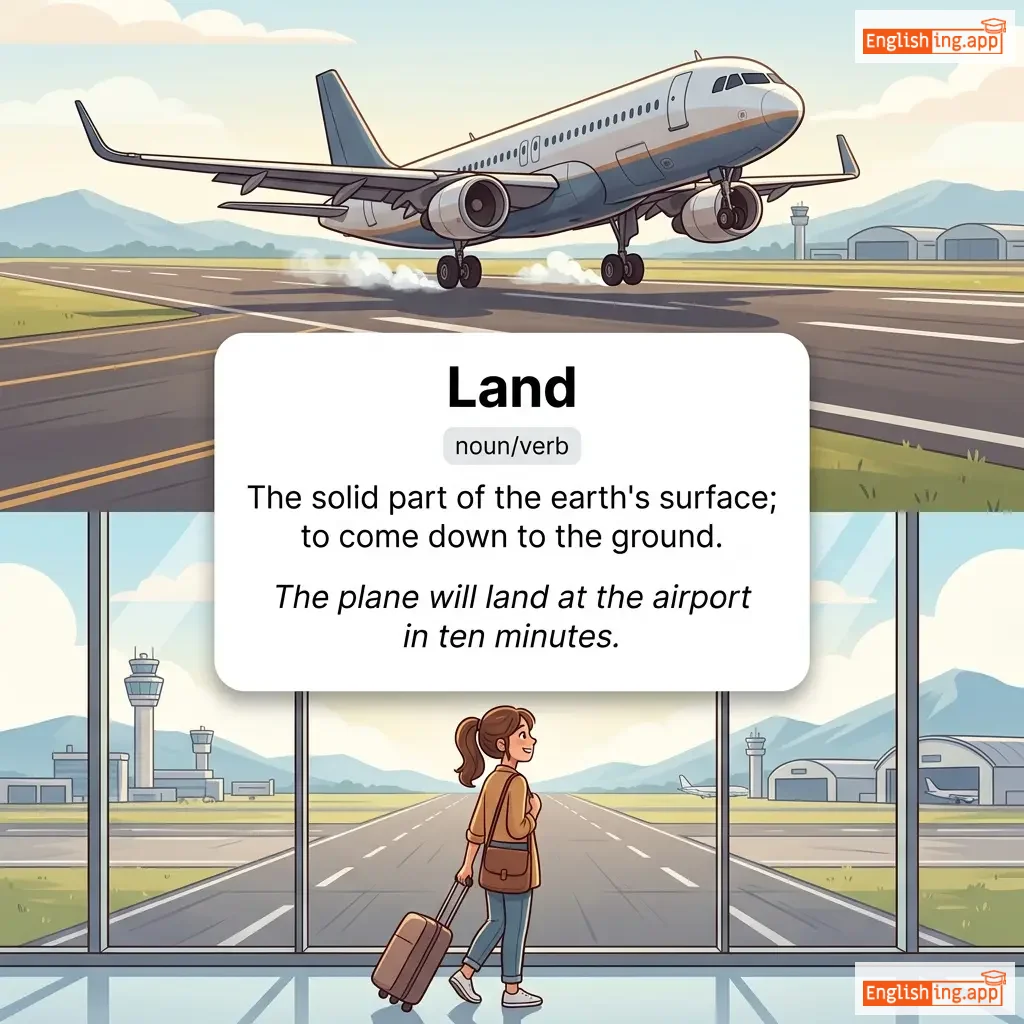
|
the part of the earth's surface that is not covered by water; an area of ground, soil, or earth
••••••
|
The farmer worked hard to cultivate his land and grow healthy crops. |
Фермер усердно работал, чтобы возделывать свою землю и выращивать здоровые культуры.
Fermyer usyerdno rabotal, chtoby vozdelyvat' svoyu zemlyu i vyrashchivat' zdorovyye kul'tury.
••••••
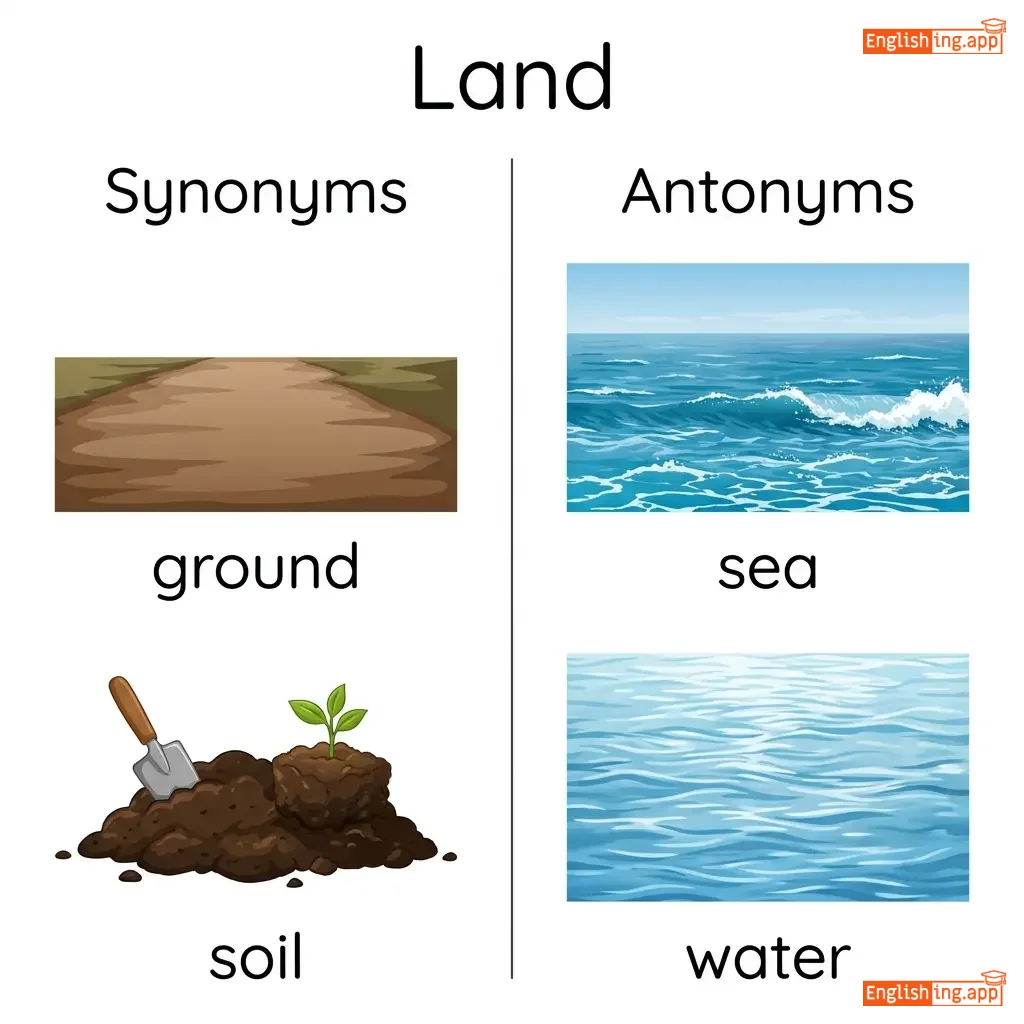
|
ground, soil, earth, territory
••••••
|
water, sea, ocean, sky
••••••
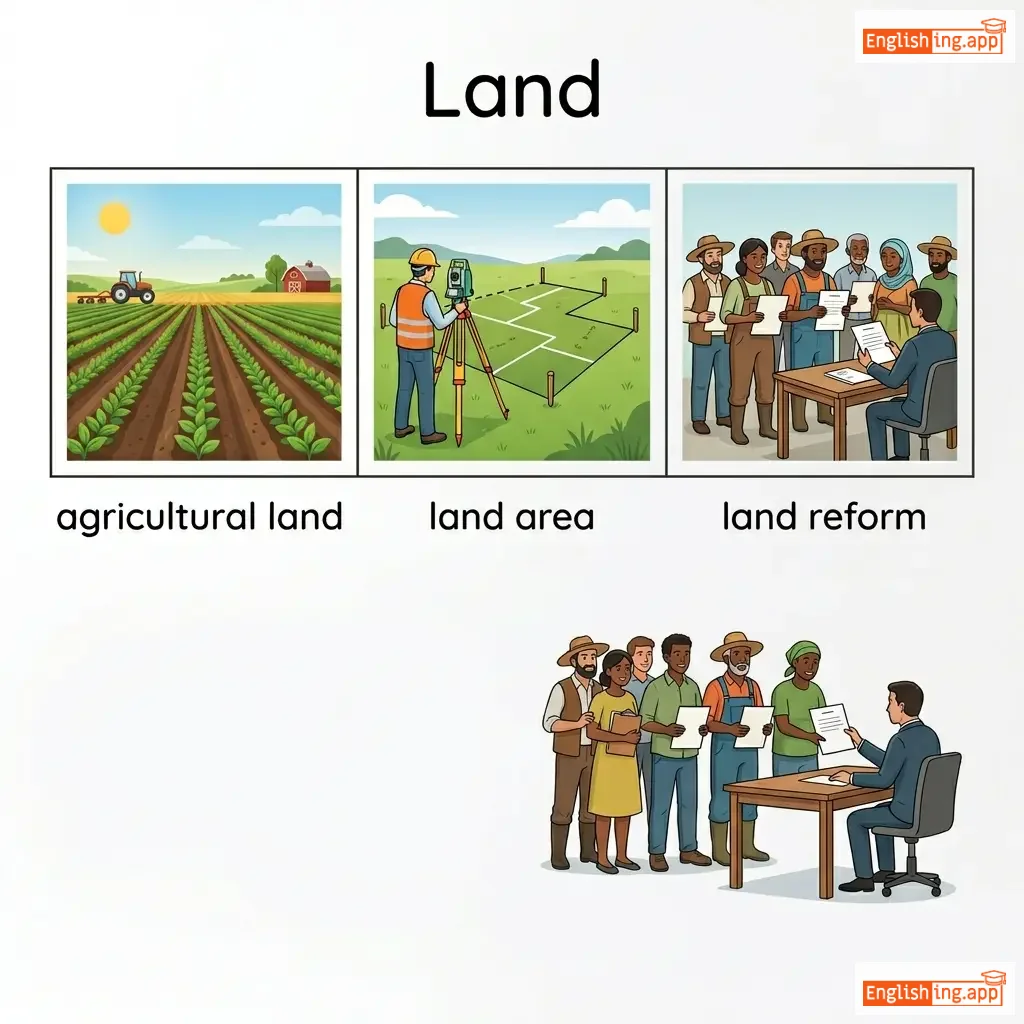
|
fertile land, agricultural land, native land
••••••
|
Земля – труд на земле, добрые урожаи.
••••••
|
|
#740
🌍
|
/ˈlæt.ɪ.tuːd/
noun
(широта)
••••••
|
- •••••• |
широта
shiróta
••••••
|
the angular distance of a place north or south of the earth's equator; freedom to act or think
••••••
|
The GPS device showed our exact latitude and longitude coordinates on the map. |
GPS-устройство показало наши точные координаты широты и долготы на карте.
GPS-ustroystvo pokazalo nashi tochnye koordinaty shiróty i dolgoty na karte.
••••••
|
freedom, scope, range, coordinate
••••••
|
longitude, restriction, limitation, constraint
••••••
|
high latitude, northern latitude, latitude and longitude
••••••
|
Широта = Широта, произносится одинаково на русском и легко запоминается.
••••••
|
Vocabulary Quiz
Test your vocabulary by matching words with their translations or meanings.
Login to take the quiz
Comments (0)
Share your thoughts and join the discussion.
Join the discussion by logging in
Login to CommentNo comments yet
Be the first to share your thoughts!