

Обновитесь для доступа ко всему словарю
Получите неограниченный доступ ко всем словам с подпиской Pro
Обновить до ProПеревод
Прошедшее
Причастие прошедшего времени
Третье лицо единственного числа
Герундий
Значение
Пример предложения
Перевод примера предложения
Синонимы
Антонимы
Коллокации
Мнемоника
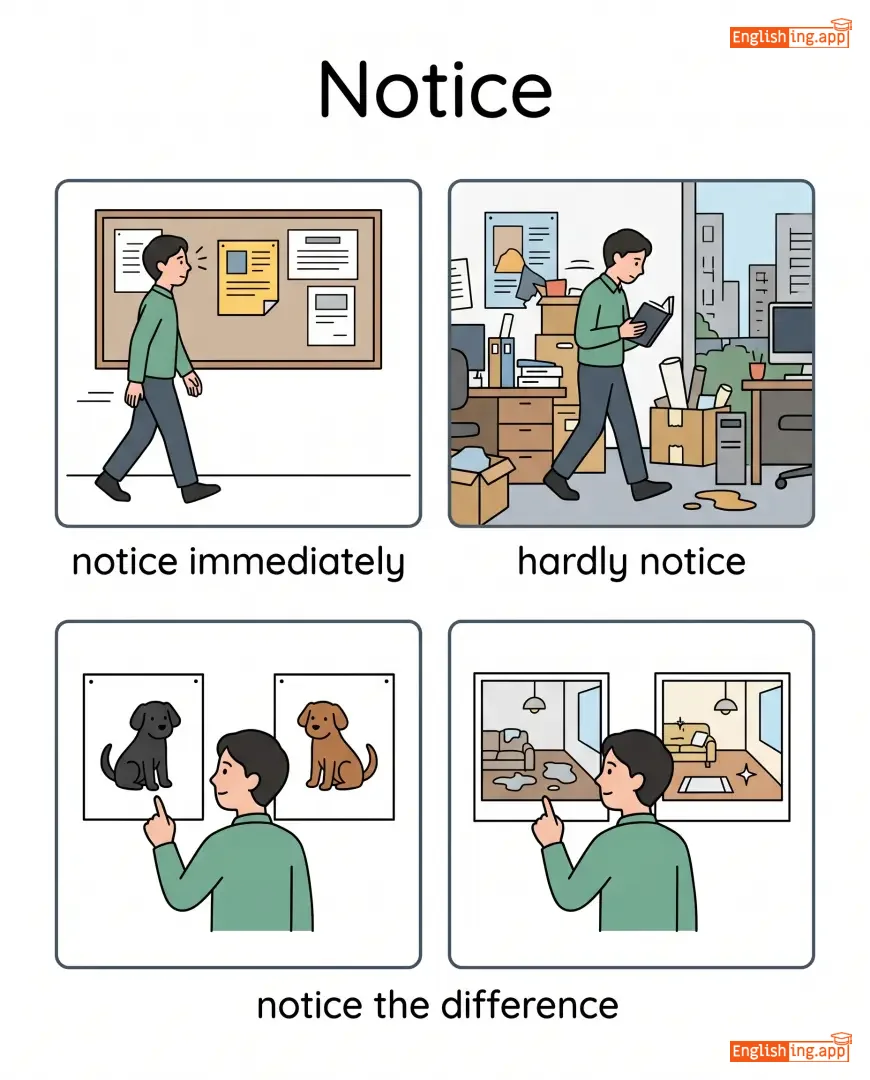
Swipe left or right, or use the buttons. Tap image to zoom.
Обновитесь для доступа ко всем предложениям
Получите неограниченный доступ ко всем предложениям с подпиской Pro
Обновить до ProПеревод примера предложения
Слово
Lesson 47Lesson 47 - Переключатель маски
|
Эмодзи
|
Слово | Images | Перевод | Значение | Пример предложения | Перевод примера предложения | Синонимы | Антонимы | Коллокации | Мнемоника |
|---|---|---|---|---|---|---|---|---|---|---|
|
#921
🏠
|
/ˈneɪ.bər/
noun
(neibor)
••••••
|
- •••••• |
сосед; рядом
sosed; ryadom
••••••
|
a person who lives near or next to another person
••••••
|
My neighbour is very friendly and helpful.
Мой сосед очень дружелюбный и полезный.
••••••
|
Мой сосед очень дружелюбный и полезный.
Moy sosed ochen' druzhelyubnyy i poleznyy.
••••••
|
resident, dweller, adjacent person
••••••
|
stranger, distant person
••••••
|
next-door neighbour, good neighbour, noisy neighbour
••••••
|
Сосед всегда рядом, в соседней квартире.
••••••
|
|
#922
🔊
|
/nɔɪz/
noun
(noiz)
••••••
|
- •••••• |
шум
shum
••••••
|
a sound, especially one that is loud or unpleasant
••••••
|
The noise from the construction site was very disturbing.
Шум с строительной площадки был очень раздражающим.
••••••
|
Шум с строительной площадки был очень раздражающим.
Shum s stroitel'noy ploshchadki byl ochen' razdrazhayushchim.
••••••
|
sound, din, racket, clamor
••••••
|
silence, quiet, peace, stillness
••••••
|
loud noise, background noise, noise pollution
••••••
|
Шум и noise - оба раздражают.
••••••
|
|
#923
👥
|
/ˈnep.ə.tɪz.əm/
noun
(непотизм)
••••••
|
- •••••• |
Непотизм
Nepotizm
••••••
|
the practice of favoring relatives or friends in business or politics
••••••
|
The company was accused of nepotism in its hiring practices.
Компания была обвинена в непотизме в своей практике набора персонала.
••••••
|
Компания была обвинена в непотизме в своей практике набора персонала.
Kompaniya byla obvinenna v nepotizme v svoey praktike nabora personala.
••••••
|
favoritism, bias, partiality, cronyism
••••••
|
merit-based, fairness, impartiality
••••••
|
political nepotism, accused of nepotism, nepotism scandal
••••••
|
Непотизм: когда родственники или друзья получают работу, а не другие кандидаты.
••••••
|
|
#924
💼
|
/ˌnɑm.əˈni/
noun
(номини)
••••••
|
- •••••• |
номинированный
nominivannyy
••••••
|
a person who is nominated for an office, award, or honor
••••••
|
She was the nominee for the Best Actress award. |
Она была номинирована на премию за лучшую актрису.
Ona byla nominivanna na premiyu za luchshuyu aktrisu.
••••••
|
candidate, contender, designee
••••••
|
disqualified person, rejected candidate
••••••
|
presidential nominee, award nominee, party nominee
••••••
|
Номинация означает, что вы выбраны для чего-то важного.
••••••
|
|
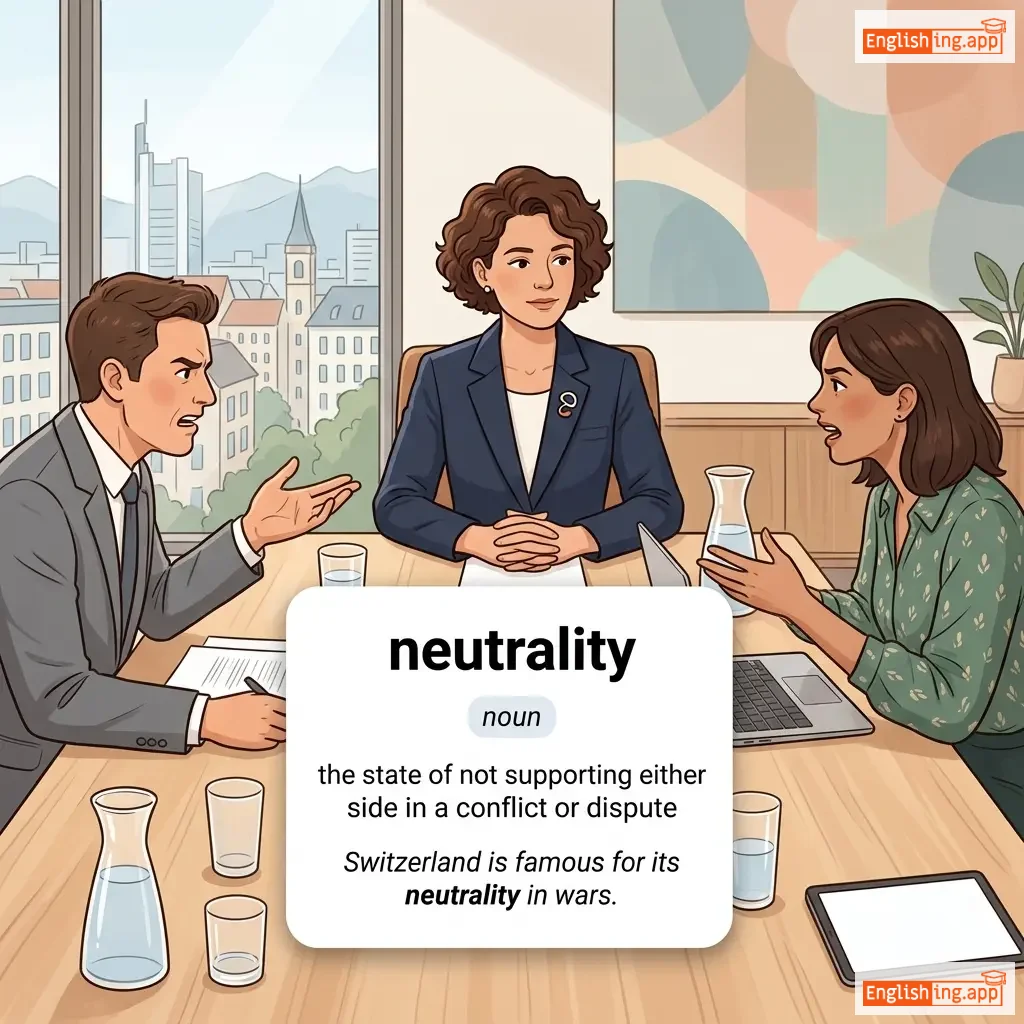
#925
⚖️
|
/nuːˈtræl.ə.ti/
noun
(нейтралитет)
••••••
|
|
нейтралитет
neytralitet
••••••
|
the state of not supporting either side in a conflict or dispute
••••••
|
Switzerland is famous for its neutrality in wars.
Швейцария известна своим нейтралитетом в войнах.
••••••
|
Швейцария известна своим нейтралитетом в войнах.
Shveytsariya izvestna svoim neytralitetom v voynakh.
••••••
|
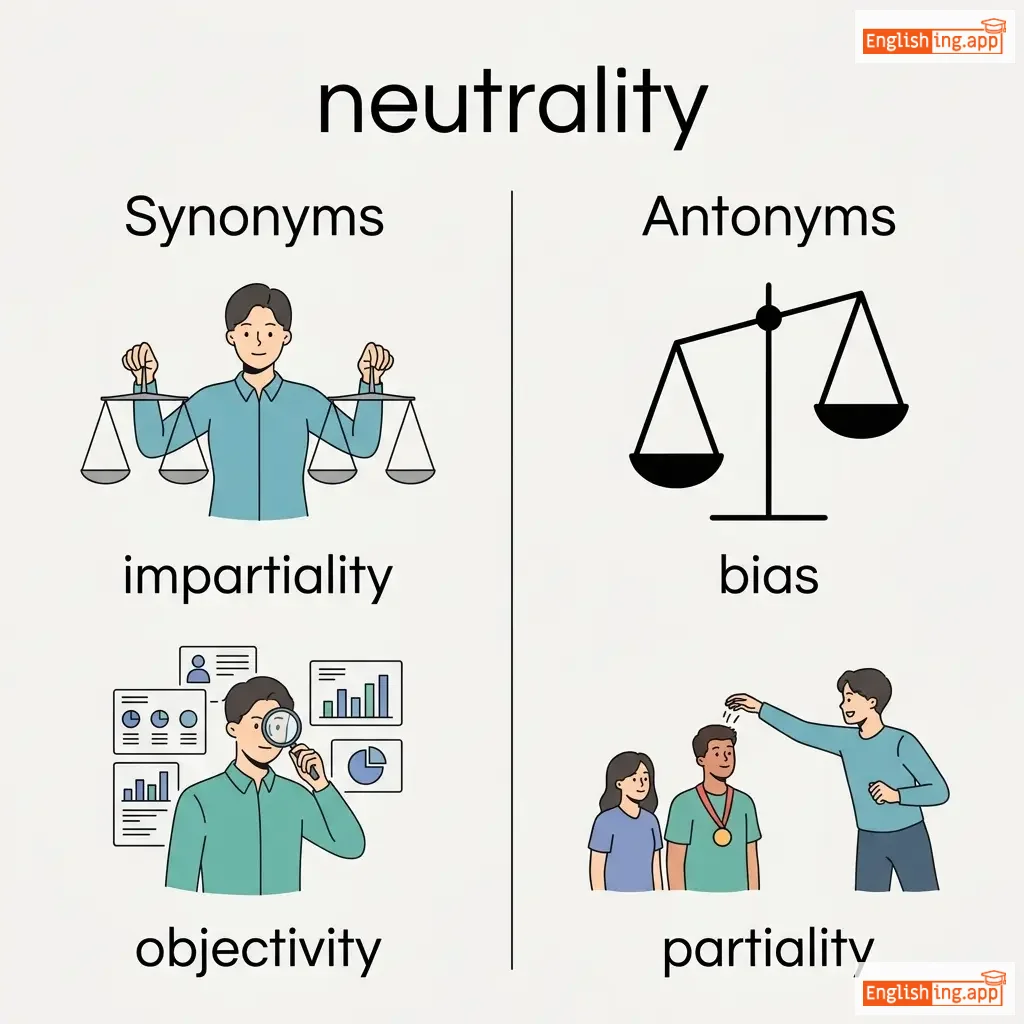
impartiality, objectivity, non-alignment
••••••
|
bias, partiality, involvement, alliance
••••••
|
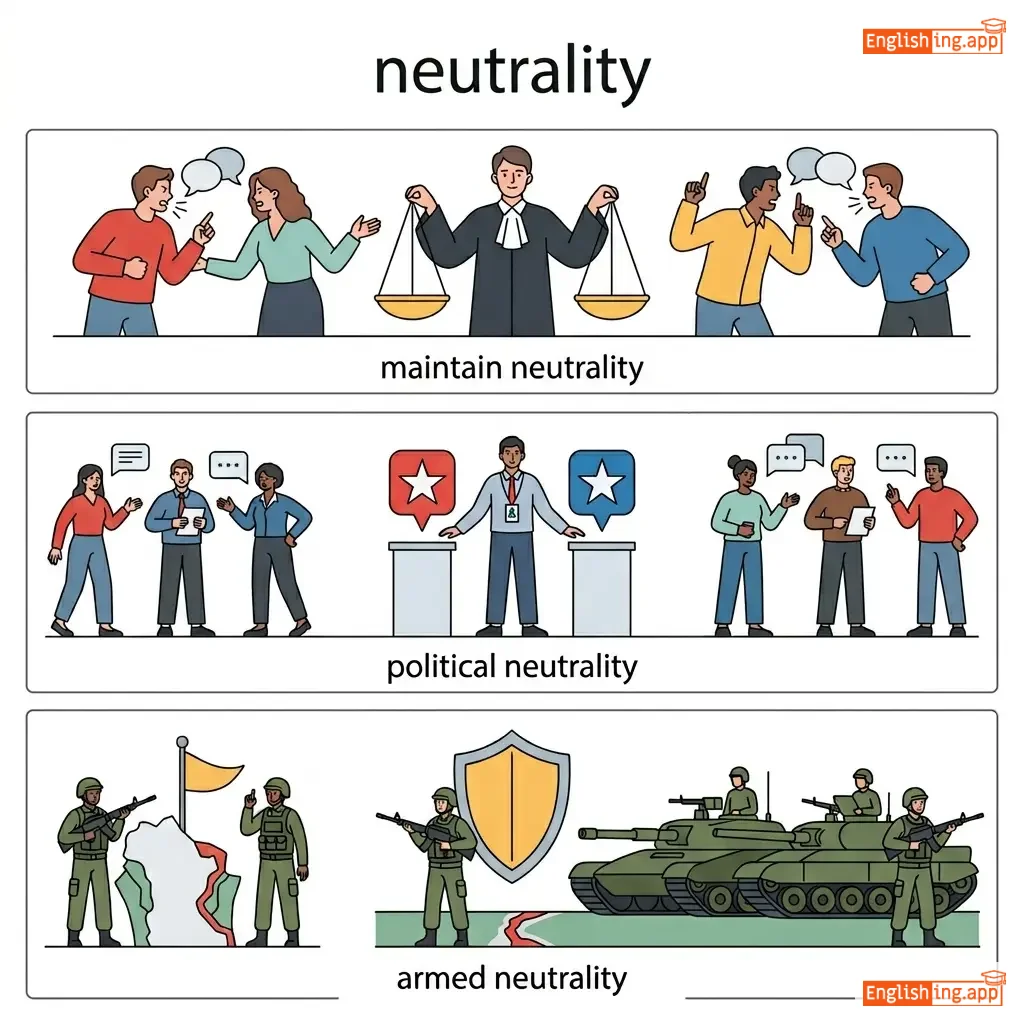
maintain neutrality, political neutrality, armed neutrality
••••••
|
Нейтралитет - 'нейтральный' без выбора стороны, 'ит' для состояния.
••••••
|
|
#926
👶
|
/ˈnɒn.ɪʤ/
noun
(Нонаге)
••••••
|
- •••••• |
несовершеннолетие
nonage
••••••
|
the period of being under the legal age of majority; youth or immaturity
••••••
|
During his nonage, all legal decisions were made by his guardian.
Во время его несовершеннолетия все юридические решения принимались его опекуном.
••••••
|
Во время его несовершеннолетия все юридические решения принимались его опекуном.
Vo vremya ego nesovershennoletiya vse yuridicheskie resheniya prinimaliysya ego opekunom
••••••
|
minority, youth, childhood, immaturity
••••••
|
adulthood, majority, maturity
••••••
|
during nonage, legal nonage, period of nonage
••••••
|
Nonage = not age; не возраст imagine a kid with a sign No Age and an arrow to несовершеннолетие
••••••
|
|
#927
👶
|
/ˈnuː.kʌm.ər/
noun
(nyu-kó-mer)
••••••
|
- •••••• |
новый прибывший
novyy pribyvshiy
••••••
|
a person who has recently arrived in a place or joined a group
••••••
|
The newcomer was warmly welcomed by the team.
Новый прибывший был тепло встречен командой.
••••••
|
Новый прибывший был тепло встречен командой.
Novyy pribyvshiy byl teplo vstrechen komandoy.
••••••
|
new arrival, novice, beginner, fresh face
••••••
|
veteran, old-timer, experienced person
••••••
|
welcome newcomer, help newcomer, newcomer to the area
••••••
|
Novyy pribyvshiy – Novyy (new) prizhivshiy (arrived)
••••••
|
|
#928
👻
|
/nɑnˈen.tə.ti/
noun
(нонэнти́ти)
••••••
|
- •••••• |
незначительная личность; несуществующее существо
neznachitelnaya lichnost'
••••••
|
a person of no importance or influence; something that does not exist
••••••
|
He felt like a nonentity in the large corporation. |
Он чувствовал себя как незаметная личность в большой корпорации.
On chuvstvoval sebya kak nezametnaya lichnost' v bol'shoy korporatsii.
••••••
|
nobody, insignificant person, zero
••••••
|
somebody, celebrity, important person
••••••
|
political nonentity, complete nonentity, feel like nonentity
••••••
|
Чтобы не быть 'nonentity', найдите свой путь и влияние!
••••••
|
|
#929
🔗
|
/ˈnek.səs/
noun
(нексус)
••••••
|
- •••••• |
связь; соединение;
svyaz; soedinenie;
••••••
|
a connection or series of connections linking two or more things
••••••
|
There's a clear nexus between education and economic development.
Существует четкая связь между образованием и экономическим развитием.
••••••
|
Существует четкая связь между образованием и экономическим развитием.
Sushchestvuet chetkaya svyaz' mezhdu obrazovaniem i ekonomicheskim razvitiyem.
••••••
|
connection, link, bond, tie
••••••
|
disconnection, separation, isolation
••••••
|
criminal nexus, nexus between, power nexus
••••••
|
Связь (nexus) соединяет элементы, как образование и развитие.
••••••
|
|
#930
🤪
|
/ˈnɑn.sens/
noun
(нonsense)
••••••
|
- •••••• |
чепуха
chepukha
••••••
|
words or language that have no meaning; foolish or unacceptable behavior
••••••
|
Stop talking nonsense and be serious! |
Перестань говорить чепуху и будь серьезным!
Perestani govorit' chepukhu i bud' seryoznym!
••••••
|
rubbish, garbage, foolishness, absurdity
••••••
|
sense, logic, reason, wisdom
••••••
|
complete nonsense, utter nonsense, talk nonsense
••••••
|
Чепуха (Russian) means nonsense (English)
••••••
|
|
#931
🏷️
|
/ˈnɪk.neɪm/
noun
(ˈnɪkˌneɪm)
••••••
|
- •••••• |
прозвище
prozvishche
••••••
|
a familiar or humorous name given to a person instead of their real name
••••••
|
His nickname is 'Tiger' because he's so brave. |
Его прозвище — 'Тигр', потому что он очень смелый.
Ego prozvishche — 'Tigr', potomu chto on ochen' smelyi.
••••••
|
pet name, alias, moniker, sobriquet
••••••
|
real name, formal name, given name
••••••
|
give nickname, earn nickname, childhood nickname
••••••
|
Прозвище как 'Тигр', это знакомое имя.
••••••
|
|
#932
⚙️
|
/nuːs/
noun
(нус)
••••••
|
- •••••• |
петля
petlya
••••••
|
a loop with a running knot used for hanging; a trap or snare
••••••
|
The cowboy made a noose to catch the wild horse.
Ковбой сделал петлю, чтобы поймать дикий конь.
••••••
|
Ковбой сделал петлю, чтобы поймать дикий конь.
Kovboy sdelal petlyu, chtoby poymat' dikiy kon'.
••••••
|
loop, snare, lasso, trap
••••••
|
freedom, release, escape
••••••
|
tighten noose, escape noose, hang noose
••••••
|
Представьте петлю, которая ловит и удерживает, как ковбой ловит дикого коня.
••••••
|
|
#933
😱
|
/ˈnaɪt.meər/
noun
(naɪtmɛər)
••••••
|
- •••••• |
кошмар
koshmar
••••••
|
a frightening or unpleasant dream; a very unpleasant experience
••••••
|
The exam was a complete nightmare for unprepared students.
Экзамен был настоящим кошмаром для неподготовленных студентов.
••••••
|
Экзамен был настоящим кошмаром для неподготовленных студентов.
Ekzamen byl nastoyashchim koshmarom dlya nepodgotovlennykh studentov.
••••••
|
bad dream, horror, ordeal, torment
••••••
|
pleasant dream, good dream, fantasy
••••••
|
recurring nightmare, worst nightmare, living nightmare
••••••
|
Koshmar = Ko
••••••
|
|
#934
📊
|
/nɔːrm/
noun
(норм)
••••••
|
- •••••• |
норма; стандарт; правило; традиция
norma; standart; pravilo; traditsiya
••••••
|
a standard of behavior; what is typical or expected
••••••
|
Working late has become the norm in this company. |
Работа до позднего времени стала нормой в этой компании.
Rabota do pozdnego vremeni stala normoy v etoy kompanii.
••••••
|
standard, rule, convention, practice
••••••
|
exception, deviation, abnormality
••••••
|
social norm, cultural norm, become the norm
••••••
|
Когда работа до позднего времени становится нормой, это 'норма'.
••••••
|
|
#935
✅
|
/nɪl/
noun
(нил)
••••••
|
- •••••• |
ноль; ничего
nol'; nichego
••••••
|
nothing; zero; no amount
••••••
|
His chances of winning were nil after the scandal. |
Его шансы на победу стали нулевыми после скандала.
Ego shansy na pobedu stali nulevymi posle skandala.
••••••
|
nothing, zero, none, naught
••••••
|
something, all, everything, many
••••••
|
nil chance, nil result, nil value
••••••
|
Ноль — это всегда пустота, ничего!
••••••
|
|
#936
😢
|
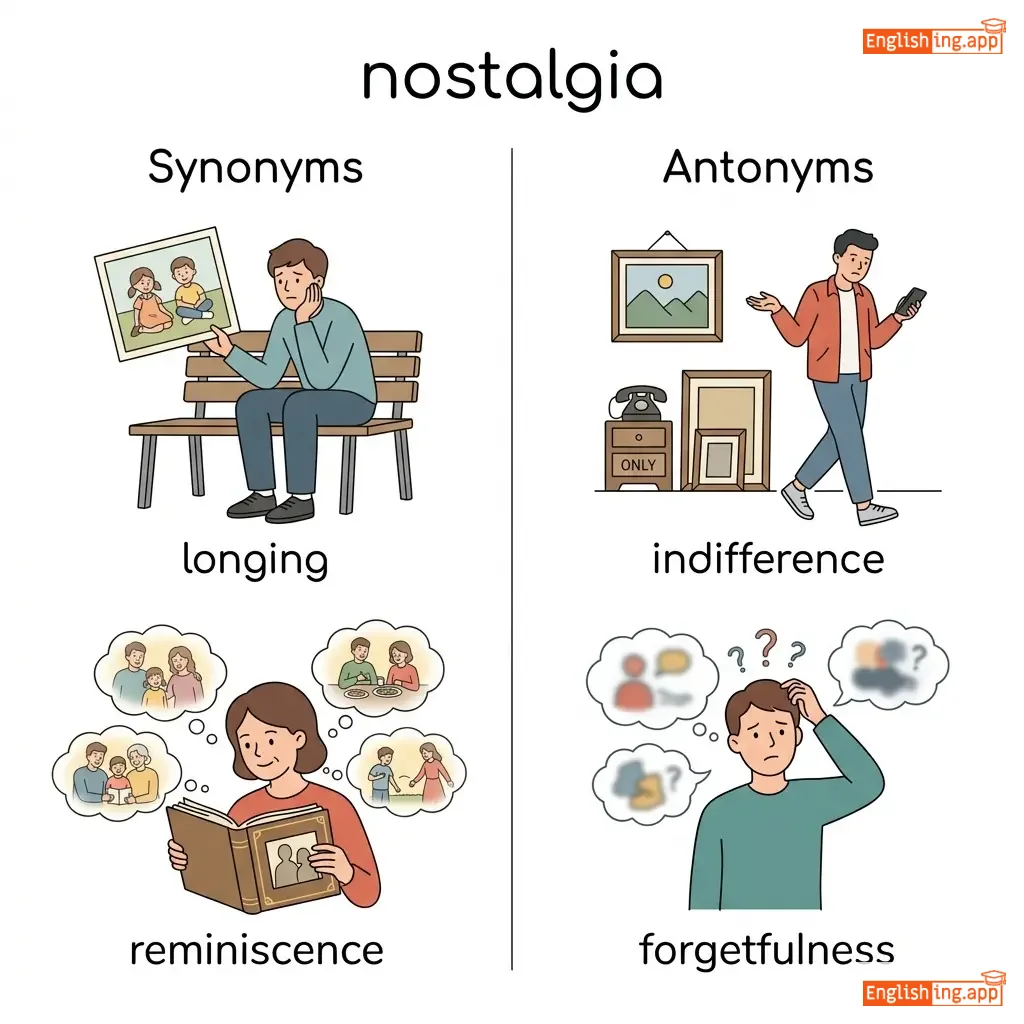
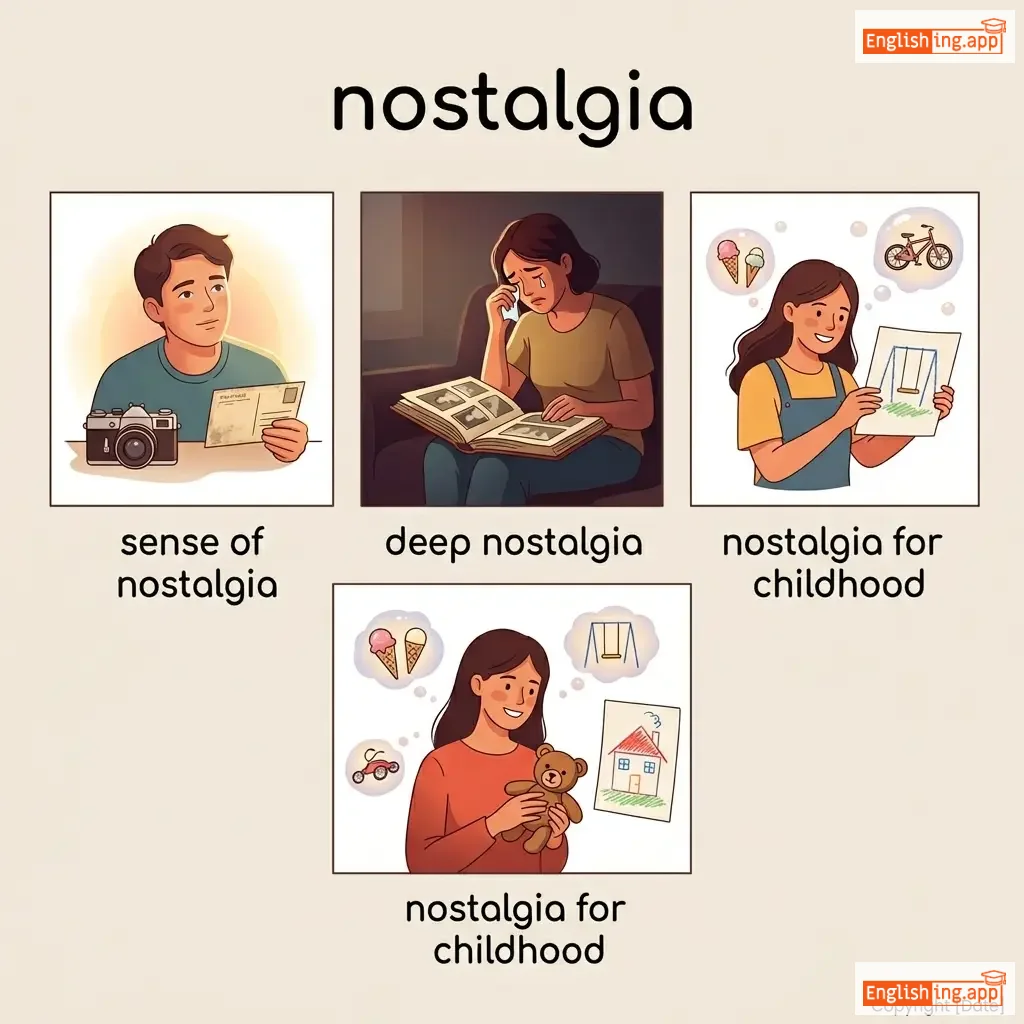
/nəˈstæl.dʒə/
noun
(ностальгия)
••••••
|
|
ностальгия
nostalgiya
••••••
|
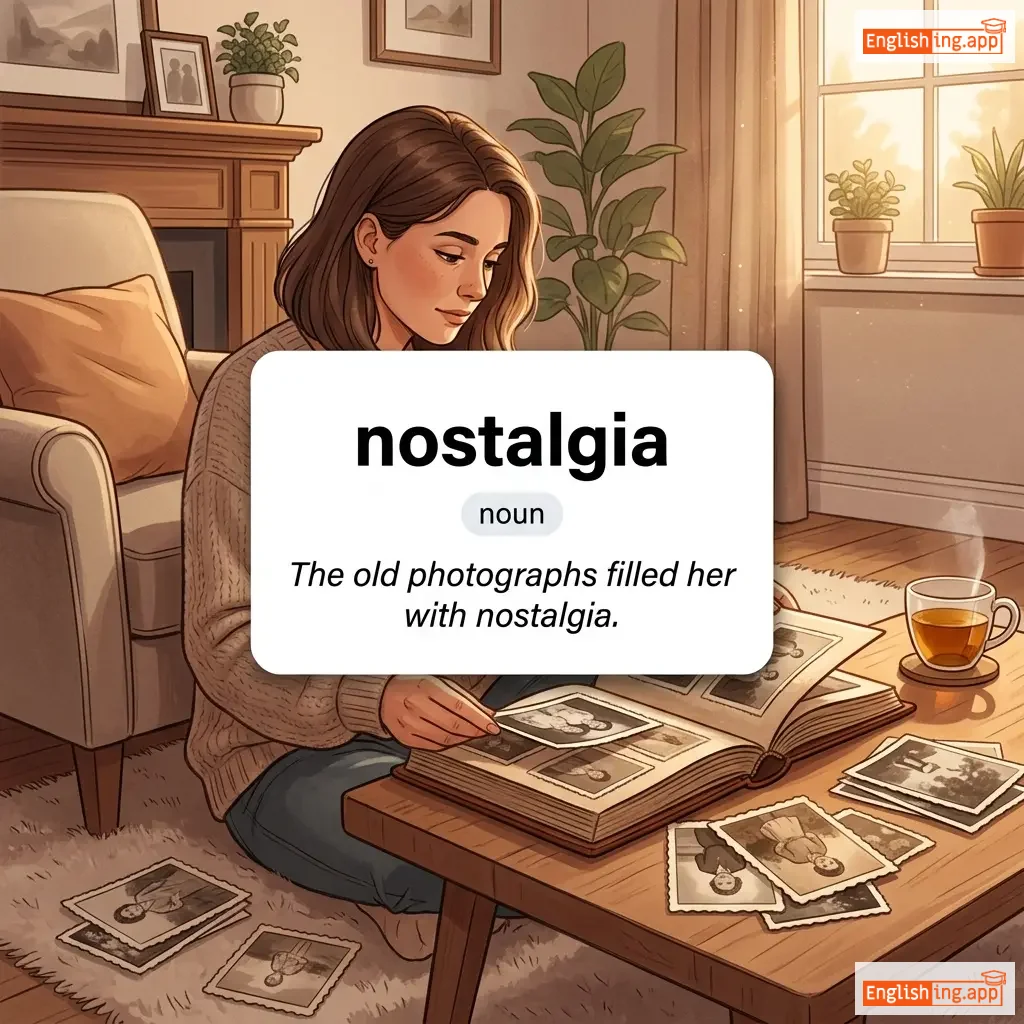
a sentimental longing for the past; wistful affection for a period in the past
••••••
|
Looking at old photos filled her with nostalgia.
Смотря на старые фотографии, она почувствовала ностальгию.
••••••
|
Смотря на старые фотографии, она почувствовала ностальгию.
Smotrya na starye fotografii, ona pochuvstvovala nostalgia.
••••••
|
longing, wistfulness, reminiscence, sentimentality
••••••
|
present focus, future thinking, indifference
••••••
|
wave of nostalgia, childhood nostalgia, feel nostalgia
••••••
|
Ностальгия = когда ты вспоминаешь о прошлом с теплом
••••••
|
|
#937
🥴
|
/ˈnɪn.i/
noun
(нинни)
••••••
|
- •••••• |
тупица
tupitsa
••••••
|
a silly or foolish person; someone who lacks common sense
••••••
|
Don't be such a ninny, use your brain! |
Не будь таким тупицей, используй свой мозг!
Ne bud' takim tupitsey, ispol'zuy svoy mozg!
••••••
|
fool, idiot, simpleton, dummy
••••••
|
genius, intelligent person, wise person
••••••
|
silly ninny, complete ninny, such a ninny
••••••
|
Тупица — это прямой аналог слова ninny на русском.
••••••
|
|
#938
📝
|
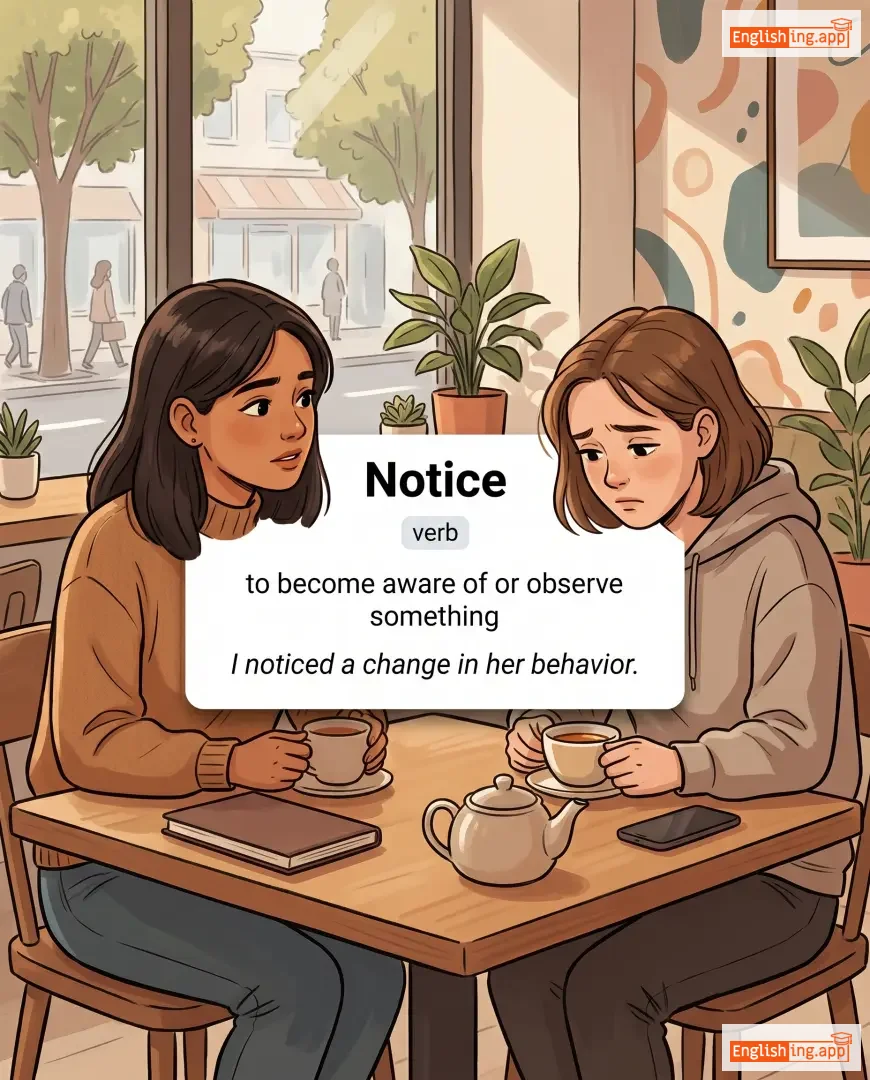
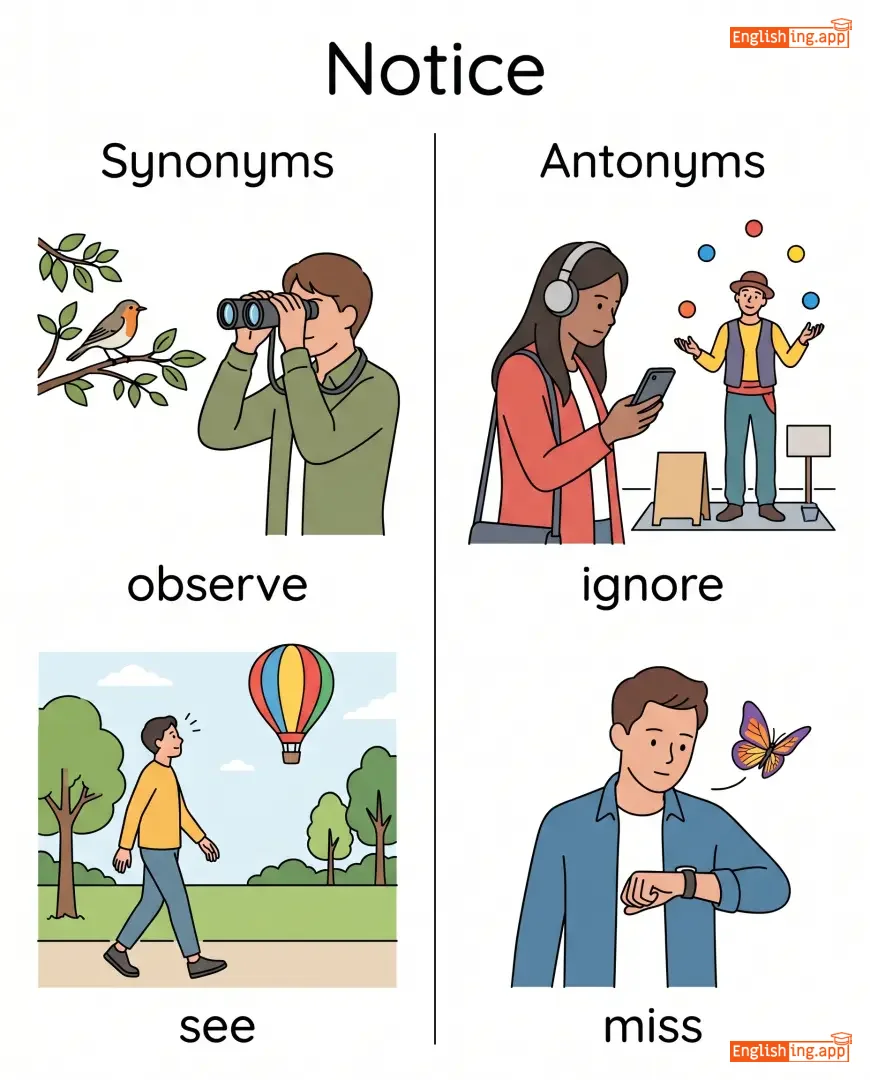
/ˈnoʊ.tɪs/
noun
(nótys)
••••••
|
|
объявление
ob'yavleniye
••••••
|
attention to something; a written or printed announcement
••••••
|
The notice on the board announced the school closure.
Объявление на доске сообщило о закрытии школы.
••••••
|
Объявление на доске сообщило о закрытии школы.
Ob'yavleniye na doske soobshchilo o zakrytii shkoly.
••••••
|
announcement, notification, warning, sign
••••••
|
ignorance, oversight, neglect
••••••
|
public notice, advance notice, take notice
••••••
|
Объявление это то, что важно знать для всех.
••••••
|
|
#939
👑
|
/noʊˈbɪl.ə.ti/
noun
(нобилити)
••••••
|
- •••••• |
благородство; высокий ранг
blagorodstvo; vysokiy rang
••••••
|
the quality of being noble in character; people of noble rank
••••••
|
He showed great nobility in forgiving his enemies.
Он проявил великую благородство, простив своих врагов.
••••••
|
Он проявил великую благородство, простив своих врагов.
On proyavil velikuyu blagorodstvo, prostiv svoikh vragov.
••••••
|
honor, dignity, virtue, aristocracy
••••••
|
dishonor, baseness, vulgarity, commoners
••••••
|
true nobility, nobility of character, moral nobility
••••••
|
Благородство проявляется в действиях благородных людей, как тот, кто прощает.
••••••
|
|
#940
💡
|
/ˈnoʊ.ʃən/
noun
(nó-shuhn)
••••••
|
- •••••• |
понятие
ponyatie
••••••
|
a conception or belief about something; an idea or opinion
••••••
|
She had a strange notion that someone was following her. |
У нее было странное представление, что кто-то следит за ней.
U nee bylo strannoe predstavlenie, chto kto-to sledit za ney.
••••••
|
idea, concept, belief, impression
••••••
|
fact, reality, certainty, knowledge
••••••
|
vague notion, strange notion, reject notion
••••••
|
понятие = просто знать
••••••
|
Vocabulary Quiz
Test your vocabulary by matching words with their translations or meanings.
Login to take the quiz
Comments (0)
Share your thoughts and join the discussion.
Join the discussion by logging in
Login to CommentNo comments yet
Be the first to share your thoughts!