

Обновитесь для доступа ко всему словарю
Получите неограниченный доступ ко всем словам с подпиской Pro
Обновить до ProПеревод
Прошедшее
Причастие прошедшего времени
Третье лицо единственного числа
Герундий
Значение
Пример предложения
Перевод примера предложения
Синонимы
Антонимы
Коллокации
Мнемоника

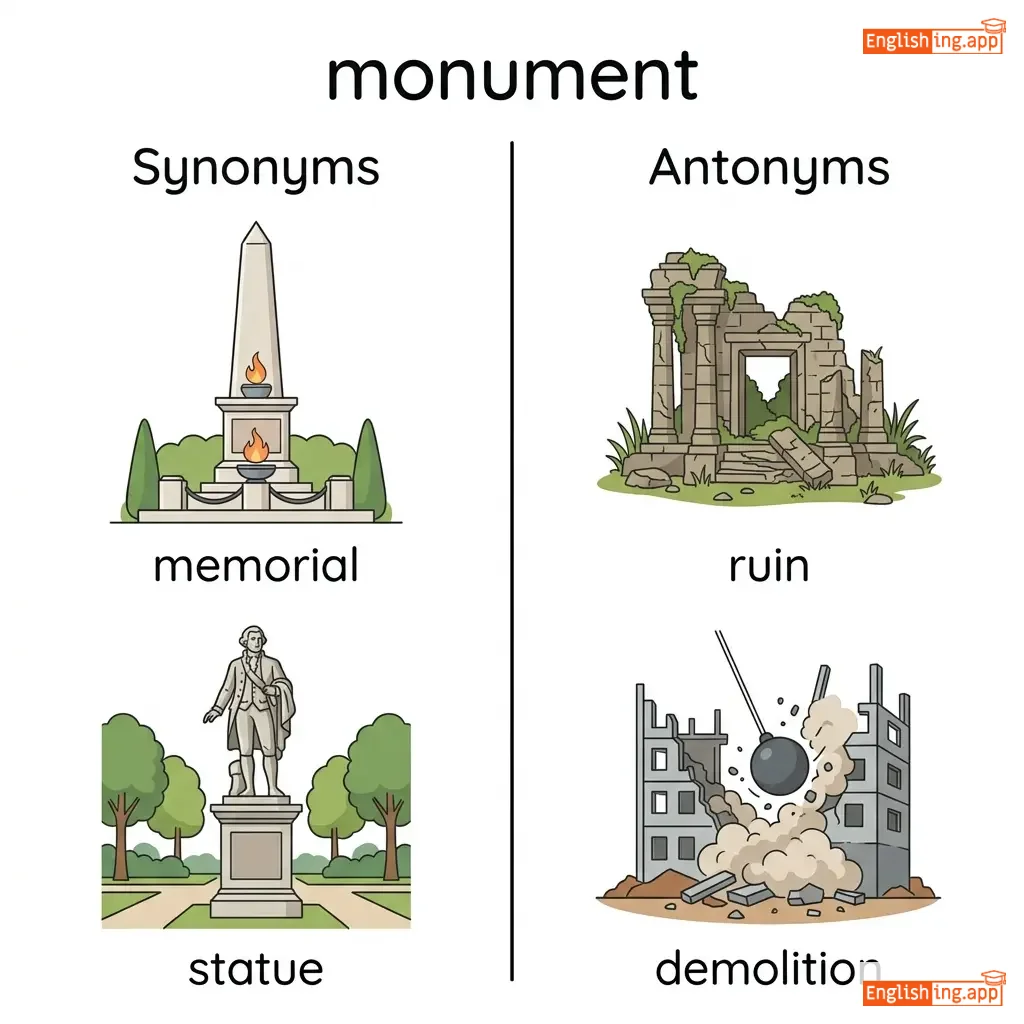
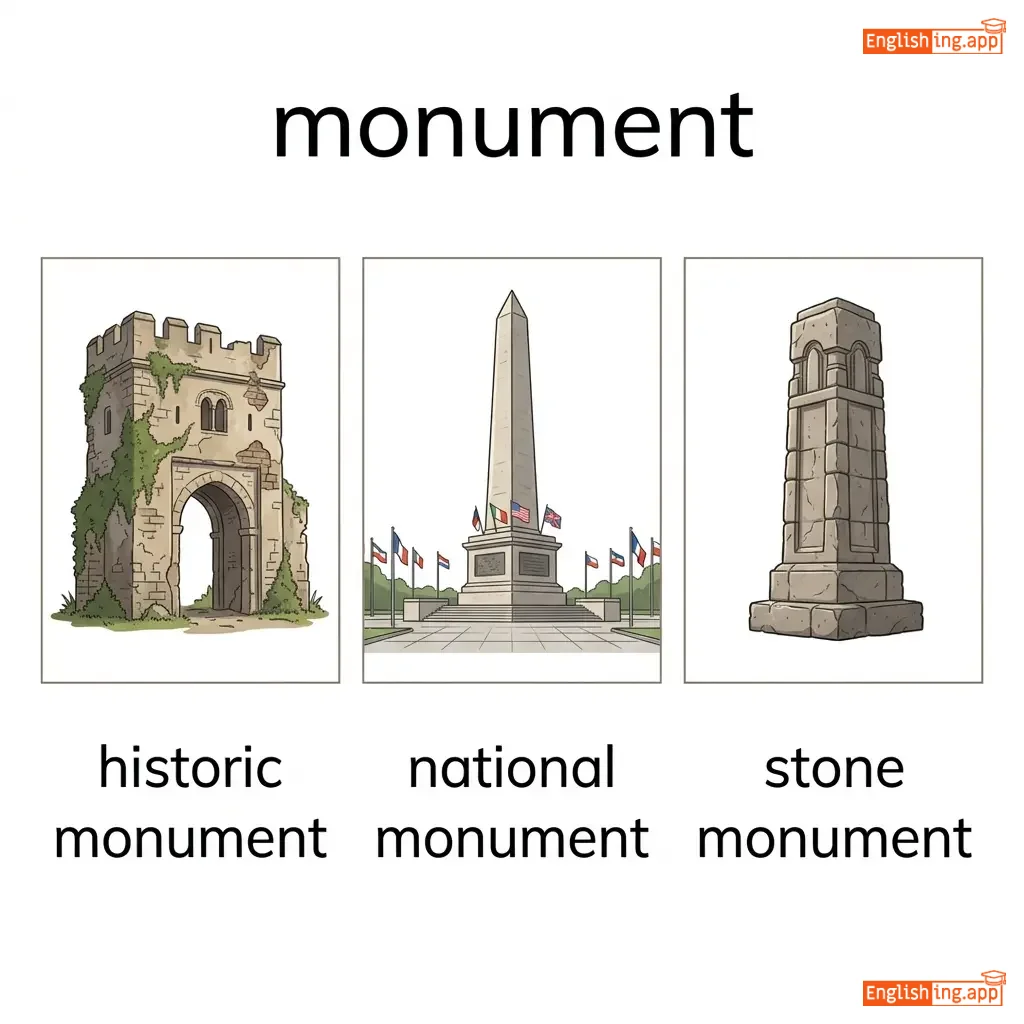
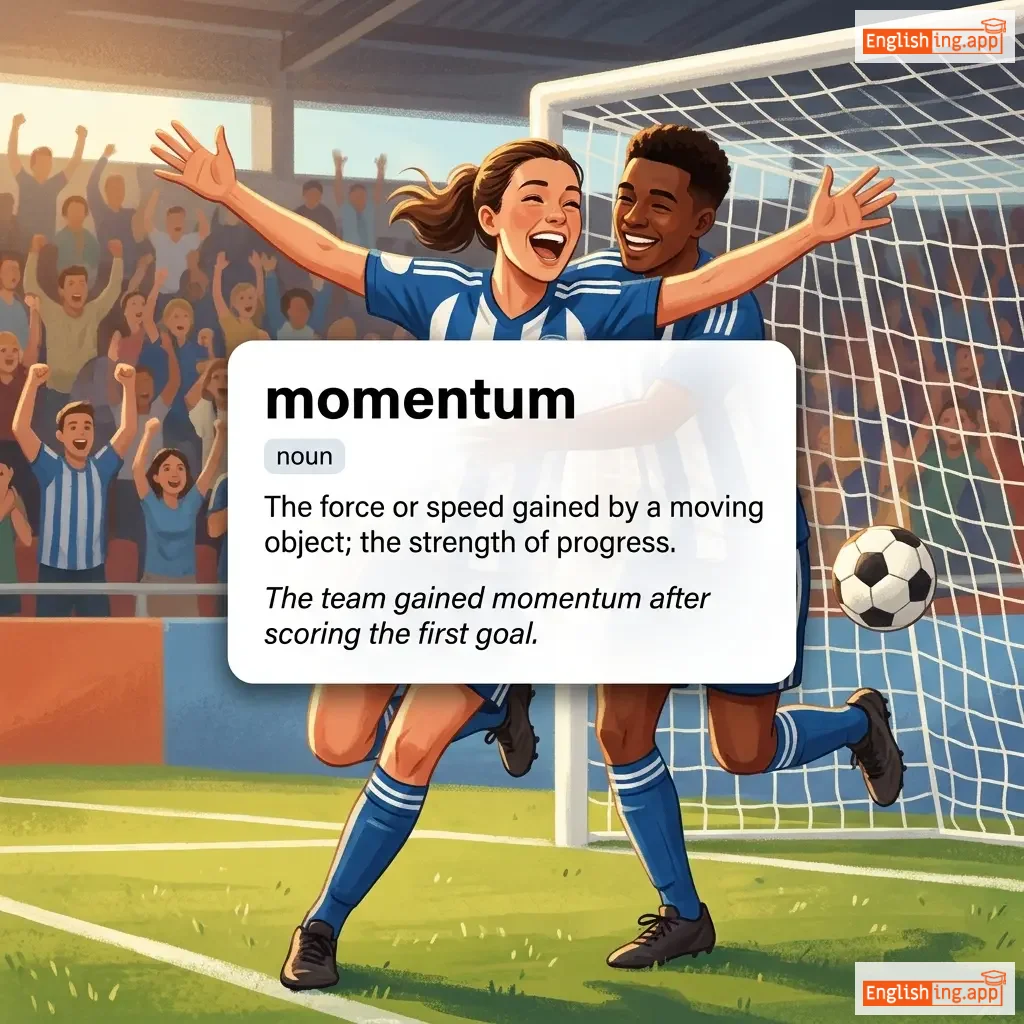
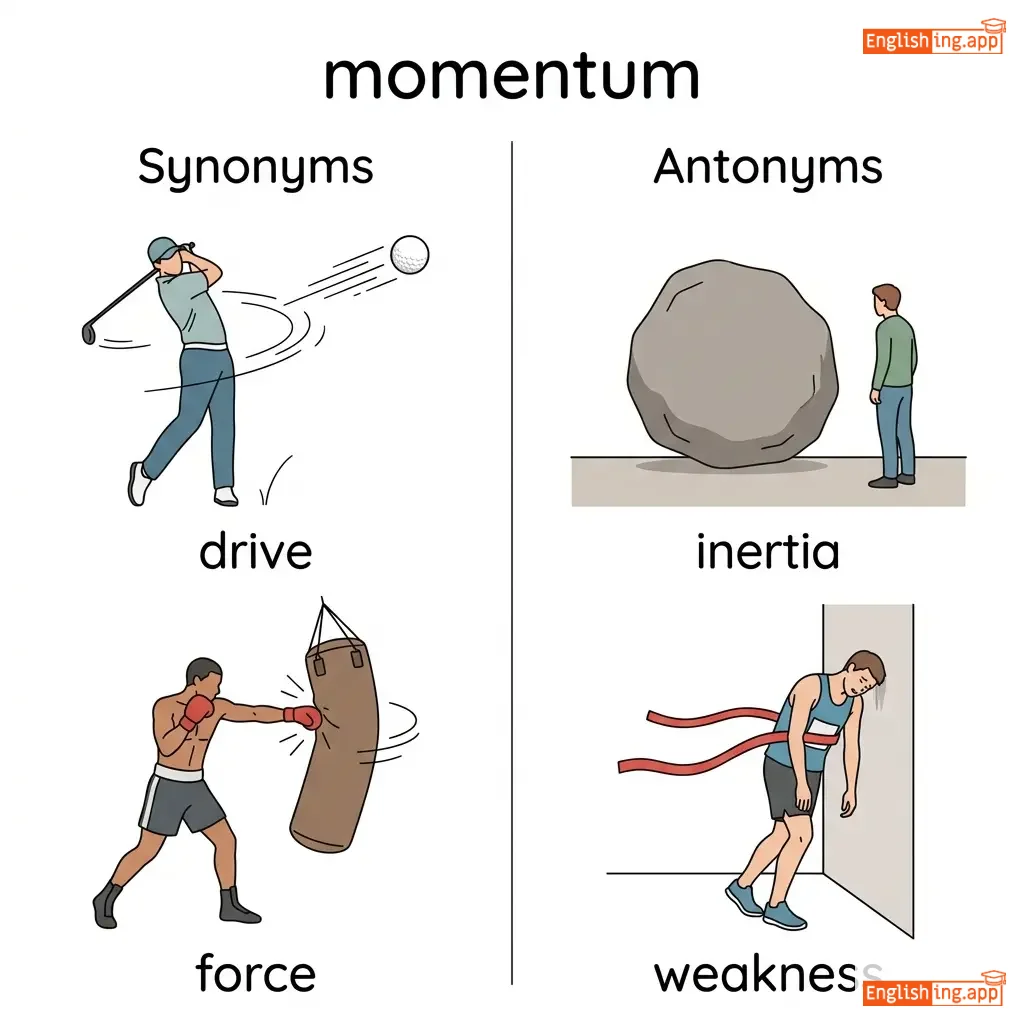
Swipe left or right, or use the buttons. Tap image to zoom.
Обновитесь для доступа ко всем предложениям
Получите неограниченный доступ ко всем предложениям с подпиской Pro
Обновить до ProПеревод примера предложения
Слово
Lesson 45Lesson 45 - Переключатель маски
|
Эмодзи
|
Слово | Images | Перевод | Значение | Пример предложения | Перевод примера предложения | Синонимы | Антонимы | Коллокации | Мнемоника |
|---|---|---|---|---|---|---|---|---|---|---|
|
#881
🔀
|
/ˈmɪks.tʃər/
noun
(mikstjur)
••••••
|
- •••••• |
смесь
smes
••••••
|
a combination of different substances or elements
••••••
|
The cake batter is a mixture of flour, eggs, and milk.
Тесто - это смесь муки, яиц и молока.
••••••
|
Тесто - это смесь муки, яиц и молока.
Testo - eto smes' muki, yayts i moloka.
••••••
|
blend, combination, compound, fusion
••••••
|
separation, isolation, purity
••••••
|
mixture of, chemical mixture, complex mixture
••••••
|
Смесь - соединение ингредиентов в одном блюде.
••••••
|
|
#882
🏛️
|
/ˈmɒn.ə.stər.i/
noun
(монастырь)
••••••
|
- •••••• |
монастырь; ашрам
monastyr; ashram
••••••
|
a building or group of buildings where monks live and worship
••••••
|
The ancient monastery was built on a hilltop. |
Древний монастырь был построен на вершине холма.
Drevniy monastyr' byl postroen na vershine kholma.
••••••
|
abbey, convent, cloister, retreat
••••••
|
secular building, commercial area
••••••
|
ancient monastery, Buddhist monastery, mountain monastery
••••••
|
Монастырь и ашрам — это места для духовного уединения и молитвы.
••••••
|
|
#883
👥
|
/mɒb/
noun
(моб)
••••••
|
- •••••• |
толпа; группа, действующая насильственно
tolpa; gruppa, deystvyushchaya nasyl'stvenno
••••••
|
a large crowd of people; a group that acts in a violent way
••••••
|
An angry mob gathered outside the building.
An angry mob gathered outside the building.
••••••
|
Злая толпа собралась у здания.
Zlaya tolpa sobrala's' u zdaniya.
••••••
|
crowd, gang, horde, rabble
••••••
|
individual, order, peace
••••••
|
angry mob, mob rule, mob violence
••••••
|
Моб создаёт хаос, действуя насильно
••••••
|
|
#884
🧘♂️
|
/mʌŋk/
noun
(мунк)
••••••
|
- •••••• |
монах
monakh
••••••
|
a man who is a member of a religious community living under vows
••••••
|
The monk spent hours in meditation each day.
Монах проводил часы в медитации каждый день.
••••••
|
Монах проводил часы в медитации каждый день.
Monakh provodil chasy v meditacii kazhdij den'.
••••••
|
friar, religious, ascetic, hermit
••••••
|
layperson, secular person
••••••
|
Buddhist monk, Christian monk, monastery monk
••••••
|
Монах (Monk) = Молитва (Prayer) и Обет (Vow)
••••••
|
|
#885
🚶♂️
|
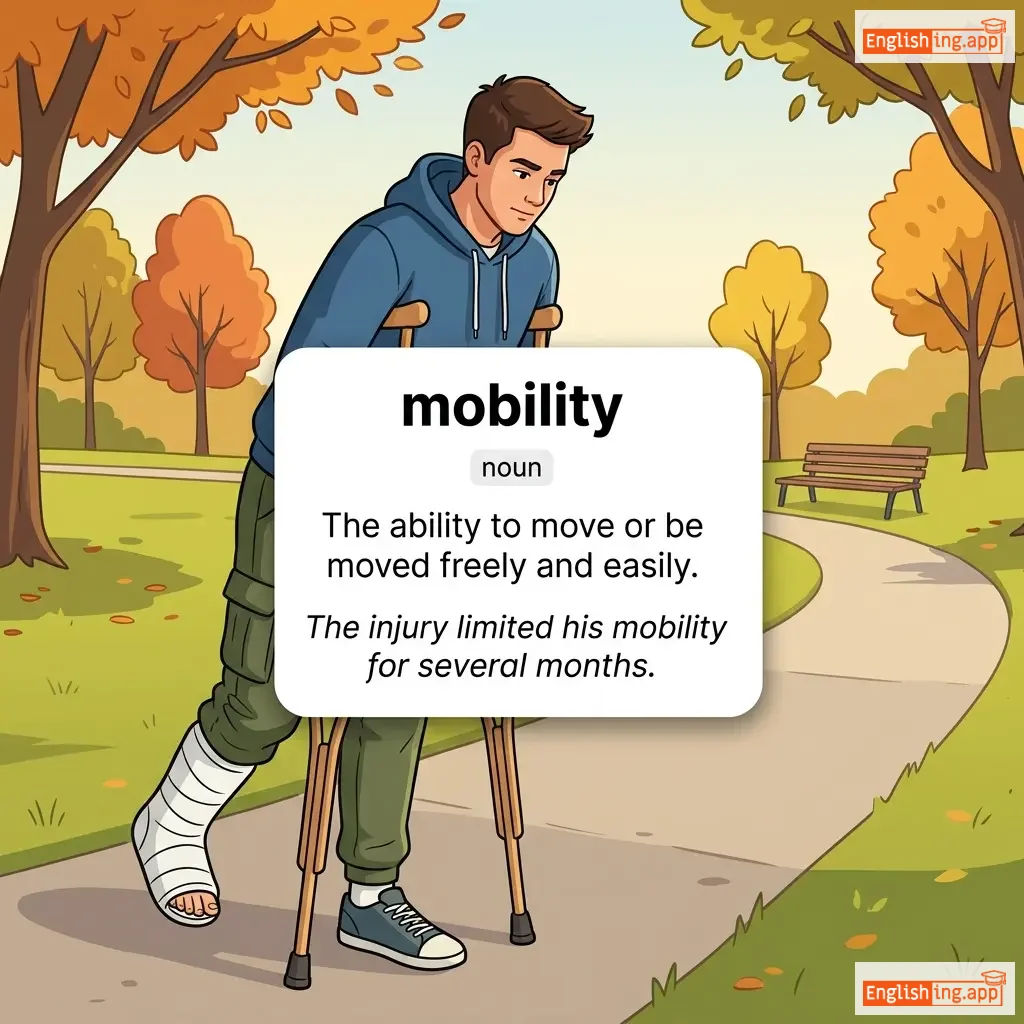
/moʊˈbɪl.ə.ti/
noun
(моби-лит-ти)
••••••
|
|
мобильность
mobil'nost'
••••••
|
the ability to move or be moved freely and easily
••••••
|
The wheelchair improved her mobility significantly.
Инвалидная коляска значительно улучшила её мобильность.
••••••
|
Инвалидная коляска значительно улучшила её мобильность.
Invalidnaya kalyaska znachitel'no uluchshila yeyu mobil'nost'.
••••••
|
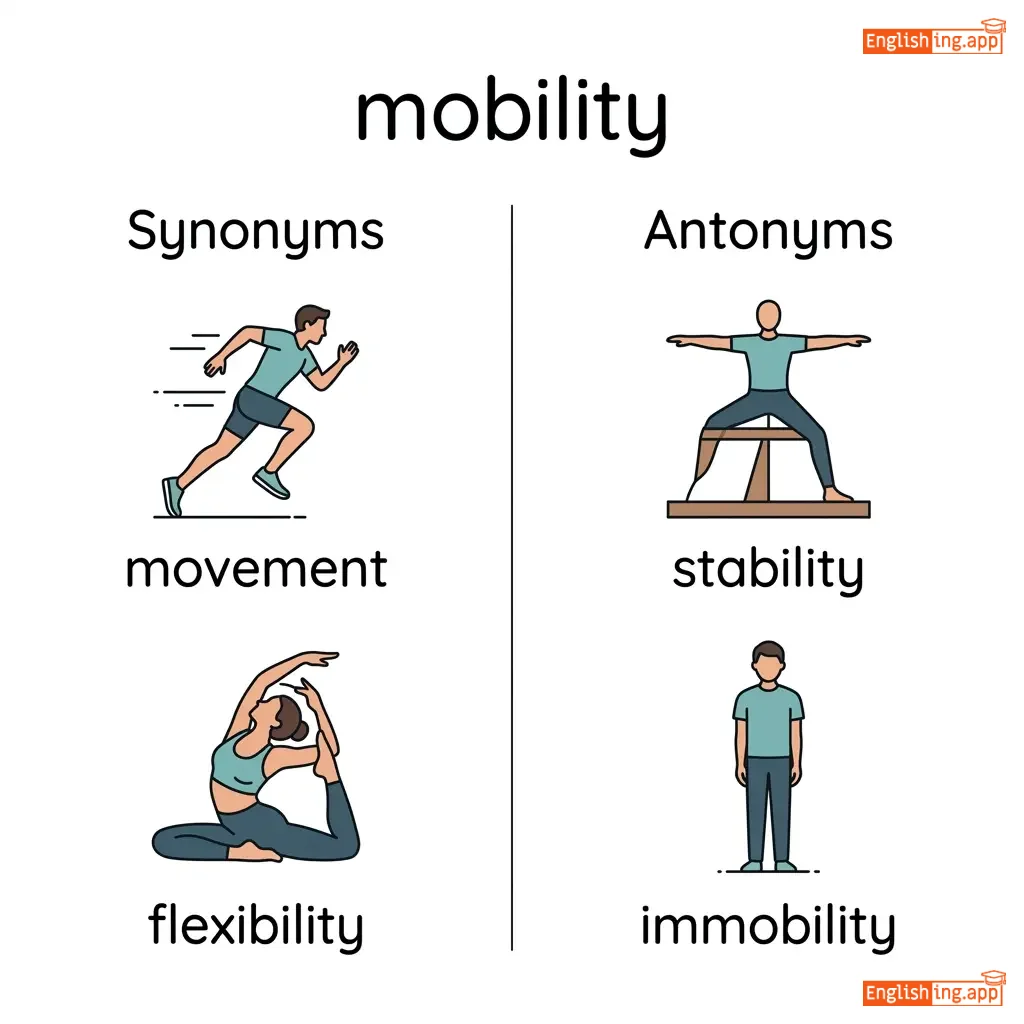
movement, agility, flexibility, portability
••••••
|
immobility, stiffness, rigidity
••••••
|
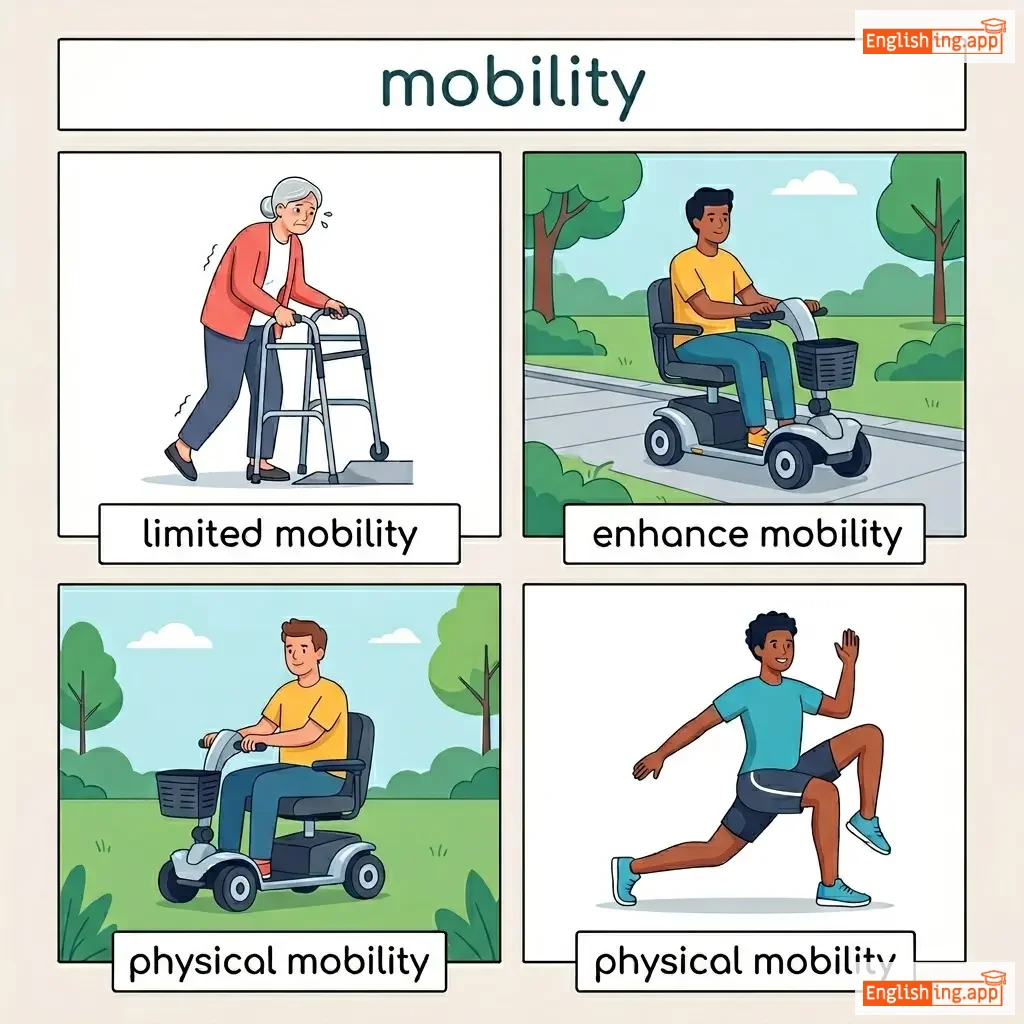
social mobility, job mobility, limited mobility
••••••
|
Mobil'nost' = мобильность. Движение без ограничений!
••••••
|
|
#886
🏢
|
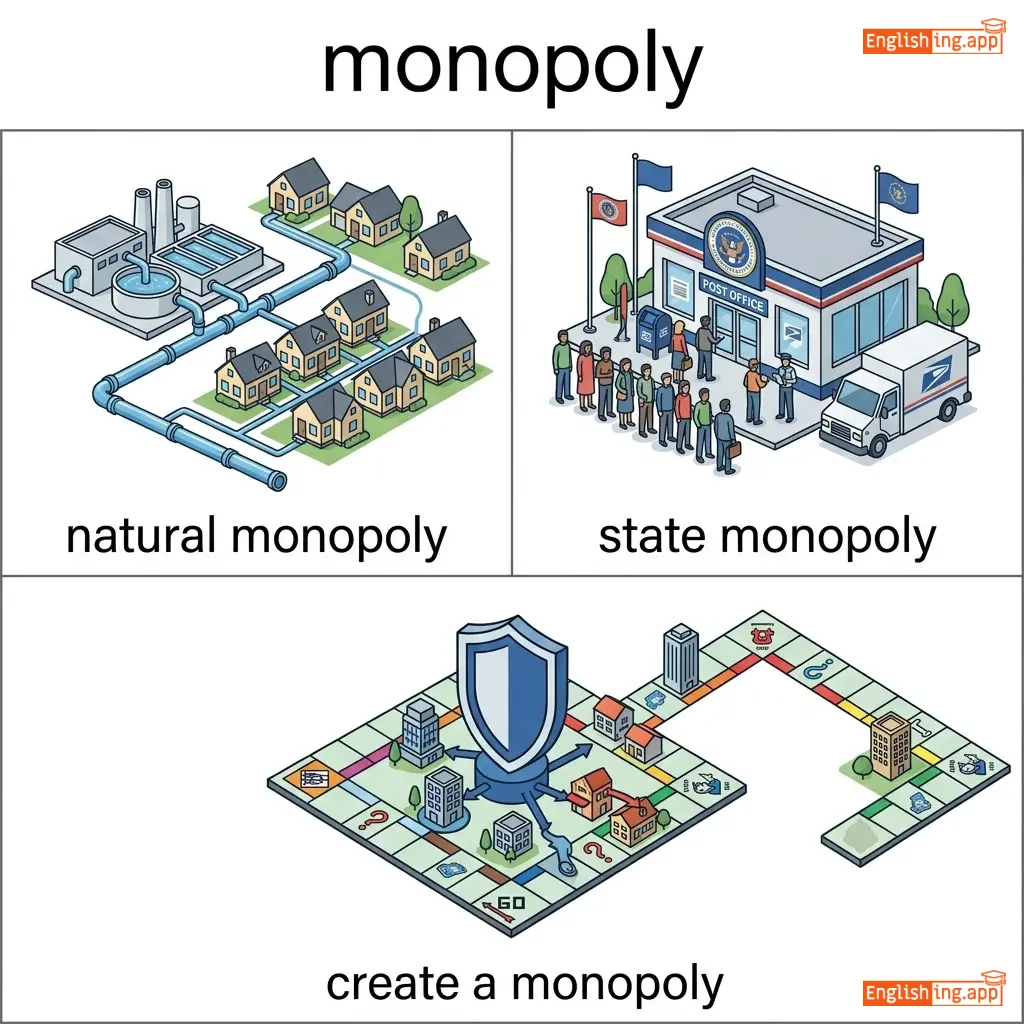
/məˈnɒp.ə.li/
noun
(монополия)
••••••
|
|
монополия
monopoliya
••••••
|
exclusive control of a commodity or service in a particular market
••••••
|
The company has a monopoly on internet services in the area.
У компании монополия на интернет-услуги в этом районе.
••••••
|
У компании монополия на интернет-услуги в этом районе.
u kompanii monopoliya na internetuslugi v etom rayone
••••••
|
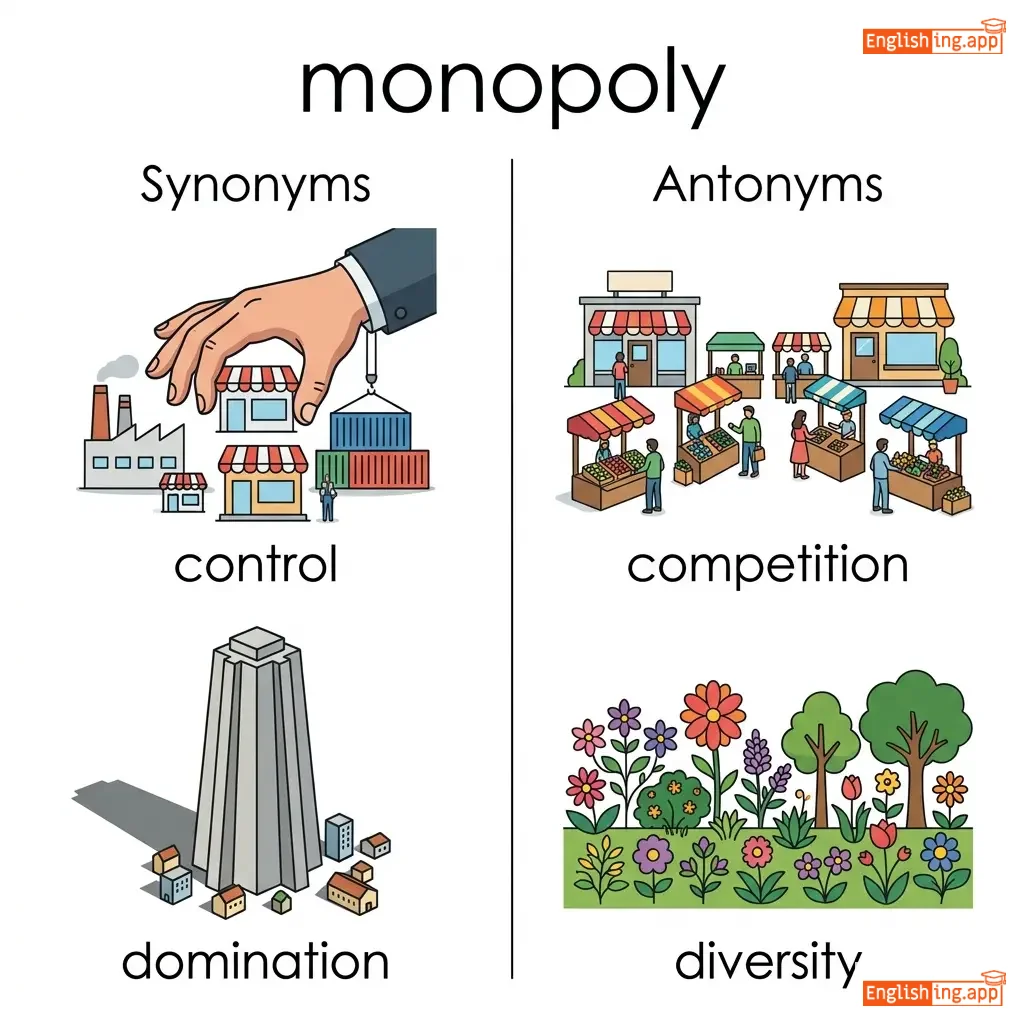
exclusive control, dominance, corner
••••••
|
competition, free market, rivalry
••••••
|
break monopoly, government monopoly, market monopoly
••••••
|
monoPOLIYa: один boss on the market держит all полки
••••••
|
|
#887
⚙️
|
/moʊd/
noun
(мод)
••••••
|
- •••••• |
режим; способ
rezhim; sposob
••••••
|
a way or manner in which something occurs or is done; a setting
••••••
|
The computer has a sleep mode to save energy. |
Компьютер имеет режим сна для экономии энергии.
Komp'yuter imeet rezhim sna dlya ekonomii energii.
••••••
|
method, way, manner, style
••••••
|
disorder, chaos, confusion
••••••
|
sleep mode, flight mode, safe mode
••••••
|
Режим сна помогает компьютеру сэкономить энергию.
••••••
|
|
#888
😴
|
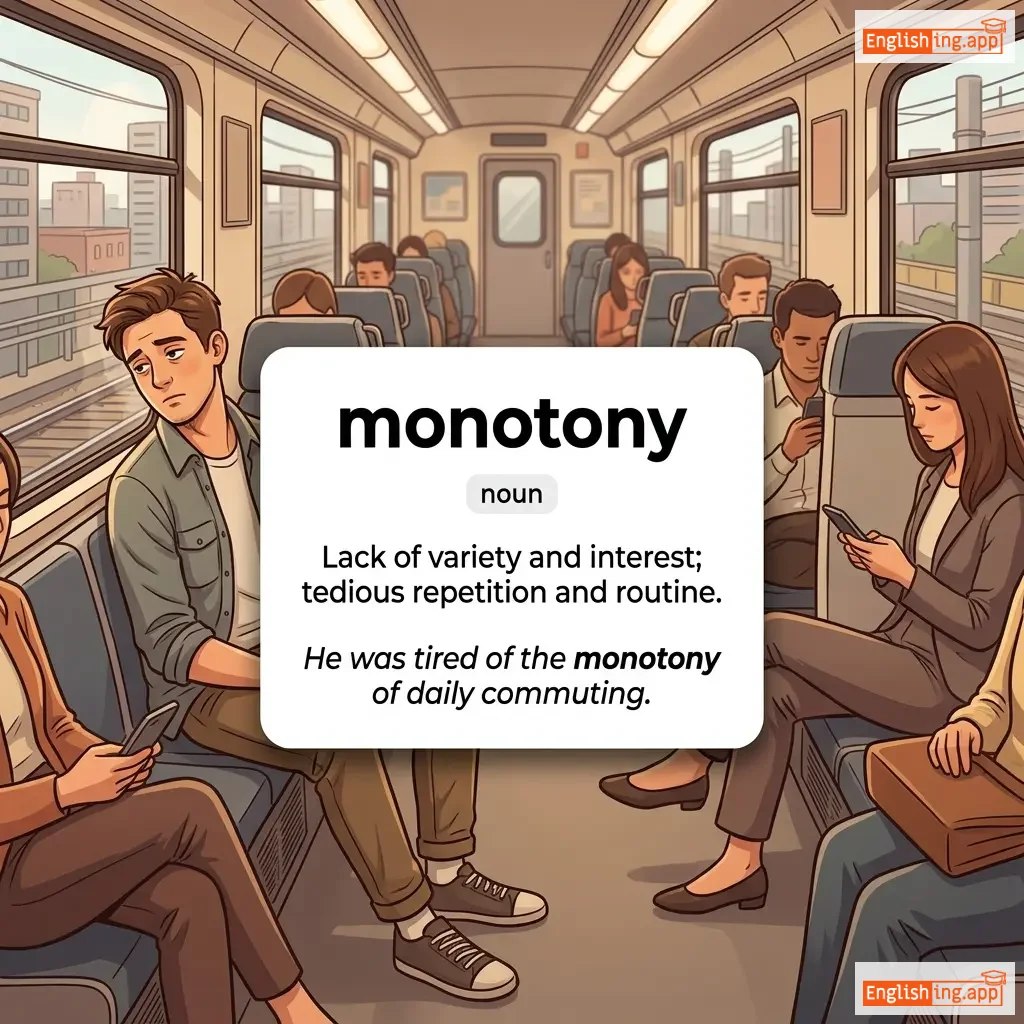
/məˈnɒt.ə.ni/
noun
(монотонность)
••••••
|
|
монотонность; утомительное повторение
monotonnost'; utomitel'noe povtorenie
••••••
|
lack of variety and interest; tedious repetition
••••••
|
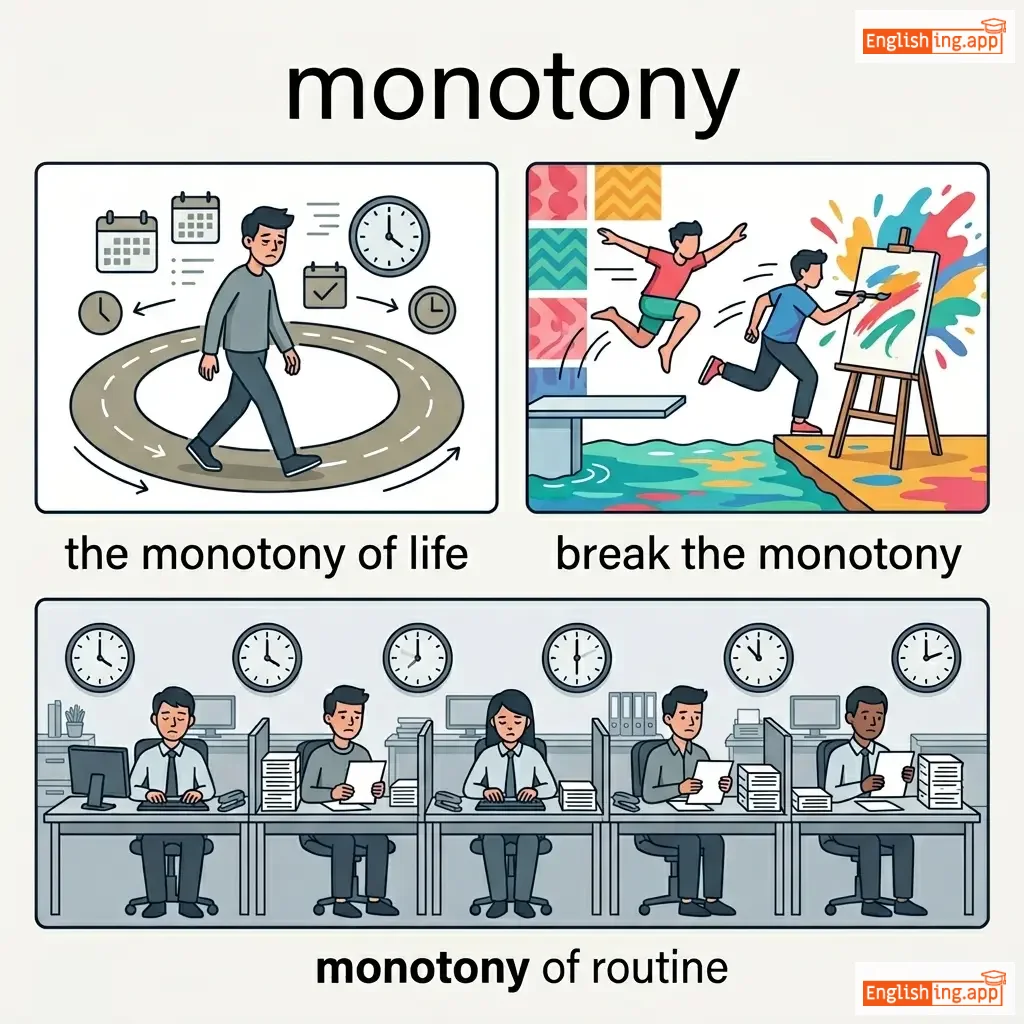
The monotony of his daily routine was driving him crazy. |
Монотонность его повседневной рутины сводила его с ума.
Monotonnost' yego povsiedniyei rutiny svodila yego s uma.
••••••
|
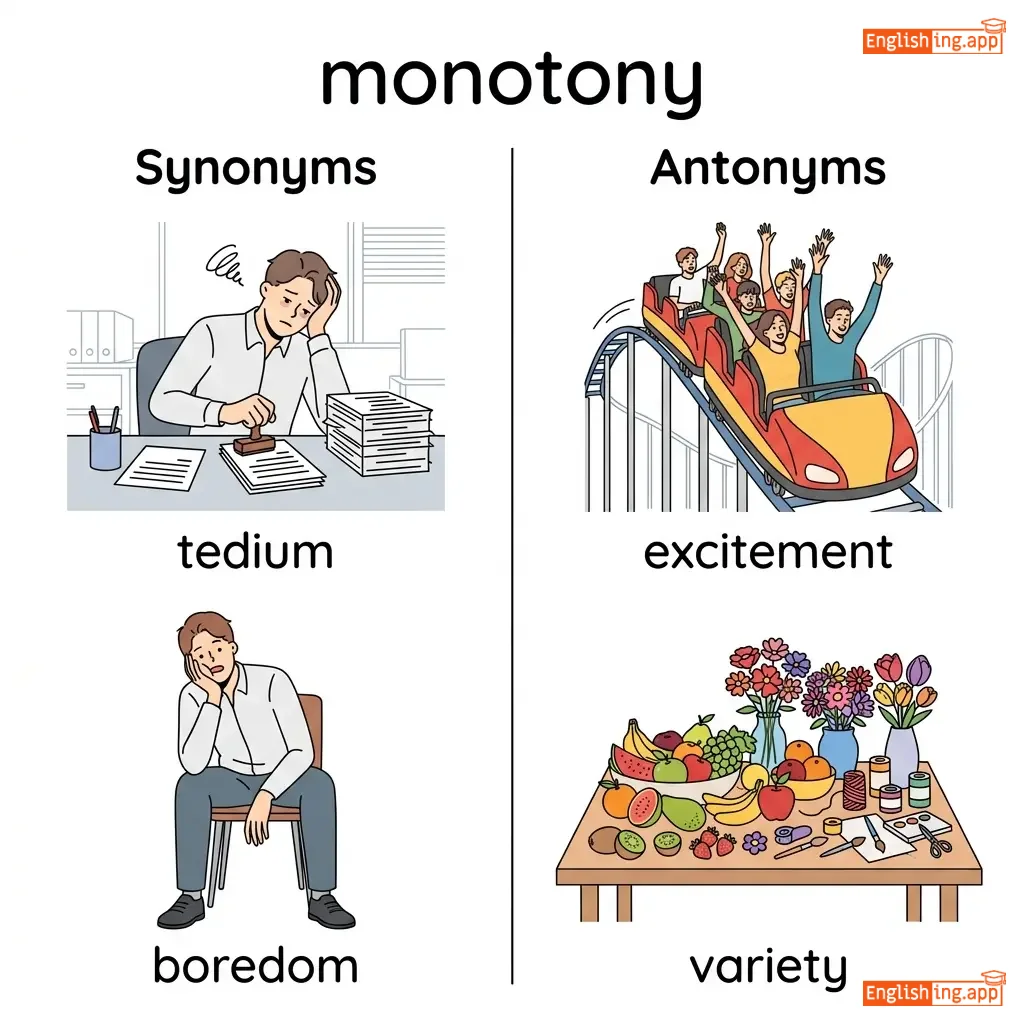
tedium, boredom, dullness, sameness
••••••
|
variety, excitement, diversity, stimulation
••••••
|
break monotony, endless monotony, daily monotony
••••••
|
In Russian, 'монотонность' sounds like monotony.
••••••
|
|
#889
👩💼
|
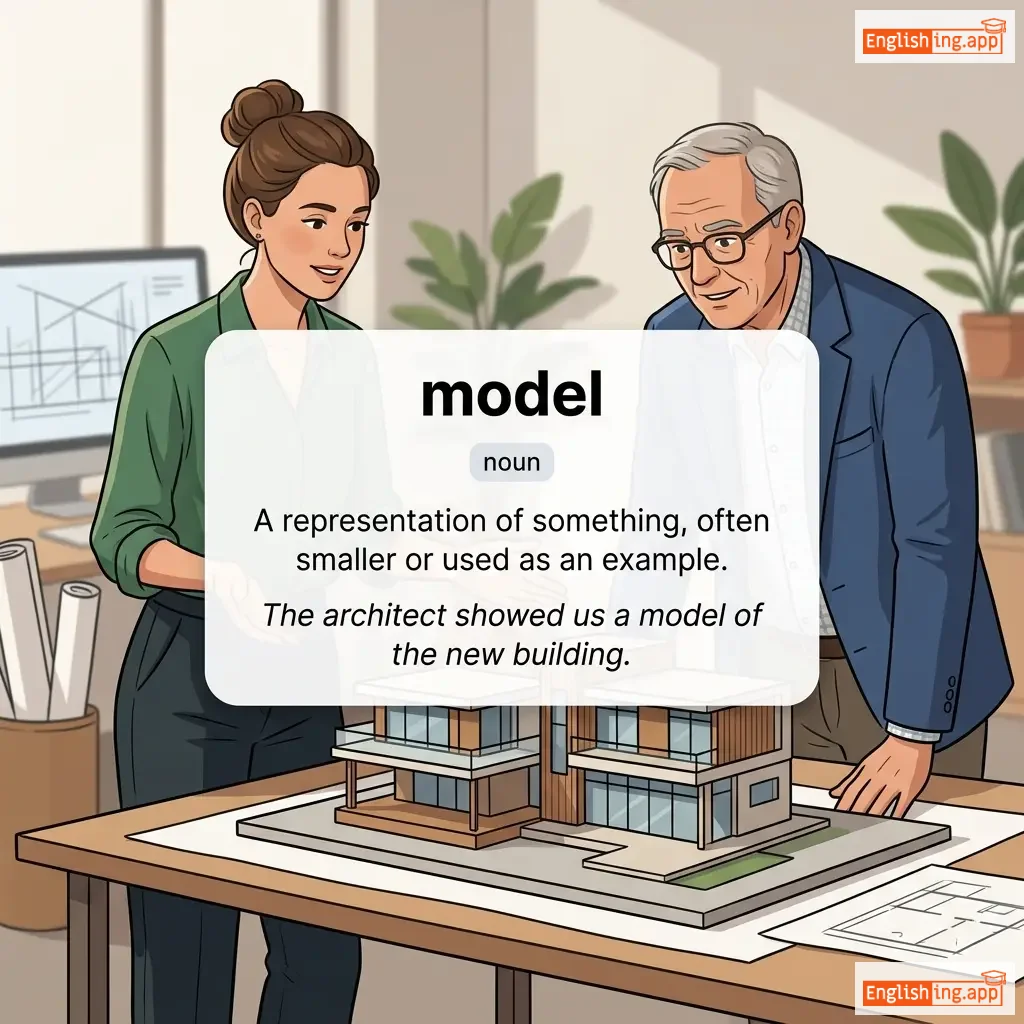
/ˈmɒd.əl/
noun
(модель)
••••••
|
|
модель
model
••••••
|
a representation of something; a person who displays clothes; an example to follow
••••••
|
She works as a fashion model for designer brands.
Она работает моделью для брендов дизайнеров.
••••••
|
Она работает моделью для брендов дизайнеров.
Ona rabotayet model'yu dlya brendov dizaynerov.
••••••
|
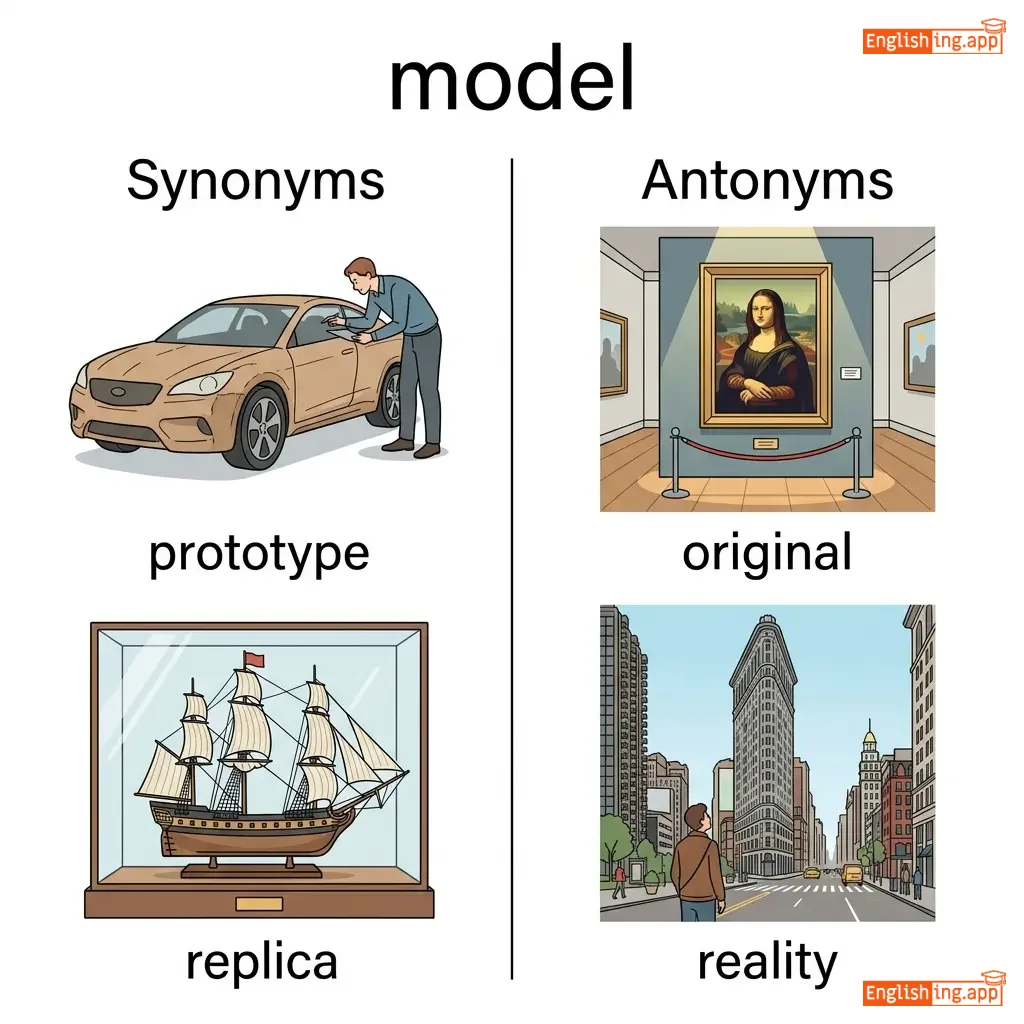
example, pattern, template, prototype
••••••
|
original, real, authentic
••••••
|
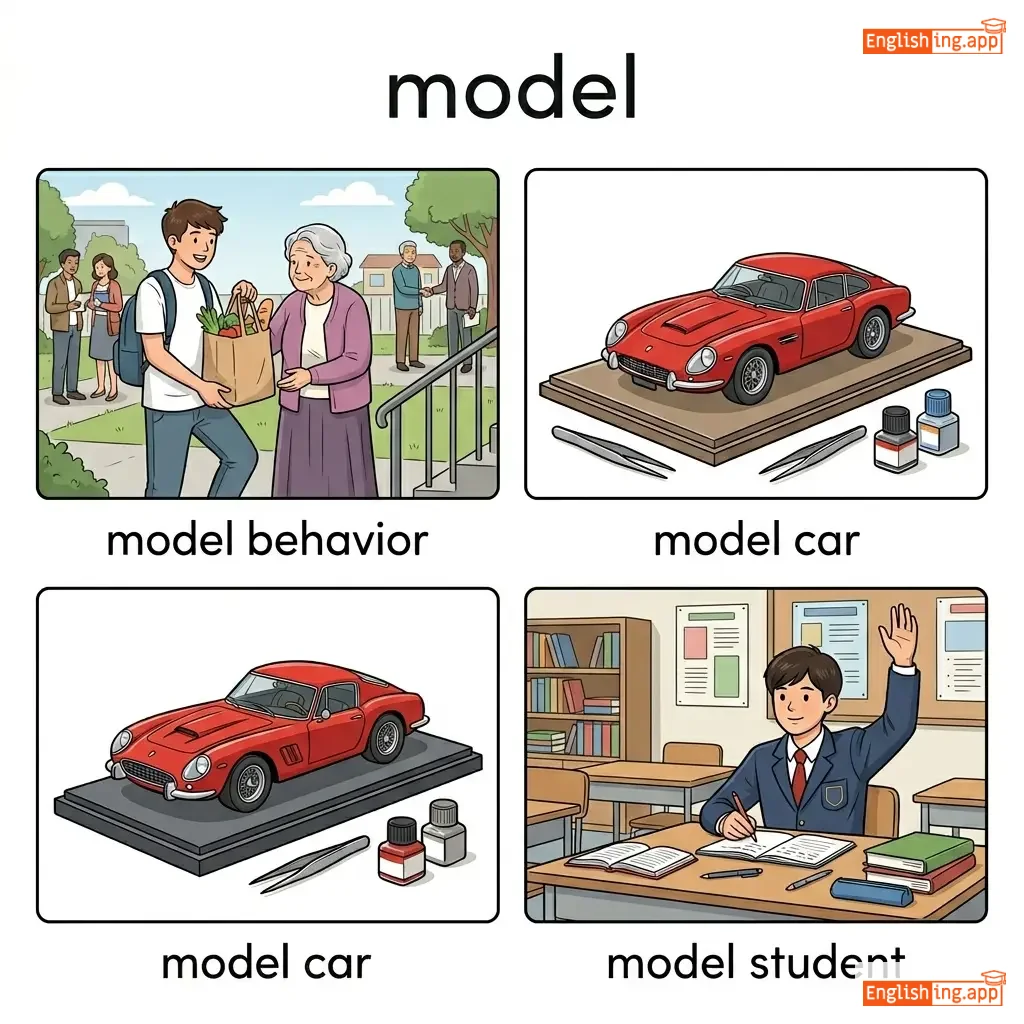
role model, business model, fashion model
••••••
|
In Russian, 'модель' (model) is used for both a person and a representation, making it similar to English.
••••••
|
|
#890
👹
|
/ˈmɒn.stər/
noun
(Монстер)
••••••
|
- •••••• |
монстр; жестокий человек
monstr; zhestokiy chelovek
••••••
|
a large, ugly, and frightening imaginary creature; a cruel person
••••••
|
The children were scared of the monster under the bed.
Де чилдрен вере скерд оф де Монстер андэр де бед.
••••••
|
Дети боялись монстра под кроватью.
Deti boyalis monstra pod krovatiu.
••••••
|
beast, demon, fiend, creature
••••••
|
angel, saint, hero, beauty
••••••
|
sea monster, scary monster, legendary monster
••••••
|
Monster v Russian, pomni strakh
••••••
|
|
#891
🙏
|
/ˈmɒd.ə.sti/
noun
(модэстий)
••••••
|
- •••••• |
скромность; смирение
skromnost'; smirenie
••••••
|
the quality of being humble and not boastful about achievements
••••••
|
Despite his success, he showed great modesty.
диспаит хиз саксэс, хи шоуэд грэйт модэстий.
••••••
|
Несмотря на успех, он проявил великую скромность.
Nesmotrya na uspekh, on proyavil velikuyu skromnost'.
••••••
|
humility, humbleness, reserve, shyness
••••••
|
arrogance, pride, boastfulness, vanity
••••••
|
false modesty, natural modesty, show modesty
••••••
|
Modesty можно запомнить как 'скромность', что близко к русскому 'модестный'.
••••••
|
|
#892
🗿
|
/ˈmɒn.jʊ.mənt/
noun
(мону́мент)
••••••
|
|
памятник
pamyatnik
••••••
|
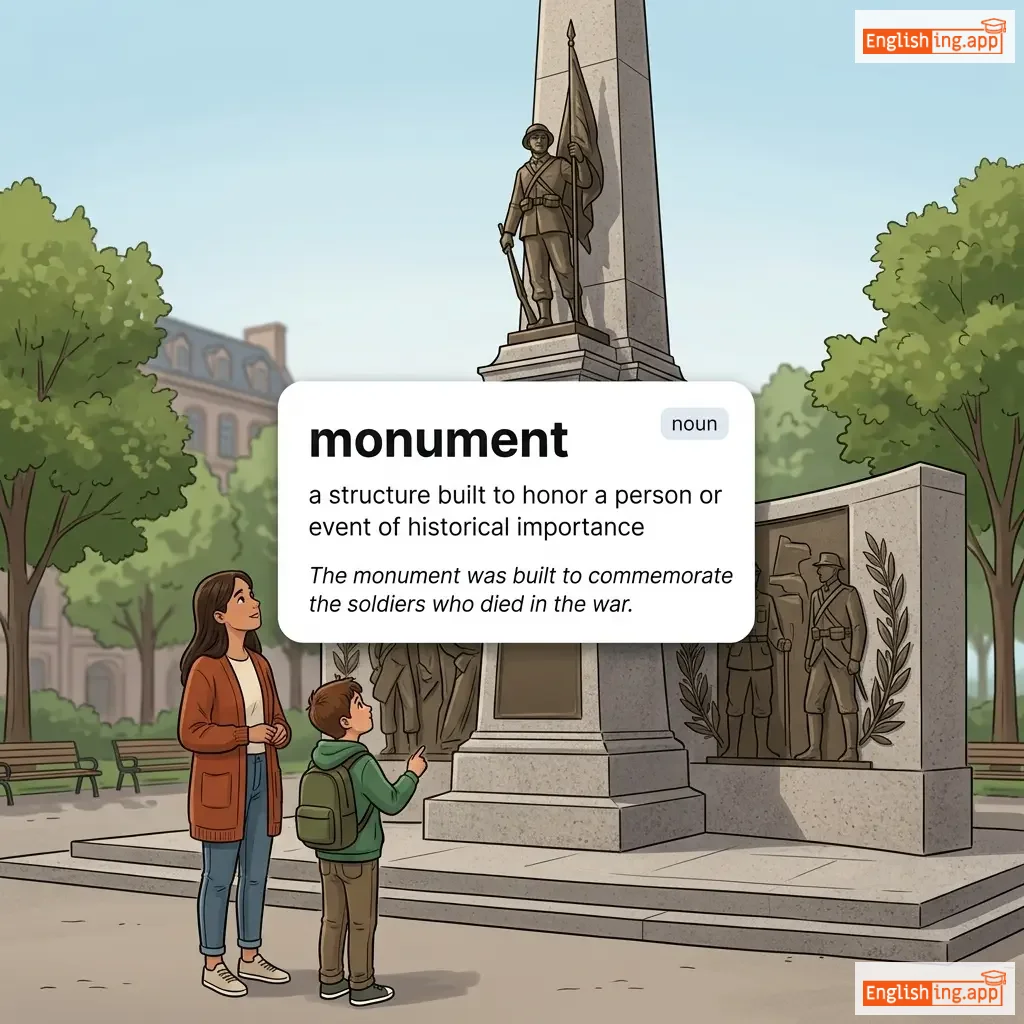
a statue, building, or structure erected to commemorate someone or something
••••••
|
The war monument honors fallen soldiers. |
Военный памятник почитает павших солдат.
Voyennyy pamyatnik pochitayet pavshikh soldat.
••••••
|
memorial, statue, landmark, tribute
••••••
|
temporary structure, ephemeral creation
••••••
|
war monument, historical monument, national monument
••••••
|
Памятник — это место для памяти, как памятник павшим солдатам.
••••••
|
|
#893
💧
|
/ˈmɔɪs.tʃər/
noun
(моистур)
••••••
|
- •••••• |
влажность
vlazhnost
••••••
|
water or dampness that exists in small amounts in the air or on a surface
••••••
|
The skin cream helps retain moisture. |
Крем для кожи помогает удерживать влагу.
Krem dlya kozhi pomogaet uderzhivat' vlagu.
••••••
|
dampness, humidity, wetness, dew
••••••
|
dryness, aridity, dehydration
••••••
|
skin moisture, moisture content, retain moisture
••••••
|
The Russian word 'влажность' (vlazhnost) sounds like 'wet', tying it to moisture.
••••••
|
|
#894
😊
|
/muːd/
noun
(муд)
••••••
|
- •••••• |
настроение; humeur;
nastroyeniye; mood;
••••••
|
a temporary state of mind or feeling; atmosphere
••••••
|
She was in a good mood after receiving the news.
Она была в хорошем настроении после получения новостей.
••••••
|
Она была в хорошем настроении после получения новостей.
Ona byla v khoroshem nastroenii posle polucheniya novostey.
••••••
|
temperament, disposition, spirit, feeling
••••••
|
stability, constancy
••••••
|
good mood, bad mood, change mood
••••••
|
Russian 'настроение' for state + English 'mood' = 'mood'
••••••
|
|
#895
⏰
|
/ˈmoʊ.mənt/
noun
(момент)
••••••
|
- •••••• |
момент
moment
••••••
|
a very brief period of time; an exact point in time
••••••
|
Please wait a moment while I check your order.
Пожалуйста, подождите минуту, пока я проверяю ваш заказ.
••••••
|
Пожалуйста, подождите минуту, пока я проверяю ваш заказ.
Pozhaluysta, podozhdite minutu, poka ya proveryayu vash zakaz.
••••••
|
instant, second, minute, time
••••••
|
eternity, forever, permanence
••••••
|
at the moment, perfect moment, crucial moment
••••••
|
Moment = Moment, like a tiny, exact point in time.
••••••
|
|
#896
✅
|
/ˈmɒr.əl/
noun
(мораль)
••••••
|
- •••••• |
мораль
moral
••••••
|
a lesson about right and wrong conduct; principles of right behavior
••••••
|
The moral of the story is to always tell the truth. |
Мораль истории заключается в том, чтобы всегда говорить правду.
Moral' istorii zaklyuchayetsya v tom, chtoby vsegda govorit' pravdu.
••••••
|
lesson, principle, teaching, ethics
••••••
|
immorality, corruption, vice
••••••
|
moral lesson, moral story, moral principles
••••••
|
Мораль = всегда говори правду
••••••
|
|
#897
🚀
|
/moʊˈmen.təm/
noun
(моментум)
••••••
|
|
импульс; сила, которая поддерживает движение чего-то
impuls; sila, kotoraya podderzhivayet dvizhene chego-to
••••••
|
the force that keeps something moving; increasing strength or speed
••••••
|
The team gained momentum after scoring the first goal.
Команда набрала импульс после первого гола.
••••••
|
Команда набрала импульс после первого гола.
Komanda nabralo impuls posle pervogo gola.
••••••
|
impetus, drive, force, energy
••••••
|
inertia, stagnation, standstill
••••••
|
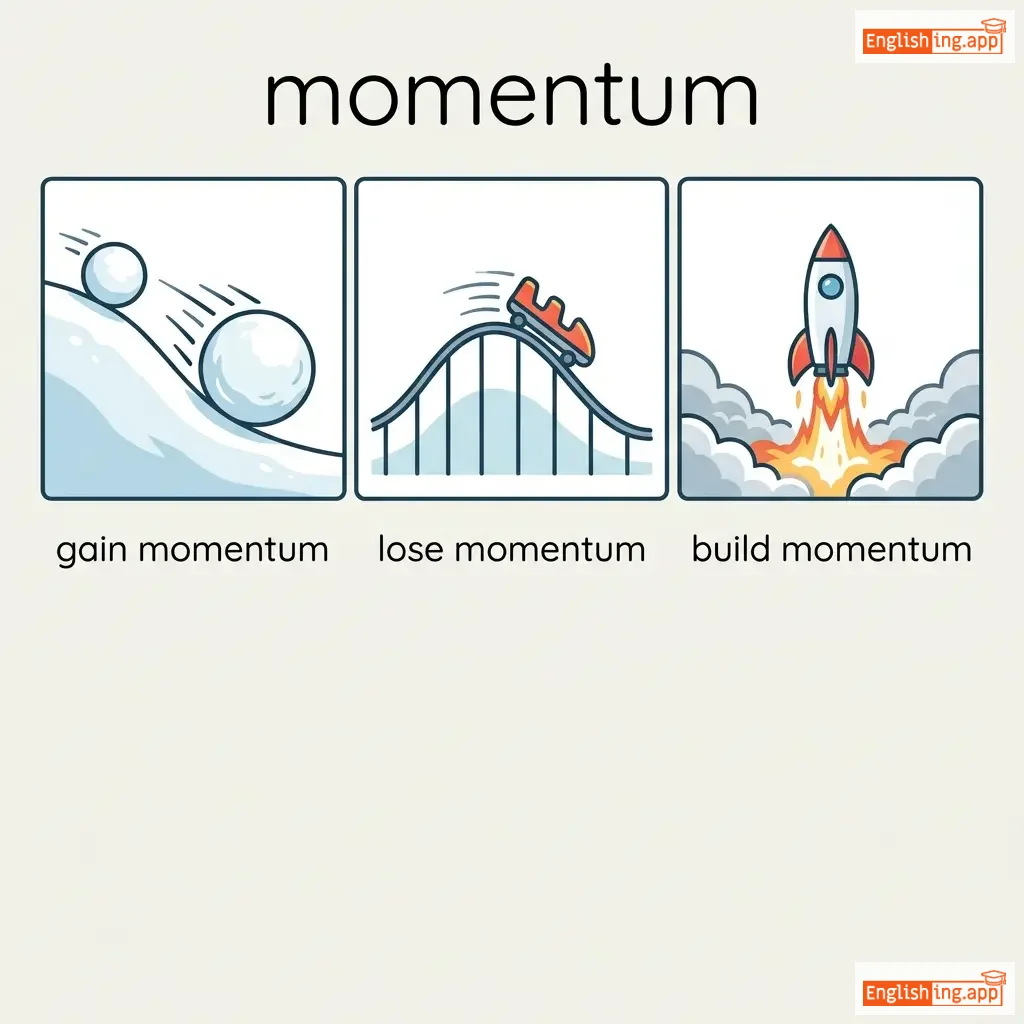
gain momentum, lose momentum, build momentum
••••••
|
Momentum на русском означает силу, которая толкает вперед.
••••••
|
|
#898
💪
|
/məˈrɑːl/
noun
(мораль)
••••••
|
- •••••• |
мораль; дух
moral; dukh
••••••
|
the confidence, enthusiasm, and discipline of a person or group
••••••
|
The team's morale improved after the victory.
Мораль команды улучшилась после победы.
••••••
|
Мораль команды улучшилась после победы.
Moral' komandy uluchshilas' posle pobedy.
••••••
|
spirit, confidence, enthusiasm, motivation
••••••
|
demoralization, discouragement, despair
••••••
|
boost morale, low morale, team morale
••••••
|
Russian 'moral' connects the team's positive spirit after winning.
••••••
|
|
#899
👑
|
/ˈmɒn.ɑːk/
noun
(monarkh)
••••••
|
- •••••• |
монарх
monarh
••••••
|
a sovereign ruler, especially a king or queen
••••••
|
The monarch addressed the nation on television.
Монарх обратился к нации по телевидению.
••••••
|
Монарх обратился к нации по телевидению.
Monarh obratilsya k natsii po televizii.
••••••
|
king, queen, ruler, sovereign
••••••
|
subject, citizen, commoner
••••••
|
absolute monarch, constitutional monarch, reigning monarch
••••••
|
Монарх - это тот же 'monarch' на английском.
••••••
|
|
#900
⚖️
|
/məˈræl.ə.ti/
noun
(моралитэ)
••••••
|
- •••••• |
мораль
moral
••••••
|
principles concerning the distinction between right and wrong behavior
••••••
|
The debate focused on the morality of the decision. |
Дебаты сосредоточились на моральности решения.
Debaty sosredotochilis' na moral'nosti resheniya.
••••••
|
ethics, virtue, righteousness, principles
••••••
|
immorality, corruption, wickedness, vice
••••••
|
public morality, personal morality, question morality
••••••
|
In Russian, 'мораль' refers to the difference between good and bad actions.
••••••
|
Vocabulary Quiz
Test your vocabulary by matching words with their translations or meanings.
Login to take the quiz
Comments (0)
Share your thoughts and join the discussion.
Join the discussion by logging in
Login to CommentNo comments yet
Be the first to share your thoughts!