

Обновитесь для доступа ко всему словарю
Получите неограниченный доступ ко всем словам с подпиской Pro
Обновить до ProПеревод
Прошедшее
Причастие прошедшего времени
Третье лицо единственного числа
Герундий
Значение
Пример предложения
Перевод примера предложения
Синонимы
Антонимы
Коллокации
Мнемоника

Swipe left or right, or use the buttons. Tap image to zoom.
Обновитесь для доступа ко всем предложениям
Получите неограниченный доступ ко всем предложениям с подпиской Pro
Обновить до ProПеревод примера предложения
Слово
Lesson 48Lesson 48 - Переключатель маски
|
Эмодзи
|
Слово | Images | Перевод | Значение | Пример предложения | Перевод примера предложения | Синонимы | Антонимы | Коллокации | Мнемоника |
|---|---|---|---|---|---|---|---|---|---|---|
|
#941
⭐
|
/ˈnoʊ.və/
noun
(нова)
••••••
|
- •••••• |
нова
nova
••••••
|
a star that suddenly increases greatly in brightness
••••••
|
Astronomers discovered a new nova in the constellation.
Астрономы обнаружили новую нову в созвездии.
••••••
|
Астрономы обнаружили новую нову в созвездии.
Astronomy obnaruzhili novuyu novu v sozezdii.
••••••
|
supernova, bright star, stellar explosion
••••••
|
dim star, fading star
••••••
|
bright nova, observe nova, nova explosion
••••••
|
В небесах появляется нова, которая начинает светить ярче.
••••••
|
|
#942
🤚
|
/oʊθ/
noun
(оут)
••••••
|
- •••••• |
клятва
klyatva
••••••
|
a solemn promise or declaration; a sworn statement
••••••
|
The doctor took an oath to help patients. |
Доктор дал клятву помогать пациентам.
Doktor dal klyatvu pomogat' patsiyentam.
••••••
|
vow, pledge, promise, swear
••••••
|
denial, refusal, breach
••••••
|
take oath, under oath, oath of office
••••••
|
Russian клятва (klyatva) for oath.
••••••
|
|
#943
🎆
|
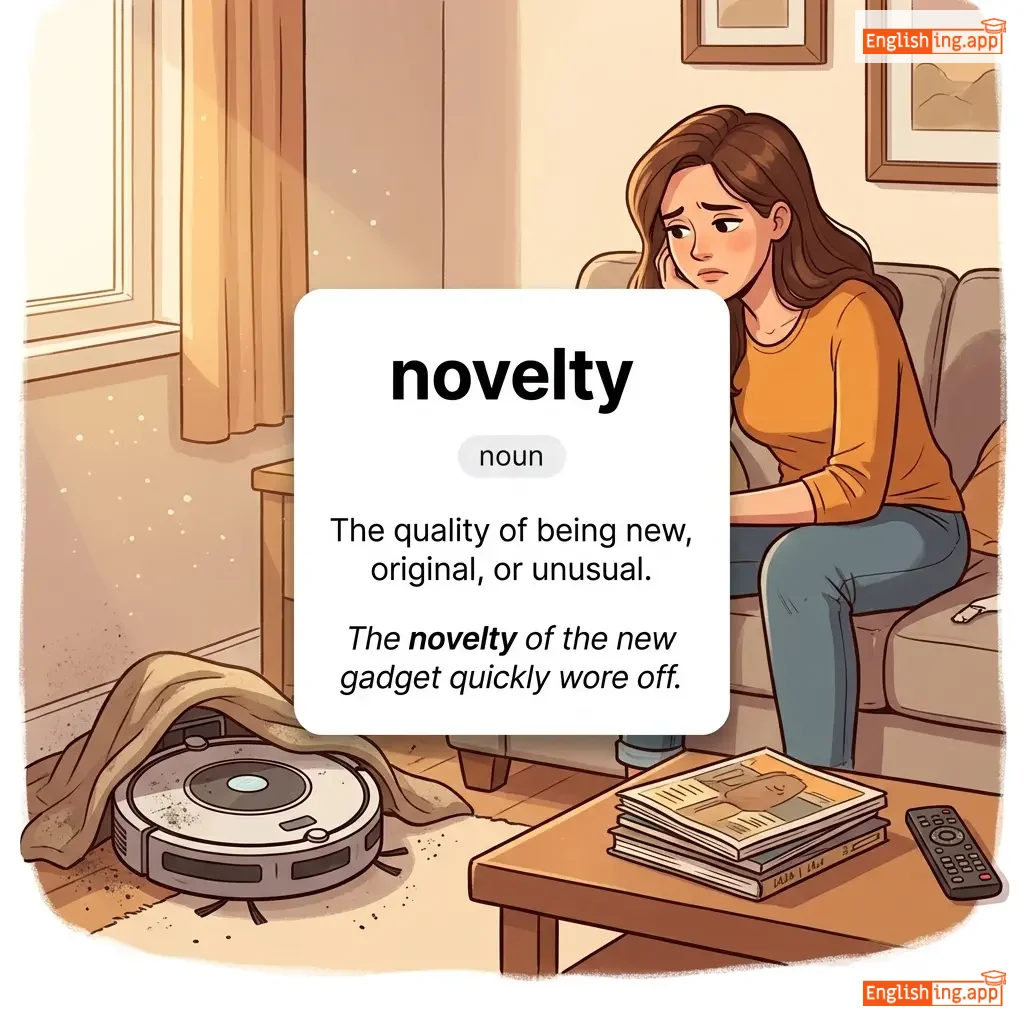
/ˈnɑv.əl.ti/
noun
(novelti)
••••••
|
|
новизна; оригинальность;
novizna; original'nost'
••••••
|
the quality of being new, original, or unusual; a new or unfamiliar thing
••••••
|
The novelty of the smartphone quickly wore off.
Новизна смартфона быстро исчезла.
••••••
|
Новизна смартфона быстро исчезла.
Novizna smartfona bystro ischezla.
••••••
|
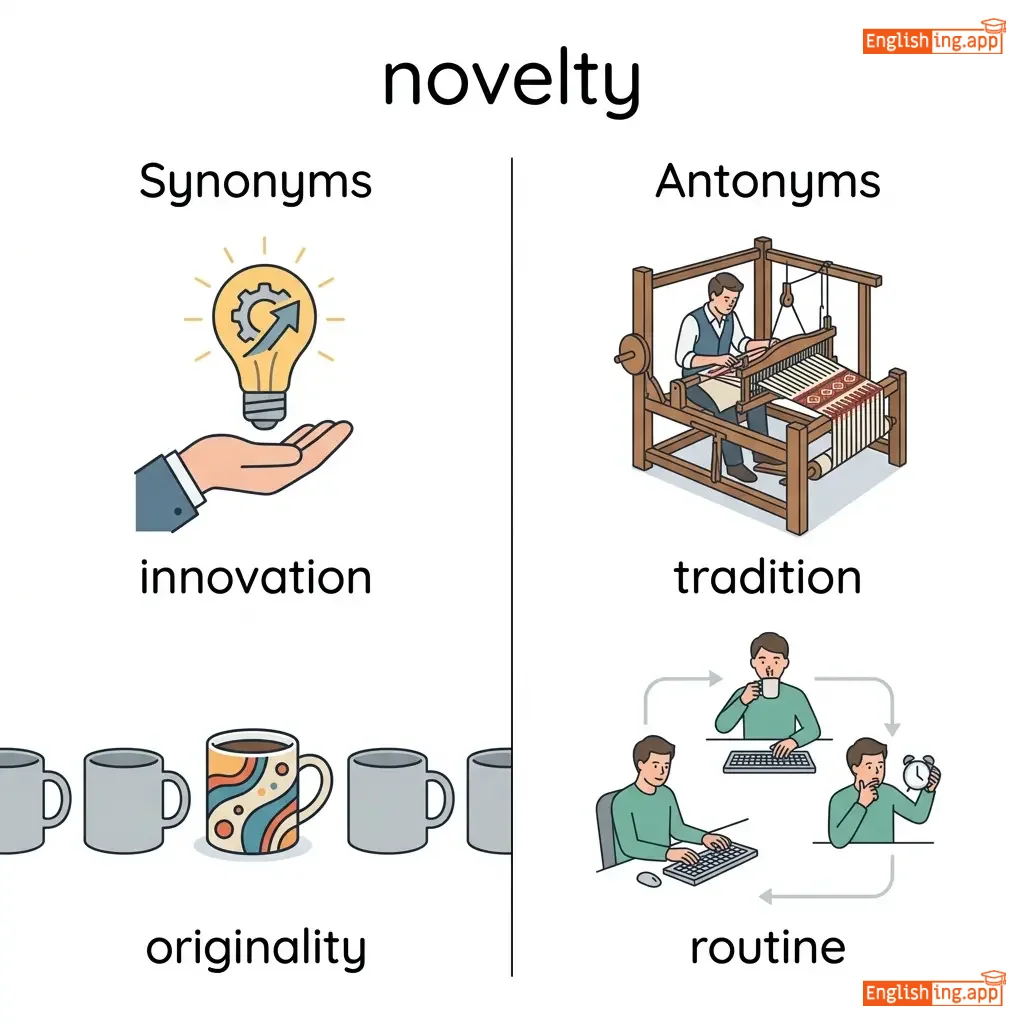
newness, originality, freshness, innovation
••••••
|
familiarity, oldness, tradition, routine
••••••
|
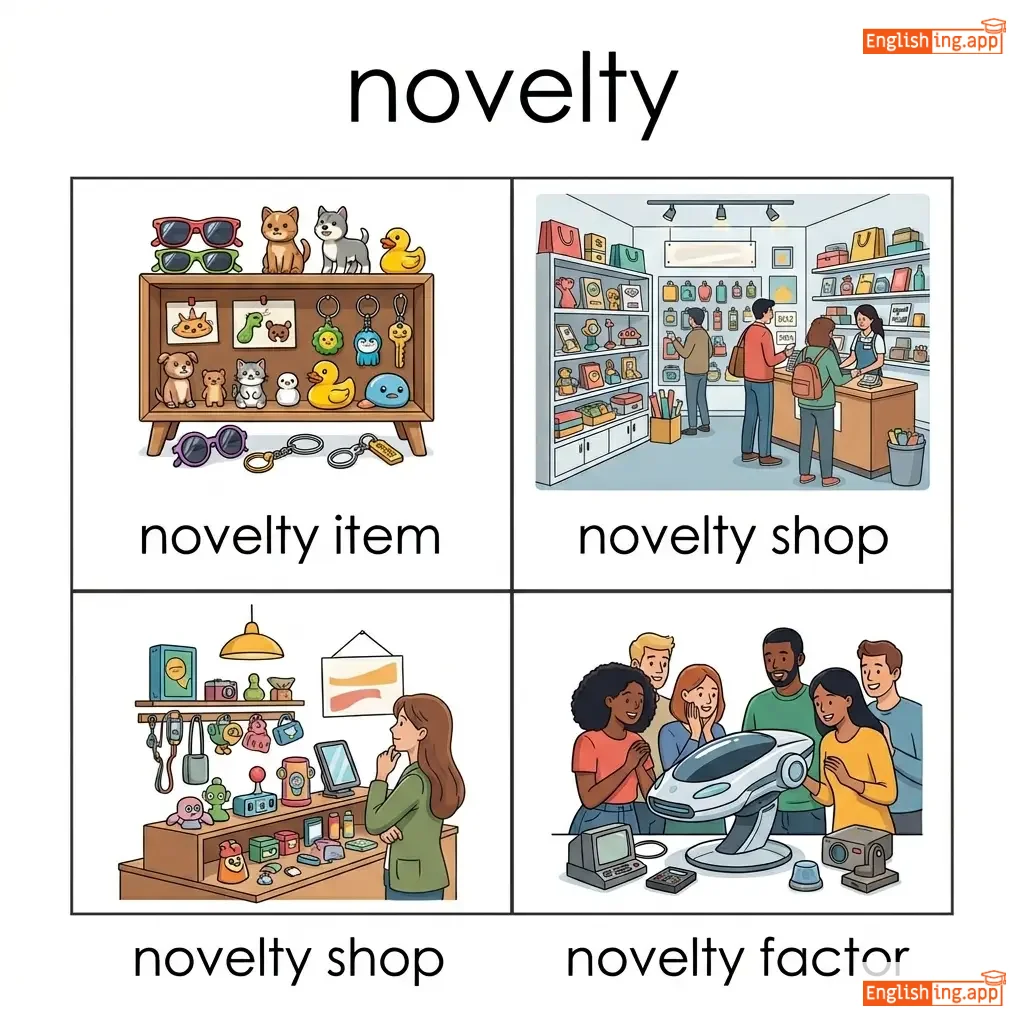
novelty item, novelty factor, wear off novelty
••••••
|
Новизна всегда привлекает внимание, но она быстро исчезает
••••••
|
|
#944
🙏
|
/oʊˈbiː.di.əns/
noun
(обедиенция)
••••••
|
- •••••• |
послушание
poslushanie
••••••
|
compliance with an order, request, or law; submission to authority
••••••
|
Children should show obedience to their parents.
Дети должны показывать послушание своим родителям.
••••••
|
Дети должны показывать послушание своим родителям.
Deti dolzhny pokazyvat' poslushanie svoim roditelyam.
••••••
|
compliance, submission, conformity, respect
••••••
|
disobedience, rebellion, defiance, resistance
••••••
|
blind obedience, show obedience, demand obedience
••••••
|
Послушание – это следование указаниям родителей.
••••••
|
|
#945
👶
|
/ˈnɑv.ɪs/
noun
(новис)
••••••
|
- •••••• |
новичок
novichok
••••••
|
a person new to or inexperienced in a field or situation; a beginner
••••••
|
As a novice driver, she was very careful on the road.
Как новичок за рулем, она была очень осторожна на дороге.
••••••
|
Как новичок за рулем, она была очень осторожна на дороге.
Kak novichok za rulem, ona byla ochen' ostorozhna na doroge.
••••••
|
beginner, newcomer, apprentice, amateur
••••••
|
expert, veteran, professional, master
••••••
|
complete novice, novice driver, novice teacher
••••••
|
Новичок = Novice на русском
••••••
|
|
#946
🪦
|
/oʊˈbɪt.ʃu.er.i/
noun
(обитюари)
••••••
|
- •••••• |
некролог
nekrolog
••••••
|
a notice of someone's death published in a newspaper; biographical account of deceased person
••••••
|
The newspaper published his obituary yesterday. |
Газета опубликовала его некролог вчера.
Gazeta opublikovala ego nekrolog vchera.
••••••
|
death notice, memorial, tribute, eulogy
••••••
|
birth announcement, celebration, life story
••••••
|
write obituary, publish obituary, obituary notice
••••••
|
Некролог - это последняя глава о человеке, который ушел.
••••••
|
|
#947
💡
|
/ˈnoʊ.ʃən/
noun
(но́шн)
••••••
|
- •••••• |
понятие; идея; мнение
ponyatie; ideya; mneniye
••••••
|
a conception or belief about something; an idea or opinion
••••••
|
I had no notion that the meeting was so important. |
У меня не было представления о том, что встреча так важна.
U menya ne bylo predstavleniya o tom, chto vstrecha tak vazhna.
••••••
|
idea, concept, belief, impression
••••••
|
fact, reality, certainty, knowledge
••••••
|
vague notion, preconceived notion, have notion
••••••
|
In Russian, 'понятие' means 'notion,' linked to 'idea' (идея) and 'opinion' (мнение).
••••••
|
|
#948
✋
|
/əbˈdʒek.ʃən/
noun
(объекция)
••••••
|
- •••••• |
возражение; протест; несогласие;
vozrazhenie; protest; nesoglasie;
••••••
|
an expression of disagreement or disapproval; a reason for disagreeing
••••••
|
The lawyer raised an objection during the trial.
Адвокат поднял возражение во время судебного процесса.
••••••
|
Адвокат поднял возражение во время судебного процесса.
Advokat podnyal vozrazhenie vo vremya sudebnogo protsessa.
••••••
|
protest, opposition, complaint, disagreement
••••••
|
agreement, approval, acceptance, consent
••••••
|
raise objection, strong objection, overrule objection
••••••
|
Imagine raising a 'возражение' (objection) in a Russian court.
••••••
|
|
#949
😠
|
/ˈnuː.səns/
noun
(нуисанс)
••••••
|
- •••••• |
неприятность; досада;
nepriyatnost; dosada
••••••
|
a person, thing, or circumstance causing inconvenience or annoyance
••••••
|
The constant noise from construction is a real nuisance.
Постоянный шум от строительства - это настоящее беспокойство.
••••••
|
Постоянный шум от строительства - это настоящее беспокойство.
Postoyannyi shum ot stroitel'stva - eto nastoyashchee bespokoystvo.
••••••
|
annoyance, bother, trouble, pest
••••••
|
pleasure, help, benefit, blessing
••••••
|
public nuisance, constant nuisance, real nuisance
••••••
|
A constant noise in Russia is a ‘nepriyatnost’ (nuisance).
••••••
|
|
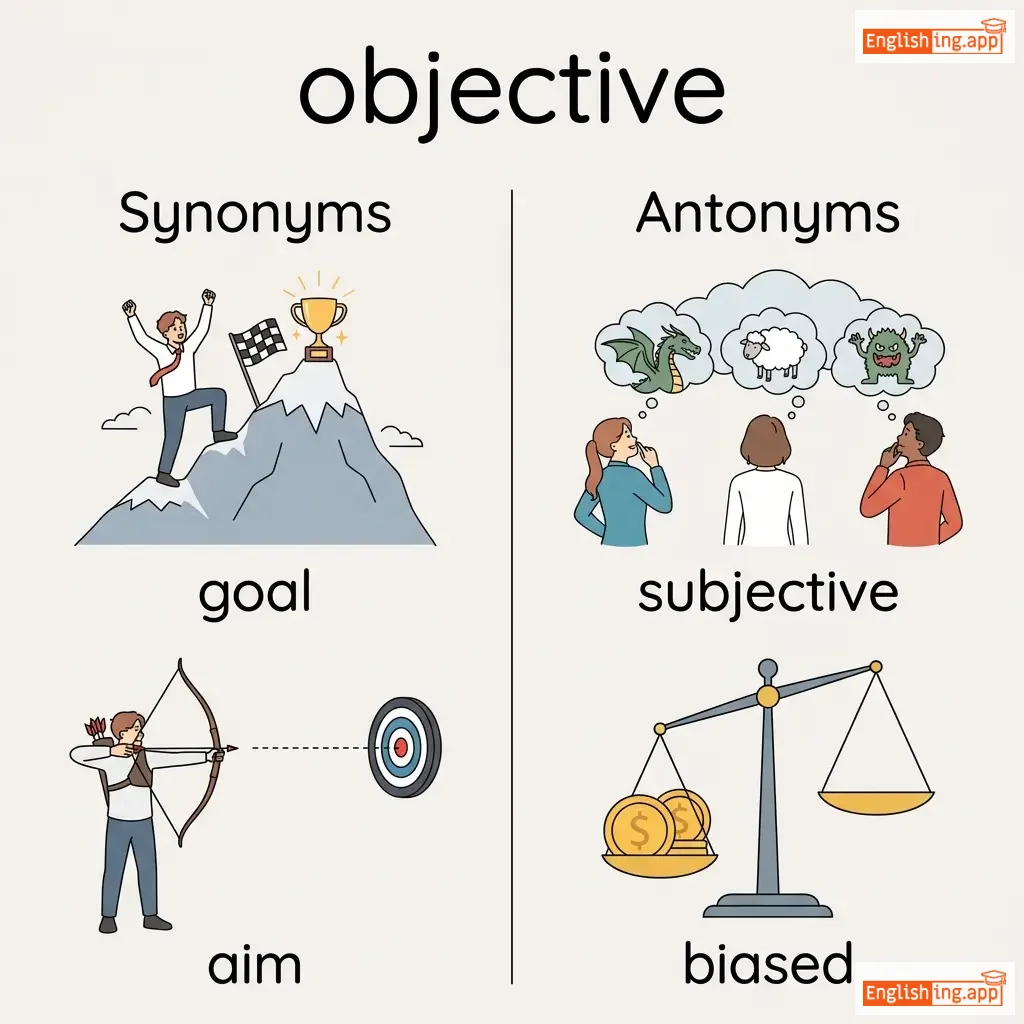
#950
🎯
|
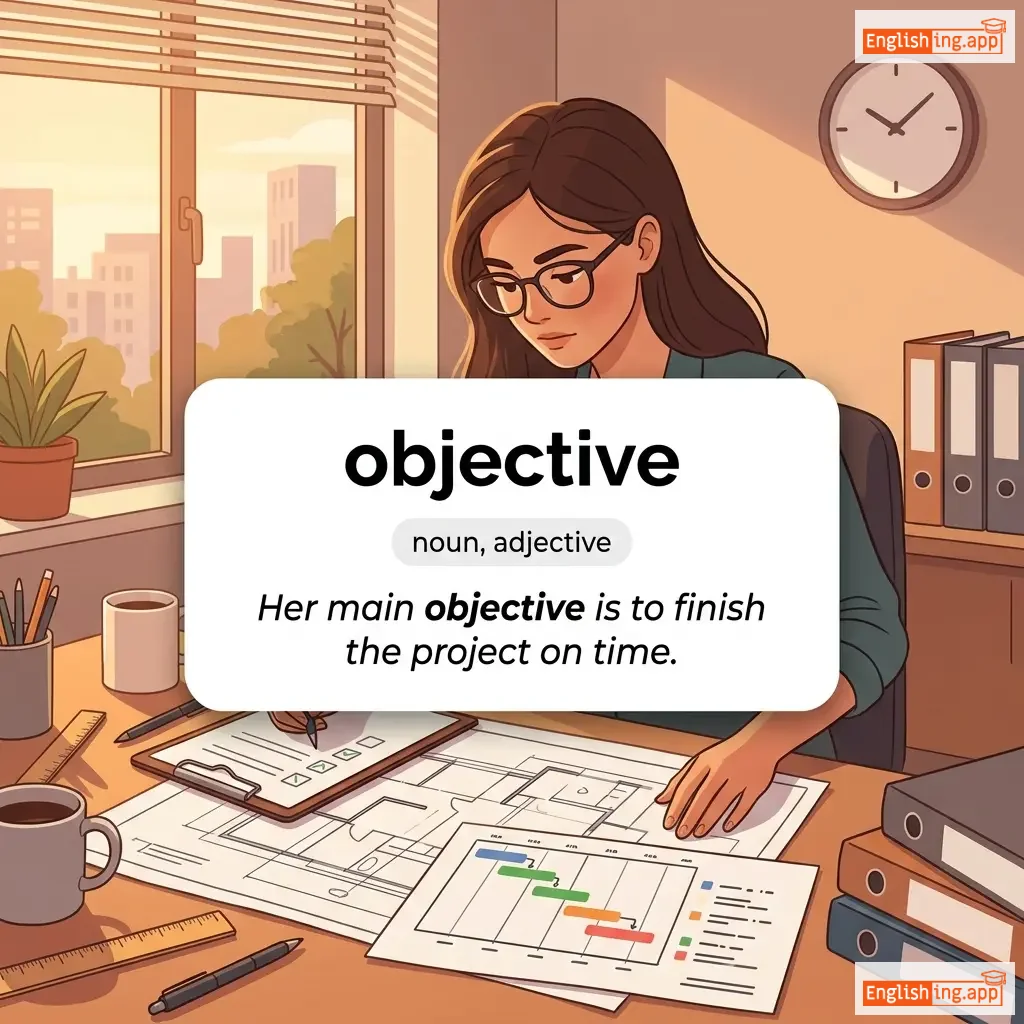
/əbˈdʒek.tɪv/
noun
(ob-dzhek-tiv)
••••••
|
|
цель
tsel'
••••••
|
a goal or aim; something that one strives to achieve
••••••
|
Our main objective is to increase sales.
Наша основная цель - увеличить продажи.
••••••
|
Наша основная цель - увеличить продажи.
nasha osnovnaya tsel' - uvelichit' prodazhi
••••••
|
goal, aim, target, purpose
••••••
|
subjective, biased, personal opinion
••••••
|
main objective, achieve objective, clear objective
••••••
|
Цель на русском - это то, к чему мы стремимся.
••••••
|
|
#951
👩🎓
|
/nʌn/
noun
(нун)
••••••
|
- •••••• |
монахиня
monakhinya
••••••
|
a woman who has taken vows in a religious order and lives in a convent
••••••
|
The nun taught at the local Catholic school.
Монахиня преподавала в местной католической школе.
••••••
|
Монахиня преподавала в местной католической школе.
Monakhinya prepodavala v mestnoy katolicheskoy shkole.
••••••
|
sister, religious woman, mother superior
••••••
|
layperson, secular woman
••••••
|
Catholic nun, teaching nun, convent nun
••••••
|
Russian 'монахиня' sounds similar to 'nun'.
••••••
|
|
#952
📝
|
/ˌɑb.lɪˈɡeɪ.ʃən/
noun
(облигация)
••••••
|
- •••••• |
обязанность
obyazannost
••••••
|
a duty or commitment; something that must be done legally or morally
••••••
|
Parents have an obligation to care for their children.
Родители обязаны заботиться о своих детях.
••••••
|
Родители обязаны заботиться о своих детях.
roditeli obyazany zabotit'sya o svoikh detyakh
••••••
|
duty, responsibility, commitment, requirement
••••••
|
freedom, choice, option, liberty
••••••
|
legal obligation, moral obligation, meet obligation
••••••
|
Родители имеют моральную и юридическую обязанность заботиться о своих детях.
••••••
|
|
#953
🌱
|
/ˈnɜr.tʃər/
noun
(нёрчер)
••••••
|
- •••••• |
воспитание
vospitanie
••••••
|
the process of caring for and encouraging growth or development
••••••
|
Good parenting involves both nature and nurture. |
Хорошее воспитание включает в себя и природу, и воспитание.
Khoroshee vospitanie vklyuchayet v sebya i prirodu, i vospitanie
••••••
|
care, cultivation, upbringing, development
••••••
|
neglect, abandonment, harm, destruction
••••••
|
nature vs nurture, nurture growth, provide nurture
••••••
|
Nurture means guiding someone to grow, like a teacher nurturing their students.
••••••
|
|
#954
🌫️
|
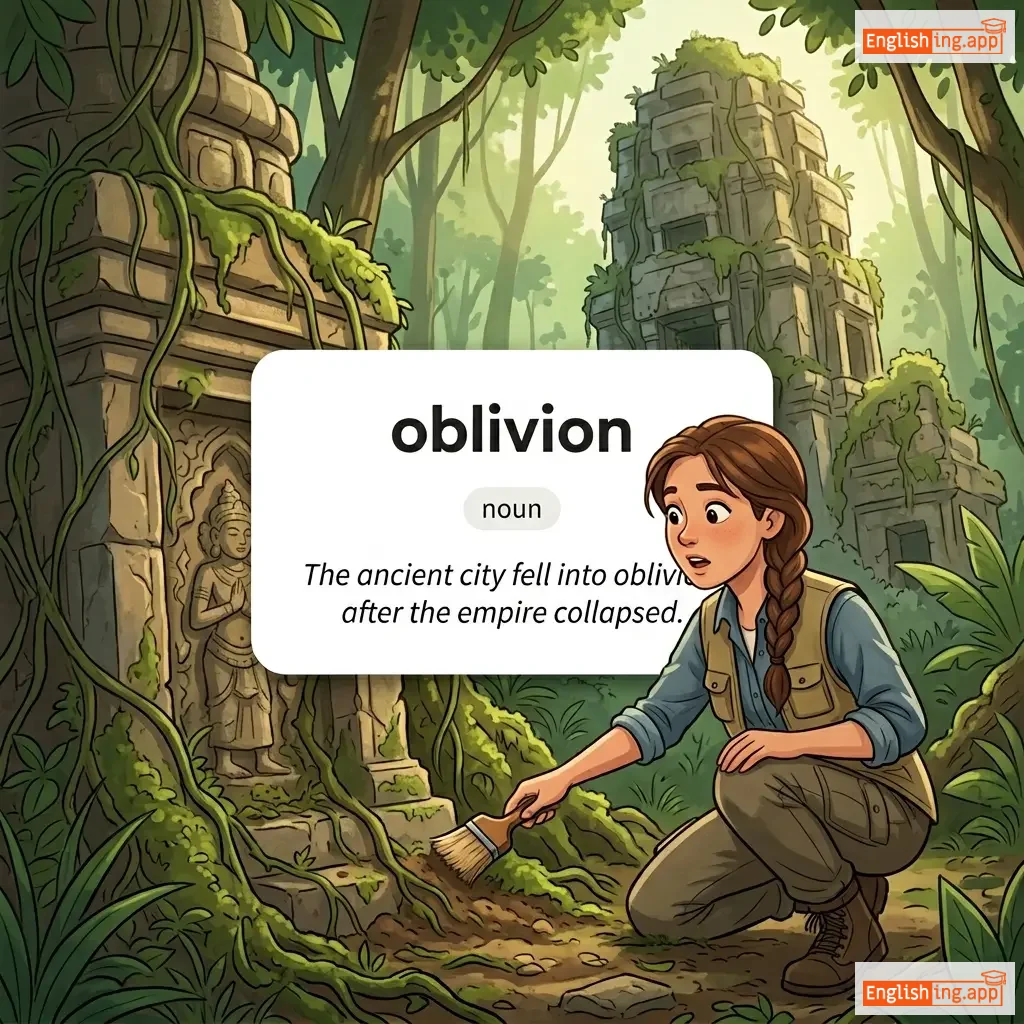
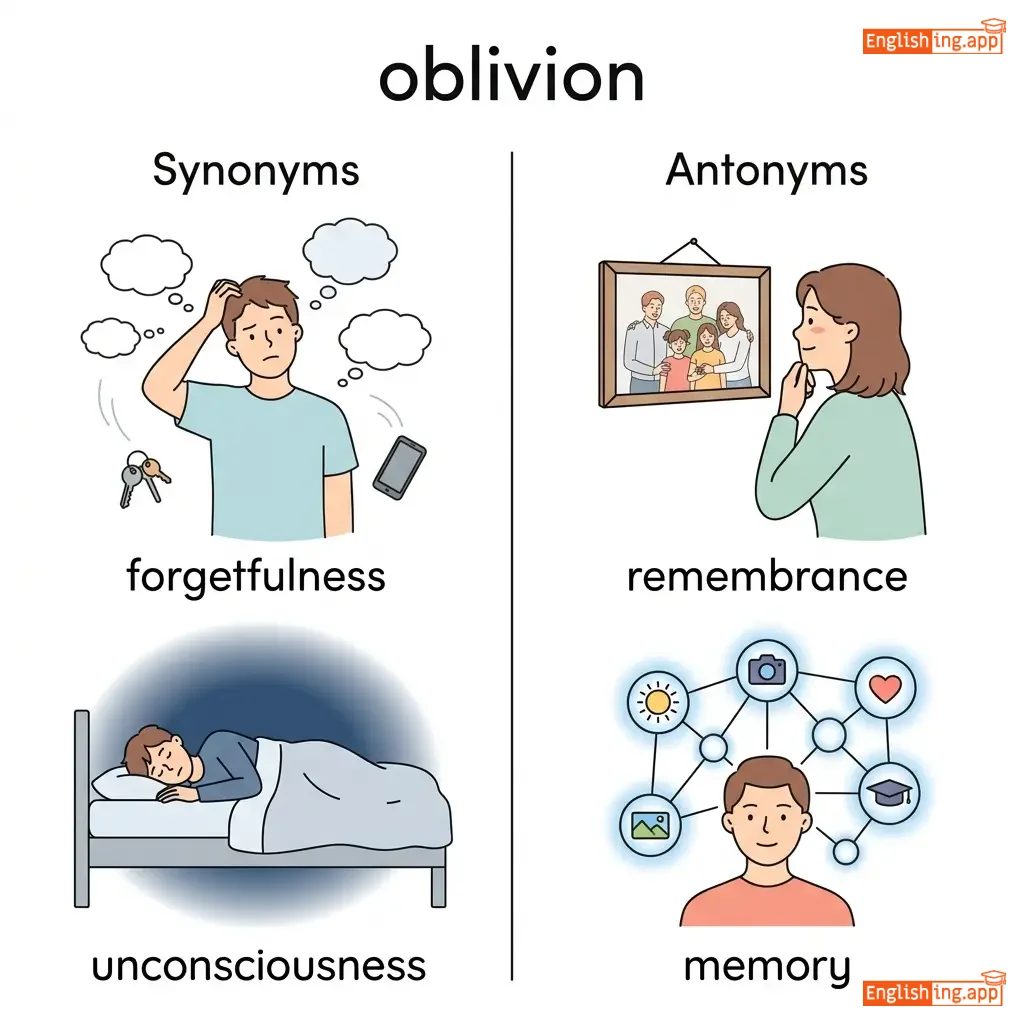
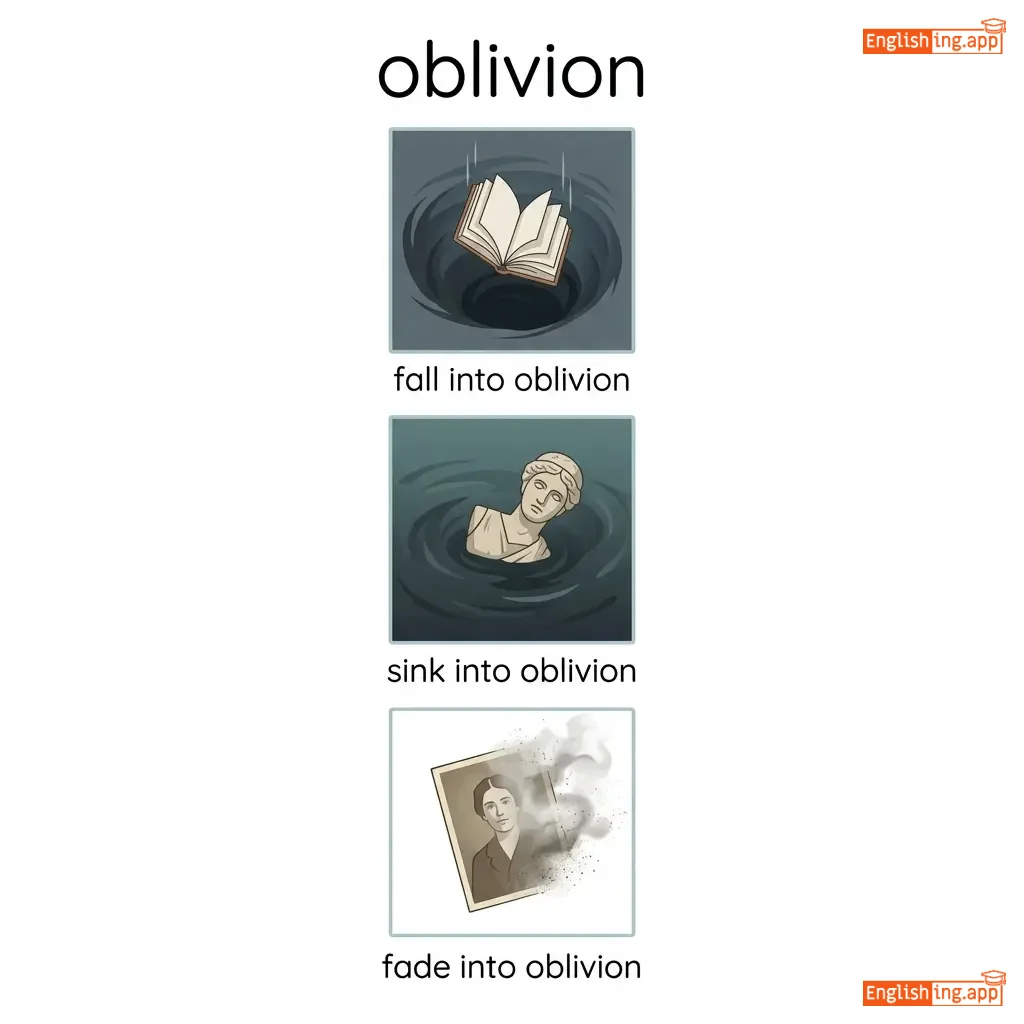
/əˈblɪv.i.ən/
noun
(обливион)
••••••
|
|
забвение
zabvenie
••••••
|
the state of being completely forgotten; unconsciousness
••••••
|
The old castle fell into oblivion over the centuries.
Старый замок ушел в забвение за века.
••••••
|
Старый замок ушел в забвение за века.
Staryi zamok ushel v zabvenie za veka.
••••••
|
forgetfulness, unconsciousness, void, neglect
••••••
|
remembrance, memory, awareness, consciousness
••••••
|
fade into oblivion, sink into oblivion, rescue from oblivion
••••••
|
Oblivion = Starij zamok + zabvenie
••••••
|
|
#955
🧚♀️
|
/nɪmf/
noun
(нимф)
••••••
|
- •••••• |
Нимфа
nimfa
••••••
|
a mythological spirit of nature; a beautiful young woman in classical mythology
••••••
|
The water nymph appeared by the moonlit lake. |
Водяная нимфа появилась у озера, освещенного луной.
Vodyanaya nimfa poyavilas u ozera, osveshchennogo lunoy.
••••••
|
fairy, sprite, goddess, maiden
••••••
|
mortal, human, ordinary person
••••••
|
water nymph, wood nymph, sea nymph
••••••
|
Нимфа - мифическое существо, обитающее в природе
••••••
|
|
#956
😠
|
/ˈɑb.lə.kwi/
noun
(облокви)
••••••
|
- •••••• |
жестокая критика или словесное оскорбление; публичное осуждение
obloqui
••••••
|
harsh criticism or verbal abuse; strong public condemnation
••••••
|
The politician faced obloquy after the scandal. |
Политик столкнулся с облоквием после скандала.
Politik stolknulsya s oblokviyem posle skandala.
••••••
|
criticism, condemnation, abuse, censure
••••••
|
praise, approval, commendation, acclaim
••••••
|
face obloquy, subject to obloquy, public obloquy
••••••
|
Russian: 'Obloquy' sounds like 'oblivion,' as harsh criticism can lead to public disgrace.
••••••
|
|
#957
🥴
|
/oʊf/
noun
(оф)
••••••
|
- •••••• |
неуклюжий, глупый или бесчувственный человек
neuklyuzhiy, glupyy ili besshchuvstvennyy chelovek
••••••
|
a clumsy, stupid, or insensitive person
••••••
|
Don't be such an oaf - handle the dishes carefully! |
Не будь таким офом – аккуратно моешь посуду!
Ne bud' takim ofom – akkuratno moyesh' posudu!
••••••
|
fool, clumsy person, buffoon, blockhead
••••••
|
gentleman, graceful person, intelligent person
••••••
|
clumsy oaf, stupid oaf, big oaf
••••••
|
Oaf можно запомнить как ‘Не будь глупым, как о’ф!’
••••••
|
|
#958
👀
|
/ˌɑb.zɚˈveɪ.ʃən/
noun
(обзерˈвеɪшн)
••••••
|
- •••••• |
наблюдение
nablyudenie
••••••
|
the action of watching something carefully; a comment or remark
••••••
|
The scientist made careful observations of the experiment.
Учёный тщательно наблюдал за экспериментом.
••••••
|
Учёный тщательно наблюдал за экспериментом.
Uchënyy tchatel'no nablyudal za eksperimentom.
••••••
|
watching, monitoring, examination, remark
••••••
|
ignorance, neglect, inattention, oversight
••••••
|
careful observation, direct observation, under observation
••••••
|
Учёный внимательно следит за экспериментом.
••••••
|
|
#959
🌴
|
/oʊˈeɪ.sɪs/
noun
(оазис)
••••••
|
- •••••• |
оазис
oazis
••••••
|
a fertile spot in a desert where water is found; a pleasant refuge
••••••
|
The travelers found an oasis after days in the desert. |
Путешественники нашли оазис после нескольких дней в пустыне.
Puteshestvenniki nashli oazis posle neskol'kikh dney v pustyne.
••••••
|
refuge, haven, sanctuary, retreat
••••••
|
desert, wasteland, barren land
••••••
|
desert oasis, peaceful oasis, find oasis
••••••
|
Оазис (oasis) is the same in Russian, a place of peace in the desert.
••••••
|
|
#960
🚧
|
/ˈɑb.stə.kəl/
noun
(обстакл)
••••••
|
- •••••• |
препятствие
prepyatstvie
••••••
|
something that blocks or makes progress difficult; a barrier
••••••
|
Bad weather was the main obstacle to our journey. |
Плохая погода была главным препятствием на нашем пути.
Plokhaya pogoda byla glavnym prepyatstviem na nashem puti.
••••••
|
barrier, hindrance, impediment, hurdle
••••••
|
assistance, help, advantage, support
••••••
|
overcome obstacle, major obstacle, remove obstacle
••••••
|
In Russian, 'препятствие' (prepyatstvie) is close to 'prevent', which blocks progress.
••••••
|
Vocabulary Quiz
Test your vocabulary by matching words with their translations or meanings.
Login to take the quiz
Comments (0)
Share your thoughts and join the discussion.
Join the discussion by logging in
Login to CommentNo comments yet
Be the first to share your thoughts!