

Обновитесь для доступа ко всему словарю
Получите неограниченный доступ ко всем словам с подпиской Pro
Обновить до ProПеревод
Прошедшее
Причастие прошедшего времени
Третье лицо единственного числа
Герундий
Значение
Пример предложения
Перевод примера предложения
Синонимы
Антонимы
Коллокации
Мнемоника





Swipe left or right, or use the buttons. Tap image to zoom.
Обновитесь для доступа ко всем предложениям
Получите неограниченный доступ ко всем предложениям с подпиской Pro
Обновить до ProПеревод примера предложения
Слово
Lesson 2Lesson 2 - Переключатель маски
|
Эмодзи
|
Слово | Images | Перевод | Значение | Пример предложения | Перевод примера предложения | Синонимы | Антонимы | Коллокации | Мнемоника |
|---|---|---|---|---|---|---|---|---|---|---|
|
#21
🤝
|
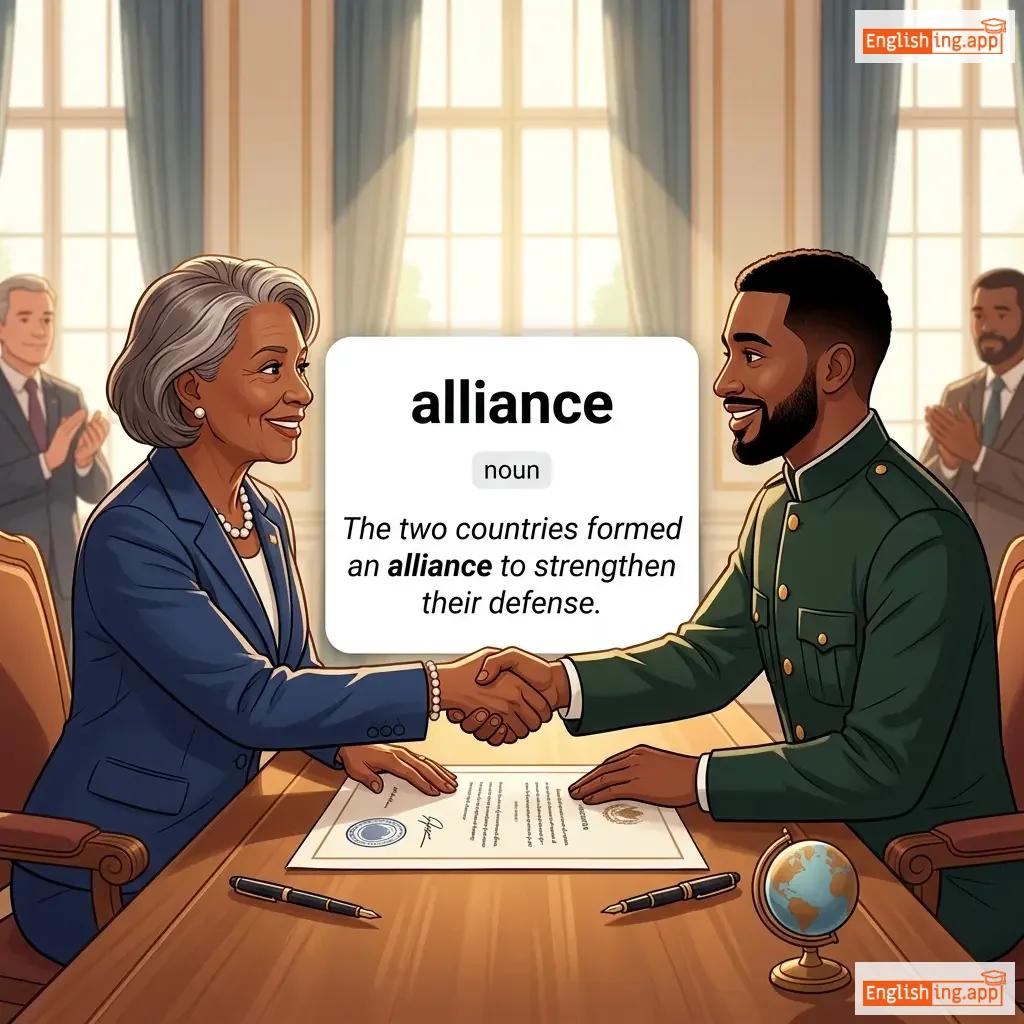
/əˈlaɪəns/
noun
(alyans)
••••••
|
|
альянс
alyans
••••••
|
a union or association formed for mutual benefit, especially between countries or organizations
••••••
|
The two countries formed a strong alliance for trade.
Две страны образовали прочный альянс для торговли.
••••••
|
Две страны образовали прочный альянс для торговли.
Dve strany obrazovali prochnyy alyans dlya torgovli.
••••••
|
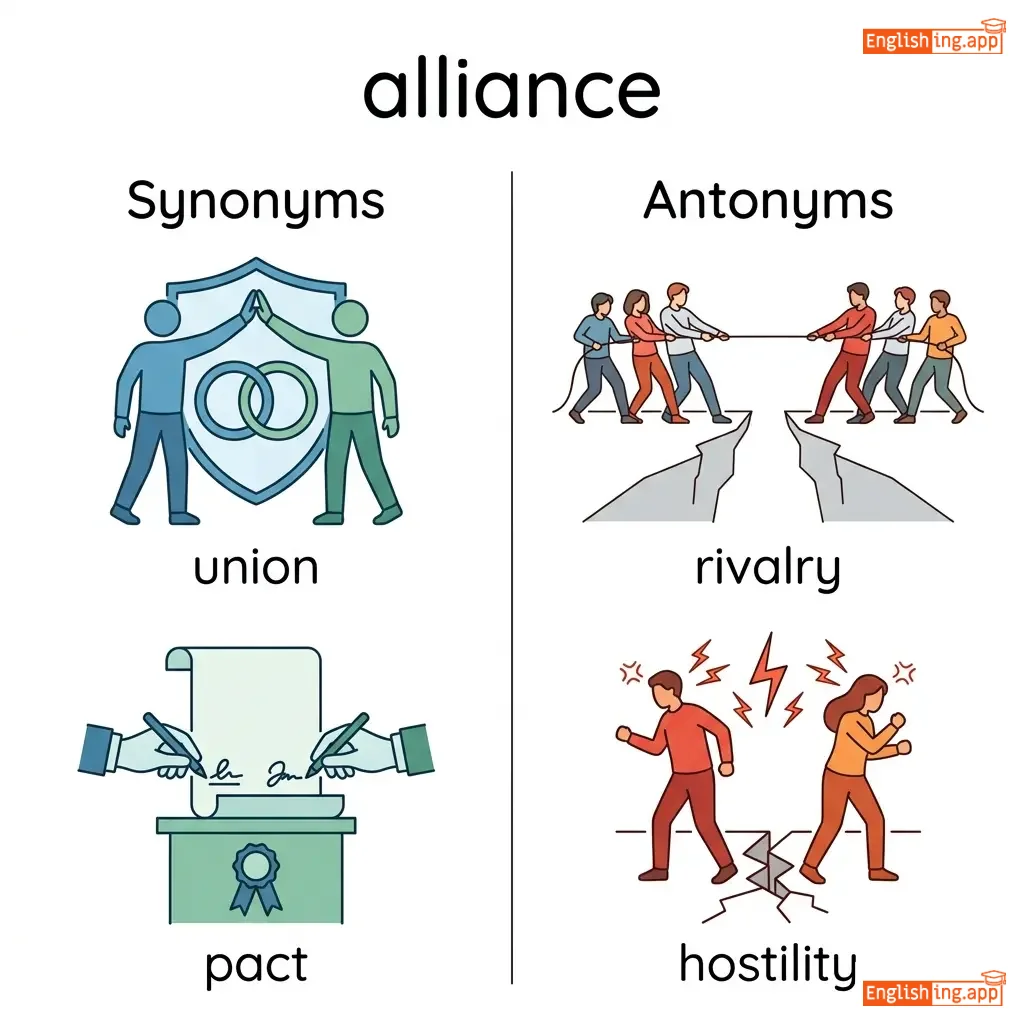
partnership, coalition, union, pact
••••••
|
opposition, rivalry, conflict
••••••
|
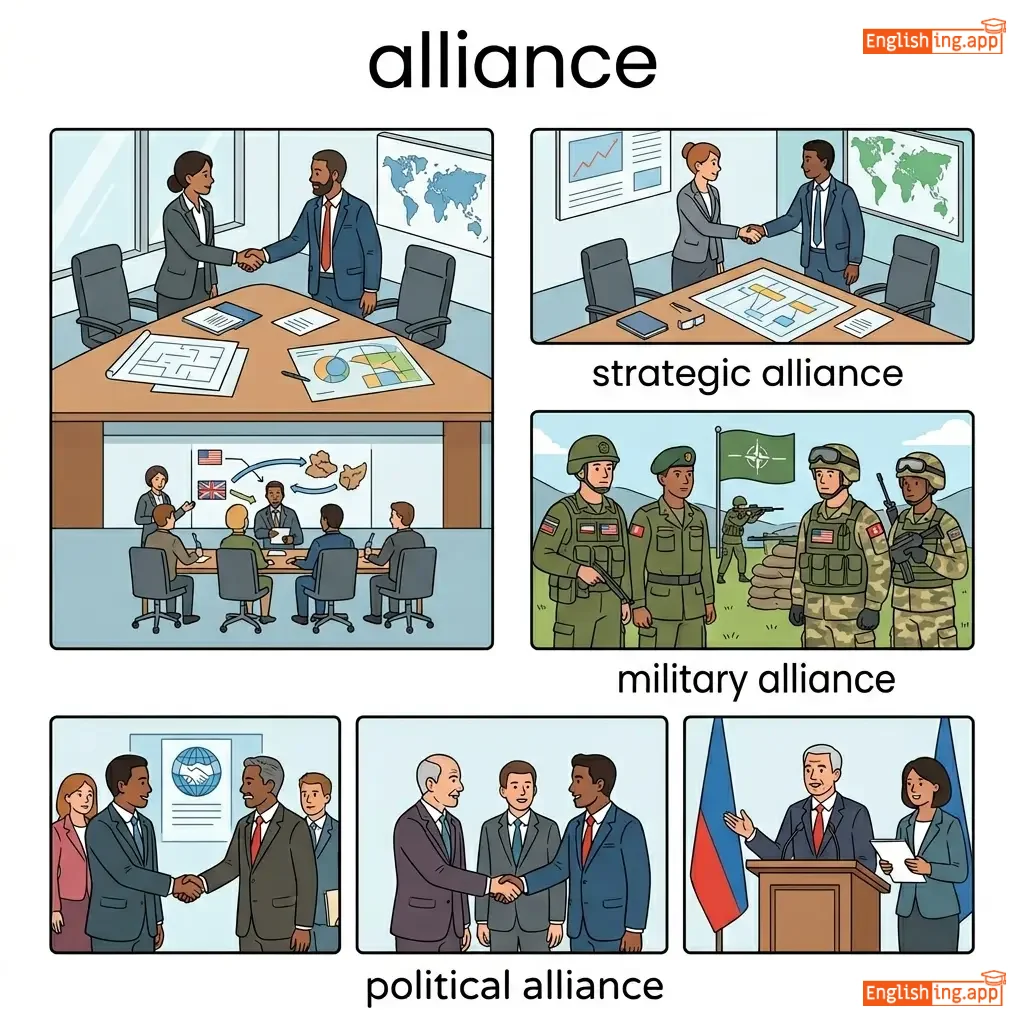
strategic alliance, military alliance, form an alliance
••••••
|
Alyans na russkom i na angliyskom znachit to zhe - soyuzy mezhdu stranami.
••••••
|
|
#22
⚓
|
/ˈæŋkər/
noun
(якорь)
••••••
|
- •••••• |
якорь
yakor
••••••
|
a heavy object used to moor a vessel to the sea bottom; a person or thing that provides stability or confidence
••••••
|
The ship dropped its anchor in the harbor.
Корабль бросил якорь в порту.
••••••
|
Корабль бросил якорь в порту.
Korabl' brosil yakor' v portu.
••••••
|
mooring, support, foundation, mainstay
••••••
|
- •••••• |
drop anchor, weigh anchor, news anchor
••••••
|
Якорь стабилизирует, как мысли в голове.
••••••
|
|
#23
👴
|
/ˈænsestər/
noun
(ænsestər)
••••••
|
- •••••• |
предок
predok
••••••
|
a person, typically one more remote than a grandparent, from whom one is descended
••••••
|
She researched her family tree to learn about her ancestors.
Она исследовала свое родословное дерево, чтобы узнать о своих предках.
••••••
|
Она исследовала свое родословное дерево, чтобы узнать о своих предках.
Ona issledovala svoe rodoslovnoe derevo, chtoby uznat' o svoikh predkakh.
••••••
|
forefather, foremother, predecessor, forebear
••••••
|
descendant, offspring, progeny
••••••
|
ancient ancestor, common ancestor, trace ancestors
••••••
|
Предок (ancestor) - это история вашего рода.
••••••
|
|
#24
🔍
|
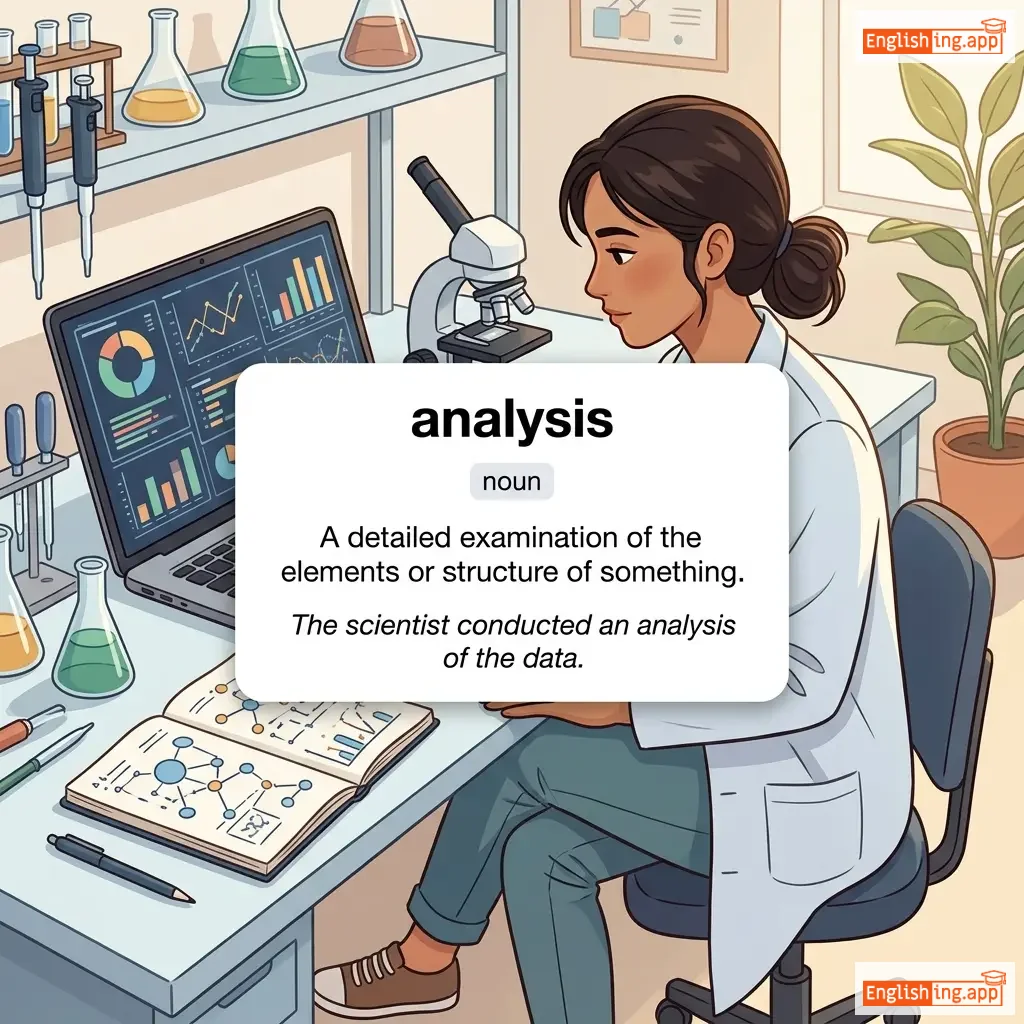
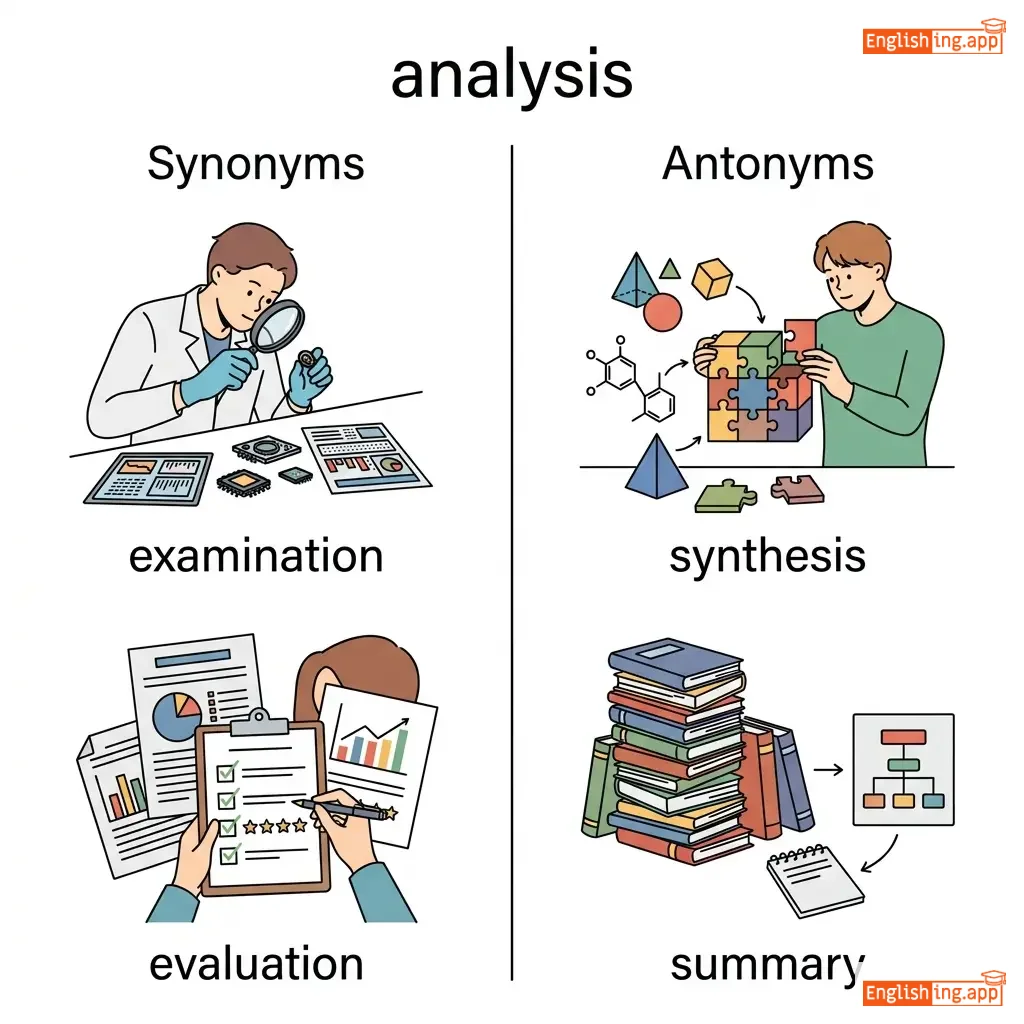
/əˈnæləsɪs/
noun
(анализ)
••••••
|
|
анализ
analiz
••••••
|
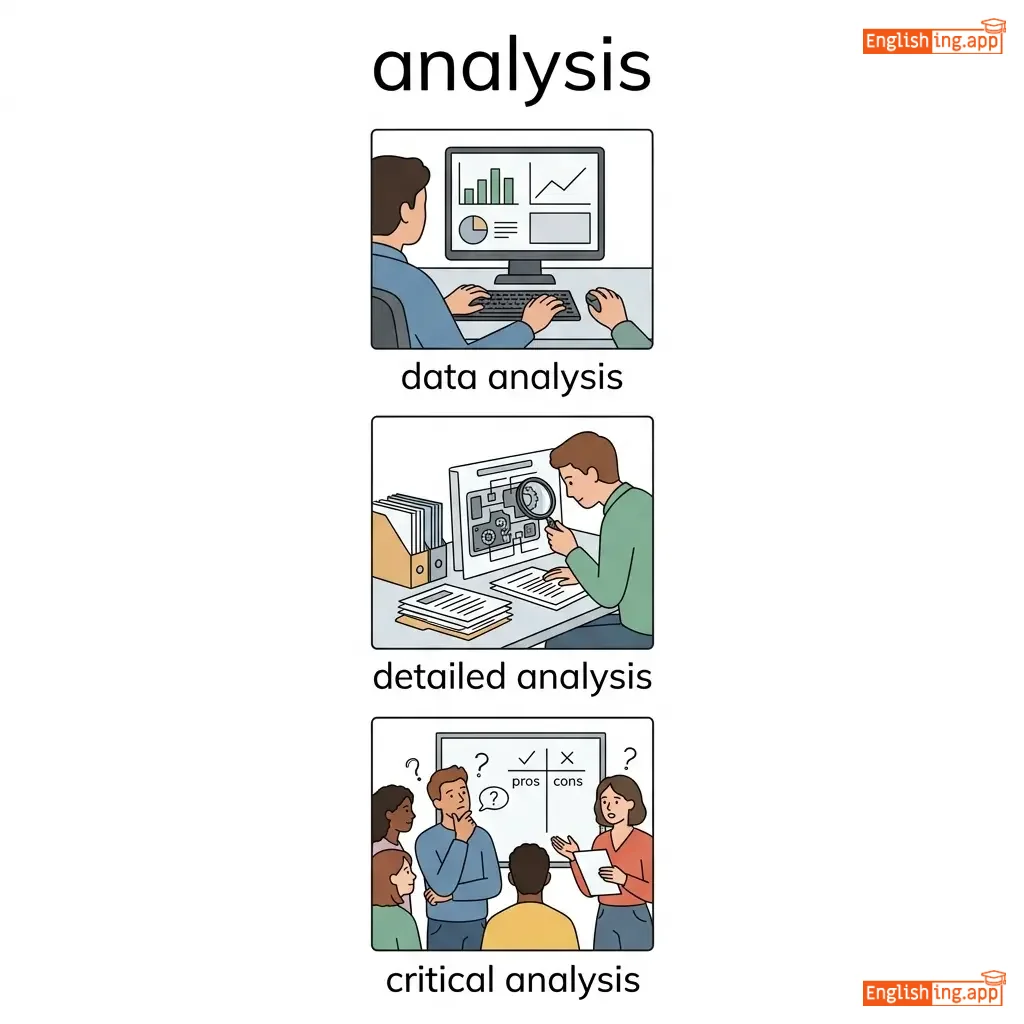
detailed examination of the elements or structure of something
••••••
|
The scientist conducted a thorough analysis of the data. |
Учёный провёл тщательный анализ данных.
Uchonyi provel tscshchatelnyy analiz dannykh.
••••••
|
examination, study, investigation, evaluation
••••••
|
synthesis, combination, integration
••••••
|
detailed analysis, data analysis, statistical analysis
••••••
|
В русском 'анализ' звучит похоже на английское слово.
••••••
|
|
#25
🎪
|
/əˈmjuːzmənt/
noun
(амьюзмент)
••••••
|
- •••••• |
развлечение; радость; увеселение
razvlechenie; radost; uveselenie
••••••
|
the state or experience of finding something funny; entertainment or recreational activities
••••••
|
The children's laughter showed their amusement at the clown's performance.
Смех детей показал их развлечение от выступления клоуна.
••••••
|
Смех детей показал их развлечение от выступления клоуна.
Smekh detey pokazal ikh razvlechenie ot vystupleniya klouna.
••••••
|
entertainment, enjoyment, fun, pleasure
••••••
|
boredom, displeasure, annoyance
••••••
|
great amusement, public amusement, amusement park
••••••
|
Amusement = Smiles all the way!
••••••
|
|
#26
🧿
|
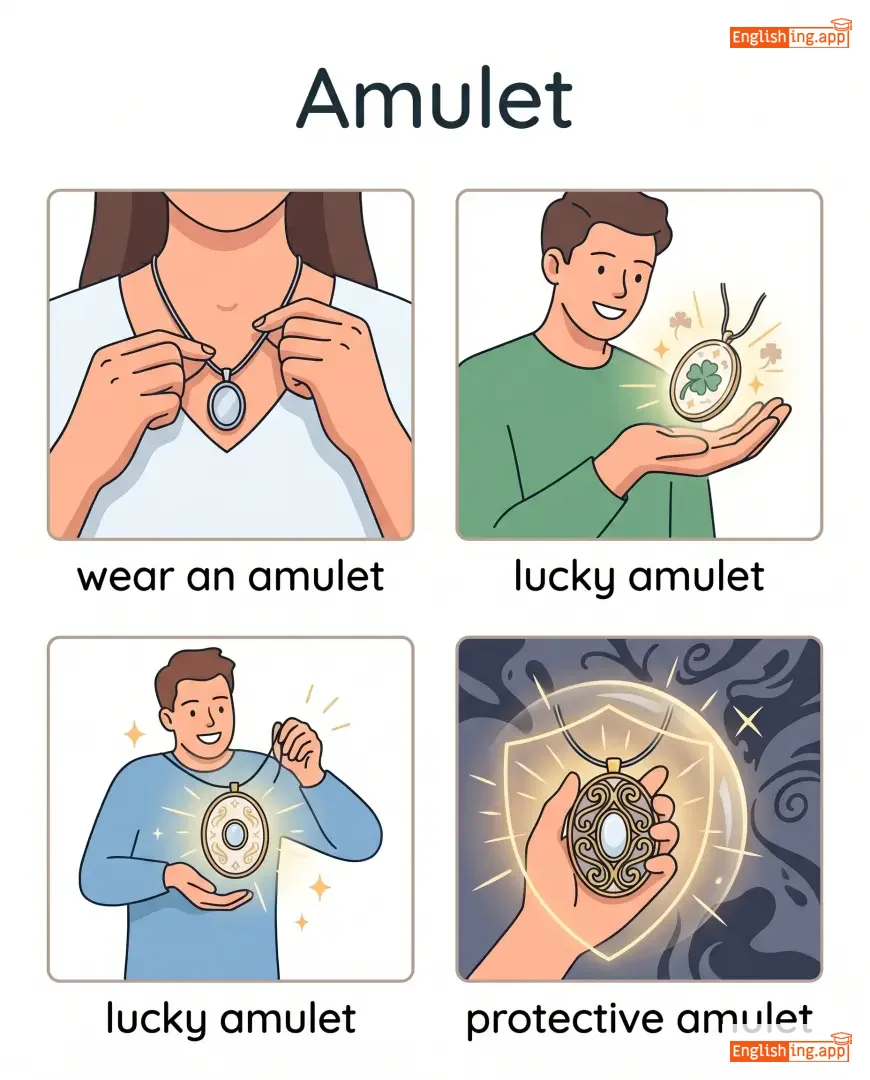
/ˈæmjʊlət/
noun
(амулет)
••••••
|
|
амулет; талисман
amulet; talisman
••••••
|
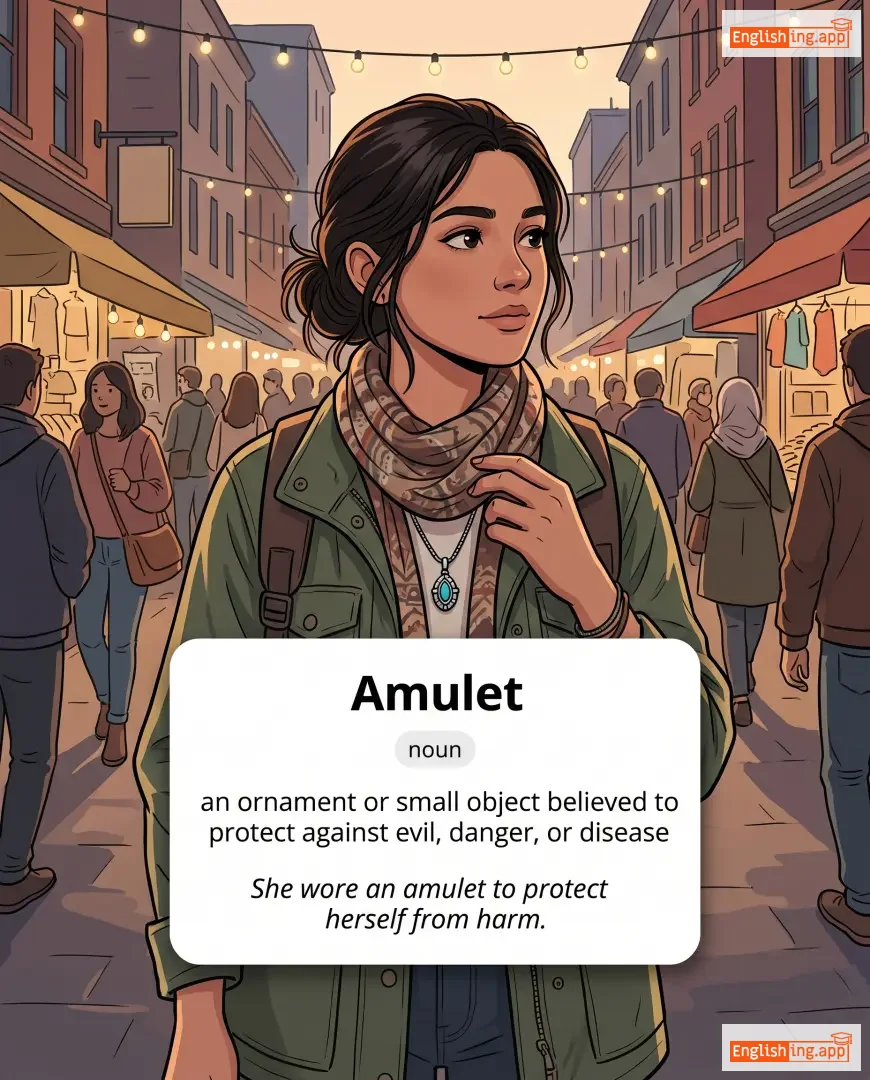
an ornament or small piece of jewelry thought to give protection against evil, danger, or disease
••••••
|
She wore a silver amulet around her neck for good luck.
Она носила серебряный амулет на шее на удачу.
••••••
|
Она носила серебряный амулет на шее на удачу.
Ona nosila serebryanyy amulet na sheye na udachu.
••••••
|
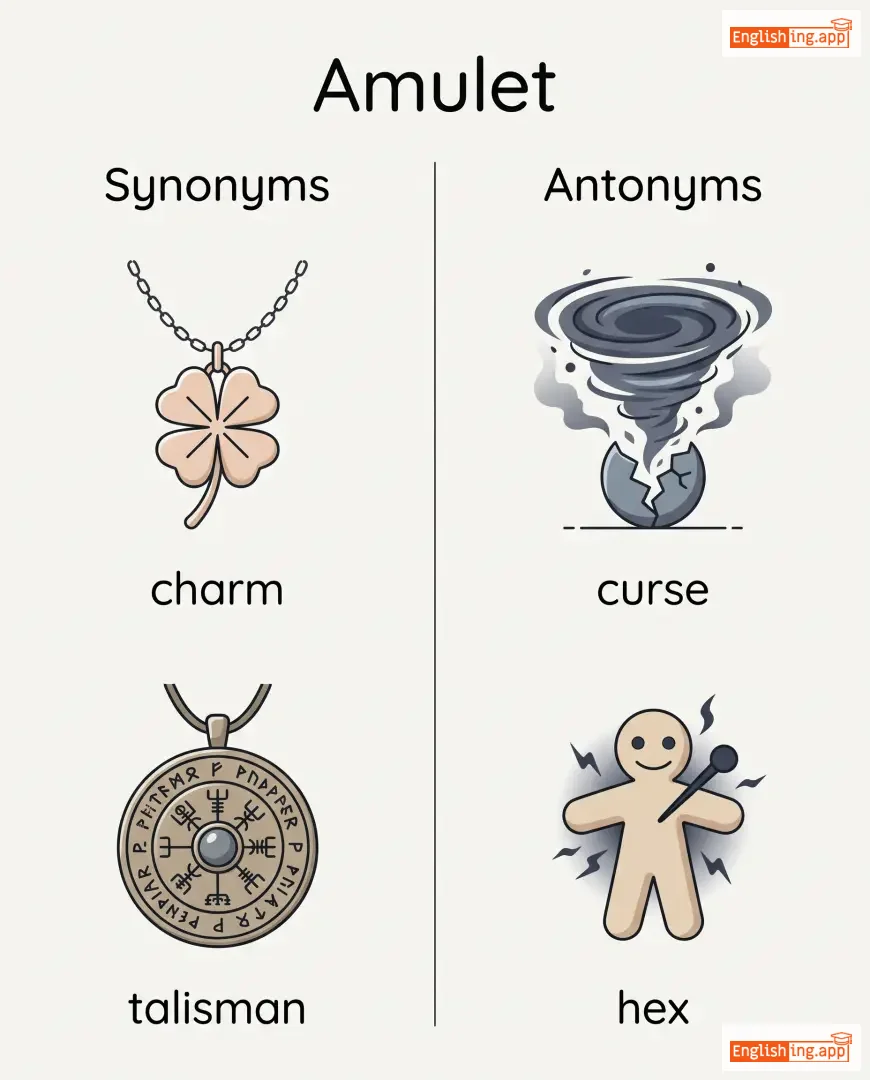
charm, talisman, pendant, lucky charm
••••••
|
- •••••• |
protective amulet, ancient amulet, wear an amulet
••••••
|
Амулет - защита от бед!
••••••
|
|
#27
🎯
|
/æmˈbɪʃən/
noun
(амбишн)
••••••
|
|
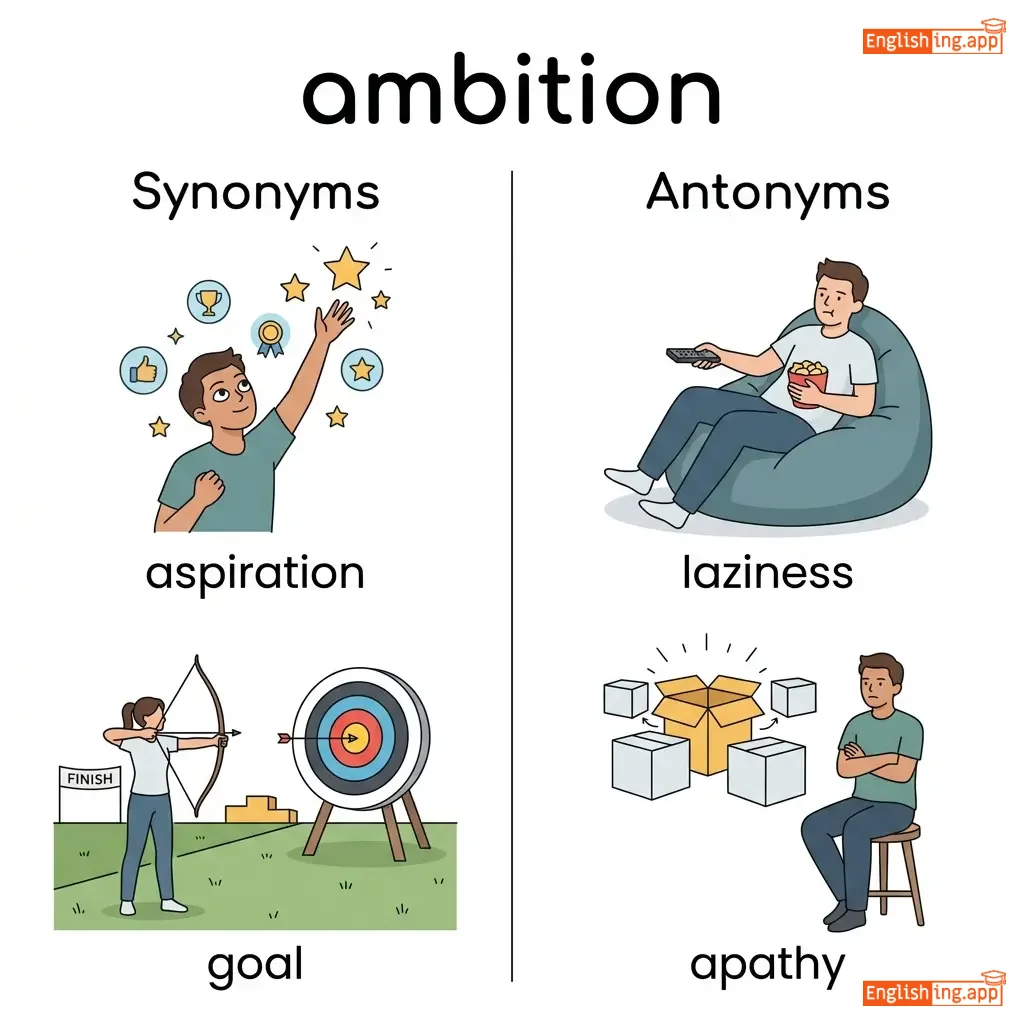
амбиции
ambitsii
••••••
|
a strong desire to do or to achieve something, typically requiring determination and hard work
••••••
|
Her ambition is to become a successful doctor.
Её амбиции - стать успешным врачом.
••••••
|
Её амбиции - стать успешным врачом.
Yeyo ambitsii - stat' uspeshnym vrachom.
••••••
|
aspiration, drive, determination, goal
••••••
|
apathy, laziness, contentment
••••••
|
personal ambition, political ambition, fulfill ambition
••••••
|
Ambition = 'Амбиции' in Russian; work hard to reach your dreams.
••••••
|
|
#28
🏛️
|
/æmˈbæsədər/
noun
(амбассадор)
••••••
|
- •••••• |
посол
posol
••••••
|
an accredited diplomat sent by a country as its official representative to a foreign country
••••••
|
The ambassador met with government officials to discuss trade agreements. |
Посол встретился с чиновниками правительства для обсуждения торговых соглашений.
Posol vstretilsya s chinovnikami pravitel'stva dlya obsuzhdeniya torgovykh soglasheniy.
••••••
|
diplomat, envoy, representative, emissary
••••••
|
- •••••• |
foreign ambassador, diplomatic ambassador, appoint an ambassador
••••••
|
Посол — это лицо, которое представляет страну в другой.
••••••
|
|
#29
⛪
|
/ˈɔːltər/
noun
(альтарь)
••••••
|
- •••••• |
алтарь
altar
••••••
|
a raised structure on which offerings or sacrifices are made to a deity
••••••
|
The bride and groom stood before the altar during the ceremony. |
Невеста и жених стояли перед алтарем во время церемонии.
Nevesta i zhenikh stoyali pered altaryom vo vremya tseremonii.
••••••
|
shrine, sanctuary, platform
••••••
|
- •••••• |
church altar, wedding altar, sacrifice at the altar
••••••
|
В русском языке 'алтарь' — это место для жертвоприношений, как и в английском.
••••••
|
|
#30
💰
|
/əˈlaʊəns/
noun
(alavans)
••••••
|
- •••••• |
пособие
posobie
••••••
|
a sum of money paid regularly to a person; permission to do something
••••••
|
Children receive a weekly allowance for helping with chores. |
Дети получают еженедельное пособие за помощь по дому.
Deti poluchayut ezhenedel'noe posobie za pomoshch' po domu.
••••••
|
stipend, payment, allocation, quota
••••••
|
prohibition, ban, restriction
••••••
|
monthly allowance, pocket allowance, travel allowance
••••••
|
еженедельное пособие детям
••••••
|
|
#31
⚡
|
/ædˈvɜːr.sə.ti/
noun
(адверсити)
••••••
|
|
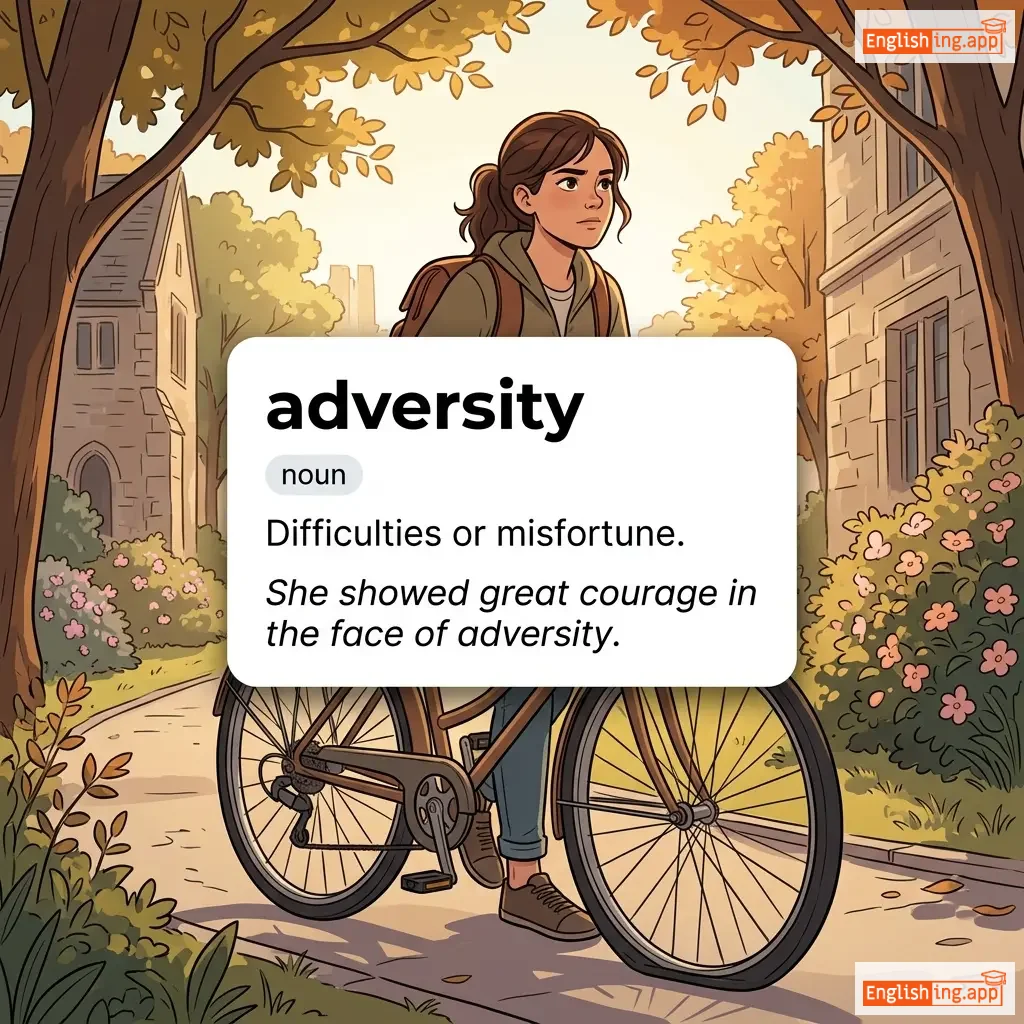
невзгоды; трудности;
nevzgody; trudnosti
••••••
|
difficulties or misfortune; hardship
••••••
|
She showed great courage in the face of adversity.
Она проявила большое мужество перед лицом адверсити.
••••••
|
Она проявила большое мужество перед лицом адверсити.
Ona proyavila bol'shoye muzhestvo pered litsom advercity.
••••••
|
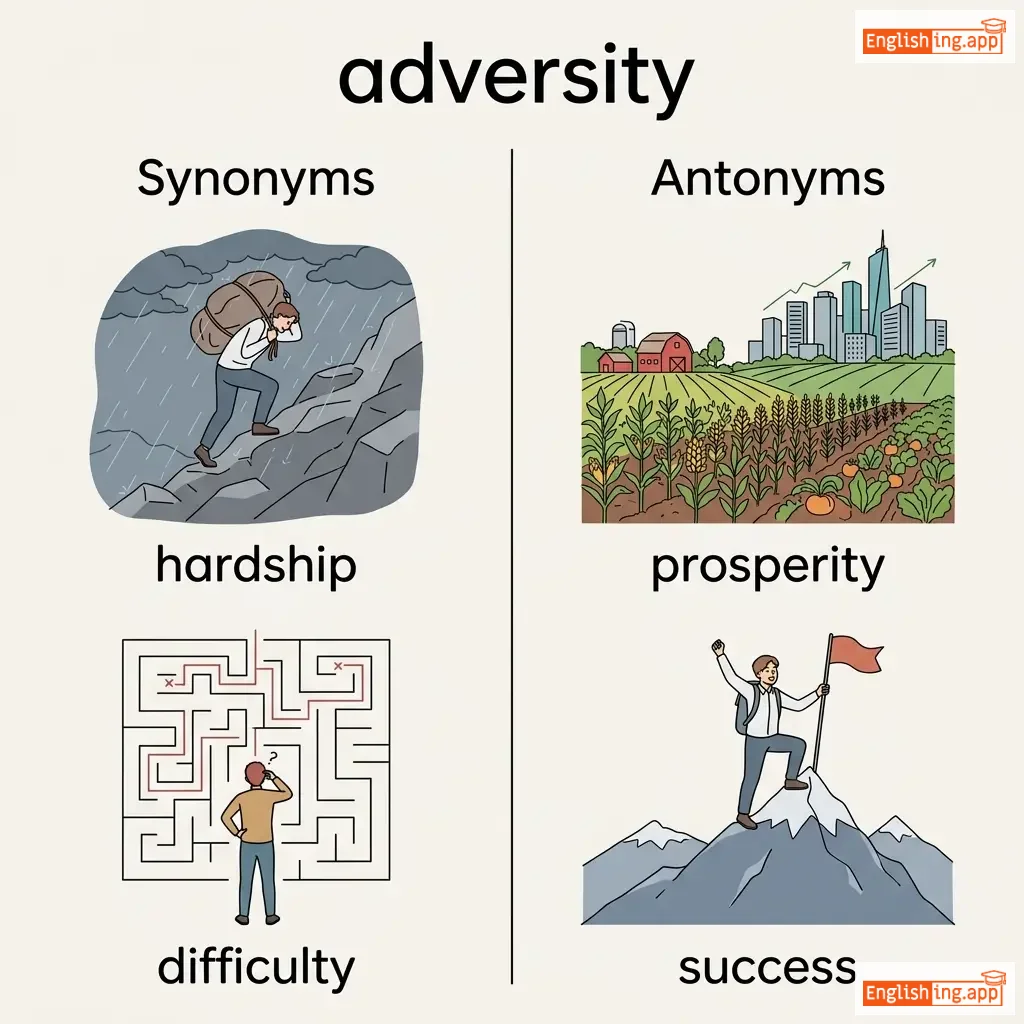
hardship, misfortune, difficulty, trouble
••••••
|
prosperity, fortune, success, ease
••••••
|
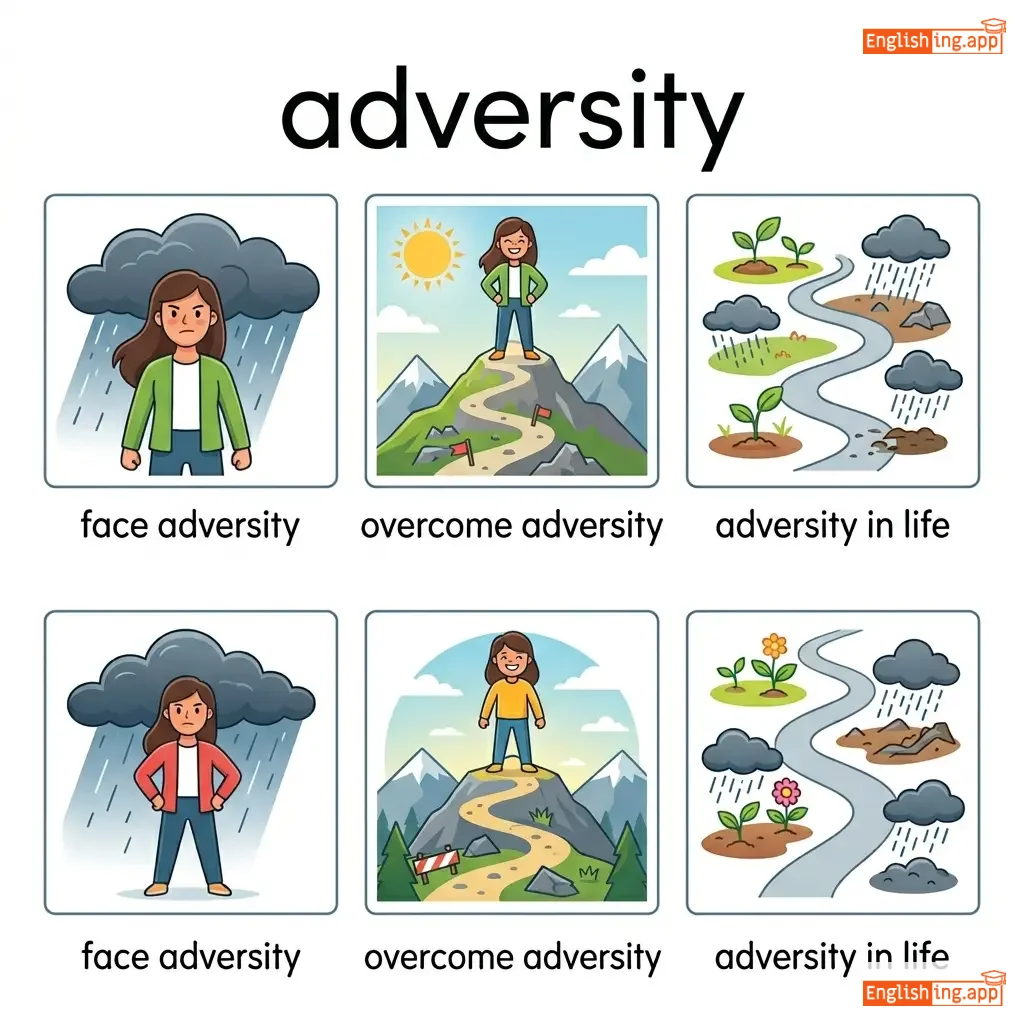
face adversity, overcome adversity, in adversity
••••••
|
In Russian, adversity becomes адверсити, similar to the English word, showing difficult times.
••••••
|
|
#32
⚖️
|
/ˌæl.əˈɡeɪ.ʃən/
noun
(alʲɪɡɐˈt͡sɨjə)
••••••
|
- •••••• |
обвинение
obvinienie
••••••
|
a claim that someone has done something wrong or illegal
••••••
|
The allegation against him was proven false. |
Обвинение против него было опровергнуто.
Obvinienie protiv nego bylo opovergnuto.
••••••
|
accusation, charge, claim, assertion
••••••
|
vindication, exoneration, proof of innocence
••••••
|
serious allegation, false allegation, investigate allegation
••••••
|
Обвинение (Obvinienie) — обвинение возникает, когда кто-то делает что-то плохое.
••••••
|
|
#33
👽
|
/ˈeɪ.li.ən/
noun
(элиен)
••••••
|
|
чужак; странный; необычный
chuzhak; stranny; neobychnyy
••••••
|
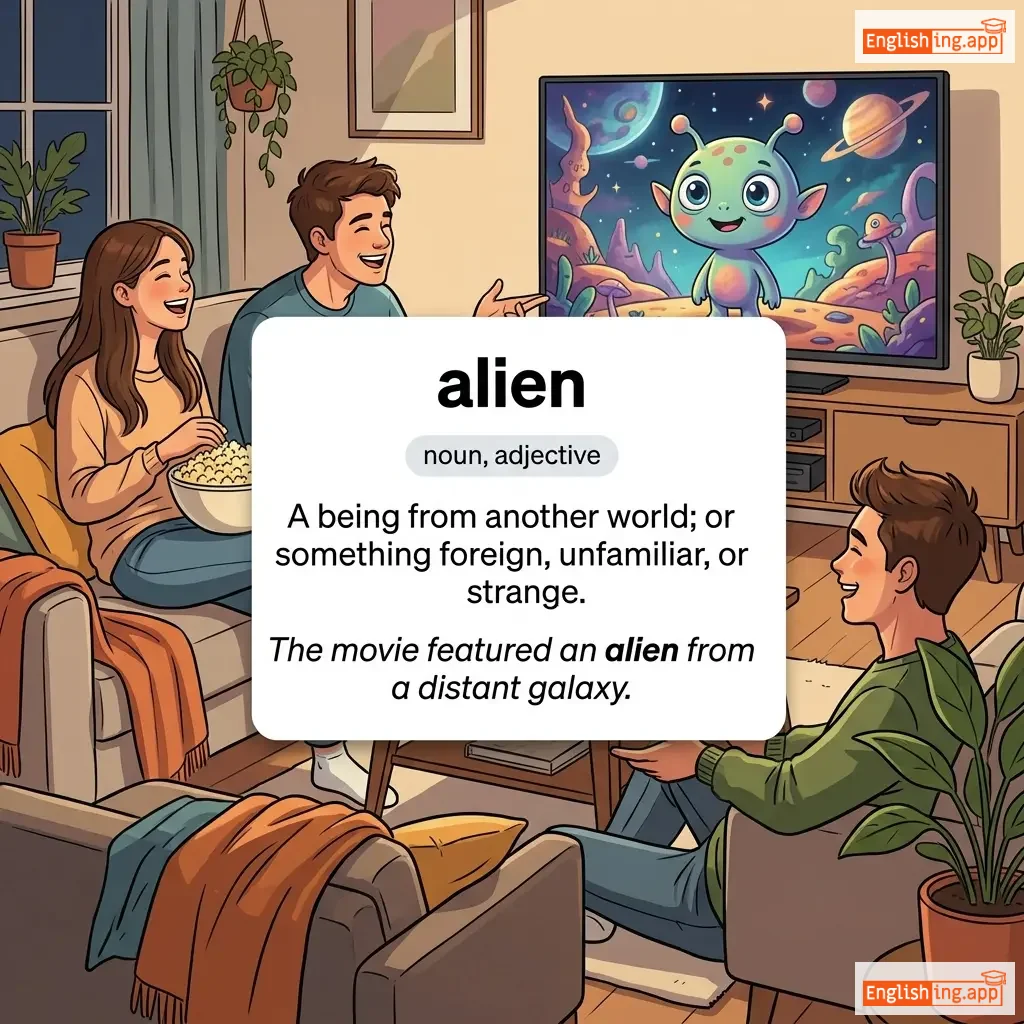
a foreigner; being from another world or place; strange
••••••
|
The customs were alien to their culture.
Таможенные обычаи были чужды их культуре.
••••••
|
Таможенные обычаи были чужды их культуре.
Tamozhennyye obychi byli chuzhdy ikh kul'ture.
••••••
|
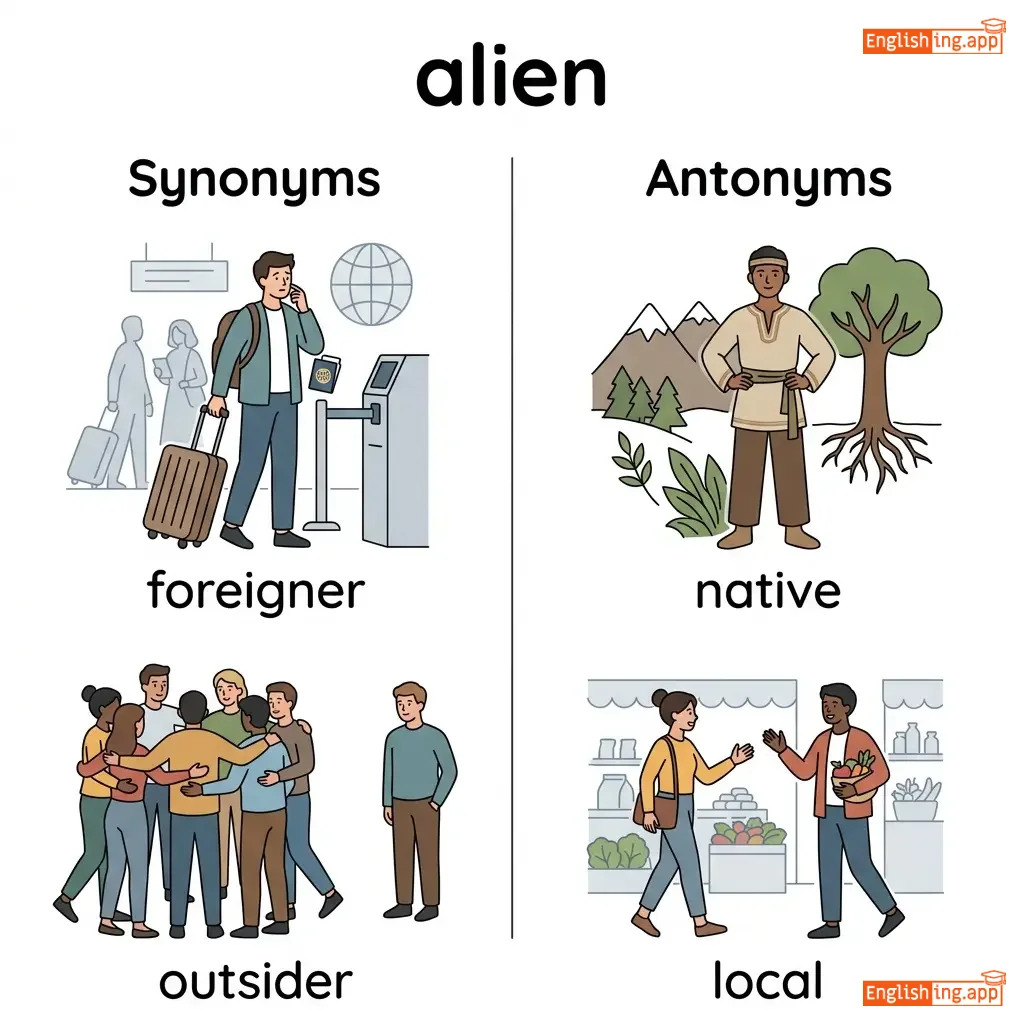
foreign, strange, unfamiliar, outsider
••••••
|
native, familiar, domestic, local
••••••
|
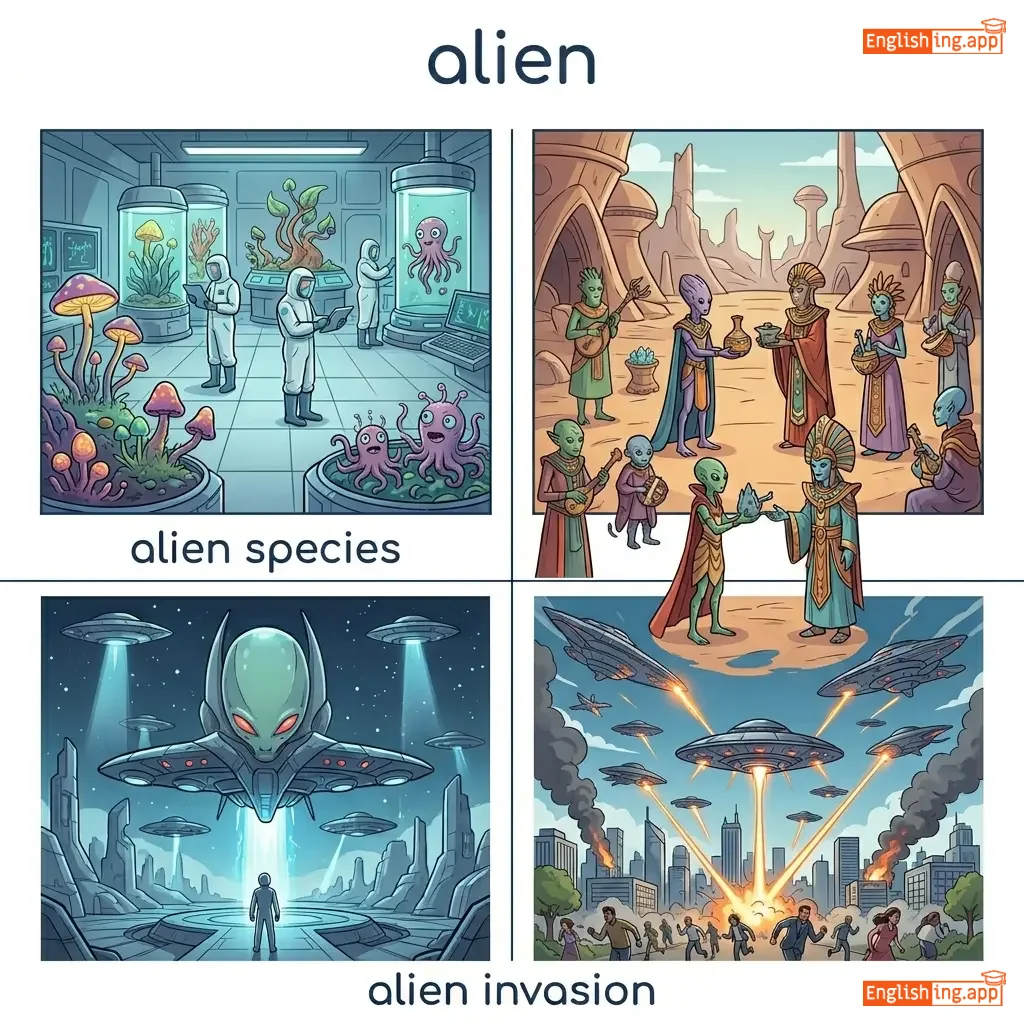
alien culture, alien concept, illegal alien
••••••
|
Чужак как нечто странное и необычное.
••••••
|
|
#34
🤝
|
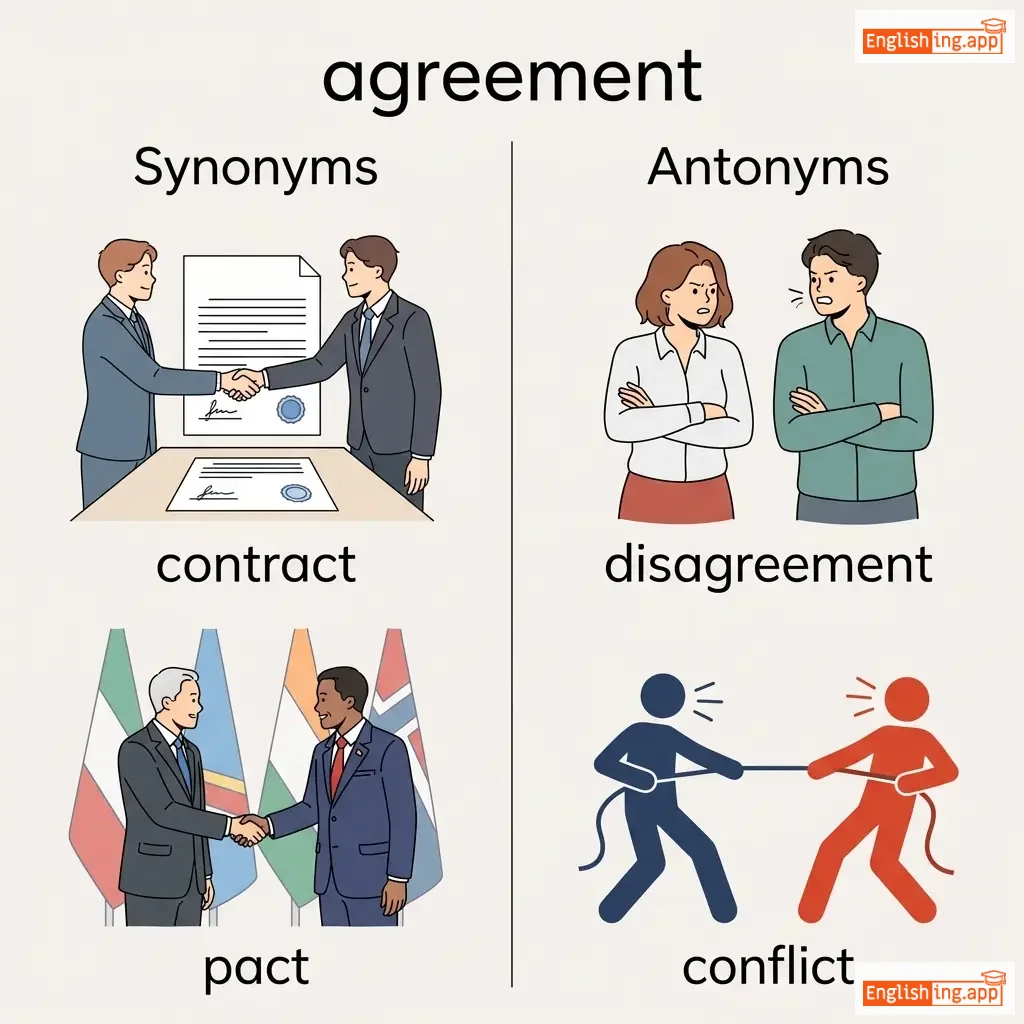
/əˈɡriː.mənt/
noun
(agriment)
••••••
|
|
соглашение; согласие; прийти к соглашению
soglashenie
••••••
|
a negotiated arrangement between parties; harmony of opinion
••••••
|
They signed a business agreement yesterday. |
Они подписали деловое соглашение вчера.
Oni podpisali delovoye soglasheniye vchera.
••••••
|
contract, deal, pact, accord
••••••
|
disagreement, conflict, dispute, discord
••••••
|
reach agreement, sign agreement, mutual agreement
••••••
|
Подписать соглашение как в Agreement, чтобы завершить сделку.
••••••
|
|
#35
😫
|
/ˈæɡ.ə.ni/
noun
(эгоня)
••••••
|
- •••••• |
крайняя физическая или умственная боль; интенсивная боль
kraineya fizicheskaya ili umstvennaya bol; intensivnaya bol
••••••
|
extreme physical or mental suffering; intense pain
••••••
|
He was in agony after the accident.
Он был в агонии после аварии.
••••••
|
Он был в агонии после аварии.
on byl v agonie posle avarii.
••••••
|
pain, suffering, torture, anguish
••••••
|
bliss, comfort, relief, pleasure
••••••
|
in agony, agony of defeat, prolonged agony
••••••
|
Agony means being in intense pain.
••••••
|
|
#36
📝
|
/əˈdʒen.də/
noun
(аˈʒɛнда)
••••••
|
- •••••• |
повестка дня
povestka dnya
••••••
|
a list of items to be discussed at a meeting; a plan of action
••••••
|
The meeting agenda includes budget discussions. |
Повестка дня собрания включает обсуждение бюджета.
Povestka dnya sobraníia vklyuchayet obsuzhdenie byudzheta.
••••••
|
schedule, program, plan, itinerary
••••••
|
spontaneity, improvisation
••••••
|
meeting agenda, hidden agenda, political agenda
••••••
|
Повестка дня — это список для обсуждения на собрании.
••••••
|
|
#37
🏢
|
/ˈeɪ.dʒən.si/
noun
(эйджэнси)
••••••
|
- •••••• |
агентство; офис агента
agentsvo
••••••
|
a business or organization that provides a particular service
••••••
|
She works for a travel agency downtown. |
Она работает в туристическом агентстве в центре города.
Ona rabotayet v turisticheskom agentsve v tsentre goroda.
••••••
|
organization, bureau, company, firm
••••••
|
individual, freelance
••••••
|
travel agency, advertising agency, government agency
••••••
|
Imagine an 'agentsvo' organizing your next vacation.
••••••
|
|
#38
🤝
|
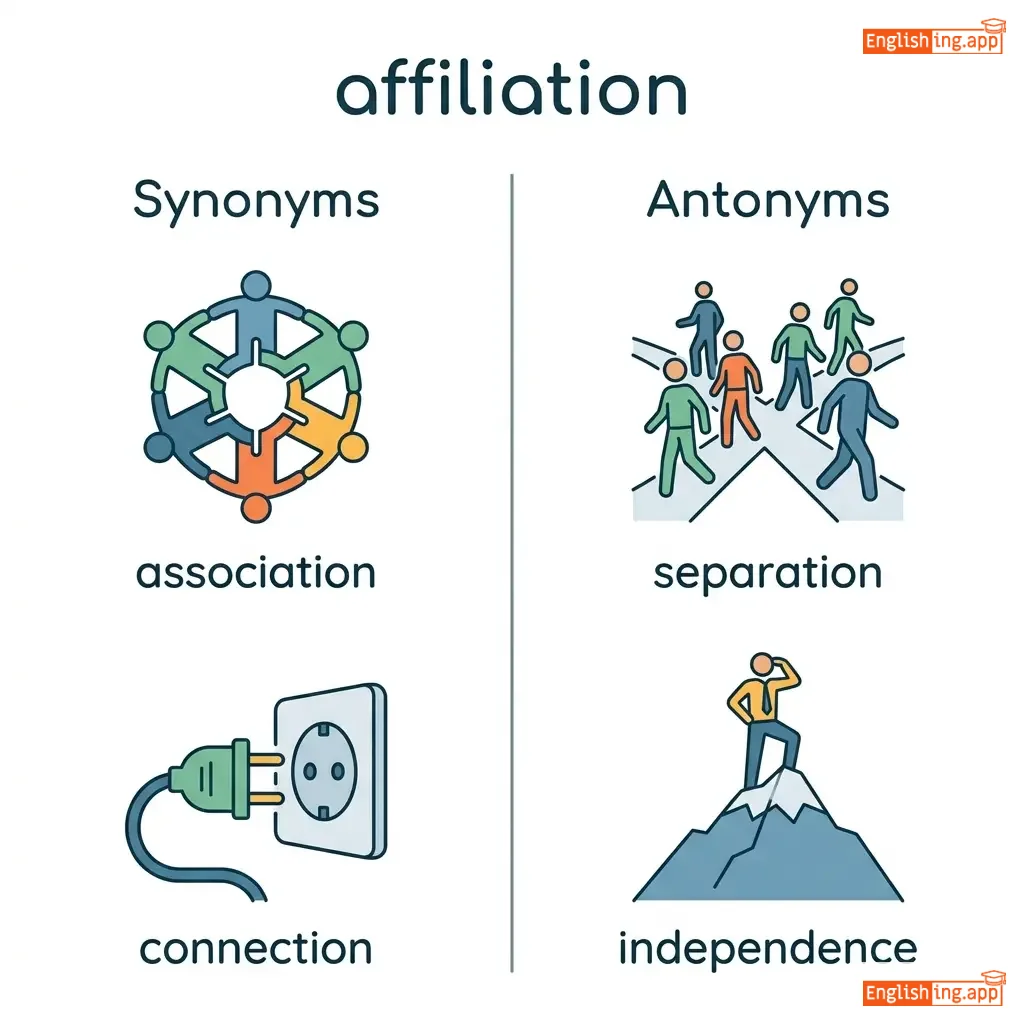
/əˌfɪl.iˈeɪ.ʃən/
noun
(аффилиэйшн)
••••••
|
|
связь или ассоциация с организацией или группой
svyaz' ili assotsiatsiya s organizatsiey ili gruppoy
••••••
|
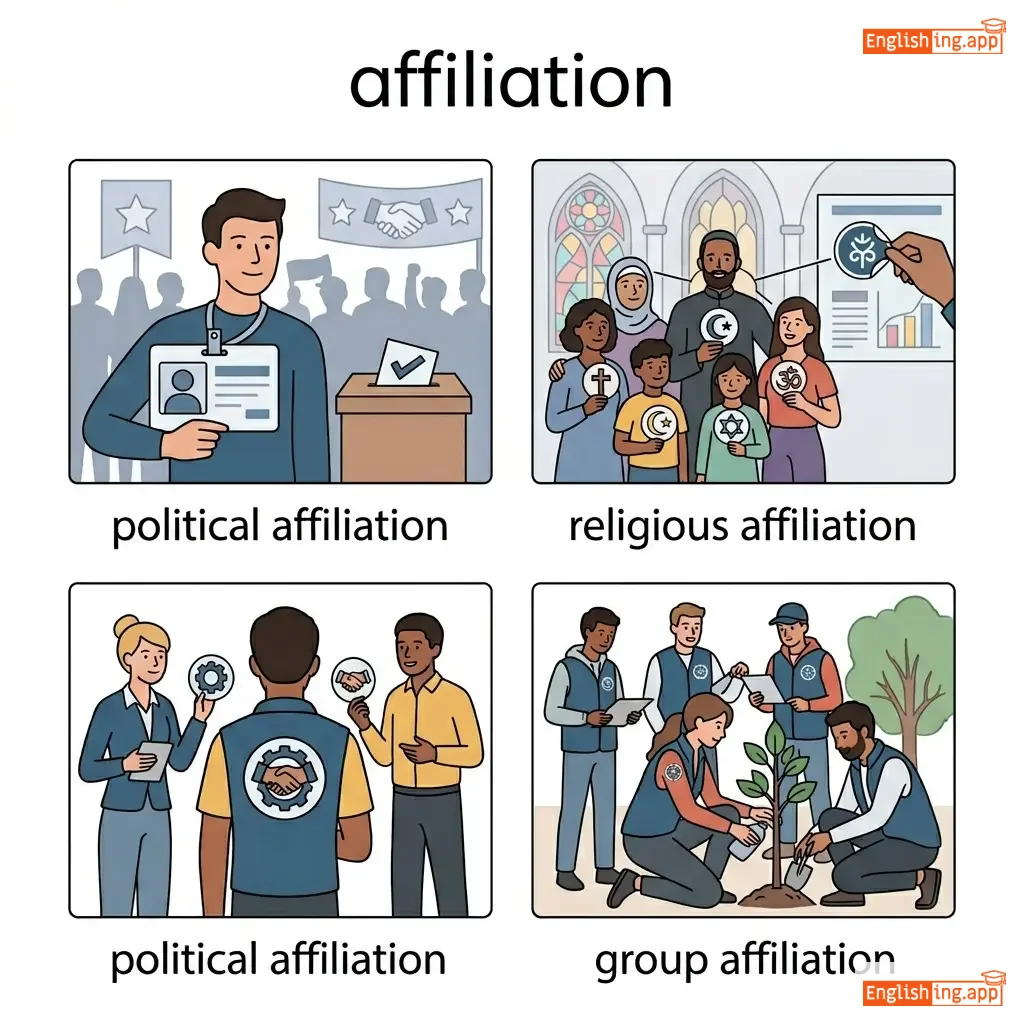
connection or association with an organization or group
••••••
|
His political affiliation influenced his career decisions. |
Его политическая аффилиация повлияла на его карьерные решения.
Yego politicheskaya affiliatsiya povliyala na yego kar'ernye resheniya.
••••••
|
association, connection, membership, alliance
••••••
|
dissociation, separation, independence
••••••
|
political affiliation, religious affiliation, party affiliation
••••••
|
In Russian, remember 'affiliation' as a connection with a group or organization.
••••••
|
|
#39
❤️
|
/əˈfek.ʃən/
noun
(afekʃən)
••••••
|
- •••••• |
привязанность; любовь
privyazannost'; lyubov'
••••••
|
a feeling of liking or caring for someone or something
••••••
|
She has deep affection for her grandmother.
Она испытывает глубокое чувство привязанности к своей бабушке.
••••••
|
Она испытывает глубокое чувство привязанности к своей бабушке.
Ona ispytyvayet glubokoye chuvstvo privyazannosti k svoey babushke.
••••••
|
love, fondness, tenderness, care
••••••
|
hatred, dislike, indifference, hostility
••••••
|
deep affection, show affection, feel affection
••••••
|
Привязанность напоминает теплую любовь.
••••••
|
|
#40
📋
|
/əˈfer/
noun
(аффэр)
••••••
|
- •••••• |
дело; событие;
delo; sobytiye
••••••
|
an event or situation; a matter that someone deals with
••••••
|
The wedding was a grand affair with hundreds of guests. |
Свадьба была грандиозным событием с сотнями гостей.
Svadba byla grandioznym sobytiyem s sotnyami gostey.
••••••
|
matter, business, concern, event
••••••
|
triviality, insignificance
••••••
|
business affair, love affair, family affair
••••••
|
Запомните, любое 'событие' — это 'дело'.
••••••
|
Vocabulary Quiz
Test your vocabulary by matching words with their translations or meanings.
Login to take the quiz
Comments (0)
Share your thoughts and join the discussion.
Join the discussion by logging in
Login to CommentNo comments yet
Be the first to share your thoughts!