

Обновитесь для доступа ко всему словарю
Получите неограниченный доступ ко всем словам с подпиской Pro
Обновить до ProПеревод
Прошедшее
Причастие прошедшего времени
Третье лицо единственного числа
Герундий
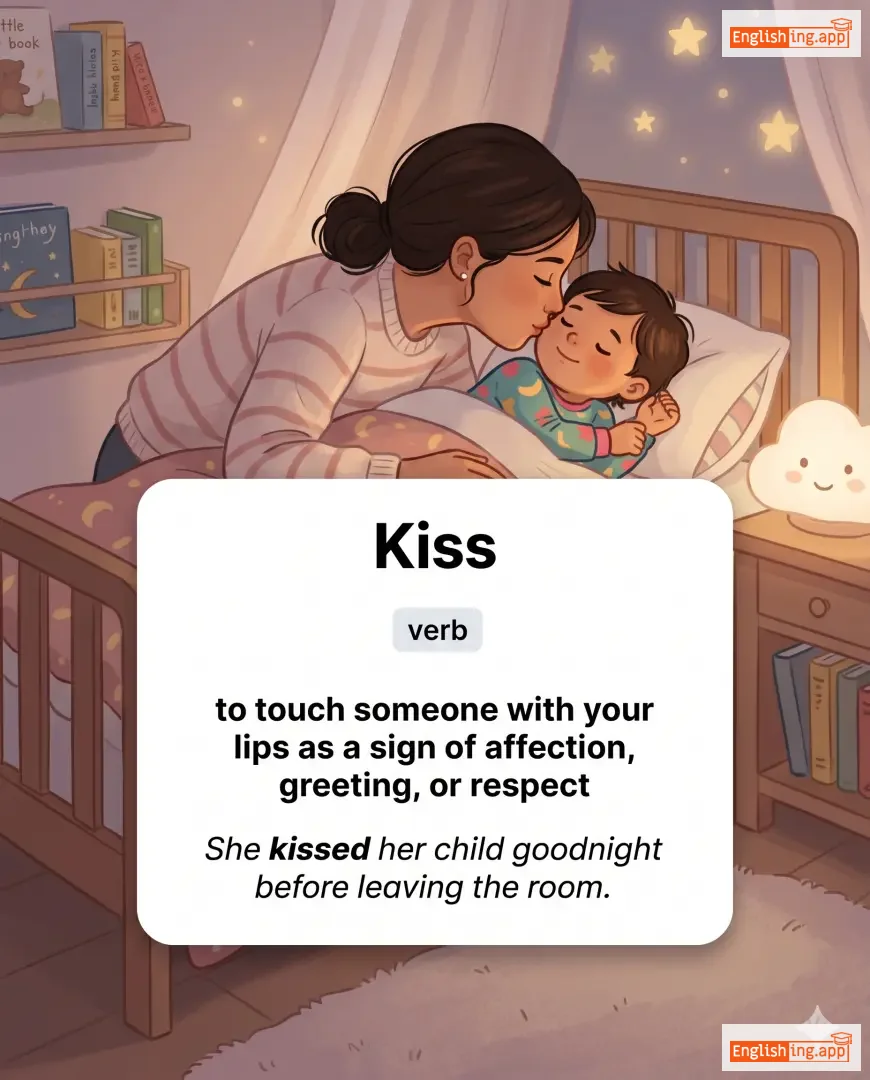
Значение
Пример предложения
Перевод примера предложения
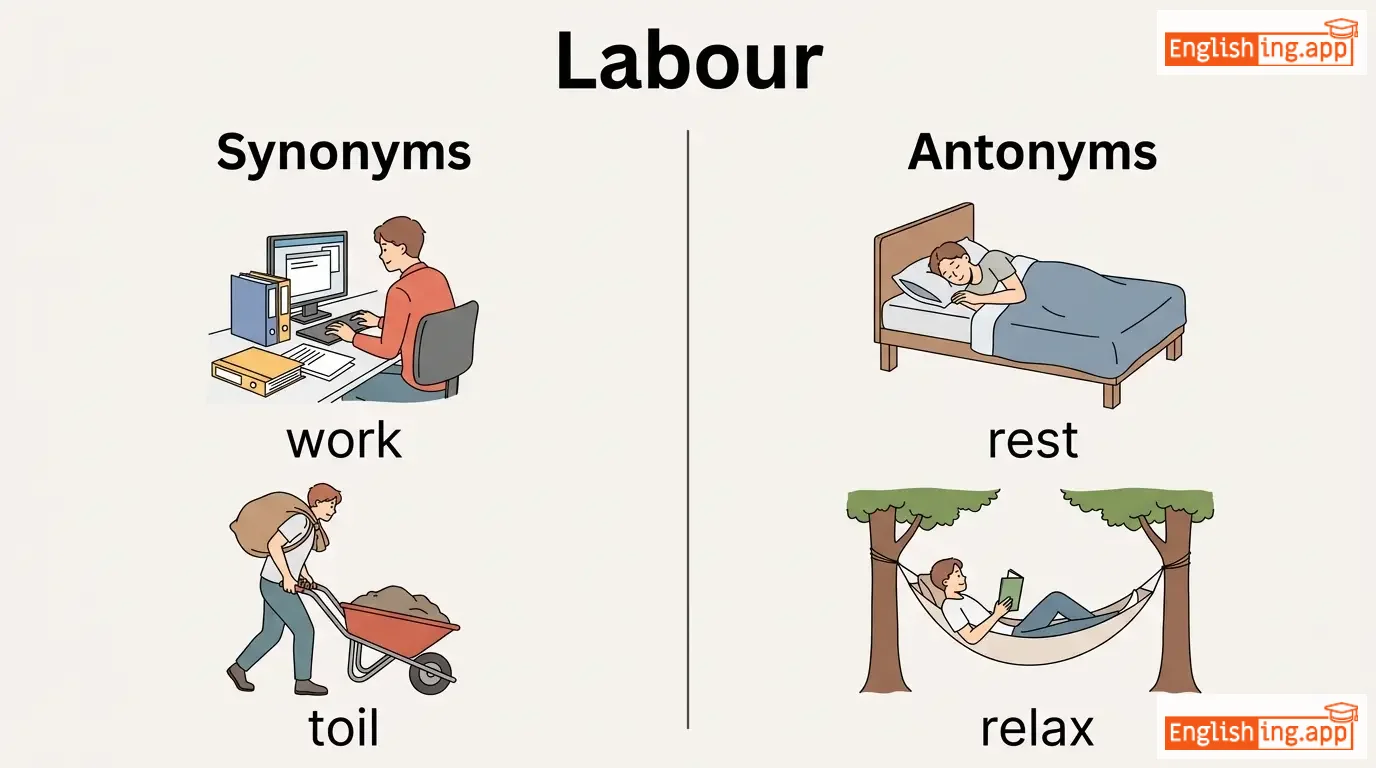
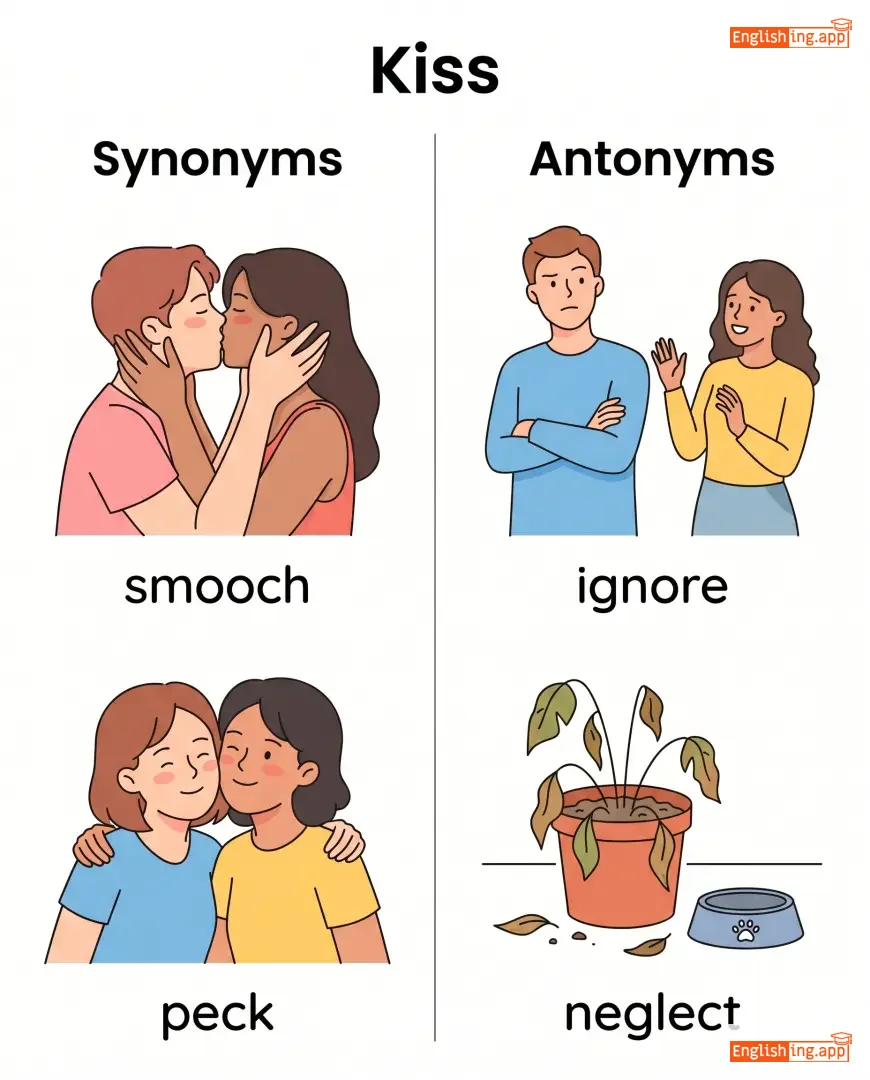
Синонимы
Антонимы
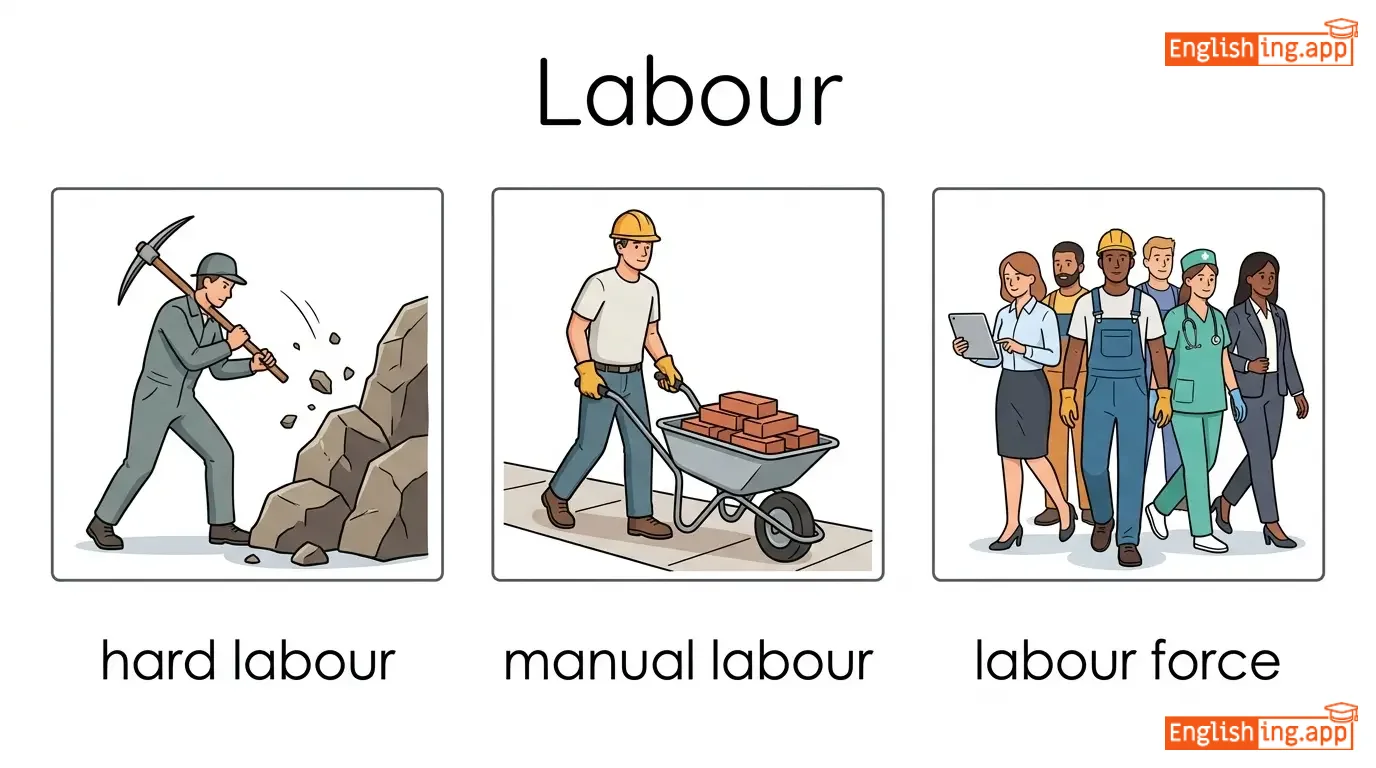
Коллокации
Мнемоника
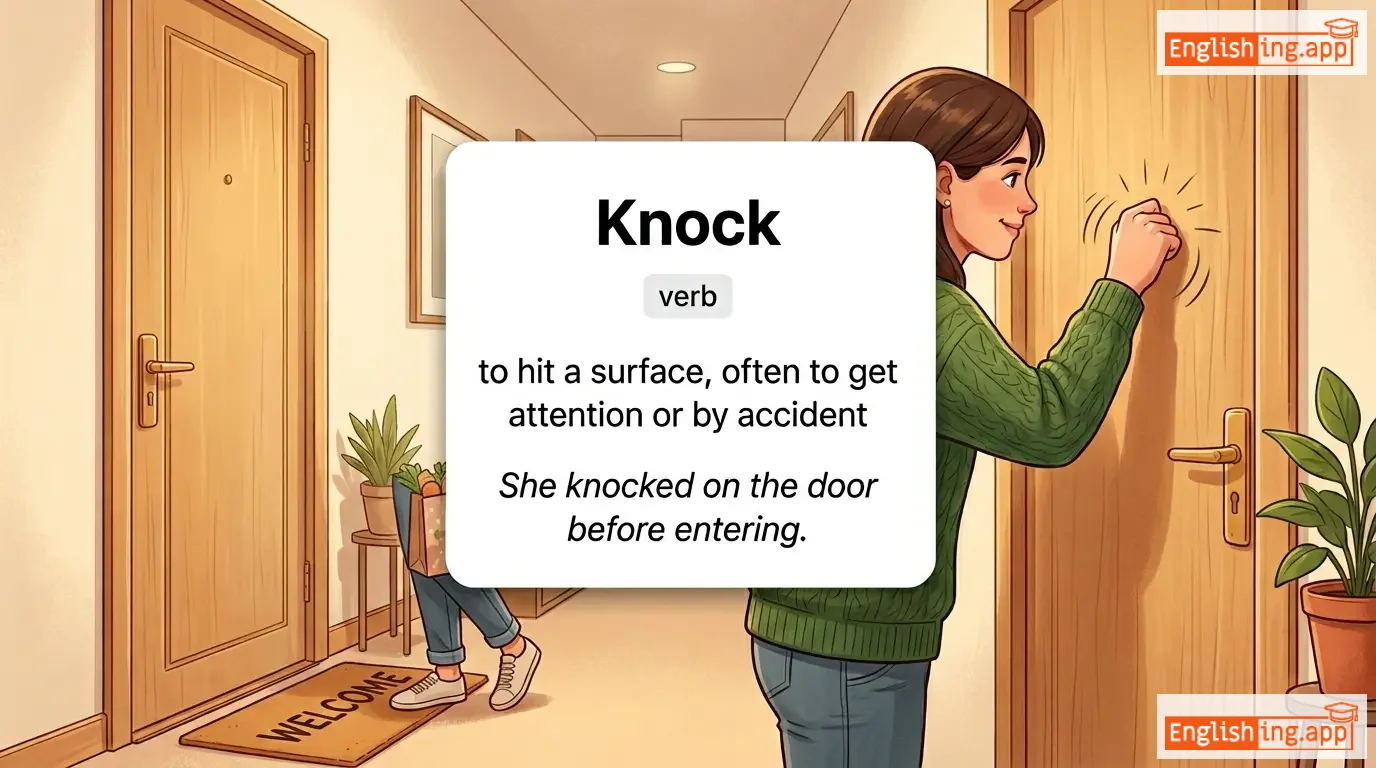
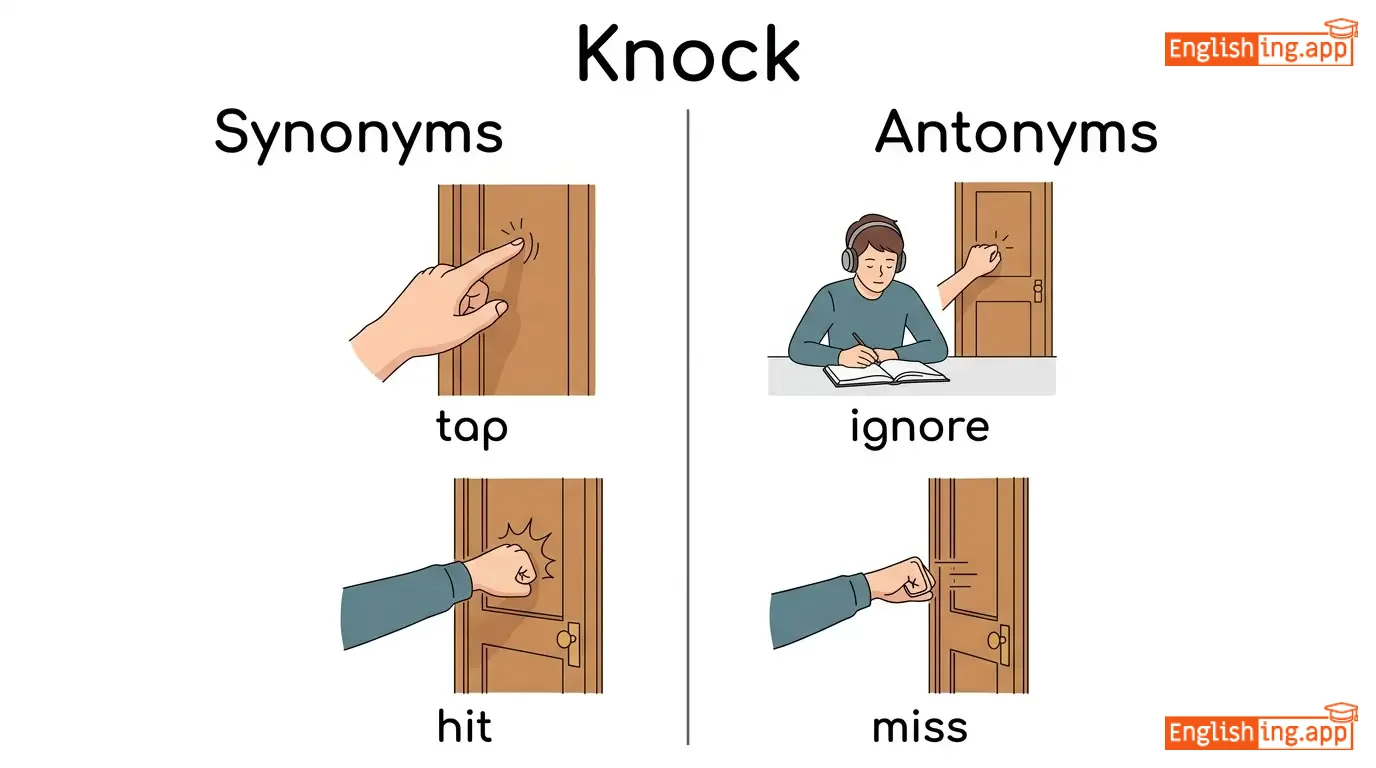
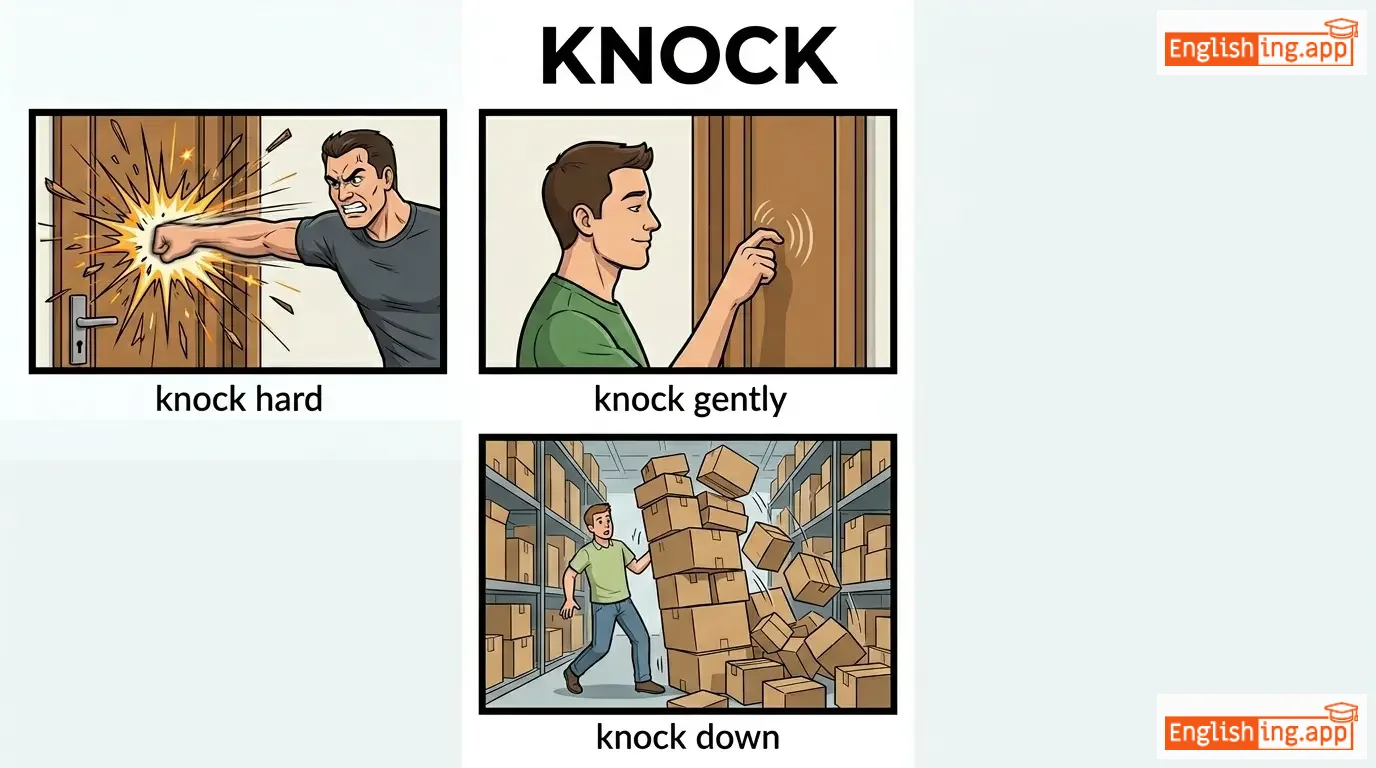
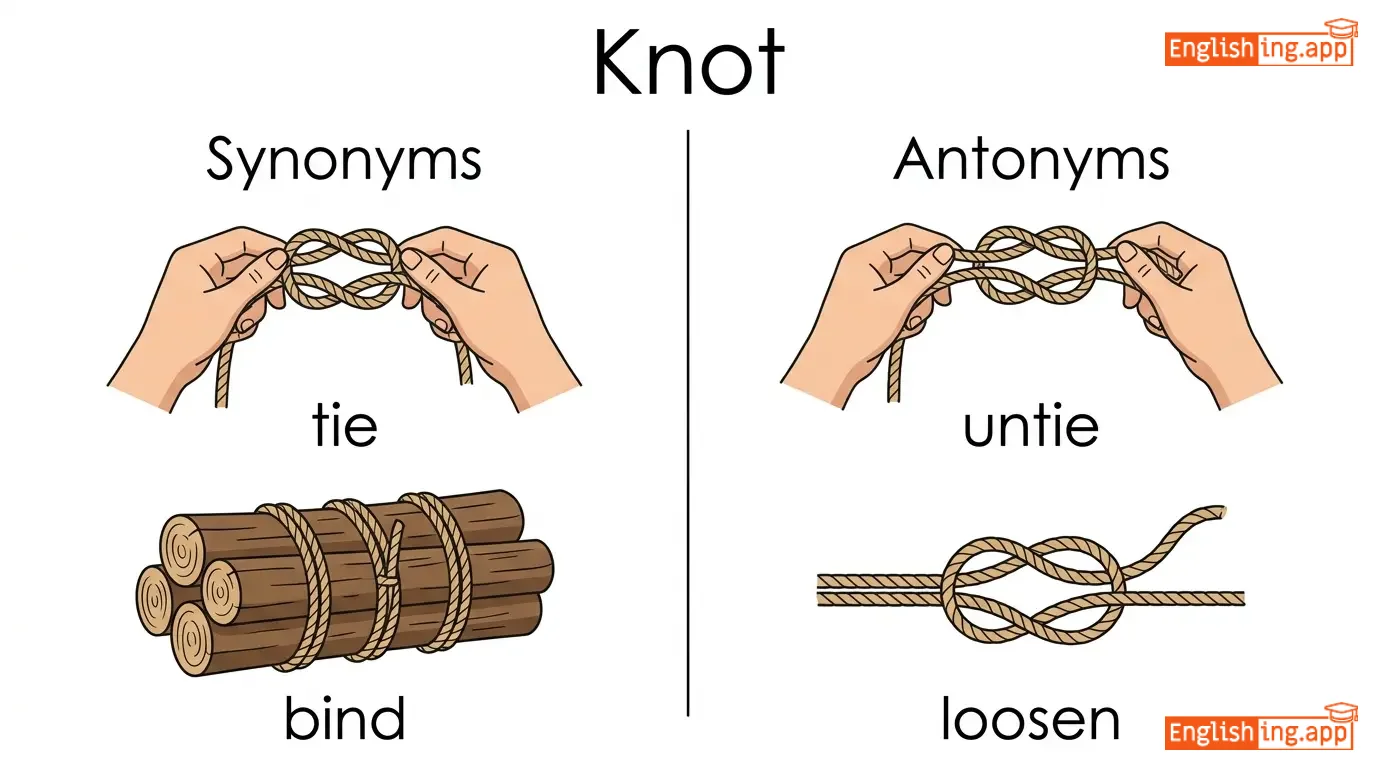

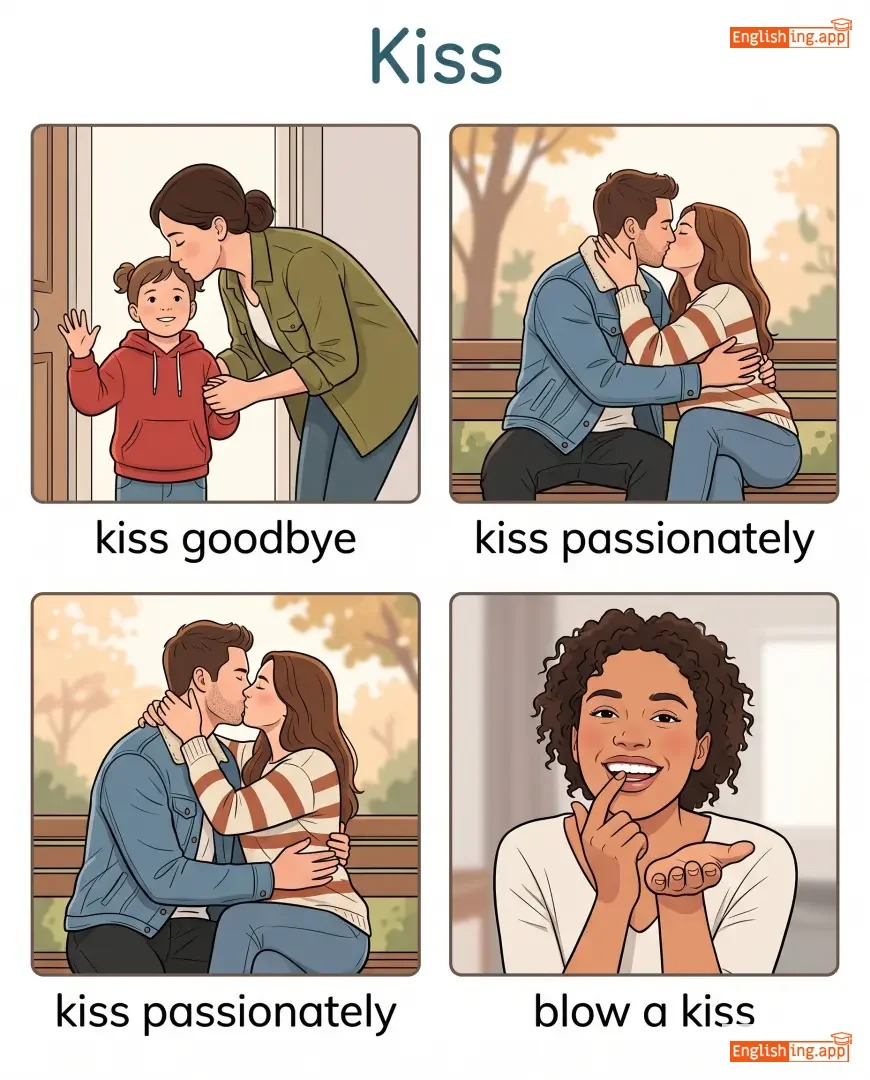
Swipe left or right, or use the buttons. Tap image to zoom.
Обновитесь для доступа ко всем предложениям
Получите неограниченный доступ ко всем предложениям с подпиской Pro
Обновить до ProПеревод примера предложения
Слово
Lesson 36Lesson 36 - Переключатель маски
|
Эмодзи
|
Слово | Images | Перевод | Значение | Пример предложения | Перевод примера предложения | Синонимы | Антонимы | Коллокации | Мнемоника |
|---|---|---|---|---|---|---|---|---|---|---|
|
#701
😈
|
/neɪv/
noun
(neiv)
••••••
|
- •••••• |
недобросовестный человек; валет в игральной карте
nedobrosovestnyy chelovek; valyet v igral'noy karte
••••••
|
a dishonest person, especially a man; a playing card with a picture of a male servant
••••••
|
The knave tried to cheat the old woman out of her savings. |
Негодяй пытался обмануть старушку, чтобы забрать ее сбережения.
Negodyay pytalsya obmanut' starushku, chtoby zabrat' ee sberezheniya
••••••
|
rogue, scoundrel, rascal, villain
••••••
|
honest person, gentleman, hero
••••••
|
cunning knave, lying knave, card knave
••••••
|
Негодяй всегда попытается обмануть, чтобы получить выгоду
••••••
|
|
#702
🔪
|
/naɪf/
noun
(naif)
••••••
|
- •••••• |
нож
nozh
••••••
|
a cutting instrument with a sharp blade
••••••
|
She used a sharp knife to cut the vegetables for dinner.
Она использовала острый нож, чтобы нарезать овощи для ужина.
••••••
|
Она использовала острый нож, чтобы нарезать овощи для ужина.
Ona ispol'zovala ostryj nozh, chtoby narezaty ovoshchi dlya uzhina.
••••••
|
blade, cutter, dagger, cleaver
••••••
|
spoon, fork, blunt tool
••••••
|
sharp knife, kitchen knife, butter knife
••••••
|
Nozh - Этот инструмент всегда острый, как нож.
••••••
|
|
#703
♞
|
/naɪt/
noun
(nait)
••••••
|
- •••••• |
рыцарь; средневековый воин
rytsar, srednevekovyy voin
••••••
|
a man given a rank of honor by a British king or queen; a medieval warrior on horseback
••••••
|
The brave knight rescued the princess from the dragon's castle.
Храбрый рыцарь спас принцессу из замка дракона.
••••••
|
Храбрый рыцарь спас принцессу из замка дракона.
Khrabryy rytsar spas princessu iz zamka drakona.
••••••
|
warrior, cavalier, champion, nobleman
••••••
|
coward, peasant, commoner
••••••
|
brave knight, medieval knight, knight in armor
••••••
|
A knight is a brave 'рыцарь' who protects the kingdom.
••••••
|
|
#704
🚪
|
/nɒb/
noun
(ноб)
••••••
|
- •••••• |
круглая ручка на двери или ящике; маленький круглый переключатель на машине
kruglaya ruchka na dveri ili yashchike; malen'kiy kruglyy perekljuchatel' na mashine
••••••
|
a rounded handle on a door or drawer; a small rounded switch on a machine
••••••
|
He turned the brass knob to open the old wooden door.
Он повернул латунную ручку, чтобы открыть старую деревянную дверь.
••••••
|
Он повернул латунную ручку, чтобы открыть старую деревянную дверь.
On povernul latunnuyu ruchku, chtoby otkryt' staruyu derevyannuyu dver'.
••••••
|
handle, button, switch, control
••••••
|
lever, flat surface, key
••••••
|
door knob, brass knob, turn the knob
••••••
|
Представь себе круглый переключатель, как ручку на старой деревянной двери.
••••••
|
|
#705
✊
|
/nɒk/
noun
(нок)
••••••
|
|
удар; стук
udar, stuk
••••••
|
a sudden sharp blow; the sound of striking something
••••••
|
There was a loud knock at the door late at night. |
Поздно ночью был громкий стук в дверь.
Pozdno noch'yu byl gromkiy stuk v dver'.
••••••
|
rap, tap, bang, thump
••••••
|
silence, quiet, gentle touch
••••••
|
loud knock, gentle knock, knock on the door
••••••
|
удар и стук- 'нок' и 'удар'
••••••
|
|
#706
⛰️
|
/noʊl/
noun
(нол)
••••••
|
- •••••• |
небольшой холм; курган
nebol'shoy kholm, kurgan
••••••
|
a small rounded hill or mound
••••••
|
The old oak tree stood majestically on top of the grassy knoll. |
Старый дуб величественно стоял на вершине небольшого холма, покрытого травой.
Staryy dub veličestvenno stoyal na vershine nebol'shogo kholma, pokrytoy travoy.
••••••
|
hillock, mound, rise, elevation
••••••
|
valley, depression, flat land
••••••
|
grassy knoll, small knoll, wooded knoll
••••••
|
Небольшой холм можно назвать 'курганом', когда это небольшой холм.
••••••
|
|
#707
🪢
|
/nɒt/
noun
(нот)
••••••
|
|
узел
uzel
••••••
|
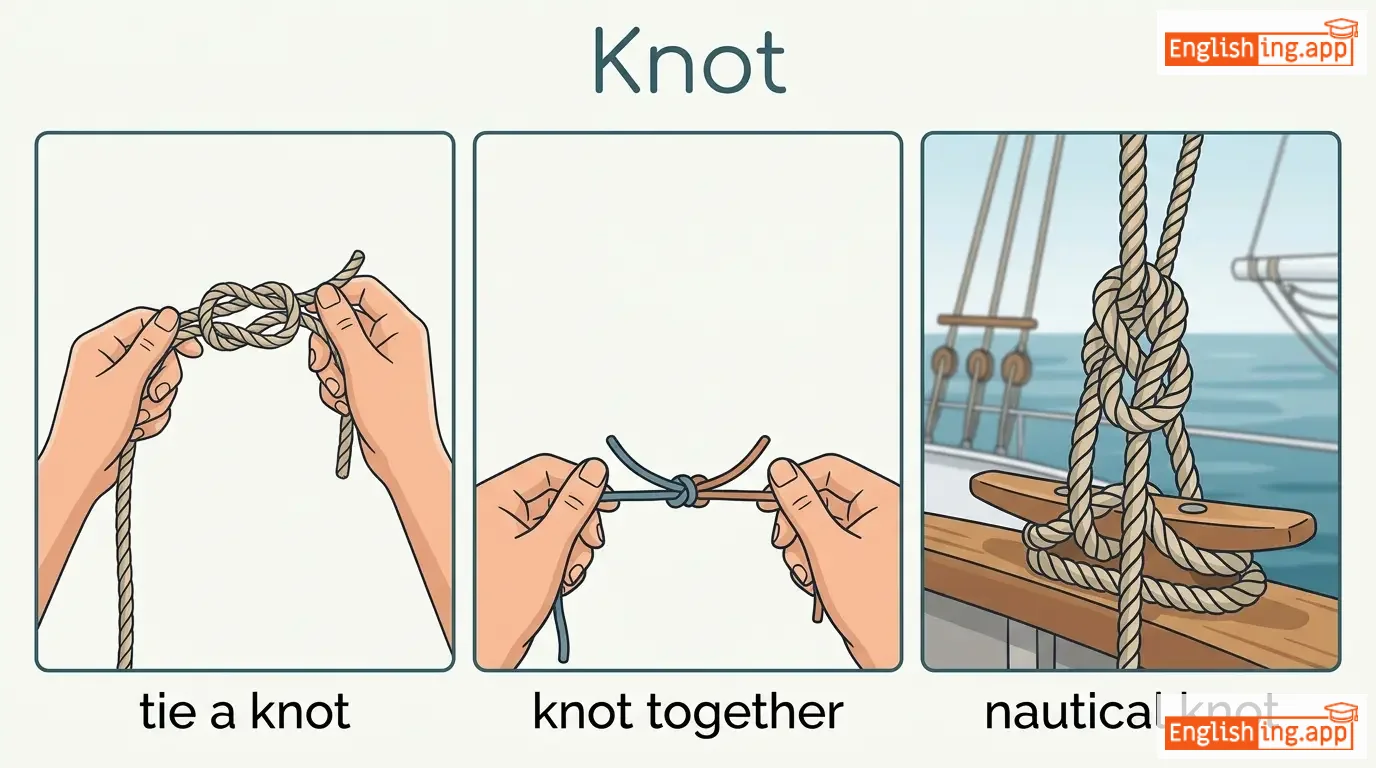
a fastening made by tying a piece of string, rope, or something similar; a hard mass in wood
••••••
|
The sailor tied a secure knot to anchor the boat safely.
Моряк завязал крепкий узел, чтобы надежно закрепить лодку.
••••••
|
Моряк завязал крепкий узел, чтобы надежно закрепить лодку.
Moryak zavyazal krepkiy uzel, chtoby nadezhno zakreplit' lodku.
••••••
|
tie, fastening, loop, twist
••••••
|
untied rope, loose end, straight line
••••••
|
tie a knot, tight knot, sailor's knot
••••••
|
Узел помогает закрепить вещи, обеспечивая их надежность.
••••••
|
|
#708
📚
|
/ˈnɒl.ɪdʒ/
noun
(ноу-ледж)
••••••
|
|
знание; понимание;
znanie, ponimanie
••••••
|
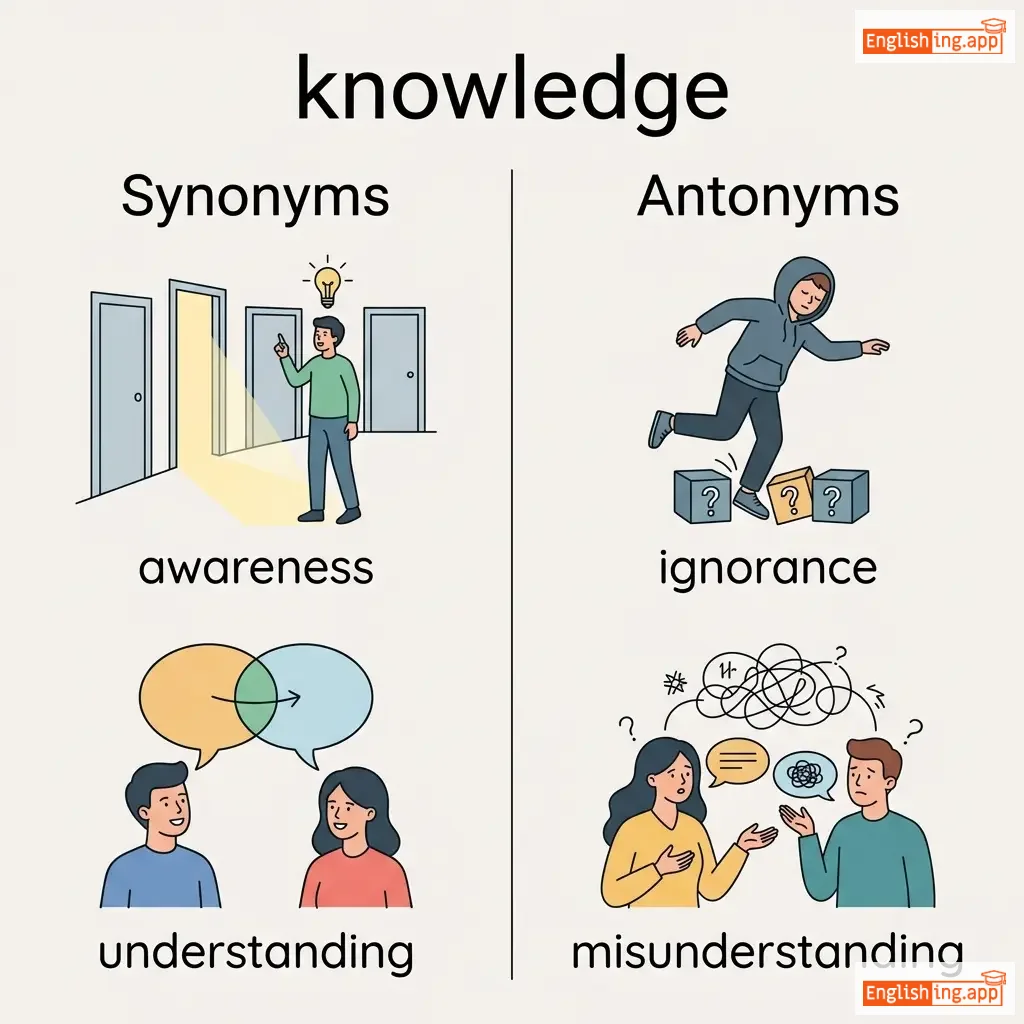
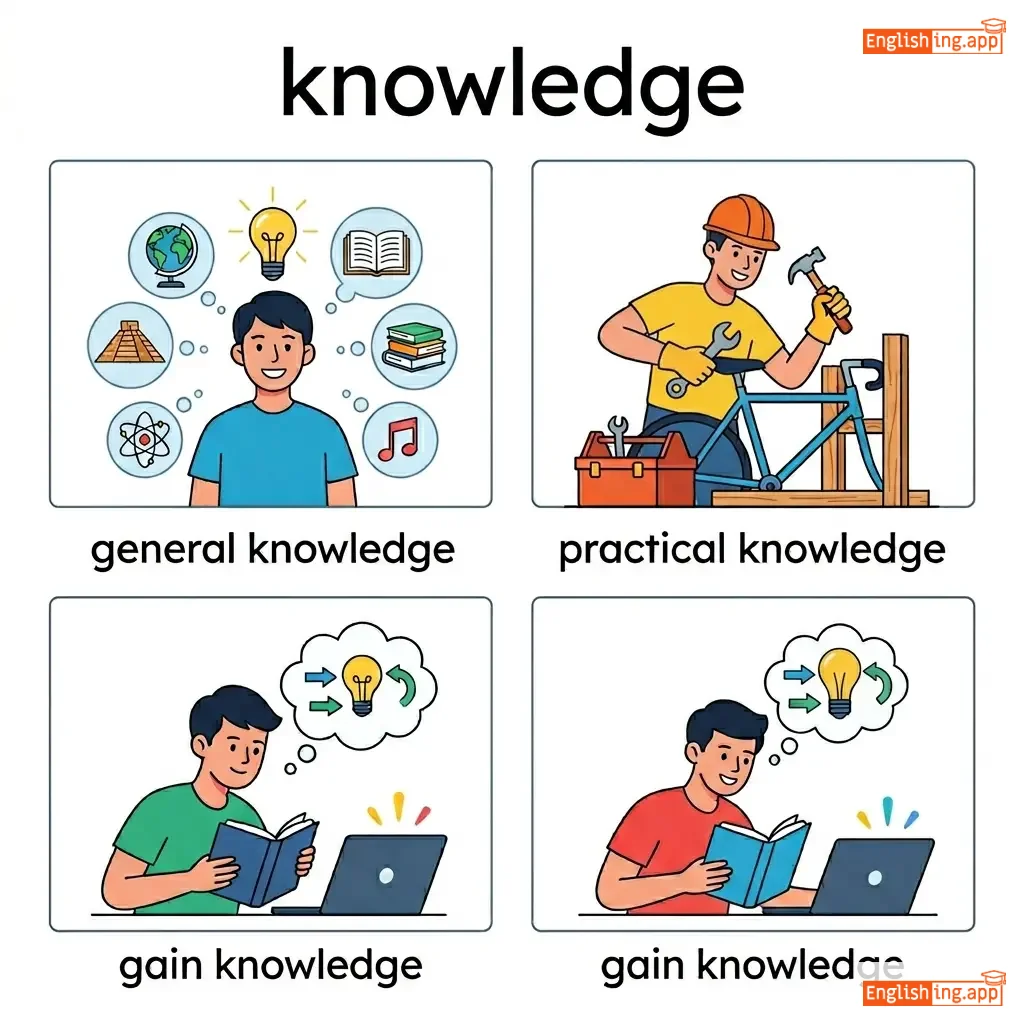
facts, information, and skills acquired through experience or education
••••••
|
His extensive knowledge of history impressed the university professors. |
Его обширные знания по истории впечатлили университетских профессоров.
Ego obshirnye znaniya po istorii vpechatlili universitetskikh professorov.
••••••
|
wisdom, understanding, learning, expertise
••••••
|
ignorance, stupidity, inexperience
••••••
|
vast knowledge, common knowledge, scientific knowledge
••••••
|
Знание (znanie) дает вам понимание всего.
••••••
|
|
#709
🏷️
|
/ˈleɪ.bəl/
noun
(лэ́бел)
••••••
|
- •••••• |
ярлык
yarlyk
••••••
|
a small piece of paper or material attached to something to identify or describe it
••••••
|
Please read the label carefully before taking any medication. |
Пожалуйста, внимательно прочитайте ярлык перед приемом лекарства.
Pozhaluysta, vnimatel'no prochitayte yarlyk pered priemom lekarstva.
••••••
|
tag, sticker, mark, identifier
••••••
|
unmarked item, blank surface
••••••
|
price label, warning label, address label
••••••
|
Ярлык – это как небольшая наклейка, объясняющая, что у вас.
••••••
|
|
#710
👷
|
/ˈleɪ.bər/
noun
(лэй.бёр)
••••••
|
|
физический или умственный труд
fizicheskiy ili umstvennyy trud
••••••
|
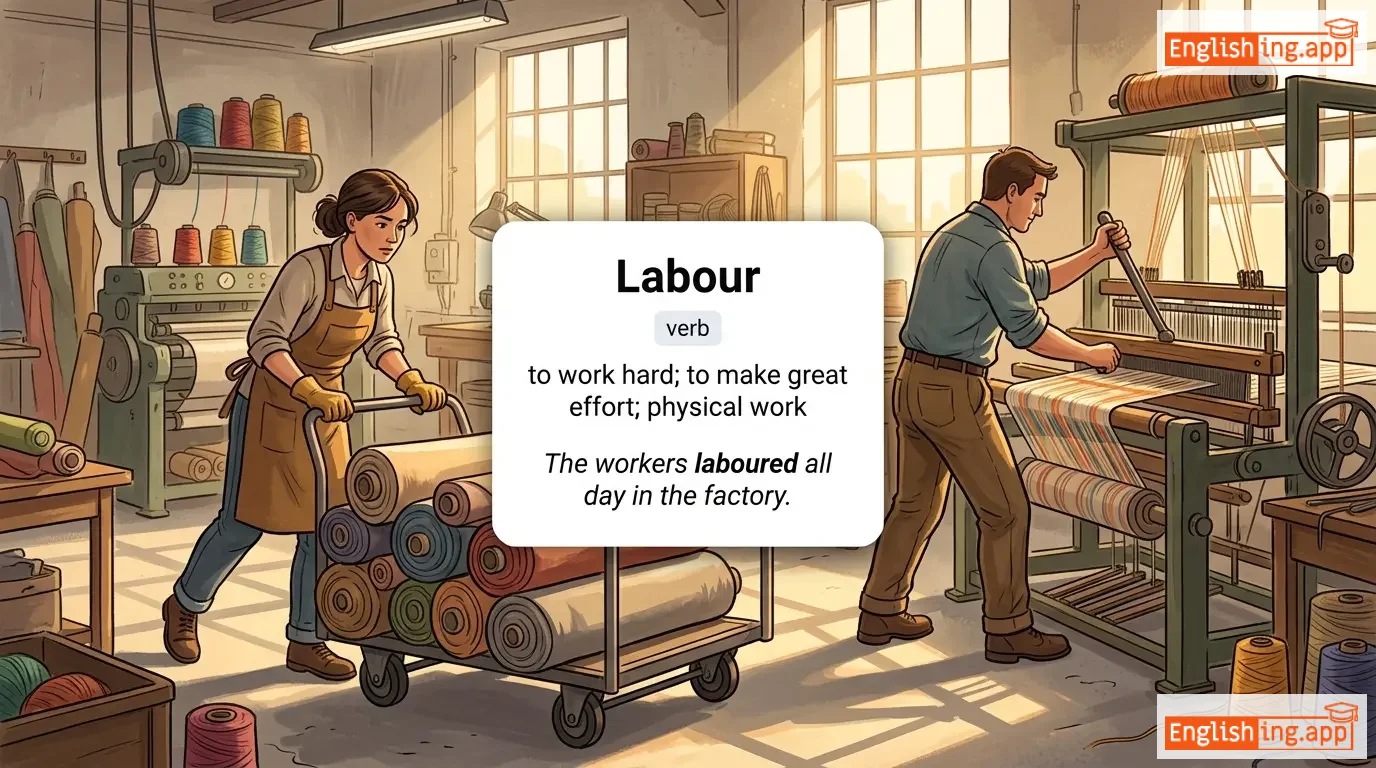
work involving physical or mental effort; workers as a group
••••••
|
The construction required months of hard labour to complete. |
Строительство потребовало месяцев тяжелого труда для завершения.
Stroitel'stvo potrebovalo mesyatsev tyazhelogo truda dlya zaversheniya.
••••••
|
work, toil, effort, employment
••••••
|
leisure, rest, relaxation
••••••
|
manual labour, skilled labour, labour force
••••••
|
Labour is труд, work hard, then you are трудолюбивый!
••••••
|
|
#711
-
|
noun
(Кин)
••••••
|
- •••••• |
семья; родственники;
sem'ya; rodstvenniki;
••••••
|
- •••••• | - •••••• | - •••••• | - •••••• | - •••••• | - •••••• | No •••••• |
|
#712
-
|
noun
(kaind)
••••••
|
- •••••• |
тип; класс; категория; род;
tip; klass; kategoriya; rod;
••••••
|
- •••••• | - •••••• | - •••••• | - •••••• | - •••••• | - •••••• |
Kind in Russian means 'тип', which refers to a type or category of something.
••••••
|
|
#713
-
|
noun
(kaindnes)
••••••
|
- •••••• |
доброта; доброжелательность; милосердие
dobrota; dobrozhelatel'nost'; miloserdie
••••••
|
- •••••• | - •••••• | - •••••• | - •••••• | - •••••• | - •••••• |
Kindness in Russian is 'dobrota', which means generosity.
••••••
|
|
#714
-
|
noun
(кинг)
••••••
|
- •••••• |
король
korol
••••••
|
- •••••• | - •••••• | - •••••• | - •••••• | - •••••• | - •••••• |
Король - это правитель, и по-русски мы называем его король.
••••••
|
|
#715
-
|
noun
(кингдом)
••••••
|
- •••••• |
королевство
korolevstvo
••••••
|
- •••••• | - •••••• | - •••••• | - •••••• | - •••••• | - •••••• |
Kingdom на русском это королевство
••••••
|
|
#716
-
|
noun
(кинсфок)
••••••
|
- •••••• |
семья, родственники
sem'ya, rodstvenniki
••••••
|
- •••••• | - •••••• | - •••••• | - •••••• | - •••••• | - •••••• |
Kinsfolk are your family members, similar to 'семья' in Russian.
••••••
|
|
#717
-
|
noun
(kis)
••••••
|
|
поцелуй
potseluy
••••••
|
- •••••• | - •••••• | - •••••• | - •••••• | - •••••• | - •••••• |
In Russian, a kiss is 'поцелуй'. The word 'по' sounds like 'po' to help you remember.
••••••
|
|
#718
-
|
noun
(кitchen)
••••••
|
- •••••• |
кухня
kukhnya
••••••
|
- •••••• | - •••••• | - •••••• | - •••••• | - •••••• | - •••••• |
Kukhnya sounds like 'cooking' — that's where you do it, in the kitchen.
••••••
|
|
#719
-
|
noun
(kitchen garden)
••••••
|
- •••••• |
огород у дома; сад рядом с кухней
ogorod u doma; sad ryadom s kukhney
••••••
|
- •••••• | - •••••• | - •••••• | - •••••• | - •••••• | - •••••• |
Огород у дома — это удобный способ выращивать свежие продукты рядом с кухней.
••••••
|
|
#720
-
|
noun
(kayt)
••••••
|
- •••••• |
воздушный змей
vozdushnyy zmey
••••••
|
- •••••• | - •••••• | - •••••• | - •••••• | - •••••• | - •••••• |
In Russian, 'воздушный змей' means 'flying snake', making it fun to remember!
••••••
|
Vocabulary Quiz
Test your vocabulary by matching words with their translations or meanings.
Login to take the quiz
Comments (0)
Share your thoughts and join the discussion.
Join the discussion by logging in
Login to CommentNo comments yet
Be the first to share your thoughts!