

/

Swipe left or right, or use the buttons. Tap image to zoom.
/
例句翻译
••••••
单词
••••••
Lesson 36Lesson 36 - 遮罩切换
|
表情符号
|
单词 | Images | 翻译 | 含义 | 例句 | 例句翻译 | 同义词 | 反义词 | 搭配词 | 助记符 |
|---|---|---|---|---|---|---|---|---|---|---|
|
#701
😈
|
/neɪv/
noun
(neiv)
••••••
|
- •••••• |
不诚实的人;游戏牌中的侍从
bu chengshi de ren; youxi pai zhong de shicong
••••••
|
a dishonest person, especially a man; a playing card with a picture of a male servant
••••••
|
The knave tried to cheat the old woman out of her savings. |
那个无赖试图欺骗老妇人,以便从她的积蓄中偷走钱。
na ge wulai shitu qipian lao fu ren, yi bian cong ta de jixu zhong tou zou qian
••••••
|
rogue, scoundrel, rascal, villain
••••••
|
honest person, gentleman, hero
••••••
|
cunning knave, lying knave, card knave
••••••
|
无赖总是通过作弊来获得胜利
••••••
|
|
#702
🔪
|
/naɪf/
noun
(naif)
••••••
|
- •••••• |
刀
dao
••••••
|
a cutting instrument with a sharp blade
••••••
|
She used a sharp knife to cut the vegetables for dinner.
她用一把锋利的刀切菜做晚餐。
••••••
|
她用一把锋利的刀切菜做晚餐。
Tā yòng yī bǎ fēnglì de dāo qiē cài zuò wǎncān.
••••••
|
blade, cutter, dagger, cleaver
••••••
|
spoon, fork, blunt tool
••••••
|
sharp knife, kitchen knife, butter knife
••••••
|
刀 - 就像刀一样锐利,永远锋利。
••••••
|
|
#703
♞
|
/naɪt/
noun
(nait)
••••••
|
- •••••• |
骑士; 中世纪战士
qishi, zhongshiji zhanshi
••••••
|
a man given a rank of honor by a British king or queen; a medieval warrior on horseback
••••••
|
The brave knight rescued the princess from the dragon's castle.
勇敢的骑士从龙的城堡救出了公主。
••••••
|
勇敢的骑士从龙的城堡救出了公主。
yonggan de qishi cong long de chengbao jiuchu le gongzhu.
••••••
|
warrior, cavalier, champion, nobleman
••••••
|
coward, peasant, commoner
••••••
|
brave knight, medieval knight, knight in armor
••••••
|
A knight is a brave warrior, like a '骑士' who defends the realm.
••••••
|
|
#704
🚪
|
/nɒb/
noun
(诺布)
••••••
|
- •••••• |
门或抽屉上的圆形把手; 机器上的小圆形开关
mén huò chōutì shàng de yuánxíng bǎshǒu; jīqì shàng de xiǎo yuánxíng kāiguān
••••••
|
a rounded handle on a door or drawer; a small rounded switch on a machine
••••••
|
He turned the brass knob to open the old wooden door.
他转动铜制的门把手,打开了那扇旧木门。
••••••
|
他转动铜制的门把手,打开了那扇旧木门。
Tā zhuǎndòng tóng zhì de mén bǎshǒu, dǎkāi le nà shàn jiù mùmén.
••••••
|
handle, button, switch, control
••••••
|
lever, flat surface, key
••••••
|
door knob, brass knob, turn the knob
••••••
|
想象一个圆形的门把手,像一台小机器上的开关一样。
••••••
|
|
#705
✊
|
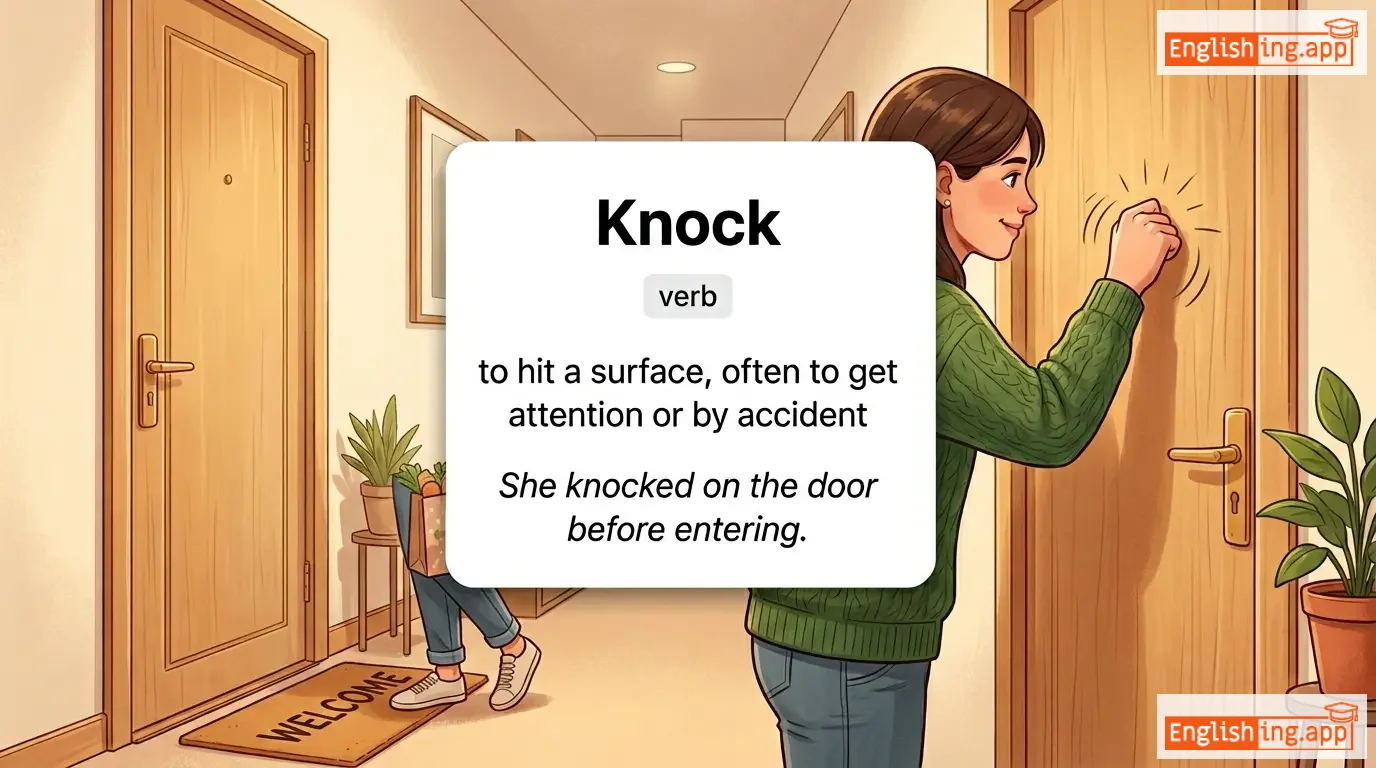
/nɒk/
noun
(nock)
••••••
|
|
敲击; 叩响
qiaojī, kòuxiǎng
••••••
|
a sudden sharp blow; the sound of striking something
••••••
|
There was a loud knock at the door late at night. |
深夜时,门外传来了一声响亮的敲击声。
Shēn yè shí, mén wài chuán lái le yī shēng xiǎngliàng de qiāojī shēng.
••••••
|
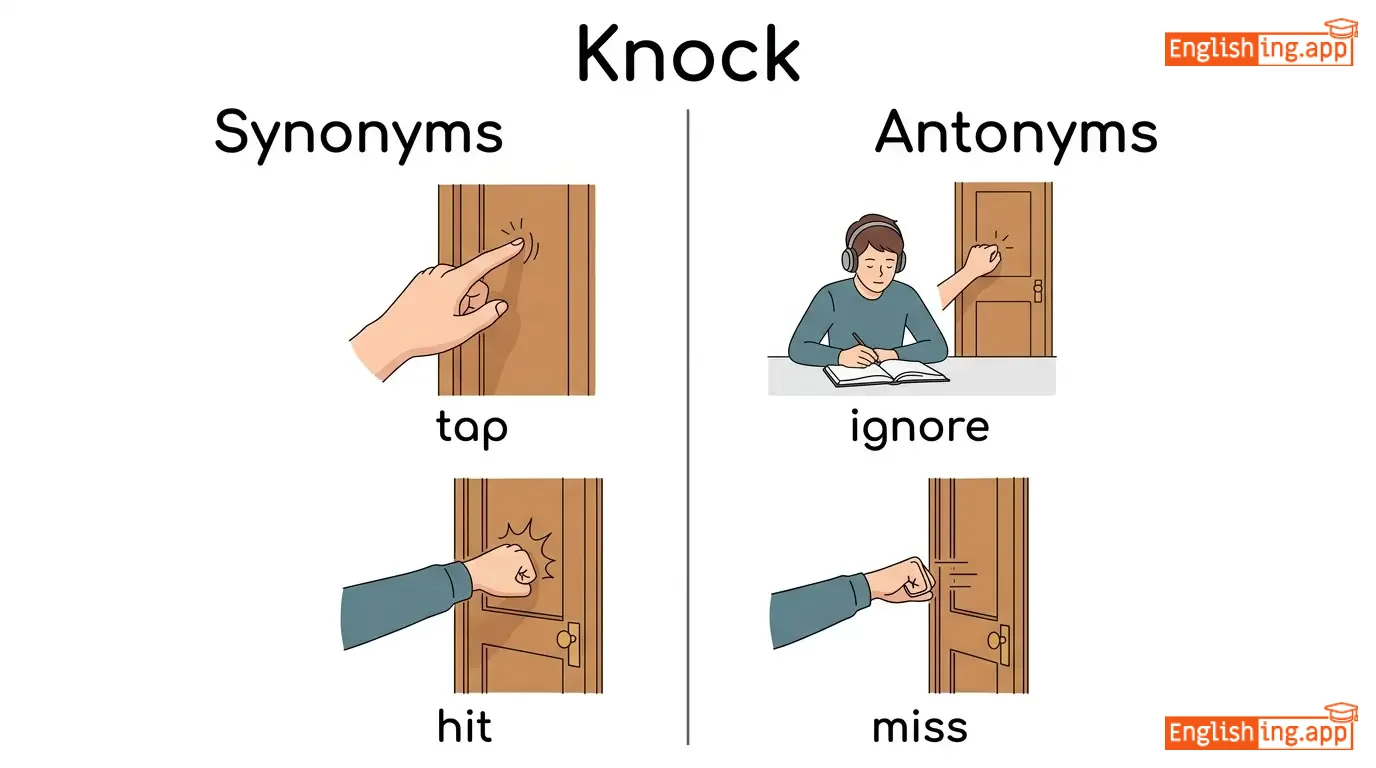
rap, tap, bang, thump
••••••
|
silence, quiet, gentle touch
••••••
|
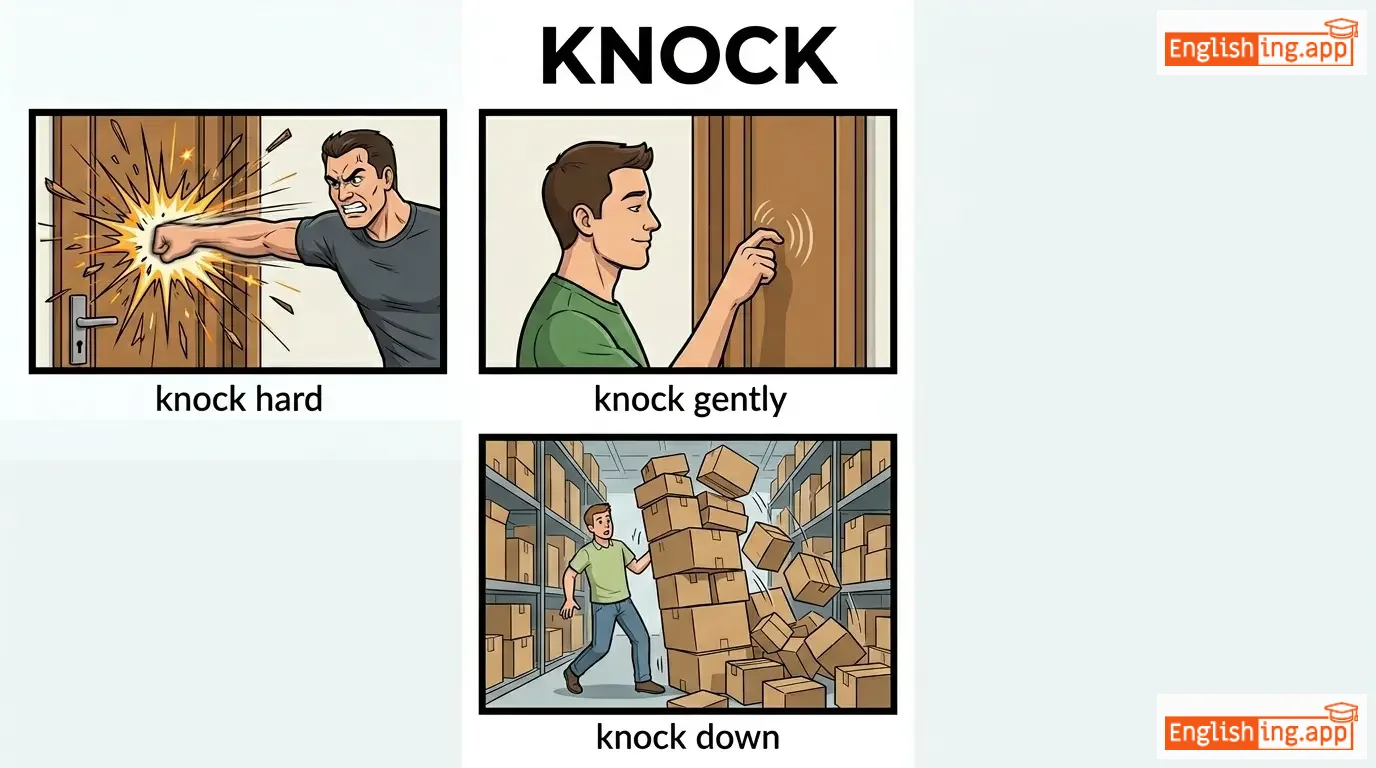
loud knock, gentle knock, knock on the door
••••••
|
敲击和声音- 'nock' 和 '敲击'
••••••
|
|
#706
⛰️
|
/noʊl/
noun
(诺尔)
••••••
|
- •••••• |
小山丘;土堆
xiao shanqiu, tu dui
••••••
|
a small rounded hill or mound
••••••
|
The old oak tree stood majestically on top of the grassy knoll. |
那棵老橡树雄伟地站在覆盖着草的小山丘上。
Na ke lao xiangshu xiongwei de zhan zai fukai zhe cao de xiao shanqiu shang.
••••••
|
hillock, mound, rise, elevation
••••••
|
valley, depression, flat land
••••••
|
grassy knoll, small knoll, wooded knoll
••••••
|
小山丘像是一个'土堆',非常小而圆。
••••••
|
|
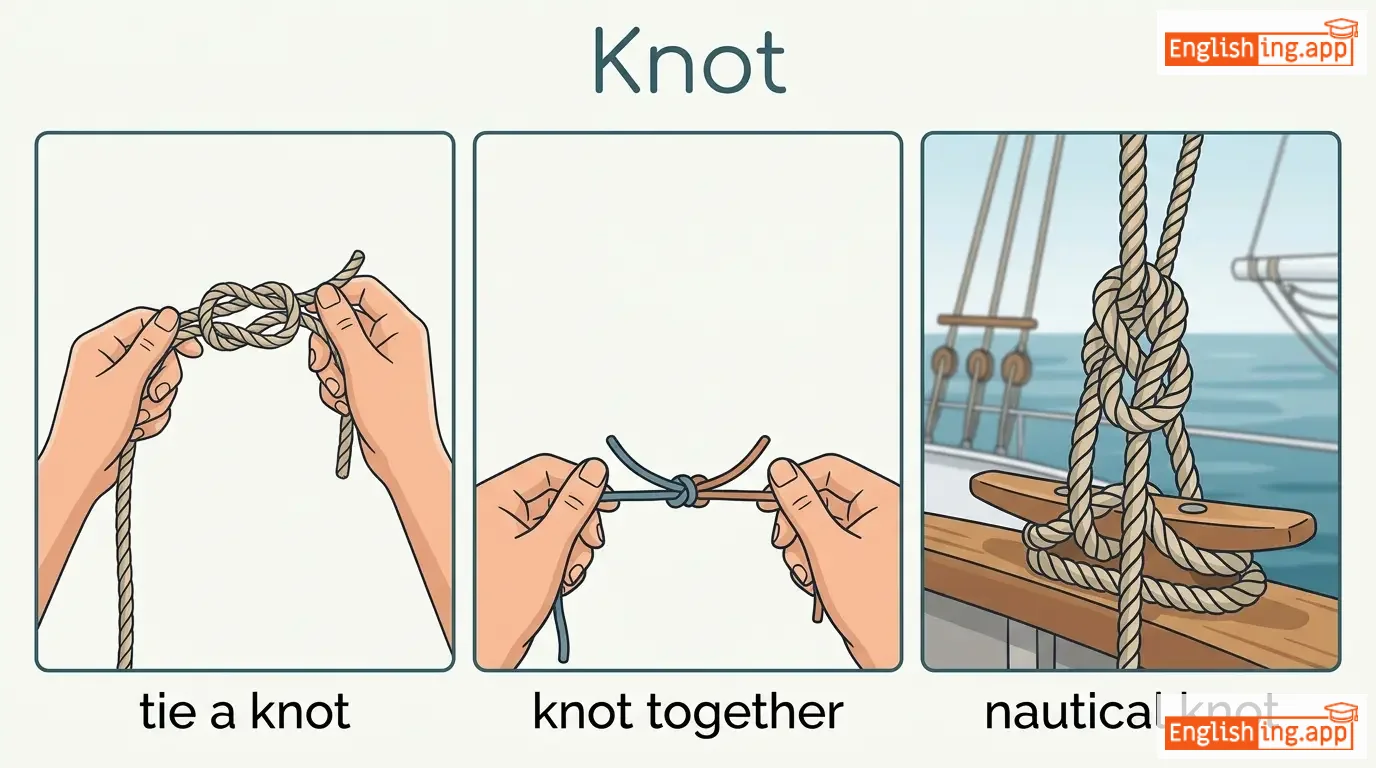
#707
🪢
|
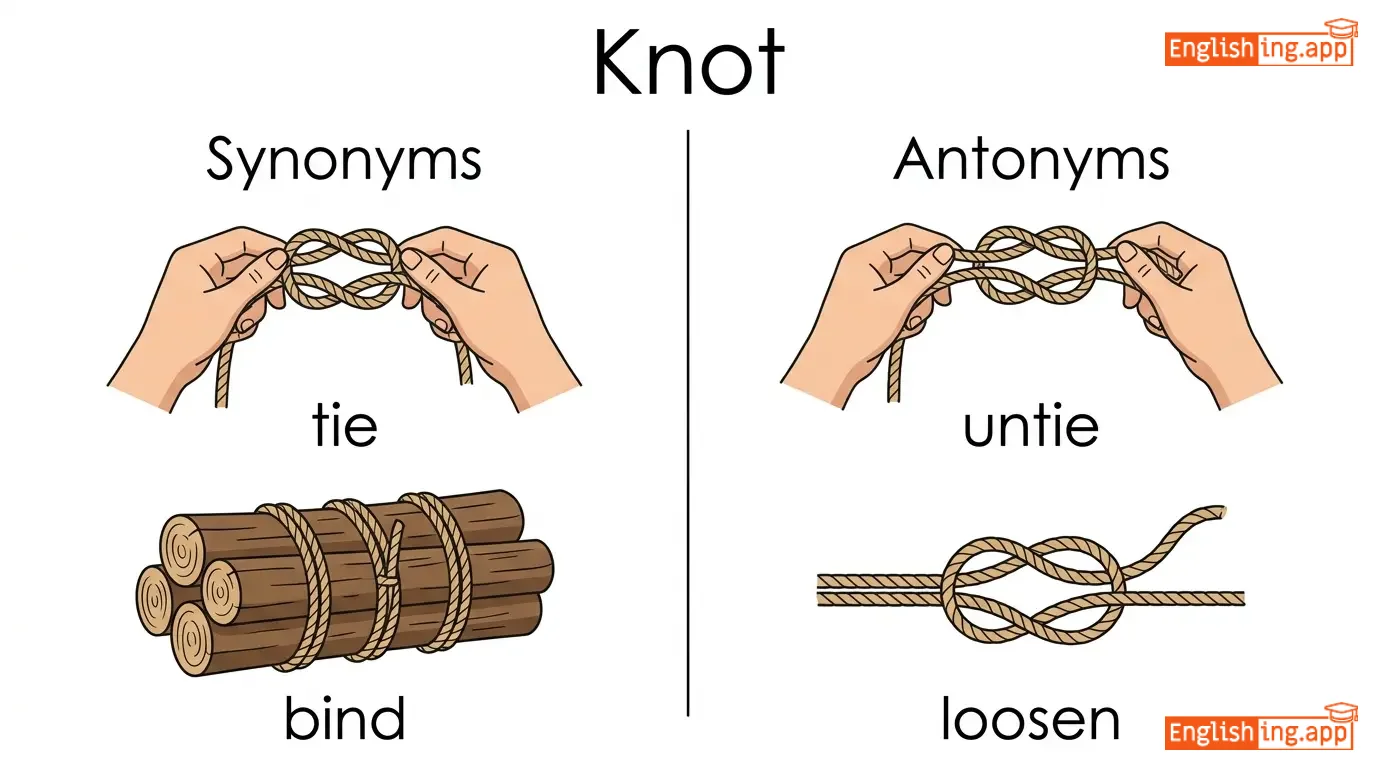
/nɒt/
noun
(诺特)
••••••
|
|
结
jie
••••••
|
a fastening made by tying a piece of string, rope, or something similar; a hard mass in wood
••••••
|
The sailor tied a secure knot to anchor the boat safely.
水手系了一个稳固的结,以安全地将船锚定。
••••••
|
水手系了一个稳固的结,以安全地将船锚定。
Shuǐshǒu xìle yīgè wěngù de jié, yǐ ānquán dì jiāng chuán mǎo dìng.
••••••
|
tie, fastening, loop, twist
••••••
|
untied rope, loose end, straight line
••••••
|
tie a knot, tight knot, sailor's knot
••••••
|
结固如钢,牢牢把船固定!
••••••
|
|
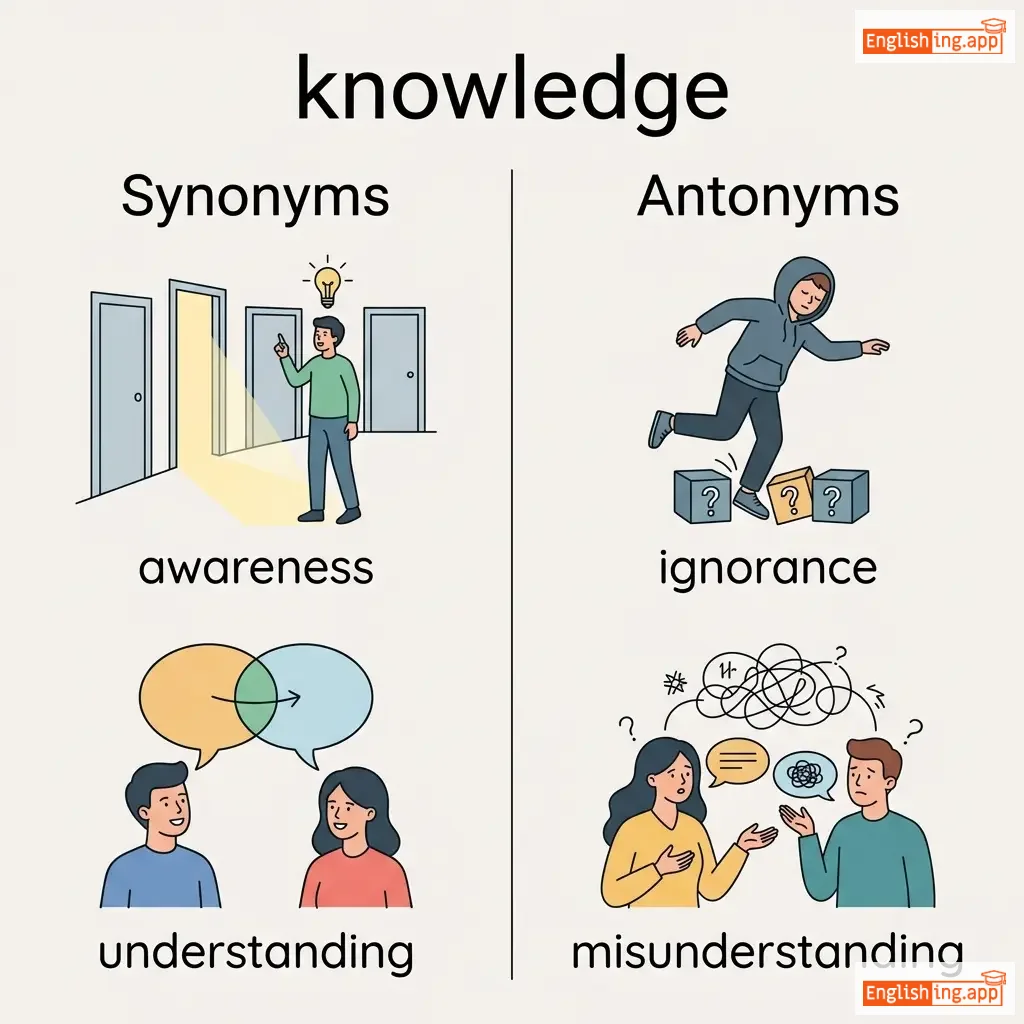
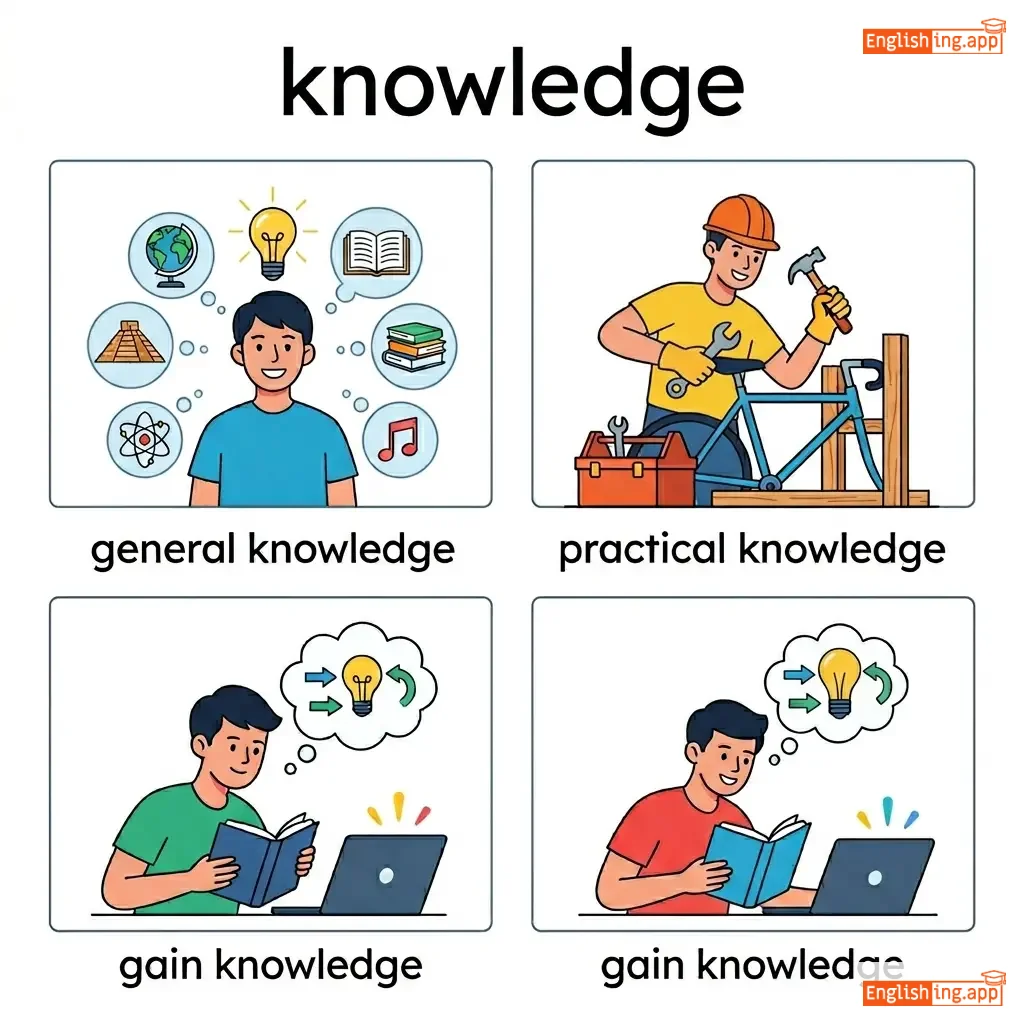
#708
📚
|
/ˈnɒl.ɪdʒ/
noun
(知识)
••••••
|
|
知识; 了解;
zhishi, liaojie
••••••
|
facts, information, and skills acquired through experience or education
••••••
|
His extensive knowledge of history impressed the university professors. |
他对历史的广泛知识给大学教授们留下了深刻的印象。
Ta dui lishi de guangfan zhishi gei daxue jiaoshou men liuxia le shenke de yinxiang.
••••••
|
wisdom, understanding, learning, expertise
••••••
|
ignorance, stupidity, inexperience
••••••
|
vast knowledge, common knowledge, scientific knowledge
••••••
|
知识 (zhishi) 照亮了你的理解和发现。
••••••
|
|
#709
🏷️
|
/ˈleɪ.bəl/
noun
(标签)
••••••
|
- •••••• |
标签
biaoqian
••••••
|
a small piece of paper or material attached to something to identify or describe it
••••••
|
Please read the label carefully before taking any medication. |
请在服用任何药物之前仔细阅读标签。
Qing zai fuyang renhe yaowu zhiqian zixi yuedu biaoqian.
••••••
|
tag, sticker, mark, identifier
••••••
|
unmarked item, blank surface
••••••
|
price label, warning label, address label
••••••
|
标签是用来告诉你东西是什么的小标签。
••••••
|
|
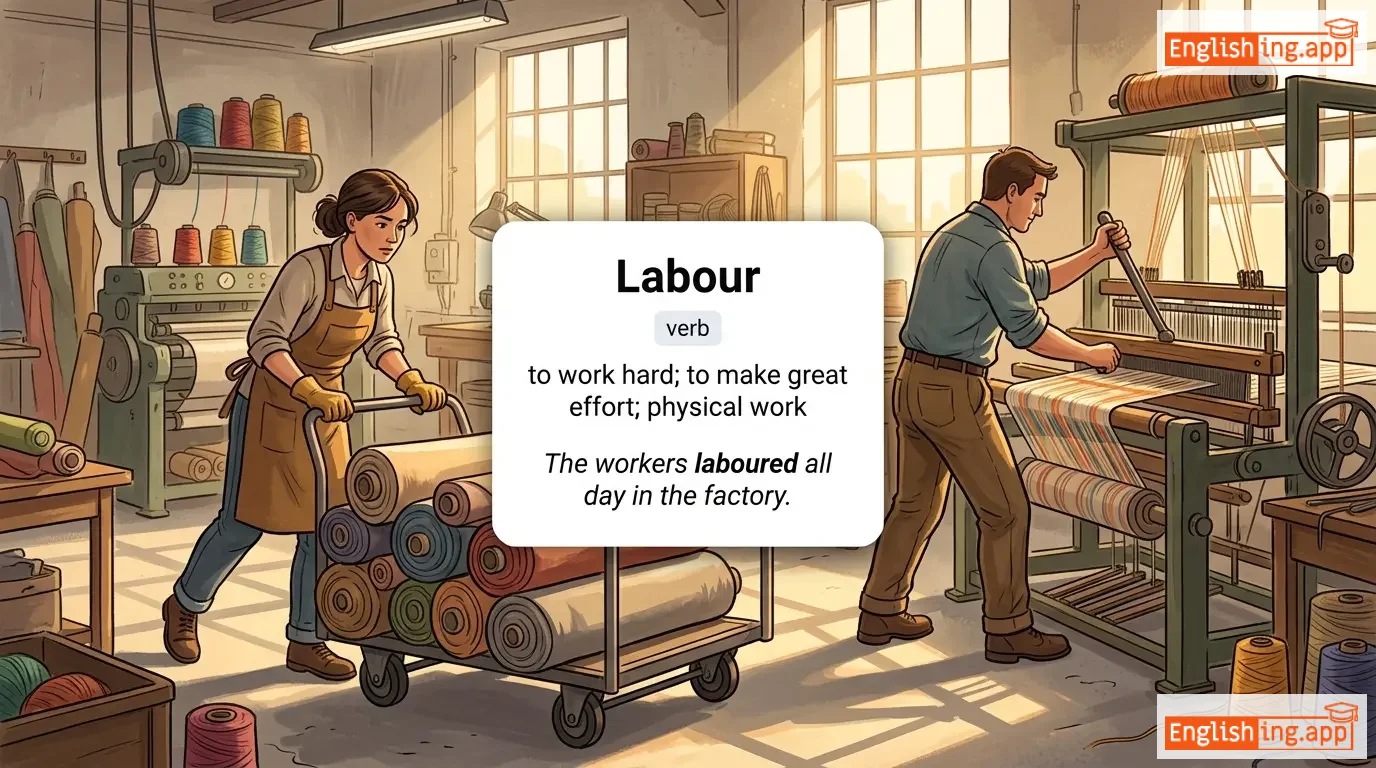
#710
👷
|
/ˈleɪ.bər/
noun
(lā bō ér)
••••••
|
|
体力或脑力劳动
tǐlì huò nǎolì láodòng
••••••
|
work involving physical or mental effort; workers as a group
••••••
|
The construction required months of hard labour to complete. |
这项建设工程需要数月的辛勤劳动才能完成。
zhè xiàng jiànshè gōngchéng xūyào shù yuè de xīnqín láodòng cáinéng wánchéng.
••••••
|
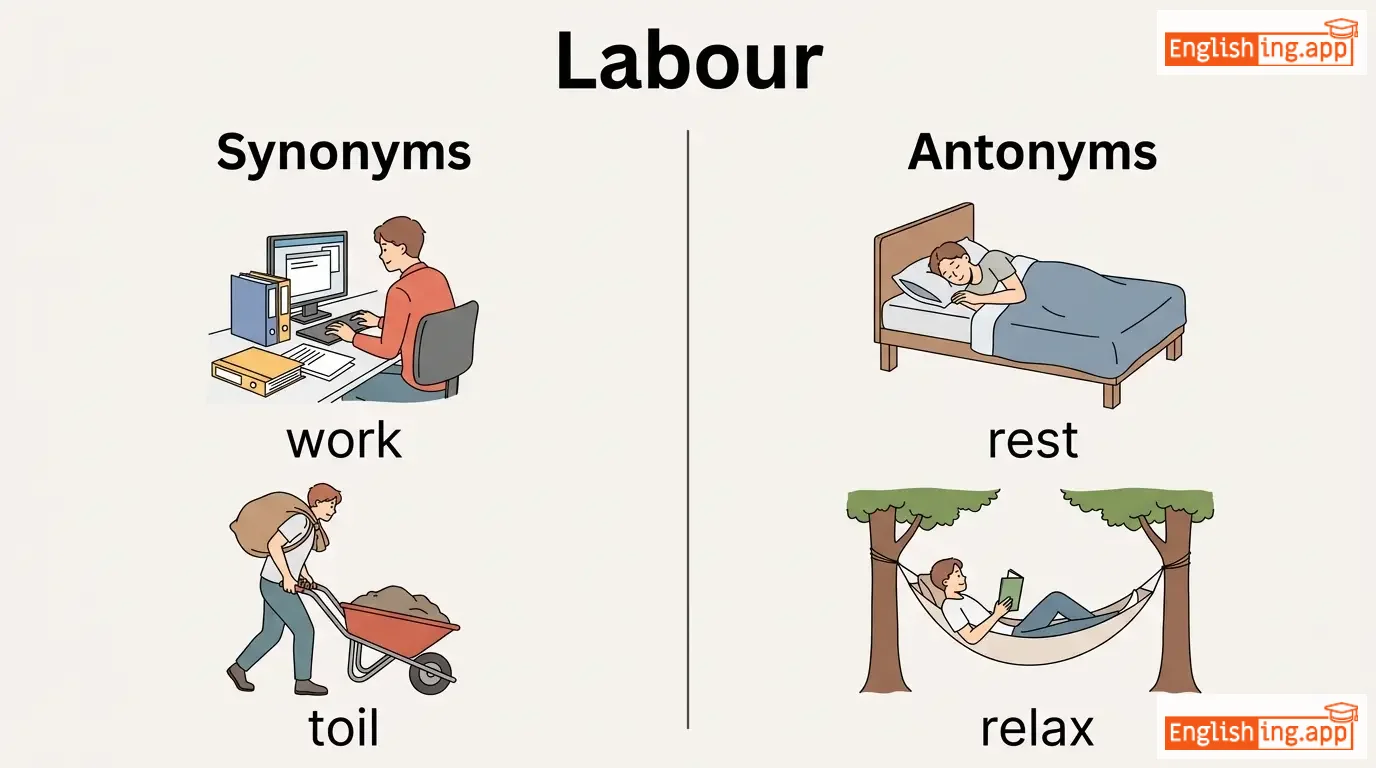
work, toil, effort, employment
••••••
|
leisure, rest, relaxation
••••••
|
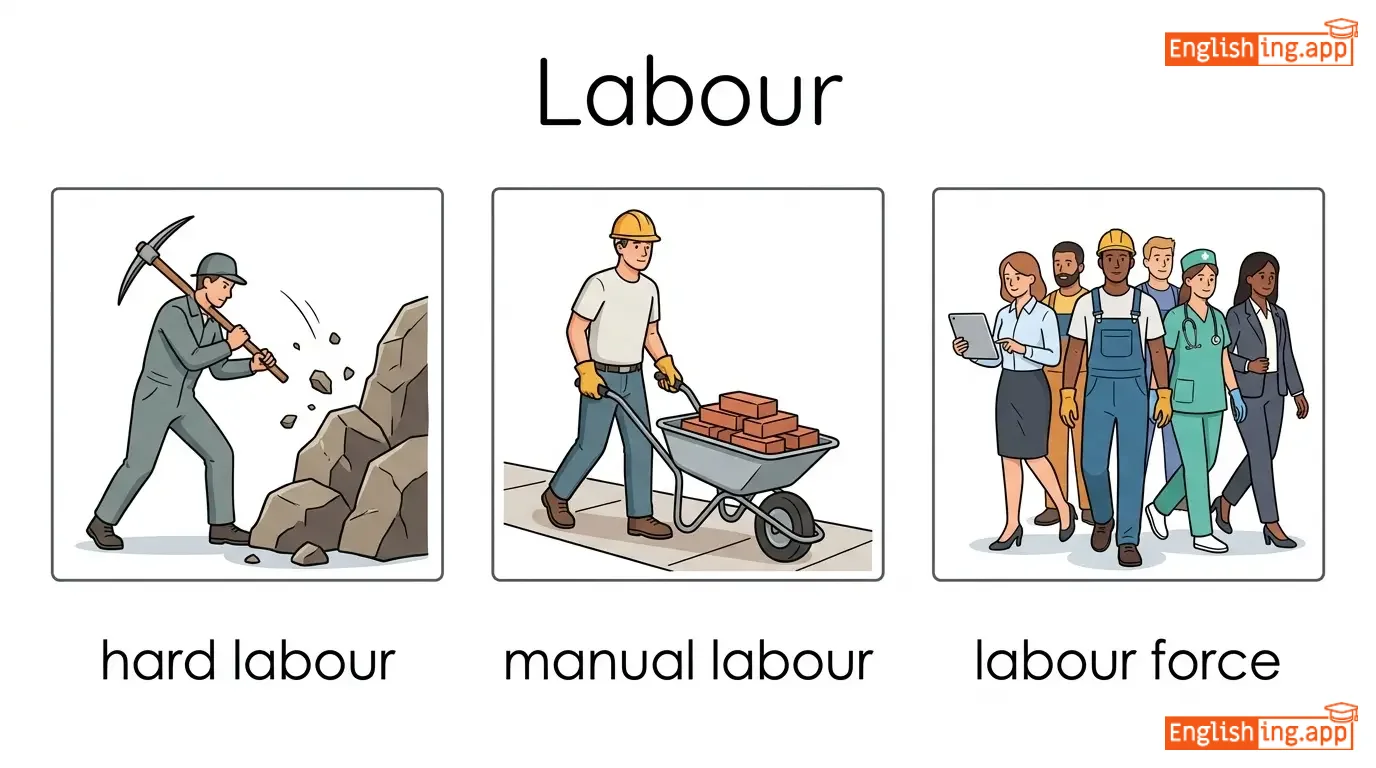
manual labour, skilled labour, labour force
••••••
|
Labour = 劳动; 用体力和脑力创造美好未来!
••••••
|
|
#711
-
|
noun
(金)
••••••
|
- •••••• |
家庭; 亲戚;
jiating; qinqi;
••••••
|
- •••••• | - •••••• | - •••••• | - •••••• | - •••••• | - •••••• | No •••••• |
|
#712
-
|
noun
(kāi'ēn)
••••••
|
- •••••• |
类型; 种类; 分类;
leixing; zhonglei; fenlei;
••••••
|
- •••••• | - •••••• | - •••••• | - •••••• | - •••••• | - •••••• |
Kind means '类型' in Chinese, which relates to classification and category.
••••••
|
|
#713
-
|
noun
(kāi'ndnèisī)
••••••
|
- •••••• |
善良; 仁慈; 善意
shànliáng; réncí; shànyì
••••••
|
- •••••• | - •••••• | - •••••• | - •••••• | - •••••• | - •••••• |
Kindness in Chinese is 'shànliáng', reflecting generosity.
••••••
|
|
#714
-
|
noun
(kīng)
••••••
|
- •••••• |
国王
guowang
••••••
|
- •••••• | - •••••• | - •••••• | - •••••• | - •••••• | - •••••• |
国王 (guowang) is the Chinese word for 'king'.
••••••
|
|
#715
-
|
noun
(kīngdōng)
••••••
|
- •••••• |
王国
wangguo
••••••
|
- •••••• | - •••••• | - •••••• | - •••••• | - •••••• | - •••••• |
Kingdom在中文是王国
••••••
|
|
#716
-
|
noun
(金斯福克)
••••••
|
- •••••• |
家族, 亲戚
jiāzú, qīnqi
••••••
|
- •••••• | - •••••• | - •••••• | - •••••• | - •••••• | - •••••• |
Kinsfolk are family and relatives, just like '家族' (family) in Chinese.
••••••
|
|
#717
-
|
noun
(kīsī)
••••••
|
|
吻
wen
••••••
|
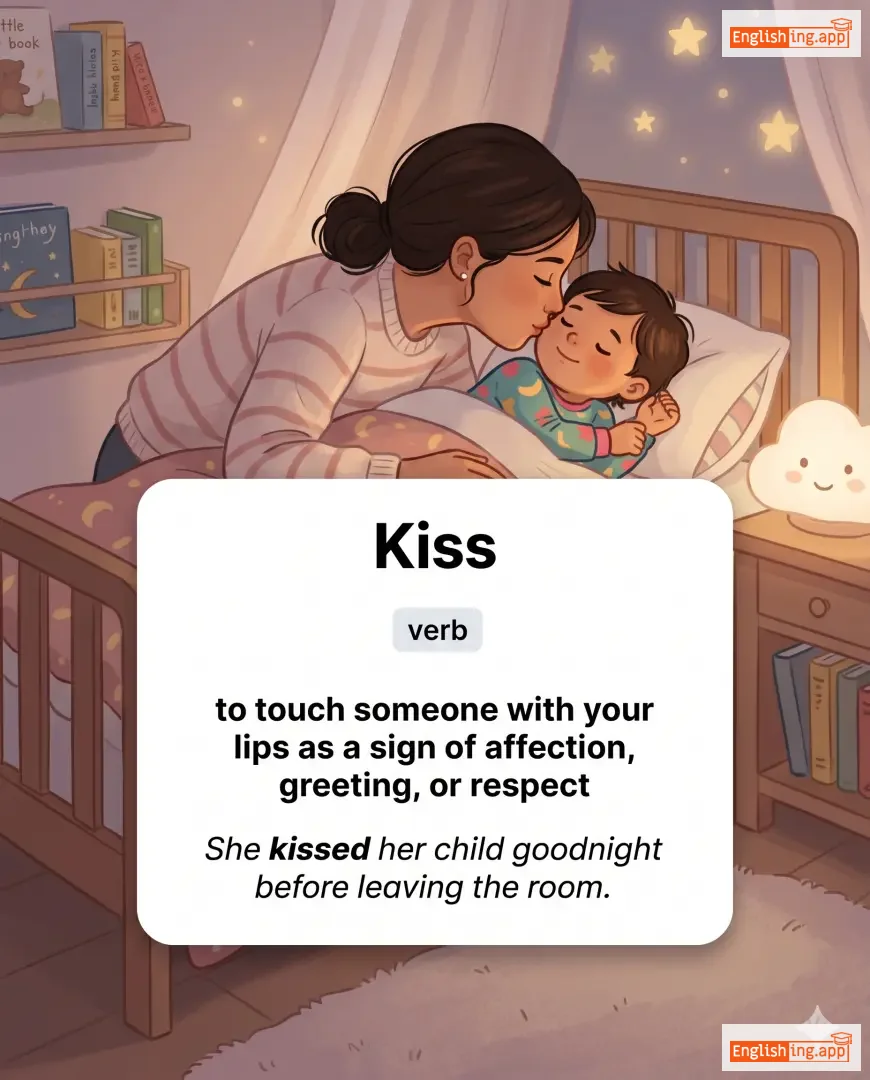
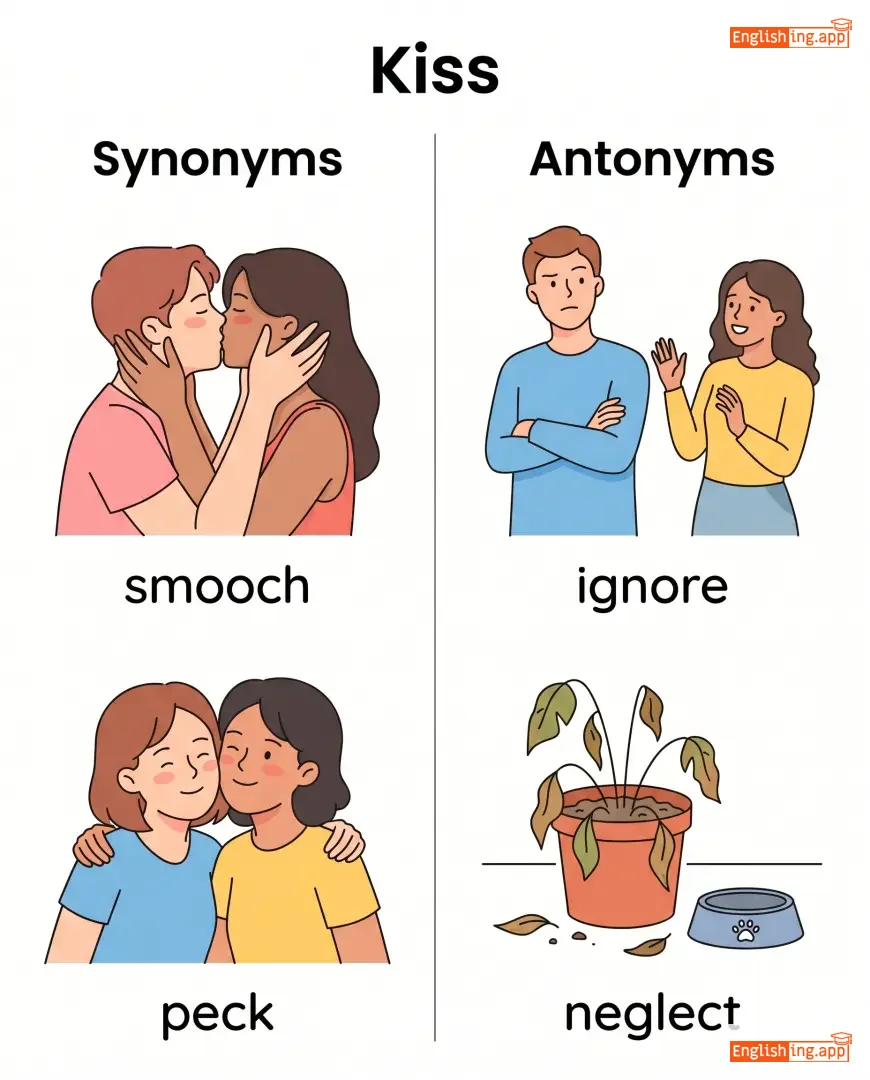
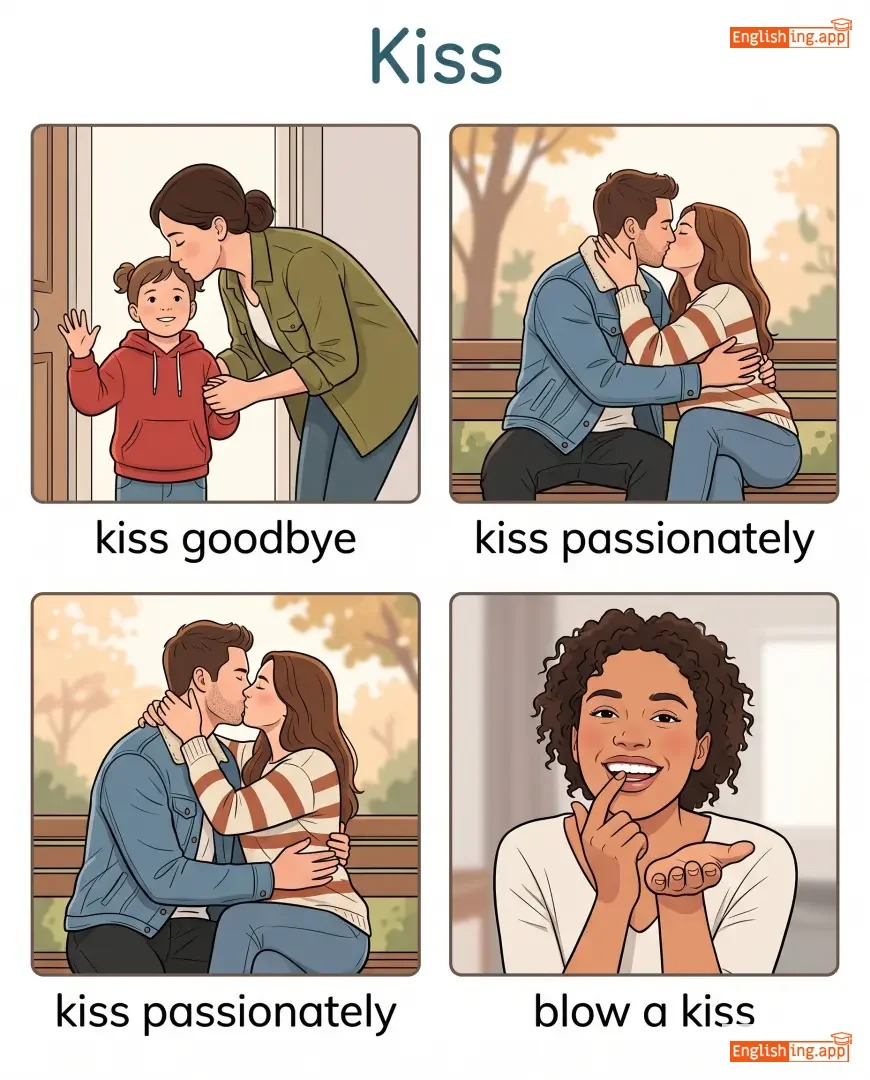
- •••••• | - •••••• | - •••••• | - •••••• | - •••••• | - •••••• |
A kiss in Chinese is '吻', pronounced 'wen'. You can remember 'wen' as a soft 'w'.
••••••
|
|
#718
-
|
noun
(kitchen)
••••••
|
- •••••• |
厨房
chúfáng
••••••
|
- •••••• | - •••••• | - •••••• | - •••••• | - •••••• | - •••••• |
Chúfáng is the Chinese term for a kitchen, where meals are made.
••••••
|
|
#719
-
|
noun
(kitchen garden)
••••••
|
- •••••• |
厨房花园; 厨房旁边的花园
chúfáng huāyuán; chúfáng pángbiān de huāyuán
••••••
|
- •••••• | - •••••• | - •••••• | - •••••• | - •••••• | - •••••• |
厨房花园是方便种植食材的地方,靠近厨房。
••••••
|
|
#720
-
|
noun
(kāi tè)
••••••
|
- •••••• |
风筝
fengzheng
••••••
|
- •••••• | - •••••• | - •••••• | - •••••• | - •••••• | - •••••• |
In Chinese, '风筝' (fengzheng) represents the wind, just like how a kite flies with it!
••••••
|
Vocabulary Quiz
Test your vocabulary by matching words with their translations or meanings.
Login to take the quiz课程列表
Mastering the Most Frequent Nouns
(掌握最常用的名词)
/78
1
2
3
4
5
6
7
8
9
10
11
12
13
14
15
16
17
18
19
20
21
22
23
24
25
26
27
28
29
30
31
32
33
34
35
36
37
38
39
40
41
42
43
44
45
46
47
48
49
50
51
52
53
54
55
56
57
58
59
60
61
62
63
64
65
66
67
68
69
70
71
72
73
74
75
76
77
78
Lesson 1: Mastering the Most Frequent Nouns
(第1课:掌握最常见的名词)
Lesson 2: Mastering the Most Frequent Nouns
(第2课:掌握最常见的名词)
Lesson 3: Mastering the Most Frequent Nouns
(第3课:掌握最常见的名词)
Lesson 4: Mastering the Most Frequent Nouns
(第4课:掌握最常见的名词)
Lesson 5: Mastering the Most Frequent Nouns
(第5课:掌握最常见的名词)
Lesson 6: Mastering the Most Frequent Nouns
(第6课:掌握最常见的名词)
Lesson 7: Mastering the Most Frequent Nouns
(第7课:掌握最常用的名词)
Lesson 8: Mastering the Most Frequent Nouns
(第8课:掌握最常见的名词)
Lesson 9: Mastering the Most Frequent Nouns
(第9课:掌握最常见的名词)
Lesson 10: Mastering the Most Frequent Nouns
(第10课:掌握最常见的名词)
Lesson 11: Mastering the Most Frequent Nouns
(第11课:掌握最常用的名词)
Lesson 12: Mastering the Most Frequent Nouns
(第12课:掌握最常见的名词)
Lesson 13: Mastering the Most Frequent Nouns
(第13课:掌握最常用的名词)
Lesson 14: Mastering the Most Frequent Nouns
(第14课:掌握最常见的名词)
Lesson 15: Mastering the Most Frequent Nouns
(第15课:掌握最常见的名词)
Lesson 16: Mastering the Most Frequent Nouns
(第16课:掌握最常用的名词)
Lesson 17: Mastering the Most Frequent Nouns
(第17课:掌握最常用的名词)
Lesson 18: Mastering the Most Frequent Nouns
(第18课:掌握最常见的名词)
Lesson 19: Mastering the Most Frequent Nouns
(第19课:掌握最常见的名词)
Lesson 20: Mastering the Most Frequent Nouns
(第20课:掌握最常见的名词)
Lesson 21: Mastering the Most Frequent Nouns
(第21课:掌握最常见的名词)
Lesson 22: Mastering the Most Frequent Nouns
(第22课:掌握最常见的名词)
Lesson 23: Mastering the Most Frequent Nouns
(第23课:掌握最常见的名词)
Lesson 24: Mastering the Most Frequent Nouns
(第24课:掌握最常见的名词)
Lesson 25: Mastering the Most Frequent Nouns
(第25课:掌握最常见的名词)
Lesson 26: Mastering the Most Frequent Nouns
(第26课:掌握最常见的名词)
Lesson 27: Mastering the Most Frequent Nouns
(第27课:掌握最常见的名词)
Lesson 28: Mastering the Most Frequent Nouns
(第28课:掌握最常见的名词)
Lesson 29: Mastering the Most Frequent Nouns
(第29课:掌握最常见的名词)
Lesson 30: Mastering the Most Frequent Nouns
(第30课:掌握最常见的名词)
Lesson 31: Mastering the Most Frequent Nouns
(第31课:掌握最常见的名词)
Lesson 32: Mastering the Most Frequent Nouns
(第32课:掌握最常用的名词)
Lesson 33: Mastering the Most Frequent Nouns
(第33课:掌握最常用的名词)
Lesson 34: Mastering the Most Frequent Nouns
(第34课:掌握最常见的名词)
Lesson 35: Mastering the Most Frequent Nouns
(第35课:掌握最常用的名词)
Lesson 36: Mastering the Most Frequent Nouns
(第36课:掌握最常用的名词)
Lesson 37: Mastering the Most Frequent Nouns
(第37课:掌握最常见的名词)
Lesson 38: Mastering the Most Frequent Nouns
(第38课:掌握最常用的名词)
Lesson 39: Mastering the Most Frequent Nouns
(第39课:掌握最常用的名词)
Lesson 40: Mastering the Most Frequent Nouns
(第40课:掌握最常用的名词)
Lesson 41: Mastering the Most Frequent Nouns
(第41课:掌握最常用的名词)
Lesson 42: Mastering the Most Frequent Nouns
(第42课:掌握最常用的名词)
Lesson 43: Mastering the Most Frequent Nouns
(第43课:掌握最常用的名词)
Lesson 44: Mastering the Most Frequent Nouns
(第44课:掌握最常用的名词)
Lesson 45: Mastering the Most Frequent Nouns
(第45课:掌握最常用的名词)
Lesson 46: Mastering the Most Frequent Nouns
(第46课:掌握最常用的名词)
Lesson 47: Mastering the Most Frequent Nouns
(第47课:掌握最常见的名词)
Lesson 48: Mastering the Most Frequent Nouns
(第48课:掌握最常见的名词)
Lesson 49: Mastering the Most Frequent Nouns
(第49课:掌握最常见的名词)
Lesson 50: Mastering the Most Frequent Nouns
(第50课:掌握最常用的名词)
Lesson 51: Mastering the Most Frequent Nouns
(第51课:掌握最常用的名词)
Lesson 52: Mastering the Most Frequent Nouns
(第52课:掌握最常用的名词)
Lesson 53: Mastering the Most Frequent Nouns
(第53课:掌握最常用的名词)
Lesson 54: Mastering the Most Frequent Nouns
(第54课:掌握最常用的名词)
Lesson 55: Mastering the Most Frequent Nouns
(第55课:掌握最常见的名词)
Lesson 56: Mastering the Most Frequent Nouns
(第56课:掌握最常用的名词)
Lesson 57: Mastering the Most Frequent Nouns
(第57课:掌握最常见的名词)
Lesson 58: Mastering the Most Frequent Nouns
(第58课:掌握最常见的名词)
Lesson 59: Mastering the Most Frequent Nouns
(第59课:掌握最常见的名词)
Lesson 60: Mastering the Most Frequent Nouns
(第60课:掌握最常用的名词)
Lesson 61: Mastering the Most Frequent Nouns
(第61课:掌握最常用的名词)
Lesson 62: Mastering the Most Frequent Nouns
(第62课:掌握最常见的名词)
Lesson 63: Mastering the Most Frequent Nouns
(第63课:掌握最常见的名词)
Lesson 64: Mastering the Most Frequent Nouns
(第64课:掌握最常用的名词)
Lesson 65: Mastering the Most Frequent Nouns
(第65课:掌握最常用的名词)
Lesson 66: Mastering the Most Frequent Nouns
(第66课:掌握最常用的名词)
Lesson 67: Mastering the Most Frequent Nouns
(第67课:掌握最常见的名词)
Lesson 68: Mastering the Most Frequent Nouns
(第68课:掌握最常用的名词)
Lesson 69: Mastering the Most Frequent Nouns
(第69课:掌握最常用的名词)
Lesson 70: Mastering the Most Frequent Nouns
(第70课:掌握最常见的名词)
Lesson 71: Mastering the Most Frequent Nouns
(第71课:掌握最常用的名词)
Lesson 72: Mastering the Most Frequent Nouns
(第72课:掌握最常见的名词)
Lesson 73: Mastering the Most Frequent Nouns
(第73课:掌握最常见的名词)
Lesson 74: Mastering the Most Frequent Nouns
(第74课:掌握最常用的名词)
Lesson 75: Mastering the Most Frequent Nouns
(第75课:掌握最常见的名词)
Lesson 76: Mastering the Most Frequent Nouns
(第76课:掌握最常用的名词)
Lesson 77: Mastering the Most Frequent Nouns
(第77课:掌握最常见的名词)
Lesson 78: Mastering the Most Frequent Nouns
(第78课:掌握最常用的名词)
Comments (0)
Share your thoughts and join the discussion.
Join the discussion by logging in
Login to CommentNo comments yet
Be the first to share your thoughts!