



Swipe left or right, or use the buttons. Tap image to zoom.
例句翻译
单词
Lesson 3Lesson 3 - 遮罩切换
|
表情符号
|
单词 | Images | 翻译 | 含义 | 例句 | 例句翻译 | 同义词 | 反义词 | 搭配词 | 助记符 |
|---|---|---|---|---|---|---|---|---|---|---|
|
#41
✈️
|
/əˈraɪvəl/
noun
(arival)
••••••
|
- •••••• |
到达; 到达的行动
daoda; daoda de xingdong
••••••
|
the action or process of arriving; the reaching of a destination
••••••
|
The arrival of the train was delayed by two hours.
火车的到达被延迟了两个小时。
••••••
|
火车的到达被延迟了两个小时。
Huoche de daoda bei yanchi le liang ge xiaoshi.
••••••
|
coming, advent, appearance, entrance
••••••
|
departure, leaving, exit
••••••
|
arrival time, arrival gate, late arrival, early arrival
••••••
|
火车的到达,像幸福的到来一样迟到。
••••••
|
|
#42
😏
|
/ɔːˈdæsəti/
noun
(奥达斯蒂)
••••••
|
|
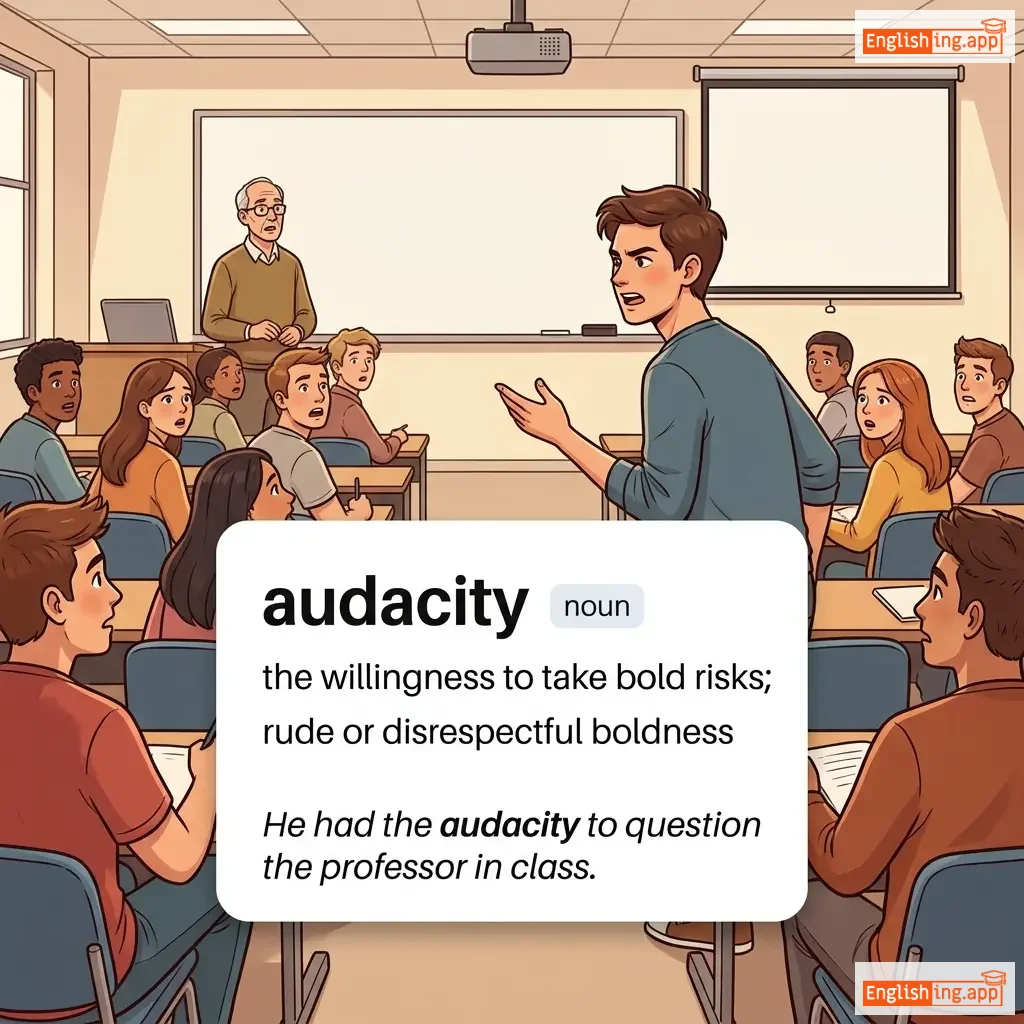
胆大;无礼;
dǎn dà; wú lǐ
••••••
|
willingness to take bold risks; rude or disrespectful behavior; impudence
••••••
|
He had the audacity to ask for a raise after being late every day.
他居然敢在每天迟到之后要求加薪。
••••••
|
他居然敢在每天迟到之后要求加薪。
Tā jūrán gǎn zài měitiān chídào zhīhòu yāoqiú jiāxīn.
••••••
|
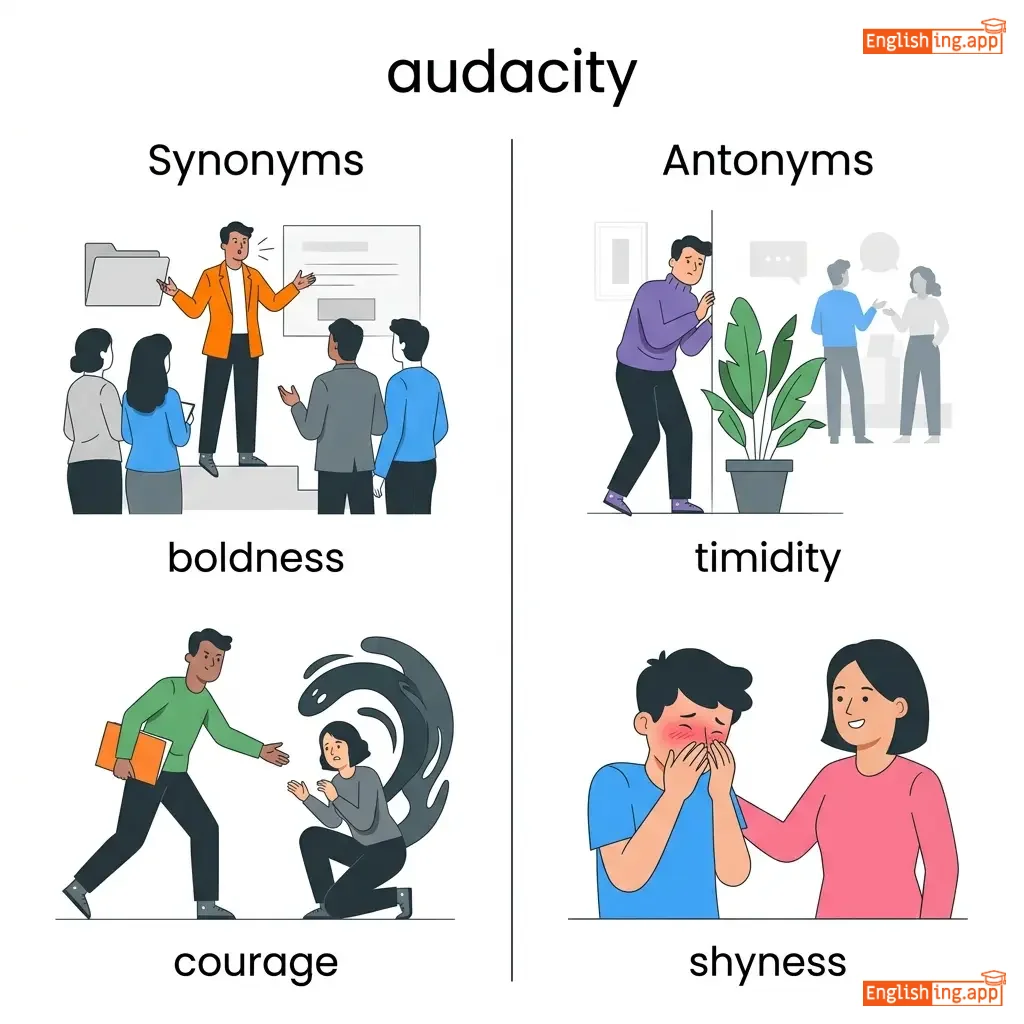
boldness, nerve, impudence, cheek
••••••
|
timidity, respect, politeness, modesty
••••••
|
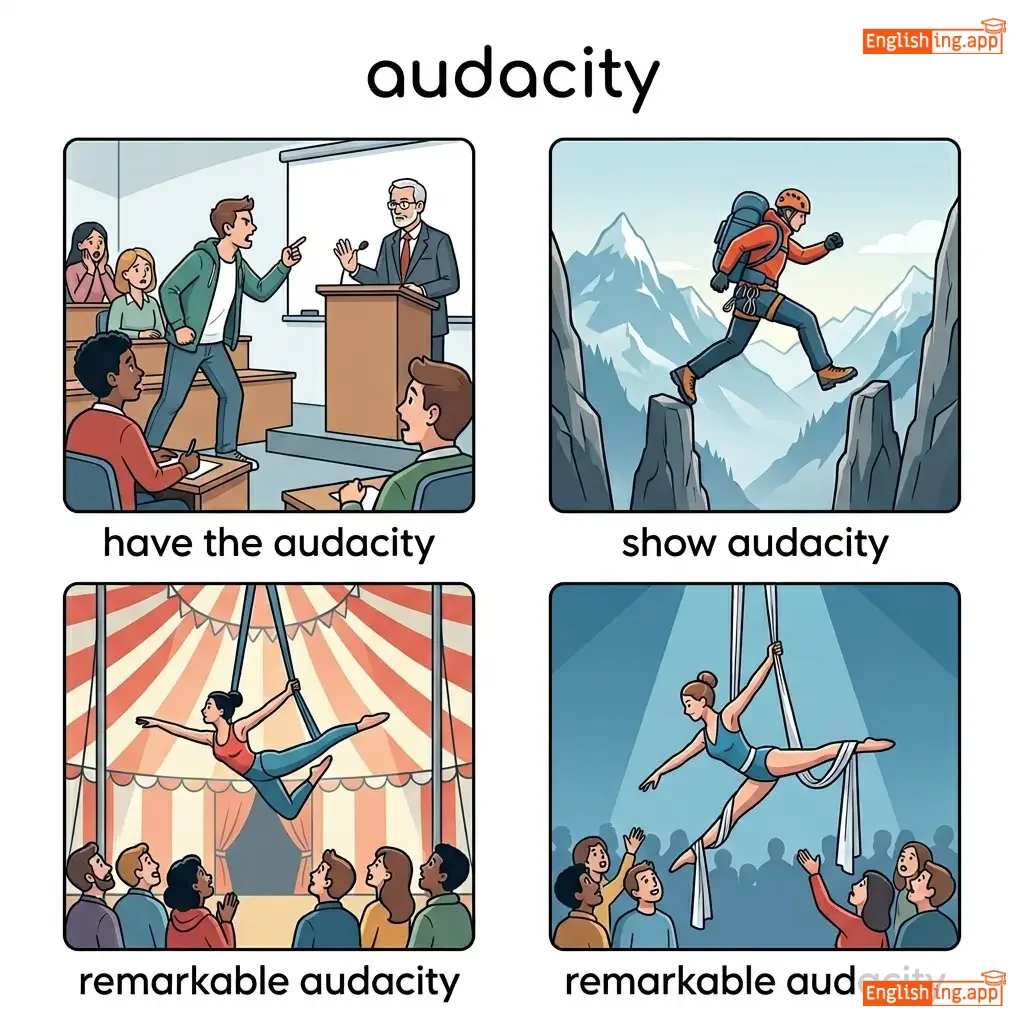
have the audacity, sheer audacity, incredible audacity
••••••
|
中文-英文: 胆大 (dǎn dà) – 有胆量做别人不敢做的事。
••••••
|
|
#43
🔨
|
/ˈɔːkʃən/
noun
(拍卖)
••••••
|
- •••••• |
拍卖
pāimài
••••••
|
a public sale in which goods or property are sold to the highest bidder
••••••
|
The antique furniture was sold at an auction last weekend.
古董家具在上周末的拍卖会上售出。
••••••
|
古董家具在上周末的拍卖会上售出。
Gǔdǒng jiājù zài shàng zhōumò de pāimài huì shàng shòu chū.
••••••
|
sale, bidding, public sale
••••••
|
private sale, fixed price sale
••••••
|
auction house, online auction, art auction
••••••
|
Pāimài - Shàngzhōumò yǒu gè zhòng dī chū shòu
••••••
|
|
#44
🧲
|
/əˈtrækʃən/
noun
(景点)
••••••
|
- •••••• |
景点; 吸引力;
jingdian
••••••
|
the action or power of evoking interest or pleasure in something; a place that draws visitors
••••••
|
The museum is the main attraction for tourists in this city. |
这个博物馆是这个城市吸引游客的主要景点。
Zhè ge bówùguǎn shì zhè ge chéngshì xīyǐn yóukè de zhǔyào jǐngdiǎn.
••••••
|
appeal, draw, magnetism, fascination
••••••
|
repulsion, aversion, deterrent
••••••
|
tourist attraction, main attraction, physical attraction
••••••
|
Chinese '景点' reminds of tourist attractions in a city, where '景' means view.
••••••
|
|
#45
📋
|
/əˈtendəns/
noun
(atendens)
••••••
|
- •••••• |
出席
chuxi
••••••
|
the action or state of going regularly to or being present at a place or event
••••••
|
The teacher takes attendance at the beginning of each class. |
老师在每节课开始时点名出席。
Laoshi zai mei jie ke kaishi shi dianming chuxi.
••••••
|
presence, participation, turnout
••••••
|
absence, non-attendance, truancy
••••••
|
school attendance, perfect attendance, take attendance
••••••
|
Attendance = 出席 - 想象你每天都在教室里出席。
••••••
|
|
#46
✅
|
/əˈʃʊrəns/
noun
(āshūrénsī)
••••••
|
|
保证; 自信; 确信
baozheng
••••••
|
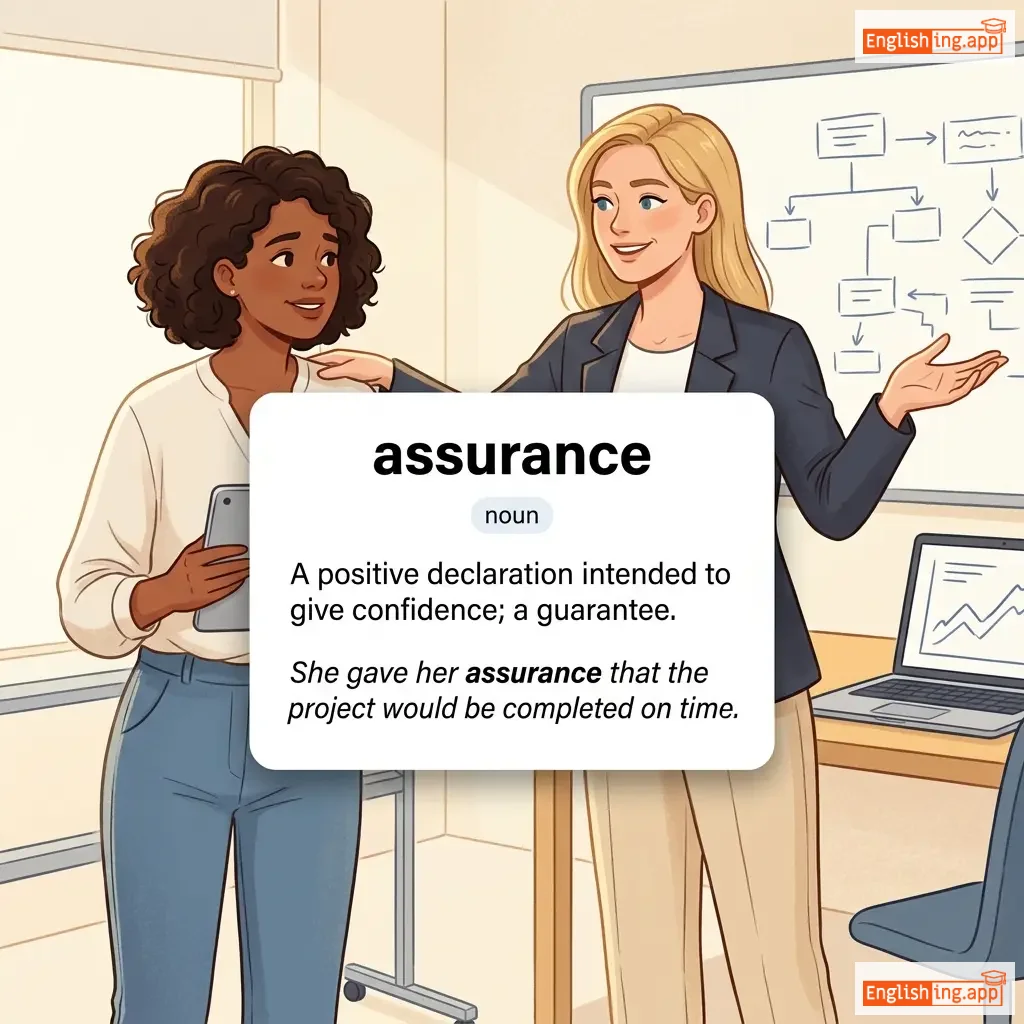
a positive declaration intended to give confidence; a promise; confidence in oneself
••••••
|
The manager gave us assurance that the project would be completed on time.
经理向我们保证项目会按时完成。
••••••
|
经理向我们保证项目会按时完成。
Jingli xiang women baozheng xiangmu hui anshi wancheng.
••••••
|
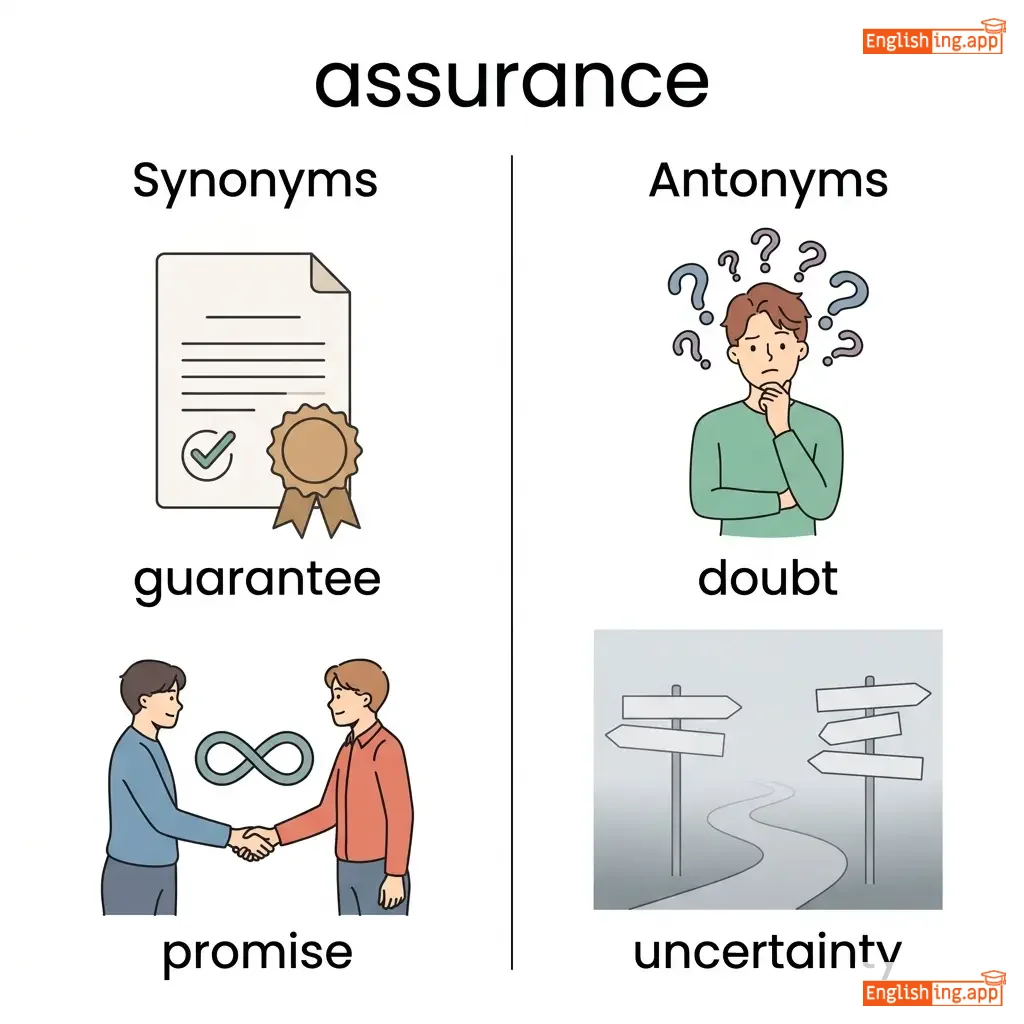
guarantee, promise, pledge, confidence
••••••
|
doubt, uncertainty, insecurity
••••••
|
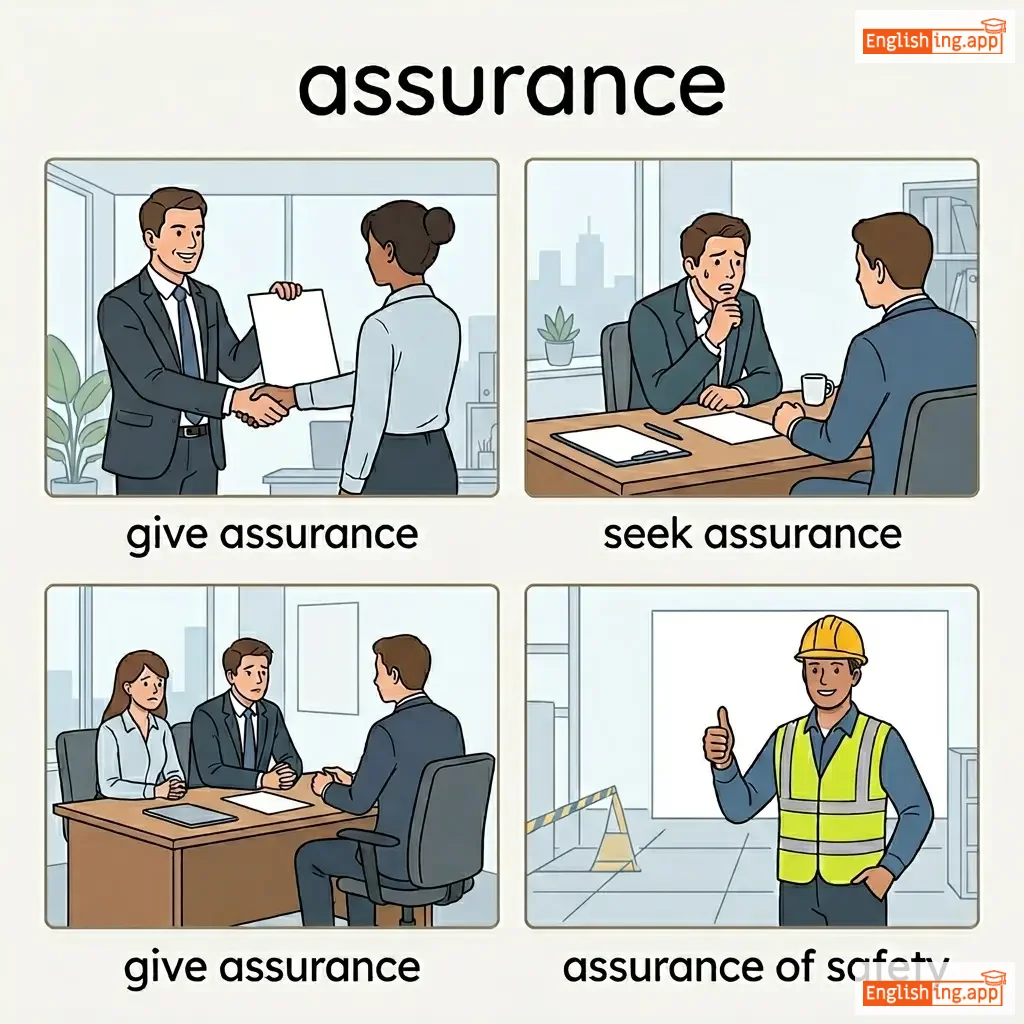
give assurance, quality assurance, self-assurance
••••••
|
保证让你更自信
••••••
|
|
#47
🤔
|
/əˈsʌmpʃən/
noun
(假设)
••••••
|
- •••••• |
假设
jiǎshè
••••••
|
a thing that is accepted as true without proof; a supposition
••••••
|
His assumption about the weather proved to be wrong. |
他关于天气的假设被证明是错误的。
Ta guanyu tianqi de jiashu bei zhengming shi cuowu de.
••••••
|
supposition, presumption, belief, conjecture
••••••
|
fact, certainty, proof, evidence
••••••
|
false assumption, basic assumption, make an assumption
••••••
|
No •••••• |
|
#48
🤝
|
/əˈsɪstəns/
noun
(援助)
••••••
|
- •••••• |
援助; 支持
yuánzhù; zhīchí
••••••
|
the action of helping someone with a job or task; support
••••••
|
She offered her assistance with the project.
她在项目中提供了帮助。
••••••
|
她在项目中提供了帮助。
Tā zài xiàngmù zhōng tígōngle bāngzhù.
••••••
|
help, aid, support, service
••••••
|
hindrance, obstruction, interference
••••••
|
provide assistance, need assistance, technical assistance
••••••
|
‘援助’ 和 ‘帮助’ 是相互关联的。
••••••
|
|
#49
🗡️
|
/əˈsæsɪn/
noun
(刺客)
••••••
|
- •••••• |
刺客
cike
••••••
|
a person who murders an important person for political or religious reasons
••••••
|
The president was protected from potential assassins by security guards.
总统被保安人员保护,免受潜在刺客的攻击。
••••••
|
总统被保安人员保护,免受潜在刺客的攻击。
Zongtong bei baoan renyuan baohu, mian shou qianzai cike de gongji.
••••••
|
killer, murderer, hitman
••••••
|
protector, guardian, defender
••••••
|
hired assassin, political assassin, would-be assassin
••••••
|
刺客 (cike) 就是用暗杀手段的敌人。
••••••
|
|
#50
😤
|
/ˈærəɡəns/
noun
(傲慢)
••••••
|
- •••••• |
傲慢
aoman
••••••
|
having or revealing an exaggerated sense of one's own importance or abilities
••••••
|
His arrogance made him unpopular among his colleagues.
他的傲慢使他在同事中不受欢迎。
••••••
|
他的傲慢使他在同事中不受欢迎。
Tā de àomàn shǐ tā zài tóngshì zhōng bù shòu huānyíng.
••••••
|
pride, conceit, haughtiness, hubris
••••••
|
humility, modesty, meekness
••••••
|
sheer arrogance, display arrogance, arrogance of power
••••••
|
Chinese: 傲慢 (aoman) - English: arrogance
••••••
|
|
#51
👼
|
/ˈeɪn.dʒəl/
noun
(āngél)
••••••
|
- •••••• |
天使
tiānshǐ
••••••
|
a spiritual being believed to act as an attendant, agent, or messenger of God
••••••
|
She looked like an angel in her white dress.
她穿着白裙子看起来像一个天使。
••••••
|
她穿着白裙子看起来像一个天使。
Tā chuānzhuó bái qúnzi kàn qǐlái xiàng yīgè tiānshǐ.
••••••
|
cherub, seraph, divine messenger
••••••
|
demon, devil, fiend
••••••
|
guardian angel, fallen angel, angel of mercy
••••••
|
记住'天使',是带来神圣帮助的存在。
••••••
|
|
#52
👑
|
/əˈrɪs.tə.kræt/
noun
(贵族)
••••••
|
- •••••• |
贵族; 贵族阶层的人
guìzú; guìzú jiēcéng de rén
••••••
|
a member of the aristocracy; a person of noble rank or birth
••••••
|
The aristocrat lived in a magnificent castle.
那个贵族住在一座宏伟的城堡里。
••••••
|
那个贵族住在一座宏伟的城堡里。
Nàge guìzú zhù zài yī zuò hóngwěi de chéngbǎo lǐ.
••••••
|
noble, peer, patrician, blue blood
••••••
|
commoner, peasant, plebeian
••••••
|
wealthy aristocrat, old aristocrat, aristocratic family
••••••
|
贵族总住在宏伟的城堡里。
••••••
|
|
#53
🗣️
|
/ˈɑːr.ɡju.mənt/
noun
(论点)
••••••
|
|
争论; 论据; 理由
zhenglun; lùnjù; lǐyóu
••••••
|
an exchange of diverging or opposite views; a reason or set of reasons given in support of an idea
••••••
|
They had a heated argument about politics. |
他们就政治问题进行了激烈的争论。
Tāmen jiù zhèngzhì wèntí jìnxíngle jīliè de zhēnglùn.
••••••
|
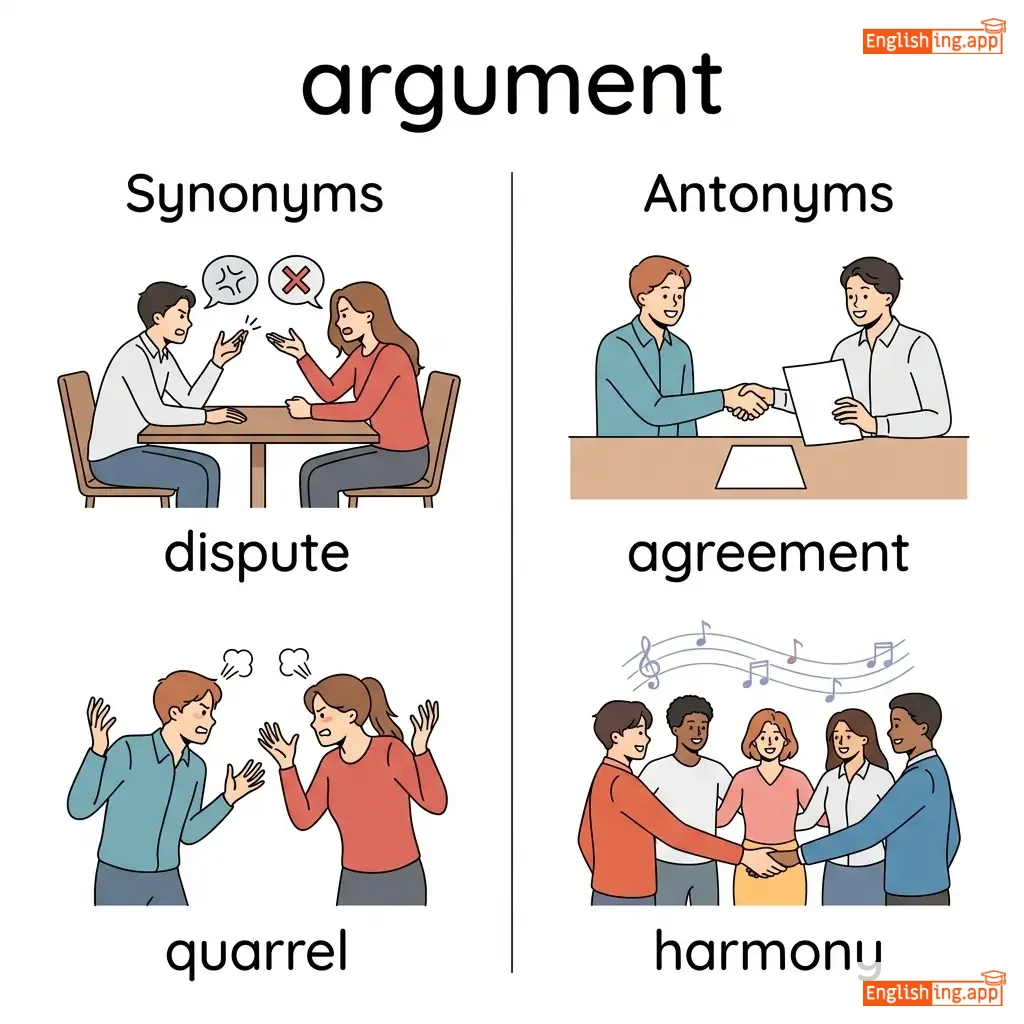
debate, dispute, disagreement, reasoning
••••••
|
agreement, harmony, consensus
••••••
|
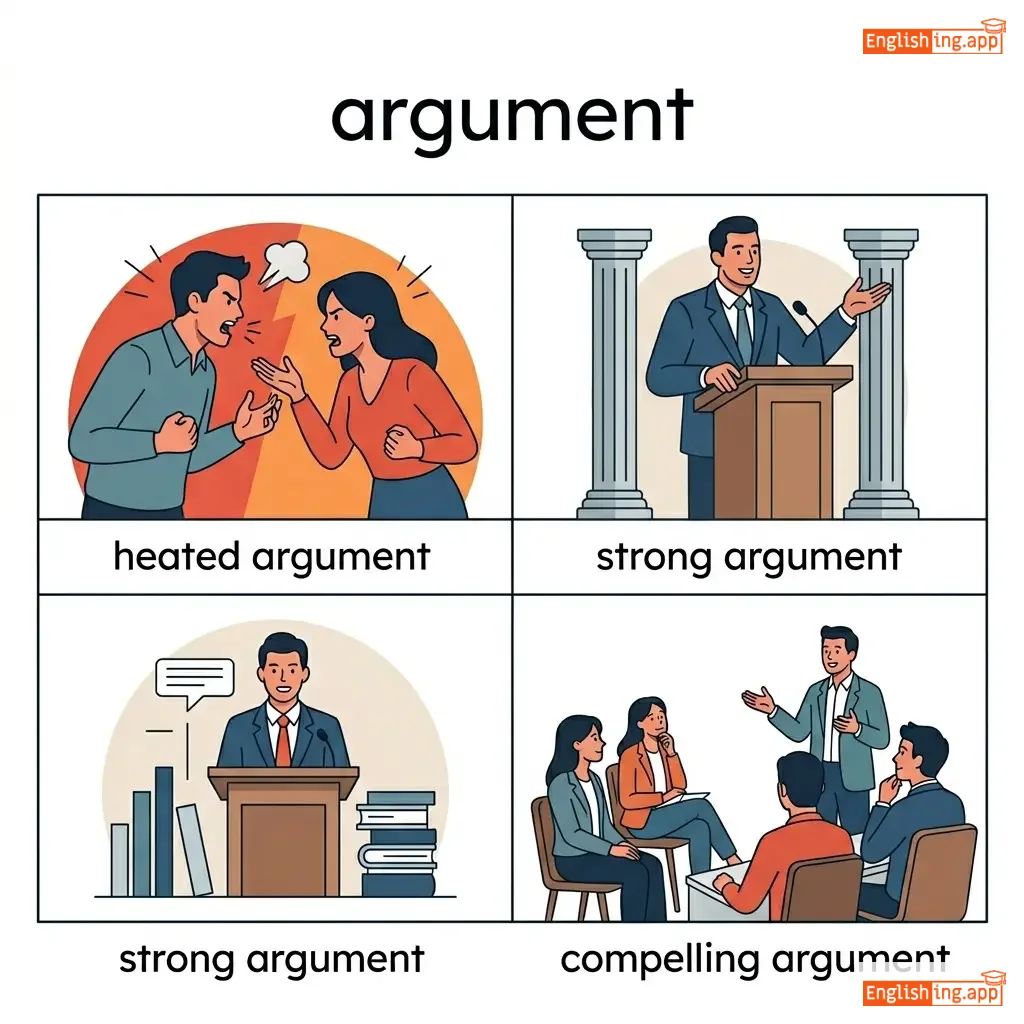
strong argument, heated argument, valid argument
••••••
|
论点 = 争论中支持某个观点
••••••
|
|
#54
📅
|
/əˈpɔɪnt.mənt/
noun
(àpɔɪntmənt)
••••••
|
- •••••• |
约会; 任命;
yuēhuì; rènmìng
••••••
|
an arrangement to meet someone at a particular time and place; the action of appointing someone to a job or position
••••••
|
I have a doctor's appointment at 3 PM.
我有一个下午三点的医生预约。
••••••
|
我有一个下午三点的医生预约。
Wǒ yǒu yīgè xiàwǔ sān diǎn de yīshēng yuēhuì.
••••••
|
meeting, arrangement, engagement, assignment
••••••
|
cancellation, dismissal, discharge
••••••
|
medical appointment, job appointment, keep an appointment
••••••
|
Appointment 就是像见面或者职位的分配。
••••••
|
|
#55
👀
|
/əˈpɪə.rəns/
noun
(āpīrénsī)
••••••
|
- •••••• |
外观; 出现; 显示
waiguan; chuxian; xianshi
••••••
|
the way that someone or something looks; an act of performing or participating in a public event
••••••
|
Her appearance at the event surprised everyone.
她在活动中的出现让所有人都感到惊讶。
••••••
|
她在活动中的出现让所有人都感到惊讶。
Ta zai huodong zhong de chuxian rang suoyouren dou gandao jingya.
••••••
|
look, presence, manifestation, emergence
••••••
|
disappearance, absence, invisibility
••••••
|
physical appearance, public appearance, make an appearance
••••••
|
In Chinese, '外观' (appearance) helps remember '外' for 'outer' and '观' for 'view'.
••••••
|
|
#56
🙏
|
/əˈpiːl/
noun
(阿皮尔)
••••••
|
- •••••• |
呼吁; 申请; 吸引力
hūyù
••••••
|
a serious or urgent request, typically to the public; the quality of being attractive or interesting
••••••
|
The charity made an appeal for donations. |
慈善机构发起了一个捐赠的呼吁。
Císhàn jīgòu fāqǐle yīgè juānzèng de hūyù.
••••••
|
request, plea, petition, entreaty
••••••
|
rejection, refusal, denial
••••••
|
appeal for help, court appeal, emotional appeal
••••••
|
An appeal that's as attractive as a donation request to the public!
••••••
|
|
#57
😰
|
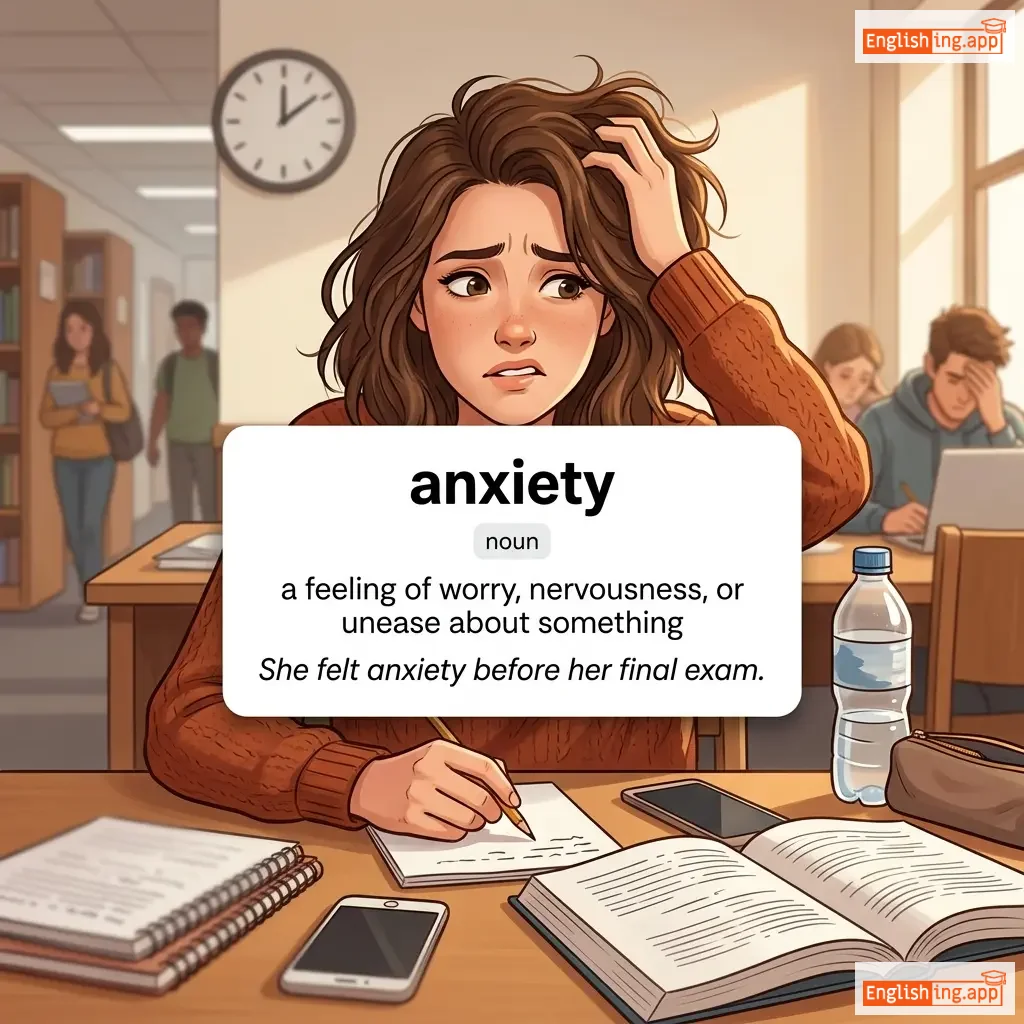
/æŋˈzaɪ.ə.ti/
noun
(àng-zài-tì)
••••••
|
|
焦虑; 不安;
jiaolü; buan
••••••
|
a feeling of worry, nervousness, or unease about something with an uncertain outcome
••••••
|
She felt anxiety before her job interview.
她在面试前感到焦虑。
••••••
|
她在面试前感到焦虑。
Ta zai mianshi qian gandao jiaolü.
••••••
|
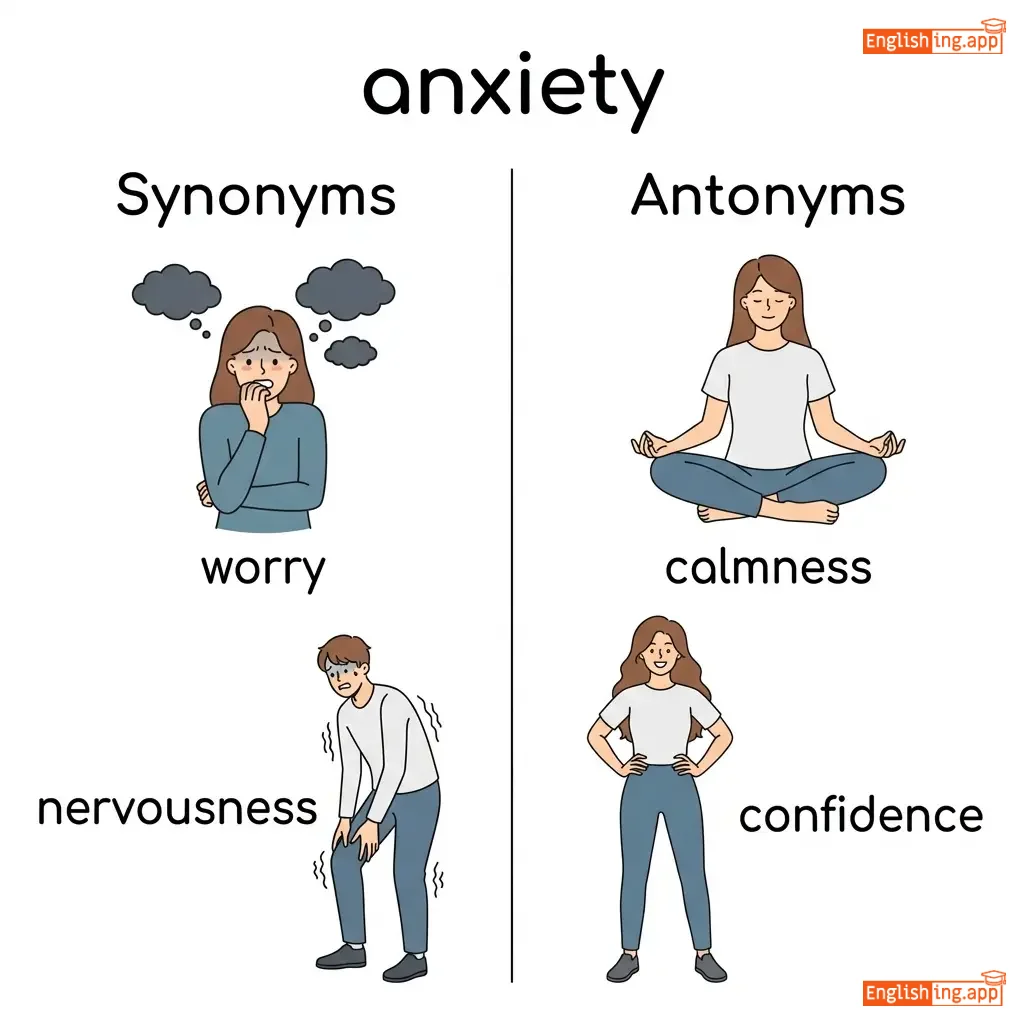
worry, nervousness, unease, concern
••••••
|
calmness, confidence, peace
••••••
|
anxiety disorder, anxiety attack, reduce anxiety
••••••
|
焦虑和不安来源于对未知结果的担忧。
••••••
|
|
#58
😡
|
/ˌæn.ɪˈmɒs.ə.ti/
noun
(敌意)
••••••
|
- •••••• |
敌意; 仇恨
dí yì; chóu hèn
••••••
|
strong hostility or dislike; active hatred or ill will
••••••
|
There was clear animosity between the two rival teams. |
两支竞争队伍之间有明显的敌意。
Liǎng zhī jìngzhēng duìwǔ zhī jiān yǒu míngxiǎn de dí yì.
••••••
|
hostility, hatred, enmity, antagonism
••••••
|
friendship, affection, goodwill
••••••
|
personal animosity, deep animosity, show animosity
••••••
|
敌意代表强烈的不喜欢和敌对
••••••
|
|
#59
🎬
|
/ˌæn.ɪˈmeɪ.ʃən/
noun
(动画)
••••••
|
- •••••• |
动画
donghua
••••••
|
the technique of making inanimate objects appear to move; liveliness and enthusiasm
••••••
|
The animation in this movie is incredibly detailed.
这部电影的动画非常细致。
••••••
|
这部电影的动画非常细致。
Zhe bu dianying de donghua feichang xizhi.
••••••
|
cartoon, motion picture, liveliness
••••••
|
stillness, lifelessness, inertia
••••••
|
computer animation, stop-motion animation, animated film
••••••
|
动画在中文中同样表示animation,是电影中的动作和活力。
••••••
|
|
#60
😠
|
/ˈæŋ.ɡər/
noun
(æŋɡɚ)
••••••
|
- •••••• |
愤怒
fènnù
••••••
|
a strong feeling of annoyance, displeasure, or hostility
••••••
|
His anger was evident when he slammed the door. |
当他摔门时,他的愤怒显而易见。
Dāng tā shuāi mén shí, tā de fènnù xiǎn ér yìjiàn.
••••••
|
rage, fury, wrath, irritation
••••••
|
calmness, peace, serenity
••••••
|
express anger, control anger, burst of anger
••••••
|
愤怒 = Anger, 用愤怒表达情绪
••••••
|
Vocabulary Quiz
Test your vocabulary by matching words with their translations or meanings.
Login to take the quiz
Comments (0)
Share your thoughts and join the discussion.
Join the discussion by logging in
Login to CommentNo comments yet
Be the first to share your thoughts!