







Swipe left or right, or use the buttons. Tap image to zoom.
例句翻译
单词
Lesson 16Lesson 16 - 遮罩切换
|
表情符号
|
单词 | Images | 翻译 | 含义 | 例句 | 例句翻译 | 同义词 | 反义词 | 搭配词 | 助记符 |
|---|---|---|---|---|---|---|---|---|---|---|
|
#301
🎯
|
/ˌdes.tɪˈneɪ.ʃən/
noun
(目的地)
••••••
|
- •••••• |
目的地
mùdì dì
••••••
|
the place to which someone or something is going; the ultimate purpose or end point
••••••
|
Paris was their dream destination for their honeymoon trip. |
巴黎是他们蜜月旅行的梦想目的地。
Bālí shì tāmen mìyuè lǚxíng de mèngxiǎng mùdì dì.
••••••
|
goal, target, endpoint, objective
••••••
|
origin, starting point, departure
••••••
|
travel destination, final destination, dream destination
••••••
|
目的地 = '目标' + '地方' (指的是最终目的)
••••••
|
|
#302
🤔
|
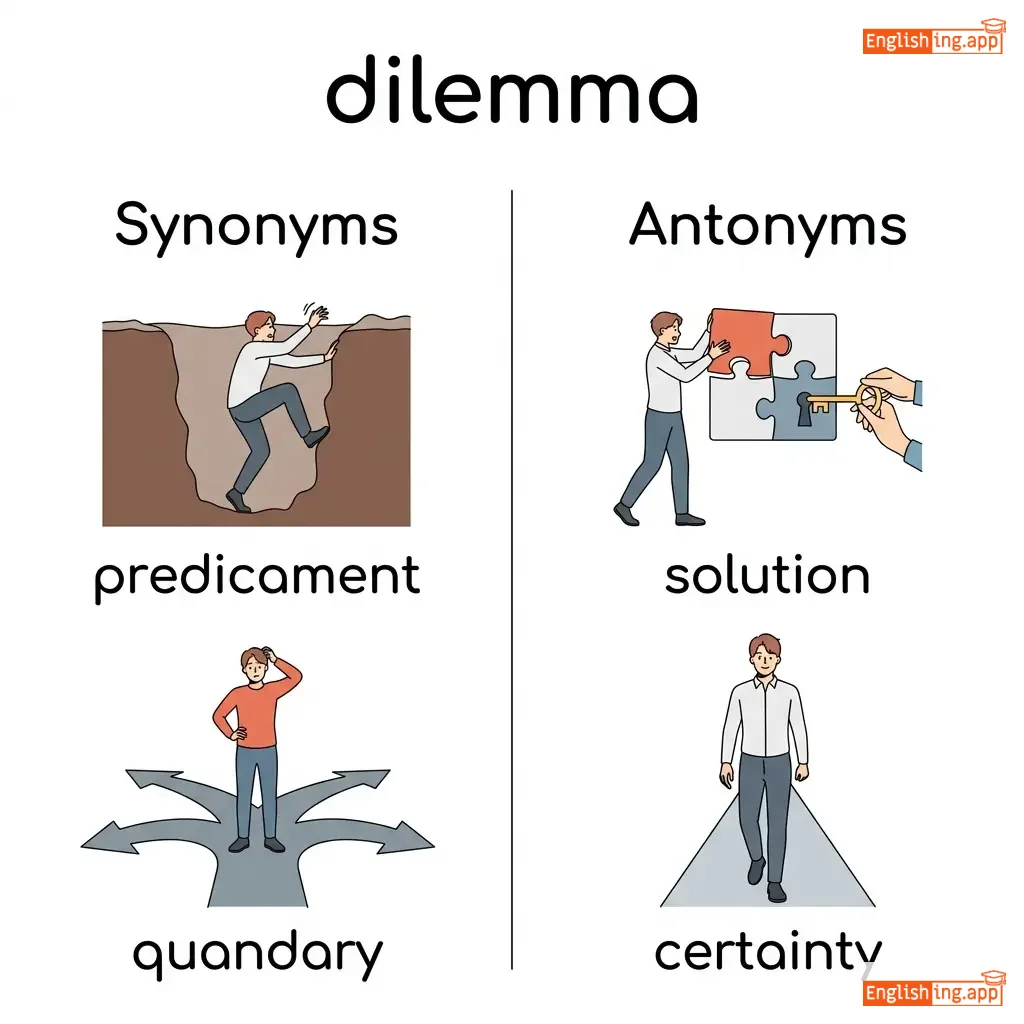
/dɪˈlem.ə/
noun
(困境)
••••••
|
|
困境
kùnjìng
••••••
|
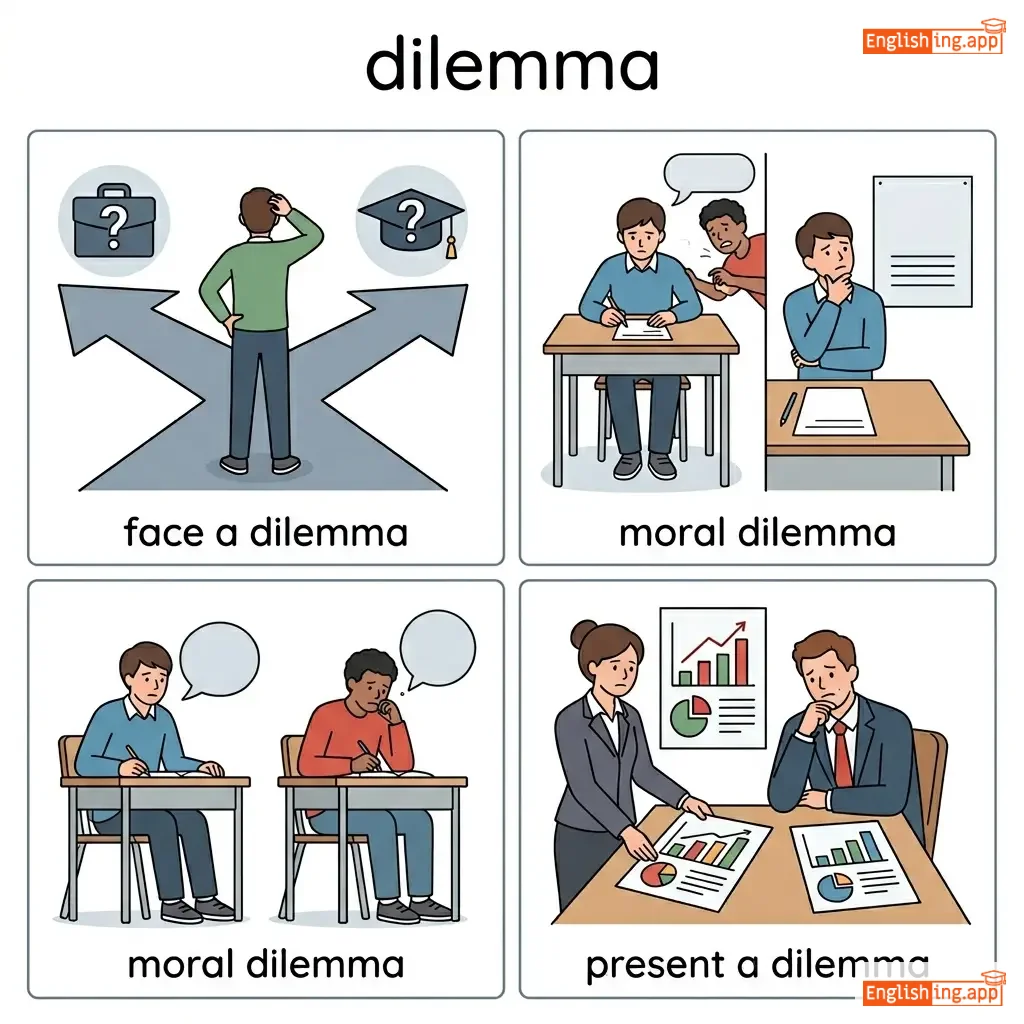
a situation in which a difficult choice has to be made between two alternatives
••••••
|
She faced a moral dilemma between loyalty to her friend and telling the truth. |
她在忠诚于朋友和说实话之间面临道德困境。
Tā zài zhōngchéng yú péngyǒu hé shuō shíhuà zhī jiān miànlín dào dé kùnjìng.
••••••
|
predicament, quandary, conflict, problem
••••••
|
certainty, clarity, easy choice, solution
••••••
|
moral dilemma, ethical dilemma, face dilemma
••••••
|
Kùnjìng: 面对两个难以选择的决策。
••••••
|
|
#303
⭐
|
/ˈdes.tə.ni/
noun
(德斯蒂尼)
••••••
|
- •••••• |
命运; 天命; 预定的道路
mingyun, tianming, yudingshi de daolu
••••••
|
the events that will necessarily happen to someone in the future; fate or predetermined course
••••••
|
She believed that meeting him was her destiny and meant to be. |
她相信,遇到他是她的命运,注定要发生。
Ta xiangxin, yudao ta shi ta de mingyun, zhuding yao fasheng.
••••••
|
fate, fortune, lot, predetermination
••••••
|
choice, free will, accident, chance
••••••
|
fulfill destiny, control destiny, destiny calls
••••••
|
命运是你人生的预定轨迹,无法改变。
••••••
|
|
#304
💪
|
/ˈdɪl.ɪ.dʒəns/
noun
(dɪlɪdʒəns)
••••••
|
|
勤奋; 努力
qínfèn; nǔlì
••••••
|
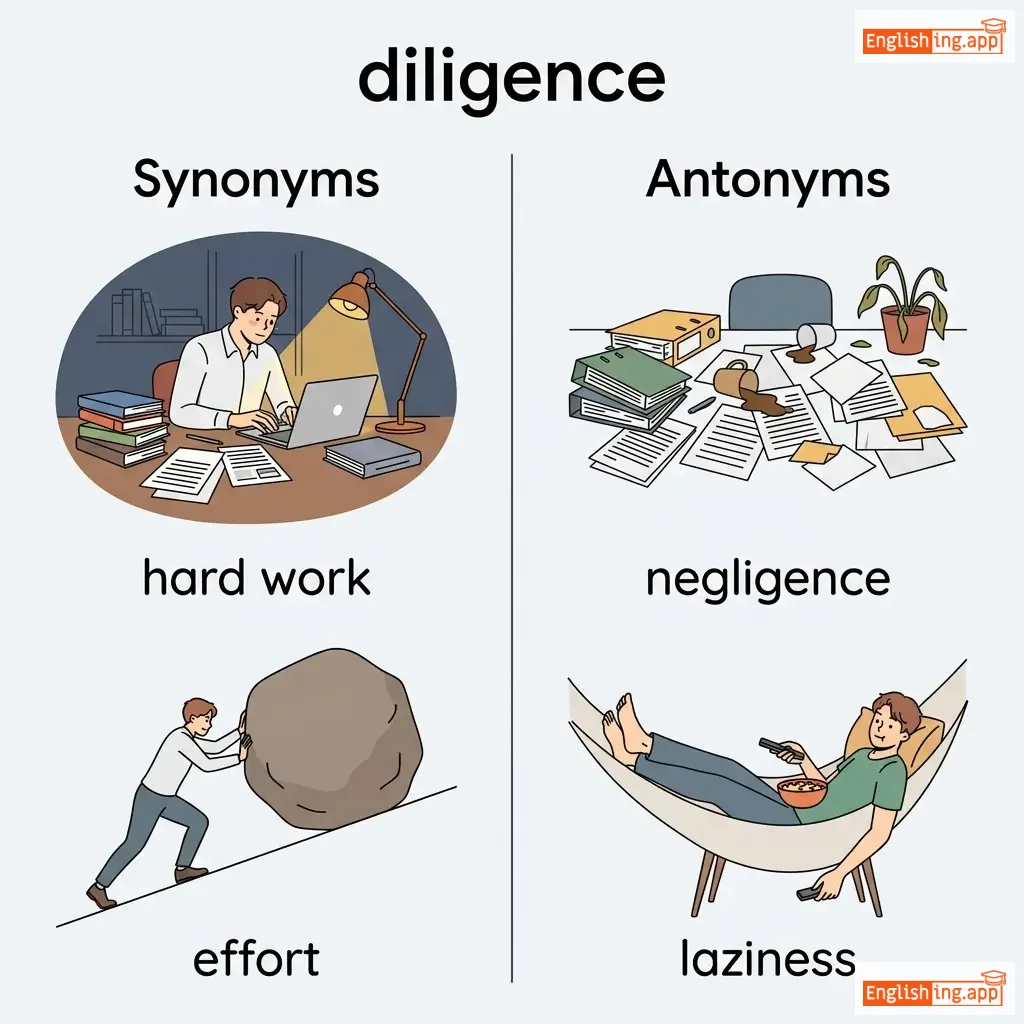
careful and persistent work or effort; conscientiousness in paying proper attention
••••••
|
His diligence in studying every night helped him achieve excellent grades. |
他每晚的勤奋学习帮助他取得了优异的成绩。
Tā měi wǎn de qínfèn xuéxí bāngzhù tā qǔdéle yōuyì de chéngjī.
••••••
|
perseverance, dedication, industry, assiduity
••••••
|
laziness, negligence, carelessness, idleness
••••••
|
due diligence, show diligence, work with diligence
••••••
|
勤奋像努力一样,每一刻都专心致志!
••••••
|
|
#305
💥
|
/dɪˈstrʌk.ʃən/
noun
(破坏)
••••••
|
- •••••• |
破坏; 毁灭;
pohuai, huimie
••••••
|
the action or process of causing damage to something so that it no longer exists
••••••
|
The earthquake caused widespread destruction throughout the entire city.
地震在整个城市造成了广泛的破坏。
••••••
|
地震在整个城市造成了广泛的破坏。
Dizhen zai zhengge chengshi zaocheng le guangfan de pohuai.
••••••
|
demolition, devastation, ruin, annihilation
••••••
|
construction, creation, building, preservation
••••••
|
mass destruction, environmental destruction, total destruction
••••••
|
破坏是大破坏,地震后一切都毁了。
••••••
|
|
#306
😊
|
/ˈdɪm.pəl/
noun
(dīnpò)
••••••
|
- •••••• |
酒窝
jiǔwō
••••••
|
a small depression in the flesh, either one that exists permanently or one that forms when smiling
••••••
|
Her charming dimples appeared whenever she smiled at the children.
她迷人的酒窝每次对孩子们微笑时都会出现。
••••••
|
她迷人的酒窝每次对孩子们微笑时都会出现。
tā mírén de jiǔwō měi cì duì háizimen wēixiào shí dōu huì chūxiàn.
••••••
|
depression, hollow, indentation, dent
••••••
|
bump, protrusion, bulge, raised area
••••••
|
cute dimples, deep dimples, cheek dimples
••••••
|
微笑,酒窝出现!
••••••
|
|
#307
🔒
|
/dɪˈten.ʃən/
noun
(dɪˈtɛnʃən)
••••••
|
- •••••• |
拘留; 暂时关押
juliu; zan shi guanya
••••••
|
the action of detaining someone or being detained in official custody
••••••
|
The student received detention for repeatedly disrupting the class.
学生因反复打扰课堂而被拘留。
••••••
|
学生因反复打扰课堂而被拘留。
xuesheng yin fanfu darao kètáng ér bèi jūliú.
••••••
|
custody, confinement, imprisonment, holding
••••••
|
freedom, release, liberation, discharge
••••••
|
police detention, school detention, detention center
••••••
|
拘留就是因为捣乱被扣留,像学生在课堂上。
••••••
|
|
#308
🪨
|
/dɜːrt/
noun
(dɜːrt)
••••••
|
- •••••• |
污垢; 土地; 不洁物质
wūgòu, tǔdì, bùjié wùzhì
••••••
|
a substance that makes something unclean; earth or soil; unclean matter
••••••
|
After playing in the garden, the children were covered in dirt from head to toe. |
在花园玩耍后,孩子们从头到脚都沾满了污垢。
zài huāyuán wánshuǎ hòu, háizimen cóng tóu dào jiǎo dōu zhānmǎnle wūgòu.
••••••
|
soil, mud, grime, filth
••••••
|
cleanliness, purity, hygiene, spotlessness
••••••
|
dirt road, covered in dirt, wash off dirt
••••••
|
土壤上的污垢让我们每次都陷入其中
••••••
|
|
#309
🔄
|
/ˌdiː.viˈeɪ.ʃən/
noun
(dɪˈviːeɪʃən)
••••••
|
- •••••• |
偏差;偏离既定路线
piancha, pianli jiding luxian
••••••
|
the action of departing from an established course; a departure from usual standards
••••••
|
Any deviation from the established procedure must be reported immediately. |
任何偏离既定程序的行为都必须立即报告。
Renhe pianli jiding chengxu de xingwei dou bixu limi baogao.
••••••
|
divergence, departure, variation, change
••••••
|
conformity, adherence, consistency, regularity
••••••
|
standard deviation, deviation from norm, significant deviation
••••••
|
偏差 - 当某事偏离了既定路线
••••••
|
|
#310
♿
|
/ˌdɪs.əˈbɪl.ə.ti/
noun
(残疾)
••••••
|
- •••••• |
残疾
canji
••••••
|
a physical or mental condition that limits a person's movements, senses, or activities
••••••
|
Despite his physical disability, he became a successful athlete in wheelchair racing.
尽管他有身体残疾,他还是成为了轮椅赛车的成功运动员。
••••••
|
尽管他有身体残疾,他还是成为了轮椅赛车的成功运动员。
Jǐnguǎn tā yǒu shēntǐ cánjī, tā háishi chéngwéile lún yǐ sàichē de chénggōng yùndòngyuán.
••••••
|
impairment, handicap, limitation, incapacity
••••••
|
ability, capability, strength, enablement
••••••
|
learning disability, physical disability, disability rights
••••••
|
残疾并不代表终结
••••••
|
|
#311
📱
|
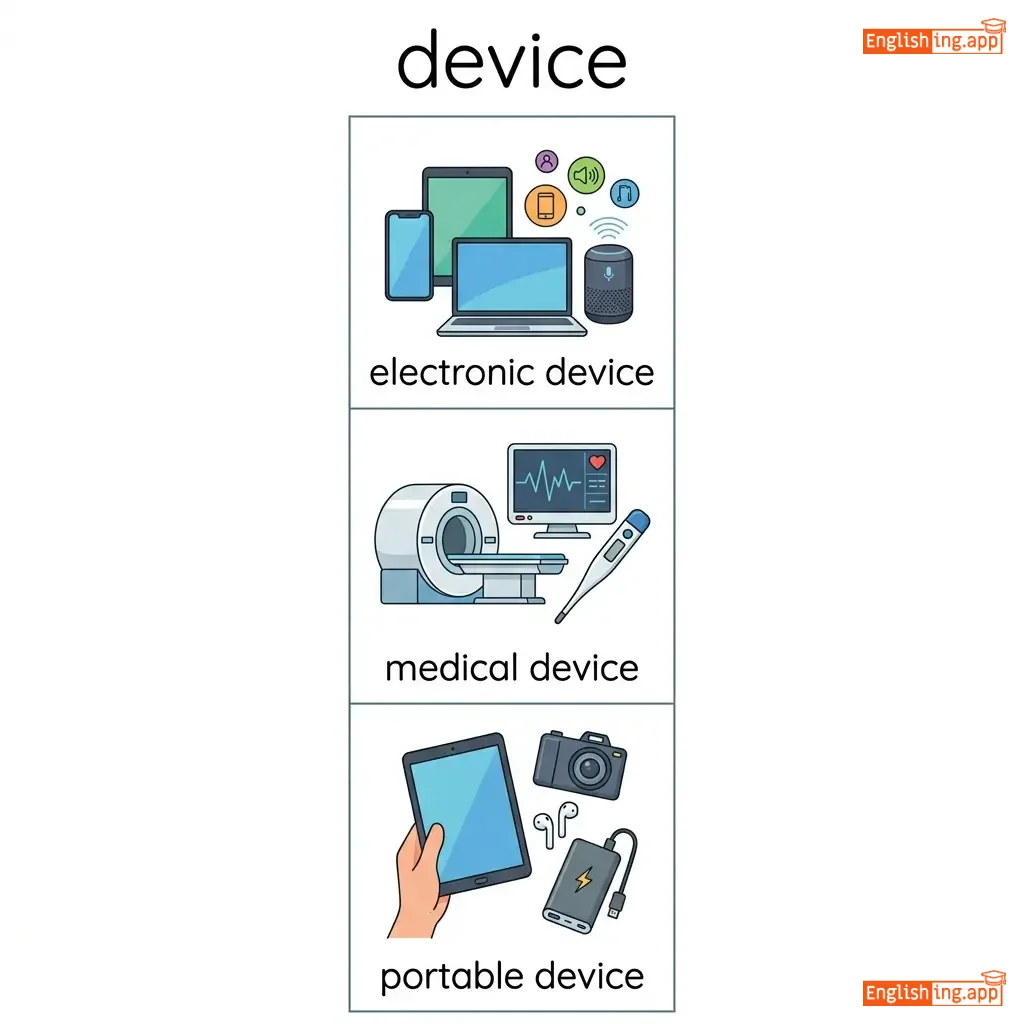
/dɪˈvaɪs/
noun
(dì-vái-sī)
••••••
|
|
设备; 工具; 装置
shebei, gongju, zhuangzhi
••••••
|
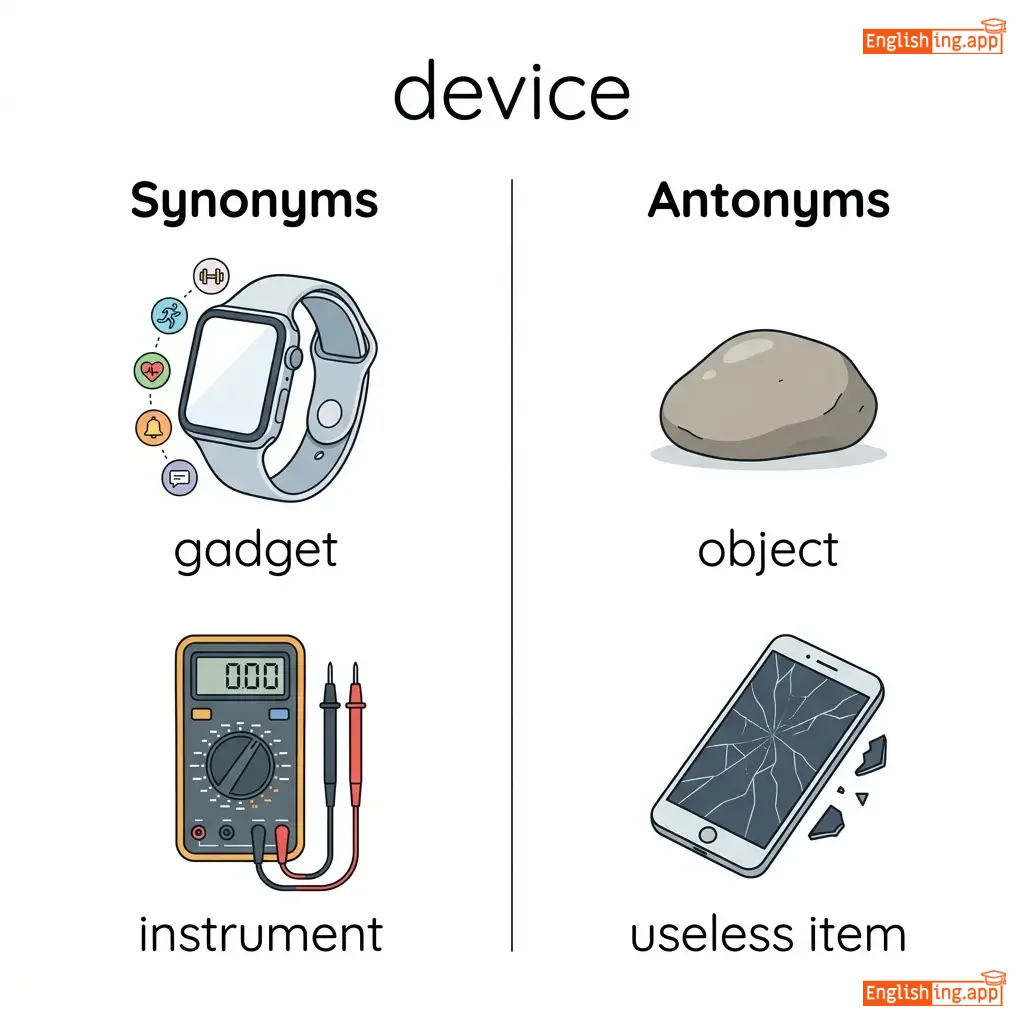
a thing made or adapted for a particular purpose; a piece of equipment or mechanism
••••••
|
The new device can measure temperature and humidity simultaneously.
新的设备可以同时测量温度和湿度。
••••••
|
新的设备可以同时测量温度和湿度。
Xīn de shèbèi kěyǐ tóngshí cèliàng wēndù hé shīdù.
••••••
|
instrument, gadget, apparatus, tool
••••••
|
natural method, manual process, primitive tool
••••••
|
electronic device, mobile device, medical device
••••••
|
设备类似于为特定目标设计的工具或机制。
••••••
|
|
#312
⬇️
|
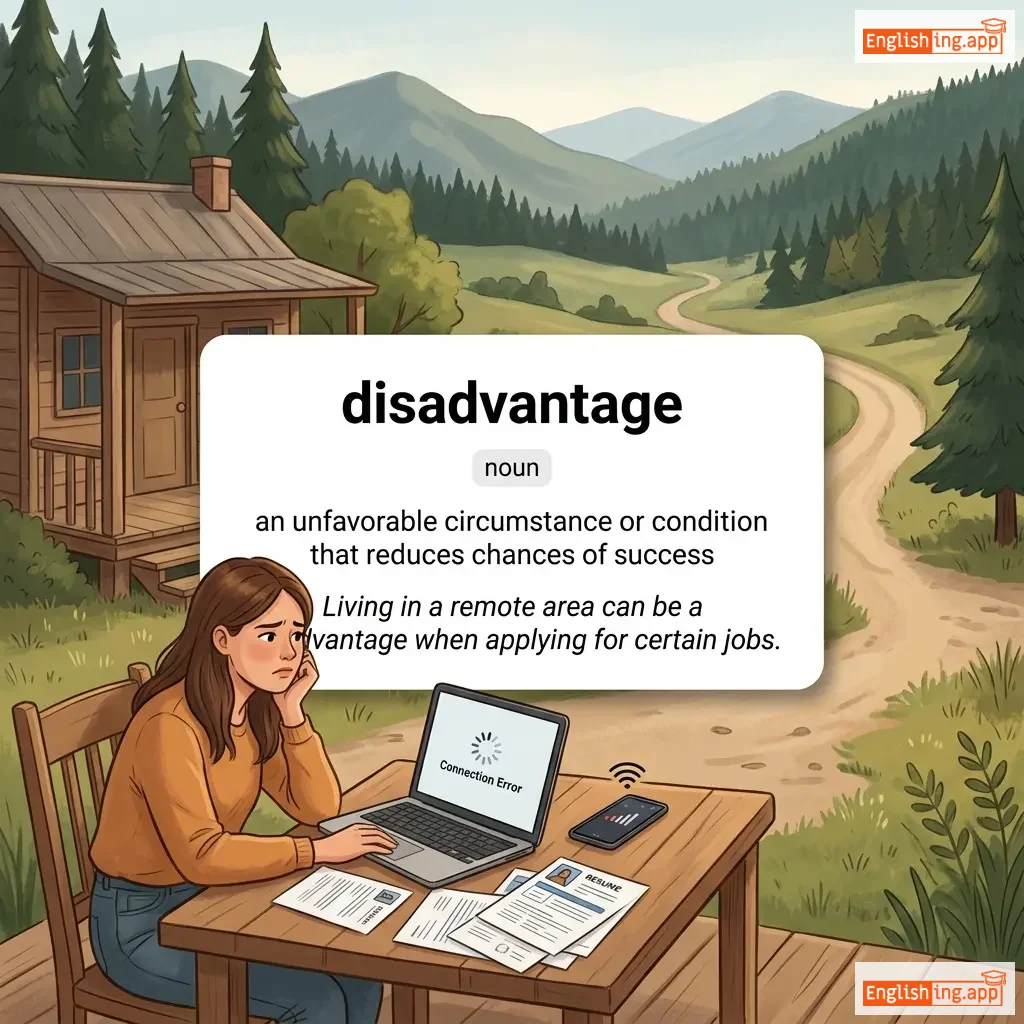
/ˌdɪs.ədˈvæn.tɪdʒ/
noun
(disadvantage)
••••••
|
|
劣势
lièshì
••••••
|
an unfavorable circumstance or condition that reduces chances of success
••••••
|
Living in a remote area can be a disadvantage when applying for certain jobs.
生活在偏远地区,在申请某些工作时可能会成为一种劣势。
••••••
|
生活在偏远地区,在申请某些工作时可能会成为一种劣势。
Shēnghuó zài piānyuǎn dìqū, zài shēnqǐng mǒuxiē gōngzuò shí kěnéng huì chéngwéi yī zhǒng lièshì.
••••••
|
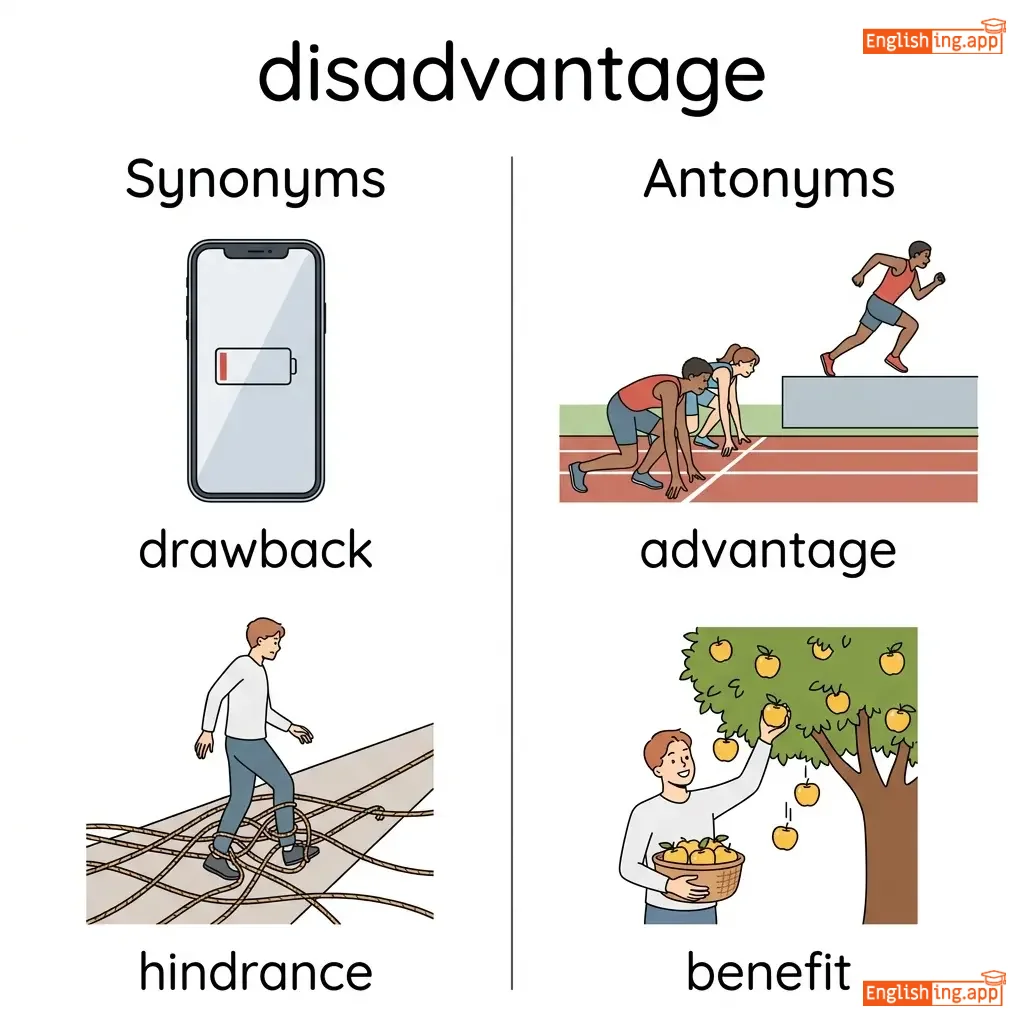
drawback, hindrance, obstacle, handicap
••••••
|
advantage, benefit, asset, strength
••••••
|
serious disadvantage, economic disadvantage, put at disadvantage
••••••
|
Lièshì means disadvantage, just think of it as a disadvantageous situation.
••••••
|
|
#313
🙏
|
/ˌdev.əˈtiː/
noun
(德沃提)
••••••
|
- •••••• |
信徒; 崇拜者
xintu, chongbaizhe
••••••
|
a person who is very interested in and enthusiastic about someone or something
••••••
|
As a devotee of classical music, she attended every concert in the city. |
作为古典音乐的信徒,她参加了城市中的每一场音乐会。
zuo wei gudian yinyue de xintu, ta canjia le chengshi zhong de mei yi chang yinyuehui.
••••••
|
follower, admirer, enthusiast, worshipper
••••••
|
critic, opponent, detractor, skeptic
••••••
|
religious devotee, devoted follower, faithful devotee
••••••
|
信徒 (xintu) is someone deeply devoted, like a 崇拜者 (chongbaizhe) or worshipper.
••••••
|
|
#314
🌪️
|
/dɪˈzæs.tər/
noun
(灾难)
••••••
|
- •••••• |
灾难
zainan
••••••
|
a sudden event causing great damage or loss of life; a complete failure
••••••
|
The earthquake was a natural disaster that affected thousands of families. |
地震是一次自然灾难,影响了成千上万的家庭。
Dìzhèn shì yīcì zìrán zāinàn, yǐngxiǎngle chéngqiān shàngwàn de jiātíng.
••••••
|
catastrophe, calamity, tragedy, mishap
••••••
|
blessing, success, fortune, triumph
••••••
|
natural disaster, disaster relief, prevent disaster
••••••
|
灾难的意思是灾和难,提醒人们灾难是严重的失误。
••••••
|
|
#315
❤️
|
/dɪˈvoʊ.ʃən/
noun
(忠诚)
••••••
|
- •••••• |
忠诚; 热情; 奉献
zhongcheng, reqing, fengxian
••••••
|
love, loyalty, or enthusiasm for a person, activity, or cause
••••••
|
Her devotion to helping others made her a beloved figure in the community. |
她对帮助他人的忠诚使她成为社区中的一个受人爱戴的人物。
Ta dui bangzhu taren de zhongcheng shi ta chengwei shequ zhong de yige shouren aidai de renwu.
••••••
|
dedication, loyalty, commitment, faithfulness
••••••
|
indifference, neglect, disloyalty, betrayal
••••••
|
religious devotion, unwavering devotion, deep devotion
••••••
|
忠诚和奉献是爱的力量体现。
••••••
|
|
#316
🎓
|
/dɪˈsaɪ.pəl/
noun
(弟子)
••••••
|
- •••••• |
弟子; 信徒
dìzǐ, xìntú
••••••
|
a follower and student of a teacher, leader, or philosopher; devoted follower
••••••
|
The famous philosopher had many disciples who spread his teachings worldwide. |
那位著名的哲学家有许多弟子,他们将他的教义传播到世界各地。
nà wèi zhùmíng de zhéxuéjiā yǒu xǔduō dìzǐ, tāmen jiāng tā de jiàoyì chuánbō dào shìjiè gèdì.
••••••
|
follower, student, pupil, adherent
••••••
|
teacher, master, leader, opponent
••••••
|
devoted disciple, faithful disciple, teach disciples
••••••
|
No •••••• |
|
#317
💬
|
/ˈdaɪ.ə.lɑːɡ/
noun
(dàiàològ)
••••••
|
- •••••• |
对话; 会话
duìhuà, huìhuà
••••••
|
a conversation between two or more people; discussion aimed at exploration of a subject
••••••
|
The political leaders engaged in meaningful dialogue to resolve the conflict.
政治领导人进行了有意义的对话,以解决冲突。
••••••
|
政治领导人进行了一场有意义的对话,以解决冲突。
zhèngzhì lǐngdǎo rén jìnxíngle yǒu yìyì de duìhuà, yǐ jiějué chōngtū.
••••••
|
conversation, discussion, exchange, communication
••••••
|
monologue, silence, argument, confrontation
••••••
|
open dialogue, constructive dialogue, interfaith dialogue
••••••
|
对话:帮助解决问题的谈话
••••••
|
|
#318
⚡
|
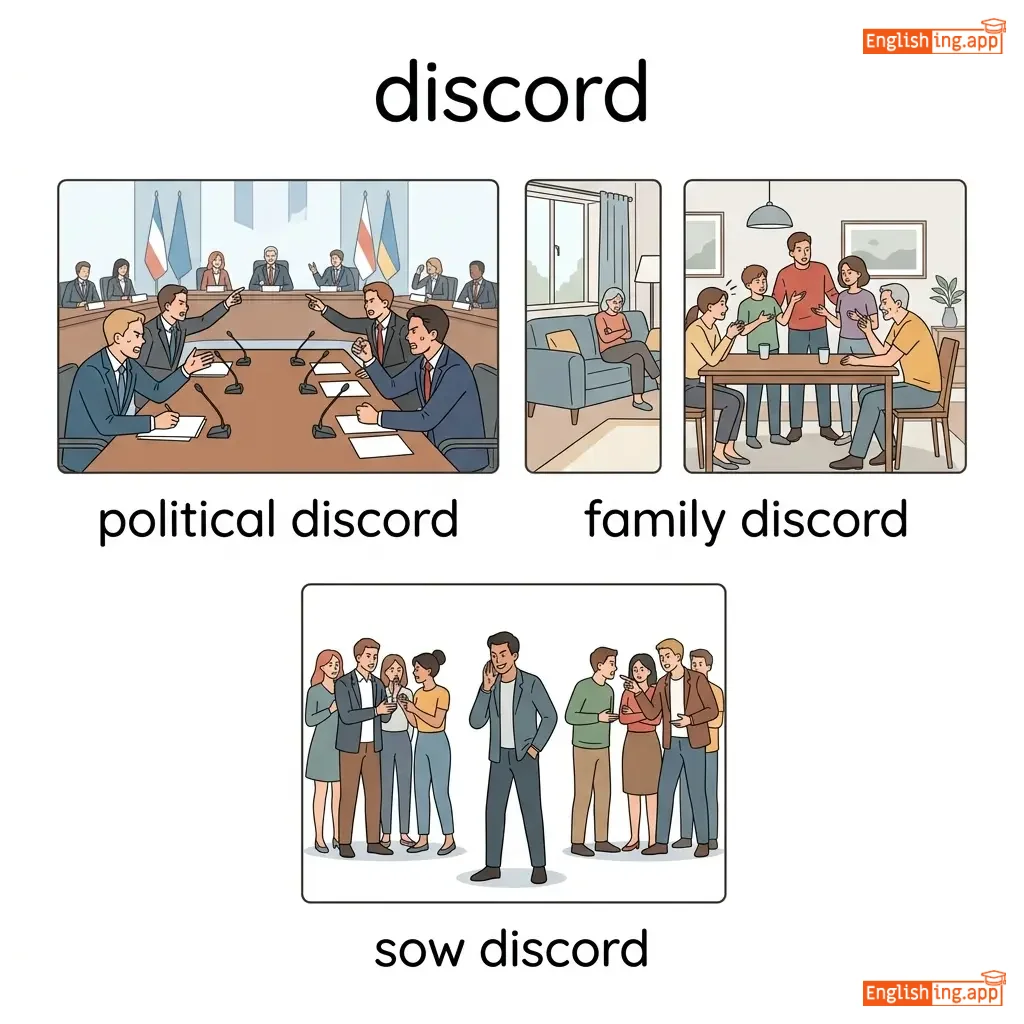
/ˈdɪs.kɔːrd/
noun
(dɪsˈkɔːrd)
••••••
|
|
不和; 分歧; 冲突
bùhé, fēnqí, chōngtú
••••••
|
disagreement between people; lack of harmony; conflict or strife
••••••
|
The discord among team members affected their performance in the project.
团队成员之间的分歧影响了他们在项目中的表现。
••••••
|
团队成员之间的分歧影响了他们在项目中的表现。
Tuánduì chéngyuán zhījiān de fēnqí yǐngxiǎngle tāmen zài xiàngmù zhōng de biǎoxiàn.
••••••
|
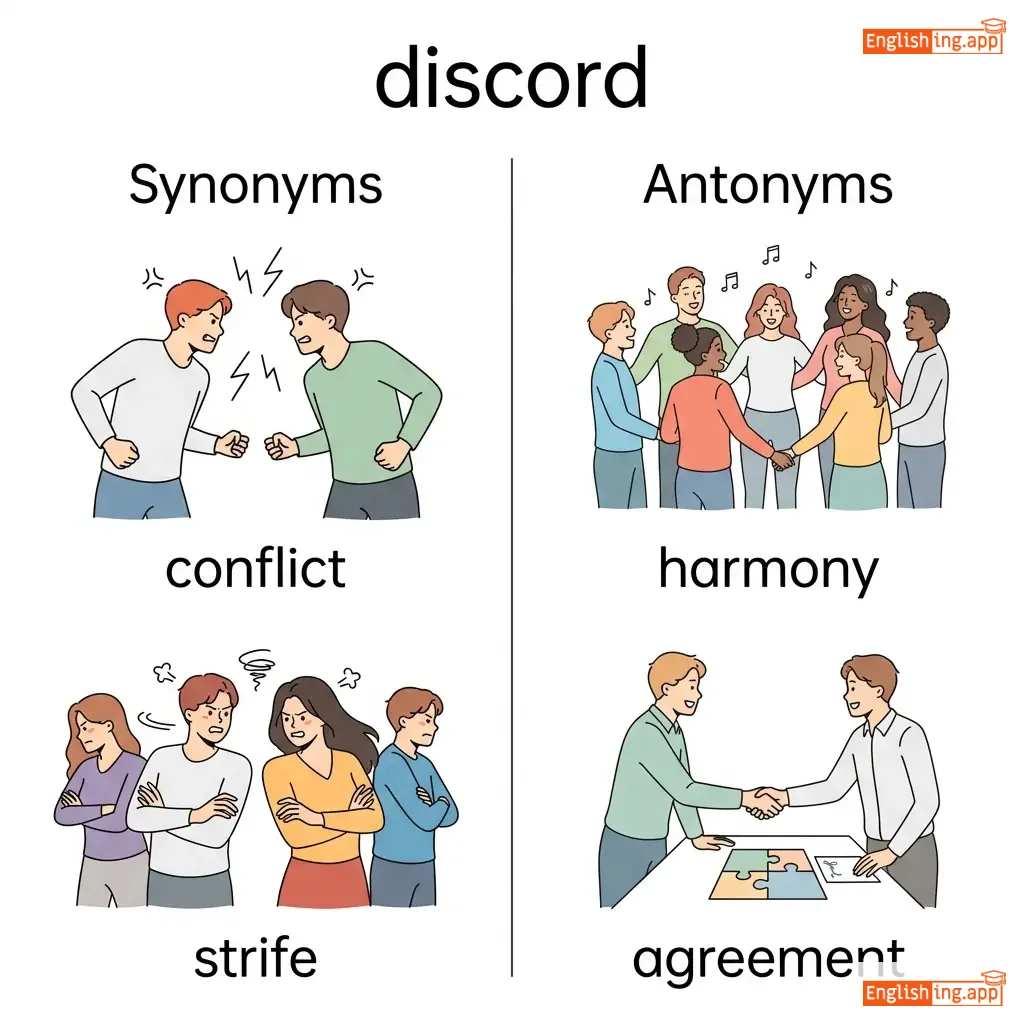
conflict, disagreement, strife, tension
••••••
|
harmony, agreement, peace, unity
••••••
|
sow discord, family discord, political discord
••••••
|
Discord意味着分歧或冲突,比如当团队之间没有和谐时,项目就会受到影响。
••••••
|
|
#319
👑
|
/ˈdɪɡ.nə.ti/
noun
(尊严)
••••••
|
- •••••• |
尊严,尊重,自尊
zunyan, zunzhong, zizun
••••••
|
the state of being worthy of honor or respect; composure and self-respect
••••••
|
Despite facing hardships, she maintained her dignity throughout the ordeal.
尽管面临困难,她在整个考验过程中保持了尊严。
••••••
|
尽管面临困难,她在整个考验过程中保持了尊严。
Jǐnguǎn miànlín kùnnán, tā zài zhěnggè kǎoyàn guòchéng zhōng bǎochíle zūnyán.
••••••
|
honor, respect, pride, nobility
••••••
|
shame, disgrace, humiliation, dishonor
••••••
|
human dignity, personal dignity, maintain dignity
••••••
|
尊严 (zūn yán) 是不可侵犯的,它是我们真正的价值所在。
••••••
|
|
#320
📊
|
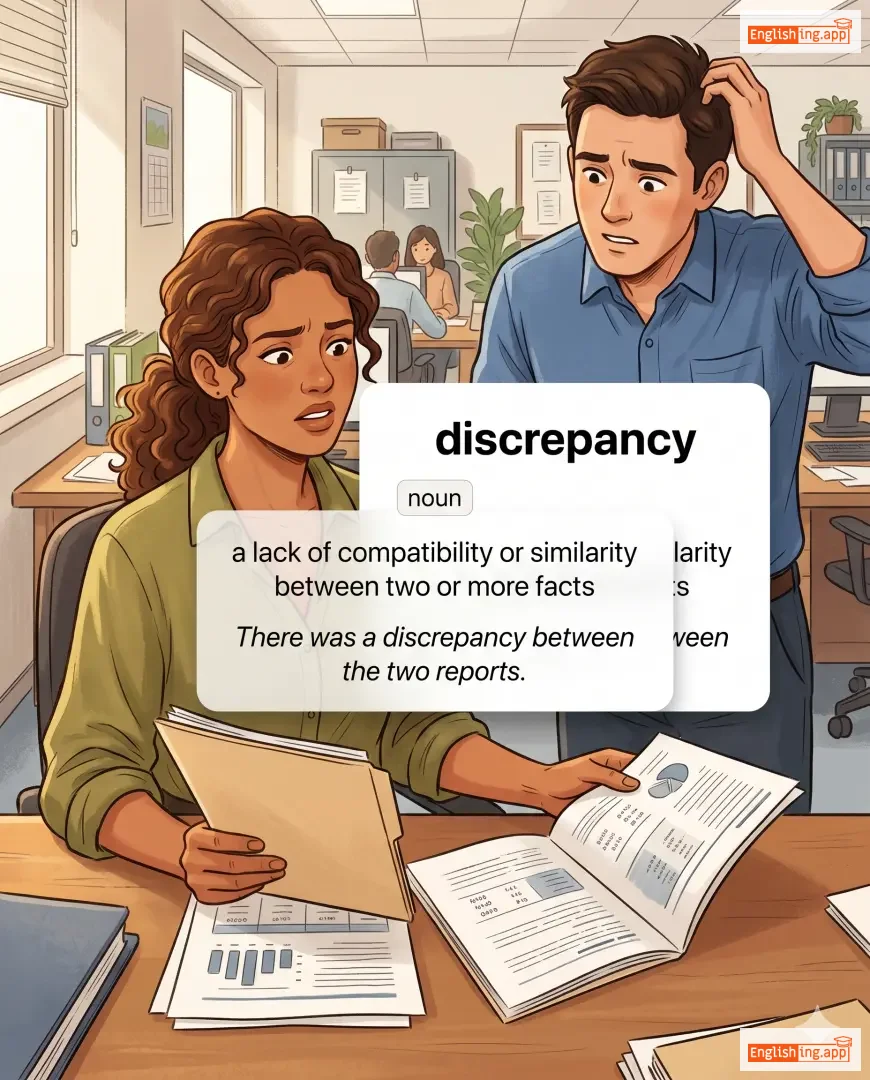
/dɪˈskrep.ən.si/
noun
(迪斯克雷潘西)
••••••
|
|
不一致; 差异; 不符;
bù yīzhì, chā yì, bù fú
••••••
|
a lack of compatibility or similarity between two facts or claims; inconsistency
••••••
|
There was a significant discrepancy between the witness testimonies about the incident. |
证人证词之间存在显著的不一致。
Zhèngrén zhèngcí zhījiān cúnzài xiǎnzhù de bù yīzhì.
••••••
|
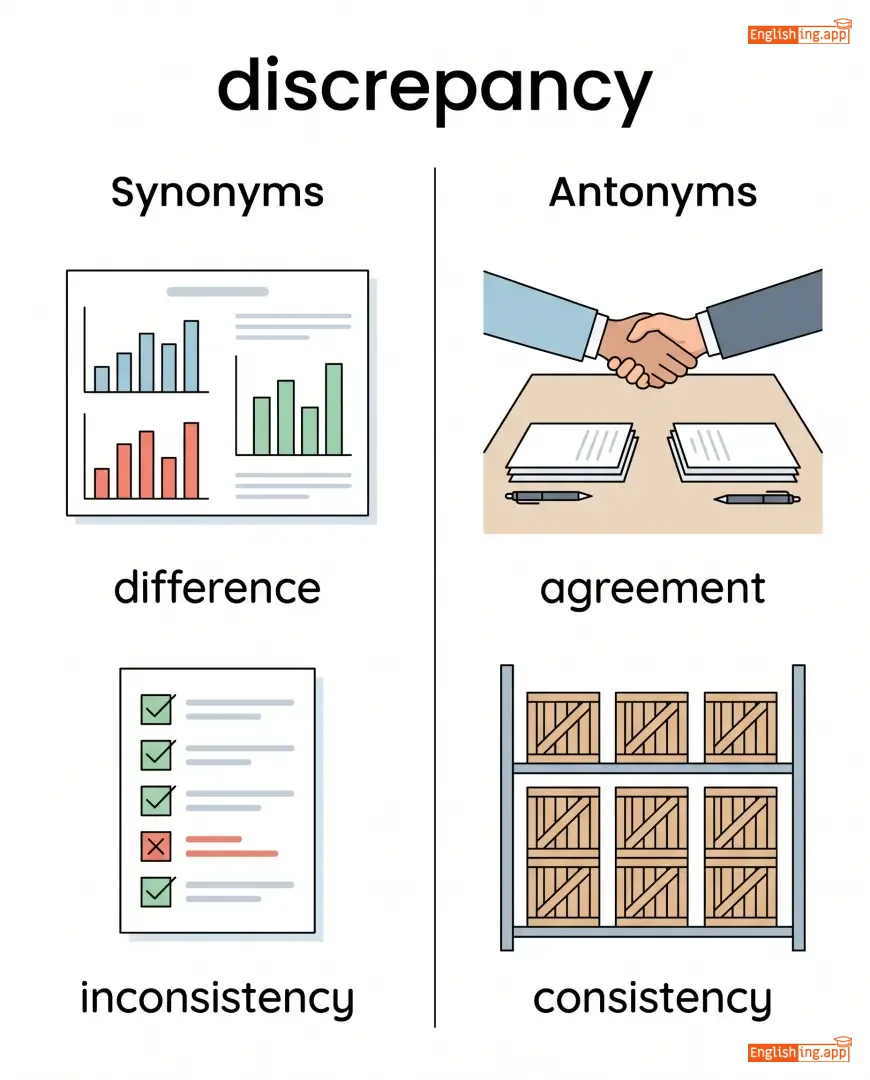
difference, inconsistency, variance, disparity
••••••
|
consistency, agreement, similarity, correspondence
••••••
|
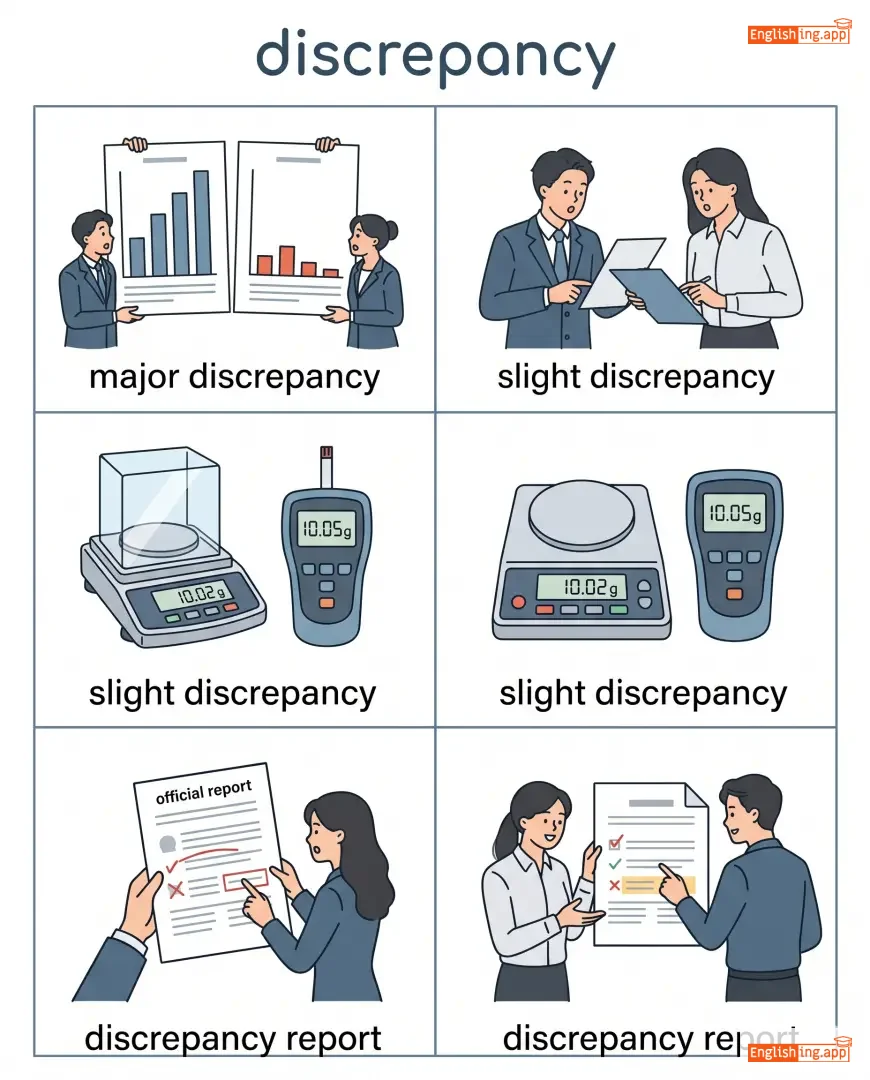
significant discrepancy, accounting discrepancy, explain discrepancy
••••••
|
不一致显示出证词之间的差异。
••••••
|
Vocabulary Quiz
Test your vocabulary by matching words with their translations or meanings.
Login to take the quiz
Comments (0)
Share your thoughts and join the discussion.
Join the discussion by logging in
Login to CommentNo comments yet
Be the first to share your thoughts!