




Swipe left or right, or use the buttons. Tap image to zoom.
例句翻译
单词
Lesson 67Lesson 67 - 遮罩切换
|
表情符号
|
单词 | Images | 翻译 | 含义 | 例句 | 例句翻译 | 同义词 | 反义词 | 搭配词 | 助记符 |
|---|---|---|---|---|---|---|---|---|---|---|
|
#1321
🎤
|
/spiːtʃ/
noun
(演讲)
••••••
|
- •••••• |
演讲; 演说;
yanjiang; yanshuo
••••••
|
formal address or discourse delivered to an audience; the expression of thoughts in spoken words
••••••
|
The president gave an inspiring speech to the nation. |
总统向国家发表了鼓舞人心的演讲。
zongtong xiang guojia fabiao le guliu renxin de yanjiang.
••••••
|
address, oration, discourse, talk
••••••
|
silence, muteness
••••••
|
keynote speech, public speech, acceptance speech, farewell speech
••••••
|
Speech in Chinese: The voice that echoes across time and space.
••••••
|
|
#1322
🗿
|
/ˈstætʃuː/
noun
(雕像)
••••••
|
- •••••• |
一种三维艺术作品,通常由石头、金属或木材制成
diaoxiang
••••••
|
a three-dimensional work of art, typically made of stone, metal, or wood
••••••
|
The statue of liberty is a famous landmark in New York. |
自由女神像是纽约的一个著名地标。
zì yóu nǚ shén xiàng shì niǔ yuē de yī gè zhù míng dì biāo
••••••
|
sculpture, monument, figure
••••••
|
- •••••• |
bronze statue, marble statue, statue of liberty
••••••
|
雕像象征着自由和力量,像铁一般坚固。
••••••
|
|
#1323
⚡
|
/spiːd/
noun
(sīpí)
••••••
|
- •••••• |
速度; 快速
sùdù; kuàisù
••••••
|
the rate at which someone or something moves or operates
••••••
|
The car reached a speed of 100 miles per hour.
汽车达到了每小时100英里的速度。
••••••
|
汽车达到了每小时100英里的速度。
qìchē dádàole měi xiǎoshí 100 yīnglǐ de sùdù.
••••••
|
velocity, pace, rate, swiftness
••••••
|
slowness, sluggishness
••••••
|
high speed, maximum speed, speed limit, speed up
••••••
|
速度像赛车一样快!
••••••
|
|
#1324
⚡
|
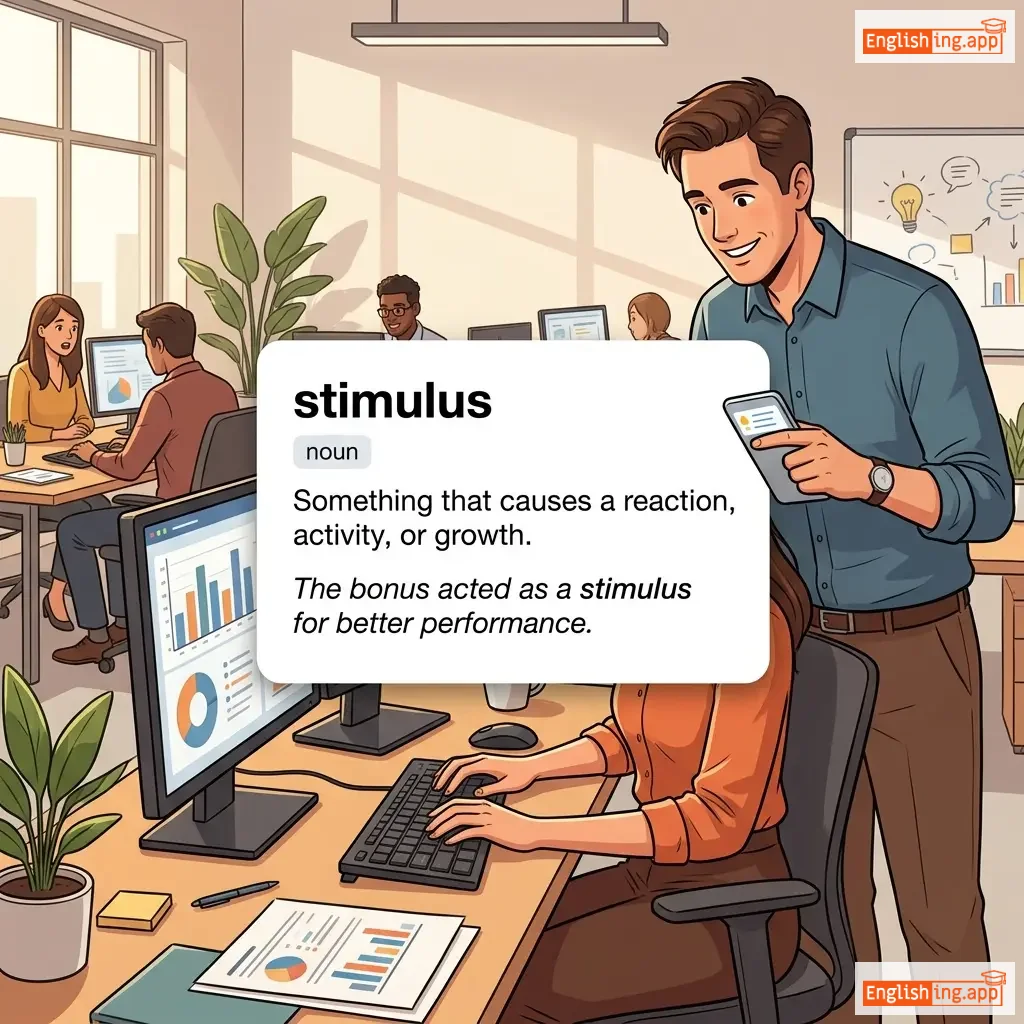
/ˈstɪmjələs/
noun
(刺激)
••••••
|
|
刺激; 促进活动或发展的东西
ciji
••••••
|
something that encourages activity or development; incentive
••••••
|
The government provided economic stimulus to boost the economy.
政府提供了经济刺激以促进经济增长。
••••••
|
政府提供了经济刺激以促进经济增长。
Zhengfu tigongle jingji ciji yi cujin jingji zengzhang.
••••••
|
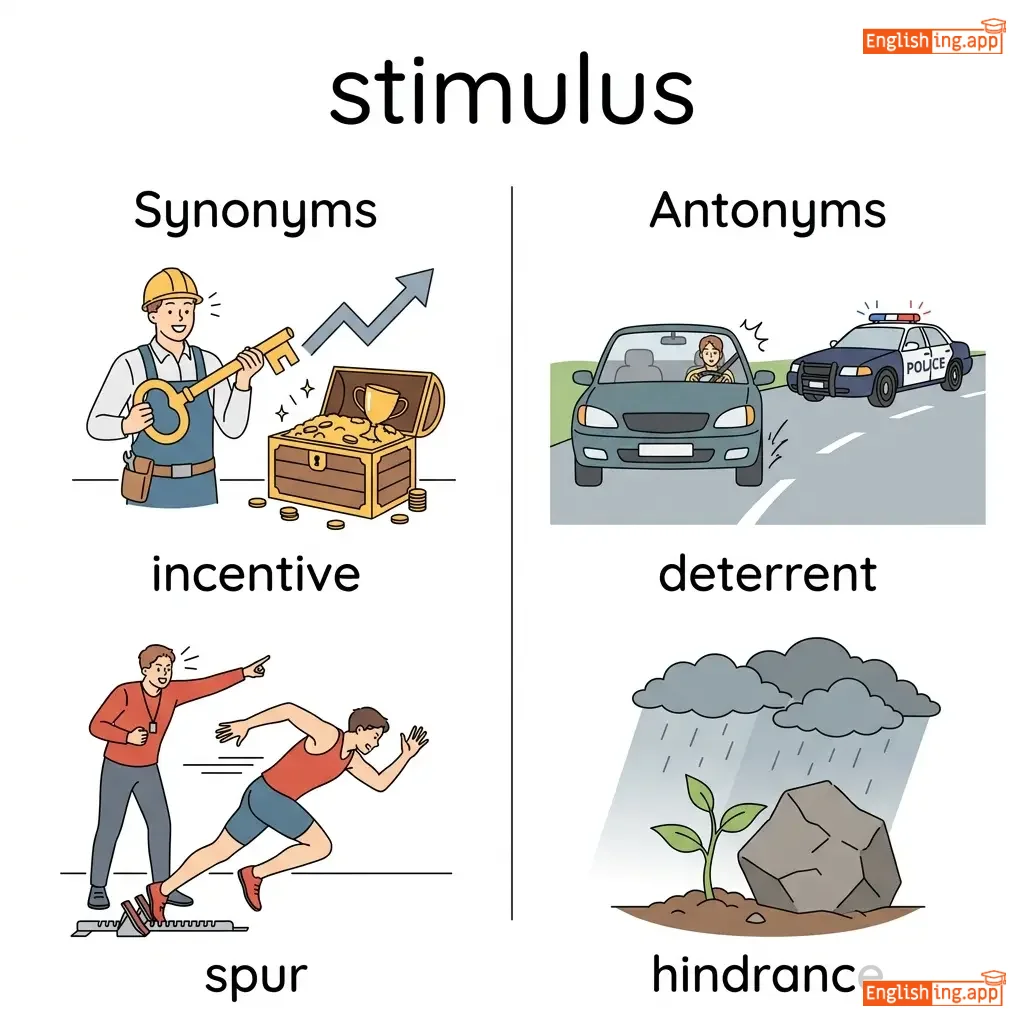
incentive, motivation, encouragement
••••••
|
deterrent, discouragement
••••••
|
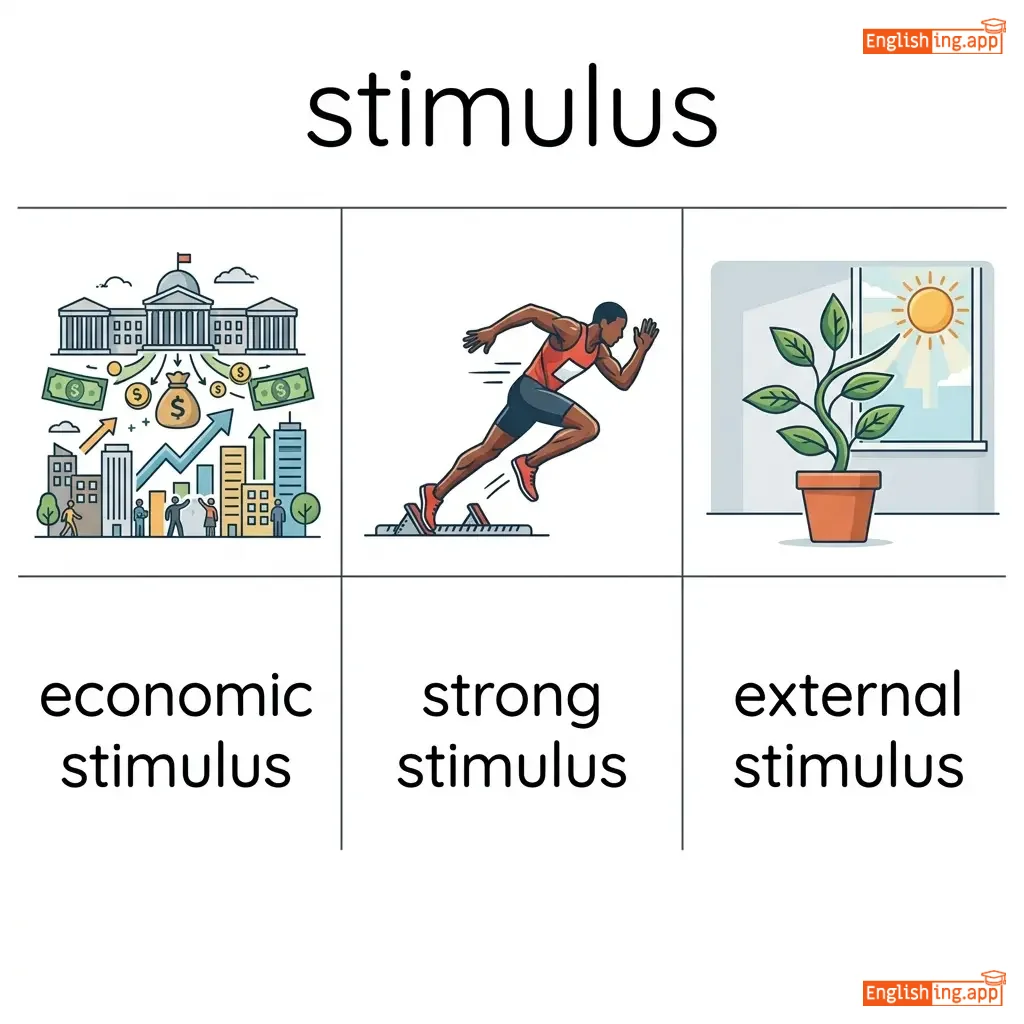
economic stimulus, stimulus package, external stimulus
••••••
|
Stimulus in Chinese is like a spark, something that sparks action or growth.
••••••
|
|
#1325
🦴
|
/spaɪn/
noun
(spáin)
••••••
|
- •••••• |
脊柱; 结构的中央支撑
jǐzhù; jiégòu de zhōngyāng zhīchēng
••••••
|
the backbone or vertebral column of a vertebrate; the central support of a structure
••••••
|
She injured her spine in the accident. |
她在事故中伤了脊柱。
Tā zài shìgù zhōng shāngle jǐzhù.
••••••
|
backbone, vertebral column, spinal column
••••••
|
- •••••• |
spinal cord, spine injury, curved spine, spine surgery
••••••
|
脊柱支撑着身体,就像是结构的支柱
••••••
|
|
#1326
🤢
|
/stɪŋk/
noun
(斯汀克)
••••••
|
- •••••• |
臭味; 恶臭
stink
••••••
|
a strong unpleasant smell; bad odor
••••••
|
The garbage created a terrible stink in the kitchen. |
垃圾在厨房里产生了可怕的臭味。
Lājī zài chúfáng lǐ chǎnshēng le kěpà de chòuwèi.
••••••
|
odor, smell, reek
••••••
|
fragrance, perfume, aroma
••••••
|
terrible stink, awful stink, stink bomb
••••••
|
臭味意味着你不能再待在那里。
••••••
|
|
#1327
👻
|
/ˈspɪr.ɪt/
noun
(精神)
••••••
|
- •••••• |
精神; 灵魂; 热情; 勇气
jingshen; linghun; reqing; yongqi
••••••
|
the non-physical part of a person; enthusiasm or courage; the essential character of something
••••••
|
The team showed great spirit despite losing the match.
尽管输掉比赛,队伍仍展现出伟大的精神。
••••••
|
尽管输掉比赛,队伍仍展现出伟大的精神。
Jin guan shudiào bǐsài, duìwǔ réng zhǎnxiàn chū wěidà de jīngshén.
••••••
|
soul, enthusiasm, courage, morale
••••••
|
body, dejection, cowardice
••••••
|
team spirit, fighting spirit, free spirit, school spirit
••••••
|
精神代表勇气,灵魂充满热情
••••••
|
|
#1328
💰
|
/ˈstaɪpend/
noun
(津贴)
••••••
|
- •••••• |
津贴
jintie
••••••
|
a fixed regular sum paid as a salary or allowance
••••••
|
The research student receives a monthly stipend for living expenses. |
研究生每月获得生活费用津贴。
Yanjiusheng mei yue huode shenghuo feiyong jintie
••••••
|
allowance, salary, grant
••••••
|
- •••••• |
monthly stipend, research stipend, living stipend
••••••
|
津贴像是每月的财政帮助
••••••
|
|
#1329
⚖️
|
/stəˈbɪl.ə.ti/
noun
(稳定性)
••••••
|
- •••••• |
稳定性
wěndìng xìng
••••••
|
the state of being stable; firmness; steadiness
••••••
|
Political stability is essential for economic growth.
政治稳定对经济增长至关重要。
••••••
|
政治稳定对经济增长至关重要。
Zhengzhi wending dui jingji zengzhang zhiguān zhòngyào.
••••••
|
steadiness, firmness, balance, security
••••••
|
instability, unsteadiness, volatility
••••••
|
financial stability, political stability, emotional stability, job stability
••••••
|
政治的稳定性促进经济的发展.
••••••
|
|
#1330
😰
|
/streɪn/
noun
(sī tè lín)
••••••
|
- •••••• |
压力; 紧张; 疲劳;
strain
••••••
|
pressure or tension; excessive demand on strength or resources
••••••
|
Working long hours put a strain on his health. |
长时间工作给他的健康带来了压力。
chang shijian gongzuo gei tade jiankang dailai le yali
••••••
|
stress, pressure, tension
••••••
|
ease, relaxation, relief
••••••
|
muscle strain, financial strain, mental strain
••••••
|
Strain 就像压力,压力让身体疲劳。
••••••
|
|
#1331
🚫
|
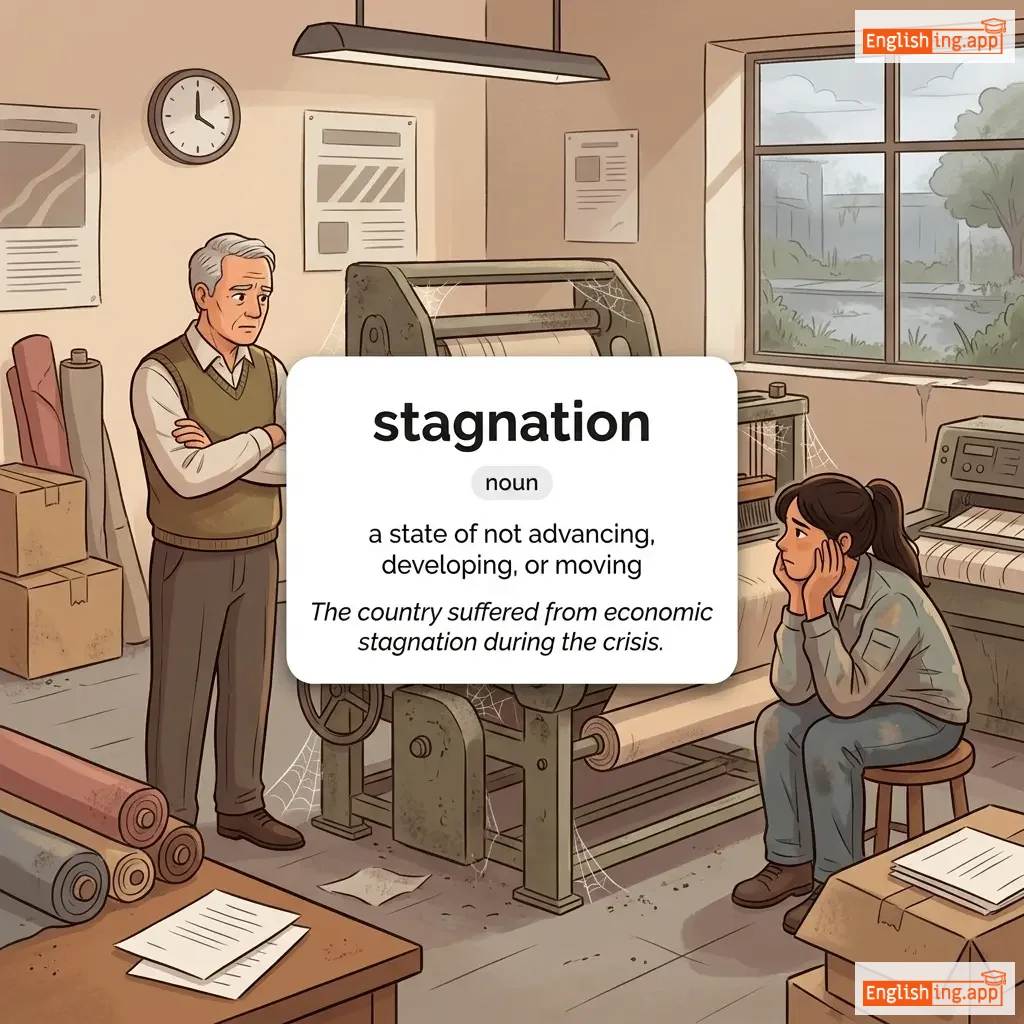
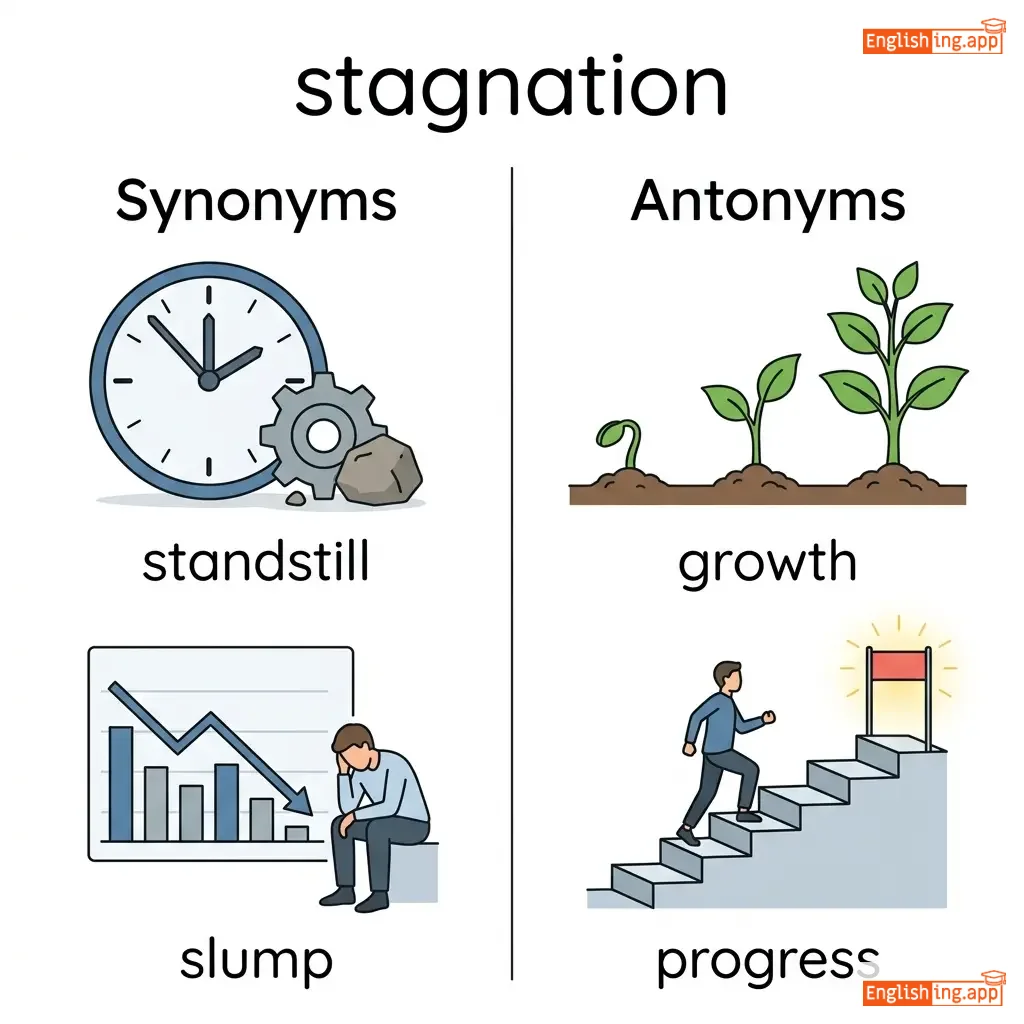
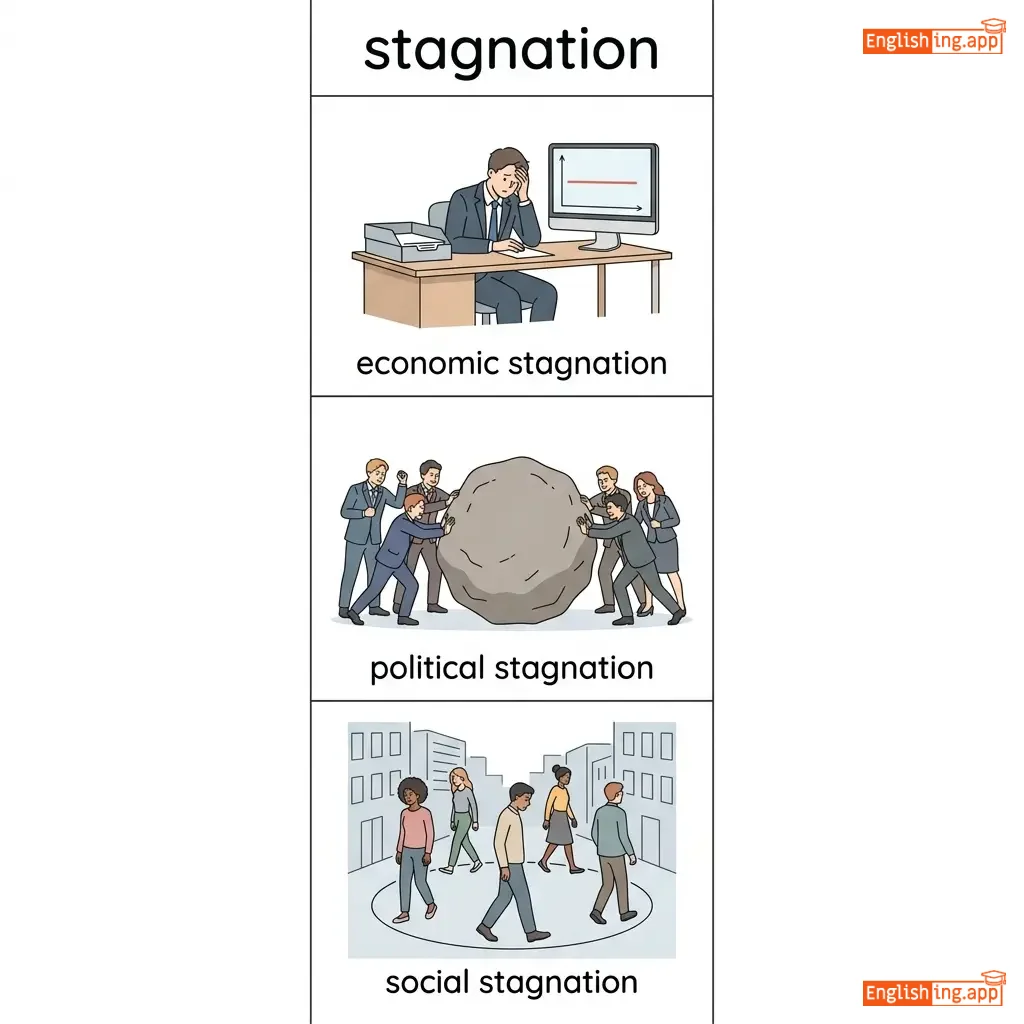
/stæɡˈneɪ.ʃən/
noun
(停滯)
••••••
|
|
停滯; 缺乏發展; 死氣沉沉
tingzhi; quefa fazhan; siqi chencheng
••••••
|
the state of not flowing or moving; lack of activity, growth, or development
••••••
|
The company faced economic stagnation for several years. |
該公司經歷了多年的經濟停滯。
Gai gongsi jingli le duonian de jingji tingzhi.
••••••
|
inactivity, standstill, decline, sluggishness
••••••
|
growth, progress, development, advancement
••••••
|
economic stagnation, wage stagnation, career stagnation, water stagnation
••••••
|
Imagine a river frozen in time in Chinese.
••••••
|
|
#1332
🤷♂️
|
/ˈstreɪndʒər/
noun
(sītrènɡěr)
••••••
|
- •••••• |
陌生人
mòshēngrén
••••••
|
a person whom one does not know or with whom one is not familiar
••••••
|
Never take candy from a stranger.
永远不要从陌生人那里拿糖果。
••••••
|
永远不要从陌生人那里拿糖果。
yǒngyuǎn bù yào cóng mòshēngrén nàlǐ ná tángguǒ
••••••
|
unknown person, outsider, foreigner
••••••
|
friend, acquaintance, familiar
••••••
|
complete stranger, perfect stranger, stranger danger
••••••
|
Stranger in a crowd – never forget their face.
••••••
|
|
#1333
🟤
|
/steɪn/
noun
(stei)
••••••
|
- •••••• |
污点; 斑点
wudiǎn; bāndiǎn
••••••
|
a colored patch or dirty mark that is difficult to remove; a blemish or damage to reputation
••••••
|
There was a coffee stain on his white shirt.
他的白衬衫上有咖啡渍。
••••••
|
他的白衬衫上有咖啡渍。
tā de bái chènshān shàng yǒu kāfēi zì.
••••••
|
mark, spot, blemish, blot
••••••
|
cleanliness, purity
••••••
|
blood stain, wine stain, stain remover, permanent stain
••••••
|
A 'Stain' is like a mark on both your shirt and your reputation!
••••••
|
|
#1334
🎯
|
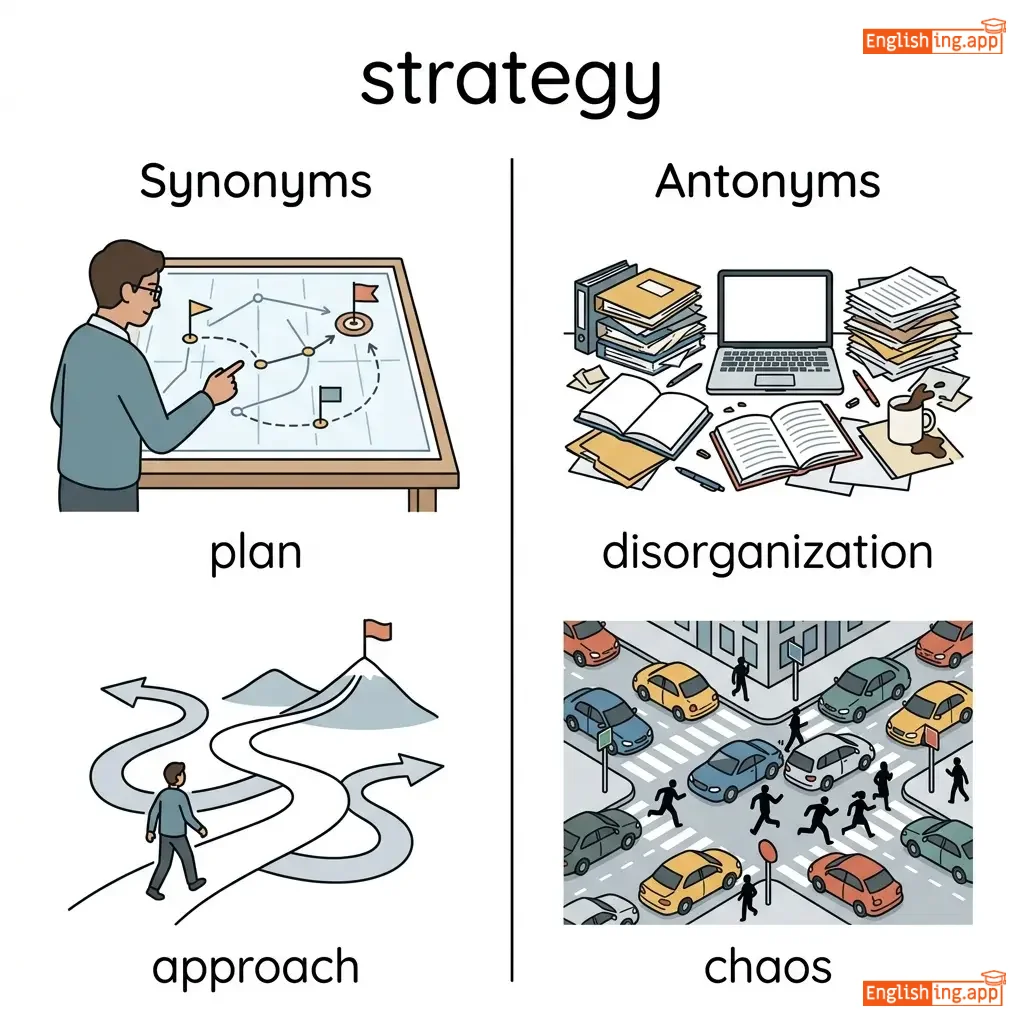
/ˈstrætədʒi/
noun
(sītrātéjī)
••••••
|
|
策略; 计划;
celue; jihua;
••••••
|
a plan of action designed to achieve a long-term or overall aim
••••••
|
The company developed a new marketing strategy to increase sales.
公司开发了一种新的营销策略以增加销售。
••••••
|
公司开发了一种新的营销策略以增加销售。
Gōngsī kāifāle yī zhǒng xīn de yíngxiāo cèlüè yǐ zēngjiā xiāoshòu.
••••••
|
plan, approach, tactic
••••••
|
improvisation, spontaneity
••••••
|
business strategy, marketing strategy, military strategy
••••••
|
策略: 务实有效的长远计划
••••••
|
|
#1335
💪
|
/ˈstæm.ɪ.nə/
noun
(斯塔米纳)
••••••
|
- •••••• |
耐力
naili
••••••
|
the ability to sustain prolonged physical or mental effort
••••••
|
Marathon runners need great stamina to complete the race.
马拉松选手需要强大的耐力才能完成比赛。
••••••
|
马拉松选手需要强大的耐力才能完成比赛。
Mǎlāsōng xuǎnshǒu xūyào qiángdà de nàilì cáinéng wánchéng bǐsài.
••••••
|
endurance, persistence, resilience, staying power
••••••
|
weakness, fatigue, exhaustion
••••••
|
build stamina, physical stamina, mental stamina, lack stamina
••••••
|
耐力 = 能够坚持很长时间,就像跑马拉松一样。
••••••
|
|
#1336
💪
|
/streŋθ/
noun
(sīrèngsī)
••••••
|
- •••••• |
力量; 力气; 体力
lìliàng; lìqì; tǐlì
••••••
|
the quality or state of being physically strong; power or force
••••••
|
Regular exercise helps build muscle strength. |
规律的锻炼有助于增强肌肉力量。
guīlǜ de duànliàn yǒuzhù yú zēngqiáng jīròu lìliàng
••••••
|
power, force, might
••••••
|
weakness, frailty, feebleness
••••••
|
physical strength, inner strength, muscle strength
••••••
|
要强壮,先练好身体力量!
••••••
|
|
#1337
😵
|
/stɑːˈveɪ.ʃən/
noun
(sɪˈvɛɪʃən)
••••••
|
- •••••• |
饥饿
jī'è
••••••
|
suffering or death caused by lack of food; extreme hunger
••••••
|
Many people died of starvation during the famine.
许多人在饥荒期间死于饥饿。
••••••
|
许多人在饥荒期间死于饥饿。
xǔduō rén zài jīhuāng qījiān sǐ yú jī'è.
••••••
|
hunger, famine, malnutrition, undernourishment
••••••
|
abundance, satiety, nourishment
••••••
|
mass starvation, starvation diet, near starvation, prevent starvation
••••••
|
饥饿会导致极度的痛苦与死亡
••••••
|
|
#1338
😓
|
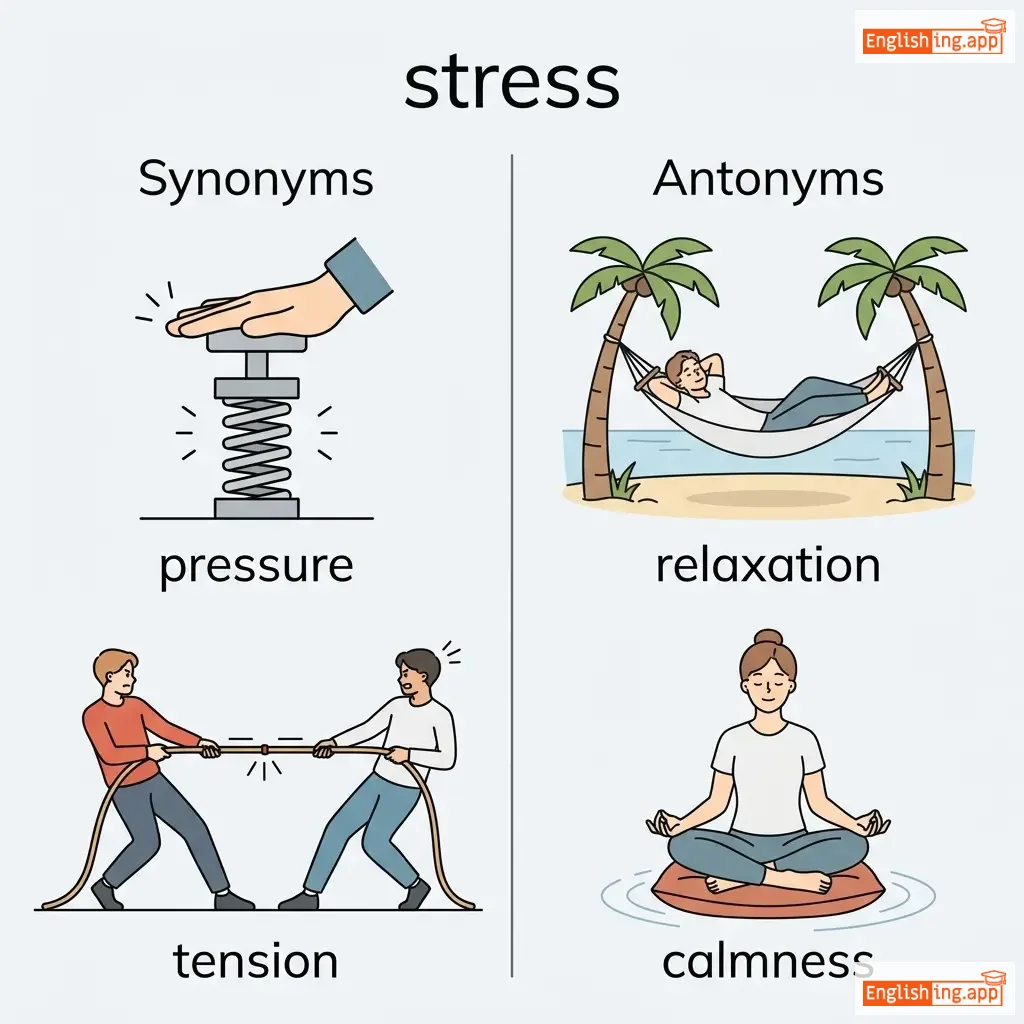
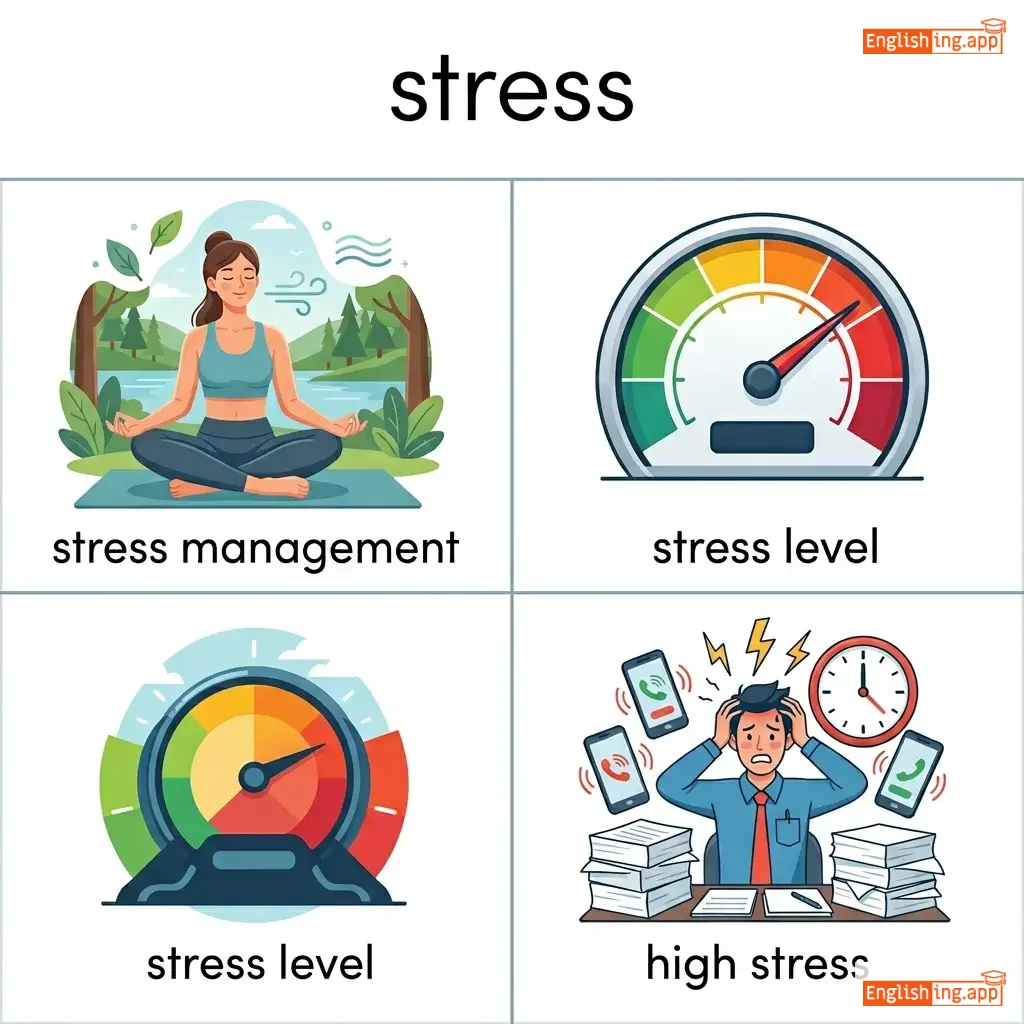
/stres/
noun
(压力)
••••••
|
|
施加在物体上的压力或紧张; 精神或情绪的压力
shijia zai wutai shang de yali huo jinzhang; jingshen huo qingxu de yali
••••••
|
pressure or tension exerted on an object; mental or emotional strain
••••••
|
Work-related stress can affect your health.
与工作相关的压力可能会影响您的健康。
••••••
|
与工作相关的压力可能会影响您的健康。
yu gongzuo xiangguan de yali keneng hui yingxiang nin de jiankang
••••••
|
pressure, strain, tension
••••••
|
relaxation, calm, peace
••••••
|
work stress, chronic stress, stress management
••••••
|
想象一下,工作压力如何影响您的健康。
••••••
|
|
#1339
📄
|
/ˈsteɪt.mənt/
noun
(sī tè mèn tè)
••••••
|
- •••••• |
声明
shengming
••••••
|
a definite or clear expression of something in speech or writing; an official account of facts
••••••
|
The CEO issued a statement about the company's future plans. |
首席执行官发布了一份关于公司未来计划的声明。
Shouxi zhixing guan fabu le yifen guanyu gongsi weilai jihua de shengming.
••••••
|
declaration, announcement, report, account
••••••
|
silence, concealment
••••••
|
official statement, press statement, financial statement, witness statement
••••••
|
声明 = statement, CEO发布了公司未来的声明。
••••••
|
|
#1340
📏
|
/strɪp/
noun
(strip)
••••••
|
- •••••• |
一条长而窄的布、纸、塑料或其他材料带
strip
••••••
|
a long narrow piece of cloth, paper, plastic, or other material
••••••
|
She tore a strip of paper from the notebook. |
她从笔记本上撕下一条纸带。
Ta cong bijiben shang si xia yi tiao zhi dai.
••••••
|
band, stripe, piece
••••••
|
whole, complete piece
••••••
|
paper strip, comic strip, landing strip
••••••
|
像街道一样窄长的纸带。
••••••
|
Vocabulary Quiz
Test your vocabulary by matching words with their translations or meanings.
Login to take the quiz
Comments (0)
Share your thoughts and join the discussion.
Join the discussion by logging in
Login to CommentNo comments yet
Be the first to share your thoughts!