

Swipe left or right, or use the buttons. Tap image to zoom.
例句翻译
单词
Lesson 73Lesson 73 - 遮罩切换
|
表情符号
|
单词 | Images | 翻译 | 含义 | 例句 | 例句翻译 | 同义词 | 反义词 | 搭配词 | 助记符 |
|---|---|---|---|---|---|---|---|---|---|---|
|
#1441
🤝
|
/juːnəˈnɪməti/
noun
(yoo-nah-nee-mee-tee)
••••••
|
- •••••• |
一致性
yizhi xing
••••••
|
complete agreement among all members of a group
••••••
|
The committee reached unanimity on the new policy. |
委员会在新政策上达成了一致意见。
Wei yuan hui zai xin zhengce shang dachengle yizhi yijian.
••••••
|
consensus, agreement, accord, harmony
••••••
|
disagreement, discord, dissent, division
••••••
|
reach unanimity, achieve unanimity, unanimous decision
••••••
|
一致性像是大家都在同一个音符上唱歌。
••••••
|
|
#1442
⚖️
|
/ˈʌp.raɪt.nəs/
noun
(yìmǎi tǔ)
••••••
|
- •••••• |
正直; 正义
zhèngzhí; zhèngyì
••••••
|
the quality of being honest and morally correct; integrity
••••••
|
His uprightness in business dealings earned him great respect.
他在商业中的正直赢得了很大的尊重。
••••••
|
他在商业中的正直赢得了很大的尊重。
Tā zài shāngyè zhōng de zhèngzhí yíngdéle hěn dà de zūnzhòng.
••••••
|
integrity, honesty, righteousness, virtue
••••••
|
dishonesty, corruption, immorality
••••••
|
moral uprightness, personal uprightness, uprightness of character
••••••
|
Uprightness is like 'zhèngzhí', standing firm in integrity.
••••••
|
|
#1443
🤔
|
/ˌʌnbɪˈliːf/
noun
(anbileef)
••••••
|
- •••••• |
不信
buxin
••••••
|
lack of religious belief; skepticism or doubt
••••••
|
His unbelief in the supernatural made him a skeptic.
His unbelief in the supernatural made him a skeptic.
••••••
|
他对超自然的怀疑使他成为了一个怀疑者。
ta dui chaonaturu de huaiji shi ta chengwei le yige huaijie zhe
••••••
|
disbelief, skepticism, doubt, atheism
••••••
|
belief, faith, trust, conviction
••••••
|
religious unbelief, express unbelief, overcome unbelief
••••••
|
Chinese 'buxin' sounds like 'but seen'. Imagine doubting what you've seen.
••••••
|
|
#1444
✊
|
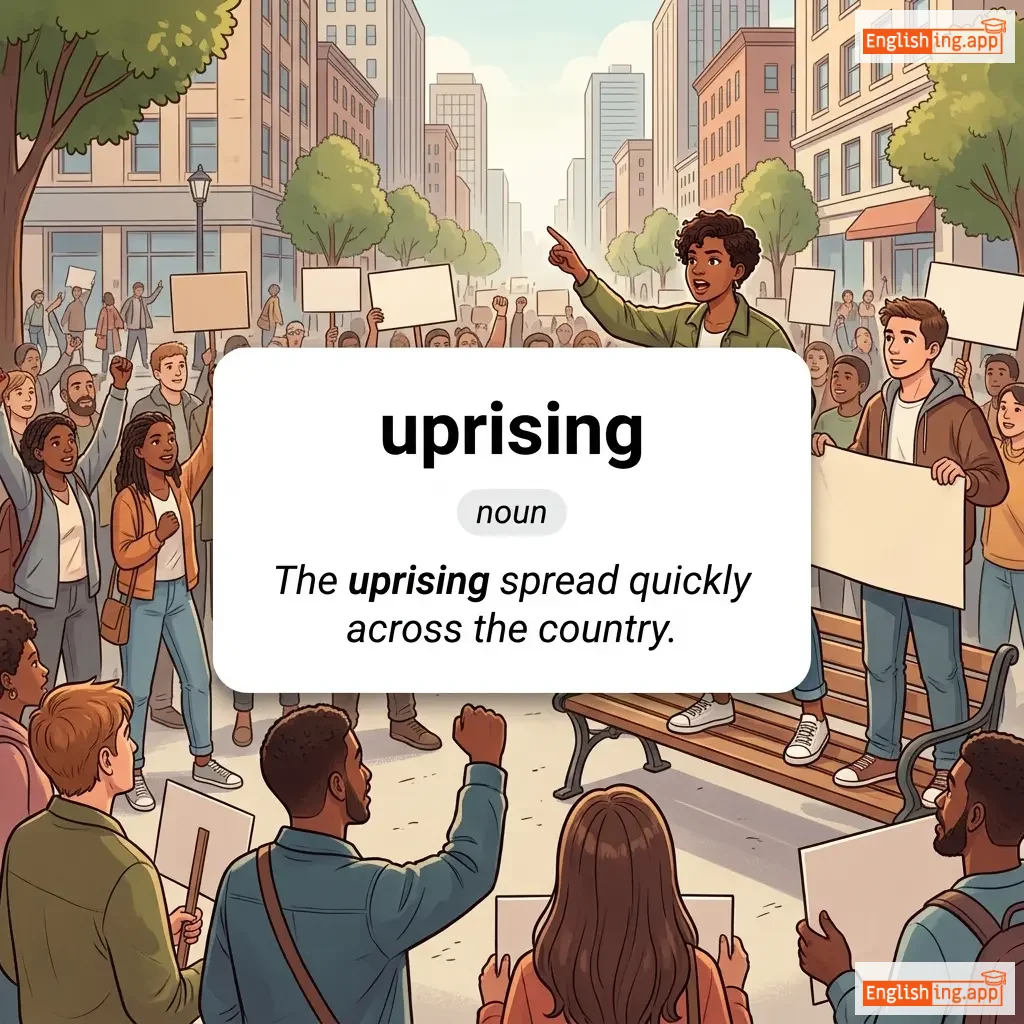
/ˈʌp.raɪ.zɪŋ/
noun
(àpùláiɡíng)
••••••
|
|
起义;叛乱
qǐyì, pànluàn
••••••
|
a violent or armed resistance against an established government or ruler; rebellion
••••••
|
The people organized an uprising against the oppressive regime. |
人们组织了一场反对压迫政权的起义。
Rénmen zǔzhīle yī chǎng fǎnduì yāpò zhèngquán de qǐyì.
••••••
|
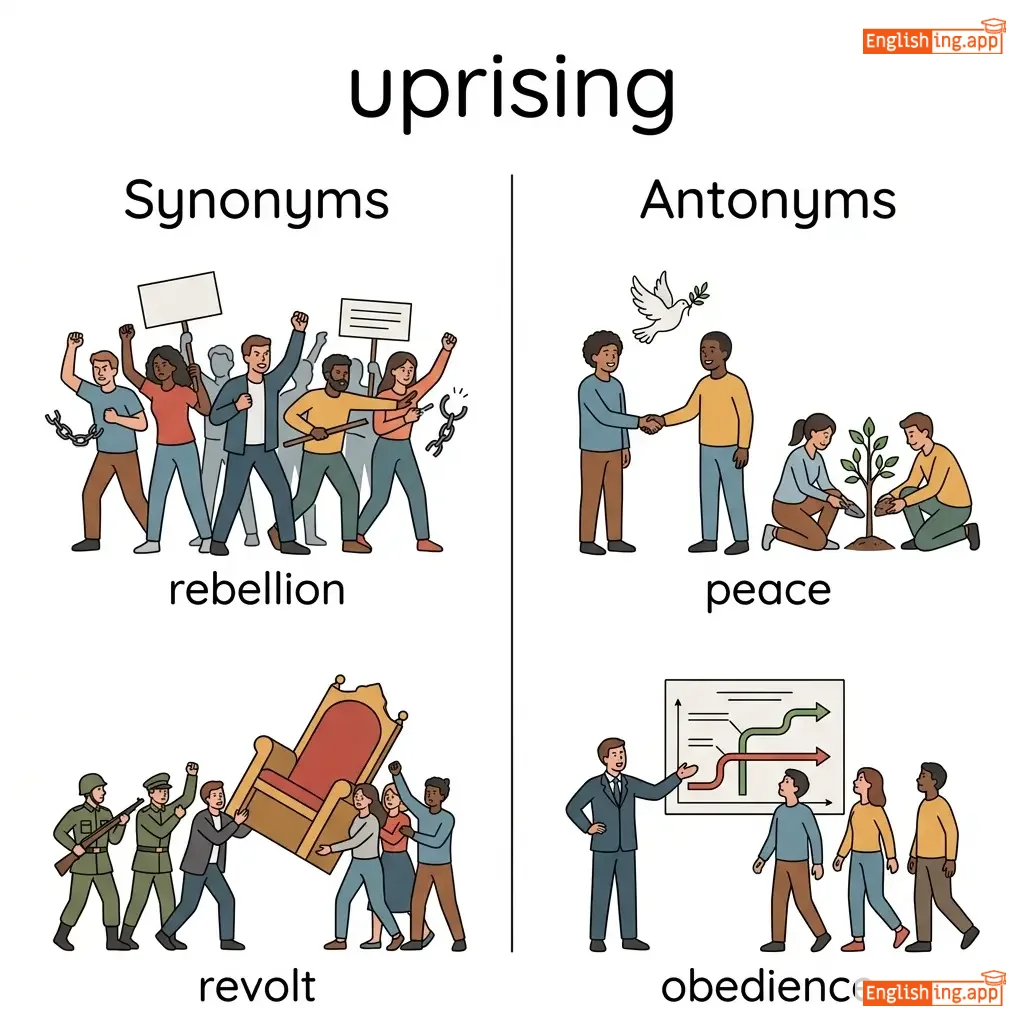
rebellion, revolt, insurrection, revolution
••••••
|
submission, compliance, obedience
••••••
|
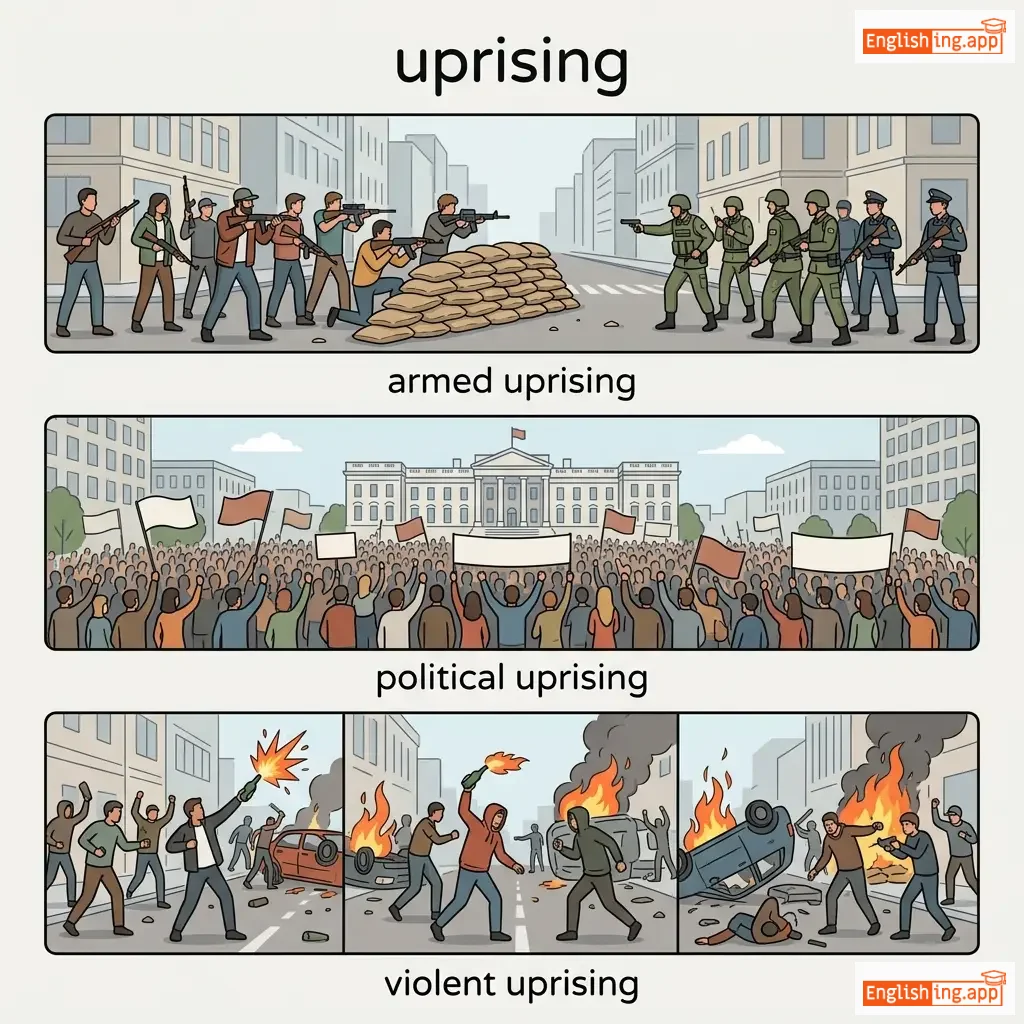
popular uprising, armed uprising, uprising against
••••••
|
‘起义’和‘叛乱’都代表了对权力的反抗和暴力抗争。
••••••
|
|
#1445
❓
|
/ʌnˈsɜːrtənti/
noun
(ānsértānti)
••••••
|
- •••••• |
不确定性; 怀疑或缺乏确信
bùquèdìngxìng; huáiyí huò quēfá quèxìn
••••••
|
the state of being uncertain; doubt or lack of sureness
••••••
|
The uncertainty about the weather delayed our trip.
关于天气的不确定性延迟了我们的旅行。
••••••
|
关于天气的不确定性延迟了我们的旅行。
guānyú tiāntí de bùquèdìngxìng yánchíle wǒmen de lǚxíng.
••••••
|
doubt, ambiguity, confusion, hesitation
••••••
|
certainty, confidence, assurance, clarity
••••••
|
economic uncertainty, create uncertainty, reduce uncertainty
••••••
|
不确定性像天气一样,常常变化。
••••••
|
|
#1446
📢
|
/ˈʌp.rɔːr/
noun
(ʌpˈrɔːr)
••••••
|
- •••••• |
骚动; 喧嚣; 混乱
saodong, xuanshao, hunluan
••••••
|
a loud and emotional noise or disturbance; public outcry
••••••
|
The announcement caused an uproar among the students.
公告在学生中引起了骚动。
••••••
|
公告在学生中引起了骚动。
Gōnggào zài xuéshēng zhōng yǐnqǐle sāodòng.
••••••
|
commotion, tumult, chaos, disturbance
••••••
|
calm, quiet, peace, silence
••••••
|
cause uproar, public uproar, uproar among
••••••
|
In Chinese, '骚动' means 'uproar', making a loud noise like 'uproar'!
••••••
|
|
#1447
😐
|
/ʌnkənˈsɜːrn/
noun
(ànkēnsèrn)
••••••
|
- •••••• |
漠不关心
mò bù guān xīn
••••••
|
lack of worry or interest; indifference
••••••
|
She showed complete unconcern about the criticism. |
她对批评表现出了完全的漠不关心。
Tā duì pīpíng biǎoxiàn chūle wánquán de mò bù guān xīn.
••••••
|
indifference, apathy, detachment, nonchalance
••••••
|
concern, worry, interest, anxiety
••••••
|
show unconcern, complete unconcern, apparent unconcern
••••••
|
用'漠不关心'记住它代表对任何事物的冷漠和缺乏兴趣
••••••
|
|
#1448
🎯
|
/ˈʌp.ʃɒt/
noun
(up-shot)
••••••
|
- •••••• |
结果; 结论
jieguo, jielun
••••••
|
the final result or outcome of a series of events; conclusion
••••••
|
The upshot of the meeting was a decision to postpone the project.
会议的结果是决定推迟项目。
••••••
|
会议的结果是决定推迟项目。
Huiyi de jieguo shi jueding tuichi xiangmu.
••••••
|
result, outcome, consequence, conclusion
••••••
|
beginning, cause, origin
••••••
|
upshot of, final upshot, upshot was
••••••
|
Up-shot的结果是推迟项目的决定。
••••••
|
|
#1449
📉
|
/ˌʌnɪmˈplɔɪmənt/
noun
(àn yì mù lùn mèn tì)
••••••
|
- •••••• |
失业
shīyè
••••••
|
the state of being unemployed; lack of paid work
••••••
|
The unemployment rate has increased significantly this year. |
今年失业率显著上升。
jīnnián shīyè lǜ xiǎnzhù shàngshēng.
••••••
|
joblessness, idleness, redundancy
••••••
|
employment, work, occupation, job
••••••
|
unemployment rate, unemployment benefits, mass unemployment
••••••
|
失业是一个令人困扰的状态,像是没有方向感的船。
••••••
|
|
#1450
🔝
|
/ˌʌpˈsteəz/
noun
(apsteirs)
••••••
|
- •••••• |
楼上
lou shang
••••••
|
on or to an upper floor of a building; the upper floor or floors
••••••
|
She went upstairs to her bedroom to rest.
她上楼去她的卧室休息。
••••••
|
她上楼去她的卧室休息。
Ta shang lou qu ta de woshi xiuxi.
••••••
|
above, upper floor, overhead
••••••
|
downstairs, below, ground floor
••••••
|
go upstairs, live upstairs, upstairs bedroom
••••••
|
apsteirs = 楼上
••••••
|
|
#1451
🔄
|
/ˌjuːnɪˈfɔːrməti/
noun
(yúnìfāngmǐtí)
••••••
|
- •••••• |
一致性;统一性;相同状态
yizhi xing; tongyi xing; xiangtong zhuangtai
••••••
|
the quality of being uniform; consistency or sameness
••••••
|
The uniformity of the design created a pleasing visual effect. |
设计的一致性创造了一个吸引人的视觉效果。
Sheji de yizhi xing chuangzao le yi ge xiqing ren de shijue xiaoguo.
••••••
|
consistency, regularity, sameness, standardization
••••••
|
variety, diversity, irregularity, inconsistency
••••••
|
maintain uniformity, achieve uniformity, lack uniformity
••••••
|
一致性意味着设计的统一,产生相同的效果。
••••••
|
|
#1452
⚡
|
/ˈɜː.dʒən.si/
noun
(ʌrˈdʒɛnsi)
••••••
|
- •••••• |
紧急
jinji
••••••
|
the quality of requiring immediate action or attention; pressing importance
••••••
|
The urgency of the situation required immediate medical attention. |
情况的紧急性要求立即的医疗关注。
Qíngkuàng de jǐnpòxìng yāoqiú lìjí de yīliáo guānzhù
••••••
|
priority, importance, immediacy, pressing need
••••••
|
delay, postponement, leisure
••••••
|
sense of urgency, urgency of situation, extreme urgency
••••••
|
紧急性意味着紧急的行动
••••••
|
|
#1453
🤲
|
/ˈjuːnjən/
noun
(yùnión)
••••••
|
- •••••• |
联合
lianhe
••••••
|
the action of joining or combining; a political unit formed from separate states
••••••
|
The union of the two companies created a powerful corporation.
两家公司的联合创造了一个强大的公司。
••••••
|
两家公司的联合创造了一个强大的公司。
Liǎng jiā gōngsī de liánhé chuàngzàole yīgè qiángdà de gōngsī.
••••••
|
alliance, merger, combination, federation
••••••
|
separation, division, dissolution, split
••••••
|
trade union, labor union, form a union
••••••
|
联合是将不同的部分结合在一起,创造更强大的东西。
••••••
|
|
#1454
📖
|
/ˈjuː.sɪdʒ/
noun
(yúshè)
••••••
|
- •••••• |
使用
shiyong
••••••
|
the action of using something; the way in which words are used in a language
••••••
|
The dictionary explains the correct usage of difficult words.
词典解释了难词的正确用法。
••••••
|
词典解释了难词的正确用法。
Cídiǎn jiěshìle náncí de zhèngquè yòngfǎ.
••••••
|
use, application, employment, utilization
••••••
|
disuse, neglect, abandonment
••••••
|
correct usage, common usage, word usage
••••••
|
使用 = 使用 (Chinese 'shiyong' directly reflects 'usage')
••••••
|
|
#1455
🔗
|
/ˈjuːnəti/
noun
(yùnìtì)
••••••
|
|
团结
tuánjié
••••••
|
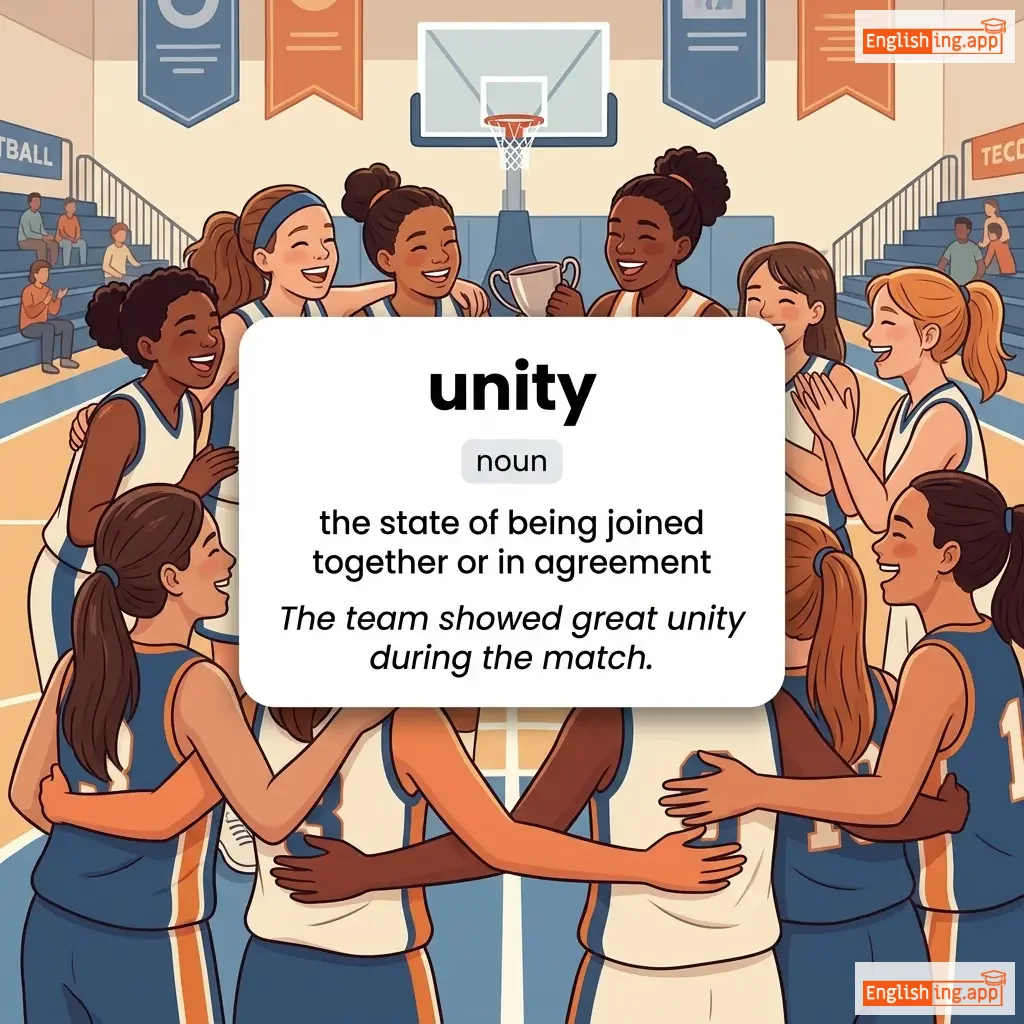
the state of being united or joined as a whole; harmony
••••••
|
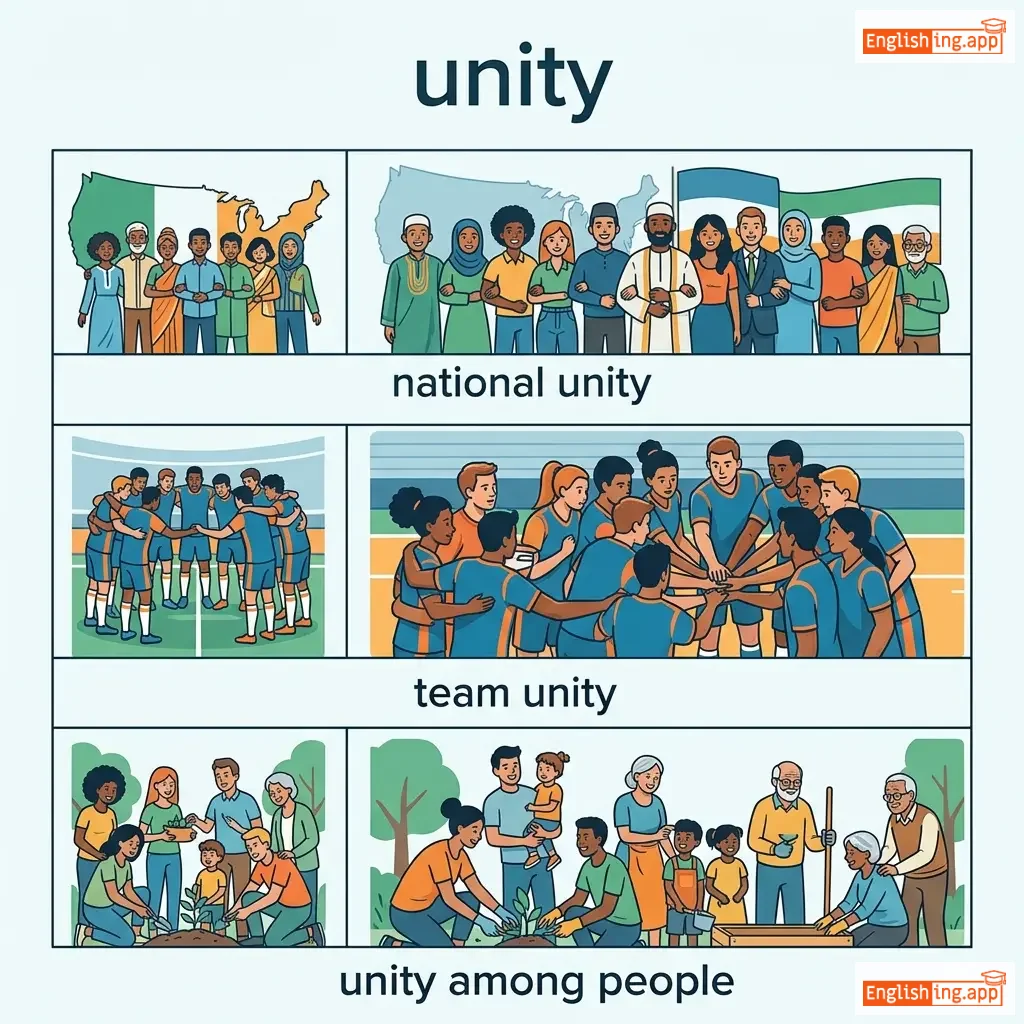
The team's unity helped them win the championship. |
团队的团结帮助他们赢得了冠军。
tuánduì de tuánjié bāngzhù tāmen yíngdéle guànjūn.
••••••
|
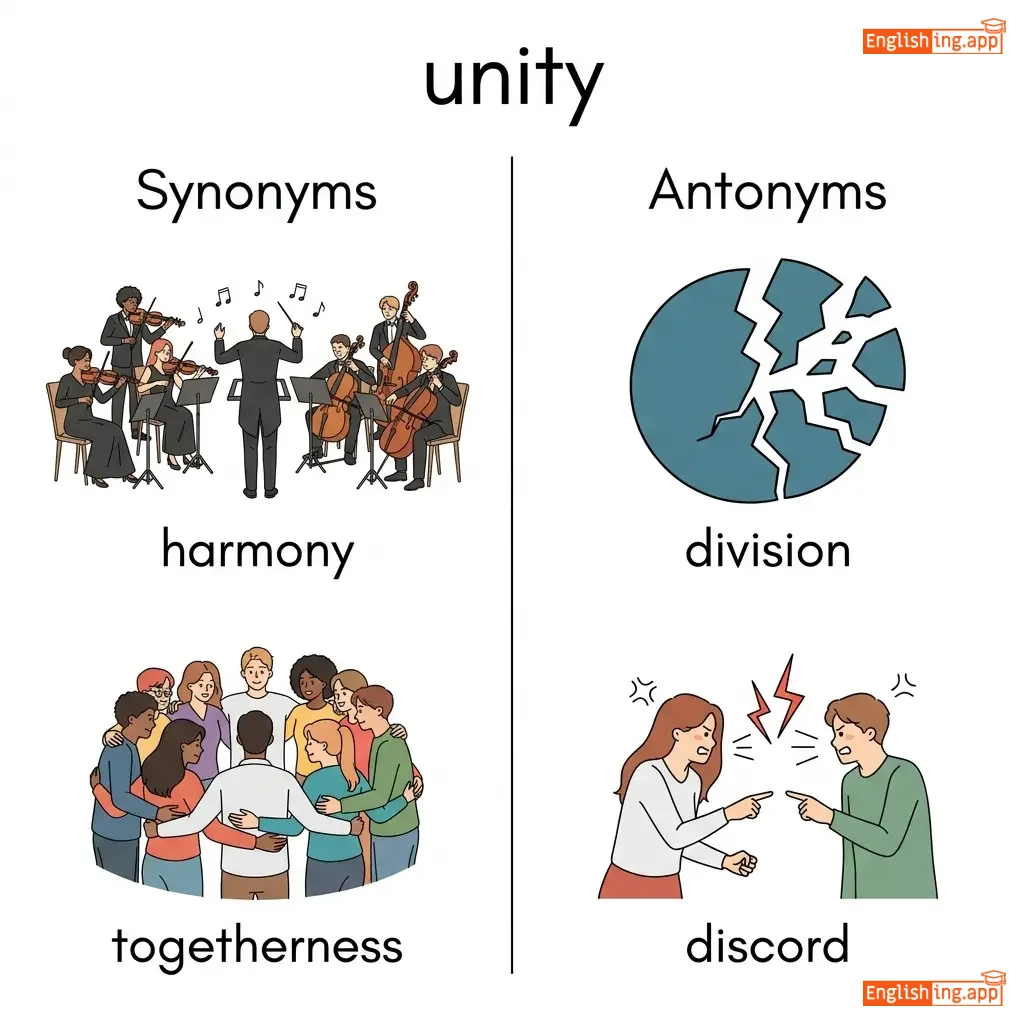
harmony, solidarity, cohesion, togetherness
••••••
|
division, discord, disunity, fragmentation
••••••
|
national unity, achieve unity, promote unity
••••••
|
团结 in Chinese is unity, like 'Unity' in English, showing harmony.
••••••
|
|
#1456
🔧
|
/ˈjuːs.fəl.nəs/
noun
(yūsīfúlínèisī)
••••••
|
- •••••• |
有用性
youyongxing
••••••
|
the quality of being useful; practical value or helpfulness
••••••
|
The usefulness of this tool became apparent during the project. |
这个工具的有用性在项目过程中变得显而易见。
Zhege gongju de youyongxing zai xiangmu guocheng zhong biande xian eryijian.
••••••
|
utility, value, benefit, practicality
••••••
|
uselessness, worthlessness, futility
••••••
|
practical usefulness, usefulness of tool, question usefulness
••••••
|
有用性 = 有用 + 性 (meaning state of being useful)
••••••
|
|
#1457
🌌
|
/ˈjuːnɪvɜːrs/
noun
(yúnɪvɜːrs)
••••••
|
- •••••• |
宇宙
yuzhou
••••••
|
all existing matter and space; the cosmos
••••••
|
Scientists study the universe to understand its mysteries.
科学家研究宇宙,以理解它的奥秘。
••••••
|
科学家研究宇宙,以理解它的奥秘。
Kēxuéjiā yánjiū yǔzhòu, yǐ lǐjiě tā de àomì.
••••••
|
cosmos, space, creation, existence
••••••
|
nothingness, void, emptiness
••••••
|
expanding universe, observable universe, parallel universe
••••••
|
宇宙像海洋一样浩瀚
••••••
|
|
#1458
⚙️
|
/juːˈtɪl.ə.ti/
noun
(yutiliti)
••••••
|
- •••••• |
效用; 益处; 公共服务
xiaoyong, yichu, gonggong fuwu
••••••
|
the state of being useful, profitable, or beneficial; a public service
••••••
|
The utility of solar panels increases with rising electricity costs. |
随着电费上涨,太阳能板的效用也在增加。
suizhe dianfei shangzhang, taiyangnengban de xiaoyong ye zai zengjia
••••••
|
usefulness, practicality, benefit, service
••••••
|
uselessness, impracticality, disadvantage
••••••
|
public utility, utility company, utility bill
••••••
|
Utility = 效用 (效 + 用)
••••••
|
|
#1459
⚡
|
/ʌnˈrest/
noun
(ānrest)
••••••
|
- •••••• |
不安;动荡;社会或政治动乱
bù'ān; dòngdàng; shèhuì huò zhèngzhì dòngluàn
••••••
|
a state of dissatisfaction and disturbance; social or political disorder
••••••
|
The economic crisis led to widespread social unrest. |
经济危机导致了广泛的社会不安。
Jīngjì wēijī dǎozhì le guǎngfàn de shèhuì bù'ān.
••••••
|
disorder, turmoil, agitation, disturbance
••••••
|
peace, calm, tranquility, order
••••••
|
social unrest, civil unrest, political unrest
••••••
|
Unrest 就是打破了安静的 '不安',扰乱了平静的世界。
••••••
|
|
#1460
🏢
|
/ˈveɪ.kən.si/
noun
(wēi kèng xī)
••••••
|
- •••••• |
空缺; 空位或职位
kōngquē, kōngwèi huò zhíwèi
••••••
|
an unoccupied position or job; an empty space or room
••••••
|
There is a vacancy for a software engineer in our company.
我们公司有一个软件工程师的空缺。
••••••
|
我们公司有一个软件工程师的空缺。
Wǒmen gōngsī yǒu yīgè ruǎnjiàn gōngchéngshī de kōngquē.
••••••
|
opening, position, emptiness, void
••••••
|
occupation, fullness, employment
••••••
|
job vacancy, vacancy rate, fill vacancy
••••••
|
Vacancy – A vacant spot or position waiting to be filled.
••••••
|
Vocabulary Quiz
Test your vocabulary by matching words with their translations or meanings.
Login to take the quiz
Comments (0)
Share your thoughts and join the discussion.
Join the discussion by logging in
Login to CommentNo comments yet
Be the first to share your thoughts!