

翻訳
過去
過去分詞
三人称単数
動名詞
意味
例文
例文の翻訳
同義語
対義語
コロケーション
ニーモニック
Swipe left or right, or use the buttons. Tap image to zoom.
例文の翻訳
単語
Lesson 73Lesson 73 - マスクトグル
|
絵文字
|
単語 | Images | 翻訳 | 意味 | 例文 | 例文の翻訳 | 同義語 | 対義語 | コロケーション | ニーモニック |
|---|---|---|---|---|---|---|---|---|---|---|
|
#1441
🤝
|
/juːnəˈnɪməti/
noun
(ユーナニミティ)
••••••
|
- •••••• |
全会一致
zenkai icchi
••••••
|
complete agreement among all members of a group
••••••
|
The committee reached unanimity on the new policy. |
委員会は新しい方針について全会一致に達しました。
Iinkai wa atarashī hōshin ni tsuite zenkai icchi ni tasshimashita.
••••••
|
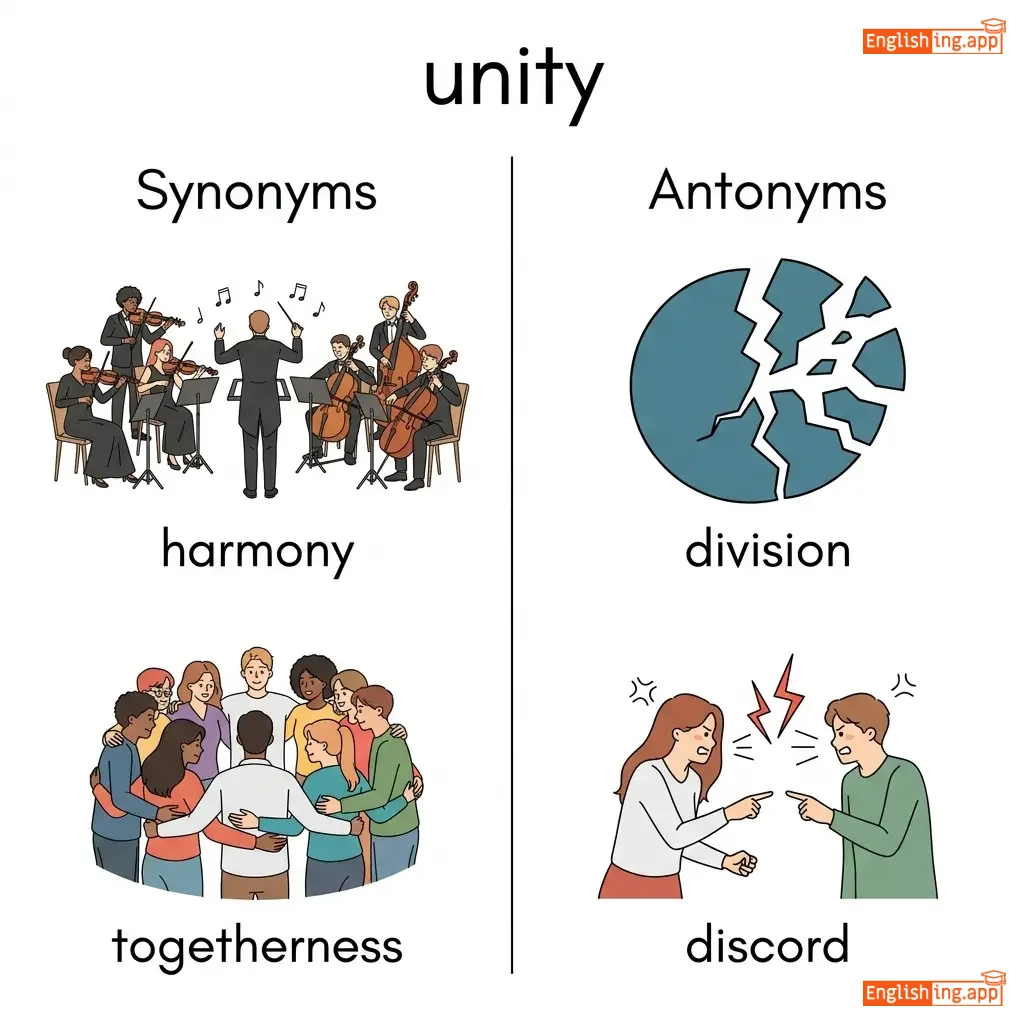
consensus, agreement, accord, harmony
••••••
|
disagreement, discord, dissent, division
••••••
|
reach unanimity, achieve unanimity, unanimous decision
••••••
|
全会一致は、みんな同じ方向を向いているときの状態です。
••••••
|
|
#1442
⚖️
|
/ˈʌp.raɪt.nəs/
noun
(apuraiṭunesu)
••••••
|
- •••••• |
誠実; 正直
seijitsu; shoujiki
••••••
|
the quality of being honest and morally correct; integrity
••••••
|
His uprightness in business dealings earned him great respect.
彼のビジネスでの正直さは、彼に大きな尊敬をもたらした。
••••••
|
彼のビジネスでの正直さは、彼に大きな尊敬をもたらした。
Kare no bijinesu de no shoujikisa wa, kare ni ookina sonkei o motarashita.
••••••
|
integrity, honesty, righteousness, virtue
••••••
|
dishonesty, corruption, immorality
••••••
|
moral uprightness, personal uprightness, uprightness of character
••••••
|
Uprightness is like 'seijitsu', a path of honesty and integrity.
••••••
|
|
#1443
🤔
|
/ˌʌnbɪˈliːf/
noun
(アンビリーフ)
••••••
|
- •••••• |
不信
fushin
••••••
|
lack of religious belief; skepticism or doubt
••••••
|
His unbelief in the supernatural made him a skeptic.
His unbelief in the supernatural made him a skeptic.
••••••
|
超自然に対する彼の不信は彼を懐疑的にしました。
chōshizen ni taisuru kare no fushin wa kare o kaigitaku shimashita
••••••
|
disbelief, skepticism, doubt, atheism
••••••
|
belief, faith, trust, conviction
••••••
|
religious unbelief, express unbelief, overcome unbelief
••••••
|
Japanese 'fushin' sounds like 'fishing'. Imagine doubting the fish you catch.
••••••
|
|
#1444
✊
|
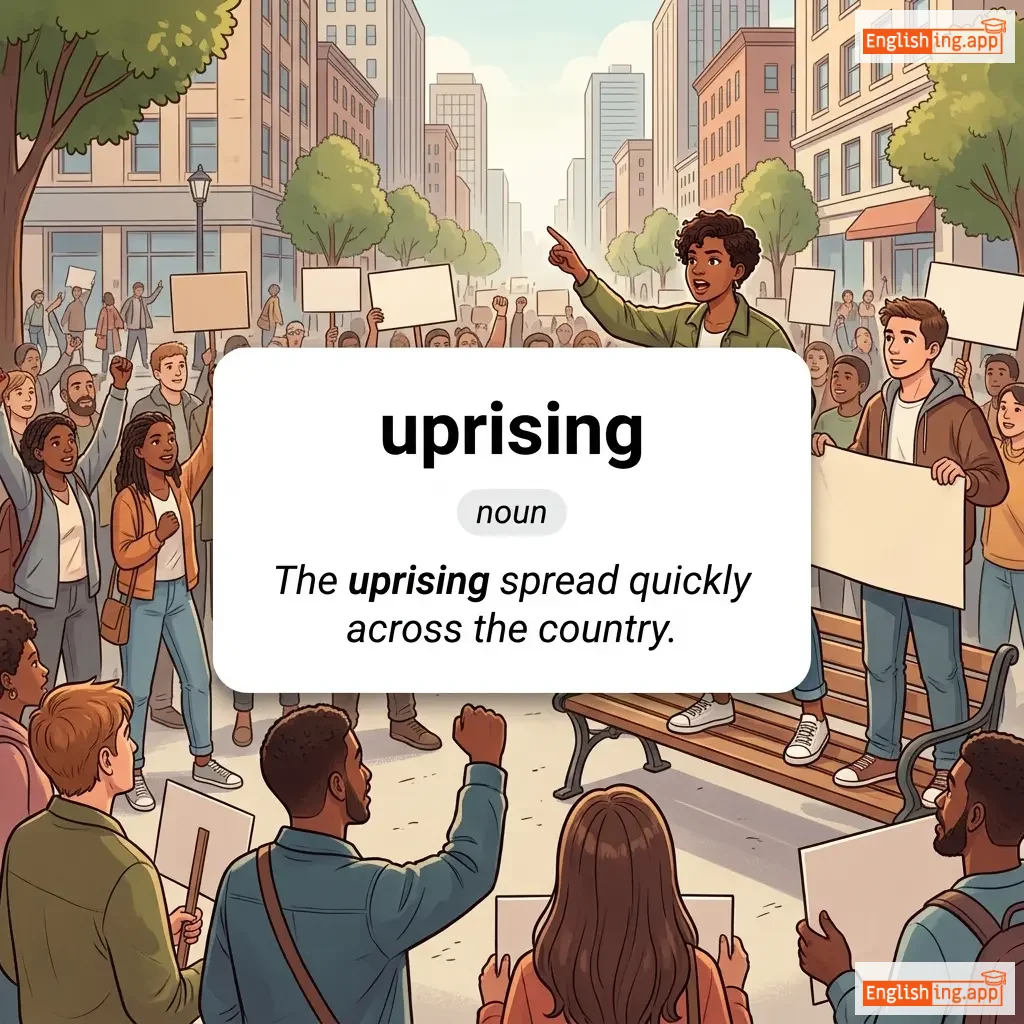
/ˈʌp.raɪ.zɪŋ/
noun
(apurizingu)
••••••
|
|
反乱; 叛乱
hanran, hanran
••••••
|
a violent or armed resistance against an established government or ruler; rebellion
••••••
|
The people organized an uprising against the oppressive regime. |
人々は抑圧的な政権に対する反乱を組織した。
Hitobito wa yokuratsuteki na seiken ni taisuru hanran o soshiki shita.
••••••
|
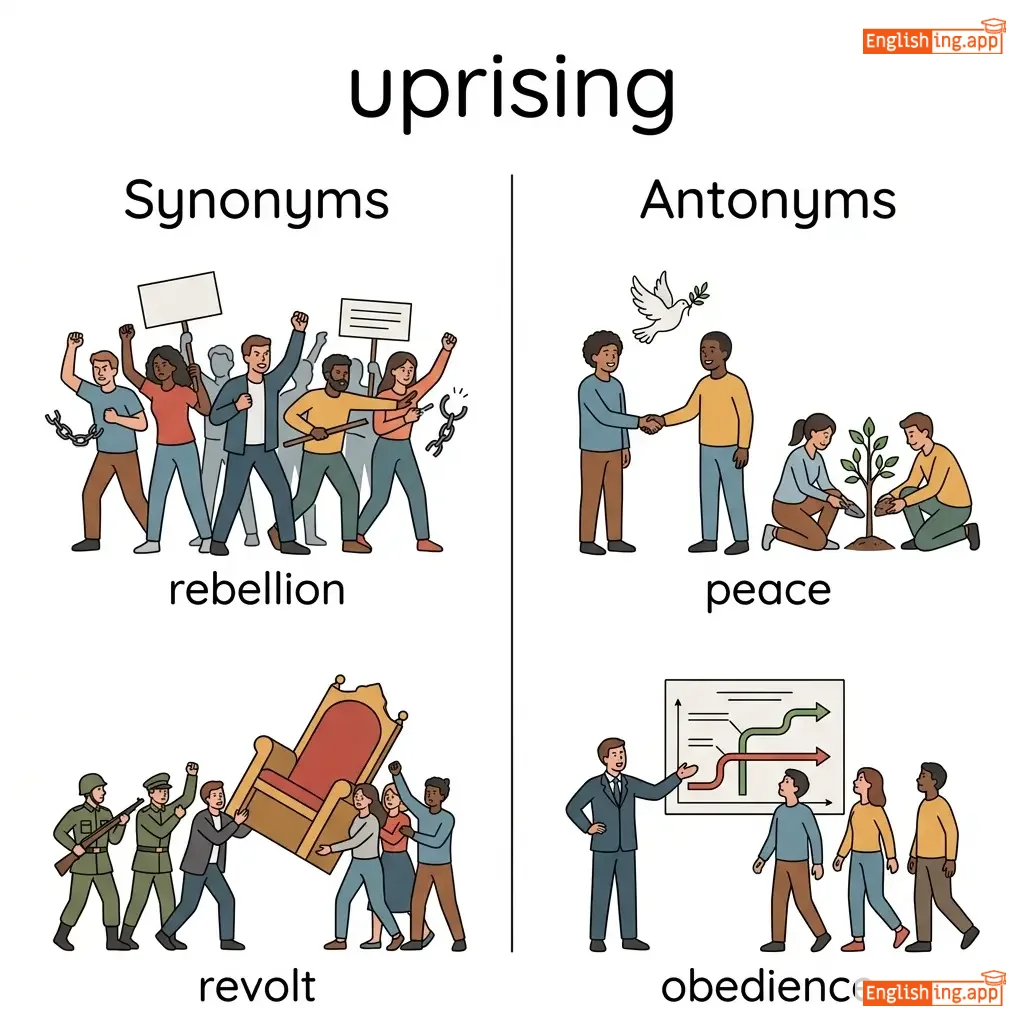
rebellion, revolt, insurrection, revolution
••••••
|
submission, compliance, obedience
••••••
|
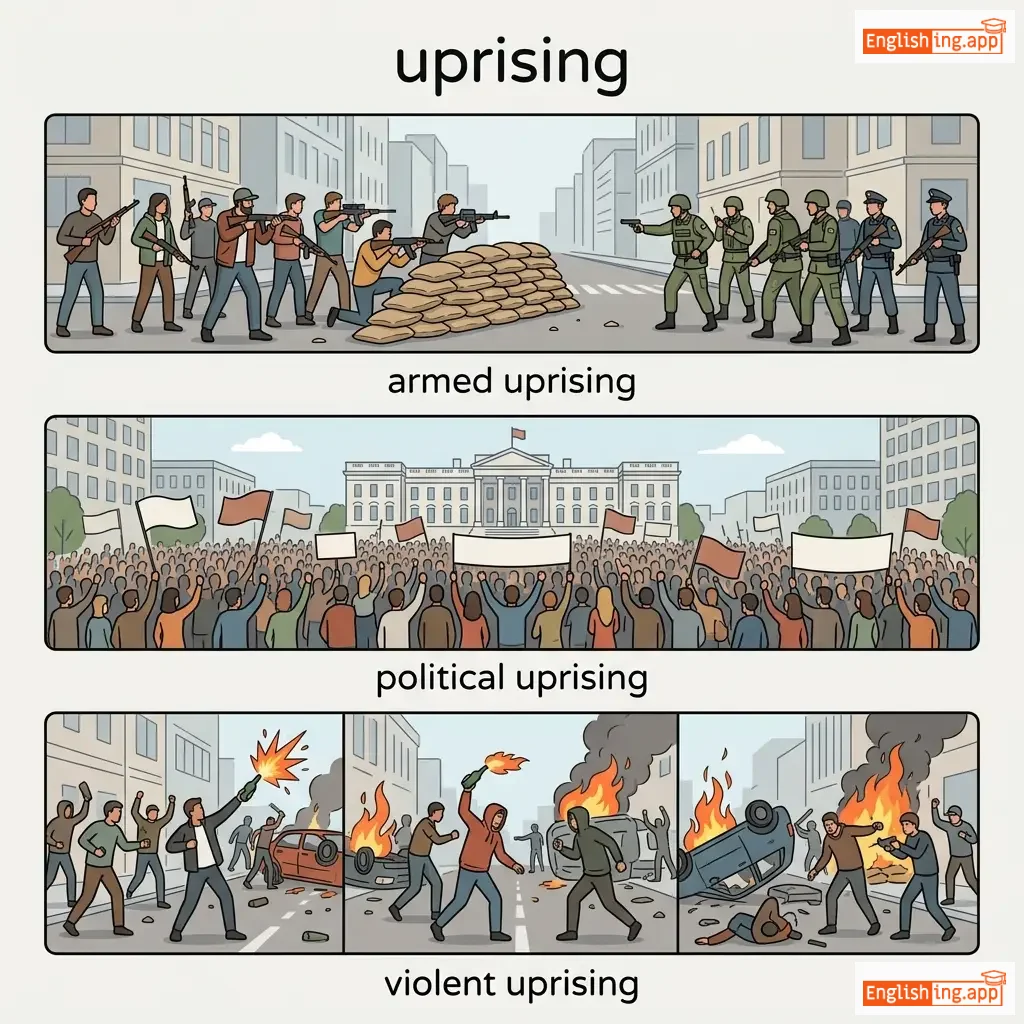
popular uprising, armed uprising, uprising against
••••••
|
'反乱'は日本語での反発の意味で、力強い抵抗を示す。
••••••
|
|
#1445
❓
|
/ʌnˈsɜːrtənti/
noun
(アンセレテンティ)
••••••
|
- •••••• |
不確実性; 疑念または確信の欠如
fukakujitsusei; ginen mata wa kakushin no ketsujo
••••••
|
the state of being uncertain; doubt or lack of sureness
••••••
|
The uncertainty about the weather delayed our trip.
天気についての不確実性が私たちの旅行を遅らせた。
••••••
|
天気についての不確実性が私たちの旅行を遅らせた。
tenki ni tsuite no fukakujitsusei ga watashitachi no ryokou o okuraseta.
••••••
|
doubt, ambiguity, confusion, hesitation
••••••
|
certainty, confidence, assurance, clarity
••••••
|
economic uncertainty, create uncertainty, reduce uncertainty
••••••
|
不確実性、天気みたいに変わりやすい!
••••••
|
|
#1446
📢
|
/ˈʌp.rɔːr/
noun
(アプロアー)
••••••
|
- •••••• |
騒動; 騒ぎ; 騒音
sōdō, sawagi, sōon
••••••
|
a loud and emotional noise or disturbance; public outcry
••••••
|
The announcement caused an uproar among the students.
その発表は学生たちの間で騒動を引き起こしました。
••••••
|
その発表は学生たちの間で騒動を引き起こしました。
Sono happyō wa gakusei-tachi no aida de sōdō o hikiokoshimashita.
••••••
|
commotion, tumult, chaos, disturbance
••••••
|
calm, quiet, peace, silence
••••••
|
cause uproar, public uproar, uproar among
••••••
|
In Japanese, '騒動' (Sōdō) is the same as 'uproar', making loud noise!
••••••
|
|
#1447
😐
|
/ʌnkənˈsɜːrn/
noun
(アンカンサーン)
••••••
|
- •••••• |
無関心
mukanshin
••••••
|
lack of worry or interest; indifference
••••••
|
She showed complete unconcern about the criticism. |
彼女は批評に対して完全に無関心を示しました。
Kanojo wa hihyou ni taishite kanzen ni mukanshin wo shimeshimashita.
••••••
|
indifference, apathy, detachment, nonchalance
••••••
|
concern, worry, interest, anxiety
••••••
|
show unconcern, complete unconcern, apparent unconcern
••••••
|
無関心 (mukanshin) の無は何も気にしないということを覚えよう
••••••
|
|
#1448
🎯
|
/ˈʌp.ʃɒt/
noun
(アップショット)
••••••
|
- •••••• |
結果; 結論
kekka, ketsuron
••••••
|
the final result or outcome of a series of events; conclusion
••••••
|
The upshot of the meeting was a decision to postpone the project.
会議の結果はプロジェクトの延期を決定することでした。
••••••
|
会議の結果はプロジェクトの延期を決定することでした。
Kaigi no kekka wa purojekuto no enki o kettei suru koto deshita.
••••••
|
result, outcome, consequence, conclusion
••••••
|
beginning, cause, origin
••••••
|
upshot of, final upshot, upshot was
••••••
|
会議の結果はアップショットのような決定。
••••••
|
|
#1449
📉
|
/ˌʌnɪmˈplɔɪmənt/
noun
(アンインプラウメント)
••••••
|
- •••••• |
失業
shitsugyō
••••••
|
the state of being unemployed; lack of paid work
••••••
|
The unemployment rate has increased significantly this year. |
今年の失業率は大幅に増加しました。
kotoshi no shitsugyō-ritsu wa ōhaba ni zōka shimashita.
••••••
|
joblessness, idleness, redundancy
••••••
|
employment, work, occupation, job
••••••
|
unemployment rate, unemployment benefits, mass unemployment
••••••
|
失業(しつぎょう)とは働くことがない、まるで風に飛ばされる船のようです。
••••••
|
|
#1450
🔝
|
/ˌʌpˈsteəz/
noun
(apusteāzu)
••••••
|
- •••••• |
上の階
ue no kai
••••••
|
on or to an upper floor of a building; the upper floor or floors
••••••
|
She went upstairs to her bedroom to rest.
彼女は休憩するために自分の寝室に上がった。
••••••
|
彼女は休憩するために自分の寝室に上がった。
Kanojo wa kyuukei suru tame ni jibun no shinshitsu ni agatta.
••••••
|
above, upper floor, overhead
••••••
|
downstairs, below, ground floor
••••••
|
go upstairs, live upstairs, upstairs bedroom
••••••
|
apusteāzu = 上の階
••••••
|
|
#1451
🔄
|
/ˌjuːnɪˈfɔːrməti/
noun
(ユニフォーミティ)
••••••
|
- •••••• |
均一性; 一貫性; 同一状態
kin'itsusei; ikkan-sei; dōichi jōtai
••••••
|
the quality of being uniform; consistency or sameness
••••••
|
The uniformity of the design created a pleasing visual effect. |
デザインの均一性が魅力的な視覚効果を生み出しました。
dezain no kin'itsusei ga miryokuteki na shikaku kōka o umidashimashita.
••••••
|
consistency, regularity, sameness, standardization
••••••
|
variety, diversity, irregularity, inconsistency
••••••
|
maintain uniformity, achieve uniformity, lack uniformity
••••••
|
均一性は、すべてが同じである状態です。
••••••
|
|
#1452
⚡
|
/ˈɜː.dʒən.si/
noun
(アージェンシー)
••••••
|
- •••••• |
緊急性
kinkyū-sei
••••••
|
the quality of requiring immediate action or attention; pressing importance
••••••
|
The urgency of the situation required immediate medical attention. |
その状況の緊急性により、直ちに医療の注意が必要でした。
Sono jōkyō no kinkyū-sei ni yori, tadachi ni iryō no chūi ga hitsuyō deshita
••••••
|
priority, importance, immediacy, pressing need
••••••
|
delay, postponement, leisure
••••••
|
sense of urgency, urgency of situation, extreme urgency
••••••
|
緊急性は即時の行動を意味します
••••••
|
|
#1453
🤲
|
/ˈjuːnjən/
noun
(ユニオン)
••••••
|
- •••••• |
連合
rengo
••••••
|
the action of joining or combining; a political unit formed from separate states
••••••
|
The union of the two companies created a powerful corporation.
二つの企業の連携が強力な企業を作り出しました。
••••••
|
二つの企業の連携が強力な企業を作り出しました。
Futatsu no kigyō no rengō ga kyōryokuna kigyō o tsukuridashimashita.
••••••
|
alliance, merger, combination, federation
••••••
|
separation, division, dissolution, split
••••••
|
trade union, labor union, form a union
••••••
|
連合は、複数の部分が一緒に集まって強力なものを作り出すことです。
••••••
|
|
#1454
📖
|
/ˈjuː.sɪdʒ/
noun
(ユーセージ)
••••••
|
- •••••• |
使用
shiyou
••••••
|
the action of using something; the way in which words are used in a language
••••••
|
The dictionary explains the correct usage of difficult words.
辞書は難しい言葉の正しい使い方を説明しています。
••••••
|
辞書は難しい言葉の正しい使い方を説明しています。
Jisho wa muzukashii kotoba no tadashii tsukaikata wo setsumei shiteimasu.
••••••
|
use, application, employment, utilization
••••••
|
disuse, neglect, abandonment
••••••
|
correct usage, common usage, word usage
••••••
|
使用 = 使用 (Japanese 'shiyou' sounds similar to English 'usage')
••••••
|
|
#1455
🔗
|
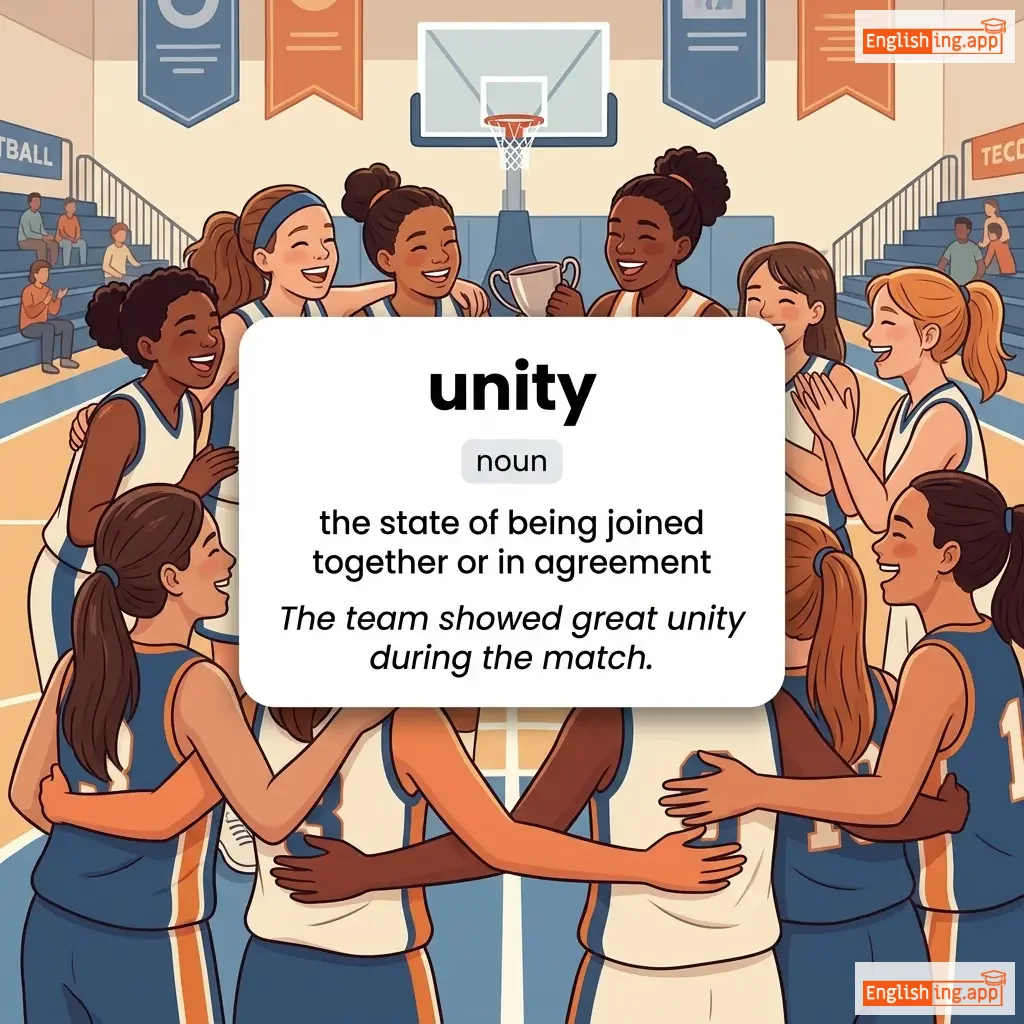
/ˈjuːnəti/
noun
(ユニティ)
••••••
|
|
団結
danketsu
••••••
|
the state of being united or joined as a whole; harmony
••••••
|
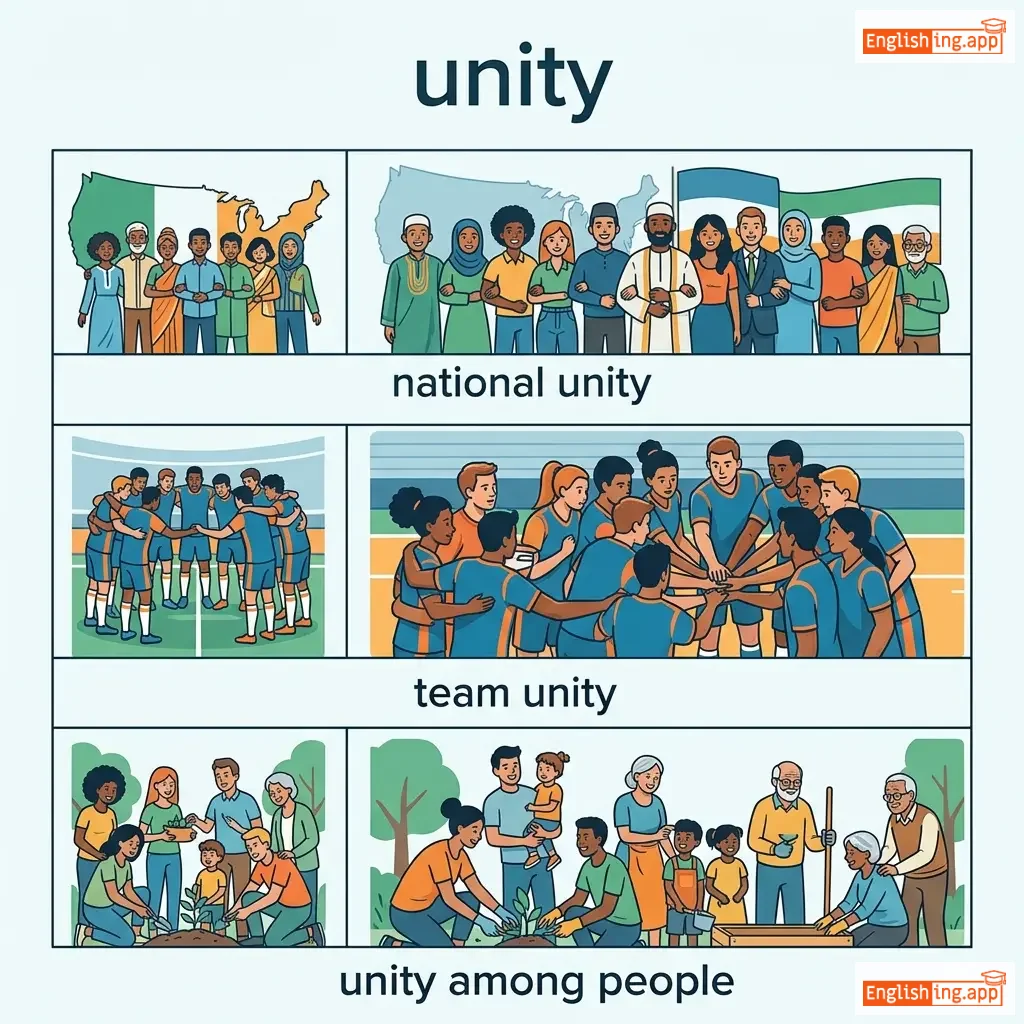
The team's unity helped them win the championship. |
チームの団結が彼らにチャンピオンシップを勝ち取らせました。
chīmu no danketsu ga karera ni chanpionshipu o kachitorasemashita.
••••••
|
harmony, solidarity, cohesion, togetherness
••••••
|
division, discord, disunity, fragmentation
••••••
|
national unity, achieve unity, promote unity
••••••
|
団結 in Japanese means unity, similar to 'Unity' in English, both show togetherness.
••••••
|
|
#1456
🔧
|
/ˈjuːs.fəl.nəs/
noun
(yūsufulunesu)
••••••
|
- •••••• |
有用性
yūyōsei
••••••
|
the quality of being useful; practical value or helpfulness
••••••
|
The usefulness of this tool became apparent during the project. |
このツールの有用性はプロジェクト中に明らかになりました。
Kono tsūru no yūyōsei wa purojekuto chū ni akiraka ni narimashita.
••••••
|
utility, value, benefit, practicality
••••••
|
uselessness, worthlessness, futility
••••••
|
practical usefulness, usefulness of tool, question usefulness
••••••
|
有用性 = 有用 + 性 (meaning state of being useful)
••••••
|
|
#1457
🌌
|
/ˈjuːnɪvɜːrs/
noun
(ユニバース)
••••••
|
- •••••• |
宇宙
uchuu
••••••
|
all existing matter and space; the cosmos
••••••
|
Scientists study the universe to understand its mysteries.
科学者たちは宇宙の謎を解明するために研究しています。
••••••
|
科学者たちは宇宙の謎を解明するために研究しています。
Kagakusha-tachi wa uchuu no nazo o kaimei suru tame ni kenkyū shiteimasu.
••••••
|
cosmos, space, creation, existence
••••••
|
nothingness, void, emptiness
••••••
|
expanding universe, observable universe, parallel universe
••••••
|
宇宙は無限で神秘的
••••••
|
|
#1458
⚙️
|
/juːˈtɪl.ə.ti/
noun
(yutiliti)
••••••
|
- •••••• |
効用; 利益; 公共サービス
kouyou, rieki, koukyou saabisu
••••••
|
the state of being useful, profitable, or beneficial; a public service
••••••
|
The utility of solar panels increases with rising electricity costs. |
電気料金の上昇とともに、太陽光パネルの効用が増加しています。
Denki ryoukin no joushou to tomo ni, taiyoukou paneru no kouyou ga zouka shiteimasu
••••••
|
usefulness, practicality, benefit, service
••••••
|
uselessness, impracticality, disadvantage
••••••
|
public utility, utility company, utility bill
••••••
|
Utility = 効用 (効 + 用)
••••••
|
|
#1459
⚡
|
/ʌnˈrest/
noun
(アンレスト)
••••••
|
- •••••• |
不安; 動乱; 社会的または政治的混乱
fuan; douran; shakaiteki matawa seijiteki konran
••••••
|
a state of dissatisfaction and disturbance; social or political disorder
••••••
|
The economic crisis led to widespread social unrest. |
経済危機は広範な社会的不安を引き起こしました。
Keizai kiki wa kouhan na shakaiteki fuan o hikiokoshimashita.
••••••
|
disorder, turmoil, agitation, disturbance
••••••
|
peace, calm, tranquility, order
••••••
|
social unrest, civil unrest, political unrest
••••••
|
Unrest の 'rest' は '安' という字で安定感を壊す。
••••••
|
|
#1460
🏢
|
/ˈveɪ.kən.si/
noun
(ベイカンシー)
••••••
|
- •••••• |
空席; 空きポジションまたは部屋
kūseki, aki pojishon matawa heya
••••••
|
an unoccupied position or job; an empty space or room
••••••
|
There is a vacancy for a software engineer in our company.
私たちの会社にはソフトウェアエンジニアの空席があります。
••••••
|
私たちの会社にはソフトウェアエンジニアの空席があります。
Watashitachi no kaisha ni wa sofutowea enjinia no kūseki ga arimasu.
••••••
|
opening, position, emptiness, void
••••••
|
occupation, fullness, employment
••••••
|
job vacancy, vacancy rate, fill vacancy
••••••
|
Vacancy – Imagine a vacant desk waiting for the right person.
••••••
|
Vocabulary Quiz
Test your vocabulary by matching words with their translations or meanings.
Login to take the quiz
Comments (0)
Share your thoughts and join the discussion.
Join the discussion by logging in
Login to CommentNo comments yet
Be the first to share your thoughts!