

翻訳
過去
過去分詞
三人称単数
動名詞
意味
例文
例文の翻訳
同義語
対義語
コロケーション
ニーモニック

Swipe left or right, or use the buttons. Tap image to zoom.
例文の翻訳
単語
Lesson 30Lesson 30 - マスクトグル
|
絵文字
|
単語 | Images | 翻訳 | 意味 | 例文 | 例文の翻訳 | 同義語 | 対義語 | コロケーション | ニーモニック |
|---|---|---|---|---|---|---|---|---|---|---|
|
#581
⚓
|
/ˈhelmz.mən/
noun
(ヘルムズマン)
••••••
|
- •••••• |
舵手; キャプテン
dōshu; kyaputen
••••••
|
a person who steers a ship or boat; the person at the helm of a vessel
••••••
|
The experienced helmsman skillfully guided the yacht through the narrow channel during the storm. |
経験豊富な舵手は、嵐の中で狭い水路をヨットで巧みに導きました。
Keiken hōfu na dōshu wa, arashi no naka de semai suiro o yotto de takumi ni michibikimashita.
••••••
|
navigator, pilot, steersman, captain
••••••
|
passenger, crew member, landlubber, novice
••••••
|
experienced helmsman, skilled helmsman, ship's helmsman
••••••
|
No •••••• |
|
#582
🐝
|
/haɪv/
noun
(haivu)
••••••
|
- •••••• |
ハチの巣; 活動で満ちた場所
hachi no su; katsudou de michita basho
••••••
|
a structure in which bees live and produce honey; a place full of busy activity
••••••
|
The garden was buzzing with activity as bees flew back and forth from their hive. |
庭はミツバチがハチの巣から行ったり来たりして活動でにぎわっていた。
Niwa wa mitsubachi ga hachi no su kara itta ri kita ri shite katsudou de nigiwatte ita.
••••••
|
beehive, nest, colony, swarm
••••••
|
emptiness, solitude, inactivity, stillness
••••••
|
bee hive, hive of activity, busy hive
••••••
|
ミツバチが飛び交うハチの巣周辺の庭を想像し、その忙しい活動を感じてください。
••••••
|
|
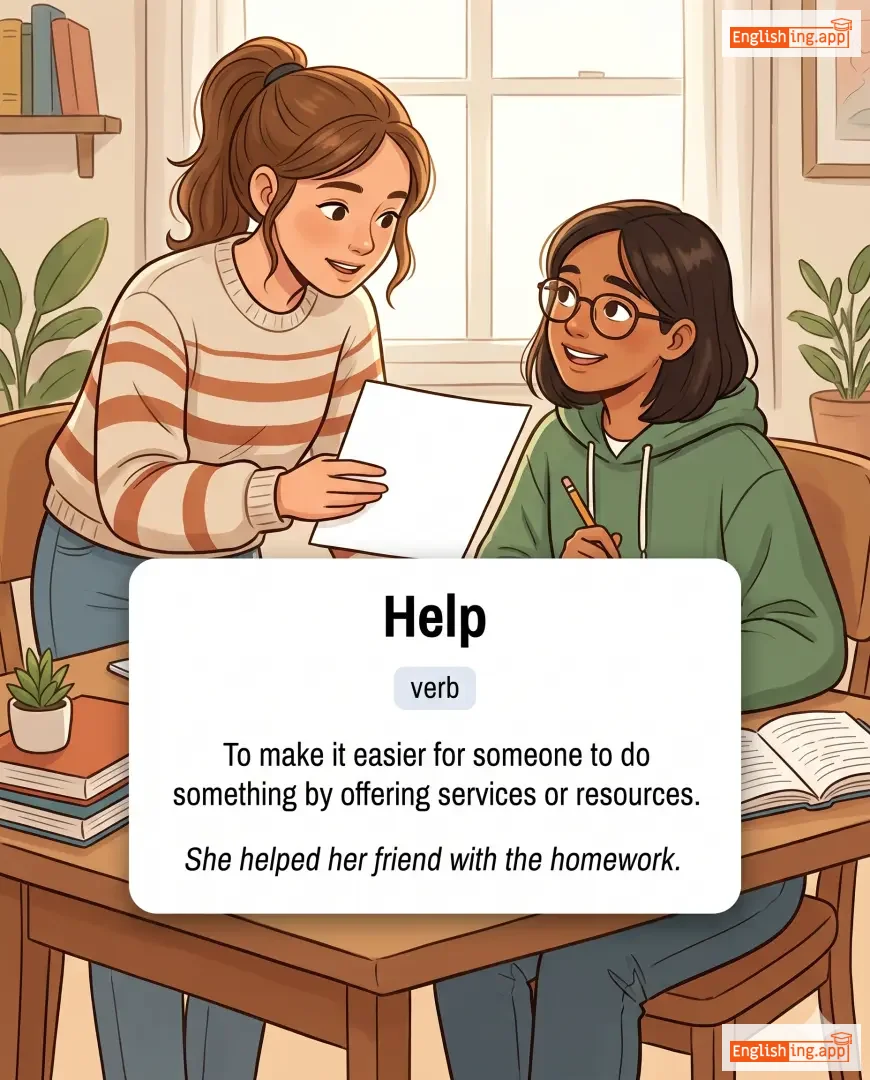
#583
🆘
|
/help/
noun
(ヘルプ)
••••••
|
|
助け; 支援
tasuke, shien
••••••
|
the action of helping someone to do something; assistance or support
••••••
|
The volunteer offered his help to carry the elderly woman's groceries to her car. |
ボランティアは高齢女性の買い物を車に運ぶために助けを提供しました。
Borantia wa koureijosei no kaimono o kuruma ni hakobu tame ni tasuke o teikyou shimashita.
••••••
|
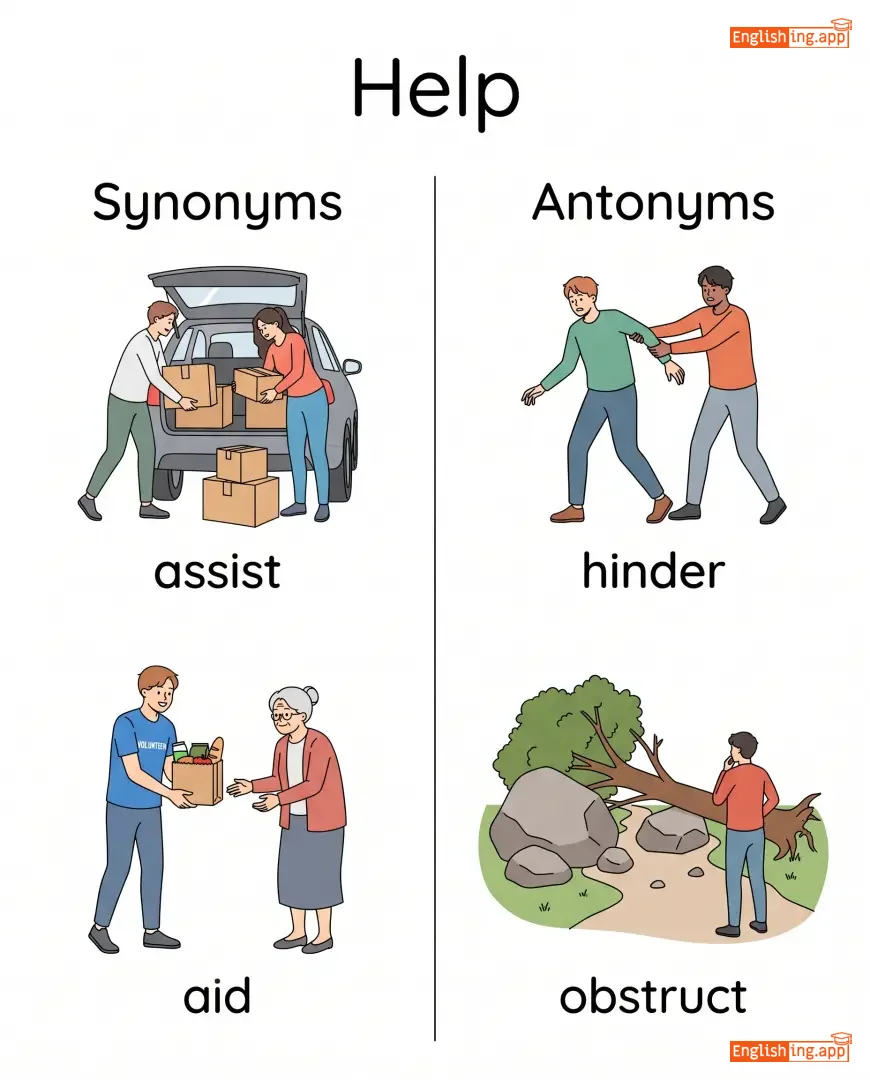
assistance, aid, support, service
••••••
|
hindrance, obstruction, harm, interference
••••••
|
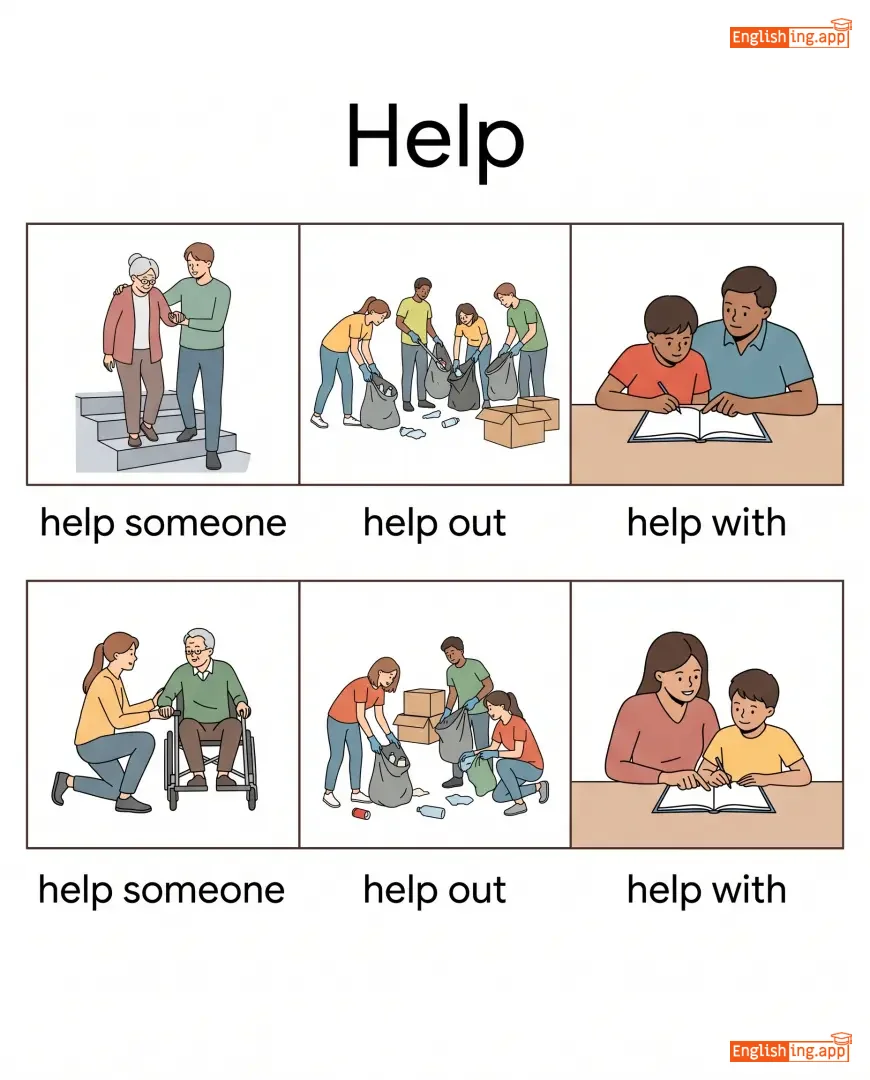
ask for help, offer help, need help
••••••
|
Help = 助け (Tasuke), 困っている人にはすぐに助けを提供しようと思い出して。
••••••
|
|
#584
🎭
|
/hoʊks/
noun
(hōkusu)
••••••
|
- •••••• |
いたずら; だまし; ハッタリ
itazura, damashi, hattari
••••••
|
a humorous or malicious deception; something intended to trick or deceive people
••••••
|
The news about aliens landing turned out to be an elaborate hoax created by pranksters.
エイリアンの着陸に関するニュースは、いたずら好きな人たちによって作られた精巧なジョークだったことが判明した。
••••••
|
エイリアンの着陸に関するニュースは、いたずら好きな人たちによって作られた精巧なジョークだったことが判明した。
Eirian no chakuriku ni kansuru nyuusu wa, itazura suki na hito-tachi ni yotte tsukurareta seikou na jooku datta koto ga hanmei shita.
••••••
|
deception, fraud, trick, scam
••••••
|
truth, fact, reality, authenticity
••••••
|
elaborate hoax, internet hoax, hoax call
••••••
|
A hoax is a fake news or trick.
••••••
|
|
#585
🌿
|
/ˈhen.ə/
noun
(ヘンナ)
••••••
|
- •••••• |
ヘンナ
henna
••••••
|
a reddish-brown dye made from the powdered leaves of a tropical shrub, used to color hair and decorate skin
••••••
|
The bride's hands were beautifully decorated with intricate henna patterns for her wedding ceremony.
花嫁の手は、彼女の結婚式のために精巧なヘンナの模様で美しく飾られていました。
••••••
|
花嫁の手は、彼女の結婚式のために精巧なヘンナの模様で美しく飾られていました。
Hanayome no te wa, kanojo no kekkonshiki no tame ni seikou na henna no moyou de utsukushiku kazarareteimashita.
••••••
|
mehndi, natural dye, temporary tattoo, body art
••••••
|
permanent ink, chemical dye, synthetic color, artificial pigment
••••••
|
henna tattoo, henna design, henna paste
••••••
|
ヘンナは結婚式などの特別なイベントで手や足に装飾として使われ、インドや中東の文化でよく見られます。
••••••
|
|
#586
🎨
|
/ˈhɑː.bi/
noun
(ホビー)
••••••
|
- •••••• |
趣味; お楽しみ; 遊び
shumi, o-tanoshimi, asobi
••••••
|
an activity done regularly in one's leisure time for pleasure; a pastime or recreation
••••••
|
Photography became her favorite hobby after she received a camera for her birthday. |
写真は彼女のお気に入りの趣味になりました、彼女の誕生日にカメラをもらった後で。
Shashin wa kanojo no okiniiri no shumi ni narimashita, kanojo no tanjōbi ni kamera o moratta ato de.
••••••
|
pastime, interest, pursuit, recreation
••••••
|
work, job, profession, obligation
••••••
|
favorite hobby, hobby horse, pursue hobby
••••••
|
趣味は楽しみを与える活動、写真のように
••••••
|
|
#587
🏛️
|
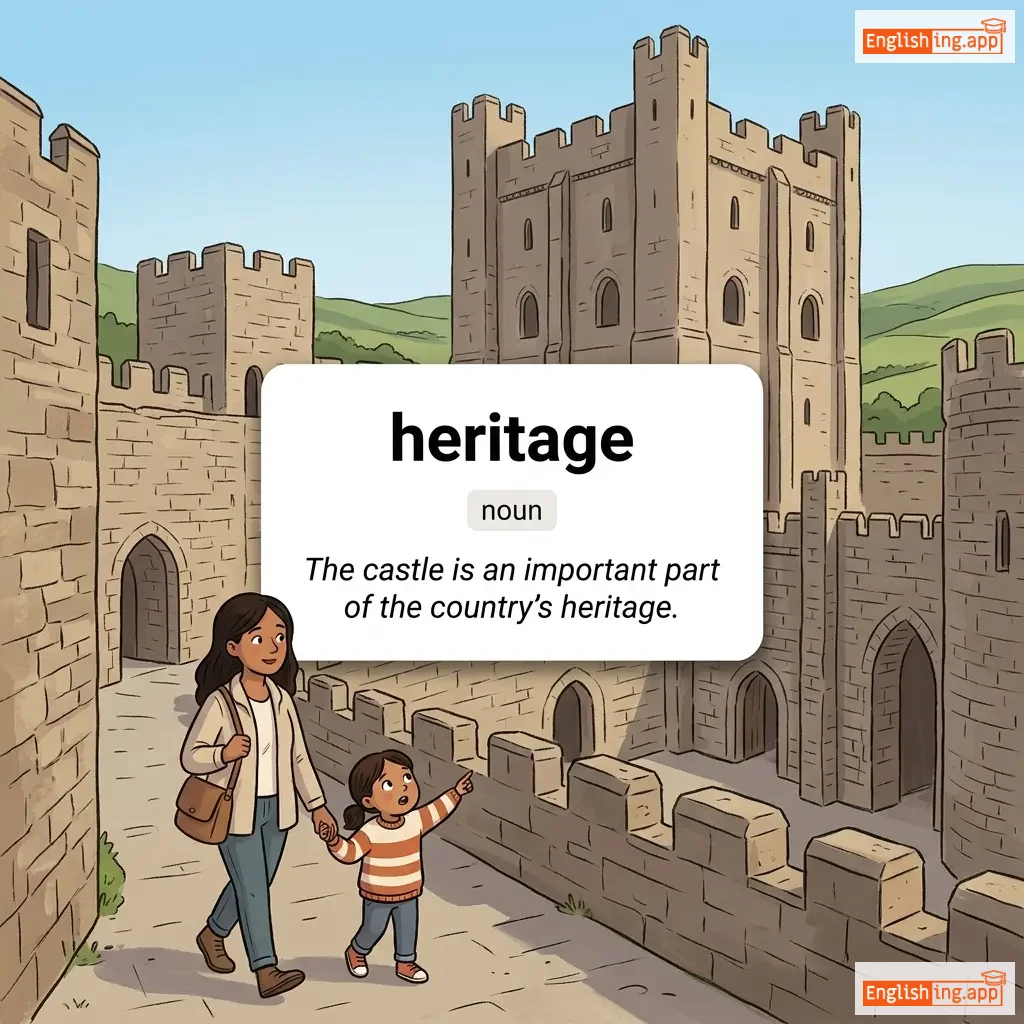
/ˈher.ɪ.tɪdʒ/
noun
(ヘリテージ)
••••••
|
|
遺産
isan
••••••
|
features belonging to the culture of a particular society that are passed down from previous generations
••••••
|
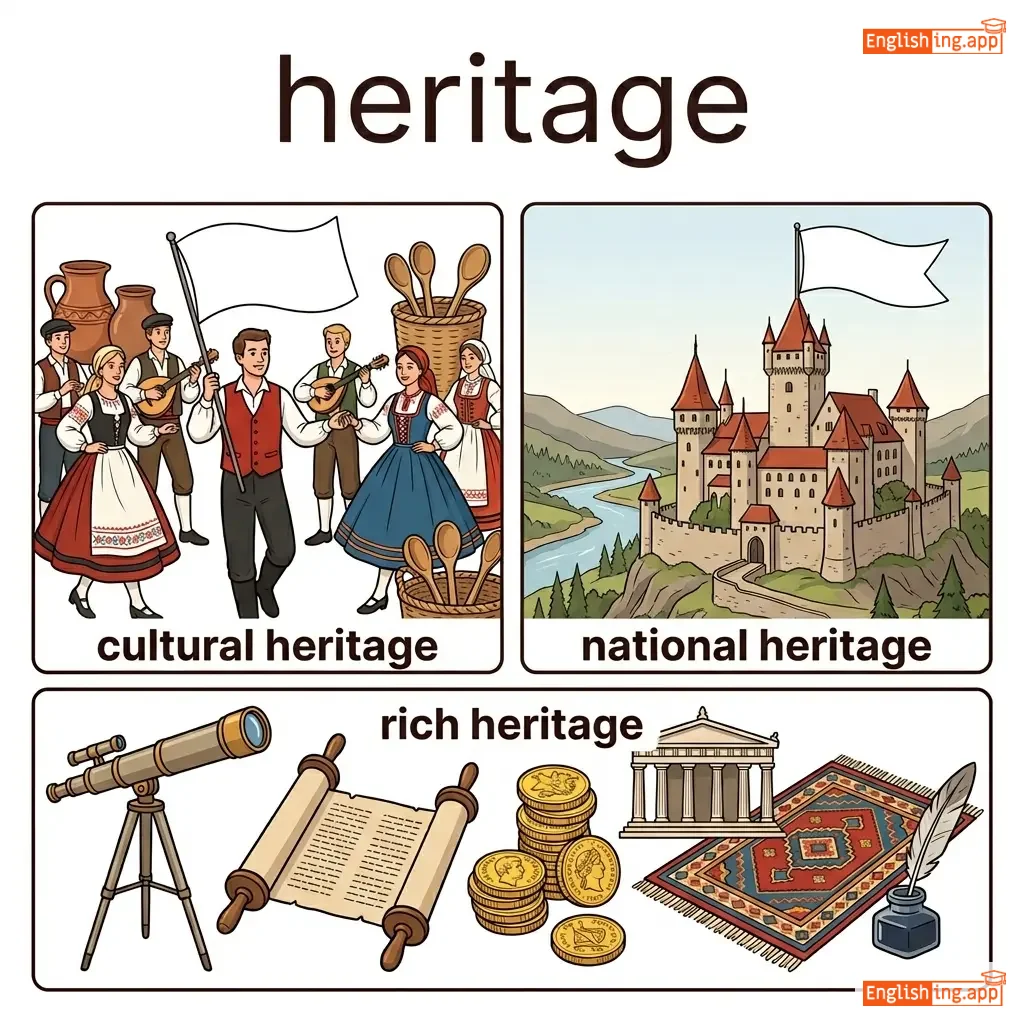
The ancient castle is an important part of the country's cultural heritage and attracts many tourists.
古代の城はその国の文化遺産の重要な部分であり、多くの観光客を魅了しています。
••••••
|
古代の城はその国の文化遺産の重要な部分であり、多くの観光客を魅了しています。
Kodai no shiro wa sono kuni no bunka isan no juuyou na bubun de ari, ooku no kankoukyaku o miryō shiteimasu.
••••••
|
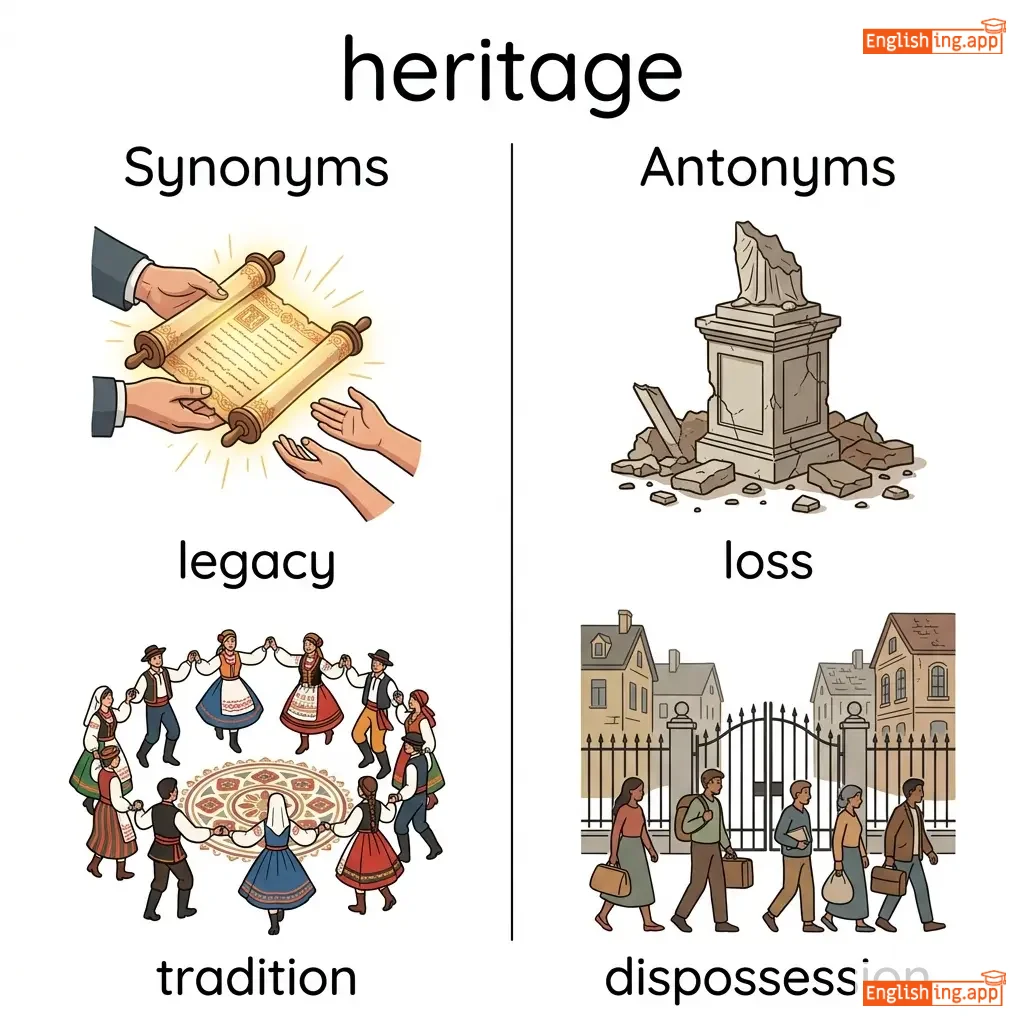
tradition, legacy, inheritance, culture
••••••
|
innovation, modernity, novelty, break from tradition
••••••
|
cultural heritage, world heritage, heritage site
••••••
|
遺産 (isan) - 思い出を大切にすることが文化遺産として受け継がれる。
••••••
|
|
#588
🕳️
|
/hoʊl/
noun
(hōru)
••••••
|
- •••••• |
穴; 穴ぼこ;
ana, anaboko
••••••
|
a hollow place in a solid body or surface; an opening through something
••••••
|
The dog dug a deep hole in the backyard to bury its favorite bone. |
犬は裏庭に深い穴を掘って、お気に入りの骨を埋めました。
Inu wa uraniwa ni fukai ana o hotte, okiniiri no hone o umemashita.
••••••
|
opening, cavity, gap, pit
••••••
|
solid, bump, protrusion, surface
••••••
|
deep hole, hole in the wall, make hole
••••••
|
穴は犬が庭で掘る穴です。
••••••
|
|
#589
🏕️
|
/ˈhɜː.mɪt/
noun
(ハーミット)
••••••
|
- •••••• |
宗教的な修行として孤独に生きる人;社会から退く人
shūkyō-teki na shūgyō toshite kodoku ni ikiru hito; shakai kara shirizoku hito
••••••
|
a person living in solitude as a religious discipline; someone who withdraws from society
••••••
|
The old hermit lived alone in a small cabin deep in the mountains, away from civilization. |
その老いたハーミットは文明から遠く離れた山の中の小さな小屋で一人で暮らしていた。
Sono oita hāmitto wa bunmei kara tōku hanareta yama no naka no chiisana koya de hitori de kurashite ita.
••••••
|
recluse, ascetic, solitary, loner
••••••
|
socialite, extrovert, community person, gregarious person
••••••
|
mountain hermit, religious hermit, old hermit
••••••
|
ハーミットは孤独に生きる人で、修行のために孤立している。
••••••
|
|
#590
🙏
|
/ˈhɑː.mɪdʒ/
noun
(ホマージ)
••••••
|
- •••••• |
敬意; 尊敬; 追悼
keii, sonkei, tsuitou
••••••
|
special honor or respect shown publicly; tribute paid to someone in recognition of their merit
••••••
|
The memorial service was a touching homage to the brave soldiers who sacrificed their lives. |
追悼式は、命を捧げた勇敢な兵士たちへの感動的な敬意でした。
Tsuitoushiki wa, inochi wo sasageta yuukan na heishi-tachi e no kandouteki na keii deshita.
••••••
|
tribute, honor, respect, reverence
••••••
|
disrespect, dishonor, insult, contempt
••••••
|
pay homage, homage to heroes, touching homage
••••••
|
敬意は尊敬の表現、英雄たちを覚えること
••••••
|
|
#591
🤔
|
/ˌhez.ɪˈteɪ.ʃən/
noun
(ヘジテーション)
••••••
|
- •••••• |
ためらい; 躊躇
tamerai, chuucho
••••••
|
the action of pausing or delaying; uncertainty or unwillingness to act
••••••
|
After a moment of hesitation, she decided to accept the challenging job offer from the company.
一瞬のためらいの後、彼女は会社からの挑戦的な仕事のオファーを受け入れることに決めました。
••••••
|
一瞬のためらいの後、彼女は会社からの挑戦的な仕事のオファーを受け入れることに決めました。
isshun no tamerai no ato, kanojo wa kaisha kara no chousenteki na shigoto no ofa wo ukeireru koto ni kimemashita.
••••••
|
doubt, uncertainty, pause, indecision
••••••
|
certainty, confidence, decisiveness, determination
••••••
|
without hesitation, moment of hesitation, show hesitation
••••••
|
Hesitation – ためらい: 決める前に少し考える瞬間
••••••
|
|
#592
😢
|
/ˈhoʊm.sɪk/
adjective
(ホームシック)
••••••
|
- •••••• |
ホームシック; 家が恋しい
hōmushikku; ie ga koishii
••••••
|
experiencing a longing for one's home during a period of absence from it; missing home
••••••
|
After three months studying abroad, Maria felt increasingly homesick for her family.
海外での勉強が3ヶ月終わり、マリアは家族が恋しくなった。
••••••
|
海外での勉強が3ヶ月終わり、マリアは家族が恋しくなった。
Kaigai de no benkyō ga 3 kagetsu owari, Maria wa kazoku ga koishiku natta.
••••••
|
nostalgic, longing, yearning, missing home
••••••
|
content, settled, comfortable, at home
••••••
|
feel homesick, homesick student, getting homesick
••••••
|
In Japanese, 'ホームシック' (hōmushikku) is borrowed directly from English to describe homesickness.
••••••
|
|
#593
🌟
|
/ˈheɪ.deɪ/
noun
(ヘイ デイ)
••••••
|
- •••••• |
絶頂期; 黄金時代; ピーク時
zetchouki; ougon jidai; piiku ji
••••••
|
the period of a person's or thing's greatest success, popularity, or vigor; prime time
••••••
|
During her heyday as a singer, she performed in sold-out concerts around the world. |
歌手としての絶頂期に、彼女は世界中で完売したコンサートに出演していました。
Kashu to shite no zetchouki ni, kanojo wa sekaijuu de kanbai shita konsaato ni shutsuen shite imashita.
••••••
|
prime, golden age, peak, zenith
••••••
|
decline, downfall, nadir, low point
••••••
|
in heyday, heyday of success, past heyday
••••••
|
絶頂期、つまり'hey day'、全てがうまくいく時。
••••••
|
|
#594
⚖️
|
/ˈhɑː.mɪ.saɪd/
noun
(ホミサイド)
••••••
|
- •••••• |
殺人
satsujin
••••••
|
the deliberate and unlawful killing of one person by another; murder
••••••
|
The detective was assigned to investigate the homicide that occurred downtown last night. |
探偵は昨晩市内で発生した殺人事件の調査を担当しました。
Tantei wa sakuban shinai de hassei shita satsujin jiken no chousa o tantou shimashita.
••••••
|
murder, killing, manslaughter, assassination
••••••
|
protection, preservation, life-saving, rescue
••••••
|
homicide investigation, homicide detective, commit homicide
••••••
|
No •••••• |
|
#595
👑
|
/ˈhaɪ.nəs/
noun
(ハイネス)
••••••
|
- •••••• |
高貴さ; 王室のタイトル
koukisa, oushitsu no taitoru
••••••
|
a title given to a person of royal rank; the quality or state of being high or elevated
••••••
|
Your Highness, the royal carriage is ready to take you to the state banquet this evening. |
殿下、王室の車は今晩の国宴にあなたをお連れする準備ができています。
Denka, oushitsu no kuruma wa konban no kokuen ni anata o otsuresuru junbi ga dekiteimasu.
••••••
|
majesty, excellence, nobility, royalty
••••••
|
lowliness, commoner status, humbleness, ordinary rank
••••••
|
Your Highness, Royal Highness, address Highness
••••••
|
高貴さ = 王室のタイトル + 高さ
••••••
|
|
#596
⛪
|
/ˈhɑː.mə.li/
noun
(ホミリー)
••••••
|
|
説教; 道徳的な退屈な講義
sekkyou; doutokuteki na taikutsuna kougi
••••••
|
a religious discourse delivered as part of a church service; a tedious moralizing lecture
••••••
|
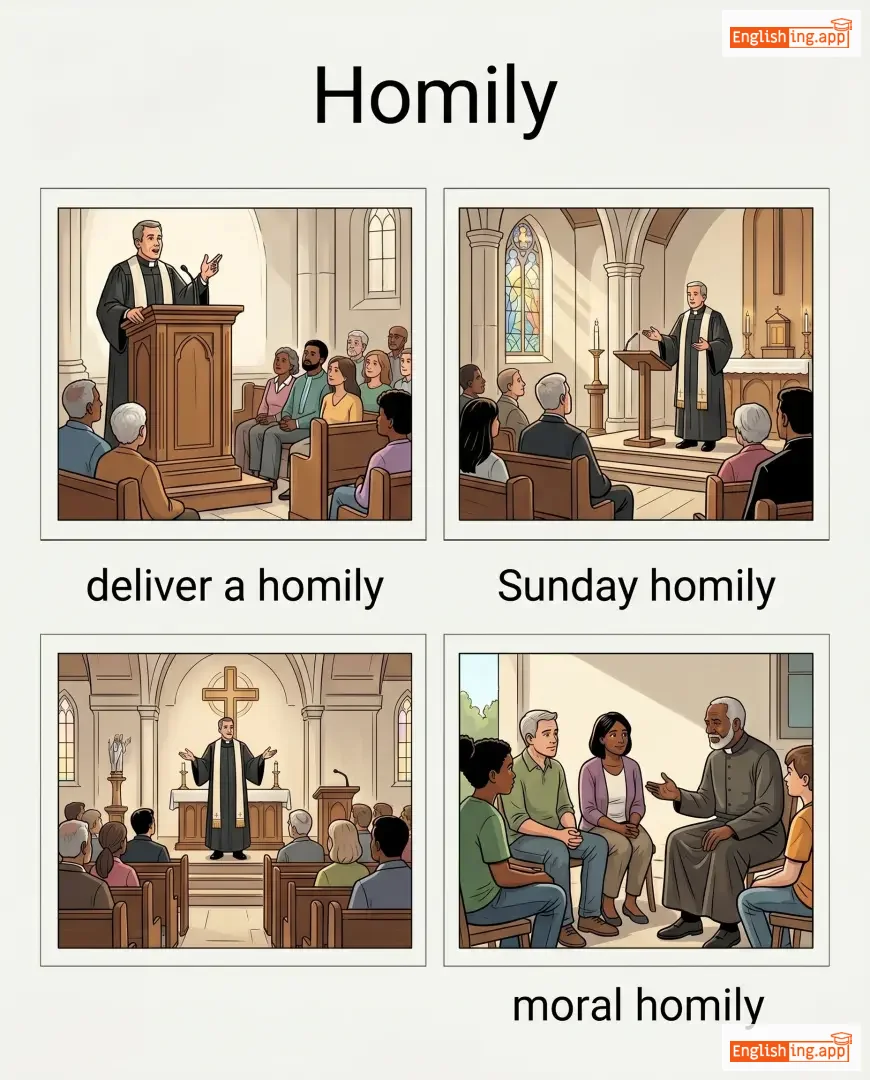
The priest delivered an inspiring homily about compassion and forgiveness during Sunday service. |
牧師は日曜日の礼拝中に思いやりと許しについての感動的な説教を行いました。
Bokushi wa nichiyoubi no reihai-chuu ni omoiyari to yurushi ni tsuite no kandou-teki na sekkyou o okonaimashita.
••••••
|
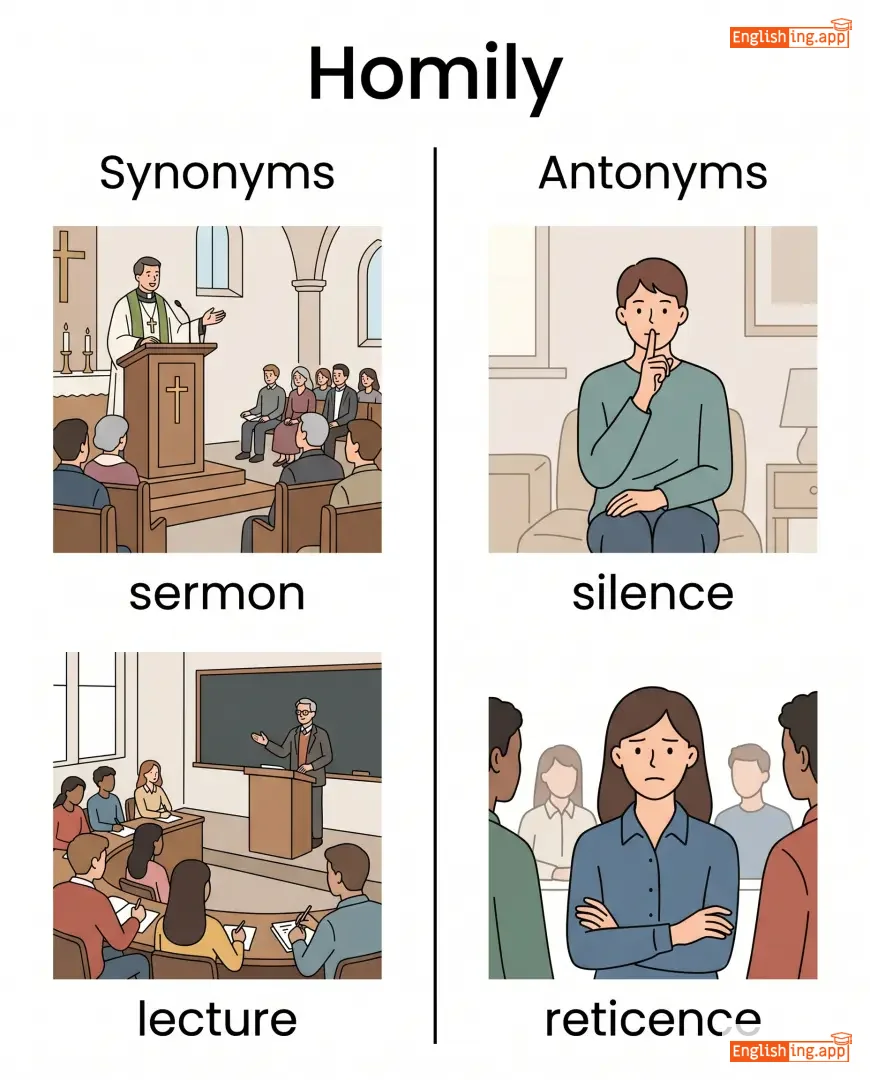
sermon, lecture, discourse, preaching
••••••
|
silence, quiet, wordlessness, muteness
••••••
|
Sunday homily, inspiring homily, deliver homily
••••••
|
ホミリー = 家の説教、人生の教訓。
••••••
|
|
#597
🏔️
|
/hɪl/
noun
(ヒル)
••••••
|
- •••••• |
小高い丘; 小山
kogata oka, koyama
••••••
|
a naturally raised area of land, not as high or craggy as a mountain
••••••
|
The children enjoyed rolling down the grassy hill behind their house during summer vacation. |
子供たちは夏休みに家の裏の草むらの丘を転がるのが好きでした。
Kodomotachi wa natsu yasumi ni ie no ura no kusamura no oka o korogaru no ga suki deshita.
••••••
|
mound, elevation, rise, slope
••••••
|
valley, depression, hollow, plain
••••••
|
rolling hills, steep hill, grassy hill
••••••
|
ヒル (Hill) は、山ほど高くないけれども楽しい場所だよ!
••••••
|
|
#598
😱
|
/ˈhɔːr.ər/
noun
(ホラー)
••••••
|
- •••••• |
ホラー; 恐怖; 嫌悪
horā, kyōfu, ken'o
••••••
|
an intense feeling of fear, shock, or disgust; something that causes such feelings
••••••
|
The survivors described the horror of the earthquake that destroyed their entire village.
生存者は、村全体を破壊した地震の恐怖を描写しました。
••••••
|
生存者は、村全体を破壊した地震の恐怖を描写しました。
Seizonsha wa, mura zentai o hakai shita jishin no kyōfu o byōsha shimashita.
••••••
|
terror, fear, dread, nightmare
••••••
|
delight, pleasure, joy, comfort
••••••
|
horror movie, horror story, in horror
••••••
|
ホラーは恐怖の最高潮、恐ろしい出来事の象徴です。
••••••
|
|
#599
🚧
|
/ˈhɪn.drəns/
noun
(ヒンドレンス)
••••••
|
|
障害; 妨げ;
shougai, samatage
••••••
|
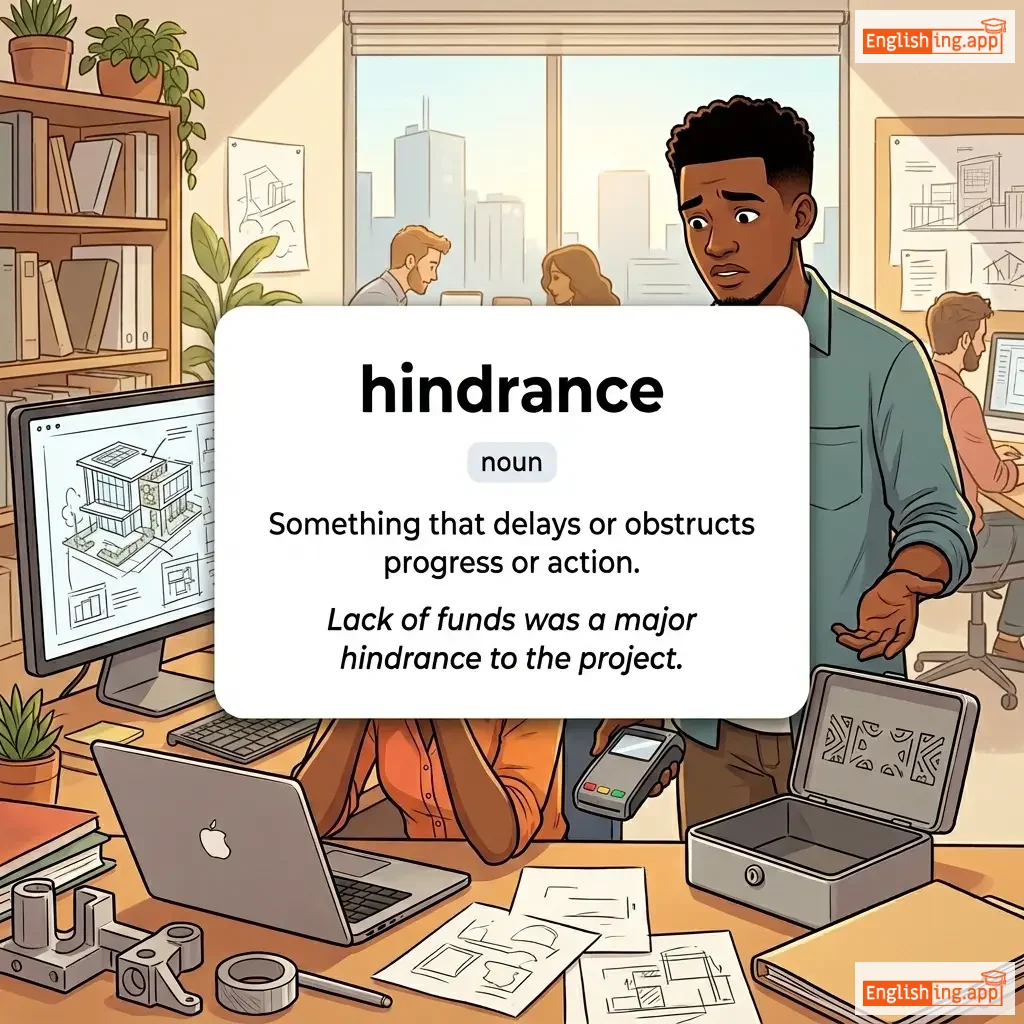
a thing that provides resistance, delay, or obstruction to something or someone
••••••
|
The heavy rain proved to be a major hindrance to the outdoor wedding ceremony. |
大雨は屋外での結婚式の重大な障害となった。
Ooi ame wa okugai de no kekkonshiki no juudaina shougai to natta.
••••••
|
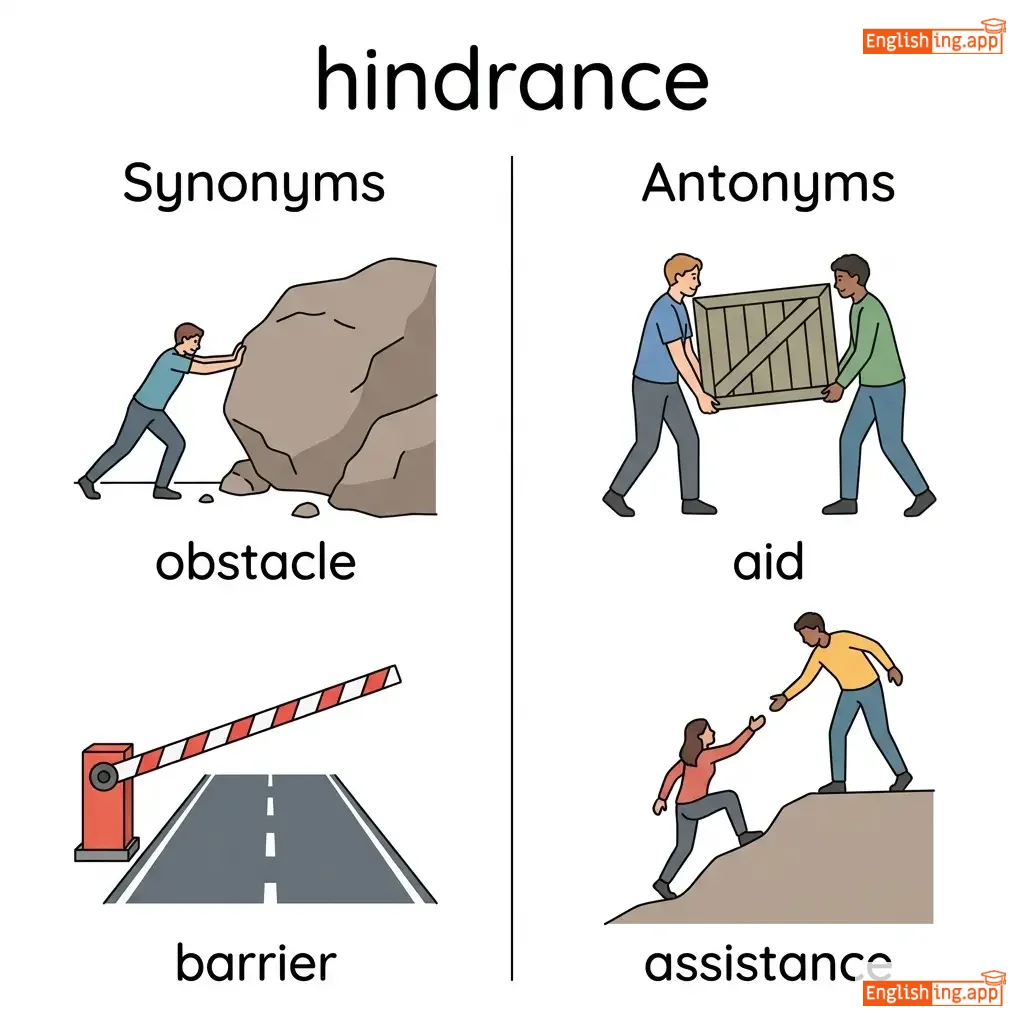
obstacle, barrier, impediment, obstruction
••••••
|
help, assistance, facilitation, support
••••••
|
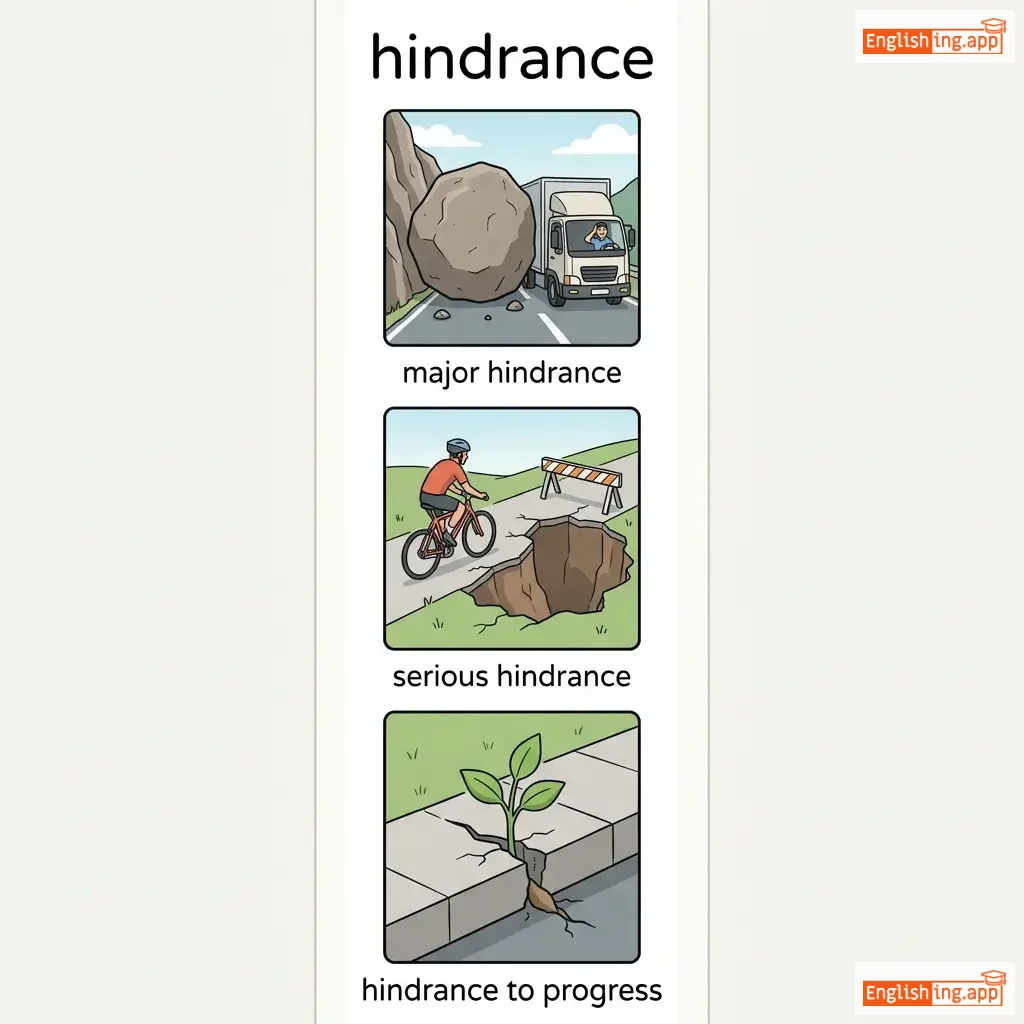
major hindrance, without hindrance, overcome hindrance
••••••
|
‘ヒンドレンス’ は ‘障害’ の意味を持つ言葉。
••••••
|
|
#600
🏠
|
/ˌhɑː.spɪˈtæl.ə.ti/
noun
(ホスピタリティ)
••••••
|
- •••••• |
ホスピタリティ
hosupitariti
••••••
|
the friendly and generous reception and entertainment of guests or strangers
••••••
|
The hotel staff's exceptional hospitality made our vacation truly memorable and enjoyable.
ホテルスタッフの素晴らしいホスピタリティが私たちの休暇を本当に思い出深く、楽しいものにしました。
••••••
|
ホテルスタッフの素晴らしいホスピタリティが私たちの休暇を本当に思い出深く、楽しいものにしました。
hoteru sutaffu no subarashī hosupitariti ga watashitachi no kyūka o hontō ni omoide-bukaku, tanoshī mono ni shimashita.
••••••
|
welcome, generosity, warmth, kindness
••••••
|
hostility, rudeness, coldness, inhospitality
••••••
|
warm hospitality, hospitality industry, show hospitality
••••••
|
ホスピタリティは、温かく迎えることです。
••••••
|
Vocabulary Quiz
Test your vocabulary by matching words with their translations or meanings.
Login to take the quiz
Comments (0)
Share your thoughts and join the discussion.
Join the discussion by logging in
Login to CommentNo comments yet
Be the first to share your thoughts!