

翻訳
過去
過去分詞
三人称単数
動名詞
意味
例文
例文の翻訳
同義語
対義語
コロケーション
ニーモニック

Swipe left or right, or use the buttons. Tap image to zoom.
例文の翻訳
単語
Lesson 70Lesson 70 - マスクトグル
|
絵文字
|
単語 | Images | 翻訳 | 意味 | 例文 | 例文の翻訳 | 同義語 | 対義語 | コロケーション | ニーモニック |
|---|---|---|---|---|---|---|---|---|---|---|
|
#1381
📈
|
/ˈten.dən.si/
noun
(テンダンシー)
••••••
|
- •••••• |
傾向
keikou
••••••
|
an inclination toward a particular characteristic or type of behavior
••••••
|
She has a tendency to arrive late for meetings.
彼女は会議に遅れて到着する傾向があります。
••••••
|
彼女は会議に遅れて到着する傾向があります。
Kanojo wa kaigi ni okurete touchaku suru keikou ga arimasu.
••••••
|
inclination, propensity, disposition, proclivity
••••••
|
aversion, disinclination, reluctance
••••••
|
natural tendency, strong tendency, growing tendency, general tendency
••••••
|
In Japanese, '傾向' is like the tendency to arrive late, just like how the 'shinkansen' has its own pace.
••••••
|
|
#1382
🌳
|
/ˈθɪk.ɪt/
noun
(thiketo)
••••••
|
- •••••• |
茂み; 低木の成長
thiket
••••••
|
a dense group of bushes or trees; a thick growth of shrubs
••••••
|
The rabbit disappeared into the thicket. |
ウサギは茂みに消えました。
Usagi wa shigemi ni kiemashita.
••••••
|
grove, copse, undergrowth, brush
••••••
|
clearing, open space, meadow
••••••
|
dense thicket, thorny thicket, impenetrable thicket
••••••
|
ウサギは thiket に隠れる
••••••
|
|
#1383
💝
|
/ˈten.dər.nəs/
noun
(テンダーネス)
••••••
|
- •••••• |
優しさ
yasashisa
••••••
|
gentleness and kindness; the quality of being easily hurt or damaged
••••••
|
The mother showed great tenderness while caring for her sick child. |
母親は病気の子供を世話しながら大きな優しさを示しました。
Hahaoya wa byōki no kodomo o sewa shinagara ōkina yasashisa o shimeshimashita.
••••••
|
gentleness, kindness, compassion, softness
••••••
|
harshness, roughness, cruelty, hardness
••••••
|
gentle tenderness, loving tenderness, maternal tenderness, infinite tenderness
••••••
|
優しさは手のひらの温もりのよう
••••••
|
|
#1384
🌹
|
/θɔːn/
noun
(ソーン)
••••••
|
- •••••• |
とげ
toge
••••••
|
a sharp pointed part of a plant; something that causes pain or annoyance
••••••
|
Be careful of the thorns on the rose bush.
バラの茂みの中のとげに気をつけてください。
••••••
|
バラの茂みの中のとげに気をつけてください。
Bara no shigemi no naka no toge ni ki o tsukete kudasai.
••••••
|
spike, prickle, barb, spine
••••••
|
smooth surface, soft part
••••••
|
sharp thorn, rose thorn, thorn in side
••••••
|
とげ (toge) - Imagine touching a thorn in a rose bush!
••••••
|
|
#1385
😰
|
/ˈten.ʃən/
noun
(テンション)
••••••
|
- •••••• |
緊張
kinchou
••••••
|
mental or emotional strain; a strained state or condition
••••••
|
The deadline created a lot of tension in the office. |
締め切りがオフィスに多くの緊張を生みました。
Shimekiri ga ofisu ni ooku no kinchou wo umimashita.
••••••
|
stress, strain, pressure, anxiety
••••••
|
relaxation, calmness, peace, tranquility
••••••
|
high tension, mounting tension, release tension, muscle tension
••••••
|
緊張は締め切りが近づくと感じるものです。
••••••
|
|
#1386
⚠️
|
/θret/
noun
(zuretto)
••••••
|
- •••••• |
脅威
kyoui
••••••
|
a statement of intention to inflict harm; a person or thing likely to cause danger
••••••
|
The storm poses a serious threat to coastal areas.
嵐は沿岸地域に深刻な脅威をもたらします。
••••••
|
嵐は沿岸地域に深刻な脅威をもたらします。
Arashi wa engan chiiki ni shinkokuna kyoui o motarashimasu
••••••
|
menace, danger, warning, intimidation
••••••
|
safety, protection, security, reassurance
••••••
|
serious threat, empty threat, threat assessment
••••••
|
嵐が沿岸を脅かす、危険の兆し。
••••••
|
|
#1387
⏳
|
/ˈten.jər/
noun
(テンユーア)
••••••
|
- •••••• |
任期
ninki
••••••
|
the period of time during which someone holds an office or position
••••••
|
During his tenure as CEO, the company expanded globally. |
CEOとしての任期中に、会社は世界的に拡大しました。
CEO toshite no ninki chuu ni, kaisha wa sekaiteki ni kakudai shimashita.
••••••
|
term, period, duration, incumbency
••••••
|
dismissal, termination, end
••••••
|
long tenure, successful tenure, tenure track, academic tenure
••••••
|
‘任’は任せる、‘期’は時間の区切り。任期で責任のある時間を示す。
••••••
|
|
#1388
⚡
|
/ˈθʌn.dər/
noun
(雷鳴)
••••••
|
|
雷鳴
raimei
••••••
|
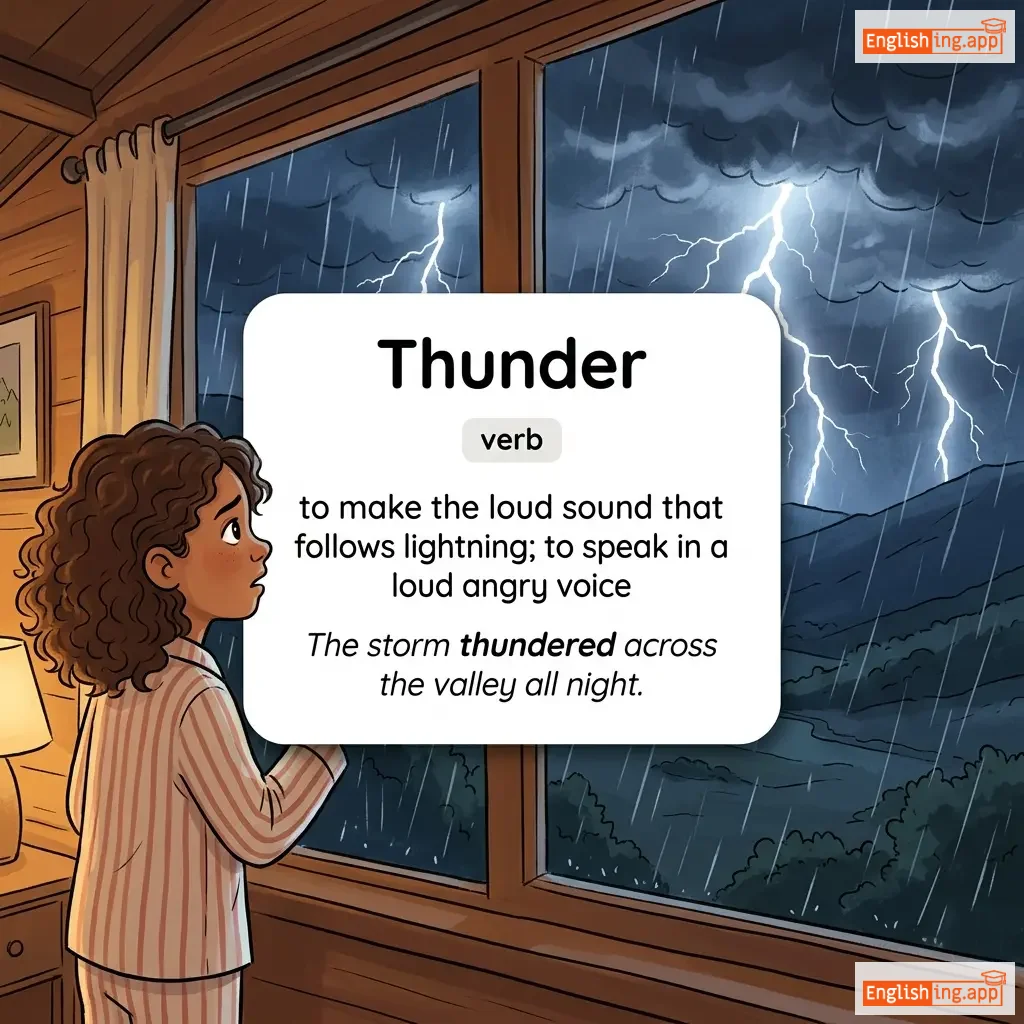
the loud rumbling sound that follows lightning; to make a loud deep sound
••••••
|
We heard thunder rolling across the sky. |
空を横切る雷鳴を聞きました。
Sora o yokogiru raimei o kikimashita.
••••••
|
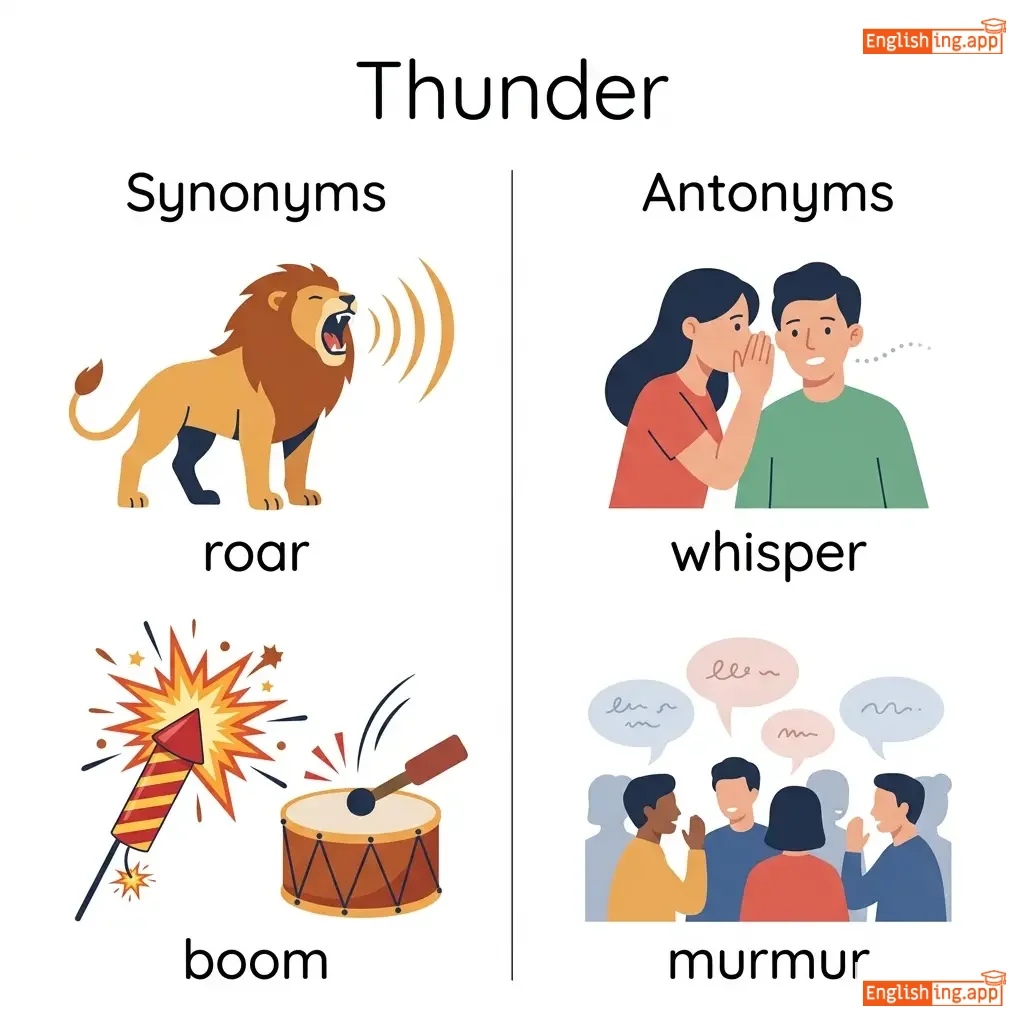
rumble, roar, boom, crash
••••••
|
silence, whisper, quiet
••••••
|
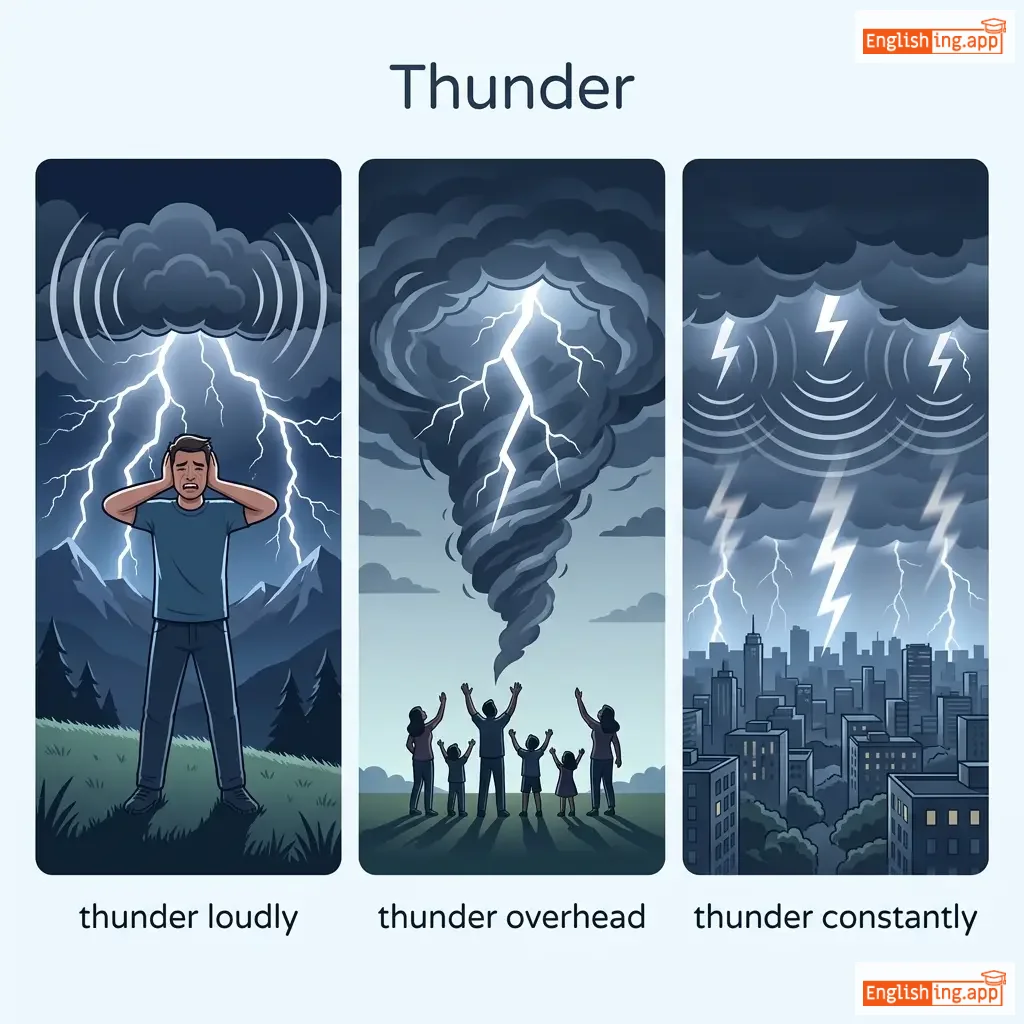
thunder and lightning, distant thunder, thunder clap
••••••
|
雷鳴は稲妻の後に響く音です。
••••••
|
|
#1389
🗺️
|
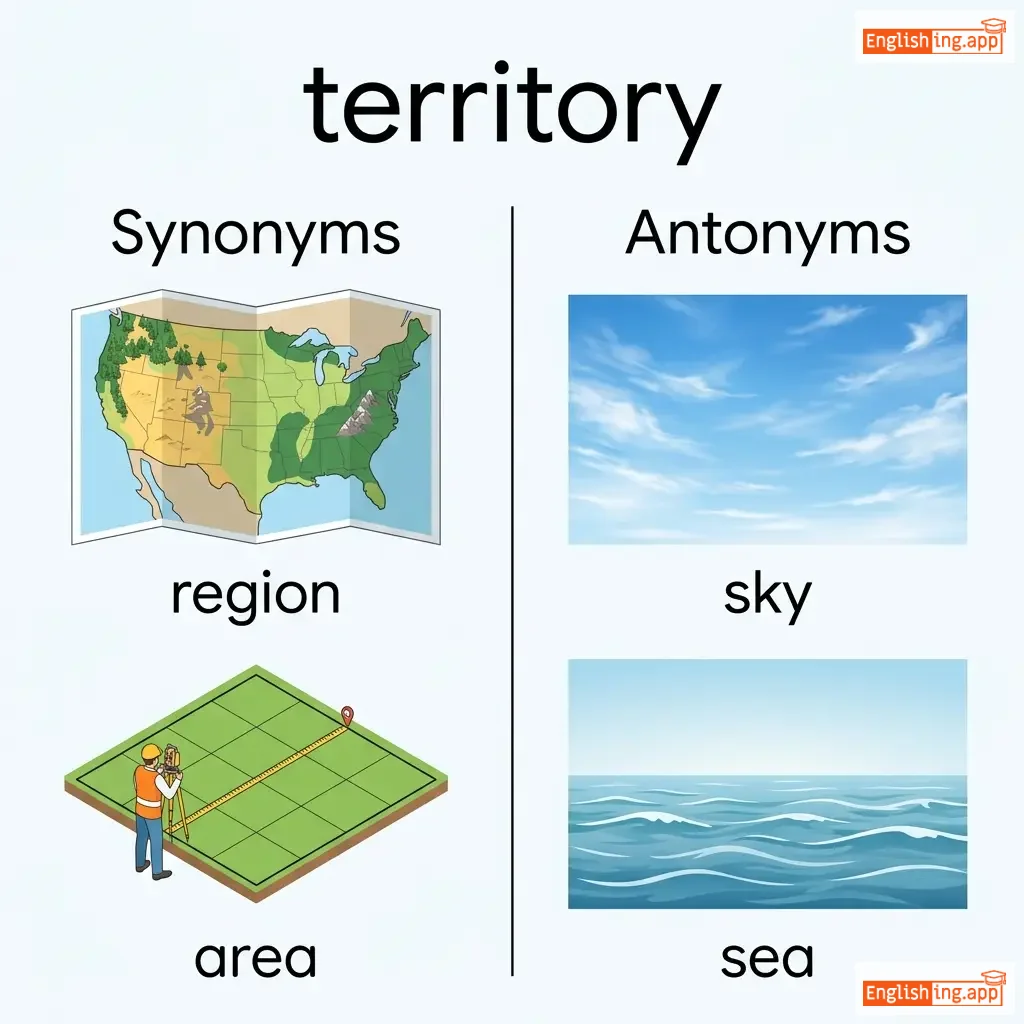
/ˈter.ɪ.tər.i/
noun
(テリトリー)
••••••
|
|
領土
ryōdo
••••••
|
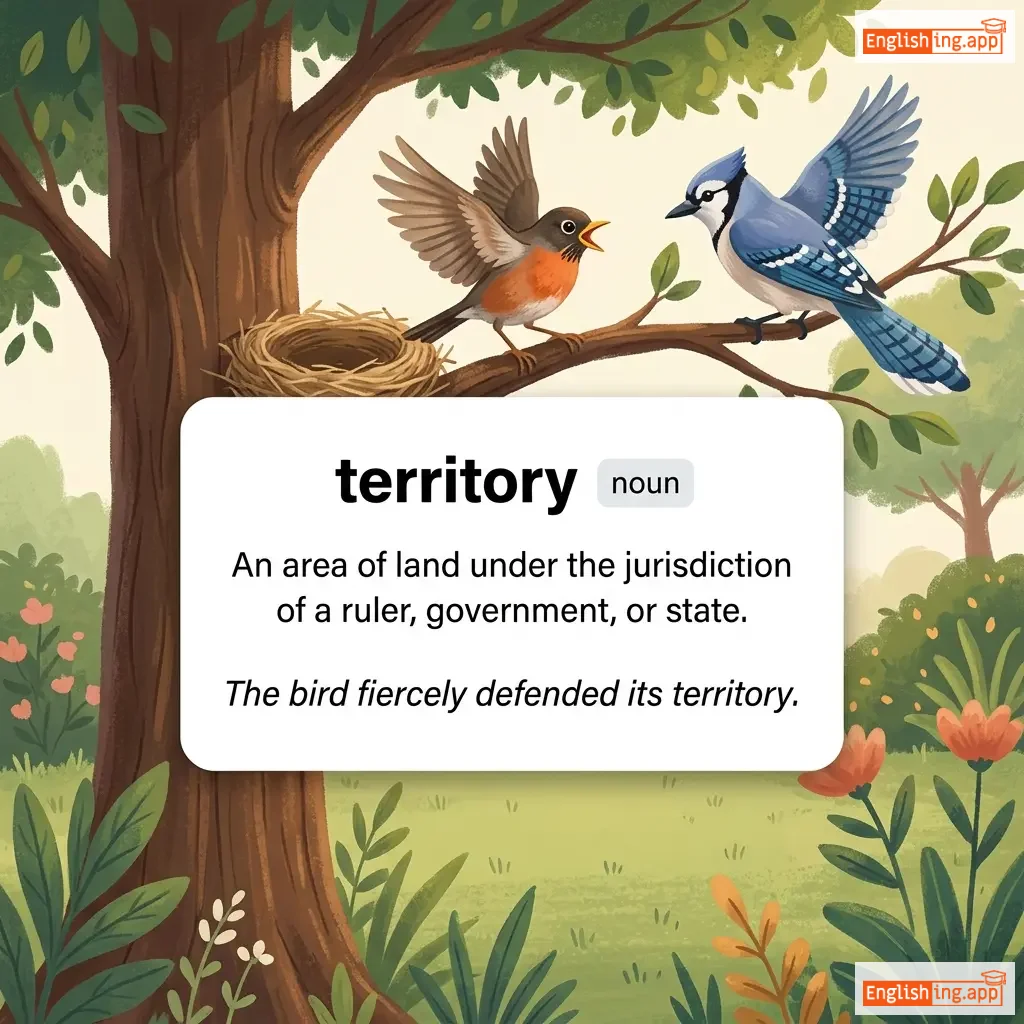
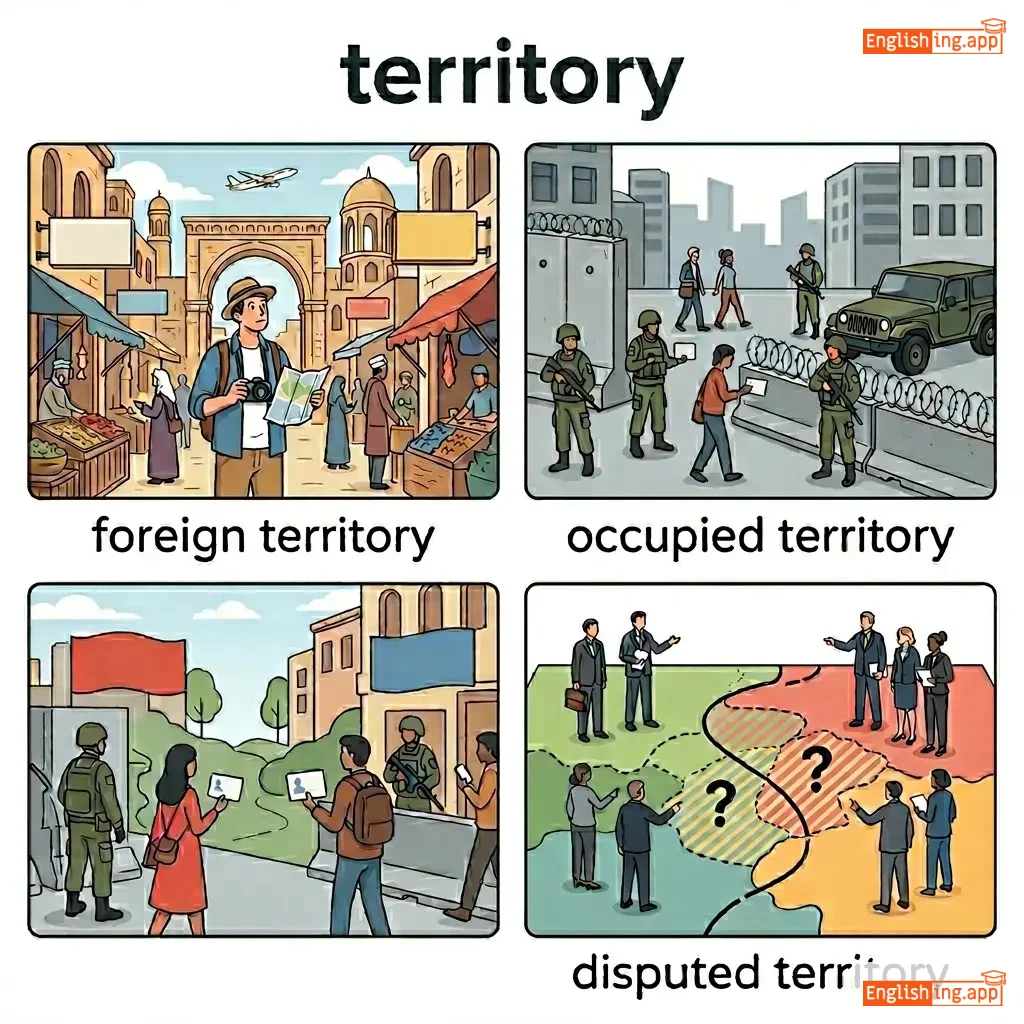
an area of land under the jurisdiction of a ruler or state
••••••
|
The wolf pack defended their territory from intruders.
オオカミの群れは自分たちのテリトリーを侵入者から守った。
••••••
|
オオカミの群れは自分たちの領土を侵入者から守った。
Ōkami no mure wa jibuntachi no ryōdo o shin'nyūsha kara mamotta.
••••••
|
region, area, zone, district
••••••
|
borderland, neutral zone
••••••
|
uncharted territory, familiar territory, enemy territory, disputed territory
••••••
|
Territoryは自分が守る領土、まるで狼が自分たちの領土を守るように。
••••••
|
|
#1390
🍺
|
/ˈtɪd.li/
adjective
(ティドリー)
••••••
|
- •••••• |
軽く酔った; 小さいまたは微小
tiddli
••••••
|
slightly drunk; small or tiny
••••••
|
After a few drinks, he felt a bit tiddley. |
いくつかの飲み物を飲んだ後、彼は少しtiddliに感じた。
Ikutsuka no nomimono o nonda ato, kare wa sukoshi tiddli ni kanjita.
••••••
|
tipsy, merry, small, tiny
••••••
|
sober, large, huge
••••••
|
a bit tiddley, feeling tiddley
••••••
|
酔うと、'tiddli'のように感じます。
••••••
|
|
#1391
😱
|
/ˈter.ər/
noun
(テロ)
••••••
|
- •••••• |
恐怖; 政治的目的のために暴力と威圧を使用すること
kyōfu; seijiteki mokuteki no tame ni bōryoku to iatsu o shiyō suru koto
••••••
|
extreme fear; the use of violence and intimidation for political aims
••••••
|
The loud explosion filled everyone with terror.
大きな爆発が皆を恐怖で満たした。
••••••
|
大きな爆発が皆を恐怖で満たした。
Ōkina bakuhatsu ga mina o kyōfu de mitashita.
••••••
|
fear, horror, panic, dread
••••••
|
courage, bravery, fearlessness, calm
••••••
|
sheer terror, reign of terror, terror attack, night terror
••••••
|
恐怖はしばしば政治的目的のために使用され、人々に強い恐れを与えます。
••••••
|
|
#1392
📅
|
/ˈtaɪm.teɪ.bəl/
noun
(タイムテーブル)
••••••
|
- •••••• |
時刻表
jikokuhyō
••••••
|
a schedule showing planned activities or events at particular times
••••••
|
Please check the train timetable for departure times.
電車の時刻表で出発時刻を確認してください。
••••••
|
電車の時刻表で出発時刻を確認してください。
Densha no jikokuhyō de shuppatsu jikoku o kakunin shite kudasai.
••••••
|
schedule, agenda, program, itinerary
••••••
|
spontaneity, improvisation
••••••
|
train timetable, school timetable, bus timetable
••••••
|
時刻表であなたの予定を組み立ててください!
••••••
|
|
#1393
💣
|
/ˈter.ər.ɪ.zəm/
noun
(テロリズム)
••••••
|
- •••••• |
テロリズム
terorizumu
••••••
|
the unlawful use of violence and intimidation against civilians for political aims
••••••
|
The government increased security measures to prevent terrorism. |
政府はテロリズムを防止するためにセキュリティ対策を強化しました。
seifu wa terorizumu o bōshi suru tame ni sekyuriti taisaku o kyōka shimashita.
••••••
|
extremism, radicalism, violence, insurgency
••••••
|
peace, nonviolence, diplomacy, harmony
••••••
|
international terrorism, domestic terrorism, counter-terrorism, war on terrorism
••••••
|
テロリズムは社会に混乱を引き起こすので、安全対策は重要です。
••••••
|
|
#1394
🧁
|
/ˈtɪt.bɪt/
noun
(ティットビット)
••••••
|
- •••••• |
美味しい食べ物の小さな一切れ; 面白い情報の小さな部分
titbit
••••••
|
a small piece of tasty food; a small interesting piece of information
••••••
|
She served delicious titbits at the party. |
彼女はパーティーで美味しいおつまみを出しました。
kanojo wa paatii de oishii otsumami wo dashimashita
••••••
|
morsel, snack, delicacy, treat
••••••
|
main course, full meal
••••••
|
tasty titbit, delicious titbit, gossip titbit
••••••
|
Titbitは、小さくて美味しいパーティー用のスナックのようです。
••••••
|
|
#1395
📜
|
/ˌtes.tɪˈmoʊ.ni.əl/
noun
(テスティモニアル)
••••••
|
- •••••• |
推薦状
suisenjou
••••••
|
a formal statement testifying to someone's character and qualifications
••••••
|
The professor wrote a glowing testimonial for her former student.
教授は彼女の元生徒のために素晴らしい推薦状を書きました。
••••••
|
教授は彼女の元生徒のために素晴らしい推薦状を書きました。
Kyouju wa kanojo no moto seito no tame ni subarashii suisenjou wo kakimashita.
••••••
|
recommendation, reference, endorsement, certificate
••••••
|
criticism, condemnation, disapproval
••••••
|
glowing testimonial, written testimonial, character testimonial, testimonial letter
••••••
|
推薦状は印象的で、Testimonialのように信頼を与えます。
••••••
|
|
#1396
📖
|
/ˈtaɪ.təl/
noun
(タイトル)
••••••
|
- •••••• |
タイトル; 地位; 称号
taitoru
••••••
|
the name of a book, movie, or other work; a word used before someone's name to show rank or status
••••••
|
The title of the book is very interesting. |
その本のタイトルはとても興味深いです。
Sono hon no taitoru wa totemo kyōmi bukai desu
••••••
|
heading, name, caption, designation
••••••
|
subtitle, content, body
••••••
|
book title, job title, movie title
••••••
|
本のタイトルは本を区別するために必要です、まるで王の称号のように。
••••••
|
|
#1397
⚖️
|
/ˈtes.tɪ.moʊ.ni/
noun
(テスティモニー)
••••••
|
- •••••• |
証言; 証拠
shōgen; shōko
••••••
|
a formal written or spoken statement given in a court of law; evidence or proof
••••••
|
The witness gave compelling testimony during the trial. |
証人は裁判中に説得力のある証言をしました。
Shōnin wa saiban-chū ni settokuryoku no aru shōgen o shimashita.
••••••
|
evidence, statement, declaration, deposition
••••••
|
denial, refutation, contradiction
••••••
|
eyewitness testimony, false testimony, sworn testimony, expert testimony
••••••
|
証言は常に真実を証明します。
••••••
|
|
#1398
🤝
|
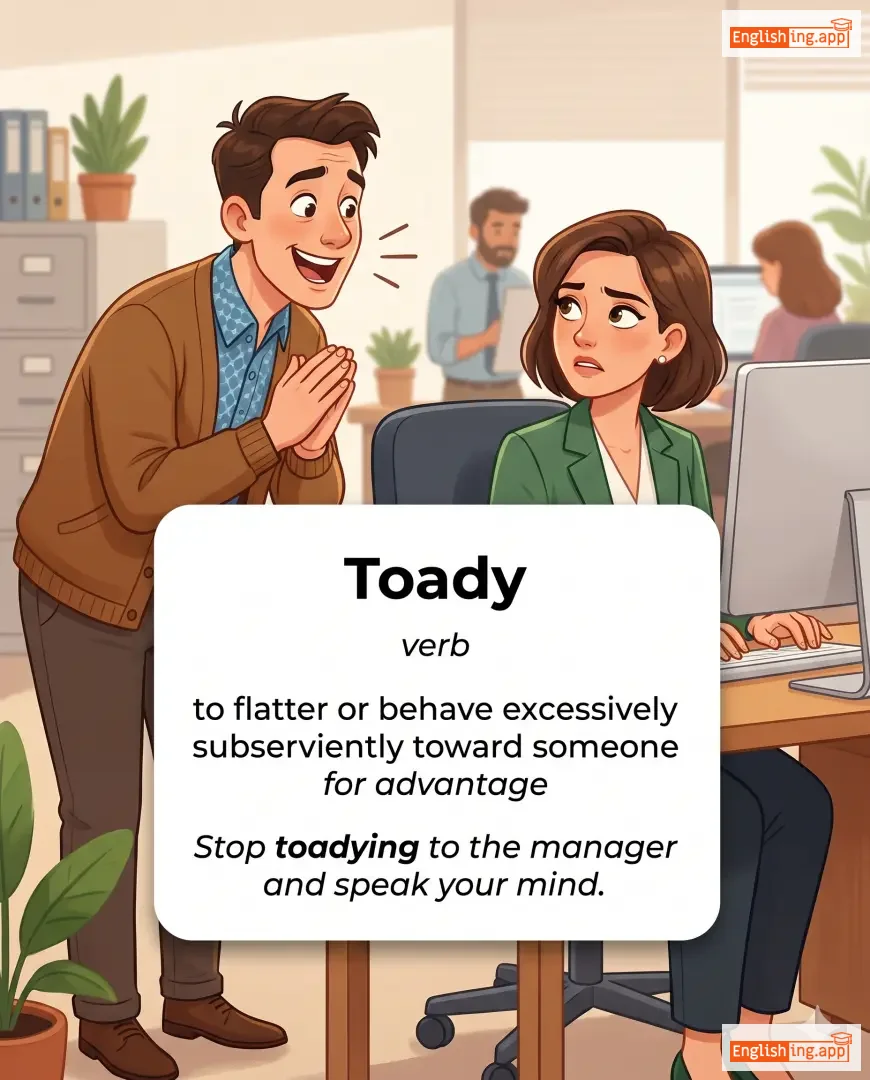
/ˈtoʊ.di/
noun
(トディ)
••••••
|
|
おべっか使い
obekka tsukai
••••••
|
a person who acts obsequiously to gain favor; a sycophant
••••••
|
He was known as a toady who always agreed with the boss.
彼は常に上司と同意していたトディとして知られていました。
••••••
|
彼は常に上司と同意していたおべっか使いとして知られていました。
Kare wa tsune ni joushi to doui shiteita obekka tsukai to shite shirarete imashita.
••••••
|
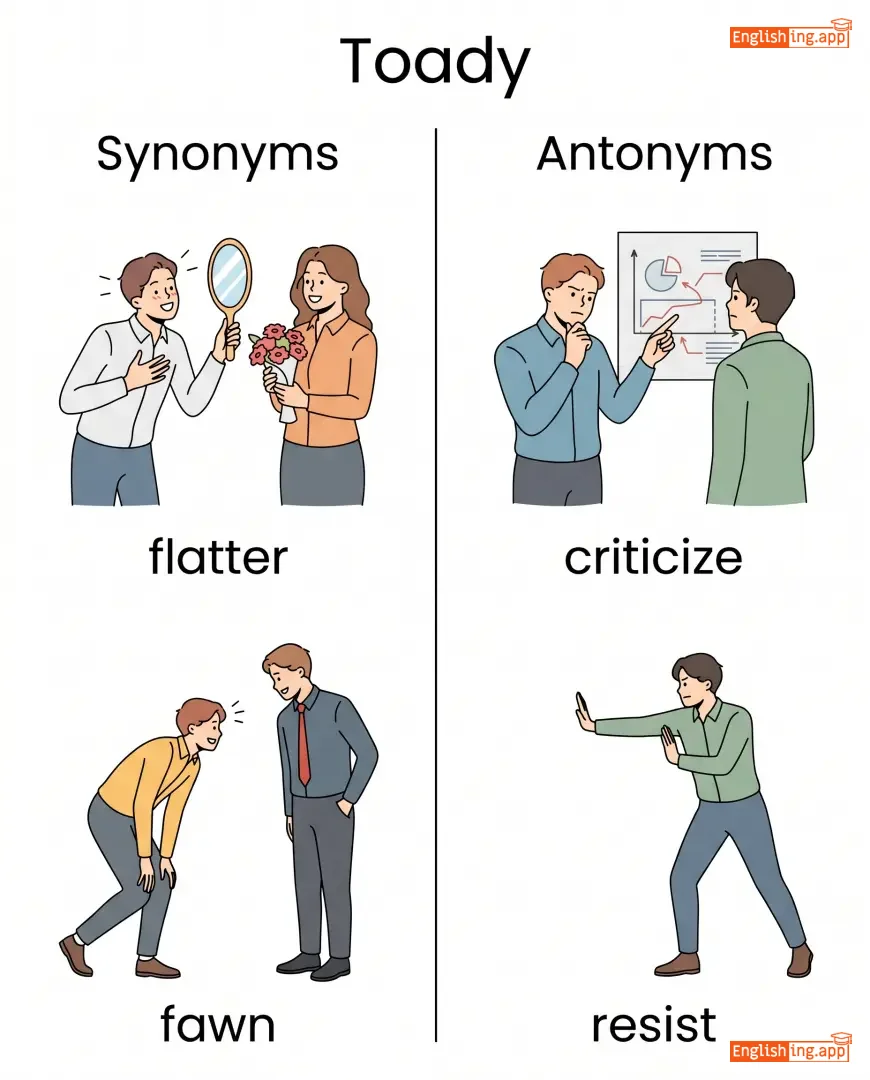
sycophant, flatterer, yes-man, bootlicker
••••••
|
critic, opponent, independent thinker
••••••
|
office toady, political toady
••••••
|
おべっか使い = いつも上司におべっかを使う人
••••••
|
|
#1399
💡
|
/ˈθɪr.i/
noun
(セオリー)
••••••
|
- •••••• |
理論
riron
••••••
|
a supposition or system of ideas intended to explain something
••••••
|
Einstein's theory of relativity revolutionized physics.
アインシュタインの相対性理論は物理学を革新しました。
••••••
|
アインシュタインの相対性理論は物理学を革新しました。
Ainshutain no sōtaisei riron wa butsurigaku o kakushin shimashita.
••••••
|
hypothesis, principle, concept, doctrine
••••••
|
practice, fact, reality, certainty
••••••
|
scientific theory, economic theory, political theory, conspiracy theory
••••••
|
理論は世界の謎を解く鍵のようなものです。
••••••
|
|
#1400
🤗
|
/ˈtɒl.ər.əns/
noun
(to-re-ren-su)
••••••
|
- •••••• |
寛容
kan'you
••••••
|
the ability to accept different opinions or behavior; willingness to allow something to exist
••••••
|
Religious tolerance is important in a diverse society.
宗教の寛容さは多様な社会において重要です。
••••••
|
宗教の寛容さは多様な社会において重要です。
Shūkyō no kan'yō-sa wa tayōna shakai ni oite jūyō desu.
••••••
|
acceptance, patience, understanding, forbearance
••••••
|
intolerance, prejudice, bigotry, rejection
••••••
|
religious tolerance, zero tolerance, tolerance level
••••••
|
寛容は異なる価値観を認めることから始まる
••••••
|
Vocabulary Quiz
Test your vocabulary by matching words with their translations or meanings.
Login to take the quiz
Comments (0)
Share your thoughts and join the discussion.
Join the discussion by logging in
Login to CommentNo comments yet
Be the first to share your thoughts!