

翻訳
過去
過去分詞
三人称単数
動名詞
意味
例文
例文の翻訳
同義語
対義語
コロケーション
ニーモニック
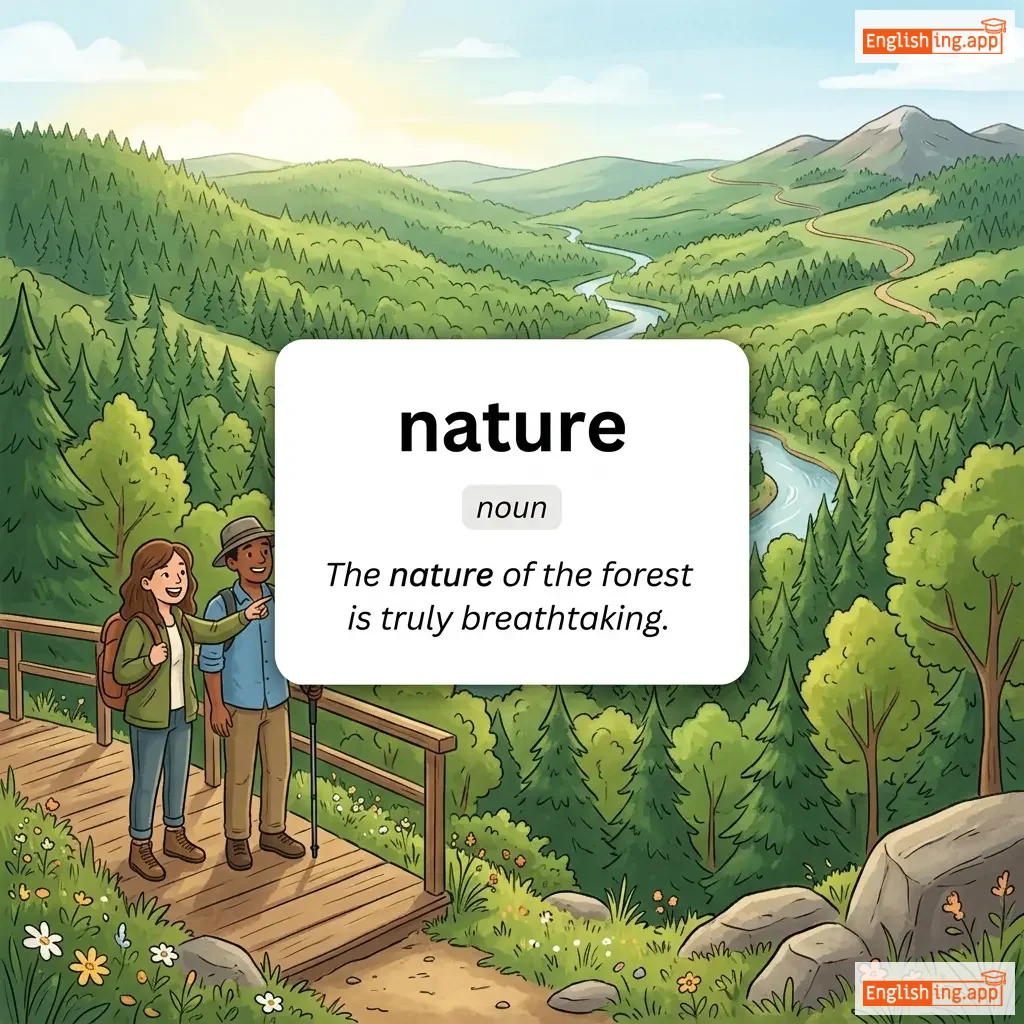
Swipe left or right, or use the buttons. Tap image to zoom.
例文の翻訳
単語
Lesson 46Lesson 46 - マスクトグル
|
絵文字
|
単語 | Images | 翻訳 | 意味 | 例文 | 例文の翻訳 | 同義語 | 対義語 | コロケーション | ニーモニック |
|---|---|---|---|---|---|---|---|---|---|---|
|
#901
🏠
|
/ˈmɔːr.ɡɪʤ/
noun
(モーゲージ)
••••••
|
- •••••• |
住宅ローン
jūtaku rōn
••••••
|
a legal agreement by which a bank lends money to buy property
••••••
|
They took out a mortgage to buy their first house. |
彼らは最初の家を買うために住宅ローンを組みました。
Karera wa saisho no ie o kau tame ni jūtaku rōn o kumimashita.
••••••
|
home loan, housing loan, property loan
••••••
|
cash purchase, outright ownership
••••••
|
mortgage payment, mortgage rate, apply for mortgage
••••••
|
住宅ローン - '住宅'(じゅうたく)家と'ローン'がつながる。
••••••
|
|
#902
👨
|
/məˈstɑːʃ/
noun
(ムスタッシュ)
••••••
|
- •••••• |
ヒゲ
hige
••••••
|
hair that grows on the upper lip of men
••••••
|
He grew a thick moustache for the play.
彼は劇のために濃いヒゲを生やした。
••••••
|
彼は劇のために濃いヒゲを生やした。
Kare wa geki no tame ni koi hige o haya shita.
••••••
|
mustache, whiskers, facial hair
••••••
|
clean-shaven, beardless
••••••
|
thick moustache, trim moustache, handlebar moustache
••••••
|
The Japanese word 'hige' for moustache connects with 'higu' from 'figu,' picturing a neat moustache!
••••••
|
|
#903
🌿
|
/mɔːs/
noun
(モス)
••••••
|
- •••••• |
苔
koke
••••••
|
a small flowerless plant that grows in clumps in moist places
••••••
|
Green moss covered the old stone wall.
緑の苔が古い石の壁を覆っていました。
••••••
|
緑の苔が古い石の壁を覆っていました。
midori no koke ga furui ishi no kabe o utte imashita.
••••••
|
bryophyte, lichen, algae
••••••
|
flowering plant, tree
••••••
|
green moss, rock moss, moss-covered
••••••
|
苔は湿った場所で成長し、壁を緑で覆います。
••••••
|
|
#904
🎨
|
/ˈmjʊr.əl/
noun
(ミューラル)
••••••
|
- •••••• |
壁画
hekiga
••••••
|
a painting or artwork applied directly on a wall or ceiling
••••••
|
The artist painted a beautiful mural on the school wall.
アーティストは学校の壁に美しいミューラルを描きました。
••••••
|
アーティストは学校の壁に美しいミューラルを描きました。
Ātisuto wa gakkō no kabe ni utsukushī myūraru o kakimashita.
••••••
|
wall painting, fresco, wall art
••••••
|
easel painting, canvas art
••••••
|
wall mural, street mural, colorful mural
••••••
|
壁画 = 壁に描かれたアート
••••••
|
|
#905
👩👶
|
/ˈmʌð.ər.hʊd/
noun
(マザーフッド)
••••••
|
- •••••• |
母性
bosei
••••••
|
the state of being a mother; the qualities of a mother
••••••
|
She embraced the joys and challenges of motherhood.
彼女は母性の喜びと挑戦を受け入れました。
••••••
|
彼女は母性の喜びと挑戦を受け入れました。
Kanojo wa bosei no yorokobi to chousen o ukeiremashita.
••••••
|
maternity, parenting, maternal role
••••••
|
childlessness, non-motherhood
••••••
|
embrace motherhood, early motherhood, single motherhood
••••••
|
母 (haha) + 生命 (seimei) = 母性
••••••
|
|
#906
🔍
|
/ˈmɪs.tər.i/
noun
(misuteri)
••••••
|
- •••••• |
謎; 説明できないこと
nazo
••••••
|
something that is difficult or impossible to understand or explain
••••••
|
The disappearance of the plane remains a mystery.
飛行機の失踪は謎のままである。
••••••
|
飛行機の失踪は謎のままである。
hikouki no shissou wa nazo no mama de aru.
••••••
|
puzzle, enigma, riddle, secret
••••••
|
certainty, clarity, solution, answer
••••••
|
solve mystery, unsolved mystery, mystery novel
••••••
|
誰も解けない謎。
••••••
|
|
#907
🏴
|
/ˈmʌð.ər.lænd/
noun
(マザーランド)
••••••
|
- •••••• |
母国; 出身地
bokoku
••••••
|
the country where one was born or has citizenship; homeland
••••••
|
He always spoke fondly of his motherland.
彼はいつも自分の母国について愛情を込めて話していました。
••••••
|
彼はいつも自分の母国について愛情を込めて話していました。
Kare wa itsumo jibun no bokoku ni tsuite aijou o komete hanashite imashita.
••••••
|
homeland, fatherland, native country, birthplace
••••••
|
foreign land, adopted country
••••••
|
love motherland, defend motherland, return to motherland
••••••
|
Bokoku = Homeland, Think of 'Bo' (Mother) and 'Koku' (Country)
••••••
|
|
#908
😂
|
/ˈmɒk.ər.i/
noun
(モックリー)
••••••
|
- •••••• |
嘲笑; からかい;
choushou; karakai
••••••
|
teasing and contemptuous language or behavior; ridicule
••••••
|
His speech was met with mockery from the audience. |
彼のスピーチは聴衆から嘲笑されました。
kare no supīchi wa choushuu kara choushou saremashita.
••••••
|
ridicule, scorn, derision, teasing
••••••
|
respect, admiration, praise, honor
••••••
|
face mockery, make mockery, cruel mockery
••••••
|
Japanese for 'mockery' sounds like 'choushou' – 'choushou' means mock.
••••••
|
|
#909
➡️
|
/ˈmoʊ.ʃən/
noun
(モーション)
••••••
|
- •••••• |
動き; 移動の行動
ugoki; idō no kōdō
••••••
|
the action of moving or being moved; a formal proposal
••••••
|
The car was in constant motion during the journey.
その車は旅の間、常に動いていました。
••••••
|
その車は旅の間、常に動いていました。
Sono kuruma wa tabi no aida, jōni ugoite imashita.
••••••
|
movement, action, mobility, proposal
••••••
|
stillness, rest, immobility, stagnation
••••••
|
in motion, slow motion, set in motion
••••••
|
動きはまるで風のように、何も止まらない!
••••••
|
|
#910
🌳
|
/ˈneɪ.tʃər/
noun
(ネイチャー)
••••••
|
|
自然; 自然界; 何かの基本的な特性や質
shizen; shizenkai; nanika no kihonteki na tokusei ya shitsu
••••••
|
the natural world; the character or basic qualities of something
••••••
|
Children should spend more time in nature. |
子供たちはもっと自然の中で過ごすべきです。
Kodomo-tachi wa motto shizen no naka de sugosu beki desu.
••••••
|
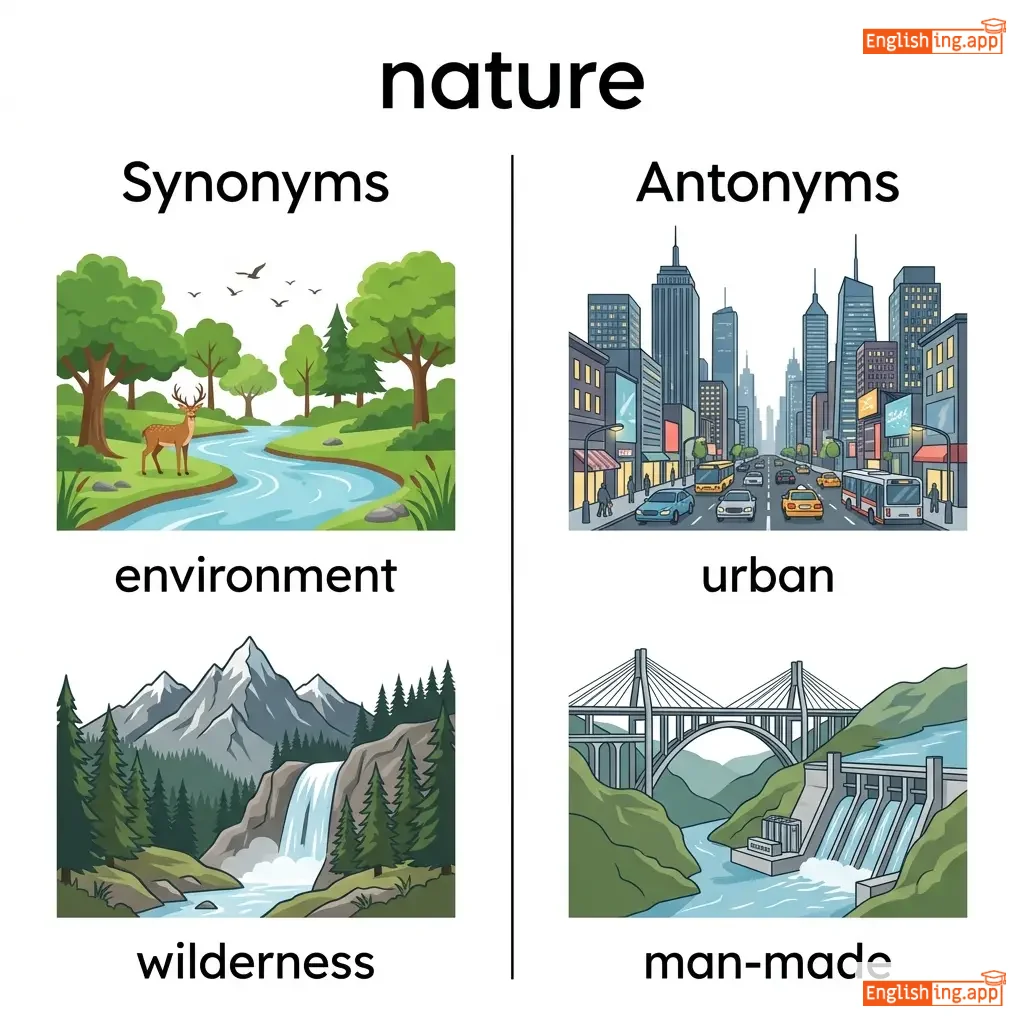
environment, wilderness, outdoors, character
••••••
|
artificiality, civilization, indoors
••••••
|
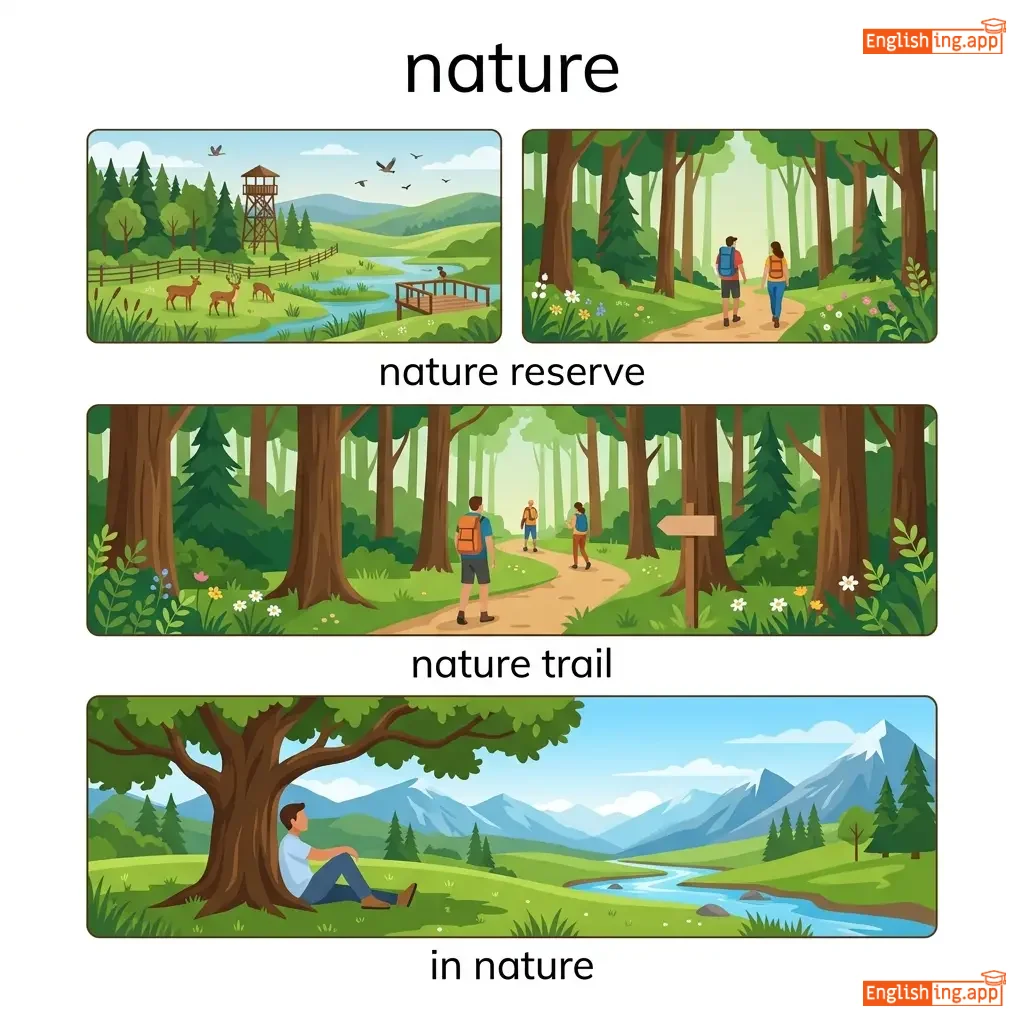
human nature, mother nature, laws of nature
••••••
|
自然の中で過ごすことが心をリフレッシュさせてくれる。
••••••
|
|
#911
🎯
|
/ˈmoʊ.tɪv/
noun
(モチベーション)
••••••
|
- •••••• |
動機; 理由; 刺激
dōki; riyū; shigeki
••••••
|
a reason for doing something; what drives someone to act
••••••
|
The police are investigating the motive for the crime. |
警察は犯罪の動機を調査しています。
Keisatsu wa hanzai no dōki o chōsa shiteimasu.
••••••
|
reason, purpose, intention, drive
••••••
|
randomness, purposelessness
••••••
|
hidden motive, ulterior motive, pure motive
••••••
|
モチベーションは私たちが何かを行うための動力源のようなものです。
••••••
|
|
#912
🤢
|
/ˈnɔː.zi.ə/
noun
(ナウジア)
••••••
|
- •••••• |
吐き気
hakike
••••••
|
a feeling of sickness with an inclination to vomit
••••••
|
The motion of the boat caused severe nausea.
ボートの動きがひどいナウジアを引き起こしました。
••••••
|
ボートの動きがひどいナウジアを引き起こしました。
Booto no ugoki ga hidoi nausea o hikiokoshimashita.
••••••
|
sickness, queasiness, vomiting urge
••••••
|
wellness, comfort, good health
••••••
|
severe nausea, morning nausea, cause nausea
••••••
|
ボートが揺れると、吐き気がする。
••••••
|
|
#913
⚙️
|
/nəˈses.ə.ti/
noun
(ネセシティ)
••••••
|
|
必要性
hitsuyousei
••••••
|
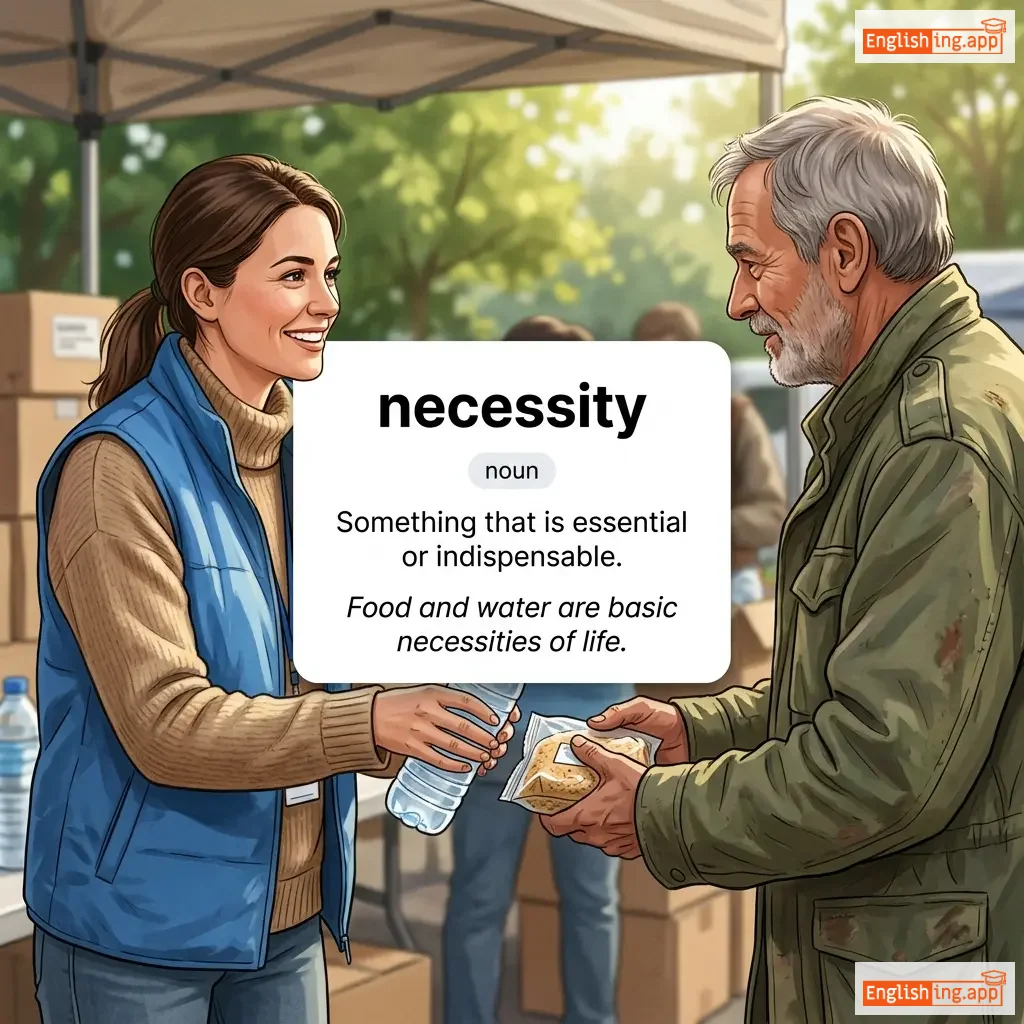
the fact of being required or indispensable; something essential
••••••
|
Clean water is a basic necessity of life. |
清潔な水は生活の基本的な必要性です。
Seiketsu na mizu wa seikatsu no kihonteki na hitsuyousei desu.
••••••
|
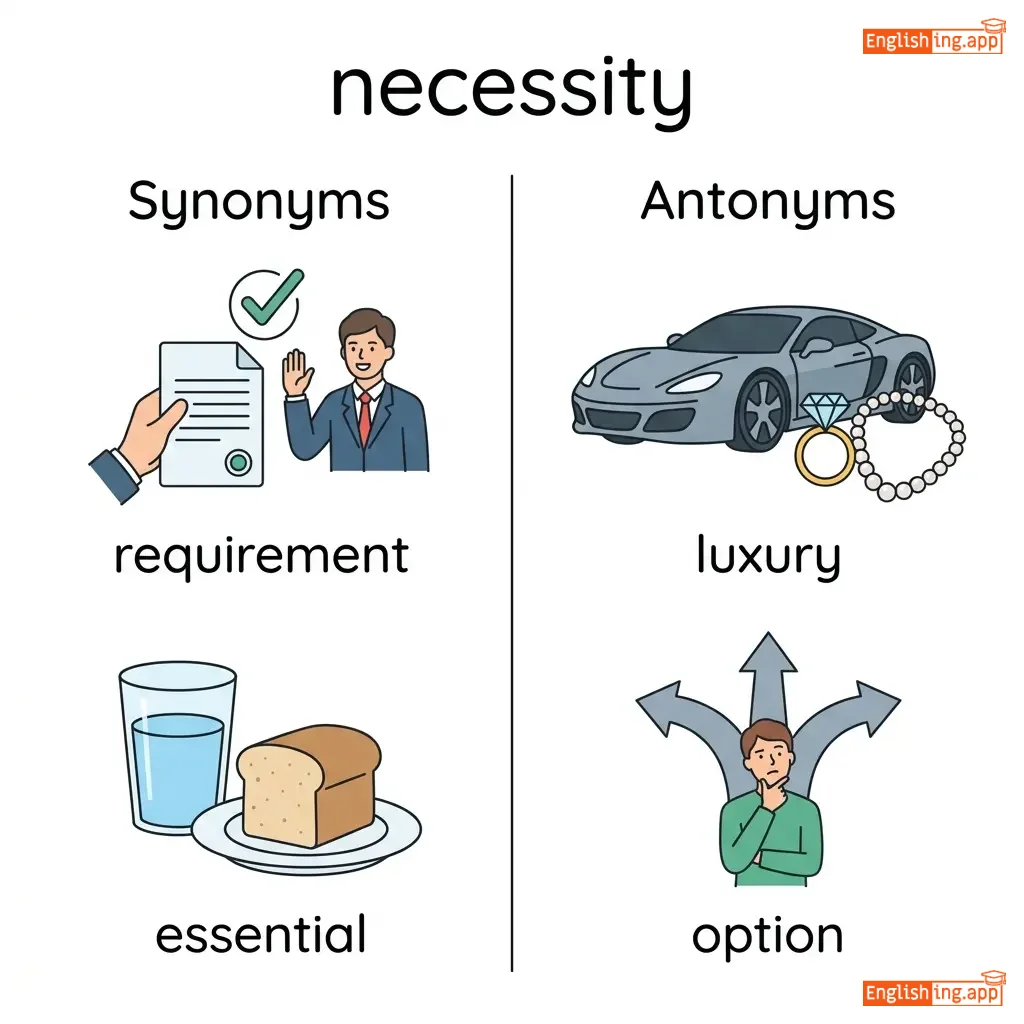
requirement, need, essential, must
••••••
|
luxury, option, choice, extra
••••••
|
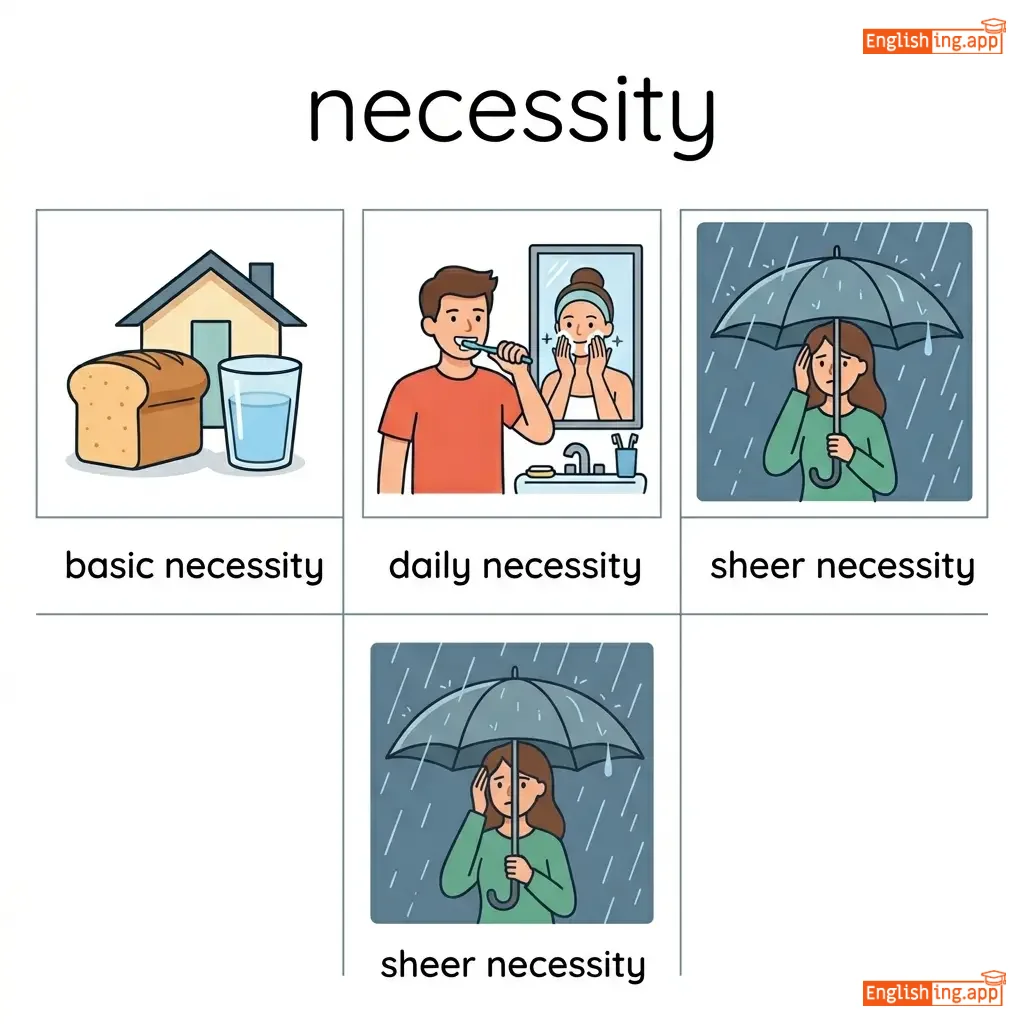
basic necessity, absolute necessity, out of necessity
••••••
|
必要性は私たちの生活に欠かせないものです!
••••••
|
|
#914
🏭
|
/moʊld/
noun
(モールド)
••••••
|
- •••••• |
型(鋳型)
morudo
••••••
|
a hollow container used to give shape to molten material; fungus
••••••
|
She poured chocolate into the mould to make candies.
シー ポード チョコレート イントゥ ザ モールド トゥ メイク キャンディーズ
••••••
|
彼女はキャンディーを作るために型にチョコレートを流し込んだ。
Kanojo wa kyandii o tsukuru tame ni kata ni chokoreeto o nagashikonda.
••••••
|
cast, form, template, frame
••••••
|
shapelessness, deformity
••••••
|
cake mould, plastic mould, break the mould
••••••
|
モールド means mold の kata imagine chocolate being cast into a 型, and remember カビ as the fungus meaning
••••••
|
|
#915
🌼
|
/ˈnek.tər/
noun
(ネクター)
••••••
|
|
花から生成される甘い液体; どんな美味しい飲み物でも
nekutā
••••••
|
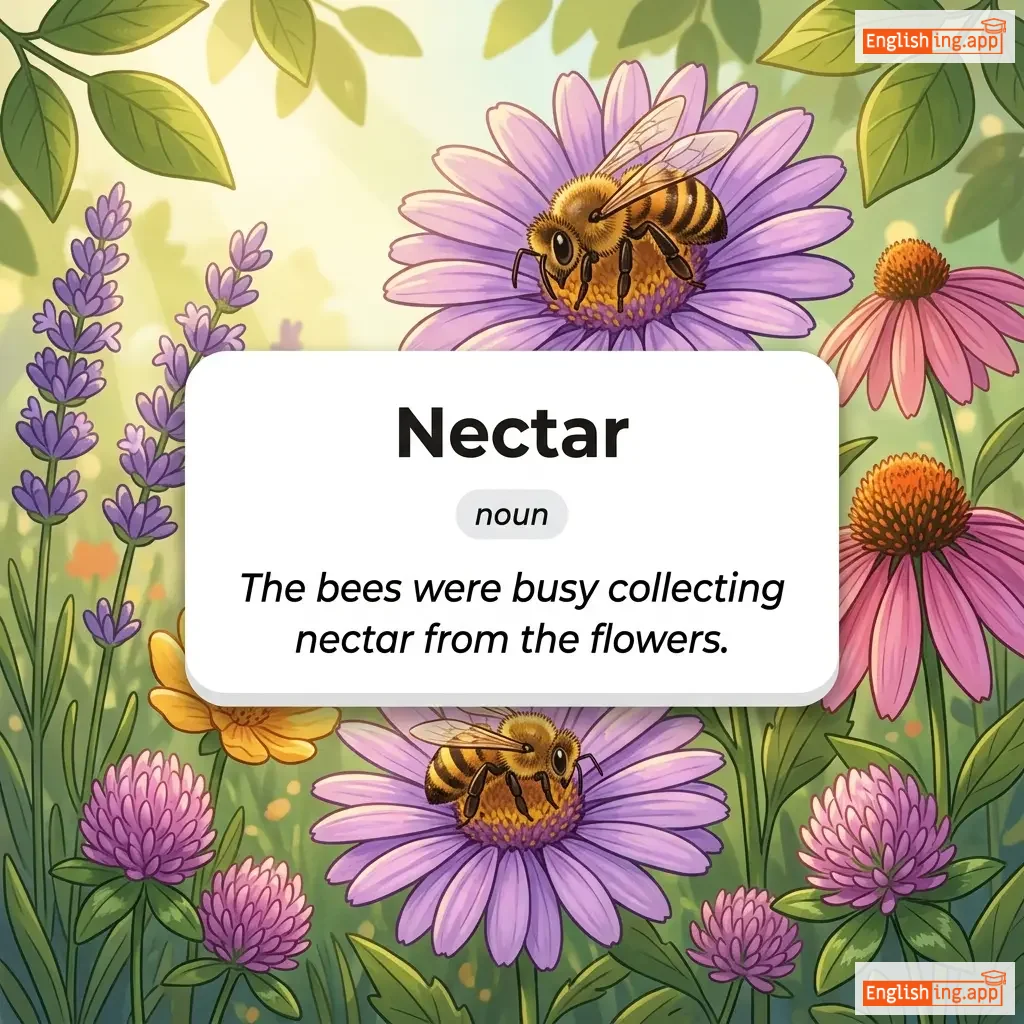
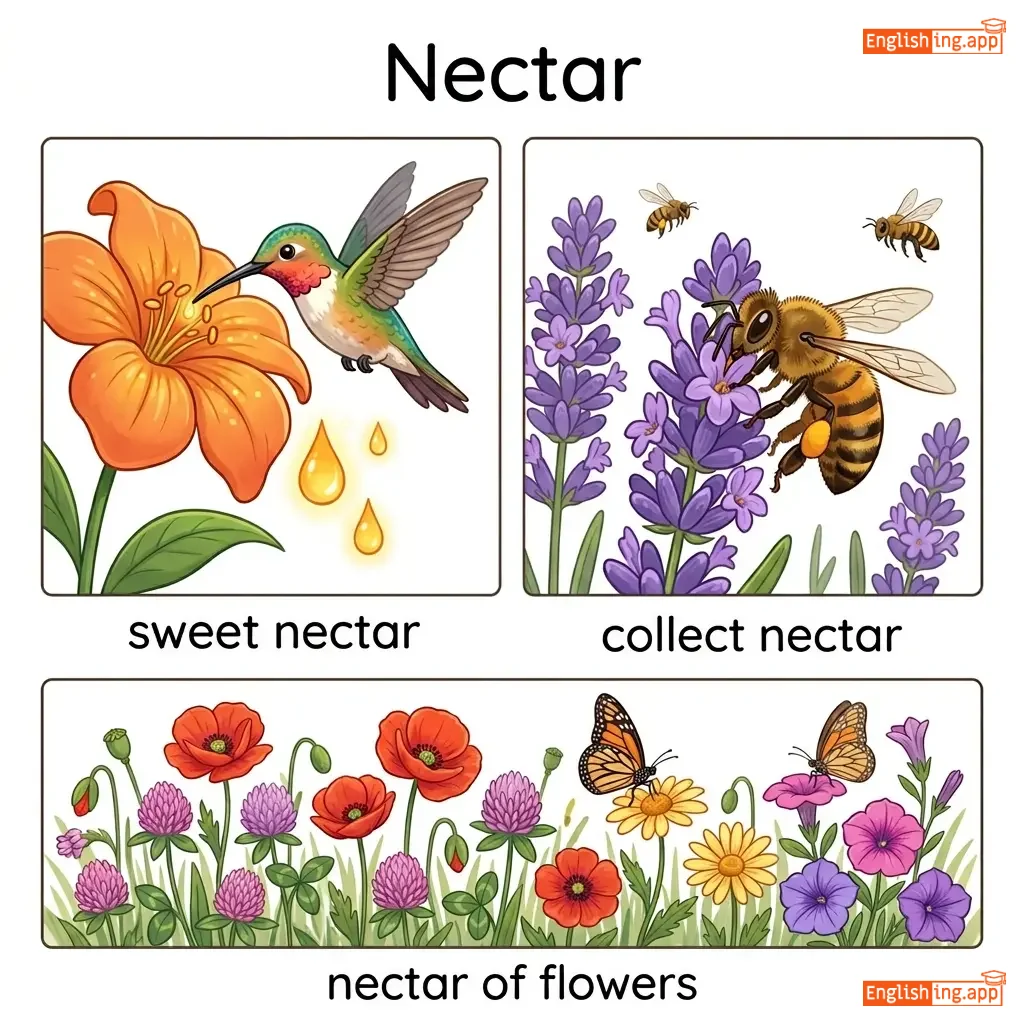
a sweet liquid produced by flowers; any delicious drink
••••••
|
Bees collect nectar from flowers to make honey. |
蜂は花から蜜を集めて、蜂蜜を作ります。
Hachi wa hana kara mitsu o atsume te, hachimitsu o tsukurimasu.
••••••
|
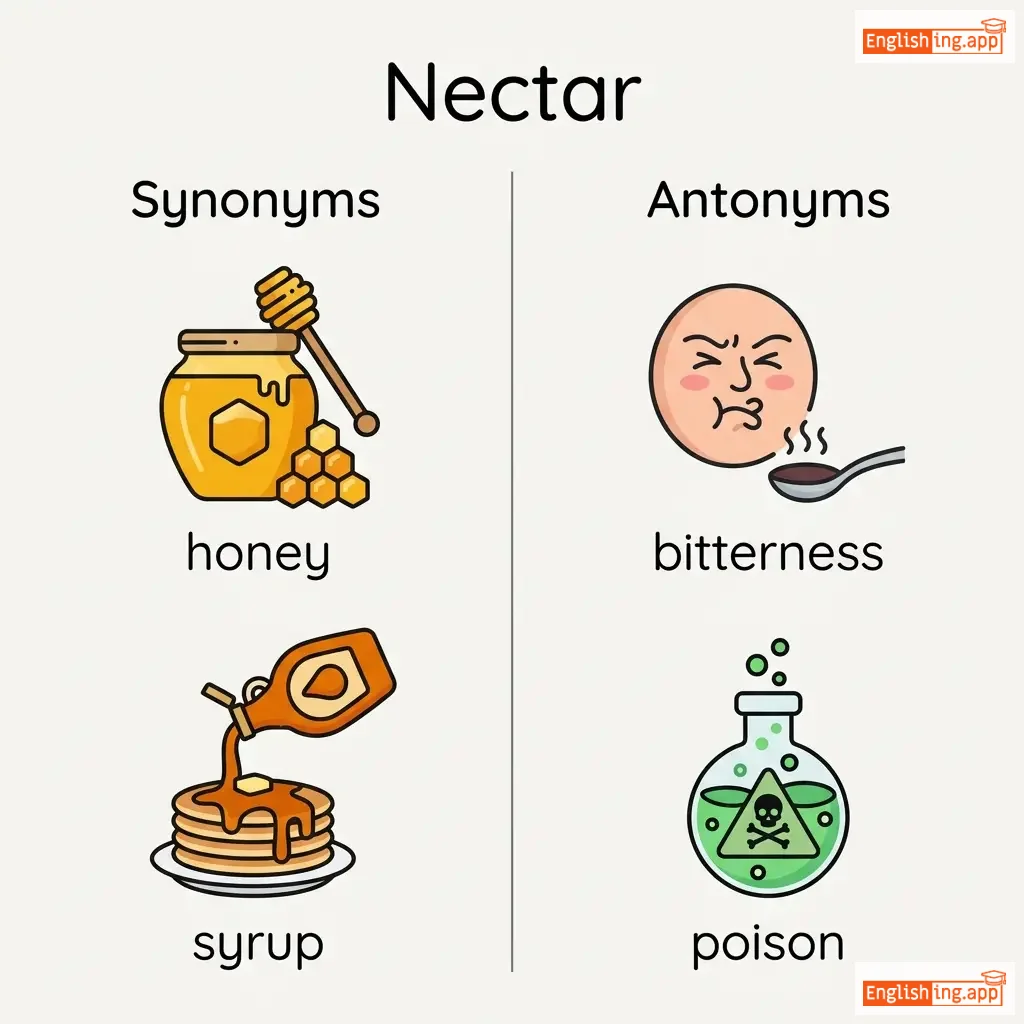
sweet liquid, ambrosia, honey, syrup
••••••
|
bitter liquid, poison
••••••
|
flower nectar, collect nectar, sweet nectar
••••••
|
Nectar in Japanese is just as sweet as it sounds!
••••••
|
|
#916
🏔️
|
/ˈmaʊn.tɪn/
noun
(マウンテン)
••••••
|
- •••••• |
山
yama
••••••
|
a large natural elevation of earth and rock rising above the ground
••••••
|
They climbed the highest mountain in the region. |
彼らはその地域で最も高い山を登りました。
Karera wa sono chiiki de mottomo takai yama o noborimashita.
••••••
|
peak, hill, summit, ridge
••••••
|
valley, plain, lowland
••••••
|
mountain range, mountain peak, climb mountain
••••••
|
山は私たちの目の前に高く立っています
••••••
|
|
#917
⚠️
|
/ˈneɡ.lɪ.dʒəns/
noun
(ネグリジェンス)
••••••
|
- •••••• |
過失
kashitsu
••••••
|
failure to take proper care in doing something; carelessness
••••••
|
The accident was caused by driver negligence.
事故は運転手の不注意によって引き起こされました。
••••••
|
事故は運転手の不注意によって引き起こされました。
Jiko wa untenshu no fuchuui ni yotte hikiokosaremashita.
••••••
|
carelessness, neglect, oversight, inattention
••••••
|
care, attention, diligence, responsibility
••••••
|
criminal negligence, gross negligence, medical negligence
••••••
|
過失は注意が足りない時に起こることで、後悔につながります。
••••••
|
|
#918
😢
|
/ˈmɔːr.nər/
noun
(モーナー)
••••••
|
- •••••• |
喪に服する人
sō ni fukusuru hito
••••••
|
a person who attends a funeral or shows grief for someone who has died
••••••
|
The mourners gathered at the cemetery to pay their respects. |
喪に服する人々は墓地に集まり、敬意を表しました。
sō ni fukusuru hitobito wa bochi ni atsumari, keii o hyōshimashita.
••••••
|
griever, bereaved person, funeral attendee
••••••
|
celebrant, rejoicer
••••••
|
chief mourner, mourners gathered, mourners wept
••••••
|
Mourners (喪に服する人々) mourn for the deceased.
••••••
|
|
#919
🤝
|
/nɪˌɡoʊ.siˈeɪ.ʃən/
noun
(ネゴシエーション)
••••••
|
- •••••• |
合意に達するための議論; 交渉
negoshiēshon
••••••
|
discussion aimed at reaching an agreement; bargaining
••••••
|
The negotiation between the two companies lasted for weeks. |
二社間の交渉は数週間続きました。
Nishakan no kōshō wa sūshūkan tsudzukimashita.
••••••
|
discussion, bargaining, talks, mediation
••••••
|
conflict, disagreement, deadlock
••••••
|
peace negotiation, contract negotiation, salary negotiation
••••••
|
交渉は合意を得るための重要なプロセスです
••••••
|
|
#920
🕯️
|
/ˈmɔːr.nɪŋ/
noun
(モーニング)
••••••
|
- •••••• |
喪
sō
••••••
|
the expression of deep sorrow for someone who has died
••••••
|
The family is in mourning for their grandmother. |
家族は祖母を喪に服している。
Kazoku wa sobo o sō ni fukushite iru.
••••••
|
grief, sorrow, bereavement, lamenting
••••••
|
celebration, joy, festivity
••••••
|
in mourning, period of mourning, mourning clothes
••••••
|
喪 (sō) represents mourning in Japanese, a sign of respect and grief for the departed.
••••••
|
Vocabulary Quiz
Test your vocabulary by matching words with their translations or meanings.
Login to take the quiz
Comments (0)
Share your thoughts and join the discussion.
Join the discussion by logging in
Login to CommentNo comments yet
Be the first to share your thoughts!