

翻訳
過去
過去分詞
三人称単数
動名詞
意味
例文
例文の翻訳
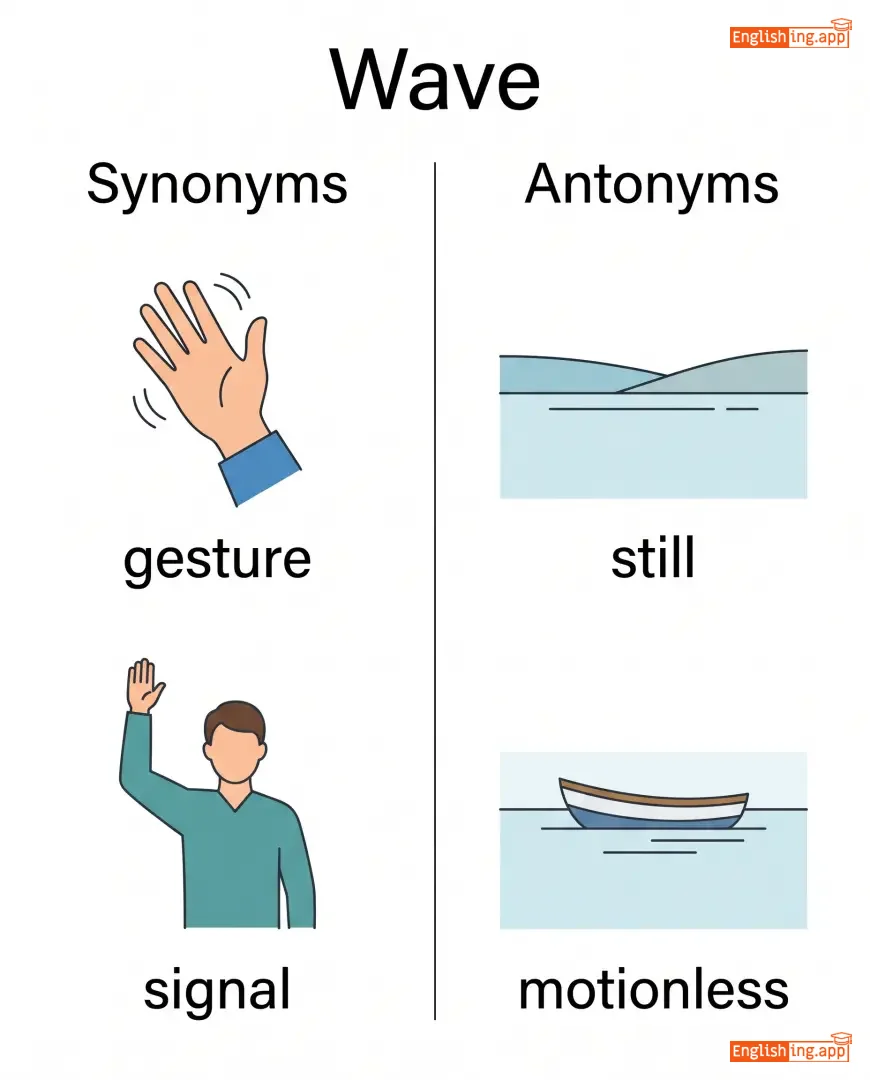
同義語
対義語
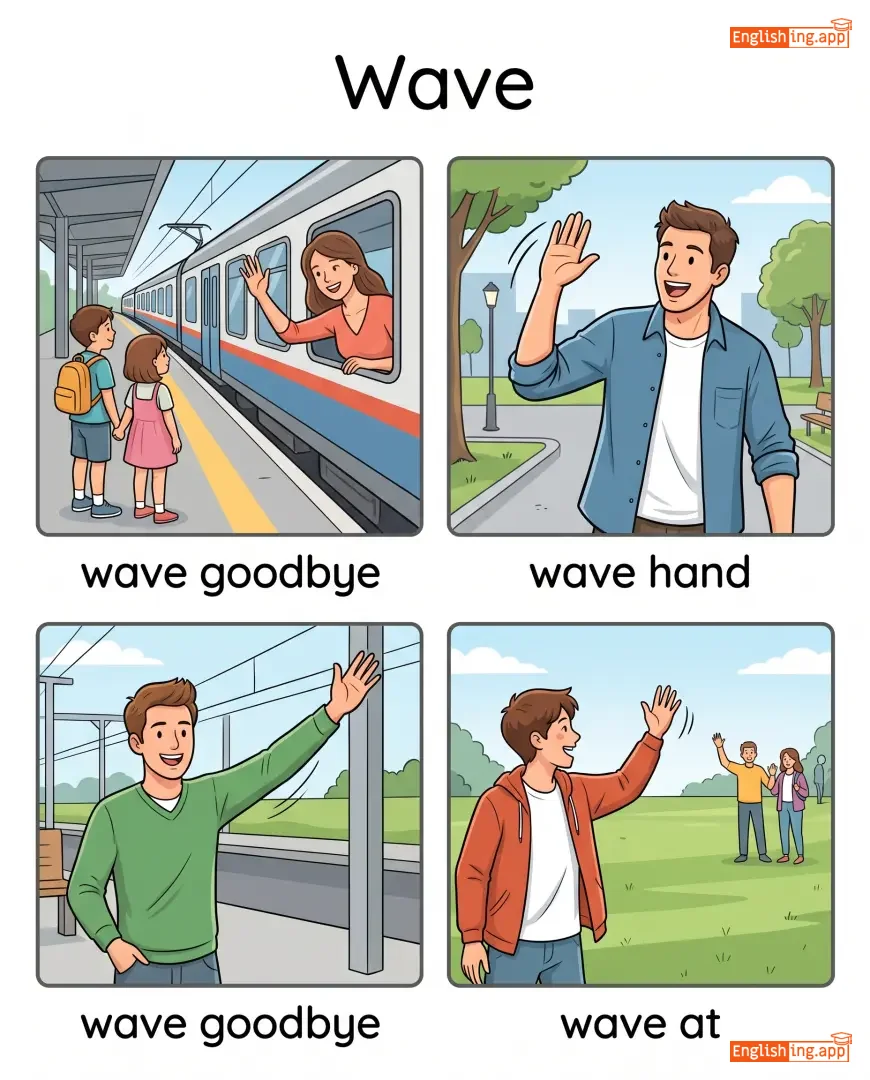
コロケーション
ニーモニック


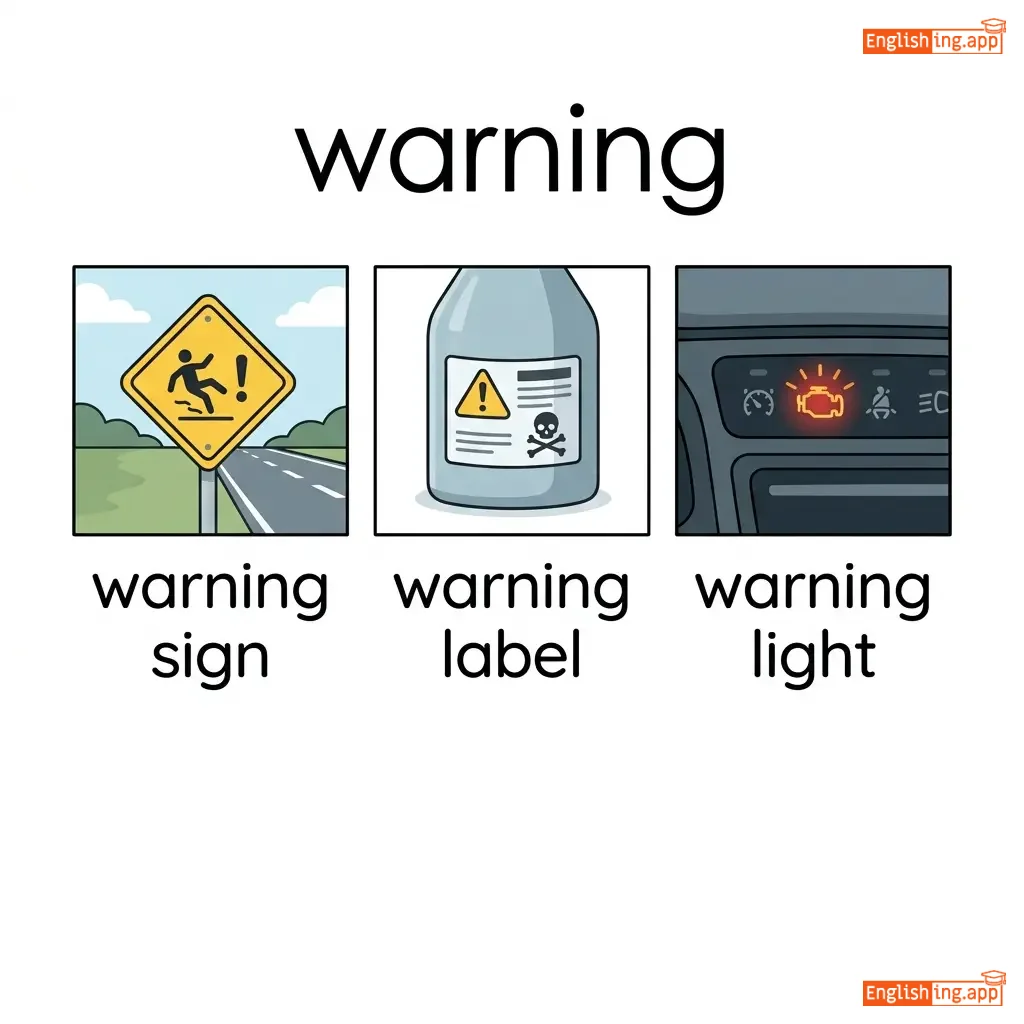
Swipe left or right, or use the buttons. Tap image to zoom.
例文の翻訳
単語
Lesson 76Lesson 76 - マスクトグル
|
絵文字
|
単語 | Images | 翻訳 | 意味 | 例文 | 例文の翻訳 | 同義語 | 対義語 | コロケーション | ニーモニック |
|---|---|---|---|---|---|---|---|---|---|---|
|
#1501
😄
|
/wæɡ/
noun
(ワグ)
••••••
|
- •••••• |
お調子者; いつも冗談を言って楽しむ人
wag
••••••
|
a humorous or playful person; someone who enjoys joking around
••••••
|
The class wag always made everyone laugh with his clever jokes. |
クラスのワグは、いつも賢い冗談でみんなを笑わせていた。
Kurasu no wag wa, itsumo kashikoi jōdan de minna o warawasete ita.
••••••
|
joker, comedian, wit, jester
••••••
|
serious person, bore, killjoy
••••••
|
class wag, office wag, little wag
••••••
|
Wag は日本語で‘お調子者’として知られ、冗談を言って周りを笑わせることが得意な人です。
••••••
|
|
#1502
⚔️
|
/ˈwɒr.i.ər/
noun
(戦士)
••••••
|
- •••••• |
戦士; 勇敢または経験豊富な戦闘者
senshi
••••••
|
a person who fights in battles; a brave or experienced fighter
••••••
|
The brave warrior defended his village from the invaders. |
勇敢な戦士が侵略者から村を守った。
Yūkan na senshi ga shinryakusha kara mura o mamotta.
••••••
|
fighter, soldier, combatant, champion
••••••
|
coward, pacifist, civilian
••••••
|
brave warrior, ancient warrior, warrior spirit, warrior culture
••••••
|
戦士は常に勇敢で、戦うために生まれた人です。
••••••
|
|
#1503
💰
|
/weɪdʒ/
noun
(ウェイジ)
••••••
|
- •••••• |
賃金; 給料;
weiji
••••••
|
money paid to someone for work, especially for work done by the hour or day
••••••
|
The company increased the minimum wage for all workers. |
会社はすべての労働者の最低賃金を引き上げました。
Kaisha wa subete no rōdōsha no saitei chingin o hikiagemashita.
••••••
|
salary, pay, earnings, remuneration
••••••
|
debt, expense, cost
••••••
|
minimum wage, hourly wage, wage increase, living wage
••••••
|
No •••••• |
|
#1504
🗑️
|
/ˈweɪ.stɪdʒ/
noun
(ウェイステージ)
••••••
|
- •••••• |
無駄遣い
mudazukai
••••••
|
the action of using or expending something carelessly or without purpose
••••••
|
The company reduced food wastage by implementing better inventory management. |
会社はより良い在庫管理を導入することにより、食料の無駄遣いを減らしました。
Kaisha wa yori yoi zaiko kanri o dōnyū suru koto ni yori, shokuryō no mudazukai o herashimashita.
••••••
|
waste, squandering, misuse, loss
••••••
|
conservation, saving, preservation, efficiency
••••••
|
food wastage, energy wastage, reduce wastage, prevent wastage
••••••
|
無駄遣いを減らすことで、資源を大切にする方法を学ぼう!
••••••
|
|
#1505
👶
|
/weɪf/
noun
(ウィーフ)
••••••
|
- •••••• |
ホームレスまたは放棄された子供; 野良の人や動物
wīfu
••••••
|
a homeless or abandoned child; a stray person or animal
••••••
|
The charity helps waifs and strays find homes and families. |
チャリティーはホームレスの子供たちと野良の人々が家と家族を見つける手助けをします。
charitī wa hōmuresu no kodomotachi to nora no hitobito ga ie to kazoku o mitsukeru tetsuduke o shimasu.
••••••
|
orphan, stray, abandoned child, foundling
••••••
|
cared child, protected person
••••••
|
waifs and strays, homeless waif, abandoned waif
••••••
|
野良猫や野良犬が家を見つける手助けをするチャリティー
••••••
|
|
#1506
⌚
|
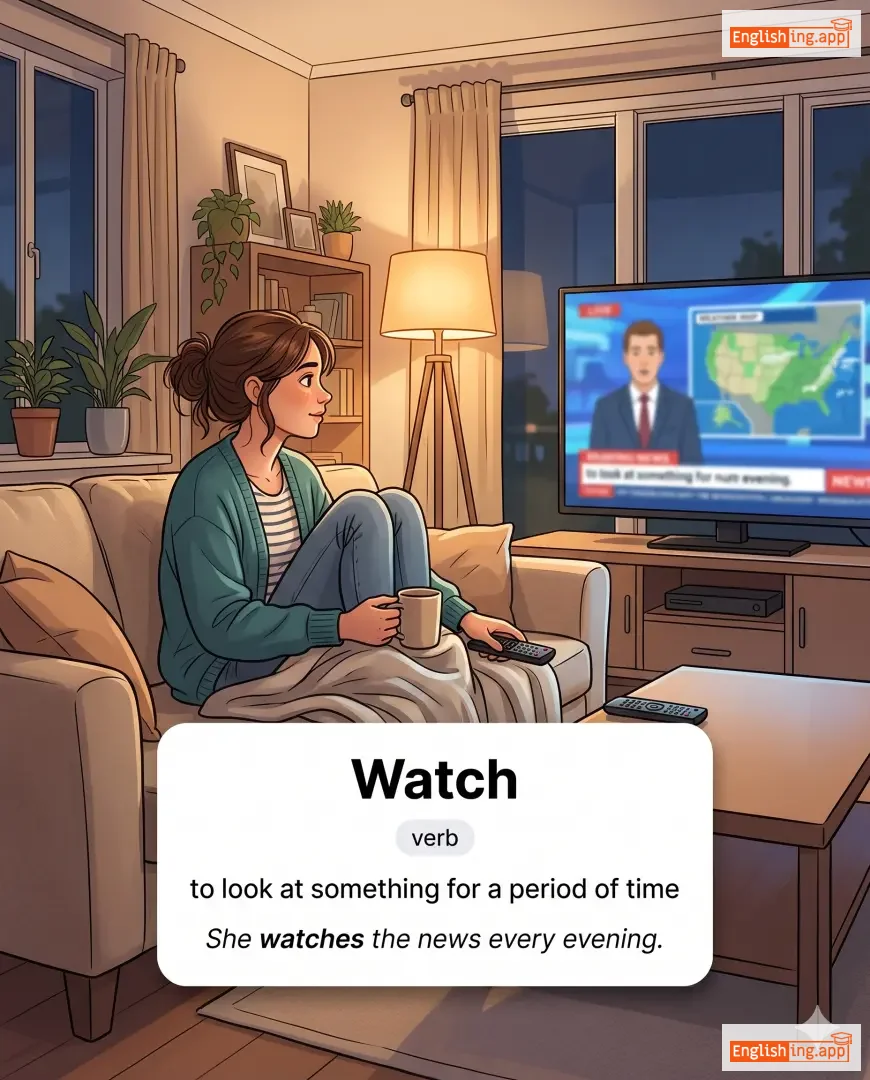
/wɒtʃ/
noun
(ウォッチ)
••••••
|
|
時計; 監視; 観察
tokei; kanshi; kansatsu
••••••
|
a small timepiece worn on the wrist; the act of observing or monitoring
••••••
|
He checked his watch to see if he was late for the meeting.
彼は会議に遅れないか確認するために時計を見ました。
••••••
|
彼は会議に遅れないか確認するために時計を見ました。
Kare wa kaigi ni okurenai ka kakunin suru tame ni tokei o mimashita.
••••••
|
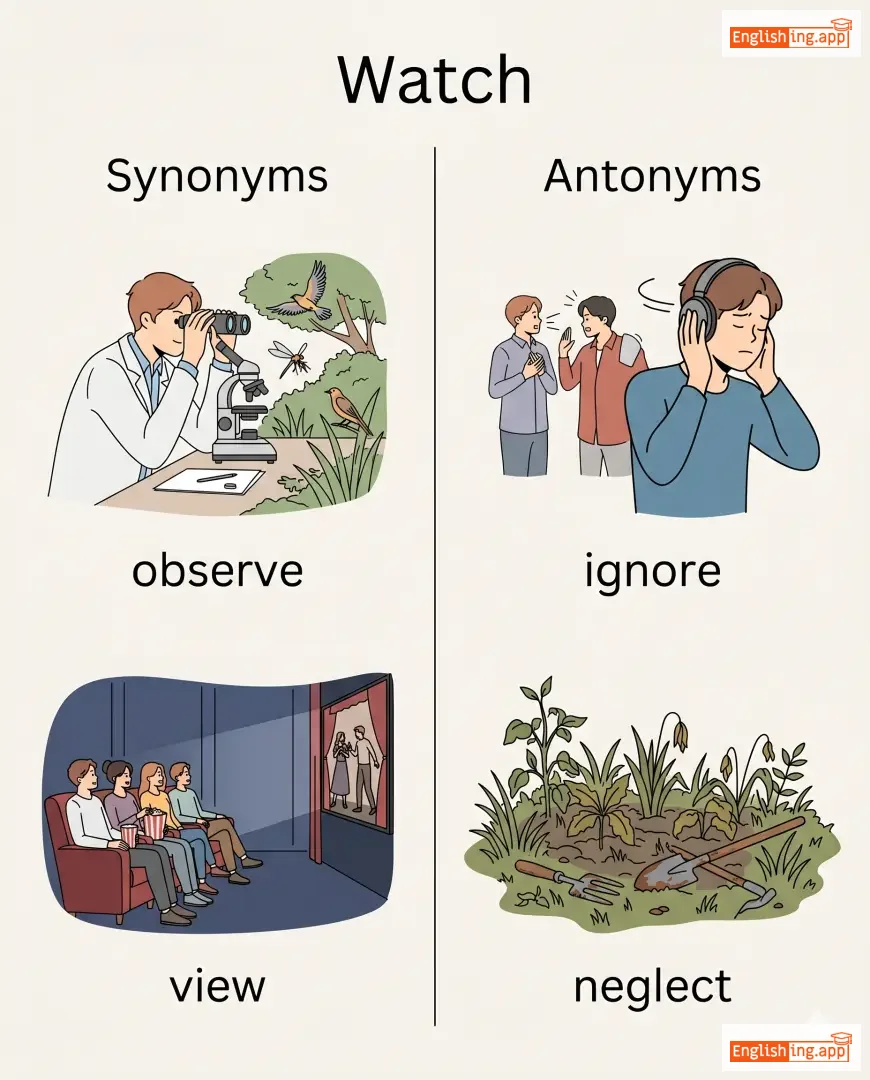
timepiece, clock, observe, monitor
••••••
|
ignore, neglect, overlook
••••••
|
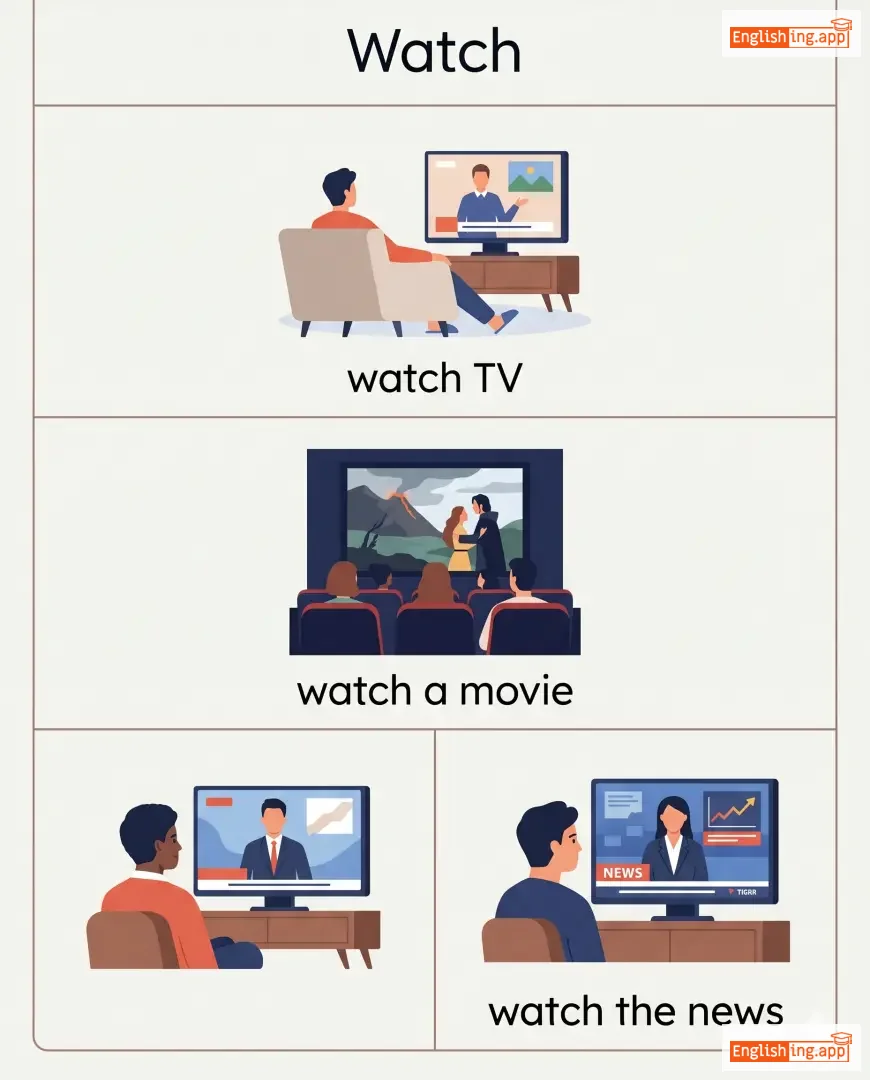
wrist watch, pocket watch, watch time, keep watch
••••••
|
時計が時間を監視するように、私たちもそれを観察することができます。
••••••
|
|
#1507
😭
|
/weɪl/
noun
(ウェイル)
••••••
|
- •••••• |
泣き声; 叫び
wail
••••••
|
a prolonged cry of pain, grief, or anger; to cry loudly
••••••
|
The child's wail could be heard throughout the house. |
その子供の泣き声は家中に聞こえた。
sono kodomo no nakigoe wa iejū ni kikoeta.
••••••
|
cry, howl, sob, lament
••••••
|
laugh, giggle, chuckle
••••••
|
mournful wail, plaintive wail, wail of despair
••••••
|
Wail (泣き声) は痛みや悲しみの叫び声です
••••••
|
|
#1508
🌊
|
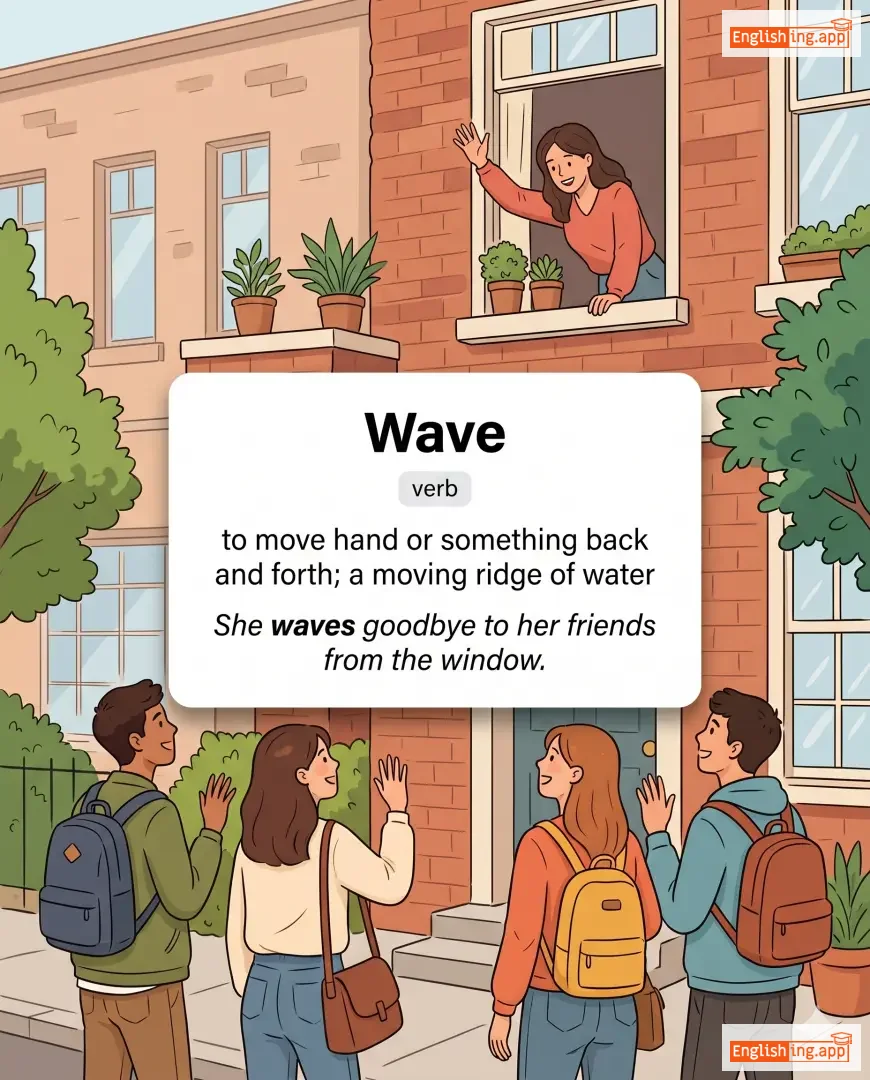
/weɪv/
noun
(ウェイヴ)
••••••
|
|
波; うねり
nami; uneri
••••••
|
a moving ridge on the surface of water; a gesture of greeting or farewell
••••••
|
The surfer rode the big wave all the way to the shore. |
サーフィンの選手は大きな波に乗って、岸まで行きました。
Sāfin no senshu wa ōkina nami ni notte, kishi made ikimashita.
••••••
|
ripple, surge, breaker, billow
••••••
|
stillness, calm, flatness
••••••
|
ocean wave, sound wave, heat wave, wave goodbye
••••••
|
波に乗って、手を振ってさようなら!
••••••
|
|
#1509
👛
|
/ˈwɒlɪt/
noun
(woretto)
••••••
|
- •••••• |
財布
saifu
••••••
|
a small folding case for carrying money, credit cards, and identification
••••••
|
He pulled out his wallet to pay for the coffee. |
彼はコーヒーを払うために財布を取り出しました。
Kare wa koohii o harau tame ni saifu o toridashimashita.
••••••
|
purse, billfold, pocketbook
••••••
|
safe, vault, treasury
••••••
|
leather wallet, digital wallet, wallet chain, lost wallet
••••••
|
財布はお金やカードを入れる場所
••••••
|
|
#1510
🕯️
|
/wæks/
noun
(ワックス)
••••••
|
- •••••• |
ワックス
wakkusu
••••••
|
a solid substance that melts when heated, used for making candles and polishing
••••••
|
She used candle wax to seal the old letter. |
彼女は古い手紙を封印するためにキャンドルのワックスを使いました。
Kanojo wa furui tegami o fūin suru tame ni kyandoru no wakkusu o tsukaimashita.
••••••
|
paraffin, beeswax, polish, coating
••••••
|
liquid, solvent, thinner
••••••
|
candle wax, car wax, beeswax, wax coating
••••••
|
ワックスはキャンドルに使われます、'ワックス'のように
••••••
|
|
#1511
🚶
|
/ˈwɒndərər/
noun
(ワンダラー)
••••••
|
- •••••• |
放浪者; 明確な目的地なしに旅をする人
wandarā
••••••
|
a person who travels aimlessly; someone who roams from place to place
••••••
|
The wanderer explored different countries without a fixed destination.
ワンダラーは固定された目的地なしで異なる国々を探検しました。
••••••
|
放浪者は固定された目的地なしで異なる国々を探検しました。
Hōrō-sha wa kotei sareta mokutekichi nashi de kotonaru kuniguni o tanken shimashita.
••••••
|
traveler, nomad, roamer, drifter
••••••
|
settler, resident, homebody
••••••
|
lonely wanderer, restless wanderer, eternal wanderer
••••••
|
放浪者 = 目的地なしに旅をする人、Wandererのよう
••••••
|
|
#1512
🛤️
|
/weɪ/
noun
(ウェイ)
••••••
|
- •••••• |
方法; 道; スタイル; 手段
hōhō; michi; sutairu; shudan
••••••
|
a method, style, or manner of doing something; a road or path
••••••
|
There must be a better way to solve this problem.
この問題を解決するためにもっと良い方法が必要です。
••••••
|
この問題を解決するためにもっと良い方法が必要です。
Kono mondai o kaiketsu suru tame ni motto yoi hōhō ga hitsuyō desu.
••••••
|
method, path, route, manner, approach
••••••
|
obstacle, barrier, dead end
••••••
|
best way, right way, new way, way out
••••••
|
Wayと日本語の道が似ている。目標に向かって進む道を思い描いてみましょう。
••••••
|
|
#1513
💸
|
/wɒnt/
noun
(ウォント)
••••••
|
|
不足; 必要
fusoku; hitsuyou
••••••
|
lack or shortage of something; poverty or need
••••••
|
There is a want of fresh water in the drought-affected areas.
干ばつの影響を受けた地域では、新鮮な水が不足しています。
••••••
|
干ばつの影響を受けた地域では、新鮮な水が不足しています。
Kanbatsu no eikyou o uketa chiiki dewa, shinsen na mizu ga fusoku shiteimasu.
••••••
|
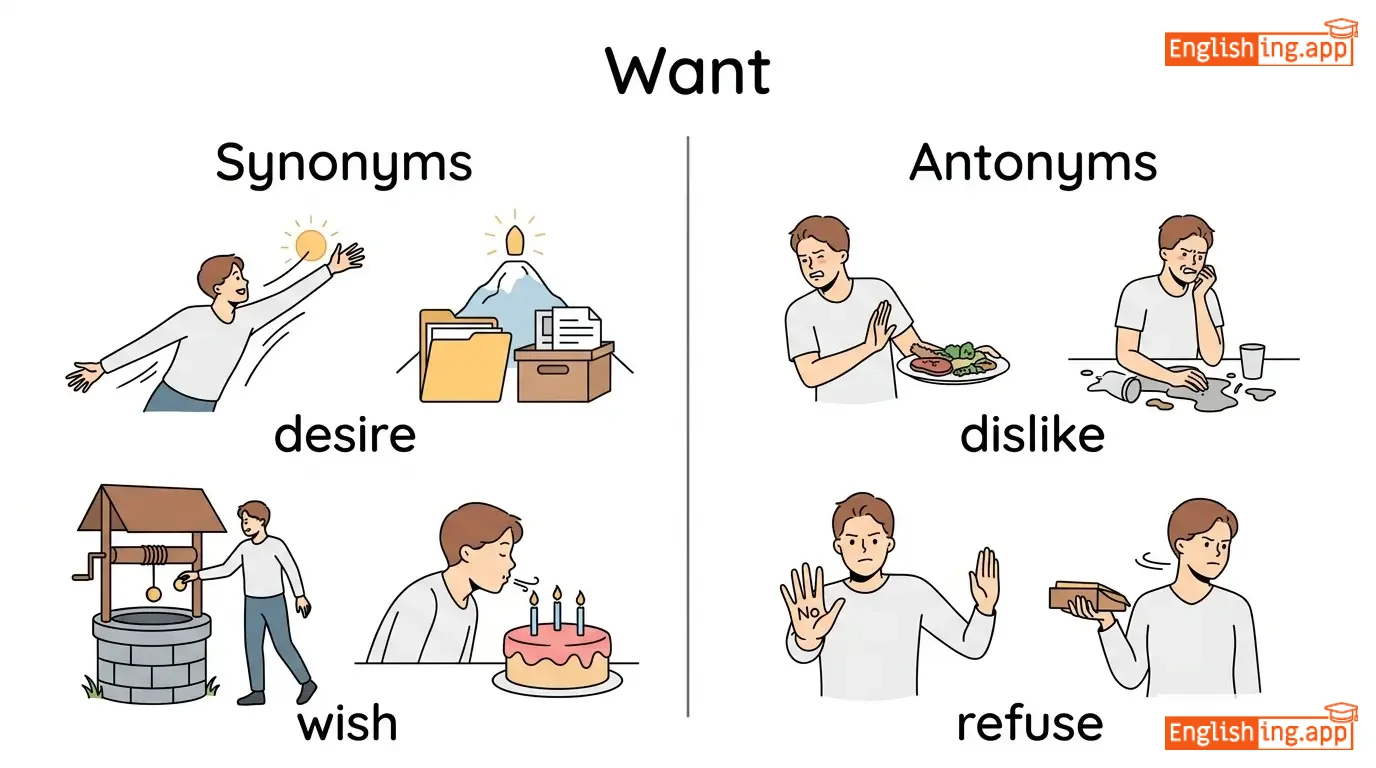
lack, need, shortage, deficiency
••••••
|
abundance, plenty, surplus, excess
••••••
|
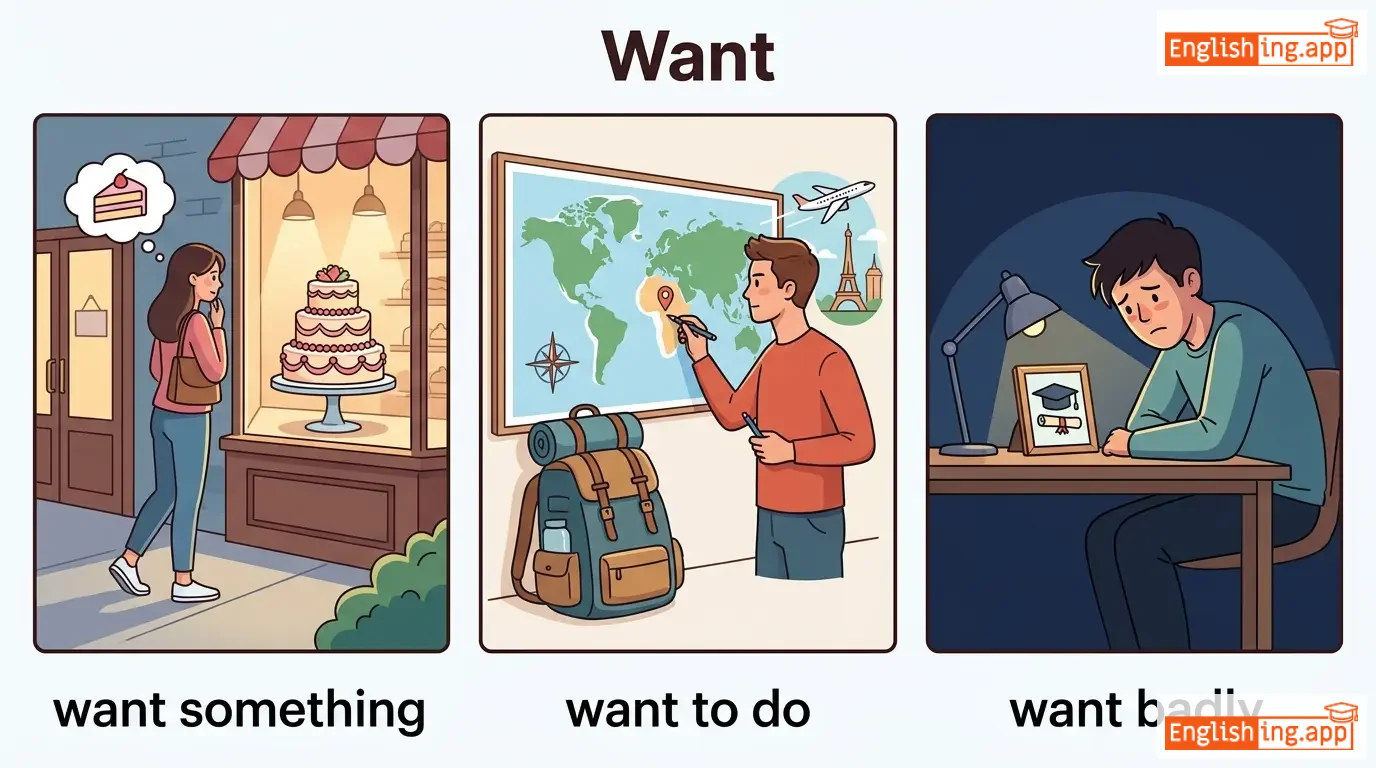
want of money, want of food, for want of
••••••
|
Want は英語で不足や必要を意味し、例えば水の不足のように使います。
••••••
|
|
#1514
💰
|
/welθ/
noun
(wɛlθ)
••••••
|
|
富
tomari
••••••
|
an abundance of valuable possessions or money; prosperity
••••••
|
His wealth came from years of hard work and smart investments.
hɪz wɛlθ keɪm frɒm jɪərz ʌv hɑrd wɜrk ænd smɑrt ɪnvɛstmənts.
••••••
|
彼の富は何年もの努力と賢い投資から来ました。
Kare no tomari wa nannen mo no doryoku to kashikoi toushi kara kimashita.
••••••
|
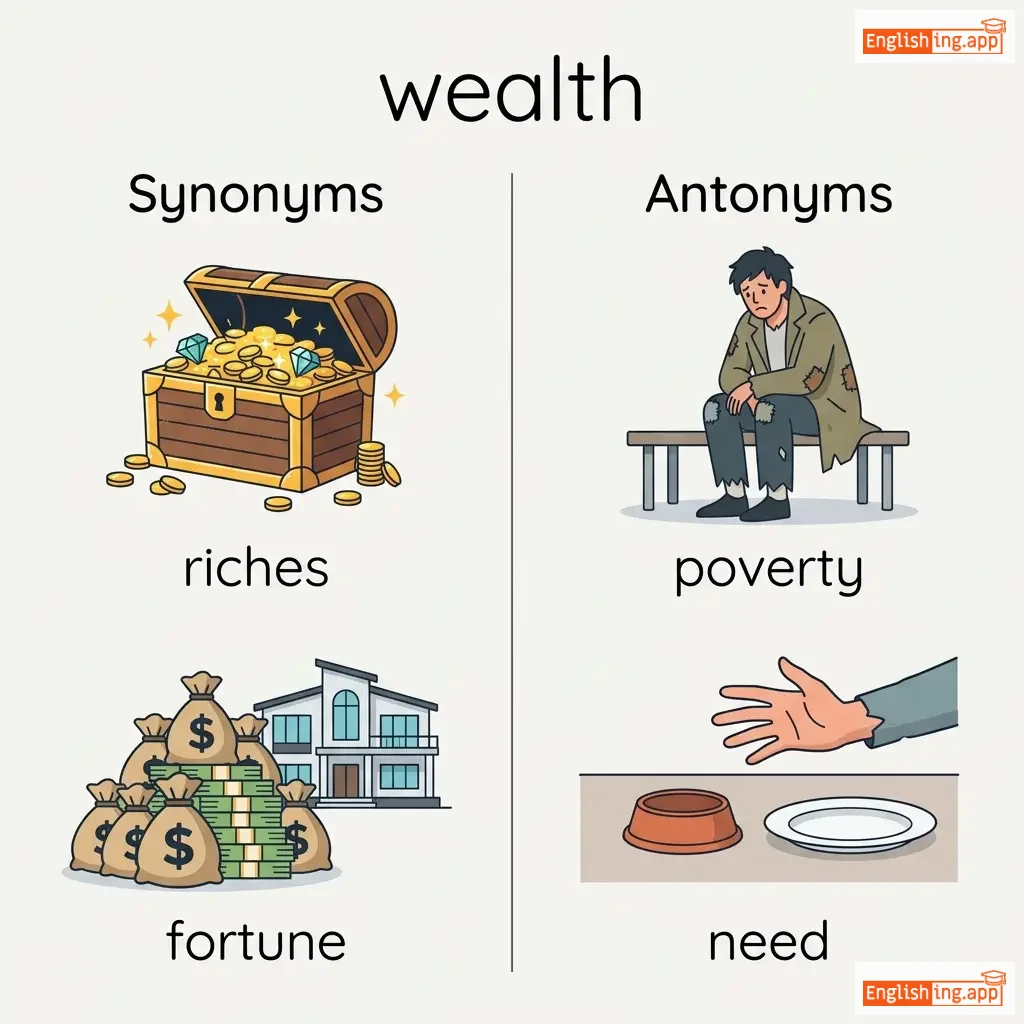
riches, fortune, prosperity, affluence
••••••
|
poverty, destitution, want, need
••••••
|
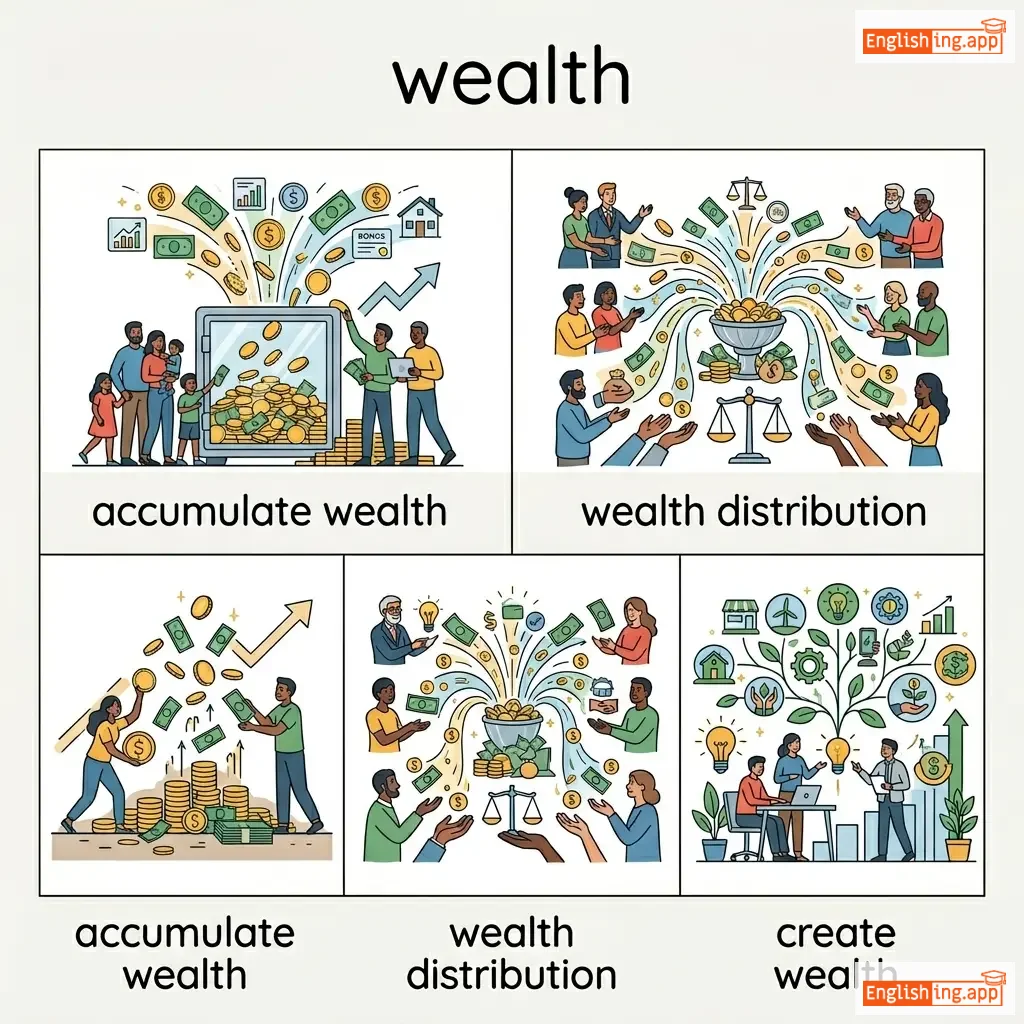
great wealth, personal wealth, wealth creation, wealth distribution
••••••
|
富は、賢い投資と努力から生まれます。
••••••
|
|
#1515
⚔️
|
/ˈwɔːfeər/
noun
(戦争)
••••••
|
- •••••• |
戦争
sensō
••••••
|
armed conflict between different countries or groups; the activity of fighting a war
••••••
|
Modern warfare involves advanced technology and strategic planning. |
現代の戦争には高度な技術と戦略的計画が含まれています。
gendai no sensō niwa kōdo na gijutsu to senryakuteki keikaku ga fukumareteimasu.
••••••
|
combat, battle, conflict, fighting
••••••
|
peace, harmony, truce, ceasefire
••••••
|
modern warfare, guerrilla warfare, chemical warfare, psychological warfare
••••••
|
戦争は計画と技術が必要な戦いです。
••••••
|
|
#1516
🗡️
|
/ˈwep.ən/
noun
(ウェポン)
••••••
|
- •••••• |
武器
buki
••••••
|
a thing designed or used for inflicting bodily harm or physical damage
••••••
|
The police found a dangerous weapon at the crime scene.
警察は犯罪現場で危険な武器を発見した。
••••••
|
警察は犯罪現場で危険な武器を発見した。
Keisatsu wa hanzai genba de kiken na buki o hakken shita.
••••••
|
arm, armament, firearm, tool of violence
••••••
|
shield, protection, defense, peace
••••••
|
deadly weapon, nuclear weapon, weapon of mass destruction, concealed weapon
••••••
|
武器は自己防衛や攻撃のために使われる道具であり、力を象徴する。
••••••
|
|
#1517
⚠️
|
/ˈwɔːnɪŋ/
noun
(ウォーニング)
••••••
|
|
警告
keikoku
••••••
|
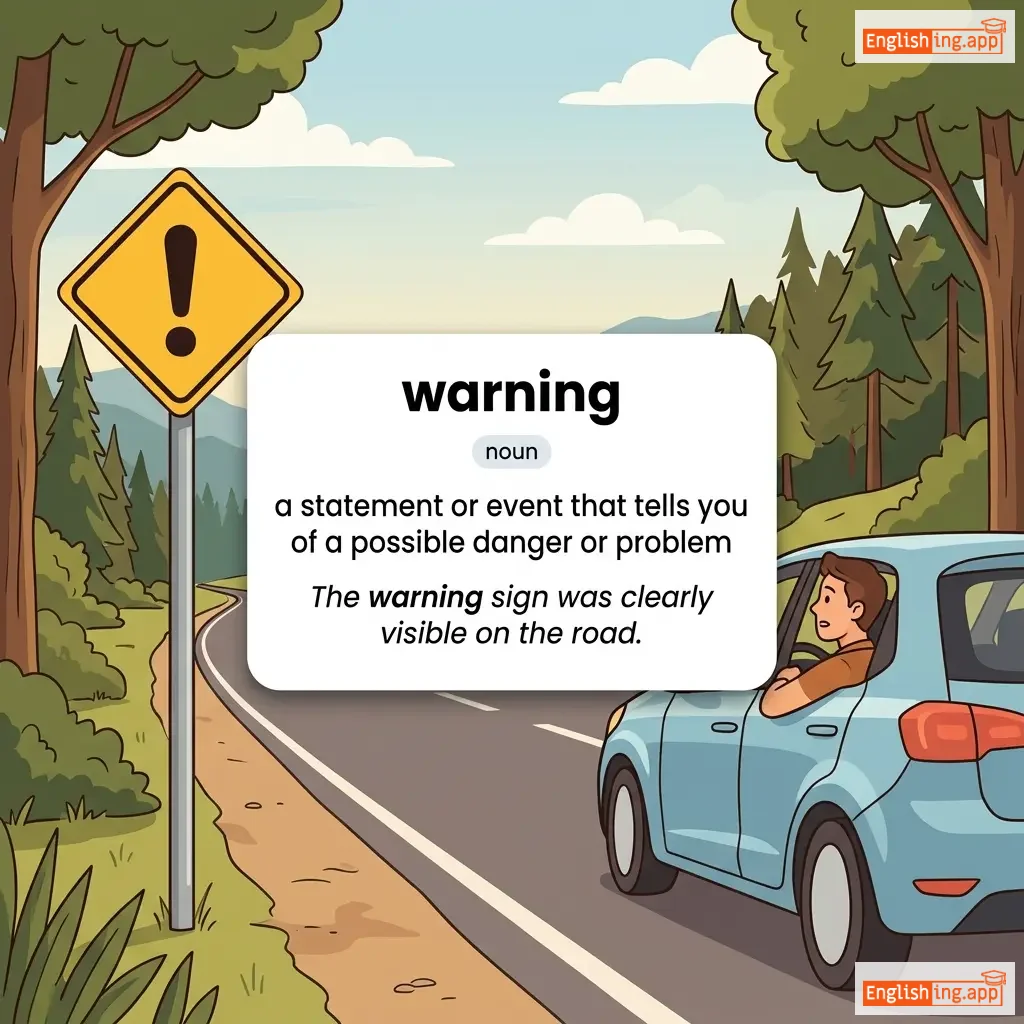
a statement or event that indicates a possible or impending danger, problem, or other unpleasant situation
••••••
|
The weather service issued a severe storm warning.
気象サービスは激しい嵐の警告を発表しました。
••••••
|
気象サービスは激しい嵐の警告を発表しました。
Kishou sābisu wa hageshī arashi no keikoku o happyou shimashita.
••••••
|
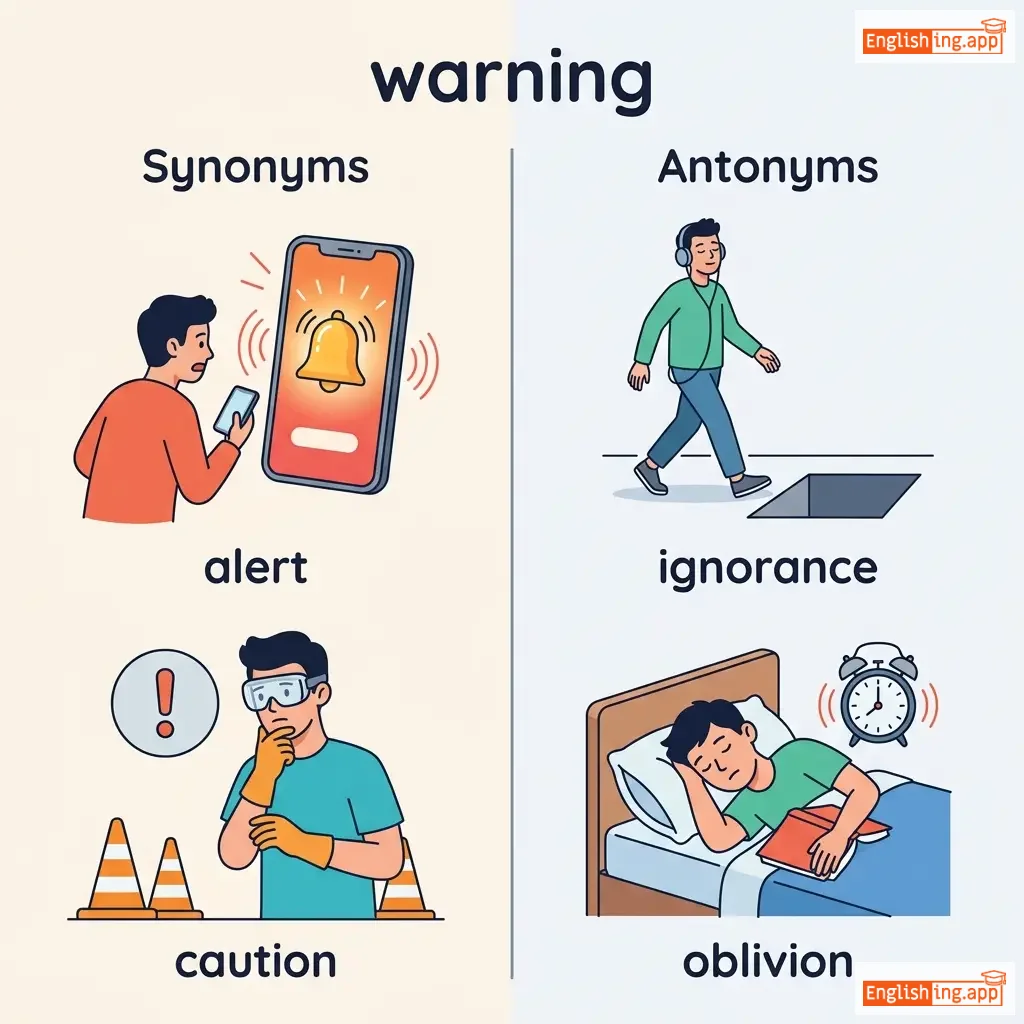
alert, caution, notice, alarm
••••••
|
assurance, guarantee, safety, security
••••••
|
warning sign, early warning, final warning, health warning
••••••
|
Keikoku is warning, like the English warning, used for situations indicating danger.
••••••
|
|
#1518
🧀
|
/wedʒ/
noun
(ウェッジ)
••••••
|
- •••••• |
くさび; ける; 割る
kusabi; keru; waru
••••••
|
a triangular piece of wood or metal used for splitting or securing; a piece of cheese or cake
••••••
|
He used a wooden wedge to split the log into smaller pieces. |
彼は木のくさびを使って丸太を小さな部分に割りました。
Kare wa ki no kusabi wo tsukatte maruta wo chiisana bubun ni warimashita.
••••••
|
triangle, slice, segment, piece
••••••
|
whole, unity, complete piece
••••••
|
cheese wedge, door wedge, wedge shape, driving wedge
••••••
|
ケーキを分けるためにくさびを使ってみてください。
••••••
|
|
#1519
📋
|
/ˈwɒrənt/
noun
(ワラント)
••••••
|
- •••••• |
捜索令状
sōsaku reijō
••••••
|
a legal document that gives police the authority to do something; justification or authority for an action
••••••
|
The police obtained a search warrant before entering the building.
警察は建物に入る前に捜索令状を取得しました。
••••••
|
警察は建物に入る前に捜索令状を取得しました。
Keisatsu wa tatemono ni hairu mae ni sōsaku reijō o shutoku shimashita.
••••••
|
authorization, permit, license, mandate
••••••
|
prohibition, ban, restriction
••••••
|
search warrant, arrest warrant, death warrant, warrant officer
••••••
|
捜索令状は、警察行動の許可証です。
••••••
|
|
#1520
💒
|
/ˈwed.lɒk/
noun
(wɛd lɒk)
••••••
|
- •••••• |
結婚
kekkon
••••••
|
the state of being married; matrimony
••••••
|
They have been happily united in wedlock for twenty years. |
彼らは二十年間幸せに結婚しています。
Karera wa nijū nenkan shiawase ni kekkon shiteimasu.
••••••
|
marriage, matrimony, union, partnership
••••••
|
divorce, separation, singleness, celibacy
••••••
|
holy wedlock, born in wedlock, wedlock ceremony, blessed wedlock
••••••
|
結婚 = 結 (bind) + 婚 (marriage)
••••••
|
Vocabulary Quiz
Test your vocabulary by matching words with their translations or meanings.
Login to take the quiz
Comments (0)
Share your thoughts and join the discussion.
Join the discussion by logging in
Login to CommentNo comments yet
Be the first to share your thoughts!