

翻訳
過去
過去分詞
三人称単数
動名詞
意味
例文
例文の翻訳
同義語
対義語
コロケーション
ニーモニック


Swipe left or right, or use the buttons. Tap image to zoom.
例文の翻訳
単語
Lesson 45Lesson 45 - マスクトグル
|
絵文字
|
単語 | Images | 翻訳 | 意味 | 例文 | 例文の翻訳 | 同義語 | 対義語 | コロケーション | ニーモニック |
|---|---|---|---|---|---|---|---|---|---|---|
|
#881
🔀
|
/ˈmɪks.tʃər/
noun
(mikkusyaa)
••••••
|
- •••••• |
混合物
kongō-mono
••••••
|
a combination of different substances or elements
••••••
|
The cake batter is a mixture of flour, eggs, and milk.
ケーキの生地は小麦粉、卵、牛乳の混合物です。
••••••
|
ケーキの生地は小麦粉、卵、牛乳の混合物です。
Kēki no kiji wa komugiko, tamago, gyūnyū no kongō-mono desu.
••••••
|
blend, combination, compound, fusion
••••••
|
separation, isolation, purity
••••••
|
mixture of, chemical mixture, complex mixture
••••••
|
混合物 - いろいろな材料を混ぜておいしいケーキを作ろう!
••••••
|
|
#882
🏛️
|
/ˈmɒn.ə.stər.i/
noun
(モナステリー)
••••••
|
- •••••• |
修道院; アシュラム
shūdōin; ashuramu
••••••
|
a building or group of buildings where monks live and worship
••••••
|
The ancient monastery was built on a hilltop. |
古代の修道院は丘の頂上に建てられました。
Kodai no shūdōin wa oka no chōjō ni tateraremashita.
••••••
|
abbey, convent, cloister, retreat
••••••
|
secular building, commercial area
••••••
|
ancient monastery, Buddhist monastery, mountain monastery
••••••
|
修道院とアシュラムは精神的な場所として使用される場所です。
••••••
|
|
#883
👥
|
/mɒb/
noun
(モブ)
••••••
|
- •••••• |
暴徒; 暴力的に行動するグループ
bōtō; bōryoku-teki ni kōdō suru gurūpu
••••••
|
a large crowd of people; a group that acts in a violent way
••••••
|
An angry mob gathered outside the building.
An angry mob gathered outside the building.
••••••
|
怒った暴徒が建物の外に集まった。
Okotta bōtō ga tatemono no soto ni atsumatta.
••••••
|
crowd, gang, horde, rabble
••••••
|
individual, order, peace
••••••
|
angry mob, mob rule, mob violence
••••••
|
Mobの暴力的な力がグループを暴徒に変える
••••••
|
|
#884
🧘♂️
|
/mʌŋk/
noun
(マンク)
••••••
|
- •••••• |
僧侶
sōryo
••••••
|
a man who is a member of a religious community living under vows
••••••
|
The monk spent hours in meditation each day.
その僧侶は毎日数時間を瞑想に費やしました。
••••••
|
その僧侶は毎日数時間を瞑想に費やしました。
Sono sōryo wa mainichi suū jikan o meisō ni tsuiyashimashita.
••••••
|
friar, religious, ascetic, hermit
••••••
|
layperson, secular person
••••••
|
Buddhist monk, Christian monk, monastery monk
••••••
|
僧侶 (Sōryo) =瞑想 (Meditation)と誓い (Vow)
••••••
|
|
#885
🚶♂️
|
/moʊˈbɪl.ə.ti/
noun
(モビリティ)
••••••
|
|
モビリティ
mobiriti
••••••
|
the ability to move or be moved freely and easily
••••••
|
The wheelchair improved her mobility significantly.
車椅子は彼女のモビリティを大幅に向上させました。
••••••
|
車椅子は彼女のモビリティを大幅に向上させました。
kurumaisu wa kanojo no mobiriti o ōhaba ni kōjō sasemashita.
••••••
|
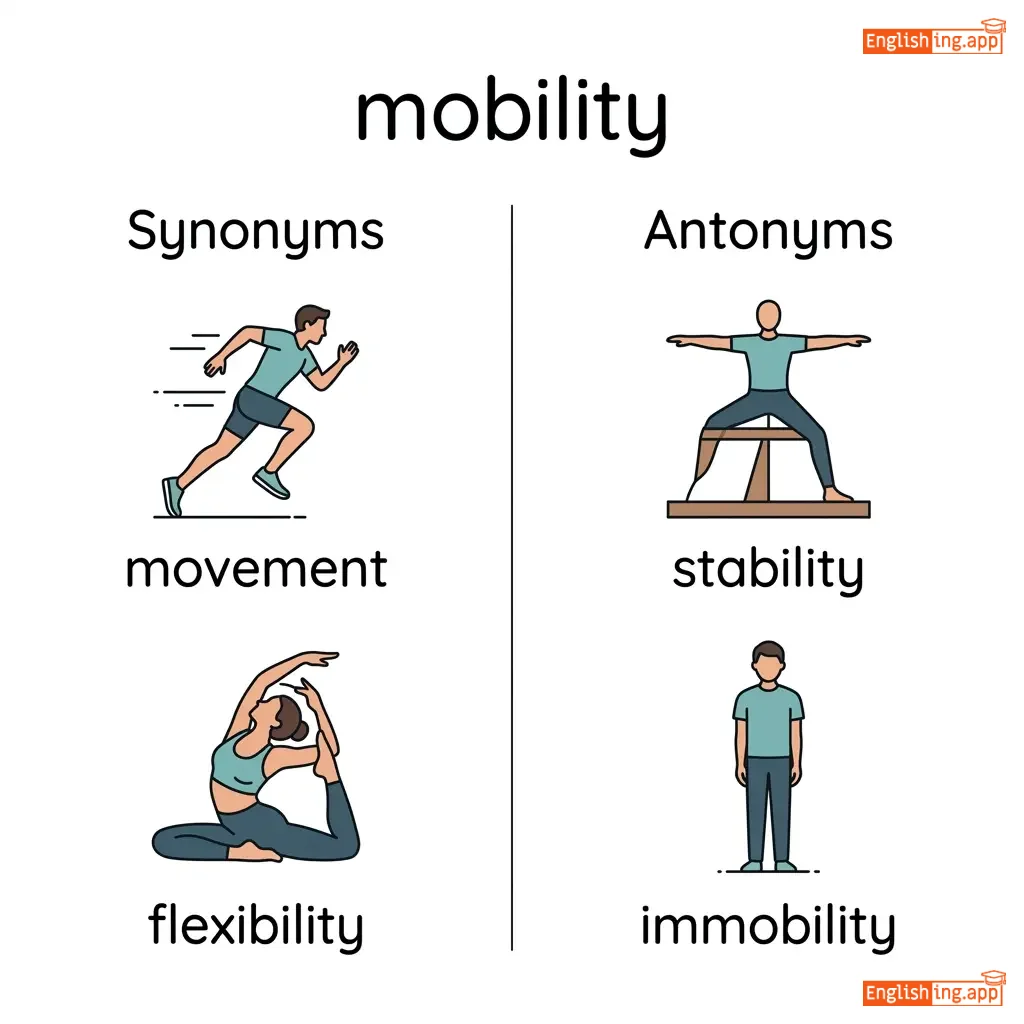
movement, agility, flexibility, portability
••••••
|
immobility, stiffness, rigidity
••••••
|
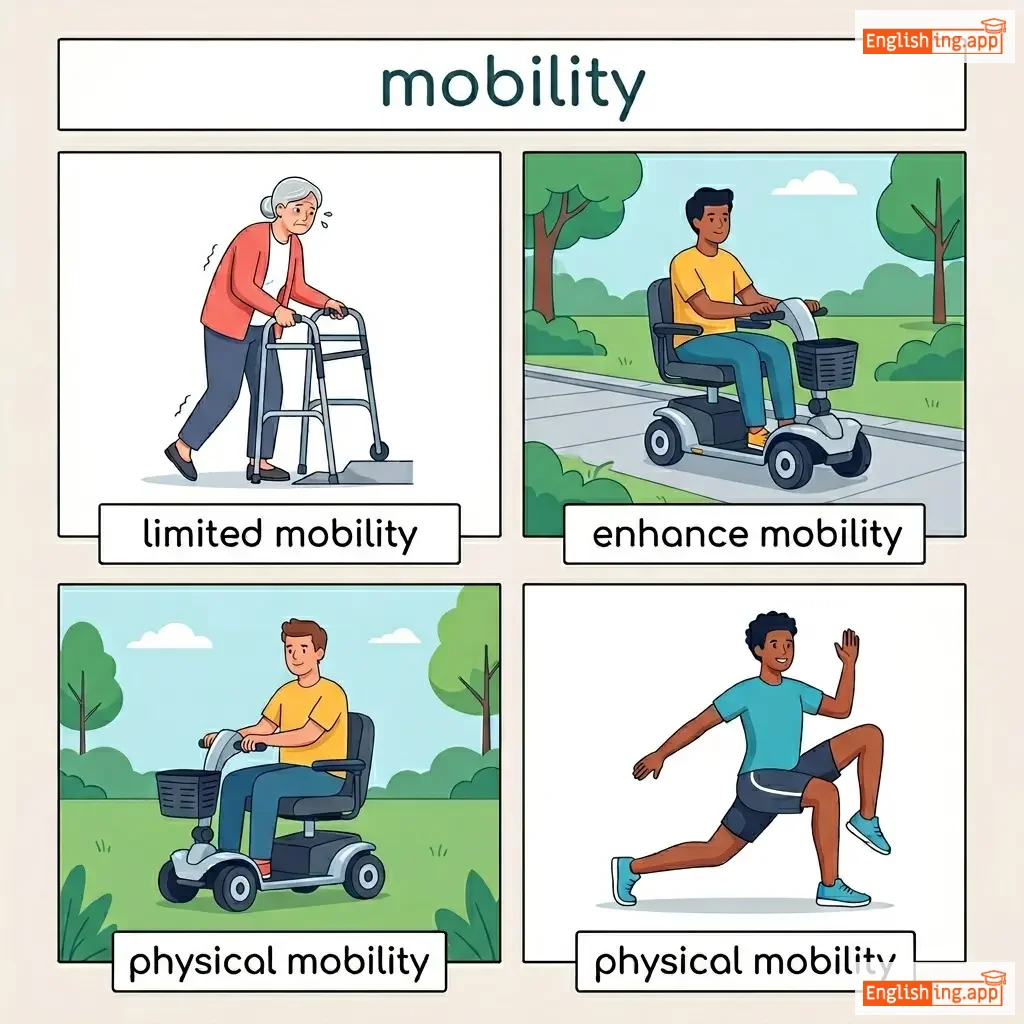
social mobility, job mobility, limited mobility
••••••
|
Mobilityはモビリティ、簡単に動ける力!
••••••
|
|
#886
🏢
|
/məˈnɒp.ə.li/
noun
(モノポリー)
••••••
|
|
独占
dokusen
••••••
|
exclusive control of a commodity or service in a particular market
••••••
|
The company has a monopoly on internet services in the area.
その地域ではその会社がインターネットサービスを独占している。
••••••
|
その地域ではその会社がインターネットサービスを独占している。
Sono chiiki de wa sono kaisha ga Intanetto sabisu o dokusen shite iru.
••••••
|
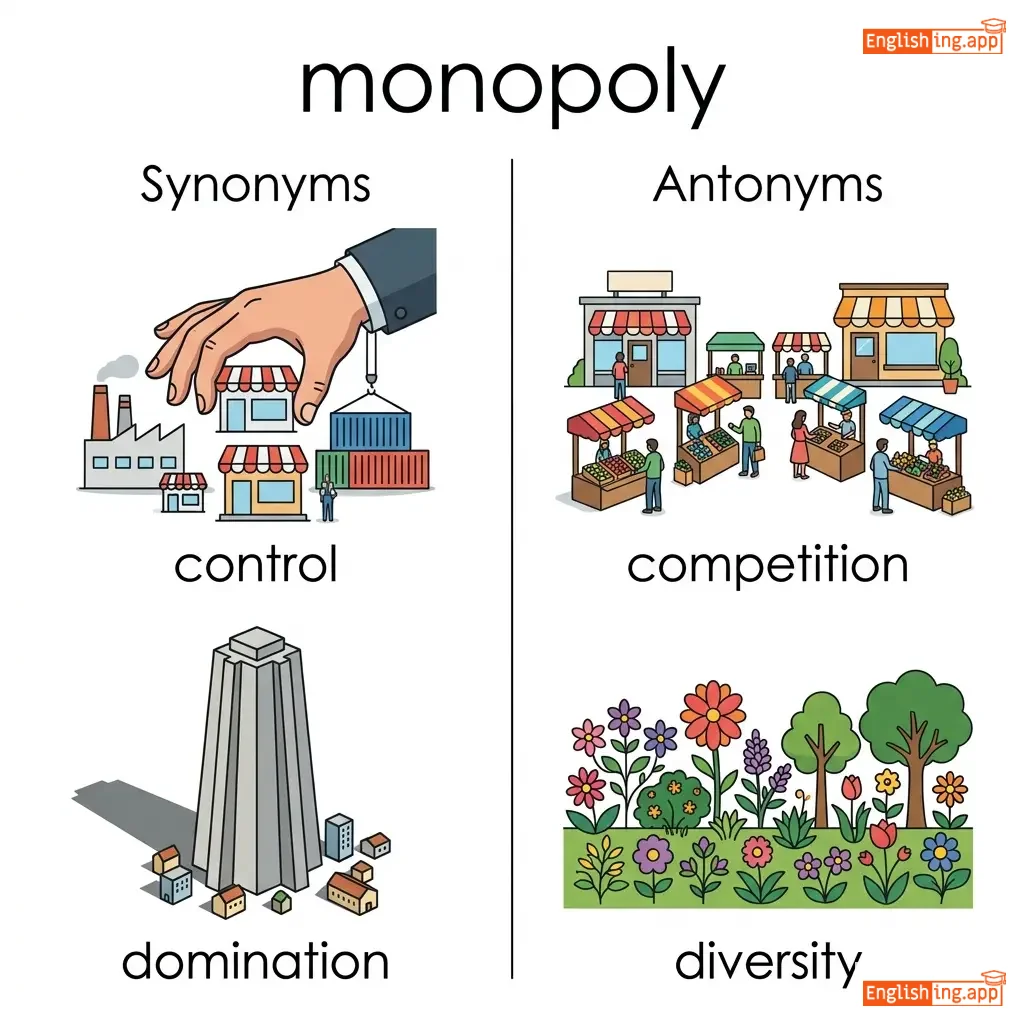
exclusive control, dominance, corner
••••••
|
competition, free market, rivalry
••••••
|
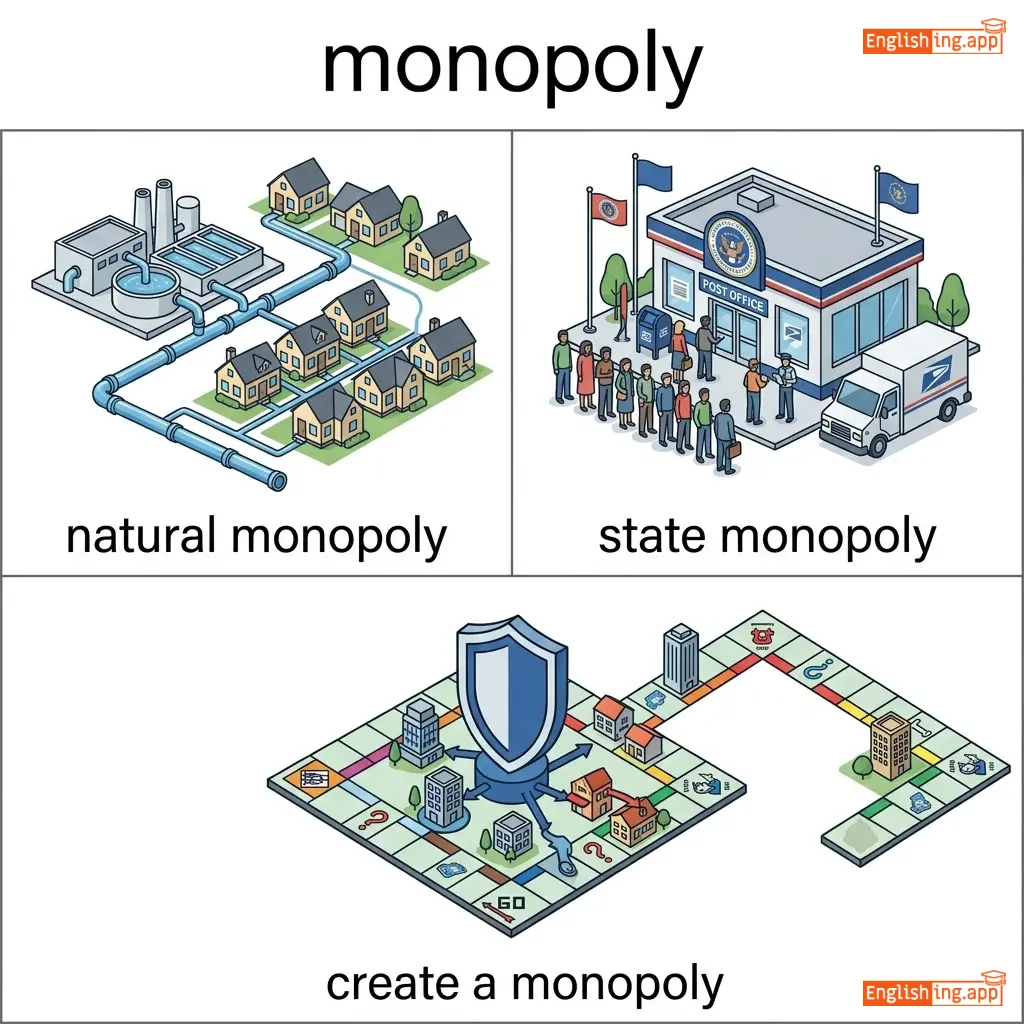
break monopoly, government monopoly, market monopoly
••••••
|
One shop rules the market -> モノポリー = mono (one) + poly (many); imagine 一軒の店が市場を支配するイメージ
••••••
|
|
#887
⚙️
|
/moʊd/
noun
(モード)
••••••
|
- •••••• |
モード; 方法
mōdo; hōhō
••••••
|
a way or manner in which something occurs or is done; a setting
••••••
|
The computer has a sleep mode to save energy. |
コンピュータにはエネルギーを節約するためのスリープモードがあります。
konpyūta ni wa enerugī o setsuyaku suru tame no surīpu mōdo ga arimasu.
••••••
|
method, way, manner, style
••••••
|
disorder, chaos, confusion
••••••
|
sleep mode, flight mode, safe mode
••••••
|
コンピュータのスリープモードはエネルギーを節約します、昼寝と同じように。
••••••
|
|
#888
😴
|
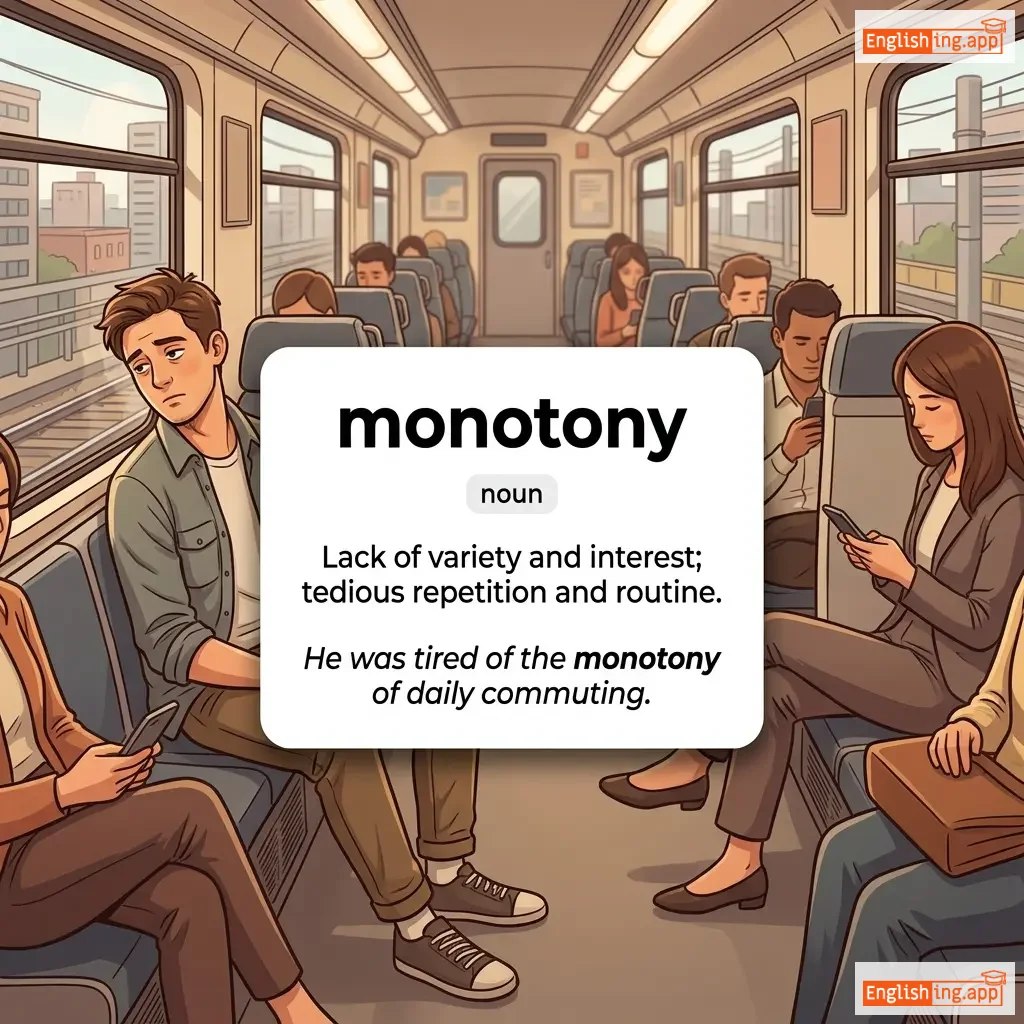
/məˈnɒt.ə.ni/
noun
(モノトニー)
••••••
|
|
単調; 退屈な繰り返し
tanchou; taikutsu na kurikaeshi
••••••
|
lack of variety and interest; tedious repetition
••••••
|
The monotony of his daily routine was driving him crazy. |
彼の日課の単調さは彼を狂わせていた。
Kare no nikka no tanchousa wa kare o kuruwasete ita.
••••••
|
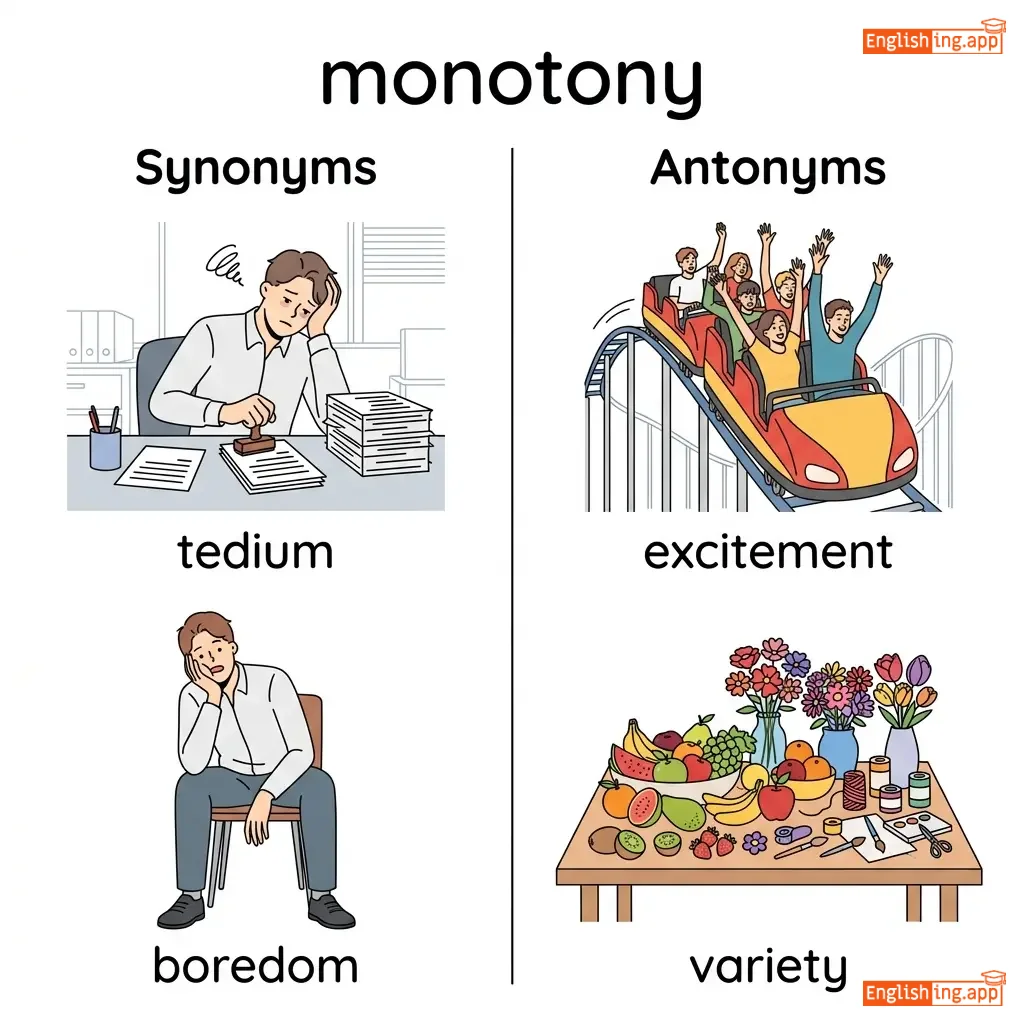
tedium, boredom, dullness, sameness
••••••
|
variety, excitement, diversity, stimulation
••••••
|
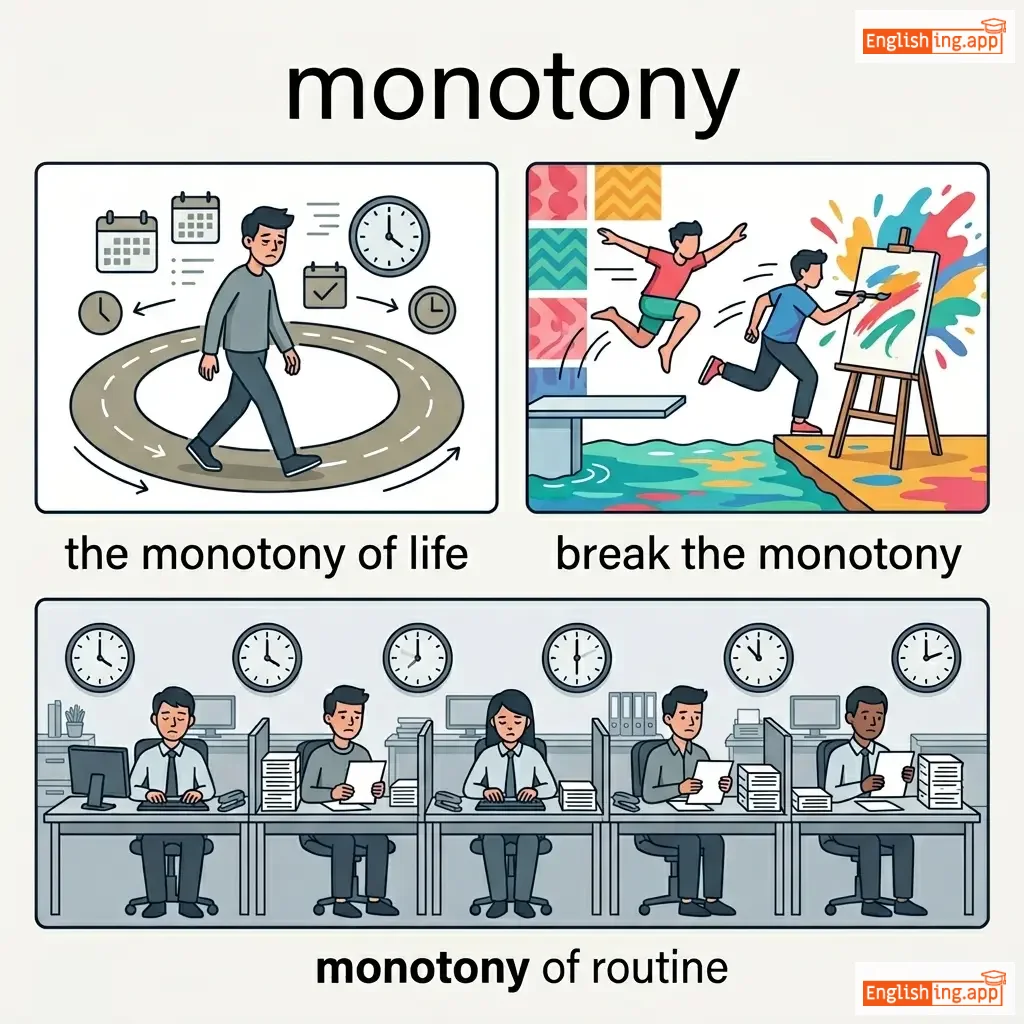
break monotony, endless monotony, daily monotony
••••••
|
In Japanese, '単調' sounds like monotony.
••••••
|
|
#889
👩💼
|
/ˈmɒd.əl/
noun
(モデル)
••••••
|
|
モデル
moderu
••••••
|
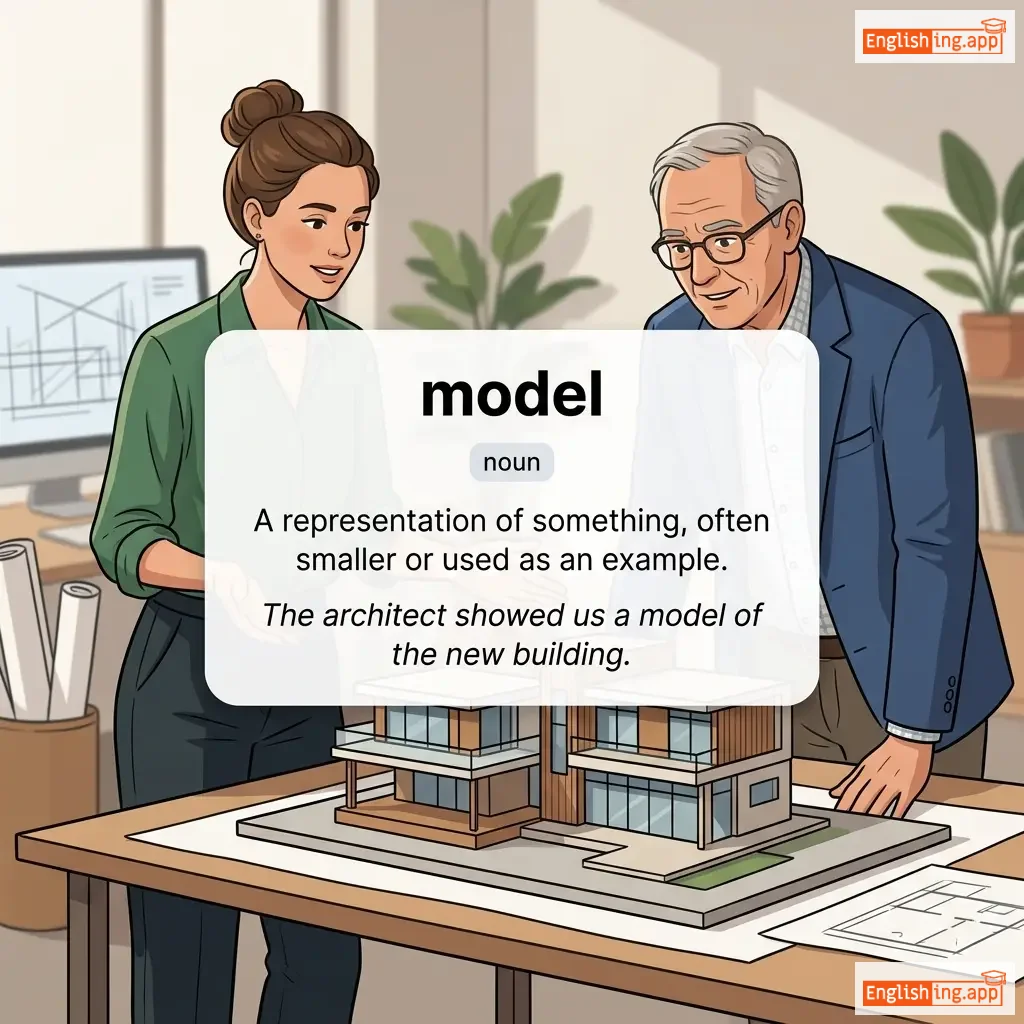
a representation of something; a person who displays clothes; an example to follow
••••••
|
She works as a fashion model for designer brands.
彼女はデザイナーブランドのためにファッションモデルとして働いています。
••••••
|
彼女はデザイナーブランドのためにファッションモデルとして働いています。
Kanojo wa dezainā burando no tame ni fasshon moderu to shite hataraiteimasu.
••••••
|
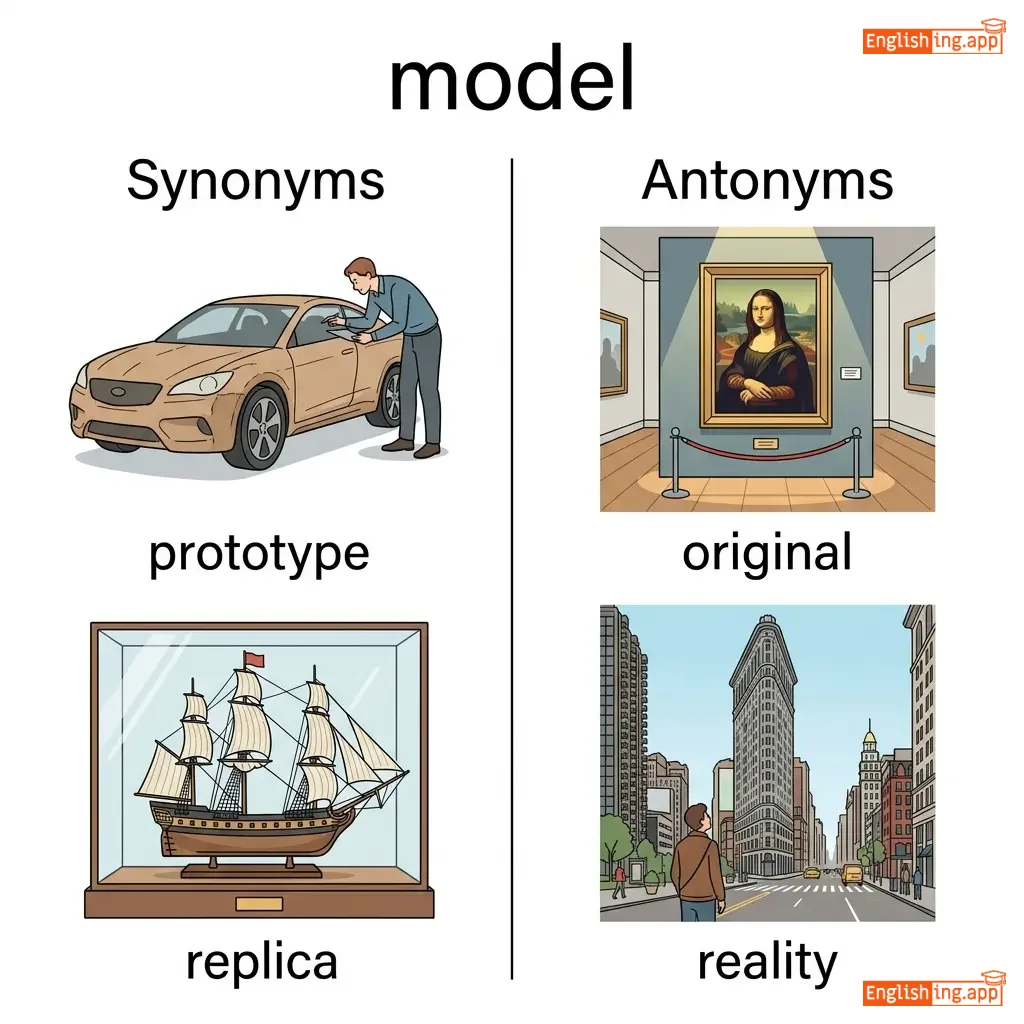
example, pattern, template, prototype
••••••
|
original, real, authentic
••••••
|
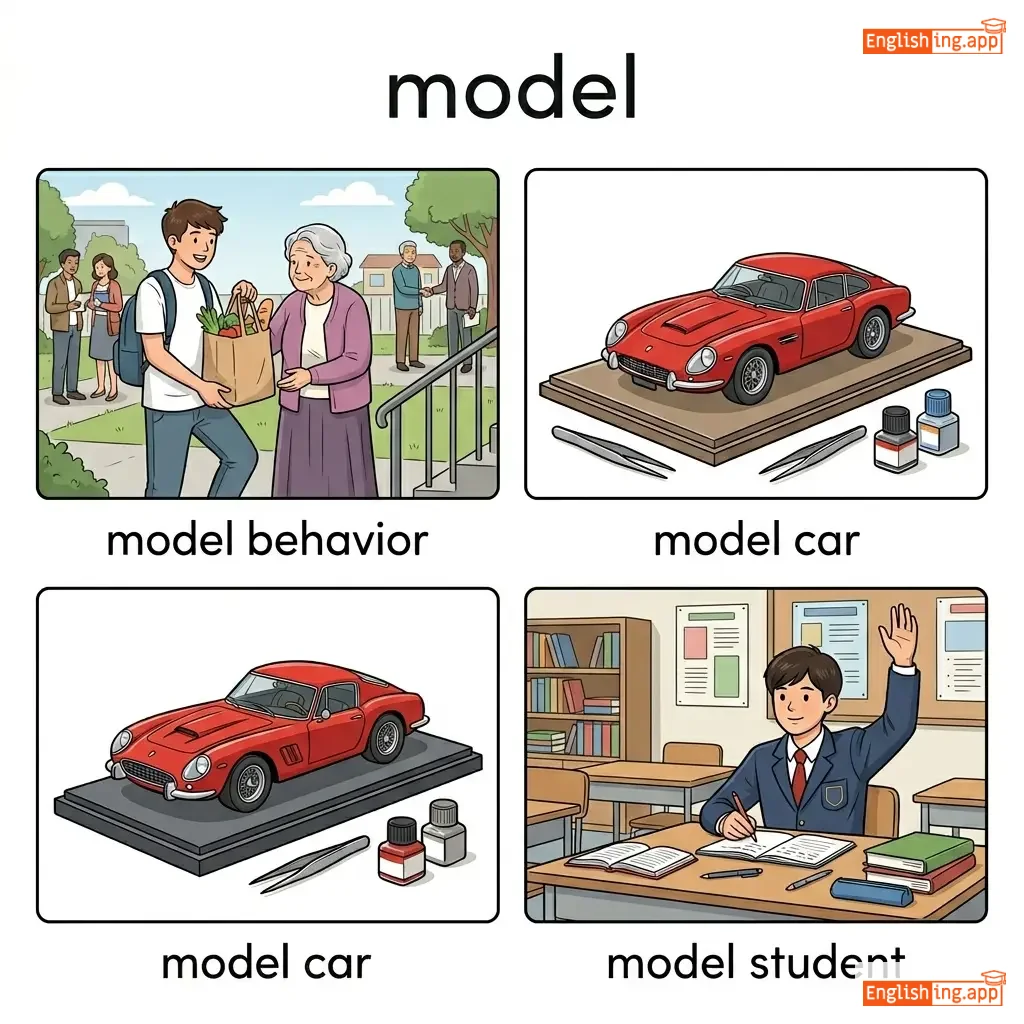
role model, business model, fashion model
••••••
|
In Japanese, 'モデル' (moderu) is the same as the English 'model,' making it easy to remember.
••••••
|
|
#890
👹
|
/ˈmɒn.stər/
noun
(モンスター)
••••••
|
- •••••• |
怪物; 残酷な人
kaibutsu; zankoku na hito
••••••
|
a large, ugly, and frightening imaginary creature; a cruel person
••••••
|
The children were scared of the monster under the bed.
子供たちはベッドの下のモンスターを怖がっていた。
••••••
|
子供たちはベッドの下の怪物を怖がっていた。
Kodomo tachi wa beddo no shita no kaibutsu wo kowagatte ita.
••••••
|
beast, demon, fiend, creature
••••••
|
angel, saint, hero, beauty
••••••
|
sea monster, scary monster, legendary monster
••••••
|
Monster in Japanese, kaibutsu kowa!
••••••
|
|
#891
🙏
|
/ˈmɒd.ə.sti/
noun
(モデスティ)
••••••
|
- •••••• |
謙虚さ; 謙遜
kenkyosa; kenson
••••••
|
the quality of being humble and not boastful about achievements
••••••
|
Despite his success, he showed great modesty.
デスパイト ヒズ サクセス, ヒ ショウド グレート モデスティ。
••••••
|
成功にもかかわらず、彼は偉大な謙虚さを示しました。
Seikou ni mo kakawarazu, kare wa idaina kenkyosa wo shimashita.
••••••
|
humility, humbleness, reserve, shyness
••••••
|
arrogance, pride, boastfulness, vanity
••••••
|
false modesty, natural modesty, show modesty
••••••
|
Modestyは謙虚さ、思い出して、謙虚でいることが大切です。
••••••
|
|
#892
🗿
|
/ˈmɒn.jʊ.mənt/
noun
(モニュメント)
••••••
|
|
記念碑
kinenbi
••••••
|
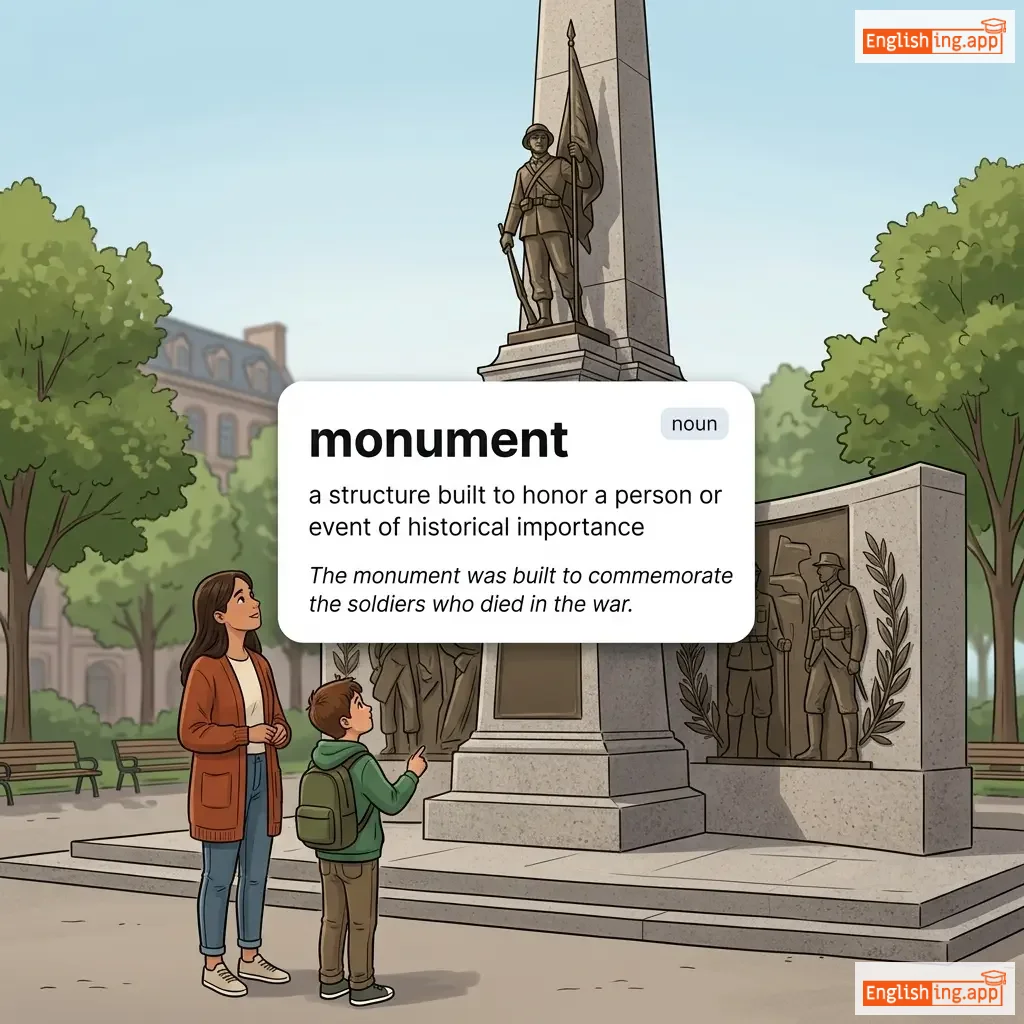
a statue, building, or structure erected to commemorate someone or something
••••••
|
The war monument honors fallen soldiers. |
戦争記念碑は戦死した兵士を讃えます。
sensō kinenbi wa senshi shita heishi o tataemasu.
••••••
|
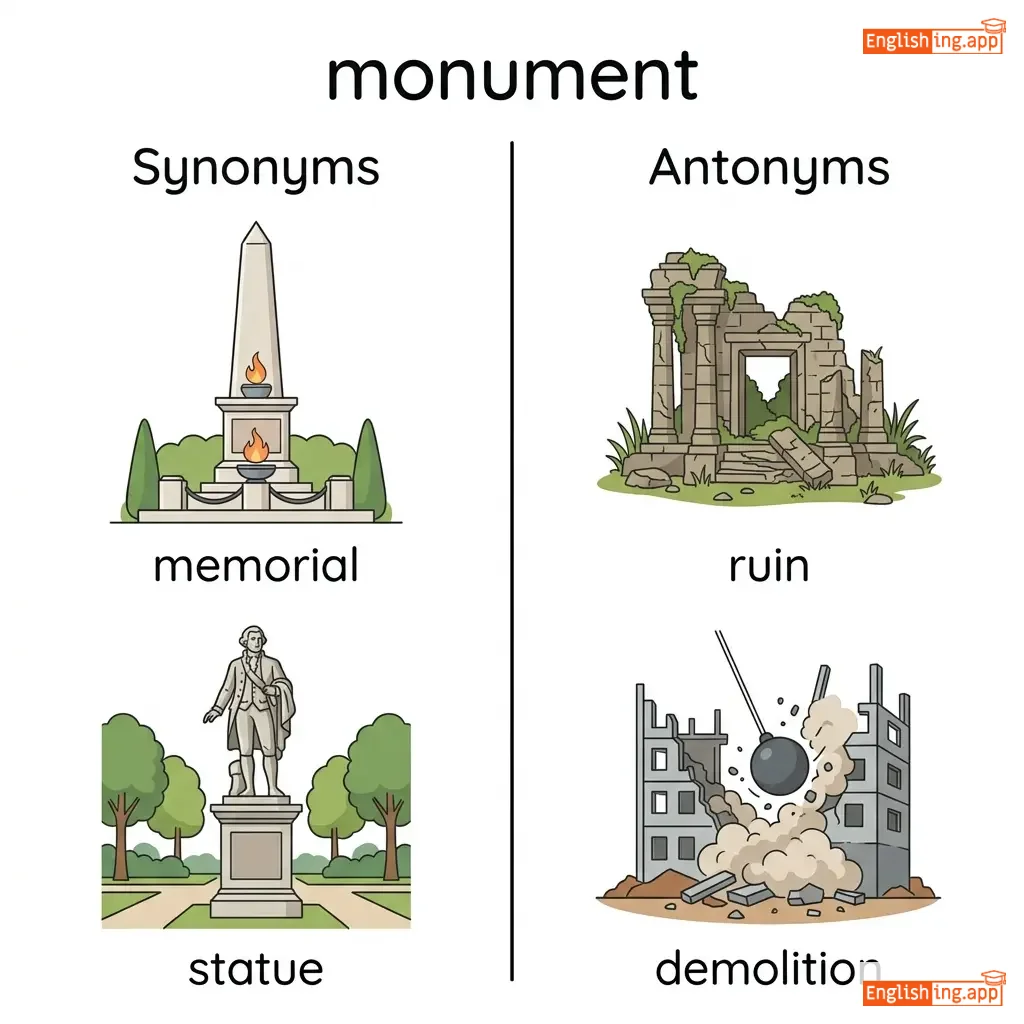
memorial, statue, landmark, tribute
••••••
|
temporary structure, ephemeral creation
••••••
|
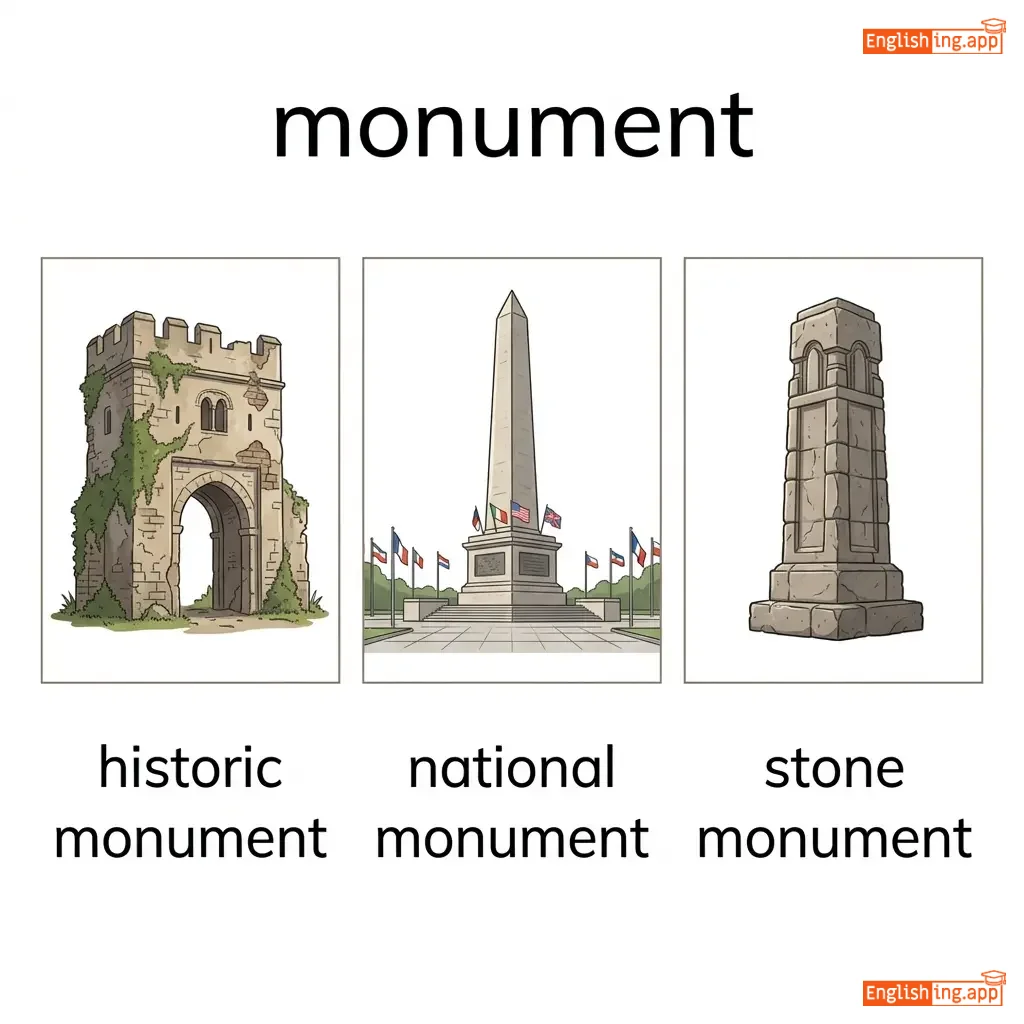
war monument, historical monument, national monument
••••••
|
記念碑は、歴史的な出来事や人物を記念するために立てられたものです。
••••••
|
|
#893
💧
|
/ˈmɔɪs.tʃər/
noun
(モイスチャー)
••••••
|
- •••••• |
湿気
shikke
••••••
|
water or dampness that exists in small amounts in the air or on a surface
••••••
|
The skin cream helps retain moisture. |
スキンクリームは湿気を保持するのに役立ちます。
Sukin kurīmu wa shikke o hoji suru no ni yakudachimasu.
••••••
|
dampness, humidity, wetness, dew
••••••
|
dryness, aridity, dehydration
••••••
|
skin moisture, moisture content, retain moisture
••••••
|
In Japanese, '湿気' (shikke) links directly to the word 'moisture' as they sound alike.
••••••
|
|
#894
😊
|
/muːd/
noun
(ムード)
••••••
|
- •••••• |
気分; ムード;
kibun; mood;
••••••
|
a temporary state of mind or feeling; atmosphere
••••••
|
She was in a good mood after receiving the news.
彼女はニュースを受け取った後、良いムードだった。
••••••
|
彼女はニュースを受け取った後、良いムードだった。
Kanojo wa nyūsu o uketotta ato, yoi mūdo datta.
••••••
|
temperament, disposition, spirit, feeling
••••••
|
stability, constancy
••••••
|
good mood, bad mood, change mood
••••••
|
Japanese '気分' for mood + English 'mood' = 'mood'
••••••
|
|
#895
⏰
|
/ˈmoʊ.mənt/
noun
(モーメント)
••••••
|
- •••••• |
瞬間
shunkan
••••••
|
a very brief period of time; an exact point in time
••••••
|
Please wait a moment while I check your order.
注文を確認している間、少々お待ちください。
••••••
|
注文を確認している間、少々お待ちください。
Chuumon wo kakunin shiteiru aida, shoushou omachi kudasai.
••••••
|
instant, second, minute, time
••••••
|
eternity, forever, permanence
••••••
|
at the moment, perfect moment, crucial moment
••••••
|
Moment = 瞬間, as fast as a blink, yet full of meaning.
••••••
|
|
#896
✅
|
/ˈmɒr.əl/
noun
(モラル)
••••••
|
- •••••• |
道徳
doutoku
••••••
|
a lesson about right and wrong conduct; principles of right behavior
••••••
|
The moral of the story is to always tell the truth. |
物語の道徳は常に真実を話すことです。
Monogatari no doutoku wa itsumo shinjitsu o hanasu koto desu.
••••••
|
lesson, principle, teaching, ethics
••••••
|
immorality, corruption, vice
••••••
|
moral lesson, moral story, moral principles
••••••
|
道徳 = 真実を話すこと
••••••
|
|
#897
🚀
|
/moʊˈmen.təm/
noun
(モーメンタム)
••••••
|
|
モメンタム; 何かを動かし続ける力
momentamu; nanika o ugokashi tsuzukeru chikara
••••••
|
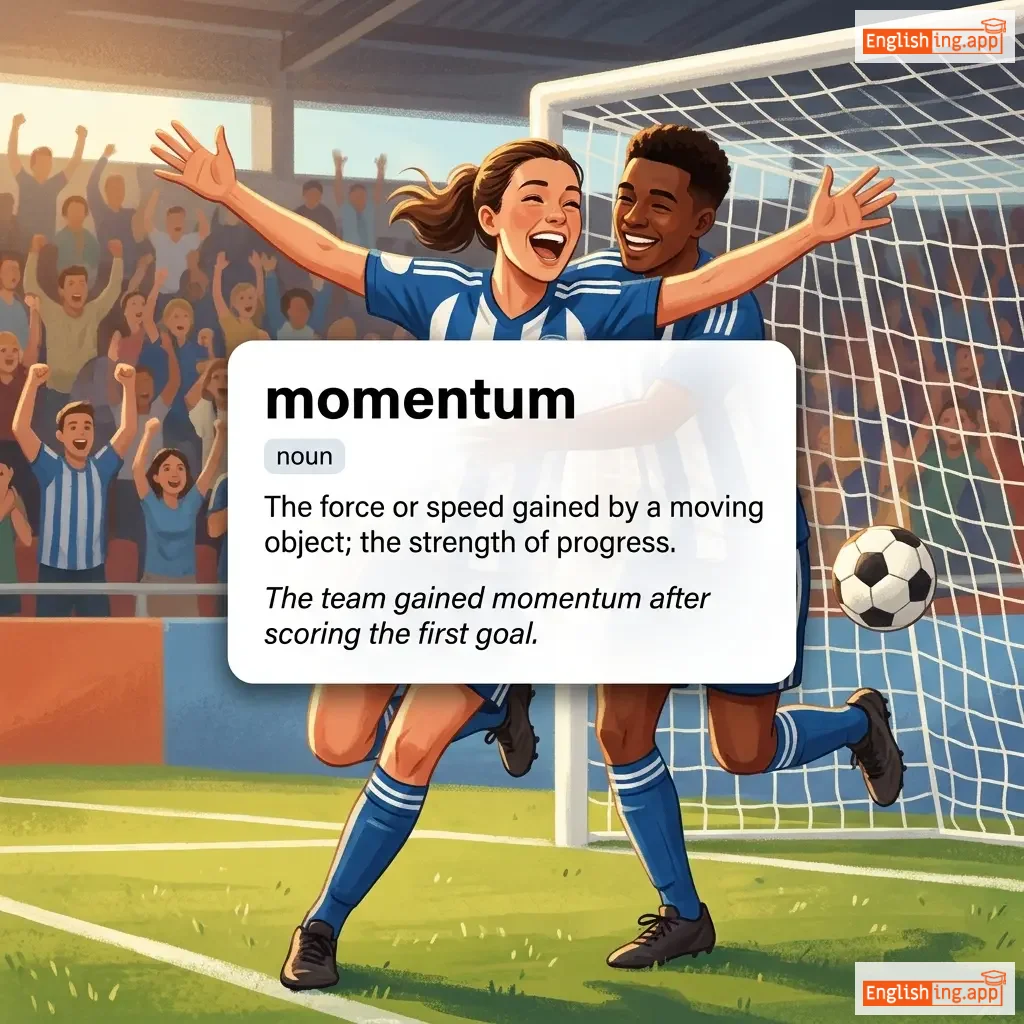
the force that keeps something moving; increasing strength or speed
••••••
|
The team gained momentum after scoring the first goal.
チームは最初のゴールを決めた後、勢いを増しました。
••••••
|
チームは最初のゴールを決めた後、勢いを増しました。
Chiimu wa saisho no gooru o kimeta ato, ikioi o mashimashita.
••••••
|
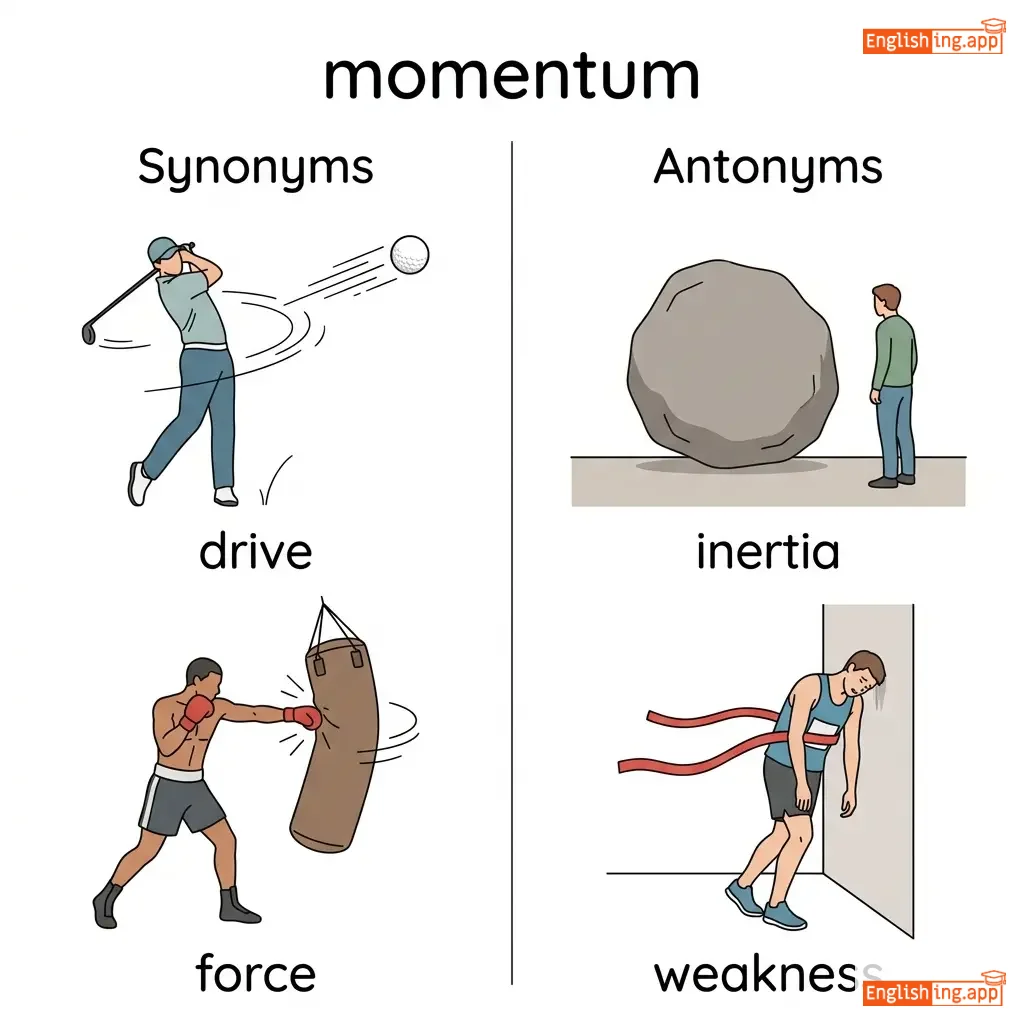
impetus, drive, force, energy
••••••
|
inertia, stagnation, standstill
••••••
|
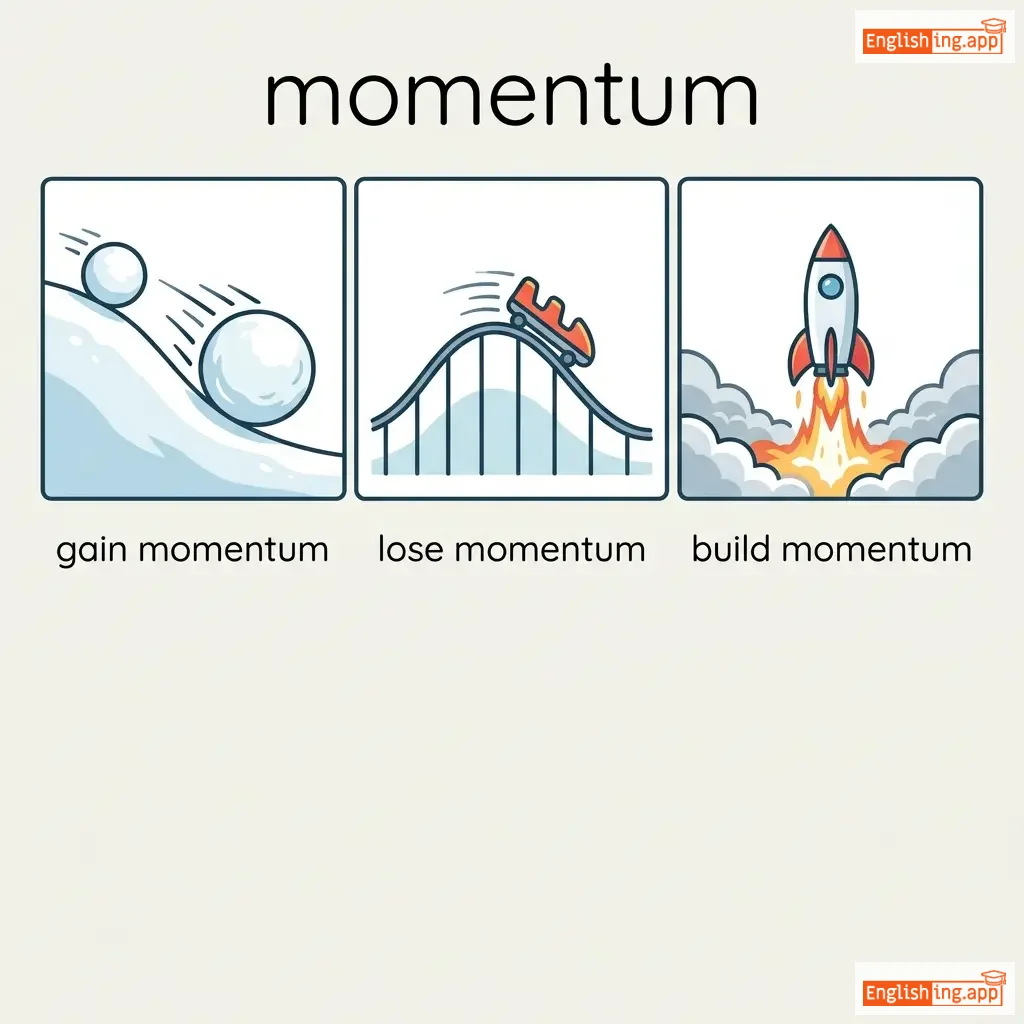
gain momentum, lose momentum, build momentum
••••••
|
Momentum は日本語で、物事を前進させるエネルギーです。
••••••
|
|
#898
💪
|
/məˈrɑːl/
noun
(モラル)
••••••
|
- •••••• |
士気; 精神
shiki; seishin
••••••
|
the confidence, enthusiasm, and discipline of a person or group
••••••
|
The team's morale improved after the victory.
チームの士気は勝利後に改善された。
••••••
|
チームの士気は勝利後に改善された。
Chīmu no shiki wa shōri-go ni kaizen sareta.
••••••
|
spirit, confidence, enthusiasm, motivation
••••••
|
demoralization, discouragement, despair
••••••
|
boost morale, low morale, team morale
••••••
|
Japanese '士気' links morale to the team's victorious spirit.
••••••
|
|
#899
👑
|
/ˈmɒn.ɑːk/
noun
(モナーク)
••••••
|
- •••••• |
君主
kunshu
••••••
|
a sovereign ruler, especially a king or queen
••••••
|
The monarch addressed the nation on television.
モナークはテレビで国民に演説を行いました。
••••••
|
モナークはテレビで国民に演説を行いました。
Monāku wa terebi de kokumin ni enzetsu o okonai mashita.
••••••
|
king, queen, ruler, sovereign
••••••
|
subject, citizen, commoner
••••••
|
absolute monarch, constitutional monarch, reigning monarch
••••••
|
モナークも君主も両方支配者を指します。
••••••
|
|
#900
⚖️
|
/məˈræl.ə.ti/
noun
(モラリティ)
••••••
|
- •••••• |
道徳
doutoku
••••••
|
principles concerning the distinction between right and wrong behavior
••••••
|
The debate focused on the morality of the decision. |
議論はその決定の道徳性に焦点を当てました。
Gironu wa sono kettei no doutokusei ni shouten wo atemashita.
••••••
|
ethics, virtue, righteousness, principles
••••••
|
immorality, corruption, wickedness, vice
••••••
|
public morality, personal morality, question morality
••••••
|
In Japanese, '道徳' means the principles of right and wrong.
••••••
|
Vocabulary Quiz
Test your vocabulary by matching words with their translations or meanings.
Login to take the quiz
Comments (0)
Share your thoughts and join the discussion.
Join the discussion by logging in
Login to CommentNo comments yet
Be the first to share your thoughts!