

翻訳
過去
過去分詞
三人称単数
動名詞
意味
例文
例文の翻訳
同義語
対義語
コロケーション
ニーモニック

Swipe left or right, or use the buttons. Tap image to zoom.
例文の翻訳
単語
Lesson 18Lesson 18 - マスクトグル
|
絵文字
|
単語 | Images | 翻訳 | 意味 | 例文 | 例文の翻訳 | 同義語 | 対義語 | コロケーション | ニーモニック |
|---|---|---|---|---|---|---|---|---|---|---|
|
#341
🌆
|
/dʌsk/
noun
(ダスク)
••••••
|
- •••••• |
夕暮れ; たそがれ
yūgure, tasogare
••••••
|
the period of the day when daylight is fading; twilight
••••••
|
They walked along the beach during dusk, watching the sunset.
彼らは夕暮れ時にビーチを歩きながら、日没を見ていました。
••••••
|
彼らは夕暮れ時にビーチを歩きながら、日没を見ていました。
Karera wa yūgure-doki ni bīchi o aruki nagara, nichibotsu o mite imashita.
••••••
|
twilight, evening, sundown, nightfall
••••••
|
dawn, daybreak, sunrise, morning
••••••
|
at dusk, dusk falls, evening dusk
••••••
|
夕暮れ (yūgure) marks the transition from day to night in Japanese.
••••••
|
|
#342
💰
|
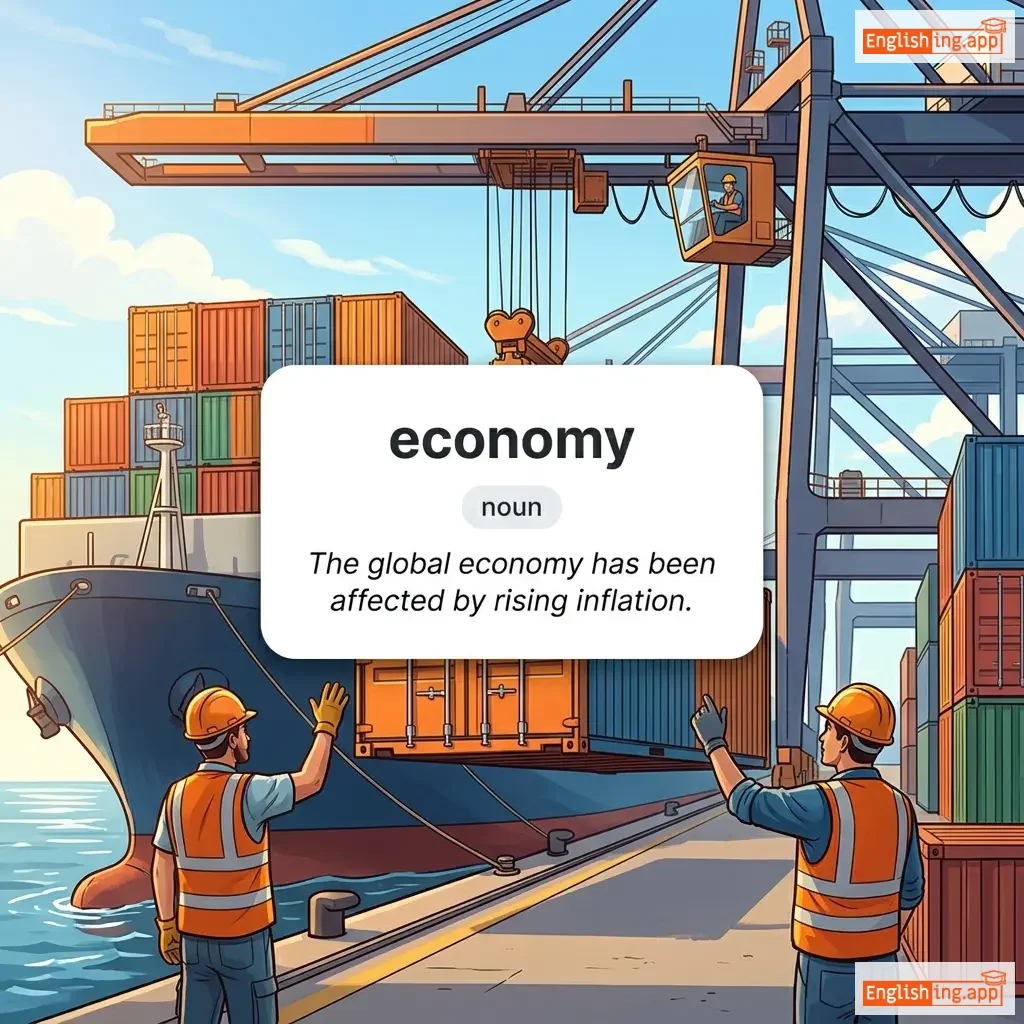
/ɪˈkɒn.ə.mi/
noun
(エコノミー)
••••••
|
|
経済
keizai
••••••
|
the system of trade and industry in a country; careful use of money and resources
••••••
|
The country's economy grew rapidly after the new policies were implemented.
その国の経済は、新しい政策が実施された後、急速に成長しました。
••••••
|
その国の経済は、新しい政策が実施された後、急速に成長しました。
Sono kuni no keizai wa, atarashī seisaku ga jisshi sareta ato, kyūsoku ni seichō shimashita.
••••••
|
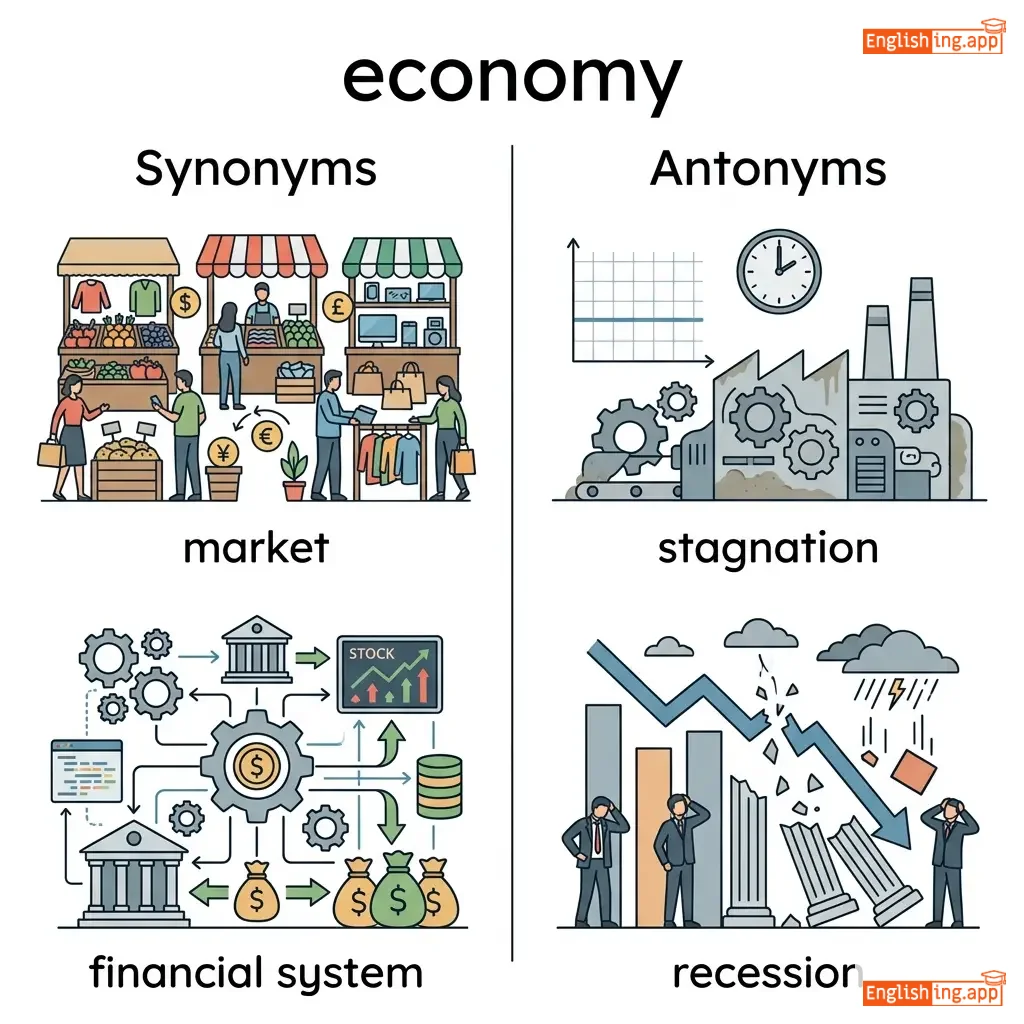
finance, commerce, trade, market
••••••
|
waste, extravagance, squandering, inefficiency
••••••
|
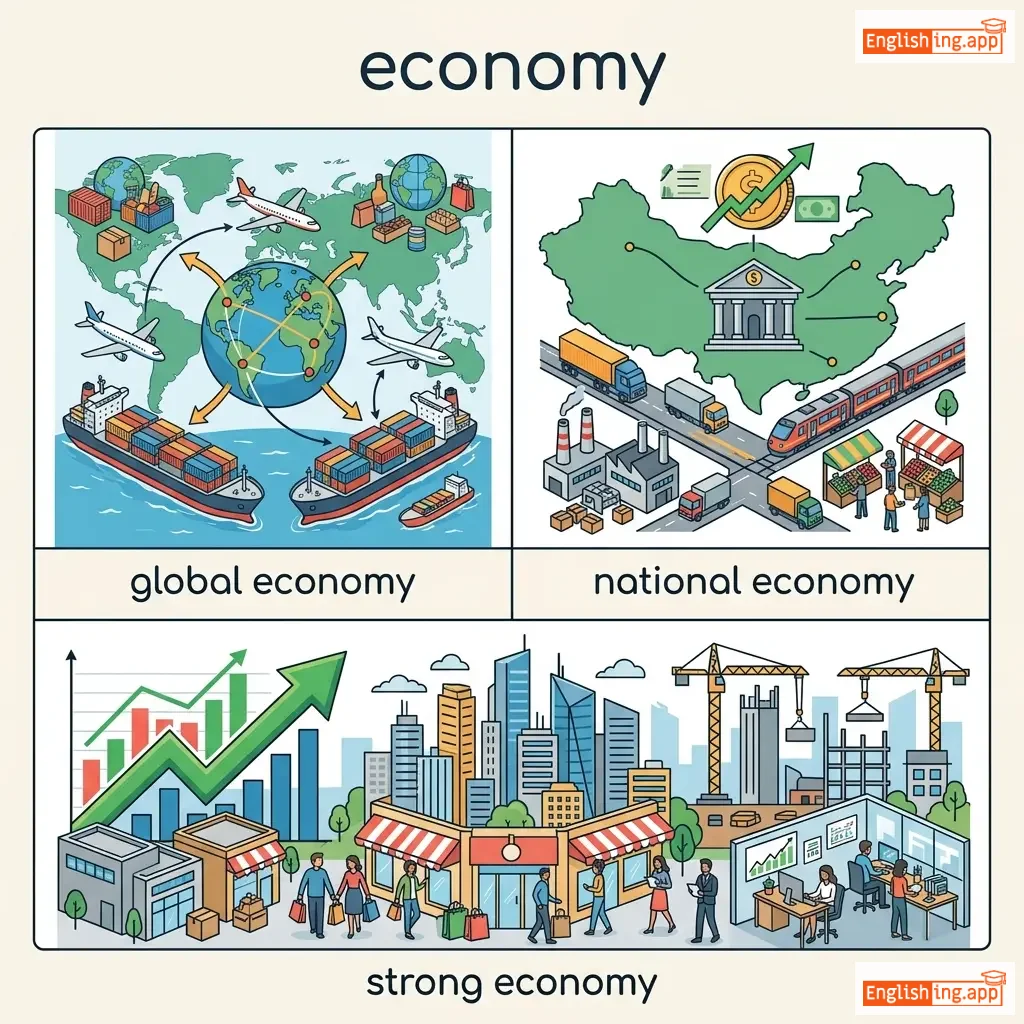
national economy, global economy, economic growth
••••••
|
経済 = 経済 = お金が経済に役立つ
••••••
|
|
#343
💨
|
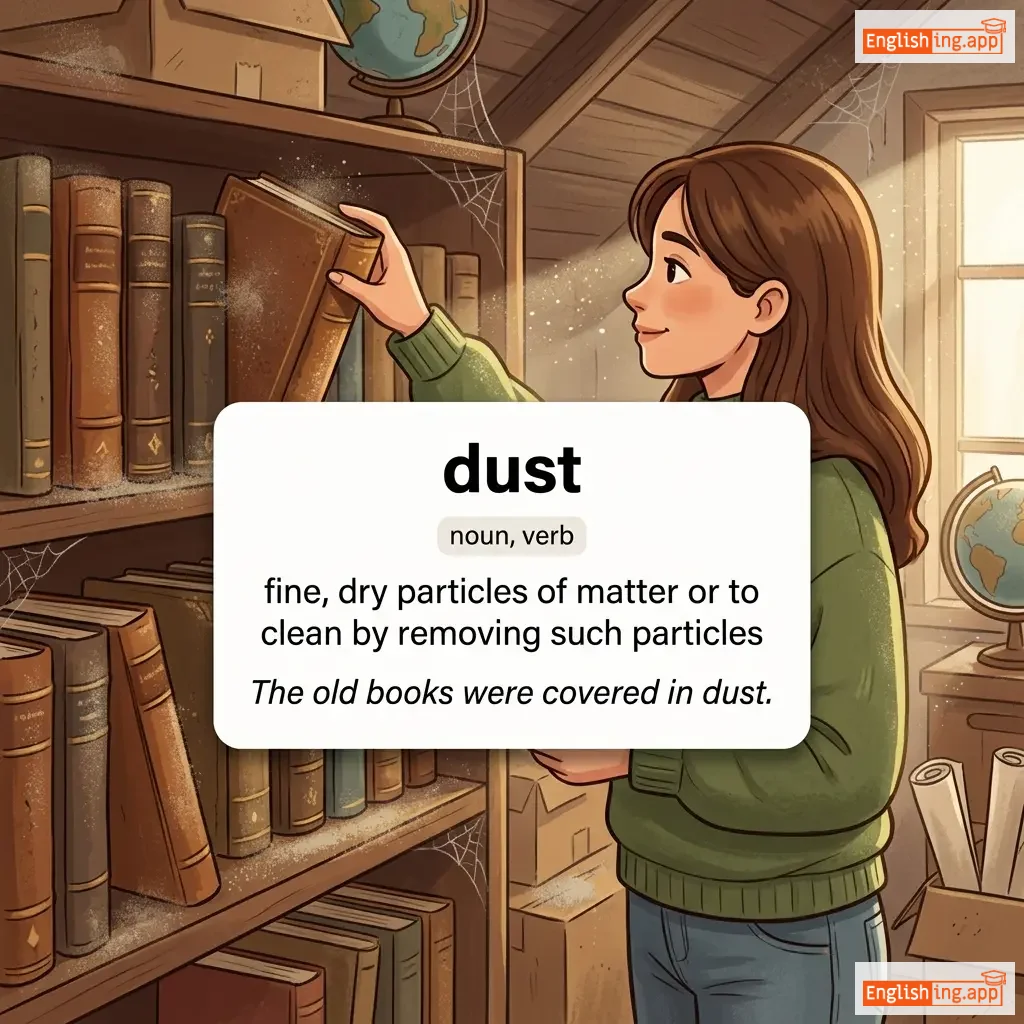
/dʌst/
noun
(dasuto)
••••••
|
|
ほこり; 乾いた土; ほこりの粒子
hokori, kawaita tsuchi, hokori no ryuushi
••••••
|
fine particles of matter; dry earth or other matter in fine particles
••••••
|
The old books were covered with a thick layer of dust.
古い本は厚いほこりの層で覆われていた。
••••••
|
古い本は厚いほこりの層で覆われていた。
Furui hon wa atsui hokori no sou de owarete ita.
••••••
|
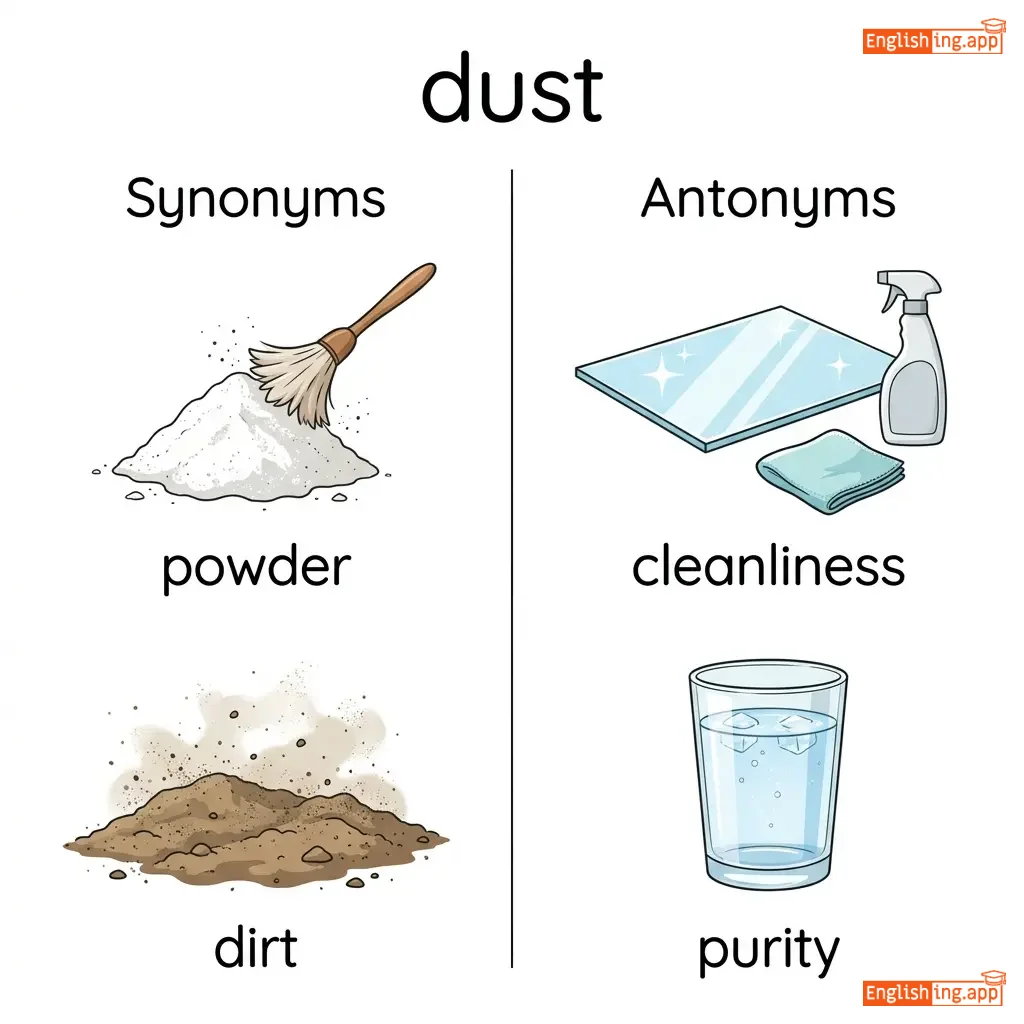
powder, particles, debris, dirt
••••••
|
cleanliness, purity, freshness, clarity
••••••
|
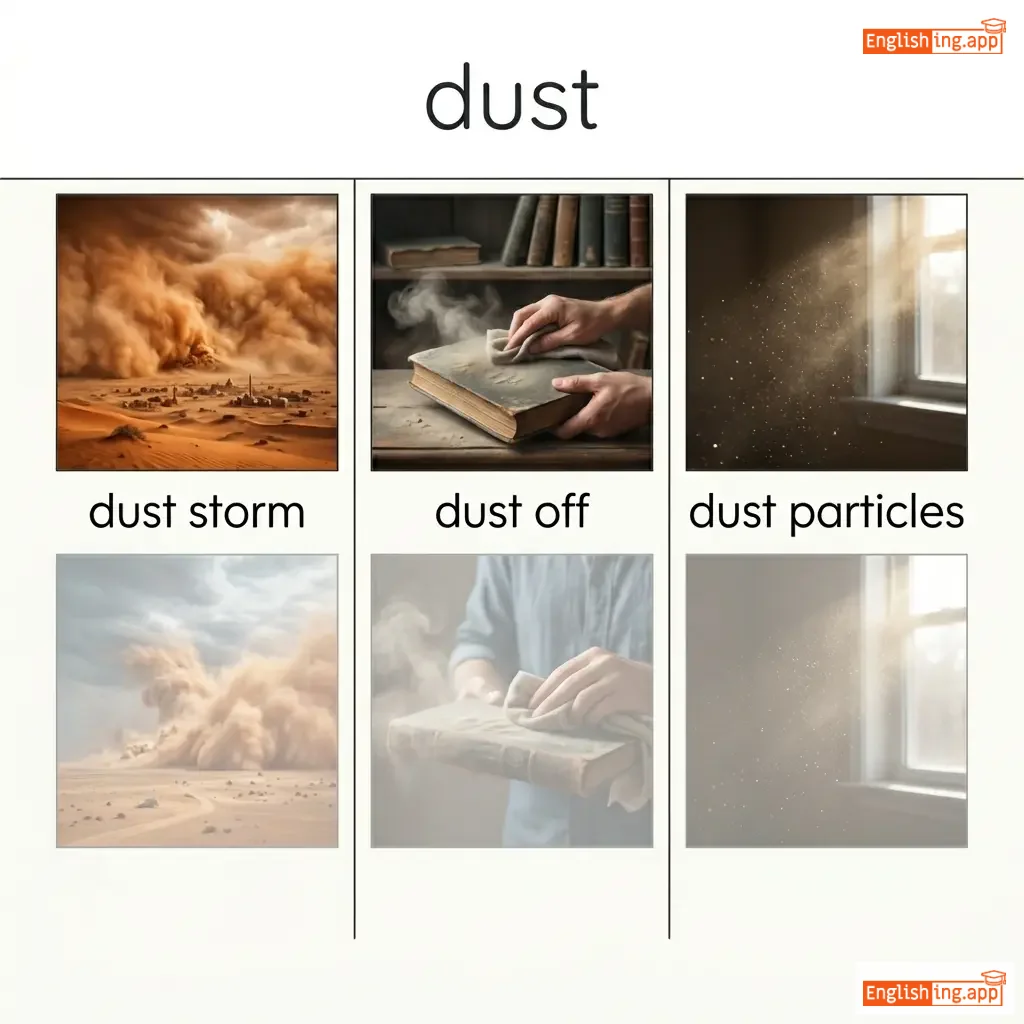
dust particles, collect dust, dust storm
••••••
|
Dust = ほこり, 古い本のほこり
••••••
|
|
#344
😍
|
/ˈek.stə.si/
noun
(エクスタシー)
••••••
|
- •••••• |
エクスタシー
ekusutashī
••••••
|
an overwhelming feeling of great happiness or joyful excitement
••••••
|
She was in complete ecstasy when she heard the good news.
彼女は良いニュースを聞いて完全にエクスタシーに浸っていました。
••••••
|
彼女は良いニュースを聞いて完全にエクスタシーに浸っていました。
Kanojo wa yoi nyūsu o kiite kanzen ni ekusutashī ni hitatte imashita.
••••••
|
bliss, euphoria, rapture, delight
••••••
|
misery, agony, despair, sorrow
••••••
|
pure ecstasy, state of ecstasy, ecstasy of joy
••••••
|
In ecstasy, it's like you're bathing in pure joy!
••••••
|
|
#345
⚖️
|
/ˈdjuː.ti/
noun
(デューティー)
••••••
|
- •••••• |
義務
gimu
••••••
|
something that one is expected or required to do; moral or legal obligation
••••••
|
It is our duty as citizens to vote in elections.
市民として選挙で投票することは私たちの義務です。
••••••
|
市民として選挙で投票することは私たちの義務です。
Shimin toshite senkyo de touhyou suru koto wa watashitachi no gimu desu.
••••••
|
responsibility, obligation, commitment, role
••••••
|
freedom, choice, privilege, right
••••••
|
moral duty, civic duty, on duty
••••••
|
義務は責任を意味します。選挙で投票することがそれです。
••••••
|
|
#346
🌺
|
/ˈiː.dən/
noun
(エデン)
••••••
|
- •••••• |
エデン
Eden
••••••
|
a place or state of great happiness; paradise
••••••
|
The garden was like Eden, filled with beautiful flowers and peaceful atmosphere. |
その庭はエデンのようで、美しい花々と平和な雰囲気に満ちていました。
Sono niwa wa Eden no you de, utsukushii hanabana to heiwa na fun'iki ni michite imashita.
••••••
|
paradise, heaven, utopia, bliss
••••••
|
hell, nightmare, dystopia, misery
••••••
|
Garden of Eden, lost Eden, earthly Eden
••••••
|
エデンは無限の幸せが満ち溢れる場所です。
••••••
|
|
#347
👑
|
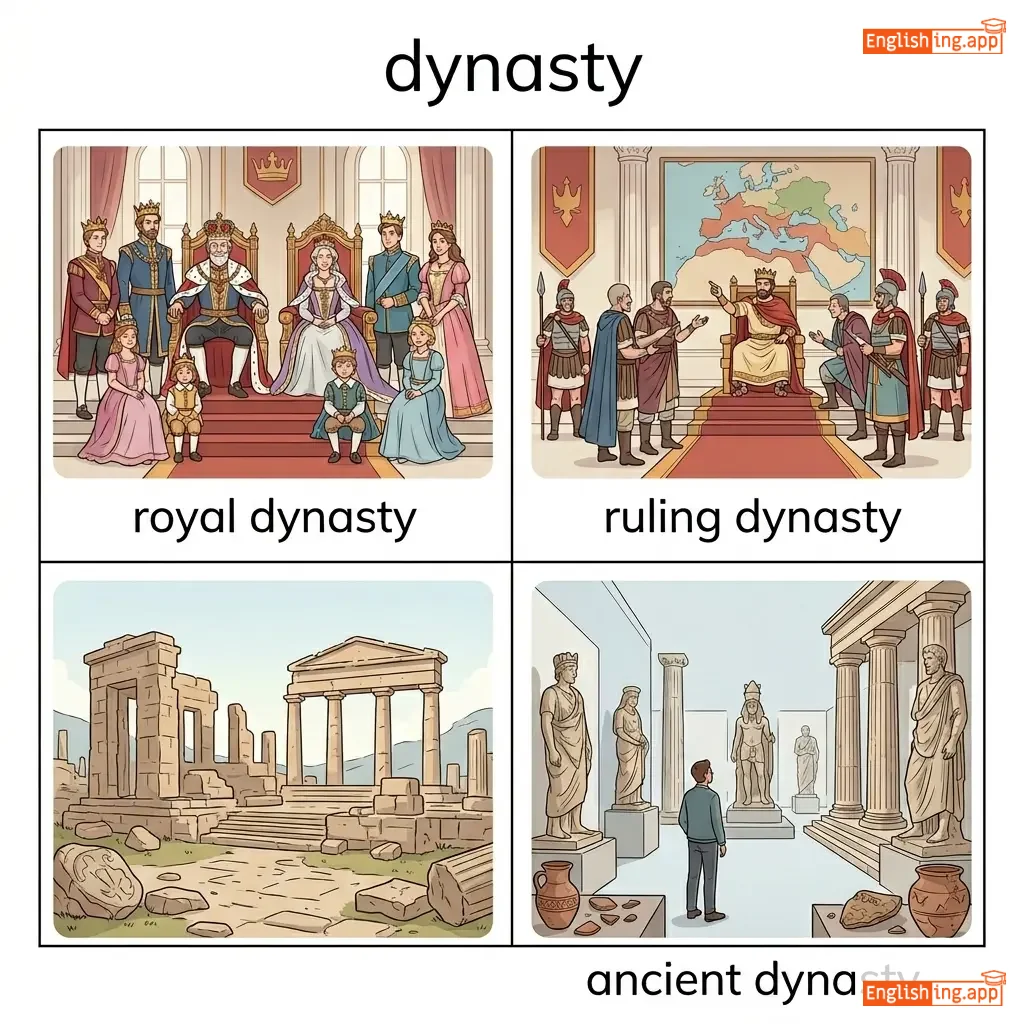
/ˈdaɪ.nə.sti/
noun
(ダイナスティ)
••••••
|
|
王朝
ōchō
••••••
|
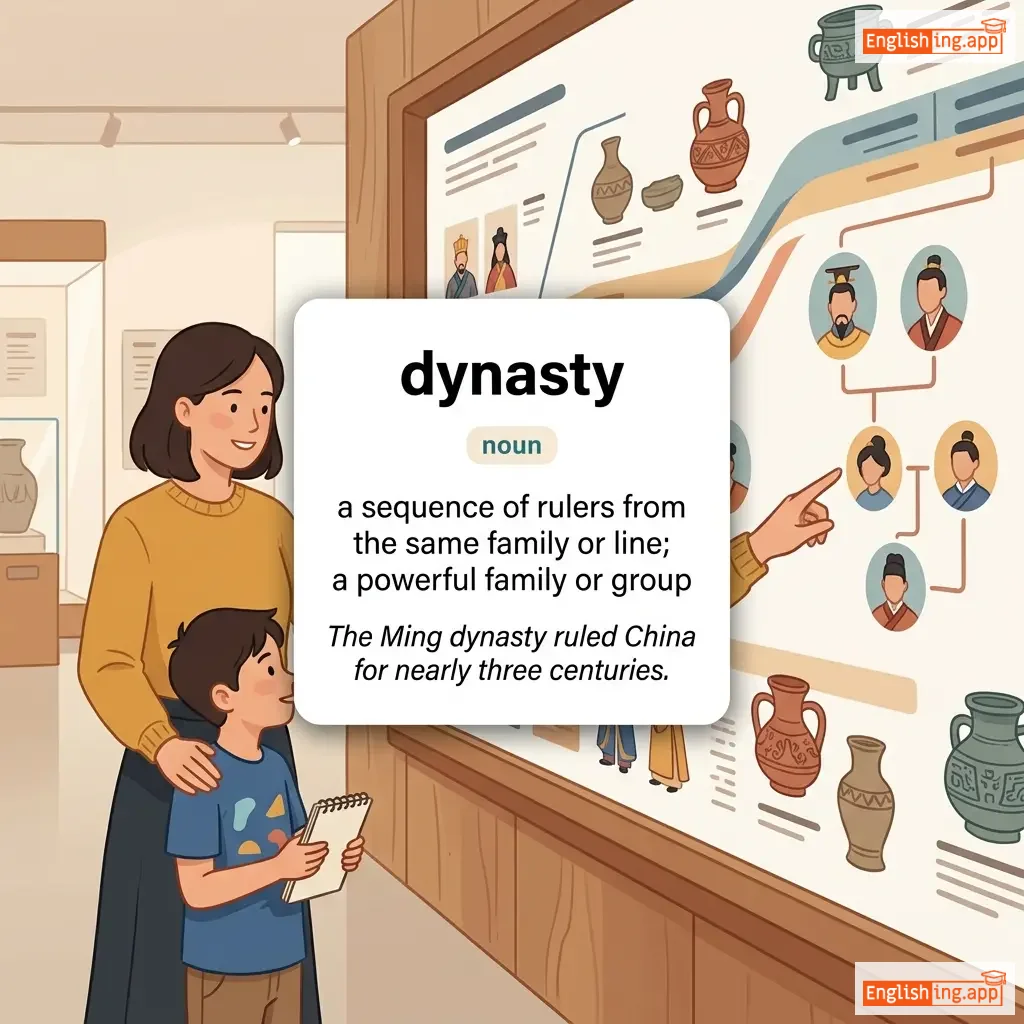
a sequence of rulers from the same family or line; a powerful family or group
••••••
|
The Ming dynasty ruled China for nearly three centuries. |
明朝はほぼ三世紀にわたって中国を支配していました。
Ming chō wa hobo san seiki ni watatte Chūgoku o shihai shite imashita.
••••••
|
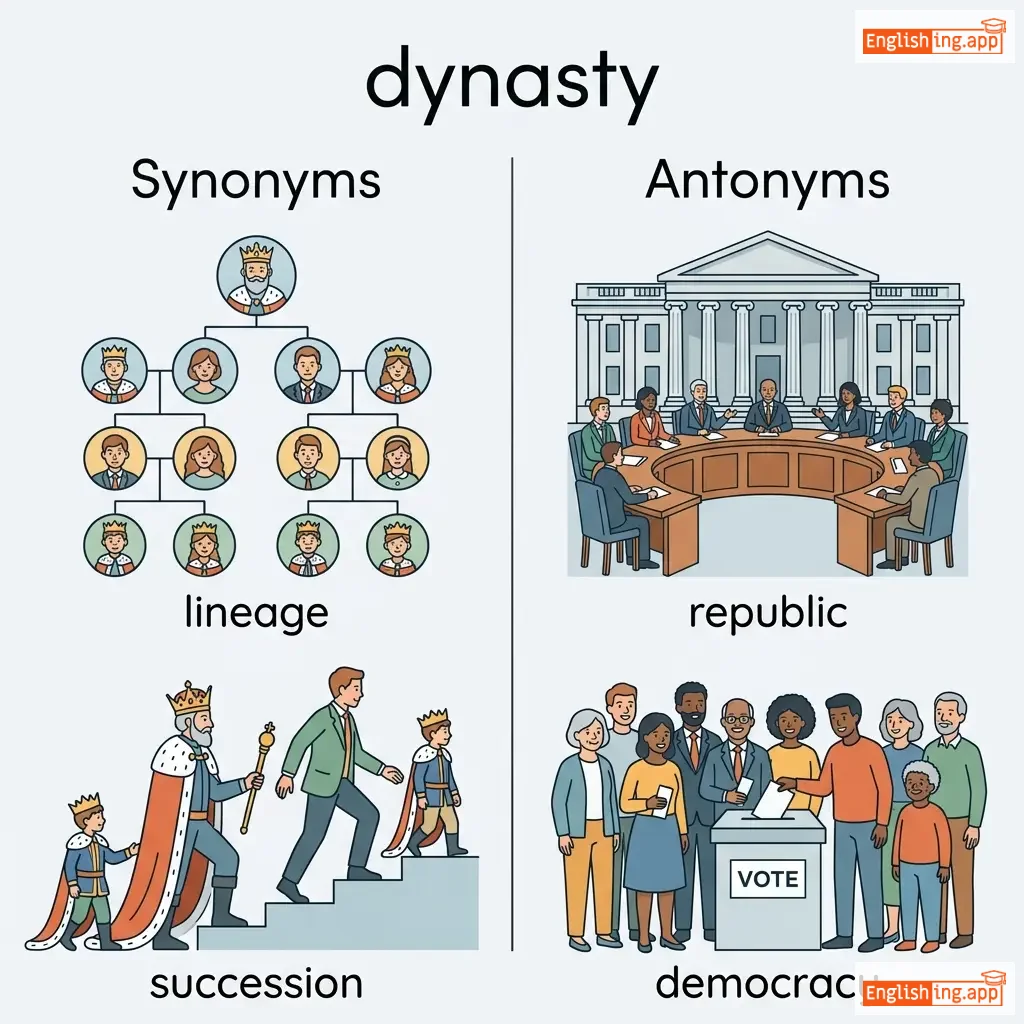
lineage, succession, regime, empire
••••••
|
republic, democracy, anarchy, chaos
••••••
|
royal dynasty, ruling dynasty, ancient dynasty
••••••
|
Dynasty = 王朝 (ōchō), 歴史的な支配の連続
••••••
|
|
#348
🔪
|
/edʒ/
noun
(エッジ)
••••••
|
- •••••• |
端; 鋭い縁
hasi; surudoi fuchi
••••••
|
the outside limit of an object or area; a sharp side of a blade
••••••
|
Be careful not to cut yourself on the sharp edge of the knife. |
鋭い刃の端で自分を切らないように気をつけてください。
Surudoi ha no hashi de jibun o kiranai yō ni ki o tsukete kudasai.
••••••
|
border, boundary, margin, rim
••••••
|
center, middle, interior, core
••••••
|
cutting edge, on edge, sharp edge
••••••
|
Edge - 鋭い刃の端
••••••
|
|
#349
👂
|
/ɪər/
noun
(イヤ)
••••••
|
- •••••• |
耳; 聴力; 聞く能力
mimi, chōryoku, kiku nōryoku
••••••
|
the organ of hearing; the ability to hear or listen
••••••
|
She whispered something in his ear during the meeting. |
会議中、彼女は彼の耳元で何かをささやきました。
Kaigi-chū, kanojo wa kare no miminoto de nanika o sasayamashita.
••••••
|
hearing, auditory organ, sense organ, lobe
••••••
|
deafness, silence, muteness, quiet
••••••
|
inner ear, good ear, ear infection
••••••
|
In Japanese, '耳' (mimi) helps you hear in the meeting.
••••••
|
|
#350
⚡
|
/ɪˈfekt/
noun
(エフェクト)
••••••
|
- •••••• |
効果; 結果; 影響
kouka, kekka, eikyou
••••••
|
a change that is a result or consequence of an action or other cause
••••••
|
The new medicine had a positive effect on the patient's recovery. |
新しい薬は患者の回復に良い効果をもたらしました。
Atarashī kusuri wa kanja no kaifuku ni yoi kōka o motarashimashita.
••••••
|
result, consequence, outcome, impact
••••••
|
cause, origin, source, beginning
••••••
|
side effect, cause and effect, positive effect
••••••
|
エフェクトは変化の結果、どんな影響を与えるかを示します。
••••••
|
|
#351
🌍
|
/ɜːθ/
noun
(āsu)
••••••
|
- •••••• |
地球; 土;
chikyū, tsuchi
••••••
|
the planet on which we live; the ground or soil
••••••
|
The astronauts could see Earth from their spacecraft in orbit.
宇宙飛行士たちは軌道上から地球を見ることができました。
••••••
|
宇宙飛行士たちは軌道上から地球を見ることができました。
Uchū hikōshi-tachi wa kidō-jō kara chikyū o miru koto ga dekimashita.
••••••
|
world, globe, planet, ground
••••••
|
sky, heaven, space, cosmos
••••••
|
planet Earth, Mother Earth, down to earth
••••••
|
Earth in Japanese is '地球', just like the earth beneath our feet.
••••••
|
|
#352
⚙️
|
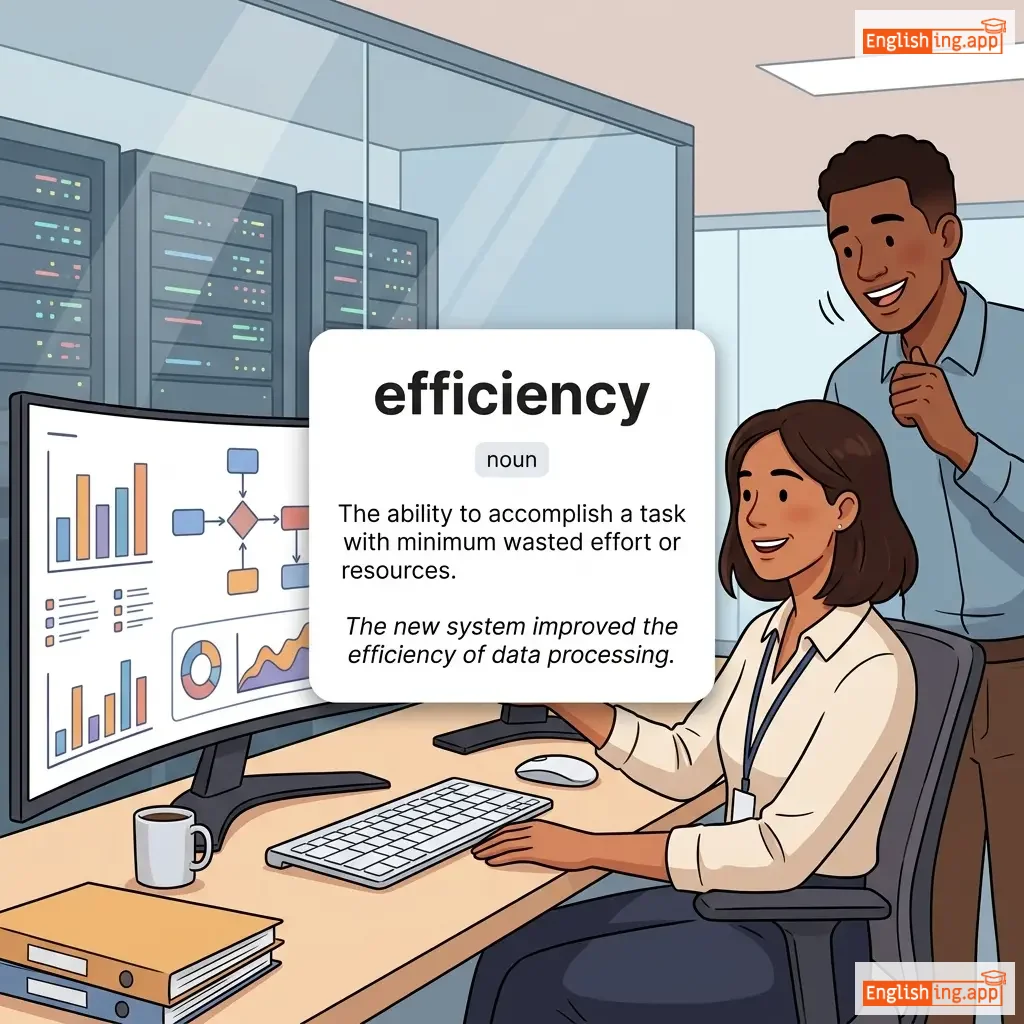
/ɪˈfɪʃ.ən.si/
noun
(エフィシエンシー)
••••••
|
|
効率
kouritsu
••••••
|
the ability to accomplish something with the least waste of time and effort
••••••
|
The new system improved the efficiency of the entire production process.
新しいシステムは生産プロセス全体の効率を改善しました。
••••••
|
新しいシステムは生産プロセス全体の効率を改善しました。
Atarashii shisutemu wa seisan purosesu zentai no kouritsu o kaizen shimashita.
••••••
|
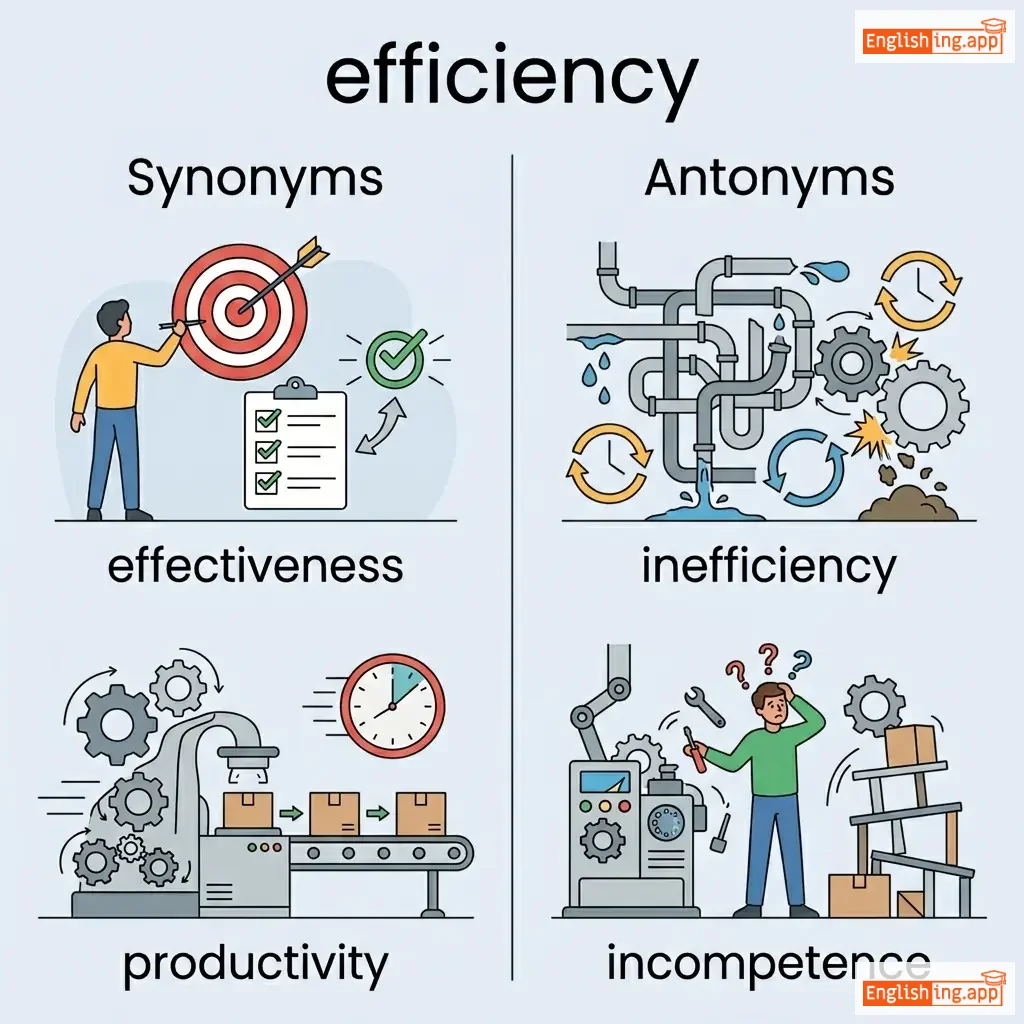
effectiveness, competence, productivity, capability
••••••
|
inefficiency, incompetence, waste, slowness
••••••
|
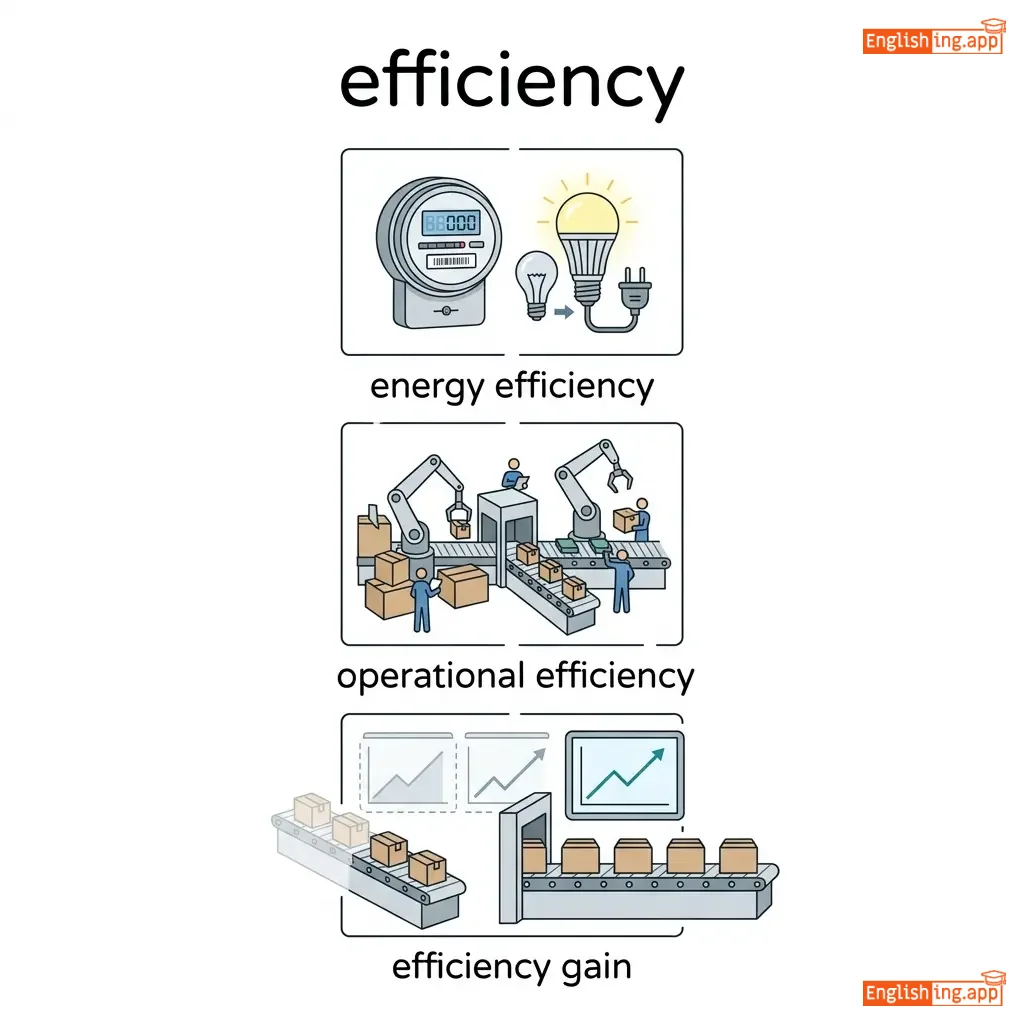
energy efficiency, improve efficiency, high efficiency
••••••
|
効率が良ければ、タスクを早く終わらせることができます。
••••••
|
|
#353
😌
|
/iːz/
noun
(イーズ)
••••••
|
- •••••• |
容易さ; 快適さ
yōūzakasa, kaiteki-sa
••••••
|
absence of difficulty or effort; comfort and relaxation
••••••
|
After years of practice, she played the piano with great ease. |
何年もの練習の後、彼女はピアノを大きな容易さで弾いた。
Nannen mono renshū no ato, kanojo wa piano o ōkina yōūzakasa de hiita.
••••••
|
comfort, relaxation, simplicity, facility
••••••
|
difficulty, struggle, hardship, tension
••••••
|
with ease, at ease, ease of use
••••••
|
イージー = 容易で快適
••••••
|
|
#354
🗿
|
/ˈef.ɪ.dʒi/
noun
(エフィジー)
••••••
|
- •••••• |
わら人形; 抗議のための像
waraningyo, kōgi no tame no zō
••••••
|
a sculpture or model of a person, especially one made as a protest
••••••
|
The protesters burned an effigy of the corrupt politician in the square. |
抗議者たちは広場で腐敗した政治家のわら人形を燃やしました。
Kōgisha-tachi wa hiroba de fuhai shita seijika no waraningyo o moyashimashita.
••••••
|
statue, figure, dummy, representation
••••••
|
original, real person, actual being, genuine
••••••
|
burn effigy, effigy burning, make effigy
••••••
|
No •••••• |
|
#355
🌊
|
/eb/
noun
(エブ)
••••••
|
- •••••• |
干潮; 満ち引き
kanchou, michihiki
••••••
|
the receding tide; a gradual decline or reduction
••••••
|
The fishermen waited for the ebb before returning to shore.
漁師たちは岸に戻る前にエブを待っていた。
••••••
|
漁師たちは岸に戻る前に干潮を待っていた。
Gyoshitachi wa kishi ni modoru mae ni kanchou o matte ita.
••••••
|
decline, recession, retreat, decrease
••••••
|
flow, rise, increase, advance
••••••
|
ebb and flow, ebb tide, at low ebb
••••••
|
干潮は、海が遠ざかるときのようなものです
••••••
|
|
#356
💪
|
/ˈef.ət/
noun
(エフォート)
••••••
|
- •••••• |
努力
doryoku
••••••
|
physical or mental activity needed to achieve something
••••••
|
She put a lot of effort into preparing for the final examination.
彼女は期末試験の準備に多くの努力を注いだ。
••••••
|
彼女は期末試験の準備に多くの努力を注いだ。
Kanojo wa kimatsu shiken no junbi ni ooku no doryoku o sosoi da.
••••••
|
attempt, endeavor, exertion, struggle
••••••
|
ease, rest, inaction, negligence
••••••
|
make effort, joint effort, great effort
••••••
|
努力を続けることで、目標達成につながります。
••••••
|
|
#357
🔊
|
/ˈek.oʊ/
noun
(エコー)
••••••
|
- •••••• |
エコー; 反響
eko; hankyō
••••••
|
a sound that is reflected back; a repetition or imitation
••••••
|
His voice created a clear echo in the empty cathedral.
彼の声は空の大聖堂で明確なエコーを作り出しました。
••••••
|
彼の声は空の大聖堂で明確なエコーを作り出しました。
Kare no koe wa sora no daiseidō de meikaku na eko o tsukurimashita.
••••••
|
reverberation, repetition, reflection, resonance
••••••
|
silence, original, source, primary
••••••
|
echo back, distant echo, echo effect
••••••
|
Echo in Japanese is 'エコー', just like the sound that repeats in a big space!
••••••
|
|
#358
🤴
|
/ˈiː.ɡoʊ/
noun
(エゴ)
••••••
|
- •••••• |
エゴ; 自尊心
ego; jisonshin
••••••
|
a person's sense of self-esteem or self-importance
••••••
|
His big ego prevented him from accepting criticism from others.
彼の大きなエゴは、他人からの批判を受け入れるのを妨げていた。
••••••
|
彼の大きなエゴは、他人からの批判を受け入れるのを妨げていた。
kare no ookina ego wa, tanin kara no hihan o ukeireru no o samatage te ita.
••••••
|
pride, self-esteem, vanity, arrogance
••••••
|
humility, modesty, meekness, selflessness
••••••
|
big ego, bruised ego, ego boost
••••••
|
In Japanese, 'エゴ' (ego) is pronounced similarly to English 'ego'.
••••••
|
|
#359
🌕
|
/ɪˈklɪps/
noun
(エクリプス)
••••••
|
- •••••• |
日食 (太陽または月)
nisshoku (taiyō mata wa tsuki)
••••••
|
an obscuring of light from one celestial body by another; a decline or loss
••••••
|
The total solar eclipse darkened the sky for several minutes. |
完全な太陽日食は数分間空を暗くしました。
kanzen na taiyō nisshoku wa suūppunkan sora o kuraku shimashita.
••••••
|
obscuration, overshadowing, occultation, blackout
••••••
|
illumination, brightness, revelation, exposure
••••••
|
solar eclipse, lunar eclipse, total eclipse
••••••
|
エクリプスは太陽または月が他の天体によって隠される現象です。
••••••
|
|
#360
✅
|
/ˌel.ɪ.dʒəˈbɪl.ə.ti/
noun
(エリジビリティ)
••••••
|
|
資格
shikaku
••••••
|
the state of having the right to do or obtain something
••••••
|
Students must meet certain requirements to maintain their eligibility for the scholarship.
学生は奨学金の資格を維持するために特定の要件を満たす必要があります。
••••••
|
学生は奨学金の資格を維持するために特定の要件を満たす必要があります。
Gakusei wa shōgakukin no shikaku o iji suru tame ni tokutei no yōken o mitasu hitsuyō ga arimasu.
••••••
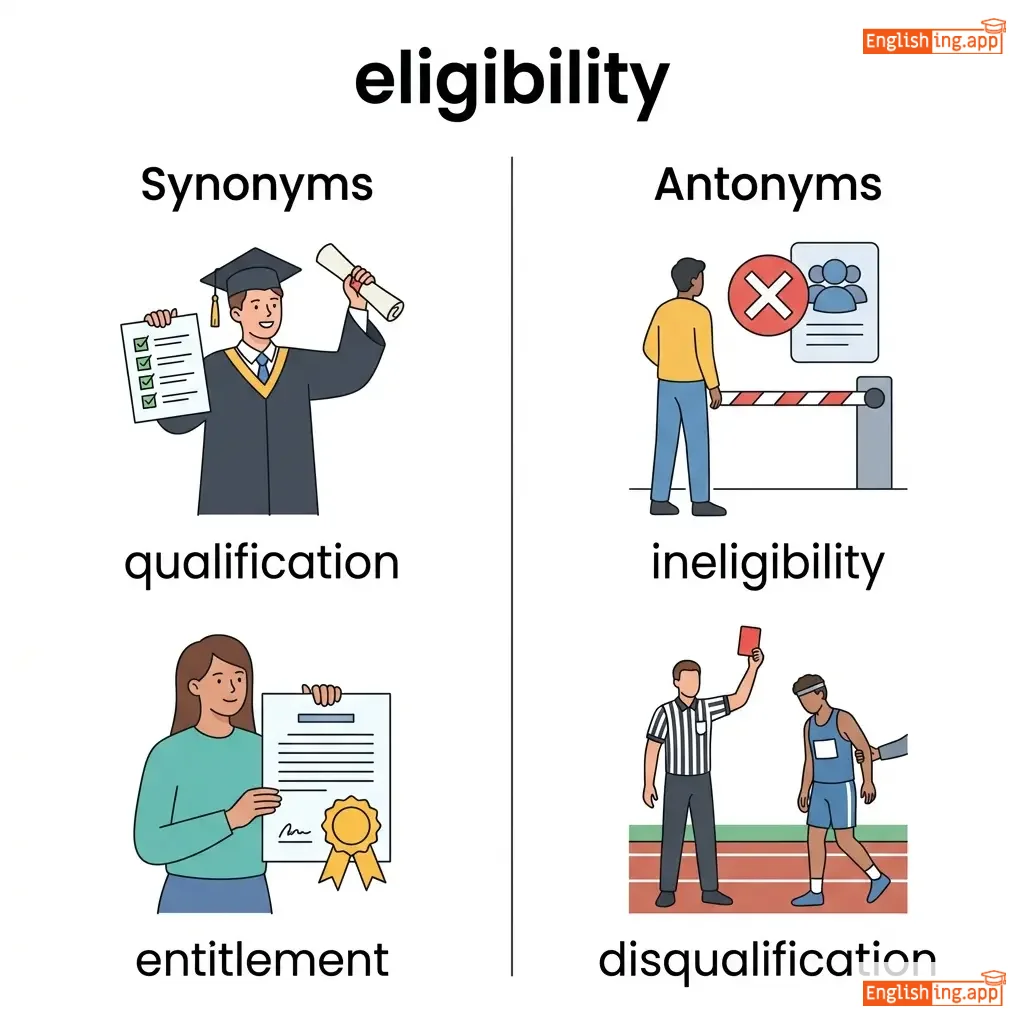
|
qualification, entitlement, suitability, fitness
••••••
|
ineligibility, disqualification, unsuitability, incompetence
••••••
|
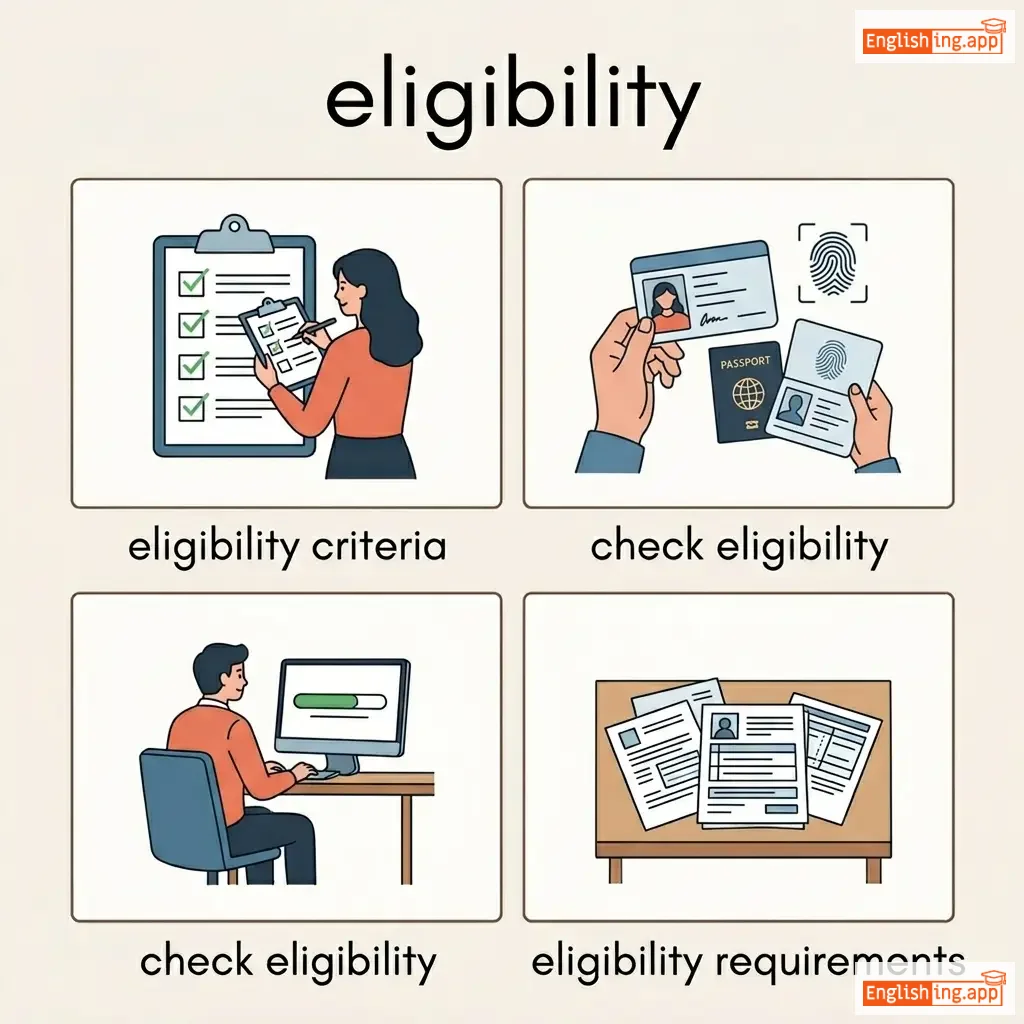
eligibility criteria, check eligibility, eligibility requirements
••••••
|
資格は、何かを得る権利を持つこと。奨学金の資格と似ている。
••••••
|
Vocabulary Quiz
Test your vocabulary by matching words with their translations or meanings.
Login to take the quiz
Comments (0)
Share your thoughts and join the discussion.
Join the discussion by logging in
Login to CommentNo comments yet
Be the first to share your thoughts!