

翻訳
過去
過去分詞
三人称単数
動名詞
意味
例文
例文の翻訳
同義語
対義語
コロケーション
ニーモニック

Swipe left or right, or use the buttons. Tap image to zoom.
例文の翻訳
単語
Lesson 63Lesson 63 - マスクトグル
|
絵文字
|
単語 | Images | 翻訳 | 意味 | 例文 | 例文の翻訳 | 同義語 | 対義語 | コロケーション | ニーモニック |
|---|---|---|---|---|---|---|---|---|---|---|
|
#1241
💬
|
/ˈseɪ.ɪŋ/
noun
(セイイング)
••••••
|
- •••••• |
格言
kakugen
••••••
|
a well-known phrase that expresses something true about life; a proverb
••••••
|
There's an old saying that practice makes perfect. |
「継続は力なり」という古い格言があります。
Keizoku wa chikara nari to iu furui kakugen ga arimasu.
••••••
|
proverb, maxim, adage, phrase
••••••
|
- •••••• |
old saying, popular saying, famous saying, well-known saying
••••••
|
‘格言’は普遍的な真実を表現した言葉であり、日本でも古くから使われています。
••••••
|
|
#1242
🔍
|
/ˈskruː.tɪ.ni/
noun
(スクルーチニ)
••••••
|
|
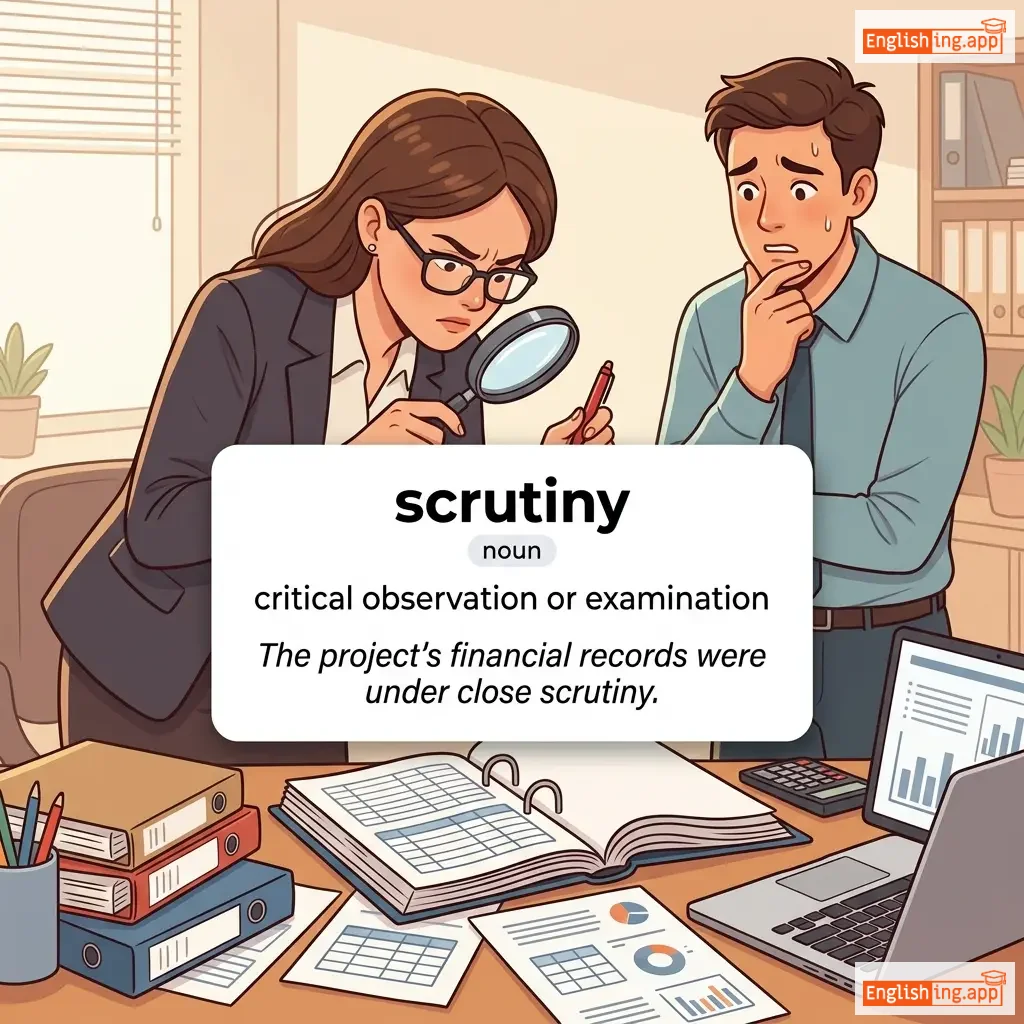
精査; 重要な調査
seisa; juuyou na chousa
••••••
|
careful examination or inspection; critical observation
••••••
|
The company's financial records were under intense scrutiny. |
その企業の財務記録は厳格な精査を受けていました。
sono kigyou no zaimu kiroku wa genkaku na seisa o uketeimashita.
••••••
|
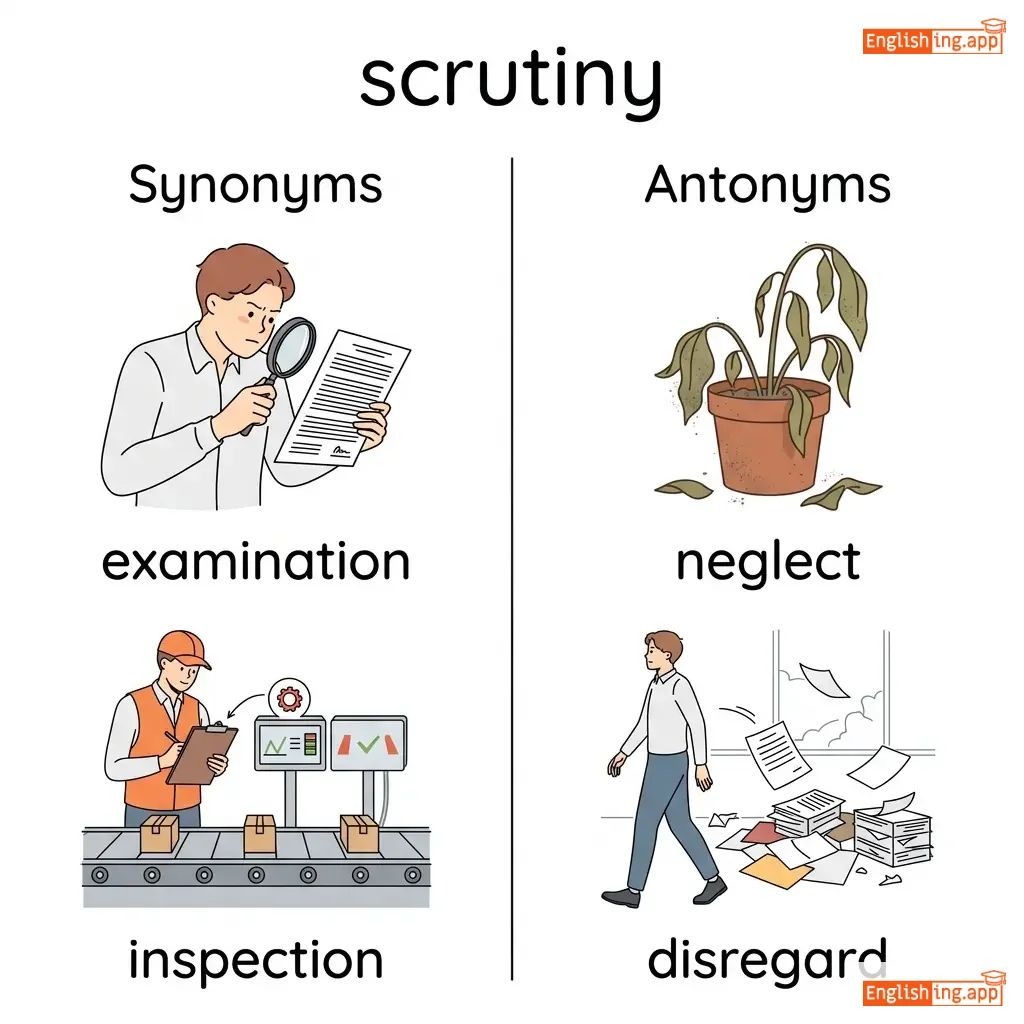
examination, inspection, analysis, investigation
••••••
|
neglect, ignorance, oversight
••••••
|
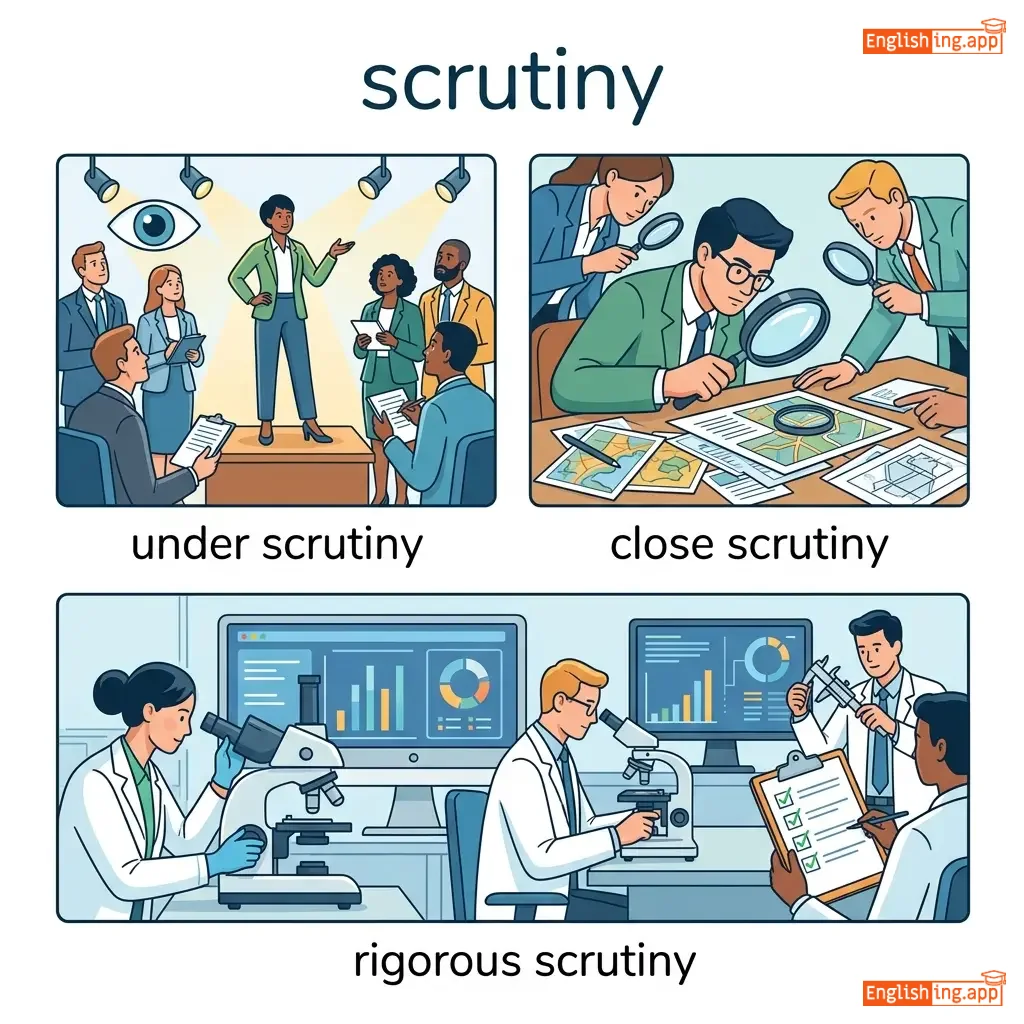
under scrutiny, intense scrutiny, public scrutiny, careful scrutiny
••••••
|
精密な調査を行うことは、書類の隠れた問題を発見する方法です。
••••••
|
|
#1243
🦠
|
/ˈskeɪ.biːz/
noun
(スケイビス)
••••••
|
- •••••• |
疥癬
kaisen
••••••
|
a contagious skin disease caused by mites that causes intense itching
••••••
|
The doctor diagnosed him with scabies after examining the rash.
医師は発疹を調べた後、彼に疥癬と診断した。
••••••
|
医師は発疹を調べた後、彼に疥癬と診断した。
Ishi wa hasshin o shirabeta ato, kare ni kaisen to shindan shita.
••••••
|
itch mite, mange
••••••
|
- •••••• |
scabies outbreak, scabies treatment, scabies infection
••••••
|
疥癬: ダニによる激しいかゆみの皮膚病
••••••
|
|
#1244
🗿
|
/ˈskʌlp.tʃər/
noun
(スカルプチャー)
••••••
|
- •••••• |
彫刻; 彫刻によって作られた芸術作品
choukoku; choukoku ni yotte tsukurareta geijutsu sakuhin
••••••
|
the art of making objects by carving; a work of art made by carving
••••••
|
The museum displays ancient Greek sculpture. |
博物館には古代ギリシャの彫刻が展示されています。
Hakubutsukan ni wa kodai girisha no choukoku ga tenji sareteimasu.
••••••
|
carving, statue, figure, artwork
••••••
|
destruction, demolition
••••••
|
ancient sculpture, marble sculpture, bronze sculpture, sculpture garden
••••••
|
スカルプチャーは彫刻、つまり彫る芸術です。
••••••
|
|
#1245
🏗️
|
/ˈskæf.əld/
noun
(足場)
••••••
|
- •••••• |
足場
ashiba
••••••
|
a temporary structure used by workers to stand on when building or repairing something high; a platform for execution
••••••
|
The workers erected a scaffold to paint the building's exterior. |
作業員たちは建物の外壁を塗装するために足場を設置しました。
Sagyōin-tachi wa tatemono no gaikabe o tosō suru tame ni ashiba o setchi shimashita.
••••••
|
platform, framework, structure, staging
••••••
|
- •••••• |
erect scaffold, scaffold platform, scaffold structure, construction scaffold
••••••
|
足場は高い場所での作業を助ける
••••••
|
|
#1246
🤐
|
/ˈsiː.krə.si/
noun
(シークレシー)
••••••
|
- •••••• |
秘密
himitsu
••••••
|
the practice of keeping something secret; the state of being kept hidden
••••••
|
The project was conducted in complete secrecy. |
そのプロジェクトは完全に秘密の中で行われました。
Sono purojekuto wa kanzen ni himitsu no naka de okonaware mashita.
••••••
|
privacy, confidentiality, concealment, discretion
••••••
|
openness, transparency, publicity, disclosure
••••••
|
maintain secrecy, sworn to secrecy, shrouded in secrecy, complete secrecy
••••••
|
秘密は誰にも見せない秘密の箱のようなものです。
••••••
|
|
#1247
🐐
|
/ˈskeɪp.ɡəʊt/
noun
(skeɪpɡoʊt)
••••••
|
- •••••• |
スケープゴート
sukepugōto
••••••
|
a person who is blamed for the wrongdoings, mistakes, or faults of others
••••••
|
He became the scapegoat for the team's poor performance.
彼はチームの悪いパフォーマンスのスケープゴートとなった。
••••••
|
彼はチームの悪いパフォーマンスのスケープゴートとなった。
Kare wa chīmu no warui pafōmansu no sukepugōto to natta.
••••••
|
fall guy, victim, patsy, whipping boy
••••••
|
culprit, perpetrator
••••••
|
make scapegoat, become scapegoat, blame scapegoat
••••••
|
スケープゴートとは、他人の失敗を背負う人です。
••••••
|
|
#1248
💧
|
/sɪˈkriː.ʃən/
noun
(シクレション)
••••••
|
- •••••• |
分泌
bumpitsu
••••••
|
a process by which substances are produced and discharged from a cell or gland
••••••
|
Insulin secretion is crucial for blood sugar regulation.
インスリン分泌は血糖値の調整に不可欠です。
••••••
|
インスリン分泌は血糖値の調整に不可欠です。
insurin bumpitsu wa kettouchi no chousei ni fukaketsu desu
••••••
|
discharge, excretion, emission, production
••••••
|
absorption, retention, intake
••••••
|
hormone secretion, saliva secretion, gastric secretion, insulin secretion
••••••
|
分泌は、胰島素のように重要な物質を体外に放出することです。
••••••
|
|
#1249
🩹
|
/skɑːr/
noun
(スカー)
••••••
|
- •••••• |
傷跡
kizuato
••••••
|
a mark left on the skin after a wound has healed; lasting emotional damage
••••••
|
The accident left a permanent scar on his forehead.
その事故は彼の額に永遠の傷跡を残しました。
••••••
|
その事故は彼の額に永遠の傷跡を残しました。
Sono jiko wa kare no hitai ni eien no kizuato o nokoshimashita.
••••••
|
mark, blemish, wound, cicatrix
••••••
|
- •••••• |
permanent scar, deep scar, scar tissue, emotional scar
••••••
|
傷跡は過去の痛みを思い出させるように、感情の傷も同じです。
••••••
|
|
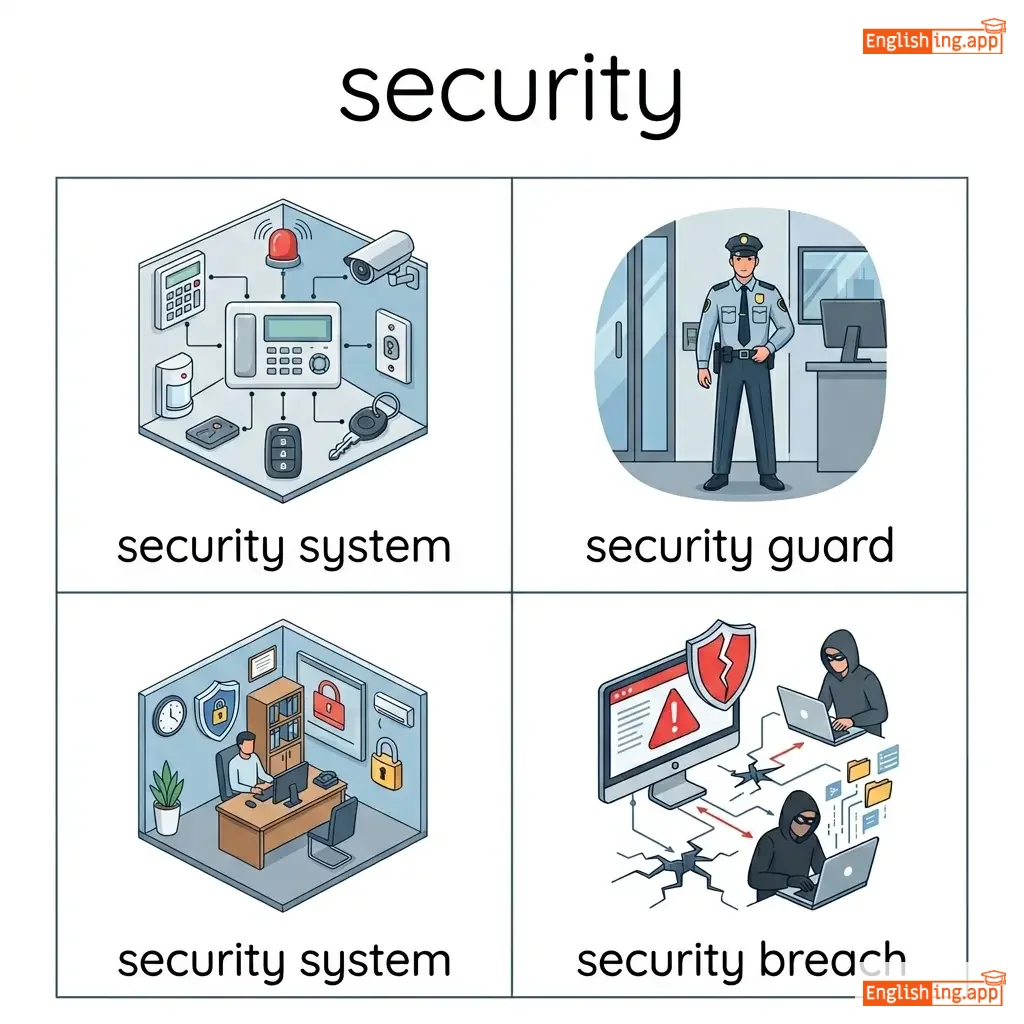
#1250
🔒
|
/sɪˈkjʊər.ə.ti/
noun
(セキュリティ)
••••••
|
|
セキュリティ
sekyuriti
••••••
|
the state of being free from danger or threat; protection against harm
••••••
|
Airport security has been increased after the incident.
事件後、空港のセキュリティが強化されました。
••••••
|
事件後、空港のセキュリティが強化されました。
Jiken-go, kūkō no sekyuriti ga kyōka saremashita.
••••••
|
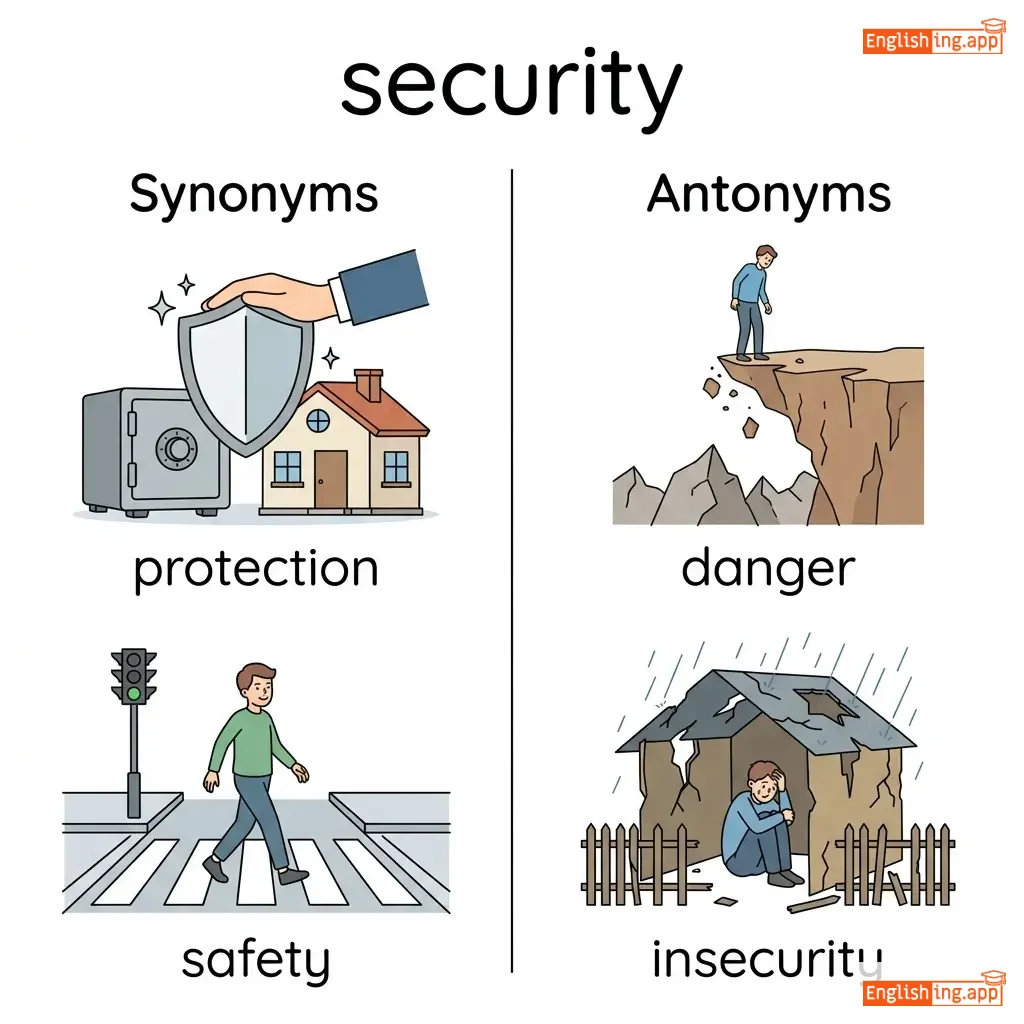
safety, protection, defense, safeguarding
••••••
|
danger, vulnerability, insecurity, risk
••••••
|
national security, security guard, cyber security, job security
••••••
|
セキュリティ in Japanese is like securing yourself from harm!
••••••
|
|
#1251
🏞️
|
/ˈsiː.nər.i/
noun
(シナリ)
••••••
|
- •••••• |
風景
fūkei
••••••
|
the natural features of a landscape; the painted background used on a theater stage
••••••
|
The mountain scenery was breathtakingly beautiful. |
山の風景は息を呑むほど美しかった。
Yama no fūkei wa iki o nomu hodo utsukushikatta.
••••••
|
landscape, view, vista, backdrop
••••••
|
- •••••• |
beautiful scenery, mountain scenery, natural scenery, scenic view
••••••
|
風景は自然が描いたアート作品です。
••••••
|
|
#1252
🪨
|
/ˈsed.ɪ.mənt/
noun
(堆積物)
••••••
|
- •••••• |
堆積物
taisekibutsu
••••••
|
matter that settles to the bottom of a liquid; particles deposited by water or wind
••••••
|
The river carried sediment downstream during the flood.
川は洪水の間に堆積物を下流へ運んだ。
••••••
|
川は洪水の間に堆積物を下流へ運んだ。
kawa wa kouzui no aida ni taisekibutsu o karyuu e hakonda.
••••••
|
deposit, residue, silt, debris
••••••
|
solution, suspension
••••••
|
river sediment, marine sediment, sediment layer, sediment deposit
••••••
|
Tai sekibutsu: imagine a giant statue of rocks sinking to the sea floor, turning into sediment
••••••
|
|
#1254
⚖️
|
/sɪˈdɪʃ.ən/
noun
(反乱罪)
••••••
|
|
反乱罪
hanran zai
••••••
|
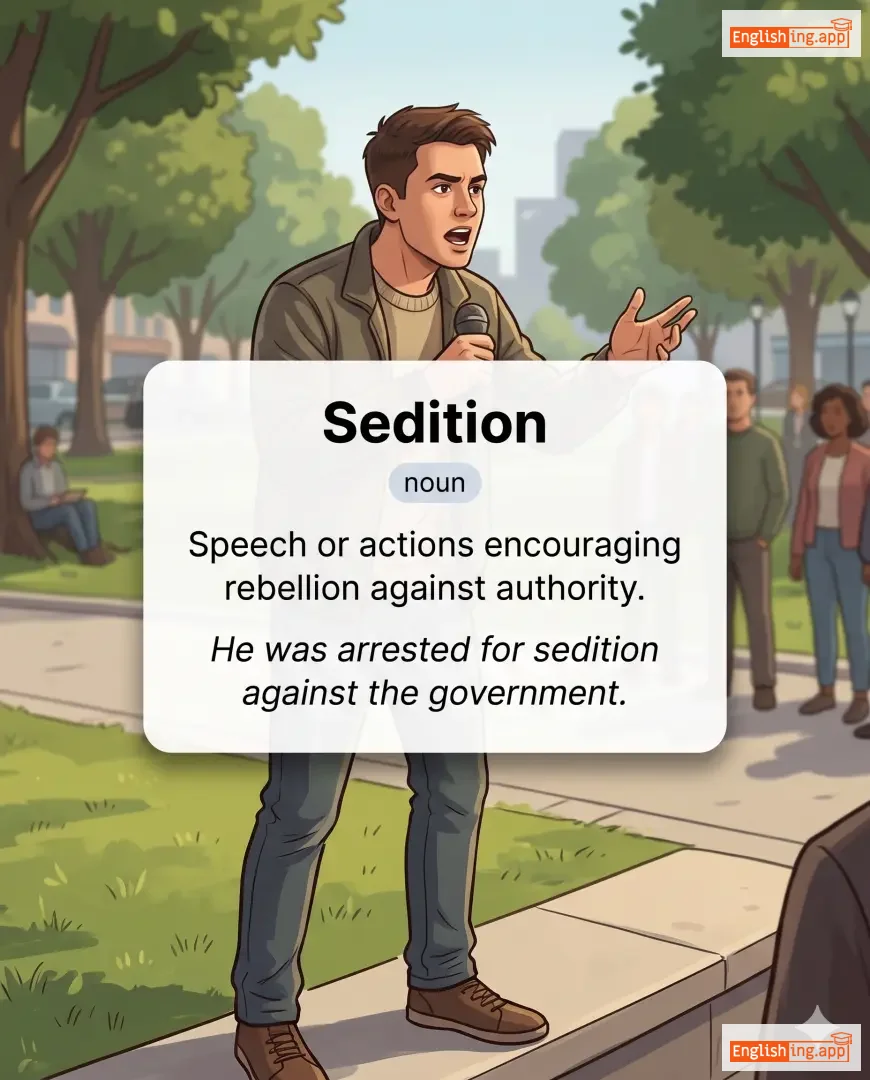
conduct or speech inciting people to rebel against authority; treason
••••••
|
The activist was charged with sedition for his inflammatory speeches. |
活動家はその扇動的な演説のために反乱罪で起訴された。
Katsudōka wa sono sendō-teki na enzetsu no tame ni hanran-zai de kiso sareta.
••••••
|
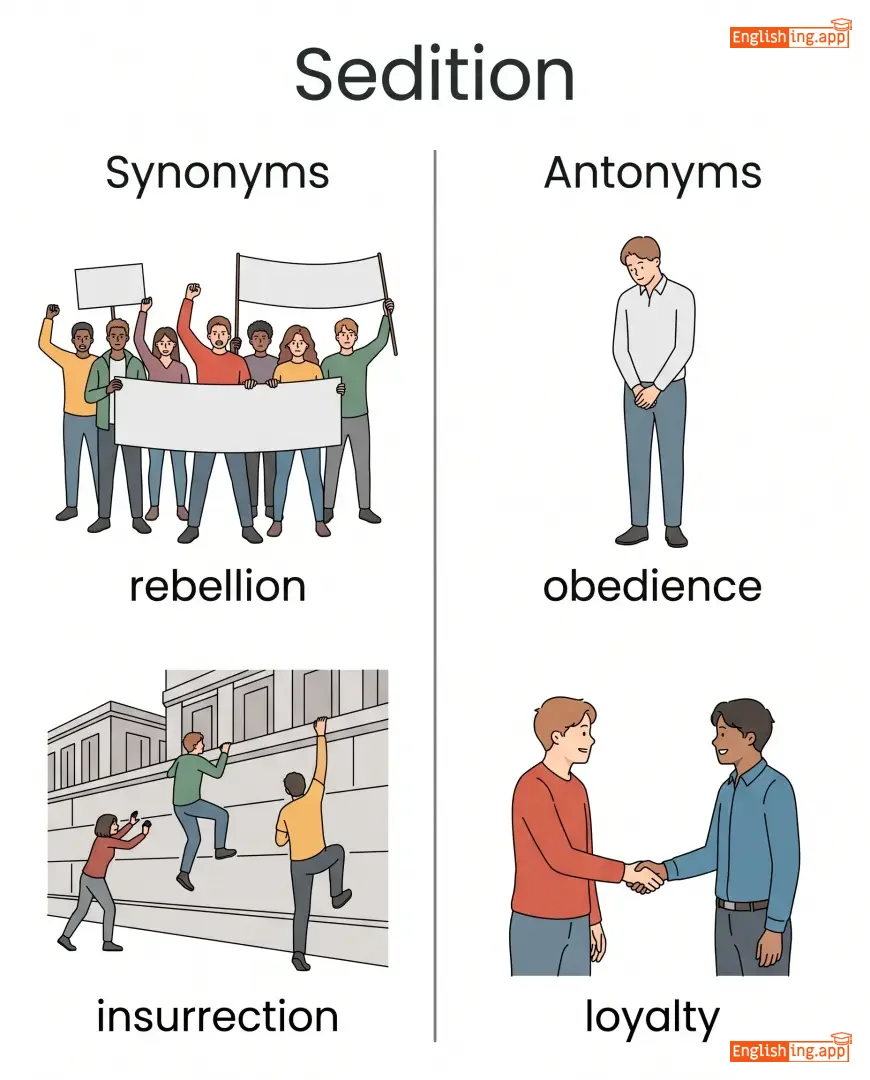
rebellion, mutiny, insurrection, treason
••••••
|
loyalty, allegiance, obedience, patriotism
••••••
|
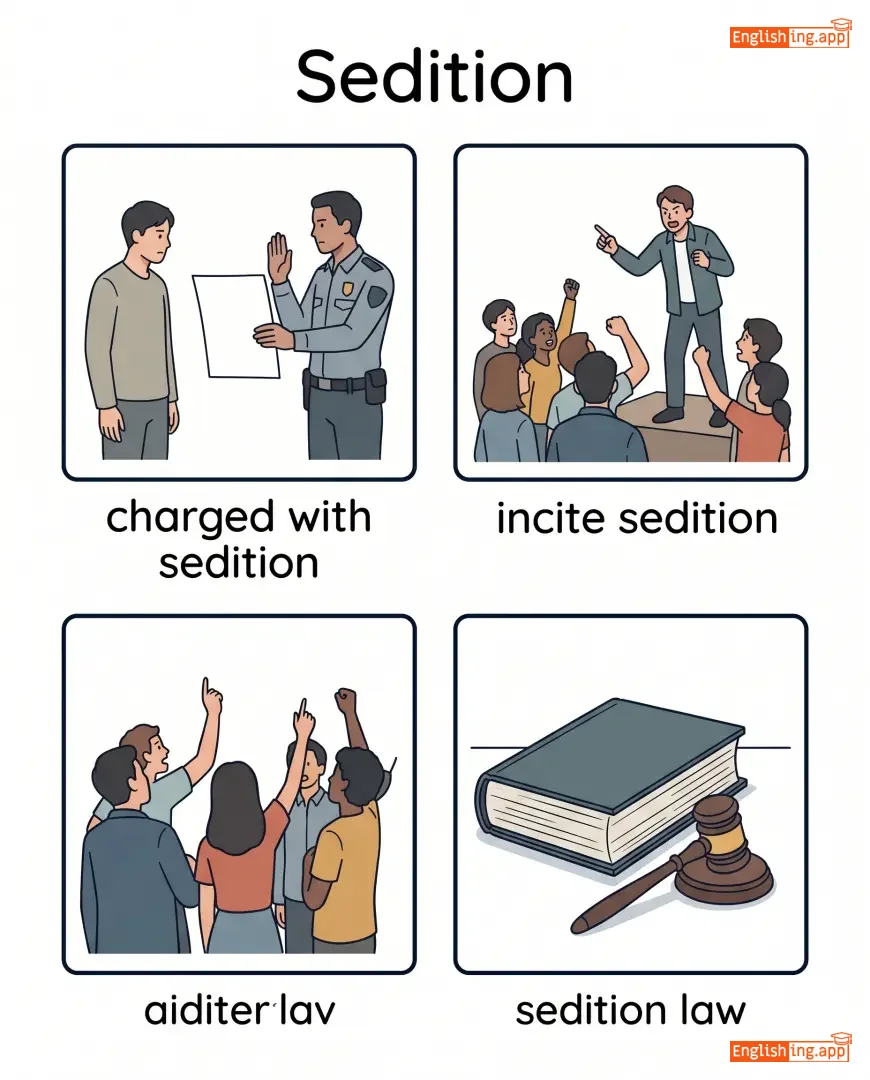
charged with sedition, sedition law, acts of sedition, sedition trial
••••••
|
In Japanese, '反乱罪' means rebellion, directly related to sedition.
••••••
|
|
#1255
📅
|
/ˈʃed.juːl/
noun
(スケジュール)
••••••
|
- •••••• |
予定; 時間割;
schedule
••••••
|
a plan that lists things or events and the times when they will happen; timetable
••••••
|
Please check your schedule before confirming the meeting time.
会議の時間を確認する前に、スケジュールを確認してください。
••••••
|
会議の時間を確認する前に、スケジュールを確認してください。
Kaigi no jikan o kakunin suru mae ni, sukejūru o kakunin shite kudasai.
••••••
|
timetable, agenda, plan, calendar
••••••
|
chaos, disorder
••••••
|
busy schedule, work schedule, meeting schedule, follow schedule
••••••
|
スケジュールは日々の計画を整理するために必要です。
••••••
|
|
#1256
💋
|
/sɪˈdʌk.ʃən/
noun
(セダクション)
••••••
|
- •••••• |
誘惑; 誘惑
yuwaku; yuwaku
••••••
|
the action of seducing someone; temptation to do something wrong
••••••
|
He fell victim to the seduction of easy money. |
彼は簡単な金儲けの誘惑に負けた。
Kare wa kantan na kane mouke no yuwaku ni maketa.
••••••
|
temptation, enticement, allure, attraction
••••••
|
repulsion, deterrence, discouragement
••••••
|
the seduction of power, fall to seduction, art of seduction, seduction technique
••••••
|
In Japanese, 'yuwaku' is the temptation that leads to 'seduction'!
••••••
|
|
#1257
🎓
|
/ˈskɒl.ər/
noun
(スカラー)
••••••
|
- •••••• |
学者; アカデミック
gakusha; akademikku
••••••
|
a person who has studied a subject for a long time and knows a lot about it; an academic
••••••
|
The renowned scholar published several books on ancient history.
ðə rɪˈnaʊnd ˈskɒlər ˈpʌblɪʃt ˈsɛvrəl bʊks ɒn ˈeɪnʃənt ˈhɪstəri.
••••••
|
有名な学者は古代の歴史に関する本をいくつか出版しました。
yūmei na gakusha wa kodai no rekishi ni kansuru hon o ikutsu ka shuppan shimashita.
••••••
|
academic, intellectual, researcher, learned person
••••••
|
ignoramus, illiterate
••••••
|
renowned scholar, distinguished scholar, scholarship program, scholarly work
••••••
|
学者は知識を通して世界を変える。
••••••
|
|
#1258
🧩
|
/ˈseɡ.mənt/
noun
(セグメント)
••••••
|
- •••••• |
セクション; 部分; セグメント
sekushon; bubun; segumento
••••••
|
each of the parts into which something is divided; a section or portion
••••••
|
The orange was divided into eight segments.
オレンジは8つのセグメントに分けられました。
••••••
|
オレンジは8つのセグメントに分けられました。
Orenji wa yattsu no segumento ni wakeraremashita.
••••••
|
section, portion, part, division
••••••
|
whole, entirety, totality
••••••
|
market segment, line segment, segment analysis, target segment
••••••
|
オレンジを均等に切り分けることを考えて、セグメントを覚えやすくする。
••••••
|
|
#1259
📺
|
/skriːn/
noun
(スクリーン)
••••••
|
- •••••• |
スクリーン
sukuriin
••••••
|
a flat surface on which pictures or words are shown; a movable partition used to divide a room
••••••
|
The movie was displayed on a large screen in the theater.
映画は劇場の大きなスクリーンに表示されました。
••••••
|
映画は劇場の大きなスクリーンに表示されました。
Eiga wa gekijou no ookina sukuriin ni hyouji saremashita.
••••••
|
display, monitor, partition, barrier
••••••
|
- •••••• |
computer screen, movie screen, screen time, touch screen
••••••
|
スクリーンは映画を見るための場所です
••••••
|
|
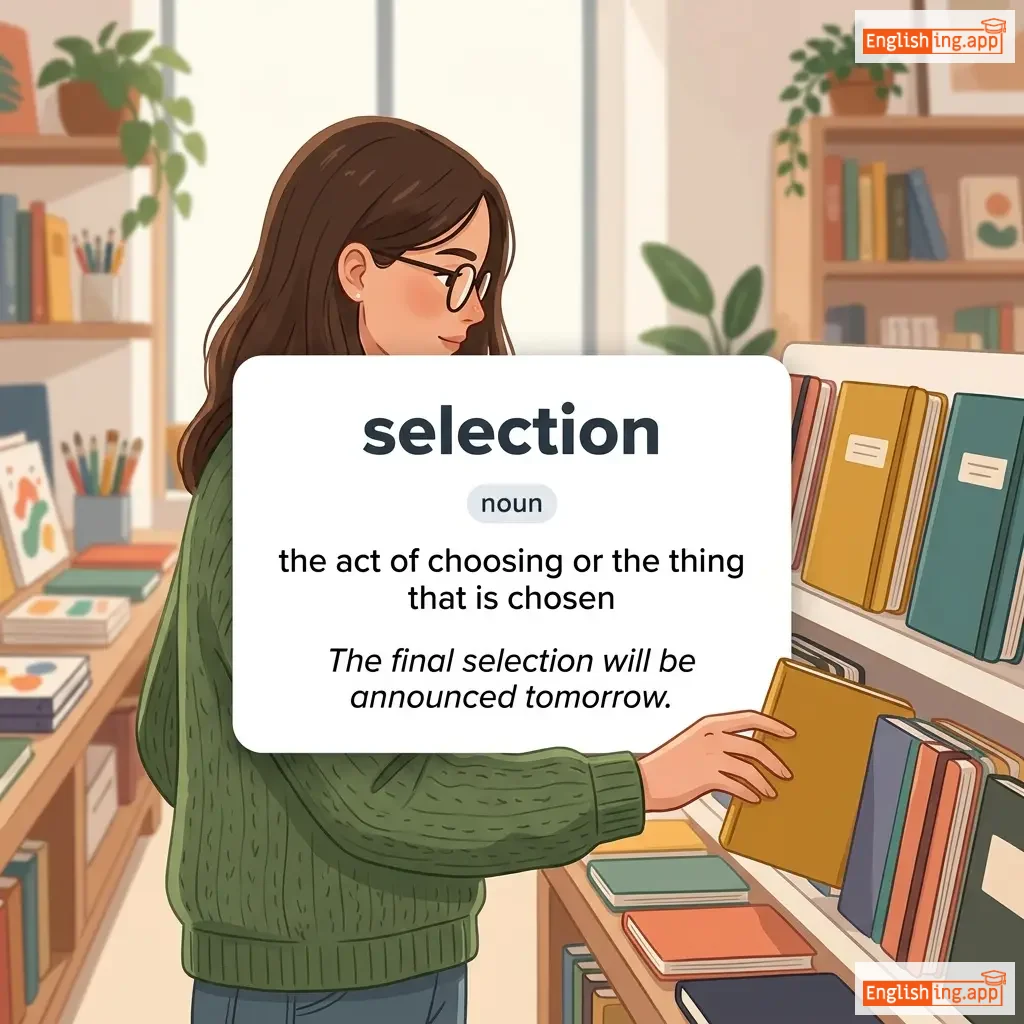
#1260
✅
|
/sɪˈlek.ʃən/
noun
(セレクション)
••••••
|
|
選択; 選択プロセス; 何かの選択
sentaku; sentaku purosesu; nanika no sentaku
••••••
|
the action or fact of carefully choosing someone or something; a range of items to choose from
••••••
|
The store offers a wide selection of books.
店は幅広い書籍のセレクションを提供しています。
••••••
|
店は幅広い書籍のセレクションを提供しています。
Mise wa habahiroi shoseki no serekusyon wo teikyō shiteimasu.
••••••
|
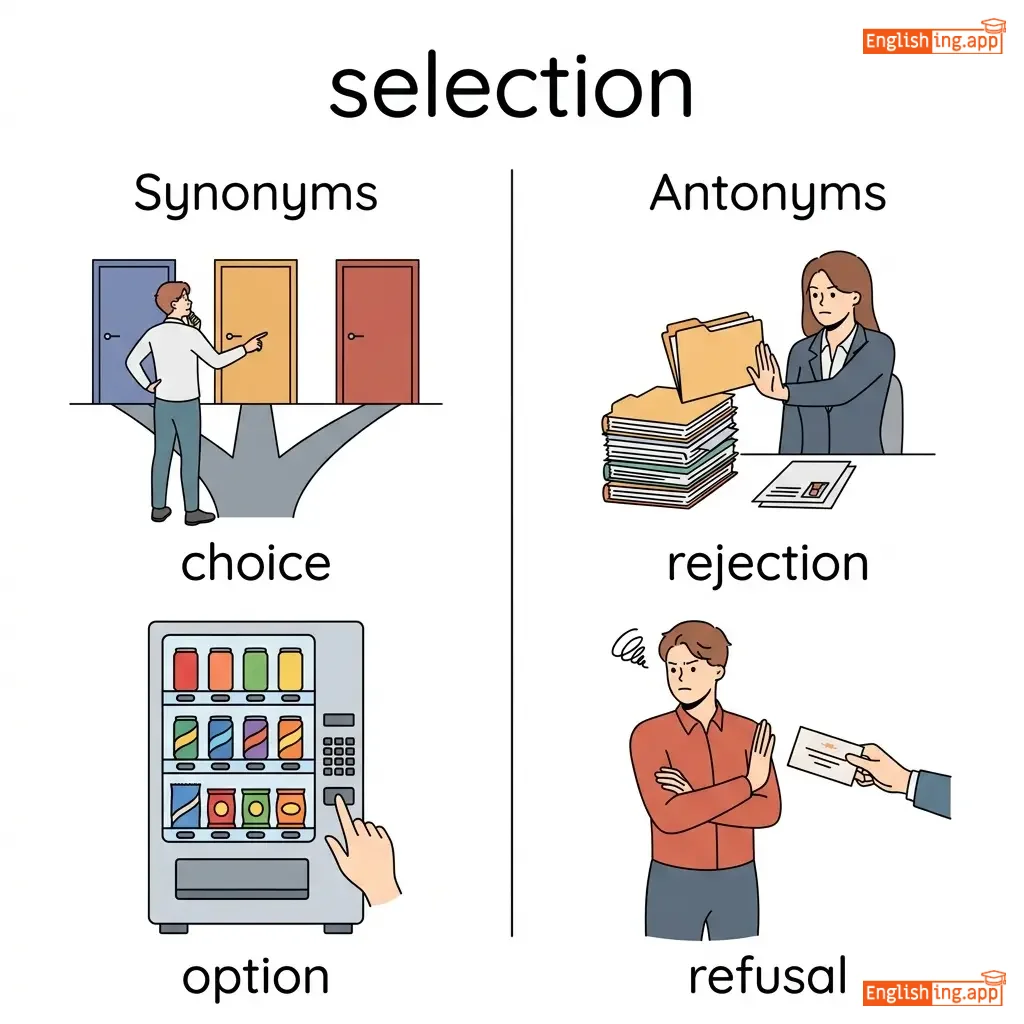
choice, picking, preference, assortment
••••••
|
rejection, exclusion, elimination
••••••
|
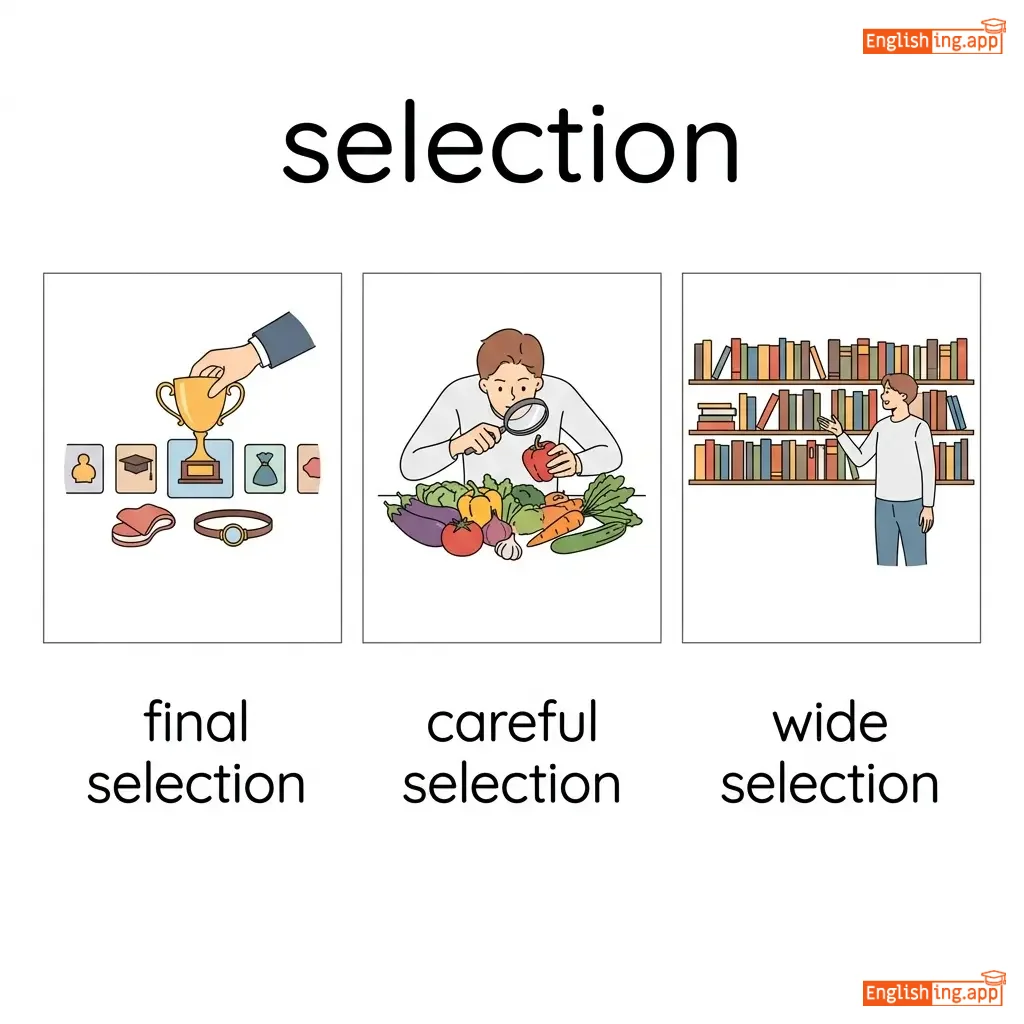
natural selection, selection process, wide selection, selection criteria
••••••
|
選択を選ぶように、店で書籍を選んでいるように覚えておいてください。
••••••
|
Vocabulary Quiz
Test your vocabulary by matching words with their translations or meanings.
Login to take the quiz
Comments (0)
Share your thoughts and join the discussion.
Join the discussion by logging in
Login to CommentNo comments yet
Be the first to share your thoughts!