

翻訳
過去
過去分詞
三人称単数
動名詞
意味
例文
例文の翻訳
同義語
対義語
コロケーション
ニーモニック


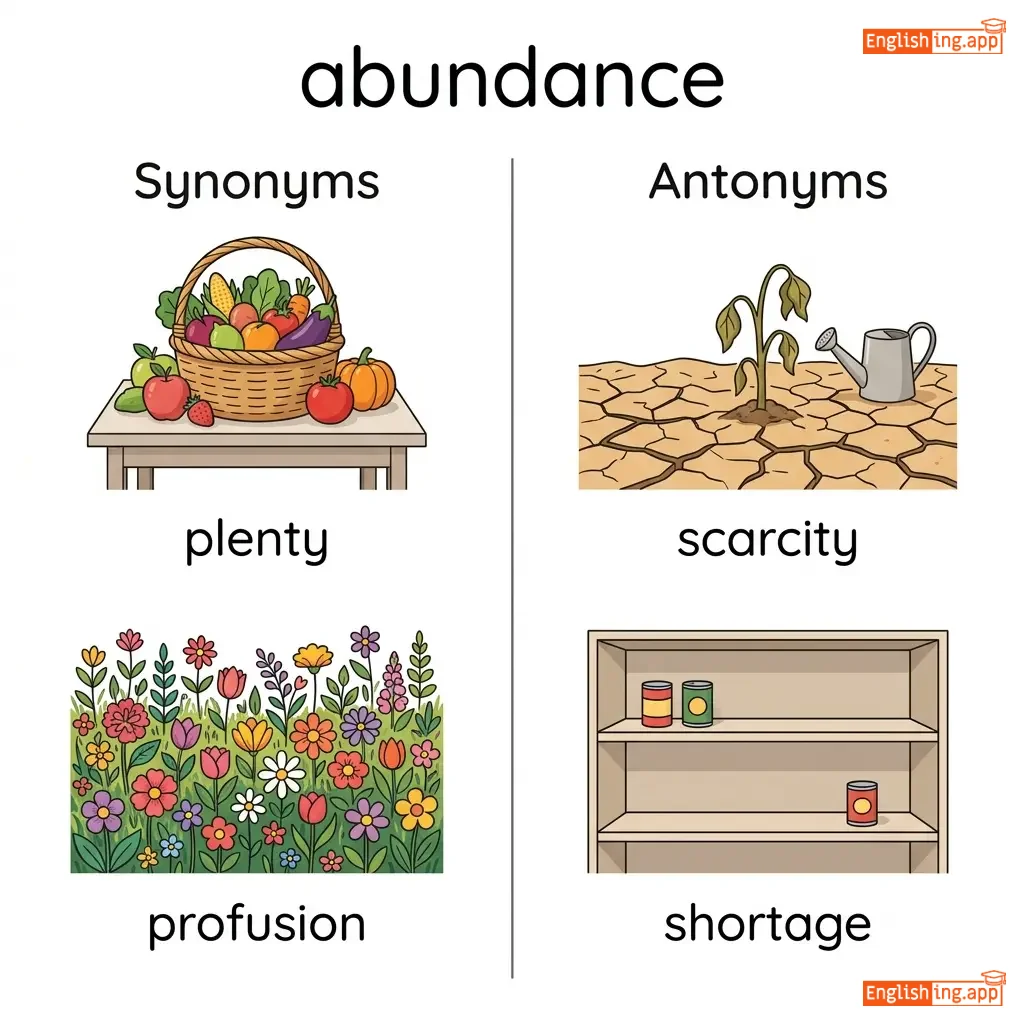
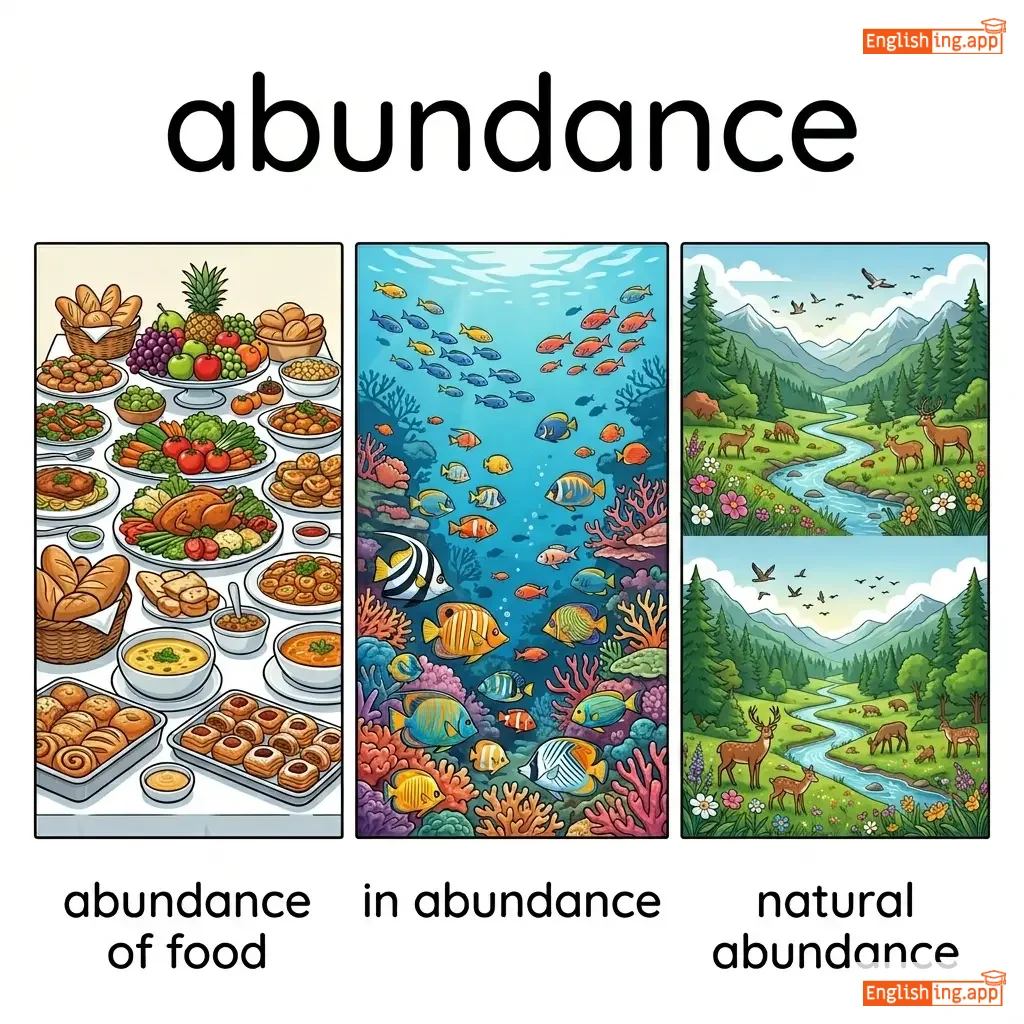
Swipe left or right, or use the buttons. Tap image to zoom.
例文の翻訳
単語
Lesson 1Lesson 1 - マスクトグル
|
絵文字
|
単語 | Images | 翻訳 | 意味 | 例文 | 例文の翻訳 | 同義語 | 対義語 | コロケーション | ニーモニック |
|---|---|---|---|---|---|---|---|---|---|---|
|
#1
⚡
|
/ˈæk.ʃən/
noun
(アクション)
••••••
|
- •••••• |
行動; アクション
koudou; akushon
••••••
|
the process of doing something; something that is done
••••••
|
We need to take action to solve this problem. |
この問題を解決するために行動を起こす必要があります。
Kono mondai wo kaiketsu suru tame ni koudou wo okosu hitsuyou ga arimasu.
••••••
|
deed, act, activity, move
••••••
|
inaction, passivity
••••••
|
take action, direct action, immediate action, corrective action
••••••
|
行動は問題解決への一歩です。
••••••
|
|
#2
💡
|
/ədˈvaɪs/
noun
(アドバイス)
••••••
|
|
アドバイス
adobaisu
••••••
|
guidance or recommendations offered with regard to prudent action; opinion about what should be done
••••••
|
She gave me good advice about choosing a career. |
彼女はキャリアを選ぶことについて良いアドバイスをくれた。
Kanojo wa kyaria o erabu koto ni tsuite yoi adobaisu o kureta.
••••••
|
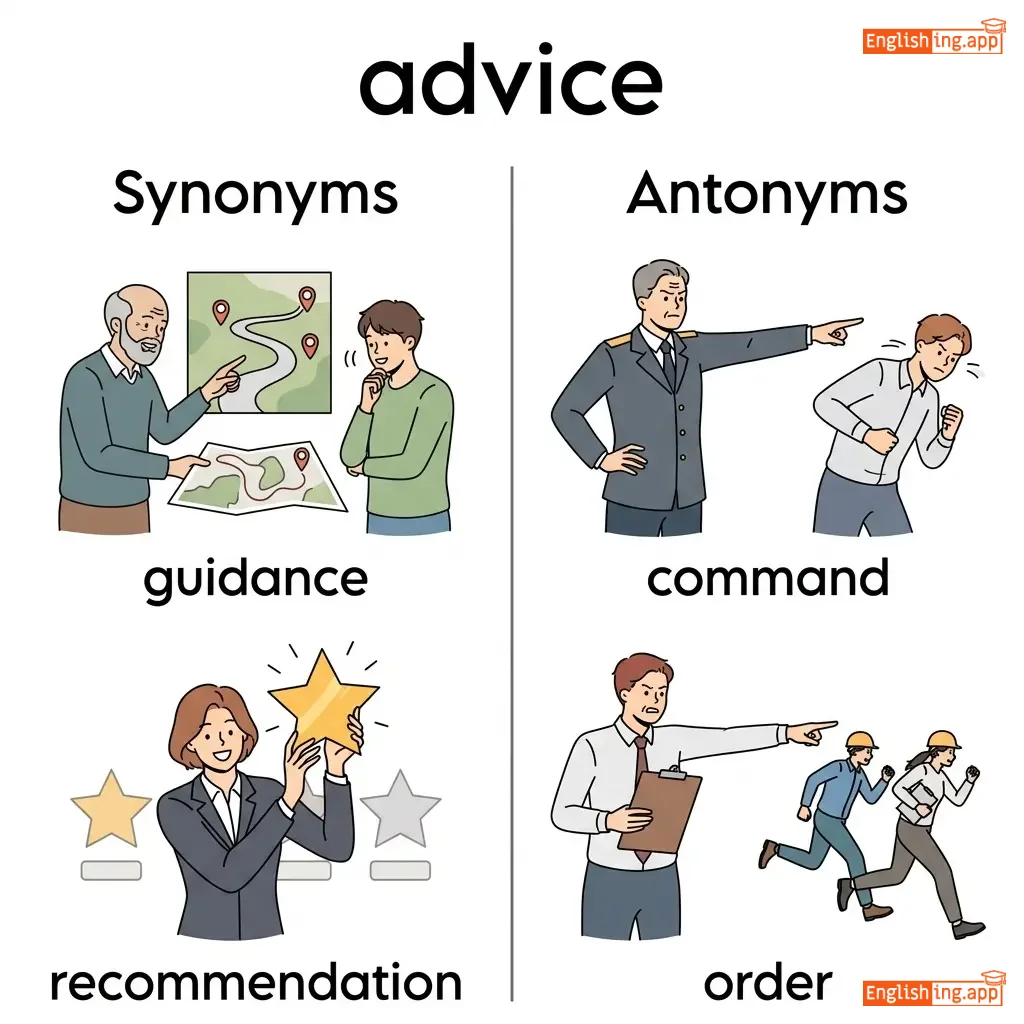
guidance, counsel, recommendation, suggestion
••••••
|
misguidance, discouragement
••••••
|
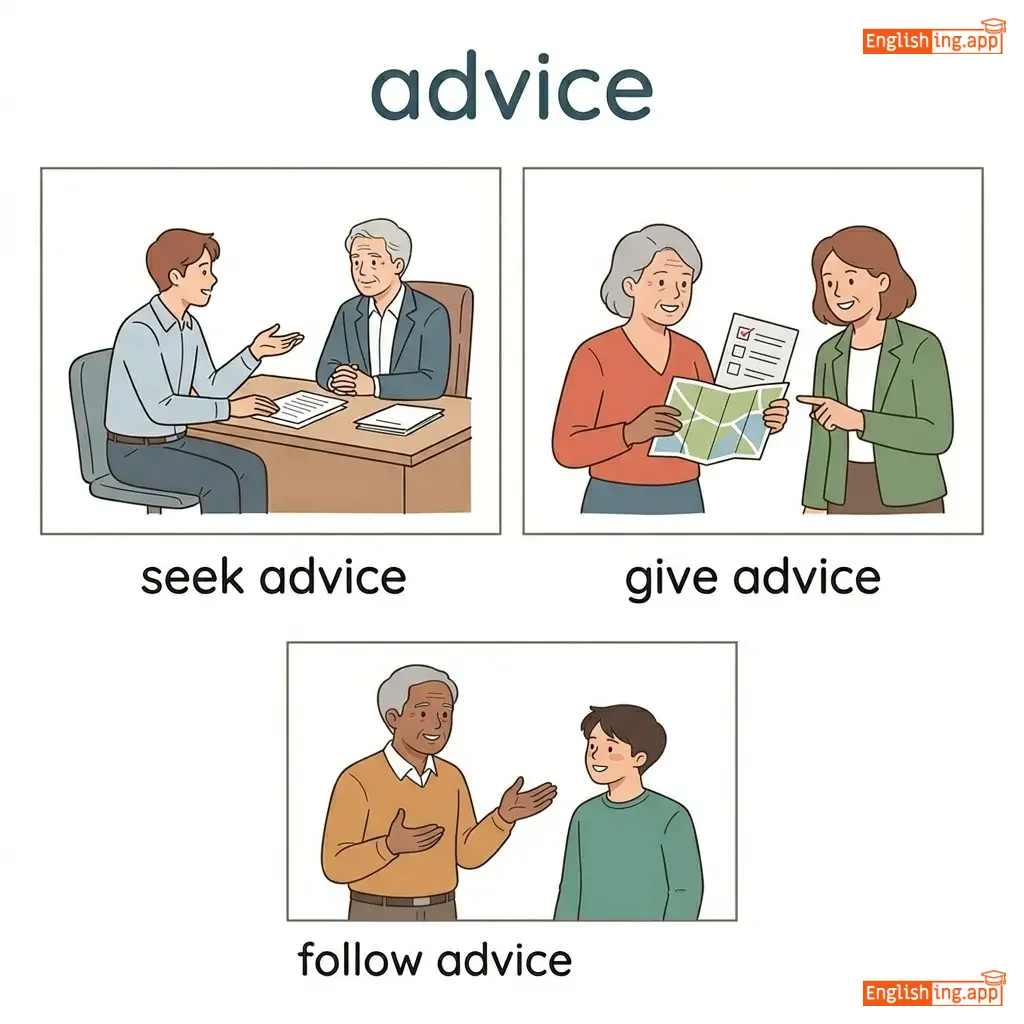
give advice, take advice, good advice, professional advice
••••••
|
アドバイスを受けることでより良い選択ができる
••••••
|
|
#3
🏔️
|
/ədˈven.tʃər/
noun
(アドベンチャー)
••••••
|
|
冒険
bōken
••••••
|
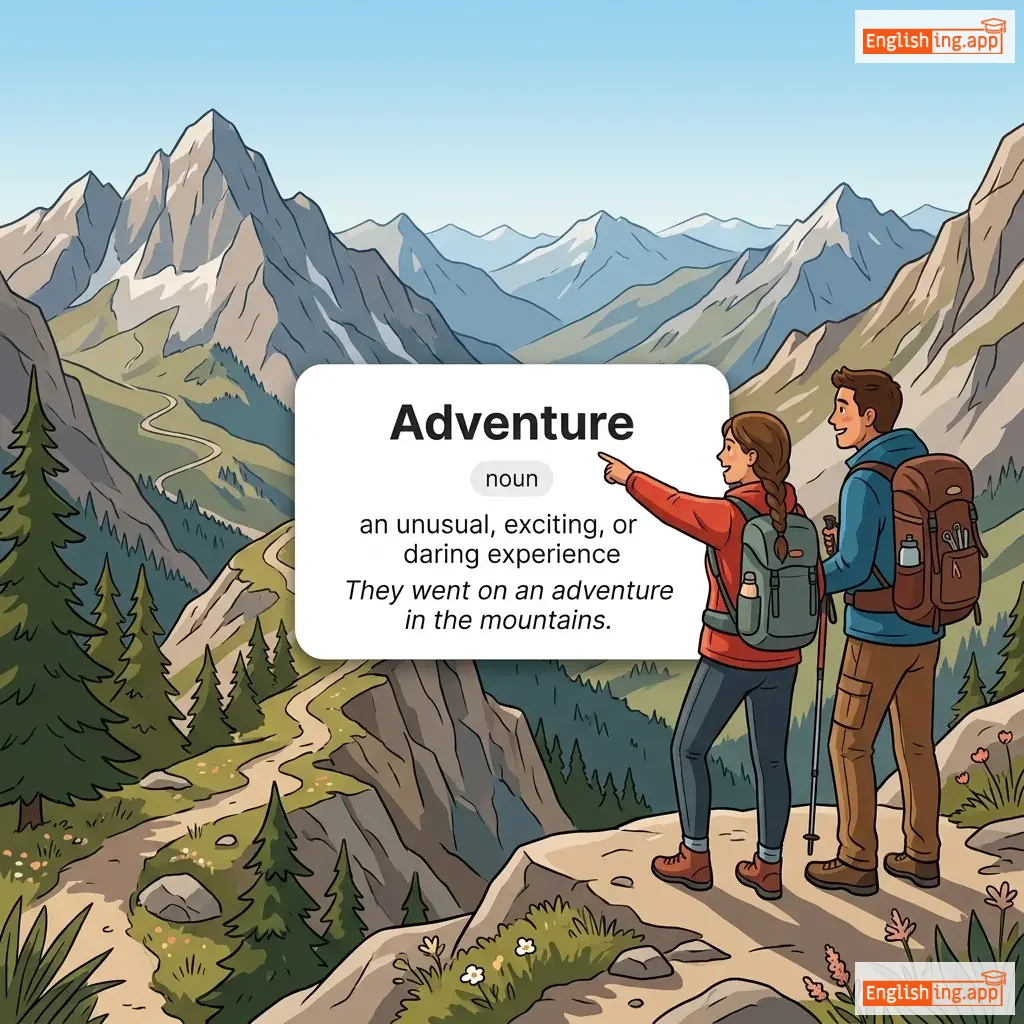
an exciting or dangerous experience; an unusual and exciting activity
••••••
|
Their trip to the Amazon was a real adventure. |
彼らのアマゾンへの旅行は本当の冒険でした。
Karera no Amazon e no ryokō wa hontō no bōken deshita.
••••••
|
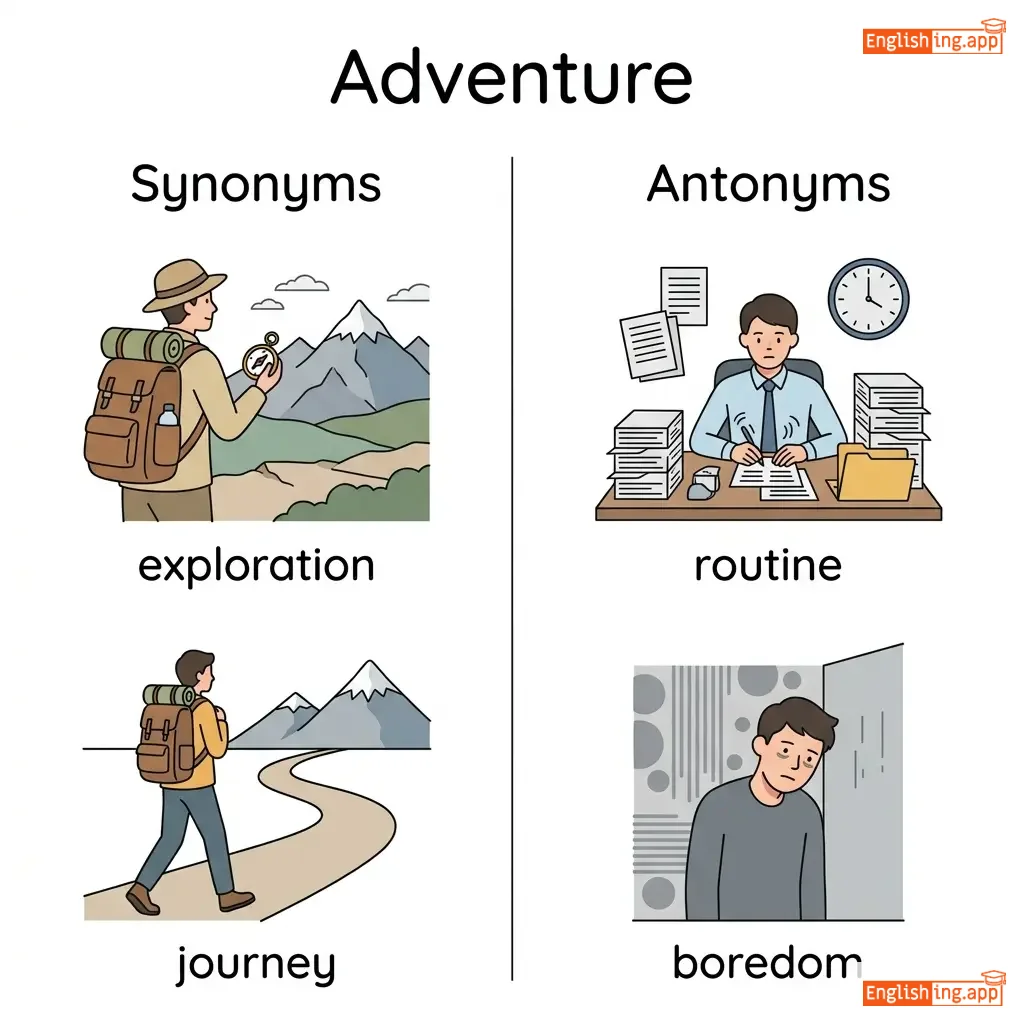
expedition, journey, quest, escapade
••••••
|
routine, boredom, safety
••••••
|
outdoor adventure, adventure story, seek adventure, exciting adventure
••••••
|
日本語の'冒険'は英語の adventure を意味します。
••••••
|
|
#4
🏆
|
/ədˈvæn.tɪdʒ/
noun
(アドバンテージ)
••••••
|
- •••••• |
利点; 利益
rīten; rieki
••••••
|
a condition or circumstance that puts one in a favorable position; a benefit
••••••
|
Having a college degree gives you an advantage in the job market.
大学の学位を持っていることは、就職市場で有利になります。
••••••
|
大学の学位を持っていることは、就職市場で有利になります。
Daigaku no gakui o motte iru koto wa, shūshoku shijō de yūri ni narimasu.
••••••
|
benefit, asset, plus, edge
••••••
|
disadvantage, drawback, handicap
••••••
|
competitive advantage, take advantage, unfair advantage, clear advantage
••••••
|
利点は、競争を有利にするために重要です
••••••
|
|
#5
⬆️
|
/ədˈvæns/
noun
(アドバンス)
••••••
|
- •••••• |
進歩; 発展; 前払い
shinpo; hatten; maebarai
••••••
|
progress or development; movement forward; money paid before it is due
••••••
|
Technology has made great advances in recent years.
技術は近年大きな進歩を遂げました。
••••••
|
技術は近年大きな進歩を遂げました。
Gijutsu wa kin'nen ōkina shinpo o togemashita.
••••••
|
progress, improvement, development, breakthrough
••••••
|
retreat, decline, setback
••••••
|
technological advance, medical advance, advance payment, in advance
••••••
|
Advancing in technology pushes forward growth and improvement.
••••••
|
|
#6
👨
|
/əˈdʌlt/
noun
(アダルト)
••••••
|
- •••••• |
成人; 大人
seijin; otona
••••••
|
a person who is fully grown or developed; mature
••••••
|
Only adults are allowed to enter this area.
このエリアに入ることが許されているのは大人だけです。
••••••
|
このエリアに入ることが許されているのは大人だけです。
Kono eria ni hairu koto ga yurusareteiru no wa otona dake desu.
••••••
|
grown-up, mature person, grownup
••••••
|
child, minor, juvenile
••••••
|
young adult, adult education, adult supervision, adult responsibilities
••••••
|
Seijin = Adult; Otona wa koko ni hairu koto ga dekiru.
••••••
|
|
#7
🎓
|
/ədˈmɪʃ.ən/
noun
(アドミッション)
••••••
|
- •••••• |
入学; 受け入れ
nyūgaku; ukeire
••••••
|
the process of entering or being allowed to enter a school or organization; accepting that something is true
••••••
|
She gained admission to Harvard University.
彼女はハーバード大学に入学許可を得ました。
••••••
|
彼女はハーバード大学に入学許可を得ました。
Kanojo wa Hābādo Daigaku ni nyūgaku kyoka o emashita.
••••••
|
entry, acceptance, enrollment, confession
••••••
|
rejection, denial, exclusion
••••••
|
college admission, hospital admission, admission fee, admission requirements
••••••
|
入学 = 受け入れられるとき、あなたは新しい場所に入ることができます。
••••••
|
|
#8
🏛️
|
/ədˌmɪn.ɪˈstreɪ.ʃən/
noun
(アドミニストレーション)
••••••
|
- •••••• |
行政; 管理
gyōsei; kanri
••••••
|
the process of managing or organizing something; a government or organization
••••••
|
The university administration announced new policies. |
大学の行政は新しいポリシーを発表しました。
daigaku no gyōsei wa atarashī porishī o happyō shimashita.
••••••
|
management, government, control, supervision
••••••
|
chaos, disorder, mismanagement
••••••
|
public administration, school administration, business administration, government administration
••••••
|
行政管理は、大学や会社の管理のように物事を整える役割です。
••••••
|
|
#9
➕
|
/əˈdɪʃ.ən/
noun
(アディション)
••••••
|
- •••••• |
加算; 追加のプロセス
kasan; tsuika no purosesu
••••••
|
the process of adding numbers; something that is added
••••••
|
The addition of a new room made the house more spacious. |
新しい部屋の追加により家はより広くなりました。
Atarashii heya no tsuika ni yori ie wa yori hiroku narimashita.
••••••
|
supplement, extension, extra, attachment
••••••
|
subtraction, removal, reduction
••••••
|
in addition to, recent addition, new addition, welcome addition
••••••
|
加算は、あるものに他のものを加えることです。
••••••
|
|
#10
🎯
|
/ækˈtɪv.ə.ti/
noun
(アクティビティ)
••••••
|
- •••••• |
活動; 行動; タスク
katsudou; koudou; tasuku
••••••
|
something that you do for interest or pleasure, or in order to achieve a particular aim
••••••
|
Physical activity is important for good health. |
健康のために身体的な活動が重要です。
kenkou no tame ni karadataki na katsudou ga juuyou desu.
••••••
|
pursuit, exercise, pastime, occupation
••••••
|
inactivity, rest, idleness
••••••
|
physical activity, outdoor activity, leisure activity, business activity
••••••
|
アクティビティを楽しんで健康を保とう!
••••••
|
|
#11
💪
|
/əˈbɪləti/
noun
(アビリティ)
••••••
|
- •••••• |
能力; スキル
nouryoku; sukiru
••••••
|
the power or skill to do something; capacity
••••••
|
She has the ability to solve complex problems.
彼女は複雑な問題を解決する能力を持っています。
••••••
|
彼女は複雑な問題を解決する能力を持っています。
Kanojo wa fukuzatsu na mondai wo kaiketsu suru nouryoku wo motteimasu.
••••••
|
capability, skill, talent, competence
••••••
|
inability, incapacity, weakness
••••••
|
natural ability, mental ability, ability to learn
••••••
|
あなたの能力を使って、どんな問題でも解決できる力を感じてみてください。
••••••
|
|
#12
😣
|
/eɪk/
noun
(eik)
••••••
|
- •••••• |
痛み
itami
••••••
|
a continuous or prolonged dull pain in a part of one's body
••••••
|
He had a terrible headache after working late. |
彼は遅くまで働いた後、ひどい頭痛に悩まされた。
Kare wa osoku made hataraita ato, hidoi zutsū ni nayamasareta.
••••••
|
pain, soreness, discomfort, hurt
••••••
|
comfort, relief, ease, wellness
••••••
|
headache, backache, stomach ache
••••••
|
痛み (itami) は長時間働いた後に頭で感じる鈍痛のようです。
••••••
|
|
#13
🎯
|
/ˈækjərəsi/
noun
(アキュラシー)
••••••
|
- •••••• |
正確さ; 精度
seikakusa; seido
••••••
|
the quality of being correct or precise; exactness
••••••
|
The accuracy of the measurements is very important. |
測定の正確さは非常に重要です。
Sokutei no seikakusa wa hijō ni jūyō desu.
••••••
|
precision, correctness, exactness, truth
••••••
|
inaccuracy, error, mistake, imprecision
••••••
|
high accuracy, accuracy of data, improve accuracy
••••••
|
Accuracyはまるで完璧な時計のように、すべてが正確であるべきです。
••••••
|
|
#14
📊
|
/əˈkaʊnt/
noun
(アカウント)
••••••
|
- •••••• |
アカウント
akaunto
••••••
|
a record of money received and paid out; a report or description of an event
••••••
|
She opened a savings account at the bank. |
彼女は銀行で貯蓄口座を開設しました。
Kanojo wa ginkou de chochiku kouza o kaisetsu shimashita.
••••••
|
record, report, statement, description
••••••
|
silence, concealment, secrecy
••••••
|
bank account, account balance, on account of
••••••
|
アカウントはすべての金融取引を記録するために使われる口座です。
••••••
|
|
#15
🏠
|
/əˌkɒməˈdeɪʃən/
noun
(アコモデーション)
••••••
|
- •••••• |
宿泊施設
shukuhaku shisetsu
••••••
|
a room, group of rooms, or building in which someone may live or stay
••••••
|
The hotel provides comfortable accommodation for tourists.
ホテルは観光客のために快適な宿泊施設を提供します。
••••••
|
ホテルは観光客のために快適な宿泊施設を提供します。
Hoteru wa kankōkyaku no tame ni kaiteki na shukuhaku shisetsu o teikyō shimasu.
••••••
|
housing, lodging, residence, shelter
••••••
|
homelessness, displacement, eviction
••••••
|
student accommodation, temporary accommodation, book accommodation
••••••
|
Accommodation in Japanese is '宿泊施設' (shukuhaku shisetsu), a place to stay.
••••••
|
|
#16
🚗💥
|
/ˈæksɪdənt/
noun
(akushidento)
••••••
|
|
事故
jiko
••••••
|
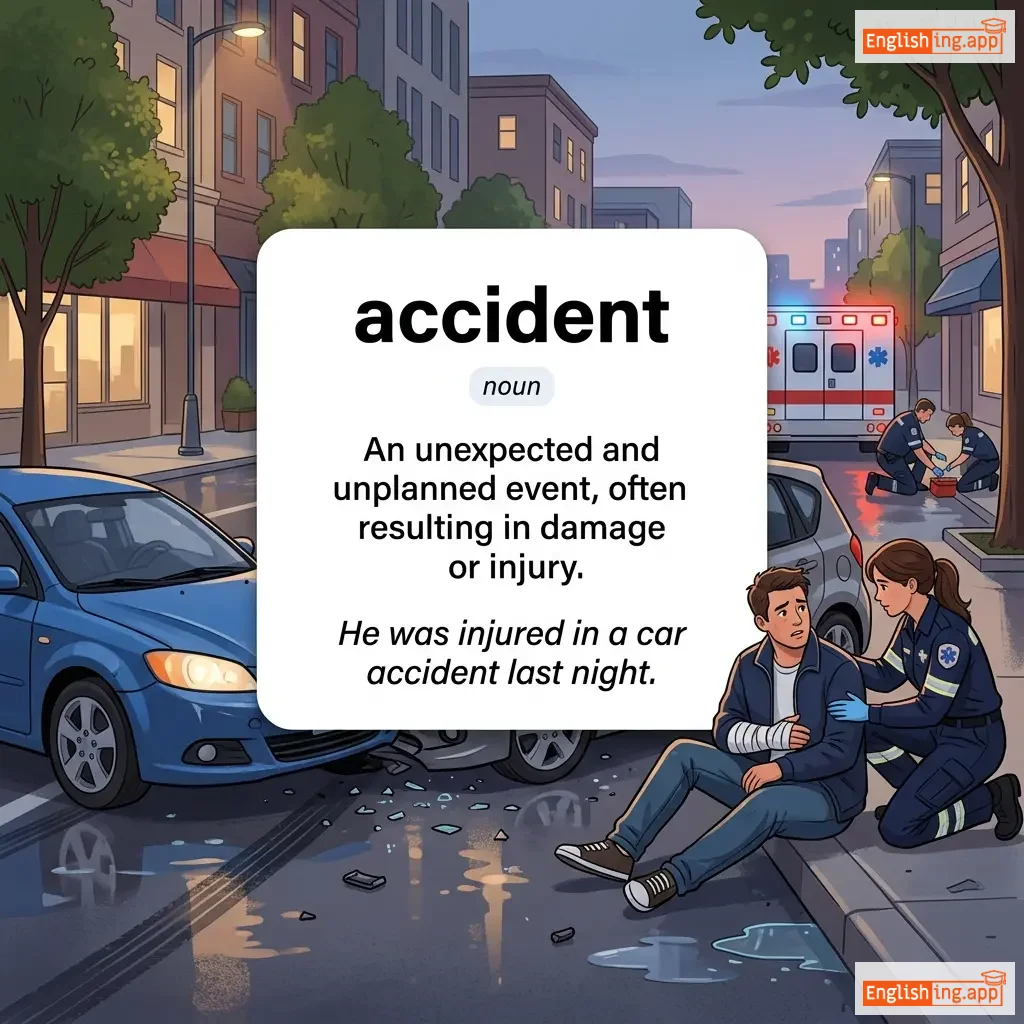
an unfortunate incident that happens unexpectedly and unintentionally
••••••
|
The car accident happened on the highway during rush hour. |
車の事故はラッシュアワーの間に高速道路で発生しました。
kuruma no jiko wa rasshūā no aida ni kōsoku dōro de hassei shimashita.
••••••
|
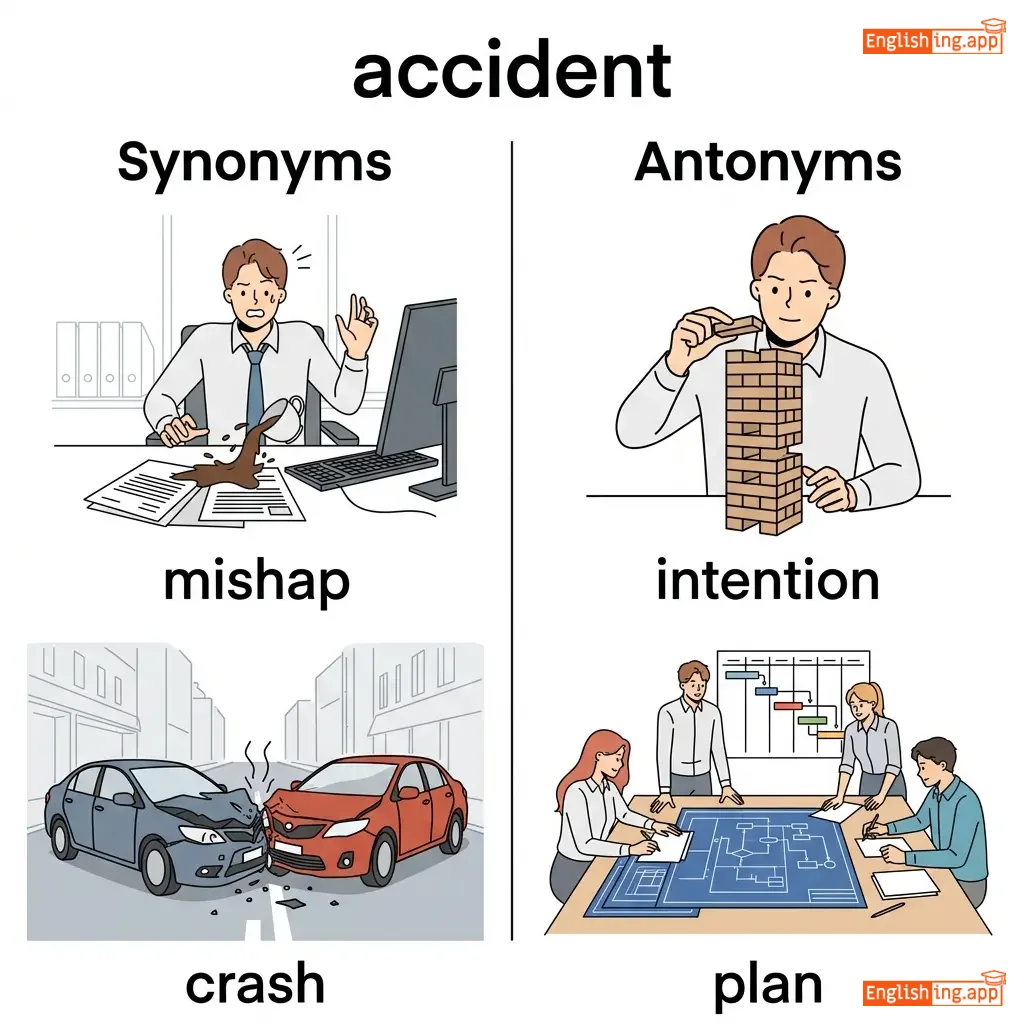
mishap, incident, crash, collision
••••••
|
intention, plan, design, purpose
••••••
|
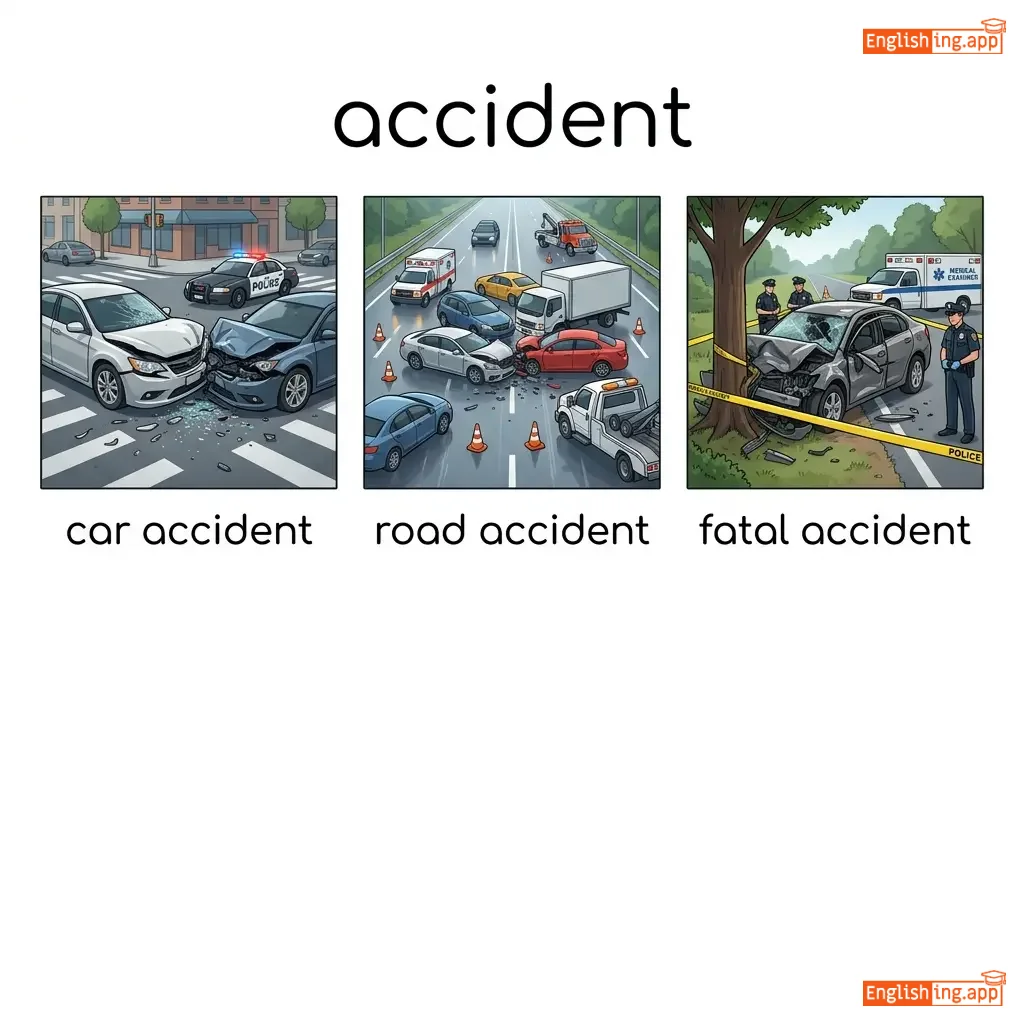
car accident, by accident, accident report
••••••
|
事故とは予期しない出来事であり、自動車事故のように突然起こることです。
••••••
|
|
#17
🔓
|
/ˈækses/
noun
(アクセス)
••••••
|
- •••••• |
アクセス
akusesu
••••••
|
the ability, right, or permission to approach, enter, or pass to and from a place
••••••
|
Students have access to the library 24 hours a day. |
学生は24時間いつでも図書館にアクセスできます。
Gakusei wa 24 jikan itsudemo toshokan ni akusesu dekimasu.
••••••
|
entry, admission, approach, passage
••••••
|
denial, restriction, prohibition, blockage
••••••
|
access to information, free access, access road
••••••
|
アクセス = 'akusesu' - あなたの手に入る情報の扉を開ける.
••••••
|
|
#18
🚫
|
/əˈbjuːs/
noun
(アビューズ)
••••••
|
- •••••• |
虐待; 不適切な使用;
gyakutai; futekisetsu na shiyou
••••••
|
cruel and violent treatment; improper use of something
••••••
|
The abuse of power led to his resignation. |
権力の濫用は彼の辞職を招いた。
Kenryoku no ranyou wa kare no jishoku o manekita.
••••••
|
mistreatment, misuse, maltreatment, exploitation
••••••
|
care, protection, proper use, respect
••••••
|
abuse of power, physical abuse, drug abuse
••••••
|
虐待 = 他人を不適切に扱うこと
••••••
|
|
#19
🌾
|
/əˈbʌndəns/
noun
(アバンダンス)
••••••
|
|
豊富; 大量
houfu; tairyou
••••••
|
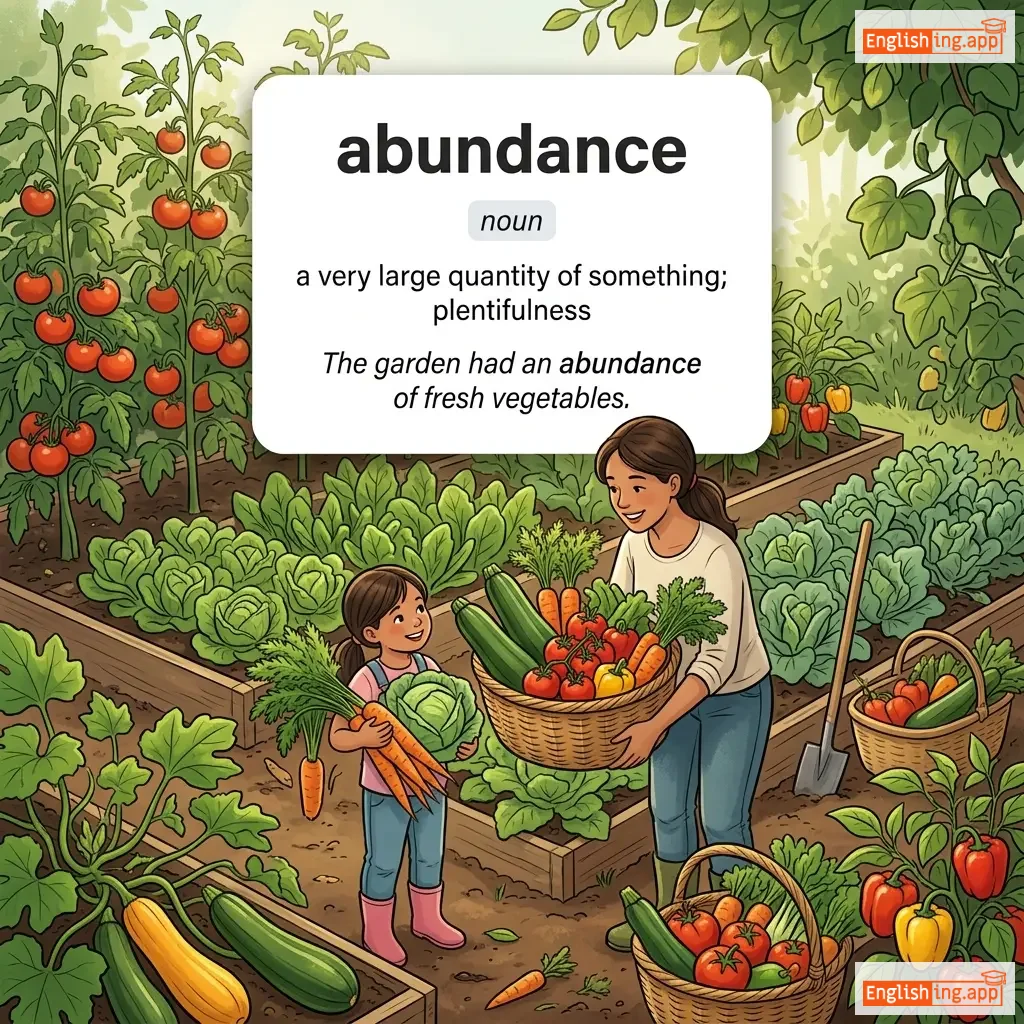
a very large quantity of something; plentifulness
••••••
|
The garden had an abundance of fresh vegetables.
庭には新鮮な野菜が豊富にありました。
••••••
|
庭には新鮮な野菜が豊富にありました。
Niwa ni wa shinsen na yasai ga houfu ni arimashita.
••••••
|
plenty, profusion, wealth, richness
••••••
|
scarcity, shortage, lack, dearth
••••••
|
abundance of food, in abundance, natural abundance
••••••
|
Abundance: Imagine a garden filled with fresh vegetables.
••••••
|
|
#20
❌
|
/ˈæbsəns/
noun
(æbsensu)
••••••
|
- •••••• |
欠席
kesseki
••••••
|
the state of being away from a place or person; lack or non-existence
••••••
|
His absence from the meeting was noticed by everyone.
会議への彼の欠席は皆に気づかれました。
••••••
|
会議への彼の欠席は皆に気づかれました。
Kaigi e no kare no kesseki wa mina ni kizukaremashita.
••••••
|
nonattendance, lack, want, deficiency
••••••
|
presence, attendance, existence
••••••
|
absence from work, in the absence of, prolonged absence
••••••
|
Absence = 'kesseki' in Japanese, meaning 'absence' or 'not present'.
••••••
|
Vocabulary Quiz
Test your vocabulary by matching words with their translations or meanings.
Login to take the quiz
Comments (0)
Share your thoughts and join the discussion.
Join the discussion by logging in
Login to CommentNo comments yet
Be the first to share your thoughts!