

翻訳
過去
過去分詞
三人称単数
動名詞
意味
例文
例文の翻訳
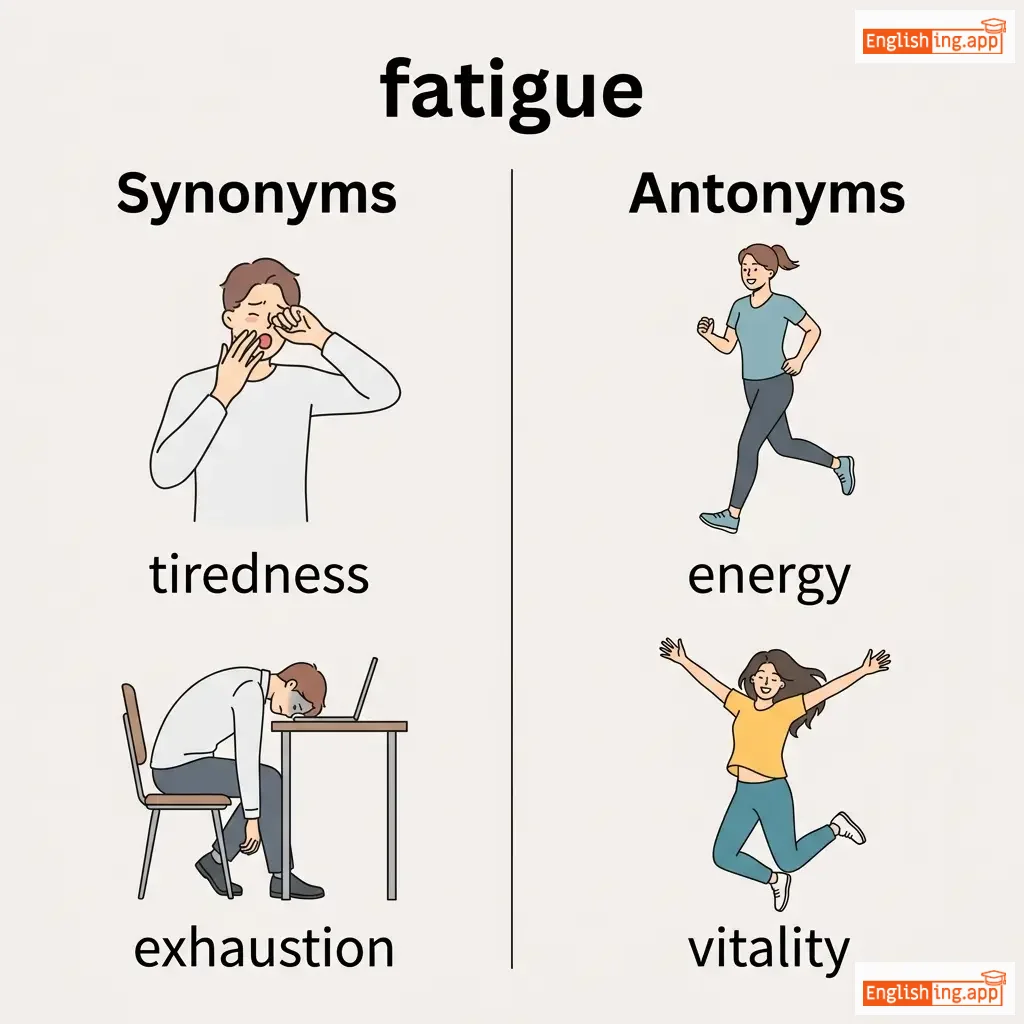
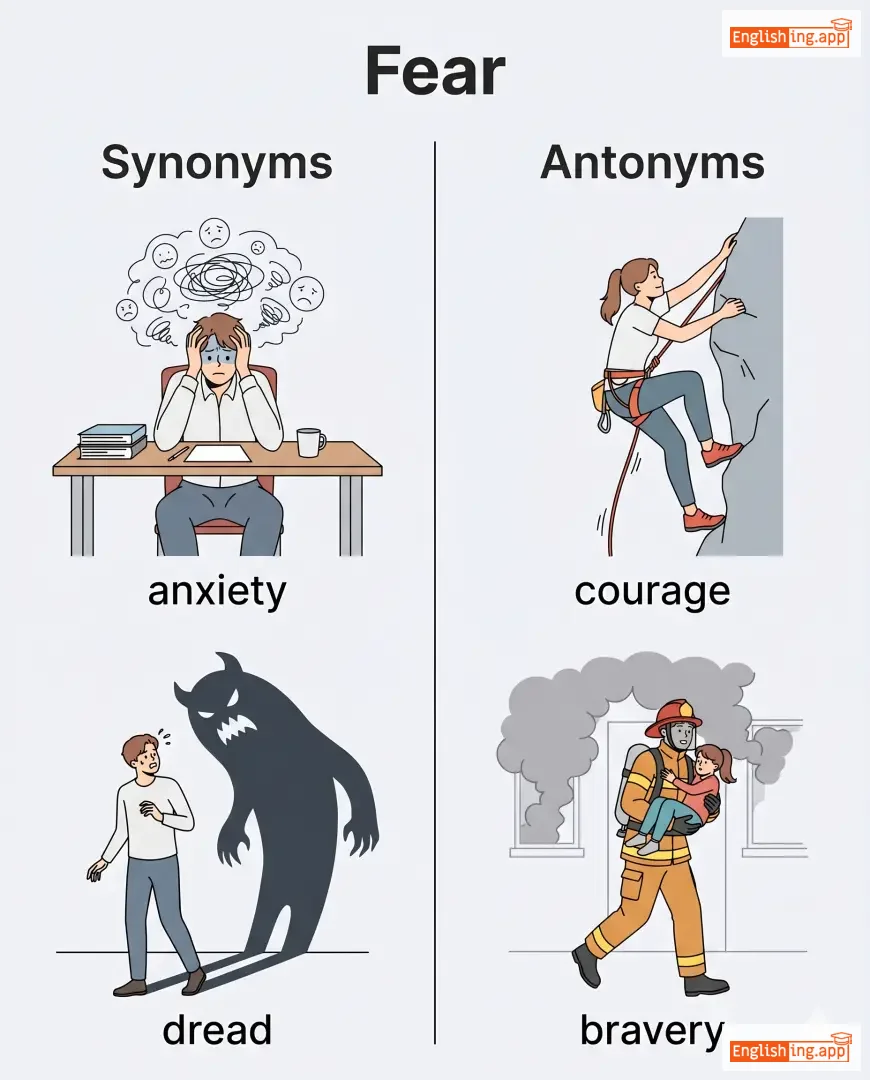
同義語
対義語
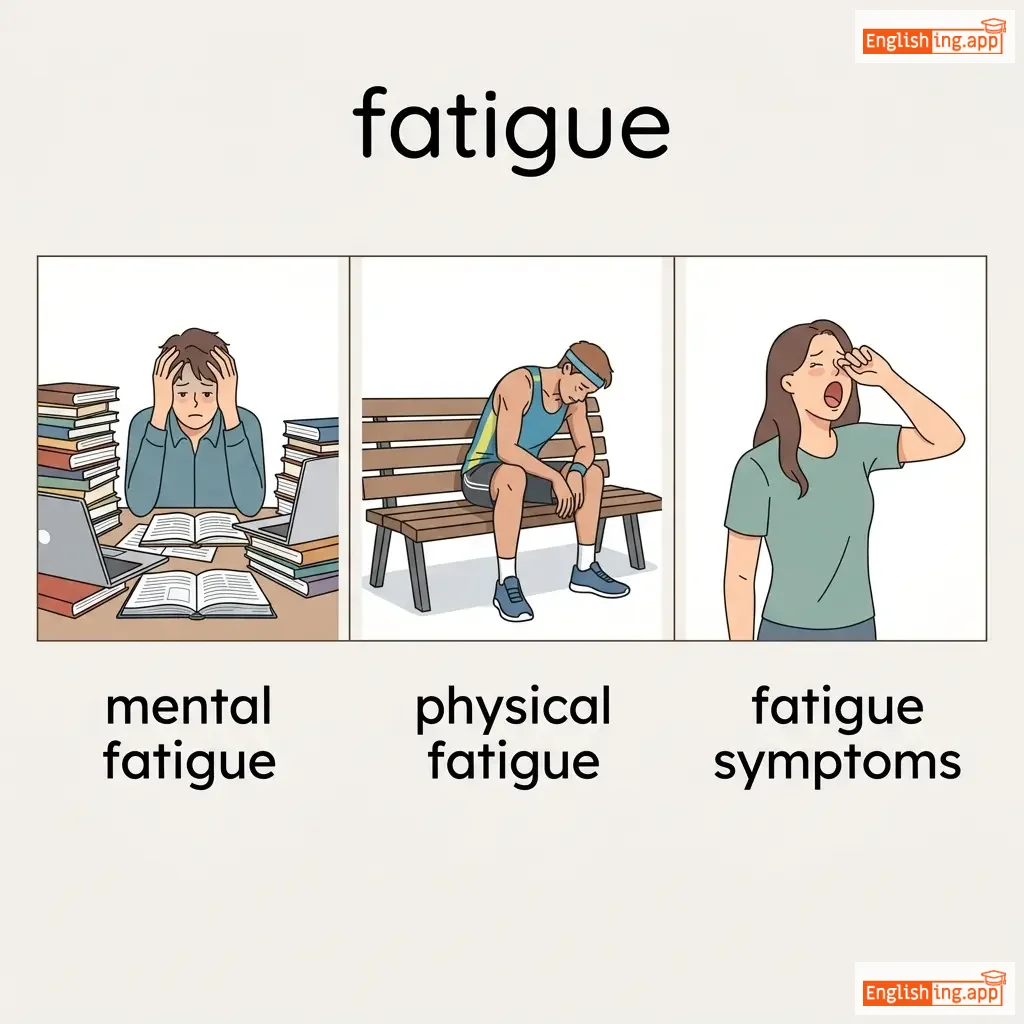
コロケーション
ニーモニック
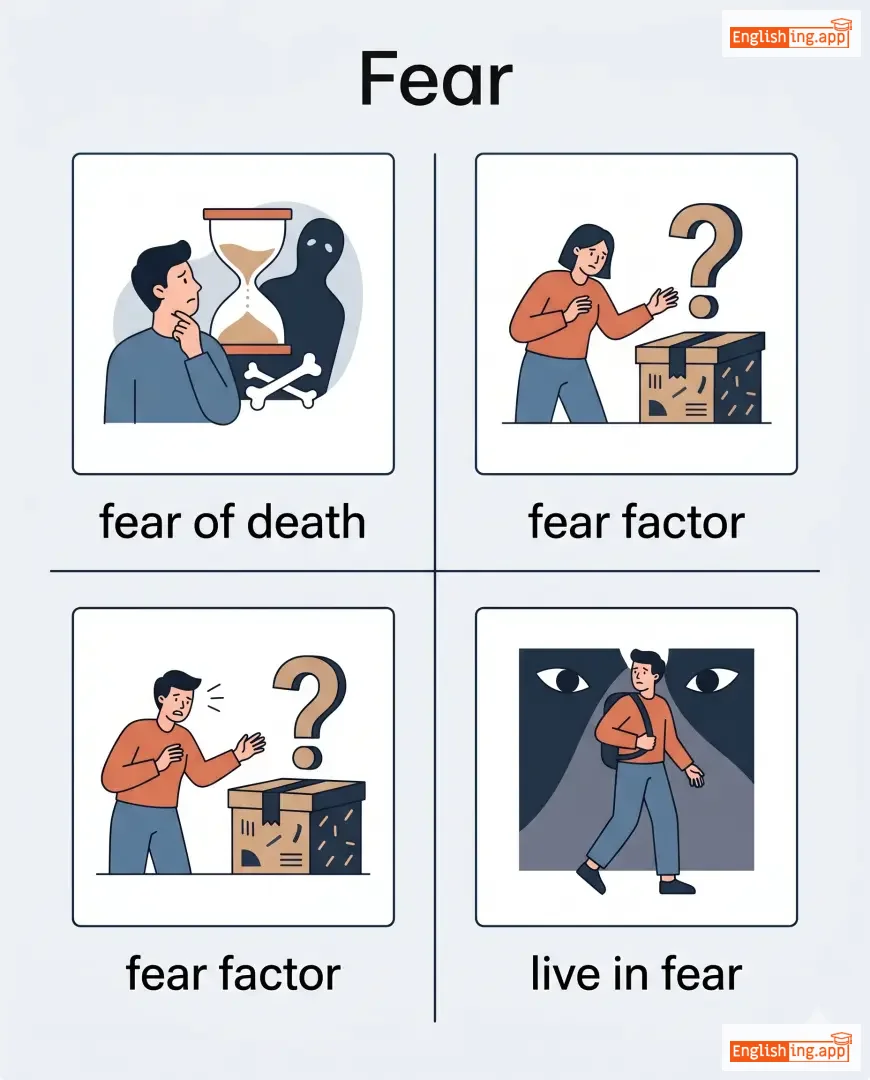
Swipe left or right, or use the buttons. Tap image to zoom.
例文の翻訳
単語
Lesson 22Lesson 22 - マスクトグル
|
絵文字
|
単語 | Images | 翻訳 | 意味 | 例文 | 例文の翻訳 | 同義語 | 対義語 | コロケーション | ニーモニック |
|---|---|---|---|---|---|---|---|---|---|---|
|
#421
🏢
|
/fəˈsɪl.ə.ti/
noun
(ファシリティ)
••••••
|
|
施設; 快適さ
shisetsu; kaitekisa
••••••
|
a building, service, or piece of equipment provided for a particular purpose
••••••
|
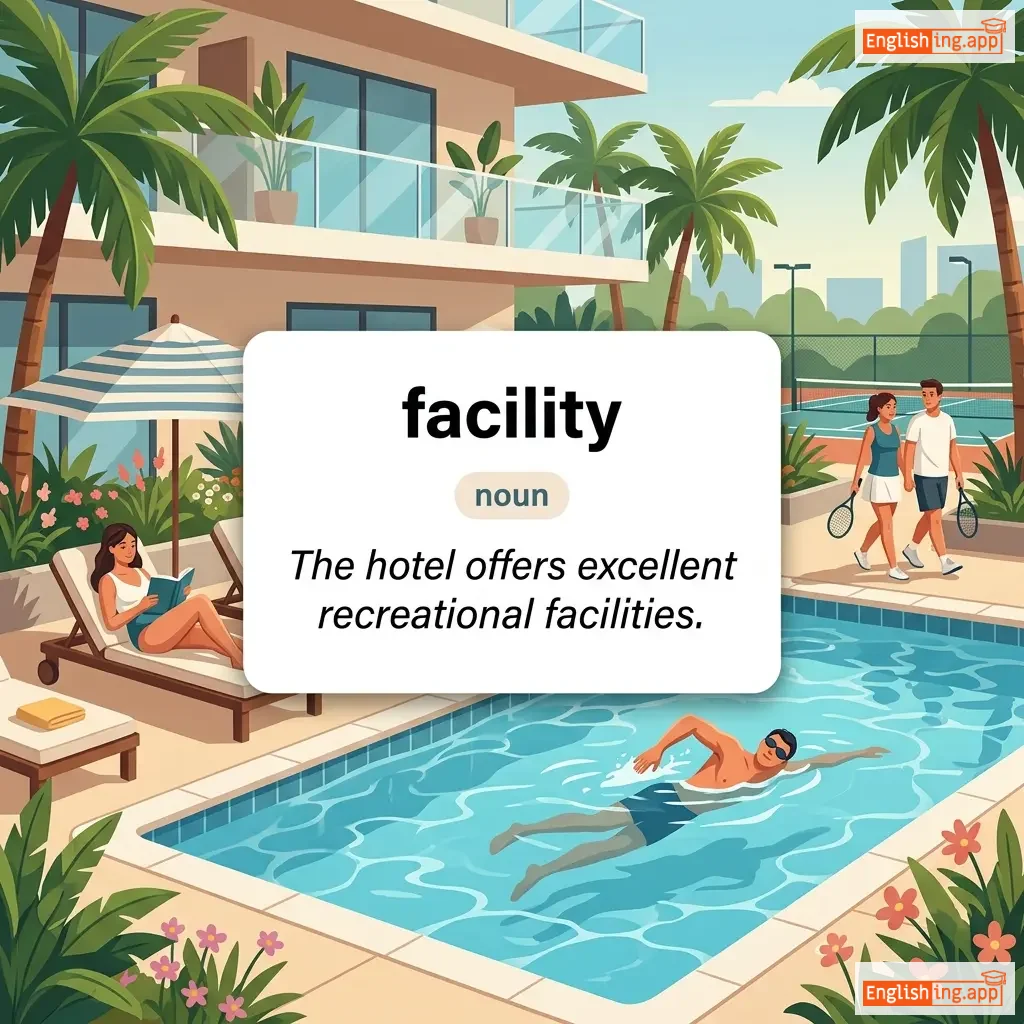
The new sports facility includes a swimming pool and gymnasium.
新しいスポーツ施設には、プールとジムが含まれています。
••••••
|
新しいスポーツ施設には、プールとジムが含まれています。
atarashī supōtsu shisetsu ni wa, pūru to jimu ga fukuma reteimasu.
••••••
|
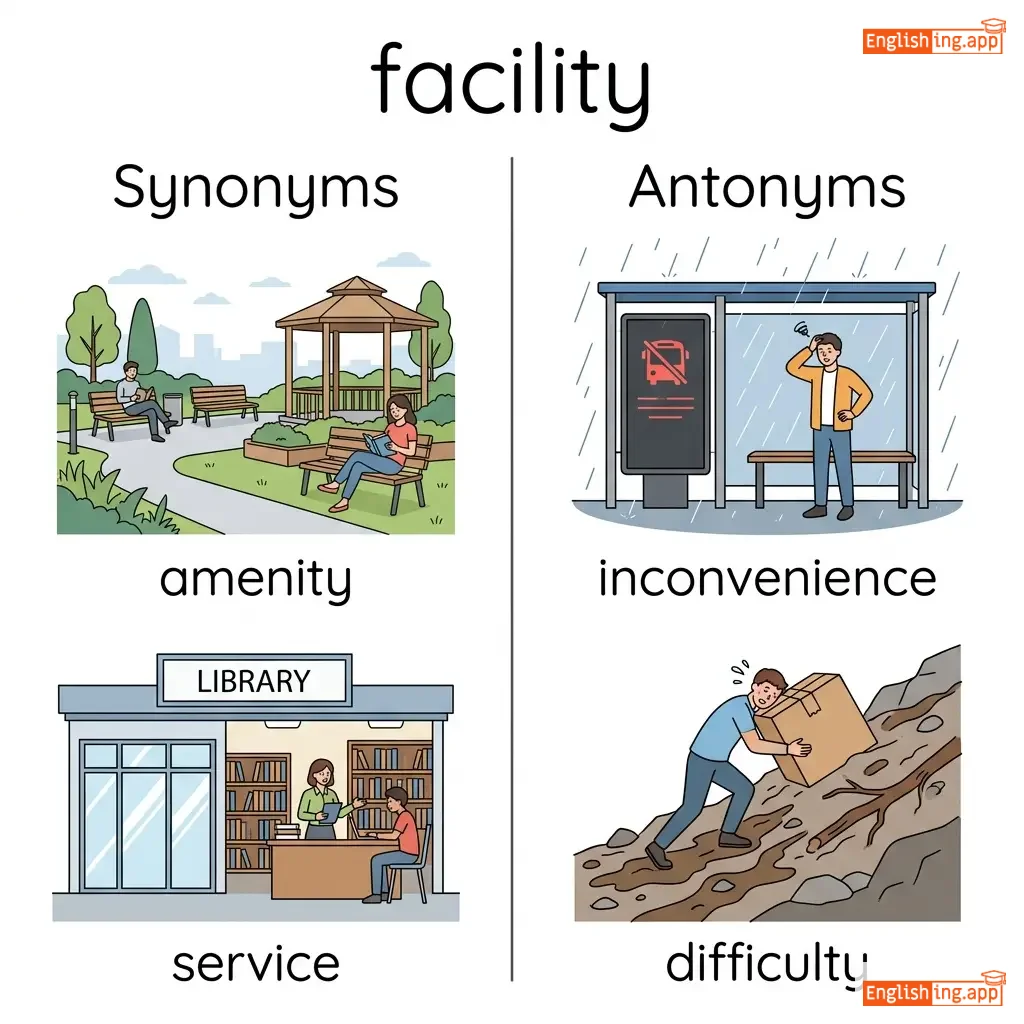
amenity, service, installation, resource
••••••
|
inconvenience, difficulty, obstacle, hindrance
••••••
|
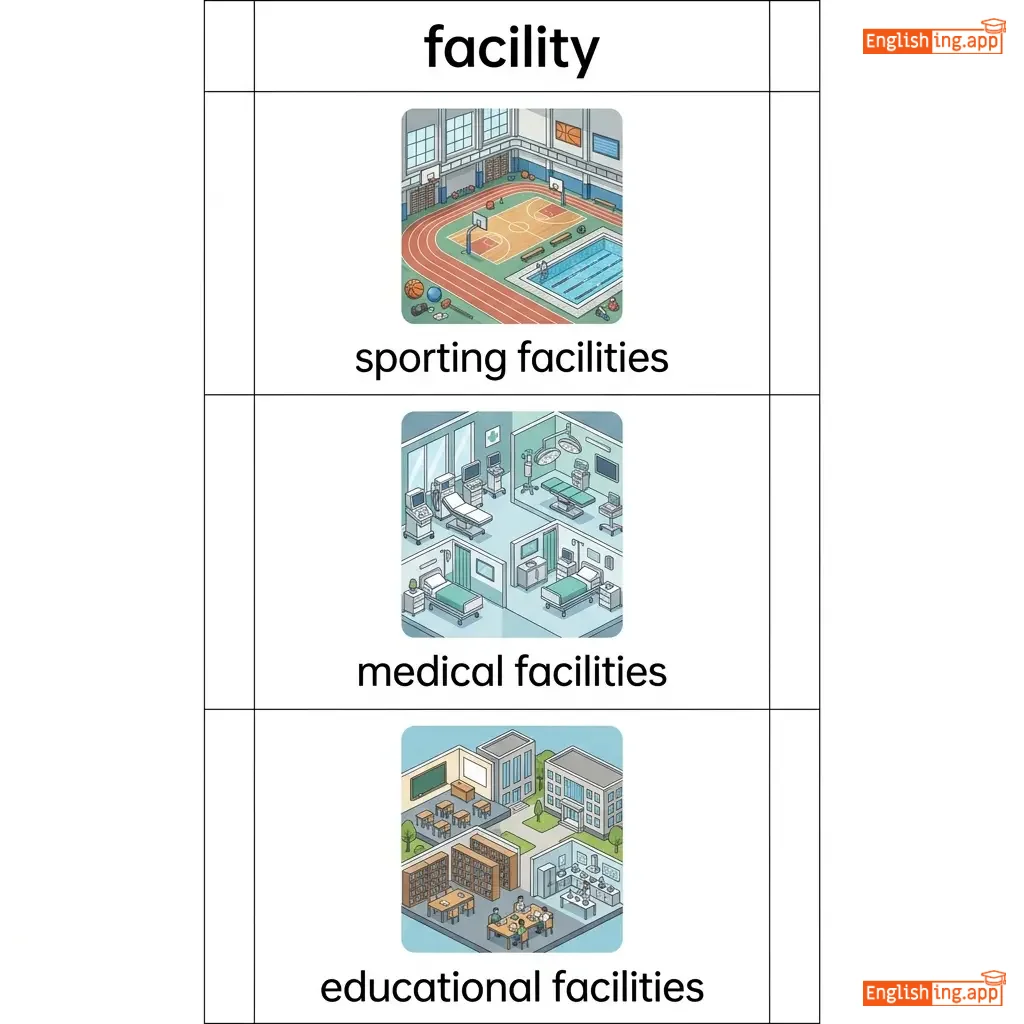
sports facility, medical facility, research facility
••••••
|
Facility(ファシリティ) = 特定の目的のために提供される設備
••••••
|
|
#422
🪭
|
/fæn/
noun
(ファン)
••••••
|
- •••••• |
ファン; 愛好者; 扇風機
fan, aikousha, senpuki
••••••
|
a person who has a strong interest in or admiration for a particular person or thing; a device for creating air current
••••••
|
She is a huge fan of classical music and attends every concert in the city.
シー イズ ア ヒュージ ファン オブ クラシカル ミュージック アンド アテンズ エブリ コンサート イン ザ シティ
••••••
|
彼女はクラシック音楽の大ファンで、市内のすべてのコンサートに参加しています。
kanojo wa kurashikku ongaku no dai fan de, shinai no subete no konsato ni sanka shiteimasu.
••••••
|
enthusiast, admirer, supporter, devotee
••••••
|
critic, opponent, detractor, hater
••••••
|
sports fan, electric fan, fan base
••••••
|
‘ファン’ (fan) in Japanese is just like English — think of both the person and the fan that blows air.
••••••
|
|
#423
👥
|
/ˈfæk.ʃən/
noun
(fakushon)
••••••
|
- •••••• |
派閥
habatsu
••••••
|
a small organized dissenting group within a larger one
••••••
|
Different factions within the party disagreed about the new policy. |
党内の異なる派閥は新しい政策に対して意見が一致しませんでした。
Tōnai no kotonaru habatsu wa atarashī seisaku ni taishite iken ga icchi shimasen deshita.
••••••
|
group, sect, clique, wing
••••••
|
unity, whole, entirety, consensus
••••••
|
political faction, rival faction, faction within party
••••••
|
派閥 (habatsu) - 政治団体で意見の対立から分かれるグループ。
••••••
|
|
#424
✨
|
/ˈfæn.si/
noun
(ファンシー)
••••••
|
- •••••• |
興味; 想像やファンタジー
kōmi, sōzō ya fantajī
••••••
|
a feeling of liking or wanting something; imagination or fantasy
••••••
|
The child had a fancy for becoming a famous astronaut when he grew up. |
その子供は大きくなったら有名な宇宙飛行士になることを夢見ていました。
Sono kodomo wa ōkiku nattara yūmei na uchū hikōshi ni naru koto o yumemite imashita.
••••••
|
whim, desire, imagination, fantasy
••••••
|
reality, fact, certainty, truth
••••••
|
take a fancy, flight of fancy, fancy dress
••••••
|
Fancy - Like a dream of the stars, it's a fancy wish!
••••••
|
|
#425
⚠️
|
/ˈfeɪ.lɪŋ/
noun
(feiring)
••••••
|
- •••••• |
失敗; 欠点; 弱点
shippai, kentō, jakuten
••••••
|
a weakness, especially in a person's character; a fault
••••••
|
His only failing is that he talks too much during meetings.
His only failing is that he talks too much during meetings.
••••••
|
彼の唯一の失敗は、会議中に話しすぎることです。
Kare no yuiitsu no shippai wa, kaigi-chū ni hanashisugiru koto desu.
••••••
|
weakness, fault, defect, shortcoming
••••••
|
strength, virtue, asset, advantage
••••••
|
personal failing, human failing, minor failing
••••••
|
失敗から学び、次に進む力を得る。
••••••
|
|
#426
👋
|
/ˌfer.ˈwel/
noun
(フェアウェル)
••••••
|
- •••••• |
さようなら
sayōnara
••••••
|
an act of parting or of marking someone's departure
••••••
|
The company organized a farewell party for the retiring manager. |
会社は退職するマネージャーのためにさようならパーティーを開催しました。
Kaisha wa taishoku suru manējā no tame ni sayōnara pātii o kaisai shimashita.
••••••
|
goodbye, departure, parting, send-off
••••••
|
welcome, greeting, arrival, hello
••••••
|
farewell party, bid farewell, farewell speech
••••••
|
さようなら (sayōnara) is a Japanese farewell, just like Farewell in English.
••••••
|
|
#427
❌
|
/ˈfeɪ.ljər/
noun
(フェイリヤー)
••••••
|
- •••••• |
失敗
shippai
••••••
|
lack of success; an unsuccessful person, enterprise, or thing
••••••
|
The project's failure was due to poor planning and communication. |
プロジェクトの失敗は、計画とコミュニケーションの不備によるものでした。
Purojekuto no shippai wa, keikaku to komyunikēshon no fubi ni yoru mono deshita.
••••••
|
defeat, disappointment, breakdown, collapse
••••••
|
success, achievement, victory, triumph
••••••
|
complete failure, failure to act, failure rate
••••••
|
失敗は成功の母、次回こそ成功を掴む!
••••••
|
|
#428
😍
|
/ˌfæs.ɪˈneɪ.ʃən/
noun
(ファシネーション)
••••••
|
- •••••• |
魅力; 魅了; 魅力的な興味
miryoku, miryō, miryokuteki na kyōmi
••••••
|
the power to fascinate someone; the state of being intensely interested
••••••
|
Her fascination with ancient history led her to become an archaeologist. |
彼女の古代史への魅力は、彼女を考古学者にさせました。
Kanojo no kodai shi e no miryoku wa, kanojo o kōkogakusha ni sasemashita.
••••••
|
captivation, charm, allure, enchantment
••••••
|
boredom, disinterest, repulsion, aversion
••••••
|
hold fascination, fascination with science, endless fascination
••••••
|
ファシネーション (Fascination) = 魅力的な興味
••••••
|
|
#429
🧚♀️
|
/ˈfer.i.teɪl/
noun
(フェアリー・テイル)
••••••
|
- •••••• |
おとぎ話
otogibanashi
••••••
|
a children's story about magical and imaginary beings and lands
••••••
|
Children love listening to fairy-tales before bedtime. |
子供たちは寝る前におとぎ話を聞くのが大好きです。
Kodomotachi wa neru mae ni otogibanashi o kiku no ga daisuki desu.
••••••
|
folk tale, fantasy, fable, story
••••••
|
reality, fact, truth, non-fiction
••••••
|
classic fairy-tale, fairy-tale ending, fairy-tale character
••••••
|
おとぎ話は夢の世界へと誘います。
••••••
|
|
#430
🔮
|
/feɪt/
noun
(フェイト)
••••••
|
- •••••• |
運命
unmei
••••••
|
the development of events beyond a person's control, regarded as determined by a supernatural power
••••••
|
Many people believe that fate determines the course of their lives. |
多くの人々は運命が彼らの人生の進行方向を決定すると信じています。
ooku no hitobito wa unmei ga karera no jinsei no shinkouhoukou wo kettei suru to shinjiteimasu.
••••••
|
destiny, fortune, karma, providence
••••••
|
choice, free will, control, chance
••••••
|
twist of fate, sealed fate, tempt fate
••••••
|
Japanese '運命' (unmei) and English 'fate' both describe life's inevitable path.
••••••
|
|
#431
🙏
|
/feɪθ/
noun
(フェイス)
••••••
|
- •••••• |
信念; 信頼; 宗教的信仰;
shinnen, shinrai, shūkyōteki shinkō
••••••
|
complete trust or confidence in someone or something; strong belief in religion
••••••
|
She had unwavering faith in her team's ability to succeed.
彼女はチームの成功能力に揺るぎない信念を持っていました。
••••••
|
彼女はチームの成功能力に揺るぎない信念を持っていました。
Kanojo wa chīmu no seikō nōryoku ni yuruginai shinnen o motte imashita.
••••••
|
belief, trust, confidence, conviction
••••••
|
doubt, disbelief, skepticism, mistrust
••••••
|
religious faith, have faith, faith in humanity
••••••
|
信念は固い、だから'しん'がしっかりしている。
••••••
|
|
#432
😴
|
/fəˈtiːɡ/
noun
(ファティーグ)
••••••
|
|
疲労
hirou
••••••
|
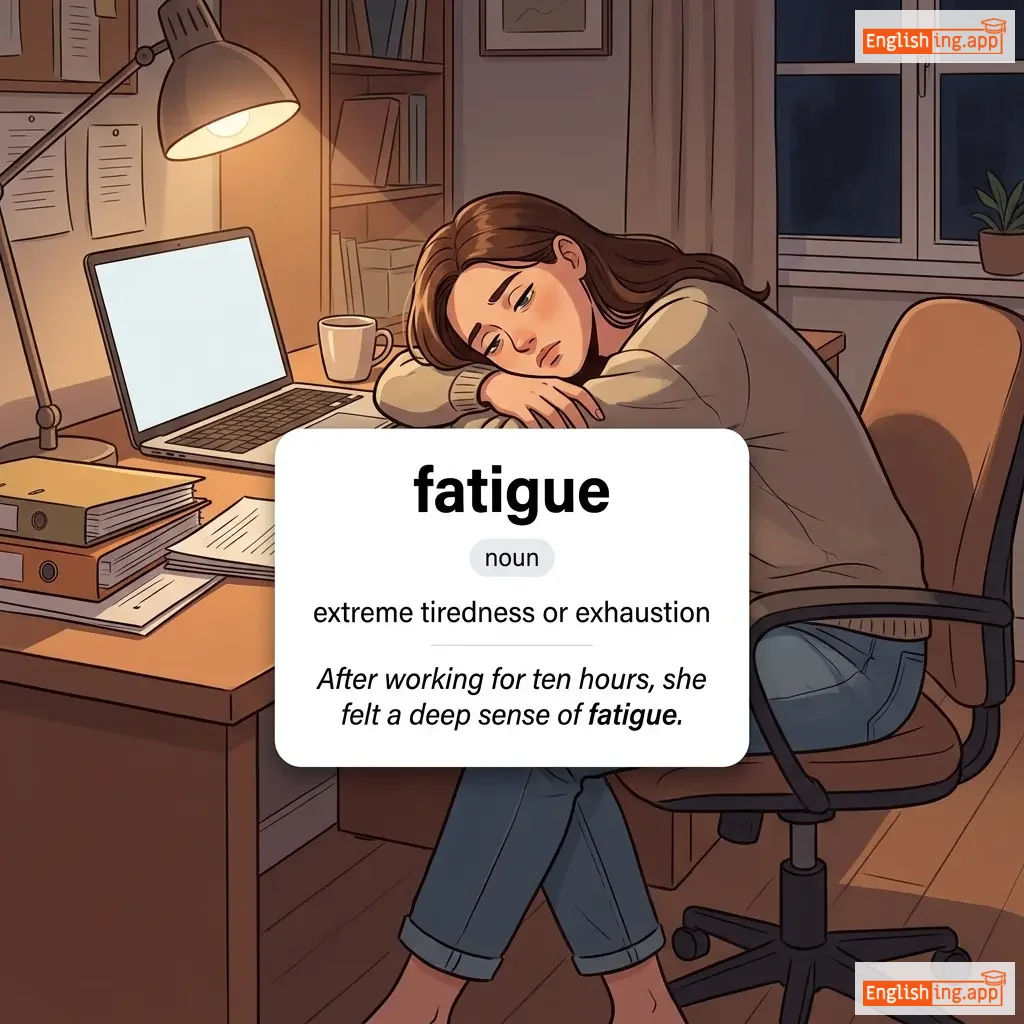
extreme tiredness resulting from mental or physical exertion or illness
••••••
|
After working for twelve hours straight, he was overcome by fatigue.
12時間連続で働いた後、彼は疲労に圧倒されました。
••••••
|
12時間連続で働いた後、彼は疲労に圧倒されました。
12 jikan renzoku de hataraita ato, kare wa hirou ni attō sare mashita.
••••••
|
exhaustion, weariness, tiredness, burnout
••••••
|
energy, vitality, freshness, vigor
••••••
|
muscle fatigue, mental fatigue, chronic fatigue
••••••
|
Fatigue = 疲労, similar in Japanese.
••••••
|
|
#433
🎭
|
/feɪk/
noun
(feiku)
••••••
|
- •••••• |
偽物; 詐欺; 偽の物
nisemono, sagi, nise no mono
••••••
|
a thing that is not genuine; a forgery or sham
••••••
|
The painting was discovered to be a fake worth very little money.
その絵画は非常に価値の低い偽物であると発見されました。
••••••
|
その絵画は偽物であると発見され、その価値は非常に低かった。
Sono kaiga wa nisemono de aru to hakken sare, sono kachi wa hijou ni hikukatta.
••••••
|
counterfeit, forgery, imitation, fraud
••••••
|
genuine, authentic, real, original
••••••
|
fake news, fake passport, fake jewelry
••••••
|
Fakeは偽物、誰もそれを信じてはいけません。
••••••
|
|
#434
❌
|
/fɔːlt/
noun
(フォルト)
••••••
|
- •••••• |
過失; 欠陥; 失敗
kashitsu, kekkan, shippai
••••••
|
an unattractive or unsatisfactory feature; responsibility for an accident or misfortune
••••••
|
The accident was caused by a fault in the car's braking system.
その事故は車のブレーキシステムの故障が原因で発生しました。
••••••
|
その事故は車のブレーキシステムの故障が原因で発生しました。
Sono jiko wa kuruma no bureeki shisutemu no koshou ga gen'in de hassei shimashita.
••••••
|
defect, flaw, error, mistake
••••••
|
perfection, strength, virtue, merit
••••••
|
at fault, find fault, mechanical fault
••••••
|
Fault (過失) とは、車の欠陥や失敗によって発生した事故の責任です。
••••••
|
|
#435
🤥
|
/ˈfɔːls.hʊd/
noun
(fōrusu-huddo)
••••••
|
- •••••• |
虚偽; 嘘
kyogi; uso
••••••
|
the state of being untrue; a lie
••••••
|
The politician was caught spreading falsehoods about his opponent.
その政治家は対立候補について虚偽を広めているところを見つかった。
••••••
|
その政治家は対立候補について虚偽を広めているところを見つかった。
Sono seijika wa tairitsukōho ni tsuite kyogi o hiromete iru tokoro o mitsukatta.
••••••
|
lie, untruth, deception, dishonesty
••••••
|
truth, honesty, fact, reality
••••••
|
spread falsehood, deliberate falsehood, pure falsehood
••••••
|
Falsehood は日本語で虚偽や嘘を意味し、真実でないことを示します。
••••••
|
|
#436
🤝
|
/ˈfeɪ.vər/
noun
(フェイヴァー)
••••••
|
- •••••• |
好意; 手伝い; 親切
koi, tetsudai, shinsetsu
••••••
|
approval, support, or liking for someone or something; a kind or helpful act
••••••
|
Could you do me a favour and help me move this heavy box?
この重い箱を動かす手伝いをしてくれませんか?
••••••
|
この重い箱を動かす手伝いをしてくれませんか?
kono omoi hako wo ugokasu tetsudai wo shite kuremasen ka?
••••••
|
kindness, help, assistance, good turn
••••••
|
disfavour, hindrance, harm, disadvantage
••••••
|
ask a favour, return favour, curry favour
••••••
|
Favour sounds like ‘friend’, someone who helps you out with kindness.
••••••
|
|
#437
⭐
|
/feɪm/
noun
(フェイム)
••••••
|
- •••••• |
名声
meisei
••••••
|
the condition of being known or talked about by many people
••••••
|
The young actor achieved international fame with his latest movie.
若い俳優は最新の映画で国際的な名声を得ました。
••••••
|
若い俳優は最新の映画で国際的な名声を得ました。
Wakai haiyū wa saishin no eiga de kokusai-teki na meisei o emashita.
••••••
|
renown, celebrity, reputation, prominence
••••••
|
obscurity, anonymity, unknown, insignificance
••••••
|
international fame, rise to fame, fame and fortune
••••••
|
Fameは日本語の'名声'と似ていて、多くの人に知られることを意味します。
••••••
|
|
#438
😨
|
/fɪər/
noun
(フィアー)
••••••
|
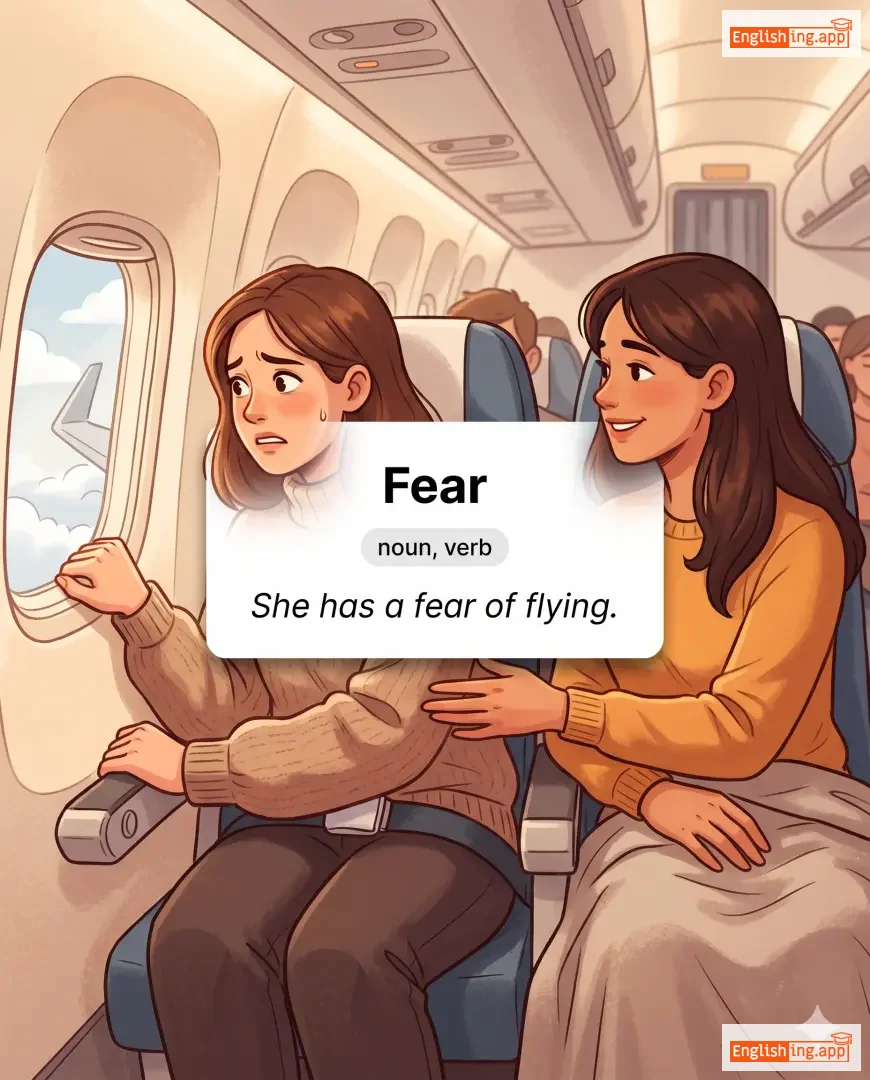
|
恐怖; 恐れ
kyōfu; osore
••••••
|
an unpleasant emotion caused by the belief that someone or something is dangerous
••••••
|
She overcame her fear of heights by taking rock climbing lessons. |
彼女は高所恐怖症を克服するためにロッククライミングのレッスンを受けました。
kanojo wa kōsho kyōfushō o kokufuku suru tame ni rokku kuraimingu no ressun o ukemashita.
••••••
|
anxiety, terror, dread, panic
••••••
|
courage, bravery, confidence, fearlessness
••••••
|
fear of failure, overcome fear, face fear
••••••
|
恐怖は未知のものに対する感情です。
••••••
|
|
#439
🌾
|
/ˈfæm.ɪn/
noun
(ファミン)
••••••
|
- •••••• |
飢饉
kikin
••••••
|
extreme scarcity of food; a period when food is extremely scarce
••••••
|
The severe drought led to widespread famine in the region.
厳しい干ばつが地域で広範な飢饉を引き起こしました。
••••••
|
厳しい干ばつが地域で広範な飢饉を引き起こしました。
Gambyō no kanbatsu ga chiiki de kōhan na kikin o hikiokoshimashita.
••••••
|
starvation, hunger, scarcity, shortage
••••••
|
abundance, plenty, feast, surplus
••••••
|
widespread famine, famine relief, famine conditions
••••••
|
日本語で‘飢饉’は‘famine’の日本語訳です
••••••
|
|
#440
🍽️
|
/fiːst/
noun
(フィースト)
••••••
|
- •••••• |
祝宴; 宴会
shuen, enkai
••••••
|
a large meal, typically one in celebration of something; an annual religious celebration
••••••
|
The wedding feast included traditional dishes from both families' cultures. |
結婚式の祝宴には両家の文化からの伝統的な料理が含まれていました。
Kekkonshiki no shuen ni wa ryōke no bunka kara no dentō-teki na ryōri ga fukumarete imashita.
••••••
|
banquet, celebration, festival, meal
••••••
|
famine, fast, starvation, hunger
••••••
|
wedding feast, feast day, feast your eyes
••••••
|
‘祝宴’という言葉を‘大きな食事’と結びつけて覚えやすくする。
••••••
|
Vocabulary Quiz
Test your vocabulary by matching words with their translations or meanings.
Login to take the quiz
Comments (0)
Share your thoughts and join the discussion.
Join the discussion by logging in
Login to CommentNo comments yet
Be the first to share your thoughts!