

翻訳
過去
過去分詞
三人称単数
動名詞
意味
例文
例文の翻訳
同義語
対義語
コロケーション
ニーモニック



Swipe left or right, or use the buttons. Tap image to zoom.
例文の翻訳
単語
Lesson 52Lesson 52 - マスクトグル
|
絵文字
|
単語 | Images | 翻訳 | 意味 | 例文 | 例文の翻訳 | 同義語 | 対義語 | コロケーション | ニーモニック |
|---|---|---|---|---|---|---|---|---|---|---|
|
#1021
👋
|
/fiːl/
verb
(フィール)
••••••
|
|
感じる; 経験する; 触れる
kanjiru; keiken suru; fureru
••••••
|
to experience an emotion or physical sensation; to touch something
••••••
|
I feel happy when I see my friends.
友達を見ると、私は幸せを感じます。
••••••
|
友達を見ると、私は幸せを感じます。
tomodachi o miru to, watashi wa shiawase o kanjimasu
••••••
|
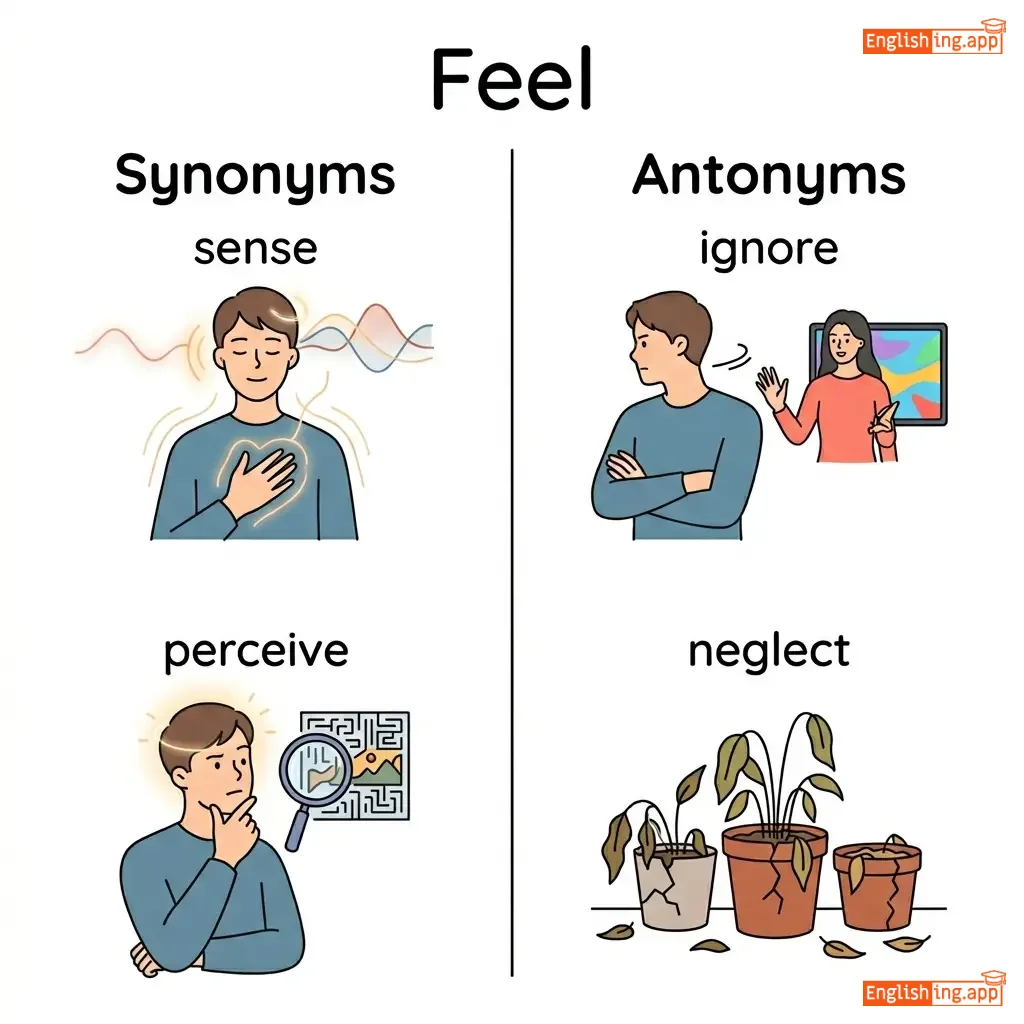
sense, touch, experience, perceive
••••••
|
ignore, overlook, miss, avoid
••••••
|
feel good, feel sad, feel comfortable
••••••
|
Feel sounds like 'フィール' in Japanese - feel the joy of seeing 'friends'
••••••
|
|
#1022
💰
|
/ˈpɜr.kwɪ.zɪt/
noun
(パーリクイジット)
••••••
|
- •••••• |
特典
tokuten
••••••
|
an additional benefit or privilege given to an employee beyond their regular salary; a special right or advantage
••••••
|
Company car was one of the perquisites of his executive position.
会社の車は彼の役員職の特典のひとつだった。
••••••
|
会社の車は彼の役員職の特典のひとつだった。
kaisha no kuruma wa kare no yakuin shoku no tokuten no hitotsu datta
••••••
|
benefit, privilege, perk, bonus
••••••
|
disadvantage, burden, penalty, loss
••••••
|
job perquisites, executive perquisites, company perquisites
••••••
|
perk quest ミックス 役員には特典がつく というイメージで覚えよう
••••••
|
|
#1023
🙏
|
/ˈpen.əns/
noun
(ペナンス)
••••••
|
- •••••• |
懺悔; 何か悪いことをしたために受け入れる罰
zange
••••••
|
punishment that you accept for doing something wrong; an act of showing that you are sorry for sin
••••••
|
The monk performed penance for his past mistakes.
修道士は過去の過ちに対して懺悔を行いました。
••••••
|
修道士は過去の過ちに対して懺悔を行いました。
Shūdōshi wa kako no ayamachi ni taishite zange o okonai mashita.
••••••
|
atonement, repentance, punishment, expiation
••••••
|
reward, praise, blessing, forgiveness
••••••
|
do penance, perform penance, acts of penance
••••••
|
懺悔は過ちに対する罰として受け入れるものです。
••••••
|
|
#1024
🧠
|
/ˌpɜr.sənˈæl.ə.ti/
noun
(パーソナリティ)
••••••
|
- •••••• |
個性
kosei
••••••
|
the combination of characteristics that form an individual's distinctive character; a famous person
••••••
|
She has a very outgoing and friendly personality.
彼女はとても外向的で友好的なパーソナリティを持っています。
••••••
|
彼女はとても外向的で友好的なパーソナリティを持っています。
Kanojo wa totemo gaikouteki de yuukouteki na paasonariti wo motteimasu.
••••••
|
character, nature, temperament, disposition
••••••
|
impersonality, anonymity, conformity
••••••
|
strong personality, charismatic personality, personality traits
••••••
|
個性は、人々を有名にする特徴の組み合わせです
••••••
|
|
#1025
✍️
|
/ˈpen neɪm/
noun
(ペンネーム)
••••••
|
- •••••• |
ペンネーム
pen nēmu
••••••
|
a fictitious name used by an author instead of their real name; a pseudonym
••••••
|
Mark Twain was the pen-name of Samuel Clemens. |
マーク・トウェインはサミュエル・クレメンズのペンネームでした。
Māku Towen wa Samyūeru Kuremenzu no pen nēmu deshita.
••••••
|
pseudonym, alias, nom de plume, assumed name
••••••
|
real name, given name, birth name
••••••
|
famous pen-name, use pen-name, adopt pen-name
••••••
|
ペンネーム - 作家が使う隠された名前。
••••••
|
|
#1026
👁️
|
/pərˈspek.tɪv/
noun
(パースペクティブ)
••••••
|
- •••••• |
視点
shiten
••••••
|
a particular attitude toward or way of regarding something; a point of view; the art of representing three-dimensional objects
••••••
|
From his perspective, the decision was completely wrong. |
彼の視点では、その決定は完全に間違っていた。
Kare no shiten de wa, sono kettei wa kanzen ni machigatte ita.
••••••
|
viewpoint, outlook, angle, standpoint
••••••
|
blindness, ignorance, narrow-mindedness
••••••
|
different perspective, global perspective, historical perspective
••••••
|
Perspective in Japanese: 'Shiten' helps you see the world differently!
••••••
|
|
#1027
💰
|
/ˈpen.ʃən/
noun
(年金)
••••••
|
- •••••• |
年金
nenkin
••••••
|
a regular payment made to someone who is no longer working because of age or disability
••••••
|
After retirement, he receives a monthly pension from the company.
退職後、彼は会社から毎月年金を受け取ります。
••••••
|
退職後、彼は会社から毎月年金を受け取ります。
taishoku go, kare wa kaisha kara maitsuki nenkin wo uketorimasu.
••••••
|
retirement fund, allowance, annuity, benefit
••••••
|
salary, wage, active income
••••••
|
monthly pension, retirement pension, pension fund
••••••
|
日本では、年金は退職後に毎月支払われるものです。
••••••
|
|
#1028
🔄
|
/pərˈvɜr.sə.ti/
noun
(パーヴァーシティ)
••••••
|
- •••••• |
頑固; 逆行;
ganko; gyakukō;
••••••
|
deliberate determination to behave in an unreasonable or unacceptable way; the quality of being contrary or obstinate
••••••
|
His perversity in refusing help frustrated everyone.
彼のパーヴァーシティは、助けを断ることで皆を困らせた。
••••••
|
彼のパーヴァーシティは、助けを断ることで皆を困らせた。
kare no pāvāshiti wa, tasuke o kotowaru koto de mina o komarase ta.
••••••
|
obstinacy, contrariness, stubbornness, wilfulness
••••••
|
reasonableness, compliance, cooperation, flexibility
••••••
|
act of perversity, show perversity, human perversity
••••••
|
頑固さは全てに逆行しているようなものです。
••••••
|
|
#1029
👁️
|
/pərˈsep.ʃən/
noun
(パーセプション)
••••••
|
|
知覚; 理解
chikaku; rikai
••••••
|
the ability to see, hear, or become aware of something through the senses; a way of understanding
••••••
|
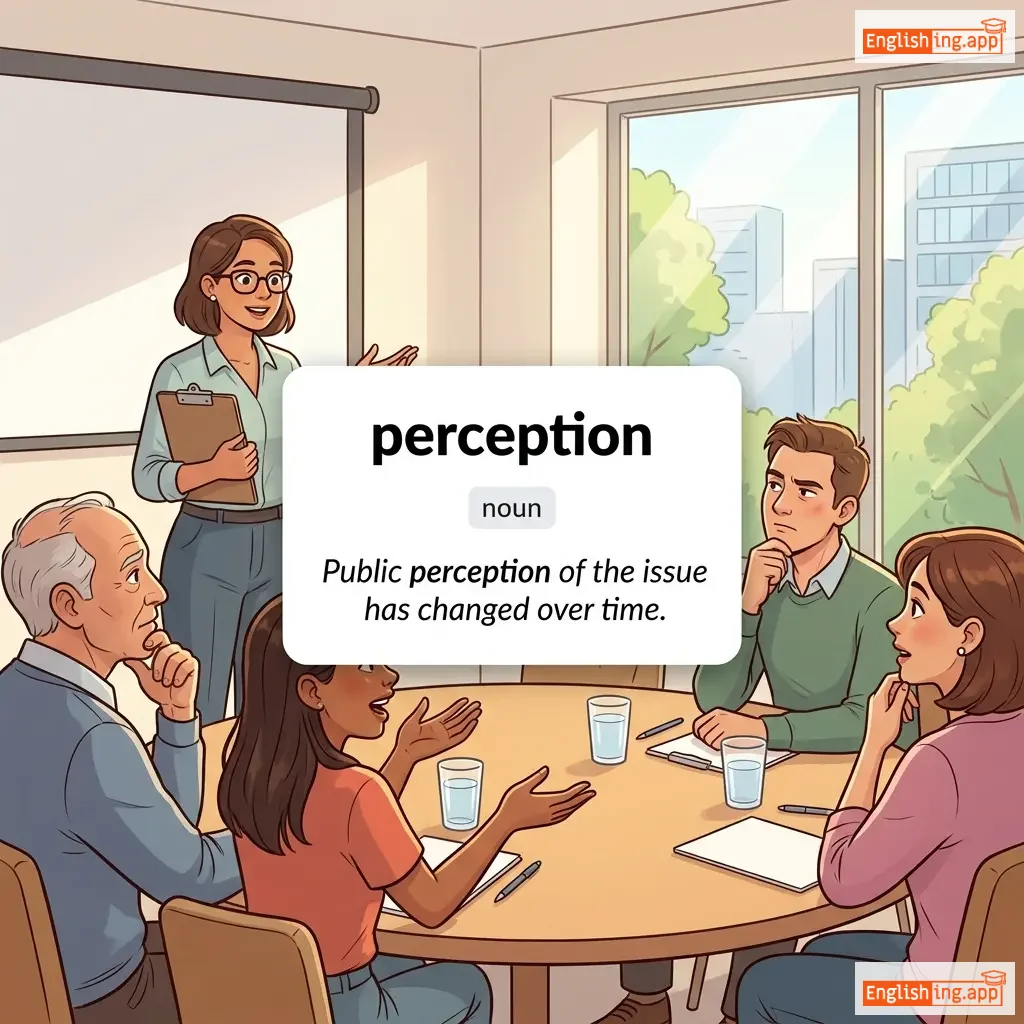
His perception of the situation was quite different from mine.
彼の状況に対するパーセプションは私のものとはかなり違っていました。
••••••
|
彼の状況に対するパーセプションは私のものとはかなり違っていました。
kare no jōkyō ni taisuru pāsepushon wa watashi no mono to wa kanari chigatte imashita.
••••••
|
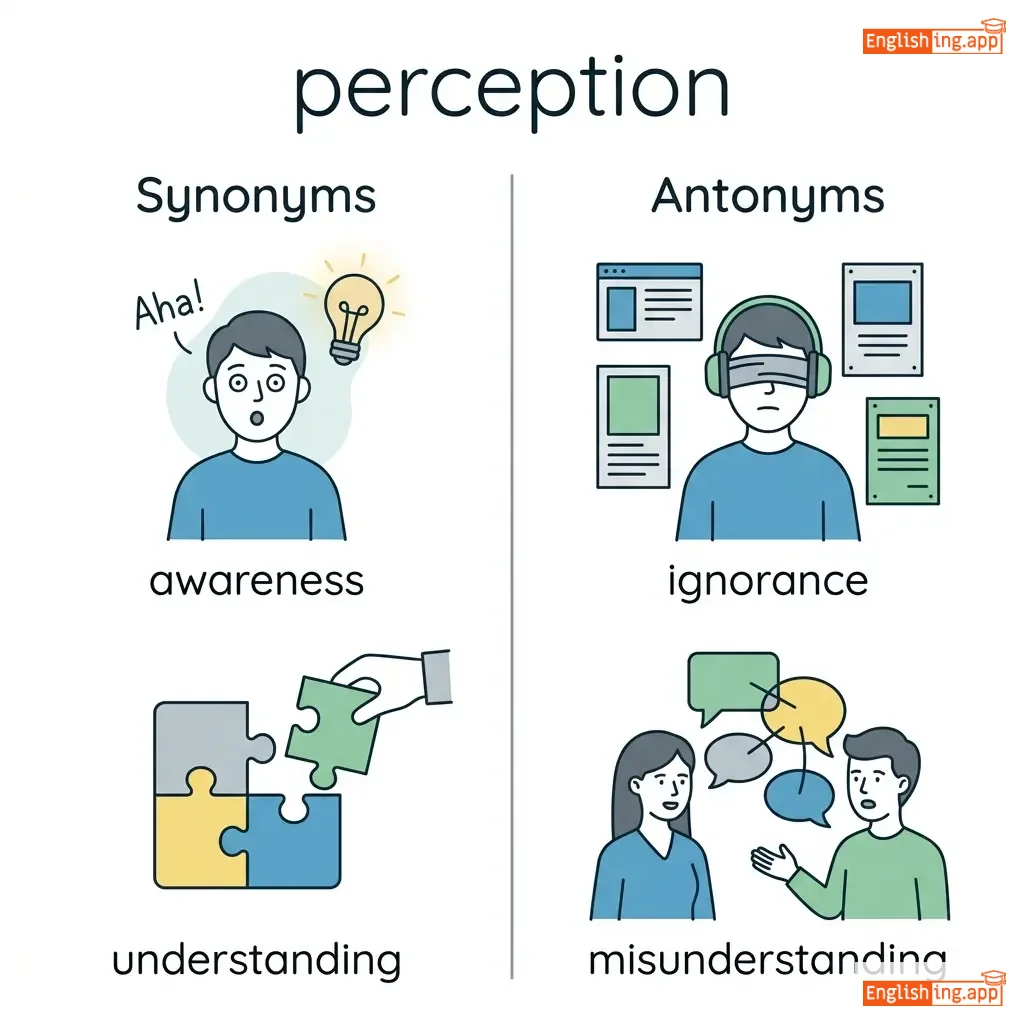
understanding, awareness, insight, comprehension
••••••
|
ignorance, misunderstanding, blindness, confusion
••••••
|
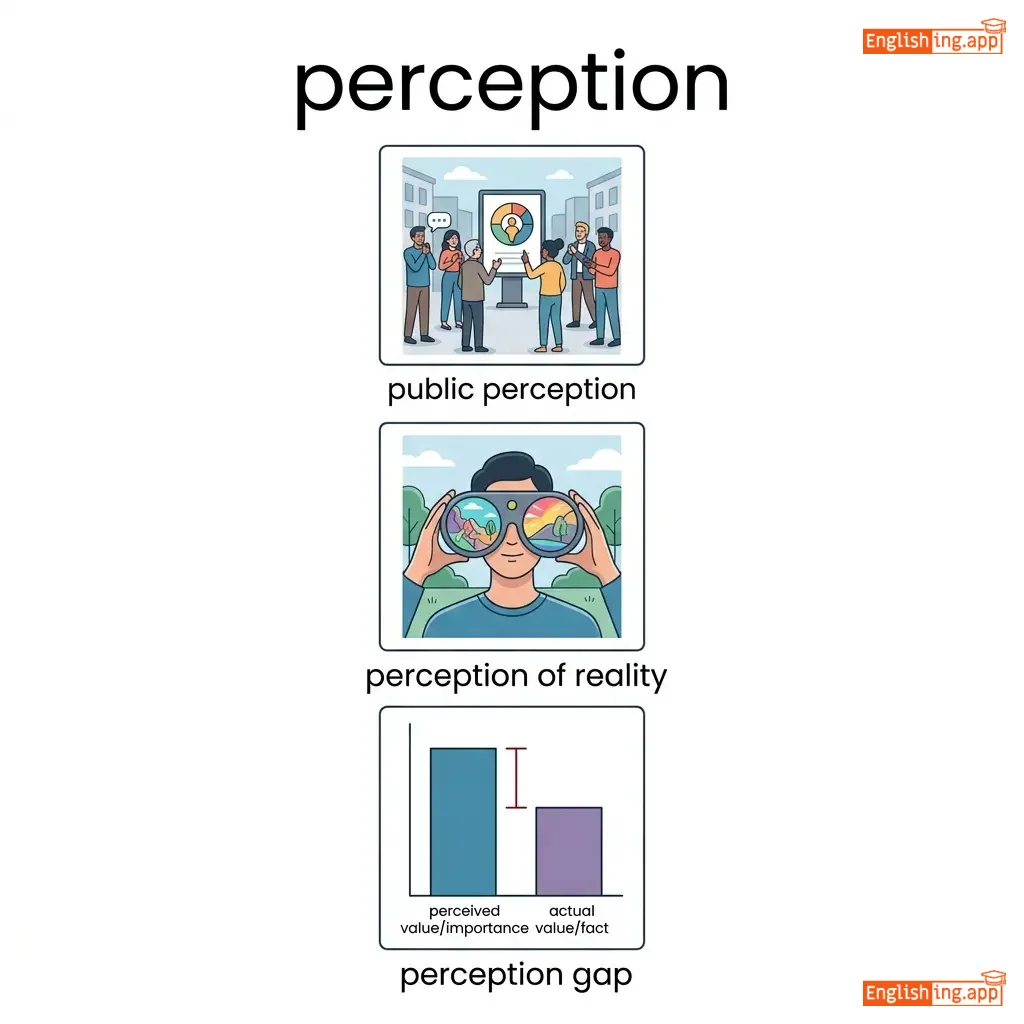
visual perception, false perception, change perception
••••••
|
Perceptionを日本語で使うと、状況を五感で理解することを意味します。
••••••
|
|
#1030
😔
|
/ˈpes.ə.mɪst/
noun
(ペシミスト)
••••••
|
- •••••• |
悲観主義者
hikan shugisha
••••••
|
a person who tends to see the worst aspect of things or believes that the worst will happen; someone who lacks hope or confidence in the future
••••••
|
Being a pessimist, he always expected the worst outcome. |
悲観主義者として、彼はいつも最悪の結果を期待していました。
hikan shugisha toshite, kare wa itsumo saiaku no kekka o kitai shite imashita
••••••
|
cynic, defeatist, doubter, negative thinker
••••••
|
optimist, idealist, positive thinker, hopeful person
••••••
|
confirmed pessimist, natural pessimist, born pessimist
••••••
|
悲観主義者 = 常に最悪を予測する人
••••••
|
|
#1031
✨
|
/pərˈfek.ʃən/
noun
(パーフェクション)
••••••
|
- •••••• |
完璧
kanpeki
••••••
|
the state of being complete and without flaws; the highest degree of excellence
••••••
|
The artist spent years trying to achieve perfection in his paintings. |
アーティストは彼の絵画で完璧を達成するために何年も費やしました。
Atisuto wa kare no kaiga de kanpeki wo tassei suru tame ni nannen mo tsuiyashimashita.
••••••
|
excellence, flawlessness, completeness, mastery
••••••
|
imperfection, flaw, defect, incompleteness
••••••
|
seek perfection, achieve perfection, pursuit of perfection
••••••
|
完璧は芸術のようで、すべてが完璧に整っている状態です。
••••••
|
|
#1032
🔄
|
/feɪz/
noun
(フェイズ)
••••••
|
- •••••• |
段階; 変化や発展の過程での特定の期間または段階
dankai; henka ya hatten no katei de no tokutei no kikan matawa dankai
••••••
|
a distinct period or stage in a process of change or development
••••••
|
The project is now in its final phase. |
プロジェクトは現在最終段階にあります。
Purojekuto wa genzai saishuu dankai ni arimasu.
••••••
|
stage, step, period, chapter
••••••
|
whole, entirety, completion
••••••
|
development phase, testing phase, final phase
••••••
|
Phase means 'dankai' in Japanese, like the phase of a project.
••••••
|
|
#1033
🗡️
|
/ˈpɜr.fɪ.di/
noun
(パーフィディ)
••••••
|
- •••••• |
裏切り
uragiri
••••••
|
deliberate breach of faith or trust; treachery; betrayal of trust
••••••
|
His perfidy shocked all who had trusted him.
彼の裏切りは、彼を信じていたすべての人々を驚かせた。
••••••
|
彼の裏切りは、彼を信じていたすべての人々を驚かせた。
Kare no uragiri wa, kare o shinjiteta subete no hitobito o odoro kaseta.
••••••
|
treachery, betrayal, faithlessness, disloyalty
••••••
|
loyalty, faithfulness, trustworthiness, honor
••••••
|
act of perfidy, political perfidy, shameless perfidy
••••••
|
'裏切り'という言葉で 'perfidi' の意味を覚えましょう
••••••
|
|
#1034
😱
|
/ˈfoʊ.bi.ə/
noun
(フォビア)
••••••
|
- •••••• |
極端な恐怖; 嫌悪
kyokutan na kyōfu; ken'o
••••••
|
an extreme or irrational fear of or aversion to something
••••••
|
She has a phobia of spiders.
彼女はクモに対してフォビアがあります。
••••••
|
彼女はクモに対してフォビアがあります。
Kanojo wa kumo ni taishite fobia ga arimasu.
••••••
|
fear, terror, anxiety, dread
••••••
|
bravery, courage, fearlessness, confidence
••••••
|
social phobia, specific phobia, overcome phobia
••••••
|
フォビアとは、クモのような物への極端な恐怖です。
••••••
|
|
#1035
🎭
|
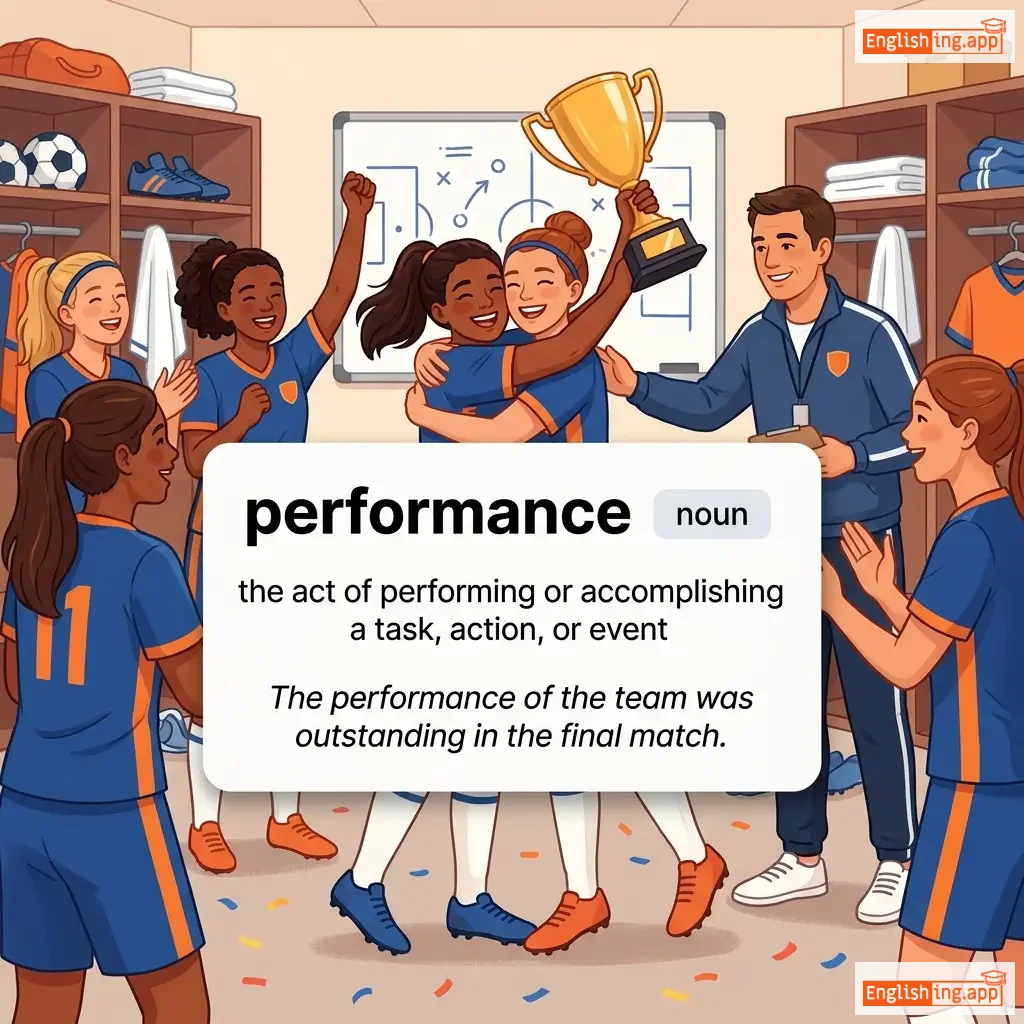
/pərˈfɔr.məns/
noun
(パフォーマンス)
••••••
|
|
パフォーマンス; 実行
pafōmansu; jikkō
••••••
|
the action of presenting a play, concert, or other form of entertainment; how well someone does a task
••••••
|
The student's performance in the exam was excellent. |
学生の試験のパフォーマンスは素晴らしかった。
Gakusei no shiken no pafōmansu wa subarashikatta.
••••••
|
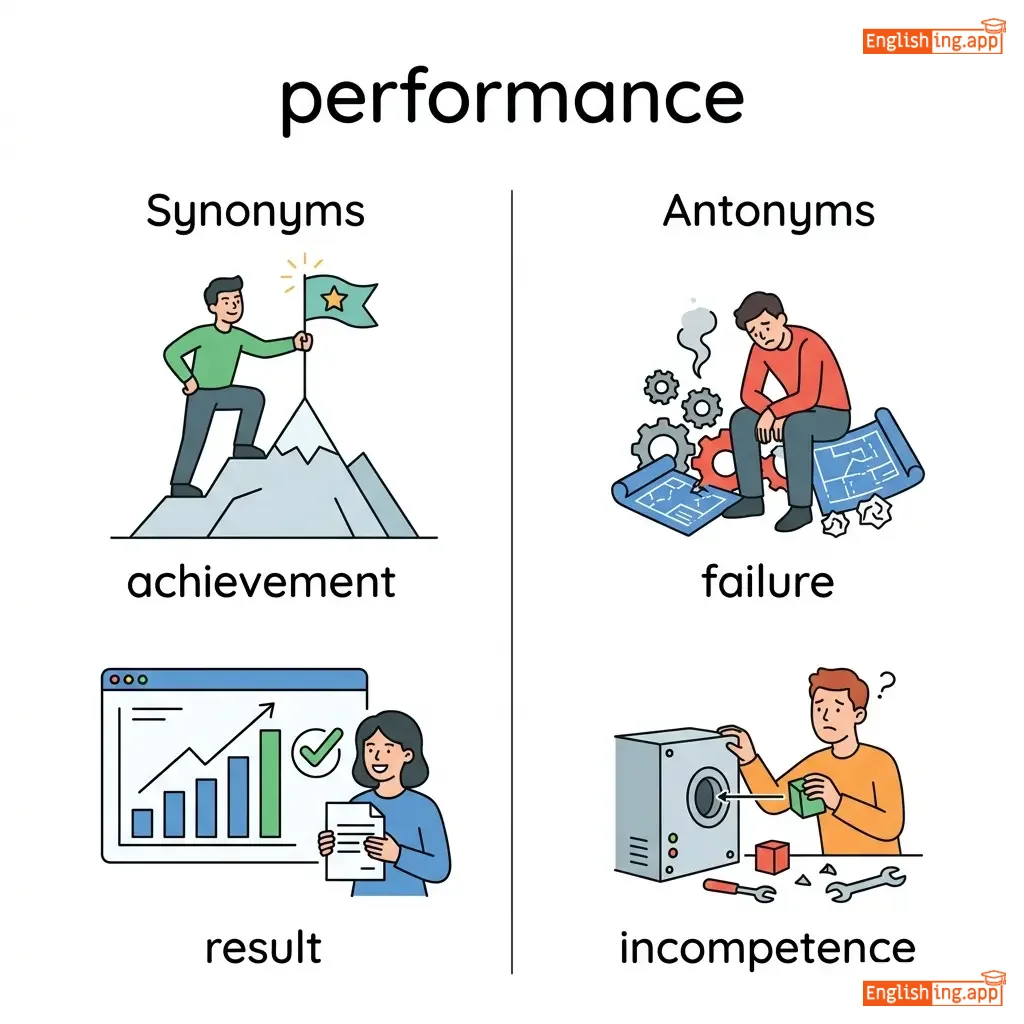
execution, accomplishment, presentation, show
••••••
|
failure, incompetence, poor showing
••••••
|
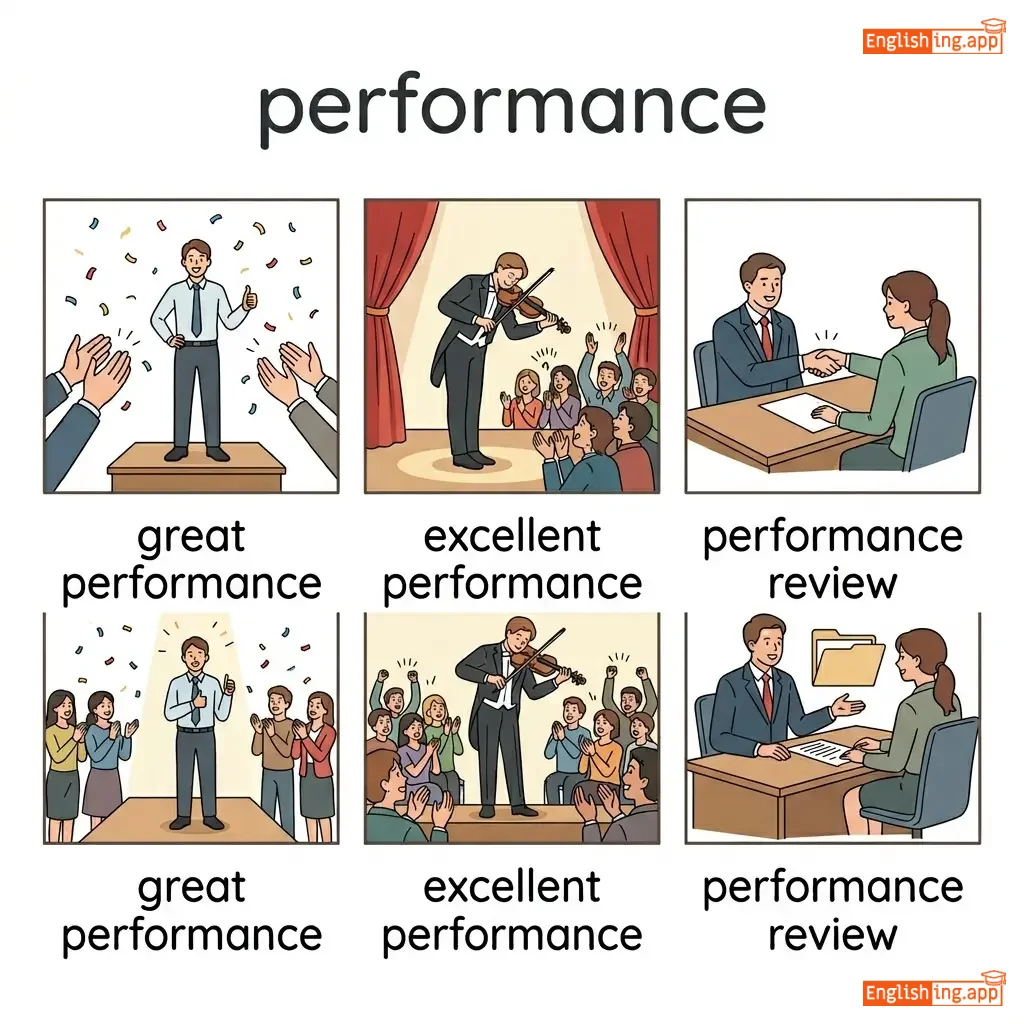
excellent performance, live performance, job performance
••••••
|
試験でのパフォーマンスが成功を示します。
••••••
|
|
#1036
🙏
|
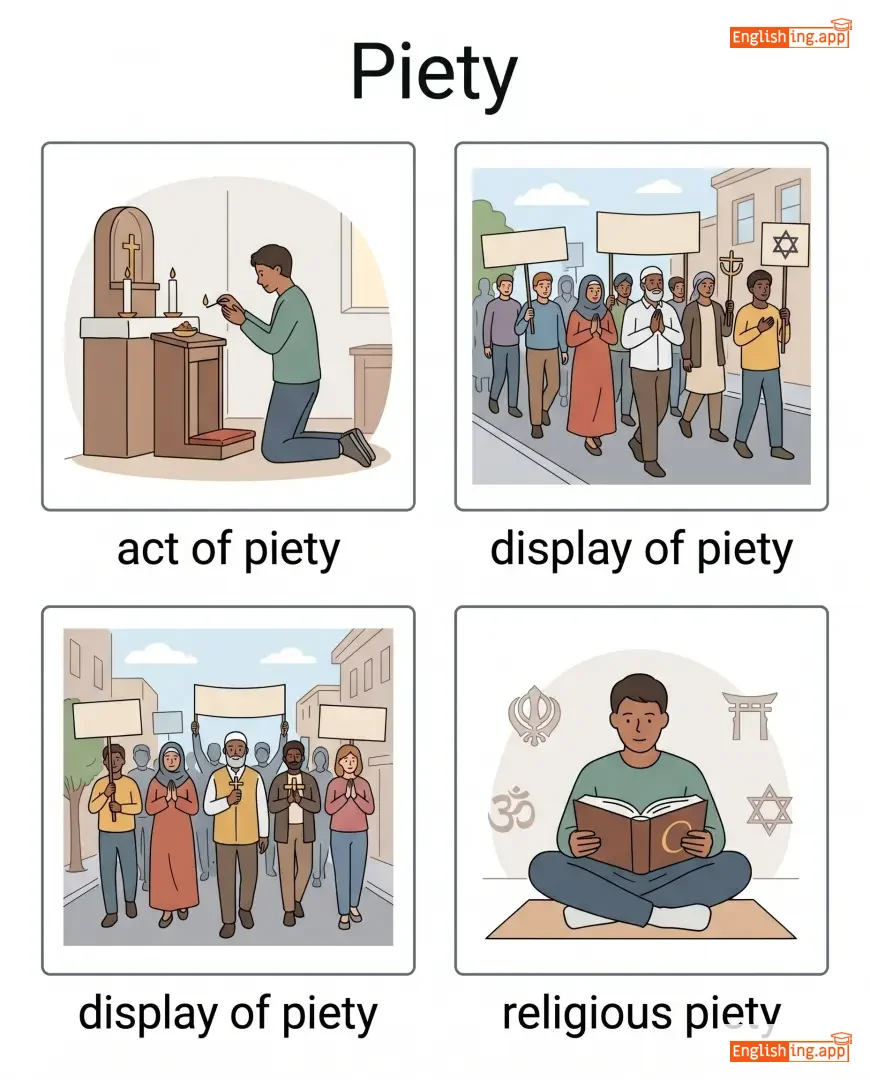
/ˈpaɪ.ə.ti/
noun
(パイエティ)
••••••
|
|
信仰心
shinkōshin
••••••
|
the quality of being religious or reverent; devout religious belief and practice
••••••
|
His piety was evident in his daily prayers.
His piety was evident in his daily prayers.
••••••
|
彼の信仰心は毎日の祈りに明らかでした。
kare no shinkōshin wa mainichi no inori ni akirakadeshita.
••••••
|
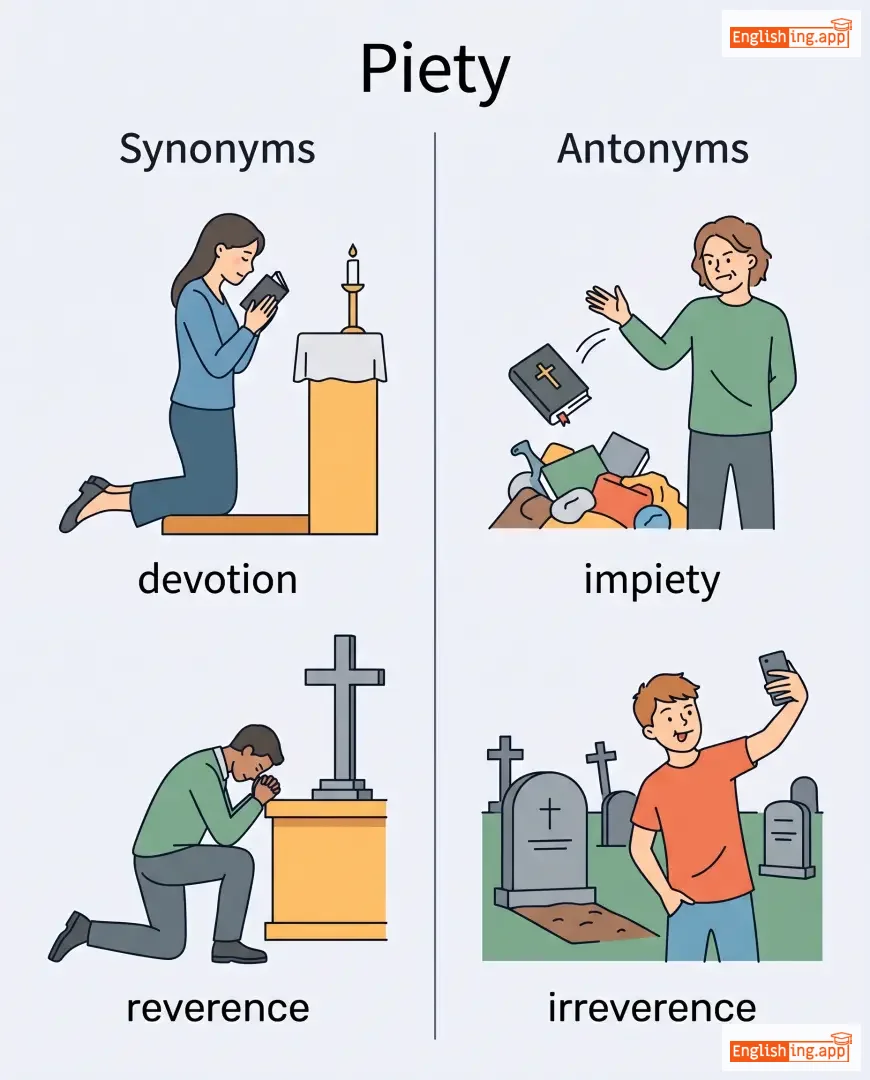
devotion, religiousness, godliness, spirituality
••••••
|
impiety, irreligion, godlessness, blasphemy
••••••
|
religious piety, filial piety, show piety
••••••
|
信仰心 = 信じる心を大切に
••••••
|
|
#1037
🌸
|
/ˈpɜr.fjuːm/
noun
(香水)
••••••
|
- •••••• |
香水
kōsui
••••••
|
a fragrant liquid made from essential oils and alcohol; a pleasant smell
••••••
|
She wore her favorite perfume to the party.
彼女はパーティーにお気に入りの香水をつけて行きました。
••••••
|
彼女はパーティーにお気に入りの香水をつけて行きました。
Kanojo wa pātii ni okiniiri no kōsui o tsukete ikimashita.
••••••
|
fragrance, scent, cologne, aroma
••••••
|
stench, odor, bad smell
••••••
|
expensive perfume, floral perfume, spray perfume
••••••
|
香水がパーティーに華やかさを加えます
••••••
|
|
#1038
🔓
|
/ˈpɪl.fər.ɪdʒ/
noun
(ピルファレージ)
••••••
|
- •••••• |
窃盗
settou
••••••
|
the theft of small amounts or items, especially from one's workplace
••••••
|
The company installed cameras to prevent pilferage.
会社は窃盗を防ぐために監視カメラを設置した。
••••••
|
会社は窃盗を防ぐために監視カメラを設置した。
kaisha wa settou o secchi shita.
••••••
|
theft, stealing, thievery, larceny
••••••
|
honesty, integrity, protection, security
••••••
|
prevent pilferage, workplace pilferage, inventory pilferage
••••••
|
PILFERAGE = PILL + FER + AGE; ピルを盗むとAGEが上がる覚え方
••••••
|
|
#1039
♾️
|
/ˈpɜr.mə.nəns/
noun
(パーマネンス)
••••••
|
- •••••• |
永続性
eizokusei
••••••
|
the state or quality of lasting or remaining unchanged indefinitely; enduring nature
••••••
|
The permanence of the stone monument impressed all visitors.
石の記念碑の永久性はすべての訪問者に印象を与えました。
••••••
|
石の記念碑の永久性はすべての訪問者に印象を与えました。
Ishi no kinenhi no eizokusei wa subete no hōmonsha ni inshō o ataemashita.
••••••
|
durability, stability, endurance, lasting quality
••••••
|
temporariness, transience, impermanence, instability
••••••
|
sense of permanence, illusion of permanence, seek permanence
••••••
|
永続性は石のように変わらない力を意味します。
••••••
|
|
#1040
🚶♂️
|
/ˈpɪl.ɡrɪm/
noun
(巡礼者)
••••••
|
- •••••• |
巡礼者; 旅行者
junreisya; ryokousha
••••••
|
a person who journeys to a sacred place for religious reasons; a traveler
••••••
|
The pilgrim walked for days to reach the holy shrine.
巡礼者は聖なる神殿に到達するために何日も歩きました。
••••••
|
巡礼者は聖なる神殿に到達するために何日も歩きました。
Junreisya wa seinaru shinden ni tōtatsu suru tame ni nannichi mo arukimashita.
••••••
|
devotee, worshiper, traveler, wanderer
••••••
|
resident, local, native, inhabitant
••••••
|
religious pilgrim, medieval pilgrim, pilgrim journey
••••••
|
巡礼者は聖地への歩みを決して止めない
••••••
|
Vocabulary Quiz
Test your vocabulary by matching words with their translations or meanings.
Login to take the quiz
Comments (0)
Share your thoughts and join the discussion.
Join the discussion by logging in
Login to CommentNo comments yet
Be the first to share your thoughts!