

翻訳
過去
過去分詞
三人称単数
動名詞
意味
例文
例文の翻訳
同義語
対義語
コロケーション
ニーモニック

Swipe left or right, or use the buttons. Tap image to zoom.
例文の翻訳
単語
Lesson 67Lesson 67 - マスクトグル
|
絵文字
|
単語 | Images | 翻訳 | 意味 | 例文 | 例文の翻訳 | 同義語 | 対義語 | コロケーション | ニーモニック |
|---|---|---|---|---|---|---|---|---|---|---|
|
#1321
🎤
|
/spiːtʃ/
noun
(スピーチ)
••••••
|
- •••••• |
スピーチ; 演説;
supīchi; enzetsu
••••••
|
formal address or discourse delivered to an audience; the expression of thoughts in spoken words
••••••
|
The president gave an inspiring speech to the nation. |
大統領は国民に向けて感動的なスピーチをしました。
Daitōryō wa kokumin ni mukete kandō-teki na supīchi o shimashita.
••••••
|
address, oration, discourse, talk
••••••
|
silence, muteness
••••••
|
keynote speech, public speech, acceptance speech, farewell speech
••••••
|
Speech in Japanese: Connecting hearts with the power of words.
••••••
|
|
#1322
🗿
|
/ˈstætʃuː/
noun
(スタチュー)
••••••
|
- •••••• |
通常、石、金属、木材で作られた三次元の芸術作品
sutachū
••••••
|
a three-dimensional work of art, typically made of stone, metal, or wood
••••••
|
The statue of liberty is a famous landmark in New York. |
自由の女神像はニューヨークの有名なランドマークです。
Jiyū no megami-zō wa Nyū Yōku no yūmei na randumāku desu
••••••
|
sculpture, monument, figure
••••••
|
- •••••• |
bronze statue, marble statue, statue of liberty
••••••
|
スタチューは永遠に立ち、自由の象徴を示します。
••••••
|
|
#1323
⚡
|
/spiːd/
noun
(スピード)
••••••
|
- •••••• |
速度; スピード
sokudo; supīdo
••••••
|
the rate at which someone or something moves or operates
••••••
|
The car reached a speed of 100 miles per hour.
車は時速100マイルのスピードに達した。
••••••
|
車は時速100マイルのスピードに達した。
kuruma wa jisoku 100 mairu no supīdo ni tasshita.
••••••
|
velocity, pace, rate, swiftness
••••••
|
slowness, sluggishness
••••••
|
high speed, maximum speed, speed limit, speed up
••••••
|
スピードは車の速さと同じくらい速い。
••••••
|
|
#1324
⚡
|
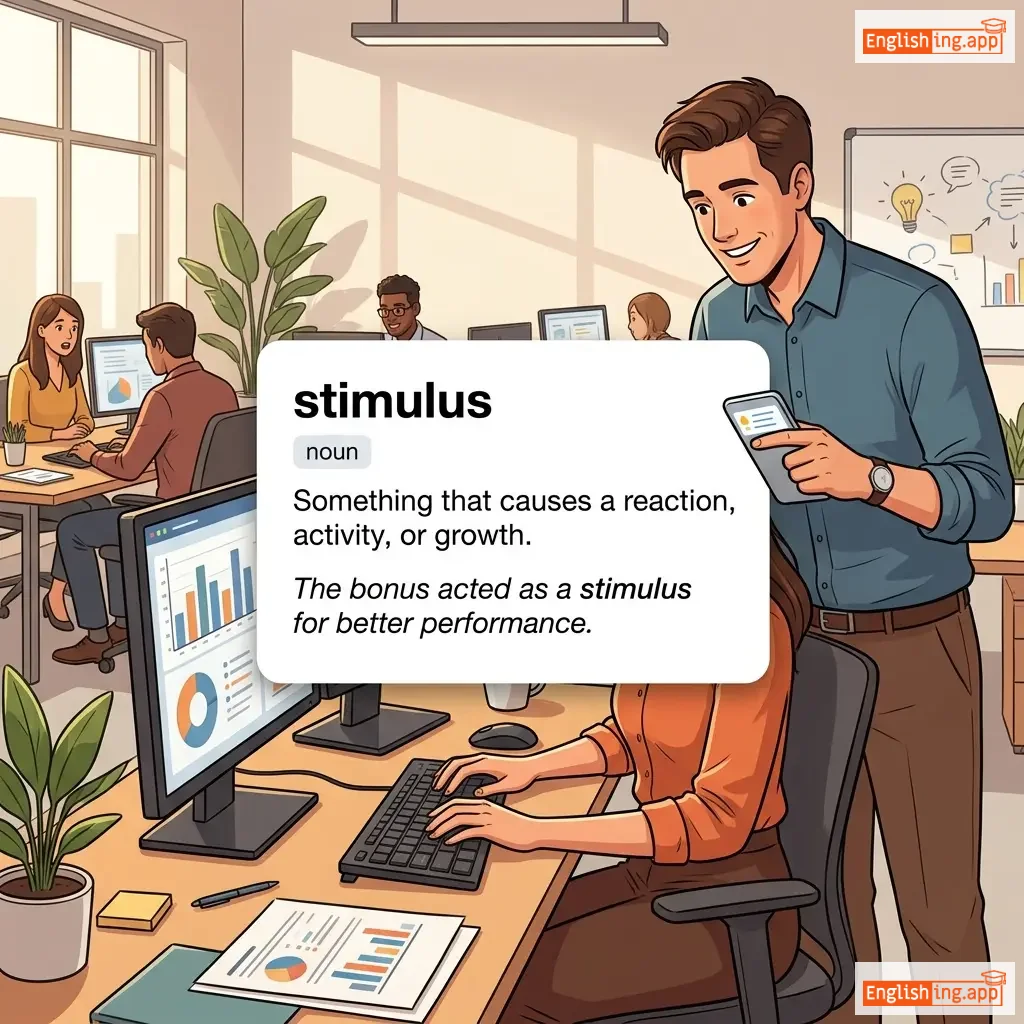
/ˈstɪmjələs/
noun
(スティミュラス)
••••••
|
|
刺激; 活動や発展を促進するもの
shigeki
••••••
|
something that encourages activity or development; incentive
••••••
|
The government provided economic stimulus to boost the economy.
政府は経済を刺激するために経済刺激策を提供しました。
••••••
|
政府は経済を刺激するために経済刺激策を提供しました。
Seifu wa keizai o shigeki suru tame ni keizai shigeki saku o teikyō shimashita.
••••••
|
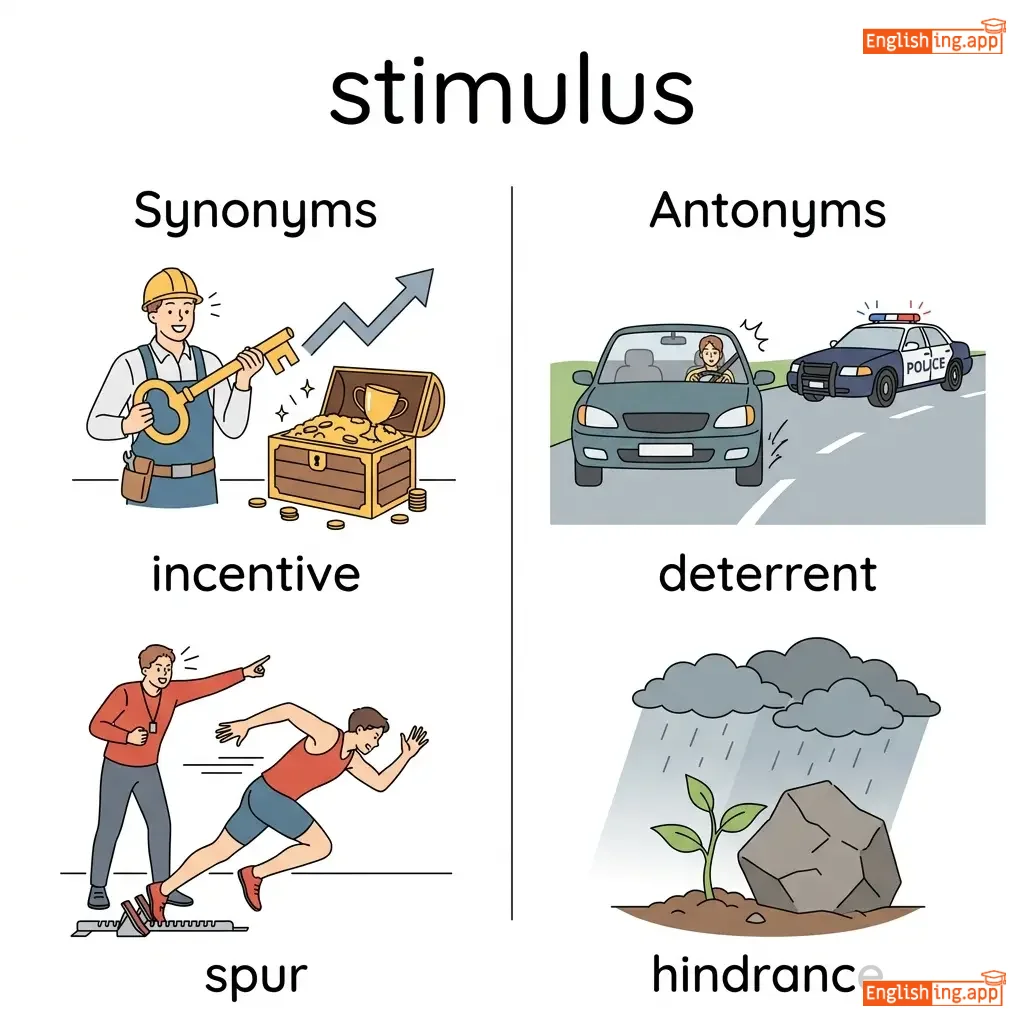
incentive, motivation, encouragement
••••••
|
deterrent, discouragement
••••••
|
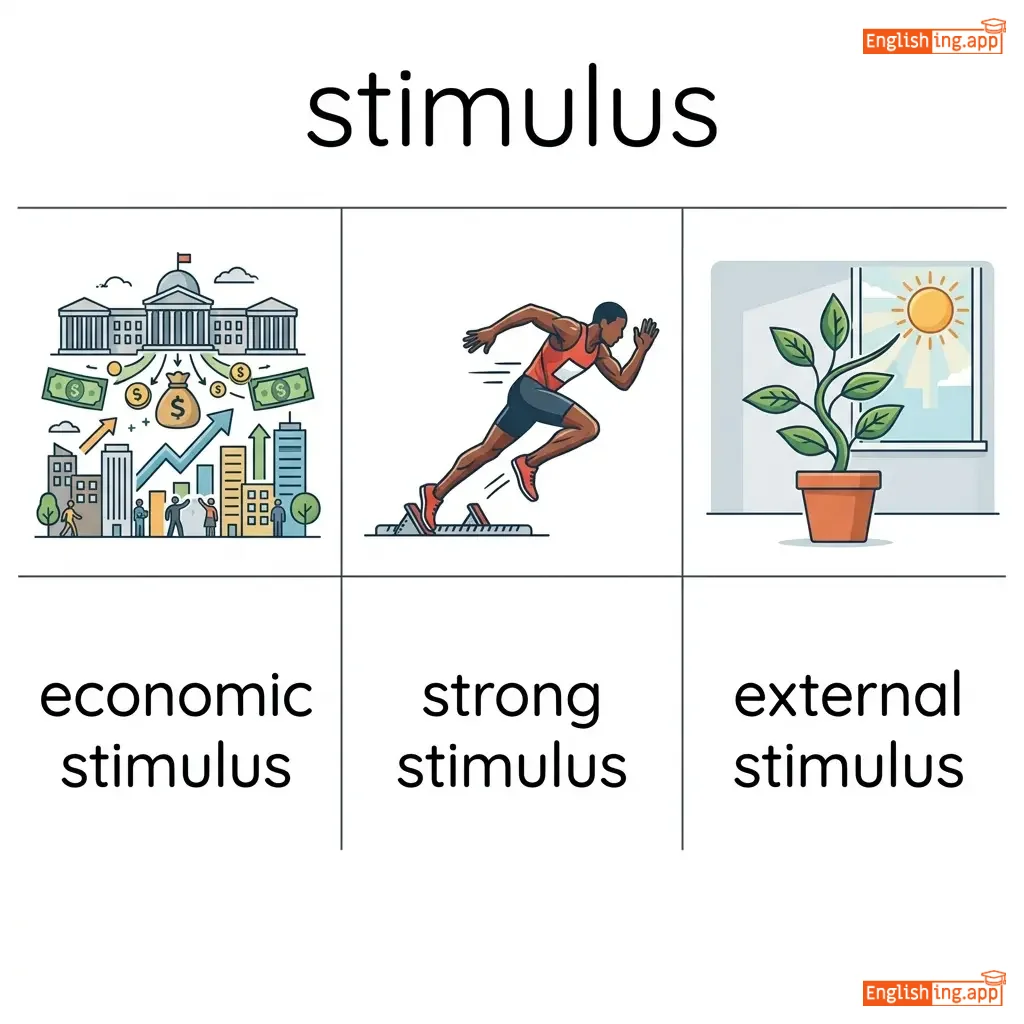
economic stimulus, stimulus package, external stimulus
••••••
|
In Japanese, '刺激' is a push to action, much like the 'stimulus' in English!
••••••
|
|
#1325
🦴
|
/spaɪn/
noun
(supein)
••••••
|
- •••••• |
背骨; 構造物の中央支柱
sebone; kouzou no chuou shichuu
••••••
|
the backbone or vertebral column of a vertebrate; the central support of a structure
••••••
|
She injured her spine in the accident. |
事故で背骨を傷つけました。
Jiko de sebone o kizu tsukemashita.
••••••
|
backbone, vertebral column, spinal column
••••••
|
- •••••• |
spinal cord, spine injury, curved spine, spine surgery
••••••
|
背骨が体を支え、まるで構造物の支柱のようです
••••••
|
|
#1326
🤢
|
/stɪŋk/
noun
(スティンク)
••••••
|
- •••••• |
悪臭; 臭い
stink
••••••
|
a strong unpleasant smell; bad odor
••••••
|
The garbage created a terrible stink in the kitchen. |
ゴミは台所でひどい悪臭を引き起こしました。
Gomi wa daidokoro de hidoi akushū o hikiokoshimashita.
••••••
|
odor, smell, reek
••••••
|
fragrance, perfume, aroma
••••••
|
terrible stink, awful stink, stink bomb
••••••
|
もし臭いがひどければ、それはスティンクです。
••••••
|
|
#1327
👻
|
/ˈspɪr.ɪt/
noun
(スピリット)
••••••
|
- •••••• |
精神; 魂; 熱意; 勇気
seishin; tamashī; netsui; yūki
••••••
|
the non-physical part of a person; enthusiasm or courage; the essential character of something
••••••
|
The team showed great spirit despite losing the match.
チームは試合に負けても素晴らしいスピリットを見せました。
••••••
|
チームは試合に負けても素晴らしいスピリットを見せました。
Chīmu wa shiai ni maketemo subarashī supiritto o misemashita.
••••••
|
soul, enthusiasm, courage, morale
••••••
|
body, dejection, cowardice
••••••
|
team spirit, fighting spirit, free spirit, school spirit
••••••
|
スピリットは勇気と熱意を持つ魂
••••••
|
|
#1328
💰
|
/ˈstaɪpend/
noun
(スティペンド)
••••••
|
- •••••• |
奨学金
stipendo
••••••
|
a fixed regular sum paid as a salary or allowance
••••••
|
The research student receives a monthly stipend for living expenses. |
研究学生は生活費のために毎月奨学金を受け取ります。
Kenkyū gakusei wa seikatsuhi no tame ni maitsuki shōgakukin o ukemasu
••••••
|
allowance, salary, grant
••••••
|
- •••••• |
monthly stipend, research stipend, living stipend
••••••
|
奨学金は学業のための毎月の助け
••••••
|
|
#1329
⚖️
|
/stəˈbɪl.ə.ti/
noun
(スタビリティ)
••••••
|
- •••••• |
安定性
anteisei
••••••
|
the state of being stable; firmness; steadiness
••••••
|
Political stability is essential for economic growth.
政治的安定は経済成長にとって重要です。
••••••
|
政治的安定は経済成長にとって重要です。
Seijiteki antei wa keizai seichou ni totte juuyou desu.
••••••
|
steadiness, firmness, balance, security
••••••
|
instability, unsteadiness, volatility
••••••
|
financial stability, political stability, emotional stability, job stability
••••••
|
安定性が経済成長に欠かせない要素です。
••••••
|
|
#1330
😰
|
/streɪn/
noun
(ストレイン)
••••••
|
- •••••• |
緊張; 圧力; 疲労;
strain
••••••
|
pressure or tension; excessive demand on strength or resources
••••••
|
Working long hours put a strain on his health. |
長時間働くことは彼の健康に圧力をかけました。
choujikan hataraku koto wa kare no kenkou ni atsuryoku o kakemashita
••••••
|
stress, pressure, tension
••••••
|
ease, relaxation, relief
••••••
|
muscle strain, financial strain, mental strain
••••••
|
ストレイン = ストレスが溜まる。緊張すると疲れがたまる。
••••••
|
|
#1331
🚫
|
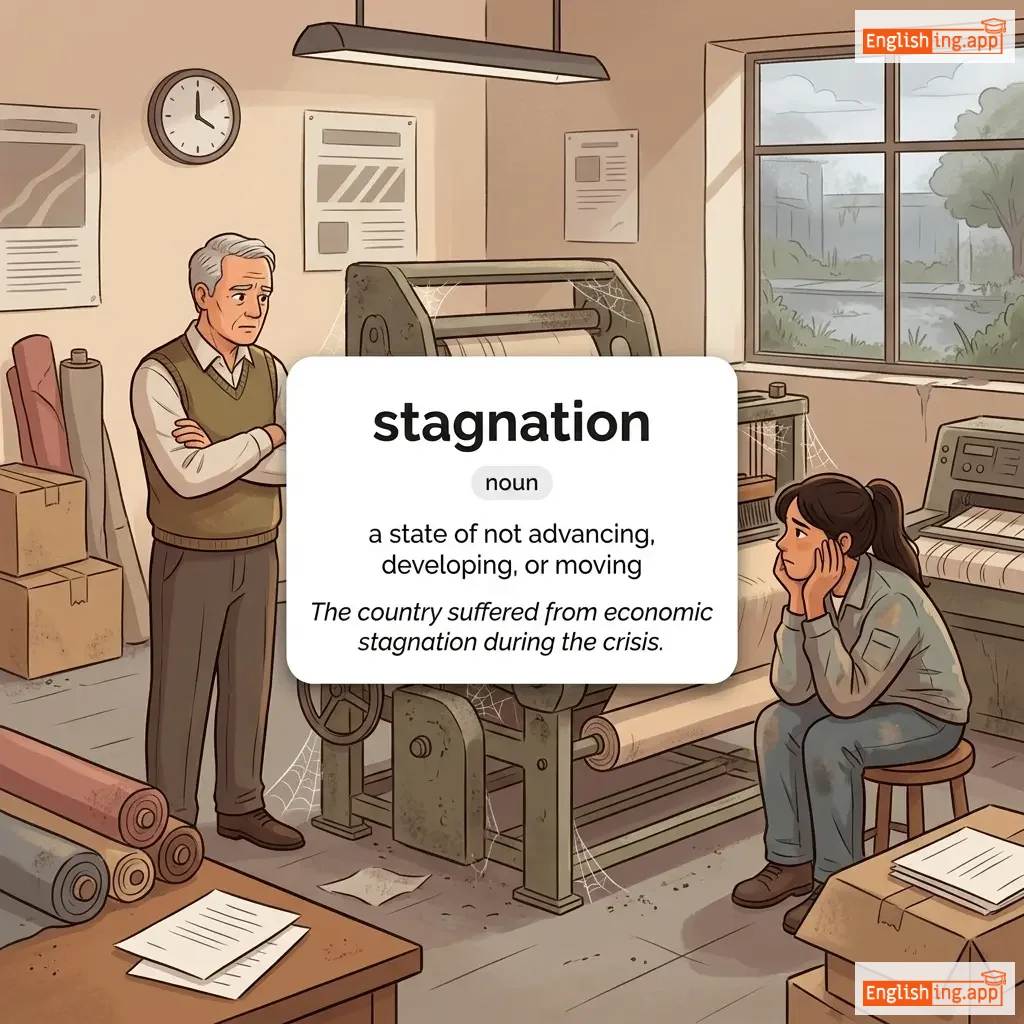
/stæɡˈneɪ.ʃən/
noun
(スタグネーション)
••••••
|
|
停滯; 発展の欠如; 無活動
teitei; hatten no ketsujo; mukatsudo
••••••
|
the state of not flowing or moving; lack of activity, growth, or development
••••••
|
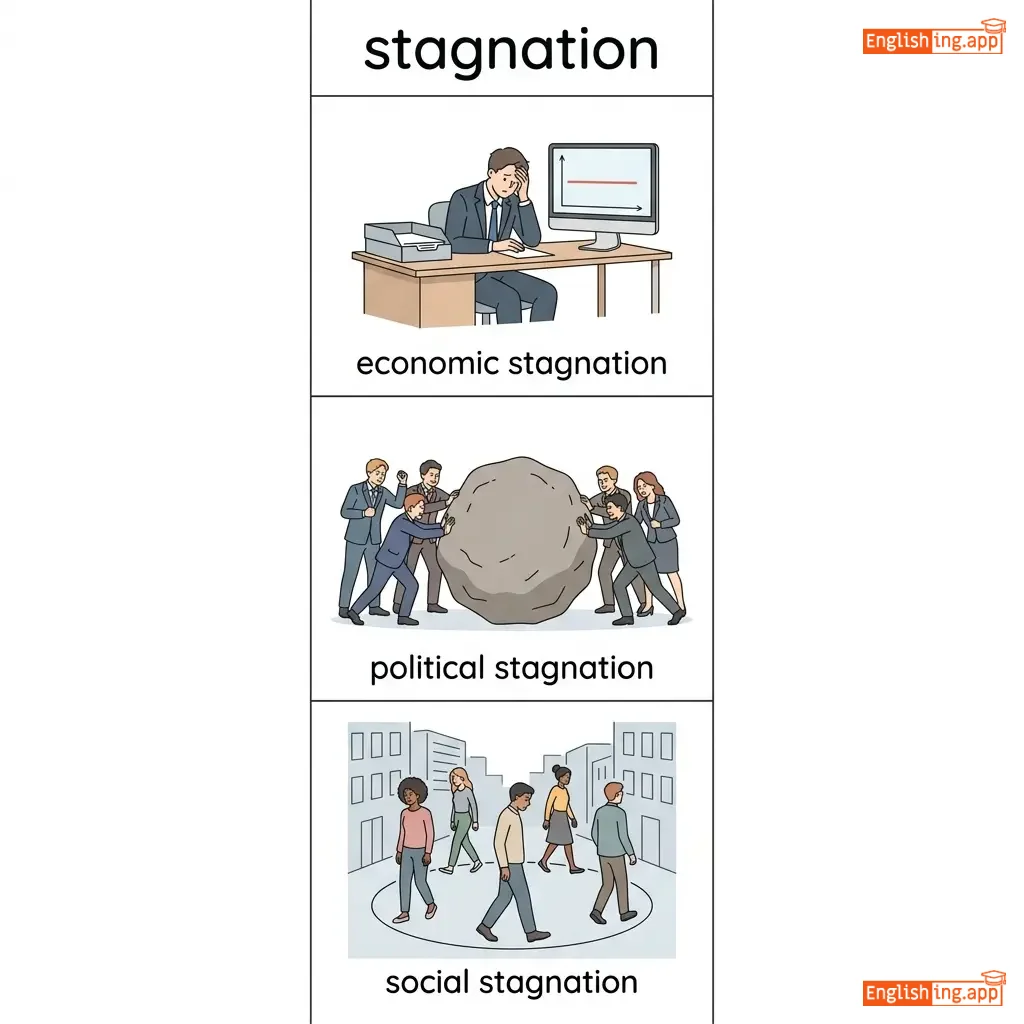
The company faced economic stagnation for several years. |
その会社は数年間経済的停滯に直面していた。
Sono kaisha wa suunenkan keizaiteki teitei ni chokumen shite ita.
••••••
|
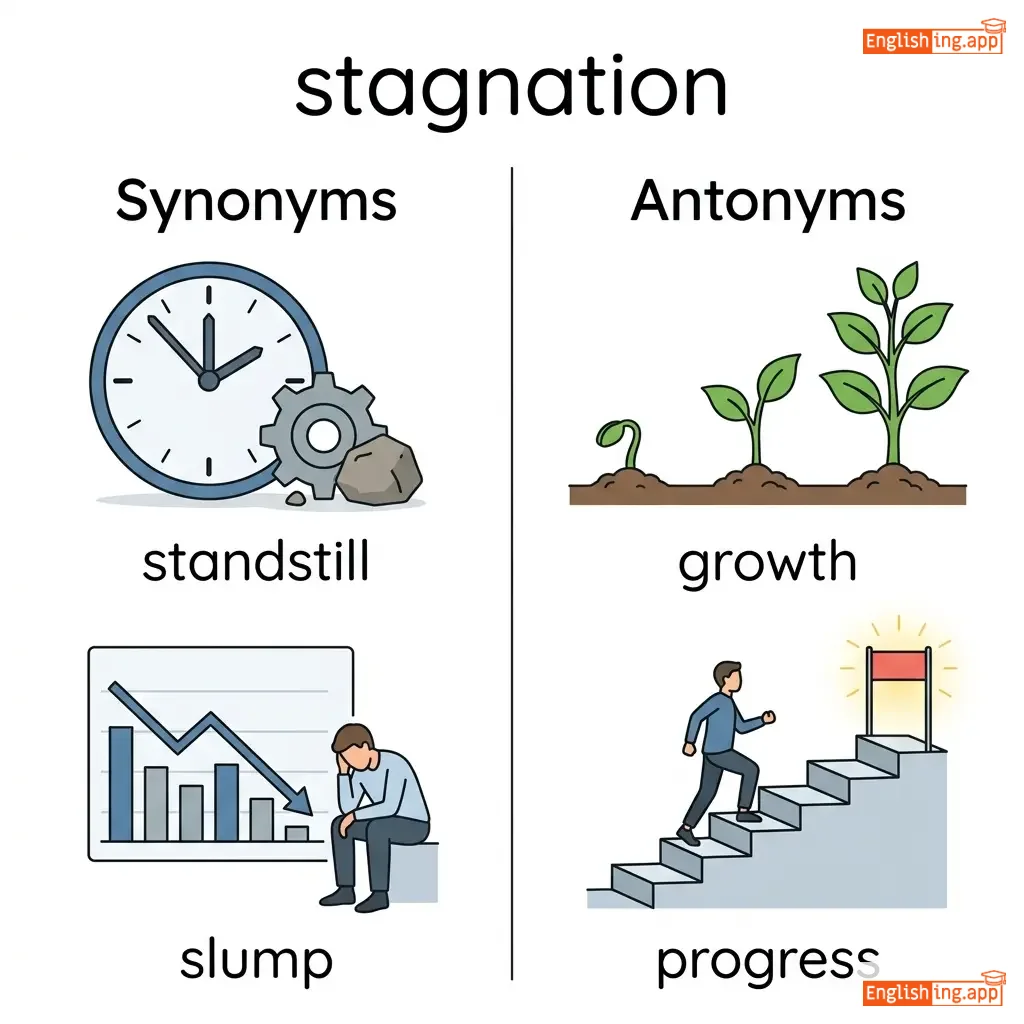
inactivity, standstill, decline, sluggishness
••••••
|
growth, progress, development, advancement
••••••
|
economic stagnation, wage stagnation, career stagnation, water stagnation
••••••
|
Think of 'stagnation' as a still pond in Japanese.
••••••
|
|
#1332
🤷♂️
|
/ˈstreɪndʒər/
noun
(sutoreinjā)
••••••
|
- •••••• |
見知らぬ人
mishiranu hito
••••••
|
a person whom one does not know or with whom one is not familiar
••••••
|
Never take candy from a stranger.
決して見知らぬ人からキャンディをもらわないでください。
••••••
|
決して見知らぬ人からキャンディをもらわないでください。
kesshite mishiranu hito kara kyandi o morawanaide kudasai
••••••
|
unknown person, outsider, foreigner
••••••
|
friend, acquaintance, familiar
••••••
|
complete stranger, perfect stranger, stranger danger
••••••
|
In the unknown, kindness can be a trick.
••••••
|
|
#1333
🟤
|
/steɪn/
noun
(ステイン)
••••••
|
- •••••• |
シミ; 汚れ
shimi; yogore
••••••
|
a colored patch or dirty mark that is difficult to remove; a blemish or damage to reputation
••••••
|
There was a coffee stain on his white shirt.
彼の白いシャツにはコーヒーのシミがありました。
••••••
|
彼の白いシャツにはコーヒーのシミがありました。
kare no shiroi shatsu ni wa kōhī no shimi ga arimashita.
••••••
|
mark, spot, blemish, blot
••••••
|
cleanliness, purity
••••••
|
blood stain, wine stain, stain remover, permanent stain
••••••
|
A 'Stain' is a mark that sticks to you and your shirt!
••••••
|
|
#1334
🎯
|
/ˈstrætədʒi/
noun
(sutoratēji)
••••••
|
|
戦略; 計画;
senryaku; keikaku;
••••••
|
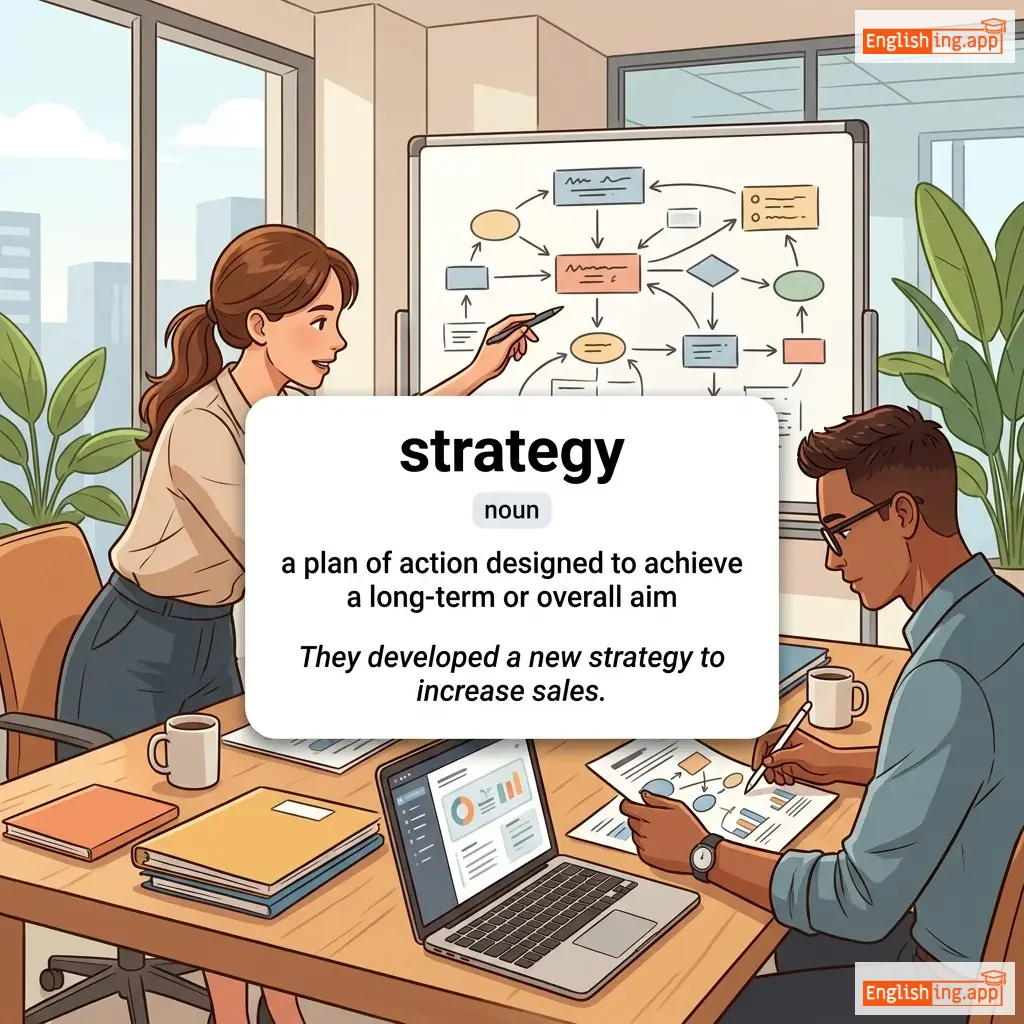
a plan of action designed to achieve a long-term or overall aim
••••••
|
The company developed a new marketing strategy to increase sales.
その会社は売上を増加させるために新しいマーケティング戦略を開発しました。
••••••
|
その会社は売上を増加させるために新しいマーケティング戦略を開発しました。
Sono kaisha wa uriage o zōka saseru tame ni atarashī māketingu senryaku o kaihatsu shimashita.
••••••
|
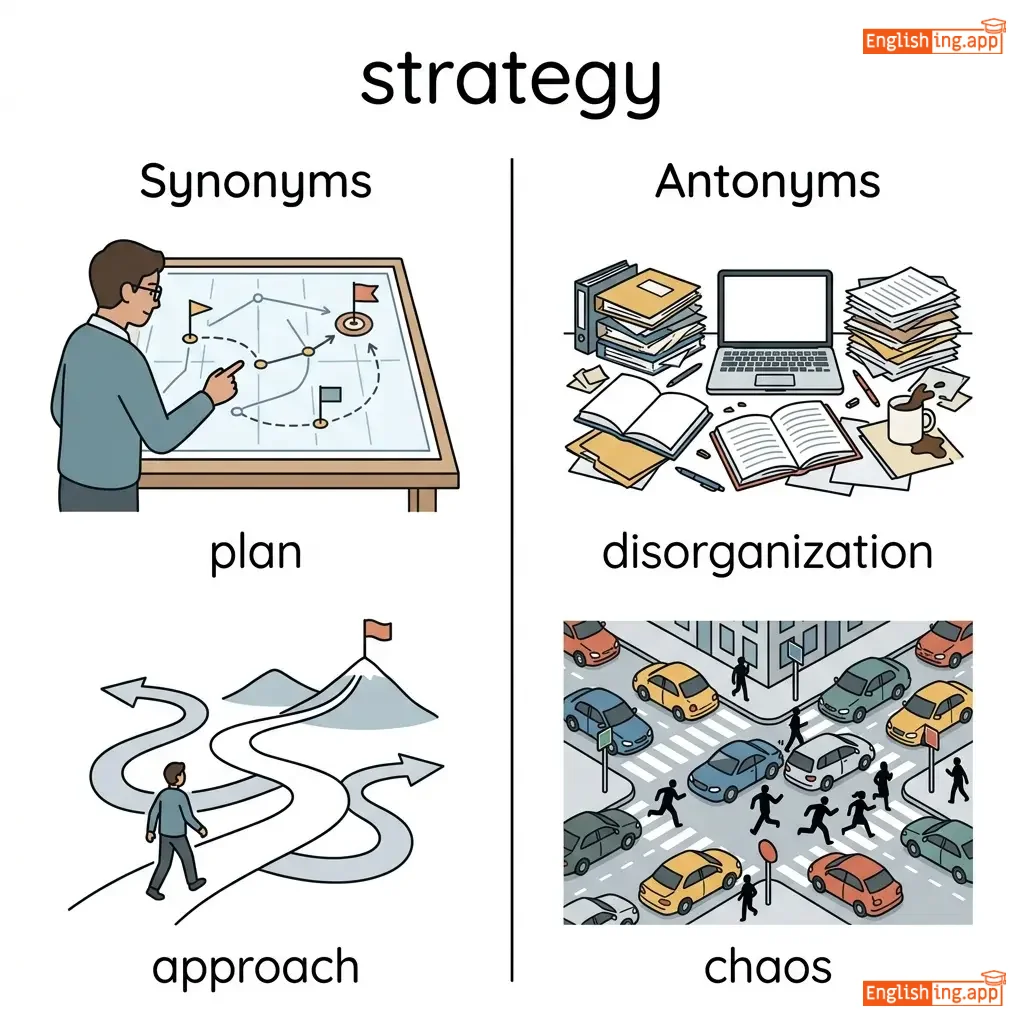
plan, approach, tactic
••••••
|
improvisation, spontaneity
••••••
|
business strategy, marketing strategy, military strategy
••••••
|
戦略: 目標に向けた計画的アクション
••••••
|
|
#1335
💪
|
/ˈstæm.ɪ.nə/
noun
(スタミナ)
••••••
|
- •••••• |
持久力
jikyūryoku
••••••
|
the ability to sustain prolonged physical or mental effort
••••••
|
Marathon runners need great stamina to complete the race.
マラソンランナーはレースを完走するために素晴らしいスタミナが必要です。
••••••
|
マラソンランナーはレースを完走するために素晴らしいスタミナが必要です。
Marason rannā wa rēsu o kansō suru tame ni subarashī sutamina ga hitsuyōdesu.
••••••
|
endurance, persistence, resilience, staying power
••••••
|
weakness, fatigue, exhaustion
••••••
|
build stamina, physical stamina, mental stamina, lack stamina
••••••
|
持久力 = 長時間持つ力、マラソンを走るときのように。
••••••
|
|
#1336
💪
|
/streŋθ/
noun
(sutorenzu)
••••••
|
- •••••• |
力; 力強さ; 体力
chikara; chikara tsuyosa; tairyoku
••••••
|
the quality or state of being physically strong; power or force
••••••
|
Regular exercise helps build muscle strength. |
定期的な運動は筋力を高めるのに役立ちます。
teikitekina undou wa kinryoku wo takameru no ni yakudachimasu
••••••
|
power, force, might
••••••
|
weakness, frailty, feebleness
••••••
|
physical strength, inner strength, muscle strength
••••••
|
力をつけるために、運動で筋肉を育てよう!
••••••
|
|
#1337
😵
|
/stɑːˈveɪ.ʃən/
noun
(スターヴェーション)
••••••
|
- •••••• |
飢餓
kiga
••••••
|
suffering or death caused by lack of food; extreme hunger
••••••
|
Many people died of starvation during the famine.
多くの人々は飢饉の間に飢え死にしました。
••••••
|
多くの人々は飢饉の間に飢え死にしました。
ōku no hitobito wa kikin no aida ni ue-shini shimashita.
••••••
|
hunger, famine, malnutrition, undernourishment
••••••
|
abundance, satiety, nourishment
••••••
|
mass starvation, starvation diet, near starvation, prevent starvation
••••••
|
飢えは生命に致命的な影響を与える
••••••
|
|
#1338
😓
|
/stres/
noun
(ストレス)
••••••
|
|
物体にかかる圧力または緊張; 精神的または感情的な圧力
butsutai ni kakaru atsuryoku mata wa kinchou; seishinteki mata wa kanjou-teki na atsuryoku
••••••
|
pressure or tension exerted on an object; mental or emotional strain
••••••
|
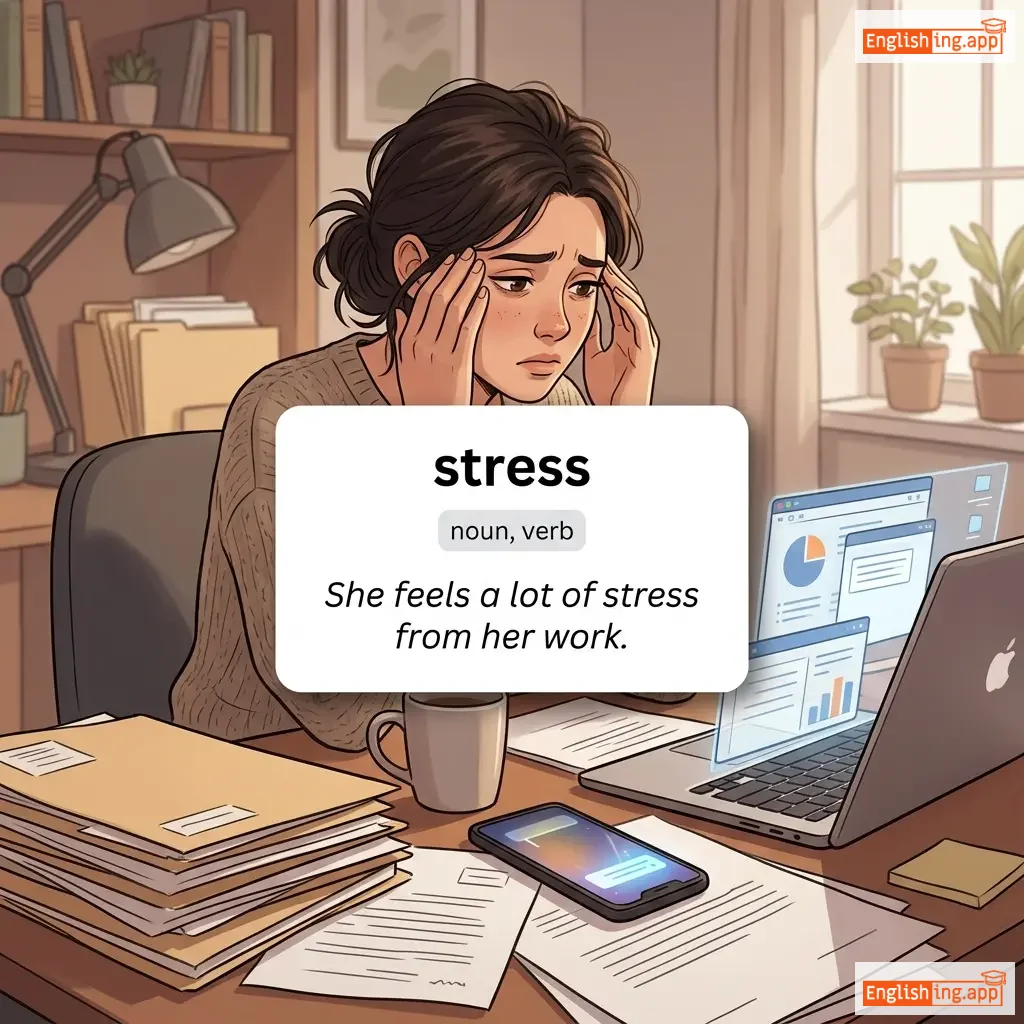
Work-related stress can affect your health.
仕事に関連するストレスはあなたの健康に影響を与える可能性があります。
••••••
|
仕事に関連するストレスはあなたの健康に影響を与える可能性があります。
shigoto ni kanren suru stress wa anata no kenko ni eikyou o ataeru kanousei ga arimasu
••••••
|
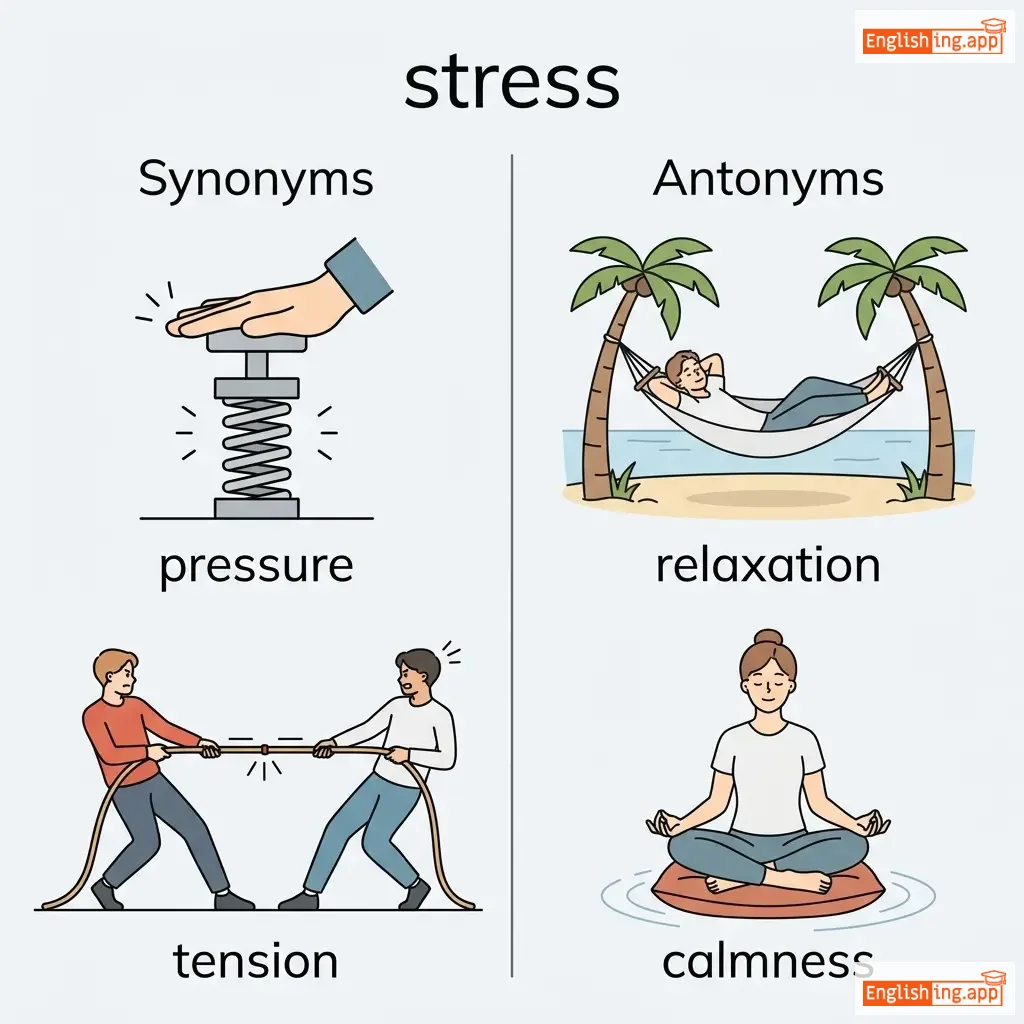
pressure, strain, tension
••••••
|
relaxation, calm, peace
••••••
|
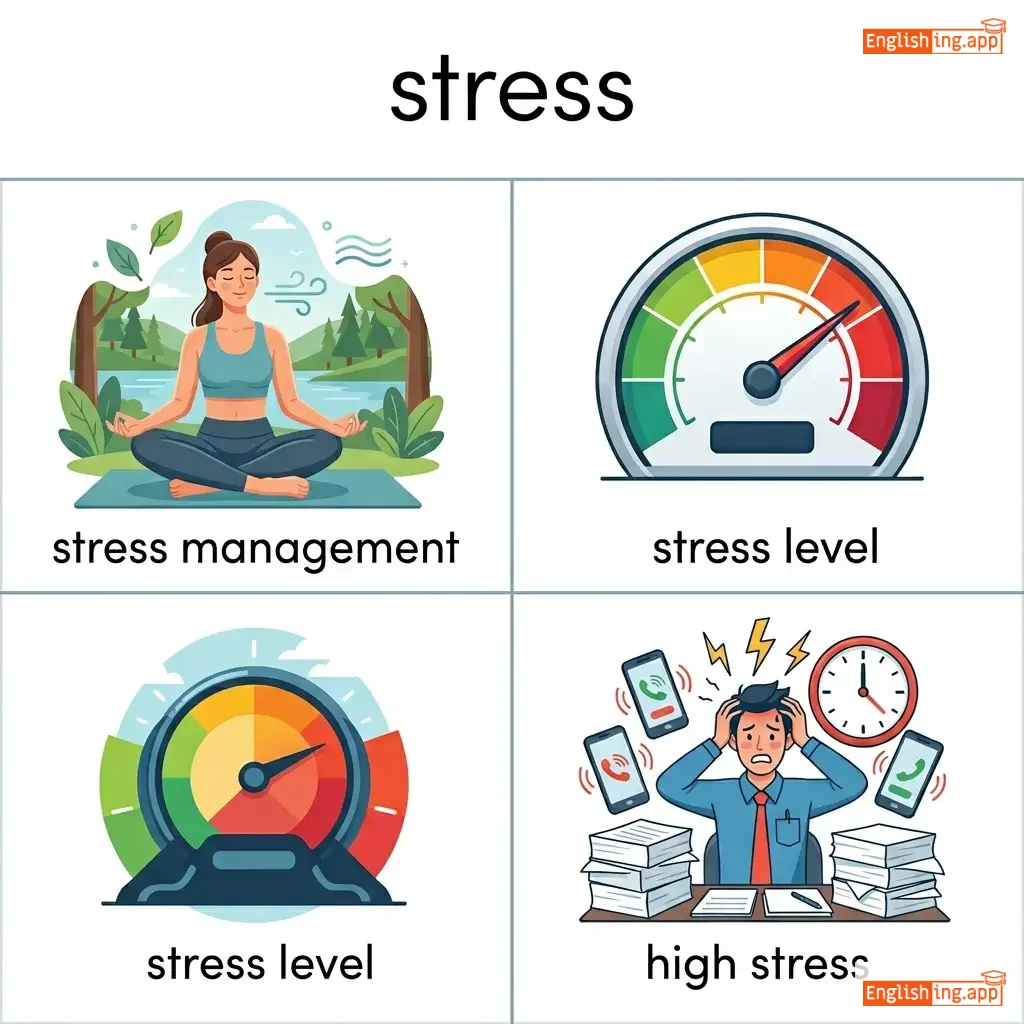
work stress, chronic stress, stress management
••••••
|
仕事のストレスが健康に影響を与えることを覚えておいてください。
••••••
|
|
#1339
📄
|
/ˈsteɪt.mənt/
noun
(sutētomento)
••••••
|
- •••••• |
声明
seimei
••••••
|
a definite or clear expression of something in speech or writing; an official account of facts
••••••
|
The CEO issued a statement about the company's future plans. |
CEOは会社の将来計画についての声明を発表しました。
CEO wa kaisha no shourai keikaku ni tsuite no seimei o happyou shimashita.
••••••
|
declaration, announcement, report, account
••••••
|
silence, concealment
••••••
|
official statement, press statement, financial statement, witness statement
••••••
|
声明 = statement, CEOは将来計画についての声明を発表しました。
••••••
|
|
#1340
📏
|
/strɪp/
noun
(strip)
••••••
|
- •••••• |
布、紙、プラスチック、またはその他の材料の長くて細い帯
strip
••••••
|
a long narrow piece of cloth, paper, plastic, or other material
••••••
|
She tore a strip of paper from the notebook. |
彼女はノートから紙のストリップを引き裂きました。
Kanojo wa nooto kara kami no sutorippu wo hikisakimashita.
••••••
|
band, stripe, piece
••••••
|
whole, complete piece
••••••
|
paper strip, comic strip, landing strip
••••••
|
街のように細いストリップ。
••••••
|
Vocabulary Quiz
Test your vocabulary by matching words with their translations or meanings.
Login to take the quiz
Comments (0)
Share your thoughts and join the discussion.
Join the discussion by logging in
Login to CommentNo comments yet
Be the first to share your thoughts!