

翻訳
過去
過去分詞
三人称単数
動名詞
意味
例文
例文の翻訳
同義語
対義語
コロケーション
ニーモニック
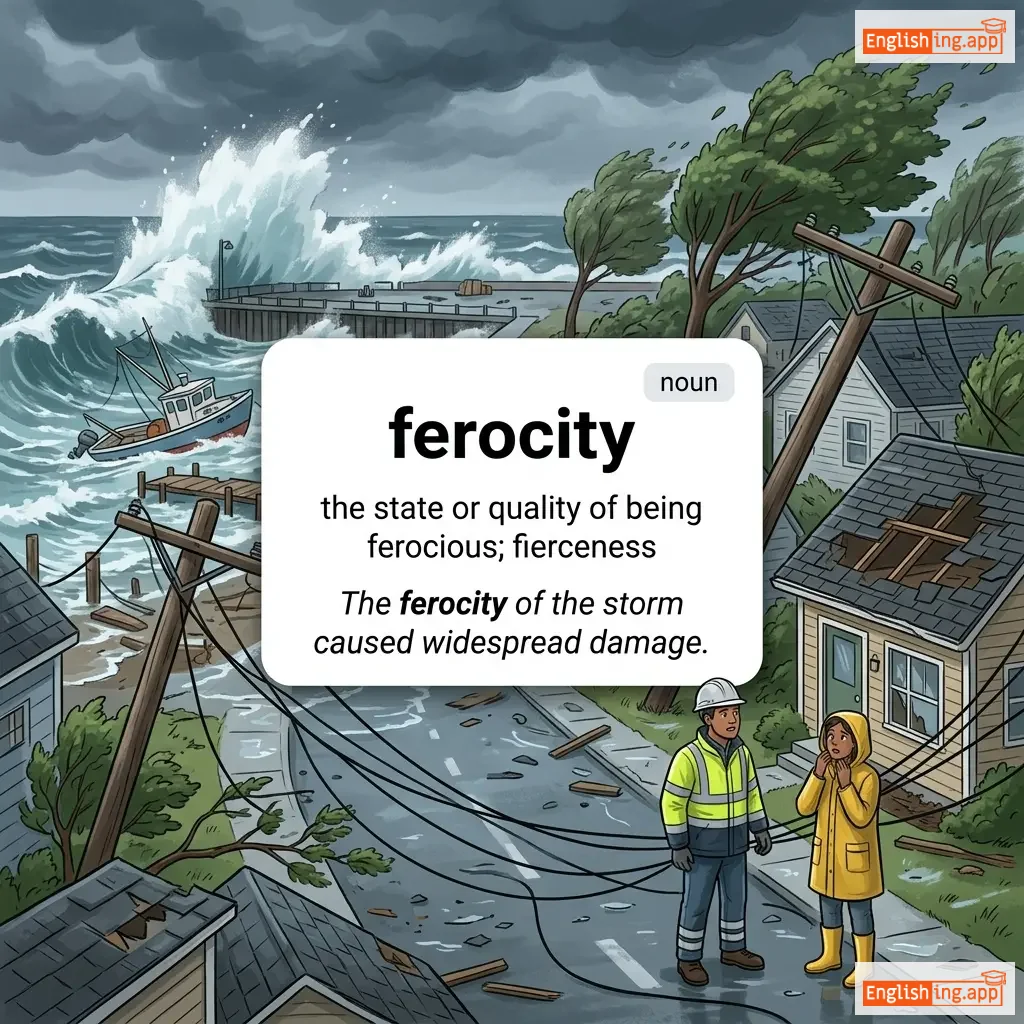
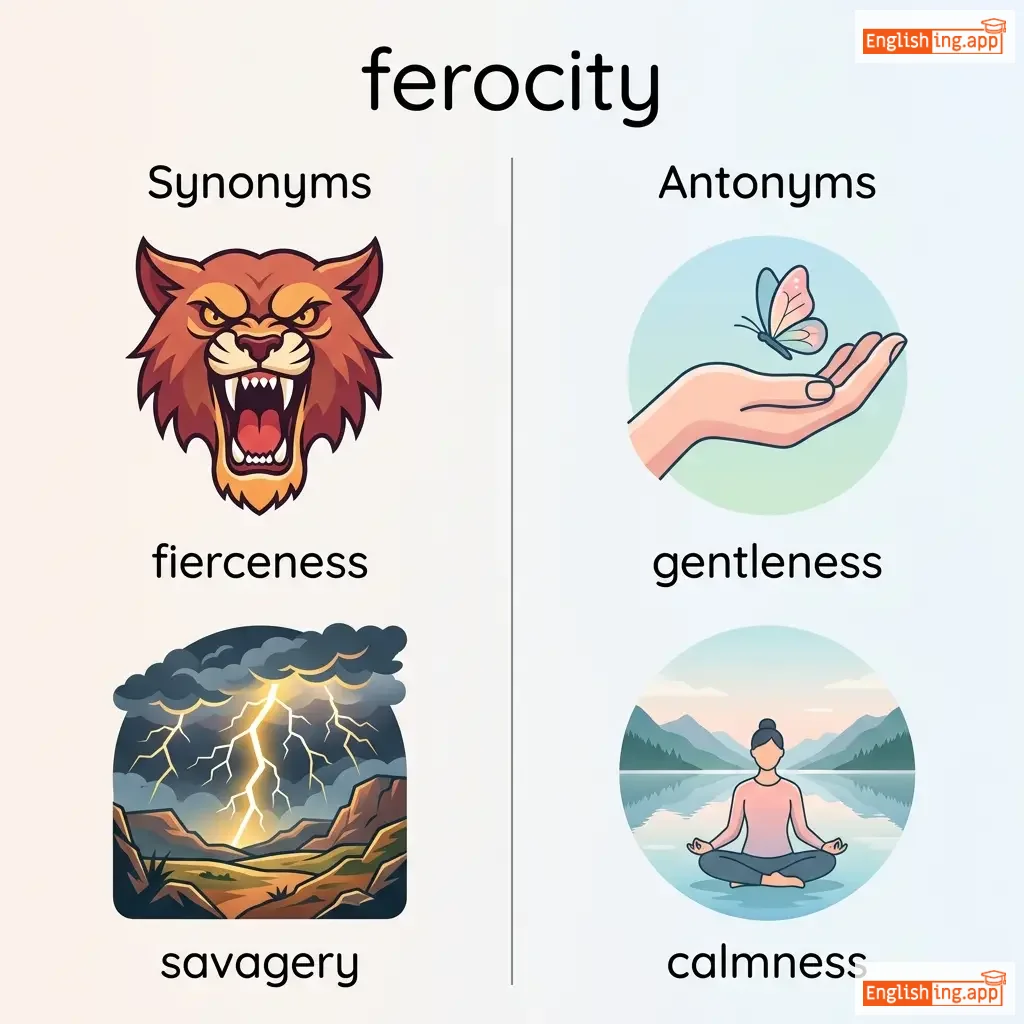
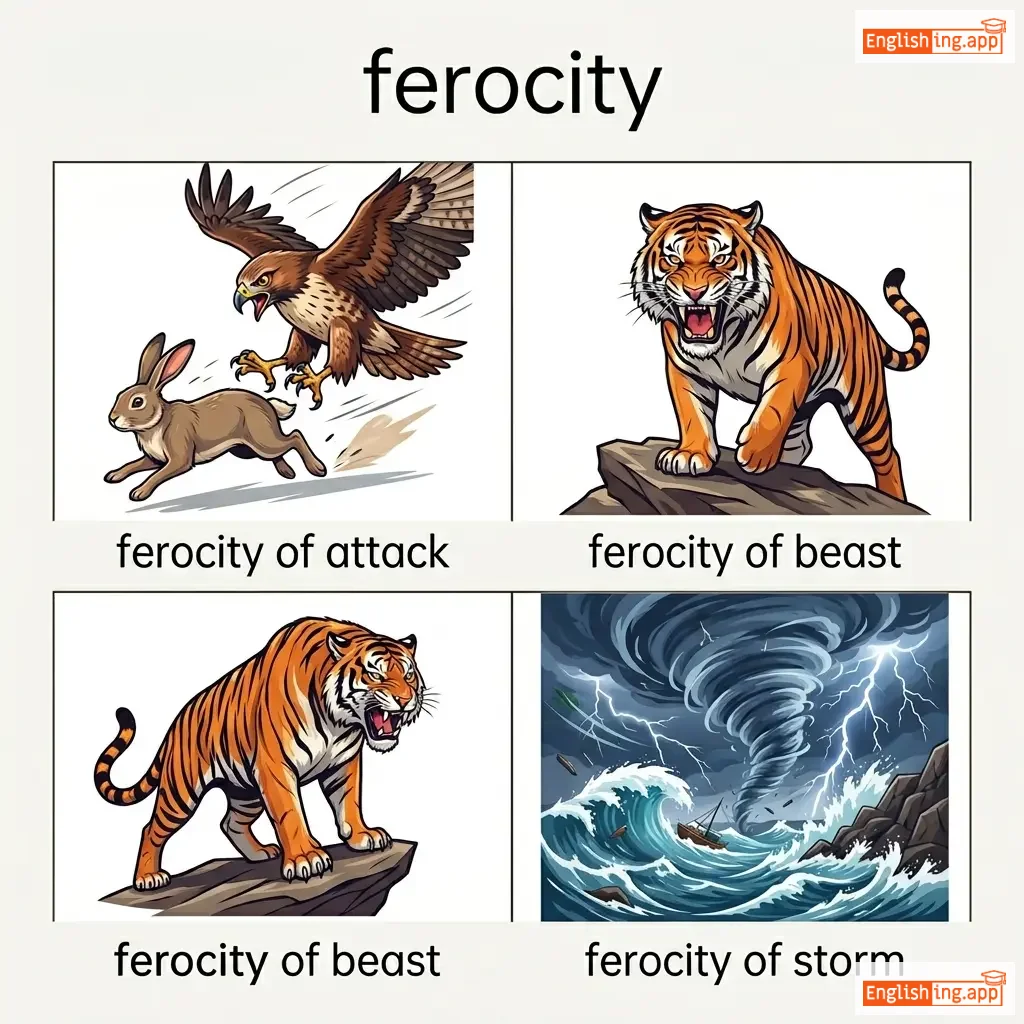

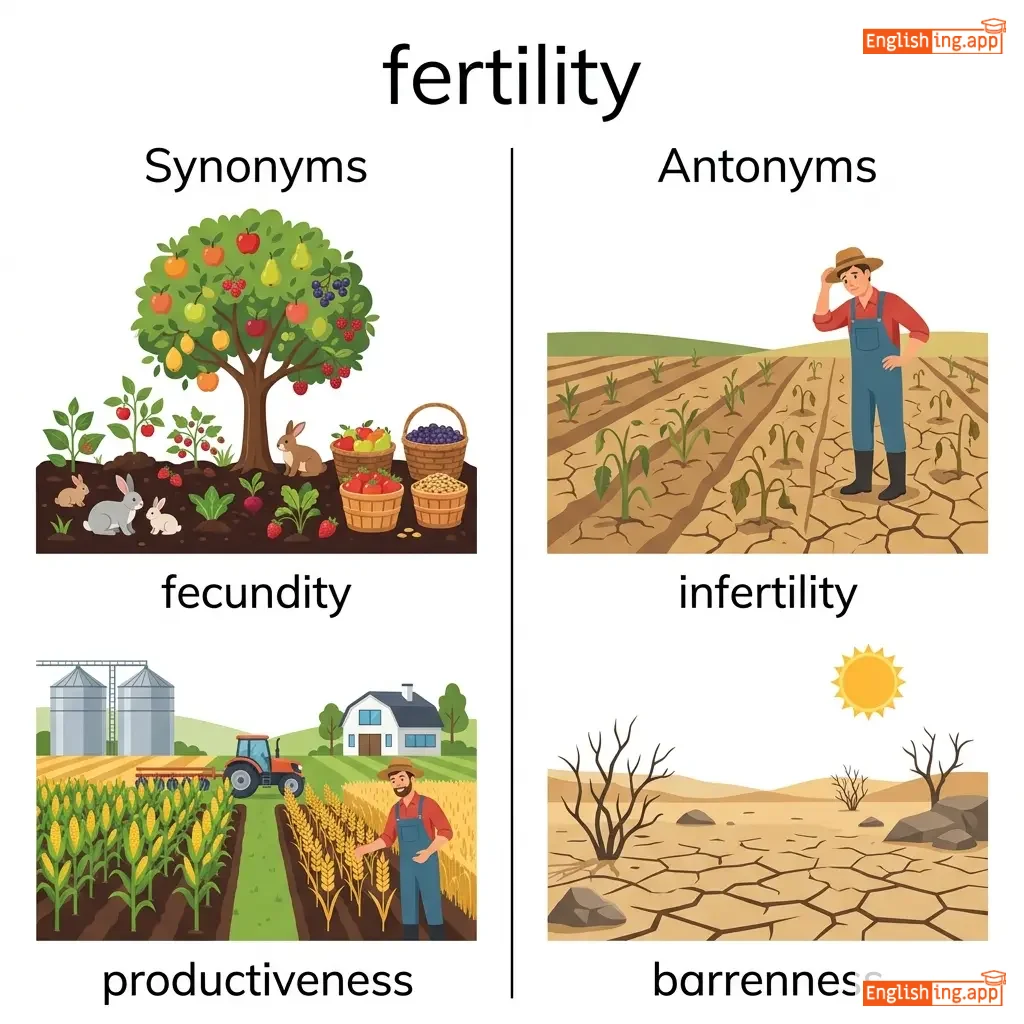
Swipe left or right, or use the buttons. Tap image to zoom.
例文の翻訳
単語
Lesson 23Lesson 23 - マスクトグル
|
絵文字
|
単語 | Images | 翻訳 | 意味 | 例文 | 例文の翻訳 | 同義語 | 対義語 | コロケーション | ニーモニック |
|---|---|---|---|---|---|---|---|---|---|---|
|
#441
💭
|
/ˈfiː.lɪŋ/
noun
(フィーリング)
••••••
|
- •••••• |
感覚; 気持ち; 感情
kankaku, kimochi, kanjou
••••••
|
an emotional state or reaction; the capacity to experience physical sensations
••••••
|
She had a strange feeling that something important was about to happen. |
彼女は何か重要なことが起こる予感がした。
Kanojo wa nanika juuyou na koto ga okoru yokan ga shita.
••••••
|
emotion, sensation, sentiment, impression
••••••
|
numbness, insensitivity, apathy, indifference
••••••
|
gut feeling, hurt feelings, mixed feelings
••••••
|
Feeling = 感覚から来る感情
••••••
|
|
#442
👆
|
/ˈfɪŋ.ɡər/
noun
(フィンガー)
••••••
|
- •••••• |
指
yubi
••••••
|
any of the four long thin parts of the hand (or five, if the thumb is included)
••••••
|
She pointed with her finger to show the direction to the museum.
彼女は指を使って博物館の方向を指し示しました。
••••••
|
彼女は指を使って博物館の方向を指し示しました。
Kanojo wa yubi wo tsukatte hakubutsukan no hōkō wo sashimashita.
••••••
|
digit, pointer, appendage, extremity
••••••
|
palm, fist, hand, thumb
••••••
|
index finger, ring finger, finger food
••••••
|
Japanese: '指' means 'finger', remember it by thinking 'yubi' when pointing at something.
••••••
|
|
#443
🐅
|
/fəˈroʊ.ʃəs/
adjective
(フェロシャス)
••••••
|
- •••••• |
凶暴な, 激しい, 残忍な
kyōbō na, hageshī, zanninna
••••••
|
savagely fierce, cruel, or violent; extremely aggressive
••••••
|
The ferocious storm destroyed many houses in the coastal area. |
激しい嵐は沿岸地域の多くの家を破壊しました。
Hageshī arashi wa engan chiiki no ōku no ie o hakai shimashita.
••••••
|
fierce, savage, brutal, vicious
••••••
|
gentle, mild, tame, peaceful
••••••
|
ferocious animal, ferocious attack, ferocious storm
••••••
|
猛獣のような嵐、すべてを粉砕する。
••••••
|
|
#444
🔍
|
/ˈfɪŋ.ɡər.prɪnt/
noun
(フィンガープリント)
••••••
|
- •••••• |
指紋
shimon
••••••
|
an impression or mark made on a surface by a person's fingertip; unique identification pattern
••••••
|
The police found his fingerprints on the door handle at the crime scene.
警察は犯罪現場でドアの取っ手に彼の指紋を見つけました。
••••••
|
警察は犯罪現場でドアの取っ手に彼の指紋を見つけました。
Keisatsu wa hanzai genba de doa no totte ni kare no shimon o mitsukemashita.
••••••
|
thumbprint, impression, mark, trace
••••••
|
erasure, clean surface, unmarked, blank
••••••
|
take fingerprints, fingerprint scanner, unique fingerprint
••••••
|
指紋 – Fingerprint – すべての指紋は一意です。
••••••
|
|
#445
⚡
|
/fəˈrɑː.sə.ti/
noun
(フェロシティ)
••••••
|
|
凶暴; 激しさ
kyoubou, hageshisa
••••••
|
the state or quality of being ferocious; savage fierceness
••••••
|
The ferocity of the lion's attack surprised even the experienced zookeeper.
ライオンの攻撃の激しさは、経験豊富な動物園の飼育員をも驚かせました。
••••••
|
ライオンの攻撃の激しさは、経験豊富な動物園の飼育員をも驚かせました。
Raion no kougeki no hageshisa wa, keiken houfu na doubutsuen no shiikuin wo mo odorokasemashita.
••••••
|
fierceness, brutality, savagery, violence
••••••
|
gentleness, mildness, tameness, docility
••••••
|
unleash ferocity, display ferocity, ferocity of attack
••••••
|
Ferocity in Japanese sounds like 'kyoubou' which means fierce or violent.
••••••
|
|
#446
🔥
|
/faɪər/
noun
(faiā)
••••••
|
- •••••• |
火
hi
••••••
|
combustion or burning, in which substances combine chemically with oxygen from the air
••••••
|
The fire in the fireplace provided warmth and a cozy atmosphere. |
暖炉の火は温かさと居心地の良い雰囲気を提供しました。
Danro no hi wa atatakasa to igokochi no yoi fun'iki o teikyō shimashita.
••••••
|
flame, blaze, combustion, inferno
••••••
|
water, ice, cold, frost
••••••
|
catch fire, fire alarm, house fire
••••••
|
火は温もりと光を提供し、生活に欠かせません。
••••••
|
|
#447
🌱
|
/ˈfɜːr.taɪl/
adjective
(ファーティル)
••••••
|
- •••••• |
肥沃な
hiwokuna
••••••
|
capable of producing abundant vegetation or crops; able to conceive children
••••••
|
The fertile soil in this region makes it perfect for growing vegetables. |
この地域の肥沃な土壌は、野菜を育てるのに最適です。
kono chiiki no hiwokuna dojou wa, yasai o sodateru no ni saiteki desu.
••••••
|
productive, fruitful, rich, abundant
••••••
|
barren, sterile, infertile, unproductive
••••••
|
fertile soil, fertile land, fertile imagination
••••••
|
肥沃な土壌は、野菜を育て、健康な体は子供を育てる
••••••
|
|
#448
✊
|
/fɪst/
noun
(フィスト)
••••••
|
- •••••• |
こぶし; 拳
kobushi, ken
••••••
|
a person's hand when the fingers are bent in toward the palm and held there tightly
••••••
|
He raised his fist in victory after winning the championship match.
彼はチャンピオンシップマッチで勝利した後、拳を上げた。
••••••
|
彼はチャンピオンシップマッチで勝利した後、拳を上げた。
Kare wa chanpionship match de shouri shita ato, ken wo ageta.
••••••
|
clenched hand, knuckles, punch, grip
••••••
|
open hand, palm, fingers extended, flat hand
••••••
|
clench fist, shake fist, iron fist
••••••
|
拳を握ると、力と勝利を表現します。
••••••
|
|
#449
🌾
|
/fərˈtɪl.ə.ti/
noun
(フェルティリティ)
••••••
|
|
生殖能力
seishokunouryoku
••••••
|
the ability to conceive children or young; the quality of being fertile
••••••
|
Modern medicine has helped many couples overcome fertility problems.
現代医学は多くのカップルが不妊の問題を克服するのを助けました。
••••••
|
現代医学は多くのカップルが不妊の問題を克服するのを助けました。
Gendai igaku wa ooku no kappuru ga funin no mondai wo kokufuku suru no wo tasukemashita.
••••••
|
fecundity, productiveness, richness, abundance
••••••
|
infertility, barrenness, sterility, unproductiveness
••••••
|
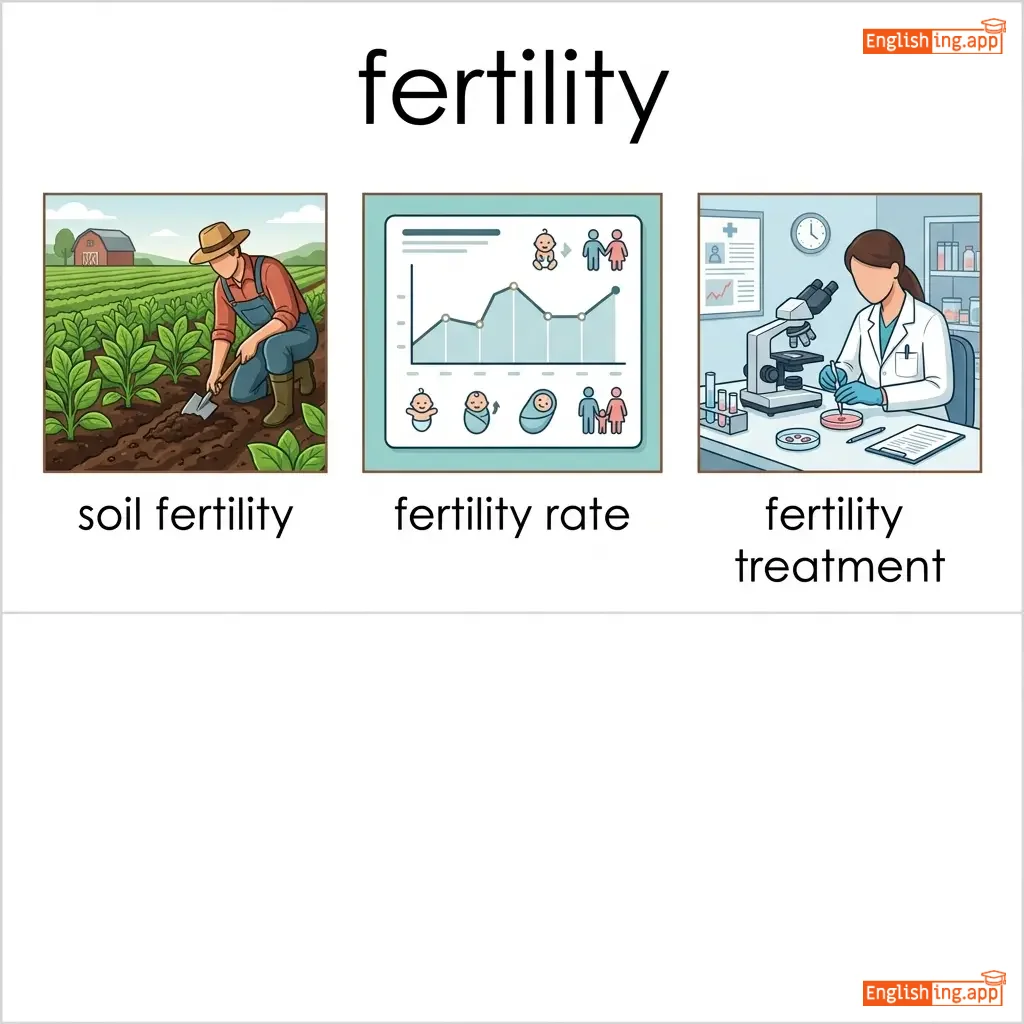
soil fertility, fertility rate, fertility treatment
••••••
|
Fertility in Japanese is '生殖能力', meaning 'reproductive ability'.
••••••
|
|
#450
🔥
|
/fleɪm/
noun
(fureimu)
••••••
|
- •••••• |
炎
honoo
••••••
|
a hot glowing body of ignited gas that is generated by something on fire
••••••
|
The candle flame flickered gently in the evening breeze.
キャンドルの火花が夕暮れの風に揺れていました。
••••••
|
キャンドルの火花が夕暮れの風に揺れていました。
kyandoru no hibana ga yuugure no kaze ni yurete imashita.
••••••
|
blaze, fire, flare, light
••••••
|
darkness, shadow, cold, ice
••••••
|
candle flame, flame of fire, eternal flame
••••••
|
Flame, like the Japanese 'honoo'!
••••••
|
|
#451
🎉
|
/ˈfes.tə.vəl/
noun
(フェスティバル)
••••••
|
- •••••• |
フェスティバル; 祭り;
fesutibaru, matsuri
••••••
|
a day or period of celebration, typically for religious reasons; an organized series of concerts, films, etc.
••••••
|
The music festival attracted thousands of visitors from around the world.
音楽フェスティバルは世界中から何千人もの観客を魅了しました。
••••••
|
音楽フェスティバルは世界中から何千人もの観客を魅了しました。
Ongaku fesutibaru wa sekaijū kara nansen nin mo no kankyaku o miryō shimashita.
••••••
|
celebration, festivity, carnival, fair
••••••
|
mourning, solemnity, funeral, wake
••••••
|
music festival, film festival, religious festival
••••••
|
‘Festival’ は音楽と楽しさを世界中にもたらします。
••••••
|
|
#452
⚡
|
/flæʃ/
noun
(フラッシュ)
••••••
|
- •••••• |
フラッシュ; ひらめき
furasshu; hirameki
••••••
|
a sudden brief burst of bright light; a very brief moment
••••••
|
There was a bright flash of lightning followed by thunder.
雷鳴の後に明るい閃光がありました。
••••••
|
雷鳴の後に明るい閃光がありました。
Raimei no ato ni akarui senkō ga arimashita.
••••••
|
burst, gleam, glint, sparkle
••••••
|
darkness, dimness, shadow, dullness
••••••
|
camera flash, flash of light, flash memory
••••••
|
Flash と閃光
••••••
|
|
#453
💍
|
/ˌfiː.ɑːnˈseɪ/
noun
(フィアンセ)
••••••
|
- •••••• |
婚約者
kon'yakusha
••••••
|
a man who is engaged to be married
••••••
|
Sarah introduced her fiance to her parents during the family dinner.
サラは家族の夕食の際に婚約者を両親に紹介しました。
••••••
|
サラは家族の夕食の際に婚約者を両親に紹介しました。
Sara wa kazoku no yuushoku no sai ni kon'yakusha o ryoushin ni shoukai shimashita.
••••••
|
betrothed, intended, husband-to-be, groom-to-be
••••••
|
ex-boyfriend, stranger, bachelor, single man
••••••
|
meet fiance, introduce fiance, fiance's family
••••••
|
Kon'yakusha, 結婚を約束する人
••••••
|
|
#454
🤥
|
/ˈflæt.ər.ər/
noun
(フラッターラー)
••••••
|
- •••••• |
お世辞を言う人
oseji wo iu hito
••••••
|
a person who lavishes praise, often insincerely and in order to gain advantage
••••••
|
The king was surrounded by flatterers who only told him what he wanted to hear. |
王様はお世辞を言う人たちに囲まれて、彼が聞きたいことだけを言ってもらった。
Ōsama wa oseji wo iu hitotachi ni kakomarete, kare ga kikitai koto dake wo itte moratta.
••••••
|
sycophant, toady, brown-noser, bootlicker
••••••
|
critic, honest person, truth-teller, frank speaker
••••••
|
shameless flatterer, court flatterer, beware of flatterers
••••••
|
お世辞を言う人 (oseji wo iu hito) means someone who flatters insincerely, just like a flatterer seeking advantage.
••••••
|
|
#455
💎
|
/ˌfiː.ɑːnˈseɪ/
noun
(フィアンセ)
••••••
|
- •••••• |
婚約者
kon'yakusha
••••••
|
a woman who is engaged to be married
••••••
|
John bought a beautiful engagement ring for his fiancee. |
ジョンは彼の婚約者に美しい婚約指輪を買いました。
Jon wa kare no kon'yakusha ni utsukushii kon'yaku yubiwa o kaimashita.
••••••
|
betrothed, intended, wife-to-be, bride-to-be
••••••
|
ex-girlfriend, stranger, bachelorette, single woman
••••••
|
beloved fiancee, fiancee's dress, propose to fiancee
••••••
|
Fiancee = 婚約者, 結婚を約束した女性
••••••
|
|
#456
🎭
|
/ˈflæt.ər.i/
noun
(フラタリー)
••••••
|
- •••••• |
お世辞
oseshi
••••••
|
excessive and insincere praise, given especially to further one's own interests
••••••
|
His constant flattery made everyone suspicious of his true motives. |
彼の絶え間ないお世辞は、皆が彼の本当の意図を疑わせることになった。
Kare no taema nai oseshi wa, mina ga kare no hontou no ito wo utagawaseru koto ni natta.
••••••
|
adulation, praise, compliments, sweet talk
••••••
|
criticism, honesty, frankness, bluntness
••••••
|
empty flattery, false flattery, resist flattery
••••••
|
お世辞は、相手をおだてて自分の目的を達成しようとする行為です。
••••••
|
|
#457
🤝
|
/fɪˈdel.ə.ti/
noun
(フィデリティ)
••••••
|
|
忠誠
chūsei
••••••
|
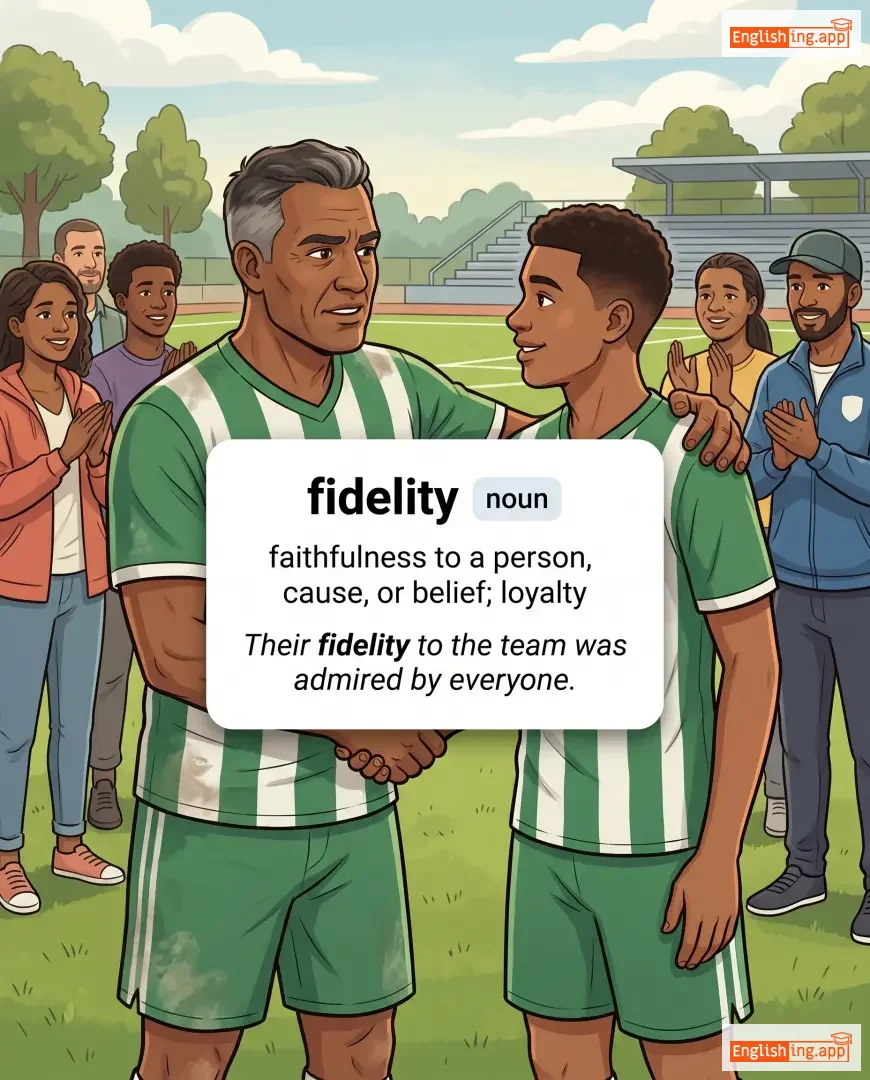
faithfulness to a person, cause, or belief; accuracy in reproducing or copying
••••••
|
The dog's fidelity to its owner was remarkable and touching.
犬の忠誠心は、その飼い主への感動的で素晴らしいものでした。
••••••
|
犬の忠誠心は、その飼い主への感動的で素晴らしいものでした。
Inu no chūsei-shin wa, sono kainushi e no kandō-teki de subarashī mono deshita.
••••••
|
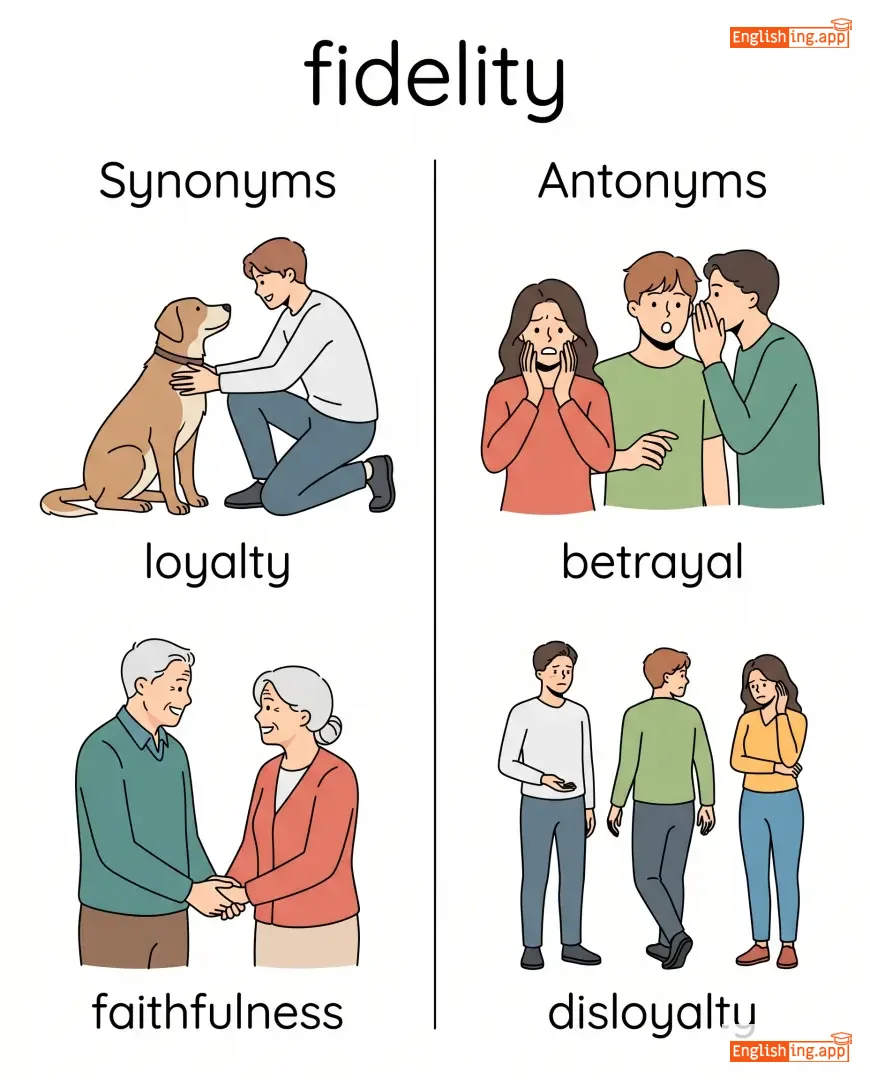
loyalty, faithfulness, devotion, allegiance
••••••
|
infidelity, disloyalty, betrayal, unfaithfulness
••••••
|
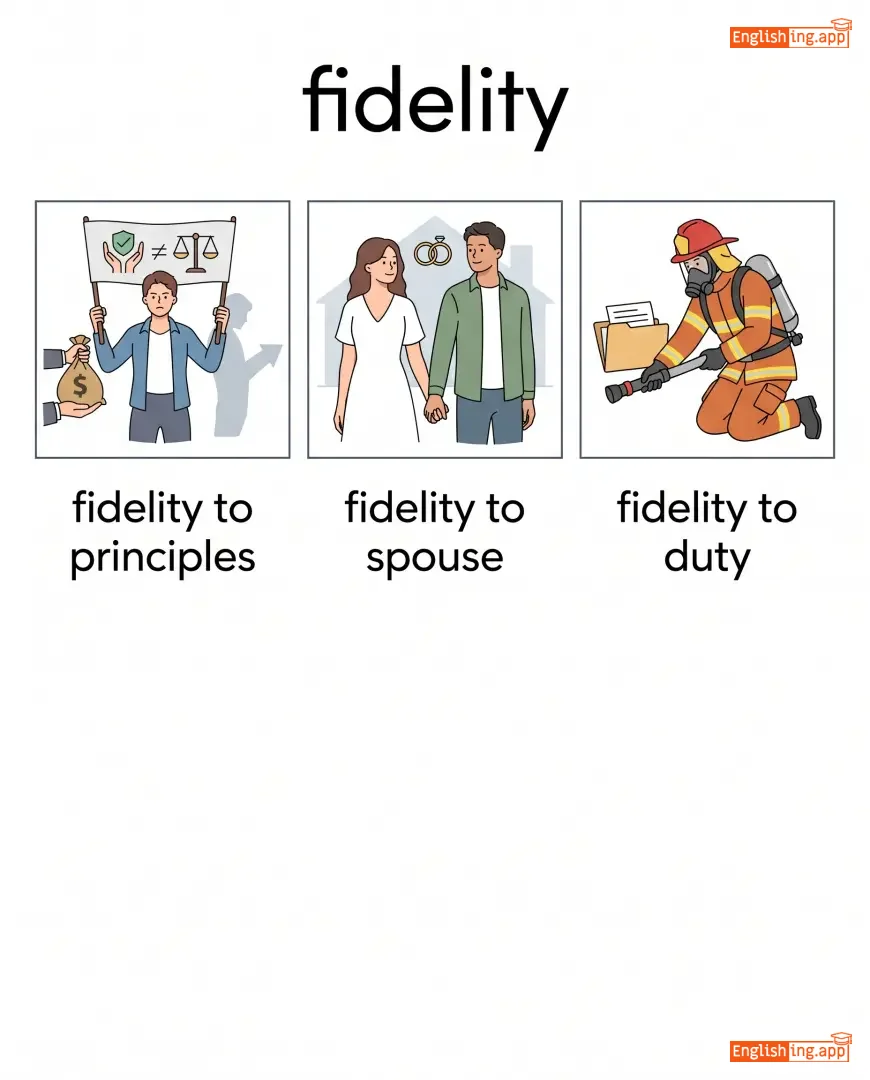
marital fidelity, brand fidelity, high fidelity
••••••
|
忠誠は信頼と尊重を基盤にしています。
••••••
|
|
#458
👅
|
/ˈfleɪ.vər/
noun
(フレーバー)
••••••
|
- •••••• |
風味
fūmi
••••••
|
the distinctive taste of a food or drink; a particular quality or atmosphere
••••••
|
The soup had a rich flavour of herbs and spices from the garden.
スープには庭からのハーブとスパイスの豊かな風味がありました。
••••••
|
スープには庭からのハーブとスパイスの豊かな風味がありました。
Sūpu ni wa niwa kara no hābu to supaisu no yutaka na fūmi ga arimashita.
••••••
|
taste, savor, essence, aroma
••••••
|
blandness, tastelessness, flavorlessness, dullness
••••••
|
natural flavour, artificial flavour, flavour enhancer
••••••
|
In Japanese, '風味' (fūmi) describes the flavor, just as in English.
••••••
|
|
#459
🔢
|
/ˈfɪɡ.jər/
noun
(フィギュア)
••••••
|
- •••••• |
図形; 画像; 数字;
zugei, gazou, suuji
••••••
|
a number, especially one which forms part of official statistics; the shape of a human body
••••••
|
The sales figure for this quarter exceeded all expectations. |
この四半期の売上数字はすべての予想を超えました。
kono shihanki no uriage suuji wa subete no yosou wo koemashita.
••••••
|
number, digit, shape, form
••••••
|
reality, substance, fact, truth
••••••
|
key figure, figure out, round figure
••••••
|
数字のフィギュアを見て、それが形となる様子をイメージ!
••••••
|
|
#460
🥩
|
/fleʃ/
noun
(フレッシュ)
••••••
|
- •••••• |
肉体
nikutai
••••••
|
the soft substance consisting of muscle and fat that is found between the skin and bones
••••••
|
The doctor examined the wound to check if it had penetrated the flesh. |
医師は傷口を調べて、それが肉体に達しているかどうか確認しました
Ishi wa kizuguchi o shirabete, sore ga nikutai ni tasshite iru ka douka kakunin shimashita
••••••
|
meat, tissue, muscle, skin
••••••
|
bone, skeleton, spirit, soul
••••••
|
flesh and blood, fresh flesh, flesh wound
••••••
|
Flesh in Japanese is 'nikutai', which means 'body' or 'meat'.
••••••
|
Vocabulary Quiz
Test your vocabulary by matching words with their translations or meanings.
Login to take the quiz
Comments (0)
Share your thoughts and join the discussion.
Join the discussion by logging in
Login to CommentNo comments yet
Be the first to share your thoughts!