

翻訳
過去
過去分詞
三人称単数
動名詞
意味
例文
例文の翻訳
同義語
対義語
コロケーション
ニーモニック
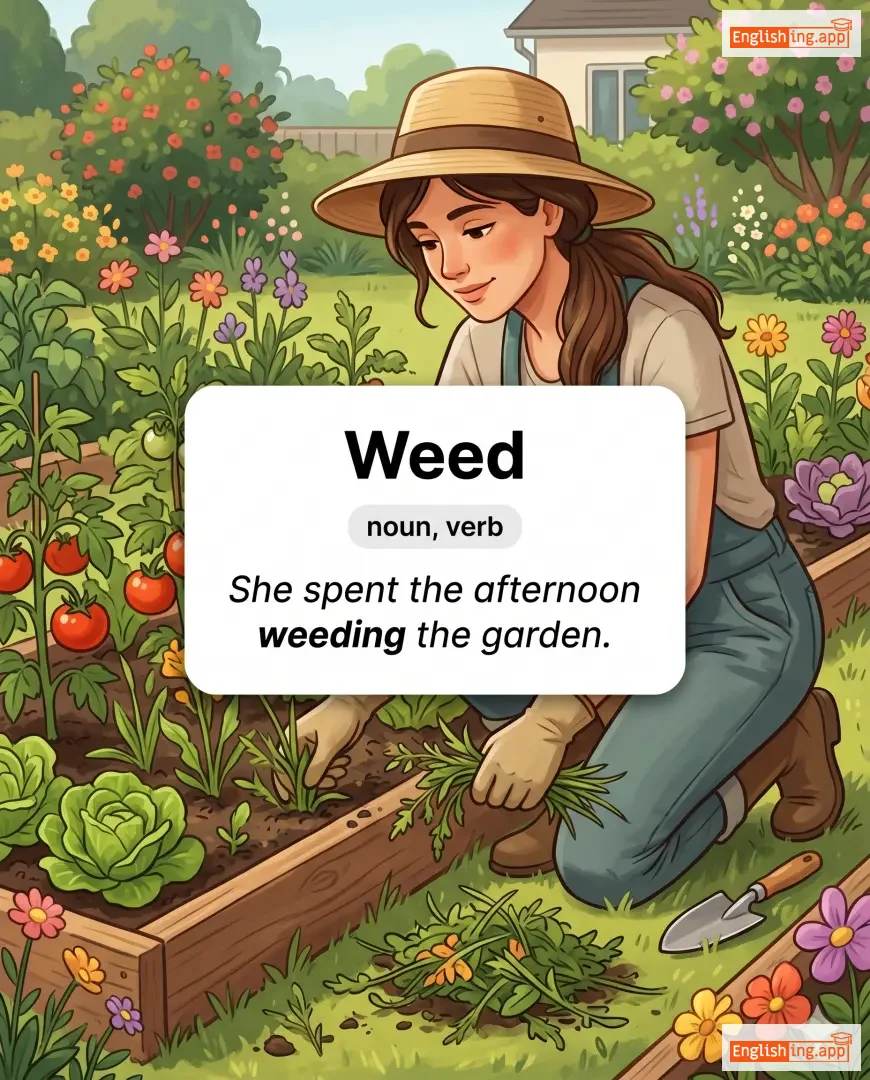
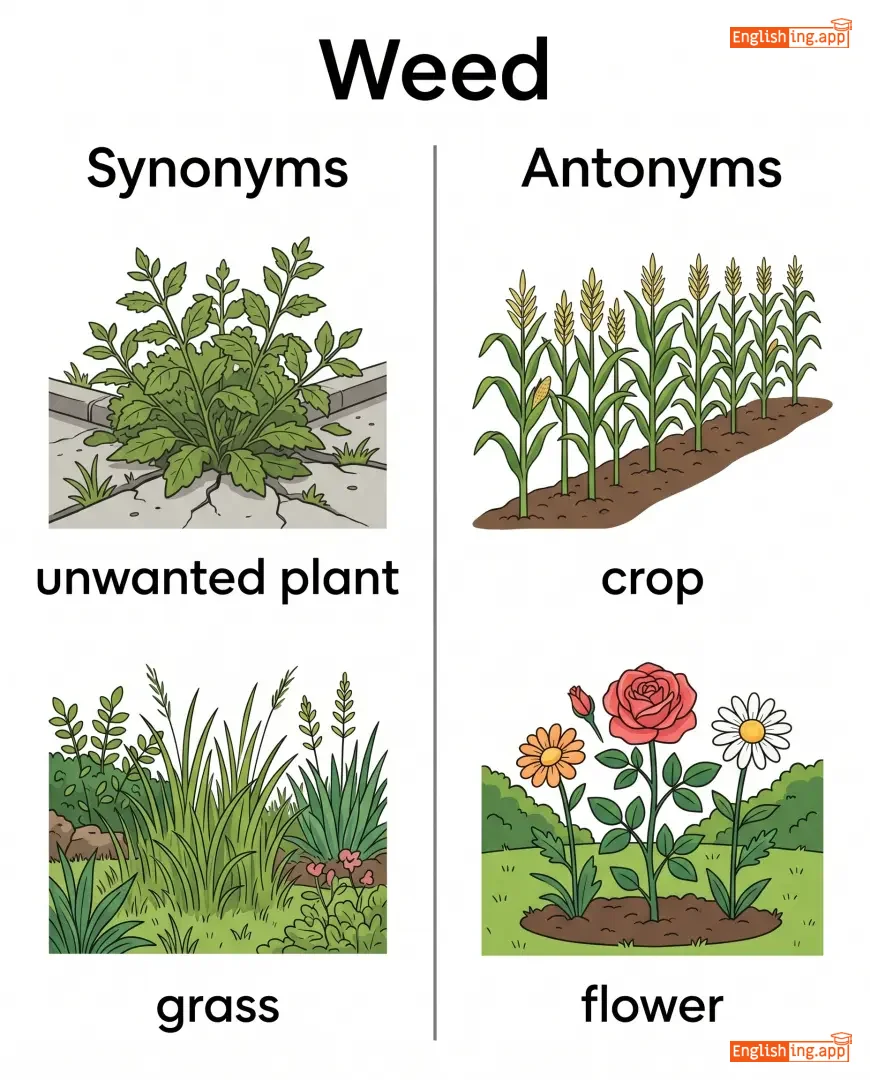
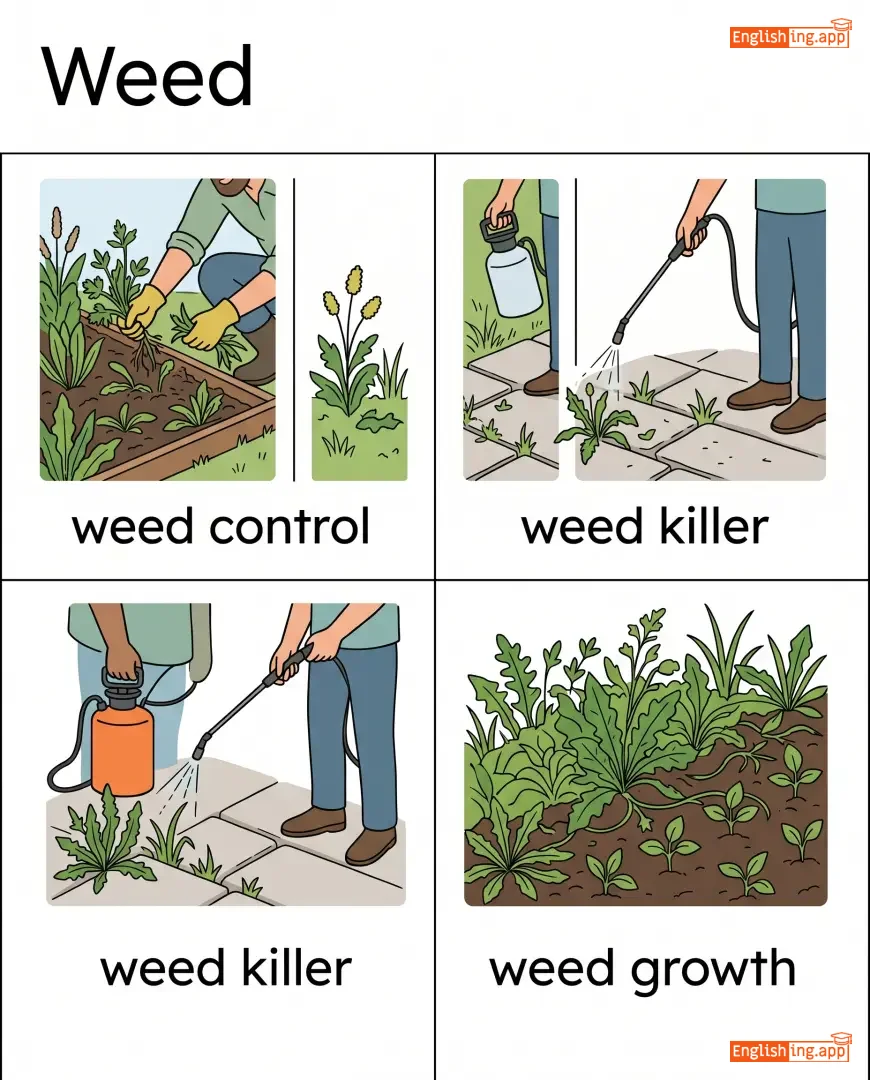
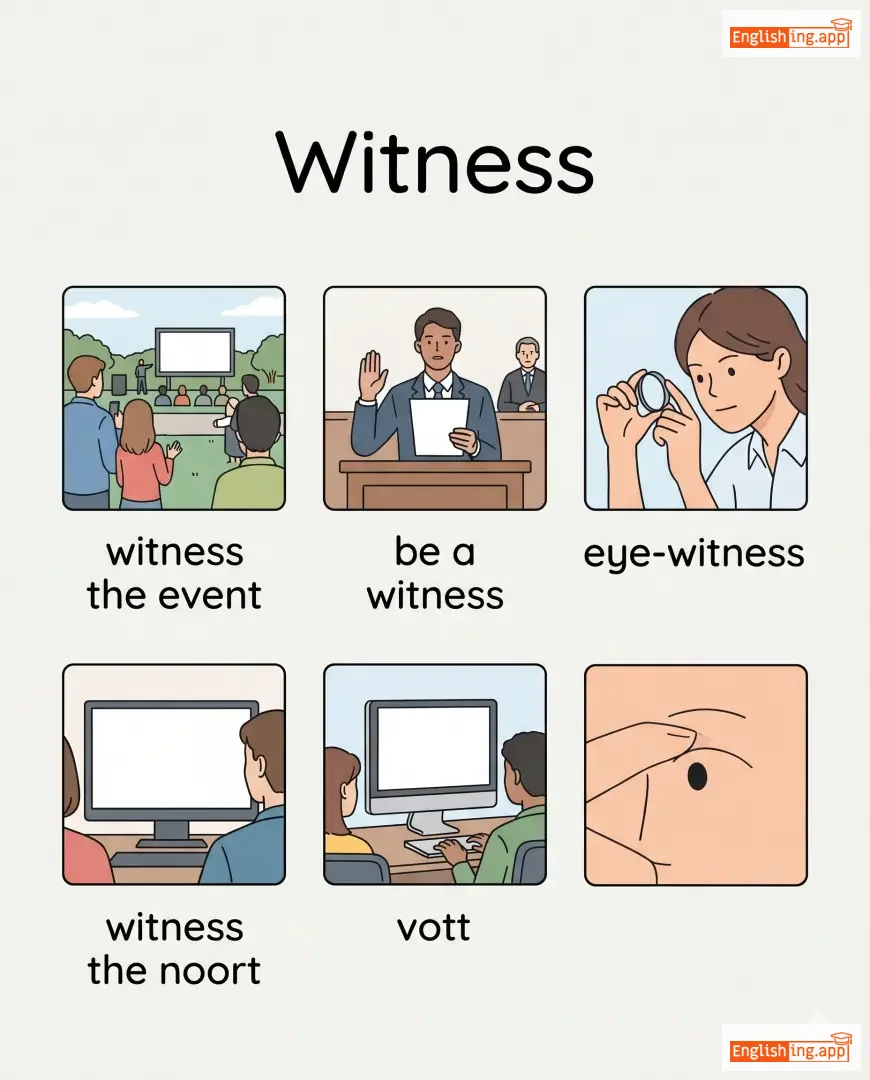
Swipe left or right, or use the buttons. Tap image to zoom.
例文の翻訳
単語
Lesson 77Lesson 77 - マスクトグル
|
絵文字
|
単語 | Images | 翻訳 | 意味 | 例文 | 例文の翻訳 | 同義語 | 対義語 | コロケーション | ニーモニック |
|---|---|---|---|---|---|---|---|---|---|---|
|
#1521
🌿
|
/wiːd/
noun
(ウィード)
••••••
|
|
雑草
zassou
••••••
|
a wild plant growing where it is not wanted; unwanted plant
••••••
|
The garden was full of weeds that needed to be removed. |
庭は雑草でいっぱいで、取り除かなければならなかった。
Niwa wa zassou de ippai de, torinozokanakereba naranakatta.
••••••
|
unwanted plant, wild plant
••••••
|
flower, crop, cultivated plant
••••••
|
weed killer, garden weed, pull weeds
••••••
|
雑草は庭から取り除くべきものです。
••••••
|
|
#1522
↔️
|
/wɪdθ/
noun
(ウィズス)
••••••
|
- •••••• |
幅; 広がり
haba; hirogari
••••••
|
the measurement or extent of something from side to side; breadth
••••••
|
The width of the river is about 50 meters.
川の幅は約50メートルです。
••••••
|
川の幅は約50メートルです。
Kawa no haba wa yaku gojuu meetoru desu.
••••••
|
breadth, span, extent
••••••
|
length, height, narrowness
••••••
|
full width, average width, total width
••••••
|
幅を覚えるために川を思い浮かべてください。
••••••
|
|
#1523
🤝
|
/ˈwel.feər/
noun
(ウェルフェア)
••••••
|
- •••••• |
福祉; 健康; 幸福
fukushi; kenko; koufuku
••••••
|
the health, happiness, and fortunes of a person or group; care and support
••••••
|
The government is responsible for the welfare of its citizens. |
政府は市民の福祉に責任を持っています。
Seifu wa shimin no fukushi ni sekinin wo motteimasu.
••••••
|
well-being, benefit, good, prosperity
••••••
|
harm, disadvantage, detriment
••••••
|
social welfare, welfare state, welfare system
••••••
|
福祉 = 福 (fuku) + 仕 (shi), お世話をしよう
••••••
|
|
#1524
🌲
|
/ˈwɪldərnəs/
noun
(ウィルダネス)
••••••
|
- •••••• |
荒野; 無人地帯; 砂漠
kouya; mujin chitai; sabaku
••••••
|
an uncultivated, uninhabited, and inhospitable region; a wild or uncultivated state
••••••
|
They got lost in the wilderness for three days.
彼らは三日間野生の中で迷子になりました。
••••••
|
彼らは三日間野生の中で迷子になりました。
Karera wa mikka kan yasei no naka de maigo ni narimashita.
••••••
|
wild, wasteland, desert, backwoods
••••••
|
civilization, city, settlement, town
••••••
|
vast wilderness, wilderness area, into the wilderness
••••••
|
荒野に迷い込んでしまう様子を想像してみてください。 'Wilderness' はその無人で野生の地域です。
••••••
|
|
#1525
🕳️
|
/wel/
noun
(ウェル)
••••••
|
- •••••• |
井戸; 幸福;
ido; kōfuku
••••••
|
a deep hole in the ground from which water is obtained
••••••
|
The villagers get water from the old well in the center of town.
村人たちは村の中心にある古い井戸から水を汲みます。
••••••
|
村人たちは村の中心にある古い井戸から水を汲みます。
Murabito-tachi wa mura no chūshin ni aru furui ido kara mizu o kumimasu.
••••••
|
water hole, spring, bore
••••••
|
hill, mound, elevation
••••••
|
water well, oil well, deep well
••••••
|
井戸を思い出して、幸福を得るために水を得る。
••••••
|
|
#1526
🦉
|
/ˈwɪzdəm/
noun
(ウィズダム)
••••••
|
- •••••• |
知恵; 賢さ; 判断力
chie; kashikosa; handanryoku
••••••
|
the quality of having experience, knowledge, and good judgment; the soundness of an action or decision
••••••
|
Age brings wisdom and experience. |
年齢は知恵と経験をもたらす。
Nenrei wa chie to keiken o motarasu.
••••••
|
knowledge, intelligence, insight, prudence
••••••
|
foolishness, ignorance, stupidity, folly
••••••
|
ancient wisdom, conventional wisdom, words of wisdom
••••••
|
Japanese: '知恵' = Wisdom
••••••
|
|
#1527
😊
|
/ˈwel.biː.ɪŋ/
noun
(wɛlˈbiɪŋ)
••••••
|
|
ウェルビーイング
wērubīingu
••••••
|
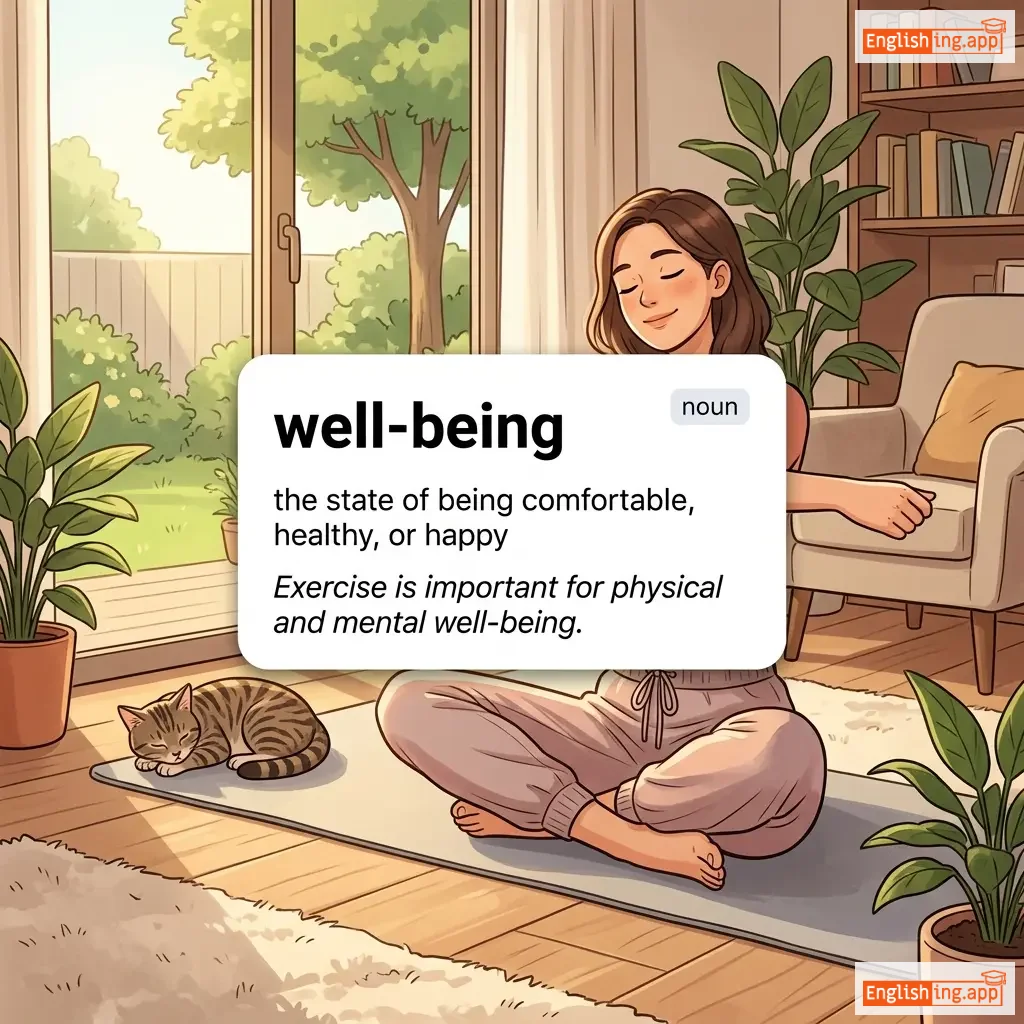
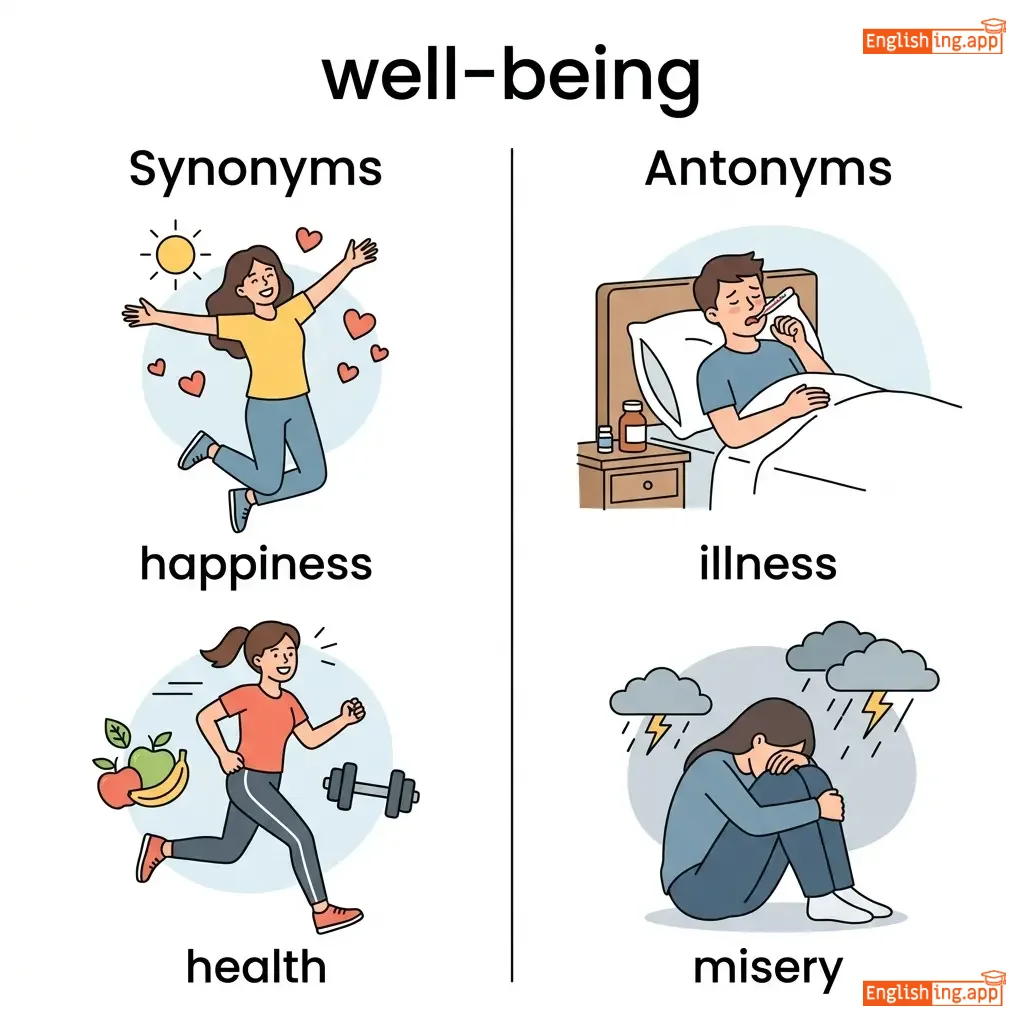
the state of being comfortable, healthy, or happy
••••••
|
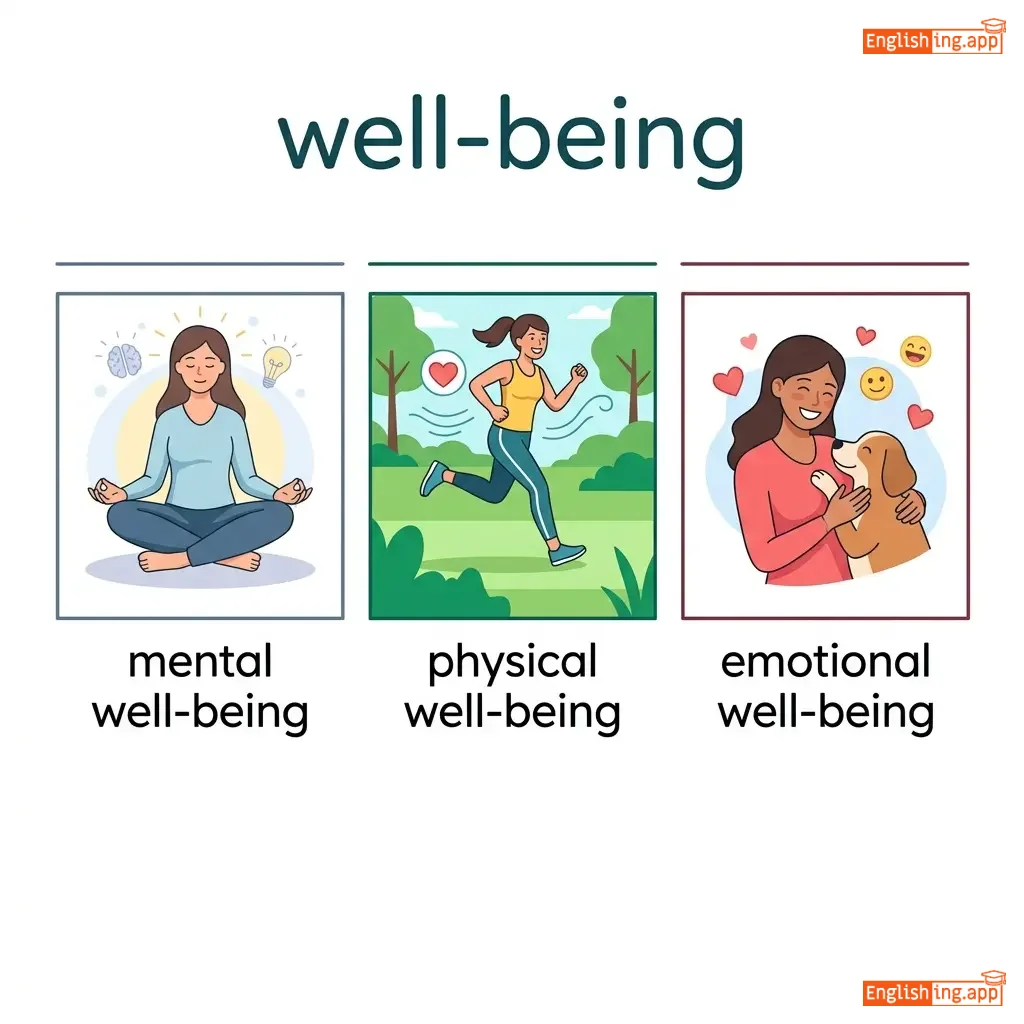
Regular exercise contributes to physical and mental well-being. |
定期的な運動は身体的および精神的なウェルビーイングに貢献します。
Teikiteki na undō wa shintai-teki oyobi seishin-teki na wērubīingu ni kōken shimasu.
••••••
|
welfare, health, happiness, comfort
••••••
|
suffering, distress, misery
••••••
|
physical well-being, mental well-being, emotional well-being
••••••
|
ウェルビーイング (wērubīingu) is the same as 'well-being' in Japanese, with 'ウェル' sounding like 'well' and 'ビーイング' for 'being.'
••••••
|
|
#1528
🧠
|
/wɪt/
noun
(ウィット)
••••••
|
- •••••• |
機知
kichi
••••••
|
mental sharpness and inventiveness; keen intelligence; a natural aptitude for using words in a clever and amusing way
••••••
|
She has a sharp wit and quick sense of humor.
彼女は鋭い機知と素早いユーモアのセンスを持っています。
••••••
|
彼女は鋭い機知と素早いユーモアのセンスを持っています。
Kanojo wa surudoi kichi to subayai yūmoa no sensu o motteimasu.
••••••
|
intelligence, humor, cleverness, sharpness
••••••
|
dullness, stupidity, seriousness, foolishness
••••••
|
quick wit, sharp wit, dry wit
••••••
|
Wit = 機知 (wit = kichi)
••••••
|
|
#1529
🤗
|
/ˈwel.wɪʃ.ər/
noun
(wɛl wɪʃər)
••••••
|
- •••••• |
ウェルウィッシャー
wēru wisshā
••••••
|
a person who desires happiness or success for another
••••••
|
Many well-wishers came to congratulate her on her graduation.
Meni wɛl wɪʃərz keɪm tuː kəngræʧuleɪt hɜːr ɒn hɜːr grædʒueɪʃən.
••••••
|
多くのウェルウィッシャーが彼女の卒業を祝うために来ました。
Ōku no wēru wisshā ga kanojo no sotsugyō o iwau tame ni kimashita.
••••••
|
supporter, friend, admirer
••••••
|
enemy, opponent, rival
••••••
|
family well-wishers, close well-wishers
••••••
|
ウェルウィッシャー = 他人の成功を祈る人。
••••••
|
|
#1530
🧙♀️
|
/wɪtʃ/
noun
(ウィッチ)
••••••
|
- •••••• |
魔女
majo
••••••
|
a woman thought to have magic powers, especially evil ones; a practitioner of witchcraft
••••••
|
The old witch cast a spell on the prince.
老女魔法使いは王子に呪文をかけた。
••••••
|
老女魔法使いは王子に呪文をかけた。
Rōjo mahōtsukai wa ōji ni jumon o kaketa.
••••••
|
sorceress, enchantress, hag, magician
••••••
|
saint, angel, good fairy, healer
••••••
|
old witch, evil witch, witch doctor
••••••
|
魔女という日本語は、英語のwitchに似ているので、'魔女'を覚えましょう。
••••••
|
|
#1531
🥛
|
/weɪ/
noun
(ウェイ)
••••••
|
- •••••• |
ホエイ
hoeī
••••••
|
the watery part of milk that separates from the curds when making cheese
••••••
|
Whey protein is popular among athletes and bodybuilders. |
ホエイプロテインはアスリートやボディビルダーの間で人気があります。
Hoeī purotein wa asurīto ya bodibirudā no aida de ninki ga arimasu.
••••••
|
milk serum, liquid portion
••••••
|
curd, solid portion
••••••
|
whey protein, whey powder, sweet whey
••••••
|
Hoeī = Whey, both are used for building muscle and are dairy-based.
••••••
|
|
#1532
👁️
|
/ˈwɪtnəs/
noun
(witness)
••••••
|
|
証人
shōnin
••••••
|
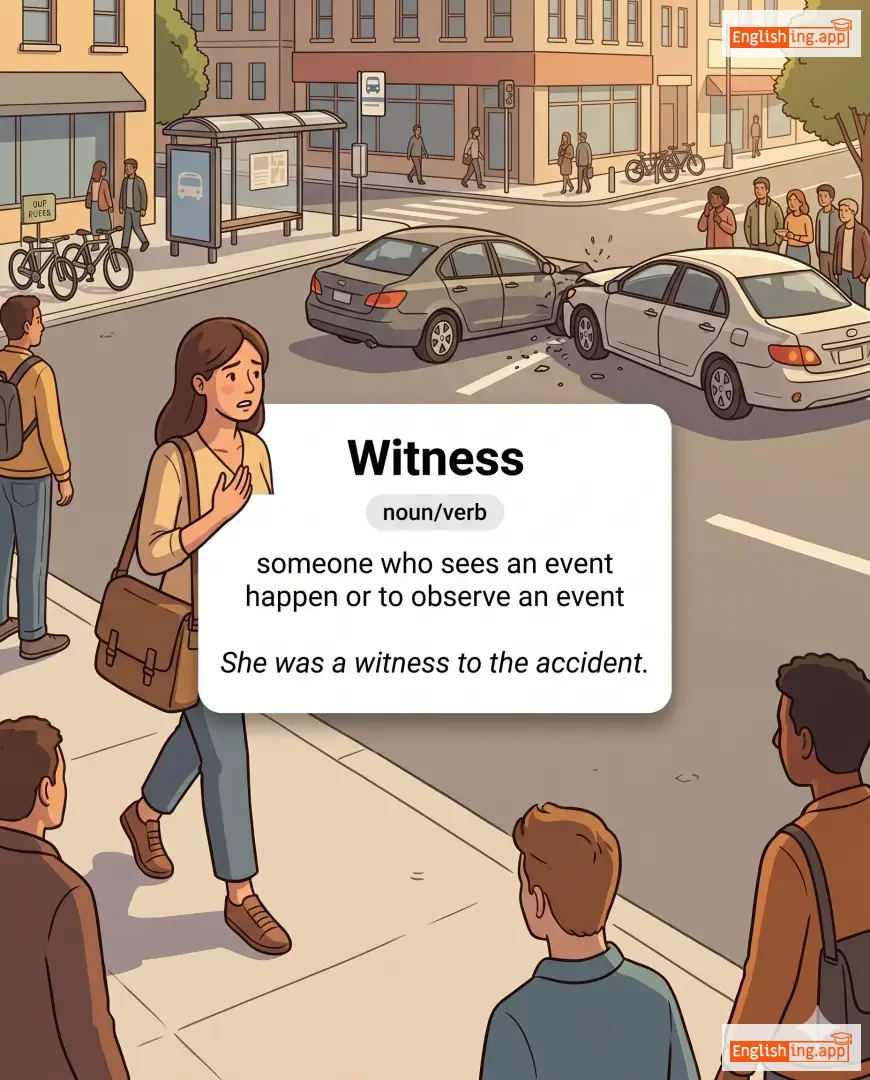
a person who sees an event, typically a crime or accident; someone who gives evidence in a court of law
••••••
|
The witness testified in court yesterday. |
証人は昨日法廷で証言しました。
Shōnin wa kinō hōtei de shōgen shimashita.
••••••
|
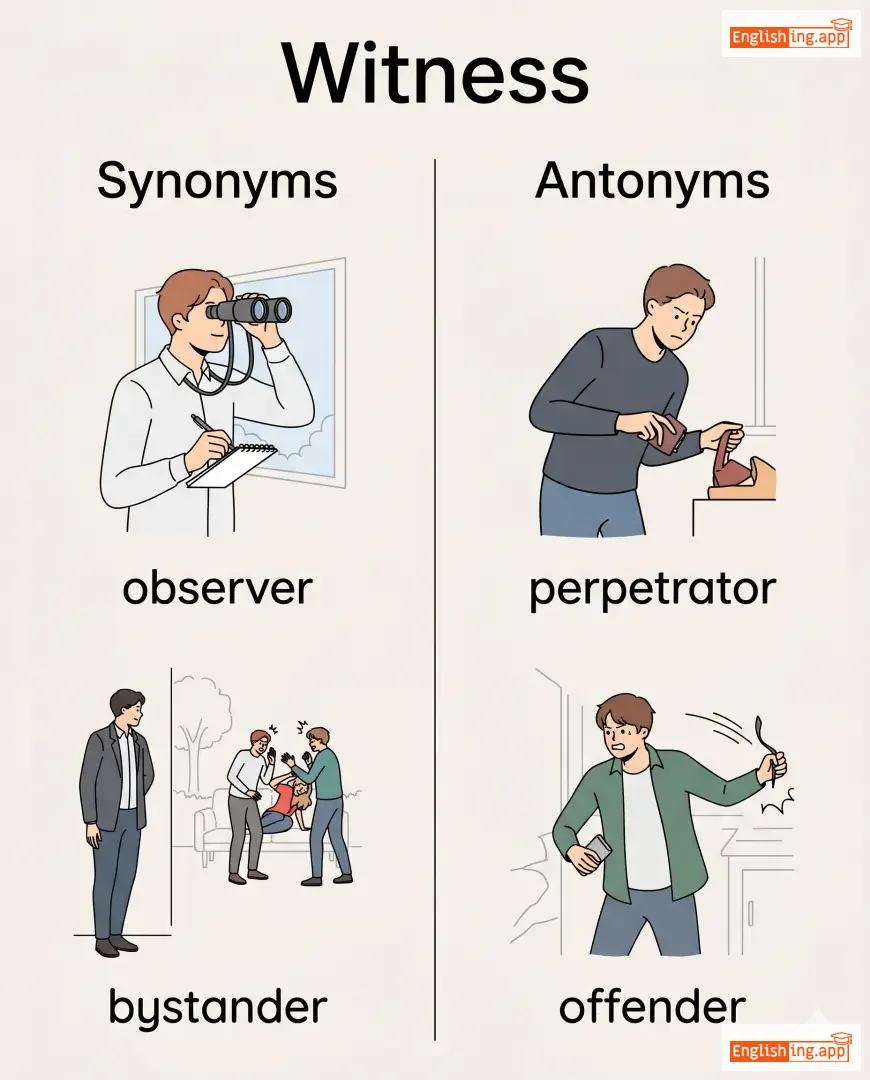
observer, bystander, eyewitness, spectator
••••••
|
participant, perpetrator, defendant, accused
••••••
|
key witness, star witness, reliable witness
••••••
|
証人 – 法廷で証言する人。
••••••
|
|
#1533
📍
|
/ˈweər.ə.baʊts/
noun
(ウェアアバウツ)
••••••
|
- •••••• |
所在; 場所
shozai; basho
••••••
|
the place where someone or something is located
••••••
|
Nobody knows the whereabouts of the missing person.
行方不明者の居場所を誰も知らない。
••••••
|
行方不明者の居場所を誰も知らない。
Yukue fumei-sha no ibasho wo daremo shiranai.
••••••
|
location, position, place
••••••
|
absence, unknown location
••••••
|
unknown whereabouts, current whereabouts
••••••
|
失われた場所を探すための地図のようなもの
••••••
|
|
#1534
🧙♂️
|
/ˈwɪzərd/
noun
(ウィザード)
••••••
|
- •••••• |
魔法使い
mahou tsukai
••••••
|
a man who is supposed to have magical powers; a person who is very skilled in a particular area
••••••
|
The wizard performed amazing magic tricks.
その魔法使いは驚くべき魔法のトリックを披露しました。
••••••
|
その魔法使いは驚くべき魔法のトリックを披露しました。
sono mahou tsukai wa odoro ku beki mahou no torikku o hirou shimashita
••••••
|
magician, sorcerer, conjurer, expert
••••••
|
novice, amateur, beginner, muggle
••••••
|
powerful wizard, wise wizard, computer wizard
••••••
|
魔法使い(mahou tsukai)とWizardは魔法の力を使う者です。
••••••
|
|
#1535
🕯️
|
/wɪk/
noun
(ウィック)
••••••
|
- •••••• |
キャンドルの芯
kyandoru no shin
••••••
|
a cord or strand of cotton that burns to provide light in a candle or lamp
••••••
|
The candle wick needs to be trimmed for better burning. |
キャンドルの芯は、より良く燃えるために切る必要があります。
Kyandoru no shin wa, yori yoku moeru tame ni kiru hitsuyō ga arimasu.
••••••
|
fuse, cord, string
••••••
|
flame, fire
••••••
|
candle wick, lamp wick, oil wick
••••••
|
キャンドルの芯が光を照らします
••••••
|
|
#1536
🙏
|
/ˈwɜːrʃɪp/
noun
(ワー-シップ)
••••••
|
- •••••• |
礼拝
reihaï
••••••
|
the feeling or expression of reverence and adoration for a deity; religious devotion and practice
••••••
|
They gather every Sunday for worship.
彼らは毎週日曜日に礼拝のために集まります。
••••••
|
彼らは毎週日曜日に礼拝のために集まります。
Karera wa maishū nichiyōbi ni reihai no tame ni atsumarimasu.
••••••
|
prayer, devotion, reverence, adoration
••••••
|
blasphemy, disrespect, irreverence, sacrilege
••••••
|
place of worship, religious worship, morning worship
••••••
|
Worship in Japanese is 礼拝, think of it as 'rei' (respect) and 'hai' (worship).
••••••
|
|
#1537
👩🦳
|
/ˈwɪd.oʊ/
noun
(ウィドウ)
••••••
|
- •••••• |
未亡人
mibōjin
••••••
|
a woman whose husband has died and who has not married again
••••••
|
The widow received support from her family and community. |
未亡人は家族とコミュニティから支援を受けました。
Mibōjin wa kazoku to komyuniti kara shien o ukemashita.
••••••
|
bereaved woman, surviving spouse
••••••
|
wife, married woman
••••••
|
young widow, war widow, widow's pension
••••••
|
未亡人、夫を失い支援が必要。
••••••
|
|
#1538
💎
|
/wɜːrθ/
noun
(ワース)
••••••
|
- •••••• |
価値; 価格;
kachi; kakaku
••••••
|
the value equivalent to that of someone or something; the level at which someone or something deserves to be valued
••••••
|
The painting is worth thousands of dollars. |
その絵画は数千ドルの価値があります。
sono kaiga wa sūsen doru no kachi ga arimasu.
••••••
|
value, price, merit, importance
••••••
|
worthlessness, insignificance, cheapness, valuelessness
••••••
|
net worth, true worth, self-worth
••••••
|
‘価値’は重要なものに対して与えられるものです。
••••••
|
|
#1539
👨🦳
|
/ˈwɪd.oʊ.ər/
noun
(ウィドウワー)
••••••
|
- •••••• |
未亡人の夫
mibōjin no otto
••••••
|
a man whose wife has died and who has not married again
••••••
|
The elderly widower lived alone but had regular visits from his children. |
高齢の未亡人の夫は一人で住んでいましたが、子供たちから定期的に訪問を受けていました。
Kōrei no mibōjin no otto wa hitori de sunde imashita ga, kodomotachi kara teikiteki ni hōmon o ukete imashita.
••••••
|
bereaved man, surviving husband
••••••
|
husband, married man
••••••
|
elderly widower, lonely widower
••••••
|
未亡人の夫は再婚していない男性です。
••••••
|
|
#1540
😡
|
/ræθ/
noun
(ラース)
••••••
|
- •••••• |
怒り; 憤怒
ikari; furu
••••••
|
extreme anger; intense fury or indignation
••••••
|
His wrath was terrible to behold.
彼の怒りは見るに耐えなかった。
••••••
|
彼の怒りは見るに耐えなかった。
kare no ikari wa miru ni taenakatta.
••••••
|
anger, fury, rage, indignation
••••••
|
calmness, peace, serenity, forgiveness
••••••
|
divine wrath, terrible wrath, face someone's wrath
••••••
|
怒りは嵐のように激しく、止められない。
••••••
|
Vocabulary Quiz
Test your vocabulary by matching words with their translations or meanings.
Login to take the quiz
Comments (0)
Share your thoughts and join the discussion.
Join the discussion by logging in
Login to CommentNo comments yet
Be the first to share your thoughts!