

翻訳
過去
過去分詞
三人称単数
動名詞
意味
例文
例文の翻訳
同義語
対義語
コロケーション
ニーモニック


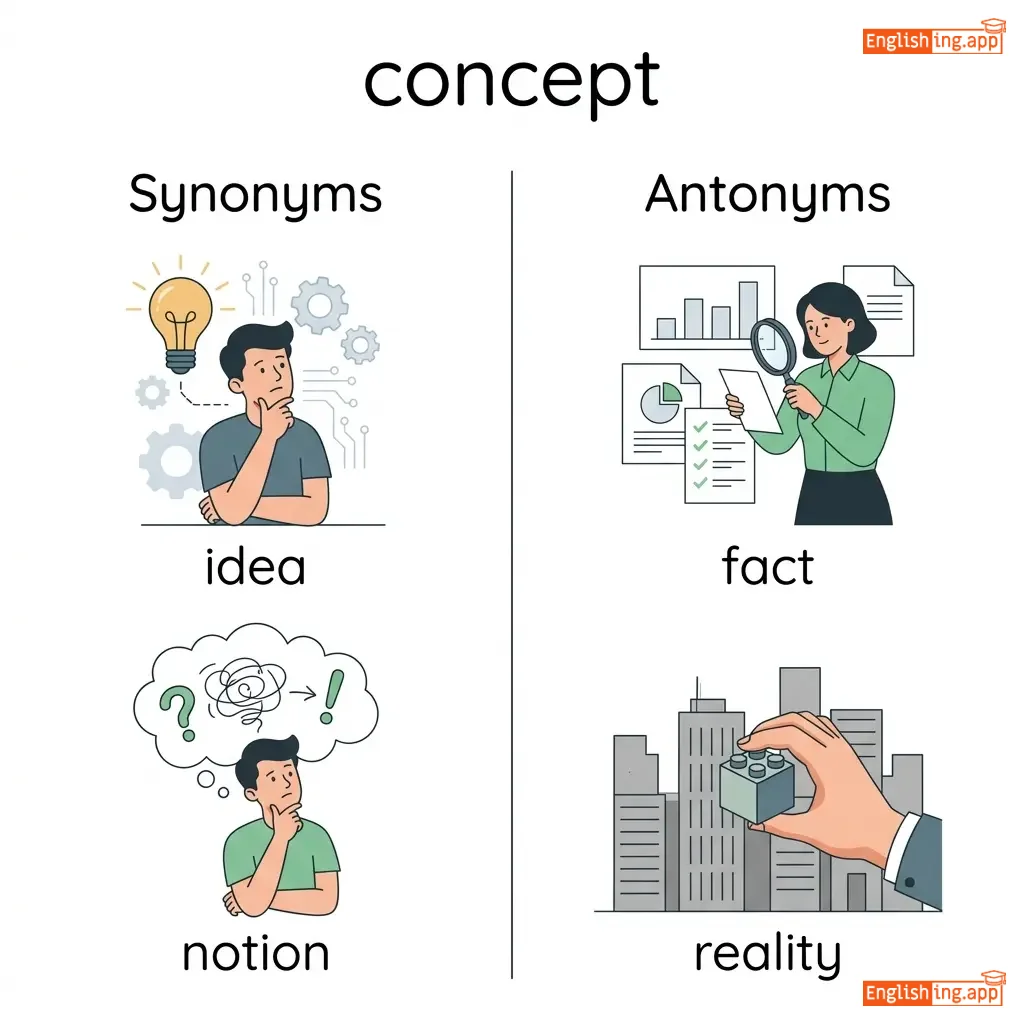
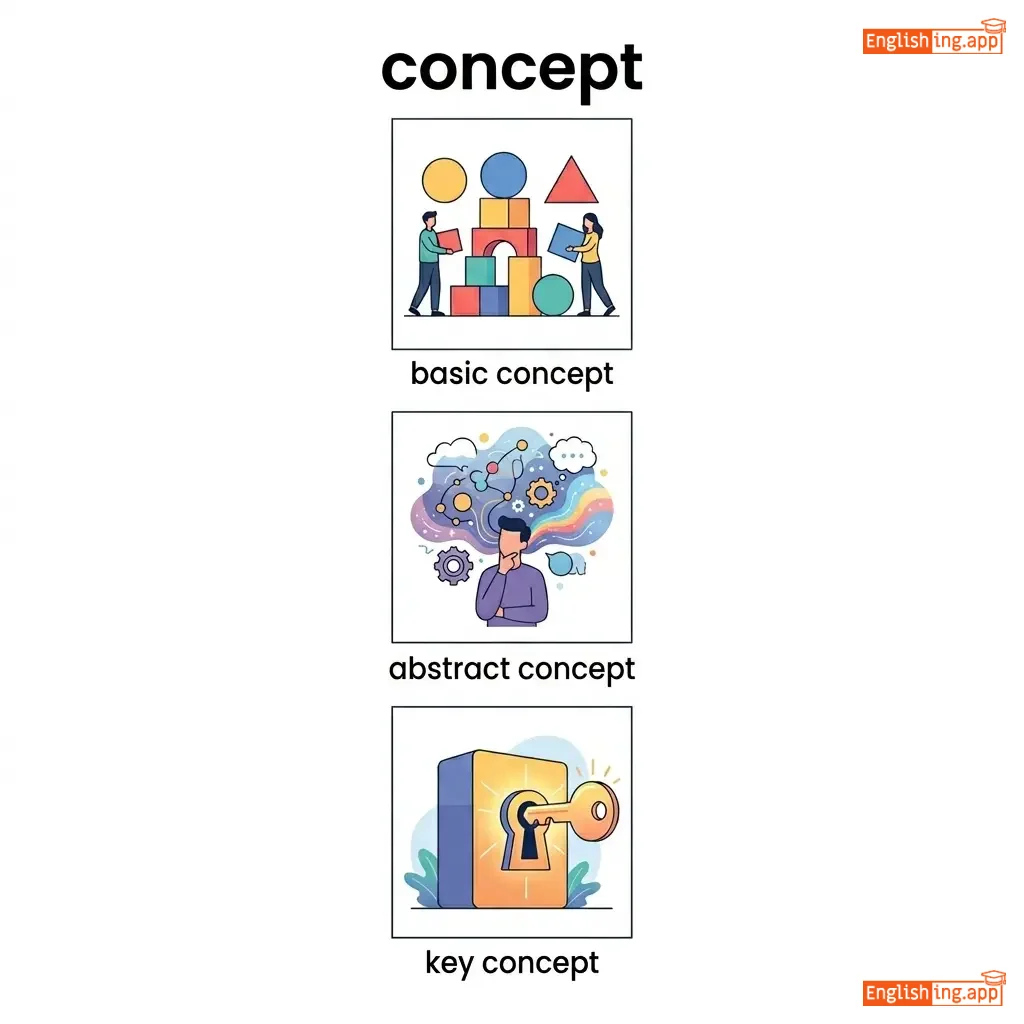
Swipe left or right, or use the buttons. Tap image to zoom.
例文の翻訳
単語
Lesson 11Lesson 11 - マスクトグル
|
絵文字
|
単語 | Images | 翻訳 | 意味 | 例文 | 例文の翻訳 | 同義語 | 対義語 | コロケーション | ニーモニック |
|---|---|---|---|---|---|---|---|---|---|---|
|
#201
🤰
|
/kənˈsep.ʃən/
noun
(コンセプション)
••••••
|
- •••••• |
構想; アイデア; 受精
kousou, aidea, jusei
••••••
|
the forming of an idea or plan; the fertilization of an ovum by a sperm; the action of conceiving
••••••
|
The conception of this innovative project took several months of brainstorming.
この革新的なプロジェクトのコンセプションには数ヶ月のブレインストーミングが必要でした。
••••••
|
この革新的なプロジェクトの構想には数ヶ月のブレインストーミングが必要でした。
Kono kakushinteki na purojekuto no kousou ni wa suukagetsu no bureinsutoomingu ga hitsuyou deshita.
••••••
|
formation, creation, beginning, fertilization
••••••
|
completion, end, destruction
••••••
|
conception of an idea, moment of conception, creative conception
••••••
|
構想 (kousou): 新しいアイデアを頭の中で形作ること。
••••••
|
|
#202
⚖️
|
/kəmˈpær.ɪ.sən/
noun
(kəmˈpɛrəsən)
••••••
|
- •••••• |
比較
hikaku
••••••
|
the act of examining the similarities and differences between two or more things
••••••
|
The teacher made a comparison between the two poems to show their different styles.
教師は2つの詩の比較をして、それらの異なるスタイルを示しました。
••••••
|
教師は2つの詩の比較をして、それらの異なるスタイルを示しました。
Kyoushi wa futatsu no shi no hikaku o shite, sorera no kotonaru sutairu o shimeshimashita.
••••••
|
contrast, examination, analysis, evaluation
••••••
|
similarity, uniformity, likeness
••••••
|
make a comparison, comparison between, in comparison
••••••
|
比較は詩のスタイルの違いを見せるために使います。
••••••
|
|
#203
❤️🤗
|
/kəmˈpæʃ.ən/
noun
(コンパッション)
••••••
|
- •••••• |
思いやり
omoiyari
••••••
|
sympathetic concern for the sufferings or misfortunes of others; deep awareness of suffering with a desire to help
••••••
|
She showed great compassion towards the homeless children by providing them food and shelter. |
彼女はホームレスの子供たちに食べ物と避難所を提供することで大きな思いやりを示しました。
Kanojo wa hōmuresu no kodomotachi ni tabemono to hinanjo o teikyō suru koto de ōkina omoiyari o shimeshimashita.
••••••
|
empathy, sympathy, mercy, kindness
••••••
|
cruelty, indifference, heartlessness, callousness
••••••
|
show compassion, deep compassion, compassion for others
••••••
|
思いやりは他人を助けたいという気持ちから生まれます。
••••••
|
|
#204
🔚
|
/kənˈkluː.ʒən/
noun
(kənˈklʊʒən)
••••••
|
- •••••• |
結論; 終了; 判断
ketsuron, shūryō, handan
••••••
|
the end or finish of an event, process, or text; a judgment or decision reached by reasoning
••••••
|
The conclusion of the research paper summarized all the important findings.
研究論文の結論は、すべての重要な発見を要約しました。
••••••
|
研究論文の結論は、すべての重要な発見を要約しました。
Kenkyū ronbun no ketsuron wa, subete no jūyōna hakken o yōyaku shimashita.
••••••
|
ending, finale, outcome, decision
••••••
|
beginning, introduction, start, opening
••••••
|
draw a conclusion, in conclusion, logical conclusion
••••••
|
結論 - 終了とともに出される最終的な判断
••••••
|
|
#205
💰
|
/ˌkɑm.pənˈseɪ.ʃən/
noun
(kəmˌpɛnˈseɪʃən)
••••••
|
- •••••• |
補償; 報酬
hosho, hoso
••••••
|
something given or received as an equivalent for services, debt, loss, injury, or suffering; payment or reward
••••••
|
The company provided financial compensation to the workers injured in the accident. |
会社は事故で負傷した労働者に対して経済的な補償を提供しました。
Kaisha wa jiko de fushou shita roudousha ni taishite keizaiteki na hosho wo teikyou shimashita.
••••••
|
payment, reimbursement, remuneration, reparation
••••••
|
penalty, punishment, loss, debt
••••••
|
financial compensation, fair compensation, compensation package
••••••
|
In Japanese, '補償' directly relates to 'compensation' for loss or injury.
••••••
|
|
#206
🎉
|
/kənˌɡrætʃ.əˈleɪ.ʃənz/
noun
(コンガラチュレーションズ)
••••••
|
- •••••• |
おめでとう
omedetou
••••••
|
words expressing praise for an achievement or good wishes on a special occasion
••••••
|
Congratulations on your promotion! You really deserved this success. |
昇進おめでとう!本当にこの成功に値するよ。
Shoushin omedetou! Hontou ni kono seikou ni atai suru yo.
••••••
|
felicitations, compliments, praise, well wishes
••••••
|
condolences, criticism, blame
••••••
|
heartfelt congratulations, warm congratulations, congratulations are in order
••••••
|
おめでとう = お祝いとともに、喜びの気持ちを表す言葉
••••••
|
|
#207
🏆
|
/ˌkɑm.pəˈtɪʃ.ən/
noun
(コンペティション)
••••••
|
|
競争
kyōsō
••••••
|
the activity or condition of striving to gain or win something by defeating or establishing superiority over others
••••••
|
The swimming competition attracted athletes from all over the country.
水泳競技は全国からアスリートを引き寄せました。
••••••
|
水泳競技は全国からアスリートを引き寄せました。
Suiei kyōgi wa zenkoku kara asurīto o hiki yosemashita.
••••••
|
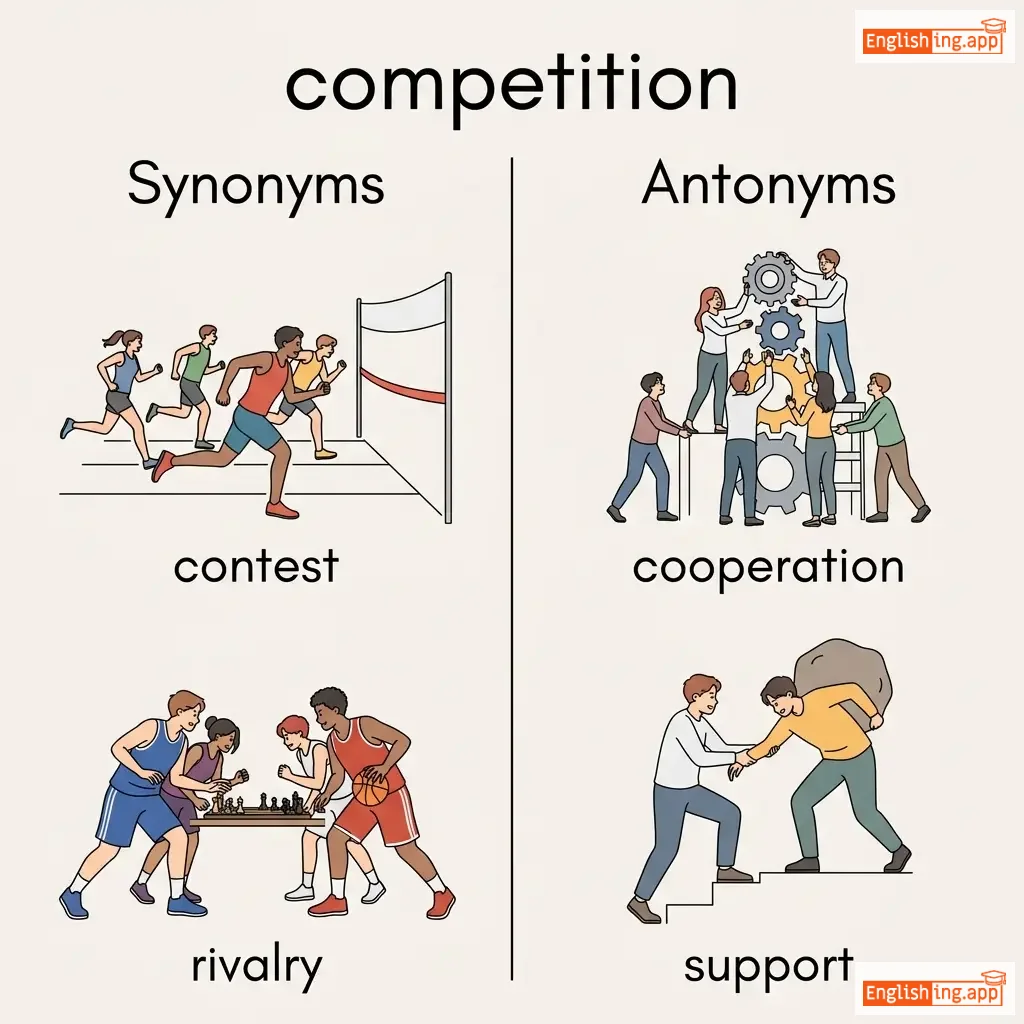
contest, rivalry, tournament, race
••••••
|
cooperation, collaboration, partnership
••••••
|
fierce competition, healthy competition, international competition
••••••
|
競争の最中で一番を目指して戦うことを忘れないでください。
••••••
|
|
#208
💭
|
/ˈkɑn.ʃəns/
noun
(コンシエンス)
••••••
|
- •••••• |
良心, モラル, 内なる声
ryoushin, moral, uchi naru koe
••••••
|
an inner feeling or voice viewed as acting as a guide to the rightness or wrongness of one's behavior
••••••
|
His conscience prevented him from lying to his parents about his grades. |
彼の良心は、成績について両親に嘘をつくのを止めさせました。
kare no ryoushin wa, seiseki ni tsuite ryoushin ni uso wo tsuku no wo tomesasemashita.
••••••
|
moral sense, ethics, scruples, inner voice
••••••
|
amorality, unscrupulousness, immorality
••••••
|
clear conscience, guilty conscience, matter of conscience
••••••
|
良心は正しいか間違っているかを教えてくれる内なる声です。
••••••
|
|
#209
😊
|
/kəmˈplek.ʃən/
noun
(komplekshon)
••••••
|
- •••••• |
肌の色
hada no iro
••••••
|
the natural color, texture, and appearance of a person's skin, especially on the face
••••••
|
Her fair complexion glowed beautifully in the morning sunlight.
彼女の明るい肌は朝の光の中で美しく輝いていました。
••••••
|
彼女の明るい肌は朝の光の中で美しく輝いていました。
Kanojo no akarui hada wa asa no hikari no naka de utsukushiku kagayaiteimashita.
••••••
|
skin color, skin tone, coloring, hue
••••••
|
- •••••• |
fair complexion, dark complexion, clear complexion
••••••
|
In Japanese, 'hada' (skin) and 'iro' (color) together form 'hada no iro' for complexion.
••••••
|
|
#210
🧠
|
/ˈkɑn.ʃəs.nəs/
noun
(コンシャスネス)
••••••
|
|
意識
ishiki
••••••
|
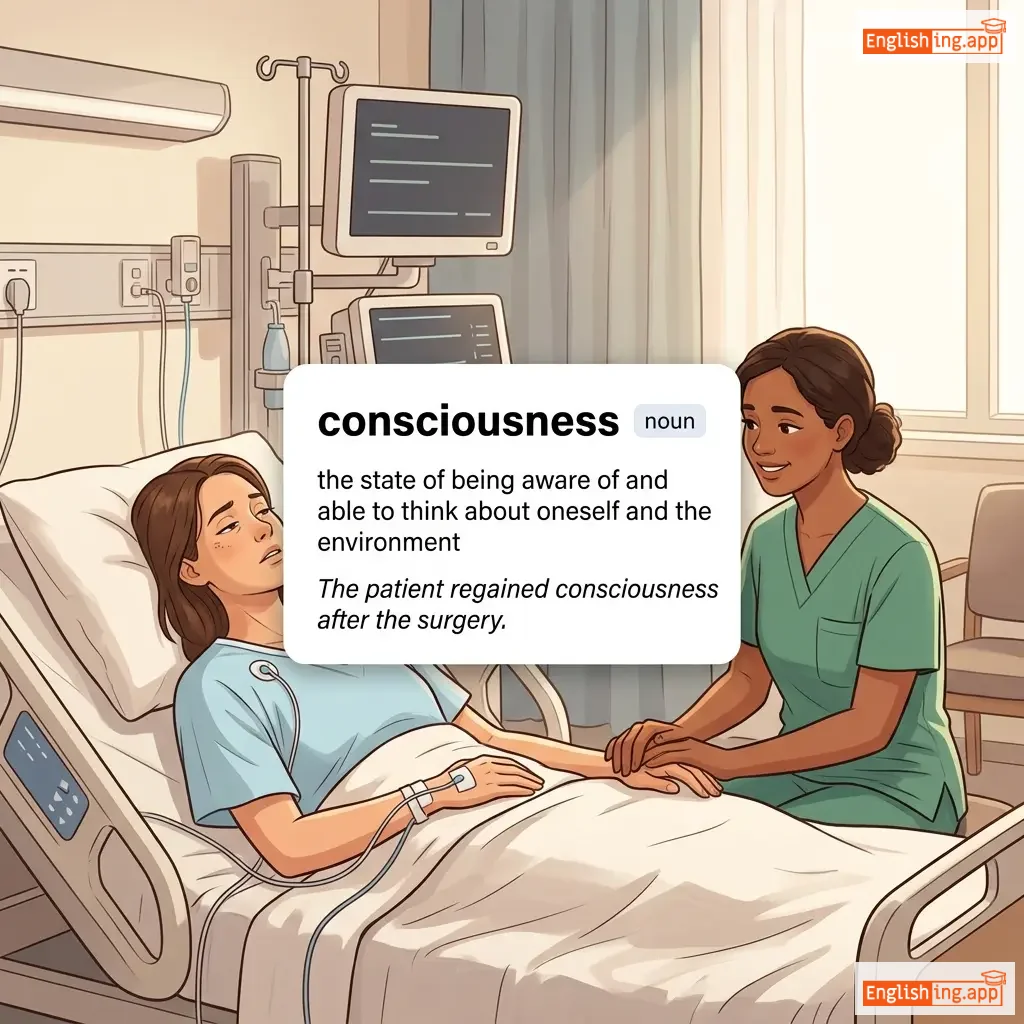
the state of being awake and aware of one's surroundings; the awareness or perception of something
••••••
|
After the accident, she slowly regained consciousness in the hospital.
事故の後、彼女は病院でゆっくりと意識を取り戻した。
••••••
|
事故の後、彼女は病院でゆっくりと意識を取り戻した。
Jiko no ato, kanojo wa byōin de yukkuri to ishiki o torimodoshita.
••••••
|
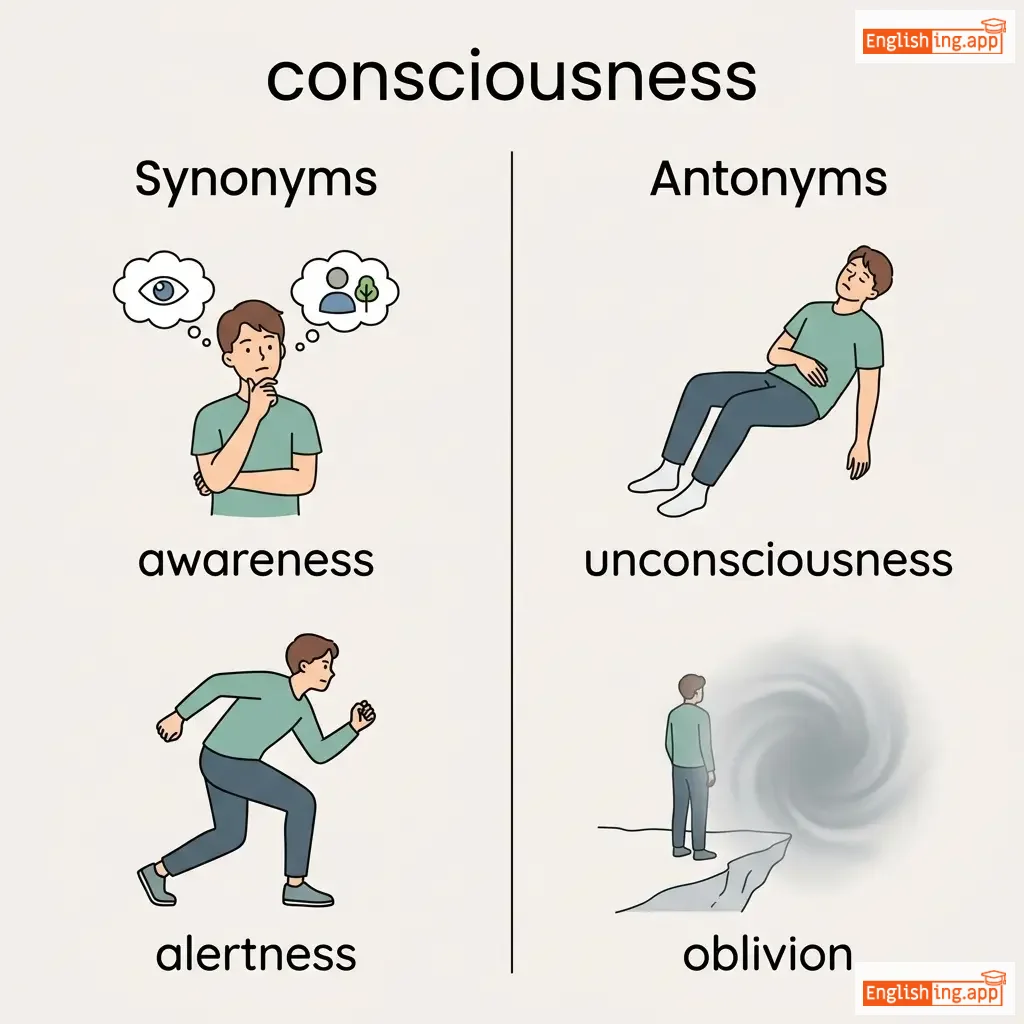
awareness, cognition, alertness, perception
••••••
|
unconsciousness, unawareness, oblivion
••••••
|
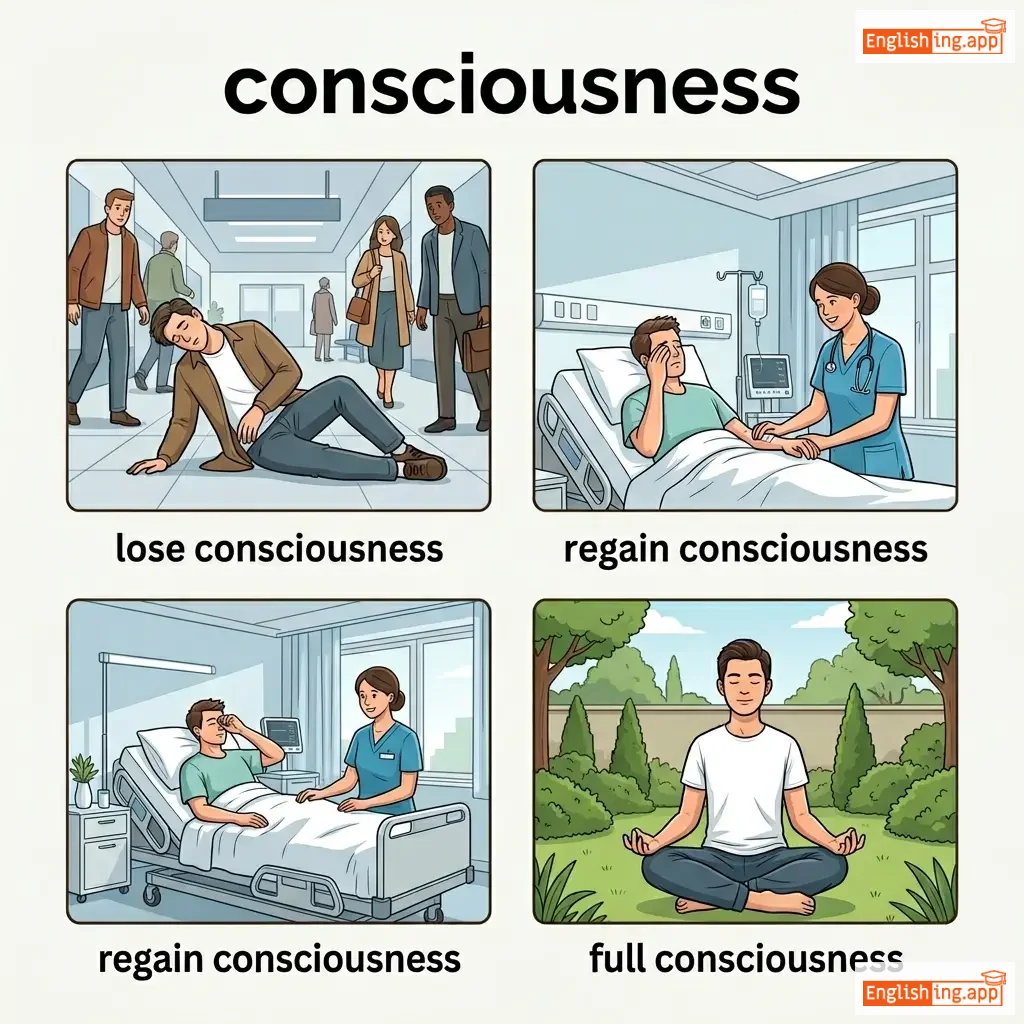
lose consciousness, stream of consciousness, environmental consciousness
••••••
|
In Japanese, '意識' (ishiki) is awareness of being conscious.
••••••
|
|
#211
⚠️
|
/kəmˈpʌl.ʃən/
noun
(コンパルション)
••••••
|
- •••••• |
強迫; 強制;
kyōhaku, kyōsei
••••••
|
the action or state of forcing or being forced to do something; an irresistible urge to behave in a certain way
••••••
|
He felt a strong compulsion to check his phone every few minutes. |
彼は数分おきに電話を確認したいという強迫感を感じていた。
Kare wa sūfun oki ni denwa o kakunin shitai to iu kyōhaku-kan o kanjite ita.
••••••
|
obligation, force, coercion, urge
••••••
|
choice, freedom, option, voluntariness
••••••
|
under compulsion, strong compulsion, compulsive behavior
••••••
|
No •••••• |
|
#212
😌
|
/ˈkɑn.tent/
noun
(コンテント)
••••••
|
- •••••• |
満足
manzoku
••••••
|
pleased and satisfied; the things that are contained in something; subject matter of a text
••••••
|
She felt content with her simple life in the countryside.
彼女は田舎でのシンプルな生活に満足していました。
••••••
|
彼女は田舎でのシンプルな生活に満足していました。
Kanojo wa inaka de no shimpuru na seikatsu ni manzoku shite imashita.
••••••
|
satisfied, material, substance, happy
••••••
|
dissatisfied, unhappy, discontented
••••••
|
content with life, website content, table of contents
••••••
|
Content = 満足 (Manzoku), シンプルな生活で満足している。
••••••
|
|
#213
💪
|
/ˈkɑn.fɪ.dəns/
noun
(コンフィデンス)
••••••
|
- •••••• |
自信
jishin
••••••
|
the feeling or belief that one can rely on someone or something; firm trust; self-assurance
••••••
|
She spoke with great confidence during the job interview. |
彼女は面接で大きな自信を持って話しました。
Kanojo wa mensetsu de ōkina jishin o motte hanashimashita.
••••••
|
trust, faith, assurance, self-belief
••••••
|
doubt, uncertainty, insecurity, anxiety
••••••
|
have confidence, boost confidence, lose confidence
••••••
|
自信があると、何でもできる!
••••••
|
|
#214
⚡
|
/ˌkɑn.trəˈdɪk.ʃən/
noun
(コントラディクション)
••••••
|
- •••••• |
矛盾; 不一致
mōdun, fuicchi
••••••
|
a combination of statements, ideas, or features which are opposed to one another; inconsistency
••••••
|
There was a clear contradiction between his words and his actions. |
彼の言葉と行動の間には明確な矛盾がありました。
Kare no kotoba to kōdō no aida ni wa meikaku na mōdun ga arimashita.
••••••
|
inconsistency, conflict, opposition, paradox
••••••
|
consistency, agreement, harmony, accord
••••••
|
direct contradiction, logical contradiction, contradiction in terms
••••••
|
Contradiction in Japanese = '矛盾' = opposition of thoughts
••••••
|
|
#215
⚔️
|
/ˌkɑn.frənˈteɪ.ʃən/
noun
(kənˈfrɒn.teɪ.ʃən)
••••••
|
- •••••• |
対立
tairitsu
••••••
|
a hostile or argumentative meeting or situation between opposing parties; direct challenge or opposition
••••••
|
The confrontation between the two leaders ended without any agreement.
二人のリーダー間の対立は合意なく終わった。
••••••
|
二人のリーダー間の対立は合意なく終わった。
Futari no rīdā-kan no tairitsu wa gōi naku owatta.
••••••
|
conflict, clash, dispute, face-off
••••••
|
agreement, cooperation, harmony, peace
••••••
|
avoid confrontation, violent confrontation, direct confrontation
••••••
|
対立 - 二つの意見がぶつかる瞬間。
••••••
|
|
#216
⚫⚪
|
/ˈkɑn.træst/
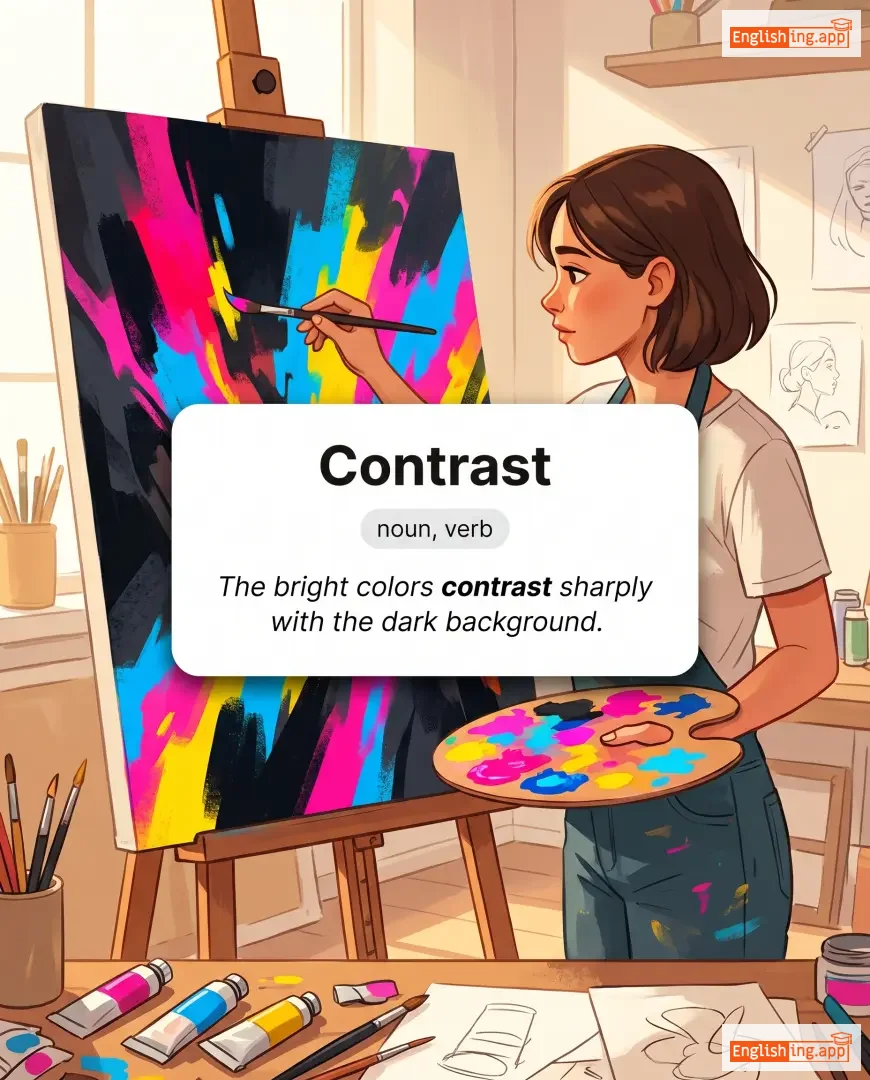
noun
(kontorasuto)
••••••
|
|
対比; 違い; 比較
taibi, chigai, hikaku
••••••
|
the state of being strikingly different from something else; comparison showing differences
••••••
|
The contrast between city life and rural life is quite remarkable.
都市生活と農村生活の対比は非常に顕著です。
••••••
|
都市生活と農村生活の対比は非常に顕著です。
Toshi seikatsu to noson seikatsu no taibi wa hijou ni kencho desu.
••••••
|
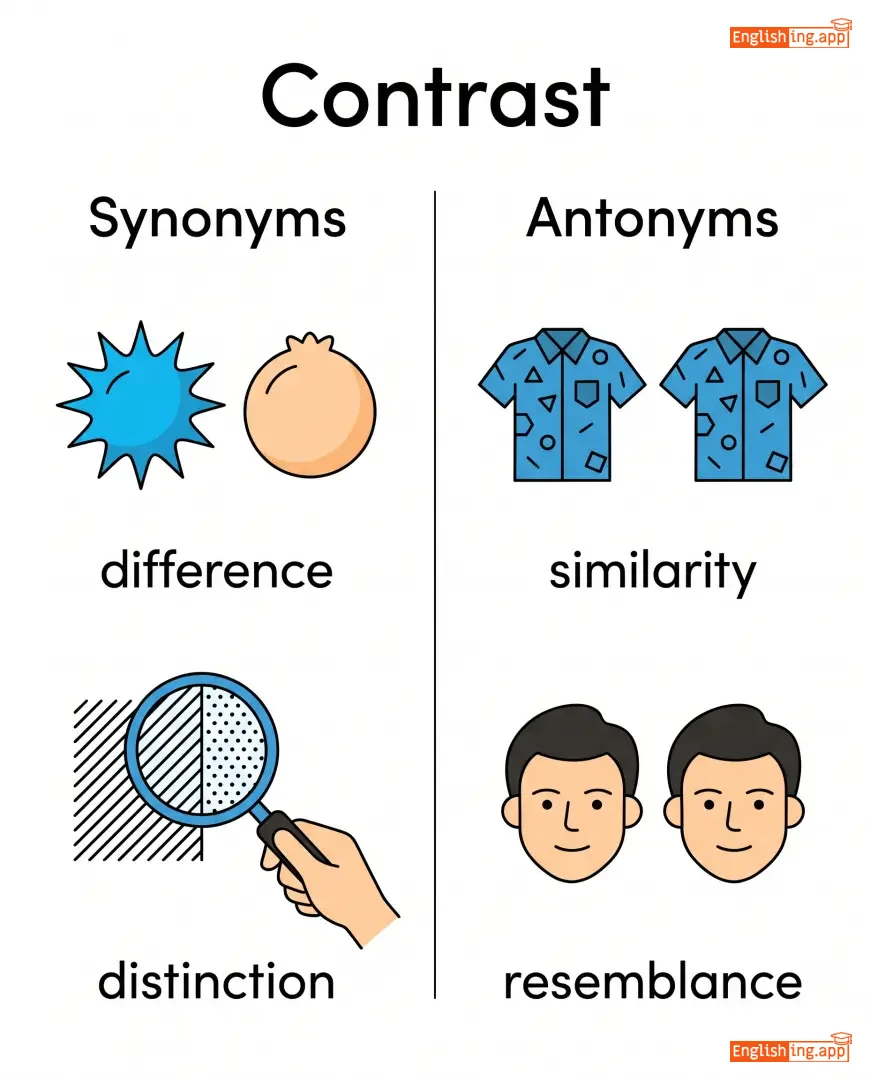
difference, distinction, comparison, opposition
••••••
|
similarity, likeness, resemblance, agreement
••••••
|
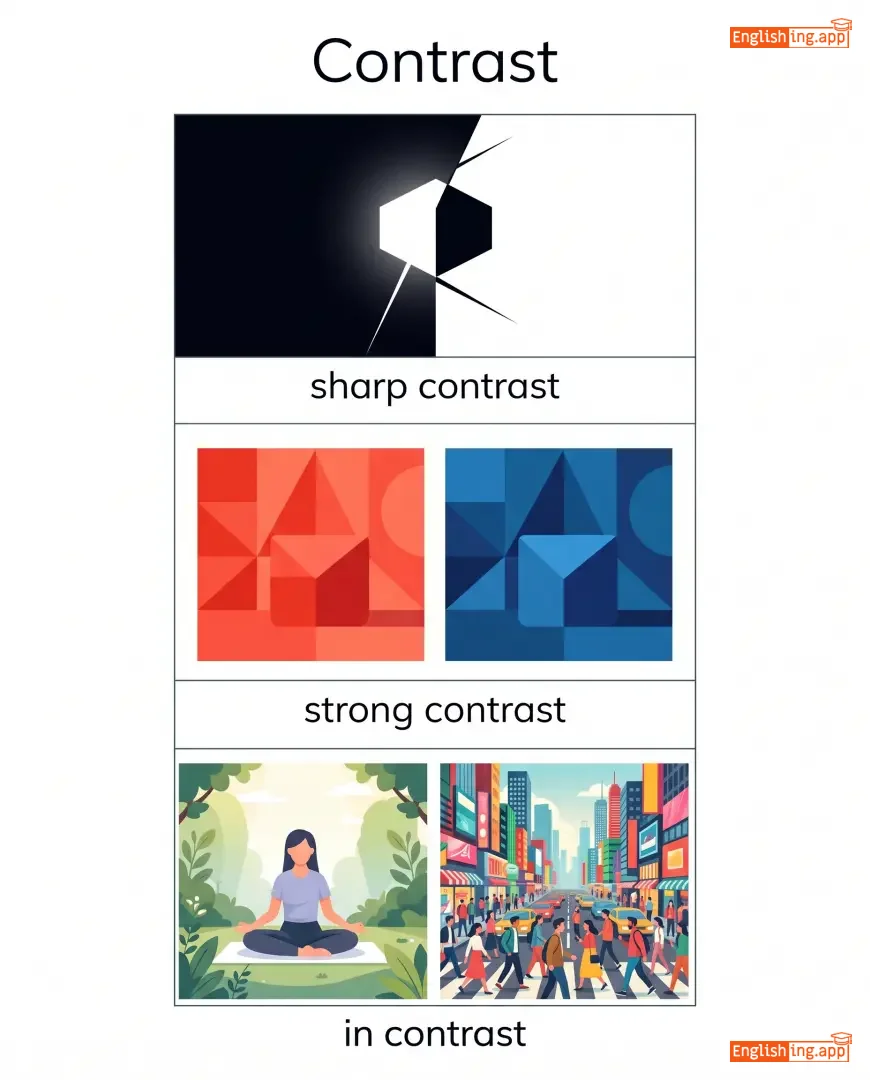
sharp contrast, striking contrast, in contrast to
••••••
|
Contrast = 都市と農村の明確な違いを考えてみてください
••••••
|
|
#217
😵💫
|
/kənˈfjuː.ʒən/
noun
(コンフュージョン)
••••••
|
- •••••• |
混乱, 困惑, 混迷
konran, konwaku, konmei
••••••
|
lack of understanding; uncertainty; the state of being bewildered or unclear in one's mind
••••••
|
There was confusion about the meeting time, so half the team arrived late.
会議の時間について混乱があり、チームの半分が遅れて到着しました。
••••••
|
会議の時間について混乱があり、チームの半分が遅れて到着しました。
Kaigi no jikan ni tsuite konran ga ari, chiimu no hanbun ga okurete touchakushimashita.
••••••
|
bewilderment, perplexity, disorder, chaos
••••••
|
clarity, understanding, certainty, order
••••••
|
cause confusion, avoid confusion, mental confusion
••••••
|
Confusion in Japanese = '混乱' (Konran) + '困惑' (Konwaku) – imagine being in confusion at a meeting!
••••••
|
|
#218
🗣️💥
|
/ˈkɑn.trəˌvɜr.si/
noun
(コントロバーシー)
••••••
|
- •••••• |
論争; 意見の対立
ronsou, iken no tairitsu
••••••
|
prolonged public disagreement or heated discussion; a dispute or argument involving opposing viewpoints
••••••
|
The new policy sparked a major controversy among the citizens.
新しい政策は市民の間で大きな論争を引き起こしました。
••••••
|
新しい政策は市民の間で大きな論争を引き起こしました。
Atarashī seisaku wa shimin no aida de ōkina ronsō o hikiokoshimashita.
••••••
|
debate, dispute, argument, disagreement
••••••
|
agreement, consensus, harmony, accord
••••••
|
public controversy, major controversy, controversy surrounds
••••••
|
論争は意見の対立から生まれる、‘論’と‘争’が示すように。
••••••
|
|
#219
💡
|
/ˈkɑn.sept/
noun
(コンセプト)
••••••
|
|
概念; 一般的な概念
gainenn, ippanteki na gainenn
••••••
|
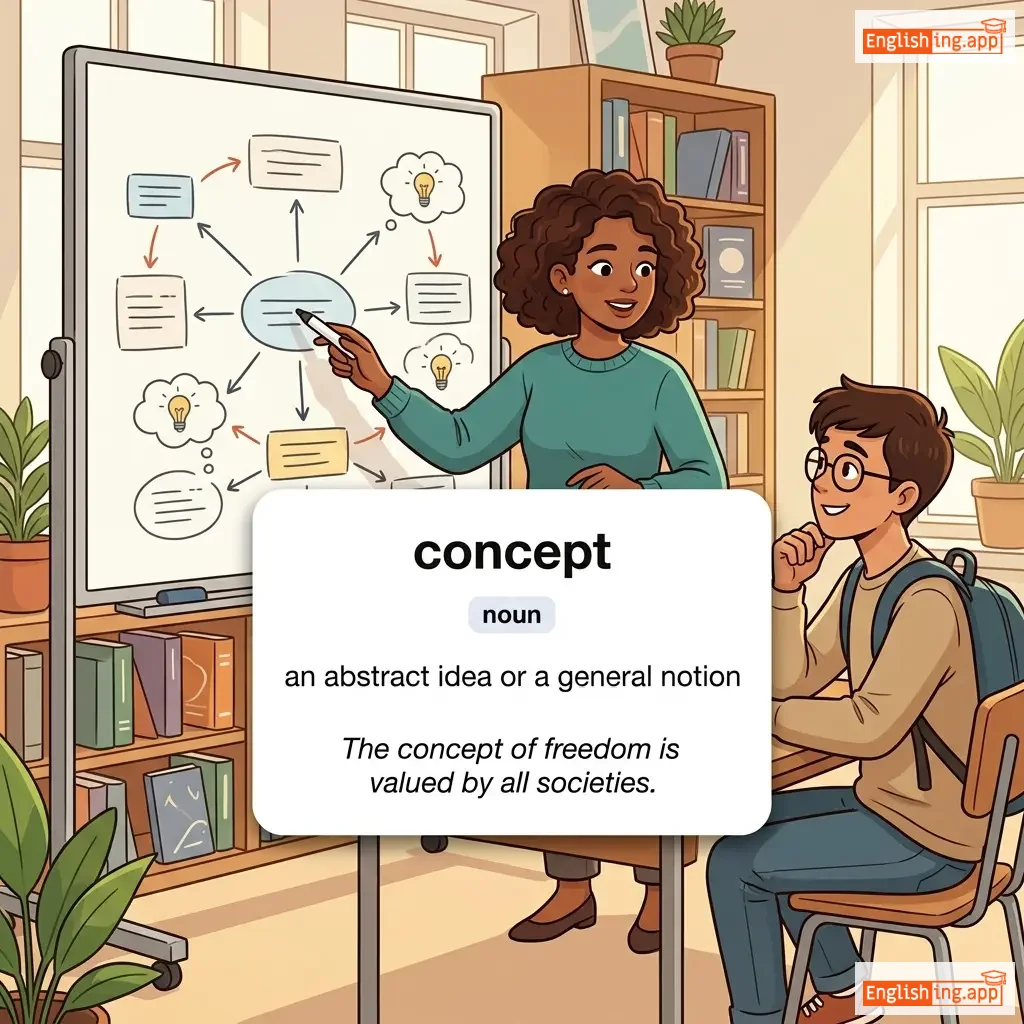
an abstract idea; a general notion or understanding of something; a plan or intention
••••••
|
The concept of democracy is based on the idea that people should govern themselves. |
民主主義の概念は、人々が自分自身を統治すべきだという考えに基づいています。
minshushugi no gainen wa, hitobito ga jibun jishin o tōchi subeki da to iu kangae ni motozuiteimasu.
••••••
|
idea, notion, thought, principle
••••••
|
reality, fact, concrete example
••••••
|
basic concept, new concept, concept development
••••••
|
日本語 – 概念として民主主義
••••••
|
|
#220
🛍️
|
/kənˈviː.ni.əns/
noun
(コンビニエンス)
••••••
|
- •••••• |
便利
benri
••••••
|
the state of being able to proceed with something without difficulty; a thing that contributes to an easy way of life
••••••
|
The convenience of online shopping has changed how people buy products. |
オンラインショッピングの便利さは、製品を購入する方法を変えました。
Onrain shoppingu no benrisa wa, seihin wo kounyuu suru houhou wo kaemashita.
••••••
|
ease, comfort, advantage, benefit
••••••
|
inconvenience, difficulty, hardship, trouble
••••••
|
for your convenience, convenience store, modern convenience
••••••
|
Benri = Benri no je!
••••••
|
Vocabulary Quiz
Test your vocabulary by matching words with their translations or meanings.
Login to take the quiz
Comments (0)
Share your thoughts and join the discussion.
Join the discussion by logging in
Login to CommentNo comments yet
Be the first to share your thoughts!