

翻訳
過去
過去分詞
三人称単数
動名詞
意味
例文
例文の翻訳
同義語
対義語
コロケーション
ニーモニック

Swipe left or right, or use the buttons. Tap image to zoom.
例文の翻訳
単語
Lesson 60Lesson 60 - マスクトグル
|
絵文字
|
単語 | Images | 翻訳 | 意味 | 例文 | 例文の翻訳 | 同義語 | 対義語 | コロケーション | ニーモニック |
|---|---|---|---|---|---|---|---|---|---|---|
|
#1181
🚫
|
/rɪˈpreʃən/
noun
(リプレッション)
••••••
|
- •••••• |
抑圧
yokuatsu
••••••
|
the action of subduing someone or something by force; the restraint, prevention, or inhibition of a feeling, impulse, etc.
••••••
|
The government's repression of free speech sparked widespread protests.
政府の表現の自由に対する抑圧は、広範な抗議を引き起こした。
••••••
|
政府の表現の自由に対する抑圧は、広範な抗議を引き起こした。
Seifu no hyougen no jiyuu ni taisuru yokuatsu wa kouhan na kougi wo hikiokoshita.
••••••
|
suppression, oppression, subjugation, constraint
••••••
|
liberation, freedom, expression, release
••••••
|
political repression, state repression, brutal repression, repression of rights
••••••
|
Repression = リプレッション, Re-press-ion は 再び押さえるイメージ
••••••
|
|
#1182
🛡️
|
/rɪˌspɒn.sɪˈbɪl.ɪ.ti/
noun
(レスポンシビリティ)
••••••
|
|
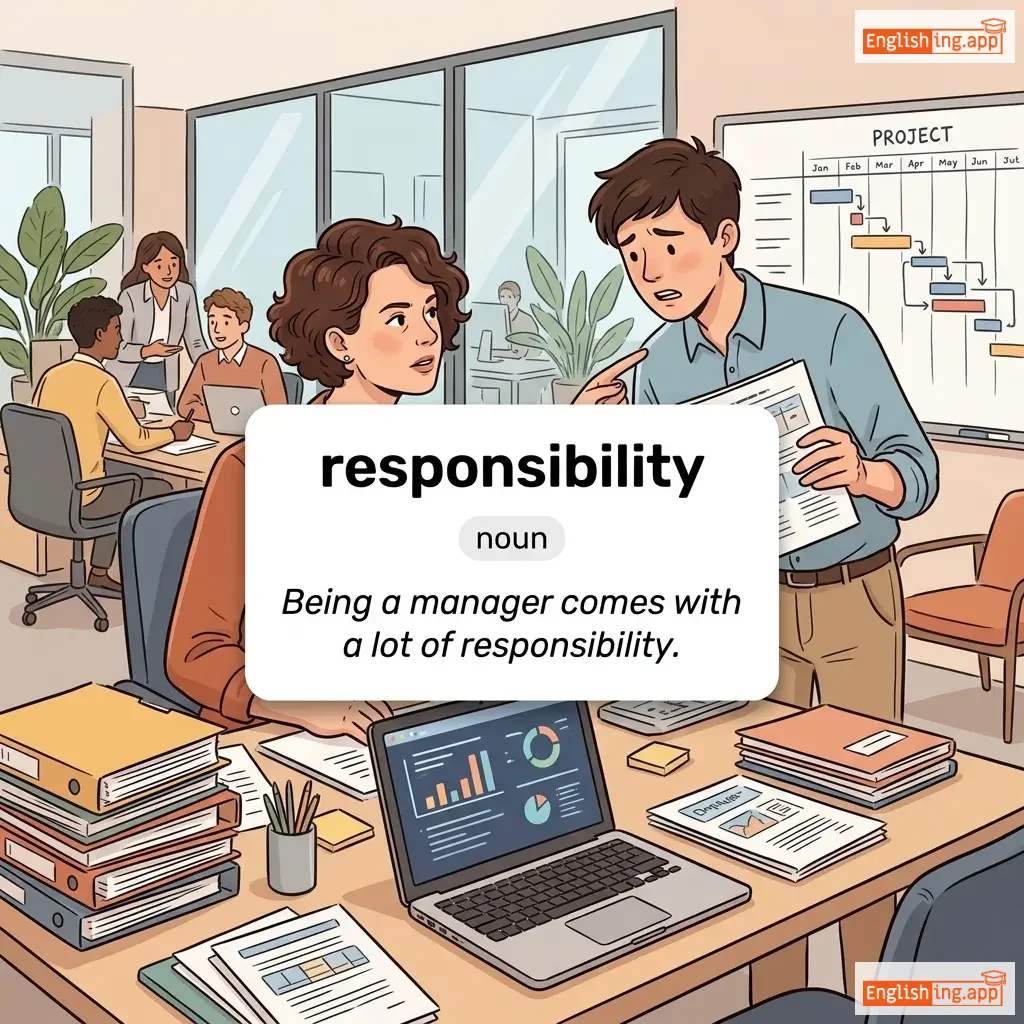
責任
sekinin
••••••
|
the state or fact of having a duty to deal with something or of having control over someone
••••••
|
Taking responsibility for your actions shows maturity.
自分の行動に責任を持つことは成熟を示す。
••••••
|
自分の行動に責任を持つことは成熟を示す。
Jibun no koudou ni sekinin o motsu koto wa seijuku o shimesu
••••••
|
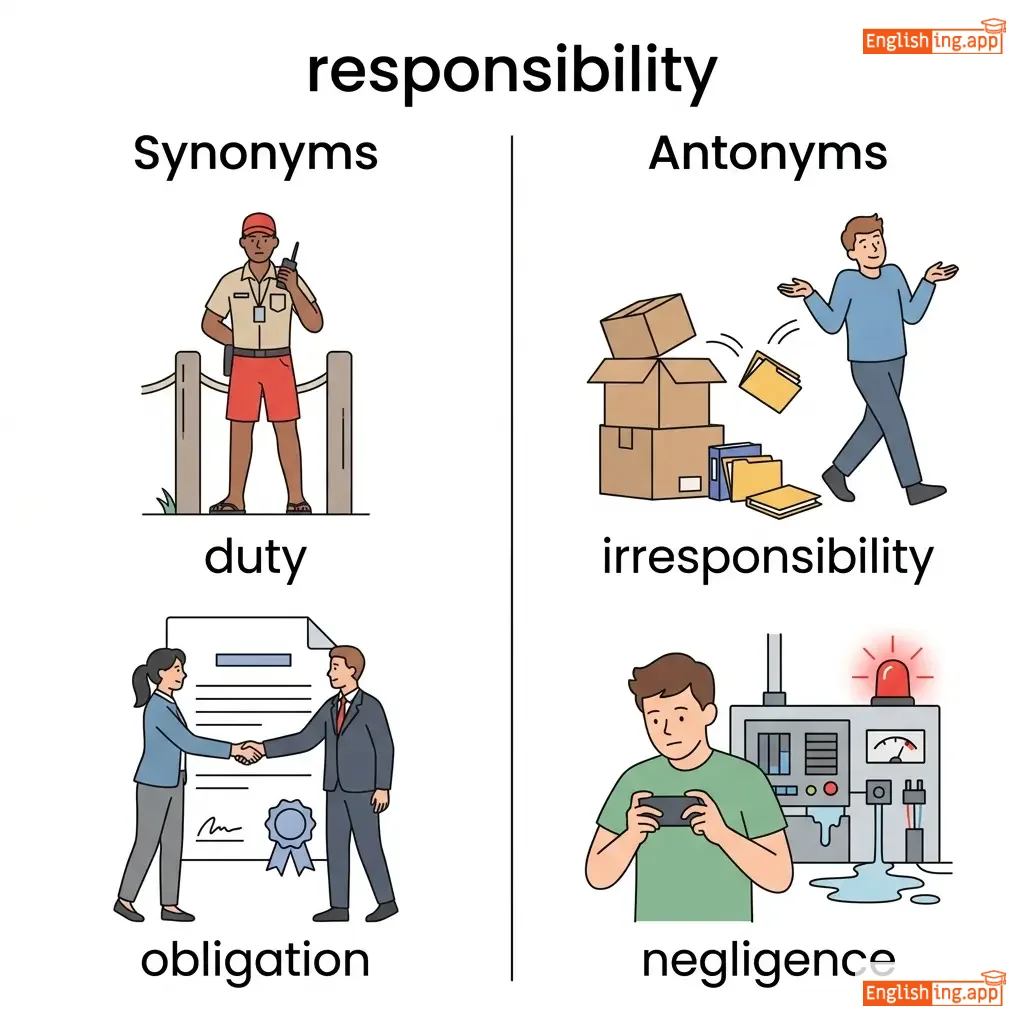
duty, obligation, accountability, liability
••••••
|
irresponsibility, carelessness, negligence
••••••
|
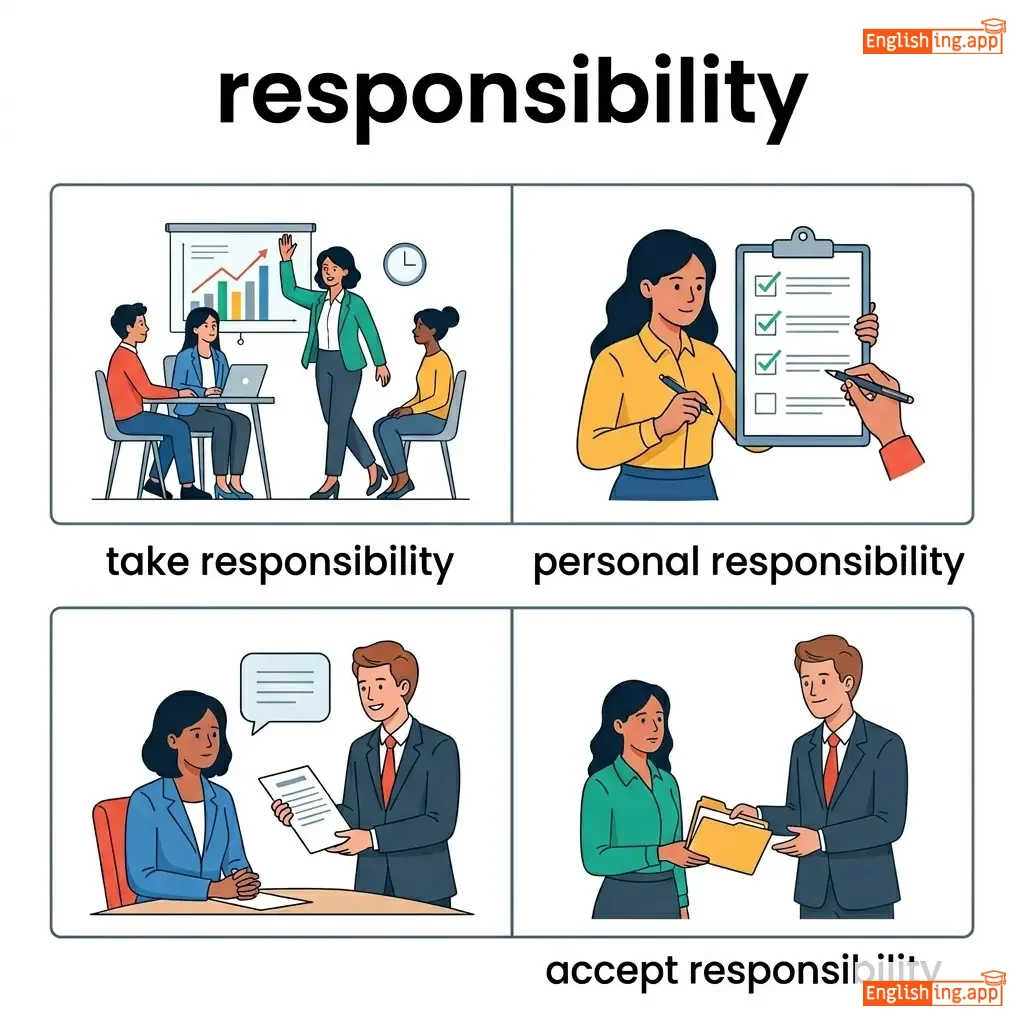
take responsibility, personal responsibility, full responsibility, social responsibility
••••••
|
セキニン = set key in your life, open the door of duty
••••••
|
|
#1183
🤢
|
/rɪˈpʌlʃən/
noun
(リパルージョン)
••••••
|
- •••••• |
反発
hanpatsu
••••••
|
a feeling of intense distaste or disgust; a force under the influence of which objects tend to move away from each other
••••••
|
She felt a strong repulsion towards the idea of eating insects.
彼女は昆虫を食べるという考えに強い反発を感じた。
••••••
|
彼女は昆虫を食べるという考えに強い反発を感じた。
kanojo wa konchuu o taberu to iu kangae ni tsuyoi hanpatsu o kanjita
••••••
|
disgust, revulsion, aversion, distaste
••••••
|
attraction, appeal, fascination, allure
••••••
|
magnetic repulsion, strong repulsion, mutual repulsion, repulsion force
••••••
|
hanpatsu = hand pants that push things away; magnets repel; 覚えるときは hand pants が 物を 距離をおく イメージ
••••••
|
|
#1184
🔒
|
/rɪˈstreɪnt/
noun
(レストレイント)
••••••
|
- •••••• |
抑制; 自制
yokusei; jisei
••••••
|
the action of keeping someone or something under control; self-control
••••••
|
She showed great restraint in not responding to the criticism.
彼女は批判に反応しなかったことに大きな自制心を見せた。
••••••
|
彼女は批判に反応しなかったことに大きな自制心を見せた。
Kanojo wa hihan ni hannou shinakatta koto ni ookina jiseishin o miseta.
••••••
|
control, self-control, discipline, moderation
••••••
|
freedom, indulgence, excess, abandon
••••••
|
show restraint, exercise restraint, physical restraint, self-restraint
••••••
|
Restraint in Japanese means to hold back, like '抑制'.
••••••
|
|
#1185
😰
|
/ˈrest.ləs.nəs/
noun
(レストレスネス)
••••••
|
- •••••• |
不安
fuan
••••••
|
the inability to rest or relax as a result of anxiety or boredom
••••••
|
His restlessness during the long meeting was obvious to everyone. |
長い会議中、彼の不安は全員に明らかだった。
Nagai kaigi-chū, kare no fuan wa zen'in ni akiraka datta.
••••••
|
agitation, unease, anxiety, fidgeting
••••••
|
calmness, peace, tranquility, stillness
••••••
|
growing restlessness, inner restlessness, nervous restlessness
••••••
|
不安はリラックスできない感覚を呼び起こす
••••••
|
|
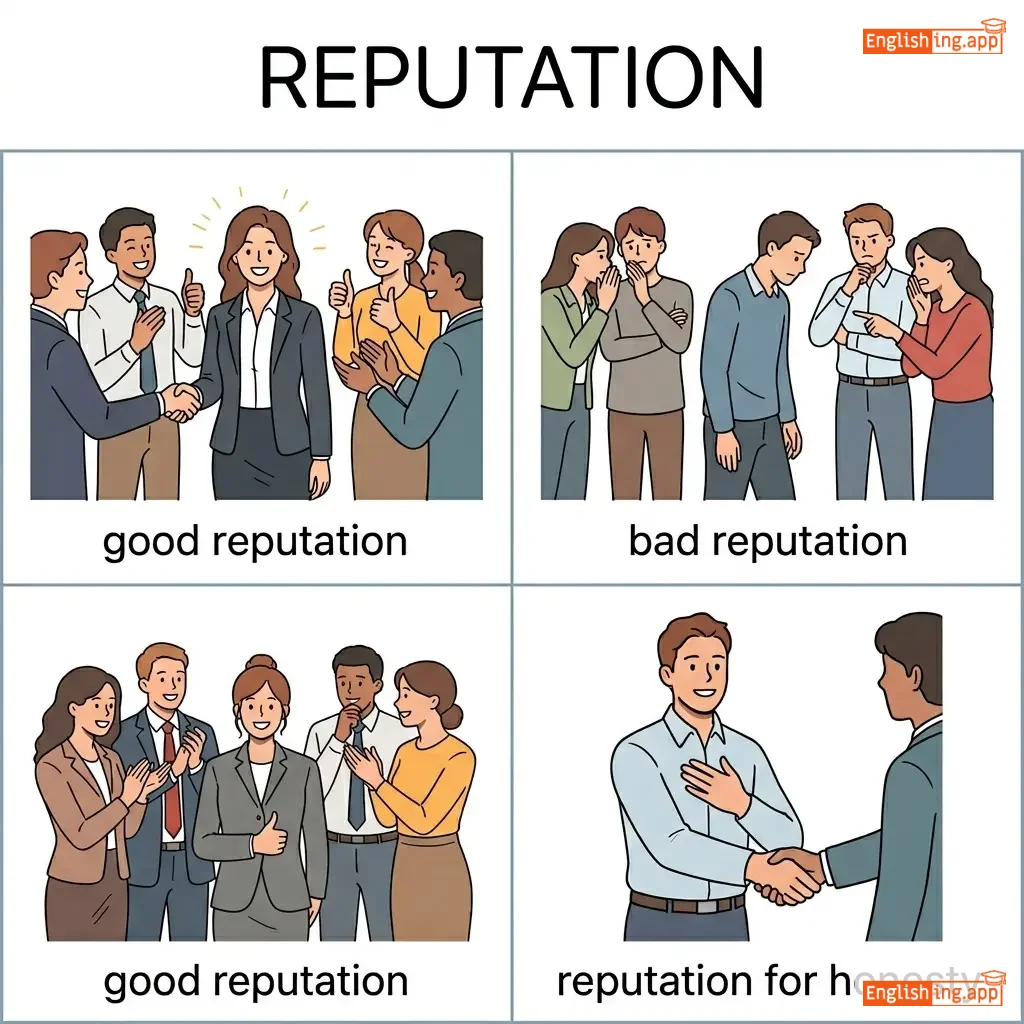
#1186
⭐
|
/ˌrepjʊˈteɪʃən/
noun
(レピュテーション)
••••••
|
|
評判
hyouban
••••••
|
the beliefs or opinions that are generally held about someone or something; a widespread belief that someone or something has a particular habit or characteristic
••••••
|
The company has built a solid reputation for quality products.
その企業は品質の高い製品で堅固なレピュテーションを築きました。
••••••
|
その企業は品質の高い製品で堅固なレピュテーションを築きました。
Sono kigyou wa hinshitsu no takai seihin de kengona repyutēshon wo kizukimashita.
••••••
|
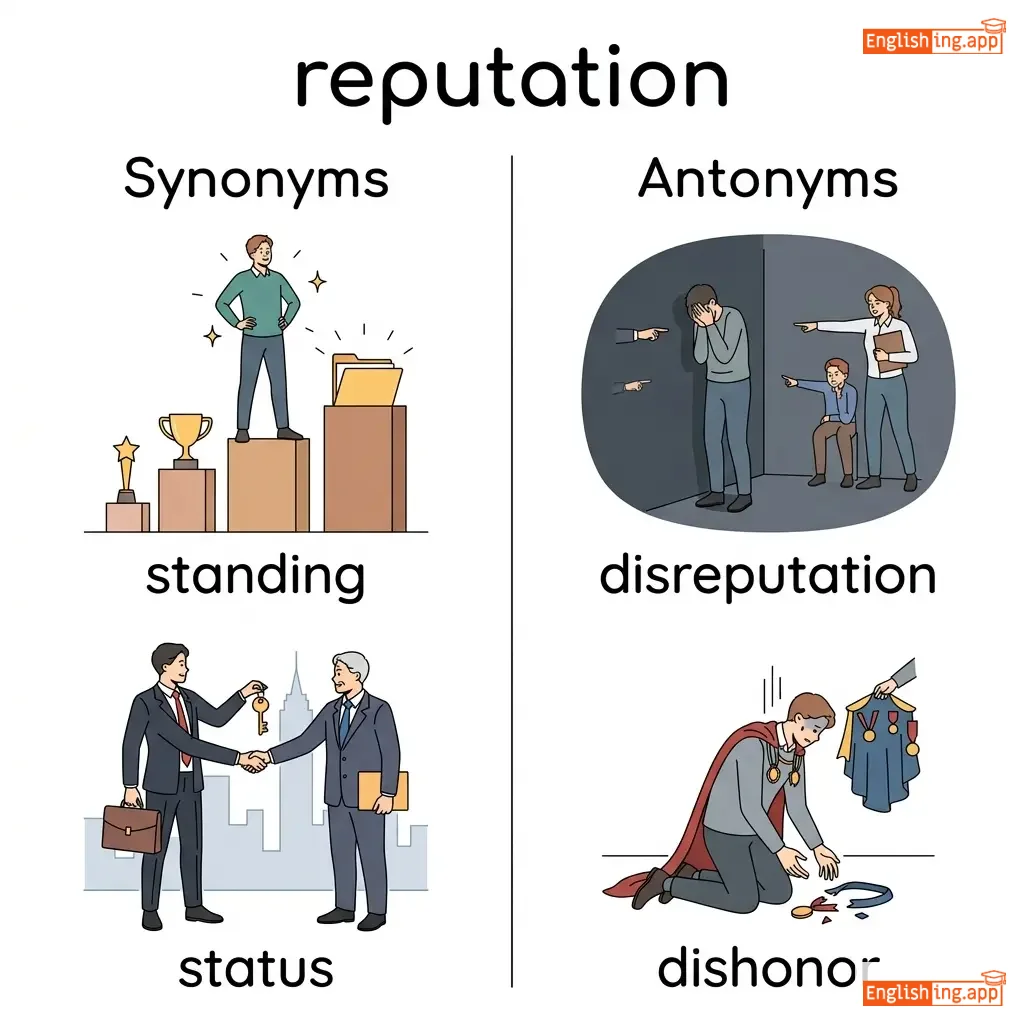
fame, standing, status, renown
••••••
|
infamy, disgrace, dishonor, notoriety
••••••
|
good reputation, stellar reputation, reputation for excellence, damage reputation
••••••
|
評判は品質に関連し、優れた会社に似ています。
••••••
|
|
#1187
👭
|
/rɪˈzembləns/
noun
(rezemburansu)
••••••
|
- •••••• |
類似
ruiji
••••••
|
the state of being alike or similar; similarity in appearance or character
••••••
|
There's a strong resemblance between the two sisters. |
二人の姉妹の間には強い類似があります。
Futari no shimai no aida ni wa tsuyoi ruiji ga arimasu.
••••••
|
similarity, likeness, correspondence, parallel
••••••
|
difference, dissimilarity, contrast, distinction
••••••
|
strong resemblance, close resemblance, family resemblance, bear resemblance
••••••
|
類似は二つの物が似ているときのことです。
••••••
|
|
#1188
🚫
|
/rɪˈstrɪk.ʃən/
noun
(リストリクション)
••••••
|
- •••••• |
制限; 限界; コントロール
segen; genkai; kontorooru
••••••
|
a limiting condition or measure; the limitation or control of someone or something
••••••
|
There are strict restrictions on smoking in public places. |
公共の場所での喫煙には厳格な制限があります。
Koukyou no basho de no kitsuen ni wa genkaku na segen ga arimasu.
••••••
|
limitation, constraint, ban, prohibition
••••••
|
freedom, permission, allowance, liberty
••••••
|
impose restrictions, travel restrictions, age restrictions, strict restrictions
••••••
|
制限を超えれば、自由が待っている。
••••••
|
|
#1189
😠
|
/rɪˈzentmənt/
noun
(リゼントメント)
••••••
|
|
憤り
ikidoori
••••••
|
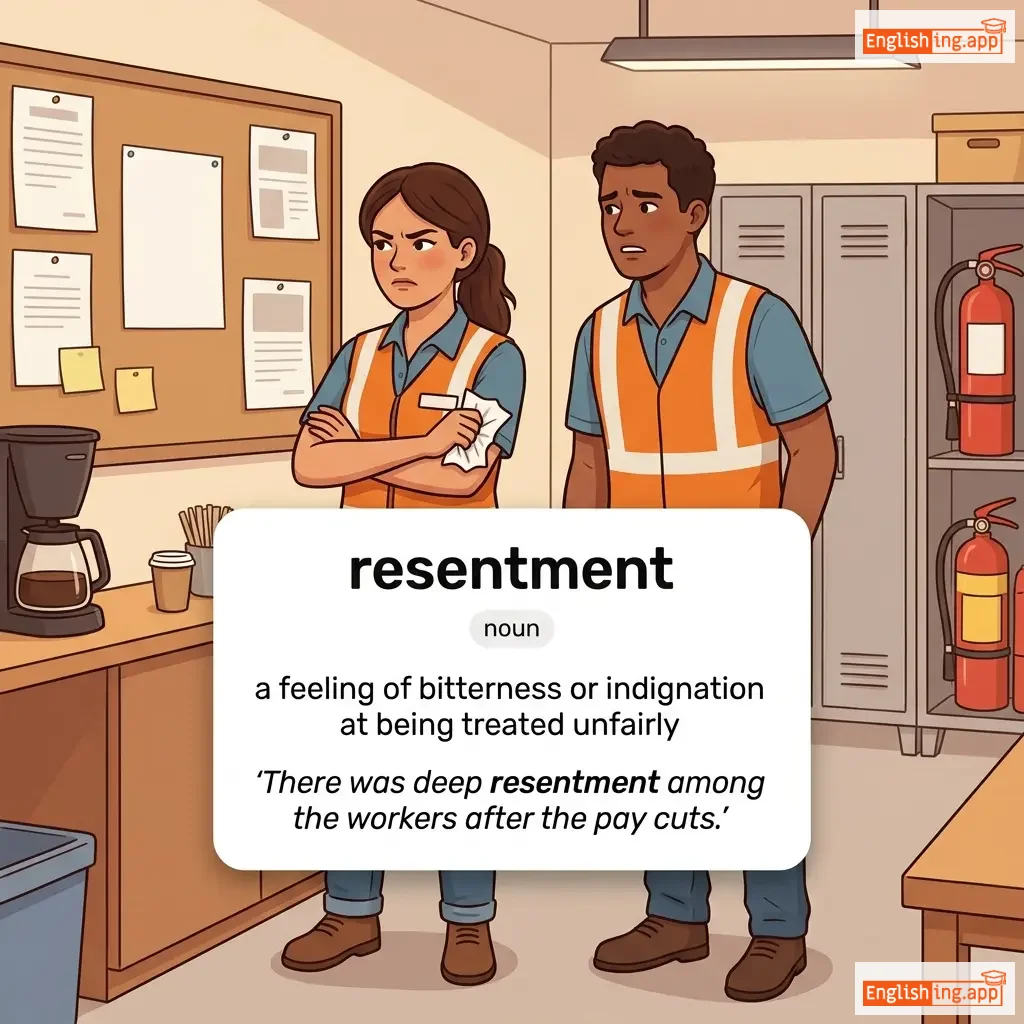
bitter indignation at having been treated unfairly; anger and displeasure resulting from some injury, mistreatment, or slight
••••••
|
He harbored deep resentment against his former boss. |
彼は元の上司に対して深い憤りを抱いていました。
Kare wa moto no jōshi ni taishite fukai ikidoori o daite imashita.
••••••
|
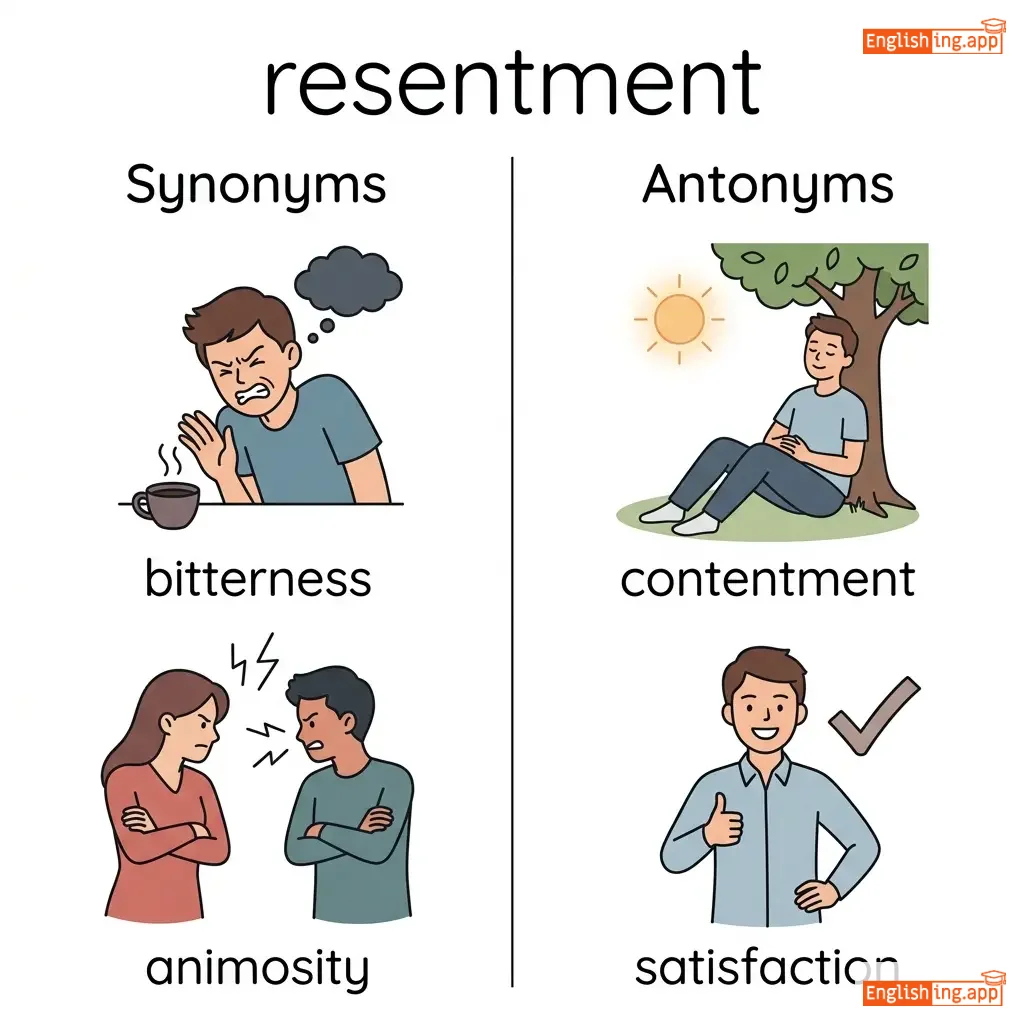
bitterness, anger, indignation, grudge
••••••
|
forgiveness, acceptance, contentment, satisfaction
••••••
|
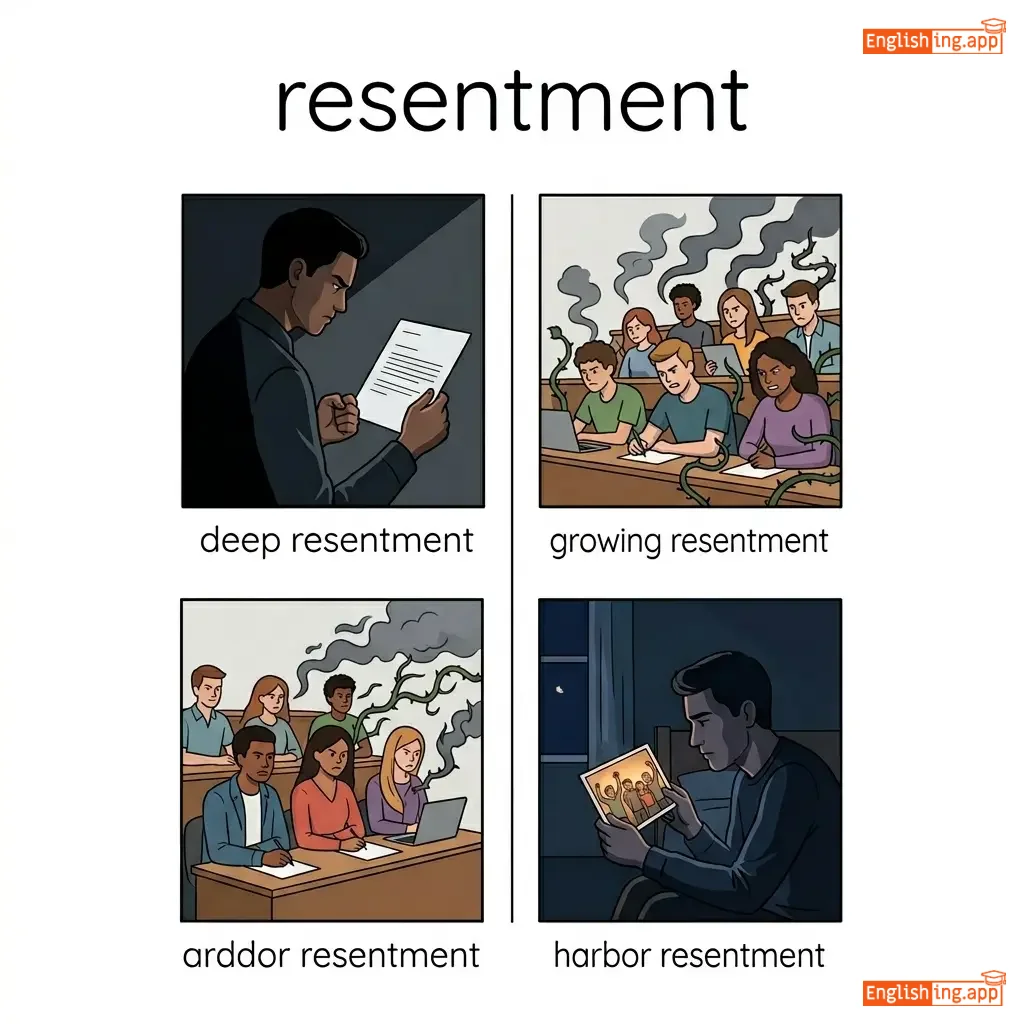
deep resentment, harbor resentment, growing resentment, resentment towards
••••••
|
憤りは不正や無礼に対する強い怒り
••••••
|
|
#1190
▶️
|
/rɪˈzʌmp.ʃən/
noun
(リズンプション)
••••••
|
- •••••• |
再開
saikai
••••••
|
the action of beginning something again after a pause or interruption
••••••
|
The resumption of classes will be announced next week.
授業の再開は来週発表されます。
••••••
|
授業の再開は来週発表されます。
Jugyō no saikai wa raishū happyō saremasu.
••••••
|
restart, renewal, continuation, recommencement
••••••
|
suspension, interruption, cessation, halt
••••••
|
resumption of work, resumption of talks, resumption of services
••••••
|
再開は、何かを中断した後に再び始めることです。授業の再開のように!
••••••
|
|
#1191
📝
|
/ˌrezəˈveɪʃən/
noun
(rezāveɪʃən)
••••••
|
- •••••• |
予約
yoyaku
••••••
|
the action of reserving something; an arrangement whereby something is reserved for a particular person; a qualification to an expression of agreement or approval
••••••
|
I made a reservation at the restaurant for tonight. |
今夜のレストランの予約をしました。
kon'ya no resutoran no yoyaku o shimashita.
••••••
|
booking, arrangement, doubt, hesitation
••••••
|
cancellation, certainty, confidence, assurance
••••••
|
hotel reservation, dinner reservation, make reservation, cancel reservation
••••••
|
レストランの'予約'は、食事の席を確保することを思い出させます。
••••••
|
|
#1192
⚔️
|
/rɪˌtæl.iˈeɪ.ʃən/
noun
(リタリエーション)
••••••
|
- •••••• |
報復
hōfuku
••••••
|
the action of returning a military attack; counterattack; revenge for an injury or wrong
••••••
|
The country threatened retaliation against any act of aggression.
その国はあらゆる攻撃行為に対して報復を予告しました。
••••••
|
その国はあらゆる攻撃行為に対して報復を予告しました。
sono kuni wa arayuru kōgeki kōi ni taishite hōfuku o yokoku shimashita.
••••••
|
revenge, reprisal, payback, vengeance
••••••
|
forgiveness, mercy, pardon, reconciliation
••••••
|
fear of retaliation, swift retaliation, military retaliation
••••••
|
Hōfuku in Japanese means retaliation – returning attack after wrong.
••••••
|
|
#1193
🏠
|
/ˈrezɪdənt/
noun
(rezidento)
••••••
|
- •••••• |
住民
jūmin
••••••
|
a person who lives somewhere permanently or on a long-term basis; living in a particular place
••••••
|
She has been a resident of this city for over ten years.
彼女はこの都市の住民で、10年以上住んでいます。
••••••
|
彼女はこの都市の住民で、10年以上住んでいます。
Kanojo wa kono toshi no jūmin de, 10-nen ijō sundeimasu.
••••••
|
inhabitant, dweller, citizen, occupant
••••••
|
visitor, tourist, transient, outsider
••••••
|
permanent resident, local resident, senior resident, resident doctor
••••••
|
Jūmin - Think of someone who lives in one place for a long time as a permanent resident.
••••••
|
|
#1194
👴
|
/rɪˈtaɪə.mənt/
noun
(リタイアメント)
••••••
|
- •••••• |
退職
taishoku
••••••
|
the action or fact of leaving one's job and ceasing to work; the period of life after leaving work
••••••
|
He is planning his retirement after 40 years of service. |
彼は40年間の勤務の後、退職を計画しています。
Kare wa 40 nenkan no kinmu no ato, taishoku o keikaku shiteimasu.
••••••
|
pension, superannuation, withdrawal, resignation
••••••
|
employment, work, career, service
••••••
|
early retirement, retirement age, retirement plan, forced retirement
••••••
|
退職後、楽しい休暇が待っている
••••••
|
|
#1195
⚡
|
/rɪˈzɪstəns/
noun
(レジスタンス)
••••••
|
|
抵抗
teikō
••••••
|
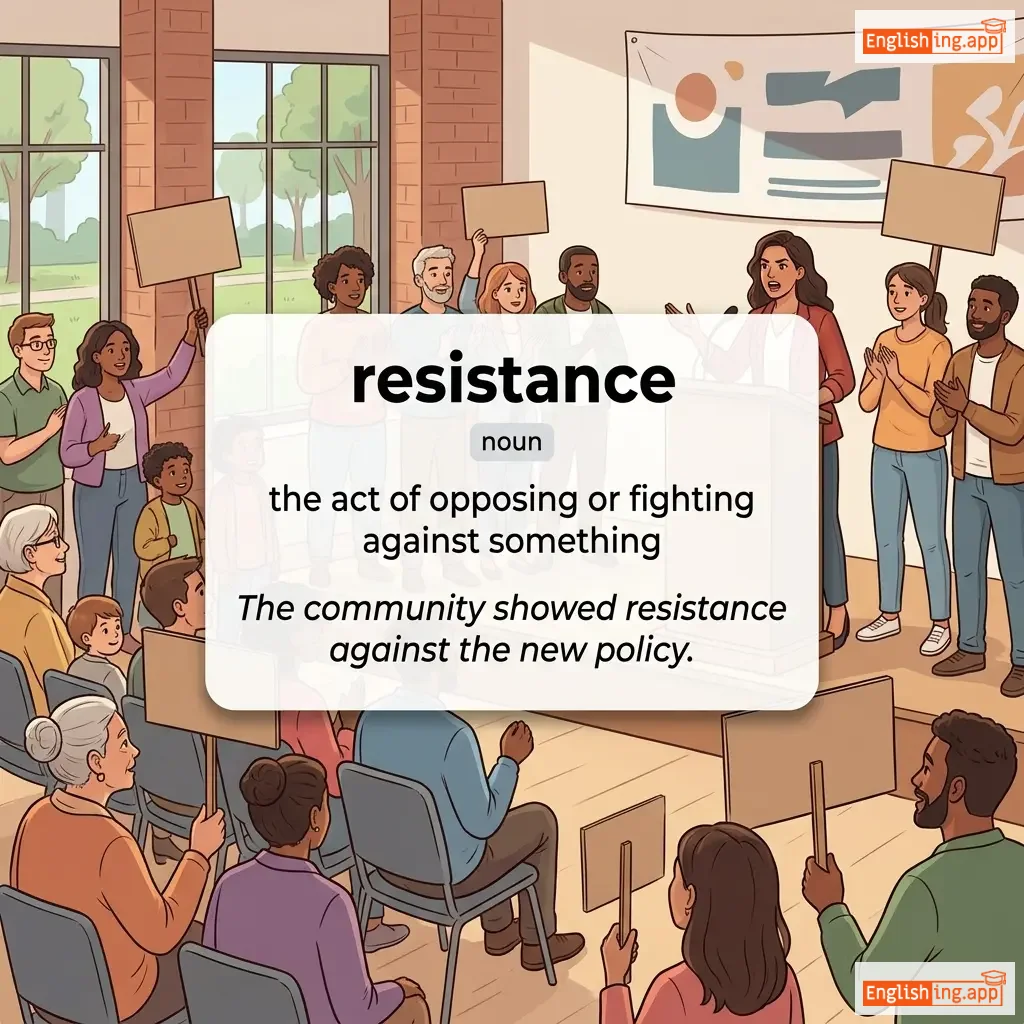
the refusal to accept or comply with something; the attempt to prevent something by action or argument; the ability not to be affected by something
••••••
|
The bacteria showed resistance to the antibiotic treatment. |
細菌は抗生物質治療に対して抵抗を示しました。
saikin wa kōseibusshitsu chiryo ni taishite teikō o shimeshimasita.
••••••
|
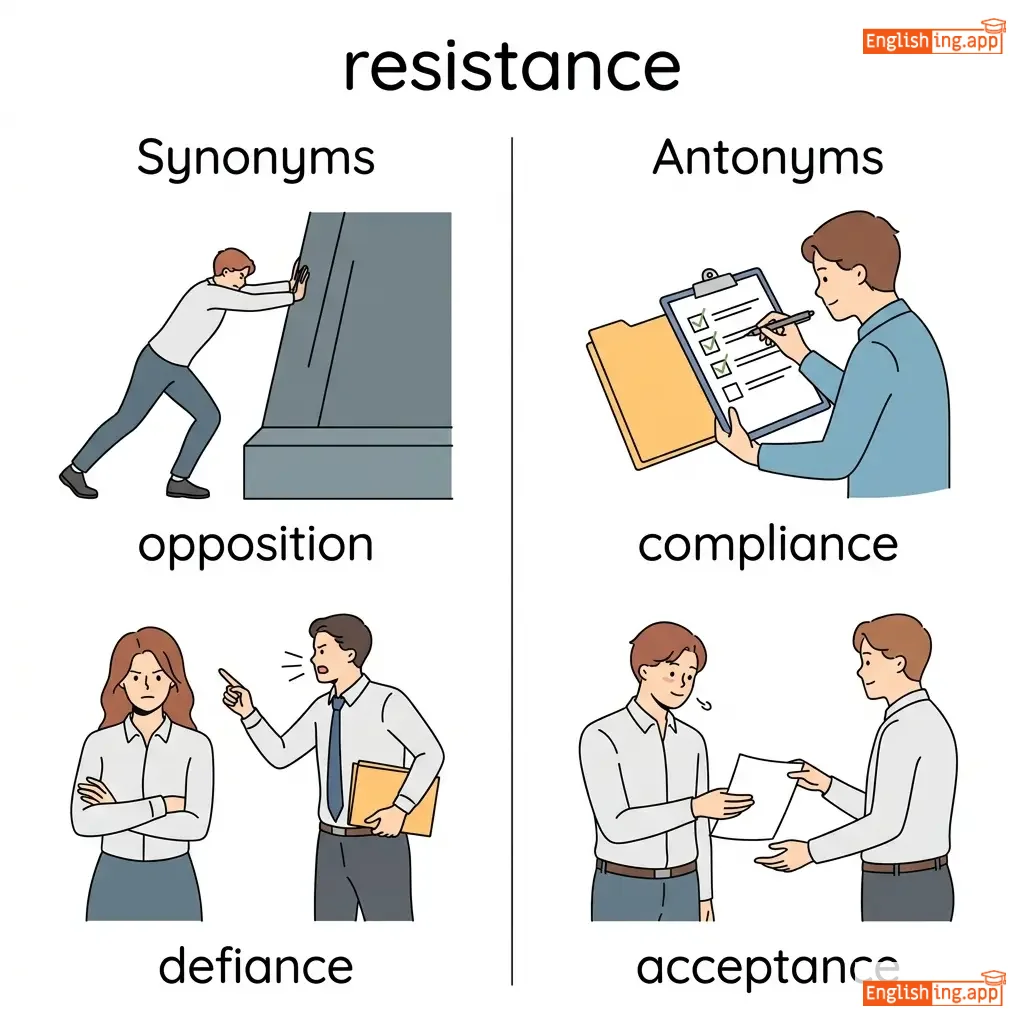
opposition, defiance, immunity, endurance
••••••
|
acceptance, compliance, submission, vulnerability
••••••
|
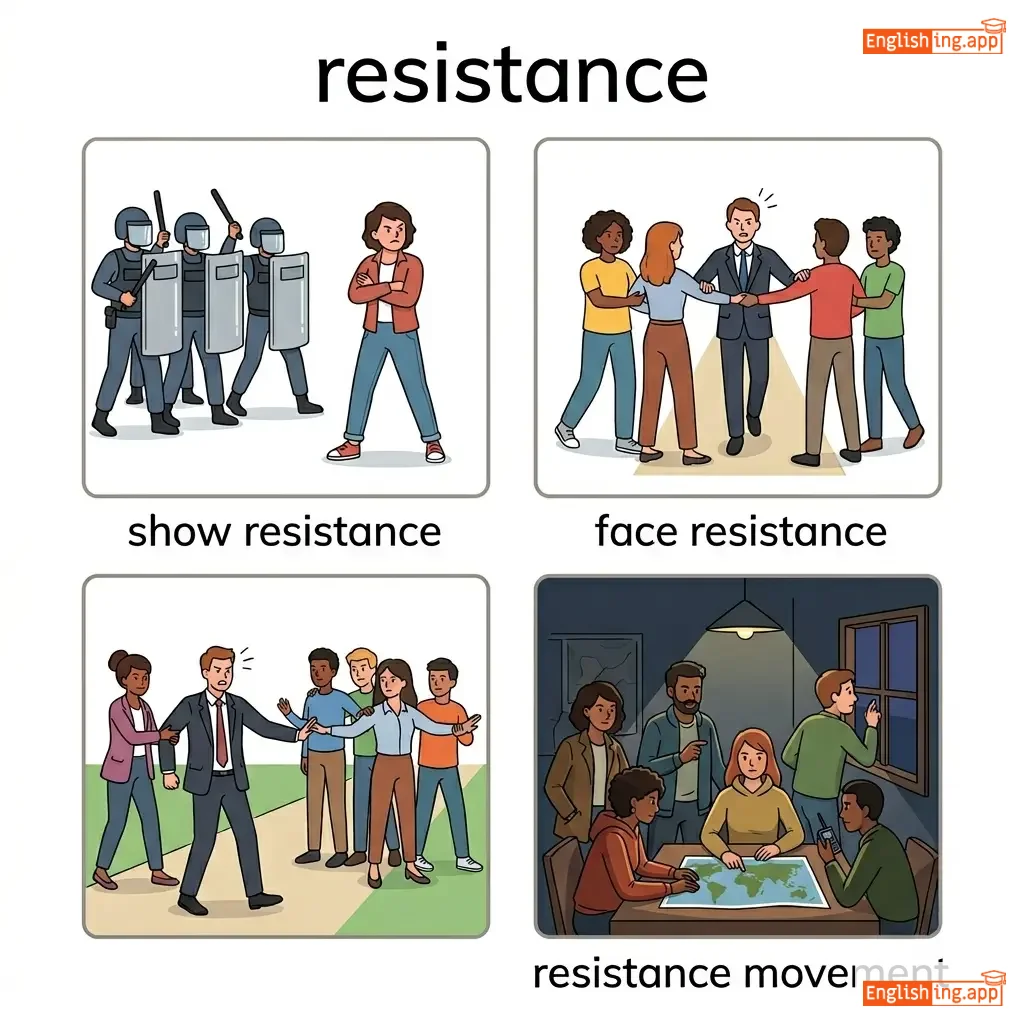
drug resistance, passive resistance, resistance movement, offer resistance
••••••
|
レジスタンス (resisutansu) in Japanese is like 'resist' against bacteria!
••••••
|
|
#1196
😠
|
/rɪˈvendʒ/
noun
(リヴェンジ)
••••••
|
- •••••• |
復讐
fukushuu
••••••
|
the action of inflicting hurt or harm on someone for an injury or wrong suffered at their hands
••••••
|
She sought revenge against those who betrayed her trust. |
彼女は信頼を裏切った者たちに復讐を求めた。
Kanojo wa shinrai wo uragitta monorachi ni fukushuu wo motometa.
••••••
|
vengeance, retaliation, payback, retribution
••••••
|
forgiveness, mercy, pardon, compassion
••••••
|
seek revenge, sweet revenge, plot revenge, revenge attack
••••••
|
復讐 in Japanese is revenge, think of '復' meaning 'to return' and '讐' meaning 'enemy'.
••••••
|
|
#1197
🎯
|
/ˌrezəˈluːʃən/
noun
(レゾリューション)
••••••
|
|
決意
ketsui
••••••
|
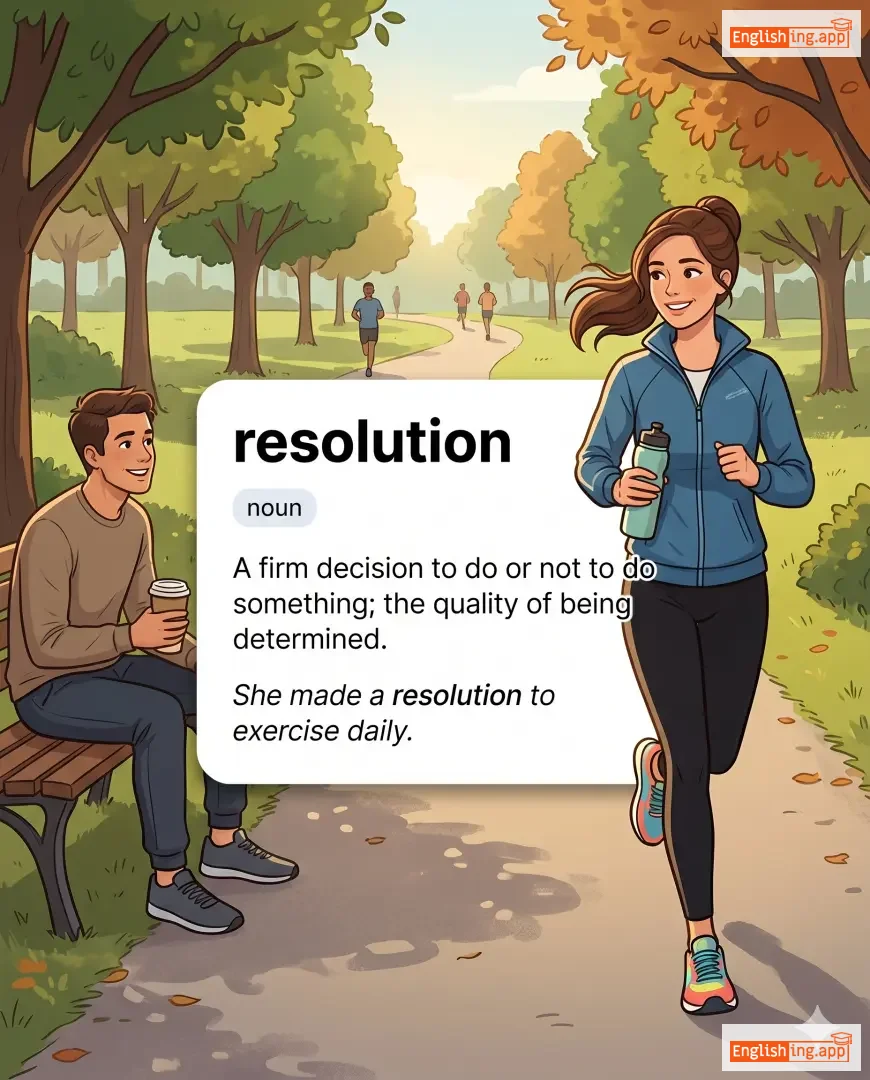
a firm decision to do or not to do something; the action of solving a problem, dispute, or contentious matter; the degree of detail visible in a photographic or television image
••••••
|
Her New Year's resolution was to exercise more regularly.
ハー ニューイヤーズ レゾリューション ワズ トゥ エクササイズ モア レギュラーリー。
••••••
|
彼女の新年の決意は、より定期的に運動することだった。
Kanojo no shinnen no ketsui wa yori teikiteki ni undou suru koto datta
••••••
|
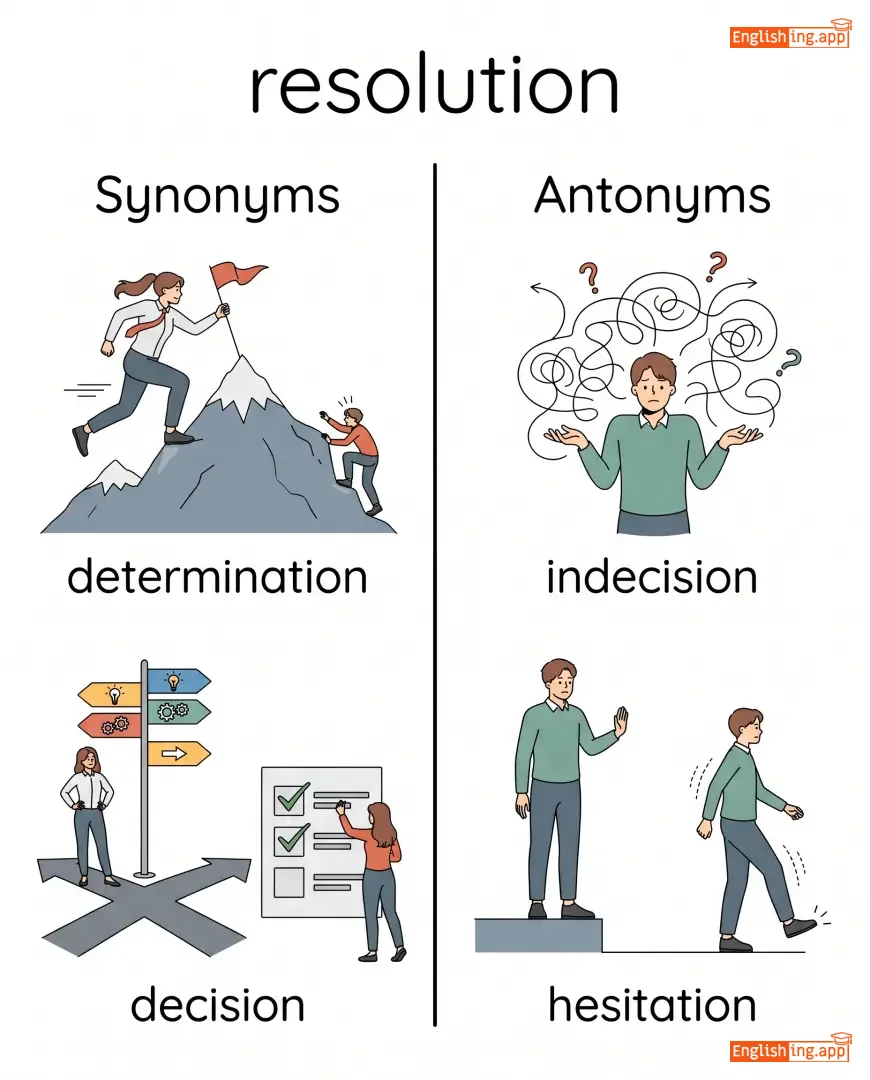
determination, decision, resolve, solution
••••••
|
indecision, hesitation, problem, complication
••••••
|
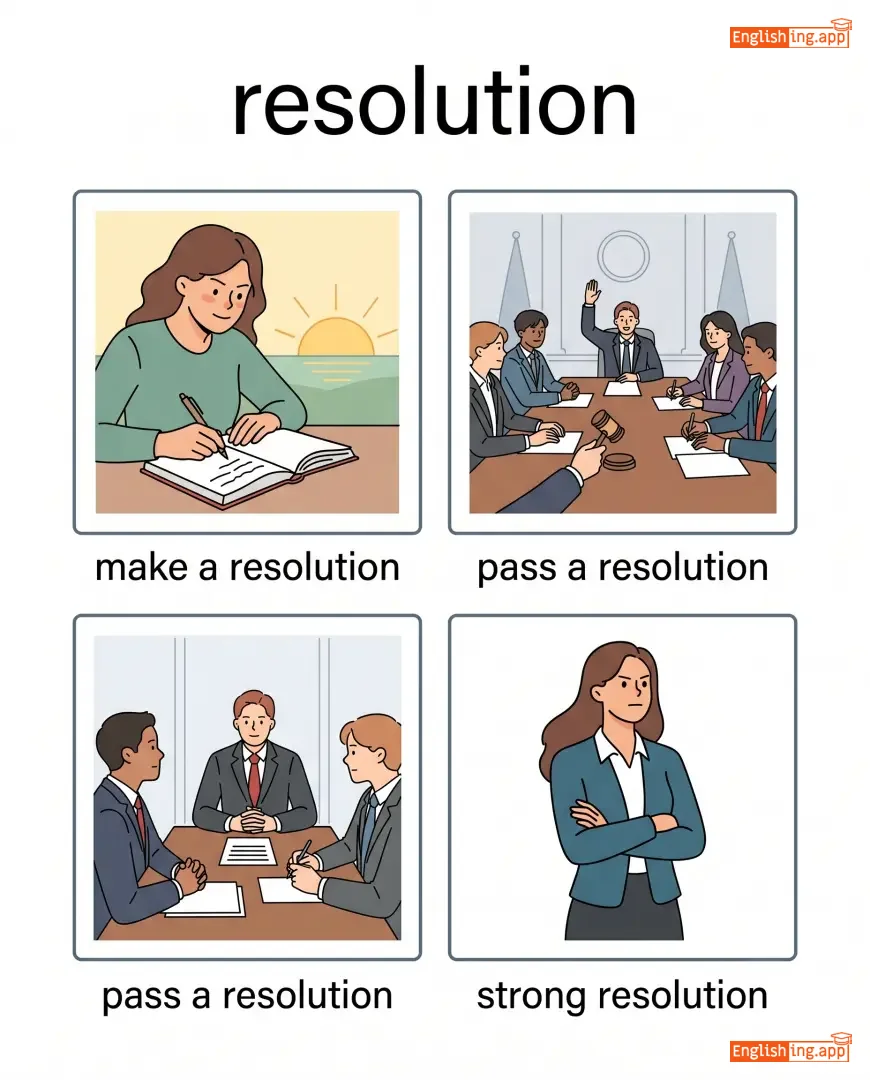
New Year's resolution, conflict resolution, high resolution, pass resolution
••••••
|
New Year's Resolution は 新年の決意 to exercise more のイメージ camera の レゾリューション のように detail を up する
••••••
|
|
#1198
📝
|
/rɪˈvɪʒ.ən/
noun
(リビジョン)
••••••
|
- •••••• |
リビジョン; 修正版
ribijon; shūsei ban
••••••
|
the action of revising; a revised edition or form of something; review of subject matter
••••••
|
The students spent hours doing revision for their final exams.
学生たちは最終試験のために数時間リビジョンを行った。
••••••
|
学生たちは最終試験のために数時間リビジョンを行った。
Gakusei-tachi wa saishū shiken no tame ni suū jikan ribijon o okonatta.
••••••
|
review, amendment, modification, alteration
••••••
|
original, first draft, initial version
••••••
|
revision notes, exam revision, thorough revision, last-minute revision
••••••
|
リビジョン: 試験前にすべてを復習する感じ!
••••••
|
|
#1199
💬
|
/rɪˈspɒns/
noun
(レスポンス)
••••••
|
- •••••• |
反応; 応答
hannou; outou
••••••
|
a reaction to something; an answer or reply; the way in which something reacts to external stimulus
••••••
|
The government's response to the crisis was swift and decisive. |
政府の危機への反応は迅速で決定的でした。
Seifu no kiki e no hannou wa jinsoku de ketteiteki deshita.
••••••
|
reply, answer, reaction, feedback
••••••
|
question, inquiry, silence, ignorance
••••••
|
quick response, positive response, emergency response, in response to
••••••
|
Japanese response is quick, sharp like 'henji'.
••••••
|
|
#1200
🌱
|
/rɪˈvaɪ.vəl/
noun
(リバイバル)
••••••
|
- •••••• |
復活
fukkatsu
••••••
|
an improvement in the condition or strength of something; renewed interest in or attention to something
••••••
|
There has been a revival of interest in traditional crafts.
ゼア ハズ ビーン ア リバイバル オブ インタレスト イン トラディショナル クラフツ。
••••••
|
伝統的な工芸への関心が復活しました。
Dentō-teki na kōgei e no kanshin ga fukkatsu shimashita.
••••••
|
renewal, resurgence, renaissance, rebirth
••••••
|
decline, deterioration, downfall, demise
••••••
|
economic revival, cultural revival, revival meeting, revival of fortunes
••••••
|
復活 = 何かを再び生き返らせる
••••••
|
Vocabulary Quiz
Test your vocabulary by matching words with their translations or meanings.
Login to take the quiz
Comments (0)
Share your thoughts and join the discussion.
Join the discussion by logging in
Login to CommentNo comments yet
Be the first to share your thoughts!