

翻訳
過去
過去分詞
三人称単数
動名詞
意味
例文
例文の翻訳
同義語
対義語
コロケーション
ニーモニック


Swipe left or right, or use the buttons. Tap image to zoom.
例文の翻訳
単語
Lesson 33Lesson 33 - マスクトグル
|
絵文字
|
単語 | Images | 翻訳 | 意味 | 例文 | 例文の翻訳 | 同義語 | 対義語 | コロケーション | ニーモニック |
|---|---|---|---|---|---|---|---|---|---|---|
|
#641
🌊
|
/ˈɪn.flu.əns/
noun
(インフルエンス)
••••••
|
- •••••• |
影響; 力
eikyou, chikara
••••••
|
the capacity to have an effect on the character, development, or behavior of someone or something
••••••
|
The teacher's positive influence helped the student overcome his learning difficulties. |
教師の積極的な影響が生徒の学習の問題を克服する手助けをしました。
Kyoushi no sekkyokuteki na eikyou ga seito no gakushuu no mondai o kokufuku suru tedasuke o shimashita.
••••••
|
effect, impact, power, sway
••••••
|
ineffectiveness, powerlessness, weakness, insignificance
••••••
|
positive influence, bad influence, under influence
••••••
|
影響は他の人や物事に力を及ぼすことです。
••••••
|
|
#642
📋
|
/ˈɪn.vɔɪs/
noun
(インボイス)
••••••
|
- •••••• |
請求書
seikyūsho
••••••
|
a list of goods sent or services provided, with a statement of the sum due for these
••••••
|
The company sent an invoice for the office supplies delivered last week. |
会社は先週配送されたオフィス用品の請求書を送付しました。
Kaisha wa senshū haisō sareta ofisu yōhin no seikyūsho o sōfu shimashita.
••••••
|
bill, statement, receipt, account
••••••
|
payment, settlement, remittance, credit
••••••
|
send invoice, unpaid invoice, invoice amount
••••••
|
請求書は「せいきゅうしょ」- 支払いに関連した書類、記録された金額を示す
••••••
|
|
#643
⚖️
|
/ɪnˈdʒʌs.tɪs/
noun
(インジャスティス)
••••••
|
|
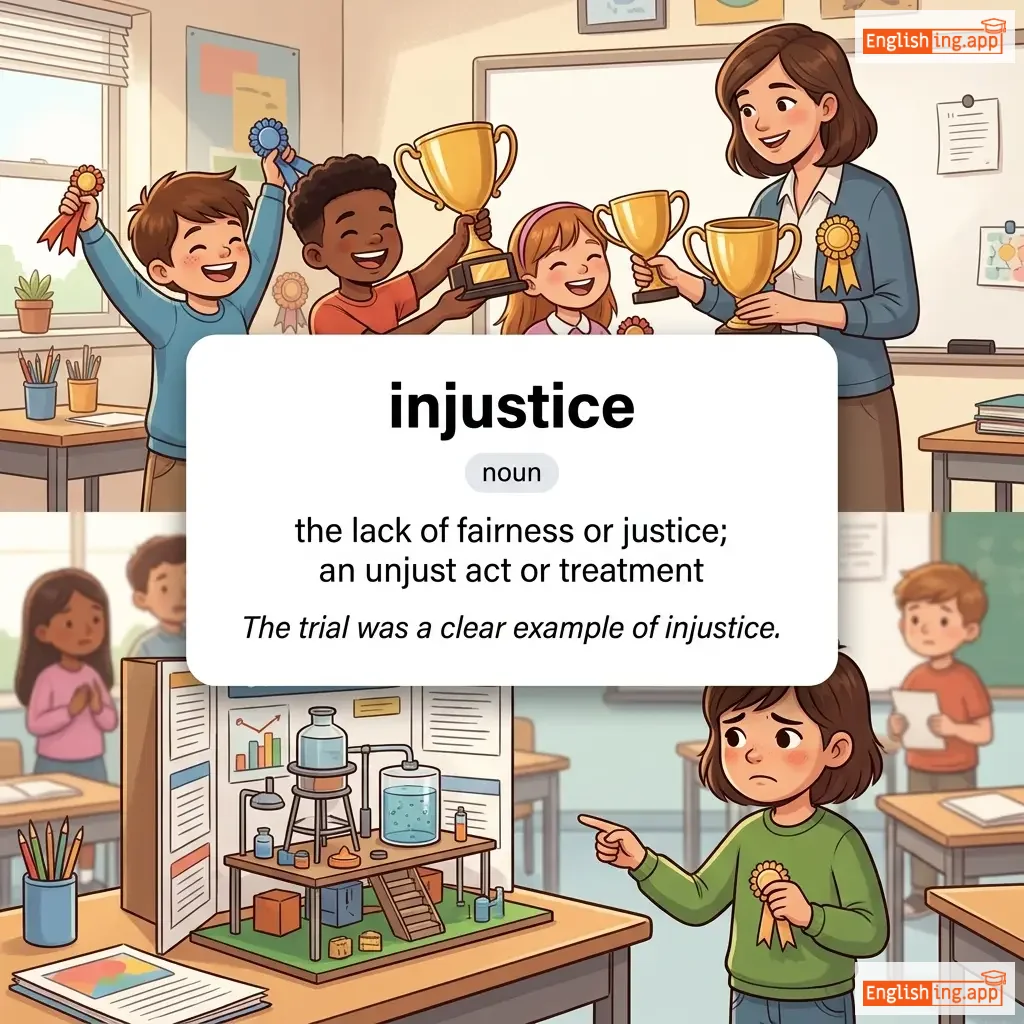
不正
fusei
••••••
|
lack of fairness or justice; an unfair act or occurrence
••••••
|
The protesters marched against the injustice of racial discrimination in the legal system.
抗議者は法的システムにおける人種差別の不正に反対して行進しました。
••••••
|
抗議者は法的システムにおける人種差別の不正に反対して行進しました。
Kougisha wa houteki shisutemu ni okeru jinshu sabetsu no fusei ni hantai shite koushin shimashita.
••••••
|
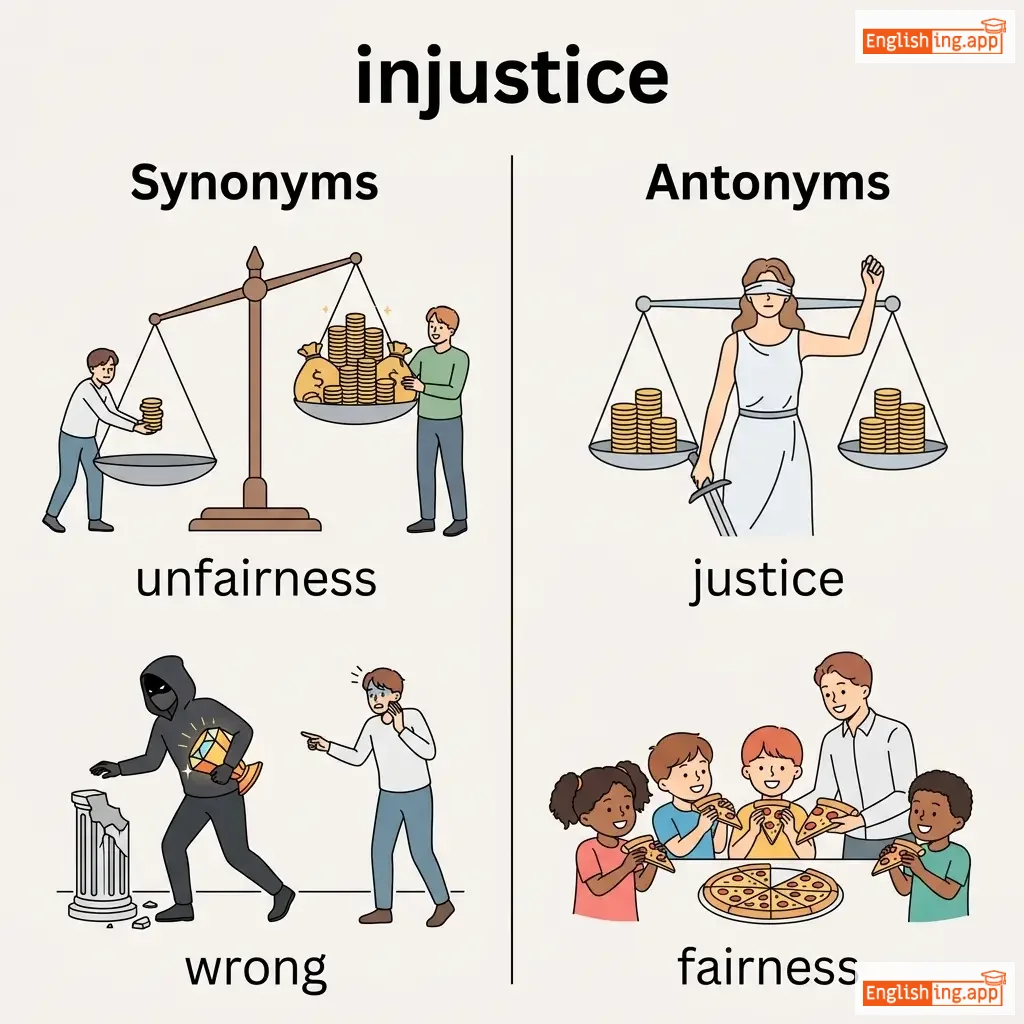
unfairness, inequity, wrongdoing, bias
••••••
|
justice, fairness, equity, righteousness
••••••
|
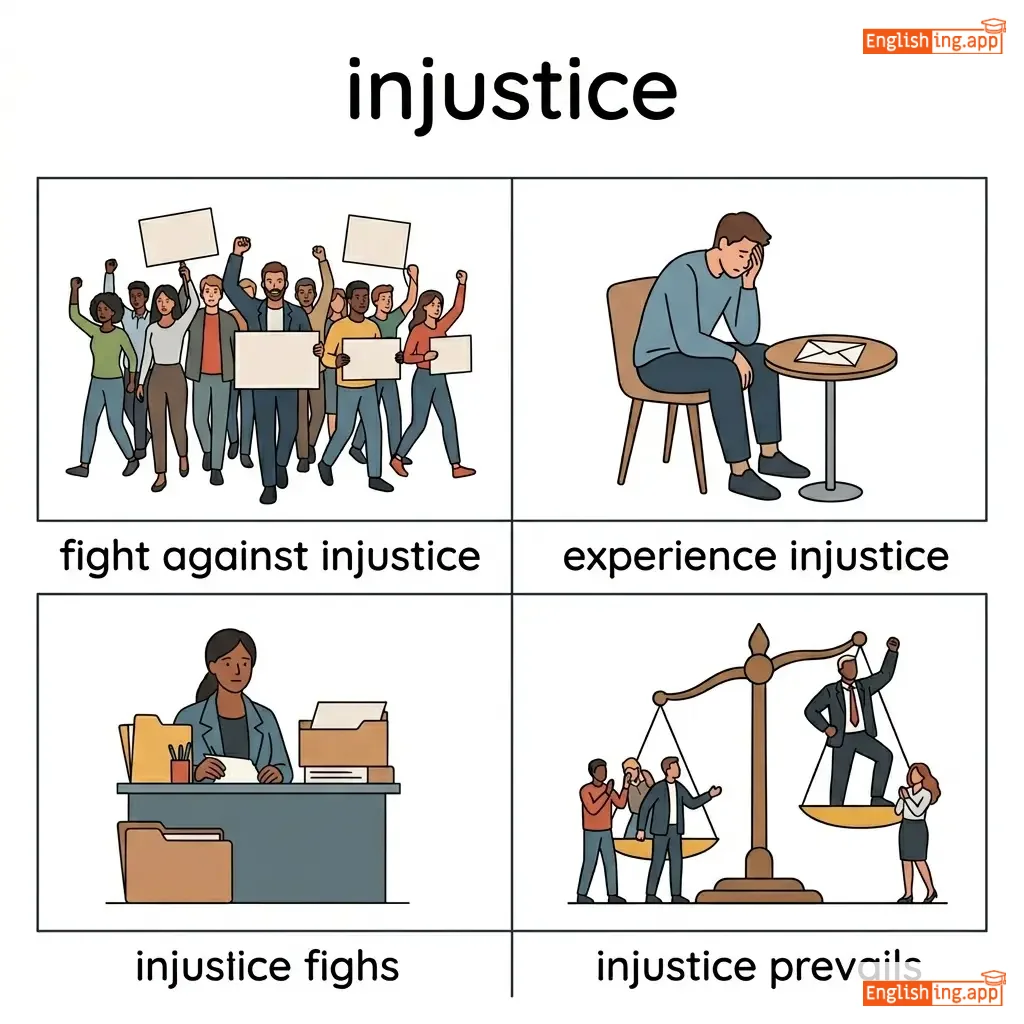
social injustice, fight injustice, grave injustice
••••••
|
Injustice in Japanese = 不正 (Fusei)
••••••
|
|
#644
💥
|
/ɪˈrʌp.ʃən/
noun
(イラプション)
••••••
|
- •••••• |
突然の暴力的な侵入; 侵略または襲撃; 突然の噴出または噴火
totsuzen no bōryokuteki na shin'nyū; shinryaku matawa shūgeki; totsuzen no funshutsu matawa funka
••••••
|
a sudden violent entry; an invasion or raid; a sudden outburst or eruption
••••••
|
The army's irruption into enemy territory caught the opposing forces completely off guard.
軍隊の敵領土へのイラプションは、相手の力を完全に不意を突いた。
••••••
|
軍隊の敵領土へのイラプションは、相手の力を完全に不意を突いた。
guntai no teki ryōdo e no irapushon wa, aite no chikara o kanzen ni fui o tsuita.
••••••
|
invasion, incursion, raid, eruption
••••••
|
withdrawal, retreat, evacuation, departure
••••••
|
sudden irruption, military irruption, irruption of violence
••••••
|
イラプションは突然の衝撃で覚える
••••••
|
|
#645
🖋️
|
/ɪŋk/
noun
(ink)
••••••
|
- •••••• |
インク
inku
••••••
|
a colored fluid used for writing, drawing, or printing; a dark liquid ejected by cuttlefish
••••••
|
The old fountain pen leaked ink all over his white shirt during the meeting.
古い万年筆は会議中に白いシャツにインクをこぼしました。
••••••
|
古い万年筆は会議中に白いシャツにインクをこぼしました。
Furui man'nenhitsu wa kaigi-chū ni shiroi shatsu ni inku o koboshimashita.
••••••
|
dye, pigment, fluid, tint
••••••
|
eraser, correction fluid, bleach, remover
••••••
|
fountain pen ink, black ink, ink cartridge
••••••
|
Ink = インク, 会議中にシャツにこぼれる黒い液体。
••••••
|
|
#646
🏝️
|
/ˌaɪ.səˈleɪ.ʃən/
noun
(アイソレーション)
••••••
|
- •••••• |
隔離
kakuri
••••••
|
the process or fact of isolating or being isolated; separation from other people or things
••••••
|
The patient was kept in isolation to prevent the spread of the infectious disease.
患者は感染症の拡大を防ぐために隔離されました。
••••••
|
患者は感染症の拡大を防ぐために隔離されました。
Kanja wa kansen-shō no kakudai o fūgu tame ni kakuri saremashita.
••••••
|
separation, quarantine, seclusion, segregation
••••••
|
integration, connection, socialization, inclusion
••••••
|
social isolation, medical isolation, isolation ward
••••••
|
隔離は島に一人でいるようなものです。
••••••
|
|
#647
🤯
|
/ɪnˈsæn.ə.ti/
noun
(インサニティ)
••••••
|
- •••••• |
狂気; 精神疾患
kyōki; seishin shikkan
••••••
|
the state of being seriously mentally ill; extreme foolishness or irrationality
••••••
|
The defense lawyer argued that his client was not guilty by reason of insanity. |
弁護人は、被告人が狂気によって無罪であると主張した。
Bengonin wa, hikokunin ga kyōki ni yotte muzai de aru to shuchō shita.
••••••
|
madness, mental illness, lunacy, irrationality
••••••
|
sanity, rationality, mental health, clarity
••••••
|
temporary insanity, plea of insanity, drive to insanity
••••••
|
狂気(kyōki)は英語のインサニティを表現する日本語です。
••••••
|
|
#648
🍓
|
/dʒæm/
noun
(ジャム)
••••••
|
- •••••• |
果物と砂糖で作られた甘いスプレッド;難しい状況;詰まり
kudamono to satou de tsukurareta amai supureddo; muzukashii joukyou; tsumari
••••••
|
a sweet spread made from fruit and sugar; a difficult situation; a blockage
••••••
|
She spread strawberry jam on her toast for breakfast every morning. |
彼女は毎朝、トーストに苺ジャムを塗って朝食をとっていた。
Kanojo wa mai asa, toosuto ni ichigo jamu o nutte choushoku o totteta.
••••••
|
preserve, jelly, marmalade, congestion
••••••
|
liquid, flow, clarity, solution
••••••
|
strawberry jam, traffic jam, jam jar
••••••
|
ジャム(jamu)は、トーストにぴったりな甘いおいしさ!
••••••
|
|
#649
🐛
|
/ɪnˈsek.tɪ.saɪd/
noun
(インセクティサイド)
••••••
|
- •••••• |
殺虫剤
sasshuuzai
••••••
|
a substance used for killing insects; a chemical pesticide that targets insects
••••••
|
The farmer sprayed insecticide on his crops to protect them from harmful bugs. |
農夫は作物を有害な虫から守るために殺虫剤を噴霧しました。
noufu wa sakumotsu o yuugaina mushi kara mamoru tame ni sasshuuzai o funmu shimashita.
••••••
|
pesticide, bug spray, poison, fumigant
••••••
|
fertilizer, nutrients, organic treatment, natural repellent
••••••
|
spray insecticide, organic insecticide, insecticide resistance
••••••
|
殺虫剤 = 虫 + 殺す (化学)
••••••
|
|
#650
🎉
|
/ˌdʒæm.bəˈriː/
noun
(ジャムボリー)
••••••
|
- •••••• |
祭典; フェスティバル;
saiten, fesutibaru
••••••
|
a large celebration or party; a gathering with entertainment; a festive event
••••••
|
The scout jamboree brought together thousands of young people from around the world. |
スカウトジャムボリーは、世界中から数千人の若者たちを集めました。
Sukauto jamboree wa, sekai chū kara sūsen-nin no wakamono-tachi o atsume mashita.
••••••
|
celebration, festival, party, gathering
••••••
|
funeral, mourning, solitude, isolation
••••••
|
scout jamboree, music jamboree, youth jamboree
••••••
|
ジャムボリー = 世界中のスカウトフェスティバル
••••••
|
|
#651
😴
|
/ɪnˈsɒm.ni.ə/
noun
(インソムニア)
••••••
|
- •••••• |
不眠症
fuminsyou
••••••
|
habitual sleeplessness; inability to sleep; the condition of being unable to sleep
••••••
|
Her chronic insomnia made it difficult for her to concentrate during work hours. |
彼女の慢性的な不眠症は、仕事中に集中するのを難しくさせた。
kanojo no manseiteki na fuminsyou wa, shigotōchū ni shūchū suru no o muzukashiku saseta.
••••••
|
sleeplessness, wakefulness, restlessness, sleep disorder
••••••
|
sleepiness, drowsiness, restful sleep, sound sleep
••••••
|
chronic insomnia, suffer from insomnia, insomnia treatment
••••••
|
不眠症(fuminsyou)は‘眠れない症状’を覚えるのに便利な言葉です。
••••••
|
|
#652
🧹
|
/ˈdʒæn.ɪ.tər/
noun
(ジャニター)
••••••
|
- •••••• |
清掃員、管理人
seisouin, kanrinin
••••••
|
a person employed to clean and maintain a building; a caretaker
••••••
|
The school janitor worked late every evening to ensure the classrooms were spotless.
学校の清掃員は、教室が清潔に保たれるように毎晩遅くまで働いていました。
••••••
|
学校の清掃員は、教室が清潔に保たれるように毎晩遅くまで働いていました。
Gakkou no seisouin wa, kyoushitsu ga seiketsu ni tamotareru you ni maiban osoku made hataraite imashita.
••••••
|
caretaker, cleaner, custodian, maintenance worker
••••••
|
tenant, resident, visitor, guest
••••••
|
school janitor, building janitor, night janitor
••••••
|
日本語で '清掃員' は janitor の意味で、学校やビルを掃除する人です。
••••••
|
|
#653
💎
|
/ɪnˈteɡ.rə.ti/
noun
(インテグリティ)
••••••
|
|
誠実; 正直; 高潔
seijitsu; shoujiki; kouketsu
••••••
|
the quality of being honest and having strong moral principles; moral uprightness
••••••
|
The politician's integrity was questioned when evidence of corruption came to light. |
腐敗の証拠が明らかになると、政治家の誠実さが疑問視されました。
fuhai no shouko ga akiraka ni naru to, seijika no seijitsusa ga gimonshi saremashita.
••••••
|
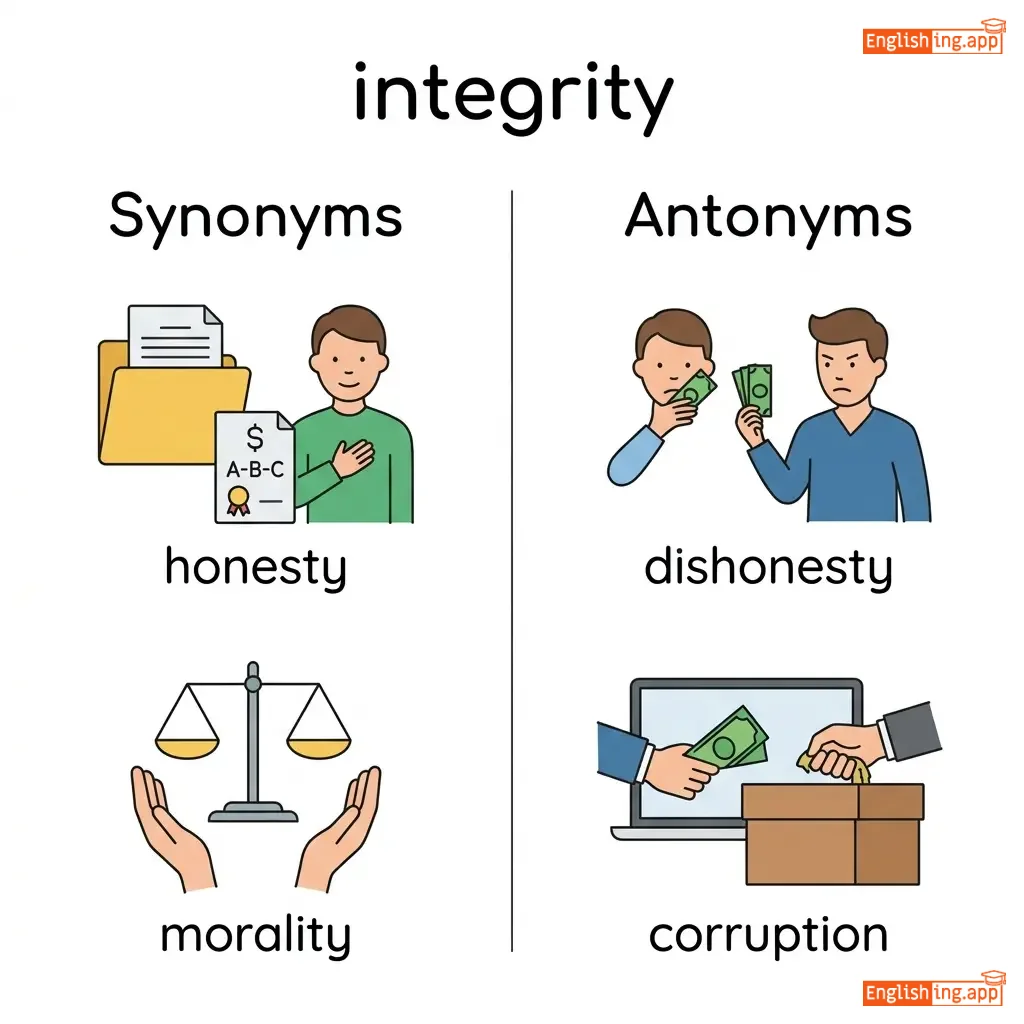
honesty, uprightness, morality, ethics
••••••
|
dishonesty, corruption, immorality, deceit
••••••
|
personal integrity, moral integrity, maintain integrity
••••••
|
誠実は正直さと高潔さの象徴、強い道徳観が支える。
••••••
|
|
#654
🫙
|
/dʒɑːr/
noun
(ジャー)
••••••
|
- •••••• |
ジャー; 瓶
jaa, bin
••••••
|
a wide-mouthed container made of glass or pottery; to have a harsh or unpleasant effect
••••••
|
She stored homemade cookies in a large glass jar on the kitchen counter.
彼女はキッチンカウンターの大きなガラスジャーに自家製クッキーを保管していました。
••••••
|
彼女はキッチンカウンターの大きなガラスジャーに自家製クッキーを保管していました。
Kanojo wa kicchin kauntaa no ookina garasu jaa ni jikasei kukkii wo hokan shite imashita.
••••••
|
container, pot, vessel, canister
••••••
|
box, bag, plate, open container
••••••
|
glass jar, cookie jar, pickle jar
••••••
|
クッキーをジャーに保管することで瓶のような秘密の保存場所を作る!
••••••
|
|
#655
🗣️
|
/ɪnˈtɜː.prə.tər/
noun
(通訳者)
••••••
|
- •••••• |
通訳者; 翻訳者;
tsuuyakusha, hon'yakusha
••••••
|
a person who translates orally from one language into another; someone who explains meaning
••••••
|
The international conference hired professional interpreters to translate speeches in real time. |
国際会議は、スピーチをリアルタイムで翻訳するためにプロの通訳者を雇いました。
Kokusai kaigi wa, supīchi wo riaru taimu de hon'yaku suru tame ni puro no tsuuyakusha wo yatotta.
••••••
|
translator, linguist, mediator, communicator
••••••
|
monolingual speaker, non-translator, silent person, mute
••••••
|
simultaneous interpreter, sign language interpreter, court interpreter
••••••
|
通訳者 (tsuuyakusha) combines 'tsuu' (cross) and 'yakusha' (speaker), a person who crosses language barriers.
••••••
|
|
#656
😠
|
/ˈdʒel.ə.si/
noun
(ジェラシー)
••••••
|
- •••••• |
嫉妬; 競争相手に対する憤り
shitto; kyōsō aite ni taisuru ikidoori
••••••
|
a feeling of envy of someone or their achievements; resentment against a rival
••••••
|
His jealousy over his colleague's promotion led to tension in the workplace.
Hiz jelosi over his kɔːligz proʊmoʊʃən led tʊ tɛnʃən ɪn ðə wɜrkpleɪs.
••••••
|
彼の同僚の昇進に対する嫉妬は職場での緊張を引き起こしました。
Kare no dōryō no shōshin ni taisuru shitto wa shokuba de no kinchō o hikiokoshimashita.
••••••
|
envy, resentment, covetousness, spite
••••••
|
admiration, generosity, contentment, happiness
••••••
|
burning jealousy, overcome jealousy, jealousy and envy
••••••
|
嫉妬は他の人の成功が自分より上に立つのを恐れて生まれる感情です。
••••••
|
|
#657
💕
|
/ˈɪn.tə.mə.si/
noun
(インティマシー)
••••••
|
- •••••• |
親密さ; 親しみ
shinmitsu-sa, shitashimi
••••••
|
close familiarity or friendship; closeness; a private cozy atmosphere
••••••
|
The couple valued the emotional intimacy they shared more than material possessions. |
そのカップルは物質的な所有物よりも、共有した感情的な親密さを大切にしていました。
Sono kappuru wa busshitsuteki na shoyūbutsu yori mo, kyōyū shita kanjō-teki na shinmitsu-sa o taisetsu ni shiteimashita.
••••••
|
closeness, familiarity, affection, bond
••••••
|
distance, alienation, coldness, formality
••••••
|
emotional intimacy, physical intimacy, create intimacy
••••••
|
インティマシー (intimacy) は、二人の距離が近すぎて物理的に測れないもの。
••••••
|
|
#658
😢
|
/ˌdʒer.ɪˈmaɪ.æd/
noun
(ジェレミアッド)
••••••
|
- •••••• |
長い嘆き; 悲しみの苦情; 災難のリスト
nagai nageki; kanashimi no kujou; sainan no risuto
••••••
|
a long mournful complaint or lamentation; a list of woes; a prolonged expression of grief
••••••
|
The newspaper editorial was a jeremiad about the decline of moral values in society. |
新聞の社説は社会における道徳的価値の衰退についてのジェレミアッドだった。
Shinbun no shasetsu wa shakai ni okeru doutokuteki kachi no suitaishite no jeremiaddo datta.
••••••
|
lamentation, complaint, dirge, lament
••••••
|
celebration, praise, eulogy, triumph
••••••
|
bitter jeremiad, long jeremiad, political jeremiad
••••••
|
Think of a long, sad complaint about moral decline as a jeremiad.
••••••
|
|
#659
💡
|
/ɪnˈven.ʃən/
noun
(インヴェンション)
••••••
|
|
発明; 発明されたもの; 創造的発見
hatsumei; hatsumei sareta mono; souzouteki hakken
••••••
|
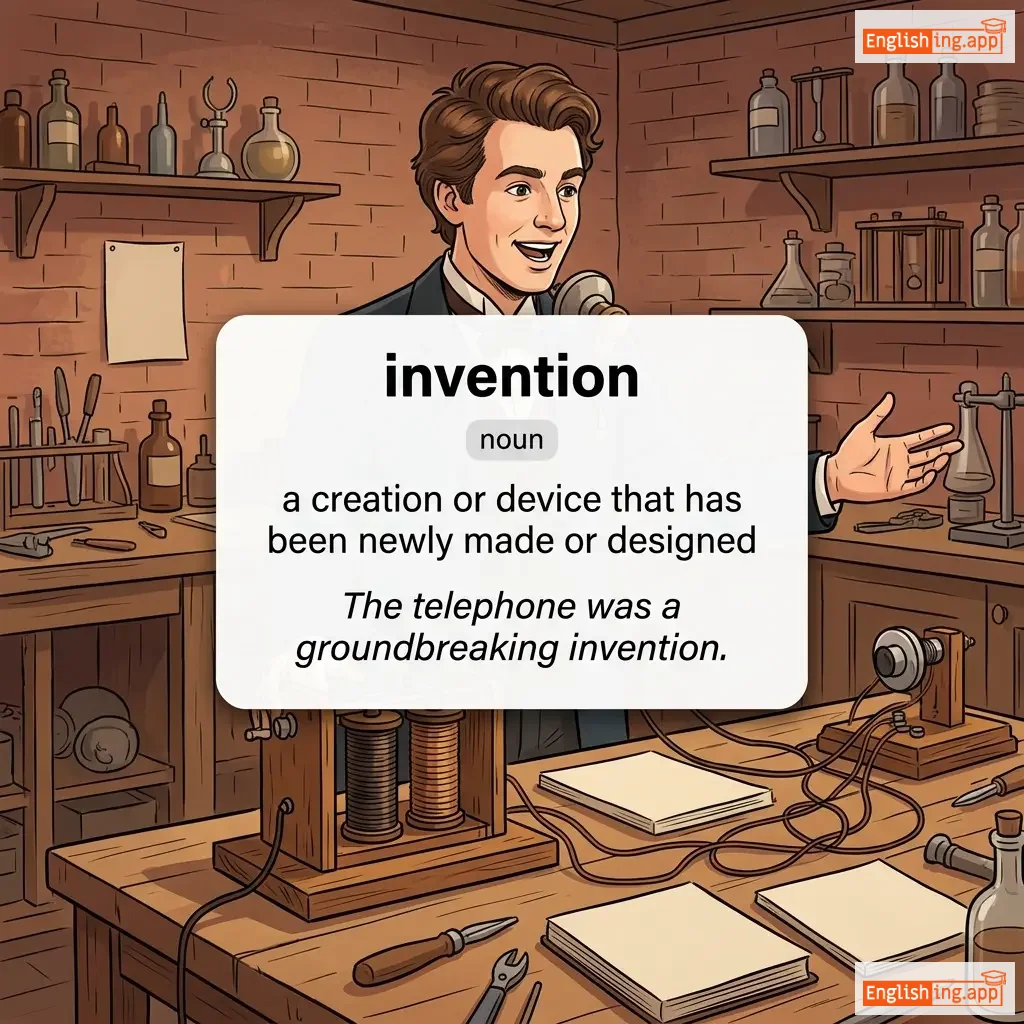
the action of inventing something; a thing that is invented; a creative discovery
••••••
|
Alexander Graham Bell's invention of the telephone revolutionized global communication forever.
アレクサンダー・グラハム・ベルの電話の発明は、世界中の通信を永遠に革命しました。
••••••
|
アレクサンダー・グラハム・ベルの電話の発明は、世界中の通信を永遠に革命しました。
Arekusandā Gurahamu Beru no denwa no hatsumei wa, sekai-ju no tsuushin o eien ni kakumei shimashita.
••••••
|
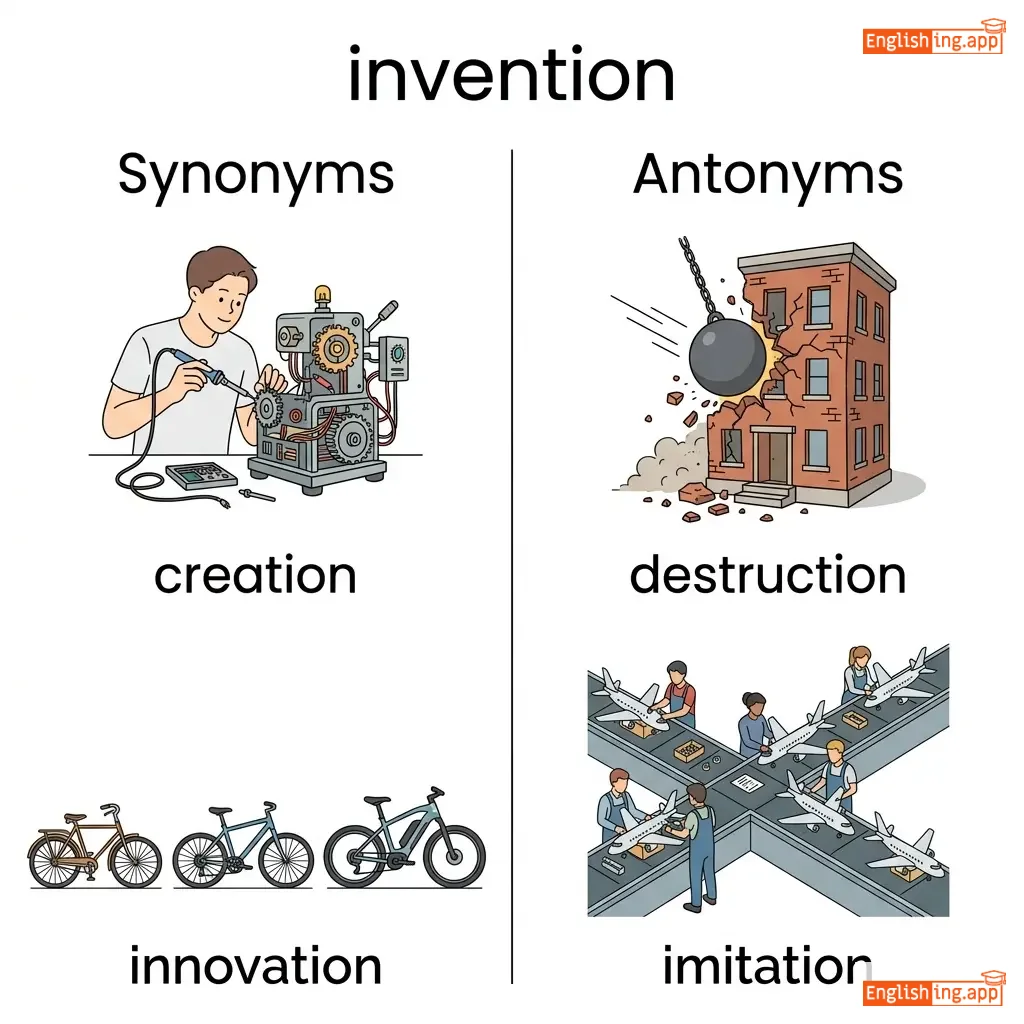
innovation, creation, discovery, device
••••••
|
imitation, copy, tradition, existing technology
••••••
|
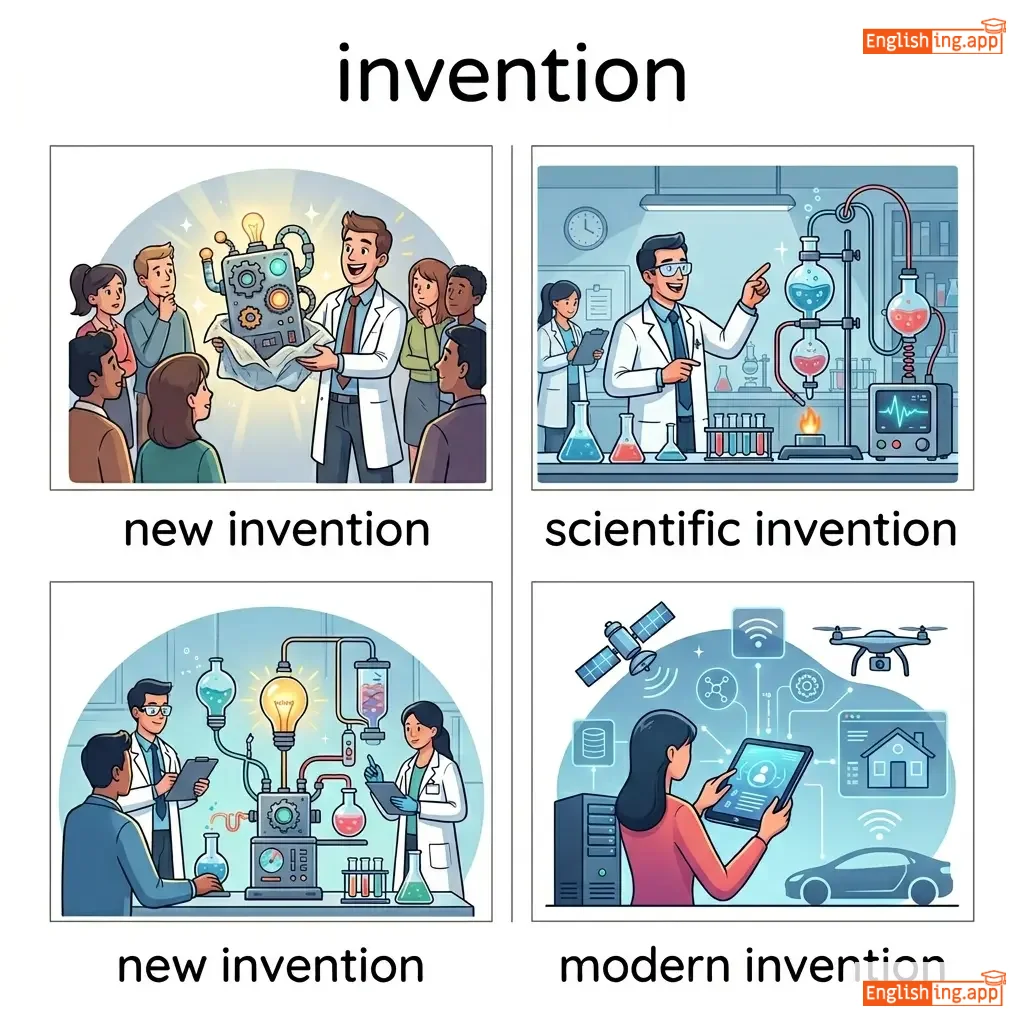
new invention, brilliant invention, patent invention
••••••
|
Invention = 発明 (Hatsumei) - 新しいアイデアが発明に変わる。
••••••
|
|
#660
💫
|
/dʒɜːrk/
noun
(ジャーク)
••••••
|
|
揺れ; 衝撃; バカ者
yure, shougeki, bakamono
••••••
|
a quick, sharp, sudden movement; an abrupt pull or twist; a foolish person
••••••
|
The sudden jerk of the train caused passengers to lose their balance momentarily.
電車の突然のジャークで乗客は一瞬バランスを失いました。
••••••
|
電車の突然の揺れで乗客は一瞬バランスを失いました。
Densha no totsuzen no yure de jokyaku wa isshun baransu o ushinaimashita.
••••••
|
jolt, twitch, spasm, fool
••••••
|
smooth movement, gentle motion, wise person, gradual change
••••••
|
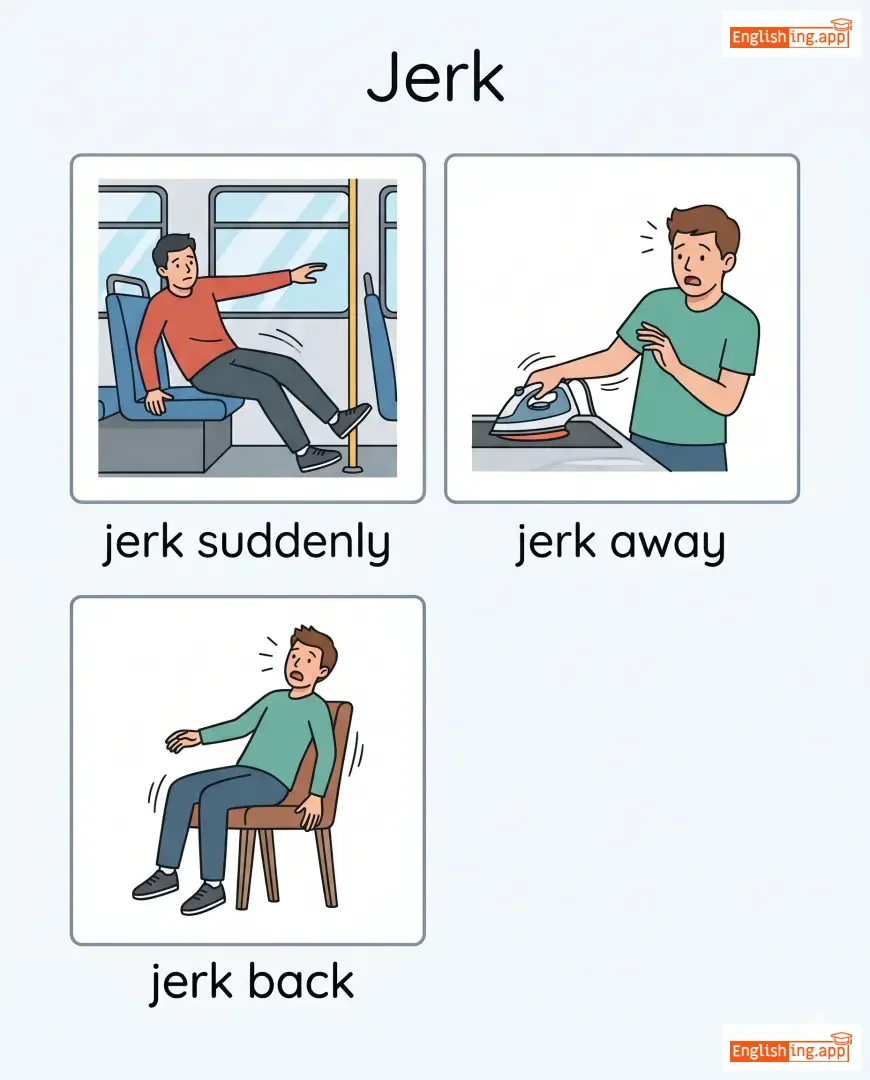
sudden jerk, knee jerk, jerk reaction
••••••
|
揺れはJerkの一種で、バカ者も揺れることがある。
••••••
|
Vocabulary Quiz
Test your vocabulary by matching words with their translations or meanings.
Login to take the quiz
Comments (0)
Share your thoughts and join the discussion.
Join the discussion by logging in
Login to CommentNo comments yet
Be the first to share your thoughts!