



Swipe left or right, or use the buttons. Tap image to zoom.
例句翻译
单词
Lesson 34Lesson 34 - 遮罩切换
|
表情符号
|
单词 | Images | 翻译 | 含义 | 例句 | 例句翻译 | 同义词 | 反义词 | 搭配词 | 助记符 |
|---|---|---|---|---|---|---|---|---|---|---|
|
#661
😄
|
/dʒest/
noun
(杰斯特)
••••••
|
- •••••• |
玩笑; 笑话
wanxiao, xiaohua
••••••
|
a thing said or done for amusement; a joke
••••••
|
His comment was made in jest, not to offend anyone. |
他的评论是开玩笑的,并不是为了冒犯任何人。
Tade pinglun shi kai wanxiao de, bing bushi wei le maofan renhe ren.
••••••
|
joke, quip, witticism, banter
••••••
|
seriousness, earnestness, gravity
••••••
|
in jest, cruel jest, harmless jest
••••••
|
In Chinese, '玩笑' is a jest meant to bring joy and laughter.
••••••
|
|
#662
🕯️
|
/ˈdʒɒs.stɪk/
noun
(约斯-斯蒂克)
••••••
|
- •••••• |
香炉棒
xianglu bang
••••••
|
a thin stick of incense that is burned for its pleasant smell, especially in religious ceremonies
••••••
|
She lit a joss-stick in the temple during her prayers.
她在寺庙里点燃了一根香炉棒,进行祷告。
••••••
|
她在寺庙里点燃了一根香炉棒,进行祷告。
Tā zài sìmiào lǐ diǎn rán le yī gēn xiānglú bàng, jìnxíng dǎogào.
••••••
|
incense stick, agarbatti, dhoop
••••••
|
extinguisher, candle snuffer
••••••
|
light joss-stick, burning joss-stick, temple joss-stick
••••••
|
Joss-stick在中文中是'香炉棒',一种在宗教场所使用的香。
••••••
|
|
#663
🃏
|
/ˈdʒes.tər/
noun
(杰斯特)
••••••
|
- •••••• |
小丑; 愚人
xiǎochǒu, yúrén
••••••
|
a professional joker or fool at a medieval court; someone who jokes a lot
••••••
|
The court jester entertained the king with witty remarks and amusing tricks. |
宫廷小丑用机智的评论和有趣的把戏娱乐国王。
Gōngtíng xiǎochǒu yòng jīzhì de pínglùn hé yǒuqù de bǎxì yúlè guówáng.
••••••
|
fool, clown, buffoon, comedian
••••••
|
serious person, sage, scholar
••••••
|
court jester, royal jester, wise jester
••••••
|
Jester = 小丑,永远讲笑话的人。
••••••
|
|
#664
📔
|
/ˈdʒɒt.ər/
noun
(约特)
••••••
|
- •••••• |
记事本
jishiben
••••••
|
a small notebook for writing quick notes or reminders
••••••
|
The student carried a jotter to write down important points during lectures. |
学生带着记事本,在讲座期间写下重要要点。
xuesheng daizhe jishiben, zai jiangzuo qijian xiexia zhongyao yaodian.
••••••
|
notebook, notepad, memo pad, diary
••••••
|
textbook, reference book, manual
••••••
|
small jotter, pocket jotter, spiral jotter
••••••
|
Jotter = 小本子,用于记笔记
••••••
|
|
#665
✈️
|
/dʒet/
noun
(jet)
••••••
|
- •••••• |
喷气式飞机
penqishi feiji
••••••
|
a rapid stream of liquid, gas, or flame; an aircraft powered by jet engines
••••••
|
The jet took off smoothly and reached cruising altitude quickly.
这架喷气机平稳起飞,迅速达到了巡航高度。
••••••
|
这架喷气机平稳起飞,迅速达到了巡航高度。
Zhe jia penqishi feiji pingwen qifei, xunxu daduole xunhang gaodu.
••••••
|
aircraft, plane, stream, spray
••••••
|
propeller plane, slow flow
••••••
|
jet engine, water jet, jet fuel
••••••
|
喷气式飞机快速飞行,像风一样迅速。
••••••
|
|
#666
📰
|
/ˈdʒɜːr.nəl/
noun
(期刊)
••••••
|
- •••••• |
期刊
qī kān
••••••
|
a newspaper or magazine that deals with a particular subject; a daily record of events
••••••
|
She kept a personal journal to record her thoughts and experiences. |
她保持着个人日记,以记录她的想法和经历。
Tā bǎochí zhe gèrén rìjì, yǐ jìlù tā de xiǎngfǎ hé jīnglì.
••••••
|
diary, newspaper, magazine, record
••••••
|
fiction, novel, fantasy
••••••
|
academic journal, medical journal, daily journal
••••••
|
No •••••• |
|
#667
🛥️
|
/ˈdʒet.i/
noun
(杰蒂)
••••••
|
- •••••• |
码头
matou
••••••
|
a landing stage or small pier at which boats can dock or be moored
••••••
|
The fishing boats were tied up at the wooden jetty near the harbor. |
渔船停靠在靠近港口的木质码头。
Yuchuan tingkao zai kaojin gangkou de mu zhi matou.
••••••
|
pier, dock, wharf, landing stage
••••••
|
shore, mainland, coast
••••••
|
wooden jetty, stone jetty, harbor jetty
••••••
|
码头 - 船只靠泊的地方,就像一个小岛屿。
••••••
|
|
#668
🧳
|
/ˈdʒɜːr.ni/
noun
(jōrní)
••••••
|
- •••••• |
旅行
lǚxíng
••••••
|
an act of travelling from one place to another; a long and often difficult process of personal development
••••••
|
Their journey across the country took three weeks to complete.
他们的旅行穿越整个国家,花了三周时间。
••••••
|
他们的旅行穿越整个国家,花了三周时间。
tāmen de lǚxíng chuānyuè zhěnggè guójiā, huāle sān zhōu shíjiān.
••••••
|
trip, voyage, travel, expedition
••••••
|
destination, arrival, stay
••••••
|
long journey, safe journey, return journey
••••••
|
A journey (旅行) across China takes time and patience.
••••••
|
|
#669
💎
|
/ˈdʒuː.əl/
noun
(珠宝)
••••••
|
- •••••• |
宝石; 珍贵的石头; 装饰品
baoshi, zhengui de shitou, zhuangshi pin
••••••
|
a precious stone, typically a single crystal or piece of a hard lustrous or translucent mineral; a valuable ornament
••••••
|
The crown was adorned with precious jewels from around the world.
王冠上装饰着来自世界各地的珍贵珠宝。
••••••
|
王冠上装饰着来自世界各地的珍贵珠宝。
Wángguàn shàng zhuāngshì zhe láizì shìjiè gèdì de zhēnguì zhūbǎo.
••••••
|
gem, precious stone, diamond, ornament
••••••
|
worthless stone, pebble, glass
••••••
|
precious jewel, crown jewels, family jewel
••••••
|
宝石像星星一样闪亮,特别是在皇冠上。
••••••
|
|
#670
😊
|
/dʒɔɪ/
noun
(乔伊)
••••••
|
- •••••• |
欢乐
huanle
••••••
|
a feeling of great pleasure and happiness; a person or thing that causes delight
••••••
|
The children's laughter filled the house with joy during the holiday celebration. |
孩子们的笑声在假日庆典期间充满了整个房子。
háizimen de xiàoshēng zài jiàrì qìngdiǎn qījiān chōngmǎn le zhěnggè fángzi.
••••••
|
happiness, delight, pleasure, bliss
••••••
|
sadness, sorrow, grief, misery
••••••
|
pure joy, great joy, tears of joy
••••••
|
欢乐 (huanle) comes from Joy, the joy of kids' laughter.
••••••
|
|
#671
🔔
|
/ˈdʒɪŋ.ɡəl/
noun
(dʒɪŋɡəl)
••••••
|
- •••••• |
轻微的金属声,通常由金属物体相互碰撞产生;一首短小而吸引人的歌曲
qīngwéi de jīnshǔ shēng, tōngcháng yóu jīnshǔ wùtǐ xiānghù pèngzhuàng chǎnshēng; yī shǒu duǎnxiǎo ér xīyǐn rén de gēqǔ
••••••
|
a light ringing sound such as that made by metal objects being shaken together; a short catchy song
••••••
|
The jingle of keys could be heard as she walked down the hallway. |
当她走过走廊时,钥匙的声音可以听到。
Dāng tā zǒu guò zǒuláng shí, yàoshi de shēngyīn kěyǐ tīngdào.
••••••
|
chime, tinkle, ring, melody
••••••
|
silence, quiet, stillness
••••••
|
advertising jingle, bell jingle, key jingle
••••••
|
钥匙的声音就像一首短小的歌曲,立刻吸引你。
••••••
|
|
#672
🎉
|
/ˈdʒuː.bɪ.liː/
noun
(jubilee)
••••••
|
- •••••• |
周年纪念; 特别庆典
jubilee
••••••
|
a special anniversary celebration, especially the 25th, 50th, or 60th anniversary of an important event
••••••
|
The school celebrated its golden jubilee with a grand ceremony. |
学校以盛大的仪式庆祝了它的金色周年纪念。
Xuéxiào yǐ shèngdà de yíshì qìngzhùle tā de jīnsè zhōunián jìniàn.
••••••
|
anniversary, celebration, commemoration, festivity
••••••
|
beginning, inauguration, start
••••••
|
golden jubilee, silver jubilee, diamond jubilee
••••••
|
纪念你的'jubilee'庆典!
••••••
|
|
#673
💼
|
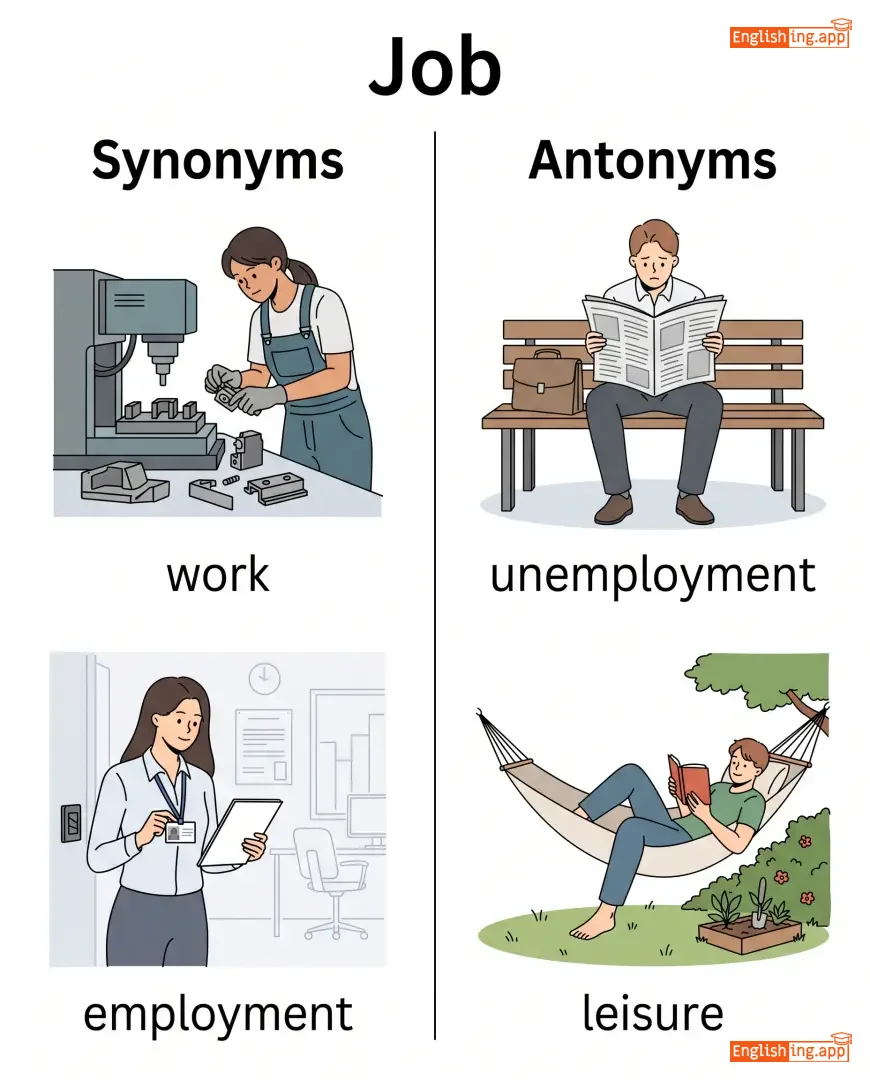
/dʒɒb/
noun
(工作)
••••••
|
|
工作; 职位; 职业
gongzuo, zhiwei, zhiye
••••••
|
a paid position of regular employment; a task or piece of work
••••••
|
She found a new job at the technology company after graduation. |
她在毕业后找到了一份新工作,在一家科技公司工作。
Ta zai biyue hou zhaodao le yi fen xin gongzuo, zai yijia keji gongsi gongzuo.
••••••
|
work, employment, occupation, career
••••••
|
unemployment, leisure, retirement
••••••
|
full-time job, dream job, job interview
••••••
|
No •••••• |
|
#674
⚖️
|
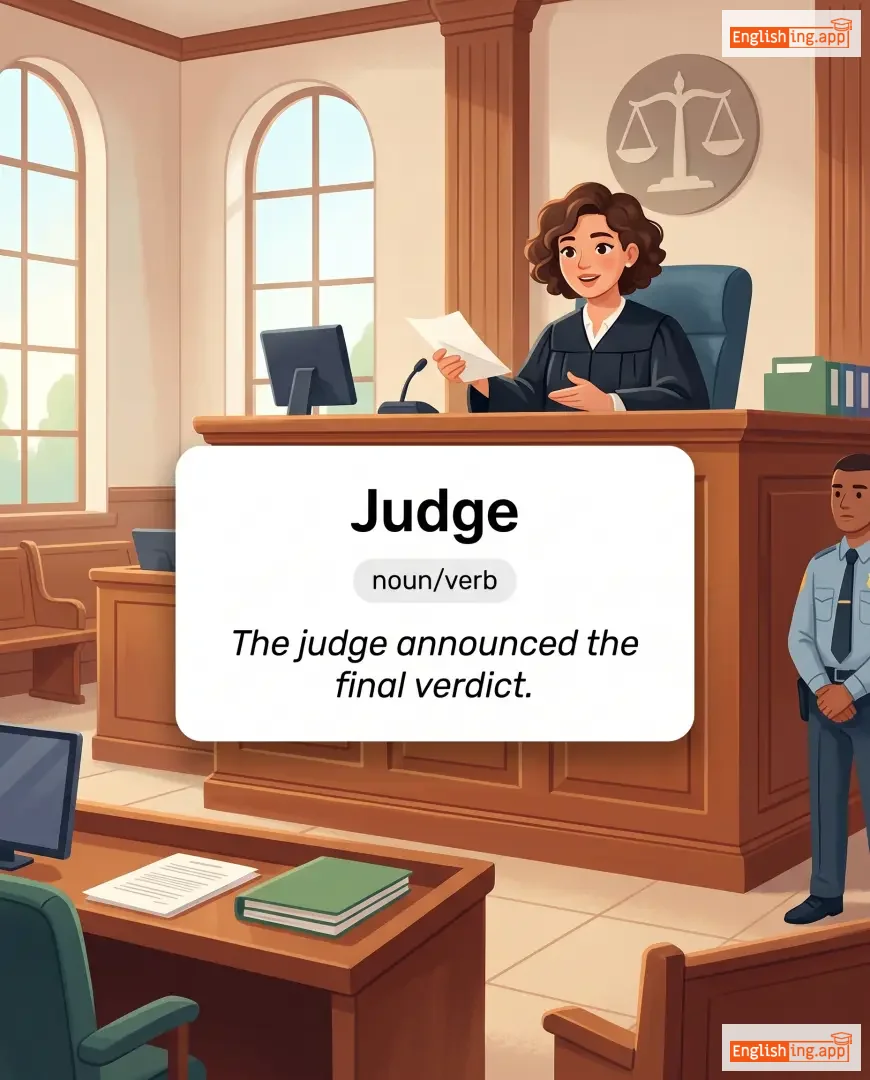
/dʒʌdʒ/
noun
(dʒʌdʒ)
••••••
|
|
法官; 裁判
fǎguān, cáipàn
••••••
|
a public official appointed to decide cases in a law court; a person who decides the results of a competition
••••••
|
The judge carefully reviewed all the evidence before making a decision.
法官在做出决定之前仔细审查了所有证据。
••••••
|
法官在做出决定之前仔细审查了所有证据。
Fǎguān zài zuòchū juédìng zhīqián zǐxì shěnchále suǒyǒu zhèngjù.
••••••
|
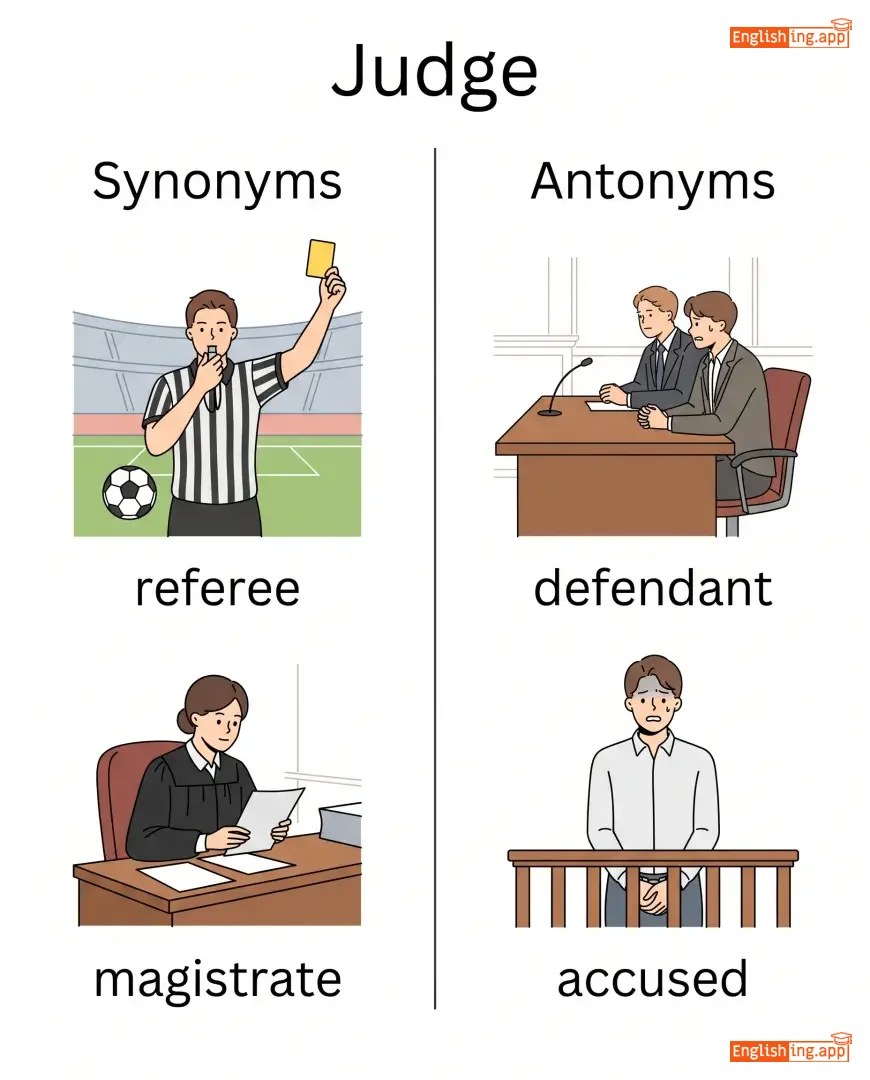
magistrate, justice, referee, arbitrator
••••••
|
defendant, accused, participant
••••••
|
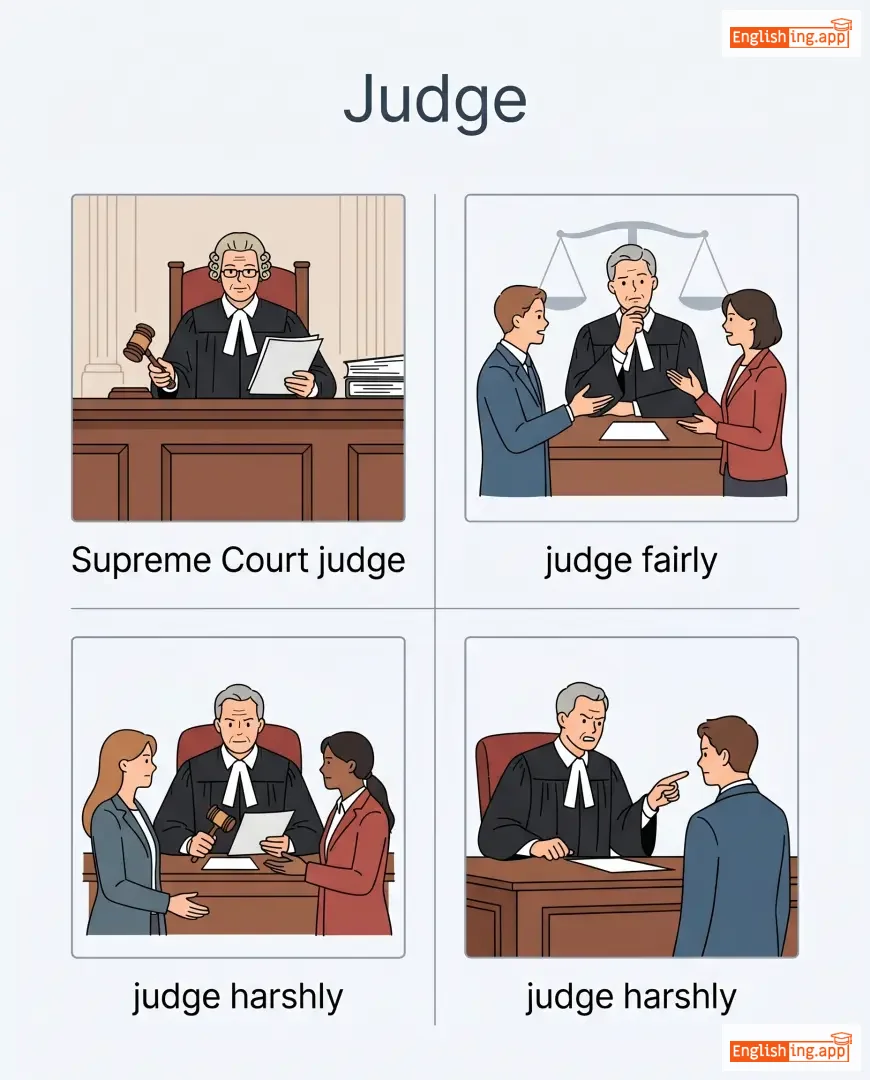
chief judge, trial judge, federal judge
••••••
|
法官像裁判一样决定结果 (Fǎguān xiàng cáipàn yīyàng juédìng jiéguǒ)
••••••
|
|
#675
🦴
|
/dʒɔɪnt/
noun
(乔因特)
••••••
|
- •••••• |
关节; 共同
guānjié, gòngtóng
••••••
|
a point at which parts of the body are connected; shared by two or more people
••••••
|
The joint effort of the team led to the project's success.
团队的共同努力导致了项目的成功。
••••••
|
团队的共同努力导致了项目的成功。
Tuánduì de gòngtóng nǔlì dǎozhìle xiàngmù de chénggōng.
••••••
|
connection, union, link, combined
••••••
|
separation, individual, divided
••••••
|
joint venture, knee joint, joint effort
••••••
|
关节连接不同的部分,就像共同努力实现目标。
••••••
|
|
#676
📜
|
/ˈdʒʌdʒ.mənt/
noun
(dʒʌdʒmənt)
••••••
|
- •••••• |
判决;决定
panjue, jueding
••••••
|
the ability to make considered decisions or form sensible opinions; an official decision made by a judge or court
••••••
|
The jury's judgement was based on careful consideration of all the facts. |
陪审团的判决基于对所有事实的仔细考虑。
péi shěn tuán de pàn jué jī yú duì suǒ yǒu shì shí de zǐ xì kǎo lǜ.
••••••
|
decision, verdict, ruling, opinion
••••••
|
indecision, uncertainty, doubt
••••••
|
court judgement, final judgement, moral judgement
••••••
|
判决意味着经过深思熟虑后做出的决定。
••••••
|
|
#677
😂
|
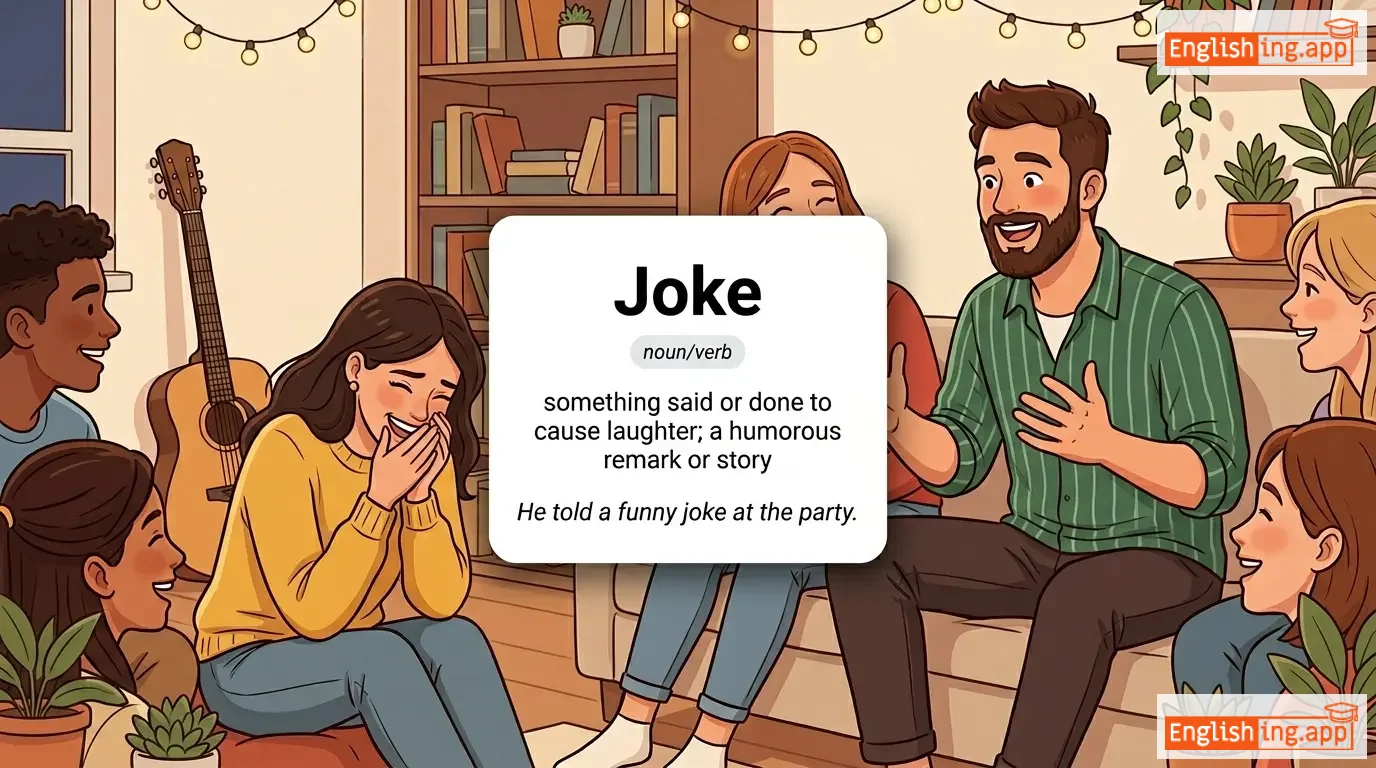
/dʒoʊk/
noun
(笑话)
••••••
|
|
笑话; 幽默; 引起笑声的事情
xiaohua, youmo, yiqi xiaosheng de shiqing
••••••
|
a thing that someone says to cause amusement or laughter; something not to be taken seriously
••••••
|
Everyone laughed at his funny joke during the dinner party.
每个人都在晚宴上笑他的有趣笑话。
••••••
|
每个人都在晚宴上笑他的有趣笑话。
Mei ge ren dou zai wanyan shang xiao tade youqu xiaohua.
••••••
|
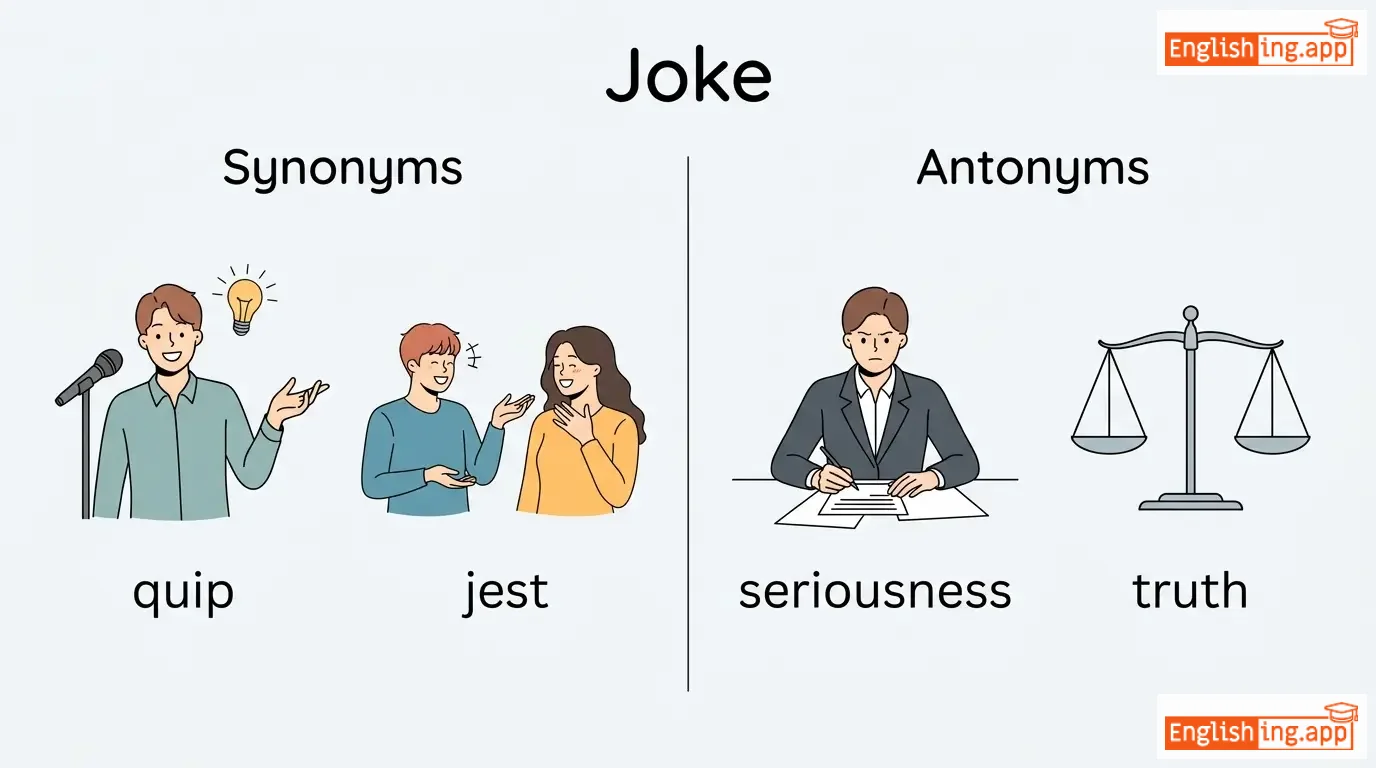
jest, gag, quip, witticism
••••••
|
seriousness, tragedy, solemnity
••••••
|
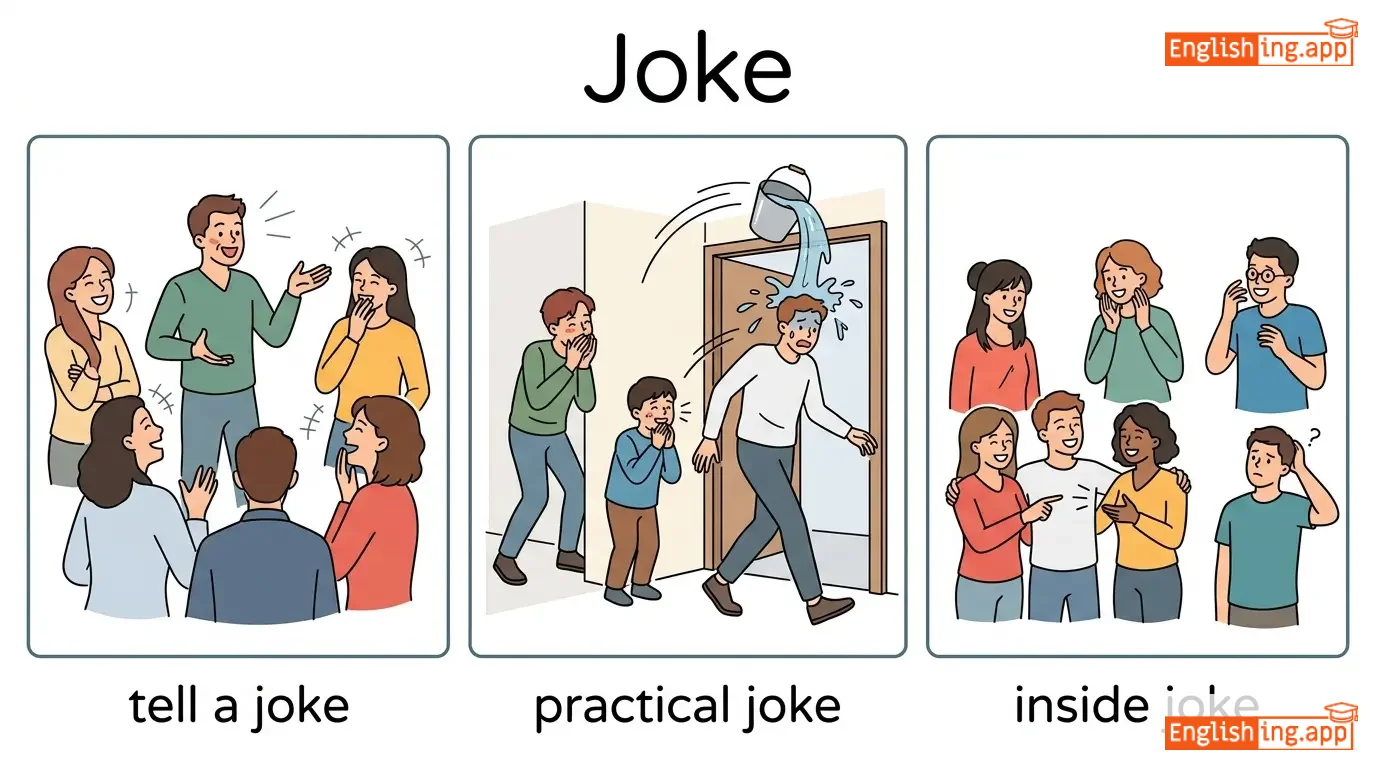
funny joke, practical joke, inside joke
••••••
|
笑话让每个人开心
••••••
|
|
#678
🍶
|
/dʒʌɡ/
noun
(juɡ)
••••••
|
- •••••• |
水壶
shuǐ hú
••••••
|
a large container for liquids, with a narrow mouth and a handle
••••••
|
She poured fresh orange juice from the glass jug into her cup. |
她把新鲜的橙汁从玻璃水壶倒进了她的杯子里。
Tā bǎ xīnxiān de chéngzhī cóng bōlí shuǐ hú dào jìnle tā de bēizi lǐ.
••••••
|
pitcher, vessel, container, pot
••••••
|
cup, glass, mug
••••••
|
water jug, milk jug, ceramic jug
••••••
|
水壶满了,喝的更多!
••••••
|
|
#679
|
/ˈdʒoʊ.kər/
noun
(乔克)
••••••
|
- •••••• |
小丑
xiaochou
••••••
|
a playing card with a picture of a jester, used as a wild card; a person who is fond of joking
••••••
|
He used the joker card to complete his winning hand in the poker game.
他用小丑牌来完成他在扑克游戏中的赢牌。
••••••
|
他用小丑牌来完成他在扑克游戏中的赢牌。
ta shi yong xiao chou pai lai wan cheng ta zai pu ke you xi zhong de ying pai
••••••
|
wild card, jester, comedian, prankster
••••••
|
serious person, regular card, standard card
••••••
|
wild joker, red joker, class joker
••••••
|
Joker = XiaoChou, a joke-er who always makes you laugh, 小丑爱逗你笑, 记住 xiao chou = joker.
••••••
|
|
#680
🧃
|
/dʒuːs/
noun
(果汁)
••••••
|
- •••••• |
果汁(来自水果/蔬菜或肉类)
guo zhi (lai zi shuiguo/shucai huo roulei)
••••••
|
the liquid obtained from or present in fruit or vegetables; the liquid that comes from meat when it is cooked
••••••
|
The fresh apple juice was delicious and packed with vitamins. |
新鲜的苹果汁美味可口,且富含维生素。
Xinxian de pingguo zhi meiwei kekou, qie fuhan weishengsu.
••••••
|
extract, liquid, nectar, essence
••••••
|
pulp, solid, fiber
••••••
|
fruit juice, orange juice, fresh juice
••••••
|
果汁 (果汁) 是从水果和蔬菜中提取的液体。
••••••
|
Vocabulary Quiz
Test your vocabulary by matching words with their translations or meanings.
Login to take the quiz
Comments (0)
Share your thoughts and join the discussion.
Join the discussion by logging in
Login to CommentNo comments yet
Be the first to share your thoughts!