

翻訳
過去
過去分詞
三人称単数
動名詞
意味
例文
例文の翻訳
同義語
対義語
コロケーション
ニーモニック


Swipe left or right, or use the buttons. Tap image to zoom.
例文の翻訳
単語
Lesson 87Lesson 87 - マスクトグル
|
絵文字
|
単語 | Images | 翻訳 | 過去 | 過去分詞 | 三人称単数 | 動名詞 | 意味 | 例文 | 例文の翻訳 | 表現例 | 表現例の意味 | 表現例の翻訳 | 同義語 | 対義語 | コロケーション | ニーモニック |
|---|---|---|---|---|---|---|---|---|---|---|---|---|---|---|---|---|---|
|
#4123
👌
|
/ˈriːzənəbl/
adjective
(リーズナブル)
••••••
|
- •••••• |
合理的
gōriteki
••••••
|
- •••••• | - •••••• | - •••••• | - •••••• |
Fair and sensible; having sound judgment; not extreme or excessive.
••••••
|
The price of the meal was quite reasonable.
その食事の価格はかなりリーズナブルでした。
••••••
|
その食事の価格はかなりリーズナブルでした。
Sono shokuji no kakaku wa kanari rīzunaburu deshita.
••••••
|
within reason
合理的な範囲内で
••••••
|
to a fair and sensible extent
••••••
|
合理的な範囲内で
Gōriteki na han'i nai de
••••••
|
fair, sensible, rational, logical, moderate
••••••
|
unreasonable, unfair, excessive
••••••
|
reasonable price, reasonable doubt, reasonable explanation, reasonable request
••••••
|
合理的はReason + able → 理にかなった、実行可能なものです。
••••••
|
|
#4124
⚖️
|
/ˈriː.zən.ə.bli/
adverb
(リーズナブリー)
••••••
|
- •••••• |
合理的に; 適度に;
gōriteki ni; tekido ni;
••••••
|
- •••••• | - •••••• | - •••••• | - •••••• |
in a sensible way; fairly; to a moderate degree
••••••
|
The hotel room was reasonably priced for the location. |
そのホテルの部屋は場所に対して合理的な価格で提供されていました。
Sono hoteru no heya wa basho ni taishite gōriteki na kakaku de teikyō sarete imashita.
••••••
|
- •••••• | - •••••• | - •••••• |
fairly, moderately, sensibly, logically
••••••
|
unreasonably, extremely, irrationally
••••••
|
reasonably priced, reasonably good, reasonably sure
••••••
|
In Japanese, 'gōriteki' relates to reasoning, akin to being reasonable.
••••••
|
|
#4125
🤔
|
/ˈriːzənɪŋ/
noun
(rīzoniingu)
••••••
|
- •••••• |
推論
tsuiron
••••••
|
- •••••• | - •••••• | - •••••• | - •••••• |
the process of thinking about something in a logical way in order to form a conclusion or judgment
••••••
|
Her reasoning for leaving was clear and logical. |
彼女の出発の推論は明確で論理的でした。
Kanojo no shuppatsu no tsuiron wa meikaku de ronriteki deshita.
••••••
|
- •••••• | - •••••• | - •••••• |
thinking, logic, judgment, deduction
••••••
|
ignorance, irrationality
••••••
|
logical reasoning, sound reasoning, reasoning ability
••••••
|
推論を使って、論理的に決定を下すことができ、判断によって結論を出すように
••••••
|
|
#4126
🤗
|
/ˌriːəˈʃʊr/
verb
(リアシュア)
••••••
|
- •••••• |
安心させる
anshin saseru
••••••
|
reassured
リアシュアード
••••••
|
reassured
リアシュアード
••••••
|
reassures
リアシュアーズ
••••••
|
reassuring
リアシュアリング
••••••
|
to say or do something to remove someone's doubts or fears
••••••
|
The teacher reassured the students before the exam.
教師は試験前に生徒を安心させました。
••••••
|
教師は試験前に生徒を安心させました。
Kyōshi wa shiken mae ni seito o anshin sasemashita.
••••••
|
- •••••• | - •••••• | - •••••• |
comfort, encourage, console, support, calm
••••••
|
alarm, worry, upset
••••••
|
reassure someone, reassured by, reassured that
••••••
|
Reassure は '安心させる' という意味—教師が試験前に生徒を安心させました。
••••••
|
|
#4127
✊
|
/ˈreb.əl/
noun, verb
(レベル)
••••••
|
- •••••• |
反抗者 / 反抗する
hankousha / hankou suru
••••••
|
rebelled
レベルト
••••••
|
rebelled
レベルト
••••••
|
rebels
レベルス
••••••
|
rebelling
レベリング
••••••
|
a person who resists authority or control; to resist or fight against authority
••••••
|
The students rebelled against the new dress code.
学生たちは新しい服装規定に反抗した。
••••••
|
学生たちは新しい服装規定に反抗した。
Gakusei-tachi wa atarashī fukusō kitei ni hankō shita.
••••••
|
rebel at heart
心の中で反抗者
••••••
|
someone who naturally resists control or rules
••••••
|
心の中で反抗者
kokoro no naka de hankō-sha
••••••
|
revolt, resist, defy, insurgent, protest
••••••
|
obey, comply, submit
••••••
|
rebel group, rebel army, rebel leader, rebel movement
••••••
|
Rebelは 'Rules belao na' という意味です — 規則を守らない人は反抗者です。
••••••
|
|
#4128
⚔️
|
/rɪˈbel.jən/
noun
(反乱)
••••••
|
- •••••• |
反乱
hanran
••••••
|
- •••••• | - •••••• | - •••••• | - •••••• |
an act of armed resistance to an established government or leader
••••••
|
The rebellion against the king lasted for three years.
王に対する反乱は3年間続いた。
••••••
|
王に対する反乱は3年間続いた。
Ō ni taisuru hanran wa 3-nenkan tsuzuita.
••••••
|
- •••••• | - •••••• | - •••••• |
revolt, uprising, insurrection
••••••
|
obedience, submission, compliance
••••••
|
armed rebellion, suppress rebellion, lead rebellion
••••••
|
反乱 = 反抗 + 戦う (戦いの象徴)
••••••
|
|
#4129
🏗️
|
/ˌriːˈbɪld/
verb
(ribildu)
••••••
|
- •••••• |
再建する
saiken suru
••••••
|
rebuilt
ribilto
••••••
|
rebuilt
ribilto
••••••
|
rebuilds
ribilduzu
••••••
|
rebuilding
ribilduingu
••••••
|
to build something again after it has been damaged or destroyed
••••••
|
The villagers worked together to rebuild the bridge after the flood.
村人たちは洪水の後、橋を再建するために協力しました。
••••••
|
村人たちは洪水の後、橋を再建するために協力しました。
Murabito-tachi wa kōzui no ato, hashi o saiken suru tame ni kyōryoku shimashita.
••••••
|
- •••••• | - •••••• | - •••••• |
restore, reconstruct, renovate, repair, remake
••••••
|
destroy, demolish
••••••
|
rebuild the bridge, rebuild confidence, rebuild home, rebuild life
••••••
|
ReBUILD は再び作ること — 破壊されたものを再建する
••••••
|
|
#4130
🧠
|
/rɪˈkɔːl/
verb
(リコール)
••••••
|
- •••••• |
思い出す
omoidasu
••••••
|
recalled
リコールド
••••••
|
recalled
リコールド
••••••
|
recalls
リコールズ
••••••
|
recalling
リコーリング
••••••
|
to bring (a memory, fact, or situation) back into one's mind
••••••
|
I can't recall the last time we met.
最後に会った時のことを思い出せません。
••••••
|
最後に会った時のことを思い出せません。
Saigo ni atta toki no koto o omoidase masen.
••••••
|
- •••••• | - •••••• | - •••••• |
remember, recollect, retrieve, summon
••••••
|
forget, ignore, overlook
••••••
|
recall a memory, recall an event, recall a fact
••••••
|
Recall - 思い出すことができるもの、何かを頭に戻す。
••••••
|
|
#4131
📩
|
/rɪˈsiːv/
verb
(リシーヴ)
••••••
|
|
受け取る
uketoru
••••••
|
received
リシーヴド
••••••
|
received
リシーヴド
••••••
|
receives
リシーヴス
••••••
|
receiving
リシーヴィング
••••••
|
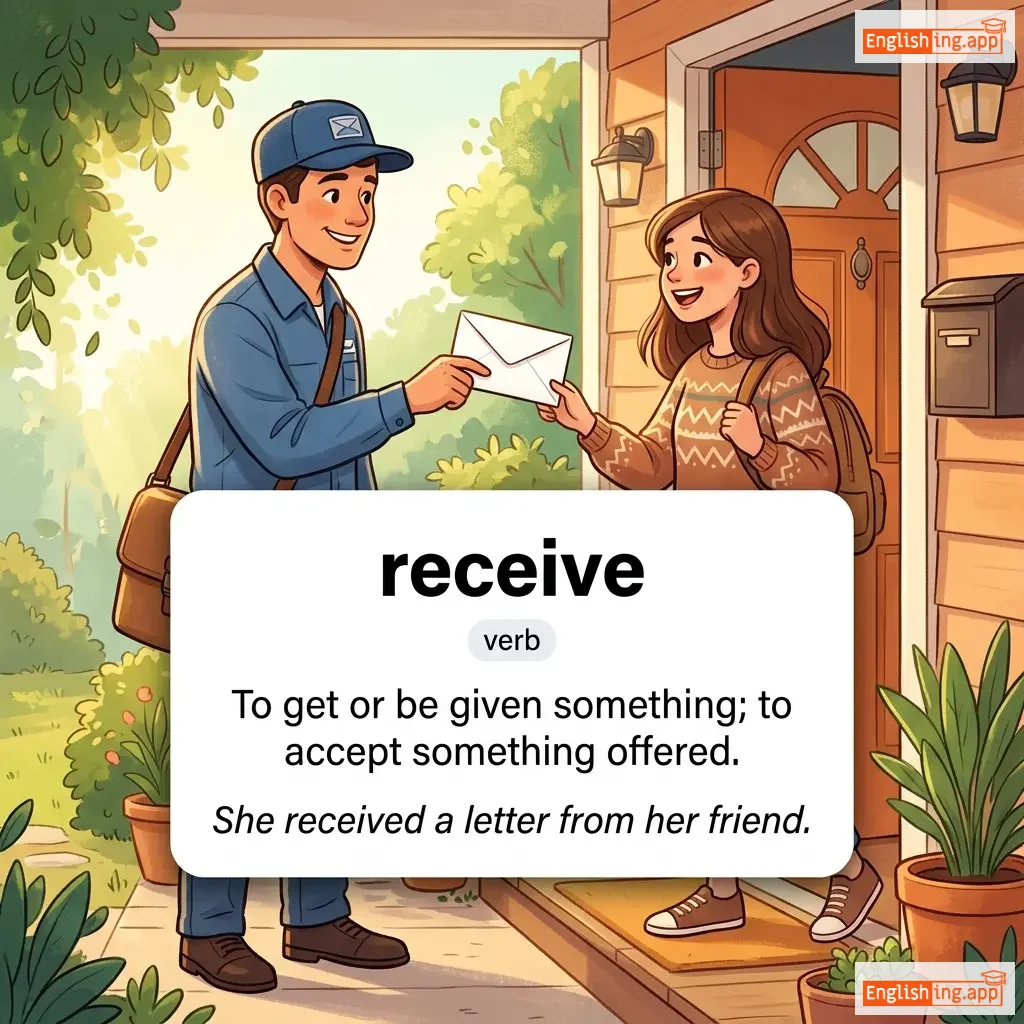
To get or be given something; to accept something offered.
••••••
|
She received a letter from her friend.
シー リシーヴド ア レター フロム ハー フレンド。
••••••
|
彼女は友達から手紙を受け取った。
Kanojo wa tomodachi kara tegami o uketotta.
••••••
|
receive with open arms
リシーヴ ウィズ オープン アームズ
••••••
|
to welcome someone warmly
••••••
|
両手を広げて受け入れる
ryōte o hirogete ukeireru
••••••
|
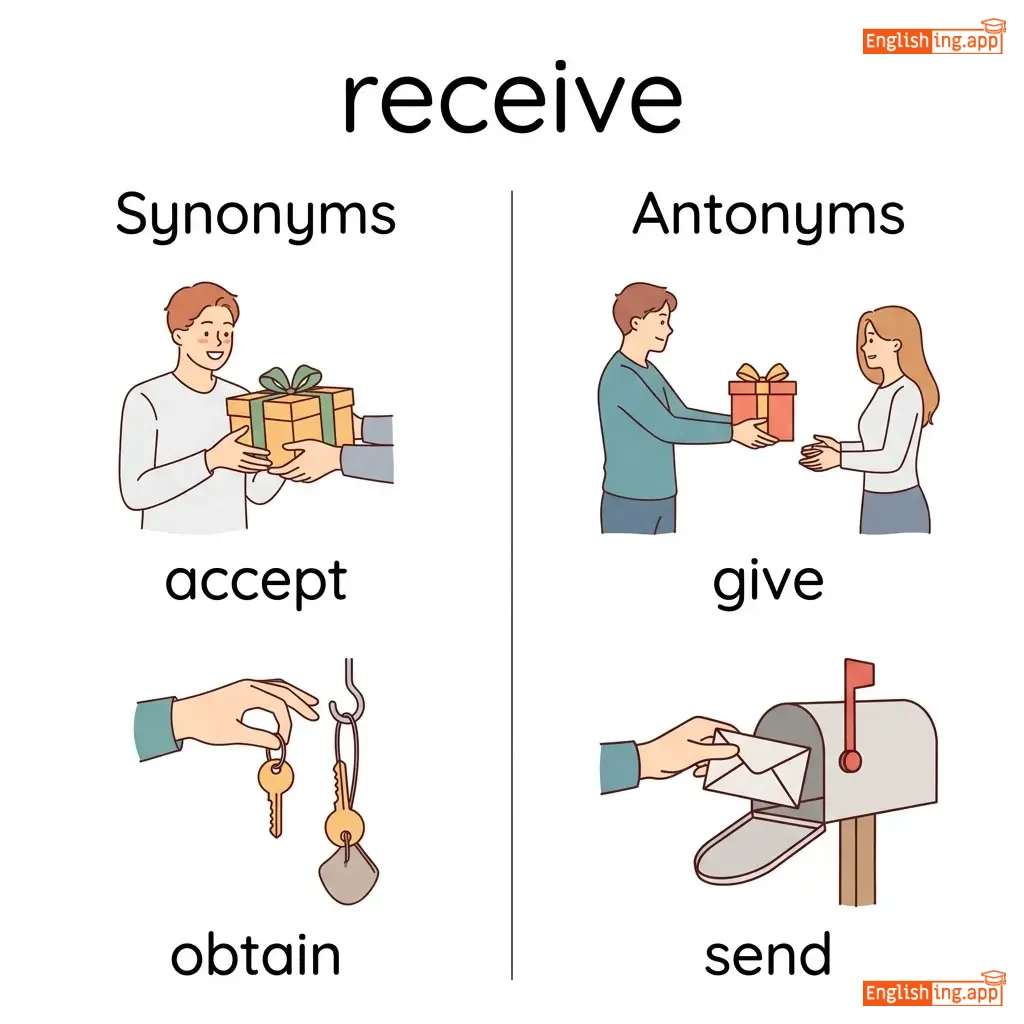
accept, obtain, acquire, collect, welcome
••••••
|
give, send, refuse
••••••
|
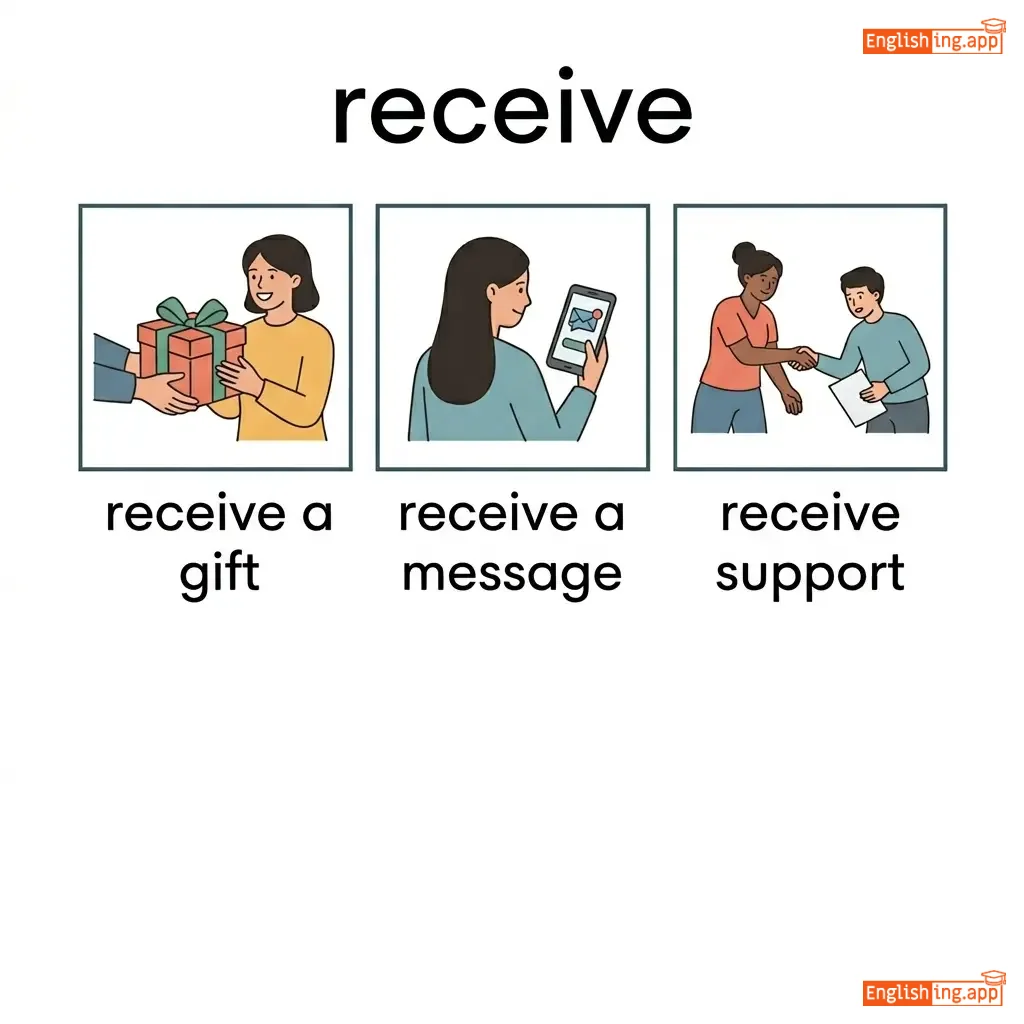
receive a gift, receive a message, receive support, receive payment
••••••
|
受け取るはプレゼント 📦 や手紙を受け取ることに似ています。
••••••
|
|
#4132
📞
|
/rɪˈsiː.vər/
noun
(レシーバー)
••••••
|
- •••••• |
受話器
juwaki
••••••
|
- •••••• | - •••••• | - •••••• | - •••••• |
a person or thing that receives something; the part of a telephone containing the earpiece and mouthpiece
••••••
|
She picked up the receiver to answer the phone call.
彼女は電話に出るために受話器を取った。
••••••
|
彼女は電話に出るために受話器を取った。
Kanojo wa denwa ni deru tame ni juwaki o totta.
••••••
|
- •••••• | - •••••• | - •••••• |
recipient, beneficiary, addressee
••••••
|
sender, transmitter, giver
••••••
|
phone receiver, radio receiver, pick up receiver
••••••
|
受話器は電話を受け取る器、受け取るための部分です。
••••••
|
|
#4133
🕒
|
/ˈriː.sənt/
adjective
(リセント)
••••••
|
- •••••• |
最近の; 新しい; 現在の;
saikin no; atarashī; genzai no;
••••••
|
- •••••• | - •••••• | - •••••• | - •••••• |
happening not long ago; new; current;
••••••
|
The recent changes in weather patterns concern scientists. |
最近の天気の変化は科学者たちを心配させています。
Saikin no tenki no henka wa kagakusha-tachi o shinpai saseteimasu.
••••••
|
- •••••• | - •••••• | - •••••• |
new, latest, current, fresh
••••••
|
old, ancient, past, former
••••••
|
recent developments, recent studies, recent events, recent news
••••••
|
最近、未来を形作る新しいトレンド
••••••
|
|
#4134
🕐
|
/ˈriː.sənt.li/
adverb
(リセントリー)
••••••
|
- •••••• |
最近
saikin
••••••
|
- •••••• | - •••••• | - •••••• | - •••••• |
in the recent past; not long ago
••••••
|
I recently moved to a new apartment.
アイ リセントリー ムーブド トゥ ア ニュー アパートメント
••••••
|
私は最近新しいアパートに引っ越しました。
watashi wa saikin atarashii apaato ni hikkoshimashita
••••••
|
- •••••• | - •••••• | - •••••• |
lately, newly, freshly
••••••
|
formerly, previously, long ago
••••••
|
recently discovered, recently published, recently developed
••••••
|
Recently = 最近 (saikin) — sounds like 'sigh-keen', think 'keen about recent things'.
••••••
|
|
#4135
📉
|
/rɪˈsɛʃən/
noun
••••••
|
|
- •••••• | - •••••• | - •••••• | - •••••• | - •••••• |
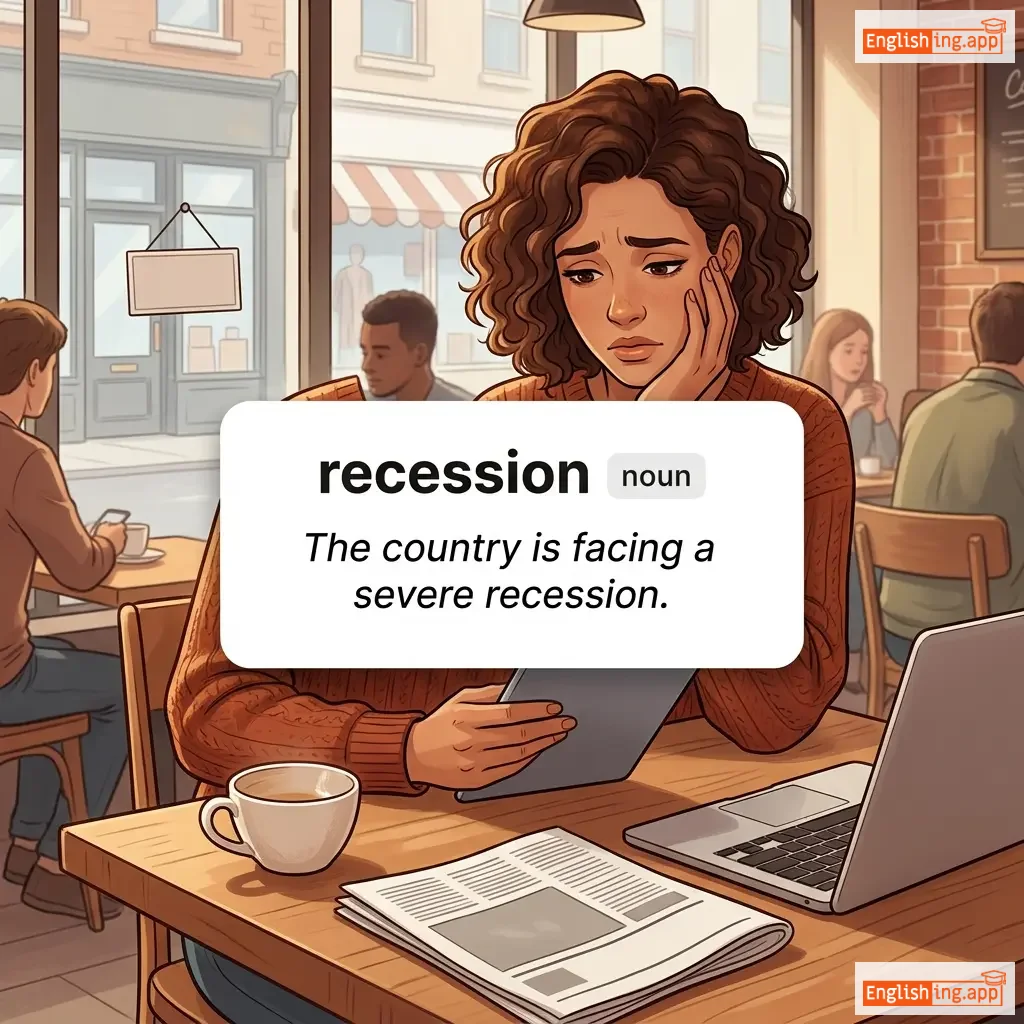
A period of temporary economic decline during which trade and industrial activity are reduced.
••••••
|
The country is facing a severe recession. |
- •••••• |
economic recession |
a period of economic decline in general
••••••
|
- •••••• |
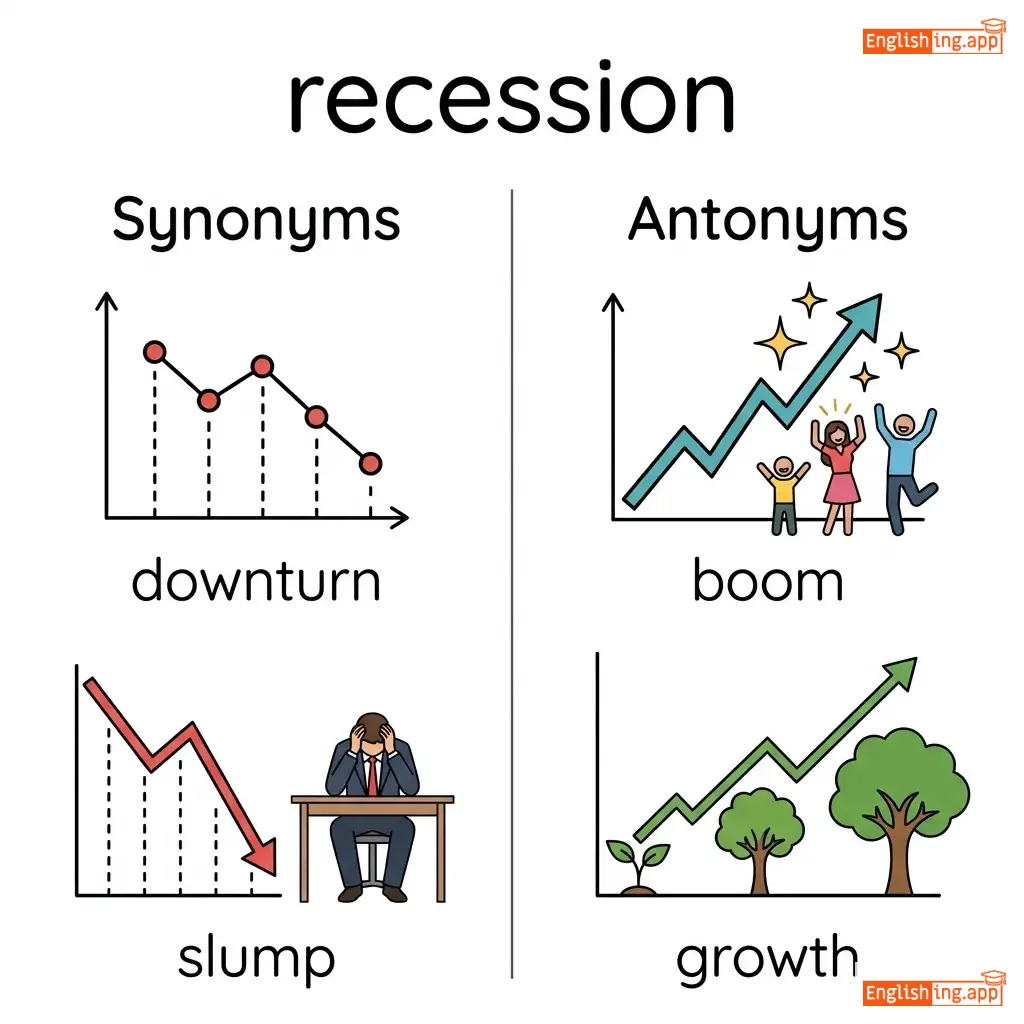
downturn, slump, slowdown, depression, stagnation
••••••
|
boom, growth, prosperity
••••••
|
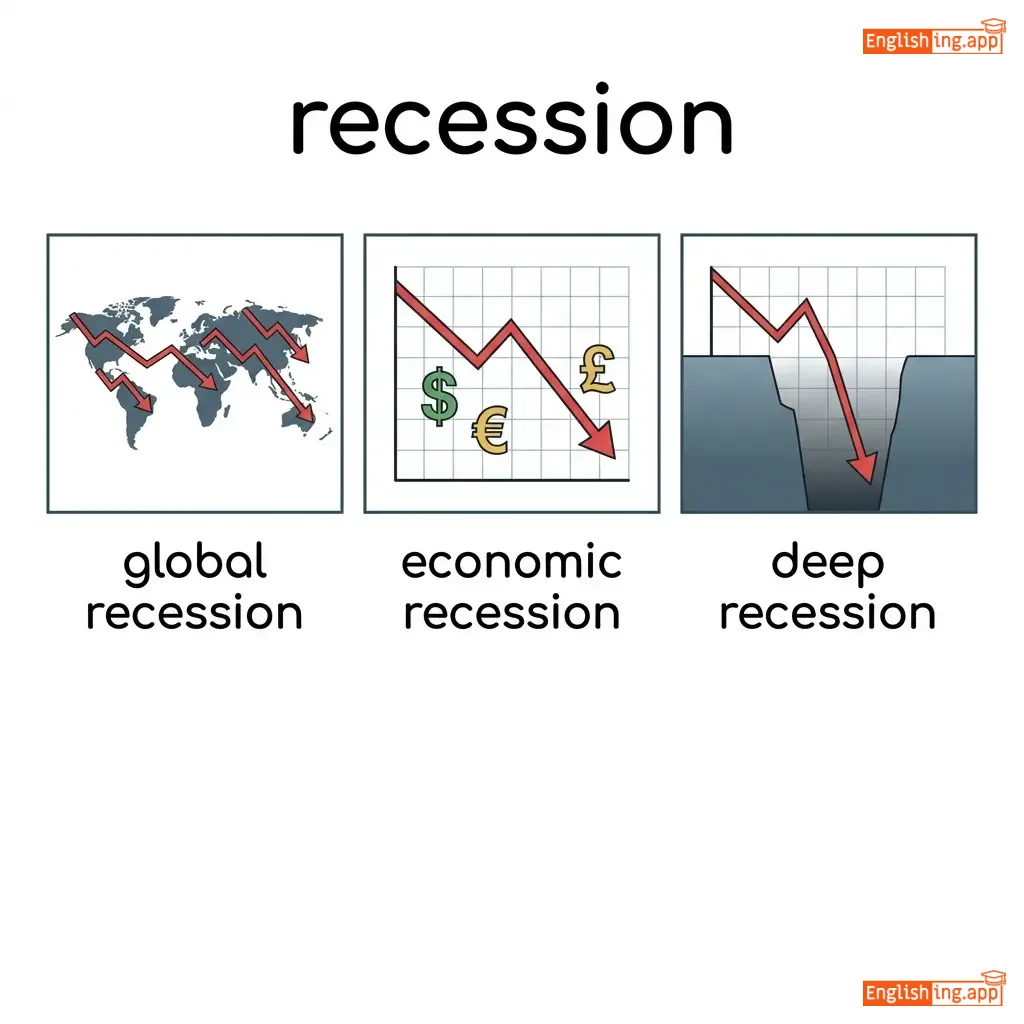
global recession, economic recession, deep recession, severe recession
••••••
|
No •••••• |
|
#4136
🍰
|
/ˈrɛsɪpi/
noun
(レシピ)
••••••
|
- •••••• |
レシピ
reshipi
••••••
|
- •••••• | - •••••• | - •••••• | - •••••• |
a set of instructions for preparing a particular dish, including a list of the ingredients required
••••••
|
I found a great recipe for chocolate cake.
チョコレートケーキの素晴らしいレシピを見つけました。
••••••
|
チョコレートケーキの素晴らしいレシピを見つけました。
Chokoreeto keeki no subarashii reshipi o mitsukemashita.
••••••
|
- •••••• | - •••••• | - •••••• |
formula, method, instructions, procedure
••••••
|
improvisation, guesswork
••••••
|
recipe for disaster, secret recipe, traditional recipe
••••••
|
The RECIPE for success in the kitchen is making delicious food - remember it as 'Reshipi'!
••••••
|
|
#4137
🎁
|
/rɪˈsɪp.i.ənt/
noun
(rɪˈsɪpɪənt)
••••••
|
- •••••• |
受取人
uketorin
••••••
|
- •••••• | - •••••• | - •••••• | - •••••• |
a person who receives something
••••••
|
She was the recipient of the prestigious award. |
彼女はその名誉ある賞の受取人でした。
Kanojo wa sono meiyo aru shou no uketorin deshita
••••••
|
- •••••• | - •••••• | - •••••• |
receiver, beneficiary, addressee
••••••
|
donor, giver, sender
••••••
|
award recipient, scholarship recipient, organ recipient
••••••
|
Recipient = 受取人 (Recipient = Uketorin)
••••••
|
|
#4138
🗣️
|
/rɪˈsaɪt/
verb
(リサイト)
••••••
|
- •••••• |
暗唱する
anshō suru
••••••
|
recited
リサイトッド
••••••
|
recited
リサイトッド
••••••
|
recites
リサイトス
••••••
|
reciting
リサイトイング
••••••
|
To say aloud something learned, especially poetry or text, from memory.
••••••
|
The child recited a poem in front of the class.
ザ チャイルド リサイトッド ア ポエム イン フロント オブ ザ クラス。
••••••
|
その子はクラスの前で詩を暗唱しました。
Sono ko wa kurasu no mae de shi o anshō shimashita.
••••••
|
recite by heart
リサイト バイ ハート
••••••
|
To say something from memory without reading.
••••••
|
暗唱する
anshō suru
••••••
|
repeat, recount, declaim, deliver, narrate
••••••
|
forget, silence
••••••
|
recite a poem, recite by heart, recite a prayer, recite lines
••••••
|
Recite は 'Re + site' – 覚えた詩を再びその場所で言うこと。
••••••
|
|
#4139
📜
|
/rɪˈsaɪtər/
noun
(リサイター)
••••••
|
- •••••• |
朗誦者
roshosha
••••••
|
- •••••• | - •••••• | - •••••• | - •••••• |
a person who recites or repeats something aloud from memory, especially poetry, prayers, or formal texts
••••••
|
The reciter delivered the poem with clarity and emotion.
リサイター デリバード ザ ポエム ウィズ クラリティ アンド イモーション。
••••••
|
朗誦者は明瞭さと感情を込めて詩を朗読した。
roshosha wa meiryosa to kanjo o komete shi o rodoku shita
••••••
|
- •••••• | - •••••• | - •••••• |
orator, declaimer, speaker, narrator, reader
••••••
|
listener, audience
••••••
|
poem reciter, Quran reciter, skilled reciter, public reciter
••••••
|
リサイターは朗誦する人—reciteから連想。
••••••
|
|
#4140
🤔
|
/ˈrɛkən/
verb
(レコン)
••••••
|
- •••••• |
推測する
suikoku suru
••••••
|
reckoned
レコンド
••••••
|
reckoned
レコンド
••••••
|
reckons
レコンス
••••••
|
reckoning
レケニング
••••••
|
To think, believe, or expect something; to calculate or estimate.
••••••
|
I reckon it will rain later today.
今日は後で雨が降るだろうと思います。
••••••
|
今日は後で雨が降るだろうと思います。
Kyou wa ato de ame ga furu darou to omoimasu.
••••••
|
reckon with
レコンウィズ
••••••
|
To deal with or consider seriously.
••••••
|
真剣に考える
shinken ni kangaeru
••••••
|
think, believe, consider, calculate, suppose
••••••
|
ignore, disregard, neglect
••••••
|
reckon that, reckon with, I reckon, reckon up
••••••
|
Reckonは予測を意味する。計算や見積もりのように。
••••••
|
|
#4141
🏆
|
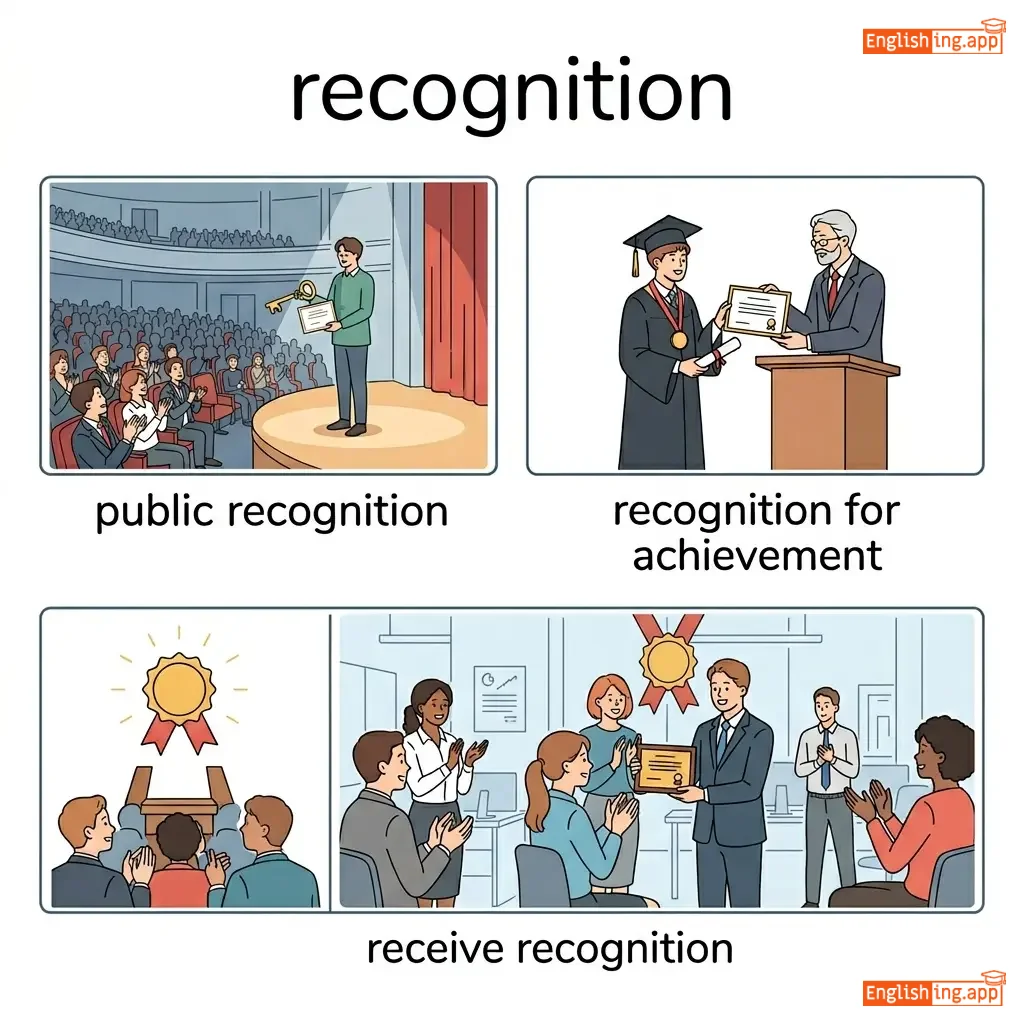
/ˌrek.əɡˈnɪʃ.ən/
noun
(レコグニション)
••••••
|
|
認識; 同定
ninshiki; dōtei
••••••
|
- •••••• | - •••••• | - •••••• | - •••••• |
acknowledgment of the existence, validity, or legality of something
••••••
|
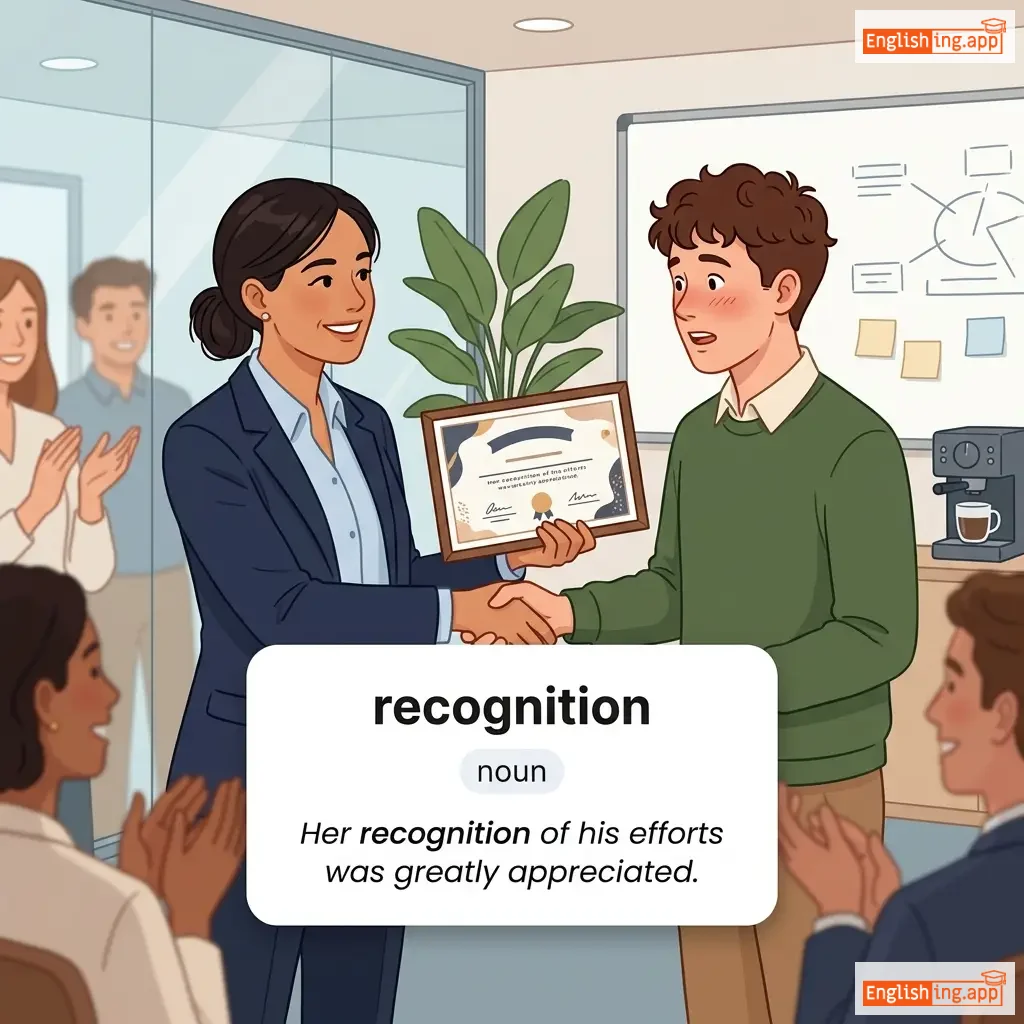
His hard work finally received recognition from the management. |
彼の努力は最終的に経営陣から認識されました。
Kare no doryoku wa saishūteki ni keieijin kara ninshiki saremashita.
••••••
|
- •••••• | - •••••• | - •••••• |
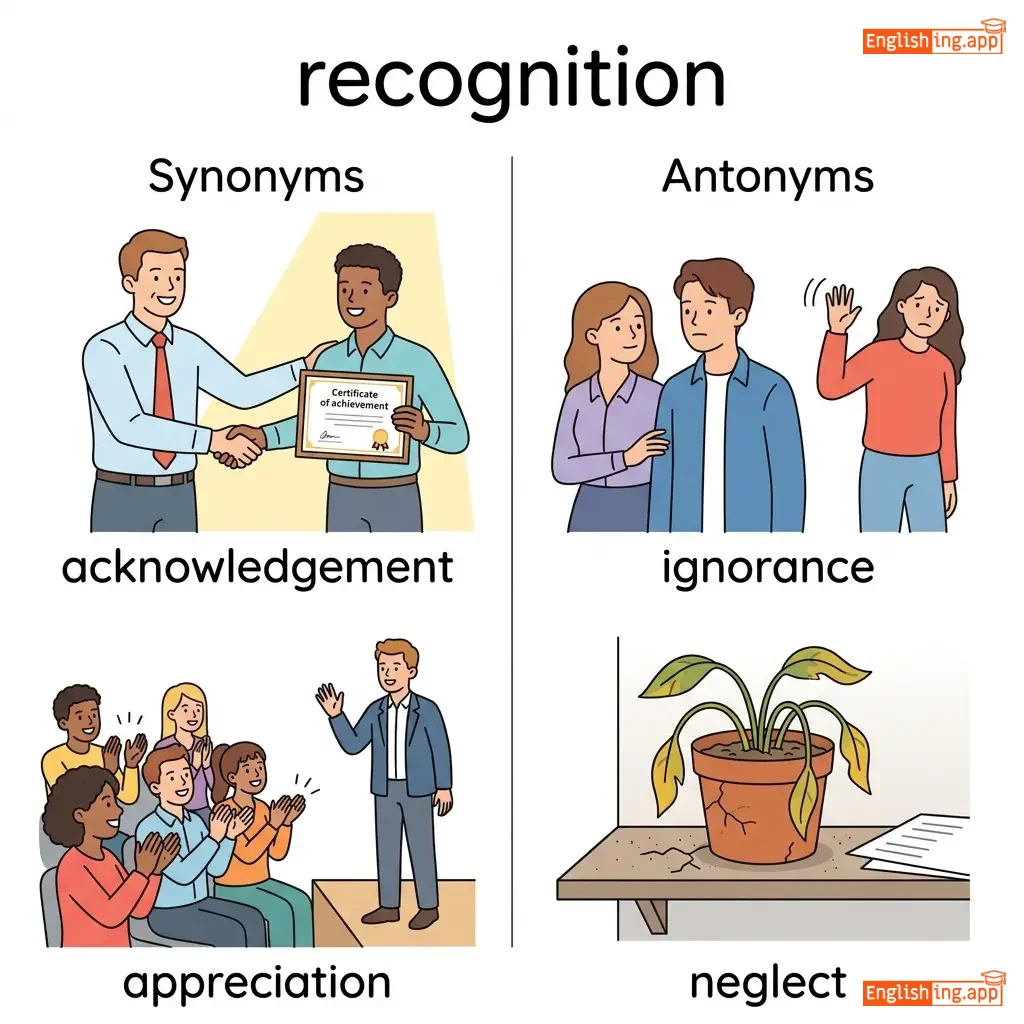
acknowledgment, appreciation, acceptance
••••••
|
ignorance, denial, rejection
••••••
|
gain recognition, facial recognition, public recognition
••••••
|
In Japanese, '認識' means recognition, like acknowledging someone's hard work.
••••••
|
|
#4142
👀
|
/ˈrɛkəɡnaɪz/
verb
••••••
|
- •••••• | - •••••• |
recognized
••••••
|
recognized
••••••
|
recognizes
••••••
|
recognizing
••••••
|
To identify someone or something seen before; to acknowledge or accept.
••••••
|
She did not recognize him in the crowd. |
- •••••• |
recognize the importance |
To acknowledge the value or significance of something.
••••••
|
- •••••• |
identify, acknowledge, accept, admit, spot
••••••
|
ignore, neglect, overlook
••••••
|
recognize someone, recognize importance, recognize authority
••••••
|
No •••••• |
|
#4143
💡
|
/ˌrɛkəˈmɛnd/
verb
(リコメンド)
••••••
|
- •••••• |
勧める
susumeru
••••••
|
recommended
リコメンドされた
••••••
|
recommended
リコメンドされた
••••••
|
recommends
リコメンドする
••••••
|
recommending
リコメンドしている
••••••
|
to suggest or advise something as being good or suitable
••••••
|
I recommend trying the new restaurant downtown.
私はダウンタウンの新しいレストランを試すことをリコメンドします。
••••••
|
私はダウンタウンの新しいレストランを試すことをリコメンドします。
Watashi wa dauntaun no atarashī resutoran o tamesu koto o rikomendo shimasu.
••••••
|
- •••••• | - •••••• | - •••••• |
suggest, advise, propose, endorse
••••••
|
discourage, oppose
••••••
|
recommend highly, recommend a product, strongly recommend
••••••
|
RECOMMEND things when they are really good - 'Susumeru!'
••••••
|
|
#4144
👍
|
/ˌrek.ə.menˈdeɪ.ʃən/
noun
(レコメンデーション)
••••••
|
- •••••• |
推薦
suisen
••••••
|
- •••••• | - •••••• | - •••••• | - •••••• |
a suggestion that someone or something would be good or suitable for a particular job or purpose
••••••
|
I got this job based on a recommendation from my professor.
私は教授からの推薦でこの仕事を得ました。
••••••
|
私は教授からの推薦でこの仕事を得ました。
Watashi wa kyōju kara no suisen de kono shigoto o emashita.
••••••
|
- •••••• | - •••••• | - •••••• |
suggestion, advice, endorsement, proposal
••••••
|
warning, discouragement, disapproval
••••••
|
make a recommendation, follow recommendations, letter of recommendation
••••••
|
推薦が成功への道を開く。
••••••
|
|
#4145
🏗️
|
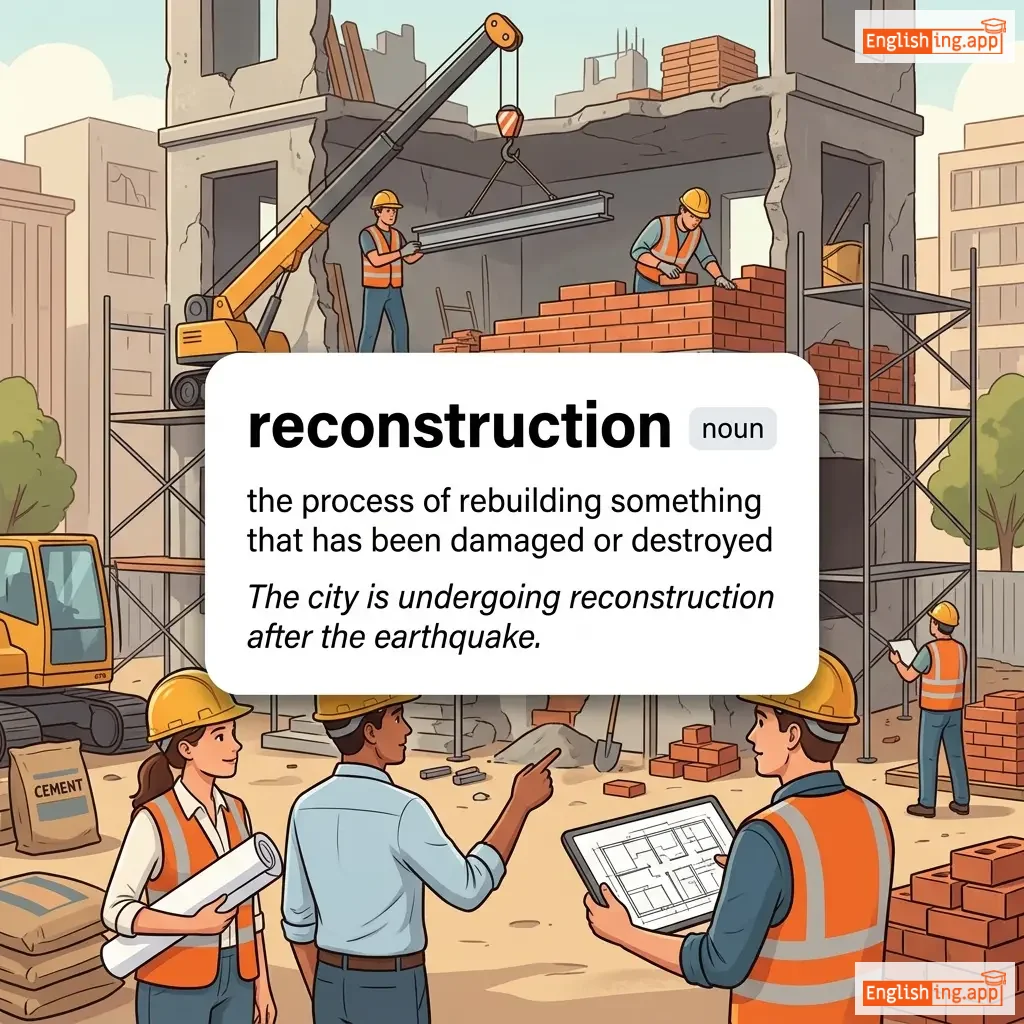
/ˌriːkənˈstrʌkʃən/
noun
(リコンストラクション)
••••••
|
|
再建
saiken
••••••
|
- •••••• | - •••••• | - •••••• | - •••••• |
the process of rebuilding something that has been damaged or destroyed
••••••
|
The city is undergoing reconstruction after the earthquake. |
その都市は地震後、再建の最中です。
Sono toshi wa jishin go, saiken no saichū desu.
••••••
|
- •••••• | - •••••• | - •••••• |
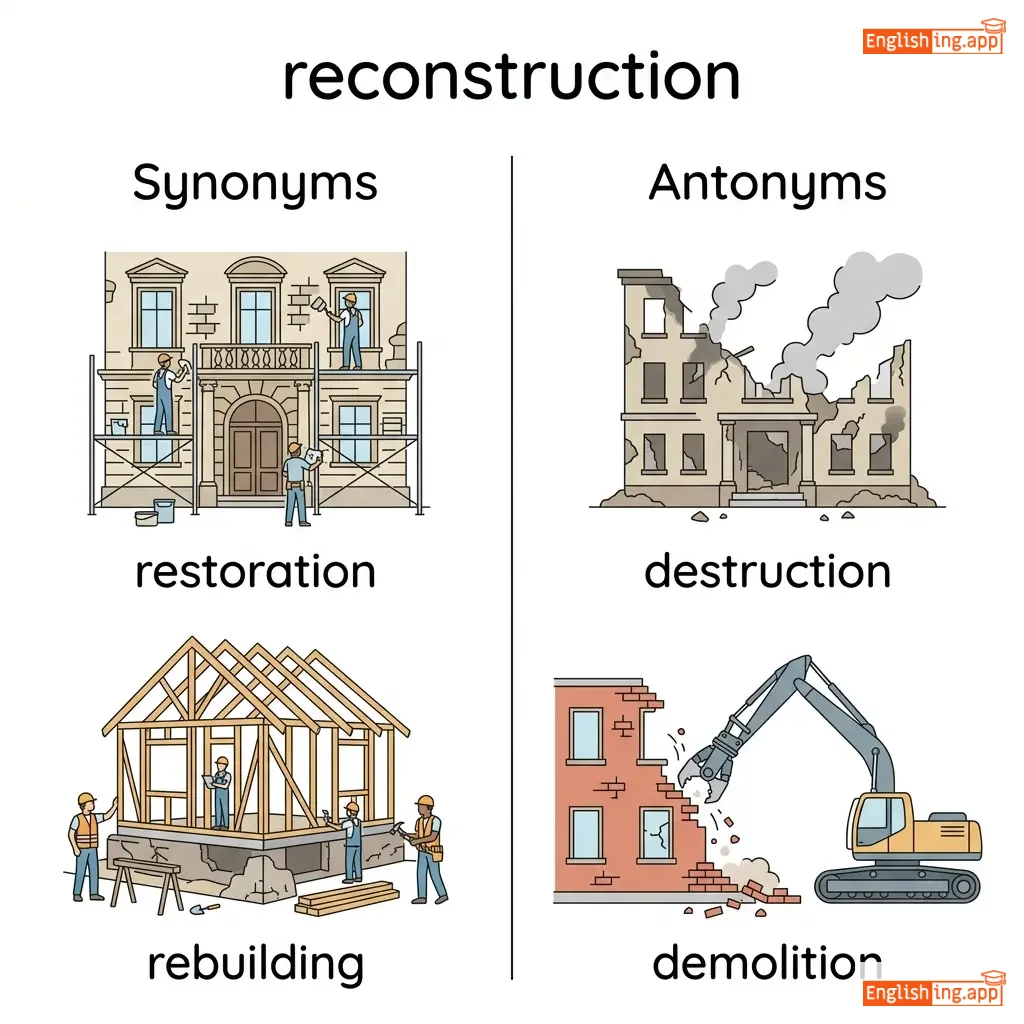
restoration, rebuilding, renewal, refurbishment
••••••
|
destruction, demolition
••••••
|
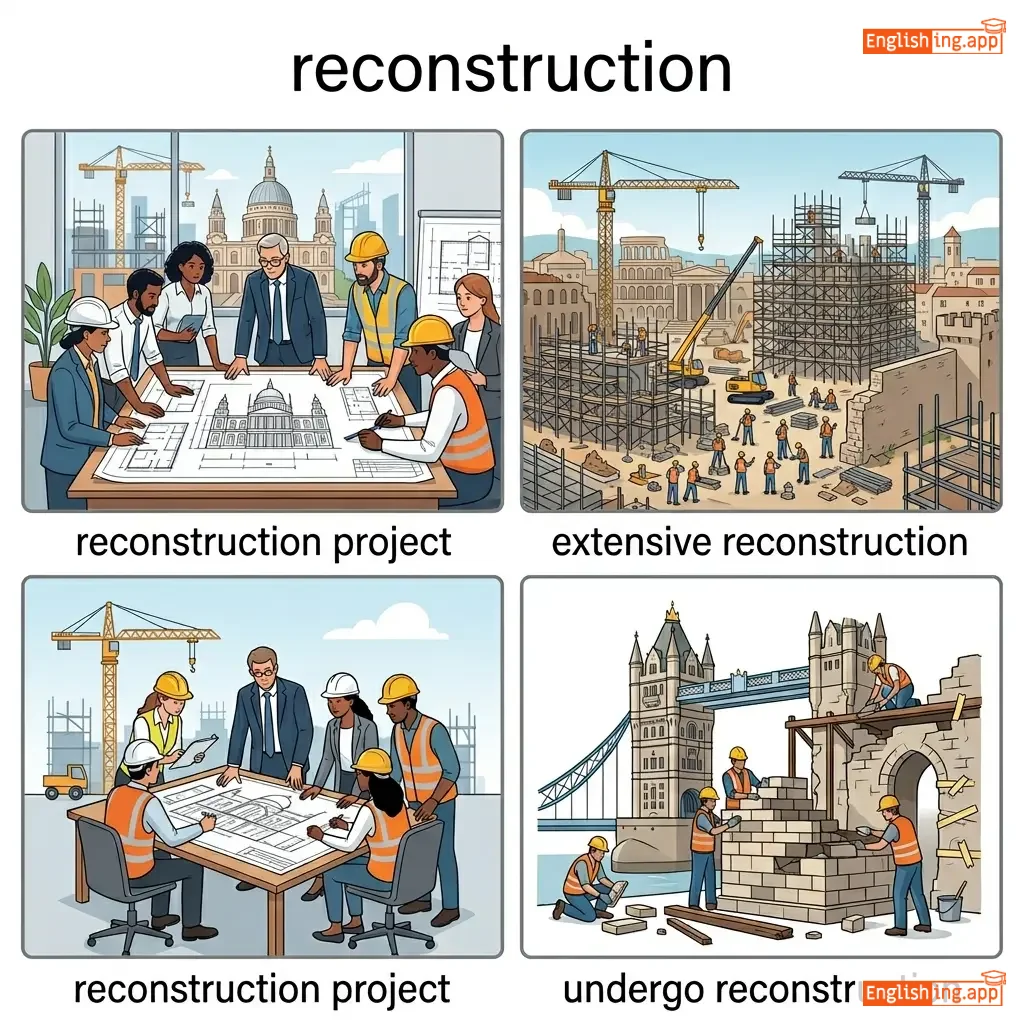
reconstruction project, extensive reconstruction, undergo reconstruction
••••••
|
再建は壊れたものを再び建て直すこと、'再'という文字が再びを意味します。
••••••
|
|
#4146
📖
|
/ˈrɛkɔːd/
noun
(レコード)
••••••
|
- •••••• |
記録
kiroku
••••••
|
- •••••• | - •••••• | - •••••• | - •••••• |
a written or spoken account of something
••••••
|
I kept a record of all the meetings.
私はすべての会議の記録を保持していました。
••••••
|
私はすべての会議の記録を保持していました。
Watashi wa subete no kaigi no kiroku o hoji shite imashita.
••••••
|
- •••••• | - •••••• | - •••••• |
document, log, file, report
••••••
|
forget, erase
••••••
|
keep a record, maintain a record, record data
••••••
|
会議の記録を取ることで記憶が蘇る (Kaigi no kiroku o toru koto de kioku ga yomigaeru)
••••••
|
|
#4147
🎙️
|
/rɪˈkɔːdɪŋ/
noun
(レコーディング)
••••••
|
- •••••• |
録音
rokuon
••••••
|
- •••••• | - •••••• | - •••••• | - •••••• |
the act or process of recording something
••••••
|
The recording of the interview was clear and loud. |
インタビューの録音は明瞭で大きかった。
Intabyū no rokuon wa meiryō de ōkikatta.
••••••
|
- •••••• | - •••••• | - •••••• |
taping, capturing, documenting, logging
••••••
|
erasing, deleting
••••••
|
make a recording, listen to the recording, audio recording
••••••
|
録音の思い出が録音機を思い出させる
••••••
|
|
#4148
📖
|
/rɪˈkaʊnt/
verb
(リカウント)
••••••
|
- •••••• |
語る
kataru
••••••
|
recounted
リカウントエッド
••••••
|
recounted
リカウントエッド
••••••
|
recounts
リカウントス
••••••
|
recounting
リカウントイング
••••••
|
to narrate or tell the details of an event or experience
••••••
|
She recounted her adventures during the summer trip.
彼女は夏の旅行中の冒険について語った。
••••••
|
彼女は夏の旅行中の冒険について語った。
Kanojo wa natsu no ryokou-chuu no bouken ni tsuite katatta.
••••••
|
- •••••• | - •••••• | - •••••• |
narrate, describe, relate, tell, detail
••••••
|
conceal, suppress
••••••
|
recount a story, recount events, recount experiences, recount details
••••••
|
語ることは再び数えることのように、物語を一つずつ語ることです。
••••••
|
|
#4149
💪
|
/rɪˈkʌvər/
verb
••••••
|
|
- •••••• |
recovered
••••••
|
recovered
••••••
|
recovers
••••••
|
recovering
••••••
|
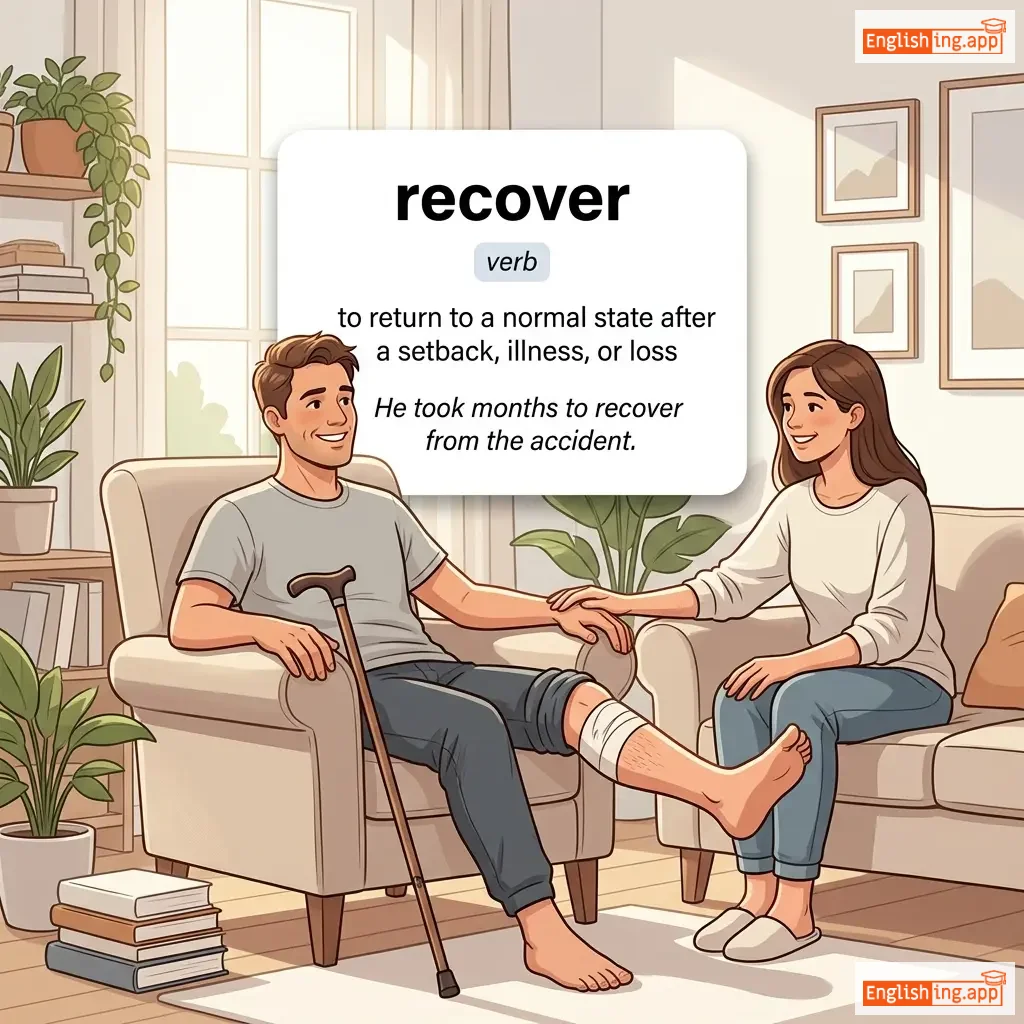
to return to a normal state after a setback, illness, or loss
••••••
|
He took months to recover from the accident. |
- •••••• |
recover one's strength |
to regain energy or health
••••••
|
- •••••• |
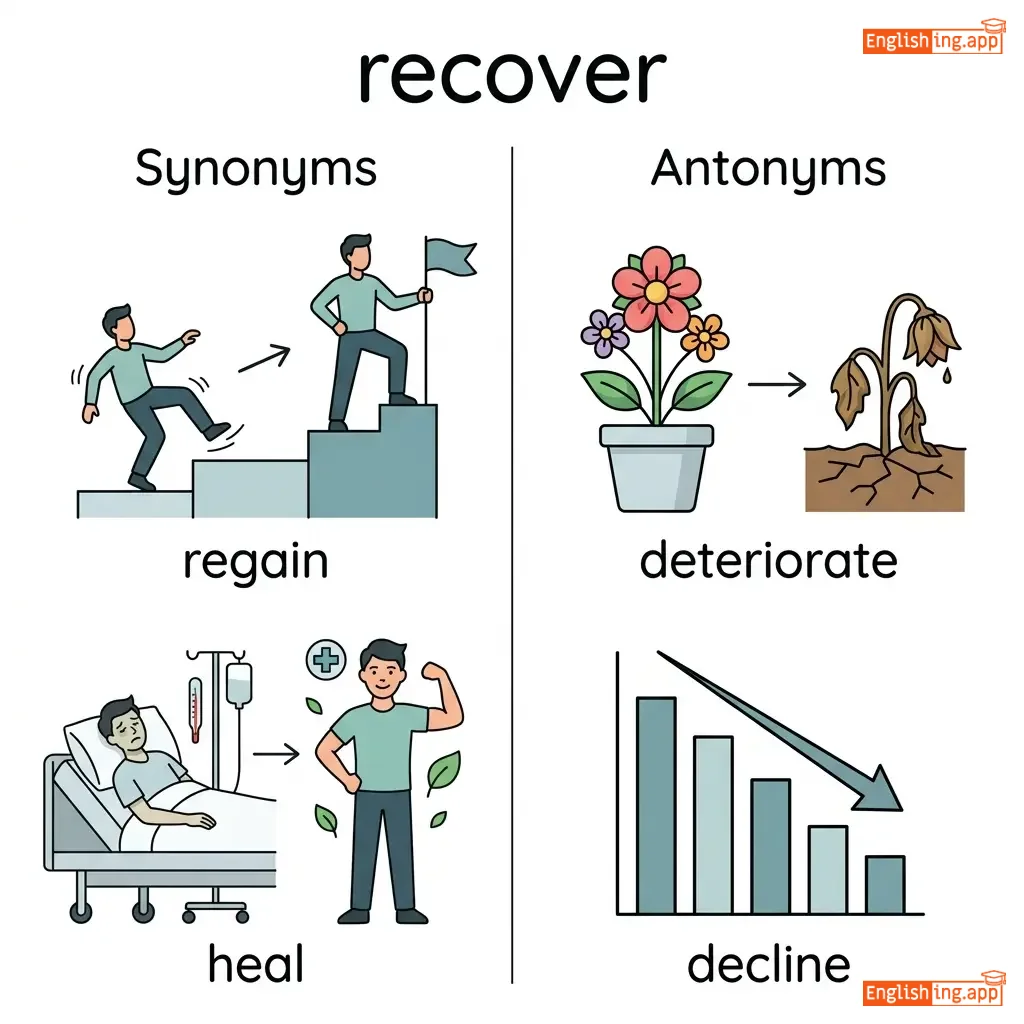
regain, heal, restore, bounce back
••••••
|
deteriorate, decline, worsen
••••••
|
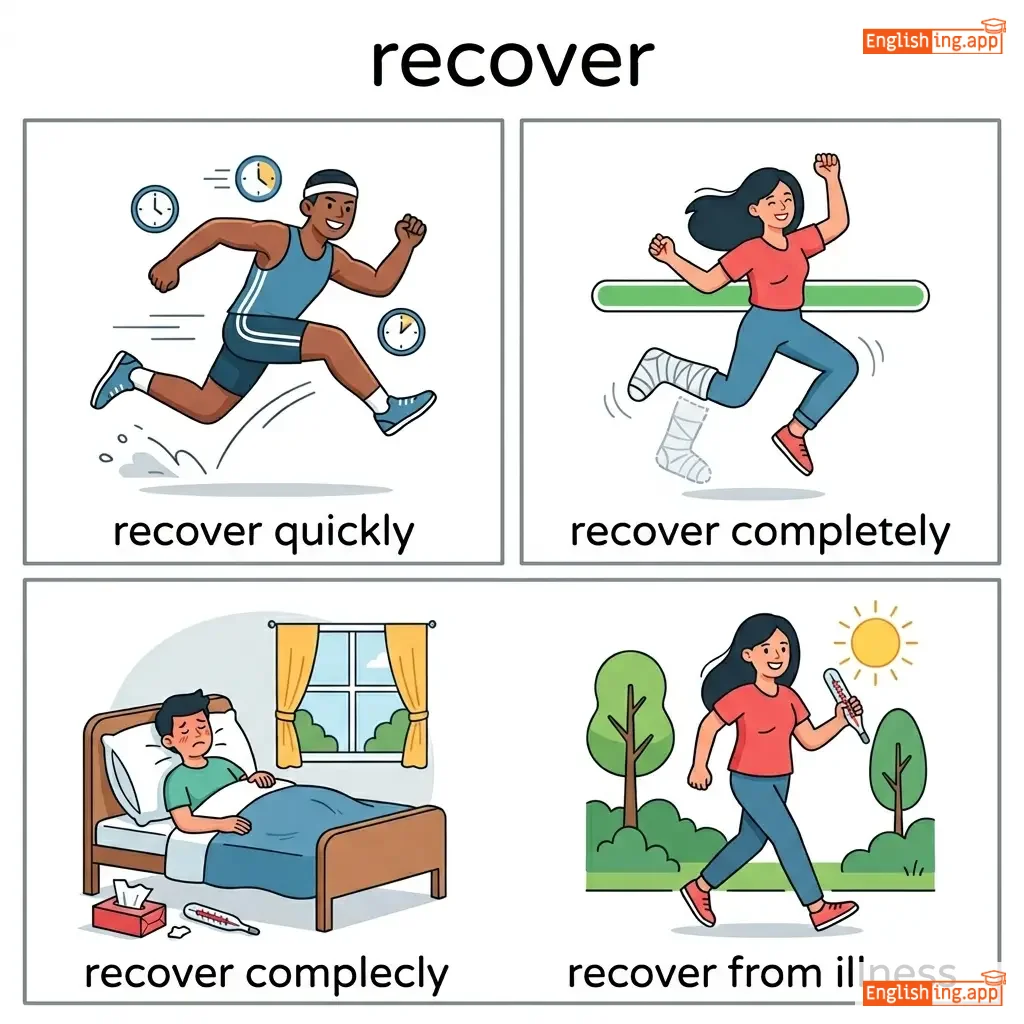
recover quickly, recover completely, recover from illness, recover lost
••••••
|
No •••••• |
|
#4150
🛌
|
/rɪˈkʌvəri/
noun
(リカバリー)
••••••
|
- •••••• |
回復
kaifuku
••••••
|
- •••••• | - •••••• | - •••••• | - •••••• |
the process of recovering or returning to a normal state
••••••
|
The patient is in recovery after the surgery.
患者は手術後、回復中です。
••••••
|
患者は手術後、回復中です。
Kanja wa shujutsu go, kaifuku-chu desu.
••••••
|
- •••••• | - •••••• | - •••••• |
restoration, rehabilitation, healing
••••••
|
decline, deterioration
••••••
|
make a recovery, in recovery, full recovery
••••••
|
回復は健康を取り戻すことと同じ (Kaifuku wa kenko wo torimodosu koto to onaji)
••••••
|
|
#4151
🧑💼
|
/rɪˈkruːt/
verb
(リクルート)
••••••
|
- •••••• |
採用する
saiyō suru
••••••
|
recruited
リクルーテッド
••••••
|
recruited
リクルーテッド
••••••
|
recruits
リクルーツ
••••••
|
recruiting
リクルーティング
••••••
|
to enlist or hire people for a job, service, or membership
••••••
|
The company is trying to recruit more software engineers.
その会社はもっと多くのソフトウェアエンジニアをリクルートしようとしています。
••••••
|
その会社はもっと多くのソフトウェアエンジニアをリクルートしようとしています。
Sono kaisha wa motto ōku no sofutowea enjinia o rikurūto shiyou to shiteimasu.
••••••
|
recruit talent
才能をリクルートする
••••••
|
to attract and hire skilled people
••••••
|
才能をリクルートする
Sainou o rikurūto suru
••••••
|
enlist, hire, enroll, draft, engage
••••••
|
dismiss, fire, reject
••••••
|
recruit staff, recruit volunteers, recruit new members, recruit soldiers
••••••
|
リクルートは新しい才能をチームに迎え入れることです。
••••••
|
|
#4152
💼
|
/rɪˈkruːtmənt/
noun
(リクルートメント)
••••••
|
|
採用
saiyō
••••••
|
- •••••• | - •••••• | - •••••• | - •••••• |
the process of finding new people to join an organization or become employees
••••••
|
The company's recruitment process is very thorough. |
会社の採用プロセスは非常に徹底しています。
Kaisha no saiyō purosesu wa hijō ni tettei shiteimasu.
••••••
|
- •••••• | - •••••• | - •••••• |
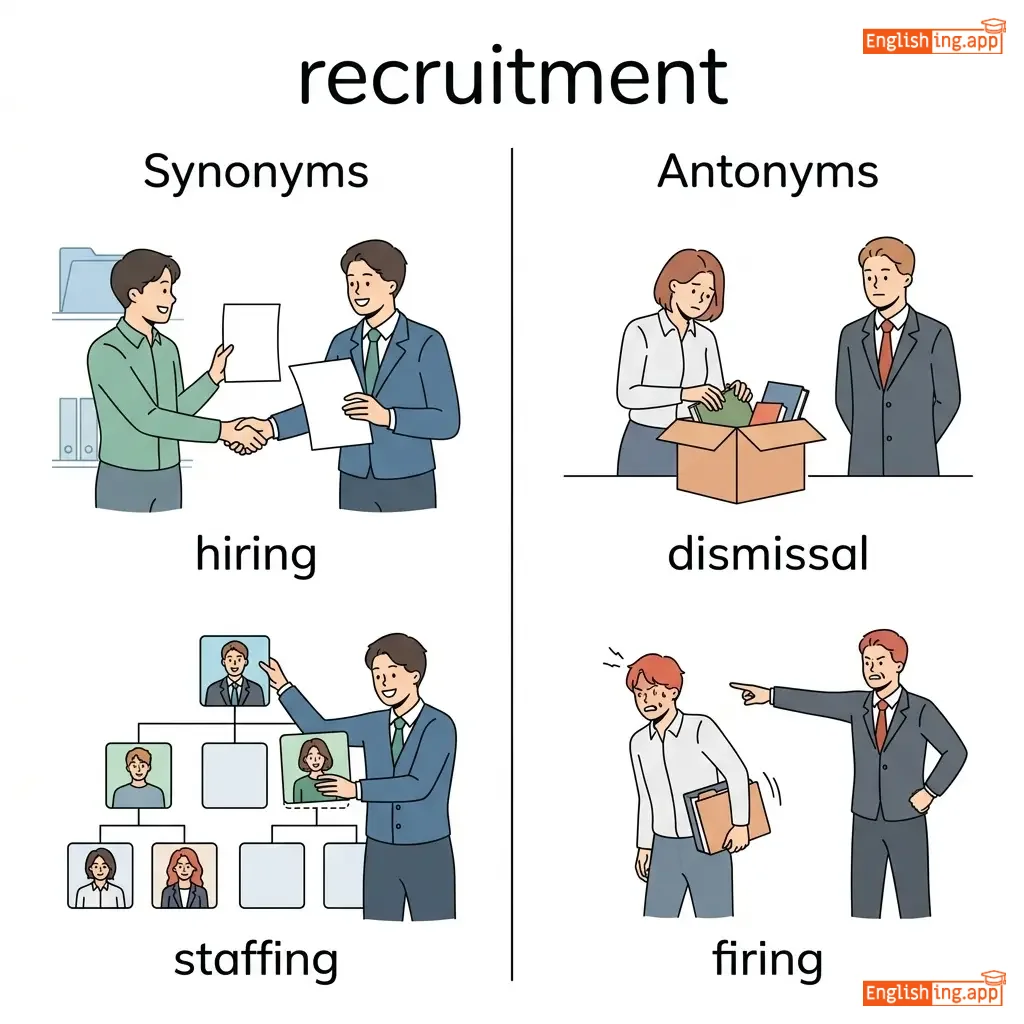
hiring, staffing, employment, enlistment
••••••
|
dismissal, firing
••••••
|
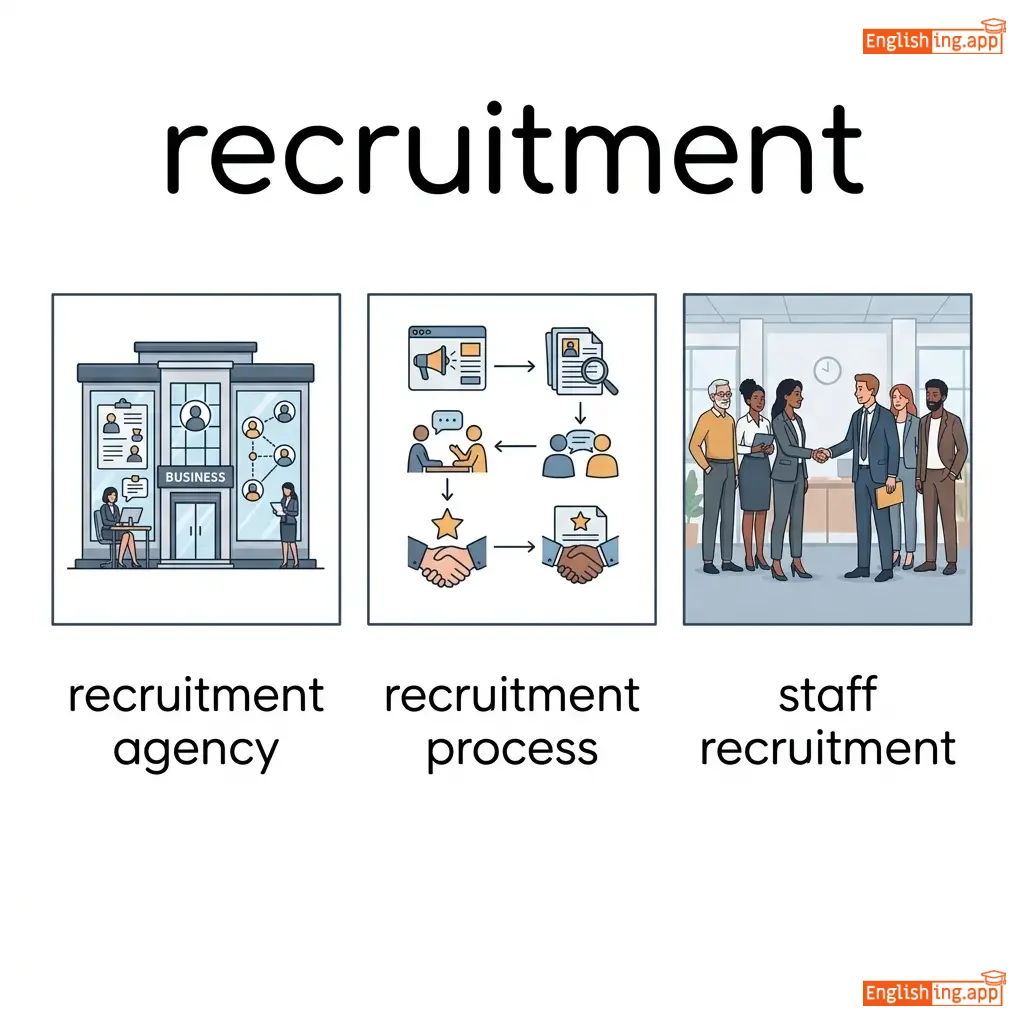
recruitment agency, recruitment process, staff recruitment
••••••
|
採用は新しいメンバーを'採用'するプロセスです。
••••••
|
|
#4153
🔴
|
/red/
adjective
(レッド)
••••••
|
- •••••• |
赤
aka
••••••
|
- •••••• | - •••••• | - •••••• | - •••••• |
having the color of blood or fire; of the color red
••••••
|
She wore a beautiful red dress to the party.
彼女はパーティーに美しい赤いドレスを着ていた。
••••••
|
彼女はパーティーに美しい赤いドレスを着ていた。
Kanojo wa pāti ni utsukushī akai doresu o kite ita.
••••••
|
- •••••• | - •••••• | - •••••• |
scarlet, crimson, cherry, ruby
••••••
|
green, blue, white
••••••
|
red rose, red carpet, red light, red wine
••••••
|
赤は血と火の色です。
••••••
|
|
#4154
➖
|
/rɪˈdjuːs/
verb
(リデュース)
••••••
|
|
減らす
herasu
••••••
|
reduced
リデュースド
••••••
|
reduced
リデュースド
••••••
|
reduces
リデュースズ
••••••
|
reducing
リデュースイング
••••••
|
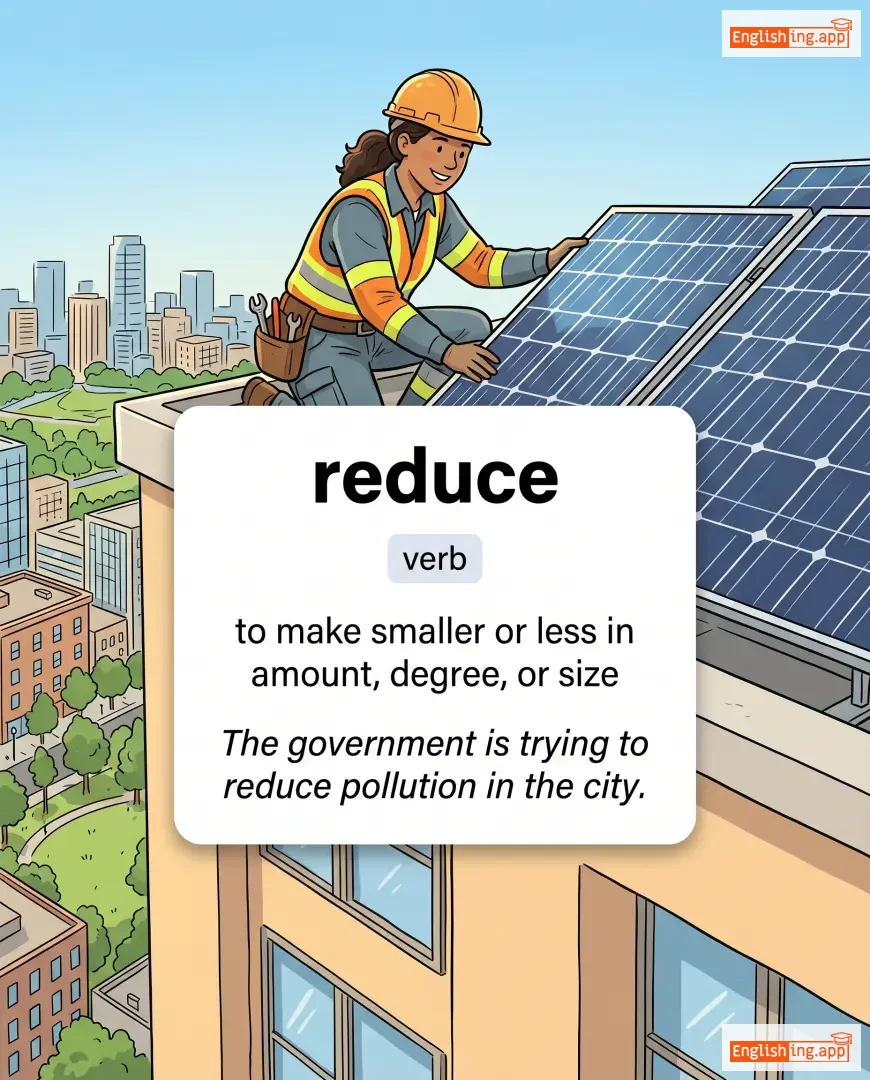
to make smaller or less in amount, degree, or size
••••••
|
The government is trying to reduce pollution in the city.
政府は都市の汚染を減らそうとしています。
••••••
|
政府は都市の汚染を減らそうとしています。
Seifu wa toshi no osen wo herasou to shiteimasu.
••••••
|
reduce to tears
涙に減らす
••••••
|
to make someone cry
••••••
|
涙に減らす
namida ni herasu
••••••
|
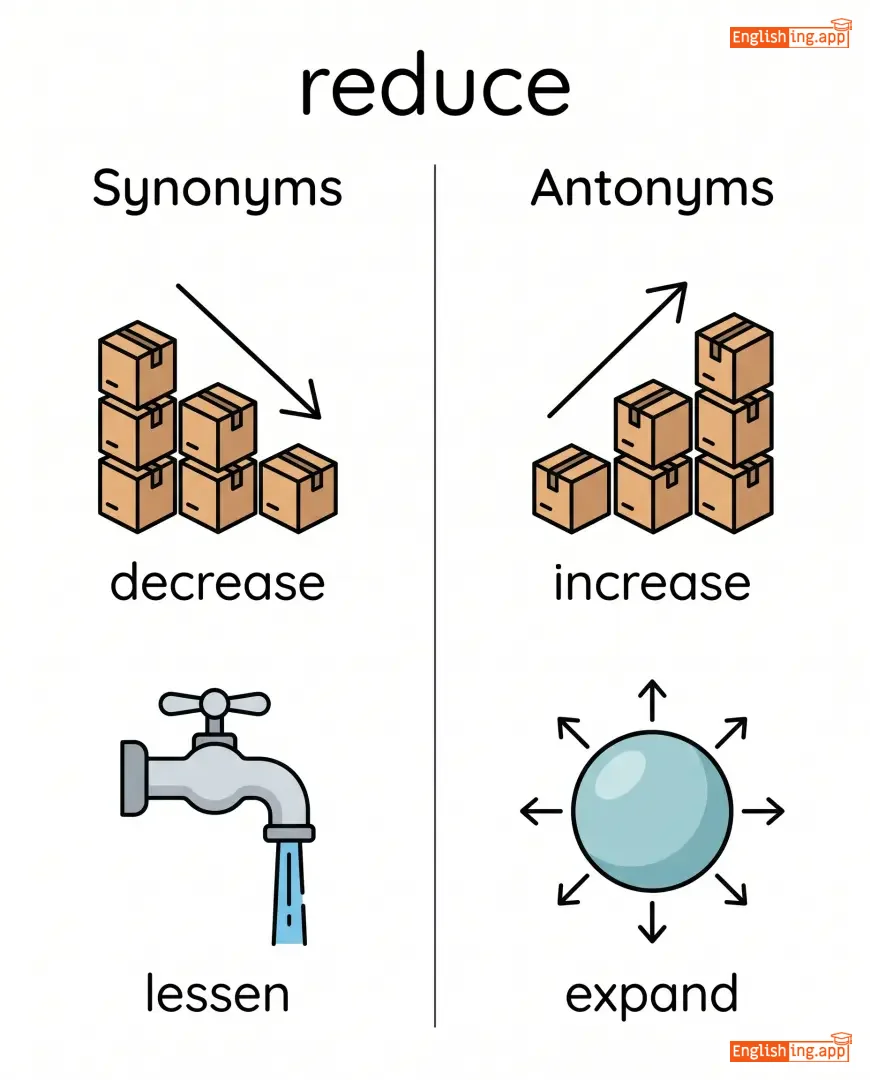
decrease, lessen, diminish, cut, lower
••••••
|
increase, expand, enlarge
••••••
|
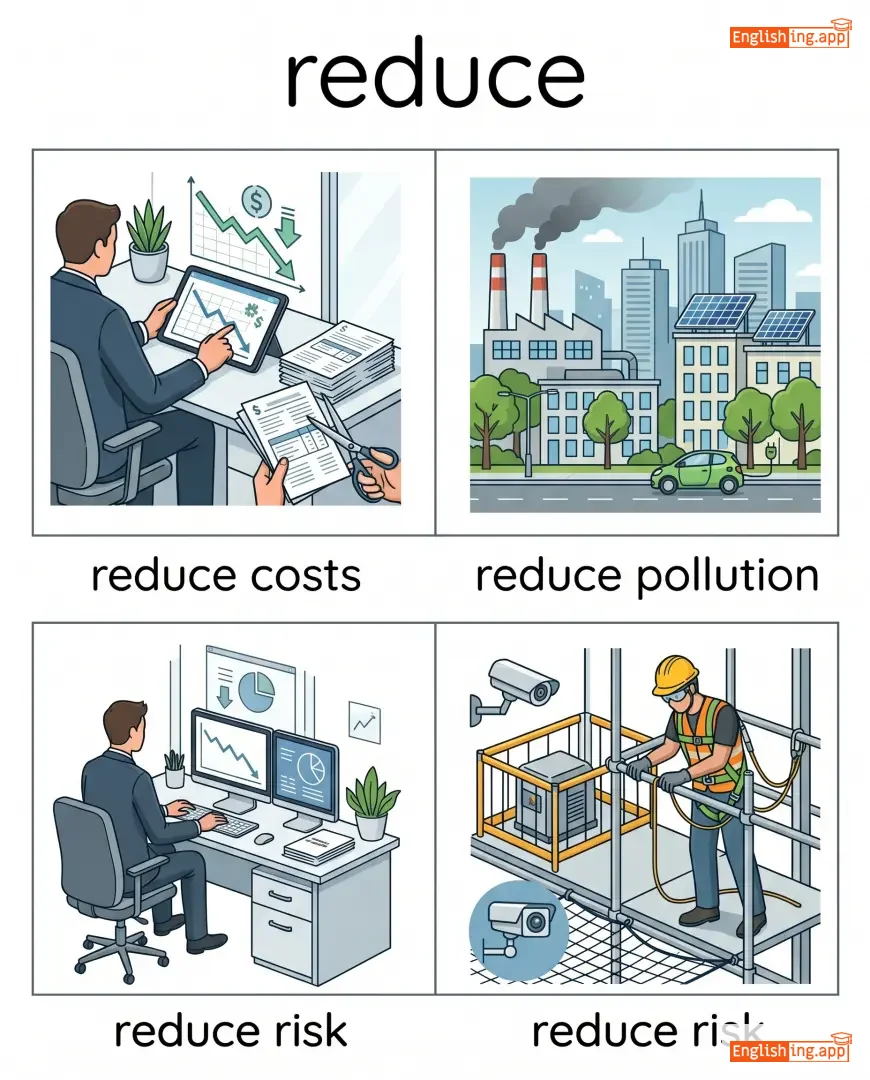
reduce costs, reduce pollution, reduce risk, reduce stress
••••••
|
Reduceは減らすことを意味します—'リデュースでストレスも減らせる。'
••••••
|
|
#4155
📉
|
/rɪˈdʌk.ʃən/
noun
(リダクション)
••••••
|
|
削減
ridakushon
••••••
|
- •••••• | - •••••• | - •••••• | - •••••• |
the action or fact of making a specified thing smaller or less in amount, degree, or size
••••••
|
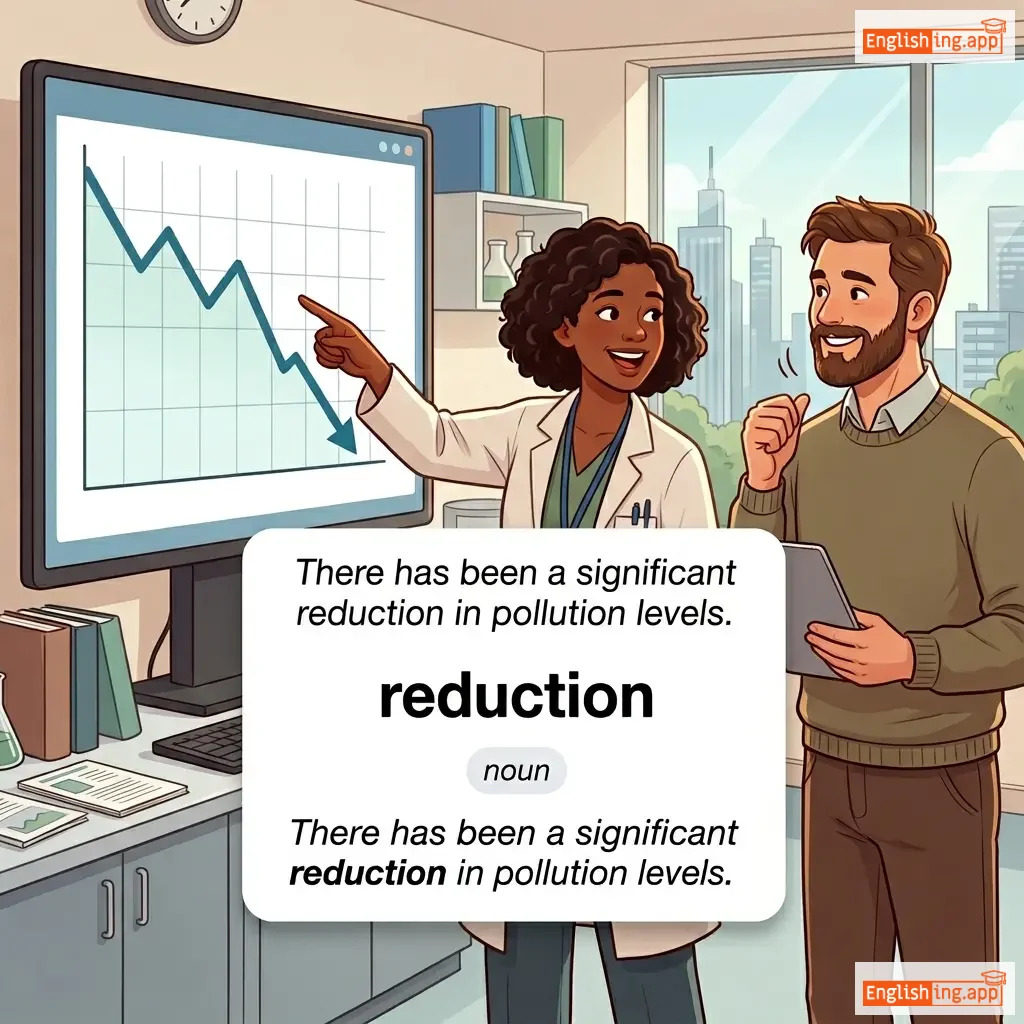
The company announced a reduction in staff to cut costs.
同社はコスト削減のために人員削減を発表した。
••••••
|
同社はコスト削減のために人員削減を発表した。
Dousha wa kosuto sakugen no tame ni jinin sakugen o happyou shita
••••••
|
- •••••• | - •••••• | - •••••• |
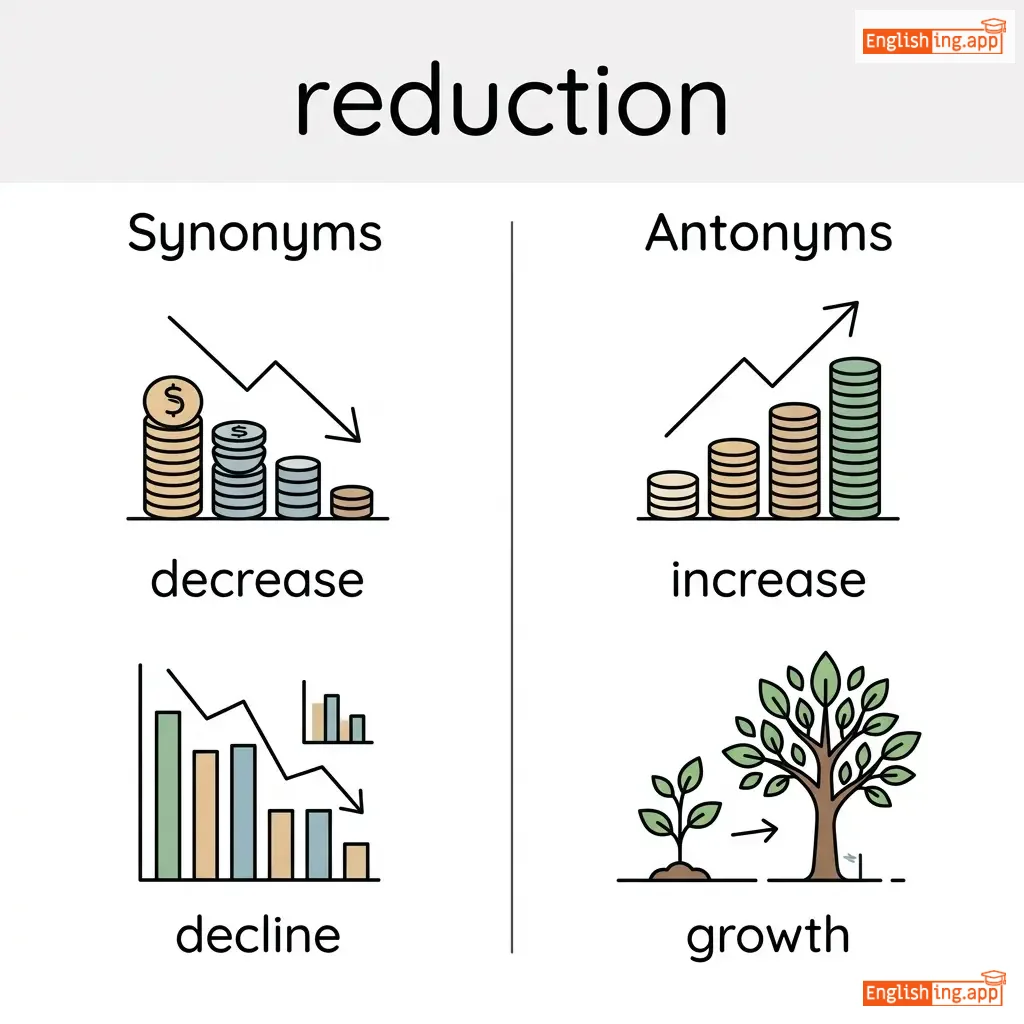
decrease, cut, decline, diminution
••••••
|
increase, growth, expansion, enlargement
••••••
|
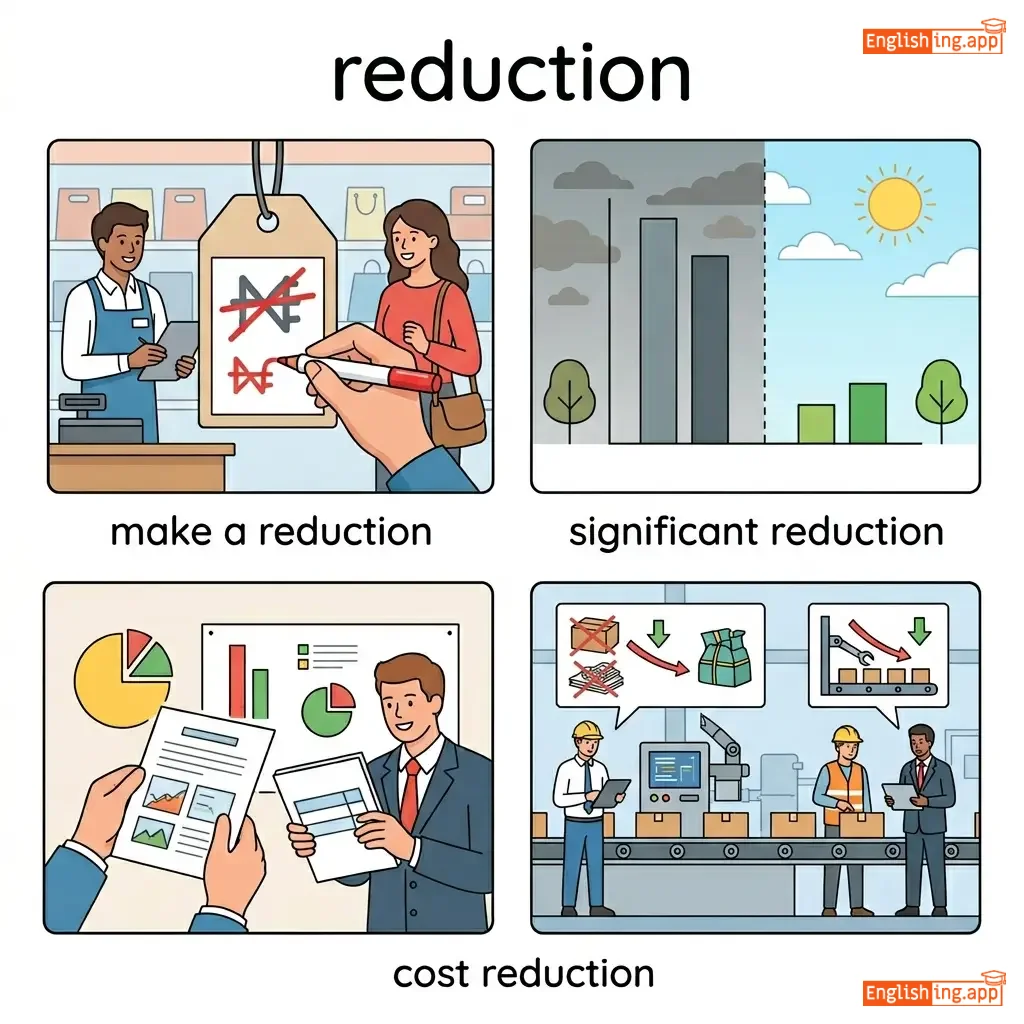
cost reduction, price reduction, reduction in size
••••••
|
ridakushon: imagine a red U cutting costs, 削減をイメージしよう
••••••
|
|
#4156
📑
|
/rɪˈfɜːr/
verb
(リファー)
••••••
|
|
紹介する
shoukai suru
••••••
|
referred
リファード
••••••
|
referred
リファード
••••••
|
refers
リファーズ
••••••
|
referring
リファリング
••••••
|
to direct someone to another source of help, information, or decision
••••••
|
The doctor will refer you to a specialist.
医者はあなたを専門家に紹介するでしょう。
••••••
|
医者はあなたを専門家に紹介するでしょう。
Isha wa anata o senmonka ni shoukai suru deshou.
••••••
|
refer to
参照する
••••••
|
to mention or speak about something
••••••
|
参照する
sanshou suru
••••••
|
direct, mention, cite, allude, recommend
••••••
|
ignore, neglect
••••••
|
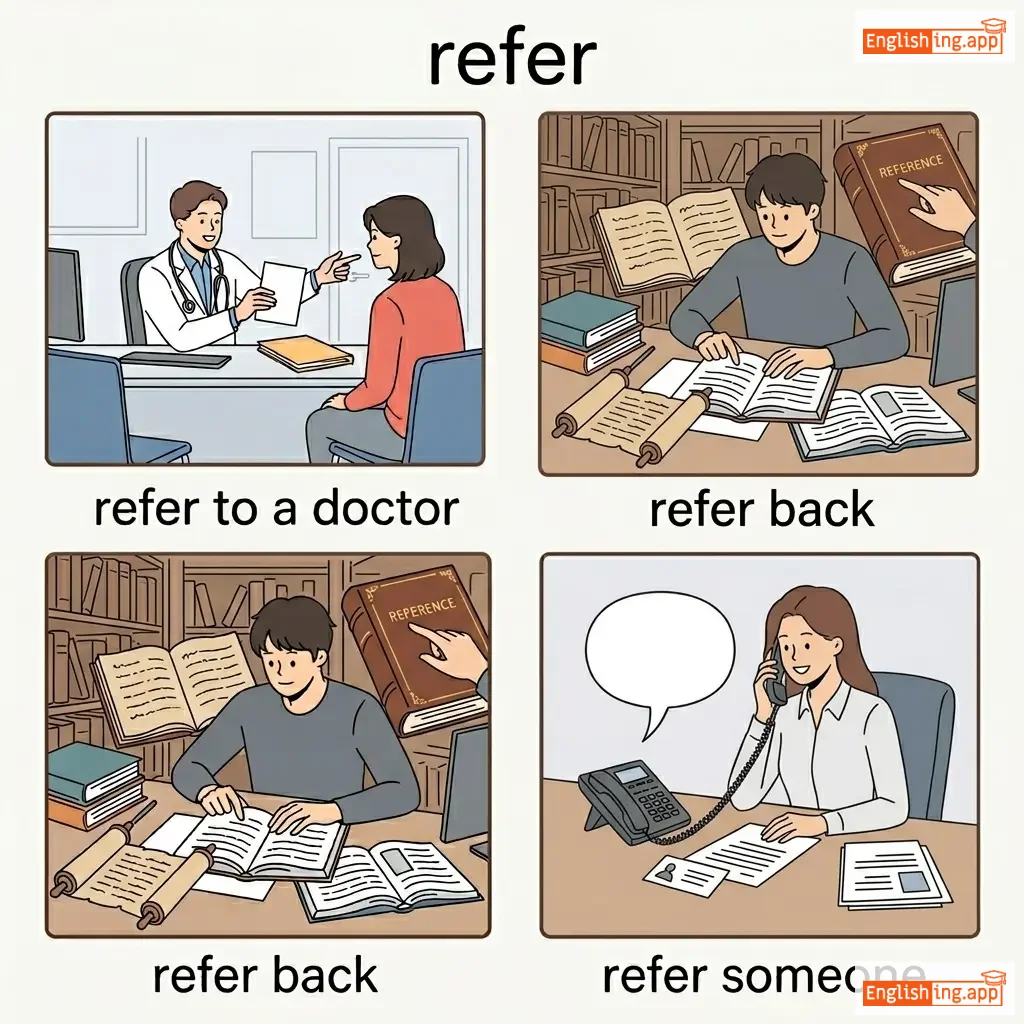
refer to a doctor, refer back, refer someone, refer directly
••••••
|
リファーは Referral と同じように、紹介するか言及することです。
••••••
|
|
#4157
⚽
|
/ˌrɛfəˈriː/
noun
(レフェリー)
••••••
|
- •••••• |
審判
shinpan
••••••
|
- •••••• | - •••••• | - •••••• | - •••••• |
a person who oversees a game or match to ensure the rules are followed
••••••
|
The referee stopped the game after a foul. |
審判はファウルの後、試合を停止しました。
Shinpan wa fauru no ato, shiai o teishi shimashita.
••••••
|
blow the whistle |
to stop play or call out a foul in sports
••••••
|
ホイッスルを吹く
hoissuru o fuku
••••••
|
umpire, judge, arbiter, mediator
••••••
|
player, participant
••••••
|
football referee, official referee, match referee
••••••
|
サッカーの審判はホイッスルを吹いて(hoissuru o fuku)試合を止めます。
••••••
|
|
#4158
📚
|
/ˈref.ər.əns/
noun
(リファレンス)
••••••
|
- •••••• |
参考文献
sankō bunken
••••••
|
- •••••• | - •••••• | - •••••• | - •••••• |
the action of mentioning or alluding to something; a source of information
••••••
|
Please provide references to support your research claims. |
研究の主張を支持するために参考文献を提供してください。
kenkyū no shuchō o shiji suru tame ni sankō bunken o teikyō shite kudasai.
••••••
|
- •••••• | - •••••• | - •••••• |
citation, source, mention, allusion
••••••
|
ignorance, omission, exclusion, disregard
••••••
|
make reference to, reference book, character reference
••••••
|
参考文献は研究をサポートします。
••••••
|
|
#4159
🗳️
|
/ˌrɛfəˈrɛndəm/
noun
(レフェレンダム)
••••••
|
- •••••• |
国民投票
kokumin touhyou
••••••
|
- •••••• | - •••••• | - •••••• | - •••••• |
a general vote by the population on a single political issue
••••••
|
The government held a referendum on the new constitution.
政府は新しい憲法について国民投票を実施しました。
••••••
|
政府は新しい憲法について国民投票を実施しました。
Seifu wa atarashii kenpou ni tsuite kokumin touhyou o jisshi shimashita.
••••••
|
- •••••• | - •••••• | - •••••• |
plebiscite, ballot, vote, poll
••••••
|
dictate, decree
••••••
|
national referendum, hold a referendum, referendum result
••••••
|
国民投票(kokumin touhyou)は、政府が政治問題を国民に尋ねる方法です。
••••••
|
|
#4160
🪞
|
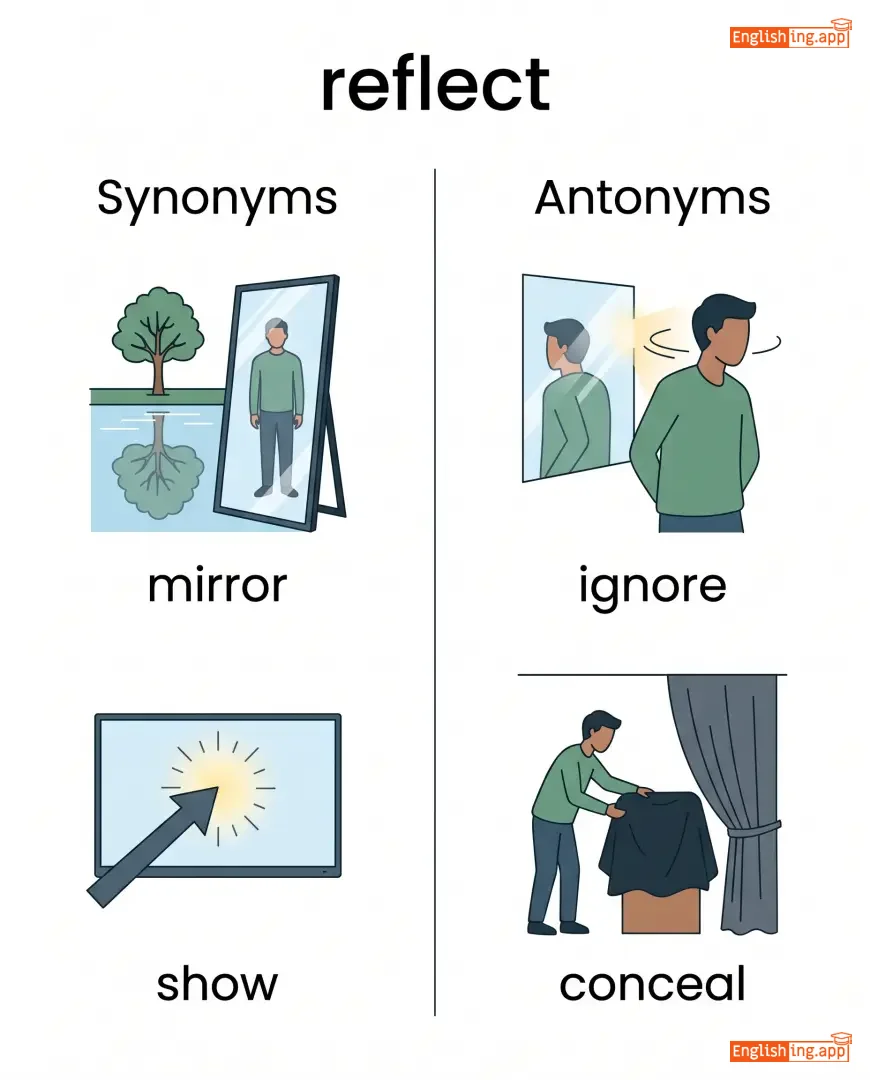
/rɪˈflɛkt/
verb
(リフレクト)
••••••
|
|
反映する
hanei suru
••••••
|
reflected
リフレクテッド
••••••
|
reflected
リフレクテッド
••••••
|
reflects
リフレクツ
••••••
|
reflecting
リフレクティング
••••••
|
to show an image as in a mirror, or to think deeply about something
••••••
|
The mirror reflects her smiling face.
鏡は彼女の笑顔を反映しています。
••••••
|
鏡は彼女の笑顔を反映しています。
Kagami wa kanojo no egao o hanei shiteimasu.
••••••
|
reflect on
考える
••••••
|
to think carefully about something
••••••
|
考える
kangaeru
••••••
|
mirror, show, indicate, reveal, ponder
••••••
|
ignore, conceal, absorb
••••••
|
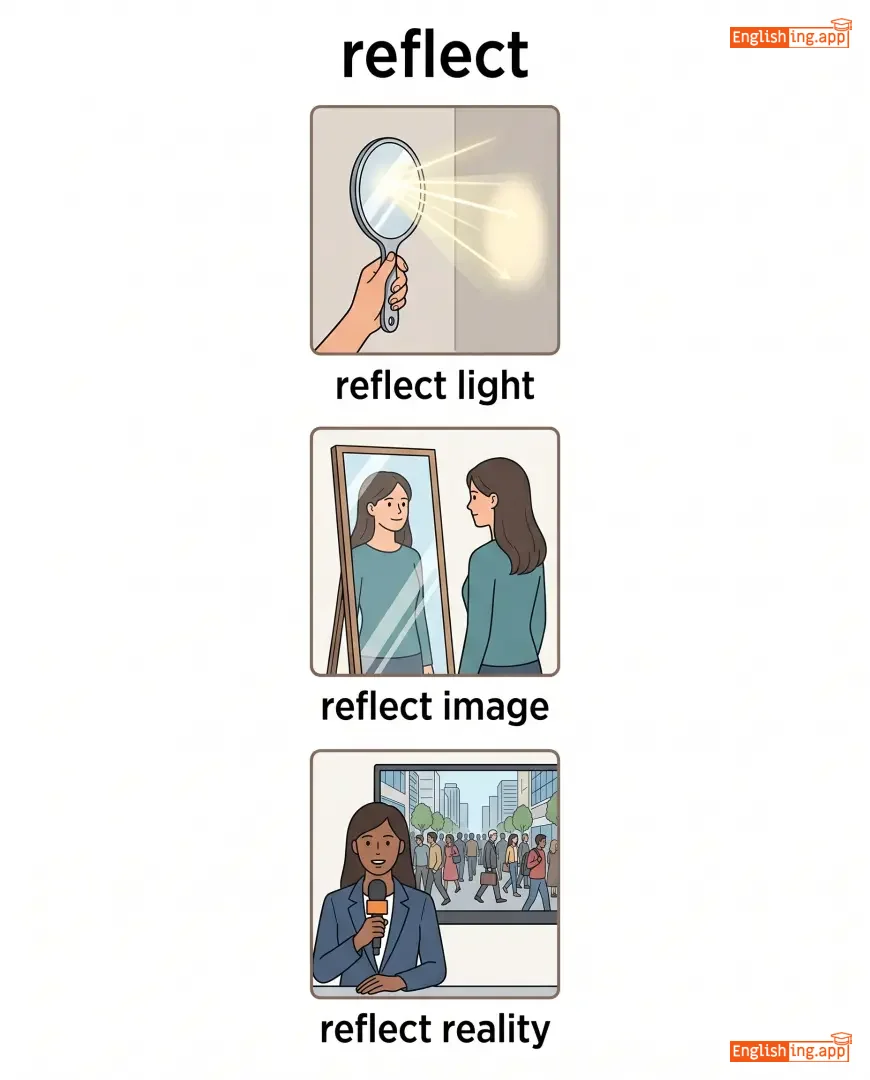
reflect light, reflect image, reflect reality, reflect values
••••••
|
鏡は反映し、私たちは考えます。
••••••
|
|
#4161
🔮
|
/rɪˈflɛkʃən/
noun
(リフレクション)
••••••
|
|
反映
hanei
••••••
|
- •••••• | - •••••• | - •••••• | - •••••• |
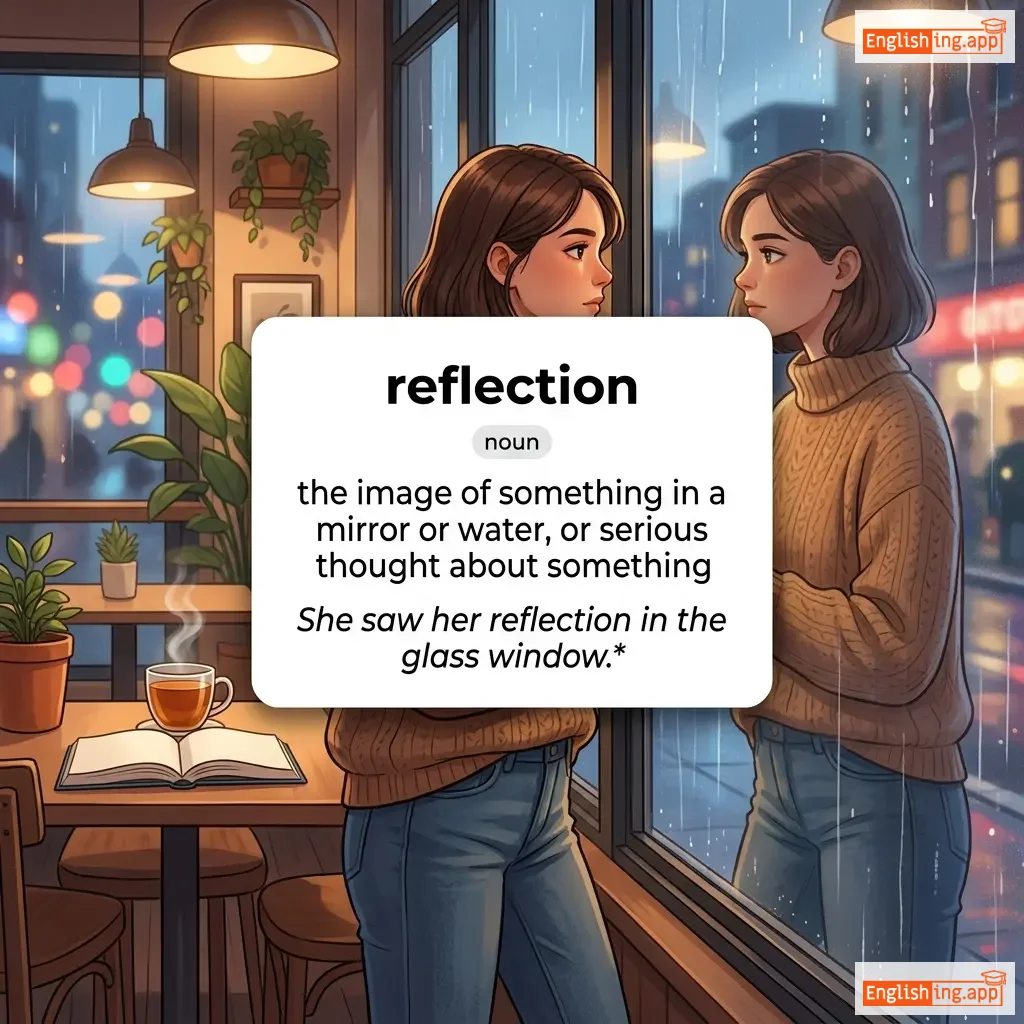
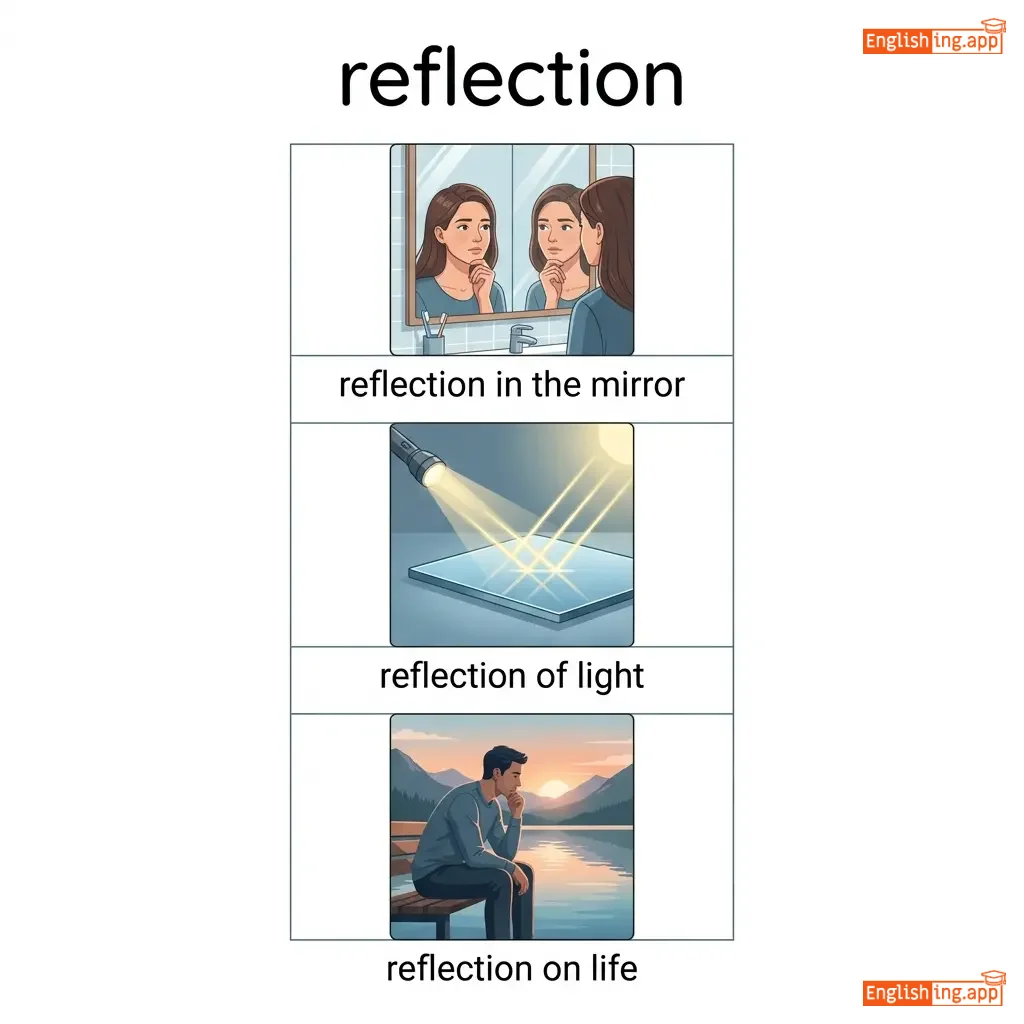
the image of something in a mirror or water, or serious thought about something
••••••
|
She saw her reflection in the glass window. |
彼女はガラスの窓に自分の反映を見ました。
Kanojo wa garasu no mado ni jibun no hanei o mimashita.
••••••
|
a moment of reflection |
a short time spent thinking deeply
••••••
|
反映の瞬間
hanei no shunkan
••••••
|
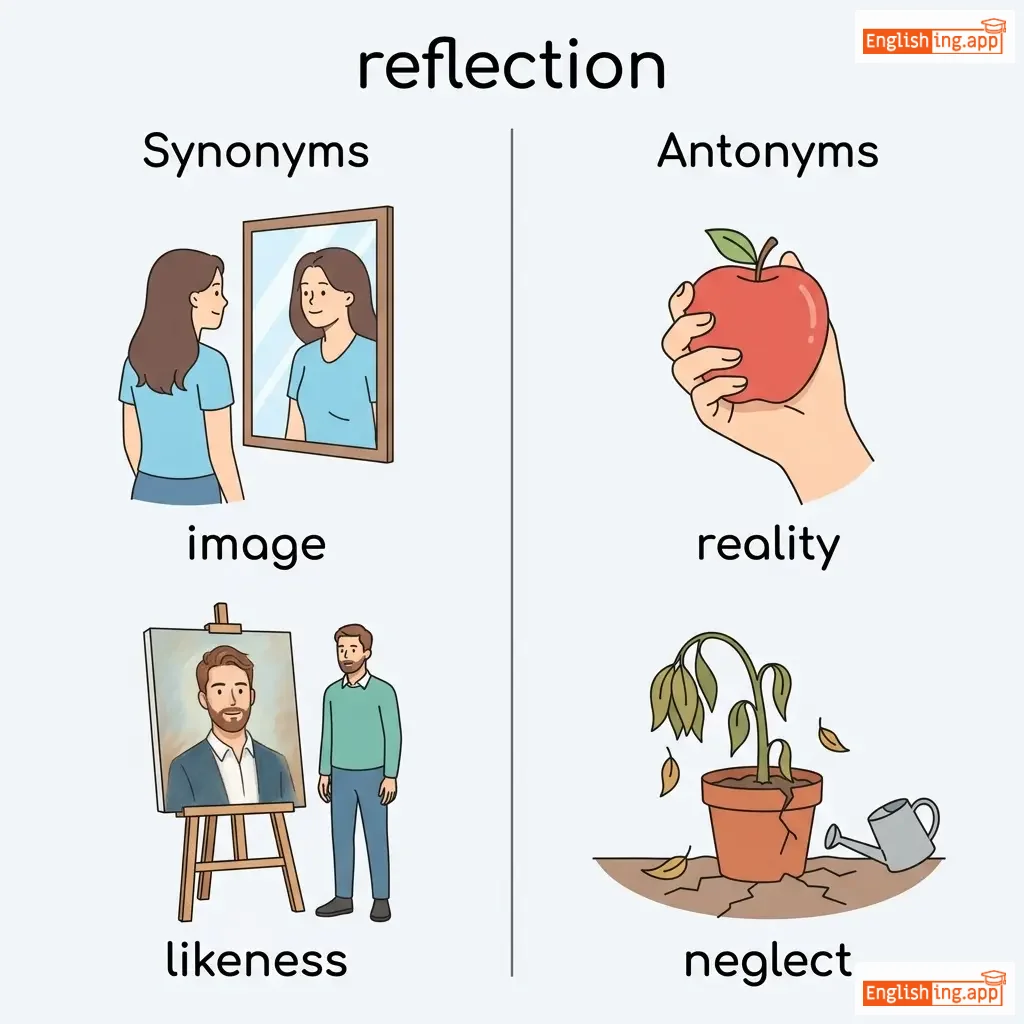
image, likeness, contemplation, thought, consideration
••••••
|
reality, neglect, disregard
••••••
|
reflection in the mirror, reflection of light, reflection on life
••••••
|
Reflection は鏡で自分を映すだけでなく、深く考える時間を意味します。
••••••
|
|
#4162
♻️
|
/rɪˈfɔːrm/
verb
(リフォーム)
••••••
|
|
改革する
kaikaku suru
••••••
|
reformed
リフォームド
••••••
|
reformed
リフォームド
••••••
|
reforms
リフォームズ
••••••
|
reforming
リフォームイング
••••••
|
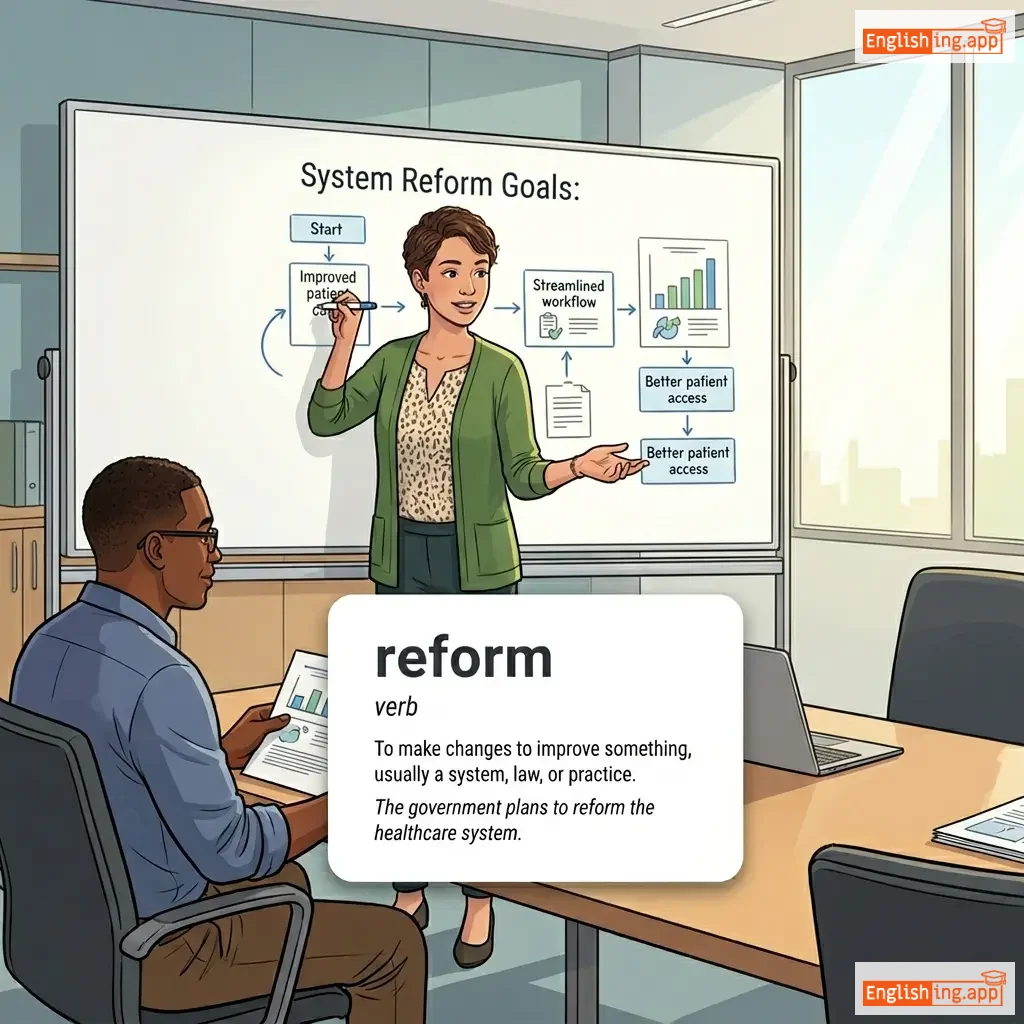
To make changes to improve something, usually a system, law, or practice.
••••••
|
The government plans to reform the healthcare system.
政府は医療制度を改革する予定です。
••••••
|
政府は医療制度を改革する予定です。
seifu wa iryou seido o kaikaku suru yotei desu.
••••••
|
reform school
リフォームスクール
••••••
|
An institution for young offenders to correct behavior
••••••
|
リフォームスクール
ri fōmu sukūru
••••••
|
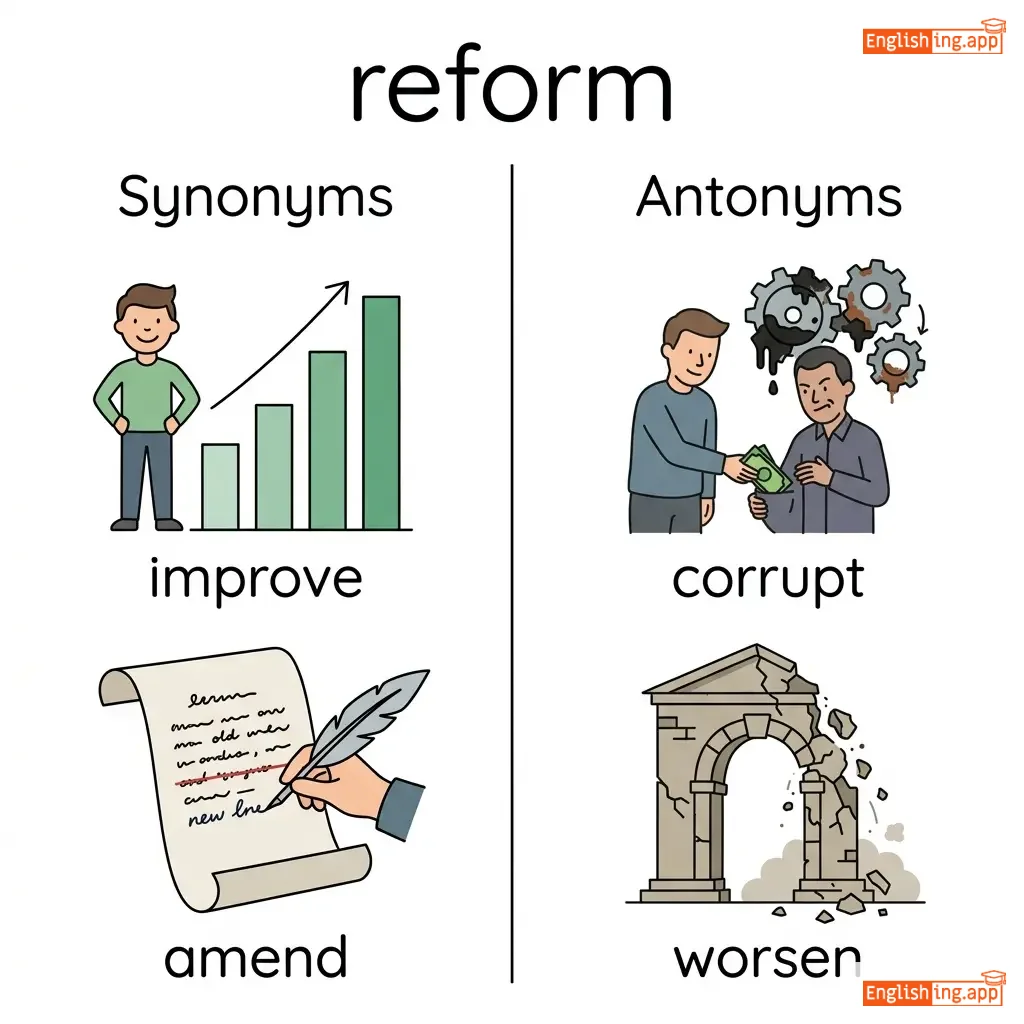
improve, amend, reorganize, change, transform
••••••
|
corrupt, worsen, damage
••••••
|
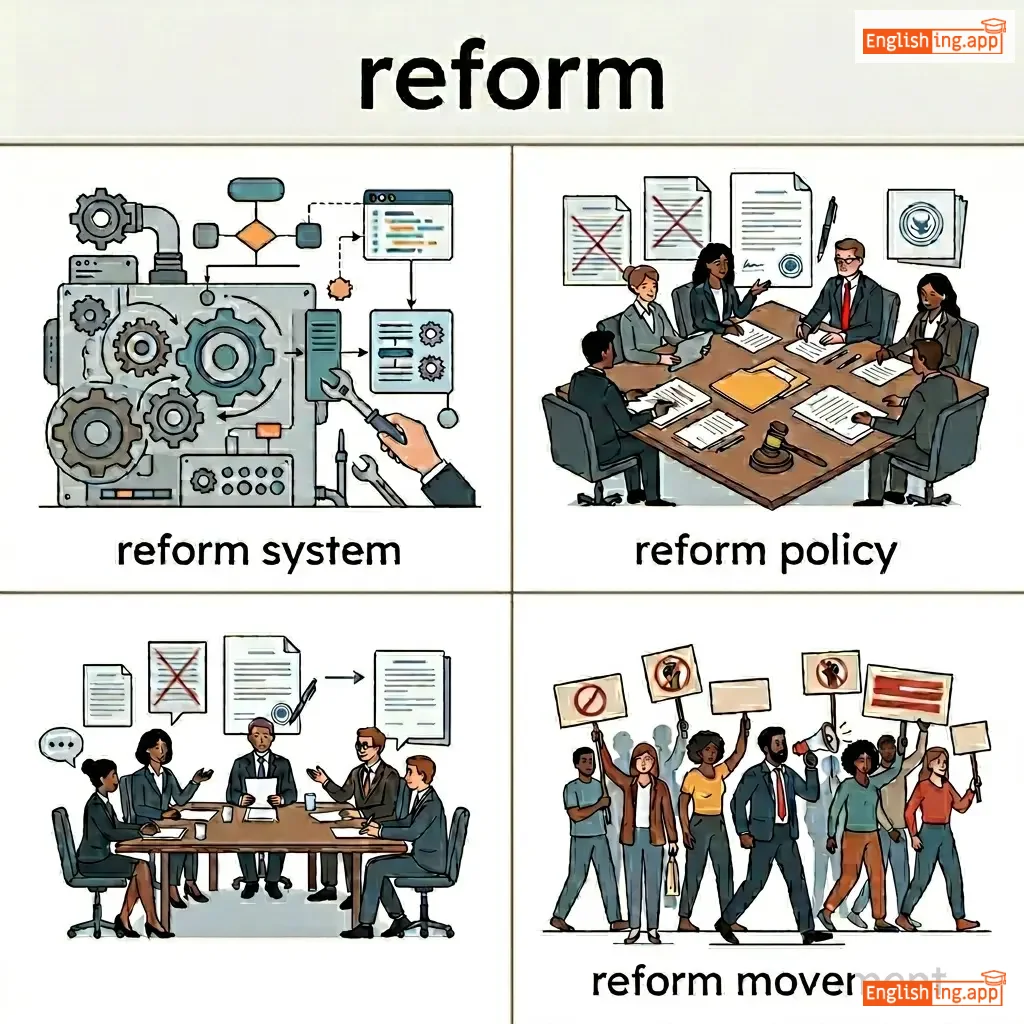
reform system, reform policy, reform movement, social reform
••••••
|
Re-form = 再構築、すなわち改革や変更。
••••••
|
|
#4163
🧊❄️
|
/rɪˈfrɪdʒ.ər.eɪ.tər/
noun
(冷蔵庫)
••••••
|
- •••••• |
冷蔵庫
reizouko
••••••
|
- •••••• | - •••••• | - •••••• | - •••••• |
an appliance for keeping food and drinks cold
••••••
|
Please put the milk in the refrigerator to keep it fresh.
牛乳を新鮮に保つために冷蔵庫に入れてください。
••••••
|
牛乳を新鮮に保つために冷蔵庫に入れてください。
gyūnyū o shinsen ni tamotsu tame ni reizouko ni irete kudasai.
••••••
|
- •••••• | - •••••• | - •••••• |
fridge, icebox, cooler
••••••
|
oven, heater
••••••
|
refrigerator door, refrigerator compartment, energy-efficient refrigerator
••••••
|
冷蔵庫 (reizouko) is like ‘refrigerator’ – keep it cold for fresh milk!
••••••
|
|
#4164
🏚️
|
/ˈrɛfjuːdʒ/
noun
(レフュージュ)
••••••
|
- •••••• |
避難所
hinanjo
••••••
|
- •••••• | - •••••• | - •••••• | - •••••• |
a place that provides shelter or protection from danger or distress
••••••
|
The villagers took refuge in the temple during the storm. |
村人たちは嵐の間、寺院に避難した。
Murabito-tachi wa arashi no aida, jiin ni hinan shita.
••••••
|
take refuge in |
to seek safety or comfort in something
••••••
|
避難所に避難する
hinanjo ni hinan suru
••••••
|
shelter, sanctuary, haven, asylum, retreat
••••••
|
danger, exposure, threat
••••••
|
seek refuge, take refuge, offer refuge, find refuge
••••••
|
避難所 = refuge, 嵐から寺院での避難
••••••
|
|
#4165
🏠
|
/ˌref.jʊˈdʒiː/
noun
(レフュジー)
••••••
|
- •••••• |
難民
nanmin
••••••
|
- •••••• | - •••••• | - •••••• | - •••••• |
a person who has been forced to leave their country in order to escape war, persecution, or natural disaster
••••••
|
The refugee camp provided temporary shelter for thousands of displaced families. |
難民キャンプは、何千人もの避難した家族に一時的な避難所を提供しました。
Nanmin kyanpu wa, nanzen-nin mo no hinan shita kazoku ni ichiji-teki na hinanjo wo teikyoushita
••••••
|
- •••••• | - •••••• | - •••••• |
asylum seeker, displaced person, exile, migrant
••••••
|
citizen, resident, native
••••••
|
refugee camp, refugee crisis, political refugee, refugee status
••••••
|
難民 = 逃げるための避難
••••••
|
|
#4166
🚫
|
/rɪˈfjuːzəl/
noun
(リフューザル)
••••••
|
- •••••• |
拒否
kyohi
••••••
|
- •••••• | - •••••• | - •••••• | - •••••• |
An act of saying or showing that one will not do or accept something.
••••••
|
Her refusal to cooperate delayed the project.
彼女の協力しないという拒否がプロジェクトを遅らせた。
••••••
|
彼女の協力しないという拒否がプロジェクトを遅らせた。
Kanojo no kyouryoku shinai to iu kyohi ga purojekuto wo okuraseta.
••••••
|
point-blank refusal
直接的な拒否
••••••
|
a direct and absolute rejection
••••••
|
直接的な拒否
Chokusetsuteki na kyohi
••••••
|
denial, rejection, declination, noncompliance
••••••
|
acceptance, agreement
••••••
|
strong refusal, outright refusal, firm refusal
••••••
|
Refuse = 拒否、拒否 🚫
••••••
|
|
#4167
♻️
|
/rɪˈfjuːz/ (verb), /ˈrɛfjuːs/ (noun)
verb, noun
••••••
|
- •••••• | - •••••• |
refused
••••••
|
refused
••••••
|
refuses
••••••
|
refusing
••••••
|
As a verb: to say no to something offered or requested; as a noun: waste material; rubbish.
••••••
|
He refused to answer the question, and the street was full of refuse. |
- •••••• |
refuse to budge |
to not change one’s opinion or position
••••••
|
- •••••• |
decline, reject, deny, rubbish, garbage
••••••
|
accept, approve, agree
••••••
|
refuse offer, refuse entry, refuse treatment, household refuse
••••••
|
No •••••• |
|
#4168
🔁
|
/rɪˈɡeɪn/
verb
(ree-gein)
••••••
|
|
取り戻す
torimodosu
••••••
|
regained
ree-geind
••••••
|
regained
ree-geind
••••••
|
regains
ree-geins
••••••
|
regaining
ree-geining
••••••
|
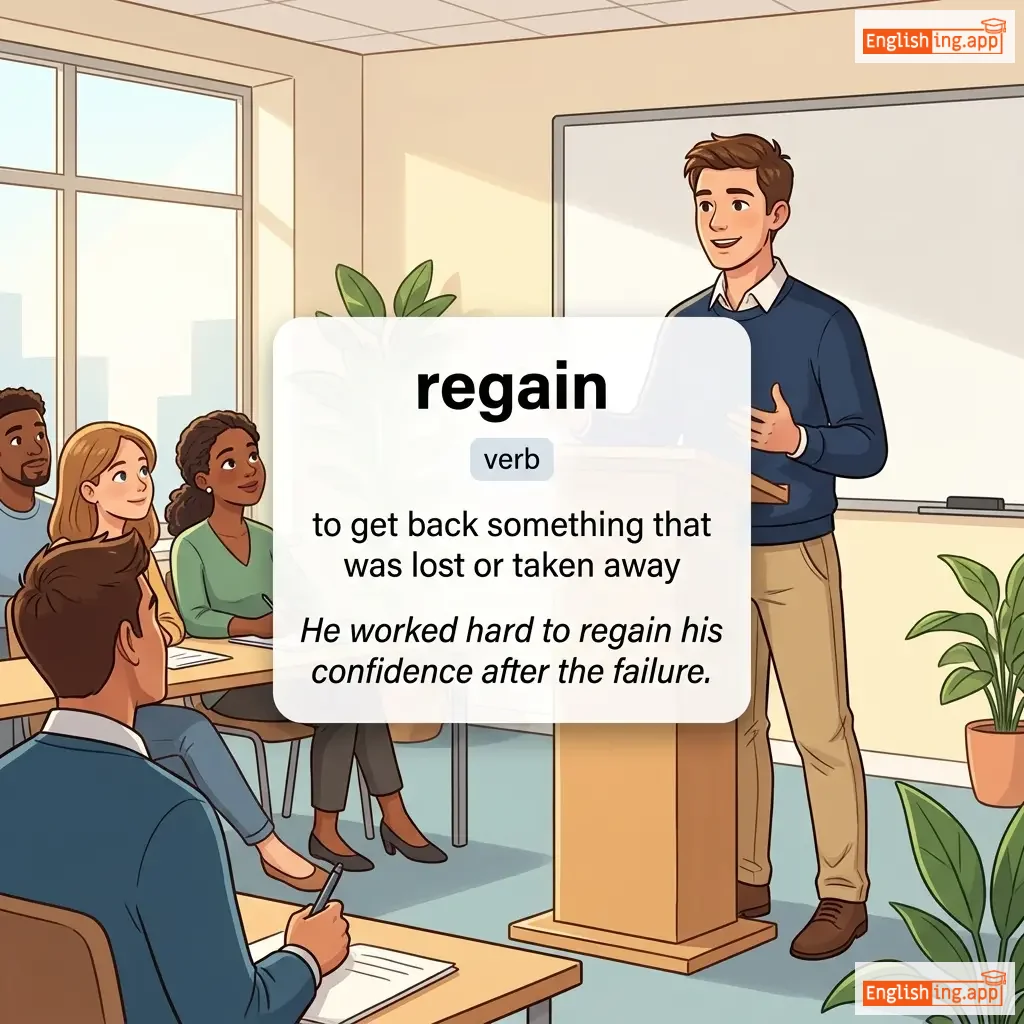
to get back something that was lost or taken away
••••••
|
He worked hard to regain his confidence after the failure.
失敗後、彼は自信を取り戻すために一生懸命働いた。
••••••
|
失敗後、彼は自信を取り戻すために一生懸命働いた。
Shippai go, kare wa jishin o torimodosu tame ni isshoukenmei hataraita.
••••••
|
regain consciousness
意識を取り戻す
••••••
|
to wake up or become aware again after fainting
••••••
|
意識を取り戻す
ishiki o torimodosu
••••••
|
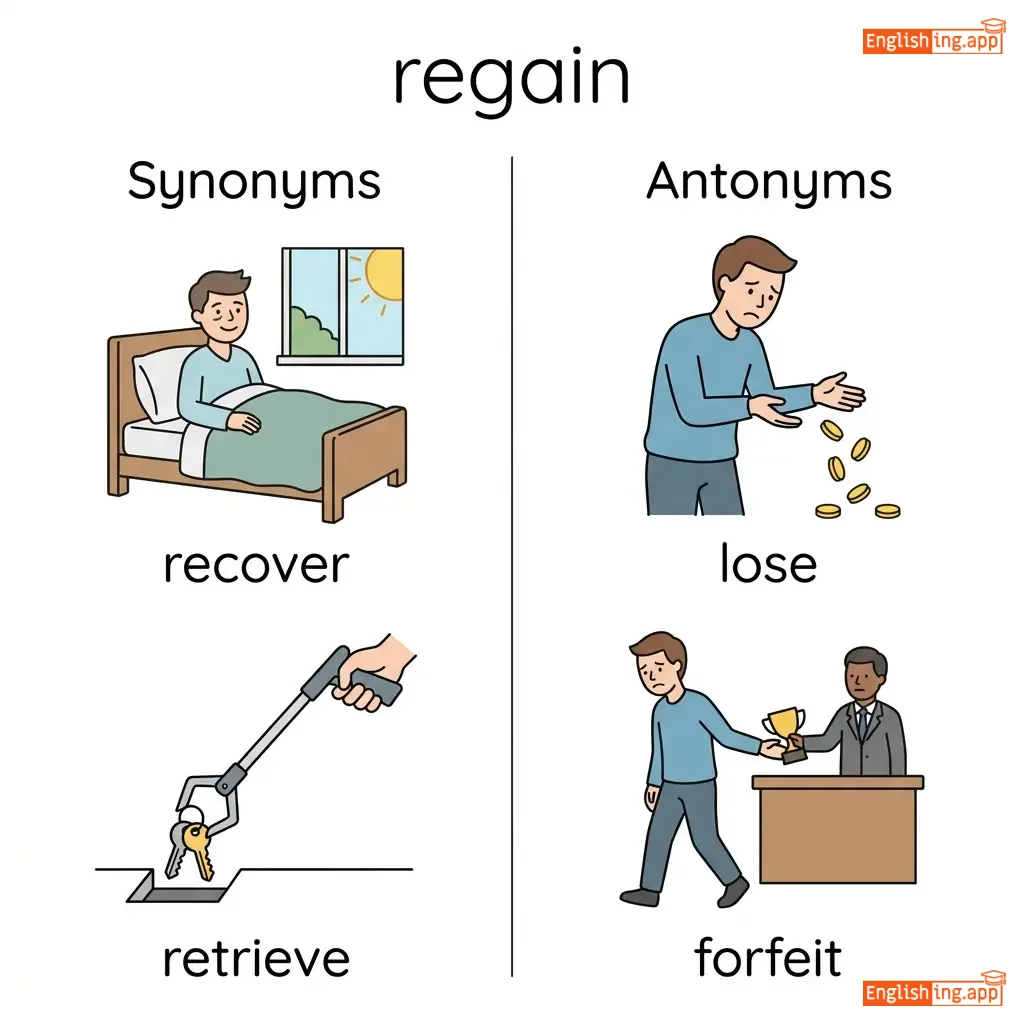
recover, retrieve, recapture, reclaim
••••••
|
lose, forfeit, surrender
••••••
|
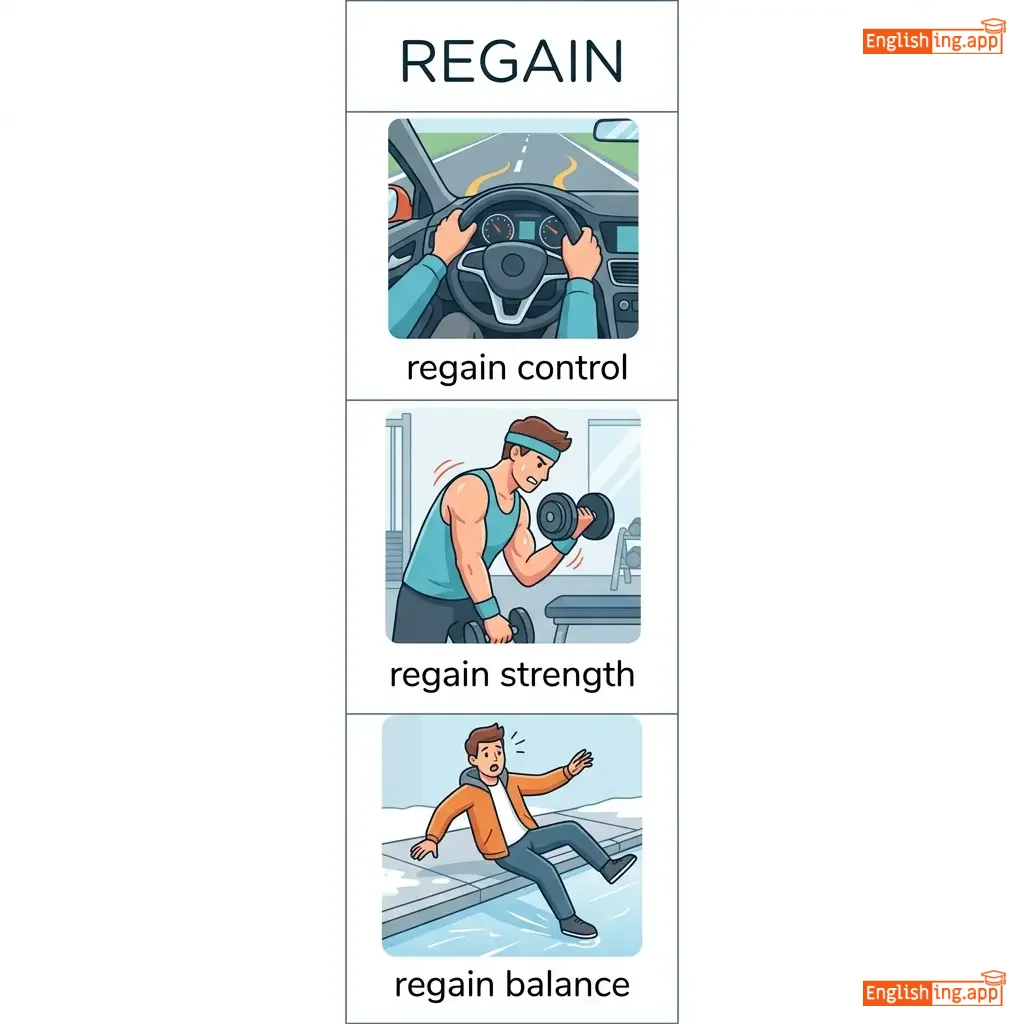
regain control, regain strength, regain balance, regain confidence
••••••
|
Regain は再び得るという意味 — 失ったものを取り戻せ!
••••••
|
|
#4169
👀
|
/rɪˈɡɑrd/
noun/verb
(リガード)
••••••
|
- •••••• |
尊敬、考慮
sonkei, koryo
••••••
|
regarded
リガーデッド
••••••
|
regarded
リガーデッド
••••••
|
regards
リガーズ
••••••
|
regarding
リガーディング
••••••
|
consider or think of in a specified way
••••••
|
She regarded him as her mentor.
彼女は彼をメンターとして見ていました。
••••••
|
彼女は彼をメンターとして見なしました。
Kanojo wa kare wo mentaa to shite minashimashita.
••••••
|
With regard to
に関して
••••••
|
concerning or in relation to
••••••
|
に関して
ni kanshite
••••••
|
respect, consider, view, esteem
••••••
|
disregard, ignore
••••••
|
regard highly, hold in regard, with regard to, in regard to
••••••
|
'Regard'は日本語で'尊敬'として覚えておいてください。
••••••
|
|
#4170
📜
|
/rɪˈɡɑrdɪŋ/
preposition
(リガーディング)
••••••
|
- •••••• |
に関して
ni kanshite
••••••
|
- •••••• | - •••••• | - •••••• | - •••••• |
concerning or relating to
••••••
|
The decision regarding the meeting will be made tomorrow. |
会議に関する決定は明日行われます。
Kaigi ni kanshite kettei wa ashita okonawaremasu.
••••••
|
- •••••• | - •••••• | - •••••• |
concerning, about, in relation to
••••••
|
- •••••• |
regarding the matter, regarding the issue, regarding the project
••••••
|
会議に関する決定は明日です
••••••
|
|
#4171
🚶
|
/rɪˈɡɑrdləs/
adverb
(rɪˈɡɑrdləs)
••••••
|
- •••••• |
関係なく
kankeinaku
••••••
|
- •••••• | - •••••• | - •••••• | - •••••• |
without paying attention to the current situation or condition
••••••
|
She will go to the party regardless of the weather. |
彼女は天気に関係なくパーティーに行きます。
Kanojo wa tenki ni kankeinaku paatii ni ikimasu.
••••••
|
Regardless of |
despite any obstacles or conditions
••••••
|
関係なく
kankeinaku
••••••
|
anyway, nonetheless, in spite of, no matter
••••••
|
considering, depending
••••••
|
regardless of the consequences, regardless of the weather
••••••
|
関係なく、天気に関係なく '関係なく' と覚える
••••••
|
Vocabulary Quiz
Test your vocabulary by matching words with their translations or meanings.
Login to take the quiz
Comments (0)
Share your thoughts and join the discussion.
Join the discussion by logging in
Login to CommentNo comments yet
Be the first to share your thoughts!