

翻訳
過去
過去分詞
三人称単数
動名詞
意味
例文
例文の翻訳
同義語
対義語
コロケーション
ニーモニック









Swipe left or right, or use the buttons. Tap image to zoom.
例文の翻訳
単語
Lesson 89Lesson 89 - マスクトグル
|
絵文字
|
単語 | Images | 翻訳 | 過去 | 過去分詞 | 三人称単数 | 動名詞 | 意味 | 例文 | 例文の翻訳 | 表現例 | 表現例の意味 | 表現例の翻訳 | 同義語 | 対義語 | コロケーション | ニーモニック |
|---|---|---|---|---|---|---|---|---|---|---|---|---|---|---|---|---|---|
|
#4221
🚮
|
/rɪˈmuːvəl/
noun
(リムーバル)
••••••
|
- •••••• |
取り除き
torinozoki
••••••
|
- •••••• | - •••••• | - •••••• | - •••••• |
the act of taking something or someone away or out of a place
••••••
|
The removal of old furniture made the room look spacious.
古い家具の取り除きが部屋を広く見せた。
••••••
|
古い家具の取り除きが部屋を広く見せた。
Furui kagu no torinozoki ga heya o hiroku miseta.
••••••
|
stain removal
汚れ除去
••••••
|
the process of getting rid of a mark or dirt
••••••
|
汚れ除去
yogore jokyo
••••••
|
elimination, extraction, withdrawal, deletion, dismissal
••••••
|
addition, insertion, inclusion
••••••
|
waste removal, hair removal, removal process, removal service
••••••
|
取り除き=remove、物を取り除いて空間を広げよう!
••••••
|
|
#4222
🗑️
|
/rɪˈmuːv/
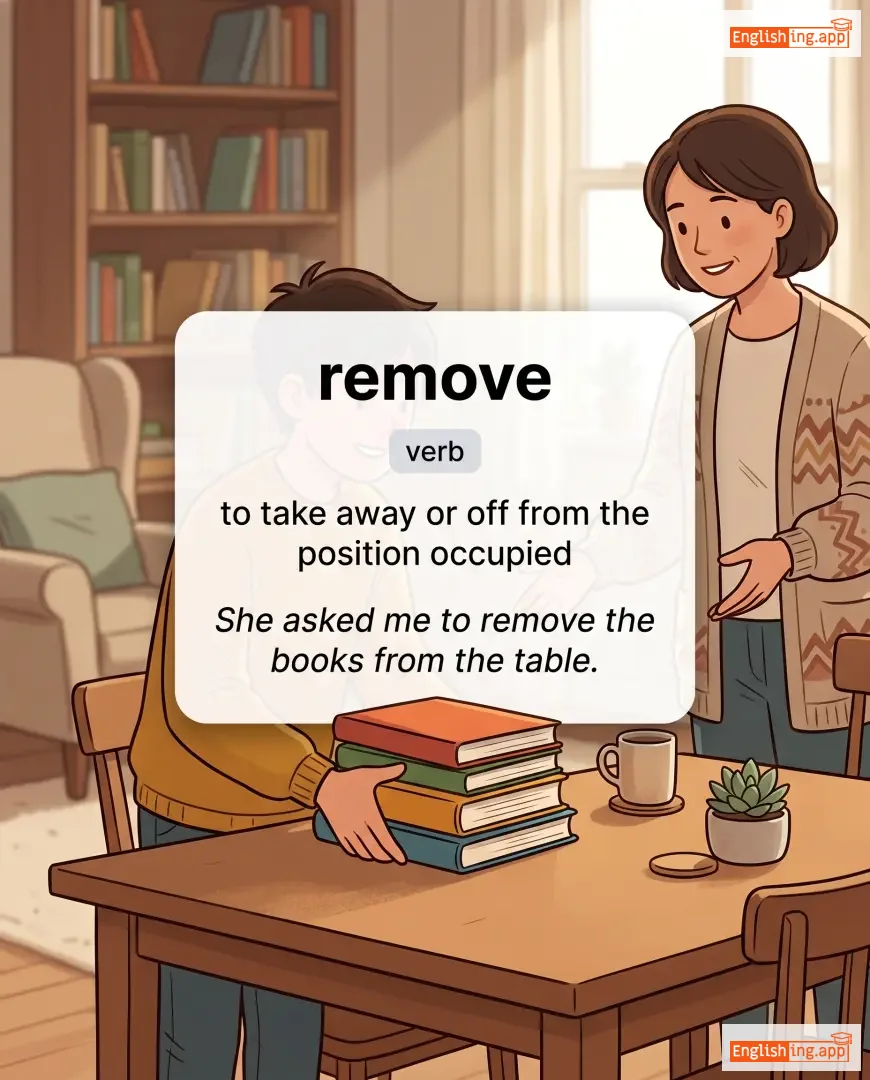
verb
(リムーブ)
••••••
|
|
削除する
sakujo suru
••••••
|
removed
リムーブド
••••••
|
removed
リムーブド
••••••
|
removes
リムーブス
••••••
|
removing
リムービング
••••••
|
to take something away; to eliminate or delete
••••••
|
Please remove your shoes before entering the house.
家に入る前に靴を脱いでください。
••••••
|
家に入る前に靴を脱いでください。
Ie ni hairu mae ni kutsu o nuide kudasai.
••••••
|
- •••••• | - •••••• | - •••••• |
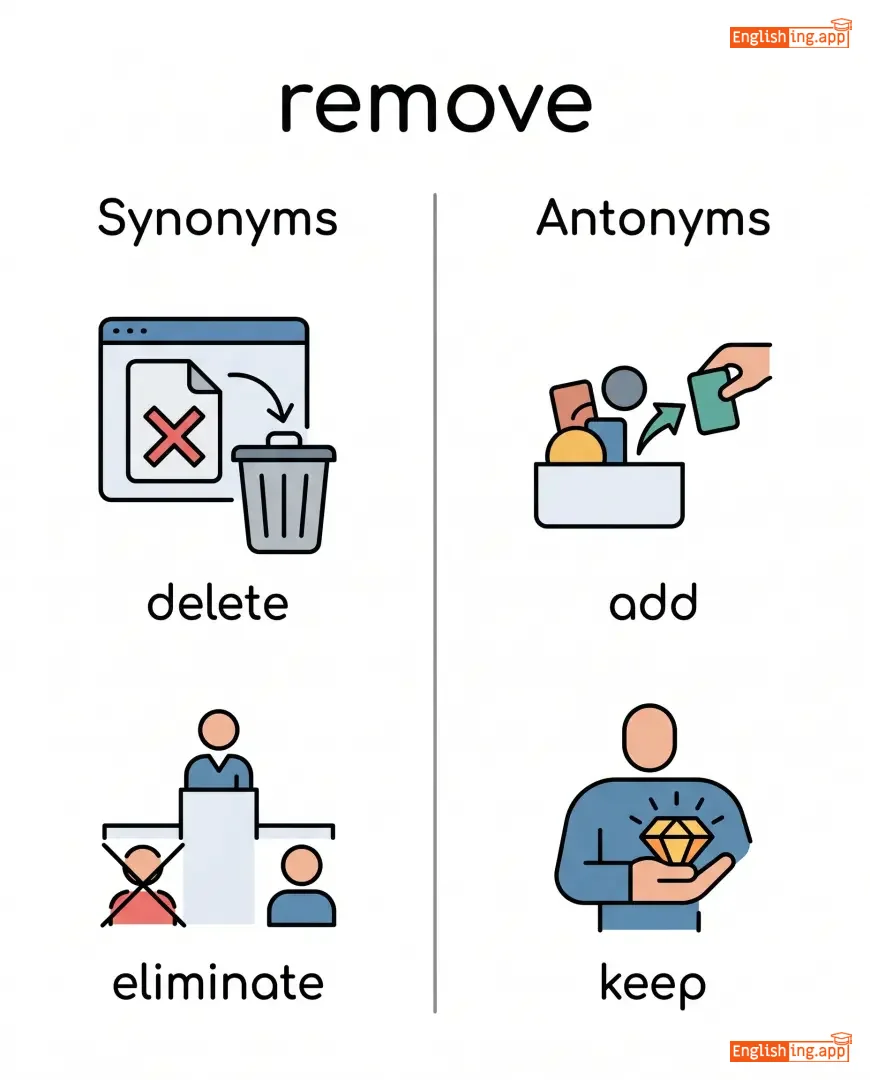
take away, eliminate, delete, extract
••••••
|
add, insert, place, put
••••••
|
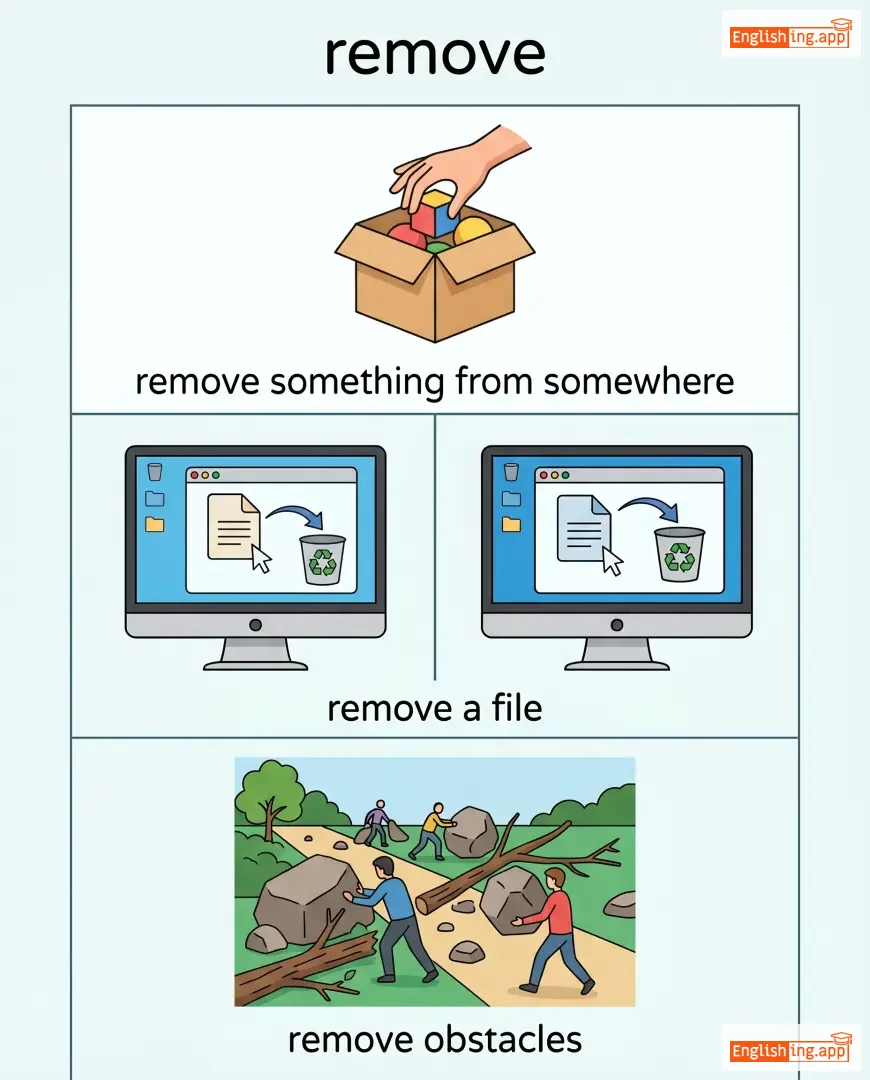
remove from, remove completely, remove carefully, remove stains, remove obstacles
••••••
|
削除するというのは、不要なものを取り除くことです。靴を脱いでリラックス!
••••••
|
|
#4223
👐
|
/ˈrɛndər/
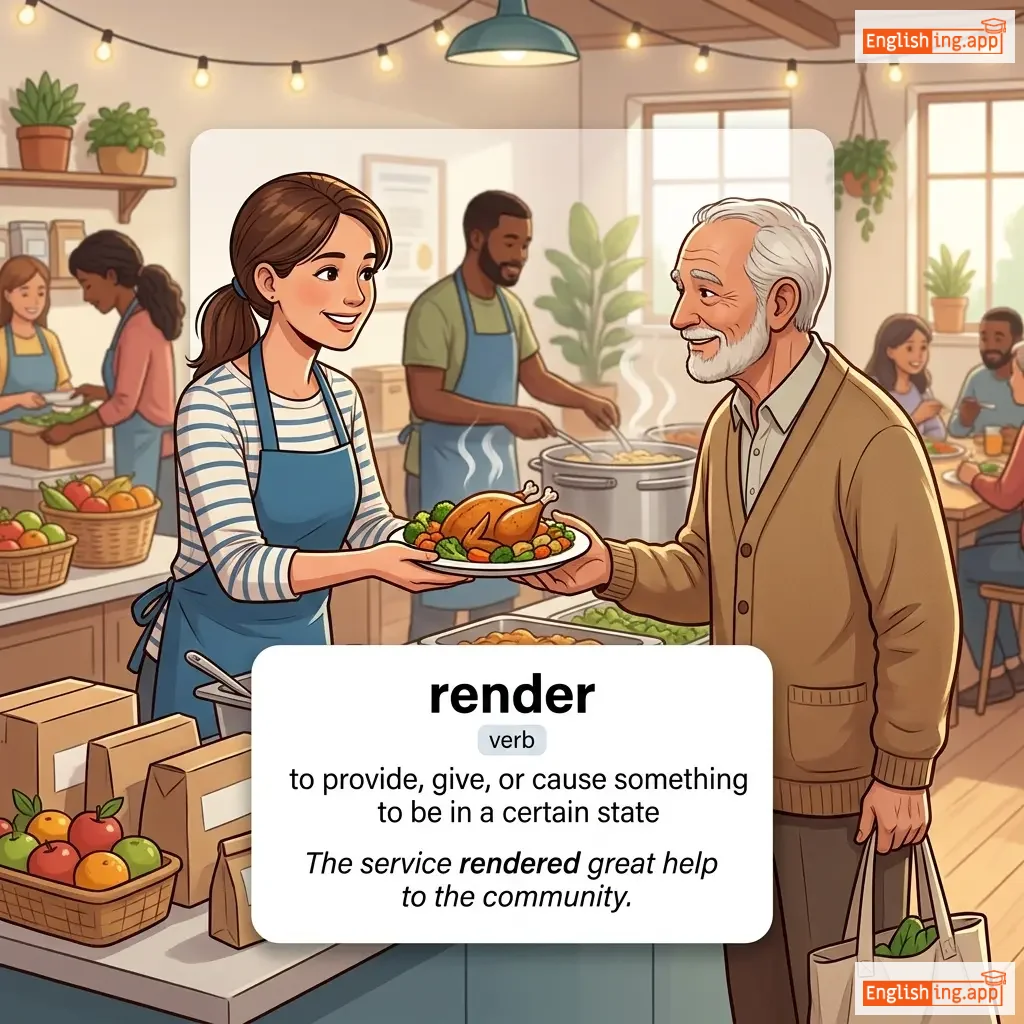
verb
(レンダー)
••••••
|
|
提供する
teikyō suru
••••••
|
rendered
レンダード
••••••
|
rendered
レンダード
••••••
|
renders
レンダース
••••••
|
rendering
レンダリング
••••••
|
to provide, give, or cause something to be in a certain state
••••••
|
The service rendered great help to the community.
そのサービスはコミュニティに大きな助けを提供しました。
••••••
|
そのサービスはコミュニティに大きな助けを提供しました。
Sono sābisu wa komyuniti ni ōkina tasuke o teikyō shimashita.
••••••
|
render assistance
支援を提供する
••••••
|
to provide help or support
••••••
|
支援を提供する
shien o teikyō suru
••••••
|
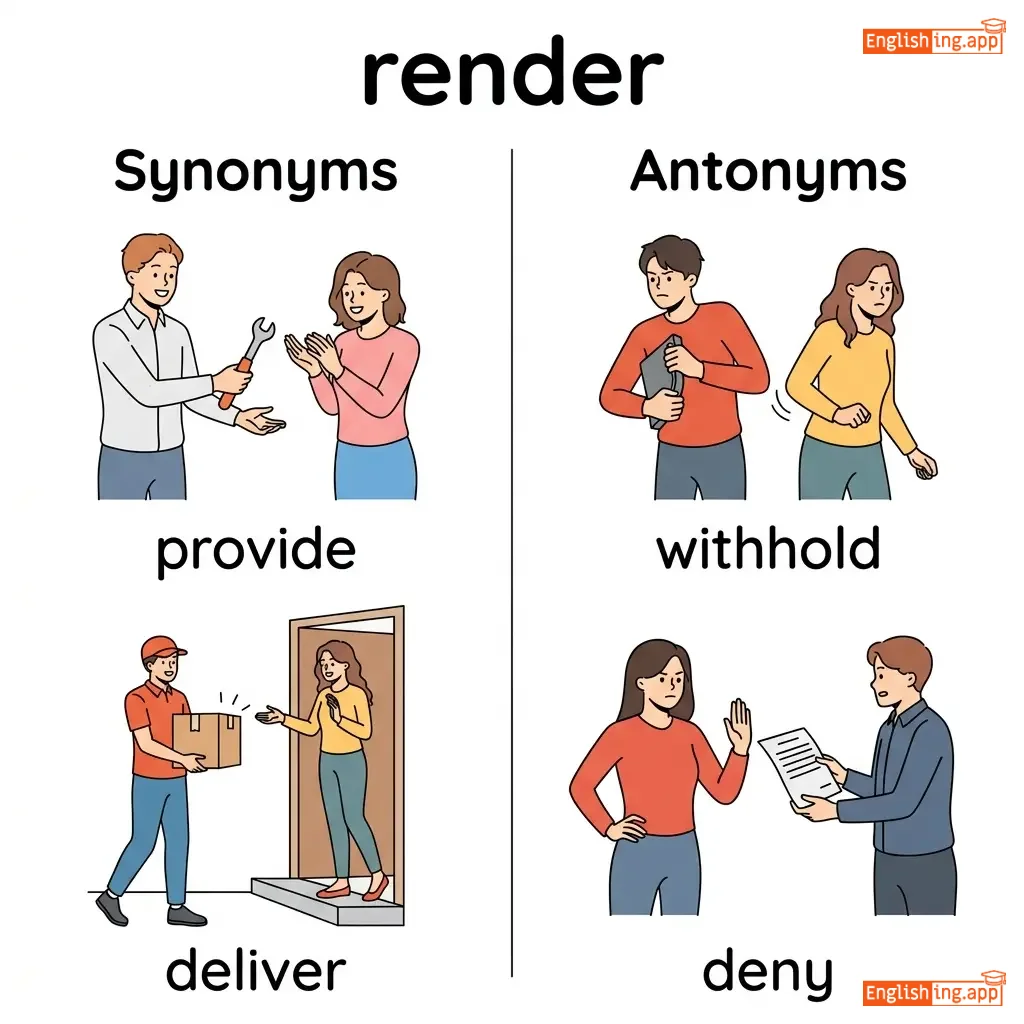
provide, deliver, offer, supply, depict
••••••
|
withhold, deny, refuse
••••••
|
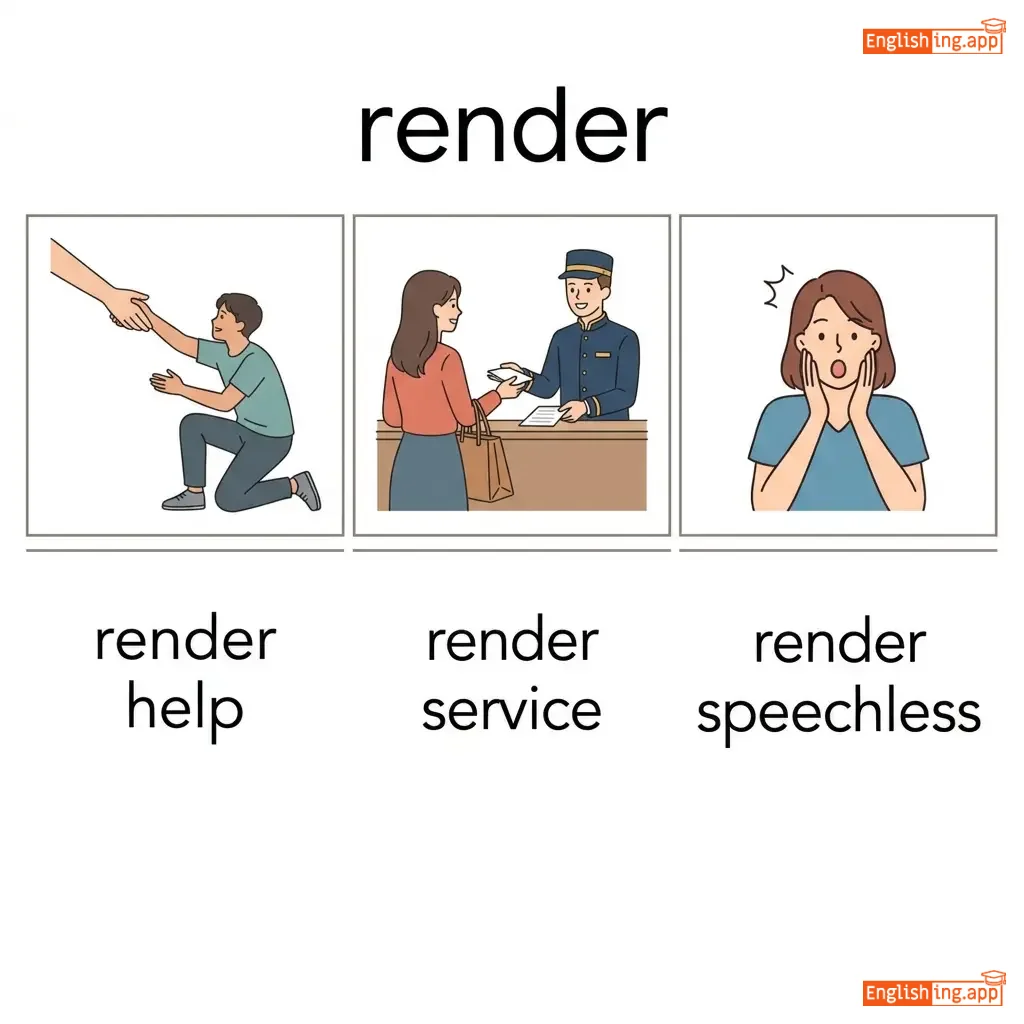
render help, render service, render speechless, render useless
••••••
|
Renderは提供する—あなたの友達のように支援を提供する。
••••••
|
|
#4224
🔄
|
/rɪˈnuː/
verb
••••••
|
- •••••• | - •••••• |
renewed
••••••
|
renewed
••••••
|
renews
••••••
|
renewing
••••••
|
to make something new again or extend its period of validity
••••••
|
I need to renew my passport before traveling. |
- •••••• |
renew a contract |
to extend the time or validity of a contract
••••••
|
- •••••• |
extend, refresh, continue, prolong
••••••
|
expire, end, terminate
••••••
|
renew subscription, renew passport, renew contract, renew hope
••••••
|
No •••••• |
|
#4225
🌟
|
/rɪˈnaʊnd/
adjective
(レナウンド)
••••••
|
|
有名
yūmei
••••••
|
- •••••• | - •••••• | - •••••• | - •••••• |
famous or well-known for a particular skill or achievement
••••••
|
She is a renowned artist in the country.
彼女はその国で有名なアーティストです。
••••••
|
彼女はその国で有名なアーティストです。
Kanojo wa sono kuni de yūmei na ātisuto desu.
••••••
|
- •••••• | - •••••• | - •••••• |
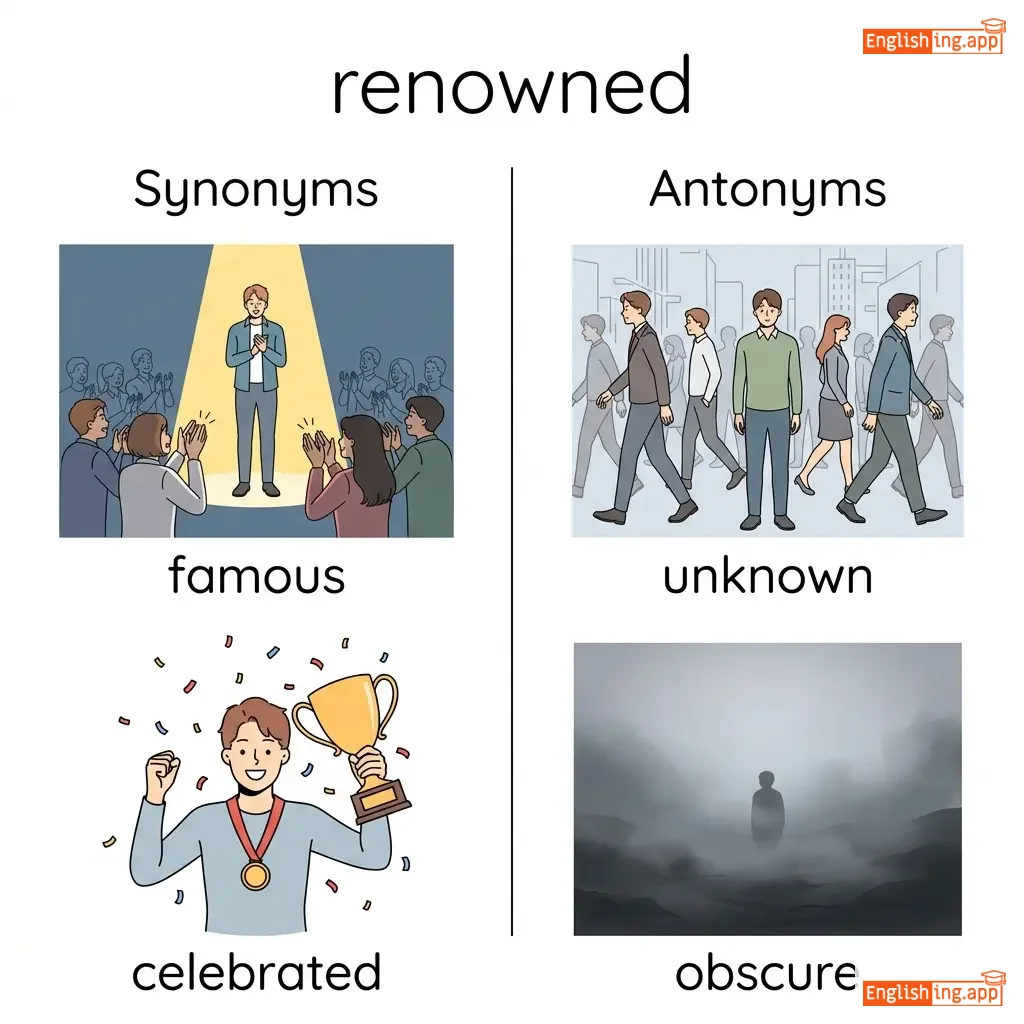
famous, celebrated, distinguished, acclaimed
••••••
|
unknown, obscure, anonymous
••••••
|
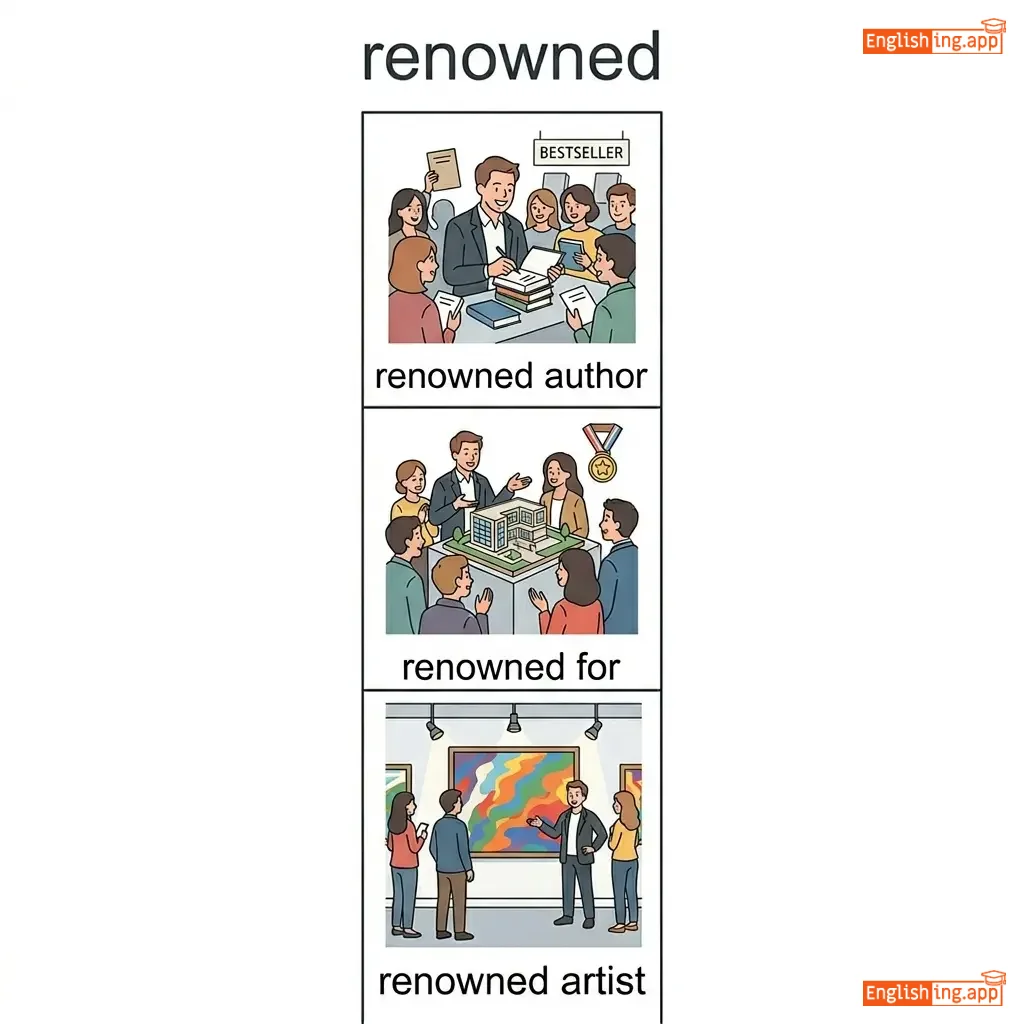
renowned author, renowned for, renowned artist, highly renowned
••••••
|
Renowned rhymes with 'known' - someone who's renowned is well-known.
••••••
|
|
#4226
🏠
|
/rɛnt/
noun, verb
(レント)
••••••
|
- •••••• |
家賃
yachin
••••••
|
rented
レンタルされた
••••••
|
rented
レンタルされた
••••••
|
rents
レント
••••••
|
renting
レンタル中
••••••
|
payment made regularly by a tenant to a landlord for the use of property or land; also to pay for the use of something
••••••
|
They decided to rent an apartment in the city center.
彼らは市内中心部でアパートを借りることに決めました。
••••••
|
彼らは市内中心部でアパートを借りることに決めました。
Karera wa shinai chuushinbu de apāto wo kariru koto ni kimemashita.
••••••
|
for rent
賃貸中
••••••
|
available to be rented
••••••
|
賃貸中
chintai chuu
••••••
|
lease, hire, let, sublet
••••••
|
own, buy, purchase
••••••
|
pay rent, rent a house, rent agreement, monthly rent
••••••
|
Rentは家賃、家主が‘家賃 (rent) をください’と言っている場面を想像してください。
••••••
|
|
#4227
🚗
|
/ˈrɛntəl/
noun
(レンタル)
••••••
|
- •••••• |
レンタル
rentaru
••••••
|
- •••••• | - •••••• | - •••••• | - •••••• |
an arrangement in which something is rented, or the amount paid for renting
••••••
|
The car rental was more expensive than we expected.
レンタカーは予想より高かった。
••••••
|
レンタカーは予想より高かった。
Rentakā wa yosō yori takakatta.
••••••
|
rental agreement
レンタル契約
••••••
|
a legal contract for renting property or equipment
••••••
|
レンタル契約
rentaru keiyaku
••••••
|
lease, hire, letting, rent, charter
••••••
|
ownership, purchase
••••••
|
car rental, rental service, rental property, rental cost
••••••
|
Rentalはレンタルと関連がある — 'レンタカーを借りることはRentalだ!'
••••••
|
|
#4228
🔧
|
/rɪˈpɛər/
verb
••••••
|
|
- •••••• |
repaired
••••••
|
repaired
••••••
|
repairs
••••••
|
repairing
••••••
|
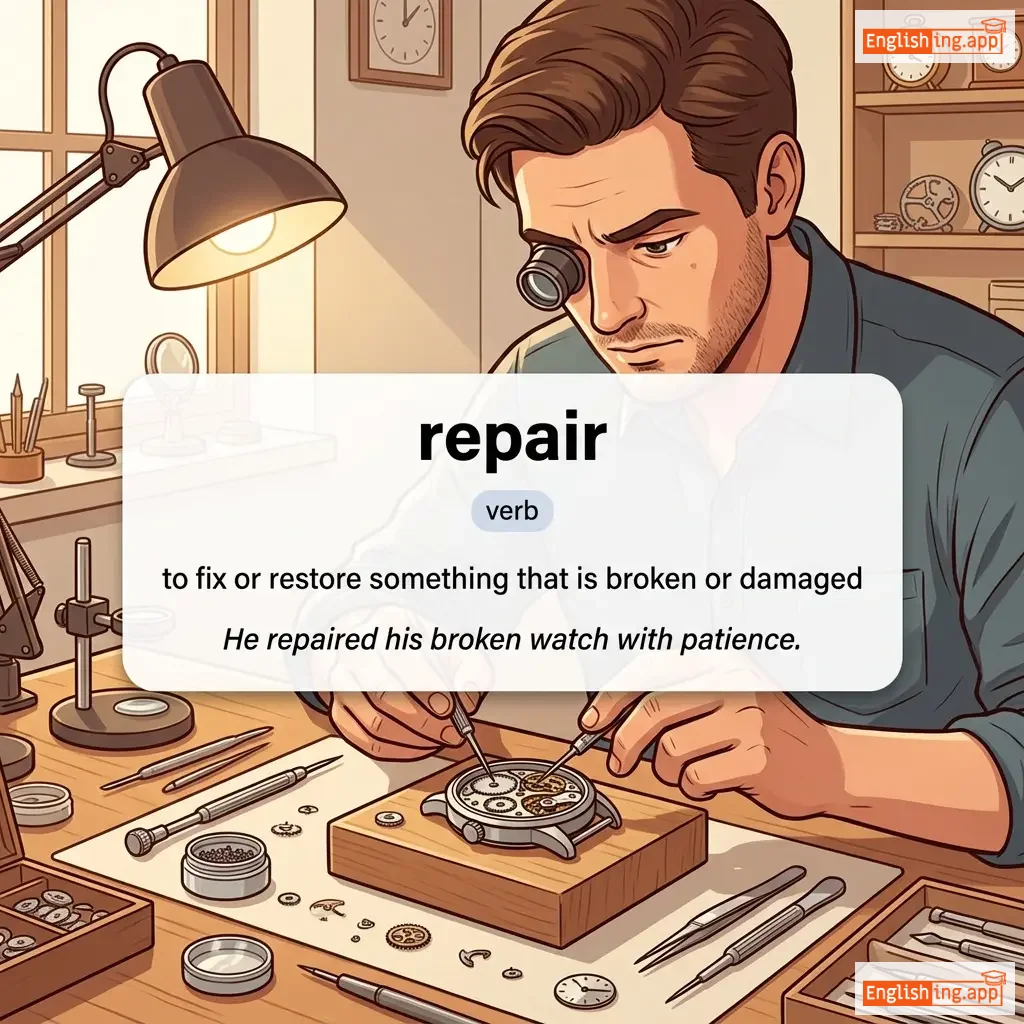
to fix or restore something that is broken or damaged
••••••
|
He repaired his broken watch with patience. |
- •••••• |
beyond repair |
so damaged that it cannot be fixed
••••••
|
- •••••• |
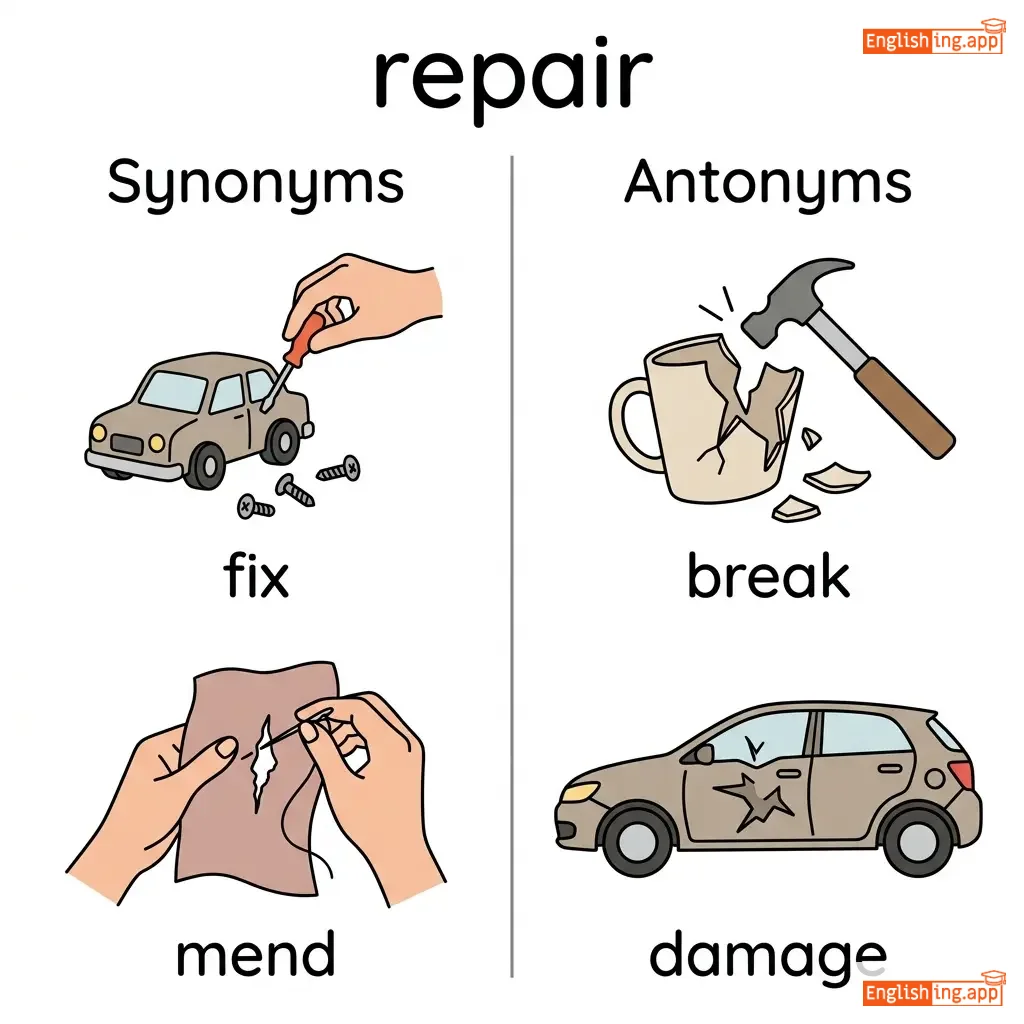
fix, mend, restore, renovate, patch
••••••
|
break, damage, destroy
••••••
|
repair service, repair shop, repair cost, repair work
••••••
|
No •••••• |
|
#4229
🛠️
|
/rɪˈpɛərə/
noun
(リペアラー)
••••••
|
- •••••• |
修理人
shuurinin
••••••
|
- •••••• | - •••••• | - •••••• | - •••••• |
a person whose job is to fix damaged or broken things
••••••
|
The repairer fixed the broken washing machine quickly.
ザ リペアラー フィクスト ザ ブロークン ウォッシング マシン クイックリー。
••••••
|
修理人は壊れた洗濯機をすぐに直した。
shuurinin wa kowareta sentakuki o sugu ni naoshita
••••••
|
- •••••• | - •••••• | - •••••• |
technician, fixer, mender, mechanic, serviceman
••••••
|
destroyer, breaker
••••••
|
computer repairer, phone repairer, skilled repairer, local repairer
••••••
|
リペアする人=修理人=repairer。
••••••
|
|
#4230
🔄
|
/rɪˈpiːt/
verb
(リピート)
••••••
|
- •••••• |
繰り返す
kurikaesu
••••••
|
repeated
リピートした
••••••
|
repeated
リピートした
••••••
|
repeats
リピートする
••••••
|
repeating
リピートしている
••••••
|
to say or do something again
••••••
|
Could you please repeat what you just said?
今言ったことを繰り返してくれますか?
••••••
|
今言ったことを繰り返してくれますか?
Ima itta koto o kurikaeshite kuremasu ka?
••••••
|
- •••••• | - •••••• | - •••••• |
reiterate, reproduce, echo, duplicate
••••••
|
stop, cease, end, finish
••••••
|
repeat again, repeat often, repeat performance, repeat process
••••••
|
Repeat in Japanese as '繰り返す'!
••••••
|
|
#4231
🔁
|
/rɪˈpiː.tɪd/
adjective
(リピート)
••••••
|
- •••••• |
繰り返しの; 多くの回発生する
kurikaeshi no; ooku no kai hassei suru
••••••
|
- •••••• | - •••••• | - •••••• | - •••••• |
done again; happening again; occurring multiple times
••••••
|
He made repeated attempts to contact her.
彼は何度も彼女に連絡を試みました。
••••••
|
彼は何度も彼女に連絡を試みました。
Kare wa nando mo kanojo ni renraku o kokoromimashita
••••••
|
- •••••• | - •••••• | - •••••• |
recurring, frequent, continuous
••••••
|
single, once, isolated
••••••
|
repeated attempts, repeated warnings, repeated patterns
••••••
|
リピートは何度も行うことを意味します。例えば、何度も試みること。
••••••
|
|
#4232
🔁
|
/rɪˈpiː.tɪd.li/
adverb
(リピートリ)
••••••
|
- •••••• |
繰り返し; 何度も
kurikaeshi; nando mo
••••••
|
- •••••• | - •••••• | - •••••• | - •••••• |
again and again; many times over
••••••
|
He repeatedly asked for help with his homework. |
彼は宿題について何度も助けを求めました。
Kare wa shukudai ni tsuite nando mo tasuke o motomemashita.
••••••
|
- •••••• | - •••••• | - •••••• |
continuously, constantly, frequently
••••••
|
rarely, seldom, occasionally
••••••
|
repeatedly warned, repeatedly asked, repeatedly told
••••••
|
Imagine repeating your request in Japanese for help with homework.
••••••
|
|
#4233
🔄
|
/rɪˈpleɪs/
verb
(リプレイス)
••••••
|
- •••••• |
交換する
koukan suru
••••••
|
replaced
リプレイスド
••••••
|
replaced
リプレイスド
••••••
|
replaces
リプレイセス
••••••
|
replacing
リプレイシング
••••••
|
to take the place of something or someone; to put something new in place of something old
••••••
|
He decided to replace the broken lamp with a new one.
彼は壊れたランプを新しいものと交換することに決めました。
••••••
|
彼は壊れたランプを新しいものと交換することに決めました。
Kare wa kowareta ranpu o atarashī mono to kōkan suru koto ni kimemashita.
••••••
|
- •••••• | - •••••• | - •••••• |
substitute, exchange, swap, change
••••••
|
keep, retain
••••••
|
replace with, replace the old, replace a part
••••••
|
ランプを交換する (lamp wo kōkan suru)!
••••••
|
|
#4234
🔄
|
/rɪˈpleɪsmənt/
noun
(リプレースメント)
••••••
|
- •••••• |
交換
koukan
••••••
|
- •••••• | - •••••• | - •••••• | - •••••• |
the act of substituting one thing or person for another
••••••
|
She got a replacement for her damaged phone. |
彼女は壊れた電話の交換を受けました。
Kanojo wa kowareta denwa no koukan o ukemashita.
••••••
|
replacement value |
the cost of replacing an item with a new one of similar kind
••••••
|
交換価値
koukan kachi
••••••
|
substitute, change, exchange, substitution, successor
••••••
|
retention, original
••••••
|
replacement part, replacement cost, replacement policy, replacement product
••••••
|
交換は古いものを新しいもので交換することです。
••••••
|
|
#4235
💬
|
/rɪˈplaɪ/
verb
(replaī)
••••••
|
- •••••• |
返事する
henji suru
••••••
|
replied
replaido
••••••
|
replied
replaido
••••••
|
replies
replaizu
••••••
|
replying
replaingu
••••••
|
to give an answer; to respond
••••••
|
She replies to emails quickly.
彼女はすぐにメールに返信します。
••••••
|
彼女はすぐにメールに返信します。
Kanojo wa sugu ni mēru ni henshin shimasu.
••••••
|
- •••••• | - •••••• | - •••••• |
answer, respond, return, acknowledge
••••••
|
ignore, disregard, question, ask
••••••
|
reply quickly, reply immediately, reply to emails, no reply
••••••
|
返事する = reply, まるでメールに返事するように
••••••
|
|
#4236
📰
|
/rɪˈpɔːrt/
verb
(リポート)
••••••
|
|
報告する
houkoku suru
••••••
|
reported
リポーテッド
••••••
|
reported
リポーテッド
••••••
|
reports
リポーツ
••••••
|
reporting
リポーティング
••••••
|
to give information about something; to make an official statement
••••••
|
The journalist will report the news tonight.
ジャーナリストは今晩ニュースを報告します。
••••••
|
ジャーナリストは今晩ニュースを報告します。
Jānarisuto wa konban nyūsu o hōkoku shimasu.
••••••
|
- •••••• | - •••••• | - •••••• |
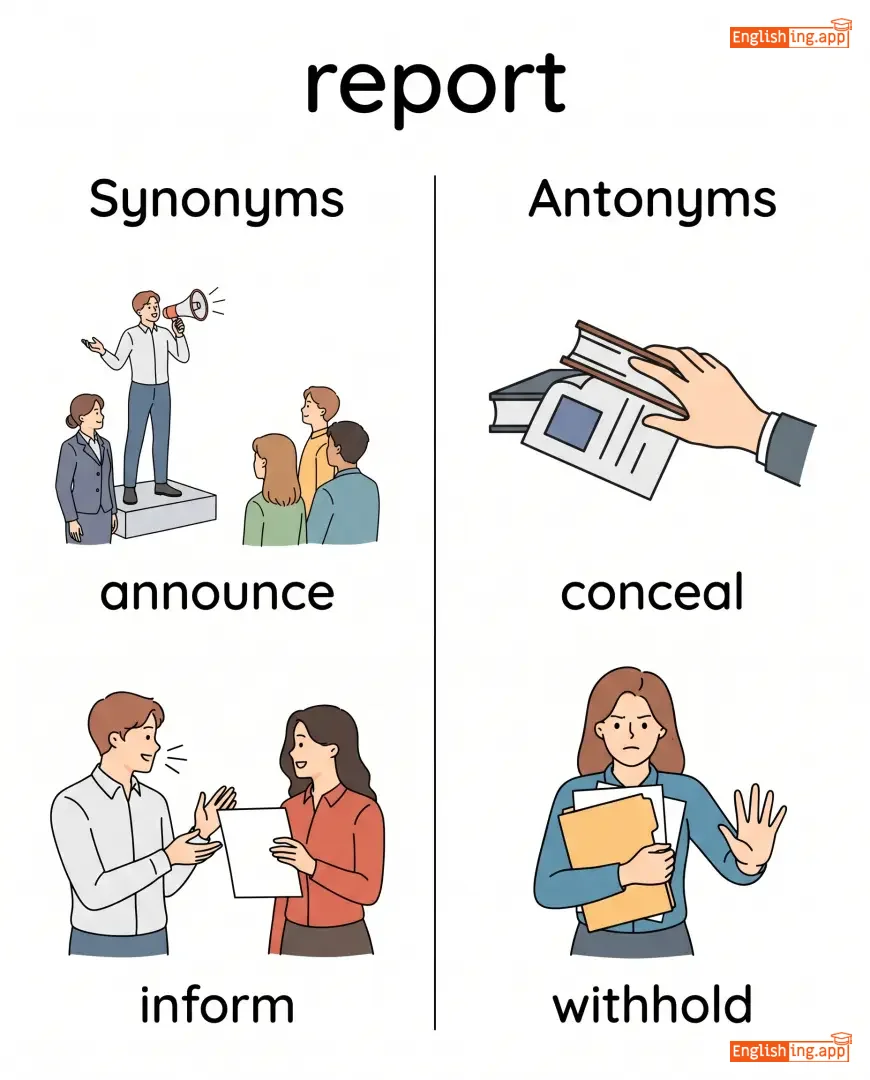
announce, inform, communicate, tell
••••••
|
conceal, hide, suppress
••••••
|
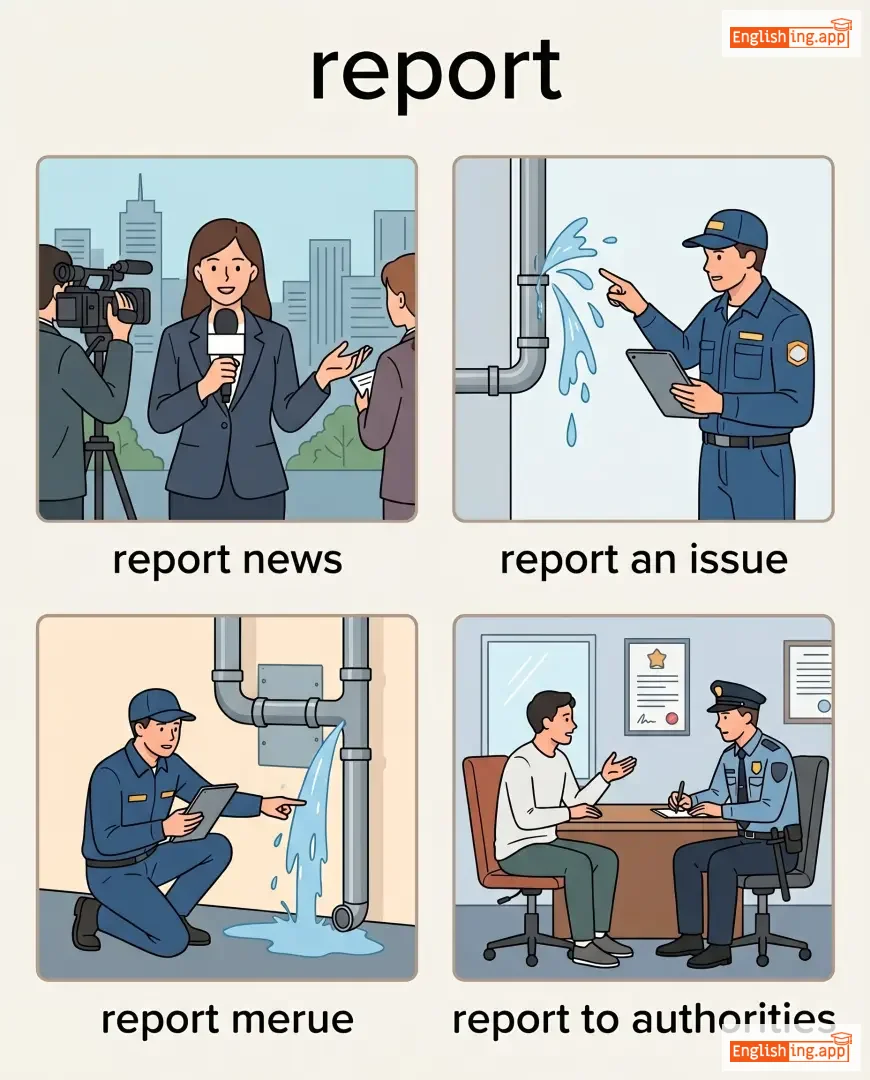
daily report, news report, weather report, report back, report to
••••••
|
報告するとは、ジャーナリストのように情報を伝えること
••••••
|
|
#4237
📰
|
/rɪˈpɔːtɪdli/
adverb
(リポーテッドリー)
••••••
|
- •••••• |
報告によると
hōkoku ni yoru to
••••••
|
- •••••• | - •••••• | - •••••• | - •••••• |
according to what is said or believed, although not confirmed
••••••
|
The company has reportedly agreed to the new terms.
その会社はreportedly新しい条件に同意しました。
••••••
|
その会社はreportedly新しい条件に同意しました。
Sono kaisha wa reportedly atarashī jōken ni dōi shimashita.
••••••
|
- •••••• | - •••••• | - •••••• |
allegedly, supposedly, apparently, seemingly, purportedly
••••••
|
certainly, definitely, surely
••••••
|
reportedly said, reportedly involved, reportedly missing, reportedly agreed
••••••
|
Reportedlyは報告によるとという意味です — 'Reportedly he won' は報告によると彼は勝ったという意味です。
••••••
|
|
#4238
👩💻
|
/rɪˈpɔːrtər/
noun
(リポーター)
••••••
|
- •••••• |
レポーター
repo-ta-
••••••
|
- •••••• | - •••••• | - •••••• | - •••••• |
a person who reports news or information
••••••
|
The reporter interviewed several people at the scene. |
レポーターは現場で数人にインタビューしました。
Repo-ta- wa genba de suunin ni intabyu shimashita.
••••••
|
- •••••• | - •••••• | - •••••• |
journalist, correspondent, writer, newscaster
••••••
|
listener
••••••
|
news reporter, television reporter, investigative reporter
••••••
|
レポーター (Repo-ta-) ニュースを届ける!
••••••
|
|
#4239
🗣️
|
/ˌrɛprɪˈzɛnt/
verb
(リプレゼント)
••••••
|
- •••••• |
代表する
daihyou suru
••••••
|
represented
リプレゼンテッド
••••••
|
represented
リプレゼンテッド
••••••
|
represents
リプレゼンツ
••••••
|
representing
リプレゼントイング
••••••
|
to act or speak on behalf of someone or something
••••••
|
He will represent our company at the conference.
彼は会議で私たちの会社を代表します。
••••••
|
彼は会議で私たちの会社を代表します。
Kare wa kaigi de watashitachi no kaisha o daihyou shimasu.
••••••
|
- •••••• | - •••••• | - •••••• |
depict, symbolize, stand for, express
••••••
|
misrepresent, distort
••••••
|
represent a company, represent an idea, represent someone, represent a country
••••••
|
RePRESENT, まるで私たちの会社を代表しているかのように。
••••••
|
|
#4240
🎭
|
/ˌrɛprɪzɛnˈteɪʃən/
noun
(レプレゼンテーション)
••••••
|
- •••••• |
代表
daihyou
••••••
|
- •••••• | - •••••• | - •••••• | - •••••• |
the action of speaking or acting on behalf of someone or something
••••••
|
Her representation of the team was impeccable. |
彼女のチームの代表は完璧でした。
Kanojo no chiimu no daihyou wa kanpeki deshita.
••••••
|
- •••••• | - •••••• | - •••••• |
depiction, portrayal, expression, presentation
••••••
|
misrepresentation
••••••
|
legal representation, fair representation, accurate representation
••••••
|
REPRESENTATION、誰かの代わりに話す、または行動することのようです。
••••••
|
|
#4241
👨💼
|
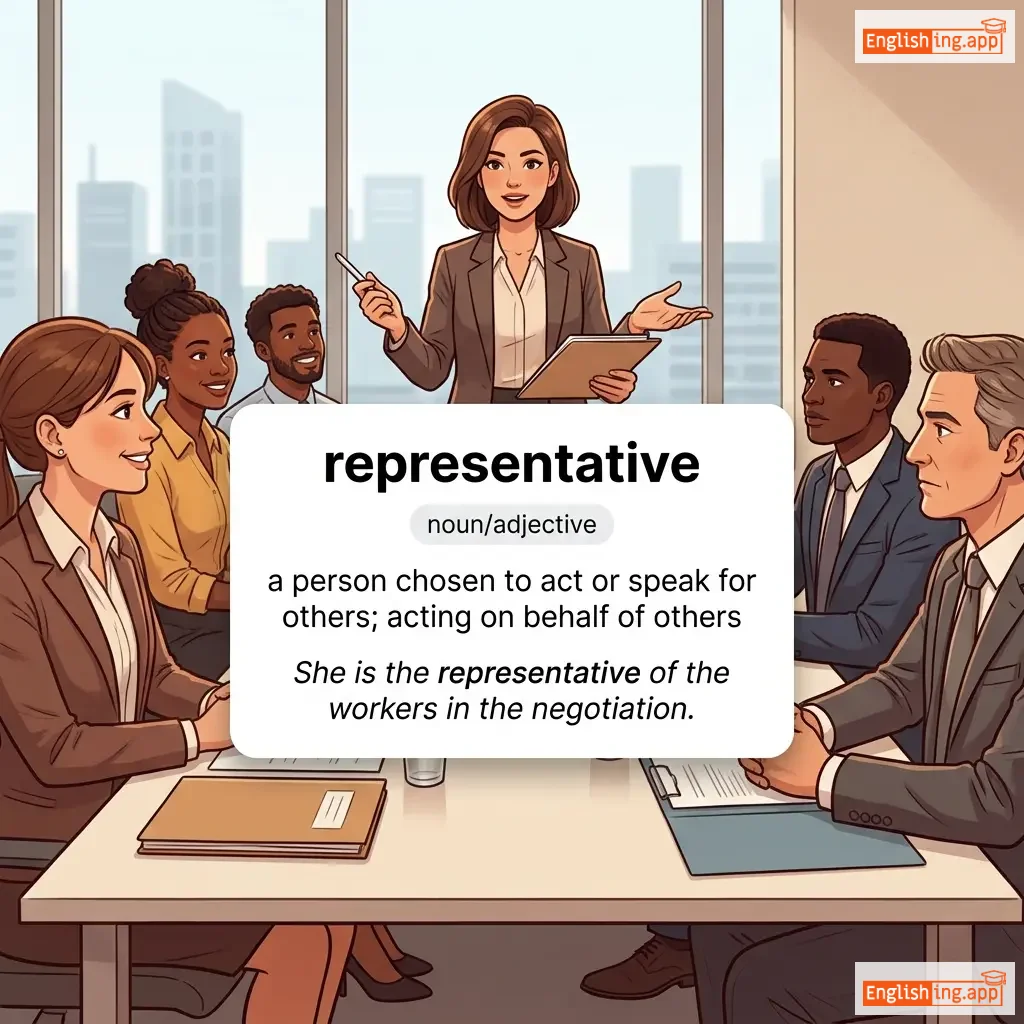
/ˌrep.rɪˈzen.tə.tɪv/
noun
(リプレゼンタティブ)
••••••
|
|
代表者
ripurezentatibu
••••••
|
- •••••• | - •••••• | - •••••• | - •••••• |
a person chosen or appointed to act or speak for another or others
••••••
|
Each district elects a representative to serve in the parliament.
各選挙区は国会で活動する代表を選出する。
••••••
|
各選挙区は国会で活動する代表を選出する。
Kaku senkyoku wa kokkai de katsudou suru daihyou o senshutsu suru.
••••••
|
- •••••• | - •••••• | - •••••• |
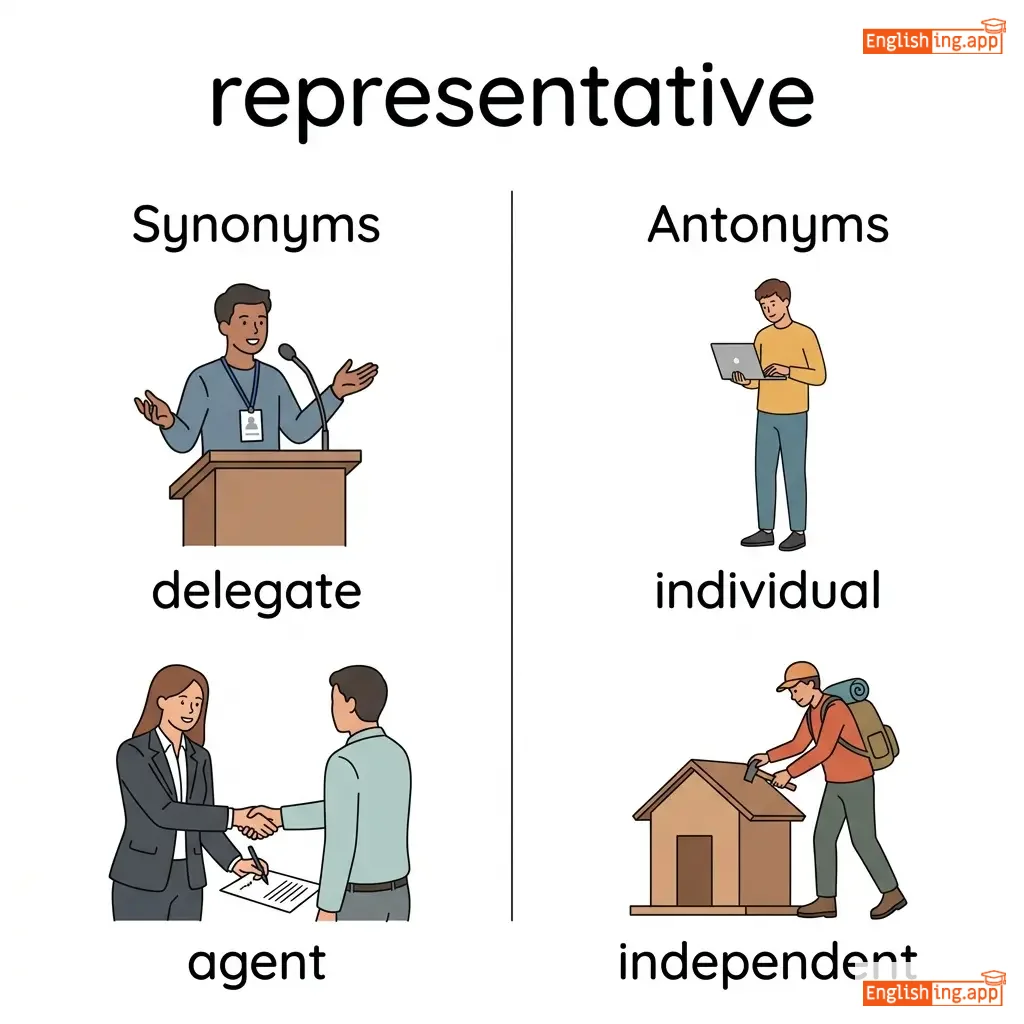
delegate, agent, spokesperson, envoy, ambassador
••••••
|
constituent, voter, represented
••••••
|
elected representative, sales representative, government representative, legal representative
••••••
|
Daihyousha = Big sign 表 (hyou) + person. Imagine a big sign with REP held by a person who speaks for others.
••••••
|
|
#4242
🐣
|
/ˌriːprəˈdjuːs/
verb
(リプロデュース)
••••••
|
- •••••• |
再生する, 繁殖する
saisei suru, hanshoku suru
••••••
|
reproduced
リプロデュースド
••••••
|
reproduced
リプロデュースド
••••••
|
reproduces
リプロデュースズ
••••••
|
reproducing
リプロデュースイング
••••••
|
To make a copy of something; to generate offspring.
••••••
|
Many animals reproduce rapidly in favorable conditions.
多くの動物は好ましい条件下で急速に繁殖します。
••••••
|
多くの動物は好ましい条件下で急速に繁殖します。
Ōku no dōbutsu wa konomashī jōkenka de kyūsoku ni hanshoku shimasu.
••••••
|
- •••••• | - •••••• | - •••••• |
replicate, duplicate, breed, procreate
••••••
|
destroy, eradicate, terminate
••••••
|
reproduce quickly, reproduce a document, reproduce naturally
••••••
|
リプロデュースは、コピーを作るか、または新しい生命を繁殖させること。
••••••
|
|
#4243
👶
|
/ˌriːprəˈdʌkʃən/
noun
(リプロダクション)
••••••
|
- •••••• |
再生, 繁殖
saisei, hanshoku
••••••
|
- •••••• | - •••••• | - •••••• | - •••••• |
The process of producing offspring; the act of copying or duplicating.
••••••
|
The textbook included a detailed diagram of human reproduction.
教科書には人間のリプロダクションの詳細な図が含まれていました。
••••••
|
教科書には人間のリプロダクションの詳細な図が含まれていました。
Kyoukasho ni wa ningen no rīprodakushon no shousai na zu ga fukumarete imashita.
••••••
|
- •••••• | - •••••• | - •••••• |
duplication, replication, breeding, procreation
••••••
|
extinction, destruction
••••••
|
sexual reproduction, human reproduction, accurate reproduction
••••••
|
Re PRO ダクションは新しい命やコピーを意味します (reproduction)。
••••••
|
|
#4244
🏛️
|
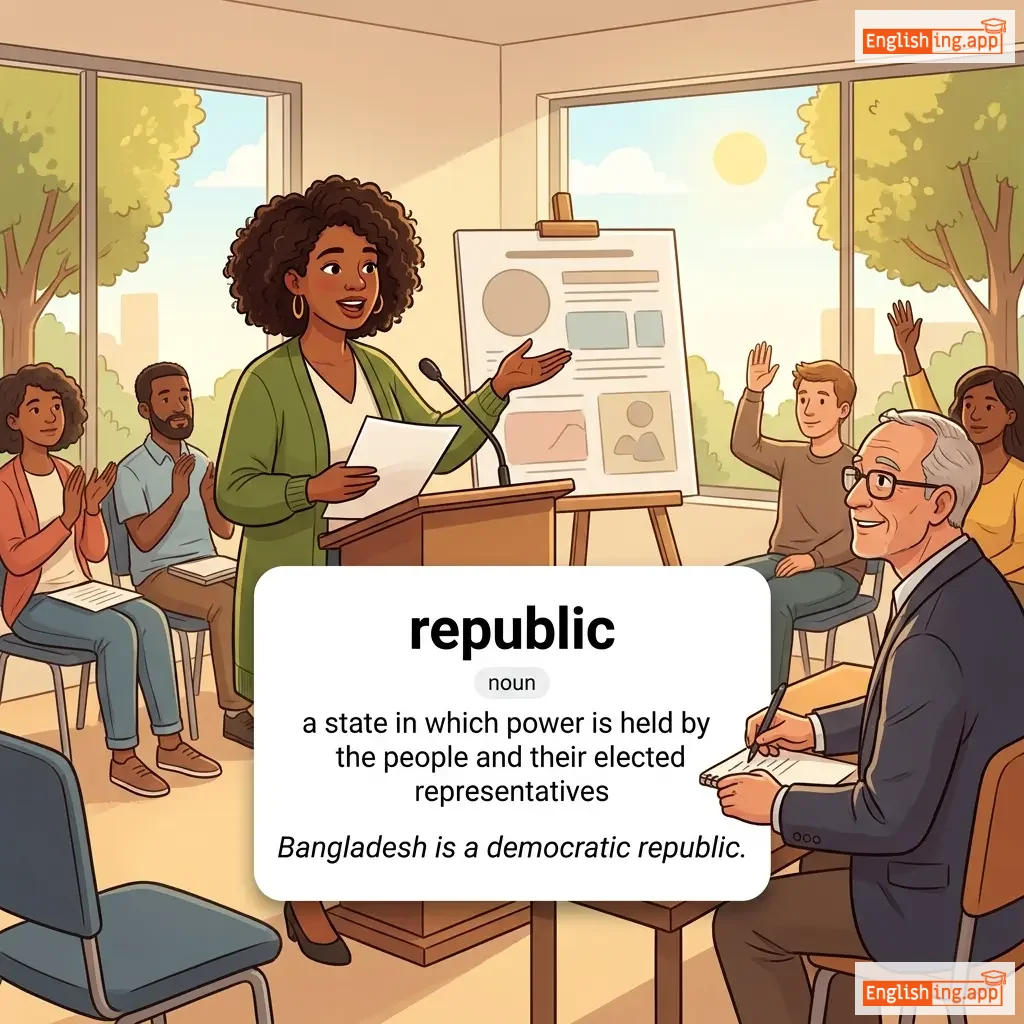
/rɪˈpʌblɪk/
noun
(リパブリック)
••••••
|
|
共和国
kyōwakoku
••••••
|
- •••••• | - •••••• | - •••••• | - •••••• |
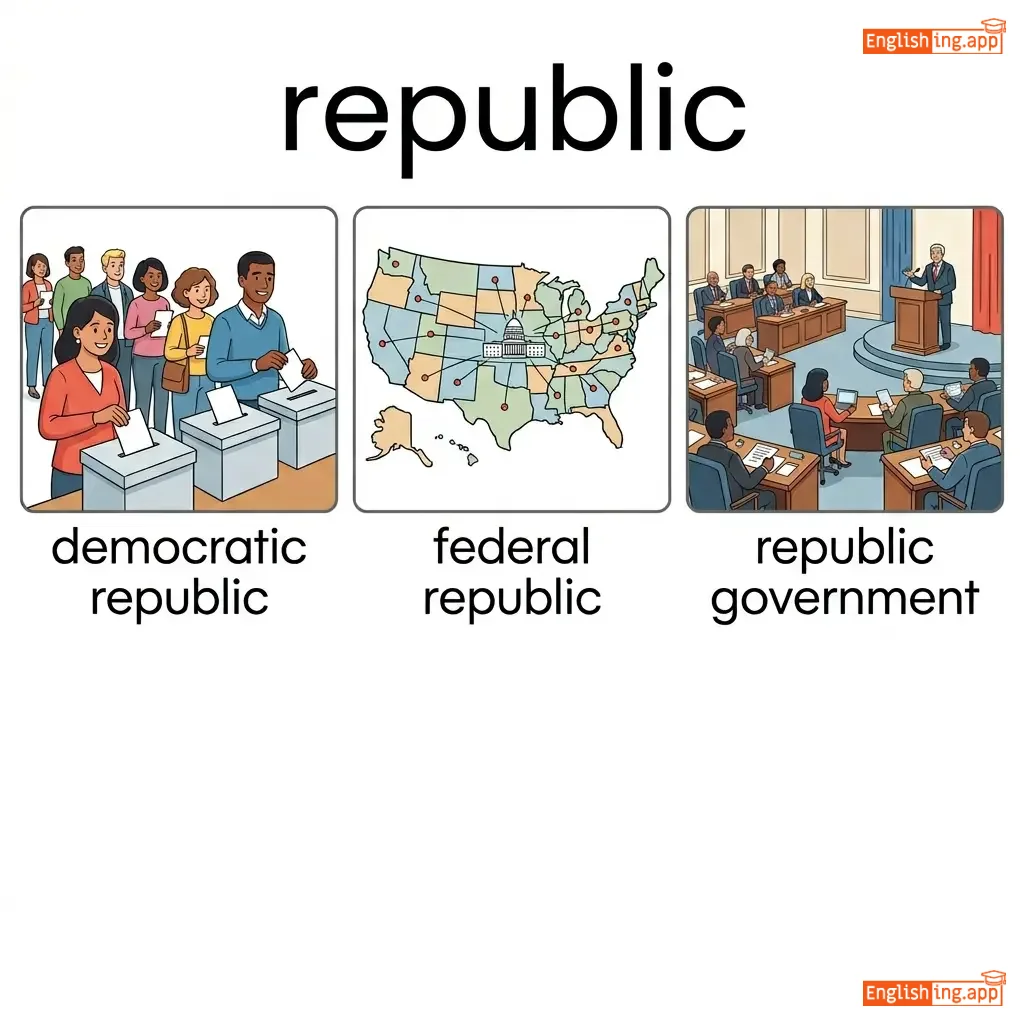
a state in which power is held by the people and their elected representatives
••••••
|
Bangladesh is a democratic republic. |
バングラデシュは民主的な共和国です。
Banguradeshu wa minshuteki na kyōwakoku desu.
••••••
|
- •••••• | - •••••• | - •••••• |
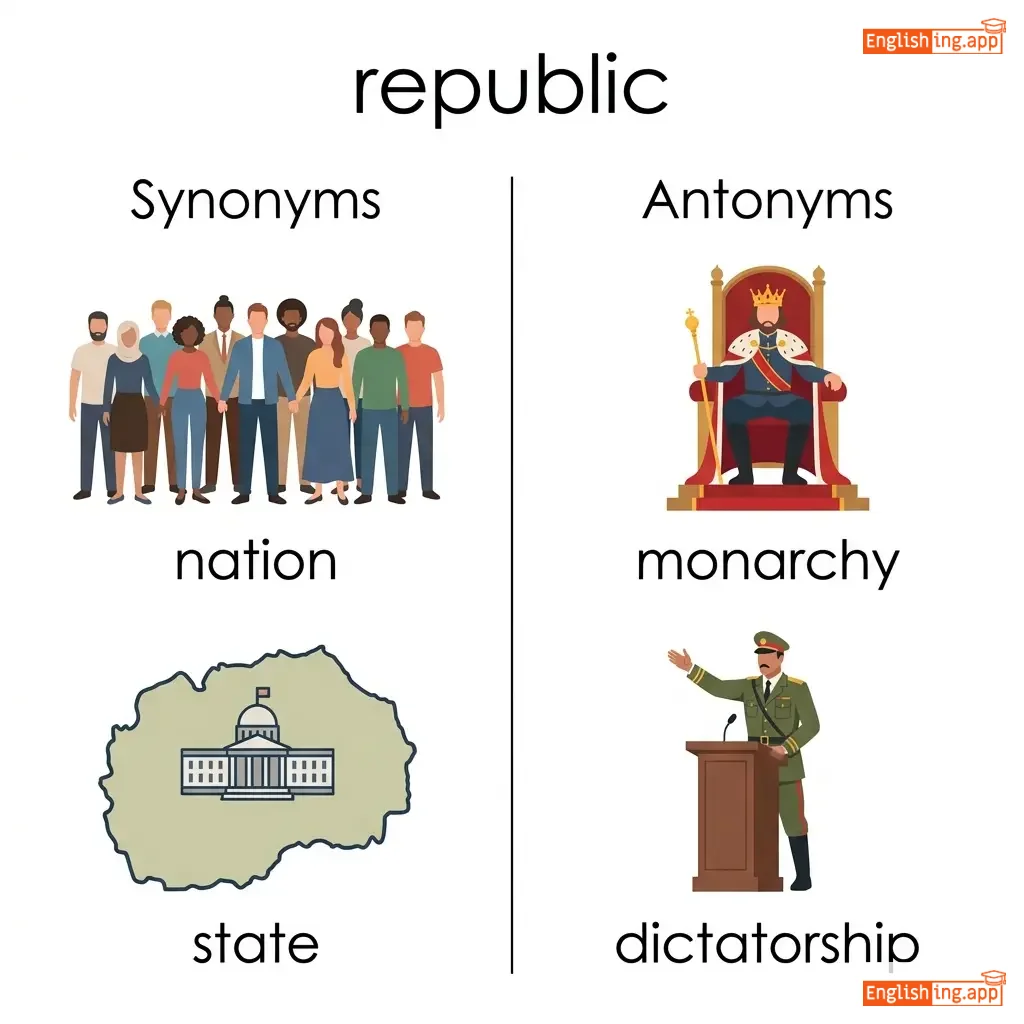
nation, state, democracy, commonwealth
••••••
|
monarchy, dictatorship
••••••
|
democratic republic, federal republic, republic government, republic constitution
••••••
|
共和国=‘re-public’ — 人々が国を支配する政府 🏛️
••••••
|
|
#4245
🇺🇸
|
/rɪˈpʌblɪkən/
noun/adjective
(リパブリカン)
••••••
|
- •••••• |
共和党員
kyouwatouin
••••••
|
- •••••• | - •••••• | - •••••• | - •••••• |
a member or supporter of a republican political party or system
••••••
|
The republican candidate won the election.
リパブリカン候補者は選挙に勝利しました。
••••••
|
リパブリカン候補者は選挙に勝利しました。
Ripaburikan kōhosha wa senkyo ni shōri shimashita.
••••••
|
- •••••• | - •••••• | - •••••• |
conservative, right-wing, traditionalist
••••••
|
liberal, democrat
••••••
|
republican party, republican senator, republican policies
••••••
|
共和党員、共和制を守る者!
••••••
|
|
#4246
⭐
|
/ˌrepjʊˈteɪʃən/
noun
(レピュテーション)
••••••
|
|
評判
hyouban
••••••
|
- •••••• | - •••••• | - •••••• | - •••••• |
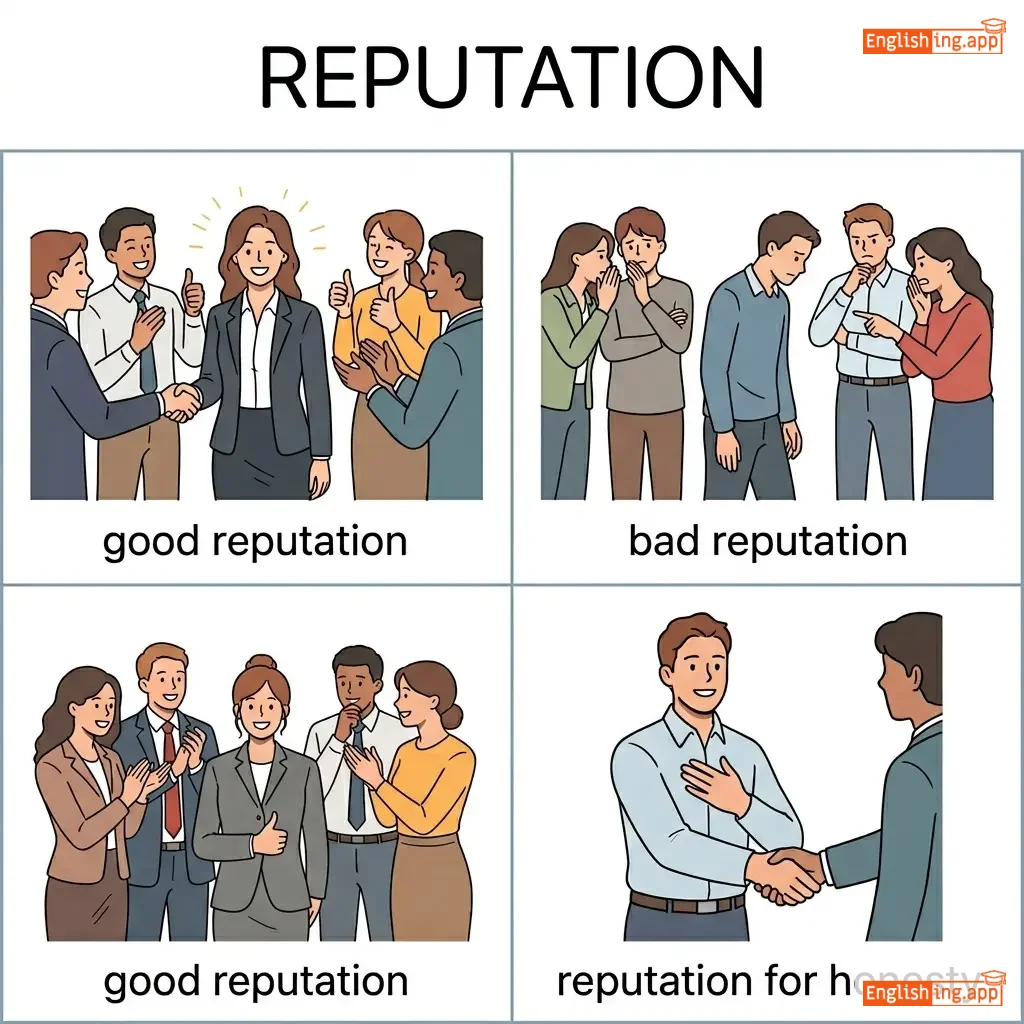
the beliefs or opinions that are generally held about someone or something; a widespread belief that someone or something has a particular habit or characteristic
••••••
|
The company has built a solid reputation for quality products.
その企業は品質の高い製品で堅固なレピュテーションを築きました。
••••••
|
その企業は品質の高い製品で堅固なレピュテーションを築きました。
Sono kigyou wa hinshitsu no takai seihin de kengona repyutēshon wo kizukimashita.
••••••
|
- •••••• | - •••••• | - •••••• |
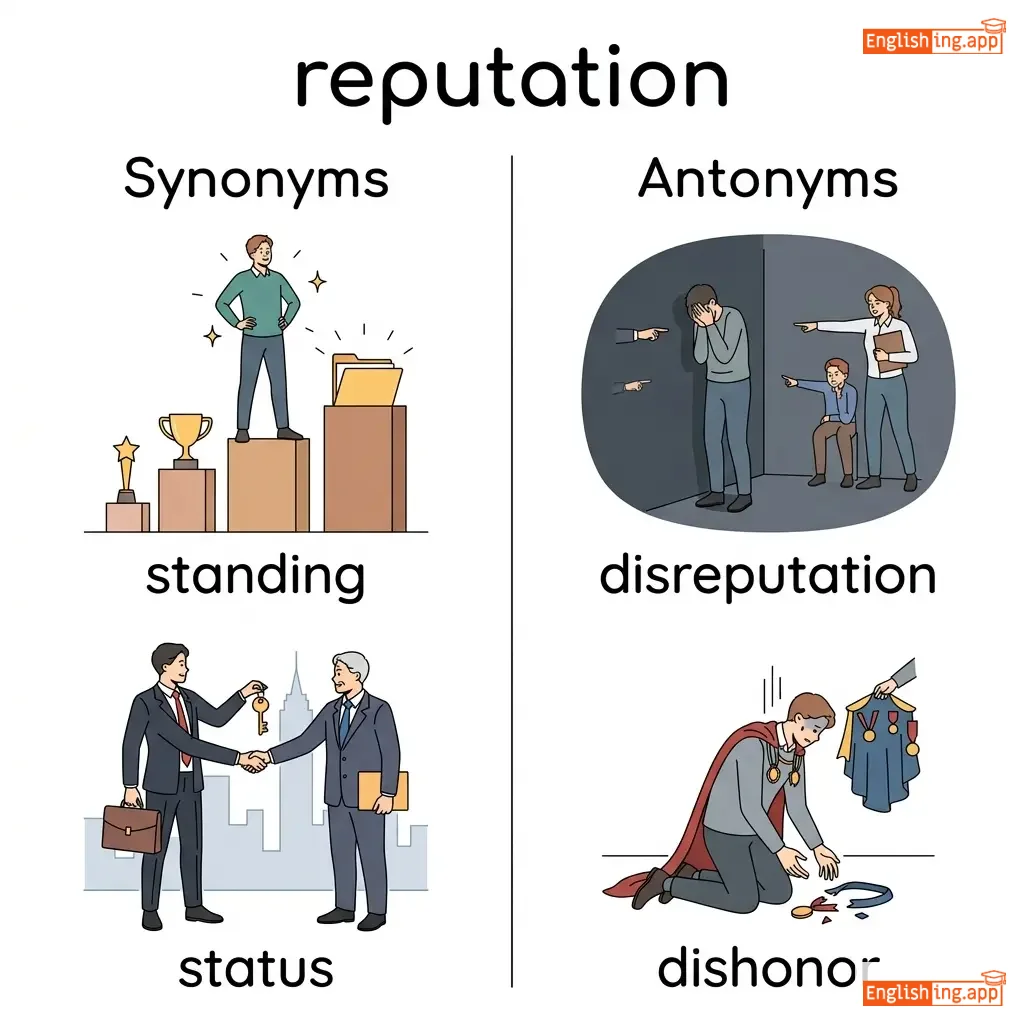
fame, standing, status, renown
••••••
|
infamy, disgrace, dishonor, notoriety
••••••
|
good reputation, stellar reputation, reputation for excellence, damage reputation
••••••
|
評判は品質に関連し、優れた会社に似ています。
••••••
|
|
#4247
📑
|
/rɪˈkwɛst/
noun
••••••
|
- •••••• | - •••••• | - •••••• | - •••••• | - •••••• | - •••••• |
a formal or polite demand for something
••••••
|
She made a request for additional time to complete the project. |
- •••••• | - •••••• | - •••••• | - •••••• |
demand, appeal, inquiry, petition
••••••
|
refusal, rejection
••••••
|
make a request, request information, request time, formal request
••••••
|
No •••••• |
|
#4248
📋
|
/rɪˈkwaɪər/
verb
(リクワイア)
••••••
|
- •••••• |
必要とする
hitsuyou to suru
••••••
|
required
リクワイアード
••••••
|
required
リクワイアード
••••••
|
requires
リクワイアーズ
••••••
|
requiring
リクワイアリング
••••••
|
to need something; to demand or insist on
••••••
|
This job requires excellent communication skills.
この仕事には優れたコミュニケーションスキルが必要です。
••••••
|
この仕事には優れたコミュニケーションスキルが必要です。
Kono shigoto ni wa sugureta komyunikeeshon sukiru ga hitsuyou desu.
••••••
|
- •••••• | - •••••• | - •••••• |
need, demand, necessitate, call for
••••••
|
provide, give, offer
••••••
|
require attention, require permission, require effort, strictly require
••••••
|
No •••••• |
|
#4249
📋
|
/rɪˈkwaɪə(r)mənt/
noun
(リクワイアメント)
••••••
|
- •••••• |
要件
youken
••••••
|
- •••••• | - •••••• | - •••••• | - •••••• |
something that is necessary or demanded
••••••
|
The job has specific educational requirements. |
この仕事には特定の教育要件があります。
Kono shigoto ni wa tokutei no kyouiku youken ga arimasu.
••••••
|
- •••••• | - •••••• | - •••••• |
necessity, condition, prerequisite, obligation
••••••
|
option, choice
••••••
|
meet requirements, educational requirement, job requirement, legal requirement
••••••
|
'Requirement' sounds like 're-quire' - something you need to 'quire' or ask for.
••••••
|
|
#4250
🛟
|
/ˈrɛskjuː/
verb
(レスキュー)
••••••
|
|
救助する
kyūjo suru
••••••
|
rescued
レスキュード
••••••
|
rescued
レスキュード
••••••
|
rescues
レスキューズ
••••••
|
rescuing
レスキューイング
••••••
|
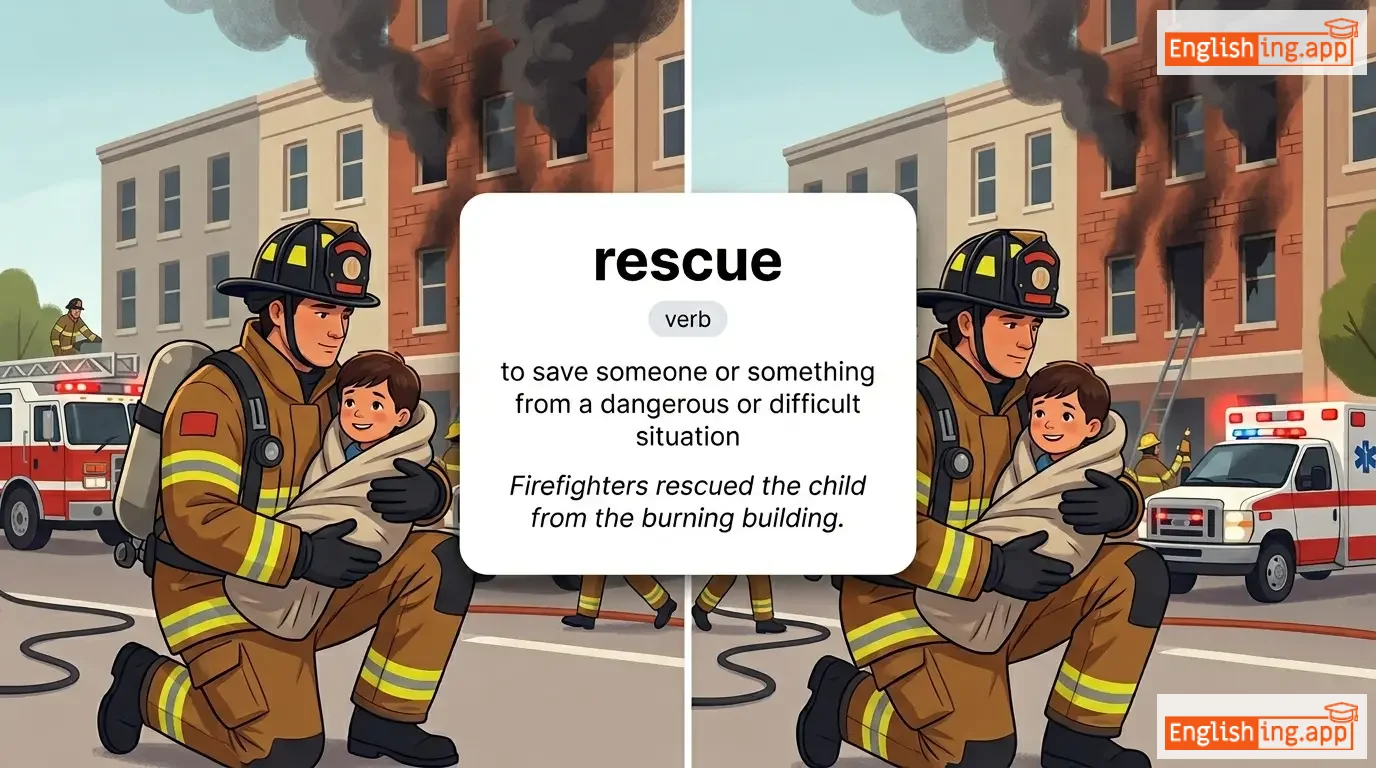
to save someone or something from a dangerous or difficult situation
••••••
|
Firefighters rescued the child from the burning building.
消防士は燃えている建物から子供を救出しました。
••••••
|
消防士は燃えている建物から子供を救出しました。
Shōbōshi wa moete iru tatemono kara kodomo o kyūshutsu shimashita.
••••••
|
come to the rescue
救助に来る
••••••
|
to help someone in trouble or in need
••••••
|
救助に来る
kyūjo ni kuru
••••••
|
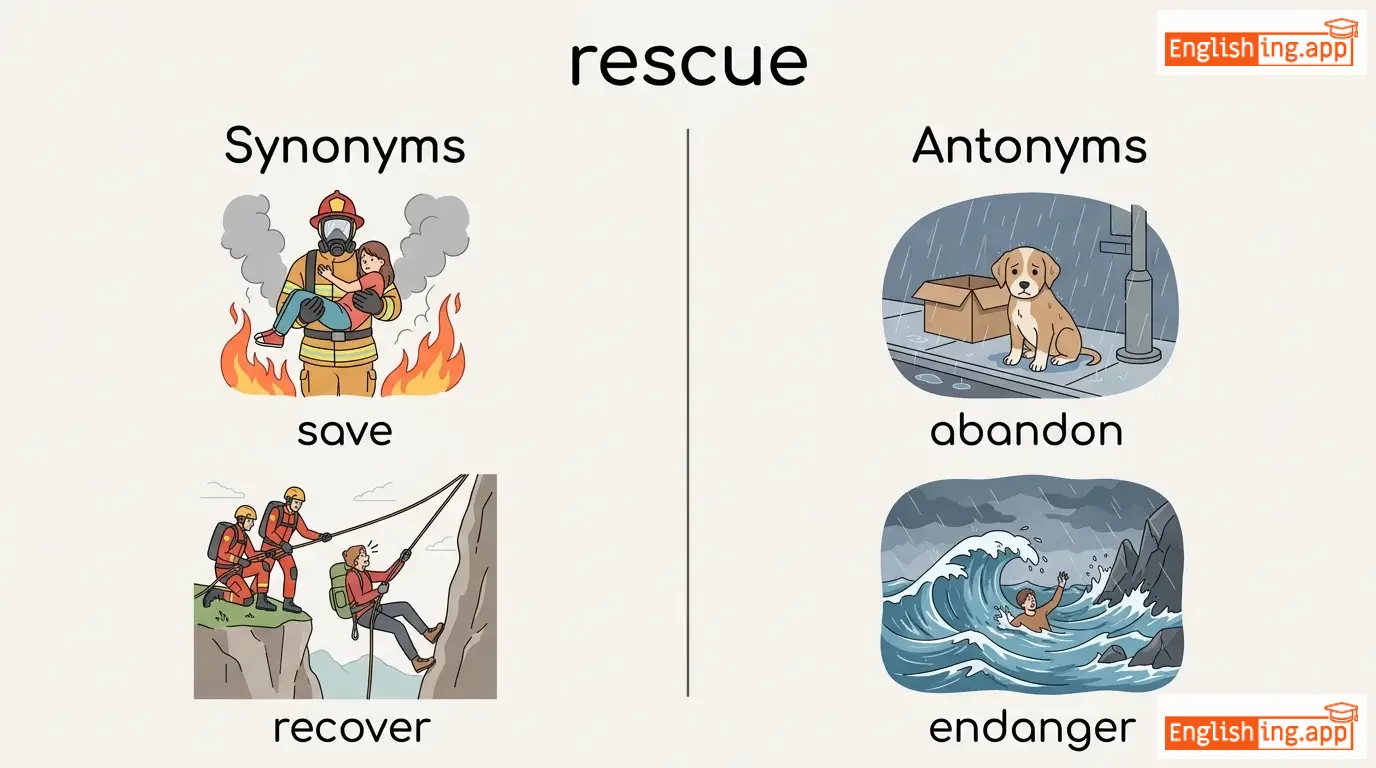
save, recover, free, deliver, retrieve
••••••
|
abandon, endanger, trap
••••••
|
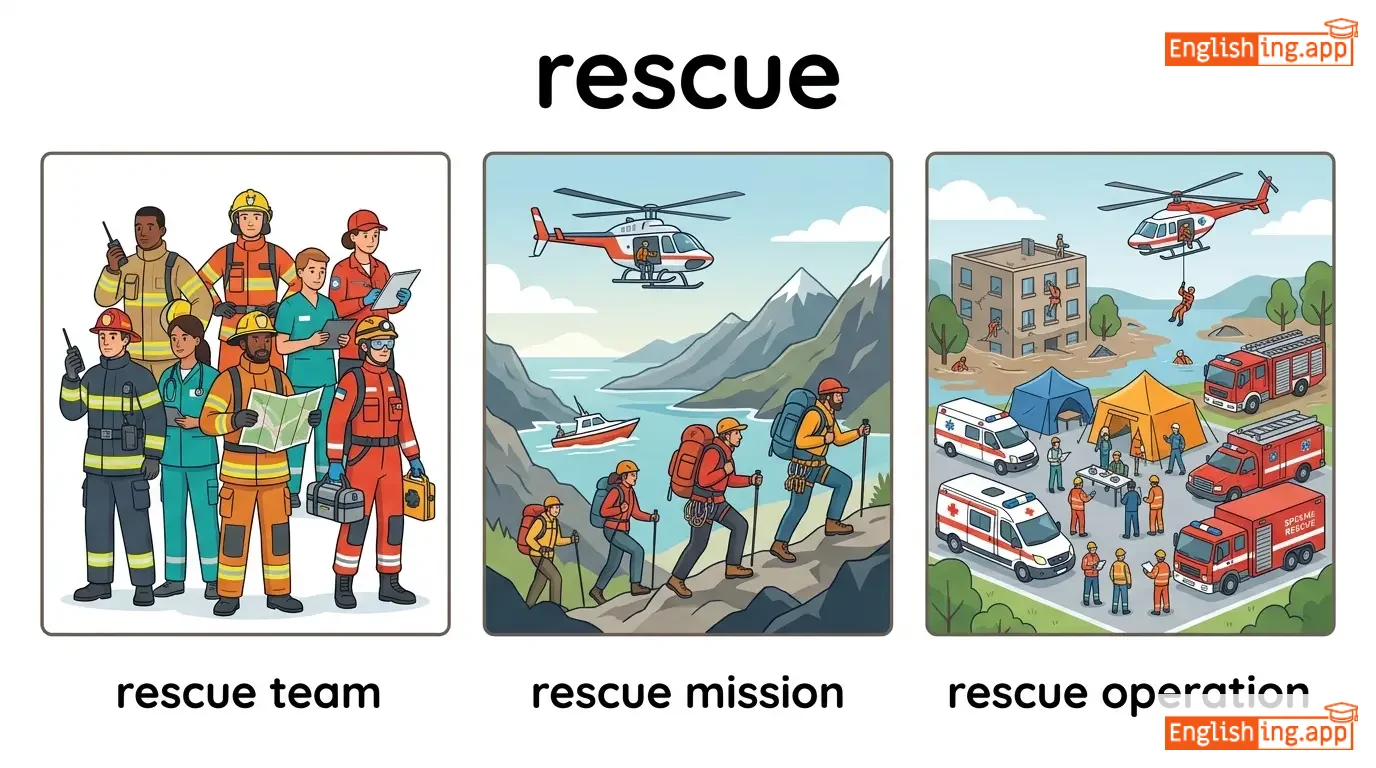
rescue team, rescue mission, rescue operation, emergency rescue
••••••
|
Rescueは'リスクを取って救う'という意味 — 覚えておいて 🛟
••••••
|
|
#4251
🔬
|
/rɪˈsɜːtʃ/
noun
(リサーチ)
••••••
|
|
研究
kenkyū
••••••
|
- •••••• | - •••••• | - •••••• | - •••••• |
the systematic investigation into and study of materials and sources in order to establish facts and reach new conclusions
••••••
|
She conducted research on climate change effects. |
彼女は気候変動の影響に関する研究を行いました。
Kanojo wa kikō hendō no eikyō ni kansuru kenkyū o okonaimashita.
••••••
|
- •••••• | - •••••• | - •••••• |
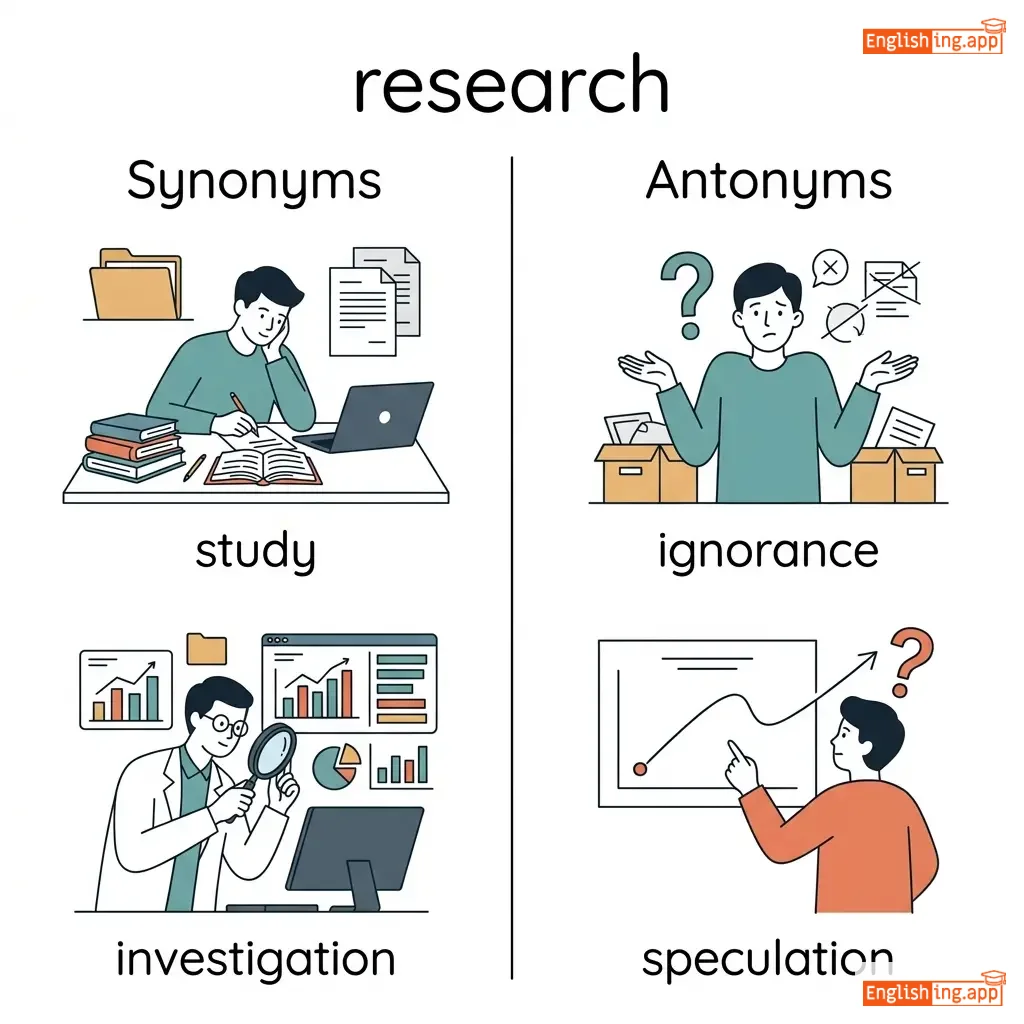
study, investigation, inquiry, analysis
••••••
|
ignorance, speculation
••••••
|
conduct research, scientific research, research paper, research findings
••••••
|
Research means 're-sitch' (switch) to the facts in depth.
••••••
|
|
#4252
🧑🔬
|
/rɪˈsɜːtʃə(r)/
noun
(リサーチャー)
••••••
|
- •••••• |
研究者
kenkyūsha
••••••
|
- •••••• | - •••••• | - •••••• | - •••••• |
a person who conducts research
••••••
|
The researcher published her findings in a scientific journal. |
研究者は科学的なジャーナルに彼女の研究結果を発表しました。
Kenkyūsha wa kagakuteki na jānaru ni kanojo no kenkyū kekka o happyō shimashita.
••••••
|
- •••••• | - •••••• | - •••••• |
scientist, investigator, analyst, scholar
••••••
|
non-expert, layman
••••••
|
lead researcher, senior researcher, research assistant
••••••
|
'研究者' (kenkyūsha) is someone who '研究' (researches) for new knowledge.
••••••
|
|
#4253
👥
|
/rɪˈzɛmbəl/
verb
(リゼンブル)
••••••
|
- •••••• |
似ている
niteru
••••••
|
resembled
リゼンブルド
••••••
|
resembled
リゼンブルド
••••••
|
resembles
リゼンブルズ
••••••
|
resembling
リゼンブリング
••••••
|
to look like or be similar to something or someone
••••••
|
She resembles her mother in both appearance and mannerisms.
彼女は見た目と仕草の両方で母親に似ています。
••••••
|
彼女は見た目と仕草の両方で母親に似ています。
Kanojo wa mitame to shigusa no ryōhō de hahaoya ni niteimasu.
••••••
|
- •••••• | - •••••• | - •••••• |
look like, take after, resemble, mirror
••••••
|
differ, contrast, diverge
••••••
|
resemble someone, resemble something, closely resemble
••••••
|
Resemble は 'resem' (写真) のように、写真が他の写真に似ているようなものです。
••••••
|
|
#4254
📅
|
/ˌrɛzərˈveɪʃən/
noun
(リザベーション)
••••••
|
- •••••• |
予約
yoyaku
••••••
|
- •••••• | - •••••• | - •••••• | - •••••• |
an arrangement made in advance to secure accommodation, a seat, or service
••••••
|
He made a reservation at the hotel for the weekend.
彼は週末のためにホテルにリザベーションをしました。
••••••
|
彼は週末のためにホテルに予約をしました。
Kare wa shūmatsu no tame ni hoteru ni yoyaku o shimashita.
••••••
|
make a reservation
リザベーションをする
••••••
|
to book in advance
••••••
|
リザベーションをする
rizabēshon o suru
••••••
|
booking, appointment, arrangement, order
••••••
|
cancellation, freedom
••••••
|
hotel reservation, table reservation, flight reservation, make reservation
••••••
|
予約は前もって行うこと、旅行の準備のように。
••••••
|
|
#4255
🏠
|
/rɪˈzaɪd/
verb
(レサイド)
••••••
|
- •••••• |
住む
sumu
••••••
|
resided
レサイデッド
••••••
|
resided
レサイデッド
••••••
|
resides
レサイドス
••••••
|
residing
レサイディング
••••••
|
to live or dwell in a particular place
••••••
|
They reside in a large house near the river.
彼らは川の近くの大きな家に住んでいます。
••••••
|
彼らは川の近くの大きな家に住んでいます。
Karera wa kawa no chikaku no ōkina ie ni sunde imasu.
••••••
|
- •••••• | - •••••• | - •••••• |
live, dwell, inhabit, stay
••••••
|
leave, depart, move
••••••
|
reside in, reside with, permanently reside
••••••
|
Reside rhymes with 'side' - to reside somewhere is to stay on that side.
••••••
|
|
#4256
🏠
|
/ˈrɛzɪdəns/
noun
(レジデンス)
••••••
|
- •••••• |
レジデンス
rejidensu
••••••
|
- •••••• | - •••••• | - •••••• | - •••••• |
a place where someone lives; a home or dwelling
••••••
|
He recently moved to a new residence near the city center.
彼は最近、市内中心部近くの新しいレジデンスに引っ越しました。
••••••
|
彼は最近、市内中心部近くの新しいレジデンスに引っ越しました。
Kare wa saikin, shinai chūshinbu chikaku no atarashī rejidensu ni hikkoshimashita.
••••••
|
place of residence
居住地
••••••
|
the home where someone lives
••••••
|
居住地
kyojūchi
••••••
|
home, dwelling, house, abode, habitation
••••••
|
office, workplace
••••••
|
permanent residence, official residence, private residence, place of residence
••••••
|
Residence とは、あなたが休む場所 – あなたの居住地 🏠
••••••
|
|
#4257
🏠
|
/ˈrɛzɪdənt/
noun
(レジデント)
••••••
|
- •••••• |
住民
jūmin
••••••
|
- •••••• | - •••••• | - •••••• | - •••••• |
A person who lives in a particular place.
••••••
|
Every resident of the building must follow the safety rules. |
建物のすべての住民は安全規則に従う必要があります。
Tatemono no subete no jūmin wa anzen kisoku ni shitagau hitsuyō ga arimasu.
••••••
|
permanent resident |
A person who lives permanently in a place, often with legal permission.
••••••
|
永住者
eijūsha
••••••
|
inhabitant, occupant, dweller, tenant
••••••
|
visitor, outsider, tourist
••••••
|
resident doctor, local resident, permanent resident
••••••
|
Residentは '住民' と同じ、家に住んでいる人のことです。
••••••
|
|
#4258
🏠
|
/ˌrez.ɪˈden.ʃəl/
adjective
(レジデンシャル)
••••••
|
|
住宅地
juutakuchi
••••••
|
- •••••• | - •••••• | - •••••• | - •••••• |
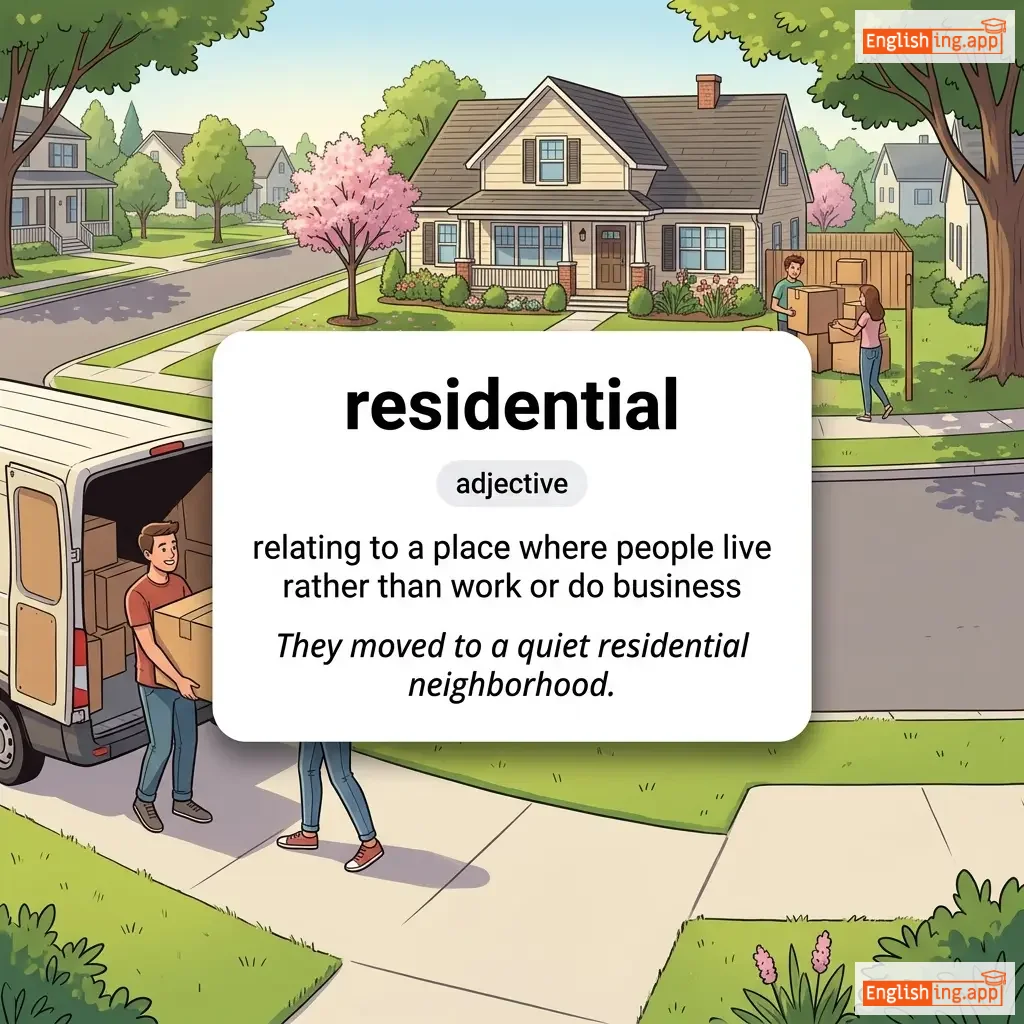
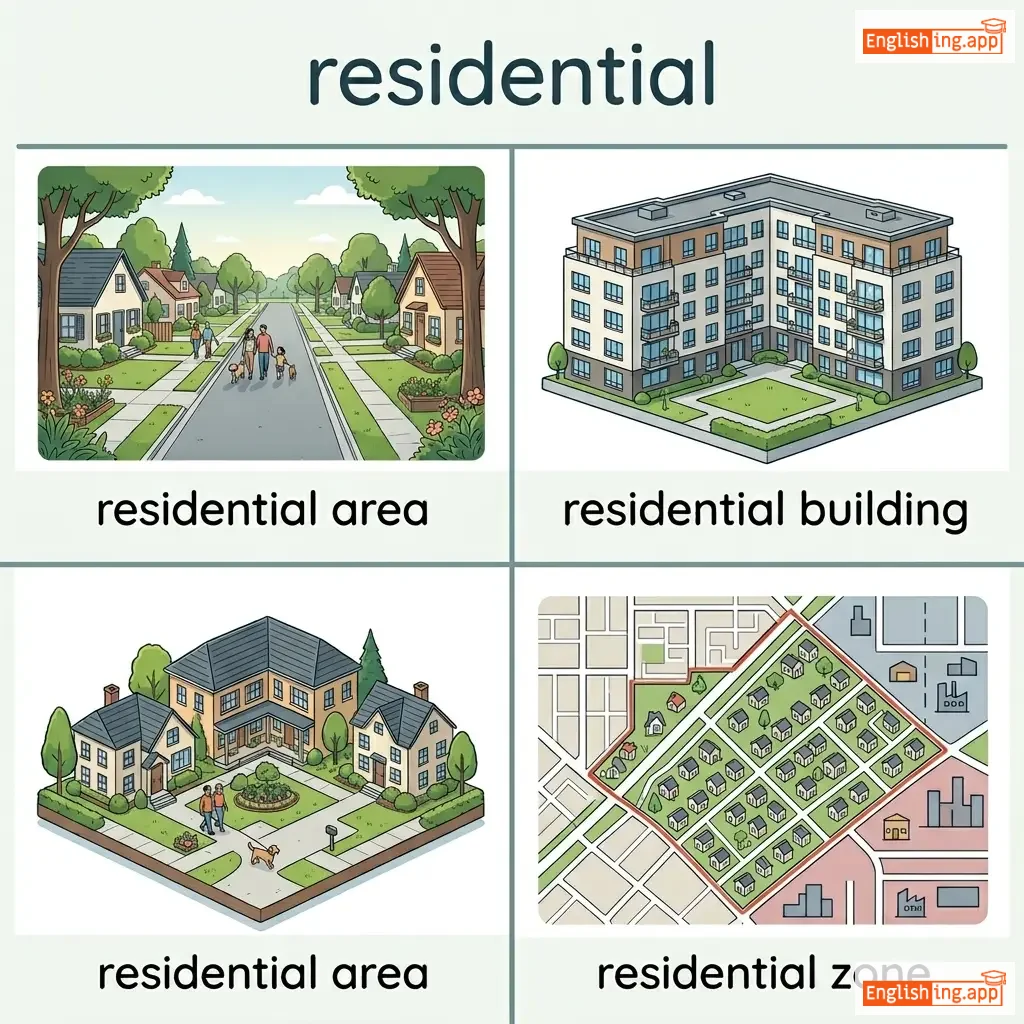
relating to housing or living areas; used for housing
••••••
|
This is a quiet residential neighborhood with many families. |
これは多くの家族が住んでいる静かな住宅地です。
Kore wa ooku no kazoku ga sundeiru shizukana juutakuchi desu.
••••••
|
- •••••• | - •••••• | - •••••• |
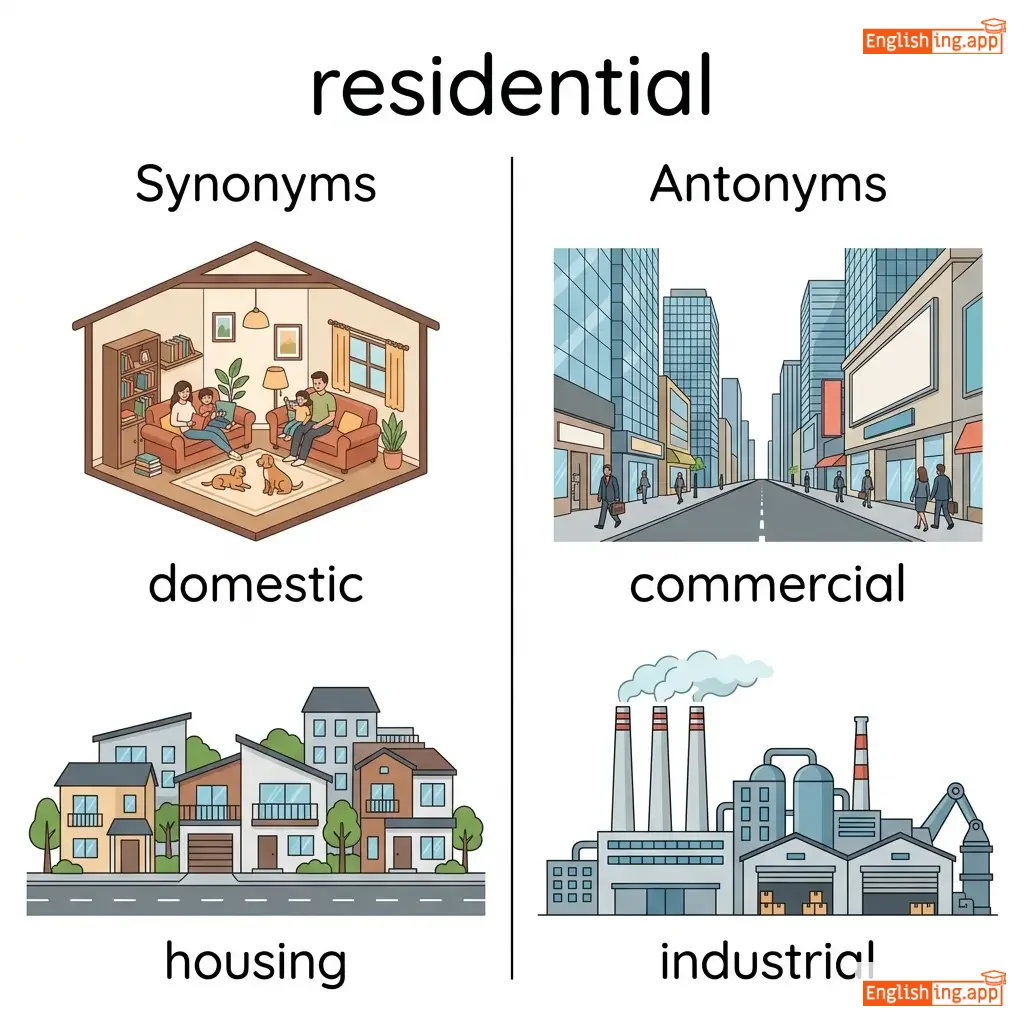
domestic, housing, living, suburban
••••••
|
commercial, industrial, business
••••••
|
residential area, residential building, residential property, residential development
••••••
|
住宅地を思い出すために、家族が住む静かな場所を想像してください。
••••••
|
|
#4259
🧪
|
/ˈrɛzɪdjuː/
noun
(レジデュー)
••••••
|
|
残留物
zanryūbutsu
••••••
|
- •••••• | - •••••• | - •••••• | - •••••• |
A small amount of something that remains after the main part has been removed or used.
••••••
|
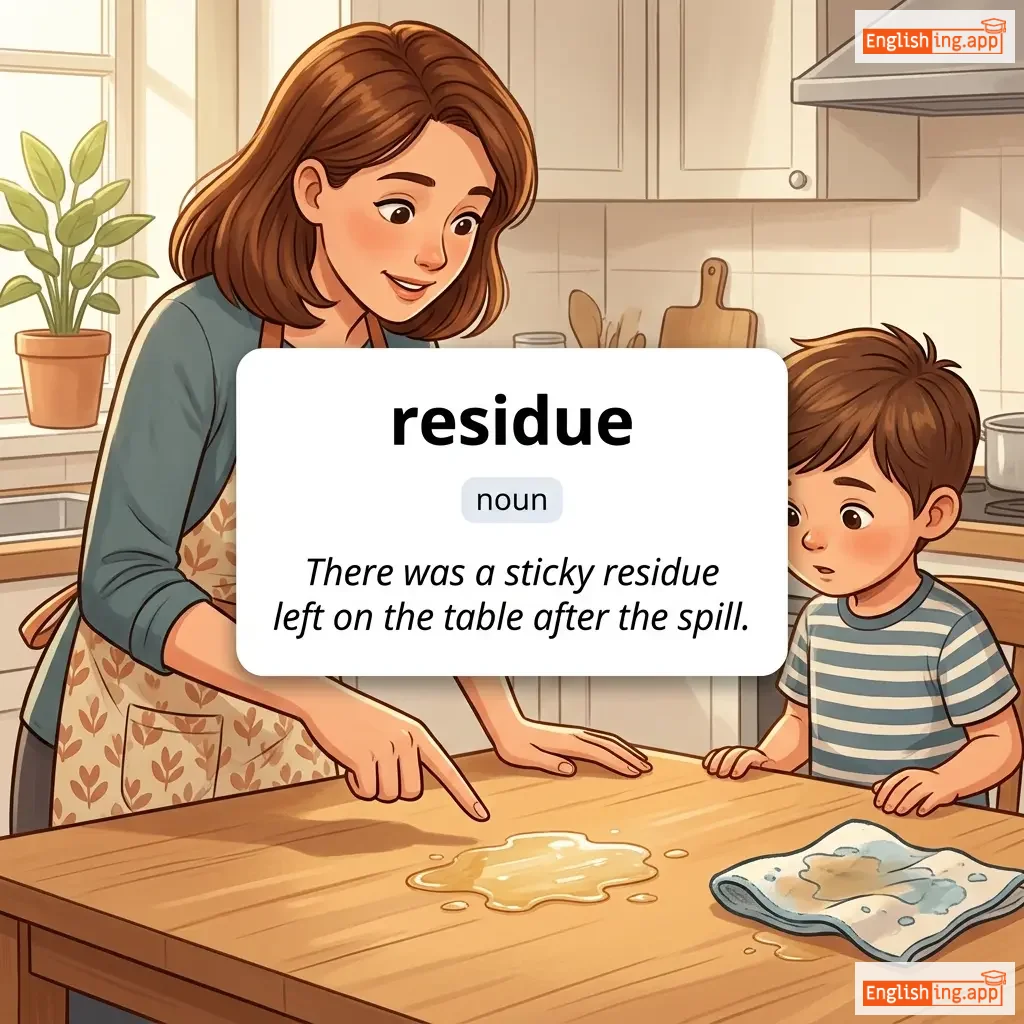
There was a sticky residue left on the table after the spill. |
こぼれた後、テーブルに粘着性の残留物が残っていた。
Koboreta ato, tēburu ni nenchakusei no zanryūbutsu ga nokotte ita.
••••••
|
chemical residue |
Small amounts of chemicals that remain after a process.
••••••
|
化学的残留物
kagakuteki zanryūbutsu
••••••
|
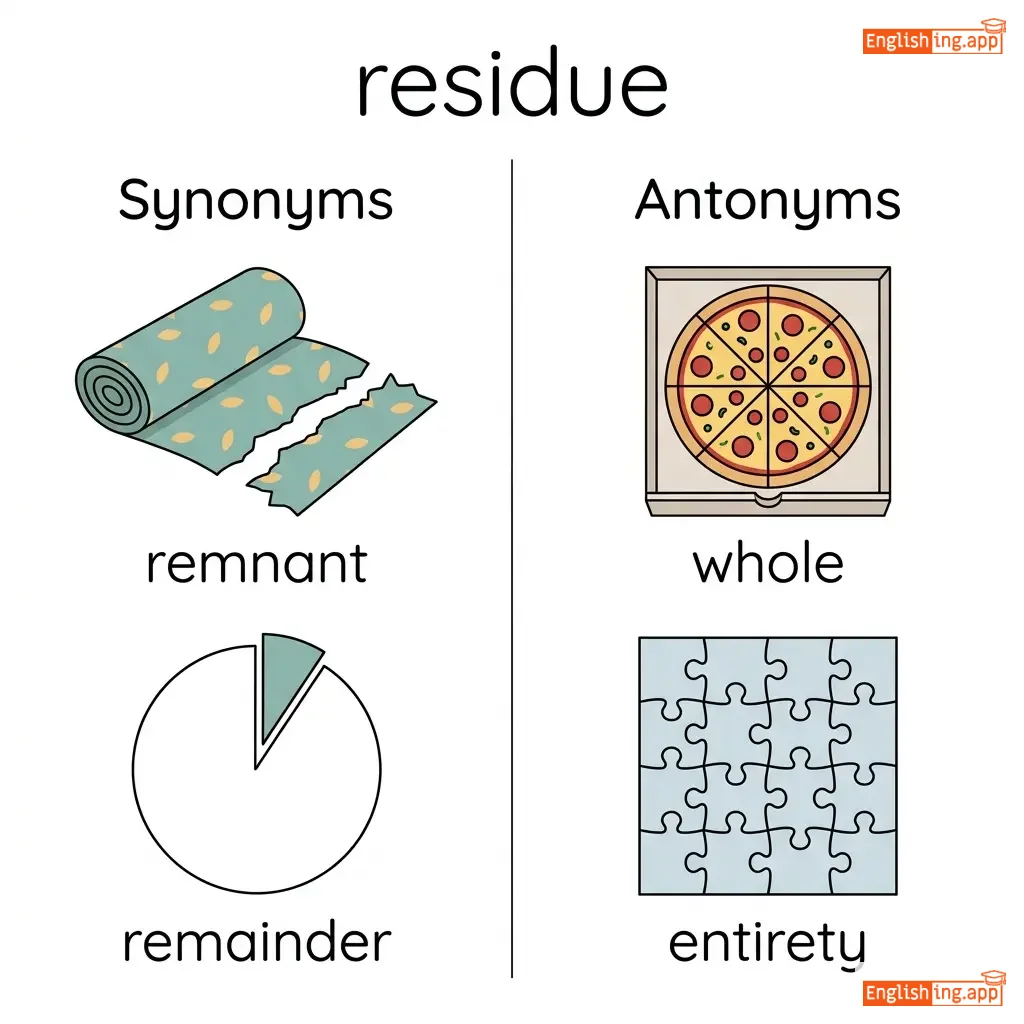
remnant, remainder, deposit, leftover, trace
••••••
|
whole, entirety
••••••
|
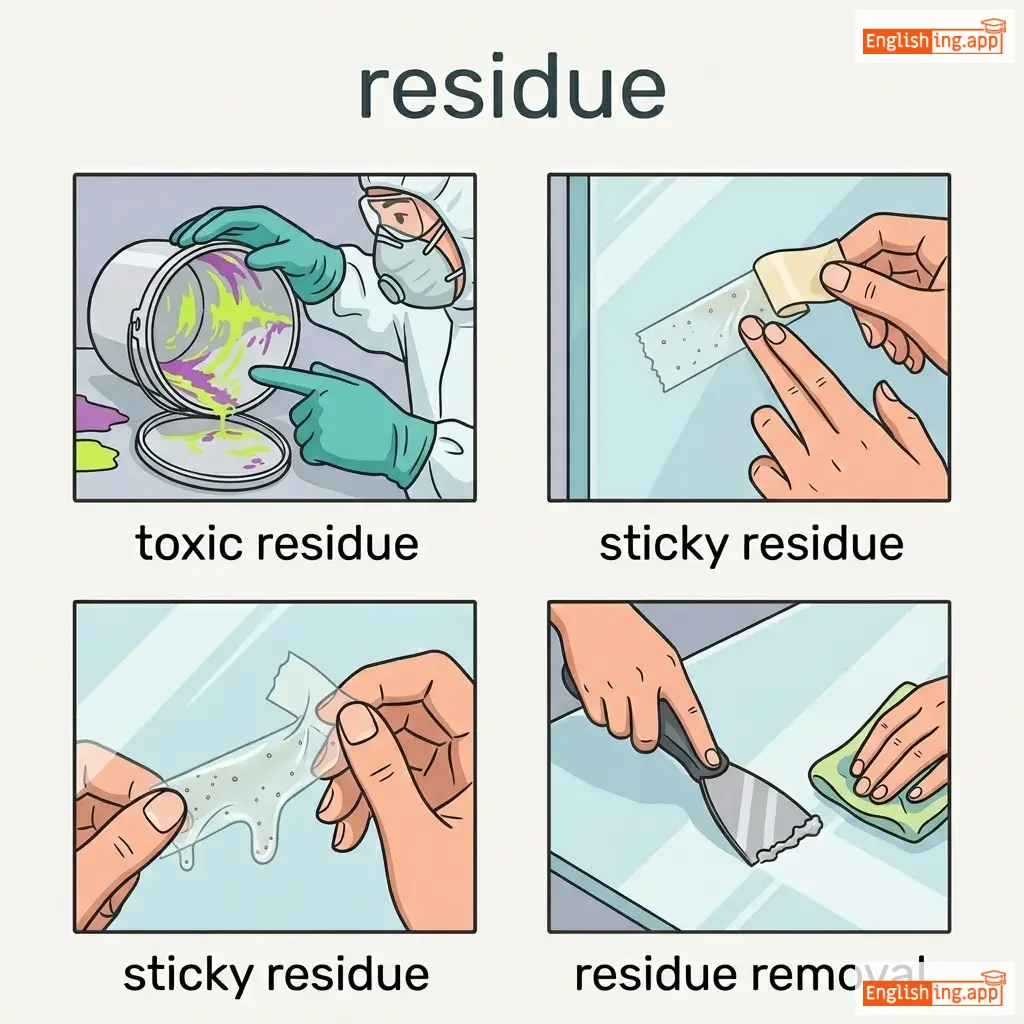
toxic residue, sticky residue, residue removal, chemical residue
••••••
|
Residueとは、こぼれた後にテーブルに残る粘り気のある物です。
••••••
|
|
#4260
✍️
|
/rɪˈzaɪn/
verb
(リザイン)
••••••
|
|
辞職する
jishoku suru
••••••
|
resigned
リザインド
••••••
|
resigned
リザインド
••••••
|
resigns
リザインス
••••••
|
resigning
リザイニング
••••••
|
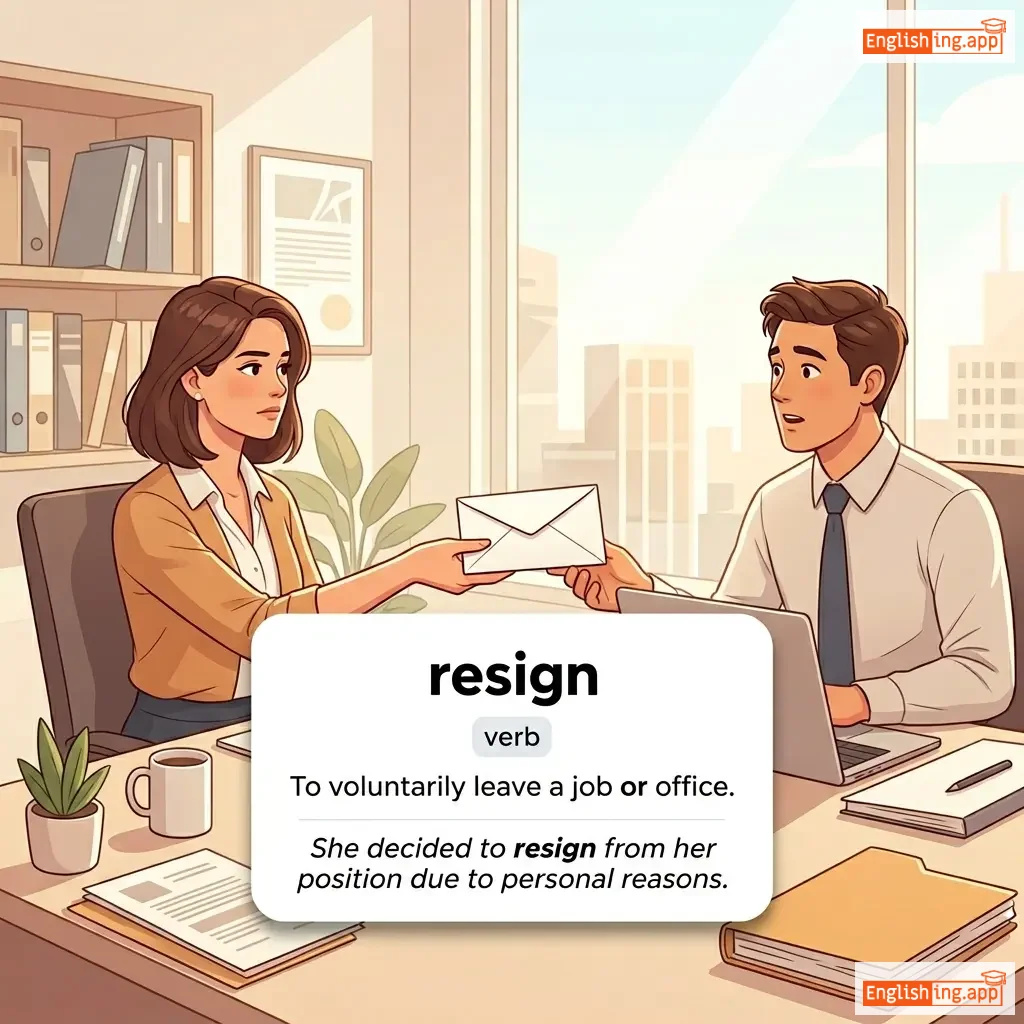
To voluntarily leave a job or office.
••••••
|
She decided to resign from her position due to personal reasons.
彼女は個人的な理由で自分のポジションを辞める決断をしました。
••••••
|
彼女は個人的な理由で自分のポジションを辞める決断をしました。
Kanojo wa kojinteki na riyū de jibun no pojishon o yameru ketsudan o shimashita.
••••••
|
resign oneself to
自分を諦める
••••••
|
To accept something unpleasant that cannot be changed.
••••••
|
自分を諦める
Jibun o akirameru
••••••
|
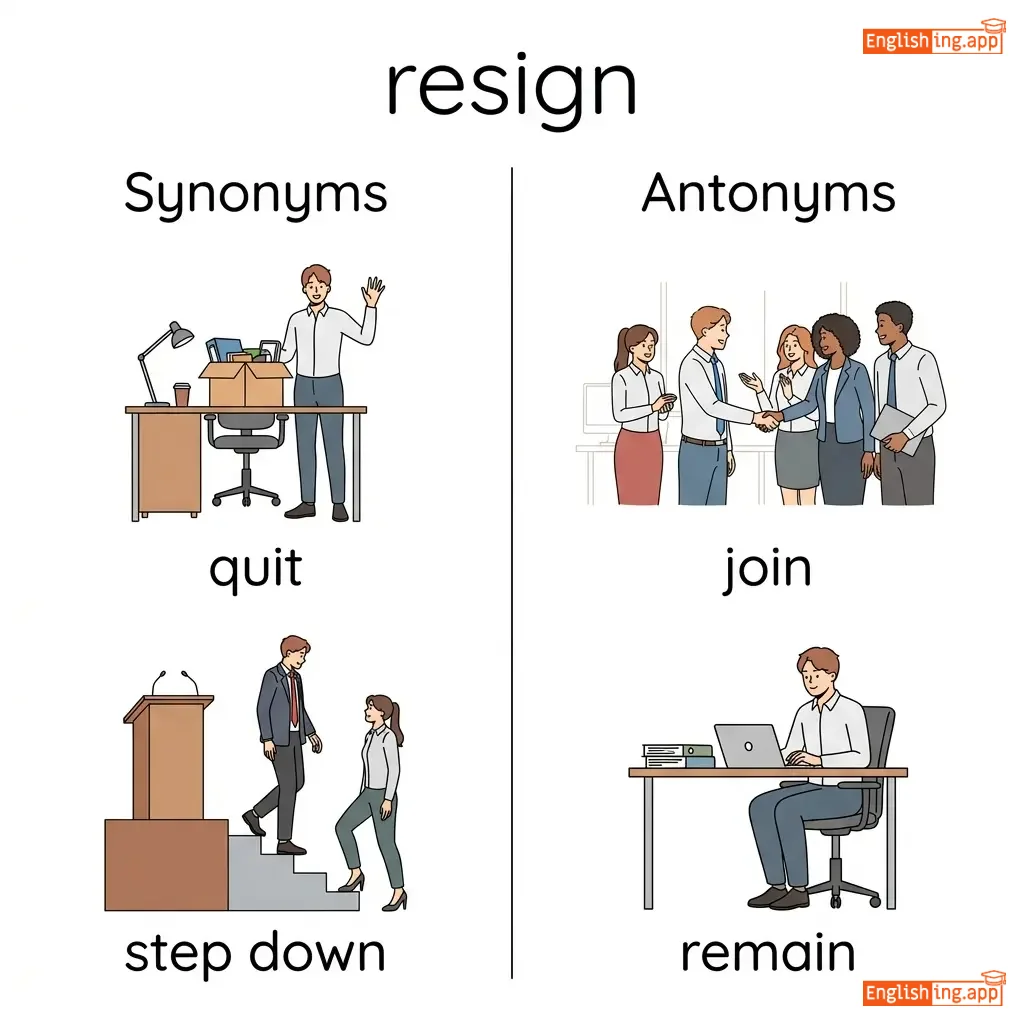
quit, step down, retire, relinquish, leave
••••••
|
join, remain, accept
••••••
|
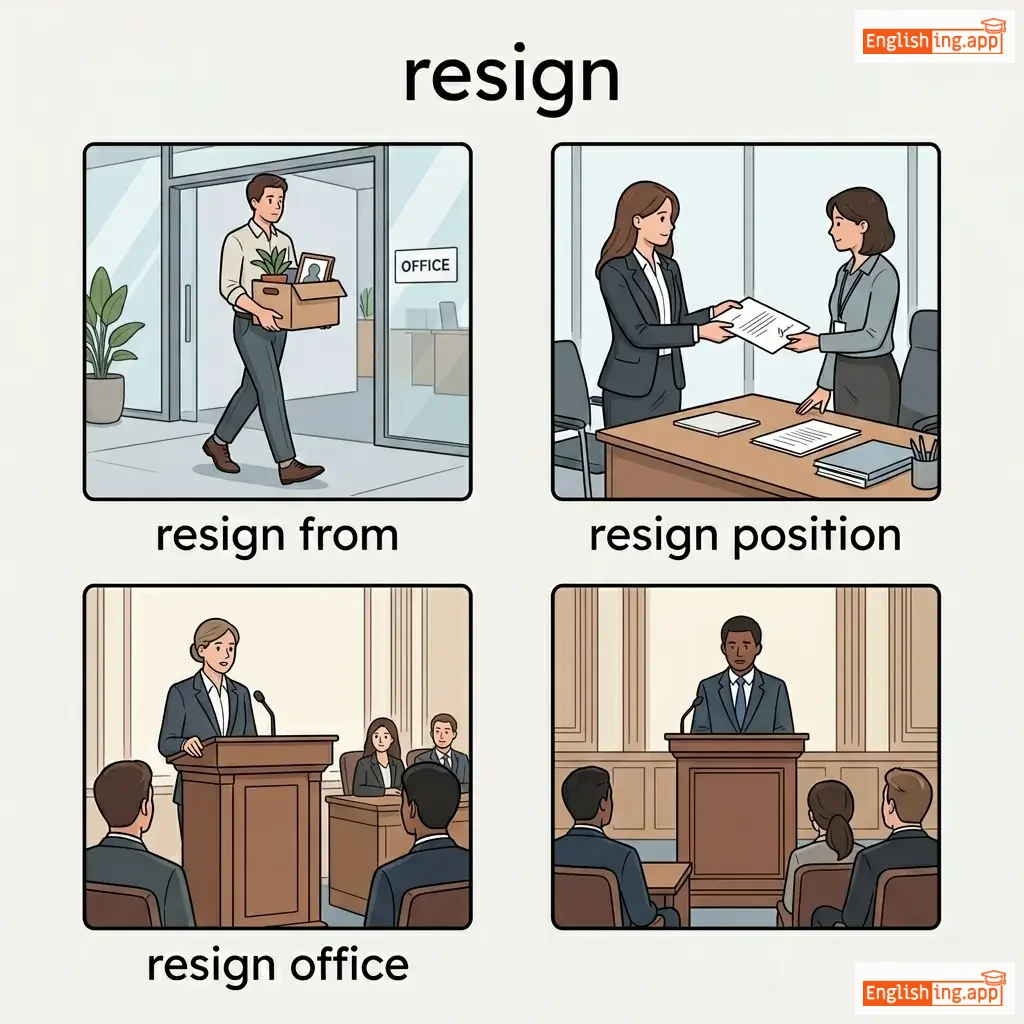
resign from, resign position, resign office, resign formally
••••••
|
Resignは辞職するという意味で、'sign out' → 辞職
••••••
|
|
#4261
📄
|
/ˌrɛzɪɡˈneɪʃən/
noun
(rezignēshon)
••••••
|
|
辞職
jishoku
••••••
|
- •••••• | - •••••• | - •••••• | - •••••• |
The act of giving up a job or position; acceptance of something undesirable but inevitable.
••••••
|
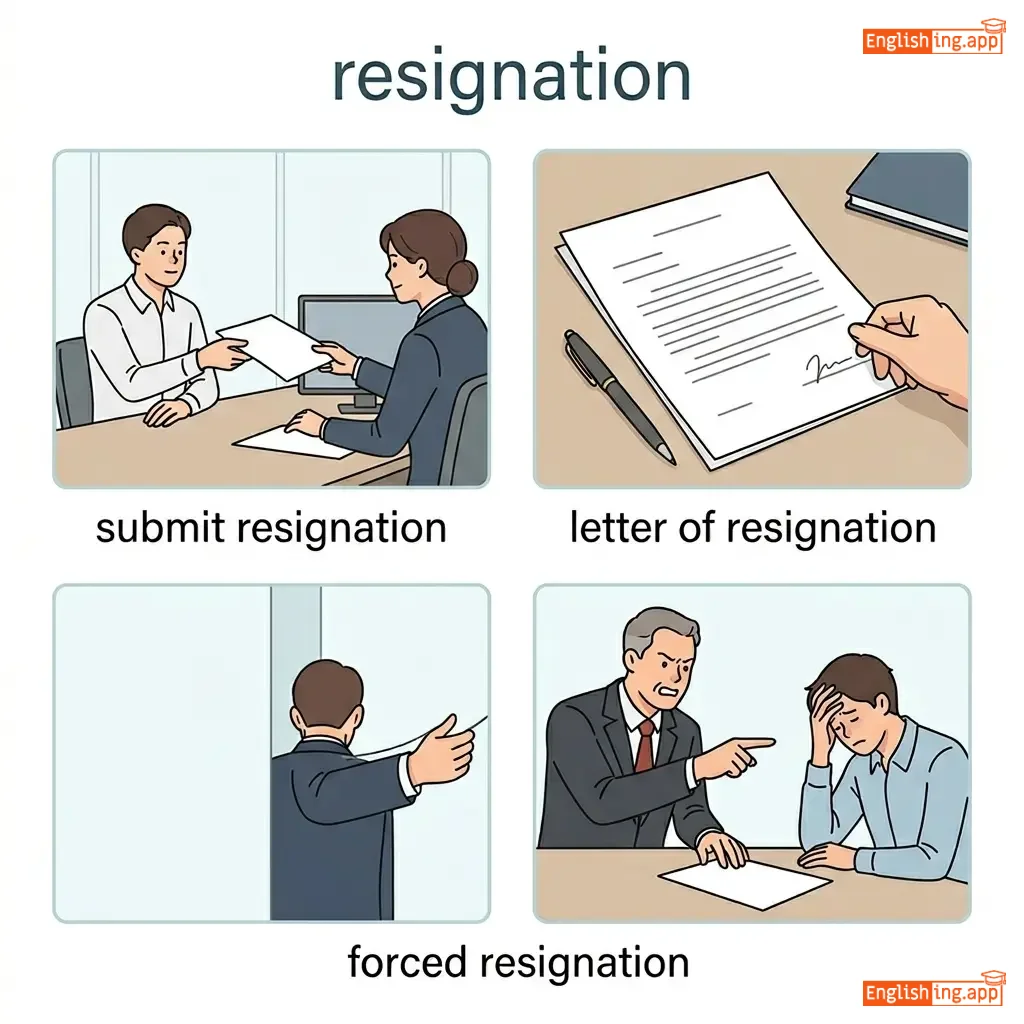
The CEO submitted his resignation yesterday. |
CEOは昨日辞職を提出しました。
CEO wa kinō jishoku o teishutsu shimashita.
••••••
|
with resignation |
Accepting something unpleasant without protest.
••••••
|
辞職をもって
jishoku o motte
••••••
|
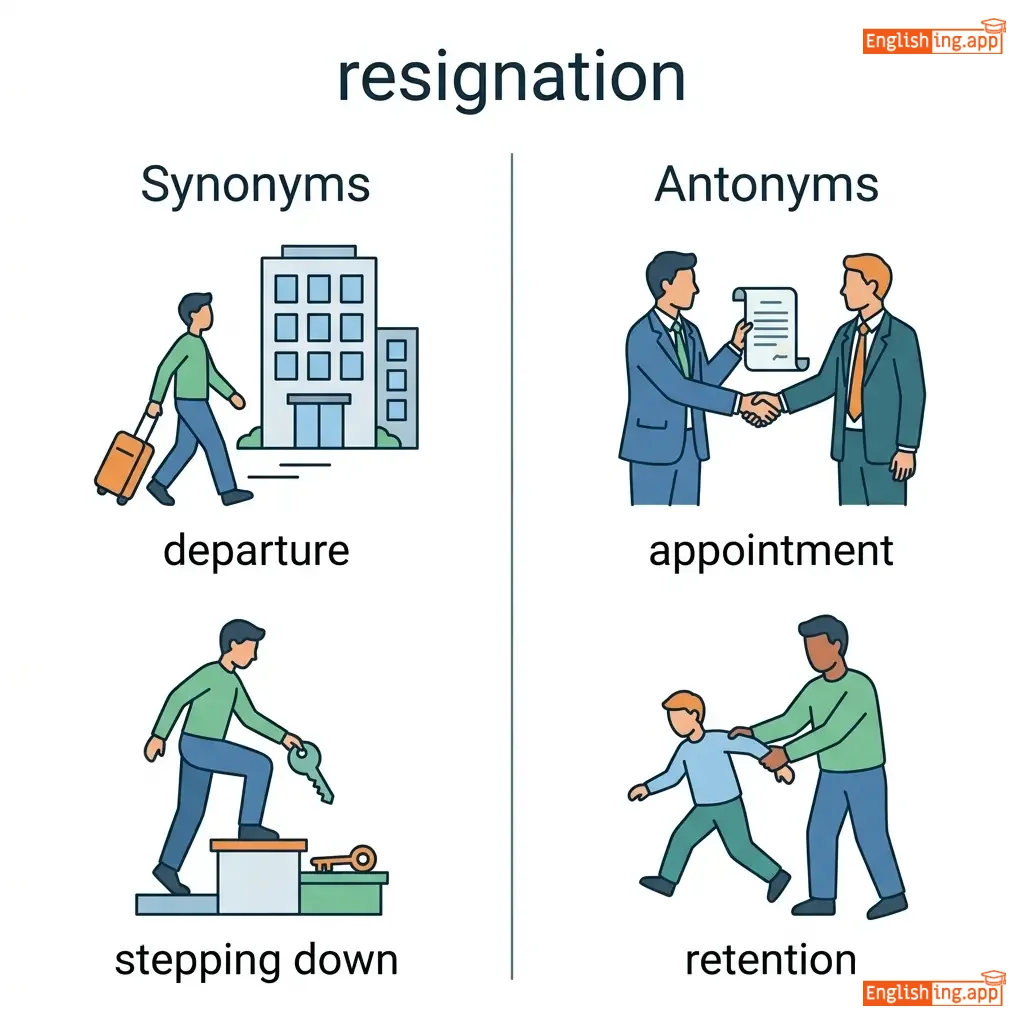
departure, stepping down, surrender, acceptance, renunciation
••••••
|
appointment, retention
••••••
|
submit resignation, letter of resignation, forced resignation, resignation speech
••••••
|
辞職はResignation、辞表を思い出すときに使おう!
••••••
|
|
#4262
✊
|
/rɪˈzɪst/
verb
(レジスト)
••••••
|
|
抵抗する
teikou suru
••••••
|
resisted
レジステッド
••••••
|
resisted
レジステッド
••••••
|
resists
レジスツ
••••••
|
resisting
レジスティング
••••••
|
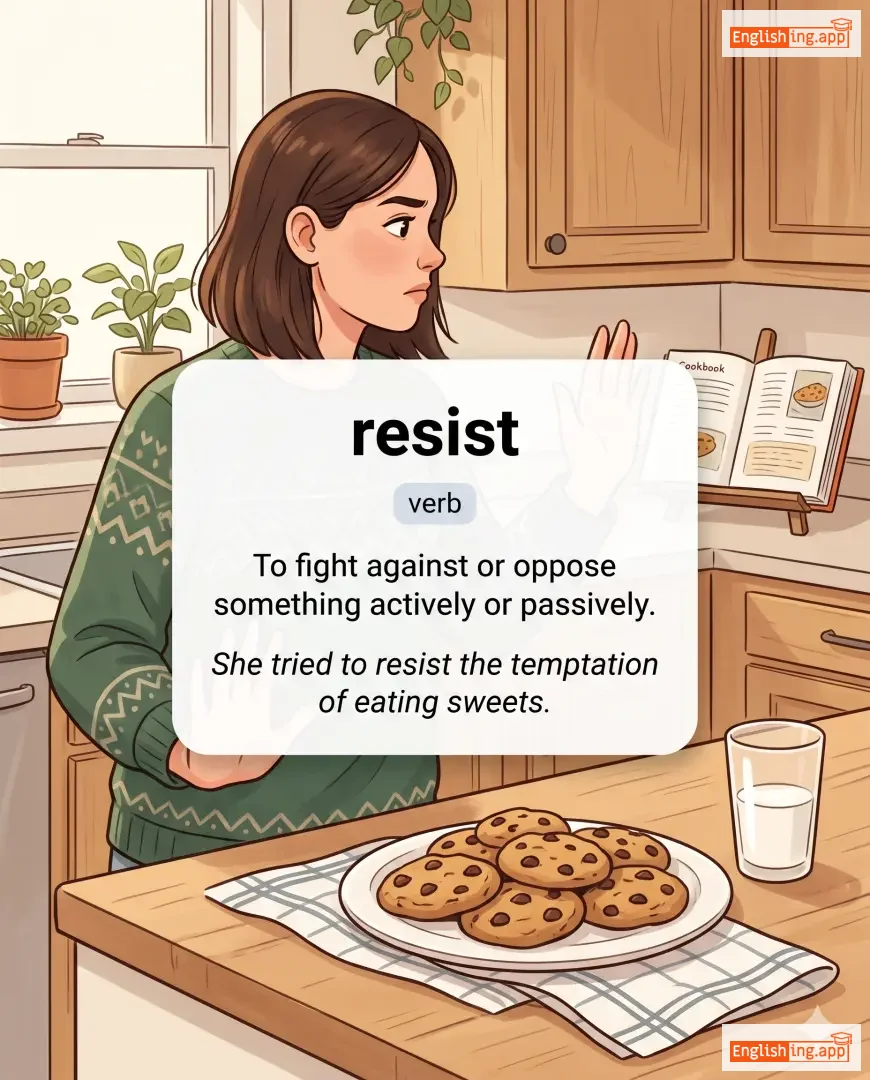
To fight against or oppose something actively or passively.
••••••
|
She tried to resist the temptation of eating sweets.
彼女は甘いお菓子を食べたい誘惑に抵抗しようとしました。
••••••
|
彼女は甘いお菓子を食べたい誘惑に抵抗しようとしました。
Kanojo wa amai okashi wo tabetai yuuwaku ni teikou shiyou to shimashita.
••••••
|
resist arrest
逮捕に抵抗する
••••••
|
To oppose or fight back when being taken into custody by the police.
••••••
|
逮捕に抵抗する
taiho ni teikou suru
••••••
|
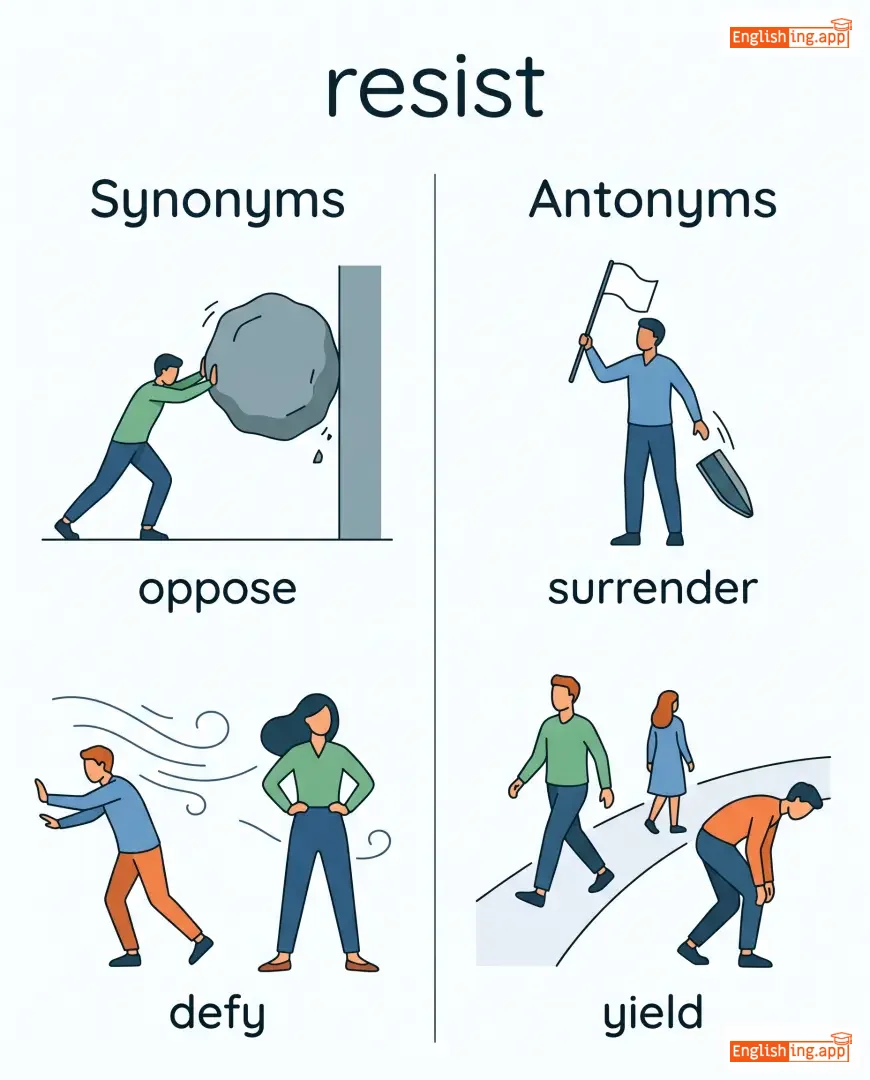
oppose, defy, withstand, endure, combat
••••••
|
surrender, yield, submit
••••••
|
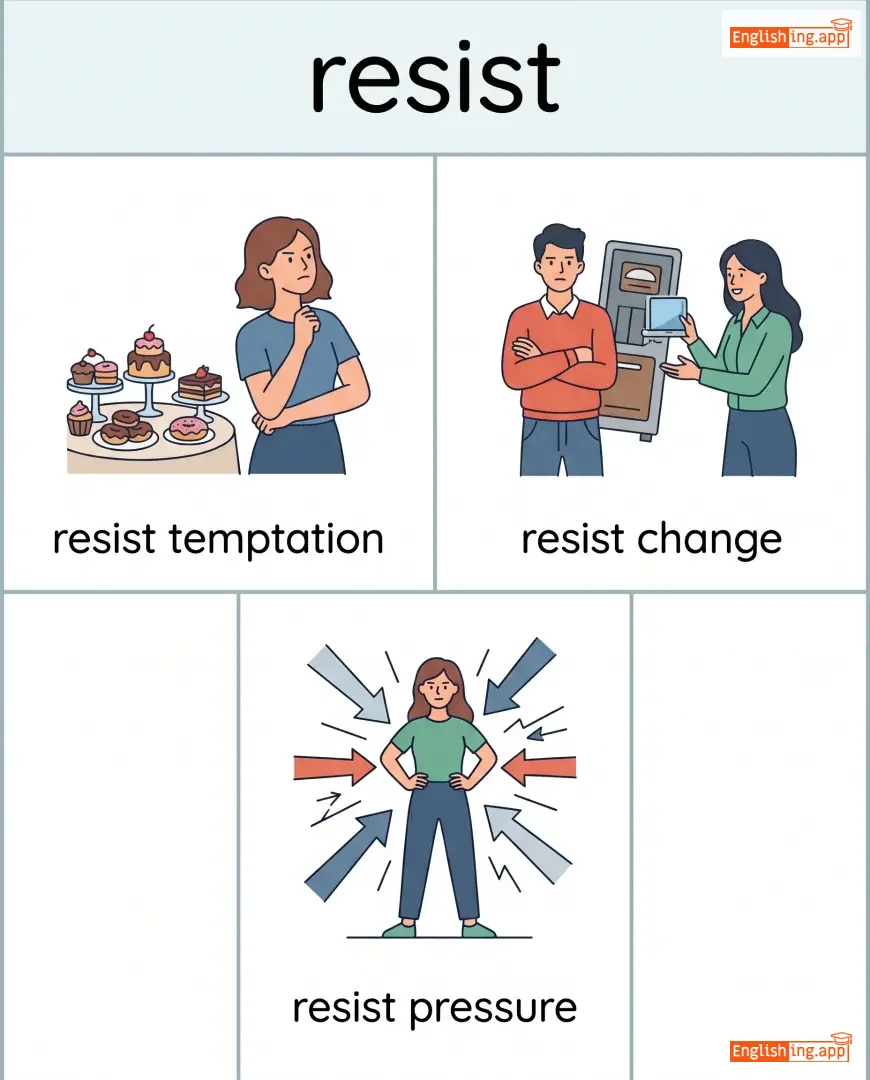
resist temptation, resist change, resist pressure, resist arrest
••••••
|
抵抗するとは抵抗すること - すべてに抵抗せよ!
••••••
|
|
#4263
⚡
|
/rɪˈzɪstəns/
noun
(レジスタンス)
••••••
|
|
抵抗
teikō
••••••
|
- •••••• | - •••••• | - •••••• | - •••••• |
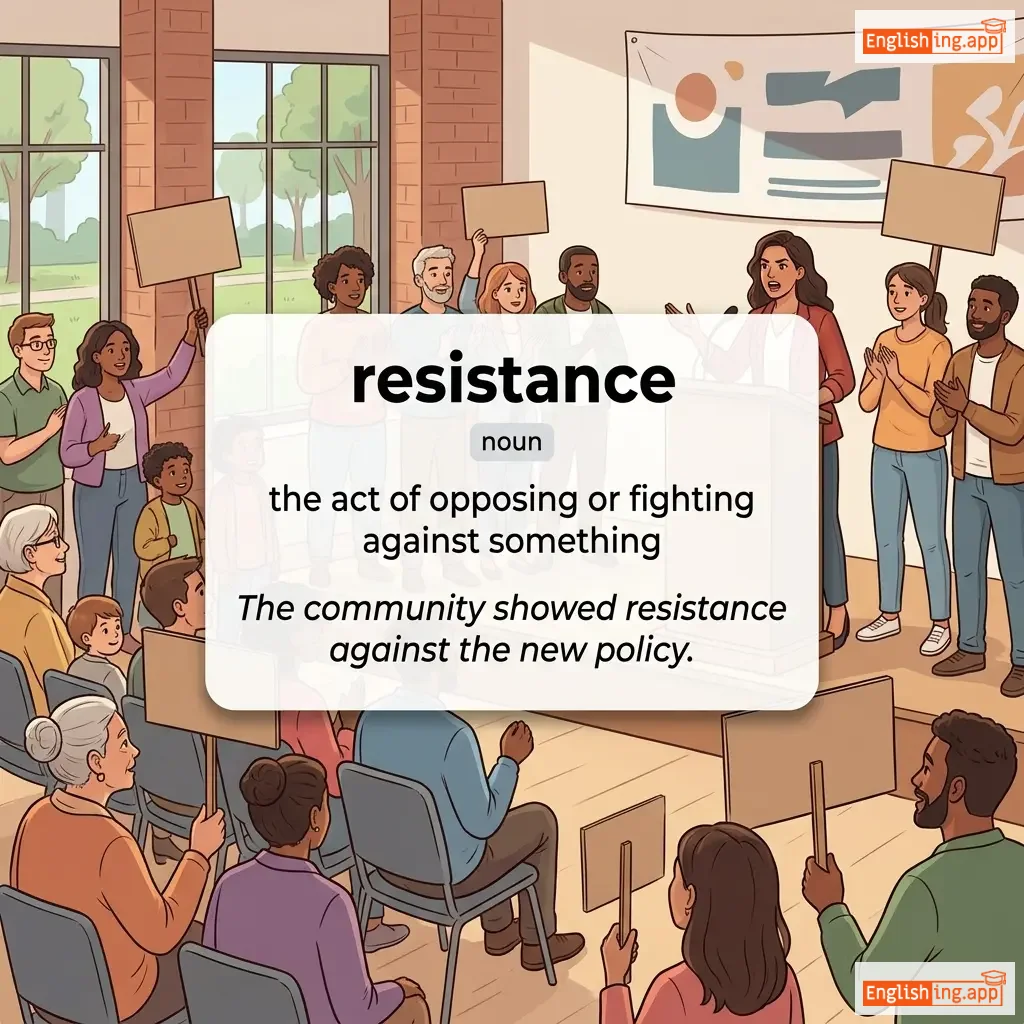
the refusal to accept or comply with something; the attempt to prevent something by action or argument; the ability not to be affected by something
••••••
|
The bacteria showed resistance to the antibiotic treatment. |
細菌は抗生物質治療に対して抵抗を示しました。
saikin wa kōseibusshitsu chiryo ni taishite teikō o shimeshimasita.
••••••
|
- •••••• | - •••••• | - •••••• |
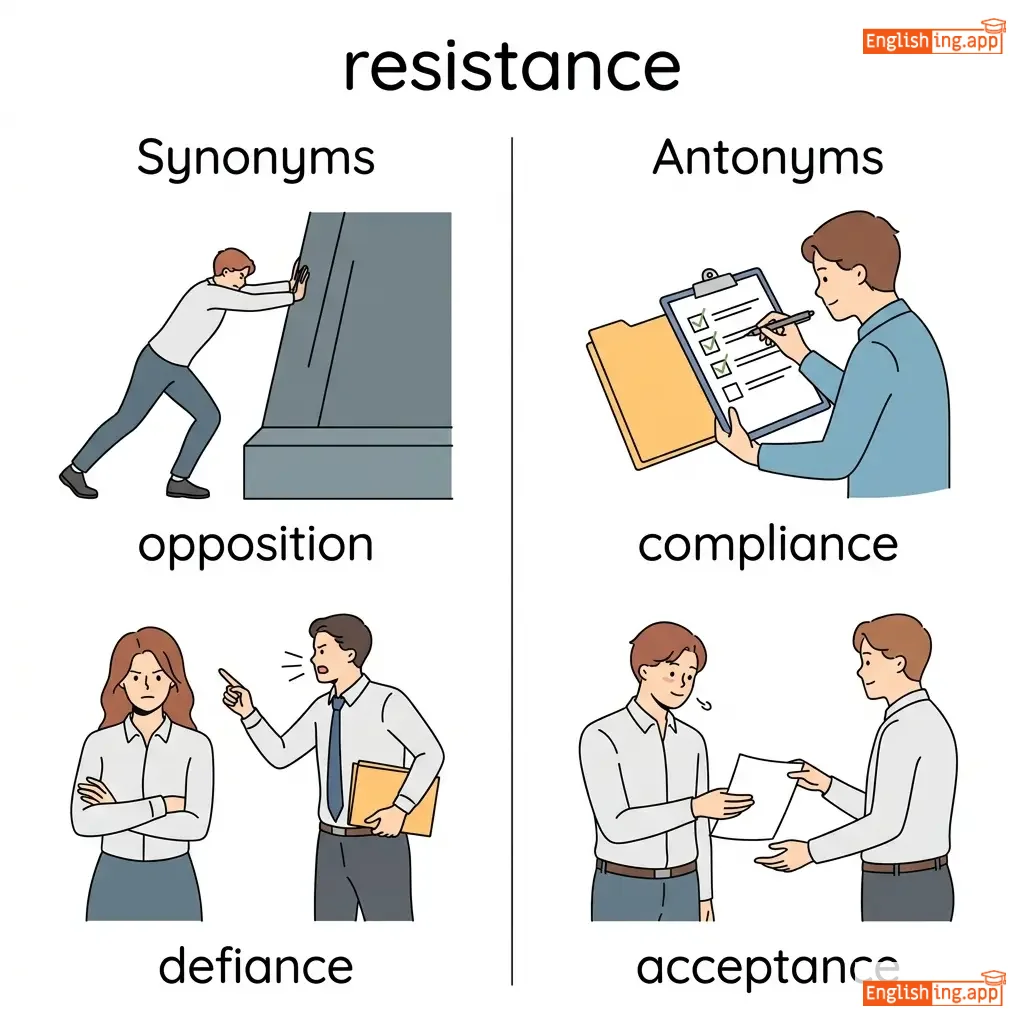
opposition, defiance, immunity, endurance
••••••
|
acceptance, compliance, submission, vulnerability
••••••
|
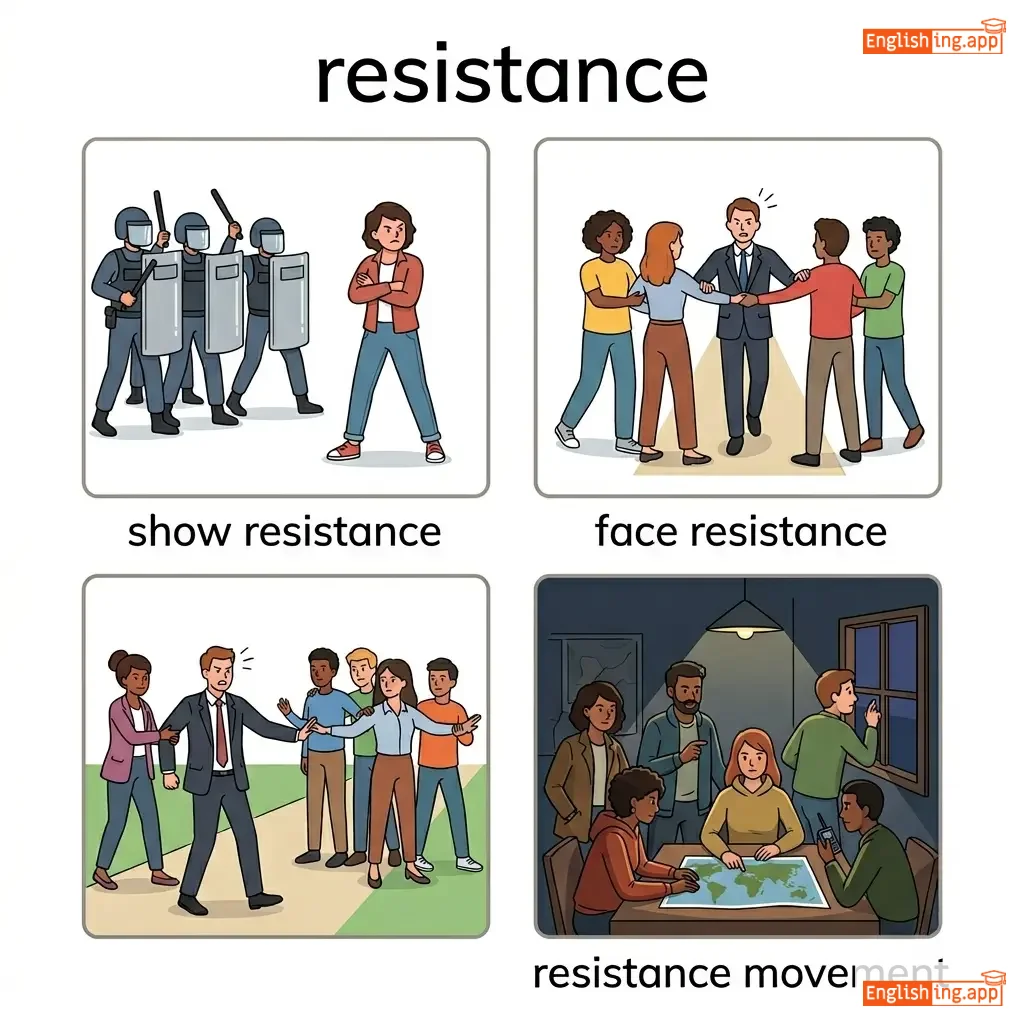
drug resistance, passive resistance, resistance movement, offer resistance
••••••
|
レジスタンス (resisutansu) in Japanese is like 'resist' against bacteria!
••••••
|
|
#4264
📜
|
/ˌrɛzəˈluːʃən/
noun
(rezoryūshon)
••••••
|
|
決意
ketsui
••••••
|
- •••••• | - •••••• | - •••••• | - •••••• |
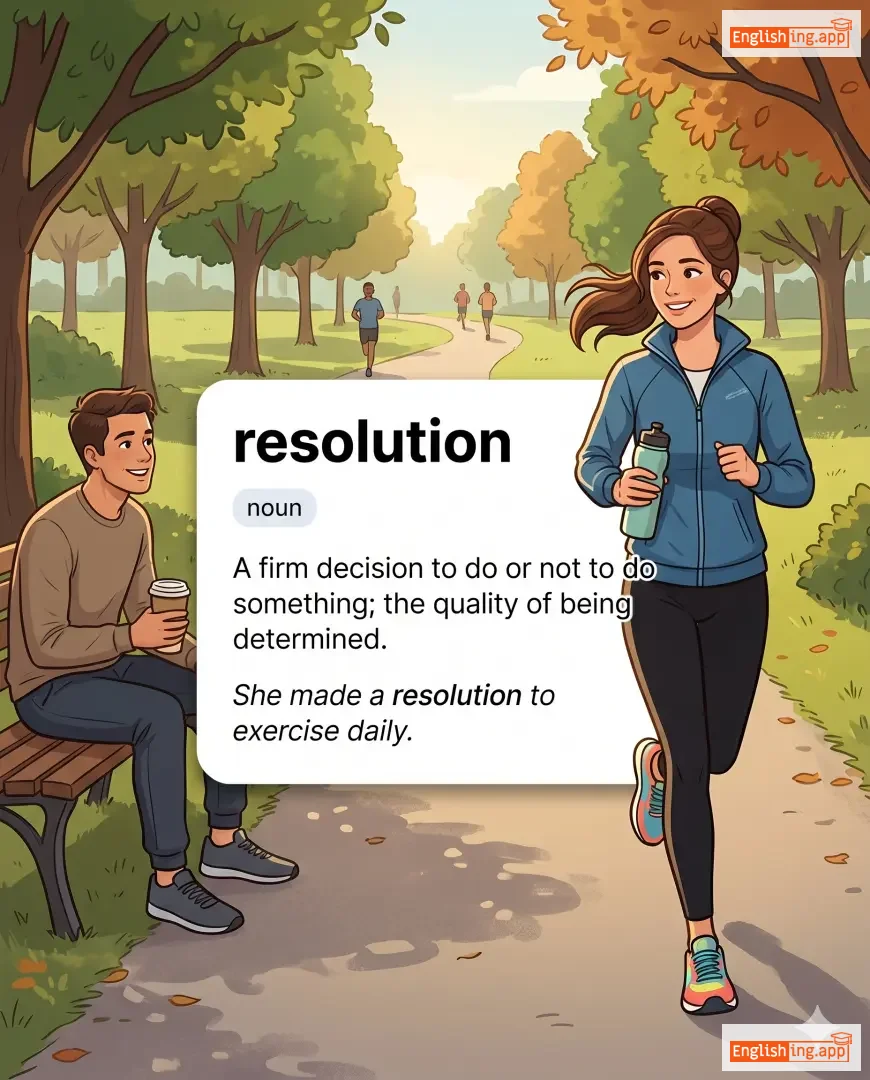
A firm decision to do or not to do something; the quality of being determined.
••••••
|
She made a resolution to exercise daily. |
彼女は毎日運動する決意をした。
Kanojo wa mainichi undō suru ketsui o shita.
••••••
|
New Year's resolution |
A firm decision or goal set at the beginning of a new year
••••••
|
新年の決意
Shinnen no ketsui
••••••
|
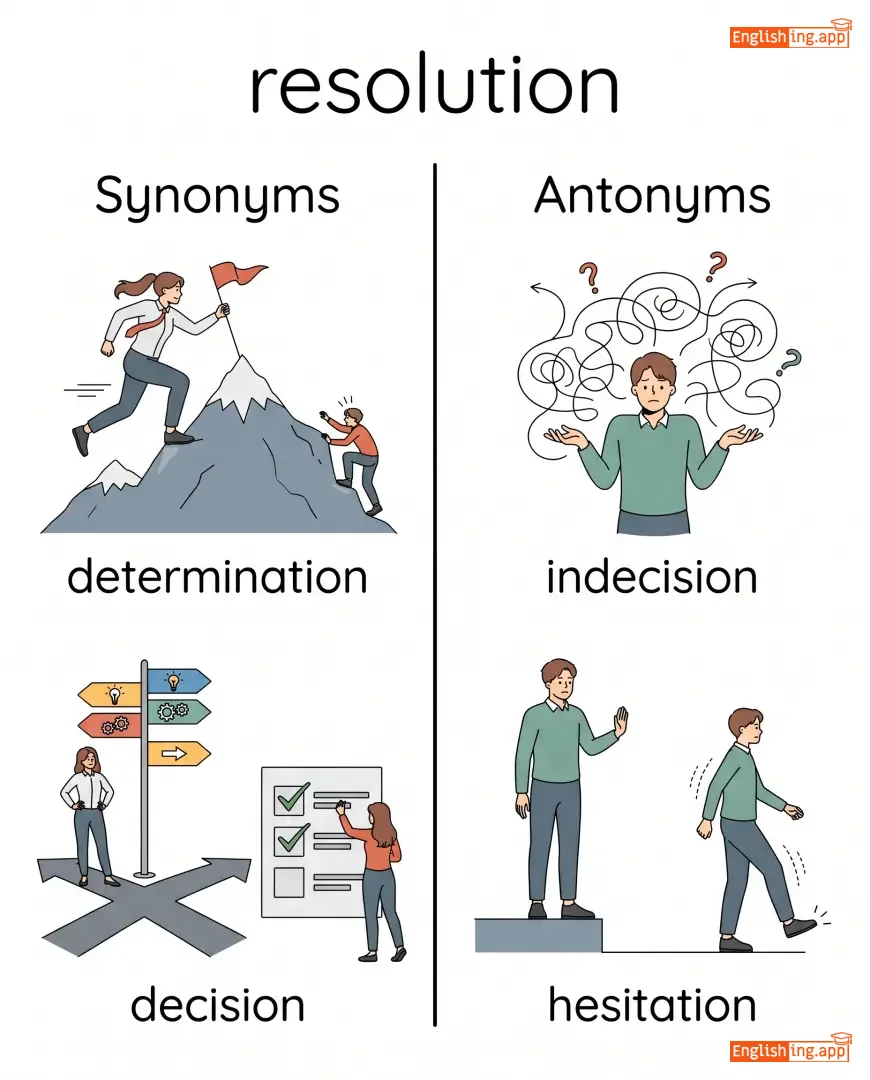
determination, decision, resolve, commitment, intention
••••••
|
indecision, hesitation, doubt
••••••
|
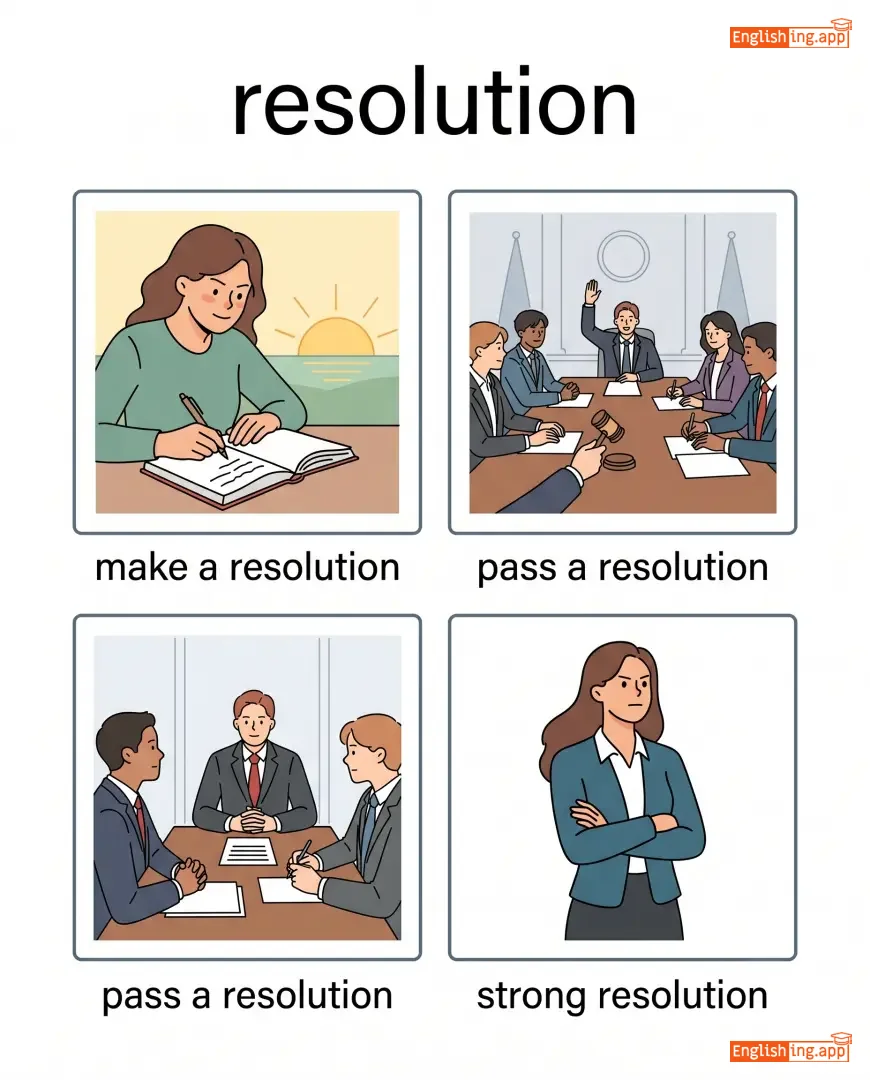
make a resolution, pass a resolution, strong resolution, resolution adopted
••••••
|
Resolution(決意)は日本語の決意と似ていて、新年に目標を決めよう!
••••••
|
|
#4265
✅
|
/rɪˈzɒlv/
verb
(リゾルヴ)
••••••
|
|
解決する
kaiketsu suru
••••••
|
resolved
リゾルヴド
••••••
|
resolved
リゾルヴド
••••••
|
resolves
リゾルヴス
••••••
|
resolving
リゾルヴィング
••••••
|
To decide firmly on a course of action; to settle or solve a problem.
••••••
|
They resolved to finish the project on time.
彼らはプロジェクトを時間通りに終わらせる決意をした。
••••••
|
彼らはプロジェクトを時間通りに終わらせる決意をした。
Karera wa purojekuto o jikan doori ni owaraseru ketsui o shita.
••••••
|
resolve a conflict
対立を解決する
••••••
|
To find a solution to a disagreement
••••••
|
対立を解決する
Tairitsu o kaiketsu suru
••••••
|
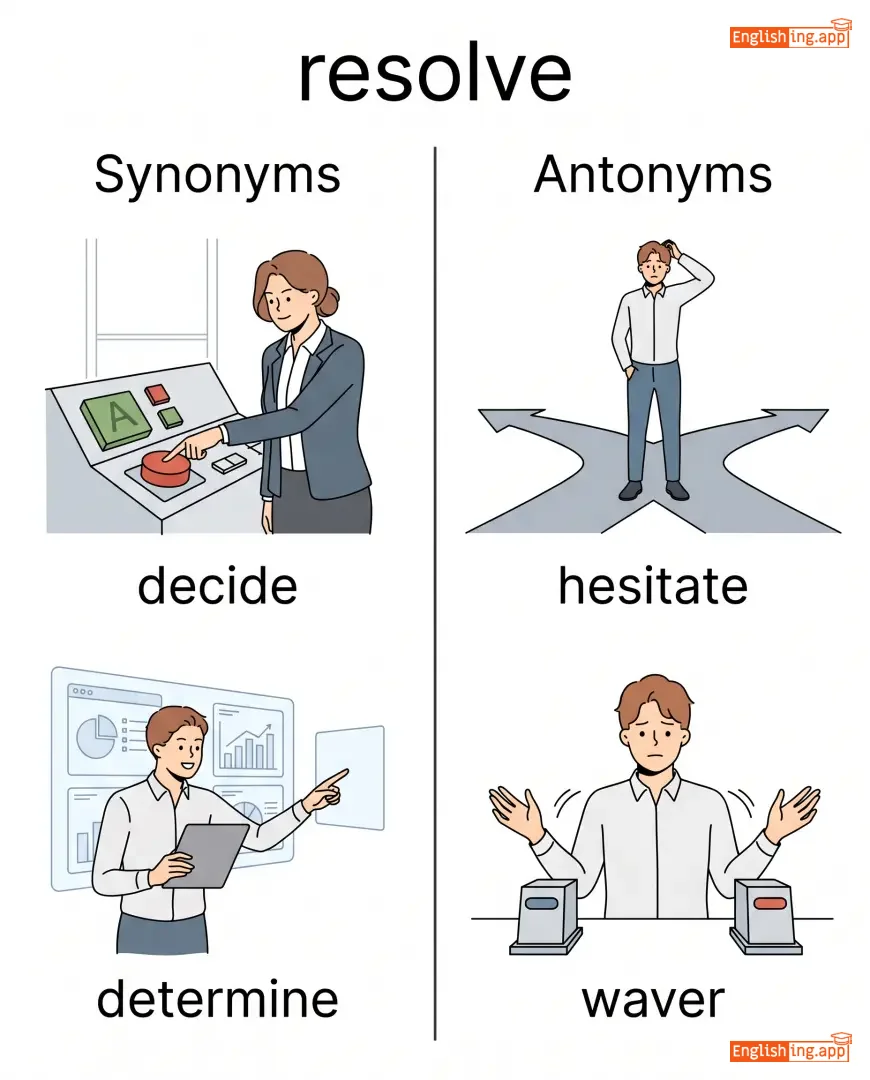
decide, determine, settle, conclude, fix
••••••
|
hesitate, waver, delay
••••••
|
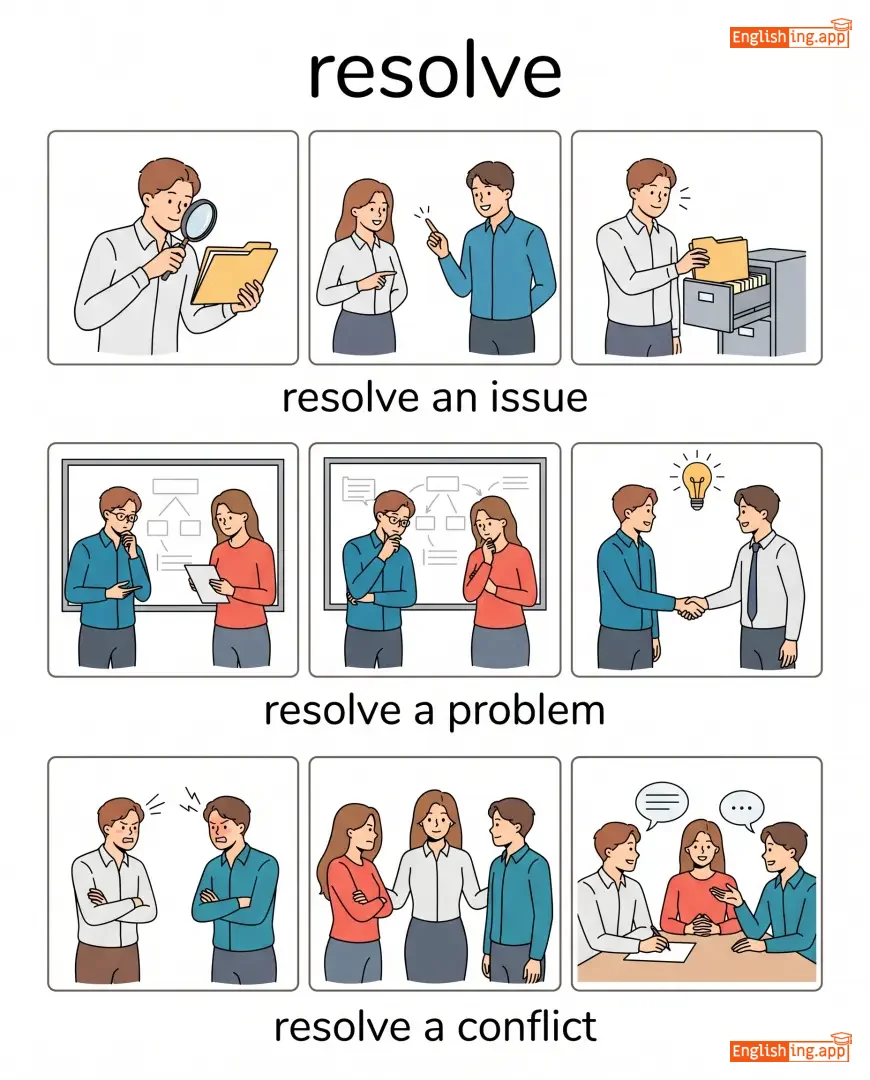
resolve an issue, resolve a problem, resolve a conflict, resolve to do
••••••
|
Resolve = 解決する、問題を解決するために。
••••••
|
Vocabulary Quiz
Test your vocabulary by matching words with their translations or meanings.
Login to take the quiz
Comments (0)
Share your thoughts and join the discussion.
Join the discussion by logging in
Login to CommentNo comments yet
Be the first to share your thoughts!