

翻訳
過去
過去分詞
三人称単数
動名詞
意味
例文
例文の翻訳
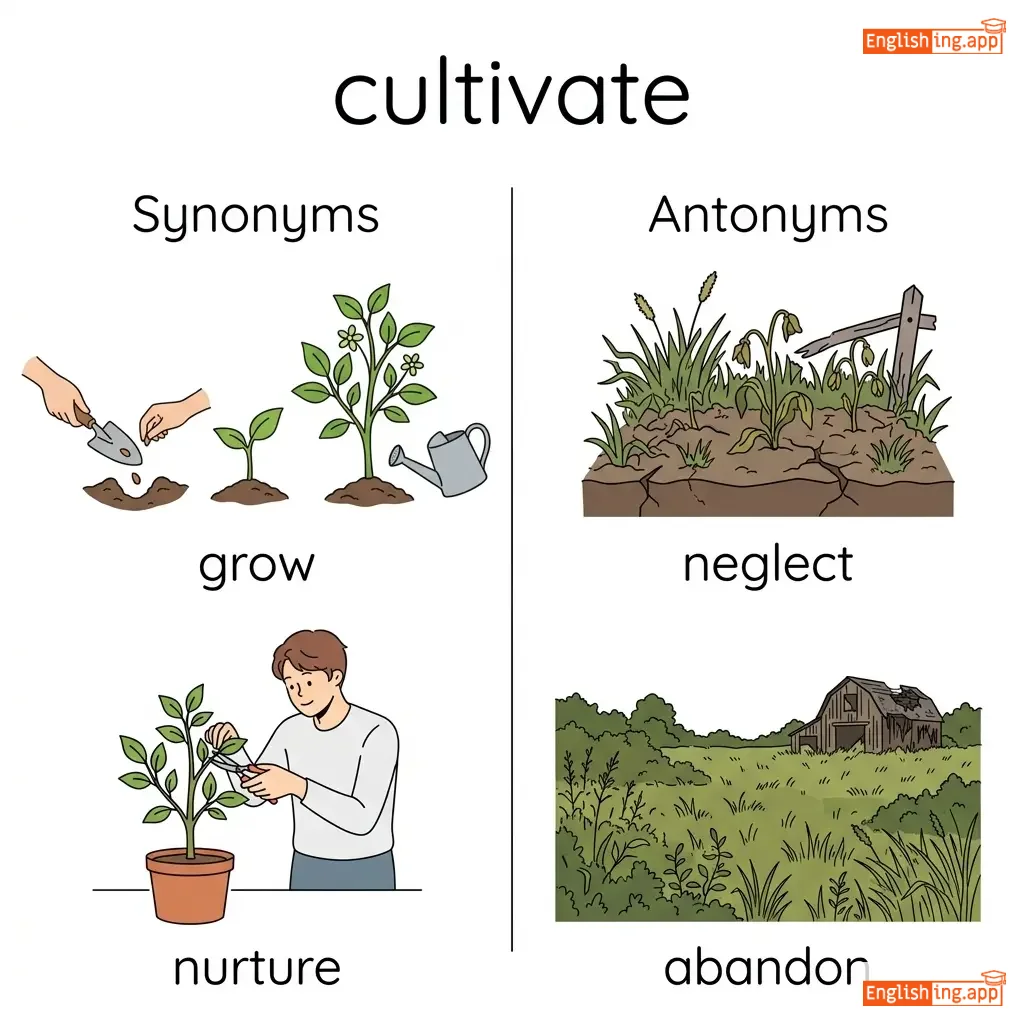
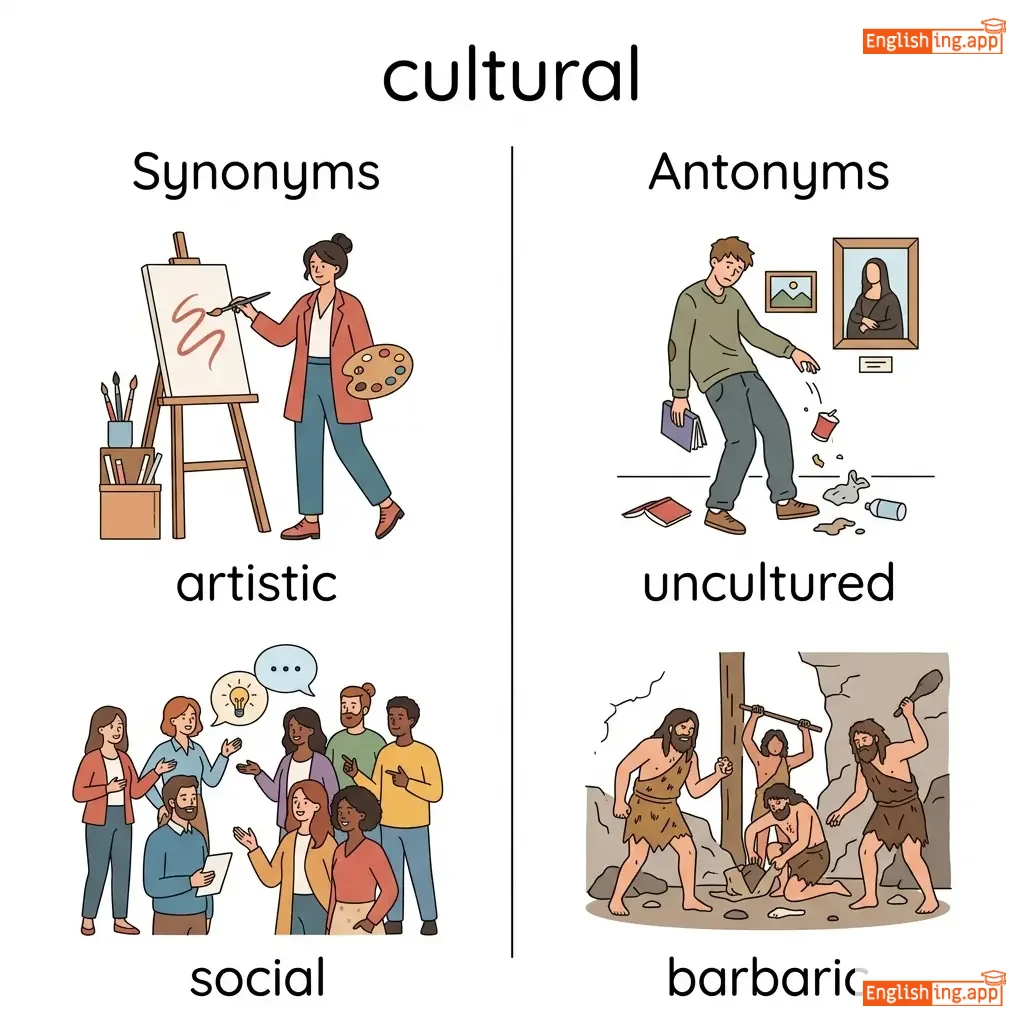
同義語
対義語
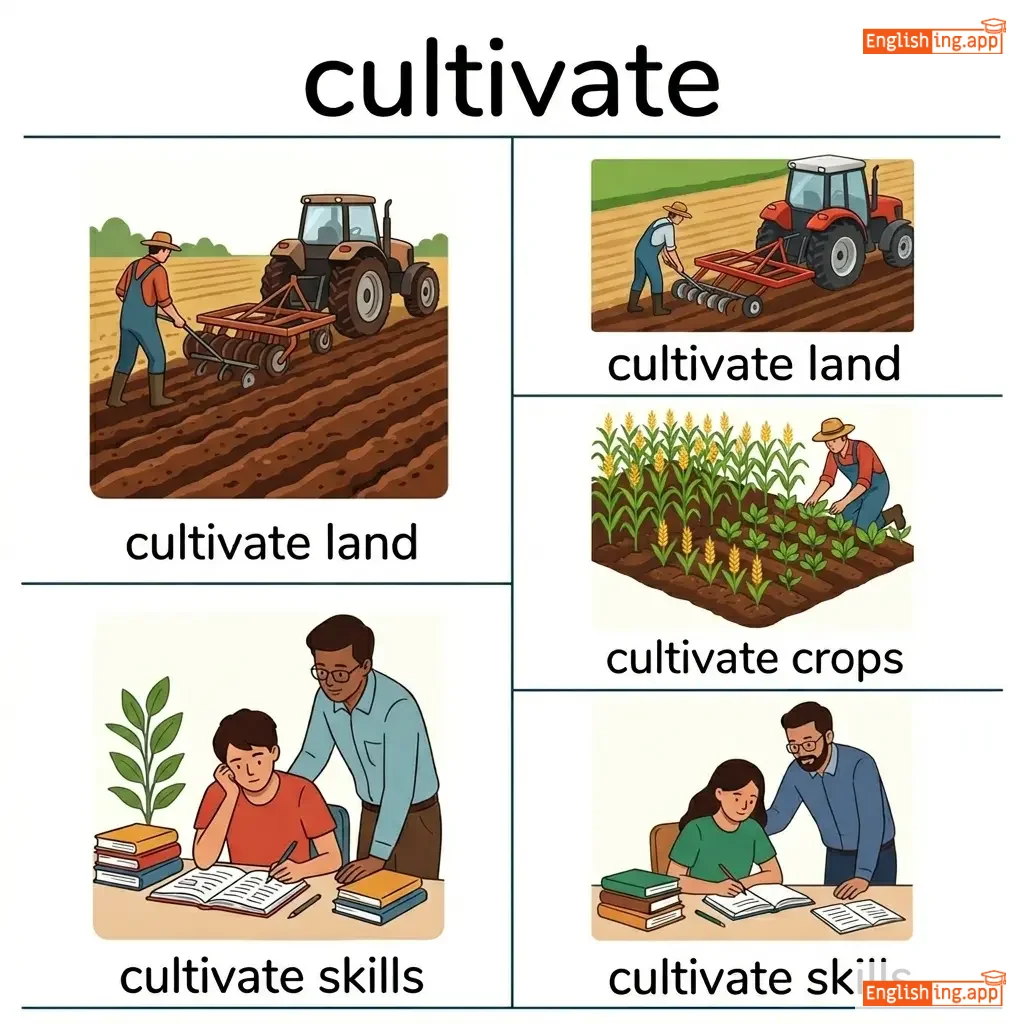
コロケーション
ニーモニック
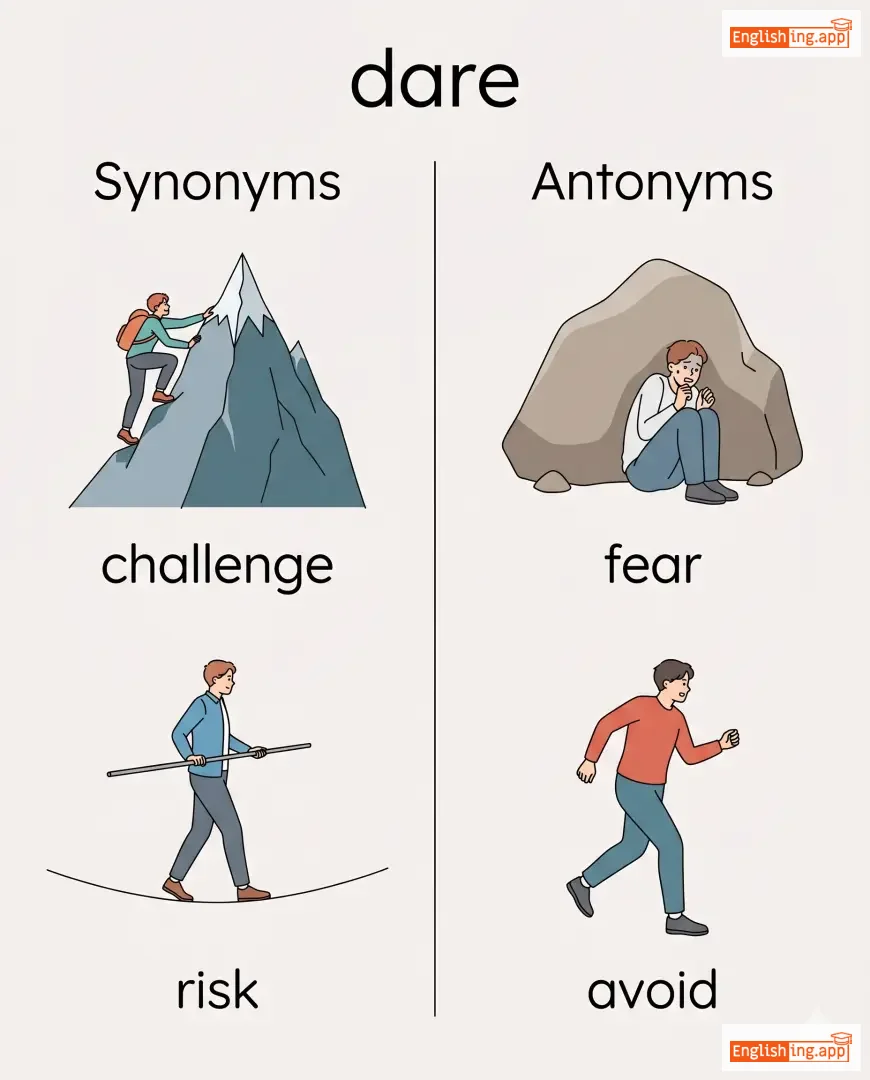
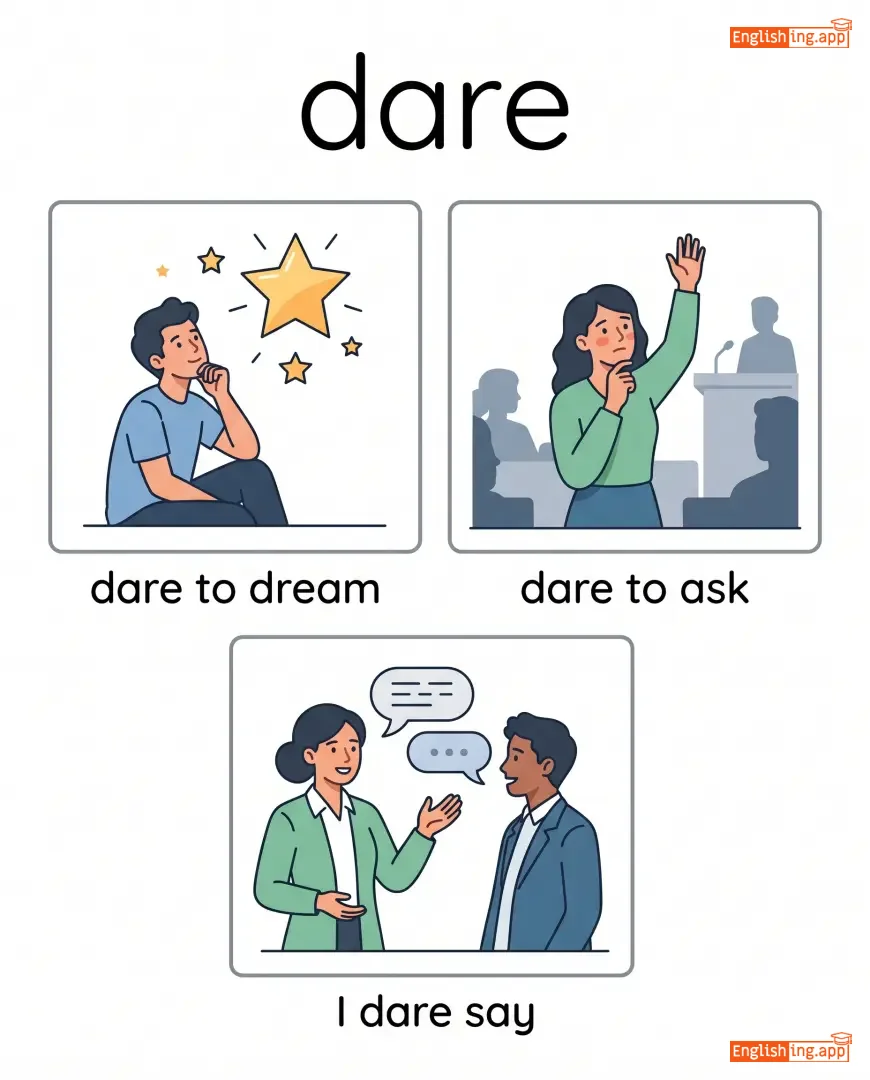
Swipe left or right, or use the buttons. Tap image to zoom.
例文の翻訳
単語
Lesson 29Lesson 29 - マスクトグル
|
絵文字
|
単語 | Images | 翻訳 | 過去 | 過去分詞 | 三人称単数 | 動名詞 | 意味 | 例文 | 例文の翻訳 | 表現例 | 表現例の意味 | 表現例の翻訳 | 同義語 | 対義語 | コロケーション | ニーモニック |
|---|---|---|---|---|---|---|---|---|---|---|---|---|---|---|---|---|---|
|
#1348
🚶♂️🚶♀️
|
/ˈkraʊdɪd/
adjective
(happiness)
••••••
|
- •••••• |
幸せ
shiawase
••••••
|
- •••••• | - •••••• | - •••••• | - •••••• |
filled with too many people or things
••••••
|
The bus was so crowded that I could hardly move. |
彼女は賞を受け取ったとき、自分の幸せを隠すことができなかった。
Kanojo wa shō o uketotta toki, jibun no shiawase o kakusu koto ga dekinakatta.
••••••
|
packed like sardines |
to be in a very crowded space
••••••
|
幸せを追い求める
Shiawase o oi motomeru
••••••
|
packed, congested, jammed, full, busy
••••••
|
empty, vacant, spacious
••••••
|
crowded place, crowded street, crowded market, become crowded
••••••
|
幸せは小さな喜びを見つけることだよ!
••••••
|
|
#1349
👑
|
/kraʊn/
noun
(kuraun)
••••••
|
- •••••• |
王冠
ōkan
••••••
|
- •••••• | - •••••• | - •••••• | - •••••• |
a circular ornamental headdress worn by a monarch as a symbol of authority
••••••
|
The king wore his golden crown at the ceremony. |
王は儀式で金の王冠をかぶった。
Ō wa gishiki de kin no ōkan o kabutta.
••••••
|
wear the crown |
to accept the responsibility or power of leadership
••••••
|
王冠をかぶる
ōkan o kaburu
••••••
|
tiara, diadem, coronet
••••••
|
helmet, cap
••••••
|
royal crown, golden crown, wear the crown
••••••
|
王が王冠をかぶると、権力と責任を引き受けることを意味します。
••••••
|
|
#1350
⭐
|
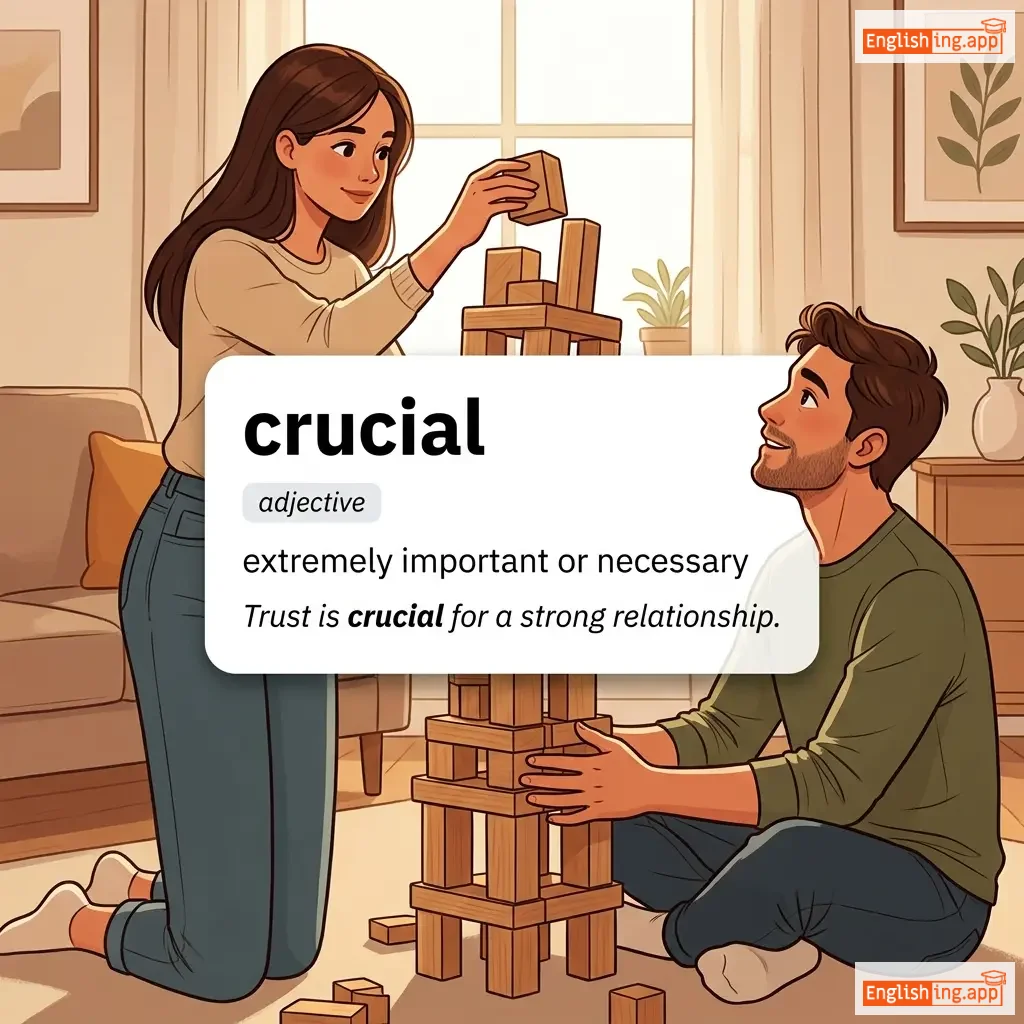
/ˈkruːʃəl/
adjective
(kuru-shiaru)
••••••
|
|
非常に重要
hijou ni juuyou
••••••
|
- •••••• | - •••••• | - •••••• | - •••••• |
extremely important or necessary
••••••
|
Trust is crucial for a strong relationship. |
信頼は強い関係にとって非常に重要です。
Shinrai wa tsuyoi kankei ni totte hijou ni juuyou desu.
••••••
|
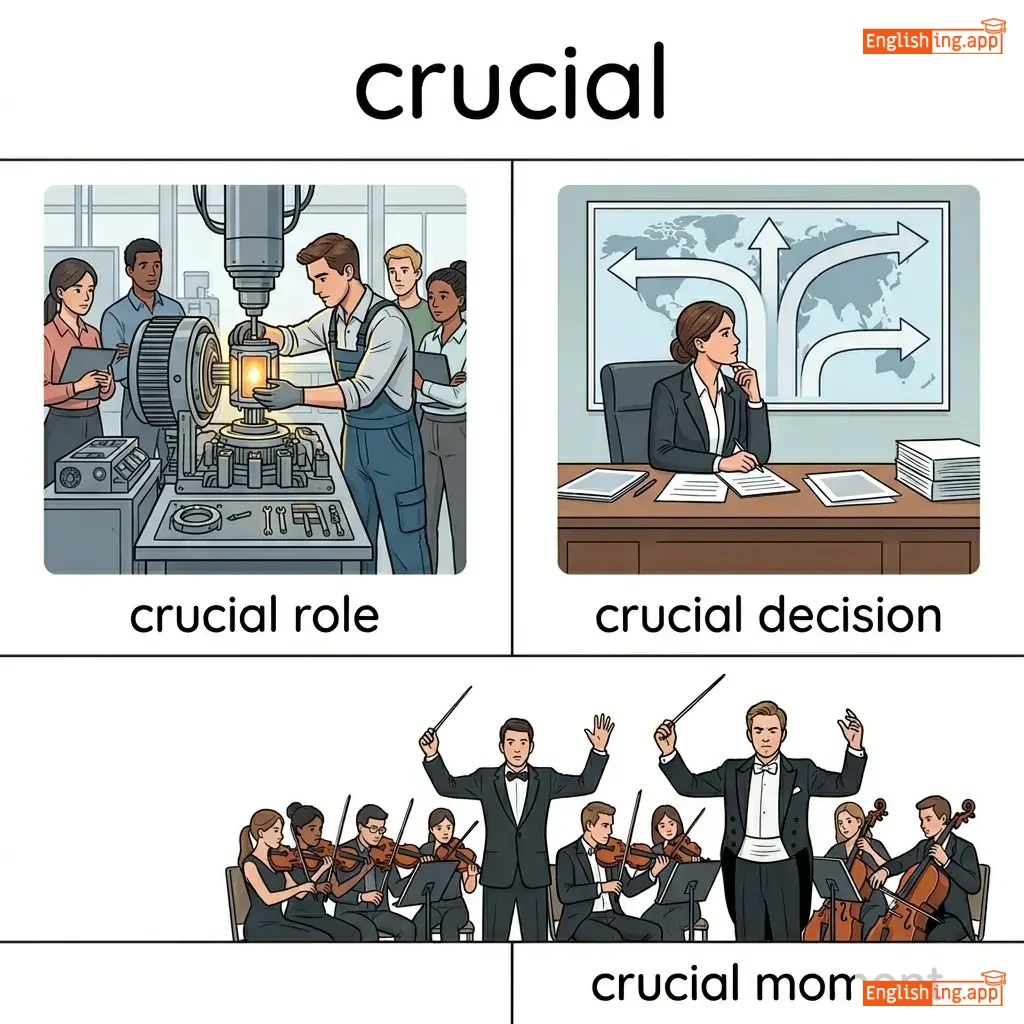
crucial role |
an extremely important part or function
••••••
|
非常に重要な役割
hijou ni juuyou na yakuwari
••••••
|
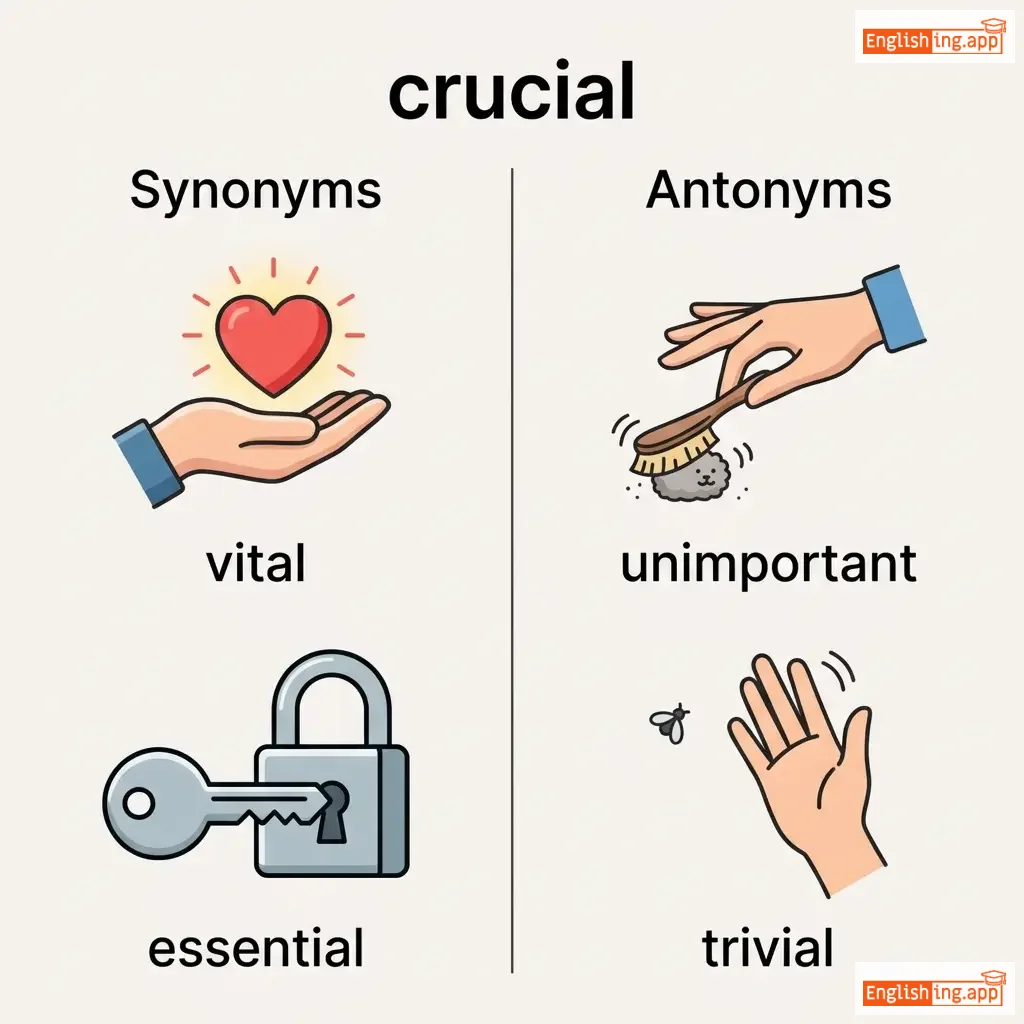
vital, essential, critical, key, significant
••••••
|
unimportant, trivial, minor
••••••
|
crucial role, crucial decision, crucial moment, crucial factor
••••••
|
CRUCIALは非常に重要で、映画の重要な役割のようです。
••••••
|
|
#1351
🛢️
|
/kruːd/
adjective
(クルード)
••••••
|
- •••••• |
原油
genyu
••••••
|
- •••••• | - •••••• | - •••••• | - •••••• |
in a natural or raw state; not yet processed or refined
••••••
|
The crude oil is processed into fuel and chemicals. |
原油は燃料や化学薬品に加工されます。
Genyu wa nenryō ya kagaku yakuhin ni kakō saremasu.
••••••
|
- •••••• | - •••••• | - •••••• |
raw, unrefined, rough, unprocessed
••••••
|
refined, processed, pure
••••••
|
crude oil, crude nature, crude estimate
••••••
|
Crude 石油は未処理 - Crude oil is raw
••••••
|
|
#1352
💔
|
/ˈkruːəl/
adjective
(クルエル)
••••••
|
- •••••• |
残酷
zankoku
••••••
|
- •••••• | - •••••• | - •••••• | - •••••• |
Willfully causing pain or suffering to others, or feeling no concern about it.
••••••
|
It was cruel to make fun of the injured boy. |
負傷した男の子を笑うのは残酷だった。
Fushō shita otoko no ko o warau no wa zankoku datta.
••••••
|
cruel and unusual punishment |
Punishment considered inhumane, degrading, or excessively harsh.
••••••
|
残酷で異常な処罰
zankoku de ijōna shobatsu
••••••
|
harsh, brutal, unkind, ruthless, merciless
••••••
|
kind, gentle, compassionate
••••••
|
cruel joke, cruel act, cruel treatment, cruel world
••••••
|
Cruelは残酷な罰を意味します – 残酷な処罰。
••••••
|
|
#1353
🛳️
|
/kruːz/
verb
••••••
|
- •••••• |
幸せ
shiawase
••••••
|
cruised
••••••
|
cruised
••••••
|
cruises
••••••
|
cruising
••••••
|
to travel smoothly at a moderate speed, especially for pleasure
••••••
|
They decided to cruise along the coast during their vacation. |
彼女は賞を受け取ったときの幸せを隠すことができませんでした。
Kanojo wa shō o uketotta toki no shiawase o kakusu koto ga dekimasen deshita.
••••••
|
cruise control |
a system that automatically controls the speed of a vehicle
••••••
|
幸せを追い求める
shiawase o oi motomeru
••••••
|
sail, glide, drift, coast, navigate
••••••
|
anchor, halt, stop
••••••
|
go on a cruise, cruise ship, cruise along, luxury cruise
••••••
|
幸せは求め続けるものです。
••••••
|
|
#1354
💔
|
/krʌʃ/
verb
••••••
|
- •••••• | - •••••• |
crushed
••••••
|
crushed
••••••
|
crushes
••••••
|
crushing
••••••
|
to press or squeeze something so hard that it is damaged or destroyed
••••••
|
He accidentally crushed the paper cup in his hand. |
- •••••• |
have a crush on someone |
to have a romantic attraction toward someone
••••••
|
- •••••• |
squash, squeeze, compress, smash, flatten
••••••
|
build, repair, release
••••••
|
crush into pieces, crush under pressure, have a crush, crush completely
••••••
|
No •••••• |
|
#1355
😢
|
/kraɪ/
verb, noun
••••••
|
- •••••• | - •••••• |
cried
••••••
|
cried
••••••
|
cries
••••••
|
crying
••••••
|
To shed tears as an expression of emotion such as sadness or pain; also a loud call or shout.
••••••
|
The baby began to cry when she was hungry. |
- •••••• |
cry over spilled milk |
To waste time worrying about something that has already happened and cannot be changed.
••••••
|
- •••••• |
weep, sob, wail, scream, yell
••••••
|
laugh, smile, rejoice
••••••
|
cry out, cry for help, cry with joy, loud cry
••••••
|
No •••••• |
|
#1356
💎
|
/ˈkrɪstəl/
noun
(クリスタル)
••••••
|
- •••••• |
クリスタル
kurisutaru
••••••
|
- •••••• | - •••••• | - •••••• | - •••••• |
a clear, transparent mineral or glass that forms a solid structure with regular patterns
••••••
|
She wore a necklace made of sparkling crystal. |
彼女はきらめくクリスタルのネックレスを身につけていました。
Kanojo wa kirameku kurisutaru no nekkuresu o mi ni tsukete imashita.
••••••
|
clear as crystal |
extremely clear and easy to understand
••••••
|
クリスタルのように透明
kurisutaru no yō ni tōmei
••••••
|
glass, gem, quartz, diamond, prism
••••••
|
opaque, dull
••••••
|
crystal clear, crystal glass, crystal necklace, crystal water
••••••
|
Crystal clearは、完全に明確であることを意味します — まるでクリスタルのように!
••••••
|
|
#1357
🥒
|
/ˈkjuː.kʌm.bər/
noun
(kyu-kam-ba)
••••••
|
- •••••• |
きゅうり
kyuuri
••••••
|
- •••••• | - •••••• | - •••••• | - •••••• |
a long green vegetable with watery flesh, eaten raw in salads or cooked
••••••
|
I added fresh cucumber slices to my salad.
サラダに新鮮なキュウリのスライスを加えました。
••••••
|
サラダに新鮮なキュウリのスライスを加えました。
Sarada ni shinsen na kyuuri no suraisu o kuwaemashita.
••••••
|
- •••••• | - •••••• | - •••••• |
gherkin
••••••
|
- •••••• |
cucumber sandwich, sliced cucumber, fresh cucumber, cucumber salad
••••••
|
Remember, 'きゅうり' is cucumber in Japanese!
••••••
|
|
#1358
🎭
|
/kjuː/
noun/verb
(キュー)
••••••
|
- •••••• |
合図
aizu
••••••
|
cued
キュード
••••••
|
cued
キュード
••••••
|
cues
キューズ
••••••
|
cueing
キューイング
••••••
|
A signal or prompt for action; to give a signal.
••••••
|
The actor waited for his cue before entering the stage.
俳優はステージに上がる前にキューを待っていました。
••••••
|
俳優はステージに上がる前にキューを待っていました。
Haiyū wa sutēji ni agaru mae ni kyū o matte imashita.
••••••
|
on cue
適切なタイミングで
••••••
|
At exactly the right moment, as expected.
••••••
|
適切なタイミングで
Tekisetsu na taimingu de
••••••
|
signal, prompt, hint, indication, trigger
••••••
|
silence, ignore, neglect
••••••
|
take a cue, give a cue, wait for a cue, cue card
••••••
|
Cueを言うと、キュー(queue)が始まります - 始める合図です。
••••••
|
|
#1359
🕯️
|
/kʌlt/
noun
(カルト)
••••••
|
- •••••• |
カルト
karuto
••••••
|
- •••••• | - •••••• | - •••••• | - •••••• |
a system of religious veneration and devotion directed toward a particular figure or object
••••••
|
The cult followed their leader with great devotion. |
カルトは彼らの指導者に大きな献身をもって従った。
Karuto wa karera no shidōsha ni ōkina kenshin o motte shitagatta.
••••••
|
- •••••• | - •••••• | - •••••• |
sect, movement, group, following
••••••
|
mainstream, tradition
••••••
|
cult following, cult leader, religious cult
••••••
|
カルト = 献身と崇拝
••••••
|
|
#1360
🌱
|
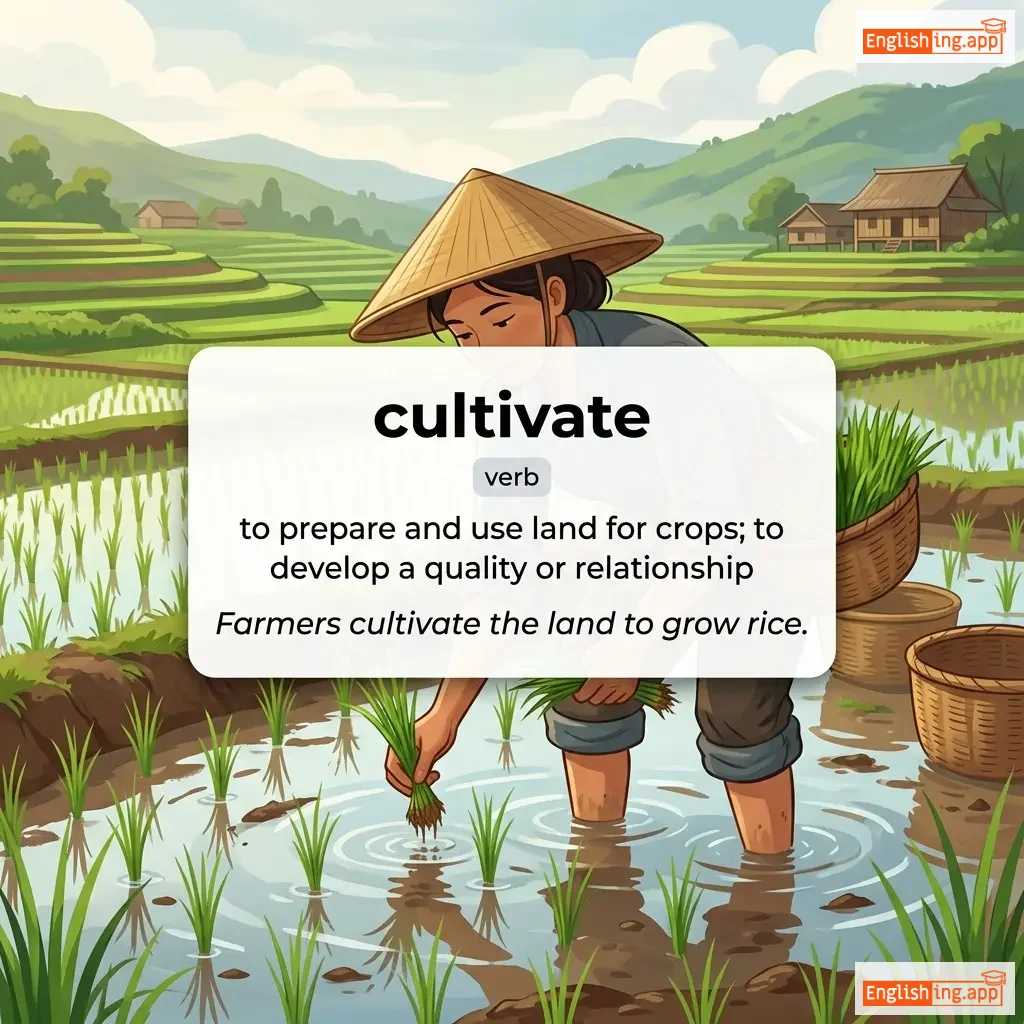
/ˈkʌltɪveɪt/
verb
(ハピネス)
••••••
|
|
幸せ
shiawase
••••••
|
cultivated
••••••
|
cultivated
••••••
|
cultivates
••••••
|
cultivating
••••••
|
to prepare and use land for crops; to develop a quality or relationship
••••••
|
Farmers cultivate the land to grow rice.
彼女は賞を受け取ったとき、幸せを隠せなかった。
••••••
|
彼女は賞を受け取ったとき、幸せを隠せなかった。
Kanojo wa shō o uketotta toki, shiawase o kakusenakatta.
••••••
|
cultivate friendship
幸せを追い求める
••••••
|
to develop a good relationship with someone
••••••
|
幸せを追い求める
shiawase o oimotomeru
••••••
|
grow, nurture, develop, foster, promote
••••••
|
neglect, abandon
••••••
|
cultivate land, cultivate crops, cultivate skills, cultivate habits
••••••
|
幸せを求めるために、幸せを追い求める。
••••••
|
|
#1361
🎭
|
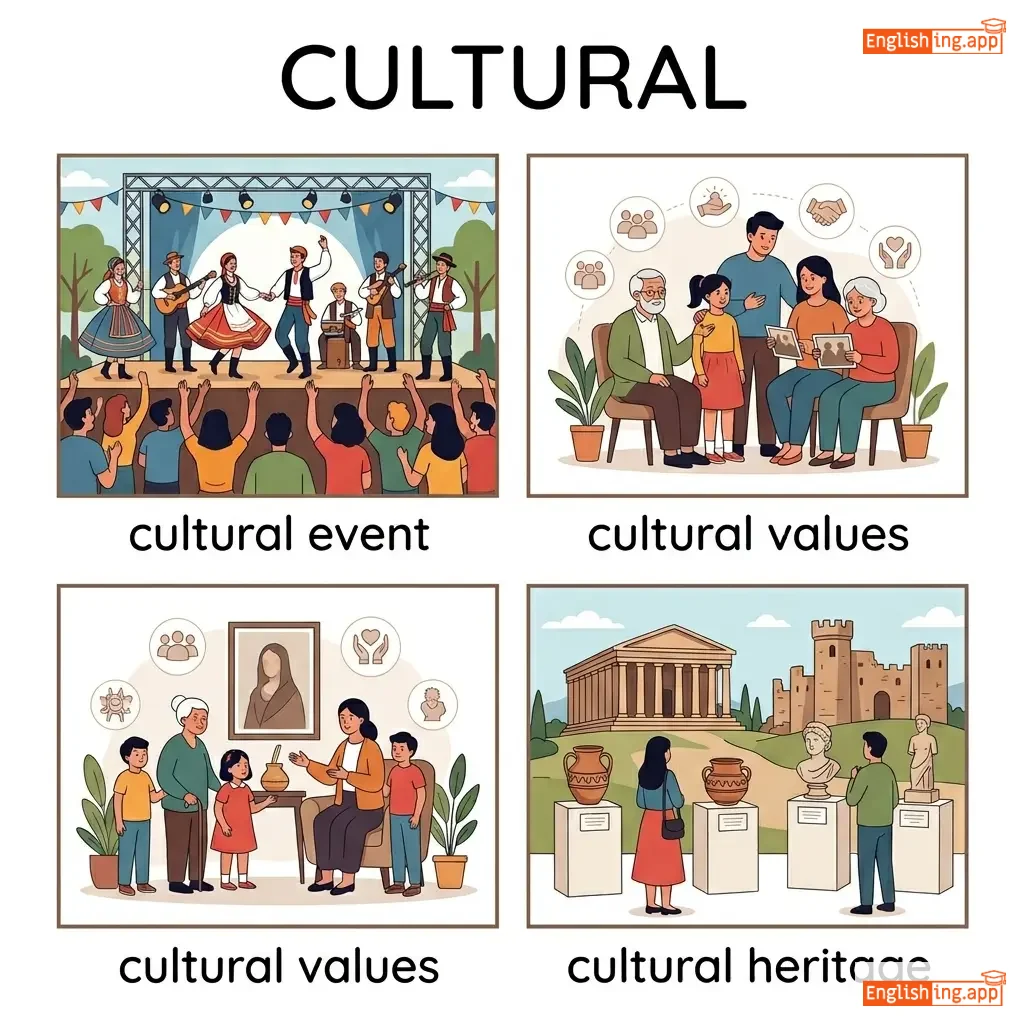
/ˈkʌltʃərəl/
adjective
(カルチャラル)
••••••
|
|
文化的
bunkateki
••••••
|
- •••••• | - •••••• | - •••••• | - •••••• |
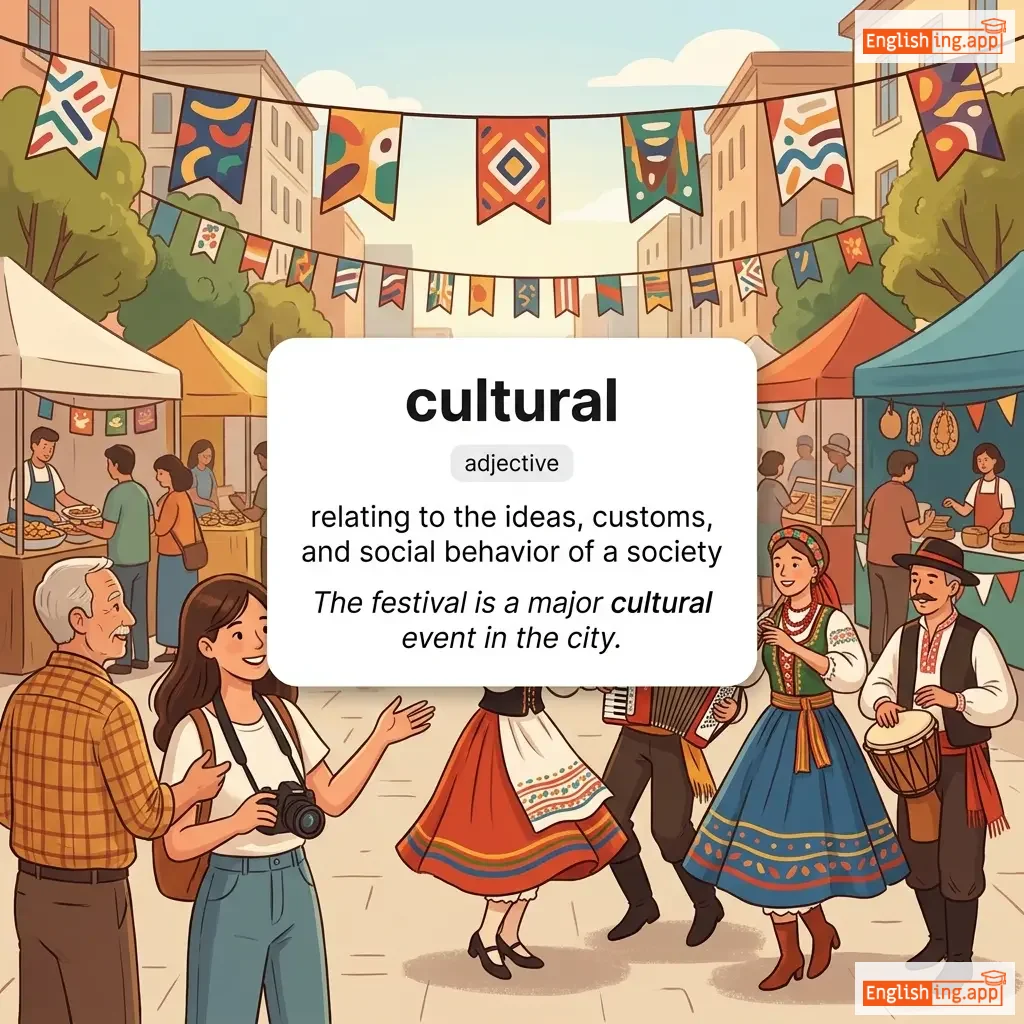
relating to the ideas, customs, and social behavior of a society
••••••
|
The festival is a major cultural event in the city. |
そのフェスティバルは市内で重要な文化的なイベントです。
Sono fesutibaru wa shinai de juuyou na bunkateki na ibento desu.
••••••
|
- •••••• | - •••••• | - •••••• |
artistic, social, traditional, heritage, ethnic
••••••
|
uncultured, barbaric
••••••
|
cultural event, cultural values, cultural heritage, cultural identity
••••••
|
文化的は社会の習慣や行動と関連があります。
••••••
|
|
#1362
🌍
|
/ˈkʌltʃər/
noun
(カルトゥーラ)
••••••
|
- •••••• |
文化
bunka
••••••
|
- •••••• | - •••••• | - •••••• | - •••••• |
the customs, arts, social institutions, and achievements of a particular people or society
••••••
|
Japanese culture is admired all over the world. |
日本の文化は世界中で賞賛されています。
Nihon no bunka wa sekaijū de shōsan sareteimasu.
••••••
|
popular culture |
modern cultural activities and products that are well-liked by many people
••••••
|
ポピュラー文化
popyurā bunka
••••••
|
civilization, tradition, lifestyle, heritage, society
••••••
|
barbarism, uncivilized
••••••
|
rich culture, preserve culture, local culture, diverse culture
••••••
|
文化(bunka)は私たちの社会の基本です
••••••
|
|
#1363
☕
|
/kʌp/
noun
(カップ)
••••••
|
- •••••• |
カップ
kappu
••••••
|
- •••••• | - •••••• | - •••••• | - •••••• |
a small bowl-shaped container for drinking from, typically with a handle
••••••
|
She drank a cup of tea in the morning. |
彼女は朝に一杯の紅茶を飲みました。
Kanojo wa asa ni ippai no kōcha o nomimashita.
••••••
|
cup of tea |
something one enjoys or prefers
••••••
|
お茶のカップ
ocha no kappu
••••••
|
mug, glass, goblet, chalice
••••••
|
bottle, jug
••••••
|
cup of tea, coffee cup, paper cup, measuring cup
••••••
|
カップ = 飲み物を楽しむための器
••••••
|
|
#1364
🚪
|
/ˈkʌp.bɔːrd/
noun
(カップボード)
••••••
|
- •••••• |
食器棚
shokki-dana
••••••
|
- •••••• | - •••••• | - •••••• | - •••••• |
a piece of furniture with doors and shelves for storing dishes, food, or clothes
••••••
|
She stored all the plates and bowls in the kitchen cupboard.
彼女はすべての皿とボウルをキッチンのカップボードにしまいました。
••••••
|
彼女はすべての皿とボウルをキッチンのカップボードにしまいました。
Kanojo wa subete no sara to bōru wo kitchin no kappubōdo ni shimaimashita.
••••••
|
- •••••• | - •••••• | - •••••• |
cabinet, closet, wardrobe
••••••
|
- •••••• |
kitchen cupboard, storage cupboard, wooden cupboard, built-in cupboard
••••••
|
食器棚に食器をしまって整理することを覚えよう。
••••••
|
|
#1365
💊
|
/kjʊər/
verb
(kiura)
••••••
|
- •••••• |
治す
naosu
••••••
|
cured
kiurado
••••••
|
cured
kiurado
••••••
|
cures
kiurasu
••••••
|
curing
kiuringu
••••••
|
to make someone healthy again after an illness
••••••
|
The new medicine cured her of the infection.
新しい薬は彼女の感染症を治しました。
••••••
|
新しい薬は彼女の感染症を治しました。
Atarashī kusuri wa kanojo no kansenshō o naoshimashita.
••••••
|
prevention is better than cure
予防は治療に勝る
••••••
|
it is better to stop something bad from happening than to deal with it later
••••••
|
予防は治療に勝る
Yobō wa chiryō ni masaru
••••••
|
heal, treat, remedy, recover, fix
••••••
|
infect, harm, worsen
••••••
|
cure disease, cure illness, cure patient, cure completely
••••••
|
Cureは治すという意味 — 覚えておいて、治すことが健康を守る方法!
••••••
|
|
#1366
🧐
|
/ˌkjʊəriˈɒsɪti/
noun
(キュリオシティ)
••••••
|
- •••••• |
好奇心
koukishin
••••••
|
- •••••• | - •••••• | - •••••• | - •••••• |
a strong desire to know or learn something
••••••
|
Children have a natural curiosity about the world around them. |
子供たちは周りの世界について自然な好奇心を持っています。
Kodomotachi wa mawari no sekai ni tsuite shizen na koukishin o motteimasu.
••••••
|
curiosity killed the cat |
being too inquisitive can lead to trouble
••••••
|
好奇心は猫を殺す
Koukishin wa neko o korosu
••••••
|
inquisitiveness, interest, eagerness, wonder, fascination
••••••
|
indifference, apathy
••••••
|
natural curiosity, spark curiosity, satisfy curiosity, human curiosity
••••••
|
好奇心は知りたい欲望。好奇心を持つ人はすべてを知りたい!
••••••
|
|
#1367
🤔
|
/ˈkjʊəriəs/
adjective
(キュリアス)
••••••
|
|
好奇心旺盛
koukishin ōse
••••••
|
- •••••• | - •••••• | - •••••• | - •••••• |
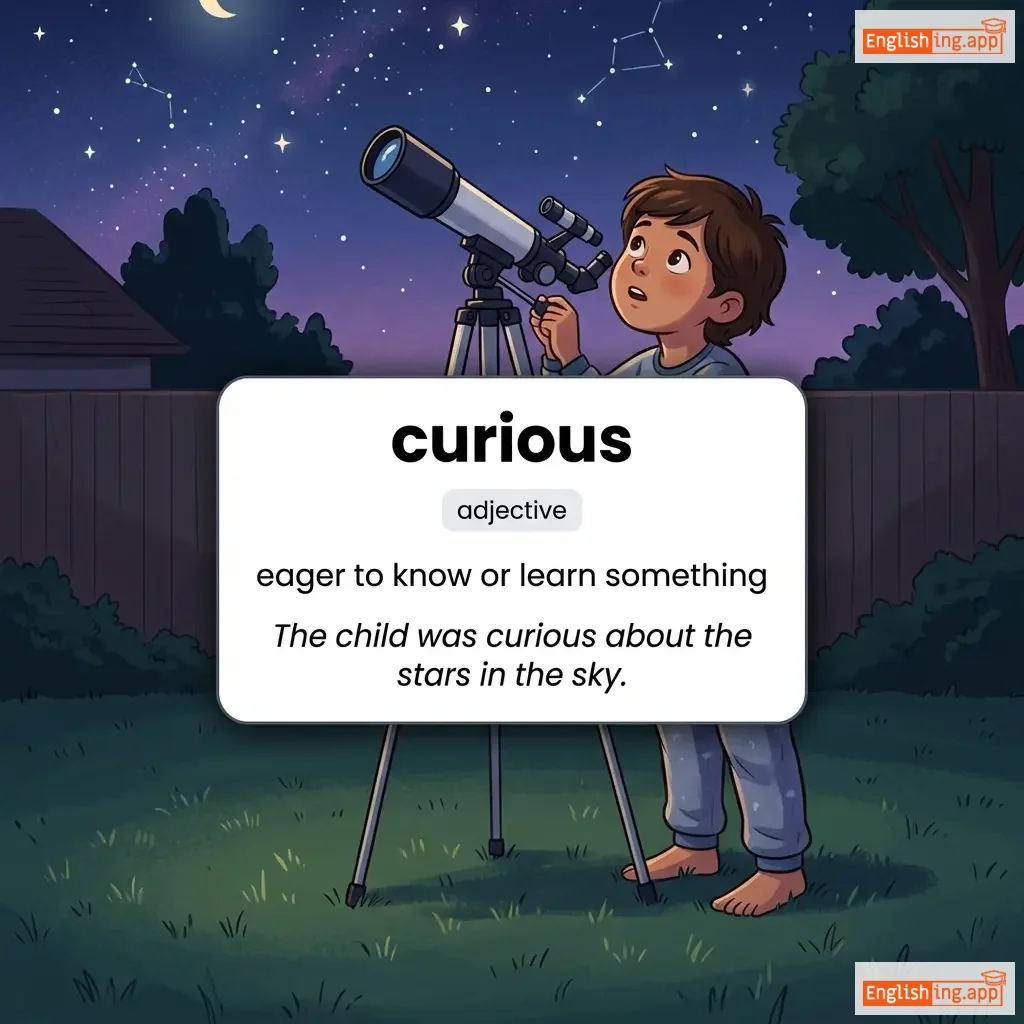
eager to know or learn something
••••••
|
The child was curious about the stars in the sky. |
その子は空の星に興味津々でした。
Sono ko wa sora no hoshi ni kyōmi shinshin deshita.
••••••
|
curiosity killed the cat |
being too inquisitive can lead to trouble
••••••
|
好奇心が猫を殺す
kōkishin ga neko o korosu
••••••
|
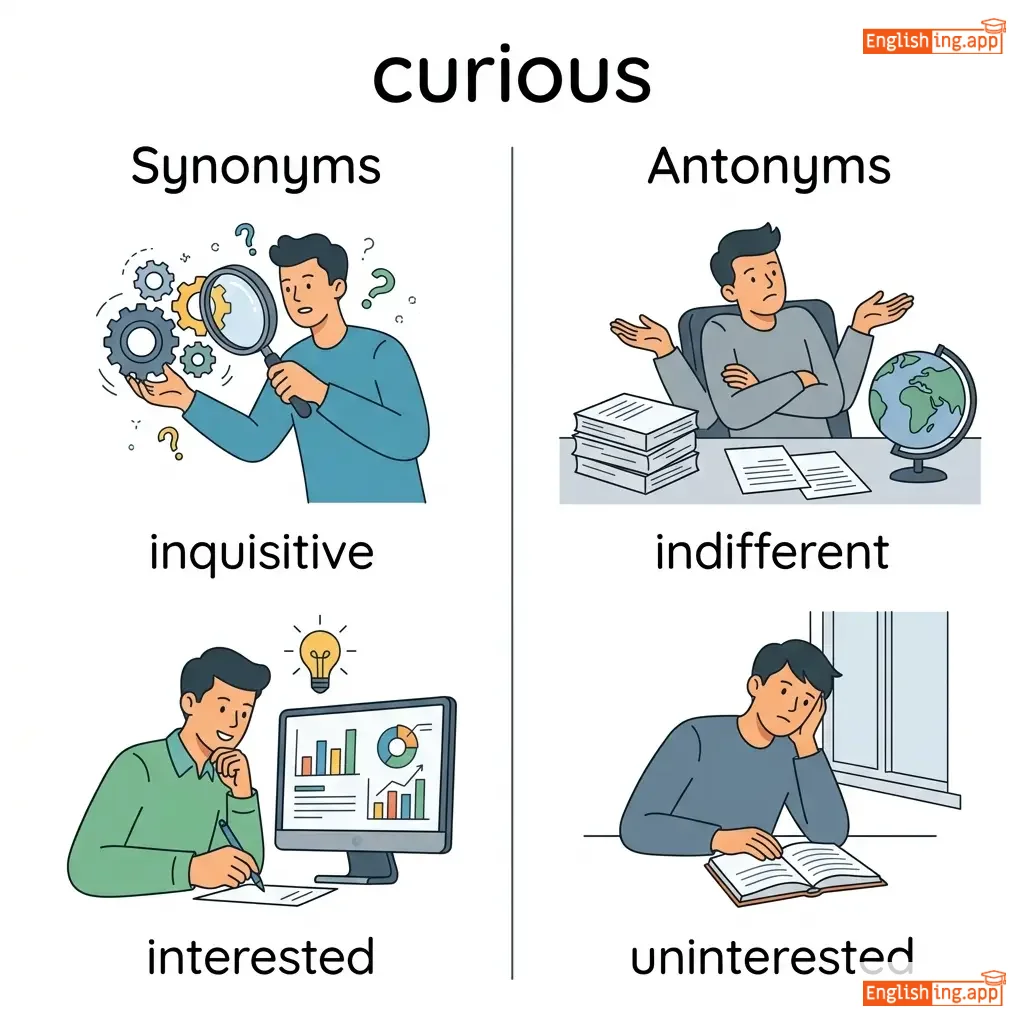
inquisitive, interested, eager, questioning
••••••
|
indifferent, uninterested
••••••
|
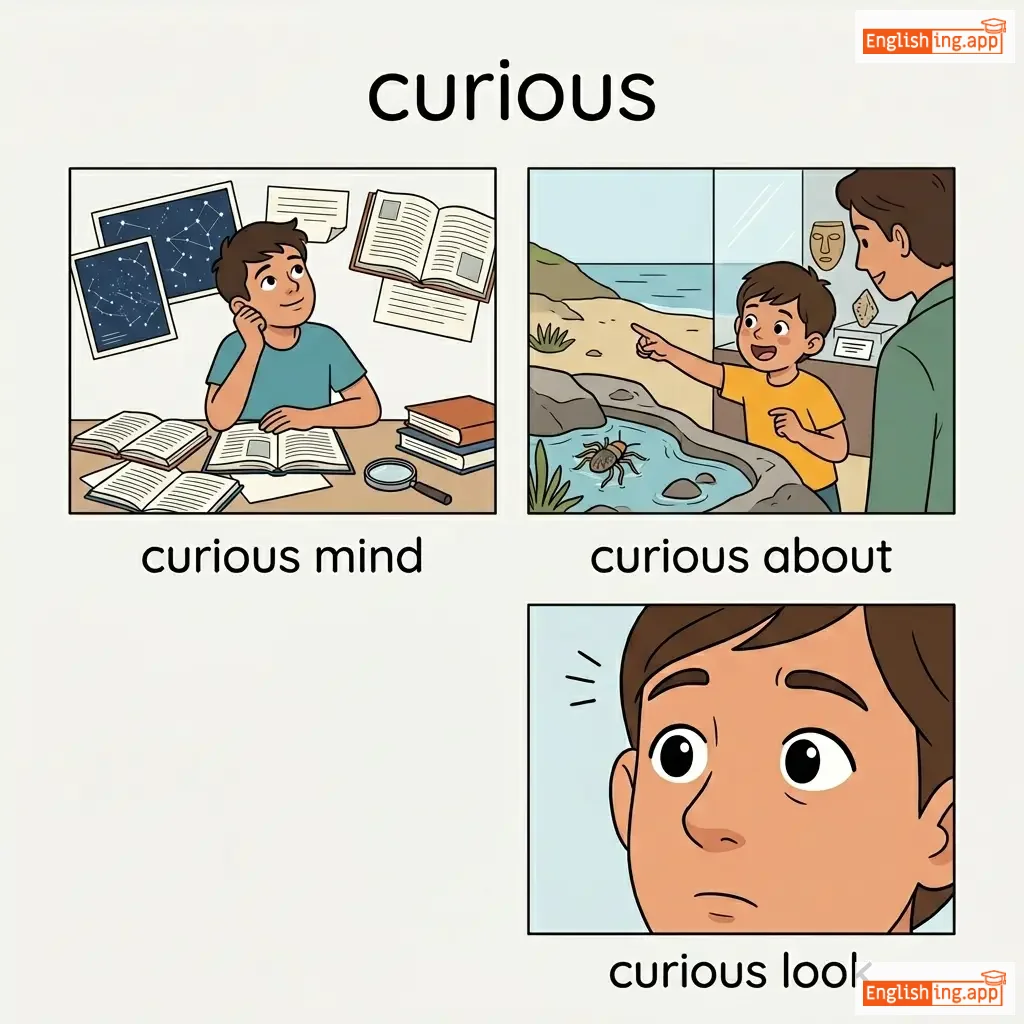
curious mind, curious about, curious look, curious case
••••••
|
好奇心旺盛は、’なに?’と何度も尋ねるようなものです。
••••••
|
|
#1368
🐁
|
/kɜːrl/
noun
(kāru)
••••••
|
- •••••• |
カール; らせん形
kāru; raseんkei
••••••
|
- •••••• | - •••••• | - •••••• | - •••••• |
a piece of hair that curves or coils; something with a spiral or curved shape
••••••
|
She had beautiful natural curls that framed her face perfectly.
彼女は顔を完璧に縁取る自然なカールをしていた。
••••••
|
彼女は顔を完璧に縁取る自然なカールをしていた。
Kanojo wa kao o kanpeki ni fuchi toru shizen na kāru o shite ita.
••••••
|
- •••••• | - •••••• | - •••••• |
coil, ringlet, wave, spiral
••••••
|
straight line, straightness
••••••
|
hair curl, natural curl, tight curl
••••••
|
Curl = カール = 自然なカールの髪の毛
••••••
|
|
#1369
🌀
|
/ˈkɜːrli/
adjective
(カーリー)
••••••
|
- •••••• |
巻き毛の
makige no
••••••
|
- •••••• | - •••••• | - •••••• | - •••••• |
having curls or waves; shaped with bends or coils
••••••
|
She has naturally curly hair.
シー ハズ ナチュラリー カーリー ヘア
••••••
|
彼女は自然な巻き毛です。
Kanojo wa shizen na makige desu
••••••
|
- •••••• | - •••••• | - •••••• |
wavy, coiled, frizzy, ringleted, spiraled
••••••
|
straight, smooth
••••••
|
curly hair, curly locks, curly beard, curly pattern
••••••
|
カーリー=巻き毛と覚える
••••••
|
|
#1370
🌊
|
/ˈkʌrənt/
adjective, noun
(カレント)
••••••
|
- •••••• |
現在, 流れ
genzai, nagare
••••••
|
- •••••• | - •••••• | - •••••• | - •••••• |
belonging to the present time; a flow of water or electricity
••••••
|
She is reading the current issue of the magazine. |
彼女は雑誌の現在号を読んでいます。
Kanojo wa zasshi no genzaigō o yondeimasu.
••••••
|
go with the flow |
to follow the current trend or situation without resistance
••••••
|
流れに身を任せる
nagare ni mi o makaseru
••••••
|
present, ongoing, modern, flow
••••••
|
past, outdated
••••••
|
current events, current issue, electric current, ocean current
••••••
|
'Current' は 'カレント'、水や電気の流れのように流れる。
••••••
|
|
#1371
⏳
|
/ˈkʌrəntli/
adverb
(カレントリー)
••••••
|
- •••••• |
現在
genzai
••••••
|
- •••••• | - •••••• | - •••••• | - •••••• |
at the present time; now
••••••
|
He is currently working on a new project. |
彼は現在、新しいプロジェクトに取り組んでいます。
Kare wa genzai, atarashī purojekuto ni torikunde imasu.
••••••
|
- •••••• | - •••••• | - •••••• |
presently, now, at the moment, as of now
••••••
|
formerly, previously
••••••
|
currently working, currently available, currently involved, currently under
••••••
|
現在は‘今’のこと—進行中のこと。
••••••
|
|
#1372
📘
|
/kəˈrɪkjələm/
noun
(カリキュラム)
••••••
|
- •••••• |
カリキュラム
karikyuramu
••••••
|
- •••••• | - •••••• | - •••••• | - •••••• |
The subjects comprising a course of study in a school, college, or university.
••••••
|
The school updated its curriculum to include more digital literacy courses. |
学校は、デジタルリテラシーのコースをもっと含めるためにカリキュラムを更新しました。
Gakkou wa, dejitaru riterashii no koosu wo motto fukumeru tame ni karikyuramu wo koushin shimashita.
••••••
|
- •••••• | - •••••• | - •••••• |
syllabus, program, course, studies, outline
••••••
|
improvisation, spontaneity
••••••
|
school curriculum, national curriculum, broad curriculum, curriculum design
••••••
|
Curriculumはカリキュラム – 学校でみんなが従う計画です。
••••••
|
|
#1373
🍛
|
/ˈkʌri/
noun/verb
••••••
|
- •••••• | - •••••• |
curried
••••••
|
curried
••••••
|
curries
••••••
|
currying
••••••
|
A dish of meat, vegetables, etc., cooked in a sauce with spices; or to prepare food in such a style.
••••••
|
She cooked a delicious chicken curry for dinner. |
- •••••• |
curry favor |
To seek to gain advantage by flattery or servile behavior.
••••••
|
- •••••• |
stew, dish, entree, spice dish
••••••
|
bland food, plain dish
••••••
|
chicken curry, vegetable curry, curry powder, curry sauce
••••••
|
No •••••• |
|
#1374
😡
|
/kɜːrs/
noun, verb
(カース)
••••••
|
- •••••• |
呪い
noroi
••••••
|
cursed
カースド
••••••
|
cursed
カースド
••••••
|
curses
カースズ
••••••
|
cursing
カーシング
••••••
|
a solemn wish that harm or misfortune should befall someone; a rude or offensive word or phrase; to utter offensive words or wish harm upon someone
••••••
|
He cursed loudly when he realized he had lost his wallet.
ヒー カースド ラウドリー ウェン ヒー リアライズド ヒー ハッド ロスト ヒズ ウォレット
••••••
|
彼は財布をなくしたと気づいて大声で悪態をついた。
Kare wa saifu o nakushita to kizuite oogoe de akuta o tsuita
••••••
|
a curse in disguise
ア カース イン ディスガイズ
••••••
|
something that seems bad at first but results in something good
••••••
|
災い転じて福となす
wazawai tenjite fuku to nasu
••••••
|
hex, swear, damn, malediction, blight
••••••
|
blessing, praise, benediction
••••••
|
utter a curse, break a curse, curse words, ancient curse
••••••
|
Curse = 呪い (noroi)
••••••
|
|
#1375
🪟
|
/ˈkɜː.tən/
noun
(カーテン)
••••••
|
- •••••• |
カーテン
kaaten
••••••
|
- •••••• | - •••••• | - •••••• | - •••••• |
a piece of cloth that hangs down to cover a window or divide a room
••••••
|
She pulled back the curtain to let the sunlight in. |
彼女は太陽の光を入れるためにカーテンを引いた。
Kanojo wa taiyō no hikari o ireru tame ni kaaten o hiita.
••••••
|
draw the curtain |
to end something or bring it to a close
••••••
|
カーテンを引く
kaaten o hiku
••••••
|
drape, blind, shade, screen, hanging
••••••
|
exposure, openness
••••••
|
open the curtain, close the curtain, heavy curtain, window curtain
••••••
|
カーテンは幕のように、物事を終わらせる時に使われます。
••••••
|
|
#1376
👮♂️
|
/ˈkʌs.tə.di/
noun
(カストディ)
••••••
|
- •••••• |
監護
kango
••••••
|
- •••••• | - •••••• | - •••••• | - •••••• |
the legal right or responsibility of taking care of someone or something
••••••
|
The mother was granted custody of her children after the divorce. |
離婚後、母親は子供の監護権を得ました。
Rikon-go, hahaoya wa kodomo no kango-ken o emashita.
••••••
|
in custody |
under police control or arrest
••••••
|
監護下で
kango-ka de
••••••
|
guardianship, care, charge, protection, detention
••••••
|
freedom, neglect
••••••
|
child custody, legal custody, police custody, custody battle
••••••
|
監護は'監視'に似ていて、保護する意味です。
••••••
|
|
#1377
🎎
|
/ˈkʌstəm/
noun
(カスタム)
••••••
|
- •••••• |
習慣
shūkan
••••••
|
- •••••• | - •••••• | - •••••• | - •••••• |
a traditional practice or usual way of behaving in a particular society or place
••••••
|
Shaking hands is a common custom in many countries. |
握手は多くの国で一般的な習慣です。
Akushu wa ōku no kuni de ippanteki na shūkan desu.
••••••
|
old habits die hard |
customs or habits are difficult to change
••••••
|
古い習慣は簡単に変わらない
Furui shūkan wa kantan ni kawaranai
••••••
|
tradition, practice, ritual, convention
••••••
|
innovation, novelty
••••••
|
local custom, cultural custom, follow custom, business custom
••••••
|
Custom は習慣を意味します—店で「custom duty」、社会で「習慣」
••••••
|
|
#1378
🛍️
|
/ˈkʌstəmər/
noun
(カスタマー)
••••••
|
- •••••• |
顧客
kokyaku
••••••
|
- •••••• | - •••••• | - •••••• | - •••••• |
a person or organization that buys goods or services from a store or business
••••••
|
The shopkeeper greeted the customer with a smile. |
店主は笑顔で顧客を迎えました。
Ten-shu wa egao de kokyaku wo mukaemashita.
••••••
|
the customer is always right |
a principle suggesting that businesses should prioritize customer satisfaction
••••••
|
顧客は常に正しい
Kokyaku wa tsune ni tadashii
••••••
|
client, buyer, consumer, purchaser, shopper
••••••
|
seller, vendor
••••••
|
customer service, loyal customer, potential customer, regular customer
••••••
|
Customerは顧客、顧客は店で商品を買う。
••••••
|
|
#1379
✂️
|
/kʌt/
verb
(kat)
••••••
|
|
切る
kiru
••••••
|
cut
kat
••••••
|
cut
kat
••••••
|
cuts
kats
••••••
|
cutting
kat-ing
••••••
|
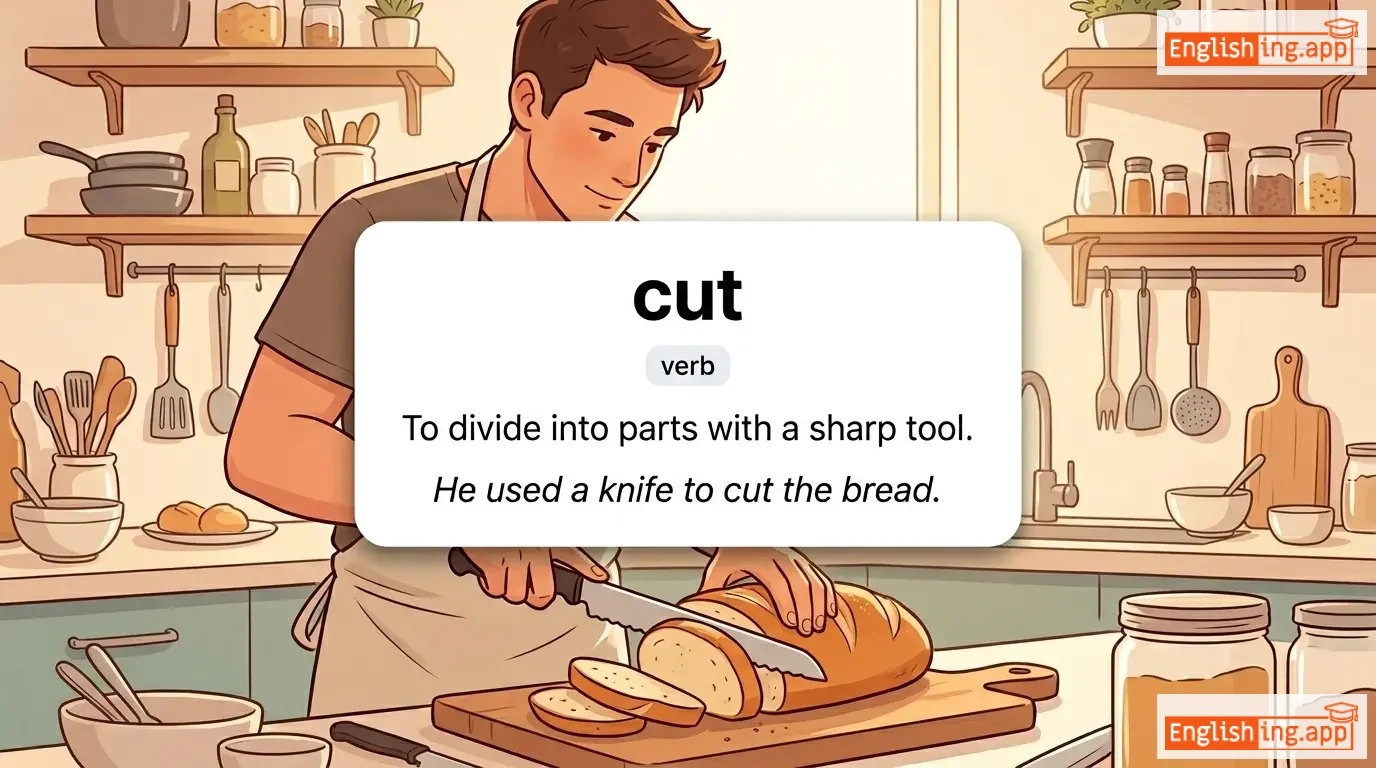
To divide into parts with a sharp tool.
••••••
|
He used a knife to cut the bread.
彼はナイフを使ってパンを切った。
••••••
|
彼はナイフを使ってパンを切った。
Kare wa naifu o tsukatte pan o kitta.
••••••
|
cut corners
手を抜く
••••••
|
To do something in the easiest, cheapest, or fastest way, often sacrificing quality.
••••••
|
手を抜く
te o nuku
••••••
|
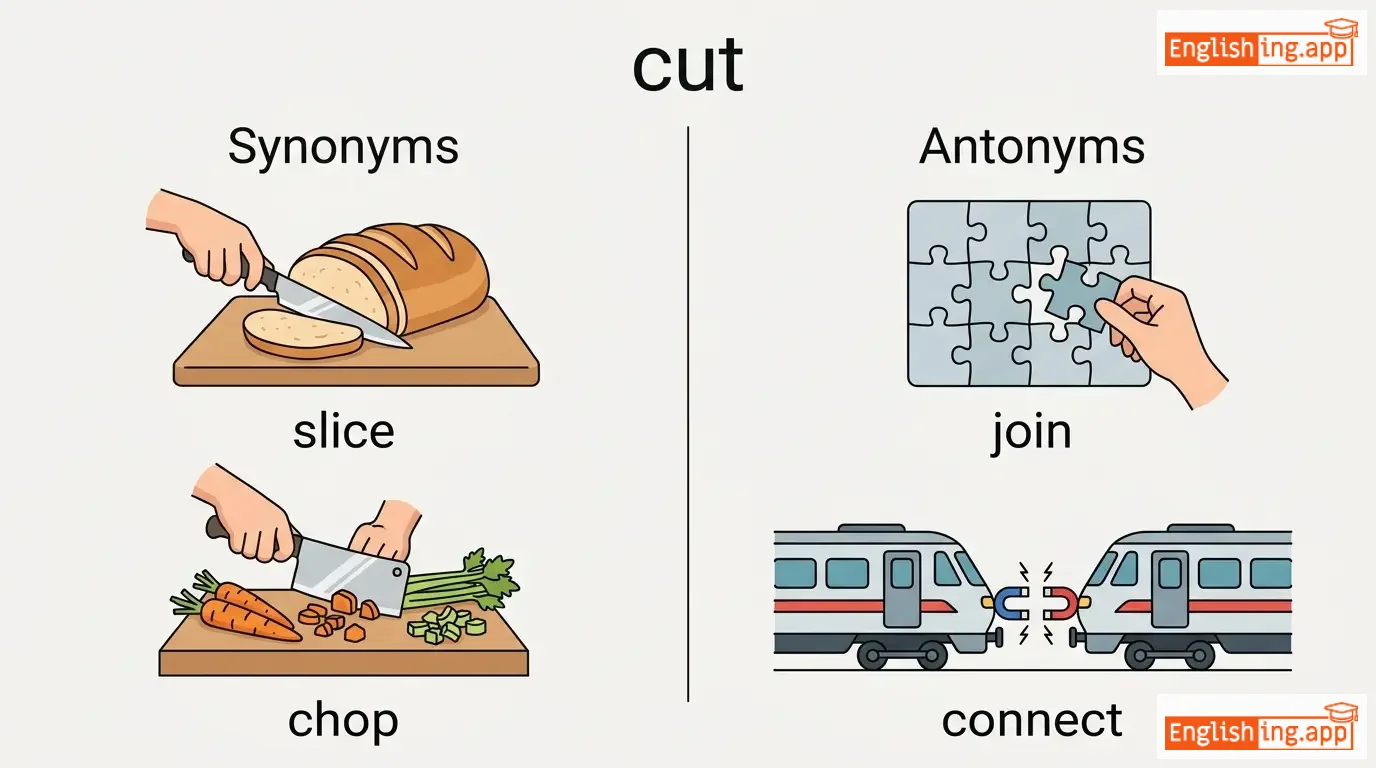
slice, chop, sever, trim, carve
••••••
|
join, connect, attach
••••••
|
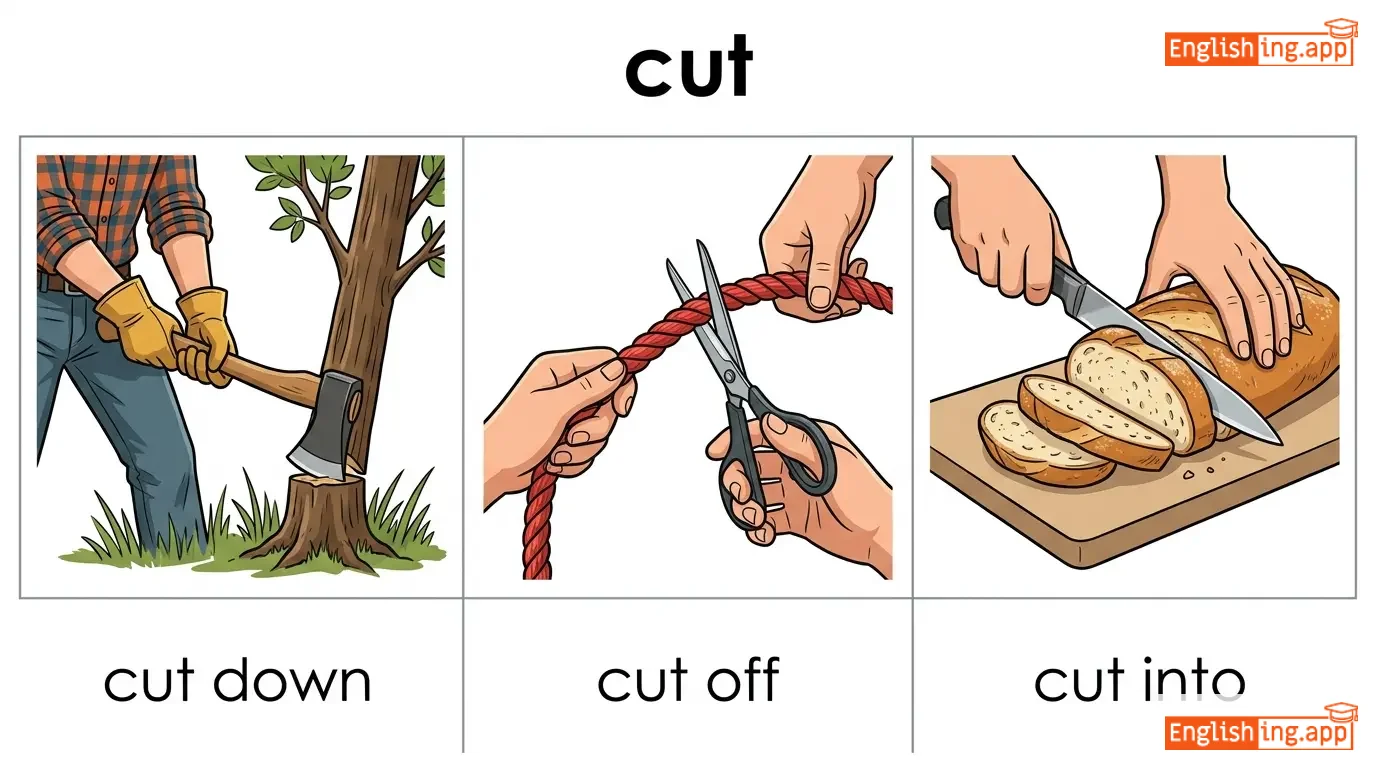
cut down, cut off, cut into, cut back, cut out
••••••
|
Cut は切る意味 - ナイフで切る ✂️
••••••
|
|
#1380
🐶
|
/kjuːt/
adjective
(キュート)
••••••
|
- •••••• |
かわいい
kawaii
••••••
|
- •••••• | - •••••• | - •••••• | - •••••• |
attractive in a pretty or endearing way
••••••
|
That puppy is so cute! |
その子犬はとてもかわいいです!
Sono koinu wa totemo kawaii desu!
••••••
|
cute as a button |
extremely adorable or charming
••••••
|
ボタンのようにかわいい
Botan no yō ni kawaii
••••••
|
adorable, charming, lovely, sweet, pretty
••••••
|
ugly, unattractive, unpleasant
••••••
|
cute puppy, cute smile, cute dress, really cute
••••••
|
かわいいはcuteの意味 — まるで小さなかわいい猫のようです!
••••••
|
|
#1381
✂️
|
/ˈkʌtɪŋ/
adjective
(katin)
••••••
|
- •••••• |
鋭い
surudoi
••••••
|
- •••••• | - •••••• | - •••••• | - •••••• |
sharp or severe, often used to describe remarks or actions
••••••
|
Her cutting remarks made everyone feel uncomfortable.
彼女の鋭いコメントはみんなを不快にさせた。
••••••
|
彼女の鋭いコメントはみんなを不快にさせた。
Kanojo no surudoi komento wa minna o fukai ni saseta.
••••••
|
- •••••• | - •••••• | - •••••• |
sharp, severe, harsh, biting
••••••
|
gentle, kind, soft
••••••
|
cutting remark, cutting tone, cutting edge
••••••
|
Cuttingを思い出してください - 鋭いナイフのように!
••••••
|
|
#1382
🚴
|
/ˈsaɪkl/
noun/verb
(サイクル)
••••••
|
- •••••• |
サイクル / 自転車
saikuru / jitensha
••••••
|
cycled
サイクルド
••••••
|
cycled
サイクルド
••••••
|
cycles
サイクルス
••••••
|
cycling
サイクリング
••••••
|
a series of events that repeat in the same order; or to ride a bicycle
••••••
|
She cycles to school every day.
彼女は毎日自転車で学校に行きます。
••••••
|
彼女は毎日自転車で学校に行きます。
Kanojo wa mainichi jitensha de gakkou ni ikimasu.
••••••
|
vicious cycle
悪循環
••••••
|
a negative repeating pattern of events that worsens over time
••••••
|
悪循環
akujunkan
••••••
|
sequence, rotation, series, bike, bicycle
••••••
|
stop, stagnation
••••••
|
life cycle, business cycle, cycle of events, riding a cycle
••••••
|
Cycleは循環を意味し、自転車は回転するサイクルです。
••••••
|
|
#1383
🌀
|
/ˈsaɪkloʊn/
noun
(サイクロン)
••••••
|
- •••••• |
サイクロン
saikuron
••••••
|
- •••••• | - •••••• | - •••••• | - •••••• |
a large-scale air mass that rotates around a strong center of low atmospheric pressure; a violent tropical storm
••••••
|
The cyclone caused severe flooding along the coast.
ザ サイクロン コーズド シビア フラッディング アロング ザ コースト。
••••••
|
サイクロンは沿岸地域に深刻な洪水を引き起こした。
saikuron wa engan chiiki ni shinkoku na kozui o hikiokoshita
••••••
|
tropical cyclone
トロピカル・サイクロン
••••••
|
a rotating storm system that forms over warm tropical oceans
••••••
|
熱帯性サイクロン
nettai sei saikuron
••••••
|
storm, hurricane, typhoon, whirlwind, tempest
••••••
|
calm, stillness
••••••
|
powerful cyclone, tropical cyclone, severe cyclone, cyclone warning, cyclone season
••••••
|
サイクロンはサイクルのように回る嵐。
••••••
|
|
#1384
😒
|
/ˈsɪn.ɪ.kəl/
adjective
(シニカル)
••••••
|
- •••••• |
皮肉な
hinikuna
••••••
|
- •••••• | - •••••• | - •••••• | - •••••• |
Believing that people are motivated by self-interest; distrustful of human sincerity or integrity.
••••••
|
She was cynical about the politician's promises. |
彼女は政治家の約束に皮肉な態度を取っていた。
Kanojo wa seijika no yakusoku ni hinikuna taido o totteta.
••••••
|
cynical smile |
A smile showing distrust or disbelief in sincerity.
••••••
|
皮肉な笑顔
hinikuna egao
••••••
|
skeptical, distrustful, suspicious, pessimistic, sarcastic
••••••
|
trusting, optimistic, gullible
••••••
|
cynical view, cynical attitude, deeply cynical, cynical smile
••••••
|
皮肉な意味はいつも疑念を持っていること—皮肉な笑顔のように。
••••••
|
|
#1385
👨
|
/dæd/
noun
(ダッド)
••••••
|
- •••••• |
お父さん
otōsan
••••••
|
- •••••• | - •••••• | - •••••• | - •••••• |
an informal term for father
••••••
|
My dad taught me how to ride a bike. |
私のお父さんは自転車の乗り方を教えてくれました。
Watashi no otōsan wa jitensha no norikata o oshiete kuremashita.
••••••
|
like father, like son |
a child often resembles or behaves like their father
••••••
|
父親に似ている息子
Chichioya ni nite iru musuko
••••••
|
father, papa, daddy, pa
••••••
|
mother, mom
••••••
|
dad joke, dad's advice, proud dad, dad and son
••••••
|
Dadはお父さん、'Dad'と言えばお父さんがすぐ来る!
••••••
|
|
#1386
📅
|
/ˈdeɪli/
adjective/adverb
(デイリー)
••••••
|
- •••••• |
毎日の
mainichi no
••••••
|
- •••••• | - •••••• | - •••••• | - •••••• |
happening every day
••••••
|
She reads the newspaper daily. |
彼女は毎日新聞を読んでいます。
Kanojo wa mainichi shinbun o yondeimasu.
••••••
|
daily grind |
the monotonous routine of everyday work and life
••••••
|
日々の仕事
hibi no shigoto
••••••
|
everyday, regular, routine, habitual
••••••
|
occasional, rare
••••••
|
daily basis, daily routine, daily life, daily tasks
••••••
|
毎日 (mainichi) は毎日、毎日繰り返すことで成功に繋がる。
••••••
|
|
#1387
🐄
|
/ˈdeə.ri/
noun
(デイリー)
••••••
|
- •••••• |
牛乳が生産される建物や農場; 牛乳から作られた製品; 牛乳と乳製品を販売する店
gyūnyū ga seisan sareru tatemono ya nōjō; gyūnyū kara tsukurareta seihin; gyūnyū to nyūseihin o hanbai suru mise
••••••
|
- •••••• | - •••••• | - •••••• | - •••••• |
a building or farm where milk is produced; products made from milk; a shop selling milk and milk products
••••••
|
The local dairy provides fresh milk and cheese to the entire neighborhood.
地元のデイリーは、新鮮な牛乳とチーズを地域全体に提供しています。
••••••
|
地元のデイリーは、新鮮な牛乳とチーズを地域全体に提供しています。
Jimoto no deirī wa, shinsen na gyūnyū to chīzu o chiiki zentai ni teikyō shiteimasu.
••••••
|
- •••••• | - •••••• | - •••••• |
creamery, milk farm, dairy farm
••••••
|
non-dairy, vegan alternatives
••••••
|
dairy farm, dairy products, local dairy
••••••
|
デイリーで牛乳とチーズを手に入れよう
••••••
|
|
#1388
🏞️
|
/dæm/
noun
(ダム)
••••••
|
- •••••• |
ダム
damu
••••••
|
- •••••• | - •••••• | - •••••• | - •••••• |
a barrier built to hold back water and raise its level
••••••
|
The dam provides electricity to nearby towns. |
ダムは近隣の町に電力を供給しています。
Damu wa kinrin no machi ni denryoku o kyōkyū shiteimasu.
••••••
|
burst the dam |
to release strong emotions suddenly
••••••
|
ダムを壊す
Damu o kowasu
••••••
|
barrier, embankment, levee, wall, reservoir
••••••
|
flow, breach, release
••••••
|
hydroelectric dam, large dam, build a dam, dam water
••••••
|
ダムは障壁を意味します — ダムが壊れると水が流れ出します。
••••••
|
|
#1389
💥
|
/ˈdæmɪdʒ/
verb
(ダメージ)
••••••
|
- •••••• |
損害
sonnai
••••••
|
damaged
ダメージド
••••••
|
damaged
ダメージド
••••••
|
damages
ダメージズ
••••••
|
damaging
ダメージング
••••••
|
To cause physical harm to something.
••••••
|
The storm damaged several houses in the village.
嵐が村のいくつかの家を壊しました。
••••••
|
嵐が村のいくつかの家を壊しました。
Arashi ga mura no ikutsu ka no ie wo kowashimashita.
••••••
|
beyond repair
修復不可能
••••••
|
So badly damaged that it cannot be fixed.
••••••
|
修復不可能
shūfuku fukanō
••••••
|
harm, spoil, break, ruin, destroy
••••••
|
repair, fix, improve
••••••
|
damage control, serious damage, cause damage, property damage
••••••
|
損害は破壊を意味します。嵐で家が壊れたように。
••••••
|
|
#1390
⚡
|
/ˈdæmɪdʒɪŋ/
adjective
••••••
|
- •••••• | - •••••• | - •••••• | - •••••• | - •••••• | - •••••• |
causing harm or injury
••••••
|
The storm caused damaging effects to the crops. |
- •••••• | - •••••• | - •••••• | - •••••• |
harmful, injurious, destructive, deleterious
••••••
|
beneficial, harmless, protective
••••••
|
damaging effects, damaging impact, damaging consequences
••••••
|
No •••••• |
|
#1391
💧
|
/dæmp/
adjective
(ダンプ)
••••••
|
- •••••• |
湿った
shimetta
••••••
|
- •••••• | - •••••• | - •••••• | - •••••• |
slightly wet, often in an unpleasant way
••••••
|
The room felt cold and damp after the rain. |
雨の後、部屋は冷たくて湿っていると感じました。
Ame no ato, heya wa tsumetakute shimette iru to kanjimashita.
••••••
|
damp squib |
something that fails to meet expectations
••••••
|
期待外れ
kitaihazure
••••••
|
moist, humid, wet, clammy, soggy
••••••
|
dry, arid, parched
••••••
|
damp air, damp room, damp clothes, cold and damp
••••••
|
Dampは湿っている意味 - 雨の後に湿った部屋に入るような感じ。
••••••
|
|
#1392
💃
|
/dæns/
verb/noun
(幸福)
••••••
|
- •••••• |
幸福
kōfuku
••••••
|
danced
••••••
|
danced
••••••
|
dances
••••••
|
dancing
••••••
|
to move rhythmically to music, typically following a set sequence of steps
••••••
|
They danced all night at the wedding. |
彼女は賞を受け取ったとき、幸せを隠すことができませんでした。
Kanojo wa shō o uketotta toki, kōfuku o kakusu koto ga dekimasen deshita.
••••••
|
dance to someone's tune |
to do what someone else wants or controls
••••••
|
幸せを追求する
Shiawase o tsuikyū suru
••••••
|
move, sway, groove, waltz, perform
••••••
|
stand, stillness
••••••
|
dance floor, dance party, traditional dance, dance steps
••••••
|
幸福は'こふく'、すべての喜びがここにある。
••••••
|
|
#1393
💃
|
/ˈdænsər/
noun
(ダンサー)
••••••
|
- •••••• |
ダンサー
dansā
••••••
|
- •••••• | - •••••• | - •••••• | - •••••• |
a person who dances or performs dancing professionally or as a hobby
••••••
|
The dancer moved gracefully across the stage. |
ダンサーは舞台を優雅に動きました。
Dansā wa butai o yūga ni ugokimashita.
••••••
|
dance to someone’s tune |
to do what someone else wants or tells you to do
••••••
|
誰かの言う通りに踊る
dareka no iu tōri ni odoru
••••••
|
performer, ballerina, entertainer, artist, choreographer
••••••
|
nonperformer, spectator
••••••
|
professional dancer, ballet dancer, street dancer, lead dancer
••••••
|
ダンサー = ダンスをする人、忘れずにダンスしよう!💃
••••••
|
|
#1394
⚠️
|
/ˈdeɪn.dʒər/
noun
(デンジャー)
••••••
|
- •••••• |
危険
kiken
••••••
|
- •••••• | - •••••• | - •••••• | - •••••• |
The possibility of harm, injury, or loss.
••••••
|
The hikers were in great danger during the storm. |
登山者は嵐の中で大きな危険にさらされていました。
Tozan-sha wa arashi no naka de ookina kiken ni sarasarete imashita.
••••••
|
in danger |
at risk of harm or injury
••••••
|
危険にさらされて
Kiken ni sarasarete
••••••
|
risk, threat, peril, hazard, jeopardy
••••••
|
safety, security, protection
••••••
|
serious danger, put in danger, danger zone, face danger
••••••
|
Danger 英語で '危険' - ⚠️ 危険なときには警戒しましょう!
••••••
|
|
#1395
⚠️
|
/ˈdeɪndʒərəs/
adjective
(デンジャラス)
••••••
|
- •••••• |
危険
kiken
••••••
|
- •••••• | - •••••• | - •••••• | - •••••• |
likely to cause harm or injury; unsafe
••••••
|
Driving fast on icy roads is dangerous. |
氷の道路で速く運転するのは危険です。
Kōri no dōro de hayaku unten suru no wa kiken desu.
••••••
|
play with fire |
to do something risky that may cause harm
••••••
|
火遊び
hi asobi
••••••
|
risky, hazardous, unsafe, harmful, perilous
••••••
|
safe, secure, harmless
••••••
|
dangerous situation, dangerous game, dangerous path, dangerous substance
••••••
|
危険は危ないという意味で、危険そのものです。
••••••
|
|
#1396
😎
|
/der/
verb
(デア)
••••••
|
|
挑戦する
chōsen suru
••••••
|
dared
デアード
••••••
|
dared
デアード
••••••
|
dares
デアーズ
••••••
|
daring
デアリング
••••••
|
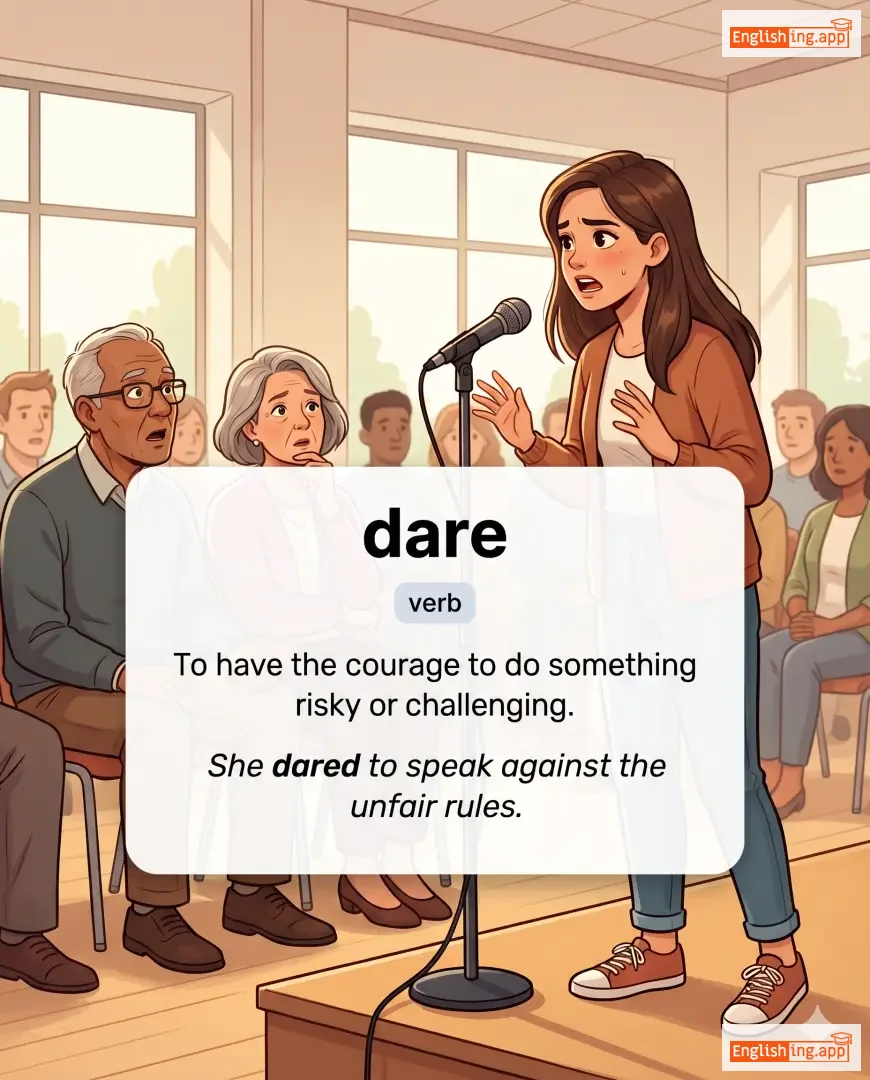
To have the courage to do something risky or challenging.
••••••
|
She dared to speak against the unfair rules.
彼女は不公平なルールに反対する勇気を持って話しました。
••••••
|
彼女は不公平なルールに反対する勇気を持って話しました。
Kanojo wa fukōhei na rūru ni hantai suru yūki o motte hanashimashita.
••••••
|
How dare you
どうしてそんなことをするんですか?
••••••
|
Used to express anger or shock at someone's bold action
••••••
|
どうしてそんなことをするんですか?
Dōshite sonna koto o suru n desu ka?
••••••
|
challenge, risk, venture, defy
••••••
|
fear, avoid, hesitate
••••••
|
dare to dream, dare to ask, I dare say, dare someone
••••••
|
Dareは挑戦する勇気を持つことです。
••••••
|
|
#1397
🌑
|
/dɑːrk/
adjective
(ダーク)
••••••
|
- •••••• |
暗い
kurai
••••••
|
- •••••• | - •••••• | - •••••• | - •••••• |
with little or no light; gloomy or mysterious
••••••
|
The room was dark after the lights went out.
ザ ルーム ワズ ダーク アフター ザ ライツ ウェント アウト。
••••••
|
電気が消えた後、部屋は暗くなった。
denki ga kieta ato, heya wa kuraku natta.
••••••
|
in the dark
イン ザ ダーク
••••••
|
not informed; unaware
••••••
|
知らないまま
shiranai mama
••••••
|
dim, gloomy, shadowy, black, obscure
••••••
|
bright, light, clear
••••••
|
dark night, dark room, dark secret, dark times
••••••
|
Dark は日本語で 暗い(kurai)。電気がないと部屋は暗くなる。
••••••
|
Vocabulary Quiz
Test your vocabulary by matching words with their translations or meanings.
Login to take the quiz
Comments (0)
Share your thoughts and join the discussion.
Join the discussion by logging in
Login to CommentNo comments yet
Be the first to share your thoughts!