

翻訳
過去
過去分詞
三人称単数
動名詞
意味
例文
例文の翻訳
同義語
対義語
コロケーション
ニーモニック


Swipe left or right, or use the buttons. Tap image to zoom.
例文の翻訳
単語
Lesson 114Lesson 114 - マスクトグル
|
絵文字
|
単語 | Images | 翻訳 | 過去 | 過去分詞 | 三人称単数 | 動名詞 | 意味 | 例文 | 例文の翻訳 | 表現例 | 表現例の意味 | 表現例の翻訳 | 同義語 | 対義語 | コロケーション | ニーモニック |
|---|---|---|---|---|---|---|---|---|---|---|---|---|---|---|---|---|---|
|
#5425
🧍♂️
|
/weɪst/
noun
(ウェイスト)
••••••
|
- •••••• |
ウエスト
uesuto
••••••
|
- •••••• | - •••••• | - •••••• | - •••••• |
the part of the human body between the ribs and the hips
••••••
|
He tied a belt around his waist. |
彼はウエストにベルトを巻いた。
Kare wa uesuto ni beruto o maita.
••••••
|
waist of time |
a pun meaning something or someone that wastes time
••••••
|
時間の無駄
jikan no muda
••••••
|
midsection, torso, abdomen, stomach
••••••
|
head, foot
••••••
|
slim waist, narrow waist, waist belt, around the waist
••••••
|
Waistはウエスト、‘waist belt’はウエストに巻くもの!
••••••
|
|
#5426
⏳
|
/weɪt/
verb
(wɛɪt)
••••••
|
|
待つ
matsu
••••••
|
waited
weɪtɪd
••••••
|
waited
weɪtɪd
••••••
|
waits
weɪts
••••••
|
waiting
weɪtɪŋ
••••••
|
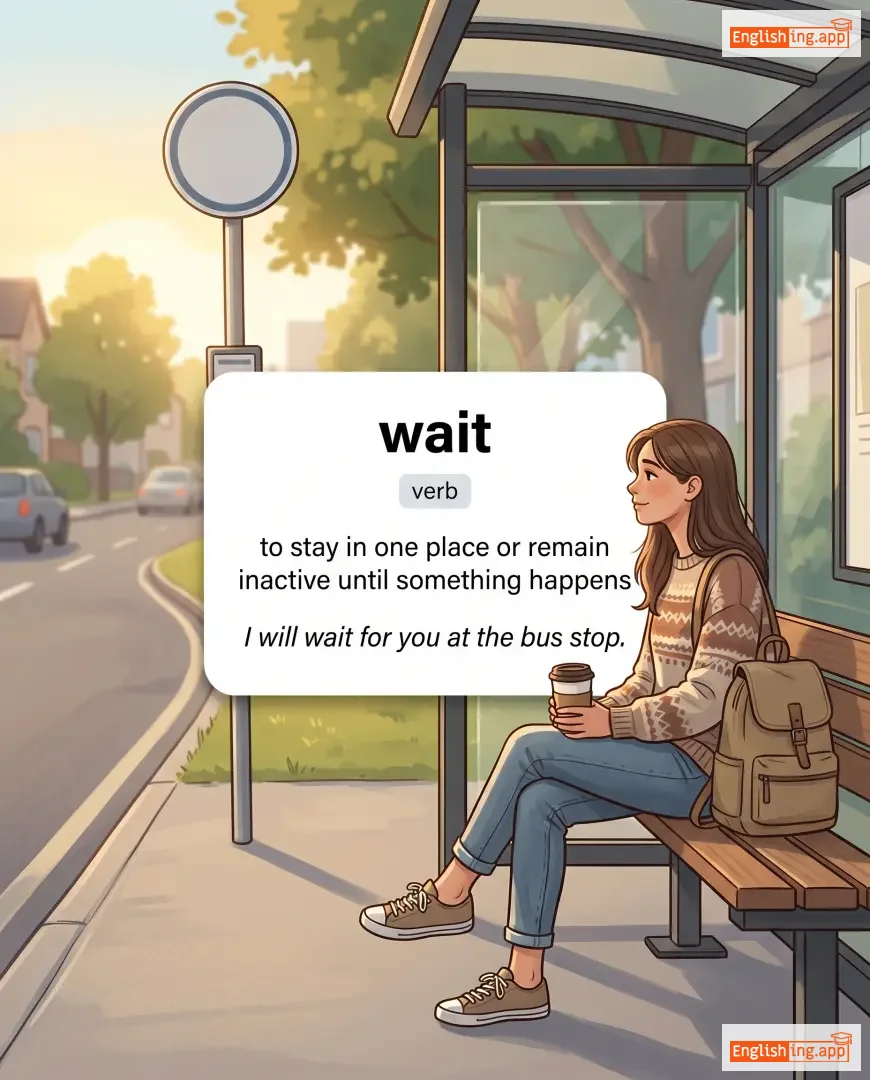
to stay in expectation; to delay action until something happens
••••••
|
Please wait here while I get the documents.
ここで書類を取ってくる間、待ってください。
••••••
|
ここで書類を取ってくる間、待ってください。
Koko de shorui wo totte kuru aida, matte kudasai.
••••••
|
- •••••• | - •••••• | - •••••• |
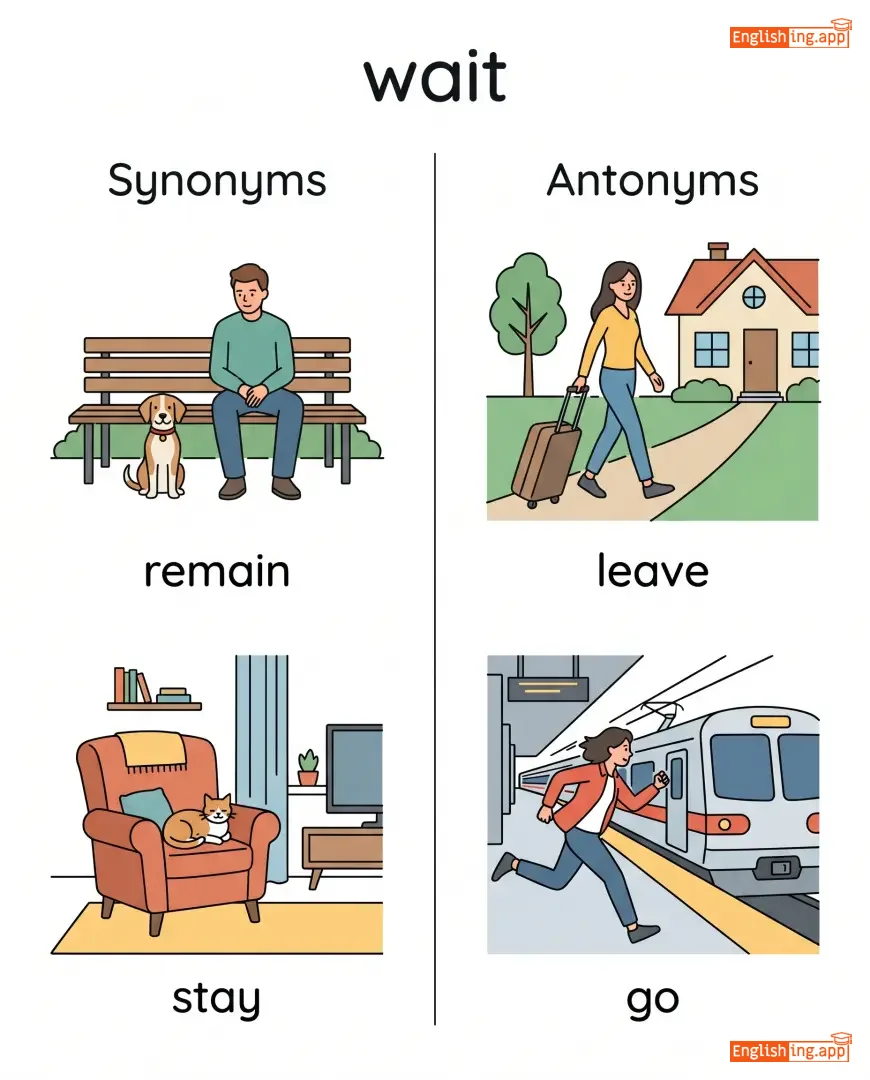
stay, remain, pause, hold, delay
••••••
|
leave, go, proceed, rush, hurry
••••••
|
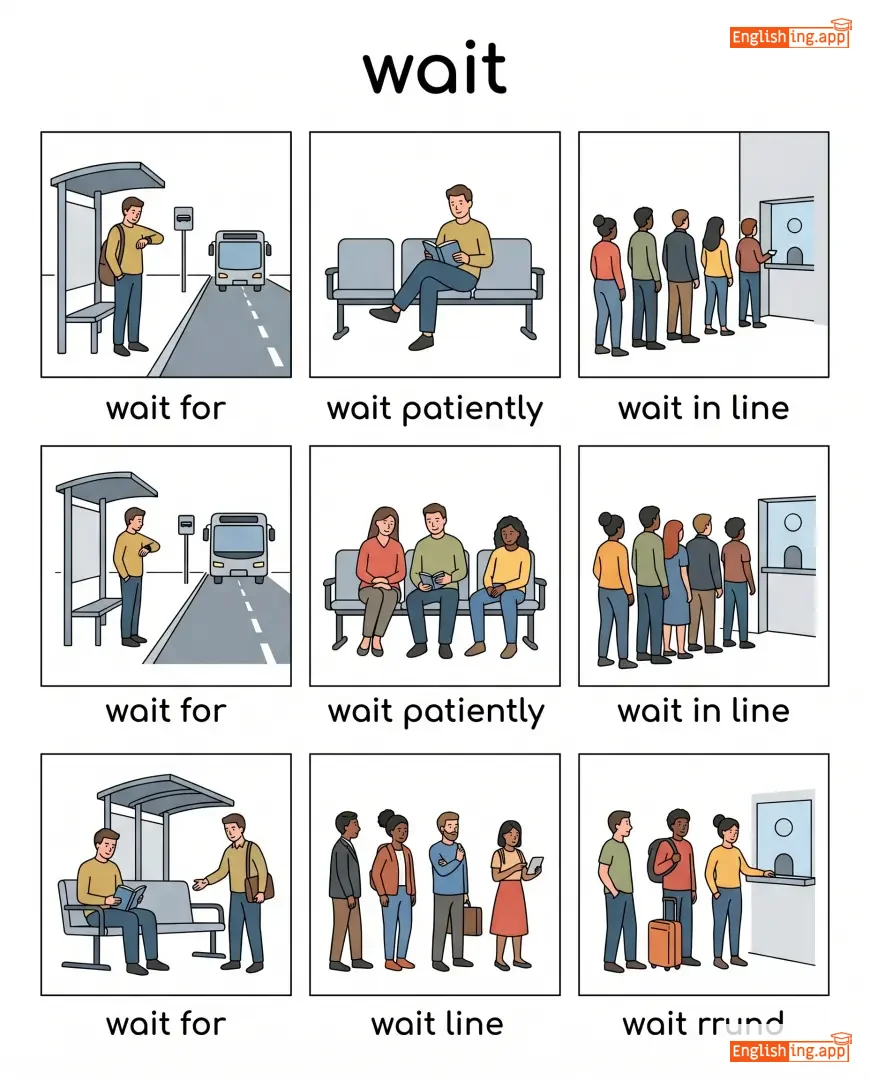
wait for, wait patiently, wait in line, wait up, long wait
••••••
|
待つのはバスを待つのと同じ。
••••••
|
|
#5427
🍽️
|
/ˈweɪtər/
noun
(ウェイター)
••••••
|
- •••••• |
給仕
kyushi
••••••
|
- •••••• | - •••••• | - •••••• | - •••••• |
a person whose job is to serve food and drinks to customers in a restaurant or café
••••••
|
The waiter brought the menu and took our order politely.
ウェイターがメニューを持ってきた。
••••••
|
給仕が丁寧にメニューを持ってきて注文を取った。
kyushi ga teinei ni menyu o motte kite chuumon o totta
••••••
|
call the waiter
ウェイターを呼ぶ
••••••
|
to get the attention of a waiter for service
••••••
|
ウェイターを呼ぶ
weitaa o yobu
••••••
|
server, attendant, steward, waitperson
••••••
|
customer, guest
••••••
|
restaurant waiter, polite waiter, call the waiter, tip the waiter
••••••
|
ウェイターはウェイせずすぐ来る
••••••
|
|
#5428
🍽️
|
/ˈweɪtrəs/
noun
(ウェイトレス)
••••••
|
- •••••• |
ウェイトレス
weitoresu
••••••
|
- •••••• | - •••••• | - •••••• | - •••••• |
a woman who serves food and drinks to customers in a restaurant or café
••••••
|
The waitress took our order with a friendly smile.
ウェイトレス は 笑顔で 注文を 取りました。
••••••
|
ウェイトレスは笑顔で注文を取りました。
Weitoresu wa egao de chumon o torimashita
••••••
|
- •••••• | - •••••• | - •••••• |
server, food server, attendant, waitstaff member
••••••
|
customer, diner
••••••
|
restaurant waitress, friendly waitress, call the waitress, waitress uniform
••••••
|
ウェイト(wait)してサービスする—ウェイトレス
••••••
|
|
#5429
⏰
|
/weɪk/
verb
(ハピネス)
••••••
|
|
幸せ
shiawase
••••••
|
woke
••••••
|
woken
••••••
|
wakes
••••••
|
waking
••••••
|
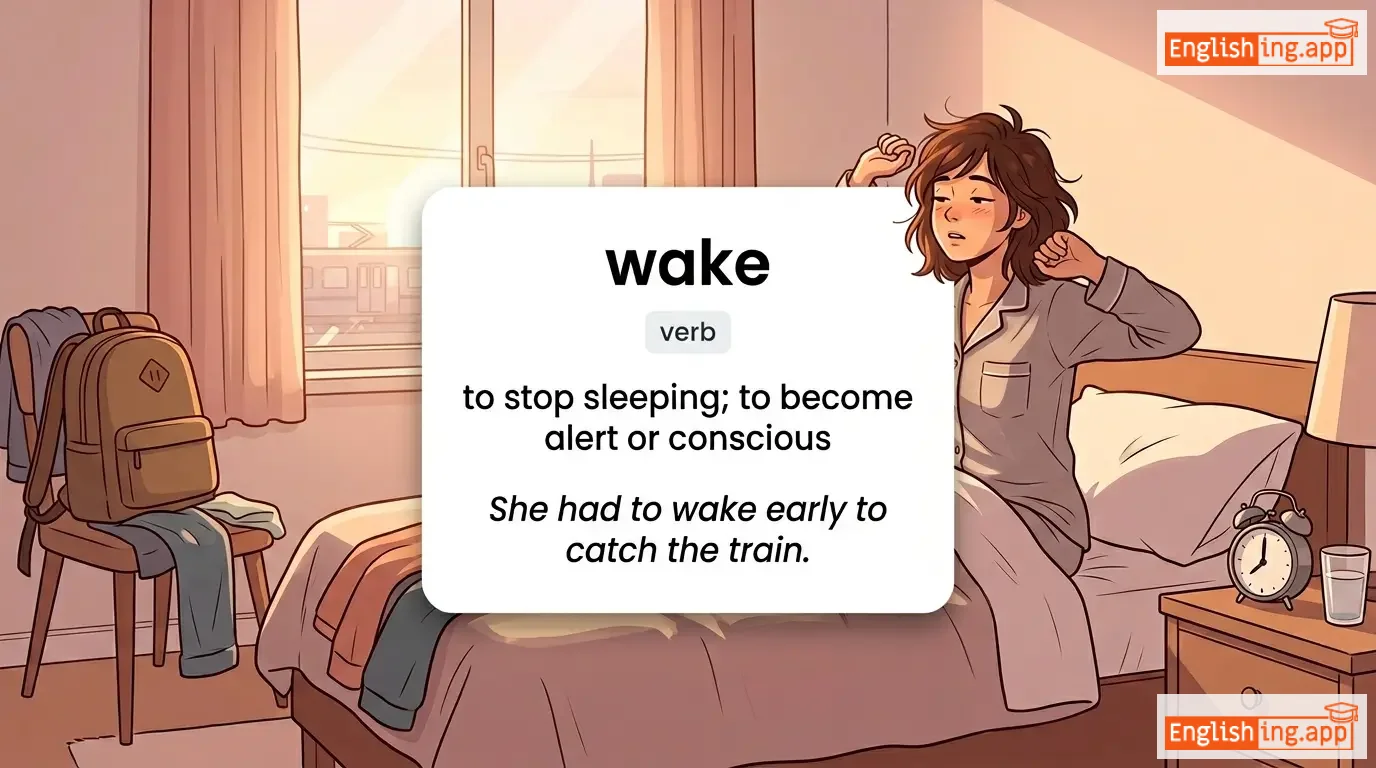
to stop sleeping; to become alert or conscious
••••••
|
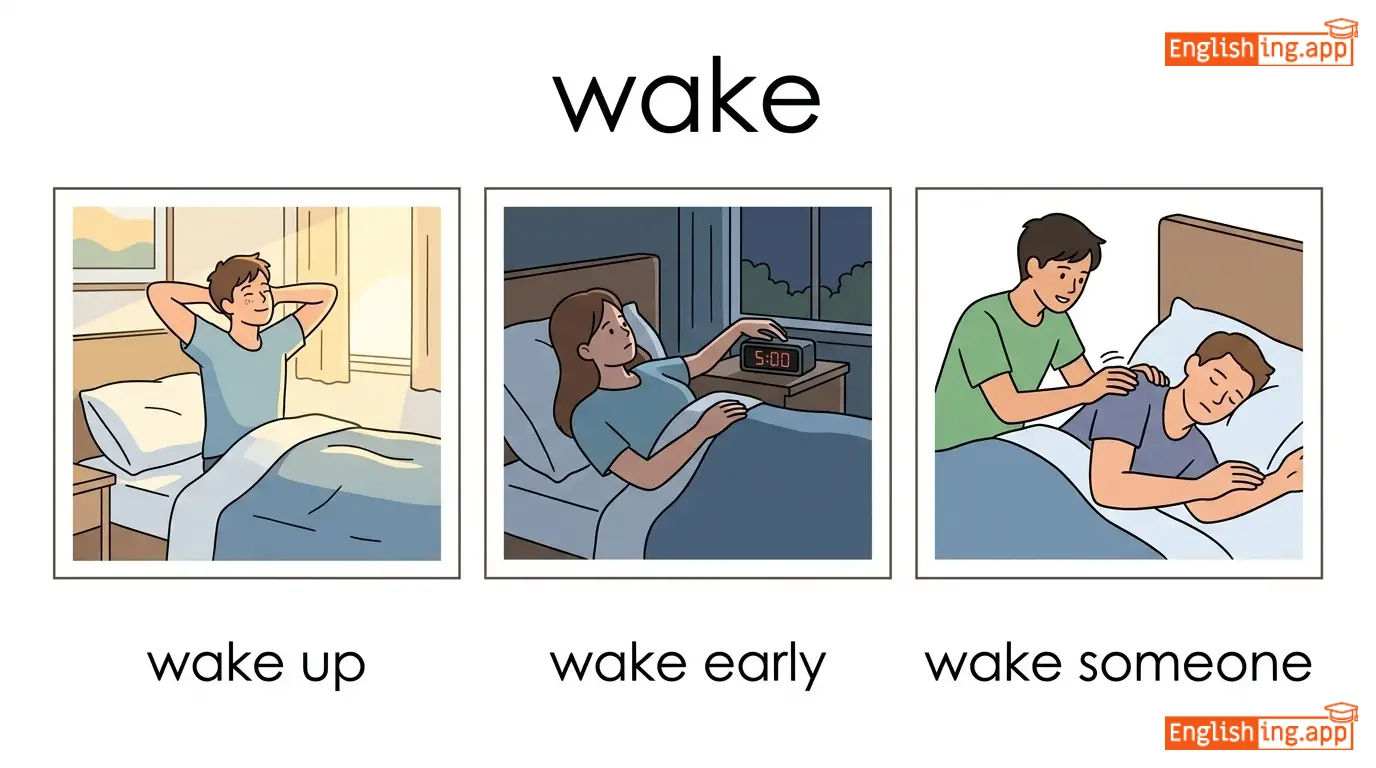
She had to wake early to catch the train. |
彼女は賞を受け取ったとき、幸せを隠せなかった。
Kanojo wa shō o uketotta toki, shiawase o kakusenakatta.
••••••
|
wake up call |
a warning or reminder that causes someone to take action
••••••
|
幸せを追い求める
shiawase o oimotomeru
••••••
|
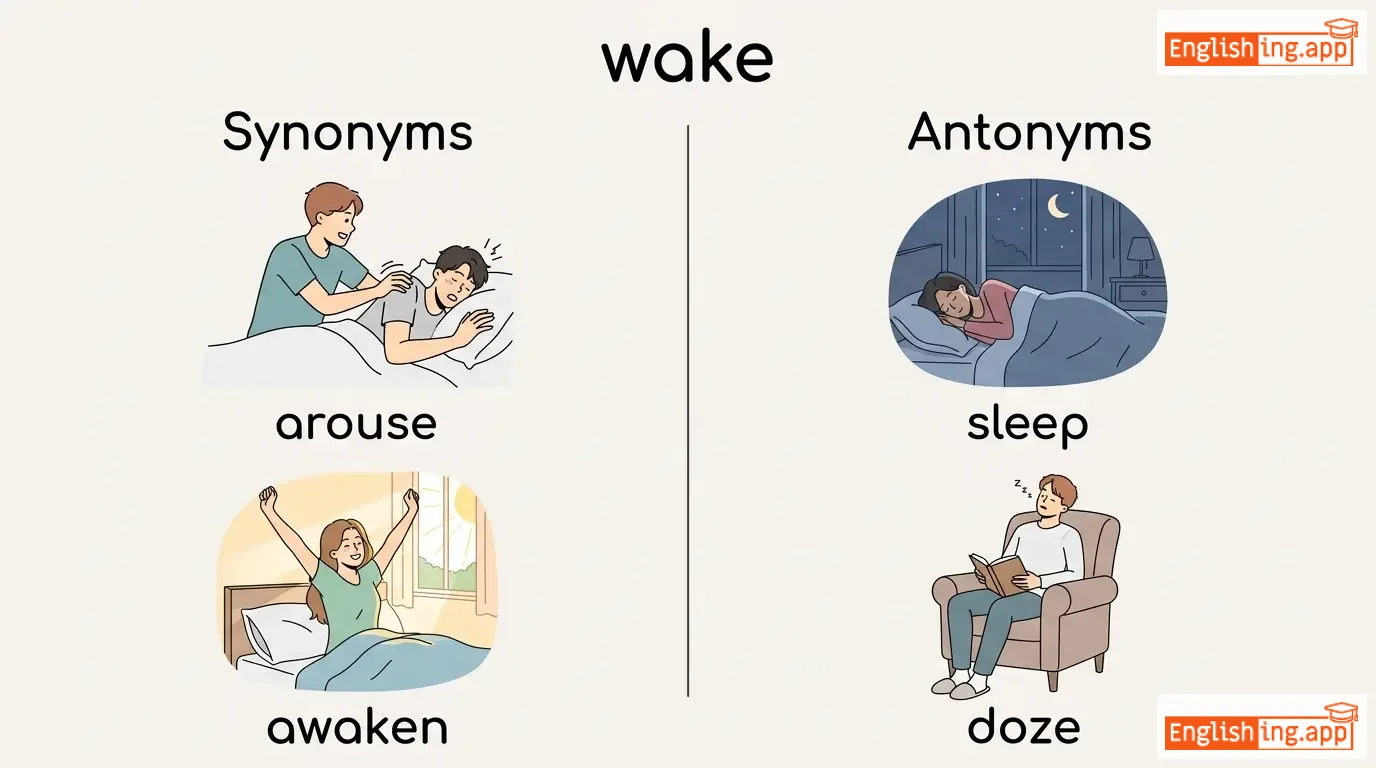
arouse, awaken, stir, rouse, alert
••••••
|
sleep, doze, slumber
••••••
|
wake up, wake early, wake someone, wake call
••••••
|
幸せ (shiawase) はまるで英語の 'happiness' みたいだ。
••••••
|
|
#5430
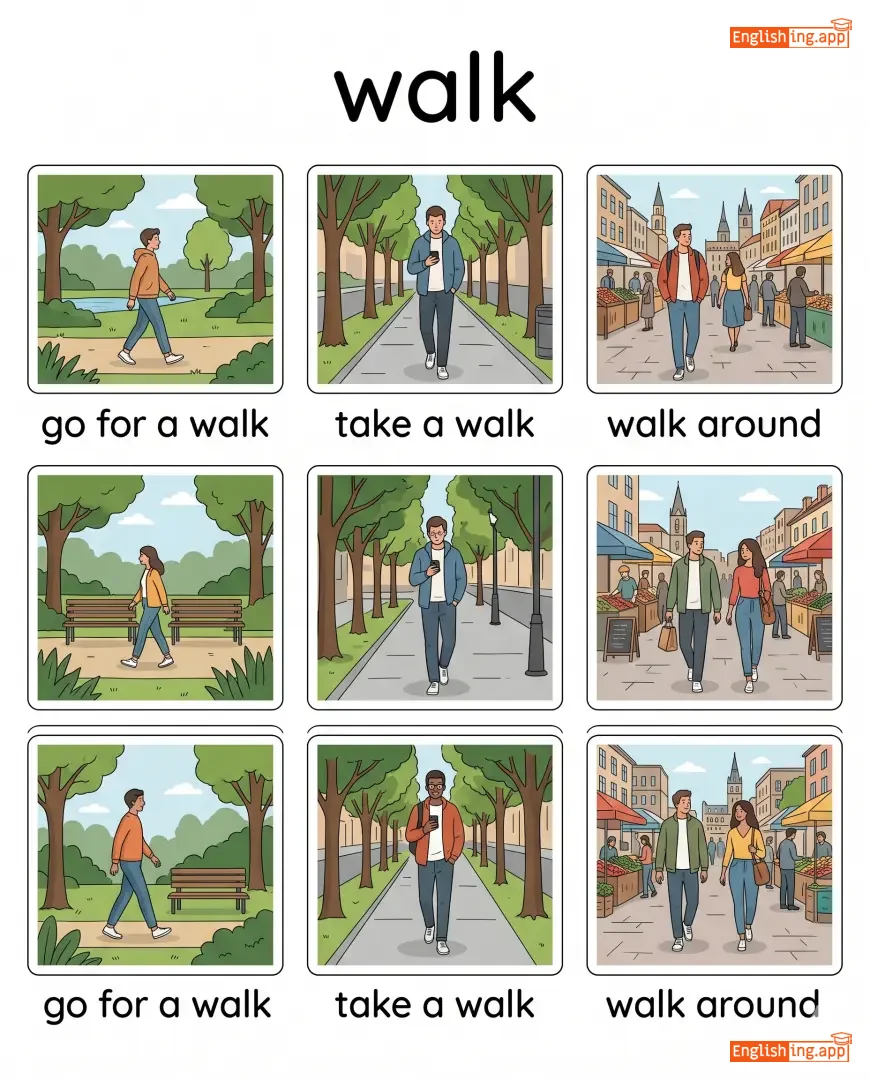
🚶
|
/wɔːk/
verb
(ハピネス)
••••••
|
|
歩く
aruku
••••••
|
walked
ウォークド
••••••
|
walked
ウォークド
••••••
|
walks
ウォークス
••••••
|
walking
ウォーキング
••••••
|
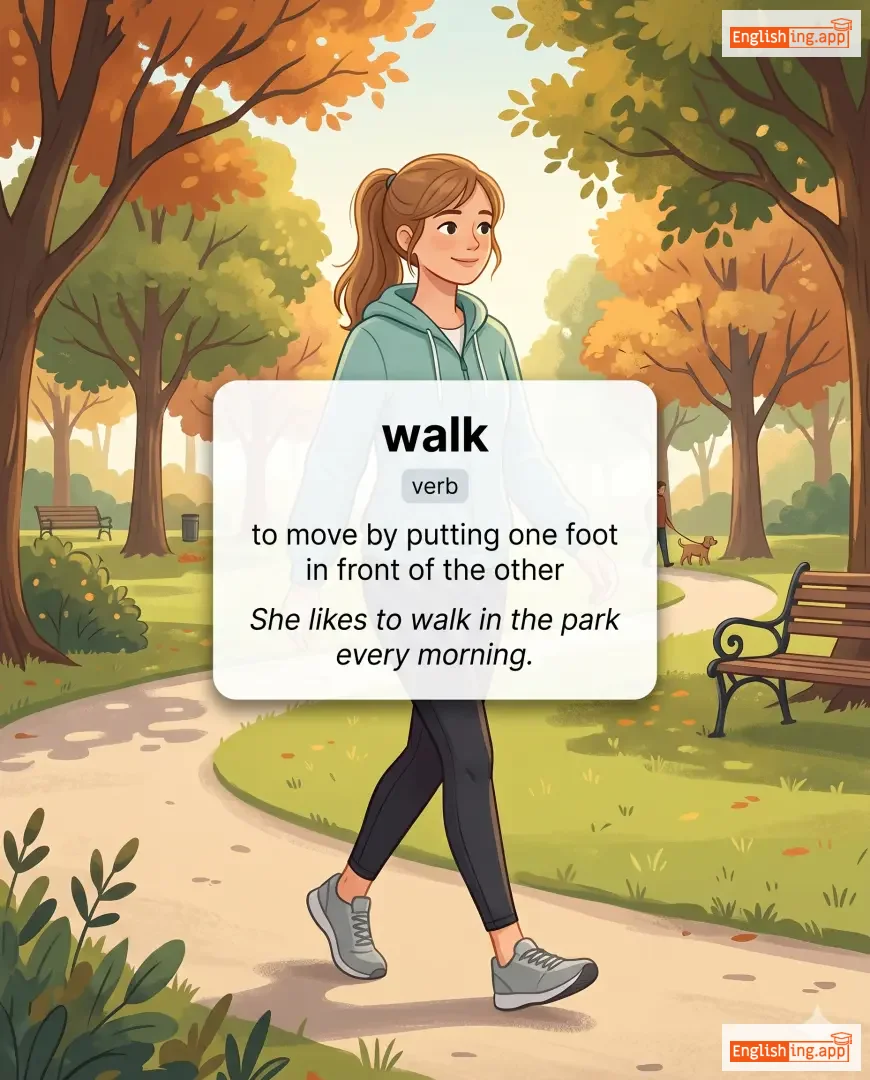
to move forward by putting one foot in front of the other
••••••
|
I walk to school every morning.
私は毎朝学校まで歩いて行きます。
••••••
|
私は毎朝学校まで歩いて行きます。
Watashi wa mai asa gakkou made aruite ikimasu.
••••••
|
- •••••• | - •••••• | - •••••• |
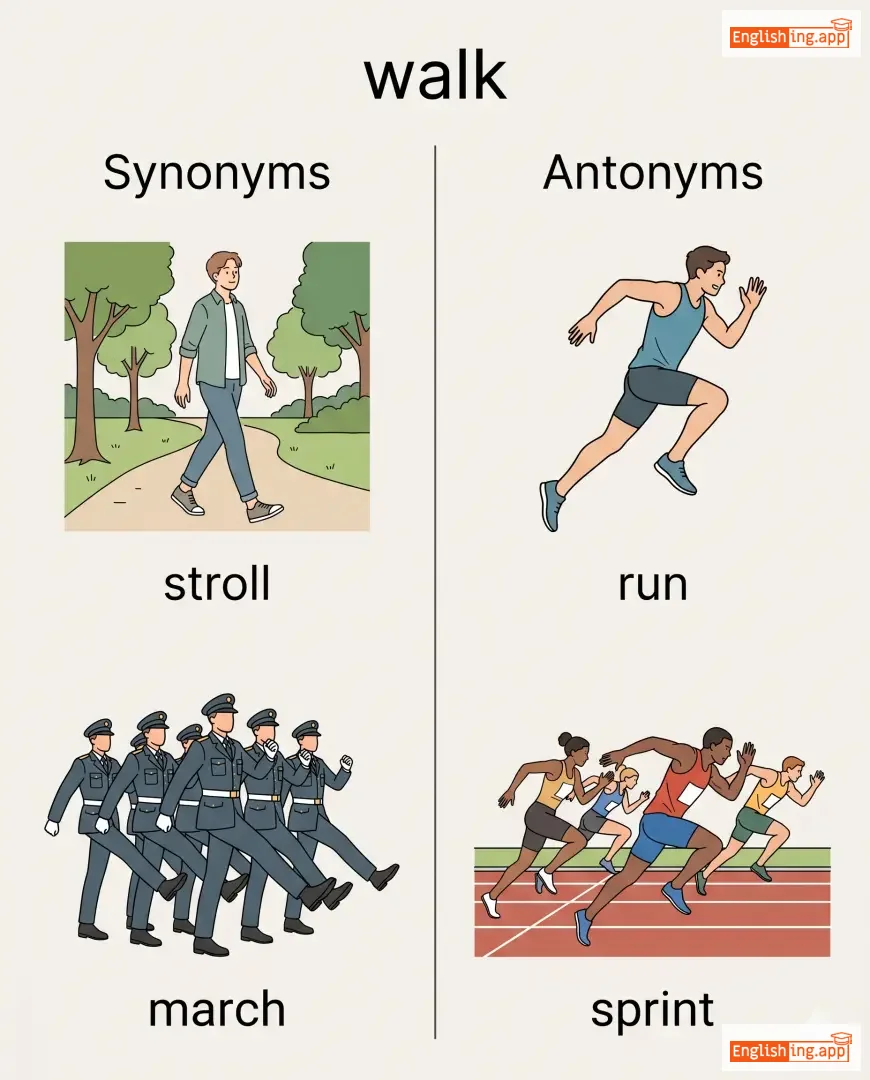
stroll, march, stride, step
••••••
|
run, fly, drive, ride
••••••
|
walk slowly, walk together, walk alone, walk home
••••••
|
歩く = アルク (歩く) と進む!
••••••
|
|
#5431
🧱
|
/wɔːl/
noun
(ウォール)
••••••
|
- •••••• |
壁
kabe
••••••
|
- •••••• | - •••••• | - •••••• | - •••••• |
a vertical structure that encloses or divides an area
••••••
|
The wall in our living room is painted blue. |
リビングルームの壁は青く塗られています。
Ribingu rūmu no kabe wa aoku nurarete imasu.
••••••
|
- •••••• | - •••••• | - •••••• |
barrier, partition, fence, divider
••••••
|
open, doorway
••••••
|
wall of bricks, brick wall, wall art
••••••
|
WALL your dreams - 壁に夢を描く
••••••
|
|
#5432
👛
|
/ˈwɒlɪt/
noun
(woretto)
••••••
|
- •••••• |
財布
saifu
••••••
|
- •••••• | - •••••• | - •••••• | - •••••• |
a small folding case for carrying money, credit cards, and identification
••••••
|
He pulled out his wallet to pay for the coffee. |
彼はコーヒーを払うために財布を取り出しました。
Kare wa koohii o harau tame ni saifu o toridashimashita.
••••••
|
- •••••• | - •••••• | - •••••• |
purse, billfold, pocketbook
••••••
|
safe, vault, treasury
••••••
|
leather wallet, digital wallet, wallet chain, lost wallet
••••••
|
財布はお金やカードを入れる場所
••••••
|
|
#5433
🚶
|
/ˈwɒndər/
verb
(ワンダー)
••••••
|
|
さまよう
samayou
••••••
|
wandered
ワンダード
••••••
|
wandered
ワンダード
••••••
|
wanders
ワンダーズ
••••••
|
wandering
ワンダリング
••••••
|
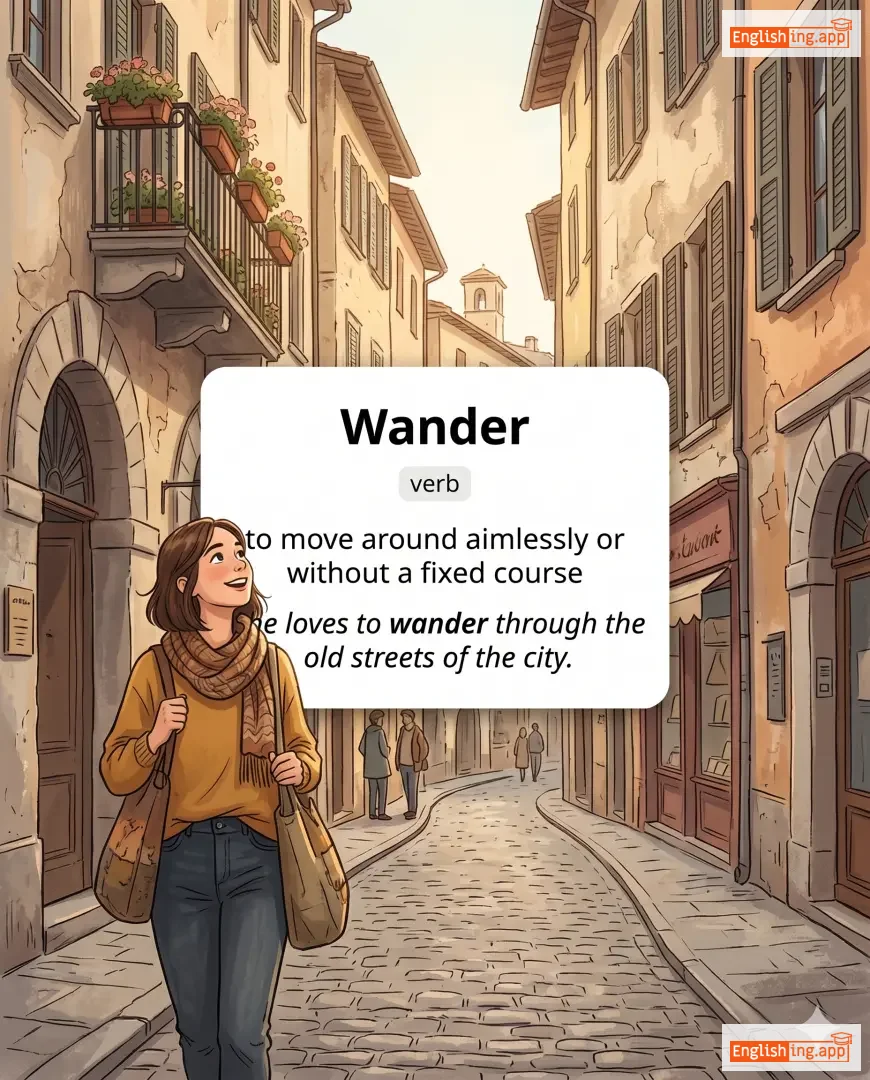
to move around aimlessly or without a fixed course
••••••
|
She loves to wander through the old streets of the city.
彼女は街の古い通りを歩くのが好きです。
••••••
|
彼女は街の古い通りを歩くのが好きです。
Kanojo wa machi no furui toori wo aruku no ga suki desu.
••••••
|
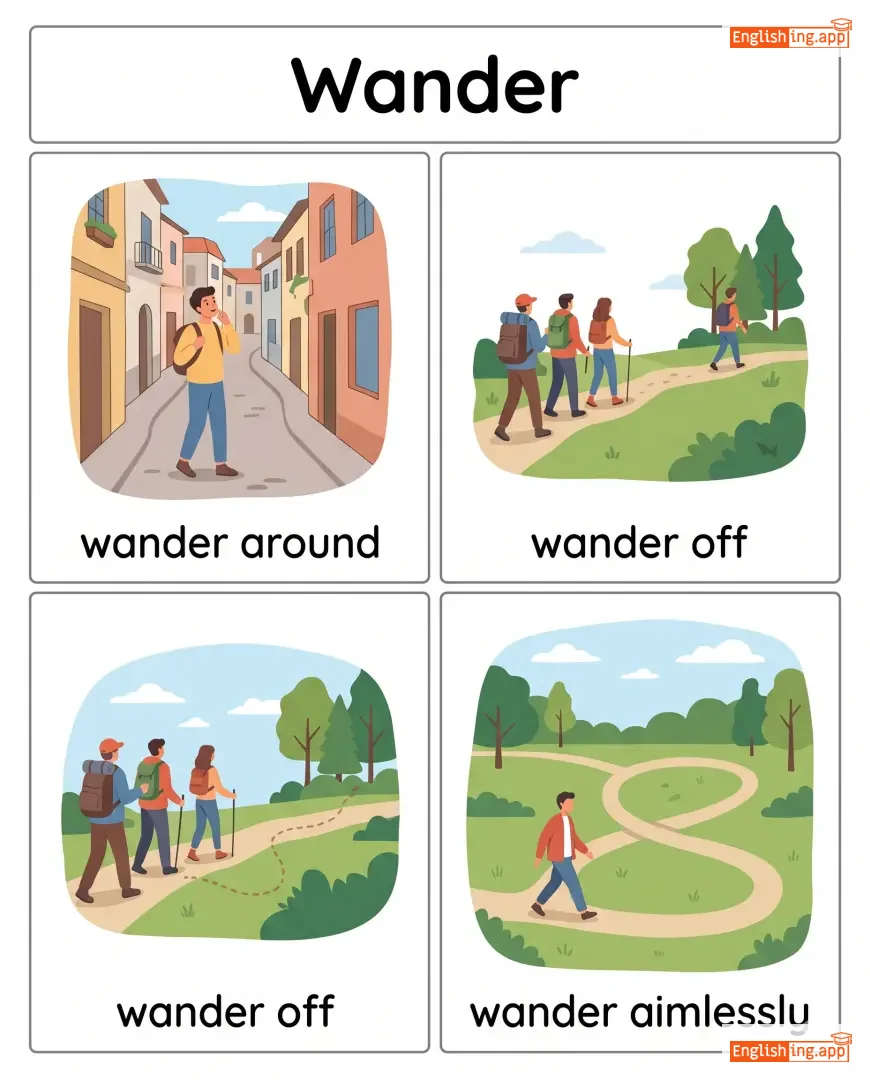
wander off
迷子になる
••••••
|
to leave a place or group without telling anyone
••••••
|
どこかに行ってしまう
dokoka ni itte shimau
••••••
|
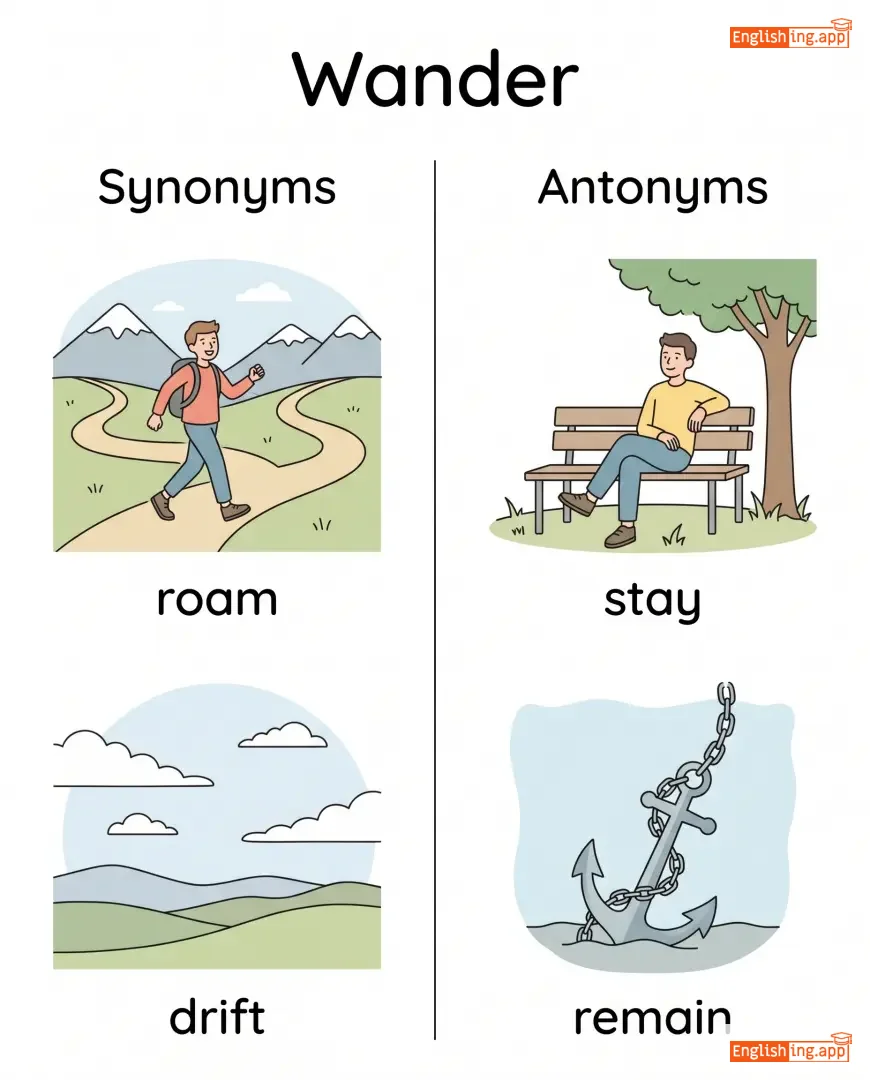
roam, drift, meander, stray, stroll
••••••
|
stay, remain, settle
••••••
|
wander around, wander off, wander aimlessly, wander through
••••••
|
Wanderはさまよう、例えばwindow shoppingのように。
••••••
|
|
#5434
☕
|
/wɒnt/
verb
(ウォント)
••••••
|
|
欲しい
hoshii
••••••
|
wanted
ウォンテッド
••••••
|
wanted
ウォンテッド
••••••
|
wants
ウォンツ
••••••
|
wanting
ウォンティング
••••••
|
To desire to have or do something.
••••••
|
I want a cup of coffee before the meeting.
私は会議の前にコーヒーを一杯欲しいです。
••••••
|
私は会議の前にコーヒーを一杯欲しいです。
Watashi wa kaigi no mae ni koohii wo ippai hoshii desu.
••••••
|
for want of
何かが足りないため
••••••
|
due to the lack of something
••••••
|
何かが足りないため
nanika ga tarinai tame
••••••
|
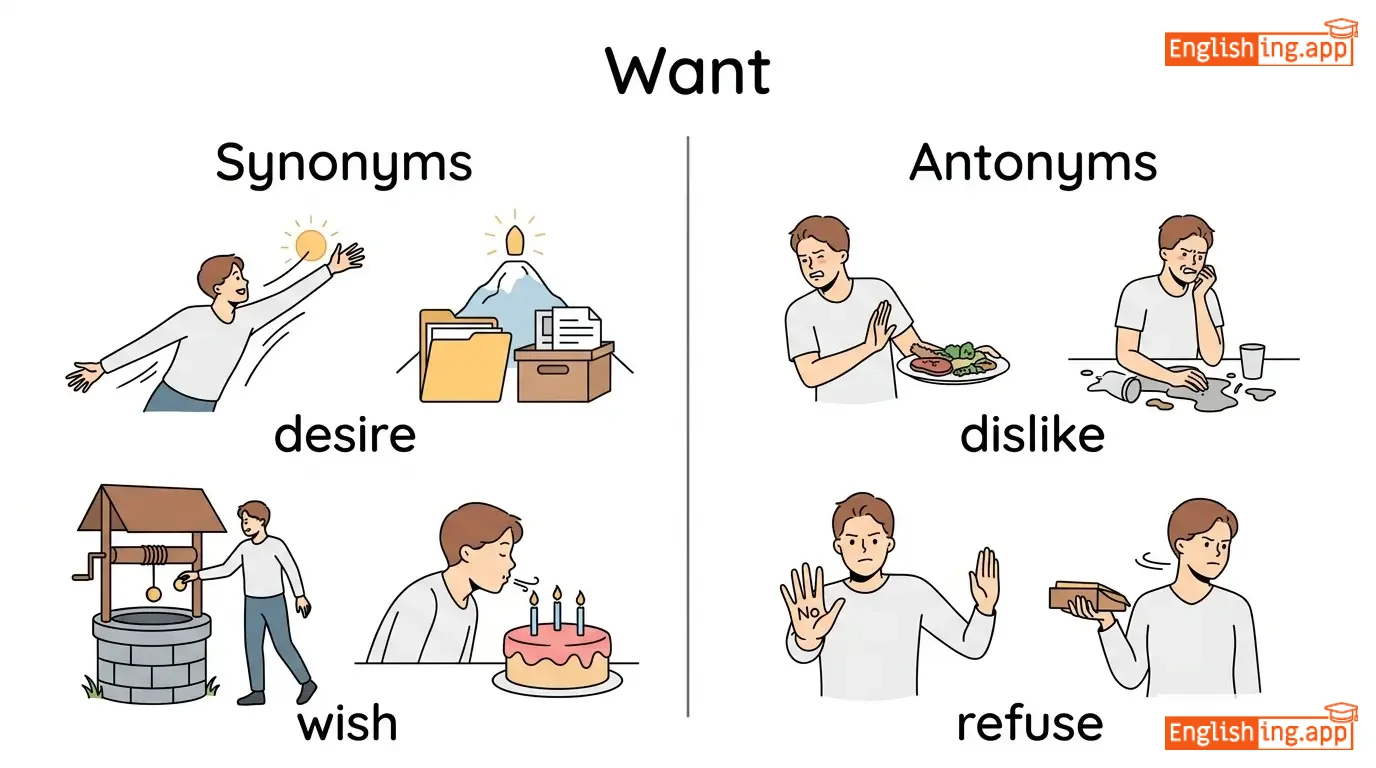
desire, wish, crave, need, long-for
••••••
|
dislike, refuse, reject
••••••
|
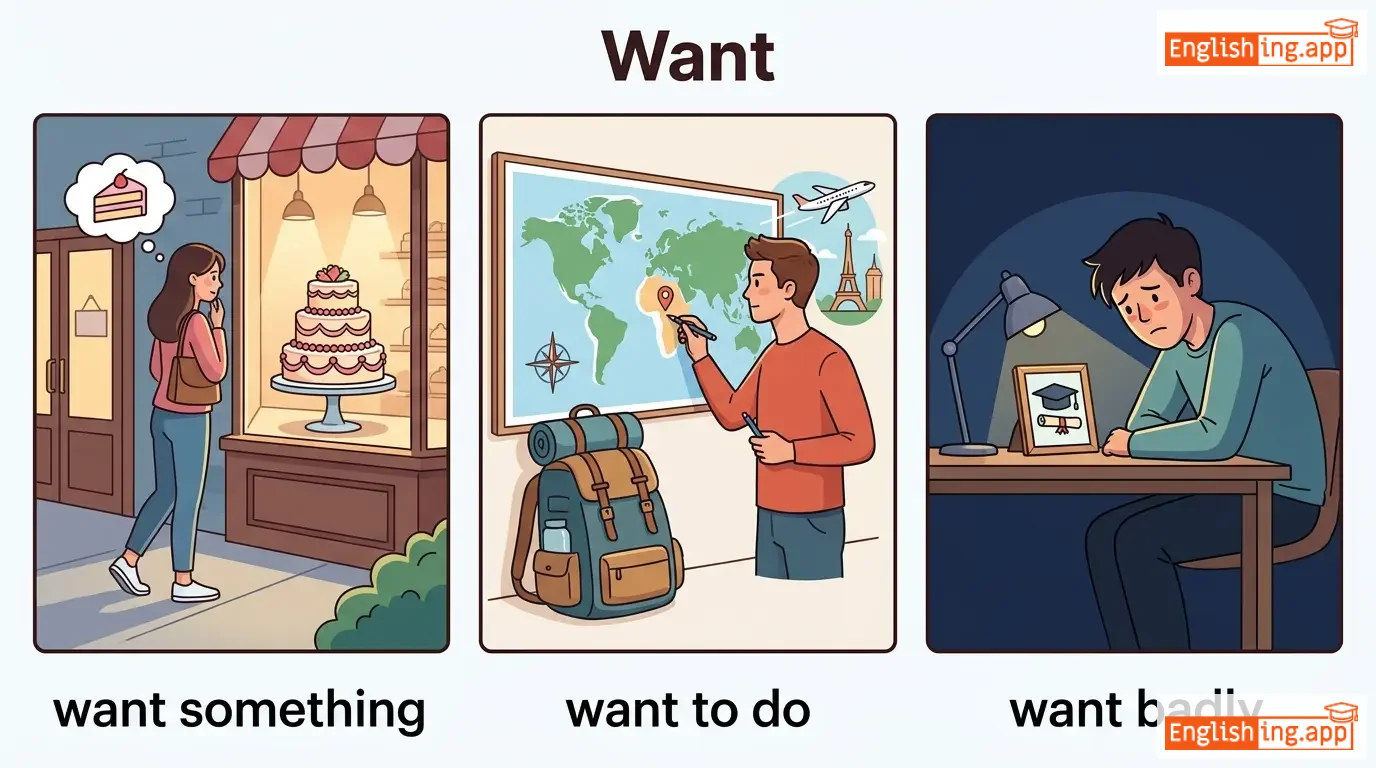
want something, want to do, want badly
••••••
|
欲しい = 'want' 日本語
••••••
|
|
#5435
⚔️
|
/wɔːr/
noun
(ワー)
••••••
|
- •••••• |
戦争
sensou
••••••
|
- •••••• | - •••••• | - •••••• | - •••••• |
a state of armed conflict between different countries or different groups within a country
••••••
|
The war lasted for five years and caused great destruction.
戦争は5年間続き、大きな破壊を引き起こしました。
••••••
|
戦争は5年間続き、大きな破壊を引き起こしました。
Sensou wa go-nenkan tsuzuki, ōkina hakai o hikiokoshimashita.
••••••
|
- •••••• | - •••••• | - •••••• |
conflict, battle, combat, warfare
••••••
|
peace, harmony, ceasefire
••••••
|
civil war, world war, war zone, declare war
••••••
|
In Japanese, ‘戦争’ represents war, implying long-lasting destruction between nations.
••••••
|
|
#5436
🏥
|
/wɔːrd/
noun
(ワード)
••••••
|
- •••••• |
病棟
byoutou
••••••
|
- •••••• | - •••••• | - •••••• | - •••••• |
A separate room in a hospital for patients; also a division of a city or a person under guardianship.
••••••
|
She was admitted to the children's ward. |
彼女は子供病棟に入院しました。
Kanojo wa kodomo byoutou ni nyu'in shimashita.
••••••
|
under someone's ward |
being under the guardianship or protection of someone
••••••
|
誰かの保護の下で
dareka no hogo no shita de
••••••
|
unit, section, division, department
••••••
|
freedom, independence
••••••
|
hospital ward, children's ward, surgical ward, ward off
••••••
|
Ward = 病棟 → 病棟で子供たちが面倒を見てもらう
••••••
|
|
#5437
🏭
|
/ˈweə(r)haʊs/
noun
(ウェアハウス)
••••••
|
- •••••• |
倉庫
sōko
••••••
|
- •••••• | - •••••• | - •••••• | - •••••• |
a large building where goods are stored before being sold or distributed
••••••
|
The company stores all its products in a big warehouse. |
会社はすべての製品を大きな倉庫に保管しています。
Kaisha wa subete no seihin o ōkina sōko ni hokan shiteimasu.
••••••
|
warehouse sale |
a sale held directly from a warehouse at discounted prices
••••••
|
倉庫セール
sōko sēru
••••••
|
depot, storage, storehouse, repository, stockroom
••••••
|
shop, outlet
••••••
|
warehouse worker, warehouse storage, in the warehouse, warehouse manager
••••••
|
Warehouse は、商品を保管する場所 — 倉庫!
••••••
|
|
#5438
⚔️
|
/ˈwɔːfeər/
noun
(戦争)
••••••
|
- •••••• |
戦争
sensō
••••••
|
- •••••• | - •••••• | - •••••• | - •••••• |
armed conflict between different countries or groups; the activity of fighting a war
••••••
|
Modern warfare involves advanced technology and strategic planning. |
現代の戦争には高度な技術と戦略的計画が含まれています。
gendai no sensō niwa kōdo na gijutsu to senryakuteki keikaku ga fukumareteimasu.
••••••
|
- •••••• | - •••••• | - •••••• |
combat, battle, conflict, fighting
••••••
|
peace, harmony, truce, ceasefire
••••••
|
modern warfare, guerrilla warfare, chemical warfare, psychological warfare
••••••
|
戦争は計画と技術が必要な戦いです。
••••••
|
|
#5439
☀️
|
/wɔːrm/
verb
(wɔːm)
••••••
|
- •••••• |
温める
atatameru
••••••
|
Warmed
wɔːrmd
••••••
|
Warmed
wɔːrmd
••••••
|
Warms
wɔːrmz
••••••
|
Warming
wɔːmɪŋ
••••••
|
to make or become warm; to heat something gently
••••••
|
The sun warms the earth during the day.
ðə sʌn wɑːrmz ðə ɜːrθ dʊərɪŋ ðə deɪ
••••••
|
太陽は昼間に地球を温める。
Taiyō wa hiruma ni chikyū o atatameru.
••••••
|
- •••••• | - •••••• | - •••••• |
heat, comfort, soothe, embrace
••••••
|
cool, chill, freeze, cold
••••••
|
warm up, warm gently, warm quickly, keep warm
••••••
|
寒いときは温かいお茶を飲もう。
••••••
|
|
#5440
🌡️
|
/ˈwɔːmɪŋ/
noun, verb
(ウォーミング)
••••••
|
|
温度上昇
ondo joushou
••••••
|
- •••••• | - •••••• |
warms
ウォームズ
••••••
|
warming
ウォーミング
••••••
|
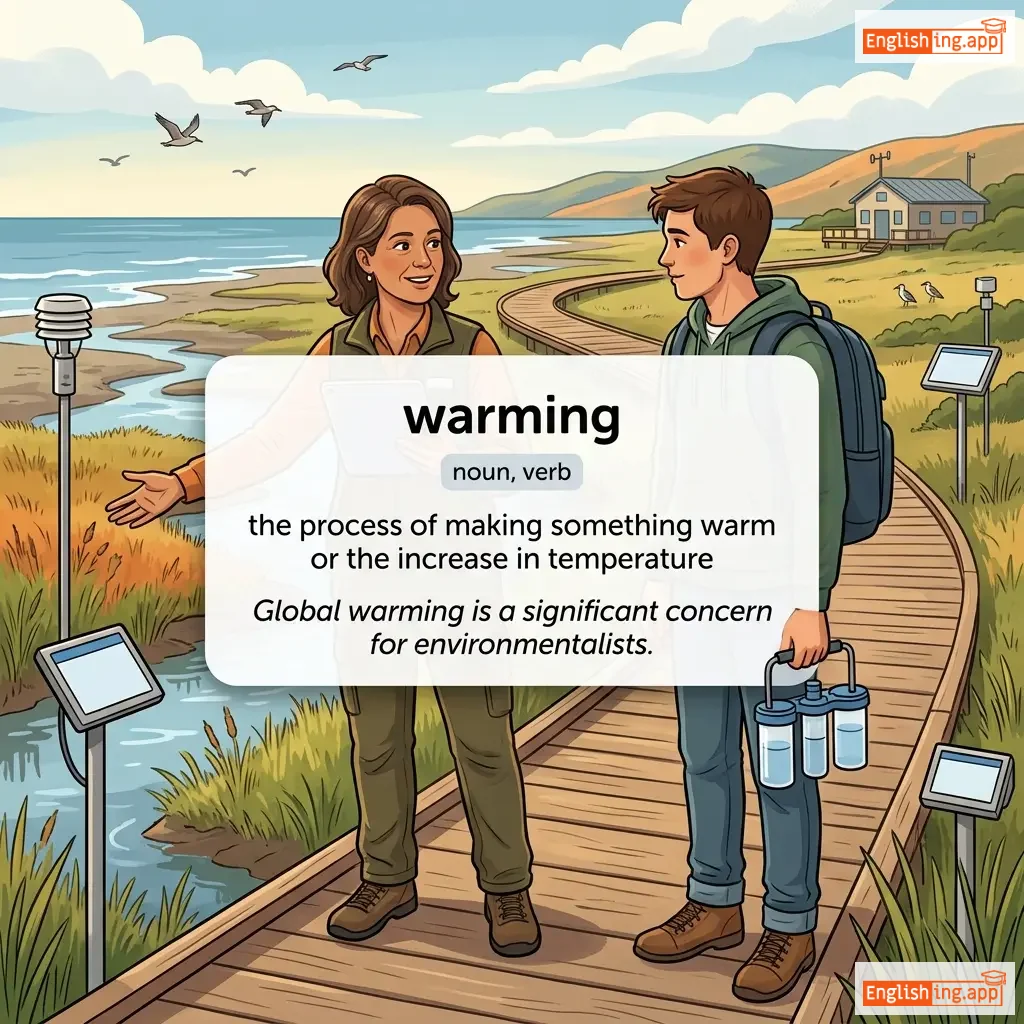
the process of making something warm or the increase in temperature
••••••
|
Global warming is a significant concern for environmentalists.
地球温暖化は環境活動家にとって重要な問題です。
••••••
|
地球温暖化は環境活動家にとって重要な問題です。
Chikyuu ondanka wa kankyou katsudouka ni totte juuyou na mondai desu.
••••••
|
- •••••• | - •••••• | - •••••• |
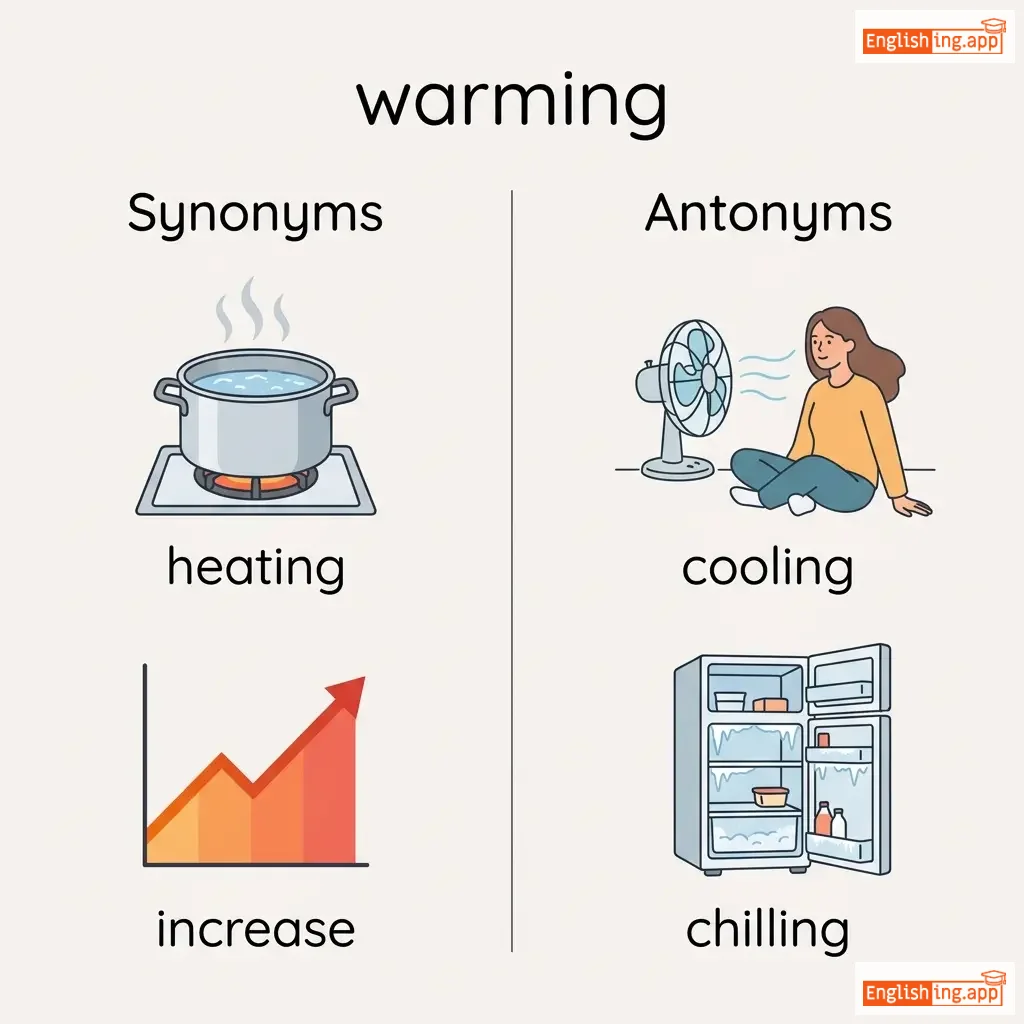
heating, increase, raising, elevating
••••••
|
cooling, chilling
••••••
|
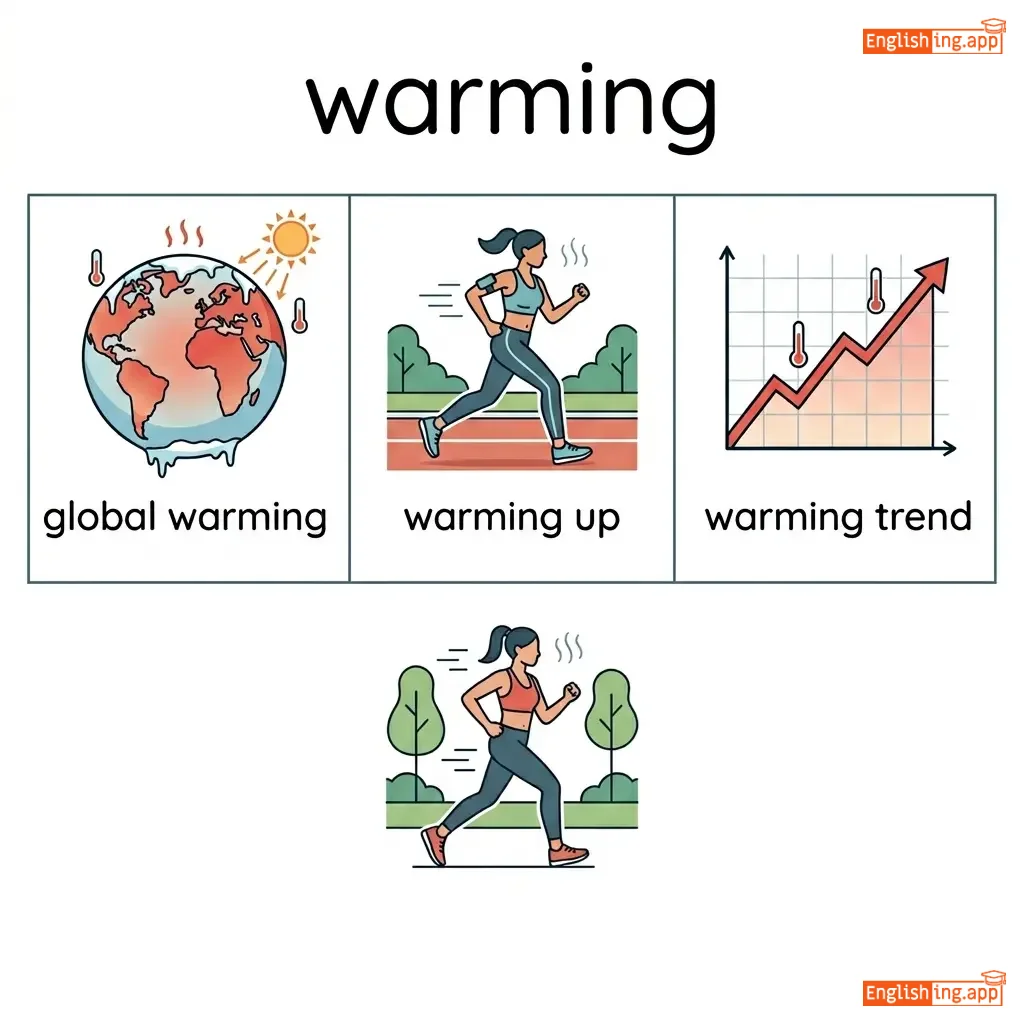
global warming, warming up, warming trend
••••••
|
Warming sounds like 'ウォーミング', which is similar to '温度上昇' meaning the increase in temperature.
••••••
|
|
#5441
🤗
|
/ˈwɔːm.li/
adverb
(ワームリー)
••••••
|
- •••••• |
温かく; 愛情を込めて
atatakaku; aijou wo komete
••••••
|
- •••••• | - •••••• | - •••••• | - •••••• |
in a warm manner; with warmth; cordially; affectionately
••••••
|
She welcomed the guests warmly at the door. |
彼女はドアでゲストを温かく迎えました。
Kanojo wa doa de gesuto wo atataku mukaemashita.
••••••
|
- •••••• | - •••••• | - •••••• |
cordially, affectionately, kindly, heartily, enthusiastically
••••••
|
coldly, harshly, rudely, unfriendly
••••••
|
warmly welcome, warmly received, warmly greet, warmly embrace
••••••
|
温かい気持ちで人を迎えることは、愛情の表れです。
••••••
|
|
#5442
☀️
|
/wɔːmθ/
noun
(ハピネス)
••••••
|
- •••••• |
温かさ
atatakasa
••••••
|
- •••••• | - •••••• | - •••••• | - •••••• |
the quality or state of being warm in temperature or feeling
••••••
|
She felt the warmth of the sun on her face.
彼女は顔に太陽の温もりを感じた。
••••••
|
彼女は顔に太陽の温もりを感じた。
Kanojo wa kao ni taiyō no nukumori o kanjita.
••••••
|
warmth of heart
心の温もり
••••••
|
kindness and affection
••••••
|
心の温もり
kokoro no nukumori
••••••
|
heat, coziness, affection, kindness, friendliness
••••••
|
coldness, chill, indifference
••••••
|
emotional warmth, inner warmth, warmth and love, warmth of the sun
••••••
|
Warmthは温かさ — ‘warm th’はただの温かさではなく、心の温かさと愛情も含まれます。
••••••
|
|
#5443
⚠️
|
/wɔːrn/
verb
(ワーン)
••••••
|
|
警告する
keikoku suru
••••••
|
warned
ワーンド
••••••
|
warned
ワーンド
••••••
|
warns
ワーンズ
••••••
|
warning
ワーニング
••••••
|
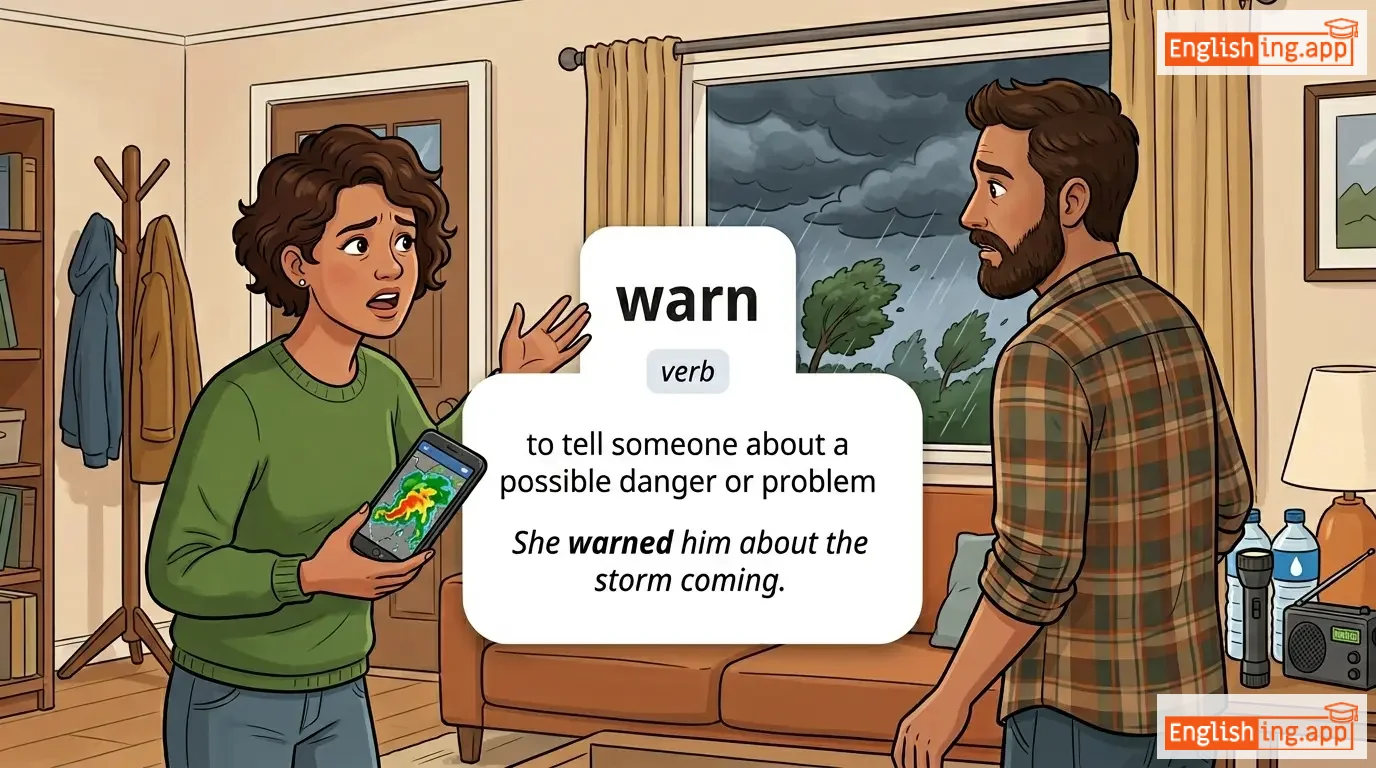
to alert about danger; to give notice of risk
••••••
|
The weather service warns of heavy rain tonight.
気象サービスは今夜の大雨を警告しています。
••••••
|
気象サービスは今夜の大雨を警告しています。
Kishou saabisu wa konya no oame o keikoku shiteimasu.
••••••
|
- •••••• | - •••••• | - •••••• |
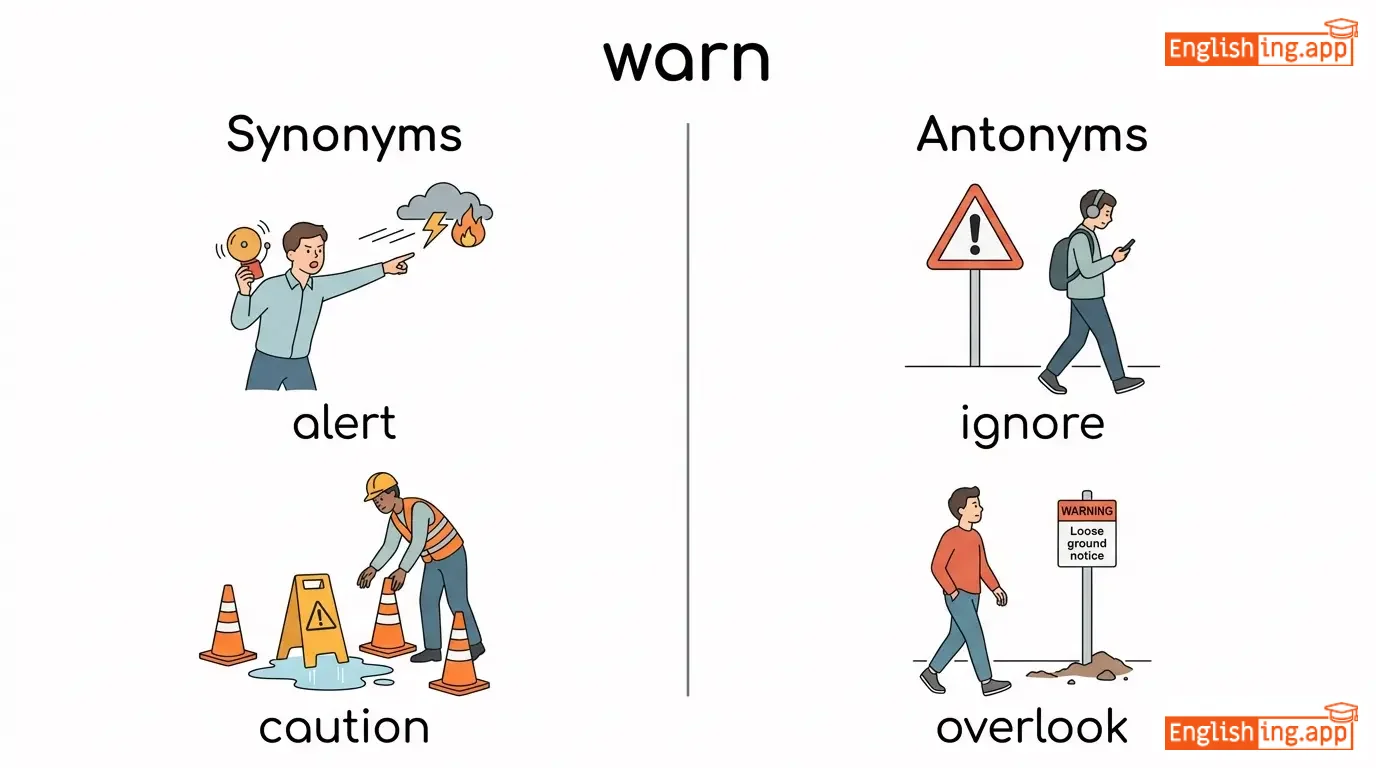
alert, caution, advise, notify, inform
••••••
|
mislead, deceive, ignore, conceal
••••••
|
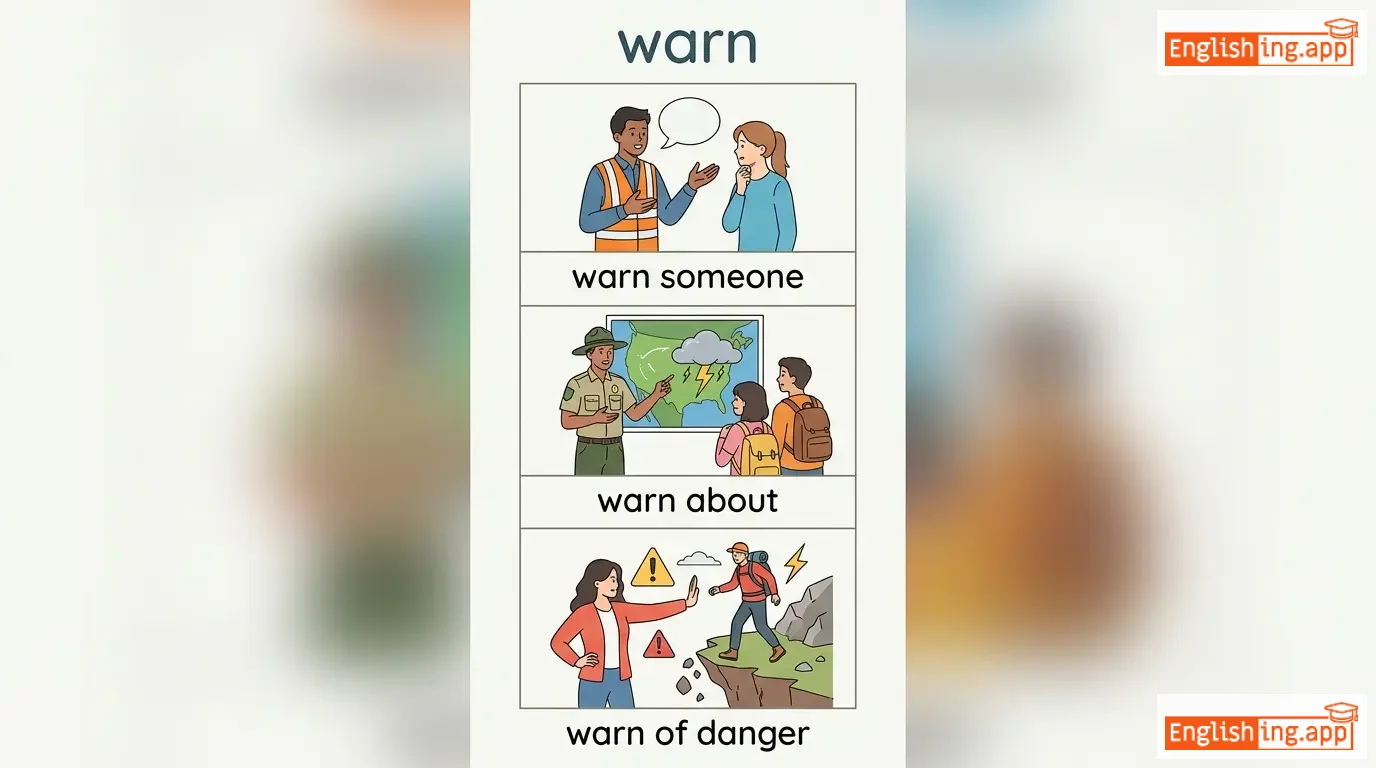
warn against, warn about, warn of danger, warn someone, early warning
••••••
|
No •••••• |
|
#5444
⚠️
|
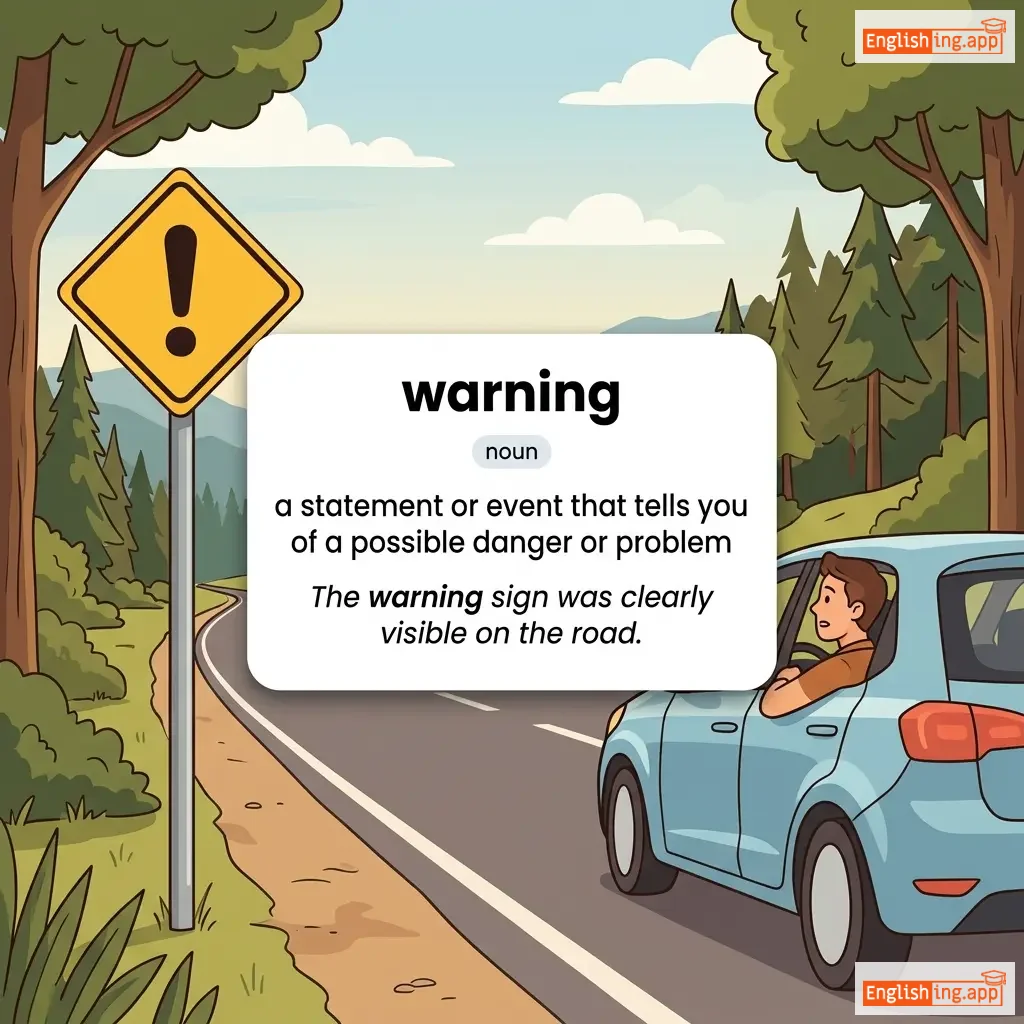
/ˈwɔːnɪŋ/
noun
(ウォーニング)
••••••
|
|
警告
keikoku
••••••
|
- •••••• | - •••••• | - •••••• | - •••••• |
a statement or event that indicates a possible or impending danger, problem, or other unpleasant situation
••••••
|
The weather service issued a severe storm warning.
気象サービスは激しい嵐の警告を発表しました。
••••••
|
気象サービスは激しい嵐の警告を発表しました。
Kishou sābisu wa hageshī arashi no keikoku o happyou shimashita.
••••••
|
- •••••• | - •••••• | - •••••• |
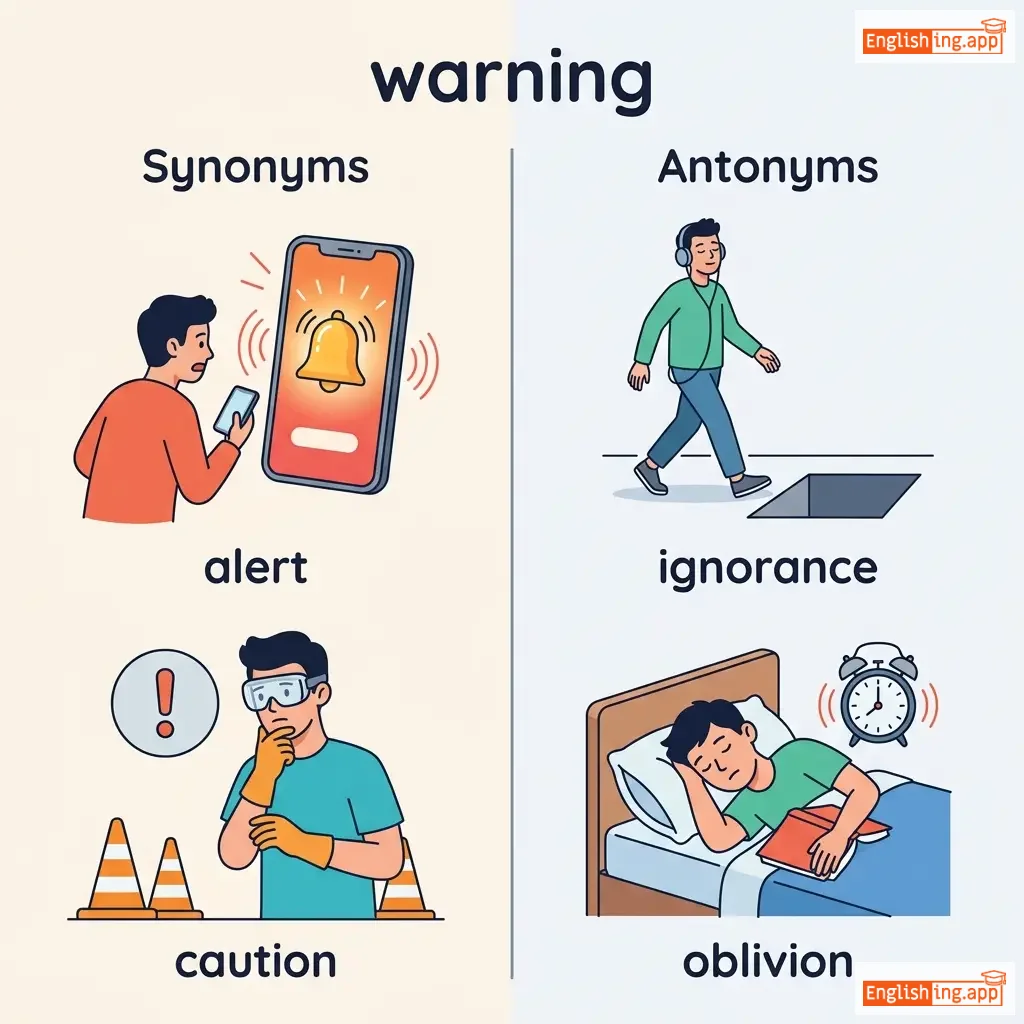
alert, caution, notice, alarm
••••••
|
assurance, guarantee, safety, security
••••••
|
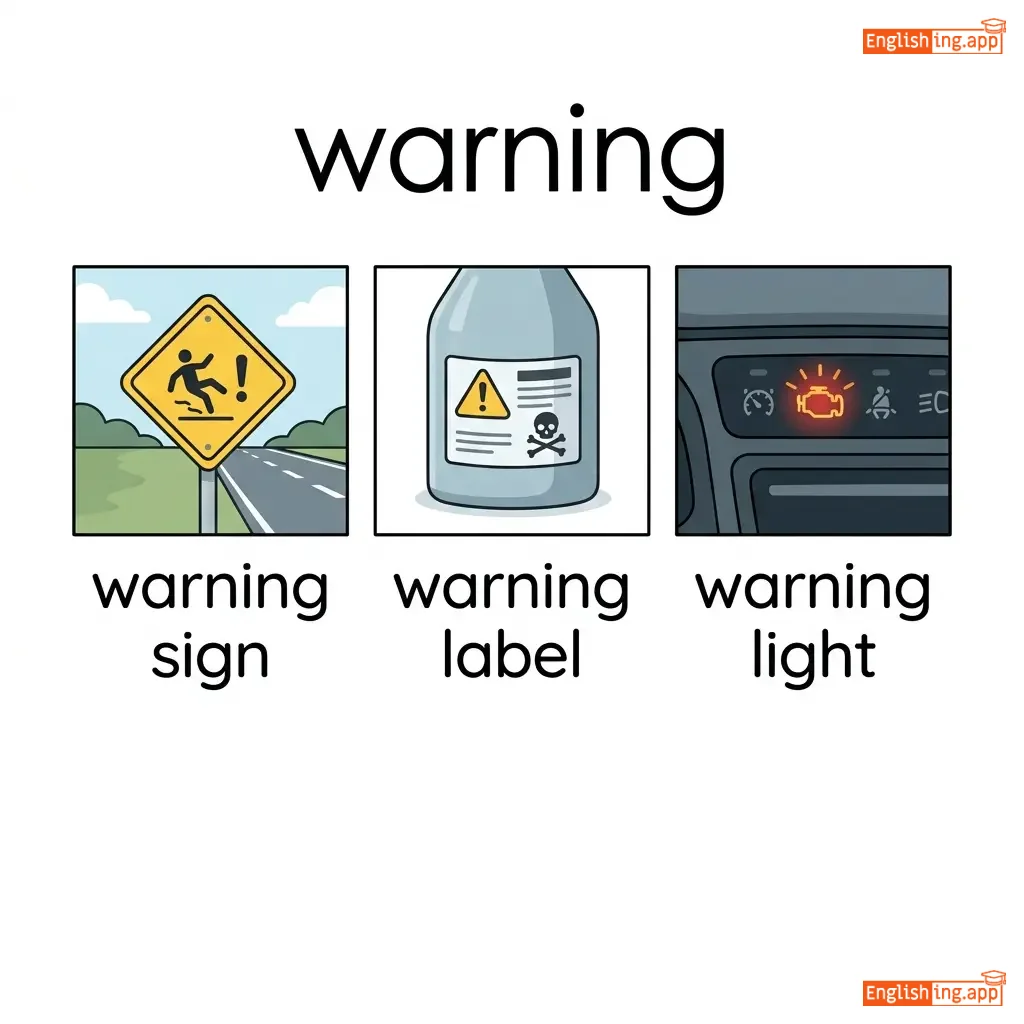
warning sign, early warning, final warning, health warning
••••••
|
Keikoku is warning, like the English warning, used for situations indicating danger.
••••••
|
|
#5445
📜
|
/ˈwɒrənt/
noun/verb
(ワラント)
••••••
|
- •••••• |
令状
reijō
••••••
|
warranted
ワラントッド
••••••
|
warranted
ワラントッド
••••••
|
warrants
ワランツ
••••••
|
warranting
ワランティング
••••••
|
As a noun: An official authorization or order. As a verb: To justify or make something necessary.
••••••
|
The judge issued a warrant for his arrest.
裁判官は彼の逮捕状を発行しました。
••••••
|
裁判官は彼の逮捕状を発行しました。
Saibankan wa kare no taihojō o hakkō shimashita.
••••••
|
search warrant
捜索令状
••••••
|
a legal document authorizing the police to search a place
••••••
|
捜索令状
sōsaku reijō
••••••
|
authorization, permit, justification, license
••••••
|
ban, prohibition, denial
••••••
|
arrest warrant, search warrant, warrant issued, warrant action
••••••
|
警察は令状を使って捜索を行います 📜
••••••
|
|
#5446
⚔️
|
/ˈwɒriər/
noun
(ウォリアー)
••••••
|
- •••••• |
戦士
senshi
••••••
|
- •••••• | - •••••• | - •••••• | - •••••• |
a person engaged or experienced in warfare; a brave or experienced fighter
••••••
|
The ancient warrior fought fearlessly to protect his land. |
古代の戦士は自分の土地を守るために恐れずに戦った。
Kodai no senshi wa jibun no tochi o mamoru tame ni osorezu ni tatakatta.
••••••
|
spiritual warrior |
a person who battles against inner weaknesses or strives for personal growth and enlightenment
••••••
|
精神的な戦士
seishinteki na senshi
••••••
|
fighter, soldier, combatant, champion, hero
••••••
|
coward, pacifist
••••••
|
brave warrior, ancient warrior, warrior spirit, skilled warrior
••••••
|
ウォリアーは勇敢な戦士。どんな時も恐れず戦い抜く勇者。
••••••
|
|
#5447
🧼
|
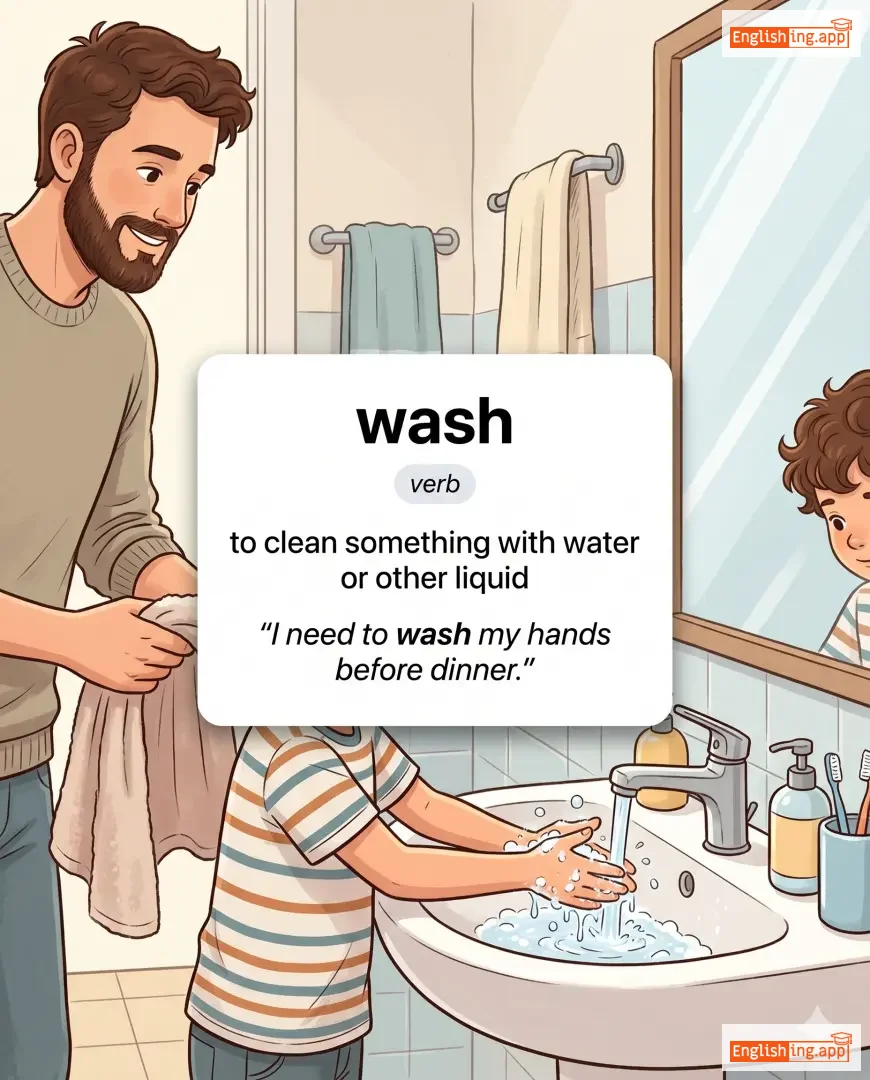
/wɒʃ/
verb
(wosh)
••••••
|
|
洗う
arau
••••••
|
washed
woshed
••••••
|
washed
woshed
••••••
|
washes
washes
••••••
|
washing
washing
••••••
|
to clean with water; to remove dirt
••••••
|
Please wash your hands before eating.
食事の前に手を洗ってください。
••••••
|
食事の前に手を洗ってください。
Shokuji no mae ni te o aratte kudasai.
••••••
|
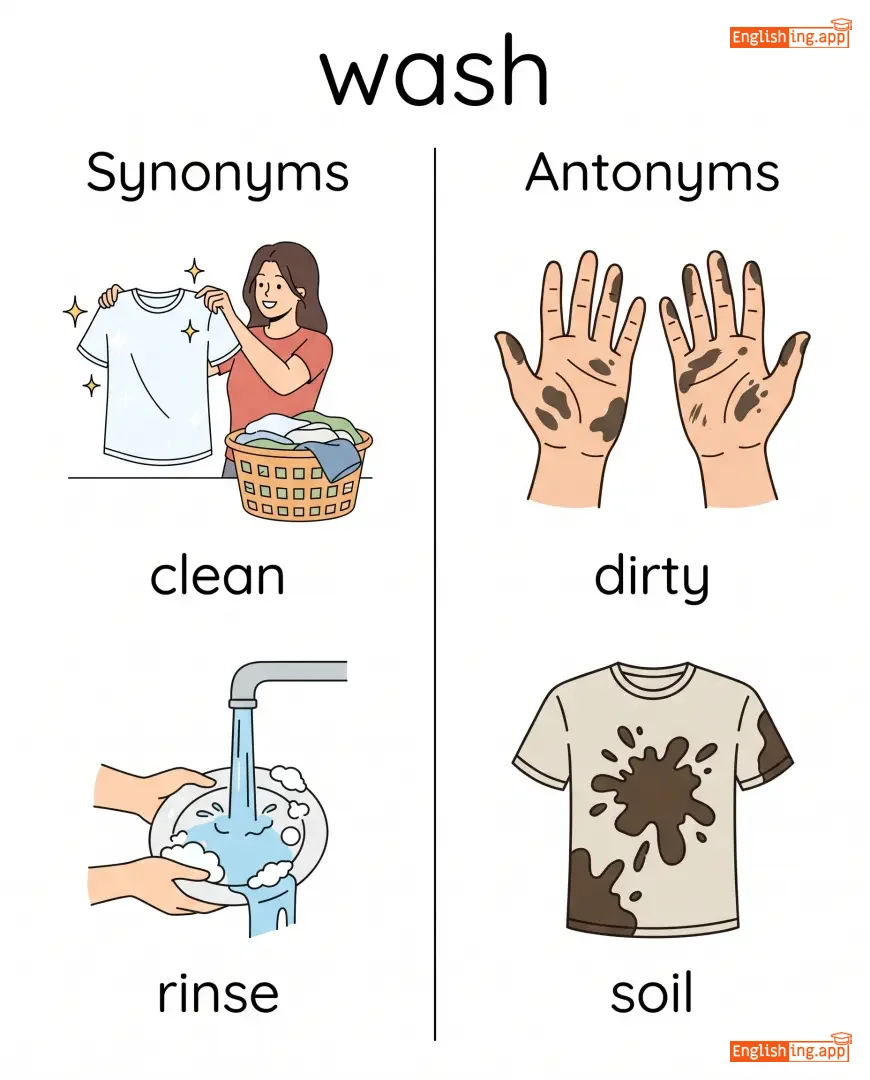
- •••••• | - •••••• | - •••••• |
clean, rinse, scrub, bathe, cleanse
••••••
|
dirty, soil, stain, contaminate
••••••
|
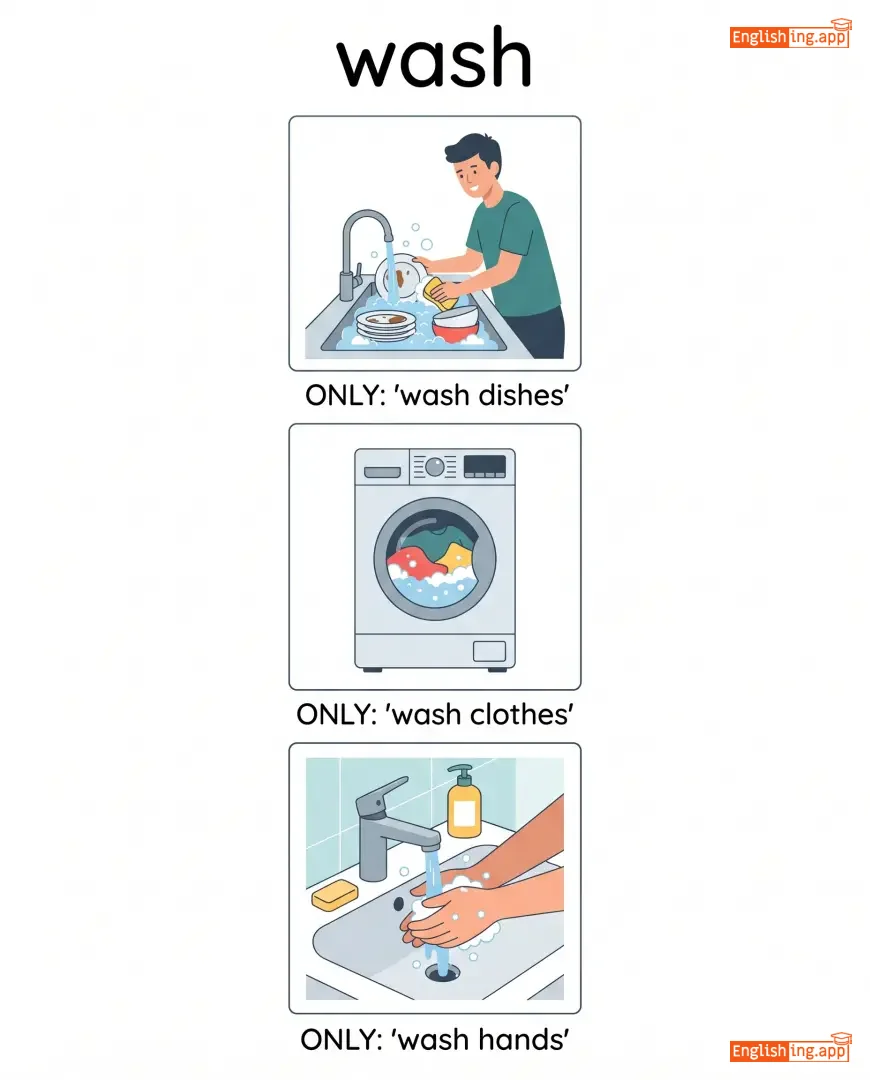
wash hands, wash clothes, wash dishes, thoroughly wash
••••••
|
Think of '洗う' (arau) as washing your 'Ara' (Ara) hands in a bucket.
••••••
|
|
#5448
🧼
|
/ˈwɒʃɪŋ/
noun; gerund
(ウォッシング)
••••••
|
- •••••• |
洗浄
senjo
••••••
|
washed
ウォッシュド
••••••
|
washed
ウォッシュド
••••••
|
washes
ウォッシーズ
••••••
|
washing
ウォッシング
••••••
|
the act of cleaning with water or other liquid; clothes or items that are being washed
••••••
|
Washing clothes regularly helps maintain hygiene.
ウォッシング クローズ レギュラリー ヘルプス メンテイン ハイジーン。
••••••
|
定期的な洗濯は衛生を保つのに役立ちます。
teikiteki na sentaku wa eisei o tamotsu no ni yakudachimasu
••••••
|
washing one's hands of
ウォッシング ワンズ ハンズ オブ
••••••
|
to refuse responsibility for something
••••••
|
手を洗う
te o arau
••••••
|
cleaning, laundering, rinsing, scrubbing, cleansing
••••••
|
dirtying, soiling, staining
••••••
|
washing clothes, washing machine, hand washing, car washing, daily washing
••••••
|
washing = 洗浄, wash で洗う
••••••
|
|
#5449
🗑️
|
/weɪst/
verb
(ウェイスト)
••••••
|
|
浪費
rōhi
••••••
|
wasted
ウェイステッド
••••••
|
wasted
ウェイステッド
••••••
|
wastes
ウェイストス
••••••
|
wasting
ウェイスティング
••••••
|
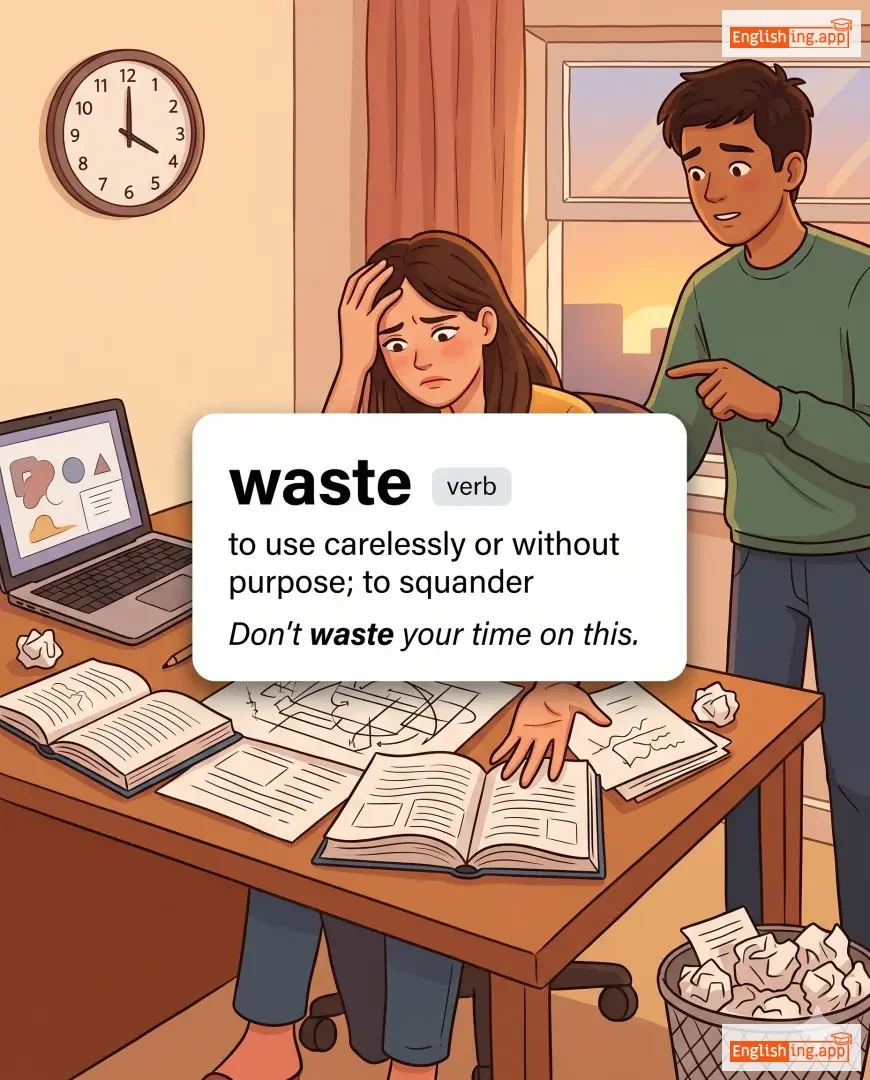
to use carelessly or without purpose; to squander
••••••
|
Don't waste your time on this.
ドント ウェイスト ヨア タイム オン ディス。
••••••
|
これに時間を無駄にしないでください。
Kore ni jikan o mudani shinaide kudasai.
••••••
|
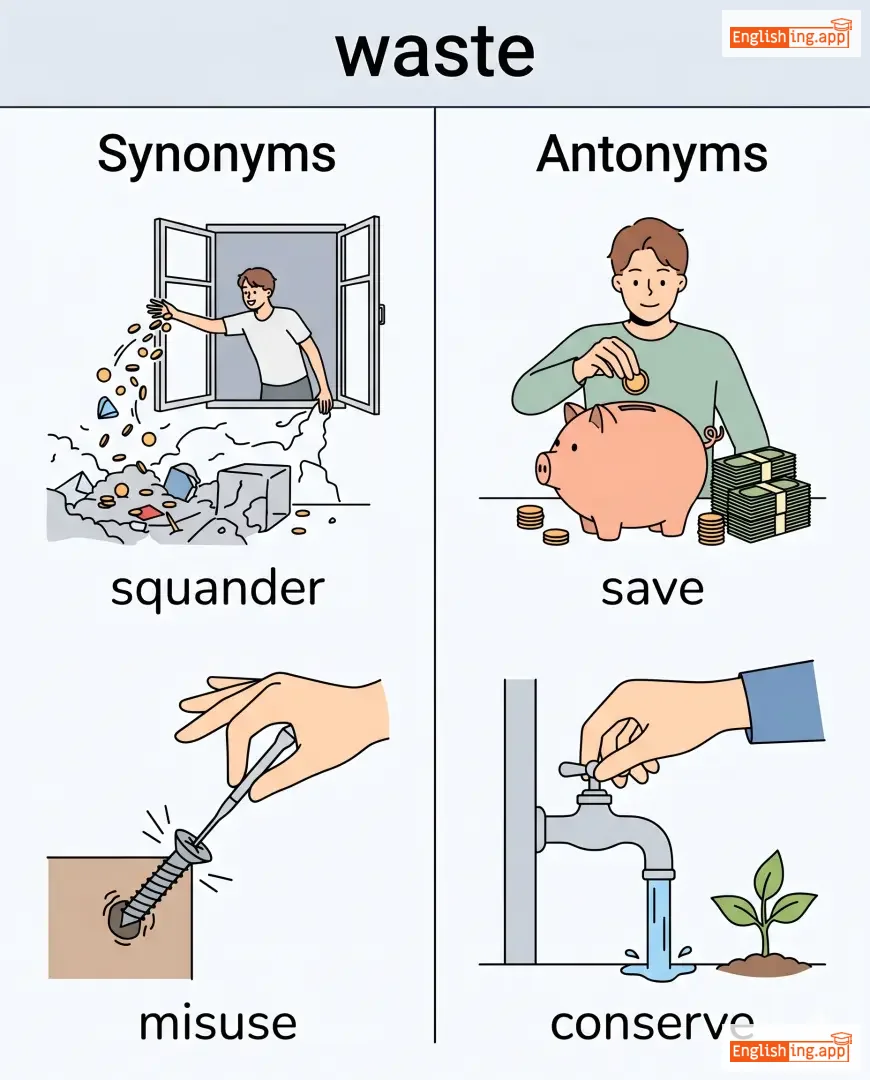
- •••••• | - •••••• | - •••••• |
squander, misuse, fritter, throw away
••••••
|
save, conserve, preserve, use wisely
••••••
|
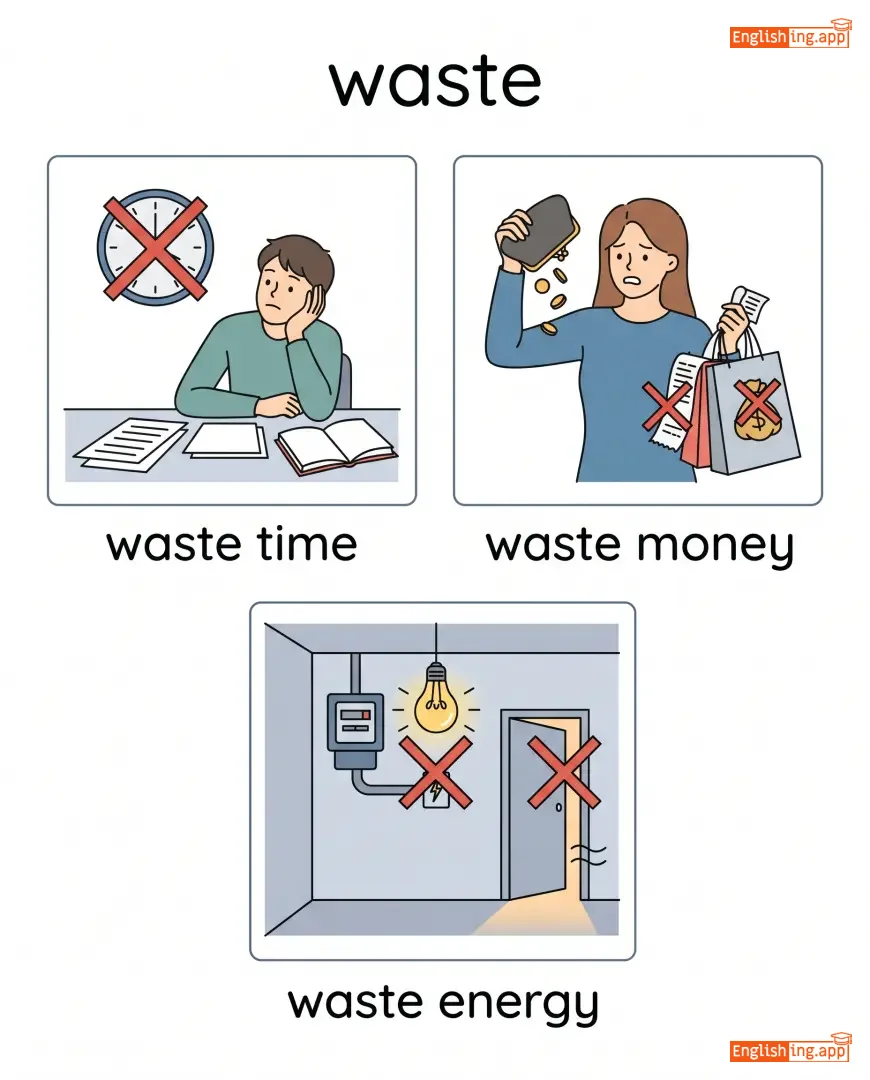
waste time, waste money, waste energy, waste resources, waste opportunity
••••••
|
浪費は無駄に使うこと、例えばお金を無駄にすることです。
••••••
|
|
#5450
👀
|
/wɒtʃ/
verb
(wotchi)
••••••
|
|
見る
miru
••••••
|
watched
wotchido
••••••
|
watched
wotchido
••••••
|
watches
wotchisu
••••••
|
watching
watching
••••••
|
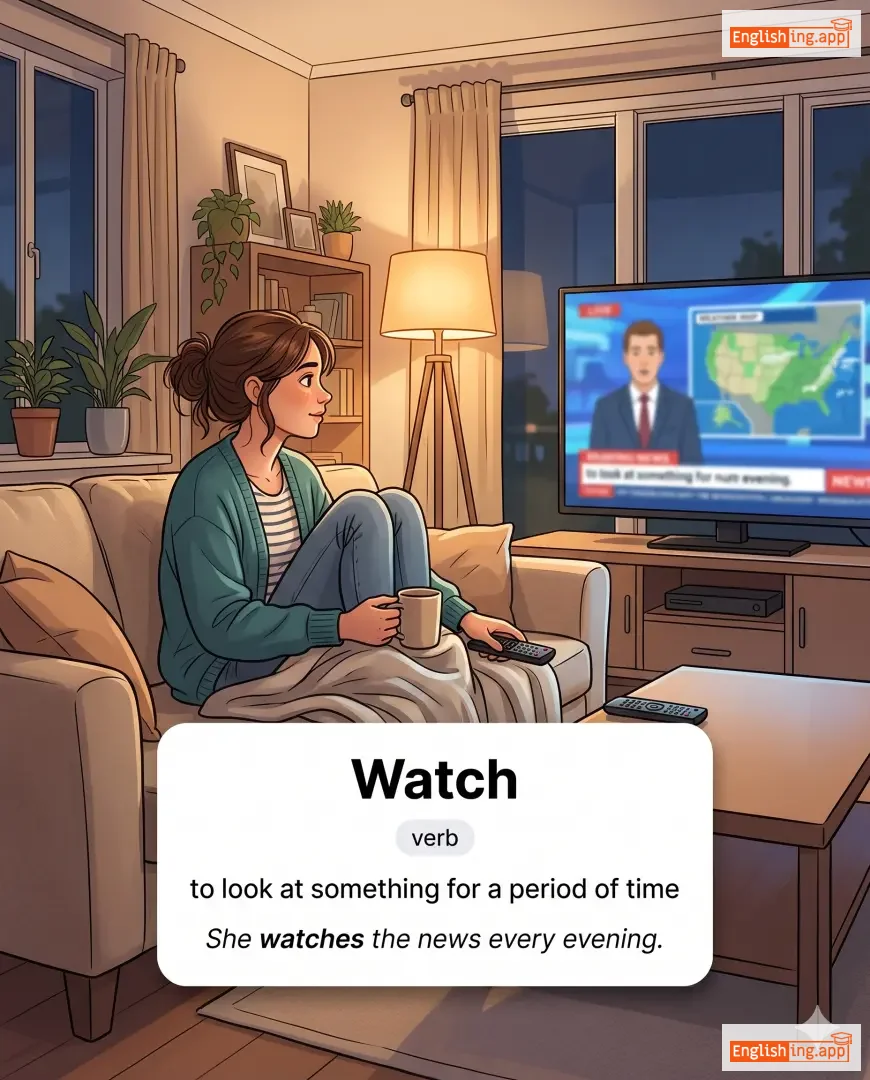
to look at or observe attentively; to keep under surveillance
••••••
|
I watch television every evening.
私は毎晩テレビを見ます。
••••••
|
私は毎晩テレビを見ます。
Watashi wa maiban terebi o mimasu
••••••
|
- •••••• | - •••••• | - •••••• |
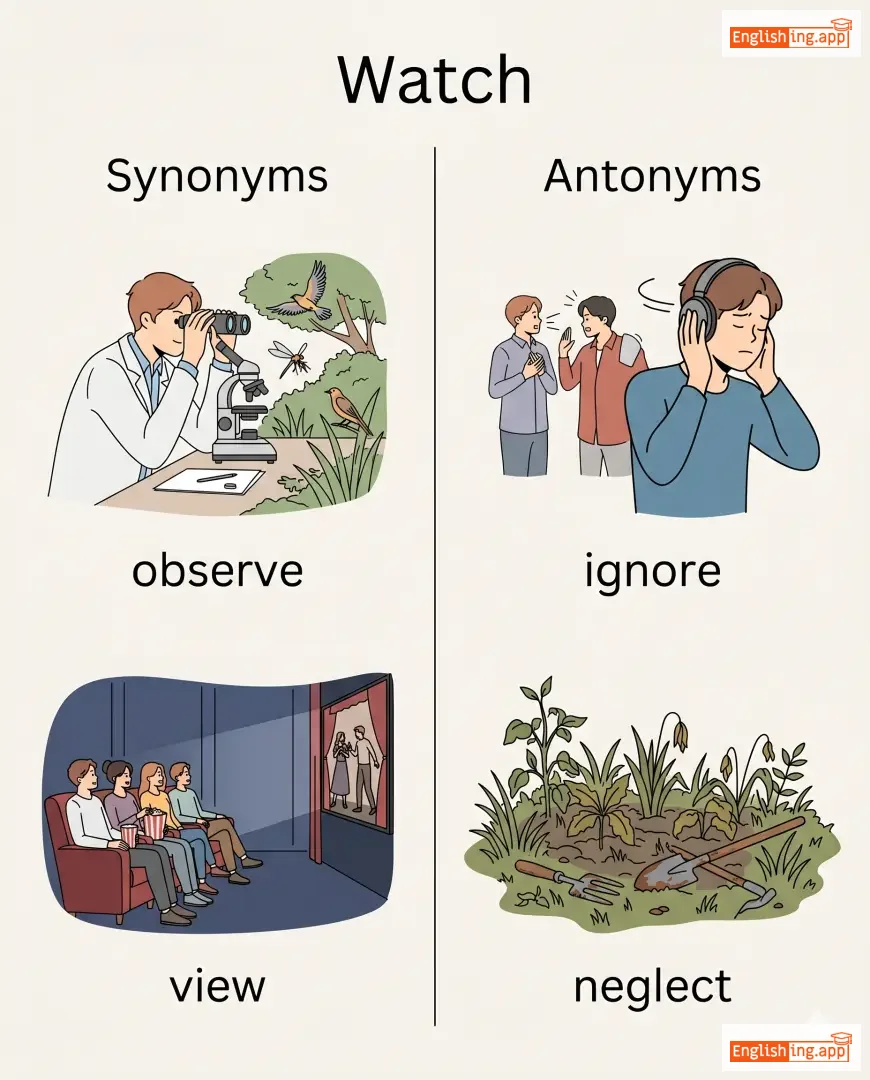
observe, monitor, view, see
••••••
|
ignore, overlook, neglect
••••••
|
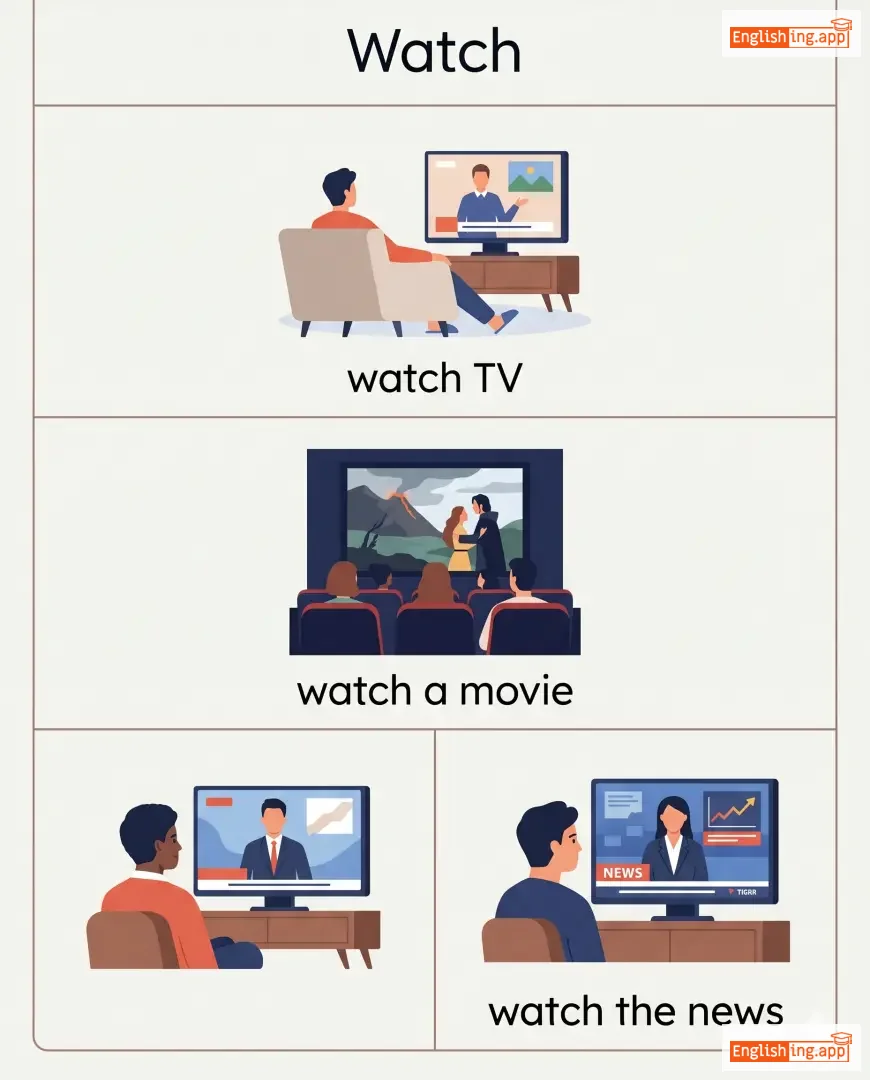
watch TV, watch movies, closely watch, carefully watch, constantly watch
••••••
|
見ると観察するの違いは、観察が監視を意味する点です。
••••••
|
|
#5451
💧
|
/ˈwɔːtər/
verb
(ウォーター)
••••••
|
|
水やり
mizuyari
••••••
|
watered
ウォータード
••••••
|
watered
ウォータード
••••••
|
waters
ウォーターズ
••••••
|
watering
ウォータリング
••••••
|
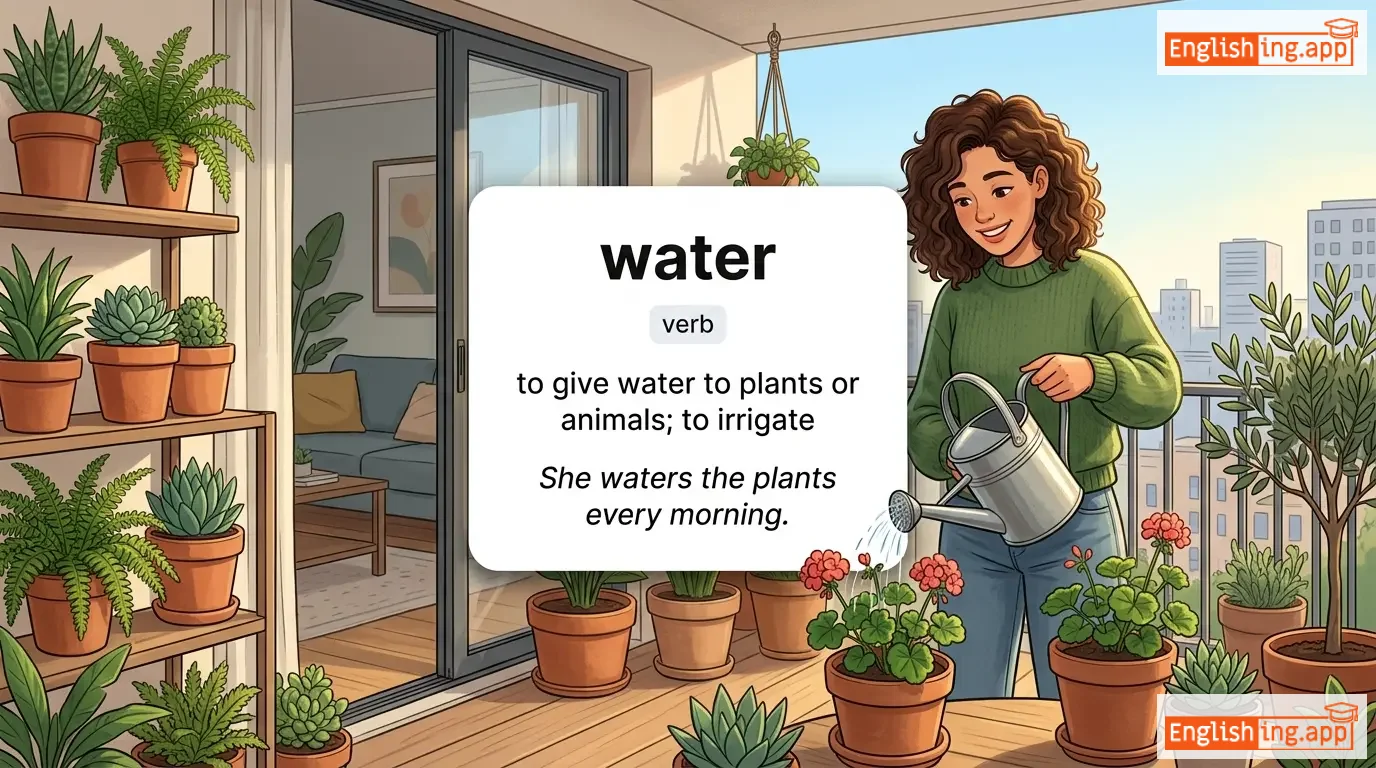
to give water to plants or animals; to irrigate
••••••
|
She waters the plants every morning.
彼女は毎朝植物に水をやります。
••••••
|
彼女は毎朝植物に水をやります。
Kanojo wa maiasa shokubutsu ni mizu o yarimasu
••••••
|
- •••••• | - •••••• | - •••••• |
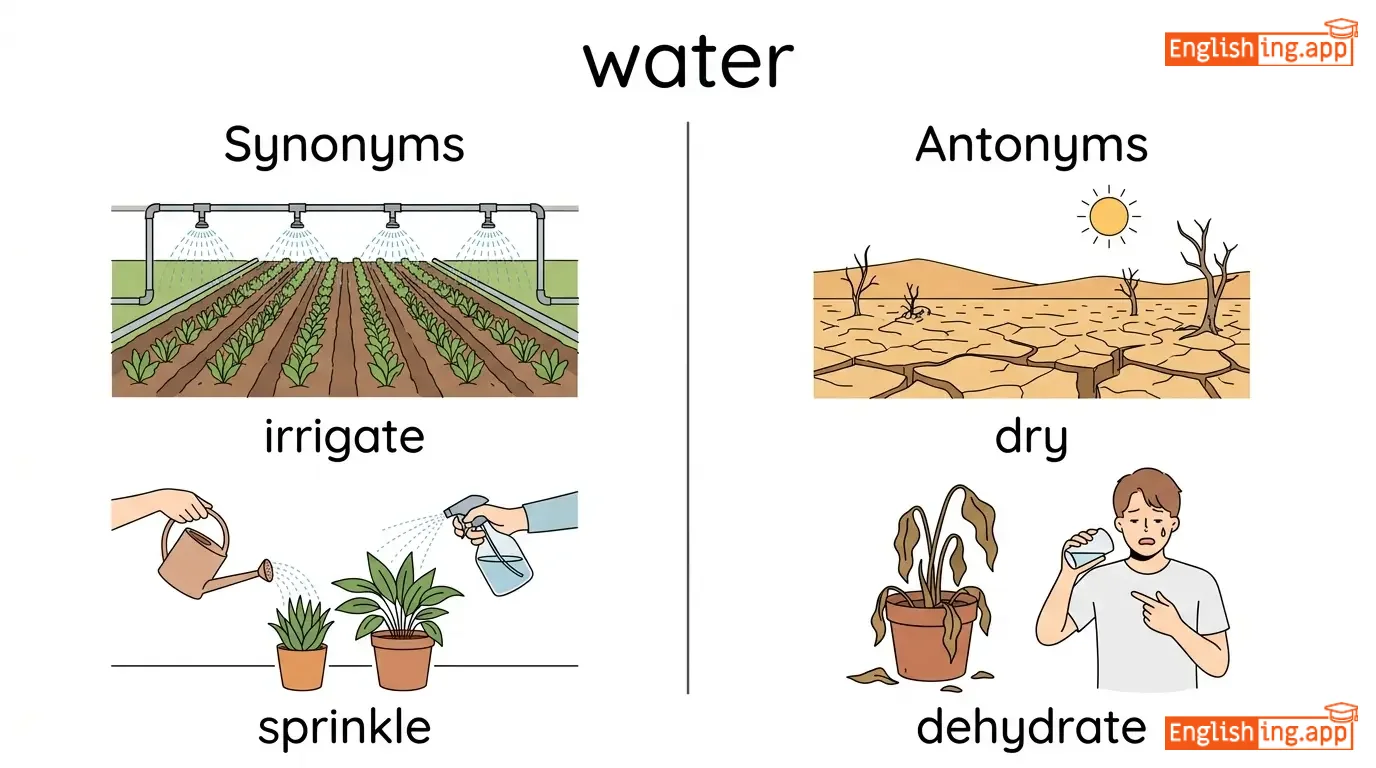
irrigate, sprinkle, drench, moisten
••••••
|
dry, dehydrate, parch
••••••
|
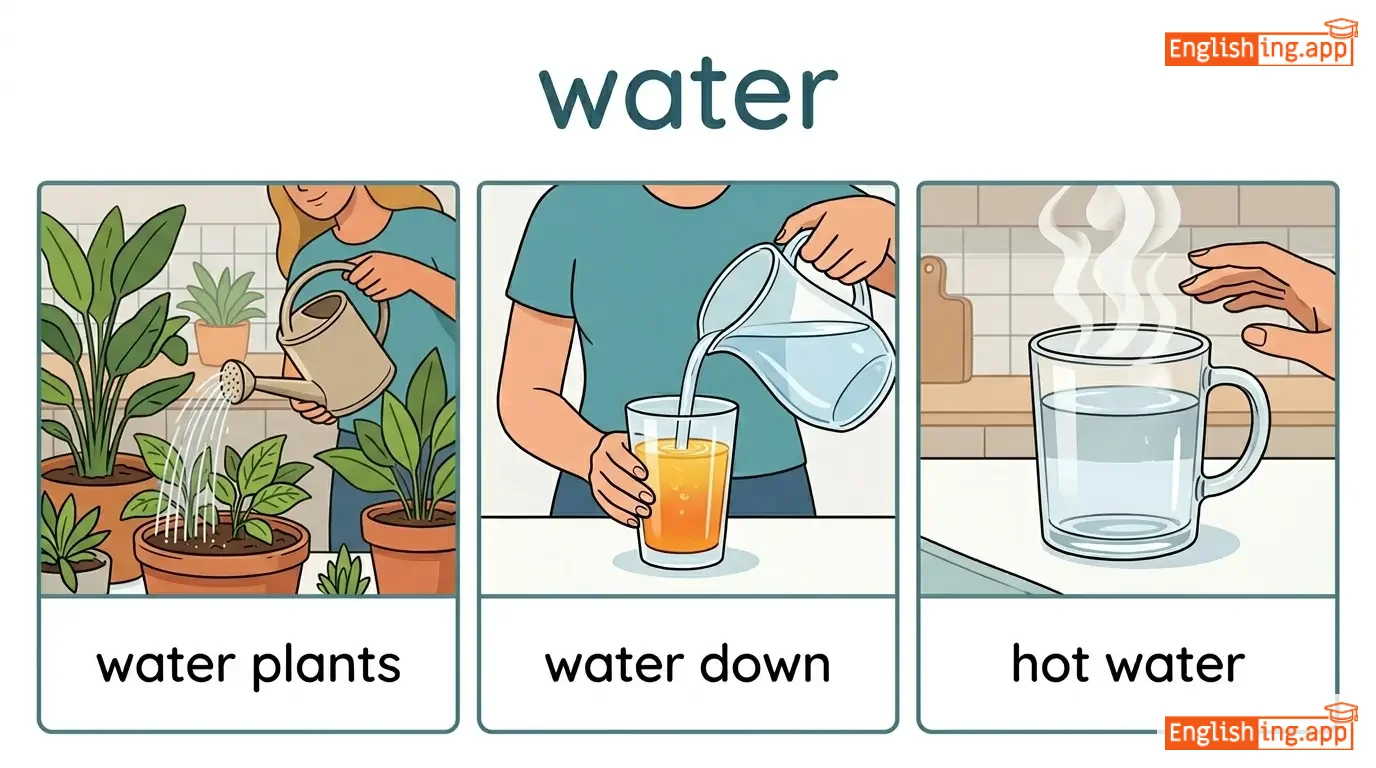
water plants, water down, hot water, cold water, drinking water, water supply
••••••
|
水やりは植物に水を与えること
••••••
|
|
#5452
🏞️
|
/ˈwɔːtərfɔːl/
noun
(ウォーターフォール)
••••••
|
- •••••• |
滝
wootaafooru
••••••
|
- •••••• | - •••••• | - •••••• | - •••••• |
a cascade of water falling from a height, formed when a river or stream flows over a precipice or steep incline
••••••
|
The magnificent waterfall attracts thousands of tourists every year.
壮大な滝は毎年何千人もの観光客を引きつけます。
••••••
|
壮大な滝は毎年何千人もの観光客を引きつけます。
soudaina taki wa mainen nanzen nin no mono kankoukyaku o hikitsukemasu.
••••••
|
- •••••• | - •••••• | - •••••• |
cascade, cataract, falls
••••••
|
drought, dry land, desert
••••••
|
magnificent waterfall, spectacular waterfall, waterfall view
••••••
|
Imagine a giant WATER bottle tipping over a cliff labeled TAKI, and the water splashes down as a cliff side sign whispers tak i. Water + fall -> Waterfall, 滝 (taki).
••••••
|
|
#5453
👋
|
/weɪv/
verb
(ウェイブ)
••••••
|
|
手を振る
te o furu
••••••
|
Waved
ウェイブド
••••••
|
Waved
ウェイブド
••••••
|
Waves
ウェイブス
••••••
|
Waving
ウェイビング
••••••
|
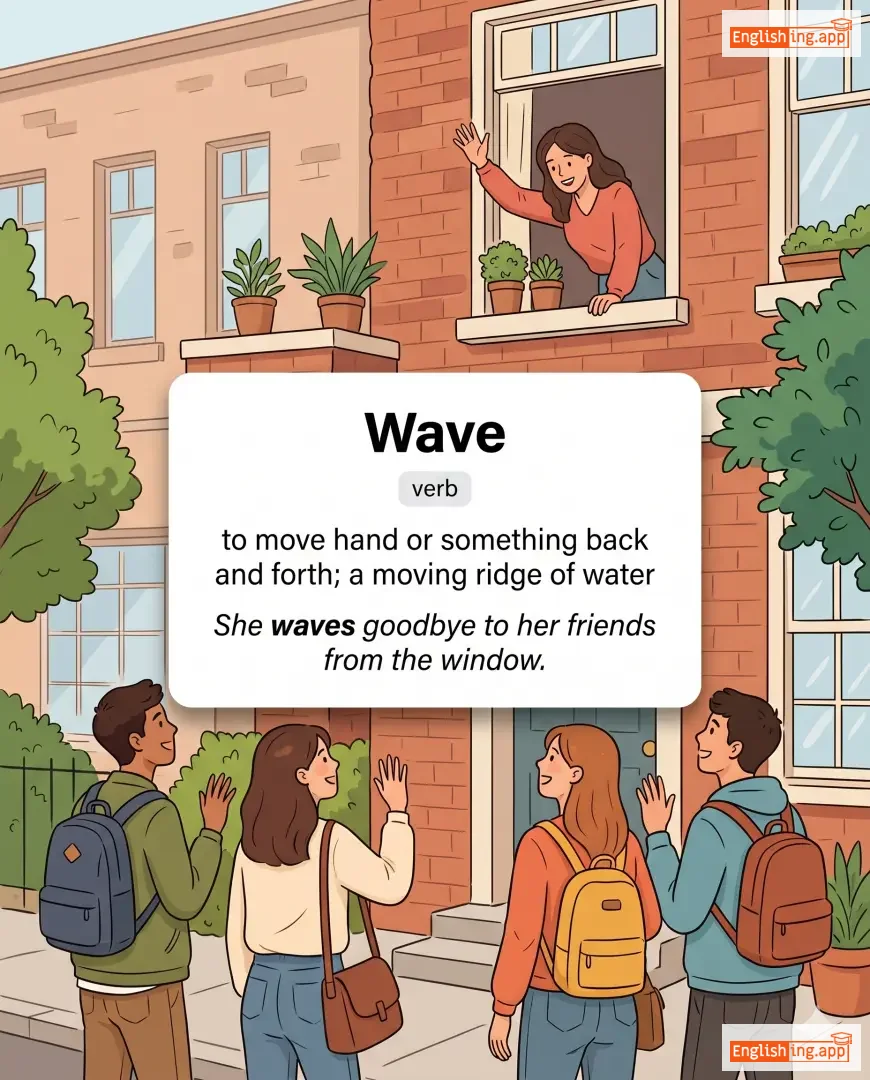
to move hand or something back and forth; a moving ridge of water
••••••
|
She waves goodbye to her friends from the window.
彼女は窓から友達に手を振ってさようならを言う。
••••••
|
彼女は窓から友達に手を振ってさようならを言う。
Kanojo wa mado kara tomodachi ni te o futte sayōnara o iu.
••••••
|
- •••••• | - •••••• | - •••••• |
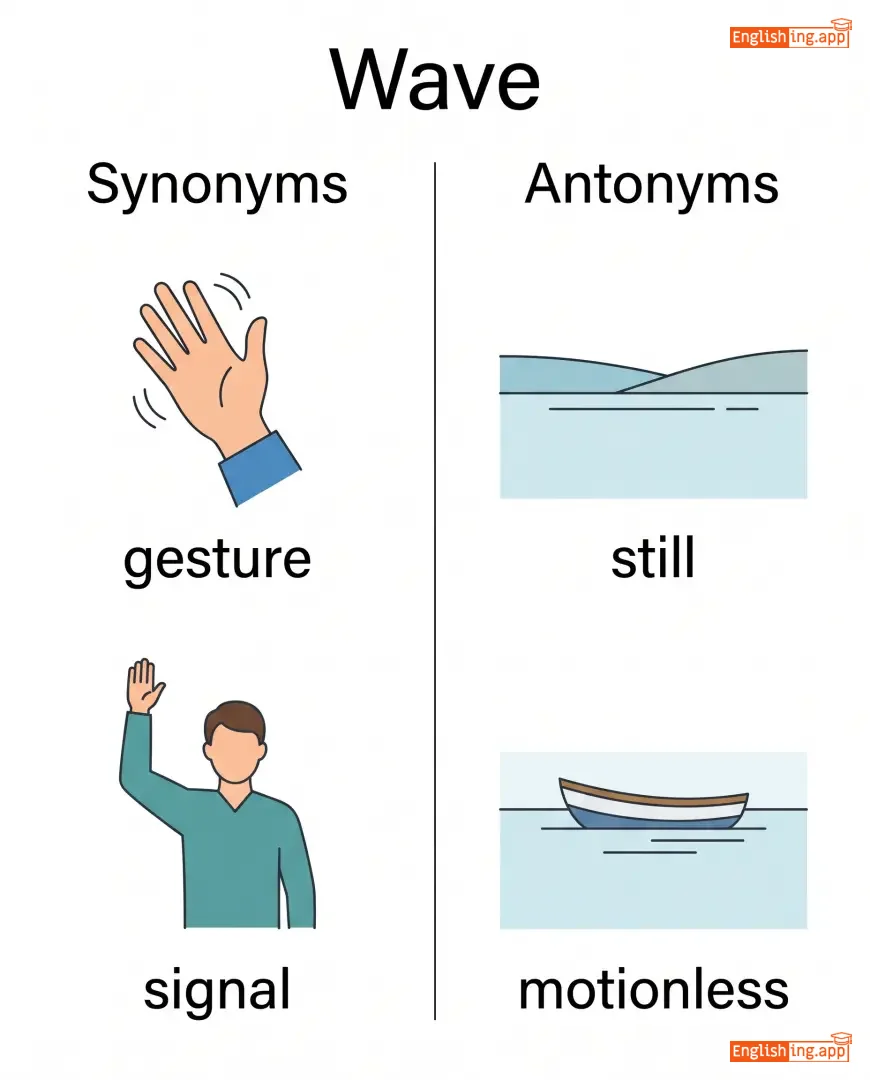
gesture, signal, greet, undulate
••••••
|
still, motionless, steady, calm
••••••
|
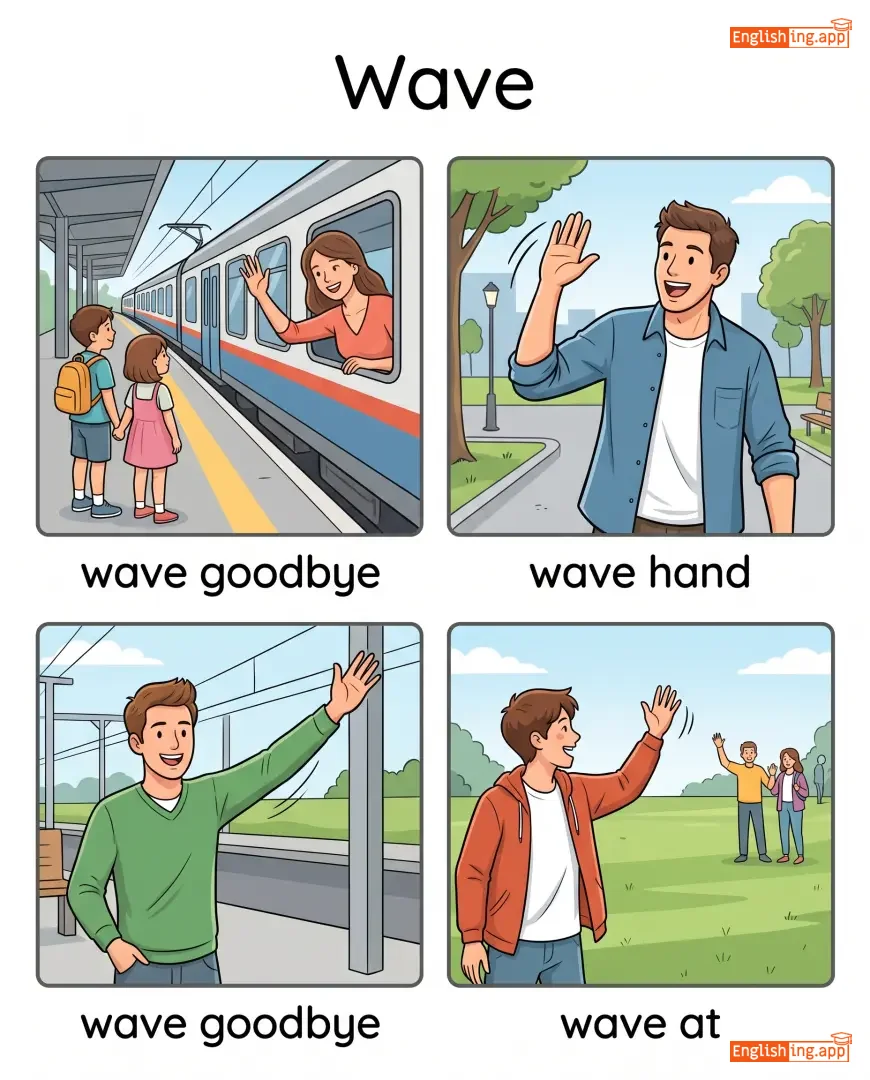
wave goodbye, wave hand, wave at, wave frantically
••••••
|
海の波のように手を振るイメージ。
••••••
|
|
#5454
🛣️
|
/weɪ/
noun
(ウェイ)
••••••
|
- •••••• |
道 / 方法
michi / hōhō
••••••
|
- •••••• | - •••••• | - •••••• | - •••••• |
a path, direction, or method of doing something
••••••
|
He found a new way to solve the problem. |
彼は問題を解決する新しい方法を見つけました。
Kare wa mondai o kaiketsu suru atarashī hōhō o mitsukemashita.
••••••
|
by the way |
used to introduce a new or additional topic
••••••
|
ちなみに
chinami ni
••••••
|
path, route, road, method, manner
••••••
|
blockage, obstacle, impasse
••••••
|
find a way, make way, on the way, by the way
••••••
|
Way は道を意味します — '高速道路' は大きな道です。
••••••
|
|
#5455
👥
|
/wi/
pronoun
(ウィ)
••••••
|
- •••••• |
私たち
watashitachi
••••••
|
- •••••• | - •••••• | - •••••• | - •••••• |
used by a speaker to refer to himself or herself and one or more other people
••••••
|
We are going to the park this afternoon.
私たちは今日の午後公園に行きます。
••••••
|
私たちは今日の午後公園に行きます。
Watashitachi wa kyō no gogo kōen ni ikimasu.
••••••
|
- •••••• | - •••••• | - •••••• |
us, ourselves, we two, we three
••••••
|
I, you
••••••
|
we are, we need, we can, we love
••••••
|
We are always ‘Watashitachi’ in Japanese!
••••••
|
|
#5456
💪❌
|
/wiːk/
adjective
(ウィーク)
••••••
|
- •••••• |
弱い; 脆弱
yowai; zeijaku
••••••
|
- •••••• | - •••••• | - •••••• | - •••••• |
lacking physical strength; not strong; fragile
••••••
|
After the illness, he felt weak and tired.
病気の後、彼は弱くて疲れていると感じました。
••••••
|
病気の後、彼は弱くて疲れていると感じました。
Byōki no ato, kare wa yowakute tsukarete iru to kanjimashita.
••••••
|
- •••••• | - •••••• | - •••••• |
feeble, frail, fragile, powerless
••••••
|
strong, powerful, robust, sturdy
••••••
|
weak point, weak signal, feel weak, grow weak
••••••
|
Weak in English sounds like 'ウィーク' in Japanese, both meaning '弱い'.
••••••
|
|
#5457
💤
|
/ˈwiːkən/
verb
(ウィーケン)
••••••
|
|
弱める
yowameru
••••••
|
weakened
ウィーケンド
••••••
|
weakened
ウィーケンド
••••••
|
weakens
ウィーケンス
••••••
|
weakening
ウィーケニング
••••••
|
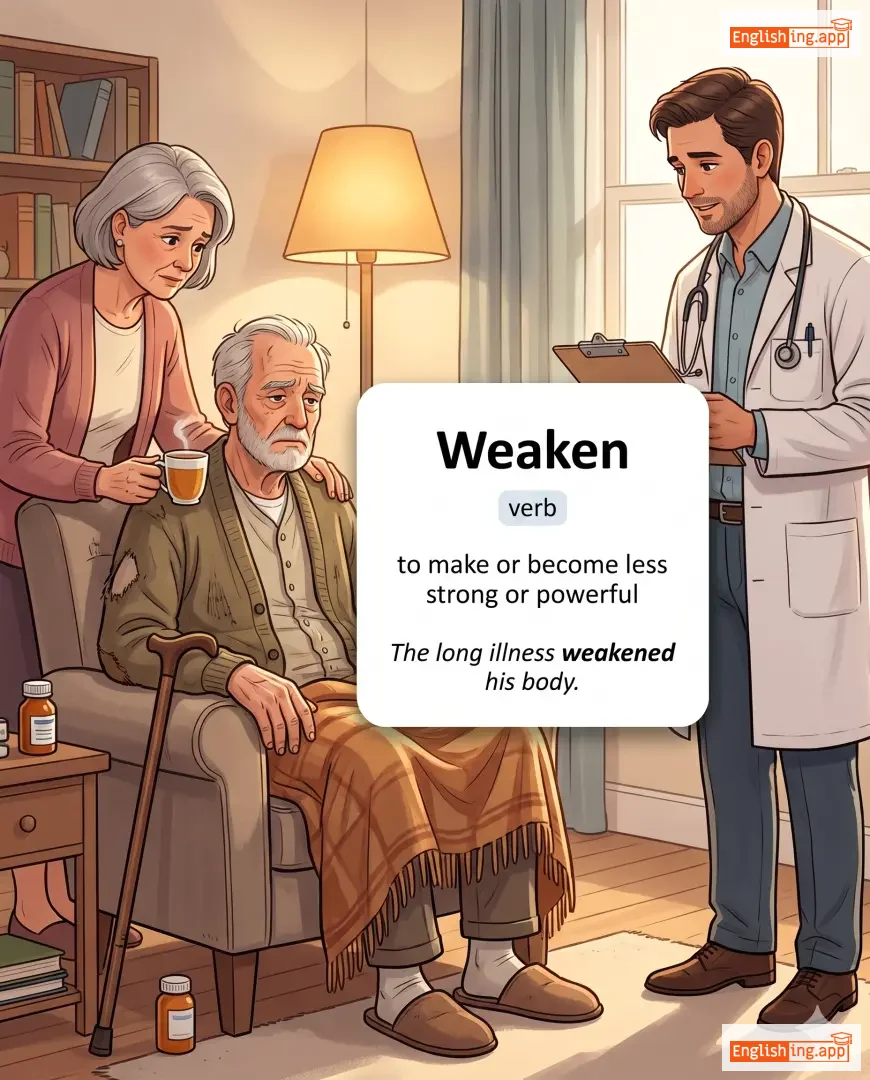
to make or become less strong or powerful
••••••
|
The long illness weakened his body.
ザ ロング イリネス ウィーケンド ヒズ ボディ。
••••••
|
長い病気が彼の体を弱めた。
Nagai byōki ga kare no karada o yowameta.
••••••
|
weaken someone's resolve
ウィーケン サムワンズ リゾルヴ
••••••
|
to make someone less determined or confident
••••••
|
誰かの決意を弱める
Dareka no ketsui o yowameru
••••••
|
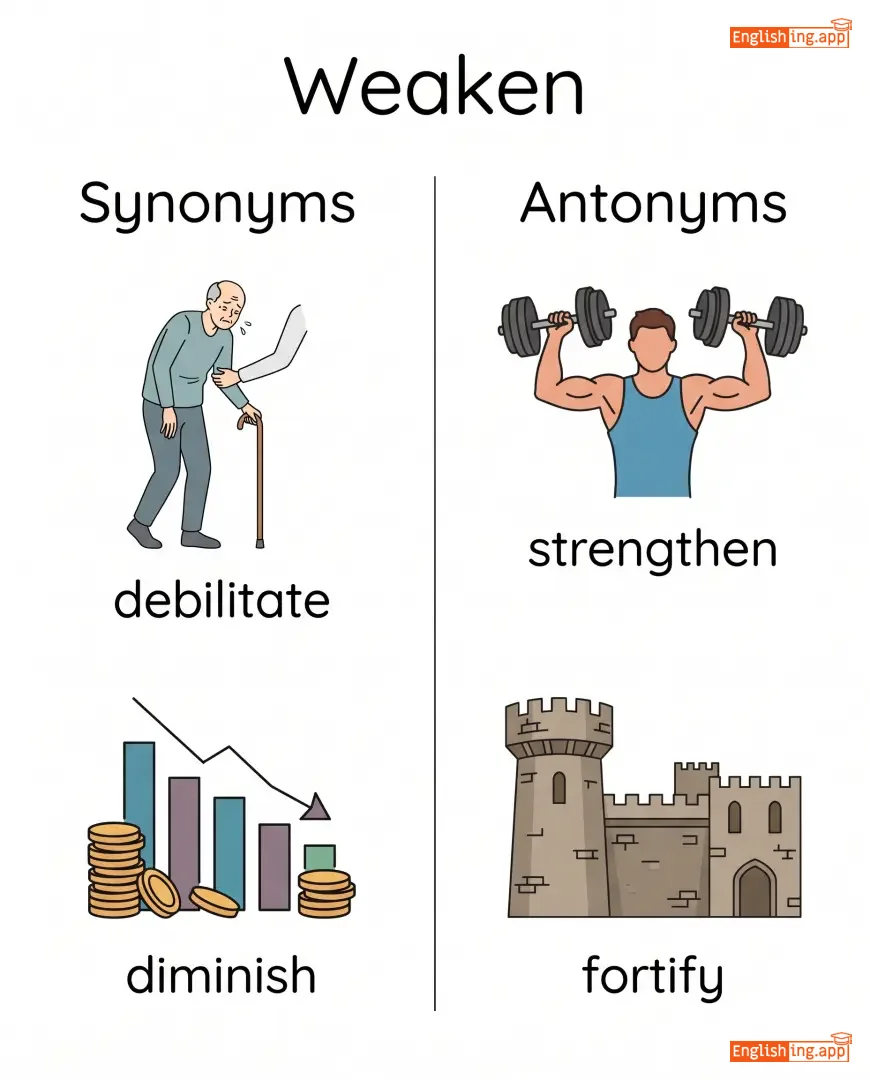
debilitate, diminish, reduce, impair, lessen
••••••
|
strengthen, fortify, empower
••••••
|
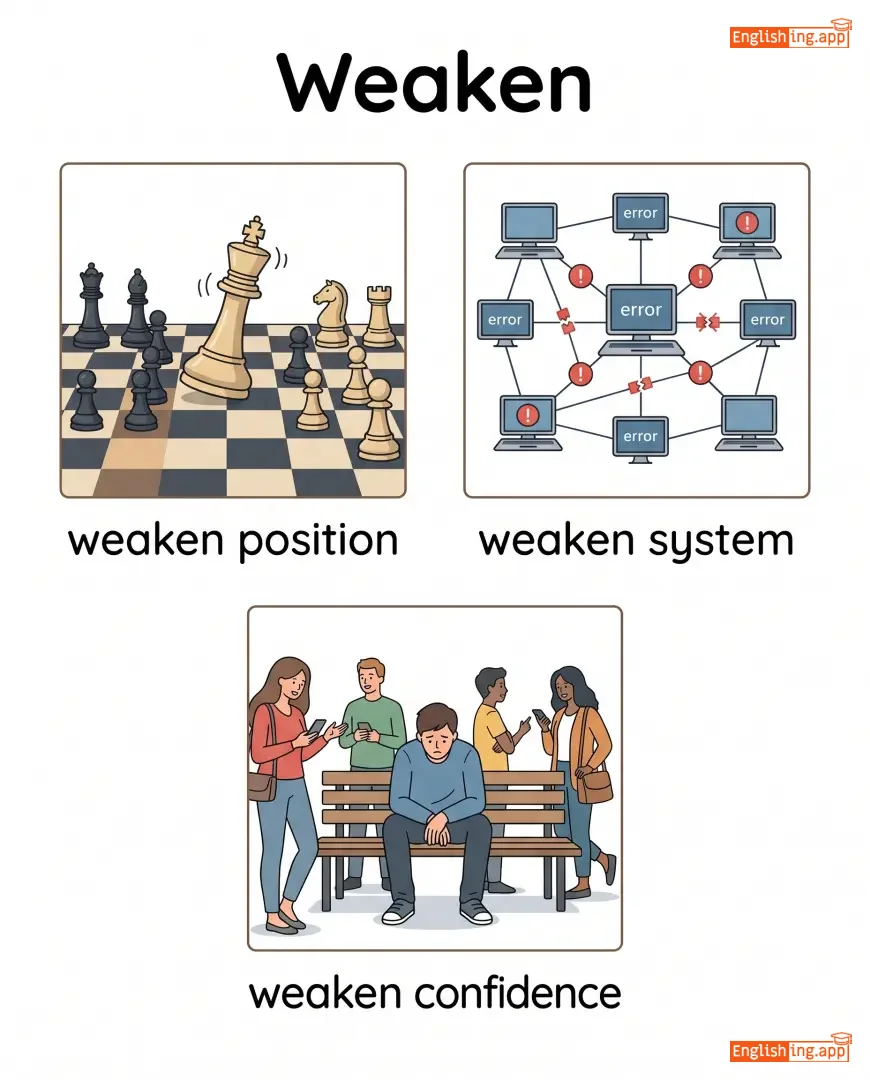
weaken position, weaken system, weaken confidence, weaken economy
••••••
|
Weakenは弱める、病気があなたを弱くさせるように。
••••••
|
|
#5458
💧
|
/ˈwiːknəs/
noun
(ウィークネス)
••••••
|
- •••••• |
弱点
jakuten
••••••
|
- •••••• | - •••••• | - •••••• | - •••••• |
a state of being weak; a flaw or shortcoming in character or structure
••••••
|
His main weakness is his lack of patience. |
彼の最大の弱点は忍耐力の欠如です。
Kare no saidai no jakuten wa nintairyoku no ketsujo desu.
••••••
|
achilles' heel |
a person's principal weakness or vulnerability
••••••
|
- •••••• |
frailty, flaw, vulnerability, defect, shortcoming
••••••
|
strength, power, resilience
••••••
|
mental weakness, show weakness, personal weakness, weakness for sweets
••••••
|
Weakは弱い、weaknessは弱点、‘ness’で状態を表す。
••••••
|
|
#5459
💰
|
/wɛlθ/
noun
(wɛlθ)
••••••
|
|
富
fu
••••••
|
- •••••• | - •••••• | - •••••• | - •••••• |
an abundance of valuable possessions or money; prosperity
••••••
|
The businessman built his wealth through hard work and smart investments. |
その実業家は、努力と賢明な投資を通じて富を築きました。
Sono jitsugyōka wa, doryoku to kenmei na tōshi o tōjite fu o kizukimashita.
••••••
|
wealth of experience |
a large amount of knowledge or skill gained through practice or time
••••••
|
経験の豊かさ
keiken no yutakasa
••••••
|
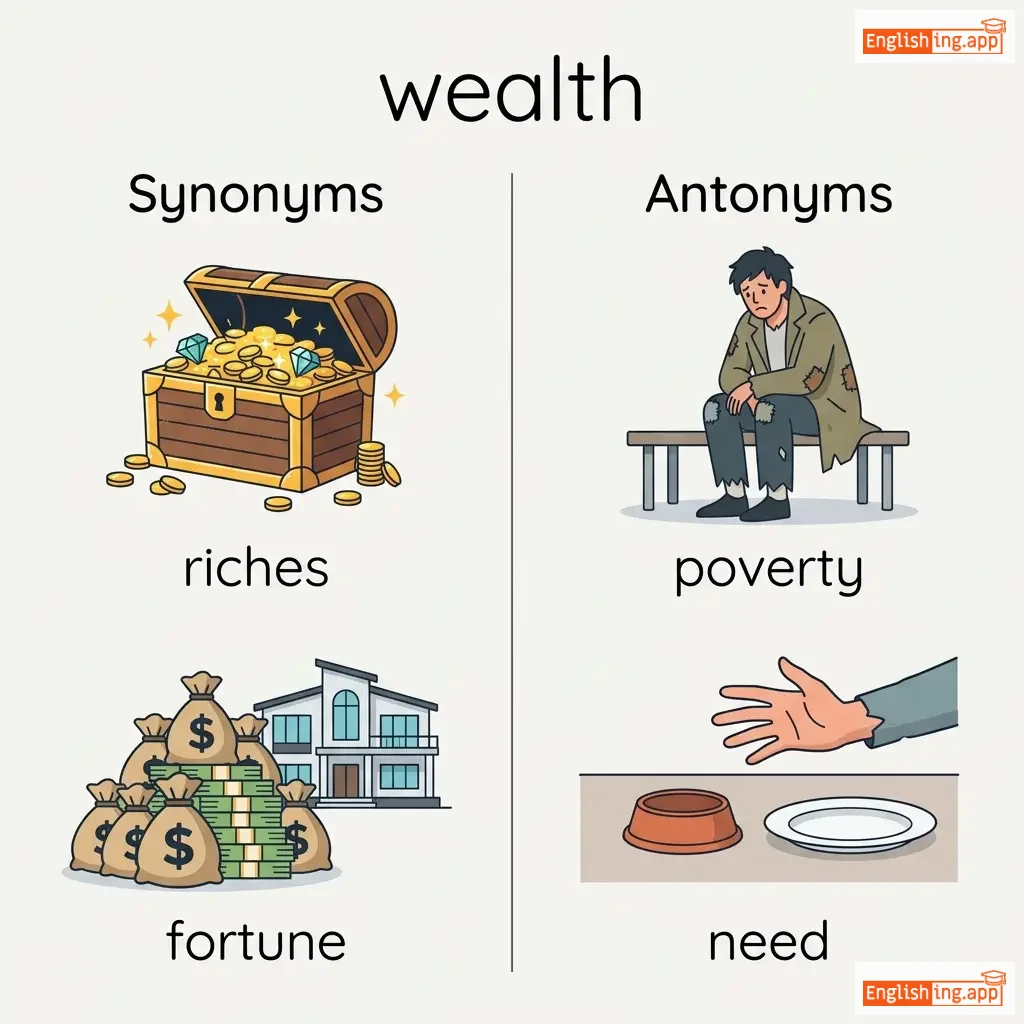
riches, fortune, prosperity, affluence
••••••
|
poverty, need, scarcity
••••••
|
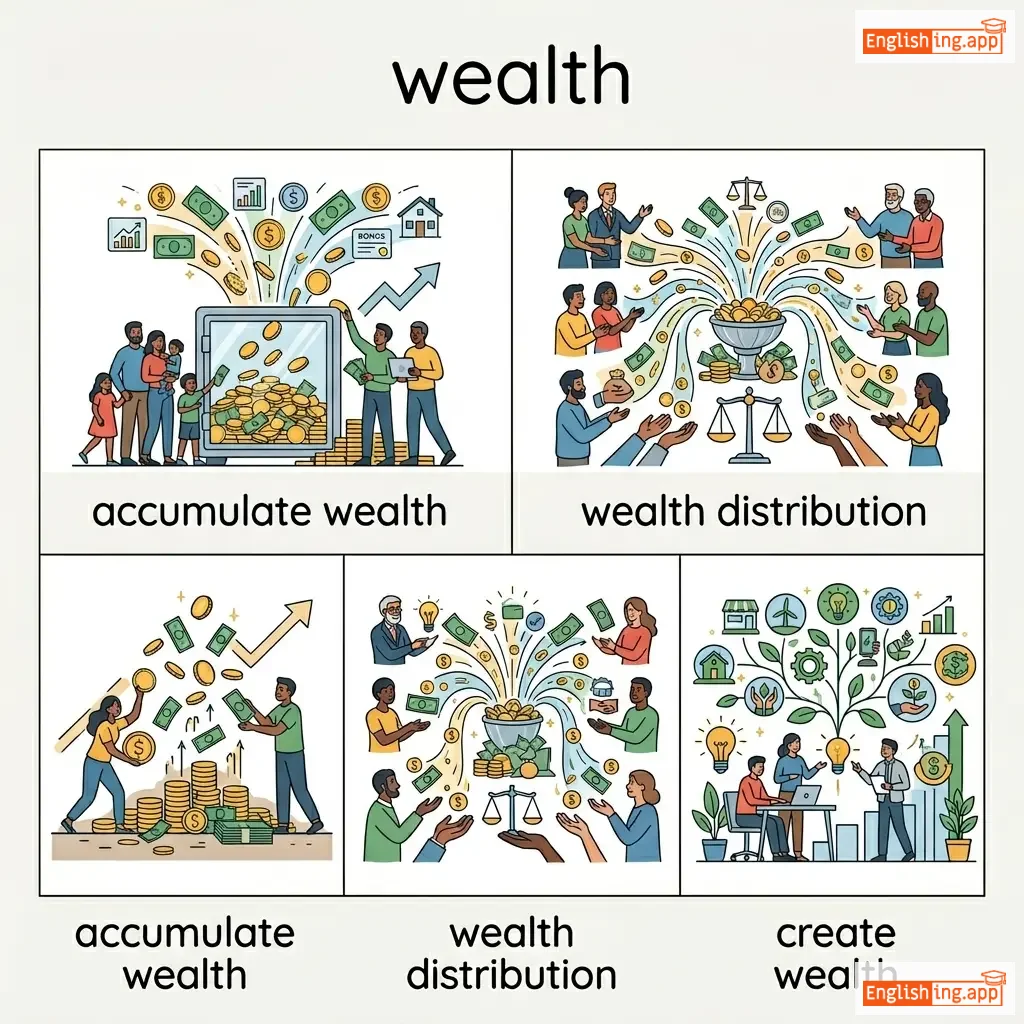
accumulate wealth, wealth distribution, create wealth, family wealth
••••••
|
WEALTHは'富'を意味します - 'We Earn And Live Through Hardwork' 💰
••••••
|
|
#5460
💰
|
/ˈwel.θi/
adjective
(ウェルシー)
••••••
|
- •••••• |
裕福な; 金持ちの; 繁栄した
yūfukuna; kanemochi no; han'ei shita
••••••
|
- •••••• | - •••••• | - •••••• | - •••••• |
having a great deal of money; rich; prosperous
••••••
|
The wealthy businessman donated millions to charity. |
裕福な実業家は慈善活動に何百万ドルも寄付しました。
Yūfukuna jitsugyōka wa jizen katsudō ni nanbyakuman doru mo kifushimashita.
••••••
|
- •••••• | - •••••• | - •••••• |
rich, affluent, prosperous, well-off
••••••
|
poor, impoverished, destitute, needy
••••••
|
wealthy family, wealthy individual, become wealthy, extremely wealthy
••••••
|
裕福な人々は常に繁栄しています。
••••••
|
|
#5461
🗡️
|
/ˈwep.ən/
noun
(ウェポン)
••••••
|
- •••••• |
武器
buki
••••••
|
- •••••• | - •••••• | - •••••• | - •••••• |
a thing designed or used for inflicting bodily harm or physical damage
••••••
|
The police found a dangerous weapon at the crime scene.
警察は犯罪現場で危険な武器を発見した。
••••••
|
警察は犯罪現場で危険な武器を発見した。
Keisatsu wa hanzai genba de kiken na buki o hakken shita.
••••••
|
- •••••• | - •••••• | - •••••• |
arm, armament, firearm, tool of violence
••••••
|
shield, protection, defense, peace
••••••
|
deadly weapon, nuclear weapon, weapon of mass destruction, concealed weapon
••••••
|
武器は自己防衛や攻撃のために使われる道具であり、力を象徴する。
••••••
|
|
#5462
👕
|
/wɛr/
verb
(ウェア)
••••••
|
|
着る
kiru
••••••
|
wore
ウォー
••••••
|
worn
ウォーン
••••••
|
wears
ウェアズ
••••••
|
wearing
ウェアリング
••••••
|
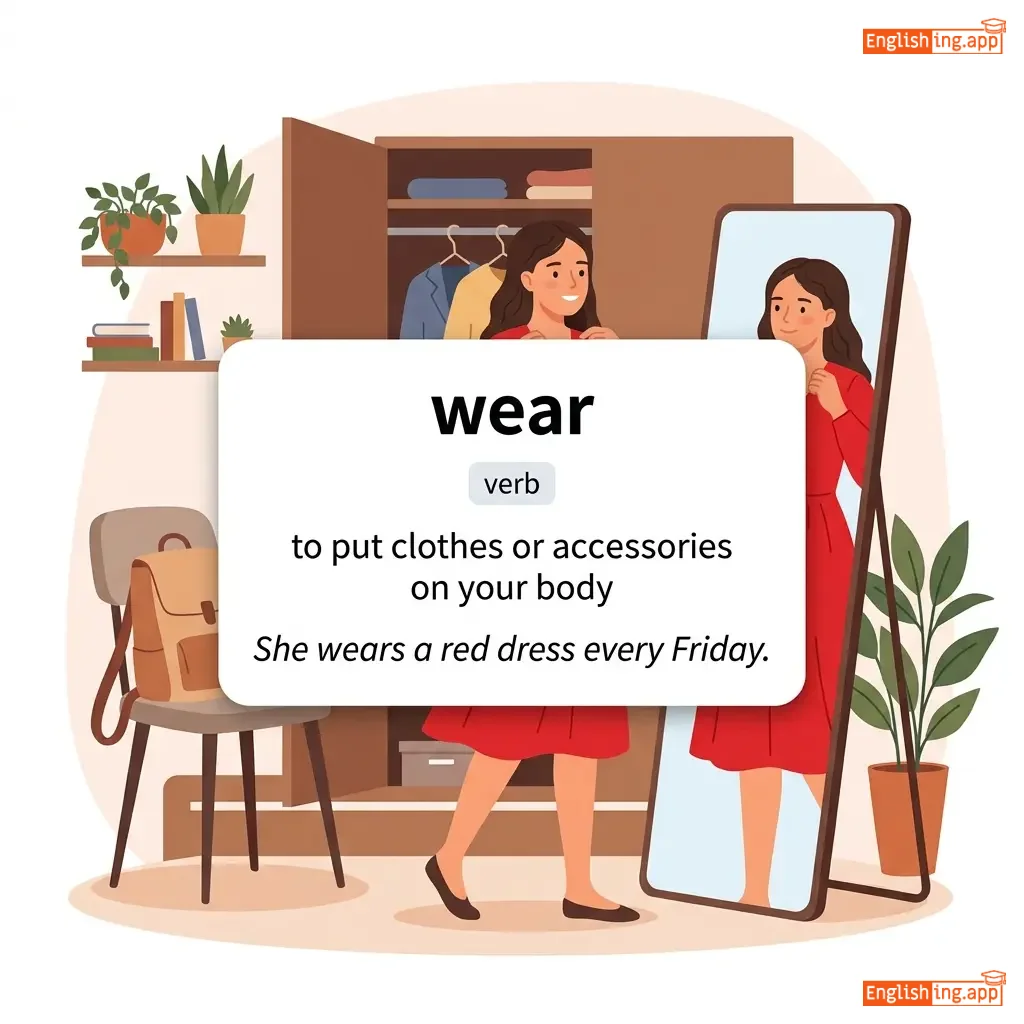
to have clothing or accessories on one's body
••••••
|
She likes to wear bright colors.
シー ライクス トゥ ウェア ブライト カラーズ
••••••
|
彼女は明るい色を着るのが好きです。
Kanojo wa akarui iro wo kiru no ga suki desu.
••••••
|
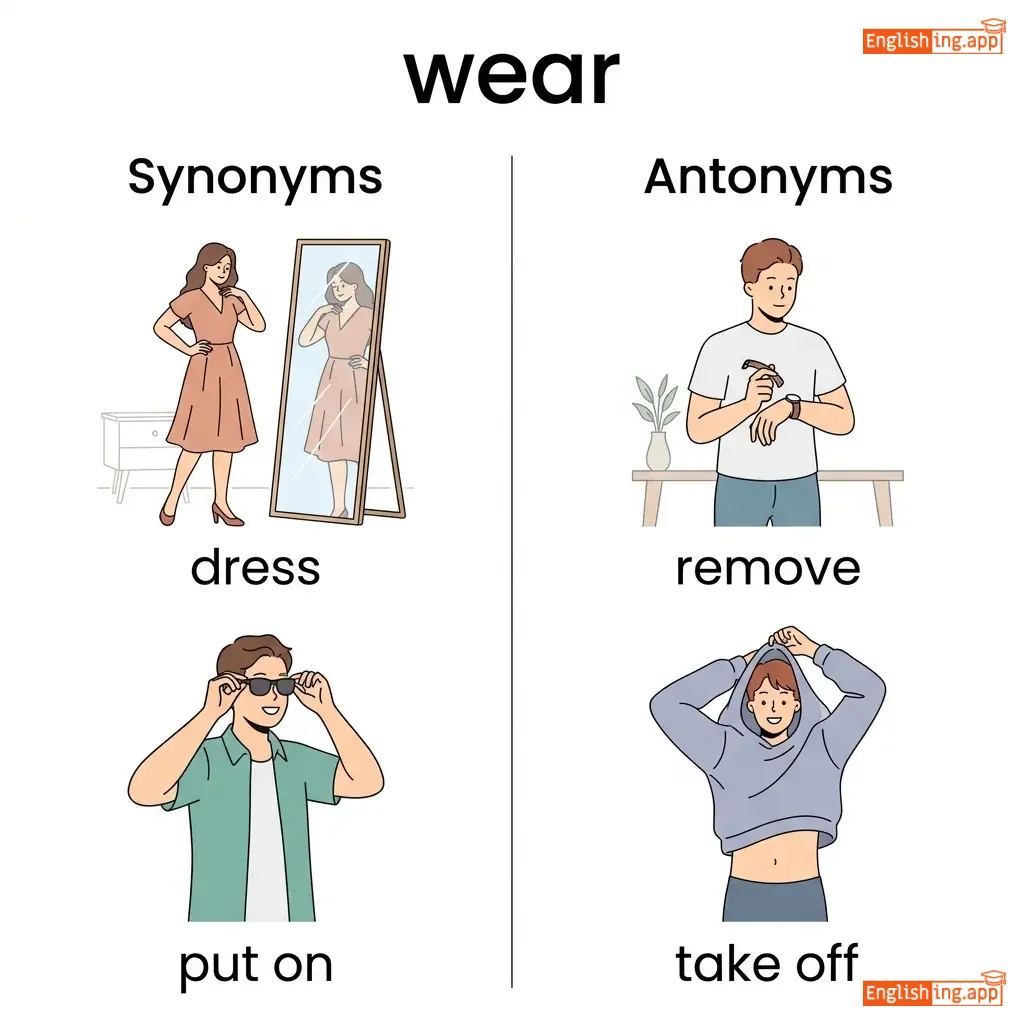
- •••••• | - •••••• | - •••••• |
don, put on, sport, carry
••••••
|
remove, take off, undress
••••••
|
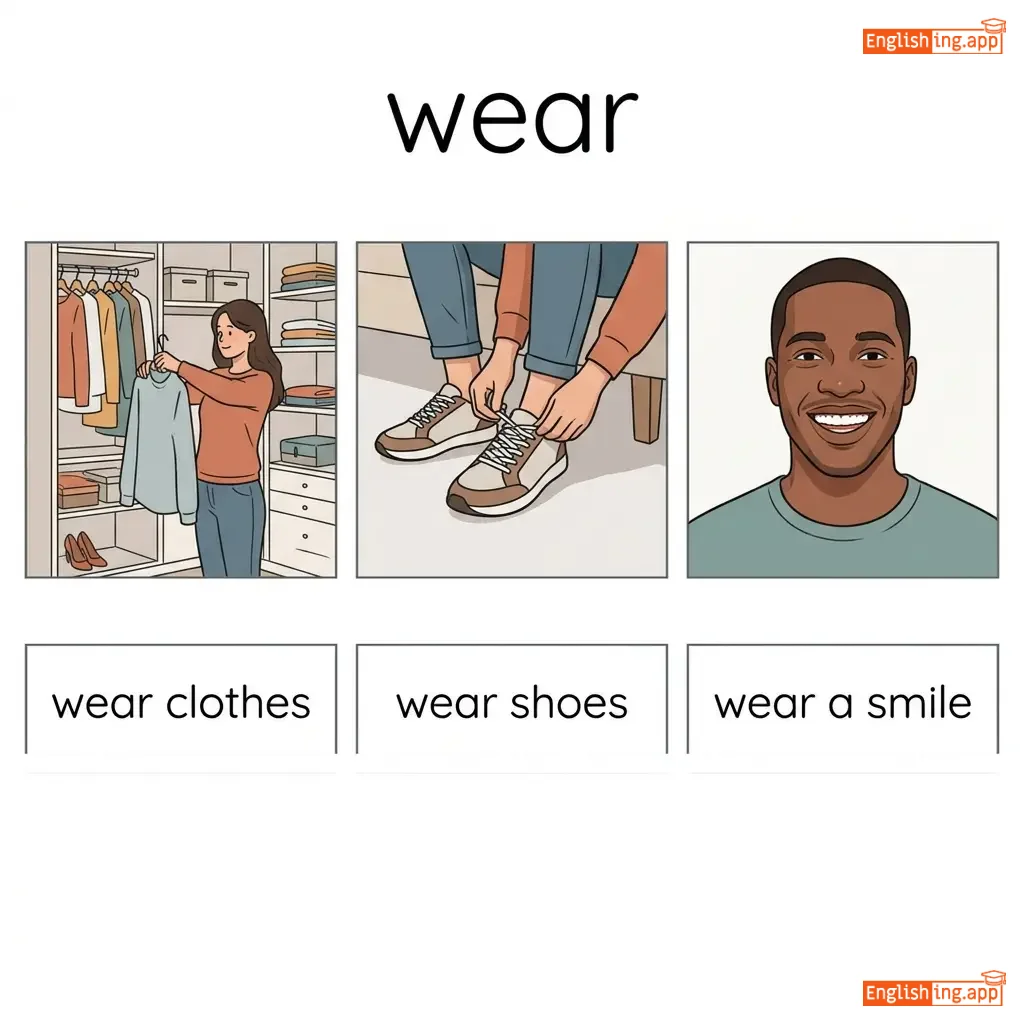
wear clothes, wear jewelry, wear shoes, wear uniform, wear makeup, wear expression
••••••
|
No •••••• |
|
#5463
⛅
|
/ˈwɛðər/
noun
(wɛðər)
••••••
|
|
天気
tenki
••••••
|
- •••••• | - •••••• | - •••••• | - •••••• |
the state of the atmosphere at a particular place and time in terms of heat, cloudiness, dryness, sunshine, wind, rain, etc.
••••••
|
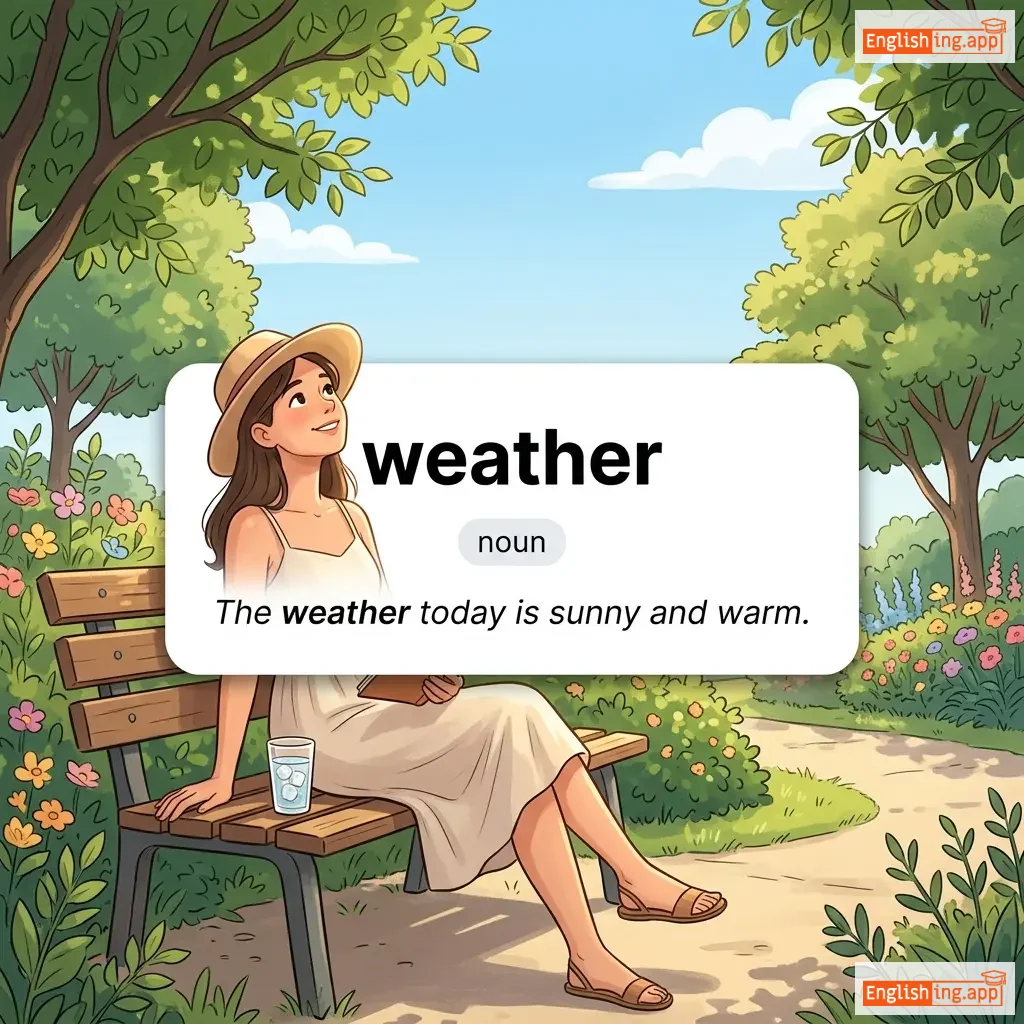
The weather today is sunny and warm. |
今日は晴れて暖かい天気です。
Kyou wa harete atatakai tenki desu.
••••••
|
under the weather |
feeling unwell or sick
••••••
|
体調が悪い
taichou ga warui
••••••
|
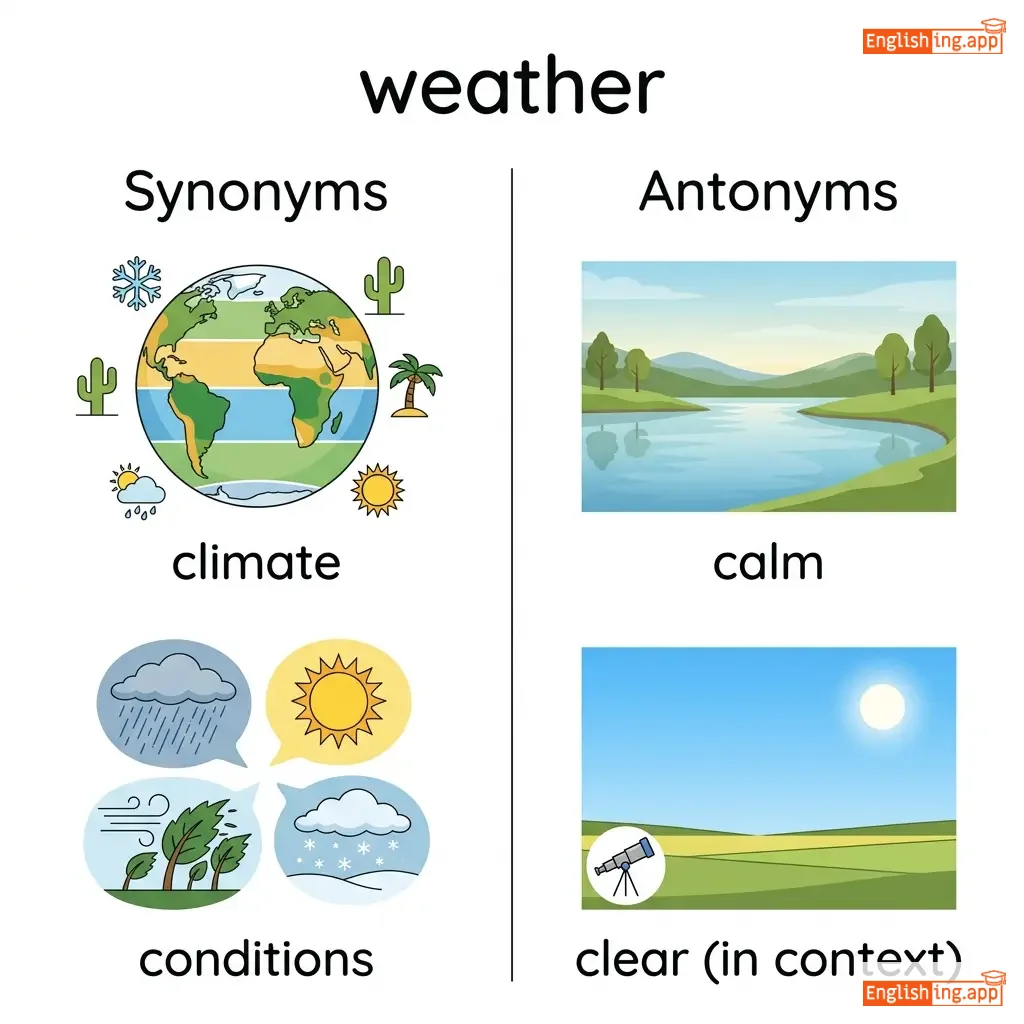
climate, conditions, atmosphere, forecast
••••••
|
calm, clear (in context)
••••••
|
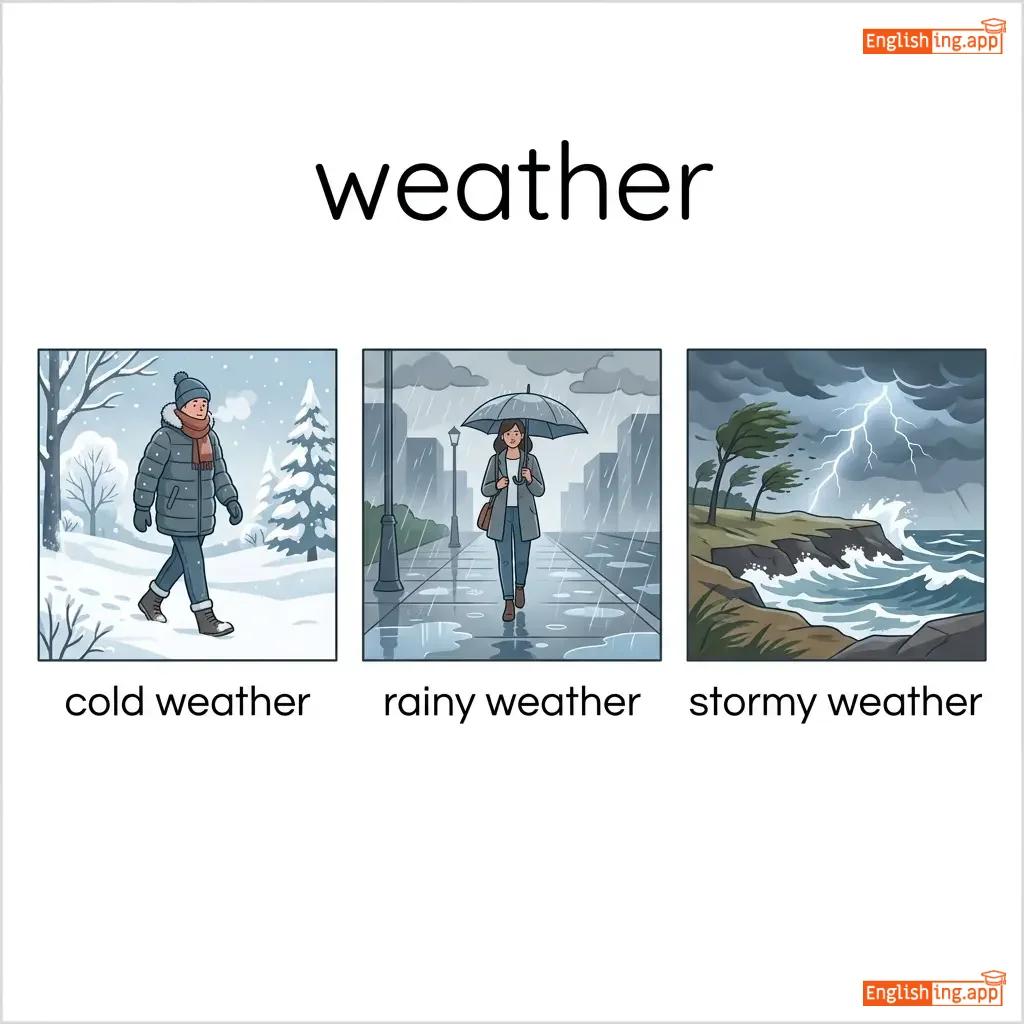
cold weather, rainy weather, stormy weather, fine weather
••••••
|
天気を知ることで、その日の「weather」が予測できます。
••••••
|
|
#5464
🧶
|
/wiːv/
verb
(ウィーヴ)
••••••
|
- •••••• |
織る
oru
••••••
|
wove
ウーヴ
••••••
|
woven
ウーヴェン
••••••
|
weaves
ウィーヴズ
••••••
|
weaving
ウィーヴィング
••••••
|
to make cloth by interlacing threads or to combine elements into a whole
••••••
|
She weaves beautiful patterns on her loom.
彼女は自分の織機で美しいパターンを織っています。
••••••
|
彼女は自分の織機で美しいパターンを織っています。
Kanojo wa jibun no oriki de utsukushii patān wo otteimasu.
••••••
|
weave a story
物語を織る
••••••
|
to create a complex or imaginative story
••••••
|
物語を織る
Monogatari wo oru
••••••
|
interlace, intertwine, knit, braid, spin
••••••
|
unravel, untangle
••••••
|
weave fabric, weave basket, weave pattern, weave story
••••••
|
Weave はネットを編むようなものです — 布や物語の両方を編むことができます。
••••••
|
|
#5465
💍
|
/wɛd/
verb
(ウェッド)
••••••
|
- •••••• |
結婚する
kekkon suru
••••••
|
wed
ウェッド
••••••
|
wed
ウェッド
••••••
|
weds
ウェッズ
••••••
|
wedding
ウェディング
••••••
|
to marry someone; to enter into a marriage
••••••
|
They decided to wed in a small ceremony by the beach.
彼らはビーチで小さな式を挙げることを決めました。
••••••
|
彼らはビーチで小さな式を挙げることを決めました。
Karera wa bīchi de chiisana shiki o ageru koto o kimemashita.
••••••
|
newly wed
新婚
••••••
|
someone who has recently married
••••••
|
新婚
shinkon
••••••
|
marry, unite, join, espouse
••••••
|
divorce, separate
••••••
|
wed someone, plan to wed, wed in church, wed soon
••••••
|
WED は結婚すること - Wedding は WED day 💍
••••••
|
|
#5466
💍
|
/ˈwɛdɪŋ/
noun
(wedding)
••••••
|
- •••••• |
結婚式
けっこんしき
••••••
|
- •••••• | - •••••• | - •••••• | - •••••• |
a marriage ceremony, especially considered as including the associated celebrations
••••••
|
They are planning a wedding in the summer. |
彼らは夏に結婚式を計画しています。
Karera wa natsu ni kekkonshiki o keikaku shiteimasu.
••••••
|
- •••••• | - •••••• | - •••••• |
marriage, nuptials, ceremony, union
••••••
|
divorce, separation
••••••
|
attend a wedding, wedding ceremony, wedding dress, wedding reception
••••••
|
Wedding – Picture the elegant 'けっこんしき' with joyful festivities!
••••••
|
|
#5467
📅
|
/ˈwɛnzdeɪ/
noun
(ウェンズデー)
••••••
|
- •••••• |
水曜日
suiyoubi
••••••
|
- •••••• | - •••••• | - •••••• | - •••••• |
the fourth day of the week, following Tuesday and preceding Thursday
••••••
|
The meeting has been scheduled for Wednesday afternoon.
ザ ミーティング ハズ ビーン スケジュールド フォー ウェンズデー アフタヌーン。
••••••
|
会議は水曜日の午後に予定されています。
kaigi wa suiyoubi no gogo ni yotei sareteimasu
••••••
|
Hump Day
ハンプ・デー
••••••
|
Wednesday, viewed as the midpoint of the workweek
••••••
|
週の真ん中の日
shuu no mannaka no hi
••••••
|
midweek, hump day, weekday
••••••
|
Monday, Friday
••••••
|
next Wednesday, last Wednesday, on Wednesday, Wednesday morning
••••••
|
水曜日は水のように中間—Wednesday は真ん中
••••••
|
|
#5468
🌿
|
/wiːd/
noun, verb
(ウィード)
••••••
|
|
雑草
zassou
••••••
|
weeded
ウィーデッド
••••••
|
weeded
ウィーデッド
••••••
|
weeds
ウィーズ
••••••
|
weeding
ウィーディング
••••••
|
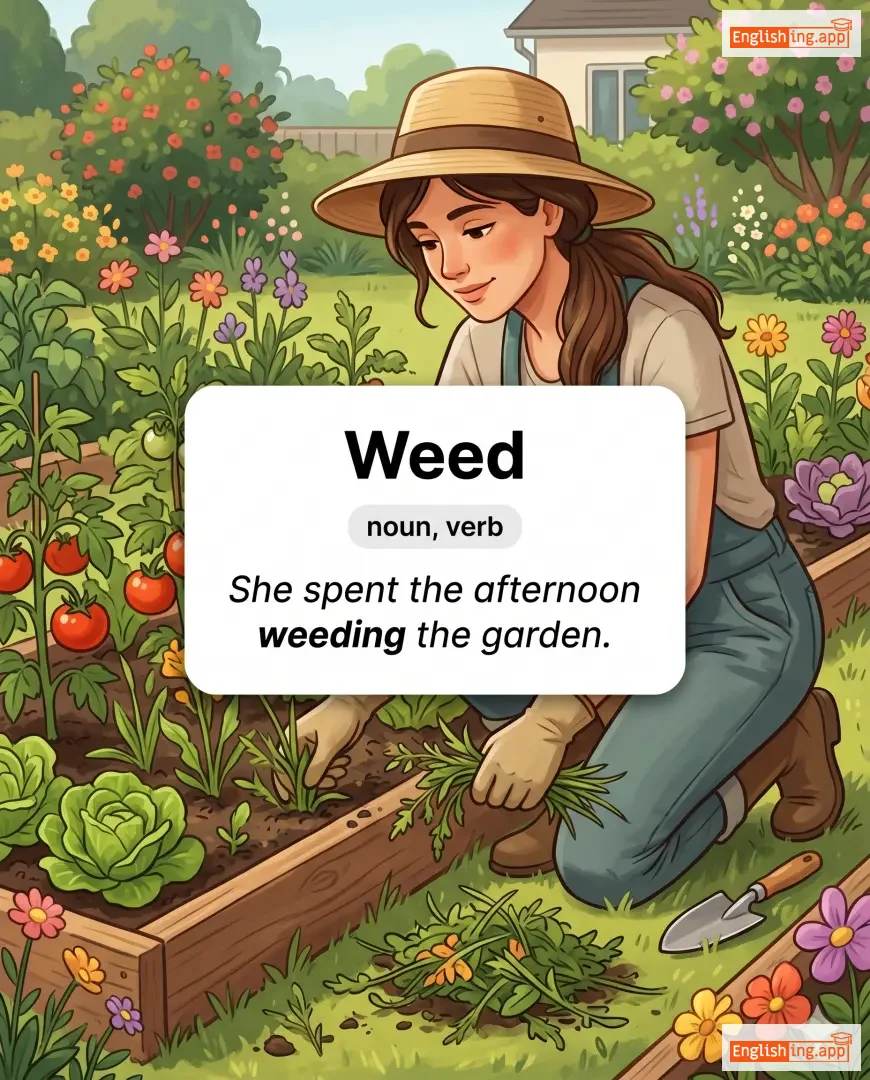
a wild plant growing where it is not wanted, especially among crops; to remove such plants
••••••
|
She spent the afternoon weeding the garden.
彼女は午後を庭の雑草取りに費やした。
••••••
|
彼女は午後を庭の雑草取りに費やした。
Kanojo wa gogo wo niwa no zassou tori ni tsuiyashita.
••••••
|
weed out
取り除く
••••••
|
to remove unwanted or less effective people or things
••••••
|
望ましくないまたは効果が薄い人々や物を取り除く
nozomashikunai matawa kouka ga usui hitobito ya mono wo torinoku
••••••
|
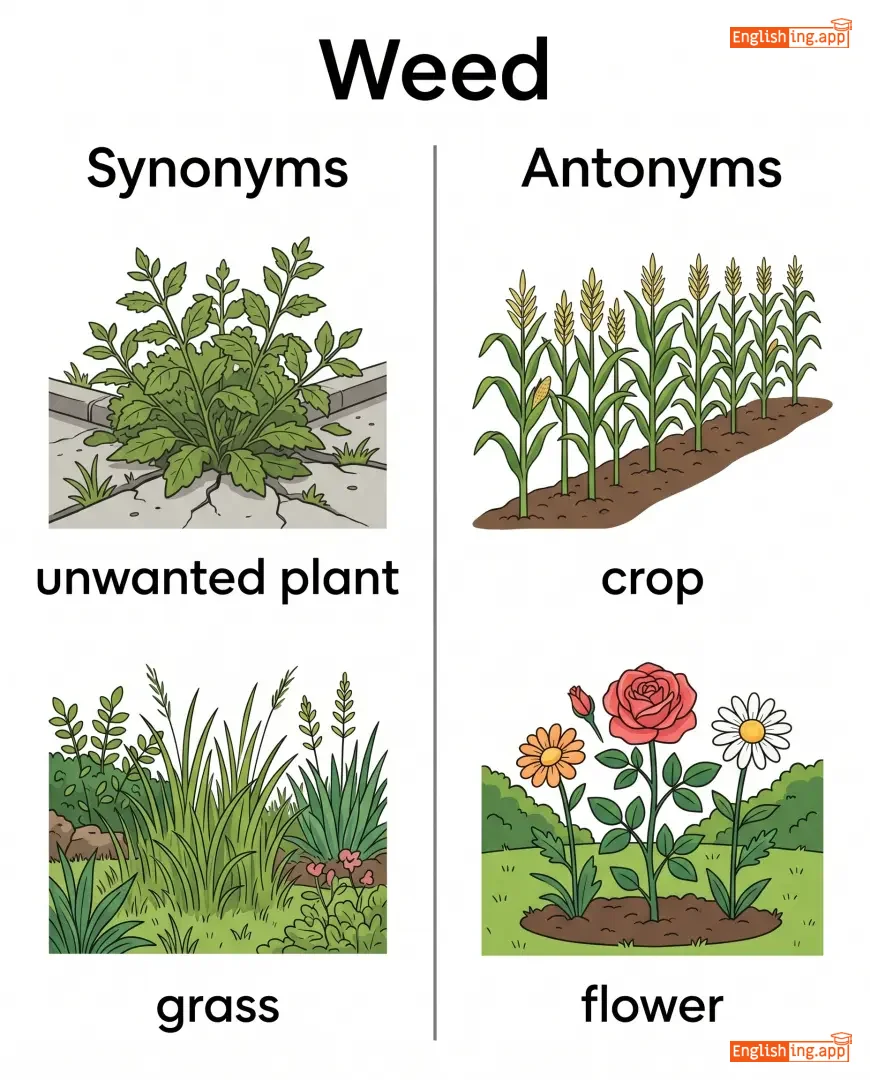
unwanted plant, grass, wild plant, pest plant, herb
••••••
|
crop, flower, plant
••••••
|
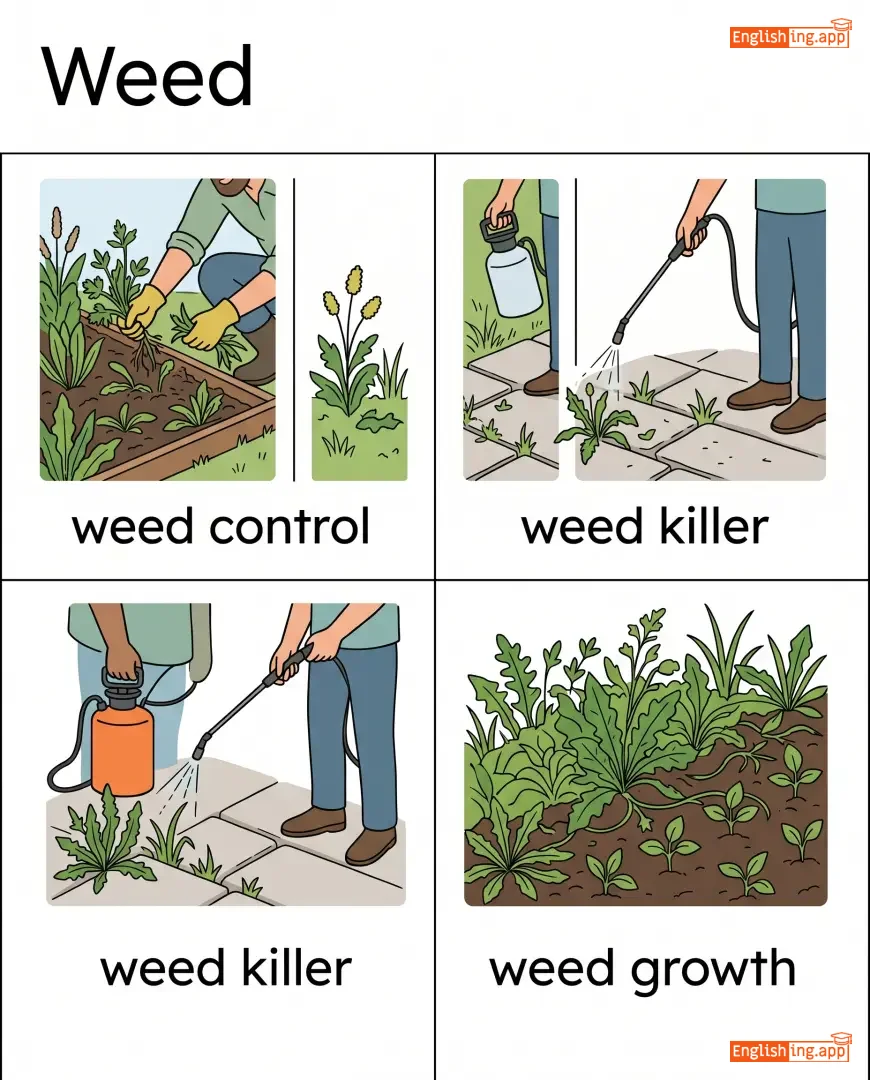
weed control, weed killer, weed growth, pull weeds, weed out
••••••
|
weed = 雑草, それを取り除く = 庭をきれいにする 🌱
••••••
|
|
#5469
📅
|
/wiːk/
noun
(ウィーク)
••••••
|
- •••••• |
週
shū
••••••
|
- •••••• | - •••••• | - •••••• | - •••••• |
a period of seven days
••••••
|
I will finish the project by the end of the week. |
私は今週末までにプロジェクトを終わらせます。
Watashi wa konshūmatsu made ni purojekuto o owarasemasu.
••••••
|
- •••••• | - •••••• | - •••••• |
seven days, workweek, time span
••••••
|
day, month
••••••
|
work week, start of the week, end of the week
••••••
|
Week – 'We' work 'every' week!
••••••
|
|
#5470
🌴
|
/ˈwiːkˌɛnd/
noun
(ウィークエンド)
••••••
|
- •••••• |
週末
shūmatsu
••••••
|
- •••••• | - •••••• | - •••••• | - •••••• |
the end of the week, typically regarded as Saturday and Sunday
••••••
|
They are planning a trip for the weekend. |
彼らは週末に旅行の計画を立てています。
Karera wa shūmatsu ni ryokō no keikaku o tateteimasu.
••••••
|
- •••••• | - •••••• | - •••••• |
rest days, holiday, break
••••••
|
workday
••••••
|
spend the weekend, weekend trip, weekend getaway
••••••
|
Weekend – 'We' enjoy the 'end' of the week!
••••••
|
|
#5471
📅
|
/ˈwiːkli/
adverb
(ウィークリー)
••••••
|
- •••••• |
毎週
wiikurii
••••••
|
- •••••• | - •••••• | - •••••• | - •••••• |
happening or done once every week; every week
••••••
|
I visit my grandmother weekly on Sundays.
私は日曜日に毎週、祖母を訪ねます。
••••••
|
私は日曜日に毎週、祖母を訪ねます。
Watashi wa nichiyoubi ni maishuu sobo o tazunemasu.
••••••
|
- •••••• | - •••••• | - •••••• |
every week, once a week, hebdomadally
••••••
|
daily, monthly, annually
••••••
|
weekly meeting, weekly report, weekly basis
••••••
|
Week-リー = Week + lee; imagine a calendar shouting 毎週 on Sundays to remember weekly
••••••
|
|
#5472
⚖️
|
/weɪ/
verb
(ウェイ)
••••••
|
|
重さを量る
omosa o hakaru
••••••
|
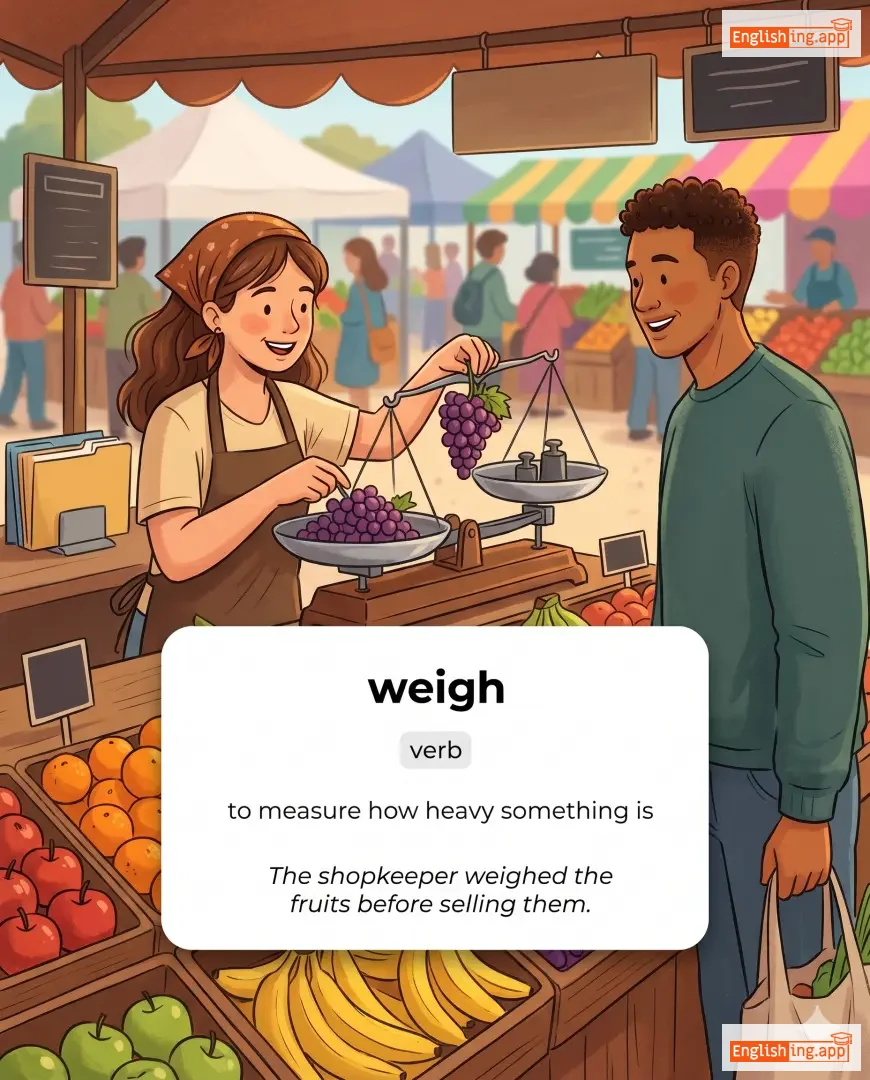
weighed
ウェイド
••••••
|
weighed
ウェイド
••••••
|
weighs
ウェイズ
••••••
|
weighing
ウェイイング
••••••
|
to measure how heavy something is
••••••
|
The shopkeeper weighed the fruits before selling them.
店主は果物を販売する前に重さを量った。
••••••
|
店主は果物を販売する前に重さを量った。
Ten-shu wa kudamono o hanbai suru mae ni omosa o hakatta.
••••••
|
weigh on someone's mind
誰かの心に重くのしかかる
••••••
|
to make someone worried or anxious
••••••
|
誰かの心に重くのしかかる
dareka no kokoro ni omoku noshikakaru
••••••
|
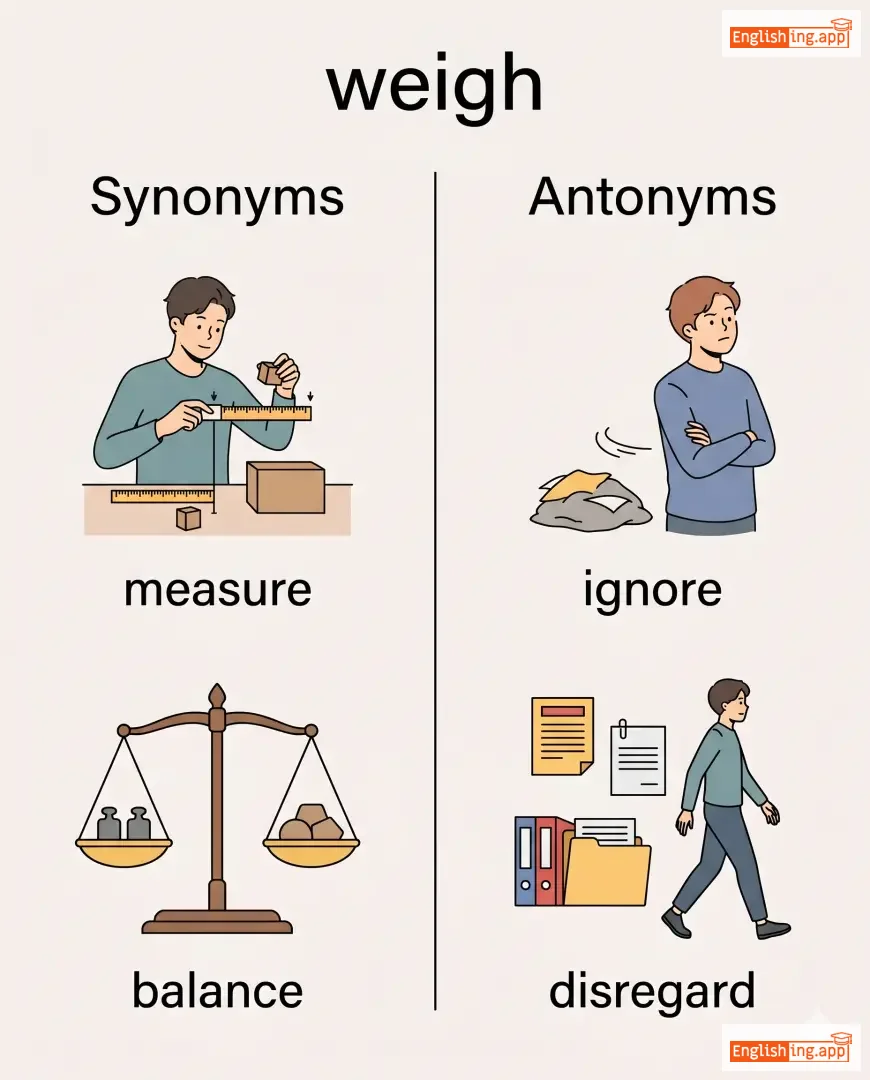
measure, balance, evaluate, calculate
••••••
|
ignore, disregard
••••••
|
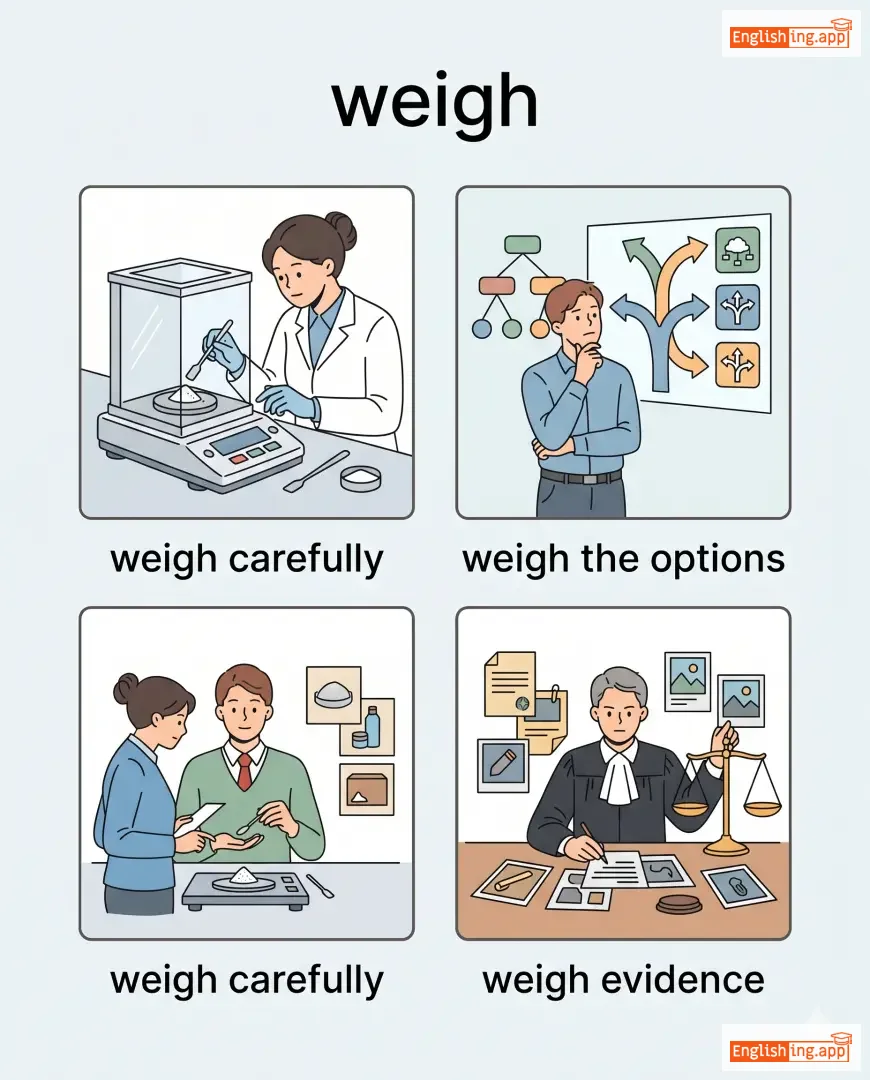
weigh carefully, weigh the options, weigh evidence, weigh anchor
••••••
|
Weighは重さを量ること、体重計で体重を量る時と同じ。
••••••
|
|
#5473
⚖️
|
/weɪt/
noun
(ウェイト)
••••••
|
- •••••• |
重さ
omosa
••••••
|
- •••••• | - •••••• | - •••••• | - •••••• |
a measure of how heavy something is
••••••
|
The weight of the package was 10 kilograms. |
パッケージの重さは10キログラムでした。
Pakkēji no omosa wa 10 kiroguramu deshita.
••••••
|
- •••••• | - •••••• | - •••••• |
mass, heaviness, load
••••••
|
lightness
••••••
|
body weight, weight lifting, weight loss
••••••
|
パッケージの重さはキログラムで測ります。
••••••
|
|
#5474
🏋️
|
/ˈweɪtˌlɪftɪŋ/
noun
(ウェイトリフティング)
••••••
|
- •••••• |
重量挙げ
juuryo age
••••••
|
- •••••• | - •••••• | - •••••• | - •••••• |
the sport or activity of lifting heavy weights to build strength and muscle
••••••
|
Weightlifting requires discipline, proper technique, and consistent training.
ウェイトリフティングには規律と正しい技術が必要です。
••••••
|
重量挙げには規律と正しい技術が必要です。
juuryo age ni wa kiritsu to tadashii gijutsu ga hitsuyou desu
••••••
|
- •••••• | - •••••• | - •••••• |
powerlifting, strength training, resistance training, lifting weights
••••••
|
inactivity, weakness
••••••
|
Olympic weightlifting, competitive weightlifting, weightlifting training, weightlifting competition
••••••
|
重量 (weight) を 挙げる (lift) → 重量挙げ
••••••
|
Vocabulary Quiz
Test your vocabulary by matching words with their translations or meanings.
Login to take the quiz
Comments (0)
Share your thoughts and join the discussion.
Join the discussion by logging in
Login to CommentNo comments yet
Be the first to share your thoughts!