

翻訳
過去
過去分詞
三人称単数
動名詞
意味
例文
例文の翻訳
同義語
対義語
コロケーション
ニーモニック




Swipe left or right, or use the buttons. Tap image to zoom.
例文の翻訳
単語
Lesson 42Lesson 42 - マスクトグル
|
絵文字
|
単語 | Images | 翻訳 | 過去 | 過去分詞 | 三人称単数 | 動名詞 | 意味 | 例文 | 例文の翻訳 | 表現例 | 表現例の意味 | 表現例の翻訳 | 同義語 | 対義語 | コロケーション | ニーモニック |
|---|---|---|---|---|---|---|---|---|---|---|---|---|---|---|---|---|---|
|
#1997
👁️
|
/ˈaɪ.bɔːl/
noun
(アイボール)
••••••
|
- •••••• |
眼球
gankyū
••••••
|
- •••••• | - •••••• | - •••••• | - •••••• |
the round part of the eye within the eyelids and socket
••••••
|
The doctor examined his eyeball carefully.
医者は彼のアイボールを注意深く調べました。
••••••
|
医者は彼のアイボールを注意深く調べました。
Isha wa kare no aibōru o chūibukaku shirabemashita.
••••••
|
- •••••• | - •••••• | - •••••• |
eye globe, ocular globe
••••••
|
- •••••• |
eyeball movement, eyeball pressure, bulging eyeball
••••••
|
「アイボール」を覚えることで「eyeball」を記憶しやすくなります。
••••••
|
|
#1998
🧵
|
/ˈfæbrɪk/
noun
(fāburikku)
••••••
|
- •••••• |
布地
nuno
••••••
|
- •••••• | - •••••• | - •••••• | - •••••• |
Cloth or material produced by weaving or knitting fibers.
••••••
|
The tailor used silk fabric to make the dress. |
仕立て屋はドレスを作るために絹の布地を使いました。
Shitateya wa doresu o tsukuru tame ni kinu no nuno o tsukaimashita.
••••••
|
the fabric of society |
the basic structure or foundation of society
••••••
|
社会の構造
Shakai no kōzō
••••••
|
cloth, textile, material, fiber, weave
••••••
|
metal, stone, plastic
••••••
|
cotton fabric, woven fabric, fabric softener, fabric design
••••••
|
Fabric は布地、衣服を作るために使う布のことです。
••••••
|
|
#1999
✨
|
/ˈfæbjələs/
adjective
(ファビュラス)
••••••
|
- •••••• |
素晴らしい
subarashii
••••••
|
- •••••• | - •••••• | - •••••• | - •••••• |
Extremely good or wonderful; almost unbelievable
••••••
|
She looked fabulous in her new dress. |
彼女は新しいドレスで素晴らしく見えた。
Kanojo wa atarashī doresu de subarashiku mieta.
••••••
|
fabulous fortune |
an extremely large amount of wealth
••••••
|
素晴らしい富
subarashii tomi
••••••
|
marvelous, amazing, incredible, astonishing, wonderful
••••••
|
ordinary, mediocre, dull
••••••
|
fabulous job, fabulous idea, fabulous wealth, look fabulous
••••••
|
素晴らしいは素敵な意味で、素晴らしい富を意味します。
••••••
|
|
#2000
🙂
|
/feɪs/
noun/verb
••••••
|
|
- •••••• |
faced
••••••
|
faced
••••••
|
faces
••••••
|
facing
••••••
|
The front part of a person's head; to confront or deal with a situation
••••••
|
She had to face many challenges in her career. |
- •••••• |
face the music |
to accept the unpleasant consequences of one's actions
••••••
|
- •••••• |
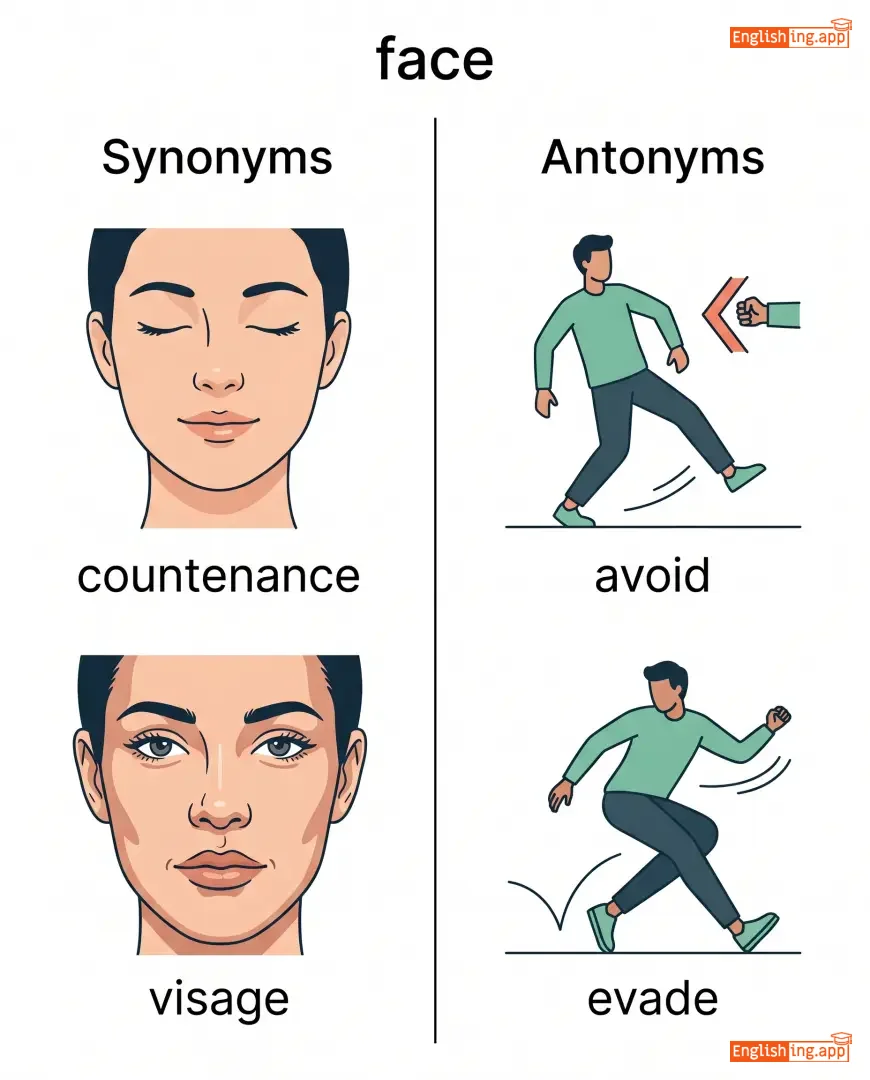
countenance, visage, confront, encounter
••••••
|
avoid, evade
••••••
|
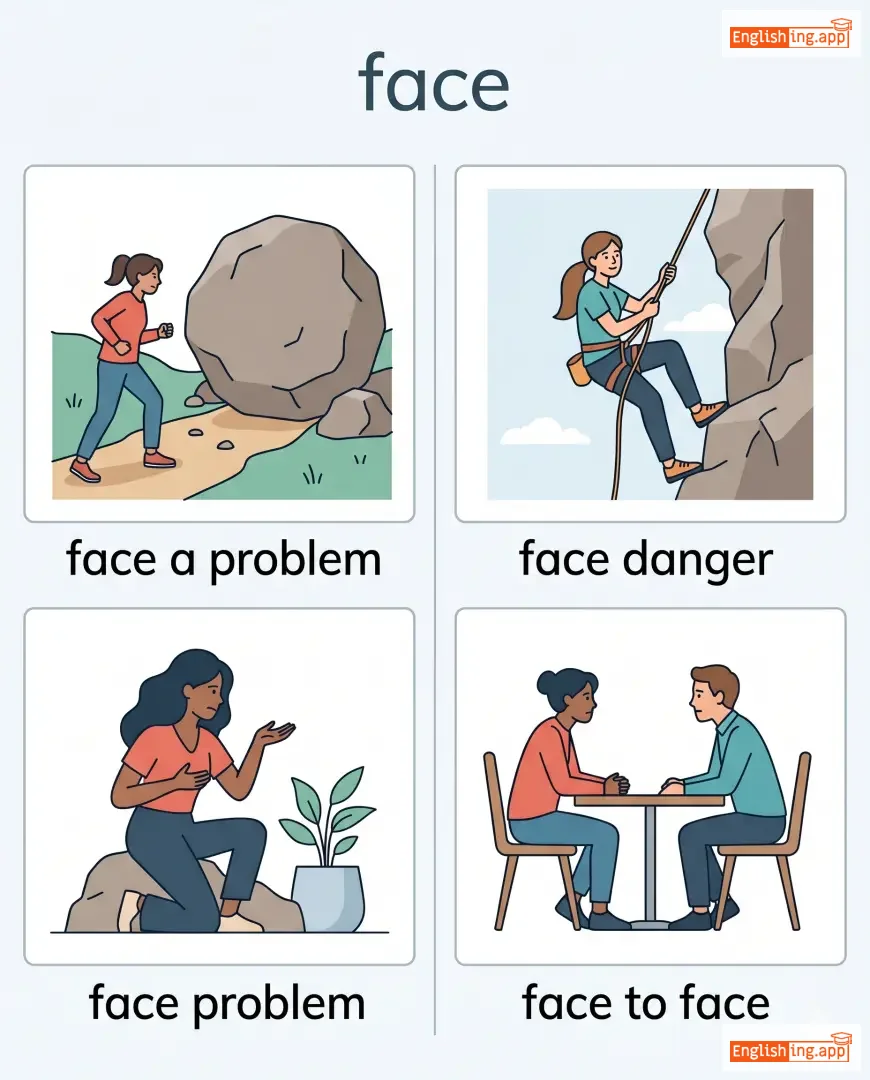
face a problem, face danger, face to face, face reality
••••••
|
No •••••• |
|
#2001
⚙️
|
/fəˈsɪlɪteɪt/
verb
(ファシリテート)
••••••
|
|
促進する、容易にする
sokushin suru, yōi ni suru
••••••
|
facilitated
ファシリテーテッド
••••••
|
facilitated
ファシリテーテッド
••••••
|
facilitates
ファシリテーツ
••••••
|
facilitating
ファシリテーティング
••••••
|
to make an action or process easier or smoother
••••••
|
The new software will facilitate communication between departments.
新しいソフトウェアは部門間のコミュニケーションを促進します。
••••••
|
新しいソフトウェアは部門間のコミュニケーションを促進します。
Atarashī sofutowea wa bumonkan no komyunikēshon o sokushin shimasu.
••••••
|
- •••••• | - •••••• | - •••••• |
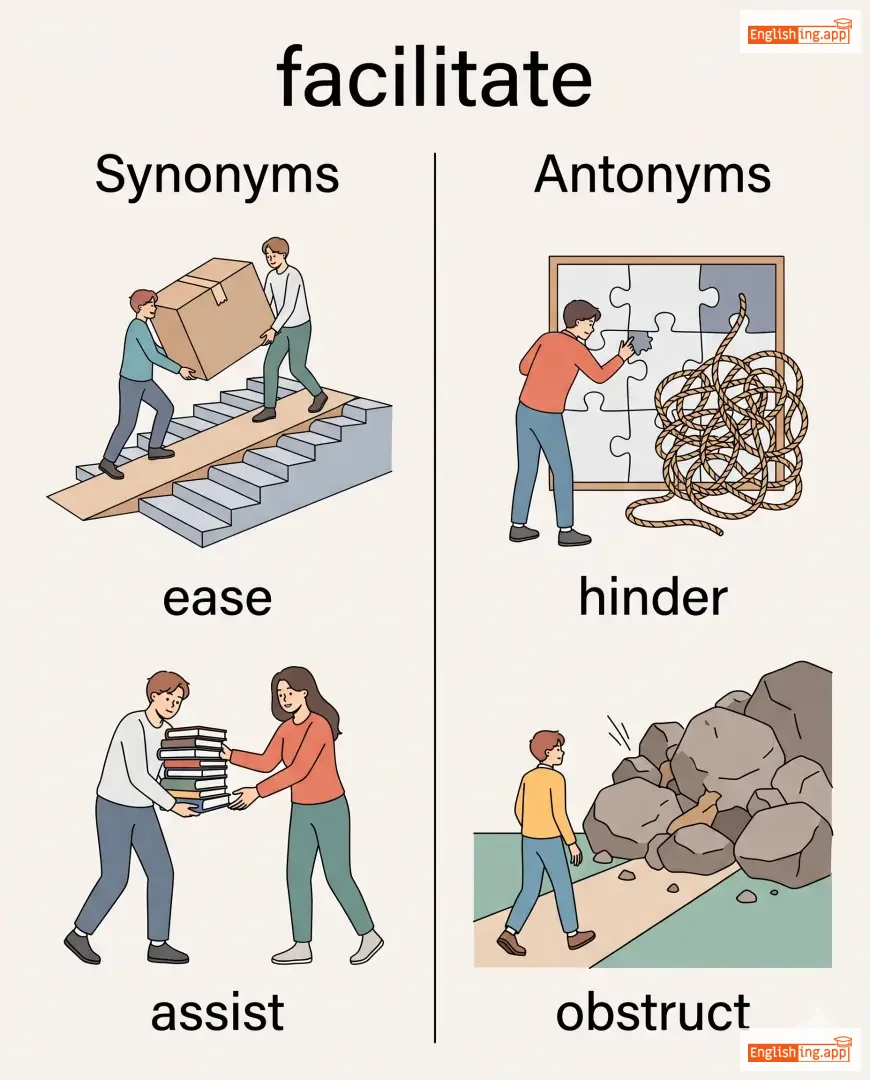
ease, assist, simplify, aid
••••••
|
hinder, obstruct, complicate
••••••
|
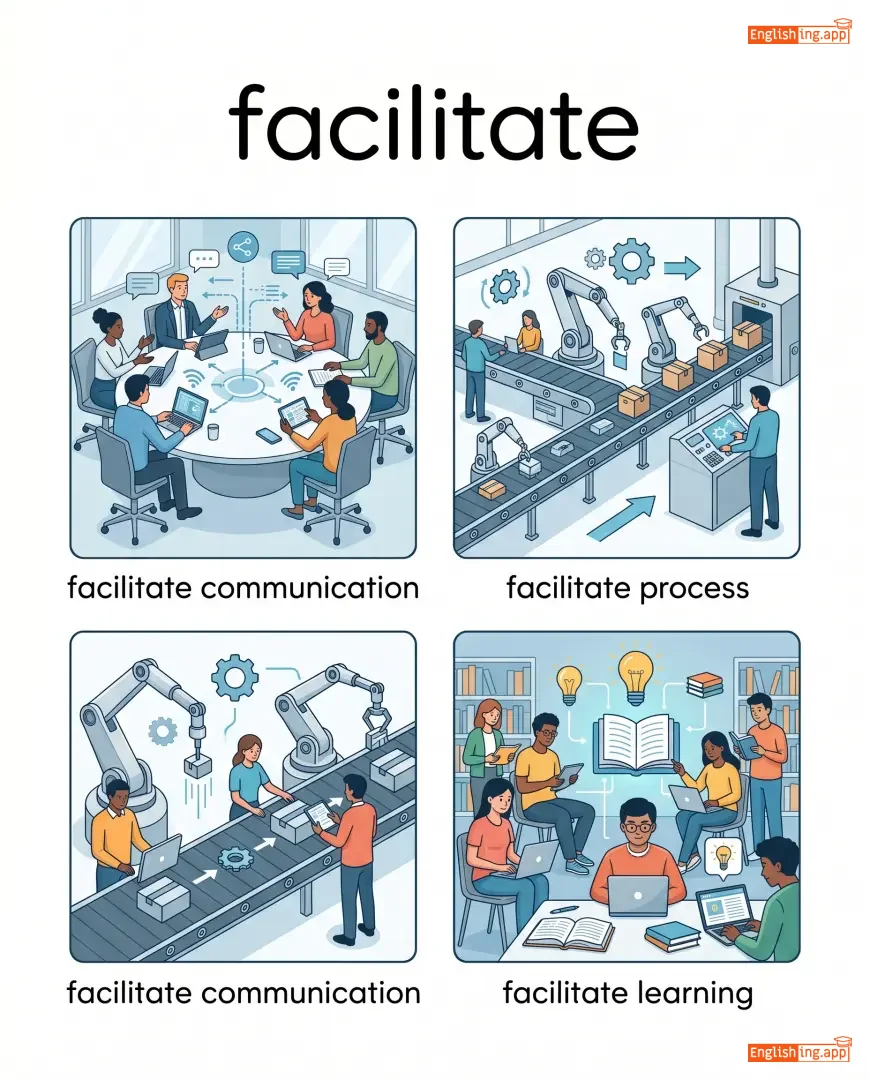
facilitate communication, facilitate process, facilitate learning, facilitate discussion
••••••
|
Facilitate - Face ill を楽にする
••••••
|
|
#2002
🏢
|
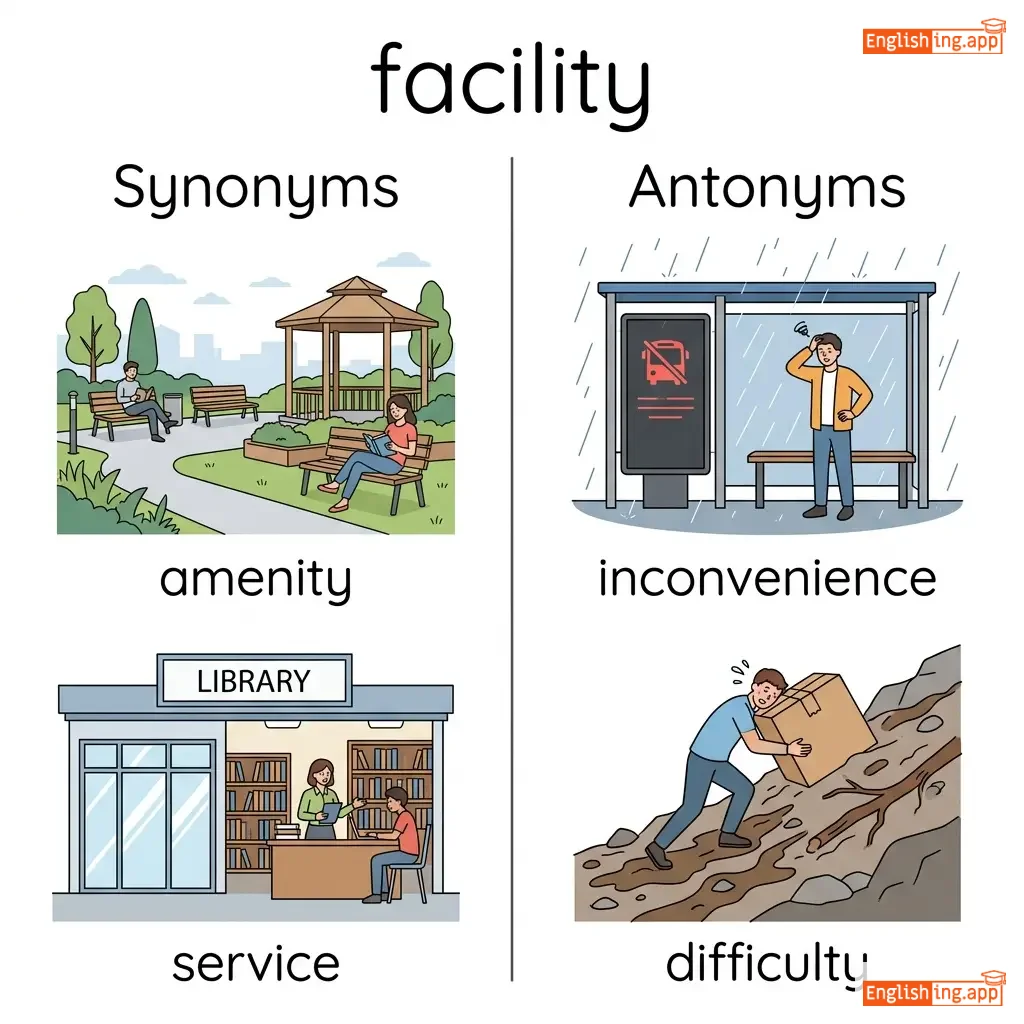
/fəˈsɪl.ə.ti/
noun
(ファシリティ)
••••••
|
|
施設; 快適さ
shisetsu; kaitekisa
••••••
|
- •••••• | - •••••• | - •••••• | - •••••• |
a building, service, or piece of equipment provided for a particular purpose
••••••
|
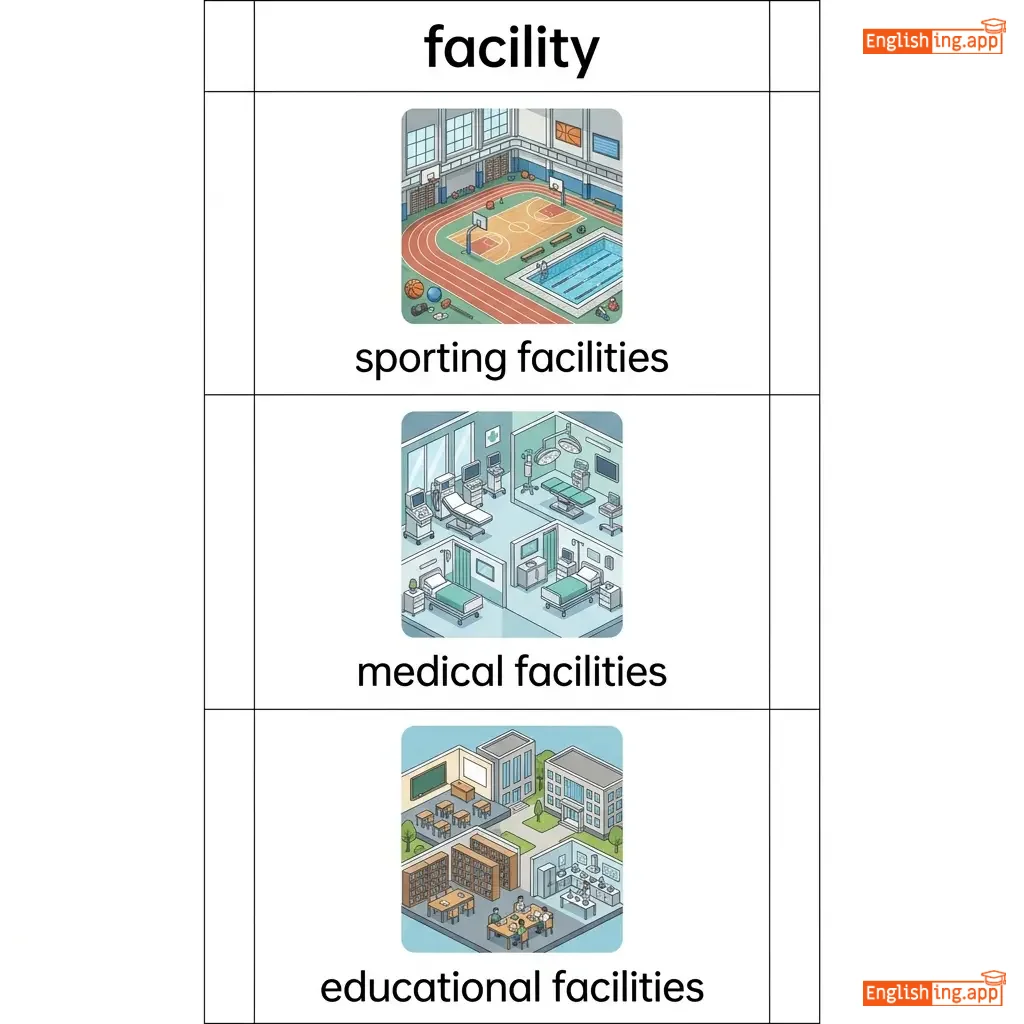
The new sports facility includes a swimming pool and gymnasium.
新しいスポーツ施設には、プールとジムが含まれています。
••••••
|
新しいスポーツ施設には、プールとジムが含まれています。
atarashī supōtsu shisetsu ni wa, pūru to jimu ga fukuma reteimasu.
••••••
|
- •••••• | - •••••• | - •••••• |
amenity, service, installation, resource
••••••
|
inconvenience, difficulty, obstacle, hindrance
••••••
|
sports facility, medical facility, research facility
••••••
|
Facility(ファシリティ) = 特定の目的のために提供される設備
••••••
|
|
#2003
📘
|
/fækt/
noun
(ファクト)
••••••
|
- •••••• |
事実
jijitsu
••••••
|
- •••••• | - •••••• | - •••••• | - •••••• |
A thing that is known or proved to be true
••••••
|
It is a fact that the Earth orbits the Sun.
地球が太陽の周りを回っているのは事実です。
••••••
|
地球が太陽の周りを回っているのは事実です。
Chikyū ga taiyō no mawari o mawatte iru no wa jijitsu desu.
••••••
|
matter of fact
事実の問題
••••••
|
something that is true and cannot be disputed
••••••
|
事実の問題
jijitsu no mondai
••••••
|
truth, reality, certainty, actuality
••••••
|
lie, fiction, falsehood
••••••
|
scientific fact, historical fact, fact check, hard fact
••••••
|
Fact - 事実(じじつ)、日本語で証明された真実。
••••••
|
|
#2004
👥
|
/ˈfæk.ʃən/
noun
(fakushon)
••••••
|
- •••••• |
派閥
habatsu
••••••
|
- •••••• | - •••••• | - •••••• | - •••••• |
a small organized dissenting group within a larger one
••••••
|
Different factions within the party disagreed about the new policy. |
党内の異なる派閥は新しい政策に対して意見が一致しませんでした。
Tōnai no kotonaru habatsu wa atarashī seisaku ni taishite iken ga icchi shimasen deshita.
••••••
|
- •••••• | - •••••• | - •••••• |
group, sect, clique, wing
••••••
|
unity, whole, entirety, consensus
••••••
|
political faction, rival faction, faction within party
••••••
|
派閥 (habatsu) - 政治団体で意見の対立から分かれるグループ。
••••••
|
|
#2005
⚖️
|
/ˈfæktər/
noun
(ファクター)
••••••
|
- •••••• |
要因
yōin
••••••
|
- •••••• | - •••••• | - •••••• | - •••••• |
A circumstance, fact, or influence that contributes to a result.
••••••
|
Weather is an important factor in crop production. |
天候は作物生産において重要な要因です。
Ten kō wa sakumotsu seisan ni oite jūyōna yōin desu.
••••••
|
key factor |
a crucial or essential element
••••••
|
重要な要因
jūyōna yōin
••••••
|
element, component, cause, aspect, determinant
••••••
|
result, consequence
••••••
|
important factor, key factor, risk factor, success factor
••••••
|
要因 = 結果に影響を与えるもの、例えば重要な要因。
••••••
|
|
#2006
🏭
|
/ˈfæktəri/
noun
(fakutori)
••••••
|
- •••••• |
工場
kōjō
••••••
|
- •••••• | - •••••• | - •••••• | - •••••• |
A building or group of buildings where goods are manufactured.
••••••
|
He works in a shoe factory. |
彼は靴工場で働いています。
Kare wa kutsu kōjō de hataraiteimasu.
••••••
|
- •••••• | - •••••• | - •••••• |
plant, mill, workshop, industry
••••••
|
office, home
••••••
|
shoe factory, textile factory, factory worker, factory production
••••••
|
工場は物を作る場所です。
••••••
|
|
#2007
🧠
|
/ˈfækəlti/
noun
(ファカルティ)
••••••
|
- •••••• |
能力、学部
nōryoku, gakubu
••••••
|
- •••••• | - •••••• | - •••••• | - •••••• |
an inherent mental or physical ability; a division of a university
••••••
|
She has a remarkable faculty for languages. |
彼女は言語に対して驚異的な能力を持っています。
Kanojo wa gengo ni taishite kyōiteki na nōryoku o motteimasu.
••••••
|
- •••••• | - •••••• | - •••••• |
ability, skill, talent, department
••••••
|
incapacity, weakness
••••••
|
faculty of law, faculty meeting, mental faculty, teaching faculty
••••••
|
Faculty は能力を意味し、脳にfacultyがあれば才能がある
••••••
|
|
#2008
🌫️
|
/feɪd/
verb
(フェイド)
••••••
|
- •••••• |
色あせる
iro aseru
••••••
|
faded
フェイデッド
••••••
|
faded
フェイデッド
••••••
|
fades
フェイデス
••••••
|
fading
フェイディング
••••••
|
To gradually lose brightness, color, or strength.
••••••
|
The colors of the old photo have started to fade.
古い写真の色が薄れてきた。
••••••
|
古い写真の色が薄れてきた。
Furui shashin no iro ga usurete kita.
••••••
|
fade away
フェイドアウェイ
••••••
|
to disappear slowly
••••••
|
ゆっくり消える
yukkuri kie ru
••••••
|
diminish, weaken, vanish, pale, decline
••••••
|
brighten, strengthen, appear
••••••
|
fade away, fade out, fade over time, colors fade
••••••
|
色あせるは消えるという意味です。色がだんだん薄くなっていきます。
••••••
|
|
#2009
❌
|
/feɪl/
verb
(フェイル)
••••••
|
- •••••• |
失敗する
shippai suru
••••••
|
failed
フェイルド
••••••
|
failed
フェイルド
••••••
|
fails
フェイルズ
••••••
|
failing
フェイリング
••••••
|
To be unsuccessful in achieving a goal or expectation.
••••••
|
He failed the driving test.
彼は運転試験に失敗した。
••••••
|
彼は運転試験に失敗した。
Kare wa unten shiken ni shippai shita.
••••••
|
fail miserably
ひどく失敗する
••••••
|
to fail completely and badly
••••••
|
完全に失敗する
kanzen ni shippai suru
••••••
|
lose, flop, collapse, fall short, break down
••••••
|
succeed, achieve, pass
••••••
|
fail exam, fail test, fail to act, fail miserably
••••••
|
試験に失敗する時に‘あなたは失敗した’と言われるような感じ。
••••••
|
|
#2010
❌
|
/feɪld/
adjective
(feirudo)
••••••
|
- •••••• |
失敗した
shippai shita
••••••
|
- •••••• | - •••••• | - •••••• | - •••••• |
not successful in achieving a desired result
••••••
|
The project failed to meet the expectations.
プロジェクトは期待に応えることができませんでした。
••••••
|
プロジェクトは期待に応えることができませんでした。
Purojekuto wa kitai ni kotaeru koto ga dekimasen deshita.
••••••
|
- •••••• | - •••••• | - •••••• |
unsuccessful, defeated, unaccomplished, flawed
••••••
|
successful, victorious, accomplished
••••••
|
failed attempt, failed project, failed test
••••••
|
失敗したプロジェクトは成功しない
••••••
|
|
#2011
❌
|
/ˈfeɪljər/
noun
(フェイリヤー)
••••••
|
- •••••• |
失敗
shippai
••••••
|
- •••••• | - •••••• | - •••••• | - •••••• |
The lack of success in doing or achieving something.
••••••
|
The project was considered a failure due to poor planning. |
プロジェクトは不十分な計画のため失敗と見なされました。
Purojekuto wa fujūbun na keikaku no tame shippai to minasaremashita.
••••••
|
trial and error |
A method of solving problems by trying different solutions until one works.
••••••
|
試行錯誤
shikou sakugo
••••••
|
defeat, breakdown, collapse, disaster, fiasco
••••••
|
success, achievement, victory
••••••
|
complete failure, business failure, engine failure, failure rate
••••••
|
失敗は、すべてを試した結果だと思う – '失敗'を思い出して!
••••••
|
|
#2012
⚖️
|
/fɛr/
adjective/noun
(フェア)
••••••
|
- •••••• |
公平 / フェア
kouhei / fea
••••••
|
- •••••• | - •••••• | - •••••• | - •••••• |
Treating people equally without favoritism; or an event where goods are displayed and sold
••••••
|
The judge made a fair decision.
裁判官は公平な判断を下しました。
••••••
|
裁判官は公平な判断を下しました。
Saibankan wa kouhei na handan o kudashimashita.
••••••
|
fair and square
フェアアンドスクエア
••••••
|
honestly and without cheating
••••••
|
正直に、そして不正なく
shoujiki ni, soshite fusei naku
••••••
|
just, impartial, honest, equitable
••••••
|
unfair, biased, unjust
••••••
|
fair chance, fair decision, book fair, job fair
••••••
|
フェアは公平、フェアはイベントです。
••••••
|
|
#2013
🎡
|
/ˈfɛərˌɡraʊndz/
noun
(フェアグラウンズ)
••••••
|
- •••••• |
見本市会場
mihonichi kaijo
••••••
|
- •••••• | - •••••• | - •••••• | - •••••• |
A designated area where fairs, exhibitions, and amusement events are held
••••••
|
The town set up rides and stalls at the fairgrounds for the annual festival.
町は年次祭のためにフェアグラウンズに乗り物と屋台を設置した。
••••••
|
町は年次祭のために見本市会場に乗り物と屋台を設置した。
Machi wa nenji matsuri no tame ni mihonichi kaijo ni norimono to yatai o secchi shita.
••••••
|
- •••••• | - •••••• | - •••••• |
carnival grounds, exhibition site, festival area, amusement park
••••••
|
residential area, office complex
••••••
|
set up fairgrounds, visit fairgrounds, fairgrounds attractions, fairgrounds map
••••••
|
フェアグラウンズ = 見本市会場、乗り物と屋台がある場所
••••••
|
|
#2014
⚖️
|
/ˈfɛərli/
adverb
(フェアリー)
••••••
|
- •••••• |
公正に
kōsei ni
••••••
|
- •••••• | - •••••• | - •••••• | - •••••• |
To a reasonable degree; in a just and honest way.
••••••
|
The teacher treated all students fairly. |
教師はすべての学生を公正に扱った。
Kyōshi wa subete no gakusei o kōsei ni atsukatta.
••••••
|
play fair |
To act honestly and not cheat.
••••••
|
フェアにプレイする
fea ni purei suru
••••••
|
reasonably, quite, moderately, justly, honestly
••••••
|
unfairly, dishonestly
••••••
|
fairly easy, fairly common, fairly good, treat fairly
••••••
|
公正にとはフェアにプレイすることを意味する
••••••
|
|
#2015
⚖️
|
/ˈfɛə(r)nɪs/
noun
(フェアネス)
••••••
|
- •••••• |
公平
kouhei
••••••
|
- •••••• | - •••••• | - •••••• | - •••••• |
the quality of being free from bias, favoritism, or injustice
••••••
|
She always strives for fairness in her decisions.
彼女は常に自分の決定に公平さを求めています。
••••••
|
彼女は常に自分の決定に公平さを求めています。
Kanojo wa tsune ni jibun no kettei ni kouhei-sa o motometeimasu.
••••••
|
- •••••• | - •••••• | - •••••• |
justice, impartiality, equity, objectivity
••••••
|
bias, unfairness, injustice
••••••
|
fairness in judgment, fairness in treatment, fairness at work
••••••
|
Fairness は公平 - Fair はフェア (kouhei)
••••••
|
|
#2016
🙏
|
/feɪθ/
noun
(フェイス)
••••••
|
- •••••• |
信念
shinnen
••••••
|
- •••••• | - •••••• | - •••••• | - •••••• |
Strong belief or trust in someone or something, often without proof.
••••••
|
She has great faith in her team’s abilities. |
彼女はチームの能力に大きな信頼を置いています。
Kanojo wa chīmu no nōryoku ni ōkina shinrai o oiteimasu.
••••••
|
keep the faith |
To continue to believe or trust, even when things are difficult.
••••••
|
信念を持ち続ける
shinnen o mochitsuzukeru
••••••
|
belief, trust, confidence, conviction, reliance
••••••
|
doubt, disbelief, distrust
••••••
|
strong faith, religious faith, faith in, keep faith
••••••
|
信念は信頼、いつでも信念を持ち続けましょう。
••••••
|
|
#2017
🤝
|
/ˈfeɪθ.fəl/
adjective
(フェイスフル)
••••••
|
- •••••• |
忠実な; 誠実な; 信念に忠実
chūjitsuna; seijitsuna; shinnen ni chūjitsu
••••••
|
- •••••• | - •••••• | - •••••• | - •••••• |
loyal and committed; reliable; true to one's beliefs
••••••
|
She remained faithful to her principles throughout her career. |
彼女はキャリアを通じて自分の信念に忠実でした。
kanojo wa kyaria o tōjite jibun no shinnen ni chūjitsu deshita.
••••••
|
- •••••• | - •••••• | - •••••• |
loyal, devoted, trustworthy, reliable
••••••
|
unfaithful, disloyal, treacherous, unreliable
••••••
|
faithful friend, faithful servant, faithful dog
••••••
|
Faithful in Japanese is staying true to your beliefs, just like a committed partner.
••••••
|
|
#2018
🪄
|
/feɪk/
adjective/verb/noun
(フェイク)
••••••
|
- •••••• |
偽物
nisemono
••••••
|
faked
フェイクド
••••••
|
faked
フェイクド
••••••
|
fakes
フェイクス
••••••
|
faking
フェイキング
••••••
|
not genuine; counterfeit; to imitate something dishonestly
••••••
|
He tried to fake his signature on the document.
彼は書類にサインを偽造しようとしました。
••••••
|
彼は書類にサインを偽造しようとしました。
Kare wa shorui ni sain o gizo shiyou to shimashita.
••••••
|
- •••••• | - •••••• | - •••••• |
counterfeit, forged, imitation, bogus
••••••
|
genuine, real, authentic
••••••
|
fake news, fake smile, fake passport, fake identity
••••••
|
Fake は日本語で偽物、つまり何かが本物ではないという意味です。
••••••
|
|
#2019
🍂
|
/fɔːl/
verb, noun
(フォール)
••••••
|
|
落ちる
ochiru
••••••
|
fell
フェル
••••••
|
fallen
フォールン
••••••
|
falls
フォールズ
••••••
|
falling
フォーリング
••••••
|
to move downward, typically rapidly and freely without control; the act of dropping from a higher to a lower place
••••••
|
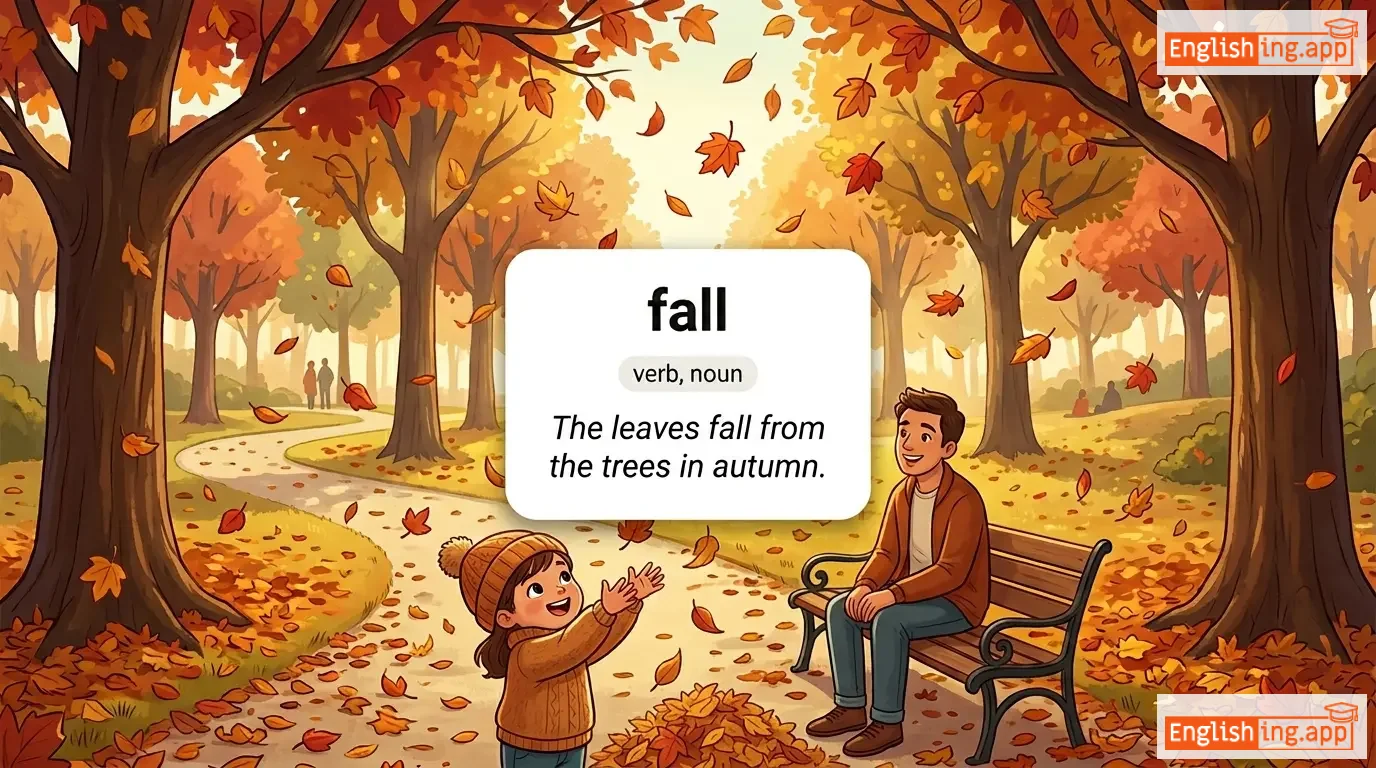
The leaves fall from the trees in autumn.
秋には葉が木から落ちる。
••••••
|
秋には葉が木から落ちる。
Aki ni wa ha ga ki kara ochiru.
••••••
|
fall apart
壊れる
••••••
|
to break into pieces or stop functioning properly
••••••
|
壊れる
kowareru
••••••
|
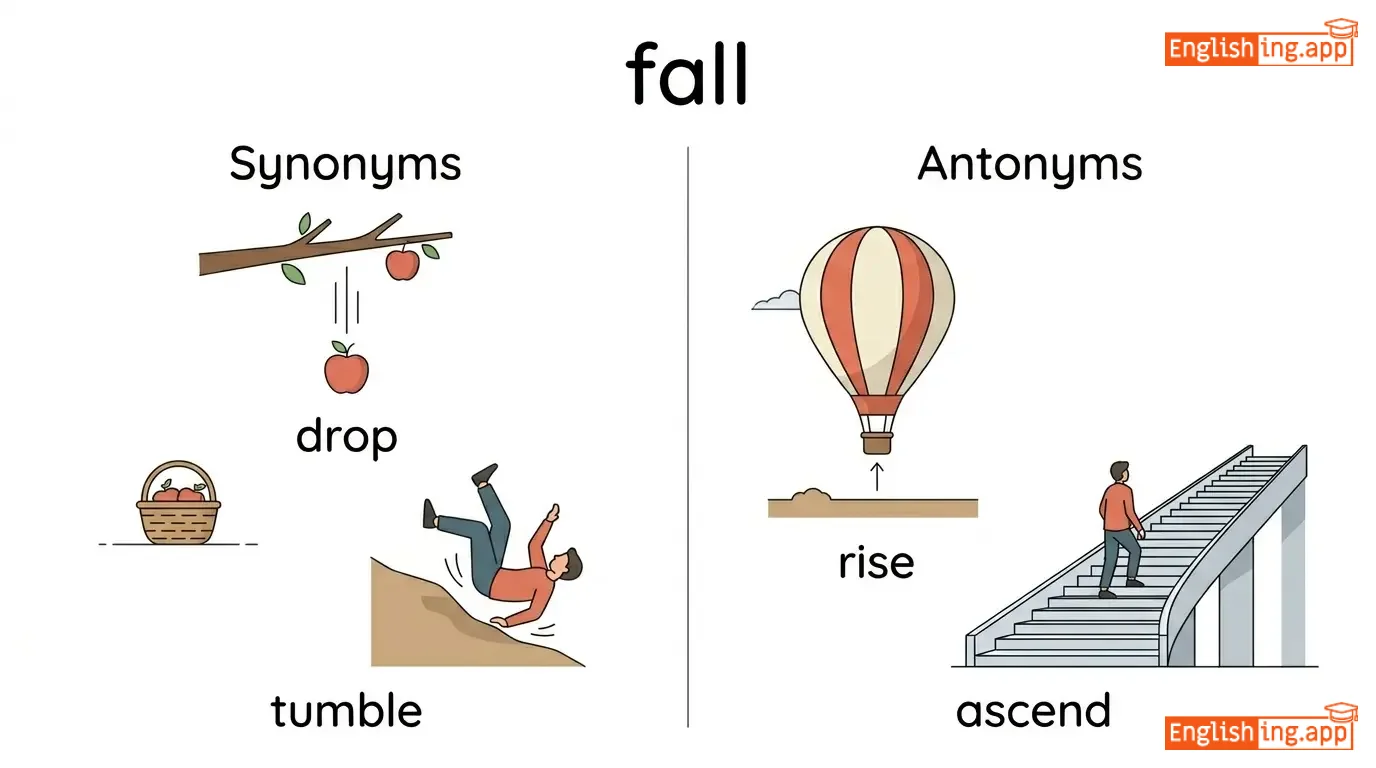
drop, tumble, descend, collapse, plummet
••••••
|
rise, ascend, increase
••••••
|
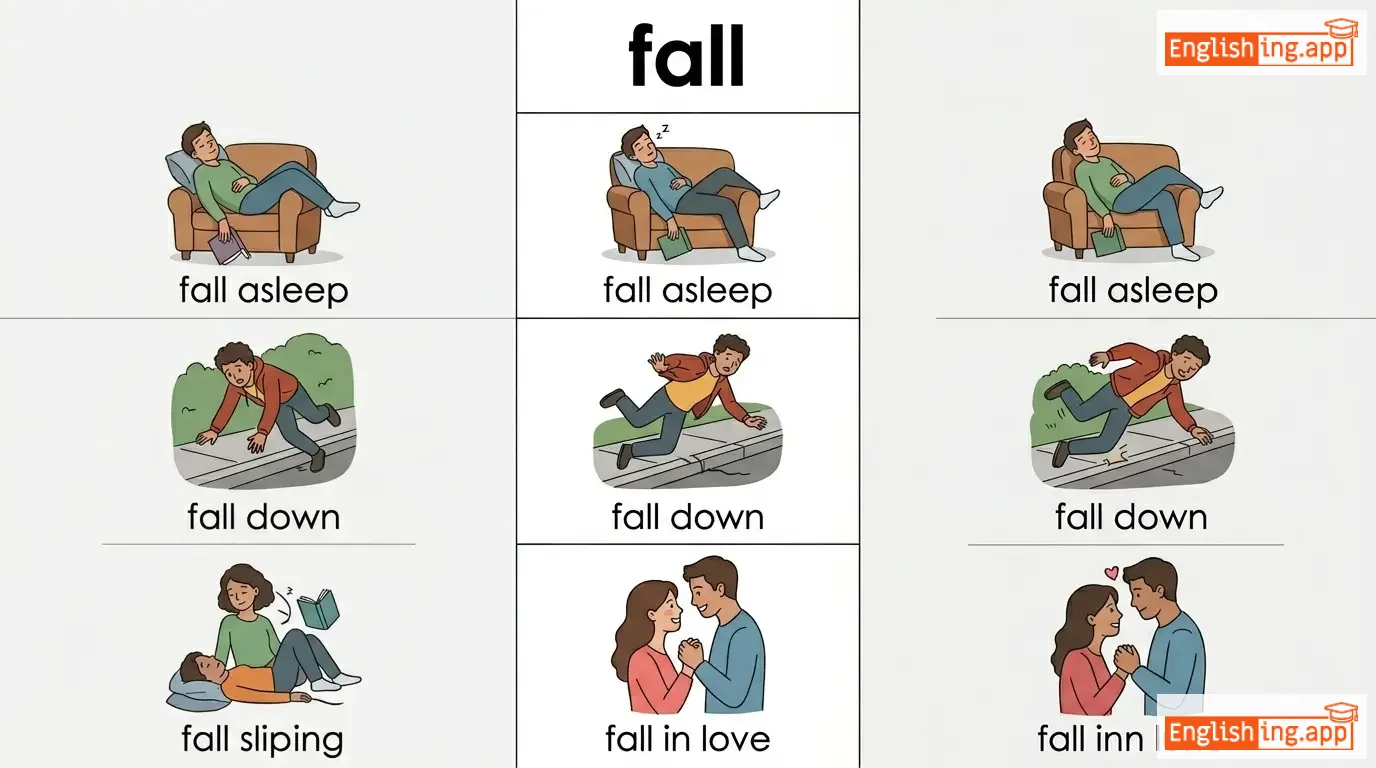
fall asleep, fall down, fall in love, fall short, fall behind
••••••
|
Fall = 落ちる、秋に葉が落ちる。
••••••
|
|
#2020
❌
|
/fɔːls/
adjective
(フォールス)
••••••
|
- •••••• |
偽の
nise no
••••••
|
- •••••• | - •••••• | - •••••• | - •••••• |
not true or correct; intended to deceive
••••••
|
He was accused of giving false information.
彼は虚偽の情報を提供したとして告発されました。
••••••
|
彼は虚偽の情報を提供したとして告発されました。
Kare wa kyogi no jōhō o teikyō shita to shite kokuhatsu saremashita.
••••••
|
false alarm
虚偽の警報
••••••
|
a warning or signal that turns out to be untrue
••••••
|
虚偽の警報
kyogi no keihō
••••••
|
untrue, wrong, fake, deceptive, misleading
••••••
|
true, correct, real
••••••
|
false claim, false hope, false promise, false impression
••••••
|
偽の意味は偽りで、間違っていることは偽りです。
••••••
|
|
#2021
🌟
|
/feɪm/
noun
(フェイム)
••••••
|
- •••••• |
名声
meisei
••••••
|
- •••••• | - •••••• | - •••••• | - •••••• |
the state of being known or recognized by many people
••••••
|
She achieved worldwide fame for her acting.
彼女は演技で世界的な名声を得ました。
••••••
|
彼女は演技で世界的な名声を得ました。
Kanojo wa engi de sekaiteki na meisei o emashita.
••••••
|
rise to fame
名声を得る
••••••
|
to become famous
••••••
|
名声を得る
meisei o eru
••••••
|
renown, glory, popularity, reputation, celebrity
••••••
|
obscurity, anonymity, disregard
••••••
|
seek fame, achieve fame, rise to fame, enjoy fame
••••••
|
Fameは日本語で ‘名声’ と同じ – 名声を得て世界を照らそう!
••••••
|
|
#2022
🙂
|
/fəˈmɪliər/
adjective
(ファミリア)
••••••
|
- •••••• |
お馴染みの
onajimi no
••••••
|
- •••••• | - •••••• | - •••••• | - •••••• |
Well known or easily recognized from previous experience.
••••••
|
The town looked familiar to me after so many years. |
何年も後、この町は私にはお馴染みのように感じました。
Nan-nen mo ato, kono machi wa watashi ni wa onajimi no yō ni kanjimashita.
••••••
|
familiar face |
Someone you recognize but may not know personally.
••••••
|
お馴染みの顔
onajimi no kao
••••••
|
well-known, recognizable, acquainted, common, usual
••••••
|
unfamiliar, unknown, strange
••••••
|
familiar face, familiar voice, look familiar, become familiar
••••••
|
FamiliarとFamily – お馴染みの顔
••••••
|
|
#2023
👨👩👧👦
|
/ˈfæməli/
noun
(famirī)
••••••
|
- •••••• |
家族
kazoku
••••••
|
- •••••• | - •••••• | - •••••• | - •••••• |
A group consisting of parents and their children, or all the descendants of a common ancestor.
••••••
|
She spends most of her weekends with her family. |
彼女は週末のほとんどを家族と過ごします。
Kanojo wa shūmatsu no hotondo o kazoku to sugoshimasu.
••••••
|
family ties |
The strong connections and relationships between family members.
••••••
|
家族の絆
kazoku no kizuna
••••••
|
household, relatives, kin, clan, tribe
••••••
|
strangers, outsiders
••••••
|
close family, nuclear family, family life, family ties
••••••
|
Family = 家族 - Familiar faces はいつでも家族の中にいます。
••••••
|
|
#2024
🌟
|
/ˈfeɪməs/
adjective
(フェイマス)
••••••
|
|
有名
yūmei
••••••
|
- •••••• | - •••••• | - •••••• | - •••••• |
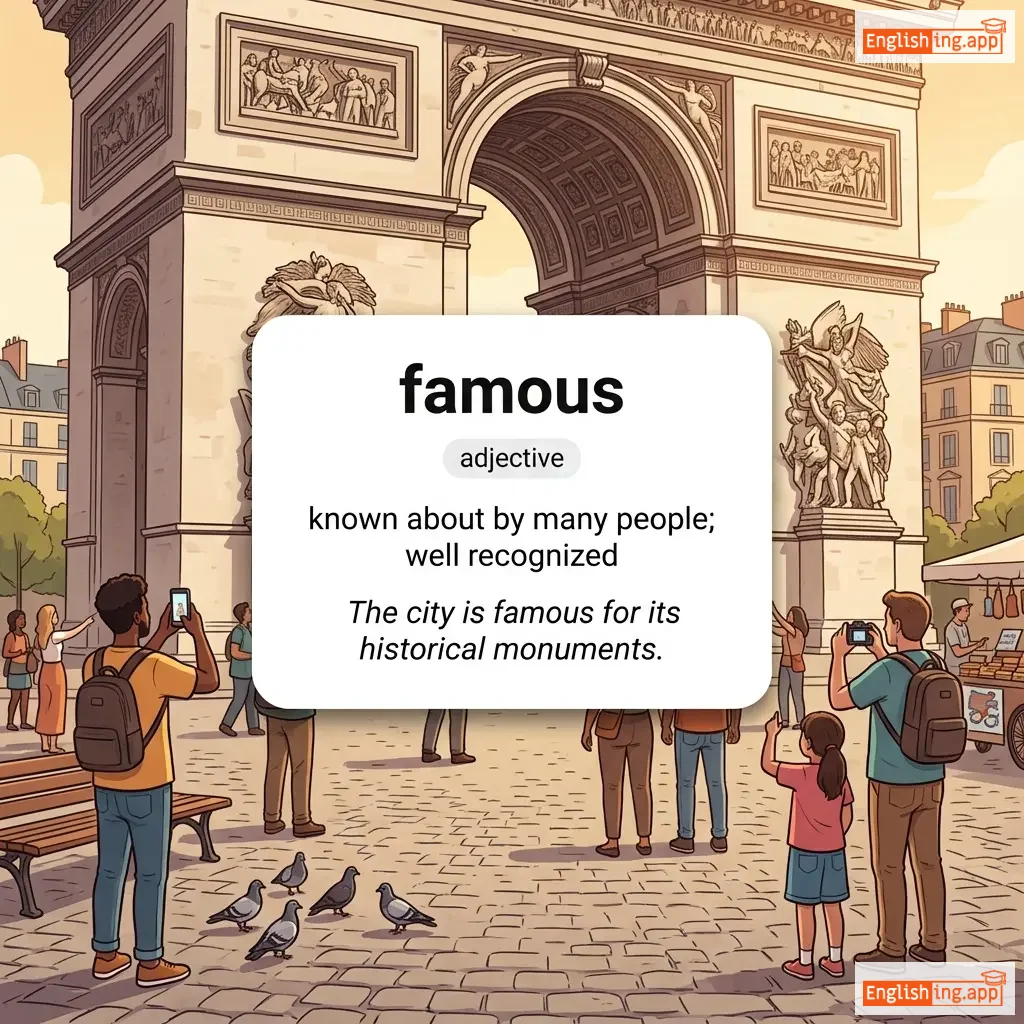
known about by many people; well recognized
••••••
|
The city is famous for its historical monuments. |
その都市は歴史的なモニュメントで有名です。
Sono toshi wa rekishiteki na monyumento de yūmei desu.
••••••
|
famous last words |
a sarcastic way of highlighting someone's overconfident prediction
••••••
|
有名な最後の言葉
yūmei na saigo no kotoba
••••••
|
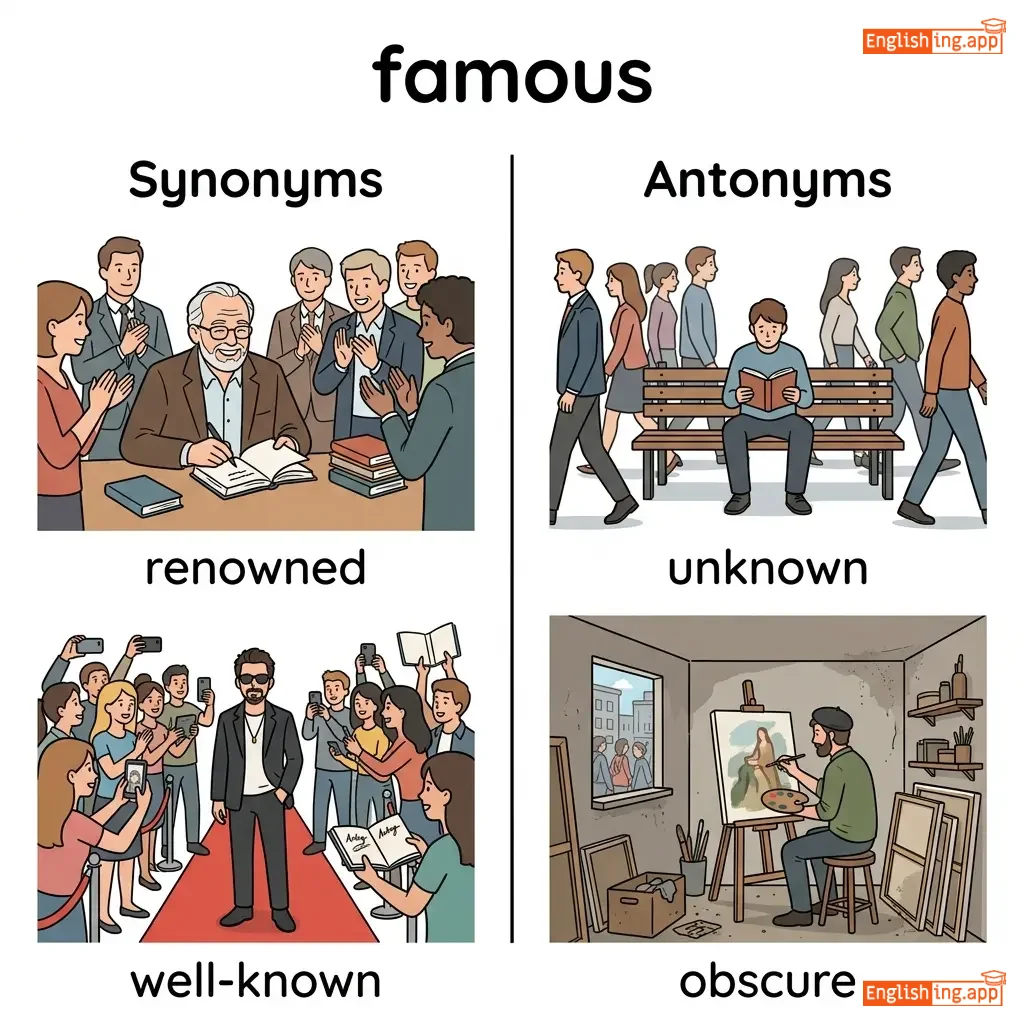
renowned, well-known, celebrated, noted, prominent
••••••
|
unknown, obscure, ordinary
••••••
|
famous actor, famous place, famous writer, become famous
••••••
|
有名とは、みんなに知られていること、星のように輝くこと🌟
••••••
|
|
#2025
🌀
|
/fæn/
noun
(ハピネス)
••••••
|
- •••••• |
幸福
kōfuku
••••••
|
- •••••• | - •••••• | - •••••• | - •••••• |
a device with rotating blades that creates a current of air; also a person who admires or supports someone or something
••••••
|
The fan kept the room cool during the hot summer day. |
彼女は賞を受け取ったとき、喜びを隠せなかった。
Kanojo wa shō o uketotta toki, yorokobi o kakusenakatta.
••••••
|
fan the flames |
to make a situation worse by stirring up emotions or conflict
••••••
|
幸福の追求
kōfuku no tsuikyū
••••••
|
admirer, supporter, follower, enthusiast
••••••
|
critic, opponent
••••••
|
electric fan, ceiling fan, fan base, big fan
••••••
|
幸福はファンのように、涼しさを提供する、ファンのように涼しくなる。
••••••
|
|
#2026
🌟
|
/fænˈtæstɪk/
adjective
(ファンタスティック)
••••••
|
- •••••• |
素晴らしい; 驚くべき; 優れた
subarashii; odorokubeki; sugureta
••••••
|
- •••••• | - •••••• | - •••••• | - •••••• |
extremely good; wonderful; excellent
••••••
|
The movie was absolutely fantastic! |
映画は本当に素晴らしかった!
Eiga wa hontōni subarashikatta!
••••••
|
- •••••• | - •••••• | - •••••• |
amazing, wonderful, excellent
••••••
|
terrible, awful, horrible
••••••
|
fantastic news, fantastic performance, fantastic opportunity
••••••
|
No •••••• |
|
#2027
🪐
|
/ˈfæntəsi/
noun
(ファンタジー)
••••••
|
- •••••• |
ファンタジー
fantajī
••••••
|
- •••••• | - •••••• | - •••••• | - •••••• |
a creation of the imagination, especially something improbable or impossible
••••••
|
She has a vivid fantasy about traveling to space. |
彼女は宇宙旅行に関する生き生きとしたファンタジーを持っています。
Kanojo wa uchū ryokō ni kansuru ikikito shita fantajī o motteimasu.
••••••
|
- •••••• | - •••••• | - •••••• |
imagination, dream, vision, fancy
••••••
|
reality, fact
••••••
|
wild fantasy, vivid fantasy, escape into fantasy
••••••
|
Fantasy = ファンタジー、夢の中で不可能なことを思い描く
••••••
|
|
#2028
🌍
|
/fɑːr/
adverb
(ファー)
••••••
|
- •••••• |
遠い
tooi
••••••
|
- •••••• | - •••••• | - •••••• | - •••••• |
at, to, or by a great distance
••••••
|
The school is far from my house.
学校は私の家から遠いです。
••••••
|
学校は私の家から遠いです。
Gakkou wa watashi no ie kara tooi desu.
••••••
|
by far
ずっと
••••••
|
used to emphasize that something is much better, worse, etc. than anything else
••••••
|
ずっと
zutto
••••••
|
distant, remote, away, afar
••••••
|
near, close
••••••
|
far away, far distance, far from, by far
••••••
|
Far は遠い、例えば"遠い道のりだけど、価値がある"。
••••••
|
|
#2029
🚌
|
/fɛər/
noun
(フェア)
••••••
|
- •••••• |
運賃
unchin
••••••
|
- •••••• | - •••••• | - •••••• | - •••••• |
the money paid for a journey on public transport; also food or treatment provided
••••••
|
The bus fare to the city center is five dollars. |
市内中心部までのバス運賃は5ドルです。
Shinai chūshinbu made no basu unchin wa go doru desu.
••••••
|
- •••••• | - •••••• | - •••••• |
ticket price, charge, cost, rate
••••••
|
- •••••• |
bus fare, train fare, taxi fare
••••••
|
運賃はバスに乗るための料金です。
••••••
|
|
#2030
🌾
|
/fɑːrm/
noun
(ファーム)
••••••
|
- •••••• |
農場
nōjō
••••••
|
- •••••• | - •••••• | - •••••• | - •••••• |
an area of land used for growing crops and raising animals
••••••
|
They live on a farm with many animals. |
彼らは多くの動物がいる農場に住んでいます。
Karera wa ōku no dōbutsu ga iru nōjō ni sundeimasu.
••••••
|
farm out |
to send work to be done elsewhere or by others
••••••
|
外部委託
gaibu itaku
••••••
|
ranch, plantation, homestead, land
••••••
|
city, urban area
••••••
|
dairy farm, poultry farm, farm house, farm land
••••••
|
Farmは農場を意味します;農場で働く農夫。
••••••
|
|
#2031
👨🌾
|
/ˈfɑːrmər/
noun
(ファーマー)
••••••
|
- •••••• |
農夫
nōfu
••••••
|
- •••••• | - •••••• | - •••••• | - •••••• |
a person who owns or manages a farm
••••••
|
The farmer works hard to grow crops. |
農夫は作物を育てるために一生懸命働きます。
Nōfu wa sakumotsu o sodateru tame ni isshōkenmei hatarakimasu.
••••••
|
- •••••• | - •••••• | - •••••• |
grower, rancher, agriculturist, cultivator
••••••
|
urbanite, city-dweller
••••••
|
farmer's market, poor farmer, small farmer, hardworking farmer
••••••
|
Farmer は農夫を意味します; 彼は農場で働いています。
••••••
|
|
#2032
🚜
|
/ˈfɑː.mɪŋ/
noun
(ファーミング)
••••••
|
- •••••• |
農業
nougyou
••••••
|
- •••••• | - •••••• | - •••••• | - •••••• |
the activity or business of growing crops and raising animals for food or other products
••••••
|
Farming requires both hard work and knowledge about the land.
農業は、土地に関する知識と共に、勤勉な作業を必要とします。
••••••
|
農業は、土地に関する知識と共に、勤勉な作業を必要とします。
Nougyou wa, tochi ni kansuru chishiki to tomo ni, kinben na sagyou o hitsuyou to shimasu.
••••••
|
- •••••• | - •••••• | - •••••• |
agriculture, cultivation, husbandry, tillage
••••••
|
deforestation, destruction
••••••
|
organic farming, sustainable farming, dairy farming, modern farming
••••••
|
Farmerがfarmingをする — 土地から食物が得られる 🌾
••••••
|
|
#2033
👗
|
/ˈfæʃ.ən/
noun
(ファッション)
••••••
|
- •••••• |
ファッション
fasshon
••••••
|
- •••••• | - •••••• | - •••••• | - •••••• |
a popular or accepted style of clothing, behavior, or way of doing something
••••••
|
She always keeps up with the latest fashion. |
彼女はいつも最新のファッションを追いかけています。
Kanojo wa itsumo saishin no fasshon o oikaketeimasu.
••••••
|
in fashion |
currently popular or trendy
••••••
|
流行中
ryūkō-chū
••••••
|
style, trend, mode, vogue
••••••
|
outdated, unfashionable
••••••
|
latest fashion, fashion trend, fashion industry
••••••
|
ファッションは常に新しいスタイルに挑戦すること
••••••
|
|
#2034
👗
|
/ˈfæʃənəbəl/
adjective
(ファッショナブル)
••••••
|
- •••••• |
流行の
ryukou no
••••••
|
- •••••• | - •••••• | - •••••• | - •••••• |
Following the latest styles or trends in clothing, behavior, or ideas
••••••
|
She always wears fashionable clothes to every party.
彼女は毎回のパーティーで常にファッショナブルな服を着ています。
••••••
|
彼女は毎回のパーティーで常にファッショナブルな服を着ています。
Kanojo wa maikai no paatii de tsune ni fasshonaburu na fuku wo kiteimasu.
••••••
|
- •••••• | - •••••• | - •••••• |
stylish, trendy, chic, elegant, modish
••••••
|
outdated, unfashionable, old-fashioned
••••••
|
fashionable clothes, fashionable accessory, fashionable hairstyle, fashionable trend
••••••
|
流行の = follow 流行
••••••
|
|
#2035
🏎️
|
/fæst/
adjective, adverb
(ファスト)
••••••
|
- •••••• |
速い, 固定された
hayai, kotei sareta
••••••
|
- •••••• | - •••••• | - •••••• | - •••••• |
moving or capable of moving at high speed; firm or securely fixed
••••••
|
He drives very fast on the highway. |
彼は高速道路でとても速く運転しています。
Kare wa kōsokudōro de totemo hayaku unten shiteimasu.
••••••
|
hold fast |
to hold tightly or securely
••••••
|
しっかり持つ
shikkari motsu
••••••
|
quick, rapid, speedy, swift
••••••
|
slow, sluggish, gradual
••••••
|
fast car, run fast, hold fast
••••••
|
Fastは '速い' という意味です。安全ベルトをすばやく締めて、安全に速く走れるようにします。
••••••
|
|
#2036
🔒
|
/ˈfæsən/
verb
(ファステン)
••••••
|
- •••••• |
締める
shimeru
••••••
|
fastened
ファステンド
••••••
|
fastened
ファステンド
••••••
|
fastens
ファステンズ
••••••
|
fastening
ファステニング
••••••
|
To attach or secure something firmly in place
••••••
|
Please fasten your seatbelt before the plane takes off.
飛行機が離陸する前にシートベルトを締めてください。
••••••
|
飛行機が離陸する前にシートベルトを締めてください。
Hikouki ga ririku suru mae ni shiitoberuto wo shimete kudasai.
••••••
|
- •••••• | - •••••• | - •••••• |
attach, secure, lock, fix, tighten
••••••
|
loosen, release, unfasten
••••••
|
fasten a seatbelt, fasten a button, fasten securely, fasten tightly
••••••
|
Fast + en → すぐに締める
••••••
|
|
#2037
🏎️
|
/ˈfæstər/
adjective, adverb
(ファスター)
••••••
|
- •••••• |
速い
hayai
••••••
|
- •••••• | - •••••• | - •••••• | - •••••• |
moving or able to move quickly; more quickly than usual
••••••
|
This car is faster than the old one. |
この車は古い車より速いです。
Kono kuruma wa furui kuruma yori hayai desu.
••••••
|
fast and furious |
energetic and exciting, often reckless
••••••
|
速くて激しい
hayakute hageshii
••••••
|
quicker, speedier, rapid, brisk
••••••
|
slower, delayed, sluggish
••••••
|
run faster, grow faster, faster speed, faster rate
••••••
|
Fasterは‘速い’–レースカーのように!
••••••
|
|
#2038
⚡
|
/ˈfæstɪst/
adjective
(ファステスト)
••••••
|
- •••••• |
最速の
saisoku no
••••••
|
- •••••• | - •••••• | - •••••• | - •••••• |
moving or capable of moving at the highest speed
••••••
|
Usain Bolt is the fastest runner in the world.
ウサイン・ボルトは世界で最もファステストなランナーです。
••••••
|
ウサイン・ボルトは世界で最も速いランナーです。
Usain Boruto wa sekai de mottomo hayai ran'naa desu.
••••••
|
- •••••• | - •••••• | - •••••• |
quickest, speediest, swiftest, most rapid
••••••
|
slowest, sluggish
••••••
|
fastest car, fastest route, fastest time, fastest speed
••••••
|
fastest = 'fast' + 'est' = saisoku no
••••••
|
|
#2039
🍔
|
/fæt/
adjective, noun
(ファット)
••••••
|
- •••••• |
太っている
futotteiru
••••••
|
- •••••• | - •••••• | - •••••• | - •••••• |
having a lot of excess flesh; a natural oily substance in animal bodies
••••••
|
Eating too much fast food can make you fat. |
ファストフードを食べ過ぎると太ることがあります。
Fasuto fūdo o tabesugiru to futoru koto ga arimasu.
••••••
|
fat chance |
a sarcastic way of saying that something is very unlikely
••••••
|
太ったチャンス
futotta chansu
••••••
|
overweight, plump, obese, chubby
••••••
|
thin, slim, lean
••••••
|
fat person, fat content, fat belly, fat salary
••••••
|
Fat = 太っている, もっと食べて太りましょう!
••••••
|
|
#2040
☠️
|
/ˈfeɪtl/
adjective
(フェイタル)
••••••
|
- •••••• |
致命的
chimiteki
••••••
|
- •••••• | - •••••• | - •••••• | - •••••• |
causing death; leading to disaster
••••••
|
The accident proved fatal for the driver. |
その事故は運転手にとって致命的だった。
Sono jiko wa unten-shu ni totte chimiteki datta.
••••••
|
fatal flaw |
a serious weakness that causes failure
••••••
|
致命的な欠陥
chimiteki na kekkan
••••••
|
deadly, lethal, mortal, disastrous
••••••
|
harmless, safe, beneficial
••••••
|
fatal accident, fatal mistake, fatal disease, fatal injury
••••••
|
Fatalは致命的、致命的な選択を避けよう!
••••••
|
|
#2041
✨
|
/feɪt/
noun
(フェイト)
••••••
|
- •••••• |
運命
unmei
••••••
|
- •••••• | - •••••• | - •••••• | - •••••• |
the development of events beyond a person's control, regarded as determined by a supernatural power
••••••
|
She believed it was her fate to become a teacher.
彼女は教師になる運命だと信じていた。
••••••
|
彼女は教師になる運命だと信じていた。
Kanojo wa kyoushi ni naru unmei da to shinjite ita.
••••••
|
tempt fate
運命を試す
••••••
|
to take unnecessary risks
••••••
|
運命を試す
unmei wo tamesu
••••••
|
destiny, fortune, luck, doom
••••••
|
choice, free will
••••••
|
sealed fate, cruel fate, fate decided, twist of fate
••••••
|
Fate は運命を意味する; '運命を試す' というフレーズで fate = 運命 を覚えましょう
••••••
|
|
#2042
👨👦
|
/ˈfɑːðər/
noun
(ハピネス)
••••••
|
- •••••• |
幸福
kōfuku
••••••
|
- •••••• | - •••••• | - •••••• | - •••••• |
A male parent of a child.
••••••
|
His father taught him how to ride a bicycle.
彼女は賞を受け取ったとき、その幸せを隠せなかった。
••••••
|
彼女は賞を受け取ったとき、その幸せを隠せなかった。
Kanojo wa shō o uketotta toki, sono kōfuku o kakusenakatta.
••••••
|
like father, like son
幸福を追求する
••••••
|
Children often resemble their parents in behavior or character.
••••••
|
幸福を追求する
kōfuku o tsuikyū suru
••••••
|
dad, papa, parent, patriarch
••••••
|
mother, mom
••••••
|
father figure, biological father, adoptive father, father of the bride
••••••
|
Kōfuku = 良い感じ, like Happy!
••••••
|
Vocabulary Quiz
Test your vocabulary by matching words with their translations or meanings.
Login to take the quiz
Comments (0)
Share your thoughts and join the discussion.
Join the discussion by logging in
Login to CommentNo comments yet
Be the first to share your thoughts!