

翻訳
過去
過去分詞
三人称単数
動名詞
意味
例文
例文の翻訳
同義語
対義語
コロケーション
ニーモニック

Swipe left or right, or use the buttons. Tap image to zoom.
例文の翻訳
単語
Lesson 71Lesson 71 - マスクトグル
|
絵文字
|
単語 | Images | 翻訳 | 過去 | 過去分詞 | 三人称単数 | 動名詞 | 意味 | 例文 | 例文の翻訳 | 表現例 | 表現例の意味 | 表現例の翻訳 | 同義語 | 対義語 | コロケーション | ニーモニック |
|---|---|---|---|---|---|---|---|---|---|---|---|---|---|---|---|---|---|
|
#3370
🎬
|
/ˈmuːvi/
noun
(ハピネス)
••••••
|
- •••••• |
幸福
kōfuku
••••••
|
- •••••• | - •••••• | - •••••• | - •••••• |
A motion picture or film shown in a cinema or on television.
••••••
|
We watched a movie together last night. |
彼女は賞を受け取ったとき、自分の幸せを隠すことができませんでした。
Kanojo wa shō o uketotta toki, jibun no kōfuku o kakusu koto ga dekimasen deshita.
••••••
|
movie night |
An informal gathering to watch films together.
••••••
|
幸せの追求
shiawase no tsuikyū
••••••
|
film, picture, motion picture, flick
••••••
|
reality, documentary
••••••
|
watch a movie, movie theater, movie star, movie ticket
••••••
|
ハピネス = Happy + ness、つまり幸せの状態。
••••••
|
|
#3371
😭
|
/ˈmuːvɪŋ/
adjective
(ムービング)
••••••
|
- •••••• |
感動的
kandouteki
••••••
|
- •••••• | - •••••• | - •••••• | - •••••• |
causing strong feelings, especially of sympathy or sadness
••••••
|
Her speech was so moving that everyone cried. |
彼女のスピーチはとても感動的で、みんな泣いてしまった。
Kanojo no supīchi wa totemo kandōteki de, minna naite shimatta.
••••••
|
- •••••• | - •••••• | - •••••• |
touching, emotional, poignant, stirring
••••••
|
unemotional, indifferent, cold
••••••
|
moving speech, moving story, moving moment
••••••
|
感動的なことは、心を動かし、涙を誘う。
••••••
|
|
#3372
👨
|
/ˈmɪstər/
title
(ミスター)
••••••
|
- •••••• |
様
sama
••••••
|
- •••••• | - •••••• | - •••••• | - •••••• |
a title used before a man's name
••••••
|
Mr. Rahman is our new teacher. |
ラフマン様は私たちの新しい先生です。
Rahuman-sama wa watashitachi no atarashī sensei desu.
••••••
|
- •••••• | - •••••• | - •••••• |
sir, mister, gentleman
••••••
|
mrs, ms
••••••
|
Mr President, Mr Smith, Mr Chairman
••••••
|
様は Mister の意味、男性の名前の前に使われます。
••••••
|
|
#3373
👩
|
/ˈmɪsɪz/
title
(ミセス)
••••••
|
- •••••• |
ミセス
misesu
••••••
|
- •••••• | - •••••• | - •••••• | - •••••• |
a title used before a married woman's name
••••••
|
Mrs. Karim is the headmistress of the school. |
ミセス・カリムは学校の校長です。
Misesu Karim wa gakkou no kouchou desu.
••••••
|
- •••••• | - •••••• | - •••••• |
madam, missus, lady
••••••
|
mr, ms
••••••
|
Mrs Smith, Mrs President, Mrs Brown
••••••
|
ミセスは結婚した女性に使われるタイトルで、英語のMrsに似ています。
••••••
|
|
#3374
👩💼
|
/mɪz/
title
(ミズ)
••••••
|
- •••••• |
ミズ
Mizu
••••••
|
- •••••• | - •••••• | - •••••• | - •••••• |
a title used before a woman's name, regardless of marital status
••••••
|
Ms. Akter will give a speech at the seminar.
ミズ・アクターはセミナーでスピーチを行います。
••••••
|
ミズ・アクターはセミナーでスピーチを行います。
Mizu Akutā wa seminā de supīchi o okonai masu.
••••••
|
- •••••• | - •••••• | - •••••• |
madam, miss, lady
••••••
|
mr, mrs
••••••
|
Ms Johnson, Ms Speaker, Ms Director
••••••
|
ミズは全ての女性に使われる共通のタイトルです。
••••••
|
|
#3375
💯
|
/mʌtʃ/
adjective, adverb, pronoun
(マッチ)
••••••
|
- •••••• |
多く
ooku
••••••
|
- •••••• | - •••••• | - •••••• | - •••••• |
a large amount or degree of something
••••••
|
She doesn’t have much time to finish the project. |
彼女はプロジェクトを終わらせるために多くの時間がない。
Kanojo wa purojekuto o owaraseru tame ni ooku no jikan ga nai.
••••••
|
much ado about nothing |
a lot of fuss about something unimportant
••••••
|
無駄な騒ぎ
mudana sawagi
••••••
|
a lot, plenty, abundant, great deal
••••••
|
little, few
••••••
|
too much, much more, much less, so much
••••••
|
多くは多くを意味します — 多くの努力が多くの成功を生み出す!
••••••
|
|
#3376
🪱
|
/mʌd/
noun
(マッド)
••••••
|
- •••••• |
泥
doro
••••••
|
- •••••• | - •••••• | - •••••• | - •••••• |
soft, wet earth or soil
••••••
|
The children were playing in the mud after the rain. |
子供たちは雨の後で泥遊びをしていました。
Kodomotachi wa ame no ato de doro asobi o shiteimashita.
••••••
|
drag someone's name through the mud |
to damage someone's reputation by saying bad things about them
••••••
|
誰かの名前を泥に引きずり込む
Dareka no namae o doro ni hikizurikomu
••••••
|
dirt, clay, sludge, muck, soil
••••••
|
dust, rock, dry land
••••••
|
mud road, covered in mud, play in the mud, sticky mud
••••••
|
Mudは泥(doro)を意味します — 泥の中で遊ぶことを想像して、'muddy'を覚えましょう!
••••••
|
|
#3377
🌧️
|
/ˈmʌd.i/
adjective
(マディ)
••••••
|
- •••••• |
泥だらけ
doradake
••••••
|
- •••••• | - •••••• | - •••••• | - •••••• |
covered in or full of mud; unclear or confused
••••••
|
The children came back with muddy shoes after playing outside. |
子供たちは外で遊んだ後、泥だらけの靴で帰ってきました。
Kodomotachi wa soto de asonda ato, doradake no kutsu de kaette kimashita.
••••••
|
muddy the waters |
to make a situation more confusing or complicated
••••••
|
事態を複雑にする
jitai o fukuzatsu ni suru
••••••
|
dirty, unclear, messy, murky
••••••
|
clean, clear, pure
••••••
|
muddy shoes, muddy ground, muddy water, muddy situation
••••••
|
Muddyは泥だらけの意味です – 泥だらけ
••••••
|
|
#3378
🔢
|
/ˈmʌl.tɪ.pl̩/
adjective
(マルチプル)
••••••
|
- •••••• |
複数の; 多様な; 異なる
fukusū no; tayō na; kotonaru
••••••
|
- •••••• | - •••••• | - •••••• | - •••••• |
having many parts, elements, or members; numerous
••••••
|
She suffered multiple injuries in the accident. |
彼女は事故で複数の怪我をしました。
Kanojo wa jiko de fukusū no kega o shimashita.
••••••
|
- •••••• | - •••••• | - •••••• |
numerous, many, several, various, manifold
••••••
|
single, sole, individual, unique
••••••
|
multiple choice, multiple injuries, multiple times
••••••
|
一つより多い、だから'マルチプル'!
••••••
|
|
#3379
✖️
|
/ˌmʌltɪplɪˈkeɪʃən/
noun
(マルチプリケーション)
••••••
|
- •••••• |
掛け算
kakezan
••••••
|
- •••••• | - •••••• | - •••••• | - •••••• |
the mathematical process of combining numbers to get a product; the act of increasing in number or amount
••••••
|
Multiplication is one of the basic operations taught in elementary mathematics.
マルチプリケーション は 小学校 の 数学 で 教えられる 基本 的 な 操作 です。
••••••
|
掛け算は算数の基本的な計算です。
kakezan wa sansuu no kihonteki na keisan desu
••••••
|
multiplication table
マルチプリケーション テーブル
••••••
|
a table showing the results of multiplying numbers
••••••
|
九九
kuku
••••••
|
product, multiplication operation, times operation, arithmetic multiplication
••••••
|
division, subtraction
••••••
|
basic multiplication, multiplication table, multiplication problem, multiplication operation
••••••
|
Multiplication = kakezan, numbers o kakeる
••••••
|
|
#3380
➗
|
/ˈmʌltɪplaɪər/
noun
(マルチプライヤー)
••••••
|
- •••••• |
乗数
josu
••••••
|
- •••••• | - •••••• | - •••••• | - •••••• |
a number or factor by which another number is multiplied; something that increases the effect or value of something else
••••••
|
In economics, government spending can act as a multiplier for economic growth.
経済学では、政府支出は multiplier として機能することがある。
••••••
|
経済学では、政府支出が成長の乗数となることがある。
keizaigaku dewa seifu shishutsu ga seicho no josu to naru koto ga aru
••••••
|
multiplier effect
マルチプライヤー・エフェクト
••••••
|
the increase in final income arising from any new injection of spending
••••••
|
乗数効果
josu kouka
••••••
|
factor, coefficient, amplifier, booster, increaser
••••••
|
divisor, reducer, diminisher
••••••
|
economic multiplier, fiscal multiplier, growth multiplier, multiplier effect
••••••
|
マルチプライヤー=乗数、数字をどんどん大きくする。
••••••
|
|
#3381
✖️
|
/ˈmʌltɪplaɪ/
verb
(マルチプライ)
••••••
|
|
掛け算
kakezan
••••••
|
multiplied
マルチプライド
••••••
|
multiplied
マルチプライド
••••••
|
multiplies
マルチプライズ
••••••
|
multiplying
マルチプライイング
••••••
|
to increase in number; to perform mathematical multiplication
••••••
|
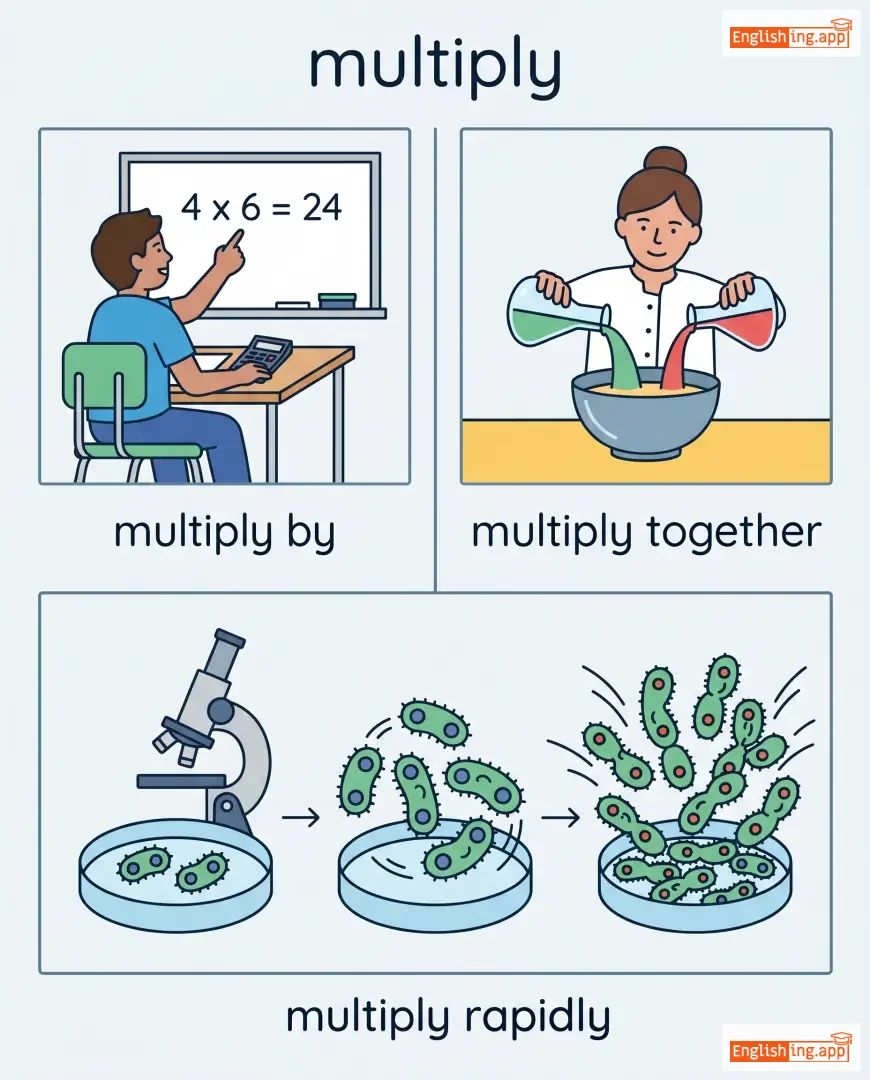
The bacteria multiply rapidly in warm conditions.
細菌は温暖な条件で急速に増殖します。
••••••
|
細菌は温暖な条件で急速に増殖します。
Saikin wa ondanna jouken de kyūsoku ni zōshoku shimasu
••••••
|
- •••••• | - •••••• | - •••••• |
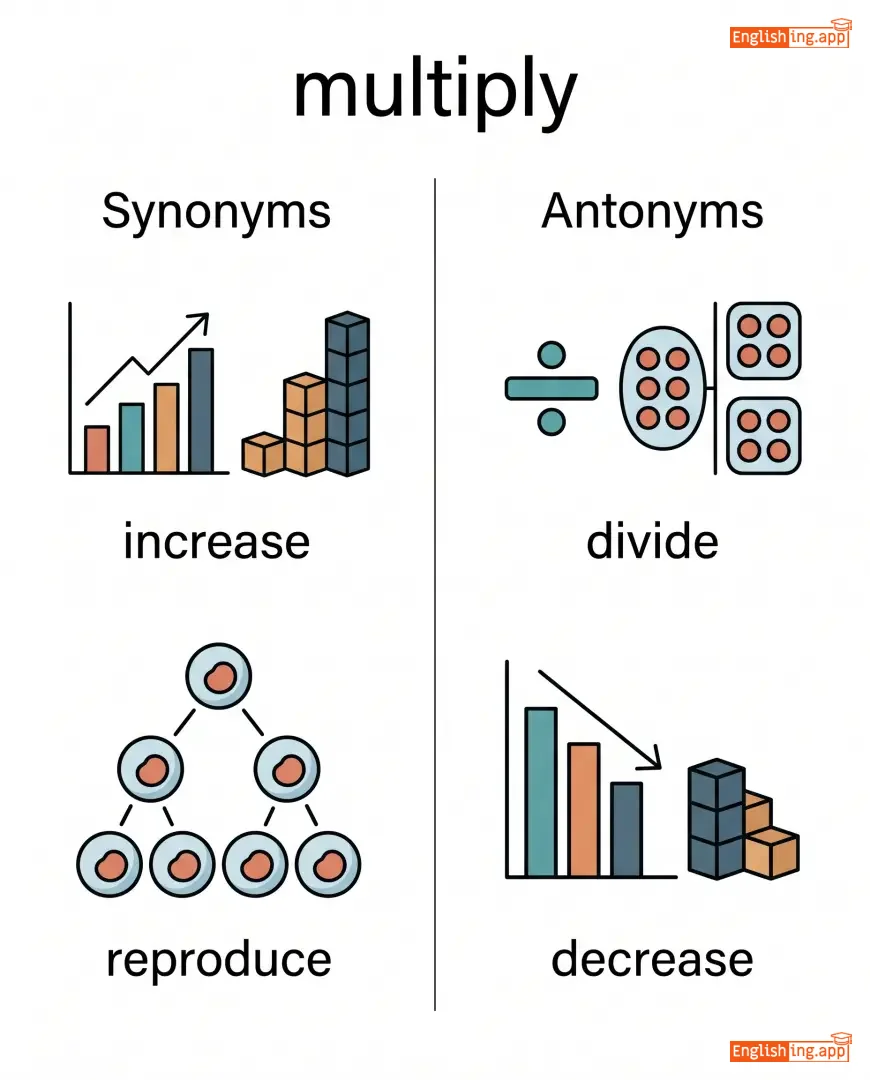
increase, reproduce, grow, expand
••••••
|
divide, decrease, reduce, diminish
••••••
|
multiply by, multiply together, multiply rapidly, multiply numbers
••••••
|
掛け算は細菌を増やすようなものです
••••••
|
|
#3382
🏛️
|
/mjuːˈnɪsɪpəl/
adjective
(ミュニシパル)
••••••
|
- •••••• |
市営の
shiei no
••••••
|
- •••••• | - •••••• | - •••••• | - •••••• |
relating to a city or town or its local government
••••••
|
The municipal authority is responsible for maintaining the park. |
市営当局は公園の維持管理を担当しています。
Shiei tōkyoku wa kōen no iji kanri o tantō shiteimasu.
••••••
|
municipal government |
local government of a city or town
••••••
|
市営政府
shiei seifu
••••••
|
civic, local, city, town
••••••
|
federal, national, state
••••••
|
municipal authority, municipal service, municipal law, municipal election
••••••
|
MUNIcipal - 市営の政府に関連した管理職。
••••••
|
|
#3383
🏙️
|
/ˌmjuːnɪsɪˈpæləti/
noun
••••••
|
- •••••• | - •••••• | - •••••• | - •••••• | - •••••• | - •••••• |
a city or town that has its own local government
••••••
|
The municipality is planning to build a new library. |
- •••••• |
municipality services |
services provided by a city or town authority
••••••
|
- •••••• |
city, town, borough, district
••••••
|
countryside, rural area
••••••
|
municipality council, municipality election, municipality authority
••••••
|
No •••••• |
|
#3384
🔪
|
/ˈmɜːrdər/
noun, verb
(マーダー)
••••••
|
- •••••• |
殺人
satsujin
••••••
|
murdered
マーダード
••••••
|
murdered
マーダード
••••••
|
murders
マーダーズ
••••••
|
murdering
マーダリング
••••••
|
the unlawful killing of a person; to kill someone unlawfully and intentionally
••••••
|
The detective investigated the murder that shocked the town.
探偵は町を驚かせた殺人事件を調査しました。
••••••
|
探偵は町を驚かせた殺人事件を調査しました。
tantei wa machi o odorokaseta satsujin jiken o chōsa shimashita.
••••••
|
murder will out
殺人は明らかになる
••••••
|
the truth about a crime will eventually be revealed
••••••
|
殺人は明らかになる
satsujin wa akiraka ni naru
••••••
|
homicide, killing, assassination, slaughter
••••••
|
rescue, save
••••••
|
commit murder, brutal murder, murder case, murder weapon
••••••
|
Murder は殺人を意味する — Murder はいつか明らかになる
••••••
|
|
#3385
💪
|
/ˈmʌsl/
noun
(masuru)
••••••
|
- •••••• |
筋肉
kinniku
••••••
|
- •••••• | - •••••• | - •••••• | - •••••• |
a band of fibrous tissue in the body that produces movement; physical strength
••••••
|
He exercises daily to build strong muscles. |
彼は強い筋肉を作るために毎日トレーニングをしています。
kare wa tsuyoi kinniku o tsukuru tame ni mainichi toreeningu o shiteimasu.
••••••
|
flex your muscles |
to show strength or power
••••••
|
筋肉を見せる
kinniku o miseru
••••••
|
strength, power, force, sinew
••••••
|
weakness, frailty
••••••
|
muscle strength, muscle pain, muscle building, flex muscles
••••••
|
Muscle は筋肉 — 筋肉を見せて、みんな驚かせよう!
••••••
|
|
#3386
🏛️
|
/mjuˈziːəm/
noun
(ミュージアム)
••••••
|
- •••••• |
博物館
hakubutsukan
••••••
|
- •••••• | - •••••• | - •••••• | - •••••• |
a building in which objects of historical, scientific, artistic, or cultural interest are stored and exhibited
••••••
|
We visited the art museum to see the new exhibition.
私たちは新しい展示を見るために美術館を訪れました。
••••••
|
私たちは新しい展示を見るために美術館を訪れました。
Watashitachi wa atarashī tenji o miru tame ni bijutsukan o otozuremashita.
••••••
|
- •••••• | - •••••• | - •••••• |
gallery, exhibition hall, archive, collection
••••••
|
market, store
••••••
|
art museum, history museum, science museum, visit museum
••••••
|
博物館で文化や歴史に触れる。
••••••
|
|
#3387
🎶
|
/ˈmjuːzɪk/
noun
(ミュージック)
••••••
|
- •••••• |
音楽
ongaku
••••••
|
- •••••• | - •••••• | - •••••• | - •••••• |
vocal or instrumental sounds combined to produce harmony, melody, or rhythm
••••••
|
She loves listening to classical music. |
彼女はクラシック音楽を聴くのが好きです。
Kanojo wa kurashikku ongaku o kiku no ga suki desu.
••••••
|
- •••••• | - •••••• | - •••••• |
melody, tune, composition, song
••••••
|
silence, quiet, stillness
••••••
|
classical music, pop music, music industry, music lover
••••••
|
Music is Ongaku (音楽) - 音楽 is the Japanese word for music
••••••
|
|
#3388
🎵
|
/ˈmɪzɪkəl/
adjective
(ミュージカル)
••••••
|
- •••••• |
音楽的
ongakuteki
••••••
|
- •••••• | - •••••• | - •••••• | - •••••• |
related to or consisting of music
••••••
|
She has a very musical voice. |
彼女は非常に音楽的な声を持っています。
Kanojo wa hijō ni ongakuteki na koe o motteimasu.
••••••
|
- •••••• | - •••••• | - •••••• |
melodic, harmonic, tuneful, musical
••••••
|
non-musical, tone-deaf
••••••
|
musical talent, musical instrument, musical performance
••••••
|
Musical is like music + AL - Musical is related to music
••••••
|
|
#3389
🎸
|
/mjuːˈzɪʃən/
noun
(ミュージシャン)
••••••
|
- •••••• |
音楽家
ongakuka
••••••
|
- •••••• | - •••••• | - •••••• | - •••••• |
a person who plays a musical instrument or is musically talented
••••••
|
He is a talented musician. |
彼は才能ある音楽家です。
Kare wa sainō aru ongakuka desu.
••••••
|
- •••••• | - •••••• | - •••••• |
performer, artist, instrumentalist, composer
••••••
|
non-musician, layman
••••••
|
professional musician, talented musician, aspiring musician
••••••
|
Musician is someone who plays Music + IAN (like an artist)
••••••
|
|
#3390
🕌
|
/ˈmʊzlɪm/
noun
(ムスリム)
••••••
|
- •••••• |
ムスリム
musurimu
••••••
|
- •••••• | - •••••• | - •••••• | - •••••• |
a follower of Islam
••••••
|
He is a devout Muslim. |
彼は熱心なムスリムです。
Kare wa nesshin na musurimu desu.
••••••
|
- •••••• | - •••••• | - •••••• |
Islamic, believer, follower of Islam
••••••
|
non-Muslim, atheist
••••••
|
devout Muslim, practicing Muslim, Muslim community
••••••
|
Muslim is someone who follows ISLAM
••••••
|
|
#3391
✅
|
/mʌst/
verb
(マスト)
••••••
|
- •••••• |
しなければならない
shinakereba naranai
••••••
|
musted
マステッド
••••••
|
musted
マステッド
••••••
|
musts
マスツ
••••••
|
musting
マスティング
••••••
|
to be required or obligated to
••••••
|
You must complete your homework before you go out.
あなたは外出する前に宿題を終わらせなければなりません。
••••••
|
あなたは外出する前に宿題を終わらせなければなりません。
Anata wa gaishutsu suru mae ni shukudai o owarasenakereba narimasen.
••••••
|
must do
しなければならない
••••••
|
something that absolutely needs to be done
••••••
|
しなければならない
shinakereba naranai
••••••
|
have to, should, need to, required
••••••
|
can, may, optional
••••••
|
must do, must see, must have
••••••
|
Must do it! 必要です。
••••••
|
|
#3392
🤝
|
/ˈmjuːtʃuəl/
adjective
(ミューチュアル)
••••••
|
- •••••• |
相互の
sōgo no
••••••
|
- •••••• | - •••••• | - •••••• | - •••••• |
felt, shared, or done by two or more people equally
••••••
|
They have mutual respect for each other. |
彼らはお互いに相互の敬意を持っています。
Karera wa otagai ni sōgo no keii o motteimasu.
••••••
|
mutual understanding |
shared comprehension between two or more parties
••••••
|
相互理解
sōgo rikai
••••••
|
reciprocal, shared, common, joint, collective
••••••
|
one-sided, unilateral
••••••
|
mutual respect, mutual benefit, mutual agreement
••••••
|
相互は平等を意味します - '相' と '互' は平等な関係を表します。
••••••
|
|
#3393
👤
|
/maɪ/
pronoun
(マイ)
••••••
|
- •••••• |
私の
watashi no
••••••
|
- •••••• | - •••••• | - •••••• | - •••••• |
used to indicate possession or ownership
••••••
|
This is my book.
これは私の本です。
••••••
|
これは私の本です。
Kore wa watashi no hon desu.
••••••
|
- •••••• | - •••••• | - •••••• |
mine, belonging to me
••••••
|
your, theirs
••••••
|
my friend, my house, my idea
••••••
|
私の本、それは私のもの!
••••••
|
|
#3394
🙋♂️
|
/maɪˈsɛlf/
pronoun
(マイセルフ)
••••••
|
- •••••• |
自分
jibun
••••••
|
- •••••• | - •••••• | - •••••• | - •••••• |
used for emphasis or to refer to oneself
••••••
|
I will do it myself.
私は自分でそれをやります。
••••••
|
私は自分でそれをやります。
Watashi wa jibun de sore o yarimasu.
••••••
|
- •••••• | - •••••• | - •••••• |
me, personally
••••••
|
someone else
••••••
|
do it myself, I taught myself, look after myself
••••••
|
I, MYSELF and I - 自分でやる
••••••
|
|
#3395
🕵️♂️
|
/mɪˈstɪəriəs/
adjective
(ミステリアス)
••••••
|
|
神秘的
shinpiteki
••••••
|
- •••••• | - •••••• | - •••••• | - •••••• |
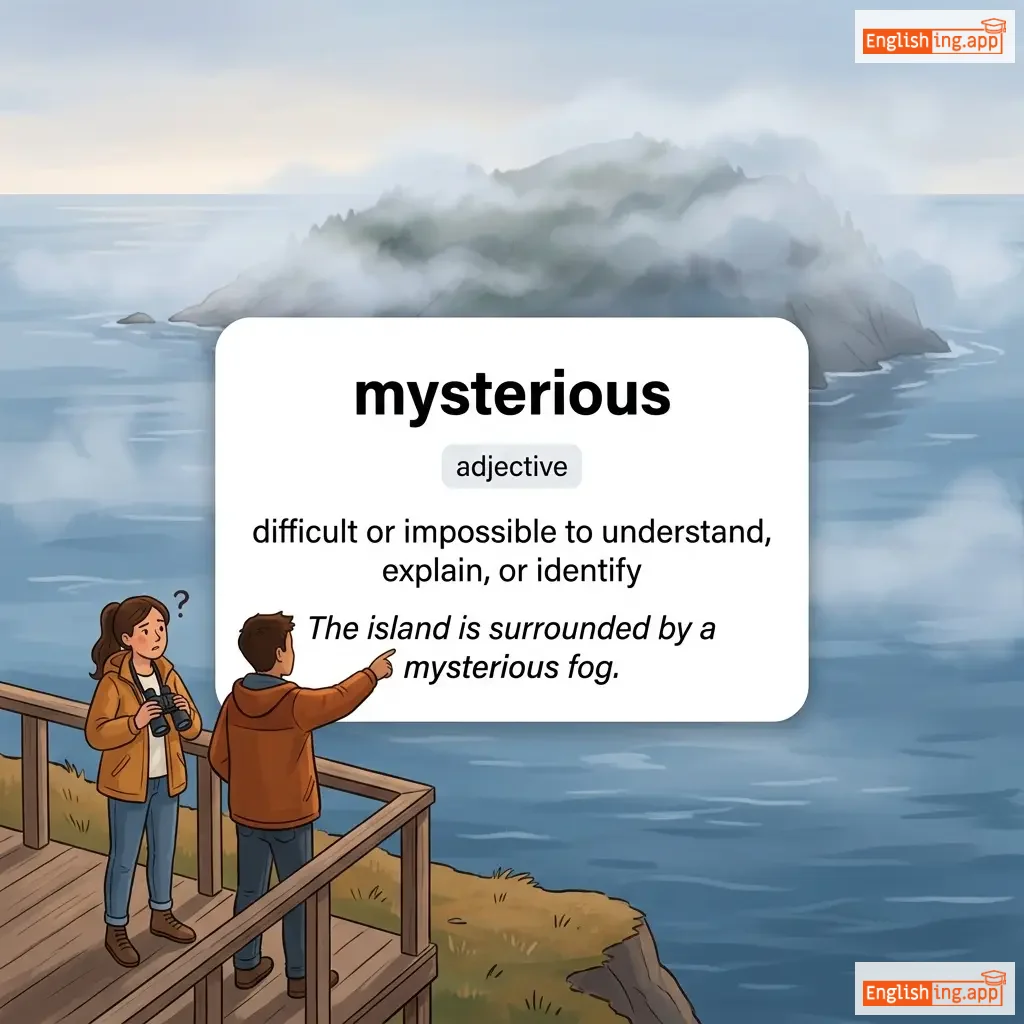
difficult or impossible to understand, explain, or identify
••••••
|
The island is surrounded by a mysterious fog. |
島は神秘的な霧に包まれています。
Shima wa shinpiteki na kiri ni tsutsumareteimasu.
••••••
|
mysterious ways |
unexpected or unexplainable methods or actions
••••••
|
神秘的な方法
shinpiteki na houhou
••••••
|
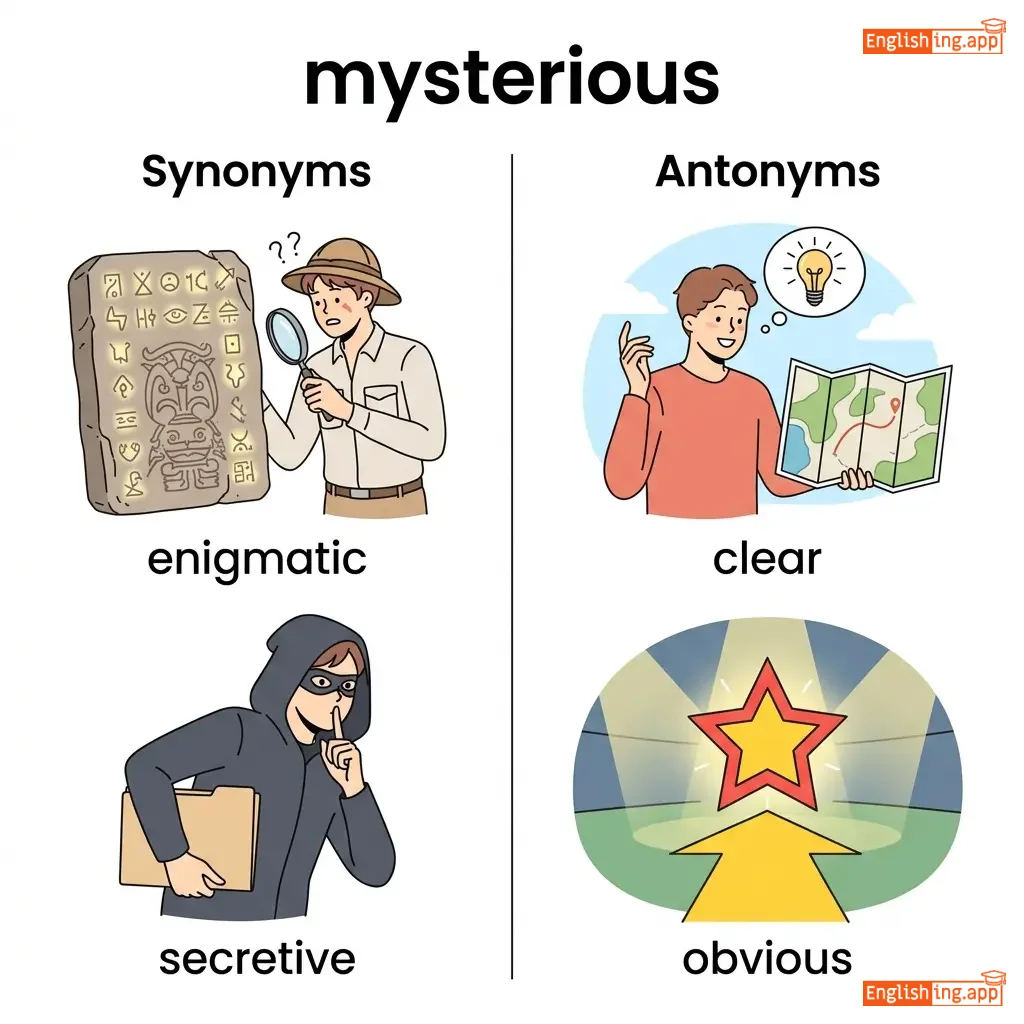
enigmatic, secretive, puzzling, cryptic, obscure
••••••
|
clear, obvious
••••••
|
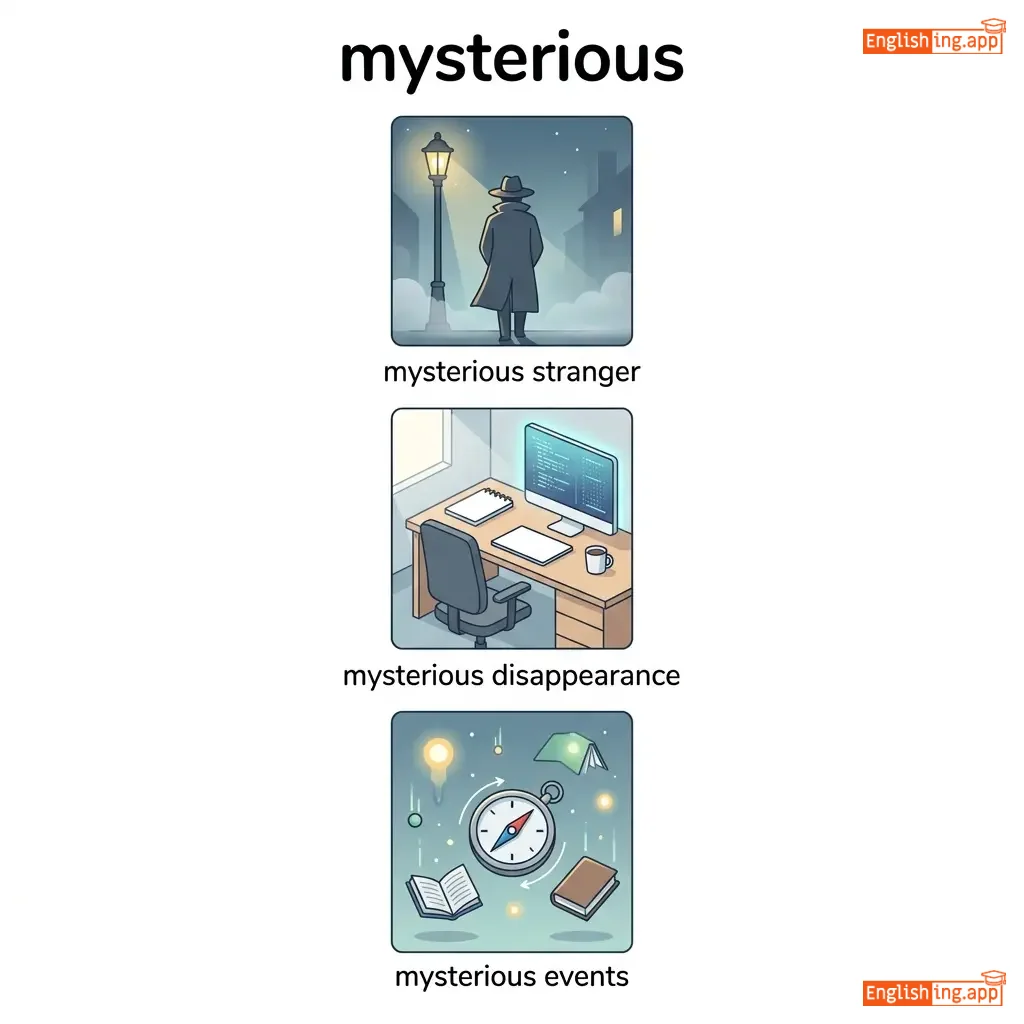
mysterious stranger, mysterious disappearance, mysterious events
••••••
|
神秘的はまるで‘神秘’のようなものです。
••••••
|
|
#3396
🔍
|
/ˈmɪs.tər.i/
noun
(misuteri)
••••••
|
- •••••• |
謎; 説明できないこと
nazo
••••••
|
- •••••• | - •••••• | - •••••• | - •••••• |
something that is difficult or impossible to understand or explain
••••••
|
The disappearance of the plane remains a mystery.
飛行機の失踪は謎のままである。
••••••
|
飛行機の失踪は謎のままである。
hikouki no shissou wa nazo no mama de aru.
••••••
|
- •••••• | - •••••• | - •••••• |
puzzle, enigma, riddle, secret
••••••
|
certainty, clarity, solution, answer
••••••
|
solve mystery, unsolved mystery, mystery novel
••••••
|
誰も解けない謎。
••••••
|
|
#3397
🐉
|
/mɪθ/
noun
(ミス)
••••••
|
- •••••• |
神話
shinwa
••••••
|
- •••••• | - •••••• | - •••••• | - •••••• |
A traditional story explaining natural or social phenomena, often involving supernatural beings; a widely held but false belief.
••••••
|
The myth of the phoenix tells of a bird reborn from its ashes. |
フェニックスの神話は、灰の中から生まれ変わった鳥の話を伝えています。
Fenikkusu no shinwa wa, hai no naka kara umarekawatta tori no hanashi o tsutaete imasu.
••••••
|
myth or reality |
Used when questioning whether something is true or just a belief.
••••••
|
神話か現実か
Shinwa ka genjitsu ka
••••••
|
legend, tale, folklore, fable, fiction
••••••
|
fact, reality, truth
••••••
|
ancient myth, Greek myth, popular myth, myth about
••••••
|
Myth = 本当のことではないかもしれない、でも興味深い話!
••••••
|
|
#3398
📌
|
/neɪl/
noun, verb
(ネイル)
••••••
|
- •••••• |
釘
kugi
••••••
|
nailed
ネイルド
••••••
|
nailed
ネイルド
••••••
|
nails
ネイルズ
••••••
|
nailing
ネイリング
••••••
|
a small metal spike driven into wood or other material, or to fasten or fix something with nails
••••••
|
He nailed the wooden board to the wall.
彼は木製の板を壁に釘付けしました。
••••••
|
彼は木製の板を壁に釘付けしました。
kare wa mokusei no ita o kabe ni kugi tsuke shimashita.
••••••
|
hit the nail on the head
的を射る
••••••
|
to describe exactly what is causing a situation or problem
••••••
|
状況や問題の原因を正確に説明する
joukyou ya mondai no gen'in o seikaku ni setsumei suru
••••••
|
pin, tack, spike, fasten, attach
••••••
|
detach, remove, loosen
••••••
|
hammer a nail, nail polish, nail down, nail it
••••••
|
釘(kugi)は目標をしっかり固定するための道具
••••••
|
|
#3399
🚼
|
/ˈneɪkɪd/
adjective
(ネイキッド)
••••••
|
- •••••• |
裸
hadaka
••••••
|
- •••••• | - •••••• | - •••••• | - •••••• |
not covered by clothing or without protection
••••••
|
The child was running naked in the yard. |
その子は庭で裸で走っていた。
Sono ko wa niwa de hadaka de hashitte ita.
••••••
|
the naked truth |
the complete and unembellished truth
••••••
|
裸の真実
hadaka no shinjitsu
••••••
|
bare, unclothed, exposed, nude
••••••
|
clothed, covered
••••••
|
naked body, naked eye, naked truth
••••••
|
Nakedは裸を意味します – 衣服がないと、あなたは裸です。
••••••
|
|
#3400
🏷️
|
/neɪm/
verb
(ネイム)
••••••
|
|
名付ける
nazukeru
••••••
|
named
ネイムド
••••••
|
named
ネイムド
••••••
|
names
ネイムズ
••••••
|
naming
ネイミング
••••••
|
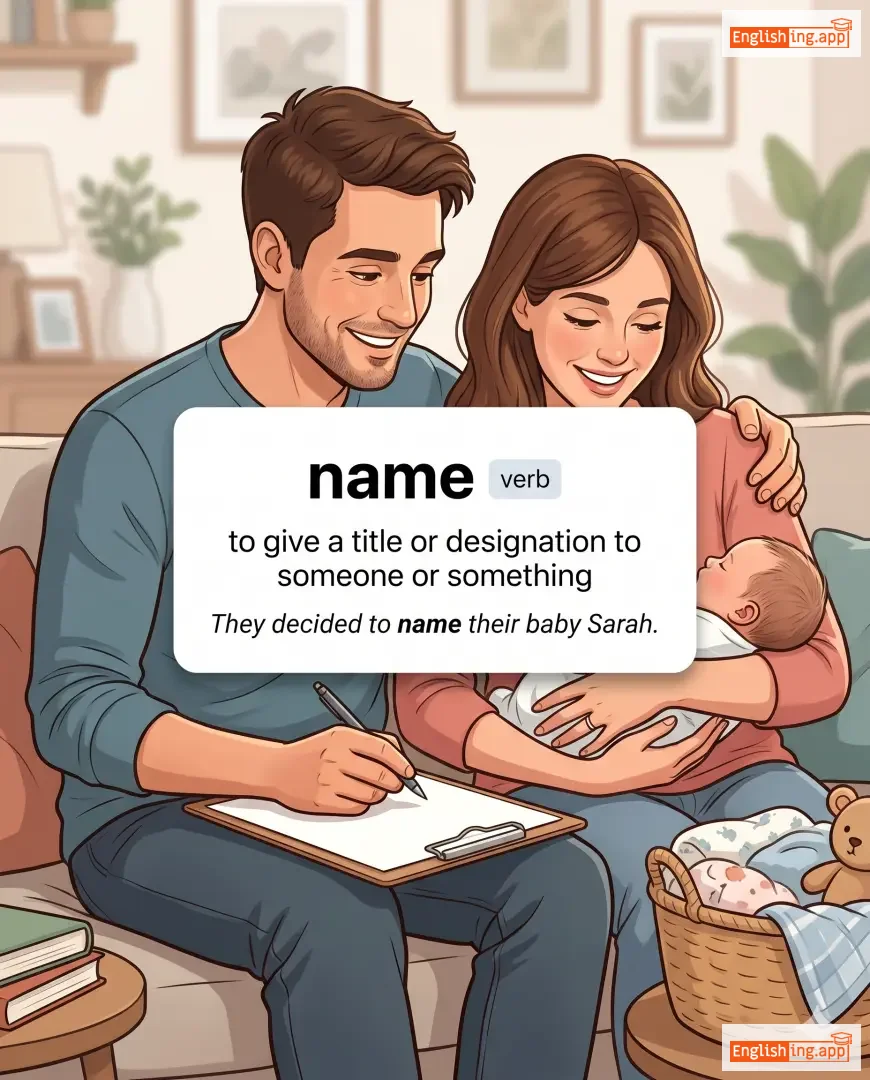
to give a title or designation to someone or something
••••••
|
They decided to name their baby Sarah.
デイ ディサイデッド トゥ ネイム ゼア ベイビー サラ。
••••••
|
彼らは赤ちゃんにサラという名前を付けることに決めました。
Karera wa akachan ni Sara to iu namae o tsukeru koto ni kimemashita
••••••
|
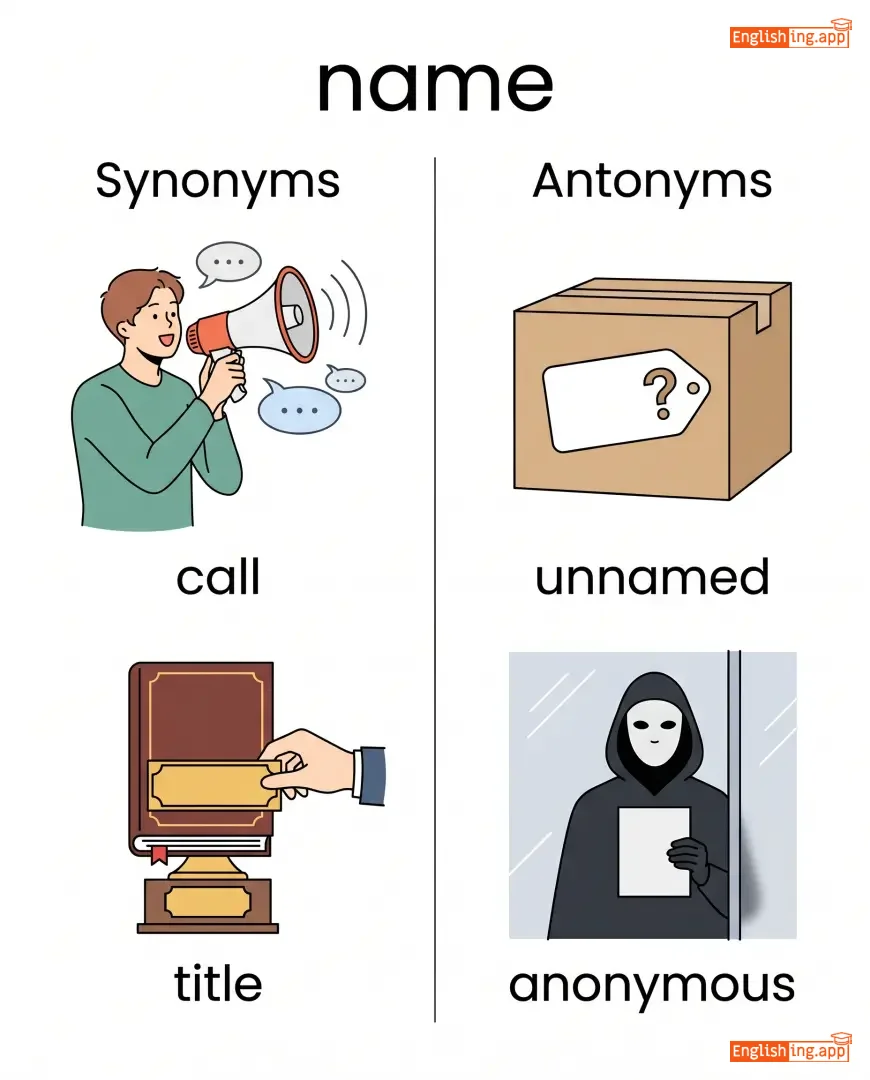
- •••••• | - •••••• | - •••••• |
call, title, designate, label
••••••
|
unnamed, anonymous
••••••
|
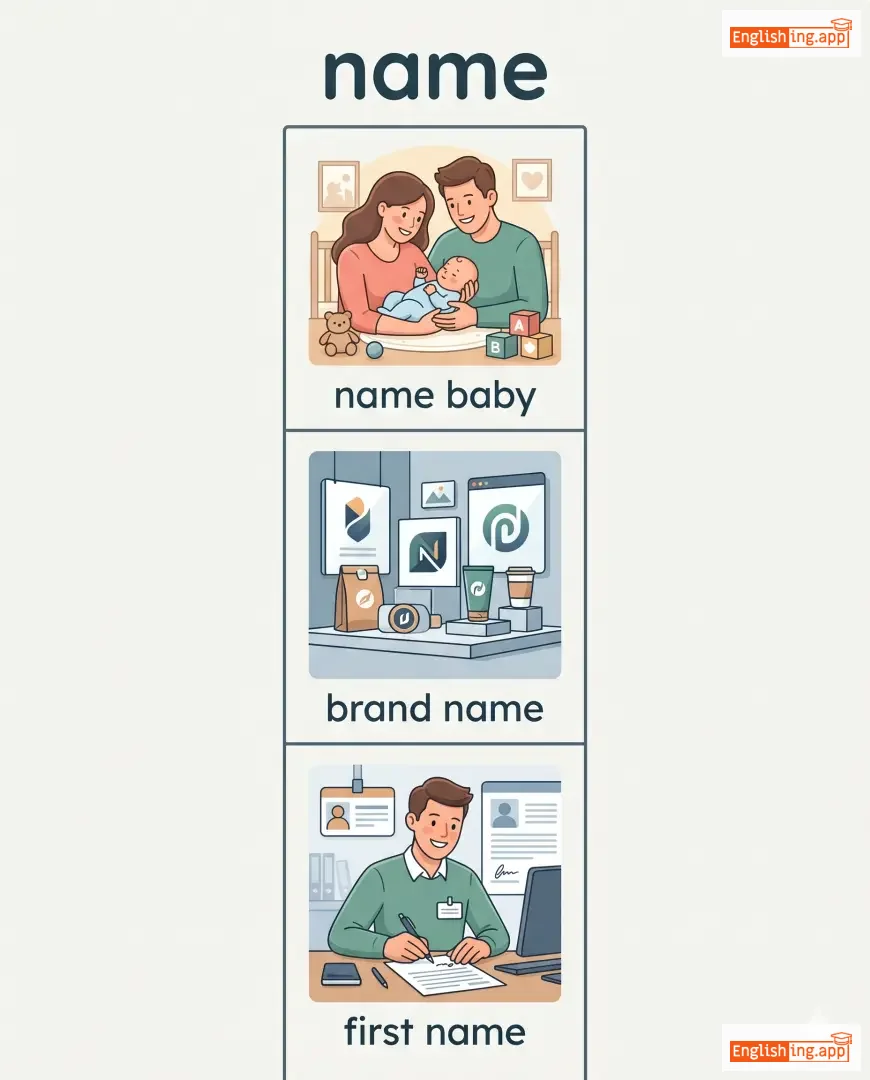
name baby, brand name, first name, last name
••••••
|
名付ける = Name it with love!
••••••
|
|
#3401
👉
|
/ˈneɪmli/
adverb
(ネイムリー)
••••••
|
- •••••• |
すなわち; 特に;
sunawachi; tokuni
••••••
|
- •••••• | - •••••• | - •••••• | - •••••• |
that is to say; specifically; to be precise
••••••
|
Three cities, namely Paris, London, and Rome, were visited.
三つの都市、すなわちパリ、ロンドン、ローマが訪問されました。
••••••
|
三つの都市、すなわちパリ、ロンドン、ローマが訪問されました。
Mittsu no toshi, sunawachi Pari, Rondon, Roma ga hōmon saremashita.
••••••
|
- •••••• | - •••••• | - •••••• |
specifically, particularly, that is, to wit, viz
••••••
|
generally, broadly, vaguely
••••••
|
namely that, namely the, namely these, namely those
••••••
|
In Japanese, 'すなわち' (sunawachi) is used similarly to 'namely' to specify examples.
••••••
|
|
#3402
🎤
|
/ˈnæreɪt/
verb
(ナレイト)
••••••
|
- •••••• |
物語る
monogatari
••••••
|
narrated
ナレイテッド
••••••
|
narrated
ナレイテッド
••••••
|
narrates
ナレイツ
••••••
|
narrating
ナレイティング
••••••
|
To tell a story or describe events, often in detail.
••••••
|
She will narrate the events of her journey to the audience.
彼女は観客に自分の旅の出来事を語るでしょう。
••••••
|
彼女は観客に自分の旅の出来事を語るでしょう。
Kanojo wa kankyaku ni jibun no tabi no dekigoto o kataru deshou.
••••••
|
narrate a story
物語を語る
••••••
|
To tell or describe a story to others.
••••••
|
物語を語る
Monogatari o kataru
••••••
|
tell, recount, describe, relate, detail
••••••
|
conceal, hide
••••••
|
narrate a story, narrate events, narrate experiences, narrate history
••••••
|
Narrate in Japanese is 物語る, like narrating your story with 'monogatari'.
••••••
|
|
#3403
📖
|
/næˈreɪʃən/
noun
(ナレーション)
••••••
|
- •••••• |
ナレーション
nareeshon
••••••
|
- •••••• | - •••••• | - •••••• | - •••••• |
The act of telling a story or describing events in detail.
••••••
|
The movie’s narration was done by a famous actor.
映画のナレーションは有名な俳優によって行われました。
••••••
|
映画のナレーションは有名な俳優によって行われました。
Eiga no nareeshon wa yuumei na haiyuu ni yotte okonawaremashita.
••••••
|
voice narration
ボイスナレーション
••••••
|
Spoken commentary or storytelling provided through voice.
••••••
|
ボイスナレーション
Boisu nareeshon
••••••
|
storytelling, recounting, commentary, description
••••••
|
silence, quiet
••••••
|
narration of events, narration in movies, narration style, narration voice
••••••
|
Narrationは物語を語る、ナレーションで話す。
••••••
|
|
#3404
📝
|
/ˈnærətɪv/
noun
••••••
|
- •••••• | - •••••• | - •••••• | - •••••• | - •••••• | - •••••• |
A spoken or written account of connected events; a story.
••••••
|
The novel’s narrative explores themes of identity and freedom. |
- •••••• |
control the narrative |
To influence or shape how a story or situation is understood.
••••••
|
- •••••• |
story, account, tale, chronicle, description
••••••
|
silence, randomness
••••••
|
narrative style, narrative voice, personal narrative, political narrative
••••••
|
No •••••• |
|
#3405
↔️
|
/ˈnær.oʊ/
adjective
(ナロー)
••••••
|
- •••••• |
狭い; 限定された; 狭まった
semai; gentei sareta; sematta
••••••
|
- •••••• | - •••••• | - •••••• | - •••••• |
having a small width; thin; limited in scope; restricted
••••••
|
The narrow street was barely wide enough for two cars. |
その狭い道は2台の車が通るにはほとんど十分な広さがありませんでした。
Sono semai michi wa 2 dai no kuruma ga tooru ni wa hotondo juubun na hirosa ga arimasen deshita.
••••••
|
- •••••• | - •••••• | - •••••• |
thin, slim, tight, confined
••••••
|
wide, broad, spacious, expansive
••••••
|
narrow street, narrow margin, narrow escape, narrow minded
••••••
|
狭い道では2台の車が通るにはギリギリだと感じる、まるで制限されたような感覚です。
••••••
|
|
#3406
😠
|
/ˈnæsti/
adjective
(ナスティ)
••••••
|
- •••••• |
嫌な
iya na
••••••
|
- •••••• | - •••••• | - •••••• | - •••••• |
very unpleasant, unkind, or offensive
••••••
|
He made a nasty comment about her dress. |
彼は彼女のドレスについて嫌なコメントをしました。
Kare wa kanojo no doresu ni tsuite iya na komento o shimashita.
••••••
|
- •••••• | - •••••• | - •••••• |
unpleasant, mean, vile, horrible, rude
••••••
|
pleasant, kind, nice
••••••
|
nasty smell, nasty habit, nasty surprise, nasty weather
••••••
|
Nastyは‘ナスティ’のように聞こえる—嫌なまたは不快な意味です。
••••••
|
|
#3407
🌍
|
/ˈneɪʃən/
noun
(ネイション)
••••••
|
- •••••• |
国家
kokka
••••••
|
- •••••• | - •••••• | - •••••• | - •••••• |
a large group of people united by common descent, history, culture, or language
••••••
|
The nation celebrated its independence day with pride. |
その国は独立記念日を誇りを持って祝いました。
Sono kuni wa dokuritsuki nembi o hokori o motte iwai mashita.
••••••
|
- •••••• | - •••••• | - •••••• |
country, state, land, realm
••••••
|
individual, province, territory
••••••
|
nation state, powerful nation, united nation, proud nation
••••••
|
Nation = Kokka - Dai go no kazoku, minna issho!
••••••
|
|
#3408
🇳🇱
|
/ˈnæʃənəl/
adjective
(ネイショナル)
••••••
|
- •••••• |
国民の
kokumin no
••••••
|
- •••••• | - •••••• | - •••••• | - •••••• |
relating to a nation, especially its culture, language, or government
••••••
|
The national anthem was played at the ceremony.
国歌は式典で演奏されました。
••••••
|
国歌は式典で演奏されました。
Kokuga wa shikiten de ensō saremashita.
••••••
|
- •••••• | - •••••• | - •••••• |
state, public, governmental, nationalistic
••••••
|
local, regional, individual
••••••
|
national identity, national pride, national team, national government
••••••
|
National is about Kokumin - Kokumin no uta, shikiten de!
••••••
|
|
#3409
🇺🇳
|
/ˈnæʃənəl ˈænθəm/
noun
(ナショナル・アンセム)
••••••
|
- •••••• |
国歌
kokka
••••••
|
- •••••• | - •••••• | - •••••• | - •••••• |
an official patriotic song of a country, performed at national events and ceremonies
••••••
|
The national anthem was played before the international match.
ザ ナショナル アンセム ワズ プレイド ビフォー ザ インターナショナル マッチ。
••••••
|
国際試合の前に国歌が演奏された。
Kokusai shiai no mae ni kokka ga enso sareta
••••••
|
play the national anthem
プレイ ザ ナショナル アンセム
••••••
|
to perform a country’s official patriotic song at a formal or public event
••••••
|
国歌を演奏する
kokka o enso suru
••••••
|
state anthem, national song, patriotic anthem, official anthem
••••••
|
foreign anthem, unofficial song
••••••
|
sing the national anthem, play the national anthem, national anthem ceremony, official national anthem
••••••
|
Kokka sounds like country song—国の歌 = national anthem
••••••
|
|
#3410
🌍
|
/ˌnæʃəˈnæləti/
noun
(ネイショナリティ)
••••••
|
- •••••• |
国籍
kokuseki
••••••
|
- •••••• | - •••••• | - •••••• | - •••••• |
The status of belonging to a particular nation, either by birth or naturalization.
••••••
|
Her nationality is Canadian, though she was born in France. |
彼女の国籍はカナダのもので、フランスで生まれました。
Kanojo no kokuseki wa Kanada no mono de, Furansu de umaremashita.
••••••
|
of all nationalities |
Including people from different nations or backgrounds
••••••
|
すべての国籍の人々
Subete no kokuseki no hitobito
••••••
|
citizenship, origin, ethnicity, heritage, identity
••••••
|
statelessness, foreignness
••••••
|
dual nationality, acquire nationality, nationality law, nationality status
••••••
|
国籍 = 国 + 籍、あなたがどの国に属しているかを示す
••••••
|
|
#3411
🇺🇳
|
/ˈnæʃənəli/
adverb
(ナショナリー)
••••••
|
- •••••• |
全国的に
zenkokuteki ni
••••••
|
- •••••• | - •••••• | - •••••• | - •••••• |
at the level of a whole nation; in a way that involves or affects an entire country
••••••
|
The policy was implemented nationally to ensure equal benefits for all citizens.
その政策は、すべての市民に平等な利益を確保するため、全国的に実施された。
••••••
|
その政策は、すべての市民に平等な利益を確保するため、全国的に実施された。
sono seisaku wa subete no shimin ni byodo na rieki o kakuho suru tame zenkokuteki ni jisshi sareta
••••••
|
- •••••• | - •••••• | - •••••• |
nationwide, countrywide, domestically, federally
••••••
|
locally, regionally
••••••
|
nationally recognized, nationally implemented, nationally important, nationally regulated
••••••
|
全国 = nation → nationally
••••••
|
|
#3412
🌍
|
/ˈneɪʃənˌwaɪd/
adjective, adverb
(ネイションワイド)
••••••
|
- •••••• |
全国規模
zenkoku kibo
••••••
|
- •••••• | - •••••• | - •••••• | - •••••• |
existing or happening throughout an entire nation
••••••
|
The campaign received nationwide support.
キャンペーンは全国的な支持を得ました。
••••••
|
キャンペーンは全国的な支持を得ました。
Kyanpēn wa zenkokuteki na shiji o emashita.
••••••
|
- •••••• | - •••••• | - •••••• |
countrywide, national, across the country, all over the nation
••••••
|
local, regional
••••••
|
nationwide survey, nationwide network, nationwide strike, nationwide coverage
••••••
|
Nation + wide = 全国規模; ‘nationwide’の意味は全国規模です。
••••••
|
|
#3413
🌍
|
/ˈneɪtɪv/
adjective
(ネイティブ)
••••••
|
- •••••• |
ネイティブ
neitibu
••••••
|
- •••••• | - •••••• | - •••••• | - •••••• |
Belonging to a person by birth; originating in a particular place.
••••••
|
He is a native speaker of Bengali.
彼はベンガル語のネイティブスピーカーです。
••••••
|
彼はベンガル語のネイティブスピーカーです。
Kare wa bengaru-go no neitibu supīka desu.
••••••
|
native land
故郷
••••••
|
the country where a person was born
••••••
|
故郷
furusato
••••••
|
indigenous, local, original, natural
••••••
|
foreign, alien
••••••
|
native speaker, native language, native culture, native people
••••••
|
ネイティブ = 故郷 – ネイティブスピーカー = 自分の故郷の言葉を話す人
••••••
|
|
#3414
🌿
|
/ˈnætʃərəl/
adjective
(ネイチャラル)
••••••
|
- •••••• |
自然な
shizen na
••••••
|
- •••••• | - •••••• | - •••••• | - •••••• |
existing in or derived from nature; not made or caused by humankind
••••••
|
She prefers to use natural ingredients in her cooking. |
彼女は料理に自然な食材を使うのが好きです。
Kanojo wa ryouri ni shizen na shokuzai o tsukau no ga suki desu.
••••••
|
- •••••• | - •••••• | - •••••• |
organic, raw, pure, unprocessed
••••••
|
artificial, synthetic, man-made
••••••
|
natural resources, natural beauty, natural selection, natural talent
••••••
|
Natural = Shizen na, subete wa shizen kara kimasu.
••••••
|
|
#3415
🌪️
|
/ˈnætʃərəl dɪˈzæstər/
noun
(ナチュラル ディザスター)
••••••
|
- •••••• |
自然災害
shizen saigai
••••••
|
- •••••• | - •••••• | - •••••• | - •••••• |
a catastrophic event caused by natural processes of the Earth that results in significant damage, destruction, or loss of life
••••••
|
The coastal town was devastated by a natural disaster.
ザ コースタル タウン ワズ デヴァステイテッド バイ ア ナチュラル ディザスター。
••••••
|
その沿岸の町は自然災害で壊滅的な被害を受けた。
sono engan no machi wa shizen saigai de kaimetsuteki na higai o uketa
••••••
|
- •••••• | - •••••• | - •••••• |
catastrophe, calamity, act of God, natural catastrophe, hazard
••••••
|
blessing, boon
••••••
|
natural disaster relief, natural disaster management, natural disaster response, prone to natural disasters
••••••
|
自然(しぜん)の災い=自然災害
••••••
|
|
#3416
🌱
|
/ˈnætʃrəli/
adverb
(ナチュラリー)
••••••
|
- •••••• |
自然に
shizen ni
••••••
|
- •••••• | - •••••• | - •••••• | - •••••• |
In a way that is normal, expected, or without effort.
••••••
|
He spoke so naturally that everyone felt comfortable.
彼はとてもナチュラリー話したので、みんなが快適に感じました。
••••••
|
彼はとても自然に話したので、みんなが快適に感じました。
Kare wa totemo shizen ni hanashita node, minna ga kaiteki ni kanjimashita.
••••••
|
naturally enough
ナチュラリーイナフ
••••••
|
Not surprisingly; as expected
••••••
|
自然に十分
shizen ni jūbun
••••••
|
obviously, surely, normally, effortlessly
••••••
|
unnaturally, artificially
••••••
|
behave naturally, speak naturally, occur naturally, naturally gifted
••••••
|
自然に—自然のように、何の努力もなく。
••••••
|
|
#3417
🌳
|
/ˈneɪ.tʃər/
noun
(ネイチャー)
••••••
|
|
自然; 自然界; 何かの基本的な特性や質
shizen; shizenkai; nanika no kihonteki na tokusei ya shitsu
••••••
|
- •••••• | - •••••• | - •••••• | - •••••• |
the natural world; the character or basic qualities of something
••••••
|
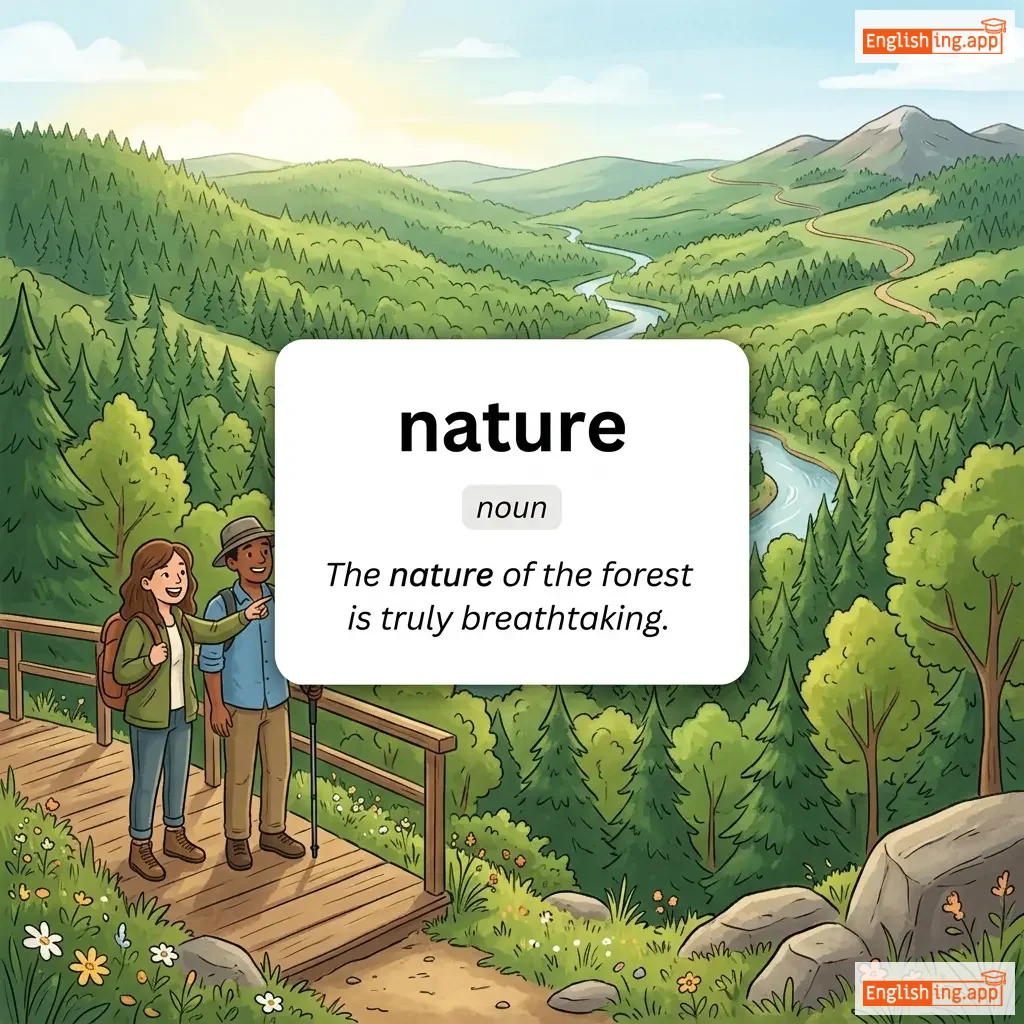
Children should spend more time in nature. |
子供たちはもっと自然の中で過ごすべきです。
Kodomo-tachi wa motto shizen no naka de sugosu beki desu.
••••••
|
- •••••• | - •••••• | - •••••• |
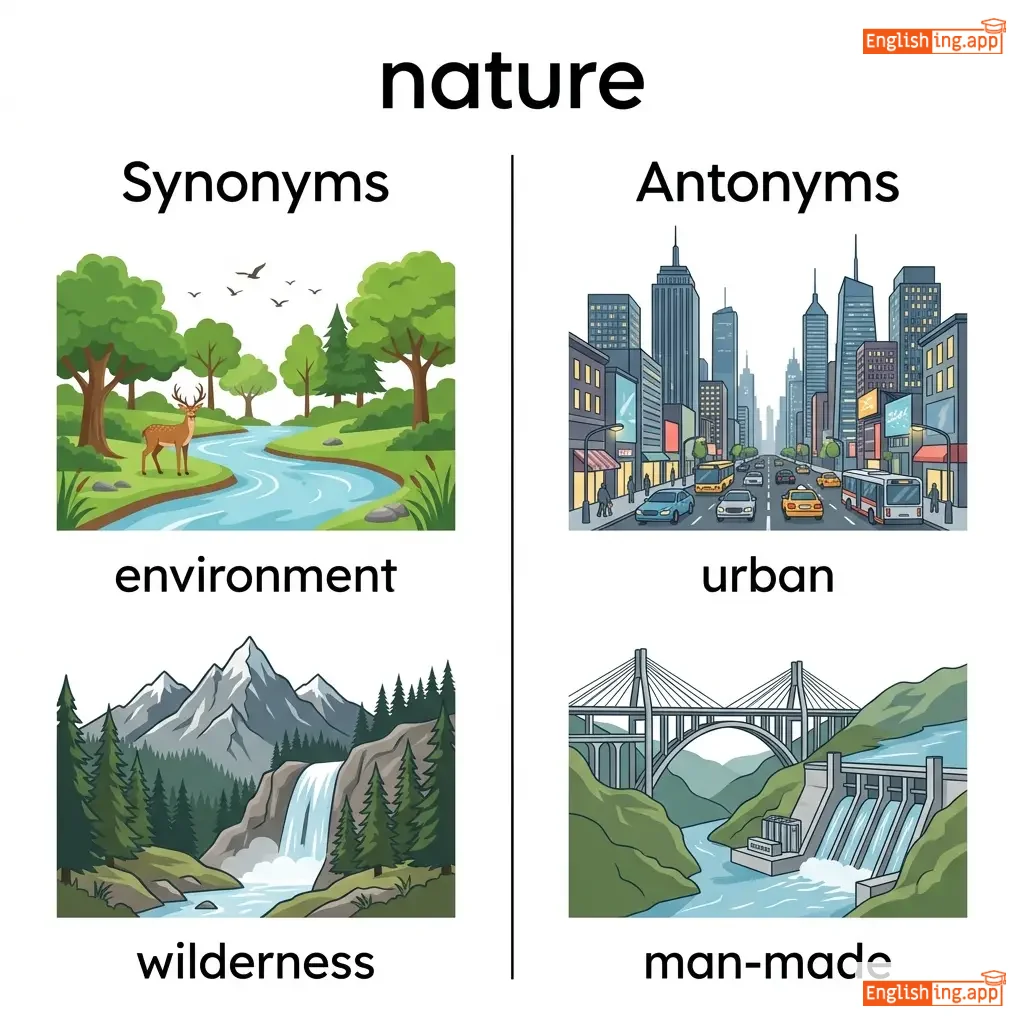
environment, wilderness, outdoors, character
••••••
|
artificiality, civilization, indoors
••••••
|
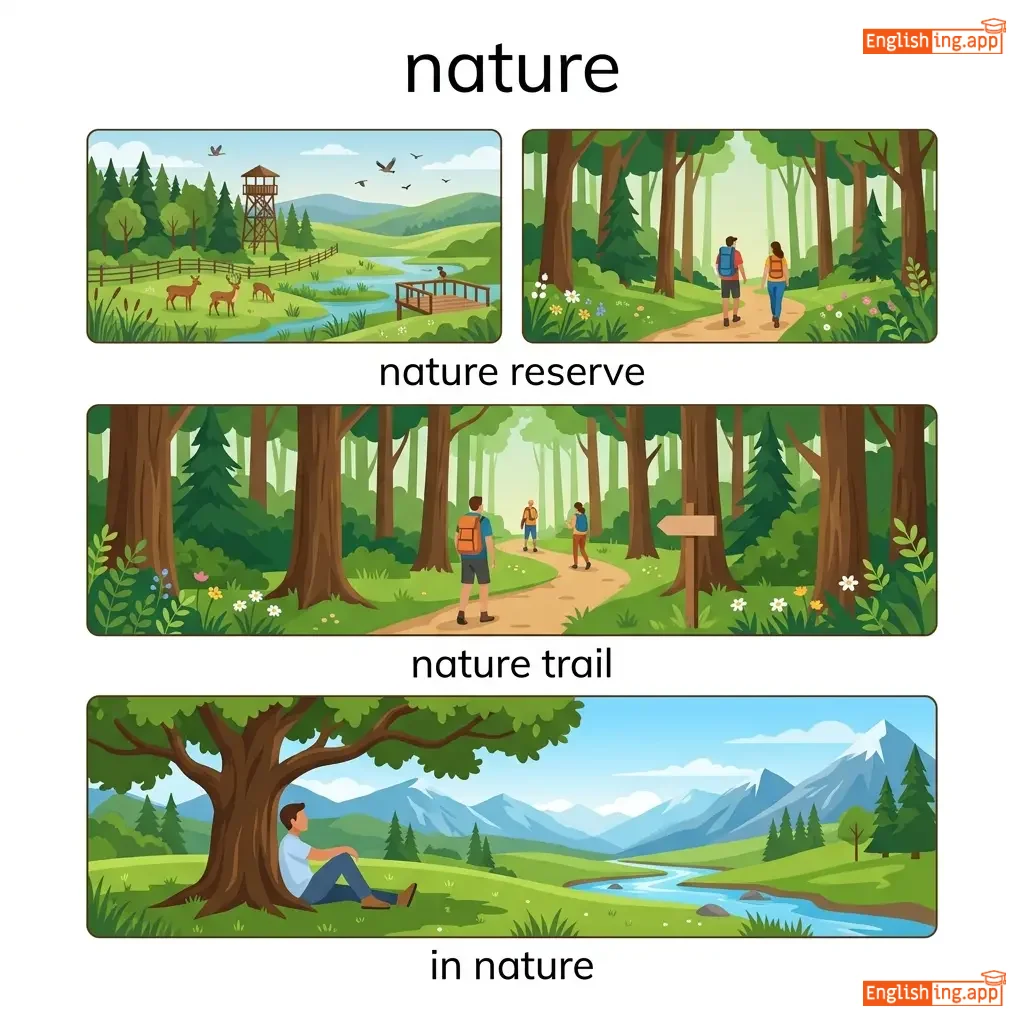
human nature, mother nature, laws of nature
••••••
|
自然の中で過ごすことが心をリフレッシュさせてくれる。
••••••
|
Vocabulary Quiz
Test your vocabulary by matching words with their translations or meanings.
Login to take the quiz
Comments (0)
Share your thoughts and join the discussion.
Join the discussion by logging in
Login to CommentNo comments yet
Be the first to share your thoughts!