

翻訳
過去
過去分詞
三人称単数
動名詞
意味
例文
例文の翻訳
同義語
対義語
コロケーション
ニーモニック


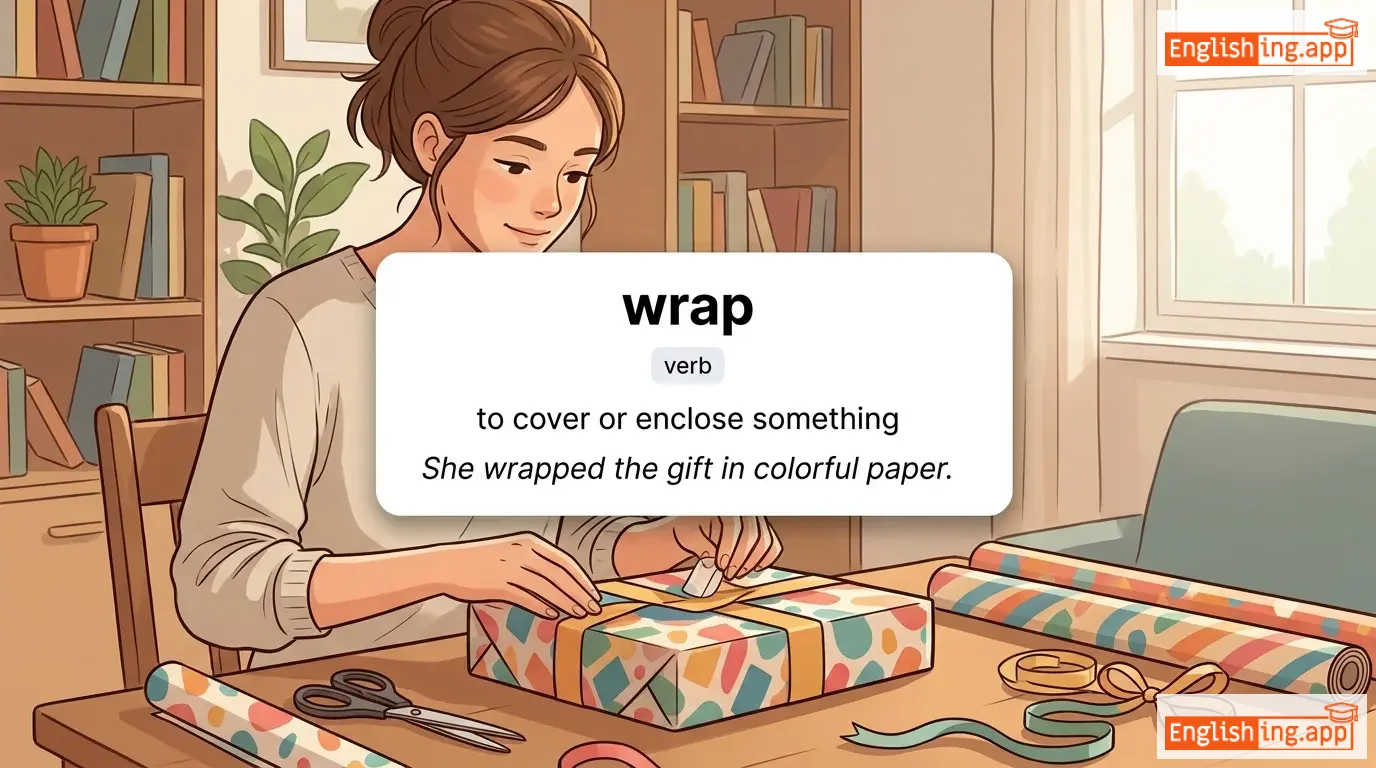
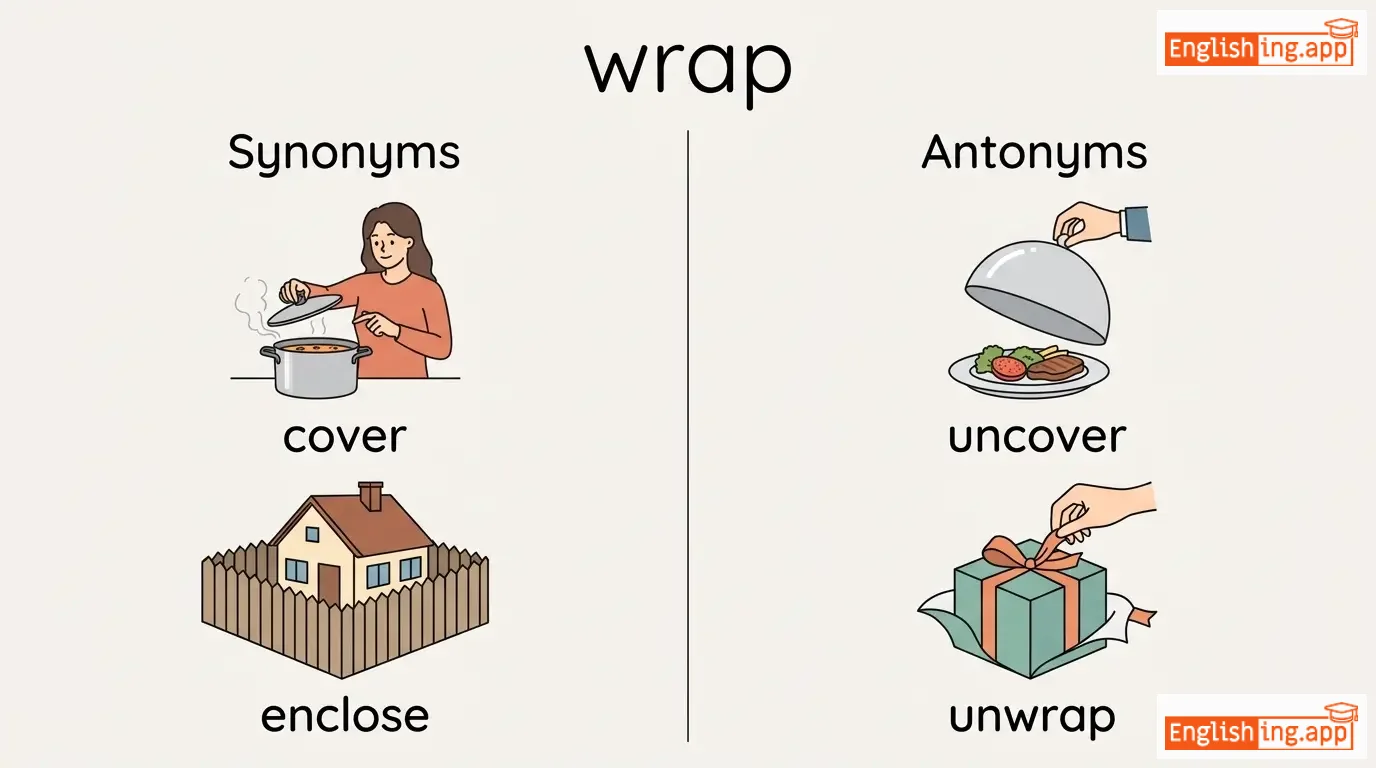
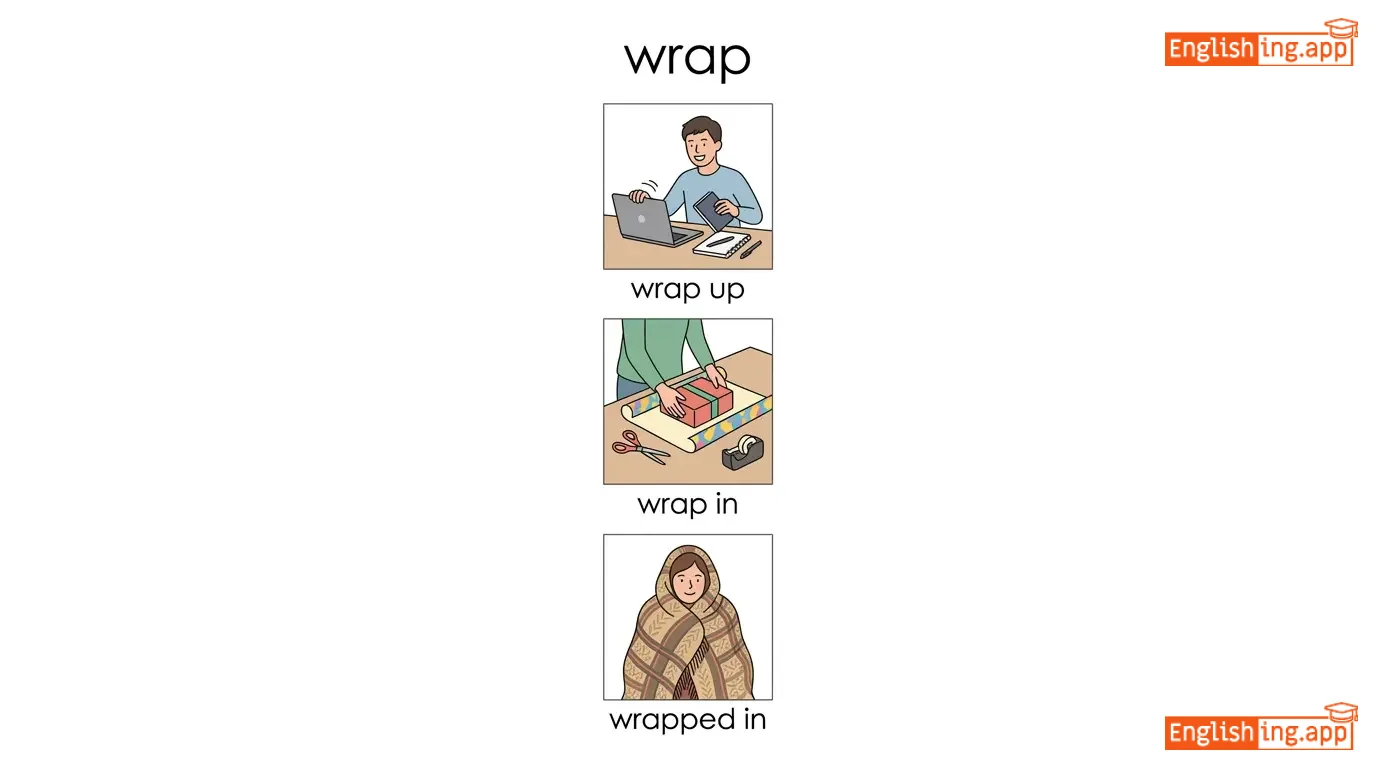
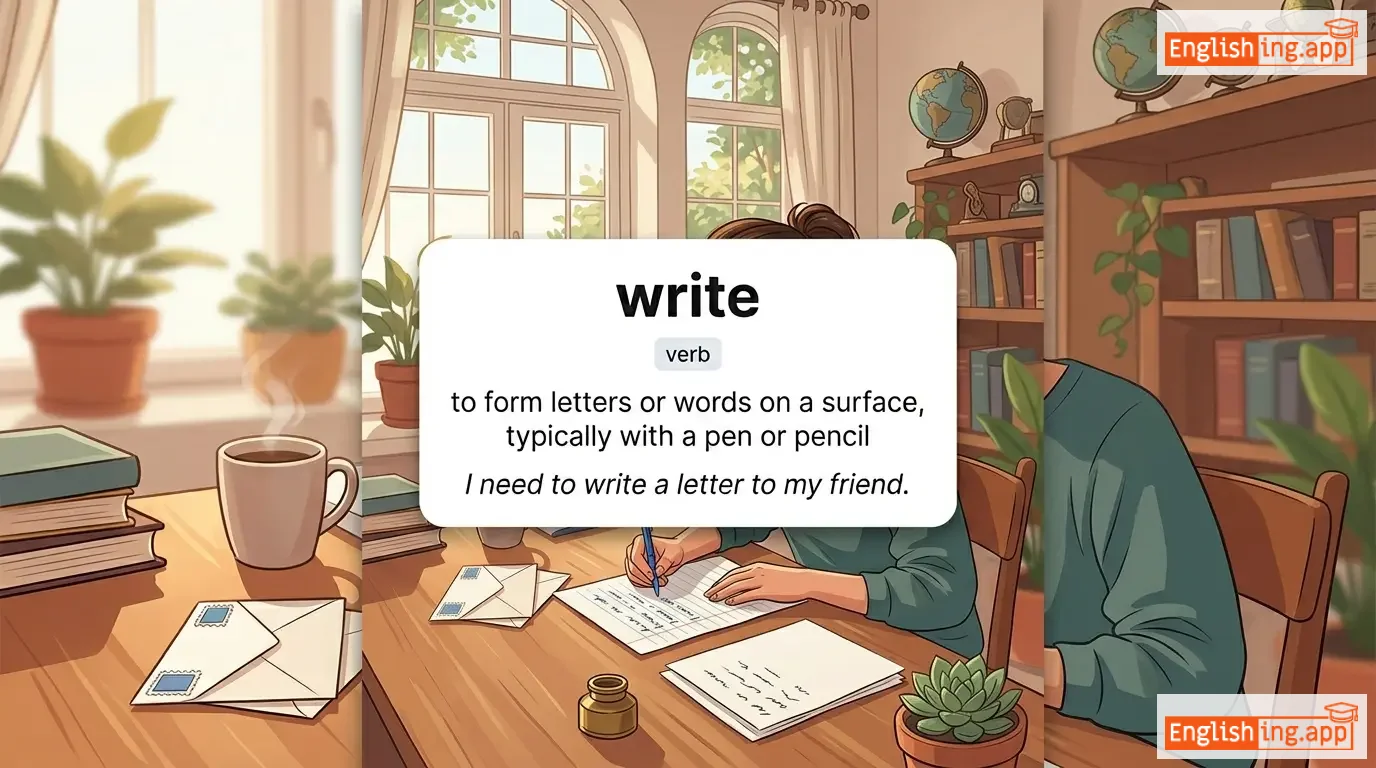
Swipe left or right, or use the buttons. Tap image to zoom.
例文の翻訳
単語
Lesson 116Lesson 116 - マスクトグル
|
絵文字
|
単語 | Images | 翻訳 | 過去 | 過去分詞 | 三人称単数 | 動名詞 | 意味 | 例文 | 例文の翻訳 | 表現例 | 表現例の意味 | 表現例の翻訳 | 同義語 | 対義語 | コロケーション | ニーモニック |
|---|---|---|---|---|---|---|---|---|---|---|---|---|---|---|---|---|---|
|
#5525
🏆
|
/ˈwɪnər/
noun
(ウィナー)
••••••
|
- •••••• |
勝者
shōsha
••••••
|
- •••••• | - •••••• | - •••••• | - •••••• |
a person who wins a competition or contest
••••••
|
She was the winner of the race. |
彼女はレースの勝者でした。
Kanojo wa rēsu no shōsha deshita.
••••••
|
- •••••• | - •••••• | - •••••• |
champion, victor, first-place
••••••
|
loser, defeated
••••••
|
race winner, competition winner, winner takes all
••••••
|
Winners wear trophies—imagine yourself holding a shiny trophy as a winner!
••••••
|
|
#5526
🏆
|
/ˈwɪnɪŋ/
adjective; noun; gerund
(ウィニング)
••••••
|
- •••••• |
勝利の
shouri no
••••••
|
won
ウォン
••••••
|
won
ウォン
••••••
|
wins
ウィンズ
••••••
|
winning
ウィニング
••••••
|
achieving victory or success; attractive or pleasing in a way that brings success
••••••
|
She has a winning attitude that inspires the whole team.
シー ハズ ア ウィニング アティテュード ザット インスパイアーズ ザ ホール チーム
••••••
|
彼女はチーム全体を鼓舞する勝利の態度を持っている。
Kanojo wa chiimu zentai o kobu suru shouri no taido o motte iru
••••••
|
winning streak
ウィニング ストリーク
••••••
|
a series of consecutive victories
••••••
|
連勝
renshou
••••••
|
successful, victorious, triumphant, favorable, appealing
••••••
|
losing, unsuccessful, defeated
••••••
|
winning team, winning strategy, winning attitude, winning margin, winning streak
••••••
|
Winning=勝利の、ウィンして勝つ!
••••••
|
|
#5527
❄️
|
/ˈwɪntər/
noun
(ウィンター)
••••••
|
- •••••• |
冬
fuyu
••••••
|
- •••••• | - •••••• | - •••••• | - •••••• |
the coldest season of the year, typically from December to February in the Northern Hemisphere
••••••
|
Winter in the north can be very harsh with heavy snowfall. |
北の冬は非常に厳しく、大雪が降ることがあります。
Kita no fuyu wa hijō ni kibishiku, ōyuki ga furu koto ga arimasu.
••••••
|
- •••••• | - •••••• | - •••••• |
cold season, frosty period, chill, snowfall
••••••
|
summer, spring
••••••
|
harsh winter, cold winter, winter season, winter break
••••••
|
冬は雪と寒さ - Winter is snow and cold.
••••••
|
|
#5528
🧽
|
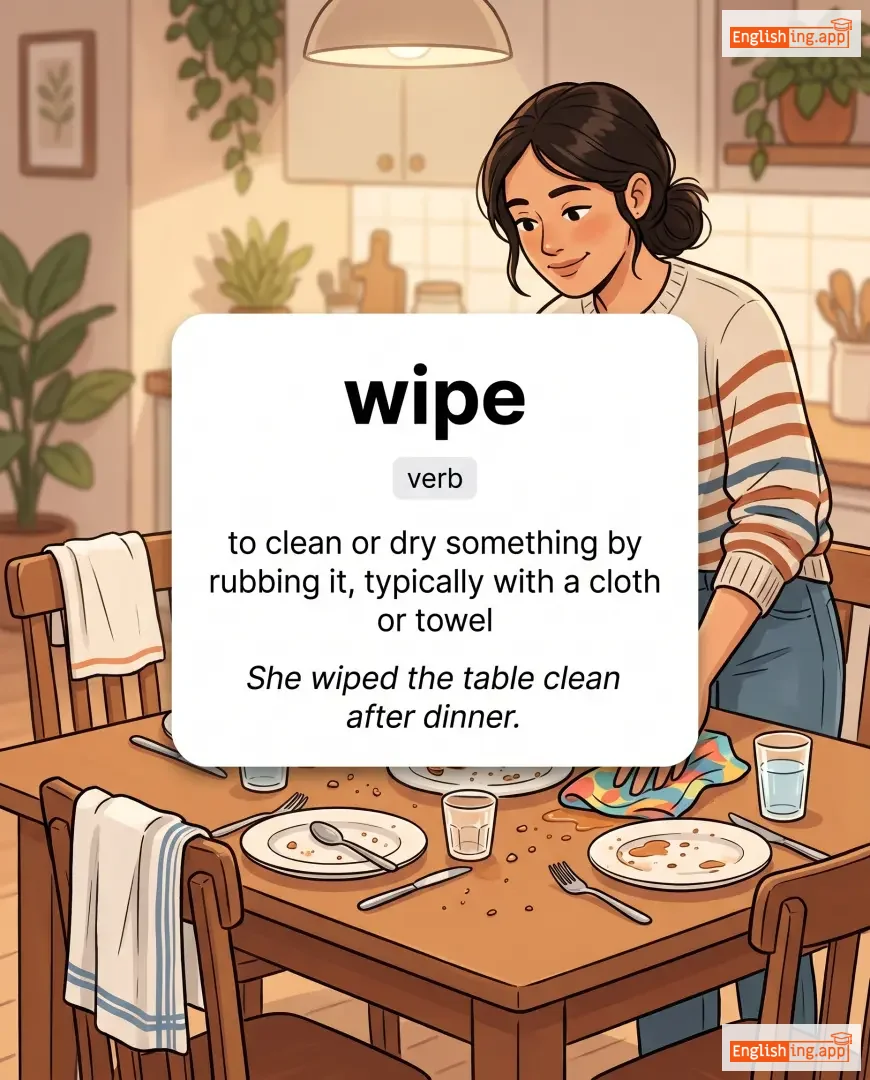
/waɪp/
verb
(ワイプ)
••••••
|
|
拭く
fuku
••••••
|
wiped
ワイプド
••••••
|
wiped
ワイプド
••••••
|
wipes
ワイプス
••••••
|
wiping
ワイピング
••••••
|
to clean or dry something by rubbing with a cloth or tissue
••••••
|
Please wipe the table clean.
テーブルを拭いてください。
••••••
|
テーブルを拭いてください。
Tēburu o fuite kudasai.
••••••
|
- •••••• | - •••••• | - •••••• |
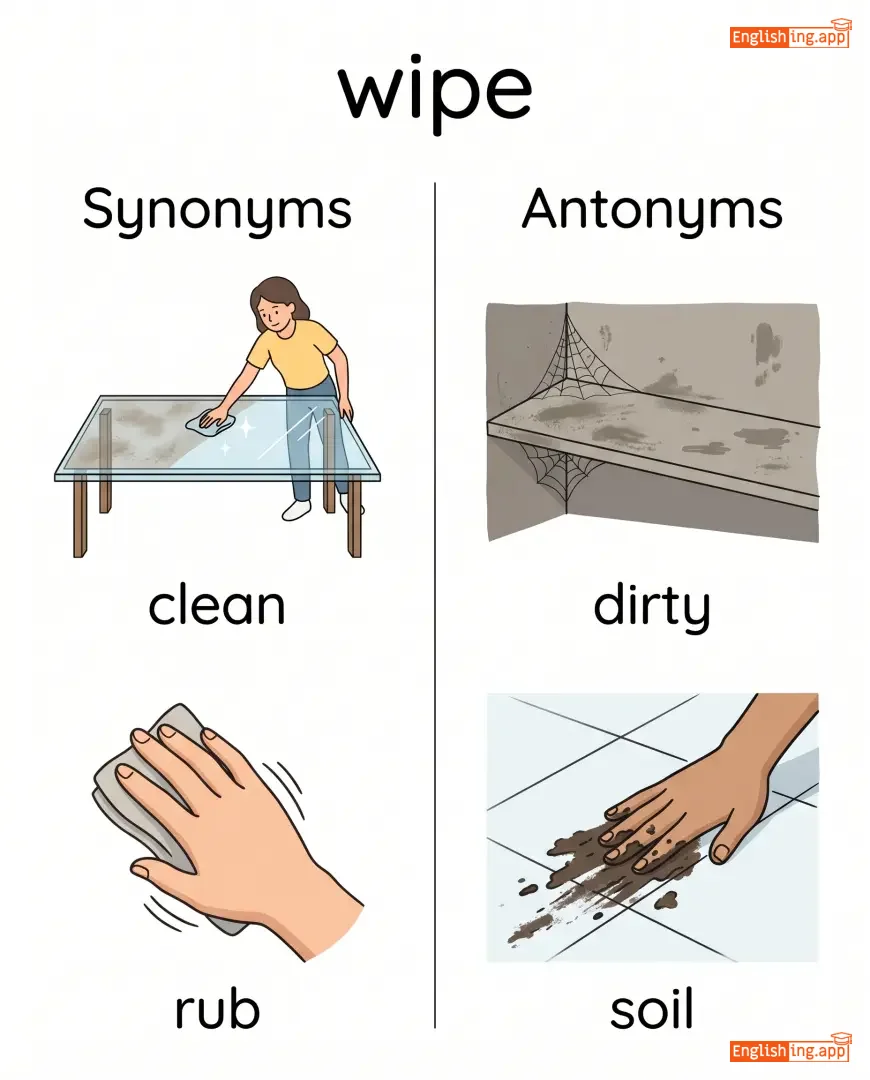
clean, rub, dry, polish
••••••
|
dirty, soil, stain, mess
••••••
|
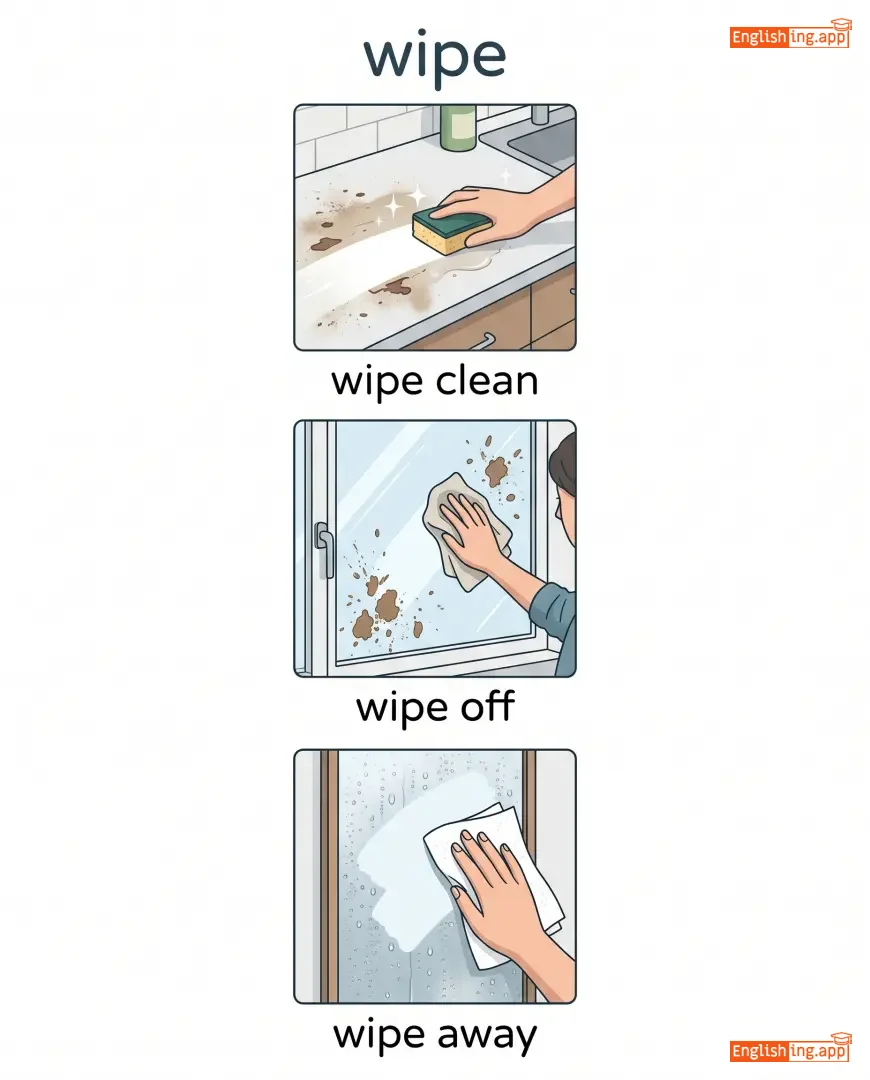
wipe clean, wipe away, wipe off, wipe down, wipe out
••••••
|
テーブルを拭いてきれいにすることができます。
••••••
|
|
#5529
⚡
|
/ˈwaɪər/
noun
(ワイヤー)
••••••
|
- •••••• |
ワイヤー
waiyā
••••••
|
- •••••• | - •••••• | - •••••• | - •••••• |
a thin, flexible thread of metal used to conduct electricity or connect things
••••••
|
The electrician fixed the wire to restore the power. |
電気技師は電力を回復させるためにワイヤーを修理しました。
Denki gishi wa denryoku o kaifuku saseru tame ni waiyā o shūri shimashita.
••••••
|
- •••••• | - •••••• | - •••••• |
cable, cord, filament, strand
••••••
|
none
••••••
|
electric wire, copper wire, wire fence, wire mesh
••••••
|
ワイヤーで電気が流れる - Electricity flows through the wire.
••••••
|
|
#5530
🦉
|
/ˈwɪzdəm/
noun
(ウィズダム)
••••••
|
- •••••• |
知恵
chie
••••••
|
- •••••• | - •••••• | - •••••• | - •••••• |
the ability to make sound judgments and decisions based on knowledge and experience
••••••
|
His wisdom in solving complex problems was admired by everyone. |
複雑な問題を解決する彼の知恵は、皆から賞賛されました。
Fukuzatsu na mondai wo kaiketsu suru kare no chie wa, mina kara shousan saremashita.
••••••
|
a word of wisdom |
a piece of valuable advice or insight
••••••
|
知恵の言葉
chie no kotoba
••••••
|
insight, knowledge, understanding, prudence
••••••
|
ignorance, foolishness
••••••
|
great wisdom, words of wisdom, gain wisdom, wisdom teeth
••••••
|
知恵は問題解決を助けます。
••••••
|
|
#5531
🦉
|
/waɪz/
adjective
(ワイズ)
••••••
|
- •••••• |
賢い
kashikoi
••••••
|
- •••••• | - •••••• | - •••••• | - •••••• |
having or showing experience, knowledge, and good judgment
••••••
|
It was wise of him to save money for the future. |
未来のためにお金を節約するのは賢明だった。
Mirai no tame ni okane o setsuyaku suru no wa kenmei datta.
••••••
|
wise up |
to become more knowledgeable or aware
••••••
|
賢くなる
kashikoku naru
••••••
|
prudent, sensible, intelligent, judicious
••••••
|
foolish, ignorant, unwise
••••••
|
wise decision, wise man, wise choice, appear wise
••••••
|
Wise は賢いという意味で、賢いフクロウのように、常に良い判断を下す
••••••
|
|
#5532
🌟
|
/wɪʃ/
verb
(ウィッシュ)
••••••
|
|
願う
negau
••••••
|
wished
ウィッシュド
••••••
|
wished
ウィッシュド
••••••
|
wishes
ウィッシズ
••••••
|
wishing
ウィッシング
••••••
|
to desire something or hope for something to happen
••••••
|
I wish you all the best in your new job.
あなたの新しい仕事での成功を祈っています。
••••••
|
あなたの新しい仕事での成功を祈っています。
Anata no atarashī shigoto de no seikō o inotteimasu.
••••••
|
wish upon a star
星に願いをかける
••••••
|
to hope or wish for something magical or unattainable
••••••
|
星に願いをかける
Hoshi ni negai o kakeru
••••••
|
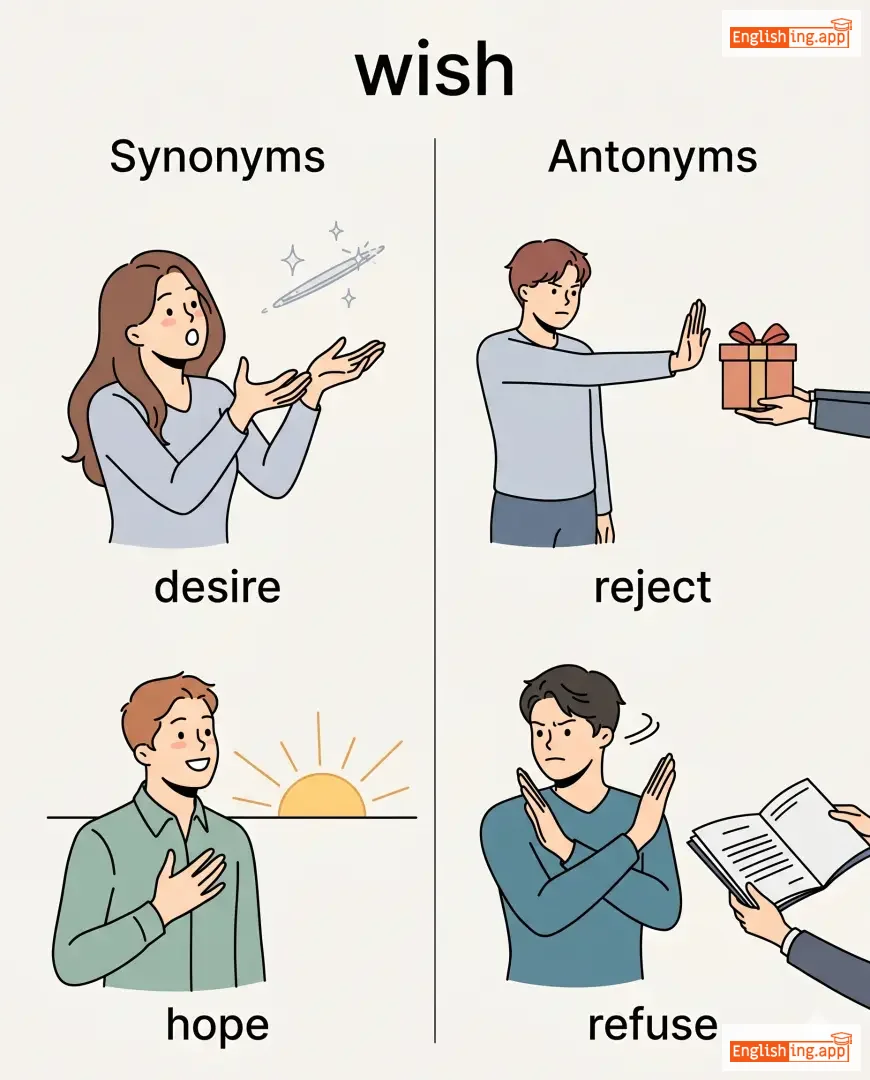
desire, hope, yearn, long for
••••••
|
reject, refuse
••••••
|
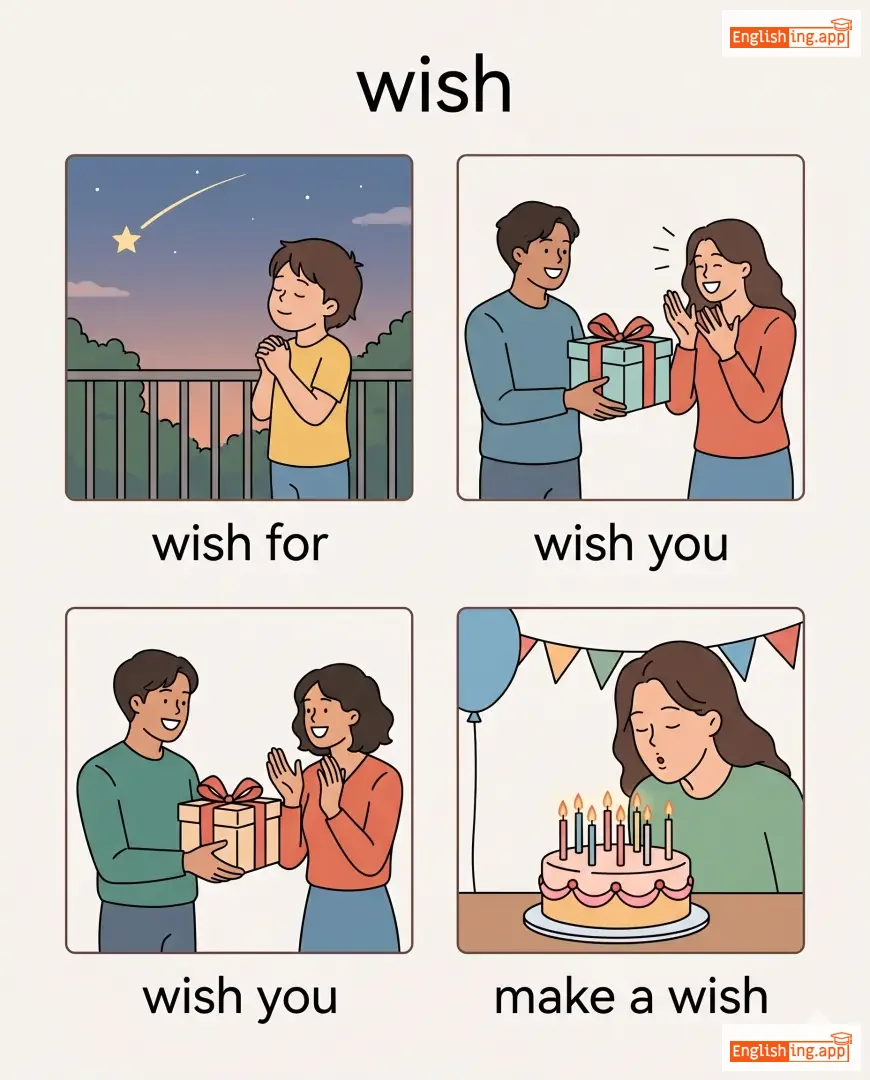
wish for, wish you, make a wish, wish come true
••••••
|
願いは良い運をもたらします。
••••••
|
|
#5533
🧠
|
/wɪt/
noun
(ウィット)
••••••
|
- •••••• |
機知
kichi
••••••
|
- •••••• | - •••••• | - •••••• | - •••••• |
the ability to use words and ideas in a quick and inventive way to create humor
••••••
|
Her sharp wit made everyone laugh at the party. |
彼女の鋭い機知でパーティーのみんなが笑いました。
kanojo no surudoi kichi de paatii no minna ga waraimashita.
••••••
|
at one's wit's end |
to be so worried, confused, or annoyed that you do not know what to do next
••••••
|
行き詰まりになる
ikizumari ni naru
••••••
|
humor, cleverness, intelligence, sharpness, quickness
••••••
|
dullness, stupidity, seriousness
••••••
|
sharp wit, quick wit, dry wit, display wit
••••••
|
Witは機知のようなもので、素早く機転をきかせてユーモアを生み出します。
••••••
|
|
#5534
🤝
|
/wɪð/
preposition
(ウィズ)
••••••
|
- •••••• |
と一緒に
to issho ni
••••••
|
- •••••• | - •••••• | - •••••• | - •••••• |
indicating the person or thing that is accompanying or involved with someone or something else
••••••
|
She went to the market with her friend. |
彼女は友達と一緒に市場に行きました。
Kanojo wa tomodachi to issho ni ichiba ni ikimashita.
••••••
|
- •••••• | - •••••• | - •••••• |
alongside, together, accompanied by, in company with
••••••
|
without, apart from
••••••
|
with me, with you, with them, with someone
••••••
|
ウィズ (with) 友達と一緒に楽しむ - With friends, you enjoy together.
••••••
|
|
#5535
🏧
|
/wɪðˈdrɔː/
verb
••••••
|
|
- •••••• |
withdrew
••••••
|
withdrawn
••••••
|
withdraws
••••••
|
withdrawing
••••••
|
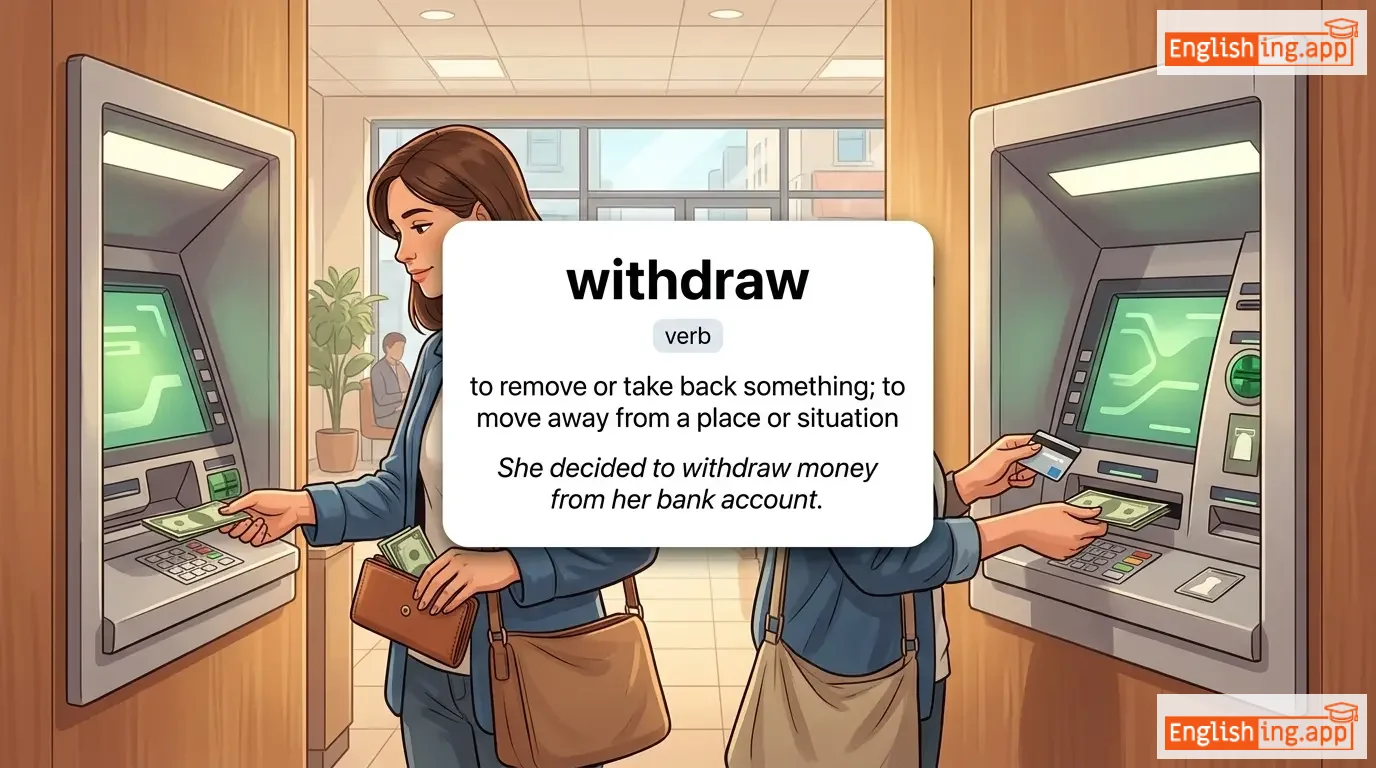
to remove or take back something; to move away from a place or situation
••••••
|
She decided to withdraw money from her bank account. |
- •••••• |
withdraw from |
to remove oneself or something from an activity or situation
••••••
|
- •••••• |
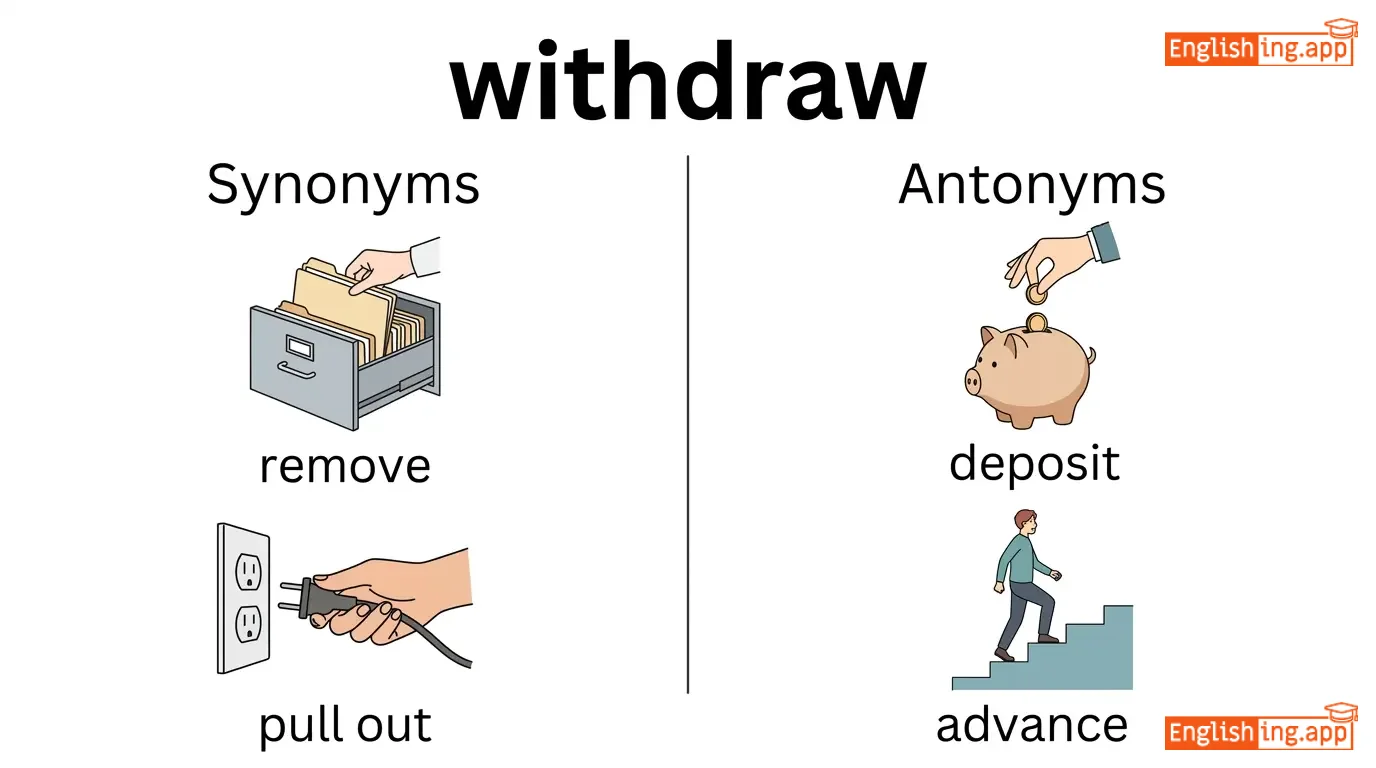
remove, pull out, retreat, take back, extract
••••••
|
deposit, advance, remain
••••••
|
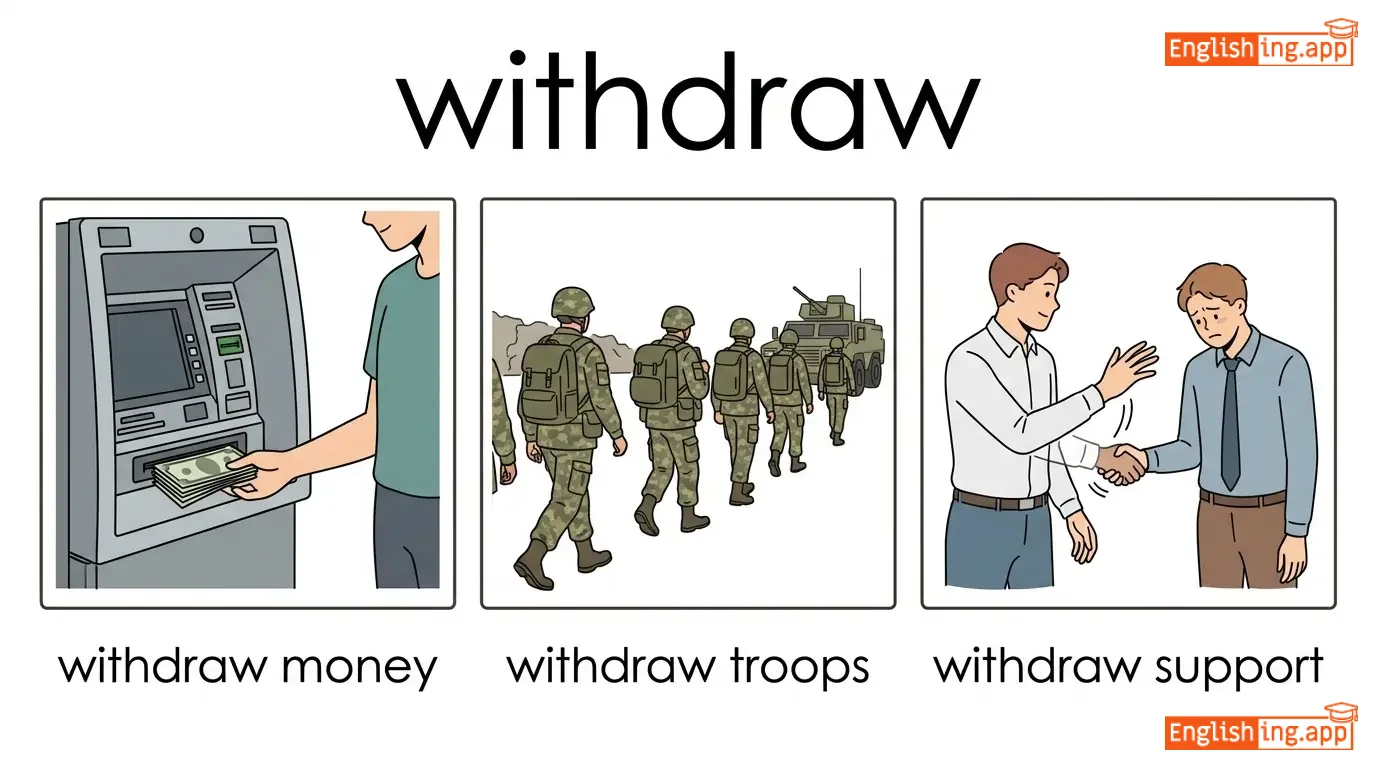
withdraw money, withdraw troops, withdraw support, withdraw application
••••••
|
No •••••• |
|
#5536
🏦
|
/wɪðˈdrɔːəl/
noun
(ウィズドロール)
••••••
|
- •••••• |
引き出し
hikidashi
••••••
|
- •••••• | - •••••• | - •••••• | - •••••• |
the act of taking something back or removing oneself from a situation
••••••
|
He made a withdrawal of $500 from his bank account. |
彼は銀行口座から500ドルを引き出しました。
Kare wa ginkō kōza kara 500 doru o hikidashimashita.
••••••
|
withdrawal symptoms |
physical or mental effects after stopping a habit, like smoking or drugs
••••••
|
禁断症状
kindan shōjō
••••••
|
removal, retreat, retraction, extraction, pullback
••••••
|
deposit, participation
••••••
|
bank withdrawal, cash withdrawal, troop withdrawal, withdrawal symptoms
••••••
|
ATMでお金を引き出す、'引き出し' — 'withdrawal' みたい!
••••••
|
|
#5537
🔒
|
/wɪðˈɪn/
preposition
(ウィズィン)
••••••
|
- •••••• |
内側
uchigawa
••••••
|
- •••••• | - •••••• | - •••••• | - •••••• |
inside the limits of something, or as part of a particular space or time
••••••
|
The keys are within the drawer. |
鍵は引き出しの中にあります。
Kagi wa hikidashi no naka ni arimasu.
••••••
|
- •••••• | - •••••• | - •••••• |
inside, enclosed by, within the boundaries of
••••••
|
outside, beyond
••••••
|
within reach, within time, within the limits, within a short distance
••••••
|
ウィズィン (within) の中には、すべてのものが制限内にあります。
••••••
|
|
#5538
🚫
|
/wɪðˈaʊt/
preposition
(ウィズアウト)
••••••
|
- •••••• |
なし
nashi
••••••
|
- •••••• | - •••••• | - •••••• | - •••••• |
in the absence of, or not having something
••••••
|
He left without saying goodbye.
彼はさよならを言わずに出て行った。
••••••
|
彼はさよならを言わずに出て行った。
Kare wa sayonara o iwazu ni dete itta.
••••••
|
- •••••• | - •••••• | - •••••• |
lacking, absent, minus, excluding
••••••
|
with, having
••••••
|
without a doubt, without hesitation, without warning
••••••
|
なし (without) はすべてを失う、何も残らない
••••••
|
|
#5539
👁️
|
/ˈwɪtnəs/
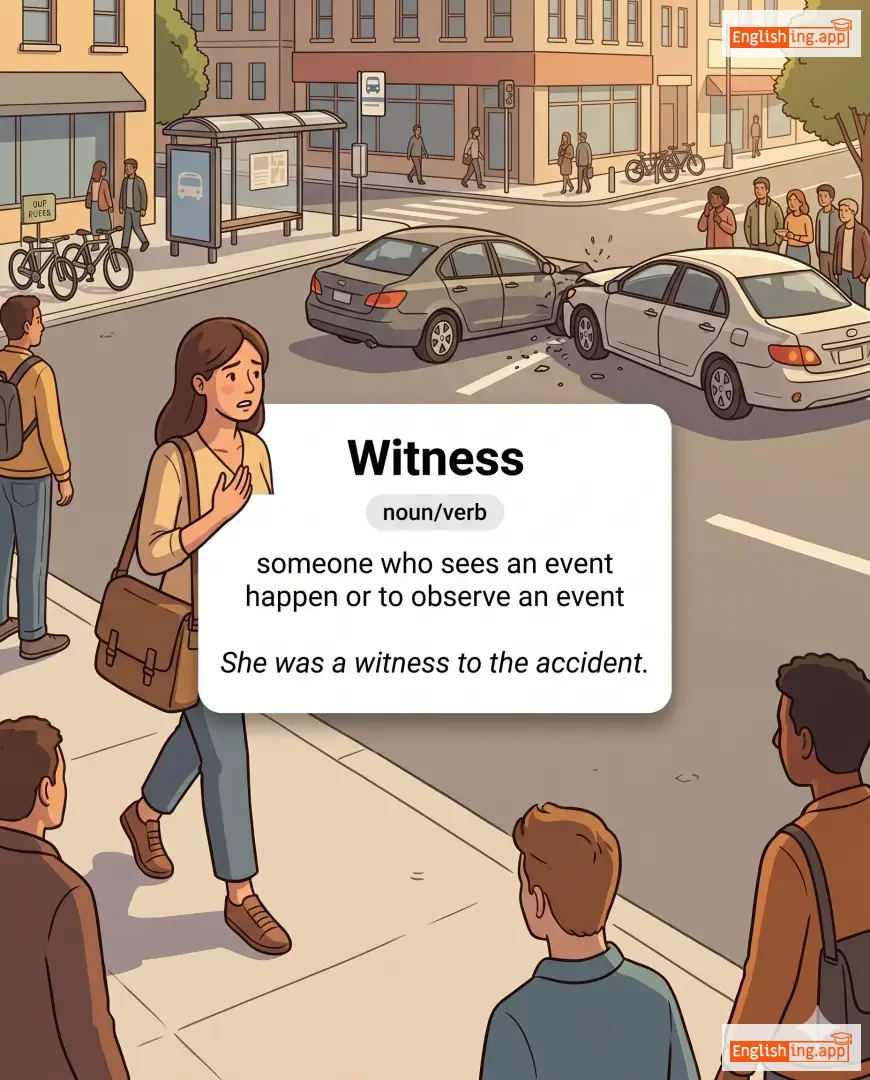
verb
(witness)
••••••
|
|
目撃する
mokugeki suru
••••••
|
witnessed
witnessed
••••••
|
witnessed
witnessed
••••••
|
witnesses
witnesses
••••••
|
witnessing
witnessing
••••••
|
to see an event happen; to give evidence in court
••••••
|
I witnessed the accident yesterday.
私は昨日事故を目撃しました。
••••••
|
私は昨日事故を目撃しました。
Watashi wa kinou jiko o mokugeki shimashita.
••••••
|
- •••••• | - •••••• | - •••••• |
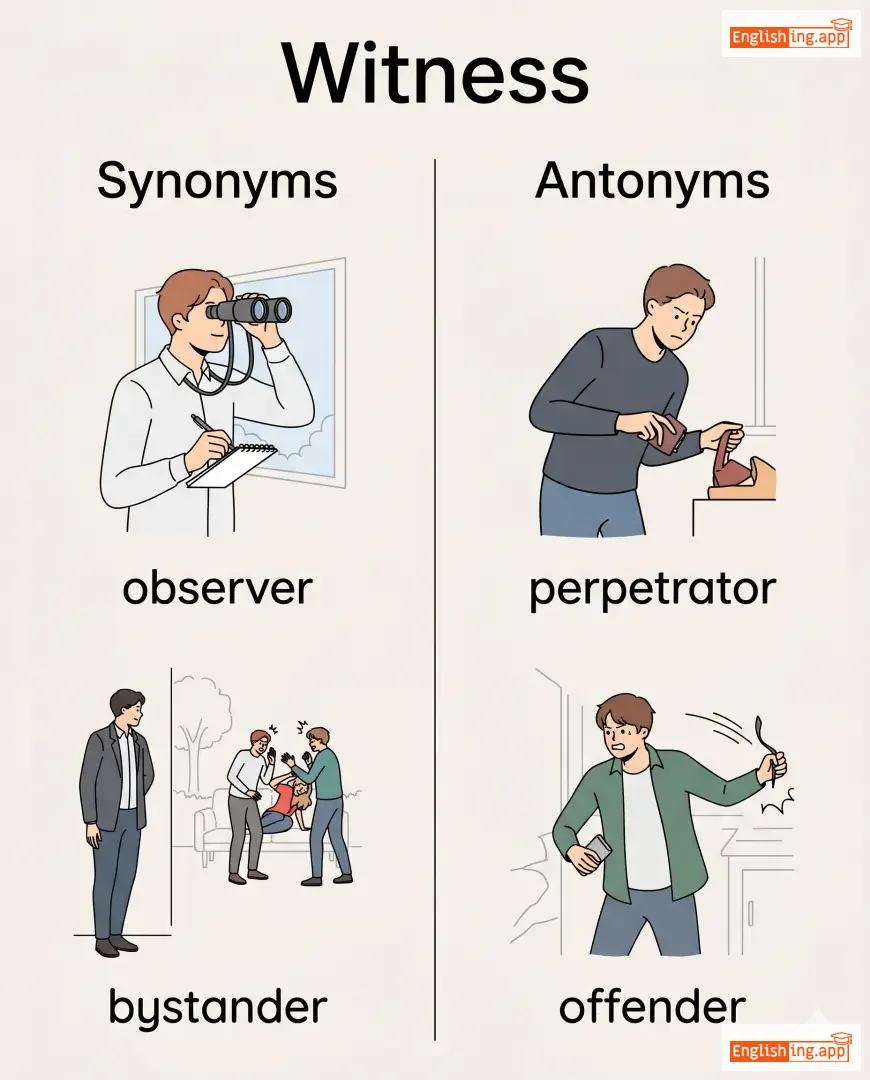
observe, see, watch, testify
••••••
|
ignore, miss, overlook
••••••
|
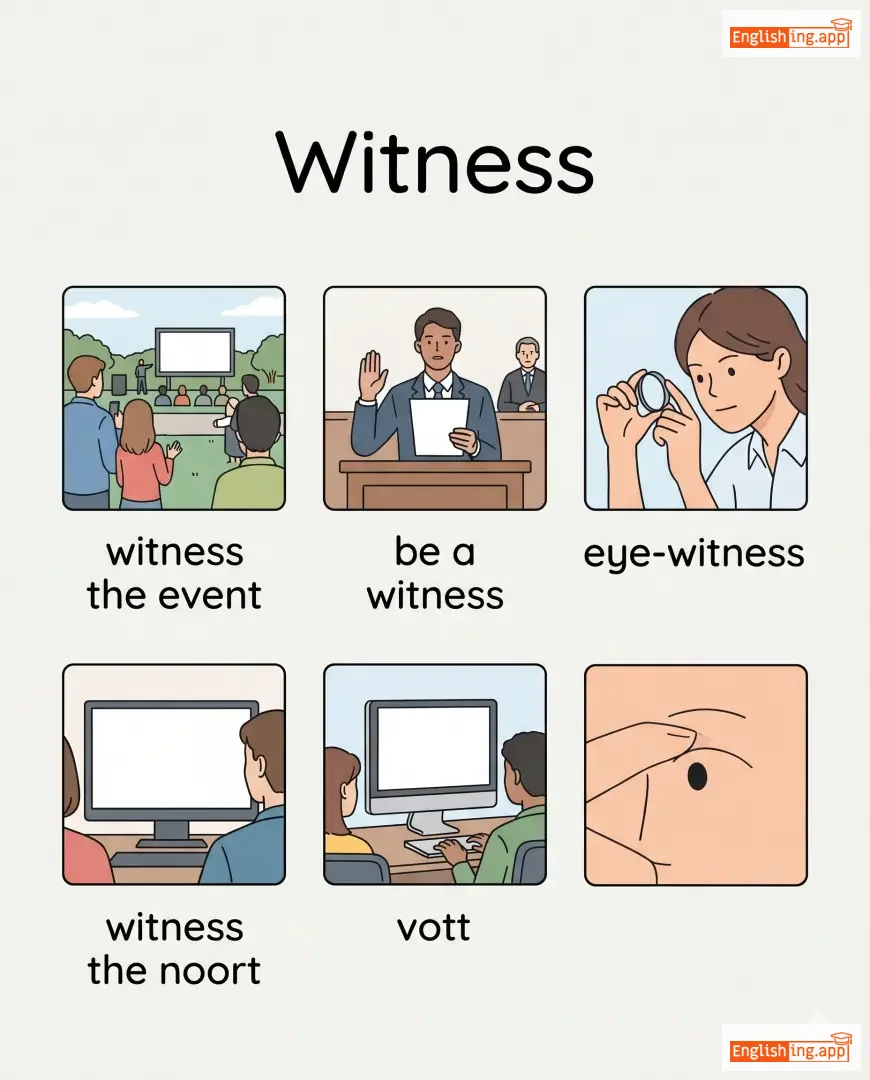
witness event, witness accident, witness ceremony, witness testimony
••••••
|
目撃する=裁判所で証言する人
••••••
|
|
#5540
🐺
|
/wʊlf/
noun
(ウルフ)
••••••
|
- •••••• |
オオカミ
ōkami
••••••
|
- •••••• | - •••••• | - •••••• | - •••••• |
a wild carnivorous animal related to the dog, living and hunting in packs
••••••
|
The wolf howled loudly under the full moon. |
オオカミは満月の下で大声で遠吠えした。
Ōkami wa mangetsu no shita de ōgoe de tōboe shita.
••••••
|
cry wolf |
to raise a false alarm or exaggerate danger
••••••
|
狼が来たと叫ぶ
Ōkami ga kita to sakebu
••••••
|
canine, predator, beast, dog, gray wolf
••••••
|
sheep, prey
••••••
|
gray wolf, lone wolf, wolf pack, cry wolf
••••••
|
オオカミは日本語で 'オオカミ'。覚えておいて、オオカミは満月の下で遠吠えする 🐺
••••••
|
|
#5541
👩
|
/ˈwɪmən/
noun
(ウィメン)
••••••
|
- •••••• |
女性
josei
••••••
|
- •••••• | - •••••• | - •••••• | - •••••• |
an adult human female
••••••
|
The woman at the counter helped me. |
カウンターにいる女性が私を助けてくれました。
Kauntaa ni iru josei ga watashi o tasukete kuremashita.
••••••
|
- •••••• | - •••••• | - •••••• |
lady, female, girl, grown-up
••••••
|
man, male
••••••
|
strong woman, independent woman, woman leader
••••••
|
女性 (josei) は常に強い (tsuyoi) - Women are always strong.
••••••
|
|
#5542
😮
|
/ˈwʌndər/
noun
(ワンダー)
••••••
|
- •••••• |
驚異
kyoui
••••••
|
- •••••• | - •••••• | - •••••• | - •••••• |
a feeling of amazement and admiration, caused by something beautiful, remarkable, or unfamiliar
••••••
|
The view from the mountain was a true wonder. |
山からの景色は本当に驚異的でした。
Yama kara no keshiki wa hontōni kyoi-teki deshita.
••••••
|
- •••••• | - •••••• | - •••••• |
amazement, awe, admiration, astonishment
••••••
|
indifference, boredom, apathy
••••••
|
a sense of wonder, a feeling of wonder, in wonder, full of wonder
••••••
|
驚異(kyoui)は、思わず息を呑む瞬間を感じること。
••••••
|
|
#5543
✨
|
/ˈwʌndərfəl/
adjective
(ワンダフル)
••••••
|
- •••••• |
素晴らしい
subarashii
••••••
|
- •••••• | - •••••• | - •••••• | - •••••• |
extremely good or impressive
••••••
|
She had a wonderful time at the party.
彼女はパーティーで素晴らしい時間を過ごしました。
••••••
|
彼女はパーティーで素晴らしい時間を過ごしました。
Kanojo wa pātī de subarashī jikan o sugoshimashita.
••••••
|
wonderful world
素晴らしい世界
••••••
|
a phrase celebrating the beauty and positivity of life
••••••
|
素晴らしい世界
subarashī sekai
••••••
|
amazing, excellent, superb, marvelous, fantastic
••••••
|
awful, terrible, dreadful
••••••
|
wonderful experience, wonderful time, wonderful news, wonderful feeling
••••••
|
Wonderfulは素晴らしい世界を意味します
••••••
|
|
#5544
🌳
|
/wʊd/
noun
(wud)
••••••
|
|
木材
mokuzai
••••••
|
- •••••• | - •••••• | - •••••• | - •••••• |
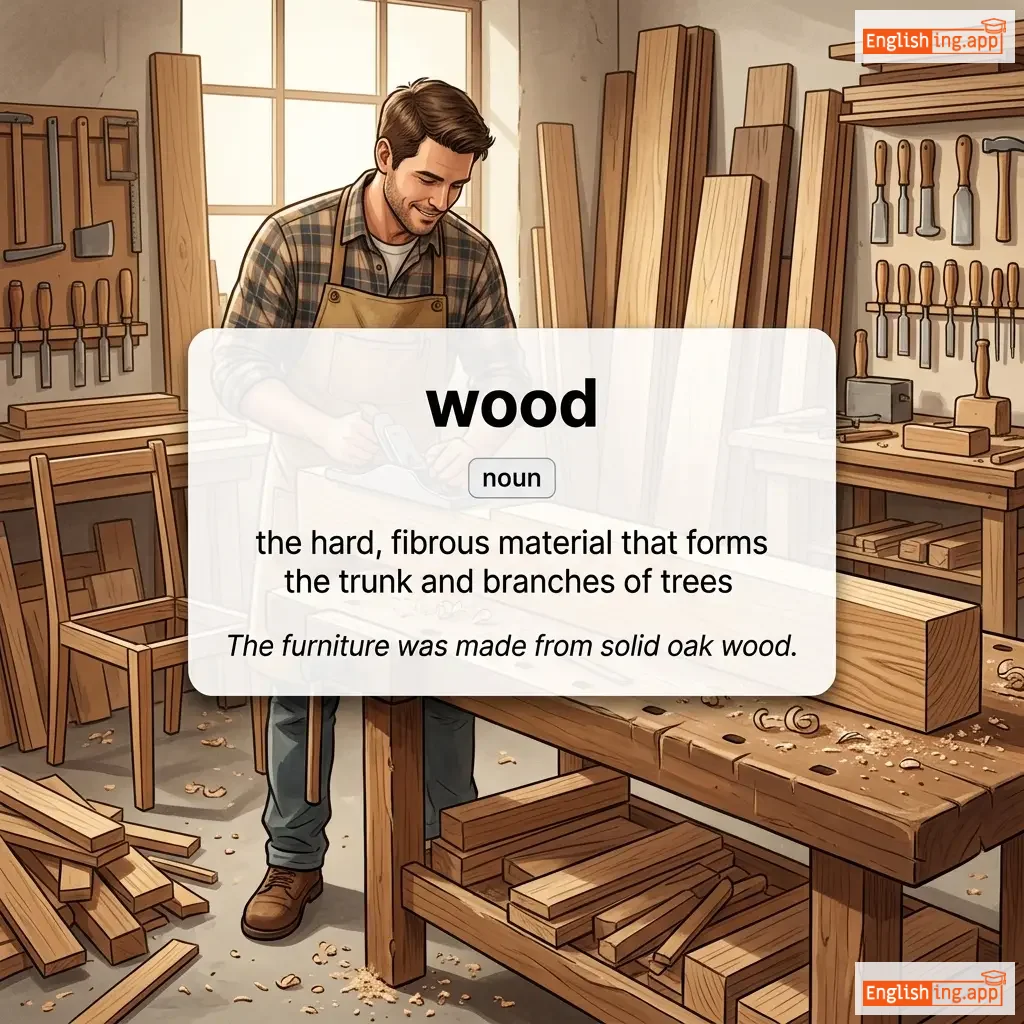
the hard, fibrous material that forms the trunk and branches of trees
••••••
|
The furniture was made from solid oak wood. |
家具は頑丈なオーク材で作られていました。
Kagu wa ganjou na o-kuzai de tsukurarete imashita.
••••••
|
- •••••• | - •••••• | - •••••• |
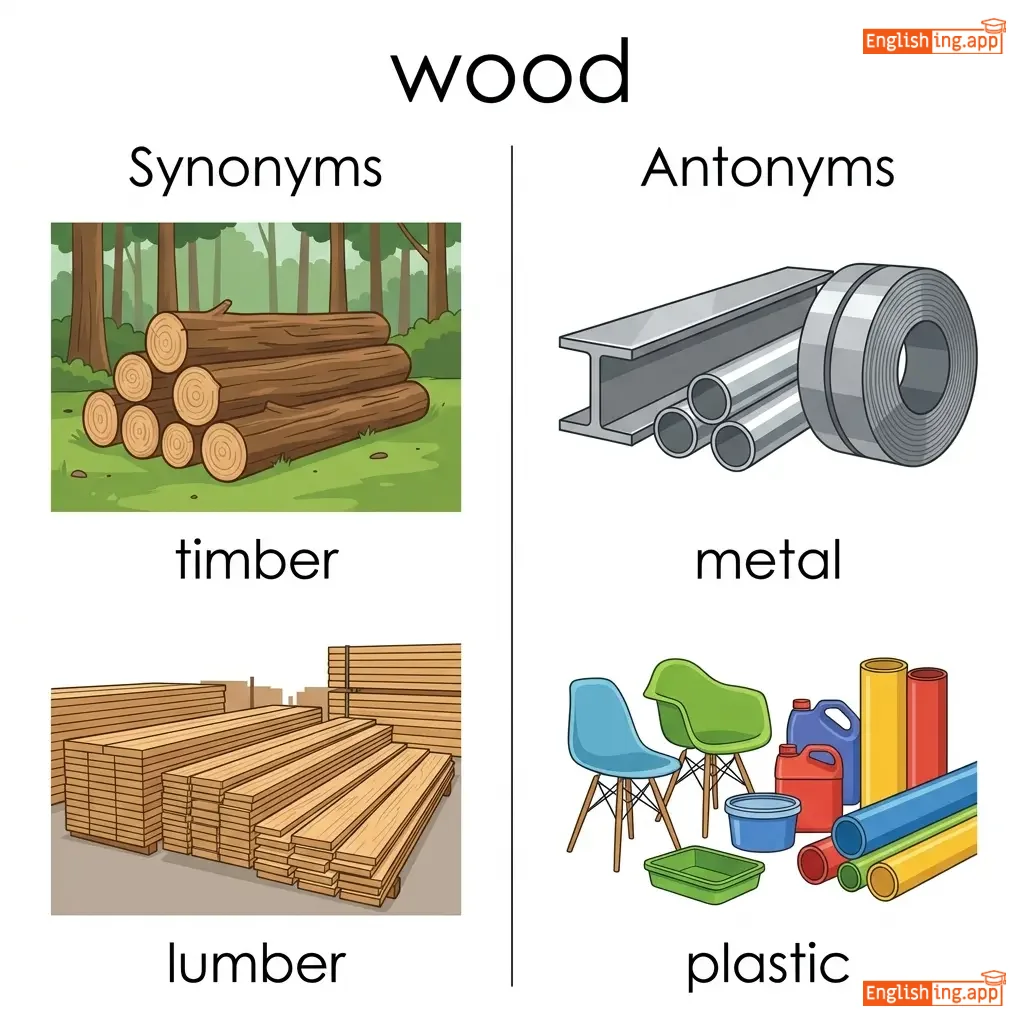
timber, lumber, forest product
••••••
|
metal, plastic, stone
••••••
|
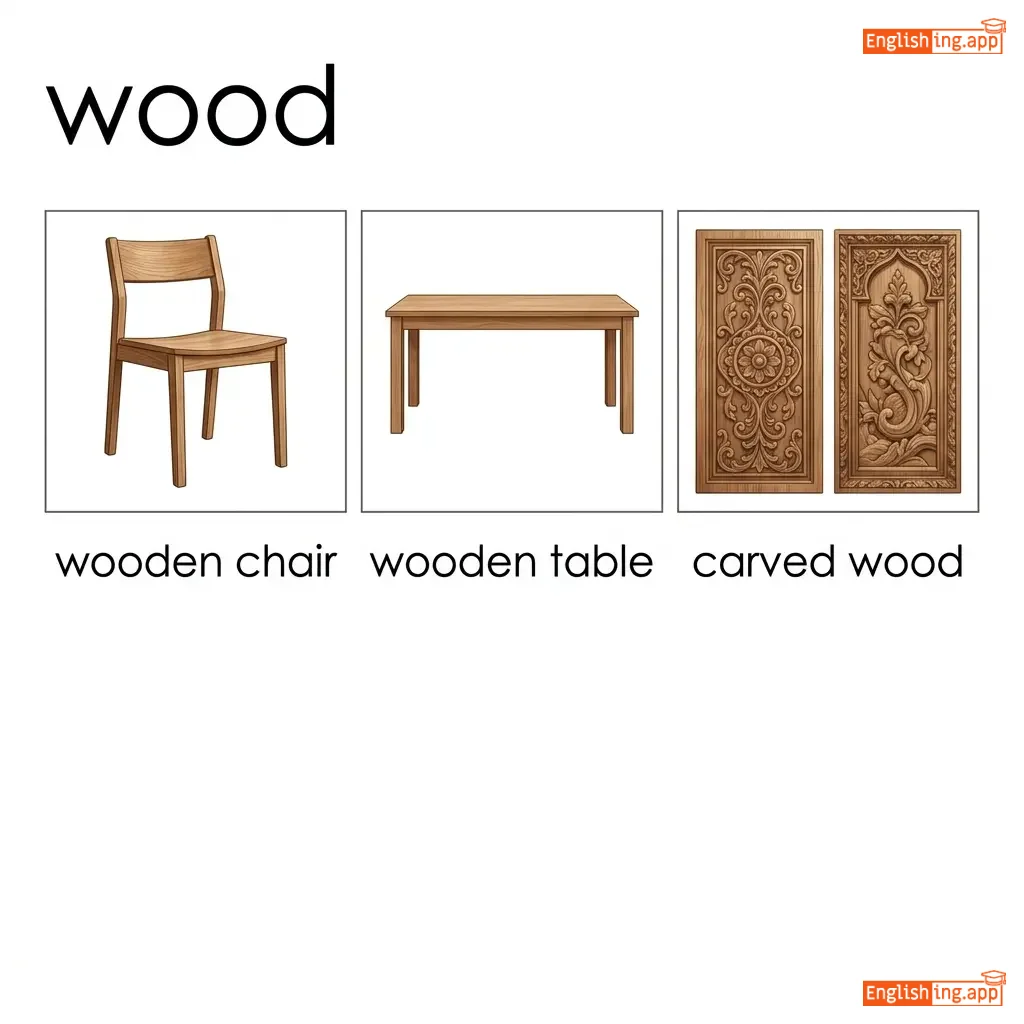
wooden chair, wooden table, carved wood, wood grain
••••••
|
木材 (wood) は木から取ります。
••••••
|
|
#5545
🪵
|
/ˈwʊdən/
adjective
(ウッデン)
••••••
|
- •••••• |
木製の
mokusei no
••••••
|
- •••••• | - •••••• | - •••••• | - •••••• |
made of wood
••••••
|
The house had beautiful wooden floors.
その家には美しい木製の床がありました。
••••••
|
その家には美しい木製の床がありました。
Sono ie ni wa utsukushī mokusei no yuka ga arimashita.
••••••
|
- •••••• | - •••••• | - •••••• |
timber, wooden-made, natural
••••••
|
metal, plastic, synthetic
••••••
|
wooden table, wooden chair, wooden door, wooden structure
••••••
|
ウッデン mokusei no (wooden)
••••••
|
|
#5546
📝
|
/wɜːrd/
noun
(wɜːrd)
••••••
|
- •••••• |
単語
tango
••••••
|
- •••••• | - •••••• | - •••••• | - •••••• |
a single distinct meaningful element of speech or writing
••••••
|
He looked up the word in the dictionary.
彼は辞書でその単語を調べました。
••••••
|
彼は辞書でその単語を調べました。
Kare wa jisho de sono tango o shirabemashita.
••••••
|
word of mouth
口から口へ
••••••
|
information passed verbally from one person to another
••••••
|
口から口へ
kuchi kara kuchi e
••••••
|
term, expression, phrase, utterance
••••••
|
silence, quiet
••••••
|
word meaning, word choice, spoken word, word of mouth
••••••
|
単語は言葉の最小単位、言語を学ぶ際にはこれが基本となる要素です。
••••••
|
|
#5547
🧩
|
/wɜːrd fɔːrˈmeɪʃən/
noun
(ワード・フォーメーション)
••••••
|
- •••••• |
語形成
go keisei
••••••
|
- •••••• | - •••••• | - •••••• | - •••••• |
the process by which new words are created or existing words are modified in a language
••••••
|
Word formation helps learners understand how new vocabulary develops in English.
語形成は言語学の重要な分野です。
••••••
|
語形成は言語学の重要な分野です。
go keisei wa gengogaku no juuyou na bunya desu
••••••
|
- •••••• | - •••••• | - •••••• |
morphology, lexical formation, word building, derivation
••••••
|
word loss, lexical reduction
••••••
|
word formation rules, word formation process, study of word formation, English word formation
••••••
|
語 = word, 形成 = formation
••••••
|
|
#5548
💼
|
/wɜːrk/
verb, noun
(ワーク)
••••••
|
|
仕事
shigoto
••••••
|
worked
ワークド
••••••
|
worked
ワークド
••••••
|
works
ワークス
••••••
|
working
ワーキング
••••••
|
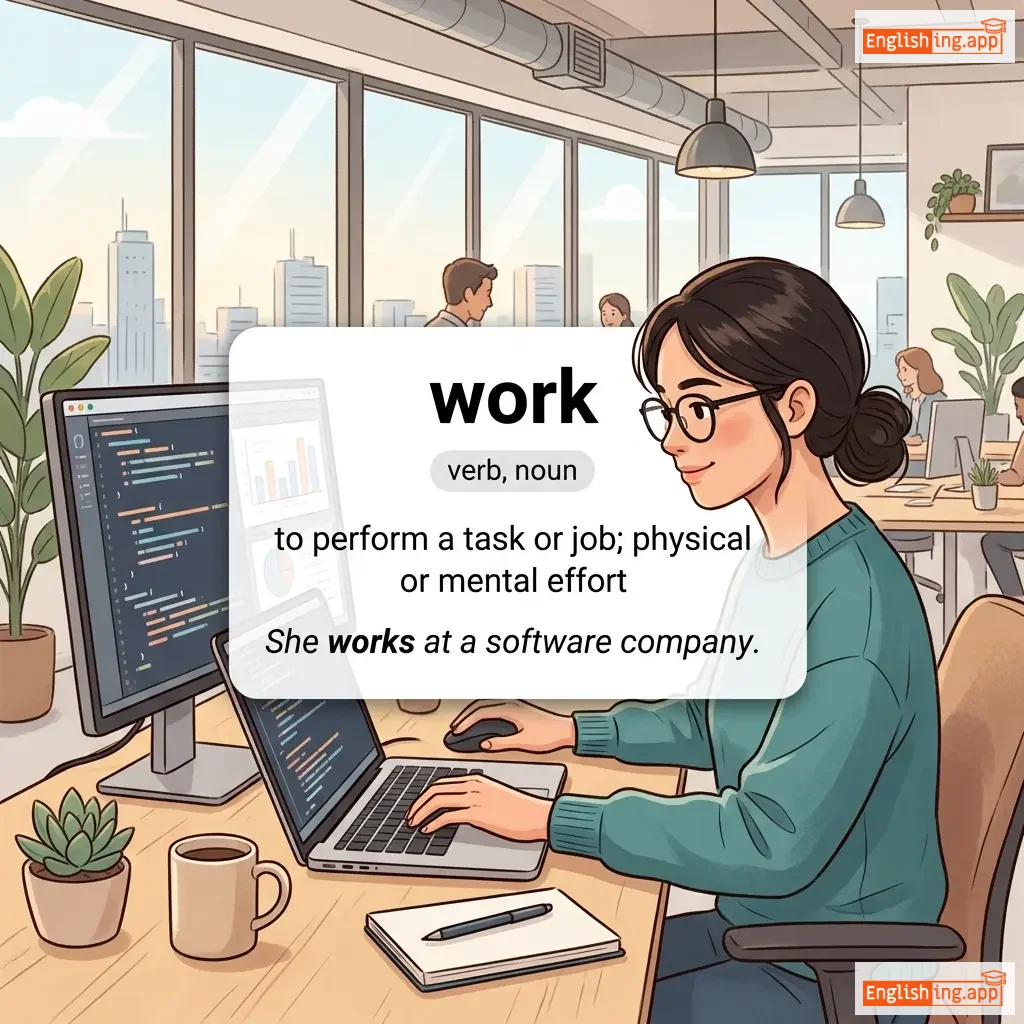
to perform a task or job; physical or mental effort
••••••
|
She works at a software company.
彼女はソフトウェア会社で働いています。
••••••
|
彼女はソフトウェア会社で働いています。
Kanojo wa sofuto wea kaisha de hataraiteimasu.
••••••
|
work hard
一生懸命働く
••••••
|
to put in great effort in doing something
••••••
|
一生懸命働く
Isshoukenmei hataraku
••••••
|
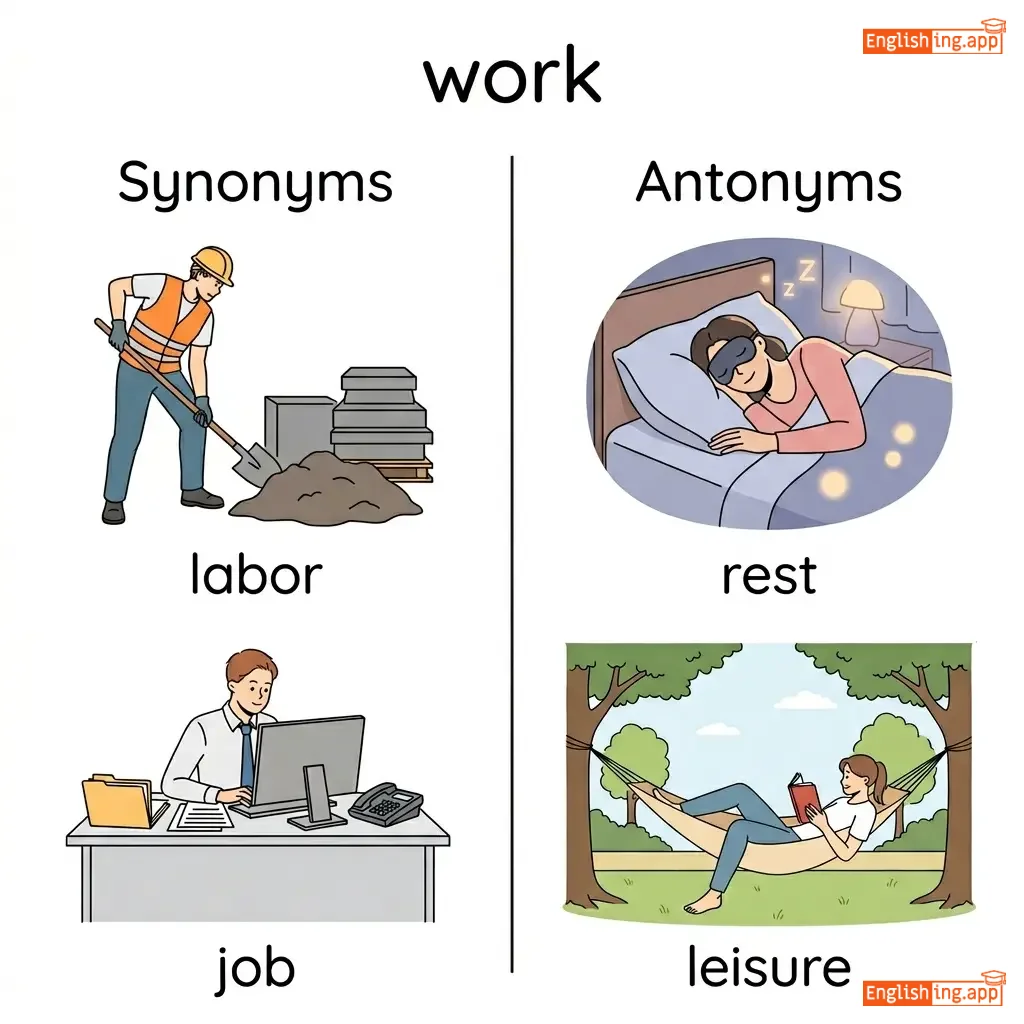
labor, job, employment, effort, task
••••••
|
rest, leisure, idleness
••••••
|
work experience, work hard, work schedule, work environment
••••••
|
仕事をすれば、世界でworthを得ることができる!
••••••
|
|
#5549
👷
|
/ˈwɜːrkər/
noun
(ワーカー)
••••••
|
- •••••• |
労働者
rōdōsha
••••••
|
- •••••• | - •••••• | - •••••• | - •••••• |
a person who is employed to perform tasks or duties
••••••
|
The workers were busy building the bridge. |
労働者たちは橋を建設するのに忙しかった。
Rōdōsha-tachi wa hashi o kensetsu suru no ni isogashikatta.
••••••
|
- •••••• | - •••••• | - •••••• |
employee, laborer, operative, staff
••••••
|
employer, boss, manager
••••••
|
construction worker, factory worker, hard worker
••••••
|
労働者 (rōdōsha) が働いています。
••••••
|
|
#5550
👩💻
|
/ˈwɜːrkˌfɔːrs/
noun
(ワークフォース)
••••••
|
- •••••• |
労働力
rōdōryoku
••••••
|
- •••••• | - •••••• | - •••••• | - •••••• |
the people engaged in or available for work
••••••
|
The company is looking to expand its workforce by 20%. |
その会社は労働力を20%拡大する計画を立てています。
Sono kaisha wa rōdōryoku o 20% kakudai suru keikaku o tateteimasu.
••••••
|
- •••••• | - •••••• | - •••••• |
employees, labor force, staff, personnel
••••••
|
unemployment, layoffs
••••••
|
increase workforce, skilled workforce, diverse workforce
••••••
|
労働力が会社を成長させる – Workforce helps the company grow
••••••
|
|
#5551
💻
|
/ˈwɜːrkɪŋ/
adjective
(ワーキング)
••••••
|
- •••••• |
働いている
hatarai teiru
••••••
|
- •••••• | - •••••• | - •••••• | - •••••• |
engaged in physical or mental effort to achieve a goal or task
••••••
|
She is working on her project right now. |
彼女は今、プロジェクトに取り組んでいます。
Kanojo wa ima, purojekuto ni torikundeimasu.
••••••
|
- •••••• | - •••••• | - •••••• |
active, employed, engaged, industrious
••••••
|
idle, lazy, unproductive
••••••
|
working hard, working overtime, working on a project
••••••
|
働いているは何かを達成するために一生懸命働いている状態。
••••••
|
|
#5552
🏋️♀️
|
/ˈwɜːrkaʊt/
noun
(ワークアウト)
••••••
|
- •••••• |
運動
undou
••••••
|
- •••••• | - •••••• | - •••••• | - •••••• |
a session of physical exercise or training to improve fitness or health
••••••
|
She does a full-body workout every morning before work. |
彼女は毎朝仕事の前に全身の運動をします。
Kanojo wa mai asa shigoto no mae ni zenshin no undou o shimasu.
••••••
|
intense workout |
a very demanding or vigorous exercise session
••••••
|
激しい運動
hageshii undou
••••••
|
exercise, training, session, fitness routine, practice
••••••
|
rest, inactivity, relaxation
••••••
|
daily workout, intense workout, gym workout, home workout
••••••
|
ジムでの ‘workout’ は体をフィットにするための運動 — 仕事前に運動する!
••••••
|
|
#5553
🏢
|
/ˈwɜːrkpleɪs/
noun
(ワークプレイス)
••••••
|
- •••••• |
職場
shokuba
••••••
|
- •••••• | - •••••• | - •••••• | - •••••• |
a place where people work, such as an office, factory, or shop
••••••
|
Maintaining good communication is vital in the workplace.
職場で良好なコミュニケーションを保つことは非常に重要です。
••••••
|
職場で良好なコミュニケーションを保つことは非常に重要です。
Shokuba de ryokou na komyunikeeshon o tamotsu koto wa hijou ni juuyou desu.
••••••
|
workplace culture
職場文化
••••••
|
the shared values, beliefs, and behaviors in a work environment
••••••
|
職場文化
shokuba bunka
••••••
|
office, job site, work environment, establishment, premises
••••••
|
home, residence
••••••
|
safe workplace, workplace environment, workplace policy, workplace training
••••••
|
仕事をする場所だから、workplaceは職場!
••••••
|
|
#5554
🏢
|
/ˈwɜːrkʃɒp/
noun
(ワークショップ)
••••••
|
- •••••• |
ワークショップ
wākushoppu
••••••
|
- •••••• | - •••••• | - •••••• | - •••••• |
a room or building where people engage in work or creative activities
••••••
|
The workshop focused on improving technical skills for young professionals. |
このワークショップは、若い専門職の技術スキル向上に焦点を当てました。
Kono wākushoppu wa, wakai senmon-shoku no gijutsu sukiru kōjō ni shōten o atemashita.
••••••
|
- •••••• | - •••••• | - •••••• |
seminar, class, training, session
••••••
|
lecture, talk
••••••
|
training workshop, creative workshop, technical workshop, workshop participant
••••••
|
A workshop is a place where you work and shop your ideas.
••••••
|
|
#5555
🌍
|
/wɜːrld/
noun
(ワールド)
••••••
|
- •••••• |
世界
sekai
••••••
|
- •••••• | - •••••• | - •••••• | - •••••• |
the earth, together with all of its countries and people
••••••
|
The world is becoming more interconnected every day.
世界は毎日ますます相互接続されています。
••••••
|
世界は毎日ますます相互接続されています。
Sekai wa mainichi masumasu sōgo setsuzoku sareteimasu.
••••••
|
- •••••• | - •••••• | - •••••• |
earth, globe, planet, universe
••••••
|
universe, outer space
••••••
|
world leader, world economy, world peace, around the world
••••••
|
World is where we all live together as one big family.
••••••
|
|
#5556
🐛
|
/wɜːrm/
noun
(ワーム)
••••••
|
- •••••• |
ミミズ
mimizu
••••••
|
- •••••• | - •••••• | - •••••• | - •••••• |
a small, long, soft-bodied invertebrate animal
••••••
|
The gardener found a worm in the soil. |
庭師は土の中でミミズを見つけました。
Niwashi wa tsuchi no naka de mimizu o mitsukemashita.
••••••
|
- •••••• | - •••••• | - •••••• |
earthworm, grub, maggot, larva
••••••
|
none
••••••
|
fishing worm, earthworm, worm farm
••••••
|
ミミズは庭を育てる手助けをします! – Worms help the garden grow!
••••••
|
|
#5557
😟
|
/ˈwɜːrid/
adjective
(ワーリッド)
••••••
|
- •••••• |
心配
shinpai
••••••
|
- •••••• | - •••••• | - •••••• | - •••••• |
feeling anxious or concerned about something
••••••
|
She was worried about the upcoming exam. |
彼女は迫る試験について心配していた。
Kanojo wa semaru shiken ni tsuite shinpai shite ita.
••••••
|
- •••••• | - •••••• | - •••••• |
anxious, concerned, uneasy, troubled
••••••
|
calm, relaxed
••••••
|
worried about, feel worried, get worried, look worried
••••••
|
Worried sounds like 'worry' – Visualize someone pacing and thinking about a looming test.
••••••
|
|
#5558
😟
|
/ˈwʌri/
verb
••••••
|
- •••••• | - •••••• |
worried
••••••
|
worried
••••••
|
worries
••••••
|
worrying
••••••
|
to feel anxious or concerned about something
••••••
|
Don’t worry, everything will be okay. |
- •••••• |
Worrying about something is like paying interest on a debt you may never owe. |
Worrying about things that may never happen is not helpful.
••••••
|
- •••••• |
anxiety, concern, stress, fret
••••••
|
calm, ease, peace
••••••
|
worry about, cause worry, don’t worry, make worry
••••••
|
No •••••• |
|
#5559
🙏
|
/ˈwɜːʃɪp/
verb
(ウォーシップ)
••••••
|
- •••••• |
礼拝
reihaï
••••••
|
worshipped
ウォーシップト
••••••
|
worshipped
ウォーシップト
••••••
|
worships
ウォーシップス
••••••
|
worshipping
ウォーシッピング
••••••
|
To show reverence and adoration for a deity or sacred being.
••••••
|
They gathered at the temple to worship together.
彼らは寺院に集まり、一緒に礼拝しました。
••••••
|
彼らは寺院に集まり、一緒に礼拝しました。
Karera wa jiin ni atsumari, issho ni reihai shimashita.
••••••
|
worship the ground someone walks on
誰かが歩く場所を崇拝する
••••••
|
To admire or adore someone greatly.
••••••
|
誰かを極度に崇拝する
dareka o kyokudo ni suuhai suru
••••••
|
adore, revere, venerate, honor, praise
••••••
|
despise, dishonor, disrespect
••••••
|
worship God, worship in church, idol worship, worship service
••••••
|
Worship は礼拝を意味し、寺院で礼拝するようなものです。
••••••
|
|
#5560
💎
|
/wɜːrθ/
noun
(ワース)
••••••
|
- •••••• |
価値; 価格;
kachi; kakaku
••••••
|
- •••••• | - •••••• | - •••••• | - •••••• |
the value equivalent to that of someone or something; the level at which someone or something deserves to be valued
••••••
|
The painting is worth thousands of dollars. |
その絵画は数千ドルの価値があります。
sono kaiga wa sūsen doru no kachi ga arimasu.
••••••
|
- •••••• | - •••••• | - •••••• |
value, price, merit, importance
••••••
|
worthlessness, insignificance, cheapness, valuelessness
••••••
|
net worth, true worth, self-worth
••••••
|
‘価値’は重要なものに対して与えられるものです。
••••••
|
|
#5561
💡
|
/ˈwɜːrθˌwaɪl/
adjective
(wɜːrθˌwaɪl)
••••••
|
- •••••• |
価値がある
kachi ga aru
••••••
|
- •••••• | - •••••• | - •••••• | - •••••• |
worth the time, effort, or money spent; valuable
••••••
|
Volunteering at the shelter was a worthwhile experience. |
シェルターでボランティアをすることは価値のある経験でした。
Sherutā de borantia o suru koto wa kachi no aru keiken deshita.
••••••
|
- •••••• | - •••••• | - •••••• |
valuable, rewarding, beneficial, meaningful
••••••
|
pointless, useless
••••••
|
worthwhile experience, worthwhile cause, worthwhile effort
••••••
|
Worthwhile は価値がある仕事です – Worthwhile means valuable work!
••••••
|
|
#5562
🏆
|
/ˈwɜːrði/
adjective
(ワーディ)
••••••
|
- •••••• |
値する; ふさわしい; 尊敬すべき;
atarashī; fusawashī; sonkei subeki;
••••••
|
- •••••• | - •••••• | - •••••• | - •••••• |
deserving respect or attention; having merit
••••••
|
Her charitable work made her worthy of the humanitarian award.
彼女の慈善活動は彼女を人道的賞に値するものにしました。
••••••
|
彼女の慈善活動は彼女を人道的賞に値するものにしました。
Kanojo no jizen katsudō wa kanojo o jindōteki shō ni ataisuru mono ni shimashita.
••••••
|
- •••••• | - •••••• | - •••••• |
deserving, meritorious, commendable, admirable
••••••
|
unworthy, undeserving, contemptible, disgraceful
••••••
|
worthy cause, worthy opponent, worthy effort
••••••
|
worthy = 値する, ふさわしい人が賞を受ける
••••••
|
|
#5563
🤔
|
/wʊd/
verb
(ウッド)
••••••
|
- •••••• |
だろう
darou
••••••
|
would
ウッド
••••••
|
- •••••• | - •••••• | - •••••• |
used to indicate a future possibility or action in the past
••••••
|
He said he would help me tomorrow.
彼は明日私を手伝うと言った。
••••••
|
彼は明日私を手伝うと言った。
Kare wa ashita watashi o tetsudau to itta.
••••••
|
- •••••• | - •••••• | - •••••• |
might, could, will, shall
••••••
|
won't, can't
••••••
|
would like, would prefer, would rather
••••••
|
日本語の 'だろう' を使って 'would' を覚えましょう - 未来や過去の可能性を表す言葉
••••••
|
|
#5564
🩹
|
/wuːnd/
noun/verb
(ハピネス)
••••••
|
- •••••• |
幸福
kōfuku
••••••
|
- •••••• |
wounded
••••••
|
- •••••• | - •••••• |
an injury to the body or to harm someone
••••••
|
He received a deep wound on his arm.
彼女は賞を受け取ったとき、幸せを隠すことができませんでした。
••••••
|
彼女は賞を受け取ったとき、幸せを隠すことができませんでした。
Kanojo wa shō o uketotta toki, kōfuku o kakusu koto ga dekimasen deshita.
••••••
|
a wound in the side
幸福の追求
••••••
|
a serious or painful issue
••••••
|
幸福の追求
Kōfuku no tsuikyū
••••••
|
injury, cut, lesion, bruise
••••••
|
healing, recovery
••••••
|
wound up, deep wound, open wound, self-inflicted wound
••••••
|
幸福=毎日少しの喜びを見つけること!
••••••
|
|
#5565
🎁
|
/ræp/
verb
(ラップ)
••••••
|
|
包む
tsutsumu
••••••
|
wrapped
ラップド
••••••
|
wrapped
ラップド
••••••
|
wraps
ラップス
••••••
|
wrapping
ラッピング
••••••
|
to cover something completely with paper or cloth; to enclose
••••••
|
Please wrap the gift in colorful paper.
プレゼントをカラフルな紙で包んでください。
••••••
|
プレゼントをカラフルな紙で包んでください。
Purezento o karafuru na kami de tsutsunde kudasai.
••••••
|
- •••••• | - •••••• | - •••••• |
cover, enclose, package, bundle
••••••
|
unwrap, uncover, expose, open
••••••
|
wrap up, gift wrap, plastic wrap, wrap around, wrap tightly
••••••
|
Wrap means 包む, like wrapping a gift for a friend
••••••
|
|
#5566
✋
|
/rɪst/
noun
••••••
|
- •••••• | - •••••• | - •••••• | - •••••• | - •••••• | - •••••• |
the joint connecting the hand with the forearm
••••••
|
He wore a smartwatch on his left wrist. |
- •••••• |
wrist watch |
a watch worn around the wrist
••••••
|
- •••••• |
joint, carpus, arm joint, wrist joint
••••••
|
ankle, elbow
••••••
|
sprained wrist, wrist pain, wrist movement, wrist injury
••••••
|
No •••••• |
|
#5567
✍️
|
/raɪt/
verb
(happiness)
••••••
|
|
幸福
kōfuku
••••••
|
wrote
••••••
|
written
••••••
|
writes
••••••
|
writing
••••••
|
to form letters or words on a surface, typically with a pen or pencil
••••••
|
I need to write a letter to my friend.
彼女は賞を受け取ったとき、自分の幸せを隠せなかった。
••••••
|
彼女は賞を受け取ったとき、自分の幸せを隠せなかった。
Kanojo wa shō o uketotta toki, jibun no kōfuku o kakusenakatta.
••••••
|
write down
幸せを追求する
••••••
|
to make a note of something
••••••
|
幸せを追求する
shiawase o tsuikyū suru
••••••
|
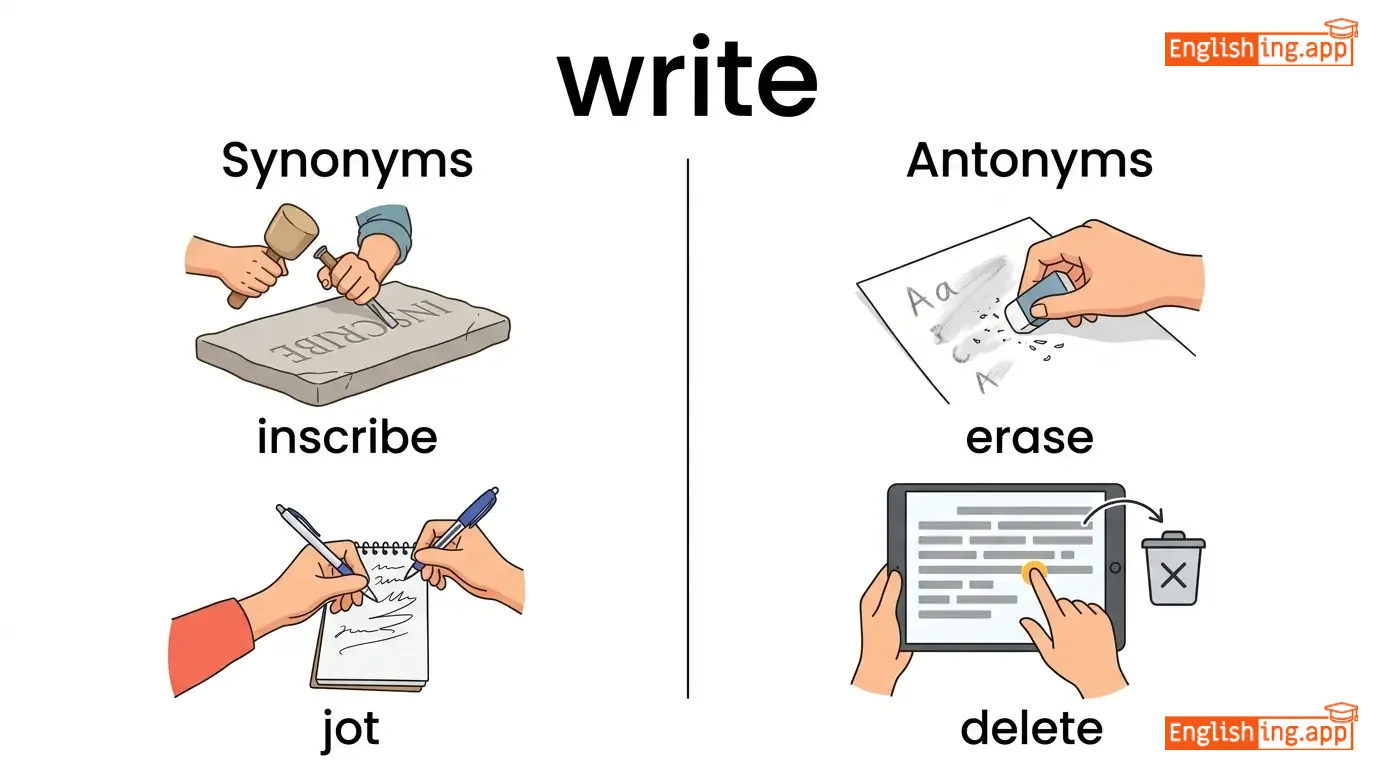
inscribe, jot, record, compose
••••••
|
erase, delete
••••••
|
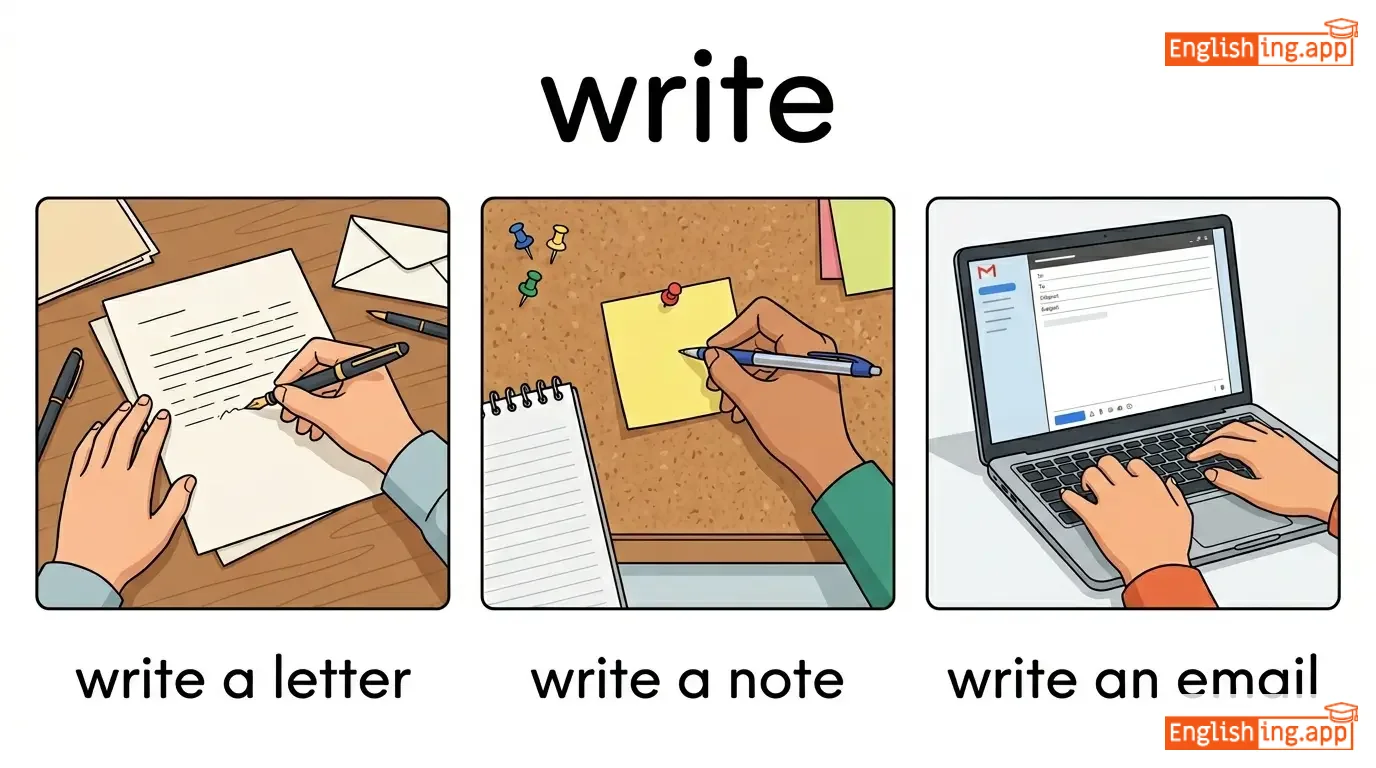
write a letter, write a note, write an email, write a report
••••••
|
幸福を求める旅は絶え間なく続きます!
••••••
|
|
#5568
✍️
|
/ˈraɪ.tər/
noun
(raɪtə)
••••••
|
- •••••• |
作家
sakusha
••••••
|
- •••••• | - •••••• | - •••••• | - •••••• |
a person who writes books, articles, or other written works
••••••
|
The writer spent hours crafting the perfect sentence.
ðə raɪtə spent aʊərz kræftɪŋ ðə pərfɪkt sɪntəns
••••••
|
作家は完璧な文を作成するために何時間も費やしました。
sakusha wa kanpeki na bun o sakusei suru tame ni nan-jikan mo費やしました.
••••••
|
- •••••• | - •••••• | - •••••• |
author, novelist, journalist, scribe
••••••
|
reader, illiterate
••••••
|
creative writer, professional writer, freelance writer, script writer
••••••
|
Just like a '作家' in Japanese, a writer shapes words to create a perfect story.
••••••
|
|
#5569
✍️
|
/ˈraɪ.tɪŋ/
noun/verb
(ハピネス)
••••••
|
- •••••• |
幸せ
shiawase
••••••
|
- •••••• | - •••••• | - •••••• |
writing
••••••
|
The activity of putting words on paper or composing text; the written form of communication.
••••••
|
She spends hours every day on her creative writing. |
彼女は賞を受け取ったとき、幸せを隠すことができませんでした。
Kanojo wa shō o uketotta toki, shiawase o kakusu koto ga dekimasen deshita.
••••••
|
the writing on the wall |
a clear sign of future trouble or failure
••••••
|
幸せを求めて
Shiawase o motomete
••••••
|
composition, text, script, inscription
••••••
|
speech, silence
••••••
|
writing style, writing skills, writing desk, writing assignment
••••••
|
幸せ(shiawase) = Happiness. 幸せになろう!
••••••
|
|
#5570
❌
|
/rɒŋ/
adjective
(ロング)
••••••
|
- •••••• |
間違い
machigai
••••••
|
- •••••• | - •••••• | - •••••• | - •••••• |
not correct or true; mistaken
••••••
|
It is wrong to cheat on a test. |
テストでカンニングするのは間違いです。
Tesuto de kanningu suru no wa machigai desu.
••••••
|
rub someone the wrong way |
to irritate or annoy someone
••••••
|
誰かを苛立たせる
dareka wo iradataseru
••••••
|
incorrect, mistaken, false, erroneous, inaccurate
••••••
|
correct, true, right
••••••
|
completely wrong, prove wrong, wrong decision, wrong time
••••••
|
間違いがあるとき、英語で 'wrong'と言います。
••••••
|
|
#5571
❌
|
/ˈrɒŋli/
adverb
(ロングリー)
••••••
|
- •••••• |
誤って
ayamatte
••••••
|
- •••••• | - •••••• | - •••••• | - •••••• |
in an incorrect or mistaken way; unfairly or unjustly
••••••
|
He was wrongly accused of the crime.
ヒー ワズ ロングリー アキューズド オブ ザ クライム。
••••••
|
彼はその犯罪で誤って非難された。
kare wa sono hanzai de ayamatte hinan sareta
••••••
|
wrongly accused
ロングリー アキューズド
••••••
|
to be blamed or charged for something one did not do
••••••
|
誤って非難された
ayamatte hinan sareta
••••••
|
incorrectly, mistakenly, erroneously, unfairly
••••••
|
correctly, rightly
••••••
|
wrongly accused, wrongly assumed, wrongly convicted, wrongly judged
••••••
|
Wrongly sounds like ロングリー but means 誤って
••••••
|
|
#5572
🩻
|
/ˈɛksˌreɪ/
noun, verb
(エックスレイ)
••••••
|
- •••••• |
X線; レントゲン
X sen; rentogen
••••••
|
x-rayed
エックスレイド
••••••
|
x-rayed
エックスレイド
••••••
|
x-rays
エックスレイズ
••••••
|
x-raying
エックスレイイング
••••••
|
a form of electromagnetic radiation used to see inside objects or the human body; to examine or scan using X-rays
••••••
|
The doctor ordered an X-ray to check for a broken bone.
医者は骨を調べるためにレントゲンを撮った。
••••••
|
医者は骨を調べるためにレントゲンを撮った。
isha wa hone o shiraberu tame ni rentogen o totta
••••••
|
take an X-ray
レントゲンを撮る
••••••
|
to examine something using X-ray imaging
••••••
|
レントゲンを撮る
rentogen o toru
••••••
|
radiograph, scan, imaging, radiology, fluoroscopy
••••••
|
hide, conceal, obscure
••••••
|
X-ray machine, chest X-ray, dental X-ray, X-ray image, X-ray scan
••••••
|
X-ray=レントゲン→中まで見える
••••••
|
|
#5573
🏡
|
/jɑːrd/
noun
(ヤード)
••••••
|
- •••••• |
庭; 家の隣の土地
niwa; ie no tonari no tochi
••••••
|
- •••••• | - •••••• | - •••••• | - •••••• |
a unit of linear measure equal to 3 feet; an area of land immediately adjacent to a building
••••••
|
The children played in the back yard. |
子供たちは裏庭で遊んでいました。
Kodomotachi wa uraniwa de asonde imashita
••••••
|
- •••••• | - •••••• | - •••••• |
courtyard, garden, measure, enclosure
••••••
|
indoor, interior, inside, building
••••••
|
back yard, front yard, school yard
••••••
|
Yard = 庭、子供たちが裏庭で遊んでいる
••••••
|
|
#5574
😪
|
/jɔːn/
noun
(ヨーン)
••••••
|
- •••••• |
あくび
akubi
••••••
|
- •••••• | - •••••• | - •••••• | - •••••• |
an involuntary opening of the mouth and inhalation of air due to tiredness or boredom
••••••
|
She couldn't suppress a yawn during the boring lecture. |
退屈な講義の最中にあくびを抑えることができなかった。
Taikutsu na kougi no saichuu ni akubi o osaeru koto ga dekinakatta.
••••••
|
- •••••• | - •••••• | - •••••• |
gape, stretch, drowse, tired breath
••••••
|
alertness, attention, wakefulness, energy
••••••
|
big yawn, suppress a yawn, contagious yawn
••••••
|
あくび(akubi)という言葉は、退屈や疲れを感じたときによくする動作を表します。
••••••
|
|
#5575
👍
|
/jɛə/
interjection
(はい)
••••••
|
- •••••• |
はい
hai
••••••
|
- •••••• | - •••••• | - •••••• | - •••••• |
used to express agreement or affirmation
••••••
|
Yeah, I’ll go to the store with you. |
はい、私はあなたと一緒に店に行きます。
Hai, watashi wa anata to issho ni mise ni ikimasu.
••••••
|
- •••••• | - •••••• | - •••••• |
yes, certainly, absolutely, okay
••••••
|
no, never, not at all
••••••
|
yeah sure, yeah okay, yeah right, yeah I agree
••••••
|
Yeah, in Japanese we say 'Hai!' when agreeing.
••••••
|
|
#5576
📅
|
/jɪə/
noun
(イヤー)
••••••
|
- •••••• |
年
nen
••••••
|
- •••••• | - •••••• | - •••••• | - •••••• |
a period of 365 or 366 days, divided into 12 months
••••••
|
This year, we are planning a trip to the mountains.
今年、私たちは山への旅行を計画しています。
••••••
|
今年、私たちは山への旅行を計画しています。
Kotoshi, watashitachi wa yama e no ryokou wo keikaku shiteimasu.
••••••
|
- •••••• | - •••••• | - •••••• |
annum, twelve months, calendar year
••••••
|
day, week
••••••
|
next year, this year, every year, year-long
••••••
|
Year = 年 (nen) – 一年を通して新しい経験が待っている!
••••••
|
|
#5577
📣
|
/jɛl/
verb
(yel)
••••••
|
|
叫ぶ
sabu
••••••
|
yelled
yeld
••••••
|
yelled
yeld
••••••
|
yells
yels
••••••
|
yelling
yeling
••••••
|
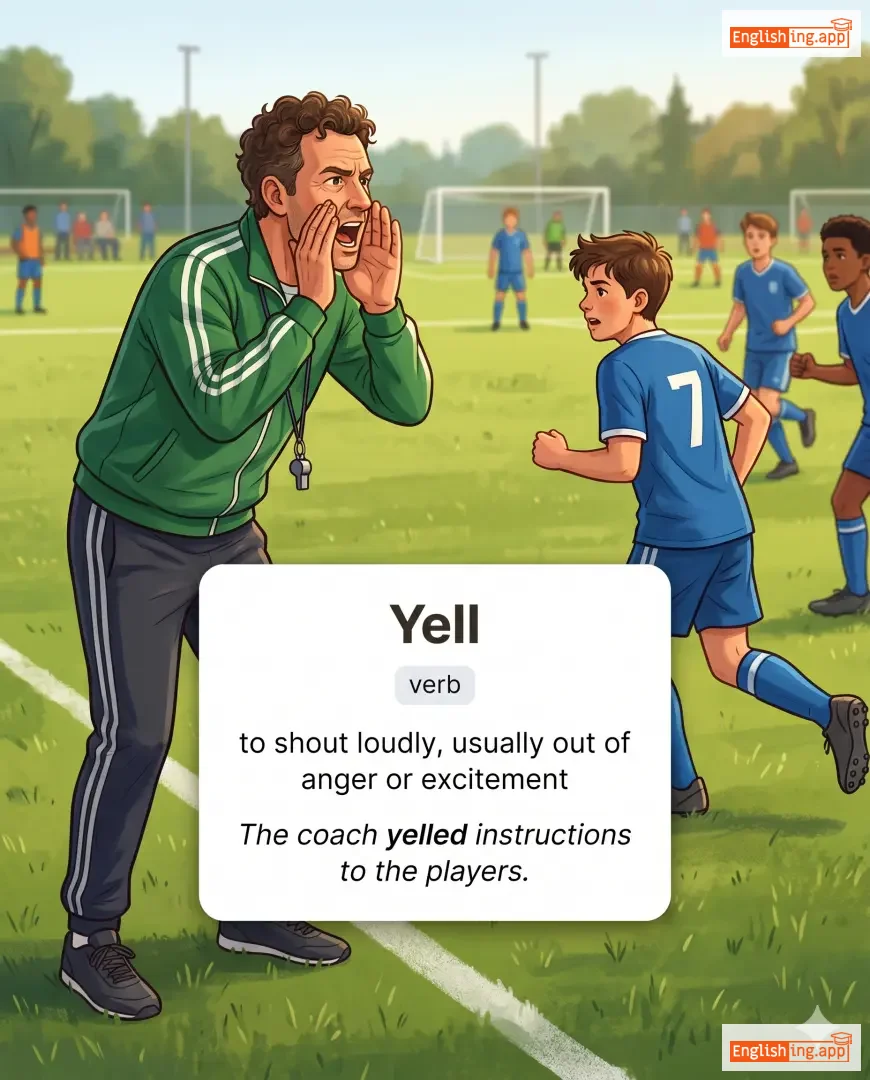
to shout loudly, usually out of anger or excitement
••••••
|
The coach yelled instructions to the players.
the coach yeld instructions to the players
••••••
|
コーチは選手たちに指示を叫びました。
Ko-chi wa senshu-tachi ni shiji o sakebimashita.
••••••
|
yell at
yel at
••••••
|
to shout at someone angrily
••••••
|
誰かに怒鳴る
dareka ni donaru
••••••
|
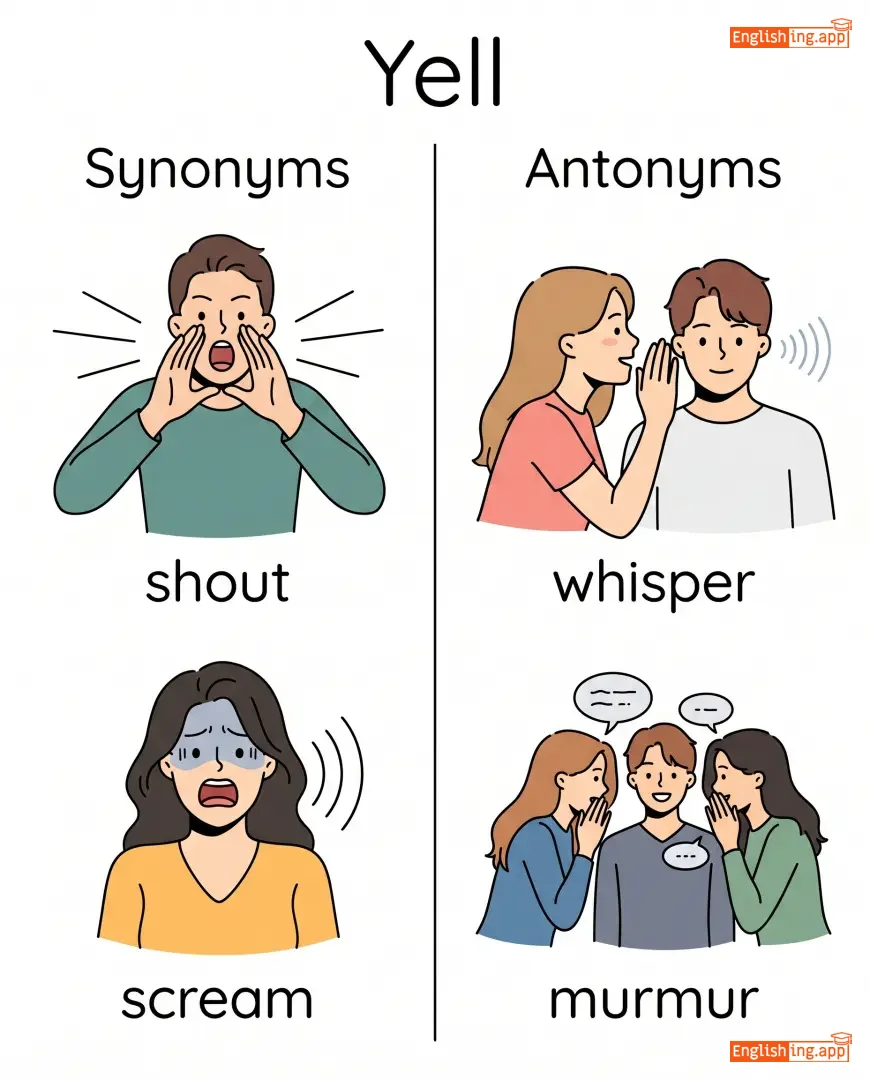
shout, scream, holler, cry, call
••••••
|
whisper, murmur
••••••
|
yell loudly, yell at someone, yell for help
••••••
|
Yellは叫ぶこと。怒ったり興奮した時に叫ぶ時に使う。
••••••
|
|
#5578
🟡
|
/ˈjeloʊ/
adjective
(yero)
••••••
|
- •••••• |
黄色い; 臆病な
kiiroi; okubyōna
••••••
|
- •••••• | - •••••• | - •••••• | - •••••• |
having the color of the sun or gold; cowardly
••••••
|
The yellow flowers bloomed in spring.
黄色い花が春に咲きました。
••••••
|
黄色い花が春に咲きました。
Kiiroi hana ga haru ni sakimashita.
••••••
|
- •••••• | - •••••• | - •••••• |
golden, amber, lemon, canary
••••••
|
blue, purple, green, red
••••••
|
yellow light, yellow pages, yellow card
••••••
|
黄色は太陽の色で、臆病な人を表すこともあります (臆病な).
••••••
|
|
#5579
👍
|
/jɛs/
adverb
(はい)
••••••
|
- •••••• |
はい
hai
••••••
|
- •••••• | - •••••• | - •••••• | - •••••• |
used to express affirmation, agreement, or consent
••••••
|
Yes, I will be there at 5 o'clock. |
はい、5時にそこに行きます。
Hai, go ji ni soko ni ikimasu.
••••••
|
- •••••• | - •••••• | - •••••• |
certainly, definitely, absolutely, of course
••••••
|
no, not at all
••••••
|
say yes, agree with yes, say yes to, yes or no
••••••
|
Yes, I say Hai when I agree.
••••••
|
|
#5580
📅
|
/ˈjɛstərdeɪ/
noun
(昨日)
••••••
|
- •••••• |
昨日
kinou
••••••
|
- •••••• | - •••••• | - •••••• | - •••••• |
the day before today
••••••
|
Yesterday, we went to the park. |
昨日、公園に行きました。
Kinou, kouen ni ikimashita.
••••••
|
- •••••• | - •••••• | - •••••• |
the previous day, last day
••••••
|
today, tomorrow
••••••
|
yesterday afternoon, yesterday evening, just yesterday, yesterday morning
••••••
|
Yesterday, I remember it as KINOU (Yesterday in Japanese).
••••••
|
|
#5581
⏰
|
/jet/
adverb
(yet)
••••••
|
- •••••• |
まだ; 今まで;
mada; imade
••••••
|
- •••••• | - •••••• | - •••••• | - •••••• |
up to now or a specified time; still; however; nevertheless
••••••
|
He hasn't finished his homework yet. |
彼はまだ宿題を終わらせていない。
Kare wa mada shukudai o owarasete inai
••••••
|
- •••••• | - •••••• | - •••••• |
still, so far, thus far, up to now, until now
••••••
|
already, previously, before, earlier
••••••
|
not yet, yet again, yet another, yet to come
••••••
|
まだ終わらず、今まで進んでいる。
••••••
|
|
#5582
🌾
|
/jiːld/
verb
(イールド)
••••••
|
|
生産する / 屈する
seisan suru / kusuru
••••••
|
yielded
イールデッド
••••••
|
yielded
イールデッド
••••••
|
yields
イールズ
••••••
|
yielding
イールディング
••••••
|
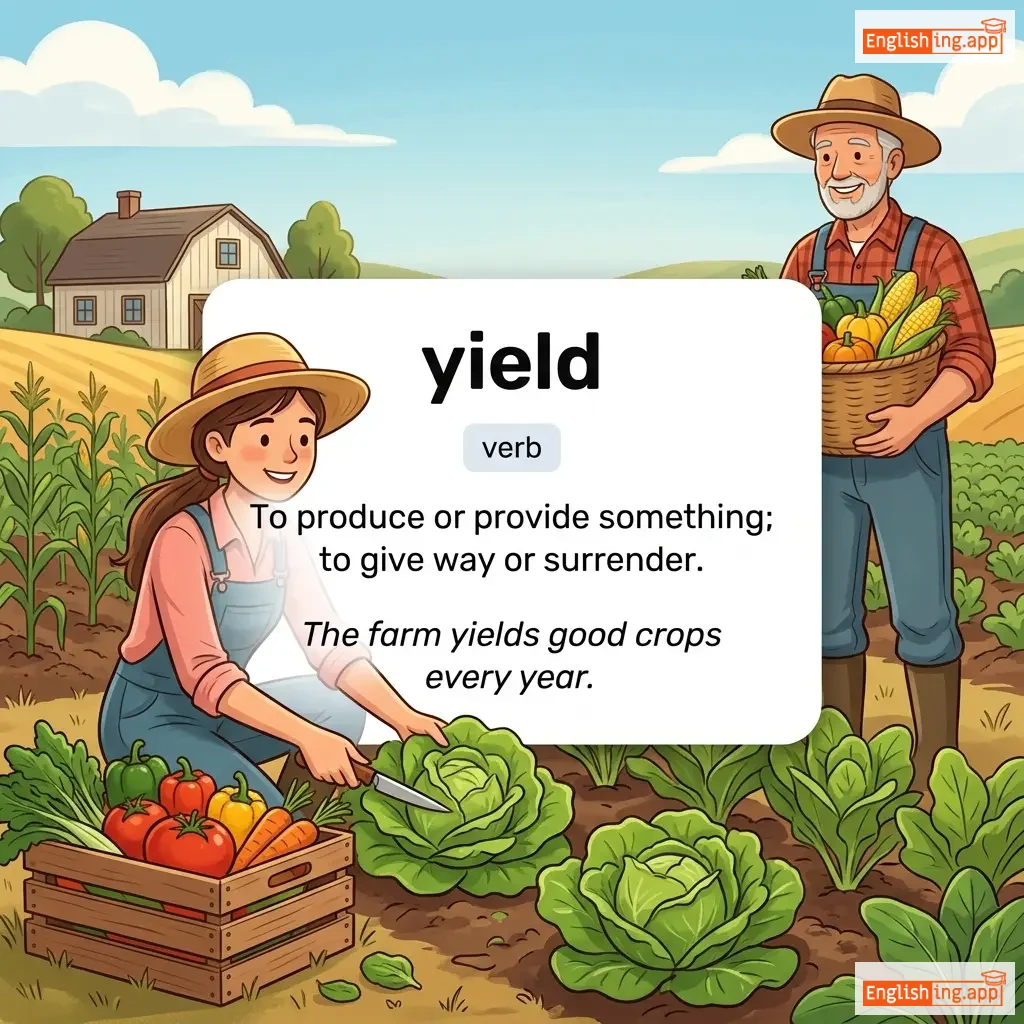
To produce or provide something; to give way or surrender.
••••••
|
The farm yields good crops every year.
農場は毎年良い作物を生産します。
••••••
|
農場は毎年良い作物を生産します。
Nōjō wa mainen yoi sakumotsu o seisan shimasu.
••••••
|
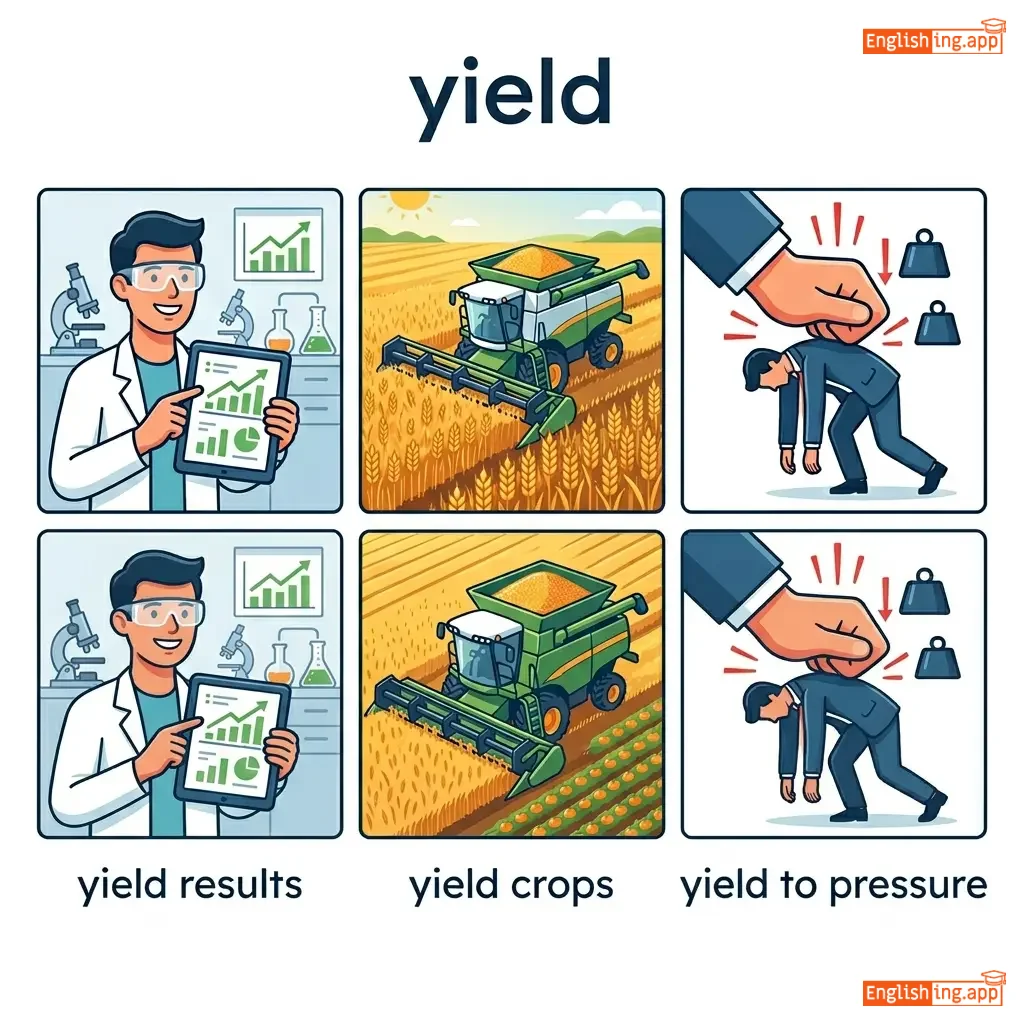
yield to pressure
プレッシャーに屈する
••••••
|
To give in or surrender under pressure.
••••••
|
プレッシャーに屈する
Pureshā ni kusuru
••••••
|
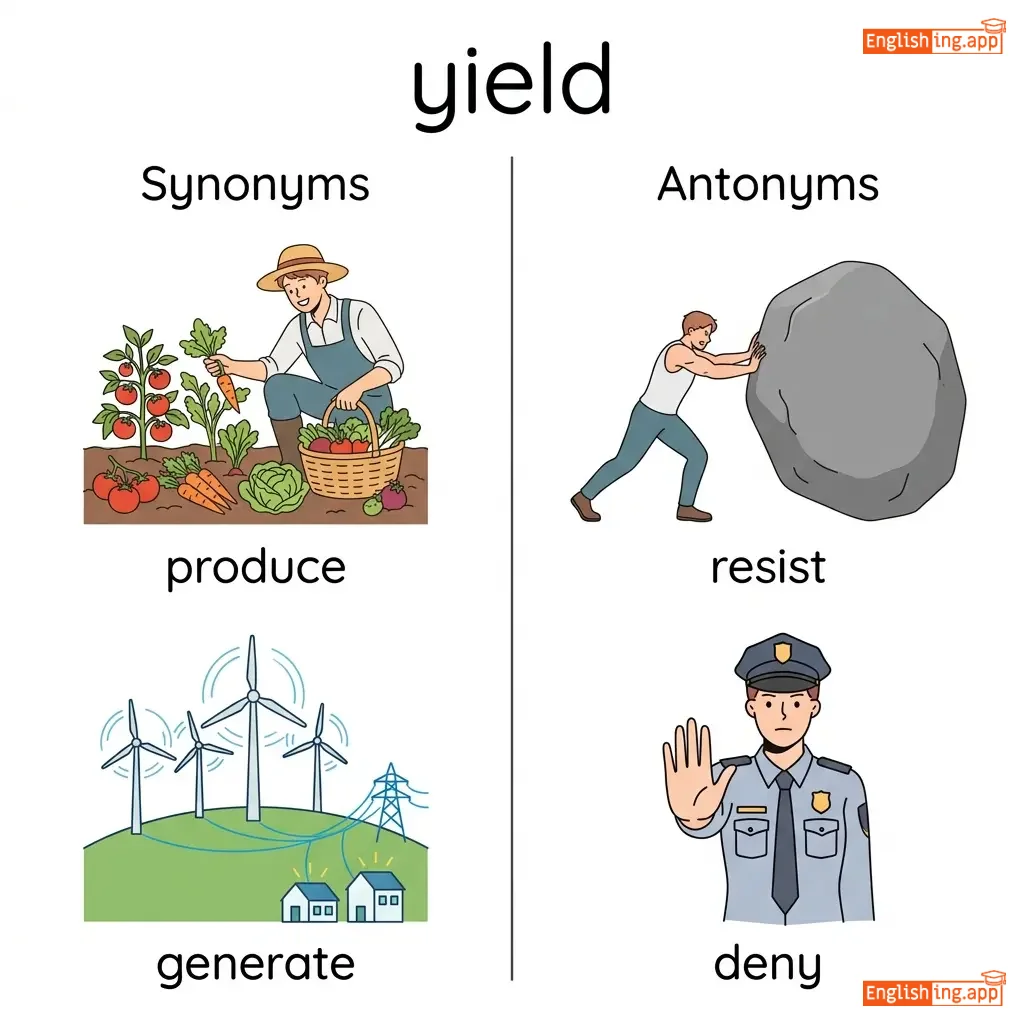
produce, generate, surrender, give, supply
••••••
|
resist, deny, refuse
••••••
|
yield results, yield crops, yield to pressure, yield profit
••••••
|
Yield は生産すること: 農場で作物を生産し、プレッシャーには屈すること。
••••••
|
|
#5583
🙂
|
/juː/
pronoun
(あなた)
••••••
|
- •••••• |
あなた
anata
••••••
|
- •••••• | - •••••• | - •••••• | - •••••• |
used to refer to the person or people being spoken to
••••••
|
You are doing a great job!
あなたは素晴らしい仕事をしています!
••••••
|
あなたは素晴らしい仕事をしています!
Anata wa subarashii shigoto o shiteimasu!
••••••
|
- •••••• | - •••••• | - •••••• |
yourself, yourself
••••••
|
I, he, she
••••••
|
you are, you can, you will, you need
••••••
|
You, あなた, are the person you’re talking about.
••••••
|
|
#5584
👶
|
/jʌŋ/
adjective
(ヤング)
••••••
|
- •••••• |
若い; 新しい
wakai; atarashii
••••••
|
- •••••• | - •••••• | - •••••• | - •••••• |
having lived for a short time; not old; recent
••••••
|
The young tree needs more water to grow. |
若い木は成長するためにもっと水が必要です。
wakai ki wa seichō suru tame ni motto mizu ga hitsuyō desu.
••••••
|
- •••••• | - •••••• | - •••••• |
youthful, juvenile, adolescent, new
••••••
|
old, elderly, aged, mature
••••••
|
young people, young age, young adult
••••••
|
Youngと若いは発音が似ている
••••••
|
|
#5585
📚
|
/jɔːr/
pronoun
(あなたの)
••••••
|
- •••••• |
あなたの
anata no
••••••
|
- •••••• | - •••••• | - •••••• | - •••••• |
used to indicate possession or association
••••••
|
Your book is on the table. |
あなたの本はテーブルの上にあります。
Anata no hon wa tēburu no ue ni arimasu.
••••••
|
- •••••• | - •••••• | - •••••• |
your own, belonging to you
••••••
|
my, theirs
••••••
|
your opinion, your responsibility, your time
••••••
|
あなたの本はテーブルの上にあります - Your book is on the table
••••••
|
|
#5586
✍️
|
/jɔːrz/
pronoun
(ユアーズ)
••••••
|
- •••••• |
あなたの
anata no
••••••
|
- •••••• | - •••••• | - •••••• | - •••••• |
belonging to or associated with the person or people that the speaker is addressing
••••••
|
This pen is yours. |
このペンはあなたのです。
Kono pen wa anata no desu.
••••••
|
- •••••• | - •••••• | - •••••• |
your property, belonging to you
••••••
|
mine, theirs
••••••
|
yours to keep, this is yours
••••••
|
あなたのペン (Anata no pen) - This pen is yours.
••••••
|
|
#5587
🤳
|
/jɔːrˈsɛlf/
pronoun
(ヨアセルフ)
••••••
|
- •••••• |
自分自身
jibun jishin
••••••
|
- •••••• | - •••••• | - •••••• | - •••••• |
used to refer to the person being addressed, often for emphasis or reflection
••••••
|
You should look after yourself. |
自分自身の世話をしなさい。
Jibun jishin no sewa o shinasai.
••••••
|
- •••••• | - •••••• | - •••••• |
your own self, personally
••••••
|
no one, others
••••••
|
look after yourself, enjoy yourself, be yourself
••••••
|
自分自身を大切に (Jibun jishin o taisetsu ni) - Take care of yourself.
••••••
|
|
#5588
👦
|
/juːθ/
noun
(ユース)
••••••
|
- •••••• |
青春; 若者
seishun; wakamono
••••••
|
- •••••• | - •••••• | - •••••• | - •••••• |
the period between childhood and adult age; young people collectively; the state of being young
••••••
|
He spent his youth traveling around the world.
彼は若い頃、世界を旅して過ごしました。
••••••
|
彼は若い頃、世界を旅して過ごしました。
Kare wa wakai koro, sekai o tabi shite sugoshimashita.
••••••
|
- •••••• | - •••••• | - •••••• |
adolescence, teenage years, young people, vigor
••••••
|
old age, maturity, elderhood, adulthood
••••••
|
in one's youth, youth culture, eternal youth
••••••
|
青春は日本語でエネルギーと冒険の象徴です!
••••••
|
|
#5589
🌍
|
/zoʊn/
noun
(ゾーン)
••••••
|
|
ゾーン
zōn
••••••
|
- •••••• | - •••••• | - •••••• | - •••••• |
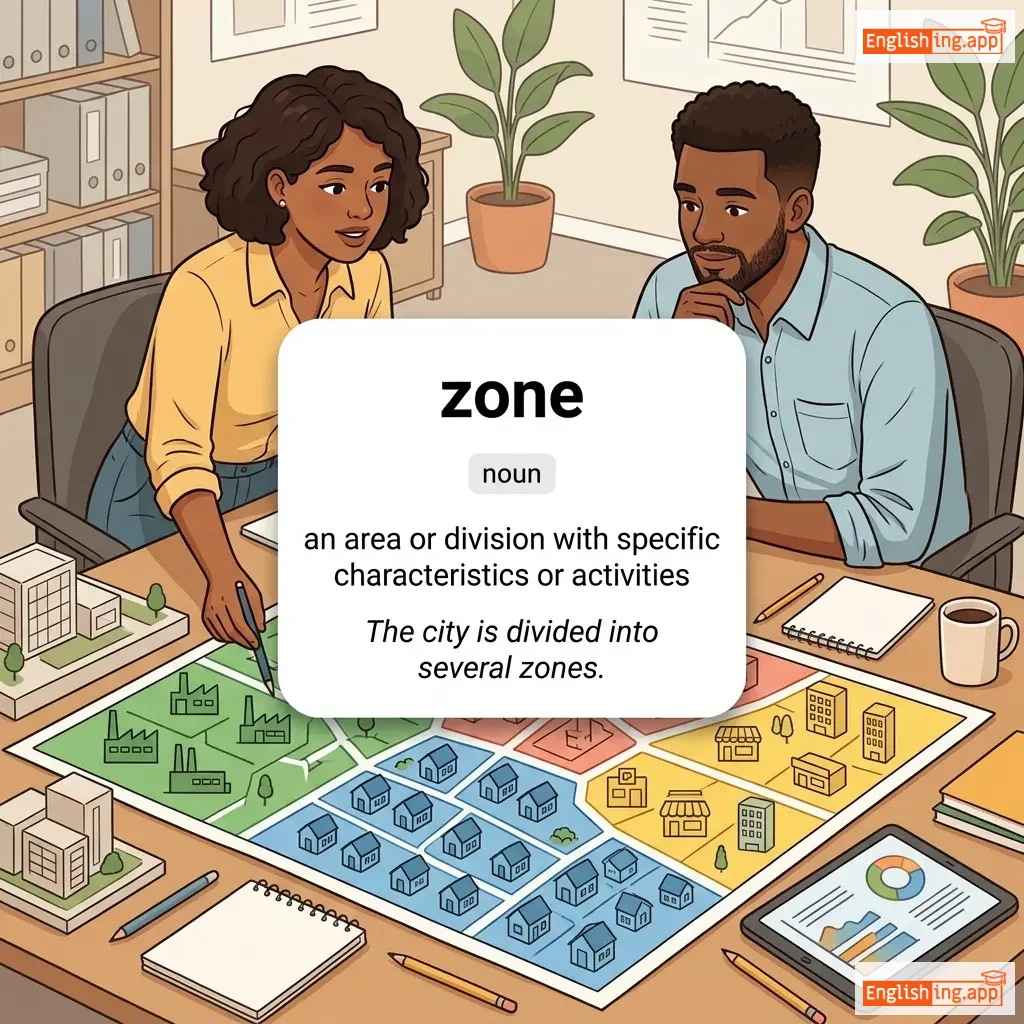
an area or division with specific characteristics or activities
••••••
|
The city is divided into several zones. |
この都市は複数のゾーンに分けられています。
Kono toshi wa fukusū no zōn ni wakerareteimasu.
••••••
|
- •••••• | - •••••• | - •••••• |
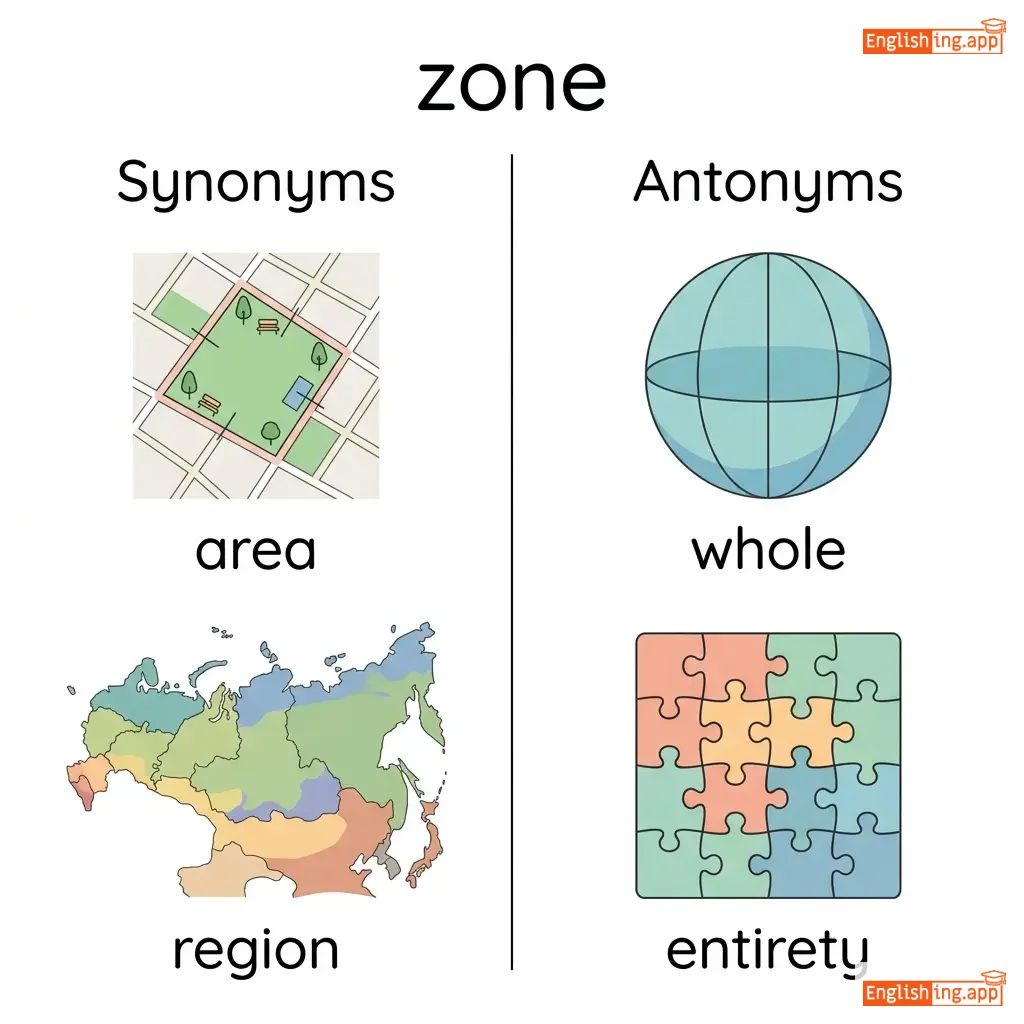
area, region, district
••••••
|
whole, entirety
••••••
|
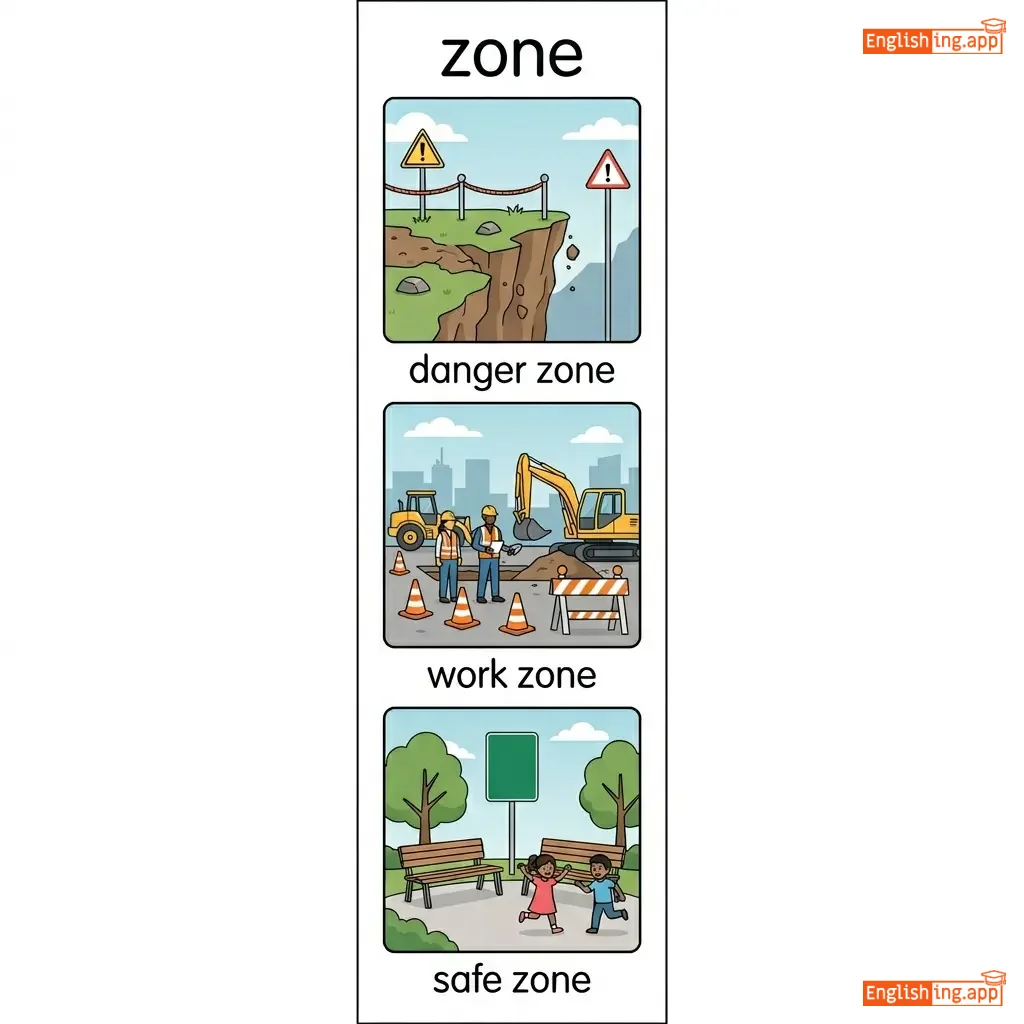
danger zone, work zone, safe zone
••••••
|
ゾーンに分けられた都市 (Zōn ni wakerareta toshi) - The city is divided into zones.
••••••
|
|
#5590
🦁
|
/zuː/
noun
(ズー)
••••••
|
- •••••• |
動物園
doubutsuen
••••••
|
- •••••• | - •••••• | - •••••• | - •••••• |
an establishment that maintains a collection of wild animals for study, conservation, or display to the public
••••••
|
We visited the zoo to see the lions and elephants.
私たちはライオンと象を見るために動物園を訪れました。
••••••
|
私たちはライオンと象を見るために動物園を訪れました。
Watashitachi wa raion to zou wo miru tame ni doubutsuen wo otozuremashita.
••••••
|
- •••••• | - •••••• | - •••••• |
menagerie, wildlife park, safari park, animal park
••••••
|
wild habitat, natural environment, wilderness, freedom
••••••
|
visit the zoo, zoo animals, city zoo
••••••
|
動物園 (どうぶつえん) は、動物を見る場所。英語の‘Zoo’と同じ。
••••••
|
Vocabulary Quiz
Test your vocabulary by matching words with their translations or meanings.
Login to take the quiz
Comments (0)
Share your thoughts and join the discussion.
Join the discussion by logging in
Login to CommentNo comments yet
Be the first to share your thoughts!