

翻訳
過去
過去分詞
三人称単数
動名詞
意味
例文
例文の翻訳
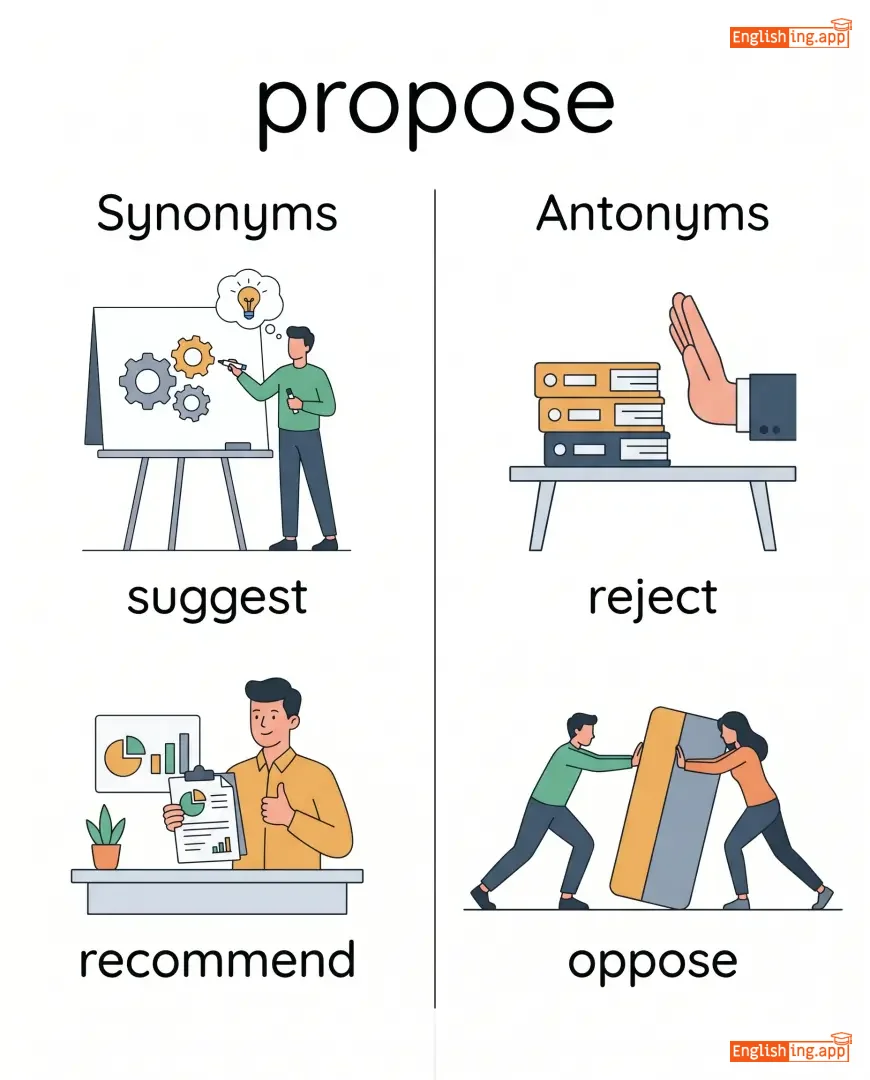
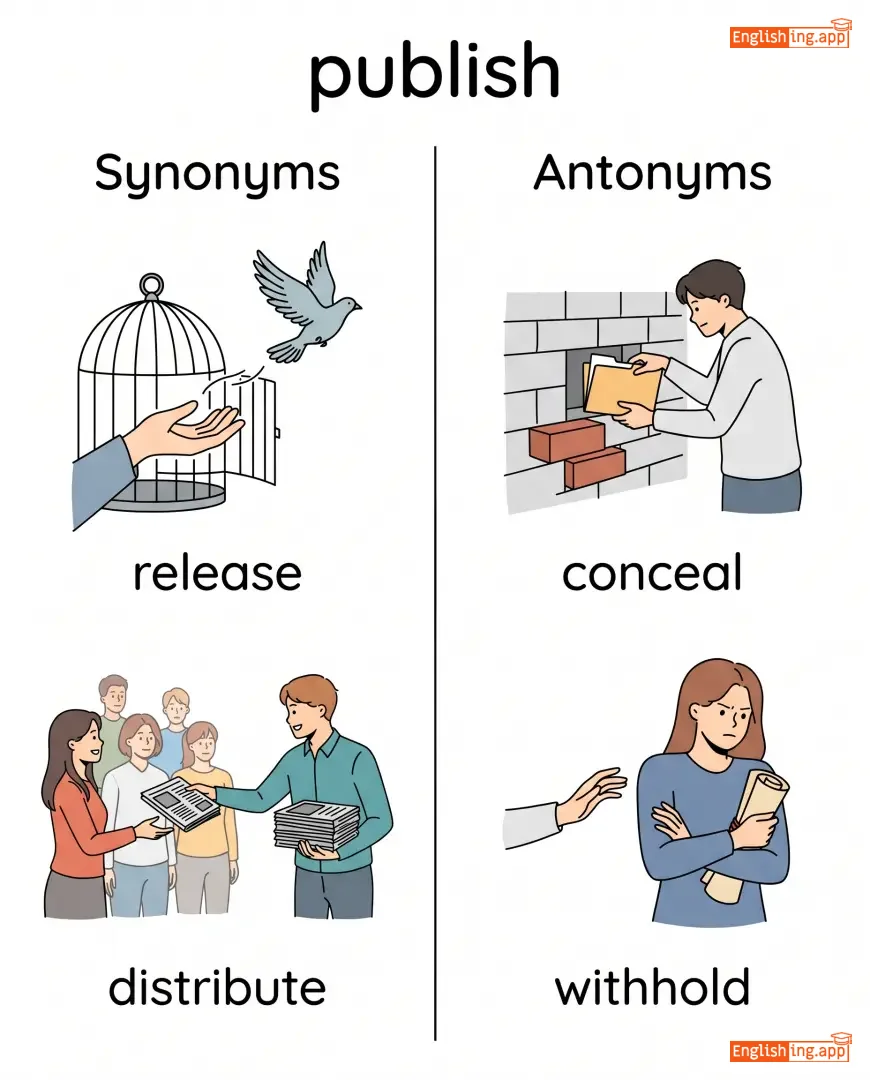
同義語
対義語
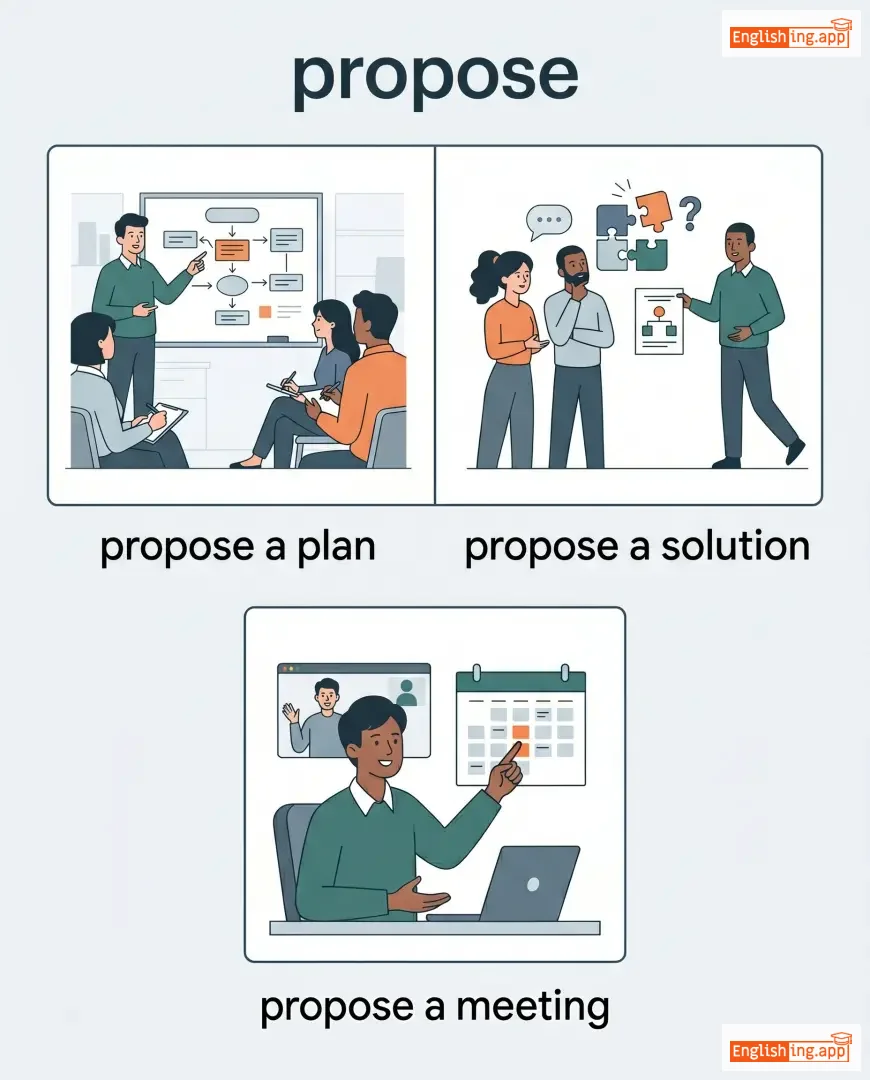
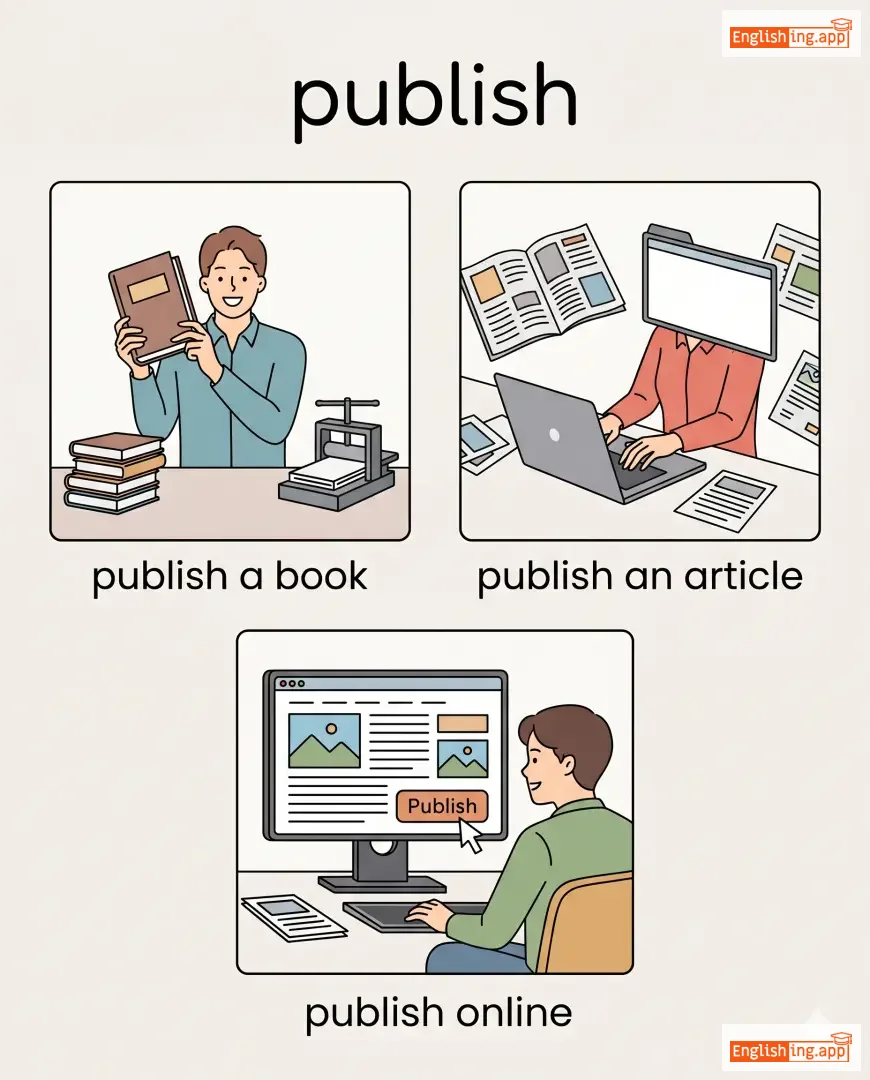
コロケーション
ニーモニック






Swipe left or right, or use the buttons. Tap image to zoom.
例文の翻訳
単語
Lesson 84Lesson 84 - マスクトグル
|
絵文字
|
単語 | Images | 翻訳 | 過去 | 過去分詞 | 三人称単数 | 動名詞 | 意味 | 例文 | 例文の翻訳 | 表現例 | 表現例の意味 | 表現例の翻訳 | 同義語 | 対義語 | コロケーション | ニーモニック |
|---|---|---|---|---|---|---|---|---|---|---|---|---|---|---|---|---|---|
|
#3980
⚡
|
/prɑːmpt/
verb, noun, adjective
(プロンプト)
••••••
|
- •••••• |
促す / 迅速
unagasu / jinsoku
••••••
|
prompted
プロンプテッド
••••••
|
prompted
プロンプテッド
••••••
|
prompts
プロンプツ
••••••
|
prompting
プロンプティング
••••••
|
To cause someone to take action; done without delay.
••••••
|
His speech prompted the audience to ask questions.
彼のスピーチは聴衆に質問を促しました。
••••••
|
彼のスピーチは聴衆に質問を促しました。
Kare no supīchi wa chōshū ni shitsumon wo unagashimashita.
••••••
|
prompt action
迅速な行動
••••••
|
Immediate or quick action
••••••
|
即時行動
sokujikoudou
••••••
|
urge, incite, quick, immediate, stimulate
••••••
|
delay, hinder, slow
••••••
|
prompt reply, prompt payment, prompt decision, prompt response
••••••
|
Promptとは、コンピュータのように迅速に反応することを意味します。
••••••
|
|
#3981
🗯️
|
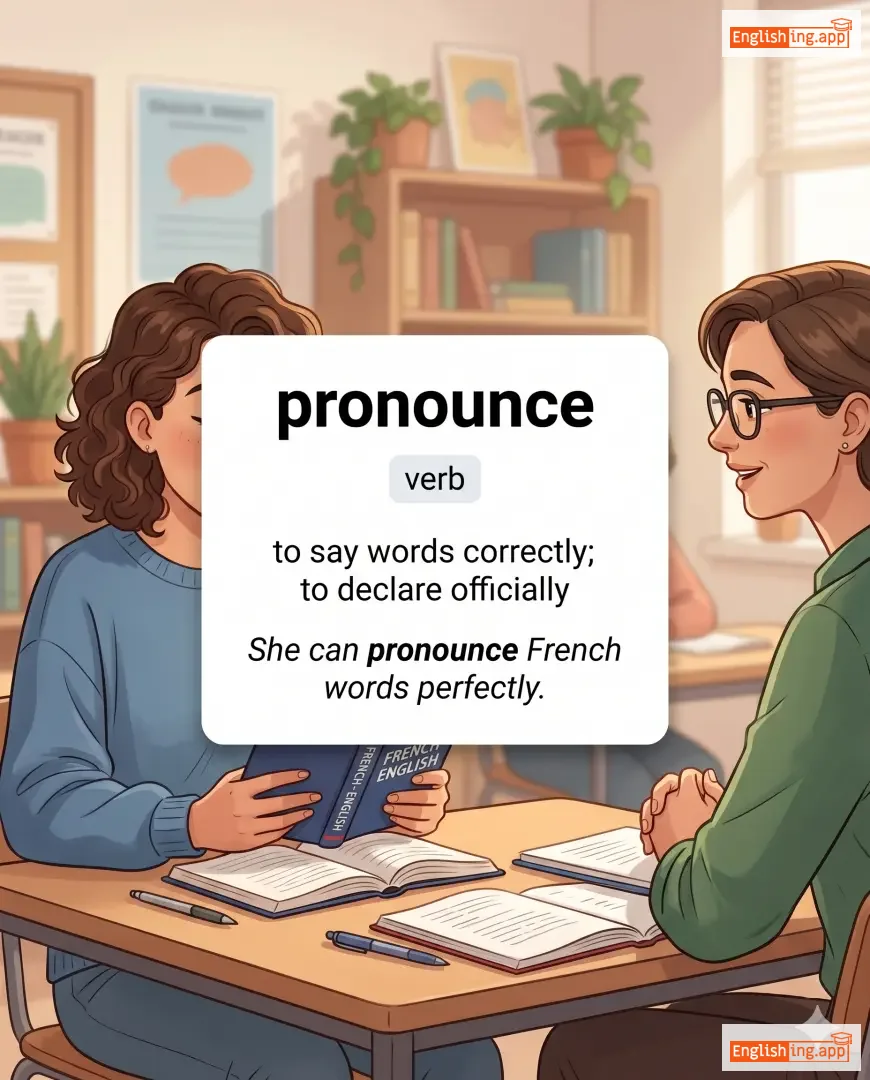
/prəˈnaʊns/
verb
(ハピネス)
••••••
|
|
発音する
hatsuon suru
••••••
|
pronounced
ハピネスド
••••••
|
pronounced
ハピネスド
••••••
|
pronounces
ハピネスエス
••••••
|
pronouncing
ハピネスイング
••••••
|
to say words correctly; to declare officially
••••••
|
She can pronounce French words perfectly.
彼女はフランス語の単語を完璧に発音できます。
••••••
|
彼女はフランス語の単語を完璧に発音できます。
Kanojo wa furansugo no tango o kanpeki ni hatsuon dekimasu.
••••••
|
- •••••• | - •••••• | - •••••• |
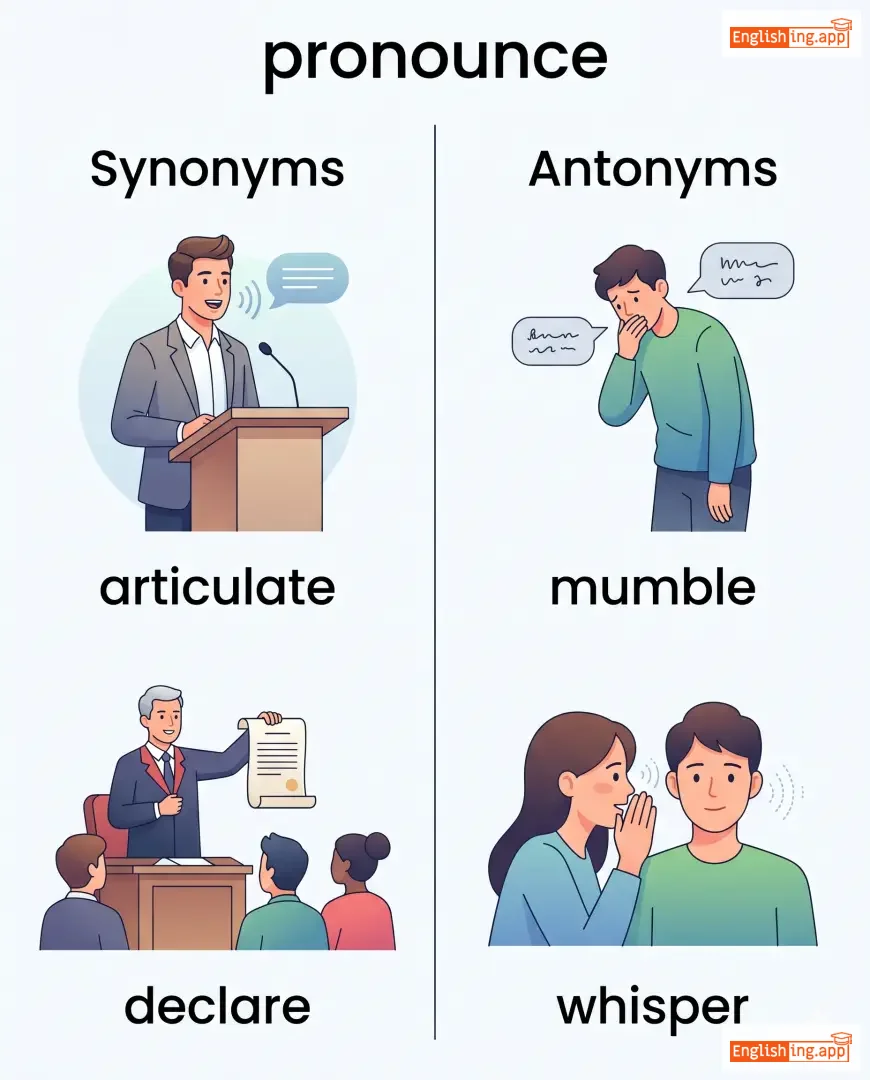
articulate, declare, announce, state
••••••
|
mumble, whisper, conceal
••••••
|
pronounce correctly, pronounce clearly, pronounce word, hard to pronounce
••••••
|
Think of pronouncing it like 'hatsuon suru' with a perfect Japanese touch!
••••••
|
|
#3982
🔊
|
/prəˈnaʊnst/
adjective
(プロナウンド)
••••••
|
- •••••• |
顕著な
kenchona
••••••
|
- •••••• | - •••••• | - •••••• | - •••••• |
very noticeable or strongly marked
••••••
|
There is a pronounced difference between the two styles. |
二つのスタイルの間には顕著な違いがあります。
Futatsu no sutairu no aida ni wa kenchona chigai ga arimasu.
••••••
|
- •••••• | - •••••• | - •••••• |
distinct, marked, evident, clear, obvious
••••••
|
subtle, faint, hidden
••••••
|
pronounced effect, pronounced difference, pronounced tendency, pronounced feature
••••••
|
Pronouncedは明確に言われたという意味 — だから顕著な
••••••
|
|
#3983
🗣️
|
/prəˌnʌnsiˈeɪʃən/
noun
(プロナンシエーション)
••••••
|
- •••••• |
発音
hatsuon
••••••
|
- •••••• | - •••••• | - •••••• | - •••••• |
the way a word or language is spoken; the act or result of pronouncing words
••••••
|
Her pronunciation of French words has improved significantly.
ハー プロナンシエーション オブ フレンチ ワーズ ハズ インプルーブド シグニフィカントリー。
••••••
|
彼女のフランス語の単語の発音は大きく向上した。
kanojo no furansugo no tango no hatsuon wa ookiku koujou shita
••••••
|
- •••••• | - •••••• | - •••••• |
enunciation, articulation, diction, utterance
••••••
|
mispronunciation, silence
••••••
|
correct pronunciation, clear pronunciation, standard pronunciation, pronunciation guide
••••••
|
Pronunciation は 発音(hatsuon): 単語の音を思い出そう。
••••••
|
|
#3984
🧑⚖️
|
/pruːf/
noun
(プルーフ)
••••••
|
- •••••• |
証拠
shōko
••••••
|
- •••••• | - •••••• | - •••••• | - •••••• |
evidence or argument establishing a fact or the truth of a statement
••••••
|
The detective presented proof of the suspect's guilt. |
探偵は容疑者の有罪の証拠を提示しました。
Tantei wa yōgisha no yūzai no shōko o teiji shimashita.
••••••
|
- •••••• | - •••••• | - •••••• |
evidence, confirmation, verification, testimony
••••••
|
disproof, refutation
••••••
|
provide proof, irrefutable proof, proof of identity
••••••
|
証拠 (shōko) means PROOF, just like a detective proving guilt.
••••••
|
|
#3985
📢
|
/ˌprɒpəˈɡændə/
noun
(プロパガンダ)
••••••
|
- •••••• |
プロパガンダ
puropaganda
••••••
|
- •••••• | - •••••• | - •••••• | - •••••• |
Information, especially biased or misleading, used to promote a political cause or point of view.
••••••
|
The regime spread propaganda to control public opinion. |
政権は世論をコントロールするためにプロパガンダを広めた。
seiken wa seiron o kontorōru suru tame ni puropaganda o hirometa.
••••••
|
propaganda machine |
An organized effort to spread biased information systematically.
••••••
|
プロパガンダ機械
puropaganda kikai
••••••
|
promotion, publicity, misinformation, indoctrination, advertising
••••••
|
truth, fact, information
••••••
|
spread propaganda, political propaganda, propaganda campaign, propaganda machine
••••••
|
プロパガンダは、ただし、しばしば情報を歪めて、ある目的を達成するために使用されます。
••••••
|
|
#3986
👔
|
/ˈprɒpər/
adjective
(プロパー)
••••••
|
- •••••• |
適切な
tekisetsu na
••••••
|
- •••••• | - •••••• | - •••••• | - •••••• |
conforming to accepted standards of behavior or morality
••••••
|
He made sure to wear proper attire for the interview.
ヒーメイドシュアトゥウェアプロパーアタイアフォーダインタービュー
••••••
|
彼は面接のために適切な服を着ることを確認しました。
Kare wa mensetsu no tame ni tekisetsu na fuku o kiru koto o kakunin shimashita.
••••••
|
- •••••• | - •••••• | - •••••• |
suitable, appropriate, correct, fitting
••••••
|
improper, unsuitable, incorrect
••••••
|
proper attire, proper behavior, proper procedure
••••••
|
Proper means right, just like wearing the right attire!
••••••
|
|
#3987
✔️
|
/ˈprɒpərli/
adverb
(プロパリー)
••••••
|
- •••••• |
適切に
tekisetsu ni
••••••
|
- •••••• | - •••••• | - •••••• | - •••••• |
in the correct or suitable manner
••••••
|
He performed the task properly to avoid mistakes.
彼は間違いを避けるために仕事を正しく行いました。
••••••
|
彼は間違いを避けるために仕事を正しく行いました。
Kare wa machigai o sakeru tame ni shigoto o tadashiku okonaimashita.
••••••
|
- •••••• | - •••••• | - •••••• |
correctly, suitably, appropriately, adequately
••••••
|
improperly, incorrectly
••••••
|
perform properly, behave properly, handle properly
••••••
|
Properly means doing something in the right way, like following a recipe!
••••••
|
|
#3988
📊
|
/prəˈpɔːʃən/
noun
••••••
|
- •••••• | - •••••• | - •••••• | - •••••• | - •••••• | - •••••• |
a part, share, or number considered in comparative relation to a whole
••••••
|
The proportion of students passing the exam was high. |
- •••••• | - •••••• | - •••••• | - •••••• |
ratio, percentage, fraction, share
••••••
|
whole, total
••••••
|
right proportion, larger proportion, proportionate amount
••••••
|
No •••••• |
|
#3989
📋
|
/prəˈpəʊ.zəl/
noun
(プロポーズ)
••••••
|
|
提案; プロポーズ
teian; puropōzu
••••••
|
- •••••• | - •••••• | - •••••• | - •••••• |
a plan or suggestion presented for consideration; an offer of marriage
••••••
|
The board will review the proposal at next week's meeting.
取締役会は来週の会議で提案を検討します。
••••••
|
取締役会は来週の会議で提案を検討します。
Torishimariyakukai wa raishū no kaigi de teian o kentō shimasu.
••••••
|
- •••••• | - •••••• | - •••••• |
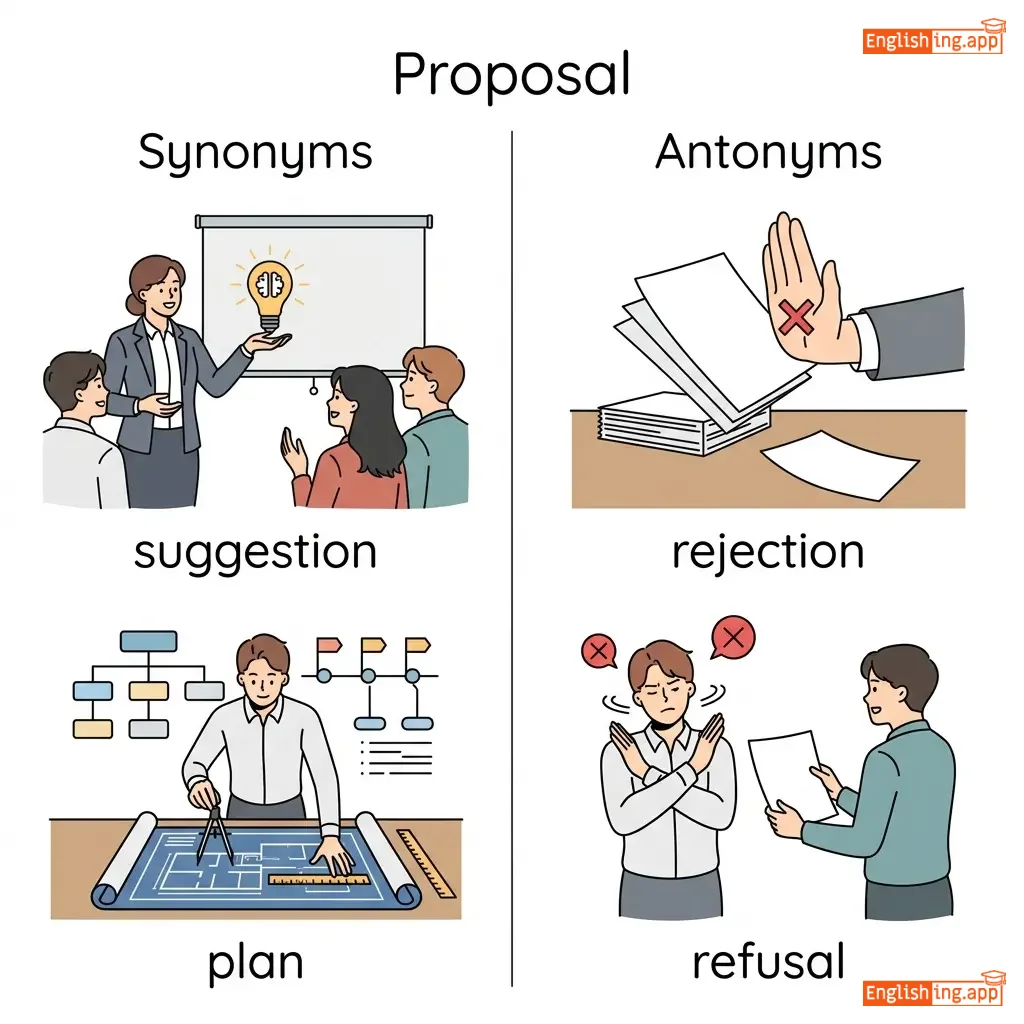
suggestion, plan, offer, recommendation
••••••
|
rejection, refusal, withdrawal
••••••
|
business proposal, marriage proposal, make proposal, accept proposal
••••••
|
提案とは、結婚の申し込みも含まれます。
••••••
|
|
#3990
💍
|
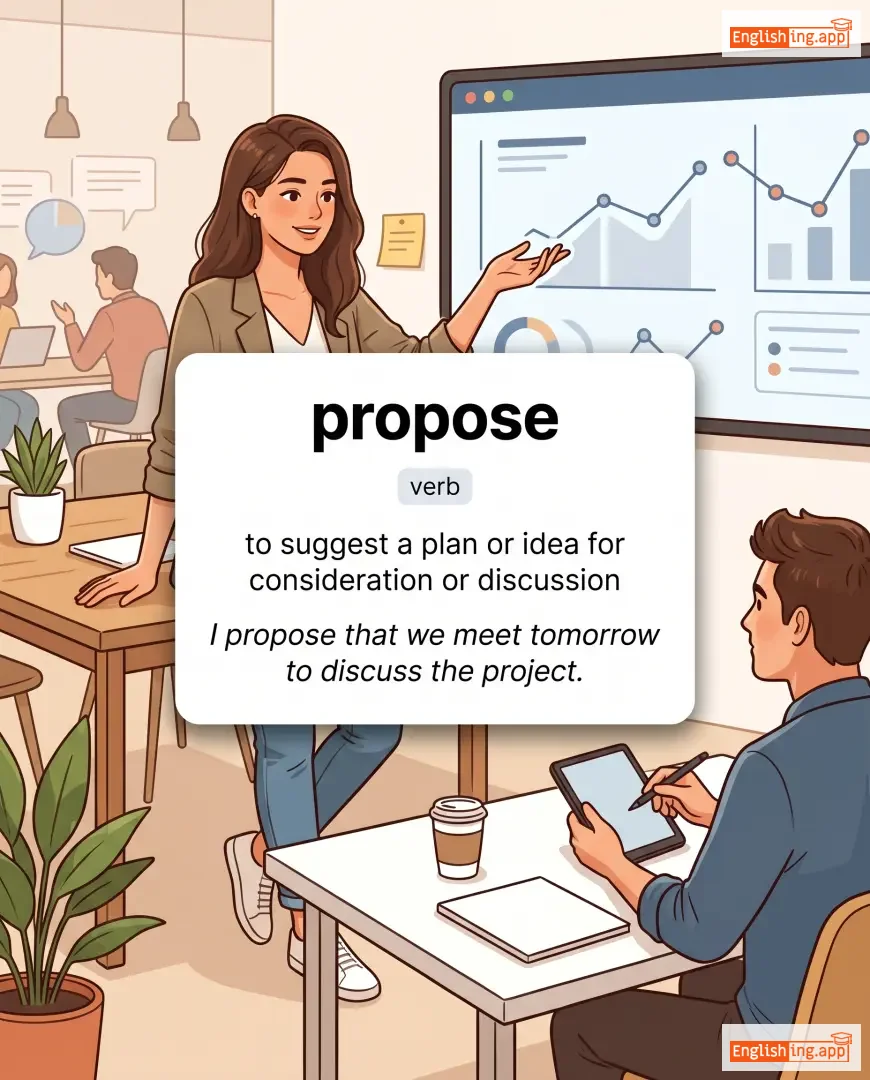
/prəˈpoʊz/
verb
(プロポーズ)
••••••
|
|
提案する
teian suru
••••••
|
proposed
プロポーズド
••••••
|
proposed
プロポーズド
••••••
|
proposes
プロポーズズ
••••••
|
proposing
プロポージング
••••••
|
to suggest an idea or plan for consideration; to ask someone to marry you
••••••
|
I propose we take a short break.
私は短い休憩を取ることを提案します。
••••••
|
私は短い休憩を取ることを提案します。
watashi wa mijikai kyūkei o toru koto o teian shimasu
••••••
|
- •••••• | - •••••• | - •••••• |
suggest, recommend, offer, present
••••••
|
withdraw, reject, oppose
••••••
|
propose idea, propose solution, propose marriage, propose plan, propose change
••••••
|
提案するは愛を提案する, プロポーズは結婚を意味する。
••••••
|
|
#3991
📑
|
/prəˈpoʊzd/
adjective
(プロポーズド)
••••••
|
- •••••• |
提案された
teian sareta
••••••
|
- •••••• | - •••••• | - •••••• | - •••••• |
suggested or put forward for consideration or discussion
••••••
|
The proposed changes will improve the system. |
提案された変更はシステムを改善します。
Teian sareta henkō wa shisutemu o kaizen shimasu.
••••••
|
- •••••• | - •••••• | - •••••• |
suggested, recommended, offered, submitted
••••••
|
rejected, opposed, denied
••••••
|
proposed changes, proposed plan, proposed solution
••••••
|
提案された (teian sareta) 変更がシステムを改善します - Proposed changes will improve the system.
••••••
|
|
#3992
💡
|
/ˌprɒpəˈzɪʃən/
noun
(プロポジション)
••••••
|
- •••••• |
提案, 計画
teian, keikaku
••••••
|
- •••••• | - •••••• | - •••••• | - •••••• |
A statement, idea, or plan put forward for consideration or discussion.
••••••
|
The company made a business proposition to the investors.
会社は投資家にビジネスの提案をしました。
••••••
|
会社は投資家にビジネスの提案をしました。
Kaisha wa tōshika ni bijinesu no teian o shimashita.
••••••
|
a tough proposition
難しい提案
••••••
|
something difficult to deal with
••••••
|
難しい提案
muzukashii teian
••••••
|
proposal, suggestion, offer, plan, idea
••••••
|
refusal, rejection
••••••
|
business proposition, marriage proposition, attractive proposition
••••••
|
Proposition はアイデアや計画を提案することを意味します。
••••••
|
|
#3993
⚖️
|
/ˈprɒsɪkjuːt/
verb
(プロセキュート)
••••••
|
- •••••• |
起訴する
kiso suru
••••••
|
prosecuted
プロセキューテッド
••••••
|
prosecuted
プロセキューテッド
••••••
|
prosecutes
プロセキューツ
••••••
|
prosecuting
プロセキューティング
••••••
|
to institute legal proceedings against someone
••••••
|
The lawyer decided to prosecute the case after gathering sufficient evidence.
弁護士は十分な証拠を集めた後、訴訟を起こすことを決めました。
••••••
|
弁護士は十分な証拠を集めた後、訴訟を起こすことを決めました。
Bengoshi wa jyuubunna shouko wo atsumeta ato, sosou wo okosu koto wo kimemashita.
••••••
|
- •••••• | - •••••• | - •••••• |
sue, charge, indict
••••••
|
defend, protect
••••••
|
prosecute a case, prosecute someone, prosecute for theft
••••••
|
訴訟を起こして、正義を勝ち取れ!
••••••
|
|
#3994
⚖️
|
/ˌprɒsɪˈkjuːʃən/
noun
(プロスキューション)
••••••
|
- •••••• |
起訴
kiso
••••••
|
- •••••• | - •••••• | - •••••• | - •••••• |
The act of bringing a criminal charge against someone and pursuing legal action in court.
••••••
|
The prosecution presented strong evidence against the defendant. |
起訴側は被告人に対して強力な証拠を提出しました。
Kiso-gawa wa hikokunin ni taishite kyōryoku na shōko o teishutsu shimashita.
••••••
|
prosecution rests |
A statement made by the prosecution indicating they have finished presenting their case.
••••••
|
起訴が終わる
Kiso ga owaru
••••••
|
trial, legal action, lawsuit, case, litigation
••••••
|
defense, acquittal, pardon
••••••
|
criminal prosecution, prosecution case, private prosecution, public prosecution
••••••
|
起訴は、誰かを告訴すること、'起'は始めること、'訴'は訴えることを意味します。
••••••
|
|
#3995
⚖️
|
/ˈprɑsɪˌkjuːtər/
noun
(プロセキューター)
••••••
|
- •••••• |
検察官
kensatsukan
••••••
|
- •••••• | - •••••• | - •••••• | - •••••• |
a lawyer who represents the government in criminal cases
••••••
|
The prosecutor argued that the defendant was guilty of the crime. |
検察官は被告が犯罪を犯したと主張した。
Kensatsukan wa hikoku ga hanzai wo okashita to shuchou shita.
••••••
|
- •••••• | - •••••• | - •••••• |
lawyer, attorney, district attorney, advocate
••••••
|
defendant, accused
••••••
|
prosecutor's office, prosecutor's argument, district prosecutor
••••••
|
検察官 (kensatsukan) は真実のために戦う - Prosecutor fights for the truth.
••••••
|
|
#3996
🔮
|
/ˈprɒspɛkt/
noun
(プロスペクト)
••••••
|
|
見込み
mikomi
••••••
|
- •••••• | - •••••• | - •••••• | - •••••• |
The possibility or likelihood of some future event occurring.
••••••
|
The prospect of traveling abroad excited her. |
海外旅行の見込みが彼女を興奮させた。
Kaigai ryokō no mikomi ga kanojo o kōfun saseta.
••••••
|
bright prospects |
Good opportunities or chances for the future.
••••••
|
明るい見込み
Akarui mikomi
••••••
|
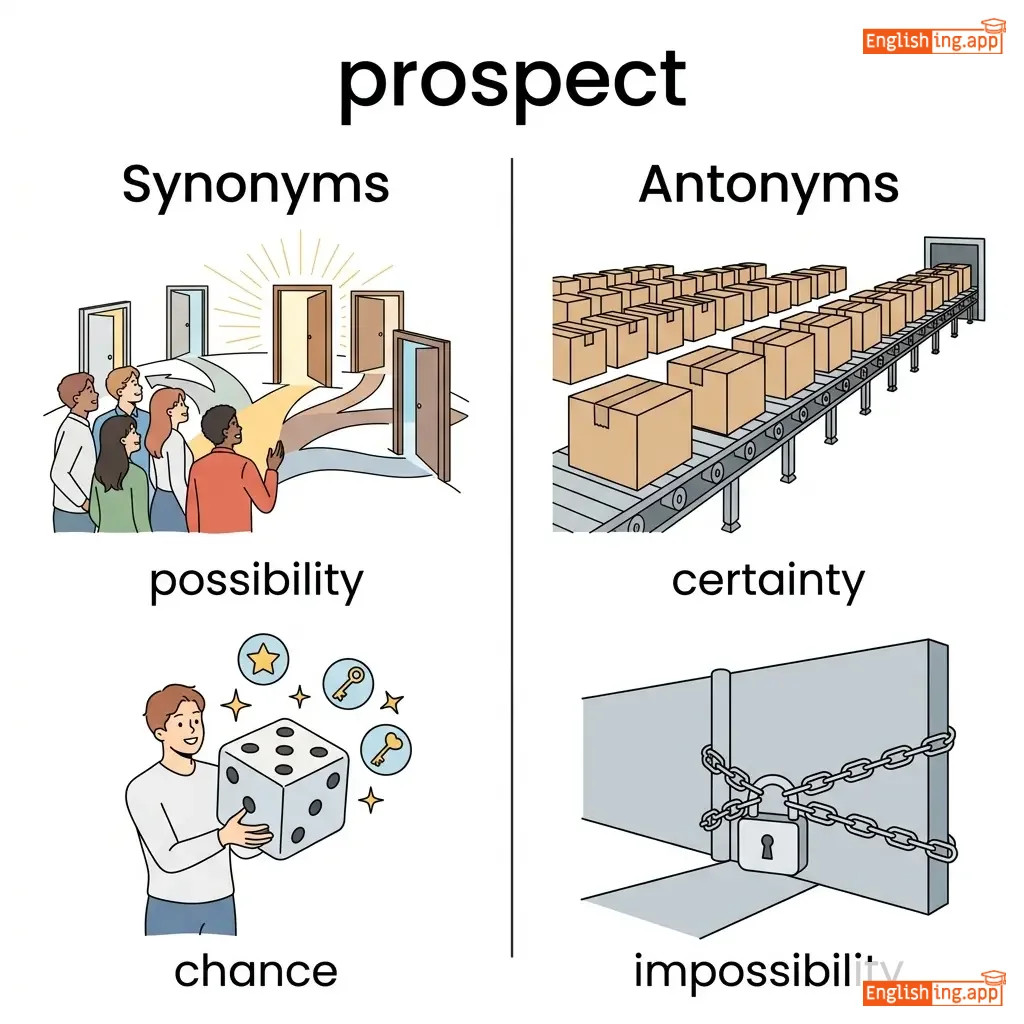
possibility, chance, outlook, opportunity, likelihood
••••••
|
certainty, impossibility
••••••
|
career prospects, good prospect, business prospect, prospect of success
••••••
|
Prospectは見込みの意味で、'Pro'は前、'spect'は見る—前を見ることで見込みがわかる。
••••••
|
|
#3997
🔮
|
/prəˈspɛktɪv/
adjective
(プロスペクティブ)
••••••
|
- •••••• |
将来性のある
shourai-sei no aru
••••••
|
- •••••• | - •••••• | - •••••• | - •••••• |
likely or expected to happen in the future; potential
••••••
|
The company is meeting with prospective clients next week. |
その会社は来週、将来性のあるクライアントと会う予定です。
Sono kaisha wa raishuu, shourai-sei no aru kuraianto to au yotei desu.
••••••
|
- •••••• | - •••••• | - •••••• |
potential, possible, likely, anticipated, expected
••••••
|
unlikely, past, former
••••••
|
prospective student, prospective client, prospective buyer, prospective employee
••••••
|
Prospectiveは将来起こる可能性のあることを意味するので、prospective = 将来性のある (shourai-sei no aru)、将来のクライアントとの会話に使います。
••••••
|
|
#3998
🌱
|
/ˈprɒspər/
verb
(プロスペア)
••••••
|
- •••••• |
繁栄する
han'ei suru
••••••
|
prospered
プロスペアード
••••••
|
prospered
プロスペアード
••••••
|
prospers
プロスペアーズ
••••••
|
prospering
プロスペアリング
••••••
|
to succeed or flourish, especially in financial or business matters
••••••
|
With hard work and determination, she managed to prosper in her career.
一生懸命の努力と決意で、彼女はキャリアで成功しました。
••••••
|
一生懸命の努力と決意で、彼女はキャリアで成功しました。
Isshōkenmei no doryoku to ketsui de, kanojo wa kyaria de seikou shimashita.
••••••
|
live long and prosper
長生きして繁栄する
••••••
|
a phrase wishing someone a long life and success
••••••
|
長生きして繁栄する
Nagaki shite han'ei suru
••••••
|
flourish, succeed, thrive, grow, advance
••••••
|
fail, decline, struggle
••••••
|
prosper in business, prosper greatly, live long and prosper
••••••
|
Prosperは繁栄するを意味し、Star Trekのセリフ「長生きして繁栄する」を覚えておいてください。
••••••
|
|
#3999
🌟
|
/prɒˈsper.ə.ti/
noun
(プロスぺリティ)
••••••
|
|
繁栄; 成功
han'ei; seikou
••••••
|
- •••••• | - •••••• | - •••••• | - •••••• |
the state of being successful and having wealth; economic well-being
••••••
|
The country enjoyed unprecedented prosperity during the economic boom.
その国は経済ブームの間に前例のない繁栄を享受しました。
••••••
|
その国は経済ブームの間に前例のない繁栄を享受しました。
Sono kuni wa keizai buumu no aida ni zenrei no nai han'ei o kyōju shimashita.
••••••
|
- •••••• | - •••••• | - •••••• |
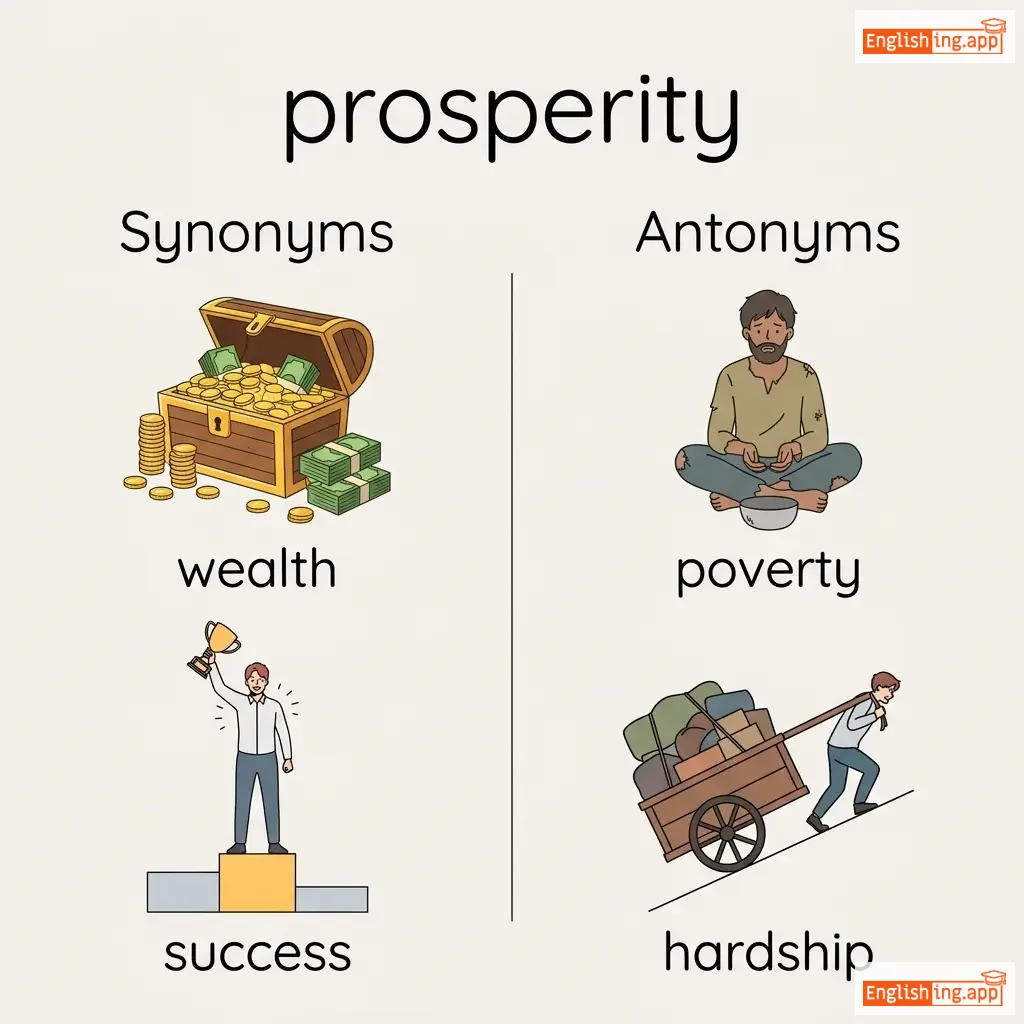
wealth, success, affluence, fortune
••••••
|
poverty, hardship, adversity, decline
••••••
|
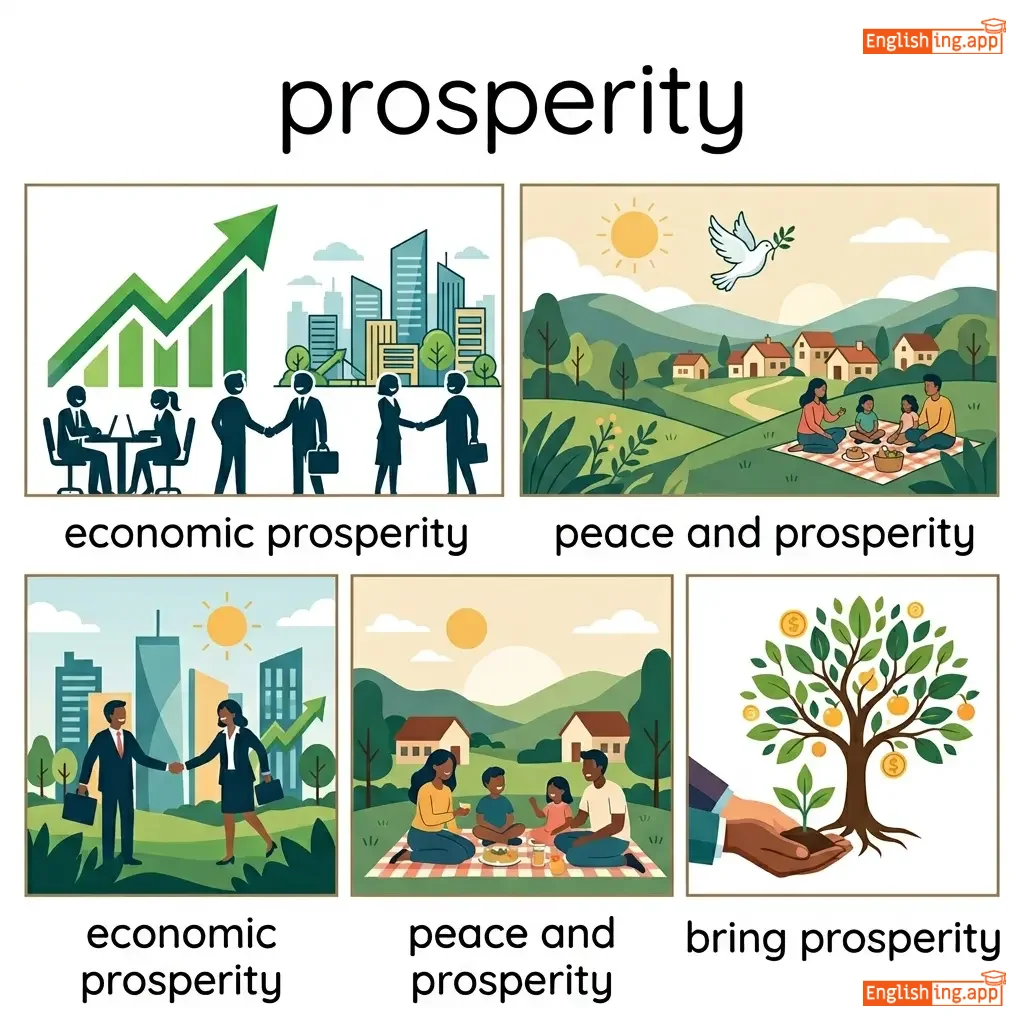
economic prosperity, bring prosperity, period of prosperity, shared prosperity
••••••
|
繁栄は経済的な成功と幸福を意味します。
••••••
|
|
#4000
💰
|
/ˈprɒspərəs/
adjective
••••••
|
- •••••• | - •••••• | - •••••• | - •••••• | - •••••• | - •••••• |
successful in material terms; flourishing financially or in general well-being
••••••
|
The town became prosperous after the new trade route opened. |
- •••••• |
prosperous life |
a life filled with wealth, success, and good fortune
••••••
|
- •••••• |
wealthy, thriving, flourishing, affluent, successful
••••••
|
poor, destitute, struggling
••••••
|
prosperous community, prosperous business, prosperous future, prosperous nation
••••••
|
No •••••• |
|
#4001
🛡️
|
/prəˈtekt/
verb
(プロテクト)
••••••
|
|
保護する
hogo suru
••••••
|
protected
プロテクテッド
••••••
|
protected
プロテクテッド
••••••
|
protects
プロテクツ
••••••
|
protecting
プロテクティング
••••••
|
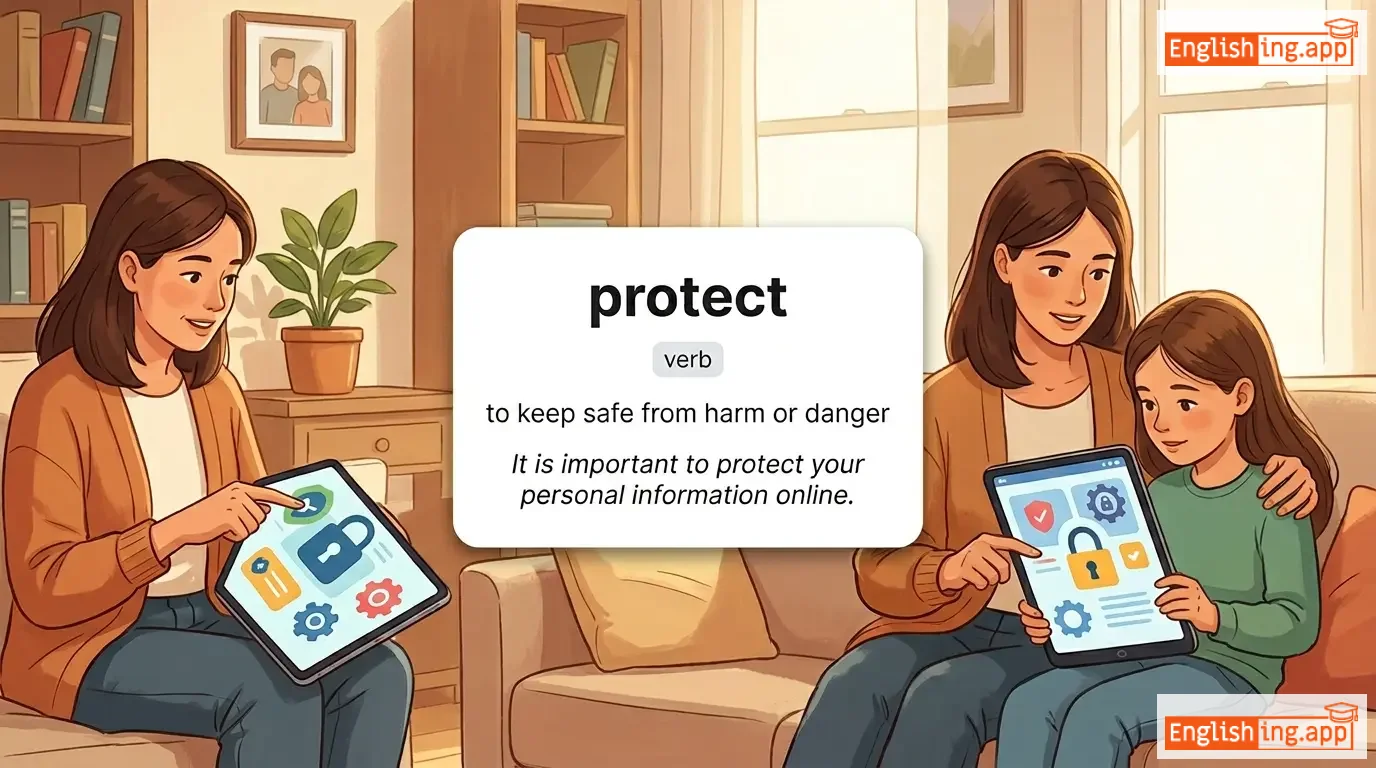
to keep safe from harm or danger; to defend
••••••
|
The helmet protects your head from injury.
ヘルメットはあなたの頭を怪我から守ります。
••••••
|
ヘルメットはあなたの頭を怪我から守ります。
Herumetto wa anata no atama o kega kara mamorimasu.
••••••
|
- •••••• | - •••••• | - •••••• |
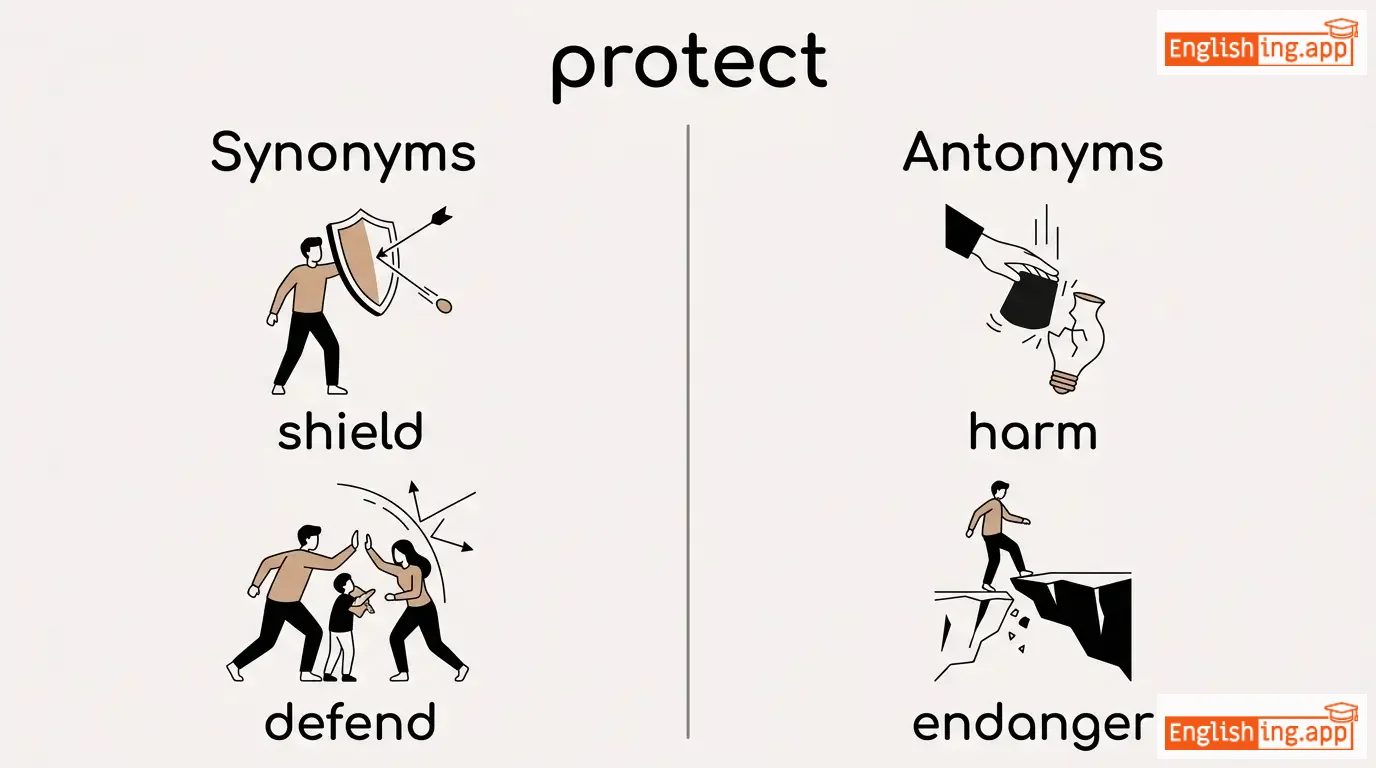
defend, guard, shield, safeguard
••••••
|
attack, harm, endanger, expose
••••••
|
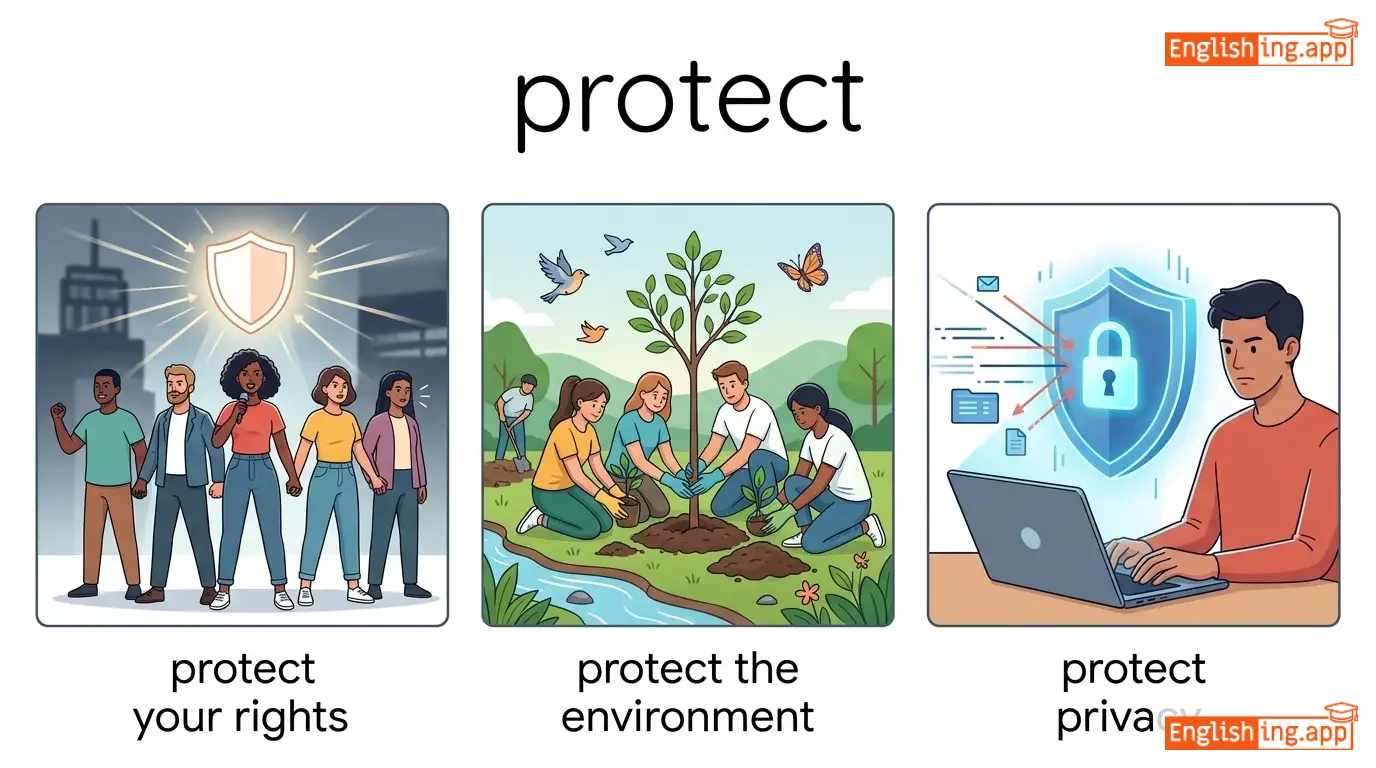
protect from harm, protect the environment, protect rights, protect carefully, protect completely
••••••
|
Protection is like '保護する' in Japanese
••••••
|
|
#4002
🛡️
|
/prəˈtɛkʃən/
noun
(ハピネス)
••••••
|
|
幸せ
shiawase
••••••
|
- •••••• | - •••••• | - •••••• | - •••••• |
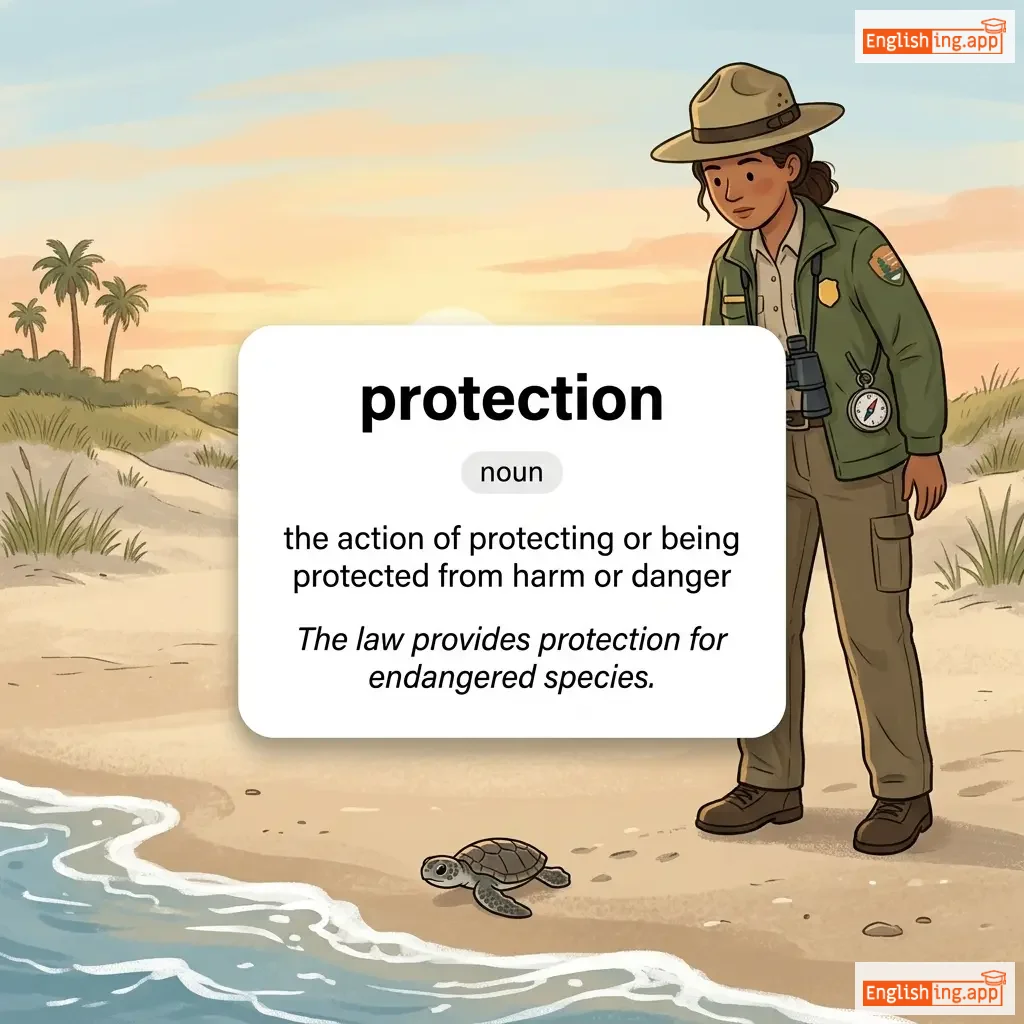
the action of protecting or being protected from harm or danger
••••••
|
The law provides protection for endangered species. |
賞を受け取ったとき、彼女は幸せを隠すことができませんでした。
Shō o uketotta toki, kanojo wa shiawase o kakusu koto ga dekimasen deshita.
••••••
|
under protection |
being guarded or defended against harm
••••••
|
幸せを追い求める
Shiawase o oimotomeru
••••••
|
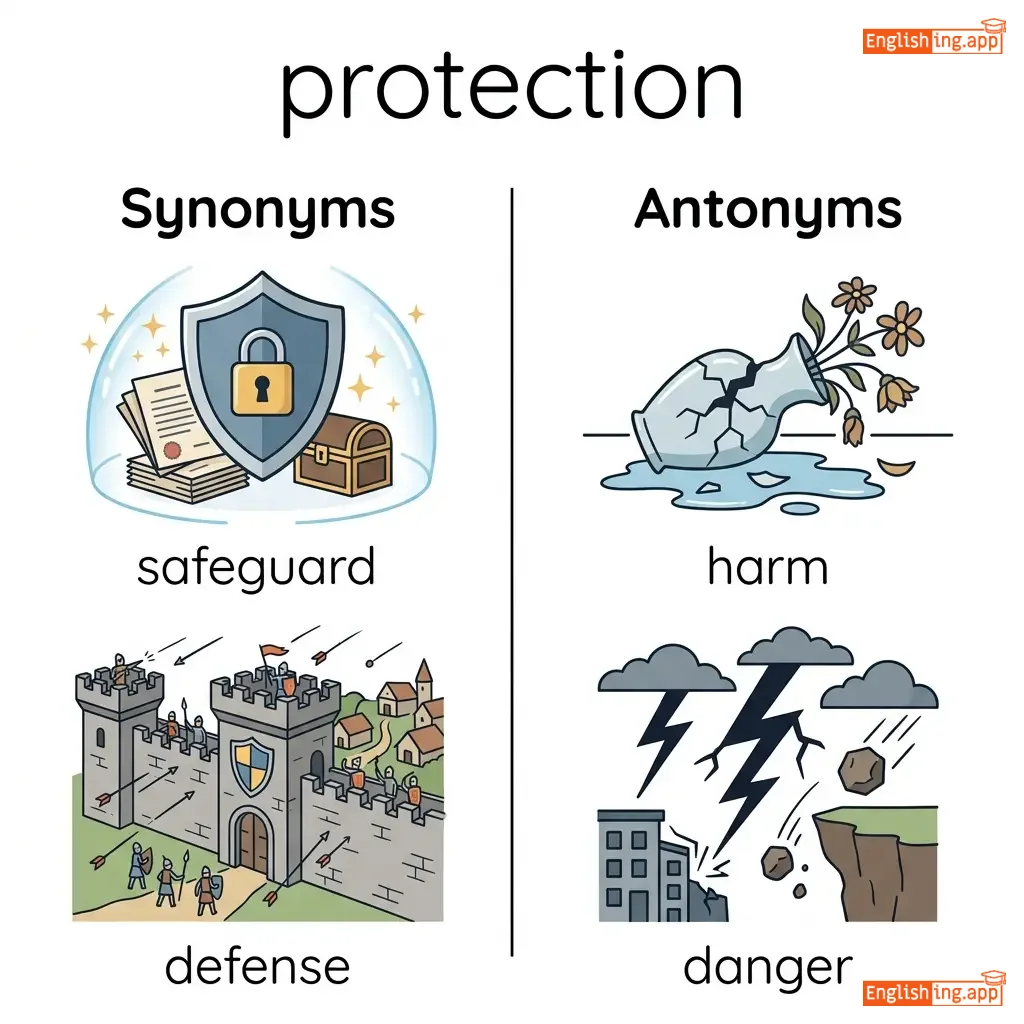
safeguard, defense, security, shelter, shield
••••••
|
harm, danger, exposure
••••••
|
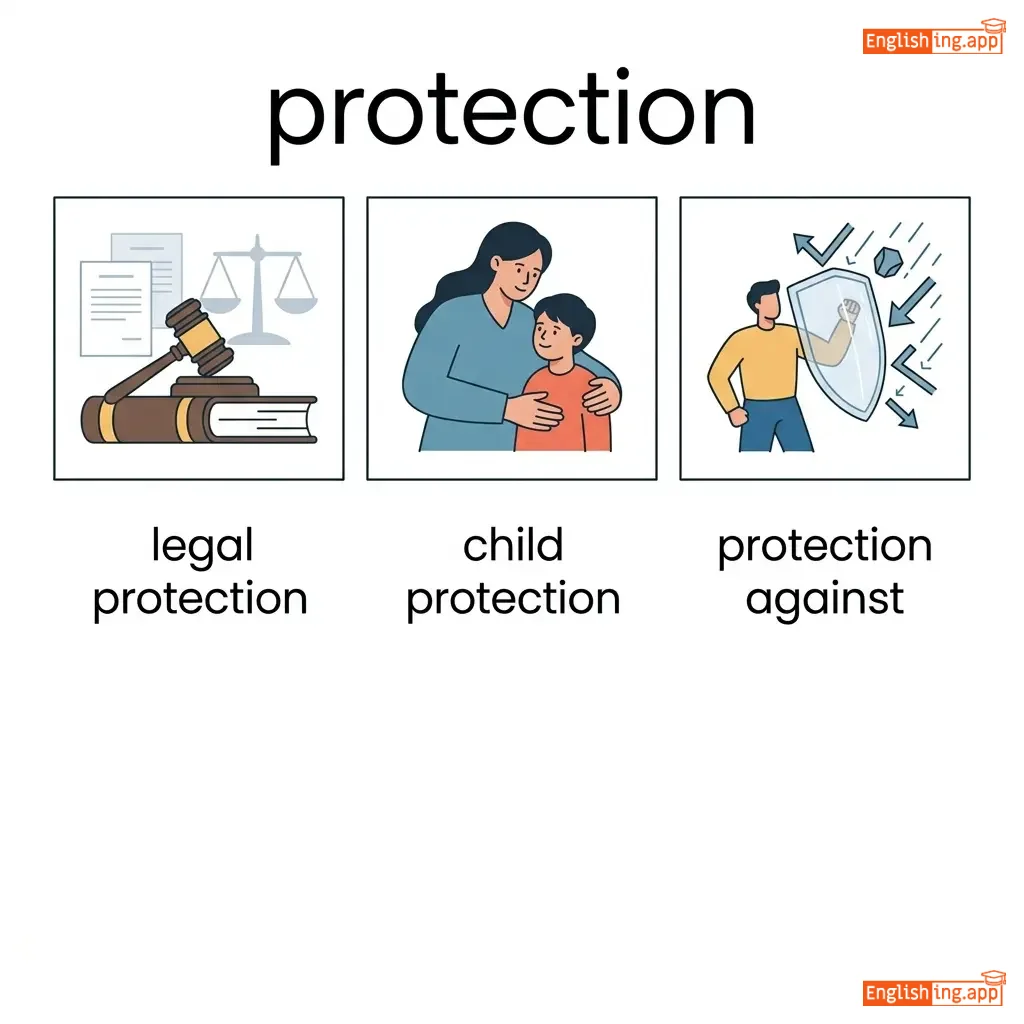
legal protection, child protection, protection against, protection from
••••••
|
Happinessは幸せ — 夢のような幸せを感じて!
••••••
|
|
#4003
🛡️
|
/prəˈtɛktɪv/
adjective
(プロテクティブ)
••••••
|
- •••••• |
保護的な
hogo-teki na
••••••
|
- •••••• | - •••••• | - •••••• | - •••••• |
giving or capable of giving protection; shielding from harm or danger
••••••
|
She wore a protective helmet while riding her bike. |
彼女は自転車に乗るときに保護的なヘルメットをかぶっていました。
Kanojo wa jitensha ni noru toki ni hogo-teki na herumetto o kabutte imashita.
••••••
|
protective instinct |
a natural tendency to guard someone from harm
••••••
|
保護本能
hogo honnou
••••••
|
defensive, shielding, guarding, preventative, preventive
••••••
|
harmful, dangerous, unsafe
••••••
|
protective gear, protective clothing, protective measure, protective instinct
••••••
|
Protectiveは保護を意味し、例えば保護本能があなたが愛する人を守るときに発動します。
••••••
|
|
#4004
🍖
|
/ˈproʊtiːn/
noun
••••••
|
- •••••• | - •••••• | - •••••• | - •••••• | - •••••• | - •••••• |
a molecule composed of amino acids essential for bodily functions
••••••
|
Proteins are essential for building and repairing tissues in the body. |
- •••••• | - •••••• | - •••••• | - •••••• |
amino acids, peptides, enzymes, nutrients
••••••
|
carbohydrates, fats
••••••
|
protein synthesis, high-protein foods, protein shake
••••••
|
No •••••• |
|
#4005
✊
|
/ˈproʊtest/
verb
(プロテスト)
••••••
|
|
抗議する
kōgi suru
••••••
|
protested
プロテストした
••••••
|
protested
プロテストした
••••••
|
protests
プロテストします
••••••
|
protesting
プロテストしている
••••••
|
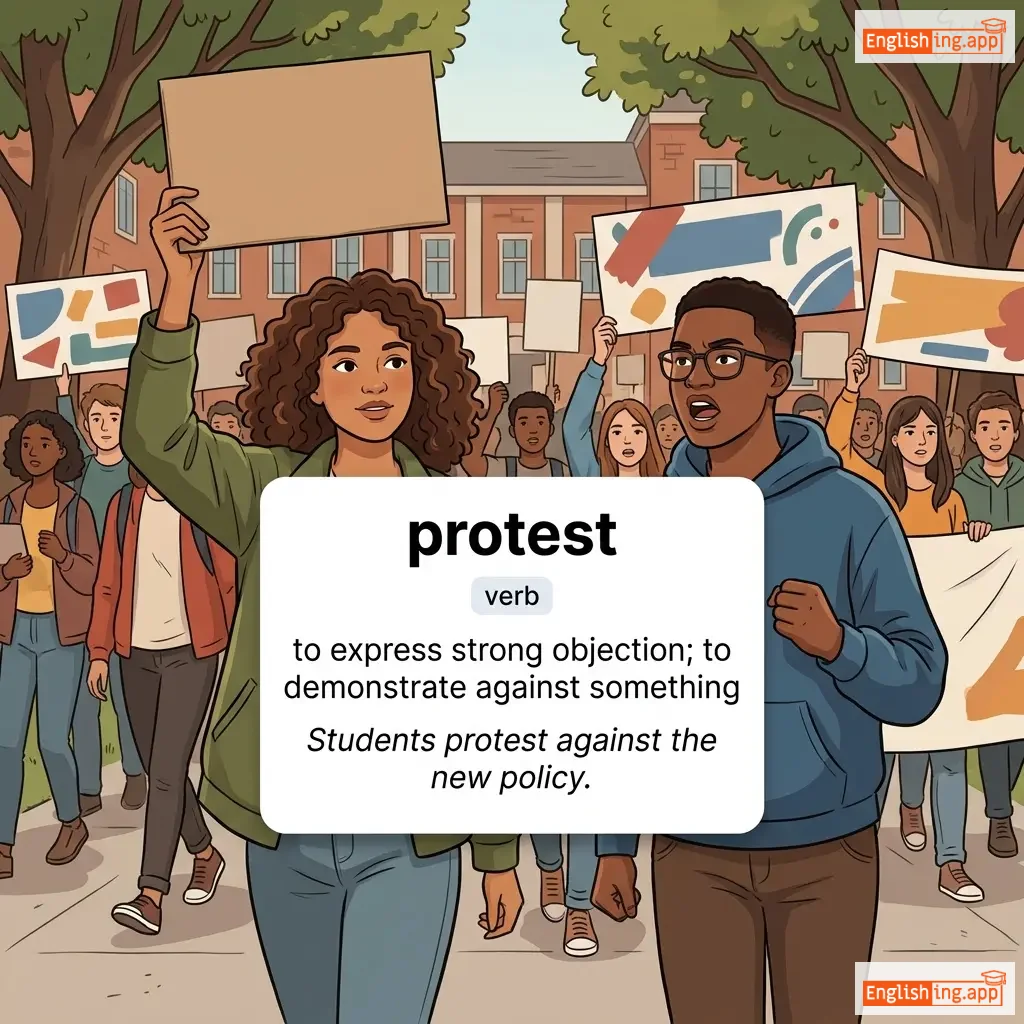
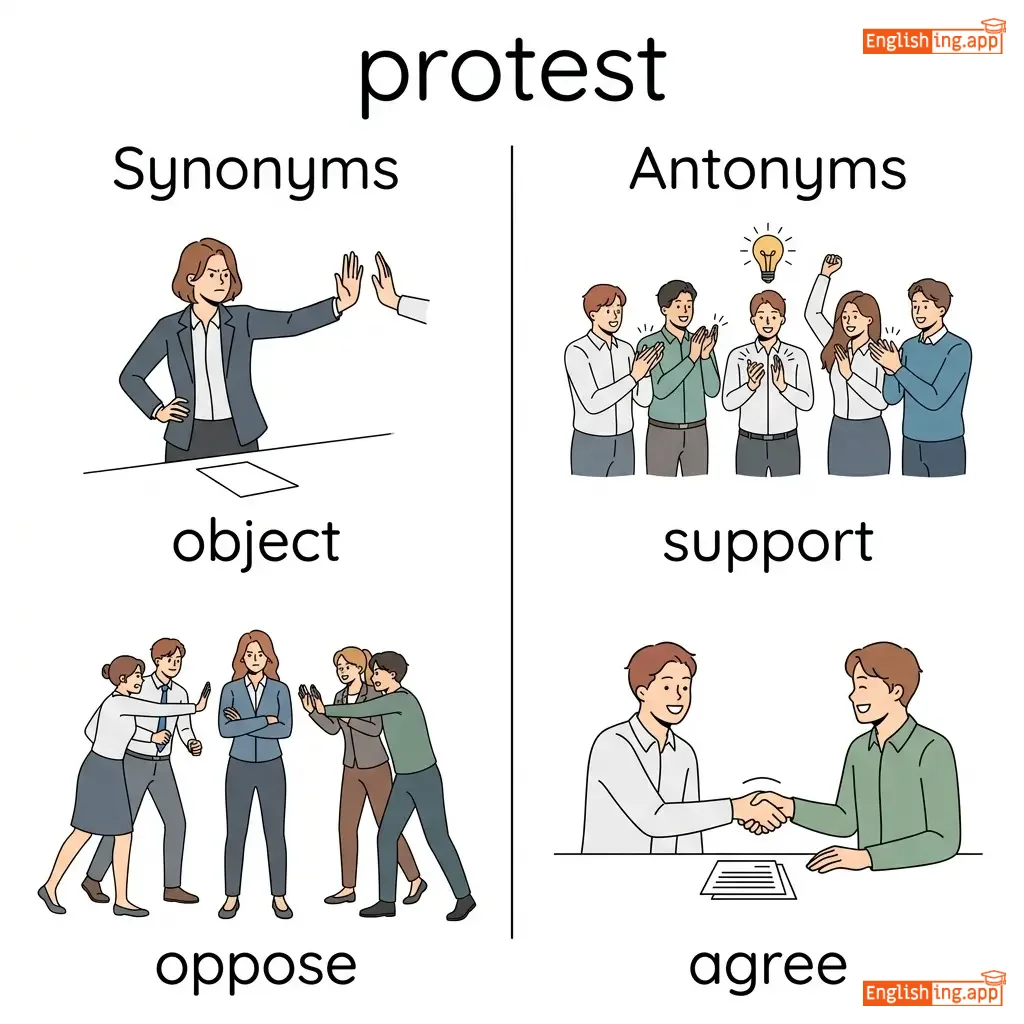
to express strong objection; to demonstrate against something
••••••
|
Students protest against the new policy.
学生たちは新しい方針に反対して抗議しています。
••••••
|
学生たちは新しい方針に反対して抗議しています。
Gakusei-tachi wa atarashī hōshin ni hantai shite kōgi shiteimasu.
••••••
|
- •••••• | - •••••• | - •••••• |
object, oppose, demonstrate, complain
••••••
|
support, agree, accept, approve
••••••
|
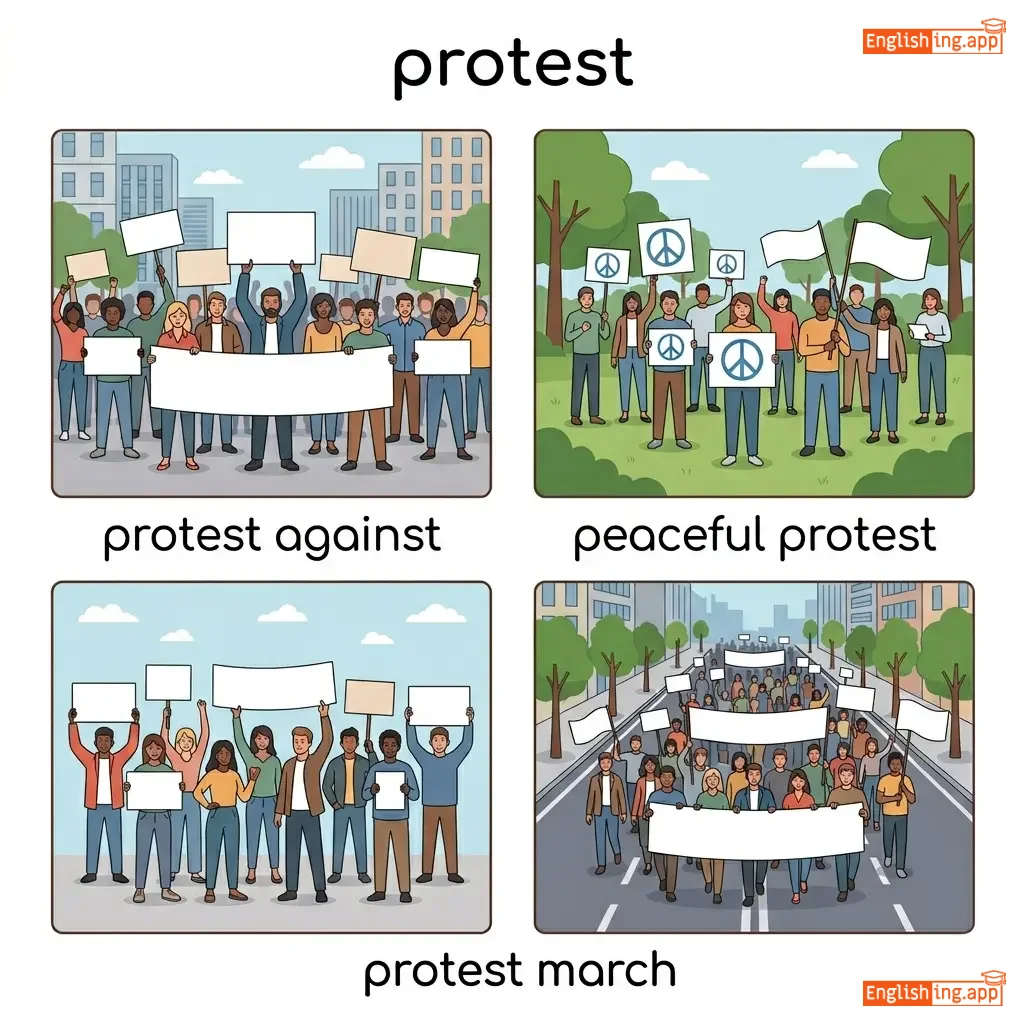
protest against, peaceful protest, protest march, strongly protest
••••••
|
抗議 (Kōgi) = 知識 (Chishiki) + 対応 (Taiō) (学生たちは知識をもって抗議しています)
••••••
|
|
#4006
🧑🎤
|
/prəˈtɛstər/
noun
(プロテスター)
••••••
|
- •••••• |
抗議者
kōgisha
••••••
|
- •••••• | - •••••• | - •••••• | - •••••• |
a person who takes part in a protest or demonstration
••••••
|
The protester spoke passionately about the cause. |
抗議者はその原因について情熱的に話しました。
Kōgisha wa sono gen'in ni tsuite jōnetsuteki ni hanashimashita.
••••••
|
- •••••• | - •••••• | - •••••• |
demonstrator, activist, campaigner, challenger
••••••
|
supporter, follower, bystander
••••••
|
peaceful protester, passionate protester, angry protester, student protester
••••••
|
抗議者 (kōgisha) はいつも情熱的に話します。
••••••
|
|
#4007
📜
|
/ˈproʊtəkɔːl/
noun
(プロトコル)
••••••
|
- •••••• |
プロトコル
purotokoru
••••••
|
- •••••• | - •••••• | - •••••• | - •••••• |
an official procedure or system of rules
••••••
|
The security team followed strict protocol during the event.
セキュリティチームはイベント中に厳格なプロトコルに従いました。
••••••
|
セキュリティチームはイベント中に厳格なプロトコルに従いました。
Sekyuriti chiimu wa ibento-chuu ni genkaku na purotokoru ni shitagaimashita.
••••••
|
protocol breach
プロトコル違反
••••••
|
failure to follow established rules
••••••
|
プロトコル違反
purotokoru ihan
••••••
|
procedure, rules, code, convention, guideline
••••••
|
chaos, disorder, improvisation
••••••
|
follow protocol, security protocol, communication protocol, diplomatic protocol
••••••
|
プロトコルはルールブックのようなもの、試験中にプロトコルを守らないと罰を受けるようなものです。
••••••
|
|
#4008
🦚
|
/praʊd/
adjective
(プラウド)
••••••
|
- •••••• |
誇り高い
hokori takai
••••••
|
- •••••• | - •••••• | - •••••• | - •••••• |
Feeling deep pleasure or satisfaction as a result of achievements or qualities.
••••••
|
She felt proud of her son's accomplishments. |
彼女は息子の業績を誇りに思っていた。
Kanojo wa musuko no gyouseki o hokori ni omotte ita.
••••••
|
proud as a peacock |
extremely proud or arrogant
••••••
|
孔雀のように誇り高い
Kujaku no you ni hokori takai
••••••
|
pleased, honored, satisfied, delighted
••••••
|
ashamed, humble
••••••
|
proud of, feel proud, proud moment, proud parent
••••••
|
Proudとは、他の人や自分の成果を誇りに思うことです。
••••••
|
|
#4009
🏆
|
/ˈpraʊdli/
adverb
(プラウドリー)
••••••
|
- •••••• |
誇らしげに
hokorashige ni
••••••
|
- •••••• | - •••••• | - •••••• | - •••••• |
in a way that shows pride or satisfaction; with a sense of honor or achievement
••••••
|
She proudly displayed her achievements to her family.
シー プラウドリー ディスプレイド ハー アチーブメンツ トゥ ハー ファミリー。
••••••
|
彼女は誇らしげに家族に自分の成果を見せた。
kanojo wa hokorashige ni kazoku ni jibun no seika o miseta
••••••
|
wear proudly
ウェア プラウドリー
••••••
|
to show something with pride and confidence
••••••
|
誇らしげに身につける
hokorashige ni mi ni tsukeru
••••••
|
confidently, honorably, triumphantly, self-respectingly
••••••
|
shamefully, humbly
••••••
|
proudly announce, proudly display, proudly present, proudly wear
••••••
|
Proud = 誇り, proudly = 誇らしげに
••••••
|
|
#4010
✅
|
/pruːv/
verb
(プルーブ)
••••••
|
|
証明する
shōmei suru
••••••
|
proved
プルーヴド
••••••
|
proved
プルーヴド
••••••
|
proves
プルーヴス
••••••
|
proving
プルーヴィング
••••••
|
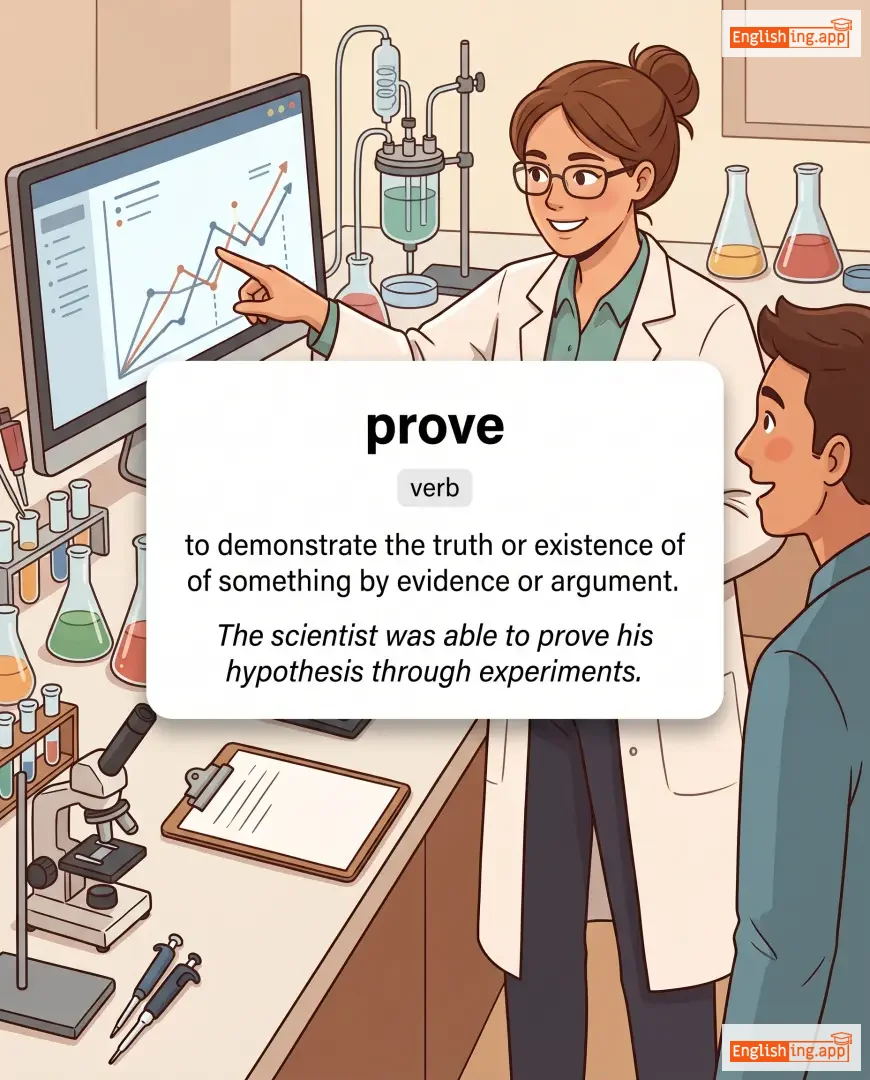
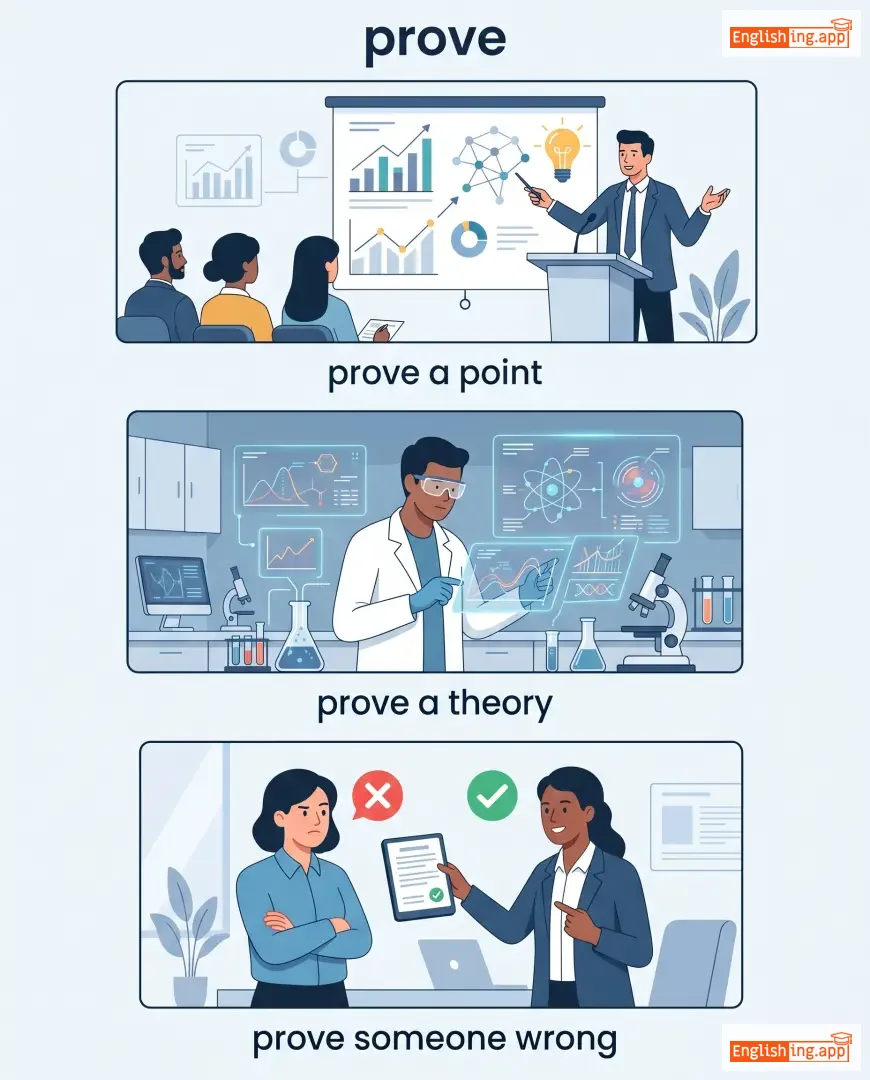
to show that something is true; to demonstrate
••••••
|
The evidence will prove his innocence.
証拠は彼の無実を証明するだろう。
••••••
|
証拠は彼の無実を証明するだろう。
Shōko wa kare no mujitsu o shōmei suru darō.
••••••
|
- •••••• | - •••••• | - •••••• |
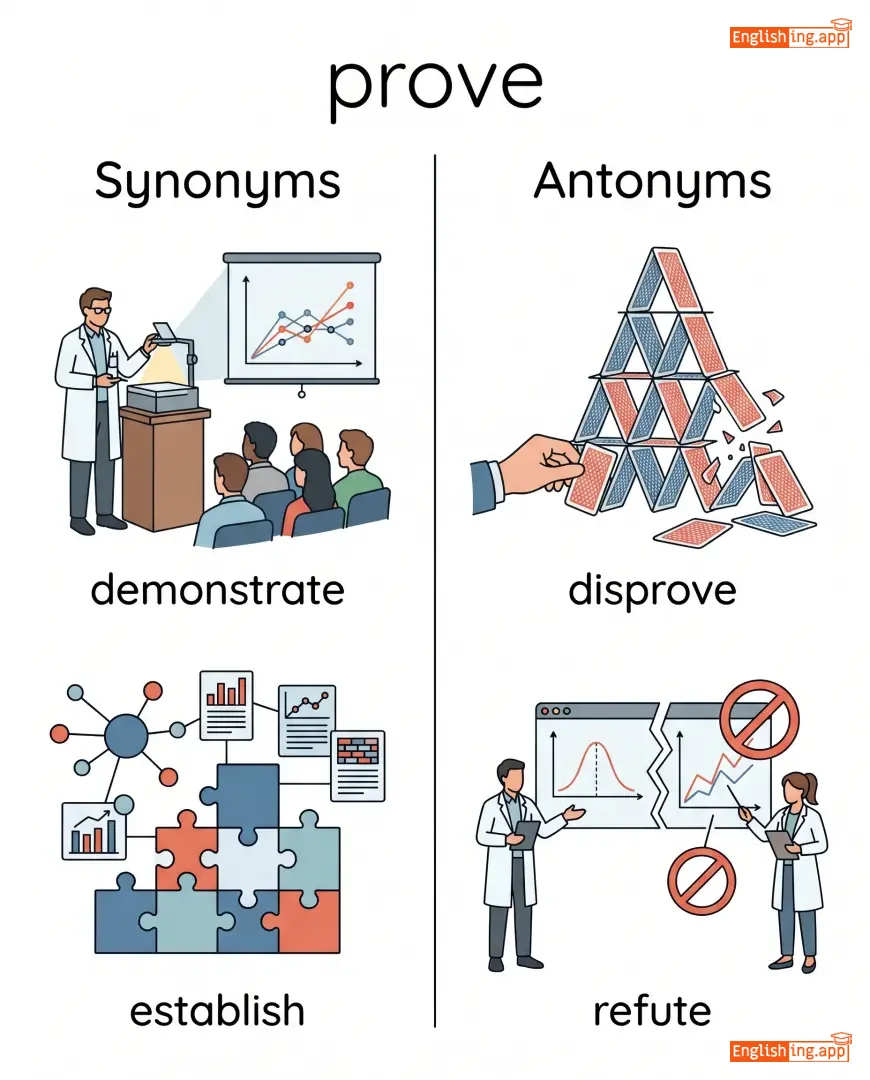
demonstrate, establish, verify, confirm
••••••
|
disprove, refute, contradict
••••••
|
prove innocence, prove wrong, prove right, prove point
••••••
|
日本語では'証明する'が英語の'prove'に似ていて、何かの真実を証拠で示すことです。
••••••
|
|
#4011
📦
|
/prəˈvaɪd/
verb
(プロバイド)
••••••
|
- •••••• |
提供する
teikyō suru
••••••
|
provided
プロバイデッド
••••••
|
provided
プロバイデッド
••••••
|
provides
プロバイドス
••••••
|
providing
プロバイディング
••••••
|
to give or supply something that is needed or wanted
••••••
|
The teacher will provide extra materials for the students.
教師は学生に追加の資料を提供するでしょう。
••••••
|
教師は学生に追加の資料を提供するでしょう。
Kyōshi wa gakusei ni tsūka no shiryō o teikyō suru deshō.
••••••
|
provide for
提供するために
••••••
|
to take care of someone by supplying what they need
••••••
|
世話をする
sewa o suru
••••••
|
give, supply, furnish, offer, deliver
••••••
|
withhold, deprive, refuse
••••••
|
provide information, provide support, provide service, provide assistance
••••••
|
提供はすべての必要なものを提供することです – 提供!
••••••
|
|
#4012
💼
|
/prəˈvaɪdər/
noun
(プロバイダー)
••••••
|
- •••••• |
提供者
teikyousha
••••••
|
- •••••• | - •••••• | - •••••• | - •••••• |
a person or thing that provides something.
••••••
|
The service provider ensures that all customers receive timely support. |
サービス提供者はすべての顧客がタイムリーにサポートを受けることを確実にします。
Sābisu teikyō-sha wa subete no kokyaku ga taimurī ni sapōto o ukeru koto o kakujitsu ni shimasu.
••••••
|
- •••••• | - •••••• | - •••••• |
supplier, distributor, giver, source
••••••
|
receiver, consumer, taker
••••••
|
service provider, internet provider, health provider, financial provider
••••••
|
'提供者'はサービスとサポートを提供します!
••••••
|
|
#4013
🌍
|
/ˈprɒvɪns/
noun
(プロヴィンス)
••••••
|
- •••••• |
省
shō
••••••
|
- •••••• | - •••••• | - •••••• | - •••••• |
a principal administrative division of certain countries or empires.
••••••
|
The province is known for its rich cultural heritage and stunning landscapes. |
その省は豊かな文化遺産と素晴らしい自然景観で知られています。
Sono shō wa yutakana bunka isan to subarashī shizen keikan de shirareteimasu.
••••••
|
- •••••• | - •••••• | - •••••• |
region, area, district, state
••••••
|
city, town, municipality
••••••
|
province capital, province government, rural province, coastal province
••••••
|
Province = PROVen to have great cultural value!
••••••
|
|
#4014
🏞️
|
/prəˈvɪnʃəl/
adjective
(プロヴィンシャル)
••••••
|
|
地方的
chihō-teki
••••••
|
- •••••• | - •••••• | - •••••• | - •••••• |
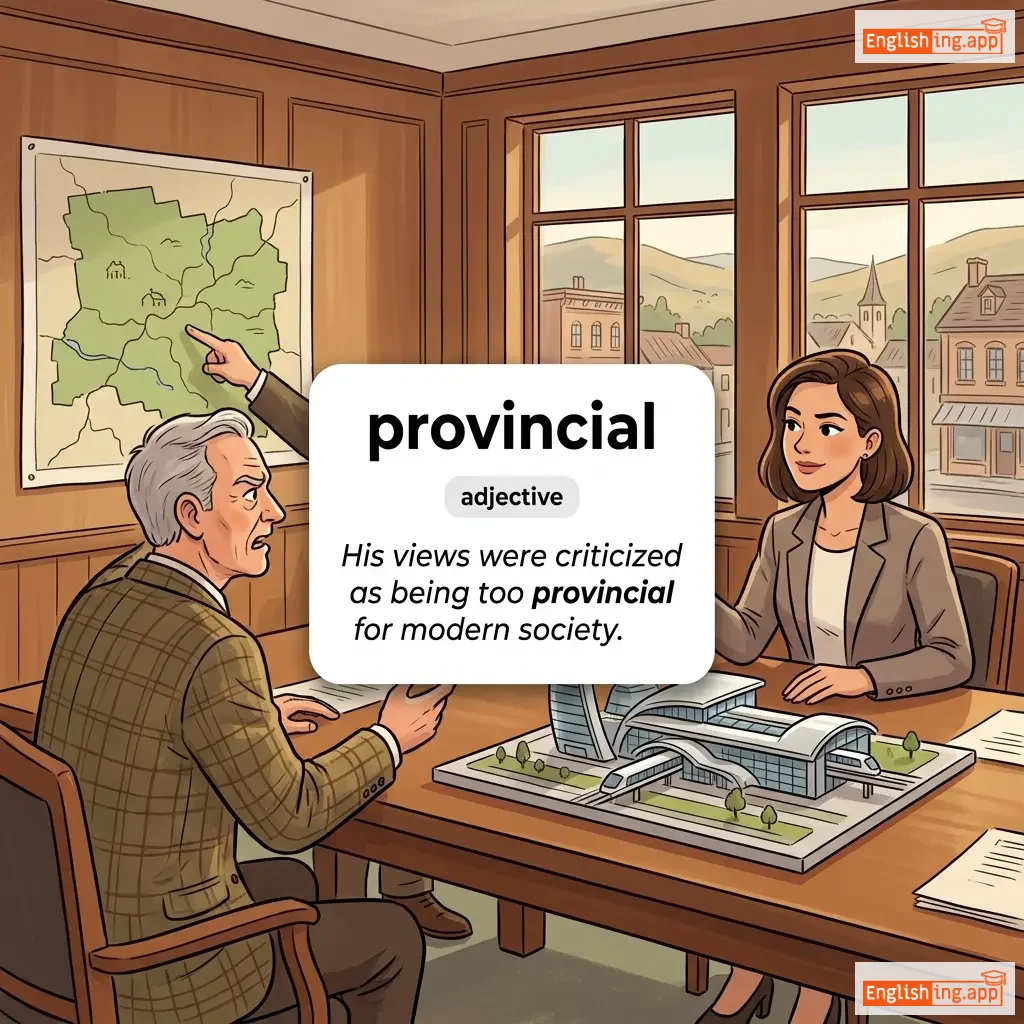
relating to a province or the regions outside the capital city; often suggesting narrow-mindedness
••••••
|
His views were criticized as being too provincial for modern society.
彼の意見は現代社会にはあまりにもプロヴィンシャルだと批判されました。
••••••
|
彼の意見は現代社会にはあまりにもプロヴィンシャルだと批判されました。
kare no iken wa gendai shakai ni wa amari ni mo purovinsharu da to hihan saremashita.
••••••
|
provincial attitude
プロヴィンシャルな態度
••••••
|
a narrow or limited way of thinking
••••••
|
狭い考え方
semai kangaekata
••••••
|
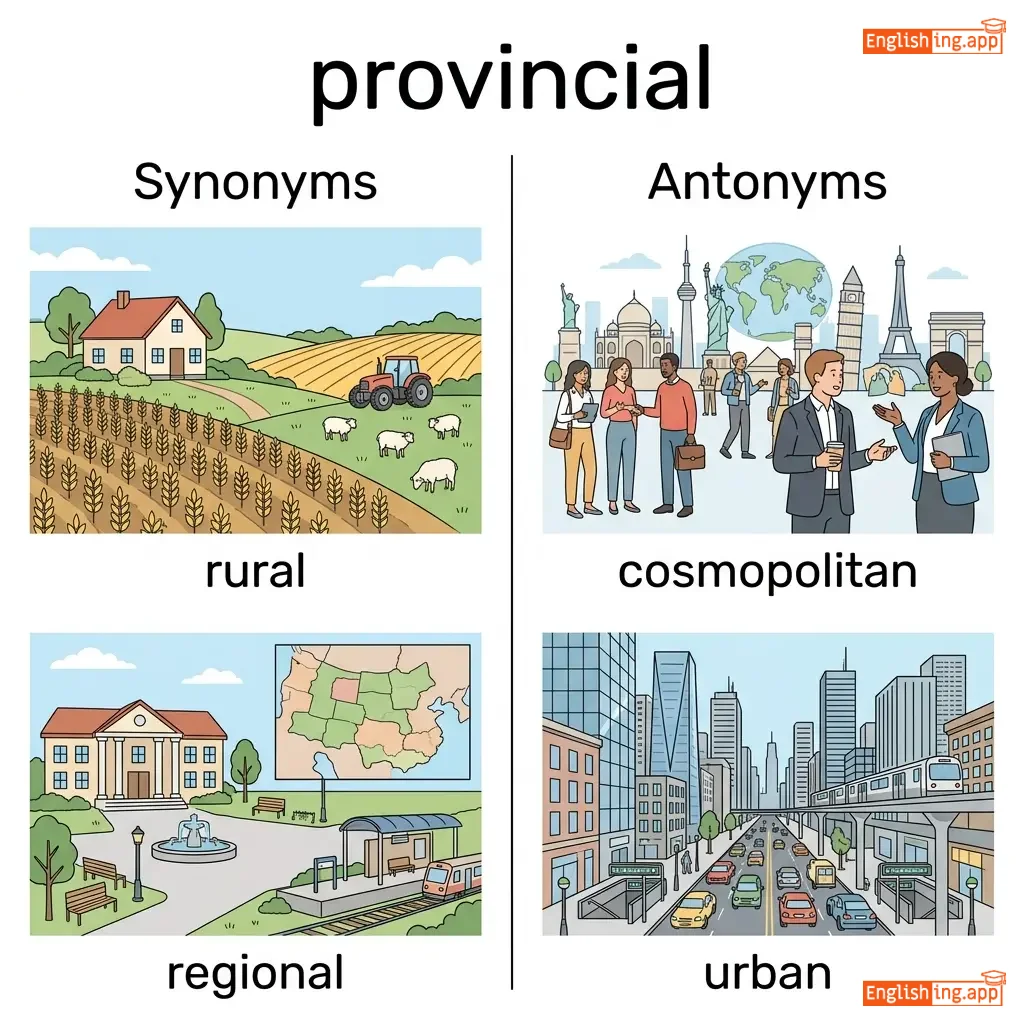
rural, regional, parochial, local, insular
••••••
|
cosmopolitan, urban, worldly
••••••
|
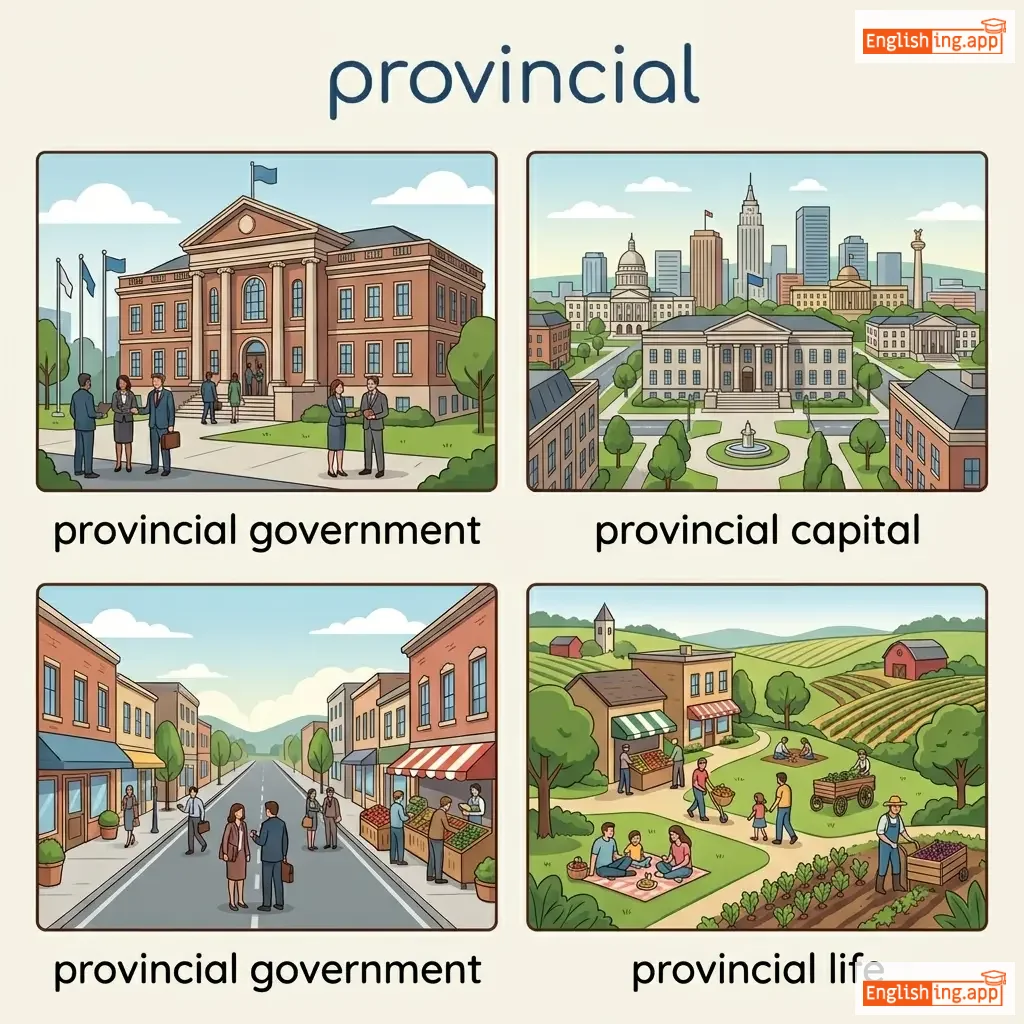
provincial government, provincial capital, provincial life, provincial politics
••••••
|
Provincialは地方に関することで、制限的な思考を示唆します。
••••••
|
|
#4015
📜
|
/prəˈvɪʒən/
noun
(プロビジョン)
••••••
|
- •••••• |
規定 / 条項
kitei / jōkō
••••••
|
- •••••• | - •••••• | - •••••• | - •••••• |
the act of providing or supplying something; a condition in a legal document
••••••
|
The contract includes a provision for early termination.
契約には早期解約に関する条項が含まれています。
••••••
|
契約には早期解約に関する条項が含まれています。
Keiyaku ni wa sōki kaiyaku ni kansuru jōkō ga fukumarete imasu.
••••••
|
make provision for
備えをする
••••••
|
to prepare or plan for something in advance
••••••
|
事前に準備する
jizen ni junbi suru
••••••
|
supply, arrangement, clause, requirement, stipulation
••••••
|
neglect, denial, refusal
••••••
|
food provision, legal provision, make provision, provision for
••••••
|
Provisionは提供するという意味です - 条項や規定に関するものです。
••••••
|
|
#4016
😡
|
/prəˈvoʊk/
verb
(挑発する)
••••••
|
- •••••• |
挑発する
chouhatsu suru
••••••
|
provoked
挑発した
••••••
|
provoked
挑発した
••••••
|
provokes
挑発する
••••••
|
provoking
挑発している
••••••
|
To cause someone to become angry or to cause a reaction.
••••••
|
His words provoked a heated argument.
彼の言葉は激しい議論を引き起こした。
••••••
|
彼の言葉は激しい議論を引き起こした。
Kare no kotoba wa hageshii giron wo hikiokoshita.
••••••
|
provoke anger
怒りを挑発する
••••••
|
to make someone angry
••••••
|
怒りを挑発する
ikari wo chouhatsu suru
••••••
|
incite, irritate, enrage, agitate, stir
••••••
|
soothe, calm, comfort
••••••
|
provoke anger, provoke conflict, provoke a response, provoke a fight
••••••
|
Provokeは'挑発する'の意味 – Proは'怒りを挑発する'のように考えよう。
••••••
|
|
#4017
🧠
|
/ˌsaɪkiˈætrɪk/
adjective
••••••
|
- •••••• | - •••••• | - •••••• | - •••••• | - •••••• | - •••••• |
relating to mental illness or its treatment
••••••
|
The psychiatric hospital provides care for those with severe conditions. |
- •••••• | - •••••• | - •••••• | - •••••• |
mental, psychological, therapeutic, neuropsychiatric
••••••
|
physical, healthy, well
••••••
|
psychiatric disorder, psychiatric care, psychiatric treatment, psychiatric institution
••••••
|
No •••••• |
|
#4018
🧠
|
/ˌsaɪkəˈlɒdʒɪkəl/
adjective
(サイコロジカル)
••••••
|
- •••••• |
心理学的
shinrigakuteki
••••••
|
- •••••• | - •••••• | - •••••• | - •••••• |
relating to the mind or mental processes.
••••••
|
She studied the psychological effects of trauma on children. |
彼女は子供たちへのトラウマの心理学的影響を研究した。
Kanojo wa kodomotachi e no torauma no shinrigakuteki eikyō o kenkyū shita.
••••••
|
- •••••• | - •••••• | - •••••• |
mental, emotional, cognitive, behavioral
••••••
|
physical, bodily, material
••••••
|
psychological impact, psychological health, psychological research, psychological trauma
••••••
|
Psychological = 'Psyche' はあなたの心に関連しています!
••••••
|
|
#4019
🧠
|
/saɪˈkɒlədʒɪst/
noun
(サイコロジスト)
••••••
|
- •••••• |
心理学者
shinrigakusha
••••••
|
- •••••• | - •••••• | - •••••• | - •••••• |
a person who studies mental processes and behavior
••••••
|
The psychologist helped him cope with his anxiety. |
心理学者は彼が不安に対処するのを助けました。
Shinrigakusha wa kare ga fuan ni taisho suru no o tasukemashita.
••••••
|
- •••••• | - •••••• | - •••••• |
therapist, counselor, psychiatrist, analyst
••••••
|
patient, sufferer
••••••
|
clinical psychologist, child psychologist, psychologist consultation
••••••
|
心理学者 (shinrigakusha) は心の問題を解決する専門家です。
••••••
|
|
#4020
📖
|
/saɪˈkɒlədʒi/
noun
(サイコロジー)
••••••
|
- •••••• |
心理学
shinrigaku
••••••
|
- •••••• | - •••••• | - •••••• | - •••••• |
the scientific study of the mind and behavior
••••••
|
Psychology helps us understand how people think and act. |
心理学は人々がどのように考え、行動するかを理解するのに役立ちます。
Shinrigaku wa hitobito ga dono you ni kangae, koudou suru ka wo rikai suru no ni yakudachimasu.
••••••
|
pop psychology |
simplified psychological concepts popularized for mass audiences
••••••
|
ポップ心理学
poppu shinrigaku
••••••
|
behavioral science, study of mind, cognitive science, psychoanalysis, therapy
••••••
|
ignorance, unawareness
••••••
|
study psychology, psychology class, psychology research, psychology student
••••••
|
Psychology = 心 + 学
••••••
|
|
#4021
🌍
|
/ˈpʌblɪk/
adjective
(パブリック)
••••••
|
- •••••• |
公共の
koukyou no
••••••
|
- •••••• | - •••••• | - •••••• | - •••••• |
relating to or affecting the people as a whole
••••••
|
The public demanded action on the issue. |
公共はこの問題に対する行動を要求しました。
Koukyou wa kono mondai ni taisuru koudou o youkyuu shimashita.
••••••
|
- •••••• | - •••••• | - •••••• |
general, communal, societal, collective
••••••
|
private, personal
••••••
|
public service, public opinion, public event, public sector
••••••
|
公共 (koukyou) はみんなのため
••••••
|
|
#4022
📚
|
/ˌpʌblɪˈkeɪʃən/
noun
(パブリケーション)
••••••
|
- •••••• |
出版
shuppan
••••••
|
- •••••• | - •••••• | - •••••• | - •••••• |
the act of making something publicly known or available
••••••
|
The publication of the report sparked a debate. |
報告書の出版は議論を引き起こしました。
Houkokusho no shuppan wa giron o hikiokoshimashita.
••••••
|
- •••••• | - •••••• | - •••••• |
release, announcement, disclosure, circulation
••••••
|
concealment, suppression
••••••
|
official publication, academic publication, newspaper publication
••••••
|
出版 (shuppan) は情報を公開する行為
••••••
|
|
#4023
📢
|
/pʌˈblɪsəti/
noun
(パブリシティ)
••••••
|
- •••••• |
宣伝
senden
••••••
|
- •••••• | - •••••• | - •••••• | - •••••• |
the activity of making something known to the public; public attention or exposure
••••••
|
The film gained huge publicity after winning the award. |
その映画は賞を受賞後、大きな宣伝を得た。
Sono eiga wa shō o jushōgo, ōkina senden o eta.
••••••
|
bad publicity |
negative public attention or reputation
••••••
|
悪い宣伝
warui senden
••••••
|
exposure, advertising, promotion, fame, attention
••••••
|
obscurity, secrecy
••••••
|
media publicity, gain publicity, attract publicity, negative publicity
••••••
|
宣伝は注目を集めて、人気を高める手段です!
••••••
|
|
#4024
👥
|
/ˈpʌb.lɪk.li/
adverb
(paburikuri)
••••••
|
- •••••• |
公然と; 公開で;
kōzento; kōkai de
••••••
|
- •••••• | - •••••• | - •••••• | - •••••• |
in a public manner; openly; for everyone to see or know
••••••
|
The company publicly announced their new policy.
その会社は新しい方針を公開で発表しました。
••••••
|
その会社は新しい方針を公開で発表しました。
Sono kaisha wa atarashī hōshin o kōkai de happyō shimashita.
••••••
|
- •••••• | - •••••• | - •••••• |
openly, overtly, visibly, outwardly
••••••
|
privately, secretly, covertly, internally
••••••
|
publicly announce, publicly available, publicly traded, publicly known
••••••
|
'Publicly' in Japanese is ‘公開’ – for everyone to see openly.
••••••
|
|
#4025
📚
|
/ˈpʌblɪʃ/
verb
(パブリッシュ)
••••••
|
|
出版する
shuppan suru
••••••
|
published
パブリッシュド
••••••
|
published
パブリッシュド
••••••
|
publishes
パブリッシュズ
••••••
|
publishing
パブリッシング
••••••
|
to print and distribute books, magazines, etc.; to make information available
••••••
|
The author will publish her new novel next month.
著者は来月新しい小説を出版します。
••••••
|
著者は来月新しい小説を出版します。
Chosha wa raigetsu atarashī shōsetsu o shuppan shimasu.
••••••
|
- •••••• | - •••••• | - •••••• |
print, release, issue, distribute
••••••
|
suppress, withhold, censor
••••••
|
publish book, publish article, publish online, recently publish
••••••
|
To 'publish' means to 'shuppan' your work in Japanese.
••••••
|
|
#4026
📚
|
/ˈpʌb.lɪ.ʃər/
noun
(パブリッシャー)
••••••
|
- •••••• |
出版社
shuppansha
••••••
|
- •••••• | - •••••• | - •••••• | - •••••• |
a person or company that produces and distributes books, magazines, or newspapers
••••••
|
The publisher decided to print 10,000 copies of the new novel. |
出版社は新しい小説の10,000部を印刷することに決めました。
Shuppansha wa atarashī shōsetsu no 10,000-bu o insatsu suru koto ni kimemashita.
••••••
|
- •••••• | - •••••• | - •••••• |
editor, printer, distributor
••••••
|
reader, consumer
••••••
|
book publisher, magazine publisher, academic publisher, digital publisher
••••••
|
出版社が本を世界に届ける役割を担う
••••••
|
|
#4027
📚
|
/ˈpʌblɪʃɪŋ/
noun
••••••
|
- •••••• | - •••••• | - •••••• | - •••••• | - •••••• | - •••••• |
the business or activity of preparing and issuing books, journals, or other material for sale
••••••
|
He works in the publishing industry as an editor. |
- •••••• | - •••••• | - •••••• | - •••••• |
printing, issuing, releasing, distribution
••••••
|
concealing, hiding, withholding
••••••
|
publishing house, publishing industry, publishing process, digital publishing
••••••
|
No •••••• |
|
#4028
🖐️
|
/pʊl/
verb
(プル)
••••••
|
- •••••• |
引く
hiku
••••••
|
pulled
プルド
••••••
|
pulled
プルド
••••••
|
pulls
プルズ
••••••
|
pulling
プルイング
••••••
|
to exert force on something in order to move it toward oneself
••••••
|
She pulled the door open with all her strength.
彼女は全力でドアを引いて開けた。
••••••
|
彼女は力いっぱいドアを引いて開けた。
Kanojo wa chikara ippai doa o hiite aketa.
••••••
|
pull one's weight
自分の仕事をする
••••••
|
to do one's fair share of work
••••••
|
自分の仕事をする
jibun no shigoto o suru
••••••
|
drag, tug, haul, draw
••••••
|
push, shove
••••••
|
pull the lever, pull the rope, pull hard, pull away
••••••
|
引く - ドアを引くことから覚える
••••••
|
Vocabulary Quiz
Test your vocabulary by matching words with their translations or meanings.
Login to take the quiz
Comments (0)
Share your thoughts and join the discussion.
Join the discussion by logging in
Login to CommentNo comments yet
Be the first to share your thoughts!