

翻訳
過去
過去分詞
三人称単数
動名詞
意味
例文
例文の翻訳
同義語
対義語
コロケーション
ニーモニック
Swipe left or right, or use the buttons. Tap image to zoom.
例文の翻訳
単語
Lesson 76Lesson 76 - マスクトグル
|
絵文字
|
単語 | Images | 翻訳 | 過去 | 過去分詞 | 三人称単数 | 動名詞 | 意味 | 例文 | 例文の翻訳 | 表現例 | 表現例の意味 | 表現例の翻訳 | 同義語 | 対義語 | コロケーション | ニーモニック |
|---|---|---|---|---|---|---|---|---|---|---|---|---|---|---|---|---|---|
|
#3606
👥
|
/ˈʌðərz/
pronoun
(アザーズ)
••••••
|
- •••••• |
他の人々
hoka no hitobito
••••••
|
- •••••• | - •••••• | - •••••• | - •••••• |
people or things distinct from the ones already mentioned or known
••••••
|
I like to spend time with others. |
私は他の人々と時間を過ごすのが好きです。
Watashi wa hoka no hitobito to jikan o sugosu no ga suki desu.
••••••
|
- •••••• | - •••••• | - •••••• |
people, individuals, others, another
••••••
|
self, oneself
••••••
|
help others, other people, among others
••••••
|
他の人々との協力は大きな成果を生みます - Collaboration with others leads to great results
••••••
|
|
#3607
↔️❓
|
/ˈʌðərwaɪz/
adverb
(アザーウィズ)
••••••
|
- •••••• |
さもないと; 他の方法で
samonaito; hoka no hōhō de
••••••
|
- •••••• | - •••••• | - •••••• | - •••••• |
in a different way; if not; or else; apart from that
••••••
|
Study hard, otherwise you will fail the exam. |
一生懸命勉強しなさい、さもないと試験に落ちます。
Isshōkenmei benkyō shinasai, samonaito shiken ni ochimasu
••••••
|
- •••••• | - •••••• | - •••••• |
or else, alternatively, differently, if not
••••••
|
likewise, similarly, correspondingly
••••••
|
or otherwise, otherwise known as, unless otherwise stated
••••••
|
Japanese 'さもないと' means 'otherwise'.
••••••
|
|
#3608
✔️
|
/ɔːt/
modal verb
(アウト)
••••••
|
- •••••• |
べき
beki
••••••
|
- •••••• | - •••••• | - •••••• | - •••••• |
Used to indicate duty, correctness, or moral obligation.
••••••
|
You ought to respect your elders. |
あなたは年長者を尊敬すべきです。
Anata wa nenchōsha o sonkei subeki desu.
••••••
|
- •••••• | - •••••• | - •••••• |
should, must, have to, need to
••••••
|
must not, should not
••••••
|
ought to do, ought not to, one ought to
••••••
|
Oughtはべきという意味です。'ought to respect'は'べき尊敬する'です。
••••••
|
|
#3609
🏡
|
/aʊər/
pronoun
(アウアー)
••••••
|
- •••••• |
私たちの
watashitachi no
••••••
|
- •••••• | - •••••• | - •••••• | - •••••• |
belonging to or associated with the speaker and one or more other people
••••••
|
This is our house. |
これは私たちの家です。
Kore wa watashitachi no ie desu.
••••••
|
- •••••• | - •••••• | - •••••• |
ours, belonging to us, our own
••••••
|
their, your
••••••
|
our family, our team, our responsibility
••••••
|
私たち (watashitachi) は、これは私たちの (watashitachi no) 家だと言っています。
••••••
|
|
#3610
🤝
|
/aʊərz/
pronoun
(アウアーズ)
••••••
|
- •••••• |
私たちの
watashitachi no
••••••
|
- •••••• | - •••••• | - •••••• | - •••••• |
belonging to or associated with us
••••••
|
This victory is ours. |
この勝利は私たちのものです。
Kono shōri wa watashitachi no mono desu.
••••••
|
- •••••• | - •••••• | - •••••• |
belonging to us, our own, possessed by us
••••••
|
theirs, yours, his
••••••
|
friend of ours, house of ours, idea of ours
••••••
|
'Our' の複数形 — '私たちの' (watashitachi no) が 'ours' です
••••••
|
|
#3611
🤗
|
/aʊərˈsɛlvz/
pronoun
(アウアセルヴズ)
••••••
|
- •••••• |
私たち自身
watashitachi jishin
••••••
|
- •••••• | - •••••• | - •••••• | - •••••• |
used by the speaker to refer to themselves and one or more others as the object of the verb
••••••
|
We should help ourselves before helping others. |
私たちは他の人を助ける前に、自分たち自身を助けるべきです。
Watashitachi wa hoka no hito o tasukeru mae ni, jibun-tachi jishin o tasukeru beki desu.
••••••
|
- •••••• | - •••••• | - •••••• |
we, we ourselves, our own
••••••
|
themselves, others
••••••
|
help ourselves, find ourselves, express ourselves
••••••
|
私たち (watashitachi) は '私たち自身' を使って自分たちを指します
••••••
|
|
#3612
➡️
|
/aʊt/
adverb
(アウト)
••••••
|
- •••••• |
外
soto
••••••
|
- •••••• | - •••••• | - •••••• | - •••••• |
moving or appearing away from the inside or center; not at home or present
••••••
|
He stepped out of the room quietly. |
彼は静かに部屋を出ました。
Kare wa shizukani heya o demashita.
••••••
|
out of the blue |
happening unexpectedly
••••••
|
突然
totsuzen
••••••
|
outside, away, absent, beyond
••••••
|
in, inside
••••••
|
out of control, out of reach, out of stock, out of time
••••••
|
Outは外を意味します - サッカーでは、選手がアウトになると外に出ます。
••••••
|
|
#3613
⚠️
|
/ˈaʊtˌbreɪk/
noun
(アウトブレイク)
••••••
|
- •••••• |
発生
hassei
••••••
|
- •••••• | - •••••• | - •••••• | - •••••• |
a sudden start or occurrence of something unpleasant, like disease or violence
••••••
|
There was an outbreak of flu in the city. |
街でインフルエンザが発生した。
Machi de infuruenza ga hassei shita.
••••••
|
- •••••• | - •••••• | - •••••• |
eruption, flare-up, epidemic, surge
••••••
|
end, cessation, calm
••••••
|
outbreak of disease, sudden outbreak, outbreak of violence
••••••
|
Outbreak は発生—突然何かが始まること、例えば病気や暴力。
••••••
|
|
#3614
🏆
|
/ˈaʊt.kʌm/
noun
(autokamu)
••••••
|
- •••••• |
結果; 結末;
kekka; ketsumatsu
••••••
|
- •••••• | - •••••• | - •••••• | - •••••• |
the result or consequence of an action or situation; the final product
••••••
|
The outcome of the election surprised everyone.
選挙の結果は皆を驚かせました。
••••••
|
選挙の結果は皆を驚かせました。
Senki no kekka wa mina o odorokasemashita.
••••••
|
- •••••• | - •••••• | - •••••• |
result, consequence, conclusion, end result
••••••
|
beginning, cause, input, start
••••••
|
positive outcome, final outcome, predict outcome
••••••
|
結果 = 最後の結果
••••••
|
|
#3615
🌳
|
/ˈaʊtdɔːr/
adjective
(アウトドア)
••••••
|
- •••••• |
アウトドア
autodoa
••••••
|
- •••••• | - •••••• | - •••••• | - •••••• |
situated, existing, or done outside a building
••••••
|
We planned an outdoor picnic for the weekend.
週末のためにアウトドアピクニックを計画しました。
••••••
|
週末のためにアウトドアピクニックを計画しました。
Shūmatsu no tame ni autodoa pikunikku o keikaku shimashita.
••••••
|
outdoor activities
アウトドア活動
••••••
|
recreational things people do outside, like sports or camping
••••••
|
アウトドア活動
autodoa katsudō
••••••
|
open-air, outside, external, exterior
••••••
|
indoor, inside
••••••
|
outdoor sports, outdoor event, outdoor seating, outdoor adventure
••••••
|
'Outdoor' は日本語で 'アウトドア' — 外で行う活動
••••••
|
|
#3616
🌳
|
/ˌaʊtˈdɔːrz/
adverb; noun
(アウトドアーズ)
••••••
|
- •••••• |
屋外で
okugai de
••••••
|
- •••••• | - •••••• | - •••••• | - •••••• |
outside a building; the natural environment outside
••••••
|
We spent the whole afternoon outdoors enjoying the fresh air.
ウィー スペント ザ ホール アフタヌーン アウトドアーズ エンジョイング ザ フレッシュ エア。
••••••
|
私たちは午後ずっと屋外で新鮮な空気を楽しみました。
watashitachi wa gogo zutto okugai de shinsen na kuuki o tanoshimimashita
••••••
|
outdoorsy type
アウトドア派
••••••
|
a person who enjoys outdoor activities
••••••
|
アウトドア派の人
autodoa ha no hito
••••••
|
outside, open air, exterior, wilderness
••••••
|
indoors, inside
••••••
|
outdoors activities, sleep outdoors, live outdoors, enjoy the outdoors
••••••
|
アウトドア = 外でドアを出る → outdoors
••••••
|
|
#3617
👗
|
/ˈaʊtˌfɪt/
noun
(アウトフィット)
••••••
|
- •••••• |
衣装
ishou
••••••
|
- •••••• | - •••••• | - •••••• | - •••••• |
A set of clothes worn together, often for a particular occasion.
••••••
|
She wore a beautiful outfit to the party. |
彼女はパーティーに美しい衣装を着て行った。
Kanojo wa pātii ni utsukushī ishou o kite itta.
••••••
|
- •••••• | - •••••• | - •••••• |
attire, costume, clothing, apparel, dress
••••••
|
rags, undress
••••••
|
wear outfit, stylish outfit, wedding outfit, matching outfit
••••••
|
Outfit は特別な occasion のための衣装。
••••••
|
|
#3618
🏖️
|
/ˈaʊtɪŋ/
noun
(アウトイング)
••••••
|
- •••••• |
お出かけ
odekake
••••••
|
- •••••• | - •••••• | - •••••• | - •••••• |
a short trip or excursion, often for leisure or enjoyment
••••••
|
They had a lovely outing at the beach last weekend. |
彼らは先週末、ビーチで素晴らしいお出かけをしました。
Karera wa senshūmatsu, bīchi de subarashī odekake o shimashita.
••••••
|
- •••••• | - •••••• | - •••••• |
excursion, trip, adventure, journey
••••••
|
stay, rest, retreat
••••••
|
family outing, weekend outing, picnic outing
••••••
|
Outingはリラックスするために外出すること、例えばビーチや公園に行くことです。
••••••
|
|
#3619
🔌
|
/ˈaʊtlet/
noun
(アウトレット)
••••••
|
- •••••• |
出口
deguchi
••••••
|
- •••••• | - •••••• | - •••••• | - •••••• |
a means by which something is released, expressed, or distributed
••••••
|
Art is a great outlet for emotions. |
アートは感情のための素晴らしい出口です。
Āto wa kanjō no tame no subarashī deguchi desu.
••••••
|
power outlet |
a socket that provides electrical power
••••••
|
電源コンセント
dengen konsento
••••••
|
vent, escape, channel, release, store
••••••
|
inlet, blockage
••••••
|
shopping outlet, outlet store, emotional outlet, power outlet
••••••
|
'Out' は外を意味し、'let' は許可することを意味します — outlet は外に出る道です。
••••••
|
|
#3620
🔭
|
/ˈaʊtlʊk/
noun
(autorukku)
••••••
|
- •••••• |
展望, 予測
tenbō, yosoku
••••••
|
- •••••• | - •••••• | - •••••• | - •••••• |
a person's general attitude or view; a forecast or prospect
••••••
|
The economic outlook for the year is positive. |
今年の経済の展望は前向きです。
Kotoshi no keizai no tenbō wa maemuki desu.
••••••
|
bright outlook |
a positive or hopeful perspective about the future
••••••
|
明るい展望
akarui tenbō
••••••
|
perspective, view, forecast, attitude, expectation
••••••
|
pessimism, despair
••••••
|
positive outlook, global outlook, financial outlook, outlook on life
••••••
|
Outlookは未来を見つめること、ポジティブな展望です。
••••••
|
|
#3621
🏭
|
/ˈaʊtpʊt/
noun
(アウトプット)
••••••
|
|
生産
seisan
••••••
|
- •••••• | - •••••• | - •••••• | - •••••• |
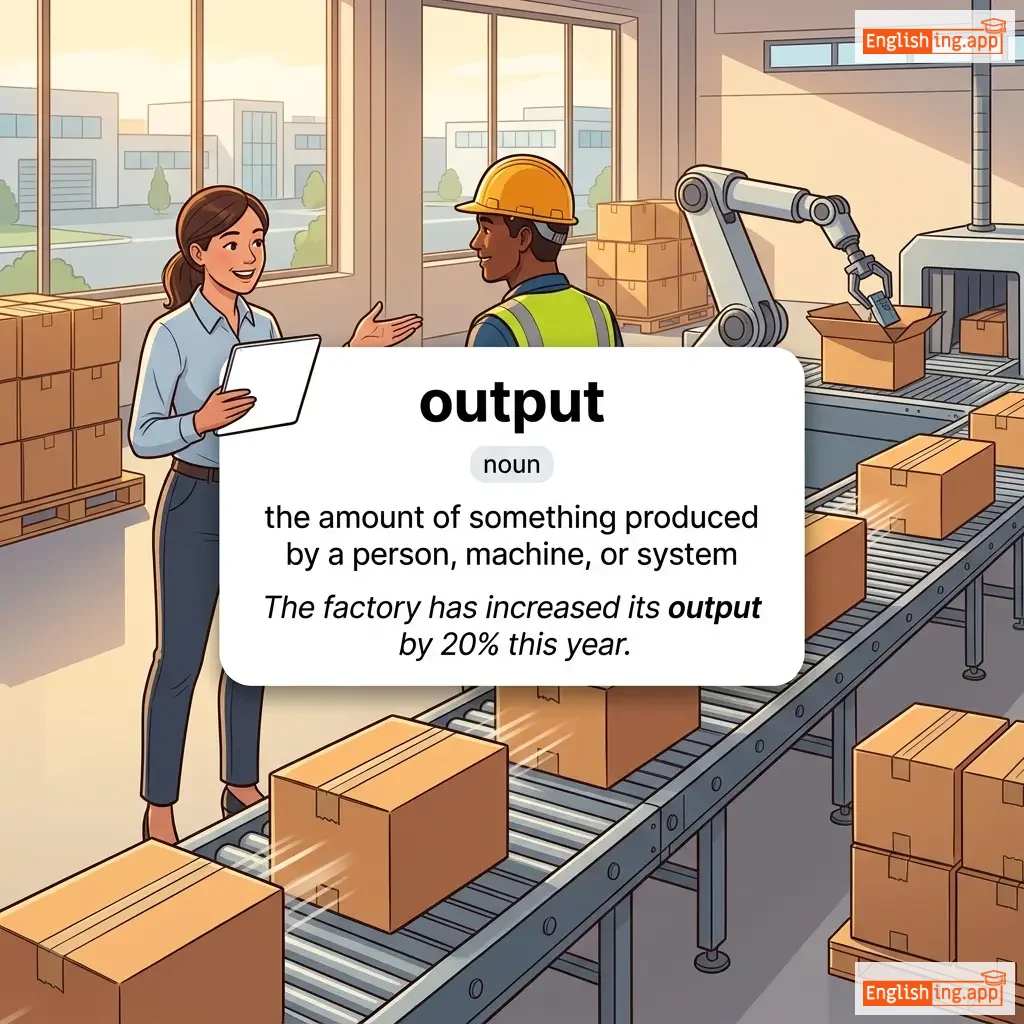
the amount of something produced by a person, machine, or system
••••••
|
The factory has increased its output by 20% this year. |
工場は今年20%生産量を増加させました。
Koujou wa kotoshi 20% seisanryou wo zouka sasemashita.
••••••
|
high output |
producing a large amount or quantity
••••••
|
高生産
kouseisan
••••••
|
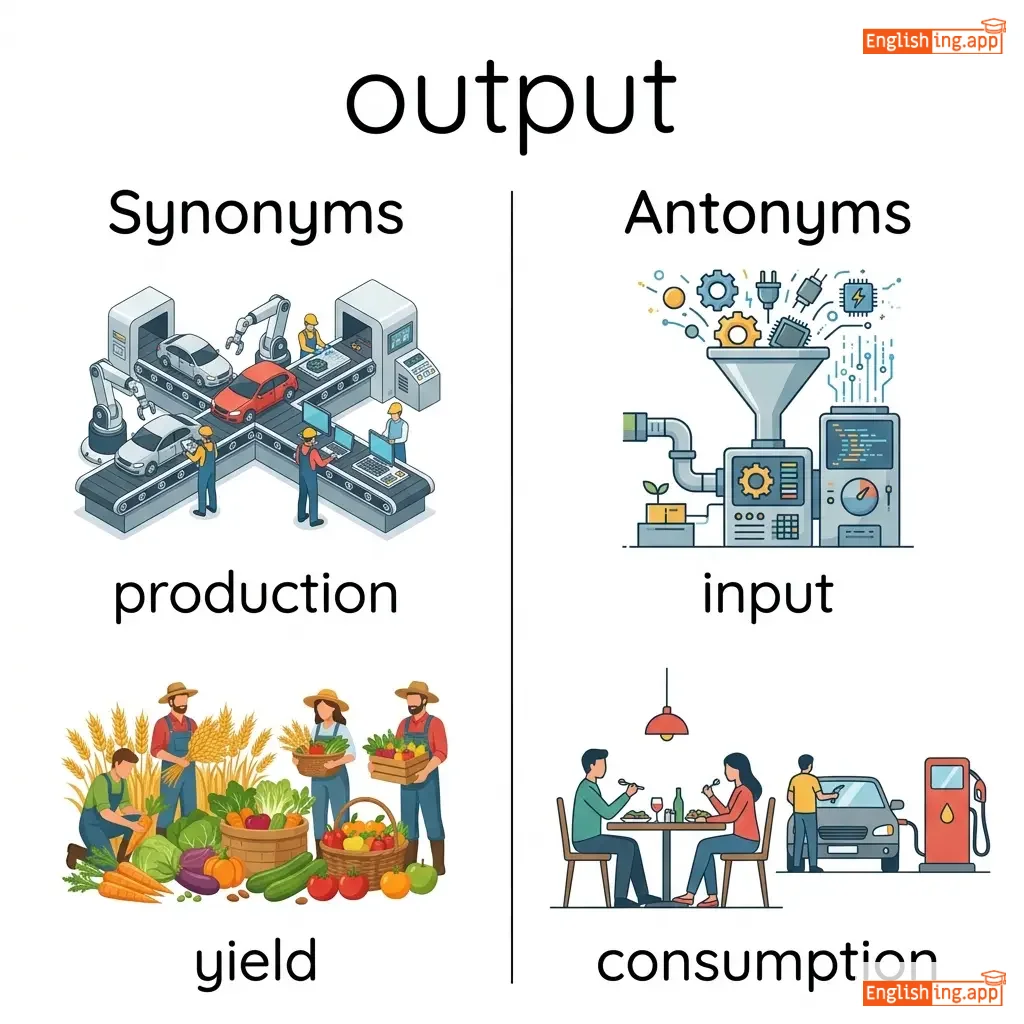
production, yield, product, result, performance
••••••
|
input, consumption
••••••
|
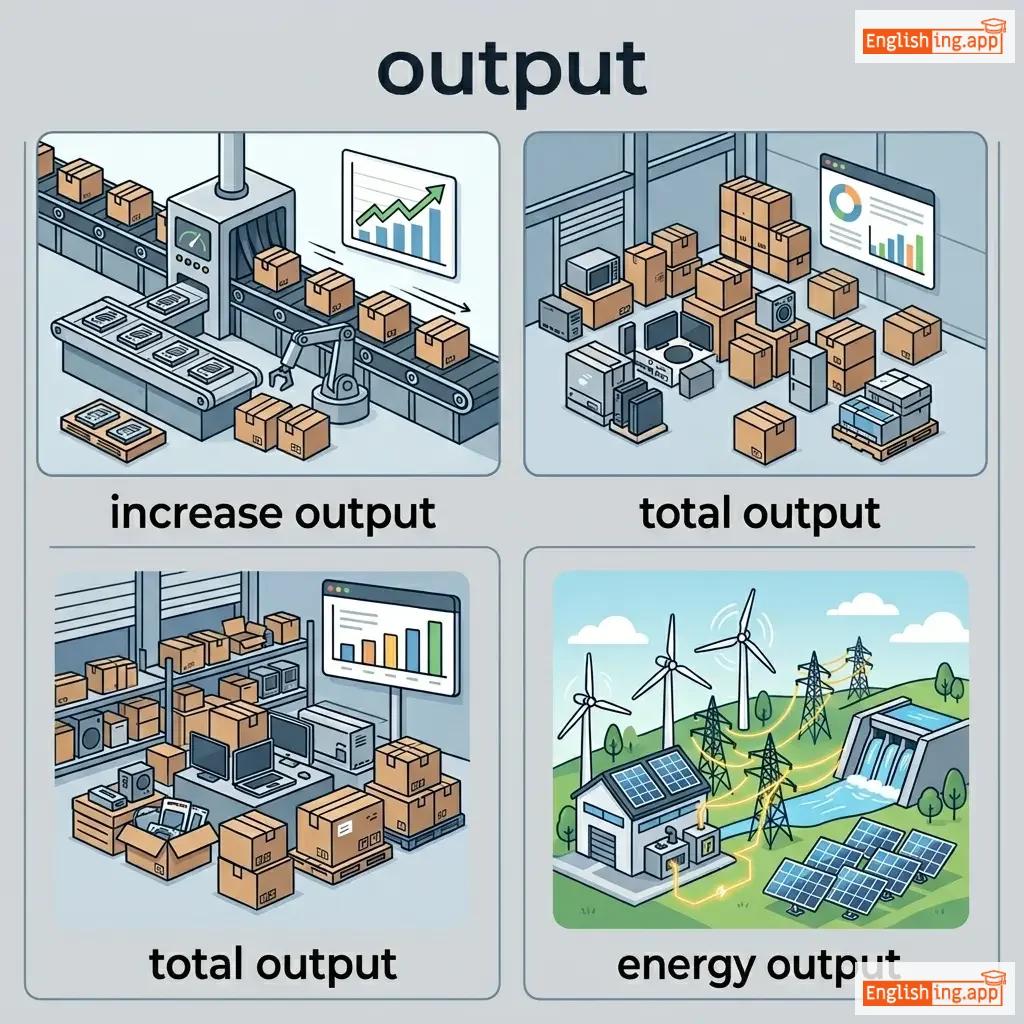
increase output, total output, energy output, data output
••••••
|
Out + Put は ‘生産’ の意味 — 生産!
••••••
|
|
#3622
😡
|
/ˈaʊtreɪdʒ/
noun/verb
(アウトレイジ)
••••••
|
- •••••• |
憤慨
fukai
••••••
|
outraged
アウトレイジド
••••••
|
outraged
アウトレイジド
••••••
|
outrages
アウトレイジズ
••••••
|
outraging
アウトレイジング
••••••
|
A strong feeling of anger and shock; to arouse anger or shock.
••••••
|
The unfair decision caused public outrage.
不公平な決定が公共の憤慨を引き起こしました。
••••••
|
不公平な決定が公共の憤慨を引き起こしました。
Fukōhei na kettei ga kōkyō no fukai o hikiokoshimashita.
••••••
|
cry of outrage
憤慨の叫び
••••••
|
A loud protest or complaint expressing anger or shock.
••••••
|
憤慨の叫び
Fukai no sakebi
••••••
|
indignation, fury, resentment, anger, shock
••••••
|
calm, contentment, satisfaction
••••••
|
public outrage, express outrage, cause outrage, cry of outrage
••••••
|
憤慨の反応 — Outrage.
••••••
|
|
#3623
🌳
|
/ˌaʊtˈsaɪd/
noun/adjective/adverb
(アウトサイド)
••••••
|
- •••••• |
外
soto
••••••
|
- •••••• | - •••••• | - •••••• | - •••••• |
the external part or surface of something; beyond the boundary
••••••
|
Children were playing outside in the yard.
子供たちは庭で外で遊んでいました。
••••••
|
子供たちは庭で外で遊んでいました。
Kodomotachi wa niwa de soto de asonde imashita.
••••••
|
on the outside
外から
••••••
|
viewed externally; not part of a group
••••••
|
外から
soto kara
••••••
|
exterior, surface, outdoors, external
••••••
|
inside, interior
••••••
|
outside world, outside chance, outside influence, outside the box
••••••
|
Outsideは外という意味で、外=Outside
••••••
|
|
#3624
🚶♂️
|
/ˌaʊtˈsaɪdə(r)/
noun
(アウトサイダー)
••••••
|
- •••••• |
アウトサイダー
autsāidā
••••••
|
- •••••• | - •••••• | - •••••• | - •••••• |
a person who is not accepted as a member of a particular group or community
••••••
|
As a new student, she often felt like an outsider at school. |
新しい学生として、彼女は学校でよくアウトサイダーのように感じていました。
Atarashī gakusei toshite, kanojo wa gakkō de yoku autsāidā no yō ni kanjite imashita.
••••••
|
feel like an outsider |
to feel excluded or not part of a group
••••••
|
アウトサイダーのように感じる
autsāidā no yō ni kanjiru
••••••
|
stranger, newcomer, foreigner, alien, nonmember
••••••
|
insider, member
••••••
|
social outsider, political outsider, complete outsider, feel like an outsider
••••••
|
Out + Sider = 外にいる人 — アウトサイダー 🚶♂️
••••••
|
|
#3625
🏆
|
/aʊtˈstændɪŋ/
adjective
(アウトスタンディング)
••••••
|
- •••••• |
優れた
sugureta
••••••
|
- •••••• | - •••••• | - •••••• | - •••••• |
extremely good or impressive; not yet resolved or paid
••••••
|
She received an award for her outstanding performance. |
彼女は優れたパフォーマンスで賞を受賞しました。
Kanojo wa sugureta pafomansu de shou wo jushou shimashita.
••••••
|
outstanding debt |
unpaid amount of money that is still owed
••••••
|
未払いの負債
mibarai no fusai
••••••
|
excellent, remarkable, exceptional, notable
••••••
|
ordinary, mediocre
••••••
|
outstanding achievement, outstanding performance, outstanding debt, outstanding issue
••••••
|
Outstandingは外に立つことを意味します – とても良いので、誰もがそれを見ています
••••••
|
|
#3626
🔥
|
/ˈʌv.ən/
noun
(オーブン)
••••••
|
- •••••• |
オーブン
obun
••••••
|
- •••••• | - •••••• | - •••••• | - •••••• |
an enclosed compartment used for heating, baking, or drying food
••••••
|
She baked cookies in the oven for thirty minutes.
彼女はオーブンで三十分間クッキーを焼きました。
••••••
|
彼女はオーブンで三十分間クッキーを焼きました。
Kanojo wa obun de sanjuppunkan kukkii wo yakimashita.
••••••
|
- •••••• | - •••••• | - •••••• |
stove, range, kiln
••••••
|
refrigerator, freezer
••••••
|
gas oven, electric oven, microwave oven, convection oven
••••••
|
オーブンで美味しいクッキーを焼ける。
••••••
|
|
#3627
⬆️
|
/ˈoʊvər/
preposition, adverb
(オーバー)
••••••
|
- •••••• |
上に
ue ni
••••••
|
- •••••• | - •••••• | - •••••• | - •••••• |
across, on top of, or beyond
••••••
|
The book is lying over the table. |
本はテーブルの上にあります。
Hon wa teeburu no ue ni arimasu.
••••••
|
- •••••• | - •••••• | - •••••• |
above, across, beyond
••••••
|
under, beneath
••••••
|
over the table, over the years, over there
••••••
|
本がテーブルの上にある – Book goes over the table
••••••
|
|
#3628
🌍
|
/ˈoʊvərɔːl/
adjective, adverb
(オーバーオール)
••••••
|
- •••••• |
全体的に
zentai-teki ni
••••••
|
- •••••• | - •••••• | - •••••• | - •••••• |
in general or as a whole
••••••
|
Overall, the project has been successful. |
全体的に、プロジェクトは成功しました。
Zentai-teki ni, purojekuto wa seikou shimashita.
••••••
|
- •••••• | - •••••• | - •••••• |
generally, broadly, in total
••••••
|
specifically, individually
••••••
|
overall view, overall performance, overall result
••••••
|
Overallは全体的に - 完全な成功
••••••
|
|
#3629
💪
|
/ˌoʊvərˈkʌm/
verb
(オーバーカム)
••••••
|
|
克服する
koku fuku suru
••••••
|
overcame
オーバーケイム
••••••
|
overcome
オーバーカム
••••••
|
overcomes
オーバーカムス
••••••
|
overcoming
オーバーカミング
••••••
|
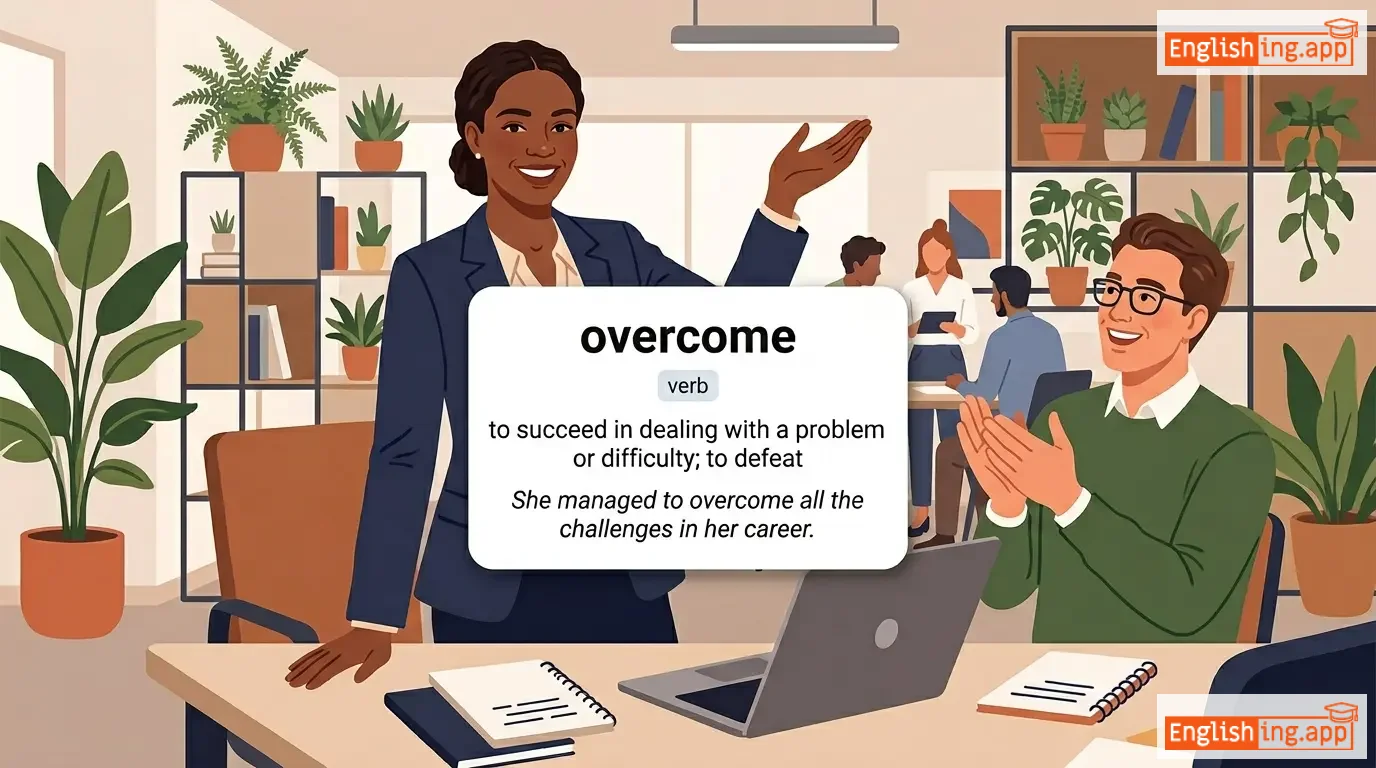
to succeed in dealing with a problem or difficulty; to defeat
••••••
|
She managed to overcome all the challenges in her career.
彼女はキャリアの中ですべての挑戦を克服しました。
••••••
|
彼女はキャリアの中ですべての挑戦を克服しました。
Kanojo wa kyaria no naka de subete no chousen wo kokufuku shimashita.
••••••
|
overcome with emotion
感情に圧倒される
••••••
|
deeply affected by strong feelings
••••••
|
感情に圧倒される
kanjou ni attou sareru
••••••
|
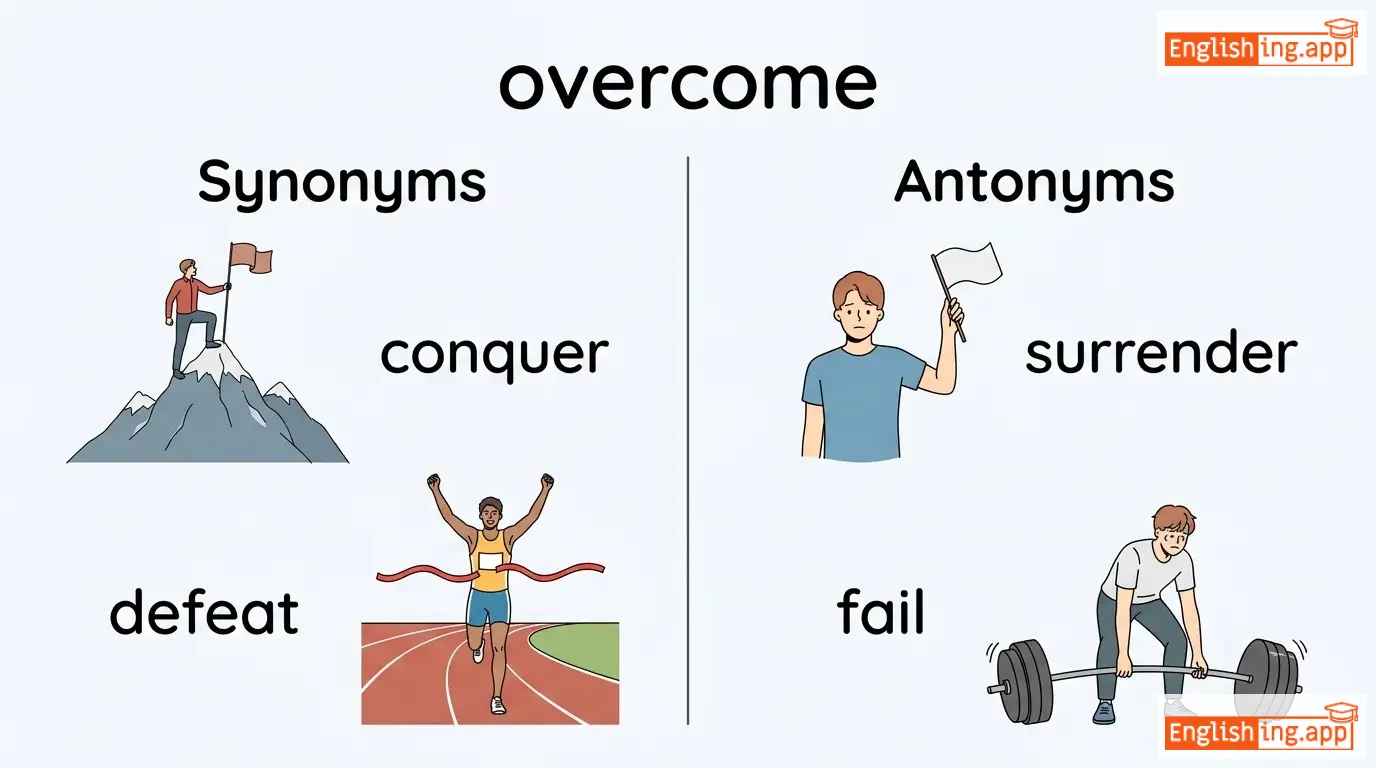
conquer, defeat, prevail, master
••••••
|
surrender, fail
••••••
|
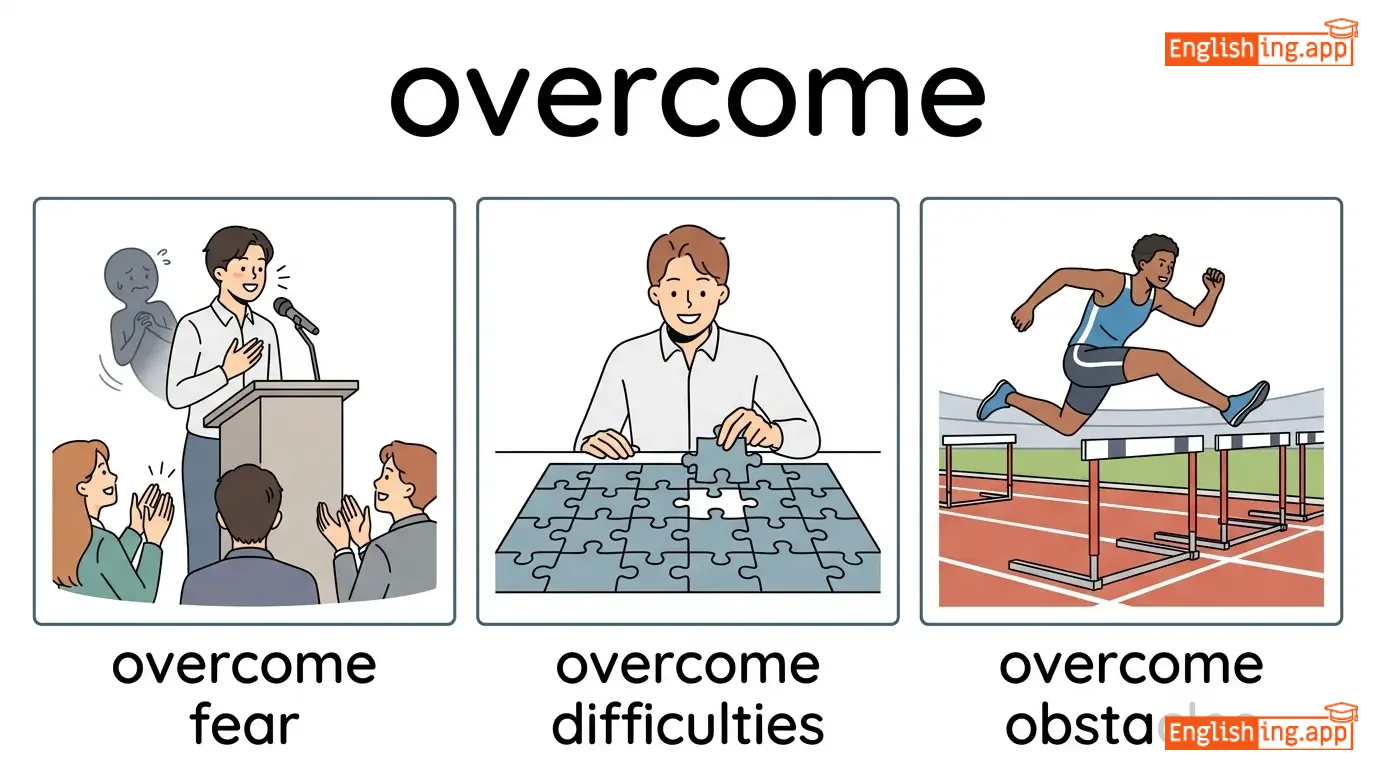
overcome fear, overcome difficulties, overcome obstacles, overcome challenges
••••••
|
克服することは障害を乗り越えること - 問題を解決し、勝利することです。
••••••
|
|
#3630
👀
|
/ˌoʊvərˈlʊk/
verb
(オーバールック)
••••••
|
|
見落とす
miotosu
••••••
|
overlooked
オーバールックド
••••••
|
overlooked
オーバールックド
••••••
|
overlooks
オーバールックス
••••••
|
overlooking
オーバールッキング
••••••
|
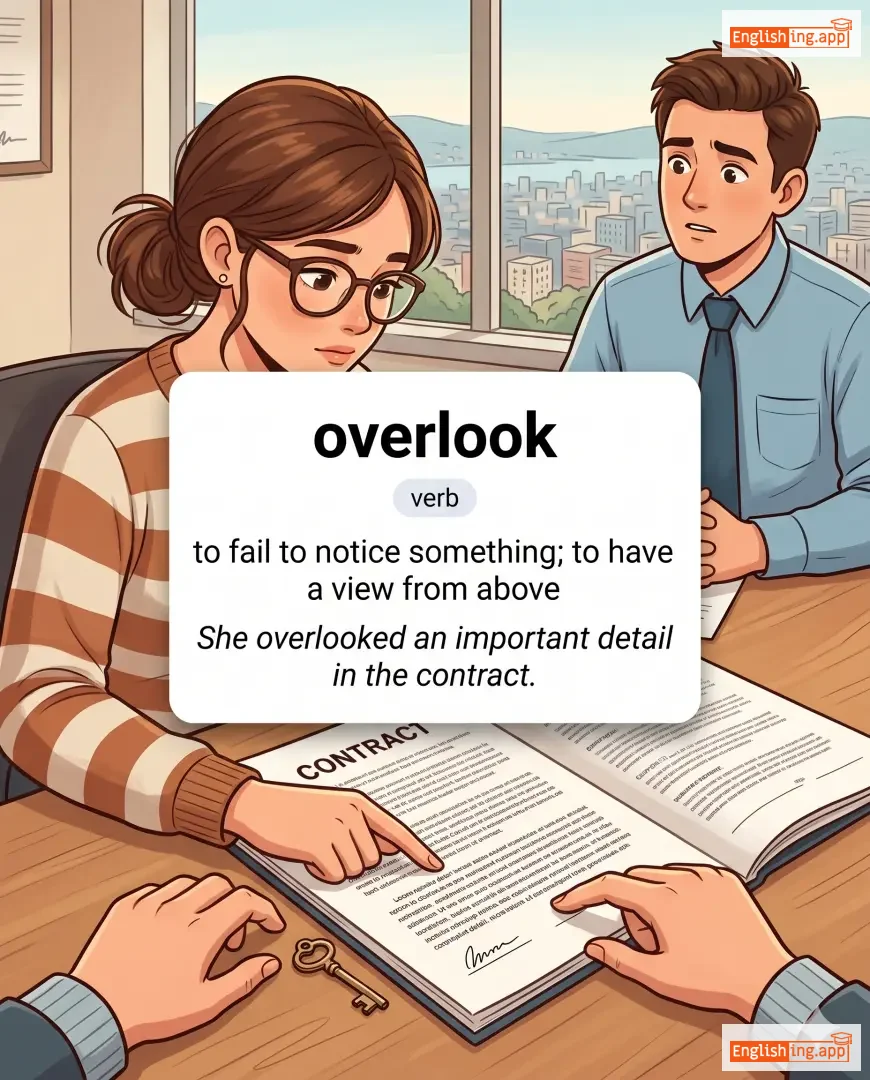
to fail to notice something; to have a view from above
••••••
|
She overlooked an important detail in the contract.
彼女は契約書の重要な詳細を見逃しました。
••••••
|
彼女は契約書の重要な詳細を見逃しました。
Kanojo wa keiyakusho no jūyōna shōsai o miokurimashita.
••••••
|
to overlook mistakes
間違いを見逃す
••••••
|
to forgive or ignore minor errors
••••••
|
間違いを見逃す
Machigai o miokasu
••••••
|
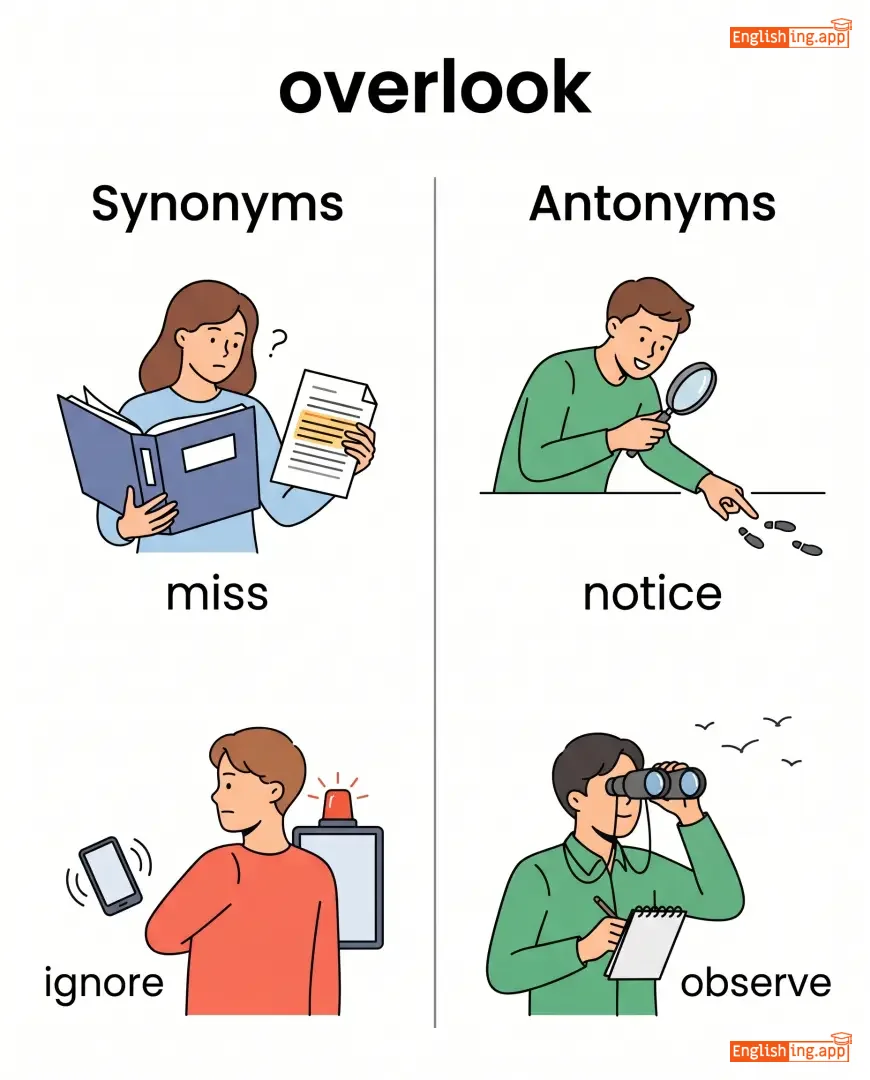
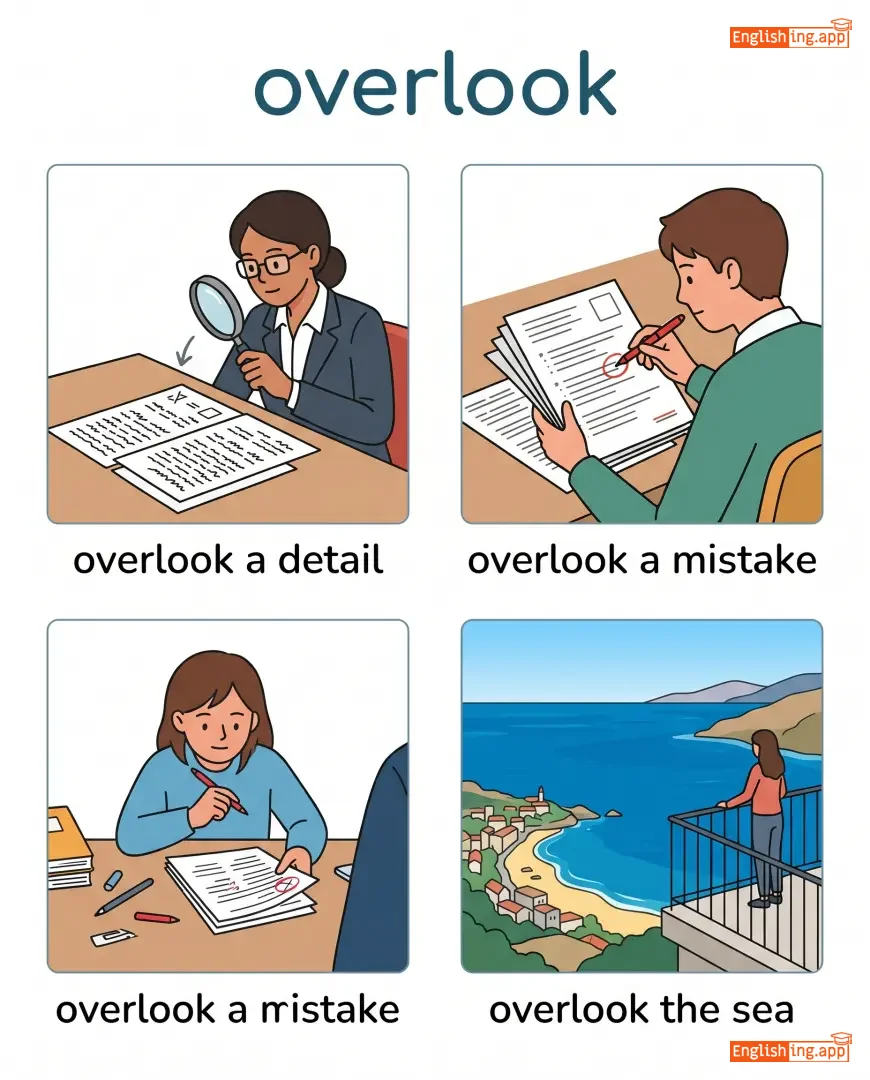
miss, ignore, disregard, supervise, neglect
••••••
|
notice, observe
••••••
|
overlook a detail, overlook a mistake, overlook the sea, overlooking the city
••••••
|
Over+Look = 上を見て何も見ない — 見落とすは気づかないこと
••••••
|
|
#3631
😬
|
/ˈəʊvəli/
adverb
(オーバーリー)
••••••
|
- •••••• |
過度に
kadoni
••••••
|
- •••••• | - •••••• | - •••••• | - •••••• |
to an excessive degree or extent
••••••
|
She was overly concerned about the results. |
彼女は結果について過度に心配していた。
Kanojo wa kekka ni tsuite kadoni shinpai shite ita.
••••••
|
- •••••• | - •••••• | - •••••• |
excessively, excessively, unduly, too much
••••••
|
moderately, reasonably
••••••
|
overly cautious, overly enthusiastic, overly critical
••••••
|
Overly = 過度; 結果に過度に心配している。
••••••
|
|
#3632
🌙
|
/ˌəʊvəˈnaɪt/
adverb, adjective
(オーバーナイト)
••••••
|
- •••••• |
一夜にして
ichiya nishite
••••••
|
- •••••• | - •••••• | - •••••• | - •••••• |
for or during the night; suddenly or in a very short time
••••••
|
Her small business became famous overnight after a viral video. |
彼女の小さなビジネスは、ウイルス動画の後、一夜にして有名になった。
Kanojo no chiisana bijinesu wa, uirusu dōga no ato, ichiya nishite yūmei ni natta.
••••••
|
overnight success |
a sudden or unexpected achievement
••••••
|
一夜の成功
ichiya no seikou
••••••
|
suddenly, instantly, immediately, unexpectedly
••••••
|
gradually, slowly
••••••
|
overnight stay, overnight delivery, overnight success, overnight change
••••••
|
Over + Night というのは一夜にして — だからOvernightは一夜にして 🌙
••••••
|
|
#3633
🌍
|
/ˌoʊvərˈsiːz/
adjective
(オーバーシーズ)
••••••
|
- •••••• |
海外
kaigai
••••••
|
- •••••• | - •••••• | - •••••• | - •••••• |
in or to a foreign country across the sea
••••••
|
He went overseas for higher education. |
彼は高等教育のために海外に行った。
Kare wa kōtō kyōiku no tame ni kaigai ni itta.
••••••
|
- •••••• | - •••••• | - •••••• |
abroad, foreign, international, external
••••••
|
domestic, local
••••••
|
overseas market, overseas education, overseas trip, overseas investment
••••••
|
Over+Seas = 海を越えて — overseas は海外を意味します。
••••••
|
|
#3634
👁️
|
/ˌoʊvərˈsiː/
verb
(オーバーシー)
••••••
|
|
監督する
kantoku suru
••••••
|
oversaw
オーバーソー
••••••
|
overseen
オーバーシーン
••••••
|
oversees
オーバーシーズ
••••••
|
overseeing
オーバーシーイング
••••••
|
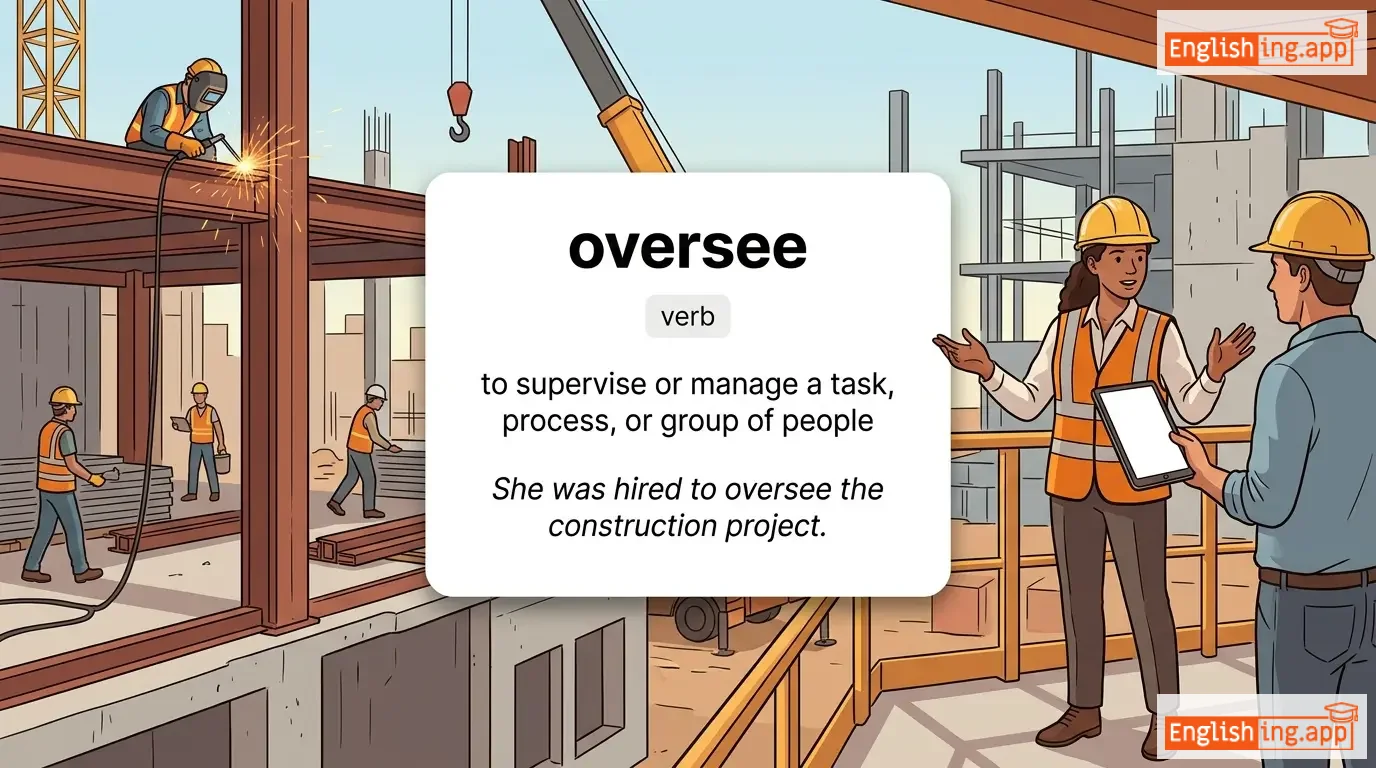
to supervise or watch over something; to manage and direct
••••••
|
The manager will oversee the entire construction project.
マネージャーは全体の建設プロジェクトを監督します。
••••••
|
マネージャーは全体の建設プロジェクトを監督します。
Manējā wa zentai no Kensetsu purojekuto o kantoku shimasu.
••••••
|
- •••••• | - •••••• | - •••••• |
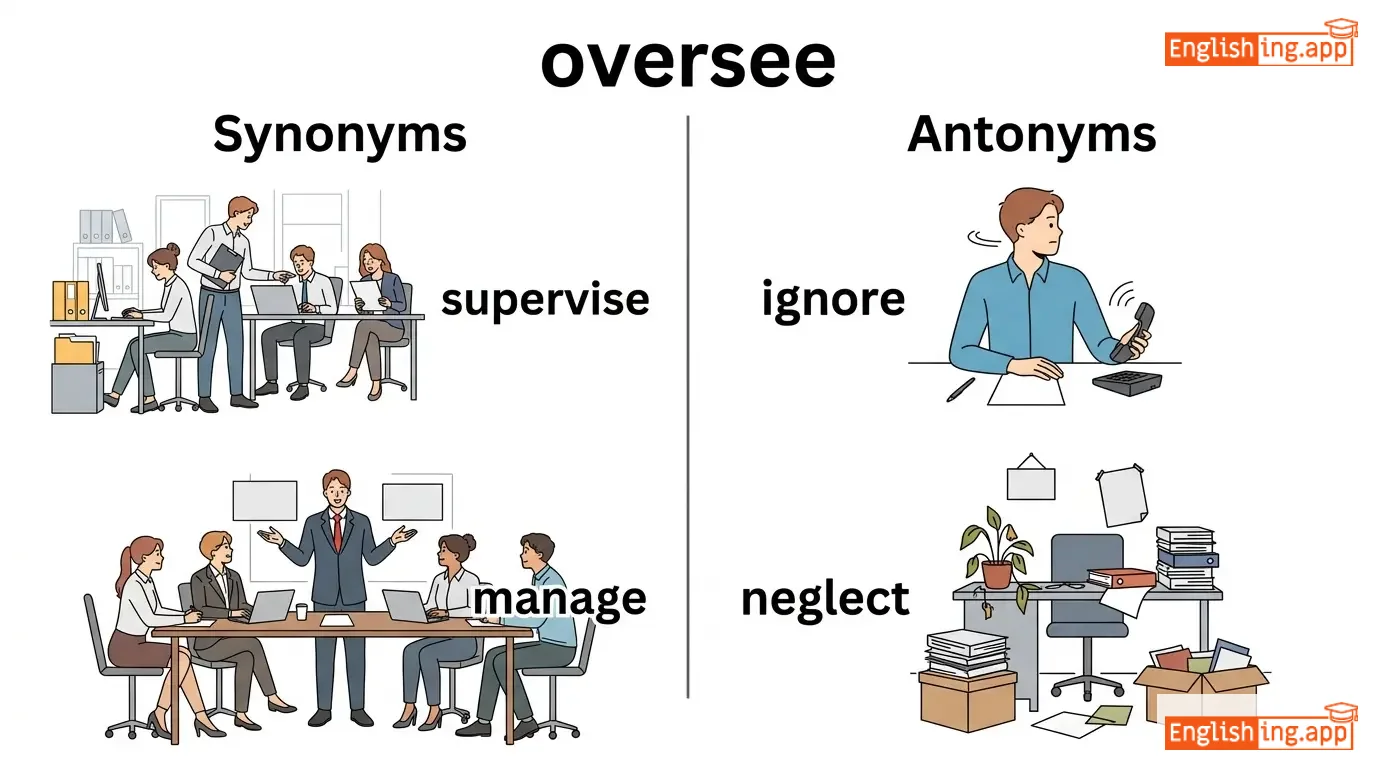
supervise, monitor, manage, direct
••••••
|
neglect, ignore, abandon, overlook
••••••
|
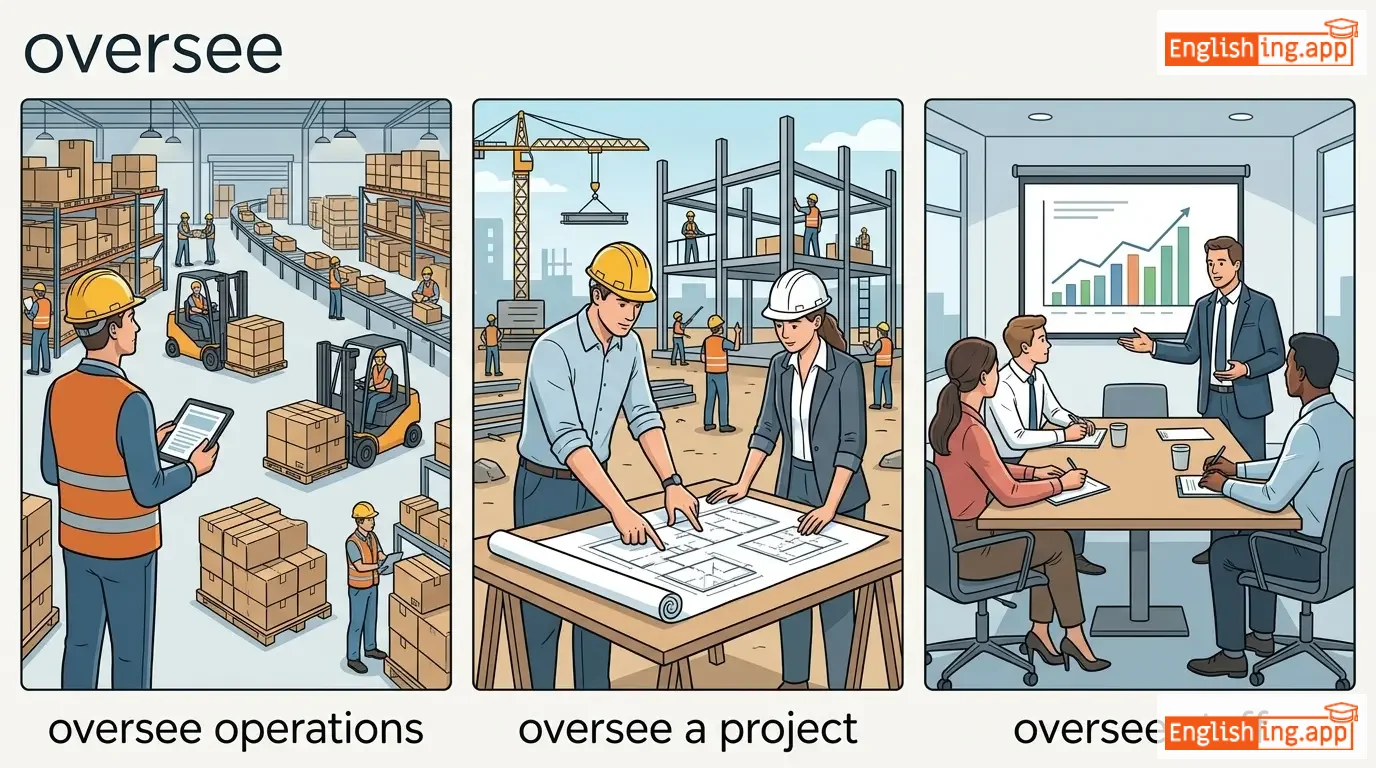
oversee operations, oversee projects, oversee carefully, directly oversee, oversee the work
••••••
|
Japanese '監督する' (kantoku suru) directly connects to overseeing or supervising.
••••••
|
|
#3635
🔄
|
/ˌoʊvərˈtɜrn/
verb
(オーバーターン)
••••••
|
- •••••• |
覆す / 判決を覆す
kōkasu / hanketsu o kōkasu
••••••
|
overturned
オーバータンド
••••••
|
overturned
オーバータンド
••••••
|
overturns
オーバータンズ
••••••
|
overturning
オーバーターニング
••••••
|
to turn something upside down or to reverse a decision or judgment
••••••
|
The court decided to overturn the previous ruling.
裁判所は前回の判決を覆すことに決めました。
••••••
|
裁判所は前回の判決を覆すことに決めました。
Saibansho wa zenka no hanketsu o kōkasu koto ni kimemashita.
••••••
|
overturn the tables
状況を覆す
••••••
|
to reverse a situation completely
••••••
|
状況を覆す
jōkyō o kōkasu
••••••
|
reverse, cancel, annul, revoke, upend
••••••
|
uphold, confirm, support
••••••
|
overturn a decision, overturn a car, overturn a law, overturn a ruling
••••••
|
Over TURN は物事を覆す、または判決を覆す意味です。
••••••
|
|
#3636
🌊
|
/ˌoʊvərˈwɛlm/
verb
••••••
|
- •••••• | - •••••• |
overwhelmed
••••••
|
overwhelmed
••••••
|
overwhelms
••••••
|
overwhelming
••••••
|
to overpower someone emotionally or physically; to be too much to handle
••••••
|
She was overwhelmed with gratitude after receiving the help. |
- •••••• |
overwhelmed with joy |
to feel extreme happiness
••••••
|
- •••••• |
overpower, crush, engulf, overcome, astonish
••••••
|
calm, comfort, underwhelm
••••••
|
overwhelm with work, overwhelm the enemy, overwhelmed by emotions
••••••
|
No •••••• |
|
#3637
🌊
|
/ˌəʊvəˈwelmɪŋ/
adjective
(オーバーウェルミング)
••••••
|
|
圧倒的, 手に負えない
attōteki, te ni oenai
••••••
|
- •••••• | - •••••• | - •••••• | - •••••• |
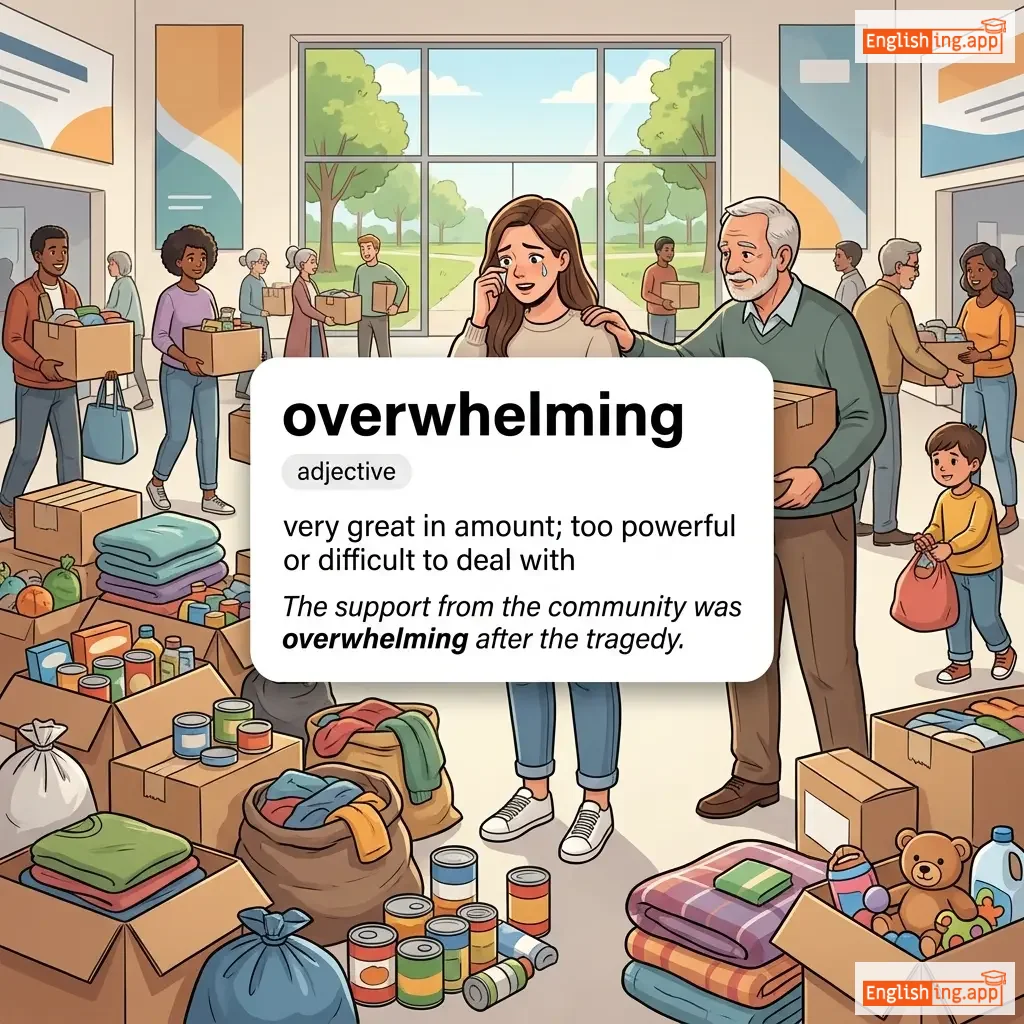
very great in amount; too powerful or difficult to deal with
••••••
|
The support from the community was overwhelming after the tragedy. |
悲劇の後、コミュニティからの支援は圧倒的でした。
higeki no ato, komyuniti kara no shien wa attōteki deshita.
••••••
|
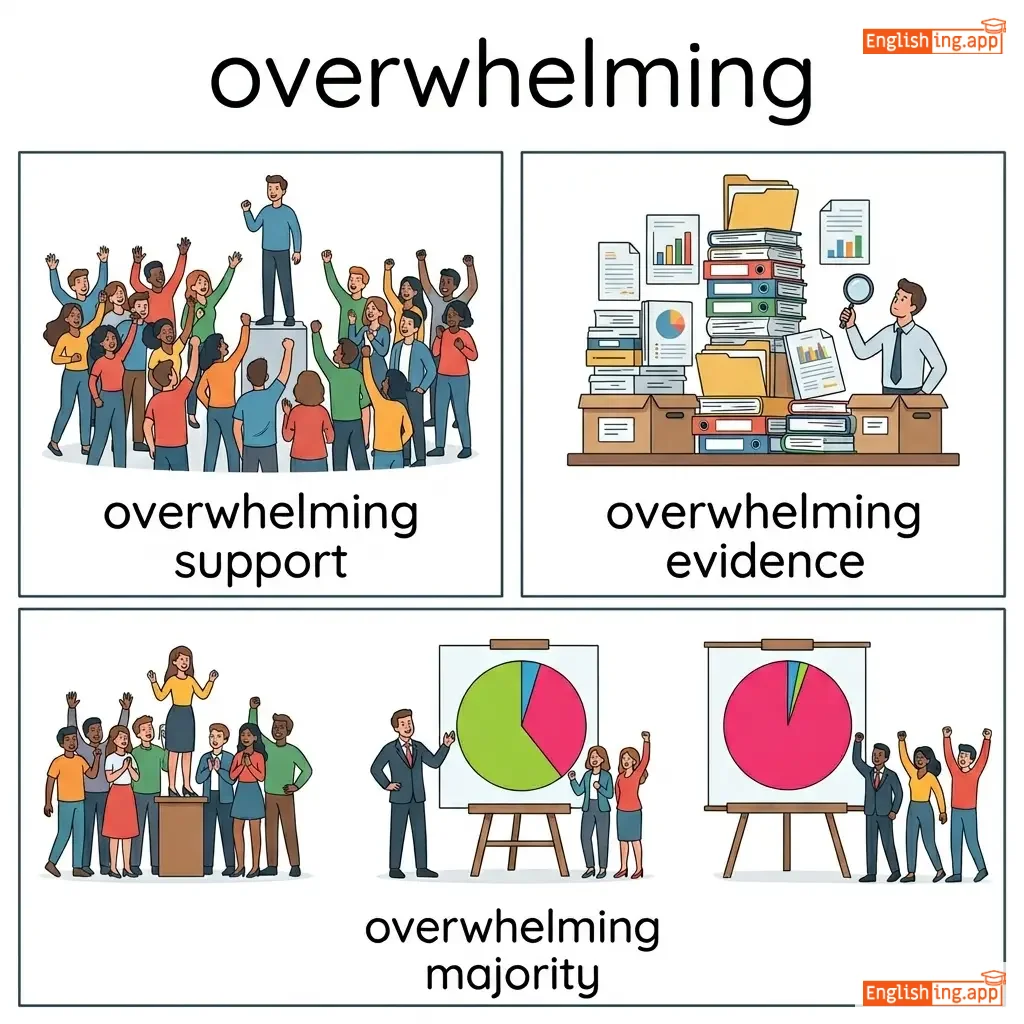
overwhelming majority |
a very large majority
••••••
|
圧倒的多数
attōteki tasū
••••••
|
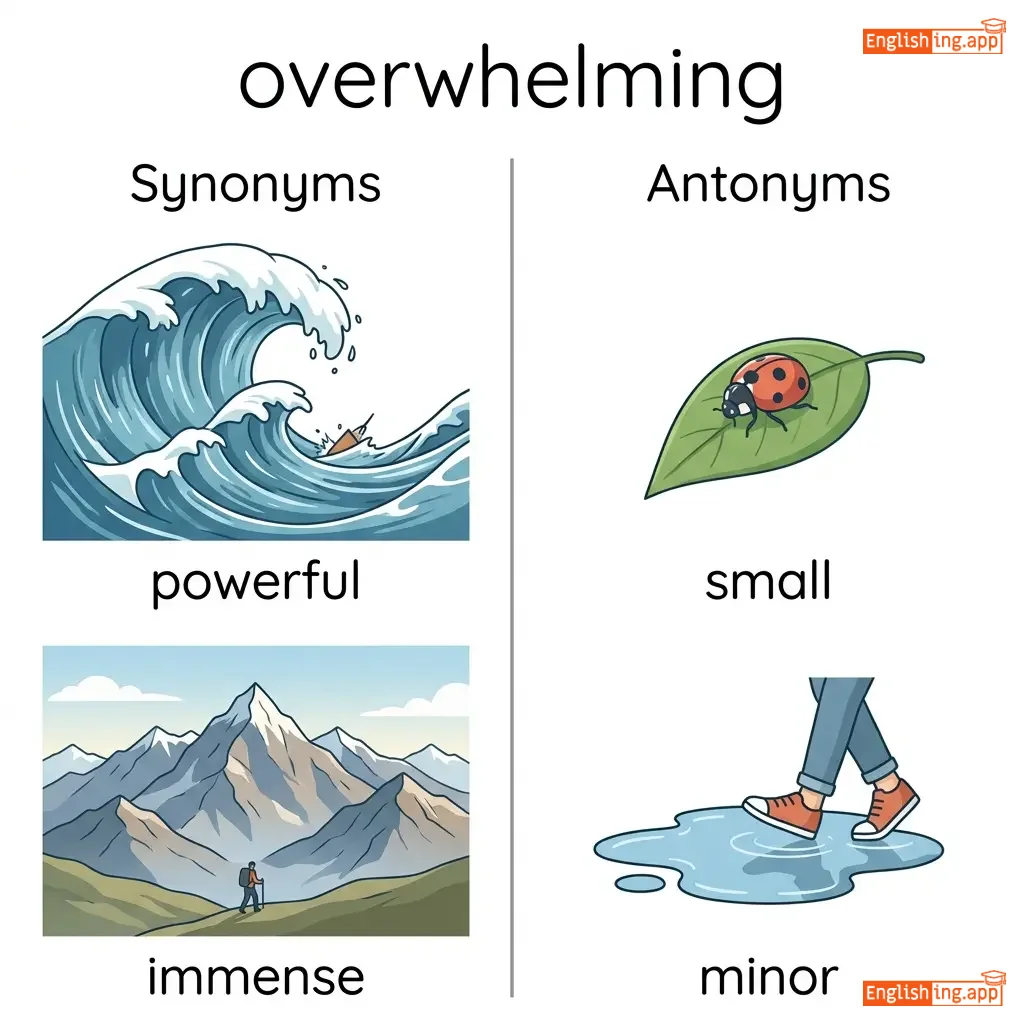
powerful, immense, enormous, intense, vast
••••••
|
small, minor, weak
••••••
|
overwhelming support, overwhelming evidence, overwhelming majority, overwhelming feeling
••••••
|
Over + Whelm = 波に呑まれる 🌊 — 意味は圧倒的な影響
••••••
|
|
#3638
💳
|
/oʊ/
verb
(オウ)
••••••
|
|
借りがある
kari ga aru
••••••
|
owed
オウド
••••••
|
owed
オウド
••••••
|
owes
オウズ
••••••
|
owing
オウイング
••••••
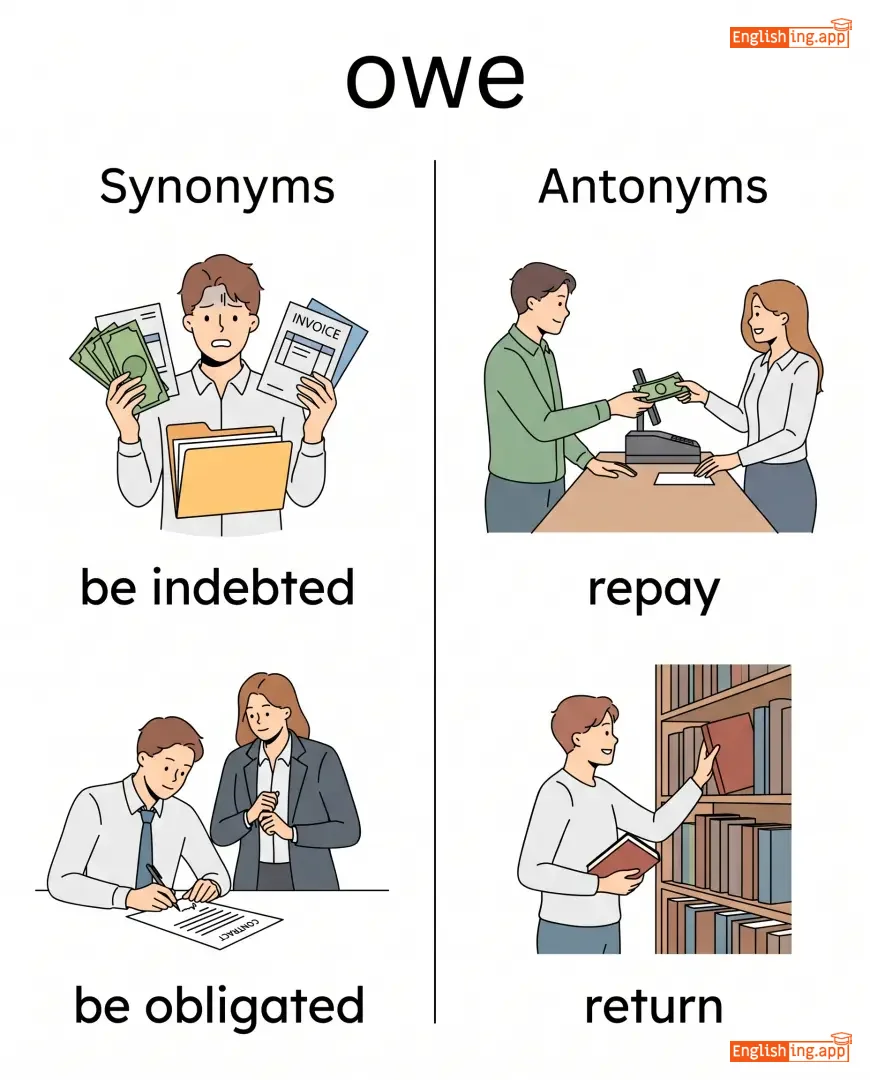
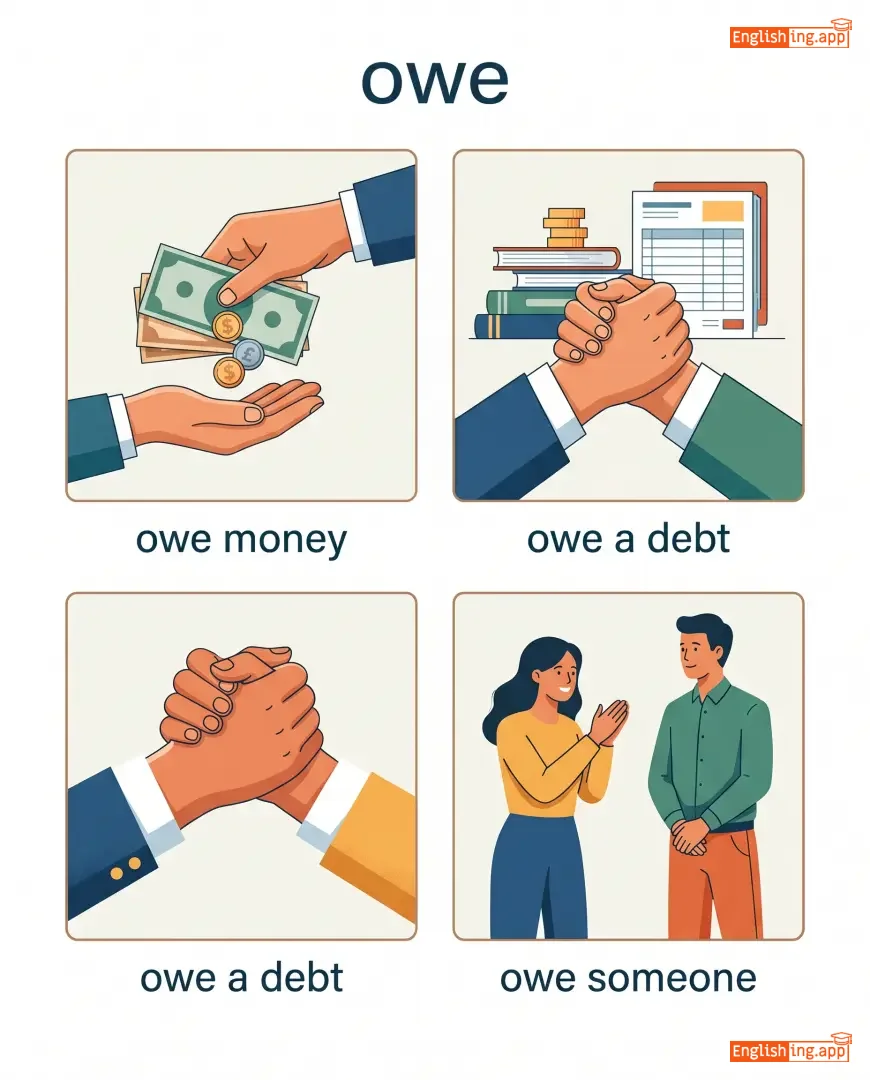
|
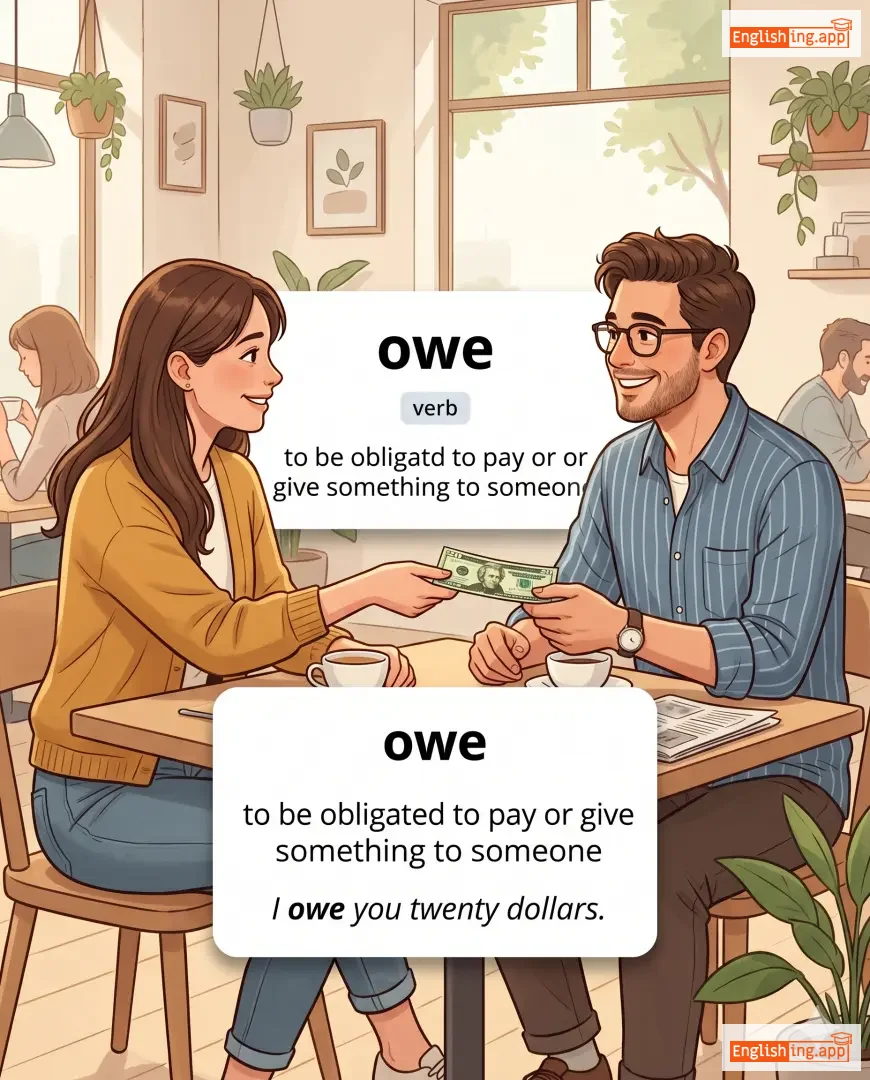
to be under obligation to pay or repay; to be indebted
••••••
|
I owe my success to my parents' support.
私は両親の支援のおかげで成功しました。
••••••
|
私は両親の支援のおかげで成功しました。
Watashi wa ryoushin no shien no okage de seikou shimashita.
••••••
|
- •••••• | - •••••• | - •••••• |
be indebted, be obligated, be liable, be in debt
••••••
|
own, possess, have, collect
••••••
|
owe money, owe debt, owe favor, owe gratitude
••••••
|
借りがあることは、何かを返さなければならないことを意味します。
••••••
|
|
#3639
🏠
|
/oʊn/
verb, adjective
(own)
••••••
|
- •••••• |
所有する
shoyū suru
••••••
|
owned
owned
••••••
|
owned
owned
••••••
|
owns
owns
••••••
|
owning
owning
••••••
|
to possess something; belonging to oneself
••••••
|
She owns a beautiful house in the city.
彼女は市内に美しい家を持っています。
••••••
|
彼女は市内に美しい家を持っています。
Kanojo wa shinai ni utsukushī ie o motteimasu.
••••••
|
- •••••• | - •••••• | - •••••• |
possess, have, hold
••••••
|
lack, not have
••••••
|
own a house, own property, own up
••••••
|
Own means you possess something - '所有する'はあなたが何かを所有していることを意味します。
••••••
|
|
#3640
💼
|
/ˈoʊ.nər/
noun
(ōnā)
••••••
|
- •••••• |
所有者
shoyūsha
••••••
|
- •••••• | - •••••• | - •••••• | - •••••• |
a person who owns something; someone who has legal possession of property
••••••
|
The owner of the restaurant greeted us warmly. |
レストランの所有者は私たちを温かく迎え入れてくれました。
resutoran no shoyūsha wa watashitachi o atatakai kakeirete kuremashita.
••••••
|
- •••••• | - •••••• | - •••••• |
proprietor, possessor, holder, landlord
••••••
|
tenant, renter, borrower, user
••••••
|
business owner, property owner, car owner
••••••
|
In Japanese, '所有者' means the one who owns, just like an 'owner'.
••••••
|
|
#3641
🏠
|
/ˈoʊnərʃɪp/
noun
(オーナーシップ)
••••••
|
|
所有権
shoyūken
••••••
|
- •••••• | - •••••• | - •••••• | - •••••• |
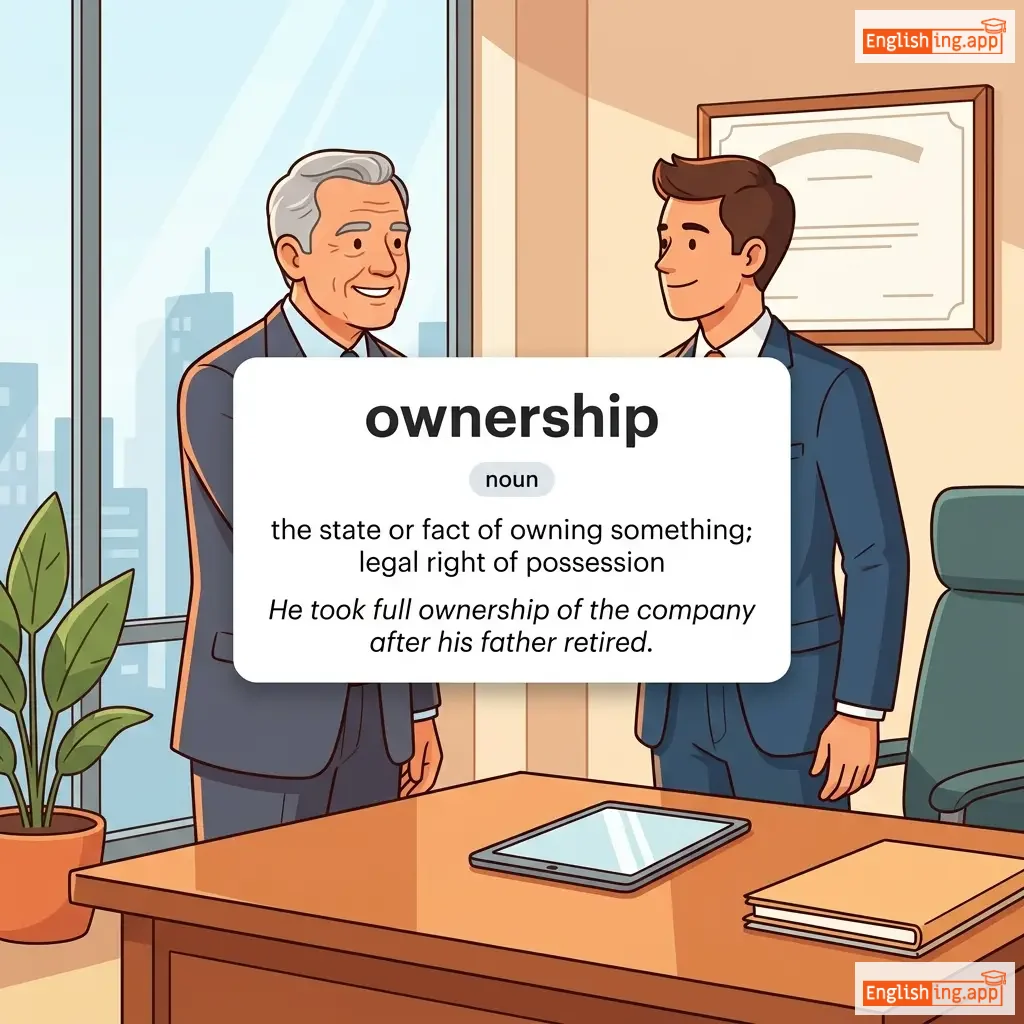
the state or fact of owning something; legal right of possession
••••••
|
He took full ownership of the company after his father retired. |
彼は父親が引退した後、会社の完全な所有権を取得しました。
Kare wa chichioya ga intai shita ato, kaisha no kanzen'na shoyūken o shūtoku shimashita.
••••••
|
take ownership |
to accept responsibility for something
••••••
|
所有権を取る
shoyūken o toru
••••••
|
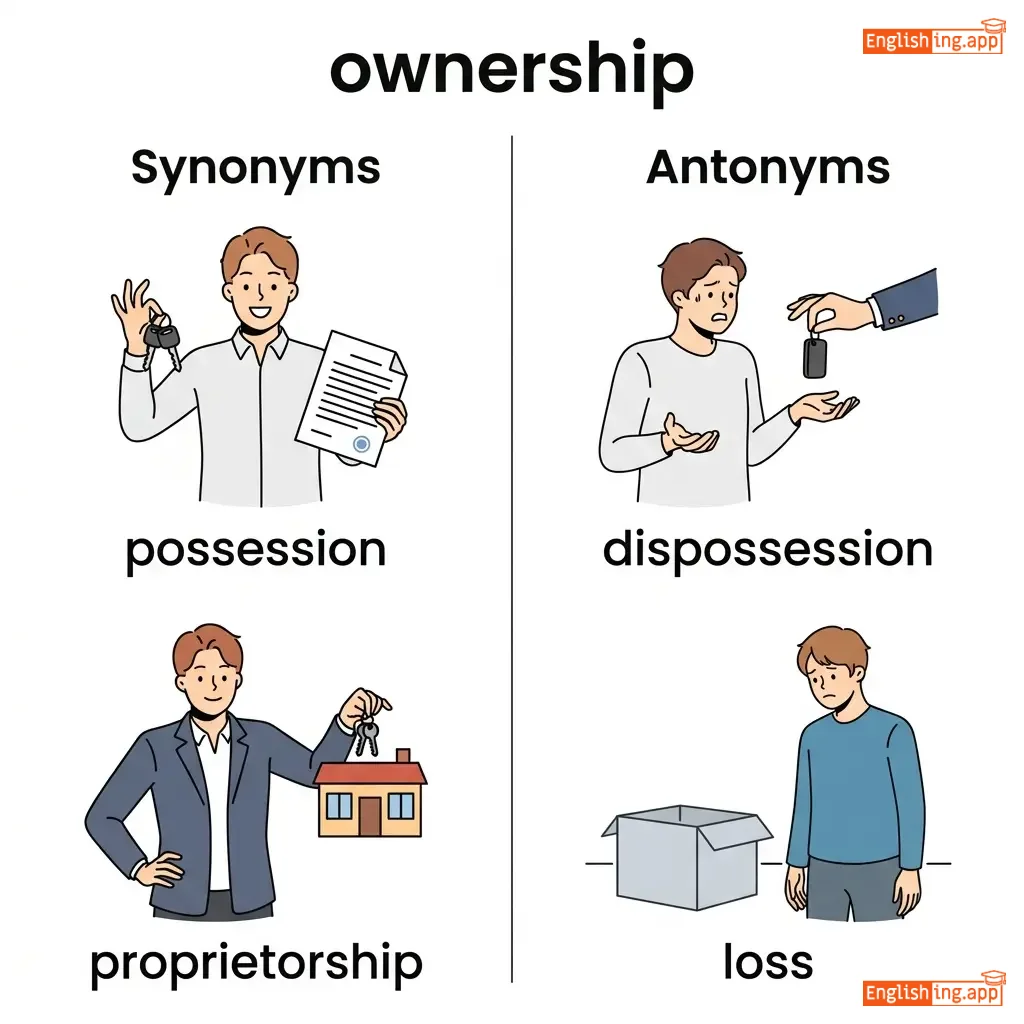
possession, proprietorship, control, custody, tenure
••••••
|
dispossession, loss, denial
••••••
|
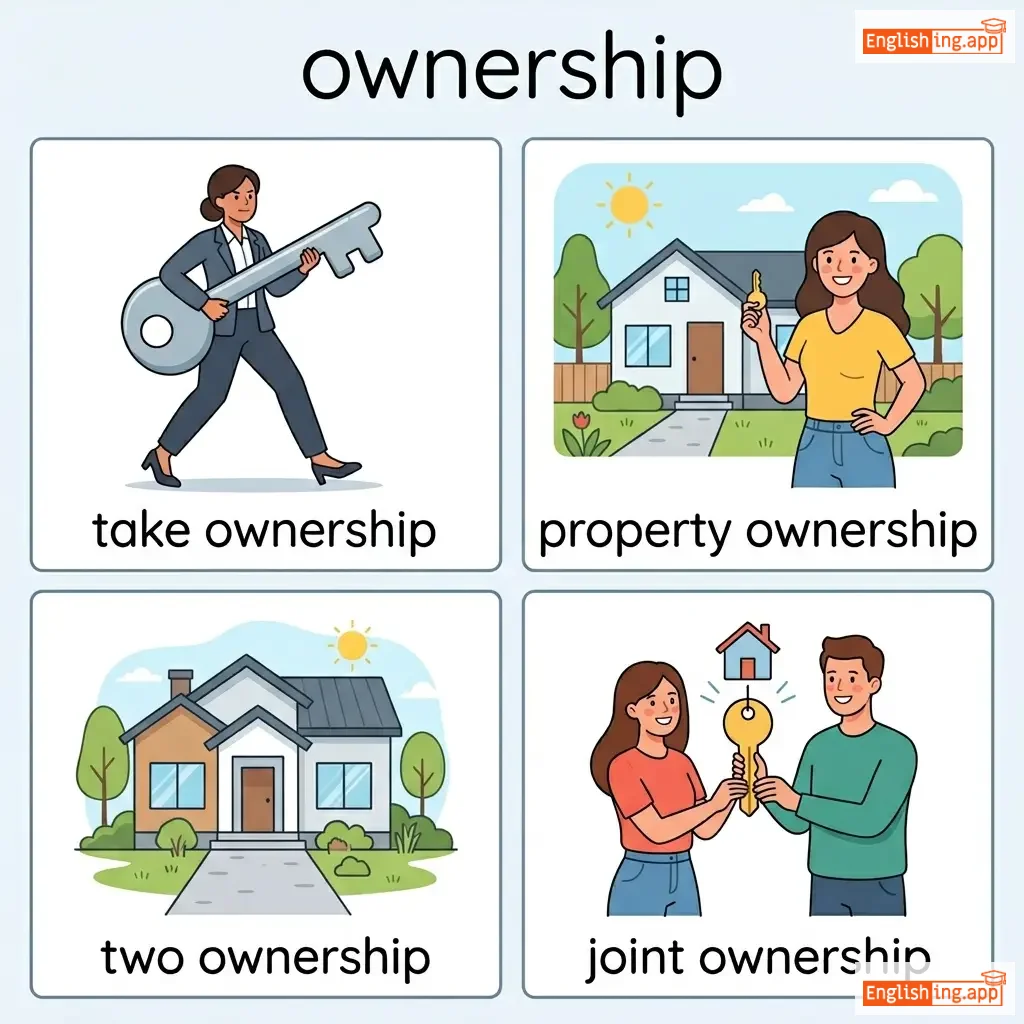
take ownership, property ownership, joint ownership, full ownership
••••••
|
Ownership は所有すること、だから所有権は持っている権利!
••••••
|
|
#3642
🌬️
|
/ˈɒksɪdʒən/
noun
(オキシジェン)
••••••
|
|
酸素
sanso
••••••
|
- •••••• | - •••••• | - •••••• | - •••••• |
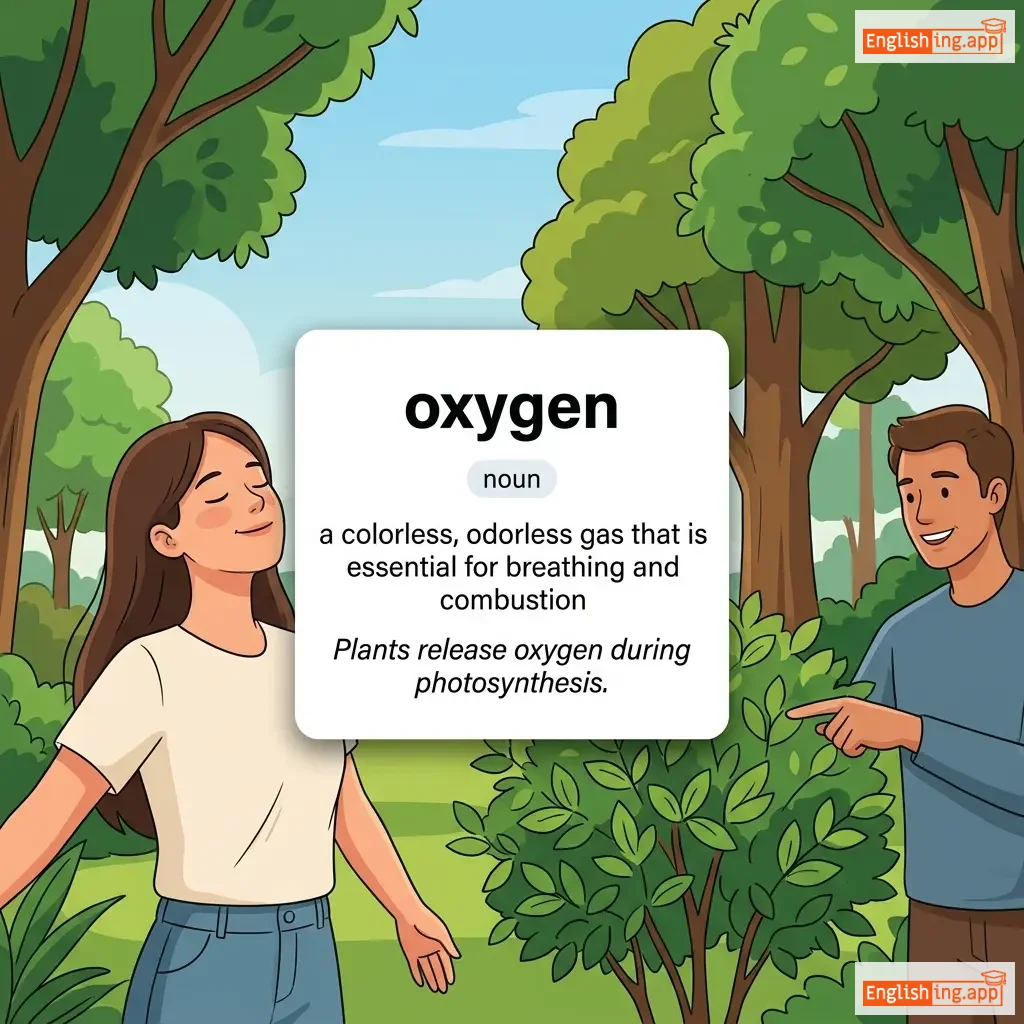
a colorless, odorless gas that is essential for breathing and combustion
••••••
|
Plants release oxygen during photosynthesis.
植物は光合成中に酸素を放出します。
••••••
|
植物は光合成中に酸素を放出します。
Shokubutsu wa kougousei chuu ni sanso wo houshutsushimasu.
••••••
|
like oxygen
酸素のように
••••••
|
something essential for survival
••••••
|
生存に不可欠
seizon ni fukaketsu
••••••
|
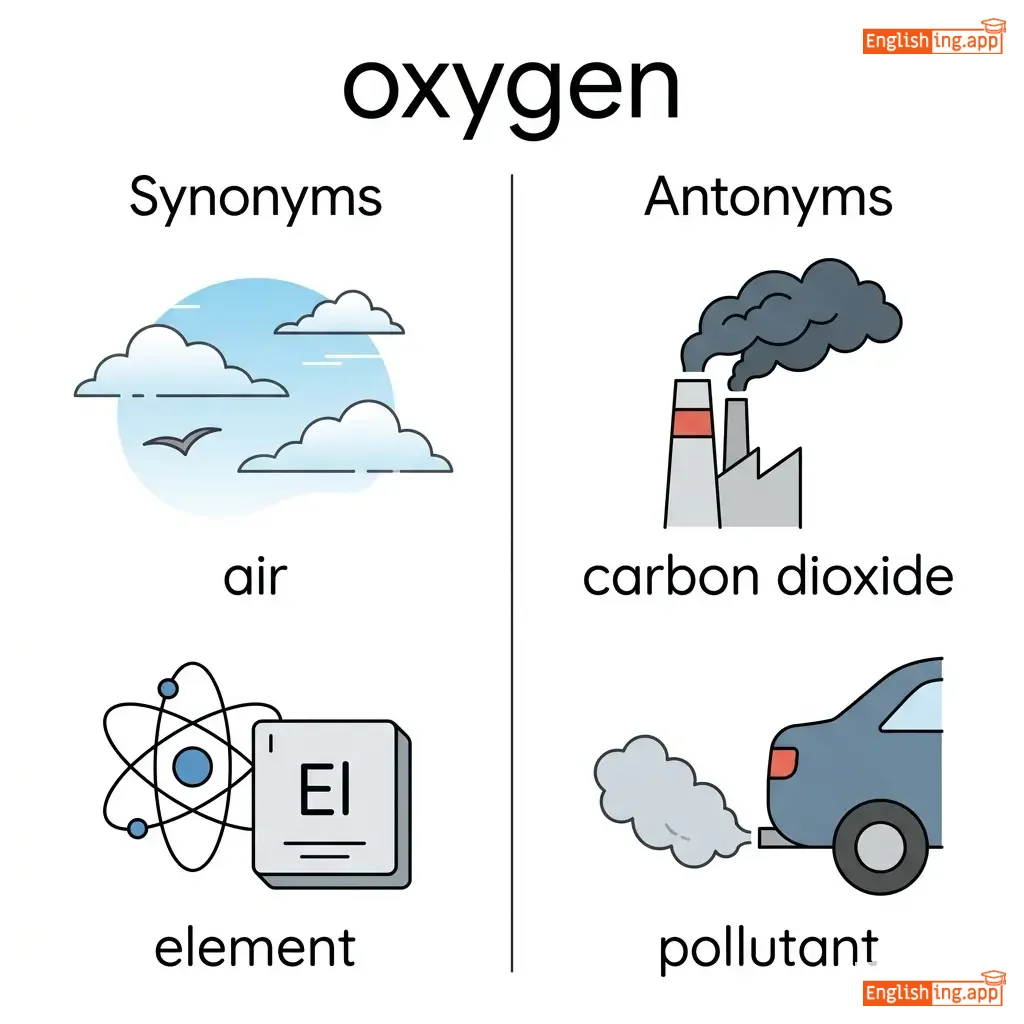
air, element, gas, life-support, breath
••••••
|
carbon dioxide, pollutant
••••••
|
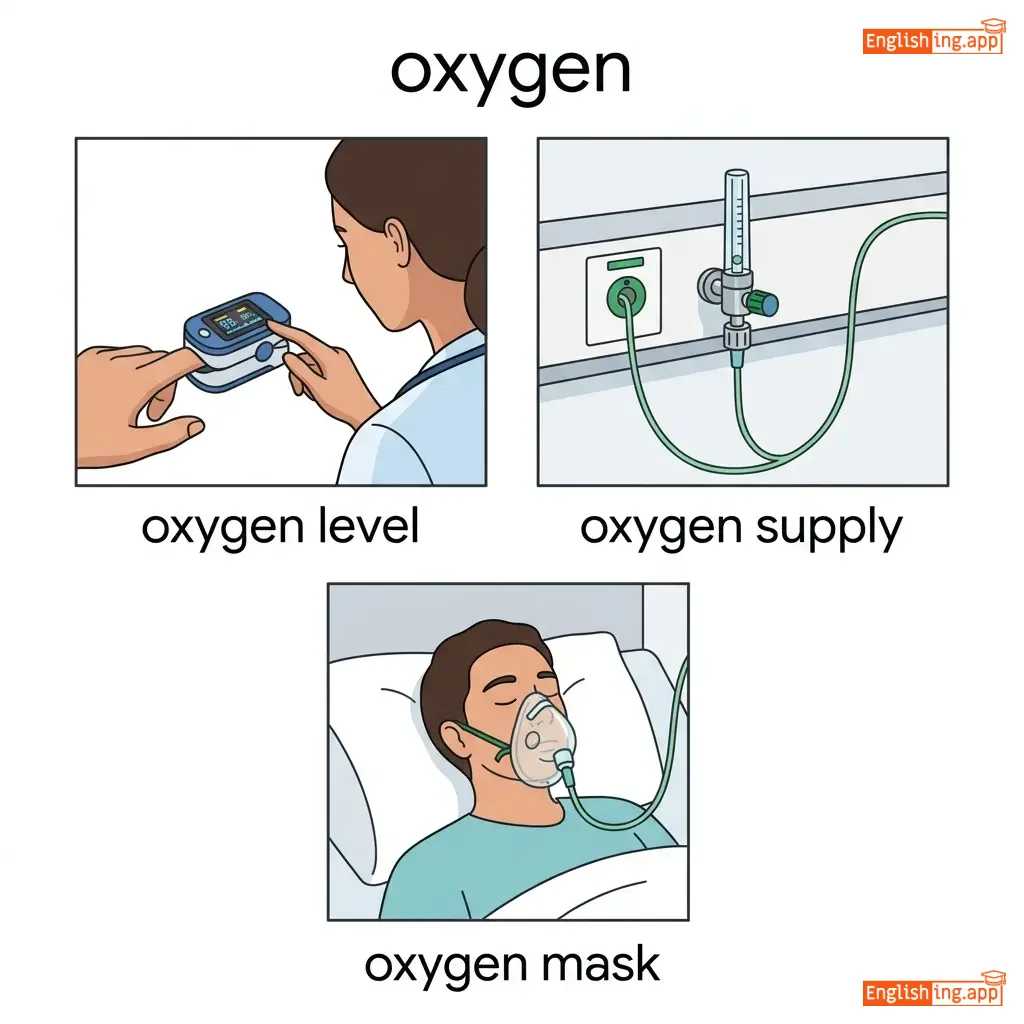
oxygen level, oxygen supply, oxygen mask, pure oxygen
••••••
|
酸素なしでは人間は生きられません — だから覚えておいて ‘酸素 = 生命’
••••••
|
|
#3643
🏃♀️
|
/peɪs/
noun
(ペース)
••••••
|
- •••••• |
ペース
pēsu
••••••
|
- •••••• | - •••••• | - •••••• | - •••••• |
the speed at which something happens or is done
••••••
|
She walked at a slow pace.
彼女はゆっくりとペースで歩いていました。
••••••
|
彼女はゆっくりとペースで歩いていました。
Kanojo wa yukkuri to pēsu de aruite imashita.
••••••
|
- •••••• | - •••••• | - •••••• |
speed, rate, tempo, velocity
••••••
|
slowness, delay, retardation
••••••
|
fast pace, slow pace, quick pace, steady pace
••••••
|
Paceとは、ペースでゆっくり歩くことです。
••••••
|
|
#3644
🎒
|
/pæk/
verb,noun
••••••
|
- •••••• | - •••••• |
packed
••••••
|
packed
••••••
|
packs
••••••
|
packing
••••••
|
to put things into a container for storage or transport; a collection of items kept together
••••••
|
She packed her clothes into a suitcase for the trip. |
- •••••• |
pack it in |
to stop doing something
••••••
|
- •••••• |
bundle, load, fill, group, assemble
••••••
|
unpack, scatter, disperse
••••••
|
pack a bag, pack luggage, pack animals, pack tightly
••••••
|
No •••••• |
|
#3645
📦
|
/ˈpækɪdʒ/
noun
(パッケージ)
••••••
|
- •••••• |
パッケージ
pakkeeji
••••••
|
- •••••• | - •••••• | - •••••• | - •••••• |
a container or wrapping in which something is packed
••••••
|
He received a package in the mail. |
彼は郵便でパッケージを受け取った。
Kare wa yuubin de pakkeeji wo uketotta.
••••••
|
- •••••• | - •••••• | - •••••• |
parcel, bundle, box, shipment
••••••
|
unpacking, unpacked item
••••••
|
shipping package, gift package, delivery package, large package
••••••
|
パッケージはプレゼントのように包まれた物!
••••••
|
|
#3646
📦
|
/ˈpæk.ɪt/
noun
(パケット)
••••••
|
- •••••• |
パケット
paketto
••••••
|
- •••••• | - •••••• | - •••••• | - •••••• |
a small package or container holding items or information
••••••
|
He bought a packet of biscuits from the shop. |
彼は店でビスケットのパケットを買いました。
Kare wa mise de bisuketto no paketto o kaimashita.
••••••
|
- •••••• | - •••••• | - •••••• |
package, parcel, bundle, sachet, pouch
••••••
|
bulk, load
••••••
|
packet of chips, packet of biscuits, packet of seeds, small packet
••••••
|
パケットは英語の‘packet’と同じです — ビスケットのパケットはみんな知っています。
••••••
|
|
#3647
📒
|
/pæd/
noun
(パッド)
••••••
|
- •••••• |
パッド
paddo
••••••
|
- •••••• | - •••••• | - •••••• | - •••••• |
a small cushion or block of soft material; also a set of sheets of paper fastened together
••••••
|
He wrote her phone number on a yellow pad.
彼は黄色いパッドに彼女の電話番号を書いた。
••••••
|
彼は黄色いパッドに彼女の電話番号を書いた。
Kare wa kiiroi paddo ni kanojo no denwa bangō o kaita.
••••••
|
notepad
メモ帳
••••••
|
a small notebook for writing notes
••••••
|
メモ帳
memochou
••••••
|
cushion, mat, block, notebook, sheet
••••••
|
hardboard, rough surface
••••••
|
writing pad, note pad, knee pad, shoulder pad
••••••
|
Padはクッションにもノートにも使える!
••••••
|
|
#3648
📄
|
/peɪdʒ/
noun
(peiji)
••••••
|
- •••••• |
ページ
peiji
••••••
|
- •••••• | - •••••• | - •••••• | - •••••• |
one side of a sheet of paper, or a single sheet of paper in a book or document
••••••
|
Turn to the next page for more information.
次のページに進んで、詳細情報を取得してください。
••••••
|
次のページに進んで、詳細情報を取得してください。
Tsugi no pēji ni susunde, shōsai jōhō o shutoku shite kudasai.
••••••
|
- •••••• | - •••••• | - •••••• |
leaf, sheet, folio, document
••••••
|
blank, empty space
••••••
|
turn the page, page number, front page, last page
••••••
|
ページ = 本のページ
••••••
|
|
#3649
😢
|
/peɪn/
noun
(pein)
••••••
|
- •••••• |
痛み; 体の苦しみや感情的な苦痛
itami; karada no kurushimi ya kanjōteki na kutsū
••••••
|
- •••••• | - •••••• | - •••••• | - •••••• |
physical suffering or discomfort; mental or emotional distress
••••••
|
The patient felt severe pain in his back.
患者は背中にひどい痛みを感じました。
••••••
|
患者は背中にひどい痛みを感じました。
Kanja wa senaka ni hidoi itami o kanjimashita.
••••••
|
- •••••• | - •••••• | - •••••• |
ache, suffering, agony, discomfort
••••••
|
pleasure, comfort, relief, ease
••••••
|
severe pain, chronic pain, feel pain
••••••
|
‘Pain’ という言葉を日本語で '痛み' と覚えましょう。
••••••
|
|
#3650
😖
|
/ˈpeɪn.fəl/
adjective
(ペインフル)
••••••
|
- •••••• |
痛みを伴う
itami wo tomonau
••••••
|
- •••••• | - •••••• | - •••••• | - •••••• |
causing physical or emotional pain
••••••
|
The injury was very painful, and he needed immediate care. |
その怪我は非常に痛みを伴い、すぐに治療が必要だった。
Sono kega wa hijō ni itami wo tomonai, sugu ni chiryō ga hitsuyō datta.
••••••
|
- •••••• | - •••••• | - •••••• |
aching, sore, excruciating, distressing
••••••
|
comfortable, painless, soothing
••••••
|
painful experience, painful injury, painful memories
••••••
|
Painful - ペインフル, 痛みが広がるように思い出して。
••••••
|
|
#3651
🎨
|
/peɪnt/
verb
(ペイント)
••••••
|
- •••••• |
絵を描く
e wo kaku
••••••
|
painted
ペイントッド
••••••
|
painted
ペイントッド
••••••
|
paints
ペイントス
••••••
|
painting
ペインティング
••••••
|
to apply a colored substance to a surface
••••••
|
She loves to paint landscapes in her free time.
彼女は自由時間に風景画を描くのが好きです。
••••••
|
彼女は自由時間に風景画を描くのが好きです。
Kanojo wa jiyū jikan ni fūkeiga o kaku no ga suki desu.
••••••
|
- •••••• | - •••••• | - •••••• |
decorate, color, coat, stain
••••••
|
erase, remove, strip
••••••
|
paint a picture, paint the walls, paint the house
••••••
|
Paint - 絵を描く, 風景画をキャンバスに描くように。
••••••
|
|
#3652
🎨
|
/ˈpeɪn.tər/
noun
(ペインター)
••••••
|
- •••••• |
画家
gaka
••••••
|
- •••••• | - •••••• | - •••••• | - •••••• |
a person who paints pictures or decorates buildings
••••••
|
The painter created a beautiful landscape on canvas. |
画家はキャンバスに美しい風景を描きました。
Gaka wa kyanbasu ni utsukushii fūkei o kakimashita.
••••••
|
- •••••• | - •••••• | - •••••• |
artist, decorator, illustrator
••••••
|
destroyer, eraser
••••••
|
house painter, portrait painter, landscape painter, abstract painter
••••••
|
画家が色と形で世界を彩る
••••••
|
|
#3653
🎨
|
/ˈpeɪntɪŋ/
noun
(peɪntɪŋ)
••••••
|
- •••••• |
絵画
kaiga
••••••
|
- •••••• | - •••••• | - •••••• | - •••••• |
a picture or design made using paint
••••••
|
The painting on the wall was created by a famous artist. |
壁の絵画は有名なアーティストによって作られました。
Kabe no kaiga wa yūmei na ātisuto ni yotte tsukuraremashita.
••••••
|
a picture is worth a thousand words |
visual images are more effective than verbal descriptions
••••••
|
一枚の絵は千の言葉に値する
Ichimai no e wa sen no kotoba ni atai suru
••••••
|
artwork, portrait, illustration, depiction
••••••
|
reality, blank
••••••
|
oil painting, landscape painting, wall painting, abstract painting
••••••
|
Painting = 絵画 = 色を使って作るアート
••••••
|
|
#3654
👟👟
|
/per/
noun
(ペア)
••••••
|
- •••••• |
ペア
pea
••••••
|
- •••••• | - •••••• | - •••••• | - •••••• |
two things of the same kind that are used together
••••••
|
She wore a matching pair of shoes.
彼女はマッチングのペアの靴を履いていました。
••••••
|
彼女はマッチングのペアの靴を履いていました。
Kanojo wa matchingu no pea no kutsu o haite imashita.
••••••
|
- •••••• | - •••••• | - •••••• |
duo, couple, set, twosome
••••••
|
single, individual
••••••
|
pair of shoes, perfect pair, matching pair
••••••
|
Pair - ペア、覚えておいて、一対の物は常に一緒に使われます、例えばペアの靴のように。
••••••
|
|
#3655
🏰
|
/ˈpælɪs/
noun
(パレス)
••••••
|
- •••••• |
宮殿
kyūden
••••••
|
- •••••• | - •••••• | - •••••• | - •••••• |
a large and impressive building that is the official home of a king, queen, or other ruler
••••••
|
The royal family lives in a magnificent palace.
王室は素晴らしい宮殿に住んでいます。
••••••
|
王室は素晴らしい宮殿に住んでいます。
Ōshitsu wa subarashī kyūden ni sundeimasu.
••••••
|
a palace fit for a king
王にふさわしい宮殿
••••••
|
a place that is luxurious and grand
••••••
|
王にふさわしい宮殿
ō ni fusawashī kyūden
••••••
|
castle, mansion, fortress, residence, estate
••••••
|
hut, cabin, shack
••••••
|
royal palace, presidential palace, ancient palace, marble palace
••••••
|
Palace means place for king — 王のための宮殿!
••••••
|
Vocabulary Quiz
Test your vocabulary by matching words with their translations or meanings.
Login to take the quiz
Comments (0)
Share your thoughts and join the discussion.
Join the discussion by logging in
Login to CommentNo comments yet
Be the first to share your thoughts!