

翻訳
過去
過去分詞
三人称単数
動名詞
意味
例文
例文の翻訳
同義語
対義語
コロケーション
ニーモニック
Swipe left or right, or use the buttons. Tap image to zoom.
例文の翻訳
単語
Lesson 104Lesson 104 - マスクトグル
|
絵文字
|
単語 | Images | 翻訳 | 過去 | 過去分詞 | 三人称単数 | 動名詞 | 意味 | 例文 | 例文の翻訳 | 表現例 | 表現例の意味 | 表現例の翻訳 | 同義語 | 対義語 | コロケーション | ニーモニック |
|---|---|---|---|---|---|---|---|---|---|---|---|---|---|---|---|---|---|
|
#4925
🔄
|
/swɪtʃ/
verb
(スイッチ)
••••••
|
|
切り替える
kirikaeru
••••••
|
switched
スイッチド
••••••
|
switched
スイッチド
••••••
|
switches
スイッチズ
••••••
|
switching
スイッチング
••••••
|
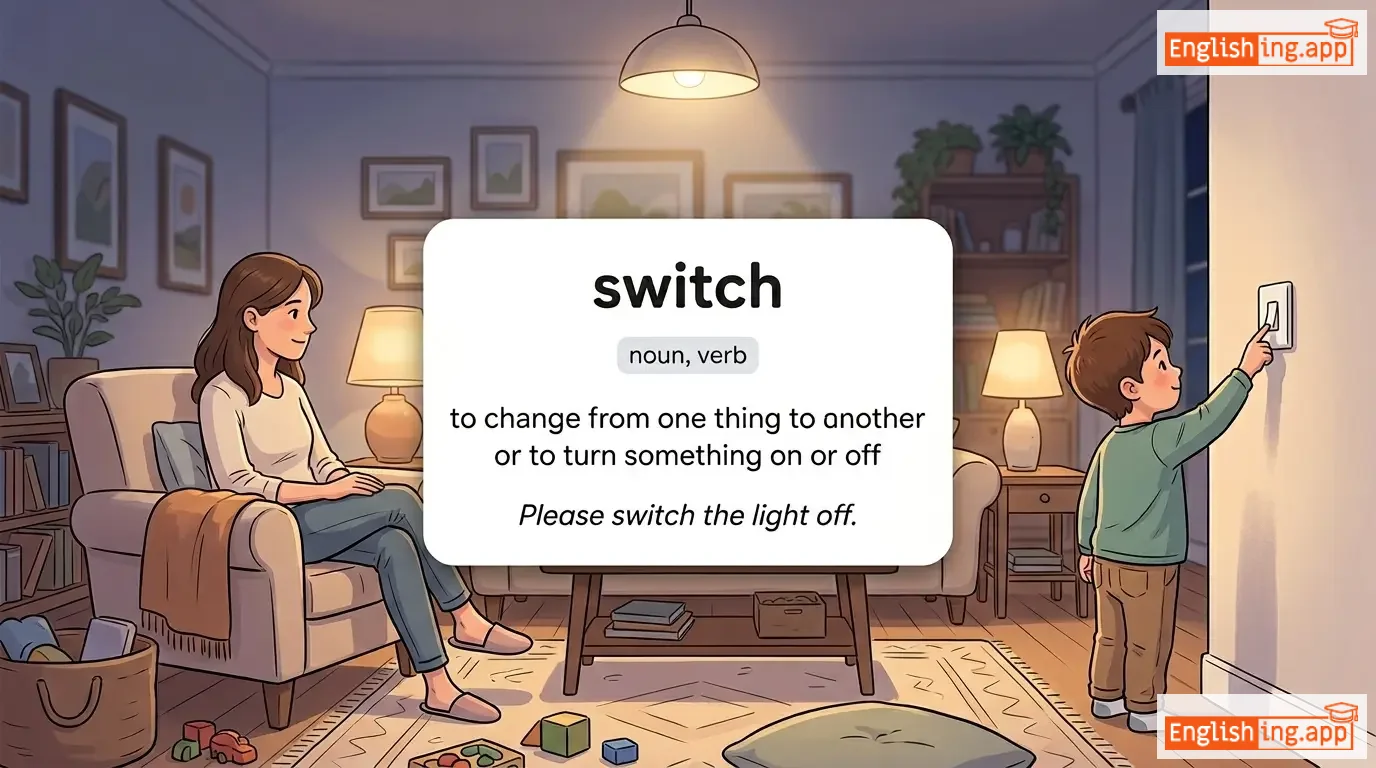
to change from one thing to another; to exchange or replace
••••••
|
I switched from coffee to tea.
私はコーヒーからお茶に切り替えました。
••••••
|
私はコーヒーからお茶に切り替えました。
Watashi wa kōhī kara ocha ni kirikaemashita.
••••••
|
- •••••• | - •••••• | - •••••• |
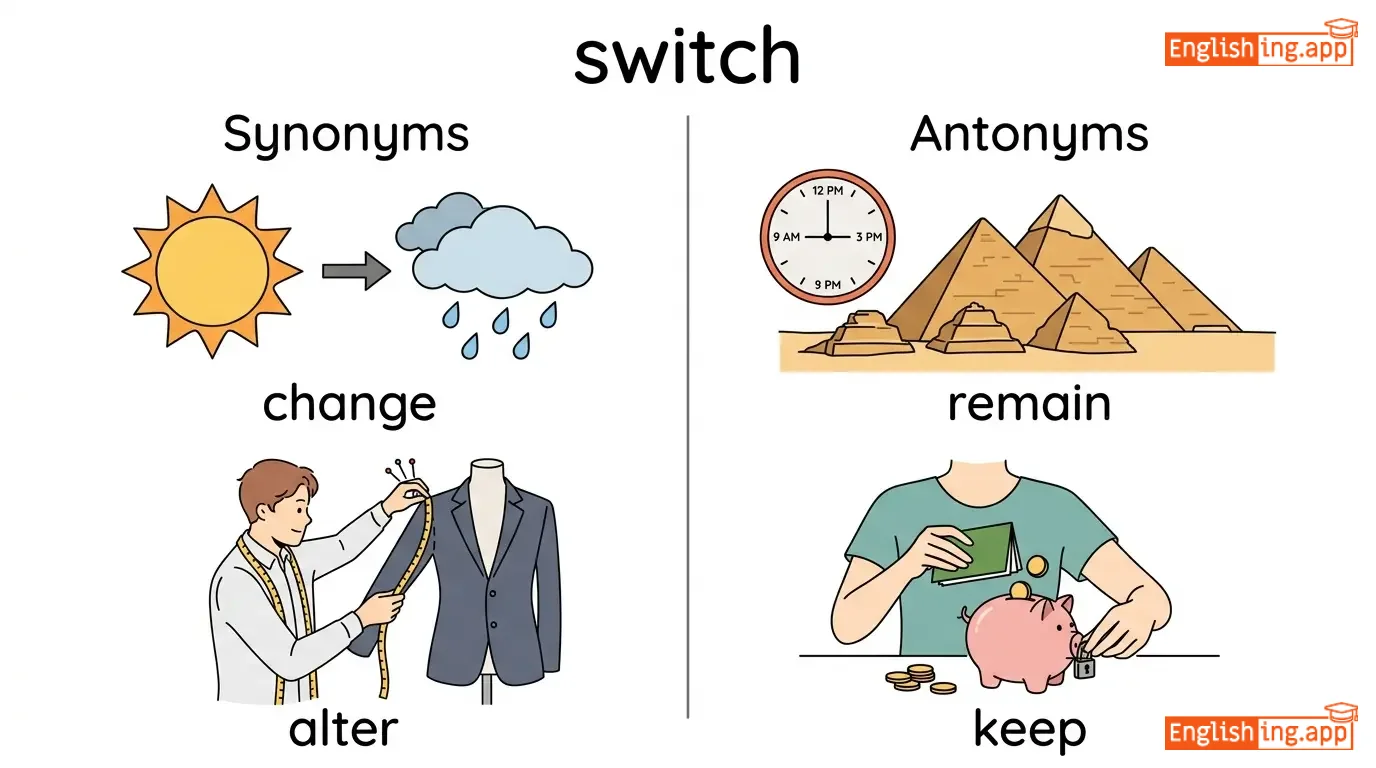
change, swap, exchange, shift
••••••
|
keep, maintain, stick
••••••
|
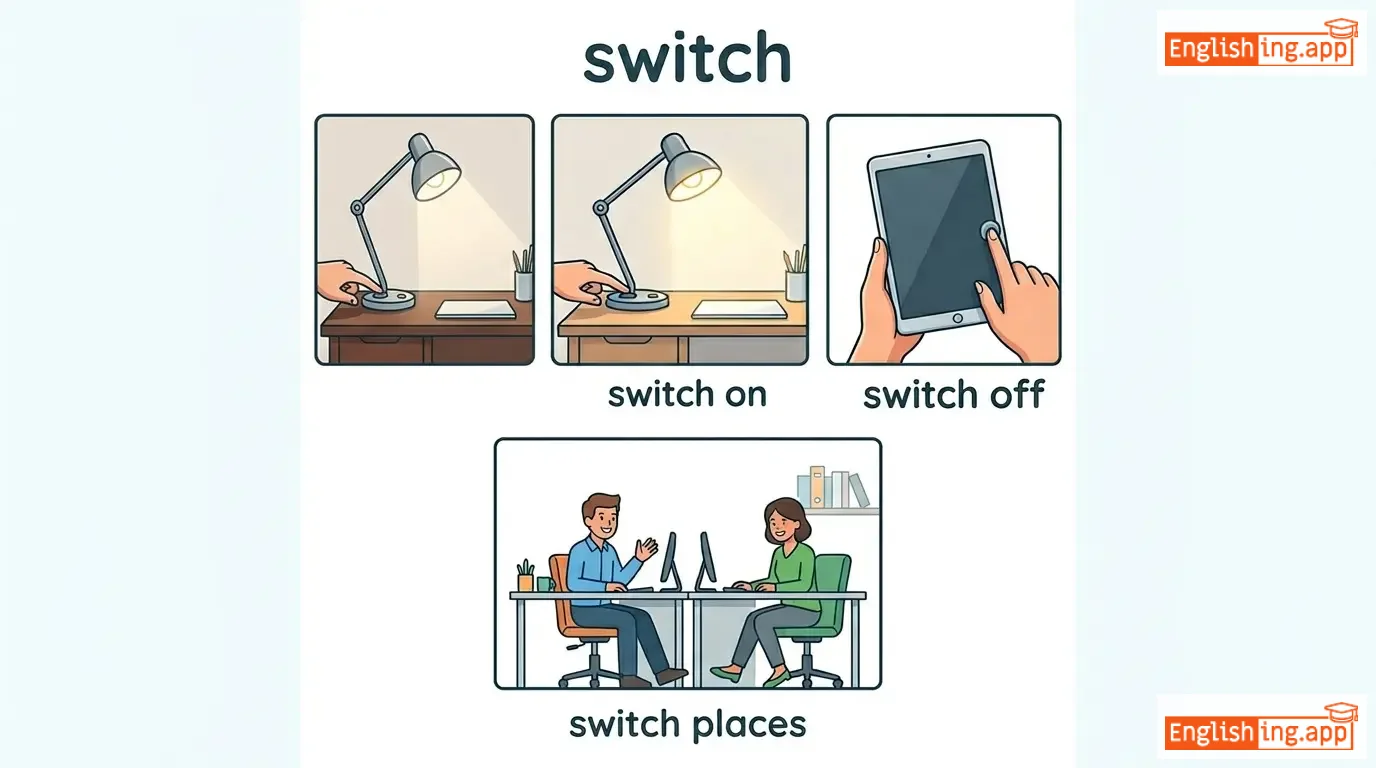
switch off, switch on, switch channels, switch jobs, switch sides
••••••
|
新しい考えを切り替えるためにスイッチを押そう!
••••••
|
|
#4926
⚔️
|
/sɔːrd/
noun
(ソード)
••••••
|
- •••••• |
剣
ken
••••••
|
- •••••• | - •••••• | - •••••• | - •••••• |
a weapon with a long metal blade used for fighting
••••••
|
The knight drew his sword to defend the castle. |
騎士は城を守るために剣を抜いた。
Kishi wa shiro o mamoru tame ni ken o nuīta.
••••••
|
cross swords |
to argue or fight with someone
••••••
|
剣を交える
ken o majiru
••••••
|
blade, dagger, saber, weapon, cutlass
••••••
|
shield, peace
••••••
|
draw a sword, sharp sword, sword fight, sword blade
••••••
|
SWOrdは剣の意味!剣で戦いましょう!
••••••
|
|
#4927
🔣
|
/ˈsɪmbəl/
noun
(シンボル)
••••••
|
- •••••• |
シンボル
shinboru
••••••
|
- •••••• | - •••••• | - •••••• | - •••••• |
a mark or character used as a conventional representation of an object, function, or process
••••••
|
The dove is a symbol of peace.
鳩は平和の象徴です。
••••••
|
鳩は平和の象徴です。
Hato wa heiwa no shōchō desu.
••••••
|
- •••••• | - •••••• | - •••••• |
sign, emblem, token, representation
••••••
|
reality, substance, literalness
••••••
|
symbol of peace, religious symbol, mathematical symbol, status symbol
••••••
|
平和の鳩のシンボル
••••••
|
|
#4928
🕊️
|
/sɪmˈbɒlɪk/
adjective
(シンボリック)
••••••
|
- •••••• |
象徴的
shouchouteki
••••••
|
- •••••• | - •••••• | - •••••• | - •••••• |
serving as a symbol or representing something else
••••••
|
The dove is symbolic of peace and freedom.
鳩は平和と自由の象徴的存在です。
••••••
|
鳩は平和と自由の象徴的存在です。
Hato wa heiwa to jiyū no shōchōteki sonzai desu.
••••••
|
symbolic gesture
シンボリックジェスチャー
••••••
|
an action meant to show support or respect rather than to have practical effect
••••••
|
象徴的なジェスチャー
shōchōteki na jeshuchā
••••••
|
representative, figurative, emblematic, metaphorical, indicative
••••••
|
literal, realistic, actual
••••••
|
symbolic meaning, symbolic gesture, symbolic act, symbolic representation
••••••
|
SYMBOLは象徴を意味します — だからsymbolicは象徴的な意味です!
••••••
|
|
#4929
💙
|
/ˌsɪmpəˈθɛtɪk/
adjective
(シンパセティック)
••••••
|
- •••••• |
共感的
kyoukanteki
••••••
|
- •••••• | - •••••• | - •••••• | - •••••• |
showing understanding or compassion for someone’s feelings or situation
••••••
|
She was very sympathetic when he lost his job.
彼女は彼が仕事を失ったとき、とてもシンパセティックでした。
••••••
|
彼女は彼が仕事を失ったとき、とても共感的でした。
Kanojo wa kare ga shigoto wo ushinatta toki, totemo kyoukanteki deshita.
••••••
|
sympathetic ear
シンパセティック・イヤー
••••••
|
a person who listens with kindness and understanding
••••••
|
共感的な耳
kyoukanteki na mimi
••••••
|
compassionate, caring, kind, supportive, understanding
••••••
|
indifferent, unfeeling, unsympathetic
••••••
|
sympathetic attitude, sympathetic ear, sympathetic response, sympathetic character
••••••
|
Sympathy + pathetic = 他人に共感する
••••••
|
|
#4930
💐
|
/ˈsɪmpəθi/
noun
(シンパシー)
••••••
|
- •••••• |
同情
doujou
••••••
|
- •••••• | - •••••• | - •••••• | - •••••• |
feelings of pity and compassion for someone else's suffering
••••••
|
She expressed her sympathy for the grieving family.
彼女は悲しんでいる家族に同情を示しました。
••••••
|
彼女は悲しんでいる家族に同情を示しました。
Kanojo wa kanashinde iru kazoku ni doujou o shimeshimashita.
••••••
|
deep sympathy
深い同情
••••••
|
strong feelings of compassion
••••••
|
深い同情
fukai doujou
••••••
|
compassion, pity, condolence, understanding
••••••
|
indifference, apathy
••••••
|
express sympathy, offer sympathy, deep sympathy, sympathy card
••••••
|
Sympathy = Sim + Pathi → Sim broke heart = 同情
••••••
|
|
#4931
🤒
|
/ˈsɪmptəm/
noun
(シンプトム)
••••••
|
- •••••• |
症状
shōjō
••••••
|
- •••••• | - •••••• | - •••••• | - •••••• |
a sign or indication of something, especially of an illness
••••••
|
Fever is a common symptom of the flu. |
熱はインフルエンザの一般的な症状です。
Netsu wa infuruenza no ippanteki na shōjō desu.
••••••
|
- •••••• | - •••••• | - •••••• |
sign, indication, manifestation, mark
••••••
|
health, wellness
••••••
|
symptom of illness, common symptom, early symptom
••••••
|
Symptom like fever: You feel sick (病気) when you're ill!
••••••
|
|
#4932
🧬
|
/ˈsɪnˌdroʊm/
noun
(シンドローム)
••••••
|
- •••••• |
症候群
shōkōgun
••••••
|
- •••••• | - •••••• | - •••••• | - •••••• |
a group of symptoms that occur together and characterize a condition or disease
••••••
|
Down syndrome affects a person's physical and mental development. |
ダウン症は、個人の身体的および精神的な発達に影響を与えます。
Daun-shō wa, kojin no shintai-teki oyobi seishin-teki na hattatsu ni eikyō o ataemasu.
••••••
|
- •••••• | - •••••• | - •••••• |
disorder, condition, ailment, illness, disease
••••••
|
health, wellness
••••••
|
Down syndrome, chronic syndrome, severe syndrome, rare syndrome
••••••
|
SYN = 一緒に, DROME = 歩く — 多くの症状が一緒に歩いている = 症候群!
••••••
|
|
#4933
⚗️
|
/ˈsɪnθəsɪs/
noun
••••••
|
|
- •••••• | - •••••• | - •••••• | - •••••• | - •••••• |
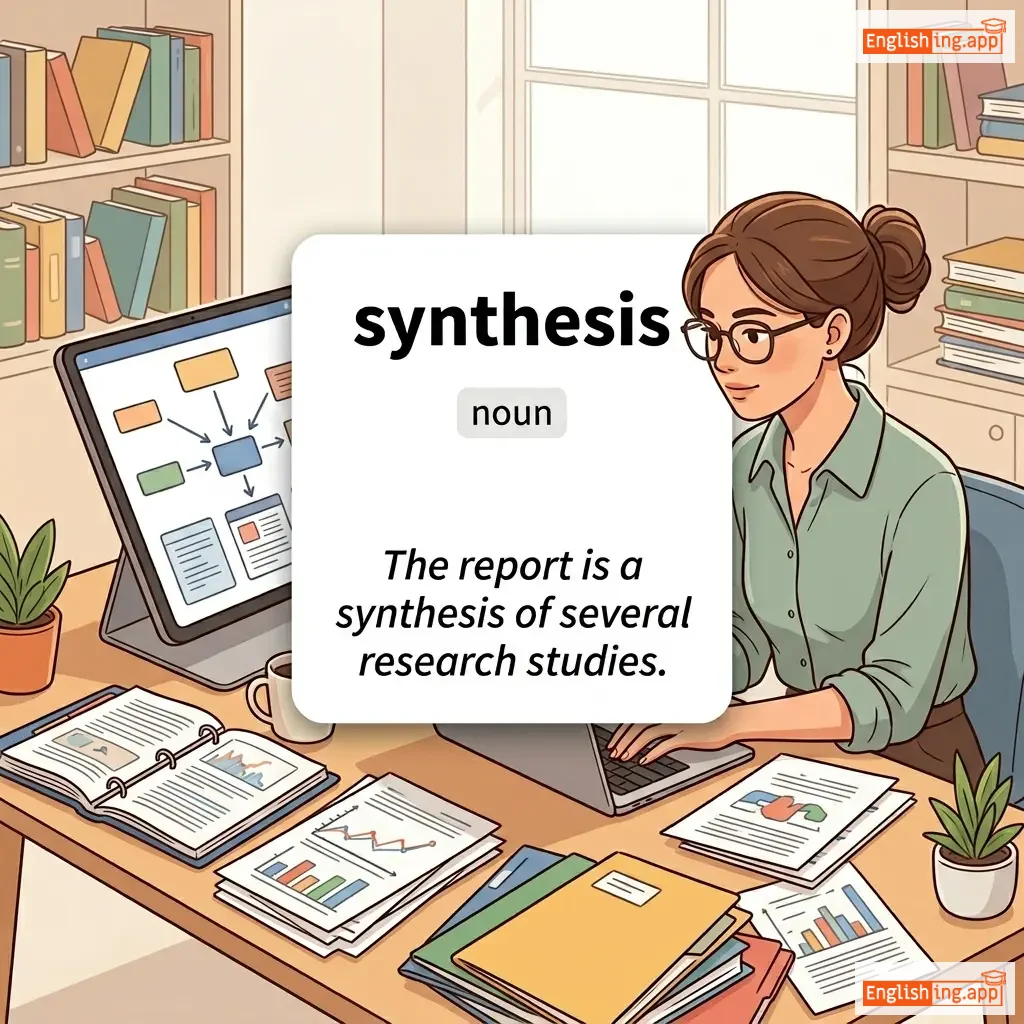
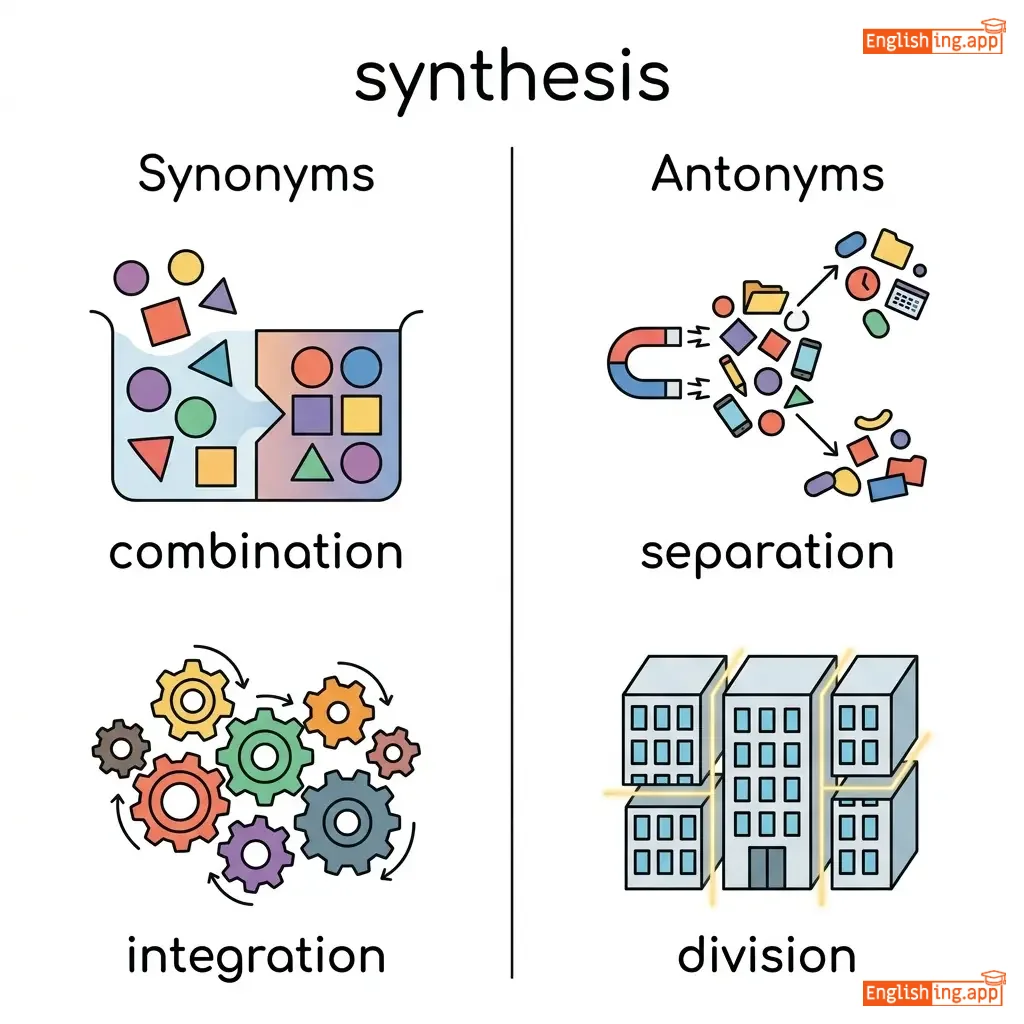
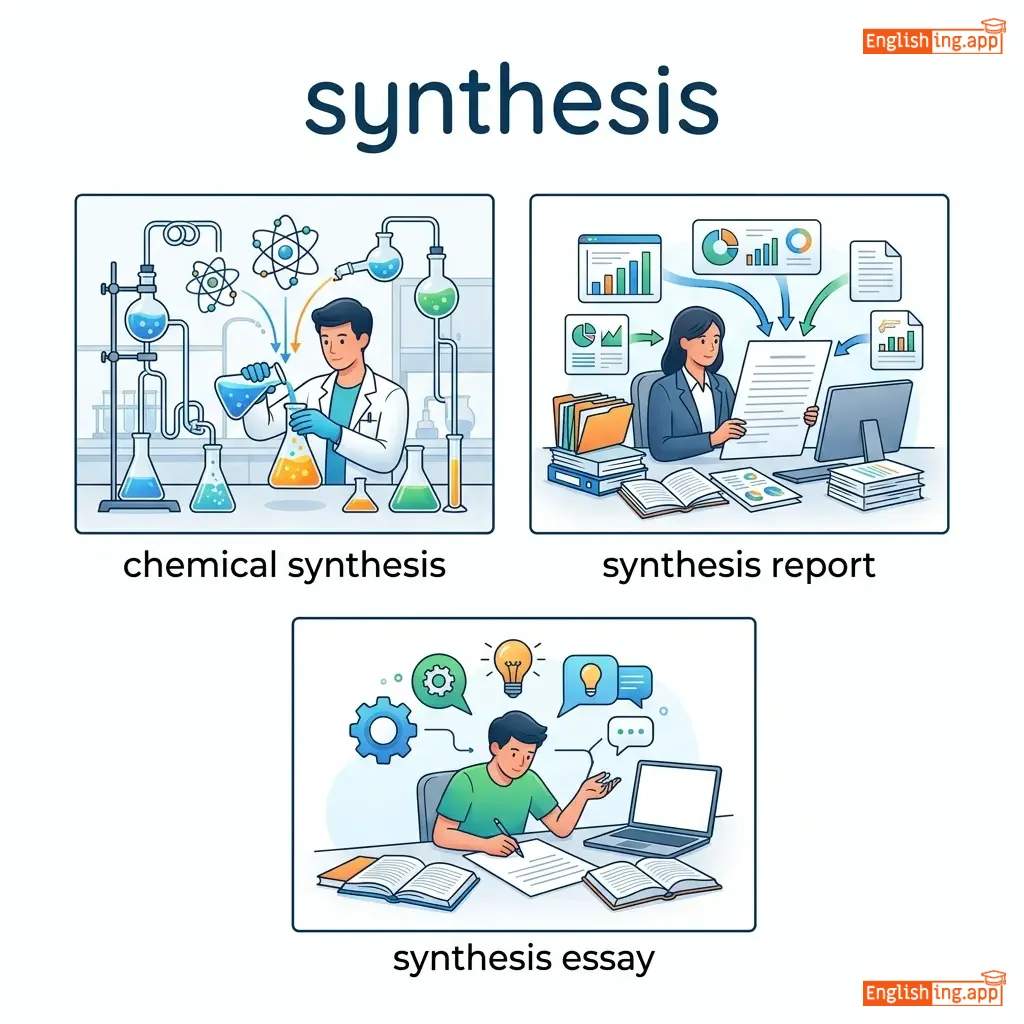
The combination of different ideas, elements, or substances into a coherent whole.
••••••
|
The report is a synthesis of several research studies. |
- •••••• |
thesis-antithesis-synthesis |
A philosophical framework where opposing ideas resolve into a new understanding.
••••••
|
- •••••• |
combination, integration, fusion, amalgamation, unification
••••••
|
separation, division, analysis
••••••
|
chemical synthesis, synthesis report, synthesis essay, data synthesis
••••••
|
No •••••• |
|
#4934
🖥️
|
/ˈsɪstəm/
noun
(システム)
••••••
|
- •••••• |
システム
shisutemu
••••••
|
- •••••• | - •••••• | - •••••• | - •••••• |
a set of connected parts forming a complex whole; an organized method
••••••
|
The education system needs major reforms. |
教育システムには大きな改革が必要です。
Kyōiku shisutemu ni wa ōkina kaikaku ga hitsuyō desu.
••••••
|
systematic approach |
an organized and methodical way
••••••
|
体系的なアプローチ
taikeiteki na apurōchi
••••••
|
structure, organization, framework, network
••••••
|
disorder, chaos
••••••
|
education system, computer system, political system, solar system
••••••
|
システム = システム、'太陽系' のように、惑星のシステム
••••••
|
|
#4935
📊
|
/ˌsɪstəˈmætɪk/
adjective
(システマティック)
••••••
|
- •••••• |
体系的
taikeiteki
••••••
|
- •••••• | - •••••• | - •••••• | - •••••• |
Done or acting according to a fixed plan or system; methodical.
••••••
|
The company took a systematic approach to solving the issue. |
その会社は問題を解決するために体系的なアプローチを採用しました。
Sono kaisha wa mondai o kaiketsu suru tame ni taikeiteki na apurōchi o sai yō shimashita.
••••••
|
systematic error |
An error that consistently occurs in the same direction due to flaws in a system.
••••••
|
体系的誤差
taikeiteki gosha
••••••
|
methodical, organized, structured, logical, disciplined
••••••
|
random, chaotic, disorganized
••••••
|
systematic review, systematic study, systematic approach, systematic plan
••••••
|
システムを従うことは、体系的に行動することです。
••••••
|
|
#4936
🍽️
|
/ˈteɪbəl/
noun
(テーブル)
••••••
|
- •••••• |
テーブル
teeburu
••••••
|
- •••••• | - •••••• | - •••••• | - •••••• |
A piece of furniture with a flat top and legs, used for working at or placing items on.
••••••
|
They placed the documents on the table. |
彼らは書類をテーブルに置きました。
Karera wa shorui o teeburu ni okimashita.
••••••
|
turn the tables |
To reverse a situation and gain an advantage over someone.
••••••
|
局面を逆転する
Kyokumen o gyakuten suru
••••••
|
desk, counter, bench, surface
••••••
|
floor, ground
••••••
|
dining table, coffee table, round table, table manners
••••••
|
テーブル (teeburu) の上に置いた書類を使って、局面を逆転させましょう。
••••••
|
|
#4937
🥄
|
/ˈteɪbəlˌspun/
noun
(テーブルスプーン)
••••••
|
- •••••• |
テーブルスプーン
teeburusu pun
••••••
|
- •••••• | - •••••• | - •••••• | - •••••• |
a spoon used for serving or eating food, typically holding about 15 milliliters
••••••
|
She stirred the soup with a tablespoon.
彼女はテーブルスプーンでスープをかき混ぜました。
••••••
|
彼女はテーブルスプーンでスープをかき混ぜました。
Kanojo wa teeburusu pun de suupu o kakimazemashita.
••••••
|
- •••••• | - •••••• | - •••••• |
soup spoon, serving spoon
••••••
|
teaspoon, fork
••••••
|
tablespoon of sugar, tablespoon of salt, a full tablespoon
••••••
|
テーブルスプーンでスープ (teeburusu pun de suupu) - Imagine using a spoonful of soup.
••••••
|
|
#4938
💊
|
/ˈtæblət/
noun
••••••
|
- •••••• | - •••••• | - •••••• | - •••••• | - •••••• | - •••••• |
a small flat computer or a small solid dose of medicine
••••••
|
She took a tablet to relieve her headache. |
- •••••• | - •••••• | - •••••• | - •••••• |
pill, pad, slate, device
••••••
|
capsule, injection
••••••
|
take a tablet, tablet device, tablet computer, tablet form
••••••
|
No •••••• |
|
#4939
⚡
|
/ˈtæk.əl/
verb, noun
••••••
|
- •••••• | - •••••• |
tackled
••••••
|
tackled
••••••
|
tackles
••••••
|
tackling
••••••
|
to try to deal with or solve a difficult problem; to physically stop someone in sports by knocking them down
••••••
|
The coach taught the players how to tackle properly. |
- •••••• |
tackle a problem |
to deal with or try to solve a problem
••••••
|
- •••••• |
confront, address, handle, seize, wrestle
••••••
|
avoid, ignore, neglect
••••••
|
tackle a challenge, tackle crime, tackle poverty, tackle an issue
••••••
|
No •••••• |
|
#4940
🎯
|
/ˈtæk.tɪk/
noun
(タクティク)
••••••
|
- •••••• |
戦術; 戦略
senjutsu; senryaku
••••••
|
- •••••• | - •••••• | - •••••• | - •••••• |
a plan or method for achieving something; a strategy used to accomplish a goal
••••••
|
The coach used a new tactic to win the game. |
コーチはゲームに勝つために新しい戦術を使いました。
Kōchi wa gēmu ni katsu tame ni atarashī senjutsu o tsukaimashita.
••••••
|
- •••••• | - •••••• | - •••••• |
strategy, approach, method, plan, technique
••••••
|
improvisation, spontaneity
••••••
|
military tactic, defensive tactic, clever tactic, winning tactic
••••••
|
チームが勝つためには戦術が必要です。
••••••
|
|
#4941
🎯
|
/ˈtæktɪkəl/
adjective
(タクティカル)
••••••
|
- •••••• |
戦略に関連する
senryaku ni kanren suru
••••••
|
- •••••• | - •••••• | - •••••• | - •••••• |
relating to or involving tactics or strategy
••••••
|
The team had a tactical plan for the final match. |
チームは最終試合のための戦術的な計画を立てていた。
Chīmu wa saishū shiai no tame no senjutsuteki na keikaku o tatete ita.
••••••
|
- •••••• | - •••••• | - •••••• |
strategic, planned, calculated, methodical
••••••
|
spontaneous, unplanned
••••••
|
tactical approach, tactical advantage, tactical strategy
••••••
|
Tacticalは‘戦術’のようなものです。最良の戦略を計画するために戦術的である必要があります。
••••••
|
|
#4942
🏷️
|
/tæɡ/
noun, verb
••••••
|
- •••••• | - •••••• |
tagged
••••••
|
tagged
••••••
|
tags
••••••
|
tagging
••••••
|
a label attached to something for identification or information; or to attach such a label
••••••
|
She tagged her luggage before boarding the plane. |
- •••••• |
tag along |
to go somewhere with someone, often without being invited
••••••
|
- •••••• |
label, marker, ticket, sticker, mark
••••••
|
remove, detach
••••••
|
price tag, luggage tag, tag along, tag a photo
••••••
|
No •••••• |
|
#4943
🐕
|
/teɪl/
noun
(teyl)
••••••
|
- •••••• |
尾
obi
••••••
|
- •••••• | - •••••• | - •••••• | - •••••• |
the rear part of an animal that extends from the back or bottom
••••••
|
The dog wagged its tail happily when it saw its owner. |
犬は飼い主を見て嬉しそうに尾を振った。
Inu wa kainushi wo mite ureshisou ni obi wo futta.
••••••
|
- •••••• | - •••••• | - •••••• |
rear, end, appendage
••••••
|
head, front
••••••
|
dog tail, long tail, wagging tail, tail feathers
••••••
|
Obi = tail in Japanese, and both wag with joy!
••••••
|
|
#4944
🚌
|
/teɪk/
verb
(teiku)
••••••
|
|
取る
toru
••••••
|
took
tooku
••••••
|
taken
teiken
••••••
|
takes
teikus
••••••
|
taking
teiking
••••••
|
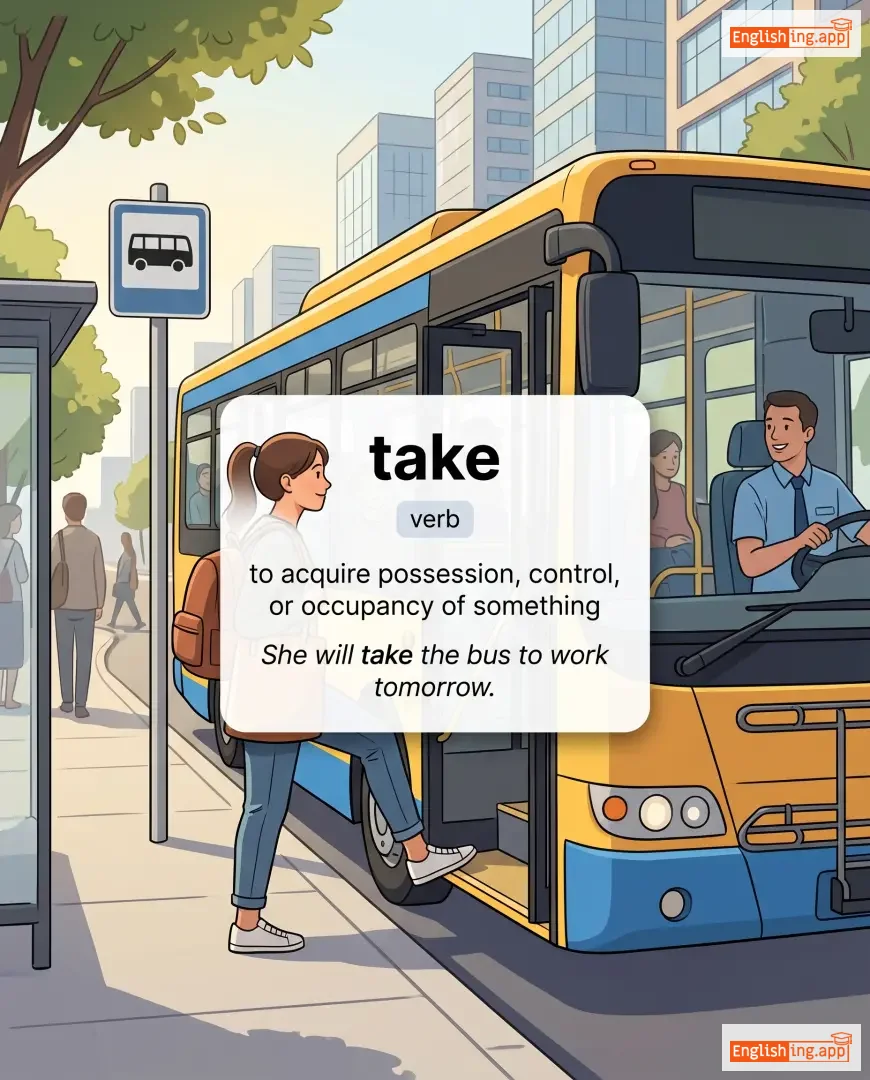
to acquire possession, control, or occupancy of something
••••••
|
She will take the bus to work tomorrow.
彼女は明日バスで仕事に行く。
••••••
|
彼女は明日バスで仕事に行く。
Kanojo wa ashita basu de shigoto ni iku.
••••••
|
take advantage of
利用する
••••••
|
to exploit or make good use of an opportunity
••••••
|
利用する
riyousuru
••••••
|
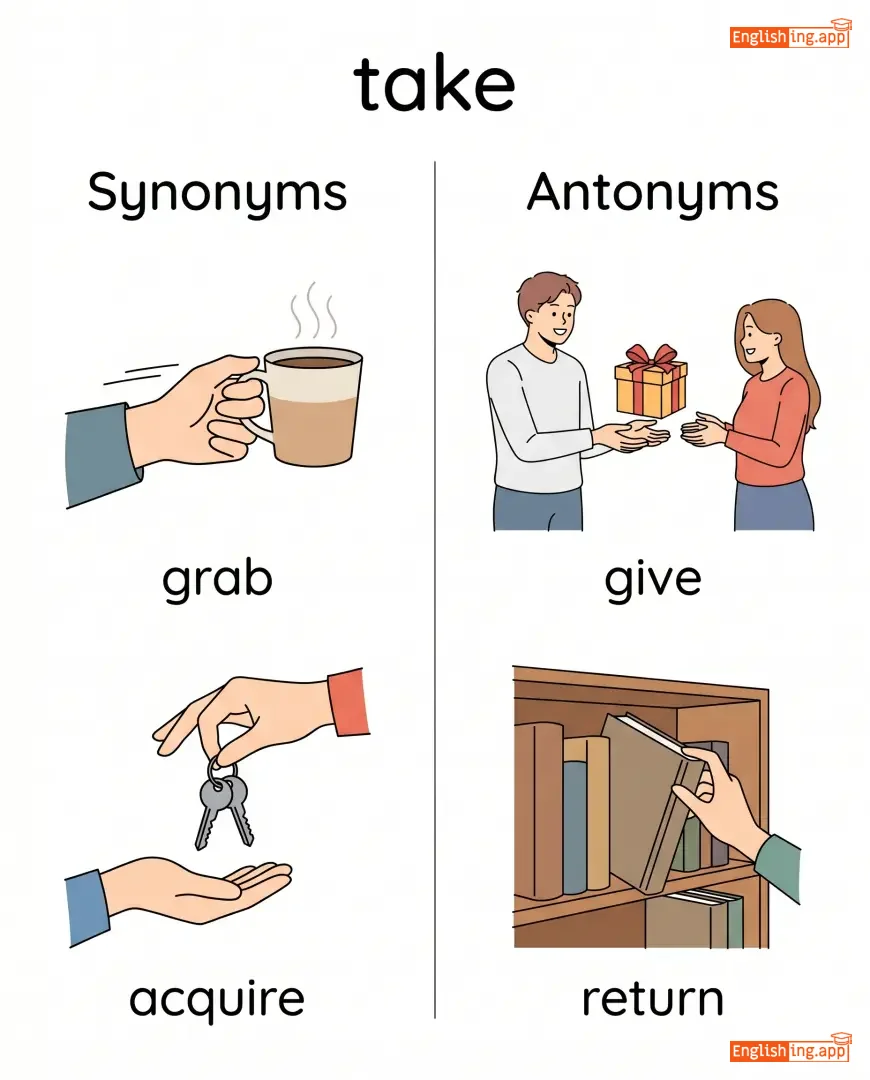
grab, acquire, seize, accept
••••••
|
give, return, release
••••••
|
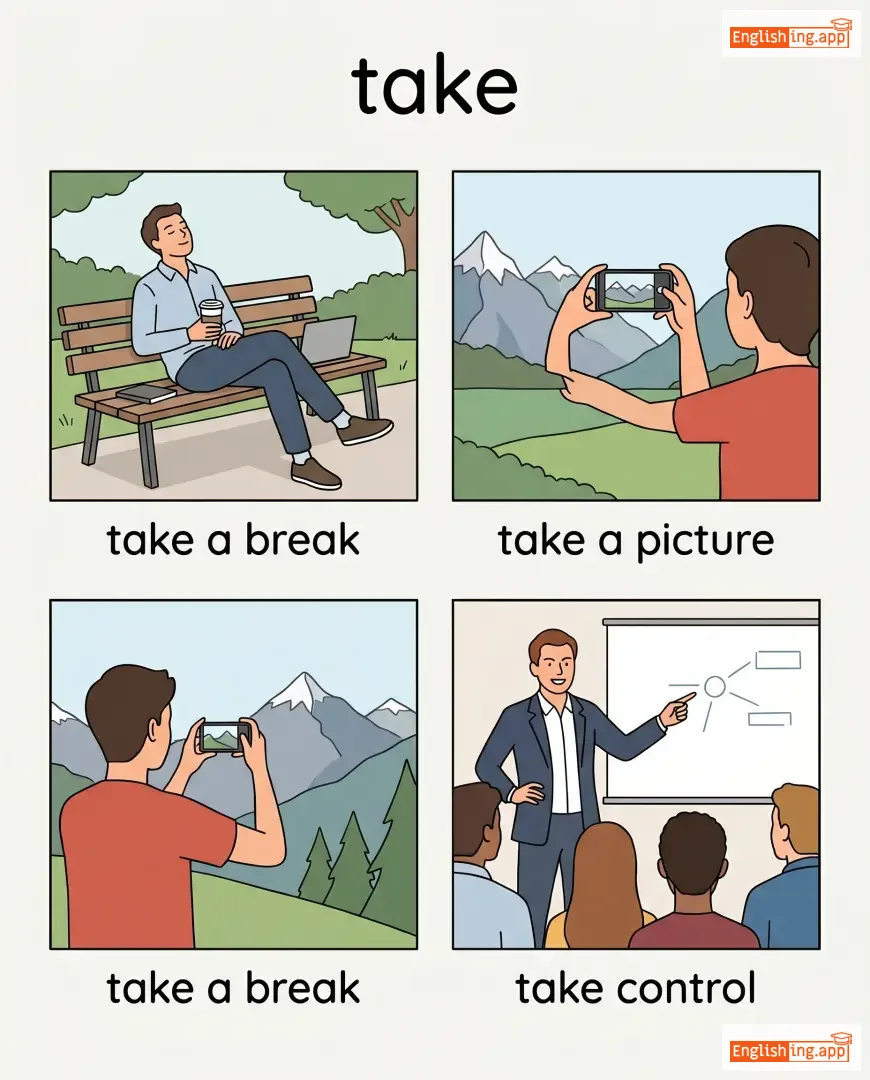
take a break, take a picture, take control
••••••
|
取る (take) なら、あなたはそれを得る - If you take it, you will have it.
••••••
|
|
#4945
🛫
|
/teɪk ɒf/
verb
(テイク オフ)
••••••
|
- •••••• |
離陸する; 取り除く
ririku suru; torinozoku
••••••
|
took off
トゥック オフ
••••••
|
taken off
テイケン オフ
••••••
|
takes off
テイクス オフ
••••••
|
taking off
テイキング オフ
••••••
|
to remove something; to leave the ground and begin flying (airplane); to suddenly become successful or popular
••••••
|
The airplane will take off in ten minutes.
飛行機は10分後に離陸します。
••••••
|
飛行機は10分後に離陸します。
Hikouki wa 10-pun go ni ririku shimasu.
••••••
|
take off like a rocket
ロケットのように離陸する
••••••
|
to suddenly become very successful or popular
••••••
|
急に成功する
kyuu ni seikou suru
••••••
|
depart, leave, lift off, remove, ascend
••••••
|
land, arrive, stay
••••••
|
take off clothes, take off rapidly, take off plane, take off career
••••••
|
Take off = 離陸する、飛行機が空に舞い上がるイメージ!
••••••
|
|
#4946
📖
|
/teɪl/
noun
(テイル)
••••••
|
- •••••• |
物語
monogatari
••••••
|
- •••••• | - •••••• | - •••••• | - •••••• |
a narrative of imaginary events, especially one that is presented as true
••••••
|
The old man told a tale of his adventures. |
その老人は冒険の物語を話した。
Sono rōjin wa bōken no monogatari o hanashita.
••••••
|
tall tale |
an exaggerated story, often one that is not true
••••••
|
大げさな話
ōgesa na hanashi
••••••
|
story, narrative, legend, fable
••••••
|
fact, truth
••••••
|
fairy tale, tall tale, bedtime tale
••••••
|
物語 (monogatari) は想像力から生まれる - A tale born from imagination
••••••
|
|
#4947
🎨
|
/ˈtælənt/
noun
(タレント)
••••••
|
- •••••• |
才能
sainou
••••••
|
- •••••• | - •••••• | - •••••• | - •••••• |
natural aptitude or skill
••••••
|
She has a great talent for painting.
彼女は絵画において素晴らしい才能を持っています。
••••••
|
彼女は絵画において素晴らしい才能を持っています。
Kanojo wa kaiga ni oite subarashī sainō o motteimasu.
••••••
|
- •••••• | - •••••• | - •••••• |
ability, skill, gift, knack, expertise
••••••
|
incompetence, ineptitude, inability
••••••
|
natural talent, artistic talent, hidden talent, raw talent
••••••
|
Talented artists create TALENTS, like painting!
••••••
|
|
#4948
⭐
|
/ˈtæl.ən.tɪd/
adjective
(タレント)
••••••
|
- •••••• |
才能がある
sainou ga aru
••••••
|
- •••••• | - •••••• | - •••••• | - •••••• |
having a natural ability or skill in a particular area
••••••
|
She is a talented musician who plays multiple instruments.
彼女は多くの楽器を演奏する才能ある音楽家です。
••••••
|
彼女は多くの楽器を演奏する才能ある音楽家です。
Kanojo wa ōku no gakki o ensō suru sainō aru ongakuka desu.
••••••
|
- •••••• | - •••••• | - •••••• |
gifted, skilled, accomplished, capable
••••••
|
untalented, inept, incompetent, unskilled
••••••
|
talented artist, talented performer, talented individual
••••••
|
‘Talent’ は日本語で ‘才能がある’ (sainou ga aru) という意味です。
••••••
|
|
#4949
💬
|
/tɔːk/
verb
(トーク)
••••••
|
|
話す
hanasu
••••••
|
talked
トークド
••••••
|
talked
トークド
••••••
|
talks
トークス
••••••
|
talking
トーキング
••••••
|
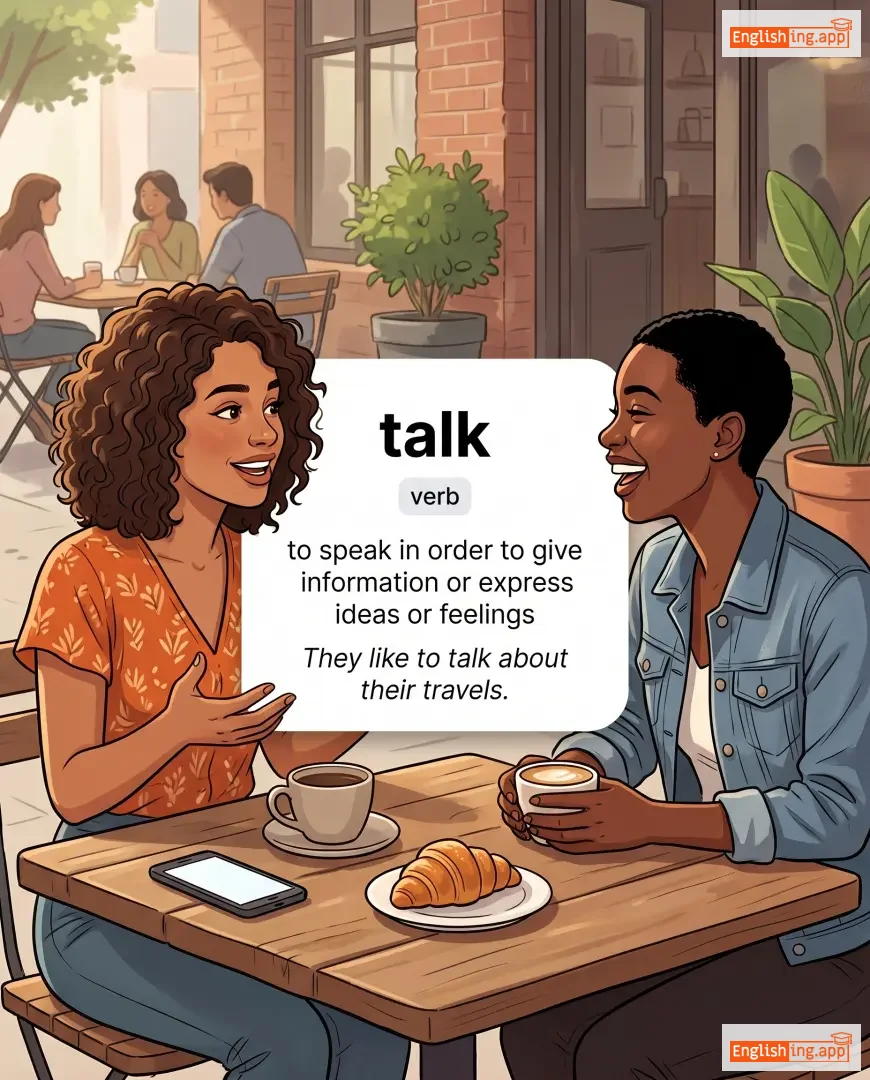
to speak; to communicate by speaking; to discuss
••••••
|
Let's talk about your future plans.
レットス トーク アバウト ヨア フューチャー プランズ。
••••••
|
あなたの未来の計画について話しましょう。
Anata no mirai no keikaku ni tsuite hanashimashou
••••••
|
- •••••• | - •••••• | - •••••• |
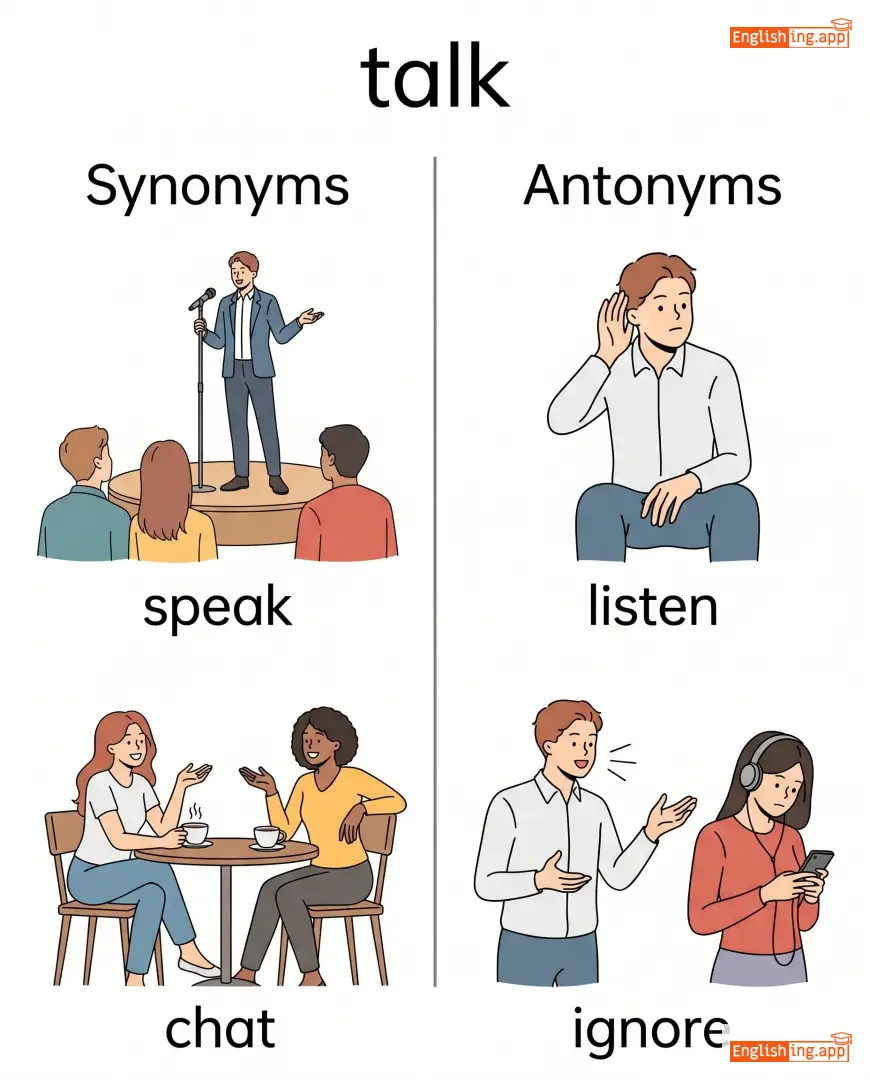
speak, communicate, converse, discuss
••••••
|
listen, be silent, stay quiet
••••••
|
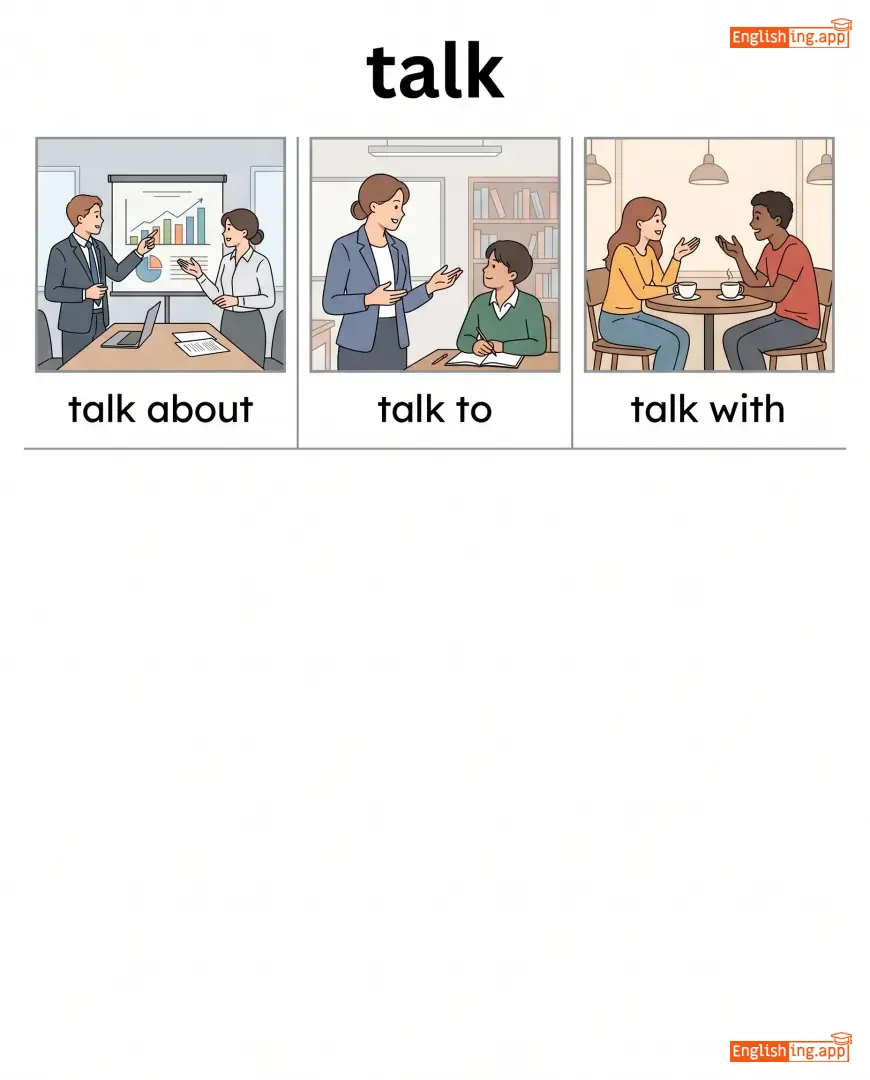
talk about, talk to, talk over, small talk, talk shop
••••••
|
No •••••• |
|
#4950
🗣️
|
/ˈtɔː.kə.tɪv/
adjective
(トークアティヴ)
••••••
|
- •••••• |
おしゃべり
oshaberi
••••••
|
- •••••• | - •••••• | - •••••• | - •••••• |
fond of talking; speaking freely and at length
••••••
|
My talkative neighbor loves to chat about everything. |
私のおしゃべりな隣人は、何でも話すのが大好きです。
Watashi no oshaberi na rinjin wa, nandemo hanasu no ga daisuki desu.
••••••
|
- •••••• | - •••••• | - •••••• |
chatty, verbose, loquacious, garrulous
••••••
|
quiet, silent, reserved, taciturn
••••••
|
talkative person, talkative mood, talkative nature
••••••
|
おしゃべりは、'話す'ことに関連しており、長く話すことを意味します。
••••••
|
|
#4951
📏
|
/tɔːl/
adjective
(トール)
••••••
|
- •••••• |
高い
takai
••••••
|
- •••••• | - •••••• | - •••••• | - •••••• |
having a greater than average height
••••••
|
He is the tallest player on the team. |
彼はチームで一番高い選手です。
Kare wa chiimu de ichiban takai senshu desu.
••••••
|
tall order |
a difficult or challenging task
••••••
|
難しい仕事
muzukashii shigoto
••••••
|
high, lofty, towering, elevated
••••••
|
short, small, low
••••••
|
tall building, tall person, tall story, tall tree
••••••
|
Tall は高い、タワーのように高い。
••••••
|
|
#4952
🚙
|
/tæŋk/
noun
••••••
|
- •••••• | - •••••• | - •••••• | - •••••• | - •••••• | - •••••• |
a large, heavy military vehicle that moves on tracks and is armed with weapons
••••••
|
The army sent tanks to the front lines. |
- •••••• | - •••••• | - •••••• | - •••••• |
armored vehicle, combat vehicle, war machine
••••••
|
car, bicycle
••••••
|
military tank, battle tank, army tank
••••••
|
No •••••• |
|
#4953
🔨
|
/tæp/
verb
(タップ)
••••••
|
- •••••• |
タップする
tappu suru
••••••
|
tapped
タップド
••••••
|
tapped
タップド
••••••
|
taps
タップス
••••••
|
tapping
タッピング
••••••
|
to strike something lightly, usually with a quick, sharp sound
••••••
|
He tapped on the door to get her attention.
彼は彼女の注意を引くためにドアをタップしました。
••••••
|
彼は彼女の注意を引くためにドアをタップしました。
Kare wa kanojo no chuui o hiku tame ni doa o tappu shimashita.
••••••
|
- •••••• | - •••••• | - •••••• |
knock, hit, strike, pat
••••••
|
slam, pound
••••••
|
tap on, tap the table, tap gently
••••••
|
ドアをタップ: 彼女の注意を引くためにタップする!
••••••
|
|
#4954
📼
|
/teɪp/
noun
(テープ)
••••••
|
- •••••• |
テープ
teepu
••••••
|
- •••••• | - •••••• | - •••••• | - •••••• |
a long, narrow strip of material, often sticky on one side, used for fastening or sticking things together
••••••
|
I need some tape to seal this box. |
この箱を封をするためにテープが必要です。
Kono hako o fuu o suru tame ni teepu ga hitsuyou desu.
••••••
|
- •••••• | - •••••• | - •••••• |
adhesive, sticky tape, masking tape, sellotape
••••••
|
scissors, unstick
••••••
|
scotch tape, masking tape, duct tape, adhesive tape
••••••
|
Tape it up to seal it tight!
••••••
|
|
#4955
📝
|
/tɑːsk/
noun
(タスク)
••••••
|
- •••••• |
タスク
tasuku
••••••
|
- •••••• | - •••••• | - •••••• | - •••••• |
a piece of work or duty to be done
••••••
|
He completed the task before the deadline.
彼は締め切り前にタスクを完了しました。
••••••
|
彼は締め切り前にタスクを完了しました。
Kare wa shimekiri mae ni tasuku o kanryou shimashita.
••••••
|
- •••••• | - •••••• | - •••••• |
job, duty, assignment, chore
••••••
|
neglect, inactivity
••••••
|
complete a task, task manager, important task
••••••
|
TASK - 毎日やらなければならない小さな 'タスク' を想像してみてください。
••••••
|
|
#4956
👅
|
/teɪst/
verb
(テスト)
••••••
|
|
味わう
ajiwau
••••••
|
tasted
テステッド
••••••
|
tasted
テステッド
••••••
|
tastes
テストス
••••••
|
tasting
テスティング
••••••
|
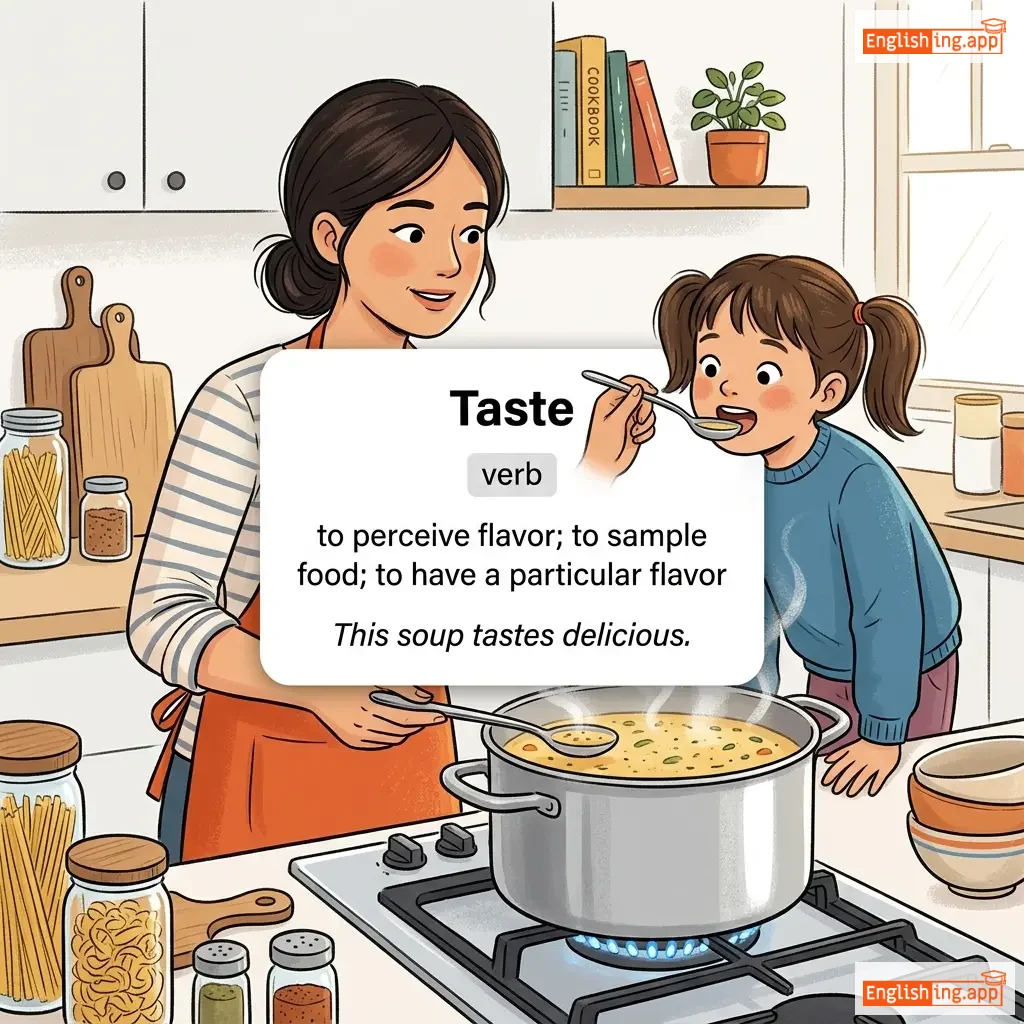
to perceive flavor; to sample food; to have a particular flavor
••••••
|
This soup tastes delicious.
このスープはおいしいです。
••••••
|
このスープはおいしいです。
Kono sūpu wa oishī desu
••••••
|
- •••••• | - •••••• | - •••••• |
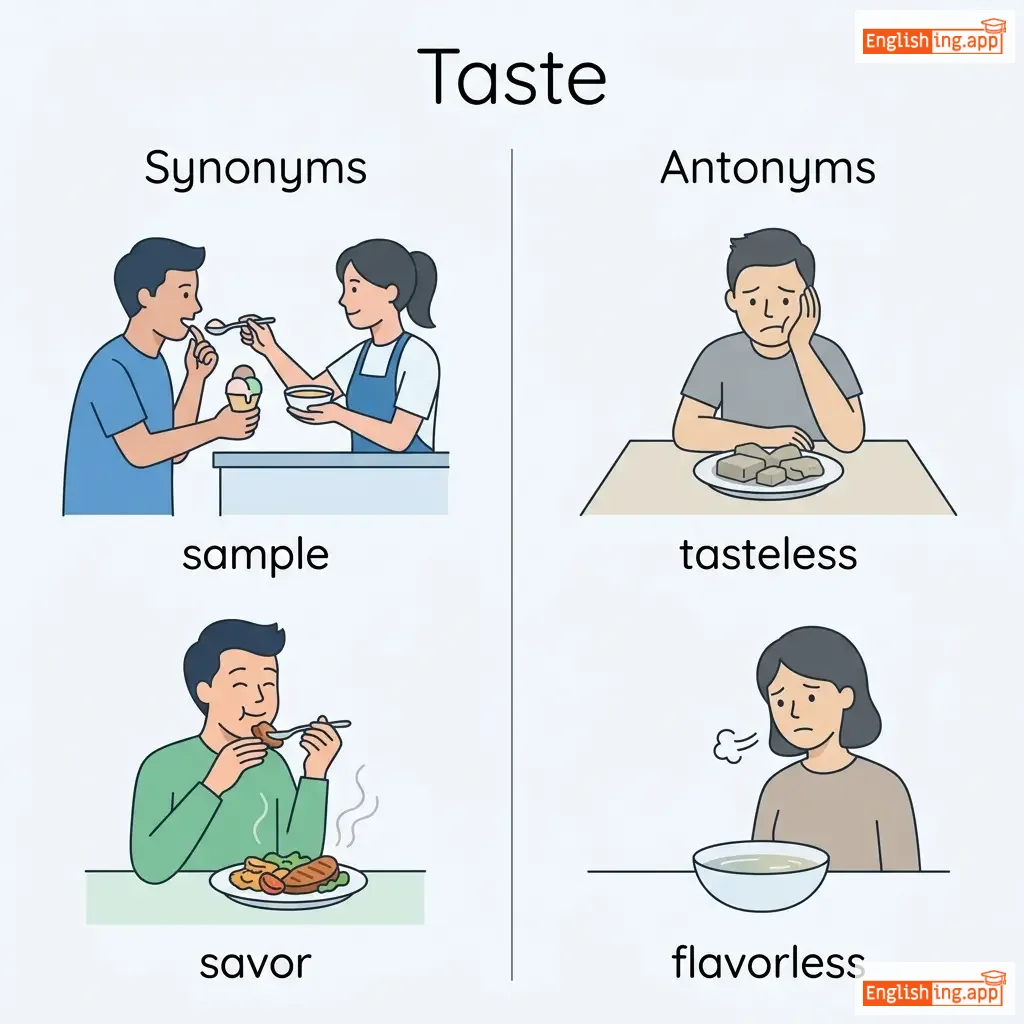
sample, savor, flavor, try
••••••
|
tasteless, flavorless
••••••
|
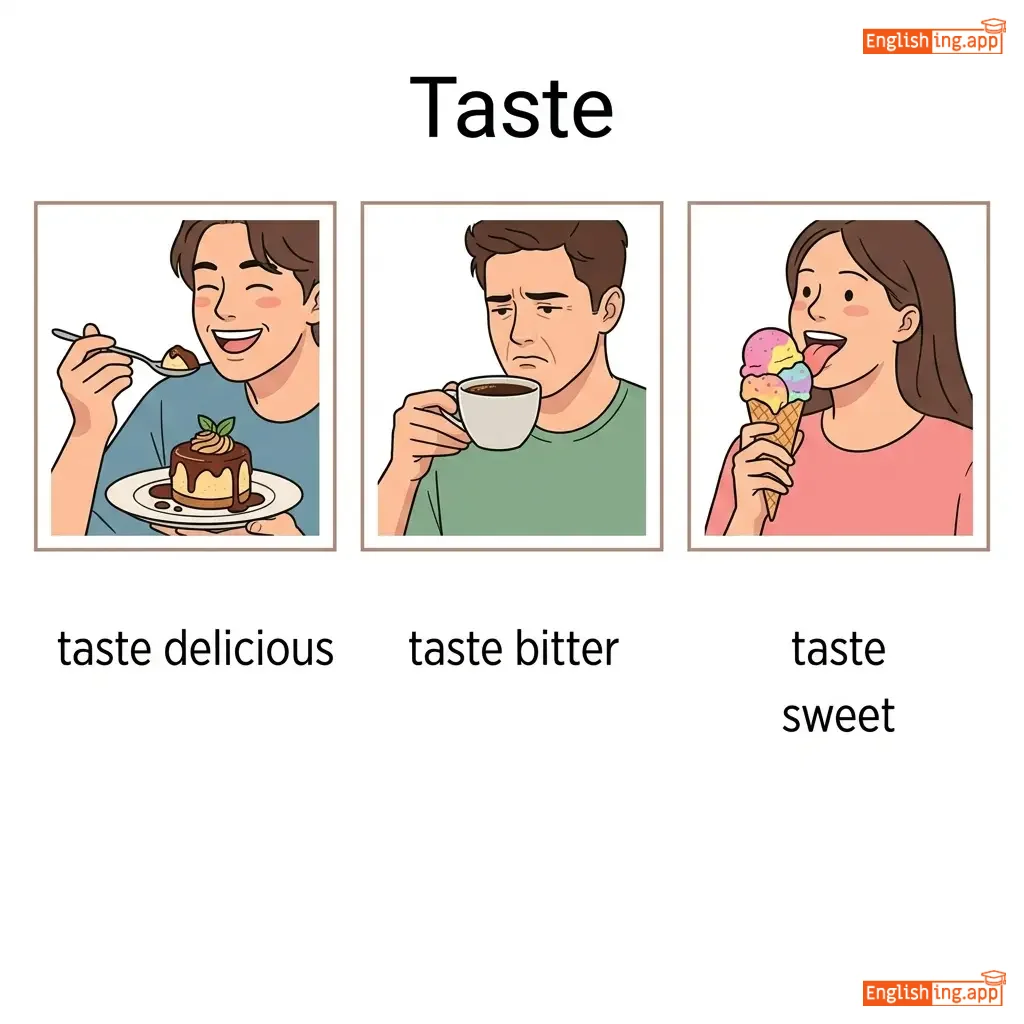
taste delicious, taste bitter, taste sweet, taste good, taste fresh
••••••
|
Ajiwau means to taste in Japanese, just 'aji' for every dish!
••••••
|
|
#4957
💸
|
/tæks/
noun
(tæksu)
••••••
|
- •••••• |
税金
zeikin
••••••
|
- •••••• | - •••••• | - •••••• | - •••••• |
a compulsory contribution to state revenue, typically levied on income or sales
••••••
|
The government increased the tax rate on luxury goods. |
政府は贅沢品に対する税率を引き上げました。
Seifu wa zeitakuhin ni taisuru zeiritsu o hikiagemashita.
••••••
|
- •••••• | - •••••• | - •••••• |
levy, duty, tariff
••••••
|
exemption, relief
••••••
|
pay taxes, tax return, tax rate
••••••
|
TAX - '税金' は政府があなたからお金を取る方法です。
••••••
|
|
#4958
🚕
|
/ˈtæksi/
noun
(タクシー)
••••••
|
- •••••• |
タクシー
takushii
••••••
|
- •••••• | - •••••• | - •••••• | - •••••• |
A car licensed to transport passengers in exchange for payment of a fare.
••••••
|
We hailed a taxi to get to the airport.
私たちは空港に行くためにタクシーを呼びました。
••••••
|
私たちは空港に行くためにタクシーを呼びました。
Watashitachi wa kuukou ni iku tame ni takushii wo yobimashita.
••••••
|
- •••••• | - •••••• | - •••••• |
cab, taxicab, hack, ride
••••••
|
bus, train
••••••
|
call a taxi, taxi driver, taxi fare, taxi rank
••••••
|
タクシー = すぐ目的地に行ける車
••••••
|
|
#4959
👨💼
|
/ˈtæksˌpeɪər/
noun
(tæksˌpeɪər)
••••••
|
- •••••• |
納税者
nōzeisha
••••••
|
- •••••• | - •••••• | - •••••• | - •••••• |
a person who pays tax to the government
••••••
|
The taxpayers' money is used to fund public services.
納税者のお金は公共サービスのために使われます。
••••••
|
納税者のお金は公共サービスのために使われます。
Nōzeisha no okane wa kōkyō sābisu no tame ni tsukawaremasu.
••••••
|
- •••••• | - •••••• | - •••••• |
contributor, payer, revenue source
••••••
|
tax evader, non-payer
••••••
|
paying taxpayers, responsible taxpayers
••••••
|
TAXPAYER - 税金を払うのは'納税者'です。
••••••
|
|
#4960
🍵
|
/tiː/
noun
(ティー)
••••••
|
- •••••• |
お茶
ocha
••••••
|
- •••••• | - •••••• | - •••••• | - •••••• |
a hot drink made by pouring boiling water onto dried leaves
••••••
|
We drink tea every morning at breakfast. |
私たちは毎朝、朝食のときにお茶を飲みます。
watashitachi wa mai asa, chōshoku no toki ni ocha o nomimasu
••••••
|
- •••••• | - •••••• | - •••••• |
chai, beverage
••••••
|
coffee
••••••
|
hot tea, green tea, black tea, cup of tea
••••••
|
お茶は朝のエネルギー源。
••••••
|
|
#4961
👩🏫
|
/tiːtʃ/
verb
(ティーチ)
••••••
|
|
教える
oshieru
••••••
|
taught
トート
••••••
|
taught
トート
••••••
|
teaches
ティーチズ
••••••
|
teaching
ティーチング
••••••
|
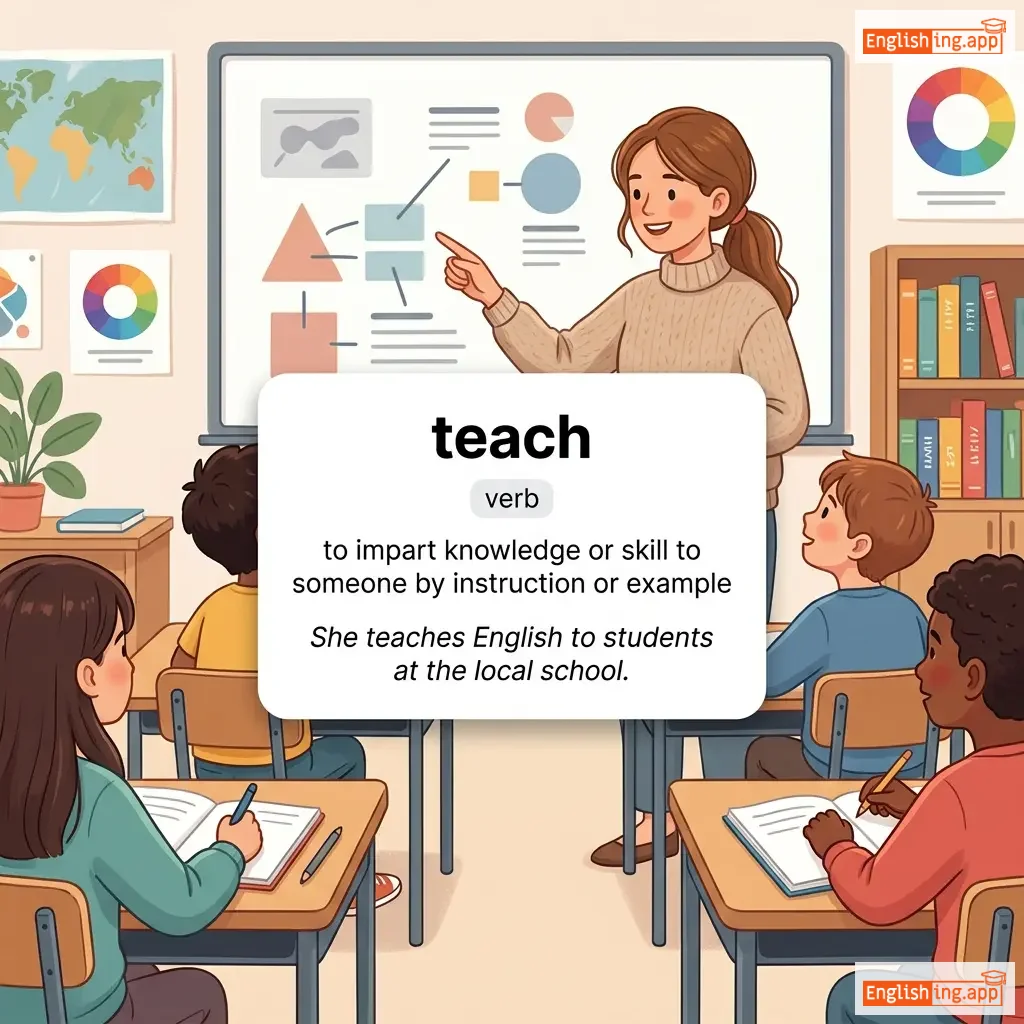
to give knowledge or instruction to someone; to show how to do something
••••••
|
She teaches English at the local school.
彼女は地元の学校で英語を教えています。
••••••
|
彼女は地元の学校で英語を教えています。
Kanojo wa jimoto no gakkou de eigo o oshieteimasu.
••••••
|
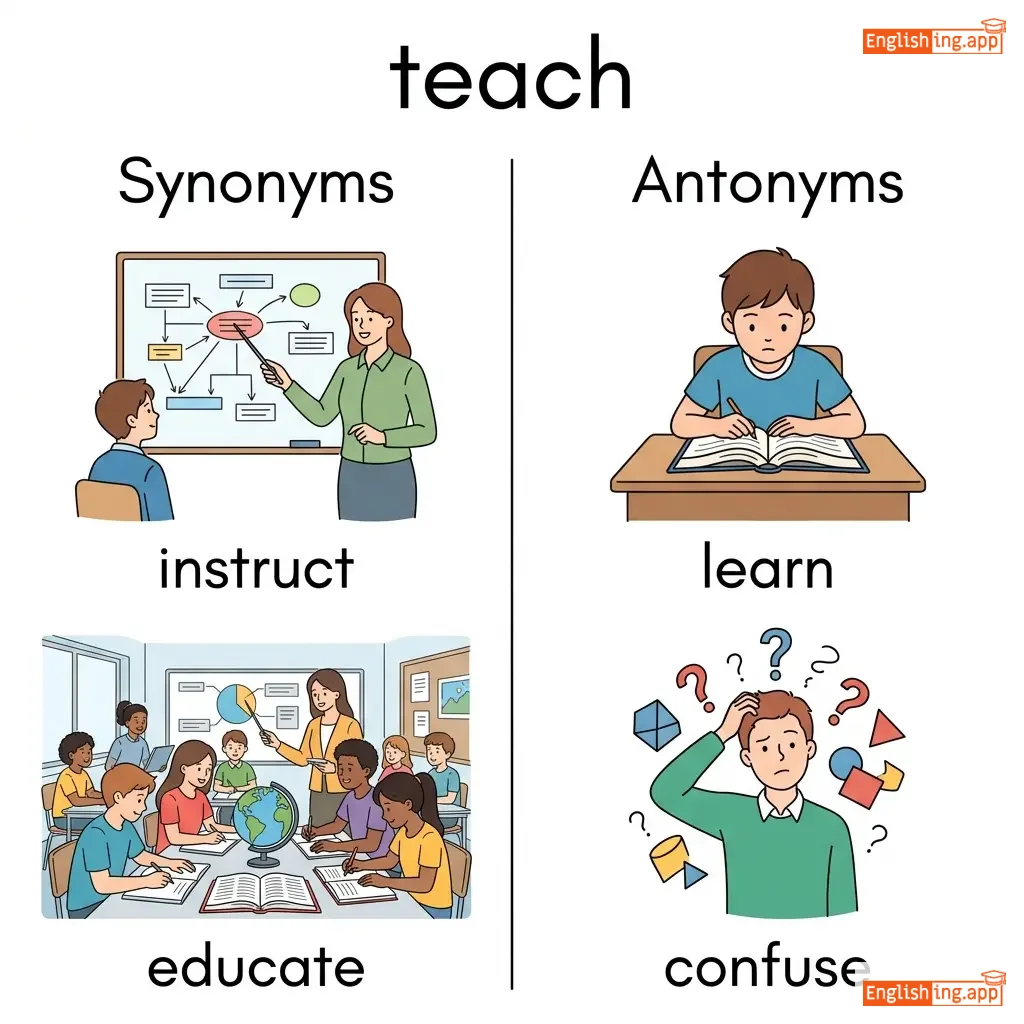
- •••••• | - •••••• | - •••••• |
instruct, educate, train, coach
••••••
|
learn, study
••••••
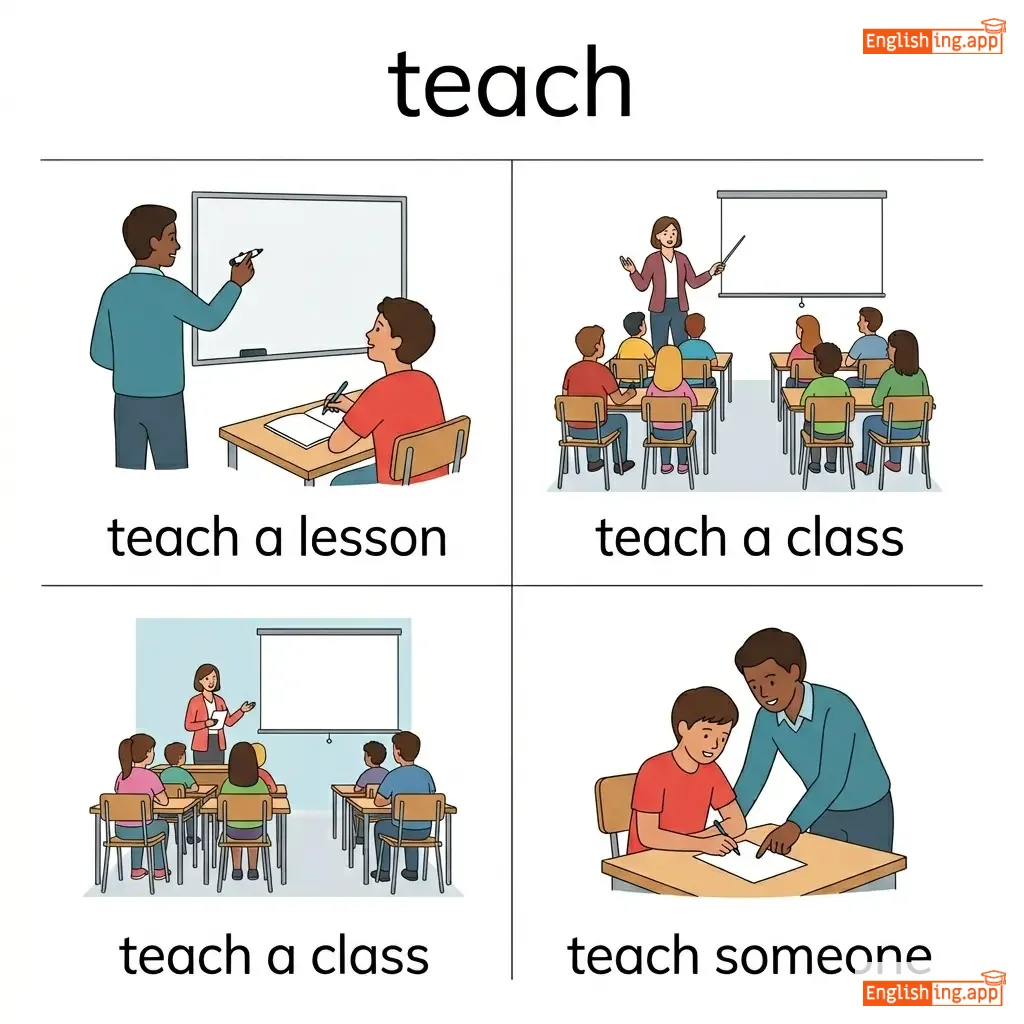
|
teach lessons, teach students, teach skills, teach children, teach courses, teach methods
••••••
|
ティーチ (teach) = 教える (oshieru), 教室の中で
••••••
|
|
#4962
👩🏫
|
/ˈtiː.tʃər/
noun
(ティーチャー)
••••••
|
- •••••• |
教師
kyoushi
••••••
|
- •••••• | - •••••• | - •••••• | - •••••• |
a person who teaches students in a school or other educational institution
••••••
|
The teacher explained the math problem clearly to the students.
先生は学生に数学の問題を明確に説明しました。
••••••
|
教師は学生に数学の問題を明確に説明しました。
Kyoushi wa gakusei ni suugaku no mondai wo meikaku ni setsumei shimashita.
••••••
|
- •••••• | - •••••• | - •••••• |
educator, instructor, tutor, professor
••••••
|
student, pupil, learner
••••••
|
school teacher, math teacher, good teacher, experienced teacher
••••••
|
教師は生徒の成長を助ける導き手です。
••••••
|
|
#4963
👩🏫
|
/ˈtiːtʃɪŋ/
noun
(ティーチング)
••••••
|
- •••••• |
教育
kyouiku
••••••
|
- •••••• | - •••••• | - •••••• | - •••••• |
the profession or practice of teaching
••••••
|
Teaching is a noble profession.
教育は崇高な職業です。
••••••
|
教育は崇高な職業です。
Kyouiku wa suukou na shokugyou desu.
••••••
|
- •••••• | - •••••• | - •••••• |
education, instruction, tutoring, coaching
••••••
|
learning, ignorance
••••••
|
teaching method, teaching style, teaching profession, teaching material
••••••
|
Teaching creates change and growth!
••••••
|
|
#4964
👥
|
/tiːm/
noun
(チーム)
••••••
|
- •••••• |
チーム
chīmu
••••••
|
- •••••• | - •••••• | - •••••• | - •••••• |
a group of people working together towards a common goal
••••••
|
Our team won the match after a great effort. |
私たちのチームは素晴らしい努力の後に試合に勝ちました。
Watashitachi no chīmu wa subarashī doryoku no ato ni shiai ni kachimashita.
••••••
|
- •••••• | - •••••• | - •••••• |
group, squad, crew, unit
••••••
|
individual, opponent
••••••
|
work in a team, team effort, football team, team leader
••••••
|
TEAM – 一緒に努力すれば、もっと達成できる!
••••••
|
|
#4965
🤝
|
/ˈtiːmmeɪt/
noun
(ティーメイト)
••••••
|
- •••••• |
チームメイト
chīmu meito
••••••
|
- •••••• | - •••••• | - •••••• | - •••••• |
a member of the same team
••••••
|
He congratulated his teammate after scoring the goal.
彼はゴールを決めた後、チームメイトにお祝いを言いました。
••••••
|
彼はゴールを決めた後、チームメイトにお祝いを言いました。
Kare wa gōru o kimeta ato, chīmu meito ni oiwai o iimashita.
••••••
|
- •••••• | - •••••• | - •••••• |
colleague, partner, associate, collaborator, companion
••••••
|
opponent, rival
••••••
|
team member, loyal teammate, supportive teammate, sports teammate
••••••
|
チームのメイトだから、teammateはチームの一員!
••••••
|
|
#4966
💧
|
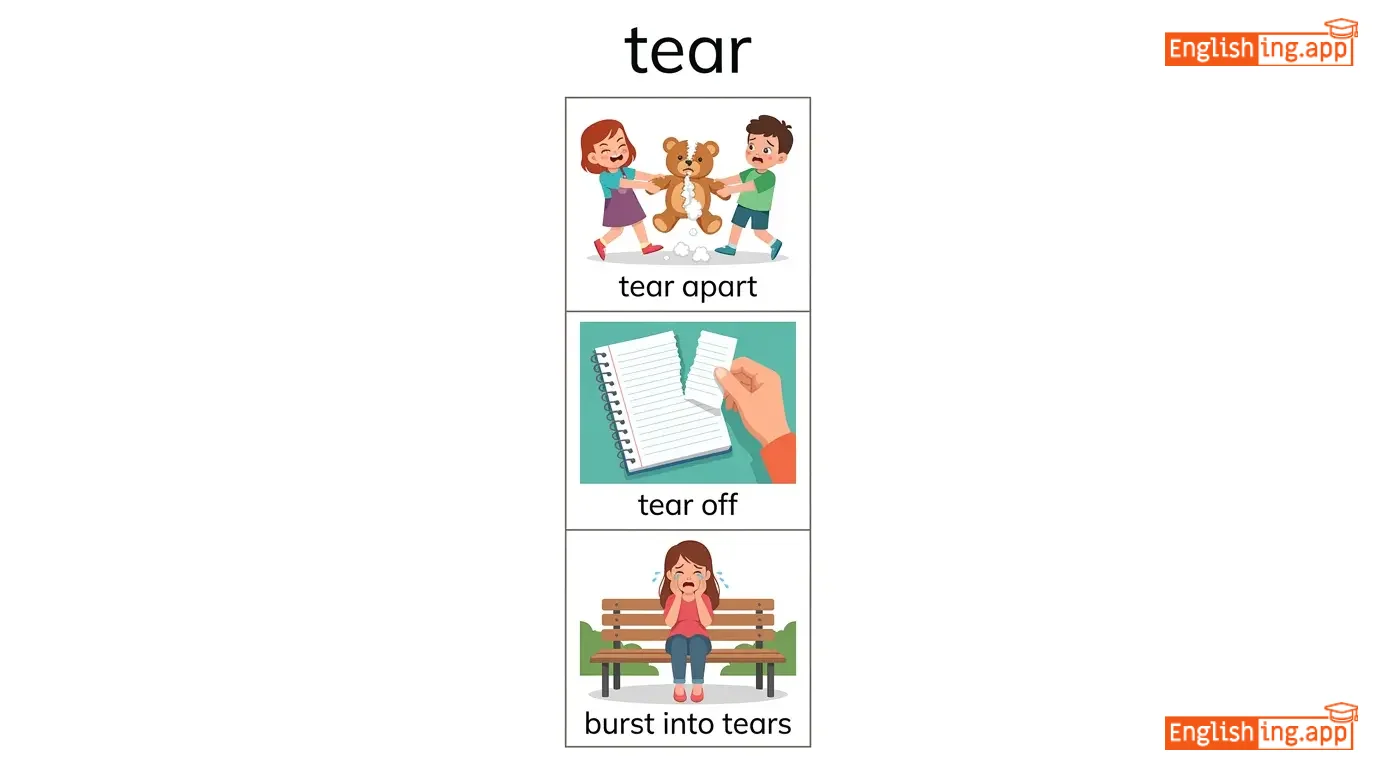
/tɪər/ (noun: liquid) /tɛər/ (verb: rip)
verb, noun
••••••
|
|
- •••••• |
tore
••••••
|
torn
••••••
|
tears
••••••
|
tearing
••••••
|
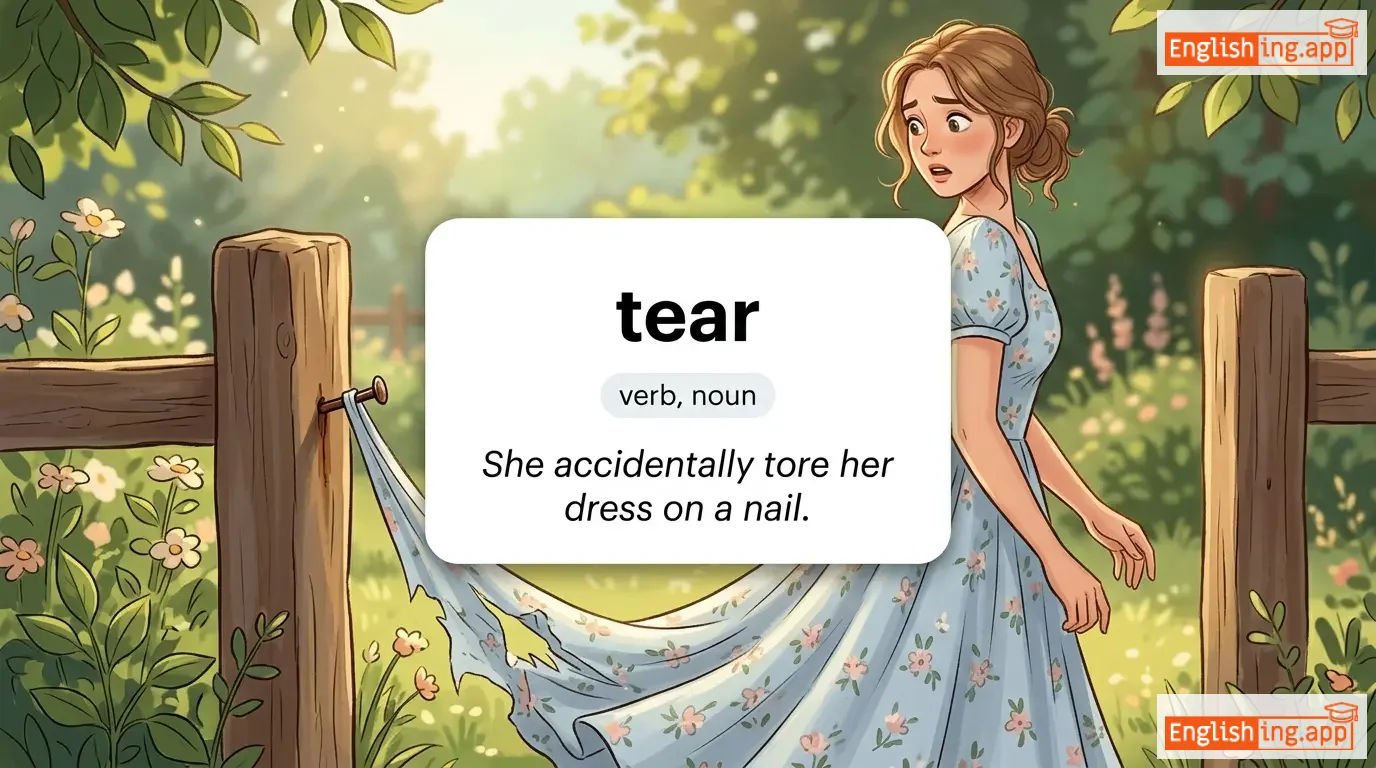
As a verb: to pull apart or rip something. As a noun: a drop of clear salty liquid produced by glands in your eyes.
••••••
|
She accidentally tore her dress on a nail. |
- •••••• |
tear apart |
To destroy, separate, or damage severely.
••••••
|
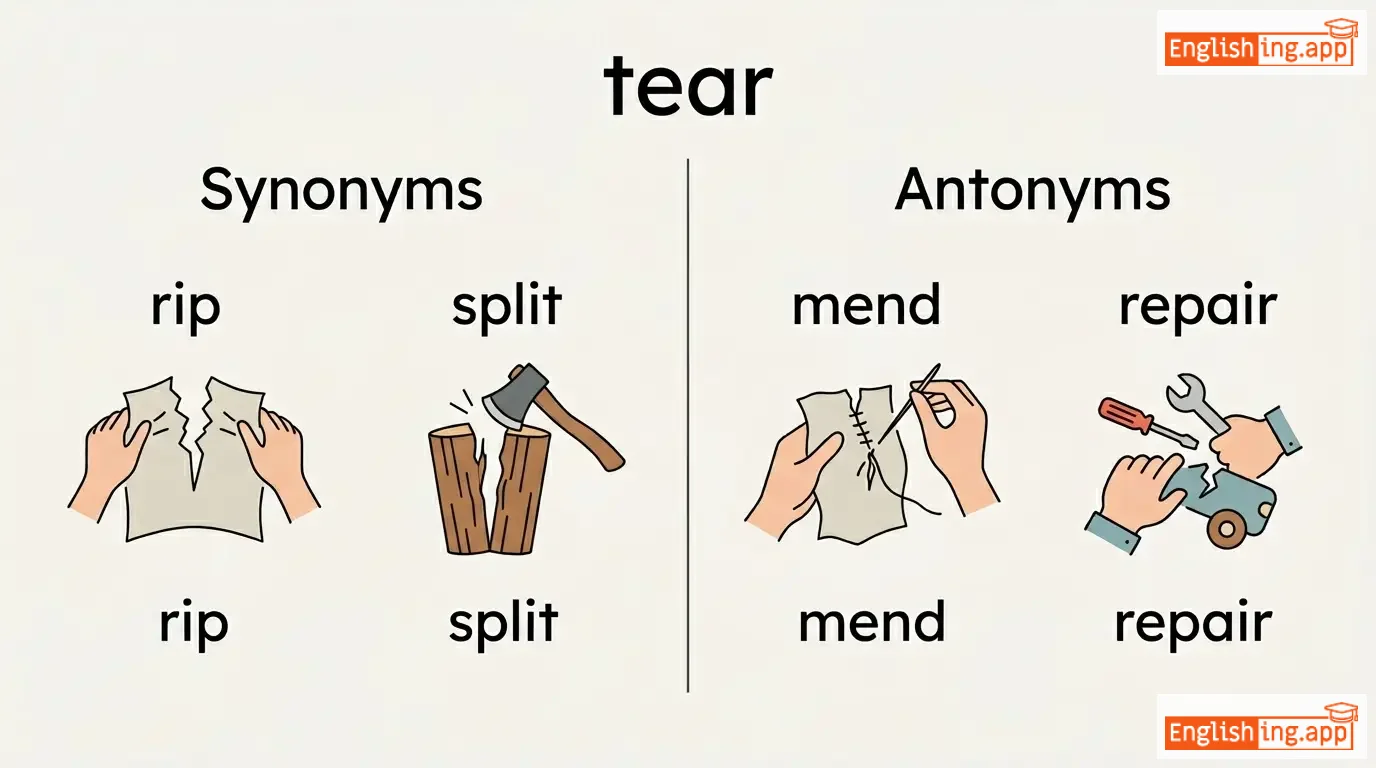
- •••••• |
rip, split, shred, rend, pull
••••••
|
mend, repair
••••••
|
tear apart, tear off, burst into tears, tear down
••••••
|
No •••••• |
|
#4967
🥄
|
/ˈtiːspuːn/
noun
(ハピネス)
••••••
|
- •••••• |
幸せ
shiawase
••••••
|
- •••••• | - •••••• | - •••••• | - •••••• |
a small spoon used for stirring drinks or eating soft foods, or for measuring small amounts of ingredients.
••••••
|
Add a teaspoon of sugar to the tea. |
彼女は賞を受け取ったとき、幸せを隠すことができませんでした。
Kanojo wa shō o uketotta toki, shiawase o kakusu koto ga dekimasen deshita.
••••••
|
- •••••• | - •••••• | - •••••• |
spoon, small spoon, measure spoon
••••••
|
- •••••• |
teaspoon of sugar, teaspoon measure, teaspoon full
••••••
|
happiness は日本語で '幸せ' に訳されます。
••••••
|
|
#4968
⚙️
|
/ˈteknɪkəl/
adjective
(テクニカル)
••••••
|
- •••••• |
技術的な; 専門的な;
gijutsuteki na; senmonteki na
••••••
|
- •••••• | - •••••• | - •••••• | - •••••• |
relating to or involving special skills or knowledge; requiring specialized training
••••••
|
The manual contains technical instructions for operating the machine.
マニュアルには機械操作に関するテクニカルな指示が含まれています。
••••••
|
マニュアルには機械操作に関するテクニカルな指示が含まれています。
Manyuaru ni wa kikai sōsa ni kansuru tekunikaru na shiji ga fukumareteimasu.
••••••
|
- •••••• | - •••••• | - •••••• |
specialized, scientific, technological, professional
••••••
|
simple, basic, general, non-technical
••••••
|
technical skills, technical problem, technical support, technical knowledge
••••••
|
テクニカルは専門的な知識やスキルに関連しています。
••••••
|
|
#4969
🧘
|
/tɛkˈniːk/
noun
(テクニック)
••••••
|
- •••••• |
技術
gijutsu
••••••
|
- •••••• | - •••••• | - •••••• | - •••••• |
A particular way of carrying out a task, especially with skill.
••••••
|
She learned a new breathing technique in yoga class. |
彼女はヨガのクラスで新しい呼吸法を学びました。
Kanojo wa yoga no kurasu de atarashī kokyūhō o manabimashita.
••••••
|
by technique |
Done using a specific method or skill.
••••••
|
技術によって
Gijutsu ni yotte
••••••
|
method, procedure, style, craft, skill
••••••
|
incompetence, inability
••••••
|
teaching technique, special technique, breathing technique, painting technique
••••••
|
技術は方法を意味し、技術があれば作業が簡単に進む。
••••••
|
|
#4970
💻
|
/ˌteknəˈlɒdʒɪkəl/
adjective
••••••
|
|
- •••••• | - •••••• | - •••••• | - •••••• | - •••••• |
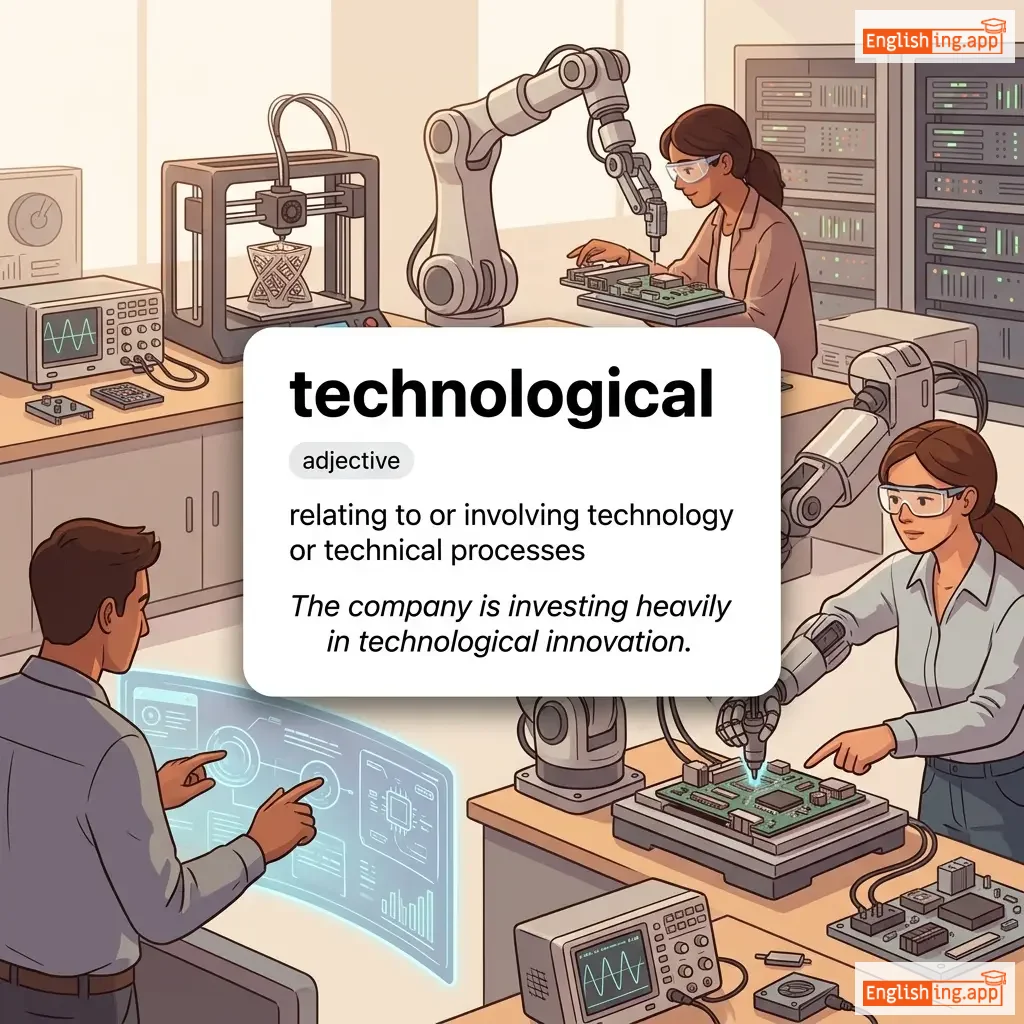
relating to or involving technology or technical processes
••••••
|
The company is investing heavily in technological innovation. |
- •••••• |
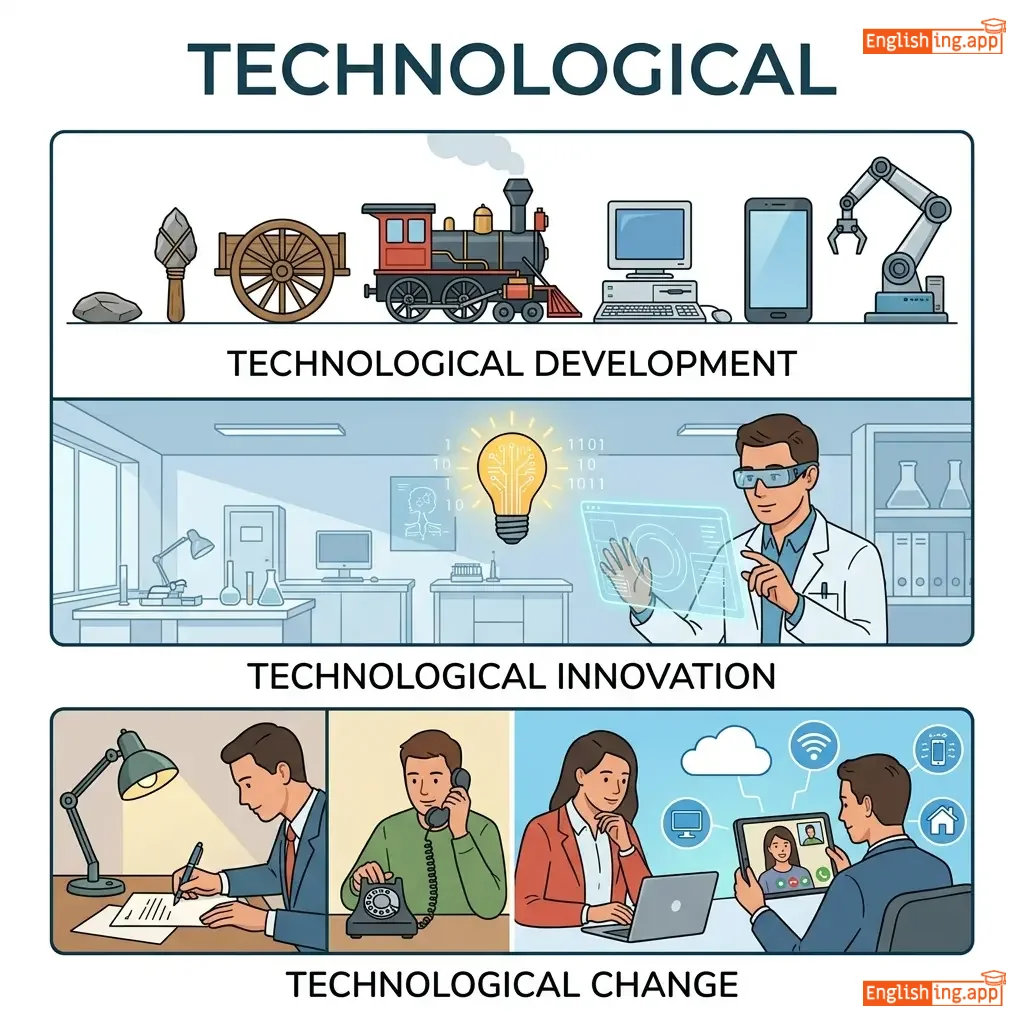
technological advancement |
progress or improvement in technology over time
••••••
|
- •••••• |
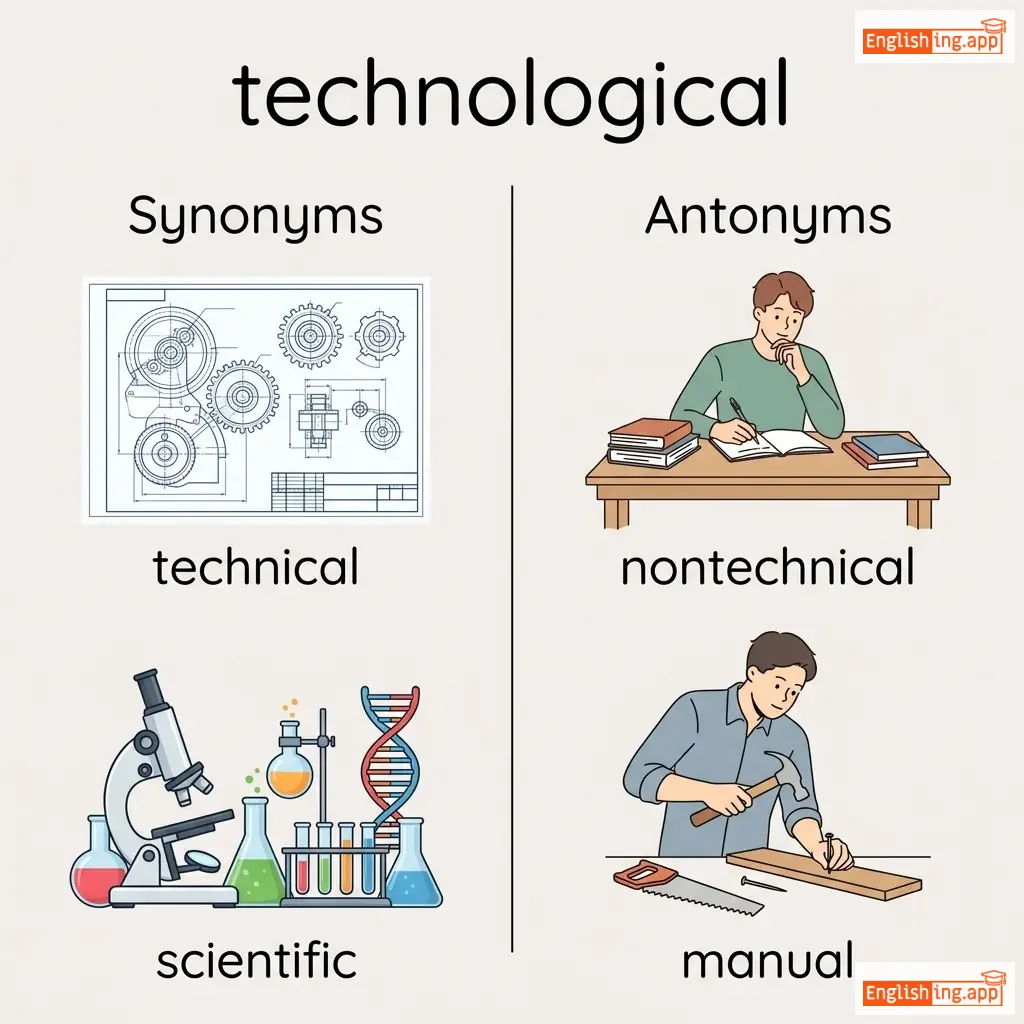
technical, scientific, industrial, mechanical, digital
••••••
|
nontechnical, manual
••••••
|
technological development, technological innovation, technological change, technological progress
••••••
|
No •••••• |
|
#4971
💻
|
/tɛkˈnɒlədʒi/
noun
(tekunorojī)
••••••
|
|
技術
gijutsu
••••••
|
- •••••• | - •••••• | - •••••• | - •••••• |
the application of scientific knowledge for practical purposes, especially in industry
••••••
|
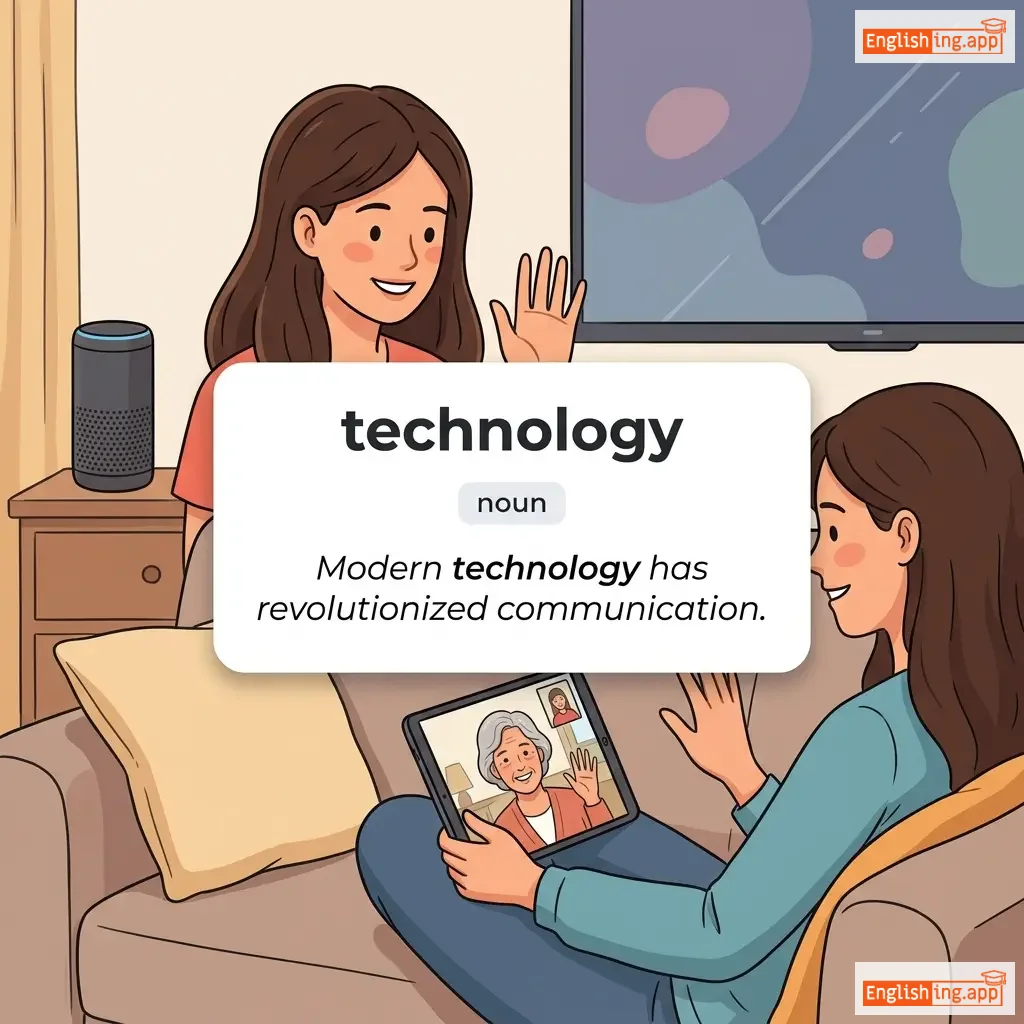
Modern technology has revolutionized communication. |
現代技術は通信に革命をもたらしました。
Gendai gijutsu wa tsūshin ni kakumei o motarashimashita.
••••••
|
cutting-edge technology |
the most advanced and innovative technology available
••••••
|
最先端技術
saikentan gijutsu
••••••
|
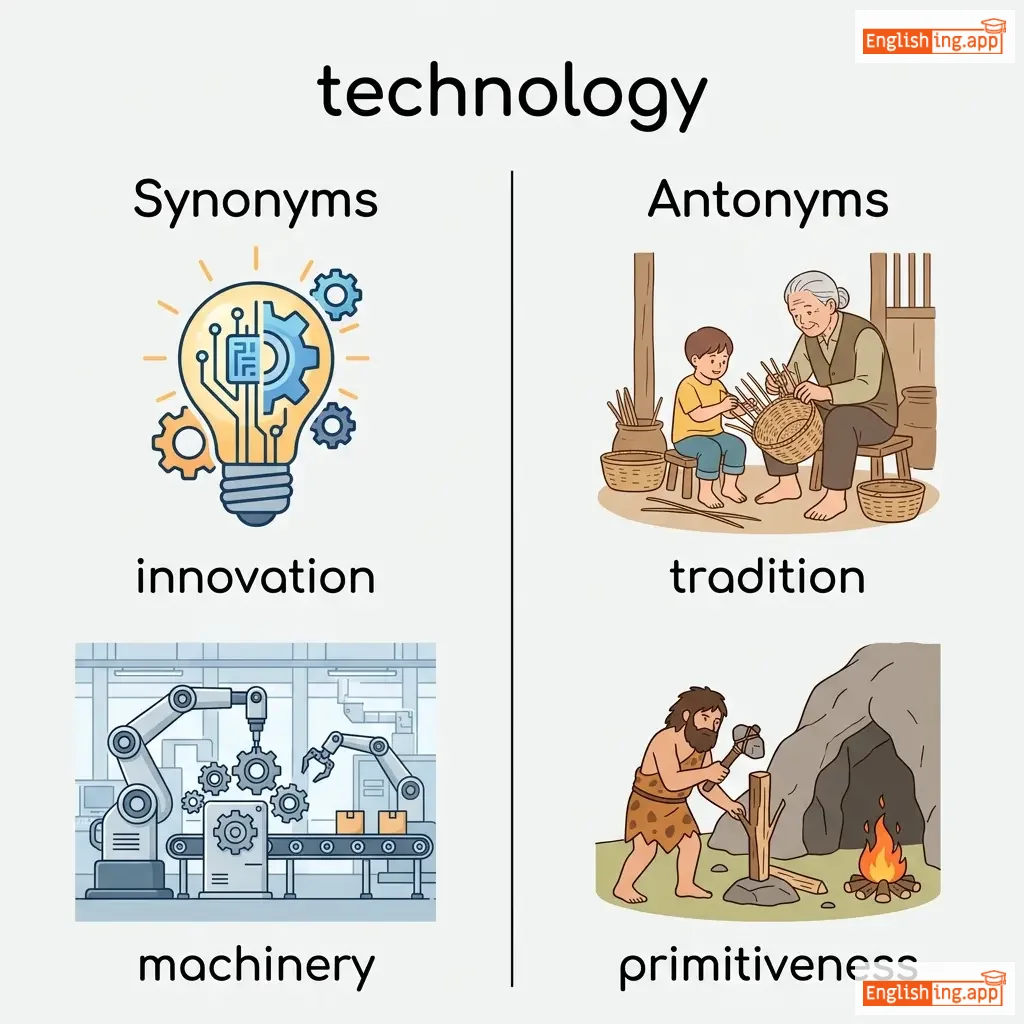
innovation, machinery, engineering, science, technique
••••••
|
tradition, primitiveness, simplicity
••••••
|
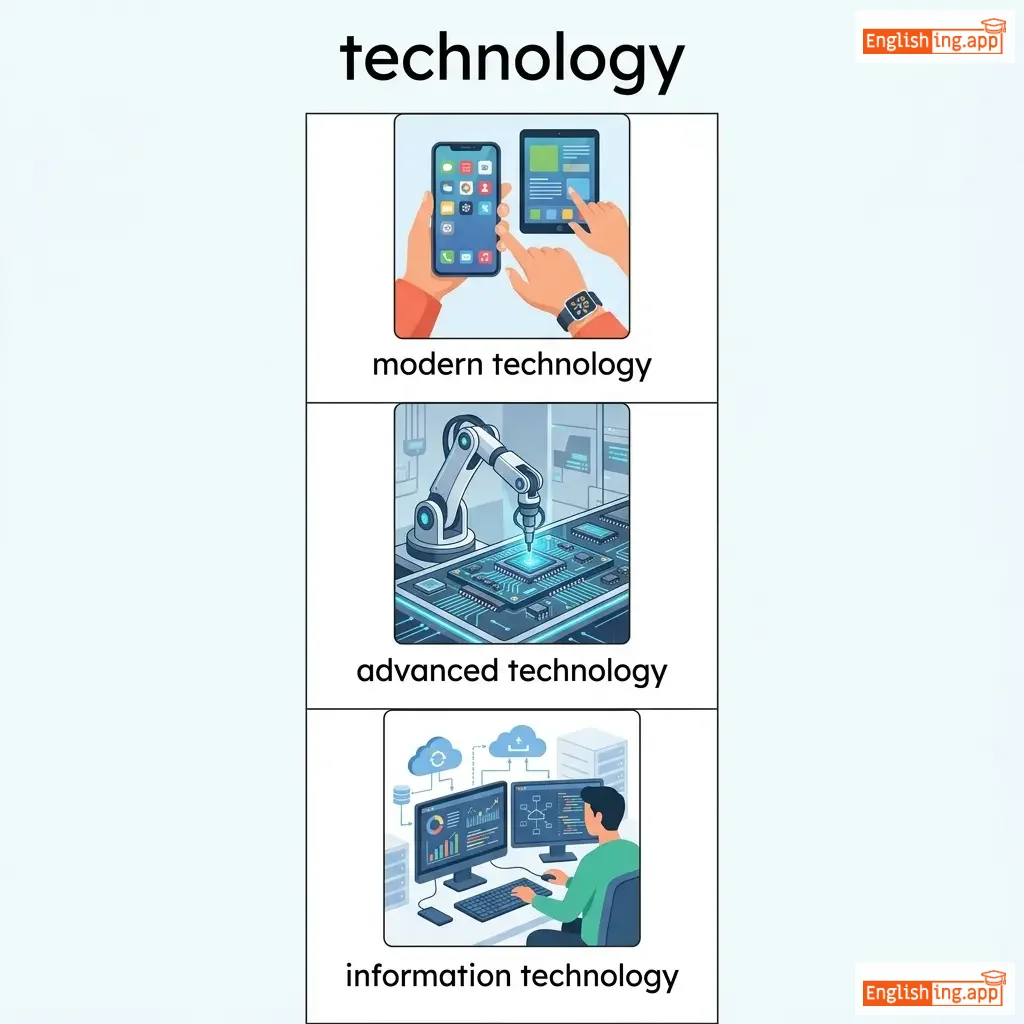
modern technology, advanced technology, information technology, use of technology
••••••
|
Tech (技術) + 知識 = 技術
••••••
|
|
#4972
🧑🦱
|
/tiːn/
noun
(ティーンエイジャー)
••••••
|
- •••••• |
ティーンエイジャー
tiin'eijaa
••••••
|
- •••••• | - •••••• | - •••••• | - •••••• |
a person aged between 13 and 19 years.
••••••
|
He's a teenager who loves sports.
彼はスポーツが好きなティーンエイジャーです。
••••••
|
彼はスポーツが好きなティーンエイジャーです。
Kare wa supootsu ga sukina tiin'eijaa desu.
••••••
|
- •••••• | - •••••• | - •••••• |
adolescent, young person, minor
••••••
|
adult, senior, elder
••••••
|
teen years, teen life, teenage
••••••
|
Teen is the age when you are 'teen' years old!
••••••
|
|
#4973
👦
|
/ˈtiːneɪdʒər/
noun
(ティーンエイジャー)
••••••
|
- •••••• |
ティーンエイジャー
tīn'eijā
••••••
|
- •••••• | - •••••• | - •••••• | - •••••• |
a person aged between 13 and 19 years.
••••••
|
Teenagers often enjoy hanging out with friends.
ティーンエイジャーは友達と一緒に過ごすのが好きです。
••••••
|
ティーンエイジャーは友達と一緒に過ごすのが好きです。
Tīn'eijā wa tomodachi to issho ni sugosu no ga suki desu.
••••••
|
- •••••• | - •••••• | - •••••• |
adolescent, youth, young person
••••••
|
adult, senior, elder
••••••
|
teenager life, teenage dreams, teenager problems
••••••
|
Teenager is just 'Teen' plus 'ager' – a person of that age!
••••••
|
|
#4974
📞
|
/ˈtɛlɪfəʊn/
noun
(テレフォン)
••••••
|
- •••••• |
電話
denwa
••••••
|
- •••••• | - •••••• | - •••••• | - •••••• |
a system for transmitting voices over a distance using wire or radio, typically for communication.
••••••
|
I need to make a telephone call to my friend.
友達に電話をかけなければならない。
••••••
|
友達に電話をかけなければならない。
Tomodachi ni denwa o kakenakereba naranai.
••••••
|
- •••••• | - •••••• | - •••••• |
phone, handset, mobile, communication device
••••••
|
- •••••• |
telephone call, telephone line, make a telephone call
••••••
|
Telephone is the device you use for a 'tele' call!
••••••
|
Vocabulary Quiz
Test your vocabulary by matching words with their translations or meanings.
Login to take the quiz
Comments (0)
Share your thoughts and join the discussion.
Join the discussion by logging in
Login to CommentNo comments yet
Be the first to share your thoughts!