

翻訳
過去
過去分詞
三人称単数
動名詞
意味
例文
例文の翻訳
同義語
対義語
コロケーション
ニーモニック







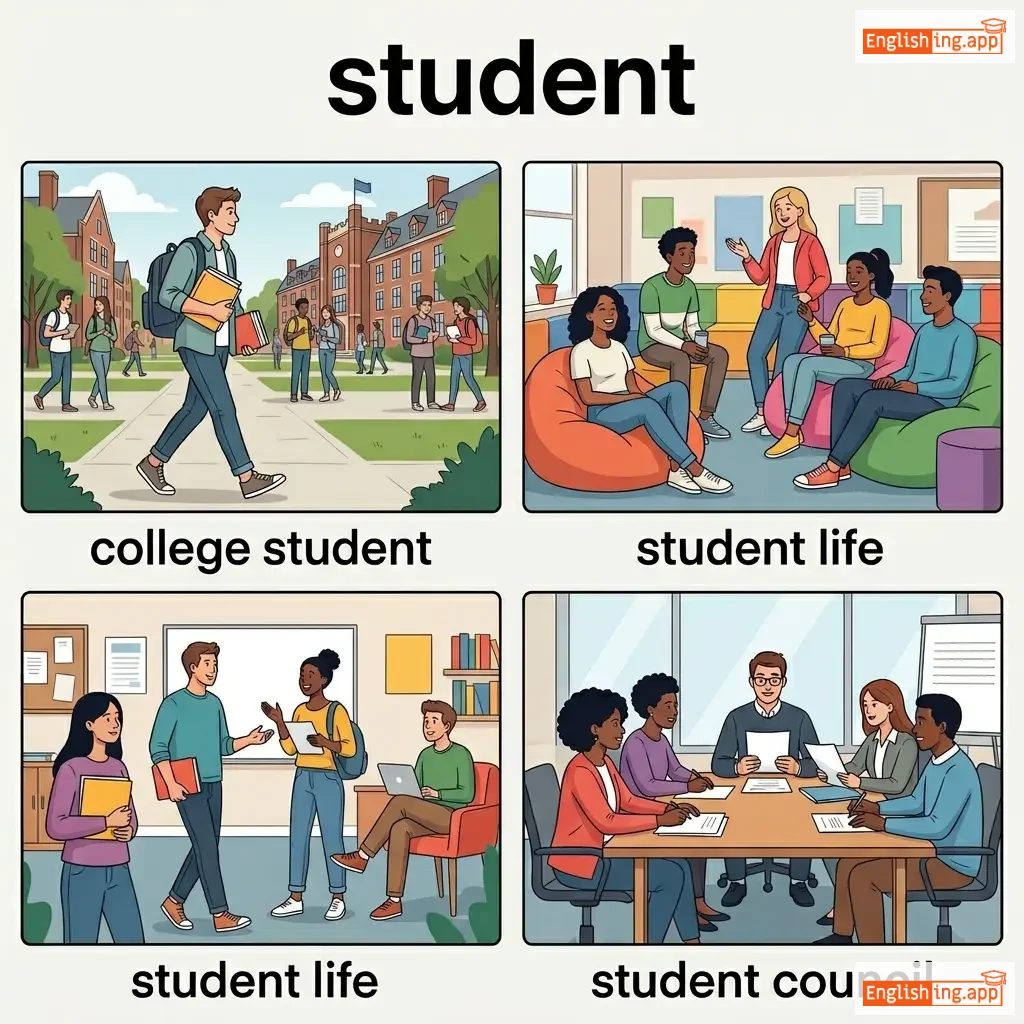
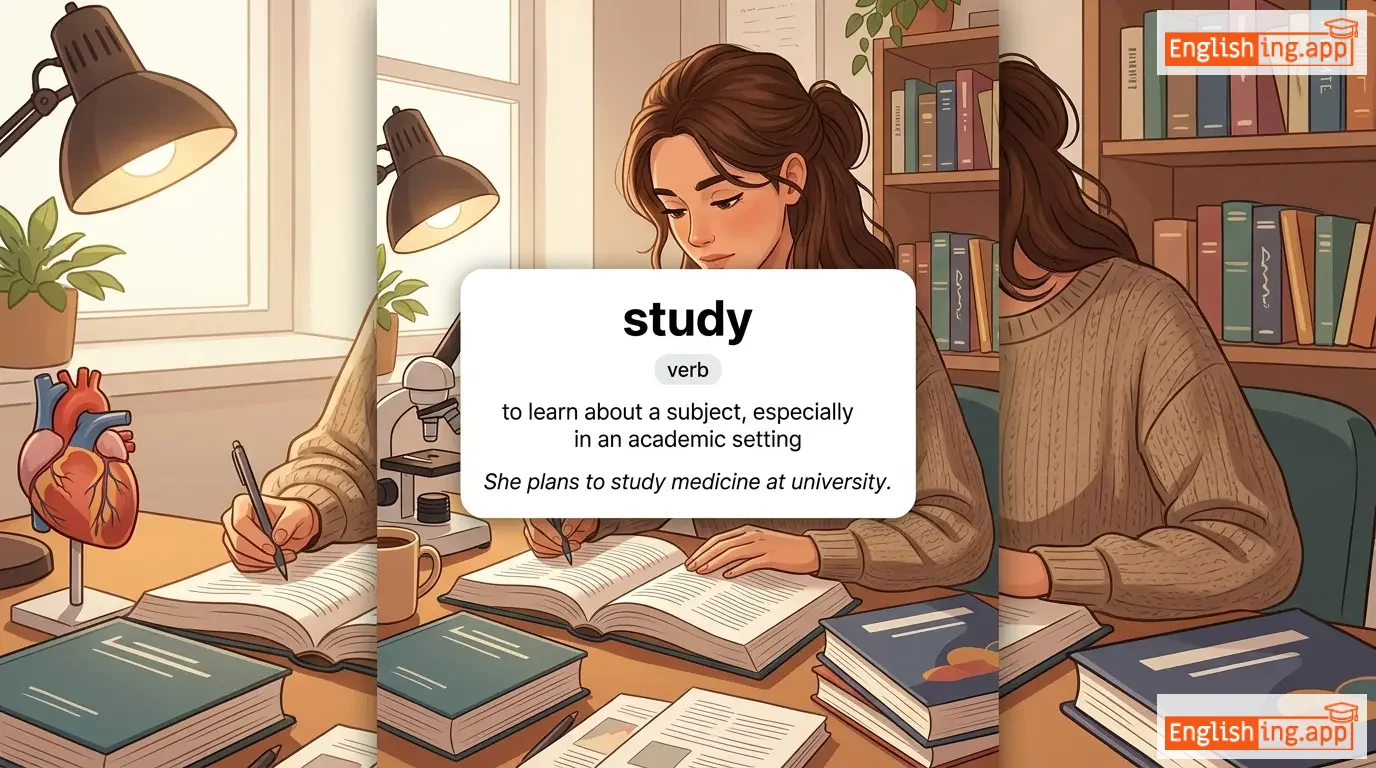
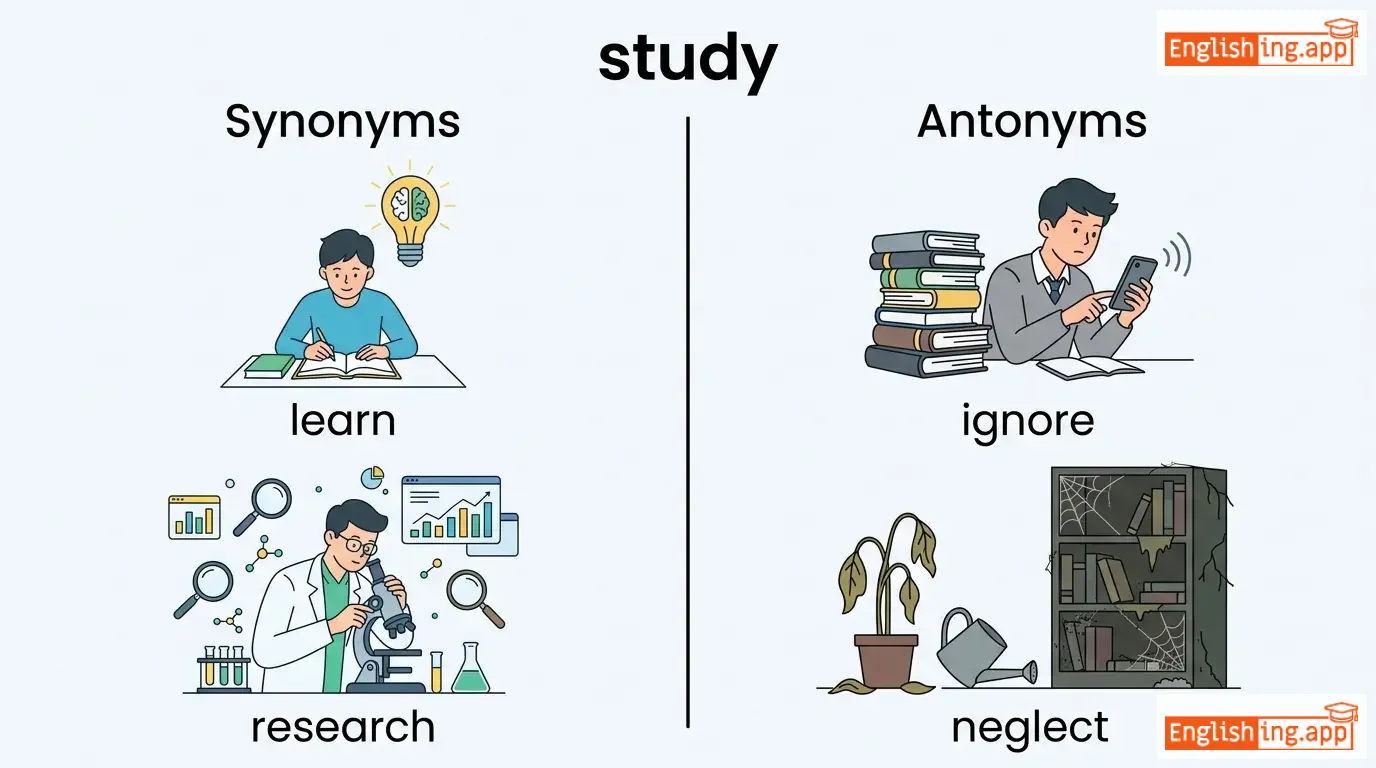

Swipe left or right, or use the buttons. Tap image to zoom.
例文の翻訳
単語
Lesson 101Lesson 101 - マスクトグル
|
絵文字
|
単語 | Images | 翻訳 | 過去 | 過去分詞 | 三人称単数 | 動名詞 | 意味 | 例文 | 例文の翻訳 | 表現例 | 表現例の意味 | 表現例の翻訳 | 同義語 | 対義語 | コロケーション | ニーモニック |
|---|---|---|---|---|---|---|---|---|---|---|---|---|---|---|---|---|---|
|
#4775
📦
|
/stɒk/
noun, verb
(sutokku)
••••••
|
- •••••• |
在庫
zaiko
••••••
|
stocked
sutokku do
••••••
|
stocked
sutokku do
••••••
|
stocks
sutokusu
••••••
|
stocking
sutokkingu
••••••
|
a supply of goods kept for sale or use; to keep or fill with goods
••••••
|
The shop stocks a wide variety of products.
その店はさまざまな製品を在庫しています。
••••••
|
その店はさまざまな製品を在庫しています。
Sono mise wa samazama na seihin o zaiko shiteimasu.
••••••
|
take stock of
在庫を取る
••••••
|
to carefully examine and evaluate a situation
••••••
|
状況を評価する
joukyou o hyouka suru
••••••
|
inventory, supply, reserve, goods, merchandise
••••••
|
shortage, depletion
••••••
|
stock market, stock price, stock exchange, stock level
••••••
|
在庫は店に商品を保管すること
••••••
|
|
#4776
🤢
|
/ˈstʌmək/
noun/verb
(胃)
••••••
|
- •••••• |
胃 / 耐える
i / taeru
••••••
|
stomached
胃した
••••••
|
stomached
胃した
••••••
|
stomachs
胃する
••••••
|
stomaching
胃する過程
••••••
|
The internal organ in which food is digested; also to tolerate or endure something
••••••
|
She couldn’t stomach the sight of violence.
彼女は暴力の光景に耐えられなかった。
••••••
|
彼女は暴力の光景に耐えられなかった。
Kanojo wa bōryoku no kōkei ni taerarenakatta.
••••••
|
have a strong stomach
強い胃を持っている
••••••
|
to be able to tolerate unpleasant or difficult things
••••••
|
強い胃を持っている
Tsuyoi i o motte iru
••••••
|
belly, abdomen, gut, endure, tolerate
••••••
|
reject, resist, dislike
••••••
|
stomach pain, upset stomach, stomach flu, stomach cramps
••••••
|
胃は食べ物を消化する器官で、強い胃を持っていると困難を耐えることができます。
••••••
|
|
#4777
🤢
|
/ˈstʌmək eɪk/
noun
(ストマック エイク)
••••••
|
- •••••• |
腹痛
fukutsuu
••••••
|
- •••••• | - •••••• | - •••••• | - •••••• |
Pain in the stomach or abdominal area
••••••
|
I have a stomach ache after eating too much.
食べ過ぎた後、腹痛があります。
••••••
|
食べ過ぎた後、腹痛があります。
Tabesugita ato, fukutsuu ga arimasu
••••••
|
tummy troubles
お腹のトラブル
••••••
|
informal term for stomach discomfort
••••••
|
腹の不調
hara no fuchou
••••••
|
abdominal pain, bellyache, indigestion, upset stomach
••••••
|
wellness, comfort
••••••
|
severe stomach ache, mild stomach ache, chronic stomach ache
••••••
|
Imagine Japanese 'hara' hurting after sushi binge
••••••
|
|
#4778
🪨
|
/stoʊn/
noun
(sutōn)
••••••
|
- •••••• |
石
ishi
••••••
|
- •••••• | - •••••• | - •••••• | - •••••• |
a hard, naturally occurring mineral material found in the earth
••••••
|
He threw a stone into the lake.
彼は湖に石を投げました。
••••••
|
彼は湖に石を投げました。
Kare wa mizūmi ni ishi o nagemashita.
••••••
|
- •••••• | - •••••• | - •••••• |
rock, pebble, boulder, gravel
••••••
|
sand, soil
••••••
|
stone wall, stone path, stone monument
••••••
|
石 (stone) は地球で自然に存在する硬い物質です。
••••••
|
|
#4779
🛑
|
/stɑːp/
verb
(ストップ)
••••••
|
- •••••• |
止める
tomeru
••••••
|
stopped
ストップド
••••••
|
stopped
ストップド
••••••
|
stops
ストップス
••••••
|
stopping
ストッピング
••••••
|
to bring to an end or cause to cease
••••••
|
Please stop talking while I’m working.
私が作業している間、話すのをやめてください。
••••••
|
私が作業している間、話すのをやめてください。
Watashi ga sagyo shite iru aida, hanasu no wo yamete kudasai.
••••••
|
stop at nothing
何も止まらずに
••••••
|
to do anything, no matter how extreme, to achieve a goal
••••••
|
何も止まらずに
Nani mo tomarazu ni
••••••
|
halt, cease, end, discontinue, pause
••••••
|
continue, start, proceed
••••••
|
stop sign, stop talking, stop doing, stop immediately
••••••
|
🛑 停止サインを見たら止まる → 止めるとは停止すること
••••••
|
|
#4780
⛔
|
/ˈstɒpɪdʒ/
noun
(ストッパージ)
••••••
|
- •••••• |
停止; 中断
teishi; chudan
••••••
|
- •••••• | - •••••• | - •••••• | - •••••• |
The act of stopping or ceasing; a halt in operation or activity
••••••
|
The sudden stoppage of the train caused delays for all passengers.
電車の突然のストッパージで、すべての乗客に遅れが生じた。
••••••
|
電車の突然の停止で、すべての乗客に遅れが生じた。
Densha no totsuzen no teishi de, subete no jokyaku ni okure ga shojita.
••••••
|
- •••••• | - •••••• | - •••••• |
halt, interruption, cessation, pause, blockage
••••••
|
continuation, flow, progress
••••••
|
work stoppage, stoppage time, sudden stoppage, stoppage of service
••••••
|
ストップ + エイジ = ストッパージ = 停止
••••••
|
|
#4781
🗄️
|
/ˈstɔːrɪdʒ/
noun
(ストレージ)
••••••
|
- •••••• |
保存
hozon
••••••
|
- •••••• | - •••••• | - •••••• | - •••••• |
the action or method of storing something for future use
••••••
|
The warehouse offers plenty of storage space. |
倉庫にはたくさんの保存スペースがあります。
Sōko ni wa takusan no hozon supēsu ga arimasu.
••••••
|
- •••••• | - •••••• | - •••••• |
storage space, vault, repository, depot
••••••
|
disposal, removal
••••••
|
data storage, storage unit, storage facility
••••••
|
保存 (storage)、私たちが物を保管する場所です。
••••••
|
|
#4782
📦
|
/stɔːr/
verb
(ストア)
••••••
|
|
保管する
hokan suru
••••••
|
stored
ストアード
••••••
|
stored
ストアード
••••••
|
stores
ストアーズ
••••••
|
storing
ストアリング
••••••
|
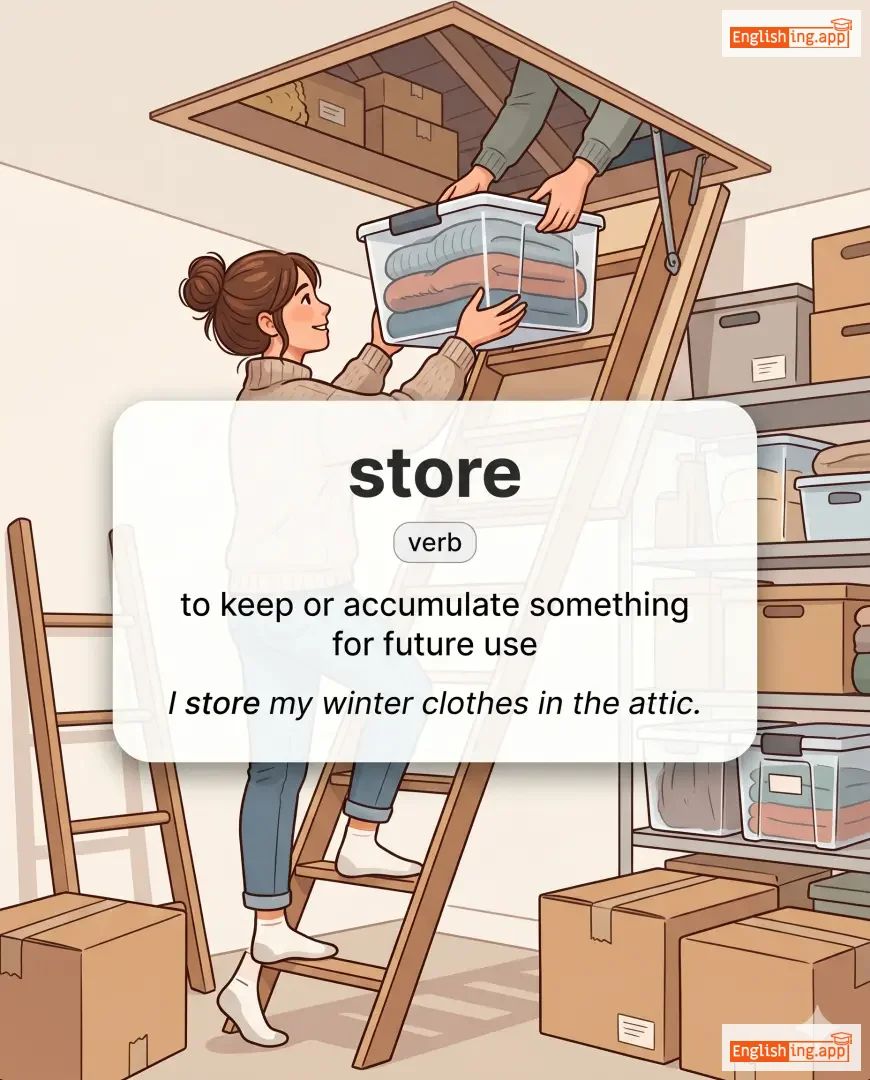
to keep things in a place for future use; to save information
••••••
|
She stores her winter clothes in the attic.
彼女は冬の衣服を屋根裏部屋に保管している。
••••••
|
彼女は冬の衣服を屋根裏部屋に保管している。
Kanojo wa fuyu no ifuku o yaneura heya ni hokan shite iru.
••••••
|
- •••••• | - •••••• | - •••••• |
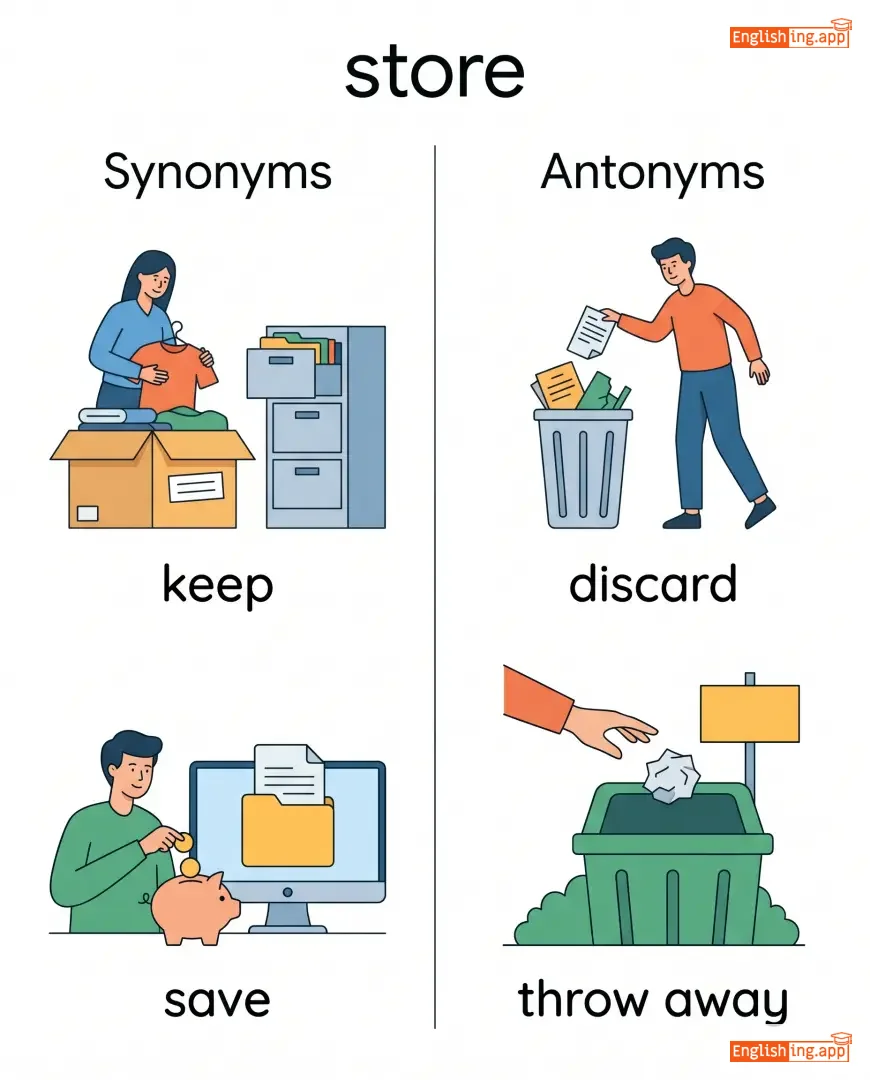
keep, save, preserve, stock
••••••
|
discard, throw away, use up
••••••
|
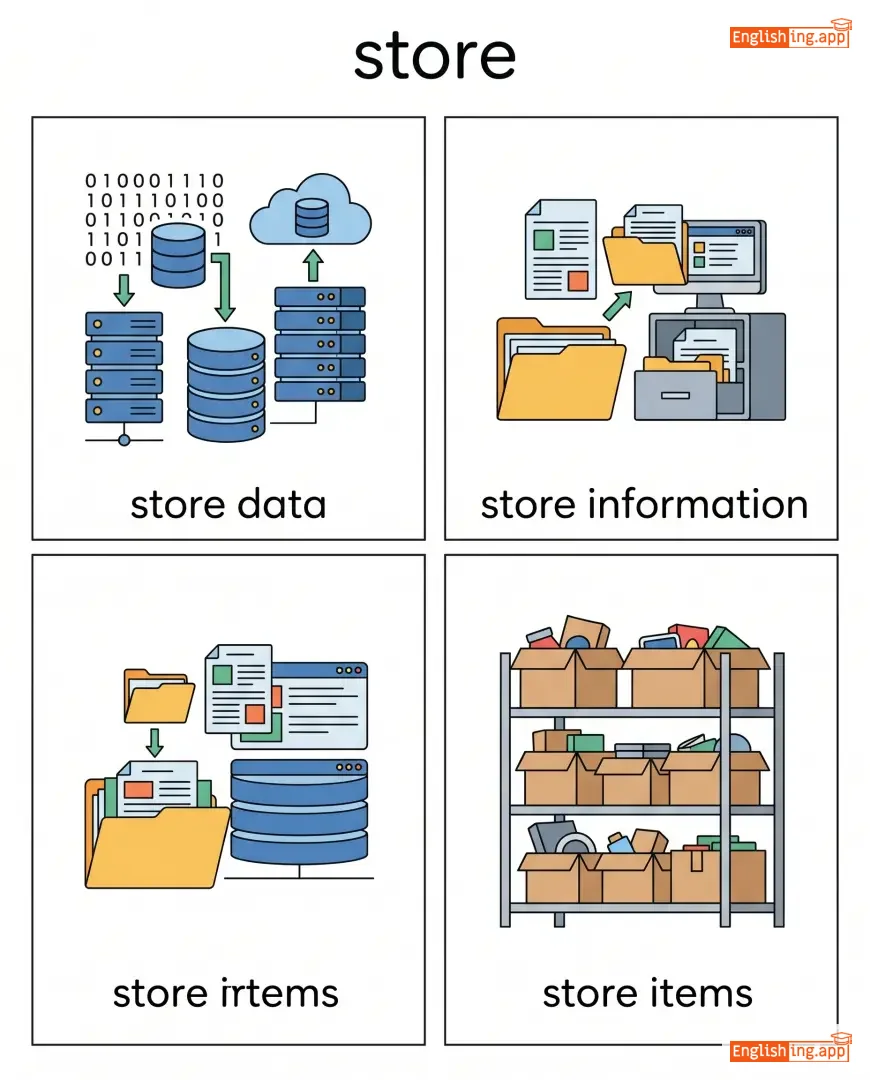
store data, store information, safely store, securely store, temporarily store
••••••
|
保管する、物を安全な場所に保管するように
••••••
|
|
#4783
🏚️
|
/ˈstɔːrhaʊs/
noun
(ストアハウス)
••••••
|
- •••••• |
倉庫
soko
••••••
|
- •••••• | - •••••• | - •••••• | - •••••• |
A place where goods, supplies, or valuables are stored; a repository
••••••
|
The warehouse acted as a storehouse for all the imported goods.
その倉庫はすべての輸入品のストアハウスとして機能していた。
••••••
|
その倉庫はすべての輸入品のストアハウスとして機能していた。
Sono soko wa subete no yunyuhin no storehouse to shite kinou shiteita.
••••••
|
- •••••• | - •••••• | - •••••• |
warehouse, depot, repository, cache, storeroom
••••••
|
market, open space
••••••
|
storehouse of knowledge, storehouse of ideas, food storehouse, grain storehouse
••••••
|
倉庫 = Japanese storehouse for items
••••••
|
|
#4784
🌪️
|
/stɔːrm/
noun
(ストーム)
••••••
|
- •••••• |
嵐
arashi
••••••
|
- •••••• | - •••••• | - •••••• | - •••••• |
a violent disturbance of the atmosphere with strong winds, rain, and often thunder
••••••
|
The storm caused major flooding in the area.
その嵐は地域で大きな洪水を引き起こしました。
••••••
|
その嵐は地域で大きな洪水を引き起こしました。
Sono arashi wa chiiki de ookina kouzui wo hikiokoshimashita.
••••••
|
storm in a teacup
ティーカップの嵐
••••••
|
a small problem that has been made much bigger than it really is
••••••
|
ティーカップの嵐
Tiikappu no arashi
••••••
|
tempest, hurricane, squall, thunderstorm
••••••
|
calm, tranquility
••••••
|
storm warning, storm surge, severe storm
••••••
|
嵐の中で、'storm' (嵐) が強くなることを覚えておいてください。
••••••
|
|
#4785
📖
|
/ˈstɔːri/
noun
(ストーリー)
••••••
|
- •••••• |
物語
monogatari
••••••
|
- •••••• | - •••••• | - •••••• | - •••••• |
a narrative of real or imaginary events
••••••
|
She told a fascinating story about her travels.
彼女は旅行についての魅力的なストーリーを話しました。
••••••
|
彼女は旅行についての魅力的なストーリーを話しました。
Kanojo wa ryokō ni tsuite no miryokuteki na sutōrī o hanashimashita.
••••••
|
- •••••• | - •••••• | - •••••• |
tale, narrative, account, chronicle
••••••
|
nonfiction, truth
••••••
|
tell a story, hear a story, read a story, great story
••••••
|
物語の中にストーリーがある - A monogatari has a story inside.
••••••
|
|
#4786
🔥
|
/stoʊv/
noun
(sutōbu)
••••••
|
- •••••• |
ストーブ
sutōbu
••••••
|
- •••••• | - •••••• | - •••••• | - •••••• |
a kitchen appliance used for cooking food by applying heat
••••••
|
She cooked dinner on the gas stove. |
彼女はガスストーブで夕食を作った。
Kanojo wa gasu sutōbu de yūshoku o tsukutta
••••••
|
- •••••• | - •••••• | - •••••• |
cooktop, range, burner
••••••
|
refrigerator, freezer
••••••
|
gas stove, electric stove, wood stove, cook on the stove
••••••
|
ストーブは料理を温めるために使われる。
••••••
|
|
#4787
➡️
|
/streɪt/
adjective, adverb
(sutoreito)
••••••
|
- •••••• |
まっすぐ
massugu
••••••
|
- •••••• | - •••••• | - •••••• | - •••••• |
Extending or moving uniformly in one direction only; not curved or bent.
••••••
|
He walked straight to the door without stopping. |
彼は立ち止まることなく、まっすぐドアに向かって歩いていきました。
Kare wa tachidomaru koto naku, massugu doa ni mukatte aruite ikimashita.
••••••
|
straight to the point |
to talk directly about the main subject without delay
••••••
|
まっすぐ要点を言う
massugu yōten o iu
••••••
|
direct, upright, linear, honest, vertical
••••••
|
crooked, curved, bent
••••••
|
straight line, straight road, straight to the point, straight answer
••••••
|
Straightはまっすぐ、まっすぐな道のように (massugu na michi)
••••••
|
|
#4788
👌
|
/ˌstreɪtˈfɔːwəd/
adjective
(sutoreitofowādo)
••••••
|
- •••••• |
簡単
kantan
••••••
|
- •••••• | - •••••• | - •••••• | - •••••• |
easy to understand or do; simple
••••••
|
Her explanation was straightforward and clear.
彼女の説明は簡単で明確でした。
••••••
|
彼女の説明は簡単で明確でした。
Kanojo no setsumei wa kantan de meikaku deshita.
••••••
|
- •••••• | - •••••• | - •••••• |
clear, simple, direct, uncomplicated
••••••
|
complicated, confusing, difficult
••••••
|
straightforward task, straightforward approach, straightforward explanation
••••••
|
まっすぐな道のように簡単!
••••••
|
|
#4789
💪
|
/streɪn/
noun, verb
(ストレイン)
••••••
|
- •••••• |
緊張 / 引っ張り
kinchou / hippa-ri
••••••
|
strained
ストレインド
••••••
|
strained
ストレインド
••••••
|
strains
ストレインズ
••••••
|
straining
ストレイニング
••••••
|
To force something beyond its normal limits; to injure by overexertion; or a type or variety of something.
••••••
|
He strained his back while lifting the heavy box.
彼は重い箱を持ち上げるときに背中を痛めました。
••••••
|
彼は重い箱を持ち上げるときに背中を痛めました。
Kare wa omoi hako o mochiageru toki ni senaka o itamemashita.
••••••
|
strain every nerve
全力を尽くす
••••••
|
To put in the utmost effort
••••••
|
全力を尽くす
Zenryoku o tsukusu
••••••
|
stress, tension, effort, pressure, injury
••••••
|
ease, relaxation, rest
••••••
|
muscle strain, mental strain, strain relationship, under strain
••••••
|
Strainは緊張を意味します、試験でみんなが緊張(strain)を感じるように。
••••••
|
|
#4790
🤔
|
/streɪndʒ/
adjective
(sutoreinji)
••••••
|
- •••••• |
奇妙
kimyō
••••••
|
- •••••• | - •••••• | - •••••• | - •••••• |
unusual or not normal
••••••
|
It was strange to see him at the party after so long. |
そんなに長い時間後にパーティーで彼を見るのは奇妙だった。
Sonnani nagai jikan go ni pātī de kare o miru no wa kimyō datta.
••••••
|
- •••••• | - •••••• | - •••••• |
unusual, odd, peculiar, bizarre
••••••
|
normal, usual, typical
••••••
|
strange behavior, strange situation, strange feeling, feel strange
••••••
|
奇妙(kimyō)は、英語の 'strange' と同じ意味です。
••••••
|
|
#4791
🕴️
|
/ˈstreɪndʒər/
noun
(ストレンジャー)
••••••
|
- •••••• |
見知らぬ人
mishiranu hito
••••••
|
- •••••• | - •••••• | - •••••• | - •••••• |
A person whom one does not know.
••••••
|
A stranger knocked on the door at midnight.
ストレンジャーが真夜中にドアをノックしました。
••••••
|
見知らぬ人が真夜中にドアをノックしました。
Mishiranu hito ga mayonaka ni doa o nokkushimashita.
••••••
|
perfect stranger
完璧なストレンジャー
••••••
|
Someone completely unknown
••••••
|
完璧な見知らぬ人
kanpeki na mishiranu hito
••••••
|
unknown, outsider, newcomer, foreigner
••••••
|
friend, acquaintance, relative
••••••
|
stranger danger, complete stranger, meet a stranger
••••••
|
Stranger は ‘見知らぬ人’、つまり、全く知らない人を意味します。
••••••
|
|
#4792
🎯
|
/strəˈtiːdʒɪk/
adjective
(ストラテジック)
••••••
|
|
戦略的
senryakuteki
••••••
|
- •••••• | - •••••• | - •••••• | - •••••• |
relating to the identification of long-term or overall aims and interests and the means of achieving them
••••••
|
His strategic thinking helped the company grow. |
彼の戦略的思考は会社の成長に役立ちました。
Kare no senryakuteki shikō wa kaisha no seichō ni yakudachimashita.
••••••
|
- •••••• | - •••••• | - •••••• |
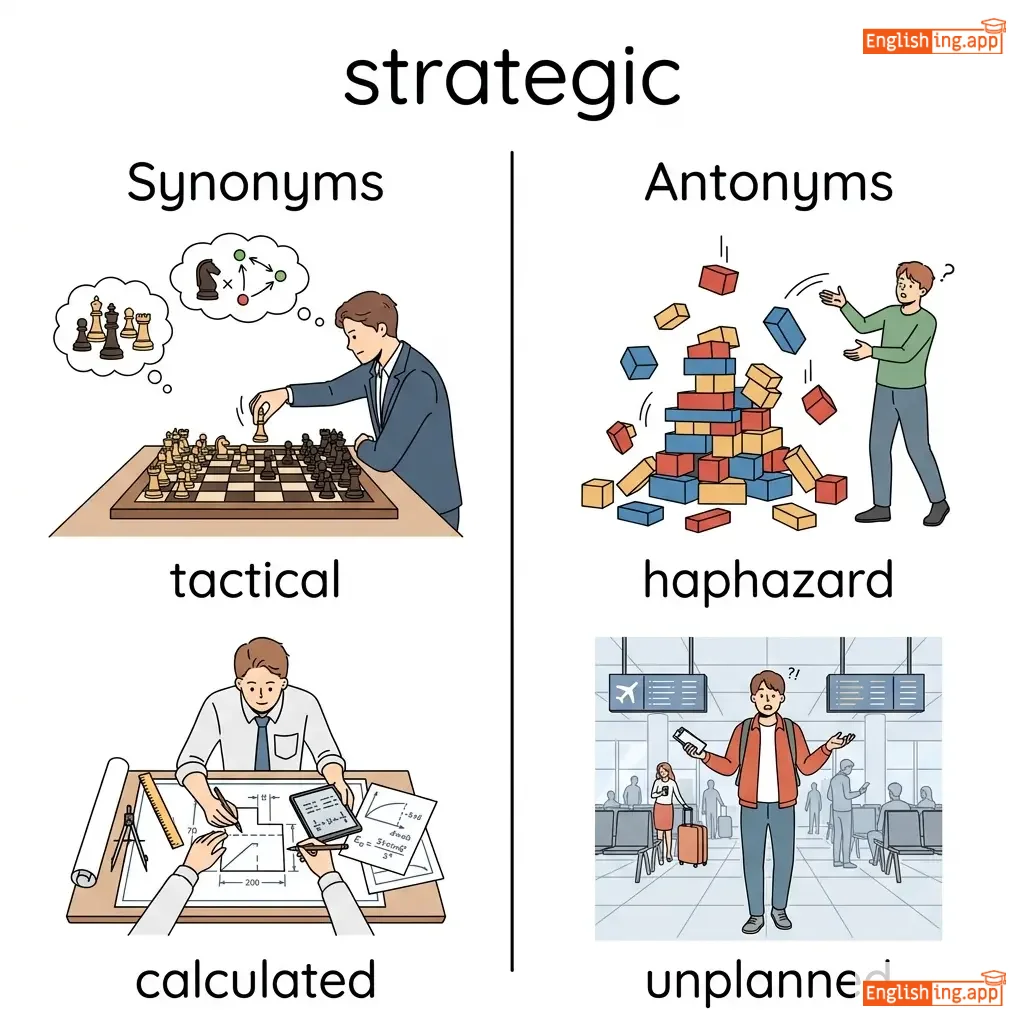
tactical, calculated, planned, deliberate
••••••
|
haphazard, unplanned, random
••••••
|
strategic plan, strategic goal, strategic position, strategic decision
••••••
|
戦略的思考が成功への鍵 - Strategic thinking is the key to success
••••••
|
|
#4793
🎯
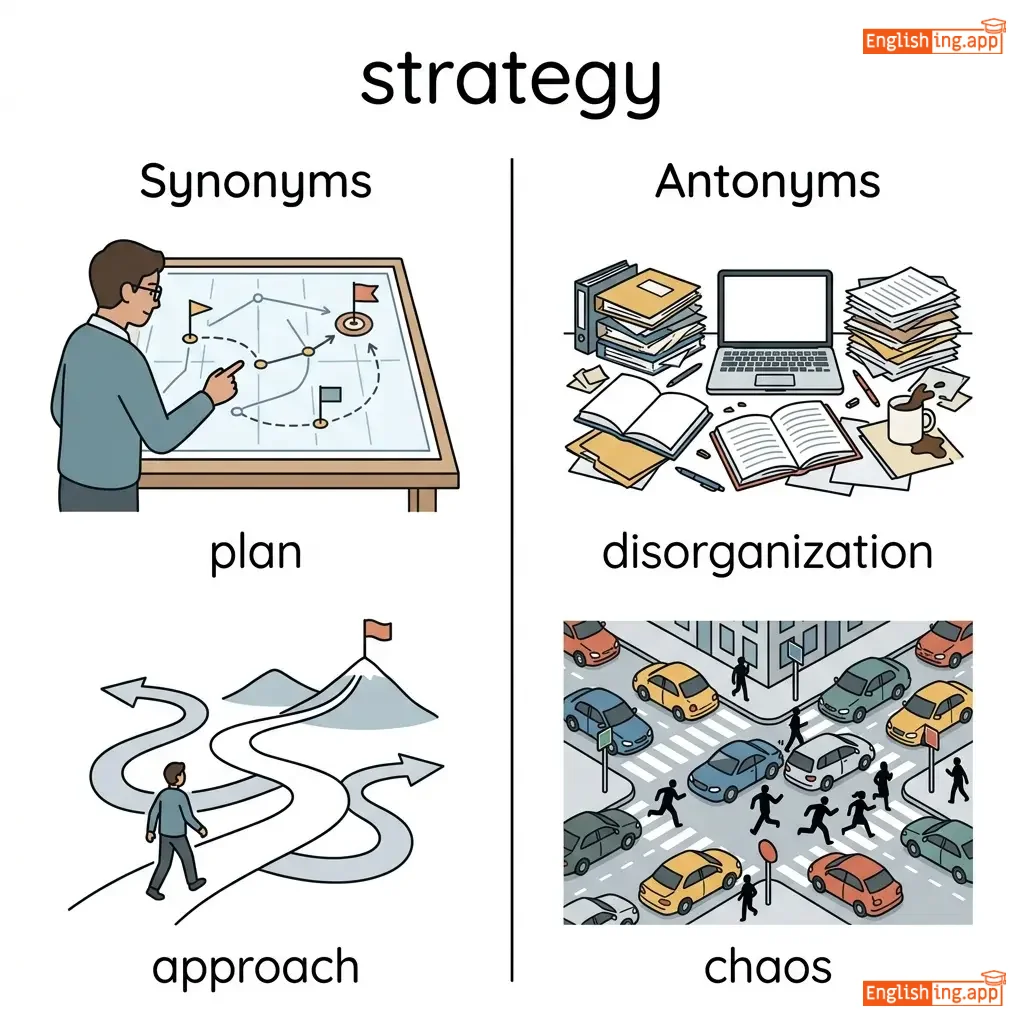
|
/ˈstrætədʒi/
noun
(sutoratēji)
••••••
|
|
戦略; 計画;
senryaku; keikaku;
••••••
|
- •••••• | - •••••• | - •••••• | - •••••• |
a plan of action designed to achieve a long-term or overall aim
••••••
|
The company developed a new marketing strategy to increase sales.
その会社は売上を増加させるために新しいマーケティング戦略を開発しました。
••••••
|
その会社は売上を増加させるために新しいマーケティング戦略を開発しました。
Sono kaisha wa uriage o zōka saseru tame ni atarashī māketingu senryaku o kaihatsu shimashita.
••••••
|
- •••••• | - •••••• | - •••••• |
plan, approach, tactic
••••••
|
improvisation, spontaneity
••••••
|
business strategy, marketing strategy, military strategy
••••••
|
戦略: 目標に向けた計画的アクション
••••••
|
|
#4794
🍓
|
/ˈstrɔːbəri/
noun
(いちご)
••••••
|
- •••••• |
いちご
ichigo
••••••
|
- •••••• | - •••••• | - •••••• | - •••••• |
a small red heart-shaped fruit with tiny seeds on the surface and sweet taste
••••••
|
I love eating fresh strawberries with cream during summer.
夏にクリームを添えた新鮮ないちごを食べるのが大好きです。
••••••
|
夏にクリームを添えた新鮮ないちごを食べるのが大好きです。
Natsu ni kuriimu wo soeta shinsen na ichigo wo taberu no ga daisuki desu.
••••••
|
- •••••• | - •••••• | - •••••• |
garden strawberry
••••••
|
- •••••• |
fresh strawberry, ripe strawberry, strawberry jam, strawberry ice cream
••••••
|
いちごは甘くて夏にぴったりの果物です。
••••••
|
|
#4795
🏞️
|
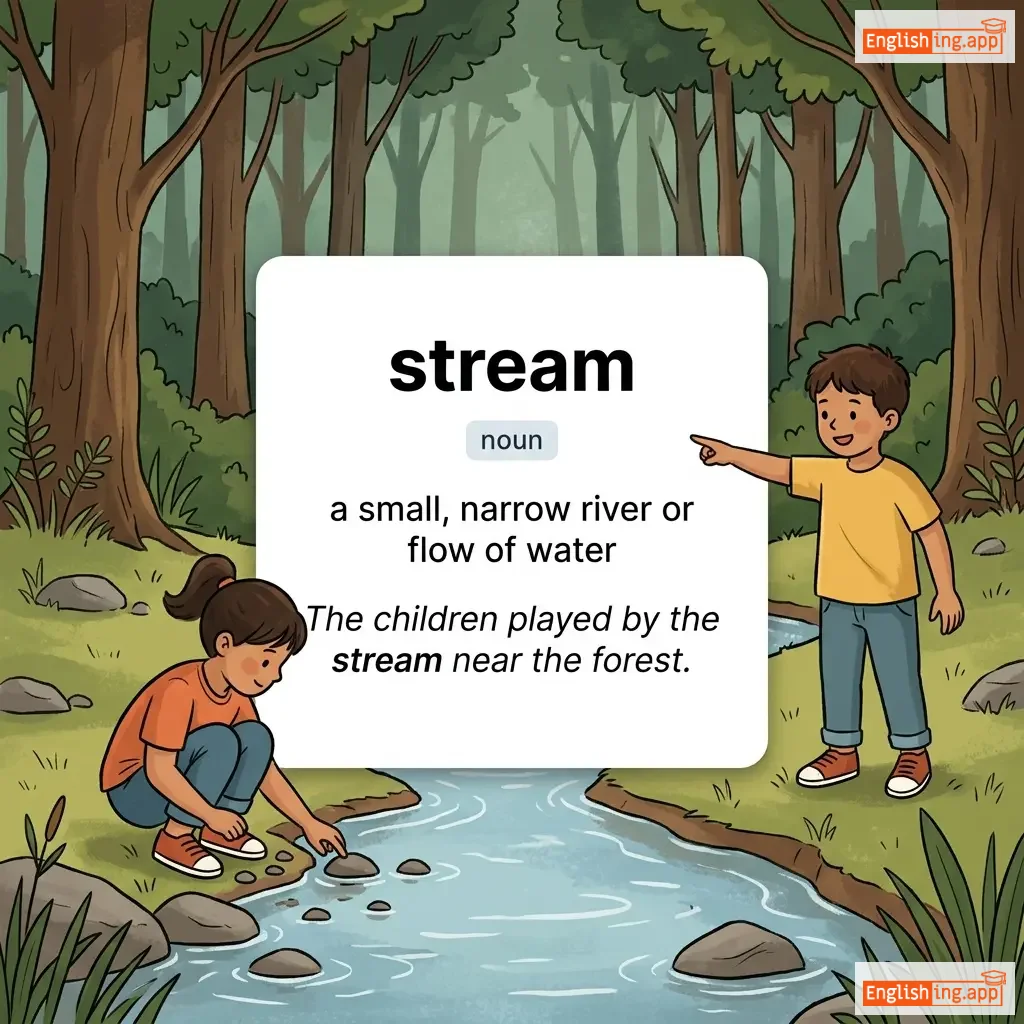
/striːm/
noun
(sutorīmu)
••••••
|
|
小川
ogawa
••••••
|
- •••••• | - •••••• | - •••••• | - •••••• |
a small narrow river; a continuous flow of liquid, air, or gas
••••••
|
The clear stream flowed through the forest.
クリアな小川が森を流れていました。
••••••
|
澄んだ小川が森を流れていました。
Sunda ogawa ga mori o nagarete imashita.
••••••
|
- •••••• | - •••••• | - •••••• |
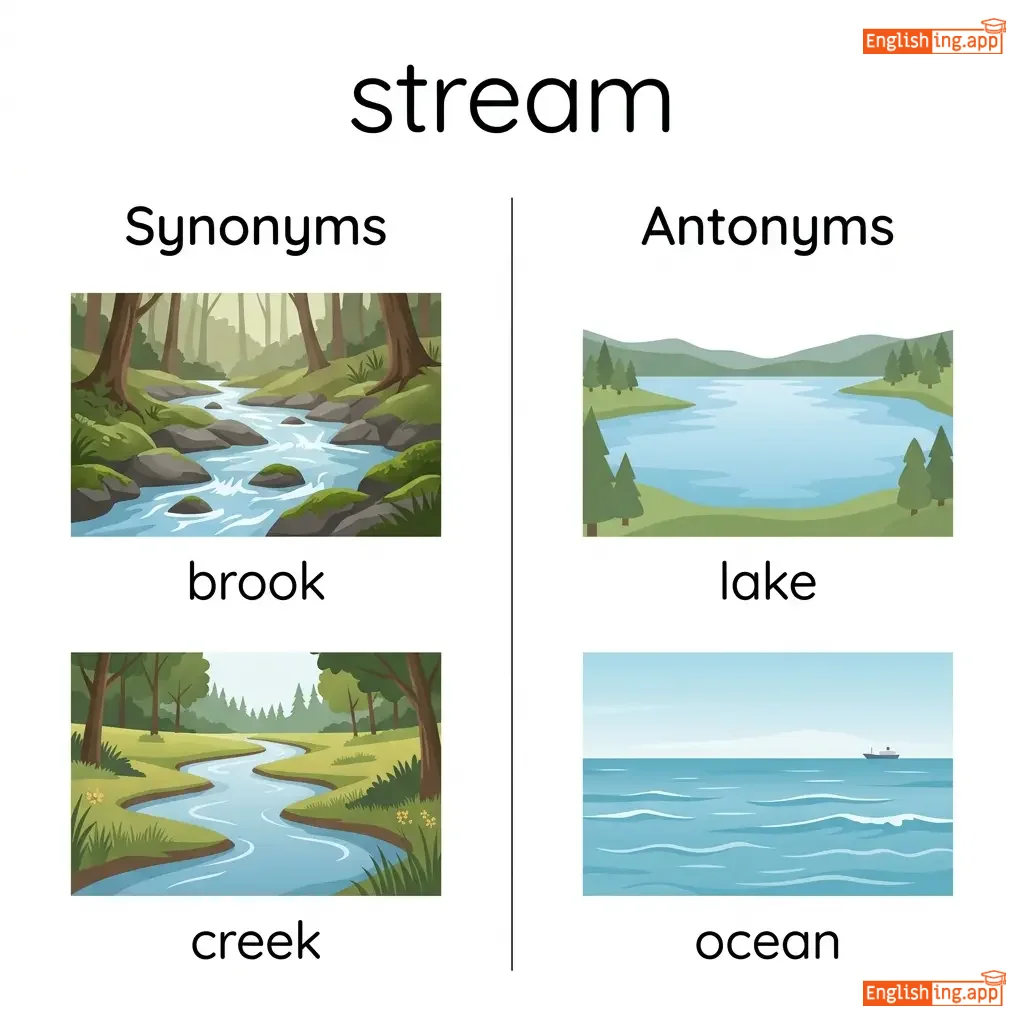
brook, creek, rivulet
••••••
|
stagnation, stillness
••••••
|
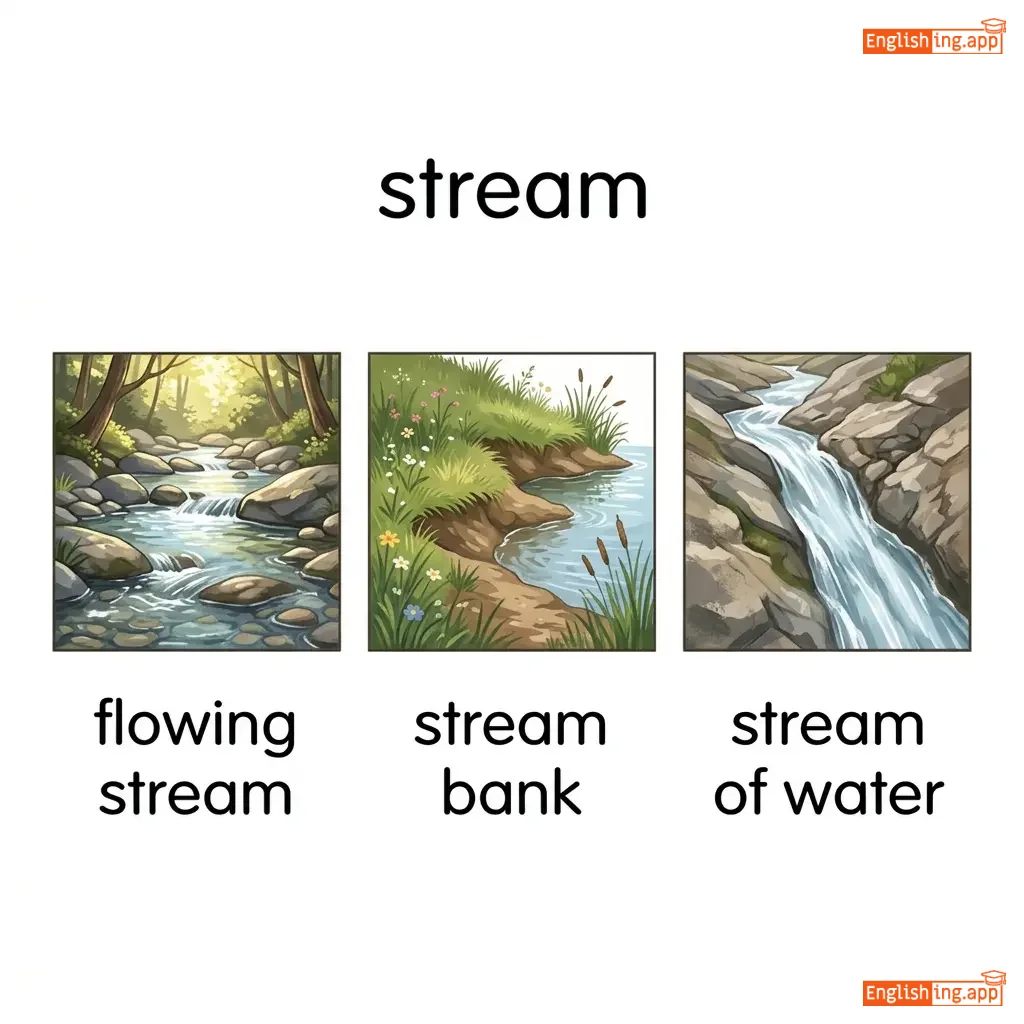
mountain stream, stream bed, stream of water
••••••
|
流れ続ける小川を想像してみてください。
••••••
|
|
#4796
🚶♂️
|
/striːt/
noun
(sutorīto)
••••••
|
- •••••• |
通り
toori
••••••
|
- •••••• | - •••••• | - •••••• | - •••••• |
a public road in a city or town, typically with buildings on one or both sides
••••••
|
He walked down the street to the park.
彼は公園へ向かって通りを歩いていました。
••••••
|
彼は公園へ向かって通りを歩いていました。
Kare wa kōen e mukatte tōri o aruiteimashita.
••••••
|
- •••••• | - •••••• | - •••••• |
road, avenue, boulevard, lane
••••••
|
alley, cul-de-sac
••••••
|
main street, busy street, narrow street, street light
••••••
|
通りを歩くとき、ストリートという言葉を思い出す、街の通りのように。
••••••
|
|
#4797
💪
|
/strɛŋkθ/
noun
(sutorenсуu)
••••••
|
- •••••• |
力
chikara
••••••
|
- •••••• | - •••••• | - •••••• | - •••••• |
the quality or state of being physically strong; the capacity to withstand force or pressure
••••••
|
Her strength helped her overcome the difficulties.
彼女の力は彼女が困難を克服するのを助けた。
••••••
|
彼女の力は彼女が困難を克服するのを助けた。
Kanojo no chikara wa kanojo ga konnan o kokufuku suru no o tasuketa.
••••••
|
in strength
力に
••••••
|
in large numbers; collectively powerful
••••••
|
力に
chikara ni
••••••
|
power, might, force, resilience, endurance
••••••
|
weakness, fragility
••••••
|
inner strength, physical strength, strength of character, show strength, gain strength
••••••
|
Strength = 力、すべての挑戦を乗り越える力!
••••••
|
|
#4798
💪
|
/ˈstrɛŋkθən/
verb
(ストレングスン)
••••••
|
|
強化する
kyouka suru
••••••
|
strengthened
ストレングスンド
••••••
|
strengthened
ストレングスンド
••••••
|
strengthens
ストレングスンズ
••••••
|
strengthening
ストレングスニング
••••••
|
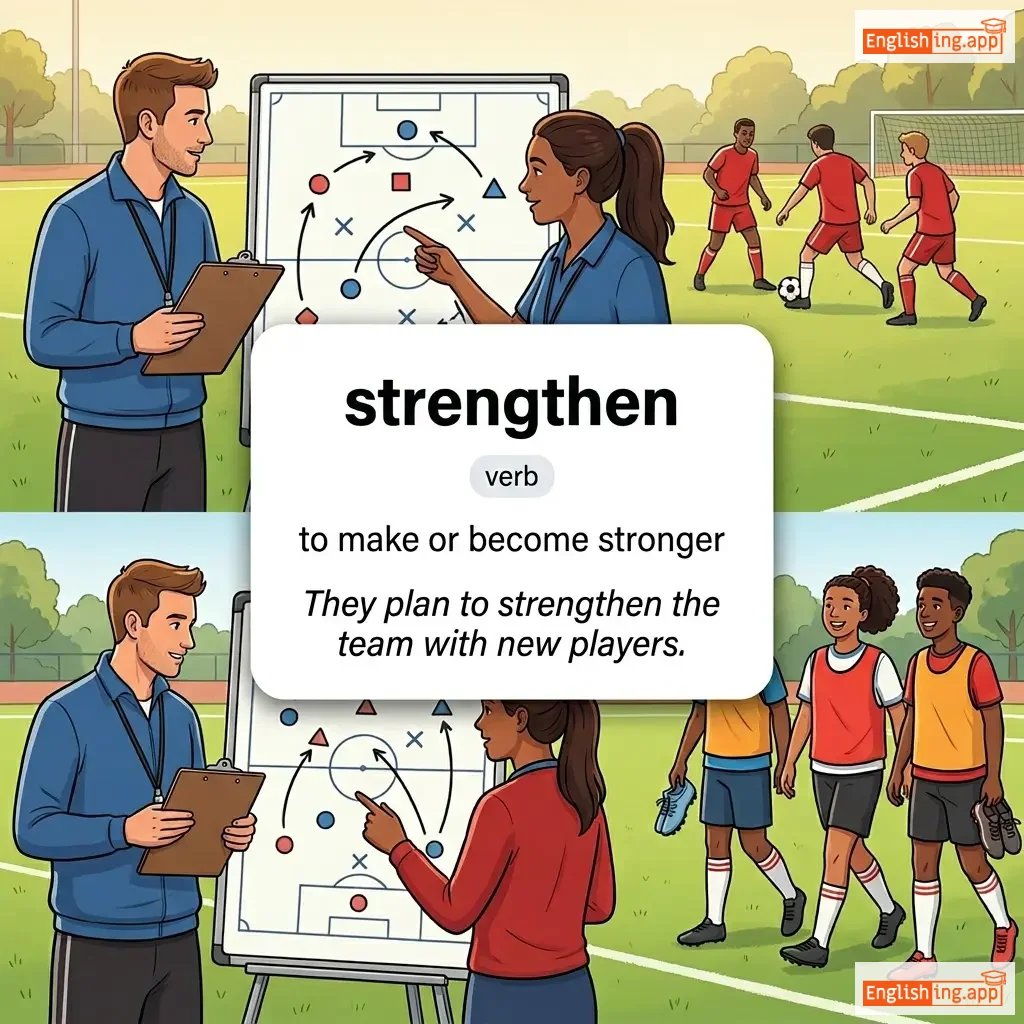
to make or become stronger
••••••
|
They plan to strengthen the team with new players.
彼らは新しい選手を加えてチームを強化する予定です。
••••••
|
彼らは新しい選手を加えてチームを強化する予定です。
Karera wa atarashī senshu o kuwaete chīmu o kyōka suru yotei desu.
••••••
|
- •••••• | - •••••• | - •••••• |
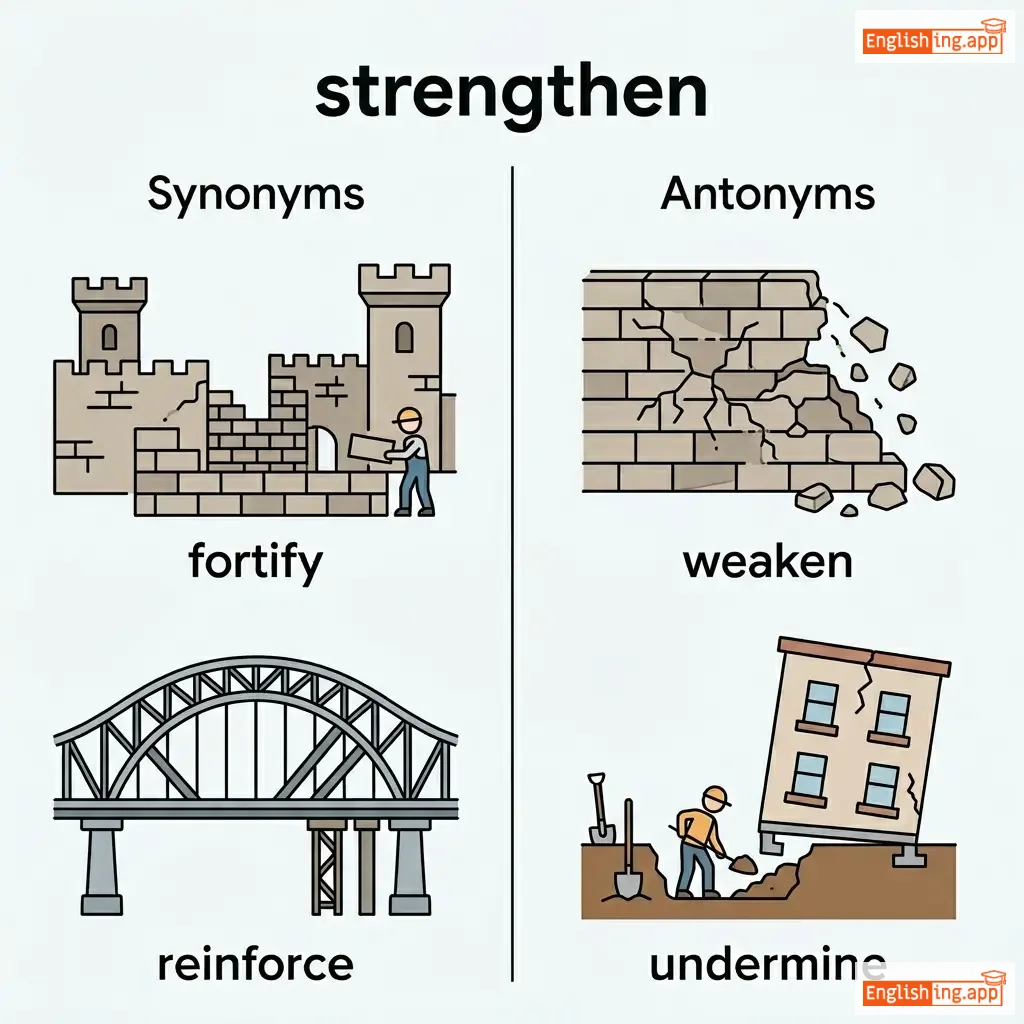
fortify, reinforce, empower, bolster
••••••
|
weaken, undermine
••••••
|
strengthen skills, strengthen position, strengthen muscles, strengthen bond
••••••
|
あなたの力を強化するために - Strengthen to become stronger
••••••
|
|
#4799
😰
|
/strɛs/
noun, verb
(ストレス)
••••••
|
|
ストレス
sutoresu
••••••
|
stressed
ストレスを感じた
••••••
|
stressed
ストレスを感じた
••••••
|
stresses
ストレスを感じる
••••••
|
stressing
ストレスを感じている
••••••
|
to give particular emphasis or importance to something; mental or emotional strain
••••••
|
She feels a lot of stress from her work.
彼女は仕事から多くのストレスを感じている。
••••••
|
彼女は仕事から多くのストレスを感じている。
Kanojo wa shigoto kara ooku no sutoresu wo kanjiteiru.
••••••
|
stress out
ストレスを感じる
••••••
|
to become anxious or overwhelmed
••••••
|
ストレスを感じる
Sutoresu wo kanjiru
••••••
|
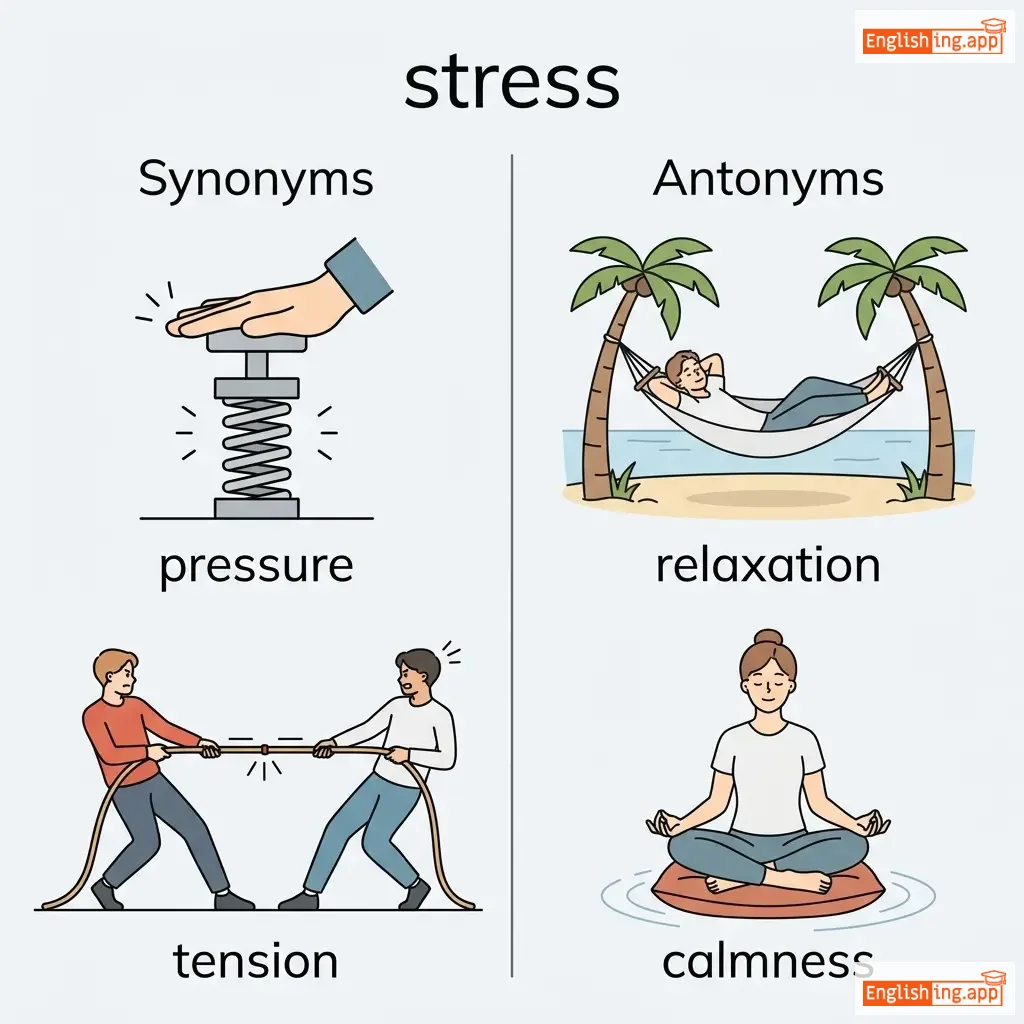
pressure, tension, anxiety, strain
••••••
|
relaxation, calmness
••••••
|
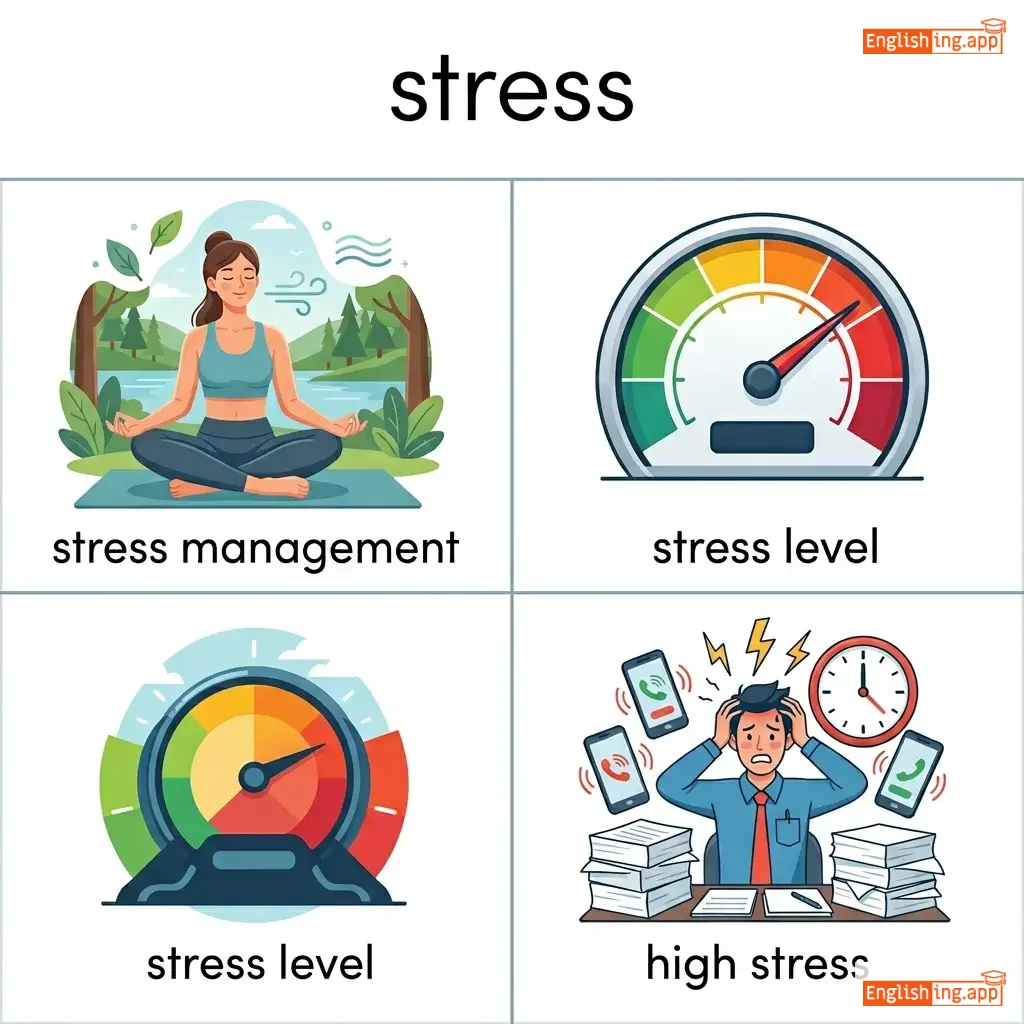
stress management, stress level, high stress, relieve stress
••••••
|
ストレス (sutoresu) は圧力から来る。
••••••
|
|
#4800
🤸
|
/stretʃ/
verb
(ストレッチ)
••••••
|
- •••••• |
ストレッチする
sutoretch suru
••••••
|
stretched
ストレッチド
••••••
|
stretched
ストレッチド
••••••
|
stretches
ストレッチェス
••••••
|
stretching
ストレッチング
••••••
|
to extend or expand; to make or become longer or wider
••••••
|
Athletes stretch their muscles before exercising.
アスリートは運動前に筋肉をストレッチします。
••••••
|
アスリートは運動前に筋肉をストレッチします。
Asurīto wa undō mae ni kinniku o sutoretch shimasu.
••••••
|
- •••••• | - •••••• | - •••••• |
extend, expand, lengthen, reach
••••••
|
contract, shrink, compress, shorten
••••••
|
stretch muscles, stretch out, stretch further, stretch limits
••••••
|
Stretch just like an athlete does before a big match!
••••••
|
|
#4801
⚖️
|
/strɪkt/
adjective
(sutorikuto)
••••••
|
- •••••• |
厳格
genkaku
••••••
|
- •••••• | - •••••• | - •••••• | - •••••• |
Demanding that rules be obeyed and observed closely.
••••••
|
The teacher is very strict about punctuality. |
先生は時間厳守にとても厳格です。
Sensei wa jikan genshu ni totemo genkaku desu.
••••••
|
strict rules |
Rules that must be followed without flexibility
••••••
|
厳格な規則
genkaku na kisoku
••••••
|
rigid, severe, stern, uncompromising
••••••
|
lenient, flexible, permissive
••••••
|
strict rules, strict teacher, strict policy
••••••
|
Strictは厳格な規則、厳しい先生のように!
••••••
|
|
#4802
🚫
|
/ˈstrɪktli/
adverb
(sutorikuto ri)
••••••
|
- •••••• |
厳密に
genmitsu ni
••••••
|
- •••••• | - •••••• | - •••••• | - •••••• |
in a way that follows rules or limits completely
••••••
|
Smoking is strictly prohibited inside the building. |
建物内での喫煙は厳密に禁止されています。
Tatemono nai de no kitsuen wa genmitsu ni kinshi sareteimasu.
••••••
|
strictly speaking |
to be precise or accurate about something
••••••
|
厳密に言えば
genmitsu ni ieba
••••••
|
rigidly, severely, firmly, tightly
••••••
|
loosely, casually, freely
••••••
|
strictly prohibited, strictly controlled, strictly speaking, strictly confidential
••••••
|
Strictly は厳密に—strict ママが言っています‘Strictly no TV!’
••••••
|
|
#4803
⚡
|
/straɪk/
verb
(sutoraiku)
••••••
|
- •••••• |
ストライキ / 打つ
sutoraiki / utsu
••••••
|
struck
sutoraiku
••••••
|
struck
sutoraiku
••••••
|
strikes
sutoraikus
••••••
|
striking
sutoraikingu
••••••
|
to hit forcibly or attack; also to stop work as a form of protest
••••••
|
The workers decided to strike for better wages.
労働者たちはより良い賃金を求めてストライキを決定した。
••••••
|
労働者たちはより良い賃金を求めてストライキを決定した。
Rōdōshatachi wa yori yoi chingin o motomete sutoraiki o kettei shita.
••••••
|
strike a chord
コードを打つ
••••••
|
to create a strong emotional response
••••••
|
感動を呼び起こす
kandō o yobiokosu
••••••
|
hit, attack, punch, protest, clash
••••••
|
miss, praise, peace
••••••
|
strike a deal, strike a balance, strike back, strike down
••••••
|
Strikeはストライキを意味します。労働者がSTRIKEをすると工場は停止します。
••••••
|
|
#4804
✨
|
/ˈstraɪkɪŋ/
adjective
(sutoraikingu)
••••••
|
- •••••• |
印象的な
inshouteki na
••••••
|
- •••••• | - •••••• | - •••••• | - •••••• |
very noticeable or impressive in appearance or effect
••••••
|
Her striking beauty caught everyone's attention.
彼女の印象的な美しさは皆の注目を集めました。
••••••
|
彼女の印象的な美しさは皆の注目を集めました。
Kanojo no inshouteki na utsukushisa wa mina no chuumoku o atsumemashita.
••••••
|
- •••••• | - •••••• | - •••••• |
impressive, remarkable, stunning, eye-catching, extraordinary
••••••
|
ordinary, dull, plain
••••••
|
striking resemblance, striking difference, striking contrast, striking beauty
••••••
|
Strikingは日本語で印象的—それは強く印象に残るもの!
••••••
|
|
#4805
🧵
|
/strɪŋ/
noun, verb
(ストリング)
••••••
|
- •••••• |
ひも
himo
••••••
|
strung
ストラング
••••••
|
strung
ストラング
••••••
|
strings
ストリングス
••••••
|
stringing
ストリングイング
••••••
|
a thin piece of cord or thread; to tie or fasten with a string
••••••
|
She tied the package with a string.
彼女はパッケージを糸で結びました。
••••••
|
彼女はパッケージを糸で結びました。
Kanojo wa pakke-ji wo ito de musubimashita.
••••••
|
- •••••• | - •••••• | - •••••• |
cord, thread, rope, twine
••••••
|
loosen, untie
••••••
|
string of pearls, guitar string, string along, tie with string
••••••
|
覚えておいてください:ひも(himo)はすべてを結びつけます。
••••••
|
|
#4806
🪚
|
/strɪp/
verb
(ストリップ)
••••••
|
- •••••• |
剥がす / 脱ぐ
hagasu / nugu
••••••
|
stripped
ストリップト
••••••
|
stripped
ストリップト
••••••
|
strips
ストリップス
••••••
|
stripping
ストリッピング
••••••
|
to remove coverings or layers from something; to undress
••••••
|
He had to strip the old paint from the wall.
彼は壁から古いペンキを剥がさなければならなかった。
••••••
|
彼は壁から古いペンキを剥がさなければならなかった。
Kare wa kabe kara furui penki wo hagasanakereba naranakatta.
••••••
|
strip away
ストリップアウェイ
••••••
|
to gradually remove something
••••••
|
剥がす
hagasu
••••••
|
remove, peel, undress, bare, dismantle
••••••
|
cover, dress, clothe
••••••
|
strip off, strip down, strip away, strip bare
••••••
|
Stripは剥がすという意味、'strip club'では人々が服を脱ぐことを覚えておいてください。
••••••
|
|
#4807
🚀
|
/straɪv/
verb
(sutoraibu)
••••••
|
- •••••• |
努力する
doryoku suru
••••••
|
strove
sutorōvu
••••••
|
striven
sutoriven
••••••
|
strives
sutoraibusu
••••••
|
striving
sutoraibingu
••••••
|
To make great efforts to achieve or obtain something.
••••••
|
She strives to be the best student in her class.
彼女はクラスで最も優れた生徒になるよう努めている。
••••••
|
彼女はクラスで最も優れた生徒になるよう努めている。
Kanojo wa kurasu de mottomo sugureta seito ni naru yō tsutomete iru.
••••••
|
strive for excellence
卓越性を目指して努力する
••••••
|
To put in effort to achieve the highest standard
••••••
|
卓越性を目指して努力する
takutsusei o mezashite doryoku suru
••••••
|
endeavor, attempt, struggle, aim, labor
••••••
|
give up, surrender
••••••
|
strive hard, strive for success, strive to achieve
••••••
|
Striveは成功のために努力し続けることです。
••••••
|
|
#4808
✋
|
/stroʊk/
verb
(sutorōku)
••••••
|
|
なでる
naderu
••••••
|
stroked
sutorōkudo
••••••
|
stroked
sutorōkudo
••••••
|
strokes
sutorōkusu
••••••
|
stroking
sutorōkingu
••••••
|
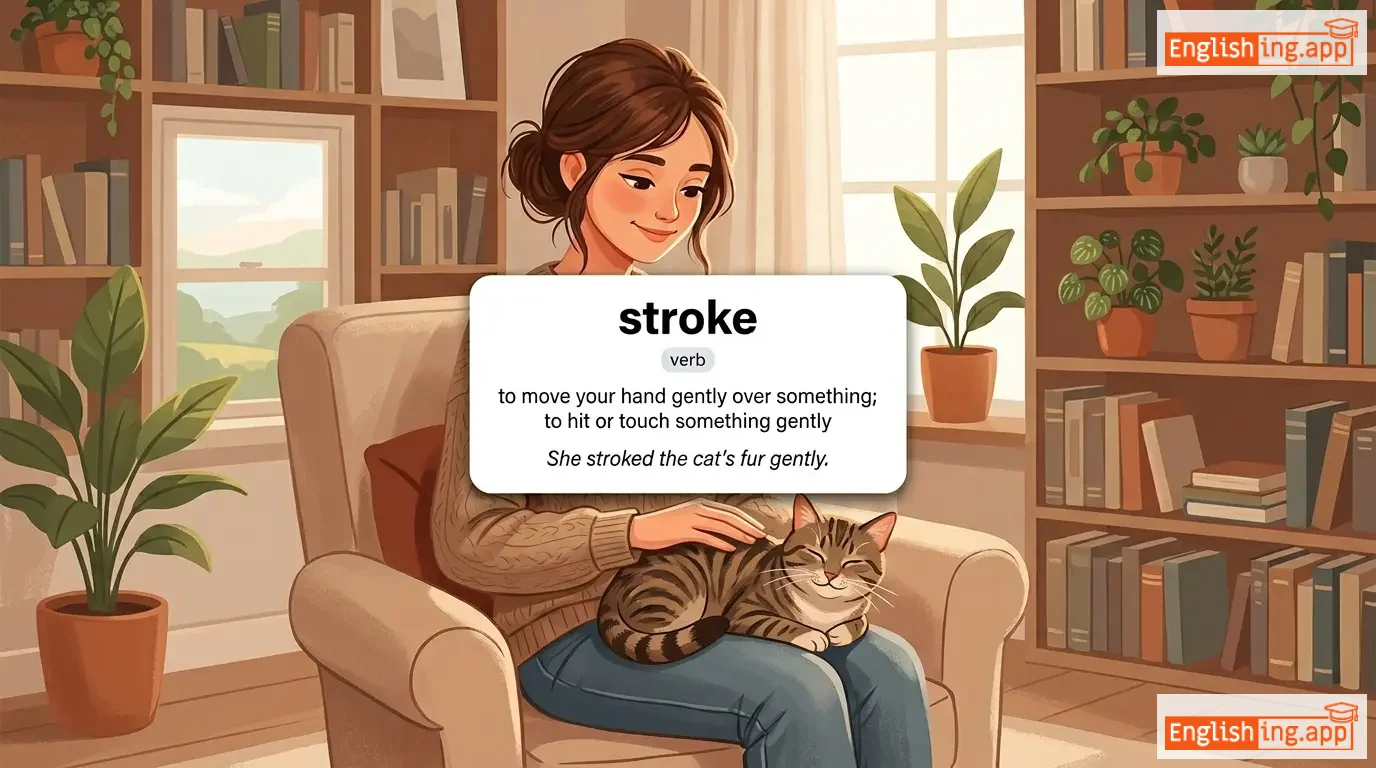
to move your hand gently over something; to hit or touch something gently
••••••
|
She stroked the cat's fur gently.
彼女は猫の毛を優しくなでました。
••••••
|
彼女は猫の毛を優しくなでました。
Kanojo wa neko no ke o yasashiku nademashita.
••••••
|
- •••••• | - •••••• | - •••••• |
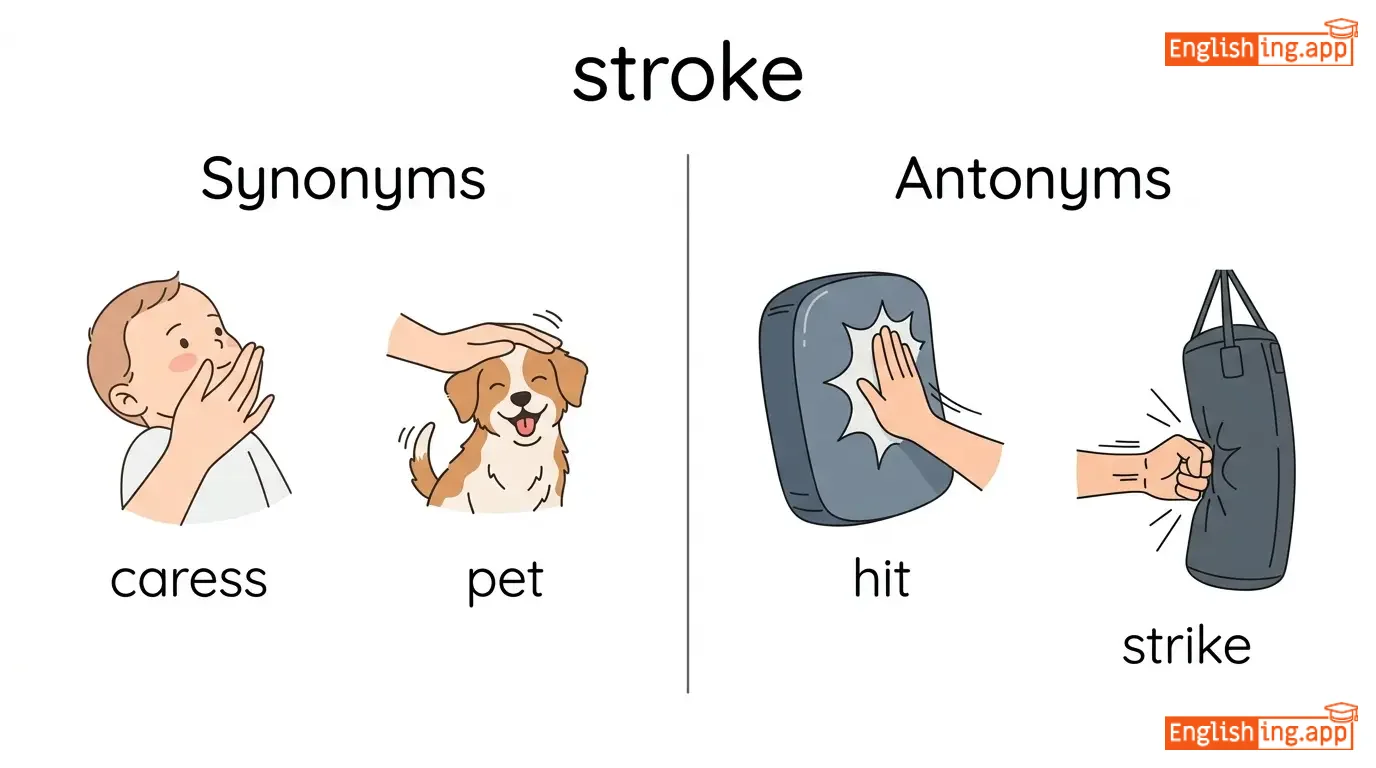
caress, pet, touch, brush
••••••
|
hit, strike, slap
••••••
|
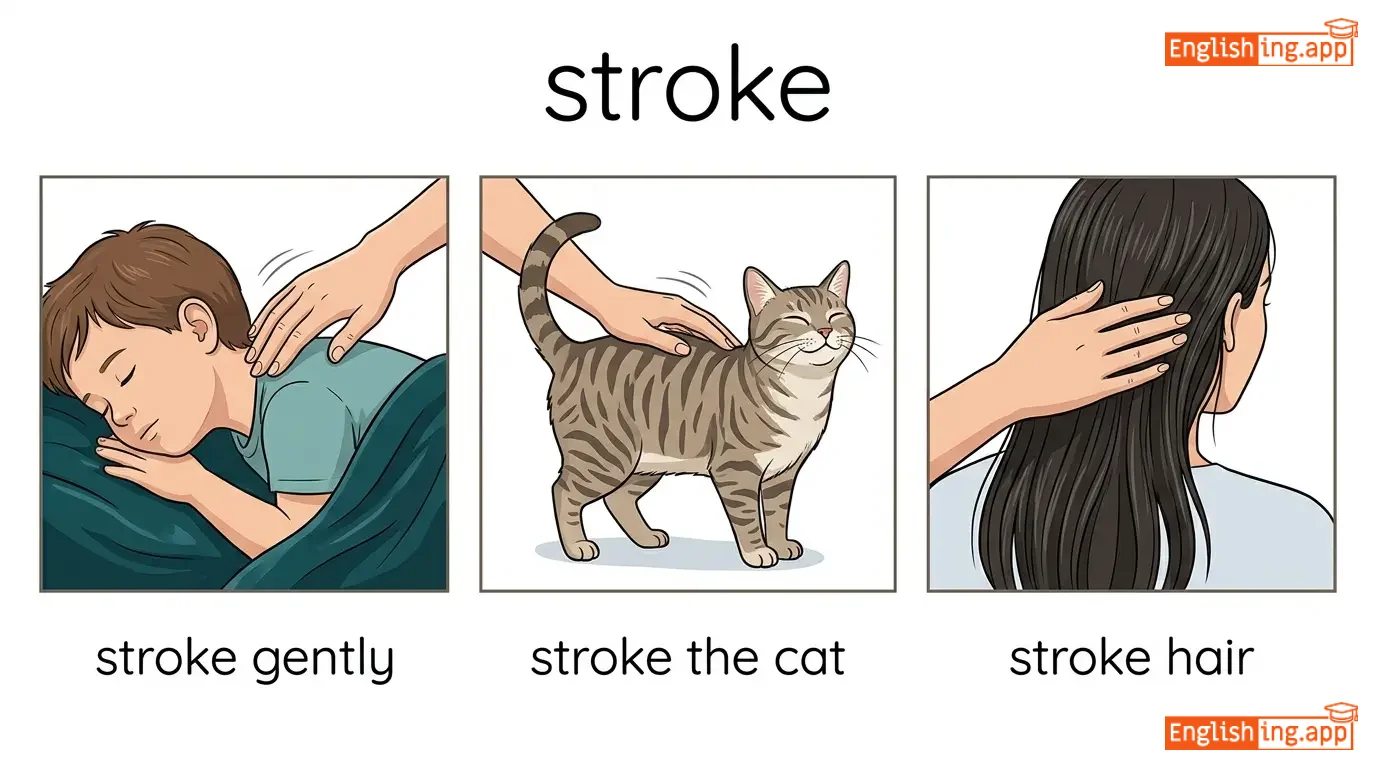
stroke gently, stroke the cat, stroke hair, swimming stroke, suffer a stroke
••••••
|
Think of gently stroking a soft cat's fur, relaxing and comforting it.
••••••
|
|
#4809
💪
|
/strɔːŋ/
adjective
(ストロング)
••••••
|
|
強い
tsuyoi
••••••
|
- •••••• | - •••••• | - •••••• | - •••••• |
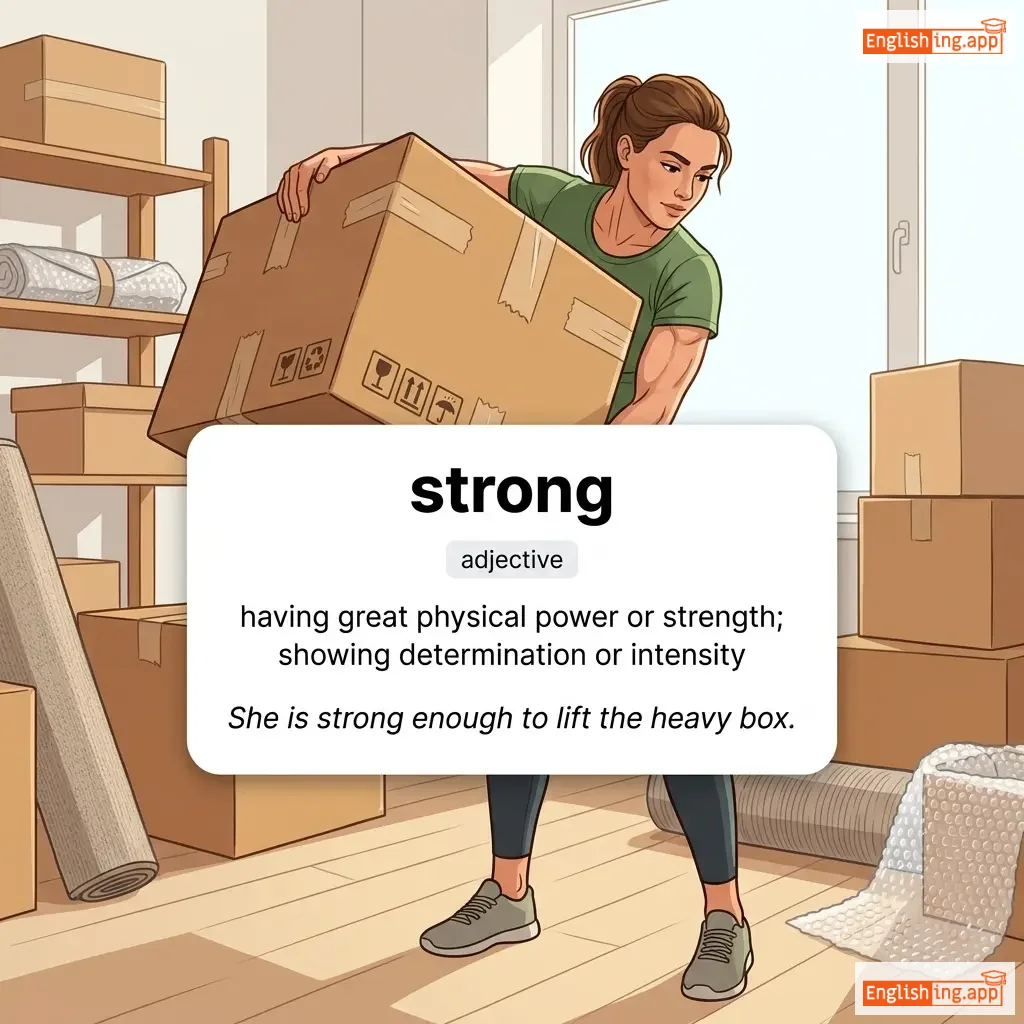
having great physical power or strength; showing determination or intensity
••••••
|
She is strong enough to lift the heavy box. |
彼女は重い箱を持ち上げるのに十分強い。
Kanojo wa omoi hako o mochiageru no ni jūbun tsuyoi.
••••••
|
strong suit |
a particular skill or strength someone is especially good at
••••••
|
得意な分野
tokui na bun'ya
••••••
|
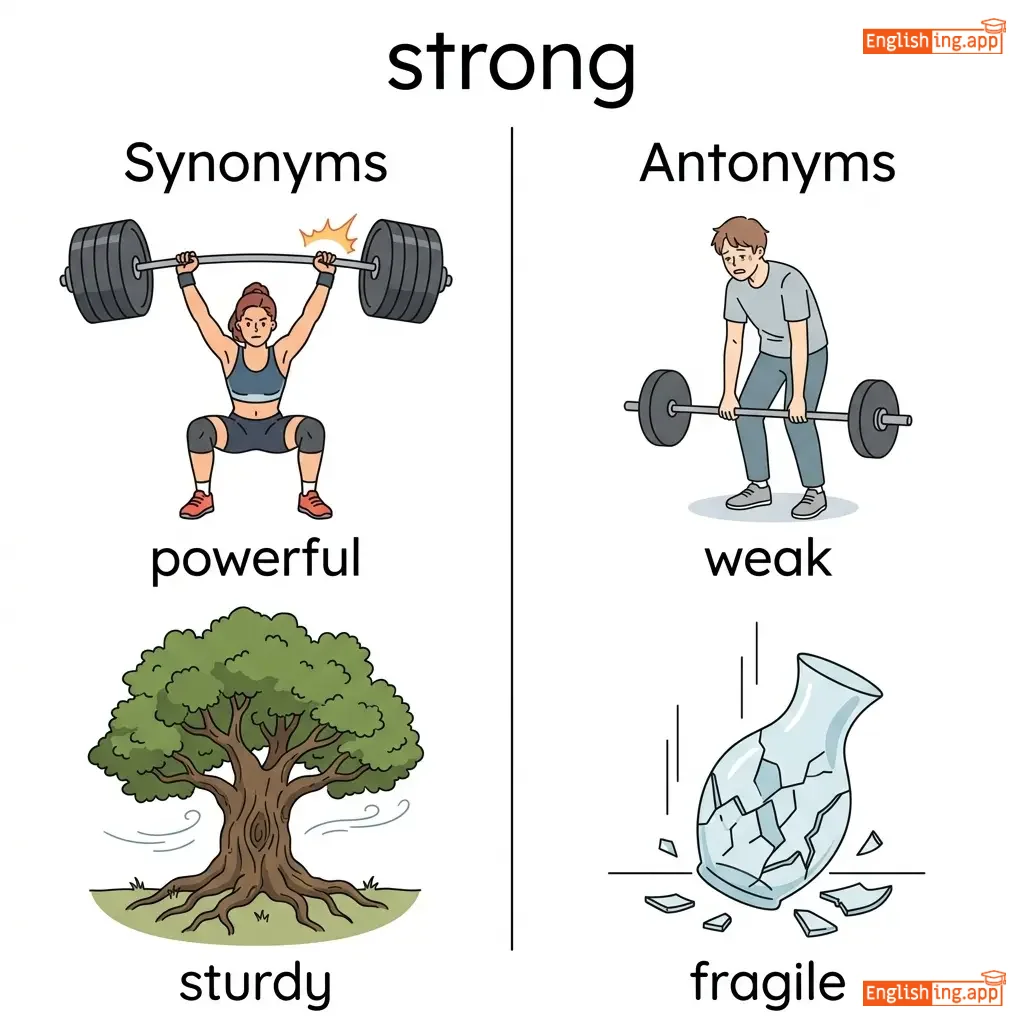
powerful, sturdy, tough, resilient, vigorous
••••••
|
weak, fragile, feeble
••••••
|
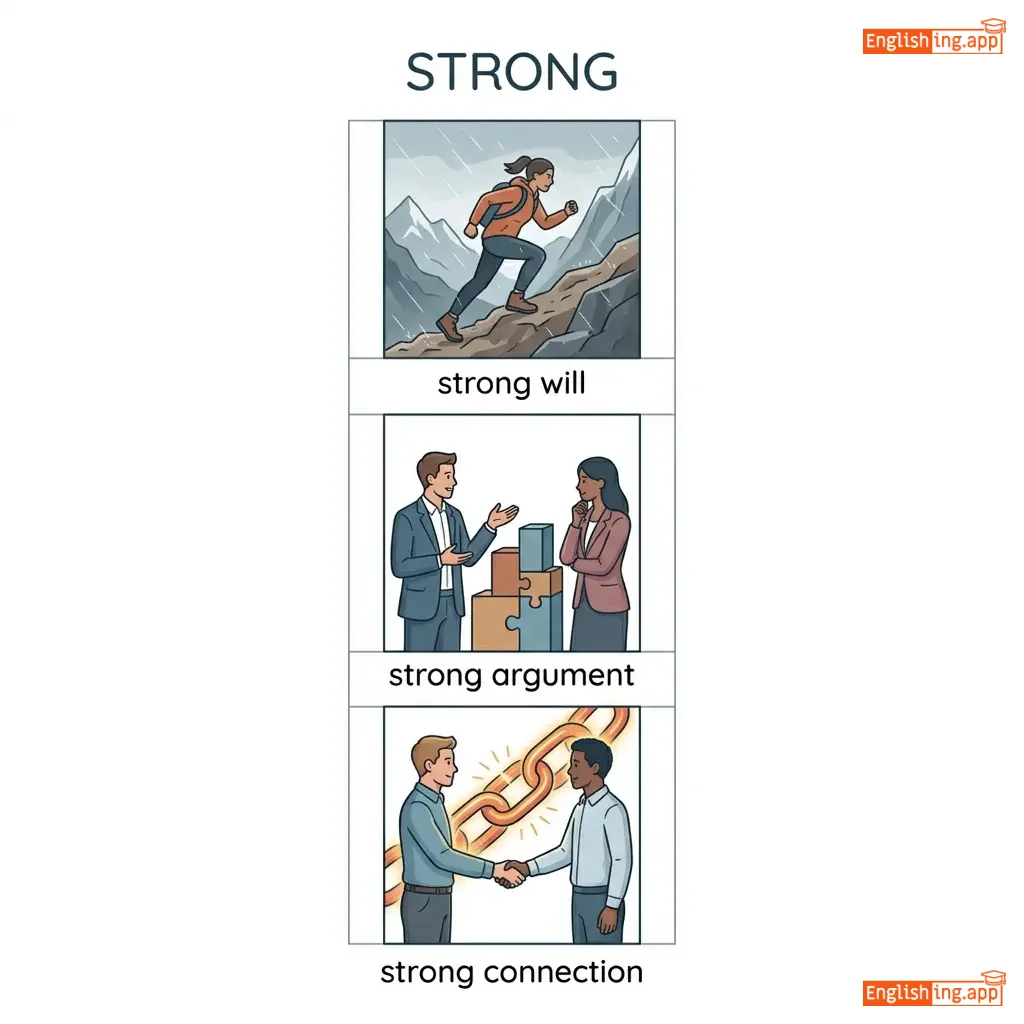
strong will, strong argument, strong connection, strong influence, strong flavor
••••••
|
Strong は 💪 強い、覚えておいて 'Strong があれば何でもできる'
••••••
|
|
#4810
💪
|
/ˈstrɒŋɡli/
adverb
(ストロンリ)
••••••
|
- •••••• |
強く
tsuyoku
••••••
|
- •••••• | - •••••• | - •••••• | - •••••• |
in a strong manner or to a great extent
••••••
|
She strongly believes in the power of positive thinking. |
彼女はポジティブな思考の力を強く信じています。
Kanojo wa pojitibu na shikō no chikara o tsuyoku shinjiteimasu.
••••••
|
- •••••• | - •••••• | - •••••• |
firmly, forcefully, vigorously, intensely
••••••
|
weakly, faintly
••••••
|
strongly recommend, strongly disagree, strongly believe
••••••
|
Strongly as belief that makes you strong
••••••
|
|
#4811
🏗️
|
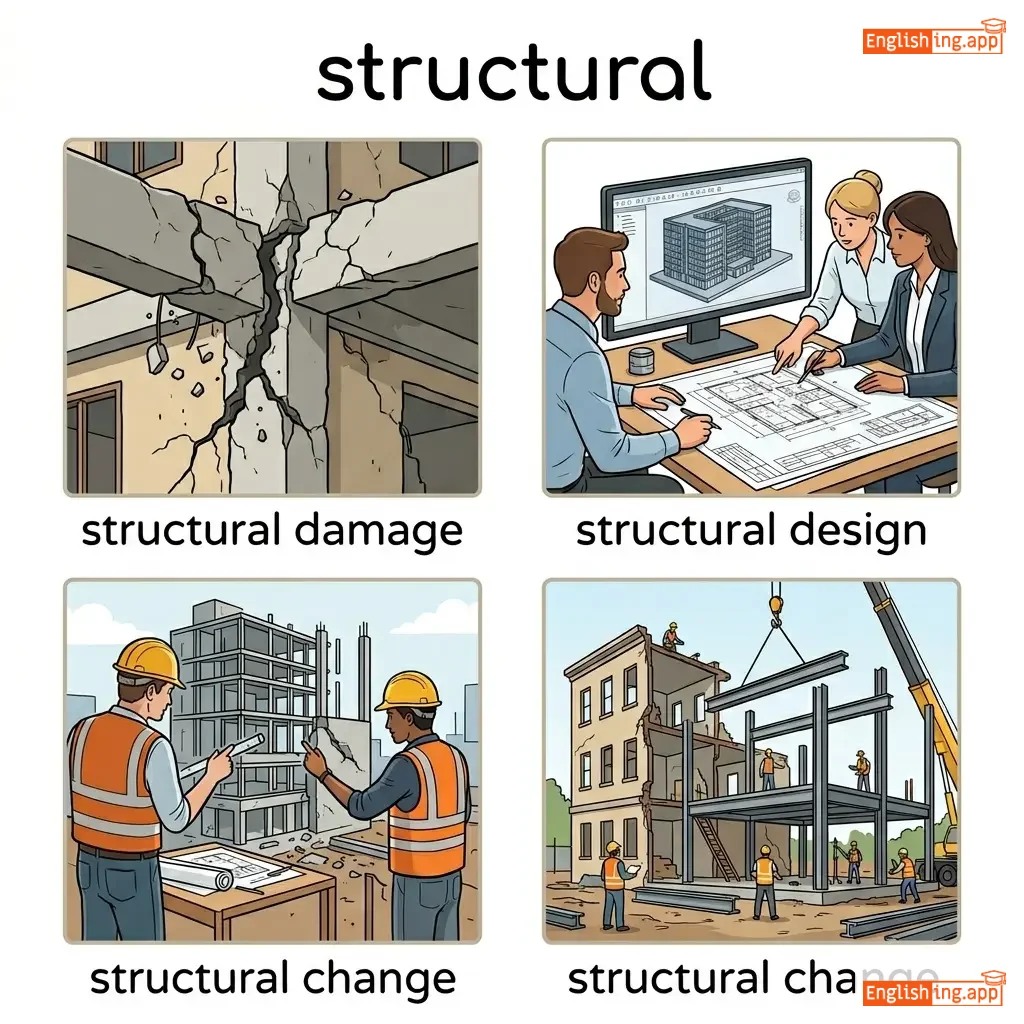
/ˈstrʌktʃərəl/
adjective
••••••
|
|
- •••••• | - •••••• | - •••••• | - •••••• | - •••••• |
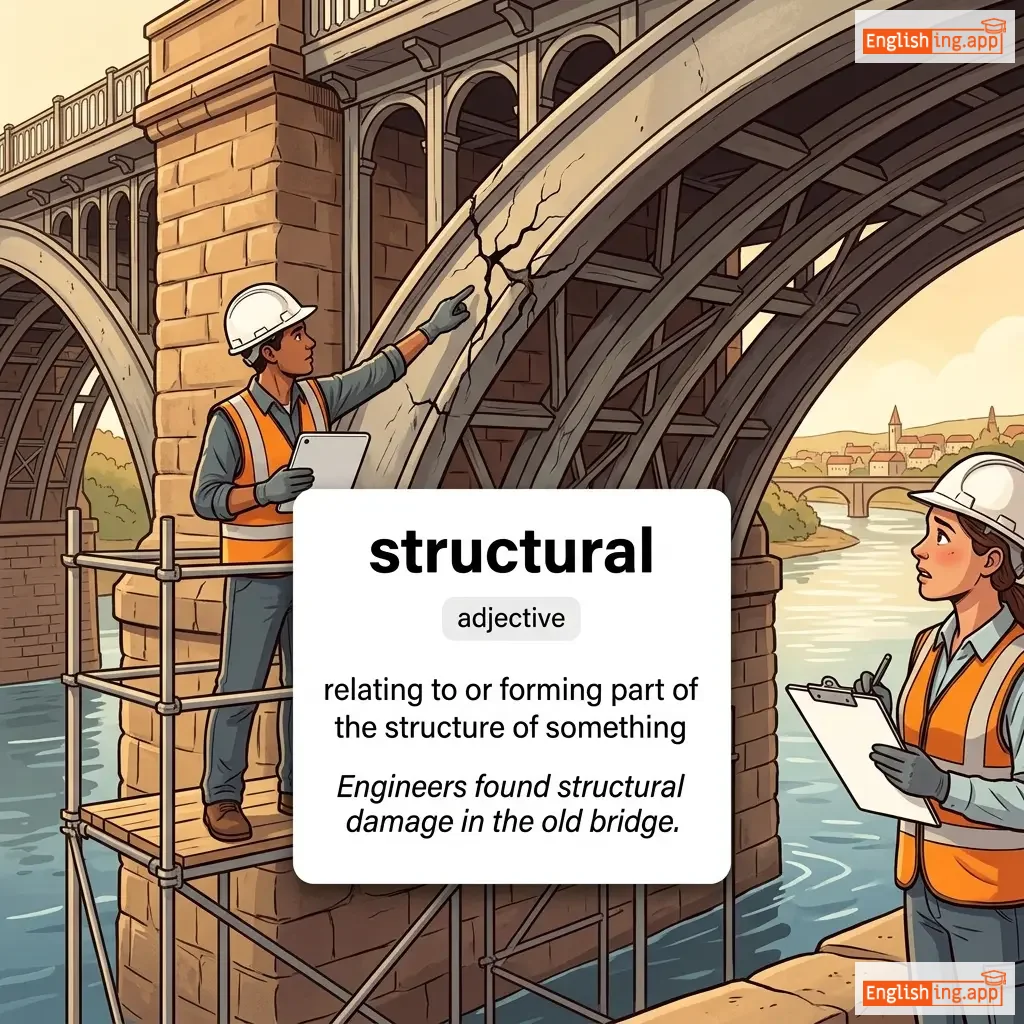
relating to or forming part of the structure of something
••••••
|
Engineers found structural damage in the old bridge. |
- •••••• | - •••••• | - •••••• | - •••••• |
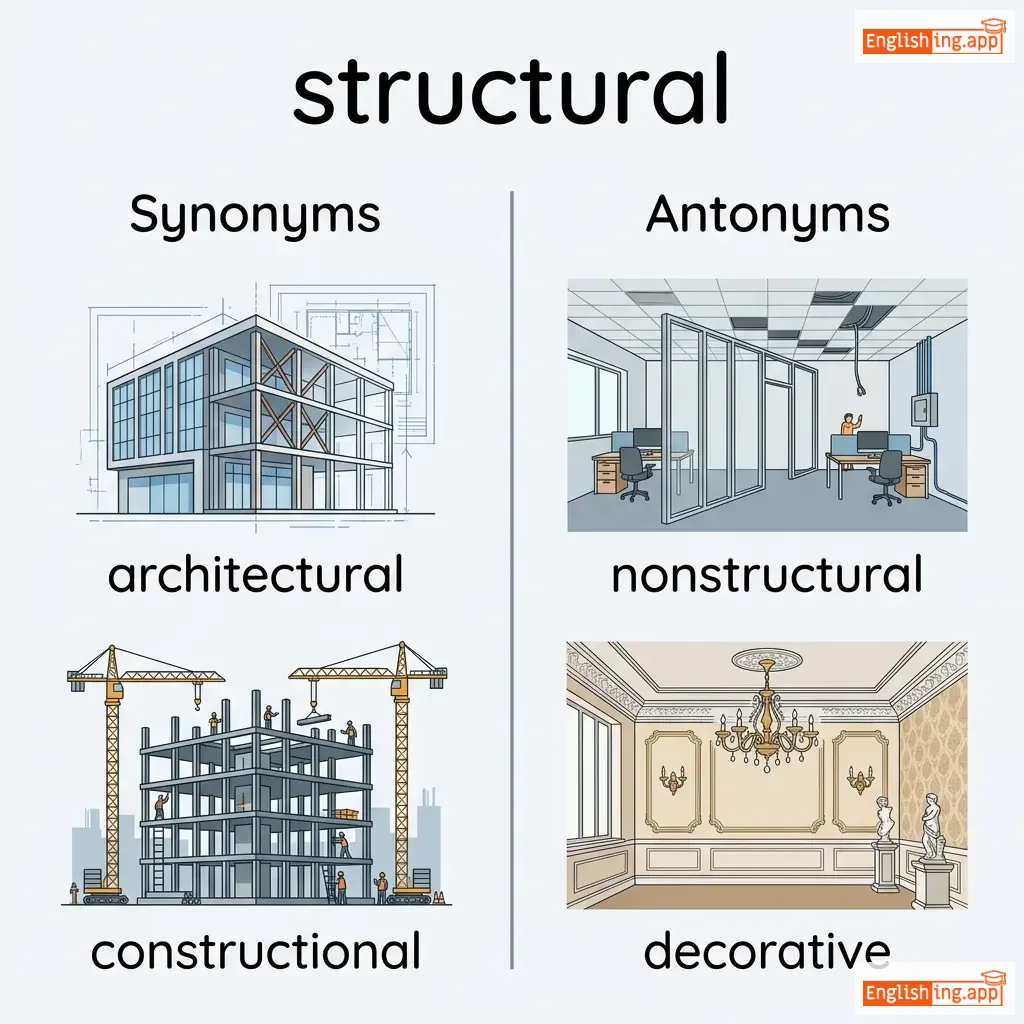
architectural, constructional, physical, organizational
••••••
|
nonstructural, decorative
••••••
|
structural damage, structural design, structural change, structural problem
••••••
|
No •••••• |
|
#4812
🏗️
|
/ˈstrʌk.tʃər/
noun
(sutorakuchā)
••••••
|
|
構造
kouzou
••••••
|
- •••••• | - •••••• | - •••••• | - •••••• |
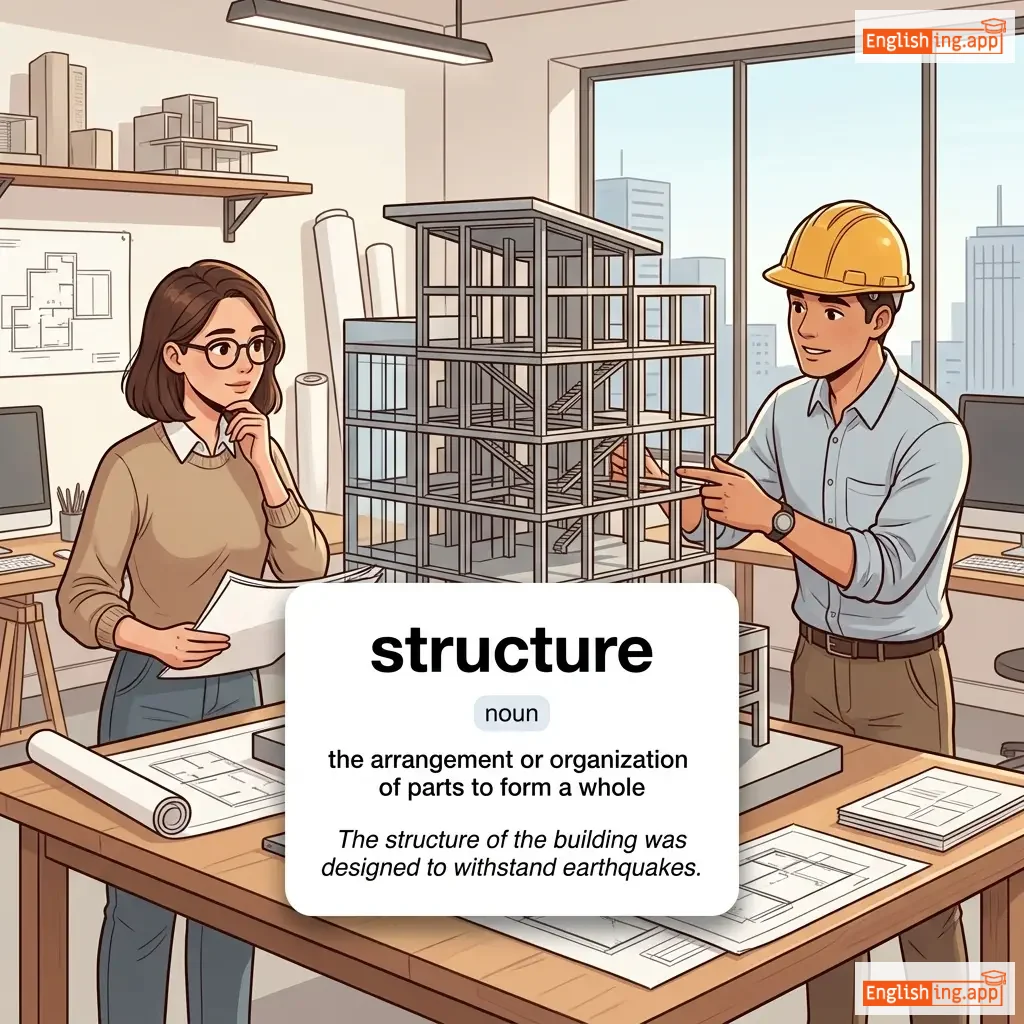
the arrangement of parts in a complex entity; the way something is organized or built
••••••
|
The building has a steel structure that makes it earthquake resistant.
ビルは地震に強いスチール構造を持っています。
••••••
|
ビルは地震に強いスチール構造を持っています。
Biru wa jishin ni tsuyoi suchīru kōzō o motteimasu.
••••••
|
- •••••• | - •••••• | - •••••• |
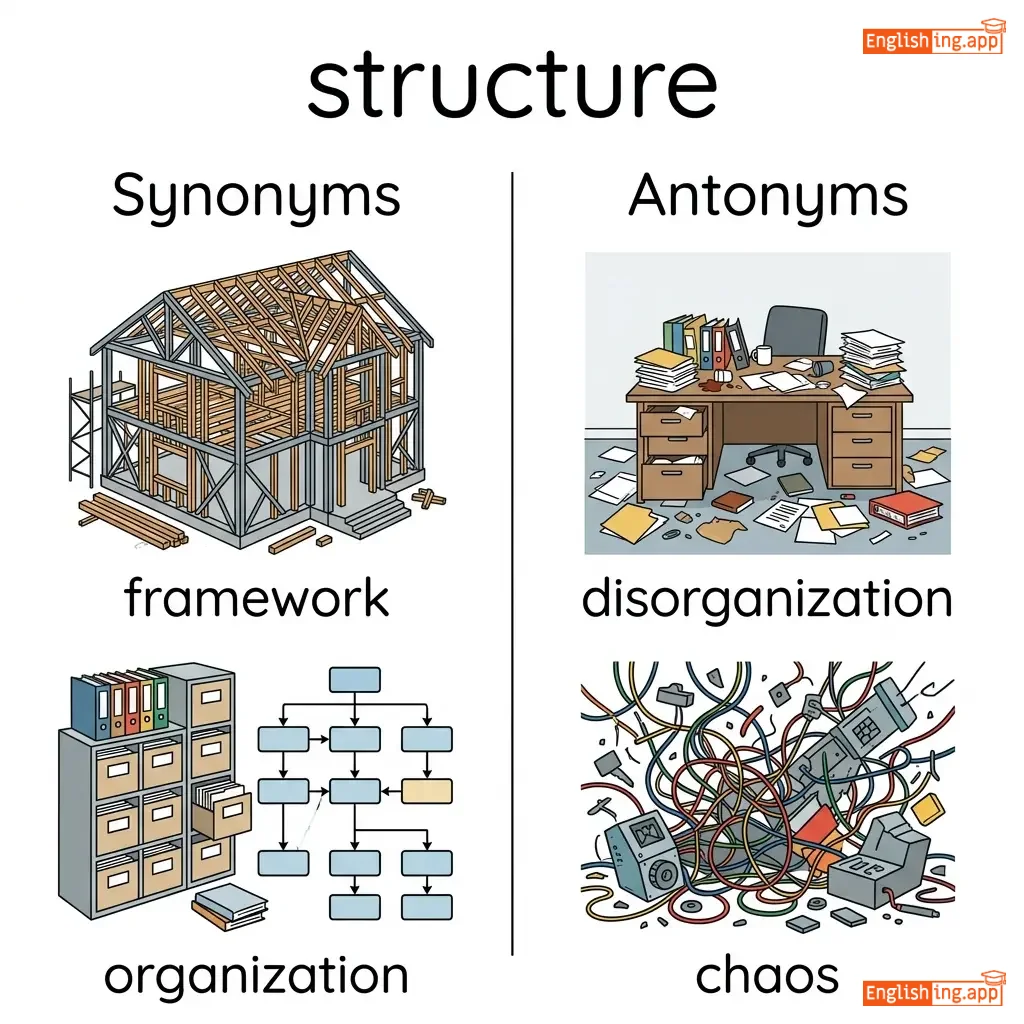
framework, organization, arrangement, construction
••••••
|
chaos, disorder, disorganization
••••••
|
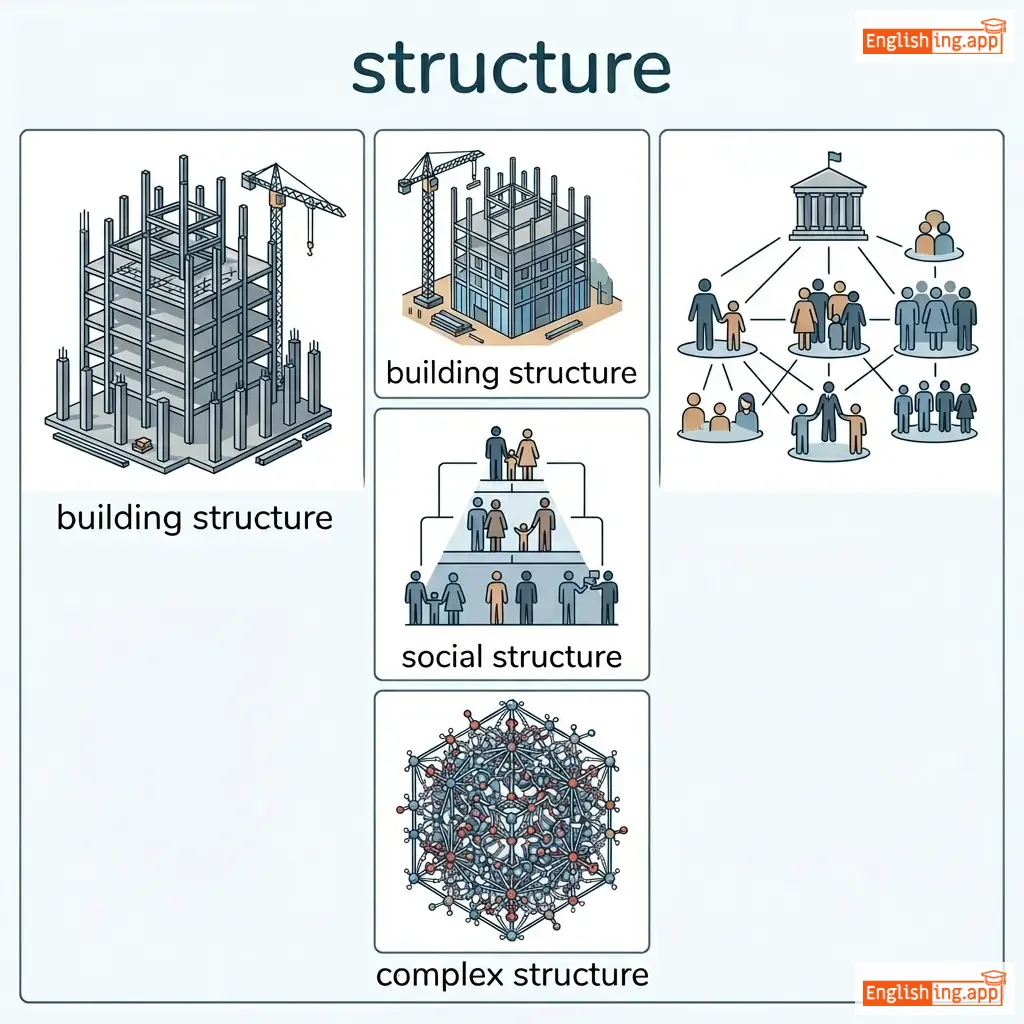
social structure, building structure, organizational structure, data structure
••••••
|
構造は、すべてを支える建物の骨組みです。
••••••
|
|
#4813
💪
|
/ˈstrʌɡl/
verb
(sutoruguru)
••••••
|
|
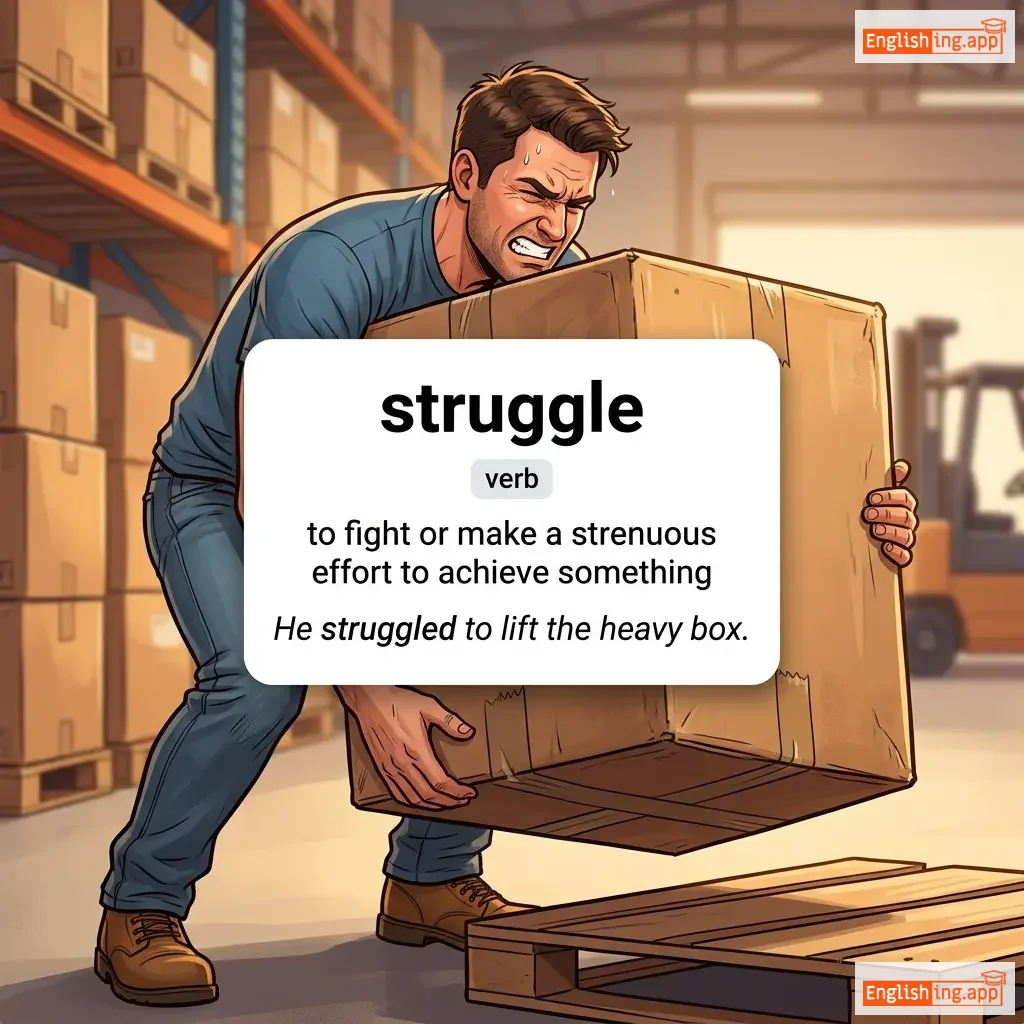
闘い
tatakai
••••••
|
struggled
sutorugurudo
••••••
|
struggled
sutorugurudo
••••••
|
struggles
sutorugurusu
••••••
|
struggling
sutoruguringu
••••••
|
to fight or make a strenuous effort to achieve something
••••••
|
He struggled to lift the heavy box.
彼は重い箱を持ち上げるために苦闘していました。
••••••
|
彼は重い箱を持ち上げるために苦闘していました。
Kare wa omoi hako o mochiageru tame ni kutou shite imashita.
••••••
|
a struggle for survival
生存のための闘い
••••••
|
a difficult situation in which one is fighting to stay alive
••••••
|
生存のための闘い
seizon no tame no tatakai
••••••
|
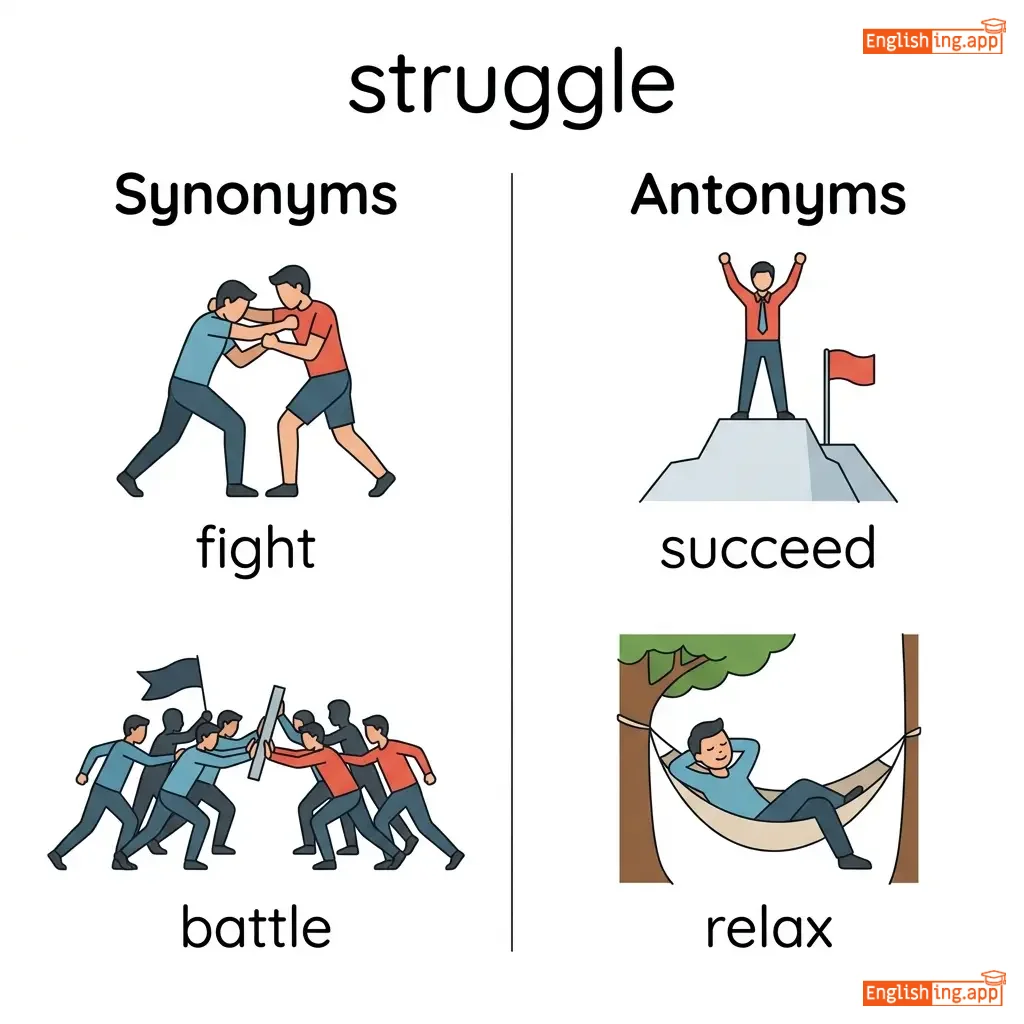
fight, battle, strive, exert
••••••
|
succeed, relax
••••••
|
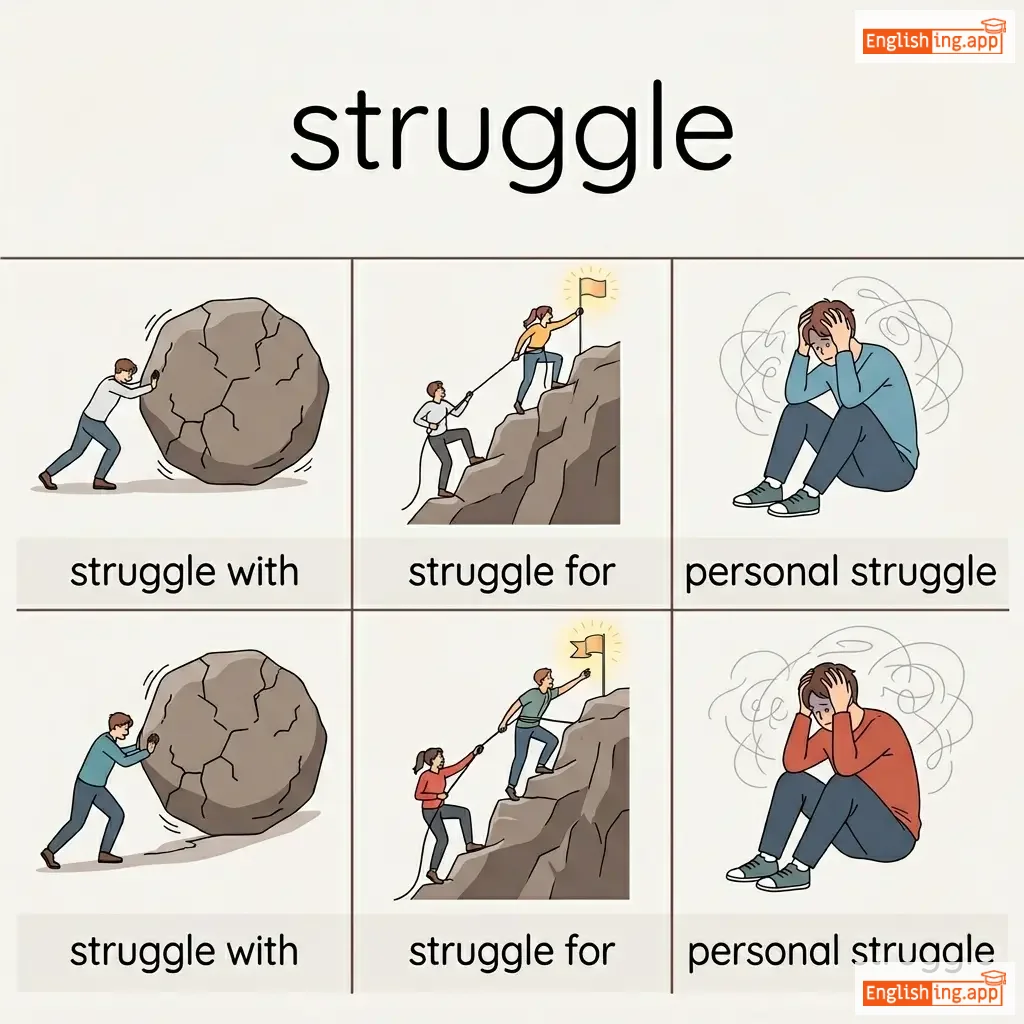
struggle with, struggle for, personal struggle
••••••
|
Struggling for success, like lifting a heavy weight
••••••
|
|
#4814
👩🎓
|
/ˈstjuːdənt/
noun
(スチューデント)
••••••
|
|
学生
gakusei
••••••
|
- •••••• | - •••••• | - •••••• | - •••••• |
a person who is learning at an educational institution
••••••
|
The student was studying for the final exam. |
学生は期末試験のために勉強していました。
Gakusei wa kimatsu shiken no tame ni benkyou shiteimashita.
••••••
|
- •••••• | - •••••• | - •••••• |
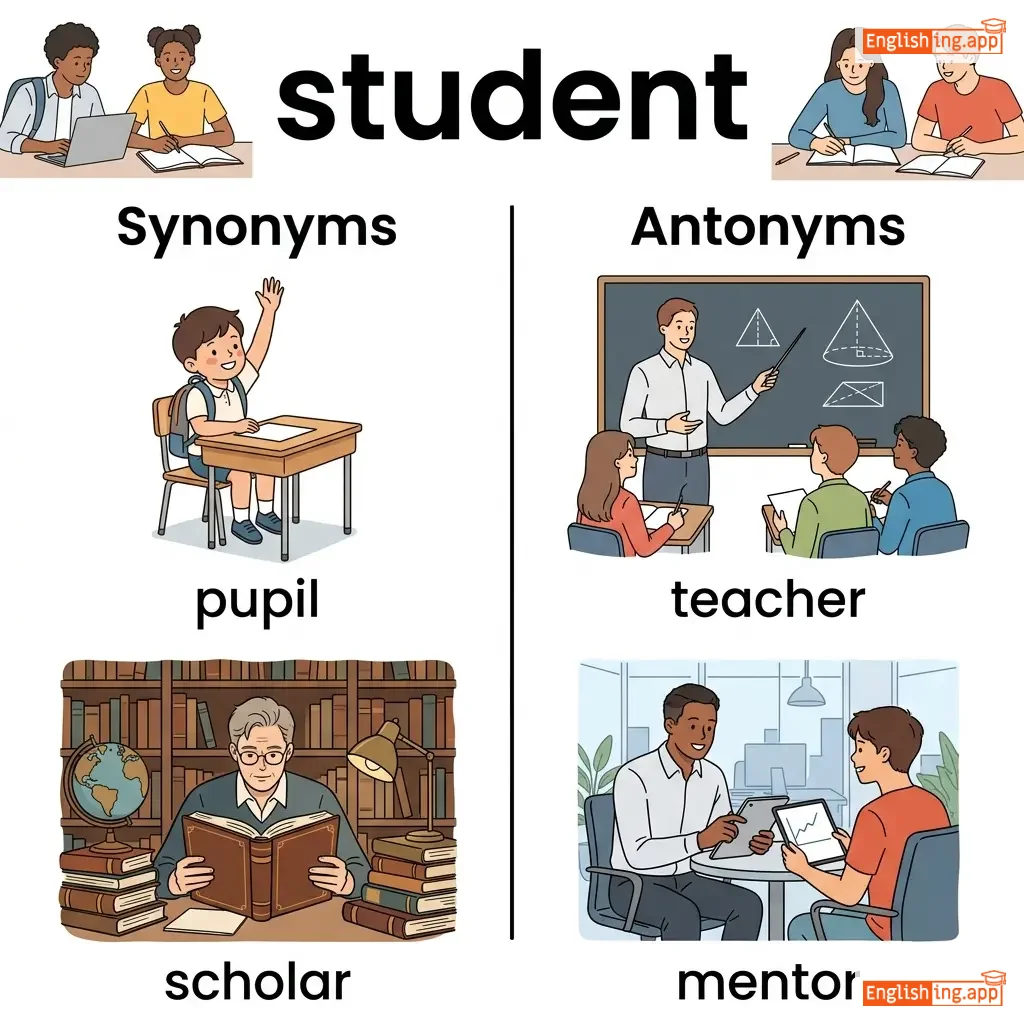
pupil, scholar, learner, trainee
••••••
|
teacher, mentor
••••••
|
college student, student life, student council
••••••
|
Student with books, focused and preparing for exams
••••••
|
|
#4815
🎙️
|
/ˈstjuːdiəʊ/
noun
(スタジオ)
••••••
|
- •••••• |
スタジオ
sutajio
••••••
|
- •••••• | - •••••• | - •••••• | - •••••• |
a room where an artist, photographer, musician, or broadcaster works
••••••
|
The singer recorded her new song in the studio.
歌手はスタジオで新しい曲を録音しました。
••••••
|
歌手はスタジオで新しい曲を録音しました。
Kashu wa sutajio de atarashī kyoku o rokuon shimashita.
••••••
|
- •••••• | - •••••• | - •••••• |
workroom, atelier, workspace, workshop
••••••
|
outdoors, open space
••••••
|
recording studio, art studio, design studio, dance studio
••••••
|
スタジオは音楽やアートを創る場所
••••••
|
|
#4816
📚
|
/ˈstʌdi/
verb
(スタディ)
••••••
|
|
勉強する
benkyou suru
••••••
|
studied
スタディド
••••••
|
studied
スタディド
••••••
|
studies
スタディズ
••••••
|
studying
スタディイング
••••••
|
to learn about something; to examine carefully; to research
••••••
|
I study mathematics every evening.
私は毎晩数学を勉強します。
••••••
|
私は毎晩数学を勉強します。
Watashi wa maiban suugaku o benkyou shimasu.
••••••
|
- •••••• | - •••••• | - •••••• |
learn, research, examine, investigate
••••••
|
ignore, neglect, overlook
••••••
|
study hard, study abroad, case study, study materials, study group
••••••
|
Study = 勉強する (知識を深める)
••••••
|
|
#4817
🤦
|
/ˈstʌmbəl/
verb
(スタンブル)
••••••
|
- •••••• |
つまずく
tsumazuku
••••••
|
stumbled
スタンブルド
••••••
|
stumbled
スタンブルド
••••••
|
stumbles
スタンブルス
••••••
|
stumbling
スタンブリング
••••••
|
to trip or lose balance while walking or running; to make a mistake or falter
••••••
|
He stumbled on the uneven pavement.
彼はでこぼこな歩道でつまずいた。
••••••
|
彼はでこぼこな歩道でつまずいた。
Kare wa dekoboka na hodō de tsumazuita.
••••••
|
stumble upon
偶然に出くわす
••••••
|
to find something by chance
••••••
|
偶然見つける
gūzen mitsukeru
••••••
|
trip, falter, slip, blunder, hesitate
••••••
|
balance, steady, recover
••••••
|
stumble upon, stumble over, stumble badly, stumble into
••••••
|
Stumbleはつまずく意味 — 石につまずくと、つまずくよ
••••••
|
|
#4818
⚡
|
/stʌn/
verb
(スタン)
••••••
|
- •••••• |
驚かす, 気絶させる
odorokasu, kizetsu saseru
••••••
|
stunned
スタンド
••••••
|
stunned
スタンド
••••••
|
stuns
スタンス
••••••
|
stunning
スタンニング
••••••
|
to shock or surprise someone greatly; to knock someone unconscious or dazed
••••••
|
The news of her sudden resignation stunned everyone.
彼女の突然の辞任のニュースは皆を驚かせた。
••••••
|
彼女の突然の辞任のニュースは皆を驚かせた。
Kanojo no totsuzen no jin'in no nyūsu wa mina o odorokaseta.
••••••
|
- •••••• | - •••••• | - •••••• |
shock, amaze, astonish, daze, overwhelm
••••••
|
comfort, calm, assure
••••••
|
stun gun, stunned silence, absolutely stunned, stun effect
••••••
|
試験のニュースを聞いて驚いた — stun されたようだ。
••••••
|
|
#4819
😲
|
/ˈstʌnɪŋ/
adjective
(スタニング)
••••••
|
- •••••• |
驚くべき
odorokubeki
••••••
|
- •••••• | - •••••• | - •••••• | - •••••• |
extremely impressive or attractive
••••••
|
The view from the top of the mountain was absolutely stunning. |
山の頂上からの景色は本当に驚くべきものでした。
Yama no chōjō kara no keshiki wa hontōni odorokubeki mono deshita.
••••••
|
- •••••• | - •••••• | - •••••• |
amazing, breathtaking, beautiful, striking
••••••
|
ugly, dull, unattractive
••••••
|
stunning beauty, stunning view, stunning performance
••••••
|
スタニングと同じように驚くべき!
••••••
|
|
#4820
🤦
|
/ˈstjuːpɪd/
adjective
••••••
|
- •••••• | - •••••• | - •••••• | - •••••• | - •••••• | - •••••• |
lacking intelligence or common sense
••••••
|
It was a stupid mistake to leave the keys inside the car. |
- •••••• |
play stupid |
to pretend not to know something
••••••
|
- •••••• |
foolish, silly, idiotic, dumb
••••••
|
wise, intelligent, smart
••••••
|
stupid idea, stupid mistake, act stupid, feel stupid
••••••
|
No •••••• |
|
#4821
🤦
|
/stjuːˈpɪdəti/
noun
(スチュピディティ)
••••••
|
- •••••• |
愚かさ
orokasa
••••••
|
- •••••• | - •••••• | - •••••• | - •••••• |
lack of intelligence or common sense
••••••
|
His stupidity caused a lot of problems for the team.
彼のスチュピディティはチームに多くの問題を引き起こした。
••••••
|
彼の愚かさはチームに多くの問題を引き起こした。
kare no orokasa wa chiimu ni ooku no mondai o hikiokoshita
••••••
|
in all one's stupidity
全てのスチュピディティの中で
••••••
|
despite being foolish or lacking sense
••••••
|
全ての愚かさの中で
subete no orokasa no naka de
••••••
|
foolishness, ignorance, senselessness, absurdity, silliness
••••••
|
intelligence, wisdom, cleverness
••••••
|
act of stupidity, sheer stupidity, display of stupidity, remarkable stupidity
••••••
|
orokasa sounds like 'oh rock ah sa' – foolish like a rock.
••••••
|
|
#4822
💅
|
/staɪl/
noun
(sutairu)
••••••
|
- •••••• |
スタイル
sutairu
••••••
|
- •••••• | - •••••• | - •••••• | - •••••• |
a particular way of doing something; a distinctive appearance or manner of expression
••••••
|
She has her own unique style of writing that captivates readers.
彼女は読者を魅了する独自の書き方を持っている。
••••••
|
彼女は読者を魅了する独自の書き方を持っている。
Kanojo wa dokusha o miryō suru dokuchi no kakikata o motte iru.
••••••
|
- •••••• | - •••••• | - •••••• |
manner, way, approach, fashion, method
••••••
|
uniformity, standardization
••••••
|
writing style, fashion style, leadership style, architectural style
••••••
|
‘Style’ 英語は日本語で ‘スタイル’ であり、個々の表現方法を意味します。
••••••
|
|
#4823
📚
|
/ˈsʌbdʒɪkt/ (noun), /səbˈdʒɛkt/ (verb)
noun/verb/adjective
(サブジェクト)
••••••
|
- •••••• |
科目
kamoku
••••••
|
subjected
サブジェクテッド
••••••
|
subjected
サブジェクテッド
••••••
|
subjects
サブジェクツ
••••••
|
subjecting
サブジェクティング
••••••
|
noun: a topic or theme; verb: to cause to undergo; adjective: dependent or under authority
••••••
|
The teacher introduced a new subject in class.
先生はクラスで新しい科目を紹介しました。
••••••
|
先生はクラスで新しい科目を紹介しました。
Sensei wa kurasu de atarashī kamoku o shōkai shimashita.
••••••
|
subject to change
変更の対象
••••••
|
likely to be altered
••••••
|
変更の対象
Henkō no taishō
••••••
|
topic, theme, issue, matter, expose
••••••
|
object, ruler, master
••••••
|
main subject, school subject, subject area, subject matter, subject to
••••••
|
Subject は勉強の科目、そして管理下にあるものや変えられるものでもある。
••••••
|
|
#4824
📩
|
/səbˈmɪʃən/
noun
(サブミッション)
••••••
|
- •••••• |
提出, 服従
teishutsu, fukujū
••••••
|
- •••••• | - •••••• | - •••••• | - •••••• |
the act of yielding to authority or presenting something for consideration
••••••
|
Her submission of the report was appreciated by the manager. |
彼女の報告書の提出は、マネージャーに評価されました。
Kanojo no hōkokusho no teishutsu wa, manējā ni hyōka saremashita.
••••••
|
in submission to |
yielding to someone or something
••••••
|
服従すること
fukujū suru koto
••••••
|
obedience, compliance, surrender, presentation, proposal
••••••
|
resistance, defiance, refusal
••••••
|
submission of report, submission deadline, complete submission, voluntary submission
••••••
|
Submissionはレポートを提出することを意味し、服従は何かを提出するか、屈服することを意味します。
••••••
|
Vocabulary Quiz
Test your vocabulary by matching words with their translations or meanings.
Login to take the quiz
Comments (0)
Share your thoughts and join the discussion.
Join the discussion by logging in
Login to CommentNo comments yet
Be the first to share your thoughts!