

Обновитесь для доступа ко всему словарю
Получите неограниченный доступ ко всем словам с подпиской Pro
Обновить до ProПеревод
Прошедшее
Причастие прошедшего времени
Третье лицо единственного числа
Герундий
Значение
Пример предложения
Перевод примера предложения
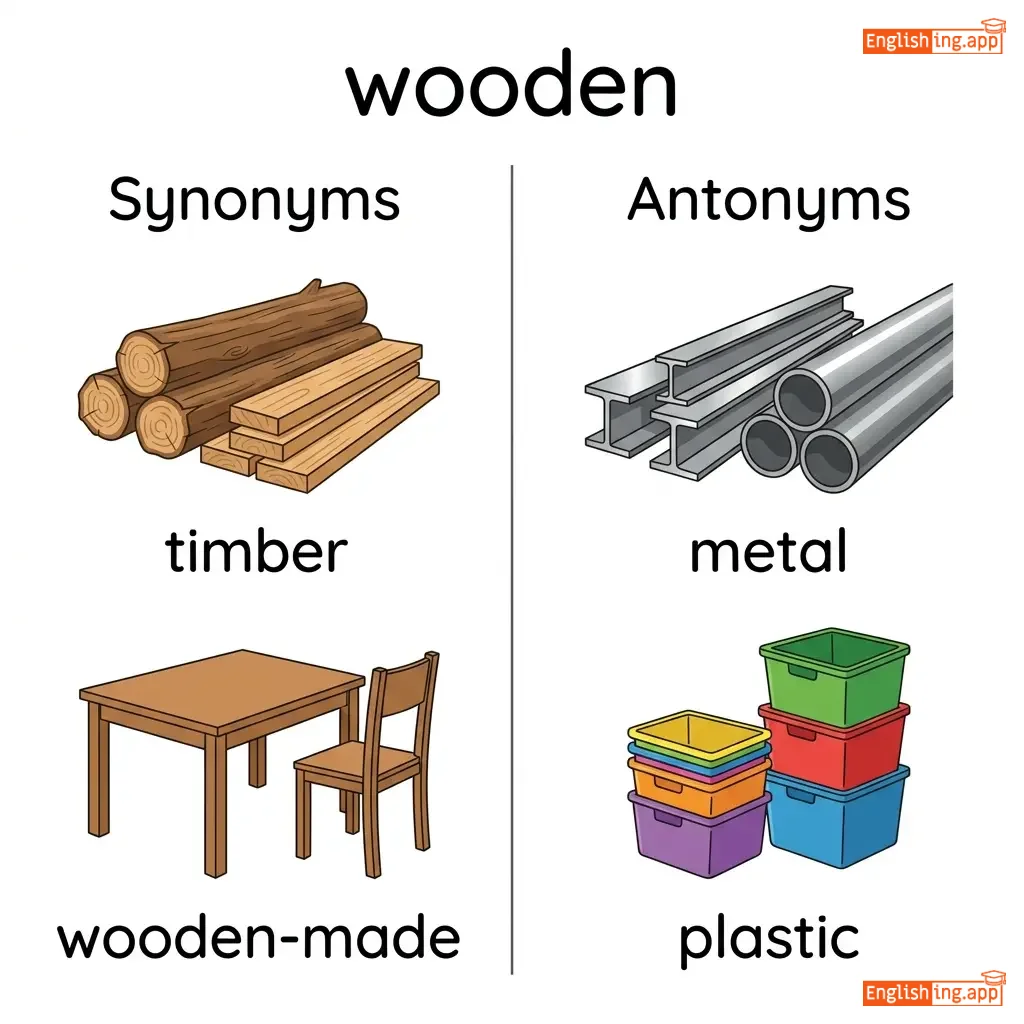
Синонимы
Антонимы
Коллокации
Мнемоника




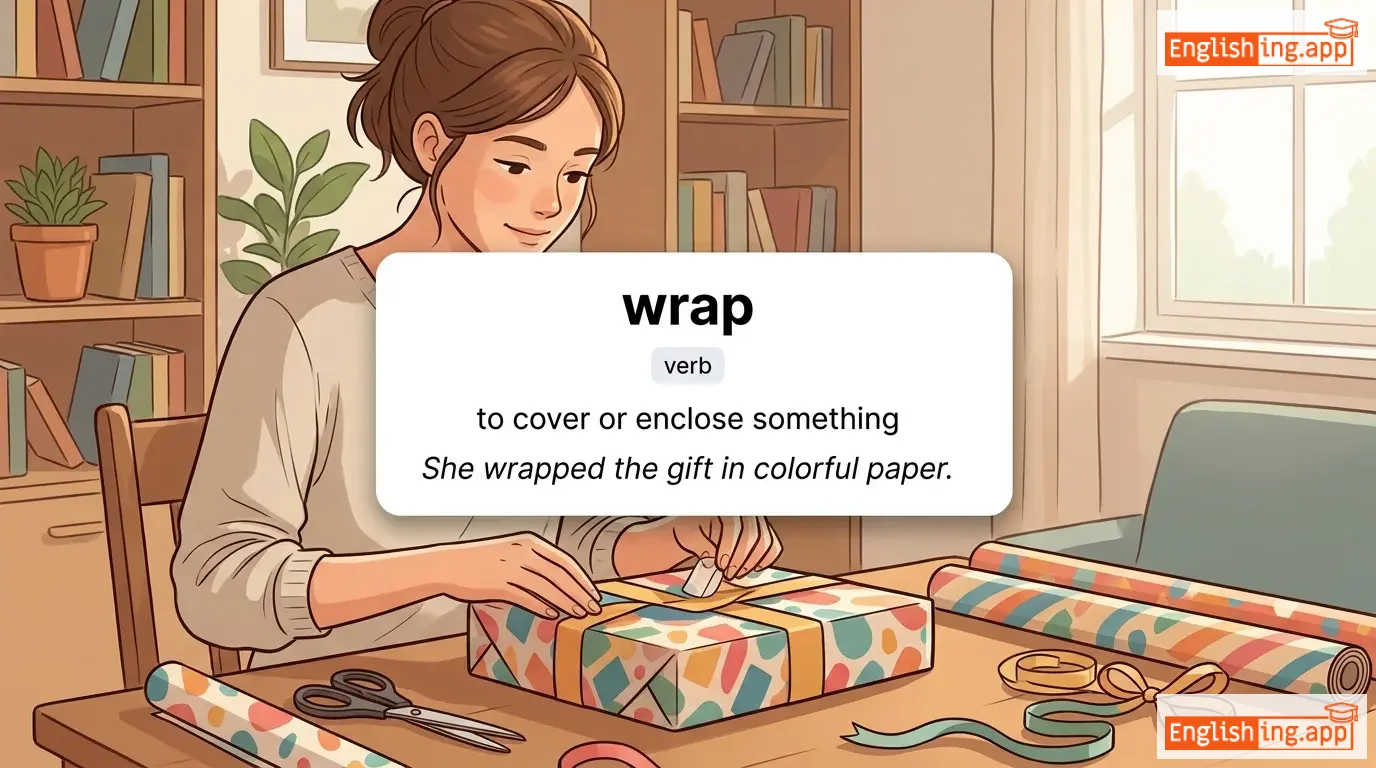

Swipe left or right, or use the buttons. Tap image to zoom.
Обновитесь для доступа ко всем предложениям
Получите неограниченный доступ ко всем предложениям с подпиской Pro
Обновить до ProПеревод примера предложения
Слово
Lesson 116Lesson 116 - Переключатель маски
|
Эмодзи
|
Слово | Images | Перевод | Прошедшее | Причастие прошедшего времени | Третье лицо единственного числа | Герундий | Значение | Пример предложения | Перевод примера предложения | Пример выражения | Значение примера выражения | Перевод примера выражения | Синонимы | Антонимы | Коллокации | Мнемоника |
|---|---|---|---|---|---|---|---|---|---|---|---|---|---|---|---|---|---|
|
#5525
🏆
|
/ˈwɪnər/
noun
(виннер)
••••••
|
- •••••• |
победитель
pobeditel'
••••••
|
- •••••• | - •••••• | - •••••• | - •••••• |
a person who wins a competition or contest
••••••
|
She was the winner of the race. |
Она была победителем гонки.
Ona byla pobeditelem gonki.
••••••
|
- •••••• | - •••••• | - •••••• |
champion, victor, first-place
••••••
|
loser, defeated
••••••
|
race winner, competition winner, winner takes all
••••••
|
Winners wear trophies—imagine yourself holding a shiny trophy as a winner!
••••••
|
|
#5526
🏆
|
/ˈwɪnɪŋ/
adjective; noun; gerund
(уиннинг)
••••••
|
- •••••• |
победный
pobednyy
••••••
|
won
вон
••••••
|
won
вон
••••••
|
wins
уинз
••••••
|
winning
уиннинг
••••••
|
achieving victory or success; attractive or pleasing in a way that brings success
••••••
|
She has a winning attitude that inspires the whole team.
Ши хэз э уиннинг этитьюд зэт инспайэрз зэ хоул тим
••••••
|
У неё победный настрой, который вдохновляет всю команду.
U nee pobednyy nastroy kotoryy vdokhnovlyaet vsyu komandu
••••••
|
winning streak
уиннинг стрик
••••••
|
a series of consecutive victories
••••••
|
победная серия
pobednaya seriya
••••••
|
successful, victorious, triumphant, favorable, appealing
••••••
|
losing, unsuccessful, defeated
••••••
|
winning team, winning strategy, winning attitude, winning margin, winning streak
••••••
|
Winning = победный, всегда к победе
••••••
|
|
#5527
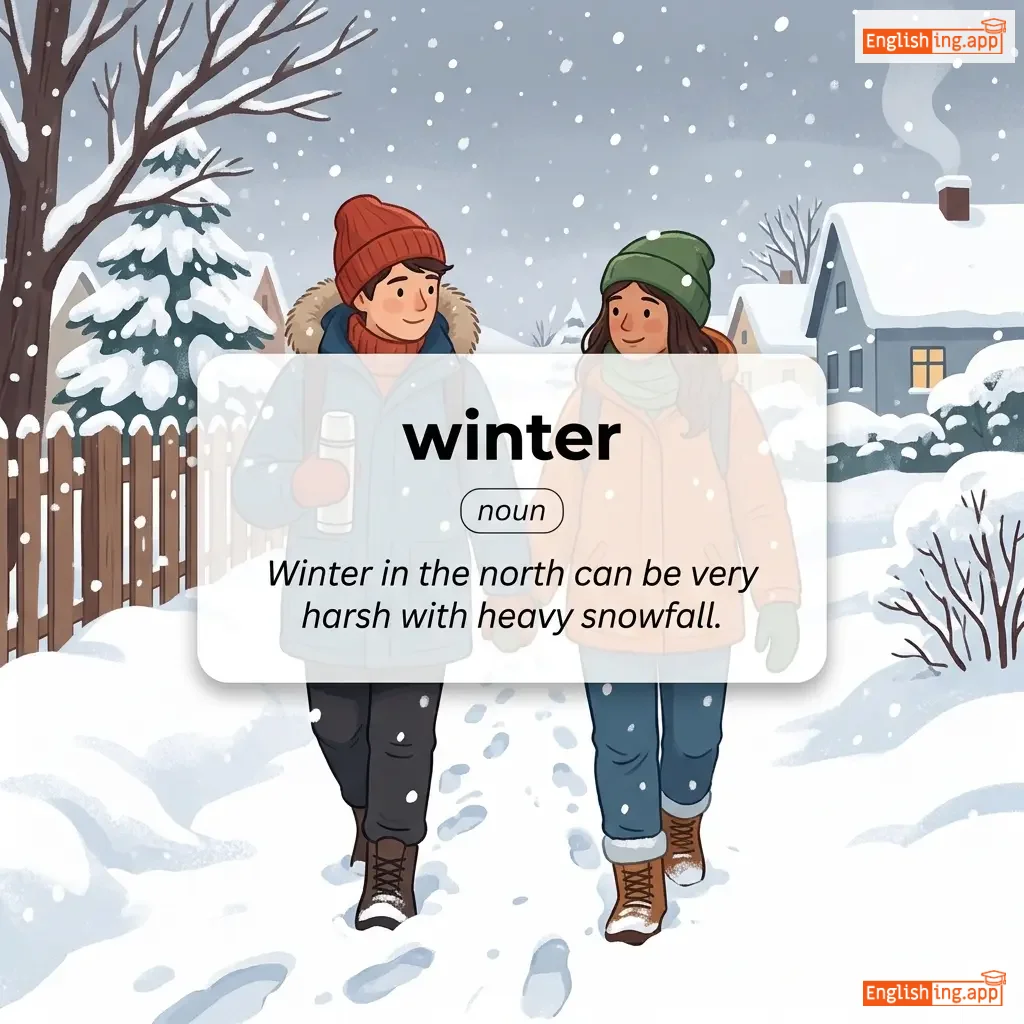
❄️
|
/ˈwɪntər/
noun
(винтер)
••••••
|
|
зима
zima
••••••
|
- •••••• | - •••••• | - •••••• | - •••••• |
the coldest season of the year, typically from December to February in the Northern Hemisphere
••••••
|
Winter in the north can be very harsh with heavy snowfall. |
Зима на севере может быть очень суровой, с сильными снегопадами.
Zima na severe mozhet byt' ochen' surovoy, s sil'nymi snego-padami.
••••••
|
- •••••• | - •••••• | - •••••• |
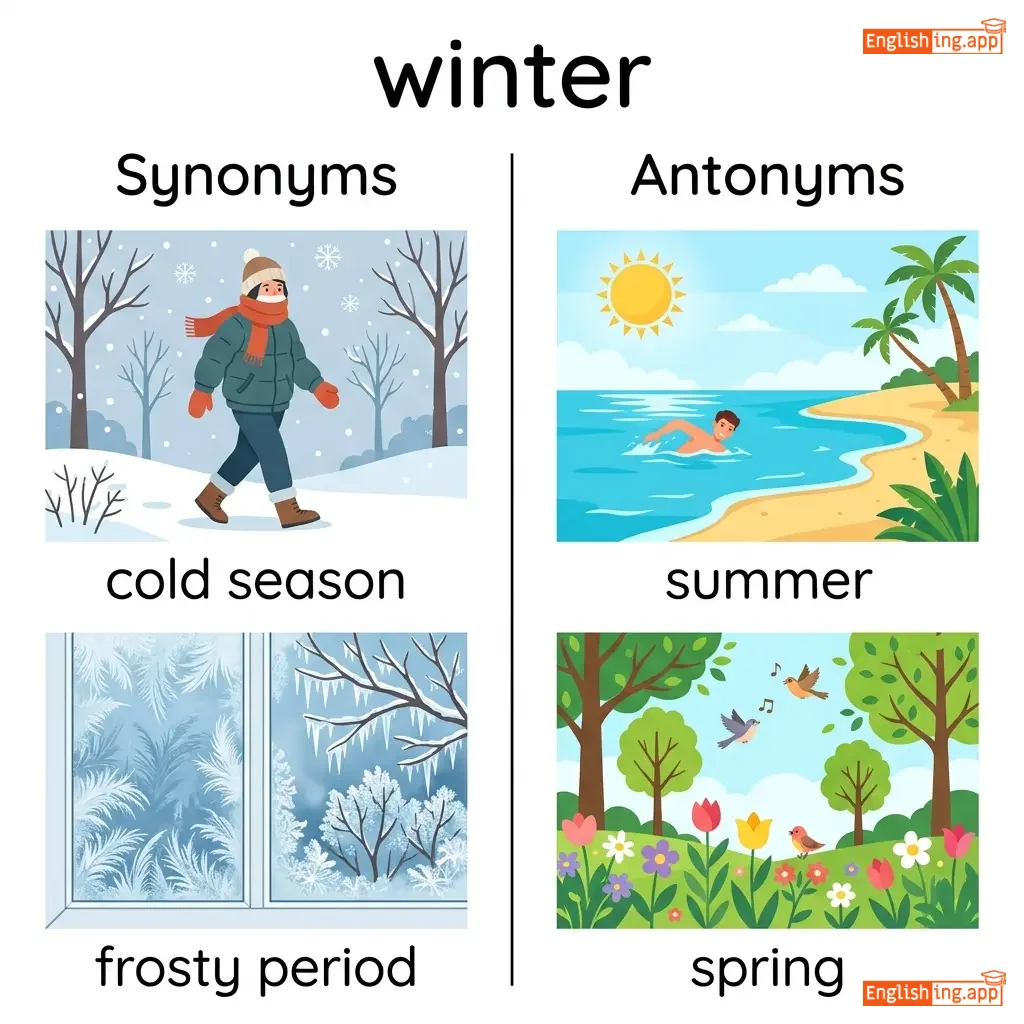
cold season, frosty period, chill, snowfall
••••••
|
summer, spring
••••••
|
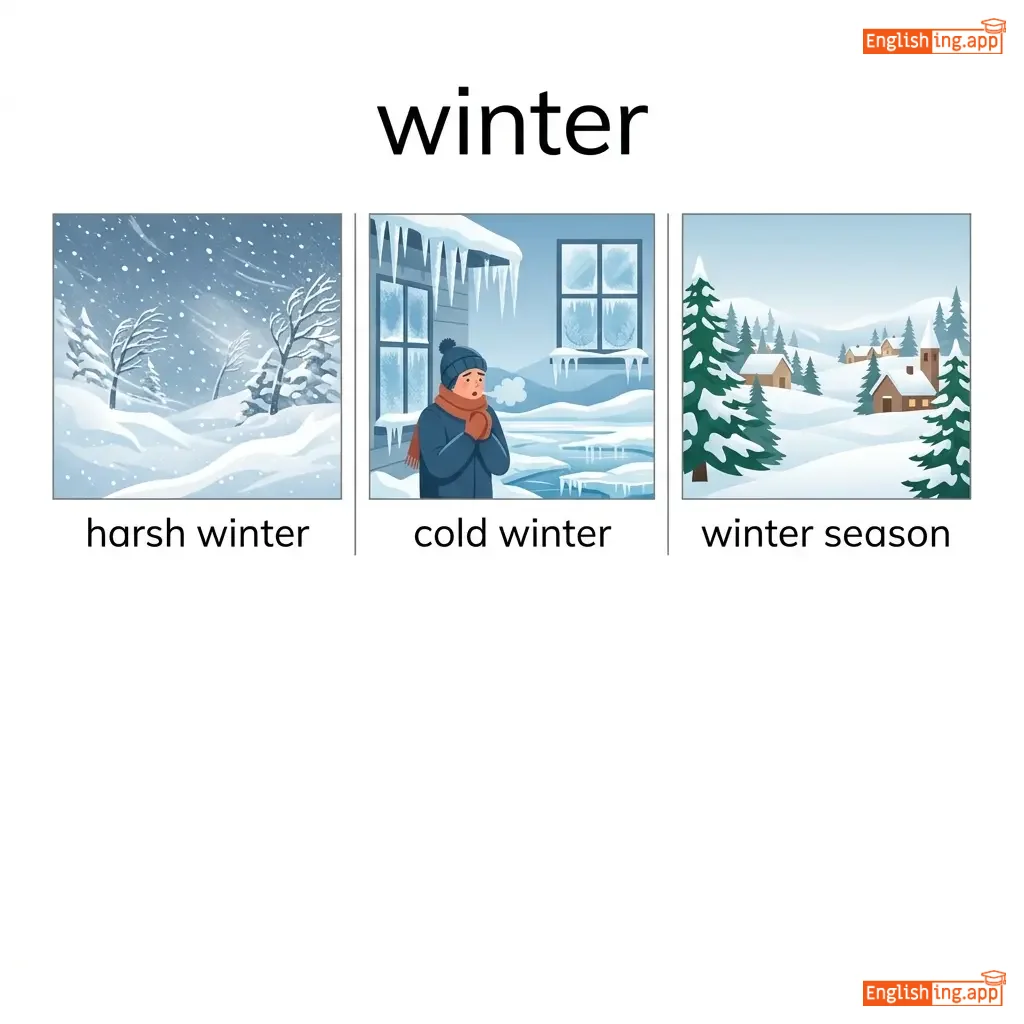
harsh winter, cold winter, winter season, winter break
••••••
|
Зима – снег и холод - Winter means snow and cold.
••••••
|
|
#5528
🧽
|
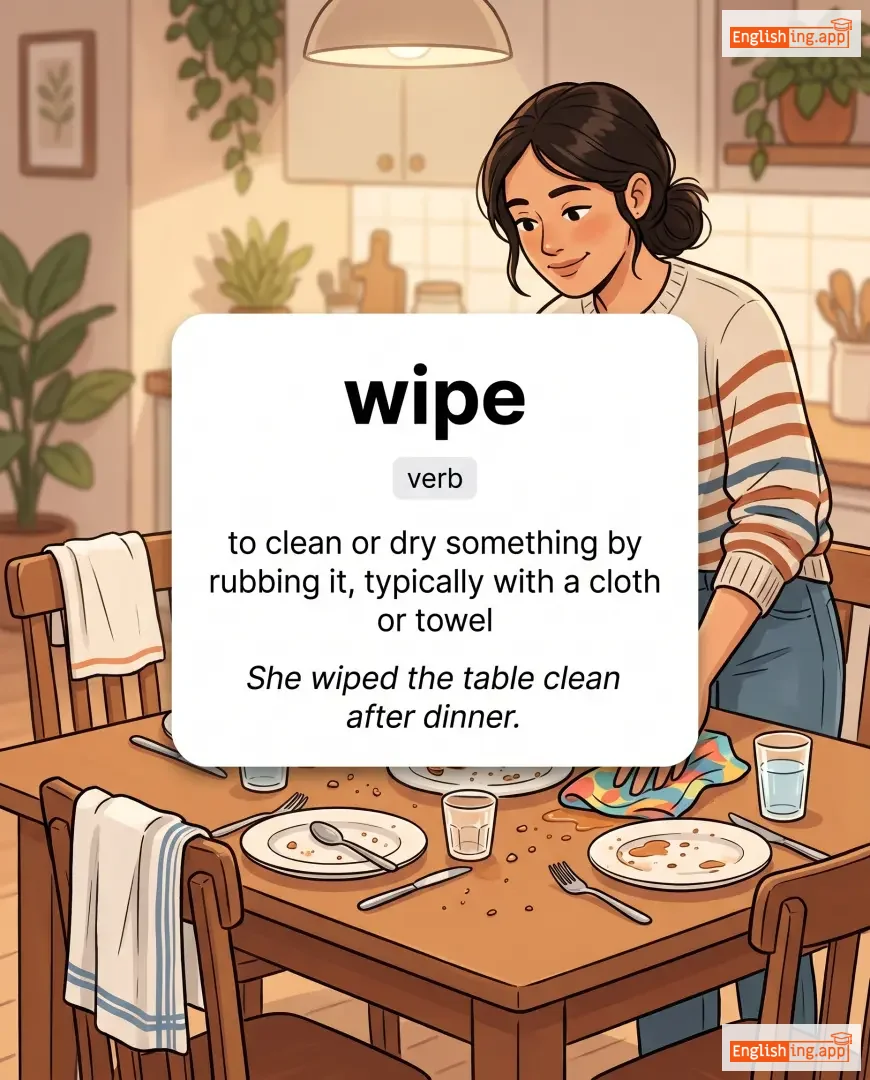
/waɪp/
verb
(wajp)
••••••
|
|
вытереть
vyteret
••••••
|
wiped
wajpt
••••••
|
wiped
wajpt
••••••
|
wipes
wajps
••••••
|
wiping
wajpɪŋ
••••••
|
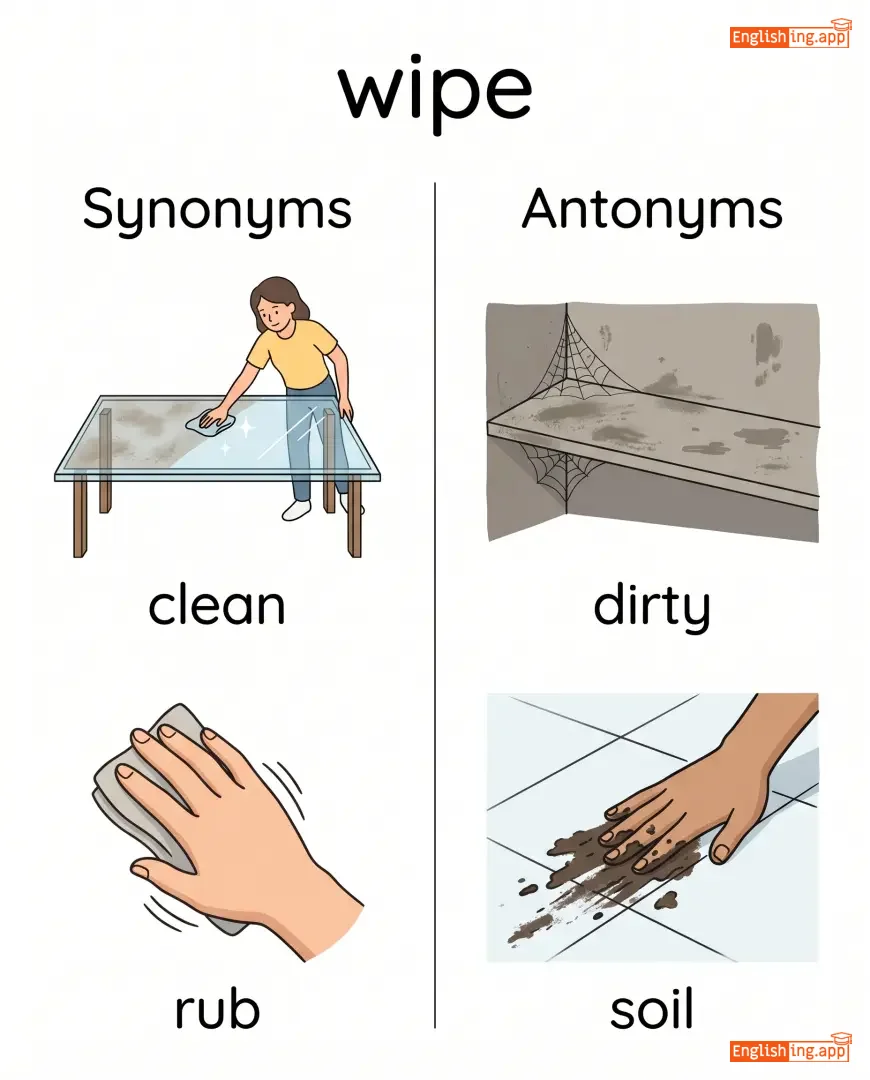
to clean or dry something by rubbing with a cloth or tissue
••••••
|
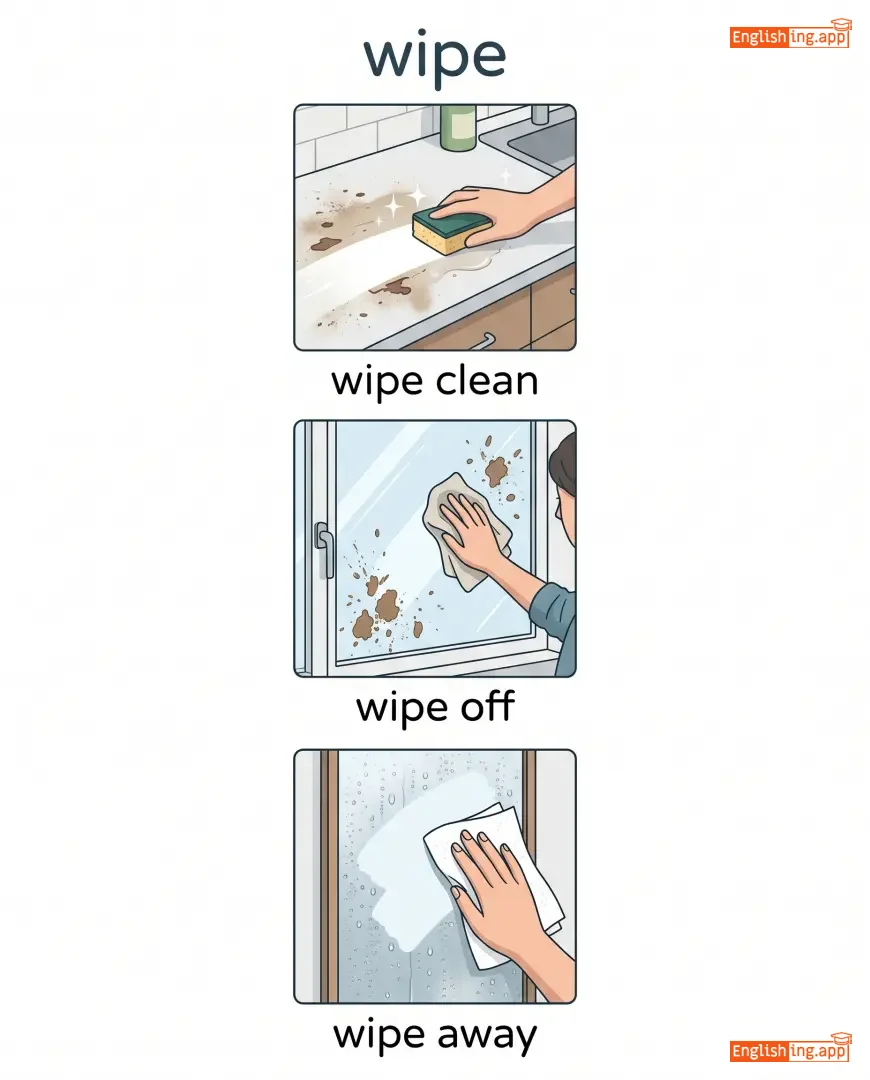
Please wipe the table clean.
Пожалуйста, протрите стол.
••••••
|
Пожалуйста, протрите стол.
Pozhaluysta, protyrite stol.
••••••
|
- •••••• | - •••••• | - •••••• |
clean, rub, dry, polish
••••••
|
dirty, soil, stain, mess
••••••
|
wipe clean, wipe away, wipe off, wipe down, wipe out
••••••
|
Протирая стол, ты очищаешь его.
••••••
|
|
#5529
⚡
|
/ˈwaɪər/
noun
(vayer)
••••••
|
- •••••• |
провод
provod
••••••
|
- •••••• | - •••••• | - •••••• | - •••••• |
a thin, flexible thread of metal used to conduct electricity or connect things
••••••
|
The electrician fixed the wire to restore the power. |
Электрик починил провод, чтобы восстановить питание.
Elektrik pochinit provod, chtoby vosstanovit pitaniye.
••••••
|
- •••••• | - •••••• | - •••••• |
cable, cord, filament, strand
••••••
|
none
••••••
|
electric wire, copper wire, wire fence, wire mesh
••••••
|
Провод передает электричество - The wire conducts electricity.
••••••
|
|
#5530
🦉
|
/ˈwɪzdəm/
noun
(виздом)
••••••
|
- •••••• |
мудрость
mudrost
••••••
|
- •••••• | - •••••• | - •••••• | - •••••• |
the ability to make sound judgments and decisions based on knowledge and experience
••••••
|
His wisdom in solving complex problems was admired by everyone. |
Его мудрость в решении сложных проблем была восхищена всеми.
Ego mudrost v reshenii slozhnykh problem byla voskhishchena vsemi.
••••••
|
a word of wisdom |
a piece of valuable advice or insight
••••••
|
слово мудрости
slovo mudrosti
••••••
|
insight, knowledge, understanding, prudence
••••••
|
ignorance, foolishness
••••••
|
great wisdom, words of wisdom, gain wisdom, wisdom teeth
••••••
|
Мудрость помогает решать сложные задачи.
••••••
|
|
#5531
🦉
|
/waɪz/
adjective
(wajz)
••••••
|
- •••••• |
мудрый
mudryj
••••••
|
- •••••• | - •••••• | - •••••• | - •••••• |
having or showing experience, knowledge, and good judgment
••••••
|
It was wise of him to save money for the future. |
Ему было мудро сохранить деньги на будущее.
Emu bylo mudro sokhranit' dengi na budushchee.
••••••
|
wise up |
to become more knowledgeable or aware
••••••
|
стать умнее
stat' umnee
••••••
|
prudent, sensible, intelligent, judicious
••••••
|
foolish, ignorant, unwise
••••••
|
wise decision, wise man, wise choice, appear wise
••••••
|
Wise означает мудрый, как мудрая сова, которая всегда принимает правильные решения
••••••
|
|
#5532
🌟
|
/wɪʃ/
verb
(виш)
••••••
|
|
желать
zhelat'
••••••
|
wished
вишд
••••••
|
wished
вишд
••••••
|
wishes
вишез
••••••
|
wishing
вишинг
••••••
|
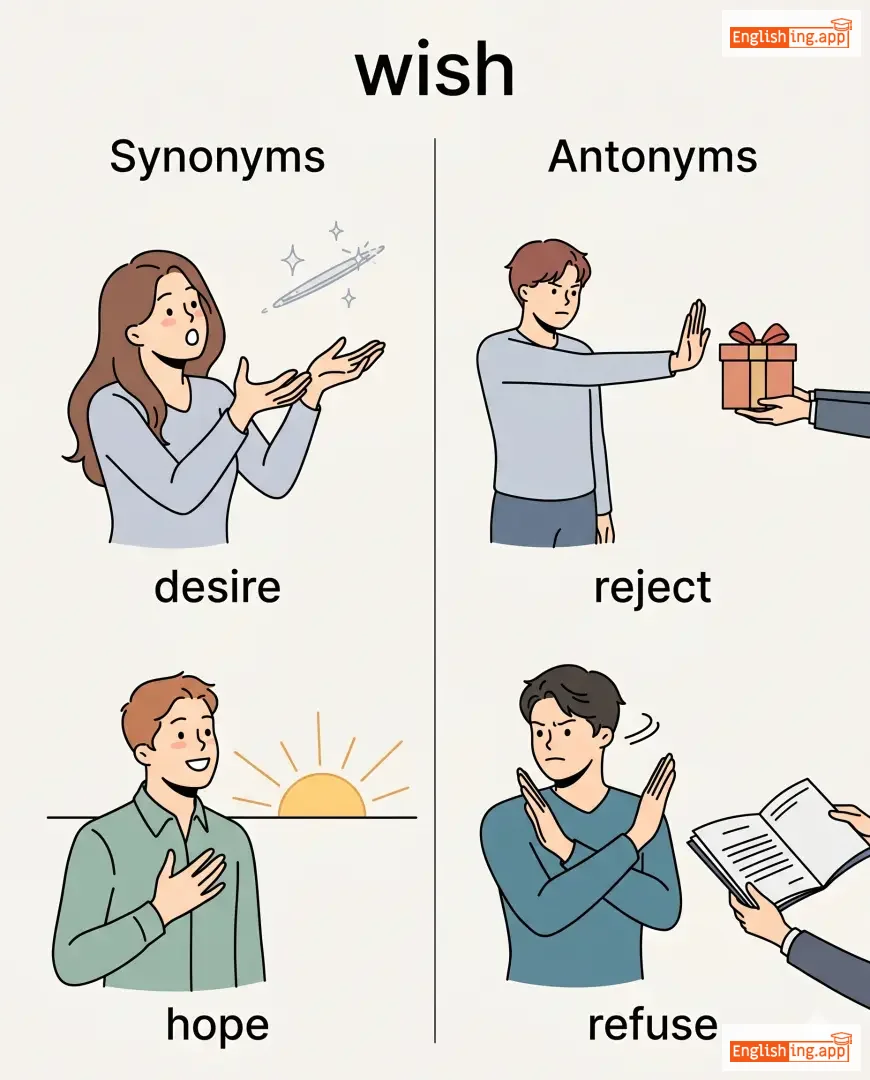
to desire something or hope for something to happen
••••••
|
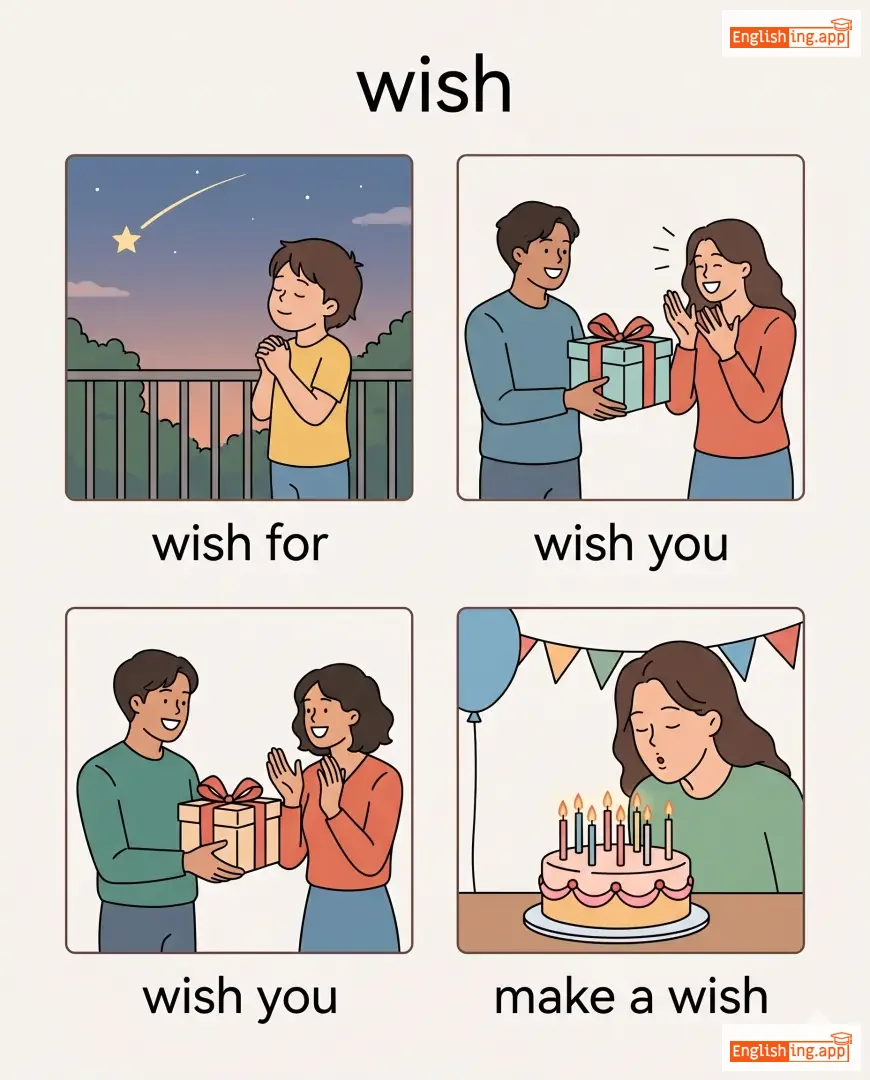
I wish you all the best in your new job.
Я желаю тебе всего наилучшего в новой работе.
••••••
|
Я желаю тебе всего наилучшего в новой работе.
Ya zhelayu tebe vsego nailuchshego v novoy rabote.
••••••
|
wish upon a star
задувать звезды
••••••
|
to hope or wish for something magical or unattainable
••••••
|
задувать звезды
zaduivat' zvezdy
••••••
|
desire, hope, yearn, long for
••••••
|
reject, refuse
••••••
|
wish for, wish you, make a wish, wish come true
••••••
|
Желание приносит удачу.
••••••
|
|
#5533
🧠
|
/wɪt/
noun
(вɪт)
••••••
|
- •••••• |
остроумие
ostroumie
••••••
|
- •••••• | - •••••• | - •••••• | - •••••• |
the ability to use words and ideas in a quick and inventive way to create humor
••••••
|
Her sharp wit made everyone laugh at the party. |
Её остроумие заставило всех смеяться на вечеринке.
Yeyo ostroumie zastavilo vsekh smeyatsya na vecherinke.
••••••
|
at one's wit's end |
to be so worried, confused, or annoyed that you do not know what to do next
••••••
|
быть на грани отчаяния
byt' na grani otchayaniya
••••••
|
humor, cleverness, intelligence, sharpness, quickness
••••••
|
dullness, stupidity, seriousness
••••••
|
sharp wit, quick wit, dry wit, display wit
••••••
|
Wit — это как остроумие, быстрое, умное решение, которое вызывает смех.
••••••
|
|
#5534
🤝
|
/wɪð/
preposition
(wɪð)
••••••
|
- •••••• |
с
s
••••••
|
- •••••• | - •••••• | - •••••• | - •••••• |
indicating the person or thing that is accompanying or involved with someone or something else
••••••
|
She went to the market with her friend. |
Она пошла на рынок с подругой.
Ona poshla na rynok s podrugoy.
••••••
|
- •••••• | - •••••• | - •••••• |
alongside, together, accompanied by, in company with
••••••
|
without, apart from
••••••
|
with me, with you, with them, with someone
••••••
|
С книгой всегда с вами знания - With a book, knowledge is always with you.
••••••
|
|
#5535
🏧
|
/wɪðˈdrɔː/
verb
••••••
|
|
- •••••• |
withdrew
••••••
|
withdrawn
••••••
|
withdraws
••••••
|
withdrawing
••••••
|
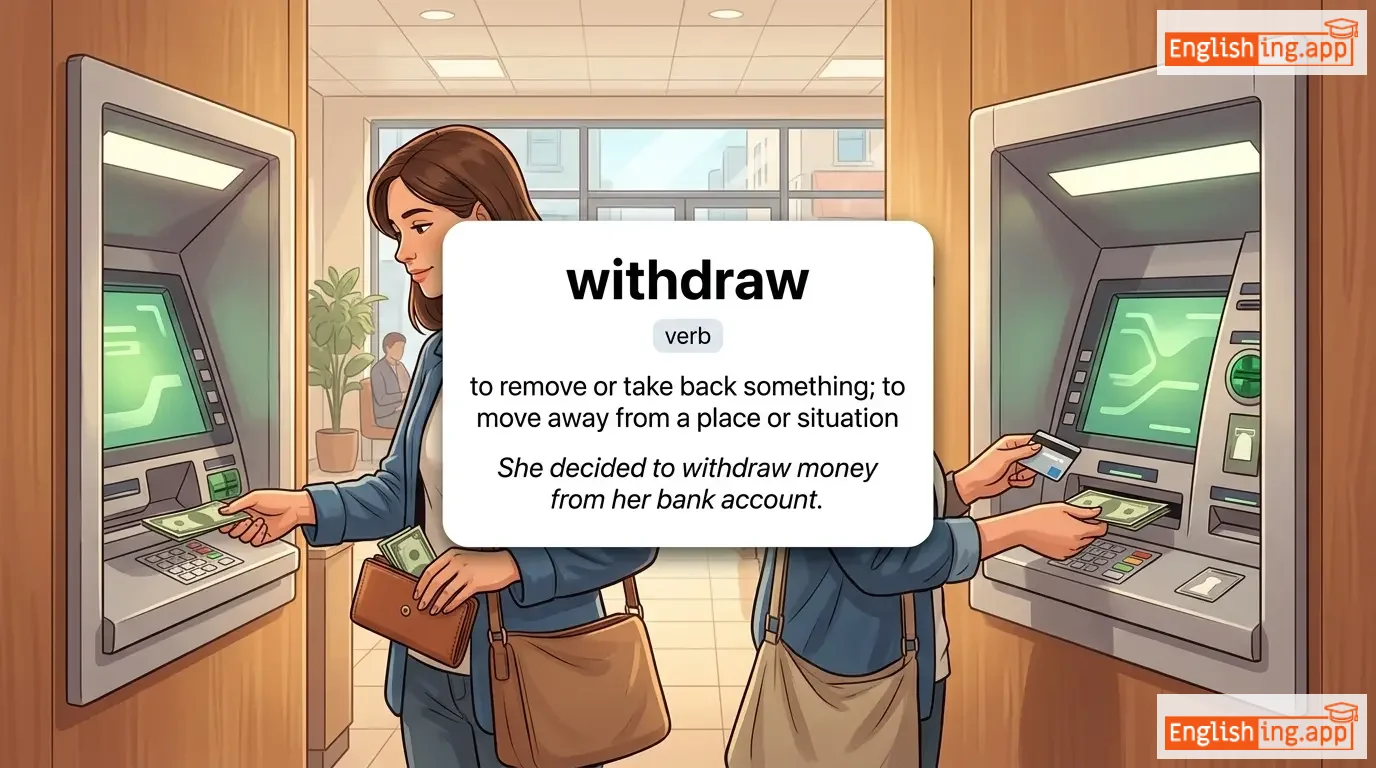
to remove or take back something; to move away from a place or situation
••••••
|
She decided to withdraw money from her bank account. |
- •••••• |
withdraw from |
to remove oneself or something from an activity or situation
••••••
|
- •••••• |
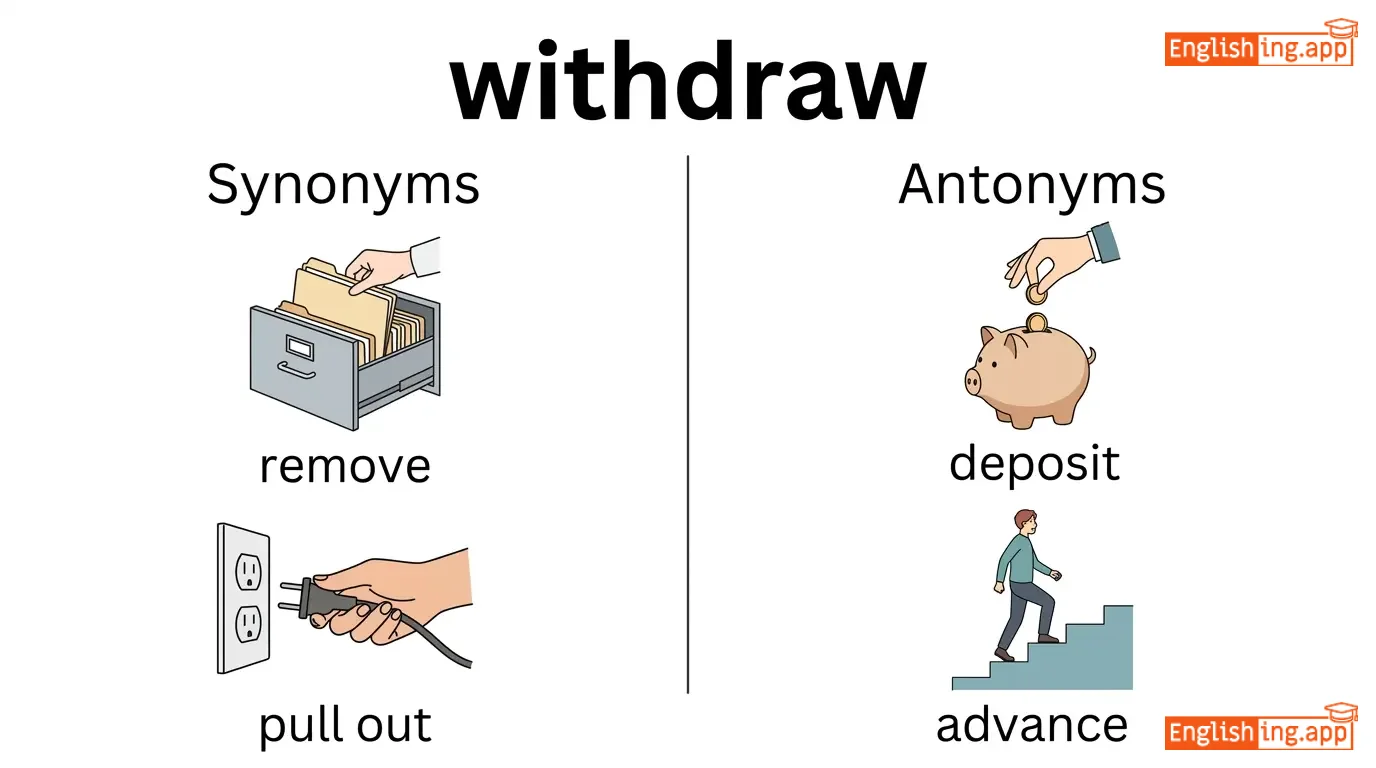
remove, pull out, retreat, take back, extract
••••••
|
deposit, advance, remain
••••••
|
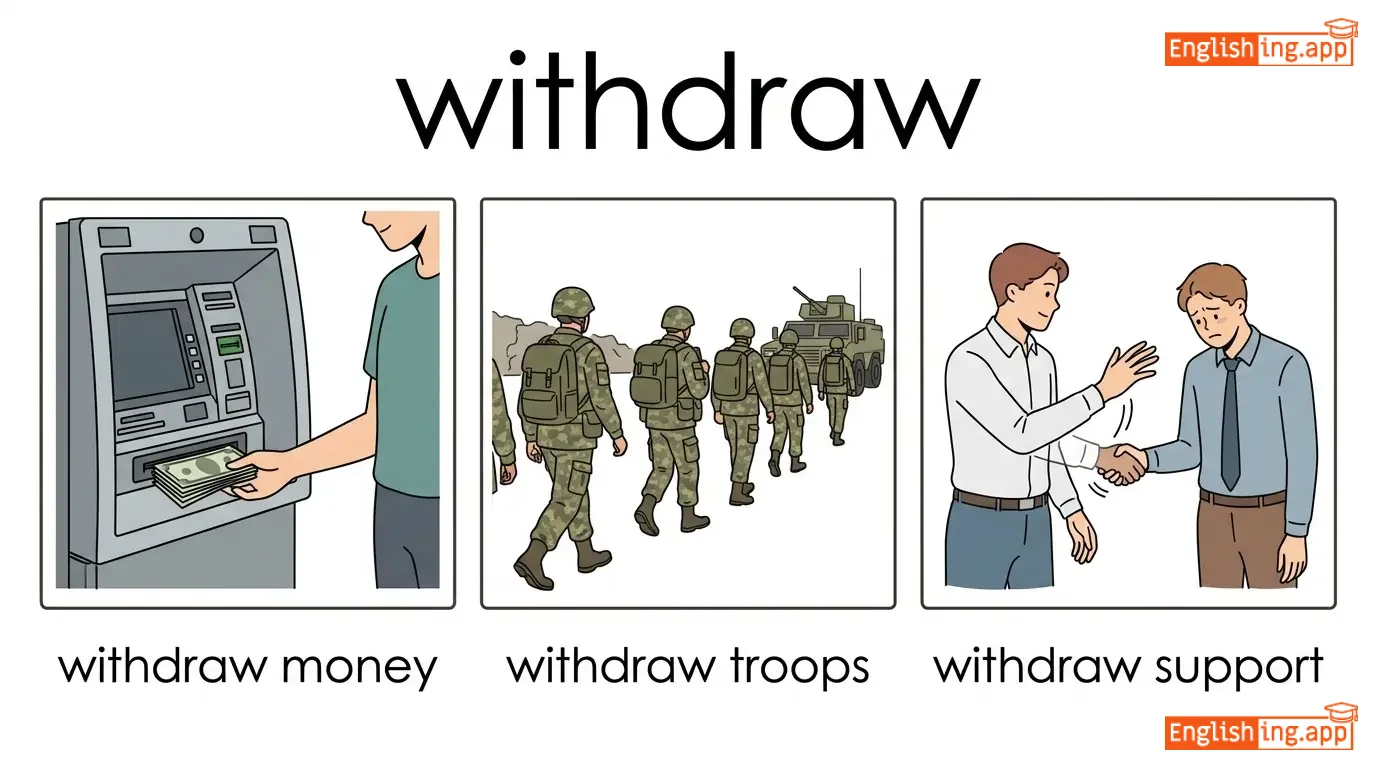
withdraw money, withdraw troops, withdraw support, withdraw application
••••••
|
No •••••• |
|
#5536
🏦
|
/wɪðˈdrɔːəl/
noun
(вɪðˈдрɔːəl)
••••••
|
- •••••• |
снятие
snyatie
••••••
|
- •••••• | - •••••• | - •••••• | - •••••• |
the act of taking something back or removing oneself from a situation
••••••
|
He made a withdrawal of $500 from his bank account. |
Он снял 500 долларов со своего банковского счета.
On snial 500 dollarov so svoego bankovskogo scheta.
••••••
|
withdrawal symptoms |
physical or mental effects after stopping a habit, like smoking or drugs
••••••
|
симптомы отмены
simptomy otmeny
••••••
|
removal, retreat, retraction, extraction, pullback
••••••
|
deposit, participation
••••••
|
bank withdrawal, cash withdrawal, troop withdrawal, withdrawal symptoms
••••••
|
Когда вы снимаете деньги, это 'снятие' — как 'withdrawal'!
••••••
|
|
#5537
🔒
|
/wɪðˈɪn/
preposition
(вɪðˈɪн)
••••••
|
- •••••• |
внутри
vnutri
••••••
|
- •••••• | - •••••• | - •••••• | - •••••• |
inside the limits of something, or as part of a particular space or time
••••••
|
The keys are within the drawer. |
Ключи находятся внутри ящика.
Klyuchi nakhodyatsya vnutri yashchika.
••••••
|
- •••••• | - •••••• | - •••••• |
inside, enclosed by, within the boundaries of
••••••
|
outside, beyond
••••••
|
within reach, within time, within the limits, within a short distance
••••••
|
Внутри (within) всегда что-то есть в пределах ограничений.
••••••
|
|
#5538
🚫
|
/wɪðˈaʊt/
preposition
(вɪðˈaʊт)
••••••
|
- •••••• |
без
bez
••••••
|
- •••••• | - •••••• | - •••••• | - •••••• |
in the absence of, or not having something
••••••
|
He left without saying goodbye.
Он ушел, не попрощавшись.
••••••
|
Он ушел, не попрощавшись.
On ushel, ne poproshchavshis'.
••••••
|
- •••••• | - •••••• | - •••••• |
lacking, absent, minus, excluding
••••••
|
with, having
••••••
|
without a doubt, without hesitation, without warning
••••••
|
Без (without) ничего не будет, пусто
••••••
|
|
#5539
👁️
|
/ˈwɪtnəs/
verb
(witness)
••••••
|
|
быть свидетелем
byt' svidetelem
••••••
|
witnessed
witnessed
••••••
|
witnessed
witnessed
••••••
|
witnesses
witnesses
••••••
|
witnessing
witnessing
••••••
|
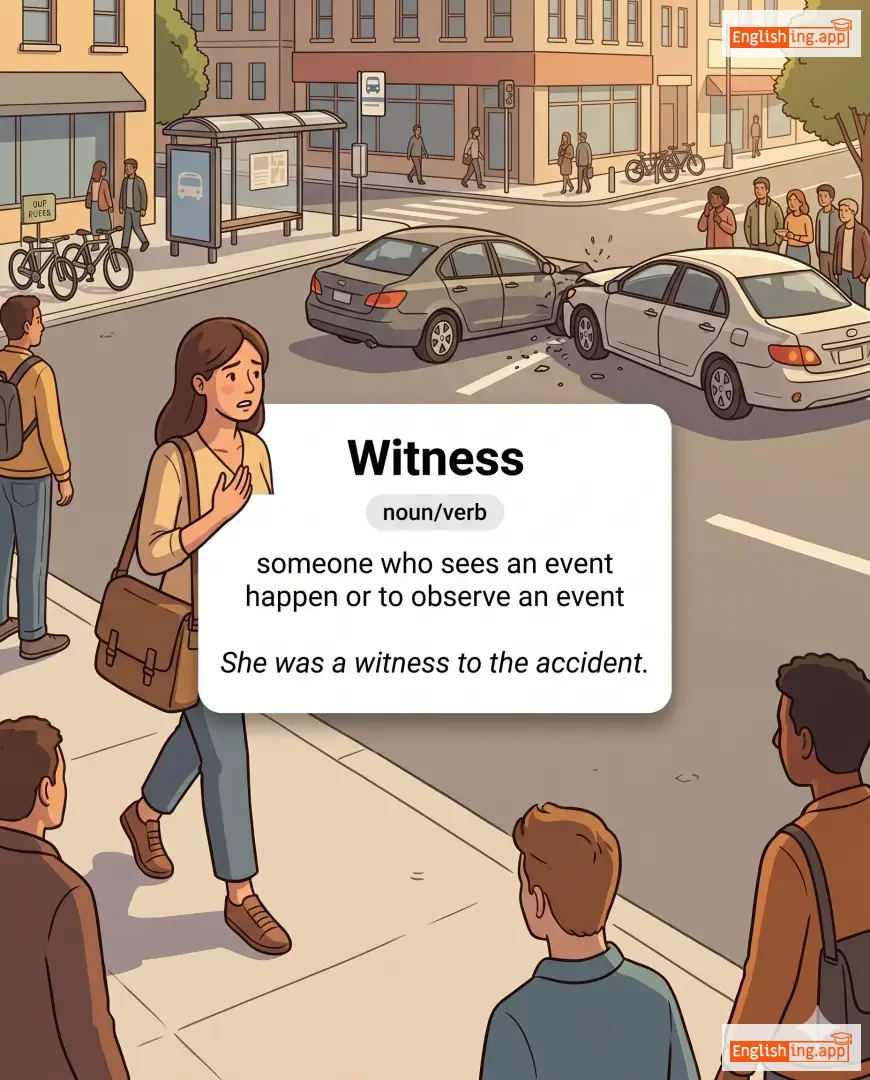
to see an event happen; to give evidence in court
••••••
|
I witnessed the accident yesterday.
Я стал свидетелем аварии вчера.
••••••
|
Вчера я стал свидетелем аварии.
Vchera ya stal svidetelem avarii.
••••••
|
- •••••• | - •••••• | - •••••• |
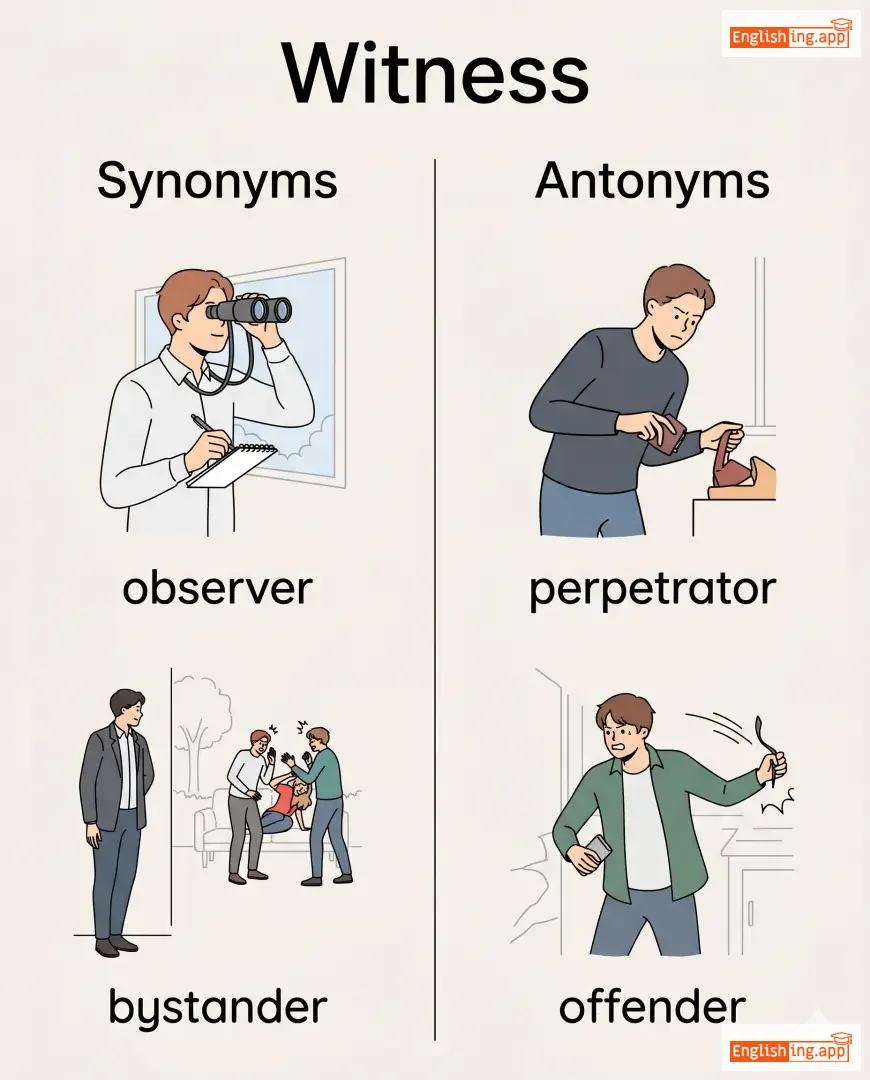
observe, see, watch, testify
••••••
|
ignore, miss, overlook
••••••
|
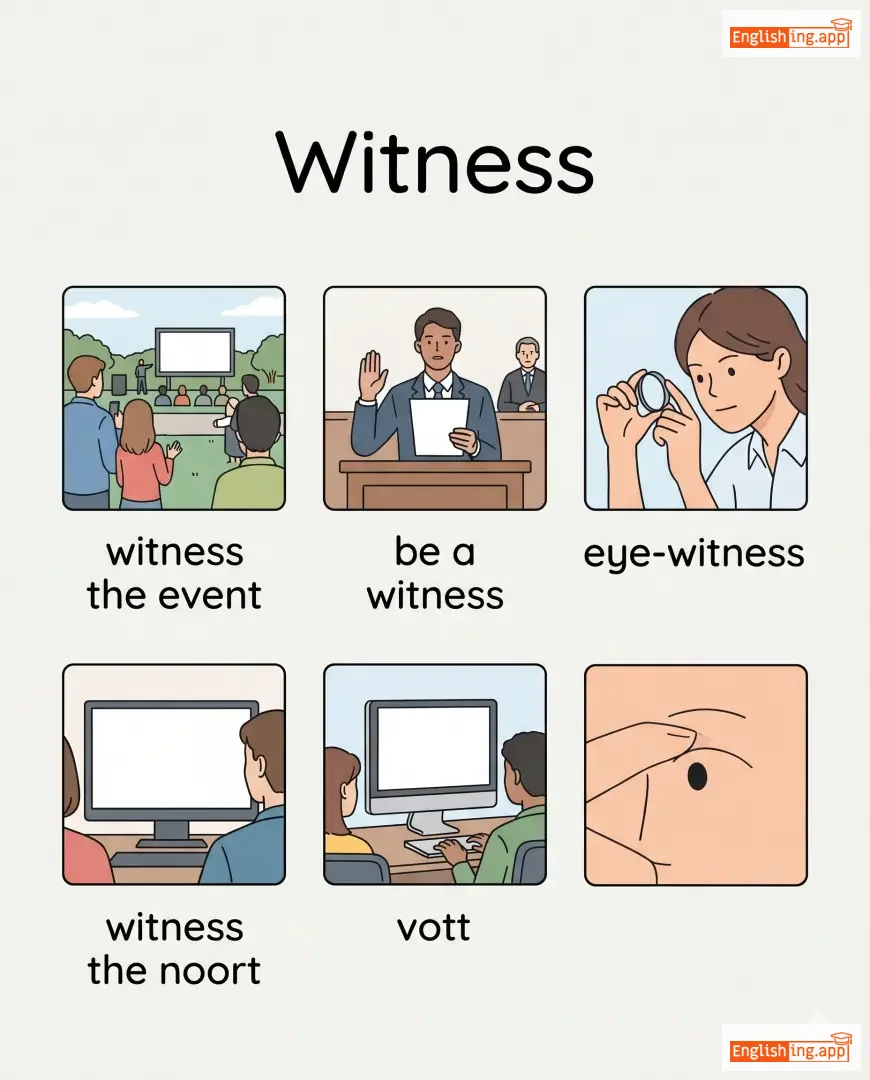
witness event, witness accident, witness ceremony, witness testimony
••••••
|
Свидетель, который видел, как что-то произошло
••••••
|
|
#5540
🐺
|
/wʊlf/
noun
(вулф)
••••••
|
- •••••• |
волк
volk
••••••
|
- •••••• | - •••••• | - •••••• | - •••••• |
a wild carnivorous animal related to the dog, living and hunting in packs
••••••
|
The wolf howled loudly under the full moon. |
Волк завыл громко под полной луной.
Volk zavyil gromko pod polnoy lunoy.
••••••
|
cry wolf |
to raise a false alarm or exaggerate danger
••••••
|
кричать волк
krichat' volk
••••••
|
canine, predator, beast, dog, gray wolf
••••••
|
sheep, prey
••••••
|
gray wolf, lone wolf, wolf pack, cry wolf
••••••
|
Волк означает 'волк' по-русски. Помни, волк всегда воет под полной луной 🐺
••••••
|
|
#5541
👩
|
/ˈwɪmən/
noun
(вымэн)
••••••
|
- •••••• |
женщина
zhenshchina
••••••
|
- •••••• | - •••••• | - •••••• | - •••••• |
an adult human female
••••••
|
The woman at the counter helped me. |
Женщина на стойке помогла мне.
Zhenshchina na stoyke pomogla mne.
••••••
|
- •••••• | - •••••• | - •••••• |
lady, female, girl, grown-up
••••••
|
man, male
••••••
|
strong woman, independent woman, woman leader
••••••
|
Женщина - это всегда сила (Woman is always strength).
••••••
|
|
#5542
😮
|
/ˈwʌndər/
noun
(вандер)
••••••
|
|
чудо
chudo
••••••
|
- •••••• | - •••••• | - •••••• | - •••••• |
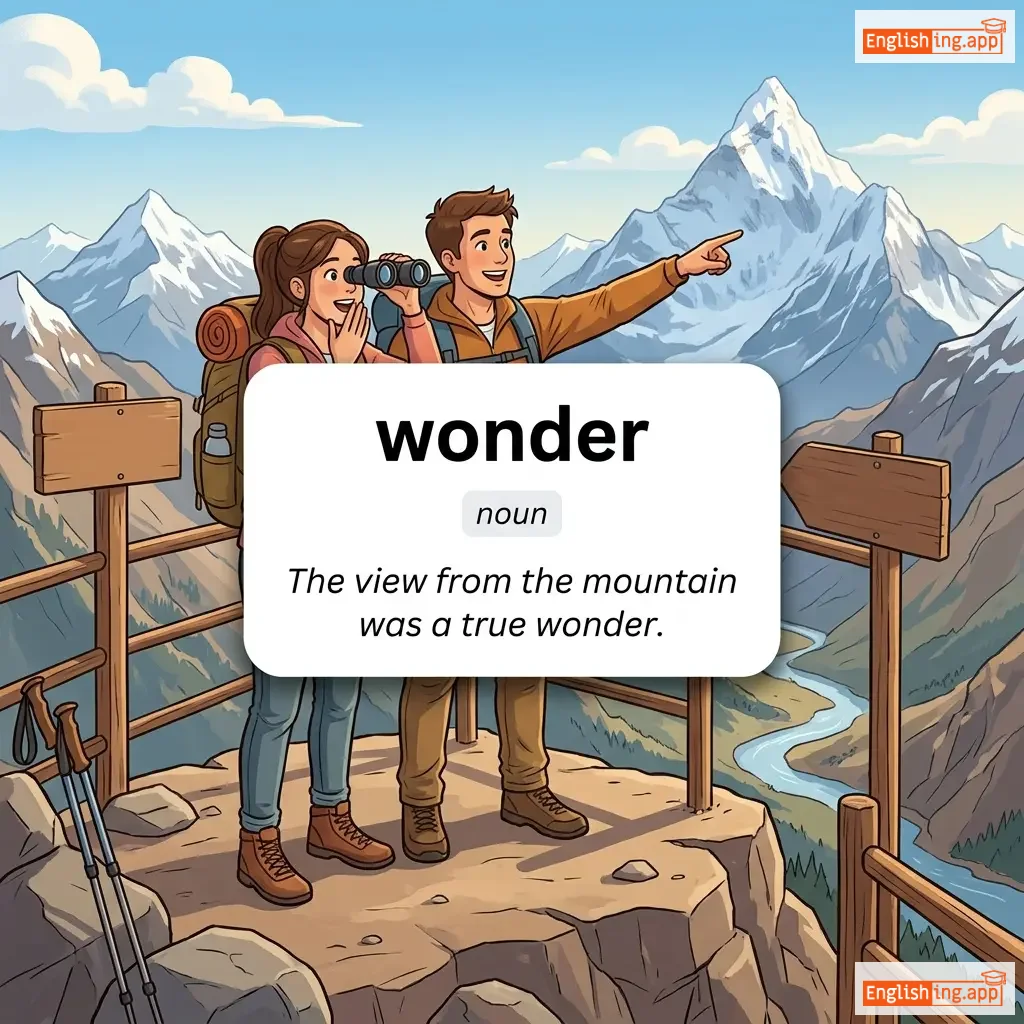
a feeling of amazement and admiration, caused by something beautiful, remarkable, or unfamiliar
••••••
|
The view from the mountain was a true wonder. |
Вид с горы был настоящим чудом.
Vid s gory byl nastoyashchim chudom.
••••••
|
- •••••• | - •••••• | - •••••• |
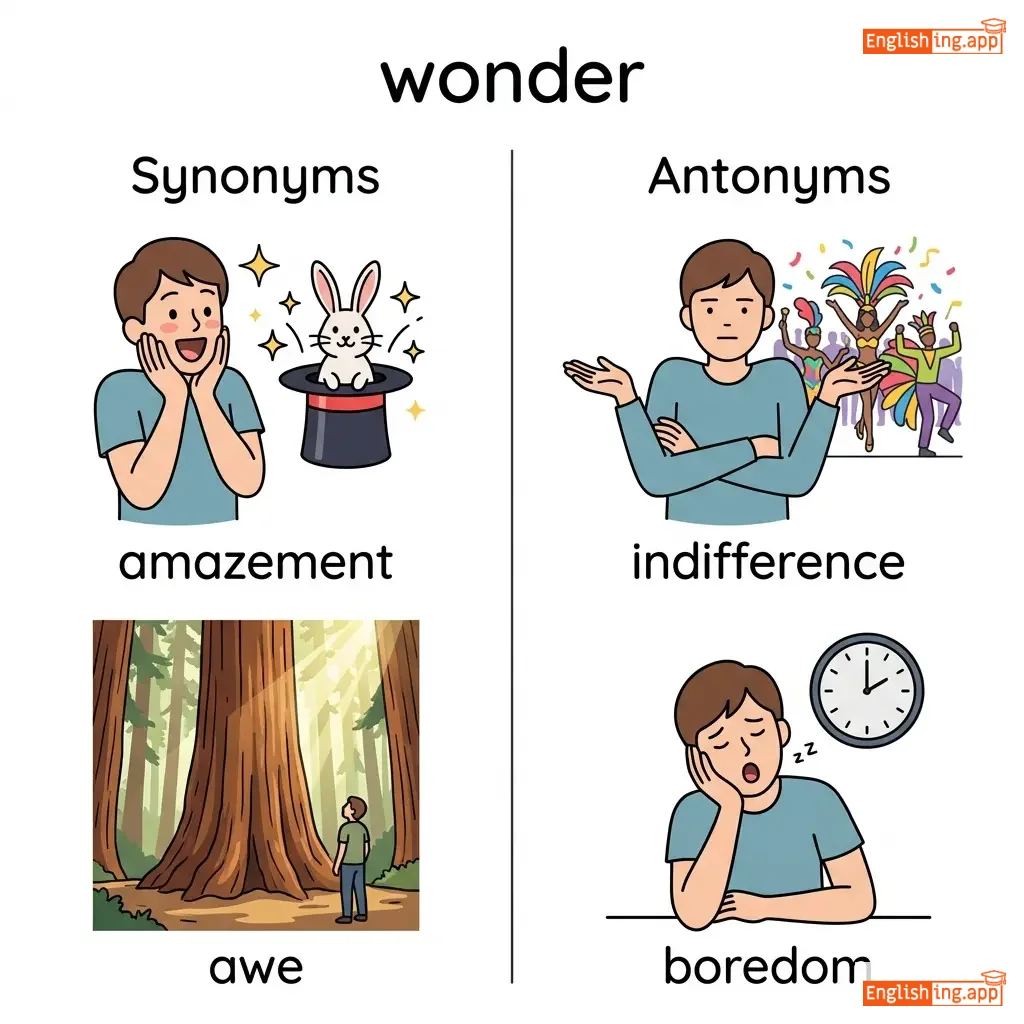
amazement, awe, admiration, astonishment
••••••
|
indifference, boredom, apathy
••••••
|
a sense of wonder, a feeling of wonder, in wonder, full of wonder
••••••
|
Чудо может быть как встреча с чудесным видом!
••••••
|
|
#5543
✨
|
/ˈwʌndərfəl/
adjective
(вандерфул)
••••••
|
- •••••• |
замечательный
zamechatel'nyy
••••••
|
- •••••• | - •••••• | - •••••• | - •••••• |
extremely good or impressive
••••••
|
She had a wonderful time at the party.
Она прекрасно провела время на вечеринке.
••••••
|
Она прекрасно провела время на вечеринке.
Ona prekrasno provela vremya na vecherinke.
••••••
|
wonderful world
прекрасный мир
••••••
|
a phrase celebrating the beauty and positivity of life
••••••
|
замечательный мир
zamechatel'nyy mir
••••••
|
amazing, excellent, superb, marvelous, fantastic
••••••
|
awful, terrible, dreadful
••••••
|
wonderful experience, wonderful time, wonderful news, wonderful feeling
••••••
|
Wonderful означает мир, полный замечательных вещей
••••••
|
|
#5544
🌳
|
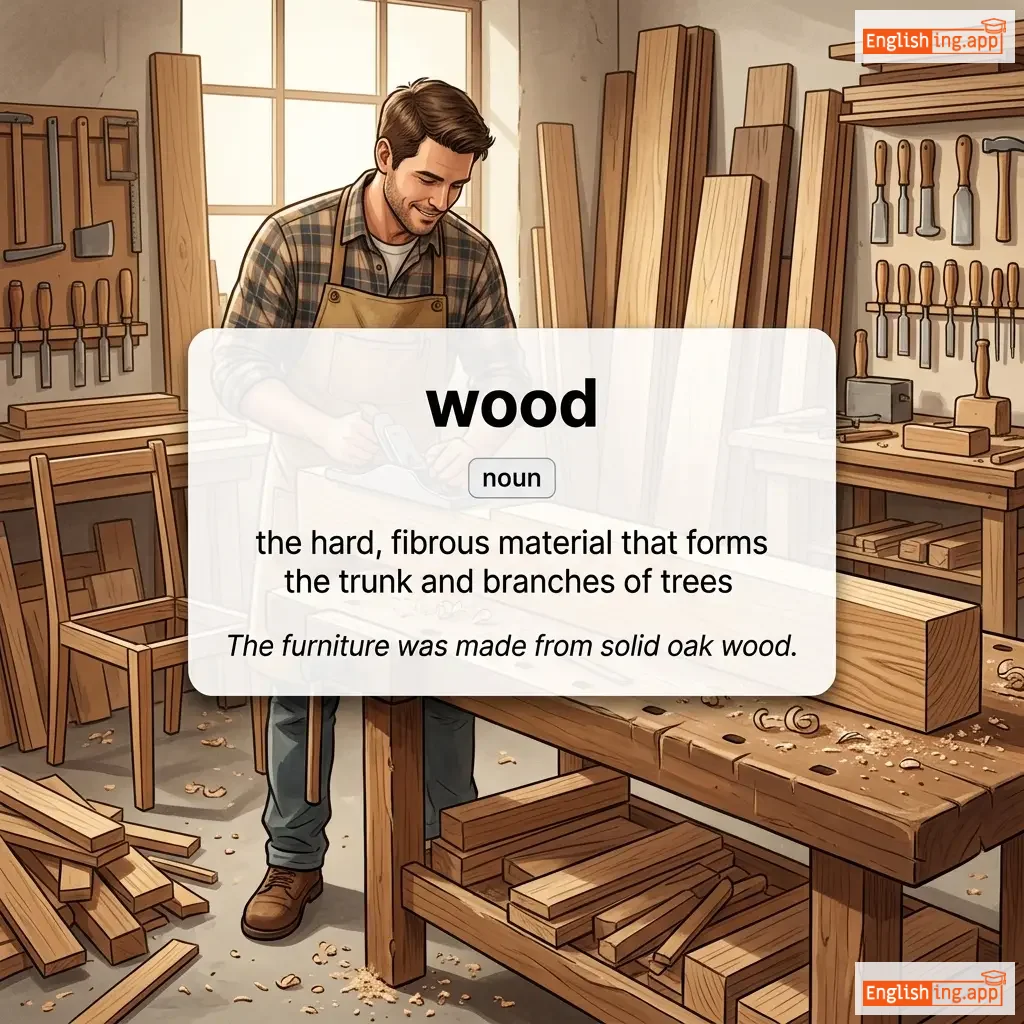
/wʊd/
noun
(wud)
••••••
|
|
дерево
derevo
••••••
|
- •••••• | - •••••• | - •••••• | - •••••• |
the hard, fibrous material that forms the trunk and branches of trees
••••••
|
The furniture was made from solid oak wood. |
Мебель была сделана из твердого дубового дерева.
Mebel byla sdelana iz tverdogo dubovogo dereva.
••••••
|
- •••••• | - •••••• | - •••••• |
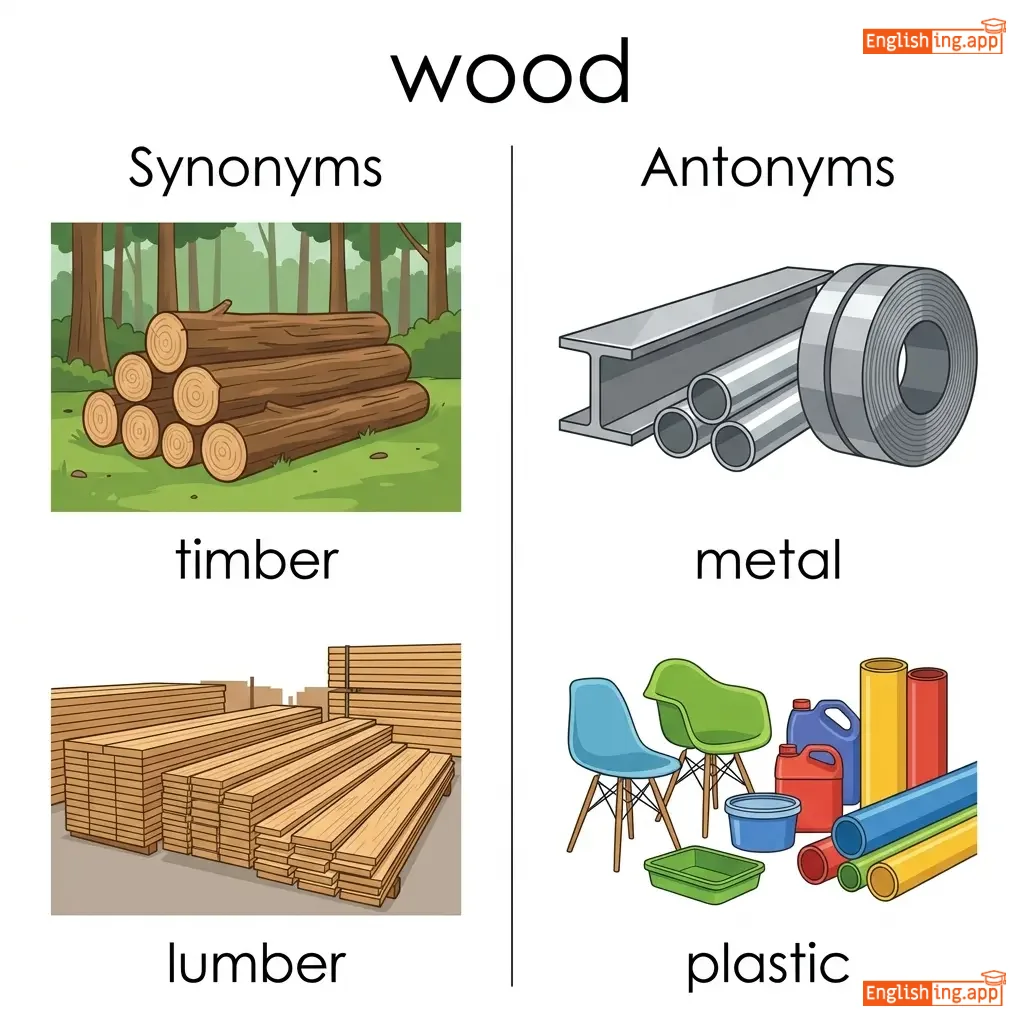
timber, lumber, forest product
••••••
|
metal, plastic, stone
••••••
|
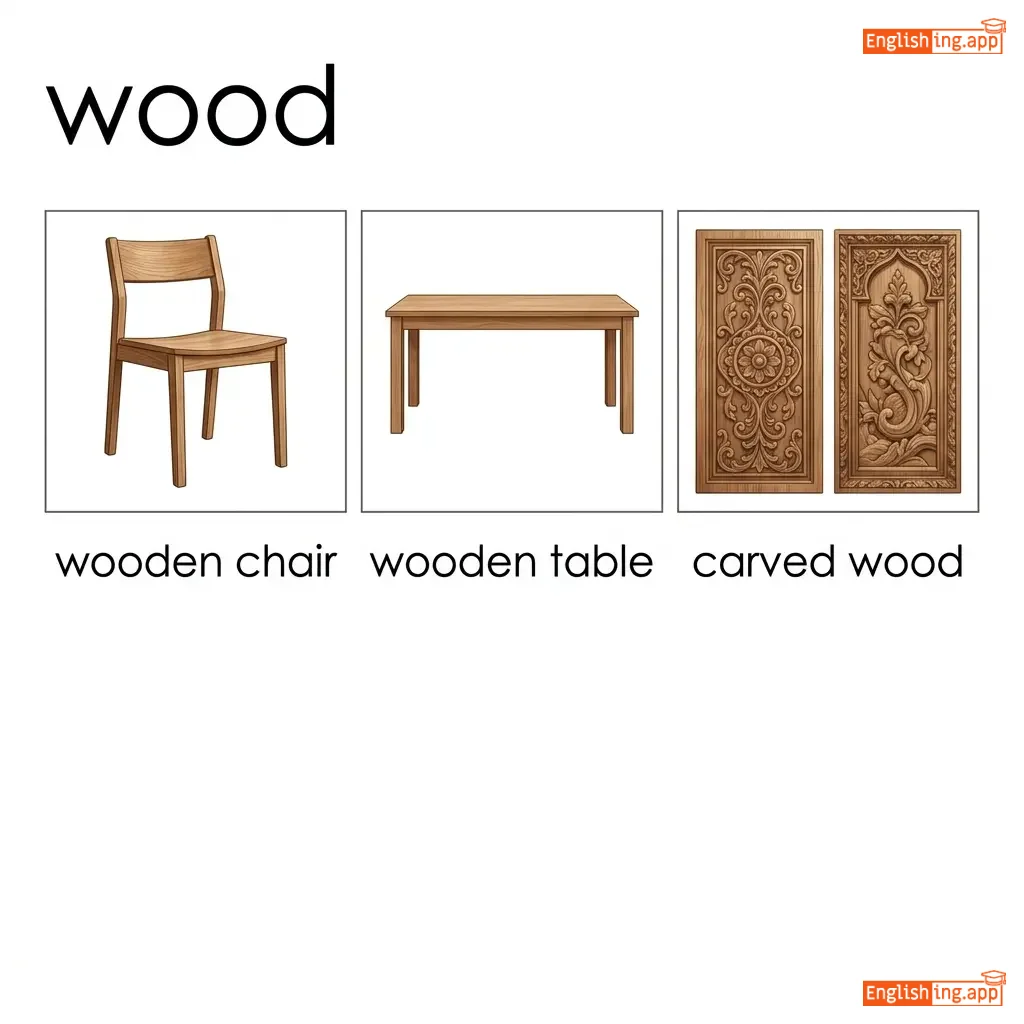
wooden chair, wooden table, carved wood, wood grain
••••••
|
Дерево (wood) – это то, из чего делают мебель.
••••••
|
|
#5545
🪵
|
/ˈwʊdən/
adjective
(wudn)
••••••
|
|
деревянный
derevyannyy
••••••
|
- •••••• | - •••••• | - •••••• | - •••••• |
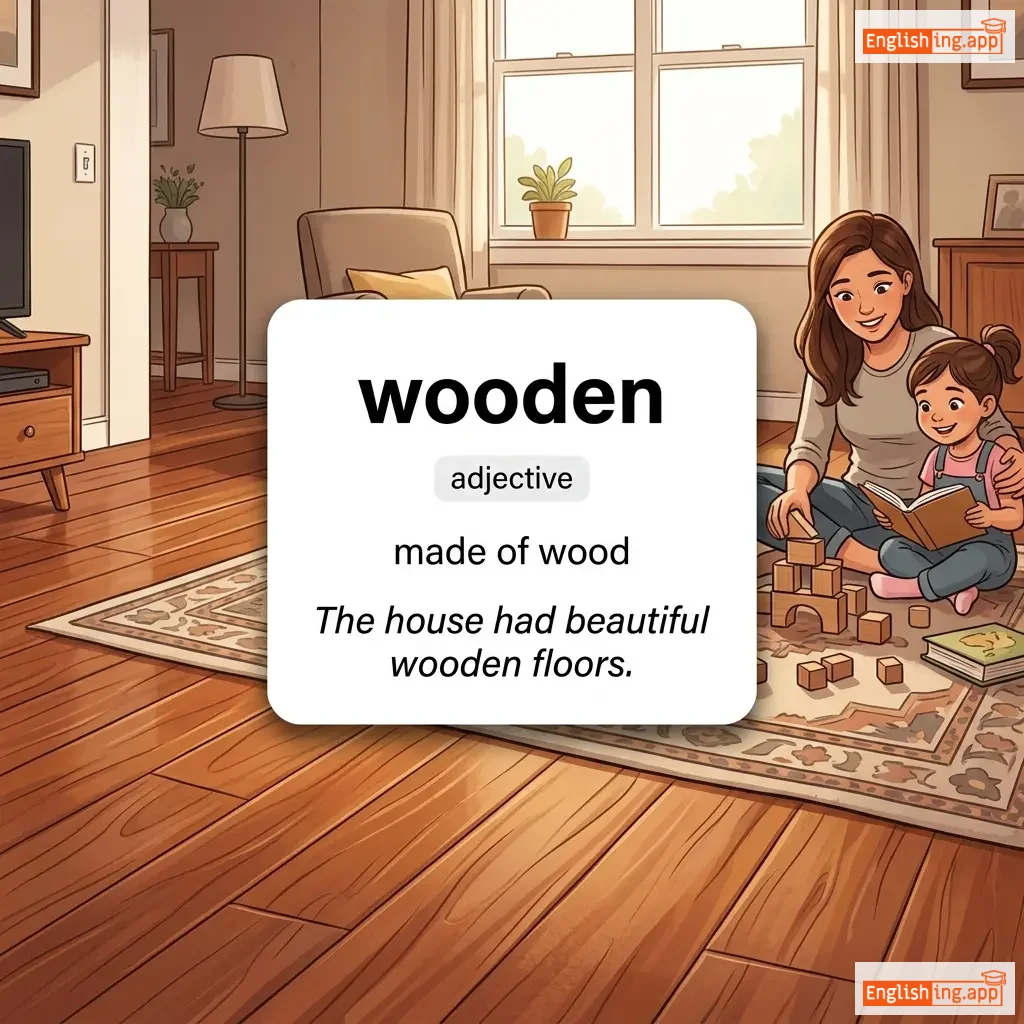
made of wood
••••••
|
The house had beautiful wooden floors.
В доме были красивые деревянные полы.
••••••
|
В доме были красивые деревянные полы.
V dome byli krasivyye derevyannyye poly.
••••••
|
- •••••• | - •••••• | - •••••• |
timber, wooden-made, natural
••••••
|
metal, plastic, synthetic
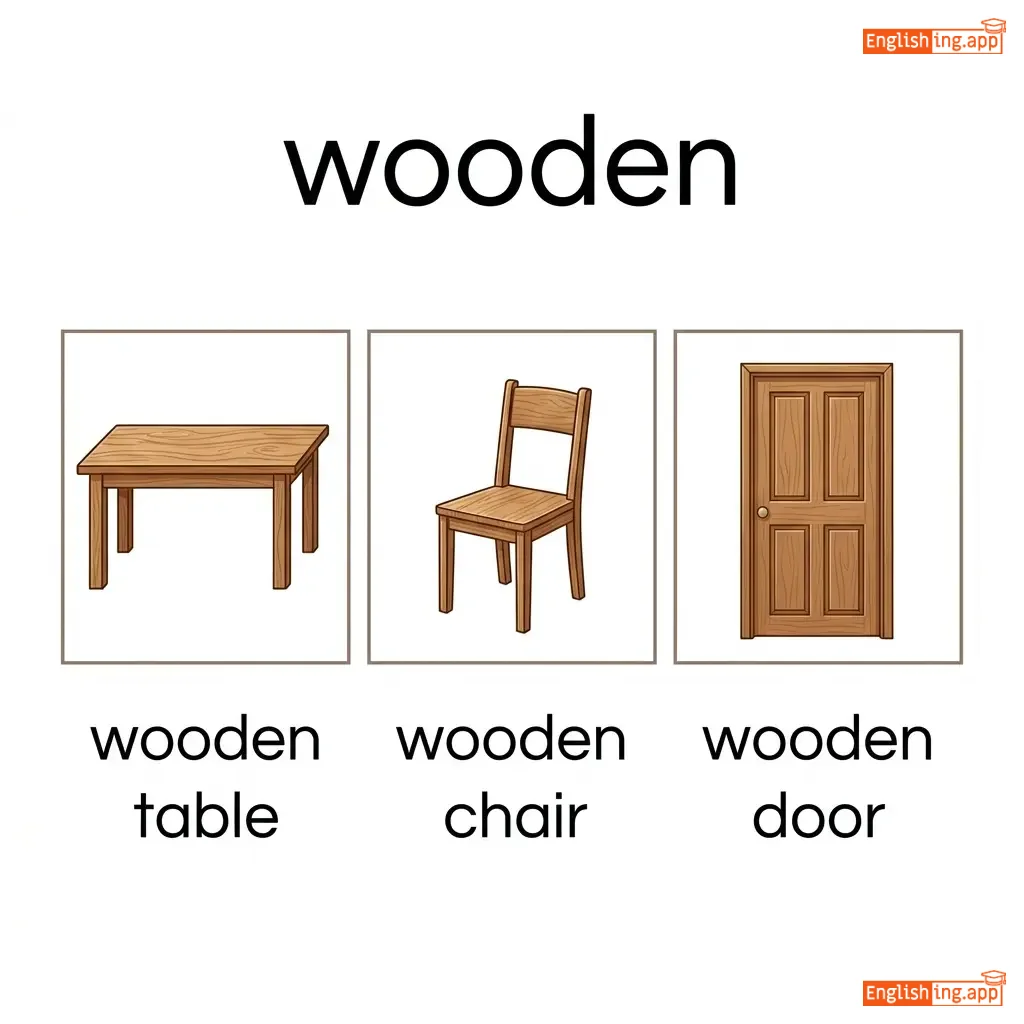
••••••
|
wooden table, wooden chair, wooden door, wooden structure
••••••
|
wudn derevyannyy (wooden)
••••••
|
|
#5546
📝
|
/wɜːrd/
noun
(wɜːrd)
••••••
|
|
слово
slovo
••••••
|
- •••••• | - •••••• | - •••••• | - •••••• |
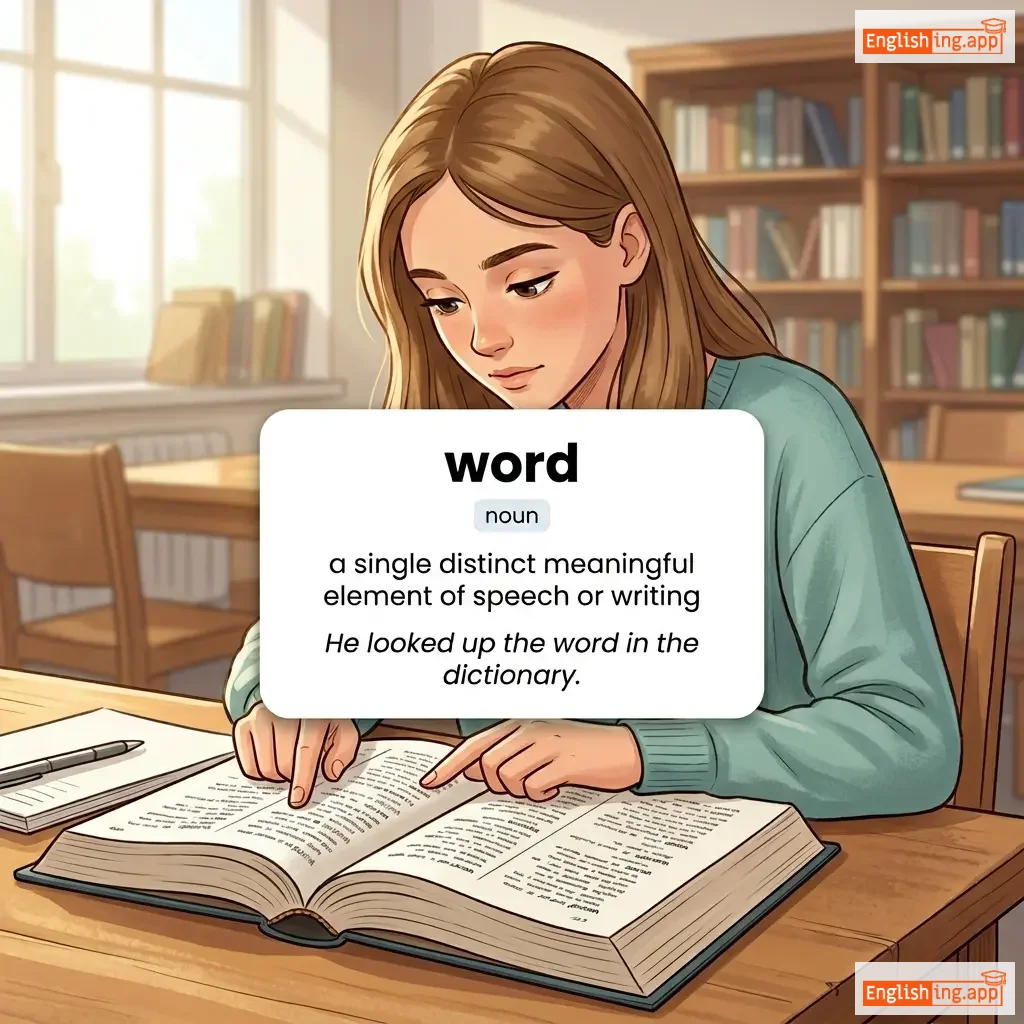
a single distinct meaningful element of speech or writing
••••••
|
He looked up the word in the dictionary.
Он нашел слово в словаре.
••••••
|
Он нашел слово в словаре.
On nashel slovo v slovare.
••••••
|
word of mouth
из уст в уста
••••••
|
information passed verbally from one person to another
••••••
|
из уст в уста
iz ust v usta
••••••
|
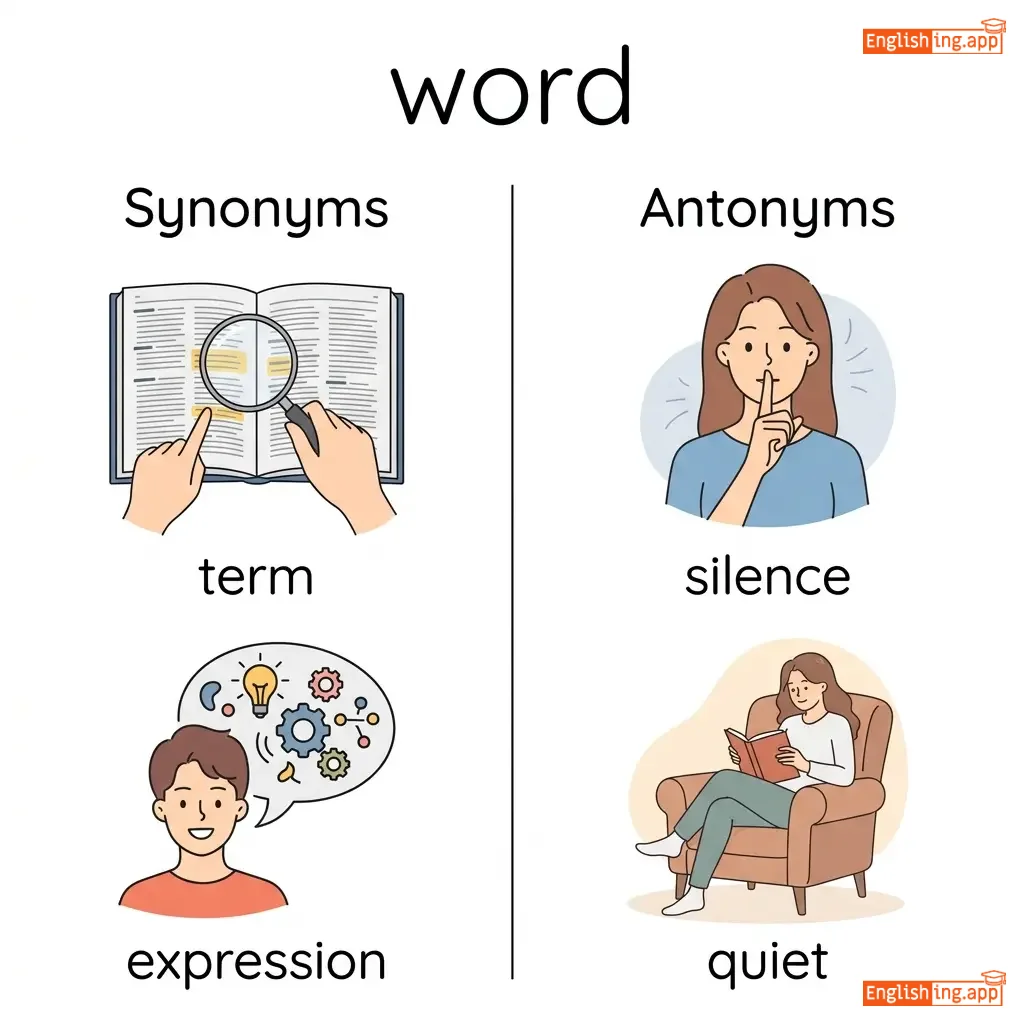
term, expression, phrase, utterance
••••••
|
silence, quiet
••••••
|
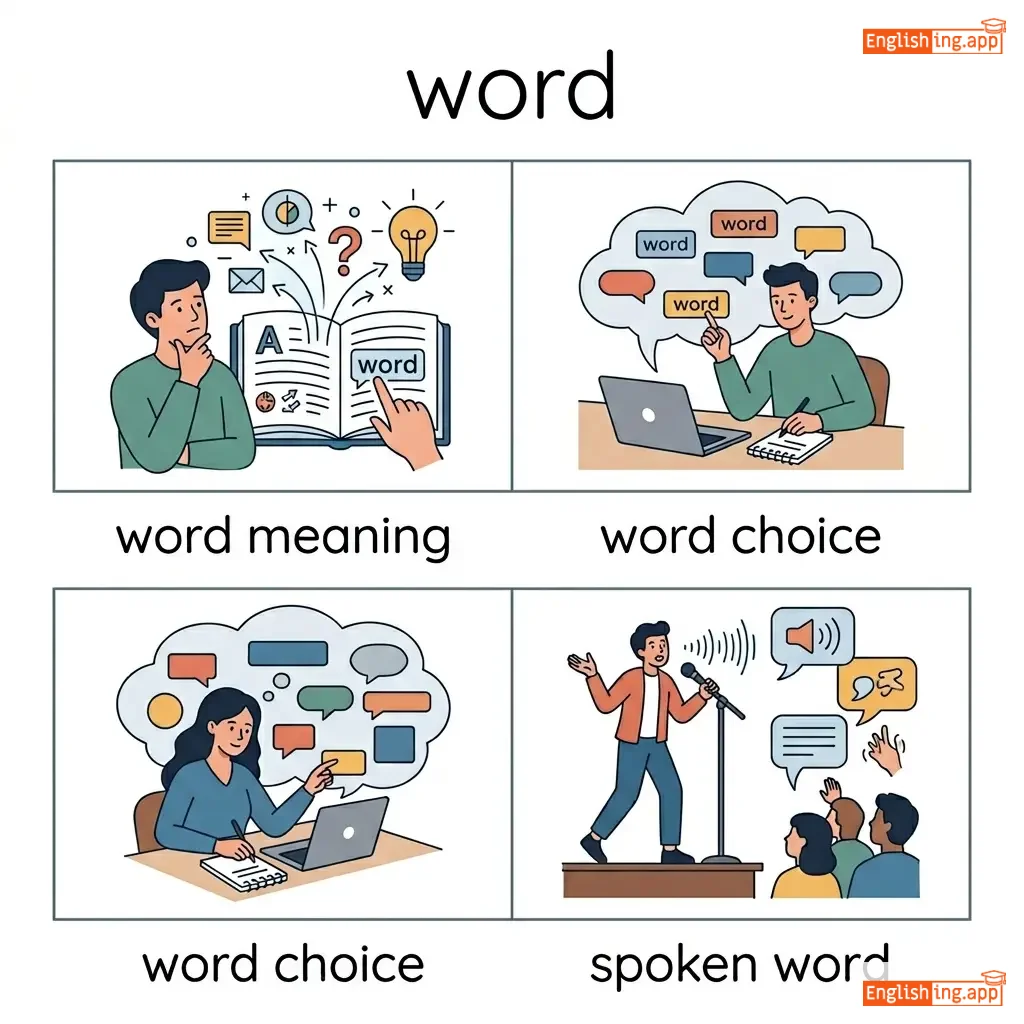
word meaning, word choice, spoken word, word of mouth
••••••
|
Слово — это как основа общения, без которой нельзя обмениваться мыслями.
••••••
|
|
#5547
🧩
|
/wɜːrd fɔːrˈmeɪʃən/
noun
(уорд формейшн)
••••••
|
- •••••• |
словообразование
slovoobrazovanie
••••••
|
- •••••• | - •••••• | - •••••• | - •••••• |
the process by which new words are created or existing words are modified in a language
••••••
|
Word formation helps learners understand how new vocabulary develops in English.
Словообразование важно для изучения языка.
••••••
|
Словообразование важно для изучения языка.
slovoobrazovanie vazhno dlya izucheniya yazyka
••••••
|
- •••••• | - •••••• | - •••••• |
morphology, lexical formation, word building, derivation
••••••
|
word loss, lexical reduction
••••••
|
word formation rules, word formation process, study of word formation, English word formation
••••••
|
Слово + образование = word formation
••••••
|
|
#5548
💼
|
/wɜːrk/
verb, noun
(вɜːrk)
••••••
|
|
работа
rabota
••••••
|
worked
вɜːrkt
••••••
|
worked
вɜːrkt
••••••
|
works
вɜːrks
••••••
|
working
вɜːrkɪнг
••••••
|
to perform a task or job; physical or mental effort
••••••
|
She works at a software company.
Она работает в компании по разработке программного обеспечения.
••••••
|
Она работает в компании по разработке программного обеспечения.
Ona rabotaet v kompanii po razrabotke programmnogo obespecheniya.
••••••
|
work hard
работать усердно
••••••
|
to put in great effort in doing something
••••••
|
работать усердно
rabotat' usyerdno
••••••
|
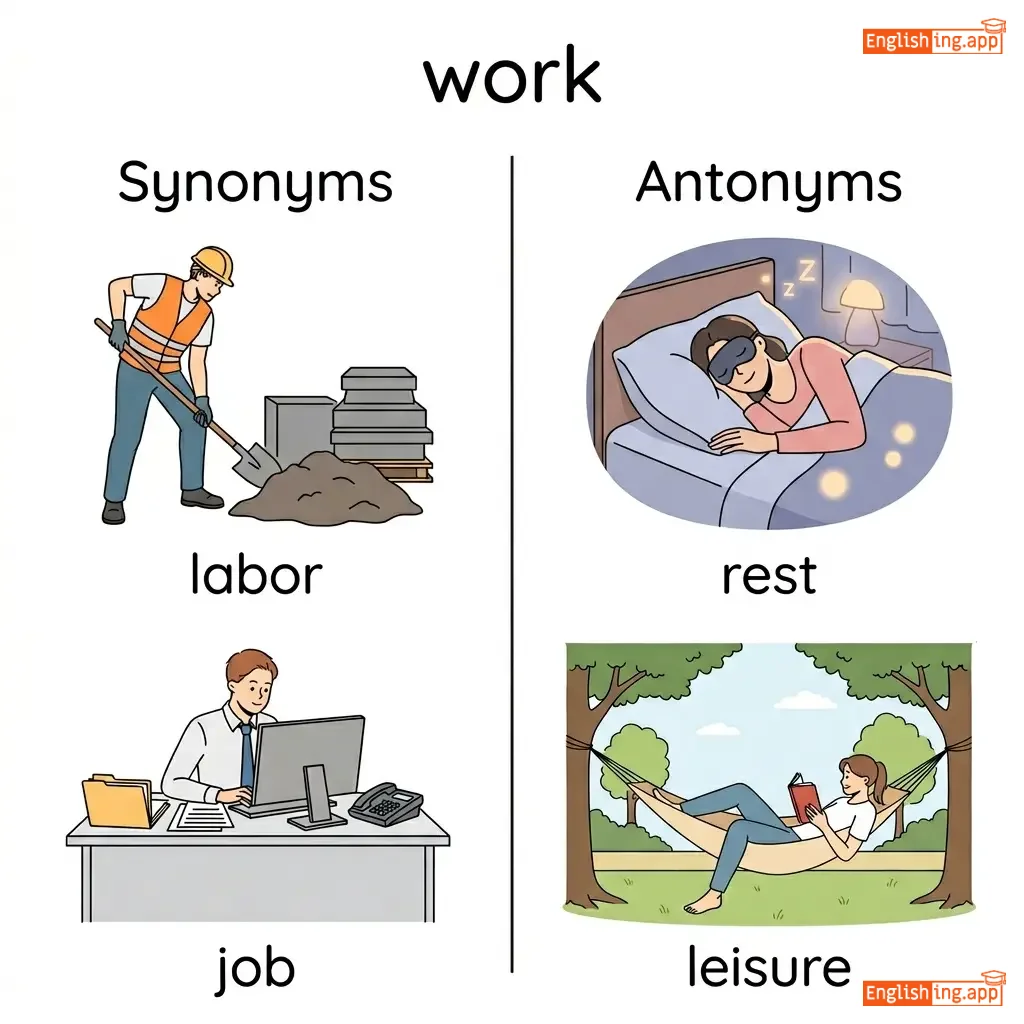
labor, job, employment, effort, task
••••••
|
rest, leisure, idleness
••••••
|
work experience, work hard, work schedule, work environment
••••••
|
Работа приводит к worth в мире!
••••••
|
|
#5549
👷
|
/ˈwɜːrkər/
noun
(вёркер)
••••••
|
- •••••• |
работник
rabotnik
••••••
|
- •••••• | - •••••• | - •••••• | - •••••• |
a person who is employed to perform tasks or duties
••••••
|
The workers were busy building the bridge. |
Рабочие были заняты строительством моста.
Rabochie byli zanyaty stroitel'stvom mosta.
••••••
|
- •••••• | - •••••• | - •••••• |
employee, laborer, operative, staff
••••••
|
employer, boss, manager
••••••
|
construction worker, factory worker, hard worker
••••••
|
работник (rabotnik) работает.
••••••
|
|
#5550
👩💻
|
/ˈwɜːrkˌfɔːrs/
noun
(wɜːrkˌfɔːrs)
••••••
|
- •••••• |
рабочая сила
rabochaya sila
••••••
|
- •••••• | - •••••• | - •••••• | - •••••• |
the people engaged in or available for work
••••••
|
The company is looking to expand its workforce by 20%. |
Компания планирует увеличить свою рабочую силу на 20%.
Kompaniya planiruet uvelichit' svoyu rabochuyu silu na 20%.
••••••
|
- •••••• | - •••••• | - •••••• |
employees, labor force, staff, personnel
••••••
|
unemployment, layoffs
••••••
|
increase workforce, skilled workforce, diverse workforce
••••••
|
Рабочая сила помогает компании расти – Workforce helps the company grow
••••••
|
|
#5551
💻
|
/ˈwɜːrkɪŋ/
adjective
(вёркинг)
••••••
|
- •••••• |
работающий
rabotayushchiy
••••••
|
- •••••• | - •••••• | - •••••• | - •••••• |
engaged in physical or mental effort to achieve a goal or task
••••••
|
She is working on her project right now. |
Она сейчас работает над своим проектом.
Ona seychas rabotayet nad svoim proyektom.
••••••
|
- •••••• | - •••••• | - •••••• |
active, employed, engaged, industrious
••••••
|
idle, lazy, unproductive
••••••
|
working hard, working overtime, working on a project
••••••
|
Работающий означает, что человек занят чем-то важным.
••••••
|
|
#5552
🏋️♀️
|
/ˈwɜːrkaʊt/
noun
(вёркаут)
••••••
|
- •••••• |
тренировка
trenirovka
••••••
|
- •••••• | - •••••• | - •••••• | - •••••• |
a session of physical exercise or training to improve fitness or health
••••••
|
She does a full-body workout every morning before work. |
Она делает полноценную тренировку всего тела каждое утро перед работой.
Ona delaet polnotsennuyu trenirovku vsego tela kazhdoe utro pered rabotoy.
••••••
|
intense workout |
a very demanding or vigorous exercise session
••••••
|
интенсивная тренировка
intensivnaya trenirovka
••••••
|
exercise, training, session, fitness routine, practice
••••••
|
rest, inactivity, relaxation
••••••
|
daily workout, intense workout, gym workout, home workout
••••••
|
В тренажёрном зале ‘workout’ означает тренироваться для улучшения формы тела — тренировка для работы!
••••••
|
|
#5553
🏢
|
/ˈwɜːrkpleɪs/
noun
(wɜːrkpleɪs)
••••••
|
- •••••• |
рабочее место
rabochee mesto
••••••
|
- •••••• | - •••••• | - •••••• | - •••••• |
a place where people work, such as an office, factory, or shop
••••••
|
Maintaining good communication is vital in the workplace.
Поддержание хорошей коммуникации на рабочем месте жизненно важно.
••••••
|
Поддержание хорошей коммуникации на рабочем месте жизненно важно.
Podderzhanie khoroshey kommunikatsii na rabochem meste zhiznenno vazhno.
••••••
|
workplace culture
культура рабочего места
••••••
|
the shared values, beliefs, and behaviors in a work environment
••••••
|
культура рабочего места
kul'tura rabochego mesta
••••••
|
office, job site, work environment, establishment, premises
••••••
|
home, residence
••••••
|
safe workplace, workplace environment, workplace policy, workplace training
••••••
|
Рабочее место = место, где работают.
••••••
|
|
#5554
🏢
|
/ˈwɜːrkʃɒp/
noun
(wɜːrkʃɒp)
••••••
|
- •••••• |
мастерская
masterskaya
••••••
|
- •••••• | - •••••• | - •••••• | - •••••• |
a room or building where people engage in work or creative activities
••••••
|
The workshop focused on improving technical skills for young professionals. |
Мастерская была сосредоточена на улучшении технических навыков для молодых профессионалов.
Masterskaya byla sosredotochena na uluchshenii tekhnicheskikh navykov dlya molodykh professionalov.
••••••
|
- •••••• | - •••••• | - •••••• |
seminar, class, training, session
••••••
|
lecture, talk
••••••
|
training workshop, creative workshop, technical workshop, workshop participant
••••••
|
A workshop is a place where you work and shop your ideas.
••••••
|
|
#5555
🌍
|
/wɜːrld/
noun
(вɜːрлд)
••••••
|
|
мир
mir
••••••
|
- •••••• | - •••••• | - •••••• | - •••••• |
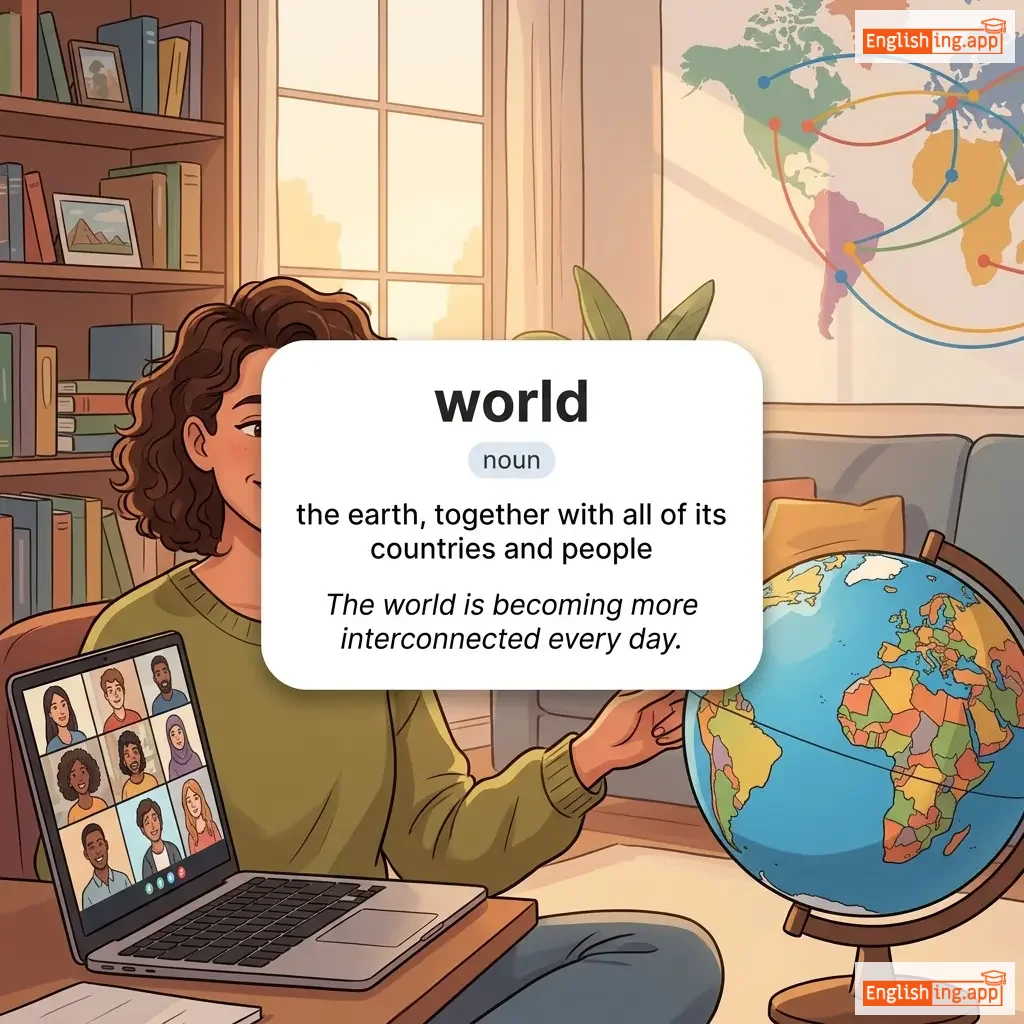
the earth, together with all of its countries and people
••••••
|
The world is becoming more interconnected every day.
Мир становится все более связанным с каждым днем.
••••••
|
Мир становится все более связанным с каждым днем.
Mir stanovitsya vse bolee svyazannym s kazhdym dnyom.
••••••
|
- •••••• | - •••••• | - •••••• |
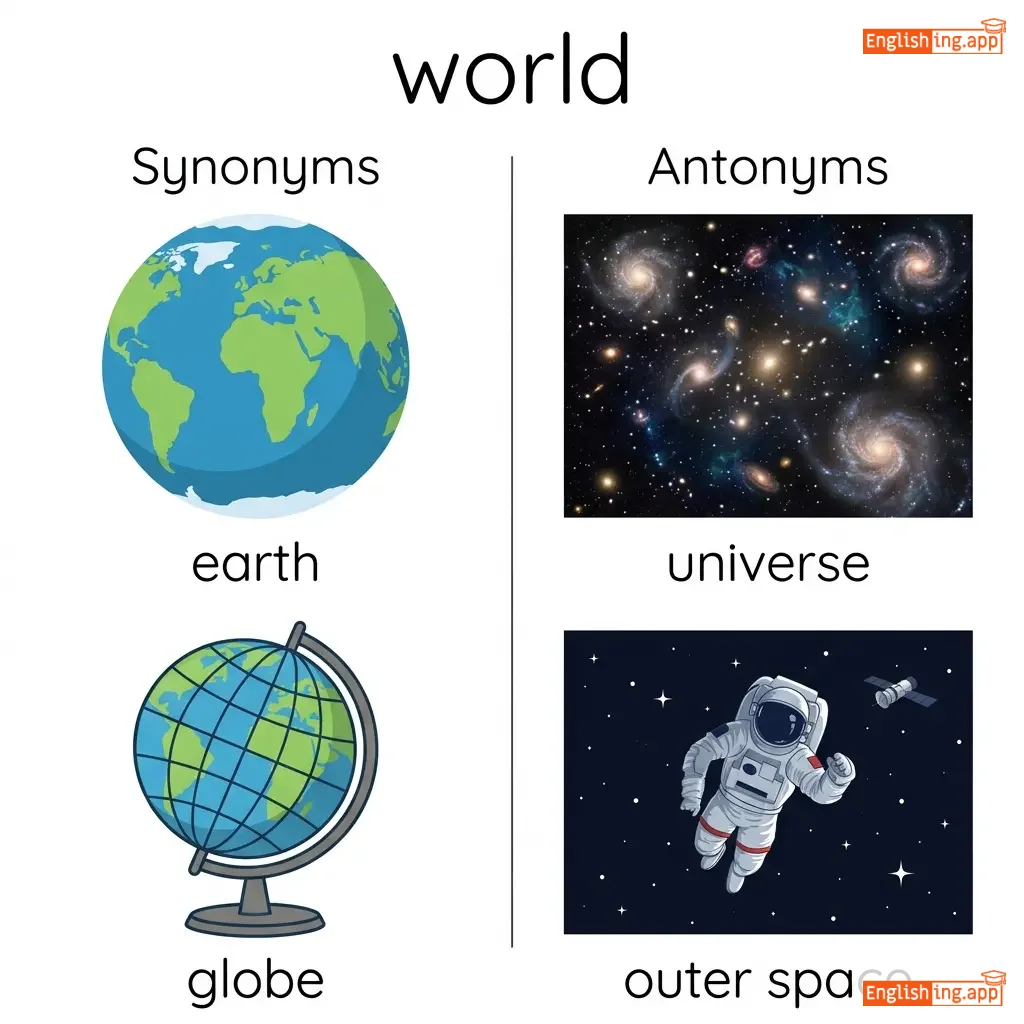
earth, globe, planet, universe
••••••
|
universe, outer space
••••••
|
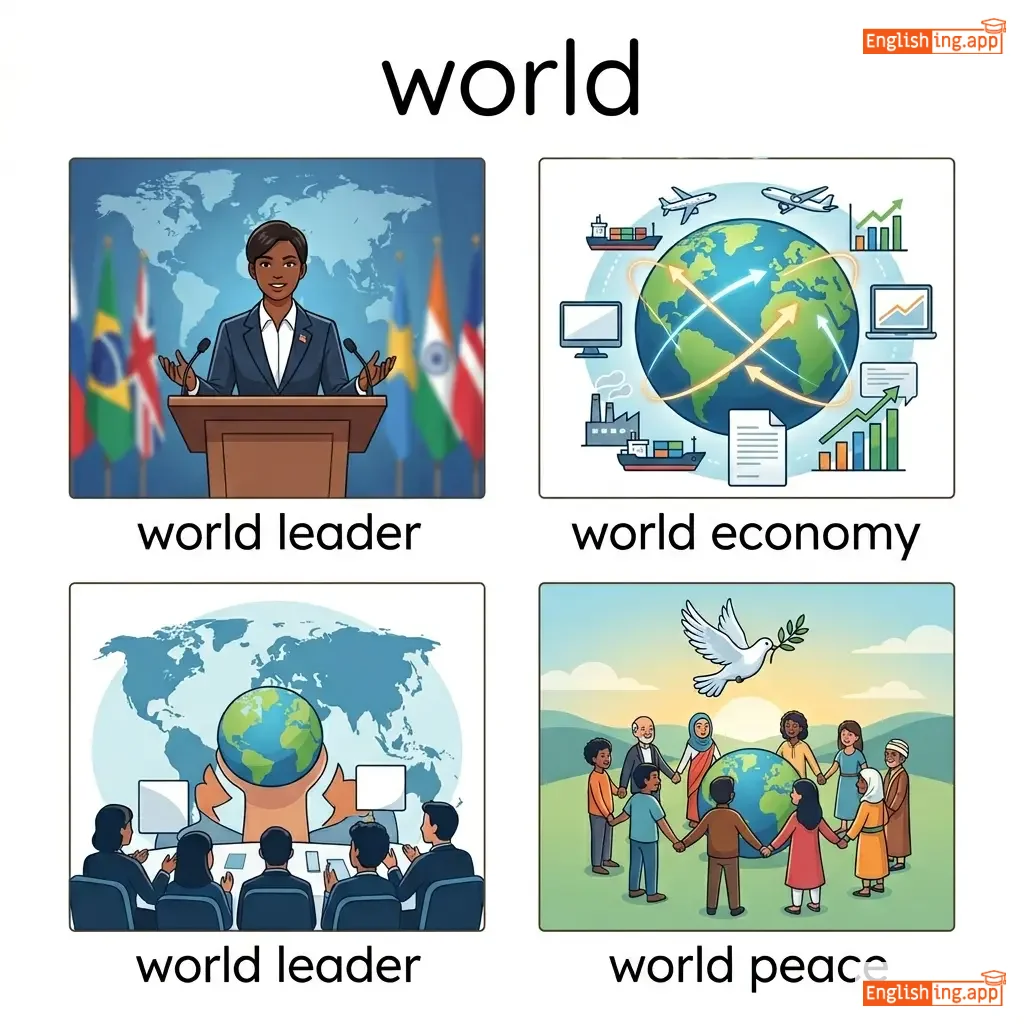
world leader, world economy, world peace, around the world
••••••
|
World is where we all live together as one big family.
••••••
|
|
#5556
🐛
|
/wɜːrm/
noun
(вёрм)
••••••
|
- •••••• |
червь
cherv
••••••
|
- •••••• | - •••••• | - •••••• | - •••••• |
a small, long, soft-bodied invertebrate animal
••••••
|
The gardener found a worm in the soil. |
Садовник нашел червя в земле.
Sadovnik nashel chervya v zemle.
••••••
|
- •••••• | - •••••• | - •••••• |
earthworm, grub, maggot, larva
••••••
|
none
••••••
|
fishing worm, earthworm, worm farm
••••••
|
Черви помогают саду расти! – Worms help the garden grow!
••••••
|
|
#5557
😟
|
/ˈwɜːrid/
adjective
(вориэд)
••••••
|
- •••••• |
обеспокоенный
obespokoennyi
••••••
|
- •••••• | - •••••• | - •••••• | - •••••• |
feeling anxious or concerned about something
••••••
|
She was worried about the upcoming exam. |
Она была обеспокоена предстоящим экзаменом.
Ona byla obespokoena predstoyashchim ekzamenom.
••••••
|
- •••••• | - •••••• | - •••••• |
anxious, concerned, uneasy, troubled
••••••
|
calm, relaxed
••••••
|
worried about, feel worried, get worried, look worried
••••••
|
Worried sounds like 'worry' – Imagine someone biting their nails in fear.
••••••
|
|
#5558
😟
|
/ˈwʌri/
verb
••••••
|
|
- •••••• |
worried
••••••
|
worried
••••••
|
worries
••••••
|
worrying
••••••
|
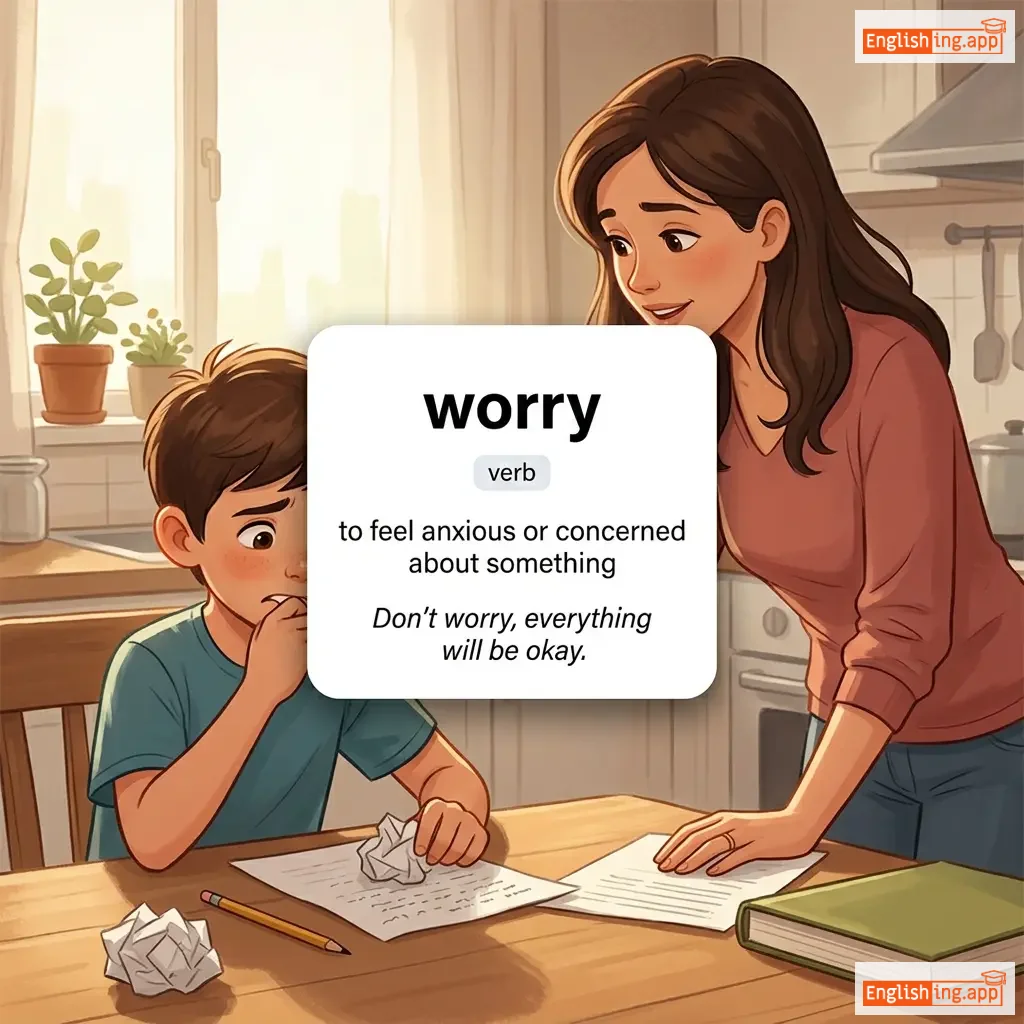
to feel anxious or concerned about something
••••••
|
Don’t worry, everything will be okay. |
- •••••• |
Worrying about something is like paying interest on a debt you may never owe. |
Worrying about things that may never happen is not helpful.
••••••
|
- •••••• |
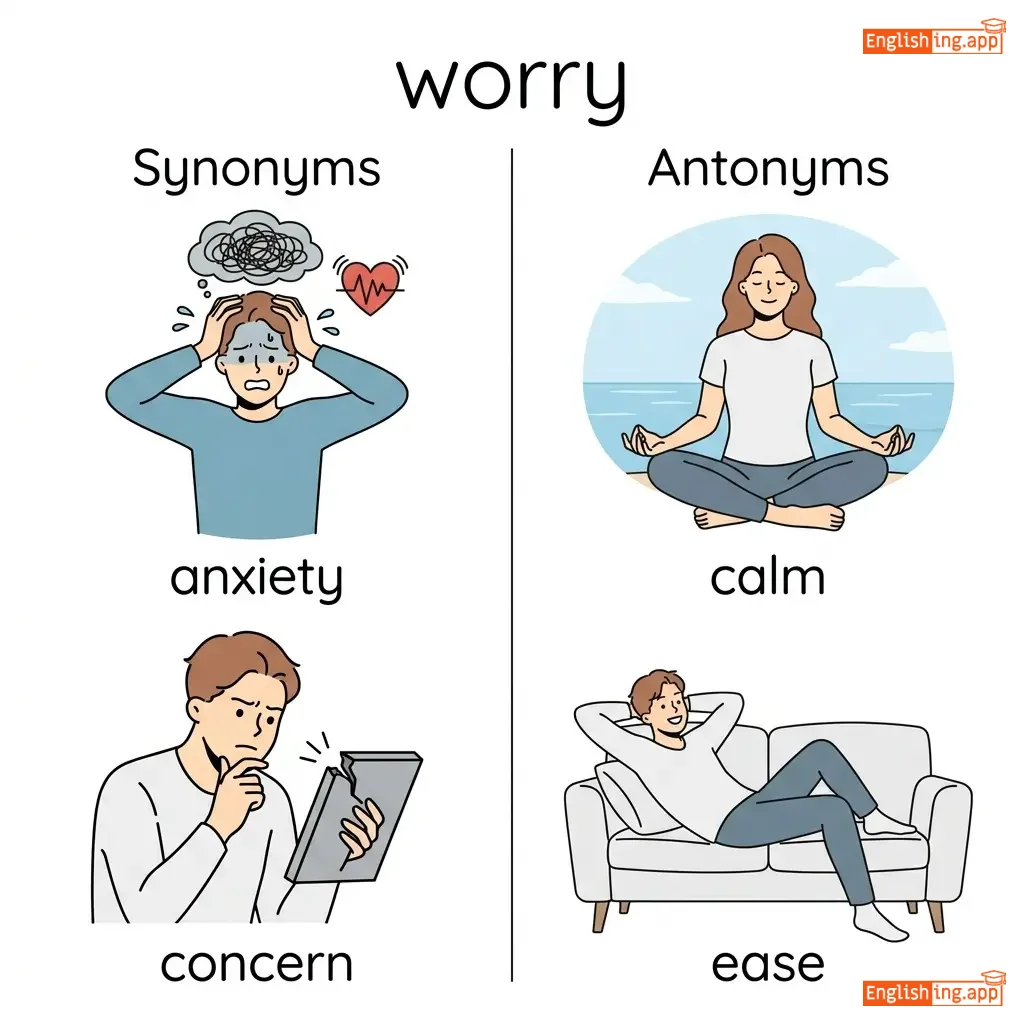
anxiety, concern, stress, fret
••••••
|
calm, ease, peace
••••••
|
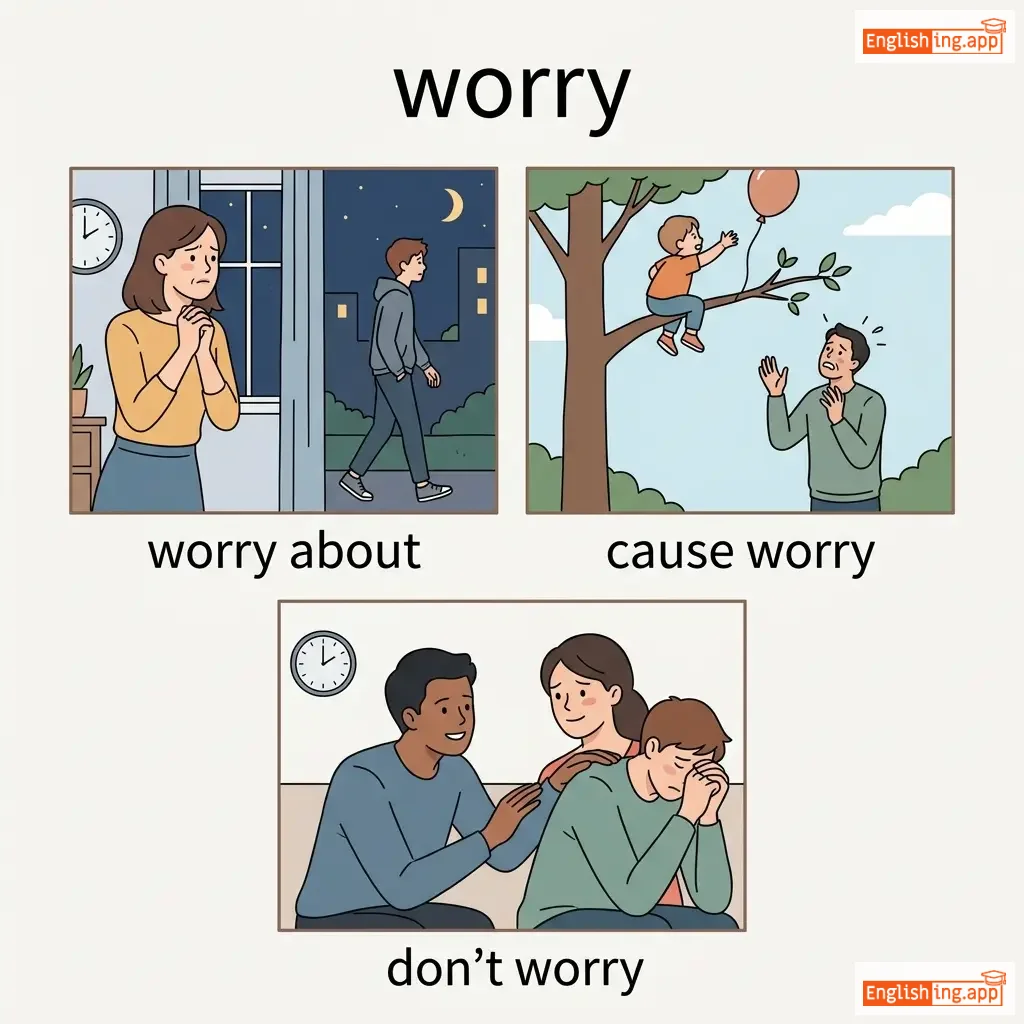
worry about, cause worry, don’t worry, make worry
••••••
|
No •••••• |
|
#5559
🙏
|
/ˈwɜːʃɪp/
verb
(воршип)
••••••
|
- •••••• |
поклонение
poklonenie
••••••
|
worshipped
воршипт
••••••
|
worshipped
воршипт
••••••
|
worships
воршипс
••••••
|
worshipping
воршиппинг
••••••
|
To show reverence and adoration for a deity or sacred being.
••••••
|
They gathered at the temple to worship together.
Они собрались в храме, чтобы поклоняться вместе.
••••••
|
Они собрались в храме, чтобы поклоняться вместе.
Oni sobraliysya v khrame, chtoby poklonyat'sya vmeste.
••••••
|
worship the ground someone walks on
поклоняться земле, по которой кто-то ходит
••••••
|
To admire or adore someone greatly.
••••••
|
восхищаться кем-то до предела
voshishchatsya kem-to do predela
••••••
|
adore, revere, venerate, honor, praise
••••••
|
despise, dishonor, disrespect
••••••
|
worship God, worship in church, idol worship, worship service
••••••
|
Worship означает поклонение, как в храме поклоняться.
••••••
|
|
#5560
💎
|
/wɜːrθ/
noun
(wɜːrθ)
••••••
|
- •••••• |
стоимость; цена;
stoimost; tsena
••••••
|
- •••••• | - •••••• | - •••••• | - •••••• |
the value equivalent to that of someone or something; the level at which someone or something deserves to be valued
••••••
|
The painting is worth thousands of dollars. |
Картина стоит тысячи долларов.
Kartina stoit tysyachi dollarov.
••••••
|
- •••••• | - •••••• | - •••••• |
value, price, merit, importance
••••••
|
worthlessness, insignificance, cheapness, valuelessness
••••••
|
net worth, true worth, self-worth
••••••
|
‘Стоимость’ – это то, что ценится в важном.
••••••
|
|
#5561
💡
|
/ˈwɜːrθˌwaɪl/
adjective
(wɜːrθˌwaɪl)
••••••
|
- •••••• |
ценный
tsenny
••••••
|
- •••••• | - •••••• | - •••••• | - •••••• |
worth the time, effort, or money spent; valuable
••••••
|
Volunteering at the shelter was a worthwhile experience. |
Волонтерская работа в приюте была ценным опытом.
Volonterskaya rabota v priyute byla tsennym opytom.
••••••
|
- •••••• | - •••••• | - •••••• |
valuable, rewarding, beneficial, meaningful
••••••
|
pointless, useless
••••••
|
worthwhile experience, worthwhile cause, worthwhile effort
••••••
|
Worthwhile означает ценный, так что делай ценную работу!
••••••
|
|
#5562
🏆
|
/ˈwɜːrði/
adjective
(вэрди)
••••••
|
- •••••• |
достойный; заслуживающий уважения; заслуживающий внимания;
dostoynyy; zasluzhivayushchiy uvazheniya; zasluzhivayushchiy vnimaniya;
••••••
|
- •••••• | - •••••• | - •••••• | - •••••• |
deserving respect or attention; having merit
••••••
|
Her charitable work made her worthy of the humanitarian award.
Её благотворительная работа сделала её достойной гуманитарной премии.
••••••
|
Её благотворительная работа сделала её достойной гуманитарной премии.
Yeyo blagotvoritel'naya rabota sdelala yeyu dostoynoy gumanitarnoy premii.
••••••
|
- •••••• | - •••••• | - •••••• |
deserving, meritorious, commendable, admirable
••••••
|
unworthy, undeserving, contemptible, disgraceful
••••••
|
worthy cause, worthy opponent, worthy effort
••••••
|
worthy = достойный, кто заслуживает внимания
••••••
|
|
#5563
🤔
|
/wʊd/
verb
(вуд)
••••••
|
- •••••• |
бы
by
••••••
|
would
вуд
••••••
|
- •••••• | - •••••• | - •••••• |
used to indicate a future possibility or action in the past
••••••
|
He said he would help me tomorrow.
Он сказал, что он мне поможет завтра.
••••••
|
Он сказал, что он мне поможет завтра.
On skazal, chto on mne pomozhet zavtra.
••••••
|
- •••••• | - •••••• | - •••••• |
might, could, will, shall
••••••
|
won't, can't
••••••
|
would like, would prefer, would rather
••••••
|
Свяжите 'бы' с 'would', чтобы вспомнить возможность или действие в прошлом или будущем.
••••••
|
|
#5564
🩹
|
/wuːnd/
noun/verb
(happiness)
••••••
|
- •••••• |
счастье
schastye
••••••
|
- •••••• |
wounded
••••••
|
- •••••• | - •••••• |
an injury to the body or to harm someone
••••••
|
He received a deep wound on his arm.
Она не могла скрыть своего счастья, когда получила награду.
••••••
|
Она не могла скрыть своего счастья, когда получила награду.
Ona ne mogla skryt' svoego schast'ya, kogda poluchila nagradu.
••••••
|
a wound in the side
поиск счастья
••••••
|
a serious or painful issue
••••••
|
поиск счастья
poisk schast'ya
••••••
|
injury, cut, lesion, bruise
••••••
|
healing, recovery
••••••
|
wound up, deep wound, open wound, self-inflicted wound
••••••
|
Счастье — это улыбка на твоем лице!
••••••
|
|
#5565
🎁
|
/ræp/
verb
(рэп)
••••••
|
|
завернуть
zavernut
••••••
|
wrapped
рэппед
••••••
|
wrapped
рэппед
••••••
|
wraps
рэпс
••••••
|
wrapping
рэппинг
••••••
|
to cover something completely with paper or cloth; to enclose
••••••
|
Please wrap the gift in colorful paper.
Пожалуйста, заверните подарок в цветную бумагу.
••••••
|
Пожалуйста, заверните подарок в цветную бумагу.
Pozhaluysta, zaverite podarok v tsvetnuyu bumagu.
••••••
|
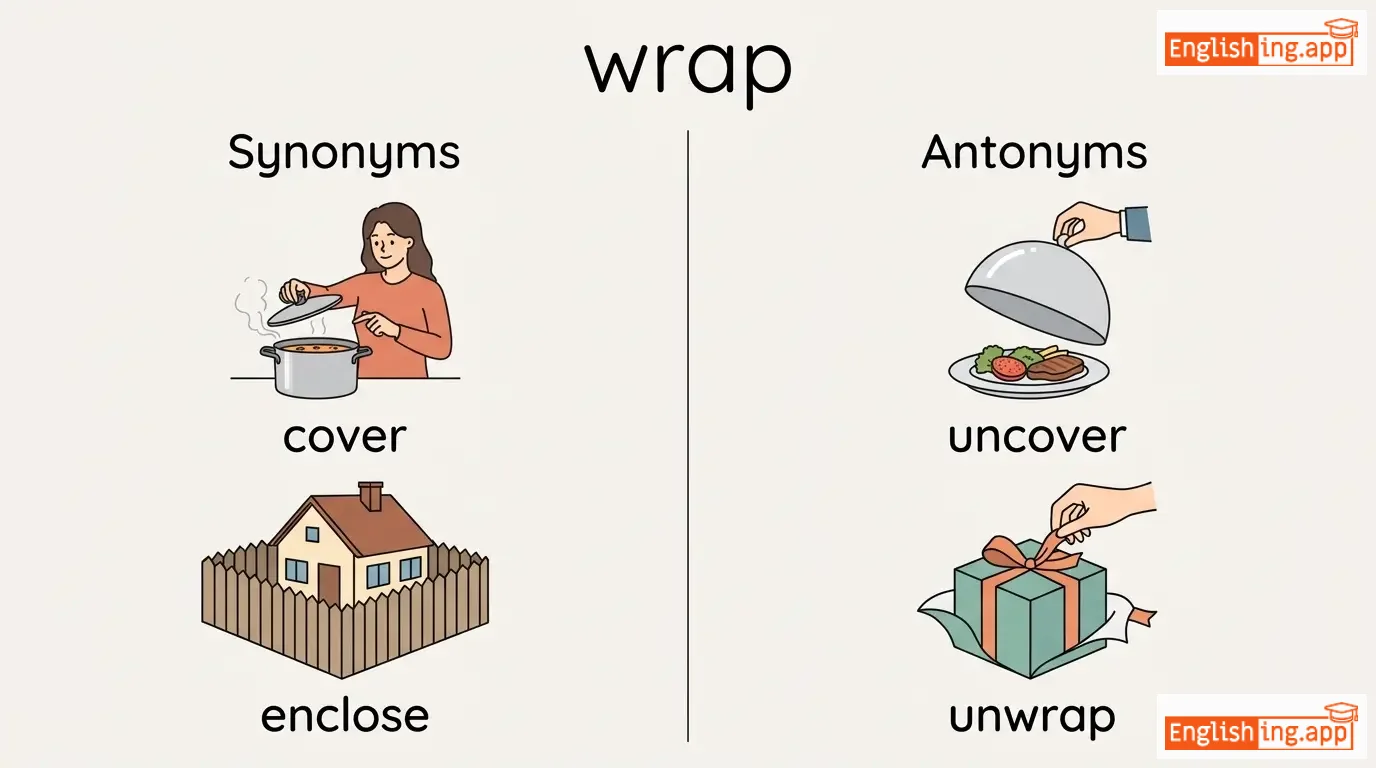
- •••••• | - •••••• | - •••••• |
cover, enclose, package, bundle
••••••
|
unwrap, uncover, expose, open
••••••
|
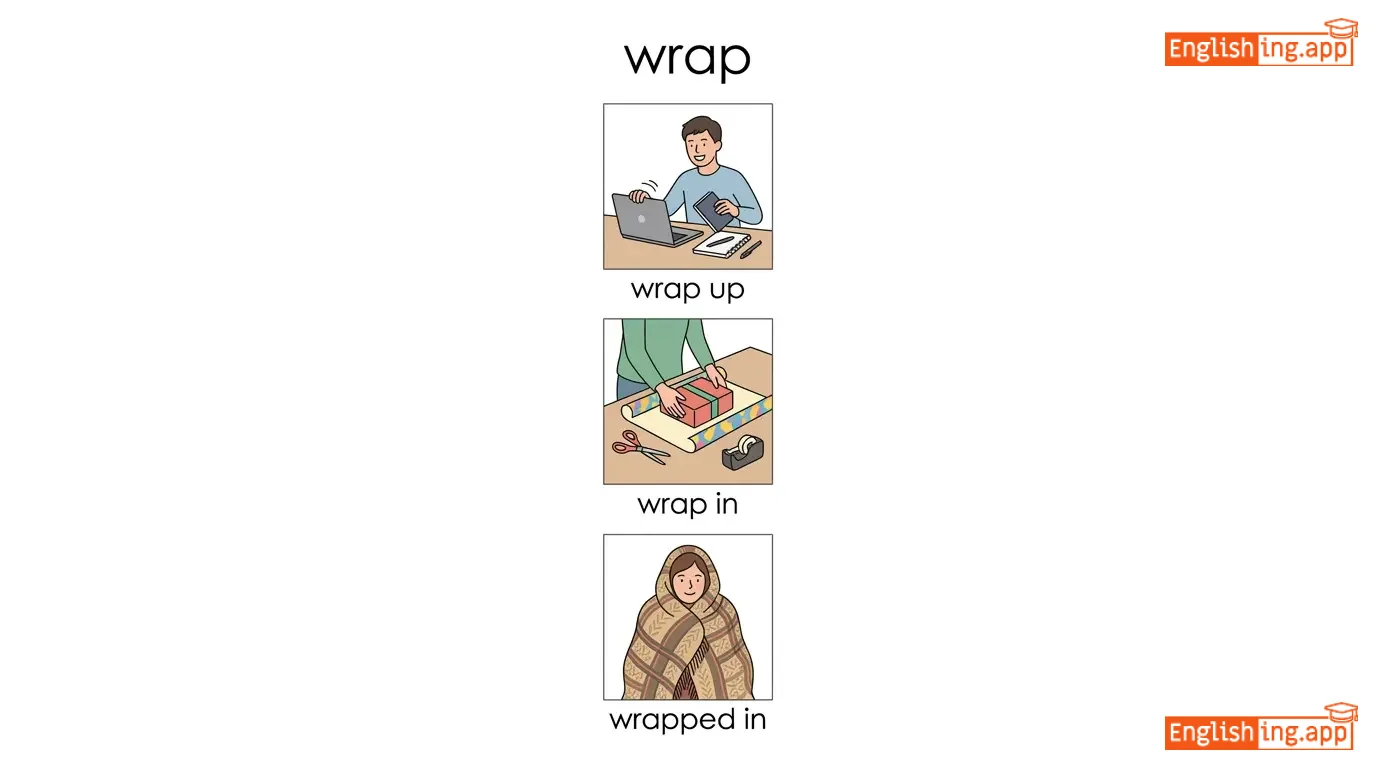
wrap up, gift wrap, plastic wrap, wrap around, wrap tightly
••••••
|
Wrap means завернуть, like wrapping a gift with care
••••••
|
|
#5566
✋
|
/rɪst/
noun
••••••
|
- •••••• | - •••••• | - •••••• | - •••••• | - •••••• | - •••••• |
the joint connecting the hand with the forearm
••••••
|
He wore a smartwatch on his left wrist. |
- •••••• |
wrist watch |
a watch worn around the wrist
••••••
|
- •••••• |
joint, carpus, arm joint, wrist joint
••••••
|
ankle, elbow
••••••
|
sprained wrist, wrist pain, wrist movement, wrist injury
••••••
|
No •••••• |
|
#5567
✍️
|
/raɪt/
verb
(хэппинесс)
••••••
|
|
счастье
schastye
••••••
|
wrote
••••••
|
written
••••••
|
writes
••••••
|
writing
••••••
|
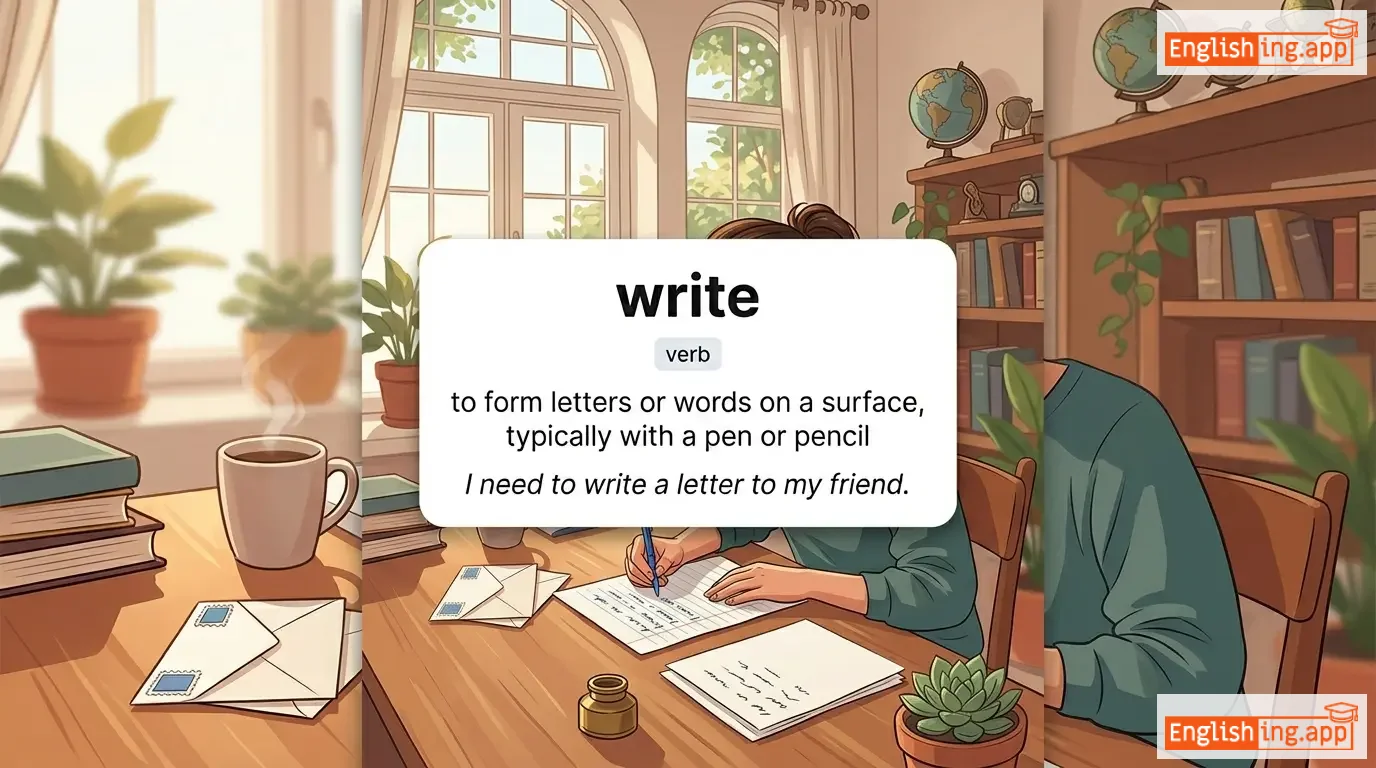
to form letters or words on a surface, typically with a pen or pencil
••••••
|
I need to write a letter to my friend.
Она не могла скрыть свое счастье, когда получила награду.
••••••
|
Она не могла скрыть свое счастье, когда получила награду.
Ona ne mogla skryt' svoe schast'ye, kogda poluchila nagradu.
••••••
|
write down
поиск счастья
••••••
|
to make a note of something
••••••
|
поиск счастья
poisk schast'ya
••••••
|
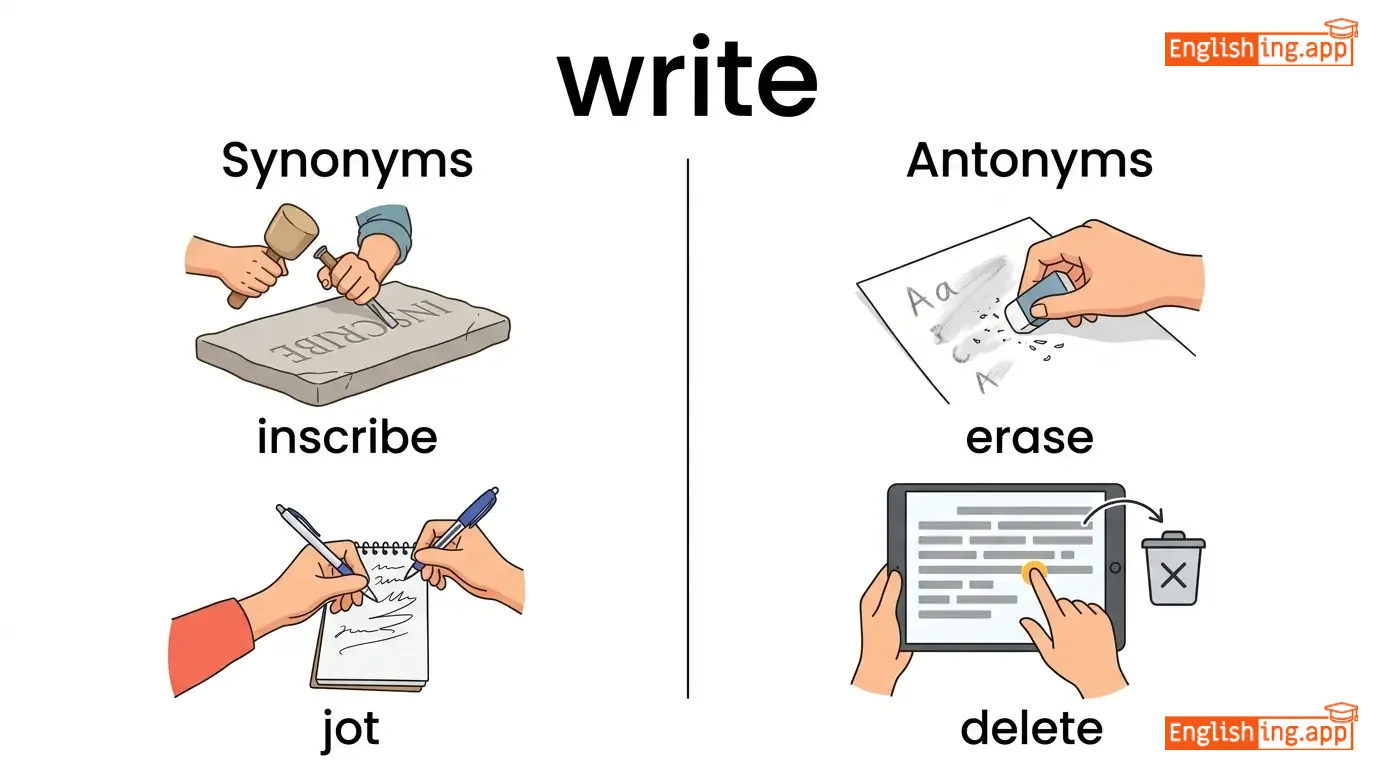
inscribe, jot, record, compose
••••••
|
erase, delete
••••••
|
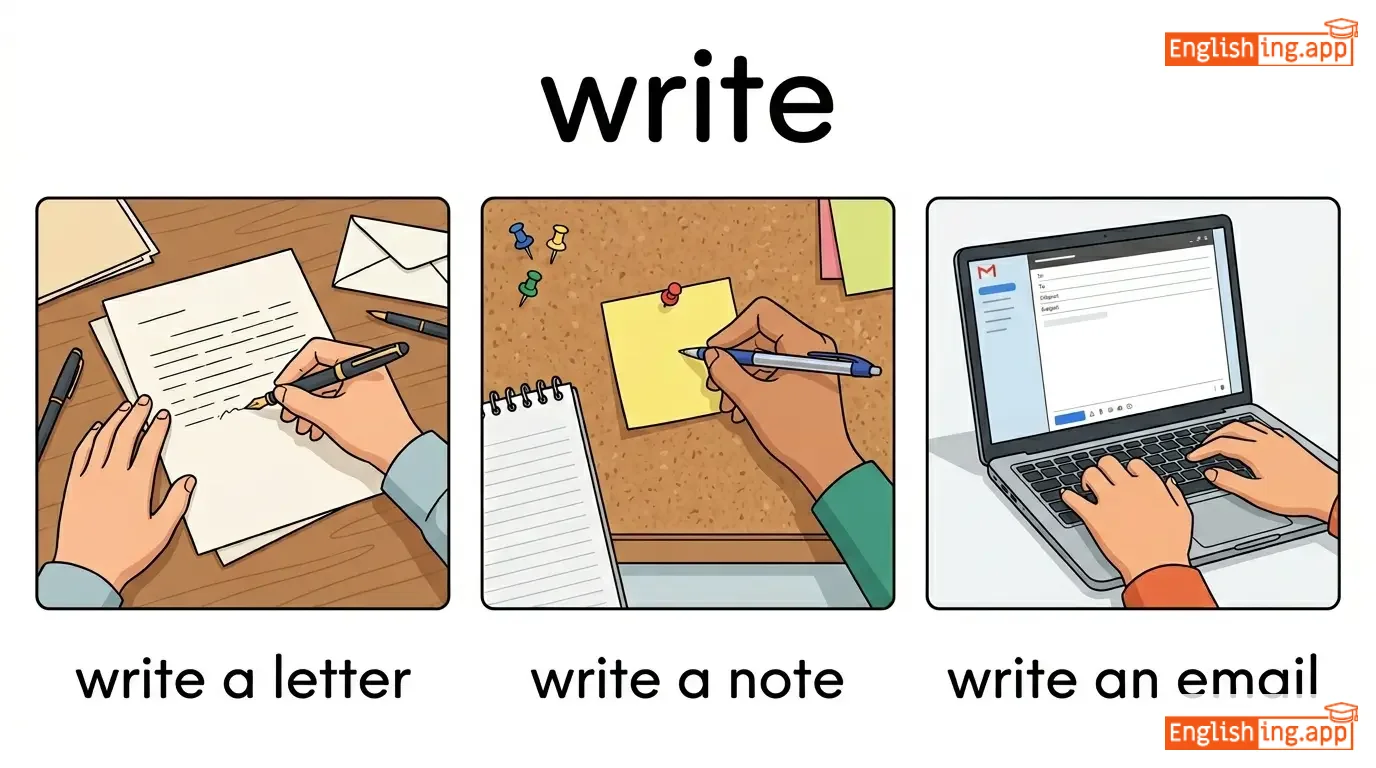
write a letter, write a note, write an email, write a report
••••••
|
Запомните счастье как стремление к счастью!
••••••
|
|
#5568
✍️
|
/ˈraɪ.tər/
noun
(raɪtə)
••••••
|
- •••••• |
писатель
pisatel
••••••
|
- •••••• | - •••••• | - •••••• | - •••••• |
a person who writes books, articles, or other written works
••••••
|
The writer spent hours crafting the perfect sentence.
ðə raɪtə spent aʊərz kræftɪŋ ðə pərfɪkt sɪntəns
••••••
|
Писатель провел часы, создавая идеальное предложение.
Pisat'el provel chasy, sozdaya ideal'noe predlozhenie.
••••••
|
- •••••• | - •••••• | - •••••• |
author, novelist, journalist, scribe
••••••
|
reader, illiterate
••••••
|
creative writer, professional writer, freelance writer, script writer
••••••
|
A 'писатель' in Russian is someone who carefully creates written works.
••••••
|
|
#5569
✍️
|
/ˈraɪ.tɪŋ/
noun/verb
(хэппинесс)
••••••
|
- •••••• |
счастье
schastye
••••••
|
- •••••• | - •••••• | - •••••• |
writing
••••••
|
The activity of putting words on paper or composing text; the written form of communication.
••••••
|
She spends hours every day on her creative writing. |
Она не могла скрыть своего счастья, когда получила награду.
Ona ne mogla skryt' svoego schast'ya, kogda poluchila nagradu.
••••••
|
the writing on the wall |
a clear sign of future trouble or failure
••••••
|
поиск счастья
poisk schast'ya
••••••
|
composition, text, script, inscription
••••••
|
speech, silence
••••••
|
writing style, writing skills, writing desk, writing assignment
••••••
|
Счастье на русском, означает счастье. :)
••••••
|
|
#5570
❌
|
/rɒŋ/
adjective
(ронг)
••••••
|
- •••••• |
неправильный
nepravil'nyy
••••••
|
- •••••• | - •••••• | - •••••• | - •••••• |
not correct or true; mistaken
••••••
|
It is wrong to cheat on a test. |
Неправильно списывать на экзамене.
Nepravil'no spisyvat' na ekzamene.
••••••
|
rub someone the wrong way |
to irritate or annoy someone
••••••
|
раздражать кого-то
razdrazhat' kogo-to
••••••
|
incorrect, mistaken, false, erroneous, inaccurate
••••••
|
correct, true, right
••••••
|
completely wrong, prove wrong, wrong decision, wrong time
••••••
|
Когда что-то неправильно, мы говорим 'wrong'.
••••••
|
|
#5571
❌
|
/ˈrɒŋli/
adverb
(ронгли)
••••••
|
- •••••• |
неправильно
nepravilno
••••••
|
- •••••• | - •••••• | - •••••• | - •••••• |
in an incorrect or mistaken way; unfairly or unjustly
••••••
|
He was wrongly accused of the crime.
Хи воз ронгли экьюзд оф зе крайм.
••••••
|
Его неправильно обвинили в преступлении.
Yego nepravilno obvinili v prestuplenii
••••••
|
wrongly accused
ронгли экьюзд
••••••
|
to be blamed or charged for something one did not do
••••••
|
неправильно обвинён
nepravilno obvinen
••••••
|
incorrectly, mistakenly, erroneously, unfairly
••••••
|
correctly, rightly
••••••
|
wrongly accused, wrongly assumed, wrongly convicted, wrongly judged
••••••
|
Wrongly = ne-pravilno (not correct)
••••••
|
|
#5572
🩻
|
/ˈɛksˌreɪ/
noun, verb
(икс-рэй)
••••••
|
- •••••• |
рентген
rentgen
••••••
|
x-rayed
икс-рэйд
••••••
|
x-rayed
икс-рэйд
••••••
|
x-rays
икс-рэйз
••••••
|
x-raying
икс-рэйинг
••••••
|
a form of electromagnetic radiation used to see inside objects or the human body; to examine or scan using X-rays
••••••
|
The doctor ordered an X-ray to check for a broken bone.
Врач назначил рентген для проверки кости.
••••••
|
Врач назначил рентген для проверки кости.
Vrach naznachil rentgen dlya proverki kosti
••••••
|
take an X-ray
сделать рентген
••••••
|
to examine something using X-ray imaging
••••••
|
сделать рентген
sdelat rentgen
••••••
|
radiograph, scan, imaging, radiology, fluoroscopy
••••••
|
hide, conceal, obscure
••••••
|
X-ray machine, chest X-ray, dental X-ray, X-ray image, X-ray scan
••••••
|
X-ray = rentgen → видно то, что скрыто
••••••
|
|
#5573
🏡
|
/jɑːrd/
noun
(ярд)
••••••
|
- •••••• |
двор; участок земли рядом с домом
dvor; uchastok zemli ryadom s domom
••••••
|
- •••••• | - •••••• | - •••••• | - •••••• |
a unit of linear measure equal to 3 feet; an area of land immediately adjacent to a building
••••••
|
The children played in the back yard. |
Дети играли на заднем дворе.
Deti igrali na zadnem dvore
••••••
|
- •••••• | - •••••• | - •••••• |
courtyard, garden, measure, enclosure
••••••
|
indoor, interior, inside, building
••••••
|
back yard, front yard, school yard
••••••
|
Yard = Dvor, deti igrayut na zadnem dvore
••••••
|
|
#5574
😪
|
/jɔːn/
noun
(йоун)
••••••
|
- •••••• |
зевок
zevok
••••••
|
- •••••• | - •••••• | - •••••• | - •••••• |
an involuntary opening of the mouth and inhalation of air due to tiredness or boredom
••••••
|
She couldn't suppress a yawn during the boring lecture. |
Она не смогла сдержать зевок во время скучной лекции.
Ona ne smogla sderzhat' zevok vo vremya skuchnoy lektsii.
••••••
|
- •••••• | - •••••• | - •••••• |
gape, stretch, drowse, tired breath
••••••
|
alertness, attention, wakefulness, energy
••••••
|
big yawn, suppress a yawn, contagious yawn
••••••
|
Зевок похож на слово 'зевок', и мы зеваем, когда нам скучно или мы устали.
••••••
|
|
#5575
👍
|
/jɛə/
interjection
(да)
••••••
|
- •••••• |
да
da
••••••
|
- •••••• | - •••••• | - •••••• | - •••••• |
used to express agreement or affirmation
••••••
|
Yeah, I’ll go to the store with you. |
Да, я пойду в магазин с тобой.
Da, ya poydu v magazin s toboy.
••••••
|
- •••••• | - •••••• | - •••••• |
yes, certainly, absolutely, okay
••••••
|
no, never, not at all
••••••
|
yeah sure, yeah okay, yeah right, yeah I agree
••••••
|
Yeah, in Russian we say 'Da!' when agreeing.
••••••
|
|
#5576
📅
|
/jɪə/
noun
(ier)
••••••
|
- •••••• |
год
god
••••••
|
- •••••• | - •••••• | - •••••• | - •••••• |
a period of 365 or 366 days, divided into 12 months
••••••
|
This year, we are planning a trip to the mountains.
В этом году мы планируем путешествие в горы.
••••••
|
В этом году мы планируем путешествие в горы.
V etom godu my planiruyem puteshestviye v gory.
••••••
|
- •••••• | - •••••• | - •••••• |
annum, twelve months, calendar year
••••••
|
day, week
••••••
|
next year, this year, every year, year-long
••••••
|
Year = год (god) – Каждый 'год' приносит новые достижения!
••••••
|
|
#5577
📣
|
/jɛl/
verb
(yel)
••••••
|
|
кричать
krichat
••••••
|
yelled
yeld
••••••
|
yelled
yeld
••••••
|
yells
yels
••••••
|
yelling
yeling
••••••
|
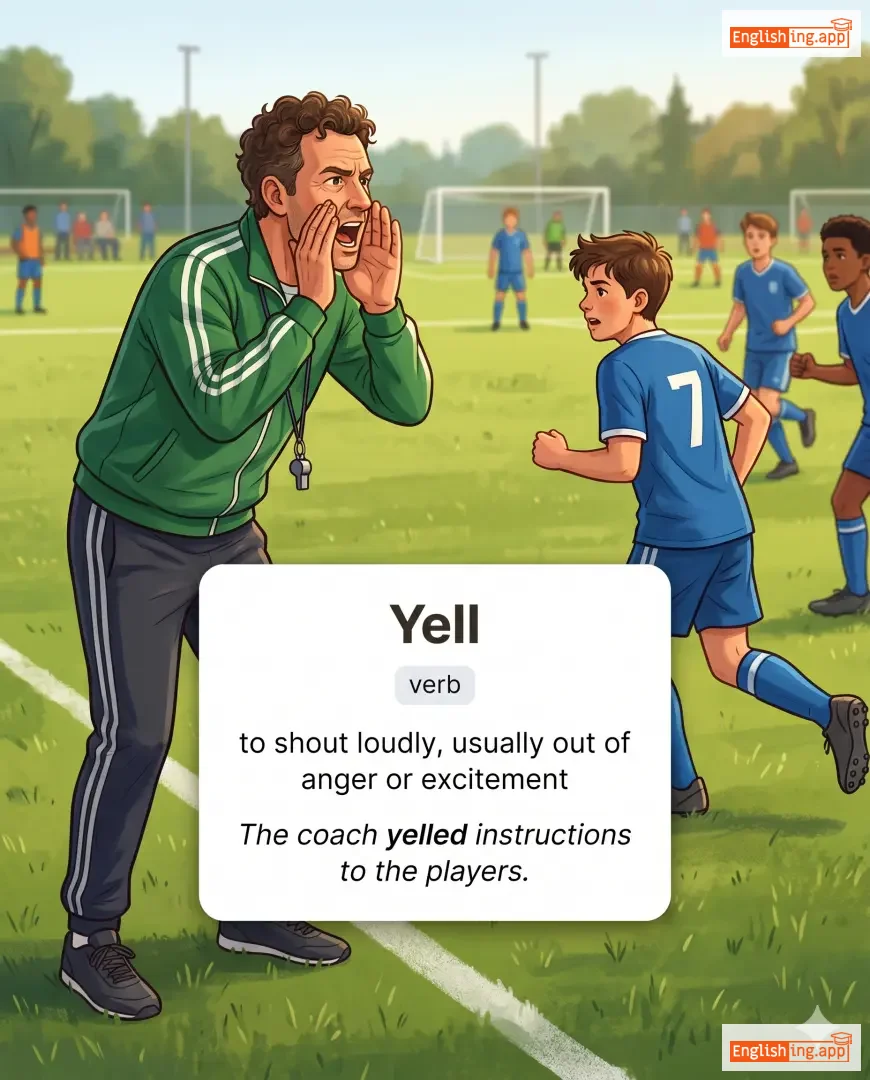
to shout loudly, usually out of anger or excitement
••••••
|
The coach yelled instructions to the players.
the coach yeld instructions to the players
••••••
|
Тренер кричал инструкции игрокам.
Trener krichal instruktsii igrokam.
••••••
|
yell at
yel at
••••••
|
to shout at someone angrily
••••••
|
кричать на кого-то
krichat na kogo-to
••••••
|
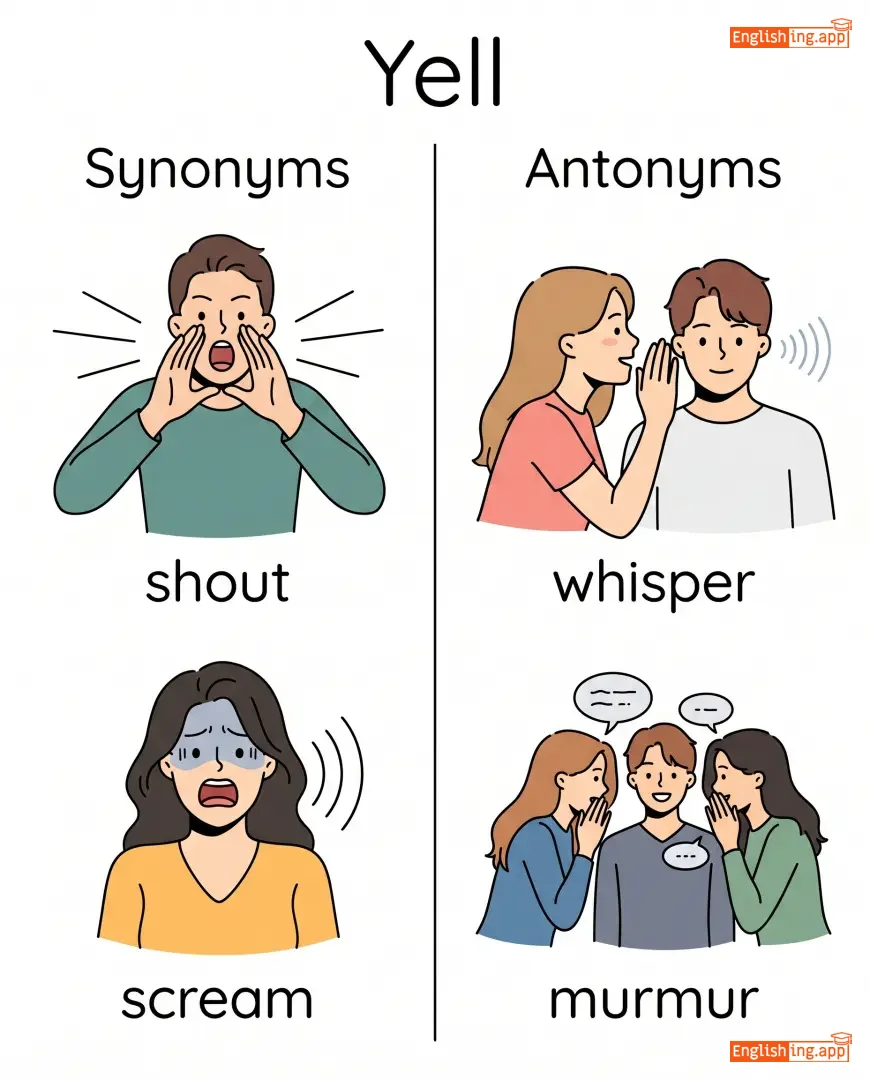
shout, scream, holler, cry, call
••••••
|
whisper, murmur
••••••
|
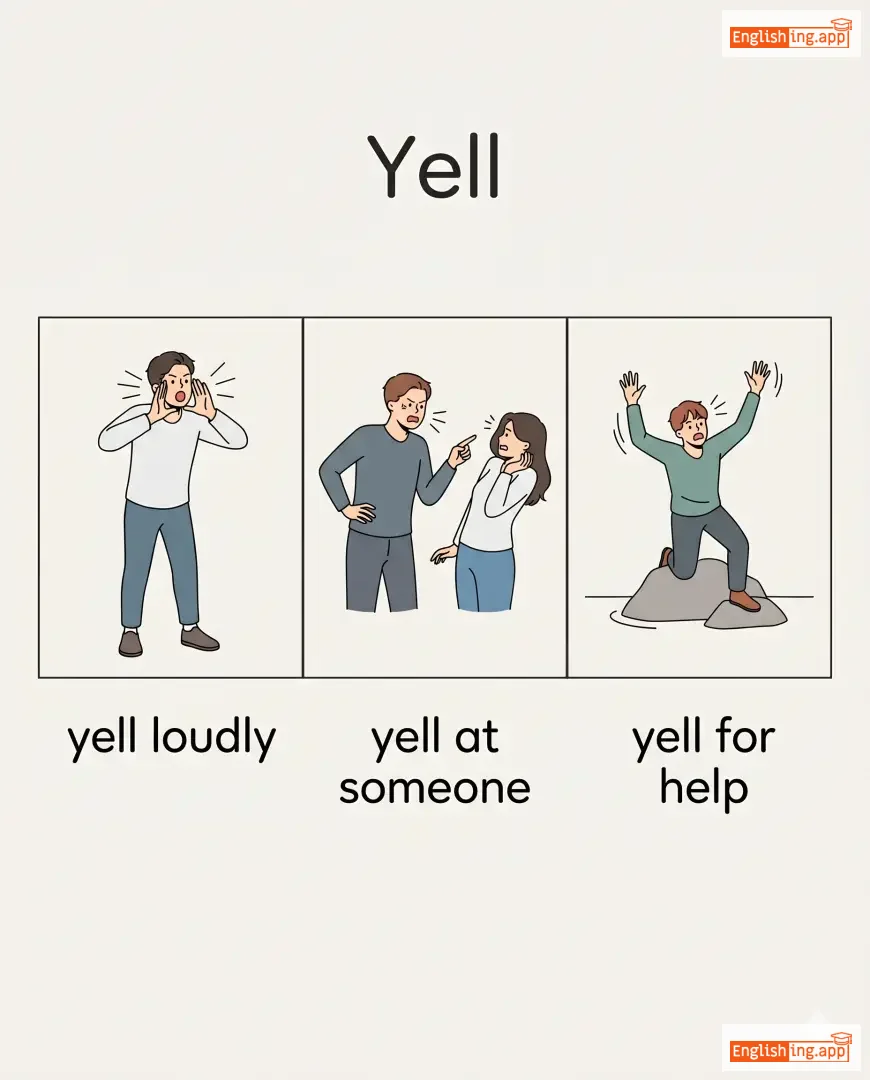
yell loudly, yell at someone, yell for help
••••••
|
Yell означает кричать, как когда ты кричишь на кого-то, потому что ты зол или взволнован.
••••••
|
|
#5578
🟡
|
/ˈjeloʊ/
adjective
(yelo)
••••••
|
- •••••• |
желтый; трусливый
zheltyy; truslivyy
••••••
|
- •••••• | - •••••• | - •••••• | - •••••• |
having the color of the sun or gold; cowardly
••••••
|
The yellow flowers bloomed in spring.
Желтые цветы распустились весной.
••••••
|
Желтые цветы распустились весной.
Zheltye tsvety raspustilis' vesnoy.
••••••
|
- •••••• | - •••••• | - •••••• |
golden, amber, lemon, canary
••••••
|
blue, purple, green, red
••••••
|
yellow light, yellow pages, yellow card
••••••
|
Желтый — это цвет солнца, также описывающий трусливых людей (трусливый).
••••••
|
|
#5579
👍
|
/jɛs/
adverb
(да)
••••••
|
|
да
da
••••••
|
- •••••• | - •••••• | - •••••• | - •••••• |
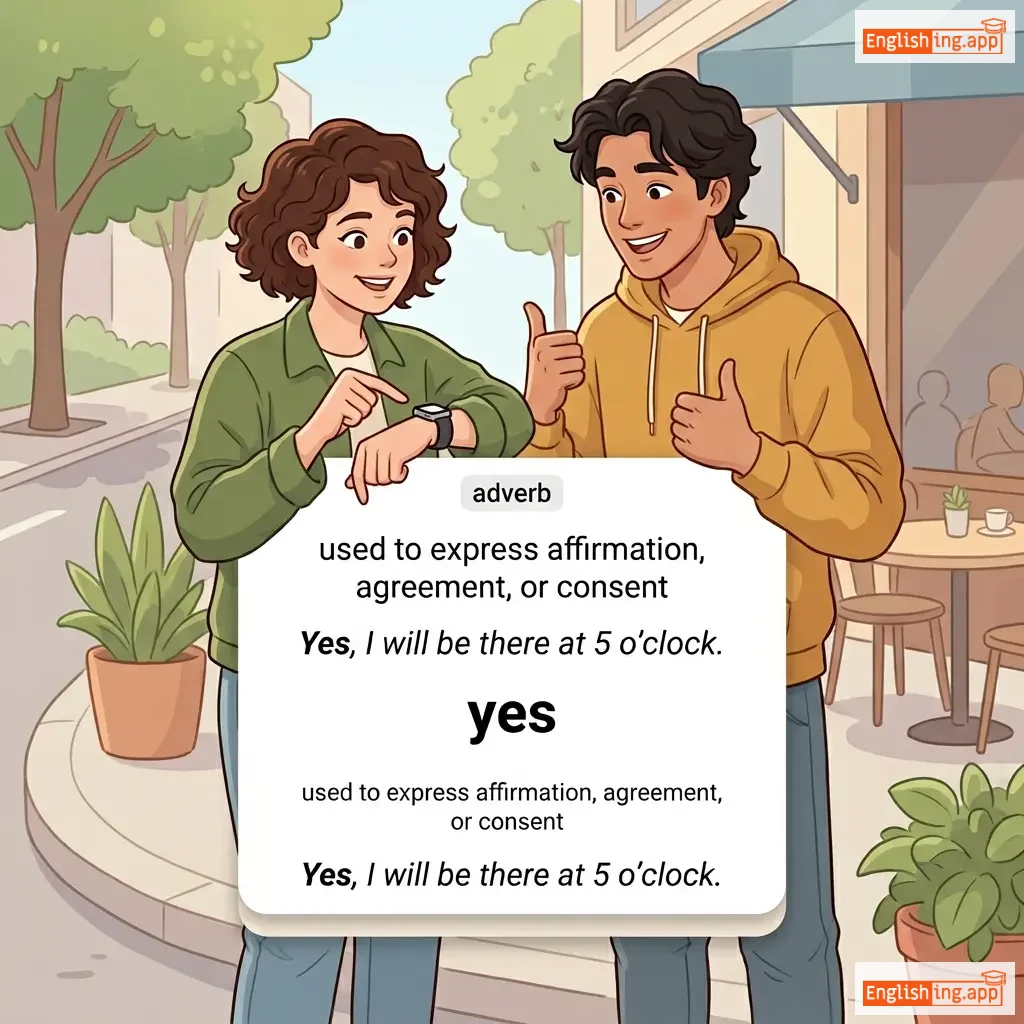
used to express affirmation, agreement, or consent
••••••
|
Yes, I will be there at 5 o'clock. |
Да, я буду там в 5 часов.
Da, ya budu tam v 5 chasov.
••••••
|
- •••••• | - •••••• | - •••••• |
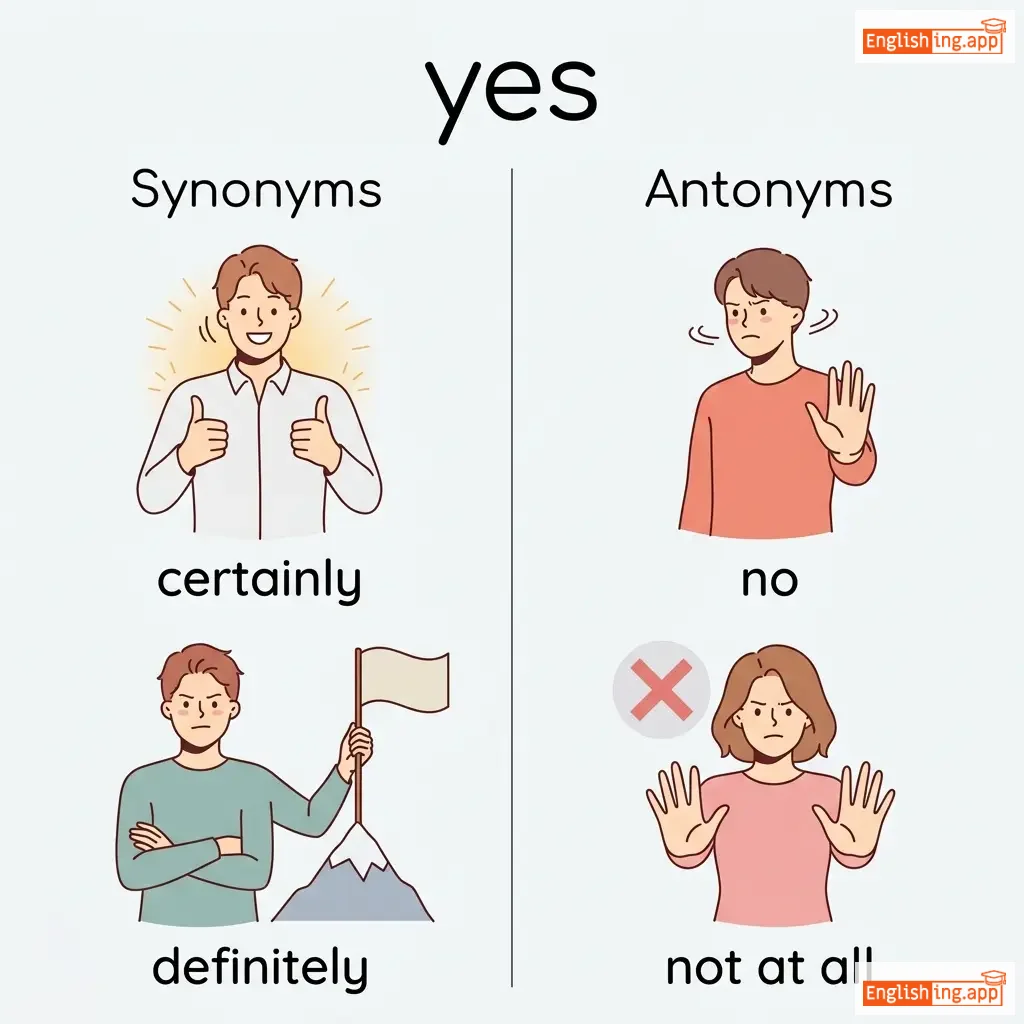
certainly, definitely, absolutely, of course
••••••
|
no, not at all
••••••
|
say yes, agree with yes, say yes to, yes or no
••••••
|
Yes, I say Da when I agree.
••••••
|
|
#5580
📅
|
/ˈjɛstərdeɪ/
noun
(вчера)
••••••
|
- •••••• |
вчера
vchera
••••••
|
- •••••• | - •••••• | - •••••• | - •••••• |
the day before today
••••••
|
Yesterday, we went to the park. |
Вчера мы пошли в парк.
Vchera my poshli v park.
••••••
|
- •••••• | - •••••• | - •••••• |
the previous day, last day
••••••
|
today, tomorrow
••••••
|
yesterday afternoon, yesterday evening, just yesterday, yesterday morning
••••••
|
Yesterday, I remember it as VCHERA (Yesterday in Russian).
••••••
|
|
#5581
⏰
|
/jet/
adverb
(yet)
••••••
|
- •••••• |
еще; до сих пор;
yeshcho; do sikh por
••••••
|
- •••••• | - •••••• | - •••••• | - •••••• |
up to now or a specified time; still; however; nevertheless
••••••
|
He hasn't finished his homework yet. |
Он еще не закончил свою домашнюю работу.
On eshcho ne zakonchil svoju domashnyuyu rabotu
••••••
|
- •••••• | - •••••• | - •••••• |
still, so far, thus far, up to now, until now
••••••
|
already, previously, before, earlier
••••••
|
not yet, yet again, yet another, yet to come
••••••
|
Еще время, еще не завершено.
••••••
|
|
#5582
🌾
|
/jiːld/
verb
(yild)
••••••
|
|
производить / сдаваться
proizvodit' / sdavat'sya
••••••
|
yielded
yilded
••••••
|
yielded
yilded
••••••
|
yields
yilds
••••••
|
yielding
yilding
••••••
|
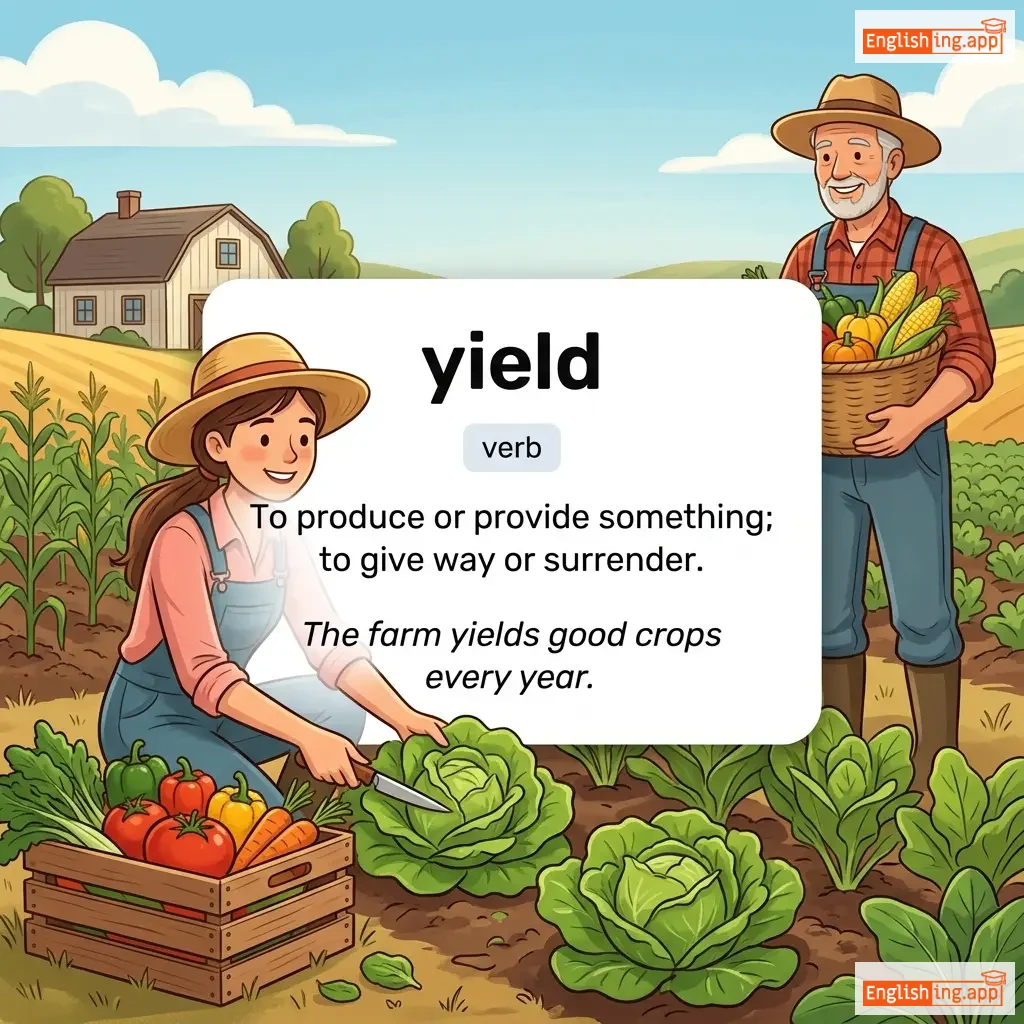
To produce or provide something; to give way or surrender.
••••••
|
The farm yields good crops every year.
Ферма приносит хороший урожай каждый год.
••••••
|
Ферма приносит хороший урожай каждый год.
Fyerma prinosit khoroshiy urozhay kazhdyy god.
••••••
|
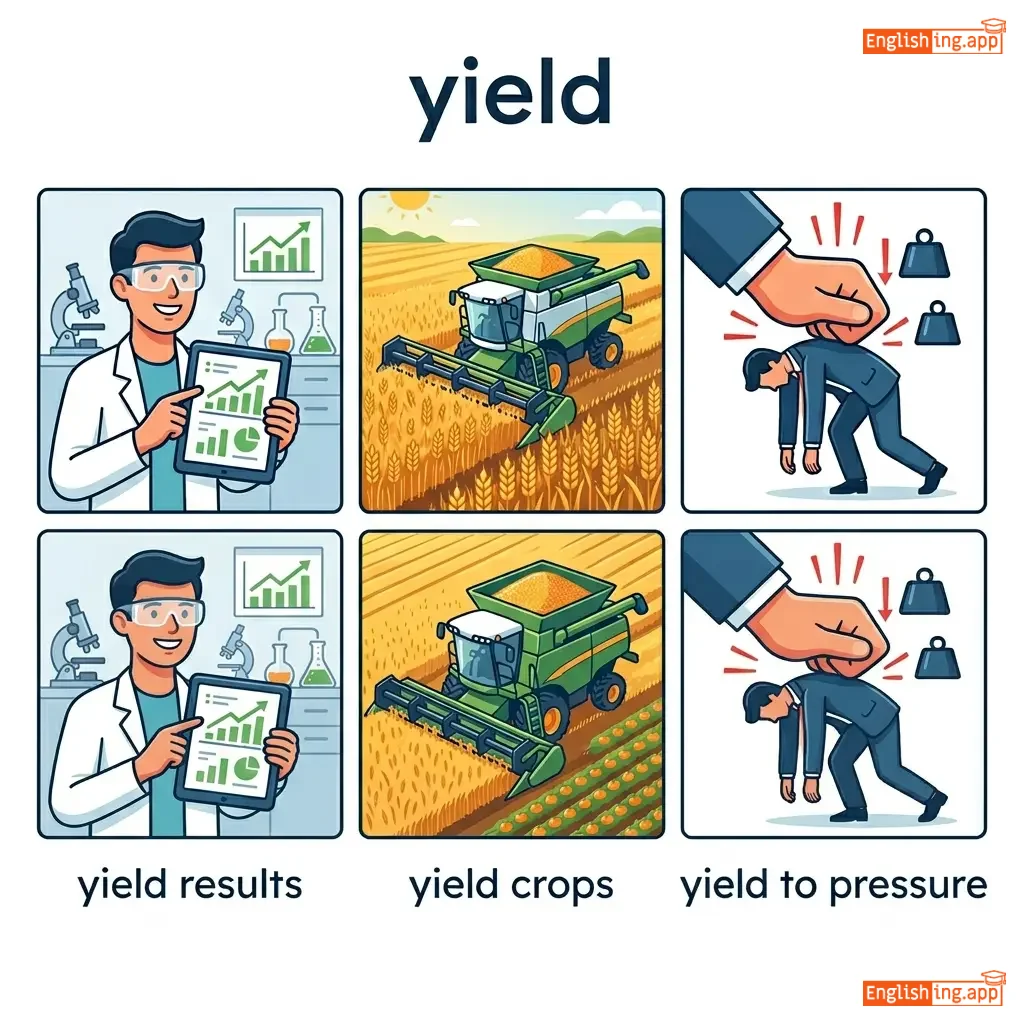
yield to pressure
уступать давлению
••••••
|
To give in or surrender under pressure.
••••••
|
уступать давлению
ustupat' davleniyu
••••••
|
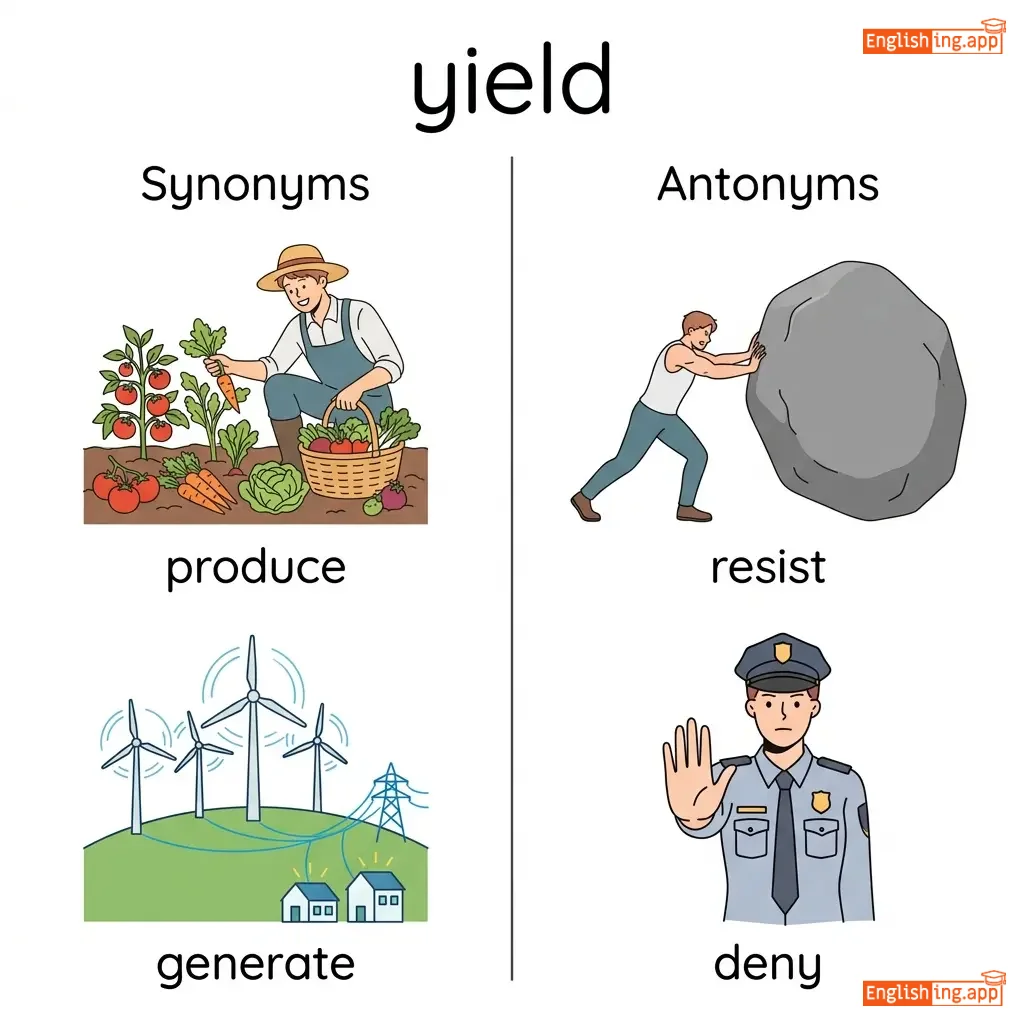
produce, generate, surrender, give, supply
••••••
|
resist, deny, refuse
••••••
|
yield results, yield crops, yield to pressure, yield profit
••••••
|
Yield означает производить: на ферме дают урожай, а под давлением человек сдается.
••••••
|
|
#5583
🙂
|
/juː/
pronoun
(ты)
••••••
|
- •••••• |
ты
ty
••••••
|
- •••••• | - •••••• | - •••••• | - •••••• |
used to refer to the person or people being spoken to
••••••
|
You are doing a great job!
Ты делаешь отличную работу!
••••••
|
Ты делаешь отличную работу!
Ty delayesh' otlichnuyu rabotu!
••••••
|
- •••••• | - •••••• | - •••••• |
yourself, yourself
••••••
|
I, he, she
••••••
|
you are, you can, you will, you need
••••••
|
You, ТЫ, are the person you’re talking about.
••••••
|
|
#5584
👶
|
/jʌŋ/
adjective
(йʌŋ)
••••••
|
- •••••• |
молодой; недавний
molodoy; nedavniy
••••••
|
- •••••• | - •••••• | - •••••• | - •••••• |
having lived for a short time; not old; recent
••••••
|
The young tree needs more water to grow. |
Молодое дерево нуждается в большем количестве воды для роста.
Molodoye derevo nuzhdaetsya v bol'shem kolichestve vody dlya rosta.
••••••
|
- •••••• | - •••••• | - •••••• |
youthful, juvenile, adolescent, new
••••••
|
old, elderly, aged, mature
••••••
|
young people, young age, young adult
••••••
|
Young и Молодой похожи по звучанию
••••••
|
|
#5585
📚
|
/jɔːr/
pronoun
(твой)
••••••
|
- •••••• |
твой
tvoy
••••••
|
- •••••• | - •••••• | - •••••• | - •••••• |
used to indicate possession or association
••••••
|
Your book is on the table. |
Твоя книга на столе.
Tvoya kniga na stole.
••••••
|
- •••••• | - •••••• | - •••••• |
your own, belonging to you
••••••
|
my, theirs
••••••
|
your opinion, your responsibility, your time
••••••
|
Твоя книга на столе - Your book is on the table
••••••
|
|
#5586
✍️
|
/jɔːrz/
pronoun
(йорз)
••••••
|
- •••••• |
твой
tvoy
••••••
|
- •••••• | - •••••• | - •••••• | - •••••• |
belonging to or associated with the person or people that the speaker is addressing
••••••
|
This pen is yours. |
Эта ручка твоя.
E-ta ruch-ka tvoya.
••••••
|
- •••••• | - •••••• | - •••••• |
your property, belonging to you
••••••
|
mine, theirs
••••••
|
yours to keep, this is yours
••••••
|
Твоя ручка (Tvoya ruchka) - This pen is yours.
••••••
|
|
#5587
🤳
|
/jɔːrˈsɛlf/
pronoun
(йɔːрˈсɛлф)
••••••
|
- •••••• |
себя
sebya
••••••
|
- •••••• | - •••••• | - •••••• | - •••••• |
used to refer to the person being addressed, often for emphasis or reflection
••••••
|
You should look after yourself. |
Тебе следует заботиться о себе.
Tebe sleduyet zabotit'sya o sebe.
••••••
|
- •••••• | - •••••• | - •••••• |
your own self, personally
••••••
|
no one, others
••••••
|
look after yourself, enjoy yourself, be yourself
••••••
|
Заботься о себе. (Zabot'sya o sebe) - Take care of yourself.
••••••
|
|
#5588
👦
|
/juːθ/
noun
(йуз)
••••••
|
- •••••• |
молодость; молодежь
molodost'; molodezh'
••••••
|
- •••••• | - •••••• | - •••••• | - •••••• |
the period between childhood and adult age; young people collectively; the state of being young
••••••
|
He spent his youth traveling around the world.
Он провел свою молодость, путешествуя по миру.
••••••
|
Он провел свою молодость, путешествуя по миру.
On provel svoyu molodost', puteshestvuyya po miru.
••••••
|
- •••••• | - •••••• | - •••••• |
adolescence, teenage years, young people, vigor
••••••
|
old age, maturity, elderhood, adulthood
••••••
|
in one's youth, youth culture, eternal youth
••••••
|
Молодость в русском языке символизирует энергию и приключения.
••••••
|
|
#5589
🌍
|
/zoʊn/
noun
(зона)
••••••
|
|
зона
zona
••••••
|
- •••••• | - •••••• | - •••••• | - •••••• |
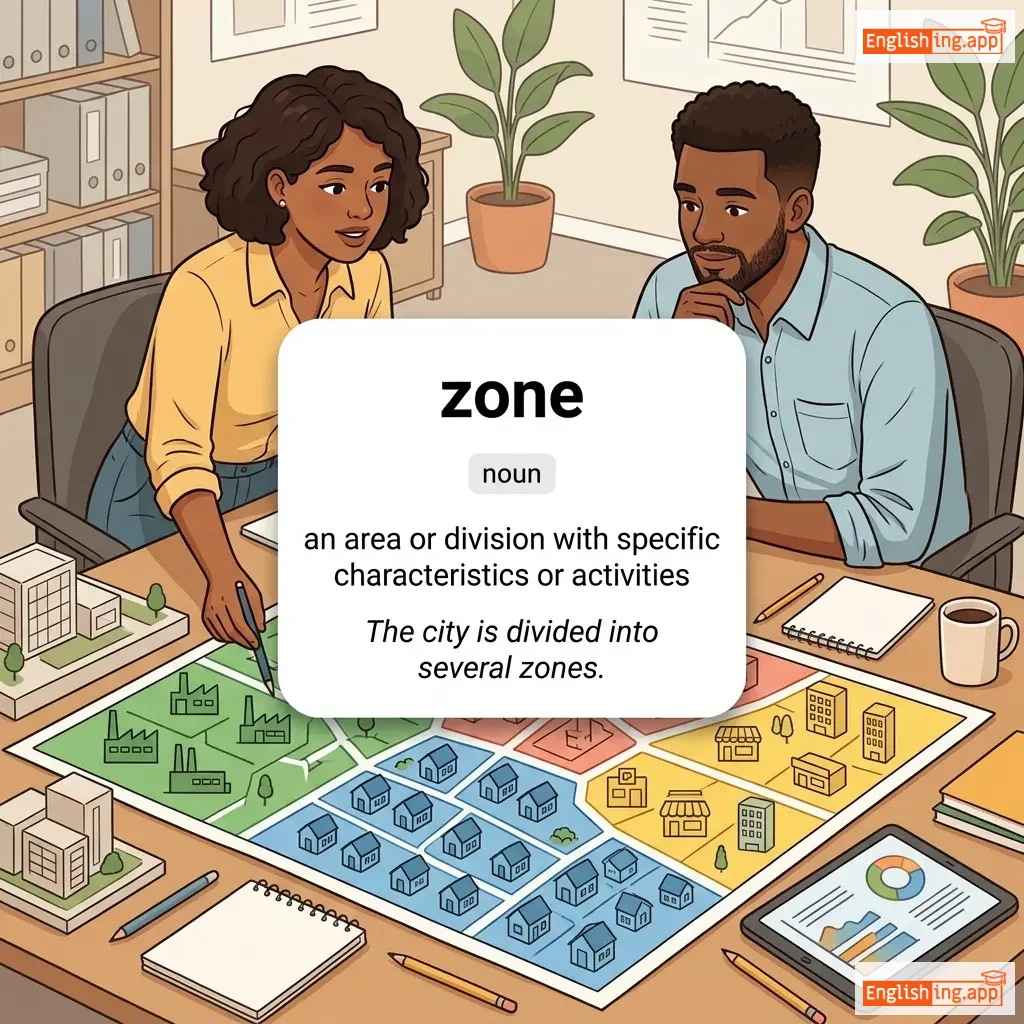
an area or division with specific characteristics or activities
••••••
|
The city is divided into several zones. |
Город разделен на несколько зон.
Gorod razdelen na neskol'ko zon.
••••••
|
- •••••• | - •••••• | - •••••• |
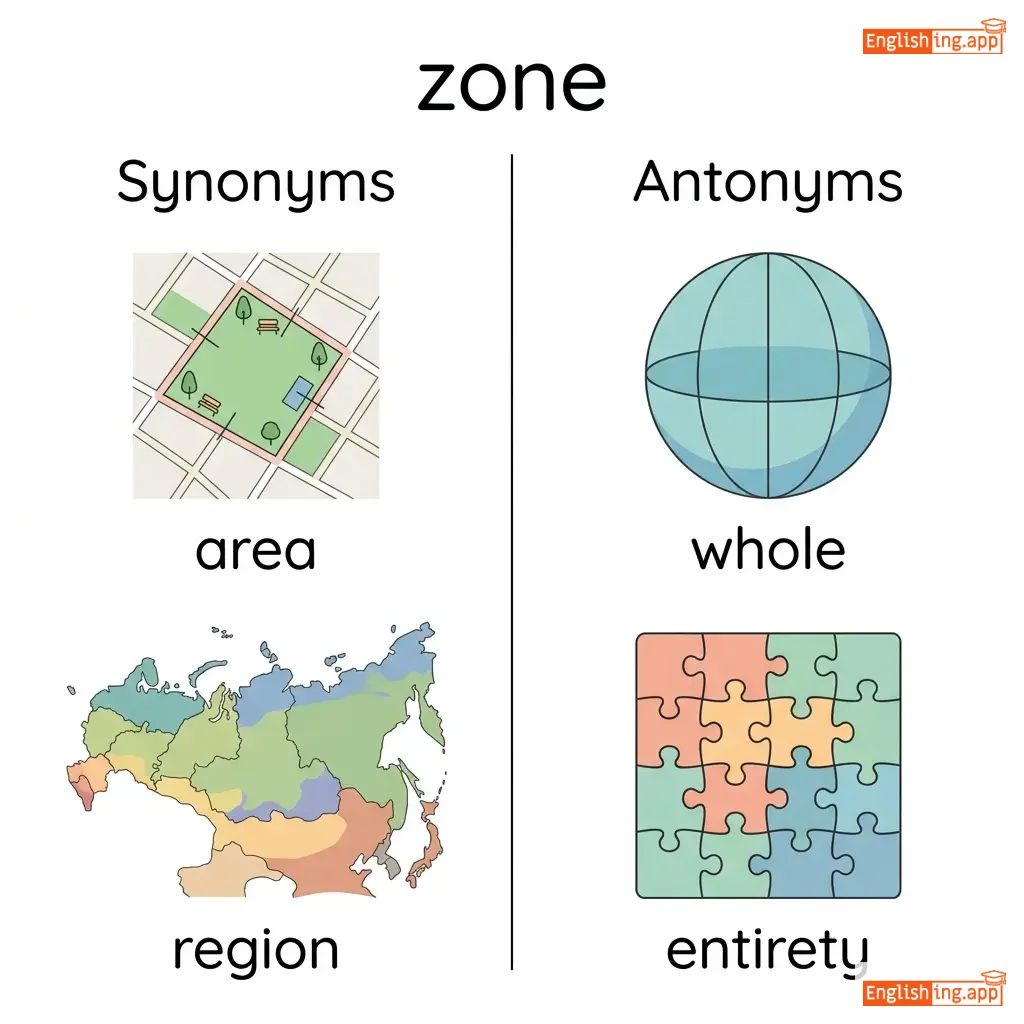
area, region, district
••••••
|
whole, entirety
••••••
|
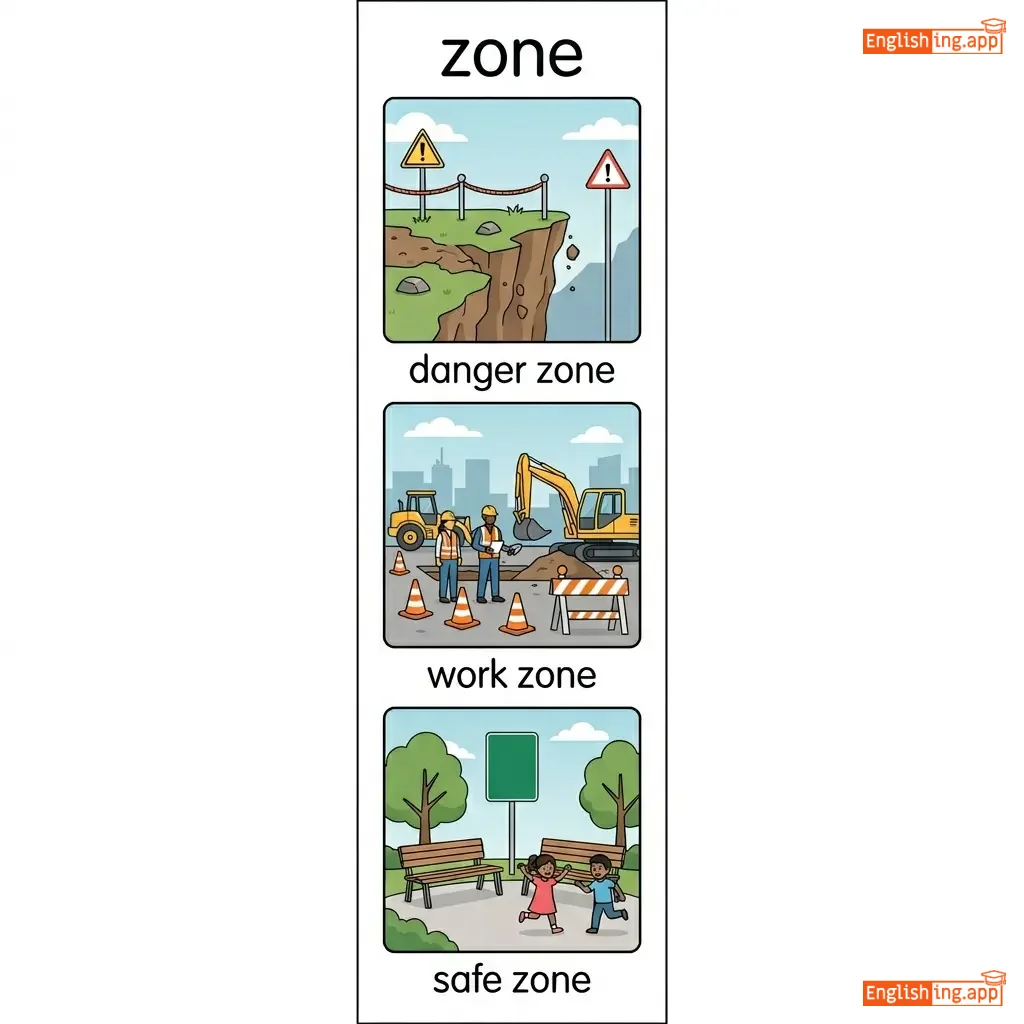
danger zone, work zone, safe zone
••••••
|
Город разделён на зоны (Gorod razdelen na zony) - The city is divided into zones.
••••••
|
|
#5590
🦁
|
/zuː/
noun
(zoo)
••••••
|
- •••••• |
зоопарк
zoopark
••••••
|
- •••••• | - •••••• | - •••••• | - •••••• |
an establishment that maintains a collection of wild animals for study, conservation, or display to the public
••••••
|
We visited the zoo to see the lions and elephants.
Мы посетили зоопарк, чтобы увидеть львов и слонов.
••••••
|
Мы посетили зоопарк, чтобы увидеть львов и слонов.
My posetili zoopark, chtoby uvidet' l'vov i slonov.
••••••
|
- •••••• | - •••••• | - •••••• |
menagerie, wildlife park, safari park, animal park
••••••
|
wild habitat, natural environment, wilderness, freedom
••••••
|
visit the zoo, zoo animals, city zoo
••••••
|
Зоопарк в русском языке – как и в английском, место для животных.
••••••
|
Vocabulary Quiz
Test your vocabulary by matching words with their translations or meanings.
Login to take the quiz
Comments (0)
Share your thoughts and join the discussion.
Join the discussion by logging in
Login to CommentNo comments yet
Be the first to share your thoughts!