

Обновитесь для доступа ко всему словарю
Получите неограниченный доступ ко всем словам с подпиской Pro
Обновить до ProПеревод
Прошедшее
Причастие прошедшего времени
Третье лицо единственного числа
Герундий
Значение
Пример предложения
Перевод примера предложения
Синонимы
Антонимы
Коллокации
Мнемоника




Swipe left or right, or use the buttons. Tap image to zoom.
Обновитесь для доступа ко всем предложениям
Получите неограниченный доступ ко всем предложениям с подпиской Pro
Обновить до ProПеревод примера предложения
Слово
Lesson 63Lesson 63 - Переключатель маски
|
Эмодзи
|
Слово | Images | Перевод | Прошедшее | Причастие прошедшего времени | Третье лицо единственного числа | Герундий | Значение | Пример предложения | Перевод примера предложения | Пример выражения | Значение примера выражения | Перевод примера выражения | Синонимы | Антонимы | Коллокации | Мнемоника |
|---|---|---|---|---|---|---|---|---|---|---|---|---|---|---|---|---|---|
|
#2997
🏆
|
/ˈliːdɪŋ/
adjective
(лидинг)
••••••
|
- •••••• |
ведущий
vedushchiy
••••••
|
- •••••• | - •••••• | - •••••• | - •••••• |
most important or most successful; at the front
••••••
|
She is one of the leading experts in the field. |
Она одна из ведущих экспертов в этой области.
Ona odna iz vedushchikh eksperty v etoy oblasti.
••••••
|
leading role |
the main role in a play or movie
••••••
|
главная роль
glavnaya rol
••••••
|
top, foremost, principal, chief, prominent
••••••
|
minor, secondary, insignificant
••••••
|
leading company, leading expert, leading role, leading position
••••••
|
Leading означает быть впереди, как главный ученик, который всегда сидит впереди.
••••••
|
|
#2998
🍃
|
/liːf/
noun
(lif)
••••••
|
- •••••• |
лист
list
••••••
|
- •••••• | - •••••• | - •••••• | - •••••• |
A flat, green part of a plant that grows from the stem or branch.
••••••
|
A green leaf fell from the tree. |
Зелёный лист упал с дерева.
Zelyonyy list upal s dereva.
••••••
|
turn over a new leaf |
to make a fresh start or begin to behave in a better way
••••••
|
перевернуть новую страницу
perevernut' novuyu stranitzu
••••••
|
foliage, frond, blade, greenery
••••••
|
stem, root
••••••
|
green leaf, dry leaf, autumn leaf, leaf pattern
••••••
|
Leaf означает лист – как страница книги, лист тоже плоский.
••••••
|
|
#2999
📜
|
/ˈliːf.lət/
noun
(liflet)
••••••
|
- •••••• |
листовка; брошюра
listovka; broshyura
••••••
|
- •••••• | - •••••• | - •••••• | - •••••• |
a printed sheet of paper containing information or advertising and usually distributed free
••••••
|
She handed out leaflets about the environmental campaign. |
Она раздавала листовки о экологической кампании.
ona razdavala listovki o ekologicheskoy kampanii
••••••
|
- •••••• | - •••••• | - •••••• |
brochure, pamphlet, flyer, handout
••••••
|
book, manual
••••••
|
distribute leaflets, information leaflet, campaign leaflet
••••••
|
Leaflet = Лист (информация) + Лететь (быстро раздавать)
••••••
|
|
#3000
🏆
|
/liːɡ/
noun
(лиг)
••••••
|
- •••••• |
лига
liga
••••••
|
- •••••• | - •••••• | - •••••• | - •••••• |
An association of people or groups united for a common purpose; also a unit of distance (old use).
••••••
|
Several clubs formed a league to promote sportsmanship. |
Несколько клубов создали лигу для продвижения спортивного духа.
Neskol'ko klubov sozdali ligu dlya prodvizheniya sportivnogo dukha.
••••••
|
out of someone's league |
Beyond someone's ability, status, or suitability.
••••••
|
не по силам кому-то
ne po silam komu-to
••••••
|
association, alliance, union, federation, coalition
••••••
|
rivalry, opposition, division
••••••
|
football league, professional league, in the same league
••••••
|
Лига: соревнование, в котором все команды играют вместе.
••••••
|
|
#3001
💧
|
/liːk/
noun/verb
(lik)
••••••
|
- •••••• |
утечка
utechka
••••••
|
leaked
likd
••••••
|
leaked
likd
••••••
|
leaks
liks
••••••
|
leaking
liking
••••••
|
to allow liquid or gas to escape; or a hole through which liquid or gas can escape
••••••
|
Water started to leak from the ceiling after the storm.
Вода начала течь с потолка после шторма.
••••••
|
Вода начала течь с потолка после шторма.
Voda nachala tech' s potolka posle shtorma.
••••••
|
leak like a sieve
течь как сито
••••••
|
to leak a lot, usually referring to a very porous or defective object
••••••
|
течь как сито
tech' kak sito
••••••
|
spill, escape, ooze
••••••
|
seal, close
••••••
|
leak water, leak information, leak pipe
••••••
|
Утечка - Вода течет как через сито
••••••
|
|
#3002
↘️
|
/liːn/
verb
(lin)
••••••
|
|
наклоняться
naklonyatsya
••••••
|
leaned
lind
••••••
|
leaned
lind
••••••
|
leans
lins
••••••
|
leaning
lining
••••••
|
To move or bend your body in a particular direction.
••••••
|
He had to lean forward to hear her clearly.
Ему нужно было наклониться вперед, чтобы услышать её ясно.
••••••
|
Ему нужно было наклониться вперед, чтобы услышать её ясно.
Emu nuzhno bylo naklonit'sya vpered, chtoby uslyshat' yeye yasno.
••••••
|
lean on someone
опереться на кого-то
••••••
|
to rely on someone for support
••••••
|
опереться на кого-то
operet'sya na kogo-to
••••••
|
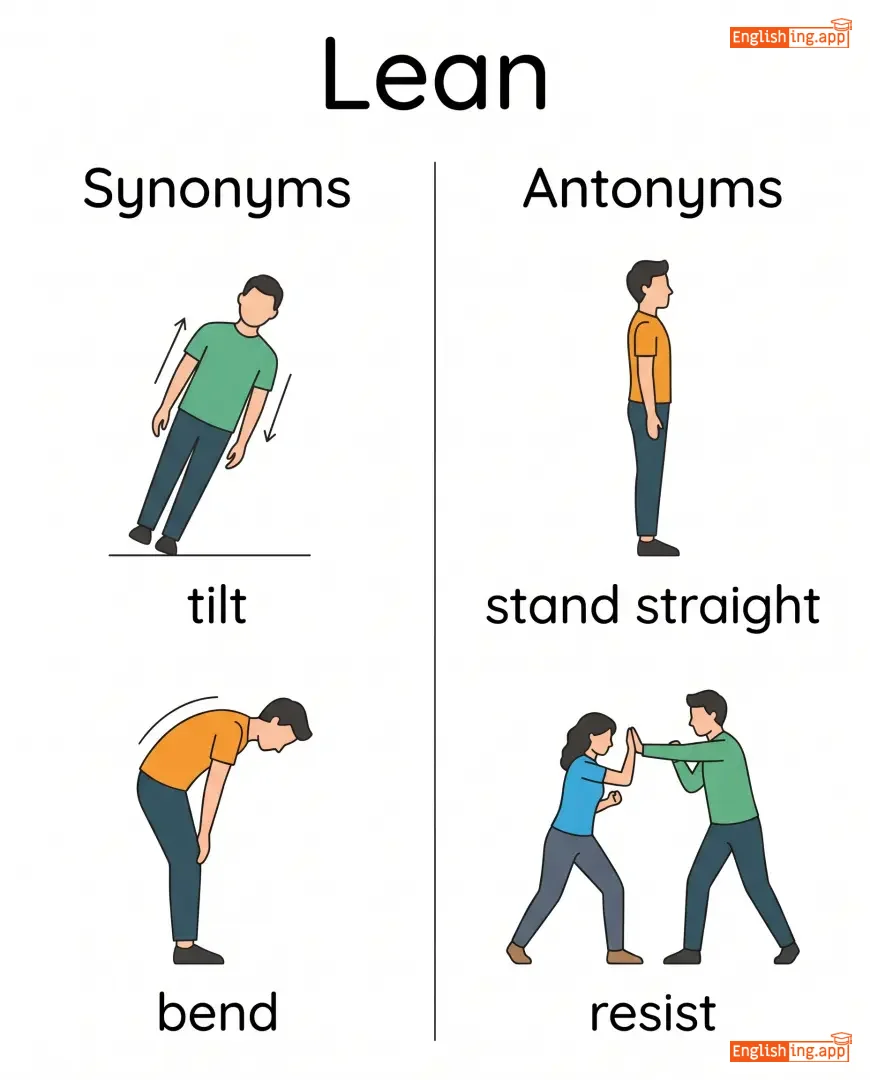
tilt, bend, rest, incline
••••••
|
stand straight, resist
••••••
|
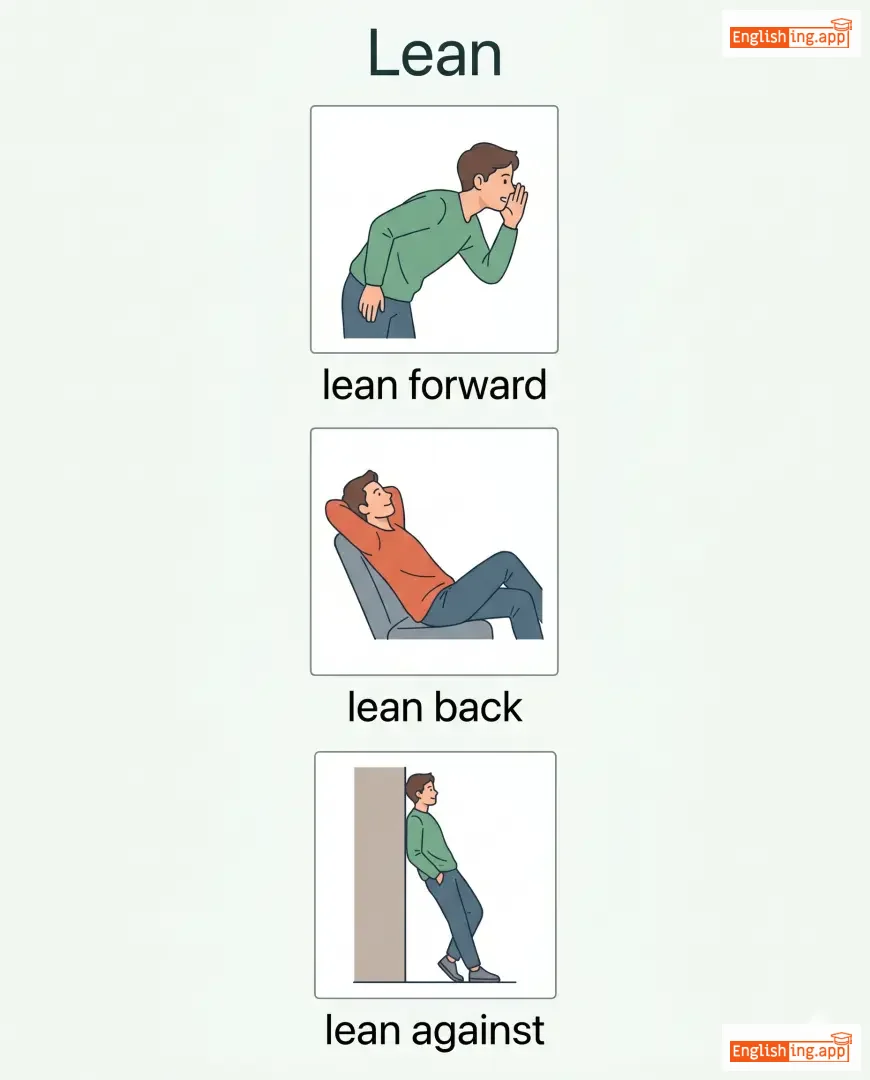
lean forward, lean back, lean against, lean towards
••••••
|
Наклоняться — значит опереться, и на экзамене для наклона тебе нужно полагаться на кого-то.
••••••
|
|
#3003
🏃♂️
|
/liːp/
verb
(лип)
••••••
|
|
прыгать
prygat'
••••••
|
leapt
лепт
••••••
|
leapt
лепт
••••••
|
leaps
липс
••••••
|
leaping
липающий
••••••
|
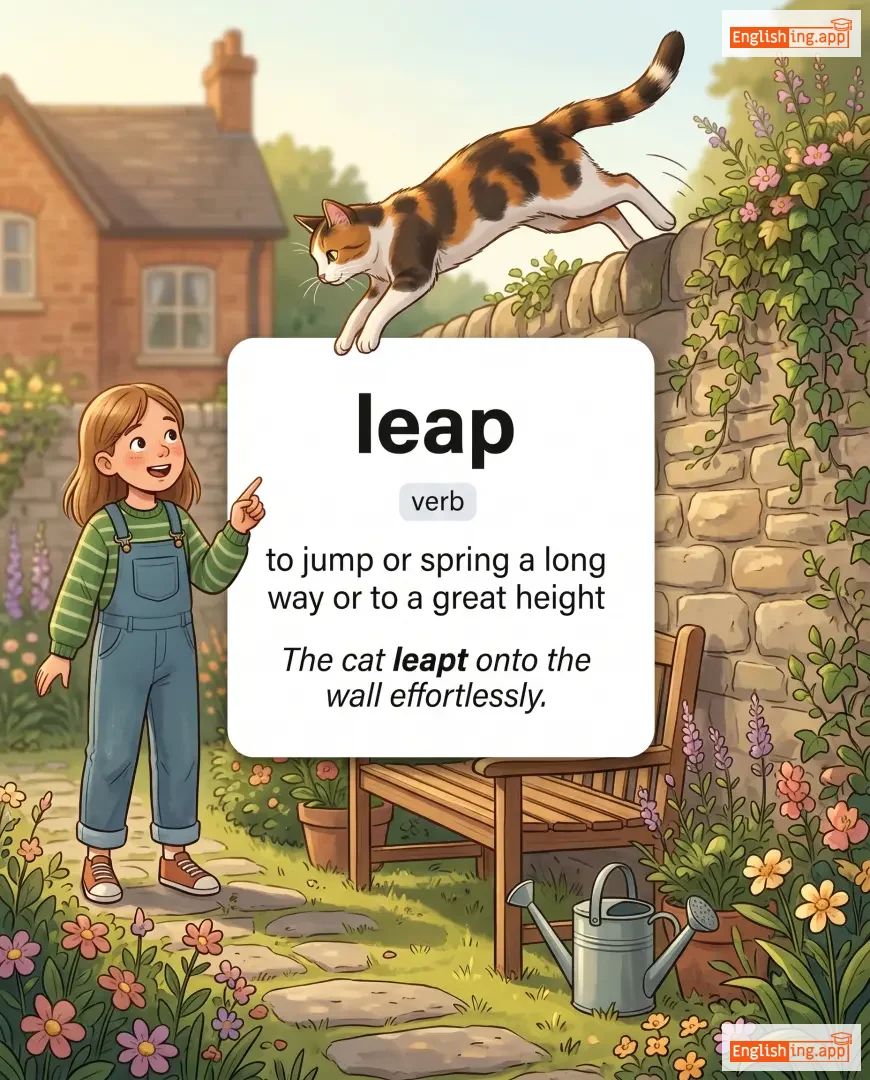
to jump or spring a long way or to a great height
••••••
|
The cat leapt onto the wall effortlessly.
Кошка прыгнула на стену без усилий.
••••••
|
Кошка прыгнула на стену без усилий.
Koshka pryghnula na stenu bez usiliy.
••••••
|
leap of faith
Leap of faith
••••••
|
an act of believing in something uncertain
••••••
|
прыжок веры
pryzhok very
••••••
|
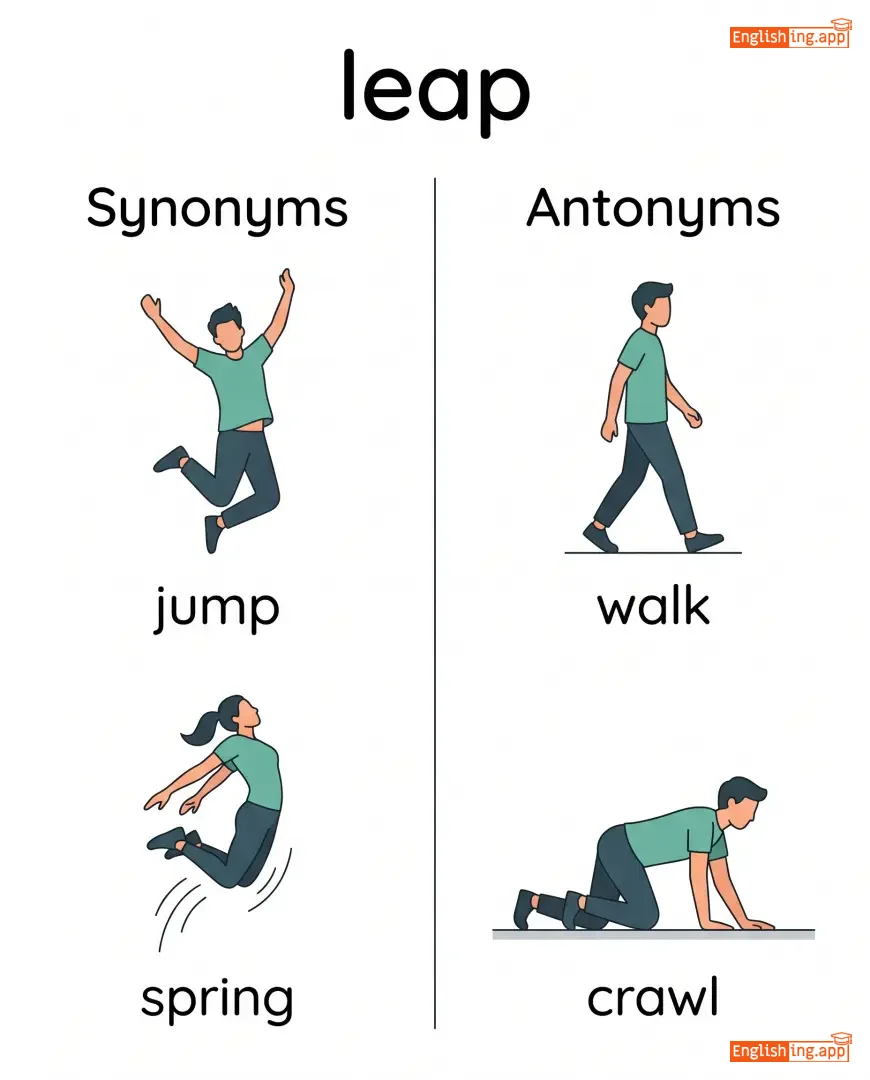
jump, spring, bound, hop, vault
••••••
|
walk, crawl, step
••••••
|
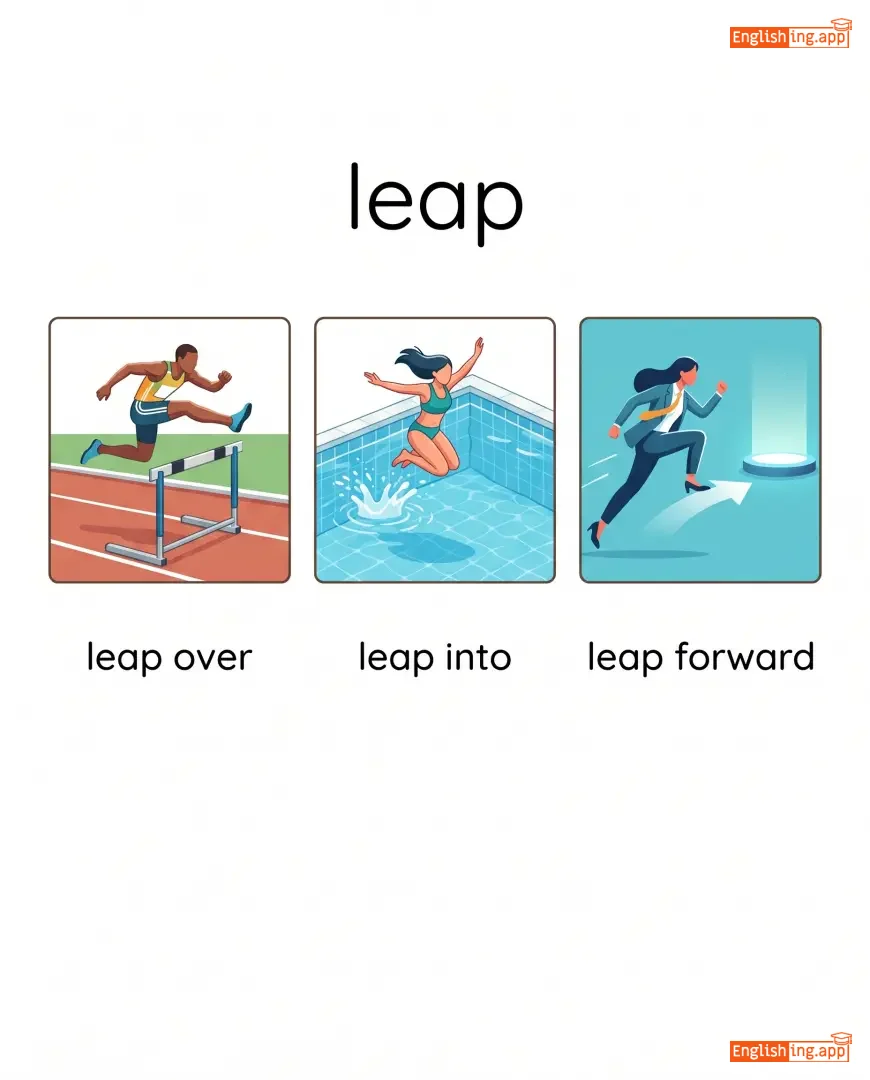
leap over, leap into, leap forward, leap of joy
••••••
|
Leap означает прыгать — прыгай и сделай leap вперед!
••••••
|
|
#3004
📘
|
/lɜːrn/
verb
(лёрн)
••••••
|
|
учить
uchit
••••••
|
learned
лёрнд
••••••
|
learned
лёрнд
••••••
|
learns
лёрнс
••••••
|
learning
лёрнинг
••••••
|
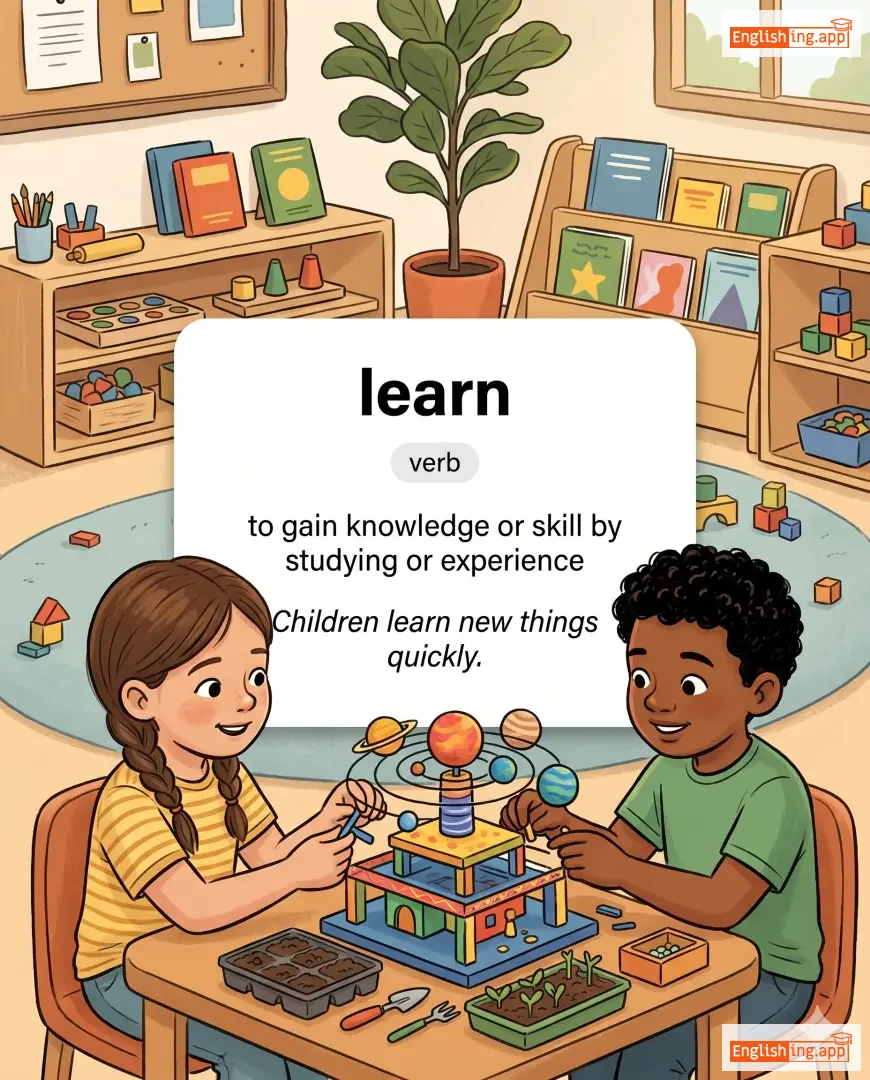
to gain knowledge or skill by studying or experience
••••••
|
Children learn new things quickly.
Дети быстро учат новые вещи.
••••••
|
Дети быстро учат новые вещи.
Deti bystro uchat novye veshchi.
••••••
|
live and learn
жить и учиться
••••••
|
to learn from life experiences, often mistakes
••••••
|
жить и учиться
zhit' i uchit'sya
••••••
|
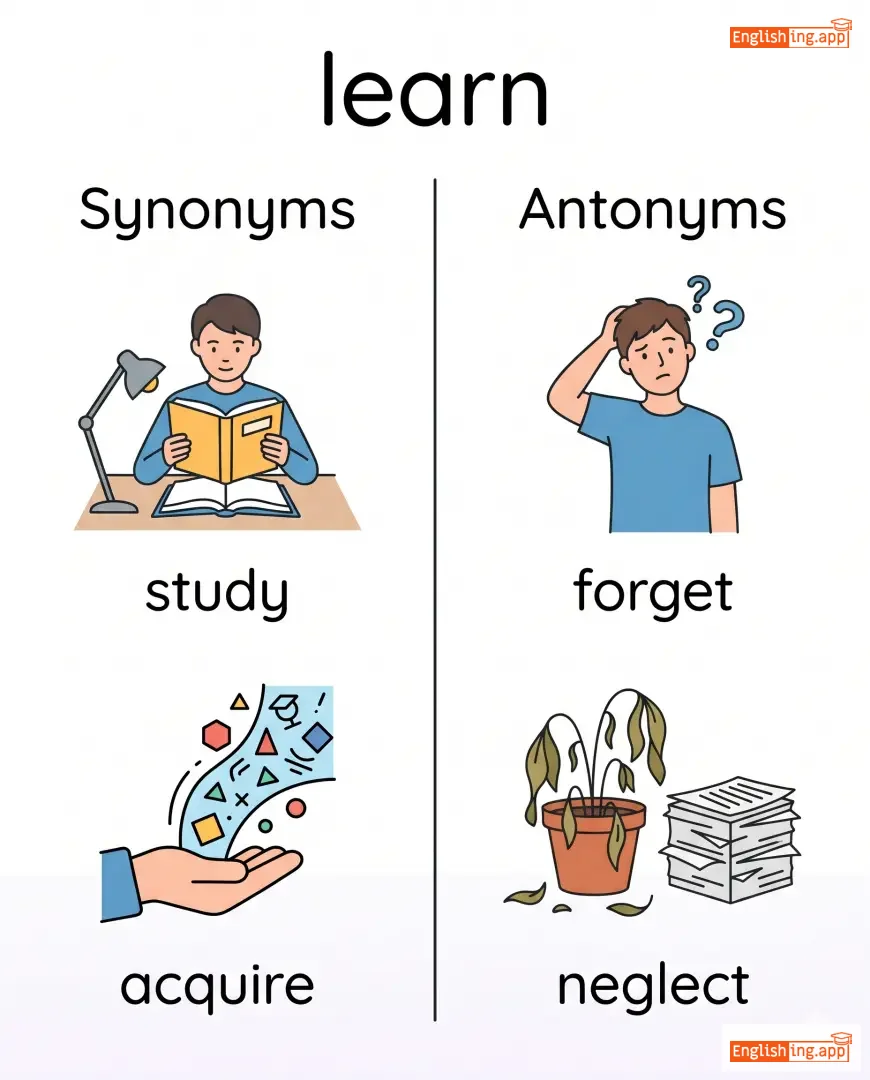
study, acquire, master, understand, grasp
••••••
|
forget, neglect, ignore
••••••
|
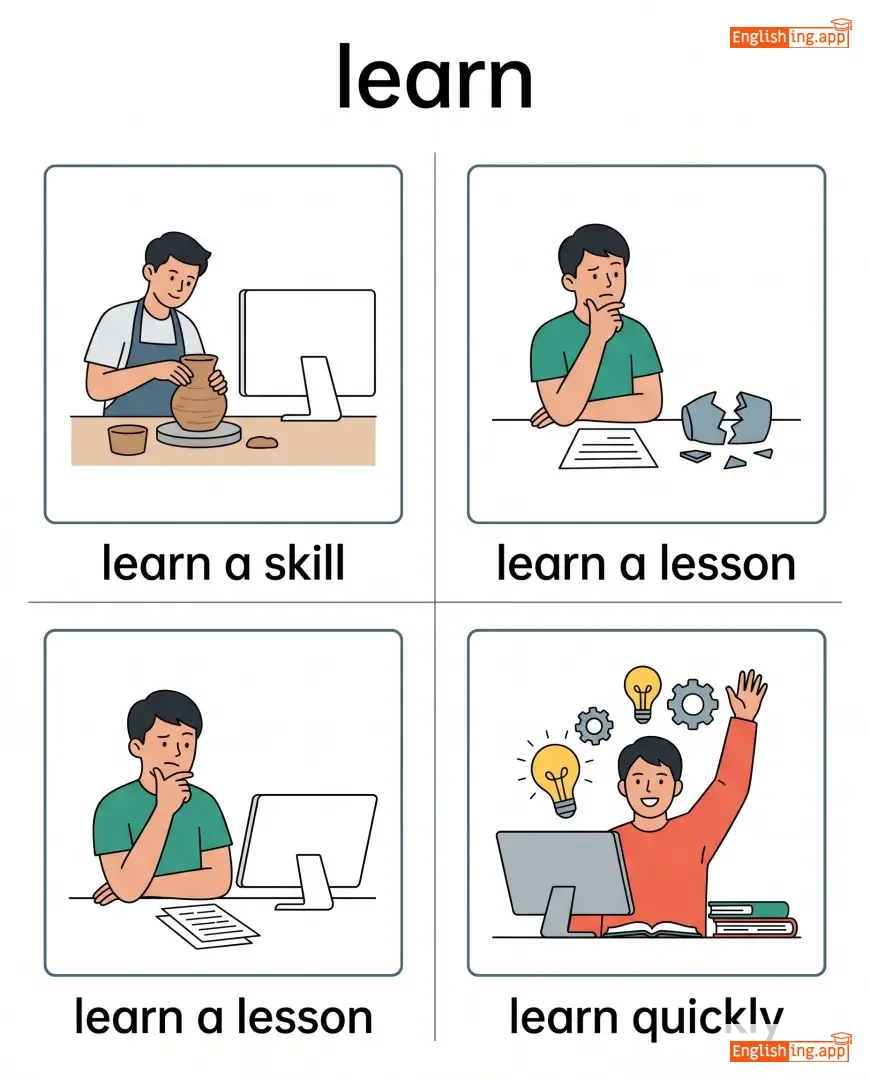
learn a skill, learn a lesson, learn quickly, learn about
••••••
|
Learn означает учить, как зажигание фонаря, которое освещает путь к знаниям.
••••••
|
|
#3005
📚
|
/lɜːrnd/
adjective; verb (past and past participle)
(лёрнд)
••••••
|
- •••••• |
учёный
uchyonyy
••••••
|
learned
лёрнд
••••••
|
learned
лёрнд
••••••
|
learns
лёрнз
••••••
|
learning
лёрнинг
••••••
|
having acquired much knowledge through study; gained knowledge or skill through experience or teaching
••••••
|
She is a learned scholar with deep knowledge of history.
ши из э лёрнд сколар виз дип нолидж ов хистори
••••••
|
Она учёный с глубокими знаниями истории.
ona uchyonyy s glubokimi znaniyami istorii
••••••
|
learned the hard way
лёрнд зэ хард вэй
••••••
|
to gain knowledge through difficult or painful experience
••••••
|
научиться на горьком опыте
nauchitsya na gorkom opyte
••••••
|
educated, knowledgeable, scholarly, erudite, informed
••••••
|
ignorant, uneducated, illiterate
••••••
|
learned scholar, learned behavior, learned response, learned opinion
••••••
|
Learned = учёный, кто много learn сделал
••••••
|
|
#3006
📘
|
/ˈlɜːrnər/
noun
(лёрнер)
••••••
|
- •••••• |
учащийся
uchashchiysya
••••••
|
- •••••• | - •••••• | - •••••• | - •••••• |
a person who is acquiring knowledge or skill through study or experience
••••••
|
She is a fast learner.
ши из э фаст лёрнер
••••••
|
Она быстро учится.
ona bystro uchitsya
••••••
|
- •••••• | - •••••• | - •••••• |
student, pupil, trainee, apprentice, novice
••••••
|
teacher, instructor, expert
••••••
|
fast learner, quick learner, slow learner, eager learner
••••••
|
Learner учится—учащийся тоже учится
••••••
|
|
#3007
📚
|
/ˈlɜrnɪŋ/
noun
(лёрнинг)
••••••
|
- •••••• |
обучение
obuchenie
••••••
|
- •••••• | - •••••• | - •••••• | - •••••• |
The process of gaining knowledge or skills through study or experience.
••••••
|
Learning a new language can be exciting.
Изучение нового языка может быть увлекательным.
••••••
|
Изучение нового языка может быть увлекательным.
Izuchenie novogo yazyka mozhet byt' uvekatelym.
••••••
|
lifelong learning
обучение на протяжении всей жизни
••••••
|
continuous pursuit of knowledge throughout life
••••••
|
обучение на протяжении всей жизни
obuchenie na protyazhenii vsei zhizni
••••••
|
education, knowledge, training, study
••••••
|
ignorance, unawareness
••••••
|
learning process, learning skills, online learning, active learning
••••••
|
Learning - это процесс изучения, который помогает расти и развиваться.
••••••
|
|
#3008
⬇️
|
/liːst/
adjective
(ли:ст)
••••••
|
- •••••• |
наименьший
naimenshiy
••••••
|
- •••••• | - •••••• | - •••••• | - •••••• |
smallest in amount, extent, or importance
••••••
|
She showed the least interest in the project. |
Она проявила наименьший интерес к проекту.
Ona proyavila naimenshiy interes k proyektu.
••••••
|
at least |
used to indicate the minimum or to emphasize something
••••••
|
по крайней мере
po krayney mere
••••••
|
smallest, minimal, slightest, meager
••••••
|
most, greatest, maximum
••••••
|
at least, least important, least effort, least number
••••••
|
Least означает наименьшее, подумайте о 'по крайней мере', это всегда минимальное.
••••••
|
|
#3009
👞
|
/ˈlɛðər/
noun
(ледер)
••••••
|
- •••••• |
кожа
kozha
••••••
|
- •••••• | - •••••• | - •••••• | - •••••• |
A material made from the skin of an animal, usually treated and used to make clothing, shoes, or furniture.
••••••
|
He bought a leather jacket for winter. |
Он купил кожаную куртку для зимы.
On kupil kozhanuu kurtku dlya zimy.
••••••
|
tough as leather |
very strong and durable
••••••
|
жесткий как кожа
zhestkii kak kozha
••••••
|
hide, skin, suede, material
••••••
|
fabric, cloth
••••••
|
leather jacket, leather shoes, leather bag, leather belt
••••••
|
Leather означает кожа – кожаная куртка означает кожаная куртка.
••••••
|
|
#3010
🚶♂️
|
/liːv/
verb
(liv)
••••••
|
|
покидать
pokidat
••••••
|
left
left
••••••
|
left
left
••••••
|
leaves
leaves
••••••
|
leaving
leaving
••••••
|
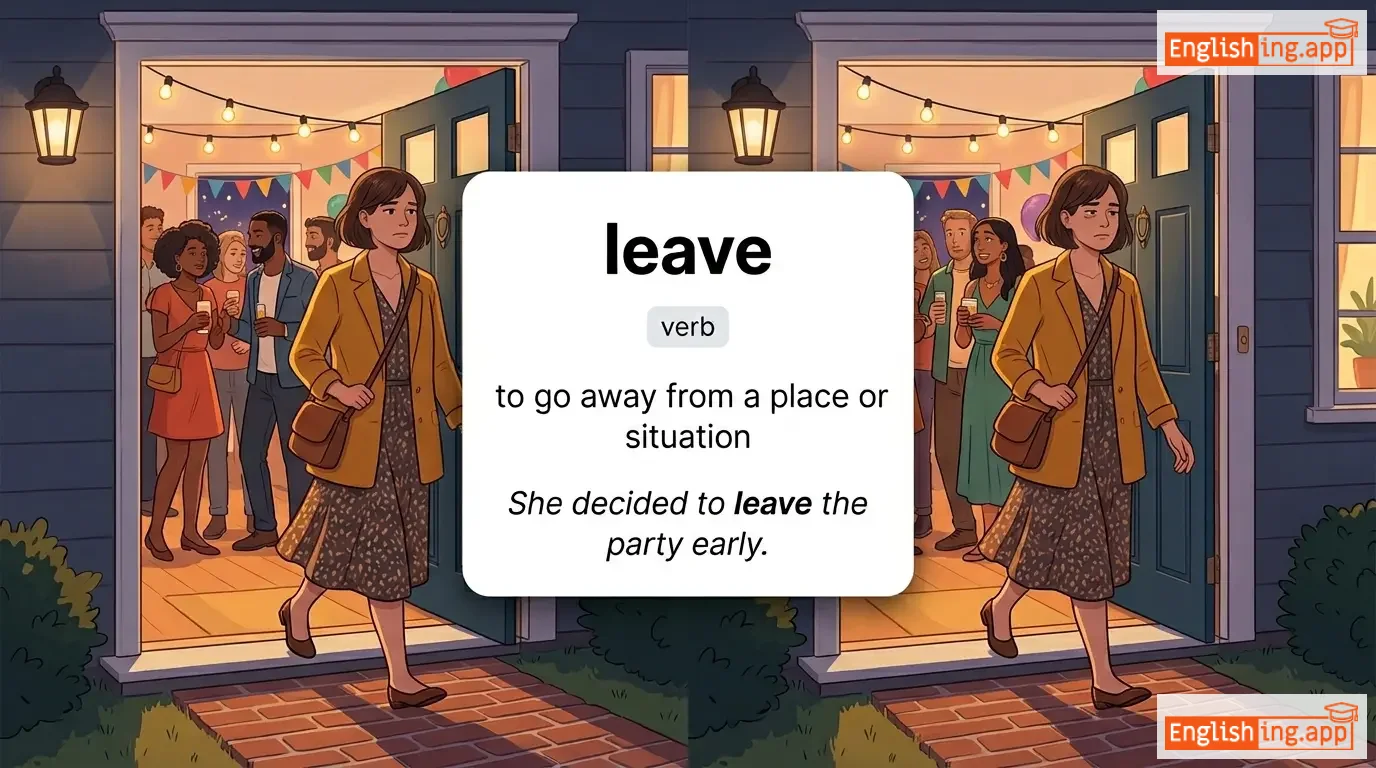
to go away from a place or situation
••••••
|
She decided to leave the party early.
она решила уйти с вечеринки рано.
••••••
|
Она решила уйти с вечеринки рано.
Ona reshila uiti s vecherinki rano.
••••••
|
leave no stone unturned
не оставить камня на камне
••••••
|
to try every possible course of action
••••••
|
не оставить камня на камне
ne ostavit' kamnya na kamne
••••••
|
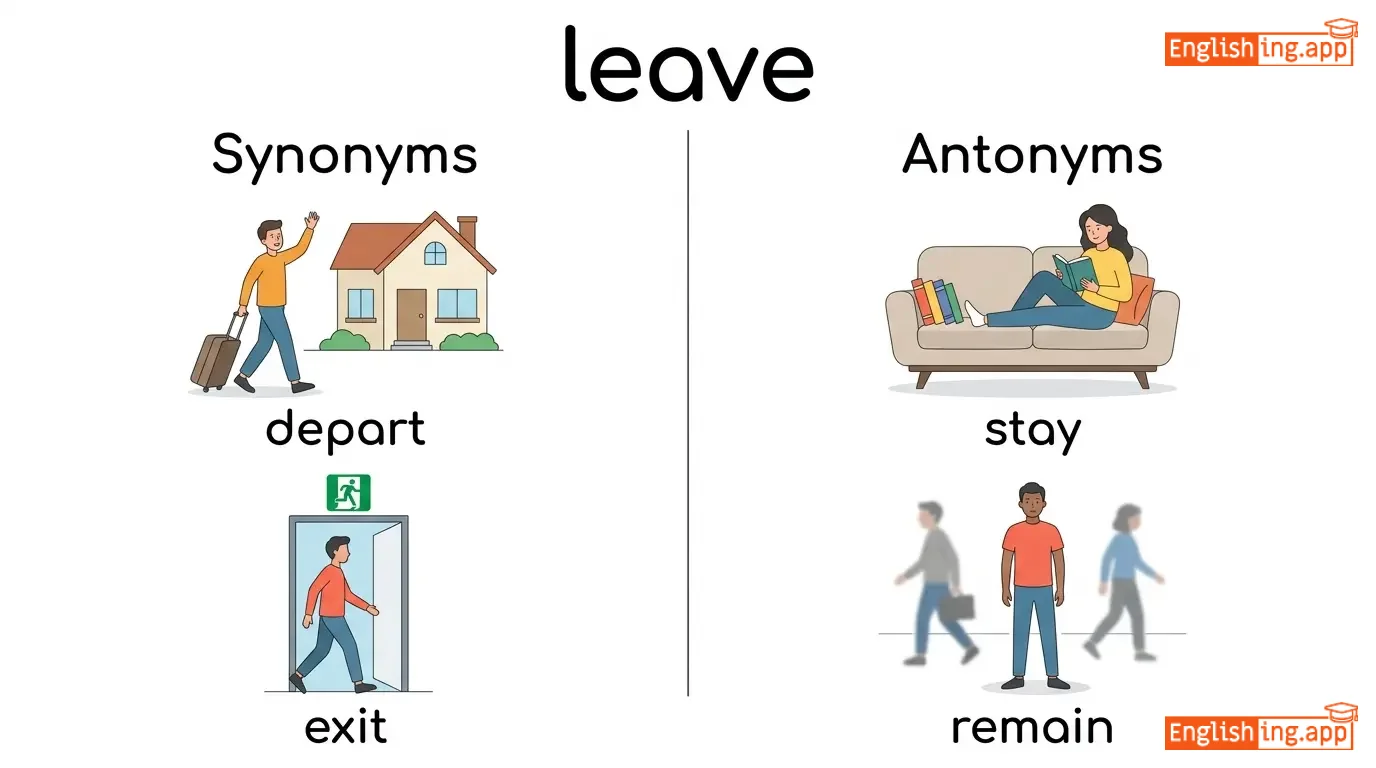
depart, exit, withdraw, quit, abandon
••••••
|
stay, remain, arrive
••••••
|
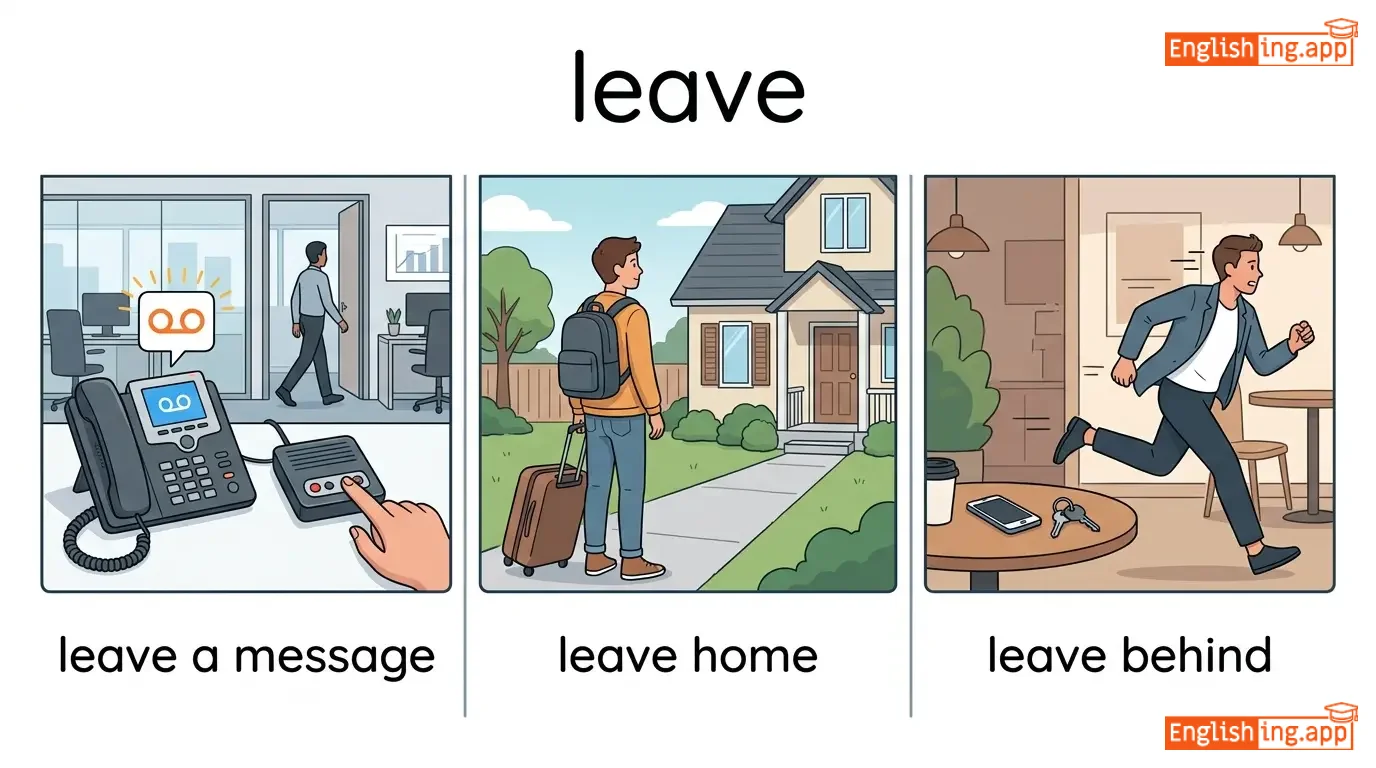
leave a message, leave home, leave behind, leave early
••••••
|
Pokidat звучит как 'left', уходить - это как 'left' в английском.
••••••
|
|
#3011
🎓
|
/ˈlektʃər/
noun
(лекчур)
••••••
|
- •••••• |
лекция
lektsiya
••••••
|
- •••••• | - •••••• | - •••••• | - •••••• |
a talk given to a group of people to teach them about a subject
••••••
|
The professor gave a lecture on climate change. |
Профессор прочитал лекцию о климатических изменениях.
Professor prochital lektsiyu o klimaticheskikh izmeneniyakh.
••••••
|
give a lecture |
to deliver a talk or presentation
••••••
|
прочитать лекцию
prochitat' lektsiyu
••••••
|
speech, talk, address, presentation, discourse
••••••
|
silence, quiet, conversation
••••••
|
give a lecture, attend a lecture, lecture hall, public lecture
••••••
|
Lecture по-русски — лекция 📚 — помни: на лекции учат!
••••••
|
|
#3012
🎓
|
/ˈlɛktʃərər/
noun
(лекчерер)
••••••
|
- •••••• |
лектор
lektor
••••••
|
- •••••• | - •••••• | - •••••• | - •••••• |
a person who gives lectures, especially at a college or university
••••••
|
The lecturer explained the theory with clear examples.
Зэ лекчерер эксплэйнд зэ сиори уиз клиа экзамплз.
••••••
|
Лектор объяснил теорию на понятных примерах.
Lektor obyasnil teoriyu na ponyatnykh primerakh
••••••
|
- •••••• | - •••••• | - •••••• |
teacher, instructor, professor, speaker, academic
••••••
|
student, learner
••••••
|
guest lecturer, university lecturer, senior lecturer, lecture hall
••••••
|
Lecturer читает лекции, значит лектор
••••••
|
|
#3013
⬅️
|
/lɛft/
adjective, noun, adverb, verb (past tense of leave)
(лефт)
••••••
|
- •••••• |
налево
nalevo
••••••
|
- •••••• | - •••••• | - •••••• | - •••••• |
on or towards the side of the body that is to the west when facing north
••••••
|
He turned left at the intersection. |
Он повернул налево на перекрестке.
On povernul nalevo na perekryostke.
••••••
|
out of left field |
something surprising or unexpected
••••••
|
что-то неожиданное или удивительное
chto-to neozhidannoye ili udivitel'noye
••••••
|
port, remaining, gone, departed
••••••
|
right, present
••••••
|
left side, left hand, turn left, left over
••••••
|
Лево – это налево, справа не бывает
••••••
|
|
#3014
🦵
|
/lɛɡ/
noun
(лег)
••••••
|
- •••••• |
нога
noga
••••••
|
- •••••• | - •••••• | - •••••• | - •••••• |
one of the limbs on which a person or animal walks and stands
••••••
|
He injured his leg while playing football.
Он повредил ногу, играя в футбол.
••••••
|
Он повредил ногу, играя в футбол.
On povredil nogu, igraya v futbol.
••••••
|
stretch your legs
растянуть ноги
••••••
|
to walk around after sitting for a long time
••••••
|
пройтись после долгого сидения
proytes' posle dolgogo sidiya
••••••
|
limb, shank, appendage, extremity
••••••
|
arm, wing
••••••
|
leg injury, leg pain, leg muscles, broken leg
••••••
|
Leg означает нога, в футболе 'нога удара' дает мощный удар.
••••••
|
|
#3015
🏛️
|
/ˈlɛɡəsi/
noun
(легаси)
••••••
|
|
наследие
nasledie
••••••
|
- •••••• | - •••••• | - •••••• | - •••••• |
Something handed down from the past, such as money, property, or traditions.
••••••
|
Her artistic legacy continues to inspire young painters. |
Ее художественное наследие продолжает вдохновлять молодых художников.
Yeyo khudozhestvennoye naslediye prodolzhayet vdokhnovlyat' molodykh khudozhnikov.
••••••
|
leave a legacy |
To create something that outlives you.
••••••
|
оставить наследие
ostavit' naslediye
••••••
|
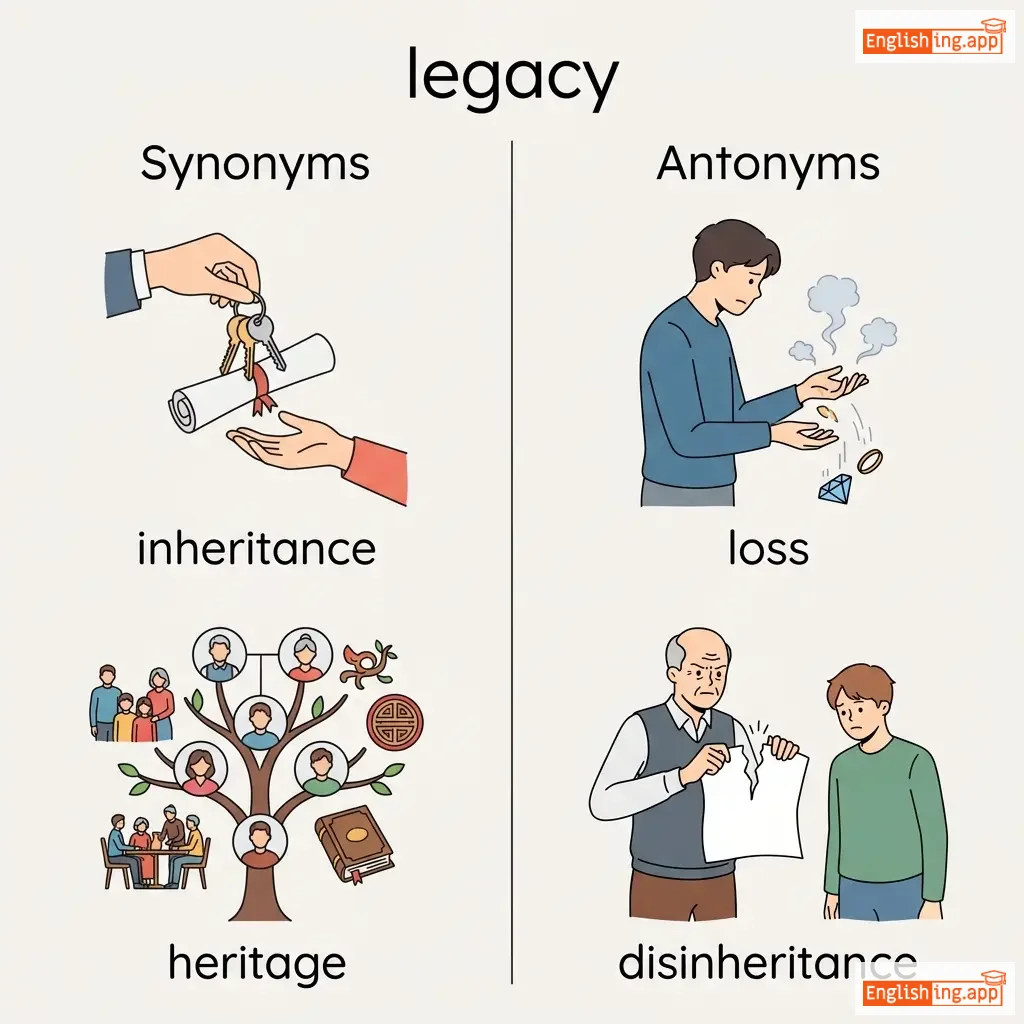
inheritance, heritage, bequest, tradition, gift
••••••
|
loss, disinheritance
••••••
|
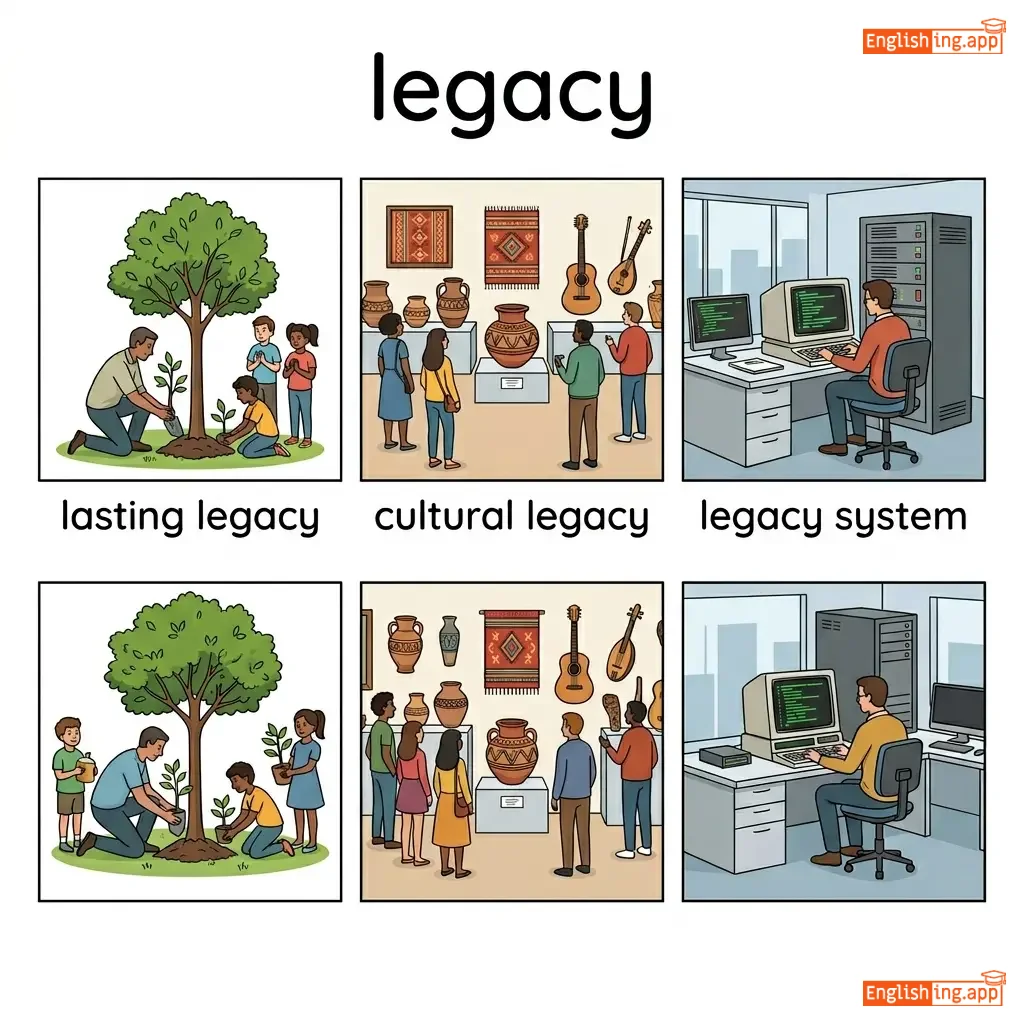
lasting legacy, cultural legacy, legacy system
••••••
|
Legacy – это то, что остается, как наследие, которое вдохновляет.
••••••
|
|
#3016
⚖️
|
/ˈliːɡəl/
adjective
(легал)
••••••
|
|
юридический
yuridicheskiy
••••••
|
- •••••• | - •••••• | - •••••• | - •••••• |
relating to the law
••••••
|
He sought legal advice before signing the contract.
Он искал юридическую консультацию перед подписанием контракта.
••••••
|
Он искал юридическую консультацию перед подписанием контракта.
On iskal yuridicheskuyu konsultatsiyu pered podpisaniem kontrakta.
••••••
|
legal loophole
юридическая лазейка
••••••
|
a gap or ambiguity in the law that allows someone to avoid following it
••••••
|
юридическая лазейка
yuridicheskaya lazeyka
••••••
|
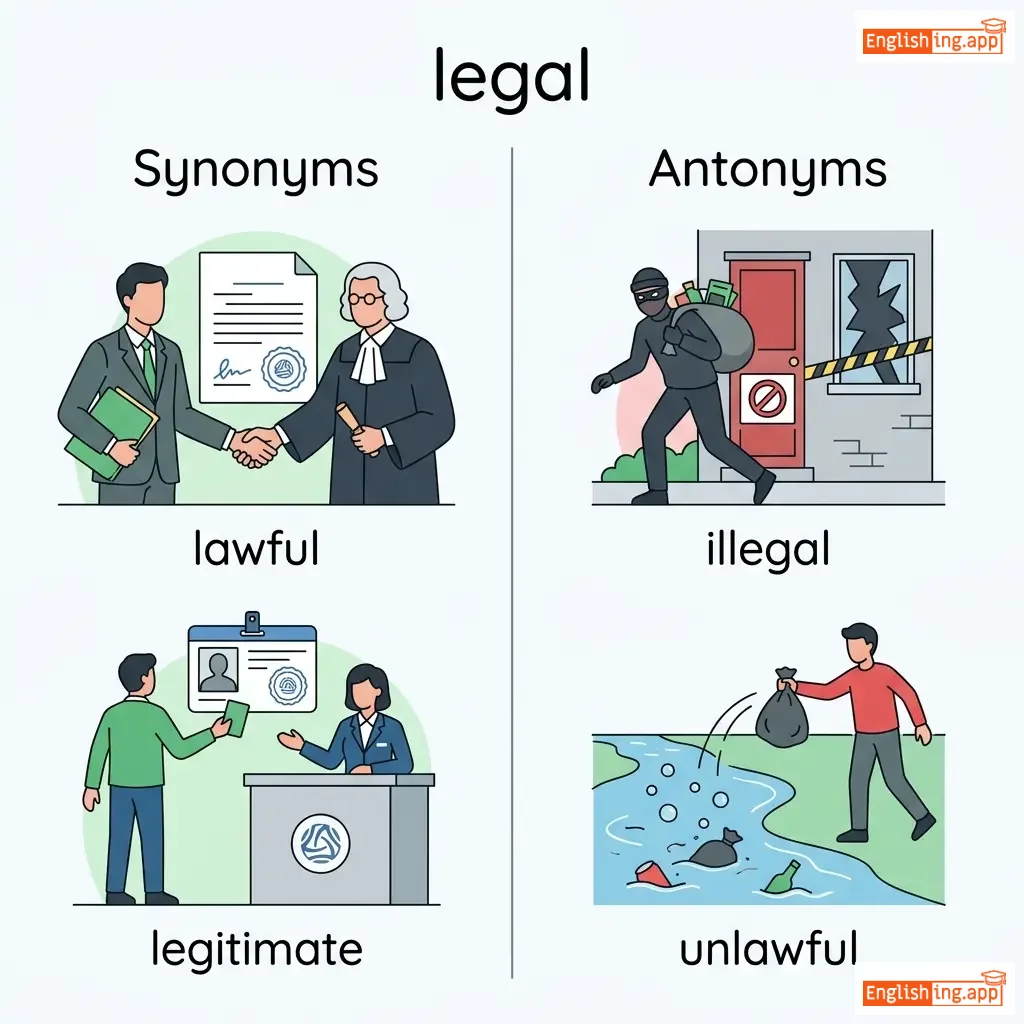
lawful, legitimate, valid, authorized
••••••
|
illegal, unlawful, illicit
••••••
|
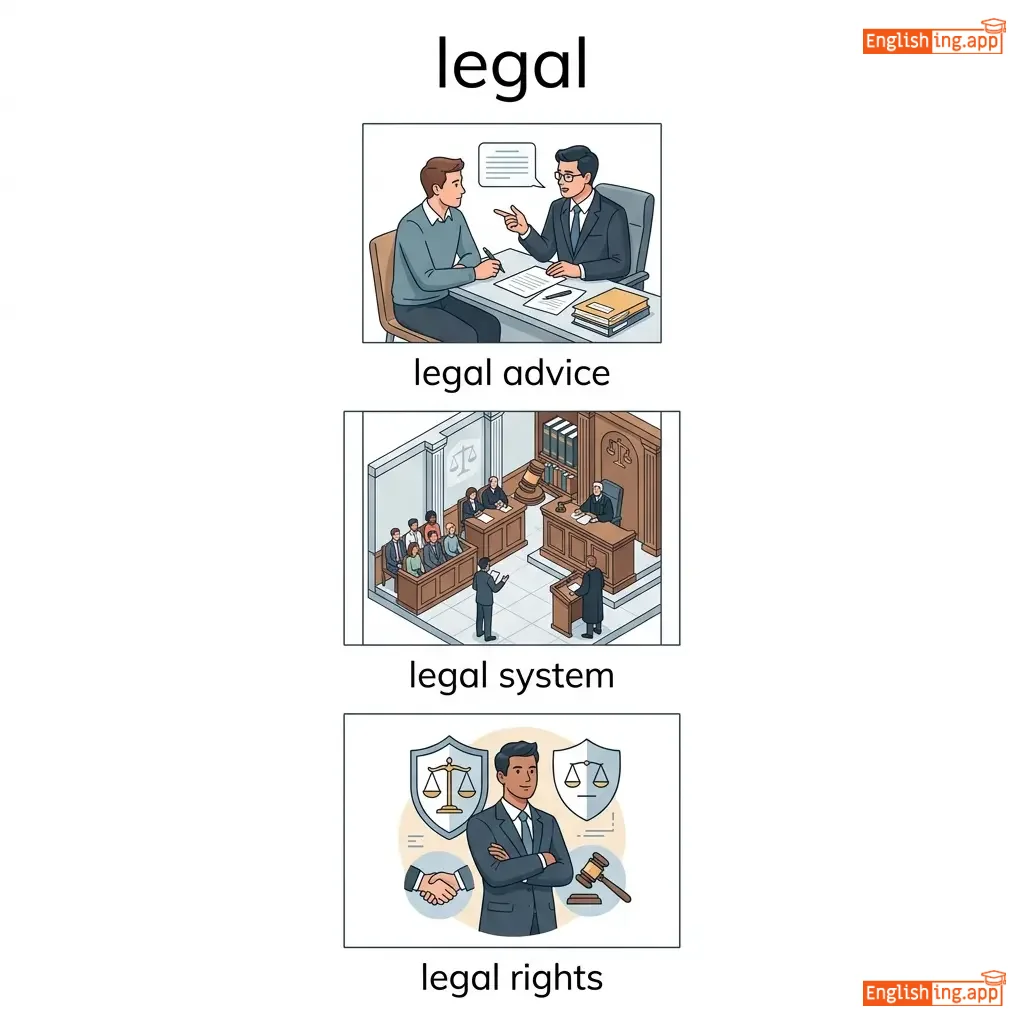
legal advice, legal system, legal rights, legal action
••••••
|
Legal означает юридический, как юридические документы обязательны.
••••••
|
|
#3017
🌟
|
/ˈlɛdʒənd/
noun
(ledʒend)
••••••
|
- •••••• |
легенда
legenda
••••••
|
- •••••• | - •••••• | - •••••• | - •••••• |
A traditional story popularly regarded as historical but unauthenticated; also a famous person admired for achievements.
••••••
|
The footballer is considered a legend in his country. |
Футболист считается легендой в своей стране.
Futbolist schitayetsya legendoy v svoey strane.
••••••
|
living legend |
A person who is still alive but already regarded as legendary.
••••••
|
живая легенда
zhivaya legenda
••••••
|
myth, tale, fable, icon, hero
••••••
|
fact, reality
••••••
|
ancient legend, living legend, sports legend
••••••
|
Легенда – это как английское ‘legendary’, человек или история, которую все помнят.
••••••
|
|
#3018
🌟
|
/ˈlɛdʒəndɛri/
adjective
••••••
|
- •••••• | - •••••• | - •••••• | - •••••• | - •••••• | - •••••• |
remarkable enough to be famous; often used to describe something that is iconic or widely known
••••••
|
The legendary musician performed in front of a packed stadium. |
- •••••• | - •••••• | - •••••• | - •••••• |
famous, renowned, iconic
••••••
|
obscure, unknown
••••••
|
legendary figure, legendary status, legendary career
••••••
|
No •••••• |
|
#3019
⚖️
|
/ˌledʒɪsˈleɪʃən/
noun
(легислейшн)
••••••
|
- •••••• |
законодательство
zakonodatel'stvo
••••••
|
- •••••• | - •••••• | - •••••• | - •••••• |
laws considered collectively, or the act of making laws
••••••
|
The government passed new legislation to protect the environment. |
Правительство приняло новое законодательство для защиты окружающей среды.
Pravitel'stvo prinyalo novoye zakonodatel'stvo dlya zashchity okruzhayushchey sredy.
••••••
|
piece of legislation |
a single law or act passed by a legislature
••••••
|
часть законодательства
chast' zakonodatel'stva
••••••
|
law, regulation, statute, decree, ordinance
••••••
|
anarchy, lawlessness
••••••
|
pass legislation, new legislation, environmental legislation, draft legislation
••••••
|
Законодательство = создание законов, представляй себе закон, как стройку!
••••••
|
|
#3020
🏛️
|
/ˈlɛdʒɪslətɪv/
adjective
(легислатив)
••••••
|
- •••••• |
законодательный
zakonodatel'nyj
••••••
|
- •••••• | - •••••• | - •••••• | - •••••• |
relating to the making of laws
••••••
|
The legislative body passed the new tax bill. |
Законодательный орган принял новый налоговый закон.
Zakonodatel'nyj organ prinyal novyj nalogovyj zakon.
••••••
|
legislative power |
the authority to make laws
••••••
|
законодательная власть
zakonodatelnaya vlast'
••••••
|
law-making, juridical, parliamentary, statutory
••••••
|
executive, judicial
••••••
|
legislative body, legislative assembly, legislative process, legislative framework
••••••
|
Legislative означает относящийся к созданию законов — в законодательном органе Leg активен.
••••••
|
|
#3021
🏛️
|
/ˈlɛdʒɪsˌleɪtʃər/
noun
(lɛdʒɪsˌleɪtʃər)
••••••
|
|
законодательное собрание
zakonodatel'noe sobranie
••••••
|
- •••••• | - •••••• | - •••••• | - •••••• |
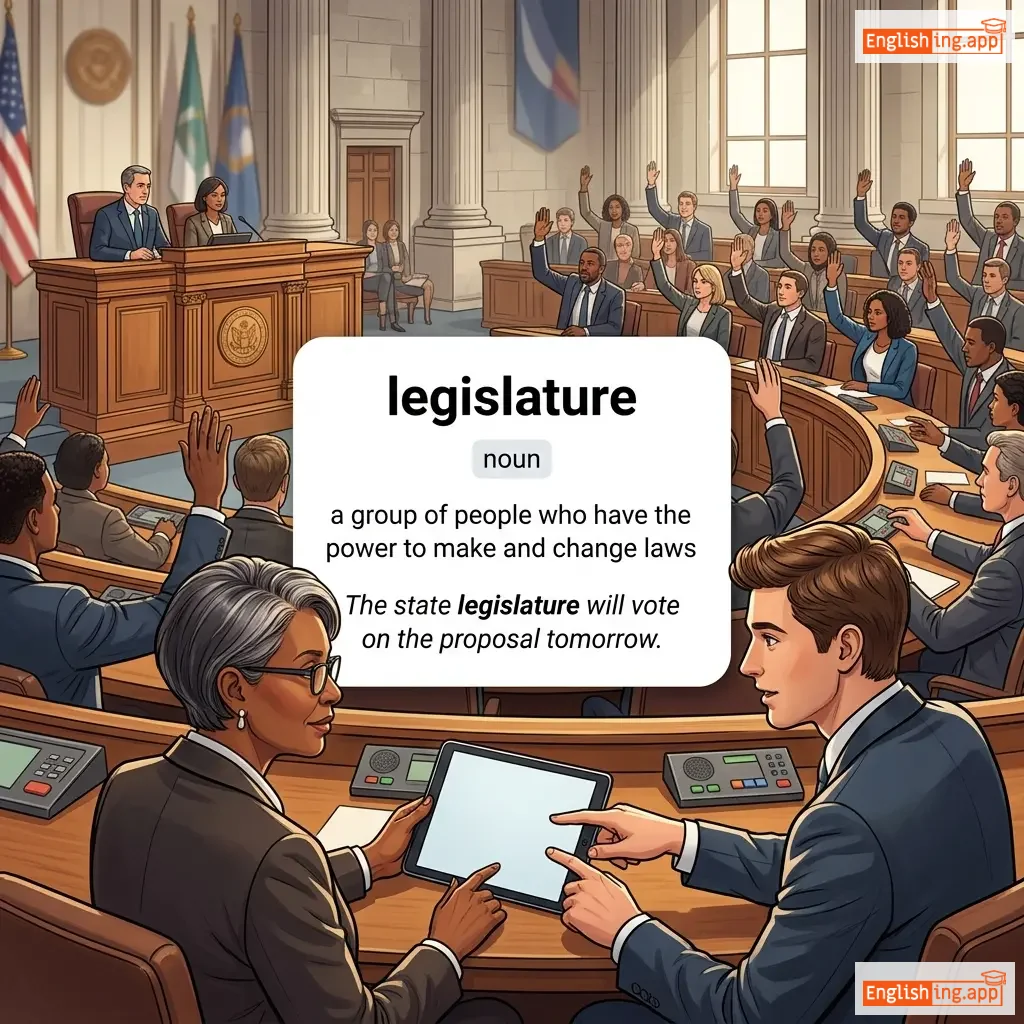
a group of people who have the power to make and change laws
••••••
|
The state legislature will vote on the proposal tomorrow.
государственное законодательное собрание проголосует за предложение завтра.
••••••
|
Государственное законодательное собрание проголосует за предложение завтра.
Gosudarstvennoe zakonodatel'noe sobranie pro-golosuyet za predlozhenie zavtra.
••••••
|
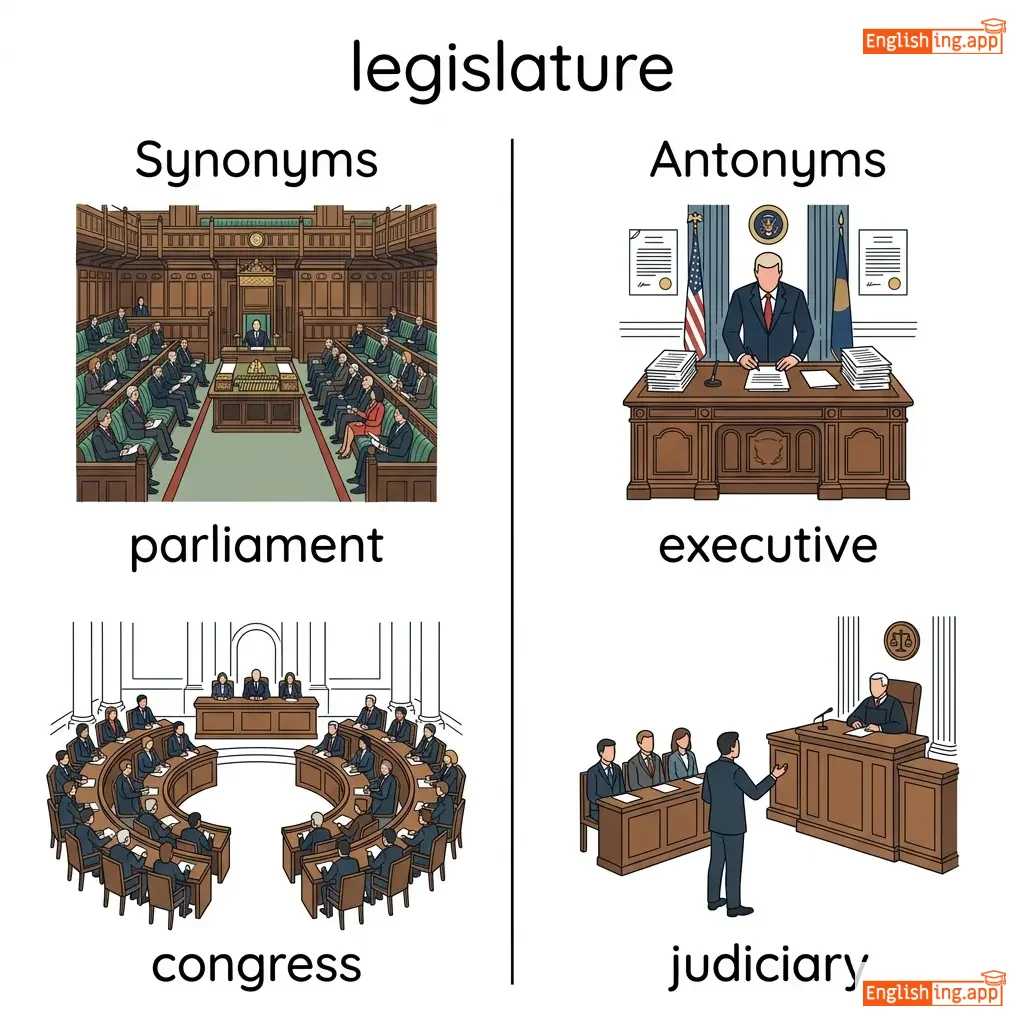
- •••••• | - •••••• | - •••••• |
parliament, congress, assembly, senate
••••••
|
executive, judiciary
••••••
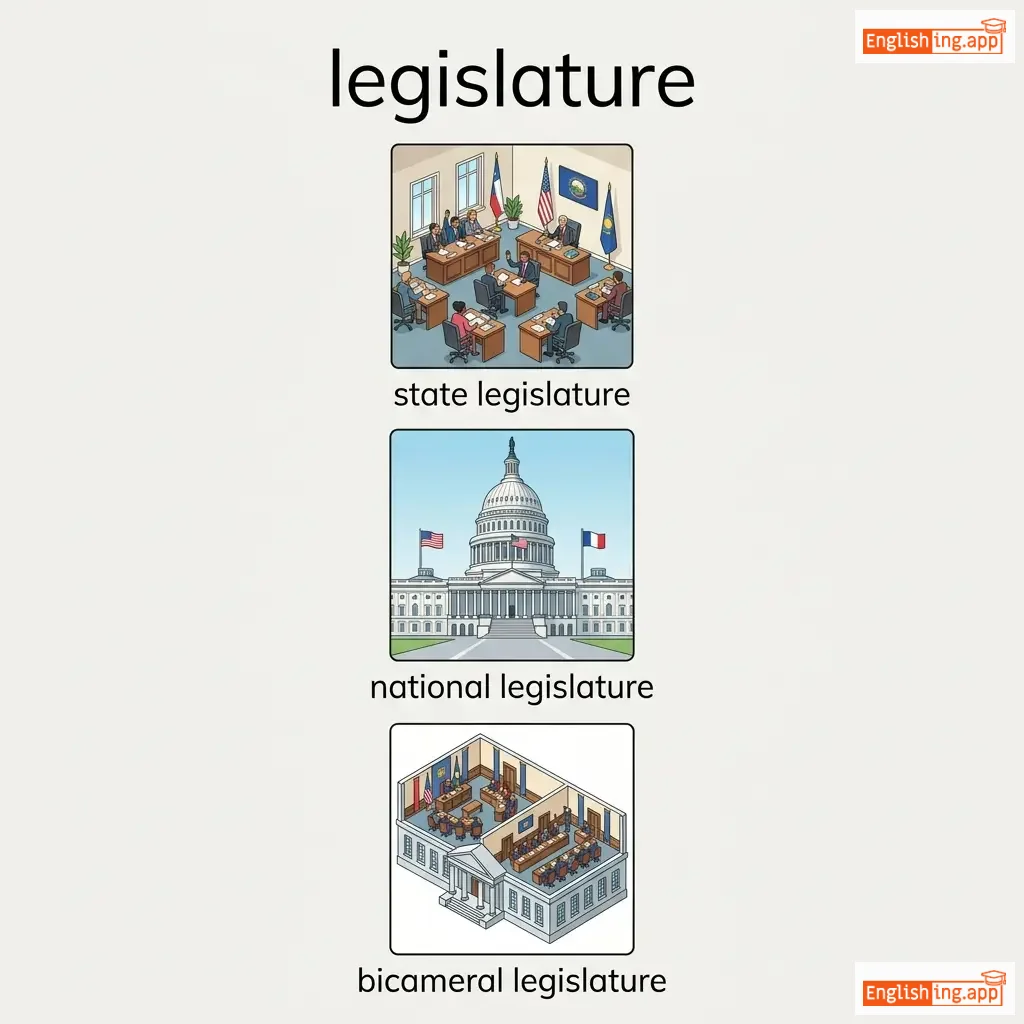
|
state legislature, national legislature, bicameral legislature
••••••
|
Legislature означает законодательное собрание — место, где разрабатывают законы.
••••••
|
|
#3022
✅
|
/lɪˈdʒɪtɪmət/
adjective
(lidzhiˈtʲimʲɪt)
••••••
|
- •••••• |
законный
zakonny
••••••
|
- •••••• | - •••••• | - •••••• | - •••••• |
Conforming to the law or to rules; valid or acceptable.
••••••
|
She presented a legitimate reason for her absence.
Она представила законную причину своего отсутствия.
••••••
|
Она представила законную причину своего отсутствия.
Ona predstavila zakonnuyu prichinu svoego otsutstviya.
••••••
|
legitimate concerns
законные опасения
••••••
|
Valid or reasonable worries or issues.
••••••
|
законные опасения
zakonnye opaseniya
••••••
|
lawful, valid, genuine, proper, authentic
••••••
|
illegal, fake, invalid
••••••
|
legitimate business, legitimate child, legitimate claim, legitimate interest
••••••
|
Legitimate означает законный, следовательно, legitimate = законный
••••••
|
|
#3023
🏖️
|
/ˈliːʒər/ or /ˈlɛʒər/
noun
(лизюр)
••••••
|
- •••••• |
досуг
dosug
••••••
|
- •••••• | - •••••• | - •••••• | - •••••• |
Free time when one is not working or occupied; time for relaxation.
••••••
|
She spends her leisure reading novels. |
Она проводит свой досуг за чтением романов.
Ona prohodit svoy dosug za chteniem romanov.
••••••
|
at leisure |
Having free time; unhurried.
••••••
|
на досуге
na dosuge
••••••
|
free time, relaxation, rest, downtime
••••••
|
work, duty, occupation
••••••
|
leisure time, leisure activities, at leisure, leisure center
••••••
|
Leisure = досуг, время для расслабления и отдыха.
••••••
|
|
#3024
🍋
|
/ˈlɛmən/
noun
(лемон)
••••••
|
- •••••• |
лимон
limon
••••••
|
- •••••• | - •••••• | - •••••• | - •••••• |
a yellow citrus fruit with a sour taste
••••••
|
She added lemon to the tea for extra flavor. |
Она добавила лимон в чай для дополнительного вкуса.
Ona dobavila limon v chay dlya dopolnitel'nogo vkusa.
••••••
|
when life gives you lemons |
make the best out of a bad situation
••••••
|
когда жизнь дает тебе лимоны
kogda zhizn' dayot tebe limony
••••••
|
citrus, lime, fruit, zest
••••••
|
sweet, sugar
••••••
|
lemon juice, lemon tea, lemon slice, fresh lemon
••••••
|
Lemon значит limon, добавление лимона в чай делает его кислым.
••••••
|
|
#3025
💸
|
/lend/
verb
(happiness)
••••••
|
|
счастье
schastye
••••••
|
lent
••••••
|
lent
••••••
|
lends
••••••
|
lending
••••••
|
to give something to someone for a period of time, expecting it to be returned
••••••
|
Can you lend me some money?
Ты можешь одолжить мне немного денег?
••••••
|
Ты можешь одолжить мне немного денег?
Ty mozhesh' odolzhit' mne nemnogo deneg?
••••••
|
lend a hand
помогать
••••••
|
to help someone
••••••
|
помогать
pomogat'
••••••
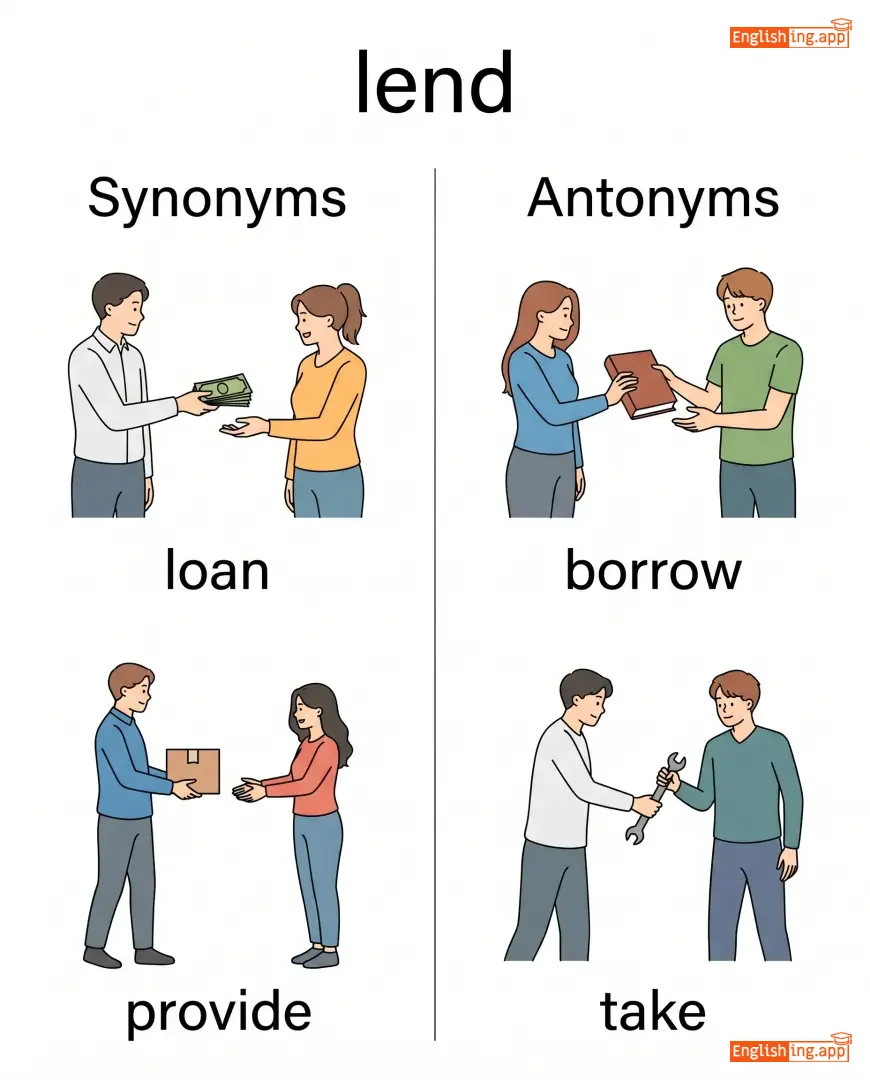
|
loan, provide, give, supply, contribute
••••••
|
borrow, take
••••••
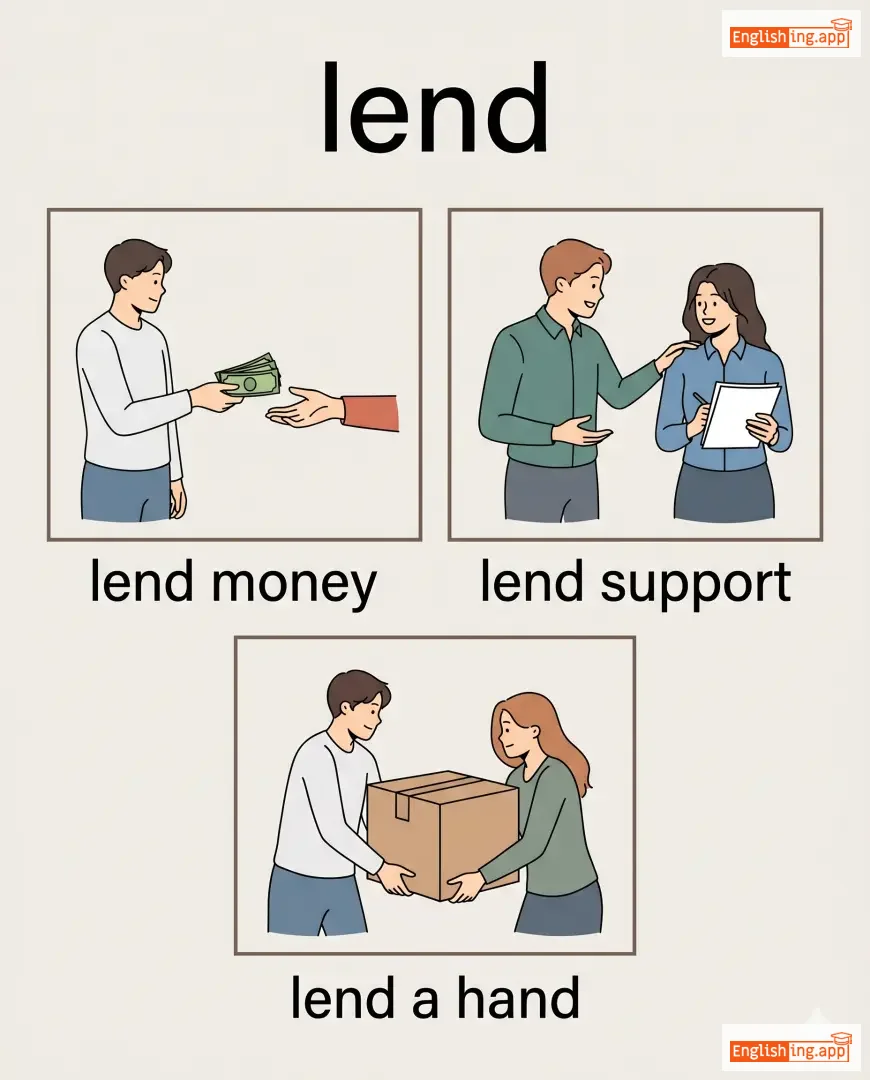
|
lend money, lend support, lend a hand, lend strength
••••••
|
Счастье — это помочь, одолжив деньги.
••••••
|
|
#3026
📏
|
/lɛŋkθ/
noun
(лɛŋкθ)
••••••
|
- •••••• |
длина
dlina
••••••
|
- •••••• | - •••••• | - •••••• | - •••••• |
The measurement or extent of something from end to end.
••••••
|
The length of the bridge is two kilometers. |
Длина моста два километра.
Dlinna mosta dva kilometra.
••••••
|
at length |
in detail; thoroughly
••••••
|
подробно
podrobno
••••••
|
extent, distance, measurement, span, stretch
••••••
|
shortness, brevity
••••••
|
length of time, full length, hair length, considerable length
••••••
|
Length означает длина — измеряй длину чего-либо с помощью длины.
••••••
|
|
#3027
⏳
|
/ˈlɛŋθi/
adjective
(лэнθи)
••••••
|
- •••••• |
долгий
dolgiy
••••••
|
- •••••• | - •••••• | - •••••• | - •••••• |
long in duration or extent
••••••
|
The meeting was lengthy, lasting over three hours. |
Совещание было долгим, продолжавшимся более трех часов.
Soveschanie bylo dolgim, prodolzhavshimsya bolee trekh chasov.
••••••
|
- •••••• | - •••••• | - •••••• |
long, prolonged, extended, drawn-out
••••••
|
short, brief, quick
••••••
|
lengthy discussion, lengthy process, lengthy delay
••••••
|
Долгий (long) период времени - Lengthy means long!
••••••
|
|
#3028
📷
|
/lenz/
noun
(лэнс)
••••••
|
- •••••• |
линза
linza
••••••
|
- •••••• | - •••••• | - •••••• | - •••••• |
a curved piece of glass or plastic that makes things look clearer or larger when you look through it
••••••
|
He cleaned the camera lens before taking the picture. |
Он очистил объектив камеры перед тем, как сделать снимок.
On ochistil obyektiv kamery pered tem, kak sdelat' snimok.
••••••
|
through the lens of |
viewed or interpreted from a particular perspective
••••••
|
через призму
cherez prizmu
••••••
|
glass, optic, focus, viewpoint, filter
••••••
|
blindspot, obstruction
••••••
|
camera lens, contact lens, wide lens, lens cover
••••••
|
Линза помогает увидеть мир более четко.
••••••
|
|
#3029
🌱
|
/ˈlen.tɪl/
noun
(lentil)
••••••
|
- •••••• |
чечевица
chechevitsa
••••••
|
- •••••• | - •••••• | - •••••• | - •••••• |
a high-protein pulse which is dried and then soaked and cooked prior to eating
••••••
|
She cooked red lentils for dinner tonight. |
Она приготовила красную чечевицу на ужин сегодня вечером.
ona prigotovila krasnuyu chechevitsu na uzhin segodnya vecherom
••••••
|
- •••••• | - •••••• | - •••••• |
pulse, legume, dal
••••••
|
meat, grain
••••••
|
red lentils, green lentils, lentil soup
••••••
|
Чечевица - маленькая, но полная силы, как и сама ленти.
••••••
|
|
#3030
🏳️🌈
|
/ˈlɛzbiən/
noun/adjective
(лɛзбиэн)
••••••
|
- •••••• |
лесбиянка
lesbiyanka
••••••
|
- •••••• | - •••••• | - •••••• | - •••••• |
a woman who is romantically or sexually attracted to other women
••••••
|
She is a proud lesbian and advocates for equal rights. |
Она гордая лесбиянка и выступает за равные права.
Ona gordaya lesbiyanka i vystupaet za ravnye prava.
••••••
|
- •••••• | - •••••• | - •••••• |
gay woman, queer woman
••••••
|
heterosexual woman, straight woman
••••••
|
lesbian rights, lesbian community, lesbian couple
••••••
|
Лесбиянка означает женщина, любящая женщин - Lesbian means woman-loving!
••••••
|
|
#3031
➖
|
/lɛs/
adjective/adverb
(лес)
••••••
|
- •••••• |
меньше
men'she
••••••
|
- •••••• | - •••••• | - •••••• | - •••••• |
A smaller amount; not as much.
••••••
|
She spends less money than her brother. |
Она тратит меньше денег, чем её брат.
Ona tratit men'she deneg, chem yeye brat.
••••••
|
less is more |
simplicity is more effective than complexity
••••••
|
меньше — значит больше
men'she — znachit bol'she
••••••
|
fewer, reduced, diminished, lower
••••••
|
more, greater, higher
••••••
|
less time, less money, less important, less than
••••••
|
LESS означает меньше — Меньше денег, больше сбережений.
••••••
|
|
#3032
⬇️
|
/ˈles.ər/
adjective
(лесер)
••••••
|
- •••••• |
меньший
menshiy
••••••
|
- •••••• | - •••••• | - •••••• | - •••••• |
smaller in amount; of lower importance; inferior
••••••
|
He chose the lesser of two evils when making his decision. |
Он выбрал меньшее из двух зол, принимая решение.
On vybral menshee iz dvukh zol, prinimaya reshenie.
••••••
|
- •••••• | - •••••• | - •••••• |
smaller, minor, inferior, reduced, diminished
••••••
|
greater, larger, superior, major, increased
••••••
|
lesser extent, lesser degree, lesser evil, lesser known
••••••
|
Выбор меньшего из двух зол, как выбирать среди наименьших
••••••
|
|
#3033
📚
|
/ˈlɛsən/
noun
(lɛsən)
••••••
|
- •••••• |
урок
urok
••••••
|
- •••••• | - •••••• | - •••••• | - •••••• |
A unit of teaching or something learned through experience.
••••••
|
The teacher explained the lesson clearly. |
Учитель объяснил урок ясно.
Uchitel ob'ysnil urok yasno.
••••••
|
learn a lesson |
to gain knowledge or understanding from a mistake or event
••••••
|
выучить урок
vyuchit' urok
••••••
|
class, session, lecture, instruction
••••••
|
ignorance, neglect
••••••
|
math lesson, life lesson, teach a lesson, learn a lesson
••••••
|
Урок означает урок 📚 — Выучить урок, значит что-то понять.
••••••
|
|
#3034
✅
|
/lɛt/
verb
(лет)
••••••
|
|
позволить
pozvolit'
••••••
|
let
лет
••••••
|
let
лет
••••••
|
lets
летс
••••••
|
letting
леттинг
••••••
|
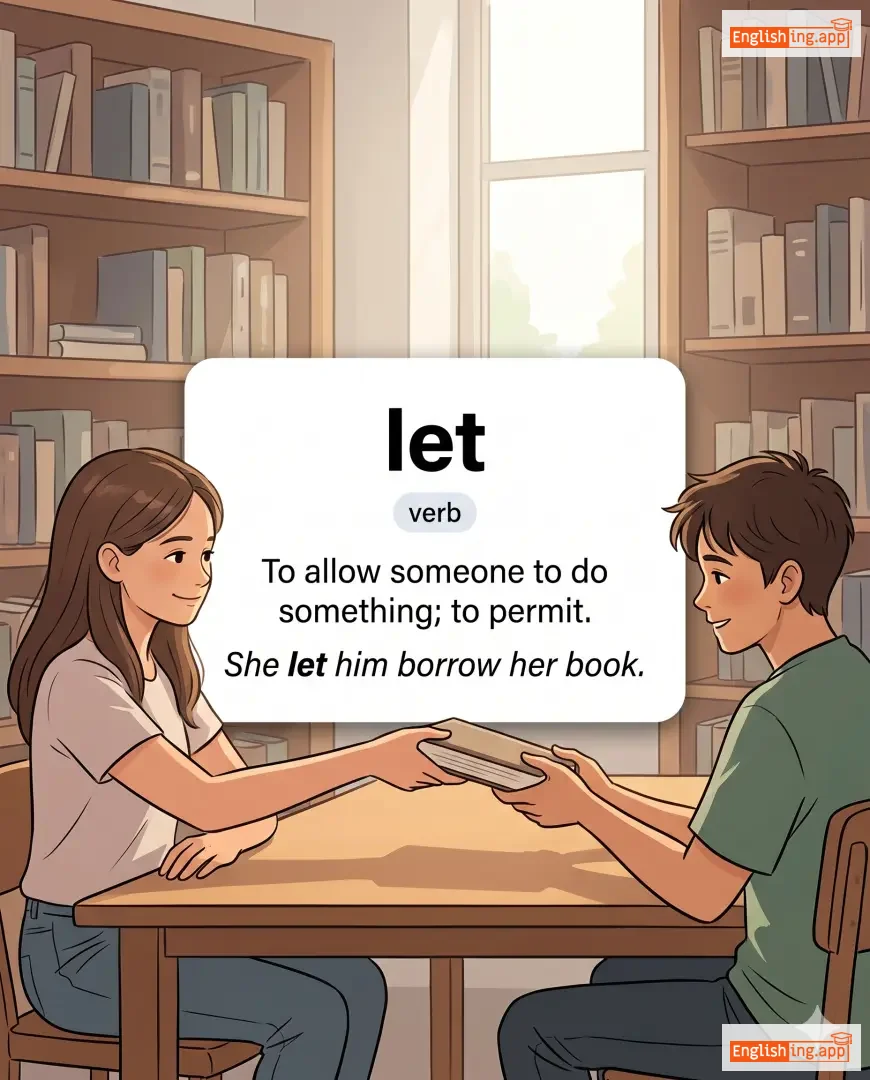
To allow someone to do something; to permit.
••••••
|
She let him borrow her book.
Ши лет хи м барроу хер бук.
••••••
|
Она позволила ему взять книгу.
Ona pozvolila emu vzyat' knigu.
••••••
|
let it be
лет ит би
••••••
|
accept a situation without trying to change it
••••••
|
пусть будет
pust' budet
••••••
|
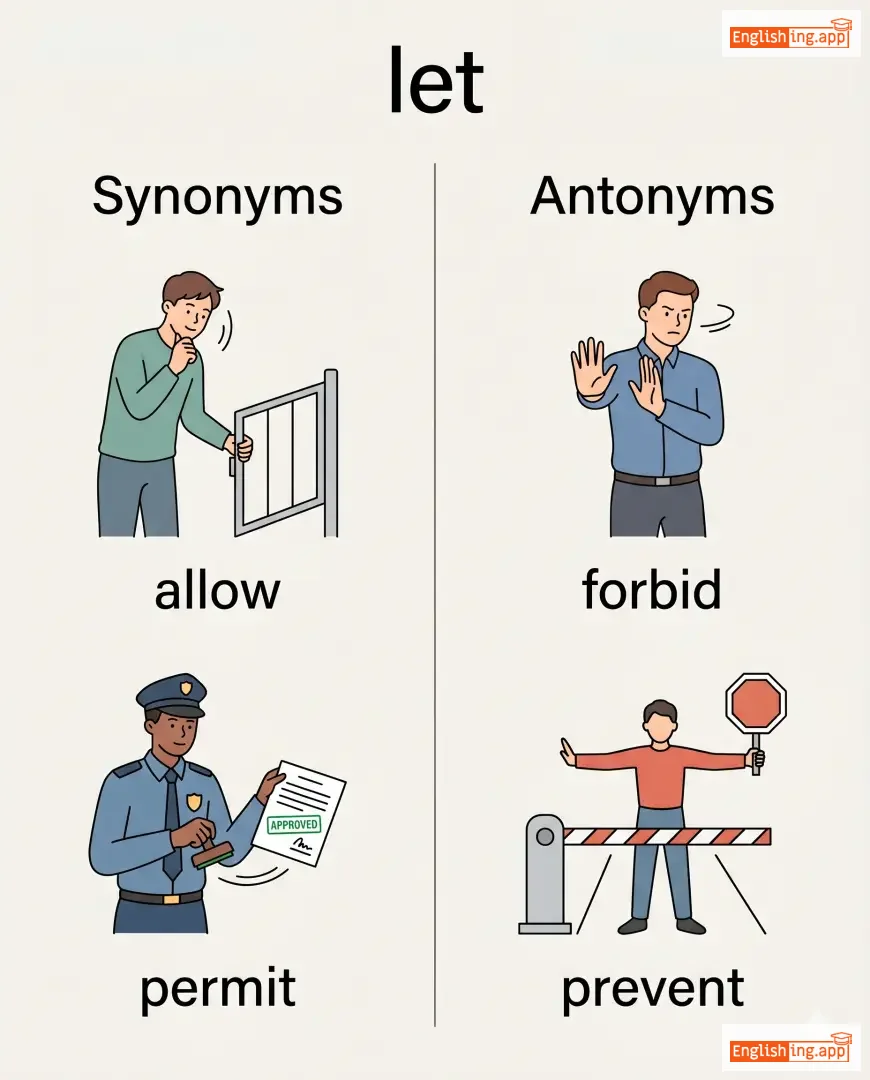
allow, permit, enable, grant
••••••
|
forbid, prevent, refuse
••••••
|
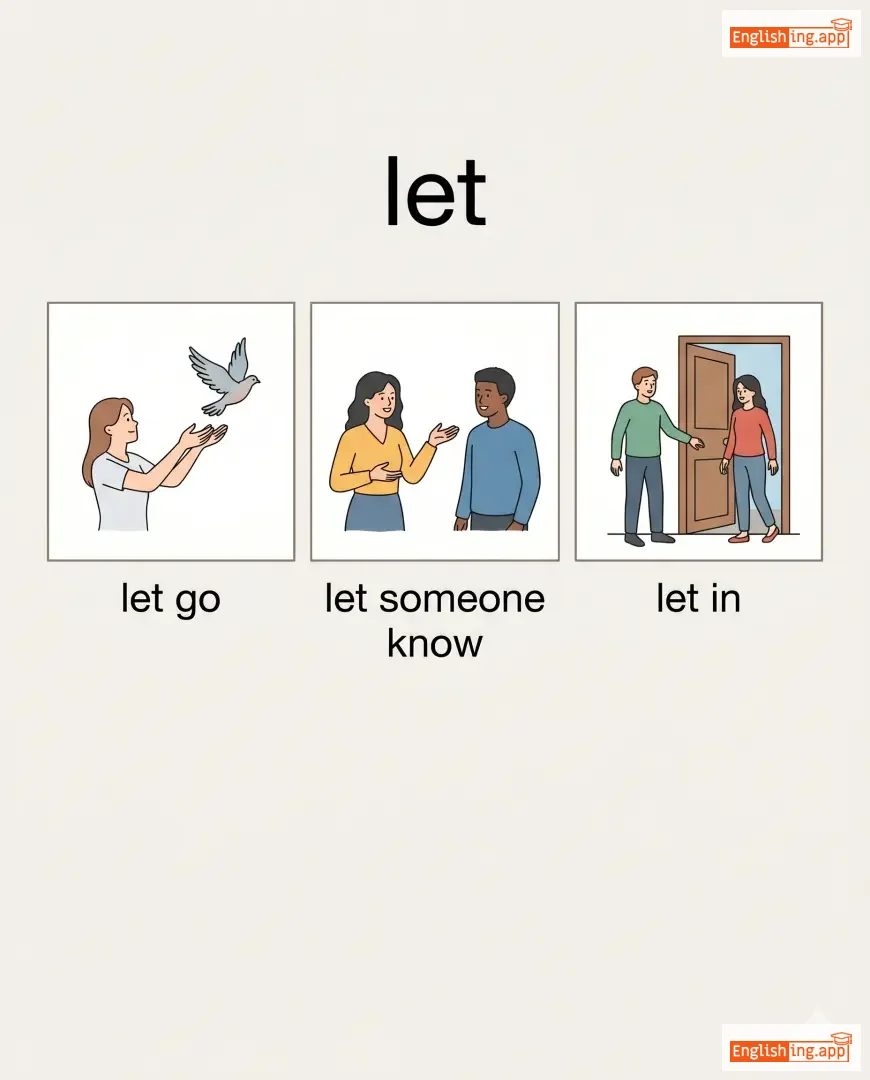
let go, let someone know, let in, let out
••••••
|
LET означает позволить — мама говорит LET him go, это значит, отпусти его ✅
••••••
|
|
#3035
☠️
|
/ˈliːθəl/
adjective
(литхал)
••••••
|
- •••••• |
смертельный
smertel'nyy
••••••
|
- •••••• | - •••••• | - •••••• | - •••••• |
Able to cause death; deadly.
••••••
|
The snake's venom is extremely lethal. |
Яд змеи крайне смертелен.
Yad zmei krayne smertelen.
••••••
|
lethal weapon |
a weapon capable of killing
••••••
|
смертельное оружие
smertel'noe oruzhie
••••••
|
deadly, fatal, mortal, poisonous
••••••
|
harmless, safe, nonlethal
••••••
|
lethal weapon, lethal dose, lethal force, lethal injection
••••••
|
Lethal означает lethal weapon, то есть смертельное оружие.
••••••
|
|
#3036
✉️
|
/ˈlɛtər/
noun
(леттер)
••••••
|
- •••••• |
письмо
pis'mo
••••••
|
- •••••• | - •••••• | - •••••• | - •••••• |
A written or printed message sent to someone.
••••••
|
He wrote a letter to his friend.
Он написал письмо своему другу.
••••••
|
Он написал письмо своему другу.
On napisal pis'mo svoemu drugu.
••••••
|
to the letter
точно как указано
••••••
|
exactly as instructed or prescribed
••••••
|
точно как указано
tochno kak ukazano
••••••
|
note, message, mail, correspondence
••••••
|
speech, silence
••••••
|
write a letter, love letter, official letter, letter of recommendation
••••••
|
Letter ✉️ означает письмо — почтальон приносит письма.
••••••
|
|
#3037
🥬
|
/ˈlɛtɪs/
noun
(летис)
••••••
|
- •••••• |
салат-латук
salat latuk
••••••
|
- •••••• | - •••••• | - •••••• | - •••••• |
a leafy green vegetable commonly used in salads and sandwiches
••••••
|
She added fresh lettuce to the sandwich.
Ши эддед фреш летис ту зе сэндвич.
••••••
|
Она добавила свежий салат-латук в сэндвич.
ona dobavila svezhii salat latuk v sendvich
••••••
|
- •••••• | - •••••• | - •••••• |
greens, leaf lettuce, romaine, iceberg
••••••
|
meat, grain
••••••
|
fresh lettuce, chopped lettuce, lettuce leaves, head of lettuce
••••••
|
ЛАТУК звучит как LETTUCE
••••••
|
|
#3038
📏
|
/ˈlɛvəl/
noun, verb, adjective
(левел)
••••••
|
|
уровень, этап
uroven, etap
••••••
|
leveled
левелд
••••••
|
leveled
левелд
••••••
|
levels
левелс
••••••
|
leveling
левелинг
••••••
|
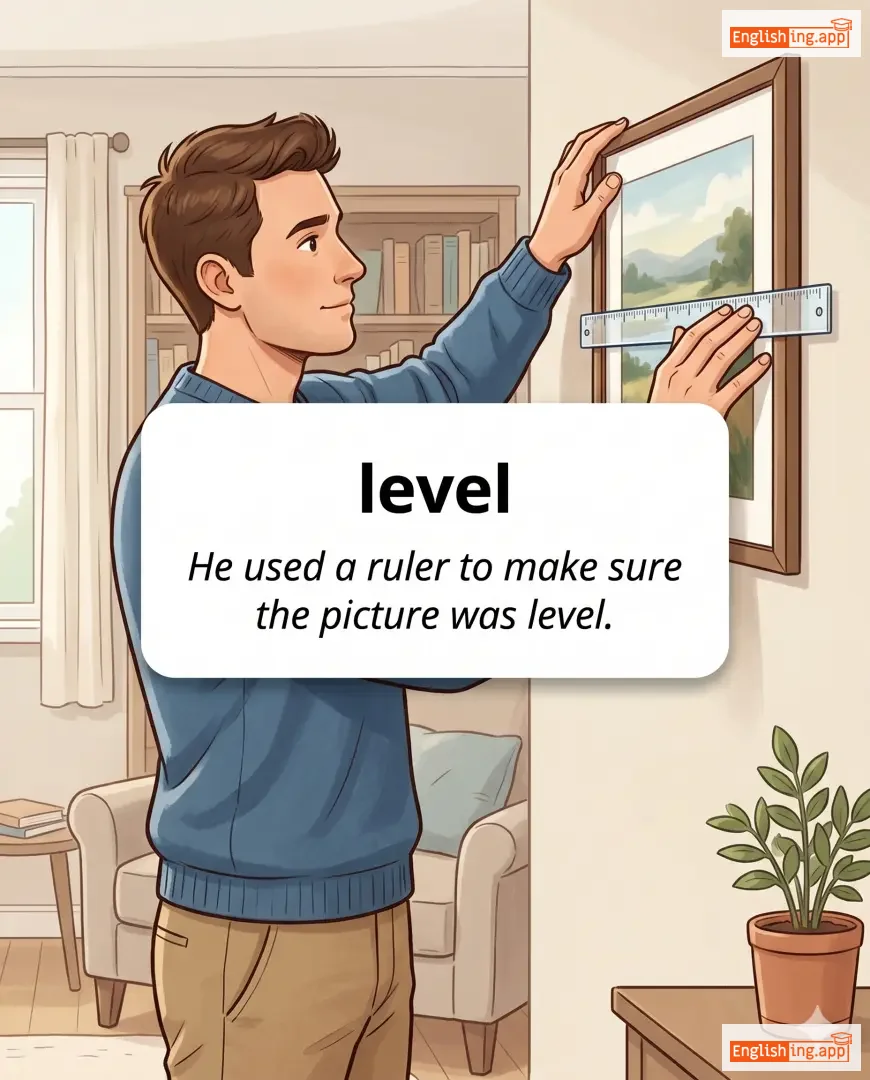
a flat or even surface; a stage in scale or rank; to make something flat or equal.
••••••
|
He used a ruler to make sure the picture was level.
Он использовал линейку, чтобы убедиться, что изображение было на уровне.
••••••
|
Он использовал линейку, чтобы убедиться, что изображение было на уровне.
On ispol'zoval lineyku, chtoby ubeditsya, chto izobrazhenie bylo na urovne.
••••••
|
on the level
на уровне
••••••
|
honest and straightforward
••••••
|
честный и прямой
chestnyy i pryamoy
••••••
|
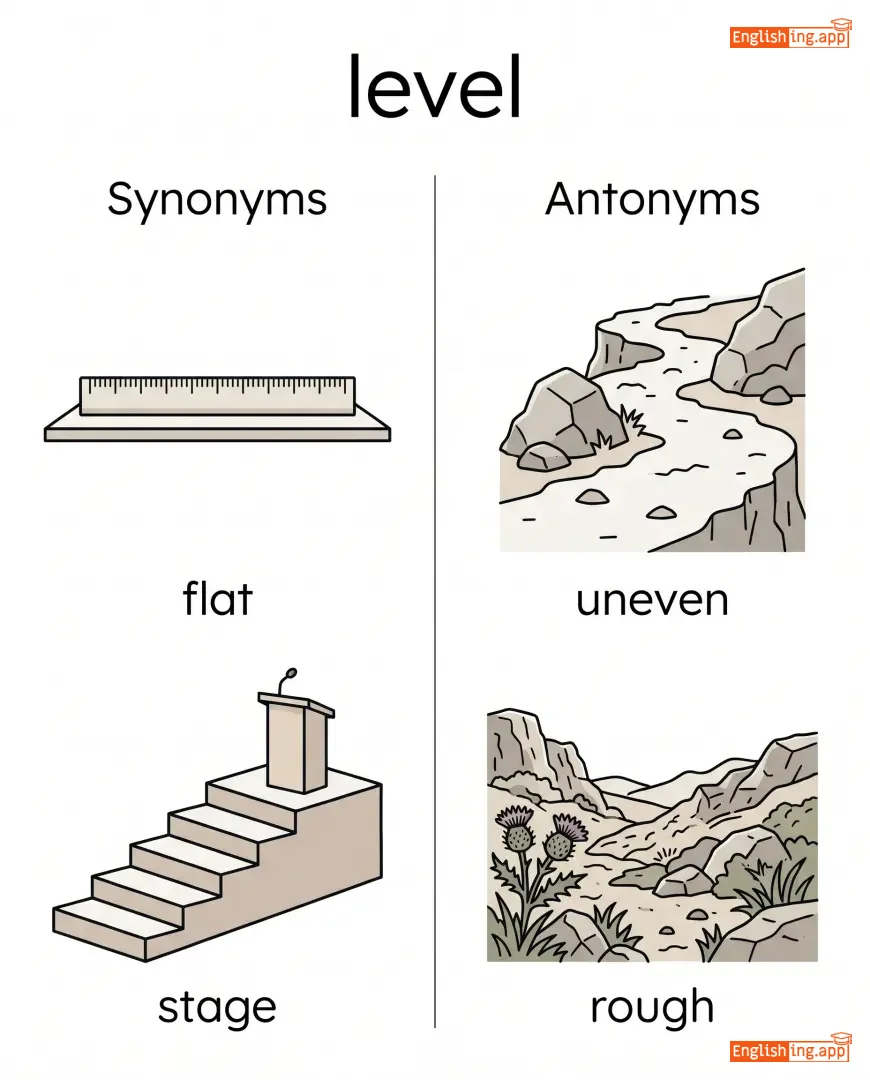
flat, stage, equal, rank, grade
••••••
|
uneven, rough, dishonest
••••••
|
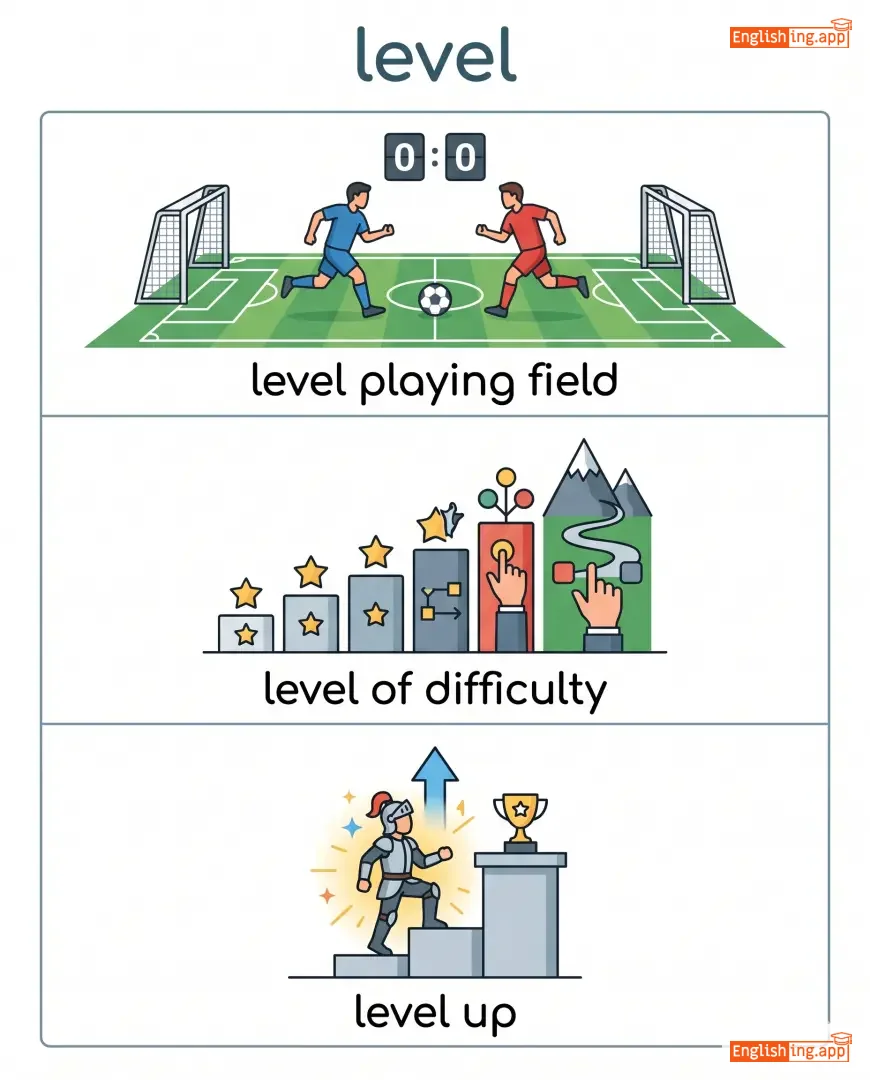
level playing field, level of difficulty, level up, level surface
••••••
|
Уровень означает все равное (уровень = равное).
••••••
|
|
#3039
📜
|
/ˈlaɪəbl/
adjective
(laɪəbl)
••••••
|
- •••••• |
ответственный
otvetstvennyy
••••••
|
- •••••• | - •••••• | - •••••• | - •••••• |
legally responsible or likely to be affected by something
••••••
|
He is liable to pay damages for the accident. |
Он ответственен за выплату компенсации за аварию.
On otvetstvenen za vyplatu kompensatsii za avariyu.
••••••
|
liable to |
likely to experience or suffer from something
••••••
|
вероятно
veroyatno
••••••
|
responsible, accountable, answerable, bound
••••••
|
immune, exempt
••••••
|
liable for, liable to, held liable, liable party
••••••
|
Liable означает, что ты можешь быть ответственным или пострадать.
••••••
|
|
#3040
🌍
|
/ˈlɪbərəl/
adjective
(либерэл)
••••••
|
|
либеральный
liberal'nyy
••••••
|
- •••••• | - •••••• | - •••••• | - •••••• |
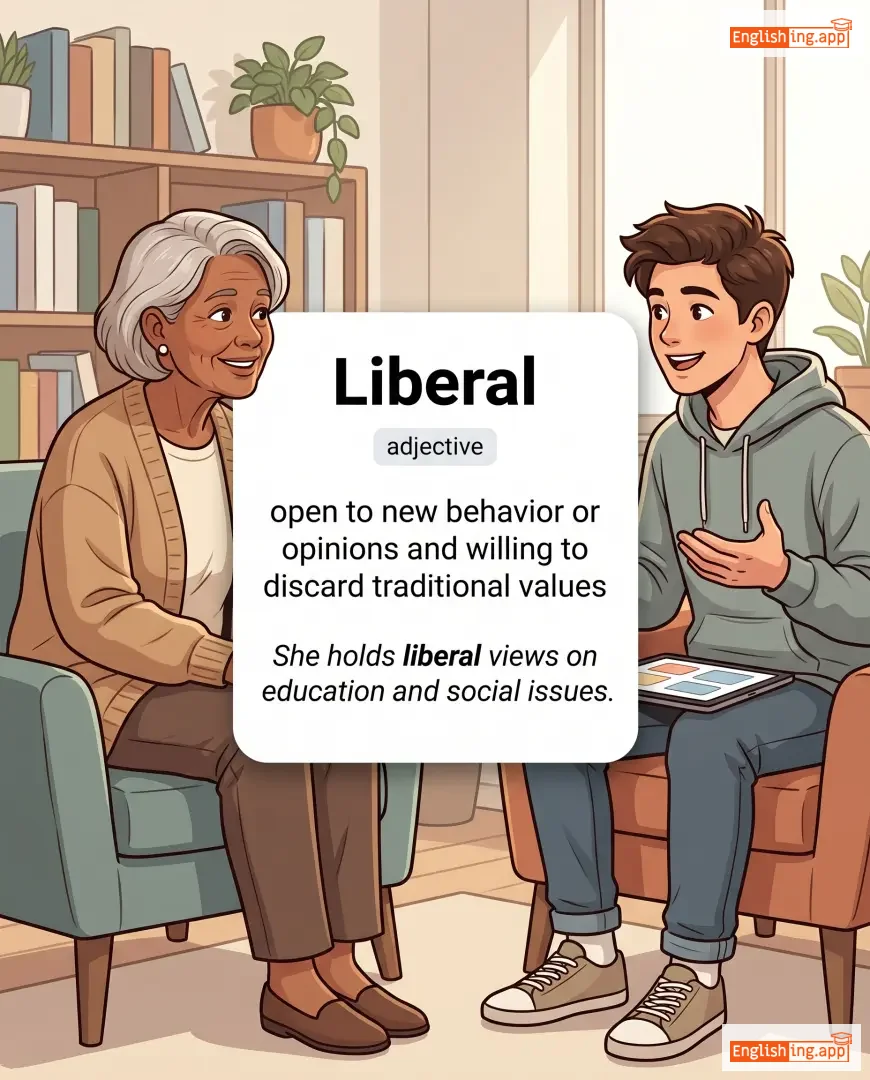
open to new behavior or opinions and willing to discard traditional values
••••••
|
She holds liberal views on education and social issues. |
У неё либеральные взгляды на образование и социальные проблемы.
U neyo liberal'nye vzglyady na obrazovanie i sotsial'nye problemy.
••••••
|
liberal arts |
academic studies intended to develop general knowledge and intellectual ability
••••••
|
либеральные искусства
liberal'nye iskusstva
••••••
|
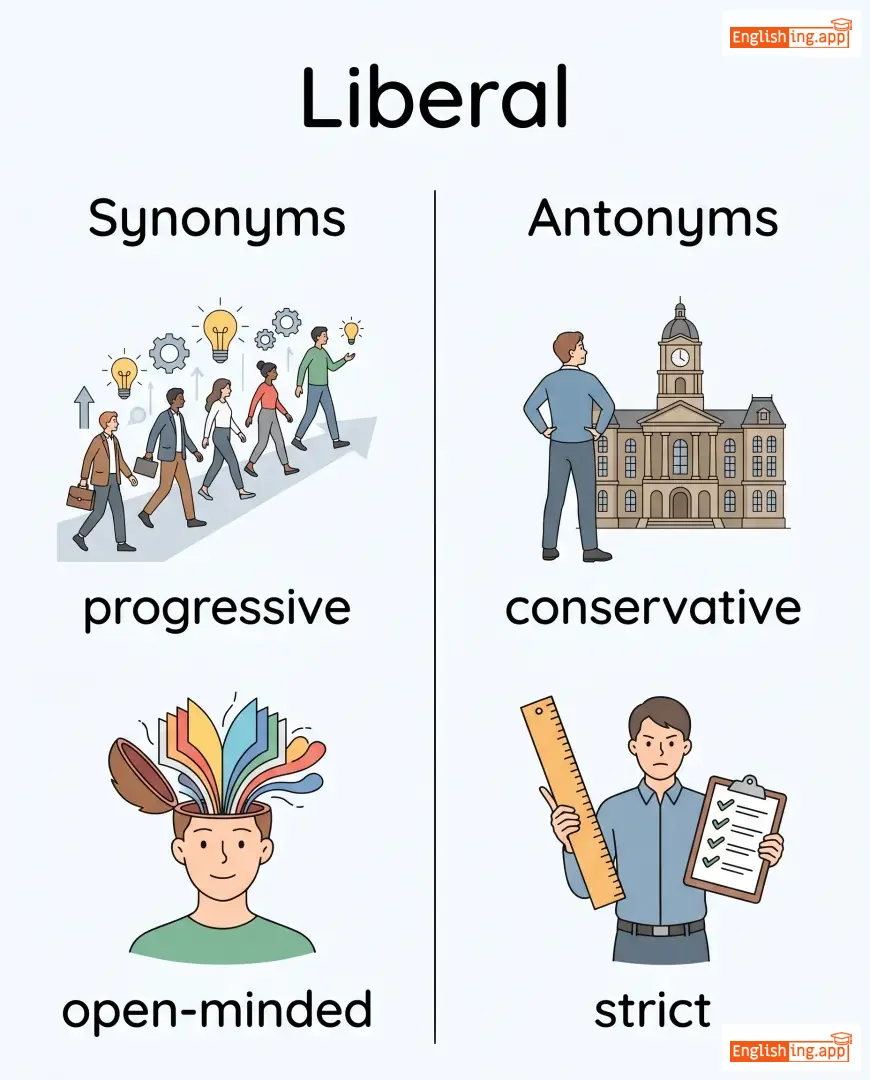
progressive, open-minded, tolerant, generous
••••••
|
conservative, strict, narrow-minded
••••••
|
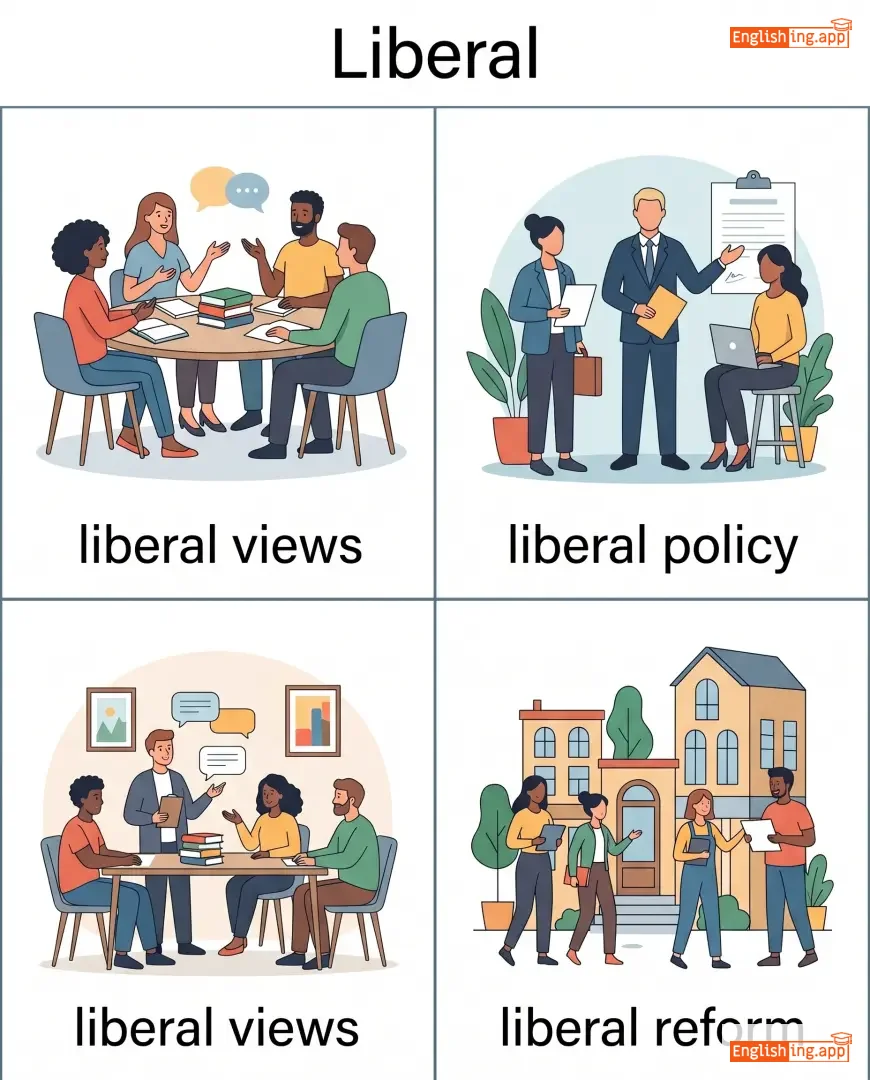
liberal views, liberal policy, liberal reform, liberal democracy
••••••
|
Либерал - это тот, кто ищет свободы в идеях.
••••••
|
|
#3041
🕊️
|
/ˈlɪbəreɪt/
verb
(либерат)
••••••
|
|
освобождать
osvobozhdat'
••••••
|
liberated
освобождён
••••••
|
liberated
освобождён
••••••
|
liberates
освобождает
••••••
|
liberating
освобождая
••••••
|
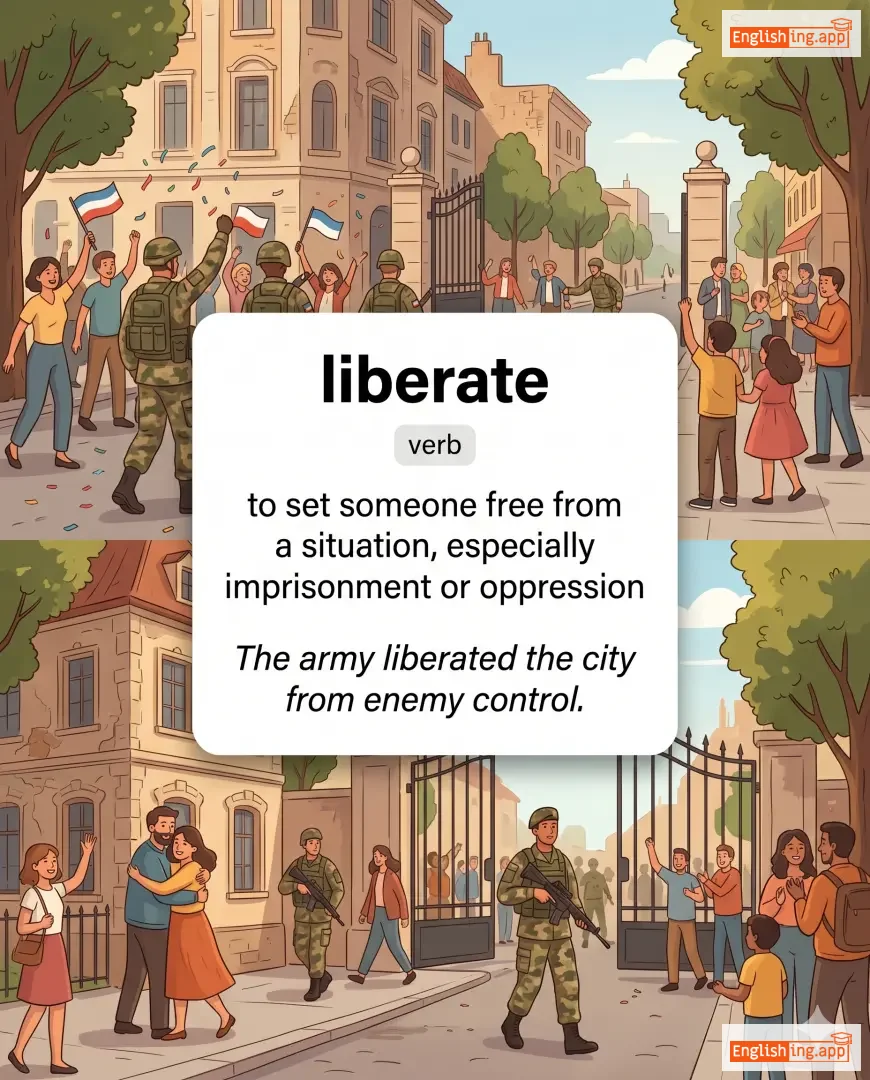
to set someone free from a situation, especially imprisonment or oppression
••••••
|
The army liberated the city from enemy control.
Армия освободила город от вражеского контроля.
••••••
|
Армия освободила город от вражеского контроля.
Armiya osvobodila gorod ot vrazheskogo kontrolya.
••••••
|
liberate the mind
освободить разум
••••••
|
to free someone from narrow or limiting thinking
••••••
|
освободить разум
osvobodit' razum
••••••
|
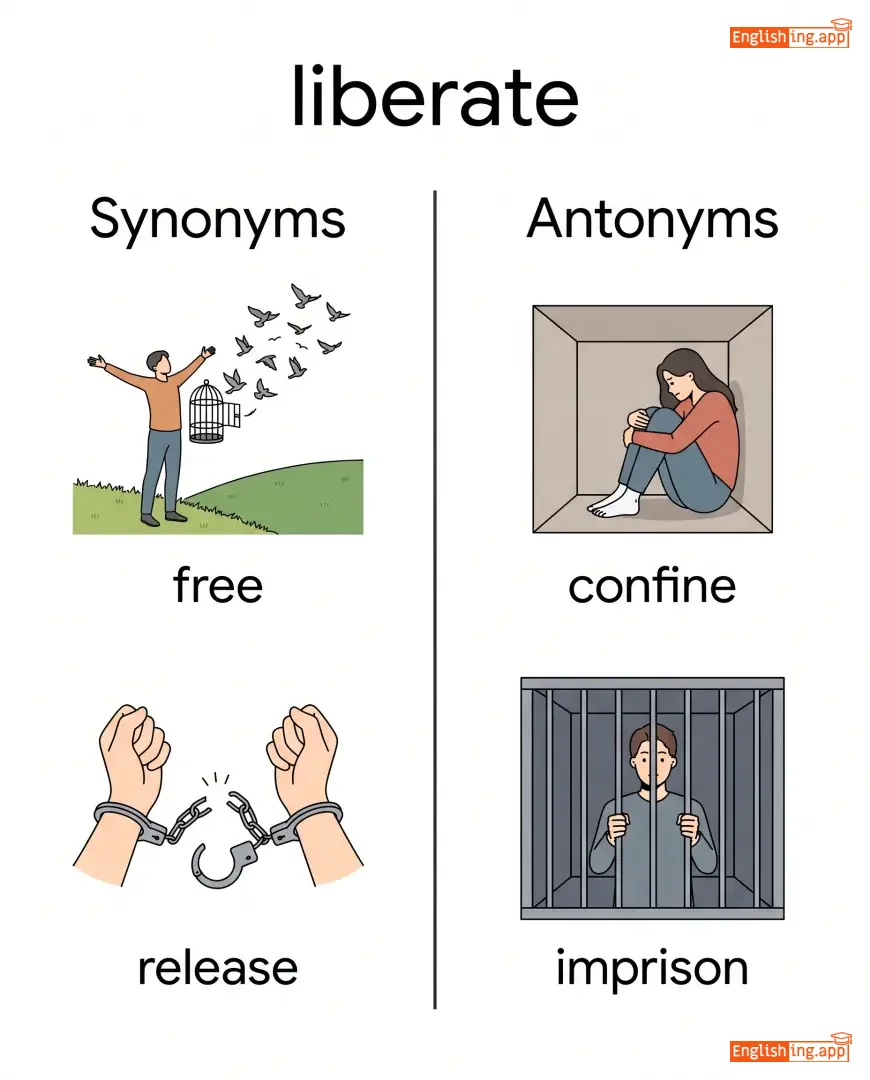
free, release, rescue, emancipate, deliver
••••••
|
confine, imprison, restrain
••••••
|
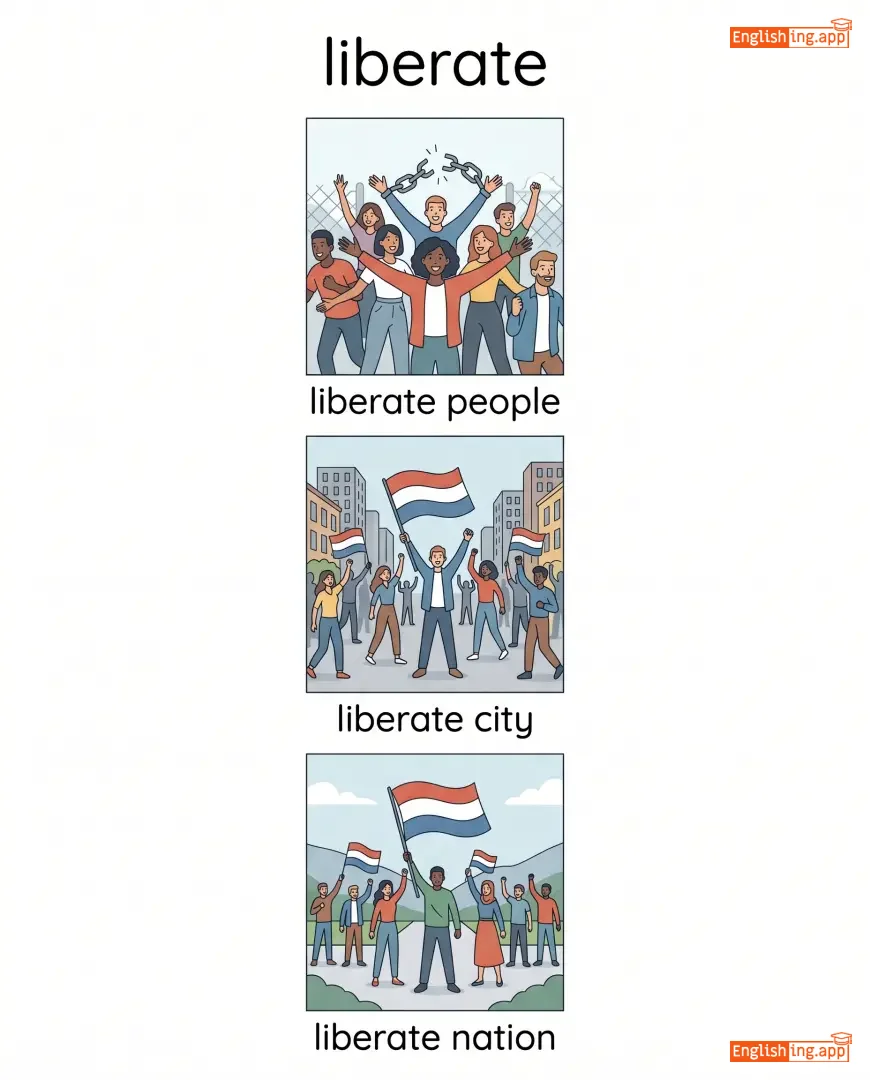
liberate people, liberate city, liberate nation, liberate mind
••••••
|
Освобождение - это свобода, освободись!
••••••
|
|
#3042
🕓
|
/ˌlɪb.əˈreɪ.ʃən/
noun
(либерейшн)
••••••
|
|
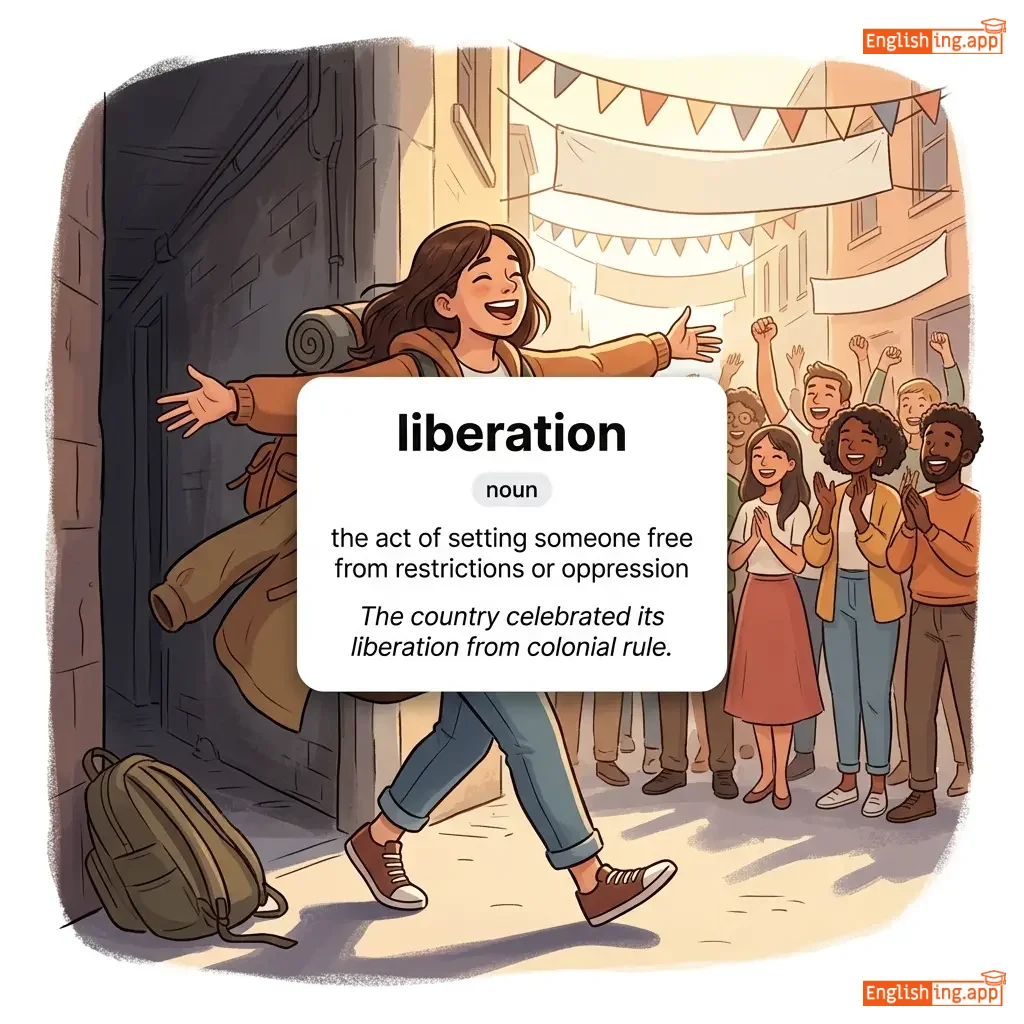
освобождение; свобода;
libereyshn
••••••
|
- •••••• | - •••••• | - •••••• | - •••••• |
the action of setting someone free from imprisonment, slavery, or oppression; release
••••••
|
The liberation of the country took many years. |
Освобождение страны заняло много лет.
Osvobozhdeniye strany zanyalo mnogo let.
••••••
|
- •••••• | - •••••• | - •••••• |
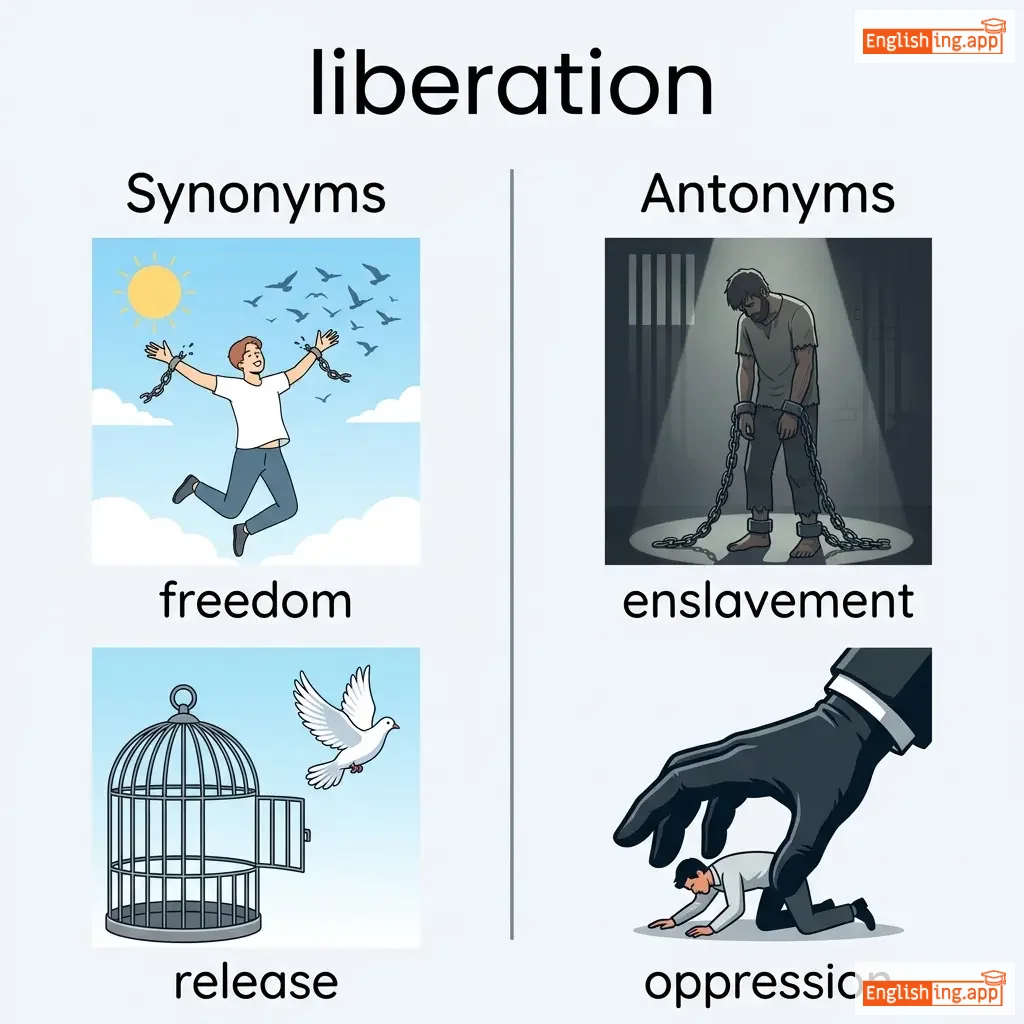
freedom, emancipation, release, independence
••••••
|
oppression, captivity, enslavement
••••••
|
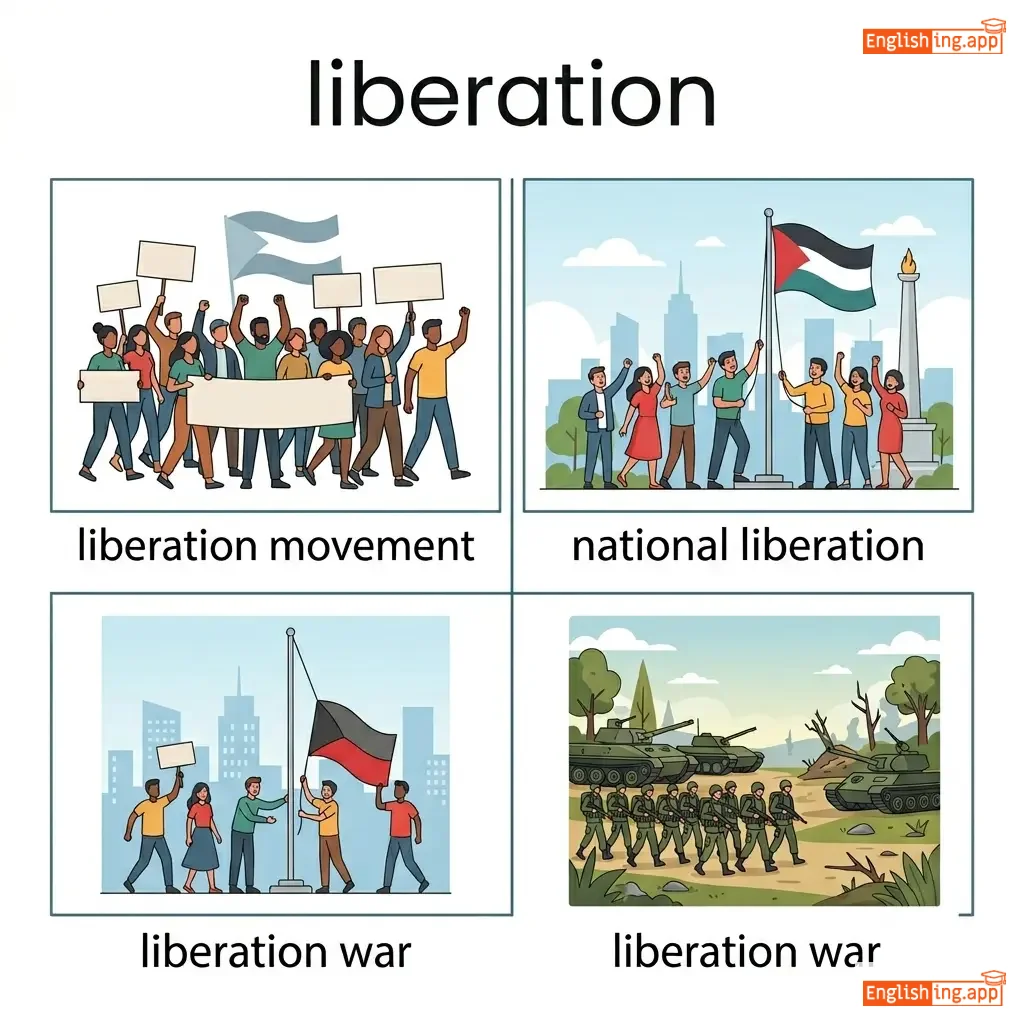
national liberation, women's liberation, liberation movement
••••••
|
In Russian, 'освобождение' signifies freeing someone, bringing 'свобода' (freedom).
••••••
|
|
#3043
🕊️
|
/ˌlɪbəˈreɪʃən wɔːr/
noun
(либерейшн вор)
••••••
|
- •••••• |
освободительная война
osvoboditelnaya voyna
••••••
|
- •••••• | - •••••• | - •••••• | - •••••• |
a war fought to gain freedom from foreign rule, occupation, or oppression; an armed struggle for national independence
••••••
|
The liberation war reshaped the nation’s history and identity.
Зэ либерейшн вор ришейпд зэ нейшнз хистори энд айдентити.
••••••
|
Освободительная война изменила историю страны.
Osvoboditelnaya voyna izmenila istoriyu strany
••••••
|
- •••••• | - •••••• | - •••••• |
war of independence, freedom struggle, emancipation war, revolutionary war
••••••
|
occupation, subjugation, enslavement
••••••
|
national liberation war, liberation war veterans, liberation war history, liberation war memorial
••••••
|
Освобождение = liberation, война = war.
••••••
|
|
#3044
🗽
|
/ˈlɪbərti/
noun
(либертии)
••••••
|
- •••••• |
свобода
svoboda
••••••
|
- •••••• | - •••••• | - •••••• | - •••••• |
the state of being free within society from oppressive restrictions
••••••
|
Freedom of speech is a basic liberty. |
Свобода слова — основная свобода.
Svoboda slova — osnovnaya svoboda.
••••••
|
take the liberty |
to do something without permission
••••••
|
взять на себя свободу
vzyat na sebya svobodu
••••••
|
freedom, independence, autonomy, right, privilege
••••••
|
slavery, oppression, restraint
••••••
|
personal liberty, civil liberty, liberty rights, at liberty
••••••
|
Свобода — это свобода! Статуя Свободы напоминает нам об этом.
••••••
|
|
#3045
📚
|
/laɪˈbrɛəriən/
noun
(лайбрэриэн)
••••••
|
- •••••• |
библиотекарь
bibliotekar
••••••
|
- •••••• | - •••••• | - •••••• | - •••••• |
a person who manages, organizes, and assists users in a library
••••••
|
The librarian helped me find a rare history book.
Зе лайбрэриэн хэлпд ми файнд э рэр хистори бук.
••••••
|
Библиотекарь помог мне найти редкую историческую книгу.
Bibliotekar pomog mne nayti redkuyu istoricheskuyu knigu
••••••
|
- •••••• | - •••••• | - •••••• |
library worker, archivist, information specialist, bibliothecary
••••••
|
reader, borrower
••••••
|
school librarian, head librarian, public librarian, librarian duties
••••••
|
Библиотека → библиотекарь = librarian
••••••
|
Vocabulary Quiz
Test your vocabulary by matching words with their translations or meanings.
Login to take the quiz
Comments (0)
Share your thoughts and join the discussion.
Join the discussion by logging in
Login to CommentNo comments yet
Be the first to share your thoughts!