

翻訳
過去
過去分詞
三人称単数
動名詞
意味
例文
例文の翻訳
同義語
対義語
コロケーション
ニーモニック

Swipe left or right, or use the buttons. Tap image to zoom.
例文の翻訳
単語
Lesson 41Lesson 41 - マスクトグル
|
絵文字
|
単語 | Images | 翻訳 | 意味 | 例文 | 例文の翻訳 | 同義語 | 対義語 | コロケーション | ニーモニック |
|---|---|---|---|---|---|---|---|---|---|---|
|
#801
🤪
|
/ˈsɪli/
adjective
(シリ)
••••••
|
- •••••• |
馬鹿な; 愚かな
siri
••••••
|
foolish; lacking good sense or judgement
••••••
|
Don't be silly, of course you can do it!
馬鹿なこと言わないで、もちろんそれができるよ!
••••••
|
馬鹿なこと言わないで、もちろんそれができるよ!
Baka na koto iwanaide, mochiron sore ga dekiruyo!
••••••
|
foolish, absurd, ridiculous, stupid
••••••
|
sensible, wise, intelligent, rational
••••••
|
silly mistake, silly joke, silly behavior
••••••
|
Siliは愚かさを意味し、理性の欠如を示します。
••••••
|
|
#802
🌫️
|
/ˈʃeɪp.ləs/
adjective
(シェイプレス)
••••••
|
- •••••• |
形のない
katachi no nai
••••••
|
having no definite or well-defined shape or form
••••••
|
The fog created a shapeless mass in the distance.
ザ フォグ クリエイテッド ア シェイプレス マス イン ザ ディスタンス。
••••••
|
霧は遠くに形のない塊を作り出しました。
Kiri wa tōku ni katachi no nai katamari o tsukuridashimashita.
••••••
|
formless, amorphous, undefined, irregular
••••••
|
shaped, formed, structured, defined
••••••
|
shapeless blob, shapeless mass, shapeless garment
••••••
|
形のない = no shape
••••••
|
|
#803
🤒
|
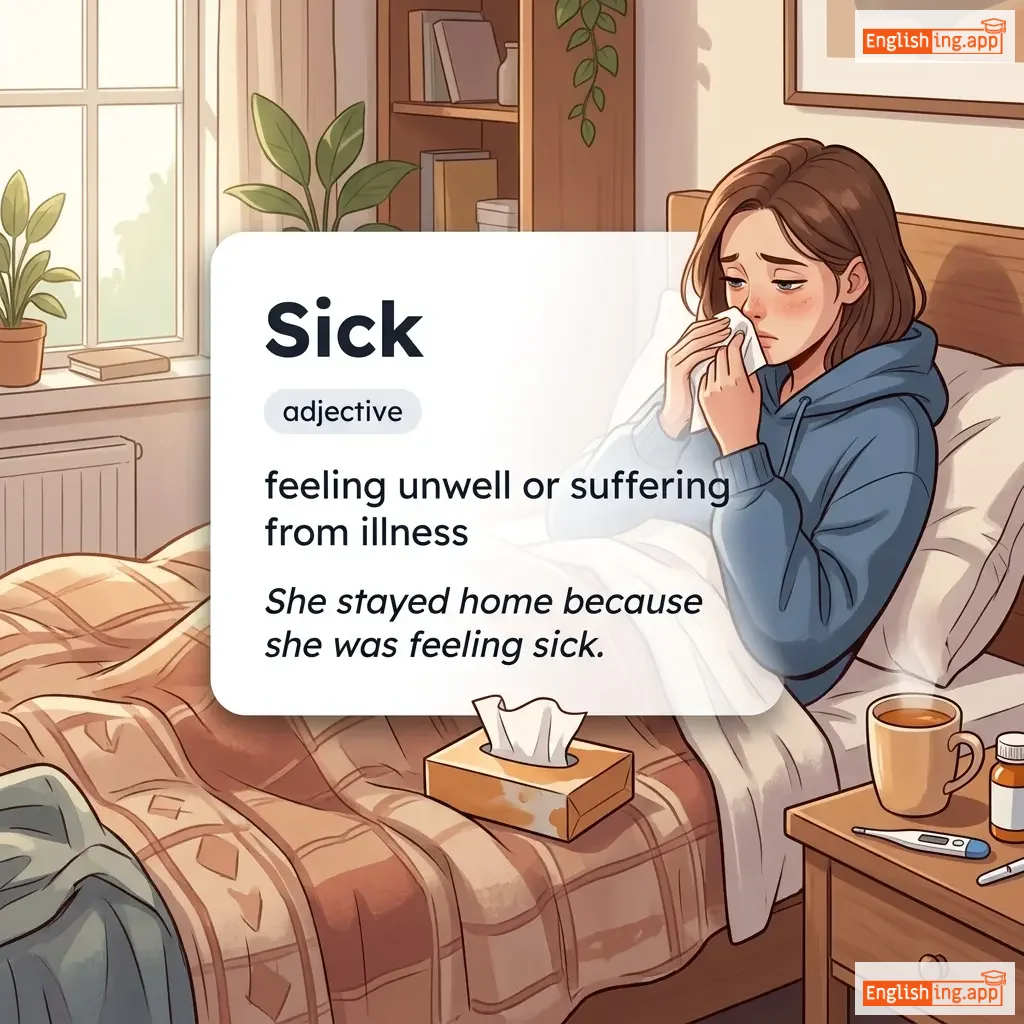
/sɪk/
adjective
(sik)
••••••
|
|
病気の; 吐き気のする; 不調
byouki no; hakike no suru; fuchou
••••••
|
unwell; having a disease or illness; feeling nauseous
••••••
|
She stayed home from work because she was feeling sick. |
彼女は気分が悪かったので、仕事を休んだ。
kanojo wa kibun ga warukatta node, shigoto o yasunda
••••••
|
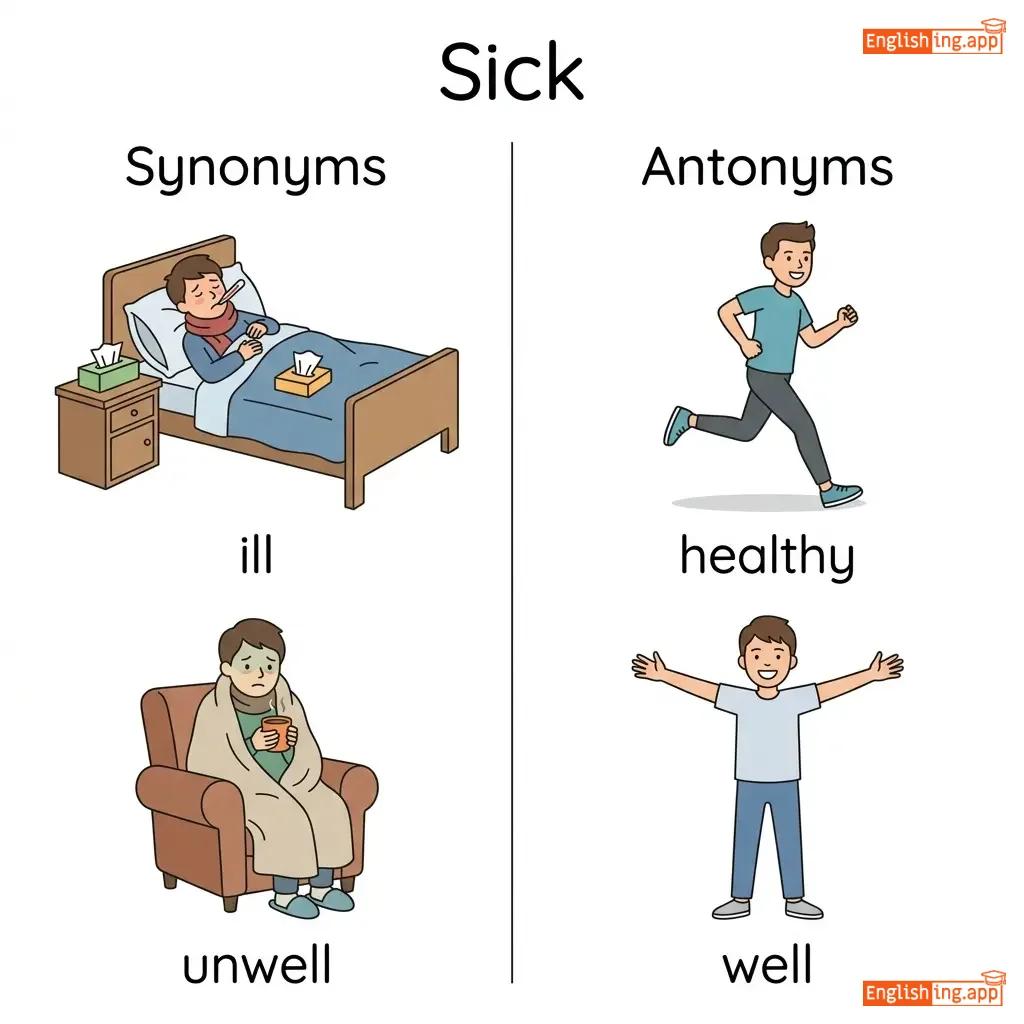
ill, unwell, diseased, nauseous
••••••
|
healthy, well, fine
••••••
|
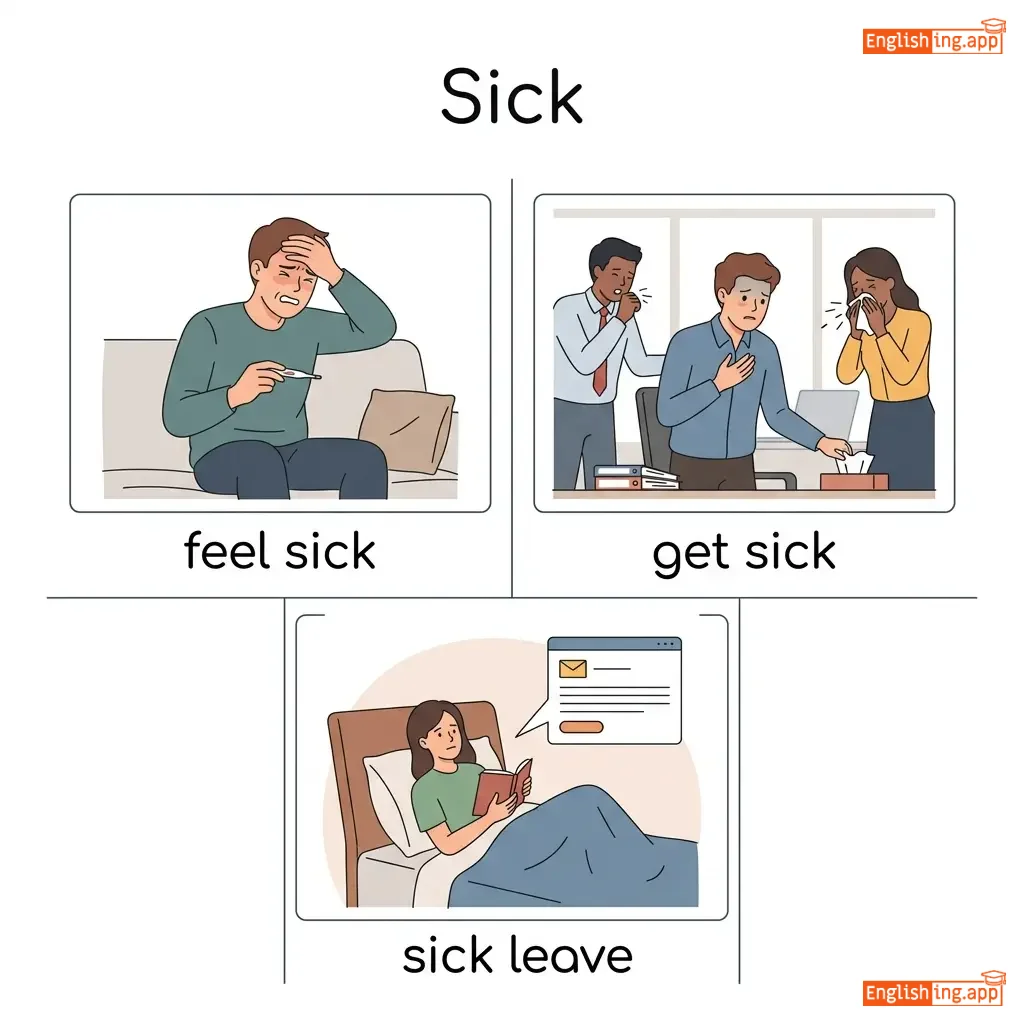
sick leave, sick day, feel sick, get sick
••••••
|
病気で吐き気を感じる
••••••
|
|
#804
📏
|
/ʃɔːrt/
adjective
(ショート)
••••••
|
- •••••• |
短い; 短縮した
mijikai; tanshuku shita
••••••
|
having a small length, height, or duration; not long
••••••
|
The meeting was very short, lasting only ten minutes. |
会議はとても短く、わずか10分間だった。
Kaigi wa totemo mijikaku, wazuka 10-punkan datta.
••••••
|
brief, small, little, compact
••••••
|
long, tall, extended, lengthy
••••••
|
short story, short time, short distance, short hair
••••••
|
短い、ショートのように
••••••
|
|
#805
🧵
|
/ˈsɪlkən/
adjective
(シルケン)
••••••
|
- •••••• |
絹の; 柔らかい; 滑らか;
kinu no
••••••
|
made of silk; smooth and soft like silk
••••••
|
She wore a beautiful silken dress to the party.
彼女はパーティーに美しいシルケンドレスを着ていきました。
••••••
|
彼女はパーティーに美しい絹のドレスを着ていきました。
Kanojo wa pātī ni utsukushī kinu no doresu o kite ikimashita.
••••••
|
smooth, soft, lustrous, sleek
••••••
|
rough, coarse, harsh, bumpy
••••••
|
silken hair, silken fabric, silken touch
••••••
|
A silken dress makes you feel as if you are wearing the softest silk.
••••••
|
|
#806
🔪
|
/ʃɑːrp/
adjective
(シャープ)
••••••
|
- •••••• |
鋭い; 強烈な; 突然で強い; 理解が速い
surudoi; kyōretsu na; totsuzen de tsuyoi; rikai ga hayai
••••••
|
having a cutting edge or point; sudden and intense; quick to understand
••••••
|
The knife has a very sharp blade.
ナイフは非常に鋭い刃を持っています。
••••••
|
ナイフは非常に鋭い刃を持っています。
Naifu wa hijō ni surudoi ha o motteimasu.
••••••
|
keen, pointed, acute, piercing
••••••
|
blunt, dull, rounded, obtuse
••••••
|
sharp knife, sharp pain, sharp mind, sharp turn
••••••
|
鋭いナイフはsharpのように感じます。
••••••
|
|
#807
😷
|
/ˈsɪk.li/
adjective
(sikkuri)
••••••
|
- •••••• |
弱い; 病気; 青白い
yowai
••••••
|
weak and unhealthy; prone to illness; appearing weak or pale
••••••
|
The sickly child needed extra care and attention. |
その弱い子供は、特別なケアと注意が必要だった。
Sono yowai kodomo wa, tokubetsuna kea to chuui ga hitsuyou datta
••••••
|
weak, frail, unhealthy, pale
••••••
|
healthy, robust, strong
••••••
|
sickly appearance, sickly child, sickly complexion
••••••
|
弱い子供は常に特別なケアが必要です。
••••••
|
|
#808
👓
|
/ˈʃɔːrt ˌsaɪtɪd/
adjective
(ショートサイト)
••••••
|
- •••••• |
近視; 短期的な視野
kinshi; tanki-tekina shiya
••••••
|
lacking foresight or consideration for the future; myopic
••••••
|
His short-sighted decision to quit school early affected his career prospects.
彼の近視的な決断で学校を早く辞めたことは、彼のキャリアの展望に影響を与えました。
••••••
|
彼の近視的な決断で学校を早く辞めたことは、彼のキャリアの展望に影響を与えました。
kare no kinshiteki na ketsudan de gakkou wo hayaku yameta koto wa, kare no kyaria no tenbō ni eikyō wo ataemashita.
••••••
|
myopic, narrow-minded, imprudent, unwise
••••••
|
far-sighted, visionary, prudent, wise
••••••
|
short-sighted policy, short-sighted thinking, short-sighted approach
••••••
|
近視では未来を見られない
••••••
|
|
#809
😡
|
/ˈʃɔːrt ˌtempərd/
adjective
(ショートテンパード)
••••••
|
- •••••• |
短気な; すぐに怒る
tanki na; sugu ni okoru
••••••
|
quick to lose one's temper; easily angered
••••••
|
She became short-tempered when the traffic made her late for the meeting.
交通のせいで遅れてしまったとき、彼女は短気になった。
••••••
|
交通のせいで遅れてしまったとき、彼女は短気になった。
koutsuu no sei de okurete shimatta toki, kanojo wa tanki ni natta.
••••••
|
irritable, quick-tempered, irascible, hot-headed
••••••
|
patient, calm, even-tempered, good-natured
••••••
|
short-tempered person, short-tempered behavior, get short-tempered
••••••
|
Short-tempered refers to getting angry quickly, like someone upset by traffic delays.
••••••
|
|
#810
👁️🗨️
|
/ˈsaɪt.ləs/
adjective
(saitoresu)
••••••
|
- •••••• |
盲目; 視力なし
moumoku; shiryoku nashi
••••••
|
unable to see; blind; lacking vision
••••••
|
The sightless man navigated the street with his guide dog.
ザ サイトレス マン ナビゲイテッド ザ ストリート ウィズ ヒズ ガイド ドッグ。
••••••
|
盲目の男性はガイド犬と一緒に通りを歩きました。
Moumoku no dansei wa gaido inu to issho ni toori o arukimashita
••••••
|
blind, unseeing, visually impaired
••••••
|
sighted, seeing, visual
••••••
|
sightless person, sightless eyes
••••••
|
盲目の男性がガイド犬と一緒に歩く
••••••
|
|
#811
🏖️
|
/ˈʃæl.oʊ/
adjective
(シャロー)
••••••
|
- •••••• |
浅い; 表面的; 知識の深さが欠けている
asai; hyōmen-teki; chishiki no fukasa ga kakete iru
••••••
|
not deep; superficial; lacking depth of knowledge
••••••
|
The shallow water is perfect for children to play. |
浅い水は子供たちが遊ぶのに最適です。
Asai mizu wa kodomotachi ga asobu no ni saiteki desu.
••••••
|
superficial, surface-level, cursory, trivial
••••••
|
deep, profound, thorough, comprehensive
••••••
|
shallow water, shallow thinking, shallow breathing
••••••
|
浅い水と浅い知識は、表面的なものです。
••••••
|
|
#812
💯
|
/ʃɪər/
adjective
(シア)
••••••
|
- •••••• |
完全な; 絶対的な; 透明な; 非常に急な
kanzen na; zettaiteki na; tōmeina; hijō ni kyū na
••••••
|
complete; absolute; transparent; very steep
••••••
|
It was sheer luck that we found the place.
それは私たちが場所を見つけた純粋な運だった。
••••••
|
それは私たちが場所を見つけた純粋な運だった。
Sore wa watashitachi ga basho o mitsuketa junsuina un datta.
••••••
|
pure, complete, absolute, utter
••••••
|
partial, incomplete, mixed, gradual
••••••
|
sheer luck, sheer cliff, sheer fabric, sheer determination
••••••
|
Sheer in Japanese means 'junsui na un', pure luck.
••••••
|
|
#813
🧠
|
/ʃruːd/
adjective
(シュルード)
••••••
|
- •••••• |
賢い; 鋭い; 分別のある
kashikoi; surudoi; bunbetsu no aru
••••••
|
having or showing sharp powers of judgment; astute
••••••
|
The shrewd businessman made a profitable deal in the competitive market.
その賢いビジネスマンは、競争の激しい市場で利益を上げる取引をしました。
••••••
|
その賢いビジネスマンは、競争の激しい市場で利益を上げる取引をしました。
Sono kashikoi bijinesuman wa, kyōsō no hageshī shijō de rieki o ageru torihiki o shimashita.
••••••
|
astute, clever, cunning, sharp
••••••
|
naive, gullible, foolish, simple
••••••
|
shrewd businessman, shrewd investment, shrewd observer, shrewd move
••••••
|
賢い商人は常に利益を得ることができます。
••••••
|
|
#814
✨
|
/ˈʃaɪ.ni/
adjective
(shaīni)
••••••
|
- •••••• |
光沢のある; 輝く;
kōtaku no aru; kagayaku;
••••••
|
reflecting light; bright and polished; glossy
••••••
|
The shiny new car caught everyone's attention.
その新しい光沢のある車は皆の注意を引きました。
••••••
|
その新しい光沢のある車は皆の注意を引きました。
Sono atarashī kōtaku no aru kuruma wa mina no chūi o hikimashita.
••••••
|
bright, glossy, polished, gleaming
••••••
|
dull, matte, tarnished, dim
••••••
|
shiny surface, shiny hair, shiny object, shiny new
••••••
|
Shiny cars 'kagayaku' like the stars.
••••••
|
|
#815
⭐
|
/sɪɡˈnɪf.ɪ.kənt/
adjective
(シグニフィカント)
••••••
|
|
重要な; 顕著な;
jūyōna; kenchona
••••••
|
important; notable; having meaning or consequence
••••••
|
The discovery of the vaccine was a significant breakthrough in medicine. |
ワクチンの発見は医学における重要な突破口でした。
Wakuchin no hakken wa igaku ni okeru jūyōna toppakō deshita
••••••
|
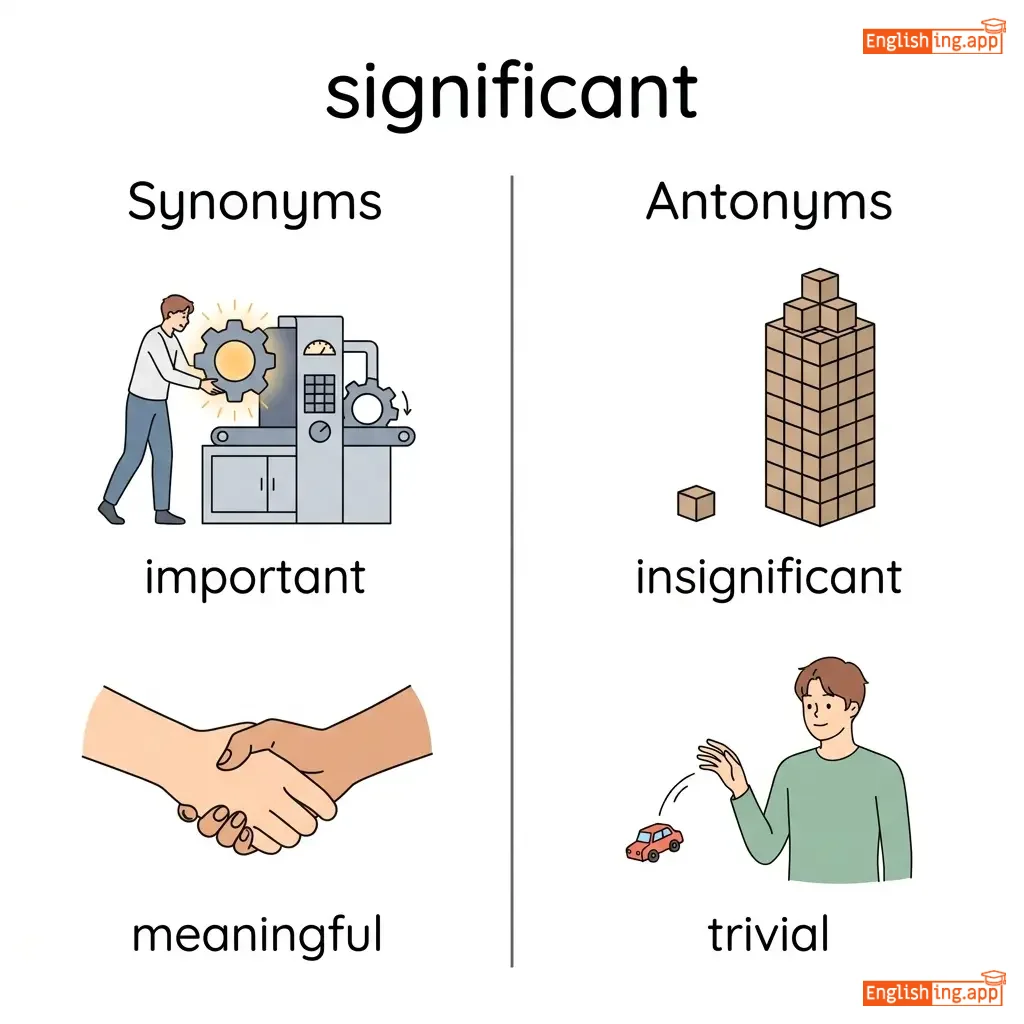
important, meaningful, notable, considerable
••••••
|
insignificant, trivial, minor
••••••
|
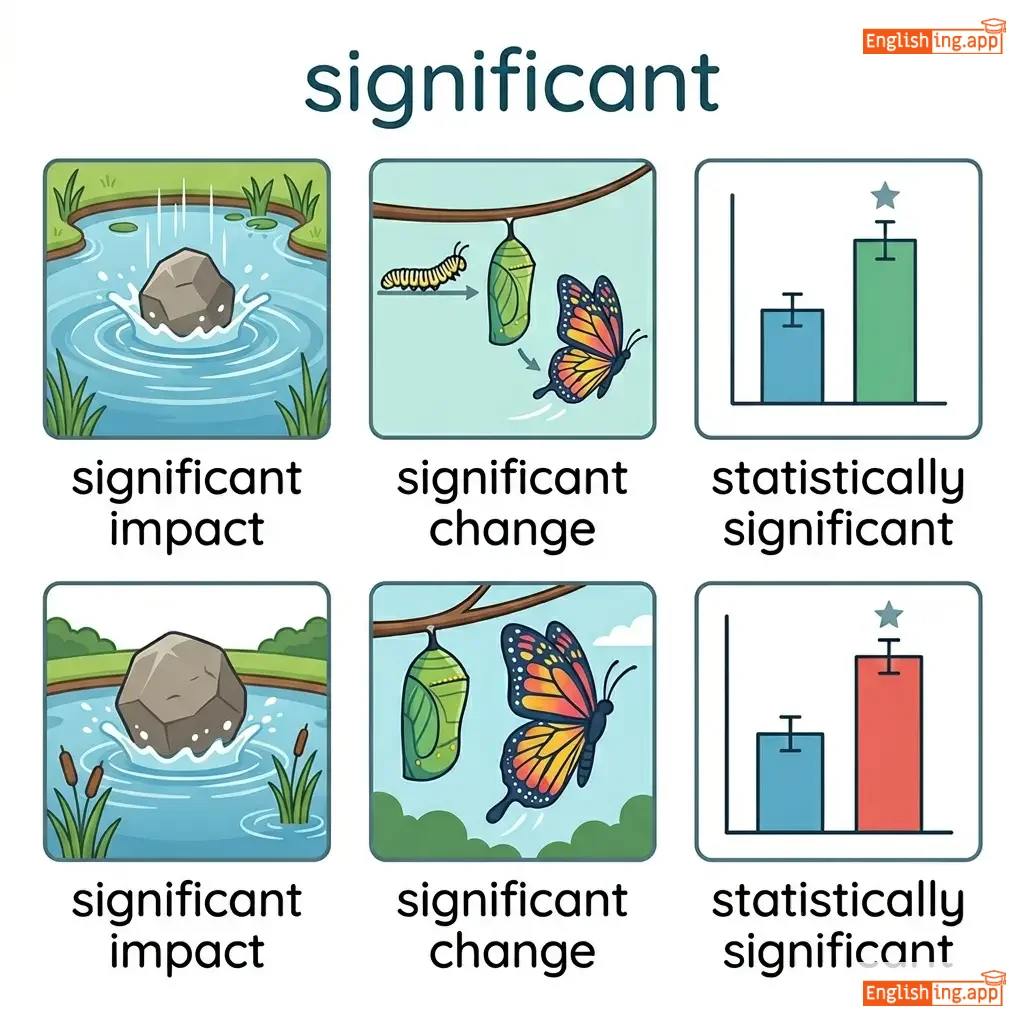
significant impact, significant change, significant difference
••••••
|
重要な発見 = 意義ある結果を生む
••••••
|
|
#816
😳
|
/ˈʃeɪm.fəl/
adjective
(ʃeɪmfʊl)
••••••
|
- •••••• |
恥ずかしい; 不名誉な; 恥ずかしい
hazukashii; fumeiyo na; hazukashii
••••••
|
causing shame; disgraceful; embarrassing
••••••
|
His shameful behavior embarrassed the entire family.
hɪz ʃeɪmfʊl bɪˈheɪvjər ɪmˈbærəst ði ˈɛnˌtaɪər ˈfæmɪli
••••••
|
彼の恥ずかしい行動は家族全員を困惑させました。
Kare no hazukashii kōdō wa kazoku zen'in o konwaku sasemashita.
••••••
|
disgraceful, embarrassing, humiliating, dishonorable
••••••
|
honorable, respectable, dignified, admirable
••••••
|
shameful act, shameful behavior, shameful secret
••••••
|
恥ずかしい = 恥ずかしさに耐えることは難しい.
••••••
|
|
#817
😳
|
/ʃaɪ/
adjective
(シャイ)
••••••
|
|
内気な; 恥ずかしがり屋
uchiki na; hazukashigariya
••••••
|
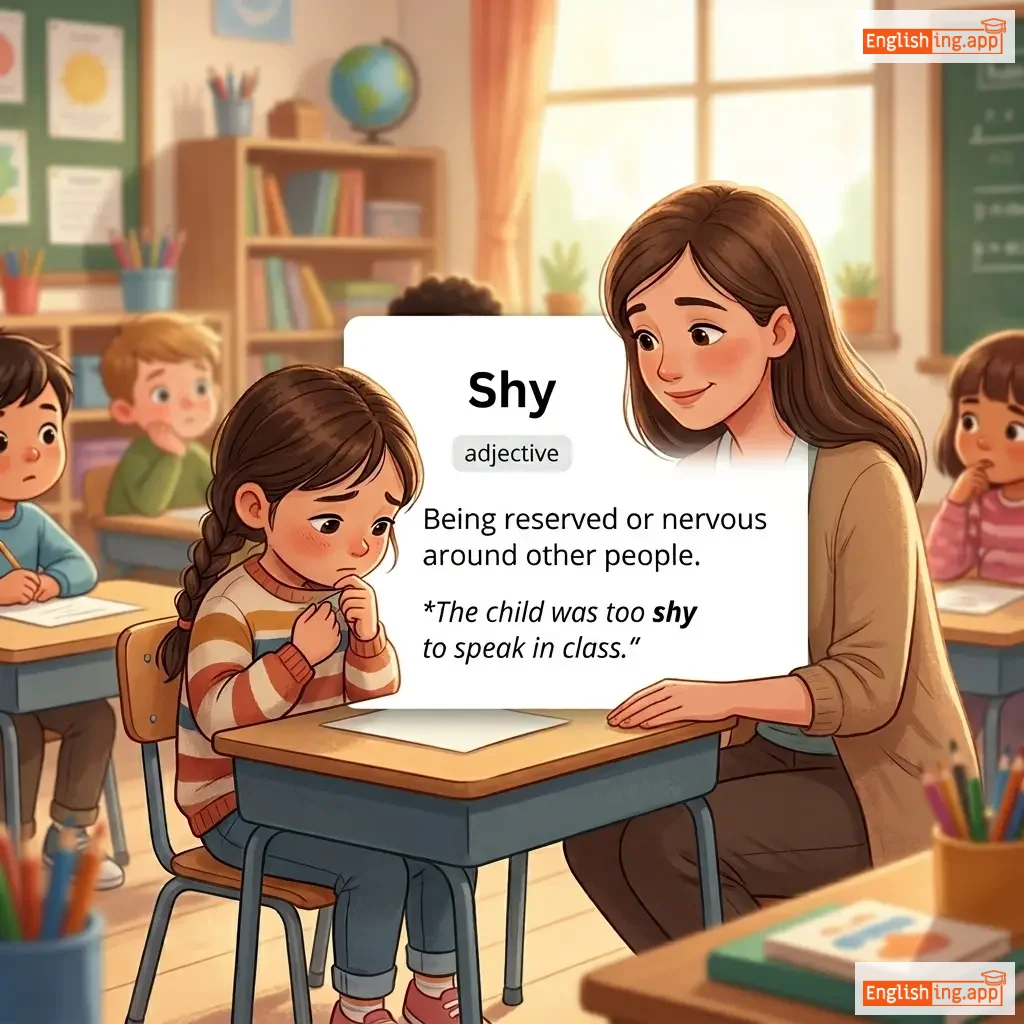
nervous or timid in the company of other people
••••••
|
The shy student rarely spoke up in class discussions.
シャイな学生はクラスディスカッションでほとんど話さなかった。
••••••
|
内気な学生はクラスディスカッションでほとんど話さなかった。
Uchiki na gakusei wa kurasu disukasshon de hotondo hanasanakatta.
••••••
|
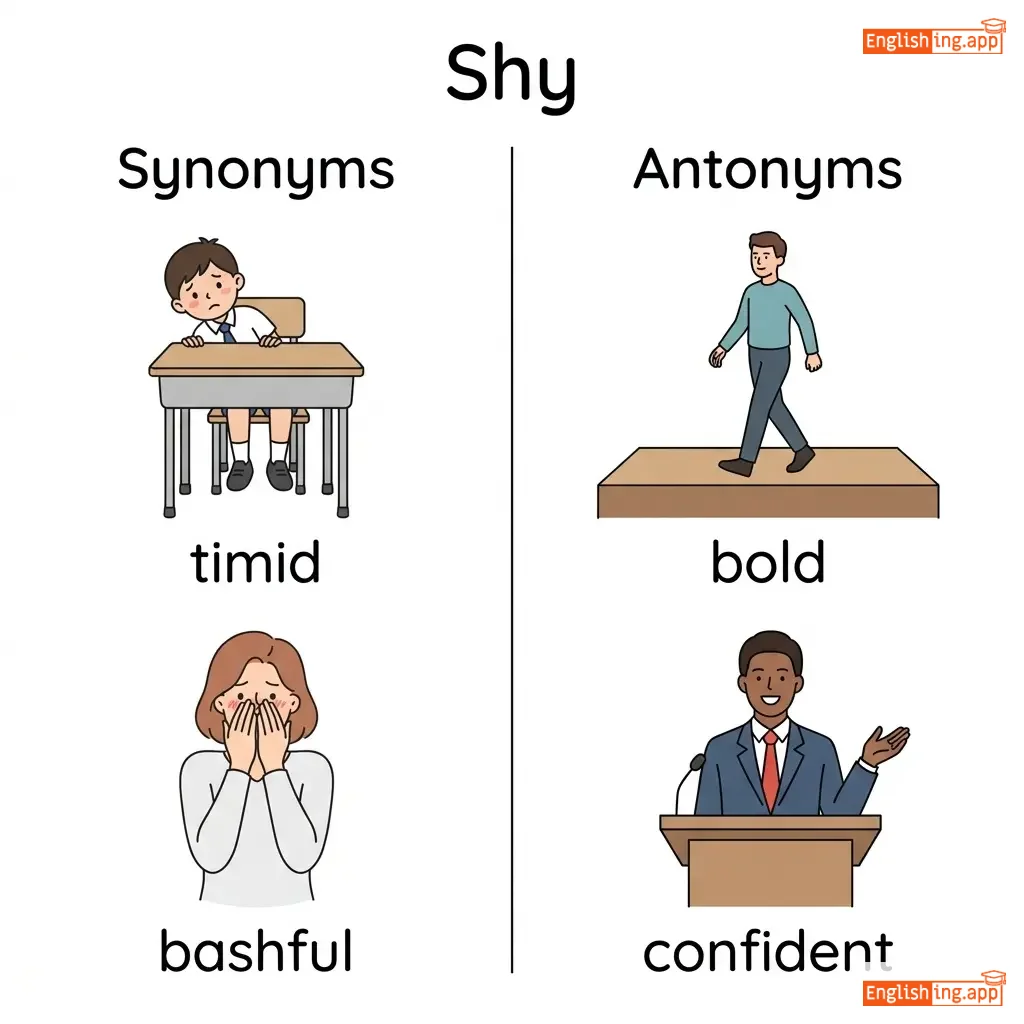
timid, bashful, reserved, introverted
••••••
|
confident, outgoing, bold, extroverted
••••••
|
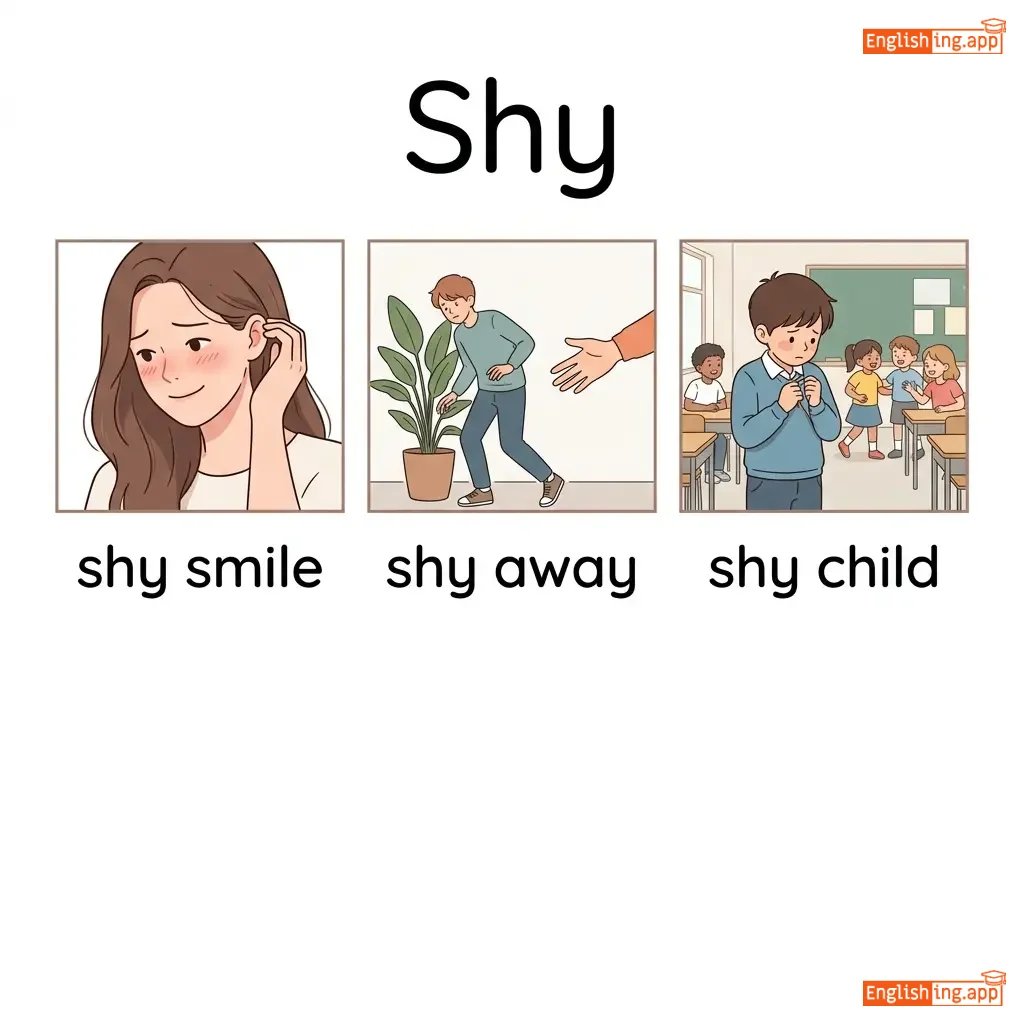
shy person, shy smile, feel shy, shy away
••••••
|
内気な学生は、猫のように静かに隅に隠れることが多い。
••••••
|
|
#818
🚢
|
/ˈʃɪp.ʃeɪp/
adjective
(ship-sheyp)
••••••
|
- •••••• |
きちんと整頓された; よく整理された; 良好な状態
kichinto seiton sareta; yoku seiri sareta; ryōkō na jōtai
••••••
|
neat and tidy; in good order; well-organized
••••••
|
Everything was shipshape before the inspection.
検査の前にすべてが完璧でした。
••••••
|
検査の前にすべてが完璧でした。
Kensa no mae ni subete ga kanpeki deshita.
••••••
|
tidy, neat, orderly, organized
••••••
|
messy, disorganized, untidy, chaotic
••••••
|
shipshape condition, shipshape and Bristol fashion, keep things shipshape
••••••
|
Shipshape – 船が整然と整理されている
••••••
|
|
#819
🤫
|
/ˈsaɪ.lənt/
adjective
(サイレント)
••••••
|
- •••••• |
静かな; 無音の; 騒がない
shizukana; muon no; sawagaranai
••••••
|
making no sound; quiet; not speaking
••••••
|
The library was completely silent during study hours. |
図書館は学習時間中は完全に静かでした。
Toshokan wa gakushū jikan-chū wa kanzen ni shizuka deshita
••••••
|
quiet, noiseless, mute, speechless
••••••
|
noisy, loud, vocal, talkative
••••••
|
silent treatment, silent film, remain silent
••••••
|
静かさが心を落ち着かせる。
••••••
|
|
#820
😤
|
/ˈʃeɪm.ləs/
adjective
(シャムレス)
••••••
|
- •••••• |
恥知らず
hajishirazu
••••••
|
having no shame; bold and rude; impudent
••••••
|
The shameless politician refused to apologize for his mistakes.
恥知らずな政治家は自分の過ちを謝罪することを拒んだ。
••••••
|
恥知らずな政治家は自分の過ちを謝罪することを拒んだ。
hajishirazuna seijika wa jibun no ayamachi o shazai suru koto o kobanda
••••••
|
brazen, impudent, audacious, unashamed
••••••
|
ashamed, modest, humble, bashful
••••••
|
shameless behavior, shameless lie, shameless person
••••••
|
Hajishirazuna = no shame; imagine a bold character wearing a badge that says 'no shame' in a mix of English and Japanese to remember shameless
••••••
|
Vocabulary Quiz
Test your vocabulary by matching words with their translations or meanings.
Login to take the quiz
Comments (0)
Share your thoughts and join the discussion.
Join the discussion by logging in
Login to CommentNo comments yet
Be the first to share your thoughts!