


Swipe left or right, or use the buttons. Tap image to zoom.
例句翻译
单词
Lesson 41Lesson 41 - 遮罩切换
|
表情符号
|
单词 | Images | 翻译 | 含义 | 例句 | 例句翻译 | 同义词 | 反义词 | 搭配词 | 助记符 |
|---|---|---|---|---|---|---|---|---|---|---|
|
#801
🤪
|
/ˈsɪli/
adjective
(sili)
••••••
|
- •••••• |
傻; 愚蠢
sili
••••••
|
foolish; lacking good sense or judgement
••••••
|
Don't be silly, of course you can do it!
别傻了,当然你可以做到!
••••••
|
别傻了,当然你可以做到!
Bié shǎ le, dāngrán nǐ kěyǐ zuò dào!
••••••
|
foolish, absurd, ridiculous, stupid
••••••
|
sensible, wise, intelligent, rational
••••••
|
silly mistake, silly joke, silly behavior
••••••
|
Sili 就是愚蠢的意思,缺乏理智。
••••••
|
|
#802
🌫️
|
/ˈʃeɪp.ləs/
adjective
(ʃeɪpləs)
••••••
|
- •••••• |
无形的
wúxíng de
••••••
|
having no definite or well-defined shape or form
••••••
|
The fog created a shapeless mass in the distance.
ðə fɔɡ kriˈeɪtɪd ə ˈʃeɪpləs mæs ɪn ðə dɪsˈtæns.
••••••
|
雾气在远处形成了无形的团块。
Wùqì zài yuǎnchù xíngchéngle wúxíng de tuánkuài.
••••••
|
formless, amorphous, undefined, irregular
••••••
|
shaped, formed, structured, defined
••••••
|
shapeless blob, shapeless mass, shapeless garment
••••••
|
无形的 = without shape
••••••
|
|
#803
🤒
|
/sɪk/
adjective
(sik)
••••••
|
- •••••• |
生病的; 恶心的; 不舒服
shengbing de; e xin de; bu shu fu
••••••
|
unwell; having a disease or illness; feeling nauseous
••••••
|
She stayed home from work because she was feeling sick. |
她因为感觉不舒服而请假在家。
ta yinwei ganjue bushufu er qingjia zai jia
••••••
|
ill, unwell, diseased, nauseous
••••••
|
healthy, well, fine
••••••
|
sick leave, sick day, feel sick, get sick
••••••
|
生病感到恶心
••••••
|
|
#804
📏
|
/ʃɔːrt/
adjective
(短)
••••••
|
- •••••• |
短的; 简短的
duǎn de; jiǎn duǎn de
••••••
|
having a small length, height, or duration; not long
••••••
|
The meeting was very short, lasting only ten minutes. |
会议非常短,仅持续了十分钟。
Huìyì fēicháng duǎn, jǐn chíxùle shí fēnzhōng.
••••••
|
brief, small, little, compact
••••••
|
long, tall, extended, lengthy
••••••
|
short story, short time, short distance, short hair
••••••
|
短的,就像短片电影
••••••
|
|
#805
🧵
|
/ˈsɪlkən/
adjective
(丝绸)
••••••
|
- •••••• |
丝绸的; 柔软的; 光滑的;
sīchóu de
••••••
|
made of silk; smooth and soft like silk
••••••
|
She wore a beautiful silken dress to the party.
她穿了一件漂亮的丝绸裙子去参加聚会。
••••••
|
她穿了一件漂亮的丝绸裙子去参加聚会。
Tā chuānle yī jiàn piàoliang de sīchóu qúnzi qù cānjiā jùhuì.
••••••
|
smooth, soft, lustrous, sleek
••••••
|
rough, coarse, harsh, bumpy
••••••
|
silken hair, silken fabric, silken touch
••••••
|
Silken fabrics glide over your skin like the smoothest silk.
••••••
|
|
#806
🔪
|
/ʃɑːrp/
adjective
(shā pǔ)
••••••
|
- •••••• |
锋利; 强烈; 突然和强烈; 快速理解
fēnglì; qiángliè; tūrán hé qiángliè; kuàisù lǐjiě
••••••
|
having a cutting edge or point; sudden and intense; quick to understand
••••••
|
The knife has a very sharp blade.
刀片非常锋利。
••••••
|
刀片非常锋利。
Dāopiàn fēicháng fēnglì.
••••••
|
keen, pointed, acute, piercing
••••••
|
blunt, dull, rounded, obtuse
••••••
|
sharp knife, sharp pain, sharp mind, sharp turn
••••••
|
锋利的刀片就像sharp一样!
••••••
|
|
#807
😷
|
/ˈsɪk.li/
adjective
(sikli)
••••••
|
- •••••• |
虚弱; 生病; 苍白
xuruo
••••••
|
weak and unhealthy; prone to illness; appearing weak or pale
••••••
|
The sickly child needed extra care and attention. |
这个虚弱的孩子需要额外的照顾和关注。
Zhege xuruo de haizi xuyao ewai de zhaogu he guanzhu
••••••
|
weak, frail, unhealthy, pale
••••••
|
healthy, robust, strong
••••••
|
sickly appearance, sickly child, sickly complexion
••••••
|
虚弱的孩子像病树一样需要更多的照顾。
••••••
|
|
#808
👓
|
/ˈʃɔːrt ˌsaɪtɪd/
adjective
(short-sighted)
••••••
|
- •••••• |
近视; 短期视野
jìnshì; duǎnqī shìyě
••••••
|
lacking foresight or consideration for the future; myopic
••••••
|
His short-sighted decision to quit school early affected his career prospects.
他短视的决定早早离开学校影响了他的职业前景。
••••••
|
他短视的决定早早离开学校影响了他的职业前景。
tā duǎnshì de juédìng zǎozǎo líkāi xuéxiào yǐngxiǎngle tā de zhíyè qiánjǐng.
••••••
|
myopic, narrow-minded, imprudent, unwise
••••••
|
far-sighted, visionary, prudent, wise
••••••
|
short-sighted policy, short-sighted thinking, short-sighted approach
••••••
|
短期目标,忽视未来
••••••
|
|
#809
😡
|
/ˈʃɔːrt ˌtempərd/
adjective
(shɔːrt ˈtempərd)
••••••
|
- •••••• |
易怒的; 容易生气的
yì nù de; róng yì shēng qì de
••••••
|
quick to lose one's temper; easily angered
••••••
|
She became short-tempered when the traffic made her late for the meeting.
当交通让她迟到时,她变得很暴躁。
••••••
|
当交通让她迟到时,她变得很暴躁。
dāng jiāo tōng ràng tā chí dào shí, tā biàn dé hěn bào zào.
••••••
|
irritable, quick-tempered, irascible, hot-headed
••••••
|
patient, calm, even-tempered, good-natured
••••••
|
short-tempered person, short-tempered behavior, get short-tempered
••••••
|
Short-tempered refers to quick anger, like getting upset by traffic delays.
••••••
|
|
#810
👁️🗨️
|
/ˈsaɪt.ləs/
adjective
(saitles)
••••••
|
- •••••• |
盲目; 无视力
mángmù; wú shìlì
••••••
|
unable to see; blind; lacking vision
••••••
|
The sightless man navigated the street with his guide dog.
The sightless man navigated the street with his guide dog.
••••••
|
盲人带着他的导盲犬穿过街道。
Máng rén dàizhe tā de dǎománg quǎn chuānguò jiēdào
••••••
|
blind, unseeing, visually impaired
••••••
|
sighted, seeing, visual
••••••
|
sightless person, sightless eyes
••••••
|
盲人和他的导盲犬一起走在街上
••••••
|
|
#811
🏖️
|
/ˈʃæl.oʊ/
adjective
(shāluò)
••••••
|
- •••••• |
浅薄; 不深; 缺乏深入知识
qiǎnbó; bù shēn; quēfá shēnrù zhīshì
••••••
|
not deep; superficial; lacking depth of knowledge
••••••
|
The shallow water is perfect for children to play. |
浅水适合孩子们玩耍。
qiǎn shuǐ shìhé háizimen wánshuǎ.
••••••
|
superficial, surface-level, cursory, trivial
••••••
|
deep, profound, thorough, comprehensive
••••••
|
shallow water, shallow thinking, shallow breathing
••••••
|
浅薄的水和浅薄的知识,都是表面上的。
••••••
|
|
#812
💯
|
/ʃɪər/
adjective
(xi'er)
••••••
|
- •••••• |
完全的; 绝对的; 透明的; 非常陡峭
wánquán de; juéduì de; tòumíng de; fēicháng dǒuqiào
••••••
|
complete; absolute; transparent; very steep
••••••
|
It was sheer luck that we found the place.
它是纯粹的运气,我们找到了这个地方。
••••••
|
这是纯粹的运气,我们找到了这个地方。
Zhè shì chúncuì de yùnqì, wǒmen zhǎodào le zhège dìfāng.
••••••
|
pure, complete, absolute, utter
••••••
|
partial, incomplete, mixed, gradual
••••••
|
sheer luck, sheer cliff, sheer fabric, sheer determination
••••••
|
Sheer luck in Chinese: 'chúncuì de yùnqì'.
••••••
|
|
#813
🧠
|
/ʃruːd/
adjective
(shruːd)
••••••
|
- •••••• |
精明的; 聪明的; 机敏的
jīngmíng de; cōngmíng de; jīmǐn de
••••••
|
having or showing sharp powers of judgment; astute
••••••
|
The shrewd businessman made a profitable deal in the competitive market.
那个精明的商人,在竞争激烈的市场上达成了一笔有利可图的交易。
••••••
|
那个精明的商人,在竞争激烈的市场上达成了一笔有利可图的交易。
Nàgè jīngmíng de shāngrén, zài jìngzhēng jīliè de shìchǎng shàng dáchéngle yī bǐ yǒulì kětú de jiāoyì.
••••••
|
astute, clever, cunning, sharp
••••••
|
naive, gullible, foolish, simple
••••••
|
shrewd businessman, shrewd investment, shrewd observer, shrewd move
••••••
|
聪明的商人总是能赚到钱。
••••••
|
|
#814
✨
|
/ˈʃaɪ.ni/
adjective
(shāinī)
••••••
|
- •••••• |
闪亮的; 光亮的;
shanliang de; guangliang de;
••••••
|
reflecting light; bright and polished; glossy
••••••
|
The shiny new car caught everyone's attention.
那辆闪亮的新车吸引了所有人的注意。
••••••
|
那辆闪亮的新车吸引了所有人的注意。
Nà liàng shǎn liàng de xīn chē xīyǐn le suǒyǒu rén de zhùyì.
••••••
|
bright, glossy, polished, gleaming
••••••
|
dull, matte, tarnished, dim
••••••
|
shiny surface, shiny hair, shiny object, shiny new
••••••
|
A shiny car is 'shǎn liàng' in sunlight.
••••••
|
|
#815
⭐
|
/sɪɡˈnɪf.ɪ.kənt/
adjective
(显著)
••••••
|
|
显著的; 重要的;
xiǎnzhù de; zhòngyào de
••••••
|
important; notable; having meaning or consequence
••••••
|
The discovery of the vaccine was a significant breakthrough in medicine. |
疫苗的发现是医学中的一个重要突破。
Yìmiáo de fāxiàn shì yīxué zhōng de yīgè zhòngyào tūpò
••••••
|
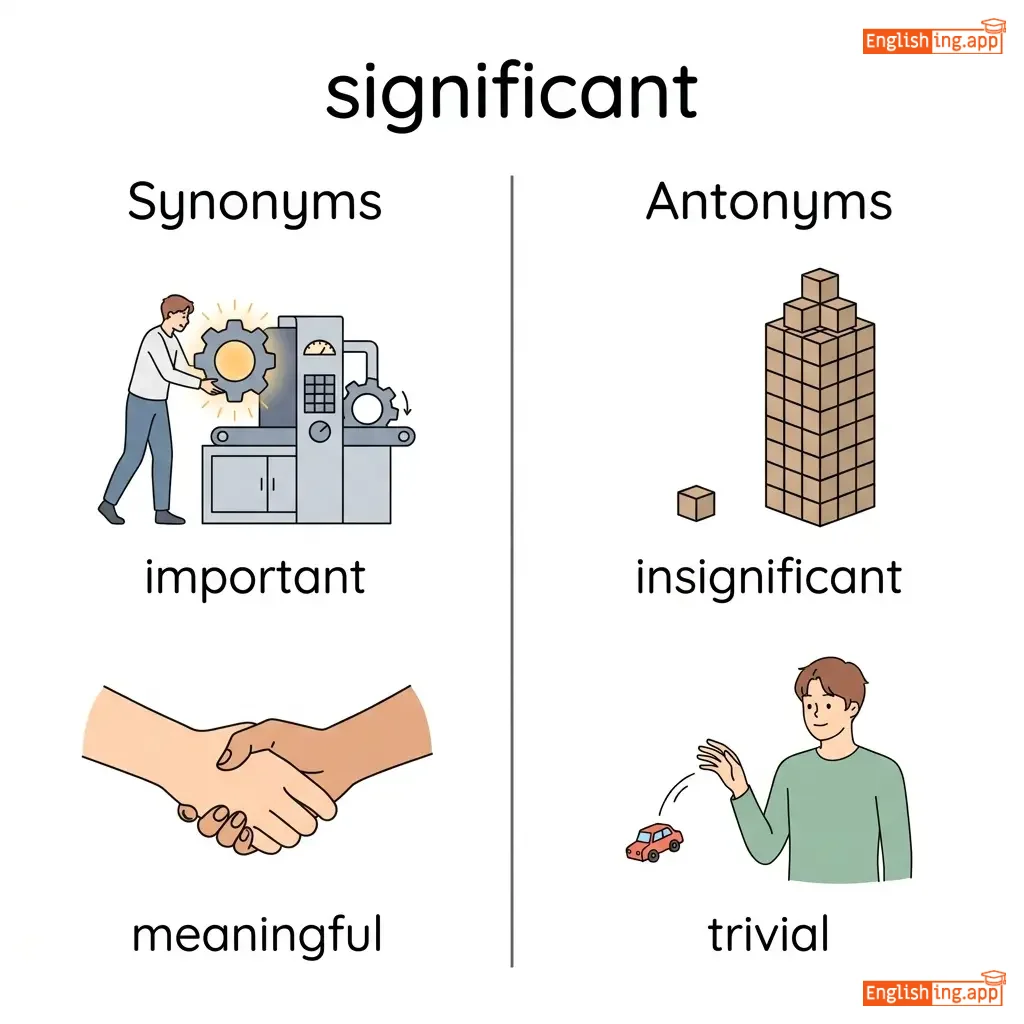
important, meaningful, notable, considerable
••••••
|
insignificant, trivial, minor
••••••
|
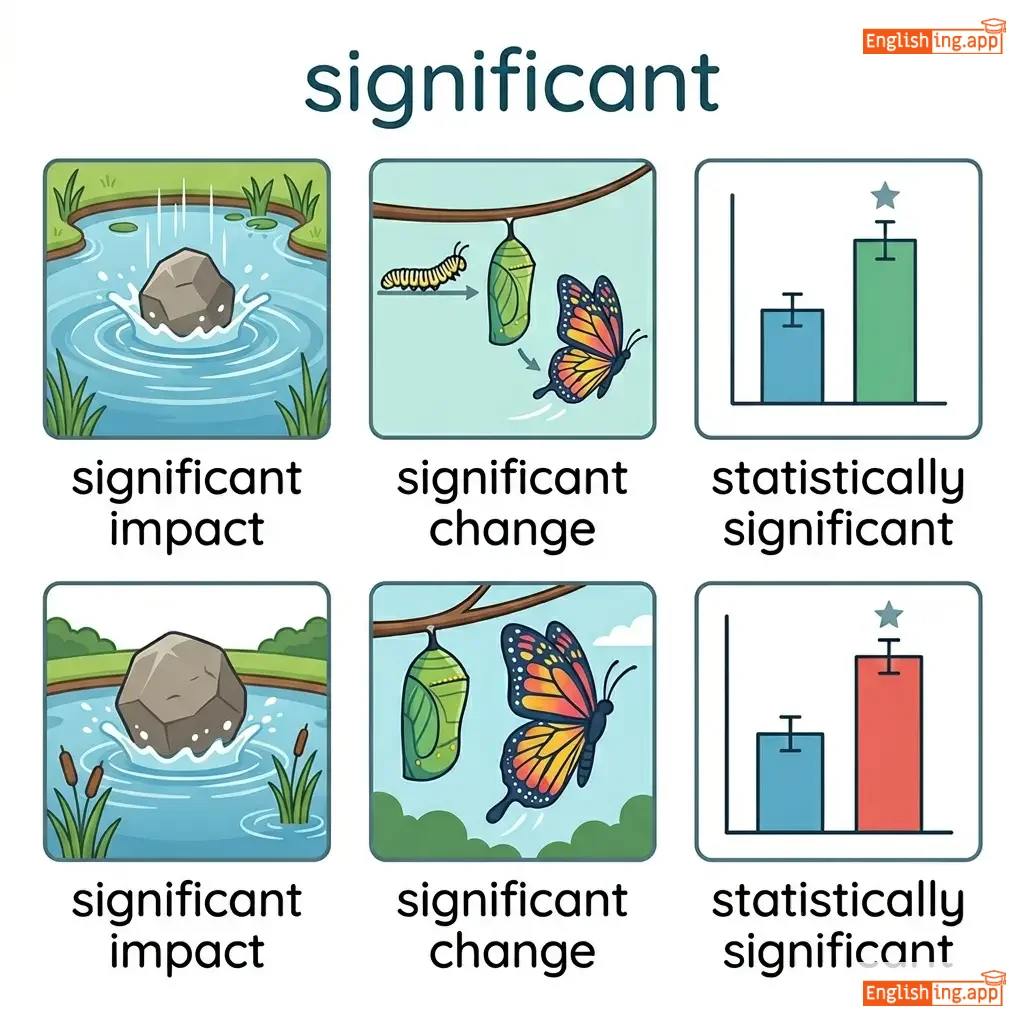
significant impact, significant change, significant difference
••••••
|
显著 = 意味着重要的成就或后果
••••••
|
|
#816
😳
|
/ˈʃeɪm.fəl/
adjective
(ʃeɪmfʊl)
••••••
|
- •••••• |
可耻的; 不光彩的; 令人尴尬的
kěchǐ de; bù guāngcǎi de; lìng rén gāngà de
••••••
|
causing shame; disgraceful; embarrassing
••••••
|
His shameful behavior embarrassed the entire family.
hɪz ʃeɪmfʊl bɪˈheɪvjər ɪmˈbærəst ði ˈɛnˌtaɪər ˈfæmɪli
••••••
|
他可耻的行为让整个家庭感到尴尬。
Tā kěchǐ de xíngwéi ràng zhěnggè jiātíng gǎndào gāngà.
••••••
|
disgraceful, embarrassing, humiliating, dishonorable
••••••
|
honorable, respectable, dignified, admirable
••••••
|
shameful act, shameful behavior, shameful secret
••••••
|
可耻的 = 做错事时感到羞愧.
••••••
|
|
#817
😳
|
/ʃaɪ/
adjective
(shái)
••••••
|
- •••••• |
害羞的; 腼腆的
haixiu de; mian tian de
••••••
|
nervous or timid in the company of other people
••••••
|
The shy student rarely spoke up in class discussions.
害羞的学生很少在课堂讨论中发言。
••••••
|
害羞的学生很少在课堂讨论中发言。
Haixiu de xuesheng henshao zai ketaohua tonglun zhong fayian.
••••••
|
timid, bashful, reserved, introverted
••••••
|
confident, outgoing, bold, extroverted
••••••
|
shy person, shy smile, feel shy, shy away
••••••
|
害羞的学生像一只小猫,总是躲在角落里。
••••••
|
|
#818
🚢
|
/ˈʃɪp.ʃeɪp/
adjective
(ship-sheyp)
••••••
|
- •••••• |
井井有条的; 组织良好的; 状况良好的
jǐng jǐng yǒu tiáo de; zǔ zhī liáng hǎo de; zhuàng kuàng liáng hǎo de
••••••
|
neat and tidy; in good order; well-organized
••••••
|
Everything was shipshape before the inspection.
一切都很完美,在检查之前。
••••••
|
在检查之前,一切都很完美。
Zài jiǎnchá zhīqián, yīqiè dōu hěn wánměi.
••••••
|
tidy, neat, orderly, organized
••••••
|
messy, disorganized, untidy, chaotic
••••••
|
shipshape condition, shipshape and Bristol fashion, keep things shipshape
••••••
|
Shipshape – 在船上,一切都井井有条
••••••
|
|
#819
🤫
|
/ˈsaɪ.lənt/
adjective
(sàilènt)
••••••
|
- •••••• |
安静的; 沉默的; 平静的
ānjìng de; chénmò de; píngjìng de
••••••
|
making no sound; quiet; not speaking
••••••
|
The library was completely silent during study hours. |
在学习时间,图书馆是完全安静的。
Zài xuéxí shíjiān, túshūguǎn shì wánquán ānjìng de
••••••
|
quiet, noiseless, mute, speechless
••••••
|
noisy, loud, vocal, talkative
••••••
|
silent treatment, silent film, remain silent
••••••
|
安静就像是平静的心灵。
••••••
|
|
#820
😤
|
/ˈʃeɪm.ləs/
adjective
(沙姆莱斯)
••••••
|
- •••••• |
无耻的
shameless
••••••
|
having no shame; bold and rude; impudent
••••••
|
The shameless politician refused to apologize for his mistakes.
那个无耻的政治家拒绝为他的错误道歉。
••••••
|
那个无耻的政治家拒绝为他的错误道歉。
na ge wu chi de zheng zhi jia ju jue wei ta de cuo wu dao qian
••••••
|
brazen, impudent, audacious, unashamed
••••••
|
ashamed, modest, humble, bashful
••••••
|
shameless behavior, shameless lie, shameless person
••••••
|
Shameless = Shame less, 想象一个人把 shame 的披风拿走, 只剩下 less 的衣服, 从而成为 无耻 的人
••••••
|
Vocabulary Quiz
Test your vocabulary by matching words with their translations or meanings.
Login to take the quiz
Comments (0)
Share your thoughts and join the discussion.
Join the discussion by logging in
Login to CommentNo comments yet
Be the first to share your thoughts!