


Swipe left or right, or use the buttons. Tap image to zoom.
例句翻译
单词
Lesson 46Lesson 46 - 遮罩切换
|
表情符号
|
单词 | Images | 翻译 | 含义 | 例句 | 例句翻译 | 同义词 | 反义词 | 搭配词 | 助记符 |
|---|---|---|---|---|---|---|---|---|---|---|
|
#901
📏
|
/θɪn/
adjective
(θin)
••••••
|
- •••••• |
薄的; 狭窄的
bo de; xia zhai de
••••••
|
having little thickness; not thick; slender
••••••
|
She wore a thin jacket in the cold weather.
她在寒冷的天气里穿了一件薄外套。
••••••
|
她在寒冷的天气里穿了一件薄外套。
ta zai hanleng de tianqi li chuānle yī jiàn bó wàitào
••••••
|
slender, slim, narrow, skinny
••••••
|
thick, fat, wide, broad
••••••
|
thin layer, thin ice, thin air, thin line
••••••
|
薄且狭窄——像一片纸。
••••••
|
|
#902
🐕
|
/teɪm/
adjective
(teim)
••••••
|
|
驯服的; 温顺的; 容易控制的
xunfu de; wenshun de; rongyi kongzhi de
••••••
|
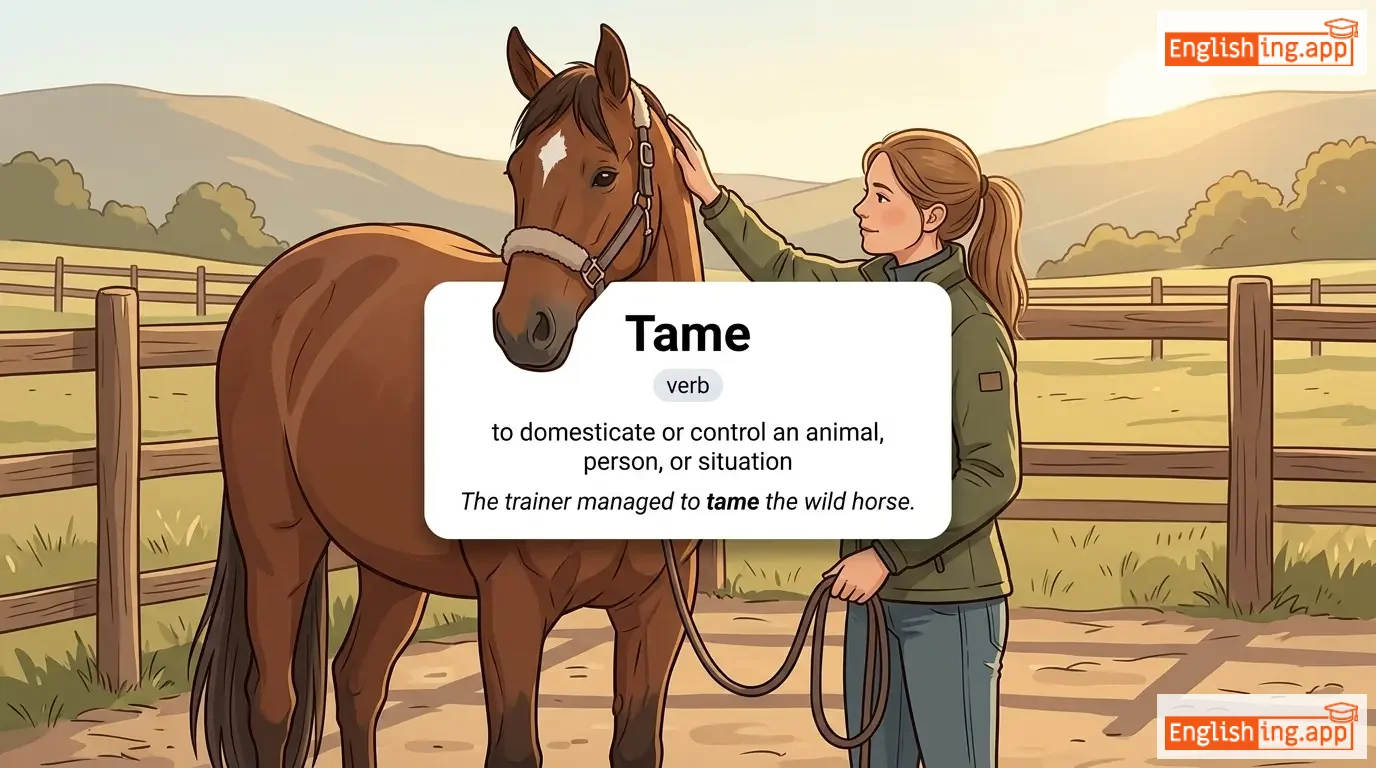
domesticated and not wild; gentle and easy to control
••••••
|
The tame lion performed tricks in the circus. |
驯服的狮子在马戏团表演杂技。
Xunfu de shizi zai maxiquan biaoyan zaji.
••••••
|
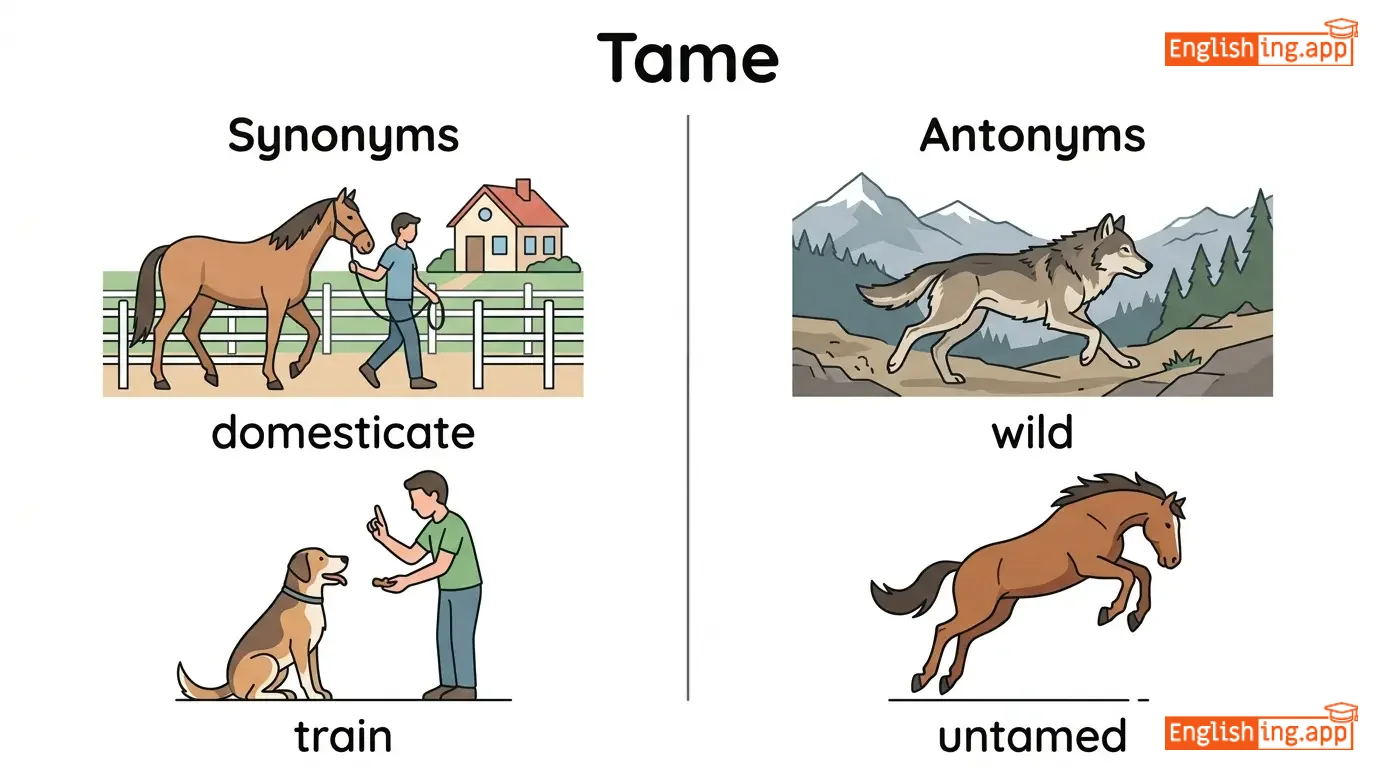
domesticated, gentle, docile, obedient
••••••
|
wild, fierce, untamed, savage
••••••
|
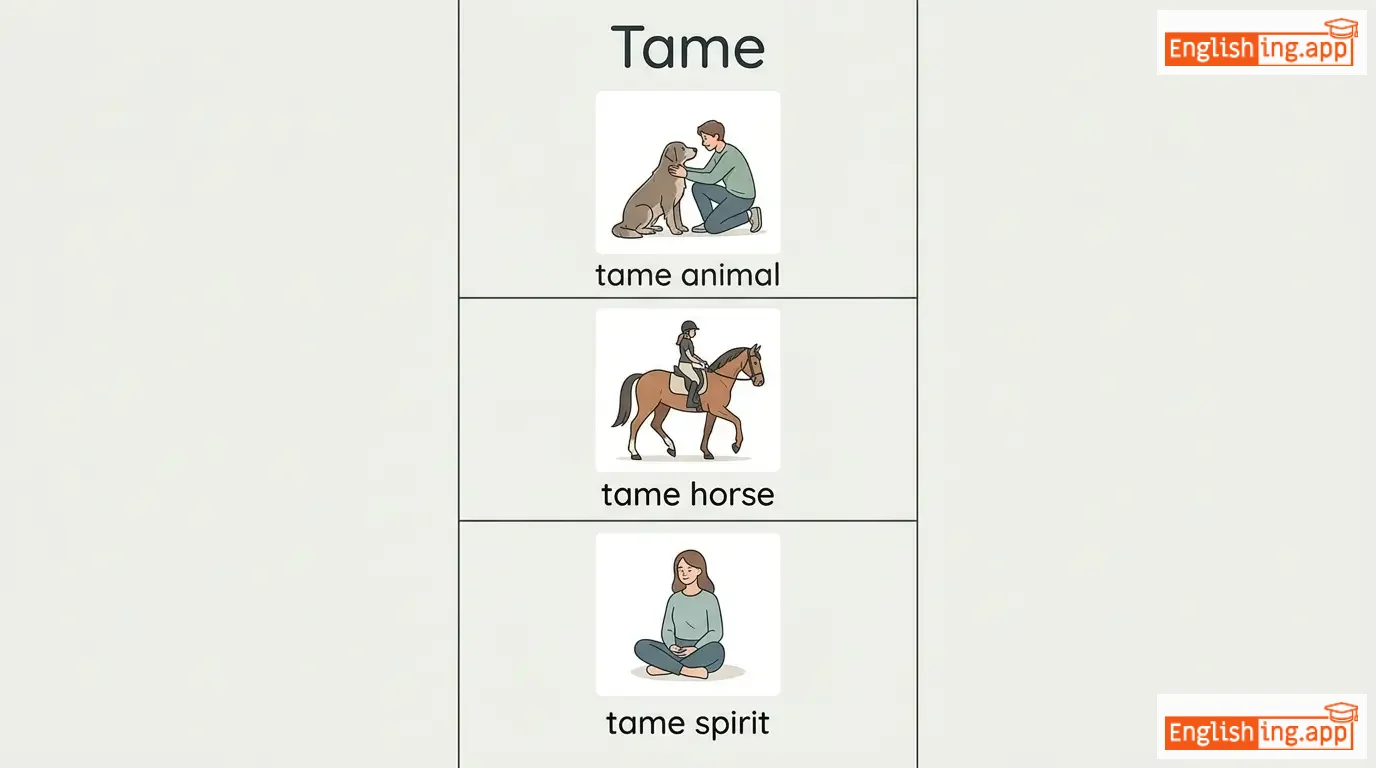
tame animal, tame lion, tame behavior
••••••
|
Tame lion = 'xunfu de' in Chinese
••••••
|
|
#903
🤔
|
/ˈten.tə.tɪv/
adjective
(tèntètívú)
••••••
|
- •••••• |
初步的; 不确定的
chūbù de; bù quèdìng de
••••••
|
not certain or fixed; provisional; hesitant or unsure
••••••
|
We made tentative plans to meet next week. |
我们做了初步的计划,下周见面。
Wǒmen zuòle chūbù de jìhuà, xià zhōu jiànmiàn.
••••••
|
provisional, experimental, uncertain, hesitant
••••••
|
definite, certain, final, decisive
••••••
|
tentative agreement, tentative plans, tentative proposal
••••••
|
初步就像搭帐篷,还是暂时不固定。
••••••
|
|
#904
😢
|
/ˈtɪərfəl/
adjective
(ti-er-fu-er)
••••••
|
- •••••• |
泪流满面; 易哭的
lèi liú mǎn miàn; yì kū de
••••••
|
expressing or showing sadness and sorrow; inclined to weep
••••••
|
She gave a tearful goodbye to her friends at the airport.
她在机场向朋友们告别时泪流满面。
••••••
|
她在机场向朋友们告别时泪流满面。
Tā zài jīchǎng xiàng péngyǒu men gàobié shí lèi liú mǎn miàn.
••••••
|
weeping, crying, sorrowful, mournful
••••••
|
cheerful, happy, joyful, dry-eyed
••••••
|
tearful goodbye, tearful reunion, tearful eyes, tearful voice
••••••
|
眼泪意味着泪水,像 'tearful' 一样。
••••••
|
|
#905
💧
|
/ˈθɜːr.sti/
adjective
(θɜːrsti)
••••••
|
- •••••• |
口渴的
kǒu kě de
••••••
|
feeling a need to drink; having a strong desire for something
••••••
|
I am very thirsty after running in the heat. |
在炎热中跑步后,我非常口渴。
Zài yánrè zhōng pǎobù hòu, wǒ fēicháng kǒu kě.
••••••
|
parched, dehydrated, dry
••••••
|
satisfied, hydrated, quenched
••••••
|
thirsty for knowledge, thirsty work, make thirsty
••••••
|
口渴: 跑步后喝水
••••••
|
|
#906
😍
|
/ˈtæn.tə.laɪ.zɪŋ/
adjective
(坦特莱辛)
••••••
|
- •••••• |
诱人的;吸引人的但无法触及
yòu rén de; xī yǐn rén de dàn wú fǎ chù jí
••••••
|
tempting and attractive but out of reach
••••••
|
The tantalizing aroma of fresh bread filled the bakery. |
新鲜面包的诱人香气弥漫在面包店。
xīnxiān miànbāo de yòu rén xiāngqì mímàn zài miànbāodiàn.
••••••
|
tempting, enticing, alluring, seductive
••••••
|
repulsive, unappealing, disgusting
••••••
|
tantalizing smell, tantalizing offer, tantalizing glimpse
••••••
|
想象一股诱人香气,像新鲜的面包,吸引你但无法触及。
••••••
|
|
#907
🌡️
|
/ˈtep.ɪd/
adjective
(温热)
••••••
|
- •••••• |
温热
wenre
••••••
|
only slightly warm; lukewarm; showing little enthusiasm
••••••
|
The tea was tepid and unappetizing. |
茶是温热的,毫无诱人之感。
Cha shi wenre de, haowu you ren zhi gan.
••••••
|
lukewarm, cool, halfhearted, unenthusiastic
••••••
|
hot, boiling, enthusiastic, passionate
••••••
|
tepid water, tepid response, tepid applause
••••••
|
Imagine tea that’s not too hot in China, just ‘wenre’ – lukewarm.
••••••
|
|
#908
⚙️
|
/ˈteknɪkəl/
adjective
(技术)
••••••
|
- •••••• |
技术的; 专业的;
jìshù de; zhuānyè de
••••••
|
relating to or involving special skills or knowledge; requiring specialized training
••••••
|
The manual contains technical instructions for operating the machine.
手册包含操作机器的技术说明。
••••••
|
手册包含操作机器的技术说明。
Shǒucè bāokuò cāozuò jīqì de jìshù shuōmíng.
••••••
|
specialized, scientific, technological, professional
••••••
|
simple, basic, general, non-technical
••••••
|
technical skills, technical problem, technical support, technical knowledge
••••••
|
技术是指专业的技术知识和技能。
••••••
|
|
#909
😴
|
/ˈtiːdiəs/
adjective
(tidiəs)
••••••
|
- •••••• |
乏味的; 枯燥的
fámèi de; kūzào de
••••••
|
tiresome because of length or dullness; boring and monotonous
••••••
|
The lecture was so tedious that many students fell asleep.
这节课非常无聊,以至于很多学生都睡着了。
••••••
|
这节课非常无聊,以至于很多学生都睡着了。
Zhè jié kè fēicháng wúliáo, yǐzhì yú hěn duō xuéshēng dōu shuìzhe le.
••••••
|
boring, monotonous, dull, tiresome
••••••
|
exciting, interesting, engaging, stimulating
••••••
|
tedious work, tedious process, tedious task, tedious journey
••••••
|
When a lecture is long and boring, it is 'fámèi de' and 'kūzào de'.
••••••
|
|
#910
😰
|
/ˈter.ə.bl̩/
adjective
(tè-lì-bù)
••••••
|
- •••••• |
可怕的; 恶劣的
kěpà de; èliè de
••••••
|
extremely bad or serious; causing fear or dread; very poor quality
••••••
|
The weather was terrible during our vacation. |
我们的假期天气可怕。
Wǒmen de jiàqī tiānqì kěpà.
••••••
|
awful, horrible, dreadful, appalling, frightening
••••••
|
wonderful, excellent, great, fantastic
••••••
|
terrible accident, terrible weather, terrible mistake
••••••
|
当天气不好时,一切变得'可怕'!
••••••
|
|
#911
☢️
|
/ˈteɪn.tɪd/
adjective
(téngtèd)
••••••
|
- •••••• |
污染的; 玷污的
wūrǎn de; diànwū de
••••••
|
contaminated or affected by something bad or undesirable
••••••
|
The water supply was tainted with harmful chemicals. |
水供应被有害的化学物质污染了。
Shuǐ gōngyìng bèi yǒuhài de huàxué wùzhì wūrǎn le.
••••••
|
contaminated, polluted, corrupted, spoiled
••••••
|
pure, clean, untainted, pristine
••••••
|
tainted food, tainted reputation, tainted evidence
••••••
|
The Chinese word '污染' (wūrǎn) means 'contaminated', which is similar to the English meaning.
••••••
|
|
#912
🎨
|
/ˈteɪst.fəl/
adjective
(tèisìfú)
••••••
|
- •••••• |
美味的;优雅的;有品位的
měiwèi de; yōuyǎ de; yǒu pǐnwèi de
••••••
|
showing good judgment in matters of style and beauty
••••••
|
She decorated her home in a very tasteful manner.
她把家装饰得非常有品位。
••••••
|
她把家装饰得非常有品位。
Tā bǎ jiā zhuāngshì de fēicháng yǒu pǐnwèi.
••••••
|
elegant, refined, stylish, sophisticated
••••••
|
tasteless, vulgar, crude, tacky
••••••
|
tasteful decoration, tasteful design, tasteful clothing
••••••
|
品位家居
••••••
|
|
#913
🍰
|
/ˈtemptɪŋ/
adjective
(坦普廷)
••••••
|
- •••••• |
诱人的
yòu rén de
••••••
|
appealing to or attracting someone, even if wrong or inadvisable; alluring
••••••
|
The chocolate cake looked very tempting in the bakery window. |
在面包店的橱窗里,巧克力蛋糕看起来非常诱人。
zài miànbāo diàn de chúchuāng lǐ, qiǎokèlì dàngāo kàn qǐlái fēicháng yòu rén.
••••••
|
alluring, attractive, enticing, appealing
••••••
|
repulsive, unappealing, disgusting, off-putting
••••••
|
tempting offer, tempting food, tempting opportunity, tempting proposal
••••••
|
诱人的 = 吸引
••••••
|
|
#914
😝
|
/ˈteɪst.ləs/
adjective
(tēstlēs)
••••••
|
- •••••• |
没有味道
méiyǒu wèidào
••••••
|
lacking flavor; showing poor judgment in style
••••••
|
The soup was completely tasteless and needed more seasoning.
汤完全没有味道,需要更多的调味料。
••••••
|
汤完全没有味道,需要更多的调味料。
Tāng wánquán méiyǒu wèidào, xūyào gèng duō de tiáowèi liào.
••••••
|
flavorless, bland, insipid, vulgar
••••••
|
tasty, flavorful, tasteful, refined
••••••
|
tasteless food, tasteless joke, tasteless comment
••••••
|
没有味道 = 一碗没有味道的汤,需要更多的调味料
••••••
|
|
#915
🙏
|
/ˈθæŋk.fəl/
adjective
(ˈθæŋkfʊl)
••••••
|
- •••••• |
感激的
gǎn jī de
••••••
|
pleased and relieved; expressing gratitude; appreciative
••••••
|
I am thankful for all your help and support.
我感谢你所有的帮助和支持。
••••••
|
我感谢你所有的帮助和支持。
Wǒ gǎnxiè nǐ suǒyǒu de bāngzhù hé zhīchí.
••••••
|
grateful, appreciative, obliged, indebted
••••••
|
ungrateful, unappreciative, thankless
••••••
|
thankful for, deeply thankful, truly thankful
••••••
|
Saying thankful in Chinese shows your gratefulness.
••••••
|
|
#916
⭐
|
/ˈtæl.ən.tɪd/
adjective
(tæl.ən.tɪd)
••••••
|
- •••••• |
有才华的
yǒu cáihuá de
••••••
|
having a natural ability or skill in a particular area
••••••
|
She is a talented musician who plays multiple instruments.
她是一个有才华的音乐家,能演奏多种乐器。
••••••
|
她是一个有才华的音乐家,能演奏多种乐器。
Tā shì yīgè yǒu cáihuá de yīnyuèjiā, néng yǎnzòu duō zhǒng yuèqì.
••••••
|
gifted, skilled, accomplished, capable
••••••
|
untalented, inept, incompetent, unskilled
••••••
|
talented artist, talented performer, talented individual
••••••
|
‘Talent’ 在中文中是 ‘有才华的’ (yǒu cáihuá de),就像有才华的人。
••••••
|
|
#917
💪
|
/təˈneɪʃəs/
adjective
(təˈneɪʃəs)
••••••
|
|
顽强的; 坚持不懈的; 有决心的
wánqiáng de; jiānchí bù xiè de; yǒu juéxīn de
••••••
|
holding firmly to something; persistent and determined; not easily giving up
••••••
|
She was tenacious in pursuing her dreams despite many obstacles.
她在追求梦想时非常坚持,尽管有许多障碍。
••••••
|
她在追求梦想时非常坚持,尽管有许多障碍。
Tā zài zhuīqiú mèngxiǎng shí fēicháng jiānchí, jǐnguǎn yǒu xǔduō zhàng'ài.
••••••
|
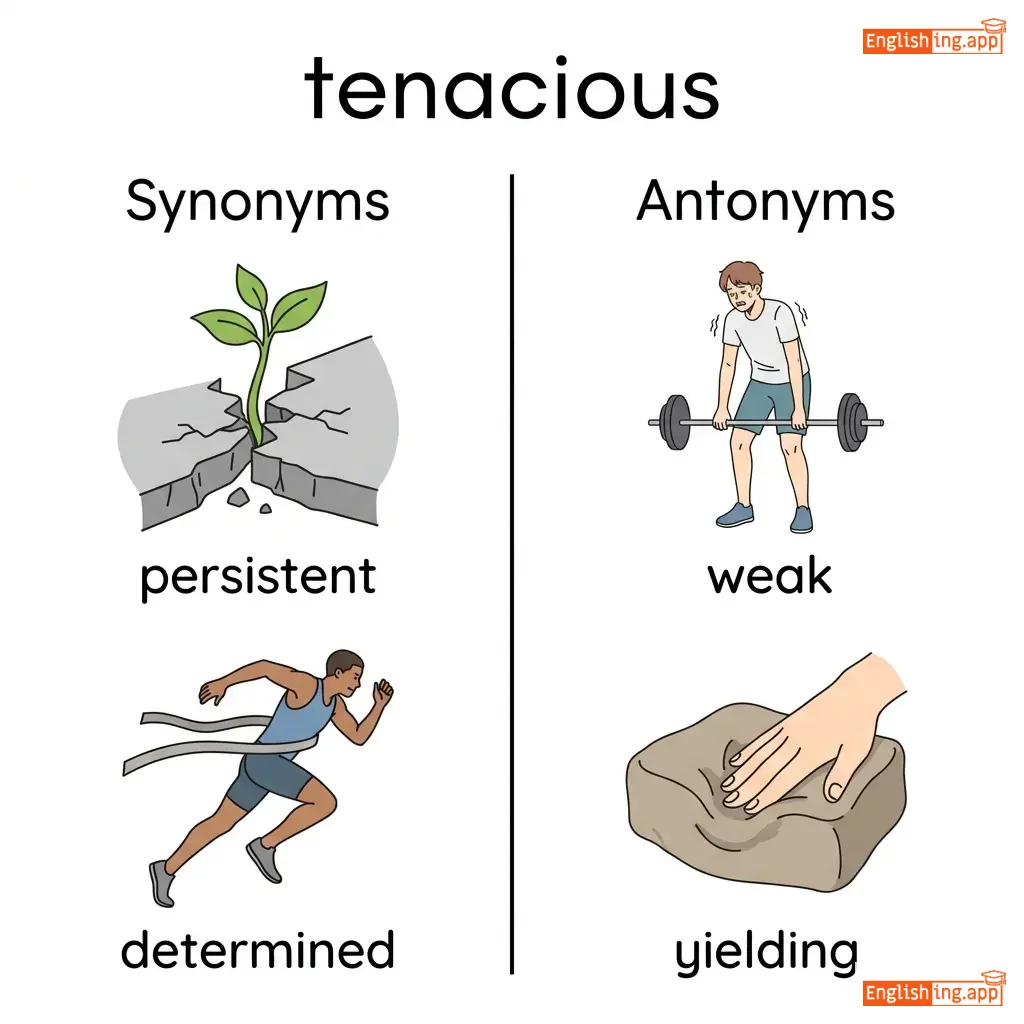
persistent, determined, resolute, stubborn
••••••
|
weak, yielding, irresolute, giving up easily
••••••
|
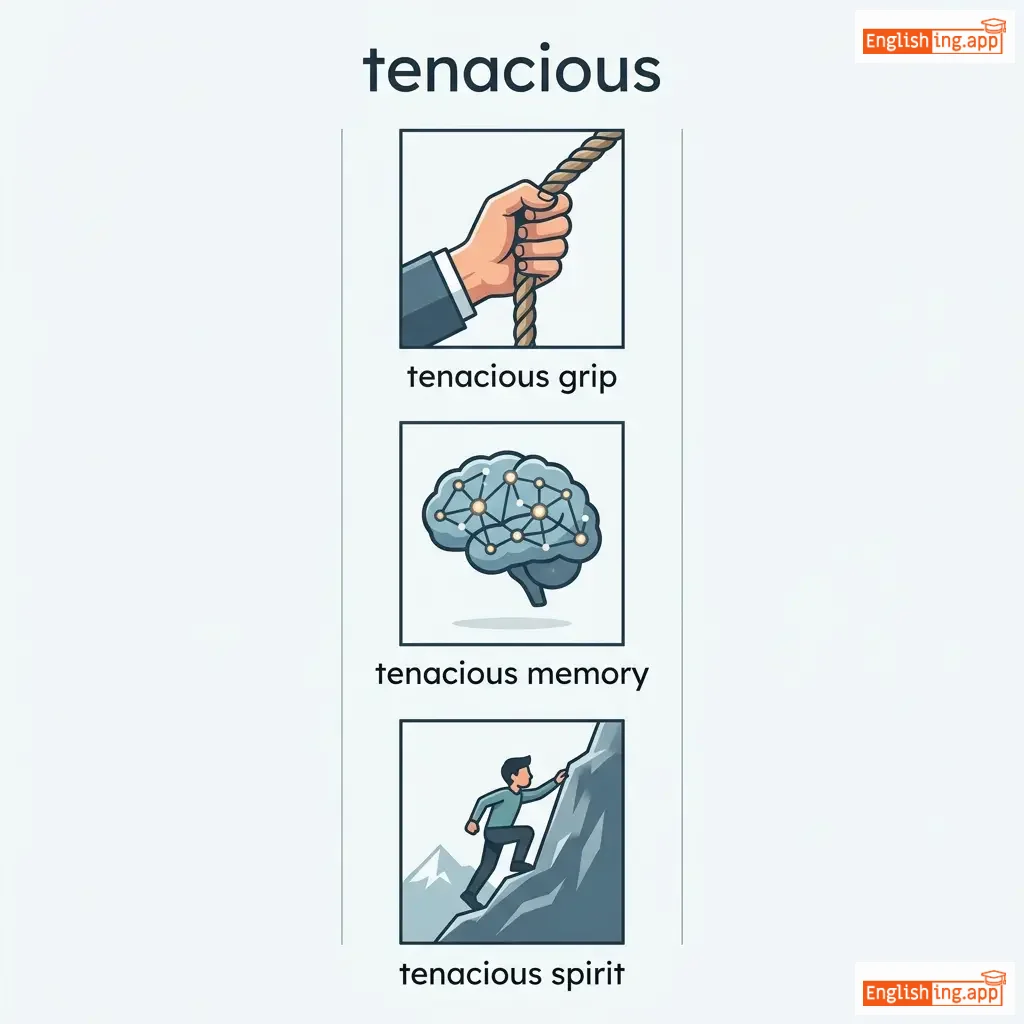
tenacious fighter, tenacious grip, tenacious pursuit, tenacious spirit
••••••
|
Tenacious = Ten (十分) + cious (持续); 追求不放弃
••••••
|
|
#918
😋
|
/ˈteɪ.sti/
adjective
(tésti)
••••••
|
- •••••• |
美味的
měiwèi de
••••••
|
having a pleasant flavor; delicious
••••••
|
The pizza was really tasty with fresh ingredients. |
这块比萨饼因为新鲜的配料而真的很美味。
zhè kuài bǐsàbǐng yīnwèi xīnxiān de pèiliào ér zhēn de hěn měiwèi
••••••
|
delicious, flavorful, savory, yummy
••••••
|
tasteless, bland, unappetizing
••••••
|
tasty food, tasty meal, tasty snack
••••••
|
美味的比萨让你心情愉悦
••••••
|
|
#919
📏
|
/θɪk/
adjective
(zick)
••••••
|
- •••••• |
厚的; 密的;
hou de; mi de
••••••
|
having a large distance between opposite sides; dense; not thin
••••••
|
The book has thick pages and a heavy cover.
这本书有厚重的页面和沉重的封面。
••••••
|
这本书有厚重的页面和沉重的封面。
Zhe ben shu you hou zhong de ye mian he chen zhong de feng mian.
••••••
|
dense, wide, broad, heavy, substantial
••••••
|
thin, narrow, slim, fine
••••••
|
thick book, thick hair, thick fog, thick skin
••••••
|
Chinese word '厚' means thick, and '密' means dense
••••••
|
|
#920
🗣️
|
/ˈtɔː.kə.tɪv/
adjective
(tɔːkətɪv)
••••••
|
- •••••• |
健谈的
jiàn tán de
••••••
|
fond of talking; speaking freely and at length
••••••
|
My talkative neighbor loves to chat about everything. |
我健谈的邻居喜欢谈论一切。
Wǒ jiàn tán de línjū xǐ huān tán lùn yīqiè.
••••••
|
chatty, verbose, loquacious, garrulous
••••••
|
quiet, silent, reserved, taciturn
••••••
|
talkative person, talkative mood, talkative nature
••••••
|
健谈的就像是'说得很健全', 也意味着会说很多话。
••••••
|
Vocabulary Quiz
Test your vocabulary by matching words with their translations or meanings.
Login to take the quiz
Comments (0)
Share your thoughts and join the discussion.
Join the discussion by logging in
Login to CommentNo comments yet
Be the first to share your thoughts!