




Swipe left or right, or use the buttons. Tap image to zoom.
例句翻译
单词
Lesson 34Lesson 34 - 遮罩切换
|
表情符号
|
单词 | Images | 翻译 | 含义 | 例句 | 例句翻译 | 同义词 | 反义词 | 搭配词 | 助记符 |
|---|---|---|---|---|---|---|---|---|---|---|
|
#661
🤔
|
/ˈpruː.dənt/
adjective
(谨慎)
••••••
|
- •••••• |
谨慎的; 小心的; 明智的;
jinshen
••••••
|
wise; careful; cautious;
••••••
|
It's prudent to save money for the future. |
为未来存钱是明智的做法。
Wei weilai cun qian shi mingzhi de zuofa.
••••••
|
wise, careful, cautious, sensible, judicious
••••••
|
reckless, imprudent, careless, foolish
••••••
|
prudent decision, prudent investment, prudent approach
••••••
|
谨慎是为了未来存钱的智慧。
••••••
|
|
#662
🤫
|
/ˈkwaɪ.ɪt/
adjective
(kuaiyit)
••••••
|
- •••••• |
安静的; 平静的; 没有声音的; 发出很少或没有噪音
anjing de; pingjing de; meiyou shengyin de; fachu henshao huo meiyou zaoyin
••••••
|
silent; peaceful; calm; making little or no noise
••••••
|
Please keep quiet during the movie. |
请在电影期间保持安静。
Qing zai dianying qijian baochi anjing.
••••••
|
silent, peaceful, calm, hushed
••••••
|
loud, noisy, boisterous, rowdy
••••••
|
quiet voice, quiet place, keep quiet, quiet time
••••••
|
想象安静的房间,'安静'就是'quiet'。
••••••
|
|
#663
✖️4️⃣
|
/ˈkwɑː.drʊ.pəl/
adjective
(四倍的)
••••••
|
- •••••• |
四倍的
si bei de
••••••
|
four times as much or as many; consisting of four parts
••••••
|
The company's profits have shown quadruple growth this year. |
公司的利润今年增长了四倍。
Gongsi de lirun jinnian zengzhang le si bei.
••••••
|
fourfold, four times
••••••
|
quarter, fourth
••••••
|
quadruple growth, quadruple increase, quadruple the amount
••••••
|
四倍的增长是很可观的
••••••
|
|
#664
📅
|
/ˈkwɔːrtərli/
adjective
(kwórterli)
••••••
|
- •••••• |
季度的
jidu de
••••••
|
occurring every three months; relating to a quarter of a year
••••••
|
The company publishes quarterly reports to shareholders.
公司发布每季度报告给股东。
••••••
|
公司发布每季度报告给股东。
Gongsi fabu mei jidu baogao gei gudong.
••••••
|
every three months, seasonal, periodic
••••••
|
annual, monthly, daily
••••••
|
quarterly report, quarterly meeting, quarterly earnings
••••••
|
季度的报告就像是每年一季的总结。
••••••
|
|
#665
⏰
|
/ˈpʌŋk.tʃu.əl/
adjective
(准时)
••••••
|
- •••••• |
准时
zhunshi
••••••
|
on time; prompt;
••••••
|
She is always punctual for meetings. |
她总是准时参加会议。
Tā zǒng shì zhǔnshí cānjiā huìyì.
••••••
|
timely, prompt, on time, precise
••••••
|
late, tardy, unpunctual, delayed
••••••
|
punctual arrival, punctual person, punctual attendance
••••••
|
准时 (punctual) – like a watch, always accurate!
••••••
|
|
#666
⚔️
|
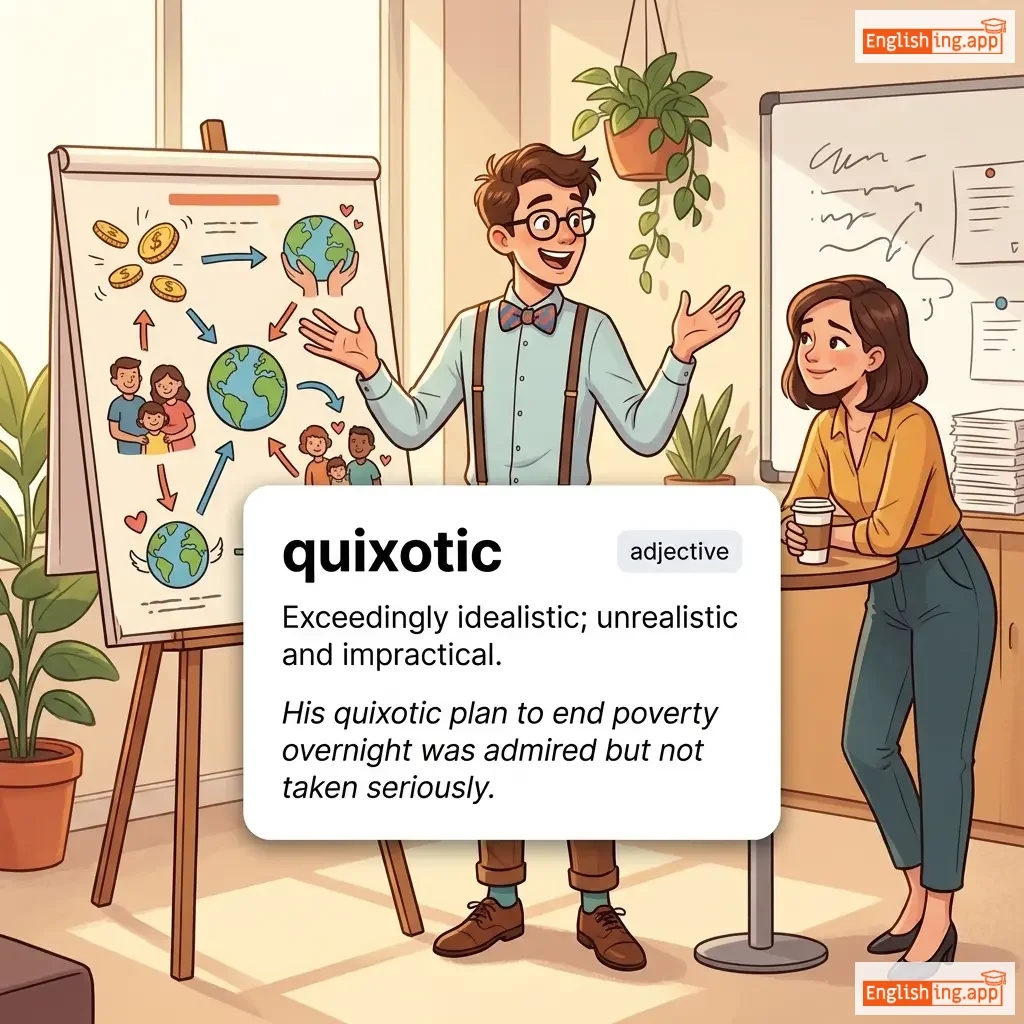
/kwɪkˈsɒt.ɪk/
adjective
(kwikˈsɒtɪk)
••••••
|
|
理想化的;
lǐxiǎng huà de
••••••
|
idealistic; impractical; unrealistic
••••••
|
His quixotic quest to save the old building was admirable but impractical.
His quixotic quest to save the old building was admirable but impractical.
••••••
|
他拯救旧建筑的理想化追求是值得赞赏的,但却不切实际。
Tā zhěngjiù jiù jiànzhù de lǐxiǎng huà zhuīqiú shì zhídé zànshǎng de, dàn què bù qiē shíjì.
••••••
|
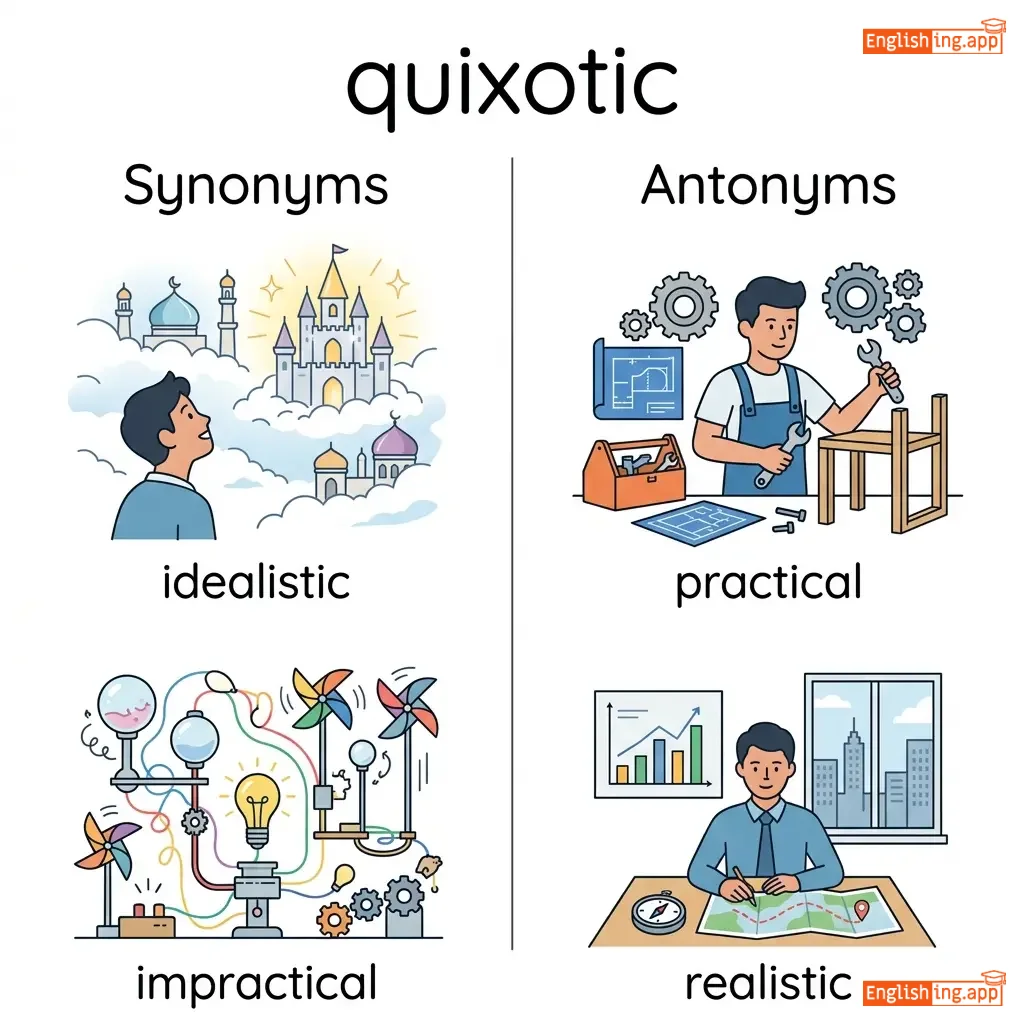
idealistic, impractical, unrealistic, romantic
••••••
|
practical, realistic, pragmatic, sensible
••••••
|
quixotic quest, quixotic dream, quixotic adventure, quixotic mission
••••••
|
当理想超越了现实时,你就是在过上理想化的生活。
••••••
|
|
#667
🤔
|
/kwɪər/
adjective
(kwīr)
••••••
|
- •••••• |
奇怪的; 不寻常的; 特殊的
qi guai de; bu xun chang de; te shu de
••••••
|
strange; unusual; peculiar; odd
••••••
|
The old house had a queer atmosphere that made visitors uncomfortable. |
这座老房子有一种奇怪的气氛,让访客感到不舒服。
Zhe zuo lao fangzi you yizhong qiguai de qifen, rang fangke gandao bushi fu.
••••••
|
strange, odd, unusual, peculiar
••••••
|
normal, ordinary, typical, conventional
••••••
|
queer feeling, queer behavior, queer theory
••••••
|
将‘奇怪的’与‘kwīr’联系起来,帮助记住这个词。
••••••
|
|
#668
✅🎓
|
/ˈkwɑː.lɪ.faɪd/
adjective
(kwá-lí-fáid)
••••••
|
|
合格的; 认证的
hé gé de; rèn zhèng de
••••••
|
having the necessary skills, knowledge, or experience for a particular job or activity; certified
••••••
|
She is a qualified doctor with years of experience.
她是一位具有多年经验的合格医生。
••••••
|
她是一位具有多年经验的合格医生。
tā shì yī wèi jù yǒu duō nián jīng yàn de hé gé yī shēng.
••••••
|
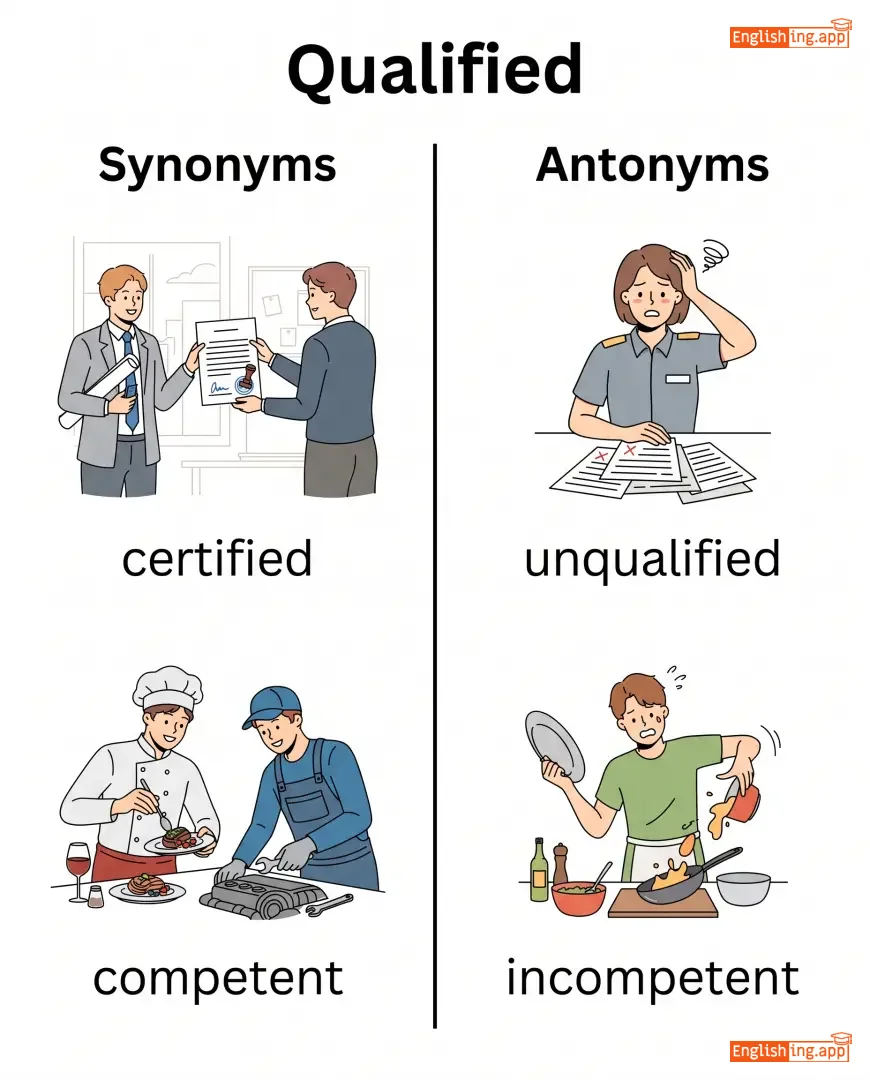
certified, competent, skilled, eligible
••••••
|
unqualified, incompetent, inexperienced
••••••
|
qualified teacher, qualified engineer, highly qualified
••••••
|
合格的医生有证书和丰富的经验。
••••••
|
|
#669
🔍📊
|
/ˈkwɑː.lɪ.teɪ.tɪv/
adjective
(kwɑː.lɪ.teɪ.tɪv)
••••••
|
- •••••• |
定性
dingxing
••••••
|
relating to quality or character rather than quantity; descriptive rather than numerical
••••••
|
The research focuses on qualitative analysis rather than numbers.
研究侧重于定性分析,而非数字。
••••••
|
研究侧重于定性分析,而非数字。
Yanjiu cezhong yu dingxing fenxi, er fei shuzi.
••••••
|
descriptive, subjective, non-numerical
••••••
|
quantitative, numerical, statistical
••••••
|
qualitative research, qualitative analysis, qualitative data
••••••
|
定性分析 = 不只是数字,更多是质量和特征!
••••••
|
|
#670
❓
|
/ˈkwestʃənəbl/
adjective
(kwei-shen-nei-bo)
••••••
|
- •••••• |
可疑的
ke-yi-de
••••••
|
doubtful; dubious; suspicious; open to doubt or suspicion
••••••
|
His questionable business practices led to an investigation. |
他的可疑商业行为导致了一项调查。
Tā de kěyí shāngyè xíngwéi dǎozhìle yī xiàng diàochá.
••••••
|
doubtful, dubious, suspicious, uncertain
••••••
|
certain, reliable, trustworthy, unquestionable
••••••
|
questionable methods, questionable ethics, questionable decision
••••••
|
Chinese speakers can recall '可疑的' (ke-yi-de) when considering 'questionable'.
••••••
|
|
#671
🌶️
|
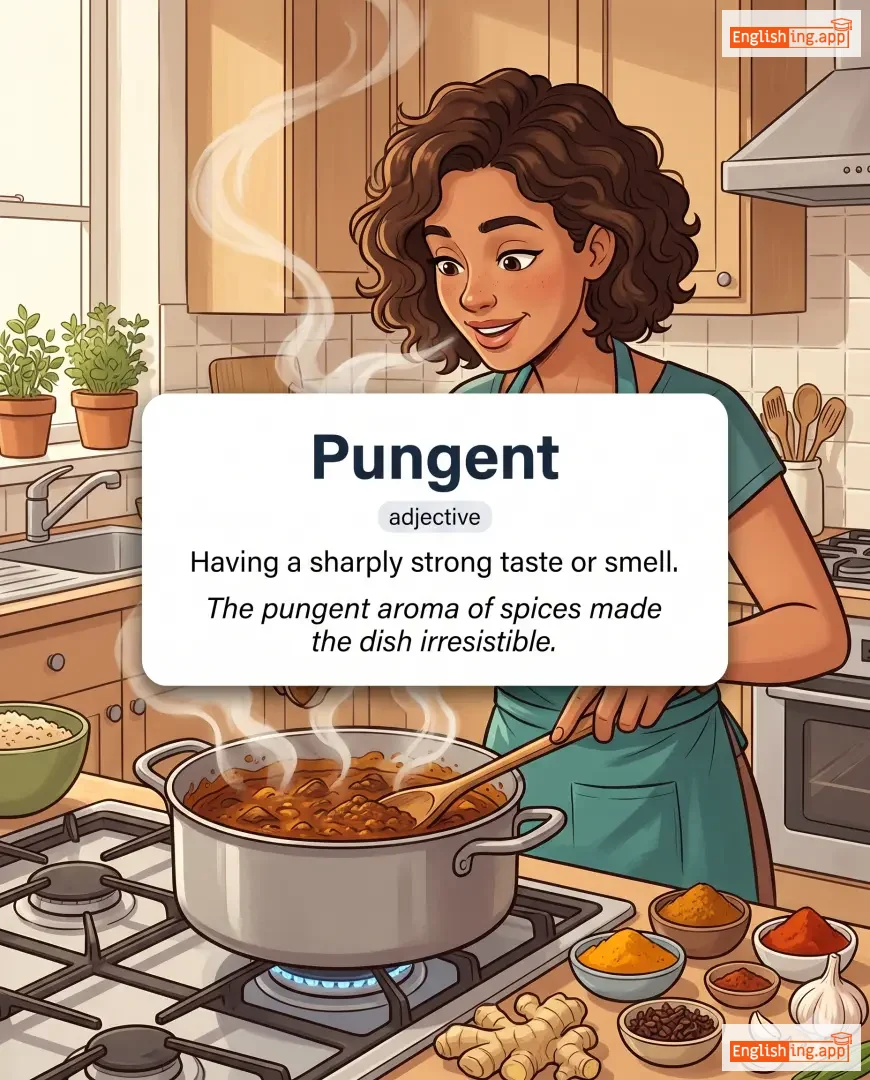
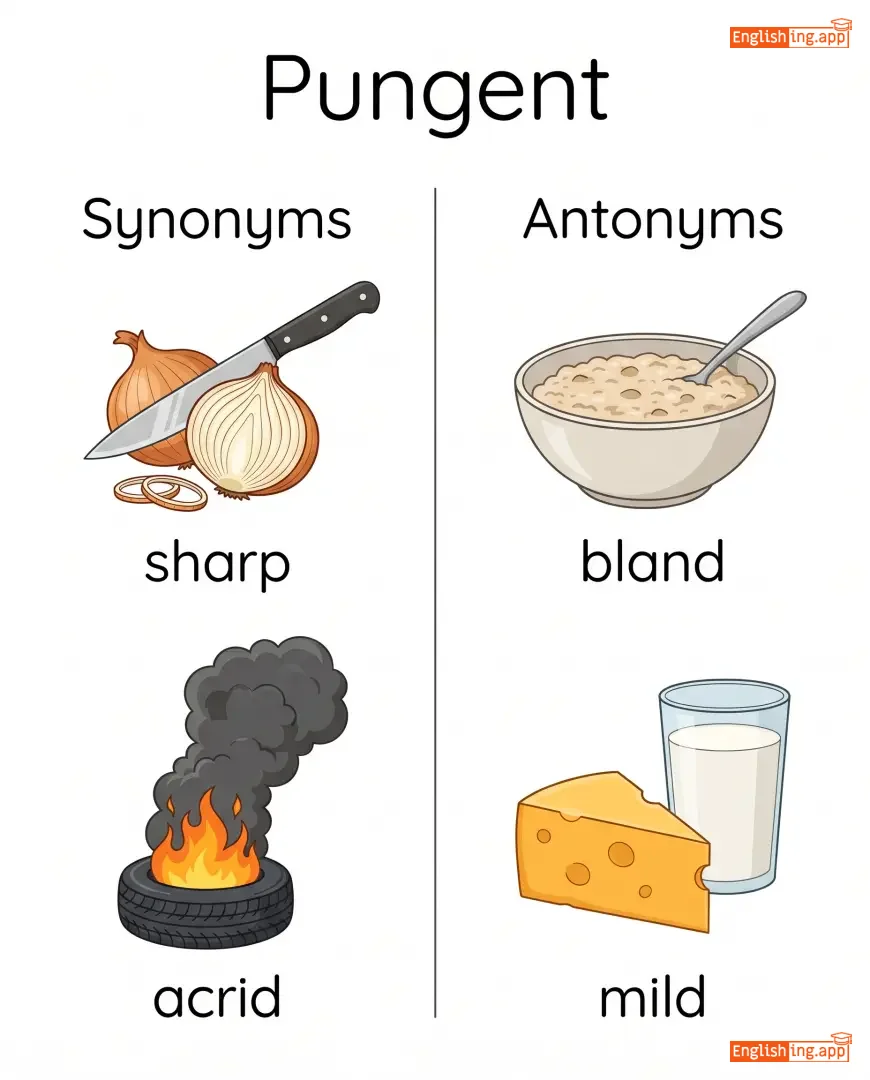
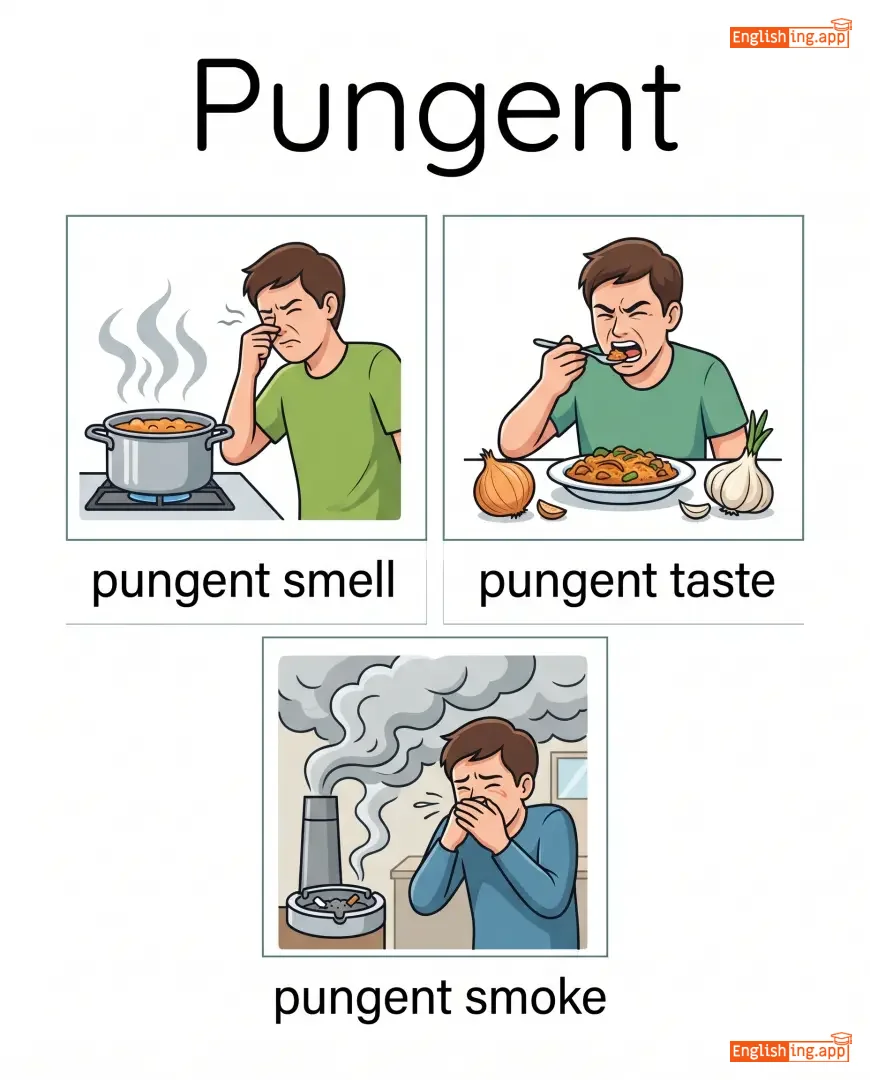
/ˈpʌn.dʒənt/
adjective
(彭根特)
••••••
|
|
刺鼻的
ci bi de
••••••
|
sharp; strong-smelling; acrid;
••••••
|
The pungent smell of garlic filled the kitchen.
大蒜刺鼻的气味充满了厨房。
••••••
|
大蒜刺鼻的气味充满了厨房。
da suan ci bi de qi wei chong man le chu fang
••••••
|
sharp, strong, acrid, bitter, penetrating
••••••
|
mild, sweet, bland, gentle
••••••
|
pungent smell, pungent taste, pungent odor
••••••
|
Pungent = pung + ent, 想象 garlic 的 气味 很 强烈, kitchen 里的人 say wow
••••••
|
|
#672
⚡
|
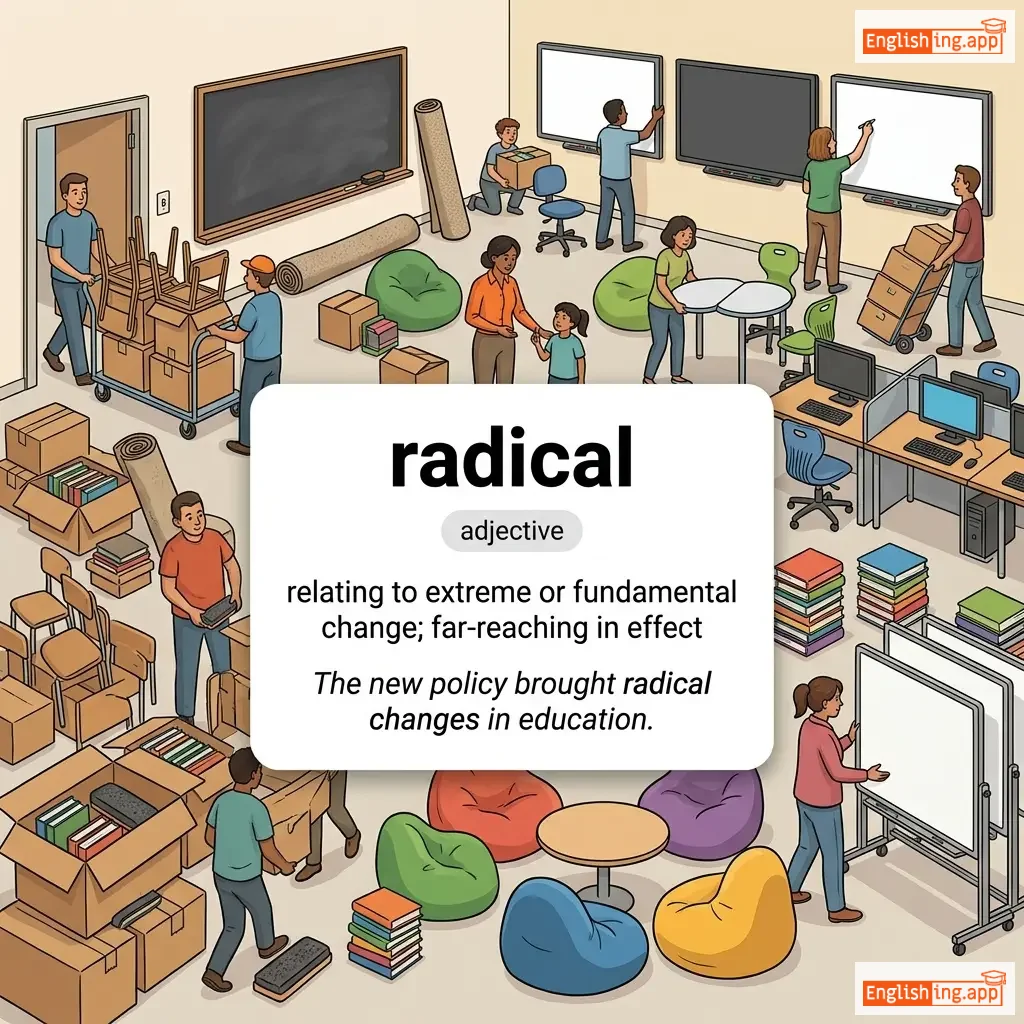
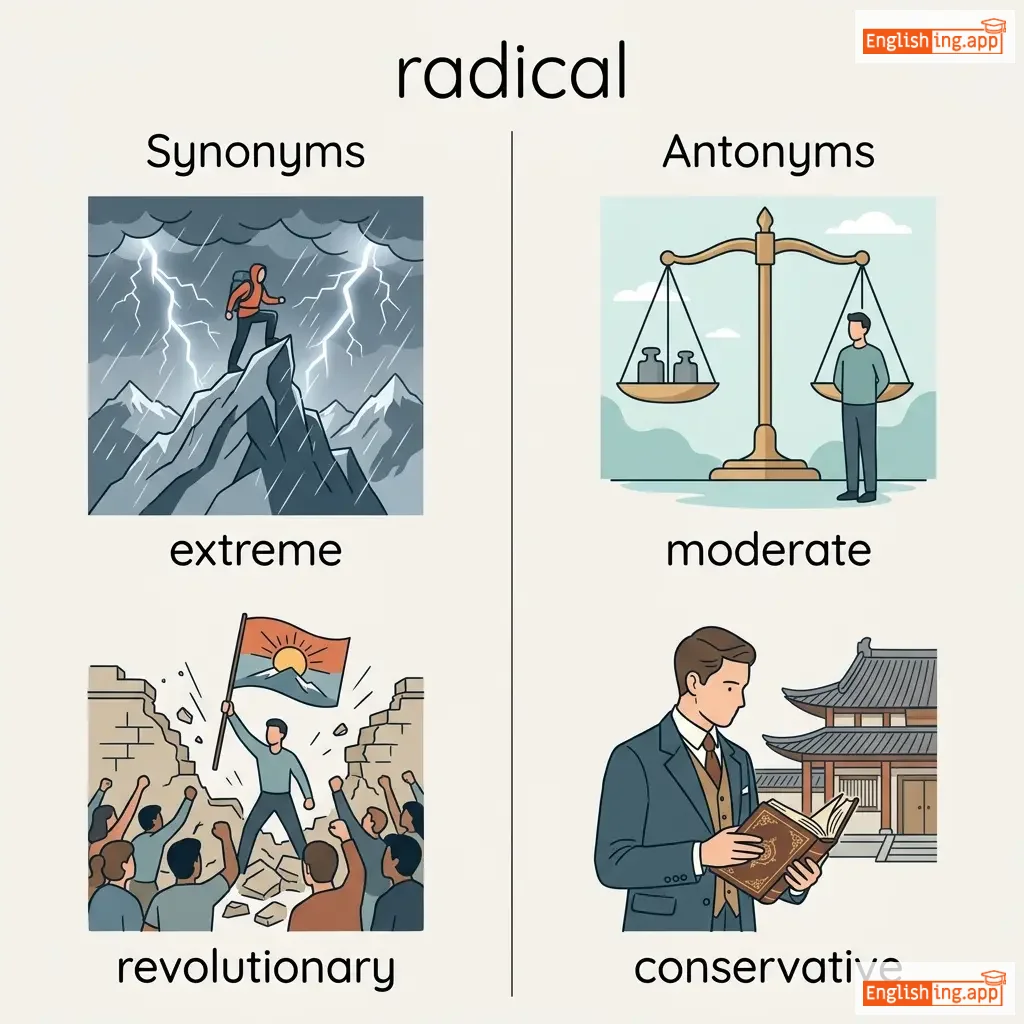
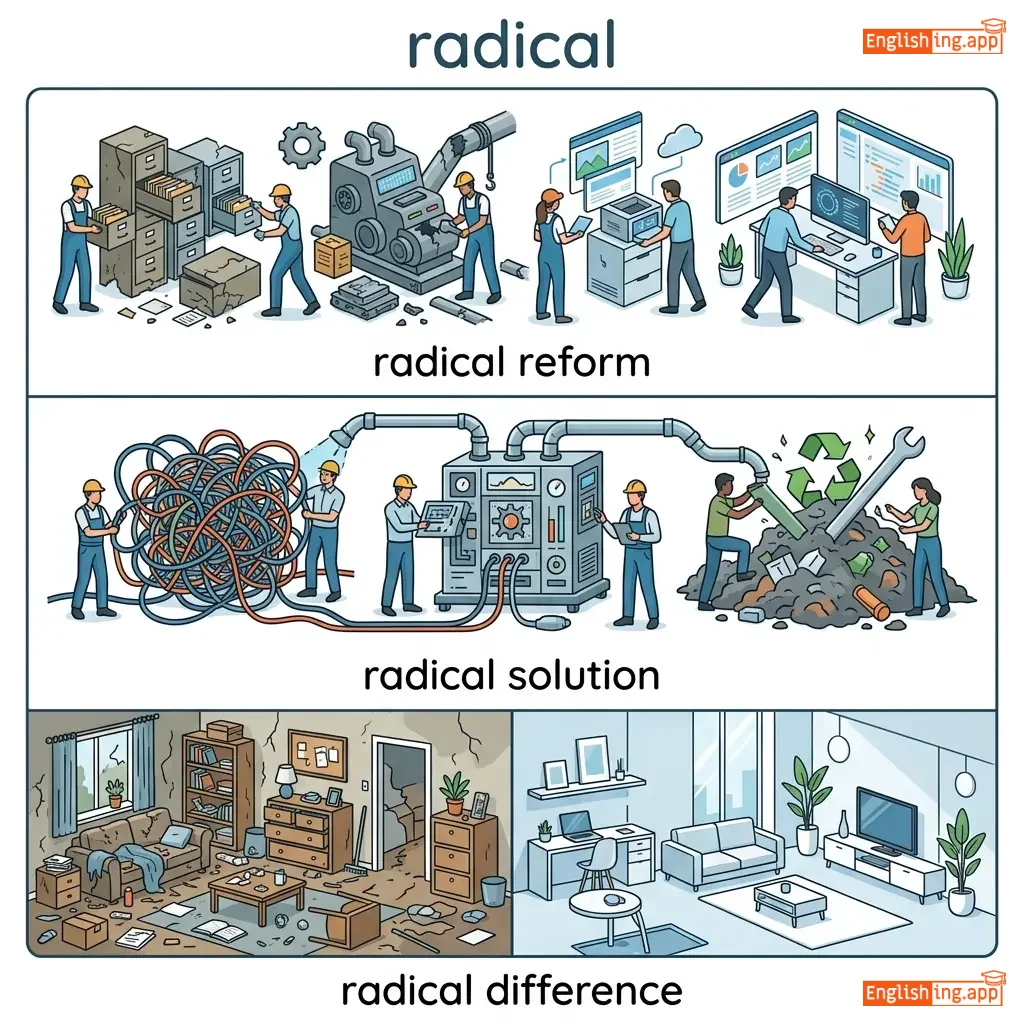
/ˈræd.ɪ.kəl/
adjective
(激进)
••••••
|
|
根本的; 极端的; 激烈的; 革命性的
gēnběn de; jíduān de; jīliè de; gémìng xìng de
••••••
|
fundamental; extreme; drastic; revolutionary
••••••
|
The company made radical changes to improve efficiency. |
公司做出了激进的改变以提高效率。
Gōngsī zuòchūle jījìn de gǎibiàn yǐ tígāo xiàolǜ.
••••••
|
extreme, fundamental, drastic, revolutionary
••••••
|
conservative, moderate, gradual, conventional
••••••
|
radical change, radical reform, radical idea, radical approach
••••••
|
激进的变化提高了公司效率。
••••••
|
|
#673
📊🔢
|
/ˈkwɑːn.tɪ.teɪ.tɪv/
adjective
(kuǎn tì tì wèi)
••••••
|
- •••••• |
定量的
dingliangde
••••••
|
relating to quantity or amount; expressed in terms of numbers or measurements
••••••
|
The study provides quantitative evidence of climate change effects. |
该研究提供了气候变化影响的定量证据。
Gāi yánjiū tígōngle qìhòu biànhuà yǐngxiǎng de dìngliàng zhèngjù.
••••••
|
numerical, statistical, measurable
••••••
|
qualitative, descriptive, subjective
••••••
|
quantitative analysis, quantitative data, quantitative methods
••••••
|
定量就表示 'Quantitative'.
••••••
|
|
#674
⚡
|
/kwɪk/
adjective
(kwik)
••••••
|
- •••••• |
快速
kuaisu
••••••
|
fast; rapid; swift; happening in a short time
••••••
|
She gave a quick answer to the teacher's question.
她对老师的问题给出了快速的回答。
••••••
|
她对老师的问题给出了快速的回答。
Tā duì lǎoshī de wèntí gěi chūle kuàisù de huídá.
••••••
|
fast, rapid, swift, speedy
••••••
|
slow, sluggish, leisurely, gradual
••••••
|
quick response, quick decision, quick learner
••••••
|
Quick = 快速 (kuaisu) - 就像跑步时非常迅速。
••••••
|
|
#675
✨
|
/pjʊər/
adjective
(pīu'ěr)
••••••
|
- •••••• |
纯净的; 清澈的; 无污点的; 无歧视的;
chúnjìng de; qīngchè de; wú wūdiǎn de; wú qíshì de
••••••
|
clean; clear; untainted; without discrimination;
••••••
|
The water from the mountain spring is pure. |
来自山泉的水是纯净的。
Lái zì shān quán de shuǐ shì chúnjìng de.
••••••
|
clean, clear, pristine, untainted, innocent
••••••
|
impure, contaminated, polluted, dirty
••••••
|
pure water, pure gold, pure intention
••••••
|
纯净如山泉水,清澈且无瑕疵。
••••••
|
|
#676
👕
|
/ˈræɡ.ɪd/
adjective
(rǎgèd)
••••••
|
- •••••• |
破旧的; 破损的; 破烂的
pòjiù de; pòsǔn de; pòlàn de
••••••
|
torn; tattered; frayed; shabby
••••••
|
The homeless man wore ragged clothes.
无家可归的人穿着破旧的衣服。
••••••
|
无家可归的人穿着破旧的衣服。
Wú jiā kě guī de rén chuānzhuó pòjiù de yīfú.
••••••
|
torn, tattered, frayed, shabby
••••••
|
neat, tidy, pristine, well-kept
••••••
|
ragged clothes, ragged edge, ragged appearance, ragged breathing
••••••
|
破烂的衣服就是街头流浪者的标志。
••••••
|
|
#677
😠🗯️
|
/ˈkwɑː.rəl.səm/
adjective
(kwah-rel-sum)
••••••
|
- •••••• |
好争斗的;好争论的;爱吵架的
hǎo zhēng dòu de; hǎo zhēng lùn de; ài chǎo jià de
••••••
|
given to arguing and fighting; argumentative and confrontational
••••••
|
His quarrelsome nature makes it difficult to work with him.
His quarrelsome nature makes it difficult to work with him.
••••••
|
他好争斗的性格使得与他共事变得困难。
Tā hǎo zhēng dòu de xìnggé shǐdé yǔ tā gòngshì biàndé kùnnán.
••••••
|
argumentative, belligerent, contentious, combative
••••••
|
peaceful, agreeable, harmonious, cooperative
••••••
|
quarrelsome person, quarrelsome behavior, quarrelsome mood
••••••
|
争斗不会带来任何好的结果。
••••••
|
|
#678
🧩
|
/ˈpʌz.lɪŋ/
adjective
(帕兹灵)
••••••
|
- •••••• |
令人困惑的
puzzling
••••••
|
confusing; perplexing;
••••••
|
The scientist found the results puzzling.
德 赛安蒂斯特 方德 德 里兹尔茨 帕兹灵。
••••••
|
科学家发现的结果令人困惑。
ke xue jia fa xian de jie guo ling ren kun huo
••••••
|
confusing, perplexing, baffling, mysterious
••••••
|
clear, obvious, simple, straightforward
••••••
|
puzzling behavior, puzzling question, puzzling mystery
••••••
|
Puzzling = puzzle ling, 想象一个 puzzle 的 Ling 在拼图, 每一步都让你感到困惑, 所以记住 这个单词的意思
••••••
|
|
#679
🤫
|
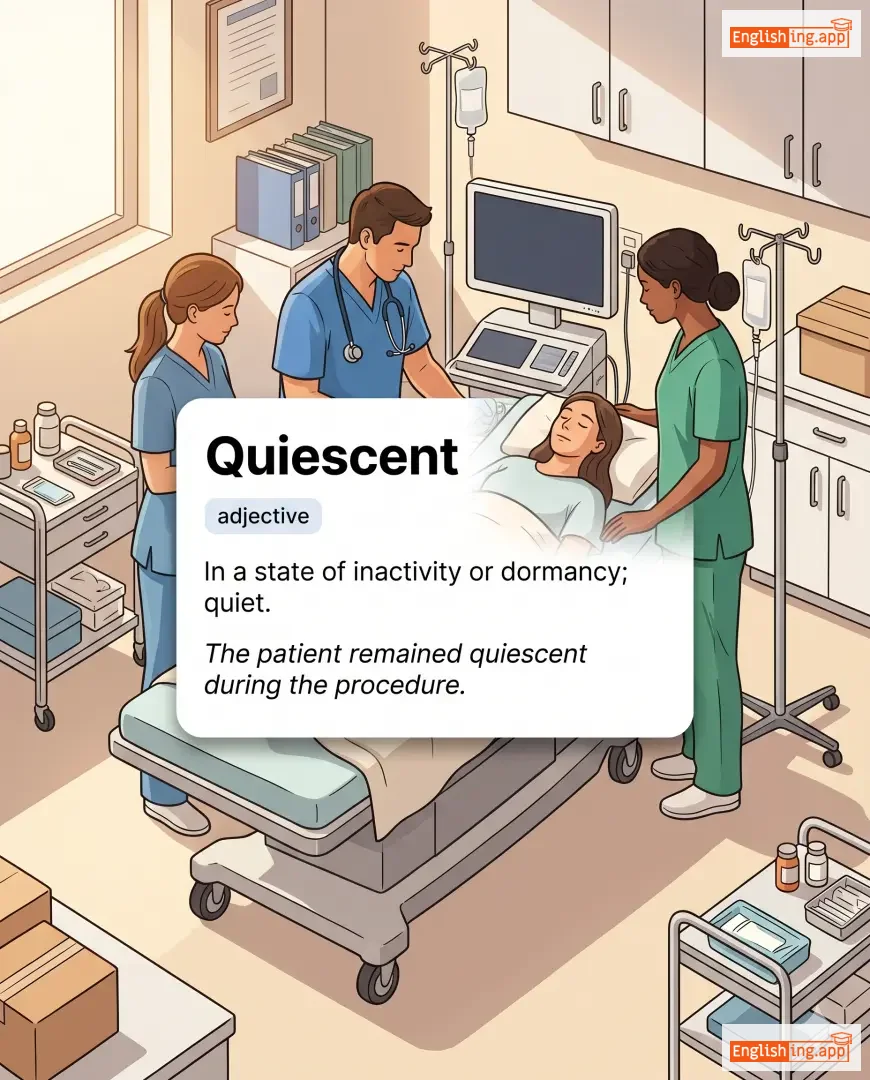
/kwaɪˈesnt/
adjective
(kwāi ē sēnt)
••••••
|
|
静止的; 安静的; 不活跃的;
jingzhide
••••••
|
quiet; peaceful; inactive; dormant; at rest
••••••
|
The volcano has been quiescent for over a century. |
火山已经沉寂了一个多世纪。
Huǒshān yǐjīng chénjì le yī gè duō shìjì.
••••••
|
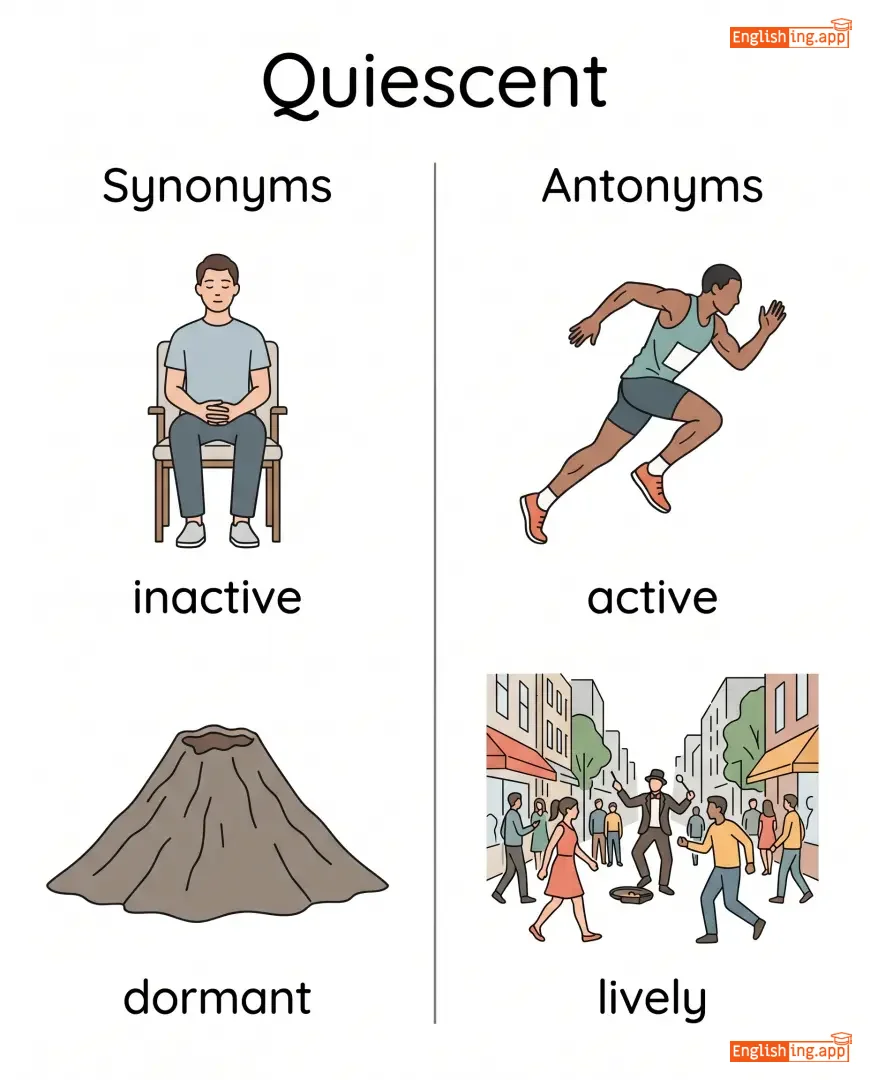
dormant, inactive, peaceful, still
••••••
|
active, turbulent, agitated, restless
••••••
|
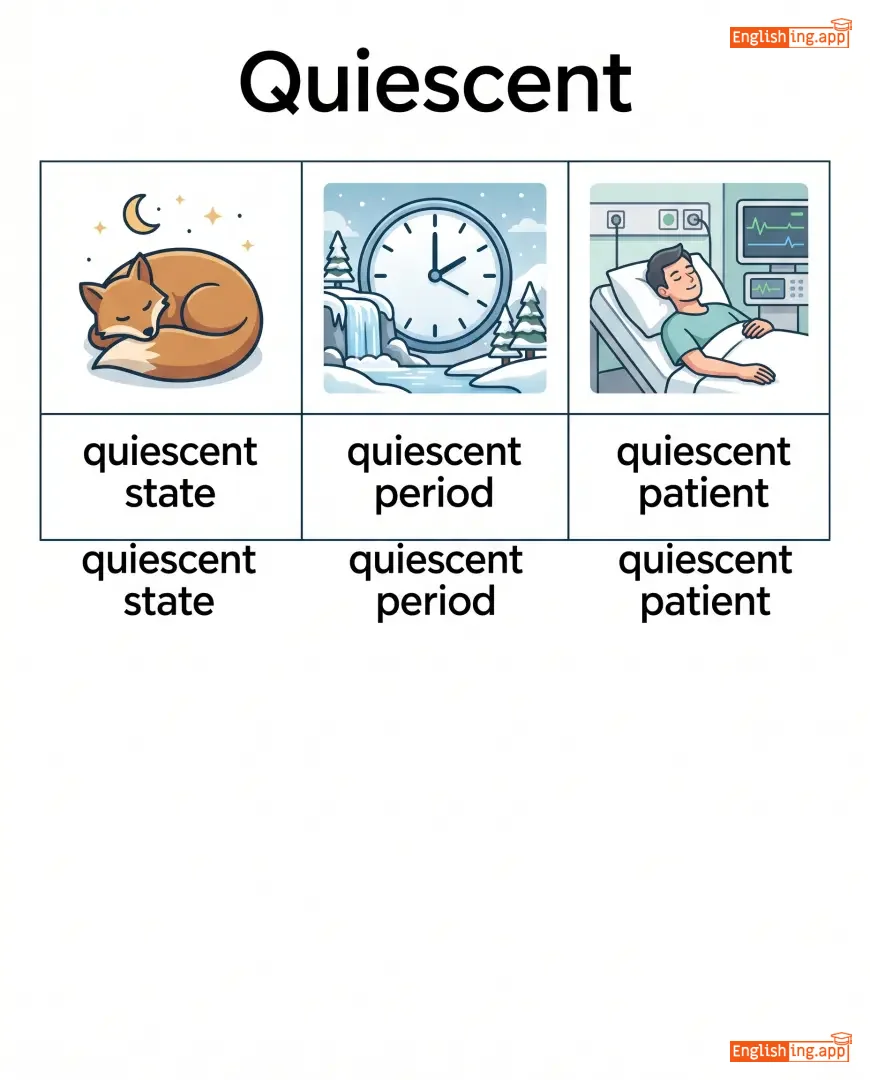
quiescent state, quiescent period, quiescent volcano
••••••
|
Imagine a volcano that rests quietly, dormant for centuries.
••••••
|
|
#680
🌧️
|
/ˈreɪ.ni/
adjective
(雷尼)
••••••
|
- •••••• |
多雨的
duō yǔ de
••••••
|
characterized by rain; wet from rain; having much rain
••••••
|
It was a rainy day, so we stayed indoors. |
这是一个多雨的日子,所以我们待在室内。
zhè shì yīgè duō yǔ de rìzi, suǒyǐ wǒmen dāi zài shìnèi.
••••••
|
wet, stormy, drizzly, showery
••••••
|
sunny, dry, clear, bright
••••••
|
rainy day, rainy season, rainy weather, rainy afternoon
••••••
|
Imagine a rainy day and use 'duō yǔ de' (rainy) to stay inside!
••••••
|
Vocabulary Quiz
Test your vocabulary by matching words with their translations or meanings.
Login to take the quiz
Comments (0)
Share your thoughts and join the discussion.
Join the discussion by logging in
Login to CommentNo comments yet
Be the first to share your thoughts!