


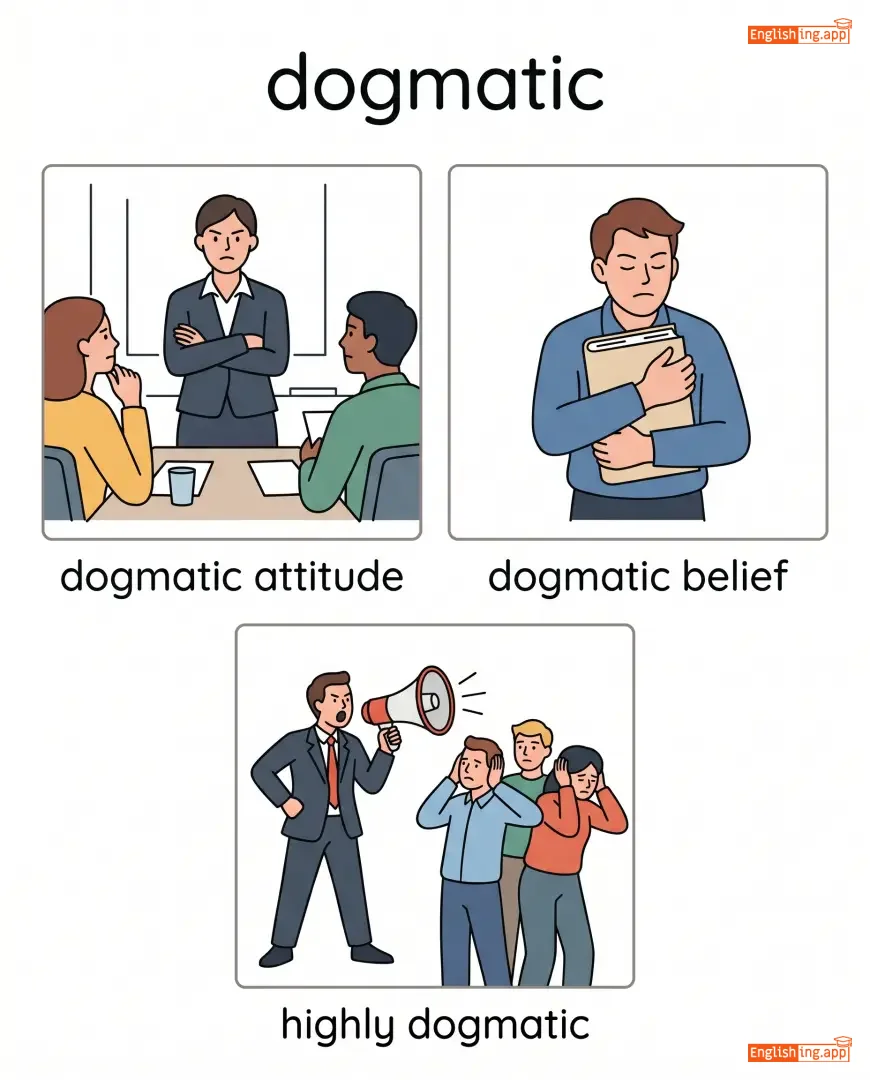
Swipe left or right, or use the buttons. Tap image to zoom.
例句翻译
单词
Lesson 9Lesson 9 - 遮罩切换
|
表情符号
|
单词 | Images | 翻译 | 含义 | 例句 | 例句翻译 | 同义词 | 反义词 | 搭配词 | 助记符 |
|---|---|---|---|---|---|---|---|---|---|---|
|
#161
🧹
|
/ˈdɜː.ti/
adjective
(dɜːrti)
••••••
|
- •••••• |
脏的; 沾有污渍的; 不愉快的; 道德败坏的
zang de; zhan you wu zi de; bu yu kuai de; dao de bai huai de
••••••
|
not clean; covered with dirt; unpleasant; morally corrupt
••••••
|
The kitchen was dirty after cooking. |
做饭后厨房是脏的。
Zuo fan hou chu fang shi zang de.
••••••
|
filthy, unclean, soiled, grimy
••••••
|
clean, pure, spotless, immaculate
••••••
|
dirty clothes, dirty hands, dirty water
••••••
|
脏的厨房做饭后就会很脏。
••••••
|
|
#162
🏆
|
/dɪˈstɪŋɡwɪʃt/
adjective
(dɪstɪŋɡwɪʃt)
••••••
|
- •••••• |
杰出; 荣誉的; 著名的; 拥有尊严的外观或举止
jiechu; rongyu de; zhuming de
••••••
|
notable; honored; famous; having a dignified appearance or manner
••••••
|
He is a distinguished professor at the university. |
他是大学里一位杰出的教授。
Ta shi daxue li yi wei jiechu de jiaoshou.
••••••
|
notable, eminent, renowned, celebrated, illustrious
••••••
|
ordinary, common, unremarkable, undistinguished
••••••
|
distinguished career, distinguished guest, distinguished service
••••••
|
杰出的教授,展现尊严
••••••
|
|
#163
🤒
|
/dɪˈziːzd/
adjective
(dɪˈziːzd)
••••••
|
- •••••• |
生病的; 患病的
shengbing de; huanbing de
••••••
|
affected by disease; suffering from illness; sick
••••••
|
The diseased tree had to be removed from the garden. |
那棵生病的树必须从花园里移除。
Na ke shengbing de shu bixu cong huayuan li yichu
••••••
|
sick, infected, unhealthy, contaminated
••••••
|
healthy, well, sound, robust
••••••
|
diseased plant, diseased animal, diseased organ
••••••
|
Diseased in English sounds like '生病的' in Chinese, so picture '生病的树'.
••••••
|
|
#164
😰
|
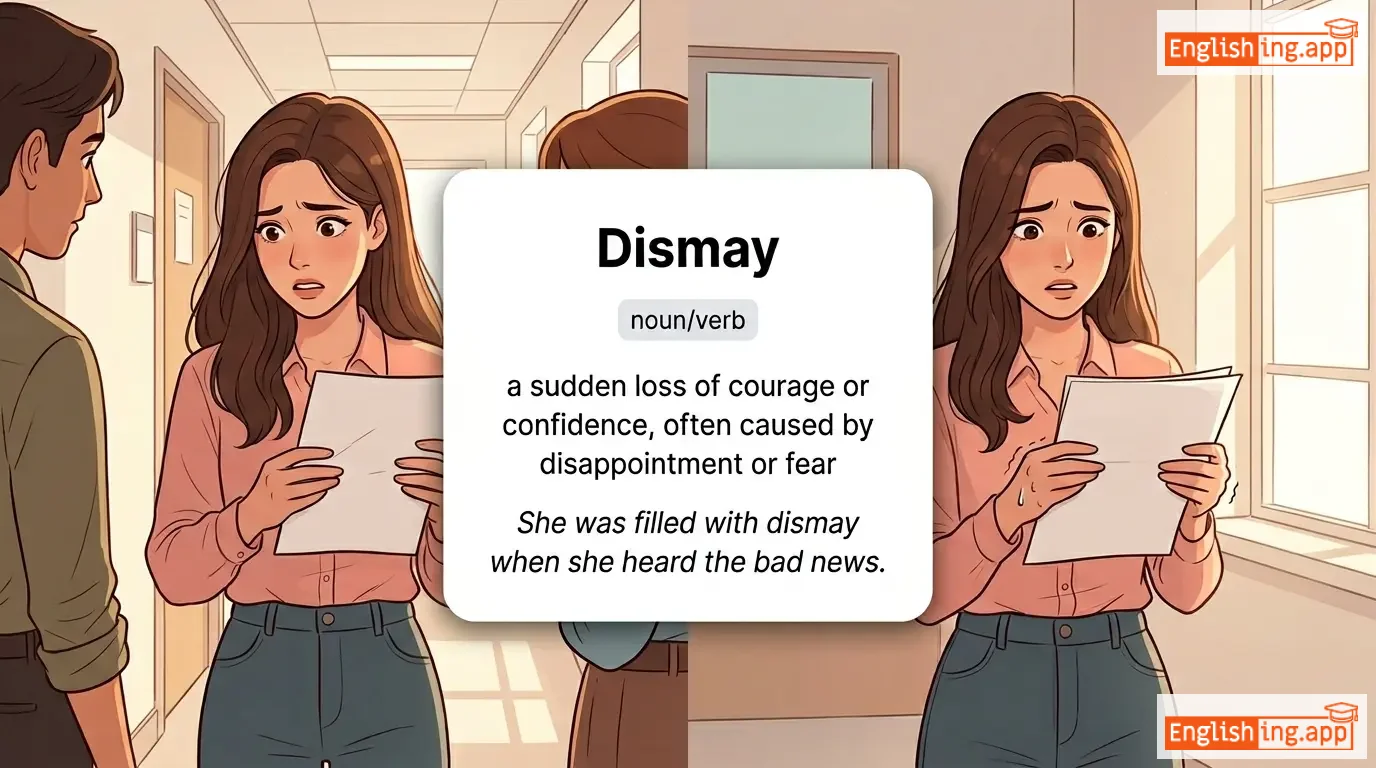
/dɪsˈmeɪ/
adjective
(dī-sī-méi)
••••••
|
|
恐惧; 惊愕; 焦虑; 恐慌
kongju; jing'e; jiaolü; konghuang
••••••
|
fear; distress; anxiety; alarm
••••••
|
She felt dismay when she saw the test results. |
当她看到考试结果时,她感到恐惧。
Dang ta kan dao kaoshi jieguo shi, ta gandao kongju.
••••••
|
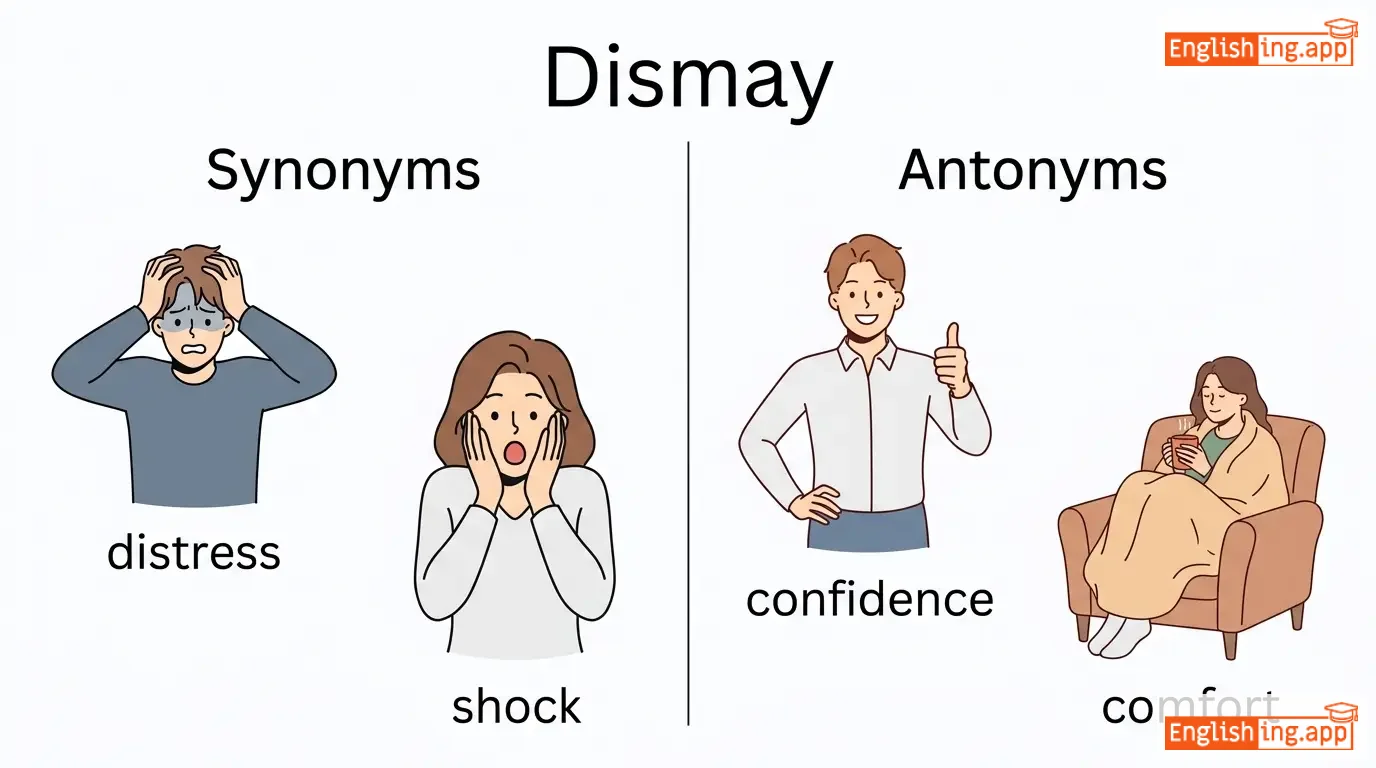
alarm, distress, concern, worry
••••••
|
comfort, reassurance, relief, calm
••••••
|
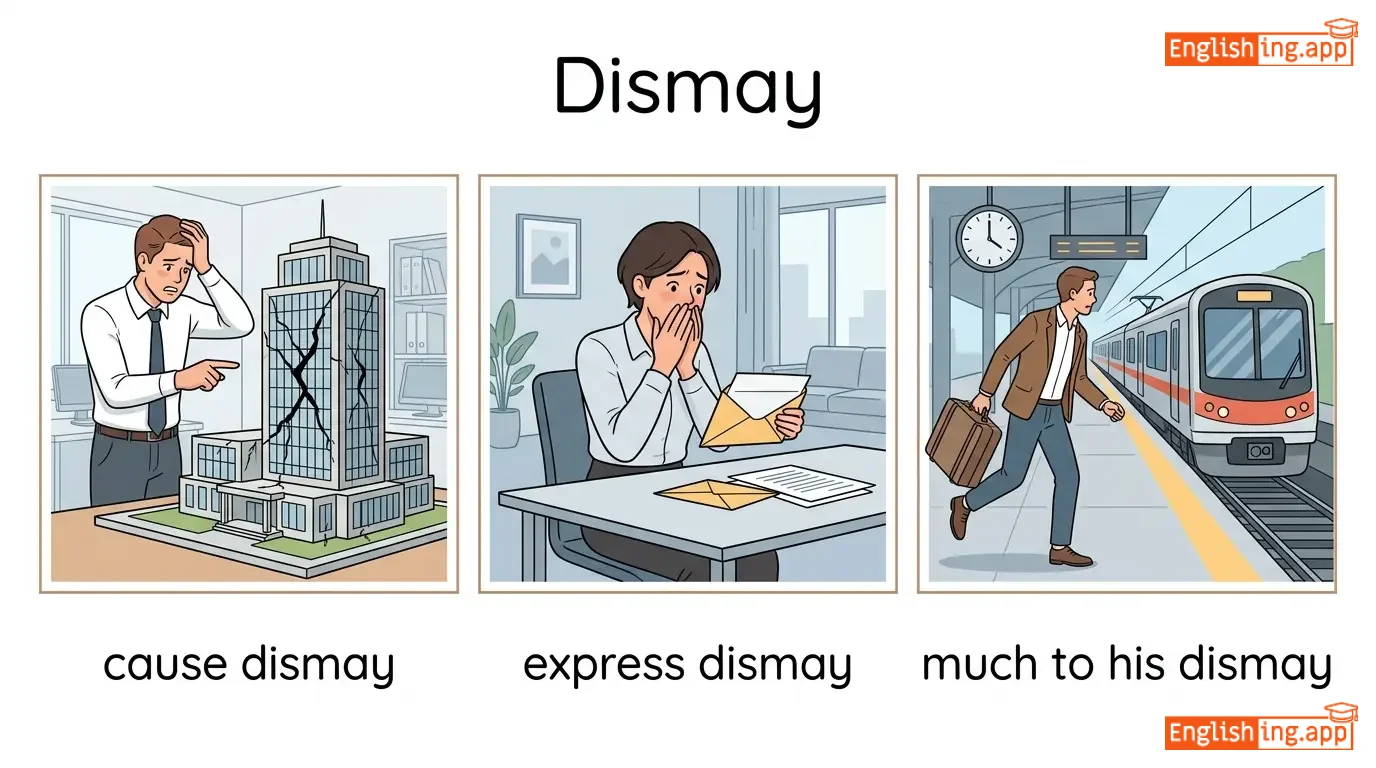
feel dismay, express dismay, cause dismay
••••••
|
恐惧 (kongju) 和焦虑 (jiaolü) 使人感到恐慌 (konghuang)。
••••••
|
|
#165
😞
|
/ˌdɪs.əˈpɔɪn.tɪd/
adjective
(dìsāpɔɪntɪd)
••••••
|
- •••••• |
失望
shīwàng
••••••
|
sad because something has not happened or is not as good as expected
••••••
|
She was disappointed with her exam results. |
她对自己的考试结果感到失望。
tā duì zìjǐ de kǎoshì jiéguǒ gǎndào shīwàng
••••••
|
upset, dismayed, dejected, disheartened
••••••
|
pleased, satisfied, delighted, encouraged
••••••
|
disappointed with, disappointed in, deeply disappointed
••••••
|
In Chinese, '失望' reflects a sense of being let down or disappointed.
••••••
|
|
#166
✨
|
/dɪˈvaɪn/
adjective
(dí wài ēn)
••••••
|
- •••••• |
神圣的; 天上的; 类似神的; 与上帝或神灵有关
shen sheng de; tian shang de; lei shi shen de; yu shang di huo shen ling you guan
••••••
|
heavenly; sacred; godlike; relating to God or a deity
••••••
|
The divine beauty of the sunset took their breath away. |
夕阳的神圣美景让他们屏息凝视。
Xiyang de shensheng mei jing rang tamen pingxi ningshi.
••••••
|
heavenly, sacred, holy, blessed, celestial
••••••
|
earthly, mortal, secular, profane
••••••
|
divine intervention, divine beauty, divine right
••••••
|
Divine beauty is a sacred gift from heaven.
••••••
|
|
#167
😤
|
/ˌdɪsəˈbiːdiənt/
adjective
(disobedient)
••••••
|
- •••••• |
不服从的
bù fúcóng de
••••••
|
refusing to obey rules or authority; rebellious
••••••
|
The disobedient child refused to follow the rules.
不听话的孩子拒绝遵守规则。
••••••
|
不听话的孩子拒绝遵守规则。
Bù tīnghuà de háizi jùjué zūnshǒu guīzé.
••••••
|
defiant, rebellious, unruly, insubordinate
••••••
|
obedient, compliant, submissive, dutiful
••••••
|
disobedient behavior, disobedient student, become disobedient
••••••
|
In Chinese, 'bù fúcóng de' means 'disobedient' and is a direct translation.
••••••
|
|
#168
😞
|
/dɪsˈɡreɪsfəl/
adjective
(disuogeiful)
••••••
|
- •••••• |
可耻的; 不光彩的; 应受谴责的
kechi de; bu guangcai de; ying shou qianze de
••••••
|
shameful; bringing dishonor; worthy of condemnation
••••••
|
His disgraceful behavior shocked everyone at the party. |
他那可耻的行为让派对上的每个人都震惊了。
ta na kechi de xingwei rang paiduishang de meige ren dou zhenjing le
••••••
|
shameful, dishonorable, scandalous, deplorable
••••••
|
honorable, respectable, admirable, decent
••••••
|
disgraceful conduct, disgraceful behavior, disgraceful act
••••••
|
Ke chi behavior at party causes shock.
••••••
|
|
#169
😔
|
/dɪsˈhɑːrtənd/
adjective
(迪哈顿德)
••••••
|
- •••••• |
沮丧
jǔsàng
••••••
|
discouraged; feeling dejected; losing hope or confidence
••••••
|
She felt disheartened after failing the exam twice. |
她在两次未能通过考试后感到沮丧。
Tā zài liǎng cì wèi néng tōngguò kǎoshì hòu gǎndào jǔsàng.
••••••
|
discouraged, dejected, dispirited, downhearted
••••••
|
encouraged, inspired, motivated, hopeful
••••••
|
feel disheartened, become disheartened, look disheartened
••••••
|
In Chinese, '沮丧' represents the emotional state of being disheartened.
••••••
|
|
#170
🤔
|
/dɪˈspjuːtəbl/
adjective
(dɪˈspjuːtəbl)
••••••
|
- •••••• |
有争议的;可疑的
yǒu zhēngyì de; kě yí de
••••••
|
open to debate or argument; questionable
••••••
|
The facts in the case are disputable and need further investigation.
案件中的事实是有争议的,需要进一步调查。
••••••
|
案件中的事实是有争议的,需要进一步调查。
Ànjiàn zhōng de shìshí shì yǒu zhēngyì de, xūyào jìnyībù diàochá.
••••••
|
debatable, questionable, arguable, controversial
••••••
|
undisputable, certain, clear, indisputable
••••••
|
disputable claim, disputable evidence, highly disputable
••••••
|
Disputable = 事实未定,需要进一步的调查.
••••••
|
|
#171
💥
|
/dɪˈzæs.trəs/
adjective
(dɪˈzæs.trəs)
••••••
|
- •••••• |
灾难性的
zāinàn xìng de
••••••
|
extremely bad or unsuccessful; causing great damage
••••••
|
The hurricane had disastrous effects on the city. |
飓风对城市造成了灾难性的影响。
jùfēng duì chéngshì zàochéngle zāinàn xìng de yǐngxiǎng.
••••••
|
catastrophic, devastating, calamitous, ruinous
••••••
|
beneficial, fortunate, successful, favorable
••••••
|
disastrous consequences, disastrous effects, disastrous results
••••••
|
‘灾难’ = ‘灾难性的’
••••••
|
|
#172
🤔
|
/ˈdɒdʒi/
adjective
(duōjí)
••••••
|
- •••••• |
可疑的; 值得怀疑的; 不可靠的; 危险的或有风险的
kěyí de; zhídé huáiyí de; bù kěkào de; wēixiǎn de huò yǒu fēngxiǎn de
••••••
|
suspicious; questionable; unreliable; risky or dangerous
••••••
|
That deal sounds dodgy to me. |
这个交易听起来很可疑。
Zhège jiāoyì tīng qǐlái hěn kěyí.
••••••
|
suspicious, questionable, unreliable, risky, dubious
••••••
|
trustworthy, reliable, honest, legitimate
••••••
|
dodgy deal, dodgy character, dodgy business
••••••
|
可疑的交易,很有风险
••••••
|
|
#173
🤥
|
/dɪsˈɒnəst/
adjective
(dishonest)
••••••
|
- •••••• |
不诚实的; 欺骗的; 狡猾的
bù chéngshí de
••••••
|
not honest; fraudulent; deceitful
••••••
|
The dishonest salesman tried to sell them a broken car. |
那个不诚实的销售员试图卖给他们一辆坏车。
nàgè bù chéngshí de xiāoshòuyuán shìtú mài gěi tāmen yī liàng huài chē
••••••
|
deceitful, fraudulent, untruthful, corrupt
••••••
|
honest, truthful, trustworthy, sincere
••••••
|
dishonest person, dishonest practice, dishonest behavior
••••••
|
不诚实的销售员总是卖坏车
••••••
|
|
#174
🌅
|
/ˈdɪstənt/
adjective
(dɪstənt)
••••••
|
- •••••• |
遥远的
yaoyuan de
••••••
|
far away in space or time; remote
••••••
|
We could see a distant mountain on the horizon. |
我们可以看到地平线上远处的山。
Wo men ke yi kan dao dipingxian shang yuan chu de shan.
••••••
|
far, remote, faraway, far-off
••••••
|
near, close, nearby, adjacent
••••••
|
distant past, distant future, distant relative
••••••
|
Yaoyuan de means distant, think of a far mountain on the horizon.
••••••
|
|
#175
⚖️
|
/ˈdɪs.ə.plɪ.ner.i/
adjective
(纪律的)
••••••
|
- •••••• |
纪律的
jìlǜ de
••••••
|
relating to discipline; intended to correct behavior
••••••
|
The company took disciplinary action against the employee. |
公司对员工采取了纪律处分措施。
Gōngsī duì yuángōng cǎiqǔle jìlǜ chǔfèn cuòshī.
••••••
|
corrective, punitive, regulatory, reformative
••••••
|
permissive, lenient, indulgent, tolerant
••••••
|
disciplinary action, disciplinary measures, disciplinary committee
••••••
|
纠正行为的纪律措施
••••••
|
|
#176
🗣️
|
/dɒɡˈmætɪk/
adjective
(教条主义)
••••••
|
|
教条主义的; 坚持己见的; 倾向于将原则视为无可争议的真理
jiaotiaozhuyi de
••••••
|
opinionated; rigid in beliefs; inclined to lay down principles as incontrovertibly true
••••••
|
He has very dogmatic views about politics.
他对政治有非常教条主义的看法。
••••••
|
他对政治有非常教条主义的看法。
Ta dui zhengzhi you feichang jiaotiaozhuyi de kanfa.
••••••
|
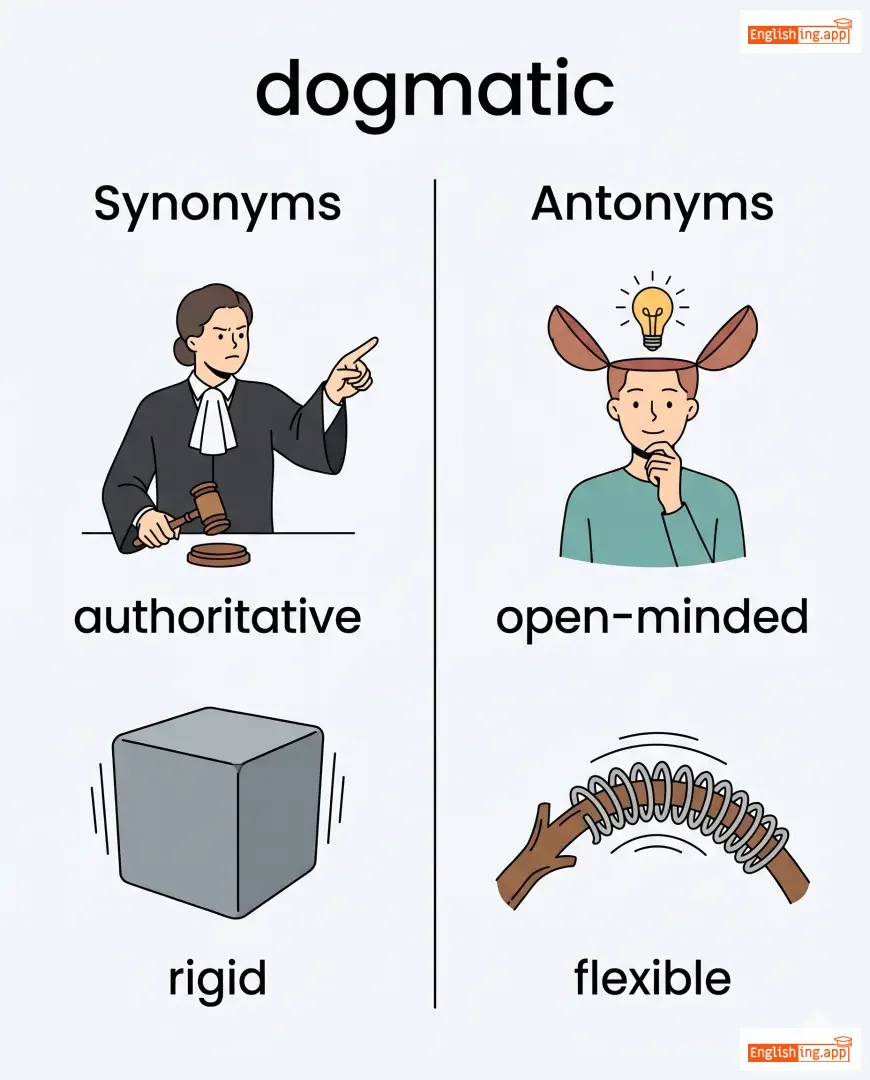
opinionated, doctrinaire, rigid, inflexible, authoritarian
••••••
|
flexible, open-minded, tolerant, receptive
••••••
|
dogmatic approach, dogmatic belief, dogmatic person
••••••
|
Dogmatic sounds like 'dog' + 'mat' – think of a dog that refuses to leave its mat, just like dogmatic people refuse to change their views.
••••••
|
|
#177
😰
|
/ˈdɪzməl/
adjective
(dɪzmæl)
••••••
|
- •••••• |
阴沉的; 沮丧的; 令人悲伤的
yīnchén de; jǔsàng de; lìng rén bēishāng de
••••••
|
gloomy; depressing; causing sadness or despair
••••••
|
The weather was dismal with heavy rain and dark clouds. |
天气阴沉,伴随大雨和黑暗的云层。
Tiānqì yīnchén, bànsuí dàyǔ hé hēi'àn de yúncéng.
••••••
|
gloomy, dreary, depressing, bleak
••••••
|
cheerful, bright, pleasant, uplifting
••••••
|
dismal weather, dismal performance, dismal prospects
••••••
|
阴沉 = dismal
••••••
|
|
#178
😔
|
/dɪˈskʌr.ɪ.dʒɪŋ/
adjective
(dìsī kè rì jīng)
••••••
|
- •••••• |
令人沮丧的
lìng rén jǔsàng de
••••••
|
making someone feel less confident or enthusiastic about doing something
••••••
|
The coach's discouraging words affected the team's morale.
教练的令人沮丧的话语影响了球队的士气。
••••••
|
教练的令人沮丧的话语影响了球队的士气。
Jiàoliàn de lìng rén jǔsàng de huàyǔ yǐngxiǎngle qiúduì de shìqì.
••••••
|
demoralizing, disheartening, dispiriting, demotivating
••••••
|
encouraging, inspiring, motivating, uplifting
••••••
|
discouraging news, discouraging words, discouraging results
••••••
|
Lìng rén jǔsàng de means discouraging, similar to ‘discouraging’ in English.
••••••
|
|
#179
✨
|
/dɪˈstɪŋkt/
adjective
(dɪˈstɪŋkt)
••••••
|
- •••••• |
独特的; 独一无二的; 清晰的; 可识别的
dútè de; dúyīwú'èr de; qīngxī de; kě shíbié de
••••••
|
separate and different; clear and recognizable; unique
••••••
|
Each painting has its own distinct style and character.
每幅画都有自己独特的风格和特点。
••••••
|
每幅画都有自己独特的风格和特点。
Měi fú huà dōu yǒu zìjǐ dútè de fēnggé hé tèdiǎn.
••••••
|
separate, different, unique, individual
••••••
|
similar, same, identical, indistinct
••••••
|
distinct difference, distinct possibility, distinct style
••••••
|
独特的 = 独特且与众不同
••••••
|
|
#180
😢
|
/ˈdoʊlfəl/
adjective
(dòufū)
••••••
|
- •••••• |
悲伤的; 忧郁的;
bēishāng de; yōuyù de;
••••••
|
sorrowful; mournful; expressing grief or sadness
••••••
|
She gave him a doleful look when he left.
当他离开时,她给了他一个悲伤的眼神。
••••••
|
当他离开时,她给了他一个悲伤的眼神。
Dāng tā líkāi shí, tā gěile tā yīgè bēishāng de yǎnshén.
••••••
|
sorrowful, mournful, sad, melancholy, woeful
••••••
|
cheerful, happy, joyful, upbeat
••••••
|
doleful expression, doleful voice, doleful eyes
••••••
|
Chinese 'bēishāng' (sad) + 'ful' (full) = sad
••••••
|
Vocabulary Quiz
Test your vocabulary by matching words with their translations or meanings.
Login to take the quiz
Comments (0)
Share your thoughts and join the discussion.
Join the discussion by logging in
Login to CommentNo comments yet
Be the first to share your thoughts!