

Swipe left or right, or use the buttons. Tap image to zoom.
例句翻译
单词
Lesson 10Lesson 10 - 遮罩切换
|
表情符号
|
单词 | Images | 翻译 | 含义 | 例句 | 例句翻译 | 同义词 | 反义词 | 搭配词 | 助记符 |
|---|---|---|---|---|---|---|---|---|---|---|
|
#181
👑
|
/ˈdɒm.ɪ.nənt/
adjective
(主导)
••••••
|
- •••••• |
主导的; 有影响力的; 最重要的
zhǔdǎo de; yǒu yǐngxiǎnglì de; zuì zhòngyào de
••••••
|
controlling, influencing, or prevailing over others; most important or powerful
••••••
|
The dominant player controlled the entire basketball game. |
主导的球员控制了整场篮球比赛。
Zhǔdǎo de qiúyuán kòngzhìle zhěngchǎng lánqiú bǐsài.
••••••
|
controlling, ruling, prevailing, commanding
••••••
|
submissive, subordinate, recessive, weak
••••••
|
dominant force, dominant position, dominant culture, dominant hand
••••••
|
主导如同篮球场上的领袖,掌控一切。
••••••
|
|
#182
😍
|
/ˈiː.ɡər/
adjective
(伊格尔)
••••••
|
- •••••• |
渴望的; 兴奋的; 热切的
kèwàng de, xīngfèn de, rèqiè de
••••••
|
showing keen interest; enthusiastic; having or showing desire and excitement
••••••
|
She was eager to start her new job.
她急切地等待着开始她的新工作。
••••••
|
她急切地等待着开始她的新工作。
Tā jíqiè de děngdàizhe kāishǐ tā de xīn gōngzuò.
••••••
|
enthusiastic, keen, excited, anxious
••••••
|
reluctant, unwilling, indifferent, apathetic
••••••
|
eager to learn, eager for success, eager anticipation
••••••
|
Eager is the excitement of waiting for something you've been wishing for.
••••••
|
|
#183
😱
|
/ˈdred.fəl/
adjective
(dredful)
••••••
|
- •••••• |
可怕的; 恐怖的; 可憎的
kěpà de; kǒngbù de; kězēng de
••••••
|
extremely bad or unpleasant; causing fear or suffering; terrible
••••••
|
The weather was dreadful during our vacation.
假期期间,天气很 dreadful。
••••••
|
假期期间,天气很可怕。
Jiàqī qījiān, tiānmáo hěn kěpà.
••••••
|
terrible, horrible, awful, frightful
••••••
|
wonderful, pleasant, delightful, excellent
••••••
|
dreadful weather, dreadful mistake, dreadful news
••••••
|
可怕的天气让人害怕就像是最糟糕的噩梦。
••••••
|
|
#184
😴
|
/dʌl/
adjective
(dal)
••••••
|
- •••••• |
乏味的; 单调的; 无聊的; 傻的;
dull
••••••
|
lacking interest or excitement; not bright; lacking intelligence; tedious
••••••
|
The lecture was very dull and boring.
这次演讲非常乏味和无聊。
••••••
|
这次演讲非常乏味和无聊。
Zhe ci yanjiang feichang fawei he wuliao.
••••••
|
boring, tedious, uninteresting, lifeless
••••••
|
bright, exciting, interesting, lively
••••••
|
dull pain, dull knife, dull weather, dull moment
••••••
|
Dull sounds just as dull in Chinese!
••••••
|
|
#185
😴
|
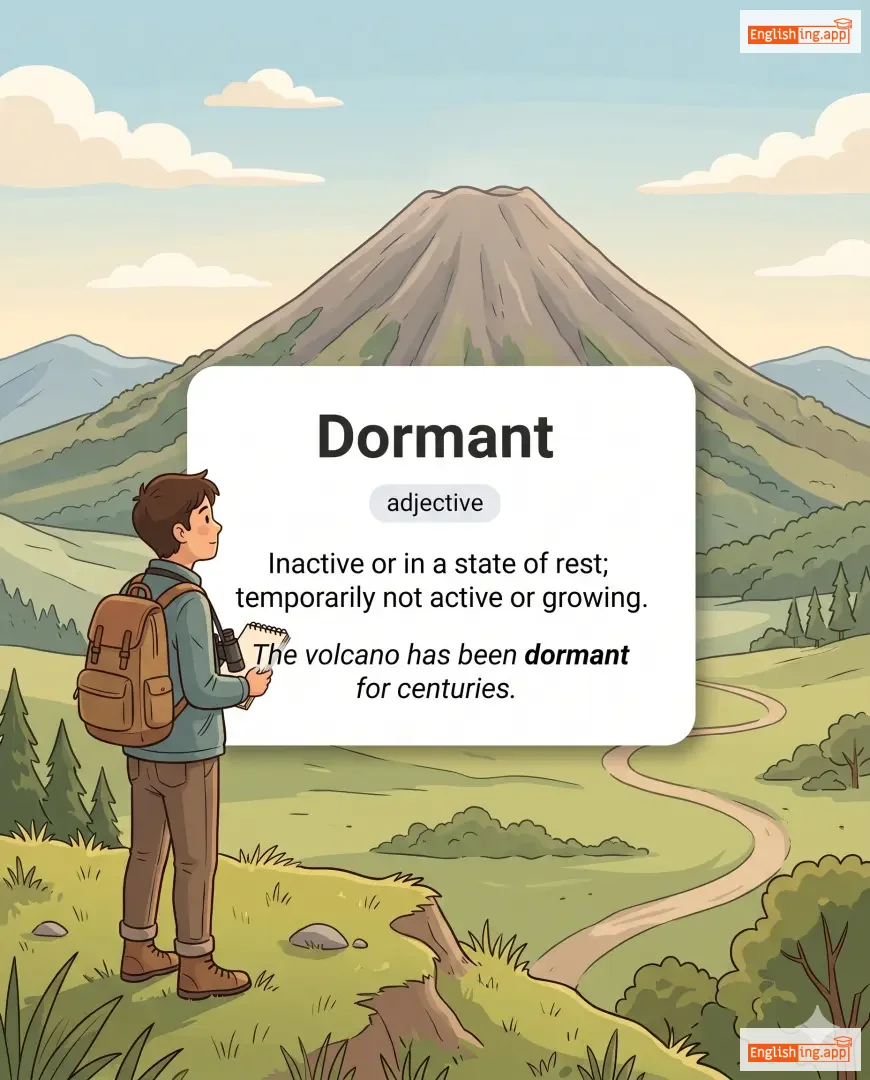
/ˈdɔːr.mənt/
adjective
(dormant)
••••••
|
|
不活跃; 睡着的; 暂时挂起的; 当前不活跃
bù huóyuè; shuìzhe de; zhànshí guàqǐ de; dāngqián bù huóyuè
••••••
|
inactive; sleeping; temporarily suspended; not currently active
••••••
|
The volcano has been dormant for over a century. |
火山已经休眠了一个多世纪。
Huǒshān yǐjīng xiūmiánle yīgè duō shìjì.
••••••
|
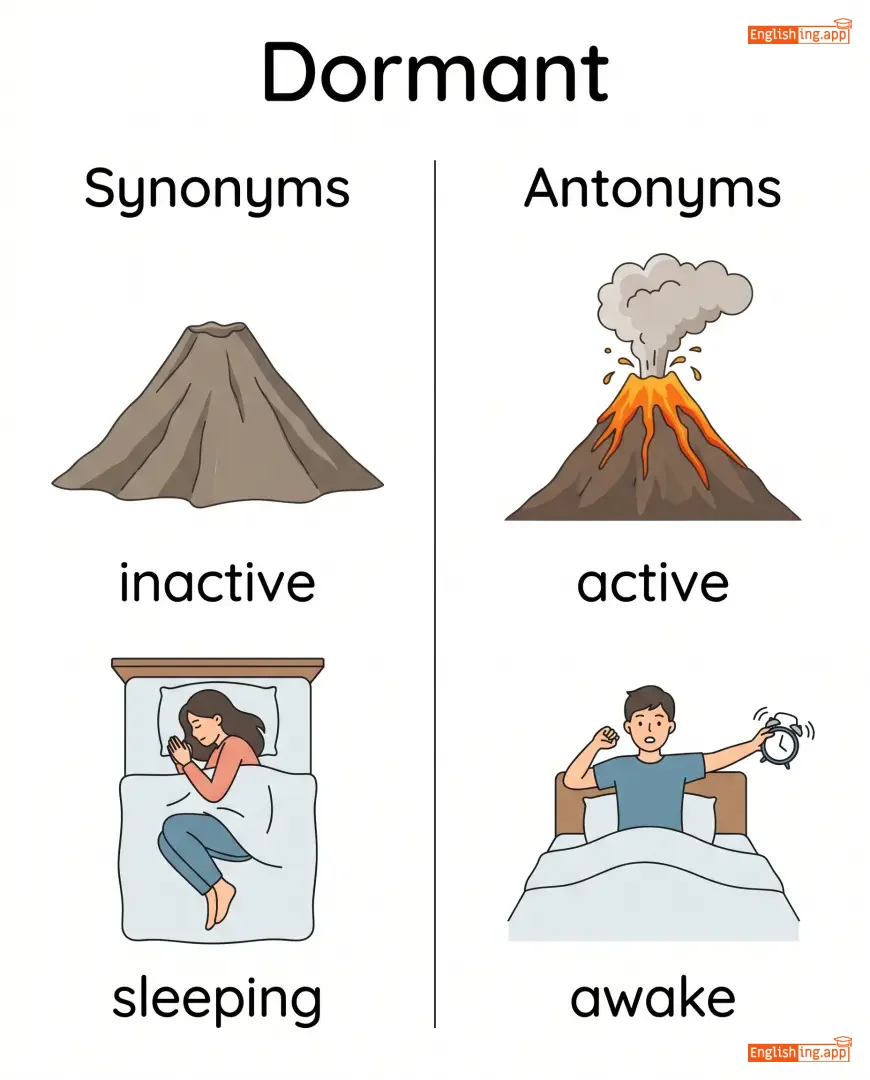
inactive, sleeping, latent, quiescent
••••••
|
active, awake, alert, functioning
••••••
|
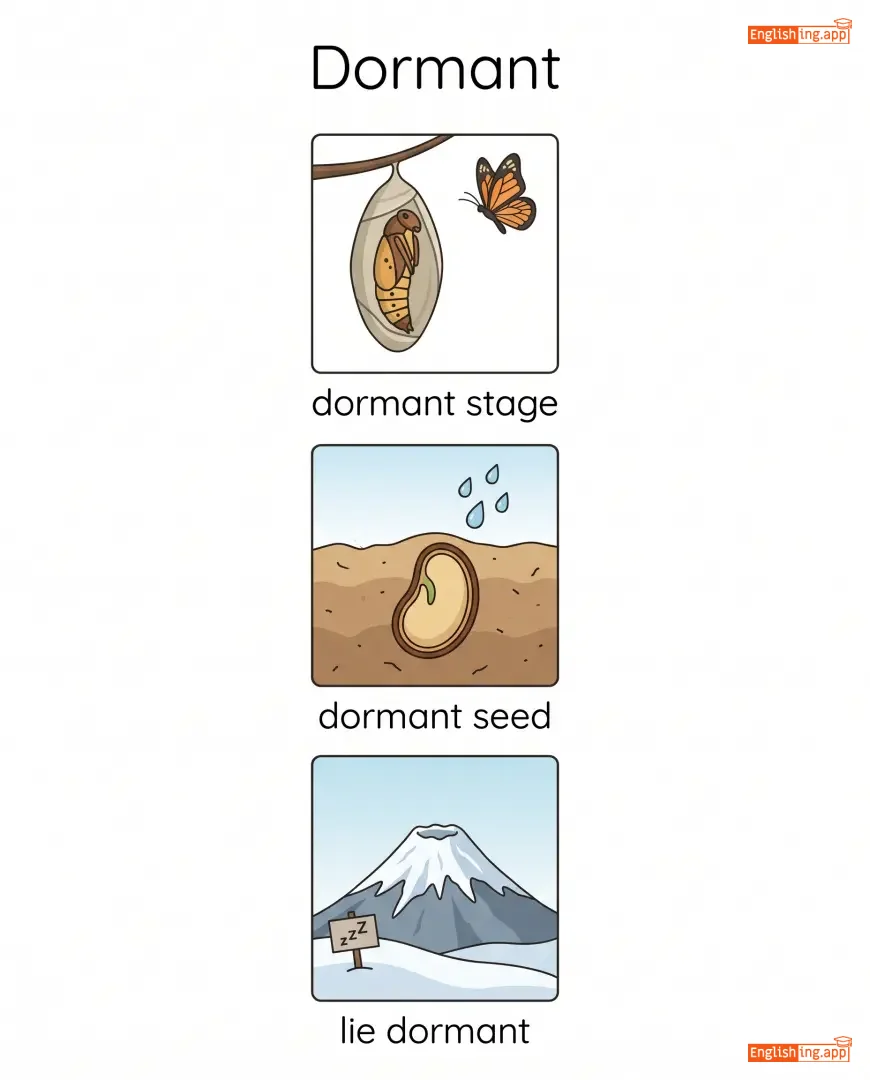
dormant volcano, dormant period, dormant state, dormant account
••••••
|
像沉睡的火山一样,不活跃的事物也可以叫做'dormant'。
••••••
|
|
#186
😌
|
/ˈɜːr.nɪst/
adjective
(厄尔内斯特)
••••••
|
- •••••• |
真诚的; 诚恳的; 表现出深刻和认真的信念
zhēnchéng de; chéngkěn de; biǎoxiàn chū shēnkè hé rènzhēn de xìnniàn
••••••
|
sincere; genuine; showing deep and serious conviction
••••••
|
He made an earnest attempt to solve the problem.
他做出了一个认真尝试去解决这个问题。
••••••
|
他做出了一个认真尝试去解决这个问题。
Tā zuòchūle yīgè rènzhēn chángshì qù jiějué zhège wèntí.
••••••
|
sincere, serious, genuine, heartfelt
••••••
|
insincere, frivolous, casual, superficial
••••••
|
earnest effort, earnest request, earnest conversation
••••••
|
Earnest is like being sincere, which in Chinese is '真诚的'.
••••••
|
|
#187
🤐
|
/dʌm/
adjective
(dʌm)
••••••
|
- •••••• |
愚蠢的; 哑的; 傻的
dumb
••••••
|
unable to speak; silent; lacking intelligence; stupid
••••••
|
She remained dumb during the entire meeting. |
她在整个会议中保持沉默。
ta zai zhengge huiyi zhong baochi chenmo
••••••
|
mute, silent, speechless, stupid
••••••
|
talkative, smart, intelligent, vocal
••••••
|
struck dumb, dumb animal, dumb question, dumb luck
••••••
|
Dumb = 傻的中文
••••••
|
|
#188
😴
|
/ˈdraʊ.zi/
adjective
(dráo zī)
••••••
|
- •••••• |
困倦的; 疲倦的; 无精打采的
kun juan de; pi juan de; wu jing da cai de
••••••
|
feeling sleepy and lethargic; half asleep; tired
••••••
|
I felt drowsy after the heavy meal. |
吃完重餐后我感到困倦。
Chi wan zhong can hou wo gan dao kun juan.
••••••
|
sleepy, tired, lethargic, sluggish
••••••
|
alert, awake, energetic, lively
••••••
|
drowsy feeling, drowsy afternoon, drowsy driver
••••••
|
No •••••• |
|
#189
🌵
|
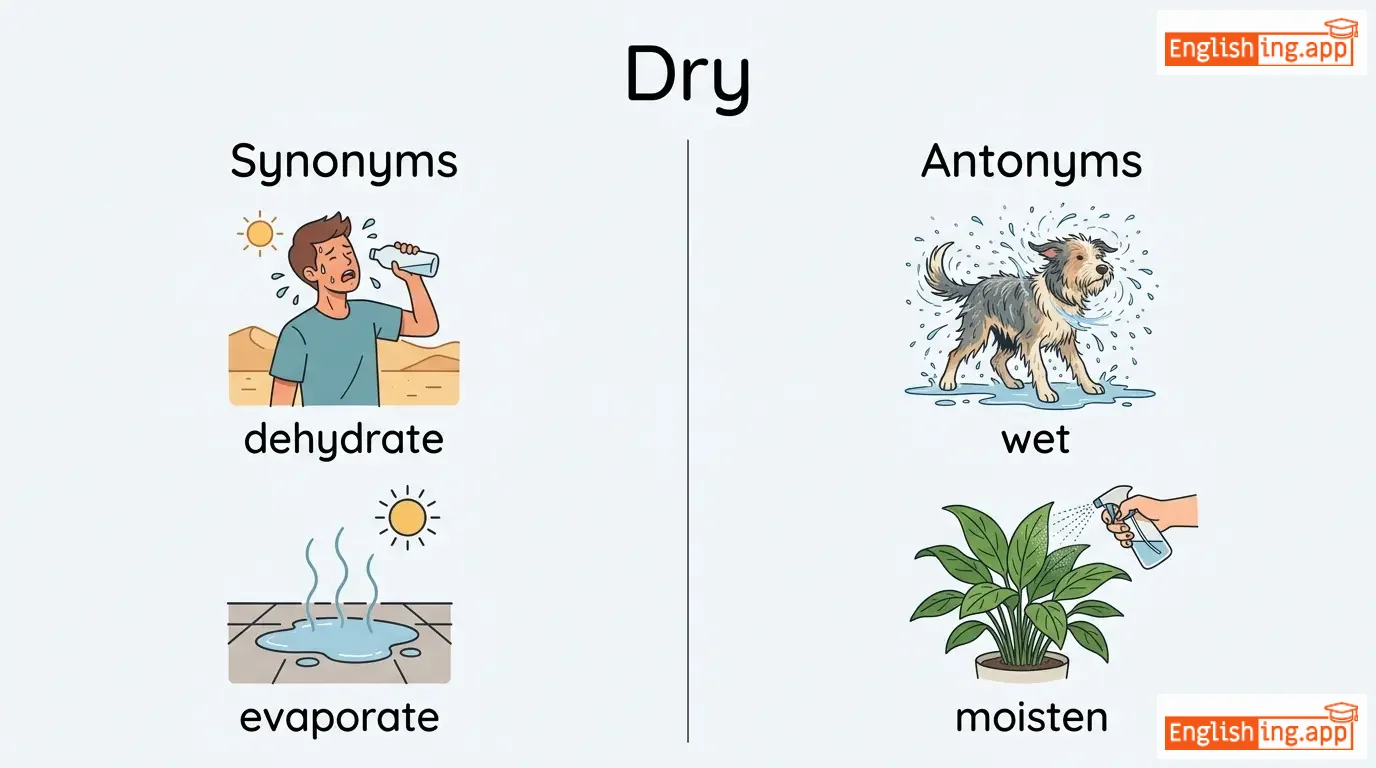
/draɪ/
adjective
(dulai)
••••••
|
|
干燥的; 无湿气或液体; 无聊
ganzao de
••••••
|
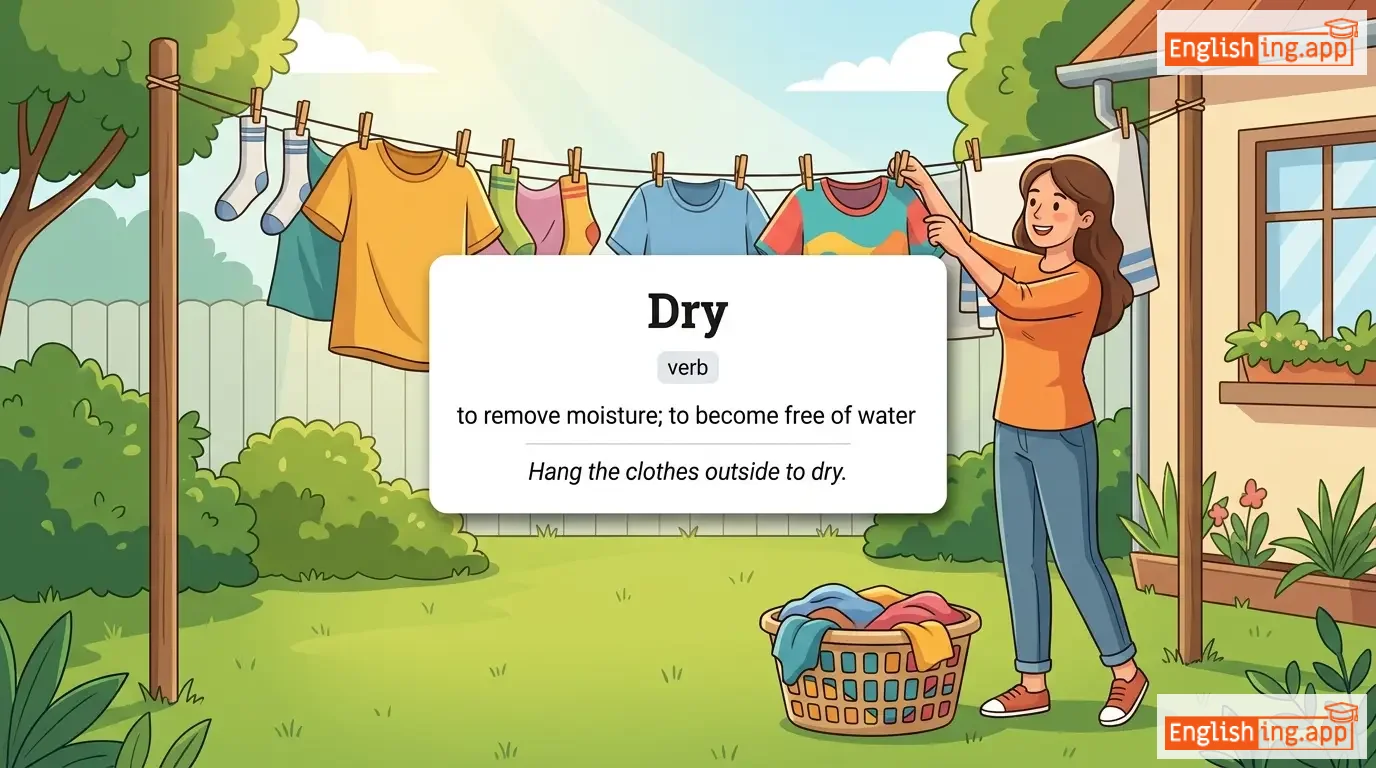
free from moisture or liquid; not wet; lacking interest or excitement
••••••
|
The desert has very dry climate. |
沙漠的气候非常干燥。
Shamo de qihou feichang ganzhao.
••••••
|
arid, parched, dehydrated, withered
••••••
|
wet, moist, humid, damp
••••••
|
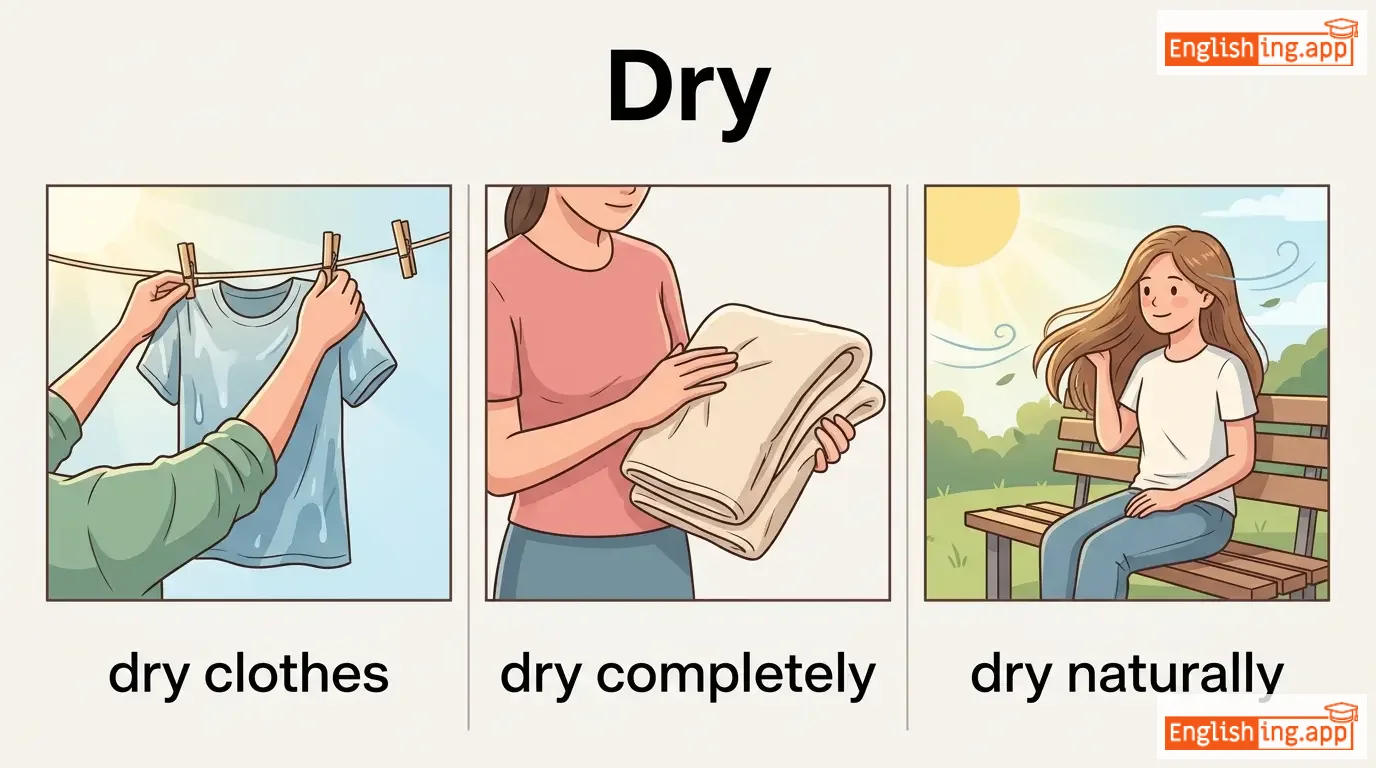
dry weather, dry skin, dry humor
••••••
|
干燥的地方像沙漠,永远没有湿气。
••••••
|
|
#190
🛡️
|
/ˈdjʊərəbəl/
adjective
(dúrable)
••••••
|
- •••••• |
耐用的; 强壮的; 结实的
naiyong de; qiangzhuang de; jieshi de
••••••
|
able to withstand wear, pressure, or damage; lasting; strong
••••••
|
This durable fabric will last for many years. |
这款耐用面料将持续多年。
Zhe kuan nai yong mianliao jiang chixu duonian
••••••
|
lasting, sturdy, strong, long-lasting
••••••
|
fragile, weak, temporary, brittle
••••••
|
durable goods, durable material, durable construction, durable fabric
••••••
|
Chinese '耐用的' (naiyong de) for durable
••••••
|
|
#191
🤔
|
/ˈdaʊt.fəl/
adjective
(dàofú'ěr)
••••••
|
- •••••• |
怀疑的; 不确定的; 对某事感到不确定
huáiyí de; bù quèdìng de; duì mǒu shì gǎndào bù quèdìng
••••••
|
uncertain; questionable; feeling uncertain about something
••••••
|
I am doubtful about the success of this project.
我对这个项目的成功表示怀疑。
••••••
|
我对这个项目的成功表示怀疑。
Wǒ duì zhège xiàngmù de chénggōng biǎoshì huáiyí.
••••••
|
uncertain, questionable, skeptical, suspicious
••••••
|
certain, confident, sure, convinced
••••••
|
doubtful result, doubtful claim, doubtful situation, doubtful expression
••••••
|
Doubt + full = Doubtful; filled with doubt in every part
••••••
|
|
#192
🏺
|
/ˈɜːr.θən/
adjective
(ɛrθən)
••••••
|
- •••••• |
由土或粘土制成; 与陶瓷有关
yóu tǔ huò niántǔ zhìchéng; yǔ táocí yǒuguān
••••••
|
made of earth or clay; relating to pottery or ceramic materials
••••••
|
The kitchen had beautiful earthen pots for storage.
厨房里有美丽的陶土罐用来存储。
••••••
|
厨房里有美丽的陶土罐用来存储。
chúfáng lǐ yǒu měilì de táotǔ guàn yòng lái cúnchǔ.
••••••
|
clay, ceramic, pottery, terracotta
••••••
|
metallic, plastic, synthetic, artificial
••••••
|
earthen pot, earthen vessel, earthen floor
••••••
|
泥土和陶瓷的结合是陶器的艺术。
••••••
|
|
#193
👥
|
/ˈduː.əl/
adjective
(双重)
••••••
|
- •••••• |
双重的
shuāngchóng de
••••••
|
having two parts or consisting of two elements; double
••••••
|
She has dual citizenship of both countries. |
她拥有两个国家的双重国籍。
Tā yǒngyǒu liǎng gè guójiā de shuāngchóng guójí.
••••••
|
double, twin, paired, binary
••••••
|
single, sole, individual, unique
••••••
|
dual purpose, dual citizenship, dual nature
••••••
|
双重意味着两个部分,像 dual
••••••
|
|
#194
🙏
|
/ˈdjuːtɪfəl/
adjective
(dùtífú)
••••••
|
- •••••• |
尽职的;尊敬的;顺从的
jìnzhí de; zūnjìng de; shùncóng de
••••••
|
conscientiously fulfilling one's duty; obedient; respectful
••••••
|
She is a dutiful daughter who always helps her parents. |
她是一个尽职的女儿,总是帮助她的父母。
Tā shì yīgè jìnzhí de nǚ'ér, zǒng shì bāngzhù tā de fùmǔ.
••••••
|
obedient, loyal, devoted, responsible
••••••
|
disobedient, rebellious, neglectful, irresponsible
••••••
|
dutiful son, dutiful wife, dutiful employee, dutiful citizen
••••••
|
Think of a dutiful daughter who is always obedient and respectful.
••••••
|
|
#195
🎭
|
/drəˈmæt.ɪk/
adjective
(戏剧性)
••••••
|
- •••••• |
戏剧性的; 突然且惊人; 激动人心且印象深刻
xìjùxìng; túrán qiě jīngrén; jīdòng rén xīn qiě yìnxiàng shēnkè
••••••
|
relating to drama; sudden and striking; exciting and impressive
••••••
|
The dramatic sunset painted the sky in brilliant colors.
戏剧性的日落将天空涂上了明亮的色彩。
••••••
|
戏剧性的日落将天空涂上了明亮的色彩。
Xìjùxìng de rìluò jiāng tiānkōng tú shàng le míngliàng de sècǎi.
••••••
|
theatrical, striking, impressive, exciting
••••••
|
ordinary, boring, undramatic, plain
••••••
|
dramatic change, dramatic effect, dramatic performance, dramatic increase
••••••
|
戏剧性的意思是突如其来的,令人震惊和难以忘怀。
••••••
|
|
#196
🌍
|
/ˈɜːrθ.li/
adjective
(erthli)
••••••
|
- •••••• |
尘世的; 物质的; 世界的
chenshi de; wuzhi de; shijie de
••••••
|
relating to the earth or human life; worldly; material rather than spiritual
••••••
|
He focused on earthly pleasures rather than spiritual growth.
他专注于尘世的乐趣,而不是精神上的成长。
••••••
|
他专注于尘世的乐趣,而不是精神上的成长。
Tā zhuānzhù yú chénshì de lèqù, ér bùshì jīngshén shàng de chéngzhǎng.
••••••
|
worldly, temporal, material, mundane
••••••
|
spiritual, heavenly, divine, celestial
••••••
|
earthly possessions, earthly life, earthly concerns
••••••
|
Earthly things in Chinese are '尘世的' (worldly pleasures).
••••••
|
|
#197
⏰
|
/duː/
adjective
(diu)
••••••
|
- •••••• |
到期的; 预计的; 安排好的
daoqi de; yujide; anpai hao de
••••••
|
owed as a debt; expected at a certain time; scheduled
••••••
|
The assignment is due tomorrow.
作业明天到期。
••••••
|
作业明天到期。
Zuoye mingtian daoqi.
••••••
|
owed, expected, scheduled, pending
••••••
|
early, premature, ahead, unscheduled
••••••
|
due date, due process, payment due
••••••
|
'Due' sounds like ‘到期的’, meaning something expected or scheduled.
••••••
|
|
#198
⚠️
|
/ˈdræs.tɪk/
adjective
(drastic)
••••••
|
- •••••• |
剧烈的; 严重的; 产生强烈或深远影响的
jùliè de; yánzhòng de; chǎnshēng qiángliè huò shēnyuǎn yǐngxiǎng de
••••••
|
extreme; severe; having a strong or far-reaching effect
••••••
|
The company took drastic measures to reduce costs. |
公司采取了剧烈的措施来减少成本。
Gōngsī cǎiqǔle jùliè de cuòshī lái jiǎnshǎo chéngběn.
••••••
|
extreme, severe, radical, harsh
••••••
|
mild, gentle, moderate, gradual
••••••
|
drastic measures, drastic changes, drastic action, drastic reduction
••••••
|
在紧急情况下,必须采取剧烈措施来解决问题。
••••••
|
|
#199
💀
|
/ˈdaɪɪŋ/
adjective
(daɪɪŋ)
••••••
|
- •••••• |
临终; 即将死亡;
daying
••••••
|
approaching death; in the process of dying; fading away
••••••
|
The dying plant needs water immediately. |
临终的植物需要立即浇水。
Linzhong de zhiwu xuyao liji jiaoshui
••••••
|
perishing, expiring, fading, declining
••••••
|
living, thriving, growing, flourishing
••••••
|
dying breath, dying wish, dying light, dying fire
••••••
|
临终时的植物在等待水分,就像快死的人一样。
••••••
|
|
#200
🌅
|
/ˈiː.stərn/
adjective
(í sī tè ér nì)
••••••
|
- •••••• |
东方的
dongfang de
••••••
|
relating to or situated in the east; from or characteristic of the eastern part of the world
••••••
|
She studied Eastern philosophy at the university.
她在大学学习东方哲学。
••••••
|
她在大学学习东方哲学。
Tā zài dàxué xuéxí dōngfāng zhèxué.
••••••
|
oriental, Asian, eastward, dawn-side
••••••
|
western, occidental, westward, sunset-side
••••••
|
Eastern culture, Eastern medicine, Eastern philosophy
••••••
|
记住'东方的'就是'东部' (dongfang).
••••••
|
Vocabulary Quiz
Test your vocabulary by matching words with their translations or meanings.
Login to take the quiz
Comments (0)
Share your thoughts and join the discussion.
Join the discussion by logging in
Login to CommentNo comments yet
Be the first to share your thoughts!